EP0225254A2 - Einen spezifischen Antikörper enthaltender Stoff aus Eiern, Verfahren zu dessen Herstellung und seine Anwendung - Google Patents
Einen spezifischen Antikörper enthaltender Stoff aus Eiern, Verfahren zu dessen Herstellung und seine Anwendung Download PDFInfo
- Publication number
- EP0225254A2 EP0225254A2 EP86402595A EP86402595A EP0225254A2 EP 0225254 A2 EP0225254 A2 EP 0225254A2 EP 86402595 A EP86402595 A EP 86402595A EP 86402595 A EP86402595 A EP 86402595A EP 0225254 A2 EP0225254 A2 EP 0225254A2
- Authority
- EP
- European Patent Office
- Prior art keywords
- antigen
- specific antibody
- substance
- hen
- antibody
- Prior art date
- Legal status (The legal status is an assumption and is not a legal conclusion. Google has not performed a legal analysis and makes no representation as to the accuracy of the status listed.)
- Granted
Links
Images

Classifications
-
- C—CHEMISTRY; METALLURGY
- C07—ORGANIC CHEMISTRY
- C07K—PEPTIDES
- C07K16/00—Immunoglobulins [IG], e.g. monoclonal or polyclonal antibodies
- C07K16/02—Immunoglobulins [IG], e.g. monoclonal or polyclonal antibodies from eggs
-
- A—HUMAN NECESSITIES
- A61—MEDICAL OR VETERINARY SCIENCE; HYGIENE
- A61K—PREPARATIONS FOR MEDICAL, DENTAL OR TOILETRY PURPOSES
- A61K38/00—Medicinal preparations containing peptides
-
- Y—GENERAL TAGGING OF NEW TECHNOLOGICAL DEVELOPMENTS; GENERAL TAGGING OF CROSS-SECTIONAL TECHNOLOGIES SPANNING OVER SEVERAL SECTIONS OF THE IPC; TECHNICAL SUBJECTS COVERED BY FORMER USPC CROSS-REFERENCE ART COLLECTIONS [XRACs] AND DIGESTS
- Y10—TECHNICAL SUBJECTS COVERED BY FORMER USPC
- Y10S—TECHNICAL SUBJECTS COVERED BY FORMER USPC CROSS-REFERENCE ART COLLECTIONS [XRACs] AND DIGESTS
- Y10S530/00—Chemistry: natural resins or derivatives; peptides or proteins; lignins or reaction products thereof
- Y10S530/861—Chemistry: natural resins or derivatives; peptides or proteins; lignins or reaction products thereof involving IgG3, IgG4, IgA, or IgY
Definitions
- This invention relates to a specific antibody-containing substance which is produced from an egg of a hen immunized against a selected antigen and which contains an antibody specific for the antigen, as well as a method of the production and use thereof.
- the present invention also relates to a substance which is produced from an egg of a hen immunized against a selected antigen and which contains a transfer factor-like component specific for the antigen, as well as a method of the production and use thereof.
- U.S. Patent No. 4,402,938 discloses a method which comprises introducing pre-partum an antigen into the udder of an ungulate, collecting the colostrum and milk produced following the colostrum, removing the fat and solids from the colostrum and milk so that only whey remains, and passing the whey through a filter having a pore size of about 0.2 microns in an ultrafiltration unit to yield as a filtrate a product which contains an unknown food factor having a molecular weight on the order of l200 or less.
- the antigen can be selected from pollen, bacteria, viruses, molds, allergens, blood from sick animals, sperm, and toxins.
- the product which contains the above food factor is useful as a nutrition supplement for animals.
- the antigen must be administered to the ungulate during the last month of gestation, and it is critical to collect the colostrum which is produced for a very limited period, usually a few days, after parturition.
- the production of the above-mentioned food factor in a large amount necessitates a vast farm, and it is very difficult to use such a vast farm for constant practice of the above method in countries having limited land such as Japan or the U.K.
- the product obtained by the ultrafiltration with a filter having a pore size of about 0.2 microns may contain, in addition to the food factor, B lysin, conglutinin, interferon, lactoferrin, lactoperoxidase, B lymphocytes, T lymphocytes, lysozyme, macrophages, polypeptides, properdin, and thiocyanate, while proteins, globulins, and other large molecules having a molecular weight on the order of l200 or more are removed from the product.
- These large molecules which are removed from the product and not used in the above method comprise beneficial active substances such as globulins, which contain an antibody specific for the antigen used in the immunization, and such specific antibody has a capability of protecting an animal when it is exposed to the same antigen.
- beneficial active substances such as globulins, which contain an antibody specific for the antigen used in the immunization, and such specific antibody has a capability of protecting an animal when it is exposed to the same antigen.
- Japanese Patent Laid-Open Application No. 60-248628 describes that a specific antibody or a specific antibody-containing fraction separated from an egg of a fowl or milk of a bovid which has been immunized against an antigen can be used for heterogeneous passive immunization of an animal against attacks by the same antigen as used in the immunization provided that the animal has acquired resistance to heterogeneous antibodies of the fowl or bovid by feeding the animal with a substance containing the heterogeneous antibodies such as milk or eggs for a long period in the range of 30 to 90 days.
- Example 2 of that laid-open application an ovular antibody-containing fraction was injected twice into rabbits which had not acquired resistance to the antibody. As a result, all the animals died due to anaphylactic shock.
- the method of passive immunization disclosed in the above laid-open application requires a long period of at least 30 days before an animal is treated by the passive immunization using an ovular or bovine antibody. This means that it is very difficult to apply the method to actual treatment of infectious diseases.
- the period required to acquire resistance to an antibody largely depends on the species, age, and health of the animal, the above method always involves the risk that it induces a serum sickness or even anaphylactic shock by a premature, repeated administration of the antibody.
- Example 3 of the laid-open application In which an ovular antibody against Streptococcus mutans (Serotype C) was repeatedly administered per os . to germ-free rats which had not acquired resistance to ovular antibodies, and after 20 days the animals were challenged by bacteria of the same strain. The results were evaluated by the number of plaques found in molar teeth. However, there were no statistically significant differences between the results for the administered group and the control group. Furthermore, the experiment was conducted in germ-free rats which do not exist naturally by oral administration thereto of S. mutans , a bacterium which acts on cariogenesis in humans rather than rats. Therefore, the experiments do not provide reliable information on therapeutical effect which is attained by administration of the anitibody or antibody-containing fraction disclosed in the laid-open application.
- a substance which contains a specific antibody or antibody-like factor has prospective usefulness as additives in foods for livestock and poultry, cosmetics, and medicines, and in the field of serodiagnosis. Accordingly, it is desired to provide an antibody or antibody-like factor specific for a selected antigen or a substance containing such an antigen or antigen-like factor which can be produced in large amounts and inexpensively.
- a further object of the present invention is to provide the use of such a substance which contains a specific antibody or transfer factor-like component as an active ingredient in the treatment of infectious or other diseases, and as additives in food for livestock and poultry, cosmetics, and medicines.
- the present invention provides a specific antibody-containing substance for oral applications obtained from the overall ovum or the yolk or albumen of an egg laid by a hen which has been immunized against a selected antigen.
- the substance contains an antibody specific for the antigen used in the immunization of the hen, and is active against the antigen.
- the desired antibody-containing substance is produced from an egg, and therefore it is possible to produce it inexpensively in large quantities at any season of the year.
- the specific antibody-containing substance may be the specific antibody per se (i.e., the immunoglobulin fraction) isolated from the overall ovum, yolk, or albumen of the egg in a conventional manner.
- the overall ovum, yolk, or albumen which contains the specific antibody may be stirred or homogenized into an emulsion and spray-dried to form a powder, which is recovered as the desired antibody-containing substance according to the present invention.
- the powder can be orally administered to animals affected by an intestinal infectious disease for therapeutical purposes.
- the present invention provides a substance for oral and parenteral applications which contains a specific transfer factor-like component and which is obtained from a fraction of at most l0,000 molecular weight of the overall ovum or the yolk or albumen of an egg laid by a hen which has been immunized against a selected antigen.
- the transfer factor-like component contained in the substance is specific for the antigen used in the immunization and would have an activity for passive transfer of delayed-type hypersensitivity.
- Such substance contains no antibodies or immunoglobulins so that it can be applied parenterally. It is particularly useful in the treatment of various infectious diseases other than intestinal infectious diseases, as well as for use as additives in food for livestock and poultry, cosmetics, and medicines.
- the residual portion of the overall ovum, yolk, or albumen from which the fraction of at most l0,000 in molecular weight has been separated out to produce the above substance contains an antibody specific for the selected antigen, and can be utilized to produce the specific antibody-containing substance mentioned in the preceding paragraph.
- a hen is immunized against a selected antigen.
- the antigen may be any substance to which the immune system of an animal will respond, and it can be selected according to the end use of the produced substance.
- the antigens which can be used in the present method include pollen, bacteria, viruses, molds, allergens, blood from affected animals, sperm, and toxins. A combination of two or more antigens or a polyvalent antigen may also be employed.
- an antigen from pathogenic bacteria or factors which cause intestinal infectious diseases in animals In the production of a substance which contains a specific antibody, it is preferable to select an antigen from pathogenic bacteria or factors which cause intestinal infectious diseases in animals. Since the antibody-containing substance according to the present invention can be applied to animals only by the oral route in order to avoid the risk of inducing a serum disease or anaphylactic shock, it is particularly beneficial to use such a substance in the treatment or prevention of intestinal infections.
- the pathogenic bacteria or factors which are particularly suitable for use in the production of an antibody-containing substance in the present invention include those coliform bacteria or factors which cause colibacillosis, particularly diarrhea such as "scour" in young amimals such as piglets or calves.
- porcine ETEC enteroxigenic E. coli 987P, K88, and K99 antigens.
- Colibacillosis is a serious problem in livestock farming, since a new-born piglet or calf sometimes does not receive sufficient immunoglobulins from colostrum and therefore a considerable proportion of young piglets or carves suffer colibacillosis and scour, which are characterized by severe diarrhea and dehydration, and which frequently result in death.
- the antigen used for this purpose can be selected from a wide variety of materials as listed above which act as an antigen in an animal, since such a substance is free of any antibody and can be applied parenterally with no risk of causing serum diseases and anaphylactic shock.
- the antigen used for immunization is preferably selected from inactivated antigens, attenuated antigens, and subunit antigens.
- the immunization of a hen against a selected antigen may be performed by inoculation with the antigen by any appropriate route such as subcutaneous, intraperitoneal, intramuscular, or intravenous injection, or oral administration.
- a suitable adjuvant is administered in conjunction with the antigen to enhance the immunization.
- An adjuvant useful for this purpose is a water-in-oil emulsion adjuvant such as complete Freund's adjuvant. It has been found that the use of a suitable adjuvant is highly effective to maintain a high antibody titer in the eggs of an immunized hen for a prolonged period, thereby making it possible to produce the desired antibody-containing substance efficiently.
- the dose of the antigen is determined depending on the type of the antigen and adjuvant and the administration route in such a manner that an immune status is induced in the hen without developing excessive toxicity of the antigen therein.
- the hen becomes sensitive to the antigen, i.e., immunized against the antigen.
- a specific antibody against the antigen is produced within the body of the hen, and an egg laid by the hen contains the specific antibody.
- the presence and the titer level of the specific antibody against the antigen in the hen and in eggs of the hen can be confirmed by a number of methods known to those skilled in the art of immunological tests.
- one or more boosters at an appropriate dose level may be administered in order to maintain a high antibody titer in the hen.
- a suitable adjuvant may be used in conjunction with the antigen.
- the interval between the initial immunization and the first booster administration and between individual booster administrations depends on the type of the antigen and is preferably at least two weeks.
- an egg laid by the hen is collected, and if necessary, stored until use.
- a plurality of eggs laid by one or more hens which have been immunized against the same antibody are collected and processed together to produce the desired substance which contains an antibody or a transfer factor-like component specific for the antigen.
- the yolk or albumen or the overall ovum of each egg is separated. Since most antibodies are contained in the yolk of an egg, the yolk is usually separated for use in the production of the desired substance. However, specific antibodies against some antigens are believed to be primarily present in the albumen of an egg, and if such an antigen is used in the immunization of the hen, the albumen of each egg will be used in the production method according to the present method. In some cases, both the yolk and albumen (overall ovum) of each egg may be used.
- the separated yolk or albumen or both which contains an antibody against the inoculated antigen is then homogenized or agitated strongly to form an emulsion.
- water may be added to the homogenizer.
- the resulting emulsion is directly dried to form a powder by a conventional technique such as spray drying or lyophilizing which does not cause a significant loss of the activity of the antibody.
- the powder thus obtained contains the specific antibody, and can be used as an antibody-containing substance for oral administration according to the present invention.
- the desired specific antibody-containing substance can be produced without complicated procedures for isolation of the immunoglobulin fraction from the emulsion. Such isolation procedures have been generally employed in the prior art for the production of antibody-containing substances.
- the antigen used in immunization of the hen is a bacterium which causes intestinal infectious diseases such as colibacillosis in calves or piglets
- the antibody-containing powder obtained from an egg, usually the yolk thereof, of the immunized hen in the above manner has an activity against the antigen and therefore it is effective in protection of calves or piglets from attack by the same bacterium used in the immunization.
- the powder can be used in the prevention or treatment of intestinal infectious diseases such as colibacillosis and scours by oral administration of the powder.
- the specific antibody-containing substance is also useful as additives in foods for livestock and poultry, cosmetics, and medicines, and in the field of serodiagnosis.
- the emulsion of the egg yolk, albumen, or both of immunized hen or hens is separated into a fraction having a molecular weight of at most l0,000 and the remaining fraction having a larger molecular weight by means of ultrafiltration.
- the former fraction having a molecular weight of at most l0,000 is used to recover a substance which contains a transfer factor-like component specific for the antigen, while the remaining fraction which contains immunoglobulins having a molecular weight on the order of about l50,000 or greater can be used to produce a specific antibody-containing substance following the above-mentioned procedure, i.e., direct drying of the fraction into powder.
- the above separation by ultrafiltration may be carried out, for example, as follows.
- lN hydrochloric acid is added to lower the pH sufficiently to cause precipitation of some solids, e.g., to pH 4.5.
- the supernatant is neutralized with lN NaOH.
- the acidification and neutralization are preferably carried out with mild stirring.
- the fraction may be treated with an organic solvent such as chloroform.
- the supernatant is then passed through an ultrafilter having a pore size through which those molecules having a molecular weight of at most l0,000 can pass.
- This pore size is approximately 0.45 microns.
- the pore size of the ultrafilter may be varied as long as the ultrafiltration is effective to remove substantially all the immunoglobulins, viruses, mycoplasmas, and bacteria.
- the fraction passing through the ultrafilter is collected.
- the collected fraction, i.e., the filtrate contains a transfer factor-like component as an active ingredient which is specific for the antigen used in the immunization.
- the filtrate is free of any virus, mycoplasma, bacterium, or immunoglobulin. All these procedures are preferably carried out at temperatures which are at most slightly above room temperature, e.g., in the temperature range of from 0 to 25°C.
- the filtrate thus obtained can be used as a substance containing a transfer factor-like component in accordance with the present invention, and it may be stored as a solution, or dried to form a powder or granules by a conventional technique such as lyophilizing.
- the thus obtained substance which contains a transfer factor-like component has prospective usefulness in the treatment and prevention of various infectious diseases, and as additives in food for livestock and poultry, cosmetics, and medicines. Since this substance is free of any antibody or immunoglobulin, it can be administered parenterally without the need for previous acquisition of resistance to antibodies against the antigen, and without a risk of causing serum diseases and anaphylactic shock. Therefore, it would be beneficial in the treatment and prevention of various infectious diseases including intestinal and other diseases, and it can be administered whenever such administration is required.
- the immunological functions of the transfer factor-like component contained in the above fraction having a molecular weight of at most l0,000 are not known. It is believed that this fraction contains, in addition to the transfer factor-like component, the food factor having a molecular weight of at most about l200 described in the aforementioned U.S. Patent No. 4,402,938. There is a possibility that a part of the transfer factor-like component is the same as the food factor described in that U.S. patent. Accordingly, it is assumed that the above fraction containing a specific transfer factor-like component is useful as a nutrition supplement as is the food factor of the above U.S. patent.
- the remaining fraction which could not pass through the ultrafilter contains immunoglobulins, and therefore it can be used to produce an antibody-containing powder by drying into a powder in a conventional manner.
- the remaining fraction, or the yolk, albumen or both which contains the specific antibody may be subjected to a conventional fractionation or purification procedure prior to drying into powder.
- the specific antibody-containing substance may be recovered as an emulsion or solution itself without drying into powder, but it is convenient and preferable to recover it as a solid such as a powder or granules for ease of storage.
- the method of the present invention many animals can be readily used at once to immunize against the selected antigen, and many different antigens can be readily used simultaneously to produce their respective antibodies, because the animals used in immunization are hens. Therefore, a substance which contains a specific antibody or a specific transfer factor-like substance can be produced inexpensively and in large amounts in any season of the year. It is also possible to systematically produce a number of these substance which contain a wide variety of different specific antibodies at the same time.
- the yolk, albumen, or overall ovum of an egg of an immunized hen is simply dried to form a powder after homogenization to yield the desired product without fractionation such as ultrafiltration.
- This embodiment is particularly advantageous due to the very simple procedure involved therein.
- an adjuvant is used in conjuction with the anitgen in the immunization of a hen, an antibody against the antigen is formed in such a manner that a high antibody titer is maintained in eggs of the hen for a prolonged period, thereby making it possible to produce the desired substance extremely efficiently and inexpensively.
- the antibody-containing substance according to the present invention can be used in the treatment or prevention of intestinal infectious diseases such as colibacillosis and diarrhea in livestock by oral administration of the substance when a bacterium causing such a disease is used as an antigen in the immunization of a hen.
- the administration to an animal can be performed at any time without the need for the animal to acquire resistance to ovualr antibodies.
- the antibody-containing substance is recovered directly from the yolk, albumen, or both of an egg without fractionation, it contains, in addition to the specific antibody against the antigen, a transfer factor-like component contained in a fraction thereof having a molecular weight of l0,000 or less. Thus, it is useful for nutrition supplements, or as an additive to food for animals, cosmetics and medicines.
- This example illustrates the preparation of a specific antibody-containing egg yolk powder from eggs of immunized hens.
- a 987P antigen which is a porcine ETEC (enterotoxigenic E. coli ) known to cause diarrhea in pigs was injected intramuscularly into experimental mature hens at a dose of about l.5 mg per animal to give the animals initial immunization against the antigen.
- a water-in-oil emulsion type adjuvant which contained cells of dead tubercle bacillus was used in conjunction with the antigen.
- the same antigen and adjuvant were injected in the same manner as a booster administration at a dose of about l.5 mg per animal.
- the eggs laid by the immunized hens were collected in order to produce an antibody-containing egg yolk powder as follows.
- the eggs laid by hens immunized against the same antigen were pooled and the yolks of these eggs were separated and combined together.
- the combined yolks were then homogenized and the yolk homogenate was directly spray dried into a powder, which was recovered as an antibody-containing product.
- the powder was stored at 37°C in air.
- the stability of the antibody-containing yolk powder stored at 37°C was evaluated as follows. A one gram sample of the yolk powder before and after storage for various periods was dispersed in 9 ml of PBS (phosphate-buffered saline), and an equal volume of chloroform was added to the dispersion. After the mixture was vigorously shaken, it was centrifuged at 3000 rpm for 20 minutes. The supernatant was collected as the antibody-containing fraction, and the antibody titer of the supernatant was determined by an agglutination reaction with the antigen. The results are shown in Table l below.
- the antibody titer remained unchanged during storage for at least 6 months in all the powder products of different lots derived from various antigens.
- the antibody-containing yolk powder thus obtained can be administered to animals by the oral route and is useful for the prevention and treatment of colibacillosis and diarrhea in animals, particularly pigs. It is also useful as an additive to food for animals.
- This example illustrates the preparation of a substance which contains a transfer factor-like component specific for the antigen used in immunization of a hen.
- Mature hens were immunized against 987P+ETEC in the manner described in Example l, and after the antibody titer of the egg yolks of the immunized hens reached a maximum value, eggs of the hens were collected. About 5 kg of the overall ova (yolk plus albumen) of these eggs which contained a specific antibody against the 987P antigen were stirred to form an egg emulsion. The egg emulsion was diluted with an equal volume of PBS and stirred in a mixer for l5 minutes. To the dilute egg emulsion, lN hydrochloric acid was added to adjust the pH of the emulsion to 4.5 and the emulsion was stirred for an additional l5 minutes.
- the precipitated solids were removed by high-speed centrifuging. After the supernatant was neutralized with lN NaOH solution, it was passed through an ultrafilter having a pore size of 0.45 microns so as to collect a fraction having a molecular weight of about l0,000 or less. The collected fraction contained a transfer factor-like component specific for the antigen used in the immunization (987P+ETEC).
- This example illustrates the therapeutic activity of the antibody-containing egg yolk powder obtained in Example l from the hens immunized against 987P antigen of porcine ETEC.
- Example l l.5 g of the spray dried egg yolk powder obtained in Example l which contained a specific antibody against 987P+ETEC antigen and had an antibody titer of l000 was administered as a solution in an artificial milk whenever the milk was fed to the animal three times a day.
- the administration of the egg yolk powder conducted in the above manner three times a day was continued to the end of the experiment in the animals of an administered group.
- the newborn animal was challenged by the same 987P antigen as used in the immunization of the hens by oral administration of the antigen at a dose of 2 ⁇ l010 cells per animal.
- Each of the newborn pigs of a control group was challenged by the above antigen in the same manner while they were fed on the same milk in which the above antibody-containing egg yolk powder was not dissolved.
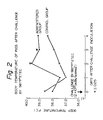
- Fig. 2 which shows the variation in body temperature of the test animals after challenge by the antigen, 987P+ETEC, it can be seen that the body temperature of the animals in the administered group initially decreased but was soon recovered to the original level (about 2 days after the challenge). On the contrary, the recover of body temperature of the animals in the control group required a few days longer.
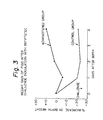
- Fig. 3 which shows the weight gain of newborn pigs in the administered and cotrol groups
- the weight gain of the pigs in the administered group transiently decreased, but attained to the normal level 2 days after the birth.
- the weight gain of the control pigs rapidly decreased after the challenge, and the growth suppression due to the challenge persisted until 4 days after the birth.
- the specific antibody-containing yolk powder according to the present invention has a therapeutic activity in the protection of an animal from challenge by the antigen used in the immunization of hens.
Landscapes
- Chemical & Material Sciences (AREA)
- Organic Chemistry (AREA)
- Health & Medical Sciences (AREA)
- General Health & Medical Sciences (AREA)
- Biochemistry (AREA)
- Biophysics (AREA)
- Life Sciences & Earth Sciences (AREA)
- Genetics & Genomics (AREA)
- Medicinal Chemistry (AREA)
- Molecular Biology (AREA)
- Proteomics, Peptides & Aminoacids (AREA)
- Immunology (AREA)
- Medicines Containing Antibodies Or Antigens For Use As Internal Diagnostic Agents (AREA)
- Coloring Foods And Improving Nutritive Qualities (AREA)
Applications Claiming Priority (4)
| Application Number | Priority Date | Filing Date | Title |
|---|---|---|---|
| JP26410885 | 1985-11-25 | ||
| JP264108/85 | 1985-11-25 | ||
| JP218859/86 | 1986-09-17 | ||
| JP61218859A JPH0753669B2 (ja) | 1985-11-25 | 1986-09-17 | 鶏卵からの特異的抗体含有材料およびその製造方法と用途 |
Publications (3)
| Publication Number | Publication Date |
|---|---|
| EP0225254A2 true EP0225254A2 (de) | 1987-06-10 |
| EP0225254A3 EP0225254A3 (en) | 1989-04-26 |
| EP0225254B1 EP0225254B1 (de) | 1994-03-16 |
Family
ID=26522788
Family Applications (1)
| Application Number | Title | Priority Date | Filing Date |
|---|---|---|---|
| EP86402595A Expired - Lifetime EP0225254B1 (de) | 1985-11-25 | 1986-11-21 | Einen spezifischen Antikörper enthaltender Stoff aus Eiern, Verfahren zu dessen Herstellung und seine Anwendung |
Country Status (7)
| Country | Link |
|---|---|
| US (1) | US5080895B1 (de) |
| EP (1) | EP0225254B1 (de) |
| AU (1) | AU600240B2 (de) |
| CA (1) | CA1306946C (de) |
| CH (1) | CH0225254H1 (de) |
| DE (1) | DE3689717T2 (de) |
| ES (1) | ES2052496T3 (de) |
Cited By (10)
| Publication number | Priority date | Publication date | Assignee | Title |
|---|---|---|---|---|
| DE19518232A1 (de) * | 1995-05-12 | 1996-11-14 | Ruediger Dr Schade | Aviäre, vitelline, gegen Stützgewebe gerichtete Antikörper |
| EP0781560A1 (de) * | 1995-12-22 | 1997-07-02 | Biotest Pharma Gmbh | Verwendung von Immunglobulin-Präparationen zur Herstellung eines Medikaments zur oralen Verabreichung zur Behandlung und Prophylaxe chronischer Schmerzzustände |
| US6413515B1 (en) | 1996-03-12 | 2002-07-02 | Ovogenix Immunpharma Gmbh | Avian, vitelline antibodies directed against HIV antigens |
| EP0914156A4 (de) * | 1996-05-24 | 2002-10-30 | Anitox Corp | Passiv verabreichter antikörper, der die futterausnutzung erhöht |
| US6537550B1 (en) | 1997-03-20 | 2003-03-25 | Immun System I.M.S. Ab | Use of avian antibodies |
| WO2003105873A1 (ja) * | 2002-06-13 | 2003-12-24 | 株式会社 トーカイビケン | テイラーメイド製剤及びその製造方法 |
| EP1476184A4 (de) * | 2001-12-28 | 2006-01-04 | Camas Inc | Immunogen-haftung und verfahren zu seiner herstellung und verwendung |
| WO2010052467A3 (en) * | 2008-11-05 | 2011-03-24 | Mars Incorporated | Canine oral cavity probiotics |
| EP2284190A3 (de) * | 2000-09-21 | 2011-08-10 | 4Life Research LC | Transferfaktor aus Vogeleiern |
| DE102011006809A1 (de) * | 2011-04-05 | 2012-10-11 | Freistaat Bayern vertreten durch die Julius-Maximilians-Universität Würzburg | Verwendung eines Mittels aus Antikörpern und/oder Insulin-like growth factor-Antagonisten |
Families Citing this family (60)
| Publication number | Priority date | Publication date | Assignee | Title |
|---|---|---|---|---|
| US5130128A (en) * | 1982-06-03 | 1992-07-14 | Stolle Research & Development Corporation | Use of honey as vaccine |
| US5601823A (en) * | 1989-10-31 | 1997-02-11 | Ophidian Pharmaceuticals, Inc. | Avian antitoxins to clostridium difficle toxin A |
| US5719267A (en) * | 1989-10-31 | 1998-02-17 | Ophidian Pharmaceuticals Inc. | Clostridial toxin disease therapy |
| US5919665A (en) | 1989-10-31 | 1999-07-06 | Ophidian Pharmaceuticals, Inc. | Vaccine for clostridium botulinum neurotoxin |
| US5736139A (en) * | 1989-10-31 | 1998-04-07 | Ochidian Pharmaceuticals, Inc. | Treatment of Clostridium difficile induced disease |
| US5648468A (en) * | 1990-03-09 | 1997-07-15 | Spaulding; Glenn F. | Process for identifying sex associated egg proteins and methods for increasing the probability that the avian offspring will be the desired sex |
| US5753228A (en) * | 1992-08-25 | 1998-05-19 | Arizona Board Of Regents On Behalf Of The University Of Arizona | Method of treating parasitosis by the enteral administration of hyperimmune hen egg yolk antibodies |
| US5585098A (en) * | 1993-11-23 | 1996-12-17 | Ovimmune, Inc. | Oral administration of chicken yolk immunoglobulins to lower somatic cell count in the milk of lactating ruminants |
| US5814316A (en) * | 1994-08-05 | 1998-09-29 | Wisconsin Alumni Research Foundation | Compound to mimick a naturally occurring peptide's effect |
| KR100406912B1 (ko) * | 1994-08-05 | 2004-02-18 | 위스콘신 얼럼나이 리서어치 화운데이션 | 사료효율을향상시키기위하여사용되는cck항체 |
| CN1176658A (zh) | 1994-10-24 | 1998-03-18 | 蛇药制品有限公司 | 治疗和预防艰难梭菌疾病的疫苗和抗毒素 |
| US6967088B1 (en) | 1995-03-16 | 2005-11-22 | Allergan, Inc. | Soluble recombinant botulinum toxin proteins |
| US5725873A (en) * | 1996-07-22 | 1998-03-10 | Wisconsin Alumni Research Foundation | Method of improving the growth or the efficiency of feed conversion of an animal and compositions for use therein |
| JP3430853B2 (ja) * | 1997-04-11 | 2003-07-28 | 株式会社ゲン・コーポレーション | 胃炎、胃潰瘍および十二指腸潰瘍の予防剤並びに治療剤 |
| US7344713B1 (en) * | 1997-07-07 | 2008-03-18 | Pimentel Julio L | Decreased fat absorption with an anti-lipase antibody |
| US6086878A (en) * | 1997-08-21 | 2000-07-11 | Dcv, Inc. | Method of increasing muscle protein and reducing fat in animals |
| US6861572B1 (en) | 1997-11-14 | 2005-03-01 | Origen Therapeutics, Inc. | Production of proteins in eggs |
| CA2311116A1 (en) * | 1997-08-22 | 1999-03-04 | University Of Guelph | Production of proteins in eggs |
| US20050114916A1 (en) * | 1998-08-21 | 2005-05-26 | Etches Robert J. | Production of proteins in eggs |
| US7129390B2 (en) * | 1997-10-16 | 2006-10-31 | Avigenics, Inc | Poultry Derived Glycosylated Interferon Alpha 2b |
| US6803035B2 (en) * | 1998-05-08 | 2004-10-12 | Arkion Life Sciences | Anti-diarrheal and method for using the same |
| US6395273B1 (en) | 1998-06-10 | 2002-05-28 | Promega Corporation | Prevention and treatment of inflammatory bowel disease |
| US7618624B1 (en) | 1999-01-07 | 2009-11-17 | Anitox Corporation | Weight control using an anti-lipase antibody |
| DE19910159A1 (de) * | 1999-02-26 | 2000-09-14 | Rosemarie Heis | Spezifische lgY-Eidotterantikörper, ihre Gewinnung und ihre Verwendung |
| US6213930B1 (en) | 1999-03-15 | 2001-04-10 | Wisconsin Alumni Research Foundation | Method of using anti-phospholipase A2 antibodies to enhance growth or improve feed efficiency |
| US7241443B1 (en) * | 1999-07-15 | 2007-07-10 | Camas Incorporated | Immunogen adherence inhibitor and method of making and using same |
| US7238351B2 (en) * | 1999-07-15 | 2007-07-03 | Peter Nash | Immunogen adherence inhibitor directed to lactic acid producing organisms and method of making and using it |
| WO2001072141A2 (en) | 2000-03-24 | 2001-10-04 | Trouw Nutrition Usa | Combination of plasma and hyperimmunized products for increased performance of weanlings |
| CA2357685A1 (en) * | 2000-09-18 | 2002-03-18 | Chisolm Biological Laboratory, Llc | Transfer factor composition and process for producing same |
| US6506413B1 (en) | 2001-04-30 | 2003-01-14 | Joseph C. Ramaekers | Compositions for treating animal diseases and syndromes |
| US20060073197A1 (en) * | 2004-05-20 | 2006-04-06 | Ramaekers Joseph C | Encapsulated transfer factor compositions and methods of use |
| US20070128253A1 (en) * | 2005-04-13 | 2007-06-07 | Ramaekers Joseph C | Encapsulated transfer factor compositions and methods of use |
| CA2392344A1 (en) * | 2001-07-02 | 2003-01-02 | Nutratech Inc. | Method for removal of pathogens from a localized environment |
| US7534433B2 (en) * | 2002-06-06 | 2009-05-19 | Anitox Corporation | Method for improving body weight gain and feed conversion efficiency in animals |
| JP3995541B2 (ja) * | 2002-06-28 | 2007-10-24 | 株式会社ゲン・コーポレーション | 抗鶏コクシジウム症組成物 |
| WO2004017916A2 (en) | 2002-08-22 | 2004-03-04 | 4Life Research, Lc | Cardiovascular therapy composition including transfer factor and therapeutic methods including use of the composition |
| US9701737B2 (en) * | 2003-02-19 | 2017-07-11 | Camas, Incorporated | Immunogen adherence and method of making and using same |
| ES2371395T3 (es) * | 2003-02-19 | 2011-12-30 | Camas Incorporated | Inhibidor de adherencia de inmunógenos y procedimiento de preparación y uso del mismo. |
| US6866868B1 (en) * | 2003-09-15 | 2005-03-15 | 4Life Research, Lc | Compositions including different types of transfer factor, methods for making the compositions, and methods of treatment using the compositions |
| US7883701B2 (en) * | 2003-12-19 | 2011-02-08 | Wisconsin Alumni Research Foundation | Method for enhancing growth or increasing feed efficiency through reducing binding between endotoxin and its receptor in the gastrointestinal tract |
| WO2005099753A1 (en) * | 2004-04-16 | 2005-10-27 | The Govenors Of The University Of Alberta | Anti-gluten egg yolk antibodies for the treatment of celiac disease |
| CA2521156A1 (en) * | 2005-09-16 | 2007-03-16 | John Hare | Antibodies as growth promoting agents |
| US20090053197A1 (en) * | 2006-06-14 | 2009-02-26 | Ramaekers Joseph C | Transfer Factor Compositions and Methods |
| US9125874B2 (en) | 2007-11-30 | 2015-09-08 | The Ramaekers Family Trust | Administration of transfer factor for improving reproductive health |
| US20080102067A1 (en) * | 2006-10-25 | 2008-05-01 | Cook Mark E | Immunogenic composition |
| BRPI0716319A8 (pt) * | 2006-10-25 | 2019-02-05 | Aovatechnologies Inc | método para reduzir a absorção de fosfato em um indivíduo animal humano ou não-humano correndo o risco de desenvolver ou que desenvolveu hiperfosfatomia e método para reduzir os efeitos colaterais da terapia de vitamina d em um ser humano |
| JP2010508281A (ja) * | 2006-10-26 | 2010-03-18 | ウィスコンシン・アラムナイ・リサーチ・ファウンデイション | リン酸塩吸収の低減方法 |
| US8282928B2 (en) * | 2007-05-30 | 2012-10-09 | The Governors Of The University Of Alberta | Anti-gluten egg yolk antibodies for the treatment of celiac disease |
| WO2008148149A1 (en) * | 2007-06-05 | 2008-12-11 | Anadis Ltd | Method of treatment or inhibition of enterovirus 71 infection |
| RU2491937C2 (ru) | 2007-07-09 | 2013-09-10 | Нестек С.А. | Способы уменьшения аллергических реакций, вызванных аллергенами окружающей среды |
| US9388236B2 (en) * | 2007-07-09 | 2016-07-12 | Nestec Sa | Methods for reducing allergies caused by environmental allergens |
| WO2009035494A2 (en) * | 2007-07-30 | 2009-03-19 | The Scripps Research Institute | Methods for producing anti-glycan antibodies, vaccines and methods for treating cancer or infectious disease |
| US20090074751A1 (en) * | 2007-09-18 | 2009-03-19 | Ramaekers Nutrition, Inc. | Growth factor fraction compositions and methods |
| WO2009070788A1 (en) * | 2007-11-30 | 2009-06-04 | The Ramaekers Family Trust | Compositions and methods for enhancing fertility |
| EP2566521A4 (de) | 2010-05-07 | 2013-11-27 | Camas Inc | Immunogen-anhaftung sowie verfahren zu ihrer herstellung und verwendung |
| ES2742734T3 (es) | 2010-11-23 | 2020-02-17 | Pantheryx Inc | Composiciones y procedimientos para el tratamiento en aplicaciones clínicas de espectro general, no diferenciadas o mixtas |
| MX338863B (es) | 2011-12-16 | 2016-05-01 | Inst Politecnico Nacional | Metodo de obtencion de extracto dializable de leucocitos. |
| US11268951B2 (en) * | 2017-09-20 | 2022-03-08 | Charles River Laboratories International, Inc. | CHO host cell protein assay |
| WO2020176637A1 (en) | 2019-02-26 | 2020-09-03 | Pantheryx, Inc. | Compositions for management of disorders of the gastrointestinal tract |
| WO2022243769A1 (en) | 2021-05-17 | 2022-11-24 | Societe Des Produits Nestle Sa | Cat food supplements comprising an anti-fel-d1 molecule and an animal digest |
Family Cites Families (9)
| Publication number | Priority date | Publication date | Assignee | Title |
|---|---|---|---|---|
| CA1007568A (en) * | 1973-12-13 | 1977-03-29 | Canada Packers Limited | Bovine immunoglobulin isolation process |
| US4550019A (en) * | 1978-03-22 | 1985-10-29 | South Africa Inventions Development Corporation | Manufacture and use of fowl egg antibodies |
| US4357272A (en) * | 1978-03-22 | 1982-11-02 | The South African Inventions Development Corporation | Recovering purified antibodies from egg yolk |
| FR2489690A1 (fr) * | 1979-05-07 | 1982-03-12 | Coturnix | Procede d'obtention de la fraction ovomucoide et d'un extrait d'ovomucoide de l'oeuf de caille, produits ainsi obtenus et leur application a titre de medicament |
| GB2057451B (en) * | 1979-09-05 | 1983-05-05 | South African Inventions | Immunological preparations comprising egg yolk antibodies |
| US4284623A (en) * | 1979-11-09 | 1981-08-18 | Beck Lee R | Method of treating inflammation using bovine milk |
| US4402938A (en) * | 1980-05-29 | 1983-09-06 | Impro Products, Inc. | Food and the method of extracting the same from colostrum and milk |
| US4748018A (en) * | 1984-02-07 | 1988-05-31 | Stolle Research & Development Corp. | Method of passive immunization of mammals using avian antibody |
| US4534971A (en) * | 1982-10-20 | 1985-08-13 | Regents Of The University Of Minnesota | Complexation of anthracycline and anthraquinone antibiotics by the apo riboflavin binding protein from eggs |
-
1986
- 1986-11-21 CH CH86402595.2T patent/CH0225254H1/xx unknown
- 1986-11-21 ES ES86402595T patent/ES2052496T3/es not_active Expired - Lifetime
- 1986-11-21 DE DE3689717T patent/DE3689717T2/de not_active Expired - Lifetime
- 1986-11-21 EP EP86402595A patent/EP0225254B1/de not_active Expired - Lifetime
- 1986-11-21 CA CA000523566A patent/CA1306946C/en not_active Expired - Lifetime
- 1986-11-25 AU AU65648/86A patent/AU600240B2/en not_active Expired
-
1991
- 1991-04-01 US US07679839 patent/US5080895B1/en not_active Expired - Lifetime
Cited By (13)
| Publication number | Priority date | Publication date | Assignee | Title |
|---|---|---|---|---|
| DE19518232A1 (de) * | 1995-05-12 | 1996-11-14 | Ruediger Dr Schade | Aviäre, vitelline, gegen Stützgewebe gerichtete Antikörper |
| EP0781560A1 (de) * | 1995-12-22 | 1997-07-02 | Biotest Pharma Gmbh | Verwendung von Immunglobulin-Präparationen zur Herstellung eines Medikaments zur oralen Verabreichung zur Behandlung und Prophylaxe chronischer Schmerzzustände |
| US5871731A (en) * | 1995-12-22 | 1999-02-16 | Sprotte; Guenter | Oral administration of immunoglobulin preparations for treatment of chronic pain syndrome |
| US6413515B1 (en) | 1996-03-12 | 2002-07-02 | Ovogenix Immunpharma Gmbh | Avian, vitelline antibodies directed against HIV antigens |
| EP0914156A4 (de) * | 1996-05-24 | 2002-10-30 | Anitox Corp | Passiv verabreichter antikörper, der die futterausnutzung erhöht |
| US6537550B1 (en) | 1997-03-20 | 2003-03-25 | Immun System I.M.S. Ab | Use of avian antibodies |
| EP2284190A3 (de) * | 2000-09-21 | 2011-08-10 | 4Life Research LC | Transferfaktor aus Vogeleiern |
| EP1476184A4 (de) * | 2001-12-28 | 2006-01-04 | Camas Inc | Immunogen-haftung und verfahren zu seiner herstellung und verwendung |
| WO2003105873A1 (ja) * | 2002-06-13 | 2003-12-24 | 株式会社 トーカイビケン | テイラーメイド製剤及びその製造方法 |
| WO2010052467A3 (en) * | 2008-11-05 | 2011-03-24 | Mars Incorporated | Canine oral cavity probiotics |
| DE102011006809A1 (de) * | 2011-04-05 | 2012-10-11 | Freistaat Bayern vertreten durch die Julius-Maximilians-Universität Würzburg | Verwendung eines Mittels aus Antikörpern und/oder Insulin-like growth factor-Antagonisten |
| US9801938B2 (en) | 2011-04-05 | 2017-10-31 | Mat-Malta Advanced Technologies Limited | Use of an agent consisting of antibodies and/or insulin-like growth factor antagonists |
| US9913904B2 (en) | 2011-04-05 | 2018-03-13 | Ignova Gmbh | Use of an agent consisting of antibodies and/or insulin-like growth factor antagonists |
Also Published As
| Publication number | Publication date |
|---|---|
| DE3689717T2 (de) | 1994-10-20 |
| EP0225254A3 (en) | 1989-04-26 |
| EP0225254B1 (de) | 1994-03-16 |
| CH0225254H1 (en) | 1998-09-15 |
| DE3689717D1 (de) | 1994-04-21 |
| CA1306946C (en) | 1992-09-01 |
| AU600240B2 (en) | 1990-08-09 |
| US5080895B1 (en) | 1998-03-10 |
| AU6564886A (en) | 1987-05-28 |
| US5080895A (en) | 1992-01-14 |
| ES2052496T3 (es) | 1994-07-16 |
Similar Documents
| Publication | Publication Date | Title |
|---|---|---|
| EP0225254B1 (de) | Einen spezifischen Antikörper enthaltender Stoff aus Eiern, Verfahren zu dessen Herstellung und seine Anwendung | |
| JP2698778B2 (ja) | トリの抗体を用いた哺乳動物の受動免疫化 | |
| AU729502B2 (en) | Oral administration of chicken yolk antibodies to treat disease | |
| KR910005409B1 (ko) | 계란으로 부터의 특이적항체함유재료의 제조방법 | |
| EP0769964B1 (de) | Cck-antikörper zur verbesserung der futterverwertung | |
| US20020044942A1 (en) | Transfer factor composition and process for producing same | |
| JPH06128298A (ja) | 特異的鶏卵抗体及びその製造方法 | |
| JPH0657663B2 (ja) | 多機能特異的抗体の製造方法 | |
| Akita et al. | Neutralization of enterotoxigenic escherichia coli heat‐labile toxin by chicken egg yolk immunoglobulin Y and its antigen‐binding fragments | |
| JPS5973528A (ja) | 抗体の製造 | |
| Porter | Structural and functional characteristics of immunoglobulins of the common domestic species | |
| Stormont | The role of maternal effects in animal breeding: I. Passive immunity in newborn animals | |
| US20070264264A1 (en) | Method and composition for conferring immunity in mammals | |
| JPH03218318A (ja) | ロタウイルス感染症治療剤の製法 | |
| WO1992002538A1 (en) | Product and method for transfer of colostrum-derived disease preventing constituents across the gastrointestinal tract | |
| JPH05255113A (ja) | 特異的抗体及びそれを配合してなるエビ類感染症防除組成物 | |
| KR20020023425A (ko) | 포유동물의 성장 촉진용 조성물 및 그것을 사용하는포유동물의 성장 촉진방법 | |
| Baumwart | Absorption of immunoglobulins from colostrum by newborn calves | |
| IE75217B1 (en) | Method of passive immunization of mammals using bovid antibody and compositions for same | |
| HK1000183B (en) | Method of passive immunization of mammals using bovid antibody and compositions for same |
Legal Events
| Date | Code | Title | Description |
|---|---|---|---|
| PUAI | Public reference made under article 153(3) epc to a published international application that has entered the european phase |
Free format text: ORIGINAL CODE: 0009012 |
|
| AK | Designated contracting states |
Kind code of ref document: A2 Designated state(s): CH DE ES FR GB IT LI NL |
|
| RAP1 | Party data changed (applicant data changed or rights of an application transferred) |
Owner name: GHEN CORPORATION |
|
| PUAL | Search report despatched |
Free format text: ORIGINAL CODE: 0009013 |
|
| AK | Designated contracting states |
Kind code of ref document: A3 Designated state(s): CH DE ES FR GB IT LI NL |
|
| 17P | Request for examination filed |
Effective date: 19891023 |
|
| 17Q | First examination report despatched |
Effective date: 19910115 |
|
| GRAA | (expected) grant |
Free format text: ORIGINAL CODE: 0009210 |
|
| AK | Designated contracting states |
Kind code of ref document: B1 Designated state(s): CH DE ES FR GB IT LI NL |
|
| ITF | It: translation for a ep patent filed | ||
| REF | Corresponds to: |
Ref document number: 3689717 Country of ref document: DE Date of ref document: 19940421 |
|
| ET | Fr: translation filed | ||
| REG | Reference to a national code |
Ref country code: ES Ref legal event code: FG2A Ref document number: 2052496 Country of ref document: ES Kind code of ref document: T3 |
|
| PLBE | No opposition filed within time limit |
Free format text: ORIGINAL CODE: 0009261 |
|
| STAA | Information on the status of an ep patent application or granted ep patent |
Free format text: STATUS: NO OPPOSITION FILED WITHIN TIME LIMIT |
|
| 26N | No opposition filed | ||
| REG | Reference to a national code |
Ref country code: CH Ref legal event code: AEN Free format text: DECLARATION DE RENONCIATION PRESENTEE: 13.03.1998DECLARATION DE RENONCIATION PUBLIEE: 15.09.1998 |
|
| REG | Reference to a national code |
Ref country code: GB Ref legal event code: IF02 |
|
| PGFP | Annual fee paid to national office [announced via postgrant information from national office to epo] |
Ref country code: FR Payment date: 20050831 Year of fee payment: 20 |
|
| PGFP | Annual fee paid to national office [announced via postgrant information from national office to epo] |
Ref country code: GB Payment date: 20051107 Year of fee payment: 20 |
|
| PGFP | Annual fee paid to national office [announced via postgrant information from national office to epo] |
Ref country code: NL Payment date: 20051116 Year of fee payment: 20 |
|
| PGFP | Annual fee paid to national office [announced via postgrant information from national office to epo] |
Ref country code: DE Payment date: 20051124 Year of fee payment: 20 Ref country code: IT Payment date: 20051124 Year of fee payment: 20 |
|
| PGFP | Annual fee paid to national office [announced via postgrant information from national office to epo] |
Ref country code: CH Payment date: 20051129 Year of fee payment: 20 |
|
| PGFP | Annual fee paid to national office [announced via postgrant information from national office to epo] |
Ref country code: ES Payment date: 20051130 Year of fee payment: 20 |
|
| PG25 | Lapsed in a contracting state [announced via postgrant information from national office to epo] |
Ref country code: GB Free format text: LAPSE BECAUSE OF EXPIRATION OF PROTECTION Effective date: 20061120 |
|
| PG25 | Lapsed in a contracting state [announced via postgrant information from national office to epo] |
Ref country code: NL Free format text: LAPSE BECAUSE OF EXPIRATION OF PROTECTION Effective date: 20061121 |
|
| PG25 | Lapsed in a contracting state [announced via postgrant information from national office to epo] |
Ref country code: ES Free format text: LAPSE BECAUSE OF EXPIRATION OF PROTECTION Effective date: 20061122 |
|
| REG | Reference to a national code |
Ref country code: GB Ref legal event code: PE20 |
|
| REG | Reference to a national code |
Ref country code: CH Ref legal event code: PL |
|
| NLV7 | Nl: ceased due to reaching the maximum lifetime of a patent |
Effective date: 20061121 |
|
| REG | Reference to a national code |
Ref country code: ES Ref legal event code: FD2A Effective date: 20061122 |