EP0276065B1 - Entzündungshemmende Agentien - Google Patents
Entzündungshemmende Agentien Download PDFInfo
- Publication number
- EP0276065B1 EP0276065B1 EP88300163A EP88300163A EP0276065B1 EP 0276065 B1 EP0276065 B1 EP 0276065B1 EP 88300163 A EP88300163 A EP 88300163A EP 88300163 A EP88300163 A EP 88300163A EP 0276065 B1 EP0276065 B1 EP 0276065B1
- Authority
- EP
- European Patent Office
- Prior art keywords
- formula
- compound
- group
- alkyl
- hydroxy
- Prior art date
- Legal status (The legal status is an assumption and is not a legal conclusion. Google has not performed a legal analysis and makes no representation as to the accuracy of the status listed.)
- Expired - Lifetime
Links
- 229940121363 anti-inflammatory agent Drugs 0.000 title description 2
- 239000002260 anti-inflammatory agent Substances 0.000 title description 2
- 238000000034 method Methods 0.000 claims abstract description 46
- 125000001997 phenyl group Chemical class [H]C1=C([H])C([H])=C(*)C([H])=C1[H] 0.000 claims abstract description 10
- 239000008194 pharmaceutical composition Substances 0.000 claims abstract description 4
- 150000001875 compounds Chemical class 0.000 claims description 113
- -1 1,2,4-triazol-I-yl Chemical group 0.000 claims description 44
- ISWSIDIOOBJBQZ-UHFFFAOYSA-N Phenol Chemical compound OC1=CC=CC=C1 ISWSIDIOOBJBQZ-UHFFFAOYSA-N 0.000 claims description 20
- 125000005843 halogen group Chemical group 0.000 claims description 20
- 229910052739 hydrogen Inorganic materials 0.000 claims description 19
- 239000001257 hydrogen Substances 0.000 claims description 18
- 125000004435 hydrogen atom Chemical group [H]* 0.000 claims description 17
- 239000002253 acid Substances 0.000 claims description 16
- 125000002496 methyl group Chemical group [H]C([H])([H])* 0.000 claims description 16
- 125000000217 alkyl group Chemical group 0.000 claims description 15
- KWOLFJPFCHCOCG-UHFFFAOYSA-N Acetophenone Chemical compound CC(=O)C1=CC=CC=C1 KWOLFJPFCHCOCG-UHFFFAOYSA-N 0.000 claims description 14
- 125000004093 cyano group Chemical group *C#N 0.000 claims description 13
- 125000004106 butoxy group Chemical group [*]OC([H])([H])C([H])([H])C(C([H])([H])[H])([H])[H] 0.000 claims description 12
- 150000003839 salts Chemical class 0.000 claims description 12
- 239000002585 base Substances 0.000 claims description 11
- 125000006273 (C1-C3) alkyl group Chemical class 0.000 claims description 10
- 125000000229 (C1-C4)alkoxy group Chemical group 0.000 claims description 9
- 125000001589 carboacyl group Chemical group 0.000 claims description 9
- 125000003707 hexyloxy group Chemical group [H]C([H])([H])C([H])([H])C([H])([H])C([H])([H])C([H])([H])C([H])([H])O* 0.000 claims description 9
- 125000004178 (C1-C4) alkyl group Chemical group 0.000 claims description 8
- 239000003153 chemical reaction reagent Substances 0.000 claims description 8
- 230000002152 alkylating effect Effects 0.000 claims description 7
- 125000002887 hydroxy group Chemical group [H]O* 0.000 claims description 7
- 125000003545 alkoxy group Chemical group 0.000 claims description 6
- 150000001412 amines Chemical class 0.000 claims description 6
- 150000001540 azides Chemical class 0.000 claims description 6
- 125000001495 ethyl group Chemical group [H]C([H])([H])C([H])([H])* 0.000 claims description 6
- 230000008569 process Effects 0.000 claims description 6
- 229910052708 sodium Inorganic materials 0.000 claims description 6
- 239000011734 sodium Substances 0.000 claims description 6
- 125000004169 (C1-C6) alkyl group Chemical group 0.000 claims description 5
- DGAQECJNVWCQMB-PUAWFVPOSA-M Ilexoside XXIX Chemical compound C[C@@H]1CC[C@@]2(CC[C@@]3(C(=CC[C@H]4[C@]3(CC[C@@H]5[C@@]4(CC[C@@H](C5(C)C)OS(=O)(=O)[O-])C)C)[C@@H]2[C@]1(C)O)C)C(=O)O[C@H]6[C@@H]([C@H]([C@@H]([C@H](O6)CO)O)O)O.[Na+] DGAQECJNVWCQMB-PUAWFVPOSA-M 0.000 claims description 5
- 150000008065 acid anhydrides Chemical class 0.000 claims description 5
- 125000003903 2-propenyl group Chemical group [H]C([*])([H])C([H])=C([H])[H] 0.000 claims description 4
- UFHFLCQGNIYNRP-UHFFFAOYSA-N Hydrogen Chemical compound [H][H] UFHFLCQGNIYNRP-UHFFFAOYSA-N 0.000 claims description 4
- 125000002777 acetyl group Chemical group [H]C([H])([H])C(*)=O 0.000 claims description 4
- 239000003795 chemical substances by application Substances 0.000 claims description 4
- 239000002516 radical scavenger Substances 0.000 claims description 4
- BYCRBBDYGNDDMI-UHFFFAOYSA-N 3-[(4-acetyl-2-ethyl-5-hydroxyphenoxy)methyl]benzonitrile Chemical compound CCC1=CC(C(C)=O)=C(O)C=C1OCC1=CC=CC(C#N)=C1 BYCRBBDYGNDDMI-UHFFFAOYSA-N 0.000 claims description 3
- 125000003601 C2-C6 alkynyl group Chemical group 0.000 claims description 3
- 125000002252 acyl group Chemical group 0.000 claims description 3
- 229910052783 alkali metal Inorganic materials 0.000 claims description 3
- 125000001118 alkylidene group Chemical group 0.000 claims description 3
- 125000001246 bromo group Chemical group Br* 0.000 claims description 3
- 125000001309 chloro group Chemical group Cl* 0.000 claims description 3
- 125000002346 iodo group Chemical group I* 0.000 claims description 3
- 229910052757 nitrogen Inorganic materials 0.000 claims description 3
- 239000000546 pharmaceutical excipient Substances 0.000 claims description 3
- 125000000843 phenylene group Chemical group C1(=C(C=CC=C1)*)* 0.000 claims description 3
- 125000001436 propyl group Chemical group [H]C([*])([H])C([H])([H])C([H])([H])[H] 0.000 claims description 3
- JKVRTUCVPZTEQZ-UHFFFAOYSA-N tributyltin azide Chemical compound CCCC[Sn](CCCC)(CCCC)N=[N+]=[N-] JKVRTUCVPZTEQZ-UHFFFAOYSA-N 0.000 claims description 3
- 125000002023 trifluoromethyl group Chemical group FC(F)(F)* 0.000 claims description 3
- 125000006656 (C2-C4) alkenyl group Chemical group 0.000 claims description 2
- IBODDUNKEPPBKW-UHFFFAOYSA-N 1,5-dibromopentane Chemical compound BrCCCCCBr IBODDUNKEPPBKW-UHFFFAOYSA-N 0.000 claims description 2
- XKZQKPRCPNGNFR-UHFFFAOYSA-N 2-(3-hydroxyphenyl)phenol Chemical compound OC1=CC=CC(C=2C(=CC=CC=2)O)=C1 XKZQKPRCPNGNFR-UHFFFAOYSA-N 0.000 claims description 2
- VIJHFKMETGRZHJ-UHFFFAOYSA-N 7-(4-acetyl-2-ethyl-5-hydroxyphenoxy)-2,2-dimethylheptanoic acid Chemical compound CCC1=CC(C(C)=O)=C(O)C=C1OCCCCCC(C)(C)C(O)=O VIJHFKMETGRZHJ-UHFFFAOYSA-N 0.000 claims description 2
- 125000000882 C2-C6 alkenyl group Chemical group 0.000 claims description 2
- 239000002168 alkylating agent Substances 0.000 claims description 2
- 229940100198 alkylating agent Drugs 0.000 claims description 2
- 239000003937 drug carrier Substances 0.000 claims description 2
- 125000005446 heptyloxy group Chemical group [H]C([H])([H])C([H])([H])C([H])([H])C([H])([H])C([H])([H])C([H])([H])C([H])([H])O* 0.000 claims description 2
- 125000004573 morpholin-4-yl group Chemical group N1(CCOCC1)* 0.000 claims description 2
- 125000004433 nitrogen atom Chemical group N* 0.000 claims description 2
- 150000003573 thiols Chemical class 0.000 claims description 2
- 238000004519 manufacturing process Methods 0.000 claims 6
- 125000002924 primary amino group Chemical group [H]N([H])* 0.000 claims 3
- ULRPISSMEBPJLN-UHFFFAOYSA-N 2h-tetrazol-5-amine Chemical compound NC1=NN=NN1 ULRPISSMEBPJLN-UHFFFAOYSA-N 0.000 claims 2
- IJGRMHOSHXDMSA-UHFFFAOYSA-N Atomic nitrogen Chemical compound N#N IJGRMHOSHXDMSA-UHFFFAOYSA-N 0.000 claims 2
- 125000003368 amide group Chemical group 0.000 claims 2
- 230000001335 demethylating effect Effects 0.000 claims 2
- 230000003301 hydrolyzing effect Effects 0.000 claims 2
- 125000004209 (C1-C8) alkyl group Chemical group 0.000 claims 1
- 238000005727 Friedel-Crafts reaction Methods 0.000 claims 1
- AVXURJPOCDRRFD-UHFFFAOYSA-N Hydroxylamine Chemical compound ON AVXURJPOCDRRFD-UHFFFAOYSA-N 0.000 claims 1
- 229910019201 POBr3 Inorganic materials 0.000 claims 1
- 150000001340 alkali metals Chemical group 0.000 claims 1
- 125000005236 alkanoylamino group Chemical group 0.000 claims 1
- 150000004703 alkoxides Chemical class 0.000 claims 1
- 125000003277 amino group Chemical group 0.000 claims 1
- 150000001450 anions Chemical class 0.000 claims 1
- IVRMZWNICZWHMI-UHFFFAOYSA-N azide group Chemical group [N-]=[N+]=[N-] IVRMZWNICZWHMI-UHFFFAOYSA-N 0.000 claims 1
- 230000002140 halogenating effect Effects 0.000 claims 1
- 230000001590 oxidative effect Effects 0.000 claims 1
- UXCDUFKZSUBXGM-UHFFFAOYSA-N phosphoric tribromide Chemical compound BrP(Br)(Br)=O UXCDUFKZSUBXGM-UHFFFAOYSA-N 0.000 claims 1
- 125000001749 primary amide group Chemical group 0.000 claims 1
- 125000000467 secondary amino group Chemical class [H]N([*:1])[*:2] 0.000 claims 1
- 206010061218 Inflammation Diseases 0.000 abstract description 5
- 230000004054 inflammatory process Effects 0.000 abstract description 5
- 241000124008 Mammalia Species 0.000 abstract description 3
- XEKOWRVHYACXOJ-UHFFFAOYSA-N Ethyl acetate Chemical compound CCOC(C)=O XEKOWRVHYACXOJ-UHFFFAOYSA-N 0.000 description 167
- 238000004458 analytical method Methods 0.000 description 117
- VLKZOEOYAKHREP-UHFFFAOYSA-N n-Hexane Chemical compound CCCCCC VLKZOEOYAKHREP-UHFFFAOYSA-N 0.000 description 73
- YMWUJEATGCHHMB-UHFFFAOYSA-N Dichloromethane Chemical compound ClCCl YMWUJEATGCHHMB-UHFFFAOYSA-N 0.000 description 66
- 239000000203 mixture Substances 0.000 description 66
- RTZKZFJDLAIYFH-UHFFFAOYSA-N Diethyl ether Chemical compound CCOCC RTZKZFJDLAIYFH-UHFFFAOYSA-N 0.000 description 63
- ZMXDDKWLCZADIW-UHFFFAOYSA-N N,N-Dimethylformamide Chemical compound CN(C)C=O ZMXDDKWLCZADIW-UHFFFAOYSA-N 0.000 description 63
- 239000000243 solution Substances 0.000 description 58
- LFQSCWFLJHTTHZ-UHFFFAOYSA-N Ethanol Chemical compound CCO LFQSCWFLJHTTHZ-UHFFFAOYSA-N 0.000 description 55
- 229940093499 ethyl acetate Drugs 0.000 description 54
- 235000019439 ethyl acetate Nutrition 0.000 description 54
- 239000000047 product Substances 0.000 description 50
- VEXZGXHMUGYJMC-UHFFFAOYSA-N Hydrochloric acid Chemical compound Cl VEXZGXHMUGYJMC-UHFFFAOYSA-N 0.000 description 46
- OKKJLVBELUTLKV-UHFFFAOYSA-N Methanol Chemical compound OC OKKJLVBELUTLKV-UHFFFAOYSA-N 0.000 description 41
- 239000012044 organic layer Substances 0.000 description 36
- 238000005481 NMR spectroscopy Methods 0.000 description 29
- PMZURENOXWZQFD-UHFFFAOYSA-L Sodium Sulfate Chemical compound [Na+].[Na+].[O-]S([O-])(=O)=O PMZURENOXWZQFD-UHFFFAOYSA-L 0.000 description 28
- 229910052938 sodium sulfate Inorganic materials 0.000 description 28
- 235000011152 sodium sulphate Nutrition 0.000 description 28
- FAPWRFPIFSIZLT-UHFFFAOYSA-M Sodium chloride Chemical compound [Na+].[Cl-] FAPWRFPIFSIZLT-UHFFFAOYSA-M 0.000 description 25
- XLYOFNOQVPJJNP-UHFFFAOYSA-N water Substances O XLYOFNOQVPJJNP-UHFFFAOYSA-N 0.000 description 25
- CSCPPACGZOOCGX-UHFFFAOYSA-N Acetone Chemical compound CC(C)=O CSCPPACGZOOCGX-UHFFFAOYSA-N 0.000 description 24
- VYPSYNLAJGMNEJ-UHFFFAOYSA-N Silicium dioxide Chemical compound O=[Si]=O VYPSYNLAJGMNEJ-UHFFFAOYSA-N 0.000 description 24
- 238000006243 chemical reaction Methods 0.000 description 23
- BWHMMNNQKKPAPP-UHFFFAOYSA-L potassium carbonate Chemical compound [K+].[K+].[O-]C([O-])=O BWHMMNNQKKPAPP-UHFFFAOYSA-L 0.000 description 22
- 239000000543 intermediate Substances 0.000 description 21
- 239000011541 reaction mixture Substances 0.000 description 21
- 239000000741 silica gel Substances 0.000 description 20
- 229910002027 silica gel Inorganic materials 0.000 description 20
- QTBSBXVTEAMEQO-UHFFFAOYSA-N Acetic acid Chemical compound CC(O)=O QTBSBXVTEAMEQO-UHFFFAOYSA-N 0.000 description 17
- 0 CCCCC(CC)C(CC1(C2)C3C1CCCCC3)C2C(CCC(C1)C2C*CC(CCC*)CCC2)C1=C Chemical compound CCCCC(CC)C(CC1(C2)C3C1CCCCC3)C2C(CCC(C1)C2C*CC(CCC*)CCC2)C1=C 0.000 description 17
- 210000004027 cell Anatomy 0.000 description 17
- 239000010410 layer Substances 0.000 description 17
- 238000002360 preparation method Methods 0.000 description 17
- KDLHZDBZIXYQEI-UHFFFAOYSA-N Palladium Chemical compound [Pd] KDLHZDBZIXYQEI-UHFFFAOYSA-N 0.000 description 16
- 239000003921 oil Substances 0.000 description 15
- 238000012746 preparative thin layer chromatography Methods 0.000 description 14
- 238000003756 stirring Methods 0.000 description 14
- KWYUFKZDYYNOTN-UHFFFAOYSA-M Potassium hydroxide Chemical compound [OH-].[K+] KWYUFKZDYYNOTN-UHFFFAOYSA-M 0.000 description 13
- VNYSSYRCGWBHLG-AMOLWHMGSA-N leukotriene B4 Chemical compound CCCCC\C=C/C[C@@H](O)\C=C\C=C\C=C/[C@@H](O)CCCC(O)=O VNYSSYRCGWBHLG-AMOLWHMGSA-N 0.000 description 13
- 150000002825 nitriles Chemical group 0.000 description 13
- 239000002904 solvent Substances 0.000 description 13
- HEMHJVSKTPXQMS-UHFFFAOYSA-M Sodium hydroxide Chemical compound [OH-].[Na+] HEMHJVSKTPXQMS-UHFFFAOYSA-M 0.000 description 12
- VSCWAEJMTAWNJL-UHFFFAOYSA-K aluminium trichloride Chemical compound Cl[Al](Cl)Cl VSCWAEJMTAWNJL-UHFFFAOYSA-K 0.000 description 12
- 229960003742 phenol Drugs 0.000 description 12
- NLKNQRATVPKPDG-UHFFFAOYSA-M potassium iodide Chemical compound [K+].[I-] NLKNQRATVPKPDG-UHFFFAOYSA-M 0.000 description 12
- 229910000027 potassium carbonate Inorganic materials 0.000 description 11
- 238000010992 reflux Methods 0.000 description 11
- NLXLAEXVIDQMFP-UHFFFAOYSA-N Ammonia chloride Chemical compound [NH4+].[Cl-] NLXLAEXVIDQMFP-UHFFFAOYSA-N 0.000 description 10
- PXIPVTKHYLBLMZ-UHFFFAOYSA-N Sodium azide Chemical compound [Na+].[N-]=[N+]=[N-] PXIPVTKHYLBLMZ-UHFFFAOYSA-N 0.000 description 10
- YZXBAPSDXZZRGB-DOFZRALJSA-N arachidonic acid Chemical class CCCCC\C=C/C\C=C/C\C=C/C\C=C/CCCC(O)=O YZXBAPSDXZZRGB-DOFZRALJSA-N 0.000 description 10
- 150000002148 esters Chemical class 0.000 description 10
- 239000000463 material Substances 0.000 description 10
- ZWEHNKRNPOVVGH-UHFFFAOYSA-N 2-Butanone Chemical compound CCC(C)=O ZWEHNKRNPOVVGH-UHFFFAOYSA-N 0.000 description 9
- UIIMBOGNXHQVGW-UHFFFAOYSA-M Sodium bicarbonate Chemical class [Na+].OC([O-])=O UIIMBOGNXHQVGW-UHFFFAOYSA-M 0.000 description 9
- JFDZBHWFFUWGJE-UHFFFAOYSA-N benzonitrile Chemical compound N#CC1=CC=CC=C1 JFDZBHWFFUWGJE-UHFFFAOYSA-N 0.000 description 9
- 238000004128 high performance liquid chromatography Methods 0.000 description 9
- NGNBDVOYPDDBFK-UHFFFAOYSA-N 2-[2,4-di(pentan-2-yl)phenoxy]acetyl chloride Chemical compound CCCC(C)C1=CC=C(OCC(Cl)=O)C(C(C)CCC)=C1 NGNBDVOYPDDBFK-UHFFFAOYSA-N 0.000 description 8
- QGZKDVFQNNGYKY-UHFFFAOYSA-N Ammonia Chemical compound N QGZKDVFQNNGYKY-UHFFFAOYSA-N 0.000 description 8
- IAZDPXIOMUYVGZ-UHFFFAOYSA-N Dimethylsulphoxide Chemical compound CS(C)=O IAZDPXIOMUYVGZ-UHFFFAOYSA-N 0.000 description 8
- CSNNHWWHGAXBCP-UHFFFAOYSA-L Magnesium sulfate Chemical compound [Mg+2].[O-][S+2]([O-])([O-])[O-] CSNNHWWHGAXBCP-UHFFFAOYSA-L 0.000 description 8
- ILAHWRKJUDSMFH-UHFFFAOYSA-N boron tribromide Chemical compound BrB(Br)Br ILAHWRKJUDSMFH-UHFFFAOYSA-N 0.000 description 8
- 239000012299 nitrogen atmosphere Substances 0.000 description 8
- 238000010561 standard procedure Methods 0.000 description 8
- 239000000725 suspension Substances 0.000 description 8
- 239000003826 tablet Substances 0.000 description 8
- 238000012360 testing method Methods 0.000 description 8
- 208000022559 Inflammatory bowel disease Diseases 0.000 description 7
- 239000004480 active ingredient Substances 0.000 description 7
- 238000002425 crystallisation Methods 0.000 description 7
- 230000008025 crystallization Effects 0.000 description 7
- 239000011780 sodium chloride Substances 0.000 description 7
- 150000003536 tetrazoles Chemical group 0.000 description 7
- 230000009466 transformation Effects 0.000 description 7
- DZNVZWBBGRCHFP-UHFFFAOYSA-N 5-(4-acetyl-5-hydroxy-2-prop-2-enylphenoxy)pentanenitrile Chemical compound CC(=O)C1=CC(CC=C)=C(OCCCCC#N)C=C1O DZNVZWBBGRCHFP-UHFFFAOYSA-N 0.000 description 6
- WEVYAHXRMPXWCK-UHFFFAOYSA-N Acetonitrile Chemical compound CC#N WEVYAHXRMPXWCK-UHFFFAOYSA-N 0.000 description 6
- CURLTUGMZLYLDI-UHFFFAOYSA-N Carbon dioxide Chemical compound O=C=O CURLTUGMZLYLDI-UHFFFAOYSA-N 0.000 description 6
- WMFOQBRAJBCJND-UHFFFAOYSA-M Lithium hydroxide Chemical compound [Li+].[OH-] WMFOQBRAJBCJND-UHFFFAOYSA-M 0.000 description 6
- 201000004681 Psoriasis Diseases 0.000 description 6
- KEAYESYHFKHZAL-UHFFFAOYSA-N Sodium Chemical compound [Na] KEAYESYHFKHZAL-UHFFFAOYSA-N 0.000 description 6
- 229960000583 acetic acid Drugs 0.000 description 6
- 239000005557 antagonist Substances 0.000 description 6
- 238000003556 assay Methods 0.000 description 6
- 238000001816 cooling Methods 0.000 description 6
- 125000004356 hydroxy functional group Chemical group O* 0.000 description 6
- 150000002617 leukotrienes Chemical class 0.000 description 6
- 150000004702 methyl esters Chemical class 0.000 description 6
- TYJJADVDDVDEDZ-UHFFFAOYSA-M potassium hydrogencarbonate Chemical class [K+].OC([O-])=O TYJJADVDDVDEDZ-UHFFFAOYSA-M 0.000 description 6
- 238000000746 purification Methods 0.000 description 6
- NHQDETIJWKXCTC-UHFFFAOYSA-N 3-chloroperbenzoic acid Chemical compound OOC(=O)C1=CC=CC(Cl)=C1 NHQDETIJWKXCTC-UHFFFAOYSA-N 0.000 description 5
- 241000699670 Mus sp. Species 0.000 description 5
- WETWJCDKMRHUPV-UHFFFAOYSA-N acetyl chloride Chemical compound CC(Cl)=O WETWJCDKMRHUPV-UHFFFAOYSA-N 0.000 description 5
- 239000012346 acetyl chloride Substances 0.000 description 5
- 230000002378 acidificating effect Effects 0.000 description 5
- 150000001408 amides Chemical class 0.000 description 5
- 239000003814 drug Substances 0.000 description 5
- 238000001704 evaporation Methods 0.000 description 5
- 230000008020 evaporation Effects 0.000 description 5
- 150000004820 halides Chemical class 0.000 description 5
- 230000007062 hydrolysis Effects 0.000 description 5
- 238000006460 hydrolysis reaction Methods 0.000 description 5
- INQOMBQAUSQDDS-UHFFFAOYSA-N iodomethane Chemical compound IC INQOMBQAUSQDDS-UHFFFAOYSA-N 0.000 description 5
- 210000000440 neutrophil Anatomy 0.000 description 5
- OHIDOYVJPZRAHI-UHFFFAOYSA-N pentanenitrile Chemical compound CC[CH]CC#N OHIDOYVJPZRAHI-UHFFFAOYSA-N 0.000 description 5
- 235000011118 potassium hydroxide Nutrition 0.000 description 5
- 239000012312 sodium hydride Substances 0.000 description 5
- 229910000104 sodium hydride Inorganic materials 0.000 description 5
- 235000011121 sodium hydroxide Nutrition 0.000 description 5
- CBOJBBMQJBVCMW-NQZVPSPJSA-N (2r,3r,4r,5r)-2-amino-3,4,5,6-tetrahydroxyhexanal;hydrochloride Chemical compound Cl.O=C[C@H](N)[C@@H](O)[C@@H](O)[C@H](O)CO CBOJBBMQJBVCMW-NQZVPSPJSA-N 0.000 description 4
- DPZNOMCNRMUKPS-UHFFFAOYSA-N 1,3-Dimethoxybenzene Chemical compound COC1=CC=CC(OC)=C1 DPZNOMCNRMUKPS-UHFFFAOYSA-N 0.000 description 4
- LCGLNKUTAGEVQW-UHFFFAOYSA-N Dimethyl ether Chemical compound COC LCGLNKUTAGEVQW-UHFFFAOYSA-N 0.000 description 4
- MHAJPDPJQMAIIY-UHFFFAOYSA-N Hydrogen peroxide Chemical compound OO MHAJPDPJQMAIIY-UHFFFAOYSA-N 0.000 description 4
- LSDPWZHWYPCBBB-UHFFFAOYSA-N Methanethiol Chemical compound SC LSDPWZHWYPCBBB-UHFFFAOYSA-N 0.000 description 4
- YNAVUWVOSKDBBP-UHFFFAOYSA-N Morpholine Chemical compound C1COCCN1 YNAVUWVOSKDBBP-UHFFFAOYSA-N 0.000 description 4
- IMNFDUFMRHMDMM-UHFFFAOYSA-N N-Heptane Chemical compound CCCCCCC IMNFDUFMRHMDMM-UHFFFAOYSA-N 0.000 description 4
- 229920002472 Starch Polymers 0.000 description 4
- QAOWNCQODCNURD-UHFFFAOYSA-N Sulfuric acid Chemical compound OS(O)(=O)=O QAOWNCQODCNURD-UHFFFAOYSA-N 0.000 description 4
- 230000029936 alkylation Effects 0.000 description 4
- 238000005804 alkylation reaction Methods 0.000 description 4
- 235000019270 ammonium chloride Nutrition 0.000 description 4
- 229960001040 ammonium chloride Drugs 0.000 description 4
- 229940114079 arachidonic acid Drugs 0.000 description 4
- 235000021342 arachidonic acid Nutrition 0.000 description 4
- 150000001555 benzenes Chemical class 0.000 description 4
- 150000001732 carboxylic acid derivatives Chemical class 0.000 description 4
- 230000000694 effects Effects 0.000 description 4
- 238000001914 filtration Methods 0.000 description 4
- 238000009472 formulation Methods 0.000 description 4
- 239000007903 gelatin capsule Substances 0.000 description 4
- IXCSERBJSXMMFS-UHFFFAOYSA-N hydrogen chloride Substances Cl.Cl IXCSERBJSXMMFS-UHFFFAOYSA-N 0.000 description 4
- 229910000041 hydrogen chloride Inorganic materials 0.000 description 4
- 238000005984 hydrogenation reaction Methods 0.000 description 4
- 239000004615 ingredient Substances 0.000 description 4
- YEESKJGWJFYOOK-IJHYULJSSA-N leukotriene D4 Chemical compound CCCCC\C=C/C\C=C/C=C/C=C/[C@H]([C@@H](O)CCCC(O)=O)SC[C@H](N)C(=O)NCC(O)=O YEESKJGWJFYOOK-IJHYULJSSA-N 0.000 description 4
- KWGKDLIKAYFUFQ-UHFFFAOYSA-M lithium chloride Chemical compound [Li+].[Cl-] KWGKDLIKAYFUFQ-UHFFFAOYSA-M 0.000 description 4
- HQKMJHAJHXVSDF-UHFFFAOYSA-L magnesium stearate Chemical compound [Mg+2].CCCCCCCCCCCCCCCCCC([O-])=O.CCCCCCCCCCCCCCCCCC([O-])=O HQKMJHAJHXVSDF-UHFFFAOYSA-L 0.000 description 4
- 229910052943 magnesium sulfate Inorganic materials 0.000 description 4
- 235000019341 magnesium sulphate Nutrition 0.000 description 4
- LULAYUGMBFYYEX-UHFFFAOYSA-N metachloroperbenzoic acid Natural products OC(=O)C1=CC=CC(Cl)=C1 LULAYUGMBFYYEX-UHFFFAOYSA-N 0.000 description 4
- SUSQOBVLVYHIEX-UHFFFAOYSA-N phenylacetonitrile Chemical compound N#CCC1=CC=CC=C1 SUSQOBVLVYHIEX-UHFFFAOYSA-N 0.000 description 4
- 235000017557 sodium bicarbonate Nutrition 0.000 description 4
- 229910000030 sodium bicarbonate Inorganic materials 0.000 description 4
- 239000008107 starch Substances 0.000 description 4
- 235000019698 starch Nutrition 0.000 description 4
- 239000000126 substance Substances 0.000 description 4
- 239000000829 suppository Substances 0.000 description 4
- 239000003981 vehicle Substances 0.000 description 4
- KJUGUADJHNHALS-UHFFFAOYSA-N 1H-tetrazole Substances C=1N=NNN=1 KJUGUADJHNHALS-UHFFFAOYSA-N 0.000 description 3
- UPYJSBKGXOUMKS-UHFFFAOYSA-N 2-[5-[4-(4-acetyl-2-ethyl-5-hydroxyphenoxy)butyl]tetrazol-1-yl]acetic acid Chemical compound CCC1=CC(C(C)=O)=C(O)C=C1OCCCCC1=NN=NN1CC(O)=O UPYJSBKGXOUMKS-UHFFFAOYSA-N 0.000 description 3
- JEDONMSVKMKOHL-UHFFFAOYSA-N 3-[(4-acetyl-2-ethyl-5-hydroxyphenoxy)methyl]benzoic acid Chemical compound CCC1=CC(C(C)=O)=C(O)C=C1OCC1=CC=CC(C(O)=O)=C1 JEDONMSVKMKOHL-UHFFFAOYSA-N 0.000 description 3
- PCKQJTULGHNLAO-UHFFFAOYSA-N 5-acetyl-2,4-dihydroxybenzaldehyde Chemical compound CC(=O)C1=CC(C=O)=C(O)C=C1O PCKQJTULGHNLAO-UHFFFAOYSA-N 0.000 description 3
- NWWWGAKVHCSAEU-UHFFFAOYSA-N 5-bromopentanenitrile Chemical compound BrCCCCC#N NWWWGAKVHCSAEU-UHFFFAOYSA-N 0.000 description 3
- UHOVQNZJYSORNB-UHFFFAOYSA-N Benzene Chemical compound C1=CC=CC=C1 UHOVQNZJYSORNB-UHFFFAOYSA-N 0.000 description 3
- LYCAIKOWRPUZTN-UHFFFAOYSA-N Ethylene glycol Chemical compound OCCO LYCAIKOWRPUZTN-UHFFFAOYSA-N 0.000 description 3
- 241001465754 Metazoa Species 0.000 description 3
- 241000699666 Mus <mouse, genus> Species 0.000 description 3
- 206010030113 Oedema Diseases 0.000 description 3
- ZLMJMSJWJFRBEC-UHFFFAOYSA-N Potassium Chemical compound [K] ZLMJMSJWJFRBEC-UHFFFAOYSA-N 0.000 description 3
- DNIAPMSPPWPWGF-UHFFFAOYSA-N Propylene glycol Chemical compound CC(O)CO DNIAPMSPPWPWGF-UHFFFAOYSA-N 0.000 description 3
- ZMANZCXQSJIPKH-UHFFFAOYSA-N Triethylamine Chemical compound CCN(CC)CC ZMANZCXQSJIPKH-UHFFFAOYSA-N 0.000 description 3
- LXRZVMYMQHNYJB-UNXOBOICSA-N [(1R,2S,4R)-4-[[5-[4-[(1R)-7-chloro-1,2,3,4-tetrahydroisoquinolin-1-yl]-5-methylthiophene-2-carbonyl]pyrimidin-4-yl]amino]-2-hydroxycyclopentyl]methyl sulfamate Chemical compound CC1=C(C=C(S1)C(=O)C1=C(N[C@H]2C[C@H](O)[C@@H](COS(N)(=O)=O)C2)N=CN=C1)[C@@H]1NCCC2=C1C=C(Cl)C=C2 LXRZVMYMQHNYJB-UNXOBOICSA-N 0.000 description 3
- 150000007513 acids Chemical class 0.000 description 3
- 230000010933 acylation Effects 0.000 description 3
- 238000005917 acylation reaction Methods 0.000 description 3
- 239000000443 aerosol Substances 0.000 description 3
- 229910021529 ammonia Inorganic materials 0.000 description 3
- 239000000872 buffer Substances 0.000 description 3
- 239000002775 capsule Substances 0.000 description 3
- 239000006285 cell suspension Substances 0.000 description 3
- 239000002158 endotoxin Substances 0.000 description 3
- 210000003743 erythrocyte Anatomy 0.000 description 3
- 239000000706 filtrate Substances 0.000 description 3
- 239000007789 gas Substances 0.000 description 3
- 210000000224 granular leucocyte Anatomy 0.000 description 3
- 150000002576 ketones Chemical class 0.000 description 3
- GWNVDXQDILPJIG-NXOLIXFESA-N leukotriene C4 Chemical compound CCCCC\C=C/C\C=C/C=C/C=C/[C@H]([C@@H](O)CCCC(O)=O)SC[C@@H](C(=O)NCC(O)=O)NC(=O)CC[C@H](N)C(O)=O GWNVDXQDILPJIG-NXOLIXFESA-N 0.000 description 3
- 239000003199 leukotriene receptor blocking agent Substances 0.000 description 3
- 235000019359 magnesium stearate Nutrition 0.000 description 3
- 239000008188 pellet Substances 0.000 description 3
- 229910052700 potassium Inorganic materials 0.000 description 3
- 239000011591 potassium Substances 0.000 description 3
- QELSKZZBTMNZEB-UHFFFAOYSA-N propylparaben Chemical compound CCCOC(=O)C1=CC=C(O)C=C1 QELSKZZBTMNZEB-UHFFFAOYSA-N 0.000 description 3
- 230000009467 reduction Effects 0.000 description 3
- XGVXKJKTISMIOW-ZDUSSCGKSA-N simurosertib Chemical compound N1N=CC(C=2SC=3C(=O)NC(=NC=3C=2)[C@H]2N3CCC(CC3)C2)=C1C XGVXKJKTISMIOW-ZDUSSCGKSA-N 0.000 description 3
- 230000003595 spectral effect Effects 0.000 description 3
- 125000001424 substituent group Chemical group 0.000 description 3
- 238000006467 substitution reaction Methods 0.000 description 3
- 238000010626 work up procedure Methods 0.000 description 3
- MKJIEFSOBYUXJB-HOCLYGCPSA-N (3S,11bS)-9,10-dimethoxy-3-isobutyl-1,3,4,6,7,11b-hexahydro-2H-pyrido[2,1-a]isoquinolin-2-one Chemical compound C1CN2C[C@H](CC(C)C)C(=O)C[C@H]2C2=C1C=C(OC)C(OC)=C2 MKJIEFSOBYUXJB-HOCLYGCPSA-N 0.000 description 2
- SULYEHHGGXARJS-UHFFFAOYSA-N 2',4'-dihydroxyacetophenone Chemical compound CC(=O)C1=CC=C(O)C=C1O SULYEHHGGXARJS-UHFFFAOYSA-N 0.000 description 2
- FZWBNHMXJMCXLU-UHFFFAOYSA-N 2,3,4,5-tetrahydroxy-6-[3,4,5-trihydroxy-6-[[3,4,5-trihydroxy-6-(hydroxymethyl)oxan-2-yl]oxymethyl]oxan-2-yl]oxyhexanal Chemical compound OC1C(O)C(O)C(CO)OC1OCC1C(O)C(O)C(O)C(OCC(O)C(O)C(O)C(O)C=O)O1 FZWBNHMXJMCXLU-UHFFFAOYSA-N 0.000 description 2
- LWRSYTXEQUUTKW-UHFFFAOYSA-N 2,4-dimethoxybenzaldehyde Chemical compound COC1=CC=C(C=O)C(OC)=C1 LWRSYTXEQUUTKW-UHFFFAOYSA-N 0.000 description 2
- HZAXFHJVJLSVMW-UHFFFAOYSA-N 2-Aminoethan-1-ol Chemical compound NCCO HZAXFHJVJLSVMW-UHFFFAOYSA-N 0.000 description 2
- XVQGEEISCPTKEM-UHFFFAOYSA-N 2-[4-(4-cyanobutoxy)-5-ethyl-2-hydroxybenzoyl]benzoic acid Chemical compound C1=C(OCCCCC#N)C(CC)=CC(C(=O)C=2C(=CC=CC=2)C(O)=O)=C1O XVQGEEISCPTKEM-UHFFFAOYSA-N 0.000 description 2
- DHHIIYMWCHXRPH-UHFFFAOYSA-N 2-[5-[4-(4-acetyl-2-ethyl-5-hydroxyphenoxy)butyl]tetrazol-2-yl]acetic acid Chemical compound CCC1=CC(C(C)=O)=C(O)C=C1OCCCCC1=NN(CC(O)=O)N=N1 DHHIIYMWCHXRPH-UHFFFAOYSA-N 0.000 description 2
- HCDMJFOHIXMBOV-UHFFFAOYSA-N 3-(2,6-difluoro-3,5-dimethoxyphenyl)-1-ethyl-8-(morpholin-4-ylmethyl)-4,7-dihydropyrrolo[4,5]pyrido[1,2-d]pyrimidin-2-one Chemical compound C=1C2=C3N(CC)C(=O)N(C=4C(=C(OC)C=C(OC)C=4F)F)CC3=CN=C2NC=1CN1CCOCC1 HCDMJFOHIXMBOV-UHFFFAOYSA-N 0.000 description 2
- BMYNFMYTOJXKLE-UHFFFAOYSA-N 3-azaniumyl-2-hydroxypropanoate Chemical compound NCC(O)C(O)=O BMYNFMYTOJXKLE-UHFFFAOYSA-N 0.000 description 2
- TXFPEBPIARQUIG-UHFFFAOYSA-N 4'-hydroxyacetophenone Chemical compound CC(=O)C1=CC=C(O)C=C1 TXFPEBPIARQUIG-UHFFFAOYSA-N 0.000 description 2
- UTLDFXHHXDMXCX-UHFFFAOYSA-N 4-[(4-acetyl-2-ethyl-5-hydroxyphenoxy)methyl]-2-hydroxybenzoic acid Chemical compound CCC1=CC(C(C)=O)=C(O)C=C1OCC1=CC=C(C(O)=O)C(O)=C1 UTLDFXHHXDMXCX-UHFFFAOYSA-N 0.000 description 2
- OVIBQFWSGJNHEP-UHFFFAOYSA-N 4-[4-(4-cyanobutoxy)-5-ethyl-2-hydroxybenzoyl]benzoic acid Chemical compound C1=C(OCCCCC#N)C(CC)=CC(C(=O)C=2C=CC(=CC=2)C(O)=O)=C1O OVIBQFWSGJNHEP-UHFFFAOYSA-N 0.000 description 2
- KVCQTKNUUQOELD-UHFFFAOYSA-N 4-amino-n-[1-(3-chloro-2-fluoroanilino)-6-methylisoquinolin-5-yl]thieno[3,2-d]pyrimidine-7-carboxamide Chemical compound N=1C=CC2=C(NC(=O)C=3C4=NC=NC(N)=C4SC=3)C(C)=CC=C2C=1NC1=CC=CC(Cl)=C1F KVCQTKNUUQOELD-UHFFFAOYSA-N 0.000 description 2
- RBGFIRWUMJKMQS-UHFFFAOYSA-N 5-(4-acetyl-2-ethyl-5-hydroxyphenoxy)-2,2-dimethylpentanoic acid Chemical compound CCC1=CC(C(C)=O)=C(O)C=C1OCCCC(C)(C)C(O)=O RBGFIRWUMJKMQS-UHFFFAOYSA-N 0.000 description 2
- HBKMRHOPURGOBR-UHFFFAOYSA-N 5-(4-acetyl-2-ethyl-5-hydroxyphenoxy)pentanenitrile Chemical compound CCC1=CC(C(C)=O)=C(O)C=C1OCCCCC#N HBKMRHOPURGOBR-UHFFFAOYSA-N 0.000 description 2
- MCHVDNGWEVGXLA-UHFFFAOYSA-N 5-(4-acetyl-5-methoxy-2-prop-2-enylphenoxy)pentanenitrile Chemical compound COC1=CC(OCCCCC#N)=C(CC=C)C=C1C(C)=O MCHVDNGWEVGXLA-UHFFFAOYSA-N 0.000 description 2
- VAKIOTACQSUNDA-UHFFFAOYSA-N 5-[4-acetyl-5-(4-cyanobutoxy)-2-(hydroxymethyl)phenoxy]pentanenitrile Chemical compound CC(=O)C1=CC(CO)=C(OCCCCC#N)C=C1OCCCCC#N VAKIOTACQSUNDA-UHFFFAOYSA-N 0.000 description 2
- KBVBIOTWEPWMSF-UHFFFAOYSA-N 5-[4-acetyl-5-(4-cyanobutoxy)-2-formylphenoxy]pentanenitrile Chemical compound CC(=O)C1=CC(C=O)=C(OCCCCC#N)C=C1OCCCCC#N KBVBIOTWEPWMSF-UHFFFAOYSA-N 0.000 description 2
- LFIVEKVCZNUOPD-UHFFFAOYSA-N 5-[4-acetyl-5-hydroxy-2-(2-hydroxypropyl)phenoxy]pentanenitrile Chemical compound CC(O)CC1=CC(C(C)=O)=C(O)C=C1OCCCCC#N LFIVEKVCZNUOPD-UHFFFAOYSA-N 0.000 description 2
- PDQLXRGSFNLRMB-UHFFFAOYSA-N 6-(5-ethyl-2,4-dimethoxyphenyl)-6-oxohexanoic acid Chemical compound CCC1=CC(C(=O)CCCCC(O)=O)=C(OC)C=C1OC PDQLXRGSFNLRMB-UHFFFAOYSA-N 0.000 description 2
- AAJFXRIGBIFCRC-UHFFFAOYSA-N 7-(4-acetyl-2-ethyl-5-hydroxyphenoxy)-2,2-dimethylheptanenitrile Chemical compound CCC1=CC(C(C)=O)=C(O)C=C1OCCCCCC(C)(C)C#N AAJFXRIGBIFCRC-UHFFFAOYSA-N 0.000 description 2
- FVWVUHLFFCEBBB-UHFFFAOYSA-N 7-(4-acetyl-2-ethyl-5-hydroxyphenoxy)heptanoic acid Chemical compound CCC1=CC(C(C)=O)=C(O)C=C1OCCCCCCC(O)=O FVWVUHLFFCEBBB-UHFFFAOYSA-N 0.000 description 2
- RBWNDBNSJFCLBZ-UHFFFAOYSA-N 7-methyl-5,6,7,8-tetrahydro-3h-[1]benzothiolo[2,3-d]pyrimidine-4-thione Chemical compound N1=CNC(=S)C2=C1SC1=C2CCC(C)C1 RBWNDBNSJFCLBZ-UHFFFAOYSA-N 0.000 description 2
- WWZKQHOCKIZLMA-UHFFFAOYSA-N Caprylic acid Natural products CCCCCCCC(O)=O WWZKQHOCKIZLMA-UHFFFAOYSA-N 0.000 description 2
- ROSDSFDQCJNGOL-UHFFFAOYSA-N Dimethylamine Chemical compound CNC ROSDSFDQCJNGOL-UHFFFAOYSA-N 0.000 description 2
- 108010002352 Interleukin-1 Proteins 0.000 description 2
- 208000019693 Lung disease Diseases 0.000 description 2
- BAVYZALUXZFZLV-UHFFFAOYSA-N Methylamine Chemical compound NC BAVYZALUXZFZLV-UHFFFAOYSA-N 0.000 description 2
- JUJWROOIHBZHMG-UHFFFAOYSA-N Pyridine Chemical compound C1=CC=NC=C1 JUJWROOIHBZHMG-UHFFFAOYSA-N 0.000 description 2
- UIIMBOGNXHQVGW-DEQYMQKBSA-M Sodium bicarbonate-14C Chemical compound [Na+].O[14C]([O-])=O UIIMBOGNXHQVGW-DEQYMQKBSA-M 0.000 description 2
- WYURNTSHIVDZCO-UHFFFAOYSA-N Tetrahydrofuran Chemical compound C1CCOC1 WYURNTSHIVDZCO-UHFFFAOYSA-N 0.000 description 2
- DPXJVFZANSGRMM-UHFFFAOYSA-N acetic acid;2,3,4,5,6-pentahydroxyhexanal;sodium Chemical compound [Na].CC(O)=O.OCC(O)C(O)C(O)C(O)C=O DPXJVFZANSGRMM-UHFFFAOYSA-N 0.000 description 2
- 230000002776 aggregation Effects 0.000 description 2
- 238000004220 aggregation Methods 0.000 description 2
- 125000003342 alkenyl group Chemical group 0.000 description 2
- HOPRXXXSABQWAV-UHFFFAOYSA-N anhydrous collidine Natural products CC1=CC=NC(C)=C1C HOPRXXXSABQWAV-UHFFFAOYSA-N 0.000 description 2
- 230000008485 antagonism Effects 0.000 description 2
- 206010003246 arthritis Diseases 0.000 description 2
- 239000012131 assay buffer Substances 0.000 description 2
- HUMNYLRZRPPJDN-UHFFFAOYSA-N benzaldehyde Chemical compound O=CC1=CC=CC=C1 HUMNYLRZRPPJDN-UHFFFAOYSA-N 0.000 description 2
- GONOPSZTUGRENK-UHFFFAOYSA-N benzyl(trichloro)silane Chemical compound Cl[Si](Cl)(Cl)CC1=CC=CC=C1 GONOPSZTUGRENK-UHFFFAOYSA-N 0.000 description 2
- 125000000484 butyl group Chemical group [H]C([*])([H])C([H])([H])C([H])([H])C([H])([H])[H] 0.000 description 2
- 125000004432 carbon atom Chemical group C* 0.000 description 2
- 239000001569 carbon dioxide Substances 0.000 description 2
- 235000011089 carbon dioxide Nutrition 0.000 description 2
- 229910002092 carbon dioxide Inorganic materials 0.000 description 2
- 239000001768 carboxy methyl cellulose Substances 0.000 description 2
- 150000001735 carboxylic acids Chemical class 0.000 description 2
- 230000003197 catalytic effect Effects 0.000 description 2
- 238000009903 catalytic hydrogenation reaction Methods 0.000 description 2
- 239000001913 cellulose Substances 0.000 description 2
- 235000010980 cellulose Nutrition 0.000 description 2
- 229920002678 cellulose Polymers 0.000 description 2
- KXZJHVJKXJLBKO-UHFFFAOYSA-N chembl1408157 Chemical compound N=1C2=CC=CC=C2C(C(=O)O)=CC=1C1=CC=C(O)C=C1 KXZJHVJKXJLBKO-UHFFFAOYSA-N 0.000 description 2
- 230000001684 chronic effect Effects 0.000 description 2
- UTBIMNXEDGNJFE-UHFFFAOYSA-N collidine Natural products CC1=CC=C(C)C(C)=N1 UTBIMNXEDGNJFE-UHFFFAOYSA-N 0.000 description 2
- 239000012043 crude product Substances 0.000 description 2
- PAFZNILMFXTMIY-UHFFFAOYSA-N cyclohexylamine Chemical compound NC1CCCCC1 PAFZNILMFXTMIY-UHFFFAOYSA-N 0.000 description 2
- 239000003085 diluting agent Substances 0.000 description 2
- 208000037265 diseases, disorders, signs and symptoms Diseases 0.000 description 2
- 229940079593 drug Drugs 0.000 description 2
- 238000001035 drying Methods 0.000 description 2
- 210000005069 ears Anatomy 0.000 description 2
- 150000002118 epoxides Chemical class 0.000 description 2
- LZCLXQDLBQLTDK-UHFFFAOYSA-N ethyl 2-hydroxypropanoate Chemical compound CCOC(=O)C(C)O LZCLXQDLBQLTDK-UHFFFAOYSA-N 0.000 description 2
- 125000004494 ethyl ester group Chemical group 0.000 description 2
- 239000000796 flavoring agent Substances 0.000 description 2
- 235000019634 flavors Nutrition 0.000 description 2
- 239000012530 fluid Substances 0.000 description 2
- 239000000499 gel Substances 0.000 description 2
- 239000008187 granular material Substances 0.000 description 2
- YWGHUJQYGPDNKT-UHFFFAOYSA-N hexanoyl chloride Chemical compound CCCCCC(Cl)=O YWGHUJQYGPDNKT-UHFFFAOYSA-N 0.000 description 2
- 230000008595 infiltration Effects 0.000 description 2
- 238000001764 infiltration Methods 0.000 description 2
- 230000002757 inflammatory effect Effects 0.000 description 2
- 238000002347 injection Methods 0.000 description 2
- 239000007924 injection Substances 0.000 description 2
- LRDFRRGEGBBSRN-UHFFFAOYSA-N isobutyronitrile Chemical compound CC(C)C#N LRDFRRGEGBBSRN-UHFFFAOYSA-N 0.000 description 2
- 238000002844 melting Methods 0.000 description 2
- 230000008018 melting Effects 0.000 description 2
- ZGEGCLOFRBLKSE-UHFFFAOYSA-N methylene hexane Natural products CCCCCC=C ZGEGCLOFRBLKSE-UHFFFAOYSA-N 0.000 description 2
- LXCFILQKKLGQFO-UHFFFAOYSA-N methylparaben Chemical compound COC(=O)C1=CC=C(O)C=C1 LXCFILQKKLGQFO-UHFFFAOYSA-N 0.000 description 2
- FUZZWVXGSFPDMH-UHFFFAOYSA-N n-hexanoic acid Natural products CCCCCC(O)=O FUZZWVXGSFPDMH-UHFFFAOYSA-N 0.000 description 2
- 239000002674 ointment Substances 0.000 description 2
- CTSLXHKWHWQRSH-UHFFFAOYSA-N oxalyl chloride Chemical compound ClC(=O)C(Cl)=O CTSLXHKWHWQRSH-UHFFFAOYSA-N 0.000 description 2
- 239000007800 oxidant agent Substances 0.000 description 2
- 150000002989 phenols Chemical class 0.000 description 2
- 239000002953 phosphate buffered saline Substances 0.000 description 2
- 239000001267 polyvinylpyrrolidone Substances 0.000 description 2
- 235000013855 polyvinylpyrrolidone Nutrition 0.000 description 2
- 229920000036 polyvinylpyrrolidone Polymers 0.000 description 2
- 239000002244 precipitate Substances 0.000 description 2
- 239000003380 propellant Substances 0.000 description 2
- 229960003415 propylparaben Drugs 0.000 description 2
- AOJFQRQNPXYVLM-UHFFFAOYSA-N pyridin-1-ium;chloride Chemical compound [Cl-].C1=CC=[NH+]C=C1 AOJFQRQNPXYVLM-UHFFFAOYSA-N 0.000 description 2
- 238000003653 radioligand binding assay Methods 0.000 description 2
- 239000000377 silicon dioxide Substances 0.000 description 2
- 239000002002 slurry Substances 0.000 description 2
- 229910000033 sodium borohydride Inorganic materials 0.000 description 2
- 239000012279 sodium borohydride Substances 0.000 description 2
- 235000019812 sodium carboxymethyl cellulose Nutrition 0.000 description 2
- 229920001027 sodium carboxymethylcellulose Polymers 0.000 description 2
- IPMKAUAKEGAJNA-XSUJLISDSA-N solanapyrone g Chemical compound C1([C@H]2[C@@H]3CCCC[C@@H]3C=C[C@@H]2C)=CC(N)=C(C=O)C(=O)O1 IPMKAUAKEGAJNA-XSUJLISDSA-N 0.000 description 2
- 239000007787 solid Substances 0.000 description 2
- 239000011550 stock solution Substances 0.000 description 2
- UCSJYZPVAKXKNQ-HZYVHMACSA-N streptomycin Chemical compound CN[C@H]1[C@H](O)[C@@H](O)[C@H](CO)O[C@H]1O[C@@H]1[C@](C=O)(O)[C@H](C)O[C@H]1O[C@@H]1[C@@H](NC(N)=N)[C@H](O)[C@@H](NC(N)=N)[C@H](O)[C@H]1O UCSJYZPVAKXKNQ-HZYVHMACSA-N 0.000 description 2
- 125000000446 sulfanediyl group Chemical group *S* 0.000 description 2
- 150000003457 sulfones Chemical class 0.000 description 2
- 150000003462 sulfoxides Chemical class 0.000 description 2
- 239000006228 supernatant Substances 0.000 description 2
- GFYHSKONPJXCDE-UHFFFAOYSA-N sym-collidine Natural products CC1=CN=C(C)C(C)=C1 GFYHSKONPJXCDE-UHFFFAOYSA-N 0.000 description 2
- 239000000454 talc Substances 0.000 description 2
- 229910052623 talc Inorganic materials 0.000 description 2
- 235000012222 talc Nutrition 0.000 description 2
- 238000010998 test method Methods 0.000 description 2
- 230000001225 therapeutic effect Effects 0.000 description 2
- 238000000844 transformation Methods 0.000 description 2
- CYRMSUTZVYGINF-UHFFFAOYSA-N trichlorofluoromethane Chemical compound FC(Cl)(Cl)Cl CYRMSUTZVYGINF-UHFFFAOYSA-N 0.000 description 2
- 238000005303 weighing Methods 0.000 description 2
- DGVVWUTYPXICAM-UHFFFAOYSA-N β‐Mercaptoethanol Chemical compound OCCS DGVVWUTYPXICAM-UHFFFAOYSA-N 0.000 description 2
- JLIDBLDQVAYHNE-YKALOCIXSA-N (+)-Abscisic acid Chemical compound OC(=O)/C=C(/C)\C=C\[C@@]1(O)C(C)=CC(=O)CC1(C)C JLIDBLDQVAYHNE-YKALOCIXSA-N 0.000 description 1
- HJORMJIFDVBMOB-LBPRGKRZSA-N (-)-rolipram Chemical compound COC1=CC=C([C@H]2CC(=O)NC2)C=C1OC1CCCC1 HJORMJIFDVBMOB-LBPRGKRZSA-N 0.000 description 1
- VCGRFBXVSFAGGA-UHFFFAOYSA-N (1,1-dioxo-1,4-thiazinan-4-yl)-[6-[[3-(4-fluorophenyl)-5-methyl-1,2-oxazol-4-yl]methoxy]pyridin-3-yl]methanone Chemical compound CC=1ON=C(C=2C=CC(F)=CC=2)C=1COC(N=C1)=CC=C1C(=O)N1CCS(=O)(=O)CC1 VCGRFBXVSFAGGA-UHFFFAOYSA-N 0.000 description 1
- AQKACENWDQZESU-PBOULFJWSA-N (2E,4E)-N-isobutyl-7-(3,4-methylenedioxyphenyl)-hepta-2,4-dienamide Chemical compound CC(C)CNC(=O)\C=C\C=C\CCC1=CC=C2OCOC2=C1 AQKACENWDQZESU-PBOULFJWSA-N 0.000 description 1
- CUNWUEBNSZSNRX-RKGWDQTMSA-N (2r,3r,4r,5s)-hexane-1,2,3,4,5,6-hexol;(z)-octadec-9-enoic acid Chemical compound OC[C@H](O)[C@@H](O)[C@H](O)[C@H](O)CO.OC[C@H](O)[C@@H](O)[C@H](O)[C@H](O)CO.CCCCCCCC\C=C/CCCCCCCC(O)=O.CCCCCCCC\C=C/CCCCCCCC(O)=O.CCCCCCCC\C=C/CCCCCCCC(O)=O CUNWUEBNSZSNRX-RKGWDQTMSA-N 0.000 description 1
- MAYZWDRUFKUGGP-VIFPVBQESA-N (3s)-1-[5-tert-butyl-3-[(1-methyltetrazol-5-yl)methyl]triazolo[4,5-d]pyrimidin-7-yl]pyrrolidin-3-ol Chemical compound CN1N=NN=C1CN1C2=NC(C(C)(C)C)=NC(N3C[C@@H](O)CC3)=C2N=N1 MAYZWDRUFKUGGP-VIFPVBQESA-N 0.000 description 1
- YPGFSYVASPHWMT-UHFFFAOYSA-N (5-ethyl-2,4-dihydroxyphenyl)-phenylmethanone Chemical compound C1=C(O)C(CC)=CC(C(=O)C=2C=CC=CC=2)=C1O YPGFSYVASPHWMT-UHFFFAOYSA-N 0.000 description 1
- ALSTYHKOOCGGFT-KTKRTIGZSA-N (9Z)-octadecen-1-ol Chemical compound CCCCCCCC\C=C/CCCCCCCCO ALSTYHKOOCGGFT-KTKRTIGZSA-N 0.000 description 1
- AAHNIBROSVVFRO-RMKNXTFCSA-N (e)-3-(4-butoxyphenyl)prop-2-enoic acid Chemical compound CCCCOC1=CC=C(\C=C\C(O)=O)C=C1 AAHNIBROSVVFRO-RMKNXTFCSA-N 0.000 description 1
- MOWXJLUYGFNTAL-DEOSSOPVSA-N (s)-[2-chloro-4-fluoro-5-(7-morpholin-4-ylquinazolin-4-yl)phenyl]-(6-methoxypyridazin-3-yl)methanol Chemical compound N1=NC(OC)=CC=C1[C@@H](O)C1=CC(C=2C3=CC=C(C=C3N=CN=2)N2CCOCC2)=C(F)C=C1Cl MOWXJLUYGFNTAL-DEOSSOPVSA-N 0.000 description 1
- 125000003626 1,2,4-triazol-1-yl group Chemical group [*]N1N=C([H])N=C1[H] 0.000 description 1
- DDMOUSALMHHKOS-UHFFFAOYSA-N 1,2-dichloro-1,1,2,2-tetrafluoroethane Chemical compound FC(F)(Cl)C(F)(F)Cl DDMOUSALMHHKOS-UHFFFAOYSA-N 0.000 description 1
- MARHZILTLMEJQM-UHFFFAOYSA-N 1-(2,4-dimethoxyphenyl)butan-1-ol Chemical compound CCCC(O)C1=CC=C(OC)C=C1OC MARHZILTLMEJQM-UHFFFAOYSA-N 0.000 description 1
- GEYCQLIOGQPPFM-UHFFFAOYSA-N 1-(5-acetyl-2,4-dihydroxyphenyl)ethanone Chemical compound CC(=O)C1=CC(C(C)=O)=C(O)C=C1O GEYCQLIOGQPPFM-UHFFFAOYSA-N 0.000 description 1
- IQFYYKKMVGJFEH-OFKYTIFKSA-N 1-[(2r,4s,5r)-4-hydroxy-5-(tritiooxymethyl)oxolan-2-yl]-5-methylpyrimidine-2,4-dione Chemical compound C1[C@H](O)[C@@H](CO[3H])O[C@H]1N1C(=O)NC(=O)C(C)=C1 IQFYYKKMVGJFEH-OFKYTIFKSA-N 0.000 description 1
- ABDDQTDRAHXHOC-QMMMGPOBSA-N 1-[(7s)-5,7-dihydro-4h-thieno[2,3-c]pyran-7-yl]-n-methylmethanamine Chemical compound CNC[C@@H]1OCCC2=C1SC=C2 ABDDQTDRAHXHOC-QMMMGPOBSA-N 0.000 description 1
- YJMAIGNEYZKZSS-UHFFFAOYSA-N 1-[2,4-dihydroxy-5-(hydroxymethyl)phenyl]ethanone Chemical compound CC(=O)C1=CC(CO)=C(O)C=C1O YJMAIGNEYZKZSS-UHFFFAOYSA-N 0.000 description 1
- RAKXMQKDERHSGW-UHFFFAOYSA-N 1-[4-(5-aminopentoxy)-5-ethyl-2-hydroxyphenyl]ethanone Chemical compound CCC1=CC(C(C)=O)=C(O)C=C1OCCCCCN RAKXMQKDERHSGW-UHFFFAOYSA-N 0.000 description 1
- HSUNMHXHROAWTE-UHFFFAOYSA-N 1-[4-(5-bromopentoxy)-5-ethyl-2-hydroxyphenyl]ethanone Chemical compound CCC1=CC(C(C)=O)=C(O)C=C1OCCCCCBr HSUNMHXHROAWTE-UHFFFAOYSA-N 0.000 description 1
- PCURUGIVIPLTMI-UHFFFAOYSA-N 1-[5-ethyl-2-hydroxy-4-[4-methyl-4-(2h-tetrazol-5-yl)pentoxy]phenyl]ethanone Chemical compound CCC1=CC(C(C)=O)=C(O)C=C1OCCCC(C)(C)C1=NN=NN1 PCURUGIVIPLTMI-UHFFFAOYSA-N 0.000 description 1
- IFBJTEQRINPMSO-UHFFFAOYSA-N 1-[5-ethyl-2-hydroxy-4-[5-(1,2,4-triazol-1-yl)pentoxy]phenyl]ethanone Chemical compound CCC1=CC(C(C)=O)=C(O)C=C1OCCCCCN1N=CN=C1 IFBJTEQRINPMSO-UHFFFAOYSA-N 0.000 description 1
- CDVSNGIWOGPTTC-UHFFFAOYSA-N 1-[5-ethyl-2-hydroxy-4-[6-(2h-tetrazol-5-yl)hexoxy]phenyl]ethanone Chemical compound CCC1=CC(C(C)=O)=C(O)C=C1OCCCCCCC1=NN=NN1 CDVSNGIWOGPTTC-UHFFFAOYSA-N 0.000 description 1
- ABWZWFPWDXRRFS-UHFFFAOYSA-N 1-butyl-2,4-dimethoxybenzene Chemical compound CCCCC1=CC=C(OC)C=C1OC ABWZWFPWDXRRFS-UHFFFAOYSA-N 0.000 description 1
- NHBKXEKEPDILRR-UHFFFAOYSA-N 2,3-bis(butanoylsulfanyl)propyl butanoate Chemical compound CCCC(=O)OCC(SC(=O)CCC)CSC(=O)CCC NHBKXEKEPDILRR-UHFFFAOYSA-N 0.000 description 1
- VQTDPCRSXHFMOL-UHFFFAOYSA-N 2,4-Dimethoxyacetophenone Chemical compound COC1=CC=C(C(C)=O)C(OC)=C1 VQTDPCRSXHFMOL-UHFFFAOYSA-N 0.000 description 1
- CMLDDNKJLLMIHQ-UHFFFAOYSA-N 2,4-dimethoxy-1-phenylbutan-1-one Chemical compound COCCC(OC)C(=O)C1=CC=CC=C1 CMLDDNKJLLMIHQ-UHFFFAOYSA-N 0.000 description 1
- GSQSSNJJJFCALB-UHFFFAOYSA-N 2-(5-ethyl-2,4-dihydroxybenzoyl)benzoic acid Chemical compound C1=C(O)C(CC)=CC(C(=O)C=2C(=CC=CC=2)C(O)=O)=C1O GSQSSNJJJFCALB-UHFFFAOYSA-N 0.000 description 1
- VYBXTXUCQOAOIL-UHFFFAOYSA-N 2-(5-ethyl-2-hydroxy-4-methoxybenzoyl)benzoic acid Chemical compound C1=C(OC)C(CC)=CC(C(=O)C=2C(=CC=CC=2)C(O)=O)=C1O VYBXTXUCQOAOIL-UHFFFAOYSA-N 0.000 description 1
- NQKOQSKMBSAXTD-UHFFFAOYSA-N 2-[(3,4-dimethoxyphenyl)methyl]propanedioic acid Chemical compound COC1=CC=C(CC(C(O)=O)C(O)=O)C=C1OC NQKOQSKMBSAXTD-UHFFFAOYSA-N 0.000 description 1
- 125000001494 2-propynyl group Chemical group [H]C#CC([H])([H])* 0.000 description 1
- JVSMPWHQUPKRNV-UHFFFAOYSA-N 2h-tetrazol-5-amine;hydrate Chemical compound O.NC=1N=NNN=1 JVSMPWHQUPKRNV-UHFFFAOYSA-N 0.000 description 1
- BYHQTRFJOGIQAO-GOSISDBHSA-N 3-(4-bromophenyl)-8-[(2R)-2-hydroxypropyl]-1-[(3-methoxyphenyl)methyl]-1,3,8-triazaspiro[4.5]decan-2-one Chemical compound C[C@H](CN1CCC2(CC1)CN(C(=O)N2CC3=CC(=CC=C3)OC)C4=CC=C(C=C4)Br)O BYHQTRFJOGIQAO-GOSISDBHSA-N 0.000 description 1
- VSKYQYKSIJHGJG-UHFFFAOYSA-N 3-(5-ethyl-2,4-dihydroxybenzoyl)benzoic acid Chemical compound C1=C(O)C(CC)=CC(C(=O)C=2C=C(C=CC=2)C(O)=O)=C1O VSKYQYKSIJHGJG-UHFFFAOYSA-N 0.000 description 1
- MLVSCJRULHHWSG-UHFFFAOYSA-N 3-(5-ethyl-2,4-dimethoxybenzoyl)benzoic acid Chemical compound C1=C(OC)C(CC)=CC(C(=O)C=2C=C(C=CC=2)C(O)=O)=C1OC MLVSCJRULHHWSG-UHFFFAOYSA-N 0.000 description 1
- CHQPSLVWYWHTLA-UHFFFAOYSA-N 3-[(4-acetyl-2-ethyl-5-methoxyphenoxy)methyl]benzonitrile Chemical compound CCC1=CC(C(C)=O)=C(OC)C=C1OCC1=CC=CC(C#N)=C1 CHQPSLVWYWHTLA-UHFFFAOYSA-N 0.000 description 1
- WNEODWDFDXWOLU-QHCPKHFHSA-N 3-[3-(hydroxymethyl)-4-[1-methyl-5-[[5-[(2s)-2-methyl-4-(oxetan-3-yl)piperazin-1-yl]pyridin-2-yl]amino]-6-oxopyridin-3-yl]pyridin-2-yl]-7,7-dimethyl-1,2,6,8-tetrahydrocyclopenta[3,4]pyrrolo[3,5-b]pyrazin-4-one Chemical compound C([C@@H](N(CC1)C=2C=NC(NC=3C(N(C)C=C(C=3)C=3C(=C(N4C(C5=CC=6CC(C)(C)CC=6N5CC4)=O)N=CC=3)CO)=O)=CC=2)C)N1C1COC1 WNEODWDFDXWOLU-QHCPKHFHSA-N 0.000 description 1
- LDMUPRGTHGPZJM-UHFFFAOYSA-N 3-[4-(4-cyanobutoxy)-5-ethyl-2-hydroxybenzoyl]benzoic acid Chemical compound C1=C(OCCCCC#N)C(CC)=CC(C(=O)C=2C=C(C=CC=2)C(O)=O)=C1O LDMUPRGTHGPZJM-UHFFFAOYSA-N 0.000 description 1
- SWAHEAQEQISLDA-UHFFFAOYSA-N 4-(5-ethyl-2,4-dihydroxybenzoyl)benzoic acid Chemical compound C1=C(O)C(CC)=CC(C(=O)C=2C=CC(=CC=2)C(O)=O)=C1O SWAHEAQEQISLDA-UHFFFAOYSA-N 0.000 description 1
- BZYUIYPSGODMBB-UHFFFAOYSA-N 4-(5-ethyl-2,4-dimethoxybenzoyl)benzoic acid Chemical compound C1=C(OC)C(CC)=CC(C(=O)C=2C=CC(=CC=2)C(O)=O)=C1OC BZYUIYPSGODMBB-UHFFFAOYSA-N 0.000 description 1
- UCOPLHZKEWBGSP-UHFFFAOYSA-N 4-methyl-6-acetylresorcinol Natural products CC(=O)C1=CC(C)=C(O)C=C1O UCOPLHZKEWBGSP-UHFFFAOYSA-N 0.000 description 1
- LNBUJGAFZZYFDJ-UHFFFAOYSA-N 5-(2,4-diacetyl-5-hydroxyphenoxy)pentanenitrile Chemical compound CC(=O)C1=CC(C(C)=O)=C(OCCCCC#N)C=C1O LNBUJGAFZZYFDJ-UHFFFAOYSA-N 0.000 description 1
- GTDSOYPJHHHZNA-UHFFFAOYSA-N 5-(4-acetyl-2-butyl-5-hydroxyphenoxy)pentanenitrile Chemical compound CCCCC1=CC(C(C)=O)=C(O)C=C1OCCCCC#N GTDSOYPJHHHZNA-UHFFFAOYSA-N 0.000 description 1
- FDGDFIHZRUIPGJ-UHFFFAOYSA-N 5-(4-acetyl-2-ethyl-5-hydroxyphenoxy)-2,2-dimethylpentanenitrile Chemical compound CCC1=CC(C(C)=O)=C(O)C=C1OCCCC(C)(C)C#N FDGDFIHZRUIPGJ-UHFFFAOYSA-N 0.000 description 1
- CRWJZSRHRSYRKS-UHFFFAOYSA-N 5-(4-acetyl-2-formyl-5-hydroxyphenoxy)pentanenitrile Chemical compound CC(=O)C1=CC(C=O)=C(OCCCCC#N)C=C1O CRWJZSRHRSYRKS-UHFFFAOYSA-N 0.000 description 1
- RUTPBHIPDDBPAM-UHFFFAOYSA-N 5-(4-acetyl-2-hexyl-5-hydroxyphenoxy)pentanenitrile Chemical compound CCCCCCC1=CC(C(C)=O)=C(O)C=C1OCCCCC#N RUTPBHIPDDBPAM-UHFFFAOYSA-N 0.000 description 1
- CQVWSUMMAUBWTN-UHFFFAOYSA-N 5-(4-acetyl-5-chloro-2-propylphenoxy)pentanenitrile Chemical compound CCCC1=CC(C(C)=O)=C(Cl)C=C1OCCCCC#N CQVWSUMMAUBWTN-UHFFFAOYSA-N 0.000 description 1
- IXNKSDOXMRUVEE-UHFFFAOYSA-N 5-(4-acetyl-5-hydroxy-2-methylphenoxy)pentanenitrile Chemical compound CC(=O)C1=CC(C)=C(OCCCCC#N)C=C1O IXNKSDOXMRUVEE-UHFFFAOYSA-N 0.000 description 1
- DXLPKDYAGSXCRM-UHFFFAOYSA-N 5-(4-acetyl-5-hydroxy-2-pentylphenoxy)pentanenitrile Chemical compound CCCCCC1=CC(C(C)=O)=C(O)C=C1OCCCCC#N DXLPKDYAGSXCRM-UHFFFAOYSA-N 0.000 description 1
- LSTPVPUTTRDOJG-UHFFFAOYSA-N 5-(4-acetyl-5-hydroxy-2-propylphenoxy)pentanenitrile Chemical compound CCCC1=CC(C(C)=O)=C(O)C=C1OCCCCC#N LSTPVPUTTRDOJG-UHFFFAOYSA-N 0.000 description 1
- VYCIESPOCYLGLT-UHFFFAOYSA-N 5-(4-acetyl-5-hydroxy-2-propylphenoxy)pentanoic acid Chemical compound CCCC1=CC(C(C)=O)=C(O)C=C1OCCCCC(O)=O VYCIESPOCYLGLT-UHFFFAOYSA-N 0.000 description 1
- TWQUJWCSCBBCGB-UHFFFAOYSA-N 5-(4-benzoyl-2-ethyl-5-hydroxyphenoxy)pentanenitrile Chemical compound C1=C(OCCCCC#N)C(CC)=CC(C(=O)C=2C=CC=CC=2)=C1O TWQUJWCSCBBCGB-UHFFFAOYSA-N 0.000 description 1
- KJHKGASSUFJIAK-UHFFFAOYSA-N 5-(4-benzoyl-5-hydroxy-2-prop-2-enylphenoxy)pentanenitrile Chemical compound OC1=CC(OCCCCC#N)=C(CC=C)C=C1C(=O)C1=CC=CC=C1 KJHKGASSUFJIAK-UHFFFAOYSA-N 0.000 description 1
- HRFYTSRXINIMAR-UHFFFAOYSA-N 5-(5-ethyl-2,4-dihydroxyphenyl)-5-oxopentanoic acid Chemical compound CCC1=CC(C(=O)CCCC(O)=O)=C(O)C=C1O HRFYTSRXINIMAR-UHFFFAOYSA-N 0.000 description 1
- ZEPCTNMBGVKMIX-UHFFFAOYSA-N 5-(5-ethyl-2-hydroxy-4-methoxyphenyl)-5-oxopentanoic acid Chemical compound CCC1=CC(C(=O)CCCC(O)=O)=C(O)C=C1OC ZEPCTNMBGVKMIX-UHFFFAOYSA-N 0.000 description 1
- IRPVABHDSJVBNZ-RTHVDDQRSA-N 5-[1-(cyclopropylmethyl)-5-[(1R,5S)-3-(oxetan-3-yl)-3-azabicyclo[3.1.0]hexan-6-yl]pyrazol-3-yl]-3-(trifluoromethyl)pyridin-2-amine Chemical compound C1=C(C(F)(F)F)C(N)=NC=C1C1=NN(CC2CC2)C(C2[C@@H]3CN(C[C@@H]32)C2COC2)=C1 IRPVABHDSJVBNZ-RTHVDDQRSA-N 0.000 description 1
- DRYNJYFTXUCPIY-UHFFFAOYSA-N 5-[4-acetyl-2-(chloromethyl)-5-(4-cyanobutoxy)phenoxy]pentanenitrile Chemical compound CC(=O)C1=CC(CCl)=C(OCCCCC#N)C=C1OCCCCC#N DRYNJYFTXUCPIY-UHFFFAOYSA-N 0.000 description 1
- NMKKPFDIHKGZQS-UHFFFAOYSA-N 5-[4-acetyl-5-(4-cyanobutoxy)-2-(methoxymethyl)phenoxy]pentanenitrile Chemical compound COCC1=CC(C(C)=O)=C(OCCCCC#N)C=C1OCCCCC#N NMKKPFDIHKGZQS-UHFFFAOYSA-N 0.000 description 1
- XKTZBFBXFJUSCT-UHFFFAOYSA-N 5-[4-acetyl-5-hydroxy-2-(hydroxymethyl)phenoxy]pentanenitrile Chemical compound CC(=O)C1=CC(CO)=C(OCCCCC#N)C=C1O XKTZBFBXFJUSCT-UHFFFAOYSA-N 0.000 description 1
- OOPSQPBDJHNDOE-UHFFFAOYSA-N 5-[4-acetyl-5-hydroxy-2-(oxiran-2-ylmethyl)phenoxy]pentanenitrile Chemical compound C1=C(O)C(C(=O)C)=CC(CC2OC2)=C1OCCCCC#N OOPSQPBDJHNDOE-UHFFFAOYSA-N 0.000 description 1
- IJIBRSFAXRFPPN-UHFFFAOYSA-N 5-bromo-2-methoxybenzaldehyde Chemical compound COC1=CC=C(Br)C=C1C=O IJIBRSFAXRFPPN-UHFFFAOYSA-N 0.000 description 1
- PDARGDQBTNTRHQ-UHFFFAOYSA-N 6-(4-acetyl-5-hydroxy-2-prop-2-enylphenoxy)hexanamide Chemical compound CC(=O)C1=CC(CC=C)=C(OCCCCCC(N)=O)C=C1O PDARGDQBTNTRHQ-UHFFFAOYSA-N 0.000 description 1
- SANDMJCVSRDLNA-UHFFFAOYSA-N 6-(4-acetyl-5-hydroxy-2-propylphenoxy)hexanoic acid Chemical compound CCCC1=CC(C(C)=O)=C(O)C=C1OCCCCCC(O)=O SANDMJCVSRDLNA-UHFFFAOYSA-N 0.000 description 1
- GRTARLXAQIWDLK-UHFFFAOYSA-N 6-(5-ethyl-2,4-dihydroxyphenyl)-6-oxohexanoic acid Chemical compound CCC1=CC(C(=O)CCCCC(O)=O)=C(O)C=C1O GRTARLXAQIWDLK-UHFFFAOYSA-N 0.000 description 1
- LNBCEQPPRPNBKO-UHFFFAOYSA-N 7-(4-acetyl-2-ethyl-5-hydroxyphenoxy)-2,2-dimethylheptanamide Chemical compound CCC1=CC(C(C)=O)=C(O)C=C1OCCCCCC(C)(C)C(N)=O LNBCEQPPRPNBKO-UHFFFAOYSA-N 0.000 description 1
- NBAGYMOSAHPARO-UHFFFAOYSA-N 7-(4-acetyl-2-ethyl-5-hydroxyphenoxy)-n,n-dimethylheptanamide Chemical compound CCC1=CC(C(C)=O)=C(O)C=C1OCCCCCCC(=O)N(C)C NBAGYMOSAHPARO-UHFFFAOYSA-N 0.000 description 1
- TYKMSMNNNUGHCI-UHFFFAOYSA-N 7-(4-acetyl-2-ethyl-5-hydroxyphenoxy)-n-(2h-tetrazol-5-yl)heptanamide Chemical compound CCC1=CC(C(C)=O)=C(O)C=C1OCCCCCCC(=O)NC1=NN=NN1 TYKMSMNNNUGHCI-UHFFFAOYSA-N 0.000 description 1
- SKDVPSXYFUVAAQ-UHFFFAOYSA-N 7-(4-acetyl-2-ethyl-5-hydroxyphenoxy)-n-methylheptanamide Chemical compound CCC1=CC(C(C)=O)=C(O)C=C1OCCCCCCC(=O)NC SKDVPSXYFUVAAQ-UHFFFAOYSA-N 0.000 description 1
- NBPOFCHABBQMEK-UHFFFAOYSA-N 7-(4-acetyl-2-ethyl-5-hydroxyphenoxy)heptanenitrile Chemical compound CCC1=CC(C(C)=O)=C(O)C=C1OCCCCCCC#N NBPOFCHABBQMEK-UHFFFAOYSA-N 0.000 description 1
- QUTLDVKLOHQPBY-UHFFFAOYSA-N 7-[4-acetyl-2-(chloromethyl)-5-hydroxyphenoxy]heptanenitrile Chemical compound CC(=O)C1=CC(CCl)=C(OCCCCCCC#N)C=C1O QUTLDVKLOHQPBY-UHFFFAOYSA-N 0.000 description 1
- GAJWCPMGLJQIGK-UHFFFAOYSA-N 7-[4-acetyl-5-hydroxy-2-(hydroxymethyl)phenoxy]heptanenitrile Chemical compound CC(=O)C1=CC(CO)=C(OCCCCCCC#N)C=C1O GAJWCPMGLJQIGK-UHFFFAOYSA-N 0.000 description 1
- OBANMVIQBWEVBQ-UHFFFAOYSA-N 7-[4-acetyl-5-hydroxy-2-(methoxymethyl)phenoxy]heptanenitrile Chemical compound COCC1=CC(C(C)=O)=C(O)C=C1OCCCCCCC#N OBANMVIQBWEVBQ-UHFFFAOYSA-N 0.000 description 1
- YPDOLELXKJMUFW-UHFFFAOYSA-N 7-[4-acetyl-5-hydroxy-2-(methylsulfanylmethyl)phenoxy]heptanenitrile Chemical compound CSCC1=CC(C(C)=O)=C(O)C=C1OCCCCCCC#N YPDOLELXKJMUFW-UHFFFAOYSA-N 0.000 description 1
- WXWKWGJBNVBATH-UHFFFAOYSA-N 7-[4-acetyl-5-methoxy-2-(methoxymethyl)phenoxy]heptanenitrile Chemical compound COCC1=CC(C(C)=O)=C(OC)C=C1OCCCCCCC#N WXWKWGJBNVBATH-UHFFFAOYSA-N 0.000 description 1
- CYJRNFFLTBEQSQ-UHFFFAOYSA-N 8-(3-methyl-1-benzothiophen-5-yl)-N-(4-methylsulfonylpyridin-3-yl)quinoxalin-6-amine Chemical compound CS(=O)(=O)C1=C(C=NC=C1)NC=1C=C2N=CC=NC2=C(C=1)C=1C=CC2=C(C(=CS2)C)C=1 CYJRNFFLTBEQSQ-UHFFFAOYSA-N 0.000 description 1
- PVFOHMXILQEIHX-UHFFFAOYSA-N 8-[(6-bromo-1,3-benzodioxol-5-yl)sulfanyl]-9-[2-(2-bromophenyl)ethyl]purin-6-amine Chemical compound C=1C=2OCOC=2C=C(Br)C=1SC1=NC=2C(N)=NC=NC=2N1CCC1=CC=CC=C1Br PVFOHMXILQEIHX-UHFFFAOYSA-N 0.000 description 1
- AUULRFIBROMINP-UHFFFAOYSA-N 8-chloro-7-(3-methylbut-2-enoxy)-2,3-dihydro-1h-cyclopenta[c]chromen-4-one Chemical compound C1=2C=C(Cl)C(OCC=C(C)C)=CC=2OC(=O)C2=C1CCC2 AUULRFIBROMINP-UHFFFAOYSA-N 0.000 description 1
- KBMGLVFFJUCSBR-UHFFFAOYSA-N 8-hydroxy-4-methoxy-1-methyl-3-(3-methylbut-2-enyl)quinolin-2-one Chemical compound C1=CC=C2C(OC)=C(CC=C(C)C)C(=O)N(C)C2=C1O KBMGLVFFJUCSBR-UHFFFAOYSA-N 0.000 description 1
- 244000215068 Acacia senegal Species 0.000 description 1
- 235000006491 Acacia senegal Nutrition 0.000 description 1
- GUBGYTABKSRVRQ-XLOQQCSPSA-N Alpha-Lactose Chemical compound O[C@@H]1[C@@H](O)[C@@H](O)[C@@H](CO)O[C@H]1O[C@@H]1[C@@H](CO)O[C@H](O)[C@H](O)[C@H]1O GUBGYTABKSRVRQ-XLOQQCSPSA-N 0.000 description 1
- 239000005995 Aluminium silicate Substances 0.000 description 1
- QGZKDVFQNNGYKY-UHFFFAOYSA-O Ammonium Chemical compound [NH4+] QGZKDVFQNNGYKY-UHFFFAOYSA-O 0.000 description 1
- VHUUQVKOLVNVRT-UHFFFAOYSA-N Ammonium hydroxide Chemical compound [NH4+].[OH-] VHUUQVKOLVNVRT-UHFFFAOYSA-N 0.000 description 1
- 206010002198 Anaphylactic reaction Diseases 0.000 description 1
- 235000003911 Arachis Nutrition 0.000 description 1
- 244000105624 Arachis hypogaea Species 0.000 description 1
- 241000416162 Astragalus gummifer Species 0.000 description 1
- 238000012935 Averaging Methods 0.000 description 1
- 239000005711 Benzoic acid Substances 0.000 description 1
- WPYMKLBDIGXBTP-UHFFFAOYSA-N Benzoic acid Natural products OC(=O)C1=CC=CC=C1 WPYMKLBDIGXBTP-UHFFFAOYSA-N 0.000 description 1
- BVKZGUZCCUSVTD-UHFFFAOYSA-M Bicarbonate Chemical class OC([O-])=O BVKZGUZCCUSVTD-UHFFFAOYSA-M 0.000 description 1
- 108091003079 Bovine Serum Albumin Proteins 0.000 description 1
- 229910014585 C2-Ce Inorganic materials 0.000 description 1
- GVKKJJOMQCNPGB-JTQLQIEISA-N Cryptotanshinone Chemical compound O=C1C(=O)C2=C3CCCC(C)(C)C3=CC=C2C2=C1[C@@H](C)CO2 GVKKJJOMQCNPGB-JTQLQIEISA-N 0.000 description 1
- XFXPMWWXUTWYJX-UHFFFAOYSA-N Cyanide Chemical compound N#[C-] XFXPMWWXUTWYJX-UHFFFAOYSA-N 0.000 description 1
- FBPFZTCFMRRESA-FSIIMWSLSA-N D-Glucitol Natural products OC[C@H](O)[C@H](O)[C@@H](O)[C@H](O)CO FBPFZTCFMRRESA-FSIIMWSLSA-N 0.000 description 1
- FBPFZTCFMRRESA-KVTDHHQDSA-N D-Mannitol Chemical compound OC[C@@H](O)[C@@H](O)[C@H](O)[C@H](O)CO FBPFZTCFMRRESA-KVTDHHQDSA-N 0.000 description 1
- FBPFZTCFMRRESA-JGWLITMVSA-N D-glucitol Chemical compound OC[C@H](O)[C@@H](O)[C@H](O)[C@H](O)CO FBPFZTCFMRRESA-JGWLITMVSA-N 0.000 description 1
- 229920002307 Dextran Polymers 0.000 description 1
- 239000004338 Dichlorodifluoromethane Substances 0.000 description 1
- XTHFKEDIFFGKHM-UHFFFAOYSA-N Dimethoxyethane Chemical compound COCCOC XTHFKEDIFFGKHM-UHFFFAOYSA-N 0.000 description 1
- QMMFVYPAHWMCMS-UHFFFAOYSA-N Dimethyl sulfide Chemical compound CSC QMMFVYPAHWMCMS-UHFFFAOYSA-N 0.000 description 1
- 102000004190 Enzymes Human genes 0.000 description 1
- 108090000790 Enzymes Proteins 0.000 description 1
- 241000588724 Escherichia coli Species 0.000 description 1
- PIICEJLVQHRZGT-UHFFFAOYSA-N Ethylenediamine Chemical compound NCCN PIICEJLVQHRZGT-UHFFFAOYSA-N 0.000 description 1
- 238000005863 Friedel-Crafts acylation reaction Methods 0.000 description 1
- 108010010803 Gelatin Proteins 0.000 description 1
- WQZGKKKJIJFFOK-GASJEMHNSA-N Glucose Natural products OC[C@H]1OC(O)[C@H](O)[C@@H](O)[C@@H]1O WQZGKKKJIJFFOK-GASJEMHNSA-N 0.000 description 1
- 229920000084 Gum arabic Polymers 0.000 description 1
- 239000012981 Hank's balanced salt solution Substances 0.000 description 1
- HTTJABKRGRZYRN-UHFFFAOYSA-N Heparin Chemical compound OC1C(NC(=O)C)C(O)OC(COS(O)(=O)=O)C1OC1C(OS(O)(=O)=O)C(O)C(OC2C(C(OS(O)(=O)=O)C(OC3C(C(O)C(O)C(O3)C(O)=O)OS(O)(=O)=O)C(CO)O2)NS(O)(=O)=O)C(C(O)=O)O1 HTTJABKRGRZYRN-UHFFFAOYSA-N 0.000 description 1
- 206010020751 Hypersensitivity Diseases 0.000 description 1
- 229910021578 Iron(III) chloride Inorganic materials 0.000 description 1
- GUBGYTABKSRVRQ-QKKXKWKRSA-N Lactose Natural products OC[C@H]1O[C@@H](O[C@H]2[C@H](O)[C@@H](O)C(O)O[C@@H]2CO)[C@H](O)[C@@H](O)[C@H]1O GUBGYTABKSRVRQ-QKKXKWKRSA-N 0.000 description 1
- 239000002841 Lewis acid Substances 0.000 description 1
- 108090000128 Lipoxygenases Proteins 0.000 description 1
- 102000003820 Lipoxygenases Human genes 0.000 description 1
- FYYHWMGAXLPEAU-UHFFFAOYSA-N Magnesium Chemical compound [Mg] FYYHWMGAXLPEAU-UHFFFAOYSA-N 0.000 description 1
- 229930195725 Mannitol Natural products 0.000 description 1
- AFVFQIVMOAPDHO-UHFFFAOYSA-M Methanesulfonate Chemical compound CS([O-])(=O)=O AFVFQIVMOAPDHO-UHFFFAOYSA-M 0.000 description 1
- 239000012359 Methanesulfonyl chloride Substances 0.000 description 1
- 229920000168 Microcrystalline cellulose Polymers 0.000 description 1
- 229920000881 Modified starch Polymers 0.000 description 1
- AYCPARAPKDAOEN-LJQANCHMSA-N N-[(1S)-2-(dimethylamino)-1-phenylethyl]-6,6-dimethyl-3-[(2-methyl-4-thieno[3,2-d]pyrimidinyl)amino]-1,4-dihydropyrrolo[3,4-c]pyrazole-5-carboxamide Chemical compound C1([C@H](NC(=O)N2C(C=3NN=C(NC=4C=5SC=CC=5N=C(C)N=4)C=3C2)(C)C)CN(C)C)=CC=CC=C1 AYCPARAPKDAOEN-LJQANCHMSA-N 0.000 description 1
- IDRGFNPZDVBSSE-UHFFFAOYSA-N OCCN1CCN(CC1)c1ccc(Nc2ncc3cccc(-c4cccc(NC(=O)C=C)c4)c3n2)c(F)c1F Chemical compound OCCN1CCN(CC1)c1ccc(Nc2ncc3cccc(-c4cccc(NC(=O)C=C)c4)c3n2)c(F)c1F IDRGFNPZDVBSSE-UHFFFAOYSA-N 0.000 description 1
- 108010058846 Ovalbumin Proteins 0.000 description 1
- 229930182555 Penicillin Natural products 0.000 description 1
- JGSARLDLIJGVTE-MBNYWOFBSA-N Penicillin G Chemical compound N([C@H]1[C@H]2SC([C@@H](N2C1=O)C(O)=O)(C)C)C(=O)CC1=CC=CC=C1 JGSARLDLIJGVTE-MBNYWOFBSA-N 0.000 description 1
- 229920001213 Polysorbate 20 Polymers 0.000 description 1
- 239000012980 RPMI-1640 medium Substances 0.000 description 1
- 241000700159 Rattus Species 0.000 description 1
- 231100000645 Reed–Muench method Toxicity 0.000 description 1
- 206010040070 Septic Shock Diseases 0.000 description 1
- 239000004147 Sorbitan trioleate Substances 0.000 description 1
- PRXRUNOAOLTIEF-ADSICKODSA-N Sorbitan trioleate Chemical compound CCCCCCCC\C=C/CCCCCCCC(=O)OC[C@@H](OC(=O)CCCCCCC\C=C/CCCCCCCC)[C@H]1OC[C@H](O)[C@H]1OC(=O)CCCCCCC\C=C/CCCCCCCC PRXRUNOAOLTIEF-ADSICKODSA-N 0.000 description 1
- 229930006000 Sucrose Natural products 0.000 description 1
- CZMRCDWAGMRECN-UGDNZRGBSA-N Sucrose Chemical compound O[C@H]1[C@H](O)[C@@H](CO)O[C@@]1(CO)O[C@@H]1[C@H](O)[C@@H](O)[C@H](O)[C@@H](CO)O1 CZMRCDWAGMRECN-UGDNZRGBSA-N 0.000 description 1
- 210000001744 T-lymphocyte Anatomy 0.000 description 1
- 240000006474 Theobroma bicolor Species 0.000 description 1
- 229920001615 Tragacanth Polymers 0.000 description 1
- NQPDZGIKBAWPEJ-UHFFFAOYSA-N Valeric acid Natural products CCCCC(O)=O NQPDZGIKBAWPEJ-UHFFFAOYSA-N 0.000 description 1
- 238000006959 Williamson synthesis reaction Methods 0.000 description 1
- DSOITGJEUKHAJN-UHFFFAOYSA-N Zinnimidine Chemical compound CC(C)=CCOC1=C(C)C(OC)=C2CNC(=O)C2=C1 DSOITGJEUKHAJN-UHFFFAOYSA-N 0.000 description 1
- 235000010489 acacia gum Nutrition 0.000 description 1
- 230000009471 action Effects 0.000 description 1
- 230000006978 adaptation Effects 0.000 description 1
- 230000001464 adherent effect Effects 0.000 description 1
- 230000001476 alcoholic effect Effects 0.000 description 1
- 235000010443 alginic acid Nutrition 0.000 description 1
- 229920000615 alginic acid Polymers 0.000 description 1
- 150000001335 aliphatic alkanes Chemical class 0.000 description 1
- 125000001931 aliphatic group Chemical group 0.000 description 1
- 239000003513 alkali Substances 0.000 description 1
- 229910001854 alkali hydroxide Inorganic materials 0.000 description 1
- 229910001860 alkaline earth metal hydroxide Inorganic materials 0.000 description 1
- 150000001344 alkene derivatives Chemical class 0.000 description 1
- 150000001350 alkyl halides Chemical class 0.000 description 1
- 230000000172 allergic effect Effects 0.000 description 1
- BHELZAPQIKSEDF-UHFFFAOYSA-N allyl bromide Chemical compound BrCC=C BHELZAPQIKSEDF-UHFFFAOYSA-N 0.000 description 1
- 229910052782 aluminium Inorganic materials 0.000 description 1
- XAGFODPZIPBFFR-UHFFFAOYSA-N aluminium Chemical compound [Al] XAGFODPZIPBFFR-UHFFFAOYSA-N 0.000 description 1
- 235000010210 aluminium Nutrition 0.000 description 1
- 235000012211 aluminium silicate Nutrition 0.000 description 1
- 239000000908 ammonium hydroxide Substances 0.000 description 1
- 239000003708 ampul Substances 0.000 description 1
- 230000036783 anaphylactic response Effects 0.000 description 1
- 208000003455 anaphylaxis Diseases 0.000 description 1
- 150000008064 anhydrides Chemical class 0.000 description 1
- 230000003110 anti-inflammatory effect Effects 0.000 description 1
- 238000013459 approach Methods 0.000 description 1
- 239000000010 aprotic solvent Substances 0.000 description 1
- 150000004982 aromatic amines Chemical class 0.000 description 1
- 150000004945 aromatic hydrocarbons Chemical class 0.000 description 1
- 208000006673 asthma Diseases 0.000 description 1
- 208000010668 atopic eczema Diseases 0.000 description 1
- UAZDIGCOBKKMPU-UHFFFAOYSA-O azanium;azide Chemical compound [NH4+].[N-]=[N+]=[N-] UAZDIGCOBKKMPU-UHFFFAOYSA-O 0.000 description 1
- WXBLLCUINBKULX-UHFFFAOYSA-N benzoic acid Chemical compound OC(=O)C1=CC=CC=C1.OC(=O)C1=CC=CC=C1 WXBLLCUINBKULX-UHFFFAOYSA-N 0.000 description 1
- 235000010233 benzoic acid Nutrition 0.000 description 1
- 125000000051 benzyloxy group Chemical group [H]C1=C([H])C([H])=C(C([H])=C1[H])C([H])([H])O* 0.000 description 1
- WQZGKKKJIJFFOK-VFUOTHLCSA-N beta-D-glucose Chemical compound OC[C@H]1O[C@@H](O)[C@H](O)[C@@H](O)[C@@H]1O WQZGKKKJIJFFOK-VFUOTHLCSA-N 0.000 description 1
- 238000012658 bimolecular nucleophilic substitution Methods 0.000 description 1
- 210000004369 blood Anatomy 0.000 description 1
- 239000008280 blood Substances 0.000 description 1
- 229910052796 boron Inorganic materials 0.000 description 1
- 150000001649 bromium compounds Chemical class 0.000 description 1
- 125000004369 butenyl group Chemical group C(=CCC)* 0.000 description 1
- 125000000480 butynyl group Chemical group [*]C#CC([H])([H])C([H])([H])[H] 0.000 description 1
- KVNRLNFWIYMESJ-UHFFFAOYSA-N butyronitrile Chemical compound CCCC#N KVNRLNFWIYMESJ-UHFFFAOYSA-N 0.000 description 1
- DVECBJCOGJRVPX-UHFFFAOYSA-N butyryl chloride Chemical compound CCCC(Cl)=O DVECBJCOGJRVPX-UHFFFAOYSA-N 0.000 description 1
- 125000004063 butyryl group Chemical group O=C([*])C([H])([H])C([H])([H])C([H])([H])[H] 0.000 description 1
- AXCZMVOFGPJBDE-UHFFFAOYSA-L calcium dihydroxide Chemical compound [OH-].[OH-].[Ca+2] AXCZMVOFGPJBDE-UHFFFAOYSA-L 0.000 description 1
- 239000000920 calcium hydroxide Substances 0.000 description 1
- 229910001861 calcium hydroxide Inorganic materials 0.000 description 1
- 239000001506 calcium phosphate Substances 0.000 description 1
- 229910000389 calcium phosphate Inorganic materials 0.000 description 1
- 235000011010 calcium phosphates Nutrition 0.000 description 1
- 239000000378 calcium silicate Substances 0.000 description 1
- 229910052918 calcium silicate Inorganic materials 0.000 description 1
- 235000012241 calcium silicate Nutrition 0.000 description 1
- CJZGTCYPCWQAJB-UHFFFAOYSA-L calcium stearate Chemical class [Ca+2].CCCCCCCCCCCCCCCCCC([O-])=O.CCCCCCCCCCCCCCCCCC([O-])=O CJZGTCYPCWQAJB-UHFFFAOYSA-L 0.000 description 1
- 235000013539 calcium stearate Nutrition 0.000 description 1
- OYACROKNLOSFPA-UHFFFAOYSA-N calcium;dioxido(oxo)silane Chemical compound [Ca+2].[O-][Si]([O-])=O OYACROKNLOSFPA-UHFFFAOYSA-N 0.000 description 1
- 238000004364 calculation method Methods 0.000 description 1
- 244000309466 calf Species 0.000 description 1
- 229910052799 carbon Inorganic materials 0.000 description 1
- 150000004649 carbonic acid derivatives Chemical class 0.000 description 1
- 125000003178 carboxy group Chemical group [H]OC(*)=O 0.000 description 1
- 150000001733 carboxylic acid esters Chemical class 0.000 description 1
- 235000010418 carrageenan Nutrition 0.000 description 1
- 239000003054 catalyst Substances 0.000 description 1
- 230000001364 causal effect Effects 0.000 description 1
- 238000005119 centrifugation Methods 0.000 description 1
- 229940082500 cetostearyl alcohol Drugs 0.000 description 1
- 125000004218 chloromethyl group Chemical group [H]C([H])(Cl)* 0.000 description 1
- 238000004587 chromatography analysis Methods 0.000 description 1
- 208000037976 chronic inflammation Diseases 0.000 description 1
- 208000037893 chronic inflammatory disorder Diseases 0.000 description 1
- 235000019868 cocoa butter Nutrition 0.000 description 1
- 229940110456 cocoa butter Drugs 0.000 description 1
- 238000012937 correction Methods 0.000 description 1
- 230000008878 coupling Effects 0.000 description 1
- 238000010168 coupling process Methods 0.000 description 1
- 238000005859 coupling reaction Methods 0.000 description 1
- 239000006071 cream Substances 0.000 description 1
- 239000013058 crude material Substances 0.000 description 1
- 239000010779 crude oil Substances 0.000 description 1
- 239000013078 crystal Substances 0.000 description 1
- 230000009089 cytolysis Effects 0.000 description 1
- 238000000354 decomposition reaction Methods 0.000 description 1
- 230000017858 demethylation Effects 0.000 description 1
- 238000010520 demethylation reaction Methods 0.000 description 1
- 229940119743 dextran 70 Drugs 0.000 description 1
- 239000008121 dextrose Substances 0.000 description 1
- DOIRQSBPFJWKBE-UHFFFAOYSA-N dibutyl phthalate Chemical group CCCCOC(=O)C1=CC=CC=C1C(=O)OCCCC DOIRQSBPFJWKBE-UHFFFAOYSA-N 0.000 description 1
- PXBRQCKWGAHEHS-UHFFFAOYSA-N dichlorodifluoromethane Chemical compound FC(F)(Cl)Cl PXBRQCKWGAHEHS-UHFFFAOYSA-N 0.000 description 1
- 229940042935 dichlorodifluoromethane Drugs 0.000 description 1
- 235000019404 dichlorodifluoromethane Nutrition 0.000 description 1
- 229940087091 dichlorotetrafluoroethane Drugs 0.000 description 1
- 235000014113 dietary fatty acids Nutrition 0.000 description 1
- HPNMFZURTQLUMO-UHFFFAOYSA-N diethylamine Chemical compound CCNCC HPNMFZURTQLUMO-UHFFFAOYSA-N 0.000 description 1
- 238000010790 dilution Methods 0.000 description 1
- 239000012895 dilution Substances 0.000 description 1
- 125000001891 dimethoxy group Chemical group [H]C([H])([H])O* 0.000 description 1
- DROMNWUQASBTFM-UHFFFAOYSA-N dinonyl benzene-1,2-dicarboxylate Chemical compound CCCCCCCCCOC(=O)C1=CC=CC=C1C(=O)OCCCCCCCCC DROMNWUQASBTFM-UHFFFAOYSA-N 0.000 description 1
- LOKCTEFSRHRXRJ-UHFFFAOYSA-I dipotassium trisodium dihydrogen phosphate hydrogen phosphate dichloride Chemical compound P(=O)(O)(O)[O-].[K+].P(=O)(O)([O-])[O-].[Na+].[Na+].[Cl-].[K+].[Cl-].[Na+] LOKCTEFSRHRXRJ-UHFFFAOYSA-I 0.000 description 1
- 201000010099 disease Diseases 0.000 description 1
- 208000035475 disorder Diseases 0.000 description 1
- 239000006185 dispersion Substances 0.000 description 1
- 238000006073 displacement reaction Methods 0.000 description 1
- 239000012153 distilled water Substances 0.000 description 1
- 125000004185 ester group Chemical group 0.000 description 1
- 230000032050 esterification Effects 0.000 description 1
- 238000005886 esterification reaction Methods 0.000 description 1
- NJRPGIPTMJWZQV-UHFFFAOYSA-N ethyl 2-(cyclohexanecarbonylamino)-5,6-dihydro-4h-cyclopenta[b]thiophene-3-carboxylate Chemical compound S1C=2CCCC=2C(C(=O)OCC)=C1NC(=O)C1CCCCC1 NJRPGIPTMJWZQV-UHFFFAOYSA-N 0.000 description 1
- IIFRZYFDHZYUPY-UHFFFAOYSA-N ethyl 2-acetyloxy-4-(bromomethyl)benzoate Chemical compound CCOC(=O)C1=CC=C(CBr)C=C1OC(C)=O IIFRZYFDHZYUPY-UHFFFAOYSA-N 0.000 description 1
- HASJWDPFBRPJNC-UHFFFAOYSA-N ethyl 4-[(4-ethoxycarbonylanilino)methylamino]benzoate Chemical compound C1=CC(C(=O)OCC)=CC=C1NCNC1=CC=C(C(=O)OCC)C=C1 HASJWDPFBRPJNC-UHFFFAOYSA-N 0.000 description 1
- PQJJJMRNHATNKG-UHFFFAOYSA-N ethyl bromoacetate Chemical compound CCOC(=O)CBr PQJJJMRNHATNKG-UHFFFAOYSA-N 0.000 description 1
- 229940116333 ethyl lactate Drugs 0.000 description 1
- 239000000284 extract Substances 0.000 description 1
- 239000000194 fatty acid Substances 0.000 description 1
- 229930195729 fatty acid Natural products 0.000 description 1
- 239000012894 fetal calf serum Substances 0.000 description 1
- 239000012997 ficoll-paque Substances 0.000 description 1
- 238000011049 filling Methods 0.000 description 1
- 125000001153 fluoro group Chemical group F* 0.000 description 1
- 230000037406 food intake Effects 0.000 description 1
- 125000002485 formyl group Chemical group [H]C(*)=O 0.000 description 1
- 239000008273 gelatin Substances 0.000 description 1
- 229920000159 gelatin Polymers 0.000 description 1
- 235000019322 gelatine Nutrition 0.000 description 1
- 235000011852 gelatine desserts Nutrition 0.000 description 1
- 239000012362 glacial acetic acid Substances 0.000 description 1
- 238000003306 harvesting Methods 0.000 description 1
- 238000010438 heat treatment Methods 0.000 description 1
- 229960002897 heparin Drugs 0.000 description 1
- 229920000669 heparin Polymers 0.000 description 1
- RZYKRZDOAMZFGP-UHFFFAOYSA-N heptanenitrile Chemical compound [CH2]CCCCCC#N RZYKRZDOAMZFGP-UHFFFAOYSA-N 0.000 description 1
- GNOIPBMMFNIUFM-UHFFFAOYSA-N hexamethylphosphoric triamide Chemical compound CN(C)P(=O)(N(C)C)N(C)C GNOIPBMMFNIUFM-UHFFFAOYSA-N 0.000 description 1
- AILKHAQXUAOOFU-UHFFFAOYSA-N hexanenitrile Chemical compound CCCCCC#N AILKHAQXUAOOFU-UHFFFAOYSA-N 0.000 description 1
- 125000003104 hexanoyl group Chemical group O=C([*])C([H])([H])C([H])([H])C([H])([H])C([H])([H])C([H])([H])[H] 0.000 description 1
- 125000006038 hexenyl group Chemical group 0.000 description 1
- 125000004051 hexyl group Chemical group [H]C([H])([H])C([H])([H])C([H])([H])C([H])([H])C([H])([H])C([H])([H])* 0.000 description 1
- 125000005980 hexynyl group Chemical group 0.000 description 1
- XMBWDFGMSWQBCA-UHFFFAOYSA-N hydrogen iodide Chemical compound I XMBWDFGMSWQBCA-UHFFFAOYSA-N 0.000 description 1
- 125000002768 hydroxyalkyl group Chemical group 0.000 description 1
- 125000004029 hydroxymethyl group Chemical group [H]OC([H])([H])* 0.000 description 1
- 238000001727 in vivo Methods 0.000 description 1
- 238000011065 in-situ storage Methods 0.000 description 1
- 238000011534 incubation Methods 0.000 description 1
- 239000012442 inert solvent Substances 0.000 description 1
- 208000027866 inflammatory disease Diseases 0.000 description 1
- 238000001802 infusion Methods 0.000 description 1
- 230000005764 inhibitory process Effects 0.000 description 1
- 150000007529 inorganic bases Chemical class 0.000 description 1
- 238000001361 intraarterial administration Methods 0.000 description 1
- RBTARNINKXHZNM-UHFFFAOYSA-K iron trichloride Chemical compound Cl[Fe](Cl)Cl RBTARNINKXHZNM-UHFFFAOYSA-K 0.000 description 1
- 125000000959 isobutyl group Chemical group [H]C([H])([H])C([H])(C([H])([H])[H])C([H])([H])* 0.000 description 1
- 238000002955 isolation Methods 0.000 description 1
- 125000001449 isopropyl group Chemical group [H]C([H])([H])C([H])(*)C([H])([H])[H] 0.000 description 1
- NLYAJNPCOHFWQQ-UHFFFAOYSA-N kaolin Chemical compound O.O.O=[Al]O[Si](=O)O[Si](=O)O[Al]=O NLYAJNPCOHFWQQ-UHFFFAOYSA-N 0.000 description 1
- 239000008101 lactose Substances 0.000 description 1
- OTZRAYGBFWZKMX-JUDRUQEKSA-N leukotriene E4 Chemical compound CCCCCC=CCC=C\C=C\C=C\[C@@H](SC[C@H](N)C(O)=O)[C@@H](O)CCCC(O)=O OTZRAYGBFWZKMX-JUDRUQEKSA-N 0.000 description 1
- 150000007517 lewis acids Chemical class 0.000 description 1
- 150000002632 lipids Chemical class 0.000 description 1
- 239000007788 liquid Substances 0.000 description 1
- 239000011344 liquid material Substances 0.000 description 1
- 229940057995 liquid paraffin Drugs 0.000 description 1
- 239000007937 lozenge Substances 0.000 description 1
- 239000000314 lubricant Substances 0.000 description 1
- 210000004072 lung Anatomy 0.000 description 1
- 229910052749 magnesium Inorganic materials 0.000 description 1
- 239000011777 magnesium Substances 0.000 description 1
- 239000000594 mannitol Substances 0.000 description 1
- 235000010355 mannitol Nutrition 0.000 description 1
- 239000002609 medium Substances 0.000 description 1
- 239000012528 membrane Substances 0.000 description 1
- QARBMVPHQWIHKH-UHFFFAOYSA-N methanesulfonyl chloride Chemical compound CS(Cl)(=O)=O QARBMVPHQWIHKH-UHFFFAOYSA-N 0.000 description 1
- 125000000956 methoxy group Chemical group [H]C([H])([H])O* 0.000 description 1
- 125000004184 methoxymethyl group Chemical group [H]C([H])([H])OC([H])([H])* 0.000 description 1
- 229940095102 methyl benzoate Drugs 0.000 description 1
- 229920000609 methyl cellulose Polymers 0.000 description 1
- NUKZAGXMHTUAFE-UHFFFAOYSA-N methyl hexanoate Chemical compound CCCCCC(=O)OC NUKZAGXMHTUAFE-UHFFFAOYSA-N 0.000 description 1
- 239000004292 methyl p-hydroxybenzoate Substances 0.000 description 1
- 235000010270 methyl p-hydroxybenzoate Nutrition 0.000 description 1
- 239000001923 methylcellulose Substances 0.000 description 1
- 235000010981 methylcellulose Nutrition 0.000 description 1
- DVSDBMFJEQPWNO-UHFFFAOYSA-N methyllithium Chemical compound C[Li] DVSDBMFJEQPWNO-UHFFFAOYSA-N 0.000 description 1
- 229960002216 methylparaben Drugs 0.000 description 1
- 239000008108 microcrystalline cellulose Substances 0.000 description 1
- 229940016286 microcrystalline cellulose Drugs 0.000 description 1
- 235000019813 microcrystalline cellulose Nutrition 0.000 description 1
- 239000002480 mineral oil Substances 0.000 description 1
- 235000010446 mineral oil Nutrition 0.000 description 1
- 238000002156 mixing Methods 0.000 description 1
- 235000019426 modified starch Nutrition 0.000 description 1
- 210000005087 mononuclear cell Anatomy 0.000 description 1
- PBNQKTVAIULUCN-UHFFFAOYSA-N n-[4-(4-acetyl-5-hydroxy-2-propylphenoxy)butyl]acetamide Chemical compound CCCC1=CC(C(C)=O)=C(O)C=C1OCCCCNC(C)=O PBNQKTVAIULUCN-UHFFFAOYSA-N 0.000 description 1
- WHVFIIWNKTXYIM-UHFFFAOYSA-N n-[5-(4-acetyl-2-ethyl-5-hydroxyphenoxy)pentyl]acetamide Chemical compound CCC1=CC(C(C)=O)=C(O)C=C1OCCCCCNC(C)=O WHVFIIWNKTXYIM-UHFFFAOYSA-N 0.000 description 1
- 230000010807 negative regulation of binding Effects 0.000 description 1
- 125000002560 nitrile group Chemical group 0.000 description 1
- PLZZPPHAMDJOSR-UHFFFAOYSA-N nonanenitrile Chemical compound CCCCCCCCC#N PLZZPPHAMDJOSR-UHFFFAOYSA-N 0.000 description 1
- 230000000269 nucleophilic effect Effects 0.000 description 1
- GLDOVTGHNKAZLK-UHFFFAOYSA-N octadecan-1-ol Chemical compound CCCCCCCCCCCCCCCCCCO GLDOVTGHNKAZLK-UHFFFAOYSA-N 0.000 description 1
- YSIMAPNUZAVQER-UHFFFAOYSA-N octanenitrile Chemical compound CCCCCCCC#N YSIMAPNUZAVQER-UHFFFAOYSA-N 0.000 description 1
- 239000004533 oil dispersion Substances 0.000 description 1
- 235000019198 oils Nutrition 0.000 description 1
- 229940055577 oleyl alcohol Drugs 0.000 description 1
- XMLQWXUVTXCDDL-UHFFFAOYSA-N oleyl alcohol Natural products CCCCCCC=CCCCCCCCCCCO XMLQWXUVTXCDDL-UHFFFAOYSA-N 0.000 description 1
- 229940092253 ovalbumin Drugs 0.000 description 1
- 230000003647 oxidation Effects 0.000 description 1
- 238000007254 oxidation reaction Methods 0.000 description 1
- KLAKIAVEMQMVBT-UHFFFAOYSA-N p-hydroxy-phenacyl alcohol Natural products OCC(=O)C1=CC=C(O)C=C1 KLAKIAVEMQMVBT-UHFFFAOYSA-N 0.000 description 1
- QNGNSVIICDLXHT-UHFFFAOYSA-N para-ethylbenzaldehyde Natural products CCC1=CC=C(C=O)C=C1 QNGNSVIICDLXHT-UHFFFAOYSA-N 0.000 description 1
- 239000012188 paraffin wax Substances 0.000 description 1
- 230000008506 pathogenesis Effects 0.000 description 1
- 229940049954 penicillin Drugs 0.000 description 1
- HUPQYPMULVBQDL-UHFFFAOYSA-N pentanoic acid Chemical compound CCCCC(O)=O.CCCCC(O)=O HUPQYPMULVBQDL-UHFFFAOYSA-N 0.000 description 1
- 125000001147 pentyl group Chemical group C(CCCC)* 0.000 description 1
- 150000004965 peroxy acids Chemical class 0.000 description 1
- 230000003285 pharmacodynamic effect Effects 0.000 description 1
- 239000000256 polyoxyethylene sorbitan monolaurate Substances 0.000 description 1
- 235000010486 polyoxyethylene sorbitan monolaurate Nutrition 0.000 description 1
- NNFCIKHAZHQZJG-UHFFFAOYSA-N potassium cyanide Chemical compound [K+].N#[C-] NNFCIKHAZHQZJG-UHFFFAOYSA-N 0.000 description 1
- 239000000843 powder Substances 0.000 description 1
- 239000002243 precursor Substances 0.000 description 1
- 230000002265 prevention Effects 0.000 description 1
- 150000003140 primary amides Chemical class 0.000 description 1
- 150000003141 primary amines Chemical class 0.000 description 1
- 230000000770 proinflammatory effect Effects 0.000 description 1
- 125000001501 propionyl group Chemical group O=C([*])C([H])([H])C([H])([H])[H] 0.000 description 1
- 239000004405 propyl p-hydroxybenzoate Substances 0.000 description 1
- 235000010232 propyl p-hydroxybenzoate Nutrition 0.000 description 1
- 238000000425 proton nuclear magnetic resonance spectrum Methods 0.000 description 1
- 239000008213 purified water Substances 0.000 description 1
- UMJSCPRVCHMLSP-UHFFFAOYSA-N pyridine Natural products COC1=CC=CN=C1 UMJSCPRVCHMLSP-UHFFFAOYSA-N 0.000 description 1
- 150000003254 radicals Chemical class 0.000 description 1
- 238000006722 reduction reaction Methods 0.000 description 1
- 238000002407 reforming Methods 0.000 description 1
- 238000011160 research Methods 0.000 description 1
- 230000000717 retained effect Effects 0.000 description 1
- 125000002914 sec-butyl group Chemical group [H]C([H])([H])C([H])([H])C([H])(*)C([H])([H])[H] 0.000 description 1
- 239000013049 sediment Substances 0.000 description 1
- 238000004062 sedimentation Methods 0.000 description 1
- 239000012056 semi-solid material Substances 0.000 description 1
- 238000013207 serial dilution Methods 0.000 description 1
- 210000002966 serum Anatomy 0.000 description 1
- 230000035939 shock Effects 0.000 description 1
- 235000012239 silicon dioxide Nutrition 0.000 description 1
- ODZPKZBBUMBTMG-UHFFFAOYSA-N sodium amide Chemical compound [NH2-].[Na+] ODZPKZBBUMBTMG-UHFFFAOYSA-N 0.000 description 1
- 159000000000 sodium salts Chemical group 0.000 description 1
- 239000011343 solid material Substances 0.000 description 1
- 239000011877 solvent mixture Substances 0.000 description 1
- 229960005078 sorbitan sesquioleate Drugs 0.000 description 1
- 235000019337 sorbitan trioleate Nutrition 0.000 description 1
- 229960000391 sorbitan trioleate Drugs 0.000 description 1
- 239000000600 sorbitol Substances 0.000 description 1
- 241000894007 species Species 0.000 description 1
- 238000004611 spectroscopical analysis Methods 0.000 description 1
- 238000010183 spectrum analysis Methods 0.000 description 1
- 239000012058 sterile packaged powder Substances 0.000 description 1
- 229960005322 streptomycin Drugs 0.000 description 1
- 239000006190 sub-lingual tablet Substances 0.000 description 1
- 239000005720 sucrose Substances 0.000 description 1
- 239000003774 sulfhydryl reagent Substances 0.000 description 1
- RWSOTUBLDIXVET-UHFFFAOYSA-O sulfonium group Chemical group [SH3+] RWSOTUBLDIXVET-UHFFFAOYSA-O 0.000 description 1
- 230000001629 suppression Effects 0.000 description 1
- 208000024891 symptom Diseases 0.000 description 1
- 239000006188 syrup Substances 0.000 description 1
- 235000020357 syrup Nutrition 0.000 description 1
- 125000004213 tert-butoxy group Chemical group [H]C([H])([H])C(O*)(C([H])([H])[H])C([H])([H])[H] 0.000 description 1
- 125000000999 tert-butyl group Chemical group [H]C([H])([H])C(*)(C([H])([H])[H])C([H])([H])[H] 0.000 description 1
- YLQBMQCUIZJEEH-UHFFFAOYSA-N tetrahydrofuran Natural products C=1C=COC=1 YLQBMQCUIZJEEH-UHFFFAOYSA-N 0.000 description 1
- OULAJFUGPPVRBK-UHFFFAOYSA-N tetratriacontyl alcohol Natural products CCCCCCCCCCCCCCCCCCCCCCCCCCCCCCCCCCO OULAJFUGPPVRBK-UHFFFAOYSA-N 0.000 description 1
- 238000002560 therapeutic procedure Methods 0.000 description 1
- 210000001541 thymus gland Anatomy 0.000 description 1
- 210000001519 tissue Anatomy 0.000 description 1
- JOXIMZWYDAKGHI-UHFFFAOYSA-N toluene-4-sulfonic acid Chemical compound CC1=CC=C(S(O)(=O)=O)C=C1 JOXIMZWYDAKGHI-UHFFFAOYSA-N 0.000 description 1
- 239000012049 topical pharmaceutical composition Substances 0.000 description 1
- 235000010487 tragacanth Nutrition 0.000 description 1
- 239000000196 tragacanth Substances 0.000 description 1
- 229940116362 tragacanth Drugs 0.000 description 1
- 150000003852 triazoles Chemical class 0.000 description 1
- QORWJWZARLRLPR-UHFFFAOYSA-H tricalcium bis(phosphate) Chemical compound [Ca+2].[Ca+2].[Ca+2].[O-]P([O-])([O-])=O.[O-]P([O-])([O-])=O QORWJWZARLRLPR-UHFFFAOYSA-H 0.000 description 1
- 229940029284 trichlorofluoromethane Drugs 0.000 description 1
- ITMCEJHCFYSIIV-UHFFFAOYSA-M triflate Chemical compound [O-]S(=O)(=O)C(F)(F)F ITMCEJHCFYSIIV-UHFFFAOYSA-M 0.000 description 1
- SZKKNEOUHLFYNA-UHFFFAOYSA-N undecanenitrile Chemical compound CCCCCCCCCCC#N SZKKNEOUHLFYNA-UHFFFAOYSA-N 0.000 description 1
- 125000003774 valeryl group Chemical group O=C([*])C([H])([H])C([H])([H])C([H])([H])C([H])([H])[H] 0.000 description 1
- 230000035899 viability Effects 0.000 description 1
- 125000000391 vinyl group Chemical group [H]C([*])=C([H])[H] 0.000 description 1
- 229920002554 vinyl polymer Polymers 0.000 description 1
Classifications
-
- C—CHEMISTRY; METALLURGY
- C07—ORGANIC CHEMISTRY
- C07D—HETEROCYCLIC COMPOUNDS
- C07D257/00—Heterocyclic compounds containing rings having four nitrogen atoms as the only ring hetero atoms
- C07D257/02—Heterocyclic compounds containing rings having four nitrogen atoms as the only ring hetero atoms not condensed with other rings
- C07D257/04—Five-membered rings
-
- C—CHEMISTRY; METALLURGY
- C07—ORGANIC CHEMISTRY
- C07C—ACYCLIC OR CARBOCYCLIC COMPOUNDS
- C07C49/00—Ketones; Ketenes; Dimeric ketenes; Ketonic chelates
- C07C49/76—Ketones containing a keto group bound to a six-membered aromatic ring
-
- A—HUMAN NECESSITIES
- A61—MEDICAL OR VETERINARY SCIENCE; HYGIENE
- A61P—SPECIFIC THERAPEUTIC ACTIVITY OF CHEMICAL COMPOUNDS OR MEDICINAL PREPARATIONS
- A61P29/00—Non-central analgesic, antipyretic or antiinflammatory agents, e.g. antirheumatic agents; Non-steroidal antiinflammatory drugs [NSAID]
-
- C—CHEMISTRY; METALLURGY
- C07—ORGANIC CHEMISTRY
- C07C—ACYCLIC OR CARBOCYCLIC COMPOUNDS
- C07C247/00—Compounds containing azido groups
-
- C—CHEMISTRY; METALLURGY
- C07—ORGANIC CHEMISTRY
- C07C—ACYCLIC OR CARBOCYCLIC COMPOUNDS
- C07C255/00—Carboxylic acid nitriles
-
- C—CHEMISTRY; METALLURGY
- C07—ORGANIC CHEMISTRY
- C07C—ACYCLIC OR CARBOCYCLIC COMPOUNDS
- C07C317/00—Sulfones; Sulfoxides
-
- C—CHEMISTRY; METALLURGY
- C07—ORGANIC CHEMISTRY
- C07C—ACYCLIC OR CARBOCYCLIC COMPOUNDS
- C07C323/00—Thiols, sulfides, hydropolysulfides or polysulfides substituted by halogen, oxygen or nitrogen atoms, or by sulfur atoms not being part of thio groups
-
- C—CHEMISTRY; METALLURGY
- C07—ORGANIC CHEMISTRY
- C07C—ACYCLIC OR CARBOCYCLIC COMPOUNDS
- C07C45/00—Preparation of compounds having >C = O groups bound only to carbon or hydrogen atoms; Preparation of chelates of such compounds
- C07C45/45—Preparation of compounds having >C = O groups bound only to carbon or hydrogen atoms; Preparation of chelates of such compounds by condensation
-
- C—CHEMISTRY; METALLURGY
- C07—ORGANIC CHEMISTRY
- C07C—ACYCLIC OR CARBOCYCLIC COMPOUNDS
- C07C45/00—Preparation of compounds having >C = O groups bound only to carbon or hydrogen atoms; Preparation of chelates of such compounds
- C07C45/45—Preparation of compounds having >C = O groups bound only to carbon or hydrogen atoms; Preparation of chelates of such compounds by condensation
- C07C45/46—Friedel-Crafts reactions
-
- C—CHEMISTRY; METALLURGY
- C07—ORGANIC CHEMISTRY
- C07C—ACYCLIC OR CARBOCYCLIC COMPOUNDS
- C07C45/00—Preparation of compounds having >C = O groups bound only to carbon or hydrogen atoms; Preparation of chelates of such compounds
- C07C45/61—Preparation of compounds having >C = O groups bound only to carbon or hydrogen atoms; Preparation of chelates of such compounds by reactions not involving the formation of >C = O groups
- C07C45/67—Preparation of compounds having >C = O groups bound only to carbon or hydrogen atoms; Preparation of chelates of such compounds by reactions not involving the formation of >C = O groups by isomerisation; by change of size of the carbon skeleton
-
- C—CHEMISTRY; METALLURGY
- C07—ORGANIC CHEMISTRY
- C07C—ACYCLIC OR CARBOCYCLIC COMPOUNDS
- C07C45/00—Preparation of compounds having >C = O groups bound only to carbon or hydrogen atoms; Preparation of chelates of such compounds
- C07C45/61—Preparation of compounds having >C = O groups bound only to carbon or hydrogen atoms; Preparation of chelates of such compounds by reactions not involving the formation of >C = O groups
- C07C45/67—Preparation of compounds having >C = O groups bound only to carbon or hydrogen atoms; Preparation of chelates of such compounds by reactions not involving the formation of >C = O groups by isomerisation; by change of size of the carbon skeleton
- C07C45/673—Preparation of compounds having >C = O groups bound only to carbon or hydrogen atoms; Preparation of chelates of such compounds by reactions not involving the formation of >C = O groups by isomerisation; by change of size of the carbon skeleton by change of size of the carbon skeleton
-
- C—CHEMISTRY; METALLURGY
- C07—ORGANIC CHEMISTRY
- C07C—ACYCLIC OR CARBOCYCLIC COMPOUNDS
- C07C45/00—Preparation of compounds having >C = O groups bound only to carbon or hydrogen atoms; Preparation of chelates of such compounds
- C07C45/61—Preparation of compounds having >C = O groups bound only to carbon or hydrogen atoms; Preparation of chelates of such compounds by reactions not involving the formation of >C = O groups
- C07C45/67—Preparation of compounds having >C = O groups bound only to carbon or hydrogen atoms; Preparation of chelates of such compounds by reactions not involving the formation of >C = O groups by isomerisation; by change of size of the carbon skeleton
- C07C45/68—Preparation of compounds having >C = O groups bound only to carbon or hydrogen atoms; Preparation of chelates of such compounds by reactions not involving the formation of >C = O groups by isomerisation; by change of size of the carbon skeleton by increase in the number of carbon atoms
- C07C45/70—Preparation of compounds having >C = O groups bound only to carbon or hydrogen atoms; Preparation of chelates of such compounds by reactions not involving the formation of >C = O groups by isomerisation; by change of size of the carbon skeleton by increase in the number of carbon atoms by reaction with functional groups containing oxygen only in singly bound form
- C07C45/71—Preparation of compounds having >C = O groups bound only to carbon or hydrogen atoms; Preparation of chelates of such compounds by reactions not involving the formation of >C = O groups by isomerisation; by change of size of the carbon skeleton by increase in the number of carbon atoms by reaction with functional groups containing oxygen only in singly bound form being hydroxy groups
-
- C—CHEMISTRY; METALLURGY
- C07—ORGANIC CHEMISTRY
- C07C—ACYCLIC OR CARBOCYCLIC COMPOUNDS
- C07C49/00—Ketones; Ketenes; Dimeric ketenes; Ketonic chelates
- C07C49/76—Ketones containing a keto group bound to a six-membered aromatic ring
- C07C49/84—Ketones containing a keto group bound to a six-membered aromatic ring containing ether groups, groups, groups, or groups
-
- C—CHEMISTRY; METALLURGY
- C07—ORGANIC CHEMISTRY
- C07C—ACYCLIC OR CARBOCYCLIC COMPOUNDS
- C07C65/00—Compounds having carboxyl groups bound to carbon atoms of six—membered aromatic rings and containing any of the groups OH, O—metal, —CHO, keto, ether, groups, groups, or groups
- C07C65/32—Compounds having carboxyl groups bound to carbon atoms of six—membered aromatic rings and containing any of the groups OH, O—metal, —CHO, keto, ether, groups, groups, or groups containing keto groups
- C07C65/40—Compounds having carboxyl groups bound to carbon atoms of six—membered aromatic rings and containing any of the groups OH, O—metal, —CHO, keto, ether, groups, groups, or groups containing keto groups containing singly bound oxygen-containing groups
-
- C—CHEMISTRY; METALLURGY
- C07—ORGANIC CHEMISTRY
- C07D—HETEROCYCLIC COMPOUNDS
- C07D295/00—Heterocyclic compounds containing polymethylene-imine rings with at least five ring members, 3-azabicyclo [3.2.2] nonane, piperazine, morpholine or thiomorpholine rings, having only hydrogen atoms directly attached to the ring carbon atoms
- C07D295/04—Heterocyclic compounds containing polymethylene-imine rings with at least five ring members, 3-azabicyclo [3.2.2] nonane, piperazine, morpholine or thiomorpholine rings, having only hydrogen atoms directly attached to the ring carbon atoms with substituted hydrocarbon radicals attached to ring nitrogen atoms
- C07D295/08—Heterocyclic compounds containing polymethylene-imine rings with at least five ring members, 3-azabicyclo [3.2.2] nonane, piperazine, morpholine or thiomorpholine rings, having only hydrogen atoms directly attached to the ring carbon atoms with substituted hydrocarbon radicals attached to ring nitrogen atoms substituted by singly bound oxygen or sulfur atoms
- C07D295/084—Heterocyclic compounds containing polymethylene-imine rings with at least five ring members, 3-azabicyclo [3.2.2] nonane, piperazine, morpholine or thiomorpholine rings, having only hydrogen atoms directly attached to the ring carbon atoms with substituted hydrocarbon radicals attached to ring nitrogen atoms substituted by singly bound oxygen or sulfur atoms with the ring nitrogen atoms and the oxygen or sulfur atoms attached to the same carbon chain, which is not interrupted by carbocyclic rings
- C07D295/088—Heterocyclic compounds containing polymethylene-imine rings with at least five ring members, 3-azabicyclo [3.2.2] nonane, piperazine, morpholine or thiomorpholine rings, having only hydrogen atoms directly attached to the ring carbon atoms with substituted hydrocarbon radicals attached to ring nitrogen atoms substituted by singly bound oxygen or sulfur atoms with the ring nitrogen atoms and the oxygen or sulfur atoms attached to the same carbon chain, which is not interrupted by carbocyclic rings to an acyclic saturated chain
Definitions
- This invention relates to novel leukotriene antagonists.
- the present leukotriene antagonists possess an unusual 2,4,5-substitution pattern (versus the standard 2,3,4 pattern) on the phenolic ring.
- the present antagonist compounds are not only effective as antagonists of the SRS-A leukotrienes (LTC 4 , LTD 4 , and LTE) but also leukotriene LTB 4 .
- LTB 4 has been indicated as a causitive agent in inflammatory diseases such as psoriasis and inflammatory bowel disease.
- arachidonic acid derivatives formed by the action of lipoxygenases are related to various disease states.
- Some of these arachidonic acid metabolites have been classified as members of a family of eicosatetraenoic acids termed leukotrienes.
- Three of these substances i.e., leukotriene C 4 , D 4 and E 4 ) are currently thought to be major components of what has been previously called slow reacting substance of anaphylaxis (SRS-A).
- Leukotriene B 4 is a proinflammatory lipid which has been implicated in the pathogenesis of psoriasis, arthritis, chronic lung diseases, inflammatory bowel diseases, and other inflammatory states characterized by the infiltration and aggregation of polymorphonuclear leukocytes. Thus aggregated, the polymorphonuclear leukocytes liberate tissue-degrading enzymes and reactive chemicals causing the inflammation.
- Antagonism of LTB 4 should therefore provide a novel therapeutic approach to treatment of these conditions.
- LTB 4 is an important causitive agent in chronic inflammatory disease such as psoriasis and inflammatory bowel disease (IBD). Adequate therapy presently does not exist for either psoriasis or IBD.
- novel 2,4,5-substituted phenolic leukotriene antagonists of the present invention can be used in the treatment of inflammation.
- LTB 4 antagonists are LTB 4 antagonists and should therefore also be useful in the treatment of conditions such as psoriasis, inflammatory bowel disease, and allergic disorders such as asthma, where leukotrienes are thought to be causal mediators.
- this invention provides compounds of Formula I and pharmaceutically acceptable salts thereof, wherein
- a second aspect of this invention is a pharmaceutical formulation which comprises as an active ingredient a compound of Formula I as defined above, or a pharmaceutically acceptable salt thereof, associated with one or more pharmaceutically acceptable carrier or excipients therefor.
- a preferred group of compounds are the compounds of Formula la: and pharmaceutically acceptable salts thereof, wherein
- C 1 -C 6 alkyl refers to the straight and branched aliphatic radicals of 1 to 6 carbon atoms, such as methyl, ethyl, propyl, isopropyl, butyl, tert-butyl, sec-butyl, isobutyl, pentyl, hexyl, and the like. Within this term are included the terms “C 1 -Cs alkyl” and "C 1 -C 4 alkyl”.
- C 1 -C 4 alkoxy refers to methoxy, ethoxy, propoxy, isopropoxy, butoxy, sec-butoxy, isobutoxy, and tert-butoxy.
- Ci-C 4 alkoxy includes within its definition the term “C 1 -Cs alkoxy”.
- halo refers to fluoro, chloro, bromo, and iodo.
- C 2 -C 6 alkenyl refers to groups such as vinyl, allyl, butenyl, hexenyl, and the like.
- C 2 -C 6 alkynyl refers to groups such as acetenyl, propargyl, butynyl, hexynyl, and the like.
- C 1 -C 6 alkanoyl refers to the straight and branched aliphatic acyl radicals of 1 to 6 carbon atoms such as formyl, acetyl, propionyl, butyryl, 2-methylpropionyl, pentanoyl, hexanoyl, and the like.
- C 1 -C 10 alkylidene and phenylene are divalent radicals derived from a C 1 -C 10 alkane or benzene, respectively.
- the compounds of this invention include the pharmaceutically acceptable base addition salts thereof.
- Such salts include those derived from inorganic bases, such as ammonium and alkali and alkaline earth metal hydroxides, carbonates, bicarbonates, and the like, as well as salts derived from basic organic amines, such as aliphatic and aromatic amines, aliphatic diamines, hydroxy alkylamines, and the like.
- Such bases useful in preparing the salts of this invention thus include ammonium hydroxide, potassium carbonate, sodium bicarbonate, calcium hydroxide, methyl amine, diethyl amine, ethylene diamine, cyclohexylamine, ethanolamine, and the like.
- the potassium and sodium salt forms are particularly preferred.
- the compounds of this invention may be prepared according to standard methods known in the art.
- a further aspect of the instant invention consists of the following processes for preparing the compounds of Formula I.
- final products and intermediates thereto can be prepared by acylating a benzene derivative as summarized in Scheme I: wherein:
- the acylation is effected using an acylating agent of formula where LG is a leaving group such as chloro, bromo or iodo or a group forming an acid anhydride.
- LG is a leaving group such as chloro, bromo or iodo or a group forming an acid anhydride.
- the phenol either before or after acylation, can be alkylated by standard methods.
- the phenol is alkylated under typical bimolecular nucleophilic substitution ("S N 2") conditions - polar, aprotic solvents, (such as ketones (acetone, methylethyl ketone); amides (dimethylformamide), hexamethylphosphoramide, acetonitrile, and dimethylsulfoxide); preferably with an alkylating agent of the formula wherein X is a good leaving group-such as a halo atom (chloro, bromo, iodo) (i.e., the Williamson synthesis); a sulfonate ester group (p-toluene-sulfonate, methylsulfonate, trifluoromethanesulfonate); a sulfonium group (dimethylsulfonium) and the like.
- S N 2 bimolecular nucleophilic substitution
- the alkylation be carried out in the presence of non-nucleophilic bases with a pKa sufficient to deprotonate the hydroxy group of the phenol, same as sodium hydride. It is further preferred that any other reactive functionality on the alkylating reagent, such as a carboxylic acid or a tetrazole group, be first protected - such as by converting the car- boxy group to a corresponding ester group.
- newer alkylating reactions such as using the methyl, ethyl or di-isopropyl azodicarboxylates and an alkyl- or arylphosphine to utilize the coupling of the phenol with an alkanol of the formula in an aromatic hydrocarbon or ethereal solvent.
- a similar process is described in U.S. Patent No. 4,604,386.
- a similar process is used to introduce the -(CH 2 ) m -Y functionality at the R 2 position when R 2 is hydroxy.
- Derivatives of Formula IV (or I) which contain an ester or nitrile functionality can be transformed to the corresponding acid and/or tetrazole compounds of the invention according to standard methods.
- hydrolysis of esters of may be accomplished by any of a variety of acidic or basic conditions, preferably under aqueous conditions.
- Two preferred methods involve the use of lithium hydroxide in a solvent mixture of acetone/water or potassium hydroxide in a mixture of methanol/water. Under the former conditions, hydrolysis is generally complete in about 12-18 hours at temperatures from about 20-30 ° C whereas the latter reaction is usually complete in one hour at 20-30°C.
- transformation of the nitriles of this invention to the corresponding tetrazoles can be accomplished by any of a variety of standard methods.
- the nitrile is reacted with an azide reagent in a non-reactive solvent.
- Preferred conditions include the use of ammonium azide in dimethylformamide or tri(n-butyl)stannylazide in a non-reactive solvent such as dimethoxyethane or tetrahydrofuran. Under the latter conditions, the reaction is generally heated at or near the reflux temperature of the reaction mixture. The transformation is generally complete under these conditions in 2-3 days.
- nitrile group be transformed into a tetrazole before hydrolysis of the ester.
- A-R 4 or -(CH 2 )m-Y are methyl
- the corresponding phenols may be obtained via standard demethylation procedures. Standard methods for this transformation include the use of hydrobromic acid in acetic acid or treatment with molten pyridine hydrochloride. These methods usually also transform a carboxylic acid ester to the corresponding free carboxylic acid.
- the halide derivative of Formula I (R 4 is halo) is allowed to react with an azide (e.q., sodium azide) amine (e.q., R s R s NH), or thiol (e.g., (C l -C 4 alkyl)-SH), to provide the analogous compounds wherein R 4 is -N 3 , -NRsR s , and -S-(C i -C 4 alkyl), respectively.
- the appropriate reagent is usually employed in the presence of a non-reactive solvent, such as dimethylformamide, and the transformation is generally complete within about 12-18 hours when kept at approximately 25 ° C.
- a strong base such as sodium hydride
- the primary amine compounds (e.g., R 4 is -NH 2 ) can also be obtained by reducing the corresponding azide, e.g., through catalytic hydro genation.
- the primary amine produced by any of these methods may be acylated by standard means, such as upon treatment with an alkanoyl halide or anhydride in the presence of a non-reactive acid scavenger.
- Carboxylic acids can be esterified by standard means, or converted to acid halides which are then reacted with amines of the formula R s R s NH to provide the corresponding amides.
- esters, amides, and nitriles may be hydrolyzed to the carboxylic acid by means as described previously.
- Nitriles can also be hydrolyzed to the primary amide by treatment with aqueous base.
- Alkylation of tetrazoles such as with a C 1 -C 4 alkyl halide X-(CH 2 )q-COOR', in the presence of an acid scavenger, such as potassium carbonate, and an inert solvent such as dimethylformamide, provides both 1- and 2-substituted tetrazol-5-yl derivatives which may be separated by standard methods, for example, by employing high pressure liquid chromatography.
- Reduction of an alkanoyl derivative also provides a carbinol analog. Hydrogenation of an alkene derivative or further reduction of the carbinol provides the alkyl substituted compound.
- treatment of the methanol with lithium chloride and collidine in dimethylformamide provides the versatile chloromethyl derivative which, upon treatment with an alkanethiol or methanol/silver perchlorate, serves as an intermediate to the alkylthiomethyl and methoxymethyl compounds of this invention, respectively.
- the thio derivatives and intermediates of this invention may be transformed into the corresponding sulfoxide (p is 1) compounds upon treatment with a mild oxidizing agent, such as hydrogen peroxide in methanol, meta-chloroperbenzoic acid (MCPBA) in methylene chloride at 0 ° C., or an alkali metal periodate in aqueous alcohol.
- a mild oxidizing agent such as hydrogen peroxide in methanol, meta-chloroperbenzoic acid (MCPBA) in methylene chloride at 0 ° C., or an alkali metal periodate in aqueous alcohol.
- MCPBA meta-chloroperbenzoic acid
- the corresponding sulfones (p is 2) are prepared from the thio or sulfoxide compounds on treatment with a strong oxidizing agent such as hydrogen peroxide in acetic acid or m-chloroperbenzoic acid in methylene chloride at 20-30 ° C.
- diphenol V is alkylated employing an approximately 1:1 stoichiometry with 1,5-dibromopentane to the hydroxyacetophenone VI.
- the hydroxyacetophenone is in turn reacted with sodium 2-cyanopropan-2-ate (formed in situ in a sodium in ammonia mixture) to give the cyano compound VII.
- the cyano compound is reacted with an azide reagent (such as tri(n-butyl)tin azide) to yield the tetrazole compound VIII.
- Example 1B In five portions, 137.5 g of the intermediate of Example 1B were catalytically hydrogenated in glacial acetic acid. Each portion employed about 5 g of 5% palladium on carbon as the catalyst. Hydrogenation of each portion was complete within about 30-40 minutes. The reactions were combined, filtered, and concentrated in vacuo. The residue was triturated with cold 1 N hydrochloric acid and treated with ethyl acetate. The layers were separated and the organic layer was washed with a sodium bicarbonate solution followed by a sodium chloride solution. After drying over magnesium sulfate, the solution was concentrated in vacuo to provide 106.1 g of the desired subtitle intermediate which was used in the subsequent step without further purification.
- Example 1 D Following the procedure of Example 1 D, the following compounds were prepared from the appropriate benzene derivative and the corresponding acid chloride or acid anhydride.
- Example 1 D 100 g of meta-dimethoxybenzene, 62.5 g of acetyl chloride, and 106.16 g of aluminum chloride were reacted in 1000 ml of dichloromethane. After workup, the material was crystallized from ethyl acetate/hexane to provide 89.8 g of crude material. Forty-five grams of this material was purified by high pressure liquid chromatography over silica gel eluting with a 0-20% ethyl acetate in hexane gradient. The less polar material was recovered and identified as 2,4-dimethoxy- acetophenone. The material remaining on the chromatography column was eluted with ethyl acetate and provided 10 g of the desired title product.
- Example 69 The following compounds are prepared according to the procedure of Example 69 from the appropriate bromide derivative and potassium or sodium cyanide.
- the title product was prepared from 2 g of 4-(2-bromoethoxy)-5-ethyl-2-hydroxyacetophenone according to the procedure of Example 72.
- the proton nmr and mass spectral analyses were consistent with the structure of the desired product.
- the title compound was prepared in 30% yield from the compound of Example 55 and methyl iodide according to the procedure of Example 16, m.p. 124-126 ° C.
- Example 84 Following the procedure of Example 84, 114 mg of the nitrile of Example 133, 15 ml of 5N sodium hydroxide, and 50 ml of ethanol were heated at reflux for 24 hours. After workup, purification by preparative thin layer chromatography over silica gel provided 11 mg of the title amide and 13 mg of the title acid.
- the title product was prepared in 69% yield from the corresponding ethyl ester upon heating with potassium hydroxide in aqueous ethanol, m.p. 214-216 ° C.
- the compounds of this invention have demonstrated activity in vivo in various test systems designed to detect effective antiinflammatory agents. These pharmacodynamic effects were demonstrated in the following test systems.
- the compounds were evaluated for antiinflammatory activity in the test method described by C.A. Winter, Proc. Soc. Exp. Biol. Med., 111, 544 (1962). In this test, inflammation is created by injecting carra- geenin into the hind paws of rats. Test compounds are administered prior to injection to determine percent inhibition of the subsequent inflammation in comparison with control animals. The results are reported in Table I.
- mice Female BALB/C mice (Charles River; 18-20 grams) were divided into groups of five. Arachidonic acid was dissolved in ethanol at a concentration of 200 mg/ml. Each mouse received 2 mg/ear of arachidonic acid on the inner surface of the right ear. This dose of phlogistic was applied by an automatic pipette in 10 mcl volumes. The left ear (control) received ethanol. Drugs were applied topically in an ethanol-based gel to the entire outer surface of both ears one hour prior to arachidonic acid application. Edema was measured by the increase in ear weight. An hour after arachidonic acid solution or vehicle was applied, an ear sample of 7 mm in diameter was obtained from both ears.
- Ear edema was calculated by subtracting the weight of the right ear sample (treated ear) from left ear (control), dividing by the weight of the left/control ear, and averaging the results for each group of mice according to compound and concentration. The results are reported below in Table 11.
- the cells were suspended in RPMI-1640 supplemented with 2 x 10- 5 M 2-mercaptoethanol, 3% fetal calf serum, and 1% Penicillin/Streptomycin.
- the cell suspension was placed in a tissue culture flask and incubated at 37 ° C in 5% carbon dioxide in air for 1-2 hours.
- the thymocytes were decanted, leaving adherent cells behind, and the liquid was centrifuged at 1400 rpm for 10 minutes. After decanting the supernatant, the cells were resuspended and counted with a hemocytometer.
- the density was adjusted to 2 x 10 7 cells/ml. Fifty ⁇ l of the suspension were added to each well of a 96-well microtiter plate, followed by the addition of 25 ⁇ l of PHA and 25 ⁇ l IL-1 (1:25 dilution of a 10 mcg/ml stock solution) per well.
- Each compound to be tested was dissolved in 30% DMSO/70% PBS to make a stock solution of 1 mg/ml. Fifteen ⁇ l of each compound were added to 300 ⁇ l of media in the serial dilution plate. Twenty-five ⁇ l of each drug were added to the test plate in quadruplicate wells accross the plate. The plate was incubated at 37°C in 5% carbon dioxide in air for 48 hours. The wells were pulsed with tritiated thymidine (5 wCi/well) for 4 hours before harvesting on a Skatron cell harvester. The filter discs were placed in mini- vials, scintillation fluid (Tol-Pop) was added, and the vials counted. The percent of counts for each vial compared with control samples wherein no compound was added (vehicles only) was determined for each compound and are reported as Table III below as the percent T-cell suppression.
- mice Compounds were given to 18-20 g C57BU6 male mice using various regimens depending upon mode of administration. Control animals received corresponding vehicles only. The mice were then challenged with 0.2 ml of chromatographically purified 0111:B4 E. coli LPS and galactosamine hydrochloride (GALN) given subcutaneously (back of the neck). GALN was given at an approximate dose of 500 mg/kg whereas the LPS dose ranged between 0.3-1.2 ⁇ g/mouse (15-60 ⁇ g/kg). Control animals generally die of shock 7-15 hours after administration of LPS/GALN although a small number (0-5%) may die 24-48 hours after such administration. Calculation of the ED s o for each compound was performed using the Reed Muench Method for results obtained 48 hours after challenge. Results are summarized in Table IV below.
- the compounds of Formula I should be useful in treating any condition, including clinical conditions, which is characterized by the excessive release of leukotriene B 4 . These conditions include psoriasis, arthritis, chronic lung diseases, inflammatory bowel disease, and other inflammatory states characterized by the infiltration and aggregation of polymorphonuclear leukocytes.
- leukotriene B 4 refers to an amount of leukotriene sufficient to cause the particular condition associated with such amount.
- the amount of LTB 4 which is considered to be excessive will depend on a variety of factors, including the amount of leukotriene required to cause the particular condition, and the species of the mammal involved. As will be appreciated by those skilled in the art, the success of treating a mammal suffering from or susceptible to a condition characterized by an excessive release of leukotriene B 4 with a compound of formula I will be measured by the regression or prevention of the symptoms of the condition.
- Leukotriene B 4 antagonism was demonstrated by the following test procedure:
- Cells used in the assay were isolated by standard techniques of centrifugation on Ficoll-Hypaque, dextran 70 sedimentation and hypotonic lysis. The following procedure was used. Freshly-prepared buffy coat layers from two individuals were obtained from a local blood donor center. The cells were mixed and diluted to 484 ml. with phosphate buffered saline containing heparin (10 units/ml) and heat-inactivated calf serum (5%). This was divided into 20 ml. aliquots and the aliquots layered on top of Ficoll-Paque (12 ml.). The material was then centrifuged at 500 g. for 40 minutes at room temperature.
- the resulting upper layer of platelets and mononuclear cells was discarded.
- the lower layer containing erythrocytes and neutrophils was retained.
- Buffer was added (1 ml. per 4 ml. of lower layer) and the suspension mixed. For each milliliter of this mixture, 0.33 ml. of 6% Macrodex was added. After stirring, the cells were allowed to sediment for 1 hour at 37 ° C.
- the resulting erythrocyte pellet was discarded and the neu- trophil enriched supernatant fluid centrifuged at 500 g. for 10 minutes at 4 ° C. Erythrocytes still present in this cell pellet were lysed by incubating the cells with 5-8 ml. ice-cold distilled water for 30-45 seconds.
- the volume was made up to 50 ml. by addition of ice-cold buffer and the cells resuspended.
- the suspension was then centrifuged at 300 g. for 10 minutes at 4 ° C.
- the cells were finally resuspended at a cell density of 2 x 10⁷ cells/ml in the assay buffer.
- This buffer consisted of Hanks' balanced salt solution and 0.1% ovalbumin (pH 7.3). This isolation procedure resulted in cell preparations of ⁇ 90% neutrophils and ⁇ 90% viability.
- the radio-ligand binding assay was conducted by incubating neutrophils (1 x 10 7 cells) with 0.1-0.2 nM 3 H-LTB 4 (sp. act. 150-220 Curies/mmol) and test compound (1 x 10- 5 M and 1 x 10- 6 M) for 10 minutes at 4 ° C. The amount of bound 3 H-LTB 4 was then measured and compared with the amount bound in the absence of test compound.
- the assay was carried out in microcentrifuge tubes by adding first 10 wl test compound dissolved in DMSO, followed by adding 20 ⁇ l 3H-LTB 4 diluted in assay buffer, and finally adding 500 ⁇ l of the cell sus pension.
- the compounds or formulations of the present invention may be administered by the oral and rectal routes, topically, parenterally, ea., by injection and by continuous or discontinuous intra-arterial infusion, in the form of, for example, tablets, lozenges, sublingual tablets, sachets, cachets, elixirs, gels, suspensions, aerosols, ointments, for example, containing from 1 to 10% by weight of the active compound in a suitable base, soft and hard gelatin capsules, suppositories, injectable solutions and suspensions in physiologically acceptable media, and sterile packaged powders adsorbed onto a support material for making injectable solutions.
- compositions may be provided in dosage unit form, preferably each dosage unit containing from about 5 to about 500 mg. (from about 5 to 50 mg. in the case of parenteral or inhalation administration, and from about 25 to 500 mg. in the case of oral or rectal administration) of a compound of Formula I. Dosages of from about 0.5 to about 300 mg./kg.
- active ingredient may be administered although it will, of course, readily be understood that the amount of the compound or compounds of Formula I actually to be administered will be determined by a physician, in the light of all the relevant circumstances including the condition to be treated, the choice of compound to be administered and the choice of route of administration and therefore the above preferred dosage range is not intended to limit the scope of the present invention in any way.
- the formulations of the present invention normally will consist of at least one compound of Formula I mixed with a carrier, or diluted by a carrier, or enclosed or encapsulated by an ingestible carrier in the form of a capsule, sachet, cachet, paper or other container or by a disposable container such as an ampoule.
- a carrier or diluent may be a solid, semi-solid or liquid material which serves as a vehicle, excipient or medium for the active therapeutic substance.
- diluents or carrier which may be employed in the pharmaceutical compositions of the present invention are lactose, dextrose, sucrose, sorbitol, mannitol, propylene glycol, liquid paraffin, white soft paraffin, kaolin, fumed silicon dioxide, microcrystalline cellulose, calcium silicate, silica, polyvinylpyrrolidone, cetostearyl alcohol, starch, modified starches, gum acacia, calcium phosphate, cocoa butter, ethoxylated esters, oil of theobroma, arachis oil, alginates, tragacanth, gelatin, syrup, methyl cellulose, polyoxyethylene sorbitan monolaurate, ethyl lactate, methyl and propyl hydroxybenzoate, sorbitan trioleate, sorbitan sesquioleate and oleyl alcohol and propellants such as trichloromonofluoromethane, dichlorodifluoromethane and dich
- a lubricant may be incorporated to prevent sticking and binding of the powdered ingredients in the dies and on the punch of the tableting machine.
- a lubricant may be employed for instance aluminum, magnesium or calcium stearates, talc or mineral oil.
- Preferred pharmaceutical forms of the present invention are capsules, tablets, suppositories, injectable solutions, creams and ointments.
- formulations for inhalation application such as an aerosol, topical formulations, and those for oral ingestion.
- Hard gelatin capsules are prepared using the following ingredients:
- the above ingredients are mixed and filled into hard gelatin capsules in 460 mg. quantities.
- a tablet is prepared using the ingredients below:
- the components are blended and compressed to form tablets each weighing 665 mg.
- An aerosol solution is prepared containing the following components:
- the active compound is dissolved in the ethanol and the solution is added to the propellant 11, cooled to -30 ° C. and transferred to a filling device.
- the required amount is then fed to a container and further filled with the pre-mixed propellants 12 and 114 by means of the cold-filled method or pressure-filled method.
- the valve units are then fitted to the container.
- Tablets each containing 60 mg. of active ingredient are made up as follows:
- the active ingredient, starch and cellulose are passed through a No. 45 mesh U.S. sieve and mixed thoroughly.
- the solution of polyvinylpyrrolidone is mixed with the resultant powders which are then passed through a No. 14 mesh U.S. sieve.
- the granules so produced are dried at 50-60 ° C. and passed through a No. 18 mesh U.S. sieve.
- the sodium carboxymethyl starch, magnesium stearate and talc, previously passed through a No. 60 mesh U.S. sieve, are then added to the granules which, after mixing, are compressed on a tablet machine to yield tablets each weighing 150 mg.
- Capsules each containing 80 mg. of medicament are made as follows:
- the active ingredient, cellulose, starch and magnesium stearate are blended, passed through a No. 45 mesh U.S. sieve, and filled into hard gelatin capsules in 200 mg. quantities.
- Suppositories each containing 225 mg of active ingredient are made as follows:
- the active ingredient is passed through a No. 60 mesh U.S. sieve and suspended in the fatty acid glycerides previously melted using the minimum heat necessary.
- the mixture is then poured into a suppository mold of nominal 2 g. capacity and allowed to cool.
- the medicament is passed through a No. 45 mesh U.S. sieve and mixed with the sodium carboxymethylcellulose, sugar, and a portion of the water to form a suspension.
- the parabens, flavor and color are dissolved and diluted with some of the water and added, with stirring. Sufficient water is then added to produce the required volume.
Landscapes
- Chemical & Material Sciences (AREA)
- Organic Chemistry (AREA)
- Chemical Kinetics & Catalysis (AREA)
- Health & Medical Sciences (AREA)
- Pharmacology & Pharmacy (AREA)
- Animal Behavior & Ethology (AREA)
- Medicinal Chemistry (AREA)
- Nuclear Medicine, Radiotherapy & Molecular Imaging (AREA)
- Pain & Pain Management (AREA)
- Rheumatology (AREA)
- Life Sciences & Earth Sciences (AREA)
- General Chemical & Material Sciences (AREA)
- General Health & Medical Sciences (AREA)
- Public Health (AREA)
- Veterinary Medicine (AREA)
- Organic Low-Molecular-Weight Compounds And Preparation Thereof (AREA)
- Acyclic And Carbocyclic Compounds In Medicinal Compositions (AREA)
- Pharmaceuticals Containing Other Organic And Inorganic Compounds (AREA)
Claims (10)

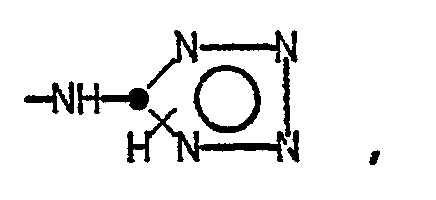


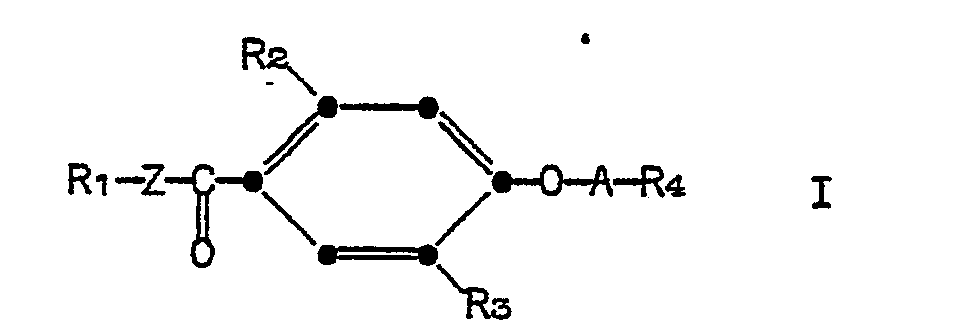


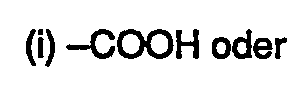


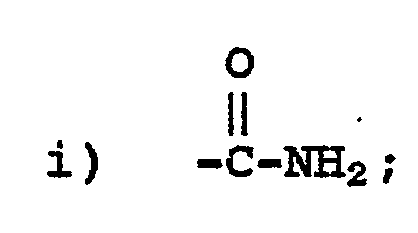


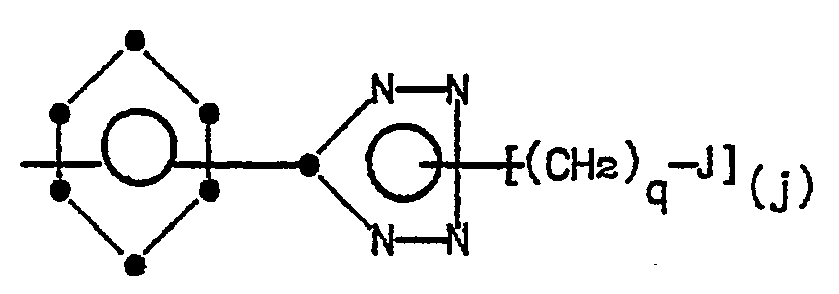


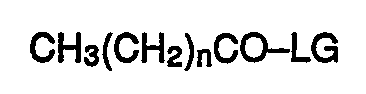
(j) eine Verbindung nach Anspruch 1, worin Ri, Z, R2, R3 und A wie im Anspruch 1 definiert sind und R4 eine Gruppe der folgenden Formeln bedeutet


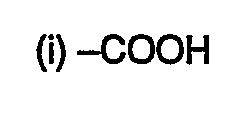

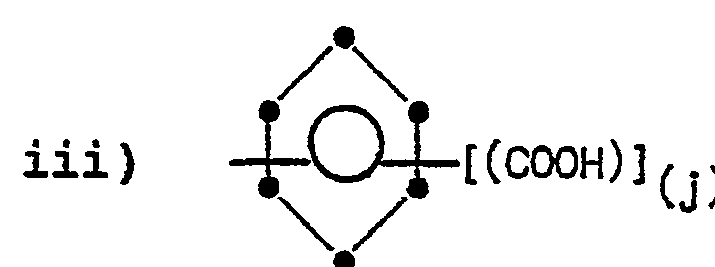





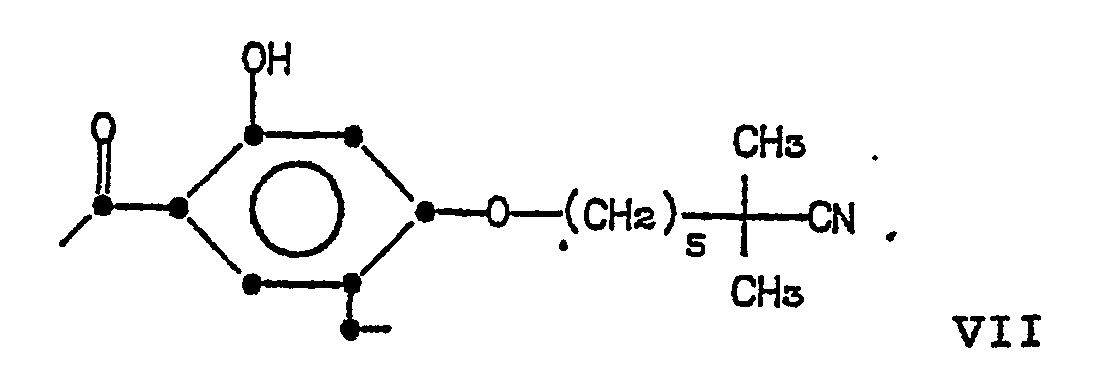

-(CH2)2-C(CH3)2-
darstellt und R4 eine Cyanogruppe ist.
Priority Applications (1)
| Application Number | Priority Date | Filing Date | Title |
|---|---|---|---|
| AT88300163T ATE53376T1 (de) | 1987-01-12 | 1988-01-11 | Entzuendungshemmende agentien. |
Applications Claiming Priority (2)
| Application Number | Priority Date | Filing Date | Title |
|---|---|---|---|
| US254287A | 1987-01-12 | 1987-01-12 | |
| US2542 | 1987-01-12 |
Publications (2)
| Publication Number | Publication Date |
|---|---|
| EP0276065A1 EP0276065A1 (de) | 1988-07-27 |
| EP0276065B1 true EP0276065B1 (de) | 1990-06-06 |
Family
ID=21701261
Family Applications (1)
| Application Number | Title | Priority Date | Filing Date |
|---|---|---|---|
| EP88300163A Expired - Lifetime EP0276065B1 (de) | 1987-01-12 | 1988-01-11 | Entzündungshemmende Agentien |
Country Status (18)
| Country | Link |
|---|---|
| EP (1) | EP0276065B1 (de) |
| JP (1) | JP2710619B2 (de) |
| KR (1) | KR880008969A (de) |
| CN (1) | CN88100650A (de) |
| AT (1) | ATE53376T1 (de) |
| CA (1) | CA1315279C (de) |
| DE (1) | DE3860201D1 (de) |
| DK (1) | DK10488A (de) |
| ES (1) | ES2036259T3 (de) |
| GR (1) | GR3000750T3 (de) |
| HU (1) | HU200313B (de) |
| IE (1) | IE61256B1 (de) |
| MX (1) | MX10059A (de) |
| NZ (1) | NZ223151A (de) |
| PH (1) | PH25130A (de) |
| PT (1) | PT86520B (de) |
| RU (1) | RU1833372C (de) |
| ZA (1) | ZA88154B (de) |
Cited By (1)
| Publication number | Priority date | Publication date | Assignee | Title |
|---|---|---|---|---|
| US7297794B2 (en) | 2001-11-13 | 2007-11-20 | Emisphere Technologies, Inc. | Phenoxy amine compounds and compositions for delivering active agents |
Families Citing this family (18)
| Publication number | Priority date | Publication date | Assignee | Title |
|---|---|---|---|---|
| US5294613A (en) * | 1987-01-12 | 1994-03-15 | Eli Lilly And Company | Method of treating endotoxic shock in mammals |
| US5098613A (en) * | 1987-01-12 | 1992-03-24 | Eli Lilly And Company | Anti-inflammatory agents |
| US4945099A (en) * | 1987-01-12 | 1990-07-31 | Eli Lilly And Company | Anti-inflammatory agents |
| US4820723A (en) * | 1987-08-14 | 1989-04-11 | Eli Lilly And Company | Disubstituted tetrazole leukotriene antagonists and methods for their use thereas |
| US5527945A (en) * | 1989-02-10 | 1996-06-18 | Basf Aktiengesellschaft | Diphenylheteroalkyl derivatives, the preparation thereof and drugs and cosmetics prepared therefrom |
| DE3903989A1 (de) * | 1989-02-10 | 1990-09-20 | Basf Ag | Diphenylheteroalkylderivate, ihre herstellung und daraus hergestellte arzneimittel und kosmetika |
| CA2019335C (en) * | 1989-06-27 | 2000-08-01 | Mitoshi Konno | Phenylalkan (en)oic acids |
| US5256686A (en) * | 1989-06-27 | 1993-10-26 | Ono Pharmaceutical Co., Ltd. | Phenylalkan(en)oic acid |
| US6001877A (en) * | 1989-06-27 | 1999-12-14 | Ono Pharmaceutical Co., Ltd. | Phenylalkan(en)oic acid |
| JP2638653B2 (ja) * | 1990-01-19 | 1997-08-06 | 富士写真フイルム株式会社 | 写真プリント作成方法 |
| JPH04297466A (ja) * | 1990-06-22 | 1992-10-21 | Nippon Shinyaku Co Ltd | テトラゾール誘導体及び医薬 |
| FR2665159B1 (fr) * | 1990-07-24 | 1992-11-13 | Rhone Poulenc Sante | Nouveaux derives de la pyridine et de la quinoleine, leur preparation et les compositions pharmaceutiques qui les contiennent. |
| JP2613311B2 (ja) * | 1990-09-03 | 1997-05-28 | 富士写真フイルム株式会社 | 写真プリント方法 |
| AU8641991A (en) * | 1990-09-10 | 1992-03-30 | Rhone-Poulenc Rorer International (Holdings) Inc. | Substituted bicyclic aryl compounds exhibiting selective leukotriene b4 antagonist activity |
| DE4201942A1 (de) * | 1991-02-26 | 1992-09-24 | Plantamed Arzneimittel Gmbh | Phenonverbindungen, verfahren zu ihrer herstellung und diese enthaltende pharmazeutische zubereitungen |
| DE69210091T2 (de) * | 1991-05-31 | 1996-10-02 | Sumitomo Pharma | Leukotrien-B4-Antagonisten |
| CN101218199A (zh) * | 2005-05-09 | 2008-07-09 | 阿斯利康(瑞典)有限公司 | 新化合物ⅰ |
| TN2016000127A1 (en) | 2013-12-20 | 2017-10-06 | Novartis Ag | Heteroaryl butanoic acid derivatives as lta4h inhibitors. |
Family Cites Families (14)
| Publication number | Priority date | Publication date | Assignee | Title |
|---|---|---|---|---|
| GB1111336A (en) * | 1964-07-24 | 1968-04-24 | Fisons Pharmaceuticals Ltd | Aryl ketones |
| JPS5233107B2 (de) * | 1971-09-13 | 1977-08-26 | ||
| BE788749A (fr) * | 1971-09-13 | 1973-03-13 | Takeda Chemical Industries Ltd | Acide 3-(benzoyl trisubstitue)-propionique et son procede de preparation |
| JPS5233108B2 (de) * | 1971-09-13 | 1977-08-26 | ||
| JPS5233623B2 (de) * | 1972-01-11 | 1977-08-30 | ||
| JPS5233109B2 (de) * | 1971-12-29 | 1977-08-26 | ||
| US3830764A (en) * | 1972-07-06 | 1974-08-20 | Princeton Polymer Lab | Degradable hydrocarbon polymers |
| US3959475A (en) * | 1973-12-12 | 1976-05-25 | American Hoechst Corporation | Substituted 1,3-dihydrospiro(isobenzofuran)s |
| US4166819A (en) * | 1975-09-24 | 1979-09-04 | Abbott Laboratories | 4-Aroyl substituted phenoxy methylene-5-tetrazoles |
| US4301267A (en) * | 1980-08-26 | 1981-11-17 | Gaf Corporation | Ultraviolet light stable copolymer compositions comprising monomers which are α,62 -unsaturated dicarboxylic acid half-esters of 2-hydroxy, alkoxy, methylolbenzophenones and styrene-butadiene comonomers |
| CA1206964A (en) * | 1980-11-12 | 1986-07-02 | Nobuo Shinma | Tetra-substituted benzene derivatives |
| US4507498A (en) * | 1982-04-09 | 1985-03-26 | Hoffmann-La Roche Inc. | Phenoxycarboxylic acids |
| US4661505A (en) * | 1982-11-03 | 1987-04-28 | Eli Lilly And Company | Leukotriene antagonists |
| DD235450B1 (de) * | 1983-12-29 | 1988-02-03 | Humboldt Uni Z Berlin | Verfahren zur herstellung neuer 1-(2-hydroxyaryl)-alkan-1-on-oxime |
-
1987
- 1987-12-23 CA CA000555228A patent/CA1315279C/en not_active Expired - Fee Related
-
1988
- 1988-01-11 MX MX1005988A patent/MX10059A/es unknown
- 1988-01-11 RU SU884355086A patent/RU1833372C/ru active
- 1988-01-11 PH PH36347A patent/PH25130A/en unknown
- 1988-01-11 JP JP63003667A patent/JP2710619B2/ja not_active Expired - Lifetime
- 1988-01-11 CN CN198888100650A patent/CN88100650A/zh active Pending
- 1988-01-11 ZA ZA88154A patent/ZA88154B/xx unknown
- 1988-01-11 NZ NZ223151A patent/NZ223151A/en unknown
- 1988-01-11 ES ES198888300163T patent/ES2036259T3/es not_active Expired - Lifetime
- 1988-01-11 AT AT88300163T patent/ATE53376T1/de active
- 1988-01-11 HU HU8888A patent/HU200313B/hu not_active IP Right Cessation
- 1988-01-11 KR KR1019880000127A patent/KR880008969A/ko not_active Ceased
- 1988-01-11 EP EP88300163A patent/EP0276065B1/de not_active Expired - Lifetime
- 1988-01-11 IE IE6188A patent/IE61256B1/en not_active IP Right Cessation
- 1988-01-11 PT PT86520A patent/PT86520B/pt not_active IP Right Cessation
- 1988-01-11 DK DK010488A patent/DK10488A/da not_active Application Discontinuation
- 1988-01-11 DE DE8888300163T patent/DE3860201D1/de not_active Expired - Lifetime
-
1990
- 1990-09-04 GR GR90400611T patent/GR3000750T3/el unknown
Cited By (1)
| Publication number | Priority date | Publication date | Assignee | Title |
|---|---|---|---|---|
| US7297794B2 (en) | 2001-11-13 | 2007-11-20 | Emisphere Technologies, Inc. | Phenoxy amine compounds and compositions for delivering active agents |
Also Published As
| Publication number | Publication date |
|---|---|
| ATE53376T1 (de) | 1990-06-15 |
| CA1315279C (en) | 1993-03-30 |
| DE3860201D1 (de) | 1990-07-12 |
| DK10488D0 (da) | 1988-01-11 |
| PT86520A (en) | 1988-02-01 |
| IE61256B1 (en) | 1994-10-19 |
| ZA88154B (en) | 1989-09-27 |
| PH25130A (en) | 1991-02-19 |
| NZ223151A (en) | 1989-10-27 |
| EP0276065A1 (de) | 1988-07-27 |
| KR880008969A (ko) | 1988-09-13 |
| ES2036259T3 (es) | 1993-05-16 |
| PT86520B (pt) | 1991-12-31 |
| HU200313B (en) | 1990-05-28 |
| HUT45960A (en) | 1988-09-28 |
| GR3000750T3 (en) | 1991-10-10 |
| IE880061L (en) | 1988-07-12 |
| MX10059A (es) | 1993-12-01 |
| JPS63188644A (ja) | 1988-08-04 |
| AU601011B2 (en) | 1990-08-30 |
| JP2710619B2 (ja) | 1998-02-10 |
| CN88100650A (zh) | 1988-10-19 |
| DK10488A (da) | 1988-09-19 |
| AU1016488A (en) | 1988-07-14 |
| RU1833372C (ru) | 1993-08-07 |
Similar Documents
| Publication | Publication Date | Title |
|---|---|---|
| EP0276064B1 (de) | Entzündungshemmende Mittel | |
| JP2710619B2 (ja) | 抗炎症剤 | |
| US4853398A (en) | Leukotriene antagonists and use thereas | |
| US5552441A (en) | Leukotriene B4 antagonists | |
| EP0028063B1 (de) | Phenol-Derivate, Verfahren zu ihrer Herstellung und sie enthaltende pharmazeutische Zusammensetzungen | |
| US5462954A (en) | Substituted phenyl phenol leukotriene antagonists | |
| US4945099A (en) | Anti-inflammatory agents | |
| EP0544488B1 (de) | Substituierte Phenylphenol-Leukotrienantagonisten | |
| EP0442748B1 (de) | Verbesserungen an Leukotrien-Antagonieten | |
| US4992576A (en) | Intermediates for leukotriene antagonists | |
| EP0743064A1 (de) | Lenkotriene-Antagonisten zur Verwendung in der Behandlung oder Prävention der Alzheimerschen Krankheit | |
| US5098613A (en) | Anti-inflammatory agents | |
| US5235064A (en) | Leukotriene antagonists | |
| US5294613A (en) | Method of treating endotoxic shock in mammals | |
| EP0288190B1 (de) | Leukotrienantagonisten | |
| US5171882A (en) | Leukotriene antagonists | |
| AU610218B2 (en) | Improvements in or relating to leukotriene antagonists | |
| NZ245222A (en) | Substituted phenyl phenol leukotriene antagonists. |
Legal Events
| Date | Code | Title | Description |
|---|---|---|---|
| PUAI | Public reference made under article 153(3) epc to a published international application that has entered the european phase |
Free format text: ORIGINAL CODE: 0009012 |
|
| 17P | Request for examination filed |
Effective date: 19880122 |
|
| AK | Designated contracting states |
Kind code of ref document: A1 Designated state(s): AT BE CH DE ES FR GB GR IT LI LU NL SE |
|
| 17Q | First examination report despatched |
Effective date: 19890613 |
|
| GRAA | (expected) grant |
Free format text: ORIGINAL CODE: 0009210 |
|
| AK | Designated contracting states |
Kind code of ref document: B1 Designated state(s): AT BE CH DE ES FR GB GR IT LI LU NL SE |
|
| REF | Corresponds to: |
Ref document number: 53376 Country of ref document: AT Date of ref document: 19900615 Kind code of ref document: T |
|
| REF | Corresponds to: |
Ref document number: 3860201 Country of ref document: DE Date of ref document: 19900712 |
|
| ET | Fr: translation filed | ||
| ITF | It: translation for a ep patent filed | ||
| REG | Reference to a national code |
Ref country code: GR Ref legal event code: FG4A Free format text: 3000750 |
|
| PLBE | No opposition filed within time limit |
Free format text: ORIGINAL CODE: 0009261 |
|
| STAA | Information on the status of an ep patent application or granted ep patent |
Free format text: STATUS: NO OPPOSITION FILED WITHIN TIME LIMIT |
|
| 26N | No opposition filed | ||
| ITTA | It: last paid annual fee | ||
| REG | Reference to a national code |
Ref country code: ES Ref legal event code: FG2A Ref document number: 2036259 Country of ref document: ES Kind code of ref document: T3 |
|
| PGFP | Annual fee paid to national office [announced via postgrant information from national office to epo] |
Ref country code: CH Payment date: 19940124 Year of fee payment: 7 |
|
| PGFP | Annual fee paid to national office [announced via postgrant information from national office to epo] |
Ref country code: NL Payment date: 19940131 Year of fee payment: 7 Ref country code: LU Payment date: 19940131 Year of fee payment: 7 |
|
| EPTA | Lu: last paid annual fee | ||
| PGFP | Annual fee paid to national office [announced via postgrant information from national office to epo] |
Ref country code: GR Payment date: 19941125 Year of fee payment: 8 |
|
| PGFP | Annual fee paid to national office [announced via postgrant information from national office to epo] |
Ref country code: SE Payment date: 19941205 Year of fee payment: 8 |
|
| PGFP | Annual fee paid to national office [announced via postgrant information from national office to epo] |
Ref country code: AT Payment date: 19950110 Year of fee payment: 8 |
|
| PG25 | Lapsed in a contracting state [announced via postgrant information from national office to epo] |
Ref country code: LU Free format text: LAPSE BECAUSE OF NON-PAYMENT OF DUE FEES Effective date: 19950111 |
|
| EAL | Se: european patent in force in sweden |
Ref document number: 88300163.8 |
|
| PG25 | Lapsed in a contracting state [announced via postgrant information from national office to epo] |
Ref country code: LI Effective date: 19950131 Ref country code: CH Effective date: 19950131 |
|
| PGFP | Annual fee paid to national office [announced via postgrant information from national office to epo] |
Ref country code: BE Payment date: 19950206 Year of fee payment: 8 |
|
| PG25 | Lapsed in a contracting state [announced via postgrant information from national office to epo] |
Ref country code: NL Effective date: 19950801 |
|
| REG | Reference to a national code |
Ref country code: CH Ref legal event code: PL |
|
| NLV4 | Nl: lapsed or anulled due to non-payment of the annual fee |
Effective date: 19950801 |
|
| PG25 | Lapsed in a contracting state [announced via postgrant information from national office to epo] |
Ref country code: AT Effective date: 19960111 |
|
| PG25 | Lapsed in a contracting state [announced via postgrant information from national office to epo] |
Ref country code: SE Effective date: 19960112 |
|
| PG25 | Lapsed in a contracting state [announced via postgrant information from national office to epo] |
Ref country code: BE Effective date: 19960131 |
|
| BERE | Be: lapsed |
Owner name: ELI LILLY AND CY Effective date: 19960131 |
|
| PG25 | Lapsed in a contracting state [announced via postgrant information from national office to epo] |
Ref country code: GR Free format text: THE PATENT HAS BEEN ANNULLED BY A DECISION OF A NATIONAL AUTHORITY Effective date: 19960731 |
|
| REG | Reference to a national code |
Ref country code: GR Ref legal event code: MM2A Free format text: 3000750 |
|
| EUG | Se: european patent has lapsed |
Ref document number: 88300163.8 |
|
| PGFP | Annual fee paid to national office [announced via postgrant information from national office to epo] |
Ref country code: GB Payment date: 20011214 Year of fee payment: 15 |
|
| REG | Reference to a national code |
Ref country code: GB Ref legal event code: IF02 |
|
| PGFP | Annual fee paid to national office [announced via postgrant information from national office to epo] |
Ref country code: FR Payment date: 20020104 Year of fee payment: 15 |
|
| PGFP | Annual fee paid to national office [announced via postgrant information from national office to epo] |
Ref country code: ES Payment date: 20020117 Year of fee payment: 15 |
|
| PGFP | Annual fee paid to national office [announced via postgrant information from national office to epo] |
Ref country code: DE Payment date: 20020131 Year of fee payment: 15 |
|
| PG25 | Lapsed in a contracting state [announced via postgrant information from national office to epo] |
Ref country code: GB Free format text: LAPSE BECAUSE OF NON-PAYMENT OF DUE FEES Effective date: 20030111 |
|
| PG25 | Lapsed in a contracting state [announced via postgrant information from national office to epo] |
Ref country code: ES Free format text: LAPSE BECAUSE OF NON-PAYMENT OF DUE FEES Effective date: 20030113 |
|
| PG25 | Lapsed in a contracting state [announced via postgrant information from national office to epo] |
Ref country code: DE Free format text: LAPSE BECAUSE OF NON-PAYMENT OF DUE FEES Effective date: 20030801 |
|
| GBPC | Gb: european patent ceased through non-payment of renewal fee | ||
| PG25 | Lapsed in a contracting state [announced via postgrant information from national office to epo] |
Ref country code: FR Free format text: LAPSE BECAUSE OF NON-PAYMENT OF DUE FEES Effective date: 20030930 |
|
| REG | Reference to a national code |
Ref country code: FR Ref legal event code: ST |
|
| REG | Reference to a national code |
Ref country code: ES Ref legal event code: FD2A Effective date: 20030113 |
|
| PG25 | Lapsed in a contracting state [announced via postgrant information from national office to epo] |
Ref country code: IT Free format text: LAPSE BECAUSE OF NON-PAYMENT OF DUE FEES Effective date: 20050111 |