EP0285949A2 - Unité d'expression génétique, et système de clonage et d'expression - Google Patents
Unité d'expression génétique, et système de clonage et d'expression Download PDFInfo
- Publication number
- EP0285949A2 EP0285949A2 EP88104953A EP88104953A EP0285949A2 EP 0285949 A2 EP0285949 A2 EP 0285949A2 EP 88104953 A EP88104953 A EP 88104953A EP 88104953 A EP88104953 A EP 88104953A EP 0285949 A2 EP0285949 A2 EP 0285949A2
- Authority
- EP
- European Patent Office
- Prior art keywords
- plasmid
- glucose
- dna sequence
- dna
- gene
- Prior art date
- Legal status (The legal status is an assumption and is not a legal conclusion. Google has not performed a legal analysis and makes no representation as to the accuracy of the status listed.)
- Granted
Links
Images


Classifications
-
- C—CHEMISTRY; METALLURGY
- C12—BIOCHEMISTRY; BEER; SPIRITS; WINE; VINEGAR; MICROBIOLOGY; ENZYMOLOGY; MUTATION OR GENETIC ENGINEERING
- C12N—MICROORGANISMS OR ENZYMES; COMPOSITIONS THEREOF; PROPAGATING, PRESERVING, OR MAINTAINING MICROORGANISMS; MUTATION OR GENETIC ENGINEERING; CULTURE MEDIA
- C12N9/00—Enzymes; Proenzymes; Compositions thereof; Processes for preparing, activating, inhibiting, separating or purifying enzymes
- C12N9/0004—Oxidoreductases (1.)
- C12N9/0006—Oxidoreductases (1.) acting on CH-OH groups as donors (1.1)
-
- C—CHEMISTRY; METALLURGY
- C12—BIOCHEMISTRY; BEER; SPIRITS; WINE; VINEGAR; MICROBIOLOGY; ENZYMOLOGY; MUTATION OR GENETIC ENGINEERING
- C12N—MICROORGANISMS OR ENZYMES; COMPOSITIONS THEREOF; PROPAGATING, PRESERVING, OR MAINTAINING MICROORGANISMS; MUTATION OR GENETIC ENGINEERING; CULTURE MEDIA
- C12N15/00—Mutation or genetic engineering; DNA or RNA concerning genetic engineering, vectors, e.g. plasmids, or their isolation, preparation or purification; Use of hosts therefor
- C12N15/09—Recombinant DNA-technology
- C12N15/63—Introduction of foreign genetic material using vectors; Vectors; Use of hosts therefor; Regulation of expression
- C12N15/74—Vectors or expression systems specially adapted for prokaryotic hosts other than E. coli, e.g. Lactobacillus, Micromonospora
- C12N15/75—Vectors or expression systems specially adapted for prokaryotic hosts other than E. coli, e.g. Lactobacillus, Micromonospora for Bacillus
Definitions
- the invention relates to the provision of a genetic control unit which has at least one promoter region, characterized by the DNA sequence I: AAG CTT CTC ATT ATC ACA AAA TGG GAA TTG TTA TTT CAA CGC TTG GCG GTA TCT TCT TAT TAG GAG AAA AGA AAA CGA AGC GTC AGC TTA TTT CGA TTA CGA TTG GTA TTG TGC TCA TCA TTT TAG GTG GCG TAT TCC TCG GAA TGG CTA AAA GTT AAC GTT TAC GTA AAA GTT AAT GAT AGT ATG TAT GAA TAA ATG AAA ACA CTA GGA GGA TTT TAT T contains.
- the invention also relates to the provision of a terminator region which, through DNA sequence II: TTT TTA ATC GAT GTA GAA AAA AGA GAC ATG GCA AAA AGC GCC ATG TCT CTT TTT TCT ATA CCT AAG CGA ATG ACA CCC CCC TTT CGG GGT TGG TGG CAT TCG CCT AGG TAA AAG CTT is represented.
- the invention further relates to cloning and expression vectors for use in the production of proteins and to host organisms transformed with such vectors.
- the invention also relates to a bacterial cloning and expression system which contains a transformable, preferably microbial host organism, the control unit specified above, preferably originating from the Bacillus megaterium species, and a homologous or heterologous structural gene.
- a transformable, preferably microbial host organism the control unit specified above, preferably originating from the Bacillus megaterium species, and a homologous or heterologous structural gene.
- the terminator region according to DNA sequence II according to the invention, other effective terminator regions or DNA sequences can optionally also be used.
- the invention relates to a genetic engineering process for the production of native or foreign proteins using the cloning and expression system mentioned.
- E. coli bacteria are very often used as host organisms, which not only accept to a certain extent foreign transcription and translation signals, but also have strong and easily regulable promoters and are therefore able to express foreign genes with partially satisfactory turnover rates.
- Other microorganisms eg Bacillus subtilis for ⁇ -amylase production according to DE-OS-31 52 001
- Gram-positive bacteria is also advantageous and therefore desirable for genetic engineering applications.
- Bacillus species e.g. Bacillus subtilis or Bacillus megaterium in contrast to a number of E. coli strains apathogenically.
- E. coli bacteria which are regarded as faeces indicators, they can be used without problems in areas which are subject to strict hygiene regulations, such as in the food industry or in the drinking water sector.
- fermentation technology and product range for Bacillus species are well known. In terms of molecular biology, they have the advantage over Gram-negative bacteria of eliminating proteins in soluble form. They are therefore particularly well suited for the construction of excretion vectors.
- the invention is therefore based on the object of providing a new cloning and expression system with a strong control unit and stable vectors, which is able to synthesize endogenous and exogenous proteins in high yield and good quality.
- control unit and structural genes are either directly connected to one another, or that DNA segments which do not code or otherwise code may be inserted between the control unit and the structural gene.
- Microorganisms of the species Bacillus megaterium and their mutants or variants which have the appropriate genetic information are used as the starting species. Strains of this type are known and are deposited with authorized depositors, for example DSM 321, DSM 322, DSM 333 or DSM 337.
- the host organisms which can be transformed with the DNA sequences I and II according to the invention are primarily microorganisms, but also plant, animal or human cells are preferably used, but bacteria such as E. coli or Bacillus species, in particular Bacillus megaterium, are preferably used .
- both homologous genes that is to say those which the host naturally contains, and foreign genes are suitable as structural genes.
- the glucose dehydrogenase genes (I) and (II) (for an explanation see below) and the chloramphenicol acetyltransferase gene can be placed and expressed under the control of the control unit according to the invention.
- other genes e.g. the mutarotase gene, the ⁇ -amylase gene, the ⁇ -glucosidase gene, the ⁇ -galactosidase gene, transaminase, lipase or protease genes can in principle be expressed.
- the effectiveness of the control unit according to the invention is considerable.
- the activity of the expressed glucose dehydrogenase (I) in the host of the Bacillus megaterium species is between 20 and 65 units / ml culture, preferably between 35 and 50 units / ml.
- the expression under control of the glucose dehydrogenase (II) promoter according to the invention is between 10 and 35, preferably between 15 and 25 units / ml, but without the promoter according to the invention only between 0.05 and 0.2 units / ml. ml culture for both genes.
- the corresponding values for chloramphenicol acetyl transferase are between 500 and 1500, preferably between 600 and 1300, mUnits / ml culture.
- the result of this is that, for example, Bacillus megaterium strains which contain a CAT gene under the control of the promoter sequence I according to the invention, are about 30 to 50 times more resistant to the corresponding antibiotic than non-transformed strains.
- the high expression values brought about by the control unit according to the invention have hitherto only been achieved in E. coli using very strong E. coli promoters, such as, for example, the known ⁇ -P L promoter. For example, an expression of glucose dehydrogenase I in E.
- the coli without a ⁇ -P L promoter averaging 0.1-0.2 units / ml of culture is obtained, with the ⁇ -P L promoter averaging 40-50 units / ml culture.
- the effectiveness of the promoter according to the invention from Bacillus megaterium in the Bacillus host, preferably Bacillus megaterium (approx. 35-50 units / ml culture), is therefore quite comparable to that of the ⁇ -P L promoter in E. coli.
- a strong promoter and an effective regulatory unit can also be provided in Bacillus.
- the enzymes produced according to the invention have good stability and can be easily obtained from the clear, colorless crude extracts which contain no significant amounts of interfering substances (for example NADH oxidases, proteases).
- the invention thus relates to a control unit containing at least one promoter area according to DNA sequence I and optionally a terminator area according to DNA sequence II.
- control unit according to the invention can be inserted into suitable vectors and transformed into the Bacillus host.
- suitable vectors which are not destabilized by the insertion of the foreign DNA, or which are not destabilizations in the host organism itself, for example by deletions, Re evoke arrangements, etc.
- the transformation rate of the vector DNA in the Bacillus host should also be as high as possible in order to efficiently obtain appropriately transformed clones. High transformation rates are often also a sign of high copy numbers (amplification) of the vector.
- the vectors according to the invention preferably pSA677, (DSM 4055P) pSAG2 (DSM 4054P) and pSAC4 (DSM 4053P), meet these requirements in an outstanding manner.
- the transformation rate for Bacillus megaterium is between 105-106 / ⁇ g DNA depending on the amount of DNA used and the plasmid used. These high transformation rates have so far not been achieved in Bacillus megaterium (see Brey et al., 1986, J. Bacteriol. 167/2, 623-630) and thus represent an aspect essential to the invention.
- the vectors used in the Bacillus host also remain without selection pressure stable over many generations.
- the vectors according to the invention are preferably swing vectors, ie they contain an origin of replication both for Bacillus and for preferably E. coli. Swing vectors in which the origin of the Bacillus replication is of different origin are also meant according to the invention. This has the advantage that the proven E. coli technique can be used for intermediate cloning.
- Such swing vectors are known and described in the literature, for example pHV23 and pHV33 (Michel et al., 1980, Gene 12, 147-154) or pJK302 (Kreft, Hughes, 1982, Curr. Topics Microbiol. Immunol. 96, Springer-Verlag ).
- the invention thus also relates to the following plasmids: the plasmid pSA 677 with the accession number DSM 4055P, containing the DNA sequence I and a DNA sequence which codes for the enzyme glucose dehydrogenase (I), the plasmid pSAG2 with the deposit number DSM 4054P, containing the DNA sequence I and a DNA sequence which codes for the enzyme glucose dehydrogenase (II), and - The plasmid pSAC4 with the deposit number DSM 4053P, containing the DNA sequence I and a DNA sequence which codes for the enzyme chloramphenicol acetyltransferase.
- the invention also relates to the following host organisms: the host organism M1296 / pSA677 with the accession number DSM 4050, obtained from the strain Bacillus megaterium M1296 (DSM 319), transformed with the plasmid pSA677, - The host organism M1296 / pSAG2 with the accession number DSM 4048, obtained from the strain Bacillus megaterium M1296 (DSM 319), transformed with the plasmid pSAG2 and - The host organism M1296 / pSAC4 with the accession number DSM 4049, obtained from the strain Bacillus megaterium M 1296 (DSM 319), transformed with the plasmid pSAC4.
- the invention also relates to a bacterial cloning and expression system for the production of proteins, comprising a transformable, microbial host organism of the genus Bacillus, preferably Bacillus megaterium, and a self-replicating plasmid which is stable in the host cell and which comprises a promoter and optionally a terminator Bacillus megaterium and the structural gene to be replicated or expressed, preferably the glucose dehydrogenase (I) gene, the glucose dehydrogenase (II) gene or the chloramphenicol acetyltransferase gene.
- a transformable, microbial host organism of the genus Bacillus preferably Bacillus megaterium
- a self-replicating plasmid which is stable in the host cell and which comprises a promoter and optionally a terminator Bacillus megaterium and the structural gene to be replicated or expressed, preferably the glucose dehydrogenase (I) gene, the glucose dehydrogenase (I
- the invention ultimately relates to a process for the production of proteins, characterized in that the abovementioned cloning and expression system is cultivated in a nutrient solution and the proteins which are brought to expression are isolated.
- the invention is preferably carried out as described below.
- chromosomal DNA is isolated from Bacillus megaterium cells and purified (Example 3).
- the cultivation of Bacillus megaterium cells is explained in more detail in Example 2.
- the chromosomal DNA isolated in this way is partially hydrolyzed with the aid of suitable, known, known restriction endonucleases in a manner known per se.
- the restriction enzyme Sau3A is preferably used for this.
- the hydrolysis is preferably controlled so that mainly fragments with a length between 9 and 22 kilobases (kb), preferably more than 14 kb, are obtained.
- the known phage vector ⁇ -EMBL3 (Frischauff et al., 1983, J. Mol. Biol.
- the phages are preferably prepared by the method of Arber et al., (1983, in: Lambda II, 433-466, Cold Spring Harbor, New York) and the phage DNA is, as described in more detail in Example 4, prepared and in a known manner cut open using conventional restriction endonucleases, preferably BamHI. The size of the DNA fragments contained in each case is determined by means of gel electrophoresis.
- the appropriate DNA fragments from the Bacillus genome are now inserted into the interface of the phage DNA using commercially available ligation enzymes, preferably T4 DNA ligase, in a manner known per se (Weiss et al., 1968, J. Biol. Chem. 243, 4543-4555).
- the various recombined phage molecules thus obtained are transduced in a host organism capable of replication, preferably E. coli, in particular E. coli NM539 (ATCC 35639) (cultivation E. coli: Example 1) and cloned in a manner known per se (Arber et al., 1983, lc).
- the transformation of bacterial cells with plasmids is preferably carried out according to the known calcium chloride method (Cohen et al., 1972, Proc. Natl. Acad. Sci. USA, 69, 2110-2114).
- glucose DH the genetic information of the NAD / NADP-dependent enzyme glucose dehydrogenase (EC 1.1.1.47) occurring in Bacillus species, hereinafter referred to as glucose DH. This is done by detecting the enzyme activity in the lysate of the newly formed phage clones with the help of a specific filter test, the conversion of ß-glucose to gluconolactone under catalytic action of glucose DH and with the formation of NADH2 being used.
- glucose DH the enzyme activity in the lysate of the newly formed phage clones with the help of a specific filter test, the conversion of ß-glucose to gluconolactone under catalytic action of glucose DH and with the formation of NADH2 being used.
- NADH2 which is dependent on the glucose DH formation (positive Reaction)
- phage clones with a reproducible positive reaction can finally be identified.
- the subcloning is preferably carried out in plasmids in a further operation.
- the recombinant phage DNA is again partially hydrolyzed with restriction endonucleases, preferably Sau3A, as usual, so that fragments of about 4-9 kb in size are formed.
- any plasmid which is not destabilized when DNA fragments of the specified size are incorporated can be used as the starting plasmid.
- PBR322 (Bolivar et al., 1977, Gene 2, 95-113), which is preferably digested with the restriction endonuclease BamHI, is particularly suitable for this.
- the phage DNA fragments are now ligated in a manner known per se with the cut plasmid vector (Weiss et al., Lc).
- any host organism preferably E. coli, which is suitable for transformation and is available from a recognized depository, is transformed in the usual way.
- the colonies thus obtained are subjected to the glucose-DH enzyme test (Example 5).
- One of the underlying plasmids has a size of 10.2 kb and is designated pJH 107.
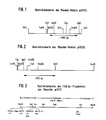
- the plasmid is completely hydrolyzed in a manner known per se by the restriction endonucleases EcoRI, SalI, SphI, HindIII and ClaI and the DNA fragments are separated in a manner known per se by means of agarose gel electrophoresis.
- the size of the fragment containing the glucose DH sequence is found to be 5800 bp.
- FIG. 1 shows the restriction map of the plasmid pJH107 according to the invention.
- a known method is preferably used, as outlined below: Digestion of pJH107 with preferably SphI. Incorporation of pJH 107 into pBR322 and transformation of any preferred E. coli host. This results in the plasmid vector pJH 108. This contains an approximately 3000 bp passenger DNA fragment (FIG. 2). The endonucleases SphI, ClaI, EcoRI and HindIII are preferably used in the restriction analysis. Digestion of pJH108, preferably with HindIII. - Installation in the plasmid vector pBR322 and transformation and cloning of a host, preferably E. coli RR1. Recombined plasmid vector according to the invention: pJH111 (FIG. 3).
- the plasmid vector pJH111 contains only a 1100 bp DNA fragment next to the 5500 bp residual plasmid.
- the corresponding E. coli clones show glucose DH enzyme activity. A further reduction in the size of the DNA fragment leads to a complete loss of enzyme activity.
- the gene for glucose dehydrogenase including its regulatory unit is located on the 1100 bp fragment.
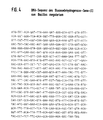
- nucleotide sequence of this 1100 bp fragment yields DNA sequence I according to the invention for the promoter region and DNA sequence II according to the invention for the terminator region and the DNA sequence for the structural gene which codes for the enzyme glucose-DH (FIG. 4).
- glucose-DH also referred to here as glucose-DH- (II)
- glucose-DH- (II) which also occurs in Bacillus
- chromosomal DNA is preferably hydrolyzed in a manner known per se with the restriction endonuclease HindIII, applied together with DNA length standards to a 1% agarose gel and transferred to nitrocellulose.
- pJH108 SalI-SphI hydrolyzed
- pJH111 HindIII hydrolyzed
- Hybridization technology, radioactive labeling and autoradiography are state of the art (e.g. according to Maniatis et al., 1975, Proc. Natl. Acad. Sci. USA 72, 1184-1188; Casey and Davidson, 1977, Nucl. Acids Res. 4, 1539- 1532; Hanahan and Meselson, 1980, Gene 10, 63-67; Rigby et al., 1977, J. Mol.
- weaker bands at 2100 and 5000 bp can be identified from the autoradiogram. This shows that Bacillus megaterium contains more than one glucose dehydrogenase.
- the cloning of a further glucose DH corresponding to the fragments between 1300 and 5000 bp is in principle carried out as described in detail above for the 1100 bp fragment.
- the E. coli plasmid pUC18 (origin: Viera et al., 1982, Gene 19, 259) is preferably used as the vector.
- the new plasmid pJH211 (FIG. 6) is obtained which contains a 2100 bp DNA fragment and which leads to the expression of glucose DH in E. coli (the 5000 bp fragment which also hybridizes with the gene probe cannot be obtained here).
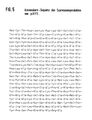
- the DNA or protein sequence of the second glucose DH gene is determined in a manner known per se, or analogously to the 1100 bp fragment described above. It corresponds completely to the known sequence of glucose DH.
- the two DNA sequences I and II according to the invention are only contained in the 1100 bp fragment of the plasmid pJH111.
- both glucose-DH genes lead to a comparatively low expression of glucose-DH (approx. 0.1 units / ml culture).
- the plasmids pJH111 and pJH211, in particular the plasmid pJH111 containing the regulatory unit according to the invention have to be reconstructed.
- Both plasmids contain only one origin of replication for E. coli and are therefore not reproducible in Bacillus.
- a vector is used which contains an origin of replication for Bacillus as well as for another host, preferably E. coli.
- Bacillus-Ori comes from Bacillus subtilis, Bacillus cereus, Bacillus megaterium or other Bacillus species or other Gram-positive organisms.
- the swing vector pJK302 (Kreft, Hughes, l.c.) is preferably used to produce the plasmid pSA677 (DSM 4055P) according to the invention.
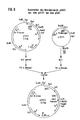
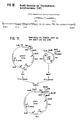
- pSA677 contains the Oris for E. coli and Bacillus cereus, the promoter region according to DNA sequence I and the DNA sequence of glucose DH Gene (I) according to FIG. 4. The construction of the plasmid is explained in more detail in FIG. 7 and example 6.
- the known plasmid vector pBC16-1 (Bernhard et al., 1978, J. Bacteriol. 133, 897-903), which has a Bacillus cereus-Ori and tetracycline resistance, and the resulting new swing vector pBCGD2 is transformed into Bacillus, preferably Bacillus megaterium.
- pBC16-1 can also be used, for example, a corresponding DNA fragment with a Bacillus megaterium-Ori.
- the restriction map of pBCGD2 is shown in Figure 8.
- the glucose-DH- (II) gene shows a significantly lower expression; this is only slightly increased compared to wild tribes (see above). The reason for this can be seen in the fact that the plasmid pJH211 does not contain the regulatory unit according to the invention, in particular the strong promoter according to the DNA sequence I of the 1126 bp fragment in the plasmid pJH111. If the glucose DH (II) gene is brought under the control of the promoter according to the invention, very high enzyme activities are obtained again.
- Another preferred procedure here is that a fragment of the size corresponding to the available restriction endonucleases, preferably the 180 bp XbaI fragment (see FIG. 3), is eliminated from the plasmid pSA677 according to the invention in a manner known per se. This deletion affects so many amino acids that no functional glucose DH (I) protein can be formed. Transformants which contain the resulting new plasmid pSAX (see FIG.
- the promoter of the glucose DH (I) gene according to the invention thus also brings about a strong expression of the homologous glucose DH (II) gene (see above for activities) in a Bacillus megaterium host.
- the chloramphenicol acetyltransferase (CAT) gene can serve as an example of a heterologous gene. This enzyme catalyzes acetylation and thus the inactivation of the antibiotic chloramphenicol. If such a resistance mark is placed behind a strong promoter, the transformants should be easy to select, since they are resistant to high concentrations of the antibiotic.
- the CAT gene is placed under the control of the strong promoter according to DNA sequence I. This is preferably done by inserting the CAT gene immediately at the beginning of the glucose DH-I structural gene. The latter can therefore no longer be expressed.
- the known plasmid pCM4 (Close and Rodriguez, 1982, Gene 20, 305-316), which contains a so-called BamHI cartridge of the CAT gene (FIG. 10), is preferably used to create the new construction.
- the construction of the new plasmid pSAC4 according to the invention, which contains the CAT gene and the promoter region according to the invention of DNA sequence I, from pCM4 and pSA677 is shown in Figure 11 and Example 8 explained in more detail. If pSAC4 is transformed, for example, into Bacillus megaterium, it gives the Bacillus megaterium recipient resistance to 50-100 ⁇ g chloramphenicol / ml.
- non-transformed strains no longer grow in about 2 ⁇ g / ml.
- Bacillus strains transformed with the heterologous chloramphenicol acetyltransferase gene become resistant to chloramphenicol 30-50 times the original lethal dose.
- the chloramphenicol acetyltransferase formed in Bacillus megaterium by the preferred method is 13 amino acids larger than that in E. coli (formation of a fusion protein, starting from the ribosome binding site of the glucose DH (I) gene).
- the enzyme activity of the chloramphenicol acetyltransferase thus formed in Bacillus megaterium is between 500 and 1500, preferably between 600 and 1300 mUnits / ml culture.
- the enzyme activity is preferably measured spectrophotometrically using known methods (Methods of Enzymology, (1980) Vol. 18, pp. 742-743).
- the Bacillus host organisms transformed according to the preferred method no longer display glucose DH activity.
- the promoter region according to DNA sequence I and optionally the terminator region according to DNA sequence II, which is important for the overall regulation, are capable, in addition to the glucose DH (I / II) genes and the CAT gene also to express other homologous or heterologous genes, such as the genes mentioned above by way of example, preferably in the Bacillus host, in particular Bacillus megaterium, in good yields.
- a adenine A578 absorption at 578 nm A578-E absorption unit at 578 nm Ap R ampicillin resistance APS ammonium peroxodisulfate b base Up to N, N, N ⁇ , N ⁇ -methylenebisacrylamide bp base pair BSA bovine serum albumin C cytosine CAT chloramphenicol acetyltransferase gene Da Dalton (g / mol) DNA deoxyribonucleic acid DTT dithiothreitol EDTA ethylenediaminetetraacetic acid E.
- LB medium Casein, enzymatically hydrolyzed 10 g Yeast extract 5 g NaCl 5 g Agar (fixed agar) 15 g (Soft agar) 7.5 g Aqua bidest. ad 1000 ml Adjust pH to 7.4 with 1.0 N NaOH
- Antibiotics were added in the following concentrations: Ampicillin: 50 ⁇ g / ml Tetracycline: 20 ⁇ g / ml Modified M9 medium: M9 salts 10-fold concentrated 10 ml 20% glucose solution 5 ml 1 M MgSO4 1 ml 10% casein hydrolyzate 5 ml Thiamine solution (2 mg / ml) 0.1 ml Aqua bidest. ad 1000 ml M9 salts 10-fold concentrated: Na2HPO4 x 2 H2O 75 g / l KH2PO4 30 g / l NH4Cl 10 g / l NaCl 5 g / l
- Bacillus megaterium bacteria are grown on a 10 l scale in full (LB) medium.
- 10 l of sterile medium are inoculated with 200 ml of a stationary preculture and cultivated with stirring (400 rpm) and aeration (400 l air / h) at 28 ° until the late logarithmic growth phase is reached.
- the suspension of phages purified by ultracentrifugation is adjusted to 20 mM EDTA, 0.5% SDS and, after the addition of 50 ⁇ g / ml Proteinase K, incubated for 1 h at 50 °.
- the mixture is then extracted several times with the same volume of phenol and several times with chloroform / isoamyl alcohol (24: 1).
- the DNA is precipitated in a known manner with ethanol and sedimented by centrifugation at 5,000 rpm for 10 min. It is then washed with 70% ethanol, dried and taken up in buffer.
- Each 1.5 ml of cell suspension from an overnight culture is sedimented by centrifugation at 15,000 rpm for 1 min. After adding 100 ⁇ l of solution A (see below), the mixture is incubated at 20 ° for 5 min. Then 200 ⁇ l of solution B (see below) are added and the Ge Barrels are placed in ice. After a further 5 min, solution C (see below) is added and the samples are left in ice until an insoluble complex of chromosomal DNA, RNA and protein precipitates (2-5 min). After centrifugation (15 min), the plasmid-containing supernatants are transferred to new 1.5 ml Eppendorf plastic tubes.
- the DNA is precipitated with ethanol at minus 20 ° for 10 min and sedimented in the centrifuge for 15 min. It is then rinsed twice with 70% ethanol and dried (in a desiccator).
- a bacterial suspension according to Example 1 is centrifuged for 20 min at 5,000 rpm and 4 °. The sediment is taken up in 15 ml of sucrose solution (25% sucrose in 50 mM Tris-HCl, pH 8.0). After adding 3 ml of 0.5 M EDTA and 3 ml of lysozyme solution (20 mg / ml lysozyme in 50 mM Tris-HCl, pH 8.0), the mixture is incubated in ice for 30-40 min. Then 2 ml of a 2: 1 (v / v) mixture of 10% polyethylene glycol monolauryl ether / 10% deoxycholate are added.
- the cell disruption is clarified by centrifugation (30 min) at 40,000 rpm and 4 °.
- the clear supernatant is decanted, 100 ⁇ g / ml RNase A is added and incubated in ice for 45 min.
- the RNase-treated supernatant is mixed with half a volume of 30% PEG 6000 in 1.5 M NaCl and left in ice for a further 30 min. It is centrifuged for 20 min at 8,000 rpm and 4 °.
- the precipitate is taken up in 5 ml of TE buffer, 50 ⁇ g / ml of proteinase K are added and the mixture is incubated at 37 ° for 60 min.
- Bacterial cells from 100 ml of a stationary culture grown in full medium are sedimented for 10 min at 5,000 rpm and 4 °.
- the sediment is then taken up in 10 ml of lysis buffer (50 mM NaCl, 50 mM EDTA, 30 mM Tris-HCl, pH 7.9); 40 mg of lysozyme are added and incubated at 37 ° for 45 min.
- the suspension is based on 1% SDS adjusted, mixed with 5 mg proteinase K (manufacturer: E. Merck, Darmstadt) and left at 37 ° for a further 30 min.
- it is extracted several times with TE-saturated phenol and several times with chloroform / isoamyl alcohol (24: 1).
- the nucleic acids are precipitated, washed and dried in the usual way.
- RNA For the hydrolysis of RNA still present, the sediment is carefully resuspended in 5 ml TE buffer, 10 ⁇ g / ml RNase added and incubated at 37 ° for 30 min.
- the solution is then adjusted to 1% SDS and 50 ⁇ g / ml Proteinase K and treated at 37 ° for a further 30 min.
- the mixture is then extracted with phenol and chloroform / isoamyl alcohol as described above and dialyzed against TE buffer.
- the yield of chromosomal DNA in this method is between 2 and 4 mg.
- non-fluorescent chromatography paper is sprayed uniformly with 92 ml of indicator solution and then dried at 20 °.
- Indicator solution 60.5 ml sodium phosphate buffer (0.12 M; pH 7.6) 30 ml D-glucose solution (10% w / v) 1.5 ml NAD+ solution (70 ng / ml)
- the prepared chromatography paper is cut to the size of the culture medium plates (diameter approx. 8 cm) before the enzyme test is carried out.
- the plates are removed from the incubator immediately after clearly visible plaques (600-800 per plate) have been formed.
- the Petri dishes are marked and identically marked test filters are placed on top of each other. After 2 minutes, they are removed, dried in a hot air stream and then viewed under light of the wavelength 366 nm. If active glucose DH was transferred to the test filter, NAD+ can be reduced to NADH at these points, which can be clearly perceived by fluorescence.
- the filter markings are then used to identify and isolate positive phage clones on the culture medium plate.
- cells are transferred in an identical manner to two nutrient medium plates (100-200 colonies per plate). While one of the plates serves as a reference plate ("master plate"), the other is used for the enzyme test.
- the bacteria are transferred to aluminum foil and about 5 ⁇ l of the digestion solution is pipetted onto each colony. For lysis, the cells are incubated for 30 min at 20 ° in a moist chamber. Then, as described above, a test filter is placed, dried and the location of the enzymatic reaction identified. The corresponding positive bacteria of the reference plate can then be used for plasmid isolation (example 3).
- Digestion solution 100 mM sodium phosphate buffer, pH 6.5 20mM EDTA 5 mg / ml lysozyme
- Test solution 120 mM sodium phosphate buffer, pH 7.6 100 mM glucose 2 mM NAD+
- Enzyme activity (U / ml) is given in ⁇ Mol substrate turnover per min.
- Example 6 Construction of plasmid pSA677 containing the glucose DH (I) gene and promoter DNA sequence I.
- Example 7 Construction of the plasmid pSAG2 containing the glucose DH (II) gene and the promoter DNA sequence I.
- pBCGD2 is now preferably cut open with the restriction endonuclease BclI and the resulting glucose DH (II) structural gene and the DNA fragments carrying the ribosome binding site are cloned into the corresponding AccI site of the pSAX in a manner known per se.
- the restriction is preferably such that the glucose DH (II) promoter sequence is outside the BclI fragment.
- the restriction sites are then known to be filled in with the Klenow fragment of DNA polymerase I and the corresponding deoxynucleotides. The corresponding fragments are isolated, and their ligation or recircularization is again carried out using standard methods.
- the new vector pSAG2 according to the invention contains the complete structural gene of glucose-DH- (II), which is under the control of the promoter region according to the invention according to DNA sequence I.
- E. coli cells for example E. coli SF8 (see Example 6), are again used for intermediate cloning and are transformed in the usual way with the plasmid pSAG2. For transformation of Bacillus cells, see Example 6.
- Example 8 Construction of the plasmid pSAC4 containing the chloramphenicol acetyltransferase gene and the promoter DNA sequence I.
- Starting plasmids are the plasmid pSA677 according to the invention, which contains the DNA sequence I from the promoter region and the glucose DH (I) structural gene, and the known, commercially available plasmid pCM4 (Close and Rodriguez, lc). This contains a BamHI cartridge of the CAT gene.
- pSA677 is partially hydrolyzed with AccI in a manner known per se, pCM4 is preferably restricted with BamHI.
- the restriction sites are filled in the usual way with the Klenow fragment of DNA polymerase I and corresponding deoxynucleotides, and the fragments are isolated by standard methods, for example electroelution.
- the ligation is preferably carried out using T4 DNA ligase (see Example 6).
- the new plasmid pSAC4 thus contains, inter alia, the promoter region according to DNA sequence I, the CAT gene and a glucose DH (I) gene which can no longer be expressed due to insertion inactivation. It also contains a Bacillus and an E. coli ori and resistance marks for tetracycline and ampicillin. E. coli and Bacillus cells are preferably transformed with the pSAC4 as indicated in Example 6.
- Example 9 Expression of Glucose-DH- (I) in Bacillus megaterium M 1296 / pSA677 (DSM 4050)
- 10 l nutrient solution (see below) is inoculated with 200 ml of an overnight culture grown at 28 ° and cultivated with stirring (400 rpm) and aeration (400 l air / h) at 28 ° for 24 hours. After 18 hours of growth, samples are taken every 2 hours:
- the cells are harvested by centrifugation and the intracellular enzymes released by ultrasound. The activity is determined on the spectrophotometer at 25 °. Test solution: 120 mM sodium phosphate buffer, pH 7.6 100 mM glucose 2 mM NAD+
- Enzyme activity (U / ml) is given in ⁇ Mol substrate turnover per min.
- Nutrient solution Sodium glutaminate 5.0 g Cornsteep 5.0 g (Extract from corn steep liquor) (NH4) 2 HPO4 2.0 g MgSO4 0.1 g FeSO4 0.02 g CaCl2 0.02 g NaNO3 0.1 g Phosphate buffer 1/30 molar pH 6.8 Glycerin 87% 10.0 g Sucrose (separately sterilized) 10.0 g Tap water ad 10 l
Landscapes
- Health & Medical Sciences (AREA)
- Genetics & Genomics (AREA)
- Life Sciences & Earth Sciences (AREA)
- Engineering & Computer Science (AREA)
- Chemical & Material Sciences (AREA)
- Organic Chemistry (AREA)
- Zoology (AREA)
- Wood Science & Technology (AREA)
- Bioinformatics & Cheminformatics (AREA)
- Biomedical Technology (AREA)
- Biotechnology (AREA)
- General Engineering & Computer Science (AREA)
- Microbiology (AREA)
- Molecular Biology (AREA)
- Biochemistry (AREA)
- General Health & Medical Sciences (AREA)
- Plant Pathology (AREA)
- Biophysics (AREA)
- Physics & Mathematics (AREA)
- Medicinal Chemistry (AREA)
- Micro-Organisms Or Cultivation Processes Thereof (AREA)
- Enzymes And Modification Thereof (AREA)
- Medicines Containing Material From Animals Or Micro-Organisms (AREA)
- Preparation Of Compounds By Using Micro-Organisms (AREA)
Applications Claiming Priority (2)
| Application Number | Priority Date | Filing Date | Title |
|---|---|---|---|
| DE3711883 | 1987-04-08 | ||
| DE19873711883 DE3711883A1 (de) | 1987-04-08 | 1987-04-08 | Genetische kontrolleinheit und klonierungs- und expressionssystem |
Publications (3)
| Publication Number | Publication Date |
|---|---|
| EP0285949A2 true EP0285949A2 (fr) | 1988-10-12 |
| EP0285949A3 EP0285949A3 (en) | 1989-04-05 |
| EP0285949B1 EP0285949B1 (fr) | 1993-03-24 |
Family
ID=6325154
Family Applications (1)
| Application Number | Title | Priority Date | Filing Date |
|---|---|---|---|
| EP88104953A Expired - Lifetime EP0285949B1 (fr) | 1987-04-08 | 1988-03-28 | Unité d'expression génétique, et système de clonage et d'expression |
Country Status (4)
| Country | Link |
|---|---|
| EP (1) | EP0285949B1 (fr) |
| JP (1) | JPS63269986A (fr) |
| DE (2) | DE3711883A1 (fr) |
| ES (1) | ES2039491T3 (fr) |
Cited By (3)
| Publication number | Priority date | Publication date | Assignee | Title |
|---|---|---|---|---|
| EP0290768A3 (en) * | 1987-04-08 | 1989-08-16 | Merck Patent Gesellschaft Mit Beschrankter Haftung | Process for the production of glucose dehydrogenase from bacillus megaterium |
| EP0393969A3 (fr) * | 1989-04-19 | 1991-03-13 | Takeda Chemical Industries, Ltd. | ADN contenant le gène de l'IMP-déhydrogénase et son utilisation |
| EP0427035A1 (fr) * | 1989-11-02 | 1991-05-15 | MERCK PATENT GmbH | Surexpression de protéines dans des cellules hôtes recombinantes |
Family Cites Families (4)
| Publication number | Priority date | Publication date | Assignee | Title |
|---|---|---|---|---|
| US4554250A (en) * | 1983-06-30 | 1985-11-19 | E. R. Squibb & Sons, Inc. | Method of increased production of penicillin acylase and plasmid employed therein |
| CA1311429C (fr) * | 1983-07-06 | 1992-12-15 | Vasantha Nagarajan | Vecteur pour polypeptides dans les bacilles |
| JPS60137291A (ja) * | 1983-12-26 | 1985-07-20 | Takeda Chem Ind Ltd | 発現ベクター |
| US5017477A (en) * | 1985-10-25 | 1991-05-21 | Biotechnica International, Inc. | Enhancing DNA sequencies derived from the sacQ gene |
-
1987
- 1987-04-08 DE DE19873711883 patent/DE3711883A1/de not_active Withdrawn
-
1988
- 1988-03-28 ES ES198888104953T patent/ES2039491T3/es not_active Expired - Lifetime
- 1988-03-28 EP EP88104953A patent/EP0285949B1/fr not_active Expired - Lifetime
- 1988-03-28 DE DE8888104953T patent/DE3879534D1/de not_active Expired - Fee Related
- 1988-04-08 JP JP63085519A patent/JPS63269986A/ja active Pending
Cited By (4)
| Publication number | Priority date | Publication date | Assignee | Title |
|---|---|---|---|---|
| EP0290768A3 (en) * | 1987-04-08 | 1989-08-16 | Merck Patent Gesellschaft Mit Beschrankter Haftung | Process for the production of glucose dehydrogenase from bacillus megaterium |
| EP0393969A3 (fr) * | 1989-04-19 | 1991-03-13 | Takeda Chemical Industries, Ltd. | ADN contenant le gène de l'IMP-déhydrogénase et son utilisation |
| EP0427035A1 (fr) * | 1989-11-02 | 1991-05-15 | MERCK PATENT GmbH | Surexpression de protéines dans des cellules hôtes recombinantes |
| US5196317A (en) * | 1989-11-02 | 1993-03-23 | Merck Patent Gesellschaft Mit Beschrankter Haftung | Overexpression of proteins in recombinant host cells |
Also Published As
| Publication number | Publication date |
|---|---|
| DE3711883A1 (de) | 1988-10-27 |
| JPS63269986A (ja) | 1988-11-08 |
| DE3879534D1 (de) | 1993-04-29 |
| EP0285949A3 (en) | 1989-04-05 |
| ES2039491T3 (es) | 1993-10-01 |
| EP0285949B1 (fr) | 1993-03-24 |
Similar Documents
| Publication | Publication Date | Title |
|---|---|---|
| EP0334841B1 (fr) | Micro-organismes et plasmides pour la formation de mono-oxygenase d'acide acetique de 2,4-dichlorophenoxy (2,4-d), et procede pour la fabrication de ces plasmides et souches | |
| DE69033388T2 (de) | Alkalisches proteolytisches enzym und verfahren zur herstellung | |
| EP0751995B1 (fr) | Biosynthese de la riboflavine dans des champignons | |
| EP0257542A2 (fr) | Gène conférant la résistance contre la phosphinotricine ainsi que son utilisation | |
| DE4018441A1 (de) | Rekombinantes restriktionsenzym sau3ai | |
| EP0290768B1 (fr) | Procédé de préparation de l'enzyme glucose déhydrogénase de Bacillus megaterium | |
| EP0798384A1 (fr) | Procédé biotechnologique de préparation de biotine | |
| EP0722500B1 (fr) | Genes permettant le metabolisme de la butyrobetaine/crotonobetaine-l-carnitine et leur utilisation pour la production microbiologique de l-carnitine | |
| EP0206757A1 (fr) | Stabilisation de plasmides héritées de façon instable | |
| EP0285949B1 (fr) | Unité d'expression génétique, et système de clonage et d'expression | |
| EP0543344B1 (fr) | Microorganismes pour la stabilisation de plasmides | |
| EP0469523B1 (fr) | Clonage et surexpression de l'hydrogenase de glucose-6 phosphate de Leuconostoc dextranicus | |
| EP3121192A1 (fr) | Nouveaux produits genetiques recyclant des acides poly-amines a partir de bacillus licheniformis et procede de production biotechnologique ameliore base sur ceux-ci | |
| EP0504798B1 (fr) | Méthode de production de la glutaryl acyclase en grande quantité | |
| DE3586410T2 (de) | Verfahren zur herstellung von neutraler protease. | |
| EP0279273B1 (fr) | Séquences d'ADN, plasmides, microorganismes ainsi que procédé de préparation de l'acide chinolinique | |
| EP0524604B1 (fr) | Procédé de préparation par genic génétique de l'amide d'acide S-(+)-2,2-diméthyl cyclopropane carboxylique avec des microorganismes | |
| DE69218034T2 (de) | Esterase-Gene, Esterase, rekombinante Plasmide und diese enthaltende Transformanten, und Verfahren zur Herstellung von optisch aktiver Karbonsäure und ihrer enantiomeren Ester durch diese Transformanten | |
| DE69920470T2 (de) | Neuartiges gen und transformant, welcher dieses beinhaltet | |
| DE69231145T2 (de) | Für eine Esterase kodierendes Gen und dieses Gen enthaltender Mikroorganismus | |
| EP0502524B1 (fr) | Procédé microbiologique pour l'hydroxylation terminale de groupes éthyliques sur des hétérocycles aromatiques à 5 ou 6 atomes | |
| EP0733704B1 (fr) | Système d'expression contrÔlable | |
| DE3737729A1 (de) | Pendelvektor pz1, rekombinantes, ein aspartasegen enthaltendes plasmid, seine verwendung zur herstellung von aminosaeuren der aspartat-familie aus fumarat-haltigem naehrmedium und es enthaltende mikroorganismen | |
| EP0792933A2 (fr) | Enzyme ayant une activité LeuDH, séquence nucléotidique l'encodant et procédé pour la préparation de cette enzyme | |
| DE69121024T2 (de) | Dns-segmente und das delta-1 des hydrogenasegen enthaltende mikroorganismen und ihre verwendung |
Legal Events
| Date | Code | Title | Description |
|---|---|---|---|
| PUAI | Public reference made under article 153(3) epc to a published international application that has entered the european phase |
Free format text: ORIGINAL CODE: 0009012 |
|
| AK | Designated contracting states |
Kind code of ref document: A2 Designated state(s): CH DE ES FR GB IT LI NL SE |
|
| PUAL | Search report despatched |
Free format text: ORIGINAL CODE: 0009013 |
|
| AK | Designated contracting states |
Kind code of ref document: A3 Designated state(s): CH DE ES FR GB IT LI NL SE |
|
| 17P | Request for examination filed |
Effective date: 19890807 |
|
| 17Q | First examination report despatched |
Effective date: 19911118 |
|
| ITF | It: translation for a ep patent filed | ||
| GRAA | (expected) grant |
Free format text: ORIGINAL CODE: 0009210 |
|
| AK | Designated contracting states |
Kind code of ref document: B1 Designated state(s): CH DE ES FR GB IT LI NL SE |
|
| REF | Corresponds to: |
Ref document number: 3879534 Country of ref document: DE Date of ref document: 19930429 |
|
| GBT | Gb: translation of ep patent filed (gb section 77(6)(a)/1977) |
Effective date: 19930413 |
|
| ET | Fr: translation filed | ||
| REG | Reference to a national code |
Ref country code: ES Ref legal event code: FG2A Ref document number: 2039491 Country of ref document: ES Kind code of ref document: T3 |
|
| PLBE | No opposition filed within time limit |
Free format text: ORIGINAL CODE: 0009261 |
|
| STAA | Information on the status of an ep patent application or granted ep patent |
Free format text: STATUS: NO OPPOSITION FILED WITHIN TIME LIMIT |
|
| 26N | No opposition filed | ||
| EAL | Se: european patent in force in sweden |
Ref document number: 88104953.0 |
|
| PGFP | Annual fee paid to national office [announced via postgrant information from national office to epo] |
Ref country code: FR Payment date: 19950309 Year of fee payment: 8 |
|
| PGFP | Annual fee paid to national office [announced via postgrant information from national office to epo] |
Ref country code: SE Payment date: 19950315 Year of fee payment: 8 |
|
| PGFP | Annual fee paid to national office [announced via postgrant information from national office to epo] |
Ref country code: GB Payment date: 19950320 Year of fee payment: 8 |
|
| PGFP | Annual fee paid to national office [announced via postgrant information from national office to epo] |
Ref country code: DE Payment date: 19950322 Year of fee payment: 8 |
|
| PGFP | Annual fee paid to national office [announced via postgrant information from national office to epo] |
Ref country code: CH Payment date: 19950323 Year of fee payment: 8 |
|
| PGFP | Annual fee paid to national office [announced via postgrant information from national office to epo] |
Ref country code: NL Payment date: 19950331 Year of fee payment: 8 Ref country code: ES Payment date: 19950331 Year of fee payment: 8 |
|
| PG25 | Lapsed in a contracting state [announced via postgrant information from national office to epo] |
Ref country code: GB Effective date: 19960328 |
|
| PG25 | Lapsed in a contracting state [announced via postgrant information from national office to epo] |
Ref country code: SE Effective date: 19960329 Ref country code: ES Free format text: LAPSE BECAUSE OF NON-PAYMENT OF DUE FEES Effective date: 19960329 |
|
| PG25 | Lapsed in a contracting state [announced via postgrant information from national office to epo] |
Ref country code: LI Effective date: 19960331 Ref country code: CH Effective date: 19960331 |
|
| PG25 | Lapsed in a contracting state [announced via postgrant information from national office to epo] |
Ref country code: NL Effective date: 19961001 |
|
| REG | Reference to a national code |
Ref country code: CH Ref legal event code: PL |
|
| GBPC | Gb: european patent ceased through non-payment of renewal fee |
Effective date: 19960328 |
|
| PG25 | Lapsed in a contracting state [announced via postgrant information from national office to epo] |
Ref country code: FR Effective date: 19961129 |
|
| NLV4 | Nl: lapsed or anulled due to non-payment of the annual fee |
Effective date: 19961001 |
|
| PG25 | Lapsed in a contracting state [announced via postgrant information from national office to epo] |
Ref country code: DE Effective date: 19961203 |
|
| EUG | Se: european patent has lapsed |
Ref document number: 88104953.0 |
|
| REG | Reference to a national code |
Ref country code: FR Ref legal event code: ST |
|
| REG | Reference to a national code |
Ref country code: ES Ref legal event code: FD2A Effective date: 19990301 |
|
| PG25 | Lapsed in a contracting state [announced via postgrant information from national office to epo] |
Ref country code: IT Free format text: LAPSE BECAUSE OF NON-PAYMENT OF DUE FEES;WARNING: LAPSES OF ITALIAN PATENTS WITH EFFECTIVE DATE BEFORE 2007 MAY HAVE OCCURRED AT ANY TIME BEFORE 2007. THE CORRECT EFFECTIVE DATE MAY BE DIFFERENT FROM THE ONE RECORDED. Effective date: 20050328 |