EP0289619A1 - Verfahren zur herstellung von oligonukleotiden und verbindungen zur bildung hochmolekularer schutzgruppen - Google Patents
Verfahren zur herstellung von oligonukleotiden und verbindungen zur bildung hochmolekularer schutzgruppen Download PDFInfo
- Publication number
- EP0289619A1 EP0289619A1 EP87907138A EP87907138A EP0289619A1 EP 0289619 A1 EP0289619 A1 EP 0289619A1 EP 87907138 A EP87907138 A EP 87907138A EP 87907138 A EP87907138 A EP 87907138A EP 0289619 A1 EP0289619 A1 EP 0289619A1
- Authority
- EP
- European Patent Office
- Prior art keywords
- mmol
- solution
- pyridine
- group
- mixture
- Prior art date
- Legal status (The legal status is an assumption and is not a legal conclusion. Google has not performed a legal analysis and makes no representation as to the accuracy of the status listed.)
- Granted
Links
Images

Classifications
-
- C—CHEMISTRY; METALLURGY
- C07—ORGANIC CHEMISTRY
- C07H—SUGARS; DERIVATIVES THEREOF; NUCLEOSIDES; NUCLEOTIDES; NUCLEIC ACIDS
- C07H21/00—Compounds containing two or more mononucleotide units having separate phosphate or polyphosphate groups linked by saccharide radicals of nucleoside groups, e.g. nucleic acids
-
- Y—GENERAL TAGGING OF NEW TECHNOLOGICAL DEVELOPMENTS; GENERAL TAGGING OF CROSS-SECTIONAL TECHNOLOGIES SPANNING OVER SEVERAL SECTIONS OF THE IPC; TECHNICAL SUBJECTS COVERED BY FORMER USPC CROSS-REFERENCE ART COLLECTIONS [XRACs] AND DIGESTS
- Y02—TECHNOLOGIES OR APPLICATIONS FOR MITIGATION OR ADAPTATION AGAINST CLIMATE CHANGE
- Y02P—CLIMATE CHANGE MITIGATION TECHNOLOGIES IN THE PRODUCTION OR PROCESSING OF GOODS
- Y02P20/00—Technologies relating to chemical industry
- Y02P20/50—Improvements relating to the production of bulk chemicals
- Y02P20/55—Design of synthesis routes, e.g. reducing the use of auxiliary or protecting groups
Definitions
- the present invention relates to a process for synthesizing an oligonucleotide having a chain extended according to the bonding in nucleic acid by condensing a nucleotide or oligonucleotide. More particularly, the present invention relates to a process for synthesizing a chain-extended oligonucleotide by condensing a nucleotide or oligonucleotide having a high-molecular-weight protecting group introduced therein, in which it is possible to perform the condensation reaction in the homogeneous system and the separation and purification in the heterogeneous system and a product having a high purity can be obtained in high space-time yield.
- the present invention relates to a compound for forming a polymeric protecting group valuable for the synthesis of the above-mentioned oligonucleotide and the synthesis of nucleic acid, oligosaccharides and polysaccharides.
- Nucleic acid has a structure in which many hydroxyl groups at specific sites of the saccharide component of nucleotide are connected through a diester group of phosphoric acid, that is, a structure in which alcoholic hydroxyl groups of nucleotide and phosphoric acid groups are sequentially bonded through ester linkages. Accordingly, the following two methods can be adopted for condensing two nucleotides according to the bonding in nucleic acid:
- the method (a) is the most advantageous of the above-mentioned two methods.
- the method (a) is further divided into the diester method, the triester method, the phosphite method, and the H-phosphonate method, according to the mode of condensation reaction.
- the reaction yield, the stability of the intermediate, the rate of reaction, and the ease of the purification of the product, the triester method and the phosphite method are considered relatively advantageous.
- B 1 and B 2 stand for a base component having the amino group protected
- R 1 stands for a protecting group for the hydroxyl group
- R 2 and R 4 stand for hydrogen in the case of deoxyribonucleotide or a protected hydroxyl group in the case of ribonucleotide
- R 3 and R 5 stand for a protecting group for the phosphoric acid group.
- the protecting groups for the functional groups are removed to obtain the intended product.
- the solubility or the like of the reaction product, the unreacted substance, and the by-product there is no great difference in the solubility or the like of the reaction product, the unreacted substance, and the by-product, and therefore, it is not always easy separate and purify them.
- the site for forming R S in the formula (1) is considered to be the site to which the polymeric protecting group is bonded, and use of a crosslinked polystyrene or silica gel having the functional group bonded thereto as R S has been reported [V.A. Efimov et al., Nucleic Acid Res., 11, 8369 (1983)] .
- the oligonucleotide formed by bonding a polymeric protecting group mentioned above to the terminal phosphoric acid group is solid, and a series of solid-phase method techniques are established.
- the method in which the condensation reaction represented by the formula (1) is carried out in a homogeneous solution is called the liquid phase method.
- An object of the present invention is to provide a process for synthesizing a chain-extended oligonucleotide according to the triester method or the phosphite method, in which separation and purification of the intended product can be easily carried out and the intended product having a high purity can be obtained in a high yield.
- a process for the synthesis of a chain-extended oligonucleotide which comprises condensing, (a) a mononucleotide, oligonucleotide, mononucleotide succinate or oligonucleotide succinate in which only the terminal 5'-hydroxyl group is not blocked and the other functional groups are blocked by a plurality of low-molecular-weight protecting groups and one polysaccharide derivative protecting group, with (b) a mononucleotide or oligonucleotide in which the functional groups other than the terminal phosphoric acid group are blocked by low-molecular-weight protecting groups in the homogeneous system in a common solvent.
- a compound for forming a polysaccharide derivative protecting group which is represented by the following general formula (I): wherein C 6 H 7 0 2 stands for an anhydrous glucose residue, R stands for n is a number of 10 to 2,000, x is a number of 0.4 to 0.8, and y is a number of 1.0 to 2.0.
- the compound for forming a polysaccharide derivative protecting group is soluble in a common solvent to an oligonucleotide and an oligonucleotide blocked by a low-molecular-weight protecting group, and if a non-solvent is added to a solution in this common solvent, the compound can be easily precipitated and separated.
- Compounds for forming a polysaccharide derivative protecting group which are suitable for attaining the object of the present invention, can be derived from polysaccharides.
- Protecting group-forming compounds formed by using acetyl cellulose having a low degree of acetylation, a mixed cellulose ester composed of acetyl cellulose and propionyl cellulose or a mixed cellulose ester composed of acetyl cellulose and butyryl cellulose are especially valuable.
- a protecting group-forming compound by modifying a polysaccharide derivative for example, acetyl cellulose, preferably a hydroxyethylsulfonyl group is introduced as the phosphoric acid group-blocking functional group.
- the -OH group of the hydroxyethylsulfonyl group blocks the phosphoric acid group by formation of a phosphate ester.
- the skeleton of the polysaccharide derivative protecting group-forming compound constitutes a steric hindrance by reaction with a bulky compound such as nucleotide, and therefore, to impart a sufficient reactivity to the hydroxyethylsulfonyl group, the functional group must be separated from the polymeric main chain by a certain distance.
- the polysaccharide derivative protecting group-forming compound preferably used in the process of the present invention is an acetyl cellulose derivative in which an ester linkage is formed between the hydroxyl group of the main chain and, for example, a 4-(2-hydroxyethylsulfonyl)dihydrocinnamoyl group.
- Acetyl cellulose having a substitution degree of about 1.7 to about 1.8, preferred as the starting material for the protecting group-forming compound, is characterized in that the number of hydroxyl groups participating in the ester-forming reaction is large, the solubility is good, and the compound is soluble in many polar solvents.
- MMTr stands for a monomethoxytrityl group.
- the reaction formula (2) illustrates the synthesis of 4-(2-monomethoxytrityloxyethylthio)dihydro- cinnamic acid ⁇ 3> by the dehydrochlorination condensation reaction between a monomethoxytrityl ether ⁇ 1> of ethylene chlorohydrin and 4-mercaptodihydrocinnamic acid ⁇ 2>.
- Tps stands for 2,4,6,-triisopropylbenzenesulfonyl chloride
- 1-Meim stands for 1-methylimidazole
- the formula (3) illustrates the reaction process in which 4-(2-monomethoxytrityloxyethylthio)dihydrocinnamic acid ⁇ 3> and acetyl cellulose are subjected to ester condensation by using 1-methylimidazole as the catalyst and 2,4,6-triisopropylbenzenesulfonyl chloride as the condensing agent, unreacted hydroxyl groups in the acetyl cellulose are esterified by acetic anhydride, oxidation is effected by using hydrogen peroxide and sodium tungstate to introduce sulfonyl groups into the molecule, and a compound ⁇ 4> supported by the polymer is synthesized by the removal of the monomethoxytrityl group by using zinc bromide.
- the compound ⁇ 4> is an acetyl cellulose derivative having a 4-(2-hydroxyethylsulfonyl)dihydrocinnamoyl group. This compound is soluble in
- the present invention will now be described with reference to the condensation reaction between a mononucleotide and a mononucleotide, but the techniques described below can be also applied to embodiments of the present invention where one or both of the reactants are oligonucleotides.
- the compound ⁇ 4> is reacted with a nucleotide in which the functional groups other than one phosphoric acid group are blocked, for example, 5'-O-dimethoxytrityl-2'-O-tetrahydropyranyl- ribonucleoside 3'-(2-chlorophenyl)phosphate ⁇ 5>, to block the phosphoric acid group, as indicated by the following formula (4):
- DMTr stands for a dimethoxytrityl group
- Thp stands for a tetrahydropyranyl group
- PhCl stands for a 2-chlorophenyl group
- TsOH stands for p-toluenesulfonic acid.
- ⁇ 5> and ⁇ 6> are condensed to bond two nucleotides through a triester of phosphoric acid and obtain a compound ⁇ 7> having the terminal phosphoric acid group blocked by the polymeric protecting group, as indicated by the following formula (5):
- the polysaccharide derivative protecting group blocking the terminal phosphoric acid group of ⁇ 7> is isolated and the product is separated, whereby the intended dinucleotide derivative ⁇ 8> is obtained.
- This isolation reaction is a A-elimination reaction, and an acetyl cellulose derivative ⁇ 9> having a terminal olefin group is formed.
- the derivative ⁇ 9> is precipitated by adding ethanol to the reaction liquid, and can be easily separated from ⁇ 8>. Separation of ⁇ 8> from the unreacted nucleotide and the like is obtained by reverse phase chromatography.
- the so-synthesized oligonucleotide is used in the state having the protecting group bonded thereto as the starting material for the chain-extending reaction.
- the protecting group is removed in the following manner.
- a treatment is carried out for 16 hours in 0.5 M 2-pyridine aldoximate - 0.5 M 1,1,3,3-tetramethylguanidine/pyridine - water (9:1 v/v) at room temperature to remove the 2-chlorophenyl group as the phosphoric acid group-protecting group, and then a treatment with aqueous ammonia (28 to 30%) is carried out at 50°C for 5 hours to remove the protecting group for the amino group of the base portion.
- a treatment with an aqueous hydrochloric acid solution having a pH value of 2 is carried out at room temperature for one day to remove the dimethoxytrityl group as the protecting group for the 5'-hydroxyl group and the tetrahydropyranyl group as the protecting group for the 2'-hydroxyl group.
- optional oligonucleotides in the range of from a nucleotide dimer to a nucleotide polymer for example, an eicosamer
- a nucleotide dimer for example, an eicosamer
- a nucleotide polymer for example, an eicosamer
- an oligonucleotide is obtained from a mononucleotide
- a high- molecular-weight oligonucleotide is obtained by condensing this oligonucleotide with a mononucleotide or oligonucleotide
- an optional polymer is obtained by repeating these procedures.
- Polysaccharides, oligosaccharides and nucleic acid which are important as physiologically active substances, are generally formed by condensing a small number of kinds of monosaccharides or mononucleotides with a certain regularity, and a pure synthesis thereof is chemically very important but involves many unsolved problems. Most of the problems encountered in the synthesis arise because it is difficult to selectively perform the reaction for leading the constituents having polyfunctional groups to a desired bonding form. Furthermore, since there is no great difference in the physical properties of the starting material, intended product, and by-product, even if the intended reaction is advanced, it is very difficult to separate and purify the intended product. For these reasons, the technique of selectively protecting each functional group of the constituents and isolating the protecting group provides an important means for synthesizing or analyzing polysaccharides, oligosaccharides, and nucleic acid.
- the present invention is characterized in that the protecting group for the terminal phosphoric acid group of the nucleotide is formed of a polymeric compound which is soluble in solvents and is easily separated by precipitation, the condensation reaction is carried out in a homogeneous solution phase, and the product can be recovered by solid-liquid separation.
- the process of the present invention is advantageous in that the product can be easily and promptly purified by precipitating the product in the form of a polymeric derivative, by a non-solvent, and that an excessive amount of the starting material not bonded to the polymer is used and the excessive portion of the starting material is recovered at a high purity.
- the reaction is carried out in a heterogeneous system. Accordingly, the amount supported on the solid phase carrier,, that is, the bonded amount of the starting material, is small. Even in the case of a polystyrene resin crosslinked with 1 to 2% of divinylbenzene, which is a conventional carrier considered to have a large supported amount, the amount supported of a nucleoside or nucleotide is 0.1 to 0.4 millimole/g.
- the amount of the spacer introduced is 1.65 to 1.97 millimoles/g and the condensation reaction for introducing a nucleotide is advanced substantially quantitatively, a large amount of the nucleotide can be supported.
- the reaction since the reaction is a heterogeneous system, it is necessary to use the condensing agent, the nucleotide or oligonucleotide 3'-phosphodiester derivative in great excess, but in the process of the present invention, since the condensation reaction is carried out in a homogeneous system, the amounts of the starting materials can be reduced and the space-time yield can be increased.
- Another characteristic feature of the compound forming a polysaccharide derivative protecting group which is used in specific examples of the present invention, is that a spacer is introduced for bonding functional groups to the acetyl cellulose.
- a spacer is introduced for bonding functional groups to the acetyl cellulose.
- 4-(2- monomethoxytrityloxyethylthio)hydroxycinnamic acid ⁇ 3> is reacted in the reaction for introducing a functional group having a spacer.
- This reaction is esterification, and the amount of the reaction per unit amount of the polymer is large and the amount of the spacer introduced is large.
- a 2-hydroxyethylsulfonyl group is used as the functional group for blocking the phosphoric acid group, and since the alcoholic hydroxyl group in this functional group is a primary hydroxyl group, the phosphoric acid esterification can be easily accomplished. Furthermore, since the sulfonyl group is adjacent to the carbon atom at the A-position, the functional group can be removed by A-elimination under mild conditions having no influence on other functional groups.
- This sulfonyl group is obtained by post-oxidizing the sulfur atom of 4-(2-monomethoxytrityloxyethylthio)dihydroxycinnamic acid ⁇ 3>.
- This sulfur atom can be used for the determination of the introduced spacer.
- the alcoholic hydroxyl group of the 2-hydroxyethylsulfonyl group of the polysaccharide derivative protecting group-forming compound used in the present invention reacts with a carboxylic acid or sulfonic acid, as well as phosphoric acid, to form an ester linkage and act as a protecting group.
- a reaction in addition to the reaction with the phosphoric acid group, a reaction is utilized in which succinic acid is bonded to the hydroxyl group of the 2-hydroxyethylsulfonyl group of the polysaccharide derivative, and the polysaccharide derivative protecting group-forming compound is used as the protecting group for the resulting carboxyl group-terminated mononucleotide succinate or oligonucleotide succinate.
- Example 1 The synthesis of a compound forming a polysaccharide derivative protecting group is illustrated in Example 1, the synthesis of RNA type oligonucleotides is illustrated in Examples 2 through 9, and the synthesis of DNA type oligonucleotides is illustrated in Examples 10 through 15..
- 2-Chloroethyl monomethoxytrityl ether ⁇ 1> (2.1172 g, 6 mmol) and 4-mercaptodihydrocinnamic acid ⁇ 2> (0.911.2 g, 5 mmol) were dissolved in ethanol (15 ml), and diisopropylethylamine (2.45 ml, 15 mmol) was added to the solution and the mixture was heated and refluxed for 12 hours.
- the so-obtained white powder (2.63,16 g) was dissolved in a 0.7 M solution (30 ml) of zinc bromide in chloroform - methanol (7:3 v/v), and the solution was stirred at room temperature for 2 hours.
- the reaction solution was concentrated under a reduced pressure until the volume was reduced to about 1/2, and the concentrate was dropped into ethanol (400 ml) with violent stirring.
- the formed precipitate was recovered by filtration, washed with ethanol (100-ml), and dried under a reduced pressure to obtain 1.8160 g of 4-(2-hydroxyethylthio)di- hydrocinnamoylacetyl cellulose ⁇ 4> in the form of a white powder.
- the amount of the spacer introduced in the compound ⁇ 4> was calculated as 1.65 mmol/g from the S content (5.30%, 1.65 mmol of S per gram).
- the compound ⁇ 6> (0.3330 g) and triethylamine N -anisoyl-5'-O-dimethoxytrityl-2'-0-tetrahydropyranyluridine 3'-(2-chlorophenyl)phosphate ⁇ 5> (0.2958 g, 0.28 millimole) were subjected to azeotropic dehydration with pyridine (3 ml x 3 times).
- reaction mixture was treated with a 2% solution of p-toluenesulfonic acid in chloroform - methanol (7:3 v/v), the reaction mixture was dissolved in chloroform, and the solution was dropped into ethanol to obtain 0.3680 g of the powdery compound ⁇ 6> (0.255 mmol, 85%, 0.693 mmol/g).
- the compound ⁇ 4> (1.65 mmol/g) (0.6061 g, 1.00 mmol) and triethylamine N 6- benzoyl-5'-0-dimethoxytrityl-2'-0-tetrahydropyranyladenosine 3'-(2-chlorophenyl)phosphate (0.7872 g, 0.75 mmol) were reacted in pyridine (7.5 ml) as the solvent with 2,4,6-triisopropylbenzenesulfonyl chloride (0.6814 g, 2.25 mmol) and 1-methylimidazole (0.36 ml, 4.5 mmol), and the reaction mixture was treated with acetic anhydride (6.25 ml) - pyridine (18.25 ml) (the condensation yield was 96%).
- the reaction mixture was treated with a 2% solution of p-toluenesulfonic acid in chloroform - methanol (7:3 v/v) and was dissolved in chloroform, and the solution was dropped into ethanol to obtain 0.9166 g of the powdery compound ⁇ 6> (0.638 mmol, yield of 85%, 0.696 mmol/g).
- the reaction mixture was treated with triethylamine - pyridine (1:3 v/v) (20 ml), and the acetyl cellulose ⁇ 9> was precipitated by ethanol, recovered by filtration and separated by reverse phase silica gel column chromatography to obtain 0.7701 g of the dinucleotide derivative ⁇ 8> (0.459 mmol, yield of 61%).
- reaction mixture was treated with a 2% solution of toluene-sulfonic acid in chloroform - methanol (7:3 v/v) and was dissolved in chloroform, and the solution was dropped in ethanol to obtain 0.6248 g of a powdery acetyl cellulose derivative having, supported thereon, a dinucleotide having a free carboxyl group at the 5'- terminal (0.288 mmol, yield of 82%, 0.462 mmol/g).
- reaction mixture was treated with triethylamine - pyridine (1:3 v/v) (10.5 ml), and the acetyl cellulose residue was precipitated by ethanol, recovered by filtration, and separated by reverse phase silica gel column chromatography to obtain 0.5095 g (0.174 mmol, yield of 50%) of a tetranucleotide derivative.
- 0.1778 g (0.106 mmol) of the compound ⁇ 8> was recovered.
- the organic layer was concentrated and subjected to azeotropic dehydration with pyridine (5 ml x 3 times), acetic anhydride - pyridine (1:3 v/v) (15 ml) was added to the reaction mixture, and the mixture was stirred at room temperature for 5 hours.
- the reaction liquid was concentrated and a small amount of toluene was added, and azeotropic distillation was repeated until the pyridine smell disappeared.
- a small amount of the residue was dissolved in methylene chloride and the solution was dropped into ethanol with violent stirring, and the dimethoxytrityl group was determined by using a white powder (4.3 mg) obtained by refining the formed precipitate (the amount supported was 0.5 mmol/g and the condensation yield was 98%).
- the formed precipitate was collected by filtration to obtain an acetyl cellulose derivative ⁇ 12> having, supported thereon, guanosine 3'-succinate having a free 5'-hydroxyl group in a yield of 66% (0.4511 g, 0.589 mmol/g).
- reaction mixture was treated with acetic anhydride (2.5 ml) - pyridine (7.5 ml) (the condensation yield was 94%). Then, the reaction mixture was treated with a 2% solution of p-toluenesulfonic acid monohydrate in chloroform - methanol (7:3 v/v) and dissolved in chloroform (10 ml).
- the reaction mixture was dissolved in methylene chloride (10 ml) and the solution was dropped into ethanol (200 ml) with violent stirring to obtain a powdery acetyl cellulose derivative ⁇ 15> having a tetramer supported thereon in a yield of 61% (0.7307 g, 0.252 mmol/g).
- the powdery tetramer-supported acetyl cellulose derivative ⁇ 15> (0.7306 g) obtained by repeating the above-mentioned operation was treated with acetic anhydride (2.5 ml) - pyridine (7.5 ml) and then treated with a 2% solution of p-toluenesulfonic acid monohydrate in chloroform - methanol (7:3 v/v).
- 2,4,6-Triisopropylbenzenesulfonyl chloride (0.1211 g, 0.4 mmol) and 1-methylimidazole (0.065 ml, 0.8 mmol) were added to the solution and the mixture was stirred at room temperature for 2 hours. Then, cold water (2 ml) was added to the reaction mixture, and the mixture was stirred at room temperature for 30 minutes, extracted with methylene chloride (60 ml), and washed with water (20 ml).
- the organic layer was concentrated and subjected to azeotropic dehydration with pyridine (5 ml x 3 times), acetic anhydride - pyridine (1:3 v/v) (10 ml) was added to the residue, and the mixture was stirred at room temperature for 5 hours.
- the reaction solution was concentrated, and a small amount of toluene was added to the residue and azeotropic distillation was repeated until the pyridine smell disappeared (the concentration yield was 98%, 0.117 mmol/g).
- the formed precipitate was collected by filtration to obtain an acetyl cellulose derivative ⁇ 18> having, supported thereon, a heptamer having a hydroxyl group at the 5'-terminal in a yield of 87% (0.7210 g, 0.121 mmol/g).
- the formed precipitate was collected by filtration to obtain an acetyl cellulose derivative ⁇ 19> having an undecamer supported thereon in an overall yield of 69% (0..7911 g, 0.087 mmol/g) (the condensation yield was 96%).
- 0.2180 g (0.074 mmol) of the tetranucleotide derivative ⁇ 10> was recovered from the filtrate by removing ethanol by distillation and performing purification by reverse phase silica gel column chromatography.
- the undecamer-supported acetyl cellulose derivative ⁇ 19> (44.8 mg, 3.97 mmol) was dissolved in a 0.5 M solution of 2-pyridinecarboxyaldoxime-1,1,3,3-tetramethylguanidine in pyridine - water (9:1 v/v) (0.6 ml), and the solution was allowed to stand at room temperature for 1 day. Ethanol (30 ml) was added to the reaction solution to precipitate the acetyl cellulose derivative residue ⁇ 9>, from which the undecamer had been set free, and centrifugal separation was carried out (3000 rpm, 4°C, 10 minutes) and the supernatant was concentrated.
- SEP-PAK (C-18) (Waters Co.), which had been allowed to stand for more than 3 hours after injection of acetonitrile - water (9:1 v/v) (10 ml), was washed with 20 ml of 50 mM TEAB (prepared by diluting 1 M TEAB having a pH value of 8.0), and the sample (residue) dissolved in 50 mM TEAB (20 ml) was injected into the washed SEP-PAK (C-18) (Waters Co.)
- 2-Pyridinecarboxyaldoxime and 1,1,3,3-tetramethylguanidine were eluted out by 15% acetonitrile - 50 mM TEAB (30 ml) and then by 18% acetonitrile - 50 mM TEAB (10 ml), and the undecamer was eluted out by 35% acetonitrile - 50 mM TEAB (10 ml) and the eluate was freeze-dried.
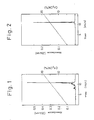
- the residue was dissolved in water (1 ml) and the sample (0.1 ml) was purified by HPLC (M & S PACK C-18, 4.6 mm in inner diameter x 150 mm in length, 10 - 50% acetonitrile - 0.1 M TEAA). (The obtained results are shown in Fig. l.)
- the eluate was confirmed by a UV monitor (280 nm), and the central portion of the main peak was collected and concentrated under reduced pressure. Water (1 ml) was added to the concentrate and distillation under a reduced pressure was conducted until the triethylamine disappeared.
- the residue was dissolved in an aqueous hydrochloric acid solution (5 ml) having a pH value of 2.0 and the solution was allowed to stand at room temperature for 2 days.
- the solution was neutralized with dilute aqueous ammonia and washed with ethyl acetate (10 ml x 3 times), and the aqueous phase was concentrated under a reduced pressure.
- the sample (residue) was dissolved in water (200 ⁇ l) and the sample (180 ⁇ l) was purified by HPLC (M & S PACK C-18, 4.6 mm in inner diameter x 150 mm in length, 5 - 19% acetonitrile - 0.1 M TEAA). (The obtained results are shown in Fig.
- the enzyme decomposition product was separated by HPLC (M & S PACK C-18, 4.6 mm in inner diameter x 150 mm in length).
- the undecamer was completed decomposed to obtain a decomposition product comprising adenosine, guanosine 5-phosphate, uridine 5'-phosphate and adenosine 5'-phosphate at a ratio of 1.38:1.31:3.00:5.95.
- Nuclease Pl has a property of further decomposing adenosine 5'-phosphate to adenosine.
- acetyl cellulose derivative having ⁇ 21> introduced therein was dissolved in chloroform - methanol (7:3 v/v) (8 ml), and under cooling to 0°C, a solution (4 ml) of p-toluenesulfonic acid monohydrate (0.3164 g) in chloroform - methanol (7:3 v/v) was added to the above solution and the mixture was stirred for 15 minutes. Then, pyridine (1 ml) was added to the mixture and the reaction solution was concentrated under a reduced pressure until the volume was reduced to about 1/2.
- a tri-2'-deoxyribonucleotide 3'-phosphodiester derivative ⁇ 24> was synthesized from the acetyl cellulose derivative ⁇ 4> according to the following reaction formula:
- acetyl cellulose derivative ⁇ 4> (1.63 mmol/g) (0.8650 g, 1.39 mmol) obtained in Example 1 and N 4 -anisoyl-5'-O-dimethoxytrityl-2'-deoxycytidine 3'-(2-chlorophenyl)phosphate ⁇ 21> (0.9550 g, 1 mmol) were subjected to azeotropic dehydration with pyridine (5 ml x 3) to remove water from the system, and the mixture was dissolved in pyridine (10 ml).
- an acetyl cellulose derivative ⁇ 30> having 2'-deoxycytidine 3'-succinate supported thereon was synthesized from the acetyl cellulose ⁇ 4>, an acetyl cellulose derivative ⁇ 31> having octa-2'-deoxyribonucleotide supported thereon is synthesized from ⁇ 30>, and the protecting groups were removed from ⁇ 31> and purification was carried out to obtain octa-2'-deoxyribonucleotide ⁇ 29>
- acetyl cellulose derivative ⁇ 4> (1.63 mmol/g) (0.9663 g, 1.58 mmol) and N 4 - anisoyl-3'-0-(3-carboxy)propionyl-5'-0-dimethoxytrityl-2'-deoxycytidine ⁇ 32> (0.802 g, 1.05 mmol) were subjected to azeotropic dehydration with pyridine (5 ml x 3 times), and the mixture was dissolved in pyridine (10.5 ml), and 2,4,6-triisopropylbenzene-sulfonyl chloride (0.9450 g, 3.15 mmol) and 1-methylimidazole (0.53 ml, 6.3 mmol) were added to the solution and the mixture was stirred at room temperature for 2 hours.
- the residue was dissolved in chloroform - methanol (7:3 v/v) (10 ml) and the solution was cooled to 0°C, and a solution (10 ml) of p-toluenesulfonic acid monohydrate (0.5412 g) in chroloform - methanol (7:3 v/v) was added to the above solution.
- the mixture was stirred for 15 minutes and neutralized with pyridine, and the reaction solution was concentrated under a reduced pressure.
- the mixture was stirred at room temperature for 2 hours and cold water (0.5 ml) was added to the reaction solution, and the mixture was stirred at room temperature for 30 minutes and concentrated under a reduced pressure.
- the residue was subjected to azeotropic dehydration with pyridine (5 ml x 3 times) to remove water from the mixture.
- the residue was dissolved in pyridine (15 ml) and acetic anhydride (5 ml) was added to the solution, and the mixture was stirred at room temperature for 5 hours.
- N 1 ,N 1 ,N 3 ,N 3 -tetramethylguanidine (E)-2-pyridinealdoximate was eluted with 5% acetonitrile - 0.05 mM TEAB aqueous solution (20 ml) and the octamer was then eluted with 10% acetonitrile - 0.05 M TEAB aqueous solution (20 ml) or 15% acetonitrile - 0.05 M TEAB aqueous solution (10 ml).
- the eluate was concentrated under a reduced pressure, and the residue was dissolved in water (1 ml), and the sample (0.63 ml) was collected and the octamer ⁇ 34> having a dimethoxytrityl group at the 5' - position was purified by HPLC.
- the central fraction of the main peak was collected and concentrated under a reduced pressure.
- Water (1 ml) was added to the residue and distillation under a reduced pressure was conducted until the triethylamine smell disappeared. Then,. an 80% aqueous solution of acetic acid (1.31 ml) was added to 1/2 of the collected sample, and the mixture was stirred at room temperature for 30 minutes.
- the reaction solution was concentrated under a reduced pressure, and a small amount of water was added to the residue and acetic acid was removed by azeotropic distillation.
- the residue was dissolved in water (1 ml), and the sample (0.46 ml) was purified by HPLC (LiChrosorb RP-18, 4 mm in inner diameter x 250 mm in length, 10% acetonitrile - 0.1 M TEAA aqueous solution) (the obtained results are shown in Fig. 3).
- the central fraction of the main peak was collected and the eluate was concentrated under a reduced pressure to 1.95 OD of the octamer ⁇ 29> from which all of the protecting groups had been removed (the results are shown in Fig. 4).
- the octamer ⁇ 29> (0.6 OD) was dissolved in 0.05 M tris-buffer (pH 8.48) (200 ⁇ l), and snake venom phosphodiesterase (20 ⁇ g) was added to the solution and the mixture was allowed to stand at 37°C for 2 hours. Then, alkaline phosphatase (50 ⁇ g) was added to the mixture, and the mixture was allowed to stand at 25°C for 1 hour.
- the enzyme decomposition product was separated by HPLC [Lichrosorb RP-18, 4 mm in inner diameter x 250 mm in length, 10% acetonitrile - 0.1 M sodium phosphate aqueous solution (pH 4.2)], and it was confirmed that ⁇ 29> was completely decomposed to the respective 2'-deoxynucleotides.
- Synthetic DNA is used for the synthesis of structural genes such as human interferons and human growth hormones, and furthermore, use of synthetic DNA decamers through eicosamers for the production of primers for a determination of sequences, linkers for cloning, probes for a selection and confirmation of intended genes, agents for a direct diagnosis (genetic diagnosis) of microorganism-infectious diseases, and medicines such an anti-virus agents in the medicinal and therapeutic fields and the like has been remarkably increased.
- Primers, linkers and probes have specific sequences and large quantities of high-purity DNA oligomers are necessary for their production.
- the process of the present invention which is simple and suitable for this large-quantity synthesis, makes a great contribution to their production.
- RNA is located at a position intermediate between DNA and a protein in the protein biosynthesis system and has an important role.
- RNA is obtained only in a small amount and the intended sequence is restricted. Accordingly, the chemical synthesis process is very advantageous.
- the conventional liquid phase phosphotriester process it is very difficult to obtain high-purity R NA oligomers such as decamers in large quantities.
- a general method of the synthesis of RNA oligomers, as established in the synthesis of DNA oligomers has not been established.
- the process of the present invention is very valuable as the process for preparing easily and in large quantities DNA oligomers and RNA oligomers, the synthesis of which is extremely laborious and cumbersome.
Landscapes
- Chemical & Material Sciences (AREA)
- Health & Medical Sciences (AREA)
- Life Sciences & Earth Sciences (AREA)
- Biochemistry (AREA)
- Molecular Biology (AREA)
- Organic Chemistry (AREA)
- Engineering & Computer Science (AREA)
- Biotechnology (AREA)
- General Health & Medical Sciences (AREA)
- Genetics & Genomics (AREA)
- Saccharide Compounds (AREA)
- Polysaccharides And Polysaccharide Derivatives (AREA)
Applications Claiming Priority (3)
| Application Number | Priority Date | Filing Date | Title |
|---|---|---|---|
| JP256744/86 | 1986-10-30 | ||
| JP25674486 | 1986-10-30 | ||
| PCT/JP1987/000836 WO1988003149A1 (fr) | 1986-10-30 | 1987-10-30 | Procede de synthese d'oligonucleotides et composes servant a former des groupes protecteurs a poids moleculaire eleve |
Publications (3)
| Publication Number | Publication Date |
|---|---|
| EP0289619A1 true EP0289619A1 (de) | 1988-11-09 |
| EP0289619A4 EP0289619A4 (en) | 1990-09-26 |
| EP0289619B1 EP0289619B1 (de) | 1995-08-16 |
Family
ID=17296840
Family Applications (1)
| Application Number | Title | Priority Date | Filing Date |
|---|---|---|---|
| EP87907138A Expired - Lifetime EP0289619B1 (de) | 1986-10-30 | 1987-10-30 | Verfahren zur herstellung von oligonukleotiden und verbindungen zur bildung hochmolekularer schutzgruppen |
Country Status (4)
| Country | Link |
|---|---|
| US (1) | US4950745A (de) |
| EP (1) | EP0289619B1 (de) |
| DE (1) | DE3751468T2 (de) |
| WO (1) | WO1988003149A1 (de) |
Cited By (4)
| Publication number | Priority date | Publication date | Assignee | Title |
|---|---|---|---|---|
| EP0611075A1 (de) * | 1993-01-29 | 1994-08-17 | Sankyo Company Limited | Modifizierte Oligodeoxyribonukleotide, ihre Herstellung und ihre therapeutische Verwendung |
| EP0552766A3 (en) * | 1992-01-22 | 1994-09-07 | Hoechst Ag | Oligonucleotide analogues, their preparation and use |
| EP0552767A3 (en) * | 1992-01-22 | 1994-09-07 | Hoechst Ag | 3'-derivatised oligonucleotide analogues with non-nucleotidic groups, their preparation and use |
| US6033909A (en) * | 1992-01-22 | 2000-03-07 | Hoechst Aktiengesellschaft | Oligonucleotide analogs, their preparation and use |
Families Citing this family (16)
| Publication number | Priority date | Publication date | Assignee | Title |
|---|---|---|---|---|
| US5175266A (en) * | 1991-04-19 | 1992-12-29 | Triplex Pharmaceutical Corporation | Nucleosides and oligonucleosides with a phosphate-free internucleoside backbone and process for preparing the same |
| TW323284B (de) * | 1992-03-23 | 1997-12-21 | Novartis Ag | |
| US5763594A (en) * | 1994-09-02 | 1998-06-09 | Andrew C. Hiatt | 3' protected nucleotides for enzyme catalyzed template-independent creation of phosphodiester bonds |
| US5808045A (en) * | 1994-09-02 | 1998-09-15 | Andrew C. Hiatt | Compositions for enzyme catalyzed template-independent creation of phosphodiester bonds using protected nucleotides |
| US6214987B1 (en) | 1994-09-02 | 2001-04-10 | Andrew C. Hiatt | Compositions for enzyme catalyzed template-independent formation of phosphodiester bonds using protected nucleotides |
| US5990300A (en) * | 1994-09-02 | 1999-11-23 | Andrew C. Hiatt | Enzyme catalyzed template-independent creation of phosphodiester bonds using protected nucleotides |
| US6232465B1 (en) | 1994-09-02 | 2001-05-15 | Andrew C. Hiatt | Compositions for enzyme catalyzed template-independent creation of phosphodiester bonds using protected nucleotides |
| US5872244A (en) * | 1994-09-02 | 1999-02-16 | Andrew C. Hiatt | 3' protected nucleotides for enzyme catalyzed template-independent creation of phosphodiester bonds |
| CA2370478A1 (en) | 1999-03-24 | 2000-09-28 | Serge L. Beaucage | N-acylphosphoramidites and their use in oligonucleotide synthesis |
| US20080261220A1 (en) * | 2000-11-30 | 2008-10-23 | Third Wave Technologies, Inc. | Nucleic Acid Detection Assays |
| US7435390B2 (en) * | 2001-01-26 | 2008-10-14 | Third Wave Technologies, Inc. | Nucleic acid synthesizers |
| US6932943B1 (en) | 2001-01-26 | 2005-08-23 | Third Wave Technologies | Nucleic acid synthesizers |
| US20030072689A1 (en) * | 2001-08-15 | 2003-04-17 | Third Wave Technologies, Inc. | Polymer synthesizer |
| AU2002353001A1 (en) * | 2001-12-03 | 2003-06-17 | The Government Of The United States Of America, Represented By The Secretary Of The Department Of He | Thermolabile hydroxyl protecting groups and methods of use |
| WO2006065751A2 (en) * | 2004-12-13 | 2006-06-22 | Government Of The United States Of America, Represented By The Secretary, Department Of Health And Human Services | Cpg oligonucleotide prodrugs, compositions thereof and associated therapeutic methods |
| KR101069877B1 (ko) | 2009-10-28 | 2011-10-05 | 임기표 | 원심분리 키트 및 이를 이용한 원심분리 방법 |
Family Cites Families (17)
| Publication number | Priority date | Publication date | Assignee | Title |
|---|---|---|---|---|
| US1924238A (en) * | 1930-09-27 | 1933-08-29 | Chem Ind Basel | Cellulose solution and cellulose derivative and process of making same |
| IL37076A (en) * | 1971-06-16 | 1974-05-16 | Littauer U | A method for stepwise synthesis of oligoribonucleotides of defined sequence using 2'(3')-o-acyl-nucleoside diphosphates and polynucleotide phosphorylase |
| US4458066A (en) * | 1980-02-29 | 1984-07-03 | University Patents, Inc. | Process for preparing polynucleotides |
| US4500707A (en) * | 1980-02-29 | 1985-02-19 | University Patents, Inc. | Nucleosides useful in the preparation of polynucleotides |
| US4668777A (en) * | 1981-03-27 | 1987-05-26 | University Patents, Inc. | Phosphoramidite nucleoside compounds |
| US4415732A (en) * | 1981-03-27 | 1983-11-15 | University Patents, Inc. | Phosphoramidite compounds and processes |
| US4401796A (en) * | 1981-04-30 | 1983-08-30 | City Of Hope Research Institute | Solid-phase synthesis of polynucleotides |
| US4373071A (en) * | 1981-04-30 | 1983-02-08 | City Of Hope Research Institute | Solid-phase synthesis of polynucleotides |
| JPS5927900A (ja) * | 1982-08-09 | 1984-02-14 | Wakunaga Seiyaku Kk | 固定化オリゴヌクレオチド |
| DE3301833A1 (de) * | 1983-01-20 | 1984-07-26 | Gesellschaft für Biotechnologische Forschung mbH (GBF), 3300 Braunschweig | Verfahren zur simultanen synthese mehrerer oligonocleotide an fester phase |
| DE3329892A1 (de) * | 1983-08-18 | 1985-03-07 | Köster, Hubert, Prof. Dr., 2000 Hamburg | Verfahren zur herstellung von oligonucleotiden |
| US4638032A (en) * | 1983-12-12 | 1987-01-20 | Genetics Institute, Inc. | Magnetic particles as supports for organic synthesis |
| GB2164650A (en) * | 1984-09-25 | 1986-03-26 | Fujisawa Pharmaceutical Co | Process for production of y-interferon |
| US4786724A (en) * | 1984-10-11 | 1988-11-22 | Northwestern University | Nucleoside trichlorodimethylethyl phosphite esters |
| JPS61112093A (ja) * | 1984-11-05 | 1986-05-30 | Wakunaga Seiyaku Kk | ヌクレオチド誘導体 |
| US4739044A (en) * | 1985-06-13 | 1988-04-19 | Amgen | Method for derivitization of polynucleotides |
| FR2584090B1 (fr) * | 1985-06-27 | 1987-08-28 | Roussel Uclaf | Nouveaux supports, leur preparation et les intermediaires obtenus, leur application a la synthese d'oligonucleotides et les nouveaux nucleosides et oligonucleotides relies aux supports ainsi obtenus |
-
1987
- 1987-10-30 DE DE3751468T patent/DE3751468T2/de not_active Expired - Fee Related
- 1987-10-30 US US07/219,156 patent/US4950745A/en not_active Expired - Fee Related
- 1987-10-30 EP EP87907138A patent/EP0289619B1/de not_active Expired - Lifetime
- 1987-10-30 WO PCT/JP1987/000836 patent/WO1988003149A1/ja not_active Ceased
Cited By (8)
| Publication number | Priority date | Publication date | Assignee | Title |
|---|---|---|---|---|
| EP0552766A3 (en) * | 1992-01-22 | 1994-09-07 | Hoechst Ag | Oligonucleotide analogues, their preparation and use |
| EP0552767A3 (en) * | 1992-01-22 | 1994-09-07 | Hoechst Ag | 3'-derivatised oligonucleotide analogues with non-nucleotidic groups, their preparation and use |
| US5646261A (en) * | 1992-01-22 | 1997-07-08 | Hoechst Aktiengesellschaft | 3'-derivatized oligonucleotide analogs with non-nucleotidic groupings, their preparation and use |
| US6033909A (en) * | 1992-01-22 | 2000-03-07 | Hoechst Aktiengesellschaft | Oligonucleotide analogs, their preparation and use |
| EP1142902A3 (de) * | 1992-01-22 | 2001-10-17 | Hoechst Aktiengesellschaft | 3'-Derivatisierte Oligonucleotidanaloga mit nichtnucleotidischen Gruppierungen, deren Herstellung und Verwendung |
| EP0611075A1 (de) * | 1993-01-29 | 1994-08-17 | Sankyo Company Limited | Modifizierte Oligodeoxyribonukleotide, ihre Herstellung und ihre therapeutische Verwendung |
| US5674856A (en) * | 1993-01-29 | 1997-10-07 | Sankyo Company, Limited | Modified oligodeoxyribonucleoditides |
| US5807837A (en) * | 1993-01-29 | 1998-09-15 | Sankyo Company, Limited | Composition and method for the treatment or prophylaxis of viral infections using modified oligodeoxyribonucleotides |
Also Published As
| Publication number | Publication date |
|---|---|
| US4950745A (en) | 1990-08-21 |
| EP0289619B1 (de) | 1995-08-16 |
| DE3751468D1 (de) | 1995-09-21 |
| EP0289619A4 (en) | 1990-09-26 |
| WO1988003149A1 (fr) | 1988-05-05 |
| DE3751468T2 (de) | 1996-02-29 |
Similar Documents
| Publication | Publication Date | Title |
|---|---|---|
| US4950745A (en) | Process for synthesis of oligonucleotides and compound for forming polymeric protecting group | |
| JP3140127B2 (ja) | 3′−(2′)−アミノ−またはチオール−修飾された螢光色素結合ヌクレオシド、ヌクレオチドおよびオリゴヌクレオチド、並びにその製造法および使用 | |
| US5695979A (en) | Inhibition of reverse transcriptase by phosphorodithioates | |
| EP1161439B1 (de) | Xylo-lna analoge | |
| RU2079508C1 (ru) | Способ соединения нуклеозидов 3'-5'-межнуклеотидным силильным звеном | |
| US5512668A (en) | Solid phase oligonucleotide synthesis using phospholane intermediates | |
| US6111086A (en) | Orthoester protecting groups | |
| US5883237A (en) | Oligonucleotides having Rp and Sp linkages at predetermined locations | |
| JP5677716B2 (ja) | オリゴヌクレオチド類似体を含むキット及び方法並びにオリゴヌクレオチド類似体の使用 | |
| DE69632456T2 (de) | Nukleinsäuresynthese unter verwendung von mittels licht abspaltbaren schutzgruppen | |
| EP2295441A2 (de) | Neuartige Bicyclonucleosid- und Oligonukleotidanaloga | |
| US6166198A (en) | Methods for oligonucleotide synthesis | |
| US20150038692A1 (en) | Synthesis of protected 3'-amino nucleoside monomers | |
| JPH0812698A (ja) | インビトロにおけるオリゴヌクレオチド合成法 | |
| EP0543906A4 (en) | Hydroxyl-protecting groups orthogonally removable by reduction and their use in the chemical synthesis of oligonucleotides | |
| US5936077A (en) | Solid phase synthesis of oligonucleotides | |
| EP0292101A2 (de) | Verfahren zur Herstellung von 3'-Azido-3'-deoxythymidin und Zwischenverbindungen | |
| Augustyns et al. | Influence of the Incorporation of 1‐(2, 3‐Dideoxy‐β‐D‐Erythro‐Hexopyranosyl)‐Thymine on the Enzymatic Stability and Base‐Pairing Properties of Oligodeoxynucleotides | |
| US4419509A (en) | Process for de-cyanoethylating blocked nucleotides | |
| GB2125798A (en) | Solid phase synthesis of oligonucleotides | |
| JPH06135988A (ja) | ヌクレオシド誘導体 | |
| EP1340766B1 (de) | Optisch-aktive DNS-Sonde mit Phosphonsäurediester-Verbindung | |
| Zhang et al. | Synthesis of 2-amino-2-deoxy-β-glycosyl-(1→ 5)-nucleosides and the interaction with RNA | |
| JP2510646B2 (ja) | オリゴヌクレオチドの合成法および高分子保護基形成用化合物 | |
| JPWO1988003149A1 (ja) | オリゴヌクレオチドの合成法および高分子保護基形成用化合物 |
Legal Events
| Date | Code | Title | Description |
|---|---|---|---|
| PUAI | Public reference made under article 153(3) epc to a published international application that has entered the european phase |
Free format text: ORIGINAL CODE: 0009012 |
|
| 17P | Request for examination filed |
Effective date: 19880711 |
|
| AK | Designated contracting states |
Kind code of ref document: A1 Designated state(s): CH DE FR GB LI SE |
|
| A4 | Supplementary search report drawn up and despatched |
Effective date: 19900808 |
|
| AK | Designated contracting states |
Kind code of ref document: A4 Designated state(s): CH DE FR GB LI SE |
|
| 17Q | First examination report despatched |
Effective date: 19920903 |
|
| RBV | Designated contracting states (corrected) |
Designated state(s): DE FR GB |
|
| GRAA | (expected) grant |
Free format text: ORIGINAL CODE: 0009210 |
|
| AK | Designated contracting states |
Kind code of ref document: B1 Designated state(s): DE FR GB |
|
| REF | Corresponds to: |
Ref document number: 3751468 Country of ref document: DE Date of ref document: 19950921 |
|
| ET | Fr: translation filed | ||
| PLBE | No opposition filed within time limit |
Free format text: ORIGINAL CODE: 0009261 |
|
| STAA | Information on the status of an ep patent application or granted ep patent |
Free format text: STATUS: NO OPPOSITION FILED WITHIN TIME LIMIT |
|
| 26N | No opposition filed | ||
| PGFP | Annual fee paid to national office [announced via postgrant information from national office to epo] |
Ref country code: FR Payment date: 19961009 Year of fee payment: 10 |
|
| PGFP | Annual fee paid to national office [announced via postgrant information from national office to epo] |
Ref country code: GB Payment date: 19961021 Year of fee payment: 10 |
|
| PGFP | Annual fee paid to national office [announced via postgrant information from national office to epo] |
Ref country code: DE Payment date: 19961108 Year of fee payment: 10 |
|
| PG25 | Lapsed in a contracting state [announced via postgrant information from national office to epo] |
Ref country code: GB Free format text: LAPSE BECAUSE OF NON-PAYMENT OF DUE FEES Effective date: 19971030 |
|
| PG25 | Lapsed in a contracting state [announced via postgrant information from national office to epo] |
Ref country code: FR Free format text: THE PATENT HAS BEEN ANNULLED BY A DECISION OF A NATIONAL AUTHORITY Effective date: 19971031 |
|
| GBPC | Gb: european patent ceased through non-payment of renewal fee |
Effective date: 19971030 |
|
| PG25 | Lapsed in a contracting state [announced via postgrant information from national office to epo] |
Ref country code: DE Free format text: LAPSE BECAUSE OF NON-PAYMENT OF DUE FEES Effective date: 19980701 |
|
| REG | Reference to a national code |
Ref country code: FR Ref legal event code: ST |