EP0301670B1 - Kluyveromyces als Wirtsstamm - Google Patents
Kluyveromyces als Wirtsstamm Download PDFInfo
- Publication number
- EP0301670B1 EP0301670B1 EP88201632A EP88201632A EP0301670B1 EP 0301670 B1 EP0301670 B1 EP 0301670B1 EP 88201632 A EP88201632 A EP 88201632A EP 88201632 A EP88201632 A EP 88201632A EP 0301670 B1 EP0301670 B1 EP 0301670B1
- Authority
- EP
- European Patent Office
- Prior art keywords
- sequence
- interest
- dna
- polypeptide
- host cell
- Prior art date
- Legal status (The legal status is an assumption and is not a legal conclusion. Google has not performed a legal analysis and makes no representation as to the accuracy of the status listed.)
- Expired - Lifetime
Links
Images











Classifications
-
- C—CHEMISTRY; METALLURGY
- C12—BIOCHEMISTRY; BEER; SPIRITS; WINE; VINEGAR; MICROBIOLOGY; ENZYMOLOGY; MUTATION OR GENETIC ENGINEERING
- C12N—MICROORGANISMS OR ENZYMES; COMPOSITIONS THEREOF; PROPAGATING, PRESERVING, OR MAINTAINING MICROORGANISMS; MUTATION OR GENETIC ENGINEERING; CULTURE MEDIA
- C12N9/00—Enzymes; Proenzymes; Compositions thereof; Processes for preparing, activating, inhibiting, separating or purifying enzymes
- C12N9/14—Hydrolases (3)
- C12N9/24—Hydrolases (3) acting on glycosyl compounds (3.2)
- C12N9/2402—Hydrolases (3) acting on glycosyl compounds (3.2) hydrolysing O- and S- glycosyl compounds (3.2.1)
- C12N9/2405—Glucanases
- C12N9/2408—Glucanases acting on alpha -1,4-glucosidic bonds
- C12N9/2411—Amylases
- C12N9/2428—Glucan 1,4-alpha-glucosidase (3.2.1.3), i.e. glucoamylase
-
- C—CHEMISTRY; METALLURGY
- C12—BIOCHEMISTRY; BEER; SPIRITS; WINE; VINEGAR; MICROBIOLOGY; ENZYMOLOGY; MUTATION OR GENETIC ENGINEERING
- C12N—MICROORGANISMS OR ENZYMES; COMPOSITIONS THEREOF; PROPAGATING, PRESERVING, OR MAINTAINING MICROORGANISMS; MUTATION OR GENETIC ENGINEERING; CULTURE MEDIA
- C12N1/00—Microorganisms; Compositions thereof; Processes of propagating, maintaining or preserving microorganisms or compositions thereof; Processes of preparing or isolating a composition containing a microorganism; Culture media therefor
- C12N1/20—Bacteria; Culture media therefor
-
- C—CHEMISTRY; METALLURGY
- C07—ORGANIC CHEMISTRY
- C07K—PEPTIDES
- C07K14/00—Peptides having more than 20 amino acids; Gastrins; Somatostatins; Melanotropins; Derivatives thereof
- C07K14/435—Peptides having more than 20 amino acids; Gastrins; Somatostatins; Melanotropins; Derivatives thereof from animals; from humans
- C07K14/76—Albumins
- C07K14/765—Serum albumin, e.g. HSA
-
- C—CHEMISTRY; METALLURGY
- C12—BIOCHEMISTRY; BEER; SPIRITS; WINE; VINEGAR; MICROBIOLOGY; ENZYMOLOGY; MUTATION OR GENETIC ENGINEERING
- C12N—MICROORGANISMS OR ENZYMES; COMPOSITIONS THEREOF; PROPAGATING, PRESERVING, OR MAINTAINING MICROORGANISMS; MUTATION OR GENETIC ENGINEERING; CULTURE MEDIA
- C12N15/00—Mutation or genetic engineering; DNA or RNA concerning genetic engineering, vectors, e.g. plasmids, or their isolation, preparation or purification; Use of hosts therefor
- C12N15/09—Recombinant DNA-technology
-
- C—CHEMISTRY; METALLURGY
- C12—BIOCHEMISTRY; BEER; SPIRITS; WINE; VINEGAR; MICROBIOLOGY; ENZYMOLOGY; MUTATION OR GENETIC ENGINEERING
- C12N—MICROORGANISMS OR ENZYMES; COMPOSITIONS THEREOF; PROPAGATING, PRESERVING, OR MAINTAINING MICROORGANISMS; MUTATION OR GENETIC ENGINEERING; CULTURE MEDIA
- C12N15/00—Mutation or genetic engineering; DNA or RNA concerning genetic engineering, vectors, e.g. plasmids, or their isolation, preparation or purification; Use of hosts therefor
- C12N15/09—Recombinant DNA-technology
- C12N15/11—DNA or RNA fragments; Modified forms thereof; Non-coding nucleic acids having a biological activity
- C12N15/62—DNA sequences coding for fusion proteins
- C12N15/625—DNA sequences coding for fusion proteins containing a sequence coding for a signal sequence
-
- C—CHEMISTRY; METALLURGY
- C12—BIOCHEMISTRY; BEER; SPIRITS; WINE; VINEGAR; MICROBIOLOGY; ENZYMOLOGY; MUTATION OR GENETIC ENGINEERING
- C12N—MICROORGANISMS OR ENZYMES; COMPOSITIONS THEREOF; PROPAGATING, PRESERVING, OR MAINTAINING MICROORGANISMS; MUTATION OR GENETIC ENGINEERING; CULTURE MEDIA
- C12N15/00—Mutation or genetic engineering; DNA or RNA concerning genetic engineering, vectors, e.g. plasmids, or their isolation, preparation or purification; Use of hosts therefor
- C12N15/09—Recombinant DNA-technology
- C12N15/63—Introduction of foreign genetic material using vectors; Vectors; Use of hosts therefor; Regulation of expression
- C12N15/79—Vectors or expression systems specially adapted for eukaryotic hosts
- C12N15/80—Vectors or expression systems specially adapted for eukaryotic hosts for fungi
- C12N15/81—Vectors or expression systems specially adapted for eukaryotic hosts for fungi for yeasts
- C12N15/815—Vectors or expression systems specially adapted for eukaryotic hosts for fungi for yeasts for yeasts other than Saccharomyces
-
- C—CHEMISTRY; METALLURGY
- C12—BIOCHEMISTRY; BEER; SPIRITS; WINE; VINEGAR; MICROBIOLOGY; ENZYMOLOGY; MUTATION OR GENETIC ENGINEERING
- C12N—MICROORGANISMS OR ENZYMES; COMPOSITIONS THEREOF; PROPAGATING, PRESERVING, OR MAINTAINING MICROORGANISMS; MUTATION OR GENETIC ENGINEERING; CULTURE MEDIA
- C12N9/00—Enzymes; Proenzymes; Compositions thereof; Processes for preparing, activating, inhibiting, separating or purifying enzymes
- C12N9/14—Hydrolases (3)
- C12N9/24—Hydrolases (3) acting on glycosyl compounds (3.2)
- C12N9/2402—Hydrolases (3) acting on glycosyl compounds (3.2) hydrolysing O- and S- glycosyl compounds (3.2.1)
-
- C—CHEMISTRY; METALLURGY
- C12—BIOCHEMISTRY; BEER; SPIRITS; WINE; VINEGAR; MICROBIOLOGY; ENZYMOLOGY; MUTATION OR GENETIC ENGINEERING
- C12N—MICROORGANISMS OR ENZYMES; COMPOSITIONS THEREOF; PROPAGATING, PRESERVING, OR MAINTAINING MICROORGANISMS; MUTATION OR GENETIC ENGINEERING; CULTURE MEDIA
- C12N9/00—Enzymes; Proenzymes; Compositions thereof; Processes for preparing, activating, inhibiting, separating or purifying enzymes
- C12N9/14—Hydrolases (3)
- C12N9/48—Hydrolases (3) acting on peptide bonds (3.4)
- C12N9/50—Proteinases, e.g. Endopeptidases (3.4.21-3.4.25)
- C12N9/64—Proteinases, e.g. Endopeptidases (3.4.21-3.4.25) derived from animal tissue
- C12N9/6421—Proteinases, e.g. Endopeptidases (3.4.21-3.4.25) derived from animal tissue from mammals
- C12N9/6424—Serine endopeptidases (3.4.21)
- C12N9/6456—Plasminogen activators
- C12N9/6459—Plasminogen activators t-plasminogen activator (3.4.21.68), i.e. tPA
-
- C—CHEMISTRY; METALLURGY
- C12—BIOCHEMISTRY; BEER; SPIRITS; WINE; VINEGAR; MICROBIOLOGY; ENZYMOLOGY; MUTATION OR GENETIC ENGINEERING
- C12N—MICROORGANISMS OR ENZYMES; COMPOSITIONS THEREOF; PROPAGATING, PRESERVING, OR MAINTAINING MICROORGANISMS; MUTATION OR GENETIC ENGINEERING; CULTURE MEDIA
- C12N9/00—Enzymes; Proenzymes; Compositions thereof; Processes for preparing, activating, inhibiting, separating or purifying enzymes
- C12N9/14—Hydrolases (3)
- C12N9/48—Hydrolases (3) acting on peptide bonds (3.4)
- C12N9/50—Proteinases, e.g. Endopeptidases (3.4.21-3.4.25)
- C12N9/64—Proteinases, e.g. Endopeptidases (3.4.21-3.4.25) derived from animal tissue
- C12N9/6421—Proteinases, e.g. Endopeptidases (3.4.21-3.4.25) derived from animal tissue from mammals
- C12N9/6478—Aspartic endopeptidases (3.4.23)
- C12N9/6481—Pepsins (3.4.23.1; 3.4.23.2; 3.4.23.3)
-
- C—CHEMISTRY; METALLURGY
- C12—BIOCHEMISTRY; BEER; SPIRITS; WINE; VINEGAR; MICROBIOLOGY; ENZYMOLOGY; MUTATION OR GENETIC ENGINEERING
- C12Y—ENZYMES
- C12Y302/00—Hydrolases acting on glycosyl compounds, i.e. glycosylases (3.2)
- C12Y302/01—Glycosidases, i.e. enzymes hydrolysing O- and S-glycosyl compounds (3.2.1)
- C12Y302/01003—Glucan 1,4-alpha-glucosidase (3.2.1.3), i.e. glucoamylase
-
- C—CHEMISTRY; METALLURGY
- C12—BIOCHEMISTRY; BEER; SPIRITS; WINE; VINEGAR; MICROBIOLOGY; ENZYMOLOGY; MUTATION OR GENETIC ENGINEERING
- C12Y—ENZYMES
- C12Y302/00—Hydrolases acting on glycosyl compounds, i.e. glycosylases (3.2)
- C12Y302/01—Glycosidases, i.e. enzymes hydrolysing O- and S-glycosyl compounds (3.2.1)
- C12Y302/01108—Lactase (3.2.1.108)
-
- C—CHEMISTRY; METALLURGY
- C12—BIOCHEMISTRY; BEER; SPIRITS; WINE; VINEGAR; MICROBIOLOGY; ENZYMOLOGY; MUTATION OR GENETIC ENGINEERING
- C12Y—ENZYMES
- C12Y304/00—Hydrolases acting on peptide bonds, i.e. peptidases (3.4)
- C12Y304/21—Serine endopeptidases (3.4.21)
- C12Y304/21069—Protein C activated (3.4.21.69)
-
- C—CHEMISTRY; METALLURGY
- C07—ORGANIC CHEMISTRY
- C07K—PEPTIDES
- C07K2319/00—Fusion polypeptide
-
- C—CHEMISTRY; METALLURGY
- C07—ORGANIC CHEMISTRY
- C07K—PEPTIDES
- C07K2319/00—Fusion polypeptide
- C07K2319/01—Fusion polypeptide containing a localisation/targetting motif
- C07K2319/02—Fusion polypeptide containing a localisation/targetting motif containing a signal sequence
-
- C—CHEMISTRY; METALLURGY
- C07—ORGANIC CHEMISTRY
- C07K—PEPTIDES
- C07K2319/00—Fusion polypeptide
- C07K2319/01—Fusion polypeptide containing a localisation/targetting motif
- C07K2319/036—Fusion polypeptide containing a localisation/targetting motif targeting to the medium outside of the cell, e.g. type III secretion
Definitions
- This invention relates to methods for preparing and using Kluyveromyces for the production of polypeptides of interest which preferentially are secreted into the growth medium.
- the invention is exemplified by sequences useful in the production of chymosin and precursors thereof, tissue plasminogen activator (t-PA), and human serum albumin (HSA), in Kluyveromyces.
- t-PA tissue plasminogen activator
- HSA human serum albumin
- European Patent Application (EPA) 0096430 discloses Kluyveromyces as a host for cloning and expression of foreign genes. However, no mention was made of the capability of secreting proteins into the growth medium.
- Peptide production systems comprising Kluyveromyces host strains, expression cassettes which include efficient transcriptional initiation and termination regions for use in Kluyveromyces and a gene, optionally containing a signal sequence for secretion, under the transcriptional and translational regulation of the regulatory regions.
- the cassettes are introduced into the Kluyveromyces host strain under conditions whereby the resulting transformants stably maintain the expression cassettes.
- Naturally occurring DNA and synthetic genes may be employed for the production of peptides of interest.
- expression cassettes which allow for the efficient and economic production of polypeptides by Kluyveromyces yeast cells.
- the expression cassettes have transcriptional and translational regulatory sequences functional in a Kluyveromyces host cell and an open reading frame coding for a peptide of interest under the transcriptional and translational control of the regulatory regions.
- the open reading frame also may include a leader sequence recognized by the Kluyveromyces host which provides for secretion of the polypeptide into the growth medium.
- the Kluyveromyces cells used may be either laboratory or industrial strains.
- the expression cassette will include in the 5'-3' direction of transcription, a transcriptional and translational initiation regulatory region, an open reading frame encoding a peptide of interest, desirably having a signal sequence for secretion recognized by Kluyveromyces, and a translational termination region.
- the expression cassette will further comprise a transcriptional termination regulatory region.
- the initiation and termination regulatory regions are functional in Kluyveromyces and provide for efficient expression of the peptide of interest without undesirable effects on the viability and proliferation of the Kluyveromyces host.
- the transcriptional and translational initiation regulatory region may be homologous or heterologous to Kluyveromyces.
- transcriptional initiation regions from genes which are present in Kluyveromyces or other yeast species, such as Saccharomyces, for example, cerevisiae, Schizosac- charomyces, Candida, etc., or other fungi, for example, filamentous fungi such as Aspergillus, Neurospora, Penicillium, etc.
- the transcriptional initiation regulatory regions may be obtained for example from genes in the glycolytic pathway, such as alcohol dehydrogenase, glyceraldehyde-3-phosphate dehydrogenase, phosphoglucoisomerase, phosphoglycerate kinase, etc., or regulatable genes such as acid phosphatase, lactase, glucoamylase, etc.
- Any one of a number of regulatory sequences may be preferred in a particular situation, depending upon whether constitutive or induced transcription is desired, the particular efficiency of the promoter in conjunction with the open reading frame of interest, the ability to join a strong promoter with a control region from a different promoter which allows for inducible transcription, ease of construction, and the like.
- These regulatory regions find ample precedent in the literature. See, for example, EP-A-0164566, incorporated herein by reference.
- leader sequence is homologous to the protein; in the second, the leader sequence is homologous to the host organism.
- Other alternatives of particular interest in the present invention for secretion of heterologous proteins in Kluyveromyces include the use of a leader sequence heterologous to both Kluyveromyces and the peptide of interest, or a synthetic leader sequence specifically designed.
- the DNA encoding the former leader sequence can be obtained by isolation or made synthetically.
- the open reading frame usually will include a wild-type or mutated gene, where the signal sequence is normally associated with the remainder of the coding sequence, a hybrid or chimeric open reading frame, where the signal sequence is normally not associated with the remaining portion of the open reading frame, or a synthetic sequence, where the signal sequence and the remainder of the open reading frame are synthesized to provide for preferred codons, convenient restriction sites, novel amino acid sequences, and the like, or combinations thereof.
- Signal sequences which may be employed may be obtained from genes, such as a-factor, invertase, amyloglucosidase, native or wild type signal sequences present in structural genes and recognized by Kluyveromyces, Saccharomyces, other fungi, e.g. Neurospora, Aspergillus, and other eukaryotes.
- the signal sequence which provides for secretion of the peptide of interest into the nutrient medium, rather than into the periplasmic space.
- the signal sequence will be the 5'-terminus of the open reading frame.
- internal signal sequences for secretion see U.S. Patent No. 4,338,397 and Perara and Lingappa, J. Cell Biology (1985) 101:2292-2301.
- Genes into which the open reading frame of interest may be inserted include highly expressed constitutive genes, for example, genes encoding enzymes of the glycolytic pathway, or highly expressed regulatable genes such as lactase, amyloglucosidase, or the like.
- nucleotide sequences surrounding the translational initiation codon ATG have been found to be important in yeast cells and in animal cells.
- M. Kozak, Microbiol. Revs. (1983) 47:1-45 has studied extensively the effect of these regions on the expression of insulin in COS cells.
- specific nucleotides are found more frequently in highly expressed yeast proteins than others indicating the important effect of these nucleotides on the level of expression of these genes.
- exogenous genes For optimal gene expression of exogenous genes it will be important to modify the nucleotide sequences surrounding the initiation codon ATG. This can be done by sitedirected mutagenesis or by fusing the exogenous gene in frame to an endogenous Kluyveromyces gene, preferably a highly expressed gene, such as the lactase gene.
- the processing signal employed will be the processing signal naturally occurring with the signal sequence or a processing signal which has been modified from the naturally occurring one, which is still effective for providing for a peptide signal resulting in hydrolytic cleavage of the signal peptide and processing signal peptide from the peptide of interest.
- processing signals have been sequenced and defined, such as a-factor (see for example U.S. Patent No. 4,546,082, which is incorporated herein by reference), amyloglucosidase, a-amylase, etc.
- sequences may be employed which may required subsequent cleavage for isolation of the desired peptide.
- sequences include dibasic peptides, e.g. KR, (D) 4 K, and EA, which are cleaved by KEX2, bovine enterokinase, and a yeast membrane peptidase, respectively.
- the peptide of interest may be native to the host or heterologous, being derived from prokaryotic or eukaryotic sources, which eukaryotic sources may involve fungi, protists, vertebrates, non-vertebrates, and the like.
- the peptide products may include enzymes, such as lactase, a-amylase, ,8-amylase, amyloglucosidase, chymosin, etc., mammalian peptides, such as hormones, interleukins, cytokines, cachexin, growth factors, e.g.
- blood factors such as factor V, VI, VII, VIII (vW or c), IX, X, XI or XII, plasminogen activator (tissue or urinary), serum albumin, e.g. human serum albumin, colony growth factor (e.g. GM), erythropoietin, thaumatin, insulin, etc.
- the structural gene may be synthesized in whole or in part, particularly where it is desirable to provide yeast-preferred codons.
- all or a portion of the open reading frame may be synthesized using codons preferred by Kluyveromyces.
- Preferred codons may be determined by those codons which are found in the proteins produced in greatest amount by the Kluyveromyces host e.g. glycolytic enzymes. Methods for synthesizing sequences and bringing the sequences together are well established in the literature.
- the synthesized portion may serve as a bridge between two naturally occurring portions, or may provide a 3'-terminus or a 5'-terminus.
- synthetic adaptors commonly will be employed.
- linkers may be employed, where the various fragments may be inserted at different restriction sites or substituted for a sequence in the linker.
- the termination region may be derived from the 3'-region of the gene from which the initiation region was obtained or from a different gene.
- a large number of termination regions are known and have been found to be satisfactory in a variety of hosts from the same and different genera and species.
- the termination region is usually selected more as a matter of convenience rather than because of any particular property.
- the termination region will be derived from a yeast gene, particularly Saccharomyces or Kluyveromyces.
- the various fragments comprising the regulatory regions and open reading frame may be subjected to different processing conditions, such as ligation, restriction, resection, in vitro mutagenesis, primer repair, use of linkers and adaptors, and the like.
- processing conditions such as ligation, restriction, resection, in vitro mutagenesis, primer repair, use of linkers and adaptors, and the like.
- nucleotide transitions, transversions, insertions, deletions, or the like may be performed on the DNA which is employed in the regulatory regions and/or open reading frame.
- the various fragments of the DNA will usually be cloned in an appropriate cloning vector, which allows for expansion of the DNA, modification of the DNA or manipulation by joining or removing of the sequences, linkers, or the like.
- the vectors will be capable of replication in at least a relatively high copy number in E. coli.
- a number of vectors are readily available for cloning, including such vectors as pBR322, pACYC184, pUC7-19, M13, Charon 4A, and the like.
- the cloning vectors are characterized by having an efficient replication system functional in E. coli. Also, the cloning vector will have at least one unique restriction site, usually a plurality of unique restriction sites and may also include multiple restriction sites, particularly two of the same restriction sites for substitution. In addition, the cloning vector will have one or more markers which provide for selection for transformants. The markers will normally provide for resistance to cytotoxic agents such as antibiotics, heavy metals, toxins or the like, complementation of an auxotrophic host, or immunity to a phage.
- the plasmid After each manipulation of the DNA in the development of the cassette, the plasmid will be cloned and isolated and, as required, the particular cassette component analyzed as to its sequence to ensure that the proper sequence has been obtained. Depending upon the nature of the manipulation, the desired sequence may be excised from the plasmid and introduced into a different vector or the plasmid may be restricted and the expression cassette component manipulated, as appropriate.
- a shuttle vector will be employed where the vector is capable of replication in different hosts requiring different replication systems. This may or may not require additional markers which are functional in the two hosts. Where such markers are required, these can be included in the vector, where the plasmid containing the cassette, the two replication systems, and the marker(s) may be transferred from one host to another, as required.
- the second replication system would be a replication system functional in Kluyveromyces.
- the replication systems which may be used may be derived from plasmids, e.g.
- replication systems include the replication system of the 2 micron plasmid found in Saccharomyces and an autonomously replicating sequence (ARS) gene, for example when used in conjunction with a centromere sequence, or the like. If desired, regions of homology may be provided to encourage integration of the expression cassette into the genome of the Kluyveromyces host.
- ARS autonomously replicating sequence
- KARS Kluyveromyces DNA chromosomes
- the KARS gene may be obtained by screening a library of Kluyveromyces DNA fragments for enhanced transformation efficiency. In this manner, fragments can be obtained which contain KARS sequences, which fragments can be further modified by restriction, resection, or primer repair, to provide a fragment of approximately 200 bp and not more than about 5000 bp, more usually from about 200 bp to 2000 bp which provides for enhanced transformation efficiency.
- the presence of the KARS gene can provide transformation of K. lactis auxotrophic species to prototophy at a frequency of at least about 10 3 per microgram of DNA, usually at a frequency of 10 4 per microgram of DNA or higher.
- E. coli with the various DNA constructs (plasmids and viruses) for cloning is not critical to this invention. Conjugation, transduction, transfection or transformation, e.g. calcium chloride or phosphate mediated transformation, may be employed. By contrast, for yeast, for the most part the prior art has relied on transformation of protoplasts employing combinations of calcium ions and polyethylene glycol of from about 2000 to 8000, usually 4000 to 7000 daltons.
- An alternative method of transformation involves growing Kluyveromyces in a standard yeast nutrient medium to a density of 1 to 25, desirably 4 to 10 OD61 o.
- the Kluyveromyces cells are then harvested, washed and pretreated with chaotropic ions, particularly the alkali metal ions lithium, cesium or rubidium, particularly as the chloride or sulfate, more particularly the lithium salts, at concentrations of about 2 mM to 1 M, preferably about 0.1 M.
- chaotropic ions particularly the alkali metal ions lithium, cesium or rubidium, particularly as the chloride or sulfate, more particularly the lithium salts
- concentrations of about 2 mM to 1 M, preferably about 0.1 M.
- the DNA is added and the incubation is prolonged for a short period of time at a moderate temperature, generally from about 20 ° C to 35 ° C, for about 5 to 60 min.
- polyethylene glycol is added, desirably at a concentration to about 25 to 50%, where the entire medium may be diluted by adding an equal volume of a polyethylene glycol concentrate to result in the desired final concentration.
- the polyethylene glycol will be of from about 2000 to 8000 daltons, preferably about 4000 to 7000 daltons.
- Incubation will generally be for a relatively short time, generally from about 5 to 60 min. Desirably, the incubation medium is subjected to a heat treatment of from about 1 to 10 min. at about 35 ° C to 45 ° C, preferably about 42 ° C.
- any useful marker may be used, although the number of markers useful with Kluyveromyces is narrower than the markers used for Saccharomyces. Desirably, resistance to kanamycin and the aminoglycoside G418 are of interest, as well as complementation of a gene in the tryptophan metabolic pathway, particularly TRP1 or in the lactose metabolic pathway, particularly LAC4.
- transformed cells may be screened by the specific products they make. In the case of chymosin, for example, synthesis of the product may be determined by an immunological or an enzymatic method.
- the vector used may be capable of extrachromosomal maintenance in Kluyveromyces or result in integration into the Kluyveromyces gene. It has been found that the 2 micron plasmid replication system from Saccharomyces provides for extrachromosomal maintenance in Kluyveromyces. In addition, one may use a combination of a centromere, such as the Saccharomyces CEN3 and a high transformation frequency sequence, such as ARS or KARS. If selective maintenance is provided, such as complementation or resistance to an antibiotic to which Kluyveromyces is susceptible, the ARS-like sequences will usually suffice for extrachromosomal maintenance.
- a centromere such as the Saccharomyces CEN3
- a high transformation frequency sequence such as ARS or KARS.
- the homologous sequence will usually be at least about 200 bp and may be 1000 bp or more.
- Amplification has been achieved by providing for a gene in tandem with the desired structural gene, which provides for selective advantage for the host in a selective medium.
- the genes expressing dihydrofolate reductase, metallothioneins, thymidine kinase, etc. have proven useful in a variety of hosts to provide for amplification, where the gene provides protection from a toxin, such as methotrexate, heavy metals, such as copper and mercury, and the like.
- Vectors of interest providing for stable replication include KARS vectors originating from K. lactis, e.g. pKARS12 and pKARS2, which plasmids comprise a K. lactis DNA fragment containing the KARS12 or KARS2 sequence in the S. cerevisiae plasmid YRp7.
- a vector employed for integration is, for example, pL4, a hybrid plasmid of the ARS1 carrying plasmid YRp7 and K. lactis Xhol DNA fragment carrying the LAC4 gene. See EP-A 0096430.
- Plasmids of particular interest include plasmids having the 2 micron plasmid replication system, the LAC4 gene, the Tn601 and Tn5 kanamycin resistance gene, which also provides resistance to the antibiotic G418 in Kluyveromyces (Jimenez and Davis, Nature (1980) 287:869-871).
- This plasmid provides for autonomous replication in Kluyveromyces and can be selected for by resistance to G418 on regeneration plates containing glucose, sorbitol, and 0.2 ⁇ g/ml G418, while avoiding elevated concentrations of KC1, which interferes with the sensitivity of Kluyveromyces to G418.
- Preferred plasmids include the TRP1 gene, particularly from S. cerevisiae, the LAC4 gene, particularly from K. lactis the Kan R gene providing for resistance against antibiotic G418 from Tn5, or the like.
- the subject vectors and constructs are introduced into an appropriate host for cloning and expression of the desired structural genes. After transformation, colonies will normally appear on regeneration medium within about 5 to 6 days. Where an antibiotic is employed for selection, the colonies should be screened to ensure the absence of spontaneous mutation to a resistant strain.
- Employing the plasmids and the methods of the subject invention about 5% of resistant colonies were found to contain the plasmid construct providing for at least about 4 transformants per I.Lg of plasmid DNA. Where selection was based on the presence of the LAC4 gene, using plates containing lactose as the sole carbon source and 0.6M KCI as an osmotic stabilizer, all of the surviving colonies were found to be transformants and not spontaneous revertants. About 20 transformants were obtained after about 4 to 5 days of incubation at moderate temperature, e.g. 30 ° C.
- Kluyveromyces is especially suitable for the production of heterologous proteins, for example for the production and extraction of the enzyme chymosin and its precursors preprochymosin, pseudochymosin and prochymosin, for human serum albumin (HSA), tissue plasminogen activator (t-PA), and thaumatin and its precursor forms.
- HSA human serum albumin
- t-PA tissue plasminogen activator
- thaumatin and its precursor forms thaumatin and its precursor forms.
- Saccharomyces produce prochymosin in reasonable amounts, the produced prochymosin cannot be extracted in an active or activatable form.
- Kluyveromyces species Either laboratory or industrial, preferably industrial, strains may be used.
- industrial species By industrial species is intended, Kluyveromyces strains from organisms which may be isolated from natural sources or may be available from depositories or other sources or obtained by modification, e.g. mutation, of such strains.
- the industrial strains are characterized by being resistant to genetic exchange, being prototrophic or made prototrophic by a single gene being introduced into the host strain, and are usually selected for improved production of peptides.
- the Kluyveromyces organisms are on the GRAS (Generally Recognized As Safe) list. Their use for production of products to be used in vivo or to be ingested normally will not require special governmental review and approval.
- Both wild type and mutant Kluyveromyces, particularly Kluyveromyces lactis or Kluyveromyces fragilis may be employed as hosts.
- Hosts of particular interest include K. lactis SD11 1 lac4 trp1 and K. lactis SD69 lac4, and the wild-type strain CBS 2360 (see EP-A-0096430).
- selective media such as a yeast nitrogen-based medium, 2% lactose instead of glucose for K. lactis SD69 lac4 (PTY75-LAC4) and for K. lactis SD69 lac4 (pL4) and a yeast nitrogen-based medium (Difco) plus 2% glucose for K. lactis SD11 lac4 trp1 (pKARS12). See for the transformants mentioned, EP-A-0096430.
- strains containing plasmids conferring antibiotic resistance for example against G418, may be cultivated in a medium containing said antibiotic.
- hybrid plasmids are employed for large scale production of the desired protein, it would generally be useful to remove at least substantially all of the bacterial DNA sequences from the hybrid plasmids.
- the expression product may remain in the cytoplasm of the host cell or be secreted. It has been found that not only the proteins that remain in the cell but also those that are secreted are soluble. Where the expression product is to remain in the host cell, it may generally be desirable to have an inducible transcription initiation region, so that until the transformant has reached a high density, there is little or no expression of the desired product. After sufficient time for the expression product to form, the cells may be isolated by conventional means, e.g. centrifugation, lysed and the product of interest isolated.
- the lysate may be subjected to various purification methods, such as chromatography, electrophoresis, solvent extraction, crystallization, or the like.
- the degree of purity may vary from about 50%, to 90% or higher, up to essential purity.
- both constitutive and non-constitutive transcriptional initiation regions may be employed, depending on the fermentation process used for the production of the protein or polypeptide of interest.
- the expression product may be secreted into the culture medium, and produced on a continuous basis, where the medium is partially withdrawn, the desired product extracted, e.g., by affinity chromatography, or the like, and the spent medium discarded or recirculated by restoring essential components.
- Chromosomal DNA was isolated from Kluyveromyces lactis strain CBS 2360 (Das and Hollenberg, Current Genetics (1982) 5:123-128), cleaved with Xhol, and separated according to size on a sucrose gradient. Fractions containing the lactase gene were detected with a LAC4 probe from plasmid pK16 after spotting the DNA on a nitrocellulose filter (see EP-A-0096430, Example 16.C2). DNA containing the LAC4 gene was cloned into the Sall site of plasmid pPA153-215 (Andreoli, Mol. Gen. Genet. (1985) 199:372-380) giving rise to plasmid pPA31.
- Plasmid pGBTeG418 (see Figure 1) consists of the plasmid pPA153-215, as described above, and a 5.6 kb fragment consisting of the 3.7 kb BamHl K. lactis lactase terminator fragment (Breuning et al., Nucl. Acid Res. (1984) 12:2327-2341) and the Tn5 gene (Reiss et al., EMBO J.
- Plasmid pGB901 was constructed by ligating the following four fragments:
- Prochymosin-encoding DNA is present in plasmid pGB901. This may readily be converted to plasmids with preprochymosin, pseudochymosin or chymosin DNA by using the Sall-Bglll fragments from pGB 131, 122 or 124, respectively (see Ep-A-0096430).
- plasmid pGB901 was used to transform K. lactis strains SD11 and CBS 2360 with similar results.
- the transformation was carried out essentially as described in Examples 4 and 14 of EP-A-0096430, by using intact plasmid DNA or plasmid DNA cut with restriction endonucleases.
- restriction endonucleases were used which cut in the promoter region, e.g., Sacll, Ndel, SnaBl or Spel, or in the terminator region, e.g., EcoRV, or both the promoter and terminator regions.
- K. lactis strain CBS 2360 was grown in 100 ml of YEPD-medium (1% yeast extract, 2% peptone, 2% glucose) containing 2.5 ml of a 6.7% yeast nitrogen base (Difco) solution to an OD 6 10 of about 7.
- the cells were collected by centrifugation from 10 ml of the culture, washed with TE-buffer (10 mM Tris-HCI pH 7.5, 0.1 mM EDTA) and resuspended in 1 ml TE-buffer.
- TE-buffer 10 mM Tris-HCI pH 7.5, 0.1 mM EDTA
- An equal volume of 0.2 M lithium acetate was added and the mixture was incubated for 1 hr at 30 ° C in a shaking waterbath.
- Plasmid pGB901 (15 ⁇ g) was cut at the unique Sacll site in the lactase promoter, ethanol precipitated and resuspended in 15 ⁇ l TE-buffer. This DNA prepa ratio n was added to 100 ⁇ l of the pre-incubated cells and the incubation was prolonged for 30 minutes. Then an equal volume of 70% PEG 4000 was added and the mixture was incubated for 1 hr at the same temperature, followed by a heatshock of 5 minutes at 42 ° C. Then 1 ml of YEPD-medium was added and the cells were incubated for 1.5 hrs in a shaking waterbath of 30 ° C.
- lactis transformants although no signal sequence for protein secretion was added to prochymosin. About 30-60% of the total prochymosin produced was found in the medium as determined by the above-described milk-clotting assay. Similar results were obtained when K. lactis strain SD11 was used.
- Lactase-chymosin fusion proteins giving enhanced chymosin production
- the Sall site from the polylinker of pGB902 was removed for convenience.
- pGB902 was partially digested with Sall, followed by a short incubation with Ba131 (Boehringer). Linear fragments were isolated from an agarose gel, ligated and transformed into E. coli. A correct plasmid, pGB903, was obtained. Restriction analysis showed that this plasmid also has the Xbal and Hindlll sites removed from the polylinker.
- plasmid pGB903 was digested with the restriction endonucleases Sall and Bglll. The 11 kb DNA fragment was isolated from an agarose gel by electroelution.
- plasmid pGB124 containing the preprochymosin gene (see EP-A-0096430, Example 16) was digested and the 0.3 kb SallBglll fragment containing the N-terminal part of the preprochymosin gene was isolated.
- Plasmid pGB904 was isolated which contained the preprochymosin gene fused to a small part of the lactase gene (Table 2). Protein synthesis starts at the boxed ATG codon.
- K. lactis CBS 2360 cells were transformed with pGB904, which had been linearized with Sacll. Transformants were selected, grown and assayed for chymosin activity as described in Example 2.
- Table 3 a comparison is made between the secretion of prochymosin from K. lactis CBS 2360 cells transformed with pGB902 (see Example 3) and with pGB904.
- (Pro)chymosin production is expressed in arbitrary units per ml of cells at OD 61 of 200.
- amyloglucosidase (AG) from Aspergillus awamori was published by Innis et al., Science (1985) 228:21-26. Based on the protein sequence, oligonucleotides were derived to permit insertion of the leader sequence in front of the prochymosin gene (see Figure 3).
- the oligonucleotides were synthesized with an Applied Biosystems DNA synthesizer.
- the oligonucleotides were purified by electrophoresis on a denaturing polyacrylamide gel, then electroeluted from the gel.
- Plasmid pGB903 (see Example 4) was cut at the unique Sall site.
- the oligonucleotides were hybridized at 65 ° C, 50 ° C and 37 ° C for one hour each in 2xSSC.
- the o ligo nucleotides had no phosphate at the 5' end to prevent formation of multimers.
- the DNA was ligated into the Sall site using T4 polynucleotide ligase.
- the ligation mixture was transformed into E. coli HB101. Twenty-four of the colonies were cultured and plasmid DNA isolated.
- One of the plasmids, pGB905 was shown to have the correct orientation of the oligonucleotides by restriction enzyme analysis.
- Plasmid pGB905 was transformed to K. lactis CBS 2360.
- (Pro)chymosin production was analyzed according to the procedure described in Example 2. The results are of the (pro)chymosin production, in arbitrary units/ml of cells at OD 6 10 of 200, is shown in the following Table 4.
- a synthetic leader sequence was prepared which has a sequence different from any known leader sequence. Using this leader sequence, all prochymosin synthesized was secreted by Kluyveromyces as shown below.
- This synthetic leader sequence was devised using frequently occurring amino acids from position -6 to +2 of the signal sequence cleavage site (Von Heyne, Eur. J. Biochem. (1983) 133:17-21). Frequently occurring yeast codons were also employed and extra nucleotides were incorporated in front of the ATG sequence to make up for the deletion of 26 nucleotides in pGB902.
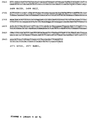
- the oligonucleotides used and the resulting leader sequence are shown in Figure 4.
- the synthetic leader sequence DNA was synthesized using an Applied Biosystems DNA synthesizer.
- the resulting oligonucleotides were run on a 40 cm long, 1 mm thick polyacrylamide gel, containing TBE buffer (50 mM Tris, 50 mM borate, 1 mM EDTA, pH 8.3) and 7 M urea until the Bromophenol Blue marker had travelled 2/3 of the gel length.
- TBE buffer 50 mM Tris, 50 mM borate, 1 mM EDTA, pH 8.3
- 7 M urea until the Bromophenol Blue marker had travelled 2/3 of the gel length.
- the DNA was visualized, eluted from the gel and precipitated with ethanol.
- pGB901 a derivative was made with a deletion around the Sall site resulting from the polylinker of pUC19. This was done by replacing the 0.5 kb SnaBl-Bglll fragment from pGB903 by the corresponding fragment from pGB901. The resulting plasmid was cut at the unique Sall site. The oligonucleotides were hybridized at 65 ° C, 50 ° C and 37 C for one hour each in 2xSSC. The DNA was ligated into the Sall site using T4 polynucleotide ligase. The plasmid was then transformed into E. coli HB101. Of the colonies obtained, 24 were cultured and plasmid DNA isolated.
- pGB906 One of the plasmids, pGB906, was shown to have the oligonucleotides in the correct orientation by restriction enzyme digestion. It was found that K. lactis CBS 2360 transformed with pGB906 secreted more than 95% of the prochymosin produced.
- K. lactis CBS 2360 (pGB905) transformants were grown for 3 days at 30 ° C and samples were collected from the supernatant of the cultures. Protein samples were electrophoresed on a polyacrylamide gel according to Laemmli (Nature (1970) 227:680-685). Proteins were blotted onto a nitrocellulose filter according to the method of Towbin et al. (Proc. Natl. Acad. Sci. USA (1979) 76:4350-4354). Chymosin protein was detected by incubating the filter with a polyclonal antiserum against chymosin (Chr.
- Plasmid pGB163 was digested with BamHl and ligated to an Xbal-BamHl, a-factor leader-prochymosin adaptor. The resulting mixture was then treated with Pstl and a 96 bp fragment encoding the pro-a-factor processing site and the N-terminal region of prochymosin was isolated. A 1900 bp fragment encoding bovine prochymosin was isolated from plasmid pJS111 following digestion with Pstl and Sall.
- Plasmid pJS111 is a pBR322 derivative containing the prochymosin gene from pGB163 under the regulatory control of the ADH-2 promoter and the glyceraldehyde 3-phosphate (GAPDH) terminator.
- the 1900 bp Pstl to Sall fragment that was removed contains the prochymosin gene and the GAPDH terminator.
- the yeast GAPDH 49 gene promoter and transcription terminator are essentially as described by Travis, J. Biol. Chem. (1985) 260:4384-4389.
- Plasmid pDM100 containing a fusion of the GAPDH promoter, the S. cerevisiae a-factor leader, and a synthetic gene for human y-interferon flanked by Xbal and Sall sites and the a-factor terminator, was digested with Xbal and Sall, treated with alkaline phosphatase, then ligated to the 96 bp and 1900 bp fragments described above.
- the a-factor leader and terminator are essentially as described by Brake, Proc. Natl. Acad. Sci. USA (1984) 81:4642-4646.
- the resulting plasmid pDM100-PC was isolated and contained a fusion of the GAPDH promoter, the a-factor leader and prochymosin gene.
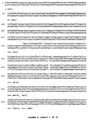
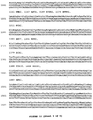
- the complete sequence of the BamHl insert is shown in Figure 6.
- pKS100 and pAB300 were constructed.
- Plasmid pKS100 was constructed by insertion into pDM100-PC of an 1170 bp Hindlll fragment from YEp24 containing the S. cerevisiae URA3 gene.
- Plasmid pAB300 was constructed by insertion into pDM100-PC of a 3500 bp Hindlll-Sall fragment from pGB901 containing the 3' region of the K. lactis LAC4 gene and the G418 resistance marker.
- the GAPDH/a-factor/prochymosin Baml insert in pDM100-PC is illustrated in Figure 6.
- Plasmid pKS100 was digested at the Bglll site in the prochymosin coding region and used to transform K. lactis strain KRN201-6. This strain is a derivative of strain 2UV21 (a lac4 trp1 ura3 [kil o ]) in which the lac4 gene has been replaced by the LAC4 promoter-prochymosin gene fusion from pGB901. Integration of pKS100 is thus targeted to the integrated prochymosin coding region. Plasmid pKS100 was also used to transform S. cerevisiae strain AB110 (a ura3 leu2 his4 pep4-3 [cir°]), in this case targeting to the Sacll site in the 3' region of the GAPDH gene.
- S. cerevisiae strain AB110 a ura3 leu2 his4 pep4-3 [cir°]
- the resulting transformants were grown to saturation in liquid YEPD medium, and the culture supernatants and cell lysates assayed for chymosin activity after activation at pH 2. As shown by the results summarized in Table 5 below, the K. lactis transformants efficiently secreted prochymosin into the medium, whereas the S. cerevisiae transformants secreted only a small fraction of the prochymosin produced.
- Plasmid pAB300 was used to transform K. lactis strain 2UV21 to G418 resistance, targeting integration to the EcoRV site in the 3' region of the LAC4 gene. These transformants were also found to efficiently secrete prochymosin into the culture medium as shown in Table 6 below.
- Plasmid pDM100-PC was partially digested with Pstl, ligated to a Sall-Pstl adaptor encoding a portion of the a-factor leader and 26 bp of the region 5' to the LAC4 gene, and then digested with Hindlll.
- a 1500 bp fragment was isolated from this mixture and then cloned into pUC18 digested with Hindlll and Sall to produce pKS102.
- a synthetic E. coli lac operator was ligated int o the S all site just 5' to the a-factor leader coding sequence in pKS102 to produce the plasmid pKS103. This was done because the LAC4 promoter/a-factor leader/prochymosin fusion may be toxic to E. coli.
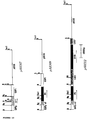
- Plasmid pJD15R is derived from pGB901 by deletion of the Sall site in the pUC19 polylinker by filling-in to produce pJD15, and then recloning the 8800 bp Xbal fragment in the opposite orientation. From this reaction the plasmid pKS105 was isolated. These plasmids are illustrated in Figure 7.
- Plasmid pKS105 was then used to transform K. lactis strain CBS 2360 to G418 resistance, using the Sacll site in the LAC4 5' region as a targeting site for the integrative transformation. Chymosin production is expressed in units per ml of cells at OD 61 of 200, see Table 7 below.
- the column was washed with 0.1 M acetic acid and then the a-factor was eluted with 80% ethanol/10 mM HCI. The eluate was evaporated to dryness and then dissolved in 0.1% trifluoroacetic acid (TFA)/20% acetonitrile and applied to a reverse-phase HPLC guard column. The column was washed stepwise with solutions containing 0.1% TFA and 20%, 40%, 60% and 80% acetonitrile. The 60% fraction, containing the a-factor activity, was then applied to an analytical C-18 HPLC column and eluted with a gradient of 20% to 80% acetonitrile in 0.1% TFA. Fractions were collected and assayed for a-factor activity. The fractions containing a-factor activity were dried and subjected to amino acid sequence analysis.
- TFA trifluoroacetic acid
- oligonucleotides were labeled using y- [ 32 P]-ATP and T4 polynucleotide kinase. These oligonucleotide probes were used to probe Southern blots or bacterial colonies at 42 ° C in the following hybridization solution: 4xSSC, 50 mM KH2PO4 pH 7, 1% sarkosyl, 10% dextran sulfate, 200 ⁇ g/ml sonicated, denatured salmon sperm DNA. Filters were washed in 2xSSC, 0.1 % SDS at 42 ° C.
- a plasmid library in the vector pJS109, containing inserts resulting from a limited Sau3AI digest of genomic DNA from K. lactis strain SD11 (a trp1 lac4), size-fractionated to purify fragments >5000 bp was screened with these probes by plating transformants of E. coli strain HB101 at a density of 500-2000 colonies per 80 mm plate of L-agar containing 100 ⁇ g/ml am p icill in. DNA was transferred from the colonies to nitrocellulose filters and these filters hybridized as described above. Areas on the original plates corresponding to regions of hybridization signals on the filters were picked, then replated and retested by hybridization to isolate single colonies with plasmids containing hybridizing sequences. Positive colonies were further tested by Southern blot analysis of DNA purified from small cultures.
- Plasmids purified from hybridization-positive colonies were digested with a variety of restriction enzymes and the resulting fragments analyzed by Southern blot analysis using the same hybridization probes in order to identify restriction fragments of size suitable for DNA sequence analysis. Fragments thus identified were purified by agarose gel electrophoresis and cloned into appropriate MP18 and MP19 vectors. DNA sequence analysis was then performed.
- the first 10 amino acids of the K. lactis a-factor showed a definite homology to that from S. cerevisiae, with 6 identical residues. This sequence is shown below:
- This protein sequence was used to design a set of oligonucleotides deduced to be complementary to the structural gene for the corresponding structural gene as shown in Figure 8. Oligonucleotides including all of the possible codons for a segment of the a-factor peptide were synthesized as two pools of 96 and 48 different molecules.
- pool #2 gave strong hybridization to a single fragment and much weaker hybridization to a second fragment in several different digests. Thus, pool 2 was chosen to screen plasmid libraries of K. lactis genomic DNA.
- cerevisiae repeats and show a more diverse sequence with the pattern X-Ala/Pro rather than the Glu/Ala-Pro sequences found in S. cerevisiae.
- a comparison of the DNA sequences showed a strong degree of homology throughout the coding region.
- a series of plasmids (shown in Figure 10) were constructed in order to provide a fusion of the K. lactis a-factor leader to prochymosin expressed under the transcriptional control of a strong promoter.
- pAB307 A 673 bp Sspl-EcoRl fragment from afk18b ( Figure 9) was modified by filling the EcoRl overhang by Klenow enzyme and addition of Bglll linkers to the blunt ends. This fragment was then inserted into a Bglll site joining the promoter and terminator regions of the S. cerevisiae glyceraldehyde-3-phosphate dehydrogenase gene (GAPDH). This cassette was cloned as a BamHl fragment in pUC18, resulting in pAB307.
- GPDH S. cerevisiae glyceraldehyde-3-phosphate dehydrogenase gene
- pAB309 Fusion of sequences encoding the a-leader and bovine prochymosin was then performed. First pAB307 was digested with Ncol and the cohesive ends made blunt by treatment with mung bean nuclease. The resulting product was then digested with Sall. To this was ligated a 2000 bp EcoRV-Sall fragment containing sequences encoding prochymosin and the S. cerevisiae transcriptional termination region. This fragment was derived from plasmid pJS111 in which a Xbal-BamHl adaptor had been added to the 5' end of a fragment containing prochymosin cDNA fused to the S. cerevisiae GAPDH transcriptional termination region.
- This ligation mixture was used to transform E. coli strain HB101 and a transformant carrying the plasmid pAB309 was isolated.
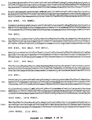
- the sequences around the junction of this fusion are shown in Figure 11 and the sequence of the entire BamHI-Sall insert of pAB309 is shown in Figure 12.
- pAB312 In order to obtain transformation of K. lactis strains, a 3560 bp Hindlll fragment derived from pGB901 was inserted into pAB309 producing plasmid pAB312.
- the Hindlll fragment contains the 3' region of the K. lactis LAC4 gene and a fusion of the S. cerevisiae ADH1 promoter to the bacterial G418-resistance structural gene.
- pAB313 and pAB314 A 1900 bp Sacl-Hindlll was isolated from pAB309 and cloned into MP19 (Yanisch-Perron et at., Gene (1985) 33:103). Single-stranded phage DNA was prepared and used as a template for in vitro mutagenesis with one of the two oligonucleotide primers shown in Figure 13. The M13 phage MP19/ak11.5 and MP19/ak12.2 were prepared using Primer #1 and Primer #2, respectively.
- Double-stranded RF DNA was prepared from these phages, and 1100 bp Sacl-Stul fragments isolated from each. These fragments were ligated to a 7100 bp Sacl-Stul fragment from pAB312. The resulting plasmids pAB313 and pAB314 were isolated with the sequence alterations illustrated in Figure 13.
- Plasmid pAB312 was digested with EcoRV (to target integration to the LAC4 region of the K. lactis genome) and was then used to transform K. lactis strain 2UV21 (a ura3 trp1 lac4 [kil°]) to G418 resistance.
- the plasmids pAB313 and pAB314 were used to transform strain 2UV21 to G418 resistance.
- Cultures of transformants 2UV21::pAB312, 2UV21::pAB313 and 2UV21::pAB314 were grown and culture supernatants assayed for chymosin activity as above.
- Each of the transformants was found to secrete a single prochymosin-related species as judged by SDS polyacrylamide gel electrophoresis of trichloroacetic acid-precipitated culture supernatants.
- the prochymosin-related protein secreted by pAB312 transformants appeared to be of slightly higher molecular weight than those secreted by pAB313 and pAB314 transformants as determined by electrophoretic mobility.
- KRN303-1 and KRN304-4 The major species secreted by KRN303-1 and KRN304-4 were purified by preparative SDS polyacrylamide gel electrophoresis and subjected to gas phase amino acid sequence analysis. The N-terminal sequences of these species are given below.
- tissue-type plasminogen activator t-PA
- DNA sequence analysis and restriction mapping confirmed the authenici ty o f the t-PA cDNA.
- F or e xpression studies the 2.0 kb Bglll fragment (see Pennica et al.), comprising almost the complete coding region for the mature protein and the 3' noncoding region, was used.
- a DNA fragment comprising the Tn5 gene (Reiss et al., EMBO J. (1984) 3:3317), conferring resistance to G418 under the direction of the alcohol dehydrogenase I (ADHI) promoter from S. cerevisiae similar to that described by Bennetzen and Hall, J. Biol. Chem. (1982) 257:3018, was inserted into the Smal site of pUC19 (Yanisch-Perron et al., Gene (1985) 33:103).
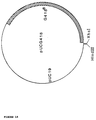
- the obtained plasmid, pUCG418, is shown in Figure 14. E. coli containing pUCG418 was deposited at Centraal Bureau voor Schimmelcultures on December 4, 1987 under CBS 872.87.
- K. lactis strain CBS 2360 with pGBtPAI was performed as described in Example 2.
- the transformants and t h e con trol strain CBS 2360 were grown in YEPD-medium for about 64 hrs. at 30 ° C. Cells were separated from the culture medium by centrifugation. The cells were resuspended in a physiological salt solution at an OD 61 0 of 300 and disrupted by shaking with glass beads for 3 minutes on a Vortex shaker at maximal speed. Cell debris was removed by centrifugation.
- t-PA from melanoma cells Karl Vitrum
- Table 10 shows the result of a typical analysis of 10 transformants. It is demonstrated that t-PA was found in the culture medium of K. lactis transformed with pGBtPAl.
- t-PA secretion of t-PA was also confirmed by using an ELISA with a monoclonal antibody against human t-PA (ESP5 purchased from Biopool) and by a chromogenic activity assay (a commercial test from Kabi Vitrum).
- cDNA encoding human serum albumin was prepared according to the method of Okayama and Berg (Mol. Cell. Biol. (1982) 2:161) using mRNA prepared from human liver.
- the cDNA was cloned in a vector derived from pBR322 and transformed to E. coli. Screening of the transformants was performed using a oligodesoxyribonucleotide based on the sequence of the HSA cDNA clone of Lawn et al., Nucleic Acids Res. (1981) 9:6103).
- the selected cDNA clone was partially sequenced and compared to the sequence of Lawn et al.
- pGBHSA1 was constructed, containing the following elements:
- pGBHSA1 was cut with Sall and EcoRV and synthetic DNA was inserted:
- the resulting plasmid was named pGBHSA2.
- the HSA cDNA-clone was cut with Hindlll and the sticky end was filled in, using Klenow DNA polymerase I. Subsequently the DNA was cut with BstEll and the BstEll-Hindlll (filled in) fragment, containing almost the complete HSA coding region was purified.
- pGBHSA2 was digested with Xhol, the sticky ends were filled in using Klenow DNA polymerase I and digestion with BstEll was performed. In the resulting vector the HSA encoding fragment (BstEll-Hindlll (filled in)) was inserted.
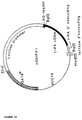
- the obtained plasmid, pGBHSA3, is shown in Figure 18.
- K. lactis strain 2360 with pGBHSA3 was performed as described in Example 2.
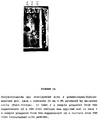
- Transformants and the control strain CBS 2360 were grown in YEPD medium for about 64 hrs at 30 ° C. The cells were separated from the culture medium by centrifugation. Samples of 30 ⁇ l were taken from the supernatants and analysed by electrophoresis on a 10% polyacrylamide gel according to Laemmli (Nature 227, 680 (1970)).
- the results shown in Figure 19 demonstrate that HSA is secreted into the culture medium by K. lactis cells transformed with pGBHSA3. There is also an indication that the secretion of other proteins is reduced in the HSA producing cells.
Landscapes
- Health & Medical Sciences (AREA)
- Life Sciences & Earth Sciences (AREA)
- Chemical & Material Sciences (AREA)
- Genetics & Genomics (AREA)
- Engineering & Computer Science (AREA)
- Organic Chemistry (AREA)
- Zoology (AREA)
- Bioinformatics & Cheminformatics (AREA)
- Wood Science & Technology (AREA)
- Biomedical Technology (AREA)
- General Engineering & Computer Science (AREA)
- Biotechnology (AREA)
- General Health & Medical Sciences (AREA)
- Biochemistry (AREA)
- Molecular Biology (AREA)
- Microbiology (AREA)
- Medicinal Chemistry (AREA)
- Biophysics (AREA)
- Plant Pathology (AREA)
- Physics & Mathematics (AREA)
- Mycology (AREA)
- Toxicology (AREA)
- Gastroenterology & Hepatology (AREA)
- Proteomics, Peptides & Aminoacids (AREA)
- Tropical Medicine & Parasitology (AREA)
- Virology (AREA)
- Micro-Organisms Or Cultivation Processes Thereof (AREA)
- Preparation Of Compounds By Using Micro-Organisms (AREA)
- Enzymes And Modification Thereof (AREA)
- Peptides Or Proteins (AREA)
Claims (29)
Priority Applications (1)
| Application Number | Priority Date | Filing Date | Title |
|---|---|---|---|
| AT88201632T ATE97446T1 (de) | 1987-07-28 | 1988-07-28 | Kluyveromyces als wirtsstamm. |
Applications Claiming Priority (2)
| Application Number | Priority Date | Filing Date | Title |
|---|---|---|---|
| US78539 | 1979-09-24 | ||
| US07/078,539 US4943529A (en) | 1982-05-19 | 1987-07-28 | Kluyveromyces as a host strain |
Publications (3)
| Publication Number | Publication Date |
|---|---|
| EP0301670A1 EP0301670A1 (de) | 1989-02-01 |
| EP0301670B1 true EP0301670B1 (de) | 1993-11-18 |
| EP0301670B2 EP0301670B2 (de) | 2000-06-14 |
Family
ID=22144683
Family Applications (1)
| Application Number | Title | Priority Date | Filing Date |
|---|---|---|---|
| EP88201632A Expired - Lifetime EP0301670B2 (de) | 1987-07-28 | 1988-07-28 | Kluyveromyces als Wirtsstamm |
Country Status (20)
| Country | Link |
|---|---|
| EP (1) | EP0301670B2 (de) |
| JP (1) | JPH02476A (de) |
| KR (1) | KR970007024B1 (de) |
| CN (1) | CN1026994C (de) |
| AR (1) | AR247761A1 (de) |
| AT (1) | ATE97446T1 (de) |
| AU (1) | AU628018B2 (de) |
| CA (1) | CA1323850C (de) |
| DE (1) | DE3885668T3 (de) |
| DK (1) | DK175203B1 (de) |
| ES (1) | ES2061632T5 (de) |
| FI (1) | FI107939B (de) |
| GR (1) | GR3034358T3 (de) |
| HU (1) | HU208553B (de) |
| IE (1) | IE62458B1 (de) |
| IL (1) | IL87258A (de) |
| NO (1) | NO302485B1 (de) |
| NZ (1) | NZ225597A (de) |
| PT (1) | PT88133B (de) |
| ZA (1) | ZA885536B (de) |
Families Citing this family (43)
| Publication number | Priority date | Publication date | Assignee | Title |
|---|---|---|---|---|
| US5010182A (en) * | 1987-07-28 | 1991-04-23 | Chiron Corporation | DNA constructs containing a Kluyveromyces alpha factor leader sequence for directing secretion of heterologous polypeptides |
| FR2649991B2 (fr) * | 1988-08-05 | 1994-03-04 | Rhone Poulenc Sante | Utilisation de derives stables du plasmide pkd1 pour l'expression et la secretion de proteines heterologues dans les levures du genre kluyveromyces |
| CA2017176A1 (en) * | 1989-05-22 | 1990-11-22 | Yoshitomi Pharmaceutical Industries Ltd. | Albumin gene-containing plasmid, transformant carrying same, production of such transformant and production of albumin |
| FR2650598B1 (fr) * | 1989-08-03 | 1994-06-03 | Rhone Poulenc Sante | Derives de l'albumine a fonction therapeutique |
| US5326700A (en) * | 1990-11-06 | 1994-07-05 | Eli Lilly And Company | DNA sequences encoding t-PA derivatives with cleavable sites |
| FR2677996B1 (fr) * | 1991-06-21 | 1993-08-27 | Rhone Poulenc Rorer Sa | Vecteurs de clonage et/ou d'expression preparation et utilisation. |
| FR2678636A1 (fr) * | 1991-07-02 | 1993-01-08 | Rhone Poulenc Rorer Sa | Procede de production de proteines recombinantes et cellules hote utilisees. |
| IT1251435B (it) * | 1991-09-04 | 1995-05-09 | Sclavo Spa | Vettore genetico per la integrazione multipla stabile di sequenze di dna nel genoma dei lieviti kluyveromyces lactis e saccharomyces cerevisiae e plasmidi che lo contengono. |
| FR2686899B1 (fr) | 1992-01-31 | 1995-09-01 | Rhone Poulenc Rorer Sa | Nouveaux polypeptides biologiquement actifs, leur preparation et compositions pharmaceutiques les contenant. |
| FR2692907B1 (fr) * | 1992-06-25 | 1995-06-30 | Rhone Poulenc Rorer Sa | Levures kluyveromyces modifiees, preparation et utilisation. |
| FR2693475B1 (fr) * | 1992-07-08 | 1994-09-02 | Rhone Poulenc Rorer Sa | Procédé d'identification et/ou de clonage de promoteurs transcriptionnels, et utilisation de ces promoteurs pour l'expression de gènes. |
| GB9526733D0 (en) | 1995-12-30 | 1996-02-28 | Delta Biotechnology Ltd | Fusion proteins |
| GB9907461D0 (en) | 1999-03-31 | 1999-05-26 | King S College London | Neurite regeneration |
| US6265186B1 (en) | 1997-04-11 | 2001-07-24 | Dsm N.V. | Yeast cells comprising at least two copies of a desired gene integrated into the chromosomal genome at more than one non-ribosomal RNA encoding domain, particularly with Kluyveromyces |
| CN1059236C (zh) * | 1997-04-24 | 2000-12-06 | 复旦大学 | 脆壁克鲁维酵母的高效转化系统 |
| US8372620B2 (en) | 1998-12-23 | 2013-02-12 | Dupont Nutrition Biosciences Aps | Bacterial xylanases |
| EP1274720A4 (de) | 2000-04-12 | 2004-08-18 | Human Genome Sciences Inc | Albumin enthaltende fusionsproteine |
| US6946134B1 (en) | 2000-04-12 | 2005-09-20 | Human Genome Sciences, Inc. | Albumin fusion proteins |
| GB0020498D0 (en) | 2000-08-18 | 2000-10-11 | Sterix Ltd | Compound |
| CZ2003798A3 (cs) | 2000-09-21 | 2003-08-13 | Dsm N. V. | Polypeptid s aktivitou xylanázy, sekvence nukleové kyseliny kódující polypeptid, způsob přípravy a použití polypeptidu |
| CA2437081C (en) | 2000-12-07 | 2010-10-19 | Dsm Ip Assets B.V. | Protein hydrolysates enriched in peptides having a carboxy terminal proline residue |
| PT1326957E (pt) | 2000-12-07 | 2004-09-30 | Dsm Ip Assets Bv | Metodo para a prevencao ou reducao de turvacao em bebidas |
| US7507413B2 (en) | 2001-04-12 | 2009-03-24 | Human Genome Sciences, Inc. | Albumin fusion proteins |
| GB0116453D0 (en) | 2001-07-05 | 2001-08-29 | Imp College Innovations Ltd | Method |
| EP2042196B1 (de) | 2001-10-10 | 2016-07-13 | ratiopharm GmbH | Neumodellierung und Glykokonjugation von Granulozyten-Kolonie stimulierender Faktor (G-CSF) |
| PT1463751E (pt) | 2001-12-21 | 2013-08-26 | Human Genome Sciences Inc | Proteínas de fusão de albumina |
| EP1511835B9 (de) | 2002-06-07 | 2015-02-25 | DSM IP Assets B.V. | Verbessertes verfahren zur verhinderung oder verminderung von trübungen in getränken |
| TWI328612B (en) | 2002-07-25 | 2010-08-11 | Dsm Ip Assets Bv | Genes and their encoded polypeptides involved in the biosynthetic pathway of vitamin b12, vectors and host cells comprising the genes, and process for producing vitamin b12 |
| CA2513213C (en) | 2003-01-22 | 2013-07-30 | Human Genome Sciences, Inc. | Albumin fusion proteins |
| NZ542586A (en) | 2003-04-09 | 2009-11-27 | Biogenerix Ag | Method of forming a covalent conjugate between a G-CSF peptide and PEG |
| GB0403864D0 (en) | 2004-02-20 | 2004-03-24 | Ucl Ventures | Modulator |
| ES2246175B1 (es) * | 2004-07-30 | 2007-03-16 | Felix Claverie Martin | "procedimiento para producir quimosina caprina recombinante para la coagulacion de la leche de cabra en la fabricacion de queso". |
| EP3563688A1 (de) | 2005-11-28 | 2019-11-06 | DSM IP Assets B.V. | Enzympräparate zur abgabe eines reinen geschmacks |
| GB0600406D0 (en) | 2006-01-10 | 2006-02-15 | Univ Bath | Crystal |
| EP1816201A1 (de) | 2006-02-06 | 2007-08-08 | CSL Behring GmbH | Modifizierter Koagulationsfaktor VIIa mit verbesserter 'half-life'-Stabiltät |
| NZ571699A (en) | 2006-04-13 | 2011-07-29 | Dsm Ip Assets Bv | Liquid composition comprising an aspartic protease |
| JP5436225B2 (ja) | 2007-02-20 | 2014-03-05 | ディーエスエム アイピー アセッツ ビー.ブイ. | 新規シアリダーゼ |
| DK2126060T3 (en) | 2007-03-22 | 2017-01-16 | Dsm Ip Assets Bv | Hitherto unknown lysyl oxidases |
| BRPI0908930A2 (pt) * | 2008-03-18 | 2015-08-04 | Univ Yamaguchi | Levedura floculenta e método para produção da mesma |
| WO2011101339A2 (en) | 2010-02-18 | 2011-08-25 | Dsm Ip Assets B.V. | Fermentation broth and filtration filter cake and uses thereof |
| WO2012007445A1 (en) | 2010-07-13 | 2012-01-19 | Dsm Ip Assets B.V. | Mutarotase in crystallization |
| WO2012007446A1 (en) | 2010-07-13 | 2012-01-19 | Dsm Ip Assets B.V. | Use of a mutarotase in the production of dried powders |
| CN115806889B (zh) * | 2022-09-28 | 2024-06-11 | 山东大学 | 一种提高基因表达水平的酿酒酵母工程菌及其构建方法与应用 |
Family Cites Families (5)
| Publication number | Priority date | Publication date | Assignee | Title |
|---|---|---|---|---|
| IL66614A (en) * | 1981-08-28 | 1985-09-29 | Genentech Inc | Method of constructing a dna sequence encoding a polypeptide,microbial production of human serum albumin,and pharmaceutical compositions comprising it |
| SU1662352A3 (ru) * | 1982-05-05 | 1991-07-07 | Генентек, Инк (Фирма) | Штамм бактерий ЕSснеRIснIа coLI - продуцент активатора плазминогена тканевого типа |
| DE3381090D1 (de) * | 1982-05-19 | 1990-02-15 | Gist Brocades Nv | Klonierungssystem fuer kluyveromyce spezies. |
| DE3382547D1 (de) * | 1983-01-12 | 1992-05-27 | Chiron Corp | Sekretorische expression in eukaryoten. |
| IT1203758B (it) * | 1986-03-27 | 1989-02-23 | Univ Roma | Vettori di clonazione e di espressione di geni eterologhi in lieviti e lieviti trasformati con tali vettori |
-
1988
- 1988-07-28 FI FI883540A patent/FI107939B/fi not_active IP Right Cessation
- 1988-07-28 IE IE231488A patent/IE62458B1/en not_active IP Right Cessation
- 1988-07-28 DK DK198804221A patent/DK175203B1/da not_active IP Right Cessation
- 1988-07-28 HU HU884020A patent/HU208553B/hu not_active IP Right Cessation
- 1988-07-28 CN CN88104676A patent/CN1026994C/zh not_active Expired - Fee Related
- 1988-07-28 NO NO883347A patent/NO302485B1/no not_active IP Right Cessation
- 1988-07-28 ES ES88201632T patent/ES2061632T5/es not_active Expired - Lifetime
- 1988-07-28 AU AU20148/88A patent/AU628018B2/en not_active Ceased
- 1988-07-28 DE DE3885668T patent/DE3885668T3/de not_active Expired - Fee Related
- 1988-07-28 PT PT88133A patent/PT88133B/pt not_active IP Right Cessation
- 1988-07-28 KR KR1019880009551A patent/KR970007024B1/ko not_active Expired - Lifetime
- 1988-07-28 AT AT88201632T patent/ATE97446T1/de not_active IP Right Cessation
- 1988-07-28 JP JP63189551A patent/JPH02476A/ja active Pending
- 1988-07-28 EP EP88201632A patent/EP0301670B2/de not_active Expired - Lifetime
- 1988-07-28 IL IL8725888A patent/IL87258A/en not_active IP Right Cessation
- 1988-07-28 CA CA000573343A patent/CA1323850C/en not_active Expired - Lifetime
- 1988-07-28 ZA ZA885536A patent/ZA885536B/xx unknown
- 1988-07-28 NZ NZ225597A patent/NZ225597A/xx unknown
- 1988-07-28 AR AR88311535A patent/AR247761A1/es active
-
2000
- 2000-09-06 GR GR20000402046T patent/GR3034358T3/el not_active IP Right Cessation
Also Published As
Similar Documents
| Publication | Publication Date | Title |
|---|---|---|
| US6602682B1 (en) | Kluyveromyces as a host strain | |
| EP0301670B2 (de) | Kluyveromyces als Wirtsstamm | |
| JP3068139B2 (ja) | 酵母よりヒト血清アルブミンおよびその他の異種蛋白質を微生物学的に生産する方法 | |
| EP0096430B1 (de) | Klonierungssystem für kluyveromyce Spezies | |
| FI101232B (fi) | DNA-rakenteet, jotka sisältävät Kluyveromyces-hiivan alfa-tekijän joht osekvenssin ohjaamassa heterologisten polypeptidien erittymistä | |
| KR900008950B1 (ko) | 야로위아 리포리티카 형질전환체에 의한 이종 단백질의 발현 및 분비 | |
| EP0143081B1 (de) | Synthese von Zellgewebsaktivator(TPA) durch Hefe | |
| US5217891A (en) | DNA constructs containing a kluyveromyces α factor leader sequence for directing secretion of heterologous polypeptides | |
| EP0288435B1 (de) | Verfahren zur Herstellung von Proteinen | |
| EP0220689B1 (de) | Verfahren zur Verwendung von BAR1 für die Fremdproteinsekretion | |
| JPH07241195A (ja) | リゾムコールペプシン様遺伝子およびヒトアポリポプロテインe様遺伝子を有する融合遺伝子、その遺伝子が挿入されているプラスミド並びにその用途 | |
| JPH06253858A (ja) | げっ歯類アポリポプロテインeを有する融合遺伝子、それを挿入したプラスミドおよびその用途 | |
| JPH03262487A (ja) | ヒト血清アルブミンの安定な製造方法 | |
| NZ237847A (en) | Protein produced recombinantly in the yeast kluyvecomyces; protein so produced such as il-1b; prepro-hsa; met-hsa; prepro-tpa; met-tpa and timp; and expression plasmids therefor |
Legal Events
| Date | Code | Title | Description |
|---|---|---|---|
| PUAI | Public reference made under article 153(3) epc to a published international application that has entered the european phase |
Free format text: ORIGINAL CODE: 0009012 |
|
| AK | Designated contracting states |
Kind code of ref document: A1 Designated state(s): AT BE CH DE ES FR GB GR IT LI LU NL SE |
|
| 17P | Request for examination filed |
Effective date: 19890317 |
|
| 17Q | First examination report despatched |
Effective date: 19920130 |
|
| GRAA | (expected) grant |
Free format text: ORIGINAL CODE: 0009210 |
|
| AK | Designated contracting states |
Kind code of ref document: B1 Designated state(s): AT BE CH DE ES FR GB GR IT LI LU NL SE |
|
| REF | Corresponds to: |
Ref document number: 97446 Country of ref document: AT Date of ref document: 19931215 Kind code of ref document: T |
|
| REF | Corresponds to: |
Ref document number: 3885668 Country of ref document: DE Date of ref document: 19931223 |
|
| ITF | It: translation for a ep patent filed | ||
| ET | Fr: translation filed | ||
| REG | Reference to a national code |
Ref country code: GR Ref legal event code: FG4A Free format text: 3010695 |
|
| EPTA | Lu: last paid annual fee | ||
| PLBI | Opposition filed |
Free format text: ORIGINAL CODE: 0009260 |
|
| 26 | Opposition filed |
Opponent name: RHONE-POULENC RORER Effective date: 19940816 |
|
| NLR1 | Nl: opposition has been filed with the epo |
Opponent name: RHONE-POULENC RORER. |
|
| REG | Reference to a national code |
Ref country code: ES Ref legal event code: FG2A Ref document number: 2061632 Country of ref document: ES Kind code of ref document: T3 |
|
| EAL | Se: european patent in force in sweden |
Ref document number: 88201632.2 |
|
| REG | Reference to a national code |
Ref country code: CH Ref legal event code: PUE Owner name: GIST-BROCADES N.V. TRANSFER- DSM N.V. |
|
| REG | Reference to a national code |
Ref country code: FR Ref legal event code: TP |
|
| NLS | Nl: assignments of ep-patents |
Owner name: DSM N.V. |
|
| REG | Reference to a national code |
Ref country code: GB Ref legal event code: 732E |
|
| REG | Reference to a national code |
Ref country code: ES Ref legal event code: PC2A |
|
| PLAW | Interlocutory decision in opposition |
Free format text: ORIGINAL CODE: EPIDOS IDOP |
|
| PLAW | Interlocutory decision in opposition |
Free format text: ORIGINAL CODE: EPIDOS IDOP |
|
| PUAH | Patent maintained in amended form |
Free format text: ORIGINAL CODE: 0009272 |
|
| STAA | Information on the status of an ep patent application or granted ep patent |
Free format text: STATUS: PATENT MAINTAINED AS AMENDED |
|
| 27A | Patent maintained in amended form |
Effective date: 20000614 |
|
| AK | Designated contracting states |
Kind code of ref document: B2 Designated state(s): AT BE CH DE ES FR GB GR IT LI LU NL SE |
|
| ITF | It: translation for a ep patent filed | ||
| REG | Reference to a national code |
Ref country code: CH Ref legal event code: AEN Free format text: AUFRECHTERHALTUNG DES PATENTES IN GEAENDERTER FORM |
|
| NLR2 | Nl: decision of opposition | ||
| NLR3 | Nl: receipt of modified translations in the netherlands language after an opposition procedure | ||
| PG25 | Lapsed in a contracting state [announced via postgrant information from national office to epo] |
Ref country code: GR Free format text: THE PATENT HAS BEEN ANNULLED BY A DECISION OF A NATIONAL AUTHORITY Effective date: 20000906 |
|
| ET3 | Fr: translation filed ** decision concerning opposition | ||
| REG | Reference to a national code |
Ref country code: ES Ref legal event code: DC2A Kind code of ref document: T5 Effective date: 20000914 |
|
| REG | Reference to a national code |
Ref country code: GB Ref legal event code: IF02 |
|
| REG | Reference to a national code |
Ref country code: GB Ref legal event code: 732E |
|
| REG | Reference to a national code |
Ref country code: FR Ref legal event code: TP |
|
| REG | Reference to a national code |
Ref country code: CH Ref legal event code: PUE Owner name: DSM IP ASSETS B.V. Free format text: DSM N.V.#HET OVERLOON 1#6411 TE HEERLEN (NL) -TRANSFER TO- DSM IP ASSETS B.V.#HET OVERLOON 1#6411 TE HEERLEN (NL) |
|
| NLS | Nl: assignments of ep-patents |
Owner name: DSM IP ASSETS B.V. Effective date: 20050915 |
|
| NLT1 | Nl: modifications of names registered in virtue of documents presented to the patent office pursuant to art. 16 a, paragraph 1 |
Owner name: KONINKLIJKE DSM N.V. |
|
| PGFP | Annual fee paid to national office [announced via postgrant information from national office to epo] |
Ref country code: AT Payment date: 20060705 Year of fee payment: 19 |
|
| PGFP | Annual fee paid to national office [announced via postgrant information from national office to epo] |
Ref country code: FR Payment date: 20060717 Year of fee payment: 19 |
|
| PGFP | Annual fee paid to national office [announced via postgrant information from national office to epo] |
Ref country code: NL Payment date: 20060724 Year of fee payment: 19 |
|
| PGFP | Annual fee paid to national office [announced via postgrant information from national office to epo] |
Ref country code: GB Payment date: 20060726 Year of fee payment: 19 Ref country code: ES Payment date: 20060726 Year of fee payment: 19 |
|
| PGFP | Annual fee paid to national office [announced via postgrant information from national office to epo] |
Ref country code: CH Payment date: 20060727 Year of fee payment: 19 |
|
| PGFP | Annual fee paid to national office [announced via postgrant information from national office to epo] |
Ref country code: GR Payment date: 20060728 Year of fee payment: 19 |
|
| PGFP | Annual fee paid to national office [announced via postgrant information from national office to epo] |
Ref country code: IT Payment date: 20060731 Year of fee payment: 19 |
|
| PGFP | Annual fee paid to national office [announced via postgrant information from national office to epo] |
Ref country code: LU Payment date: 20060804 Year of fee payment: 19 |
|
| PGFP | Annual fee paid to national office [announced via postgrant information from national office to epo] |
Ref country code: BE Payment date: 20060828 Year of fee payment: 19 |
|
| PGFP | Annual fee paid to national office [announced via postgrant information from national office to epo] |
Ref country code: DE Payment date: 20060831 Year of fee payment: 19 |
|
| BERE | Be: lapsed |
Owner name: *DSM IP ASSETS B.V. Effective date: 20070731 |
|
| PGFP | Annual fee paid to national office [announced via postgrant information from national office to epo] |
Ref country code: SE Payment date: 20060727 Year of fee payment: 19 |
|
| REG | Reference to a national code |
Ref country code: CH Ref legal event code: PL |
|
| EUG | Se: european patent has lapsed | ||
| GBPC | Gb: european patent ceased through non-payment of renewal fee |
Effective date: 20070728 |
|
| NLV4 | Nl: lapsed or anulled due to non-payment of the annual fee |
Effective date: 20080201 |
|
| PG25 | Lapsed in a contracting state [announced via postgrant information from national office to epo] |
Ref country code: CH Free format text: LAPSE BECAUSE OF NON-PAYMENT OF DUE FEES Effective date: 20070731 Ref country code: NL Free format text: LAPSE BECAUSE OF NON-PAYMENT OF DUE FEES Effective date: 20080201 Ref country code: LI Free format text: LAPSE BECAUSE OF NON-PAYMENT OF DUE FEES Effective date: 20070731 Ref country code: DE Free format text: LAPSE BECAUSE OF NON-PAYMENT OF DUE FEES Effective date: 20080201 Ref country code: SE Free format text: LAPSE BECAUSE OF NON-PAYMENT OF DUE FEES Effective date: 20070729 |
|
| PG25 | Lapsed in a contracting state [announced via postgrant information from national office to epo] |
Ref country code: GB Free format text: LAPSE BECAUSE OF NON-PAYMENT OF DUE FEES Effective date: 20070728 |
|
| REG | Reference to a national code |
Ref country code: FR Ref legal event code: ST Effective date: 20080331 |
|
| PG25 | Lapsed in a contracting state [announced via postgrant information from national office to epo] |
Ref country code: AT Free format text: LAPSE BECAUSE OF NON-PAYMENT OF DUE FEES Effective date: 20070728 |
|
| PG25 | Lapsed in a contracting state [announced via postgrant information from national office to epo] |
Ref country code: BE Free format text: LAPSE BECAUSE OF NON-PAYMENT OF DUE FEES Effective date: 20070731 |
|
| PG25 | Lapsed in a contracting state [announced via postgrant information from national office to epo] |
Ref country code: FR Free format text: LAPSE BECAUSE OF NON-PAYMENT OF DUE FEES Effective date: 20070731 |
|
| REG | Reference to a national code |
Ref country code: ES Ref legal event code: FD2A Effective date: 20070730 |
|
| PG25 | Lapsed in a contracting state [announced via postgrant information from national office to epo] |
Ref country code: ES Free format text: LAPSE BECAUSE OF NON-PAYMENT OF DUE FEES Effective date: 20070730 |
|
| PG25 | Lapsed in a contracting state [announced via postgrant information from national office to epo] |
Ref country code: LU Free format text: LAPSE BECAUSE OF NON-PAYMENT OF DUE FEES Effective date: 20070728 |
|
| PG25 | Lapsed in a contracting state [announced via postgrant information from national office to epo] |
Ref country code: IT Free format text: LAPSE BECAUSE OF NON-PAYMENT OF DUE FEES Effective date: 20070728 |