EP0308936A2 - Hétéroconjugués d'anticorps pour tuer des cellules infectées par VIH - Google Patents
Hétéroconjugués d'anticorps pour tuer des cellules infectées par VIH Download PDFInfo
- Publication number
- EP0308936A2 EP0308936A2 EP88115607A EP88115607A EP0308936A2 EP 0308936 A2 EP0308936 A2 EP 0308936A2 EP 88115607 A EP88115607 A EP 88115607A EP 88115607 A EP88115607 A EP 88115607A EP 0308936 A2 EP0308936 A2 EP 0308936A2
- Authority
- EP
- European Patent Office
- Prior art keywords
- antibody
- hiv
- heteroconjugate
- cells
- infected
- Prior art date
- Legal status (The legal status is an assumption and is not a legal conclusion. Google has not performed a legal analysis and makes no representation as to the accuracy of the status listed.)
- Granted
Links
Images


Classifications
-
- C—CHEMISTRY; METALLURGY
- C07—ORGANIC CHEMISTRY
- C07K—PEPTIDES
- C07K16/00—Immunoglobulins [IG], e.g. monoclonal or polyclonal antibodies
- C07K16/46—Hybrid immunoglobulins
- C07K16/468—Immunoglobulins having two or more different antigen binding sites, e.g. multifunctional antibodies
-
- A—HUMAN NECESSITIES
- A61—MEDICAL OR VETERINARY SCIENCE; HYGIENE
- A61K—PREPARATIONS FOR MEDICAL, DENTAL OR TOILETRY PURPOSES
- A61K39/00—Medicinal preparations containing antigens or antibodies
- A61K39/395—Antibodies; Immunoglobulins; Immune serum, e.g. antilymphocytic serum
- A61K39/42—Antibodies; Immunoglobulins; Immune serum, e.g. antilymphocytic serum viral
-
- A—HUMAN NECESSITIES
- A61—MEDICAL OR VETERINARY SCIENCE; HYGIENE
- A61P—SPECIFIC THERAPEUTIC ACTIVITY OF CHEMICAL COMPOUNDS OR MEDICINAL PREPARATIONS
- A61P31/00—Antiinfectives, i.e. antibiotics, antiseptics, chemotherapeutics
- A61P31/12—Antivirals
-
- C—CHEMISTRY; METALLURGY
- C07—ORGANIC CHEMISTRY
- C07K—PEPTIDES
- C07K16/00—Immunoglobulins [IG], e.g. monoclonal or polyclonal antibodies
- C07K16/08—Immunoglobulins [IG], e.g. monoclonal or polyclonal antibodies against material from viruses
- C07K16/10—RNA viruses
- C07K16/112—Retroviridae (F), e.g. leukemia viruses
- C07K16/114—Lentivirus (G), e.g. human immunodeficiency virus [HIV], feline immunodeficiency virus [FIV] or simian immunodeficiency virus [SIV]
- C07K16/1145—Env proteins, e.g. gp41, gp110/120, gp160, V3, principal neutralising domain [PND] or CD4-binding site
-
- C—CHEMISTRY; METALLURGY
- C07—ORGANIC CHEMISTRY
- C07K—PEPTIDES
- C07K16/00—Immunoglobulins [IG], e.g. monoclonal or polyclonal antibodies
- C07K16/18—Immunoglobulins [IG], e.g. monoclonal or polyclonal antibodies against material from animals or humans
- C07K16/28—Immunoglobulins [IG], e.g. monoclonal or polyclonal antibodies against material from animals or humans against receptors, cell surface antigens or cell surface determinants
- C07K16/2803—Immunoglobulins [IG], e.g. monoclonal or polyclonal antibodies against material from animals or humans against receptors, cell surface antigens or cell surface determinants against the immunoglobulin superfamily
- C07K16/2809—Immunoglobulins [IG], e.g. monoclonal or polyclonal antibodies against material from animals or humans against receptors, cell surface antigens or cell surface determinants against the immunoglobulin superfamily against the T-cell receptor (TcR)-CD3 complex
-
- C—CHEMISTRY; METALLURGY
- C07—ORGANIC CHEMISTRY
- C07K—PEPTIDES
- C07K16/00—Immunoglobulins [IG], e.g. monoclonal or polyclonal antibodies
- C07K16/18—Immunoglobulins [IG], e.g. monoclonal or polyclonal antibodies against material from animals or humans
- C07K16/28—Immunoglobulins [IG], e.g. monoclonal or polyclonal antibodies against material from animals or humans against receptors, cell surface antigens or cell surface determinants
- C07K16/2803—Immunoglobulins [IG], e.g. monoclonal or polyclonal antibodies against material from animals or humans against receptors, cell surface antigens or cell surface determinants against the immunoglobulin superfamily
- C07K16/283—Immunoglobulins [IG], e.g. monoclonal or polyclonal antibodies against material from animals or humans against receptors, cell surface antigens or cell surface determinants against the immunoglobulin superfamily against Fc-receptors, e.g. CD16, CD32, CD64
-
- A—HUMAN NECESSITIES
- A61—MEDICAL OR VETERINARY SCIENCE; HYGIENE
- A61K—PREPARATIONS FOR MEDICAL, DENTAL OR TOILETRY PURPOSES
- A61K38/00—Medicinal preparations containing peptides
Definitions
- the present invention relates to novel antibody heteroconjugates and their use in methods for killing cells infected with Human Immunodeficiency Virus (HIV) in the treatment of HIV infections. More particularly, the invention relates to the construction of antibody heteroconjugates comprising an antibody specific for a particular peripheral blood effector cell cross-linked to an antibody specific for an HIV antigen present on the surface of HIV-infected cells. Such antibody heteroconjugates physically bridge the effector cell to the target cell to be killed and may activate the lytic mechanism of the effector cell in the killing of the HIV-infected target cell.
- HIV Human Immunodeficiency Virus
- the antibody heteroconjugates and methods of this invention provide a novel approach to the treatment of HIV-infected individuals by amplifying endogenous HIV-specific effector mechanisms and may also be of prophylactic value, before the development of HIV immune responses, in individuals newly infected or accidentally exposed to the HIV virus.
- HIV 1 and 2 novel lymphotropic retroviruses recently termed Human Immunodeficiency Virus (HIV 1 and 2). Isolates of these viruses include LAV-1, LAV-2, HTLV-III, and ARV.
- HIV The general structure of HIV is that of a ribonucleoprotein core surrounded by a lipid-containing envelope which the virus acquires during the course of budding from the membrane of the infected host cell. Embedded within the envelope and projecting outward are the viral-encoded glycoproteins.
- the envelope glycoproteins of HIV-1 are initially synthesized in the infected cell as a precursor molecule of 150,000-160,000 daltons (gp150 or gp160), which is then processed in the cell into an N-terminal fragment of 110,000-120,000 daltons (known in the art as gp110 or gp120) to generate the external glycoprotein, and a C-terminal fragment of 41,000-46,000 daltons (gp41), which represents the transmembrane envelope glycoprotein.
- the internal viral proteins of HIV include the "gag" and "pol" proteins.
- antibody titers sufficient to neutralize the infectivity of the virus could be engendered by vaccination or, alternatively, by the passive administration of immunoglobulins or monoclonal antibodies of the desired antigenic specificity.
- the gp110 glycoprotein of HIV-1 has been the object of much investigation as a potential target for interfering with the virus' infectivity. Sera from HIV-infected individuals have been shown to neutralize HIV in vitro and antibodies that bind to purified gp110 are present in the sera [see M. Robert-Guroff et al., Nature , 316, pp. 72-74 (1985); R.A. Weiss et al., Nature , 316, pp. 69-72 (1985); and Mathews et al., Proc. Natl. Acad. Sci. U.S.A. , 83, p. 9709 (1986)].
- Binding of the gp110 molecule to the CD4 (T4) receptor has also been shown and monoclonal antibodies which recognize certain epitopes of the CD4 receptor have been shown to block HIV binding, syncytia formation and infectivity [see McDougal et al., Science , 231, p. 382 (1986)]. Putney et al., Science , 234, p. 1392 (1986) elicited neutralizing serum antibodies in animals after immunizing with a recombinant fusion protein containing the carboxyl-terminal half of the gp110 molecule and further demonstrated that glycosylation of the envelope protein is unnecessary for a neutralizing antibody response.
- HIV glycoproteins such as gp110 and gp41 have been produced [see, e.g., L.H. Gosting et al., J. Clin. Microbiol. , 25, (No. 5), pp. 245-248 (1987)].
- HIV may spread in an infected individual in two ways: as cell-free virus present in body fluids or by fusion of infected cells with uninfected cells to form syncytia. Although neutralizing antibody to HIV may reduce the spread of cell-free virus, a different approach is required to kill HIV-infected cells.
- a healthy immune system enables an individual to recover from infections caused by a variety of viruses.
- the immune mechanisms which may play a role in prevention or recovery from viral infections include the following: First, neutralizing antibodies may prevent the spread of cell-free virus. Second, antibody dependent cell-mediated cytotoxicity (ADCC), which involves coating of virus-infected cells with antibody, enables effector cells within the peripheral blood leukocyte population to lyse the infected cells. Third, complement-dependent antibody cytotoxicity may contribute to the lysis of virus-infected cells. Fourth, T cell-mediated immunity may also be involved in the killing of virus-infected cells [see Introduction To Immunology (2nd ed.), J.W. Kimball (ed.), MacMillan Publishing Co. (1986) for a general review of the cells and functions of the human immune system].
- HIV virus itself causes immunodeficiencies.
- a large proportion of HIV-infected humans go on to develop AIDS, indicating that the immune responses to HIV in those individuals are inadequate to prevent the development of this fatal disease. Therefore, there is a great need, particularly in the treatment of HIV infections, for a new approach that will enable or augment effector cell mechanisms for the killing of HIV-infected cells.
- antibody heteroconjugates also known in the art as heteroaggregates or heteroantibodies
- the use of antibody heteroconjugates for the killing of tumor cells is known. See, e.g., United States Patent 4,676,980, issued to D.M. Segal et al.; G. Jung et al., Proc. Natl. Acad. Sci. U.S.A. , 83, pp. 4479-4483 (1983); P. Perez et al., J. Immunol. , 137, No. 7, pp. 2069-2072 (1986); and J.A. Titus et al., J. Immunol. , 138, No. 11, pp. 4018-4022 (1987).
- Perez et al., supra disclose the cross-linking of anti-T3, a monoclonal antibody to the T receptor on T lymphocytes, to various anti-tumor monoclonal antibodies.
- the heteroaggregates so produced were shown to promote the lysis of human tumor lines and fresh tumor cells by cytotoxic T lymphocytes.
- B. Karpovsky et al., J. Exp. Med. , 160, pp. 1686-1701 (1984) discloses heteroaggregates containing antibodies to the Fc receptor on ADCC effector cells cross-linked to antibodies to TNP-treated tumor cells for the lysis of those tumor cells.
- the present invention relates to the use of novel antibody heteroconjugates for the treatment of HIV-infected individuals.
- the heteroconjugates of the invention are comprised of an antibody specific for an HIV antigen that is expressed on HIV-infected cells cross-linked to an antibody specific for an effector cell of the peripheral blood capable of killing an HIV-infected target cell.
- the anti-HIV antibody of the heteroconjugate binds to an HIV-infected cell, i.e., the target cell to be killed, whereas the anti-effector antibody of the heteroconjugate binds to an effector cell such as those found within the peripheral blood lymphocyte (PBL) population, e.g., cytotoxic T lymphocytes (also referred to in the art as T cells) or large granular lymphocytes (LGLs).
- PBL peripheral blood lymphocyte
- cytotoxic T lymphocytes also referred to in the art as T cells
- LGLs large granular lymphocytes
- monoclonal antibodies to either gp110 or gp41 of HIV-1 have been cross-linked to either a monoclonal antibody specific for the CD3/T cell receptor complex found on T lymphocytes or a monoclonal antibody to the Fc receptor found on certain leukocytes to form heteroconjugates that target the respective effector cells (e.g., T lymphocytes or LGLs) from HIV seropositive or seronegative humans to kill HIV-infected cells.
- a monoclonal antibody specific for the CD3/T cell receptor complex found on T lymphocytes or a monoclonal antibody to the Fc receptor found on certain leukocytes to form heteroconjugates that target the respective effector cells (e.g., T lymphocytes or LGLs) from HIV seropositive or seronegative humans to kill HIV-infected cells.
- the heteroconjugates of this invention may be used in anti-HIV compositions, such as those comprising a pharmaceutically effective amount of at least one heteroconjugate of the invention.
- the present invention also encompasses combinations and methods for treating HIV-infected individuals comprising the step of treating the individual in a pharmaceutically acceptable manner with a pharmaceutically effective amount of the compositions of this invention.
- a method of the invention for treating HIV-infected individuals involves the in vitro activation of effector cells such as peripheral blood lymphocytes and administration of the activated effector cells and the heteroconjugates to the HIV-infected patient.
- the methods, heteroconjugates, pharmaceutical compositions and combinations of this invention are useful for killing HIV-infected cells in individuals suffering from HIV infections and may be particularly useful if the heteroconjugates contain one or more antibodies that neutralize HIV infectivity or if the heteroconjugates are administered together with HIV-neutralizing antibodies. In addition, these methods and heteroconjugates may be of prophylactic value in the treatment of individuals newly or accidentally infected with HIV.
- the present invention relates to novel antibody heteroconjugates and their use in methods for killing HIV-infected cells. More particularly, the invention relates to heteroconjugates comprised of at least two antibodies cross-linked to each other. One antibody is specific for and reactive with an HIV antigen expressed on HIV-infected cells. The other antibody is specific for and reactive with an antigen found on effector cells of the peripheral blood capable of killing an HIV-infected target cell. Such effector cells may include cytotoxic T cells, monocytes (or macrophages), granulocytes, and LGLs, which include cells with natural killer (NK) cell activity or ADCC activity.
- NK natural killer
- the heteroconjugate of this invention provides a means to bridge the two cells, bringing the cytotoxic effector cell in contact with the infected target cell and thus promoting lysis of the target cell.
- heteroconjugates described herein act not only to bridge cytotoxic effector cells to the HIV-infected target cells but also activate the lytic mechanisms of the effector cells [see, e.g., M.A. Liu et al., Proc. Natl. Acad. Sci. U.S.A. , 82, pp. 8648-8652 (1985) and P. Perez et al., J. Exp. Med. , 163, pp. 166-178 (1986)].
- an effector cell such as a T cell may have its own antigenic specificity, it can be retargeted by the interaction with the heteroconjugate of this invention to kill HIV-infected cells bound by the heteroconjugate.
- the heteroconjugate approach of this invention therefore, provides for an enhanced HIV-specific effector cell response in HIV-infected individuals by activating effector cells such as cytotoxic T cells or LGLs and then bringing them into close proximity, via the antibody heteroconjugate bridge, with the HIV-infected target cells to be killed.
- heteroconjugates can render effector cells from individuals who have not yet developed anti-HIV immunity (e.g., newly infected individuals) cytotoxic because naive effector cells can be targeted by the heteroconjugates of this invention to kill HIV-infected cells.
- the antibodies that comprise the heteroconjugates of this invention may be polyclonal or preferably, monoclonal.
- the term "antibody” as used in this application includes intact antibody molecules or Fab or F(ab′)2 fragments. If monoclonal antibodies are used, the antibodies may be of mouse or human origin or chimeric antibodies.
- the antibodies that comprise the heteroconjugates of this invention can be covalently bound to each other by techniques well known in the art such as the use of the heterobifunctional cross-linking reagent SPDP (N-succinimidyl-3-(2-pyridyldithio)propionate) [see e.g., B. Karpovsky et al., supra ].
- the antibodies may be covalently bound to each other using GMBS (maleimido butryloxysuccinimide) as described by R.R. Hardy, in Methods Immunol ., 4th Ed., D.M. Weir (ed.), pp. 31.1-31.12 (1986).
- GMBS maleimido butryloxysuccinimide
- an embodiment of the invention may involve heteroconjugates comprised of more than two antibodies.
- a heteroconjugate of the invention may be comprised of two antibodies specific for the effector cell and one antibody specific for the target HIV-infected cell.
- the heteroconjugate may be comprised of two antibodies specific for the target cell and one antibody specific for the effector cell.
- the HIV-specific antibody of the heteroconjugate may be any antibody that is specific for and reactive with an HIV antigen that is sufficiently exposed or expressed on the surface of HIV-infected cells.
- the antibody should, additionally, have an affinity for the HIV antigen on the cell surface such that the antibody heteroconjugate forms a stable bridge between the infected target cell and the effector cell.
- the antibody should preferably have an affinity association constant on the order of about 10 ⁇ 8 to about 10 ⁇ 12.
- the effector-specific antibody of the heteroconjugate may be any antibody that is specific for and reactive with an effector cell of the peripheral blood capable of killing an HIV-infected cell.
- the antibody is one that reacts with an antigen on the surface of the effector cell such that the lytic mechanism of the effector cell is activated.
- Such antibodies may include antibodies that react with epitopes on T lymphocytes such as CD3 [see S.C. Meuer et al., J. Exp. Med. , 157, p. 705 (1983)], CD28 (also known in the art as Tp44) [see J.A. Ledbetter et al., J. Immunol. , 137, pp.
- the effector-specific antibody component of the heteroconjugate may include antibodies that react with epitopes on the Fc receptors of certain effector cells such as LGLs, granulocytes or monocytes.
- antibodies specific for the CD3/T cell receptor complex on T lymphocytes such as the G19-4 antibody [see, e.g., J.A. Ledbetter et al., J. Immunol. , 135, pp. 2331-2336 (1985)] and antibodies that react with the CD16 Fc receptor of LGLs such as the Fc2 antibody [see, e.g., J.A. Ledbetter et al., In Perspectives In Immunogenetics And Histocompatibility , Vol. 6, E. Heise (ed.), Lymphocyte Surface Antigens 1984, pp. 325-340, American Society For Histocompatibility And Immunogenetics, New York (1984)].
- Both anti-CD3 and anti-CD16 monoclonal antibodies are commercially available (e.g., Leu 4 and Leu 11 antibodies, respectively, Becton Dickinson, Mountainview, CA).
- a monoclonal antibody to the HIV-1 glycoprotein gp110 was cross-linked to a monoclonal antibody to the CD3 antigen found on the T cell receptor (G19-4).
- the heteroconjugate targeted T cells from PBL of seropositive and seronegative humans to kill HIV-infected cells.
- PBL were incubated with radiolabeled chromium (51Cr) HIV-infected target cells in the presence of a 110.4 x G19-4 heteroconjugate of this invention and lysis of the target cells determined by the release of the 51Cr label into the medium.
- 51Cr radiolabeled chromium
- the heteroconjugates and methods of this invention may provide a means for enabling or augmenting the ability of effector cells in the blood of individuals already infected with HIV to kill HIV-infected cells.
- CD8+ cytotoxic T cells were more cytotoxic then unfractionated PBL. This observation suggests that CD8+ cytotoxic T cells within the PBL population are targeted by the 110.4 x G19-4 heteroconjugate for the lysis of the HIV-infected cells.
- a monoclonal antibody to gp110 (110.4) was cross-linked to Fc2, a monoclonal antibody to CD16, an antigen identified as the Fc receptor expressed on LGLs and granulocytes.
- LGLs are effector cells that mediate ADCC and natural killing [see, e.g., C. Ohlander et al., Scand. J. Immunol. , 15, pp. 409-415 (1982)].
- the heteroconjugate targeted LGLs from PBL of seropositive and seronegative individuals to kill HIV-infected cells.
- PBL were incubated with 51Cr-labeled HIV-infected cells in the presence of a 110.4 x Fc2 heteroconjugate and lysis determined by release of 51Cr.
- the PBL lysed the HIV-infected cells in the presence of the heteroconjugates. Less lysis was observed in control experiments where the PBL were incubated with target cells in the presence of a mere mixture of the monoclonal antibodies that make up the 110.4 x Fc2 heteroconjugate.
- PBL from HIV seropositive humans were also targeted to lyse HIV-infected cells in the presence of the 110.4 x Fc2 heteroconjugate.
- PBL enriched for CD8+ T cells and PBL enriched for CD16+ cells were tested for their ability to lyse HIV-infected cells.
- PBL enriched for CD16+ cells mainly LGLs, were more cytotoxic for the HIV-infected cells than unfractionated PBL.
- PBL enriched for CD8+ T cells were less cytotoxic than the unfractionated population.
- CD16+ LGLs present within the PBL population lysed the HIV-infected cells in the presence of the 110.4 x Fc2 heteroconjugate.
- the present invention also encompasses a method of treating HIV-infected individuals with pharmaceutical compositions comprising the heteroconjugates of this invention.
- This method of treatment may be carried out in vivo by the administration to an HIV-infected individual of a pharmaceutically effective amount of at least one antibody heteroconjugate of the invention.
- the administration of the heteroconjugate in conjunction with or after treatment with ⁇ -interferon ( ⁇ -IFN), interleukin 2 (IL-2), other interferons such as ⁇ - or ⁇ -interferon, interferon inducers or other immunomodulators may augment the effectiveness of the treatment.
- the method of this invention for treating HIV-infected individuals may involve the steps of treating effector cells of the peripheral blood such as PBL with at least one antibody heteroconjugate of the invention in vitro and administering the effector cells and the heteroconjugate to the HIV-infected individual.
- This method of treatment may also involve the in vitro co-incubation or preincubation of the effector cells with ⁇ -IFN or IL-2, other interferons such as ⁇ - or ⁇ -interferon, interferon inducers or other immunomodulators, and the administration of the activated effector cells with the heteroconjugates to an HIV-infected individual.
- the effector cells may be co-incubated or preincubated in vitro with an antibody specific for and reactive with the particular effector cell utilized; preferably, an antibody that stimulates the lytic mechanism of the effector cell, resulting in the cell's activation.
- an antibody specific for and reactive with the particular effector cell utilized preferably, an antibody that stimulates the lytic mechanism of the effector cell, resulting in the cell's activation.
- treatment may include co-incubation or preincubation of the effector cells with an antibody specific for T cells because of the studies that indicate that such treatment may further stimulate the lytic mechanism of cytotoxic T cells.
- the effector cells can also be pretreated with a mitogen such as PHA or ConA before administration along with the heteroconjugate to the HIV-infected patient. Regardless of the method of treatment, it may be useful to use heteroconjugates comprising antibody fragments such as Fab or F(ab′)2 or chimeric antibodies.
- heteroconjugates of the invention can be administered using conventional modes of administration which include, but are not limited to, intravenous, oral, subcutaneous, intraperitoneal or intralymphatic. Intravenous administration is preferred.
- compositions of the invention -- comprising the heteroconjugates -- may be in a variety of dosage forms which include, but are not limited to, solid, semi-solid and liquid dosage forms such as tablets, pills, powders, liquid solutions or suspensions, suppositories, polymeric microcapsules or microvesicles, liposomes, and injectable or infusible solutions.
- dosage forms include, but are not limited to, solid, semi-solid and liquid dosage forms such as tablets, pills, powders, liquid solutions or suspensions, suppositories, polymeric microcapsules or microvesicles, liposomes, and injectable or infusible solutions.
- solid, semi-solid and liquid dosage forms such as tablets, pills, powders, liquid solutions or suspensions, suppositories, polymeric microcapsules or microvesicles, liposomes, and injectable or infusible solutions.
- the preferred form depends upon the mode of administration and the therapeutic application.
- the heteroconjugate compositions may include conventional pharmaceutically acceptable carriers known in the art such as serum proteins such as human serum albumin, buffer substances such as phosphates, water or salts or electrolytes.
- serum proteins such as human serum albumin
- buffer substances such as phosphates, water or salts or electrolytes.
- the most effective mode of administration and dosage regimen for the heteroconjugate compositions of this invention depends upon the severity and course of the disease, the patient's health and response to treatment and the judgement of the treating physician. Accordingly, the dosages of the heteroconjugates and any accompanying compounds such as ⁇ -IFN or IL-2 should be titrated to the individual patient.
- an effective dose of heteroconjugate of this invention may be in the range of from about 1 to about 100 mg/m2.
- a dose of from about 200 ⁇ g - 2 mg of heteroconjugate/109 cells administered may be used.
- An effective dose of ⁇ -IFN, ⁇ -IFN, or ⁇ -IFN may be in the range of about 3X10⁶ U/patient to about 360-106 U/patient with an optimum dose of 1x10⁷ U/patient.
- Intravenous administration is preferred when using ⁇ -IFN, whereas subcutaneous administration is preferred when using ⁇ - or ⁇ -IFN.
- an effective dose of IL-2 may be in the range of about 1000 to about 100,000 U/kg body weight.
- an effective dose may be from about 1-7 x 10⁶ U per square meter of body surface per day [see W.H. West et al., New Eng. J. Med. , 316 (No. 15), pp. 898-905 (1987)].
- an effective dose of HIV-neutralizing antibody may be in the range of about 1 to about 100 mg/m2.
- the following example demonstrates the targeting of PBL from HIV seropositive and seronegative individuals by the heteroconjugates of this invention for the lysis of HIV-infected cells.
- the monoclonal antibodies cross-linked to form a heteroconjugate according to this invention were an HIV-specific antibody, 110.4, and a T cell-specific, anti-CD3 antibody, G19-4.
- Antibody 110.4 is of subclass IgG1, reacts with the gp110 glycoprotein of LAV within the region coded for by nucleotides 6598-7178 of LAV [see L.H. Gosting et al., supra ], and neutralizes the infectivity of HIV.
- G19-4 is of subclass IgG1 and is specific for the CD3 antigen on the T cell receptor of T lymphocytes.
- Monoclonal antibody 110.4, was prepared as follows: LAV-1 virus purified from infected CEM cells (A.T.T.C. No. CRL8904) [see F. Barre-Sinoussi et al., Science , 220, pp. 868-871 (1983)] was disrupted in 50 mM Tris, pH 7.4, 0.15 M NaCl, 1.0% Aprotinin, 2.0% Nonidet P-40 (R) (NP-40) (octylphenoxypolyethoxyethanol). The extract was clarified twice by centrifugation and adjusted to 0.5% NP-40 with the addition of three volumes of disruption buffer without NP-40.
- Lentil lectin Sepharose (Pharmacia, Piscataway, N.J.) was prewashed in disruption buffer without NP-40 and then equilibrated in adsorption buffer (50 mM Tris, pH 7.4, 0.15 M NaCl, 1.0% Aprotinin, 0.5% NP-40). Clarified viral extract was adsorbed with lentil lectin Sepharose for 42 hours at 4°C. Unadsorbed material was removed by washing with excess adsorption buffer. Elution of adsorbed material was carried out with 0.2 M alpha methyl mannoside in adsorption buffer. The eluent was dialyzed against PBS to remove the sugar and the material was readsorbed to the lentil lectin Sepharose.
- glycoprotein-lentil lectin Sepharose complex was used to immunize BALB/c mice by three intraperitoneal injections without adjuvant given 2-3 weeks apart. Spleens were removed from immunized mice that demonstrated circulating antibody to glycoproteins of HIV by immunoblot, radioimmunoprecipitation and/or ELISA.
- HAT medium RPMI-1640 medium supplemented with 15% fetal calf serum, 1x10 ⁇ 4 M hypoxanthine, 4x10 ⁇ 7 M aminopterin and 1.6x10 ⁇ 5 M thymidine
- HAT medium RPMI-1640 medium supplemented with 15% fetal calf serum, 1x10 ⁇ 4 M hypoxanthine, 4x10 ⁇ 7 M aminopterin and 1.6x10 ⁇ 5 M thymidine
- Wells containing hybrid cells producing antibody to LAV were identified by ELISAs measuring the binding to either purified whole disrupted virus or biologically-expressed fusion proteins.
- ELISA assays using disrupted virus were carried out on LAV EIA plates (Genetic Systems, Seattle, Washington). Plates were incubated with cell culture fluids at 37°C for 45 minutes and then washed three times with 0.05% Tween 20 in phosphate-buffered saline (PBS-Tween).
- Perioxidase-goat anti-mouse IgG (1:2,000 dilution in PBS-Tween; Zymed Laboratories, Inc., South San Francisco, California) was added (100 ⁇ l per well) and the plates were incubated for 45 minutes at 37°C and washed as above.
- Substrate 0.025 M citric acid, 0.05 M dibasic sodium phosphate, pH 5.0, containing 14 mg of o -phenylenediamine and 10 ⁇ l of 30% hydrogen peroxide per 50 ml
- the reaction was stopped with 3N sulfuric acid, and colorimetric reactions were quantitated with an automated microplate reader. Wells that gave positive results were subcloned by limiting dilution, retested for specificity, and then expanded.
- the monoclonal antibodies secreted by the resulting hybrid cell lines were further characterized as to specificity and reactivity by immunoblotting, immunoprecipitation and ELISA using disrupted LAV virus, recombinant LAV fusion proteins and synthetic LAV peptides. All antibodies were determined to be of the IgG1 isotype.
- the hybridoma that produced the 110.4 antibody utilized in this embodiment was deposited with the American Type Culture Collection under A.T.C.C. No. HB9405 in connection with commonly-owned pending U.S. patent application, Serial No. 898,273.
- the production of monoclonal antibodies to the gp110 and gp41 glycoproteins of HIV-1 has been described by L.H.
- the anti-CD3 monoclonal antibody, G19-4 was prepared as described by J.A. Ledbetter and E. Clark, Human Immunology , 15, pp. 30-43 (1986).
- monoclonal antibodies to the CD3 antigen are also commercially available [see, e.g., P. Perez et al., 1986, supra ].
- the 110.4 and G19-4 monoclonal antibodies were cross-linked according to the method of B. Karpovsky et al., supra , using SPDP, and separated from free antibody by Sephacryl S300 size exclusion chromatography. Fractions containing high molecular weight conjugates of >300 Kd were tested in immunofluorescence assays [see, e.g., J.A. Ledbetter et al., J. Exp. Med. , 152, pp. 280-295 (1980)] for reactivity with a) CD3 on viable human PBL and b) acetone-fixed CEM cells that had been infected with LAV-1.
- the cytotoxicity assay was performed as follows: CEM cells were infected with the LAV-1 isolate for 48 hours until virtually 100% of the cells expressed gp110 as determined by indirect immunofluorescence using monoclonal antibody 110.4 followed by treatment with fluorescein isothiocyanate-labeled goat anti-mouse immunoglobulin G F(ab′)2(Zymed). The infected cells were then labeled for 1 hour with 51Cr (Na2CrO4, New England Nuclear, Boston, MA) and used as target cells in the assay.
- 51Cr Na2CrO4, New England Nuclear, Boston, MA
- the effector cells were ficoll-hypaque purified PBL from HIV seronegative or seropositive individuals.
- the PBL were cultured with or without monomeric anti-CD3 (G19-4) on solid phase for 3 days and then in anti-CD3-free medium for 24 hours.
- the untreated and treated PBL were then incubated for 4 hours at 37°C with 3x10³ 51Cr-labeled target CEM cells in 96-well microtiter plates at an effector:target cell (E:T) ratio of 50:1 with varying concentrations of the 110.4 x G19-4 heteroconjugate or mere mixtures of the individual 110.4 and G19-4 antibodies as a control.
- E:T effector:target cell
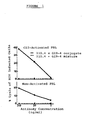
- Figure 1 depicts the % lysis of HIV-infected target cells by the treated and untreated PBL from seronegative individuals in the presence of the 110.4 x G19-4 heteroconjugate. As the figure indicates, the untreated PBL lysed the HIV-infected target cells in the presence of 20 to 200 ng/ml of the heteroconjugate. PBL pretreated with the anti-CD3 were even more cytotoxic than the untreated PBL.
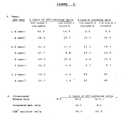
- Figure 2A depicts in table form the % lysis of HIV-infected cells vs. uninfected cells by anti-CD3-pretreated PBL from HIV seropositive and seronegative individuals in the presence of the 110.4 x G19-4 heteroconjugate or in the presence of mixtures of the individual 110.4 and G19-4 antibodies.
- PBL from HIV seropositive and seronegative donors were cultured with monomeric anti-CD3 (G19-4) on solid phase for 3 days and then cultured in anti-CD3-free medium for 24 hours.
- the PBL were then tested for cytotoxicity against HIV-infected and uninfected CEM cells at an E:T ratio of 50:1 in the presence of 200 ng/ml of the 110.4 x G19-4 heteroconjugate or a mixture of the 110.4 and G19-4 antibodies.
- Figure 2B depicts the % lysis of HIV-infected cells by CD8+ enriched PBL vs. unseparated seronegative PBL in the presence of the 110.4 x G19-4 heteroconjugate. Enrichment of the PBL was performed as follows: seronegative PBL were enriched for CD8+ cells by negative selection as described by T. Lea et al., Scand. J. Immunol. , 22, pp. 207-216 (1985).
- PBL activated for 3 days with anti-CD3 on solid phase
- monoclonal antibodies to DR, CD20, CD16, CD11, CD4 and CDw14 to coat B cells, monocytes, LGLs (e.g., NK or K cells) and CD4 cells.
- the antibody-coated cells were then incubated with magnetic particles coated with sheep anti-mouse Ig (Dynal Inc., Fort Lee, N.J.) and were removed by a Dynal M-450 magnet.
- the cell separation method resulted in an approximately three-fold enrichment for CD8+ cells -- from 23% CD8+ cells in the unseparated PBL population to 62% CD8+ cells in the enriched population.
- the anti-CD3-treated unseparated and CD8+-enriched cells were then incubated overnight in the absence of anti-CD3 before testing for cytotoxicity with the 110.4 x CD3 heteroconjugate.
- Figure 2B indicates that CD3-activated CD8+-enriched cells are more cytotoxic to the target cells then the unseparated cells, suggesting that the CD8+ cells (i.e., cytotoxic T cells) within the PBL population are largely responsible for lysing the HIV-infected cells.
- This example demonstrates the ability of a heteroconjugate of the invention, comprised of monoclonal antibody 110.4 cross-linked to a monoclonal antibody specific for the Fc receptor of certain effector cells (e.g., LGLs) to target PBL to lyse HIV-infected cells.
- a heteroconjugate of the invention comprised of monoclonal antibody 110.4 cross-linked to a monoclonal antibody specific for the Fc receptor of certain effector cells (e.g., LGLs) to target PBL to lyse HIV-infected cells.
- antibody 110.4 is cross-linked by the methods described above to antibody Fc2, which is specific for the CD16 antigen identified as the Fc receptor expressed on LGLs and granulocytes.
- Fc2 has been prepared as described by J.A. Ledbetter et al., in Perspectives In Immunogenetics And Histocompatibility, supra .
- the hybridoma that produces the Fc2 antibody was deposited with the American Type Culture Collection prior to the filing of this application. The resulting heteroconjugate was designated 110.4 x Fc2.
- Example 1 Using the same 51Cr- release cytotoxicity assay described in Example 1, we tested the ability of this heteroconjugate to target seronegative PBL that were a) cultured for 2 days with or without human IL-2 (100 U/ml, Biotest Diagnostics, Fairfield, N.J.) or b) cultured overnight with or without ⁇ -IFN (300 U/ml, HEM, Maryland) to kill HIV-infected cells.
- the untreated and treated PBL were incubated for 4 hours at 37°C with 3x10³ 51Cr-labeled HIV-infected CEM cells at an E:T ratio of 50:1 with varying concentrations of the heteroconjugate or an antibody mixture and % lysis determined as described in Example 1.
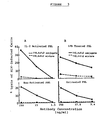
- Figure 3 depicts the results of the assay.
- the PBL, both treated and untreated, were able to lyse the target cells in the presence of the heteroconjugate at heteroconjugate concentrations as low as 15 ng/ml.
- the IL-2 activated cells were somewhat more cytotoxic toward the HIV-infected cells than the untreated PBL in the presence of the heteroconjugate. No appreciable lysis occurred in the presence of only the antibody mixture.
- Figure 3B demonstrates that pretreatment of the PBL with ⁇ -IFN results in cells that are somewhat more lytic than untreated PBL in the presence of the heteroconjugate.
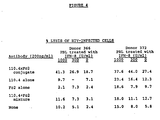
- Figure 4 further demonstrates the ability of pretreatment with ⁇ -IFN to enhance the cytotoxicity of PBL in the presence of the 110.4 x Fc2 heteroconjugate.
- PBL from seronegative donors were isolated by ficoll-hypaque centrifugation, suspended at 1x10⁶ cells/ml in RPMI-1640 medium supplemented with 10% heat-inactivated human serum and ⁇ -IFN at 0, 300 or 1000 U/ml and incubated at 37°C for 3 hours. The PBL were then washed, resuspended in RPMI-1640 medium supplemented with 15% heat-inactivated fetal calf serum prior to testing for cytotoxicity against 51Cr-labeled HIV-infected CEM cells.
- the assay was carried out as described above at an E:T cell ratio of 50:1 in a 4 hour assay in the presence of 200 ng/ml of the 110.4 x Fc2 heteroconjugate, a mixture of the individual antibodies of the heteroconjugate, the single antibodies or no antibodies.
- E:T cell ratio 50:1 in a 4 hour assay in the presence of 200 ng/ml of the 110.4 x Fc2 heteroconjugate, a mixture of the individual antibodies of the heteroconjugate, the single antibodies or no antibodies.
- short term treatment of the PBL with ⁇ -IFN augments the cytotoxicity of the PBL in the presence of the heteroconjugate and thus, overnight treatment with ⁇ -IFN is not necessary.
- Figure 5 depicts in table form the % lysis of HIV-infected cells by IL-2 pretreated PBL from HIV seropositive and seronegative individuals in the presence of the 110.4 x Fc2 heteroconjugate.
- PBL from HIV seropositive and seronegative donors were cultured for 2 days at 37°C with IL-2 (100 U/ml) and tested for cytotoxicity against HIV-infected and uninfected CEM cells at an E:T ratio of 50:1 in the presence of 200 ng/ml of the 110.4 x Fc2 heteroconjugate or a mixture of the two antibodies.
- This figure demonstrates the ability of PBL from seropositive (as well as seronegative) individuals to be targeted to lyse HIV-infected cells by the heteroconjugate of the invention. Augmented lysis of the uninfected cells in the presence of the heteroconjugate was not observed.
- the unseparated and CD16+-enriched cells were cultured for 2 days with IL-2 prior to testing for cytotoxicity at various E:T ratios in the presence of 200 ng/ml of 110.4 x Fc2.
- the IL-2-treated PBL enriched for CD16+ cells were more cytotoxic for HIV-infected cells than the unseparated cells, suggesting that CD16+ LGL cells within the PBL population are targeted by this heteroconjugate for the lysis of the HIV-infected cells.
- This example therefore demonstrates the ability of the heteroconjugates of this invention to target a second effector cell of the peripheral blood, i.e., LGL cells, for the killing of HIV-infected cells.
- a second effector cell of the peripheral blood i.e., LGL cells
- pretreatment of the effector cells with either IL-2 or ⁇ -IFN enhances the ability of the heteroconjugates to target the effector cell to lyse the HIV-infected cell.
- This example demonstrates the ability of another heteroconjugate of the invention, comprising a monoclonal antibody to a second HIV glycoprotein, gp41, cross-linked to monoclonal antibody, G19-4, to target PBL to lyse HIV-infected cells.
- monoclonal antibody 41.1 as the HIV-specific antibody of the heteroconjugate.
- 41.1 is an antibody of subclass IgG1 and reacts with an epitope on a highly conserved region of gp41 encoded by nucleotides 7178-7698 of LAV-1.
- the production of this monoclonal antibody is described in detail in L.H. Gosting et al., supra , and the hybridoma that produces the antibody has been deposited with the American Type Culture Collection prior to the filing of this application.
- Example 1 41.1 and G19-4 were cross-linked as described in Example 1 and the resulting heteroconjugate was designated 41.1 x G19-4.
- the heteroconjugate was separated from free antibody by size exclusion chromatography using Sephacryl S300 and the fraction with the highest binding activity to both gp41 on HIV-infected cells and to CD3 antigen on human PBL was then tested in the cytotoxicity assay described in Example 1. Briefly, the effector cells were PBL from seronegative donors that had been cultured for three days with anti-CD3 on solid phase followed by overnight incubation in anti-CD3-free medium.
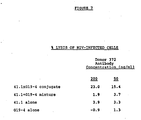
- the effector cells were then incubated for 4 hours at 37°C with 3x10³ 51Cr-labeled target CEM cells as described in Example 1 at a E:T ratio of 50:1 in the presence of either a) the 41.1 x G19-4 heteroconjugate; b) a 41.1 plus G19-4 antibody mixture; c) 41.1 alone or d) G19-4 alone and % lysis of the CEM cells determined.
- the results of this assay are depicted in Figure 7.
- the figure indicates the ability of the 41.1 x G19-4 heteroconjugate to target PBL to kill HIV-infected cells.
- the PBL were stimulated to lyse the HIV-infected cells in the presence of approximately 50 to 200 ng/ml of the heteroconjugate. Lysis in the presence of the antibody mixture or the individual antibodies alone was negligible.
- the heteroconjugate approach of this invention for killing HIV-infected cells can employ any of a number of HIV-specific antibodies cross-linked to effector cell-specific antibodies.
- the 41.1 monoclonal antibody is particularly useful in this approach because it was reactive with a majority of the isolates of HIV tested (10 out of 13), the isolates having been derived from various geographical areas of the world.
- Hybridomas prepared by the processes described herein are exemplified by cultures deposited in the American Type Culture Collection , Rockville, Maryland. The cultures were deposited on September 15, 1987, and are there identified as follows: Hybridoma G19-4: ATCC No. HB9536 Hybridoma Fc2: ATCC No. HB9535 Hybridoma 41.1: ATCC No. HB9534.
Landscapes
- Health & Medical Sciences (AREA)
- Chemical & Material Sciences (AREA)
- Immunology (AREA)
- Life Sciences & Earth Sciences (AREA)
- Organic Chemistry (AREA)
- Medicinal Chemistry (AREA)
- General Health & Medical Sciences (AREA)
- Genetics & Genomics (AREA)
- Biophysics (AREA)
- Biochemistry (AREA)
- Molecular Biology (AREA)
- Proteomics, Peptides & Aminoacids (AREA)
- Virology (AREA)
- Public Health (AREA)
- Animal Behavior & Ethology (AREA)
- Veterinary Medicine (AREA)
- Pharmacology & Pharmacy (AREA)
- Engineering & Computer Science (AREA)
- Microbiology (AREA)
- Chemical Kinetics & Catalysis (AREA)
- Oncology (AREA)
- Communicable Diseases (AREA)
- Nuclear Medicine, Radiotherapy & Molecular Imaging (AREA)
- Bioinformatics & Cheminformatics (AREA)
- General Chemical & Material Sciences (AREA)
- Mycology (AREA)
- Epidemiology (AREA)
- Medicines Containing Antibodies Or Antigens For Use As Internal Diagnostic Agents (AREA)
- Peptides Or Proteins (AREA)
- Preparation Of Compounds By Using Micro-Organisms (AREA)
- Micro-Organisms Or Cultivation Processes Thereof (AREA)
Applications Claiming Priority (2)
| Application Number | Priority Date | Filing Date | Title |
|---|---|---|---|
| US10015787A | 1987-09-23 | 1987-09-23 | |
| US100157 | 1987-09-23 |
Publications (3)
| Publication Number | Publication Date |
|---|---|
| EP0308936A2 true EP0308936A2 (fr) | 1989-03-29 |
| EP0308936A3 EP0308936A3 (en) | 1990-02-14 |
| EP0308936B1 EP0308936B1 (fr) | 1994-07-06 |
Family
ID=22278371
Family Applications (1)
| Application Number | Title | Priority Date | Filing Date |
|---|---|---|---|
| EP88115607A Expired - Lifetime EP0308936B1 (fr) | 1987-09-23 | 1988-09-22 | Hétéroconjugués d'anticorps pour tuer des cellules infectées par VIH |
Country Status (8)
| Country | Link |
|---|---|
| EP (1) | EP0308936B1 (fr) |
| JP (1) | JP2755395B2 (fr) |
| AT (1) | ATE108068T1 (fr) |
| AU (1) | AU629180B2 (fr) |
| CA (1) | CA1338518C (fr) |
| DE (1) | DE3850542T2 (fr) |
| ES (1) | ES2058199T3 (fr) |
| HK (1) | HK110594A (fr) |
Cited By (105)
| Publication number | Priority date | Publication date | Assignee | Title |
|---|---|---|---|---|
| WO1991000360A1 (fr) * | 1989-06-29 | 1991-01-10 | Medarex, Inc. | Reactifs bispecifiques pour le traitement du sida |
| US5116964A (en) * | 1989-02-23 | 1992-05-26 | Genentech, Inc. | Hybrid immunoglobulins |
| EP0505908A1 (fr) * | 1991-03-27 | 1992-09-30 | F. Hoffmann-La Roche Ag | Polypeptides chimériques |
| WO1992018540A1 (fr) * | 1991-04-18 | 1992-10-29 | Mount Sinai School Of Medicine Of The City University Of New York | Anticorps recombines anti-vih |
| US5225538A (en) * | 1989-02-23 | 1993-07-06 | Genentech, Inc. | Lymphocyte homing receptor/immunoglobulin fusion proteins |
| EP0553244A4 (fr) * | 1990-10-05 | 1994-02-09 | Medarex, Inc. | |
| US5650150A (en) * | 1990-11-09 | 1997-07-22 | Gillies; Stephen D. | Recombinant antibody cytokine fusion proteins |
| US5762930A (en) * | 1992-10-02 | 1998-06-09 | Dartmouth College | Bispecific reagents for redirected targeting of human lipoproteins |
| US5897861A (en) * | 1989-06-29 | 1999-04-27 | Medarex, Inc. | Bispecific reagents for AIDS therapy |
| US5969109A (en) * | 1990-02-28 | 1999-10-19 | Bona; Constantin | Chimeric antibodies comprising antigen binding sites and B and T cell epitopes |
| WO2002030463A2 (fr) | 2000-10-12 | 2002-04-18 | Genentech, Inc. | Formulations de proteine concentrees a viscosite reduite |
| US6406697B1 (en) | 1989-02-23 | 2002-06-18 | Genentech, Inc. | Hybrid immunoglobulins |
| US6617135B1 (en) | 1999-08-09 | 2003-09-09 | Emd Lexigen Research Center Corp. | Multiple cytokine protein complexes |
| EP1887014A1 (fr) | 1997-10-17 | 2008-02-13 | Genentech, Inc. | Homologues de péage humain |
| WO2008021290A2 (fr) | 2006-08-09 | 2008-02-21 | Homestead Clinical Corporation | Protéines spécifiques d'organes et procédés d'utilisation |
| EP1978029A2 (fr) | 1999-06-15 | 2008-10-08 | Genentech, Inc. | Polypeptides sécrétés et transmembranaires, et acides nucléiques les codant |
| EP1992643A2 (fr) | 2001-06-20 | 2008-11-19 | Genentech, Inc. | Compositions et procédés pour le traitement et le diagnostic d'une tumeur |
| EP1995321A2 (fr) | 2005-08-15 | 2008-11-26 | Genentech, Inc. | Nouvelle dislocation de gènes, compositions et procédés correspondants |
| EP2002714A1 (fr) | 2005-11-21 | 2008-12-17 | Genentech, Inc. | Nouvelles ruptures génétiques, compositions et procédés associés à celles-ci |
| EP2011886A2 (fr) | 2002-04-16 | 2009-01-07 | Genentech, Inc. | Compositions et procédés pour le traitement et le diagnostic d'une tumeur |
| EP2014770A2 (fr) | 1997-10-29 | 2009-01-14 | Genentech, Inc. | Polypeptide secrété à induction par WNT-1 WISP-2 |
| EP2017341A2 (fr) | 1998-01-15 | 2009-01-21 | Genentech, Inc. | Ligand Apo-2 |
| EP2016951A1 (fr) | 1998-03-17 | 2009-01-21 | Genentech, Inc. | Polypeptides homologues à VEGF et BMP1 |
| EP2048154A1 (fr) | 2002-02-05 | 2009-04-15 | Genentech, Inc. | Purification de protéine |
| EP2050762A2 (fr) | 1998-03-10 | 2009-04-22 | Genentech, Inc. | Nouvelles polypeptides et acides nucléiques les codant |
| EP2052742A1 (fr) | 2000-06-20 | 2009-04-29 | Biogen Idec Inc. | Traitement de maladies liées aux lymphocytes B telles des tumeurs et des maladies auto-immunes utilisant une combinaison d'anticorps anti-CD20 froid et d'anticorps anti-CD22 radiomarqué |
| EP2058334A2 (fr) | 1998-06-12 | 2009-05-13 | Genentech, Inc. | Anticorps monoclonaux, anticorps à réaction croisée et procédé de production |
| EP2062916A2 (fr) | 2003-04-09 | 2009-05-27 | Genentech, Inc. | Traitement d'une maladie autoimmune chez un patient dont la réponse à un inhibiteur TNF-Alpha n'est pas adéquate |
| EP2065467A2 (fr) | 2001-02-22 | 2009-06-03 | Genentech, Inc. | Anticorps anti-interferon-alpha |
| EP2075335A2 (fr) | 1998-12-22 | 2009-07-01 | Genentech, Inc. | Procédés et compositions d'inhibition de la croissance de cellules néoplasiques |
| EP2075334A1 (fr) | 2000-06-23 | 2009-07-01 | Genentech, Inc. | Acides nucléiques EG-VEGF et polypeptides et procédés d'utilisation |
| EP2075253A1 (fr) | 2000-06-23 | 2009-07-01 | Genentech, Inc. | Méthodes et composés pour la diagnose et le traitement de troubles associés à l'angiogenèse |
| EP2082645A1 (fr) | 2006-04-19 | 2009-07-29 | Genentech, Inc. | Nouvelle dislocation de gènes, compositions et procédés correspondants |
| EP2083079A1 (fr) | 1997-06-18 | 2009-07-29 | Genentech, Inc. | Apo-2DcR |
| EP2090657A2 (fr) | 2000-08-07 | 2009-08-19 | Centocor Ortho Biotech Inc. | Anticorps anti-IL-12, compositions, procédés et utilisations |
| EP2093570A1 (fr) | 2003-06-06 | 2009-08-26 | Genentech, Inc. | Modulation de l'interaction entre la chaîne HGF bêta et c-MET |
| EP2159230A1 (fr) | 2000-08-07 | 2010-03-03 | Centocor Ortho Biotech Inc. | Anticorps anti-TNF, compositions, procédés et utilisations |
| EP2161283A1 (fr) | 2003-11-17 | 2010-03-10 | Genentech, Inc. | Compositions comprenant des anticorps contre le CD79b, couplés à des inhibiteurs de croissance ou à des agents cytotoxiques, et procédés pour le traitement de tumeurs d'origine hématopoïétique |
| EP2186402A1 (fr) | 2005-06-06 | 2010-05-19 | Genentech, Inc. | Modèles d'animaux knock-out et leur utilisation |
| WO2010077634A1 (fr) | 2008-12-09 | 2010-07-08 | Genentech, Inc. | Anticorps anti-pd-l1 et leur utilisation pour améliorer la fonction des lymphocytes t |
| US7803561B2 (en) | 2006-02-06 | 2010-09-28 | Rhode Island Hospital | GPR30 estrogen receptor in breast cancers |
| WO2010118243A2 (fr) | 2009-04-08 | 2010-10-14 | Genentech, Inc. | Utilisation d'antagonistes de il-27 pour traiter le lupus |
| US7872107B2 (en) | 2005-12-30 | 2011-01-18 | Merck Patent Gmbh | Interleukin-12p40 variants with improved stability |
| EP2335725A1 (fr) | 2003-04-04 | 2011-06-22 | Genentech, Inc. | Formulations d'anticorps et de protéines à forte concentration |
| WO2011133931A1 (fr) | 2010-04-22 | 2011-10-27 | Genentech, Inc. | Utilisation d'antagonistes d'il-27 pour traiter une maladie intestinale inflammatoire |
| WO2013116287A1 (fr) | 2012-01-31 | 2013-08-08 | Genentech, Inc. | ANTICORPS ANTI-IgE SE LIANT À M1' ET LEURS PROCÉDÉS D'UTILISATION |
| US8835606B2 (en) | 2004-01-22 | 2014-09-16 | Merck Patent Gmbh | Anti-cancer antibodies with reduced complement fixation |
| WO2014169076A1 (fr) | 2013-04-09 | 2014-10-16 | Annexon,,Inc. | Méthodes de traitement d'une neuromyélite optique |
| US8907066B2 (en) | 2009-04-22 | 2014-12-09 | Merck Patent Gmbh | Antibody fusion proteins with a modified FcRn binding site |
| WO2015006504A1 (fr) | 2013-07-09 | 2015-01-15 | Annexon, Inc. | Anticorps anti-facteur du complément c1q et utilisations de ceux-ci |
| US9278131B2 (en) | 2012-08-10 | 2016-03-08 | Adocia | Process for lowering the viscosity of highly concentrated protein solutions |
| WO2016073685A1 (fr) | 2014-11-05 | 2016-05-12 | Annexon, Inc. | Anticorps humanisés anti-facteur du compément c1q et leurs utilisations |
| US9428548B2 (en) | 2009-09-01 | 2016-08-30 | Genentech, Inc. | Enhanced protein purification through a modified protein A elution |
| US9487809B2 (en) | 2010-05-28 | 2016-11-08 | Genentech, Inc. | Decreasing lactate level and increasing polypeptide production by downregulating the expression of lactate dehydrogenase and pyruvate dehydrogenase kinase |
| WO2016191750A1 (fr) | 2015-05-28 | 2016-12-01 | Genentech, Inc. | Essai à base de cellules pour détecter des homodimères anti-cd3 |
| WO2016201388A2 (fr) | 2015-06-12 | 2016-12-15 | Alector Llc | Anticorps anti-cd33 et leurs procédés d'utilisation |
| WO2016201389A2 (fr) | 2015-06-12 | 2016-12-15 | Alector Llc | Anticorps anti-cd33 et leurs procédés d'utilisation |
| US9562097B2 (en) | 2011-07-01 | 2017-02-07 | Genentech, Inc. | Use of anti-CD83 agonist antibodies for treating autoimmune diseases |
| WO2017040301A1 (fr) | 2015-08-28 | 2017-03-09 | Alector Llc | Anticorps anti-siglec-7 et leurs méthodes d'utilisation |
| WO2017075432A2 (fr) | 2015-10-29 | 2017-05-04 | Alector Llc | Anticorps anti-siglec-9 et leurs procédés d'utilisation |
| US9810670B2 (en) | 2012-11-15 | 2017-11-07 | Genentech, Inc. | Ionic strength-mediated pH gradient ion exchange chromatography |
| US9975957B2 (en) | 2014-03-31 | 2018-05-22 | Genentech, Inc. | Anti-OX40 antibodies and methods of use |
| US10010611B2 (en) | 2013-03-13 | 2018-07-03 | Genentech, Inc. | Antibody formulations |
| US10017732B2 (en) | 2013-03-15 | 2018-07-10 | Genentech, Inc. | Cell culture compositions with antioxidants and methods for polypeptide production |
| US10066002B2 (en) | 2014-11-05 | 2018-09-04 | Genentech, Inc. | Methods of producing two chain proteins in bacteria |
| US10072092B2 (en) | 2005-12-30 | 2018-09-11 | Merck Patent Gmbh | Methods of use of anti-CD19 antibodies with reduced immunogenicity |
| US10112994B2 (en) | 2014-11-05 | 2018-10-30 | Genentech, Inc. | Methods of producing two chain proteins in bacteria |
| WO2018213316A1 (fr) | 2017-05-16 | 2018-11-22 | Alector Llc | Anticorps anti-siglec-5 et leurs procédés d'utilisation |
| WO2019028283A1 (fr) | 2017-08-03 | 2019-02-07 | Alector Llc | Anticorps anti-cd33 et leurs procédés d'utilisation |
| US10274466B2 (en) | 2013-07-12 | 2019-04-30 | Genentech, Inc. | Elucidation of ion exchange chromatography input optimization |
| US10428150B2 (en) | 2015-04-07 | 2019-10-01 | Alector Llc | Anti-sortilin antibodies and methods of use thereof |
| WO2019236965A1 (fr) | 2018-06-08 | 2019-12-12 | Alector Llc | Anticorps anti-siglec-7 et leurs méthodes d'utilisation |
| US10525137B2 (en) | 2015-12-30 | 2020-01-07 | Genentech, Inc. | Formulations with reduced degradation of polysorbate |
| WO2020023920A1 (fr) | 2018-07-27 | 2020-01-30 | Alector Llc | Anticorps anti-siglec-5 et leurs procédés d'utilisation |
| WO2020047374A1 (fr) | 2018-08-31 | 2020-03-05 | Alector Llc | Anticorps anti-cd33 et leurs méthodes d'utilisation |
| US10584171B2 (en) | 2014-05-30 | 2020-03-10 | Henlix Biotech Co., Ltd. | Anti-epidermal growth factor receptor (EGFR) antibodies |
| US10662237B2 (en) | 2009-08-06 | 2020-05-26 | Genentech, Inc. | Method to improve virus filtration capacity |
| US10717778B2 (en) | 2014-09-29 | 2020-07-21 | Duke University | Bispecific molecules comprising an HIV-1 envelope targeting arm |
| WO2020214963A1 (fr) | 2019-04-18 | 2020-10-22 | Genentech, Inc. | Dosage d'anticorps |
| US10882922B2 (en) | 2016-04-13 | 2021-01-05 | Sanofi | Trispecific and/or trivalent binding proteins |
| US10927342B2 (en) | 2015-08-04 | 2021-02-23 | Regeneran Pharmaceuticals, Inc. | Taurine supplemented cell culture medium and methods of use |
| US10940401B2 (en) | 2013-09-05 | 2021-03-09 | Genentech, Inc. | Method for chromatography reuse |
| WO2021119400A1 (fr) | 2019-12-12 | 2021-06-17 | Alector Llc | Procédés d'utilisation d'anticorps anti-cd33 |
| US11046776B2 (en) | 2016-08-05 | 2021-06-29 | Genentech, Inc. | Multivalent and multiepitopic antibodies having agonistic activity and methods of use |
| US11129905B2 (en) | 2015-10-25 | 2021-09-28 | Sanofi | Bivalent, bispecific binding proteins for prevention or treatment of HIV infection |
| US11186649B2 (en) | 2017-10-10 | 2021-11-30 | Sanofi | Anti-CD38 antibodies and methods of use |
| US11254987B2 (en) | 2015-05-29 | 2022-02-22 | Genentech, Inc. | PD-L1 promoter methylation in cancer |
| US11370833B2 (en) | 2014-09-15 | 2022-06-28 | Genentech, Inc. | Antibody formulations |
| US11390685B2 (en) | 2017-01-06 | 2022-07-19 | Biosion, Inc. | ErbB2 antibodies and uses therefore |
| US11447573B2 (en) | 2016-07-20 | 2022-09-20 | Nanjing Legend Biotech Co., Ltd. | Multispecific antigen binding proteins and methods of use thereof |
| US11447564B2 (en) | 2017-04-26 | 2022-09-20 | Eureka Therapeutics, Inc. | Constructs specifically recognizing glypican 3 and uses thereof |
| US11472881B2 (en) | 2016-10-11 | 2022-10-18 | Nanjing Legend Biotech Co., Ltd. | Single-domain antibodies and variants thereof against CTLA-4 |
| US11513127B2 (en) | 2016-01-25 | 2022-11-29 | Genentech, Inc. | Methods for assaying T-cell dependent bispecific antibodies |
| US11530268B2 (en) | 2018-10-09 | 2022-12-20 | Sanofi | Trispecific anti-CD38, anti-CD28, and anti-CD3 binding proteins and methods of use for treating viral infection |
| US11597727B2 (en) | 2018-03-13 | 2023-03-07 | The Regents Of The University Of California | Inhibitors of integrin alpha 2 beta 1 and methods of use |
| US11613576B2 (en) | 2019-04-09 | 2023-03-28 | Sanofi | Trispecific binding proteins, methods, and uses thereof |
| US11643388B2 (en) | 2020-05-01 | 2023-05-09 | The Regents Of The University Of California | Inhibitors of alpha 2 beta 1 integrin and methods of use thereof |
| WO2023081898A1 (fr) | 2021-11-08 | 2023-05-11 | Alector Llc | Cd33 soluble en tant que biomarqueur pour une efficacité anti-cd33 |
| US11713353B2 (en) | 2018-01-15 | 2023-08-01 | Nanjing Legend Biotech Co., Ltd. | Single-domain antibodies and variants thereof against PD-1 |
| WO2023245105A1 (fr) | 2022-06-17 | 2023-12-21 | Genentech, Inc. | Utilisation de kosmotropes pour améliorer le rendement d'une étape de purification par chromatographie d'affinité |
| US11905327B2 (en) | 2017-12-28 | 2024-02-20 | Nanjing Legend Biotech Co., Ltd. | Single-domain antibodies and variants thereof against TIGIT |
| US11932704B2 (en) | 2016-04-13 | 2024-03-19 | Sanofi | Trispecific and/or trivalent binding proteins |
| US11993661B2 (en) | 2018-06-18 | 2024-05-28 | Eureka Therapeutics, Inc. | Constructs targeting prostate-specific membrane antigen (PSMA) and uses thereof |
| US12006550B2 (en) | 2020-10-12 | 2024-06-11 | University Of South Carolina | Targeting treatment for ADAM30 in pathological cells |
| US12297451B1 (en) | 2019-10-25 | 2025-05-13 | Regeneron Pharmaceuticals, Inc. | Cell culture medium |
Families Citing this family (26)
| Publication number | Priority date | Publication date | Assignee | Title |
|---|---|---|---|---|
| FI105320B (fi) * | 1988-04-04 | 2000-07-31 | Oncogen | Menetelmä vasta-aineheterokonjugaattien valmistamiseksi, joita käytetään imusoluaktiivisuuden säätelyssä ja diagnoosissa |
| US5723125A (en) * | 1995-12-28 | 1998-03-03 | Tanox Biosystems, Inc. | Hybrid with interferon-alpha and an immunoglobulin Fc linked through a non-immunogenic peptide |
| ES2590912T3 (es) | 1997-12-08 | 2016-11-24 | Merck Patent Gmbh | Proteínas de fusión heterodiméricas útiles para inmunoterapia dirigida y estimulación general del sistema inmunitario |
| SK782002A3 (en) | 1999-07-21 | 2003-08-05 | Lexigen Pharm Corp | FC fusion proteins for enhancing the immunogenicity of protein and peptide antigens |
| US7067110B1 (en) | 1999-07-21 | 2006-06-27 | Emd Lexigen Research Center Corp. | Fc fusion proteins for enhancing the immunogenicity of protein and peptide antigens |
| CA2391080A1 (fr) | 1999-11-12 | 2001-05-25 | Merck Patent Gesellschaft Mit Beschraenkter Haftung | Formes d'erythropoietine dotees de proprietes ameliorees |
| HUP0204475A2 (en) | 2000-02-11 | 2003-04-28 | Merck Patent Gmbh | Enhancing the circulating half-life of antibody-based fusion proteins |
| KR20030064275A (ko) | 2000-06-29 | 2003-07-31 | 메르크 파텐트 게엠베하 | 면역싸이토카인 흡수 증강제와의 조합 치료에 의한항체-싸이토카인 융합 단백질 매개 면역 반응 증강 |
| RU2003129528A (ru) | 2001-03-07 | 2005-04-10 | Мерк Патент ГмбХ (DE) | Способ экспрессии белков, содержащих в качестве компонента гибридный изотип антитела |
| WO2002079415A2 (fr) | 2001-03-30 | 2002-10-10 | Lexigen Pharmaceuticals Corp. | Reduction de l'immunogenicite de proteines de fusion |
| EP1383785B1 (fr) | 2001-05-03 | 2011-03-16 | Merck Patent GmbH | Anticorps recombine a specificite tumorale et utilisation correspondante |
| DK1454138T3 (da) | 2001-12-04 | 2012-02-13 | Merck Patent Gmbh | Immunocytokiner med moduleret selektivitet |
| WO2004055056A1 (fr) | 2002-12-17 | 2004-07-01 | Merck Patent Gmbh | Forme humanisee de l'anticorps de souris 14.18 (h14.18) se liant au gd2 et fusion de celle-ci avec il-2 |
| ES2305886T3 (es) | 2003-12-30 | 2008-11-01 | Merck Patent Gmbh | Proteinas de fusion de il-7 con porciones de anticuerpo, su preparacion y su empleo. |
| RU2370276C2 (ru) | 2003-12-31 | 2009-10-20 | Мерк Патент Гмбх | Fc-ЭРИТРОПОЭТИН СЛИТЫЙ БЕЛОК С УЛУЧШЕННОЙ ФАРМАКОКИНЕТИКОЙ |
| US7670595B2 (en) | 2004-06-28 | 2010-03-02 | Merck Patent Gmbh | Fc-interferon-beta fusion proteins |
| RU2437893C2 (ru) | 2004-12-09 | 2011-12-27 | Мерк Патент Гмбх | Варианты il-7 со сниженной иммуногенностью |
| UA94484C2 (uk) | 2006-10-12 | 2011-05-10 | Дженентек, Інк. | Антитіла до лімфотоксину-альфа |
| KR101952453B1 (ko) | 2009-10-15 | 2019-02-26 | 제넨테크, 인크. | 수용체 특이성이 변경된 키메라 섬유모세포 성장 인자 |
| KR101976853B1 (ko) | 2010-05-25 | 2019-05-09 | 제넨테크, 인크. | 폴리펩티드의 정제 방법 |
| WO2013163427A1 (fr) * | 2012-04-25 | 2013-10-31 | The United States Of America, As Represented By The Secretary, Department Of Health & Human Services | Anticorps pour traiter les infections par le vih-1 |
| AR095399A1 (es) | 2013-03-13 | 2015-10-14 | Genentech Inc | Formulaciones con oxidación reducida, método |
| AR095398A1 (es) | 2013-03-13 | 2015-10-14 | Genentech Inc | Formulaciones con oxidación reducida |
| SMT202100464T1 (it) | 2013-03-14 | 2021-11-12 | Macrogenics Inc | Molecole bispecifiche che sono immunoreattive con cellule effettrici immunitarie che esprimono un recettore di attivazione |
| HRP20250718T1 (hr) | 2016-08-15 | 2025-08-15 | F. Hoffmann-La Roche Ag | Kromatografski postupak za kvantifikaciju neionskog surfaktanta u sastavu koji sadrži neionski surfaktant i polipeptid |
| LT3618928T (lt) | 2018-07-13 | 2023-04-11 | Alector Llc | Anti-sortilino antikūnai ir jų panaudojimo būdai |
Family Cites Families (5)
| Publication number | Priority date | Publication date | Assignee | Title |
|---|---|---|---|---|
| ES521370A0 (es) * | 1982-04-12 | 1985-04-16 | Hybritech Inc | Un procedimiento para obtener un polidoma. |
| ATE74622T1 (de) * | 1984-10-31 | 1992-04-15 | Massachusetts Inst Technology | Verfahren zum sensibilisieren einer zielzelle zum lysen durch cytotoxische t-lymphkoerperchen. |
| US4676980A (en) * | 1985-09-23 | 1987-06-30 | The United States Of America As Represented By The Secretary Of The Department Of Health And Human Services | Target specific cross-linked heteroantibodies |
| US4954617A (en) * | 1986-07-07 | 1990-09-04 | Trustees Of Dartmouth College | Monoclonal antibodies to FC receptors for immunoglobulin G on human mononuclear phagocytes |
| GB8626412D0 (en) * | 1986-11-05 | 1986-12-03 | Clark M R | Antibodies |
-
1988
- 1988-09-22 DE DE3850542T patent/DE3850542T2/de not_active Expired - Fee Related
- 1988-09-22 JP JP63238670A patent/JP2755395B2/ja not_active Expired - Lifetime
- 1988-09-22 CA CA000578194A patent/CA1338518C/fr not_active Expired - Fee Related
- 1988-09-22 ES ES88115607T patent/ES2058199T3/es not_active Expired - Lifetime
- 1988-09-22 EP EP88115607A patent/EP0308936B1/fr not_active Expired - Lifetime
- 1988-09-22 AT AT88115607T patent/ATE108068T1/de not_active IP Right Cessation
- 1988-09-23 AU AU22799/88A patent/AU629180B2/en not_active Ceased
-
1994
- 1994-10-12 HK HK110594A patent/HK110594A/en not_active IP Right Cessation
Cited By (162)
| Publication number | Priority date | Publication date | Assignee | Title |
|---|---|---|---|---|
| US5116964A (en) * | 1989-02-23 | 1992-05-26 | Genentech, Inc. | Hybrid immunoglobulins |
| US6406697B1 (en) | 1989-02-23 | 2002-06-18 | Genentech, Inc. | Hybrid immunoglobulins |
| US5225538A (en) * | 1989-02-23 | 1993-07-06 | Genentech, Inc. | Lymphocyte homing receptor/immunoglobulin fusion proteins |
| US5428130A (en) * | 1989-02-23 | 1995-06-27 | Genentech, Inc. | Hybrid immunoglobulins |
| US5455165A (en) * | 1989-02-23 | 1995-10-03 | Genentech, Inc. | Expression vector encoding hybrid immunoglobulins |
| US5514582A (en) * | 1989-02-23 | 1996-05-07 | Genentech, Inc. | Recombinant DNA encoding hybrid immunoglobulins |
| US5714147A (en) * | 1989-02-23 | 1998-02-03 | Genentech Inc. | Hybrid immunoglobulins |
| US5897861A (en) * | 1989-06-29 | 1999-04-27 | Medarex, Inc. | Bispecific reagents for AIDS therapy |
| WO1991000360A1 (fr) * | 1989-06-29 | 1991-01-10 | Medarex, Inc. | Reactifs bispecifiques pour le traitement du sida |
| EP0739904A1 (fr) * | 1989-06-29 | 1996-10-30 | Medarex, Inc. | Réactifs bispécifiques pour le traitement du SIDA |
| US5969109A (en) * | 1990-02-28 | 1999-10-19 | Bona; Constantin | Chimeric antibodies comprising antigen binding sites and B and T cell epitopes |
| EP0553244A4 (fr) * | 1990-10-05 | 1994-02-09 | Medarex, Inc. | |
| US5650150A (en) * | 1990-11-09 | 1997-07-22 | Gillies; Stephen D. | Recombinant antibody cytokine fusion proteins |
| EP0505908A1 (fr) * | 1991-03-27 | 1992-09-30 | F. Hoffmann-La Roche Ag | Polypeptides chimériques |
| WO1992018540A1 (fr) * | 1991-04-18 | 1992-10-29 | Mount Sinai School Of Medicine Of The City University Of New York | Anticorps recombines anti-vih |
| US5762930A (en) * | 1992-10-02 | 1998-06-09 | Dartmouth College | Bispecific reagents for redirected targeting of human lipoproteins |
| US6193967B1 (en) | 1992-10-02 | 2001-02-27 | Peter M. Morganelli | Bispecific reagents for redirected targeting of human lipoproteins |
| EP2083079A1 (fr) | 1997-06-18 | 2009-07-29 | Genentech, Inc. | Apo-2DcR |
| EP1887014A1 (fr) | 1997-10-17 | 2008-02-13 | Genentech, Inc. | Homologues de péage humain |
| EP2014770A2 (fr) | 1997-10-29 | 2009-01-14 | Genentech, Inc. | Polypeptide secrété à induction par WNT-1 WISP-2 |
| EP2017341A2 (fr) | 1998-01-15 | 2009-01-21 | Genentech, Inc. | Ligand Apo-2 |
| EP2050762A2 (fr) | 1998-03-10 | 2009-04-22 | Genentech, Inc. | Nouvelles polypeptides et acides nucléiques les codant |
| EP2016951A1 (fr) | 1998-03-17 | 2009-01-21 | Genentech, Inc. | Polypeptides homologues à VEGF et BMP1 |
| EP2058334A2 (fr) | 1998-06-12 | 2009-05-13 | Genentech, Inc. | Anticorps monoclonaux, anticorps à réaction croisée et procédé de production |
| EP2075335A2 (fr) | 1998-12-22 | 2009-07-01 | Genentech, Inc. | Procédés et compositions d'inhibition de la croissance de cellules néoplasiques |
| EP1978029A2 (fr) | 1999-06-15 | 2008-10-08 | Genentech, Inc. | Polypeptides sécrétés et transmembranaires, et acides nucléiques les codant |
| US6617135B1 (en) | 1999-08-09 | 2003-09-09 | Emd Lexigen Research Center Corp. | Multiple cytokine protein complexes |
| US7582288B2 (en) | 1999-08-09 | 2009-09-01 | Merck Patent Gmbh | Methods of targeting multiple cytokines |
| US7141651B2 (en) | 1999-08-09 | 2006-11-28 | Emd Lexigen Research Center Corp. | Multiple cytokine protein complexes |
| EP2052742A1 (fr) | 2000-06-20 | 2009-04-29 | Biogen Idec Inc. | Traitement de maladies liées aux lymphocytes B telles des tumeurs et des maladies auto-immunes utilisant une combinaison d'anticorps anti-CD20 froid et d'anticorps anti-CD22 radiomarqué |
| EP2075334A1 (fr) | 2000-06-23 | 2009-07-01 | Genentech, Inc. | Acides nucléiques EG-VEGF et polypeptides et procédés d'utilisation |
| EP2075253A1 (fr) | 2000-06-23 | 2009-07-01 | Genentech, Inc. | Méthodes et composés pour la diagnose et le traitement de troubles associés à l'angiogenèse |
| EP2168980A1 (fr) | 2000-06-23 | 2010-03-31 | Genentech, Inc. | Compositions et procédés pour le traitement et le diagnostic des troubles impliquant une angiogenèse |
| EP2159230A1 (fr) | 2000-08-07 | 2010-03-03 | Centocor Ortho Biotech Inc. | Anticorps anti-TNF, compositions, procédés et utilisations |
| EP2090657A2 (fr) | 2000-08-07 | 2009-08-19 | Centocor Ortho Biotech Inc. | Anticorps anti-IL-12, compositions, procédés et utilisations |
| WO2002030463A2 (fr) | 2000-10-12 | 2002-04-18 | Genentech, Inc. | Formulations de proteine concentrees a viscosite reduite |
| EP2065467A2 (fr) | 2001-02-22 | 2009-06-03 | Genentech, Inc. | Anticorps anti-interferon-alpha |
| EP2000545A1 (fr) | 2001-06-20 | 2008-12-10 | Genentech, Inc. | Compositions et procédés pour le traitement et le diagnostic d'une tumeur |
| EP2000148A1 (fr) | 2001-06-20 | 2008-12-10 | Genentech, Inc. | Compositions et procédés pour le traitement et le diagnostic du cancer de la prostate |
| EP1992643A2 (fr) | 2001-06-20 | 2008-11-19 | Genentech, Inc. | Compositions et procédés pour le traitement et le diagnostic d'une tumeur |
| EP2048154A1 (fr) | 2002-02-05 | 2009-04-15 | Genentech, Inc. | Purification de protéine |
| EP2011886A2 (fr) | 2002-04-16 | 2009-01-07 | Genentech, Inc. | Compositions et procédés pour le traitement et le diagnostic d'une tumeur |
| EP2335725A1 (fr) | 2003-04-04 | 2011-06-22 | Genentech, Inc. | Formulations d'anticorps et de protéines à forte concentration |
| EP3178492A1 (fr) | 2003-04-04 | 2017-06-14 | Genentech, Inc. | Formules de protéine et d'anticorps à concentration élevée |
| EP2062916A2 (fr) | 2003-04-09 | 2009-05-27 | Genentech, Inc. | Traitement d'une maladie autoimmune chez un patient dont la réponse à un inhibiteur TNF-Alpha n'est pas adéquate |
| EP2093570A1 (fr) | 2003-06-06 | 2009-08-26 | Genentech, Inc. | Modulation de l'interaction entre la chaîne HGF bêta et c-MET |
| EP2295073A1 (fr) | 2003-11-17 | 2011-03-16 | Genentech, Inc. | Anticorps dirigé contre CD22 pour le traitement de tumeurs d'origine hématopoïétique |
| EP2161283A1 (fr) | 2003-11-17 | 2010-03-10 | Genentech, Inc. | Compositions comprenant des anticorps contre le CD79b, couplés à des inhibiteurs de croissance ou à des agents cytotoxiques, et procédés pour le traitement de tumeurs d'origine hématopoïétique |
| US10017579B2 (en) | 2004-01-22 | 2018-07-10 | Meck Patent Gmbh | Anti-cancer antibodies with reduced complement fixation |
| US8835606B2 (en) | 2004-01-22 | 2014-09-16 | Merck Patent Gmbh | Anti-cancer antibodies with reduced complement fixation |
| US10633452B2 (en) | 2004-01-22 | 2020-04-28 | Merck Patent Gmbh | Anti-cancer antibodies with reduced complement fixation |
| EP2186402A1 (fr) | 2005-06-06 | 2010-05-19 | Genentech, Inc. | Modèles d'animaux knock-out et leur utilisation |
| EP1995321A2 (fr) | 2005-08-15 | 2008-11-26 | Genentech, Inc. | Nouvelle dislocation de gènes, compositions et procédés correspondants |
| EP2002714A1 (fr) | 2005-11-21 | 2008-12-17 | Genentech, Inc. | Nouvelles ruptures génétiques, compositions et procédés associés à celles-ci |
| US9029330B2 (en) | 2005-12-30 | 2015-05-12 | Merck Patent Gmbh | Methods of treating cancer using interleukin-12p40 variants having improved stability |
| US11208496B2 (en) | 2005-12-30 | 2021-12-28 | Cancer Research Technology Ltd. | Anti-CD19 antibodies with reduced immunogenicity |
| US7872107B2 (en) | 2005-12-30 | 2011-01-18 | Merck Patent Gmbh | Interleukin-12p40 variants with improved stability |
| US8188248B2 (en) | 2005-12-30 | 2012-05-29 | Merck Patent Gmbh | Nucleic acids encoding interleukin-12P40 variants with improved stability |
| US10072092B2 (en) | 2005-12-30 | 2018-09-11 | Merck Patent Gmbh | Methods of use of anti-CD19 antibodies with reduced immunogenicity |
| US7803561B2 (en) | 2006-02-06 | 2010-09-28 | Rhode Island Hospital | GPR30 estrogen receptor in breast cancers |
| EP2082645A1 (fr) | 2006-04-19 | 2009-07-29 | Genentech, Inc. | Nouvelle dislocation de gènes, compositions et procédés correspondants |
| WO2008021290A2 (fr) | 2006-08-09 | 2008-02-21 | Homestead Clinical Corporation | Protéines spécifiques d'organes et procédés d'utilisation |
| EP3929216A1 (fr) | 2008-12-09 | 2021-12-29 | F. Hoffmann-La Roche AG | Anticorps anti-pd-l1 et leur utilisation pour améliorer la fonction des lymphocytes t |
| EP3447073A1 (fr) | 2008-12-09 | 2019-02-27 | F. Hoffmann-La Roche AG | Anticorps anti-pd-l1 et leur utilisation pour améliorer la fonction des lymphocytes t |
| EP4169951A1 (fr) | 2008-12-09 | 2023-04-26 | F. Hoffmann-La Roche AG | Anticorps anti-pd-l1 et leur utilisation pour améliorer la fonction des lymphocytes t |
| EP4591881A2 (fr) | 2008-12-09 | 2025-07-30 | F. Hoffmann-La Roche AG | Anticorps anti-pd-l1 et leur utilisation pour améliorer la fonction des lymphocytes t |
| EP3255060A1 (fr) | 2008-12-09 | 2017-12-13 | F. Hoffmann-La Roche AG | Anticorps anti-pd-l1 et leur utilisation pour améliorer la fonction des lymphocytes t |
| EP4331604A2 (fr) | 2008-12-09 | 2024-03-06 | F. Hoffmann-La Roche AG | Anticorps anti-pd-l1 et leur utilisation pour améliorer la fonction des lymphocytes t |
| EP4209510A1 (fr) | 2008-12-09 | 2023-07-12 | F. Hoffmann-La Roche AG | Anticorps anti-pd-l1 et leur utilisation pour améliorer la fonction des lymphocytes t |
| WO2010077634A1 (fr) | 2008-12-09 | 2010-07-08 | Genentech, Inc. | Anticorps anti-pd-l1 et leur utilisation pour améliorer la fonction des lymphocytes t |
| WO2010118243A2 (fr) | 2009-04-08 | 2010-10-14 | Genentech, Inc. | Utilisation d'antagonistes de il-27 pour traiter le lupus |
| US8907066B2 (en) | 2009-04-22 | 2014-12-09 | Merck Patent Gmbh | Antibody fusion proteins with a modified FcRn binding site |
| US10662237B2 (en) | 2009-08-06 | 2020-05-26 | Genentech, Inc. | Method to improve virus filtration capacity |
| US11225513B2 (en) | 2009-08-06 | 2022-01-18 | Genentech, Inc. | Method to improve virus filtration capacity |
| US9428548B2 (en) | 2009-09-01 | 2016-08-30 | Genentech, Inc. | Enhanced protein purification through a modified protein A elution |
| WO2011133931A1 (fr) | 2010-04-22 | 2011-10-27 | Genentech, Inc. | Utilisation d'antagonistes d'il-27 pour traiter une maladie intestinale inflammatoire |
| US11046987B2 (en) | 2010-05-28 | 2021-06-29 | Genentech, Inc. | Decreasing lactate level and increasing polypeptide production by downregulating the expression of lactate dehydrogenase and pyruvate dehydrogenase kinase |
| US9487809B2 (en) | 2010-05-28 | 2016-11-08 | Genentech, Inc. | Decreasing lactate level and increasing polypeptide production by downregulating the expression of lactate dehydrogenase and pyruvate dehydrogenase kinase |
| US10704071B2 (en) | 2010-05-28 | 2020-07-07 | Genentech, Inc. | Decreasing lactate level and increasing polypeptide production by down regulating the expression of lactate dehydrogenase and pyruvate dehydrogenase kinase |
| US10011856B2 (en) | 2010-05-28 | 2018-07-03 | Genentech, Inc. | Decreasing lactate level and increasing polypeptide production by downregulating the expression of lactate dehydrogenase and pyruvate dehydrogenase kinase |
| US9562097B2 (en) | 2011-07-01 | 2017-02-07 | Genentech, Inc. | Use of anti-CD83 agonist antibodies for treating autoimmune diseases |
| WO2013116287A1 (fr) | 2012-01-31 | 2013-08-08 | Genentech, Inc. | ANTICORPS ANTI-IgE SE LIANT À M1' ET LEURS PROCÉDÉS D'UTILISATION |
| US9278131B2 (en) | 2012-08-10 | 2016-03-08 | Adocia | Process for lowering the viscosity of highly concentrated protein solutions |
| US10712322B2 (en) | 2012-11-15 | 2020-07-14 | Genentech, Inc. | Ionic strength-mediated pH gradient ion exchange chromatography |
| US9810670B2 (en) | 2012-11-15 | 2017-11-07 | Genentech, Inc. | Ionic strength-mediated pH gradient ion exchange chromatography |
| US10925966B2 (en) | 2013-03-13 | 2021-02-23 | Genentech, Inc. | Antibody formulations |
| US10010611B2 (en) | 2013-03-13 | 2018-07-03 | Genentech, Inc. | Antibody formulations |
| US10017732B2 (en) | 2013-03-15 | 2018-07-10 | Genentech, Inc. | Cell culture compositions with antioxidants and methods for polypeptide production |
| US10131873B2 (en) | 2013-03-15 | 2018-11-20 | Genentech, Inc. | Cell culture compositions with antioxidants and methods for polypeptide production |
| US10676710B2 (en) | 2013-03-15 | 2020-06-09 | Genentech, Inc. | Cell culture compositions with antioxidants and methods for polypeptide production |
| US10829732B2 (en) | 2013-03-15 | 2020-11-10 | Genentech, Inc. | Cell culture compositions with antioxidants and methods for polypeptide production |
| WO2014169076A1 (fr) | 2013-04-09 | 2014-10-16 | Annexon,,Inc. | Méthodes de traitement d'une neuromyélite optique |
| WO2015006504A1 (fr) | 2013-07-09 | 2015-01-15 | Annexon, Inc. | Anticorps anti-facteur du complément c1q et utilisations de ceux-ci |
| EP4252769A2 (fr) | 2013-07-09 | 2023-10-04 | Annexon, Inc. | Anticorps anti-facteur du complément c1q et utilisations de ceux-ci |
| US10921297B2 (en) | 2013-07-12 | 2021-02-16 | Genentech, Inc. | Elucidation of ion exchange chromatography input optimization |
| US10274466B2 (en) | 2013-07-12 | 2019-04-30 | Genentech, Inc. | Elucidation of ion exchange chromatography input optimization |
| US10940401B2 (en) | 2013-09-05 | 2021-03-09 | Genentech, Inc. | Method for chromatography reuse |
| US10730951B2 (en) | 2014-03-31 | 2020-08-04 | Genentech, Inc. | Anti-OX40 antibodies and methods of use |
| US9975957B2 (en) | 2014-03-31 | 2018-05-22 | Genentech, Inc. | Anti-OX40 antibodies and methods of use |
| US11261255B2 (en) | 2014-05-30 | 2022-03-01 | Shanghai Henlius Biotech, Inc. | Anti-epidermal growth factor receptor (EGFR) antibodies |
| US10584171B2 (en) | 2014-05-30 | 2020-03-10 | Henlix Biotech Co., Ltd. | Anti-epidermal growth factor receptor (EGFR) antibodies |
| US11370833B2 (en) | 2014-09-15 | 2022-06-28 | Genentech, Inc. | Antibody formulations |
| US10717778B2 (en) | 2014-09-29 | 2020-07-21 | Duke University | Bispecific molecules comprising an HIV-1 envelope targeting arm |
| US12173051B2 (en) | 2014-09-29 | 2024-12-24 | Duke University | Bispecific molecules comprising an HIV-1 envelope targeting arm |
| US11299539B2 (en) | 2014-11-05 | 2022-04-12 | Genentech, Inc. | Methods of producing two chain proteins in bacteria |
| US10112994B2 (en) | 2014-11-05 | 2018-10-30 | Genentech, Inc. | Methods of producing two chain proteins in bacteria |
| EP4295911A2 (fr) | 2014-11-05 | 2023-12-27 | Annexon, Inc. | Anticorps humanisés anti-facteur du compément c1q et leurs utilisations |
| WO2016073685A1 (fr) | 2014-11-05 | 2016-05-12 | Annexon, Inc. | Anticorps humanisés anti-facteur du compément c1q et leurs utilisations |
| US11091530B2 (en) | 2014-11-05 | 2021-08-17 | Genentech, Inc. | Methods of producing two chain proteins in bacteria |
| US10066002B2 (en) | 2014-11-05 | 2018-09-04 | Genentech, Inc. | Methods of producing two chain proteins in bacteria |
| EP3991748A2 (fr) | 2015-04-07 | 2022-05-04 | Alector LLC | Anticorps anti-sortiline et leurs procédés d'utilisation |
| US10428150B2 (en) | 2015-04-07 | 2019-10-01 | Alector Llc | Anti-sortilin antibodies and methods of use thereof |
| EP3795679A1 (fr) | 2015-05-28 | 2021-03-24 | Genentech, Inc. | Essai à base de cellules pour détecter des anti-homodimères cd3 |
| WO2016191750A1 (fr) | 2015-05-28 | 2016-12-01 | Genentech, Inc. | Essai à base de cellules pour détecter des homodimères anti-cd3 |
| US12007398B2 (en) | 2015-05-28 | 2024-06-11 | Genentech, Inc. | Cell-based assay for detecting anti-CD3 homodimers |
| US10690678B2 (en) | 2015-05-28 | 2020-06-23 | Genentech, Inc. | Cell-based assay for detecting anti-CD3 homodimers |
| US11254987B2 (en) | 2015-05-29 | 2022-02-22 | Genentech, Inc. | PD-L1 promoter methylation in cancer |
| WO2016201389A2 (fr) | 2015-06-12 | 2016-12-15 | Alector Llc | Anticorps anti-cd33 et leurs procédés d'utilisation |
| WO2016201388A2 (fr) | 2015-06-12 | 2016-12-15 | Alector Llc | Anticorps anti-cd33 et leurs procédés d'utilisation |
| US10927342B2 (en) | 2015-08-04 | 2021-02-23 | Regeneran Pharmaceuticals, Inc. | Taurine supplemented cell culture medium and methods of use |
| US12359166B2 (en) | 2015-08-04 | 2025-07-15 | Regeneron Pharmaceuticals, Inc. | Taurine supplemented cell culture medium and methods of use |
| US11312936B2 (en) | 2015-08-04 | 2022-04-26 | Regeneron Pharmaceuticals, Inc. | Taurine supplemented cell culture medium and methods of use |
| US12359165B2 (en) | 2015-08-04 | 2025-07-15 | Regeneron Pharmaceuticals, Inc. | Taurine supplemented cell culture medium and methods of use |
| US12577528B2 (en) | 2015-08-04 | 2026-03-17 | Regeneron Pharmaceuticals, Inc. | Taurine supplemented cell culture medium and methods of use |
| US12221619B2 (en) | 2015-08-04 | 2025-02-11 | Regeneron Pharmaceuticals Inc. | Taurine supplemented cell culture medium and methods of use |
| WO2017040301A1 (fr) | 2015-08-28 | 2017-03-09 | Alector Llc | Anticorps anti-siglec-7 et leurs méthodes d'utilisation |
| US11779651B2 (en) | 2015-10-25 | 2023-10-10 | Sanofi | Bivalent, bispecific binding proteins for prevention or treatment of HIV infection |
| US11129905B2 (en) | 2015-10-25 | 2021-09-28 | Sanofi | Bivalent, bispecific binding proteins for prevention or treatment of HIV infection |
| WO2017075432A2 (fr) | 2015-10-29 | 2017-05-04 | Alector Llc | Anticorps anti-siglec-9 et leurs procédés d'utilisation |
| US10933141B2 (en) | 2015-12-30 | 2021-03-02 | Genentech, Inc. | Formulations with reduced degradation of polysorbate |
| US10525137B2 (en) | 2015-12-30 | 2020-01-07 | Genentech, Inc. | Formulations with reduced degradation of polysorbate |
| US11513127B2 (en) | 2016-01-25 | 2022-11-29 | Genentech, Inc. | Methods for assaying T-cell dependent bispecific antibodies |
| US10882922B2 (en) | 2016-04-13 | 2021-01-05 | Sanofi | Trispecific and/or trivalent binding proteins |
| US11932704B2 (en) | 2016-04-13 | 2024-03-19 | Sanofi | Trispecific and/or trivalent binding proteins |
| US11192960B2 (en) | 2016-04-13 | 2021-12-07 | Sanofi | Trispecific and/or trivalent binding proteins |
| US11447573B2 (en) | 2016-07-20 | 2022-09-20 | Nanjing Legend Biotech Co., Ltd. | Multispecific antigen binding proteins and methods of use thereof |
| US11046776B2 (en) | 2016-08-05 | 2021-06-29 | Genentech, Inc. | Multivalent and multiepitopic antibodies having agonistic activity and methods of use |
| US11472881B2 (en) | 2016-10-11 | 2022-10-18 | Nanjing Legend Biotech Co., Ltd. | Single-domain antibodies and variants thereof against CTLA-4 |
| US11390685B2 (en) | 2017-01-06 | 2022-07-19 | Biosion, Inc. | ErbB2 antibodies and uses therefore |
| US11447564B2 (en) | 2017-04-26 | 2022-09-20 | Eureka Therapeutics, Inc. | Constructs specifically recognizing glypican 3 and uses thereof |
| US12479924B2 (en) | 2017-04-26 | 2025-11-25 | Eureka Therapeutics, Inc. | Constructs specifically recognizing Glypican 3 and uses thereof |
| WO2018213316A1 (fr) | 2017-05-16 | 2018-11-22 | Alector Llc | Anticorps anti-siglec-5 et leurs procédés d'utilisation |
| WO2019028283A1 (fr) | 2017-08-03 | 2019-02-07 | Alector Llc | Anticorps anti-cd33 et leurs procédés d'utilisation |
| US11365261B2 (en) | 2017-10-10 | 2022-06-21 | Sanofi | Anti-CD38 antibodies and methods of use |
| US11186649B2 (en) | 2017-10-10 | 2021-11-30 | Sanofi | Anti-CD38 antibodies and methods of use |
| US11905327B2 (en) | 2017-12-28 | 2024-02-20 | Nanjing Legend Biotech Co., Ltd. | Single-domain antibodies and variants thereof against TIGIT |
| US11713353B2 (en) | 2018-01-15 | 2023-08-01 | Nanjing Legend Biotech Co., Ltd. | Single-domain antibodies and variants thereof against PD-1 |
| US11597727B2 (en) | 2018-03-13 | 2023-03-07 | The Regents Of The University Of California | Inhibitors of integrin alpha 2 beta 1 and methods of use |
| WO2019236965A1 (fr) | 2018-06-08 | 2019-12-12 | Alector Llc | Anticorps anti-siglec-7 et leurs méthodes d'utilisation |
| US11993661B2 (en) | 2018-06-18 | 2024-05-28 | Eureka Therapeutics, Inc. | Constructs targeting prostate-specific membrane antigen (PSMA) and uses thereof |
| WO2020023920A1 (fr) | 2018-07-27 | 2020-01-30 | Alector Llc | Anticorps anti-siglec-5 et leurs procédés d'utilisation |
| WO2020047374A1 (fr) | 2018-08-31 | 2020-03-05 | Alector Llc | Anticorps anti-cd33 et leurs méthodes d'utilisation |
| US11530268B2 (en) | 2018-10-09 | 2022-12-20 | Sanofi | Trispecific anti-CD38, anti-CD28, and anti-CD3 binding proteins and methods of use for treating viral infection |
| US12227573B2 (en) | 2019-04-09 | 2025-02-18 | Sanofi | Trispecific binding proteins, methods, and uses thereof |
| US11613576B2 (en) | 2019-04-09 | 2023-03-28 | Sanofi | Trispecific binding proteins, methods, and uses thereof |
| WO2020214963A1 (fr) | 2019-04-18 | 2020-10-22 | Genentech, Inc. | Dosage d'anticorps |
| US12297451B1 (en) | 2019-10-25 | 2025-05-13 | Regeneron Pharmaceuticals, Inc. | Cell culture medium |
| WO2021119400A1 (fr) | 2019-12-12 | 2021-06-17 | Alector Llc | Procédés d'utilisation d'anticorps anti-cd33 |
| US11643388B2 (en) | 2020-05-01 | 2023-05-09 | The Regents Of The University Of California | Inhibitors of alpha 2 beta 1 integrin and methods of use thereof |
| US12006550B2 (en) | 2020-10-12 | 2024-06-11 | University Of South Carolina | Targeting treatment for ADAM30 in pathological cells |
| WO2023081898A1 (fr) | 2021-11-08 | 2023-05-11 | Alector Llc | Cd33 soluble en tant que biomarqueur pour une efficacité anti-cd33 |
| WO2023245105A1 (fr) | 2022-06-17 | 2023-12-21 | Genentech, Inc. | Utilisation de kosmotropes pour améliorer le rendement d'une étape de purification par chromatographie d'affinité |
Also Published As
| Publication number | Publication date |
|---|---|
| EP0308936B1 (fr) | 1994-07-06 |
| DE3850542T2 (de) | 1994-11-24 |
| AU2279988A (en) | 1989-03-23 |
| ATE108068T1 (de) | 1994-07-15 |
| JP2755395B2 (ja) | 1998-05-20 |
| JPH01163134A (ja) | 1989-06-27 |
| DE3850542D1 (de) | 1994-08-11 |
| HK110594A (en) | 1994-10-21 |
| ES2058199T3 (es) | 1994-11-01 |
| CA1338518C (fr) | 1996-08-13 |
| AU629180B2 (en) | 1992-10-01 |
| EP0308936A3 (en) | 1990-02-14 |
Similar Documents
| Publication | Publication Date | Title |
|---|---|---|
| EP0308936B1 (fr) | Hétéroconjugués d'anticorps pour tuer des cellules infectées par VIH | |
| US20040141996A1 (en) | Compositions and methods for treating viral infections | |
| JPH06502539A (ja) | Hiv−1 gp120のv3ループおよびcd−4結合部位に特異的な中和ヒトモノクローナル抗体 | |
| US5854400A (en) | Monoclonal antibodies which neutralize HIV-1 infection | |
| US20080248531A1 (en) | Preparation of fully human antibodies | |
| US5783670A (en) | Monoclonal antibodies specific for HIV and the hybridomas for production thereof | |
| Ohlin et al. | Human monoclonal antibodies against a recombinant HIV envelope antigen produced by primary in vitro immunization. Characterization and epitope mapping | |
| US5445960A (en) | Monoclonal antibodies specific for HIV and hybridomas for their production | |
| US5298419A (en) | Human hybridomas and monoclonal antibodies which bind both gp41 and gp120 envelope proteins of human immunodeficiency virus | |
| EP0550516A1 (fr) | Procede inhibant l'action infectieuse du virus de l'immunodeficience humaine | |
| US5658569A (en) | Anti-HIV-1 neutralizing antibodies | |
| US5981278A (en) | Chimeric monoclonal antibodies which neutralize HIV-1 infection and their applications in therapy and prevention for AIDS | |
| EP0503916A1 (fr) | Méthodes pour prélever des réactifs d'anticorps; anticorps d'anti-idiotype; et formulations de vaccin de sida | |
| Boyd et al. | B cell responses to HIV and the development of human monoclonal antibodies | |
| Shapira-Nahor et al. | CD4-derived synthetic peptide blocks the binding of HIV-1 GP120 to CD4-bearing cells and prevents HIV-1 infection | |
| JP2583555B2 (ja) | ヒト免疫不全ウイルス(hiv)の検出と治療のための方法および物質 | |
| Mabondzo et al. | Bispecific Antibody Targeting of Human Immunodeficiency Virus Type 1 (HIV-1) Glycoprotein 41 to Human Macrophages through the Fe IgG Receptor I Mediates Neutralizing Effects in HIV-1 Infection | |
| JPH05506142A (ja) | Hiv蛋白質の非免疫支配エピトープに特異的なモノクローナル抗体 | |
| AU651794B2 (en) | Human monoclonal antibodies to human immunodeficiency virus | |
| Dickey et al. | Murine monoclonal antibodies biologically active against the amino region of HIV-1 gp120: isolation and characterization | |
| Matsushita et al. | Characterization of a mouse/human chimeric monoclonal antibody (Cβ1) to a principal neutralizing domain of the human immunodeficiency virus type 1 envelope protein | |
| US5529776A (en) | Anti-HIV-1 neutralizing antibodies | |
| EP0423198B1 (fr) | Anticorps specifiques envers hiv 1 gp 48 | |
| Yin et al. | Elimination of latently HIV‐1‐infected cells by lymphoblasts armed with bifunctional antibody | |
| Lundin et al. | CD4-Mimicking Antibodies in HIV-Positive and Normal Human Sera |
Legal Events
| Date | Code | Title | Description |
|---|---|---|---|
| PUAI | Public reference made under article 153(3) epc to a published international application that has entered the european phase |
Free format text: ORIGINAL CODE: 0009012 |
|
| AK | Designated contracting states |
Kind code of ref document: A2 Designated state(s): AT BE CH DE ES FR GB GR IT LI LU NL SE |
|
| PUAL | Search report despatched |
Free format text: ORIGINAL CODE: 0009013 |
|
| AK | Designated contracting states |
Kind code of ref document: A3 Designated state(s): AT BE CH DE ES FR GB GR IT LI LU NL SE |
|
| RAP1 | Party data changed (applicant data changed or rights of an application transferred) |
Owner name: BRISTOL-MYERS SQUIBB COMPANY |
|
| 17P | Request for examination filed |
Effective date: 19900410 |
|
| 17Q | First examination report despatched |
Effective date: 19920317 |
|
| GRAA | (expected) grant |
Free format text: ORIGINAL CODE: 0009210 |
|
| AK | Designated contracting states |
Kind code of ref document: B1 Designated state(s): AT BE CH DE ES FR GB GR IT LI LU NL SE |
|
| REF | Corresponds to: |
Ref document number: 108068 Country of ref document: AT Date of ref document: 19940715 Kind code of ref document: T |
|
| REF | Corresponds to: |
Ref document number: 3850542 Country of ref document: DE Date of ref document: 19940811 |
|
| ET | Fr: translation filed | ||
| REG | Reference to a national code |
Ref country code: GR Ref legal event code: FG4A Free format text: 3012520 |
|
| ITF | It: translation for a ep patent filed | ||
| REG | Reference to a national code |
Ref country code: ES Ref legal event code: FG2A Ref document number: 2058199 Country of ref document: ES Kind code of ref document: T3 |
|
| EAL | Se: european patent in force in sweden |
Ref document number: 88115607.9 |
|
| PLBE | No opposition filed within time limit |
Free format text: ORIGINAL CODE: 0009261 |
|
| STAA | Information on the status of an ep patent application or granted ep patent |
Free format text: STATUS: NO OPPOSITION FILED WITHIN TIME LIMIT |
|
| 26N | No opposition filed | ||
| PGFP | Annual fee paid to national office [announced via postgrant information from national office to epo] |
Ref country code: FR Payment date: 19970909 Year of fee payment: 10 |
|
| PGFP | Annual fee paid to national office [announced via postgrant information from national office to epo] |
Ref country code: AT Payment date: 19970912 Year of fee payment: 10 |
|
| PGFP | Annual fee paid to national office [announced via postgrant information from national office to epo] |
Ref country code: GB Payment date: 19970915 Year of fee payment: 10 |
|
| PGFP | Annual fee paid to national office [announced via postgrant information from national office to epo] |
Ref country code: SE Payment date: 19970918 Year of fee payment: 10 |
|
| PGFP | Annual fee paid to national office [announced via postgrant information from national office to epo] |
Ref country code: GR Payment date: 19970924 Year of fee payment: 10 |
|
| PGFP | Annual fee paid to national office [announced via postgrant information from national office to epo] |
Ref country code: ES Payment date: 19970926 Year of fee payment: 10 Ref country code: DE Payment date: 19970926 Year of fee payment: 10 |
|
| PGFP | Annual fee paid to national office [announced via postgrant information from national office to epo] |
Ref country code: NL Payment date: 19970929 Year of fee payment: 10 |
|
| PGFP | Annual fee paid to national office [announced via postgrant information from national office to epo] |
Ref country code: CH Payment date: 19971007 Year of fee payment: 10 |
|
| PGFP | Annual fee paid to national office [announced via postgrant information from national office to epo] |
Ref country code: LU Payment date: 19971010 Year of fee payment: 10 |
|
| PGFP | Annual fee paid to national office [announced via postgrant information from national office to epo] |
Ref country code: BE Payment date: 19971118 Year of fee payment: 10 |
|
| PG25 | Lapsed in a contracting state [announced via postgrant information from national office to epo] |
Ref country code: LU Free format text: LAPSE BECAUSE OF NON-PAYMENT OF DUE FEES Effective date: 19980922 Ref country code: GB Free format text: LAPSE BECAUSE OF NON-PAYMENT OF DUE FEES Effective date: 19980922 Ref country code: AT Free format text: LAPSE BECAUSE OF NON-PAYMENT OF DUE FEES Effective date: 19980922 |
|
| PG25 | Lapsed in a contracting state [announced via postgrant information from national office to epo] |
Ref country code: SE Free format text: LAPSE BECAUSE OF NON-PAYMENT OF DUE FEES Effective date: 19980923 Ref country code: ES Free format text: LAPSE BECAUSE OF NON-PAYMENT OF DUE FEES Effective date: 19980923 |
|
| PG25 | Lapsed in a contracting state [announced via postgrant information from national office to epo] |
Ref country code: LI Free format text: LAPSE BECAUSE OF NON-PAYMENT OF DUE FEES Effective date: 19980930 Ref country code: GR Free format text: LAPSE BECAUSE OF NON-PAYMENT OF DUE FEES Effective date: 19980930 Ref country code: CH Free format text: LAPSE BECAUSE OF NON-PAYMENT OF DUE FEES Effective date: 19980930 Ref country code: BE Free format text: LAPSE BECAUSE OF NON-PAYMENT OF DUE FEES Effective date: 19980930 |
|
| BERE | Be: lapsed |
Owner name: BRISTOL-MYERS SQUIBB CY Effective date: 19980930 |
|
| PG25 | Lapsed in a contracting state [announced via postgrant information from national office to epo] |
Ref country code: NL Free format text: LAPSE BECAUSE OF NON-PAYMENT OF DUE FEES Effective date: 19990401 |
|
| GBPC | Gb: european patent ceased through non-payment of renewal fee |
Effective date: 19980922 |
|
| REG | Reference to a national code |
Ref country code: CH Ref legal event code: PL |
|
| EUG | Se: european patent has lapsed |
Ref document number: 88115607.9 |
|
| PG25 | Lapsed in a contracting state [announced via postgrant information from national office to epo] |
Ref country code: FR Free format text: LAPSE BECAUSE OF NON-PAYMENT OF DUE FEES Effective date: 19990531 |
|
| NLV4 | Nl: lapsed or anulled due to non-payment of the annual fee |
Effective date: 19990401 |
|
| PG25 | Lapsed in a contracting state [announced via postgrant information from national office to epo] |
Ref country code: DE Free format text: LAPSE BECAUSE OF NON-PAYMENT OF DUE FEES Effective date: 19990701 |
|
| REG | Reference to a national code |
Ref country code: FR Ref legal event code: ST |
|
| REG | Reference to a national code |
Ref country code: ES Ref legal event code: FD2A Effective date: 19991013 |
|
| PG25 | Lapsed in a contracting state [announced via postgrant information from national office to epo] |
Ref country code: IT Free format text: LAPSE BECAUSE OF NON-PAYMENT OF DUE FEES;WARNING: LAPSES OF ITALIAN PATENTS WITH EFFECTIVE DATE BEFORE 2007 MAY HAVE OCCURRED AT ANY TIME BEFORE 2007. THE CORRECT EFFECTIVE DATE MAY BE DIFFERENT FROM THE ONE RECORDED. Effective date: 20050922 |