EP0314700B1 - Additifs de polyesters et d'esters dimeres de norbornyle pour lubrifiants et carburants - Google Patents
Additifs de polyesters et d'esters dimeres de norbornyle pour lubrifiants et carburants Download PDFInfo
- Publication number
- EP0314700B1 EP0314700B1 EP87904771A EP87904771A EP0314700B1 EP 0314700 B1 EP0314700 B1 EP 0314700B1 EP 87904771 A EP87904771 A EP 87904771A EP 87904771 A EP87904771 A EP 87904771A EP 0314700 B1 EP0314700 B1 EP 0314700B1
- Authority
- EP
- European Patent Office
- Prior art keywords
- polyester
- acid
- alkyl
- carbon atoms
- water
- Prior art date
- Legal status (The legal status is an assumption and is not a legal conclusion. Google has not performed a legal analysis and makes no representation as to the accuracy of the status listed.)
- Expired - Lifetime
Links
- 0 COC(C(*)([C@](CC1C2)C*2N*=O)C1(C(OC)=O)I)=O Chemical compound COC(C(*)([C@](CC1C2)C*2N*=O)C1(C(OC)=O)I)=O 0.000 description 3
Classifications
-
- C—CHEMISTRY; METALLURGY
- C10—PETROLEUM, GAS OR COKE INDUSTRIES; TECHNICAL GASES CONTAINING CARBON MONOXIDE; FUELS; LUBRICANTS; PEAT
- C10L—FUELS NOT OTHERWISE PROVIDED FOR; NATURAL GAS; SYNTHETIC NATURAL GAS OBTAINED BY PROCESSES NOT COVERED BY SUBCLASSES C10G OR C10K; LIQUIFIED PETROLEUM GAS; USE OF ADDITIVES TO FUELS OR FIRES; FIRE-LIGHTERS
- C10L10/00—Use of additives to fuels or fires for particular purposes
- C10L10/08—Use of additives to fuels or fires for particular purposes for improving lubricity; for reducing wear
-
- C—CHEMISTRY; METALLURGY
- C07—ORGANIC CHEMISTRY
- C07F—ACYCLIC, CARBOCYCLIC OR HETEROCYCLIC COMPOUNDS CONTAINING ELEMENTS OTHER THAN CARBON, HYDROGEN, HALOGEN, OXYGEN, NITROGEN, SULFUR, SELENIUM OR TELLURIUM
- C07F9/00—Compounds containing elements of Groups 5 or 15 of the Periodic Table
- C07F9/02—Phosphorus compounds
- C07F9/06—Phosphorus compounds without P—C bonds
- C07F9/16—Esters of thiophosphoric acids or thiophosphorous acids
- C07F9/165—Esters of thiophosphoric acids
- C07F9/177—Esters of thiophosphoric acids with cycloaliphatic alcohols
-
- C—CHEMISTRY; METALLURGY
- C08—ORGANIC MACROMOLECULAR COMPOUNDS; THEIR PREPARATION OR CHEMICAL WORKING-UP; COMPOSITIONS BASED THEREON
- C08G—MACROMOLECULAR COMPOUNDS OBTAINED OTHERWISE THAN BY REACTIONS ONLY INVOLVING UNSATURATED CARBON-TO-CARBON BONDS
- C08G63/00—Macromolecular compounds obtained by reactions forming a carboxylic ester link in the main chain of the macromolecule
- C08G63/68—Polyesters containing atoms other than carbon, hydrogen and oxygen
- C08G63/692—Polyesters containing atoms other than carbon, hydrogen and oxygen containing phosphorus
- C08G63/6924—Polyesters containing atoms other than carbon, hydrogen and oxygen containing phosphorus derived from polycarboxylic acids and polyhydroxy compounds
-
- C—CHEMISTRY; METALLURGY
- C10—PETROLEUM, GAS OR COKE INDUSTRIES; TECHNICAL GASES CONTAINING CARBON MONOXIDE; FUELS; LUBRICANTS; PEAT
- C10L—FUELS NOT OTHERWISE PROVIDED FOR; NATURAL GAS; SYNTHETIC NATURAL GAS OBTAINED BY PROCESSES NOT COVERED BY SUBCLASSES C10G OR C10K; LIQUIFIED PETROLEUM GAS; USE OF ADDITIVES TO FUELS OR FIRES; FIRE-LIGHTERS
- C10L1/00—Liquid carbonaceous fuels
- C10L1/10—Liquid carbonaceous fuels containing additives
- C10L1/14—Organic compounds
- C10L1/26—Organic compounds containing phosphorus
- C10L1/2633—Organic compounds containing phosphorus phosphorus bond to oxygen (no P. C. bond)
- C10L1/265—Organic compounds containing phosphorus phosphorus bond to oxygen (no P. C. bond) oxygen and/or sulfur bonds
-
- C—CHEMISTRY; METALLURGY
- C10—PETROLEUM, GAS OR COKE INDUSTRIES; TECHNICAL GASES CONTAINING CARBON MONOXIDE; FUELS; LUBRICANTS; PEAT
- C10M—LUBRICATING COMPOSITIONS; USE OF CHEMICAL SUBSTANCES EITHER ALONE OR AS LUBRICATING INGREDIENTS IN A LUBRICATING COMPOSITION
- C10M137/00—Lubricating compositions characterised by the additive being an organic non-macromolecular compound containing phosphorus
- C10M137/02—Lubricating compositions characterised by the additive being an organic non-macromolecular compound containing phosphorus having no phosphorus-to-carbon bond
- C10M137/04—Phosphate esters
- C10M137/10—Thio derivatives
- C10M137/105—Thio derivatives not containing metal
-
- C—CHEMISTRY; METALLURGY
- C10—PETROLEUM, GAS OR COKE INDUSTRIES; TECHNICAL GASES CONTAINING CARBON MONOXIDE; FUELS; LUBRICANTS; PEAT
- C10M—LUBRICATING COMPOSITIONS; USE OF CHEMICAL SUBSTANCES EITHER ALONE OR AS LUBRICATING INGREDIENTS IN A LUBRICATING COMPOSITION
- C10M153/00—Lubricating compositions characterised by the additive being a macromolecular compound containing phosphorus
- C10M153/04—Macromolecular compounds obtained otherwise than by reactions only involving carbon-to-carbon unsaturated bonds
-
- C—CHEMISTRY; METALLURGY
- C10—PETROLEUM, GAS OR COKE INDUSTRIES; TECHNICAL GASES CONTAINING CARBON MONOXIDE; FUELS; LUBRICANTS; PEAT
- C10M—LUBRICATING COMPOSITIONS; USE OF CHEMICAL SUBSTANCES EITHER ALONE OR AS LUBRICATING INGREDIENTS IN A LUBRICATING COMPOSITION
- C10M173/00—Lubricating compositions containing more than 10% water
-
- C—CHEMISTRY; METALLURGY
- C10—PETROLEUM, GAS OR COKE INDUSTRIES; TECHNICAL GASES CONTAINING CARBON MONOXIDE; FUELS; LUBRICANTS; PEAT
- C10M—LUBRICATING COMPOSITIONS; USE OF CHEMICAL SUBSTANCES EITHER ALONE OR AS LUBRICATING INGREDIENTS IN A LUBRICATING COMPOSITION
- C10M2201/00—Inorganic compounds or elements as ingredients in lubricant compositions
- C10M2201/02—Water
-
- C—CHEMISTRY; METALLURGY
- C10—PETROLEUM, GAS OR COKE INDUSTRIES; TECHNICAL GASES CONTAINING CARBON MONOXIDE; FUELS; LUBRICANTS; PEAT
- C10M—LUBRICATING COMPOSITIONS; USE OF CHEMICAL SUBSTANCES EITHER ALONE OR AS LUBRICATING INGREDIENTS IN A LUBRICATING COMPOSITION
- C10M2201/00—Inorganic compounds or elements as ingredients in lubricant compositions
- C10M2201/087—Boron oxides, acids or salts
-
- C—CHEMISTRY; METALLURGY
- C10—PETROLEUM, GAS OR COKE INDUSTRIES; TECHNICAL GASES CONTAINING CARBON MONOXIDE; FUELS; LUBRICANTS; PEAT
- C10M—LUBRICATING COMPOSITIONS; USE OF CHEMICAL SUBSTANCES EITHER ALONE OR AS LUBRICATING INGREDIENTS IN A LUBRICATING COMPOSITION
- C10M2205/00—Organic macromolecular hydrocarbon compounds or fractions, whether or not modified by oxidation as ingredients in lubricant compositions
-
- C—CHEMISTRY; METALLURGY
- C10—PETROLEUM, GAS OR COKE INDUSTRIES; TECHNICAL GASES CONTAINING CARBON MONOXIDE; FUELS; LUBRICANTS; PEAT
- C10M—LUBRICATING COMPOSITIONS; USE OF CHEMICAL SUBSTANCES EITHER ALONE OR AS LUBRICATING INGREDIENTS IN A LUBRICATING COMPOSITION
- C10M2205/00—Organic macromolecular hydrocarbon compounds or fractions, whether or not modified by oxidation as ingredients in lubricant compositions
- C10M2205/02—Organic macromolecular hydrocarbon compounds or fractions, whether or not modified by oxidation as ingredients in lubricant compositions containing acyclic monomers
- C10M2205/022—Ethene
-
- C—CHEMISTRY; METALLURGY
- C10—PETROLEUM, GAS OR COKE INDUSTRIES; TECHNICAL GASES CONTAINING CARBON MONOXIDE; FUELS; LUBRICANTS; PEAT
- C10M—LUBRICATING COMPOSITIONS; USE OF CHEMICAL SUBSTANCES EITHER ALONE OR AS LUBRICATING INGREDIENTS IN A LUBRICATING COMPOSITION
- C10M2205/00—Organic macromolecular hydrocarbon compounds or fractions, whether or not modified by oxidation as ingredients in lubricant compositions
- C10M2205/06—Organic macromolecular hydrocarbon compounds or fractions, whether or not modified by oxidation as ingredients in lubricant compositions containing conjugated dienes
-
- C—CHEMISTRY; METALLURGY
- C10—PETROLEUM, GAS OR COKE INDUSTRIES; TECHNICAL GASES CONTAINING CARBON MONOXIDE; FUELS; LUBRICANTS; PEAT
- C10M—LUBRICATING COMPOSITIONS; USE OF CHEMICAL SUBSTANCES EITHER ALONE OR AS LUBRICATING INGREDIENTS IN A LUBRICATING COMPOSITION
- C10M2205/00—Organic macromolecular hydrocarbon compounds or fractions, whether or not modified by oxidation as ingredients in lubricant compositions
- C10M2205/14—Synthetic waxes, e.g. polythene waxes
-
- C—CHEMISTRY; METALLURGY
- C10—PETROLEUM, GAS OR COKE INDUSTRIES; TECHNICAL GASES CONTAINING CARBON MONOXIDE; FUELS; LUBRICANTS; PEAT
- C10M—LUBRICATING COMPOSITIONS; USE OF CHEMICAL SUBSTANCES EITHER ALONE OR AS LUBRICATING INGREDIENTS IN A LUBRICATING COMPOSITION
- C10M2209/00—Organic macromolecular compounds containing oxygen as ingredients in lubricant compositions
- C10M2209/10—Macromolecular compoundss obtained otherwise than by reactions only involving carbon-to-carbon unsaturated bonds
- C10M2209/103—Polyethers, i.e. containing di- or higher polyoxyalkylene groups
- C10M2209/107—Polyethers, i.e. containing di- or higher polyoxyalkylene groups of two or more specified different alkylene oxides covered by groups C10M2209/104 - C10M2209/106
-
- C—CHEMISTRY; METALLURGY
- C10—PETROLEUM, GAS OR COKE INDUSTRIES; TECHNICAL GASES CONTAINING CARBON MONOXIDE; FUELS; LUBRICANTS; PEAT
- C10M—LUBRICATING COMPOSITIONS; USE OF CHEMICAL SUBSTANCES EITHER ALONE OR AS LUBRICATING INGREDIENTS IN A LUBRICATING COMPOSITION
- C10M2215/00—Organic non-macromolecular compounds containing nitrogen as ingredients in lubricant Compositions
- C10M2215/02—Amines, e.g. polyalkylene polyamines; Quaternary amines
- C10M2215/04—Amines, e.g. polyalkylene polyamines; Quaternary amines having amino groups bound to acyclic or cycloaliphatic carbon atoms
-
- C—CHEMISTRY; METALLURGY
- C10—PETROLEUM, GAS OR COKE INDUSTRIES; TECHNICAL GASES CONTAINING CARBON MONOXIDE; FUELS; LUBRICANTS; PEAT
- C10M—LUBRICATING COMPOSITIONS; USE OF CHEMICAL SUBSTANCES EITHER ALONE OR AS LUBRICATING INGREDIENTS IN A LUBRICATING COMPOSITION
- C10M2215/00—Organic non-macromolecular compounds containing nitrogen as ingredients in lubricant Compositions
- C10M2215/02—Amines, e.g. polyalkylene polyamines; Quaternary amines
- C10M2215/04—Amines, e.g. polyalkylene polyamines; Quaternary amines having amino groups bound to acyclic or cycloaliphatic carbon atoms
- C10M2215/042—Amines, e.g. polyalkylene polyamines; Quaternary amines having amino groups bound to acyclic or cycloaliphatic carbon atoms containing hydroxy groups; Alkoxylated derivatives thereof
-
- C—CHEMISTRY; METALLURGY
- C10—PETROLEUM, GAS OR COKE INDUSTRIES; TECHNICAL GASES CONTAINING CARBON MONOXIDE; FUELS; LUBRICANTS; PEAT
- C10M—LUBRICATING COMPOSITIONS; USE OF CHEMICAL SUBSTANCES EITHER ALONE OR AS LUBRICATING INGREDIENTS IN A LUBRICATING COMPOSITION
- C10M2215/00—Organic non-macromolecular compounds containing nitrogen as ingredients in lubricant Compositions
- C10M2215/02—Amines, e.g. polyalkylene polyamines; Quaternary amines
- C10M2215/06—Amines, e.g. polyalkylene polyamines; Quaternary amines having amino groups bound to carbon atoms of six-membered aromatic rings
- C10M2215/064—Di- and triaryl amines
-
- C—CHEMISTRY; METALLURGY
- C10—PETROLEUM, GAS OR COKE INDUSTRIES; TECHNICAL GASES CONTAINING CARBON MONOXIDE; FUELS; LUBRICANTS; PEAT
- C10M—LUBRICATING COMPOSITIONS; USE OF CHEMICAL SUBSTANCES EITHER ALONE OR AS LUBRICATING INGREDIENTS IN A LUBRICATING COMPOSITION
- C10M2215/00—Organic non-macromolecular compounds containing nitrogen as ingredients in lubricant Compositions
- C10M2215/08—Amides [having hydrocarbon substituents containing less than thirty carbon atoms]
-
- C—CHEMISTRY; METALLURGY
- C10—PETROLEUM, GAS OR COKE INDUSTRIES; TECHNICAL GASES CONTAINING CARBON MONOXIDE; FUELS; LUBRICANTS; PEAT
- C10M—LUBRICATING COMPOSITIONS; USE OF CHEMICAL SUBSTANCES EITHER ALONE OR AS LUBRICATING INGREDIENTS IN A LUBRICATING COMPOSITION
- C10M2215/00—Organic non-macromolecular compounds containing nitrogen as ingredients in lubricant Compositions
- C10M2215/08—Amides [having hydrocarbon substituents containing less than thirty carbon atoms]
- C10M2215/082—Amides [having hydrocarbon substituents containing less than thirty carbon atoms] containing hydroxyl groups; Alkoxylated derivatives
-
- C—CHEMISTRY; METALLURGY
- C10—PETROLEUM, GAS OR COKE INDUSTRIES; TECHNICAL GASES CONTAINING CARBON MONOXIDE; FUELS; LUBRICANTS; PEAT
- C10M—LUBRICATING COMPOSITIONS; USE OF CHEMICAL SUBSTANCES EITHER ALONE OR AS LUBRICATING INGREDIENTS IN A LUBRICATING COMPOSITION
- C10M2215/00—Organic non-macromolecular compounds containing nitrogen as ingredients in lubricant Compositions
- C10M2215/24—Organic non-macromolecular compounds containing nitrogen as ingredients in lubricant Compositions having hydrocarbon substituents containing thirty or more carbon atoms, e.g. nitrogen derivatives of substituted succinic acid
- C10M2215/26—Amines
-
- C—CHEMISTRY; METALLURGY
- C10—PETROLEUM, GAS OR COKE INDUSTRIES; TECHNICAL GASES CONTAINING CARBON MONOXIDE; FUELS; LUBRICANTS; PEAT
- C10M—LUBRICATING COMPOSITIONS; USE OF CHEMICAL SUBSTANCES EITHER ALONE OR AS LUBRICATING INGREDIENTS IN A LUBRICATING COMPOSITION
- C10M2215/00—Organic non-macromolecular compounds containing nitrogen as ingredients in lubricant Compositions
- C10M2215/24—Organic non-macromolecular compounds containing nitrogen as ingredients in lubricant Compositions having hydrocarbon substituents containing thirty or more carbon atoms, e.g. nitrogen derivatives of substituted succinic acid
- C10M2215/28—Amides; Imides
-
- C—CHEMISTRY; METALLURGY
- C10—PETROLEUM, GAS OR COKE INDUSTRIES; TECHNICAL GASES CONTAINING CARBON MONOXIDE; FUELS; LUBRICANTS; PEAT
- C10M—LUBRICATING COMPOSITIONS; USE OF CHEMICAL SUBSTANCES EITHER ALONE OR AS LUBRICATING INGREDIENTS IN A LUBRICATING COMPOSITION
- C10M2217/00—Organic macromolecular compounds containing nitrogen as ingredients in lubricant compositions
- C10M2217/04—Macromolecular compounds from nitrogen-containing monomers obtained otherwise than by reactions only involving carbon-to-carbon unsaturated bonds
- C10M2217/046—Polyamines, i.e. macromoleculars obtained by condensation of more than eleven amine monomers
-
- C—CHEMISTRY; METALLURGY
- C10—PETROLEUM, GAS OR COKE INDUSTRIES; TECHNICAL GASES CONTAINING CARBON MONOXIDE; FUELS; LUBRICANTS; PEAT
- C10M—LUBRICATING COMPOSITIONS; USE OF CHEMICAL SUBSTANCES EITHER ALONE OR AS LUBRICATING INGREDIENTS IN A LUBRICATING COMPOSITION
- C10M2217/00—Organic macromolecular compounds containing nitrogen as ingredients in lubricant compositions
- C10M2217/06—Macromolecular compounds obtained by functionalisation op polymers with a nitrogen containing compound
-
- C—CHEMISTRY; METALLURGY
- C10—PETROLEUM, GAS OR COKE INDUSTRIES; TECHNICAL GASES CONTAINING CARBON MONOXIDE; FUELS; LUBRICANTS; PEAT
- C10M—LUBRICATING COMPOSITIONS; USE OF CHEMICAL SUBSTANCES EITHER ALONE OR AS LUBRICATING INGREDIENTS IN A LUBRICATING COMPOSITION
- C10M2219/00—Organic non-macromolecular compounds containing sulfur, selenium or tellurium as ingredients in lubricant compositions
- C10M2219/02—Sulfur-containing compounds obtained by sulfurisation with sulfur or sulfur-containing compounds
- C10M2219/022—Sulfur-containing compounds obtained by sulfurisation with sulfur or sulfur-containing compounds of hydrocarbons, e.g. olefines
-
- C—CHEMISTRY; METALLURGY
- C10—PETROLEUM, GAS OR COKE INDUSTRIES; TECHNICAL GASES CONTAINING CARBON MONOXIDE; FUELS; LUBRICANTS; PEAT
- C10M—LUBRICATING COMPOSITIONS; USE OF CHEMICAL SUBSTANCES EITHER ALONE OR AS LUBRICATING INGREDIENTS IN A LUBRICATING COMPOSITION
- C10M2219/00—Organic non-macromolecular compounds containing sulfur, selenium or tellurium as ingredients in lubricant compositions
- C10M2219/02—Sulfur-containing compounds obtained by sulfurisation with sulfur or sulfur-containing compounds
- C10M2219/024—Sulfur-containing compounds obtained by sulfurisation with sulfur or sulfur-containing compounds of esters, e.g. fats
-
- C—CHEMISTRY; METALLURGY
- C10—PETROLEUM, GAS OR COKE INDUSTRIES; TECHNICAL GASES CONTAINING CARBON MONOXIDE; FUELS; LUBRICANTS; PEAT
- C10M—LUBRICATING COMPOSITIONS; USE OF CHEMICAL SUBSTANCES EITHER ALONE OR AS LUBRICATING INGREDIENTS IN A LUBRICATING COMPOSITION
- C10M2219/00—Organic non-macromolecular compounds containing sulfur, selenium or tellurium as ingredients in lubricant compositions
- C10M2219/04—Organic non-macromolecular compounds containing sulfur, selenium or tellurium as ingredients in lubricant compositions containing sulfur-to-oxygen bonds, i.e. sulfones, sulfoxides
- C10M2219/044—Sulfonic acids, Derivatives thereof, e.g. neutral salts
-
- C—CHEMISTRY; METALLURGY
- C10—PETROLEUM, GAS OR COKE INDUSTRIES; TECHNICAL GASES CONTAINING CARBON MONOXIDE; FUELS; LUBRICANTS; PEAT
- C10M—LUBRICATING COMPOSITIONS; USE OF CHEMICAL SUBSTANCES EITHER ALONE OR AS LUBRICATING INGREDIENTS IN A LUBRICATING COMPOSITION
- C10M2219/00—Organic non-macromolecular compounds containing sulfur, selenium or tellurium as ingredients in lubricant compositions
- C10M2219/04—Organic non-macromolecular compounds containing sulfur, selenium or tellurium as ingredients in lubricant compositions containing sulfur-to-oxygen bonds, i.e. sulfones, sulfoxides
- C10M2219/046—Overbased sulfonic acid salts
-
- C—CHEMISTRY; METALLURGY
- C10—PETROLEUM, GAS OR COKE INDUSTRIES; TECHNICAL GASES CONTAINING CARBON MONOXIDE; FUELS; LUBRICANTS; PEAT
- C10M—LUBRICATING COMPOSITIONS; USE OF CHEMICAL SUBSTANCES EITHER ALONE OR AS LUBRICATING INGREDIENTS IN A LUBRICATING COMPOSITION
- C10M2219/00—Organic non-macromolecular compounds containing sulfur, selenium or tellurium as ingredients in lubricant compositions
- C10M2219/06—Thio-acids; Thiocyanates; Derivatives thereof
- C10M2219/062—Thio-acids; Thiocyanates; Derivatives thereof having carbon-to-sulfur double bonds
- C10M2219/066—Thiocarbamic type compounds
- C10M2219/068—Thiocarbamate metal salts
-
- C—CHEMISTRY; METALLURGY
- C10—PETROLEUM, GAS OR COKE INDUSTRIES; TECHNICAL GASES CONTAINING CARBON MONOXIDE; FUELS; LUBRICANTS; PEAT
- C10M—LUBRICATING COMPOSITIONS; USE OF CHEMICAL SUBSTANCES EITHER ALONE OR AS LUBRICATING INGREDIENTS IN A LUBRICATING COMPOSITION
- C10M2219/00—Organic non-macromolecular compounds containing sulfur, selenium or tellurium as ingredients in lubricant compositions
- C10M2219/10—Heterocyclic compounds containing sulfur, selenium or tellurium compounds in the ring
-
- C—CHEMISTRY; METALLURGY
- C10—PETROLEUM, GAS OR COKE INDUSTRIES; TECHNICAL GASES CONTAINING CARBON MONOXIDE; FUELS; LUBRICANTS; PEAT
- C10M—LUBRICATING COMPOSITIONS; USE OF CHEMICAL SUBSTANCES EITHER ALONE OR AS LUBRICATING INGREDIENTS IN A LUBRICATING COMPOSITION
- C10M2219/00—Organic non-macromolecular compounds containing sulfur, selenium or tellurium as ingredients in lubricant compositions
- C10M2219/10—Heterocyclic compounds containing sulfur, selenium or tellurium compounds in the ring
- C10M2219/102—Heterocyclic compounds containing sulfur, selenium or tellurium compounds in the ring containing sulfur and carbon only in the ring
-
- C—CHEMISTRY; METALLURGY
- C10—PETROLEUM, GAS OR COKE INDUSTRIES; TECHNICAL GASES CONTAINING CARBON MONOXIDE; FUELS; LUBRICANTS; PEAT
- C10M—LUBRICATING COMPOSITIONS; USE OF CHEMICAL SUBSTANCES EITHER ALONE OR AS LUBRICATING INGREDIENTS IN A LUBRICATING COMPOSITION
- C10M2219/00—Organic non-macromolecular compounds containing sulfur, selenium or tellurium as ingredients in lubricant compositions
- C10M2219/10—Heterocyclic compounds containing sulfur, selenium or tellurium compounds in the ring
- C10M2219/104—Heterocyclic compounds containing sulfur, selenium or tellurium compounds in the ring containing sulfur and carbon with nitrogen or oxygen in the ring
-
- C—CHEMISTRY; METALLURGY
- C10—PETROLEUM, GAS OR COKE INDUSTRIES; TECHNICAL GASES CONTAINING CARBON MONOXIDE; FUELS; LUBRICANTS; PEAT
- C10M—LUBRICATING COMPOSITIONS; USE OF CHEMICAL SUBSTANCES EITHER ALONE OR AS LUBRICATING INGREDIENTS IN A LUBRICATING COMPOSITION
- C10M2219/00—Organic non-macromolecular compounds containing sulfur, selenium or tellurium as ingredients in lubricant compositions
- C10M2219/10—Heterocyclic compounds containing sulfur, selenium or tellurium compounds in the ring
- C10M2219/104—Heterocyclic compounds containing sulfur, selenium or tellurium compounds in the ring containing sulfur and carbon with nitrogen or oxygen in the ring
- C10M2219/106—Thiadiazoles
-
- C—CHEMISTRY; METALLURGY
- C10—PETROLEUM, GAS OR COKE INDUSTRIES; TECHNICAL GASES CONTAINING CARBON MONOXIDE; FUELS; LUBRICANTS; PEAT
- C10M—LUBRICATING COMPOSITIONS; USE OF CHEMICAL SUBSTANCES EITHER ALONE OR AS LUBRICATING INGREDIENTS IN A LUBRICATING COMPOSITION
- C10M2223/00—Organic non-macromolecular compounds containing phosphorus as ingredients in lubricant compositions
- C10M2223/02—Organic non-macromolecular compounds containing phosphorus as ingredients in lubricant compositions having no phosphorus-to-carbon bonds
- C10M2223/04—Phosphate esters
-
- C—CHEMISTRY; METALLURGY
- C10—PETROLEUM, GAS OR COKE INDUSTRIES; TECHNICAL GASES CONTAINING CARBON MONOXIDE; FUELS; LUBRICANTS; PEAT
- C10M—LUBRICATING COMPOSITIONS; USE OF CHEMICAL SUBSTANCES EITHER ALONE OR AS LUBRICATING INGREDIENTS IN A LUBRICATING COMPOSITION
- C10M2223/00—Organic non-macromolecular compounds containing phosphorus as ingredients in lubricant compositions
- C10M2223/02—Organic non-macromolecular compounds containing phosphorus as ingredients in lubricant compositions having no phosphorus-to-carbon bonds
- C10M2223/04—Phosphate esters
- C10M2223/042—Metal salts thereof
-
- C—CHEMISTRY; METALLURGY
- C10—PETROLEUM, GAS OR COKE INDUSTRIES; TECHNICAL GASES CONTAINING CARBON MONOXIDE; FUELS; LUBRICANTS; PEAT
- C10M—LUBRICATING COMPOSITIONS; USE OF CHEMICAL SUBSTANCES EITHER ALONE OR AS LUBRICATING INGREDIENTS IN A LUBRICATING COMPOSITION
- C10M2223/00—Organic non-macromolecular compounds containing phosphorus as ingredients in lubricant compositions
- C10M2223/02—Organic non-macromolecular compounds containing phosphorus as ingredients in lubricant compositions having no phosphorus-to-carbon bonds
- C10M2223/04—Phosphate esters
- C10M2223/045—Metal containing thio derivatives
-
- C—CHEMISTRY; METALLURGY
- C10—PETROLEUM, GAS OR COKE INDUSTRIES; TECHNICAL GASES CONTAINING CARBON MONOXIDE; FUELS; LUBRICANTS; PEAT
- C10M—LUBRICATING COMPOSITIONS; USE OF CHEMICAL SUBSTANCES EITHER ALONE OR AS LUBRICATING INGREDIENTS IN A LUBRICATING COMPOSITION
- C10M2223/00—Organic non-macromolecular compounds containing phosphorus as ingredients in lubricant compositions
- C10M2223/02—Organic non-macromolecular compounds containing phosphorus as ingredients in lubricant compositions having no phosphorus-to-carbon bonds
- C10M2223/04—Phosphate esters
- C10M2223/047—Thioderivatives not containing metallic elements
-
- C—CHEMISTRY; METALLURGY
- C10—PETROLEUM, GAS OR COKE INDUSTRIES; TECHNICAL GASES CONTAINING CARBON MONOXIDE; FUELS; LUBRICANTS; PEAT
- C10M—LUBRICATING COMPOSITIONS; USE OF CHEMICAL SUBSTANCES EITHER ALONE OR AS LUBRICATING INGREDIENTS IN A LUBRICATING COMPOSITION
- C10M2225/00—Organic macromolecular compounds containing phosphorus as ingredients in lubricant compositions
-
- C—CHEMISTRY; METALLURGY
- C10—PETROLEUM, GAS OR COKE INDUSTRIES; TECHNICAL GASES CONTAINING CARBON MONOXIDE; FUELS; LUBRICANTS; PEAT
- C10M—LUBRICATING COMPOSITIONS; USE OF CHEMICAL SUBSTANCES EITHER ALONE OR AS LUBRICATING INGREDIENTS IN A LUBRICATING COMPOSITION
- C10M2225/00—Organic macromolecular compounds containing phosphorus as ingredients in lubricant compositions
- C10M2225/02—Macromolecular compounds from phosphorus-containg monomers, obtained by reactions involving only carbon-to-carbon unsaturated bonds
-
- C—CHEMISTRY; METALLURGY
- C10—PETROLEUM, GAS OR COKE INDUSTRIES; TECHNICAL GASES CONTAINING CARBON MONOXIDE; FUELS; LUBRICANTS; PEAT
- C10M—LUBRICATING COMPOSITIONS; USE OF CHEMICAL SUBSTANCES EITHER ALONE OR AS LUBRICATING INGREDIENTS IN A LUBRICATING COMPOSITION
- C10M2225/00—Organic macromolecular compounds containing phosphorus as ingredients in lubricant compositions
- C10M2225/04—Organic macromolecular compounds containing phosphorus as ingredients in lubricant compositions obtained by phosphorisation of macromolecualr compounds not containing phosphorus in the monomers
-
- C—CHEMISTRY; METALLURGY
- C10—PETROLEUM, GAS OR COKE INDUSTRIES; TECHNICAL GASES CONTAINING CARBON MONOXIDE; FUELS; LUBRICANTS; PEAT
- C10M—LUBRICATING COMPOSITIONS; USE OF CHEMICAL SUBSTANCES EITHER ALONE OR AS LUBRICATING INGREDIENTS IN A LUBRICATING COMPOSITION
- C10M2225/00—Organic macromolecular compounds containing phosphorus as ingredients in lubricant compositions
- C10M2225/04—Organic macromolecular compounds containing phosphorus as ingredients in lubricant compositions obtained by phosphorisation of macromolecualr compounds not containing phosphorus in the monomers
- C10M2225/041—Hydrocarbon polymers
-
- C—CHEMISTRY; METALLURGY
- C10—PETROLEUM, GAS OR COKE INDUSTRIES; TECHNICAL GASES CONTAINING CARBON MONOXIDE; FUELS; LUBRICANTS; PEAT
- C10M—LUBRICATING COMPOSITIONS; USE OF CHEMICAL SUBSTANCES EITHER ALONE OR AS LUBRICATING INGREDIENTS IN A LUBRICATING COMPOSITION
- C10M2227/00—Organic non-macromolecular compounds containing atoms of elements not provided for in groups C10M2203/00, C10M2207/00, C10M2211/00, C10M2215/00, C10M2219/00 or C10M2223/00 as ingredients in lubricant compositions
- C10M2227/06—Organic compounds derived from inorganic acids or metal salts
- C10M2227/061—Esters derived from boron
-
- C—CHEMISTRY; METALLURGY
- C10—PETROLEUM, GAS OR COKE INDUSTRIES; TECHNICAL GASES CONTAINING CARBON MONOXIDE; FUELS; LUBRICANTS; PEAT
- C10M—LUBRICATING COMPOSITIONS; USE OF CHEMICAL SUBSTANCES EITHER ALONE OR AS LUBRICATING INGREDIENTS IN A LUBRICATING COMPOSITION
- C10M2229/00—Organic macromolecular compounds containing atoms of elements not provided for in groups C10M2205/00, C10M2209/00, C10M2213/00, C10M2217/00, C10M2221/00 or C10M2225/00 as ingredients in lubricant compositions
- C10M2229/02—Unspecified siloxanes; Silicones
-
- C—CHEMISTRY; METALLURGY
- C10—PETROLEUM, GAS OR COKE INDUSTRIES; TECHNICAL GASES CONTAINING CARBON MONOXIDE; FUELS; LUBRICANTS; PEAT
- C10M—LUBRICATING COMPOSITIONS; USE OF CHEMICAL SUBSTANCES EITHER ALONE OR AS LUBRICATING INGREDIENTS IN A LUBRICATING COMPOSITION
- C10M2229/00—Organic macromolecular compounds containing atoms of elements not provided for in groups C10M2205/00, C10M2209/00, C10M2213/00, C10M2217/00, C10M2221/00 or C10M2225/00 as ingredients in lubricant compositions
- C10M2229/04—Siloxanes with specific structure
- C10M2229/05—Siloxanes with specific structure containing atoms other than silicon, hydrogen, oxygen or carbon
-
- C—CHEMISTRY; METALLURGY
- C10—PETROLEUM, GAS OR COKE INDUSTRIES; TECHNICAL GASES CONTAINING CARBON MONOXIDE; FUELS; LUBRICANTS; PEAT
- C10N—INDEXING SCHEME ASSOCIATED WITH SUBCLASS C10M RELATING TO LUBRICATING COMPOSITIONS
- C10N2010/00—Metal present as such or in compounds
- C10N2010/02—Groups 1 or 11
-
- C—CHEMISTRY; METALLURGY
- C10—PETROLEUM, GAS OR COKE INDUSTRIES; TECHNICAL GASES CONTAINING CARBON MONOXIDE; FUELS; LUBRICANTS; PEAT
- C10N—INDEXING SCHEME ASSOCIATED WITH SUBCLASS C10M RELATING TO LUBRICATING COMPOSITIONS
- C10N2010/00—Metal present as such or in compounds
- C10N2010/04—Groups 2 or 12
-
- C—CHEMISTRY; METALLURGY
- C10—PETROLEUM, GAS OR COKE INDUSTRIES; TECHNICAL GASES CONTAINING CARBON MONOXIDE; FUELS; LUBRICANTS; PEAT
- C10N—INDEXING SCHEME ASSOCIATED WITH SUBCLASS C10M RELATING TO LUBRICATING COMPOSITIONS
- C10N2010/00—Metal present as such or in compounds
- C10N2010/06—Groups 3 or 13
-
- C—CHEMISTRY; METALLURGY
- C10—PETROLEUM, GAS OR COKE INDUSTRIES; TECHNICAL GASES CONTAINING CARBON MONOXIDE; FUELS; LUBRICANTS; PEAT
- C10N—INDEXING SCHEME ASSOCIATED WITH SUBCLASS C10M RELATING TO LUBRICATING COMPOSITIONS
- C10N2010/00—Metal present as such or in compounds
- C10N2010/08—Groups 4 or 14
-
- C—CHEMISTRY; METALLURGY
- C10—PETROLEUM, GAS OR COKE INDUSTRIES; TECHNICAL GASES CONTAINING CARBON MONOXIDE; FUELS; LUBRICANTS; PEAT
- C10N—INDEXING SCHEME ASSOCIATED WITH SUBCLASS C10M RELATING TO LUBRICATING COMPOSITIONS
- C10N2010/00—Metal present as such or in compounds
- C10N2010/10—Groups 5 or 15
-
- C—CHEMISTRY; METALLURGY
- C10—PETROLEUM, GAS OR COKE INDUSTRIES; TECHNICAL GASES CONTAINING CARBON MONOXIDE; FUELS; LUBRICANTS; PEAT
- C10N—INDEXING SCHEME ASSOCIATED WITH SUBCLASS C10M RELATING TO LUBRICATING COMPOSITIONS
- C10N2010/00—Metal present as such or in compounds
- C10N2010/12—Groups 6 or 16
-
- C—CHEMISTRY; METALLURGY
- C10—PETROLEUM, GAS OR COKE INDUSTRIES; TECHNICAL GASES CONTAINING CARBON MONOXIDE; FUELS; LUBRICANTS; PEAT
- C10N—INDEXING SCHEME ASSOCIATED WITH SUBCLASS C10M RELATING TO LUBRICATING COMPOSITIONS
- C10N2010/00—Metal present as such or in compounds
- C10N2010/14—Group 7
-
- C—CHEMISTRY; METALLURGY
- C10—PETROLEUM, GAS OR COKE INDUSTRIES; TECHNICAL GASES CONTAINING CARBON MONOXIDE; FUELS; LUBRICANTS; PEAT
- C10N—INDEXING SCHEME ASSOCIATED WITH SUBCLASS C10M RELATING TO LUBRICATING COMPOSITIONS
- C10N2010/00—Metal present as such or in compounds
- C10N2010/16—Groups 8, 9, or 10
-
- C—CHEMISTRY; METALLURGY
- C10—PETROLEUM, GAS OR COKE INDUSTRIES; TECHNICAL GASES CONTAINING CARBON MONOXIDE; FUELS; LUBRICANTS; PEAT
- C10N—INDEXING SCHEME ASSOCIATED WITH SUBCLASS C10M RELATING TO LUBRICATING COMPOSITIONS
- C10N2040/00—Specified use or application for which the lubricating composition is intended
- C10N2040/02—Bearings
-
- C—CHEMISTRY; METALLURGY
- C10—PETROLEUM, GAS OR COKE INDUSTRIES; TECHNICAL GASES CONTAINING CARBON MONOXIDE; FUELS; LUBRICANTS; PEAT
- C10N—INDEXING SCHEME ASSOCIATED WITH SUBCLASS C10M RELATING TO LUBRICATING COMPOSITIONS
- C10N2040/00—Specified use or application for which the lubricating composition is intended
- C10N2040/04—Oil-bath; Gear-boxes; Automatic transmissions; Traction drives
-
- C—CHEMISTRY; METALLURGY
- C10—PETROLEUM, GAS OR COKE INDUSTRIES; TECHNICAL GASES CONTAINING CARBON MONOXIDE; FUELS; LUBRICANTS; PEAT
- C10N—INDEXING SCHEME ASSOCIATED WITH SUBCLASS C10M RELATING TO LUBRICATING COMPOSITIONS
- C10N2040/00—Specified use or application for which the lubricating composition is intended
- C10N2040/04—Oil-bath; Gear-boxes; Automatic transmissions; Traction drives
- C10N2040/042—Oil-bath; Gear-boxes; Automatic transmissions; Traction drives for automatic transmissions
-
- C—CHEMISTRY; METALLURGY
- C10—PETROLEUM, GAS OR COKE INDUSTRIES; TECHNICAL GASES CONTAINING CARBON MONOXIDE; FUELS; LUBRICANTS; PEAT
- C10N—INDEXING SCHEME ASSOCIATED WITH SUBCLASS C10M RELATING TO LUBRICATING COMPOSITIONS
- C10N2040/00—Specified use or application for which the lubricating composition is intended
- C10N2040/04—Oil-bath; Gear-boxes; Automatic transmissions; Traction drives
- C10N2040/044—Oil-bath; Gear-boxes; Automatic transmissions; Traction drives for manual transmissions
-
- C—CHEMISTRY; METALLURGY
- C10—PETROLEUM, GAS OR COKE INDUSTRIES; TECHNICAL GASES CONTAINING CARBON MONOXIDE; FUELS; LUBRICANTS; PEAT
- C10N—INDEXING SCHEME ASSOCIATED WITH SUBCLASS C10M RELATING TO LUBRICATING COMPOSITIONS
- C10N2040/00—Specified use or application for which the lubricating composition is intended
- C10N2040/04—Oil-bath; Gear-boxes; Automatic transmissions; Traction drives
- C10N2040/046—Oil-bath; Gear-boxes; Automatic transmissions; Traction drives for traction drives
-
- C—CHEMISTRY; METALLURGY
- C10—PETROLEUM, GAS OR COKE INDUSTRIES; TECHNICAL GASES CONTAINING CARBON MONOXIDE; FUELS; LUBRICANTS; PEAT
- C10N—INDEXING SCHEME ASSOCIATED WITH SUBCLASS C10M RELATING TO LUBRICATING COMPOSITIONS
- C10N2040/00—Specified use or application for which the lubricating composition is intended
- C10N2040/08—Hydraulic fluids, e.g. brake-fluids
-
- C—CHEMISTRY; METALLURGY
- C10—PETROLEUM, GAS OR COKE INDUSTRIES; TECHNICAL GASES CONTAINING CARBON MONOXIDE; FUELS; LUBRICANTS; PEAT
- C10N—INDEXING SCHEME ASSOCIATED WITH SUBCLASS C10M RELATING TO LUBRICATING COMPOSITIONS
- C10N2040/00—Specified use or application for which the lubricating composition is intended
- C10N2040/25—Internal-combustion engines
-
- C—CHEMISTRY; METALLURGY
- C10—PETROLEUM, GAS OR COKE INDUSTRIES; TECHNICAL GASES CONTAINING CARBON MONOXIDE; FUELS; LUBRICANTS; PEAT
- C10N—INDEXING SCHEME ASSOCIATED WITH SUBCLASS C10M RELATING TO LUBRICATING COMPOSITIONS
- C10N2040/00—Specified use or application for which the lubricating composition is intended
- C10N2040/25—Internal-combustion engines
- C10N2040/251—Alcohol-fuelled engines
-
- C—CHEMISTRY; METALLURGY
- C10—PETROLEUM, GAS OR COKE INDUSTRIES; TECHNICAL GASES CONTAINING CARBON MONOXIDE; FUELS; LUBRICANTS; PEAT
- C10N—INDEXING SCHEME ASSOCIATED WITH SUBCLASS C10M RELATING TO LUBRICATING COMPOSITIONS
- C10N2040/00—Specified use or application for which the lubricating composition is intended
- C10N2040/25—Internal-combustion engines
- C10N2040/255—Gasoline engines
-
- C—CHEMISTRY; METALLURGY
- C10—PETROLEUM, GAS OR COKE INDUSTRIES; TECHNICAL GASES CONTAINING CARBON MONOXIDE; FUELS; LUBRICANTS; PEAT
- C10N—INDEXING SCHEME ASSOCIATED WITH SUBCLASS C10M RELATING TO LUBRICATING COMPOSITIONS
- C10N2040/00—Specified use or application for which the lubricating composition is intended
- C10N2040/25—Internal-combustion engines
- C10N2040/255—Gasoline engines
- C10N2040/28—Rotary engines
-
- C—CHEMISTRY; METALLURGY
- C10—PETROLEUM, GAS OR COKE INDUSTRIES; TECHNICAL GASES CONTAINING CARBON MONOXIDE; FUELS; LUBRICANTS; PEAT
- C10N—INDEXING SCHEME ASSOCIATED WITH SUBCLASS C10M RELATING TO LUBRICATING COMPOSITIONS
- C10N2050/00—Form in which the lubricant is applied to the material being lubricated
- C10N2050/01—Emulsions, colloids, or micelles
-
- C—CHEMISTRY; METALLURGY
- C10—PETROLEUM, GAS OR COKE INDUSTRIES; TECHNICAL GASES CONTAINING CARBON MONOXIDE; FUELS; LUBRICANTS; PEAT
- C10N—INDEXING SCHEME ASSOCIATED WITH SUBCLASS C10M RELATING TO LUBRICATING COMPOSITIONS
- C10N2050/00—Form in which the lubricant is applied to the material being lubricated
- C10N2050/10—Form in which the lubricant is applied to the material being lubricated semi-solid; greasy
-
- C—CHEMISTRY; METALLURGY
- C10—PETROLEUM, GAS OR COKE INDUSTRIES; TECHNICAL GASES CONTAINING CARBON MONOXIDE; FUELS; LUBRICANTS; PEAT
- C10N—INDEXING SCHEME ASSOCIATED WITH SUBCLASS C10M RELATING TO LUBRICATING COMPOSITIONS
- C10N2070/00—Specific manufacturing methods for lubricant compositions
- C10N2070/02—Concentrating of additives
Definitions
- This invention relates to novel norbornyl dimer esters and polyesters which may be used as additives for functional fluids. It has been discovered that these additives improve the extreme pressure, antiwear, antioxidant and friction modifying properties of functional fluids, e.g., lubricants, and fuels for use in internal combustion engines and the machinery of motorized vehicles.
- functional fluids e.g., lubricants, and fuels for use in internal combustion engines and the machinery of motorized vehicles.
- Monomeric norbornyl ester adducts of 0,0-dialkyldithiophosphoric acid have been disclosed in the art.
- various dialkyl-dithiophosphoric acid esters of norbornene reactants are disclosed as possessing good insecticidal, fungicidal and miticidal properties. It is also disclosed that these compounds have properties rendering them useful as corrosion inhibitors, plasticizing agents, lubricating oil additives and flotation agents, etc.
- U.S. Patent 3,962,105 discloses various diesters and/or ester lactones of norbornene systems which are useful as seal swell additives.
- a transmission fluid comprising an alkylene oxide adduct of a phosphosulfurized N-(hydroxyalkyl) alkenyl succinimide.
- dialkyldithio-phosphoric acid esters of succinimides are disclosed as being adaptable for various uses such as insecticides, fungicides, plasticizers, corrosion inhibitors, flotation agents, and petroleum additives.
- lubricants and fuels comprising a friction modifying, extreme pressure and/or antiwear effective amount of the dimer or polymer products of the present invention are provided.
- additives and concentrates comprising a diluentl solvent and one or more of the norbomyl containing reaction products of the present invention are provided for formulating with functional fluids.
- the norbomyl dimer ester adducts of the present invention may be represented by the following formula I : wherein A is where R is alkyl, aryl or aralkyl and R 1 is, independently, hydrogen or hydrocarbyl and T is hydrocarbyl.
- the norbomyl polyester adduct according to the present invention may be represented by the formula II : wherein X and Y are terminal groups of the polymer and are, independently, hydrogen, alkyl, aryl, aralkyl, hydroxy, alkoxy, carboalkoxy, aryloxy, dialkylamino, diarylamino, alkylthio or arylthio ; p is 3 to about 30 ; r is 0 to about 30 and the sum of p + r ranges from 3 to about 40 ; D is wherein R is alkyl, aryl or aralkyl and R 2 and R 3 are a bond to other repeating units ; and E is wherein R 4 and R 5 are the same or different and are hydrocarbyl, and n is 0 or 1.
- formula (11) is intended to include random and alternating polymers, as well as block and graft copolymers.
- formula (II) represents a block copolymer
- the respective homogeneous blocks of repeating D and E serpents may each comprise random or alternating sequences within each of these segments.
- hydrocarbyl or “hydrocarbon-based” denote a radical having a carbon atom directly attached to the remainder of the molecule and having predominantly hydrocarbon character within the context of this invention.
- radicals include the following :
- alkyl-based radical alkyl-based radical
- aryl-based radical aryl-based radical
- radicals are usually hydrocarbon and especially lower hydrocarbon, the word "lower” denoting radicals containing up to seven carbon atoms. They are preferably lower alkyl or aryl radicals, most often alkyl.
- the alkyl, aryl or aralkyl group R of the phosphoric acid may contain up to about 30 carbon atoms and preferably 3 to about 12 carbon atoms.
- the R group may be the same or different dependent upon the properties desired to impart to the particular functional fluid, e.g., oil solubility, antiwear and the like.
- the anhydride group on the norbomyl ring may be in the endo or exo position or there may be mixtures of these isomers.
- the dimer esters of (I) may be prepared by condensing the anhydride adduct (III) with diols (or polyols), orwith mixtures of diols (orpolyols) and monoalcohols, in ratios such that the products are dimeric.
- diols or polyols
- monoalcohols in ratios such that the products are dimeric.
- R 1 is H or hydrocarbyl, i.e., a primary or secondary C 2 to C 200 alkyl, aralkyl, aryl or alkylaryl (linear or branched), and may contain unsaturation, halogen or heteroatoms, alicyclic or heterocyclic rings, fused rings.
- R 2 is C 2 to C 200 alkylene or arylene (linear or cyclic in structure), having optionally one or more heteroatoms such as halogen, Q, S, or N which can also contain one or more polar functions including those described for R 1 above.
- R 2 may be polymeric in nature, derived from ring-opening reactions of epoxides, lactones or lactams, or through condensation reactions of diols or aminoalcohol with lactones, lactams, epoxides, and/or dicarboxylic acids (or their esters).
- R 2 radicals may be derived from other such hydroxy-containing polymers as sugars, starches, alkyl alcohol copolymers, polyvinyl alcohol and partially-hydrolyzed polyvinyl carboxylates.
- dimer IV may be converted to salts of metals selected from Group IA and IIA of the periodic table, as well as from the various transition metals which include Zn, Cd, Sn, Pb, Sb, Cu, Ni, Mn, Co, Fe, Ce, Ti, Zr, the lanthanides, and the complex uranyl cation, UO 2 +2 .
- the salts of adduct (IV) may be made more soluble in oil or in aqueous solution by using appropriate alkyl (R) groups, and by amine complexation, where this is feasible (as with transition metal ions).
- the polymeric derivatives of adduct (III) may be prepared by the condensation of diols (and/or polyols) with adduct (III) to produce the polymeric derivative represented by (II).
- the products are of molecular weights of about 1000 to about 10,000 (usually 1000 to 3000), and are oil-soluble due to tie size and nature of the R group in the dithiophosphate ester portion of the molecule.
- the polymeric derivatives (II) may be more specifically illustrated by the following formula: where Q is H, C 1 to C 30 alkyl or aryl (or OH-containing alkyl or aralkyl), which also may contain heteroatoms (e.g., O, S, N, P, halogen or otherfunctionality) ; Z is-OH, C 1 to C 30 alkoxy, carbalkoxy or aryloxy, which groups may also contain heteroatoms (S, O, N), dialkyl (or diaryl)-amino, or alkylthio, or arylthio, halogen as well as other functionalities ; m is 3 to 30 ; preferably 4 to 10, and R 2 is the same as described for IV above.
- di- and/or polycarboxylic acids may be co-condensed with compound (III) and reactive diols (or polyols).
- compound (III) and reactive diols or polyols.
- acids which are used in the production of other linear or branched (e.g., alkyd) resins among which are :
- the resulting co-condensation products are mixed linear and/or branched polyesters of general structure (VI), which exhibit remarkable load-bearing (EP) and antiwear properties in lubricating oil compositions as well as friction modifying and dispersancy properties.
- VI general structure
- polyester products may be represented more specifically by the following formula VI which is encompassed by (II).
- Q and Z are the same as defined in (V) above; where the sum of n and i is preferably 3 to 30 and most preferably 4 to 10.
- R 2 is the same as defined in (IV) above and R 4 is C 2 to C 20 alkylene, aralkylene or cycloalkylene, C 6 to C 30 arylene or akylarylene [with orwithout heteroatoms, halogen, or other functionality (e.g., carboxylic acid, ester, amide or imide, ketone, aldehyde), hydroxy, alkoxy, alkylthio, carbalkoxy, etc.]
- R 4 is derived from a C 10 to C 100 alkenylsuccinic anhydride prepared from a C 8 to C 98 olefin or polyolefin and maleic anhydride at 200-230°C in an Alder (or "Ene") condensation.
- Alder or "Ene" condensation.
- oil-solubility and performance properties of structure (VI) is dependent on the nature of R in the dithiophosphate portion of the adduct and the pendant hydrocarbon tail of the alkenylsuccinic acid portion of the polyester.
- diols useful in the practice of this invention are typically dihydric alcohols or functional derivatives thereof, such as esters, which are capable of condensing with diacids or their functional derivatives to form condensation polymers.
- diols can be represented, for example, by the formula R 6 O-R 2 -OR 6 wherein each R 6 is hydrogen or alkylcarbonyl, preferably of from 2 to 7 carbon atoms.
- alkylcarbonyl can be represented by the formula wherein R 7 is alkyl preferably of from 1 to 6 carbon atoms.
- Representative alkylcarbonyl radicals are acetyl, propionyl, butyryl, etc. More preferably, each R 6 is hydrogen.
- R 2 is an aliphatic, alicyclic or aromatic radical, preferably of 2 to 12 carbon atoms, more preferably of 2 to 6 carbon atoms and, optionally, including, oxygen and/or sulfur atoms.
- Typical aliphatic, alicyclic and aromatic radicals include alkylene, cycloalkylene, alkylidene, arylene, alkylidyne, alkylenearylene, alkyl-enecycloal- kylene, akylenebisarylene, cycloalkylenebis-alkylene, arylenebisalkylene, alkylene-oxy-alkylene, alkylene-oxy-arylene-oxyalkylene, etc.
- R 2 is hydrocarbon, such as alkylene, cycloalkylene, cycloalkyl-enebisalkylene or arylene but may also contain heteroatoms such as S, N, O, and/or P.
- Exemplary diols and polyols include the aliphatic polyoxyalkylene glycols, polyethylene glycol, polypropylene gylcol, polyethylene and polypropylene glycol mixtures, diethylene glycol, triethylene glycol, tetraethylene glycol, pentaethylene glycol, hexaethylene glycol, heptaethylene glycol, oxyethylene glycol, dipropylene glycol, and mixtures thereof.
- the polyoxyalkylene glycol is selected from the group consisting of diethylene glycol, triethylene glycol, and mixtures thereof.
- thiodiethanol, dithiodiethanol, di(2-hydroxyethyl)amides and the like are also in cluded.
- diols useful in the preparation of polymers of the invention also include non-oxyalkylated aliphatic, cycloaliphatic and aromatic glycols.
- Representative examples include propylene glycol, 1,3-propane diol, neopentyl glycol, 1,3-butane diol, 1,5-pentane diol, 1,6-hexane diol, catechol, resorcinol, and hydroquinone.
- Preferred diols of this class are selected from the group consisting of ethylene glycol, propylene glycol and 1,4-butane diol.
- the representative carboxylic acids useful for the present invention include any suitable polycarboxylic acid such as oxalic acid, malonic acid, succinic acid, glutaric acid, adipic acid, pimelic acid, suberic acid, azelaic acid, sebacic acid, maleic acid, fumaric acid, glutaconic acid, alpha-hydromuconic acid, beta-hydromuconic acid, alpha-butyl-alpha-ethyl-glutaric acid, alpha,beta-diethylsuccinic acid and 1,4-cyclohexane-dicarboxylic acid, 4-cyclohexane-1,2-dicarboxylic acid, 2-ethylsuberic acid, 2,2,3,3-tetramethylsuccinic acid, 4,4'-bicyc- lohexyldicarboxylic acid, diglycolic, thiodipropionic, and other similar acids including those disclosed, for example, in U.S. Patent
- Representative unsaturated dicarboxylic acid reactants include aromatic acids including phthalic, terephthalic, isophthalic, 2,5-norbornane dicarboxylic, 1,4-naphthalic, diphenic, 4,4-oxydibenzoic, 4,4'-sulfonyl-dibenzoic, and 2,5-naphthalene dicarboxylic acids.
- Representative polyfunctional reactants are trimesic acid, trimellitic acid, trimellitic anhydride, pyromollitic acid, butanetetracarboxylic acid, naphthalenetricarboxylic acids, cyclohexane-1,3,5-tricarboxylic acid, glycerol, trimethylolpropane, pentaerythritol, dipentaerythritol, 1,2,6-hexanetriol, 1,3,5-trimethylolbenzene, malic acid, citric acid, 3-hydroxyglutaric acid, 4-beta-hydroxyethylphthalicacid, 2,2-dihydroxyrmethylpropionic acid, 10,11-dihydroxyundecanoic acid, 5-(2-hydroxyethoxy)-isophthalic acid and others known in the art as disclosed, for example, in U.S. Patent 4,013,624.
- the dimer enters and polyesters of this invention can be prepared by standard procedures. Typically, such procedures involve the reaction of the dicarboxylic acids (or diesters, anhydrides, etc., thereof) with polyhydric alcohols in the presence of an acid catalyst, such as an aryl sulfonic acid or alkyl sulfonic acid, or an organic titanate, such as tetrabutyl titanate, utilizing heat and reduced pressure as desired. Normally, an excess of the volatile polyhydric alcohol is supplied and removed by conventional techniques in the latter stages of polymerization. To protect the polyester from oxidation, an antioxidant such as a hindered phenol can be added to the reaction mixture.
- an acid catalyst such as an aryl sulfonic acid or alkyl sulfonic acid
- organic titanate such as tetrabutyl titanate
- dimer ester and polyester products of the present invention may be described as the reacticn product of
- a reaction flask was charged with 911 grams of 5-norbomene-2,3-dicarboxylic anhydride and 750 ml of toluene, heated to 70°C to effect dissolution. After purging the system with inert nitrogen gas, 1980 grams of 0,0-di-isooctyl dithiophosphoric acid was added in a continuous manner at 80-90°C over a period of 2 hours. The homogeneous solution was held at 90°C for an additional 5 hours with stirring under a low nitrogen sparge, during which time the strong acid number (bromphenol blue indicator) of the reaction mixture decreased rapidly.
- bromphenol blue indicator bromphenol blue indicator
- a reaction flask was charged with 560 grams of the anhydride product of Example 1, 75 grams of ethylene glycol, 300 grams of toluene and 2 grams of p-toluene-sulfonic acid, and heated to reflux under a gentle sparge of nitrogen. Water of condensation was removed oder a 10-hour period by azeotropic distillation, then the solution was cooled and washed twice with 500-ml portions of water, and stripped to 120°C/10 torr. Filtration through diatomaceous earth gave a viscous amber oil, a polyester containing 10.5% sulfur, and having an acid number (phenolphthalein indicator) of 28.
- the reaction container was charged with 560 g of the product of Example 1, 136 g of ethylene glycol and 414 g of a C 18 -C 24 alkenylated succinic anhydride. This mixture was stirred and 1.9 g of p-toluenesulfonic acid catalyst was added to the mixture. The reaction mixture was further heated. At 110°C, 500 ml foluene was added to the reaction. The temperature was kept high enough to maintain a reflux. Water was removed by azeotropic distillation. After approximately 5 hrs., 16 ml water had been removed and the reaction was cooled overnight. The reaction was reheated to reflux for 6 hrs. The reaction mixture was stripped at 120°C/10 mm Hg. The product was then filtered through a cloth pad and diatomaceous earth filter aid.
- a reaction flask was charged with 489 grams of the product of Example 1, 400 ml of toluene, 160 grams of ethylene glycol and 1.5 gram of p-toluenesulfonic acid.
- the reaction mixture was stirred and heated to gentle reflux under a slow nitrogen sparge, and water of condensation (17 ml ; 100% of theory forformation of diester) was removed over a period of 8 hr.
- the reaction mixture was cooled to room temperature, washed with two 500-ml portions of water, then stripped to 110°C/15 torr. Filtration through diatomaceous earth gave 590 grams of bis-(2-hydroxyethyl) ester of the product of Example 1, as a clear yellow, viscous oil containing 10.00%S and having an acid number (phenolphthalein indicator) of 10.
- a reaction flask was charged with 124 grams of C 15 -C 18 alkenylsuccinic anhydride, 228 grams of the product of Example 1, 54 grams of ethylene glycol, 1.5 grams of p-toluenesulfonic acid and 400 ml of toluene.
- the mixture was heated to reflux with stirring under a gentle nitrogen sparge, and maintained at that temperature for 22 hr. to assure complete removal of water by azeotropic distillation. After cooling, the solution was washed with two 500-ml portions of water, and stripped to 110°C/torr. Filtration through diatomaceous earth gave 289 grams of viscous amber oil, containing 6.79% sulfur.
- a reaction mixture consisting of 1140 grams of the anhydride product of Example 1, 136 grams of mono- penterythritol and 300 ml of toluene was stirred rapidly under nitrogen at 100C for one hour. The temperature was slowly increased to 120 C for two hours. The solution was stripped to 120 C/ 20 torr, then filtered through diatomaceous earth to give 1006 grams of viscous yellow oil, containing 10.3% sulfur, and having an acid number (phenolphthalein indicator) of 90. The product demonstrated excellent solubility in oil at both 1 % and 10% concentration.
- the dimer and polymer materials of the present invention have been found to be useful extreme pressure agents and antiwear agents as well as friction-modifying agents.
- the materials of the invention may be formulated into a functional fluid e.g., crankcase oil, automatic transmission fluid, hydraulic fluid, and the like by blending with the particular oil or functional fluid to be formulated.
- a functional fluid e.g., crankcase oil, automatic transmission fluid, hydraulic fluid, and the like by blending with the particular oil or functional fluid to be formulated.
- the lubricating oil or other functional fluid may also be formulated with compounds of the present invention in the form of a concentrate.
- a concentrate may be prepared by adding 1% to about 99% by weight of at least 1 dimer or polymer of the present invention to a substantially inert, normally liquid organic diluent or solvent such as benzene, toluene, xylene, petroleum naphtha, mineral oil, ethylene-glycol-mono-alkylether or the like.
- the amount of these additives formulated with a particular lubricant may vary over a wide range and must be an amount to effectively impart extreme pressure antiwear, and friction modifying properties in the lubricant. As a preferred amount, the additive may range from 0.01 weight percent to about 10 weight percent of the formulated lubricant.
- the dimer and polymer materials of the present invention formulated with the particular functional fluid may contain other additives and chemistries such as dispersants, antioxidants, and the like.
- additives and chemistries include, for example, detergents and dispersants of the ash-producing or ashless type, corrosion- and oxidation-inhibiting agents, pour point-depressing agents, auxiliary extreme pressure agents, color stabilizers and anti-foam agents.
- a preferred dispersant according to the present invention is at least one substituted succinic acid or derivative thereof consisting of substituent groups wherein the substituent groups are derived from polyalkylene, said polyalkylene being characterized by a Mn value of 500 to about 10,000 and a Mw/Mn value of 1.0 to about 4.0.
- the norbornene dimer and polymer additives of the present invention are useful in both mineral and synthetic lubricating oils and greases.
- Synthetic oils include polyolefin oils (e.g., polybutene oil, decene oilgomer, and the like) synthetic esters (e.g., dinonyl sebacate, trioctanoic acid ester of trimethyol- propane, and the like), polyglycol oils, and the like.
- Greases are made from these oils by adding a thickening agent such as sodium, calcium, lithium, or aluminum salts of fatty acids such as stearic acid.
- oils and greases of the present invention are prepared by blending an amount of the norbornene dimer or polymer additive of the present invention sufficient to impart extreme pressure properties, antiwear properties and/or friction modifying properties into the oil or grease.
- a useful concentration may range from about 0.1 to about 5 weight percent.
- compositions according to this invention are listed in the following table.
- the invention also includes aqueous compositions characterized by an aqueous phase with at least one amine and/or metal salt of at least one dimer or polymer of the present invention dispersed or dissolved in said aqueous phase.
- this aqueous phase is a continuous aqueous phase although, in some embodiments, the aqueous phase can be a discontinuous phase.
- These aqueous compositions usually contain at least about 25% by weight water.
- Such aqueous compositions encompass both concentrates containing about 25% to about 80% by weight, preferably from about 40% to about 65% water; and water-based functional fluids containing generally over about 80% by weight of water.
- the concentrates generally contain from about 10% to about 90% by weight of at least one of the dimer or polymer additives of the invention.
- the water-based functional fluids generally contain from about 0.05% to about 15% by weight of the dimer or polymer materials of the invention.
- the concentrates generally contain less than about 50%, preferably less than about, 25%, more preferably less than about 15%, and still more preferably less than about 6% hydrocarbon oil.
- the water-based functional fluids generally contain less than about 15%, preferably less than about 5%, and more preferably less than about 2% hydrocarbon oil.
- These concentrates and water-based functional fluids can optionally include other conventional additives commonly employed in water-based functional fluids.
- These other additives include surfactants ; thickeners ; oil-soluble, water-insoluble functional additives such as antiwear agents, extreme pressure agents, dispersants, etc. ; and supplemental additives such as corrosion-inhibitors, shear stabilizing agents, bactericides, dyes, water-softeners, odor masking agents, anti-foam agents and the like.
- the concentrates are analogous to the water-based functional fluids except that they contain less water and proportionately more of the other ingredients.
- the concentrates can be converted to water-based functional fluids by dilution with water. This dilution is usually done by standard mixing techniques. This is often a convenient procedure since the concentrate can be shipped to the point of use before additional water is added. Thus, the cost of shipping a substantial amount of the water in the final water-based functional fluid is saved. Only the water necessary to formulate the concentrate (which is determined primarily be ease of handling and convenience factors), need be shipped.
- these water-based functional fluids are made by diluting the concentrates with water, wherein the ratio of water to concentrate is usually in the range of about 80 : 20 to about 99 : 1 by weight. As can be seen when dilution is carried out within these ranges, the final water-based functional fluid contains, at most, an insignificant amount of hydrocarbon oil.
- the water-based functional fluids are in the form of solutions while in other embodiments they are in the form of micelle dispersions or microemulsions which appear to be true solutions. Whether a solution, micelle dispersion or microemulsion is formed is dependent, inter alia, on the particular components employed.
- aqueous compositions including both concentrates and water-based functional fluids, containing other conventional additives commonly employed in water-based functional fluids. These methods comprise the steps of :
- these mixing steps are preferably carried out using conventional equipment are generally at room or slightly elevated temperatures, usually below 100°C and often below 50°C.
- the concentrate can be formed and then shipped to the point of use where it is diluted with water to form the desired water-based functional fluid.
- the finished water-based functional fluid can be formed directly in the same equipment used to form the concentrate or the dispersion or solution.
- the surfactants that are useful in the aqueous compositions of the invention can be of the cationic, anionic, nonionic or amphoteric type. Many such surfactants of each type are know to the a ⁇ . See, for example, McCutcheon's "Emulsifiers & Detergents," 1981, North American Edition, published by McCutcheon Division, MC Publishing Co., Glen Rock, New Jersey, U.S.A.
- nonionic surfactant types are the alkylene oxide-treated products, such as ethylene oxide-treated phenols, alcohols, esters, amines and amides. Ethylene oxide/propylene oxide block copolymers are also useful nonionic surfactants. Glycerol esters and sugar esters are also known to be nonionic surfactants.
- a typical nonionic surfactant class useful with the present invention are the alkylene oxide-treated alkyl phenols such as the ethylene oxide alkyl phenol condensates sold by the Rohm & Haas Company.
- Triton X-100 which contains an average of 9-10 ethylene oxide units per molecule, has an HLB value of about 13.5 and a molecular weight of about 628.
- suitable nonionic surfactants are known ; see, for example, the aforementioned McCutcheon's as well as the treatise "Non-Ionic Surfactants” edited by Martin J. Schick, M. Dekker Co., New York, 1967.
- cationic, anionic and amphoteric surfactants can also be used. Generally, these are all hydrophilic surfactants. Anionic surfactants contain negatively charged polar groups while cationic surfactants contain positively charged polar groups. Amphoteric dispersants contain both types of polar groups in the same molecule. A general survey of useful surfactants is found in Kirk-Othmer Encyclopedia of Chemical Technology, Second Edition, Volume 19, page 507 et seq. (1969, John Wiley and Son, New York) and the aforementioned compilation published under the name of McCutcheon's.
- anionic surfactant types are the widely known carboxylate soaps, organo sulfates, sulfonates, sulfocarboxylic acids and theirsalts, and phosphates.
- Useful cationic surfactants include nitrogen compounds such as amine oxides and the well-known quaternary ammonium salts.
- Amphoteric surfactants include amino acid-type materials and similar types.
- Various cationic, anionic and amphoteric dispersants are available from the industry, particularly from such companies as Rohm & Haas and Union Carbide Corporation, both of America. Further information about anionic and cationic surfactants also can be found in the texts "Anionic Surfactants," Parts II and III, edited by W. M. Linfield, published by Marcel Dekker, Inc., New York, 1976, and “Cationic Surfactants,” edited by E. Jungermann, Marcel Dekker, Inc., New York, 1976.
- the concentrates can contain up to about 75% by weight, more preferably from about 10% to about 75% by weight of one or more of these surfactants.
- the water-based functional fluids can contain up to about 15% by weight, more preferably from about 0.05% to about 15% by weight of one or more of these surfactants.
- the aqueous compositions of this invention contain at least one thickener for thickening said compositions.
- these thickeners can be polysaccharides, synthetic thickening polymers, or mixtures of two or more of these.
- polysaccharides that are useful are natural gums such as those disclosed in "Industrial Gums" by Whistler and B. Miller, published by Academic Press, 1959. Specific examples of such gums are gum agar, guargum, gum arabic, algin, dextrans, xanthan gum and the like.
- cellulose ethers and esters including hydroxy hydrocarbyl cellulose and hydrocarbylhydroxy cellulose and its salts.
- Specific exam- pies of such thickeners are hydroxyethyl cellulose and the sodium salt of carboxymethyl cellulose. Mixtures of two or more of any such thickeners are also useful.
- the thickener used in the aqueous compositions of the present invention be soluble in both cold (10°C) and hot (about 90°C) water. This excludes such materials as methyl cellulose which is soluble in cold water but not in hot water. Such hot-water-insoluble materials, however, can be used to perform other functions such as providing lubricity to the aqueous compositions of this invention.
- thickeners can also be synthetic thickening polymers.
- Many such polymers are known to those of skill in the art. Representative of them are polyacrylates, polyacrylamides, hydrolyzed vinyl esters, water-soluble homo- and interpolymers of acrylamidoalkane sulfonates containing 50 mole percent at least of acryloamido alkane sulfonate and other comonomers such as acrylonitrile, styrene and the like.
- Poly-n-vinyl pyrrolidones, homo- and copolymers as well as water-soluble salts of styrene, maleic anhydride and isobutylene maleic anhydride copolymers can also be used as thickening agents.
- Preferred thickeners are the water-dispersible reaction products formed by reacting at least one hydro-car- byl-substituted succinic acid and/or anhydride represented by the formula wherein R is a hydrocarbyl group of from about 8 to about 40 carbon atoms, with at least one water-dispersible amine terminated poly(oxyalkylene) or at least one water-dispersible hydroxy-terminated polyoxyalkylene.
- R preferably has from about 8 to about 30 carbon atoms, more preferably from about 12 to about 24 carbon atoms, still more preferably from about 16 to about 18 carbon atoms.
- R is represented by the formula wherein R' and R" are independently hydrogen or straight chain or substantially straight chain hydrocarbyl groups, with the proviso that the total number of carbon atoms in R is within the above-indicated ranges.
- R' and R" are alkyl or alkenyl groups.
- R has from about 16 to about 18 carbon atoms
- R' is hydrogen or an alkyl group of from 1 to about 7 carbon atoms or an alkenyl group of from 2 to about 7 carbon atoms
- R" is an alkyl or alkenyl group of from about 5 to about 15 carbon atoms.
- the water-dispersible amine terminated poly(oxyalkylene)s are preferably alpha omega diamino poly(oxyethylene)s, alpha omega diamino poly(oxypropylene) poly(oxyethylene) poly(oxypropylene)s or alpha omega diamino propylene oxide capped poly(oxyethylene)s.
- the amine-terminated poly(oxyalkylene) can also be a urea condensate of such alpha omega diamino poly(oxytheylene)s, alpha omega diamino poly(oxypropylene) poly(oxyethylene) poly(oxypropylene)s or alpha omega diamino propylene oxide capped poly(oxyethylene)s.
- the amine-terminated poly(oxyalkylene) can also be a polyamine (e.g., triamino, tetramino, etc.) polyoxyalkylene provided it is amine-terminated and it is water-dispersible.
- water-dispersible amine-terminated poly(oxyalkylene)s that are useful in accordance with the present invention are disclosed in U.S. Patents 3,021,232 ; 3,108,011 ; 4,444,566 ; and RE 31,522.
- Water-dispersible amine terminated poly(oxyalkylene)s that are useful are commercially available from the Texaco Chemical Company under the trade name "Jeffamine.”
- the water-dispersible hydroxy-terminated polyoxyalkylenes are constituted of block polymers of propylene oxide and ethylene oxide, and a nucleus which is derived from organic compounds containing a plurality of reac- five hydrogen atoms.
- the block polymers are attached to the nucleus at the sites of the reactive hydrogen atoms.
- these compounds include the hydroxy-terminated polyoxyalkylenes which are represented by the formula wherein a and b are integers such that the collective molecular weight of the oxypropylene chains range from about 900 to about 25,000, and the collective weight of the oxyethylene chains constitute from about 20% to about 90%, preferably from about 25% to about 55% by weight of the compound.
- hydroxy-terminated polyoxyalkylenes represented by the formula wherein y is an integer such that the molecular weight of the oxypropylene chain is at least about 900, and x and z are integers such that the collective weight of the oxyethylene chains constitute from about 20% to about 90% by weight of the compound. These compounds preferably have a molecular weight in the range of about 1,100 to about 14,000. These compounds are commercially available from BASF Wyandotte Corporation under the trade mark “Pluronic.”
- Useful hydroxy-terminated polyoxyalkylenes are disclosed in U.S. Patents 2,674,619 and 2,979,528.
- the reaction between the carboxylic agent and the amine- or hydroxy-terminated polyoxyalkylene can be carried out at a temperature ranging from the highest of the melt temperatures of the reaction components up to the lowest of the decomposition temperatures of the reaction components or products. Generally, the reaction is carried out at a temperature in the range of about 60°C to about 160°C, preferably about 120°C to about 160°C.
- the ratio of equivalents of carboxylic agent to polyoxy- alkylene preferably ranges from about 0.1 : 1 to about 8 : 1, preferably about 1 : 1 to about 4 : 1, and advantageously about 2 : 1.
- the weight of an equivalent of the carboxylic agent can be determined by dividing its molecular weight by the number of carboxylic functions present.
- the weight of an equivalent of the amine-terminated polyoxyalkylene can be determined by dividing its molecular weight by the number of terminal amine groups present.
- the weight of an equivalent of the amine-terminated polyoxyalkylene can be determined by dividing its molecular weight by the number of terminal amine groups present.
- the number of terminal amine and hydroxyl groups can usually be determined from the structural formula of the polyoxyalkylene or empirically through well-known procedures.
- the amine/acids and ester/acids formed by the reaction of the carboxylic agent and amine-terminated or hydroxy-terminated polyoxyalkylene can be neutralized with, for example, one or more alkali metals, one or more amines, or a mixture thereof, and thus converted to amidelsalts or ester/salts, respectively. Additionally, if these amide/acids or ester acids are added to concentrates or functional fluids containing alkali metals or amines, amide/salts or ester/salts usually form, in situ.
- South African Patent 85/0978 discloses the use of hydrocarbyl-substituted succinic acid or anhydride/ hydroxy-terminated poly(oxyalkylene) reaction products as thickeners for aqueous compositions.
- the thickening characteristics of said thickener can be enhanced by combining it with at least one surfactant.
- any of the surfactants identified above under the subtitle "Surfactants” can be used in this regard.
- the weight ratio of thickener to surfactant is generally in the range of from about 1 : 5 to about 5 : 1, preferably from about 1 : 1 to about 3: 1.
- the thickener is present in a thickening amount in the aqueous compositions of this invention.
- the thickener is preferably present at a level of up to about 708 by weight, preferably from about 20% to about 50% by weight of the concentrates of the invention.
- the thickener is preferably present at a level in the range of from about 1.5% to about 10% by weight, preferably from about 3% to about 6% by weight of the functional fluids of the invention.
- the functional additives that can be used in the aqueous systems are typically oil-soluble, water-insoluble additives which function in conventional oil-based systems as extreme pressure agents, antiwear agents, load-carrying agents, dispersants, friction modifiers, lubricity agents, etc. They can also function as anti-slip agents, film formers and friction modifiers. As is well known, such additives can function in two or more of the above- mentioned ways ; for example, extreme pressure agents often function as load-carrying agents.
- oil-soluble, water-insoluble functional additive refers to a functional additive which is not soluble in water above a level of about 1 gram per 100 milliliters of water at 25°C, but is soluble in mineral oil to the extent of at least 1 gram per liter at 25°C.
- These functional additives can also include certain solid lubricants such as graphite, molybdene disulfide and polytetrafluoroethylene and related solid polymers.
- These functional additives can also include frictional polymer formers.
- frictional polymer formers are potential polymer forming materials which are dispersed in a liquid carrier at low concentration and which polymerize at rubbing or contacting surfaces to form protective polymeric films on the surfaces. The polymerizations are believed to result from the heat generated by the rubbing and, possibly, from catalytic and/or chemical action of the freshly exposed surface.
- a specific example of such materials is dilinoleic acid and ethylene glycol combinations which can form a polyester frictional polymer film.
- these functional additives are known metal or amine salts of organo sulfur, phosphorus, boron or carboxylic acids which are the same as or of the same type as used in oil-based fluids.
- such salts are of carboxylic acids of 1 to 22 carbon atoms including both aromatic and aliphatic acids ; sulfur acids such as alkyl and aromatic sulfonic acids and the like ; phosphorus acids such as phosphoric acid, phosphorus acid, phosphinic acid, acid phosphate esters and analogous sulfur homologs such as the thiophosphoric and dithiophosphoric acid and related acid esters ; boron acids include boric acid, acid borates and the like.
- Useful functional additives also include metal dithiocarbamates such as molybdenum and antimonydithiocarbamates; as well as dibutyl tin sulfide, tributyl tin oxide, phosphates and phosphites ; borate amine salts, chlorinated waxes ; trialkyl tin oxide, molybdenum phosphates, and chlorinated waxes.
- the functional additive is a sulfur or chlorosul- furextreme pressure agent, known to be useful in oil-base systems.
- Such materials include chlorinated aliphatic hydrocarbons, such as chlorinated wax; organic sulfides and polysulfides, such as benzyl-disulfide, bis-(chlorobenzyl)disulfide, dibutyl tetrasulfide, sulfurized sperm oil, sulfurized methyl ester of oleic acid, sulfurized alkylphenol, sulfurized dipentene, sulfurized terpene, and sulfurized Diels-Alder adducts ; phosphosulfurized hydrocarbons, such as the reaction product of phosphorus sulfide with turpentine or methyl oleate ; phosphorus esters such as the dihydrocarbon and trihydrocarbon phosphites, i,e., dibutyl phosphite
- the functional additive can also be a film former such as a synthetic or natural latex or emulsion thereof in water.
- a film former such as a synthetic or natural latex or emulsion thereof in water.
- latexes include natural rubber latexes and polystyrene butadienes synthetic latex.
- the functional additive can also be an anti-chatter or anti-squawk agent
- the former are the amide metal dithiophosphate combinations such as disclosed in West German Patent 1,109,302 ; amine salt- azomethene combinations such as disclosed in British Patent Specification 893,977 ; or amine dithiophosphate such as disclosed in U.S. Patent 3,002,014.
- anti-squawk agents are N-acyl-sarcosines and derivatives thereof such as disclosed in U.S. Patents 3,156,652 and 3,156,653 ; sulfurized fatty acids and esters thereof such as disclosed in U.S. Patents 2,913,415 and 2,982,734 ; and esters of dimerized fatty acids such as disclosed in U.S. Patent 3,039,967.
- Mixtures of two or more of any of the aforedescribed functional additives can also be used.
- a functionally effective amount of the functional additive is present in the aqueous compositions of this invention.
- the term "functionally effective amount” refers to a sufficient quantity of an additive to impart desired properties intended by the addition of said additive.
- an additive is a rust-inhibitor
- a functionally effective amount of said rust-inhibitor would be an amount sufficient to increase the rust-inhibiting characteristics of the composition to which it is added.
- the additive is an antiwear agent
- a functionally effective amount of said antiwear agent would be a sufficient quantity of the antiwear agent to improve the antiwear characteristics of the composition to which it is added.
- the aqueous systems of this invention often contain at least one inhibitor for corrosion of metals. These inhibitors can prevent corrosion of either ferrous or non-ferrous metals (e.g., copper, bronze, brass, titanium, aluminum and the like) or both.
- the inhibitor can be organic or inorganic in nature. Usually it is sufficiently soluble in water to provide a satisfactory inhibiting action though it can function as a corrosion-inhibitor without dissolving in water, it need not be water-soluble.
- Many suitable inorganic inhibitors useful in the aqueous systems of the present invention are known to those skilled in the art. Included are those described in "Protective Coatings for Metals" by Burns and Bradley, Reinhold Publishing Corporation, Second Edition, Chapter 13, pages 596-605.
- useful inorganic inhibitors include alkali metal nitrites, sodium di- and tripolyphosphate, potassium and dipotassium phosphate, alkali metal borate and mixtures of the same.
- suitable organic inhibitors are known to those of skill in the art.
- Specific examples include hydrocarbyl amine and hydroxy-substituted hydrocarbyl amine neutralized acid compound, such as neutralized phosphates and hydrocarbyl phosphate esters, neutralized fatty acids (e.g., those having about 8 to about 22 carbon atoms), neutralized aromatic carboxylic acids (e.g., 4-tertiarybutyl benzoic acid), neutralized naphthenic acids and neutralized hydrocarbyl sulfonates.
- amines include the alkanol amines such as ethanol amine, diethanolamine. Mixtures of two or more of any of the afore-described corrosion-inhibitors can also be used.
- the corrosion-inhibitor is usually present in concentrations in which they are effective in inhibiting corrosion of metals with which the aqueous composition comes in contact.
- Certain of the aqueous systems of the present invention can also contain at least one polyol with inverse solubility in water.
- polyols are those that become less soluble as the temperature of the water increases. They thus can function as surface lubricity agents during cutting or working operations since, as the liquid is heated as a result of friction between a metal workpiece and work tool, the polyol of inverse solubility "plates out" on the surface of the workpiece, thus improving its lubricity characteristics.
- the aqueous systems of the present invention can also include at least one bactericide.
- bactericides are well known to those of skill in the art and specific examples can be found in the afore-mentioned McCutcheon publication "Functional Materials” under the heading "Antimicrobials” on pages 9-20 thereof.
- these bactericides are water-soluble, at least to the extent to allow them to function as bactericides.
- the aqueous systems of the present invention can also include such other materials as dyes, e.g., an acid green dye ; water softeners, e.g., ethylene diamine tetraacetate sodium salt or nitrilo triacetic acid ; odor masking agents, e.g., citronella, oil of lemon, and the like ; and anti-foamants, such as the well-known silicone antifoamant agents.
- dyes e.g., an acid green dye
- water softeners e.g., ethylene diamine tetraacetate sodium salt or nitrilo triacetic acid
- odor masking agents e.g., citronella, oil of lemon, and the like
- anti-foamants such as the well-known silicone antifoamant agents.
- the aqueous systems of this invention may also include an antifreeze additive where it is desired to use the composition at a low temperature.
- an antifreeze additive such as ethylene glycol and analogous polyoxyalkylene polyols can be used as antifreeze agents.
- the amount used will depend on the degree of antifreeze protection desired and will be known to those of ordinary skill in the art.
- ingredients described above for use in making the aqueous systems of this invention are industrial products which exhibit or confer more than one property on such aqueous compositions.
- a single ingredient can provide several functions thereby eliminating or reducing the need for some other additional ingredient.
- an extreme pressure agent such as tributyl tin oxide can also function as a bactericide.
Landscapes
- Chemical & Material Sciences (AREA)
- Organic Chemistry (AREA)
- Oil, Petroleum & Natural Gas (AREA)
- Chemical Kinetics & Catalysis (AREA)
- General Chemical & Material Sciences (AREA)
- Engineering & Computer Science (AREA)
- Health & Medical Sciences (AREA)
- Biochemistry (AREA)
- Life Sciences & Earth Sciences (AREA)
- General Health & Medical Sciences (AREA)
- Molecular Biology (AREA)
- Combustion & Propulsion (AREA)
- Medicinal Chemistry (AREA)
- Polymers & Plastics (AREA)
- Organic Low-Molecular-Weight Compounds And Preparation Thereof (AREA)
- Lubricants (AREA)
- Polyesters Or Polycarbonates (AREA)
- Liquid Carbonaceous Fuels (AREA)
- Polyoxymethylene Polymers And Polymers With Carbon-To-Carbon Bonds (AREA)
Claims (21)

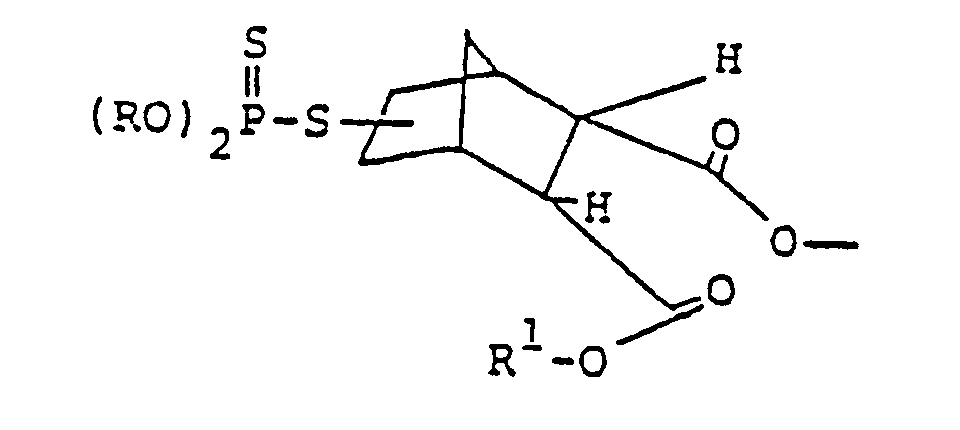


Priority Applications (1)
| Application Number | Priority Date | Filing Date | Title |
|---|---|---|---|
| AT87904771T ATE67996T1 (de) | 1986-07-11 | 1987-07-02 | Norbornyl-dimer-ester- und polyester-zusaetze fuer schmiermittel und brennstoffe. |
Applications Claiming Priority (2)
| Application Number | Priority Date | Filing Date | Title |
|---|---|---|---|
| US06/884,573 US4707301A (en) | 1986-07-11 | 1986-07-11 | Norbornyl dimer ester and polyester additives for lubricants and fuels |
| US884573 | 1986-07-11 |
Publications (2)
| Publication Number | Publication Date |
|---|---|
| EP0314700A1 EP0314700A1 (fr) | 1989-05-10 |
| EP0314700B1 true EP0314700B1 (fr) | 1991-10-02 |
Family
ID=25384915
Family Applications (1)
| Application Number | Title | Priority Date | Filing Date |
|---|---|---|---|
| EP87904771A Expired - Lifetime EP0314700B1 (fr) | 1986-07-11 | 1987-07-02 | Additifs de polyesters et d'esters dimeres de norbornyle pour lubrifiants et carburants |
Country Status (13)
| Country | Link |
|---|---|
| US (2) | US4707301A (fr) |
| EP (1) | EP0314700B1 (fr) |
| JP (1) | JP2582389B2 (fr) |
| AT (1) | ATE67996T1 (fr) |
| AU (1) | AU7709787A (fr) |
| CA (1) | CA1291153C (fr) |
| DE (1) | DE3773491D1 (fr) |
| ES (1) | ES2006777A6 (fr) |
| HK (1) | HK36192A (fr) |
| MX (1) | MX164290B (fr) |
| SG (1) | SG18992G (fr) |
| WO (1) | WO1988000589A2 (fr) |
| ZA (1) | ZA875003B (fr) |
Cited By (1)
| Publication number | Priority date | Publication date | Assignee | Title |
|---|---|---|---|---|
| KR101278872B1 (ko) | 2011-11-29 | 2013-07-01 | 한국화학연구원 | 디알킬 디티오카바메이트 그룹을 갖는 노보넨 디알킬 에스테르 화합물, 이를 포함하는 내마모제 및 윤활유 |
Families Citing this family (6)
| Publication number | Priority date | Publication date | Assignee | Title |
|---|---|---|---|---|
| DE59307990D1 (de) * | 1992-10-30 | 1998-02-19 | Ciba Geigy Ag | Neue Dithiophosphate als Verschleissschutzadditive |
| US6475252B1 (en) | 1998-09-17 | 2002-11-05 | University Of Dayton | Stabilizing additive for the prevention of oxidation and peroxide formation |
| KR100362938B1 (ko) * | 1998-12-31 | 2003-10-10 | 주식회사 하이닉스반도체 | 신규의포토레지스트가교제,이를포함하는포토레지스트중합체및포토레지스트조성물 |
| US7888298B2 (en) * | 2007-03-20 | 2011-02-15 | Exxonmobil Research And Engineering Company | Lubricant compositions with improved properties |
| FR2984348B1 (fr) * | 2011-12-16 | 2015-02-27 | Total Raffinage Marketing | Compositions lubrifiantes pour transmissions |
| US10434520B2 (en) | 2016-08-12 | 2019-10-08 | Arr-Maz Products, L.P. | Collector for beneficiating carbonaceous phosphate ores |
Family Cites Families (12)
| Publication number | Priority date | Publication date | Assignee | Title |
|---|---|---|---|---|
| US2644002A (en) * | 1951-08-29 | 1953-06-30 | American Cyanamid Co | Thiophosphatosuccinimides |
| NL100730C (fr) * | 1957-03-08 | |||
| GB1055094A (en) * | 1965-02-23 | 1967-01-11 | Shell Int Research | Novel phosphorus-containing esters |
| US3683054A (en) * | 1968-11-29 | 1972-08-08 | Ethyl Corp | S{8 -3,5(or 6)-dihydrocarbyl-4-hydroxy-phenyl{9 {11 phosphates or phosphites |
| US3755250A (en) * | 1968-11-29 | 1973-08-28 | Ethyl Corp | Phenolic phosphate and phosphite antioxidants |
| JPS4911226B1 (fr) * | 1970-06-24 | 1974-03-15 | ||
| GB1490335A (en) * | 1973-10-04 | 1977-11-02 | Cooper Ltd Ethyl | Dithiophosphate ester derivatives and lubricating oils containing them |
| US3956361A (en) * | 1974-05-23 | 1976-05-11 | Ciba-Geigy Corporation | Hindered phenolic derivatives of norbornane thioalcohols |
| US3962105A (en) * | 1975-03-25 | 1976-06-08 | The Lubrizol Corporation | Lubricating compositions |
| US4028258A (en) * | 1975-12-03 | 1977-06-07 | Texaco Inc. | Alkylene oxide adducts of phosphosulfurized N-(hydroxyalkyl) alkenylsuccinimides |
| US4306984A (en) * | 1980-06-19 | 1981-12-22 | Chevron Research Company | Oil soluble metal (lower) dialkyl dithiophosphate succinimide complex and lubricating oil compositions containing same |
| US4389221A (en) * | 1982-07-23 | 1983-06-21 | Shell Oil Company | Gasoline composition and method for reducing fuel consumption |
-
1986
- 1986-07-11 US US06/884,573 patent/US4707301A/en not_active Expired - Lifetime
-
1987
- 1987-07-02 JP JP62504404A patent/JP2582389B2/ja not_active Expired - Lifetime
- 1987-07-02 WO PCT/US1987/001581 patent/WO1988000589A2/fr not_active Ceased
- 1987-07-02 AT AT87904771T patent/ATE67996T1/de active
- 1987-07-02 EP EP87904771A patent/EP0314700B1/fr not_active Expired - Lifetime
- 1987-07-02 DE DE8787904771T patent/DE3773491D1/de not_active Expired - Fee Related
- 1987-07-02 AU AU77097/87A patent/AU7709787A/en not_active Abandoned
- 1987-07-06 CA CA000541371A patent/CA1291153C/fr not_active Expired - Fee Related
- 1987-07-07 MX MX7231A patent/MX164290B/es unknown
- 1987-07-09 ES ES8702014A patent/ES2006777A6/es not_active Expired
- 1987-07-09 ZA ZA875003A patent/ZA875003B/xx unknown
- 1987-10-09 US US07/107,080 patent/US4753662A/en not_active Expired - Lifetime
-
1992
- 1992-02-28 SG SG189/92A patent/SG18992G/en unknown
- 1992-05-21 HK HK361/92A patent/HK36192A/en not_active IP Right Cessation
Cited By (1)
| Publication number | Priority date | Publication date | Assignee | Title |
|---|---|---|---|---|
| KR101278872B1 (ko) | 2011-11-29 | 2013-07-01 | 한국화학연구원 | 디알킬 디티오카바메이트 그룹을 갖는 노보넨 디알킬 에스테르 화합물, 이를 포함하는 내마모제 및 윤활유 |
Also Published As
| Publication number | Publication date |
|---|---|
| WO1988000589A3 (fr) | 1988-02-25 |
| DE3773491D1 (de) | 1991-11-07 |
| EP0314700A1 (fr) | 1989-05-10 |
| US4707301A (en) | 1987-11-17 |
| ES2006777A6 (es) | 1989-05-16 |
| ATE67996T1 (de) | 1991-10-15 |
| SG18992G (en) | 1992-04-16 |
| WO1988000589A2 (fr) | 1988-01-28 |
| CA1291153C (fr) | 1991-10-22 |
| MX164290B (es) | 1992-07-30 |
| US4753662A (en) | 1988-06-28 |
| ZA875003B (en) | 1988-03-30 |
| JPH02500973A (ja) | 1990-04-05 |
| AU7709787A (en) | 1988-02-10 |
| HK36192A (en) | 1992-05-29 |
| JP2582389B2 (ja) | 1997-02-19 |
Similar Documents
| Publication | Publication Date | Title |
|---|---|---|
| US3876550A (en) | Lubricant compositions | |
| US4846985A (en) | Antioxidant compositions | |
| CA2188362C (fr) | Sulfonates borats permettant d'amliorer le rendement de fluides fonctionnels | |
| EP0291521B1 (fr) | Compositions soufrees, compositions lubrifiantes, combustibles et fluides fonctionnels | |
| US3267033A (en) | Lubricating composition having desirable frictional characteristics | |
| US3778372A (en) | Lubricants and fuels containing nitrogen-bearing compositions | |
| US3224968A (en) | Lubricating oil compositions | |
| EP0314700B1 (fr) | Additifs de polyesters et d'esters dimeres de norbornyle pour lubrifiants et carburants | |
| CA1192552A (fr) | Methode de preparation de composes a l'azote et a l'oxygene destines a servir d'additifs pour lubrifiants et carburants | |
| CA1296704C (fr) | Lubrifiant contenant du souffre et compositions de fluides fonctionnels | |
| US4620855A (en) | Amino sulfonic acid derivatives of carboxylic acid-containing interpolymers, and fuels, lubricants and aqueous systems containing said derivatives | |
| US4767552A (en) | Urazole compositions useful as additives for functional fluids | |
| EP0201563B1 (fr) | Systemes aqueux contenant des derives de l'acide amino-sulfonique d'acides carboxyliques | |
| US4729840A (en) | Lubricant and fuel additives derived from O,O-dialkyldithiophosphoric acid and a norbornyl reactant | |
| AU663747B2 (en) | Organophosphoryl borates and lubricants and aqueous fluids containing the same | |
| US3337654A (en) | Oxyalkylenated hydroxyhydrocarbon thiophosphates | |
| US5015402A (en) | Basic metal dihydrocarbylphosphorodithioates | |
| CA1146836A (fr) | Combinaisons de solvants carboxyliques et d'agent tension-actif; compositions aqueuses a base de ces combinaisons | |
| US4080303A (en) | Lubricant compositions containing boron dispersant, VI improver, and aromatic carboxylic acid esters | |
| US3796663A (en) | Lubricating oil additives | |
| CA1298847C (fr) | Dihydrocarbylphosphorodithioates de metal basique | |
| WO1989006237A1 (fr) | Dihydrocarbylphosphorodithioates de metal basiques | |
| US3093584A (en) | Zinc salts of p2s5-olefin-chloral reaction products as extreme pressure agents |
Legal Events
| Date | Code | Title | Description |
|---|---|---|---|
| PUAI | Public reference made under article 153(3) epc to a published international application that has entered the european phase |
Free format text: ORIGINAL CODE: 0009012 |
|
| 17P | Request for examination filed |
Effective date: 19890106 |
|
| AK | Designated contracting states |
Kind code of ref document: A1 Designated state(s): AT BE CH DE FR GB IT LI LU NL SE |
|
| 17Q | First examination report despatched |
Effective date: 19900216 |
|
| GRAA | (expected) grant |
Free format text: ORIGINAL CODE: 0009210 |
|
| AK | Designated contracting states |
Kind code of ref document: B1 Designated state(s): AT BE CH DE FR GB IT LI LU NL SE |
|
| REF | Corresponds to: |
Ref document number: 67996 Country of ref document: AT Date of ref document: 19911015 Kind code of ref document: T |
|
| ITF | It: translation for a ep patent filed | ||
| REF | Corresponds to: |
Ref document number: 3773491 Country of ref document: DE Date of ref document: 19911107 |
|
| ET | Fr: translation filed | ||
| PLBE | No opposition filed within time limit |
Free format text: ORIGINAL CODE: 0009261 |
|
| STAA | Information on the status of an ep patent application or granted ep patent |
Free format text: STATUS: NO OPPOSITION FILED WITHIN TIME LIMIT |
|
| 26N | No opposition filed | ||
| PGFP | Annual fee paid to national office [announced via postgrant information from national office to epo] |
Ref country code: LU Payment date: 19930618 Year of fee payment: 7 |
|
| PGFP | Annual fee paid to national office [announced via postgrant information from national office to epo] |
Ref country code: BE Payment date: 19930629 Year of fee payment: 7 |
|
| PGFP | Annual fee paid to national office [announced via postgrant information from national office to epo] |
Ref country code: NL Payment date: 19930731 Year of fee payment: 7 |
|
| EPTA | Lu: last paid annual fee | ||
| PGFP | Annual fee paid to national office [announced via postgrant information from national office to epo] |
Ref country code: AT Payment date: 19940615 Year of fee payment: 8 |
|
| PG25 | Lapsed in a contracting state [announced via postgrant information from national office to epo] |
Ref country code: LU Free format text: LAPSE BECAUSE OF NON-PAYMENT OF DUE FEES Effective date: 19940702 |
|
| PG25 | Lapsed in a contracting state [announced via postgrant information from national office to epo] |
Ref country code: BE Effective date: 19940731 |
|
| BERE | Be: lapsed |
Owner name: THE LUBRIZOL CORP. Effective date: 19940731 |
|
| EAL | Se: european patent in force in sweden |
Ref document number: 87904771.0 |
|
| PG25 | Lapsed in a contracting state [announced via postgrant information from national office to epo] |
Ref country code: NL Effective date: 19950201 |
|
| NLV4 | Nl: lapsed or anulled due to non-payment of the annual fee | ||
| PG25 | Lapsed in a contracting state [announced via postgrant information from national office to epo] |
Ref country code: AT Effective date: 19950702 |
|
| PGFP | Annual fee paid to national office [announced via postgrant information from national office to epo] |
Ref country code: SE Payment date: 19950713 Year of fee payment: 9 |
|
| PG25 | Lapsed in a contracting state [announced via postgrant information from national office to epo] |
Ref country code: SE Effective date: 19960703 |
|
| EUG | Se: european patent has lapsed |
Ref document number: 87904771.0 |
|
| PGFP | Annual fee paid to national office [announced via postgrant information from national office to epo] |
Ref country code: CH Payment date: 19970624 Year of fee payment: 11 |
|
| PG25 | Lapsed in a contracting state [announced via postgrant information from national office to epo] |
Ref country code: LI Free format text: LAPSE BECAUSE OF NON-PAYMENT OF DUE FEES Effective date: 19980731 Ref country code: CH Free format text: LAPSE BECAUSE OF NON-PAYMENT OF DUE FEES Effective date: 19980731 |
|
| REG | Reference to a national code |
Ref country code: CH Ref legal event code: PL |
|
| PGFP | Annual fee paid to national office [announced via postgrant information from national office to epo] |
Ref country code: FR Payment date: 19990621 Year of fee payment: 13 |
|
| PGFP | Annual fee paid to national office [announced via postgrant information from national office to epo] |
Ref country code: GB Payment date: 19990622 Year of fee payment: 13 |
|
| PGFP | Annual fee paid to national office [announced via postgrant information from national office to epo] |
Ref country code: DE Payment date: 19990623 Year of fee payment: 13 |
|
| PG25 | Lapsed in a contracting state [announced via postgrant information from national office to epo] |
Ref country code: GB Free format text: LAPSE BECAUSE OF NON-PAYMENT OF DUE FEES Effective date: 20000702 |
|
| GBPC | Gb: european patent ceased through non-payment of renewal fee |
Effective date: 20000702 |
|
| PG25 | Lapsed in a contracting state [announced via postgrant information from national office to epo] |
Ref country code: FR Free format text: LAPSE BECAUSE OF NON-PAYMENT OF DUE FEES Effective date: 20010330 |
|
| REG | Reference to a national code |
Ref country code: FR Ref legal event code: ST |
|
| PG25 | Lapsed in a contracting state [announced via postgrant information from national office to epo] |
Ref country code: DE Free format text: LAPSE BECAUSE OF NON-PAYMENT OF DUE FEES Effective date: 20010501 |
|
| PG25 | Lapsed in a contracting state [announced via postgrant information from national office to epo] |
Ref country code: IT Free format text: LAPSE BECAUSE OF NON-PAYMENT OF DUE FEES;WARNING: LAPSES OF ITALIAN PATENTS WITH EFFECTIVE DATE BEFORE 2007 MAY HAVE OCCURRED AT ANY TIME BEFORE 2007. THE CORRECT EFFECTIVE DATE MAY BE DIFFERENT FROM THE ONE RECORDED. Effective date: 20050702 |