EP0324574A2 - Immunmodulierende Bryostatine - Google Patents
Immunmodulierende Bryostatine Download PDFInfo
- Publication number
- EP0324574A2 EP0324574A2 EP89300174A EP89300174A EP0324574A2 EP 0324574 A2 EP0324574 A2 EP 0324574A2 EP 89300174 A EP89300174 A EP 89300174A EP 89300174 A EP89300174 A EP 89300174A EP 0324574 A2 EP0324574 A2 EP 0324574A2
- Authority
- EP
- European Patent Office
- Prior art keywords
- cells
- bryostatin
- ctl
- bryostatins
- ril
- Prior art date
- Legal status (The legal status is an assumption and is not a legal conclusion. Google has not performed a legal analysis and makes no representation as to the accuracy of the status listed.)
- Granted
Links
Images


Classifications
-
- C—CHEMISTRY; METALLURGY
- C07—ORGANIC CHEMISTRY
- C07H—SUGARS; DERIVATIVES THEREOF; NUCLEOSIDES; NUCLEOTIDES; NUCLEIC ACIDS
- C07H19/00—Compounds containing a hetero ring sharing one ring hetero atom with a saccharide radical; Nucleosides; Mononucleotides; Anhydro-derivatives thereof
- C07H19/01—Compounds containing a hetero ring sharing one ring hetero atom with a saccharide radical; Nucleosides; Mononucleotides; Anhydro-derivatives thereof sharing oxygen
-
- A—HUMAN NECESSITIES
- A61—MEDICAL OR VETERINARY SCIENCE; HYGIENE
- A61K—PREPARATIONS FOR MEDICAL, DENTAL OR TOILETRY PURPOSES
- A61K31/00—Medicinal preparations containing organic active ingredients
- A61K31/33—Heterocyclic compounds
- A61K31/335—Heterocyclic compounds having oxygen as the only ring hetero atom, e.g. fungichromin
- A61K31/35—Heterocyclic compounds having oxygen as the only ring hetero atom, e.g. fungichromin having six-membered rings with one oxygen as the only ring hetero atom
-
- A—HUMAN NECESSITIES
- A61—MEDICAL OR VETERINARY SCIENCE; HYGIENE
- A61P—SPECIFIC THERAPEUTIC ACTIVITY OF CHEMICAL COMPOUNDS OR MEDICINAL PREPARATIONS
- A61P35/00—Antineoplastic agents
-
- A—HUMAN NECESSITIES
- A61—MEDICAL OR VETERINARY SCIENCE; HYGIENE
- A61P—SPECIFIC THERAPEUTIC ACTIVITY OF CHEMICAL COMPOUNDS OR MEDICINAL PREPARATIONS
- A61P37/00—Drugs for immunological or allergic disorders
-
- A—HUMAN NECESSITIES
- A61—MEDICAL OR VETERINARY SCIENCE; HYGIENE
- A61P—SPECIFIC THERAPEUTIC ACTIVITY OF CHEMICAL COMPOUNDS OR MEDICINAL PREPARATIONS
- A61P37/00—Drugs for immunological or allergic disorders
- A61P37/02—Immunomodulators
-
- A—HUMAN NECESSITIES
- A61—MEDICAL OR VETERINARY SCIENCE; HYGIENE
- A61P—SPECIFIC THERAPEUTIC ACTIVITY OF CHEMICAL COMPOUNDS OR MEDICINAL PREPARATIONS
- A61P43/00—Drugs for specific purposes, not provided for in groups A61P1/00-A61P41/00
Definitions
- the present invention relates to novel immunomodulating agents and more particularly to a novel series of protein kinase C activators which are not tumor promoters.
- T3-dependent activation results in an increase in cytoplasmic free calcium.
- Transmembrane signalling by the T-cell antigen receptor Perturbation of the T-3 antigen receptor complex generates inositol phosphates and releases calcium ions from intracellular stores.
- Early steps of lymphocyte activation bypassed by synergy between calcium ionophores and phorbol ester.
- Phorbol esters might therefore be considered as excellent candidates for evaluation as immunomodulating agents if they were not potent tumor promoters (See: Jeffery, A. M., 1986. Computer-assisted molecular modelling of tumor promoters: Rationale for the activity of phorbol esters, teleocidin B, and aplysiatoxin. Proc. Natl Acad. Sci. USA 83:241).
- the present invention is directed to the identification and use of a protein kinase C activator which not only is non-tumor promoting, it has been found to possess potent anti-neoplastic properties in several in vitro and in vivo systems.
- the specific compounds which have been discovered to meet the foregoing requirements were found in a newly discovered family of biosynthetic products contained in marine animals of the phylum Ectoprocta (familiarly name Bryozoa) and named "bryostatins”.
- bryostatin 1 In the murine P388 lymphocyte leukemia (PS) system bryostatin 1 (NSC 339555) showed 52-96% life extension at 10-70 ⁇ g/kg injection dose levels and an ED50 of 0.89 ⁇ g/ml against the P388 in vitro cell line (See: Pettit, G.R., et al. 1982. Isolation and structure of bryostatin 1. J. Amer. Chem. Soc. 104:6846). Furthermore, bryostatin 1 was found to afford 31-68% life extension at 5-40 g/kg in the M531 murine ovary sarcoma system (See: Pettit, G.R., 1984. Structure of Bryostatin 4.
- the present invention is based on our discovery of the stimulatory effects of bryostatins 1 and 2 on the development and effector functions of murine cytotoxic T-lymphocytes ("CTL”) in systems.
- bryostatins 1 and 2 have been found to synergize with recombinant B-cell stimulatory factor (“BSF-1") to stimulate resting T-cells to proliferate and to differentiate into cytotoxic T-lymphocytes.
- BSF-1 recombinant B-cell stimulatory factor
- bryostatins dramatically decrease the concentration of interleukin-2 (“IL-2”) that is needed for the development of CTL and enhance IL-2 induced development of cytotoxicity.
- IL-2 interleukin-2
- bryostatins 1 and 2 like 4 ⁇ -phorbol-12-myristate 13-acetate (“PMA") are shown to inhibit Ag-specific cytotoxicity but are able to bypass the requirement for TcR- crosslinking and can trigger exocytosis of cytolytic granules and cytotoxicity against non-Ag-bearing target cells.
- TcR identifies the antigen receptor of T-lymphocytes.
- the present invention is predicated upon the use of bryostatin 1 and bryostatin 2, either alone or in combination with interleukin-2 plus B-cell stimulatory factor for immunomodulation in vivo.
- a principle object of the present invention is to provide non-protein immunostimulators for enhancing the endogenous production of interleukin-2 and gamma-interferon within a patient's autoimmune system.
- Another object of the present invention is to provide a non-protein immunostimulator which when administered intravenously to a host afflicted with a neoplastic growth simultaneously with cloned protein substances (interleukin-2 and/or gamma-interferon) substantially reduces the amount of such cloned foreign protein substance required to achieve a desired therapeutic effect thereby significantly reducing the risk of an anaphylactic reaction therefrom.
- cloned protein substances interleukin-2 and/or gamma-interferon
- a further object of the present invention is to provide new and improved methods for activating protein kinase C, stimulating the endogeneous production of interleukin-2 and gamma-interferon within the autoimmune system of the host to whom it is administered.
- Still another object of the present invention is to provide a new and useful method for administering cloned protein substances, such as interleukin-2 and/or gamma-interferon, in substantially reduced amounts to that heretofore required to achieve a given thereaupeutic effect, thereby minimizing the risk of an anaphylactic reaction therefrom, by the concurrent administration of a potent anti-tumor promotor protein kinase C activator therewith to potentiate the effect thereof.
- cloned protein substances such as interleukin-2 and/or gamma-interferon
- a still further object of the present invention is to provide unique immunoenhancing substances and method for using such substances whereby the autoimmune system of a host is activated to produce endogenous interleukin-2 and gamma-interferon thereby expanding the specificity of the T-cells (lymphocytes) in attacking neoplastic cells and preventing the spread of neoplasms without polluting the biochemical balance of the host by introducing foreign protein (e.g., cloned interleukin-2 and cloned gamma-interferon available, e.g., from Cetus Corporation, California) thereinto.
- foreign protein e.g., cloned interleukin-2 and cloned gamma-interferon available, e.g., from Cetus Corporation, California
- Still another object of the present invention is to provide unique immunoenhancing substances and method for using such substances whereby the autoimmune system of the host is augmented by the addition of a controlled amount of cloned interleukin-2 and gamma-interferon (foreign protein) thereto substantially concurrently with the injection of a small but effective amount of bryostatin 1 or bryostatin 2 whereby such controlled amount of such foreign protein is approximately 1/10 to about 1/20 of that required without the concurrent injection of bryostatin to obtain substantially the same therapeutic effect while reducing the risk of anaphylaxis and other known side effects of introducing foreign protein into the human system by about 10 to 20 fold.
- the present invention relates to newly discovered immunomodulating agents, herein denominated "bryostatin 1 and bryostatin 2 ⁇ , and methods of using them in the treatment of a host inflicted with neoplastic growth to either (a) stimulate the production of endogenous interleukin-2 and gamma-interferon within the autoimmune system of a host, which proteins being autogenerated are compatible with the biochemistry of the host; or (b) potentiate the activity of cloned interleukin-2 and gamma-interferon, both incompatible protein forms and therefore highly likely to elicit an antigenetic reaction which could result in anaphylaxis, thereby substantially reducing the amount of foreign protein required to obtain a desired therapeutic effect with the attendant benefit of significantly reducing the risk of untoward side effects from the use of a protein material which is not compatible with the biochemical makeup of the host.
- cancer results from the inability of T-cells (in the host's autoimmune system) to recognize cancer cells and thereby permit them to expand unfettered within the host. It is believed that the use of the bryostatins in accordance herewith expands the range of T-cell recognition and thereby enables a result to be obtained by T-cell activity which otherwise would not occur. Further, the methods hereof achieve the result without employing high risk amounts of toxic materials such as foreign proteins and substantially minimize the risk of typical protein anaphylaxis, normally manifested by respiratory difficulties, sweating, fever and potentially, death.
- Bryostatins 1 and 2 A methylene chloride extract prepared from 500kg (wet animals) Bugula neritina from the Eastern Pacific Ocean was further fractionated by the solvent partition sequence 9:1 4:1 methanol-water with ligroin-carbon tetrachloride followed by extensive column chromatographic techniques using both Sephadex LH-20 and silica gel as reported in Pettit, G. R., et al, supra, 1982, and Pettit, G. R., et al, 1983.
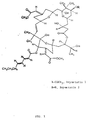
- Bryostatin 2 is the 7-desacetyl-derivative of bryostatin 1.
- cytotoxic T-lymphocyte (CTL) OE4 (H-2 b , specific for H-2 d ) (See: Staerz, U. D., et al, 1985. Hybrid antibodies can target sites for attack by T-cells. Nature 314:628), CTL 2C (H-2 b , specific for H-2 d ) (See: Berrebi, G., supra); CTL BM10-37 (H-2 d , specific for H-2 b )(See: Bluestone, J.A., 1987.
- CTL cytotoxic T-lymphocyte
- CTL cytotoxic T-cell
- Effector cells and 51Cr-labeled target cells were mixed and incubated in triplicate in a 96-well plate at different E/T ratios as described in Grabstein, K. 1980. Cell-mediated cytolytic responses. In Selected Methods in Cellular Immunology, B. B. Mishel and S. M. Shiigi, eds. (San Francisco, Freeman), pp. 124.
- the target cell number was 104 cells per well when 51Cr-release assay was performed with the cytolytic T-cell clones. 5x10³ target cells per well were used when spleen cells and lymph node T-cells were studied as effectors.
- bryostatin 1 and bryostatin 2 were added at a final concentration ranging from 0.5 ng/ml to 100 ng/ml.
- Lectin- dependent cytotoxicity assay was performed by adding 10 g/ml Con A to the mixture of CTL and 51Cr-labeled target cells. After incubation, the 96-well plate was centrifuged (1 min, 800 rpm, 4
- Percent of specific 51Cr release was calculated as 100X ( a - b )/( t - b ), where a is 51Cr release in the presence of CTL, b is spontaneous release from labeled target cells in the absence of CTL and t is the total number of cpm in the target cells. Spontaneous release of 51Cr from target cells did not exceed 15% of total cpm.
- Phorbol myristate acetate (“PMA"), bryostatin 1 and bryostatin 2 were added at a final concentration of 10 ng/ml, the Ca++ ionophore A23187 (free acid, Sigma C7522) was added at a final concentration of 0.5 ⁇ g/ml. Total volume per well was adjusted to 200 ⁇ l. After 4 hours of incubation (37°C, 5% CO2) the plates were spun (1 min., 200 xG) and 50 ⁇ l of the supernatant was harvested. Total BLT-E content was determined by solubilizing 105 effector cells with 0.1% Triton X-100 in PBS.
- Antibodies used for purification of small resting T-cells from murine lymph nodes or spleens The monoclonal antibody M5/114.15.2 (rat IgG 2b ) directed against murine Ia antigens I-A b,d,q and I-E d,k (See: Bhattacharya, A., et al. 1981. A shared alloantigenic determinant on Ia-antigen encoded by the I-A and I-E subregions: evidence for I region gene duplication. J. Immunol. 127:2488.) was used at a final dilution of 1/100 ascites fluid together with a non-toxic rabbit complement (Cedar Line, Low- Tox-M rabbit complement, Ontario, Canada).
- the 7D4 rat IgM antibody to the mouse IL-2 receptor See: Malek, T., et al. 1983. Identification and initial characterization of a rat monoclonal antibody reactive with the murine interleukin-2 receptor-ligand complex. Proc. Natl. Acad. Sci. USA 80:5694.) and MAR 18.5 (See: Lanier, L., et al. 1982. Monoclonal antibodies against rat immunoglobulin chains. Hybridoma 1:125.) mouse anti-rat kappa chain antibody have been previously described.
- rIL-2 was obtained from “Biogen” (Cambridge, MA). Recombinant B-cell stimulating factor (BSF-1IL-4) was provided by the Immunex Corporation.
- mice were immunized in vivo with 5-7.5x10⁶ irradiated P815 (H-2 d ) cells. After 2-3 weeks animals were sacrificed and spleen cells were harvested. Red blood cells were lysed with hypotonic salt solution. Cells were incubated with 100 ⁇ l of 1/10 diluted M5/114.15.2 mAb containing ascites per 50x106 cells. Following 30 min at room temperature, cells were washed and 100 ⁇ l of MAR 18.5 containing cell supernatant and 100 ⁇ l of rabbit complement per 50x106 cells were added.
- Spleen cells were harvested from B10 mice and mixed with irradiated DBA-2 spleen cells at a 1:1 ratio. Cells were cultured in 5% FCS containing RPMI-1640 media at a concentration of 2x10⁶/ml. After 14 days in culture, cells were purified as described above.
- Mesenteric lymph nodes were harvested from virus-free BALB/c mice 8-12 weeks of age. After two nylon wool column passages, Ia positive cells were subsequently lysed with the anti-Ia monoclonal antibody M5/114 plus Low-Tox-M rabbit complement as described above. Small dense resting T-cells were then separated by a modified discontinuous Percoll gradient procedure (See: Defranco, et al. 1982. Frequency of B-lymphocytes responsive to antiimmunoglobulin. J. Exp. Med. 155:1523.). Purified T-cells which were harvested in the 66-70% density band were considered to be small resting T-cells. Staining with mAb followed by fluorescent sorter analysis revealed that virtually all of them were Thy 1+; 80% of cells were L3T4+ and 20% of cells were Lyt 2+.
- the cytolytic cells which were stimulated by bryostatin and IL-2, were specific for the H-2 d -bearing target cells (see: FIG. 3), reflecting their development from mice primed with H-2 d -bearing cell line P815. No cytotoxicity against EL4 target cells was detected. However, bryostatin plus IL-2 induced cytotoxic cells were able to lyse EL-4 cells in the presence of Con A as shown in FIG. 3.
- cytotoxic cell development by a bryostatin + IL-2 is strongly dependent on the concentration of bryostatin during the 3 day in vitro incubation of in vivo primed spleen cells.
- Bryostatin concentrations of 0.5 ng/ml or less enhanced IL-2 induced cytotoxicity; higher concentrations of bryostatin either had no effect (1 ng/ml) or inhibited IL-2-induced cytotoxicity (2 ng/ml or more)(data not shown).
- cytolytic activity of CTL is associated with the exocytosis of granules (See: Bykovskaja, S. N., et al. 1978. Ultrastructural alteration of cytolytic T-lymphocytes following their interaction with target cells. II. Morphogenesis of secretory granules and intracellular vacuoles. Cell. Immunol. 40:175; Zagury, D. 1982. Direct analysis of individual killer T-cells: Susceptibility of target cells to lysis and secretion of hydrolytic enzymes by CTL. Adv. Exp. Med. Biol. 146:149; Henkart, P. A. 1985. Mechanism of lymphocyte-mediated cyto-toxicity. Ann. Rev.
- bryostatin ability of bryostatin to enhance the development of CTL is supported by the studies of the effect of bryostatins 1 and 2 on development of cytotoxicity in resting T-cells as revealed in a 51Cr-release assay reported in FIG. 7, panel B.
- addition of IL-2 enhanced the effect of BSF-1/bryostatin, while this was not the case when BLT-E amount per cell was measured after incubation of cells in the same conditions (FIG. 7, panel A).
- bryostatin a macrocyclic lactone
- Differences in the protein phosphorylation pattern induced by PMA and the bryostatins have been reported (See: Berkow, R. L., et al. 1985.
- Bryostatin, a non-phorbol macrocyclic lactone activates intact human polymorphonuclear leukocytes and binds to the phorbol ester receptor. Biochem. Biophys. Res. Commun. 131:1109).
- bryostatins 1 and 2 resemble PMA in that they are potent modulators of the response of both resting and in vivo primed T-cells and of cloned T-lymphocytes. Further, these bryostatins enhance the development of cytotoxic cells from naive resting T-cells (see: FIG. 7), and from in vivo primed spleen cells (see: FIG. 2, and Table 1). The bryostatins also promote Con A-dependent cytotoxicity against target cells lacking determinants for which the CTL are specific as shown in FIG. 4. Quantitative studies of the exocytosis of cytolysin-containing granules from CTL show (see: FIG. 5) that either the phorbol ester or the bryostatins can synergistically enhance exocytosis of granules from CTL stimulated with Ca++ ionophores.
- Bryostatins synergize with lymphokines in the stimulation of naive T-lymphocytes as shown using purified small resting T-cells from murine mesenteric lymph nodes. Bryostatin and IL-4 cause CTL-precursors in this resting T-cell population to differentiate into cytotoxic T-cells (FIG. 7). This process of maturation is enhanced by the addition of IL-2 and is accompanied by the development of the granule associated trypsin-like serine esterase BLT-E (FIG. 7A).
- bryostatin 1 is less effective than PMA in induction of cytotoxicity in small resting T-cells
- bryostatin 2 consistently induced similar amounts of cytotoxicity as shown in FIG. 7B.
- bryostatin significantly decreases the amount of rIL-2 that is needed for the development of CTL thereby reducing the risk of untoward side effects.
- the use of bryostatin with rIL-2 in accordance herewith will allow tumor rejection (See: Rosenberg, S. A., et al. 1987. A progress report on the treatment of 157 patients with advanced cancer using lymphokine-activated killer cells and interleukin-2 or high-dose interleukin-2 alone. New Engl. J. Med.
- bryostatins enhanced the IL-2 induced development of murine CTL-cells after 24 or 72 hours in culture (data not shown), they did not enhance overall cell recovery after 72 hours in vitro incubation of in vivo primed spleen cells and inhibited IL-2 induced increases in index of cell recovery as shown in Table 1, below.
- bryostatins 1 and 2 are PK-C activators with advantageous properties for use as immunomodulatory agents.
- b Index of cell recovery was calculated as ratio of cell number in the beginning of the culture to the cell number after 3 days of incubation. Primed spleen cells were obtained as described in Example I. c 0.5 ng/ml PMA or 0.5 ng/ml bryostatin 1 were used during incubation of cells when indicated.
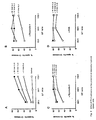
- B10 spleen cells were prepared as described above. After a 3-day culture either in the presence of either rIL-2 or rIL-2 plus protein kinase C activator, cytotoxicity was measured in a 51Cr release assay at the E/T ratios shown in FIG. 2 using 104 P815 target cells/well.
- Results of cytotoxicity assay are shown for (A) cells cultured with rIL-2 alone (0 U/ml, 2 U/ml, 10 U/ml, 20 U/ml); (B) cells cultured with rIL-2 plus 0.5 ng/ml bryostatin 1; (C) cells cultured with rIL-2 plus 0.5 ng/ml bryostatin 2; and (D) cells cultured with rIL-2 plus 0.5 ng/ml PMA. All results are displayed in FIG 2.
- mice Were immunized with P815 cells as described above. Ia-cells depleted spleen cells were incubated in the presence of 0.5 ng/ml bryostatin 2 and 10 U/ml rIL-2. After three days, cytotoxicity was checked in a 51Cr release assay, using 104 P815 (H-2 d ) or EL-4 (H-2 b ) target cells. Con A was added to a final concentration of 10 ⁇ g/ml. The results obtained are displayed in FIG. 3.
- CTL 2C clone were incubated 4 hours with 51Cr-labeled syngeneic EL4 target cells at different E/T ratios in the presence of different concentrations of PMA or bryostatin 2. The results are shown in FIG. 4.
- A is media plus solvent DMSO
- B is A23187 (0.5 ⁇ g/ml) alone
- C is PMA (10 ng/ml) plus A23187 (0.5 ⁇ g/ml)
- D is bryostatin 1 (10 ng/ml) plus A23187 (0.5 ⁇ g/ml)
- E is bryostatin 2 (10 ng/ml) plus A23187 (0.5 ⁇ g/ml).
- OE4 CXTL cells were incubated with 104 Cr labeled P815-cells at different E/T ratios and a 51Cr-release was measured after 4 hours incubation. PMA or bryostatin was added to a final concentration of 10 ng/ml. The results are shown in FIG. 6.
- T-cells Small resting T-cells were purified from Balb/c mesenteric lymph nodes as described above. Purified cells were cultured for 3 days at a cell concentration of 106 cells/ml either in media alone or in media plus different additions (rIL-2,100 U/ml; BSF-1, 2000 U/ml; bryostatin 1 or 2, 0.5 ng/ml). Cytotoxicity was measured in a 6 hour lectin mediated (Con A, 10 ⁇ g/ml) 51Cr-release assay. Results are shown for an E/T ratio of 100/l.
- BLT-E content 106 cells of each of tested culture conditions were resuspended in 100 ⁇ l of media and solubilized with 1% Triton X-100. Fifty l of cell suspension was used for measurement of BLT-esterase content as described above. Tested reagents when added alone to the cell cultures neither increased cellular BLT-esterase content nor induced cytotoxicity as shown in FIG. 7.
Landscapes
- Health & Medical Sciences (AREA)
- Chemical & Material Sciences (AREA)
- Organic Chemistry (AREA)
- General Health & Medical Sciences (AREA)
- Life Sciences & Earth Sciences (AREA)
- Veterinary Medicine (AREA)
- Pharmacology & Pharmacy (AREA)
- Medicinal Chemistry (AREA)
- Animal Behavior & Ethology (AREA)
- Public Health (AREA)
- Nuclear Medicine, Radiotherapy & Molecular Imaging (AREA)
- General Chemical & Material Sciences (AREA)
- Chemical Kinetics & Catalysis (AREA)
- Engineering & Computer Science (AREA)
- Bioinformatics & Cheminformatics (AREA)
- Immunology (AREA)
- Biochemistry (AREA)
- Biotechnology (AREA)
- Genetics & Genomics (AREA)
- Molecular Biology (AREA)
- Epidemiology (AREA)
- Medicines That Contain Protein Lipid Enzymes And Other Medicines (AREA)
- Pharmaceuticals Containing Other Organic And Inorganic Compounds (AREA)
- Medicines Containing Material From Animals Or Micro-Organisms (AREA)
- Heterocyclic Carbon Compounds Containing A Hetero Ring Having Oxygen Or Sulfur (AREA)
- Transition And Organic Metals Composition Catalysts For Addition Polymerization (AREA)
- Medicines Containing Antibodies Or Antigens For Use As Internal Diagnostic Agents (AREA)
Priority Applications (1)
| Application Number | Priority Date | Filing Date | Title |
|---|---|---|---|
| AT89300174T ATE97321T1 (de) | 1988-01-13 | 1989-01-10 | Immunmodulierende bryostatine. |
Applications Claiming Priority (2)
| Application Number | Priority Date | Filing Date | Title |
|---|---|---|---|
| US14491288A | 1988-01-13 | 1988-01-13 | |
| US144912 | 1988-01-13 |
Publications (3)
| Publication Number | Publication Date |
|---|---|
| EP0324574A2 true EP0324574A2 (de) | 1989-07-19 |
| EP0324574A3 EP0324574A3 (en) | 1990-12-05 |
| EP0324574B1 EP0324574B1 (de) | 1993-11-18 |
Family
ID=22510713
Family Applications (1)
| Application Number | Title | Priority Date | Filing Date |
|---|---|---|---|
| EP89300174A Expired - Lifetime EP0324574B1 (de) | 1988-01-13 | 1989-01-10 | Immunmodulierende Bryostatine |
Country Status (5)
| Country | Link |
|---|---|
| EP (1) | EP0324574B1 (de) |
| JP (1) | JP2973322B2 (de) |
| AT (1) | ATE97321T1 (de) |
| DE (1) | DE68910704T2 (de) |
| ES (1) | ES2061963T3 (de) |
Cited By (14)
| Publication number | Priority date | Publication date | Assignee | Title |
|---|---|---|---|---|
| WO1998004290A3 (en) * | 1996-07-26 | 1998-08-13 | Susan P Perrine | Compositions comprising an inducing agent and an anti-viral agent for the treatment of blood, viral and cellular disorders |
| EP0730446A4 (de) * | 1993-09-21 | 1999-01-20 | Univ Columbia | Protein kinase c und ihre verwendung zur linderung der bildung von zellulaerenantigenen |
| US6197743B1 (en) | 1996-07-26 | 2001-03-06 | The Trustees Of Boston University | Compositions and methods for the treatment of viral disorders |
| US8242172B2 (en) | 1998-02-11 | 2012-08-14 | Trustees Of Boston University | 2,2-dimethylbutyric acid oral pharmaceutical compositions |
| US8618068B2 (en) | 2009-12-08 | 2013-12-31 | Trustees Of Boston University | Methods and low dose regimens for treating red blood cell disorders |
| US8703812B2 (en) | 2005-07-29 | 2014-04-22 | Blanchette Rockefeller Neurosciences Institute | Protein synthesis required for long-term memory is induced by PKC activation on days preceding associative learning |
| US8993581B2 (en) | 2009-09-24 | 2015-03-31 | Trustees Of Boston University | Methods for treating viral disorders |
| US9066923B2 (en) | 2002-03-07 | 2015-06-30 | Blanchette Rockefeller Neurosciences Institute | Methods for Alzheimer's disease treatment and cognitive enhancement |
| US9446020B2 (en) | 2002-03-07 | 2016-09-20 | Blanchette Rockefeller Neurosciences Institute | Methods for Alzheimer'S disease treatment and cognitive enhancement |
| US9974832B2 (en) | 2007-02-09 | 2018-05-22 | Cognitive Research Enterprises, Inc. | Therapeutic effects of bryostatins, bryologs, and other related substances on head trauma-induced memory impairment and brain injury |
| US10010584B2 (en) | 2004-05-18 | 2018-07-03 | West Virginia University | Treatment of depressive disorders |
| US10857152B2 (en) | 2010-03-11 | 2020-12-08 | Trustees Of Boston University | Methods and compositions for treating viral or virally-induced conditions |
| US10953011B2 (en) | 2019-05-31 | 2021-03-23 | Viracta Therapeutics Inc. | Methods of treating virally associated cancers with histone deacetylase inhibitors |
| US11629167B2 (en) | 2017-11-09 | 2023-04-18 | Arizona Board Of Regents On Behalf Of Arizona State University | Betulastatin compounds |
Families Citing this family (2)
| Publication number | Priority date | Publication date | Assignee | Title |
|---|---|---|---|---|
| US7256286B2 (en) | 1999-11-30 | 2007-08-14 | The Board Of Trustees Of The Leland Stanford Junior University | Bryostatin analogues, synthetic methods and uses |
| WO2016130969A1 (en) | 2015-02-13 | 2016-08-18 | George Robert Pettit | Silstatin compounds |
Family Cites Families (3)
| Publication number | Priority date | Publication date | Assignee | Title |
|---|---|---|---|---|
| US4560774A (en) * | 1982-11-17 | 1985-12-24 | Arizona State University | Macrocyclic lactones |
| EP0149551A3 (de) * | 1984-01-16 | 1987-09-23 | Genentech, Inc. | Synergistische Gamma-Interferon-Interleukin-2-Zusammensetzungen und Verfahren zur Herstellung desselben |
| DE3704389A1 (de) * | 1987-02-12 | 1988-08-25 | Blutspendedienst Dt Rote Kreuz | Verfahren zur herstellung von lymphokinen durch induktion lymphoider zellen |
-
1989
- 1989-01-10 AT AT89300174T patent/ATE97321T1/de not_active IP Right Cessation
- 1989-01-10 ES ES89300174T patent/ES2061963T3/es not_active Expired - Lifetime
- 1989-01-10 EP EP89300174A patent/EP0324574B1/de not_active Expired - Lifetime
- 1989-01-10 DE DE89300174T patent/DE68910704T2/de not_active Expired - Fee Related
- 1989-01-10 JP JP1002172A patent/JP2973322B2/ja not_active Expired - Fee Related
Cited By (22)
| Publication number | Priority date | Publication date | Assignee | Title |
|---|---|---|---|---|
| US6069174A (en) * | 1993-09-21 | 2000-05-30 | The Trustees Of Columbia University In The City Of New York | Protein kinase C activators and their use in increasing expression of cell antigens |
| EP0730446A4 (de) * | 1993-09-21 | 1999-01-20 | Univ Columbia | Protein kinase c und ihre verwendung zur linderung der bildung von zellulaerenantigenen |
| EP2298350A3 (de) * | 1996-07-26 | 2011-06-08 | Susan P. Perrine | Zusammensetzung enthaltend einen induzierenden wikstoff und einen antiviralen wirkstoff zur behandlung von viralen störungen |
| US6197743B1 (en) | 1996-07-26 | 2001-03-06 | The Trustees Of Boston University | Compositions and methods for the treatment of viral disorders |
| JP2001527517A (ja) * | 1996-07-26 | 2001-12-25 | スーザン・ピー・ペリーネ | 血液、ウイルス性および細胞性疾患の治療組成物 |
| US6677302B2 (en) | 1996-07-26 | 2004-01-13 | The Trustees Of Boston University | Compositions and methods for the treatment of viral disorders |
| WO1998004290A3 (en) * | 1996-07-26 | 1998-08-13 | Susan P Perrine | Compositions comprising an inducing agent and an anti-viral agent for the treatment of blood, viral and cellular disorders |
| US8242172B2 (en) | 1998-02-11 | 2012-08-14 | Trustees Of Boston University | 2,2-dimethylbutyric acid oral pharmaceutical compositions |
| US9539235B2 (en) | 2002-03-07 | 2017-01-10 | Cognitive Research Enterprises, Inc | Methods for Alzheimer's disease treatment and cognitive enhancement |
| US9066923B2 (en) | 2002-03-07 | 2015-06-30 | Blanchette Rockefeller Neurosciences Institute | Methods for Alzheimer's disease treatment and cognitive enhancement |
| US9345685B2 (en) | 2002-03-07 | 2016-05-24 | Blanchette Rockefeller Neuroscience Institute | Methods for Alzheimer's Disease treatment and cognitive enhancement |
| US9446020B2 (en) | 2002-03-07 | 2016-09-20 | Blanchette Rockefeller Neurosciences Institute | Methods for Alzheimer'S disease treatment and cognitive enhancement |
| US10010584B2 (en) | 2004-05-18 | 2018-07-03 | West Virginia University | Treatment of depressive disorders |
| US8703812B2 (en) | 2005-07-29 | 2014-04-22 | Blanchette Rockefeller Neurosciences Institute | Protein synthesis required for long-term memory is induced by PKC activation on days preceding associative learning |
| US9974832B2 (en) | 2007-02-09 | 2018-05-22 | Cognitive Research Enterprises, Inc. | Therapeutic effects of bryostatins, bryologs, and other related substances on head trauma-induced memory impairment and brain injury |
| US8993581B2 (en) | 2009-09-24 | 2015-03-31 | Trustees Of Boston University | Methods for treating viral disorders |
| US11701363B2 (en) | 2009-09-24 | 2023-07-18 | Trustees Of Boston University | Methods for treating viral disorders |
| US8618068B2 (en) | 2009-12-08 | 2013-12-31 | Trustees Of Boston University | Methods and low dose regimens for treating red blood cell disorders |
| US10857152B2 (en) | 2010-03-11 | 2020-12-08 | Trustees Of Boston University | Methods and compositions for treating viral or virally-induced conditions |
| US12083119B2 (en) | 2010-03-11 | 2024-09-10 | Viracta Subsidiary, Inc. | Methods and compositions for treating viral or virally-induced conditions |
| US11629167B2 (en) | 2017-11-09 | 2023-04-18 | Arizona Board Of Regents On Behalf Of Arizona State University | Betulastatin compounds |
| US10953011B2 (en) | 2019-05-31 | 2021-03-23 | Viracta Therapeutics Inc. | Methods of treating virally associated cancers with histone deacetylase inhibitors |
Also Published As
| Publication number | Publication date |
|---|---|
| DE68910704T2 (de) | 1994-04-07 |
| ATE97321T1 (de) | 1993-12-15 |
| EP0324574B1 (de) | 1993-11-18 |
| DE68910704D1 (de) | 1993-12-23 |
| EP0324574A3 (en) | 1990-12-05 |
| ES2061963T3 (es) | 1994-12-16 |
| JP2973322B2 (ja) | 1999-11-08 |
| JPH01308228A (ja) | 1989-12-12 |
Similar Documents
| Publication | Publication Date | Title |
|---|---|---|
| EP0324574B1 (de) | Immunmodulierende Bryostatine | |
| Trenn et al. | Immunomodulating properties of a novel series of protein kinase C activators. The bryostatins. | |
| Cozzolino et al. | Characterization of cells from invaded lymph nodes in patients with solid tumors. Lymphokine requirement for tumor-specific lymphoproliferative response. | |
| Marten et al. | Enhanced lytic activity of cytokine-induced killer cells against multiple myeloma cells after co-culture with idiotype-pulsed dendritic cells | |
| Lanier et al. | Recombinant interleukin 2 enhanced natural killer cell-mediated cytotoxicity in human lymphocyte subpopulations expressing the Leu 7 and Leu 11 antigens. | |
| Engers et al. | Allogeneic tumor rejection induced by the intravenous injection of Lyt-2+ cytolytic T lymphocyte clones. | |
| Kusugami et al. | Intestinal immune reactivity to interleukin 2 differs among Crohn's disease, ulcerative colitis, and controls | |
| AU694304B2 (en) | Method for making a medicament for treating secondary immunodeficiency | |
| EP0247613B1 (de) | Verfahren zur Herstellung von lymphokinaktivierten tötenden Zellen | |
| IE56701B1 (en) | Use of 8-substituted guanine derivatives in the manufacture of a medicament | |
| HARNING et al. | REDUCTION IN THE SEVERITY OF GRAFT-VERSUS-HOST DISEASE AND INCREASED SURVIVAL IN ALLOGENEIC MICE BY TREATMENT WITH MONOCLONAL ANTIBODIES TO CELL ADHESION ANTIGENS LFA-lα AND MALA-2 | |
| Fridman et al. | The role of the Fc receptor (FcR) of thymus‐derived lymphocytes II. Presence of FcR on suppressor cells and direct involvement in suppression | |
| Vanham et al. | T lymphocytes and their CD4 subset are direct targets for the inhibitory effect of calcitriol | |
| Murray et al. | Elevated adenosine deaminase and purine nucleoside phosphorylase activity in peripheral blood null lymphocytes from patients with acquired immune deficiency syndrome | |
| Suciu-Foca et al. | Reactivity of HTLV-transformed human T-cell lines to MHC class II antigens | |
| Bloom et al. | Monocyte-mediated augmentation of human natural cell-mediated cytotoxicity | |
| Gewirtz et al. | Role of natural killer cells, in comparison with T lymphocytes and monocytes, in the regulation of normal human megakaryocytopoiesis in vitro. | |
| US5968912A (en) | Methods for immunosuppressing | |
| Baan et al. | Inhibition of the IL-15 pathway in anti-CD25 mAb treated renal allograft recipients | |
| Nagarkatti et al. | Differential effects of BCNU on T cell, macrophage, natural killer and lymphokine-activated killer cell activities in mice bearing a syngeneic tumor | |
| Haraguchi et al. | Suppression of human interferon-γ production by a 17 amino acid peptide homologous to the transmembrane envelope protein of retroviruses: evidence for a primary role played by monocytes | |
| Romani et al. | Cell-mediated immunity to chemically xenogenized tumors: II. Evidence for accessory function and self-antigen presentation by a highly immunogenic tumor variant | |
| Lillehoj et al. | A comparison of the effects of cyclosporin A, dexamethasone, and ouabain on the interleukin-2 cascade | |
| JP3817273B2 (ja) | 免疫抑制治療、抗ガン治療および抗ウイルス治療用の薬学的組成物 | |
| EP0127394A2 (de) | Immunosuppressorfaktor produzierende menschliche T-Zellinienmutante und Verfahren zur Verfahren zur Herstellung dieser Mutanten |
Legal Events
| Date | Code | Title | Description |
|---|---|---|---|
| PUAI | Public reference made under article 153(3) epc to a published international application that has entered the european phase |
Free format text: ORIGINAL CODE: 0009012 |
|
| AK | Designated contracting states |
Kind code of ref document: A2 Designated state(s): AT BE CH DE ES FR GB GR IT LI LU NL SE |
|
| RHK1 | Main classification (correction) |
Ipc: A61K 31/365 |
|
| PUAL | Search report despatched |
Free format text: ORIGINAL CODE: 0009013 |
|
| AK | Designated contracting states |
Kind code of ref document: A3 Designated state(s): AT BE CH DE ES FR GB GR IT LI LU NL SE |
|
| 17P | Request for examination filed |
Effective date: 19910521 |
|
| 17Q | First examination report despatched |
Effective date: 19911206 |
|
| GRAA | (expected) grant |
Free format text: ORIGINAL CODE: 0009210 |
|
| AK | Designated contracting states |
Kind code of ref document: B1 Designated state(s): AT BE CH DE ES FR GB GR IT LI LU NL SE |
|
| REF | Corresponds to: |
Ref document number: 97321 Country of ref document: AT Date of ref document: 19931215 Kind code of ref document: T |
|
| ITF | It: translation for a ep patent filed | ||
| REF | Corresponds to: |
Ref document number: 68910704 Country of ref document: DE Date of ref document: 19931223 |
|
| REG | Reference to a national code |
Ref country code: GR Ref legal event code: FG4A Free format text: 3010289 |
|
| ET | Fr: translation filed | ||
| EPTA | Lu: last paid annual fee | ||
| PLBE | No opposition filed within time limit |
Free format text: ORIGINAL CODE: 0009261 |
|
| STAA | Information on the status of an ep patent application or granted ep patent |
Free format text: STATUS: NO OPPOSITION FILED WITHIN TIME LIMIT |
|
| 26N | No opposition filed | ||
| REG | Reference to a national code |
Ref country code: ES Ref legal event code: FG2A Ref document number: 2061963 Country of ref document: ES Kind code of ref document: T3 |
|
| EAL | Se: european patent in force in sweden |
Ref document number: 89300174.3 |
|
| REG | Reference to a national code |
Ref country code: GB Ref legal event code: IF02 |
|
| PGFP | Annual fee paid to national office [announced via postgrant information from national office to epo] |
Ref country code: AT Payment date: 20030113 Year of fee payment: 15 |
|
| PGFP | Annual fee paid to national office [announced via postgrant information from national office to epo] |
Ref country code: LU Payment date: 20030114 Year of fee payment: 15 |
|
| PGFP | Annual fee paid to national office [announced via postgrant information from national office to epo] |
Ref country code: NL Payment date: 20030130 Year of fee payment: 15 Ref country code: GR Payment date: 20030130 Year of fee payment: 15 Ref country code: ES Payment date: 20030130 Year of fee payment: 15 |
|
| PGFP | Annual fee paid to national office [announced via postgrant information from national office to epo] |
Ref country code: BE Payment date: 20030312 Year of fee payment: 15 |
|
| PG25 | Lapsed in a contracting state [announced via postgrant information from national office to epo] |
Ref country code: LU Free format text: LAPSE BECAUSE OF NON-PAYMENT OF DUE FEES Effective date: 20040110 Ref country code: AT Free format text: LAPSE BECAUSE OF NON-PAYMENT OF DUE FEES Effective date: 20040110 |
|
| PG25 | Lapsed in a contracting state [announced via postgrant information from national office to epo] |
Ref country code: ES Free format text: LAPSE BECAUSE OF NON-PAYMENT OF DUE FEES Effective date: 20040112 |
|
| PGFP | Annual fee paid to national office [announced via postgrant information from national office to epo] |
Ref country code: GB Payment date: 20040114 Year of fee payment: 16 |
|
| PGFP | Annual fee paid to national office [announced via postgrant information from national office to epo] |
Ref country code: CH Payment date: 20040119 Year of fee payment: 16 |
|
| PGFP | Annual fee paid to national office [announced via postgrant information from national office to epo] |
Ref country code: DE Payment date: 20040122 Year of fee payment: 16 |
|
| PGFP | Annual fee paid to national office [announced via postgrant information from national office to epo] |
Ref country code: FR Payment date: 20040127 Year of fee payment: 16 |
|
| PGFP | Annual fee paid to national office [announced via postgrant information from national office to epo] |
Ref country code: SE Payment date: 20040128 Year of fee payment: 16 |
|
| PG25 | Lapsed in a contracting state [announced via postgrant information from national office to epo] |
Ref country code: BE Free format text: LAPSE BECAUSE OF NON-PAYMENT OF DUE FEES Effective date: 20040131 |
|
| BERE | Be: lapsed |
Owner name: ARIZONA *BOARD OF REGENTS ARIZONA STATE UNIVERSITY Effective date: 20040131 |
|
| PG25 | Lapsed in a contracting state [announced via postgrant information from national office to epo] |
Ref country code: NL Free format text: LAPSE BECAUSE OF NON-PAYMENT OF DUE FEES Effective date: 20040801 |
|
| PG25 | Lapsed in a contracting state [announced via postgrant information from national office to epo] |
Ref country code: GR Free format text: LAPSE BECAUSE OF NON-PAYMENT OF DUE FEES Effective date: 20040804 |
|
| NLV4 | Nl: lapsed or anulled due to non-payment of the annual fee |
Effective date: 20040801 |
|
| PG25 | Lapsed in a contracting state [announced via postgrant information from national office to epo] |
Ref country code: IT Free format text: LAPSE BECAUSE OF NON-PAYMENT OF DUE FEES Effective date: 20050110 Ref country code: GB Free format text: LAPSE BECAUSE OF NON-PAYMENT OF DUE FEES Effective date: 20050110 |
|
| PG25 | Lapsed in a contracting state [announced via postgrant information from national office to epo] |
Ref country code: SE Free format text: LAPSE BECAUSE OF NON-PAYMENT OF DUE FEES Effective date: 20050111 |
|
| PG25 | Lapsed in a contracting state [announced via postgrant information from national office to epo] |
Ref country code: LI Free format text: LAPSE BECAUSE OF NON-PAYMENT OF DUE FEES Effective date: 20050131 Ref country code: CH Free format text: LAPSE BECAUSE OF NON-PAYMENT OF DUE FEES Effective date: 20050131 |
|
| REG | Reference to a national code |
Ref country code: ES Ref legal event code: FD2A Effective date: 20040112 |
|
| PG25 | Lapsed in a contracting state [announced via postgrant information from national office to epo] |
Ref country code: DE Free format text: LAPSE BECAUSE OF NON-PAYMENT OF DUE FEES Effective date: 20050802 |
|
| EUG | Se: european patent has lapsed | ||
| GBPC | Gb: european patent ceased through non-payment of renewal fee |
Effective date: 20050110 |
|
| REG | Reference to a national code |
Ref country code: CH Ref legal event code: PL |
|
| PG25 | Lapsed in a contracting state [announced via postgrant information from national office to epo] |
Ref country code: FR Free format text: LAPSE BECAUSE OF NON-PAYMENT OF DUE FEES Effective date: 20050930 |
|
| REG | Reference to a national code |
Ref country code: FR Ref legal event code: ST |