EP0329464A2 - Système pour l'administration en boucle fermée d'un medicament simulateur d'exercices - Google Patents
Système pour l'administration en boucle fermée d'un medicament simulateur d'exercices Download PDFInfo
- Publication number
- EP0329464A2 EP0329464A2 EP89301553A EP89301553A EP0329464A2 EP 0329464 A2 EP0329464 A2 EP 0329464A2 EP 89301553 A EP89301553 A EP 89301553A EP 89301553 A EP89301553 A EP 89301553A EP 0329464 A2 EP0329464 A2 EP 0329464A2
- Authority
- EP
- European Patent Office
- Prior art keywords
- mammal
- exercise
- drug delivery
- operatively connected
- responses
- Prior art date
- Legal status (The legal status is an assumption and is not a legal conclusion. Google has not performed a legal analysis and makes no representation as to the accuracy of the status listed.)
- Granted
Links
- 0 *#CC*(c(cc1)cc(O)c1O)O Chemical compound *#CC*(c(cc1)cc(O)c1O)O 0.000 description 2
Images

Classifications
-
- C—CHEMISTRY; METALLURGY
- C07—ORGANIC CHEMISTRY
- C07C—ACYCLIC OR CARBOCYCLIC COMPOUNDS
- C07C237/00—Carboxylic acid amides, the carbon skeleton of the acid part being further substituted by amino groups
- C07C237/28—Carboxylic acid amides, the carbon skeleton of the acid part being further substituted by amino groups having the carbon atom of at least one of the carboxamide groups bound to a carbon atom of a non-condensed six-membered aromatic ring of the carbon skeleton
- C07C237/30—Carboxylic acid amides, the carbon skeleton of the acid part being further substituted by amino groups having the carbon atom of at least one of the carboxamide groups bound to a carbon atom of a non-condensed six-membered aromatic ring of the carbon skeleton having the nitrogen atom of the carboxamide group bound to hydrogen atoms or to acyclic carbon atoms
-
- A—HUMAN NECESSITIES
- A61—MEDICAL OR VETERINARY SCIENCE; HYGIENE
- A61K—PREPARATIONS FOR MEDICAL, DENTAL OR TOILETRY PURPOSES
- A61K31/00—Medicinal preparations containing organic active ingredients
- A61K31/13—Amines
- A61K31/135—Amines having aromatic rings, e.g. ketamine, nortriptyline
-
- A—HUMAN NECESSITIES
- A61—MEDICAL OR VETERINARY SCIENCE; HYGIENE
- A61K—PREPARATIONS FOR MEDICAL, DENTAL OR TOILETRY PURPOSES
- A61K31/00—Medicinal preparations containing organic active ingredients
- A61K31/16—Amides, e.g. hydroxamic acids
-
- A—HUMAN NECESSITIES
- A61—MEDICAL OR VETERINARY SCIENCE; HYGIENE
- A61N—ELECTROTHERAPY; MAGNETOTHERAPY; RADIATION THERAPY; ULTRASOUND THERAPY
- A61N1/00—Electrotherapy; Circuits therefor
- A61N1/02—Details
- A61N1/04—Electrodes
- A61N1/0404—Electrodes for external use
- A61N1/0408—Use-related aspects
- A61N1/0428—Specially adapted for iontophoresis, e.g. AC, DC or including drug reservoirs
- A61N1/0432—Anode and cathode
- A61N1/044—Shape of the electrode
-
- A—HUMAN NECESSITIES
- A61—MEDICAL OR VETERINARY SCIENCE; HYGIENE
- A61N—ELECTROTHERAPY; MAGNETOTHERAPY; RADIATION THERAPY; ULTRASOUND THERAPY
- A61N1/00—Electrotherapy; Circuits therefor
- A61N1/18—Applying electric currents by contact electrodes
- A61N1/20—Applying electric currents by contact electrodes continuous direct currents
- A61N1/30—Apparatus for iontophoresis, i.e. transfer of media in ionic state by an electromotoric force into the body, or cataphoresis
-
- A—HUMAN NECESSITIES
- A61—MEDICAL OR VETERINARY SCIENCE; HYGIENE
- A61N—ELECTROTHERAPY; MAGNETOTHERAPY; RADIATION THERAPY; ULTRASOUND THERAPY
- A61N1/00—Electrotherapy; Circuits therefor
- A61N1/18—Applying electric currents by contact electrodes
- A61N1/32—Applying electric currents by contact electrodes alternating or intermittent currents
- A61N1/325—Applying electric currents by contact electrodes alternating or intermittent currents for iontophoresis, i.e. transfer of media in ionic state by an electromotoric force into the body
-
- A—HUMAN NECESSITIES
- A61—MEDICAL OR VETERINARY SCIENCE; HYGIENE
- A61P—SPECIFIC THERAPEUTIC ACTIVITY OF CHEMICAL COMPOUNDS OR MEDICINAL PREPARATIONS
- A61P25/00—Drugs for disorders of the nervous system
- A61P25/02—Drugs for disorders of the nervous system for peripheral neuropathies
-
- A—HUMAN NECESSITIES
- A61—MEDICAL OR VETERINARY SCIENCE; HYGIENE
- A61P—SPECIFIC THERAPEUTIC ACTIVITY OF CHEMICAL COMPOUNDS OR MEDICINAL PREPARATIONS
- A61P9/00—Drugs for disorders of the cardiovascular system
-
- A—HUMAN NECESSITIES
- A61—MEDICAL OR VETERINARY SCIENCE; HYGIENE
- A61P—SPECIFIC THERAPEUTIC ACTIVITY OF CHEMICAL COMPOUNDS OR MEDICINAL PREPARATIONS
- A61P9/00—Drugs for disorders of the cardiovascular system
- A61P9/10—Drugs for disorders of the cardiovascular system for treating ischaemic or atherosclerotic diseases, e.g. antianginal drugs, coronary vasodilators, drugs for myocardial infarction, retinopathy, cerebrovascula insufficiency, renal arteriosclerosis
-
- C—CHEMISTRY; METALLURGY
- C07—ORGANIC CHEMISTRY
- C07C—ACYCLIC OR CARBOCYCLIC COMPOUNDS
- C07C215/00—Compounds containing amino and hydroxy groups bound to the same carbon skeleton
- C07C215/46—Compounds containing amino and hydroxy groups bound to the same carbon skeleton having hydroxy groups bound to carbon atoms of at least one six-membered aromatic ring and amino groups bound to acyclic carbon atoms or to carbon atoms of rings other than six-membered aromatic rings of the same carbon skeleton
- C07C215/56—Compounds containing amino and hydroxy groups bound to the same carbon skeleton having hydroxy groups bound to carbon atoms of at least one six-membered aromatic ring and amino groups bound to acyclic carbon atoms or to carbon atoms of rings other than six-membered aromatic rings of the same carbon skeleton with amino groups linked to the six-membered aromatic ring, or to the condensed ring system containing that ring, by carbon chains further substituted by hydroxy groups
- C07C215/58—Compounds containing amino and hydroxy groups bound to the same carbon skeleton having hydroxy groups bound to carbon atoms of at least one six-membered aromatic ring and amino groups bound to acyclic carbon atoms or to carbon atoms of rings other than six-membered aromatic rings of the same carbon skeleton with amino groups linked to the six-membered aromatic ring, or to the condensed ring system containing that ring, by carbon chains further substituted by hydroxy groups with hydroxy groups and the six-membered aromatic ring, or the condensed ring system containing that ring, bound to the same carbon atom of the carbon chain
- C07C215/60—Compounds containing amino and hydroxy groups bound to the same carbon skeleton having hydroxy groups bound to carbon atoms of at least one six-membered aromatic ring and amino groups bound to acyclic carbon atoms or to carbon atoms of rings other than six-membered aromatic rings of the same carbon skeleton with amino groups linked to the six-membered aromatic ring, or to the condensed ring system containing that ring, by carbon chains further substituted by hydroxy groups with hydroxy groups and the six-membered aromatic ring, or the condensed ring system containing that ring, bound to the same carbon atom of the carbon chain the chain having two carbon atoms between the amino groups and the six-membered aromatic ring or the condensed ring system containing that ring
-
- C—CHEMISTRY; METALLURGY
- C07—ORGANIC CHEMISTRY
- C07C—ACYCLIC OR CARBOCYCLIC COMPOUNDS
- C07C217/00—Compounds containing amino and etherified hydroxy groups bound to the same carbon skeleton
- C07C217/54—Compounds containing amino and etherified hydroxy groups bound to the same carbon skeleton having etherified hydroxy groups bound to carbon atoms of at least one six-membered aromatic ring and amino groups bound to acyclic carbon atoms or to carbon atoms of rings other than six-membered aromatic rings of the same carbon skeleton
- C07C217/56—Compounds containing amino and etherified hydroxy groups bound to the same carbon skeleton having etherified hydroxy groups bound to carbon atoms of at least one six-membered aromatic ring and amino groups bound to acyclic carbon atoms or to carbon atoms of rings other than six-membered aromatic rings of the same carbon skeleton with amino groups linked to the six-membered aromatic ring, or to the condensed ring system containing that ring, by carbon chains not further substituted by singly-bound oxygen atoms
- C07C217/62—Compounds containing amino and etherified hydroxy groups bound to the same carbon skeleton having etherified hydroxy groups bound to carbon atoms of at least one six-membered aromatic ring and amino groups bound to acyclic carbon atoms or to carbon atoms of rings other than six-membered aromatic rings of the same carbon skeleton with amino groups linked to the six-membered aromatic ring, or to the condensed ring system containing that ring, by carbon chains not further substituted by singly-bound oxygen atoms linked by carbon chains having at least three carbon atoms between the amino groups and the six-membered aromatic ring or the condensed ring system containing that ring
-
- C—CHEMISTRY; METALLURGY
- C07—ORGANIC CHEMISTRY
- C07C—ACYCLIC OR CARBOCYCLIC COMPOUNDS
- C07C45/00—Preparation of compounds having >C = O groups bound only to carbon or hydrogen atoms; Preparation of chelates of such compounds
- C07C45/27—Preparation of compounds having >C = O groups bound only to carbon or hydrogen atoms; Preparation of chelates of such compounds by oxidation
- C07C45/30—Preparation of compounds having >C = O groups bound only to carbon or hydrogen atoms; Preparation of chelates of such compounds by oxidation with halogen containing compounds, e.g. hypohalogenation
- C07C45/305—Preparation of compounds having >C = O groups bound only to carbon or hydrogen atoms; Preparation of chelates of such compounds by oxidation with halogen containing compounds, e.g. hypohalogenation with halogenochromate reagents, e.g. pyridinium chlorochromate
-
- A—HUMAN NECESSITIES
- A61—MEDICAL OR VETERINARY SCIENCE; HYGIENE
- A61N—ELECTROTHERAPY; MAGNETOTHERAPY; RADIATION THERAPY; ULTRASOUND THERAPY
- A61N1/00—Electrotherapy; Circuits therefor
- A61N1/02—Details
- A61N1/04—Electrodes
- A61N1/0404—Electrodes for external use
- A61N1/0408—Use-related aspects
- A61N1/0428—Specially adapted for iontophoresis, e.g. AC, DC or including drug reservoirs
- A61N1/0448—Drug reservoir
-
- Y—GENERAL TAGGING OF NEW TECHNOLOGICAL DEVELOPMENTS; GENERAL TAGGING OF CROSS-SECTIONAL TECHNOLOGIES SPANNING OVER SEVERAL SECTIONS OF THE IPC; TECHNICAL SUBJECTS COVERED BY FORMER USPC CROSS-REFERENCE ART COLLECTIONS [XRACs] AND DIGESTS
- Y10—TECHNICAL SUBJECTS COVERED BY FORMER USPC
- Y10S—TECHNICAL SUBJECTS COVERED BY FORMER USPC CROSS-REFERENCE ART COLLECTIONS [XRACs] AND DIGESTS
- Y10S128/00—Surgery
- Y10S128/13—Infusion monitoring
Definitions
- the invention relates generally to the diagnosis, evaluation and treatment of coronary artery disease and more specifically to a system for closed loop delivery of an exercise simulating agent, said exercise simulating agent eliciting both acute and adaptive cardiovascular responses similar to those resulting from aerobic activity.
- the present invention is also directed to novel exercise simulating agents and to therapeutic agents having both acute and adaptive cardiovascular and metabolic effects.
- exercise simulating agents eliciting acute and adaptive cardiovascular responses similar to the types of responses elicited by aerobic activity
- exercise simulating agents hereinafter “exercise simulating agents” or “ESA” beta agonsists”
- ESATM beta agonsists exercise simulating agents
- Cardiovascular and cerebrovascular diseases affect over 63 million people in the United States, equivalent to one of every four Americans. Approximately 5 million people in the United States suffer from coronary artery disease (hereinafter "CAD"), resulting in over 1.5 million heart attacks yearly, of which 550,000 are fatal. The annual economic cost of cardiovascular disease alone is estimated to be $85 billion. Cardiovascular disease has many manifestations, of course, including atherosclerosis.
- Atherosclerosis is the most common form of arteriosclerosis, commonly referred to as"hardening of the arteries".
- Atherosclerosis is a degenerative process that narrows or blocks arteries in the heart, brain and other parts of the body; the interior walls of the arteries become lined with deposits of fat, cholesterol, fibrin, cellular waste products and calcium. These deposits form a rough, thick surface inside the blood vessels, and interfere with both the smooth flow of blood and the amount of blood carried through the arteries.
- This narrowing of the blood vessels restricts blood flow, causing ischemia (deficiency of blood due to either functional constrictions or obstruction of a blood vessel), and is the underlying pathologic condition in many forms of cardiovascular disease including CAD, aortic aneurysm, peripheral vascular disease and stroke.
- CAD CAD
- aortic aneurysm peripheral vascular disease and stroke.
- the first indication of atherosclerosis is seen during exercise when the oxygen requirement of the heart muscle (myocardium) increases.
- Atherosclerosis is generally silent until it manifests itself as CAD, peripheral vascular disease, stroke, or sudden death.
- risk factors i.e., cigarette smoking, high blood pressure, blood cholesterol and diabetes
- CAD cardiovascular disease
- angina pectoris a condition marked by periodic episodes of chest pain, especially during exertion, that result from transient and reversible myocardial ischemia (when CAD has progressed such that it is clinically apparent, it is also referred to as ischemic heart disease);
- myocardial infection the term used to describe acute necrotic changes in the myocardium that are usually secondary to coronary occlusion (heart attacks); and sudden death, an unexpected cardiac death occurring within an hour of the onset of the heart attack, often without symptoms.
- CAD is clearly a diagnostic challenge to the practicing physician because it is often silent and because of the severe consequences of its clinical course.
- noninvasive techniques such as ECG coupled with an exercise stress test (“EST"), ambulatory monitoring electrocardiography and various forms of radionuclide imaging, have improved the diagnosis and management of heart disease, but these techniques are not without serious drawbacks.
- the value of the noninvasive techniques are limited by the selection of the appropriate diagnostic procedure or procedures, the skill and expertise of the individual(s) performing the procedure, the ability of the patient to successfully tolerate and complete the test, the proper interpretation of the results and the cost and availability of specialized equipment.
- Exercise stress testing is performed after a baseline resting ECG is taken. The patient is then closely monitored through a protocol of sequential levels of exercise.
- the Bruce protocol is the most common protocol used in the United States. This protocol specifies the speed and level of the incline of a motor driven treadmill during a total of seven three-minute exercise states with no rest periods. The test is stopped when any of the following occur: when the protocol is completed; when the patient reaches a pre-set heart rate goal; when the patient experiences acute discomfort; when a diagnostic change occurs in the ECG or blood pressure; or when the patient fatigues.
- a maximal stress test exhausts most patients and involves a significant recovery time. Additionally, maximal stress tests involve a degree of risk for the patient of falling which is directly related to the use of a treadmill. Because of the physical movement associated with the exercise, placement of the electrodes is also a problem. Specially designed electrodes which minimize motion artifacts, must be securely attached. Placing the electrodes can involve shaving of the chest in man, and sometimes burnishing of the skin to achieve appropriate electrode contact. Taken as a whole, these necessities make exercise stress testing an inconvenient test for both patient and physician. Because of its inherent difficulty, lack of sensitivity, lack of specificity, and cost, exercise stress testing is not generally recommended for asymptomatic individuals (1).
- Diagnosis of CAD of by methods which can stress the heart in a manner that mimics aerobic activity, while not forcing the patient to engage in such strenuous activities would vitiate many of the problems associated with diagnosis of CAD by means of exercise stress testing.
- a test wherein the heart is stressed without the need for physical exercise would be not only of great practicality, but would also allow for the testing of those individuals who heretofore have been unable to engage in exercise stress testing.
- Dobutamine has also been administered to prevent bedrest induced physical deconditioning, and it was reported that infusions of dobutamine could maintain or increase many of the physiologic expressions associated with physical conditioning. (16).
- the use of portable infusion pumps for the administration of dobutamine raised the possibility of overcoming the necessity for hospital confinement, allowing for somewhat ambulatory movement (17, 18, 19, 20).
- Use of such a system in an outpatient setting for general diagnosis and treatment purposes is of course negated by the need for an attached catheter to the patient.
- the need for oral inotropic agents to replace this form of therapy has been noted (17, 19).
- An oral agent while perhaps potentially useful for therapeutic application would not be useful diagnostically, due to the need for fine control of the cardiac response of the drug. For diagnostic purposes, it would be desirable to be able to obtain specific cardiac response over a defined period of time, and to be able to reverse or reduce the effect simply and rapidly.
- KM-13 An orally effective compound, "KM-13", obtained from a specific alteration of dobutamine's chemical structure was recently discussed (21) and is the subject of a United States patent (22).
- the compound produces acute adrenergic cardiovascular responses which are similar to those of dobutamine, but unlike dobutamine, KM-13 is more potent and is effective when administered orally.
- KM-13 is more potent and is effective when administered orally.
- Several synthetic compounds having uses relating to the cardiovascular system and which can be orally administered were known prior to the disclosure of KM-13 (23, 24, 25, 26).
- KM-13 is an ionic compound, delivery of the drug by other noninvasive techniques is possible. It has recently been reported that KM-13 can be administered to dogs utilizing an iontophoretic delivery system (27). However, while more potent than dobutamine, KM-13 is not sufficiently potent to be administered to humans iontophoretically, since the current required to deliver an effective dose would cause adverse effects such as skin burns.
- Transdermal iontophoresis is a non-invasive technique in which an electrical current is applied to the skin through two electrodes, whereby an ionized drug contained in one of the electrodes moves into the body through the stratum corneum (e.g., skin) in response to the potential across the electrodes.
- stratum corneum e.g., skin
- Such a delivery system allows for regulation of the amount of drug absorbed in the bloodstream through the skin as a function of the magnitude of the current applied. Because the system is non-invasive, both trauma and risk of infection are minimized; the later factor has increasing desirability due to the fears generated by the risk of diseases from subcutaneous injections, e.g. AIDS.
- Transdermal iontophoretic devices have been marketed for several years and are approved by the Food and Drug Administration for use in delivering certain drugs (28). Recently, it has been reported that the beta blocker metoprolol can be delivered iontophoretically (29).
- ESATM beta agonist In order for an ESATM beta agonist system for inducing cardiac stress to be medically practical in both clinical and outpatient settings, there are five criteria that must be fulfilled by the device and the chemical agent used, each of which is met by the invention described and claimed herein: (1) similarity of response to that of exercise-induced stress (the ESATM beta agonist must elicit cardiovascular responses that mimic the diagnostically revealing responses caused by aerobic exercise); (2) quick onset and cessation of response (as with exercise, the temporal relationship of the heart's response to the ESATM beta agonist must be a close one); (3) dose related response (as with exercise, the response of the heart to an ESATM beta agonist must be dose-related such that an increase in the dosage of an ESATM beta agonist must produce a related increase in the heart's response); (4) safety (the heart's response to an ESATM beta agonist must be as safe as is the response to exercise); and (5) convenience (there must be a convenient and noninvasive means of delivering the ESATM beta
- the present invention is directed to a method of eliciting in a mammal immediate physical responses similar to those physical responses elicited by aerobic activity which comprises administering an exercise simulating agent by a closed-loop drug delivery system.
- exercise simulating agents ("ESATM beta agonists") having the general chemical structure: wherein X1 and X2 are independently hydrogen, hydroxy, methoxy or carbamoyl, provided that X1 and X2 are not both hydrogen or carbamoyl; one of Y1 and Y2 is hydrogen and the other is hydrogen or methyl, provided that if Y1 is methyl, then X1 is not carbamoyl; Z is hydrogen or hydroxy; and n is 2 or 3; or a pharmaceutically acceptable acid addition salt thereof.
- ESATM beta agonists of the above Structure I wherein Z is hydroxy ("Structure II"). Accordingly, the present invention is also directed to the novel ESATM beta agonist compounds of Structure II which are more effective at raising heart rate than dobutamine, more potent (on both a molar and a mg/kg basis) than previously known to agents such as KM-13 and dobutamine, and, unlike KM-13 and dobutamine are suitable for administration by non-invasive means such as transdermal iontophoresis.
- Particularly preferred for diagnostic uses are compounds of Structure II where X1 is hydrogen, X2 is hydroxy or methoxy, and Y1 and Y2 are hydrogen.
- a method of eliciting in a mammal immediate cardiovascular responses similar to those cardiovascular responses elicited by aerobic exercise which comprises: (a) administering an exercise simulating agent (ESATM beta agonist) to said mammal by a closed loop drug delivery device; (b) controlling infusion of said exercise simulating agent into the bloodstream of said mammal so that a predetermined range of cardiovascular responses is obtained; (c) monitoring the range of responses of said mammal; and (d) changing infusion of said exercise simulating agent as required to maintain said range of responses.
- ESATM beta agonists include compounds of formula I.
- Preferred ESATM beta agonists include compounds of Structure II.
- a method of simulating the cardiovascular responses of a mammal to an exercise stress test (“ESATM beta agonist test") wherein the heart of said mammal is exercised or stressed at a selected level without body motion
- ESATM beta agonist test a method of simulating the cardiovascular responses of a mammal to an exercise stress test
- said exercise simulating agent induces reversible myocardial ischemia if CAD is present in said animal and is administered in an amount effective to obtain a preselected range of physical responses in said mammal;
- discontinuing infusion of said exercise simulating agent when said preselected time period has expired or when said physical responses are outside said preselected range.
- ESATM beta agonists include compounds of formula I, especially preferred are compounds of Structure II.
- Two particularly preferred ESATM beta agonists for diagnostic applications such as the ESATM beta agonist test described above are those whose preparations are described in Examples 1 and 2 and are termed "ESATM beta agonist-I” and "ESATM beta agonist-II” respectively.
- ESATM beta agonist-I and ESATM beta agonist-II exhibit a combination of advantageously high potency and short half-life in the body, making them particularly suitable for use as diagnostic agents.
- infusion of ESATM beta agonist may be controlled by a power source operatively connected to the mammal which is regulated by a microprocessor connected to both the power source and to an electrocardiographic monitoring device connected to the mammal whereby infusion of said ESATM beta agonist is feedback controlled by the microprocessor in response to changes in heart rate.
- the ESATM beta agonist test method may include, upon discontinuing infusion of the ESATM beta agonist, simultaneously administering an antagonizing agent having beta adrenergic blocking activity in an amount effective to counteract the physical responses elicited by the ESATM beta agonist.
- the ESATM beta agonist test method may include the additional feature that the flow of electrical current from the power source is discontinued when non-sinus or premature beats of a preprogrammed origin are electrocardiographically detected.
- Another optional feature of the ESATM beta agonist test method is that directional flow of electrical current from the power source is reversed upon the occurrence of an event (such as maximal heart rate) preprogrammed in the microprocessor.
- closed loop refers to drug delivery systems in which drug is delivered in automatic response to feedback of a physical signal (or response) which could include responses such as heart rate, blood pressure, ECG, heart output or other similar physical response.
- open loop refers to drug delivery systems in which drug is delivered at a predetermined rate without any direct or automatic adjustment in response to physiological variables.
- the closed-loop drug delivery system comprises a system capable of administering precise amounts of drug (ESATM beta agonist) to the patient so that a desired response level may be maintained or, optionally, increased or decreased.
- Suitable drug delivery systems include transdermal iontophoretic delivery devices and intravenous delivery devices.
- the administration of drug by the device may be pulsatile or constant rate. By using pulsatile delivery, it may be possible to deliver less total drug and yet get the same response than with constant delivery of drug.
- the closed-loop drug delivery system may include automated blood pressure and electrocardiography devices to allow continuous monitoring of the patient's blood pressure and heart rate during the ESATM beta agonist exercise test procedure.
- administration of the dose of ESATM beta agonist may be feedback controlled so that a desired response range is obtained.
- continuous monitoring of the patient's heart rate and blood pressure by incorporating various "fail safe" parameters, allows the system to discontinue delivery of the ESATM beta agonist to the patient or to prevent further cardiovascular activity in response to the ESATM beta agonist.
- the system of the present invention would provide added control and safety to the patient not available during conventional exercise stress testing.
- the closed loop system of the present invention which include (a) automatic feedback control of the administration of the ESATM beta agonists; (b) suitability for use in the diagnosis of CAD for patients heretofore unable to use exercise stress testing; and (c) incorporation of the above-noted "fail-safe" parameters; the method of the present invention provides a truly safe and efficient system for the diagnosis and treatment of CAD.
- Many non-conditioned patients do not feel well after an exercise stress test, since they are not accustomed to strenuous physical activity.
- Such non-conditioned patients who would undergo an ESATM beta agonist test according to the present invention would not have the adverse muscular effects and exhausted feeling that are often after effects of an exercise stress test.
- the ESATM beta agonist test methods of the present invention may be used in conjunction with other diagnostic tools in order to obtain additional information about a patient's cardiovascular condition.
- diagnostic tools such as echocardiography and radionucleotide imaging would expand the usefulness of those techniques.
- exercise echocardiography has been impractical due to technical limitations with the equipment involved which were related to the difficulty of monitoring a moving patient with rapidly expanding lungs and tachycardia.
- use of the test method of the present invention in conjunction with echocardiography may result in a simulated exercise echocardiography which is clinically practicle.
- the ESATM beta agonist test method may also be used in conjunction with radionucleotide imaging using isotopes such as Thallium 201. Since radionucleotide imaging has typically required adequate exercise levels for optimum results, its usefulness for patients unable to exercise adequately or to achieve a maximal heart rate has been severely limited. Use of those techniques in conjunction with the ESATM beta agonist test method will allow application to clinical situations previously considered unsuitable due to the inability of the patient to exercise or achieve maximal heart rate.
- Another aspect of the present invention provides a method of eliciting adaptive cardiovascular and metabolic responses similar to the adaptive and metabolic responses elicited by aerobic activity.
- One embodiment comprises administration of an ESATM beta agonist described herein to a patient for a period of from 0.5 to 4.0 hours daily for a period of from 1 to 30 days. This may be accomplished either with or without the iontophoretic delivery device described herein.
- a further aspect of the present invention provides a method for increasing cardiac contractility in a mammal having depressed cardiac contactility by administering an effective amount of an ESATM beta agonist of Structure II.
- ESATM beta agonist is that whose preparation is described in Example 3 herein and which is called "ESATM beta agonist-III".
- the present invention also provides a method of causing adaptive effects in a mammal similar to the adaptive effects caused by aerobic exercise over time which comprises administering an effective amount of an ESATM beta agonist of Structure II.
- ESATM beta agonist-I, -II and -III are particularly preferred for such therapeutic uses. Due to its longer half-life in the body and enhanced potency, ESATM beta agonist-III is particularly suitable for such therapeutic uses.
- the present invention provides a device for eliciting cardiovascular responses similar to cardiovascular responses elicited by aerobic exercise ("ESATM beta agonist device") which comprises: (a) closed loop drug delivery system for administering an ESATM beta agonist into the mammal's bloodstream; (b) infusion control system for controlling infusion of the ESATM beta agonist into the bloodstream which is operatively connected to the drug delivery system; and (c) monitoring system connected to the mammal to measure a range of responses of the mammal to the ESATM beta agonist which is operatively connected to both the drug delivery system and infusion control system such that infusion of ESATM beta agonist may be controlled to obtain and maintain a preselected range of responses to the ESATM beta agonist.
- ESATM beta agonist device comprises: (a) closed loop drug delivery system for administering an ESATM beta agonist into the mammal's bloodstream; (b) infusion control system for controlling infusion of the ESATM beta agonist into the bloodstream which is operatively connected to
- the device may include discontinuing system for discontinuing infusion of ESATM beta agonist when a preselected time period has expired or when the responses are outside the preselected response range which is connected to the drug delivery system and infusion control system.
- a microprocessor may be used to regulate the drug delivery system, infusion control system and monitoring system (as well as the optional discontinuing system), and thereby control infusion of ESATM beta agonist in response to the measured cardiovascular responses in order to obtain the desired preselected response range.
- Such ESATM beta agonist devices may optionally include a second drug delivery system for administering a beta adrenergic blocking agent which is connected to the discontinuing system and which is activated simultaneously with the discontinuing system.
- Such ESATM beta agonist devices may also optionally include termination system for terminating absorption of the ESATM beta agonist into the bloodstream upon activation of the discontinuing system. Suitable termination system include an air-activated tourniquet or occluder cuff.
- the method of exercise simulation using closed loop drug delivery of the present invention encompasses the use of various closed loop drug delivery systems including intravenous administration; however, due to its non-invasive nature and concomitant advantages, transdermal iontophoretic delivery is preferred.
- precise quantative amounts of a drug can be delivered to the patient by closed loop iontophoretic delivery, and because the amount of drug delivered is controlled by the amount of electrical current needed to move the drug through the skin, delivery of the drug can be readily terminated by either stopping or reversing the supply of current to the electrodes.
- Such a closed-loop iontophoretic delivery system of the present invention may utilize microprocessor circuitry to automatically compensate for differences in factors such as skin impedance between patients or even electrode placement on the same patient, or dosages of an ESATM beta agonist necessary to achieve the same cardiac response between different patients.
- This system may continuously monitoring the cardiovascular effects of the ESATM beta agonist via an electrocardiograph, processing the information to determine whether to increase or to decrease ESATM beta agonist administration (and therefore heart rate), and then adjusting the amount of current supplied and hence the amount of ESATM beta agonist delivered, can efficiently and effectively control the effects of the ESATM beta agonist.
- Such a closed-loop system can safely regulate the amount of ESATM beta agonist delivered to the bloodstream of the patient and, thus, allow a predetermined cardiac response to be achieved. Iontophoretic current or electrode impedance can also be monitored.
- the transdermal iontophoretic drug delivery device comprises a drug delivery electrode which contains the ESATM beta agonist and an indifferent electrode which does not contain the ESATM beta agonist and which functions to close the electrical circuit.
- the drug delivery electrode for the transdermal iontophoretic delivery device may be constructed according to one of various designs which are known in the art (31, 32, 33, 34, 35, 36, 37, 38, 39, 40).
- three types of electrode pads are suitable for use as the drug delivery electrode in the method of the present invention, these being classified as: (1) monolithic pad; (2) reservoir pad; and (3) multilayer pad. Preferred are the monolithic pad and the reservoir pad.
- a monolithic electrode pad design provides for including the ESATM beta agonist in a polymer that is attached to the electrode.
- the polymer can also contain an adhesive to maintain contact with the patient's skin.
- the ESATM beta agonist is dispersed in the polymer during manufacture; this material is then formed into the pad itself.
- An example of a class of polymers suitable for use in such a pad are hydrogels. Preferred hydrogels include poly(hydroxy ethyl methacrylate) (HEMA).
- a reservoir electrode pad design allows for addition of the ESATM beta agonist drug to an electrode which comprises a disk which is attached to the patient's skin.
- the ESATM beta agonist is contained in a reservoir or cavity in the electrode itself.
- the reservoir or cavity is formed during the manufacture of the electrode.
- the ESATM beta agonist can be added in gel form during manufacture of the pad, after its manufacture, or immediately prior to use.
- a multilayer electrode pad includes separate layers for a buffering solution, an ion-exchange membrane and a drug reservoir.
- the pad itself may be of any shape, but it should conform to the area of the body where it is applied.
- the size of the pad may be up to about 20 cm2, but preferably is only as large as required to keep current density below 0.5 mAmp/cm2, since increased pad area reduces current density which may be a major factor in pH change and damage to the patient's skin and build up of a drug depot.
- the electrode material should comprise a material that undergoes an oxidation reduction reaction. Suitable materials include silver/silver chloride or zinc/zinc chloride electrodes; otherwise a carbon-filled electrode may be used.
- the gel may comprise a soluble polyHEMA (hydroxyethylmethacrylate) [Benz Research], hydroxypropylmethyl cellulose [Methocel, ElOM, Dow Chemical] or Carbopol [934P, BF Goodrich] and may include a preservative to prevent microbial growth; parabens, such as methyl, ethyl and propyl, are preferred preservatives. Small amounts of EDTA as a chelating agent may be included. Preferred gels also include an antioxidant to prevent oxidation due to the drug-electrode interaction. Preferred antioxidants include sodium bisulfite and vitamin C.
- the solvent for the gel may comprise deionized, pyrogen-free water or polyethylene glycol (PEG 400, 10-20%). If desired, ethanol (100%) may be added as a cosolvent.
- concentration of the drug within the gel is preferably in the range of approximately 5-25 mg/ml gel. It may be desirable to add a small amount of buffer (e.g. citrate, phosphate buffer) to maintain the pH in the electrode.
- buffer e.g. citrate, phosphate buffer
- Permeation enhancers may be applied topically prior to applying the drug delivery electrode pad to increase the flow of the drug through the skin; preferred permeation enhancers include surfactants such as sodium lauryl sulfate.
- the indifferent (or return) electrode may be of one of any of the same constructions as the drug delivery electrode except that it contains no ESATM beta agonist. Since hydroxyl ions may be generated at the site of the indifferent electrode, in order to increase patient tolerance and comfort, and to decrease the occurrence of chemical burns on the patient's skin, it may be preferred for the indifferent electrode to be buffered in order to neutralize ions generated at the electrode site, and to decrease the occurrence of pH elevation.
- a typical ESATM beta agonist test may include several phases: (a) a pre-ESATM beta agonist monitoring phase; (b) an ESATM beta agonist delivery phase; and (c) a post-ESATM beta agonist monitoring phase.
- a pre-ESATM beta agonist monitoring phase a patient's physical responses are monitored for a period of time prior to beginning administration of the ESATM beta agonist. This phase allows baseline values for physical responses (such as blood pressure, heart rate, etc.) to be established and allows the patient to become accustomed to the test equipment.
- Duration of the pre-ESATM beta agonist monitoring phase is generally at least about ten minutes or longer if additional time is required to establish suitable baseline values.
- ESATM beta agonist is administered to the patient according to the administration protocol selected.
- Administration protocols include ramp protocols, where the ESATM beta agonist is at a rate to give a continuous, basically linear increases in response (such as heart rate) over time or a step protocol where response is increased in discrete increments and then held at that increased level for a period of time before the next incremental increase.
- the drug delivery phase lasts until a predetermined point is reached, such as maximum recommended heart rate or an elapsed time period; or it may be ended before completion, for example, if physical responses go beyond a preselected range of response or if an arrythmia occurs.
- the post-ESATM beta agonist phase the patient is monitored until response values approach the baseline value or until a second predetermined response range (such as heart rate below 100) is reached.
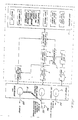
- the present invention monitors physiological variables (e.g. heart rate, blood pressure, arrythmia, ischemia, e.g. ST segment deviation) and determines and automatically regulates the administration of ESATM beta agonists, by means of a closed-loop delivery system consisting of a microprocessor and software operatively connected to a physiological monitoring sensor and a iontophoretic delivery device, said physiological monitoring sensor and iontophoretic delivery device attached to a patient as disclosed in Figure 1.
- physiological variables e.g. heart rate, blood pressure, arrythmia, ischemia, e.g. ST segment deviation
- the microprocessor (1) controls the rate of current supplied from the signal driver controller (4), and hence the amount of drug delivered from the drug reservoir located within one of the electrodes (3a) (the other electrode being the indifferent electrode (3b)), to the patient through the transdermal iontophoretic delivery device (3).
- the amount of current supplied is a function of patient-specific data programmed into the microprocessor by the physician (indicated generally as user interface (5) in Figure 1) and the response of the patient to the drug, or as a function of the feedback data obtained from the physiological monitoring sensor (2) as predicated upon the particular needs or physical characteristics of a patient relative to the effect of the ESATM beta agonist upon the patient.
- the physician may desire a customized protocol whereby the heart of the patient maintains a sustains heart rate of 110 for 3 minutes followed by a heart rate of 120 for 2 minutes, in order to create various levels of stress upon the heart.
- the specific heart rate and corresponding time thereof can be selected by the physician; the software can be programmed to signal the physician when a predetermined maximum heart rate is approaching.
- the physician may select from a menu any one of several preprogrammed fixed protocols (slow HR rise, moderate HR rise, fast HR rise, etc.) which might be most appropriate for the specific patient.
- the selected preprogrammed fixed protocol can then be adjusted (if necessary) for the desired maximum heart rate manually by the physician or automatically by the microprocessor.
- the system operator may optionally select to HOLD stable at a plateau of a specific HR (not at the maximum heart rate) for a short period of time (potentially several minutes) to enable diagnostic procedures to take place.
- HOLD modal the original protocol is temporarily suspended by the microprocessor and a fixed heart rate maintained (by the closed loop control of administration of the ESATM beta agonist drug) for the physician's desired time duration.
- the HOLD modality is completed (manually indicated by the physician or automatically indicated by the microprocessor) the original protocol may be resumed from the point of suspension or terminated (manually selected by the physician or automatically selected by the microprocessor).
- Differences in skin resistivity between patients or even different electrode positions on the same patient can affect the amount of current needed to deliver a given amount of drug iontophoretically.
- different patients may also require a different dosage of an ESATM beta agonist to achieve the same cardiac response.
- the present closed-loop system automatically compensates for these differences by continuously monitoring the cardiovascular effect of an ESATM beta agonist on a particular patient by way of the sensor, and adjusting the amount of current supplied to the iontophoretic delivery device, and therefore the amount of ESATM beta agonist delivered to the patient, will be controlled by the feedback data obtained from the patient's physiological changes or from predetermined data entered into the microprocessor by a physician in accordance with the needs of a particular patient.
- an ECG (heart rate) monitoring device (2a) and a blood pressure monitoring device (2b) are provided to monitor the patient's heart rate and blood pressure. These variables may be prominently displayed on a display screen by the microprocessor.
- the permeability of the patient's skin for a specific ESATM beta agonist, based on skin impedance, can be predetermined and programmed into the microprocessor. Additionally, specific parameters, such as the patient's age, height, weight, sex and other necessary data may be programmed into the microprocessor.
- Figure 2 depicts a logic diagram for a software program which may be used according to one embodiment of the present invention.
- the current necessary to deliver the ESATM beta agonist to the patient through the iontophoretic device is calculated; these variables are monitored and are used in the calculation of the ESATM beta agonist dose and rate of increase or decrease of ESATM beta agonist dose during the course of the study.
- the key parameters e.g. blood pressure, heart rate, impedance, and current/dose -- mAmp/mMole
- alarm signals are set which indicate when a specific pre-set level has been achieved.
- Software within the microprocessor processes the data obtained from the sensor connected to the patient, and based upon those data -- as well as the achieving of a selected target heart rate, or the occurrence of some event wherein the physician or patient desires to terminate the delivery of the ESATM beta agonist -- the control software signals the signal driver controller (4) to either increase, decrease, terminate or reverse the flow of current, and thus the administration of ESATM beta agonist.
- the control software processes various feedback data obtained from the sensors and functions in increasing, decreasing, terminating or reversing the flow of current to the transdermal iontophoretic delivery device; thus, the amount of ESATM beta agonist released from the drug reservoir reflects the processing of such information by the control software.
- the entire electrocardiogram tracing can be recorded; electronic storage media can contain the entire study for a specific patient.
- the information can also be printed on hardcopy by way of a printer attached to the microprocessor. Both serve as permanent records for the patient study.
- the blood pressure and heart rate sensors provide the microprocessor and control software with information so that the current to the iontophoretic device (drug delivery electrode) may be increased or decreased as required to increase or decrease the amount of drug necessary to obtain the desired response (such as heart rate) in the patient.
- an ECG amplifier (6) may be connected to the ECG electrodes, to amplify the signal therefrom, which signal is monitored by an R-wave detector (7), which provides the signal driver controller (4) with information on the heart rate of the patient. If the heart rate or blood pressure go beyond a pre-programmed range, or if arrythmia develops, the control software may terminate the flow of current to the iontophoretic device which will immediately terminate delivery of the ESATM beta agonist to the patient. Once maximal heart rate is achieved, the flow of current is also automatically terminated. If ischemia is detected, the current flow may be manually or automatically terminated.
- ESATM beta agonists used in the method of the present invention advantageously have half-lifes in the bloodstream of a patient of minimal duration.
- an added safety feature may be provided which comprises an optional air-activated tourniquet (8), which can be applied to the patients' body between the iontophoretic device and the heart and which will be manually or automatically activated if heart rate or blood pressure go beyond a pre-programmed range or the development of arrythmia occurs. This feature allows any residual drug to be degraded by ubiquitous enzymes and/or slowly metered into the systemic circulation.
- the microprocessor may be programmed to reverse such flow of current to the iontophoretic device upon the occurrence of the above-noted conditions which would prevent the ESATM beta agonist from entering the bloodstream, as an added safety feature. Reversal of the flow of current would also reverse formation of any drug depot that may develop.
- the method of the present invention may further include co-delivery of an antagonist to the ESATM beta agonist, for example, a beta-adrenergic blocker such as propanolol or esmolol, when reversal of the patient's response to the ESATM beta agonist is desired to more quickly reverse the effects of the ESATM bat agonist on the patient's system.
- the closed loop drug delivery device comprises an intravenous (“IV") delivery device.
- IV delivery devices include computer controlled IV infusion pumps which may be controlled by a microprocessor in much the same manner as are the above-described transdermal iontophoretic delivery devices.
- Suitable IV devices include peristaltic-type, cassette-type, syringe-type, or drop-type apparatus, or any other IV fluid delivery device, and includes devices such as those available from Harvard Apparatus or from IVAC Corp.
- the present invention is directed to novel ESATM beta agonist compounds of the following structure: wherein X1 and X2 are independently hydrogen, hydroxy, methoxy or carbamoyl, provided that X1 and X2 are not both hyrdogen or carbamoyl; one of Y1 and Y2 is hydrogen and the other is hyrdogen or methyl, provided that if Y1 is methyl, then X1 is not carbamoyl; and n is 2 or 3; or a pharmaceutically acceptable acid addition salt thereof. More preferred are compounds wherein Y2 is hydrogen. Especially preferred are compounds wherein X1 is hydrogen.
- ESATM beta agonist-I is about 100 times more potent than dobutamine and about 15 times more potent than KM-13 on a molar basis.
- novel ESATM beta agonists of the present invention are particularly suited for use as therapeutic agents due to their advantageous potency coupled with a longer duration of activity. For example, they would be useful as agents for eliciting adaptive cardiovascular and metabolic responses similar to the adaptive and metabolic responses elicited by aerobic activity.
- One such preferred therapeutic ESATM beta agonist comprises the compound of the following formula:
- novel ESATM beta agonist compounds of the present invention may be used as therapeutic agents to take advantage of their therapeutic effects. These effects may be grouped into two general categories: (a) acute and (b) adaptive.
- the acute effects refer to the increase of cardiac contractility that occurs while the ESATM beta agonist is being administered.
- the adaptive effects are those cardiovascular and metabolic responses of the animal provoked by repeated exposure of the animal to the ESATM beta agonist. These adaptive responses occur over a time period of weeks. These adaptive responses are similar to those that occur over a time period in response to exercise training over weeks.
- One principle adaptive response is an increase in the animal's aerobic capacity which improves its exercise tolerance.
- ESATM beta agonist Due to their acute effects, these ESATM beta agonist would be useful in relieving the symptoms of congestive heart failure.
- ESATM beta agonist Due to their adaptive effects, that is, their ability to elicit responses as in exercise training, these ESATM beta agonist would be useful in a variety of indications.
- These ESATM beta agonist may be used as a means of rehabilitating patents whose exercise tolerance has been impaired by disease which has forced a period of physical inactivity. Such patients may include those suffering from heart failure caused either by CAD or primary myocardial disease. Other patients who may benefit from such treatment include those whose exercise tolerance has been impaired as a result of peripheral vascular disease, for example intermittent claudication.
- ESATM beta agonist Another group of patients who would benefit from the adaptive effectives of these ESATM beta agonist are those having forced inactivity due to injury; thus, they would be useful in rehabilitating patients who have been confined to bed as a result of injury. These ESATM beta agonist would also be useful in treating patients physically incapable of exercise such as paraplegics, quadraplegics, amputees, stroke victims and individuals with advanced arthritis. Another adaptive effect of these ESATM beta agonist would be to increase glucose tolerance, for example, in patients with diabetes.
- ESATM beta agonists Due to the adaptive effects of these ESATM beta agonists, they could be used to decrease body fat without losing lean tissue (e.g., muscle) and, thus, could be used in the treatment of obesity and as a means of maintaining and improving exercise tolerance in geriatrics.
- ESATM beta agonists may be conveniently administered by a variety of routes. Suitable routes of administration include buccal, oral, transdermal passive and transdermal iontophoretic.
- ESATM beta agonist-III offers advantages over dobutamine as a therapeutic agent in that it is more than 300 times as potent as dobutamine, and exhibits similar effects to dobutamine but does not have to be administered parenterally.
- ESATM beta agonist compounds of the present invention are particularly suited for administration by transdermal iontophoresis.
- transdermal iontophoresis offers a non-invasive system for the delivery of diagnostic and therapeutic agents, offering reduced trauma and risk of infection. The latter characteristic has increased desirability due to fears generated by the risk of diseases from IV or subcutaneous injections.
- the diagnostic or therapeutic agent must have sufficient potency so that an effective dose may be administered at a current level tolerated by the patient.
- ESATM beta agonists of the present invention are from about 0.1 mAmp/cm2 to about 0.5 mAmp/cm2. Due to their lower potency, as compared with the novel ESATM beta agonists of structure II, KM-13 and dobutamine require unacceptably high currents to deliver an effective dose and hence are not suitable for transdermal iontophoretic delivery.
- the present invention is directed to the closed loop delivery of ESATM beta agonists to mammals for the diagnosis, evaluation and treatment of heart disease by a closed-loop system, and includes those novel ESATM beta agonists disclosed herein, as well as derivatives and salts thereof, as well as other ESATM beta agonists that accomplish the objectives of the invention.
- Salts include acid addition salts formed from organic or inorganic acids. Preferred are hydrochloride salts. Other salts include acetate, citrate, hydrogen oxalate, hydrogen tartrate, hydrobromide, and hydrogen sulfate salts, as well as other pharmaceutically acceptable salts.
- ESATM beta agonists of the present invention demonstrate preparation of some of the novel ESATM beta agonist's of the present invention (including ESATM beta agonist-I, -II and -III) by two particular synthetic routes.
- preparation of these ESATM beta agonist's is not limited to the routes described herein.
- Other conventional synthetic methods known to those skilled in the art may be used to prepare these ESATM beta agonist compounds.
- the first (See Example 2) comprises coupling a suitably protected bromoketone, such as 3,4-dibenzyloxy-2′-bromoacetophenone with an amine, reducing the resulting amino ketone to the amino alcohol and removing the benzyl-protecting groups.
- a suitably protected bromoketone such as 3,4-dibenzyloxy-2′-bromoacetophenone
- the second route comprises coupling (R)-norepinphrine with a ketone or aldehyde in the presence of hydrogen and a hydrogenation catalyst, such as a mixture of platinum and palladium catalysts, preferably platinum oxide and palladium on carbon.
- a hydrogenation catalyst such as a mixture of platinum and palladium catalysts, preferably platinum oxide and palladium on carbon.
- the R-enantiomer is prepared by the procedures described below; some S-enantiomer may be prepared also.
- the solid was collected by filtration, rinsed with ether, and dried to give the hydrochloride salt.
- the free base was obtained by dissolving the salt in a mixture of 10% aqueous potassium carbonate and ether.
- the ether extract was dried and evaporated to give the 2.8g of the free base of the above-identified compound.
- the 1H NMR was consistent with the assigned structure.
- the hydrogen tartrate salt was prepared by dissolving the acetate salt in methanol and then passing the resulting solution through Dowex 50 X-8 resin. The filtrate was treated with an equimolar amount of tartaric acid, stirred until homogeneous, concentrated and triturated with ether. The solid was collected by filtration and dried under vacuum to give the above-identified product, melting point 85-90°C.
- the filtrate was basified with dry potassium carbonate until saturated, then extracted three times with 20 ml butanol.
- the butanol extracts were dried over sodium sulfate and potassium carbonate overnight, filtered and stripped to give 4.25 g of the above-identified product.
- the oil was dissolved in 300 ml absolute ethanol. To that mixture, 2.5 g (0.065 mole) sodium borohydride was added; the resulting mixture was stirred overnight (a drying tube was used). The reaction mixture was filtered; the solids were washed with ethanol. The solids were slurried in about 35 to 40 ml absolute ethanol. The slurry was stirred for about 30 minutes in a warm water bath, then cooled in a refrigerator, and filtered. The solids were washed with absolute ethanol and dried under a vacuum pump overnight to give 7.0 g of the above-identified product as a solid, melting point 131°C.
Landscapes
- Health & Medical Sciences (AREA)
- Chemical & Material Sciences (AREA)
- Organic Chemistry (AREA)
- Public Health (AREA)
- Veterinary Medicine (AREA)
- General Health & Medical Sciences (AREA)
- Life Sciences & Earth Sciences (AREA)
- Animal Behavior & Ethology (AREA)
- Engineering & Computer Science (AREA)
- Nuclear Medicine, Radiotherapy & Molecular Imaging (AREA)
- Biomedical Technology (AREA)
- Medicinal Chemistry (AREA)
- Pharmacology & Pharmacy (AREA)
- Radiology & Medical Imaging (AREA)
- Bioinformatics & Cheminformatics (AREA)
- Epidemiology (AREA)
- General Chemical & Material Sciences (AREA)
- Chemical Kinetics & Catalysis (AREA)
- Heart & Thoracic Surgery (AREA)
- Cardiology (AREA)
- Urology & Nephrology (AREA)
- Neurosurgery (AREA)
- Vascular Medicine (AREA)
- Neurology (AREA)
- Acyclic And Carbocyclic Compounds In Medicinal Compositions (AREA)
- Measuring Pulse, Heart Rate, Blood Pressure Or Blood Flow (AREA)
- Organic Low-Molecular-Weight Compounds And Preparation Thereof (AREA)
- Medicines Containing Antibodies Or Antigens For Use As Internal Diagnostic Agents (AREA)
- Medicines That Contain Protein Lipid Enzymes And Other Medicines (AREA)
- Electrotherapy Devices (AREA)
- Media Introduction/Drainage Providing Device (AREA)
- Medicinal Preparation (AREA)
- Infusion, Injection, And Reservoir Apparatuses (AREA)
- Steroid Compounds (AREA)
- Saccharide Compounds (AREA)
- Pharmaceuticals Containing Other Organic And Inorganic Compounds (AREA)
- Investigating Or Analysing Biological Materials (AREA)
- Measuring And Recording Apparatus For Diagnosis (AREA)
Priority Applications (2)
| Application Number | Priority Date | Filing Date | Title |
|---|---|---|---|
| EP95101920A EP0658538B1 (fr) | 1988-02-19 | 1989-02-17 | La diagnose, l'évaluation et le traitement de la maladie de l'artère coronaire par simulation de l'exercice par l'utilisation de la livraison de boucle fermée des dragues d'un agent bêta agoniste qui simule l'exercice |
| GR980400065T GR3025892T3 (en) | 1988-02-19 | 1998-01-14 | Diagnosis, evaluation and treatment of coronary artery disease by exercise simulation using closed loop drug delivery of an exercise simulating agent beta agonist. |
Applications Claiming Priority (4)
| Application Number | Priority Date | Filing Date | Title |
|---|---|---|---|
| US15787588A | 1988-02-19 | 1988-02-19 | |
| US157875 | 1988-02-19 | ||
| US308683 | 1989-02-09 | ||
| US07/308,683 US5108363A (en) | 1988-02-19 | 1989-02-09 | Diagnosis, evaluation and treatment of coronary artery disease by exercise simulation using closed loop drug delivery of an exercise simulating agent beta agonist |
Related Child Applications (2)
| Application Number | Title | Priority Date | Filing Date |
|---|---|---|---|
| EP95101920A Division EP0658538B1 (fr) | 1988-02-19 | 1989-02-17 | La diagnose, l'évaluation et le traitement de la maladie de l'artère coronaire par simulation de l'exercice par l'utilisation de la livraison de boucle fermée des dragues d'un agent bêta agoniste qui simule l'exercice |
| EP95101920.7 Division-Into | 1989-02-17 |
Publications (3)
| Publication Number | Publication Date |
|---|---|
| EP0329464A2 true EP0329464A2 (fr) | 1989-08-23 |
| EP0329464A3 EP0329464A3 (fr) | 1991-07-17 |
| EP0329464B1 EP0329464B1 (fr) | 1995-11-02 |
Family
ID=26854551
Family Applications (2)
| Application Number | Title | Priority Date | Filing Date |
|---|---|---|---|
| EP95101920A Expired - Lifetime EP0658538B1 (fr) | 1988-02-19 | 1989-02-17 | La diagnose, l'évaluation et le traitement de la maladie de l'artère coronaire par simulation de l'exercice par l'utilisation de la livraison de boucle fermée des dragues d'un agent bêta agoniste qui simule l'exercice |
| EP89301553A Expired - Lifetime EP0329464B1 (fr) | 1988-02-19 | 1989-02-17 | Système pour l'administration en boucle fermée d'un medicament simulateur d'exercices |
Family Applications Before (1)
| Application Number | Title | Priority Date | Filing Date |
|---|---|---|---|
| EP95101920A Expired - Lifetime EP0658538B1 (fr) | 1988-02-19 | 1989-02-17 | La diagnose, l'évaluation et le traitement de la maladie de l'artère coronaire par simulation de l'exercice par l'utilisation de la livraison de boucle fermée des dragues d'un agent bêta agoniste qui simule l'exercice |
Country Status (13)
| Country | Link |
|---|---|
| US (4) | US5108363A (fr) |
| EP (2) | EP0658538B1 (fr) |
| JP (2) | JP2806543B2 (fr) |
| AT (2) | ATE159710T1 (fr) |
| AU (1) | AU634152B2 (fr) |
| DE (2) | DE68924661T2 (fr) |
| DK (1) | DK73589A (fr) |
| ES (2) | ES2081299T3 (fr) |
| FI (1) | FI890776A7 (fr) |
| GR (2) | GR3018764T3 (fr) |
| IE (2) | IE80716B1 (fr) |
| NO (1) | NO890704L (fr) |
| NZ (1) | NZ239270A (fr) |
Cited By (9)
| Publication number | Priority date | Publication date | Assignee | Title |
|---|---|---|---|---|
| EP0435436A3 (en) * | 1989-11-29 | 1992-01-08 | Pfizer Inc. | Transdermal flux enhancers in combination with iontophoresis in topical administration of pharmaceuticals |
| EP0476846A3 (en) * | 1990-08-27 | 1992-08-05 | Eli Lilly And Company | Method for treating imflammation, ischemia-induced cell damage and muscular dystrophy |
| EP0542565A1 (fr) * | 1991-11-13 | 1993-05-19 | Gensia Pharmaceuticals, Inc. | Test de stress pharmacologique pour les maladies des artères coronaires |
| WO1997023439A1 (fr) * | 1995-12-22 | 1997-07-03 | Abbott Laboratories | Procede ameliore de preparation d'intermediaires aldehydes d'alkyle ou d'aryle |
| WO1997033857A1 (fr) * | 1996-03-14 | 1997-09-18 | Abbott Laboratories | Procede de protection d'un 1,2-aminoalcool destine au couplage par amination reductrice |
| EP2177503A1 (fr) * | 2004-02-20 | 2010-04-21 | UCL Business PLC | Modulateurs des récepteurs cannabinoïdes |
| US7820721B2 (en) * | 2006-01-25 | 2010-10-26 | Wellstat Therapeutics Corporation | Compounds for the treatment of metabolic disorders |
| US10061899B2 (en) | 2008-07-09 | 2018-08-28 | Baxter International Inc. | Home therapy machine |
| US10173008B2 (en) | 2002-01-29 | 2019-01-08 | Baxter International Inc. | System and method for communicating with a dialysis machine through a network |
Families Citing this family (125)
| Publication number | Priority date | Publication date | Assignee | Title |
|---|---|---|---|---|
| JPS6144385A (ja) * | 1984-08-07 | 1986-03-04 | Tokyu Constr Co Ltd | 構造物内の放射線吸収体の探査方法 |
| IL82997A0 (en) * | 1986-07-11 | 1987-12-20 | Tanabe Seiyaku Co | Method for epimerizing an optically active benzyl alcohol derivative |
| US5108363A (en) * | 1988-02-19 | 1992-04-28 | Gensia Pharmaceuticals, Inc. | Diagnosis, evaluation and treatment of coronary artery disease by exercise simulation using closed loop drug delivery of an exercise simulating agent beta agonist |
| TW209832B (fr) * | 1989-10-10 | 1993-07-21 | Glaxo Group Ltd | |
| US5254087A (en) * | 1990-01-29 | 1993-10-19 | Ivra Systems, Inc. | Tourniquet apparatus for intravenous regional anesthesia |
| US5556415A (en) * | 1990-01-29 | 1996-09-17 | Mcewen; James A. | Physiologic tourniquet for intravenous regional anesthesia |
| US5607447A (en) * | 1993-09-28 | 1997-03-04 | Mcewen; James A. | Physiologic tourniquet |
| IL104365A0 (en) * | 1992-01-31 | 1993-05-13 | Gensia Pharma | Method and apparatus for closed loop drug delivery |
| HUT64459A (en) * | 1992-03-31 | 1994-01-28 | Richter Gedeon Vegyeszet | Process and apparatus for the diagnostics of cardiovascular |
| US5752521A (en) | 1993-11-12 | 1998-05-19 | Dardik; Irving I. | Therapeutic exercise program |
| US6397098B1 (en) * | 1994-09-21 | 2002-05-28 | Medrad, Inc. | Data communication and control for medical imaging systems |
| US5840026A (en) * | 1994-09-21 | 1998-11-24 | Medrad, Inc. | Patient specific dosing contrast delivery systems and methods |
| US5551953A (en) * | 1994-10-31 | 1996-09-03 | Alza Corporation | Electrotransport system with remote telemetry link |
| US7204848B1 (en) | 1995-03-01 | 2007-04-17 | Boston Scientific Scimed, Inc. | Longitudinally flexible expandable stent |
| US5775329A (en) * | 1995-06-07 | 1998-07-07 | Gensia, Inc. | Method and compounds for diagnosing coronary artery disease |
| US5855589A (en) * | 1995-08-25 | 1999-01-05 | Mcewen; James A. | Physiologic tourniquet for intravenous regional anesthesia |
| US5931853A (en) * | 1995-08-25 | 1999-08-03 | Mcewen; James A. | Physiologic tourniquet with safety circuit |
| US6430997B1 (en) * | 1995-11-06 | 2002-08-13 | Trazer Technologies, Inc. | System and method for tracking and assessing movement skills in multidimensional space |
| US5706822A (en) * | 1996-03-29 | 1998-01-13 | Kozz Incorporated | Method and computer program for creating individualized exercise protocols |
| US5711316A (en) * | 1996-04-30 | 1998-01-27 | Medtronic, Inc. | Method of treating movement disorders by brain infusion |
| US5735814A (en) * | 1996-04-30 | 1998-04-07 | Medtronic, Inc. | Techniques of treating neurodegenerative disorders by brain infusion |
| US5713923A (en) * | 1996-05-13 | 1998-02-03 | Medtronic, Inc. | Techniques for treating epilepsy by brain stimulation and drug infusion |
| EP0947498B1 (fr) * | 1996-12-02 | 2004-09-15 | Chisso Corporation | Derives de nitro-alcool optiquement actifs, derives d'amino-alcool optiquement actifs et procede de leur preparation |
| US6018679A (en) * | 1997-01-29 | 2000-01-25 | Novartis Finance Corp. | Iontophoretic transdermal delivery and control of adverse side-effects |
| CN1311877C (zh) | 1998-06-03 | 2007-04-25 | 斯科特实验室公司 | 为患者缓解与内科或外科处理相关的痛苦的设备和方法 |
| JP2002520101A (ja) * | 1998-07-13 | 2002-07-09 | ジェネトロニクス、インコーポレーテッド | 電気的に補助される化粧用薬剤の局部送達法および装置 |
| US20020072489A1 (en) * | 1998-10-13 | 2002-06-13 | Whitehouse Martha J. | Angiogenically effective unit dose of FGF-2 and method of use |
| JP2002527401A (ja) * | 1998-10-13 | 2002-08-27 | カイロン コーポレイション | Fgfの脈管形成的に有効な単位用量および投与方法 |
| US20030166550A1 (en) * | 1999-08-27 | 2003-09-04 | Chiron Corporation | Angiogenically effective unit dose of FGF-2 and method of use |
| US6440934B1 (en) | 1998-10-13 | 2002-08-27 | Chiron Corporation | Angiogenically effective unit dose of FGF-2 and method of use |
| US6475514B1 (en) | 1998-12-03 | 2002-11-05 | Andrew Blitzer | Athletic patch |
| US6361522B1 (en) * | 1999-10-21 | 2002-03-26 | Cardiac Pacemakers, Inc. | Drug delivery system for implantable cardiac device |
| CZ20023818A3 (cs) | 2000-05-18 | 2003-06-18 | Alaris Meidical Systems, Inc. | Systém a způsob pro správu informací týkajících se poskytování lékařské péče |
| US9427520B2 (en) | 2005-02-11 | 2016-08-30 | Carefusion 303, Inc. | Management of pending medication orders |
| US9741001B2 (en) | 2000-05-18 | 2017-08-22 | Carefusion 303, Inc. | Predictive medication safety |
| US9069887B2 (en) * | 2000-05-18 | 2015-06-30 | Carefusion 303, Inc. | Patient-specific medication management system |
| US10353856B2 (en) | 2011-03-17 | 2019-07-16 | Carefusion 303, Inc. | Scalable communication system |
| US11087873B2 (en) | 2000-05-18 | 2021-08-10 | Carefusion 303, Inc. | Context-aware healthcare notification system |
| US10062457B2 (en) | 2012-07-26 | 2018-08-28 | Carefusion 303, Inc. | Predictive notifications for adverse patient events |
| US7860583B2 (en) | 2004-08-25 | 2010-12-28 | Carefusion 303, Inc. | System and method for dynamically adjusting patient therapy |
| EP1296595B1 (fr) | 2000-06-30 | 2007-08-15 | Lifewaves International, Inc. | Systeme permettant d'evaluer et de modifier la condition physiologique d'un individu |
| US7369890B2 (en) | 2000-11-02 | 2008-05-06 | Cardiac Pacemakers, Inc. | Technique for discriminating between coordinated and uncoordinated cardiac rhythms |
| US6689117B2 (en) | 2000-12-18 | 2004-02-10 | Cardiac Pacemakers, Inc. | Drug delivery system for implantable medical device |
| US7493162B2 (en) * | 2001-06-15 | 2009-02-17 | Cardiac Pacemakers, Inc. | Pulmonary vein stent for treating atrial fibrillation |
| US7209783B2 (en) * | 2001-06-15 | 2007-04-24 | Cardiac Pacemakers, Inc. | Ablation stent for treating atrial fibrillation |
| US7340303B2 (en) | 2001-09-25 | 2008-03-04 | Cardiac Pacemakers, Inc. | Evoked response sensing for ischemia detection |
| AU2002350108B2 (en) * | 2001-11-01 | 2008-09-11 | Scott Laboratories, Inc. | User interface for sedation and analgesia delivery systems and methods |
| US8775196B2 (en) | 2002-01-29 | 2014-07-08 | Baxter International Inc. | System and method for notification and escalation of medical data |
| US20030140928A1 (en) * | 2002-01-29 | 2003-07-31 | Tuan Bui | Medical treatment verification system and method |
| US7236821B2 (en) * | 2002-02-19 | 2007-06-26 | Cardiac Pacemakers, Inc. | Chronically-implanted device for sensing and therapy |
| CN101385738A (zh) * | 2002-04-18 | 2009-03-18 | Cv医药有限公司 | 包括给予A1腺苷激动剂以及β受体阻滞剂、钙通道阻滞剂、或强心苷的治疗心律失常的方法 |
| US8234128B2 (en) | 2002-04-30 | 2012-07-31 | Baxter International, Inc. | System and method for verifying medical device operational parameters |
| US20040172300A1 (en) * | 2002-04-30 | 2004-09-02 | Mihai Dan M. | Method and system for integrating data flows |
| US20040176667A1 (en) * | 2002-04-30 | 2004-09-09 | Mihai Dan M. | Method and system for medical device connectivity |
| US20040167804A1 (en) * | 2002-04-30 | 2004-08-26 | Simpson Thomas L.C. | Medical data communication notification and messaging system and method |
| US20050065817A1 (en) * | 2002-04-30 | 2005-03-24 | Mihai Dan M. | Separation of validated information and functions in a healthcare system |
| US20040172301A1 (en) * | 2002-04-30 | 2004-09-02 | Mihai Dan M. | Remote multi-purpose user interface for a healthcare system |
| CA2490636A1 (fr) * | 2002-06-20 | 2003-12-31 | The Governors Of The University Of Alberta | Dichloroacetate en combinaison avec des medicaments cardioprotecteurs ou hemodynamiques |
| US7089055B2 (en) * | 2002-06-28 | 2006-08-08 | Cardiac Pacemakers, Inc. | Method and apparatus for delivering pre-shock defibrillation therapy |
| EP1554003A4 (fr) * | 2002-10-03 | 2011-10-12 | Scott Lab Inc | Systemes et procedes d'obtention d'une analyse de tendance dans un systeme de sedation et d'analgesie |
| JP2006501899A (ja) | 2002-10-03 | 2006-01-19 | スコット・ラボラトリーズ・インコーポレイテッド | センサ融合を提供するシステムおよび方法 |
| US7072711B2 (en) | 2002-11-12 | 2006-07-04 | Cardiac Pacemakers, Inc. | Implantable device for delivering cardiac drug therapy |
| US7627373B2 (en) | 2002-11-30 | 2009-12-01 | Cardiac Pacemakers, Inc. | Method and apparatus for cell and electrical therapy of living tissue |
| US20050113318A1 (en) * | 2003-07-31 | 2005-05-26 | Robinson Cynthia B. | Combination of dehydroepiandrosterone or dehydroepiandrosterone-sulfate with a beta-agonist bronchodilator for treatment of asthma or chronic obstructive pulmonary disease |
| US20090285900A1 (en) * | 2003-07-31 | 2009-11-19 | Robinson Cynthia B | Combination of dehydroepiandrosterone or dehydroepiandrosterone-sulfate with a beta-agonist bronchodilator for treatment of asthma or chronic obstructive pulmonary disease |
| US20050026884A1 (en) * | 2003-07-31 | 2005-02-03 | Robinson Cynthia B. | Combination of dehydroepiandrosterone or dehydroepiandrosterone-sulfate with a beta-agonist bronchodilator for treatment of asthma or chronic obstructive pulmonary disease |
| US7320675B2 (en) | 2003-08-21 | 2008-01-22 | Cardiac Pacemakers, Inc. | Method and apparatus for modulating cellular metabolism during post-ischemia or heart failure |
| US7840263B2 (en) | 2004-02-27 | 2010-11-23 | Cardiac Pacemakers, Inc. | Method and apparatus for device controlled gene expression |
| US7764995B2 (en) | 2004-06-07 | 2010-07-27 | Cardiac Pacemakers, Inc. | Method and apparatus to modulate cellular regeneration post myocardial infarct |
| US7567841B2 (en) | 2004-08-20 | 2009-07-28 | Cardiac Pacemakers, Inc. | Method and apparatus for delivering combined electrical and drug therapies |
| EP1812101A4 (fr) | 2004-11-16 | 2014-04-23 | Medrad Inc | Modelage de propagation pharmaceutique |
| DK2902053T3 (da) * | 2004-11-24 | 2017-11-13 | Bayer Healthcare Llc | Anordninger, systemer og fremgangsmåder til væskefremføring |
| US7981065B2 (en) | 2004-12-20 | 2011-07-19 | Cardiac Pacemakers, Inc. | Lead electrode incorporating extracellular matrix |
| US8060219B2 (en) | 2004-12-20 | 2011-11-15 | Cardiac Pacemakers, Inc. | Epicardial patch including isolated extracellular matrix with pacing electrodes |
| US7616990B2 (en) | 2005-10-24 | 2009-11-10 | Cardiac Pacemakers, Inc. | Implantable and rechargeable neural stimulator |
| US8182443B1 (en) | 2006-01-17 | 2012-05-22 | Masimo Corporation | Drug administration controller |
| EP2097835B1 (fr) | 2006-12-29 | 2018-05-30 | Bayer Healthcare LLC | Systèmes de génération de paramètres sur la base d'un patient pour des procédures médicales d'injection |
| US9351947B2 (en) * | 2007-01-29 | 2016-05-31 | National Research Council Of Canada | Use of catecholamines and related compounds as anti-angiogenic agents |
| EP2170165B1 (fr) | 2007-07-17 | 2018-12-05 | Bayer Healthcare LLC | Systèmes pour déterminer des paramètres pour une procédure, pour estimer une fonction cardiopulmonaire et pour une administration de fluide |
| US8986253B2 (en) | 2008-01-25 | 2015-03-24 | Tandem Diabetes Care, Inc. | Two chamber pumps and related methods |
| US8057679B2 (en) | 2008-07-09 | 2011-11-15 | Baxter International Inc. | Dialysis system having trending and alert generation |
| US8408421B2 (en) | 2008-09-16 | 2013-04-02 | Tandem Diabetes Care, Inc. | Flow regulating stopcocks and related methods |
| CA2737461A1 (fr) | 2008-09-19 | 2010-03-25 | Tandem Diabetes Care, Inc. | Dispositif de mesure de la concentration d'un solute et procedes associes |
| US8554579B2 (en) | 2008-10-13 | 2013-10-08 | Fht, Inc. | Management, reporting and benchmarking of medication preparation |
| US9421330B2 (en) * | 2008-11-03 | 2016-08-23 | Bayer Healthcare Llc | Mitigation of contrast-induced nephropathy |
| US8926561B2 (en) | 2009-07-30 | 2015-01-06 | Tandem Diabetes Care, Inc. | Infusion pump system with disposable cartridge having pressure venting and pressure feedback |
| US20110137297A1 (en) * | 2009-09-17 | 2011-06-09 | Kiani Massi Joe E | Pharmacological management system |
| CA2803169C (fr) | 2010-06-24 | 2020-09-22 | Medrad, Inc. | Modelisation de propagation pharmaceutique et de generation de parametres pour protocoles d'injection |
| HUE056182T2 (hu) | 2012-05-14 | 2022-01-28 | Bayer Healthcare Llc | Összeállítások és eljárások gyógyászati fluidum befecskendezési protokollok röntgencsõ-feszültség alapján történõ meghatározására |
| US9180242B2 (en) | 2012-05-17 | 2015-11-10 | Tandem Diabetes Care, Inc. | Methods and devices for multiple fluid transfer |
| US8761717B1 (en) | 2012-08-07 | 2014-06-24 | Brian K. Buchheit | Safety feature to disable an electronic device when a wireless implantable medical device (IMD) is proximate |
| KR102029974B1 (ko) | 2012-08-31 | 2019-10-08 | 백스터 코포레이션 잉글우드 | 약제 요청서 집행 시스템 및 방법 |
| EP3453377B1 (fr) | 2012-10-26 | 2026-04-29 | Baxter Corporation Englewood | Station de travail améliorée pour système de préparation de doses médicales |
| KR101695119B1 (ko) | 2012-10-26 | 2017-01-23 | 백스터 코포레이션 잉글우드 | 의료 투여분 조제 시스템을 위한 개선된 이미지 취득 |
| US11182728B2 (en) | 2013-01-30 | 2021-11-23 | Carefusion 303, Inc. | Medication workflow management |
| US10430554B2 (en) | 2013-05-23 | 2019-10-01 | Carefusion 303, Inc. | Medication preparation queue |
| WO2014190200A1 (fr) | 2013-05-22 | 2014-11-27 | Carefusion 303, Inc. | Gestion de flux de médicaments |
| US9946844B2 (en) * | 2013-02-22 | 2018-04-17 | Cloud Dx, Inc. | Systems and methods for monitoring patient medication adherence |
| US9555379B2 (en) | 2013-03-13 | 2017-01-31 | Bayer Healthcare Llc | Fluid path set with turbulent mixing chamber, backflow compensator |
| ES2831801T3 (es) | 2013-03-13 | 2021-06-09 | Carefusion 303 Inc | Sistema de gestión de medicaciones específicas para el paciente |
| CN114267429A (zh) | 2013-03-13 | 2022-04-01 | 康尔福盛303公司 | 预测性用药安全 |
| US9173998B2 (en) | 2013-03-14 | 2015-11-03 | Tandem Diabetes Care, Inc. | System and method for detecting occlusions in an infusion pump |
| JP2017525032A (ja) | 2014-06-30 | 2017-08-31 | バクスター・コーポレーション・イングルウッドBaxter Corporation Englewood | 管理された医療情報交換 |
| US11575673B2 (en) | 2014-09-30 | 2023-02-07 | Baxter Corporation Englewood | Central user management in a distributed healthcare information management system |
| US11107574B2 (en) | 2014-09-30 | 2021-08-31 | Baxter Corporation Englewood | Management of medication preparation with formulary management |
| EP3210183B1 (fr) | 2014-10-24 | 2020-09-02 | Baxter Corporation Englewood | Échange automatique d'informations sur les soins de santé pour effectuer des dosages de médicaments |
| EP3937116A1 (fr) | 2014-12-05 | 2022-01-12 | Baxter Corporation Englewood | Analyse de données de préparation de dose |
| CA2978455A1 (fr) | 2015-03-03 | 2016-09-09 | Baxter Corporation Englewood | Gestion de flux de travail en pharmacie avec alertes integrees |
| EP3314488B1 (fr) | 2015-06-25 | 2024-03-13 | Gambro Lundia AB | Système et procédé de dispositif médical comprenant une base de données distribuée |
| EP3423130B1 (fr) | 2016-03-03 | 2025-05-14 | Bayer Healthcare LLC | Système et procédé d'amélioration de l'administration de liquides dans des systèmes injecteurs de plusieurs liquides |
| EP3538182A1 (fr) | 2016-11-14 | 2019-09-18 | Bayer Healthcare LLC | Procédés et systèmes de vérification du contenu d'une seringue utilisée pour l'administration de fluide médical |
| KR102476516B1 (ko) | 2016-12-21 | 2022-12-09 | 감브로 룬디아 아베 | 외부 도메인을 지원하는 안전한 클러스터 도메인을 구비한 정보 기술 인프라를 포함하는 의료 장치 시스템 |
| CN110891630B (zh) | 2017-08-31 | 2022-04-26 | 拜耳医药保健有限公司 | 驱动构件定位和流体注入器系统机械校准的系统和方法 |
| CN110809482B (zh) | 2017-08-31 | 2023-03-07 | 拜耳医药保健有限公司 | 流体注入器系统体积补偿系统和方法 |
| JP7493337B2 (ja) | 2017-08-31 | 2024-05-31 | バイエル・ヘルスケア・エルエルシー | 流体インジェクタシステムにおける動的圧力制御のための方法 |
| AU2018326485B2 (en) | 2017-08-31 | 2024-01-04 | Bayer Healthcare Llc | Injector pressure calibration system and method |
| AU2018323442B2 (en) | 2017-08-31 | 2024-06-27 | Bayer Healthcare Llc | Fluid path impedance assessment for improving fluid delivery performance |
| CA3097557A1 (fr) | 2018-04-19 | 2019-10-24 | Bayer Healthcare Llc | Systeme et procede de detection d'air dans un injecteur de fluide |
| CA3110859A1 (fr) | 2018-08-28 | 2020-03-05 | Bayer Healthcare Llc | Systeme d'injection de liquide, procede de prevention du reflux de liquide, et progiciel informatique |
| JP2021536278A (ja) | 2018-08-28 | 2021-12-27 | バイエル・ヘルスケア・エルエルシーBayer HealthCare LLC | 比性能を改善した流体注入器システム |
| US12138425B2 (en) | 2019-05-21 | 2024-11-12 | Tandem Diabetes Care, Inc. | System and method for incorporating exercise into closed-loop diabetes therapy |
| US11969576B2 (en) | 2019-07-03 | 2024-04-30 | Tandem Diabetes Care, Inc. | Methods of incorporating CGM data into diabetes therapy |
| US12564677B2 (en) | 2019-10-21 | 2026-03-03 | Tandem Diabetes Care, Inc. | Systems and methods for automated insulin delivery response to inaccurate or missed glucose values |
| US11654236B2 (en) | 2019-11-22 | 2023-05-23 | Tandem Diabetes Care, Inc. | Systems and methods for automated insulin delivery for diabetes therapy |
| US11911595B2 (en) | 2020-05-18 | 2024-02-27 | Tandem Diabetes Care, Inc. | Systems and methods for automated insulin delivery response to meal announcements |
Family Cites Families (41)
| Publication number | Priority date | Publication date | Assignee | Title |
|---|---|---|---|---|
| CA570892A (fr) * | 1959-02-17 | D. Moed Hendrik | Methode de production des aralcoyle-, phenyle-, alcoylamines substituees | |
| DE1144291B (de) * | 1957-11-05 | 1963-02-28 | Philips Nv | Verfahren zur Herstellung einer optisch-aktiven broncholytisch wirksamen Verbindung |
| US3135797A (en) * | 1958-04-15 | 1964-06-02 | Colgate Palmolive Co | Aromatic amino antispasmodic compounds |
| US3319623A (en) * | 1964-07-13 | 1967-05-16 | Seymour B London | Blood pressure monitors |
| US3969410A (en) * | 1972-01-12 | 1976-07-13 | Boehringer Ingelheim Gmbh | 1-(2'-Alkyl-3',4'-dihydroxy-phenyl)-2-(phenylalkyl-amino)-alkanols-(1) and salts thereof |
| FR1541394A (fr) | 1966-10-18 | 1968-10-04 | Boehringer Sohn Ingelheim | Procédé de fabrication de nouvelles 3, 4-dihydroxyphénylalcanolamines |
| US3803320A (en) * | 1968-07-24 | 1974-04-09 | Geigy Chem Corp | Control of insects,acarinae and nematodes with basically substituted 1-cyano-o-carbamoyl-formoximes |
| US3803230A (en) * | 1969-05-30 | 1974-04-09 | Allen & Hanburys Ltd | 5-(2-((1-methyl-3-phenylpropyl)amino)ethyl)salicylamide hydrochloride |
| US3651806A (en) * | 1969-10-24 | 1972-03-28 | Philip I Hirshberg | Method and apparatus for administering digitalizing medications |
| GB1301134A (en) * | 1970-07-18 | 1972-12-29 | Pfizer Ltd | SUBSTITUTED 1-PHENYL-2-ALLYLAMINO-ALKANOLS, 1-PHENYL-2-ALLYLAMINO-ALKANES AND alpha-AMINOALKYLPHENYL KETONES |
| US4086272A (en) * | 1970-07-18 | 1978-04-25 | Pfizer Inc. | Phenyl-alkanolamine, alkylamine and alpha-aminoalkyl ketone derivatives as heart stimulants |
| NL7112938A (fr) * | 1970-09-30 | 1972-04-05 | ||
| US3987200A (en) * | 1972-04-12 | 1976-10-19 | Eli Lilly And Company | Method for increasing cardiac contractility |
| JPS5310582B2 (fr) * | 1973-04-28 | 1978-04-14 | ||
| FR2328456A1 (fr) * | 1975-10-22 | 1977-05-20 | Bruneau & Cie Lab | Derives de phenylethanolamine, leur preparation et leur application en therapeutique |
| US4080966A (en) * | 1976-08-12 | 1978-03-28 | Trustees Of The University Of Pennsylvania | Automated infusion apparatus for blood pressure control and method |
| US4141359A (en) * | 1976-08-16 | 1979-02-27 | University Of Utah | Epidermal iontophoresis device |
| US4078562A (en) * | 1976-08-16 | 1978-03-14 | Diana W. Friedman | Infusion pump with feedback control |
| SE402569B (sv) * | 1976-11-09 | 1978-07-10 | Aga Ab | Anordning vid en andningsapparat for dykare |
| DD144050A5 (de) * | 1978-06-05 | 1980-09-24 | Ciba Geigy Ag | Verfahren zur herstellung von n-alkylierten aminoalkoholen |
| DE2965655D1 (en) * | 1978-06-28 | 1983-07-21 | Beecham Group Plc | Secondary amines, their preparation, pharmaceutical compositions containing them and their use |
| DK269079A (da) * | 1978-07-03 | 1980-02-01 | Lilly Co Eli | Fremgangsmaade til fremstilling af phenethanolaminer |
| US4845127A (en) * | 1978-07-03 | 1989-07-04 | Eli Lilly And Company | Phenethanolamines, compositions containing the same and method for effecting weight control |
| ATE1899T1 (de) * | 1979-06-16 | 1982-12-15 | Beecham Group Plc | Sekundaere amine, ihre herstellung und verwendung in pharmazeutischen zusammensetzungen. |
| US4280494A (en) * | 1979-06-26 | 1981-07-28 | Cosgrove Robert J Jun | System for automatic feedback-controlled administration of drugs |
| US4392849A (en) * | 1981-07-27 | 1983-07-12 | The Cleveland Clinic Foundation | Infusion pump controller |
| IL70813A (en) * | 1983-01-31 | 1987-10-30 | Lilly Co Eli | Animal feed comprising certain phenethanolamine derivatives and 1-phenyl-2-(1-methyl-3-(4-nitrophenyl)propylamino)ethanol hydrochloride |
| US4837305A (en) * | 1983-02-03 | 1989-06-06 | The Regents Of The University Of California | Derivatives of β-adrenergic antagonists |
| US5135479A (en) * | 1983-08-18 | 1992-08-04 | Drug Delivery Systems, Inc. | Programmable control and mounting system for transdermal drug applicator |
| EP0135905A3 (fr) * | 1983-09-29 | 1986-10-22 | ASTA Pharma Aktiengesellschaft | (Alcoyl-hydroxy-phenyl)-1-hydroxy-1-(alcoylamino)-2-propanes |
| US4562206A (en) * | 1983-12-23 | 1985-12-31 | Key Pharmaceuticals, Inc. | Orally effective inotropic compounds |
| US4828545A (en) * | 1984-02-08 | 1989-05-09 | Omni-Flow, Inc. | Pressure responsive multiple input infusion system |
| CA1254091A (fr) * | 1984-09-28 | 1989-05-16 | Vladimir Feingold | Systeme implantable pour la perfusion de medicaments |
| US5088981A (en) * | 1985-01-18 | 1992-02-18 | Howson David C | Safety enhanced device and method for effecting application of a therapeutic agent |
| BR8507219A (pt) * | 1985-06-10 | 1987-08-04 | Drug Delivery Systems Inc | Sistema de montagem e controle programavel para aplicador de droga transdermico |
| US4688577A (en) * | 1986-02-10 | 1987-08-25 | Bro William J | Apparatus for and method of monitoring and controlling body-function parameters during intracranial observation |
| US4722726A (en) * | 1986-02-12 | 1988-02-02 | Key Pharmaceuticals, Inc. | Method and apparatus for iontophoretic drug delivery |
| EP0313638A4 (fr) * | 1987-05-15 | 1989-06-14 | Martin H Newman | Systeme d'administration de medicament par inophorese iontophorese. |
| US4931046A (en) * | 1987-05-15 | 1990-06-05 | Newman Martin H | Iontophoresis drug delivery system |
| US5108363A (en) * | 1988-02-19 | 1992-04-28 | Gensia Pharmaceuticals, Inc. | Diagnosis, evaluation and treatment of coronary artery disease by exercise simulation using closed loop drug delivery of an exercise simulating agent beta agonist |
| US4846792A (en) * | 1988-03-08 | 1989-07-11 | Baxter International Inc. | Automatic infiltration detection system and method |
-
1989
- 1989-02-09 US US07/308,683 patent/US5108363A/en not_active Expired - Fee Related
- 1989-02-15 NZ NZ239270A patent/NZ239270A/xx unknown
- 1989-02-17 ES ES89301553T patent/ES2081299T3/es not_active Expired - Lifetime
- 1989-02-17 ES ES95101920T patent/ES2111973T3/es not_active Expired - Lifetime
- 1989-02-17 IE IE960742A patent/IE80716B1/en not_active IP Right Cessation
- 1989-02-17 AT AT95101920T patent/ATE159710T1/de not_active IP Right Cessation
- 1989-02-17 AT AT89301553T patent/ATE129644T1/de not_active IP Right Cessation
- 1989-02-17 IE IE52689A patent/IE71651B1/en not_active IP Right Cessation
- 1989-02-17 DE DE68924661T patent/DE68924661T2/de not_active Expired - Fee Related
- 1989-02-17 AU AU30088/89A patent/AU634152B2/en not_active Ceased
- 1989-02-17 EP EP95101920A patent/EP0658538B1/fr not_active Expired - Lifetime
- 1989-02-17 FI FI890776A patent/FI890776A7/fi not_active Application Discontinuation
- 1989-02-17 DE DE68928422T patent/DE68928422T2/de not_active Expired - Fee Related
- 1989-02-17 DK DK073589A patent/DK73589A/da not_active Application Discontinuation
- 1989-02-17 EP EP89301553A patent/EP0329464B1/fr not_active Expired - Lifetime
- 1989-02-20 JP JP1042887A patent/JP2806543B2/ja not_active Expired - Lifetime
- 1989-02-20 NO NO89890704A patent/NO890704L/no unknown
-
1990
- 1990-12-11 US US07/625,362 patent/US5286252A/en not_active Expired - Fee Related
-
1993
- 1993-12-07 US US08/163,839 patent/US5460605A/en not_active Expired - Fee Related
- 1993-12-15 US US08/169,536 patent/US5395970A/en not_active Expired - Fee Related
-
1996
- 1996-01-24 GR GR960400162T patent/GR3018764T3/el unknown
-
1998
- 1998-01-14 GR GR980400065T patent/GR3025892T3/el unknown
- 1998-02-19 JP JP10037422A patent/JPH10276991A/ja active Pending
Cited By (18)
| Publication number | Priority date | Publication date | Assignee | Title |
|---|---|---|---|---|
| EP0435436A3 (en) * | 1989-11-29 | 1992-01-08 | Pfizer Inc. | Transdermal flux enhancers in combination with iontophoresis in topical administration of pharmaceuticals |
| EP0476846A3 (en) * | 1990-08-27 | 1992-08-05 | Eli Lilly And Company | Method for treating imflammation, ischemia-induced cell damage and muscular dystrophy |
| US5281623A (en) * | 1990-08-27 | 1994-01-25 | Eli Lilly And Company | Method for treating inflammation |
| US5393786A (en) * | 1990-08-27 | 1995-02-28 | Eli Lilly And Company | Method for treating inflammation, ischemia-induced cell damage and muscular dystrophy |
| EP0542565A1 (fr) * | 1991-11-13 | 1993-05-19 | Gensia Pharmaceuticals, Inc. | Test de stress pharmacologique pour les maladies des artères coronaires |
| WO1997023439A1 (fr) * | 1995-12-22 | 1997-07-03 | Abbott Laboratories | Procede ameliore de preparation d'intermediaires aldehydes d'alkyle ou d'aryle |
| WO1997033857A1 (fr) * | 1996-03-14 | 1997-09-18 | Abbott Laboratories | Procede de protection d'un 1,2-aminoalcool destine au couplage par amination reductrice |
| US5874601A (en) * | 1996-03-14 | 1999-02-23 | Abbott Laboratories | Process of protecting a 1,2-aminoalcohol for reductive amination coupling |
| US10173008B2 (en) | 2002-01-29 | 2019-01-08 | Baxter International Inc. | System and method for communicating with a dialysis machine through a network |
| US10556062B2 (en) | 2002-01-29 | 2020-02-11 | Baxter International Inc. | Electronic medication order transfer and processing methods and apparatus |
| EP2177503A1 (fr) * | 2004-02-20 | 2010-04-21 | UCL Business PLC | Modulateurs des récepteurs cannabinoïdes |
| US9120723B2 (en) | 2004-02-20 | 2015-09-01 | Canbex Therapeutics Limited | Modulator |
| US7820721B2 (en) * | 2006-01-25 | 2010-10-26 | Wellstat Therapeutics Corporation | Compounds for the treatment of metabolic disorders |
| US10061899B2 (en) | 2008-07-09 | 2018-08-28 | Baxter International Inc. | Home therapy machine |
| US10068061B2 (en) | 2008-07-09 | 2018-09-04 | Baxter International Inc. | Home therapy entry, modification, and reporting system |
| US10095840B2 (en) | 2008-07-09 | 2018-10-09 | Baxter International Inc. | System and method for performing renal therapy at a home or dwelling of a patient |
| US10224117B2 (en) | 2008-07-09 | 2019-03-05 | Baxter International Inc. | Home therapy machine allowing patient device program selection |
| US10089443B2 (en) | 2012-05-15 | 2018-10-02 | Baxter International Inc. | Home medical device systems and methods for therapy prescription and tracking, servicing and inventory |
Also Published As
| Publication number | Publication date |
|---|---|
| DE68924661T2 (de) | 1996-03-21 |
| NZ239270A (en) | 1993-10-26 |
| IE71651B1 (en) | 1997-02-26 |
| JPH10276991A (ja) | 1998-10-20 |
| FI890776A0 (fi) | 1989-02-17 |
| US5286252A (en) | 1994-02-15 |
| AU634152B2 (en) | 1993-02-18 |
| EP0329464B1 (fr) | 1995-11-02 |
| GR3018764T3 (en) | 1996-04-30 |
| EP0658538A1 (fr) | 1995-06-21 |
| IE960742L (en) | 1989-08-19 |
| US5460605A (en) | 1995-10-24 |
| EP0329464A3 (fr) | 1991-07-17 |
| DE68924661D1 (de) | 1995-12-07 |
| GR3025892T3 (en) | 1998-04-30 |
| JP2806543B2 (ja) | 1998-09-30 |
| IE890526L (en) | 1989-08-19 |
| EP0658538B1 (fr) | 1997-10-29 |
| ATE129644T1 (de) | 1995-11-15 |
| DK73589D0 (da) | 1989-02-17 |
| AU3008889A (en) | 1989-08-24 |
| US5395970A (en) | 1995-03-07 |
| NO890704L (no) | 1989-08-21 |
| JPH0217048A (ja) | 1990-01-22 |
| NO890704D0 (no) | 1989-02-20 |
| US5108363A (en) | 1992-04-28 |
| ATE159710T1 (de) | 1997-11-15 |
| ES2081299T3 (es) | 1996-03-01 |
| DK73589A (da) | 1989-08-20 |
| DE68928422D1 (de) | 1997-12-04 |
| DE68928422T2 (de) | 1998-02-26 |
| FI890776A7 (fi) | 1989-08-20 |
| IE80716B1 (en) | 1998-12-30 |
| ES2111973T3 (es) | 1998-03-16 |
Similar Documents
| Publication | Publication Date | Title |
|---|---|---|
| EP0329464B1 (fr) | Système pour l'administration en boucle fermée d'un medicament simulateur d'exercices | |
| US5234404A (en) | Diagnosis, evaluation and treatment of coronary artery disease by exercise simulation using closed loop drug delivery of an exercise simulating agent beta agonist | |
| Benson et al. | Decreased premature ventricular contractions through use of the relaxation response in patients with stable ischaemic heart-disease | |
| BOUDOULAS et al. | Hypersensitivity to adrenergic stimulation after propranolol withdrawal in normal subjects | |
| Morganroth | Premature ventricular complexes: diagnosis and indications for therapy | |
| Shanlin et al. | Increased intracranial pressure elicils hypertension, increased sympathetic activity, electrocardiographic abnormalities and myocardial damage in rats | |
| EP0512065A1 (fr) | Appareil et procede de transfert iontophoretique | |
| Baker et al. | Pheochromocytoma without hypertension presenting as cardiomyopathy | |
| CA2080012A1 (fr) | Administration de medicaments par iontophorese | |
| Polikar et al. | Decreased adrenergic sensitivity in patients with hypothyroidism | |
| US5775329A (en) | Method and compounds for diagnosing coronary artery disease | |
| Kayden et al. | Validation of continuous radionuclide left ventricular functioning monitoring in detecting silent myocardial ischemia during balloon angioplasty of the left anterior descending coronary artery | |
| Murthy et al. | Cardiovascular and neuromuscular effects of esmolol during induction of anesthesia | |
| Watanabe et al. | Modification of the cardiovascular effects of L-dopa by decarboxylase inhibitors | |
| Neuvonen et al. | Sotalol intoxication, two patients with concentration‐effect relationships | |
| Kerr et al. | Quinidine overdose. Neurological and cardiovascular toxicity in a normal person | |
| KRISTINSSON | Programmed atrial pacing for orthostatic hypotension | |
| Veltri et al. | Fenfluramine poisoning | |
| Reiz et al. | Clinical Experience of a New Inotropic Agent—Prenalterol—in—Hypotension and Heart Failure | |
| RU2187240C1 (ru) | Способ диагностики ишемической болезни сердца у больных с хроническими обструктивными заболеваниями легких | |
| Boyd et al. | Observations on the use of acetyl beta methylcholine chloride in chronic arthritis | |
| Shaw | Once daily sotalol in the treatment of hypertension | |
| Viguera et al. | Hemodynamic responses to electroconvulsive therapy in a hypertensive patient with end-stage pulmonary fibrosis | |
| Okada et al. | Is there a correlation between cardiac sympathetic neuropathy or diabetic somatic neuropathy and glycosylated haemoglobin or blood pressure in patients with non-insulin-dependent diabetes mellitus? | |
| Ishizaki et al. | Disposition kinetics and dynamics of nicainoprol, a new antiarrhythmic agent, in humans |
Legal Events
| Date | Code | Title | Description |
|---|---|---|---|
| PUAI | Public reference made under article 153(3) epc to a published international application that has entered the european phase |
Free format text: ORIGINAL CODE: 0009012 |
|
| AK | Designated contracting states |
Kind code of ref document: A2 Designated state(s): AT BE CH DE ES FR GB GR IT LI LU NL SE |
|
| PUAL | Search report despatched |
Free format text: ORIGINAL CODE: 0009013 |
|
| AK | Designated contracting states |
Kind code of ref document: A3 Designated state(s): AT BE CH DE ES FR GB GR IT LI LU NL SE |
|
| 17P | Request for examination filed |
Effective date: 19920117 |
|
| 17Q | First examination report despatched |
Effective date: 19920529 |
|
| RAP1 | Party data changed (applicant data changed or rights of an application transferred) |
Owner name: GENSIA, INC. |
|
| GRAA | (expected) grant |
Free format text: ORIGINAL CODE: 0009210 |
|
| AK | Designated contracting states |
Kind code of ref document: B1 Designated state(s): AT BE CH DE ES FR GB GR IT LI LU NL SE |
|
| REF | Corresponds to: |
Ref document number: 129644 Country of ref document: AT Date of ref document: 19951115 Kind code of ref document: T |
|
| XX | Miscellaneous (additional remarks) |
Free format text: TEILANMELDUNG 95101920.7 EINGEREICHT AM 17/02/89. |
|
| ITF | It: translation for a ep patent filed | ||
| REF | Corresponds to: |
Ref document number: 68924661 Country of ref document: DE Date of ref document: 19951207 |
|
| REG | Reference to a national code |
Ref country code: CH Ref legal event code: NV Representative=s name: SCHAAD, BALASS & PARTNER AG |
|
| ET | Fr: translation filed | ||
| REG | Reference to a national code |
Ref country code: ES Ref legal event code: FG2A Ref document number: 2081299 Country of ref document: ES Kind code of ref document: T3 |
|
| REG | Reference to a national code |
Ref country code: GR Ref legal event code: FG4A Free format text: 3018764 |
|
| PLBE | No opposition filed within time limit |
Free format text: ORIGINAL CODE: 0009261 |
|
| STAA | Information on the status of an ep patent application or granted ep patent |
Free format text: STATUS: NO OPPOSITION FILED WITHIN TIME LIMIT |
|
| 26N | No opposition filed | ||
| PGFP | Annual fee paid to national office [announced via postgrant information from national office to epo] |
Ref country code: NL Payment date: 19971231 Year of fee payment: 10 |
|
| PGFP | Annual fee paid to national office [announced via postgrant information from national office to epo] |
Ref country code: GB Payment date: 19980108 Year of fee payment: 10 |
|
| PGFP | Annual fee paid to national office [announced via postgrant information from national office to epo] |
Ref country code: AT Payment date: 19980112 Year of fee payment: 10 |
|
| PGFP | Annual fee paid to national office [announced via postgrant information from national office to epo] |
Ref country code: LU Payment date: 19980123 Year of fee payment: 10 |
|
| PGFP | Annual fee paid to national office [announced via postgrant information from national office to epo] |
Ref country code: GR Payment date: 19980126 Year of fee payment: 10 |
|
| PGFP | Annual fee paid to national office [announced via postgrant information from national office to epo] |
Ref country code: SE Payment date: 19980205 Year of fee payment: 10 |
|
| PGFP | Annual fee paid to national office [announced via postgrant information from national office to epo] |
Ref country code: FR Payment date: 19980209 Year of fee payment: 10 |
|
| PGFP | Annual fee paid to national office [announced via postgrant information from national office to epo] |
Ref country code: ES Payment date: 19980218 Year of fee payment: 10 |
|
| PGFP | Annual fee paid to national office [announced via postgrant information from national office to epo] |
Ref country code: DE Payment date: 19980227 Year of fee payment: 10 |
|
| PGFP | Annual fee paid to national office [announced via postgrant information from national office to epo] |
Ref country code: BE Payment date: 19980320 Year of fee payment: 10 |
|
| PGFP | Annual fee paid to national office [announced via postgrant information from national office to epo] |
Ref country code: CH Payment date: 19980415 Year of fee payment: 10 |
|
| PG25 | Lapsed in a contracting state [announced via postgrant information from national office to epo] |
Ref country code: LU Free format text: LAPSE BECAUSE OF NON-PAYMENT OF DUE FEES Effective date: 19990217 Ref country code: GB Free format text: LAPSE BECAUSE OF NON-PAYMENT OF DUE FEES Effective date: 19990217 Ref country code: AT Free format text: LAPSE BECAUSE OF NON-PAYMENT OF DUE FEES Effective date: 19990217 |
|
| PG25 | Lapsed in a contracting state [announced via postgrant information from national office to epo] |
Ref country code: SE Free format text: LAPSE BECAUSE OF NON-PAYMENT OF DUE FEES Effective date: 19990218 Ref country code: ES Free format text: LAPSE BECAUSE OF NON-PAYMENT OF DUE FEES Effective date: 19990218 |
|
| PG25 | Lapsed in a contracting state [announced via postgrant information from national office to epo] |
Ref country code: LI Free format text: LAPSE BECAUSE OF NON-PAYMENT OF DUE FEES Effective date: 19990228 Ref country code: GR Free format text: LAPSE BECAUSE OF NON-PAYMENT OF DUE FEES Effective date: 19990228 Ref country code: CH Free format text: LAPSE BECAUSE OF NON-PAYMENT OF DUE FEES Effective date: 19990228 Ref country code: BE Free format text: LAPSE BECAUSE OF NON-PAYMENT OF DUE FEES Effective date: 19990228 |
|
| BERE | Be: lapsed |
Owner name: GENSIA INC. Effective date: 19990228 |
|
| PG25 | Lapsed in a contracting state [announced via postgrant information from national office to epo] |
Ref country code: NL Free format text: LAPSE BECAUSE OF NON-PAYMENT OF DUE FEES Effective date: 19990901 |
|
| GBPC | Gb: european patent ceased through non-payment of renewal fee |
Effective date: 19990217 |
|
| REG | Reference to a national code |
Ref country code: CH Ref legal event code: PL |
|
| PG25 | Lapsed in a contracting state [announced via postgrant information from national office to epo] |
Ref country code: FR Free format text: LAPSE BECAUSE OF NON-PAYMENT OF DUE FEES Effective date: 19991029 |
|
| EUG | Se: european patent has lapsed |
Ref document number: 89301553.7 |
|
| PG25 | Lapsed in a contracting state [announced via postgrant information from national office to epo] |
Ref country code: DE Free format text: LAPSE BECAUSE OF NON-PAYMENT OF DUE FEES Effective date: 19991201 |
|
| REG | Reference to a national code |
Ref country code: FR Ref legal event code: ST |
|
| REG | Reference to a national code |
Ref country code: ES Ref legal event code: FD2A Effective date: 20010503 |
|
| PG25 | Lapsed in a contracting state [announced via postgrant information from national office to epo] |
Ref country code: IT Free format text: LAPSE BECAUSE OF NON-PAYMENT OF DUE FEES;WARNING: LAPSES OF ITALIAN PATENTS WITH EFFECTIVE DATE BEFORE 2007 MAY HAVE OCCURRED AT ANY TIME BEFORE 2007. THE CORRECT EFFECTIVE DATE MAY BE DIFFERENT FROM THE ONE RECORDED. Effective date: 20050217 |