EP0330521B1 - Hyperimmunizierte Milch gegen Bluthochdruck - Google Patents
Hyperimmunizierte Milch gegen Bluthochdruck Download PDFInfo
- Publication number
- EP0330521B1 EP0330521B1 EP89301918A EP89301918A EP0330521B1 EP 0330521 B1 EP0330521 B1 EP 0330521B1 EP 89301918 A EP89301918 A EP 89301918A EP 89301918 A EP89301918 A EP 89301918A EP 0330521 B1 EP0330521 B1 EP 0330521B1
- Authority
- EP
- European Patent Office
- Prior art keywords
- milk
- hypertensive
- product
- molecular weight
- daltons
- Prior art date
- Legal status (The legal status is an assumption and is not a legal conclusion. Google has not performed a legal analysis and makes no representation as to the accuracy of the status listed.)
- Expired - Lifetime
Links
Images


Classifications
-
- A—HUMAN NECESSITIES
- A23—FOODS OR FOODSTUFFS; TREATMENT THEREOF, NOT COVERED BY OTHER CLASSES
- A23C—DAIRY PRODUCTS, e.g. MILK, BUTTER OR CHEESE; MILK OR CHEESE SUBSTITUTES; PREPARATION THEREOF
- A23C9/00—Milk preparations; Milk powder or milk powder preparations
- A23C9/20—Dietetic milk products not covered by groups A23C9/12 - A23C9/18
-
- A—HUMAN NECESSITIES
- A24—TOBACCO; CIGARS; CIGARETTES; SIMULATED SMOKING DEVICES; SMOKERS' REQUISITES
- A24B—MANUFACTURE OR PREPARATION OF TOBACCO FOR SMOKING OR CHEWING; TOBACCO; SNUFF
- A24B15/00—Chemical features or treatment of tobacco; Tobacco substitutes, e.g. in liquid form
- A24B15/18—Treatment of tobacco products or tobacco substitutes
- A24B15/28—Treatment of tobacco products or tobacco substitutes by chemical substances
- A24B15/30—Treatment of tobacco products or tobacco substitutes by chemical substances by organic substances
-
- A—HUMAN NECESSITIES
- A61—MEDICAL OR VETERINARY SCIENCE; HYGIENE
- A61P—SPECIFIC THERAPEUTIC ACTIVITY OF CHEMICAL COMPOUNDS OR MEDICINAL PREPARATIONS
- A61P9/00—Drugs for disorders of the cardiovascular system
- A61P9/12—Antihypertensives
-
- C—CHEMISTRY; METALLURGY
- C07—ORGANIC CHEMISTRY
- C07K—PEPTIDES
- C07K14/00—Peptides having more than 20 amino acids; Gastrins; Somatostatins; Melanotropins; Derivatives thereof
- C07K14/435—Peptides having more than 20 amino acids; Gastrins; Somatostatins; Melanotropins; Derivatives thereof from animals; from humans
- C07K14/46—Peptides having more than 20 amino acids; Gastrins; Somatostatins; Melanotropins; Derivatives thereof from animals; from humans from vertebrates
- C07K14/47—Peptides having more than 20 amino acids; Gastrins; Somatostatins; Melanotropins; Derivatives thereof from animals; from humans from vertebrates from mammals
-
- A—HUMAN NECESSITIES
- A61—MEDICAL OR VETERINARY SCIENCE; HYGIENE
- A61K—PREPARATIONS FOR MEDICAL, DENTAL OR TOILETRY PURPOSES
- A61K38/00—Medicinal preparations containing peptides
-
- C—CHEMISTRY; METALLURGY
- C07—ORGANIC CHEMISTRY
- C07K—PEPTIDES
- C07K2317/00—Immunoglobulins specific features
- C07K2317/10—Immunoglobulins specific features characterized by their source of isolation or production
- C07K2317/11—Immunoglobulins specific features characterized by their source of isolation or production isolated from eggs
Definitions
- This invention relates to the production of a biologic composition that reduces blood pressure, and to the use of such compositions in lowering elevated arterial pressure in subjects.
- An elevated arterial pressure (i.e., hypertension, high blood pressure) is probably the most important public health problem in developed countries--being common, asymptomatic, readily detectable, and often leading to lethal complications if left untreated.
- Hypertensive patients are classified into two broad categories. A relatively small proportion of patients develop hypertension as a manifestation of an identifiable and specifically treatable underlying cause, such as pheochromocytoma, renal arterial stenosis, or endocrine disease. Such patients are denominated as exhibiting secondary hypertension.
- the etiology of essential hypertension is almost certainly multifactorial. Such factors include the sympathetic and parasympathetic nervous systems, baroreceptor function, and the renin-angiotensin- aldosterone and the atrial natriuretic factor systems that control renal sodium and water flux.
- genetic and cardiovascular risk factors such as obesity, hypercholesterolemia, diabetes, salt intake, occupation, and cigarette smoking have long been assumed to be important in the genesis of essential hypertension.
- General measures include dietary control and elimination of cardiovascular risk factors such as overweight, cigarette smoking, high salt intake, stress, etc.
- hypertensive drugs there are four classes of hypertensive drugs currently being used, each directed to a different mechanism of disease. These classes include: diuretics, anti-adrenergic agents, vasodilators, and angiotensin blockers. Each is therapeutically effective in appropriate patients, but each may produce severe adverse side effects; all are expensive.
- Anti-adrenergic drugs i.e., "beta blockers”
- beta blockers are effective in certain types of hypertension, i.e., when there is increased cardiac sympathetic nerve activity, but such drugs may precipitate congestive heart failure and asthma, and must be used with caution in diabetics; other side effects include dizziness, depression, nausea, vomiting, diarrhea, and constipation.
- Vasodilators which act primarily on arterial resistance rather than on venous capacitance, are effective against hypertension, but the effects of such agents are unfortunately negated by reflex increases in sympathetic discharges that raise heart rate and cardiac output.
- vasodilators are contraindicated in severe coronary artery disease, and are also known to produce undesirable side effects such as headache, tachycardia, angina pectoris, anoxia, nausea, vomiting, diarrhea, and a lupus-like syndrome.
- Angiotensin blockers are promising, but frequent side effects include leukopenia, pancytopenia, proteinuria, nephrotic syndrome, rash, fever, and loss of taste. Williams et al., supra, at 1485.
- the hyperimmune bovid milk of the present invention is such an antihypertensive agent.
- Beck has disclosed a milk containing antibody to Staphylococcus mutans that has dental caries- inhibiting effects (Beck, U.S. Patent 4,324,782; British Patent 1,505,513).
- the milk is obtained by hyperimmunization of a cow with Streotococcus mutans antigen and collecting the therapeutic milk therefrom.
- Beck has also described a milk having anti-arthritic properties (U.S. Patent 4,732,757), and has patented a method of treating inflammation using milk from hyperimmunized cows (Beck, U.S. Patent 4,284,623).
- Stolle has disclosed a method of using milk from a hyperimmunized cow to treat diseases of the vascular and pulmonary systems (Stolle et al., U.S. Patent 4,636,384). Heinbach, U.S. Patent 3,128,230, has disclosed milk containing alpha, beta and gamma globulins against anti-9-enic haptens. Singh (U.S. Patent 3,911,108), Peterson (U.S. Patent 3,376,198 and Canadian Patent 587,849), Holm (U.S. Application (published) Serial No. 628,987), Tannah et al. (British Patent 1,211,876), and Biokema S.A.
- serum globulin fractions consisting of various antibody types such as IgA, IgG, and IgM can be used to counter the corresponding antigens, thereby neutralizing the effects of the antigens.
- harmful antigens to which animals can be exposed including carcinogenic, bacterial, viral, and regulatory factors of plant and animal origin, as well as toxins and poisons.
- the immune system of the host will produce antibodies that will neutralize the effects of the antigen. Exposure to such foreign antigens can occur either naturally, or deliberately by administration of the antigen in vaccine form. The latter is generally referred to as active immunization of the host species exposed to the antigen.
- the antibodies produced in response to such vaccination are homologous to said given species of animal, and are epitopic to the antigen.
- U.S. Patent 4,636,384, and U.S. Application No. 001,848, filed January 9, 1987, relate to a method of lowering blood lipid levels and treating lipid-associated vascular disorders, as well as treating macrophage- related pulmonary disorders, comprising feeding test animals and humans antibody-containing milk derived from cows maintained in a hyperimmune state by injections of polyvalent antigens derived from mixtures of killed bacteria.
- Another copending application (U.S. Application No. 069,139, filed July 2, 1987), relates to antibody-containing milk derived from hyperimmunized cows for the treatment of gastrointestinal disorders.
- the present invention is a further development over the inventions disclosed and claimed in the aforementioned applications.
- an anti-hypertensive factor in substantially pure form, producible by a process comprising:
- a second aspect of the invention there is provided a method of isolating a substantially pure milk anti-hypertensive factor, the method being as described above for the first aspect of the invention.
- a third aspect of the invention provides the use of milk from a hyperimmunized animal in the preparation of an anti-hypertensive agent.
- the milk may comprise whole milk (for example, as whole milk powder), skim milk (for example, as skim milk powder), milk whey are a subfraction of milk whey.
- the invention provides the use of the anti-hypertensive factor described above in the preparation of an anti-hypertensive agent.
- the milk anti-hypertensive factor comprises the substantially pure molecule of molecular weight below about 10,000 daltons.
- composition comprising an anti- hypertensive factor as described above together with a pharmaceutically or veterinarily acceptable carrier.
- composition may be adapted for oral, parenteral or intranasal administration.
- the composition may comprise a suspension of the factor in a pharmaceutically or veterinarily acceptable vehicle or, alternatively, an encapsulated form of the factor, the encapsulated form being a timed release and/or enteric-coated capsular form.
- composition When the composition is adapted for parental administration, that administration may be by the intravenous, intraperitoneal, intramuscular or subcutaneous route.
- a sterile pharmaceutical formulation comprising an anti-hypertensive factor as described above. suggestion or speculation is made in any of these references that milk derived from hyperimmunized bovids is useful in lowering arterial blood pressure.
- the present inventors have previously disclosed hyperimmune bovid milk with anti-inflammatory effects and with beneficial effects against vascular, pulmonary, and gastrointestinal disorders.
- milk obtained from cows hyperimmunized against certain bacterial antigens i.e., the hyperimmune milk of the invention
- milk of non- hyperimmunized cows also contains anti-hypertension activity, but that this activity is greatly enhanced by the hyperimmunization of the donor cow.
- the invention relates to a method of production of hyperimmune bovid milk, a composition of said milk suitable for administration to a subject, and to the use of said composition to reduce elevated arterial pressure in such subjects.
- the invention comprises a natural food product (milk) that has anti-hypertensive properties, a method for producing the same, and its use in treating subjects with elevated arterial pressure.
- milk natural food product
- the invention represents a significant advance in the state of the art of anti-hypertensive pharmacology because the product of this invention has no adverse side effects.
- Anti-hypertensive milk can be used to treat hypertension associated with any disease in animals and humans without fear of side effects because it is a natural food product. Examples of human disease conditions which may be treated with anti-hypertensive milk include: primary or secondary hypertension of whatever etiology. By the term "hypertension" is intended, for the purpose of this invention, elevated diastolic arterial pressure of at least 90 mm Hg.
- anti-hypertensive factor is intended a factor obtained in hyperimmune milk with arterial pressure lowering activity. Hyperimmunization of the milk-producing animal provides for a supranormal concentration of anti-hypertensive factor in the milk sufficient to enable its use therapeutically.
- hyperimmune milk is intended, for the purpose of this invention, milk obtained from milk-producing animals maintained in a hyperimmune state, the details for hyperimmunization being described in greater detail below.
- serpranormal concentration of anti-hypertensive factor is intended a concentration greater than existing in the milk of a non-hyperimmunized animal.
- milk-producing animal is intended, for the purpose of this invention, mammals that produce milk in commercially feasible quantities, preferably cows, sheep, and goats, more preferably dairy cows of the genus Bos (bovid), particularly those breeds giving the highest yields of milk, such as Holstein.
- bacterial antigen is intended, for the purpose of this invention, a lyophilized preparation of heat-killed bacterial cells.
- treating is intended, for the purpose of this invention, that the symptoms of the disorder be ameliorated or completely eliminated.
- administered is intended, for the purpose of this invention, any method of treating a subject with a substance, such as orally, intranasally, parenterally (intravenously, intramuscularly, or subcutaneously), or rectally, in a pharmaceutically acceptable vehicle.
- animal is intended, for the purpose of the invention, any living creature that is subject to hypertension, including humans and animals.
- the invention is based on the discovery that when a bovid is brought to a specific state of immunization by means of periodic booster administrations of an antigen or mixture of antigens, the bovid will produce milk which has highly beneficial properties in the treatment of hypertension.
- the beneficial milk properties are enhanced when the bovids are immunized.
- the induction of immune sensitivity alone is insufficient to enhance the antihypertensive properties in milk, as is shown by the fact that normal cows' milk contains a lower level of activity than milk from hyperimmunized cows, even though cows have become sensitized against various antigens during normal immunization against cow diseases.
- the anti-hypertensive properties of milk are maximized in milk produced by bovids maintained in the immune state by booster injections.
- Hyperimmunization is achieved by administering periodic boosters with sufficiently high doses of antigens or mixtures of antigens.
- the preferred dose range should be equal to or greater than 50% of the dosage necessary to cause primary sensitization of the bovid.
- booster dosage threshold below which the maximum properties are not produced in the cow, even though the cow may be in what is normally called an immune state.
- the process of producing the hyperimmune milk has been disclosed in U.S. Patent 4,284,623 to Beck, which provides details of the production of hyperimmune milk. In summary, the process comprises the following steps:
- Fluid milk can also be used, of course, as well as concentrated milk products or a fraction of the milk containing the biologically-active factor, such as the acid whey fraction.
- whey is intended, for the purpose of this invention, milk from which cream and caseinaceous material has been separated.
- the milk of the invention can be provided in any amount which affects the decrease of hypertensive conditions in animals. Daily amounts, equivalent to 1 ml to 10 liters of whole fluid milk, can be provided, depending on the particular circumstances of the hypertension and the animal species.
- the preferred dose is 0.5-1.0 g of skim milk powder per kg of body weight.
- the fat-free milk can, of course, be incorporated into any food product as long as the food product is not treated at a temperature which is too elevated and would inactivate the anti-hypertensive properties of the product.
- a temperature lower than 140°C is preferred.
- puddings or yogurt may be prepared with anti-hypertensive milk.
- the sweet-whey supernatant fraction contains the anti-hypertensive factor.
- This sweet-whey factor may also be added to syrups, ice cream mixes, candy, beverages, cattle feeds or the like. (See, Kozakowski, supra, at 446).
- one process of producing the hyperimmune milk containing supranormal levels of anti-hypertensive factor comprises the following steps: (1) antigen selection; (2) primary immunization of the bovid; (3) testing the serum to confirm sensitivity induction; (4) hyperimmunization with boosters of appropriate dosage; and optionally, (5) testing the milk for anti-hypertensive properties; (6) collecting the milk from the hyperimmune bovid; and (7) processing the milk to fractionate the anti-hypertensive factor.
- antigens can be bacterial, viral, protozoan, fungal, cellular or any other substances to which the immune system of a milk-producing animal will respond.
- the critical point in this step is that the antigen(s) must be capable, not only of inducing immune and hyperimmune states of the milk producing animal, but also of producing supranormal levels of anti-hypertensive factor in the milk.
- polyvalent bacterial agents are used.
- One preferred vaccine is a mixture of polyvalent bacterial antigens, described in detail in Example 1 below.
- the antigen(s) can be administered in any method that causes sensitization.
- a vaccine composed of antigen derived from 1 x 10 6 to 1 x 10 20 , preferably 10 8 to 10 10 , most preferably 2 x 10 8 , heat-killed bacteria is administered by intramuscular injection.
- other methods such as intravenous injection, intraperitoneal injection, rectal suppositories, or oral administration may be used.
- hyperimmunization of bovids may be achieved by a single administration of microencapsulated vaccine, prepared as described in detail in Example 1 B below.
- the milk can be collected by conventional methods. Fractionating the milk to obtain the anti-hypertensive factor can then be carried out.
- the general method of isolation and purification of the anti-hypertensive factor from hyperimmune milk is as follows: (a) the milk is defatted to produce skim milk; (b) optionally, casein is removed from the skim milk to produce whey; (c) macromolecules of molecular weight > 10,000 daltons are removed from the whey; (d) the product from the previous step is fractionated on an ion-exchange column to obtain negatively-charged molecules having molecular weights ⁇ 10,000 daltons; (e) the milk anti-hypertensive factor-containing, ⁇ 10,000 dalton fraction can be size fractionated on a molecular sieve gel; (f) increasing the pH of the ⁇ 10,000 dalton fraction to alkaline values of about 9 to 12, preferably 10.5, and collecting the precipitate which contains the Milk Anti-Hypertensive Factor (abbrev. MAF); and (g) lyophilizing the precipitate from the previous step.
- abbrev. MAF Milk Anti-Hypertensive
- the invention is based in part upon the unexpected discovery that an anti-hypertensive factor, found normally in milk but produced in large quantities by hyperimmunizing a milk-producing animal against a bacterial antigen vaccine, is effective in treating a variety of hypertensive processes in humans and animals, including dogs.
- the vaccine used to hyperimmunize the animals does not contain anti-hypertensive activity. It is surprising therefore, that treatment with a milk factor, obtained from animals immunized against a mixed killed bacterial antigen vaccine, is effective in elevating or eliminating hypertensive processes.
- a bacterial culture containing the spectrum of bacteria shown in Table 1 below as obtained from the American Type Culture Collection, was reconstituted with 15 ml of growth medium and incubated overnight at 37 °C. Once good growth was obtained, approximately one-half of the bacterial suspension was employed to inoculate one liter of broth, with the inoculate being incubated at 37 °C. The remaining suspension was transferred to sterile glycol tubes and stored at -20 ° C for up to six months.
- bacterial cells were harvested by centrifugation of the suspension for 20 minutes to remove the growth medium.
- the bacterial pellet obtained was resuspended in sterile saline solution and the bacterial sample was centrifuged three times to wash the medium from the cells. After the third sterile saline wash, the bacterial pellet obtained upon centrifugation was resuspended in a small amount of double distilled water.
- the medium-free bacterial suspension was heat-killed by placing the suspension in a glass flask in an 80 ° C water bath overnight.
- the viability of the broth culture was tested with a small amount of heat-killed bacteria, as follows: broth was inoculated with heat-killed bacteria, incubated at 37 °C for five days and checked daily for growth. For the safety of the cow, the bacteria should be killed for use in the vaccine.
- the heat-killed bacteria were lyophilized until dry.
- the dry bacteria were then mixed with sterile saline solution to a concentration of about 2.2 x 10 8 bacterial cells/ml saline (1.0 optical density units at 660 nm).
- Cows were given daily injections of 5 ml samples of the polyvalent liquid vaccine.
- Antibody (IgG) titer levels for the injected cattle were determined periodically by taking optical density readings at 410 nm of antibody-containing fluid samples obtained from cow's milk.
- the antigen-containing shaped matrix materials are formed from polymers of biocompatible material, preferably biodegradable or bioerodable materials, preferably polylactic acid, polyglycolic acid, copolymers of lactic and glycolic acids, polycaptolactone, copolyoxalates, proteins such as collagen, fatty acid esters of glycerol, and cellulose esters. These polymers are well known in the art and are described, for example, in U.S. 3,773,919; U.S. 3,887,699; U.S. 4,118,470; U.S. 4,076,798.
- the polymeric matrix material employed was a biodegradable lactide-glycolide copolymer.
- Heat-killed bacterial antigens are encapsulated in such matrix materials, preferably as microspheres of between 1-500 micrometres diameter, preferably 10-250 micrometres.
- the encapsulation processes are conventional and comprise phase separation methods, interfacial reactions, and physical methods.
- Many combinations of matrices and many concentrations of assorted antigens may be employed, in order to provide for optimal rates of release of bacterial antigens to the host body from the microparticles. These combinations can be determined by those skilled in the art without undue experimentation.
- microparticles in the example were less than 250 microns in diameter. Approximately 750 mg of microparticles containing 22% (16.5 mg) of polyvalent antigen was then suspended in about 3 cc of a vehicle (1 wt % Tween 20 and 2 wt % carboxymethyl cellulose in water.)
- a small group of cattle was selected from a larger herd of cattle. Five of these randomly selected cattle were selected as controls. Four cattle were treated by an injection of microparticle-containing solution prepared as described above.
- the four cows were injected intramuscularly with the polyvalent antigen-containing microparticles suspended in saline.
- the dose of antigen was over 2 x 10 8 bacterial cells per ml.
- Antibody (IgG) titer levels were determined periodically from samples of cows' milk obtained from the inoculated cows, as well as from the control cows.
- bee honey contains a diverse group of antigens, the composition of which is unknown.
- the antigen in honey when injected in cows produces a hyperimmune state that results in maximum hypertensive properties of milk.
- a dose of 1 ml of honey diluted 1:5 in water was injected into 5 cows, once a week for 5 consecutive weeks, then once every 2 weeks for 6 months. Milk was collected between the third and sixth months for testing.
- the study was divided into two phases, with a total duration of 14 weeks.
- the first phase was a 4-week pretreatment phase, at the end of weeks 1 and 4 of which systolic blood pressures were determined.
- the second phase consisted of a 10-week treatment period during which subjects consumed daily 50 g of powdered skim milk suspended in water, with blood pressure measurements being made at the end of weeks 2, 4, 6, 8 and 10.
- Those skilled in the art will know of pharmaceutically acceptable vehicles in which to suspend forms of milk protein.
- This procedure may be used for rapid screening of various milk fractions for MAF activity.
- skimmed milk was ultra-filtered to remove the high molecular weight species (>10,000 daltons) using a hollow fiber diafiltration/concentrator (Amicon DL-10L).
- the concentrator was equipped with two 10,000 dalton molecular weight cut-off cartridges.
- the skimmed milk was run at the pump speed of 80, on the meter and inlet and outlet pressure of 21092 kg/m 2 and 17577 kg/m 2 (30 psi and 25 psi) respectively.
- the milk anti-hypertensive factor, MAF, in the filtrate was first isolated by an anion exchange chromatography column.
- DEAE-Sepharose CL-6B gel (Pharmacia) was used to pack a 5x10cm glass column which was equilibrated with sterile double distilled water, pH 7.0.
- the substances other than MAF having positive and neutral charges are not bound to the DEAE-Sepharose gel. They were eluted at the fall-through peak (first peak). The MAF carrying a negative charge was retained by the gel.
- the column was eluted with a stepwise gradient using a sterile NaCl solution, pH 7.0.
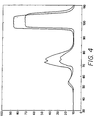
- a typical profile is shown in Figure 3.
- the second peak and its shoulder contained the MAF and other negatively charged species.
- the 20 ml fractions containing the second peak and its shoulder were pooled and lyophilized for storage and for further purification. Recovery studies showed that seven grams of dried powder were obtained.
- the fraction obtained from Step 2 was composed of MAF and other negatively charged components; therefore, an additional refining step was needed. To achieve further purification, it was necessary to use a gel filtration column to separate those negatively-charged components on the basis of molecular size and shape.
Landscapes
- Health & Medical Sciences (AREA)
- Chemical & Material Sciences (AREA)
- Life Sciences & Earth Sciences (AREA)
- General Health & Medical Sciences (AREA)
- Organic Chemistry (AREA)
- Toxicology (AREA)
- Medicinal Chemistry (AREA)
- Chemical Kinetics & Catalysis (AREA)
- General Chemical & Material Sciences (AREA)
- Engineering & Computer Science (AREA)
- Gastroenterology & Hepatology (AREA)
- Food Science & Technology (AREA)
- Biophysics (AREA)
- Molecular Biology (AREA)
- Proteomics, Peptides & Aminoacids (AREA)
- Biochemistry (AREA)
- Zoology (AREA)
- Polymers & Plastics (AREA)
- Genetics & Genomics (AREA)
- Nutrition Science (AREA)
- Cardiology (AREA)
- Nuclear Medicine, Radiotherapy & Molecular Imaging (AREA)
- Animal Behavior & Ethology (AREA)
- Public Health (AREA)
- Veterinary Medicine (AREA)
- Heart & Thoracic Surgery (AREA)
- Medicines Containing Material From Animals Or Micro-Organisms (AREA)
- Bioinformatics & Cheminformatics (AREA)
- Pharmacology & Pharmacy (AREA)
- Medicines That Contain Protein Lipid Enzymes And Other Medicines (AREA)
- Dairy Products (AREA)
- Medicines Containing Antibodies Or Antigens For Use As Internal Diagnostic Agents (AREA)
- Peptides Or Proteins (AREA)
- Coloring Foods And Improving Nutritive Qualities (AREA)
Claims (14)
herstellbar ist, mit einem pharmazeutisch oder veterinärisch verträglichen Träger umfaßt.
Priority Applications (1)
| Application Number | Priority Date | Filing Date | Title |
|---|---|---|---|
| AT89301918T ATE88349T1 (de) | 1988-02-26 | 1989-02-27 | Hyperimmunizierte milch gegen bluthochdruck. |
Applications Claiming Priority (2)
| Application Number | Priority Date | Filing Date | Title |
|---|---|---|---|
| US07/161,039 US4879110A (en) | 1983-10-27 | 1988-02-26 | Antihypertensive hyperimmune milk, production, composition, and use |
| US161039 | 1988-02-26 |
Publications (3)
| Publication Number | Publication Date |
|---|---|
| EP0330521A2 EP0330521A2 (de) | 1989-08-30 |
| EP0330521A3 EP0330521A3 (en) | 1990-10-31 |
| EP0330521B1 true EP0330521B1 (de) | 1993-04-21 |
Family
ID=22579548
Family Applications (1)
| Application Number | Title | Priority Date | Filing Date |
|---|---|---|---|
| EP89301918A Expired - Lifetime EP0330521B1 (de) | 1988-02-26 | 1989-02-27 | Hyperimmunizierte Milch gegen Bluthochdruck |
Country Status (15)
| Country | Link |
|---|---|
| US (1) | US4879110A (de) |
| EP (1) | EP0330521B1 (de) |
| JP (1) | JP2792973B2 (de) |
| AT (1) | ATE88349T1 (de) |
| AU (1) | AU621604B2 (de) |
| CA (1) | CA1339760C (de) |
| DE (1) | DE68906054T2 (de) |
| DK (1) | DK201590D0 (de) |
| ES (1) | ES2039847T3 (de) |
| HK (1) | HK1005013A1 (de) |
| IE (1) | IE63032B1 (de) |
| IL (1) | IL89352A (de) |
| MX (1) | MX168997B (de) |
| NZ (1) | NZ228105A (de) |
| WO (1) | WO1989007948A1 (de) |
Families Citing this family (15)
| Publication number | Priority date | Publication date | Assignee | Title |
|---|---|---|---|---|
| US6054124A (en) * | 1982-06-03 | 2000-04-25 | Stolle Milk Biologics, Inc. | Immune suppressive product |
| US5814345A (en) * | 1982-06-03 | 1998-09-29 | Stolle Research & Development Corporation | Immune suppressive product |
| US5352462A (en) * | 1982-06-03 | 1994-10-04 | Stolle Research & Development Corporation | Anti-inflammatory factor, method of isolation, and use |
| US5194255A (en) * | 1982-06-03 | 1993-03-16 | Stolle Research & Development Corporation | Antihypertensive hyperimmune milk, production, composition, and use |
| US4956349A (en) * | 1983-10-27 | 1990-09-11 | Stolle Research & Development Corporation | Anti-inflammatory factor, method of isolation, and use |
| US5106618A (en) * | 1987-07-02 | 1992-04-21 | Stolle Research And Development Corporation | Method of treating protozoal gastrointestinal disorders by administering hyperimmune milk product |
| US4994496A (en) * | 1987-09-09 | 1991-02-19 | Repasky Elizabeth A | Use of milk globules as carriers for drugs |
| US5128127A (en) * | 1989-02-08 | 1992-07-07 | Stolle Research & Development Corp. | Increased protein production in animals |
| WO1992000756A1 (en) * | 1990-07-05 | 1992-01-23 | Stolle Research & Development Corporation | Immune suppressive product |
| AU680617B2 (en) * | 1992-06-16 | 1997-08-07 | Stolle Milk Biologics, Inc. | The use of hyperimmune milk to increase longevity |
| US6056978A (en) * | 1992-06-16 | 2000-05-02 | Stolle Milk Biologics, Inc. | Use of hyperimmune milk to prevent suppression of T-lymphocyte production |
| EP1341554A4 (de) * | 2000-11-15 | 2005-06-15 | Fonterra Co Operative Group | Zusammensetzung auf colostrumbasis |
| US6770280B1 (en) | 2001-11-15 | 2004-08-03 | Humanetics Corporation | Treatment of menorrhagia, hypermenorrhea, dysmenorrhea and menstrual migraines by the administration of an antibacterial milk product |
| US10716850B2 (en) | 2014-12-31 | 2020-07-21 | Wellin, Inc. | Anti-inflammatory factor retentate, method of isolation, and use |
| US10478493B2 (en) | 2015-08-31 | 2019-11-19 | Stolle Milk Biologics, Inc. | Method of treating protozoal gastrointestinal disorders in immunocompromised patients |
Family Cites Families (23)
| Publication number | Priority date | Publication date | Assignee | Title |
|---|---|---|---|---|
| CA587849A (en) * | 1959-12-01 | E. Petersen William | Production of protective principle | |
| US2175090A (en) * | 1938-06-22 | 1939-10-03 | Lederie Lab Inc | Purification of antibody compositions |
| US3128230A (en) * | 1961-04-04 | 1964-04-07 | Sunbury Milk Products Co | Milk having antibodies therein and process for producing same |
| US3376198A (en) * | 1965-07-21 | 1968-04-02 | Collins Products Inc | Method of producing antibodies in milk |
| SE337183B (de) * | 1967-04-28 | 1971-07-26 | B Selander | |
| GB1211876A (en) * | 1967-11-23 | 1970-11-11 | Twyford Lab Ltd | Improvements in and relating to prophylactic and therapeutic preparations |
| US3911108A (en) * | 1973-02-14 | 1975-10-07 | Diamond Shamrock Corp | Process of producing bovine milk products containing specific antibodies |
| CH590064A5 (de) * | 1973-11-28 | 1977-07-29 | Biokema Sa | |
| CA1007568A (en) * | 1973-12-13 | 1977-03-29 | Canada Packers Limited | Bovine immunoglobulin isolation process |
| US4324782A (en) * | 1974-01-28 | 1982-04-13 | Beck Lee R | Dental caries inhibiting product of immunized cow's milk having antibodies specific to killed Streptococcus mutans cells |
| US3987161A (en) * | 1974-06-19 | 1976-10-19 | The Procter & Gamble Company | Composition and method for conditioning hair with hair antiserum |
| CH625415A5 (en) * | 1975-05-20 | 1981-09-30 | Stolle Res & Dev | Process for the production of milk with an anticaries action and use thereof for the production of a composition with an anticaries action |
| US4732757A (en) * | 1978-02-06 | 1988-03-22 | Stolle Research And Development Corporation | Prevention and treatment of rheumatoid arthritis |
| FR2452881A1 (fr) * | 1979-04-04 | 1980-10-31 | Bel Fromageries | Procede de preparation de proteines animales ou vegetales, particulierement de lactoproteines, et nouveaux produits ainsi obtenus |
| US4284623A (en) * | 1979-11-09 | 1981-08-18 | Beck Lee R | Method of treating inflammation using bovine milk |
| FR2487642B2 (fr) * | 1980-07-31 | 1985-10-18 | Bel Fromageries | Procede de preparation de fractions proteiques par ultrafiltration et chromatographie d'exclusion et d'echange d'ions |
| ATE16349T1 (de) * | 1981-04-28 | 1985-11-15 | Stolle Res & Dev | Verfahren zur herstellung einer entzuendungshemmenden rindermilch. |
| US4956349A (en) * | 1983-10-27 | 1990-09-11 | Stolle Research & Development Corporation | Anti-inflammatory factor, method of isolation, and use |
| US4636384A (en) * | 1982-06-03 | 1987-01-13 | Stolle Research & Development Corporation | Method for treating disorders of the vascular and pulmonary systems |
| BE901672A (fr) * | 1985-02-07 | 1985-08-07 | Oleofina Sa | Procede de purification de proteines du lait et de ses derives. |
| US4684623A (en) * | 1985-05-02 | 1987-08-04 | The Board Of Trustees Of The Cetus Corporation | Use of tumor necrosis factor as a weight regulator |
| DE3785033T2 (de) * | 1987-07-21 | 1993-10-07 | Stolle Res & Dev | Verfahren zum Erhalten von immunregulierenden Faktoren mittels Säugetierimmunisierung. |
| SE458818B (sv) * | 1987-11-27 | 1989-05-16 | Svenska Mejeriernas Riksforeni | Foerfarande foer utvinning av rena fraktioner av laktoperoxidas och laktoferrin ur mjoelkserum |
-
1988
- 1988-02-26 US US07/161,039 patent/US4879110A/en not_active Expired - Lifetime
-
1989
- 1989-02-16 CA CA000591214A patent/CA1339760C/en not_active Expired - Lifetime
- 1989-02-21 IL IL8935289A patent/IL89352A/en not_active IP Right Cessation
- 1989-02-23 NZ NZ228105A patent/NZ228105A/xx unknown
- 1989-02-23 JP JP1503112A patent/JP2792973B2/ja not_active Expired - Lifetime
- 1989-02-23 WO PCT/US1989/000718 patent/WO1989007948A1/en not_active Ceased
- 1989-02-23 AU AU33500/89A patent/AU621604B2/en not_active Ceased
- 1989-02-24 IE IE60789A patent/IE63032B1/en not_active IP Right Cessation
- 1989-02-24 MX MX015071A patent/MX168997B/es unknown
- 1989-02-27 EP EP89301918A patent/EP0330521B1/de not_active Expired - Lifetime
- 1989-02-27 ES ES198989301918T patent/ES2039847T3/es not_active Expired - Lifetime
- 1989-02-27 AT AT89301918T patent/ATE88349T1/de not_active IP Right Cessation
- 1989-02-27 DE DE8989301918T patent/DE68906054T2/de not_active Expired - Lifetime
-
1990
- 1990-08-22 DK DK201590A patent/DK201590D0/da not_active Application Discontinuation
-
1998
- 1998-04-21 HK HK98103325A patent/HK1005013A1/en not_active IP Right Cessation
Also Published As
| Publication number | Publication date |
|---|---|
| JPH03505866A (ja) | 1991-12-19 |
| IE890607L (en) | 1989-08-26 |
| EP0330521A3 (en) | 1990-10-31 |
| NZ228105A (en) | 1990-10-26 |
| AU3350089A (en) | 1989-09-22 |
| DE68906054D1 (de) | 1993-05-27 |
| WO1989007948A1 (en) | 1989-09-08 |
| CA1339760C (en) | 1998-03-17 |
| ATE88349T1 (de) | 1993-05-15 |
| DK201590A (da) | 1990-08-22 |
| DK201590D0 (da) | 1990-08-22 |
| AU621604B2 (en) | 1992-03-19 |
| JP2792973B2 (ja) | 1998-09-03 |
| MX168997B (es) | 1993-06-16 |
| ES2039847T3 (es) | 1993-10-01 |
| DE68906054T2 (de) | 1993-09-16 |
| IL89352A (en) | 1994-06-24 |
| US4879110A (en) | 1989-11-07 |
| IL89352A0 (en) | 1989-09-10 |
| EP0330521A2 (de) | 1989-08-30 |
| IE63032B1 (en) | 1995-03-22 |
| HK1005013A1 (en) | 1998-12-18 |
Similar Documents
| Publication | Publication Date | Title |
|---|---|---|
| CA1339760C (en) | Antihypertensive hyperimmine milk, prodiction, composition, and use | |
| HK1005013B (en) | Antihypertensive hyperimmune milk | |
| EP0336694B1 (de) | Antientzündungsfaktor aus Milch | |
| CA2090011C (en) | Anti-inflammatory factor, method of isolation, and use | |
| EP0746329B1 (de) | Antiinflammatorischen faktor enthaltende zusammensetzungen , verfahren zur herstellung und verwendung | |
| US5194255A (en) | Antihypertensive hyperimmune milk, production, composition, and use | |
| EP0787007B1 (de) | Entzündungshemmende faktor, methode seiner isolation und verwendung | |
| US5980953A (en) | Anti-inflammatory factor, method of isolation, and use | |
| WO1996010410A9 (en) | Anti-inflammatory factor, method of isolation, and use | |
| AU648800B2 (en) | Immune suppressive product | |
| HK1007511B (en) | An anti-inflammatory factor from milk | |
| HK1000552B (en) | Anti-inflammatory factor, method of isolation, and use |
Legal Events
| Date | Code | Title | Description |
|---|---|---|---|
| PUAI | Public reference made under article 153(3) epc to a published international application that has entered the european phase |
Free format text: ORIGINAL CODE: 0009012 |
|
| AK | Designated contracting states |
Kind code of ref document: A2 Designated state(s): AT BE CH DE ES FR GB GR IT LI LU NL SE |
|
| PUAL | Search report despatched |
Free format text: ORIGINAL CODE: 0009013 |
|
| AK | Designated contracting states |
Kind code of ref document: A3 Designated state(s): AT BE CH DE ES FR GB GR IT LI LU NL SE |
|
| 17P | Request for examination filed |
Effective date: 19901228 |
|
| 17Q | First examination report despatched |
Effective date: 19911121 |
|
| RAP1 | Party data changed (applicant data changed or rights of an application transferred) |
Owner name: STOLLE RESEARCH AND DEVELOPMENT CORPORATION |
|
| GRAA | (expected) grant |
Free format text: ORIGINAL CODE: 0009210 |
|
| ITF | It: translation for a ep patent filed | ||
| AK | Designated contracting states |
Kind code of ref document: B1 Designated state(s): AT BE CH DE ES FR GB GR IT LI LU NL SE |
|
| REF | Corresponds to: |
Ref document number: 88349 Country of ref document: AT Date of ref document: 19930515 Kind code of ref document: T |
|
| REF | Corresponds to: |
Ref document number: 68906054 Country of ref document: DE Date of ref document: 19930527 |
|
| ET | Fr: translation filed | ||
| REG | Reference to a national code |
Ref country code: GR Ref legal event code: FG4A Free format text: 3007932 |
|
| REG | Reference to a national code |
Ref country code: ES Ref legal event code: FG2A Ref document number: 2039847 Country of ref document: ES Kind code of ref document: T3 |
|
| PLBE | No opposition filed within time limit |
Free format text: ORIGINAL CODE: 0009261 |
|
| STAA | Information on the status of an ep patent application or granted ep patent |
Free format text: STATUS: NO OPPOSITION FILED WITHIN TIME LIMIT |
|
| 26N | No opposition filed | ||
| EPTA | Lu: last paid annual fee | ||
| EAL | Se: european patent in force in sweden |
Ref document number: 89301918.2 |
|
| PGFP | Annual fee paid to national office [announced via postgrant information from national office to epo] |
Ref country code: ES Payment date: 19980226 Year of fee payment: 10 |
|
| PGFP | Annual fee paid to national office [announced via postgrant information from national office to epo] |
Ref country code: GR Payment date: 19980227 Year of fee payment: 10 |
|
| PGFP | Annual fee paid to national office [announced via postgrant information from national office to epo] |
Ref country code: LU Payment date: 19980302 Year of fee payment: 10 |
|
| PGFP | Annual fee paid to national office [announced via postgrant information from national office to epo] |
Ref country code: SE Payment date: 19980317 Year of fee payment: 10 |
|
| PGFP | Annual fee paid to national office [announced via postgrant information from national office to epo] |
Ref country code: NL Payment date: 19980326 Year of fee payment: 10 |
|
| REG | Reference to a national code |
Ref country code: GB Ref legal event code: 732E |
|
| PGFP | Annual fee paid to national office [announced via postgrant information from national office to epo] |
Ref country code: AT Payment date: 19990107 Year of fee payment: 11 |
|
| PG25 | Lapsed in a contracting state [announced via postgrant information from national office to epo] |
Ref country code: LU Free format text: LAPSE BECAUSE OF NON-PAYMENT OF DUE FEES Effective date: 19990227 |
|
| PG25 | Lapsed in a contracting state [announced via postgrant information from national office to epo] |
Ref country code: SE Free format text: LAPSE BECAUSE OF NON-PAYMENT OF DUE FEES Effective date: 19990228 Ref country code: GR Free format text: LAPSE BECAUSE OF NON-PAYMENT OF DUE FEES Effective date: 19990228 |
|
| PG25 | Lapsed in a contracting state [announced via postgrant information from national office to epo] |
Ref country code: ES Free format text: LAPSE BECAUSE OF NON-PAYMENT OF DUE FEES Effective date: 19990301 |
|
| PGFP | Annual fee paid to national office [announced via postgrant information from national office to epo] |
Ref country code: BE Payment date: 19990312 Year of fee payment: 11 |
|
| PGFP | Annual fee paid to national office [announced via postgrant information from national office to epo] |
Ref country code: CH Payment date: 19990422 Year of fee payment: 11 |
|
| REG | Reference to a national code |
Ref country code: FR Ref legal event code: TP |
|
| PG25 | Lapsed in a contracting state [announced via postgrant information from national office to epo] |
Ref country code: NL Free format text: LAPSE BECAUSE OF NON-PAYMENT OF DUE FEES Effective date: 19990901 |
|
| REG | Reference to a national code |
Ref country code: CH Ref legal event code: PUE Owner name: STOLLE RESEARCH AND DEVELOPMENT CORPORATION -DANN |
|
| EUG | Se: european patent has lapsed |
Ref document number: 89301918.2 |
|
| PG25 | Lapsed in a contracting state [announced via postgrant information from national office to epo] |
Ref country code: AT Free format text: LAPSE BECAUSE OF NON-PAYMENT OF DUE FEES Effective date: 20000227 |
|
| PG25 | Lapsed in a contracting state [announced via postgrant information from national office to epo] |
Ref country code: BE Free format text: LAPSE BECAUSE OF NON-PAYMENT OF DUE FEES Effective date: 20000228 |
|
| PG25 | Lapsed in a contracting state [announced via postgrant information from national office to epo] |
Ref country code: LI Free format text: LAPSE BECAUSE OF NON-PAYMENT OF DUE FEES Effective date: 20000229 Ref country code: CH Free format text: LAPSE BECAUSE OF NON-PAYMENT OF DUE FEES Effective date: 20000229 |
|
| BERE | Be: lapsed |
Owner name: STOLLE MILK BIOLOGICS INC. Effective date: 20000228 |
|
| REG | Reference to a national code |
Ref country code: CH Ref legal event code: PL |
|
| REG | Reference to a national code |
Ref country code: ES Ref legal event code: FD2A Effective date: 20010503 |
|
| REG | Reference to a national code |
Ref country code: GB Ref legal event code: IF02 |
|
| PG25 | Lapsed in a contracting state [announced via postgrant information from national office to epo] |
Ref country code: IT Free format text: LAPSE BECAUSE OF NON-PAYMENT OF DUE FEES;WARNING: LAPSES OF ITALIAN PATENTS WITH EFFECTIVE DATE BEFORE 2007 MAY HAVE OCCURRED AT ANY TIME BEFORE 2007. THE CORRECT EFFECTIVE DATE MAY BE DIFFERENT FROM THE ONE RECORDED. Effective date: 20050227 |
|
| PGFP | Annual fee paid to national office [announced via postgrant information from national office to epo] |
Ref country code: GB Payment date: 20080317 Year of fee payment: 20 |
|
| PGFP | Annual fee paid to national office [announced via postgrant information from national office to epo] |
Ref country code: FR Payment date: 20080307 Year of fee payment: 20 Ref country code: DE Payment date: 20080331 Year of fee payment: 20 |
|
| REG | Reference to a national code |
Ref country code: GB Ref legal event code: PE20 Expiry date: 20090226 |
|
| PG25 | Lapsed in a contracting state [announced via postgrant information from national office to epo] |
Ref country code: GB Free format text: LAPSE BECAUSE OF EXPIRATION OF PROTECTION Effective date: 20090226 |