EP0331616A2 - Formateur de complexe lié à un polymère, ces complexes, procédé de préparation et milieu pharmaceutique les contenant - Google Patents
Formateur de complexe lié à un polymère, ces complexes, procédé de préparation et milieu pharmaceutique les contenant Download PDFInfo
- Publication number
- EP0331616A2 EP0331616A2 EP89730046A EP89730046A EP0331616A2 EP 0331616 A2 EP0331616 A2 EP 0331616A2 EP 89730046 A EP89730046 A EP 89730046A EP 89730046 A EP89730046 A EP 89730046A EP 0331616 A2 EP0331616 A2 EP 0331616A2
- Authority
- EP
- European Patent Office
- Prior art keywords
- group
- mmol
- poly
- carboxymethyl
- complex
- Prior art date
- Legal status (The legal status is an assumption and is not a legal conclusion. Google has not performed a legal analysis and makes no representation as to the accuracy of the status listed.)
- Granted
Links
Images

Classifications
-
- A—HUMAN NECESSITIES
- A61—MEDICAL OR VETERINARY SCIENCE; HYGIENE
- A61K—PREPARATIONS FOR MEDICAL, DENTAL OR TOILETRY PURPOSES
- A61K49/00—Preparations for testing in vivo
- A61K49/06—Nuclear magnetic resonance [NMR] contrast preparations; Magnetic resonance imaging [MRI] contrast preparations
- A61K49/08—Nuclear magnetic resonance [NMR] contrast preparations; Magnetic resonance imaging [MRI] contrast preparations characterised by the carrier
- A61K49/10—Organic compounds
- A61K49/14—Peptides, e.g. proteins
- A61K49/16—Antibodies; Immunoglobulins; Fragments thereof
-
- A—HUMAN NECESSITIES
- A61—MEDICAL OR VETERINARY SCIENCE; HYGIENE
- A61K—PREPARATIONS FOR MEDICAL, DENTAL OR TOILETRY PURPOSES
- A61K49/00—Preparations for testing in vivo
- A61K49/06—Nuclear magnetic resonance [NMR] contrast preparations; Magnetic resonance imaging [MRI] contrast preparations
- A61K49/08—Nuclear magnetic resonance [NMR] contrast preparations; Magnetic resonance imaging [MRI] contrast preparations characterised by the carrier
- A61K49/085—Nuclear magnetic resonance [NMR] contrast preparations; Magnetic resonance imaging [MRI] contrast preparations characterised by the carrier conjugated systems
-
- A—HUMAN NECESSITIES
- A61—MEDICAL OR VETERINARY SCIENCE; HYGIENE
- A61K—PREPARATIONS FOR MEDICAL, DENTAL OR TOILETRY PURPOSES
- A61K49/00—Preparations for testing in vivo
- A61K49/06—Nuclear magnetic resonance [NMR] contrast preparations; Magnetic resonance imaging [MRI] contrast preparations
- A61K49/08—Nuclear magnetic resonance [NMR] contrast preparations; Magnetic resonance imaging [MRI] contrast preparations characterised by the carrier
- A61K49/10—Organic compounds
- A61K49/12—Macromolecular compounds
- A61K49/126—Linear polymers, e.g. dextran, inulin, PEG
-
- A—HUMAN NECESSITIES
- A61—MEDICAL OR VETERINARY SCIENCE; HYGIENE
- A61K—PREPARATIONS FOR MEDICAL, DENTAL OR TOILETRY PURPOSES
- A61K49/00—Preparations for testing in vivo
- A61K49/06—Nuclear magnetic resonance [NMR] contrast preparations; Magnetic resonance imaging [MRI] contrast preparations
- A61K49/08—Nuclear magnetic resonance [NMR] contrast preparations; Magnetic resonance imaging [MRI] contrast preparations characterised by the carrier
- A61K49/10—Organic compounds
- A61K49/14—Peptides, e.g. proteins
- A61K49/146—Peptides, e.g. proteins the peptide being a polyamino acid, e.g. poly-lysine
-
- C—CHEMISTRY; METALLURGY
- C08—ORGANIC MACROMOLECULAR COMPOUNDS; THEIR PREPARATION OR CHEMICAL WORKING-UP; COMPOSITIONS BASED THEREON
- C08G—MACROMOLECULAR COMPOUNDS OBTAINED OTHERWISE THAN BY REACTIONS ONLY INVOLVING UNSATURATED CARBON-TO-CARBON BONDS
- C08G69/00—Macromolecular compounds obtained by reactions forming a carboxylic amide link in the main chain of the macromolecule
- C08G69/48—Polymers modified by chemical after-treatment
-
- C—CHEMISTRY; METALLURGY
- C08—ORGANIC MACROMOLECULAR COMPOUNDS; THEIR PREPARATION OR CHEMICAL WORKING-UP; COMPOSITIONS BASED THEREON
- C08G—MACROMOLECULAR COMPOUNDS OBTAINED OTHERWISE THAN BY REACTIONS ONLY INVOLVING UNSATURATED CARBON-TO-CARBON BONDS
- C08G73/00—Macromolecular compounds obtained by reactions forming a linkage containing nitrogen with or without oxygen or carbon in the main chain of the macromolecule, not provided for in groups C08G12/00 - C08G71/00
- C08G73/02—Polyamines
- C08G73/0206—Polyalkylene(poly)amines
-
- C—CHEMISTRY; METALLURGY
- C08—ORGANIC MACROMOLECULAR COMPOUNDS; THEIR PREPARATION OR CHEMICAL WORKING-UP; COMPOSITIONS BASED THEREON
- C08G—MACROMOLECULAR COMPOUNDS OBTAINED OTHERWISE THAN BY REACTIONS ONLY INVOLVING UNSATURATED CARBON-TO-CARBON BONDS
- C08G73/00—Macromolecular compounds obtained by reactions forming a linkage containing nitrogen with or without oxygen or carbon in the main chain of the macromolecule, not provided for in groups C08G12/00 - C08G71/00
- C08G73/02—Polyamines
- C08G73/0233—Polyamines derived from (poly)oxazolines, (poly)oxazines or having pendant acyl groups
-
- C—CHEMISTRY; METALLURGY
- C08—ORGANIC MACROMOLECULAR COMPOUNDS; THEIR PREPARATION OR CHEMICAL WORKING-UP; COMPOSITIONS BASED THEREON
- C08G—MACROMOLECULAR COMPOUNDS OBTAINED OTHERWISE THAN BY REACTIONS ONLY INVOLVING UNSATURATED CARBON-TO-CARBON BONDS
- C08G73/00—Macromolecular compounds obtained by reactions forming a linkage containing nitrogen with or without oxygen or carbon in the main chain of the macromolecule, not provided for in groups C08G12/00 - C08G71/00
- C08G73/02—Polyamines
- C08G73/028—Polyamidoamines
-
- C—CHEMISTRY; METALLURGY
- C08—ORGANIC MACROMOLECULAR COMPOUNDS; THEIR PREPARATION OR CHEMICAL WORKING-UP; COMPOSITIONS BASED THEREON
- C08G—MACROMOLECULAR COMPOUNDS OBTAINED OTHERWISE THAN BY REACTIONS ONLY INVOLVING UNSATURATED CARBON-TO-CARBON BONDS
- C08G73/00—Macromolecular compounds obtained by reactions forming a linkage containing nitrogen with or without oxygen or carbon in the main chain of the macromolecule, not provided for in groups C08G12/00 - C08G71/00
- C08G73/06—Polycondensates having nitrogen-containing heterocyclic rings in the main chain of the macromolecule
- C08G73/10—Polyimides; Polyester-imides; Polyamide-imides; Polyamide acids or similar polyimide precursors
- C08G73/12—Unsaturated polyimide precursors
-
- C—CHEMISTRY; METALLURGY
- C08—ORGANIC MACROMOLECULAR COMPOUNDS; THEIR PREPARATION OR CHEMICAL WORKING-UP; COMPOSITIONS BASED THEREON
- C08G—MACROMOLECULAR COMPOUNDS OBTAINED OTHERWISE THAN BY REACTIONS ONLY INVOLVING UNSATURATED CARBON-TO-CARBON BONDS
- C08G83/00—Macromolecular compounds not provided for in groups C08G2/00 - C08G81/00
Definitions
- the invention relates to the subject matter characterized in the patent claims, that is to say new polymer complexes, agents containing these compounds, their use in diagnostics and methods for producing these compounds and agents.
- paramagnetic complex salts have recently been proposed as diagnostics, predominantly as NMR diagnostics.
- the number of paramagnetic centers in the complexes described in European patent applications no. 88 695 and No. 150 884 are not sufficient for organ-specific imaging.
- the invention is therefore based on the object of providing these compounds and agents and of creating the simplest possible method for their production. This object is achieved by the invention.
- polymer complexes which consist of a carboxylic acid-containing ligand provided with amide, hydrazide and / or alkylated or acylated imino subunits, at least one ion of an element of atomic numbers 21-29, 42, 44 or 57-83 and optionally cations of inorganic and / or organic bases, amino acids or amino acid amides, are surprisingly outstandingly suitable for the production of NMR, X-ray and ultrasound diagnostics, since they are stable above all the number of metal ions required for this use in the complex bound included.
- a C o -alkylene chain is to be understood as a direct bond.
- the complex-forming structures of the general formula Ia may be mentioned as preferred polymer units:
- the central ion of the complex salt must be paramagnetic.
- Suitable ions are, for example, chromium (III), manganese (II), iron (II), cobalt (II), nickel (II), copper (II), praseodymium (III), neodymium (III ) -, samarium (III) - and ytterbium (III) ion. Because of their very strong magnetic moment, gadolinium (III), terbium (III), dysprosium (III), holmium (III), erbium (III) and iron (III) ions are particularly preferred.
- the central ion must be derived from an element with a higher atomic number in order to achieve sufficient absorption of the X-rays. It has been found that diagnostic agents which contain a physiologically compatible complex salt with central ions of elements of atomic numbers between 21-29, 42, 44, 57-83 are suitable for this purpose; these are, for example, the lanthanum (III) ion and the above-mentioned ions of the lanthanide series.
- the polymer complexes according to the invention contain at least one ion of an element of the atomic number mentioned above.
- the alkylene group representing V and the alkyl group representing R 2 , R and R ' can be straight-chain, branched, cyclic, aliphatic, aromatic or arylaliphatic and have up to 20 carbon atoms.
- Straight-chain mono- to decamethylene groups and C 1 -C 4 -alkylenephenyl groups are preferred.
- Preferred functional groups which are located at the end of the V "alkylene group are, for example, the maleimidobenzoyl, 3-sulfomaleimidobenzoyl, 4- (maleimidomethyl) cyclohexylcarbonyl, 4- [3-sulfo (maleimidomethyl) cyclohexylcarbonyl -, 4- (p-Maleimidophenyl) butyryl, 3- (2-pyridyldithio) propionyl, methacryloyl (pentamethylene) amido, bromoacetyl, iodoacetyl, 3-iodopropyl, 2-bromoethyl, 3-mercaptopropyl , 2-mercaptoethyl, phenylene isothiocyanate, 3-aminopropyl, benzyl ester, ethyl ester, t-butyl ester, amino, C 1 -C 6 alkylamino
- R and R ' are the same or different and each represents a hydrogen atom, a saturated or unsaturated Ci-C p o -alkyl radical optionally substituted by a phenyl group or a phenyl group.
- Examples of the complexing agent residues K are those of ethylenediaminetetraacetic acid, diethylenetriaminepentaacetic acid, trans-1,2-cyclohexanediamine tetraacetic acid, 1,4,7,10-tetraazacyclododecanetetraacetic acid, 1,4,7-triazacyclononane-triacetic acid, 1,4,8,11 -Tetraazatetradecantetraacetic acid and 1,5-9-triazacyclododecanetriacetic acid called, which are bonded to the residues of the polymer units via (each containing K) a carbon atom or a carbonyl group. If desired, some of the carboxylic acids can be present as esters and / or amides.
- suitable polymers for the preparation of the polymer complexes according to the invention are polyethyleneimine, polylysine, polyaspartic acid, polyethyleneimine polyacetic acid esters and polyacrylic esters.
- the remaining acidic hydrogen atoms that is to say those which have not been substituted by the central ion, can optionally be wholly or partly replaced by cations of inorganic and / or organic bases or amino acids. All or part of the corresponding acid groups can also be converted into esters or amides.
- Suitable inorganic cations are, for example, lithium ion, potassium ion, calcium ion and in particular sodium ion.
- Suitable cations of organic bases include those of primary, secondary or tertiary amines, such as, for example, ethanolamine, diethanolamine, morpholine, glucamine, N, N-dimethylglucamine and in particular N-methylglucamine.
- Suitable cations of amino acids are, for example, those of lysine, arginine and ornithine and the amides of otherwise acidic or neutral amino acids.
- Suitable esters are preferably those with a C 1 -Ce alkyl radical; Examples include the methyl, ethyl and tertiary butyl radical.
- carboxylic acid groups are at least partially present as amides, tertiary amides are preferred.
- Saturated, unsaturated, straight-chain or branched-chain or cyclic hydrocarbons with up to 5 C atoms, which are optionally substituted by 1 to 3 hydroxy or C 1 -C 4 alkoxy groups, are suitable as radicals.
- Examples include methyl, ethyl, 2-hydroxyethyl, 2-hydroxy-1- (hydroxymethyl) ethyl, 1- (hydroxymethyl) ethyl, propyl, isopropenyl, 2-hydroxypropyl, 3- Hydroxypropyl, 2,3-dihydroxypropyl, butyl, isobutyl, isobutenyl, 2-hydroxybutyl, 3-hydroxybutyl, 4-hydroxybutyl, 2-, 3- and 4-hydroxy2-methylbutyl, 2- and 3-hydroxyisobutyl, 2,3,4, trihydroxybutyl, 1,2,4-trihydroxybutyl, pentyl, cyclopentyl and 2-methoxyethyl groups.
- the amide residue can also be a heterocyclic 5- or 6-ring formed with the inclusion of the amide nitrogen.
- Examples include: the pyrrolidinyl, piperidyl, pyrazolidinyl, pyrrolinyl, pyrazolinyl, piperazinyl, morpholinyl, imidazolidinyl, oxazolidinyl, thiazolidinyl ring.
- the polymer complexes according to the invention contain the large number of metal ions required for their use stably bound in the complex.
- the compatibility of the polymer complexes is also superior to that of the organ-specific monomeric complexes.
- the value for the magnitude of the relaxivity which represents a measure of the imaging, is surprisingly high: for the polymer complexes according to the invention, it is higher by a factor of 3-1000 than for gadolinium DTPA. As a result, a correspondingly lower molar amount of complex is required in comparison to the monomers in order to obtain a certain signal strength during imaging.
- Another important advantage of the polymer complexes according to the invention is their excretion behavior.
- the excretion rate desired depending on the application can be set very specifically and easily via the molecular weight to be selected.
- the polymer complexes according to the invention have a surprisingly high tissue specificity. For example, just a few minutes after intravenous injection of an N-methylglucamine salt solution of the gadolinium (III) complex of the polyethyleneimine-poly-DTPA (see Example 1), a clear contrast enhancement in peripheral tumor tissue that lasts for a long time and a clear diagnostic result is obtained in the nuclear magnetic resonance image Gains.
- blood vessels can also be visualized in vivo without the use of special pulse sequences, with which they can be used, inter alia, as perfusion agents.
- polymers such as polyethyleneimine, polyethyleneimine polyacetic acid derivatives.
- Anhydride, p-nitrophenyl ester and acid chloride may be mentioned as examples of an activated carbonyl group.
- the alkylation or acylation carried out to introduce the complexing agent units is carried out using reagents which contain the desired KV or -K w -V w substituents (bound to an escape group) or from which the desired substituent, if appropriate after modification by Follow-up reaction (s) that generate the reaction.
- the former are halides, mesylates, tosylates and anhydrides.
- the second group includes, for example, oxiranes, thiiranes, aziranes, ⁇ , ⁇ -unsaturated carbonyl compounds or their vinylogens, aldehydes, ketones, isothiocyanates and isocyanates.
- the compounds I 'required as starting materials are known (for example European patent application publication no. 0154788) or can be obtained from the corresponding polyamines (where the functional group present may be protected) by alkylation with an ester of the general formula II HalCH 2 COOY (II), where Hal is chlorine, bromine or iodine and Y is an acid protecting group.
- the reaction was carried out in polar aprotic solvents such as, for example, dimethylformamide, dimethyl sulfoxide or hexamethylphosphoric acid triamide in the presence of an acid scavenger, such as, for example, tertiary amine (for example triethylamine, trimethylamine, N, N-dimethylaminopyridine, 1,5-diazabicyclo [4.3.0], nonen -5 (DBN), 1,5-diazabicyclo [5.4.0] -undecen-5- (DBU), alkali, alkaline earth carbonate or hydrogen carbonate (for example sodium, magnesium, calcium, barium, potassium carbonate and hydrogen carbonate) at temperatures between -10 ° C and 120 ° C, preferably between 0 ° C and 50 ° C.
- an acid scavenger such as, for example, tertiary amine (for example triethylamine, trimethylamine, N, N-dimethylaminopyridine, 1,5-d
- Lower alkyl, aryl and aralkyl groups for example the methyl groups, come as acid protecting groups Y.
- Ethyl Propyl, butyl, phenyl, benzyl, diphenylmethyl, triphenylmethyl, bis (p-nitrophenyl) methyl group and trialkylsilyl groups are possible.
- the protecting groups Y are split off by the processes known to the person skilled in the art, for example by hydrolysis, alkaline saponification of the esters with alkali in aqueous / alcoholic solution at temperatures from 0 ° C. to 50 ° C. or in the case of tert-butyl esters with the aid of trifluoroacetic acid .
- the activated carbonyl derivatives I "(eg mixed anhydride, N-hydroxysuccinimide ester, acylimidazole, trimethylsilyl ester) are prepared by methods known from the literature [Houben-Weyl, Methods of Organic Chemistry, Georg Thieme Verlag, Stuttgart, Volume E 5 (1985), 633; Org React. 12, 157 (1962)] or is described in the experimental section.
- the corresponding polyamines required as starting materials for the preparation of the polyamine polyacids of the general formula I'A are analogous to methods known from the literature (for example Canad. Patent No. 1 178 951, Eur. I. Med. Chem. Chim. Ther. 1985, 20, 509 and 1986, 21, 333) by starting from amino acids which are converted into optionally ethyleneamine-substituted amides (for example with benzyl N- (2-aminoethyl) carbamate) and then (optionally after splitting off the protective groups) to give the desired amines (preferably with Diborane or lithium aluminum hydride) can be reduced.
- the literature for example Canad. Patent No. 1 178 951, Eur. I. Med. Chem. Chim. Ther. 1985, 20, 509 and 1986, 21, 333
- amino acids which are converted into optionally ethyleneamine-substituted amides (for example with benzyl N- (2-aminoethyl) carbamate
- the cyclic polyamines required as starting materials for I'C or I "C are prepared by cyclizing two reactants, one of which (in the case of the synthesis of I'C) is substituted by V" '-.
- one of the two reactants carries two leaving groups at the chain end, the other two nitrogen atoms, which nucleophilically displace these leaving groups.
- Examples include the reaction of terminal, optionally containing one or two nitrogen atoms, dibromo, dimesyloxy, ditosyloxy or dialkoxycarbonylalkylene compounds with terminal.
- the nitrogen atoms are optionally protected, for example as tosylates, and are released before the subsequent alkylation reaction by methods known from the literature.
- the diketo compounds thus obtained must be reduced by methods known to those skilled in the art, for example using diborane.
- the substituents V "which can be converted into V or into the substituents V" which at the end have a functional group which is suitable for binding to a macro- or biomolecule are, among others, hydroxyl and nitrobenzyl, hydroxyl and carboxyalkyl and thioalkyl radicals suitable with up to 20 carbon atoms. They are described according to literature methods known to the person skilled in the art (Chem. Pharm. Bull. 33,674 (1985), Compendium of Org. Synthesis Vol. 1-5, Wiley and Sons, Inc., Houben-Weyl, Methods of Organic Chemistry. Volume VIII, Georg Thieme Verlag, Stuttgart, J. Biochem.
- Examples of the conversion of hydroxyl or amino groups bound to aromatic or aliphatic radicals are those in anhydrous, aprotic solvents such as tetrahydrofuran, dimethoxyethane or dimethyl sulfoxide in the presence of an acid scavenger such as sodium hydroxide, sodium hydride or alkali or alkaline earth carbonates such as sodium, magnesium , Potassium carbonate, calcium carbonate at temperatures between 0 ° C. and the boiling point of the respective solvent, but preferably between 20 ° C. and 60 ° C., reactions carried out with a substrate of the general formula III Nf-L-Fu (111),
- Nf for a nucleofuge such as CI, Br, J, CH 3 C 6 H 4 S0 3 , or CF 3 SO 3
- L for an aliphatic, aromatic, arylaliphatic, branched, straight-chain or cyclic hydrocarbon radical with up to 20 carbon atoms and Fu for the desired terminal functional group, optionally in protected form, stand (DE-OS 34 17 413).
- Conversions of carboxy groups can, for example, according to the carbodiimide method (Fieser, Reagents for Organic Syntheses 10,142), over a mixed anhydride [Org. Prep. Proc. Int. 7.215 (1975)] or via an activated ester (Adv. Org. Chem. Part B, 472).
- a triamine is obtained by reaction with a partially protected diamine (for example according to the carbodiimide method), deprotection and diborane reduction.
- the number of carbon atoms between the N atoms can be determined by the type of diamines or amino acids used as coupling partners.
- a part of the acid groups of the polymer compounds obtained in this way introduced via the complexing agent units K or K w can, if desired, be further functionalized by methods known to the person skilled in the art, for example by conversion into ester, amide, hydrazide, maleimido or others Groups that are suitable for coupling to bio or macromolecules.
- the complex-forming ligands (and the complexes) obtained in this way can also be linked to bio- or macromolecules, which are known to accumulate particularly well in the organ or organ part to be examined.
- bio- or macromolecules which are known to accumulate particularly well in the organ or organ part to be examined.
- Such molecules are, for example, enzymes, hormones, dextrans, porphyrins, bleomycins, insulin, prostaglandins, steroid hormones, amino sugars, amino acids, peptides such as polylysine, proteins (such as, for example, immunoglobulins, monoclonal antibodies, lectins) or lipids (also in the form of liposomes).
- conjugates with albumins such as human serum albumin, antibodies such as monoclonal antibodies specific for tumor associated antigens or antimyosin.
- suitable synthetic polymers such as polyethyleneimines, polyamides, polyureas, polyethers and polythioureas can also be attached.
- the pharmaceutical agents formed therefrom are suitable, for example, for use in tumor and infarct diagnostics and tumor therapy.
- Monoclonal antibodies (for example Nature 256, 495, 1975) have the advantages over polyclonal antibodies that they are specific for an antigenic determinant, have a defined binding affinity, are homogeneous (this makes their purification much easier) and can be produced in large quantities in cell cultures are.
- monoclonal antibodies or their fragments Fab and F (ab ') 2 are suitable for tumor imaging, for example, which are specific for human tumors of the gastrointestinal tract, breast, liver, bladder, gonads and melanomas ( Cancer Treatment Repts. 68, 317, 1984, Bio Sci 34, 150, 1984) or against carcinoembryonic antigen (CEA), HUMANES choriogonadotropin (ß-HCG) or other tumorigenic antigens, such as glycoproteins, are directed (New Engl. J. Med 298, 1384, 1973, U.S. Patent 4,331,647).
- Anti-myosin, anti-insulin and anti-fibrin antibodies are also suitable.
- Colon carcinomas can be detected by NMR with the help of conjugates of polyethyleneimine-poly-DTPA-polyhydrazide complexed with gadolinium (III) ions with the antibody 17-1A (Centocor, USA) using NMR diagnosis.
- conjugates or inclusion compounds with liposomes are suitable, which are used, for example, as unilamellar or multilamellar phosphatidylcholine-cholesterol vesicles.
- the binding of metals to the desired macro or biomolecules has so far been carried out using methods such as those described in Rev. Roum. Morphole. Embryo. Physio., Physiologie 1981, 18, 241 and J. Pharm. Sci. 68, 79 (1979), for example by reacting the nucleophilic group of a macromolecule, such as the amino, phenol, sulfhydryl, aldehyde or imidazole group, with an activated derivative of the polymer complex or ligand.
- Activated derivatives include, for example, anhydrides, acid chlorides, mixed anhydrides (see, for example, GE Krejcarek and KL Tucker, Biochem., Biophys. Res. Commun.
- activated esters nitrenes or isothiocyanates.
- activated macromolecule with the polymer complex or ligand.
- Substituents for example of the structure C 6 H 4 N 2 + , C 6 H 4 NHCOCH 2 , C 6 H 4 NHCS or C 6 H 4 0CH 2 CO, are also suitable for conjugation with proteins.
- this type of binding has the disadvantage of a lack of complex stability of the conjugates or a lack of specificity (for example Diagnostic Imaging 84, 56; Science 220, 613, 1983; Cancer Drug Delivery 1, 125, 1984).
- the conjugate formation according to the present invention takes place via the functional groups located in K and / or W. Up to several hundred metal ions can be bound via a binding site in the macromolecule.
- the binding of the antibody to the complex or ligand must not lead to the loss or reduction of the binding affinity and binding specificity of the antibody to the antigen. This can be done either by binding to the carbohydrate portion in the Fc part of the glycoprotein or in the Fab or F (ab ') 2 fragments or by binding to sulfur atoms of the antibody or the antibody fragments.
- an oxidative cleavage of sugar units to generate couplable formyl groups must first be carried out.
- This oxidation can be done chemically with oxidizing agents such as Periodic acid, sodium metaperiodate or potassium metaperiodate according to methods known from the literature (for example J. Histochem and Cytochem. 22, 1084, 1974) in aqueous solution in concentrations of 1 to 100, preferably 1 to 20 mg / ml, and a concentration of the oxidizing agent between 0.001 to 10 mmol, preferably 1 to 10 mmol in a pH range of approximately 4 to 8 at a temperature between 0 to 37 ° C and a reaction time between 15 minutes and 24 hours.
- oxidizing agents such as Periodic acid, sodium metaperiodate or potassium metaperiodate according to methods known from the literature (for example J. Histochem and Cytochem. 22, 1084, 1974) in aqueous solution in concentrations of 1 to 100, preferably 1 to 20 mg / ml, and a concentration of the
- the oxidation can also be carried out enzymatically, for example with the aid of galactose oxidase in an enzyme concentration of 10-100 units / ml, a substrate concentration of 1 to 20 mg / ml, at a pH of 5 to 8, a reaction time of 1 to 8 Hours and a temperature between 20 and 40 ° C, for example (J. Biol. Chem. 234, 445, 1959).
- Complexes or ligands with suitable functional groups such as, for example, hydrazine, hydrazide, hydroxylamine, phenylhydrazine, semicarbazide and thiosemicarbazide are reacted to the aldehydes generated by oxidation by reaction between 0-37 ° C., with a reaction time of 1 to 65 hours, a pH between about 5.5 and 8, an antibody concentration of 0.5 to 20 mg / ml and a molar ratio of the complexing agent to the antibody aldehyde of 1: 1 to 1000: 1 bound.
- the subsequent stabilization of the conjugate is carried out by reducing the double bond, e.g. with sodium borohydride or sodium cyanoborohydride; the reducing agent is used in a 10 to 100-fold excess (for example J. Biol. Chem. 254, 4359, 1979).
- the second possibility for the formation of antibody conjugates is based on a gentle reduction of the disulfide bridges of the immunoglobulin molecule; the more sensitive disulfide bridges between the H chains of the antibody molecule are cleaved, while the SS bonds of the antigen-binding region remain intact, so that there is practically no reduction in the binding affinity and specificity of the antibody (Biochem. 18, 2226 , 1979, Handbook of Experimental Immunology, Vol. 1, Second Edition, Blackwell Scientific Publications, London 1973, Chapter 10).
- Suitable functional groups of complexing agents or metal complexes at 0 to 37 ° C., a pH of about 4 to 7, and a reaction time of 3 to 72 hours with the formation of a covalent bond, which does not affect the antigen binding region of the antibody.
- suitable reactive groups are: haloalkyl, haloacetyl, p-mercuribenzoate groups and groups which give rise to a Michael addition reaction, such as, for example, maleimides, methacrylic groups (for example J.Amer. Chem. Soc. 101, 3097, 1979) are subject.
- Bonds of a non-covalent type can also be used for the coupling, whereby both ionic and van der Waals and hydrogen bonds in varying proportions and strength (key-lock principle) can contribute to the bond (for example avidin-biotin, antibodies -Antigen).
- Inclusion compounds (host-guest) of smaller complexes in larger cavities in the macromolecule are also possible.
- the coupling principle consists in first producing a bifunctional macromolecule by either fusing an antibody hybridoma directed against a tumor antigen with a second antibody hybridoma directed against a complex according to the invention or by chemically combining the two antibodies via a linker (for example in the method described in J. Amer Chem. Soc. 101, 3097 (1979)) linked to one another or binds the antibody directed against the tumor antigen, optionally via a linker, to avidin (or biotin) [DJ Hnatowich et al., J. Nucl. Med. 28, 1294 (1987)].
- a linker for example in the method described in J. Amer Chem. Soc. 101, 3097 (1979)
- avidin or biotin
- the bifunctional macromolecule that accumulates at the target site is first injected, and then the complex compound according to the invention [optionally bound to biotin (or avidin)], which is coupled in-vivo at the target site and its diagnostic or therapeutic effect there, is injected at intervals can unfold.
- biotin or avidin
- other coupling methods such as that in Protein Tailoring Food Med. Uses [Am. Chem. Soc. Symp.] (1985), 349, described "Reversible Radiolabeling" can be used.
- the so-called solid phase coupling provides a particularly simple method for producing antibody conjugates or antibody fragment conjugates:
- the antibody is coupled to a stationary phase (e.g. an ion exchanger), which is located in a glass column, for example.
- a stationary phase e.g. an ion exchanger
- This process allows the automatic and continuous production of any amount of conjugates.
- sequence papain reduction / bifunctional linker / functionalized complex or ligand fragment conjugates can be produced.
- the compounds formed in this way are then preferably purified chromatographically via ion exchangers on a fast protein liquid chromatography system.
- the metal complexes according to the invention are prepared in the manner disclosed in patent specification DE-OS 34.01.052 by adding the metal oxide or a metal salt (for example the nitrate, acetate, carbonate, chloride or sulfate) of the element of atomic numbers 21 -29, 42, 44, 57-83 dissolved or suspended in water and / or a lower alcohol (such as methanol, ethanol or isopropanol) and reacted with the solution or suspension of the equivalent amount of the complex-forming ligand and then, if desired, azides present Hydrogen atoms of the acid or phenol groups are substituted by cations of inorganic and / or organic bases or amino acids.
- a metal salt for example the nitrate, acetate, carbonate, chloride or sulfate
- a lower alcohol such as methanol, ethanol or isopropanol
- the neutralization is carried out with the aid of inorganic bases (for example hydroxides, carbonates or bicarbonates) of, for example, sodium, potassium, lithium, magnesium or calcium and / or organic bases such as, inter alia, primary, secondary and tertiary amines, for example ethanolamine, morpholine , Glucamine, N-methyl and N, N-dimethylglucamine, as well as basic amino acids, such as, for example, lysine, arginine and ornithine or amides of originally neutral or acidic amino acids.
- inorganic bases for example hydroxides, carbonates or bicarbonates
- organic bases such as, inter alia, primary, secondary and tertiary amines, for example ethanolamine, morpholine , Glucamine, N-methyl and N, N-dimethylglucamine, as well as basic amino acids, such as, for example, lysine, arginine and ornithine or amides of originally neutral or acidic amino acids.
- the acidic complex salts in aqueous solution or suspension can be added with enough of the desired bases that the neutral point is reached.
- the solution obtained can then be evaporated to dryness in vacuo.
- water-miscible solvents such as lower alcohols (methanol, ethanol, isopropanol and others), lower ketones (acetone and others), polar ethers (tetrahydrofuran, dioxane, 1,2) -Dimethoxyethane and others) to precipitate and to obtain crystals that are easy to isolate and easy to clean. It has proven to be particularly advantageous to add the desired base already during the complex formation of the reaction mixture and thereby to save one process step.
- acidic complex compounds contain several free acidic groups, it is often expedient to prepare neutral mixed salts which contain both inorganic and organic cations as counterions.
- the order of base addition can also be reversed.
- neutral complex compounds Another possibility of obtaining neutral complex compounds is to convert all or part of the remaining acid groups in the complex into, for example, esters or amides. This can be done by subsequent reaction on the finished polymer complex (for example by exhaustive reaction of the free carboxy groups with dimethyl sulfate) as well as by using a suitable derivatized substrate to introduce the complexing agent units KV or Kw-Vw of the general formulas l'A , 1'8, rc, 1'0, I "AB, I” C (e.g.
- compositions according to the invention are likewise prepared in a manner known per se by suspending or dissolving the complex compounds according to the invention - optionally with the addition of the additives customary in galenics - in an aqueous medium and then, if appropriate, sterilizing the suspension or solution.
- suitable additives are, for example, physiologically acceptable buffers (such as tromethamine), small additions of complexing agents (such as diethylenetriaminepentaacetic acid) or, if necessary, electrolytes such as sodium chloride or if necessary, antioxidants such as ascorbic acid.
- suspensions or solutions of the agents according to the invention in water or physiological saline solution are desired for enteral administration or other purposes, they are mixed with one or more auxiliary substances (e.g. methyl cellulose, lactose, mannitol) and / or surfactant (s) ) (for example lecithins, Tween 9 , Myrj @ and / or flavoring (s) for flavor correction (e.g. essential oils) mixed.
- auxiliary substances e.g. methyl cellulose, lactose, mannitol
- surfactant (s) ) for example lecithins, Tween 9 , Myrj @ and / or flavoring (s) for flavor correction (e.g. essential oils) mixed.
- the invention therefore also relates to processes for the preparation of the complex compounds and their salts.
- the final security is cleaning the isolated complex salt.
- compositions according to the invention preferably contain 1 ⁇ mol -1 mol / 1 of the metal in the form of its complex salt and are generally dosed in amounts of 0.001-5 mmol metal / kg body weight. They are intended for enteral and parenteral administration.
- the agents according to the invention meet the diverse requirements for their suitability as contrast agents for magnetic resonance imaging. After oral or parenteral application, they are ideally suited to improve the meaningfulness of the image obtained with the aid of an MRI scanner by increasing the signal intensity. They also show the high effectiveness that is necessary to burden the body with the smallest possible amount of foreign substances and the good tolerance that is necessary to maintain the non-invasive character of the examinations.
- the good water solubility of the agents according to the invention makes it possible to produce highly concentrated solutions, thus keeping the volume load of the circulation within reasonable limits and compensating for the dilution with body fluid, that is to say NMR diagnostics must be 100-1000 times better water-soluble than for NMR spectroscopy .
- the agents according to the invention not only have a high stability in vitro, but also a surprisingly high stability in vivo, so that a release or an exchange of the ions which are not convexly bound in the complexes - in themselves toxic - within the time in which the new contrast agents are completely excreted again, is extremely slow.
- the agents according to the invention for use as NMR diagnostic agents are dosed in amounts of 0.001-5 mmol metal / kg body weight, preferably 0.005-0.5 mmol metal / kg body weight. Details of the application are, for example, in H. J. Weinmann et al., Am. J. of Roentgenology 142, 619 (1984).
- organ-specific NMR diagnostics can be used, for example, to detect tumors and heart attacks.
- complex compounds according to the invention can advantageously be used as shift and susceptibility reagents.
- the agents according to the invention are also suitable as X-ray contrast agents, and it should be particularly emphasized that they also show a pharmacokinetic which is significantly more favorable for diagnostics than the iodine-containing contrast agents which have been used up to now. They are also particularly valuable due to their favorable absorption properties in areas with higher tube voltages for digital subtraction techniques.
- the agents according to the invention for use as X-ray contrast agents are dosed in analogy to, for example, meglumine diatrizoate in amounts of 0.1 -5 mmol metal / kg body weight, preferably 0.25-1 mmol metal / kg body weight.
- the agents according to the invention are also suitable as contrast agents for ultrasound diagnostics, in particular in the form of suspensions. They are generally dosed in amounts of 0.1 to 5 mmol / kg body weight, preferably from 0.25 to 1 mmol / kg body weight.
- the polymer complexes of the general formula I 'can also be used as haptens for the production of antibodies. Details of the use of haptens for the production of antibodies are e.g. B. in S. Sell, Immunology, Immunopathology and Immunity, 372, Harper and Row Publ., 3rd ed.
- the derivatized complex is also obtained after analogous workup. From 7.85 g of the gadolinium complex with 20.6% by weight Gd, 7.78 g of the complex coated with amidoethylene (maleimido) groups are obtained. The product shows a gadolinium content of 20.1% by weight and 0.78 mg maleimide per gram of substance.
- the hydrazide of the complexing agent is obtained if an equivalent amount of hydrazine hydrate is added instead of 2- (maleimido) ethylamine.
- the hydrazine content is determined colorimetrically (p-dimethylaminobenzaldehyde) to 22.8 mg (0.8 mmol) hydrazine / g substance. From 4.02 g of complexing agent, 3.87 g of hydrazide are obtained as a white, crystalline substance.
- the gadolinium complex and its salts are obtained as described in Example 1j.
- 11-amino-undecanoic acid (tert-butoxycarbonyl) hydrazide is used as the nitrogen base in the process described for Example 2 instead of 2- (maleimido) ethylamine
- the hydrazine content is determined colorimetrically at 18.7 mg (0.67 mmol) per gram of substance.
- the gadolinium complex and its salts are obtained as described in Example 1j.
- Example 5 Analogously to the instructions given for Example 2, 2.9 g of the complexing agent obtained in Example 5 are reacted. 2.8 g of the title compound are obtained.
- the gadolinium complex and its salts are obtained as described in Example 1j.
- Example 3 Analogously to the instructions for Example 3, starting from 3.5 g of the complexing agent obtained in Example 5, 3.4 g of the hydrazide are obtained. The hydrazine content is 14.0 mg per gram of substance. Analysis: C 52.06 H 6.47 N 9.54
- the gadolinium complex and its salts are obtained as described in Example 1j.
- the gadolinium complex and its salts are obtained as described in Example 1j.
- the gadolinium complex and its salts are obtained as described in Example 1j.
- Example 9 Analogously to the instructions given for Example 2, 3.9 g of the complexing agent obtained in Example 9 are reacted. 4.0 g of the title compound are obtained.
- the gadolinium complex and its salts are obtained as described in Example 1j.
- Example 9 Analogously to the instructions given for Example 3, 2.5 g of the complexing agent obtained in Example 9 are reacted. 2.3 g of the title compound are obtained. Hydrazine content (colorim.): 0.35 wt% analysis: C 55.18 H 7.14 N 11.61
- the gadolinium complex and its salts are obtained as described in Example 1j.
- the gadolinium complex and its salts are obtained as described in Example 1j.
- Example b 1 g of the compound according to Example b are reacted according to the instructions given for Example 1.
- the colorless crystals obtained weigh 1.19 g (93.7% of theory).
- Example 1f According to the instructions given for Example 1f, 5.19 g (16.3 mmol) of the title compound from Example c are converted into 7.75 g (61% of theory) of the title compound in the form of a viscous, clear liquid.
- the gadolinium complex and its salts are obtained as described in Example 1j.
- Example 17 Analogously to the instructions given for Example 2, 4.3 g of the complexing agent obtained in Example 17 are reacted. 4.1 g of the title compound are obtained. Maleimide content (UV) 0.68 wt% analysis: C 51.74 H 6.05 N 10.55
- the gadolinium complex and its salts are obtained as described in Example 1j.
- Example 17 2.6 g of the complexing agent obtained in Example 17 are reacted analogously to the instructions given for Example 3. 2.5 g of the title compound are obtained. Hydrazine content (colorim.) 0.32% by weight Analysis: C 51.91 H 6.05 N 10.52
- the gadolinium complex and its salts are obtained as described in Example 1j.
- Example 17 Analogously to the instructions given for Example 4, 2.8 g of the complexing agent obtained in Example 17 are reacted. 2.9 g of the title compound are obtained. Hydrazine content (colorim.) 0.77% by weight Analysis: C 52.03 H 6.09 N 10.65
- the gadolinium complex and its salts are obtained as described in Example 1j.
- the gadolinium complex and its salts are obtained as described in Example 1j.
- Example 21 Analogously to the procedure given for Example 2, 2.5 g of the complexing agent obtained in Example 21 are reacted. 2.2 g of the title compound are obtained. Maleimide content (UV) 0.67% by weight Analysis: C 51.46 H 5.66 N 12.18
- the gadolinium complex and its salts are obtained as described in Example 1j.
- Example 21 Analogously to the procedure given for Example 3, 4.4 g of the complexing agent obtained in Example 21 are reacted. 4.2 g of the title compound are obtained. Hydrazine content (colorium.) 0.32% by weight Analysis: C 51.64 H 5.66 N 12.08
- the gadolinium complex and its salts are obtained as described in Example 1j.
- the gadolinium complex and its salts are obtained as described in Example 1j.
- the mixture is stirred for a further 30 minutes at -10 ° C., then allowed to come to room temperature with stirring and then heated to 10 Minutes to 30 ° C.
- the solvent is then removed on a rotary evaporator and poured onto 500 ml of ice water. The crystals are filtered off, washed with ice water and dried. The yield is 10.33 g (81% of theory).
- Example 5 the title compound is obtained from 4.2 g of the compound obtained in the previous reaction step and 230 mg of polyethyleneimine as a colorless crystalline powder in a yield of 2.31 g. Above 145 ° C the compound sinters with a gradual darkening. Analysis: C 45.99 H 6.57 N 10.77
- the gadolinium complex and its salt are obtained as described in Example 1j.
- Example 25 Analogously to the instructions given for Example 2, 2.5 g of the complexing agent obtained in Example 25 are reacted. 2.4 g of the title compound are obtained. Maleimide content (UV) 0.30% by weight Analysis: C 46.17 H 6.54 N 10.8
- the gadolinium complex and its salts are obtained as described in Example 1j.
- Example 25 Analogously to the procedure given for Example 3, 2.3 g of the complexing agent obtained in Example 25 are reacted. 2.3 g of the title compound are obtained. Hydrazine content (colorim.) 0.37% by weight Analysis: C 45.89 H 6.59 N 10.75
- the gadolinium complex and its salts are obtained as described in Example 1j.
- the gadolinium complex and its salts are obtained as described in Example 1j.
- the gadolinium complex and its salts are obtained as described in Example 1j.
- Example 29 Analogously to the instructions given for Example 2, 4.3 g of the complexing agent obtained in Example 29 are reacted. 4.1 g of the title compound are obtained. Maleimide content (UV) 0.35% by weight Analysis: C 52.41 H 6.16 N 10.64
- the gadolinium complex and its salts are obtained as described in Example 1j.
- Example 29 Analogously to the instructions given for Example 3, 4.6 g of the complexing agent obtained in Example 29 are reacted. 4.5 g of the title compound are obtained. Hydrazine content (colorim.) 0.52% by weight Analysis: C 52.29 H 6.13 N 10.63
- the gadolinium complex and its salts are obtained as described in Example 1j.
- the gadolinium complex and its salts are obtained as described in Example 1j.
- the gadolinium complex and its salts are obtained as described in Example 1j.
- Example 33 5.3 g of the complexing agent obtained according to Example 33 are reacted analogously to the instructions given for Example 2. 5.1 g of the title compound are obtained.
- the gadolinium complex and its salts are obtained as described in Example 1j.
- Example 3 Analogously to the instructions given for Example 3, 4.7 g of the complexing agent obtained in Example 33 are reacted. 4.6 g of the title compound are obtained. Hydrazine content (colorim.) 0.12% by weight Analysis: C 55.19 H 7.12 N 11.59
- the gadolinium complex and its salts are obtained as described in Example 1j.
- Example 4 Analogously to the instructions given for Example 4, 3.8 g of the complexing agent obtained in Example 33 are reacted. 3.9 g of the title compound are obtained. Hydrazine content (colorim.) 0.14% by weight Analysis: C 55.54 H 7.18 N 11.64
- the gadolinium complex and its salts are obtained as described in Example 1j.
- the gadolinium complex and its salts are obtained as described in Example 1j.
- the gadolinium complex and its salt are obtained as described in Example 1j.
- Example 25d Starting from 3,6,9-triaza-3,6,9-tris (tert-butoxycarbonylmethyl) -4-hydroxymethyl-undecanedioic acid bis (tert-butyl) diester (Example 25d), the title compound is analogous to that Instructions for Example 41a obtained in 71% yield.
- Example 45a Starting from the benzyloxycarbonyl-protected amino compound obtained in the previous reaction stage (Example 45a), the title compound is obtained in 93% yield analogously to the procedure given for Example 41b.
- Example 53c 3.5 g of the tetra-tertiary-butyl ester described in Example 53c are suspended in 80 ml of 240% aqueous hydrogen bromide solution and stirred at room temperature for 6 days. The resulting solution is then adjusted to pH 7 with sodium hydroxide solution, the residual turbidity is filtered off and the filtrate is ultrafiltered (Amicon ultrafiltration membrane YM2). After freeze-drying, 1.6 g are obtained. Yield: 74% mp:> 250 ° C
- the coupling is carried out in 0.1 mol / l sodium acetate buffer pH 5, which contains 0.1 mol / l sodium chloride and is referred to below as the buffer.
- Solution A is added to solution B with shaking and the mixture is incubated for 16 hours at room temperature with gentle rocking movements.
- the MAK concentration in the batch is 0.5 mg / ml and the ratio of hydrazide to aldehyde groups is 100: 1.
- the hydrazone formed is reduced by adding sodium cyanoborohydride (100 mol / mol MAK). Uncoupled Gd complex is separated from the conjugate by means of cation exchange chromatography in acetate buffer pH 4.5.
- Example 54 200 mg of the conjugate of Example 54 are dissolved in 10 ml of sodium bicarbonate buffer (20 mM, 130 mM NaCl). The solution is sterile filtered and freeze-dried in a multivial. For intravenous administration, the substance is dissolved in 10 ml of sterile, double-distilled water.
- Example 39a 2.4 g (4.2 mmol) of the ethyl ester described in Example 39a are partially converted into the hydrazide analogously to the instructions given for Example 39b and worked up at a pH ⁇ 9 as described there. Yield: 2 g hydride content: 0.3 mol%, ethoxy determination: 6.3%
- the polymeric Boc hydrazide obtained is taken up in trifluoroacetic acid without further purification, stirred for 1 hour at room temperature and then precipitated with ether, suction filtered and dried. The residue is adjusted to pH 7 in water and freeze-dried. Yield: 5.5 g hydrazide content: 1.5 mol% 1 g of this compound complexes 200 mg Gd 3+ .
- Example 60a 5.0 g of the polymeric DTPA ethyl ester described in Example 60a are dissolved in as little 2N NaOH solution as possible and neutralized after 2 hours at room temperature by adding dilute hydrochloric acid. The clear solution is ultrafiltered (Amicon YM 5) and then freeze-dried. Yield: 4.6 g ethoxy determination: negative 1 g of this compound complexes 260 mg Gd 3+ .
- Example 61 a 3.0 g of the complexing agent described in Example 61 a are complexed with Gd 2 0 3 analogously to Example 60 b. Yield: 3.6 g Gd content: 20.7% by weight
- Example 62 b 4.0 g of the complexing agent described in Example 62 b are analogous to Example 60 b with Gd 2 0 3 complexed. Yield: 4.8 g Gd content: 19.1% by weight Ti relaxivity: 11.75 (L / mmol sec) T 2 relaxivity: 12.93 (L / mmol sec)
- Example 63a 9.25 g (20 mmol) of the acid described in Example 63a are activated analogously to Example 62b with acetic anhydride / pyridine and reacted with 1.6 g (10 mmol) of poly-L-lysine hydrochloride and worked up as described. Yield: 4.8 g (85% of theory) Melting point: above 200 ° C 1 g of this compound complexes 230 mg Gd 3+
- Example 63b 4.0 g of the complexing agent described in Example 63b are complexed with Gd 2 0 3 analogously to Example 60b. Yield: 4.6 g Gd content: 18.6% by weight Ti relaxivity: 12.31 (L / mmol sec) T 2 relaxivity: 13.15 (L / mmol sec)
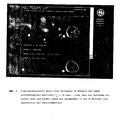
- Gd / kg were in the form of the Gd complex of the poly-N- [10-carboxy-3,6,9-tris (carboxymethyl) -3,6,9-triazadecanoyl] poly-L-lysine polyhydrazide (Example 39c) a nude mouse (Balb / c nu / nu, female, 25 g) with a subcutaneous HT29 colon carcinoma iv applied.
- the substance was dissolved in 300 ⁇ l 0.9% NaCl.
- the animal was examined in a magnetic resonance scanner from General Electric with a 2 Tesla magnet.
Landscapes
- Health & Medical Sciences (AREA)
- Chemical & Material Sciences (AREA)
- Medicinal Chemistry (AREA)
- Chemical Kinetics & Catalysis (AREA)
- Polymers & Plastics (AREA)
- Organic Chemistry (AREA)
- Life Sciences & Earth Sciences (AREA)
- Public Health (AREA)
- Epidemiology (AREA)
- Radiology & Medical Imaging (AREA)
- Animal Behavior & Ethology (AREA)
- General Health & Medical Sciences (AREA)
- Nuclear Medicine, Radiotherapy & Molecular Imaging (AREA)
- Veterinary Medicine (AREA)
- Immunology (AREA)
- General Chemical & Material Sciences (AREA)
- Proteomics, Peptides & Aminoacids (AREA)
- Medicines Containing Antibodies Or Antigens For Use As Internal Diagnostic Agents (AREA)
- Pharmaceuticals Containing Other Organic And Inorganic Compounds (AREA)
- Medicines That Contain Protein Lipid Enzymes And Other Medicines (AREA)
- Polyamides (AREA)
- Compositions Of Macromolecular Compounds (AREA)
- Polymers With Sulfur, Phosphorus Or Metals In The Main Chain (AREA)
- Other Resins Obtained By Reactions Not Involving Carbon-To-Carbon Unsaturated Bonds (AREA)
- Macromolecular Compounds Obtained By Forming Nitrogen-Containing Linkages In General (AREA)
- Medicinal Preparation (AREA)
Applications Claiming Priority (2)
| Application Number | Priority Date | Filing Date | Title |
|---|---|---|---|
| DE3806795A DE3806795A1 (de) | 1988-02-29 | 1988-02-29 | Polymer-gebundene komplexbildner, deren komplexe und konjugate, verfahren zu ihrer herstellung und diese enthaltende pharmazeutische mittel |
| DE3806795 | 1988-02-29 |
Publications (3)
| Publication Number | Publication Date |
|---|---|
| EP0331616A2 true EP0331616A2 (fr) | 1989-09-06 |
| EP0331616A3 EP0331616A3 (fr) | 1992-03-04 |
| EP0331616B1 EP0331616B1 (fr) | 1995-11-08 |
Family
ID=6348654
Family Applications (1)
| Application Number | Title | Priority Date | Filing Date |
|---|---|---|---|
| EP89730046A Expired - Lifetime EP0331616B1 (fr) | 1988-02-29 | 1989-02-27 | Formateur de complexe lié à un polymère, ces complexes, procédé de préparation et milieu pharmaceutique les contenant |
Country Status (6)
| Country | Link |
|---|---|
| EP (1) | EP0331616B1 (fr) |
| JP (1) | JP2685568B2 (fr) |
| AT (1) | ATE130017T1 (fr) |
| DE (2) | DE3806795A1 (fr) |
| GR (1) | GR3018071T3 (fr) |
| NO (1) | NO174394C (fr) |
Cited By (29)
| Publication number | Priority date | Publication date | Assignee | Title |
|---|---|---|---|---|
| WO1990012050A1 (fr) * | 1989-04-07 | 1990-10-18 | Salutar, Inc. | Chelateurs |
| DE3938992A1 (de) * | 1989-11-21 | 1991-05-23 | Schering Ag | Kaskadenpolymer-gebundene komplexbildner, deren komplexe und konjugate, verfahren zu ihrer herstellung und diese enthaltende pharmazeutische mittel |
| WO1992017215A1 (fr) | 1990-03-28 | 1992-10-15 | Nycomed Salutar, Inc. | Milieux de contraste |
| US5230883A (en) * | 1989-05-04 | 1993-07-27 | Wisconsin Alumni Research Foundation | Method for localization and treatment of tumors using polylysine complexes |
| US5314681A (en) * | 1988-12-23 | 1994-05-24 | Nycomed Innovation Ab | Composition of positive and negative contrast agents for electron spin resonance enhanced magnetic resonance imaging |
| US5348954A (en) * | 1989-01-13 | 1994-09-20 | Nycomed Imaging As | Heterocyclic chelating agents |
| WO1995009848A3 (fr) * | 1990-01-19 | 1995-07-27 | Nycomed Salutar Inc | Polyazacycloalcanes utilises comme agents dichelatants |
| WO1996010359A1 (fr) * | 1994-10-03 | 1996-04-11 | The Trustees Of The University Of Pennsylvania | Complexe de chelates a perceptibilite elevee pour l'imagerie par resonance magnetique |
| US5582814A (en) * | 1994-04-15 | 1996-12-10 | Metasyn, Inc. | 1-(p-n-butylbenzyl) DTPA for magnetic resonance imaging |
| US5593658A (en) * | 1992-09-04 | 1997-01-14 | The General Hospital Corporation | Medical compositions |
| WO1997025305A1 (fr) * | 1996-01-04 | 1997-07-17 | Schering Aktiengesellschaft | Nouveaux derives d'edta, de dtpa et de ttha monofonctionnalises et leur utilisation en medecine pour la therapie et le diagnostic |
| US5650133A (en) * | 1990-01-19 | 1997-07-22 | Nycomed Salutar | Macrocyclic polyaza dichelates linked through ring nitrogens via an amide or ester functionality |
| US5811076A (en) * | 1993-05-20 | 1998-09-22 | The Regents Of The University Of California | Macromolecular contrast media for MR imaging |
| WO1998032469A3 (fr) * | 1997-01-29 | 1998-11-05 | Nycomed Imaging As | Polymeres |
| US5885549A (en) * | 1991-02-01 | 1999-03-23 | Imarx Pharmaceutical Corp. | Phosphorylated materials as contrast agents for use in magnetic resonance imaging of the gastrointestinal region |
| DE19728954C1 (de) * | 1997-06-30 | 1999-04-22 | Schering Ag | Saccharid-Konjugate, diese enthaltende pharmazeutische Mittel, Verfahren zu ihrer Herstellung und ihre Verwendung |
| US5972307A (en) * | 1989-10-23 | 1999-10-26 | Nycomed Salutar, Inc. | Dichelants |
| WO2000015267A1 (fr) * | 1998-09-17 | 2000-03-23 | Massachusetts Institute Of Technology | Agent de contraste |
| WO1999060920A3 (fr) * | 1998-05-26 | 2000-04-06 | Wisconsin Alumni Res Found | Revetements emettant des signaux de resonance magnetique |
| US6372194B1 (en) | 1997-03-18 | 2002-04-16 | Toshihiro Akaike | MRI contrast media recognizing minor environmental changes |
| US6676929B2 (en) | 1995-02-01 | 2004-01-13 | Epix Medical, Inc. | Diagnostic imaging contrast agents with extended blood retention |
| WO2005004992A3 (fr) * | 2003-06-26 | 2005-03-10 | Gen Electric | Agents d'amelioration du contraste en resonance magnetique pour detecter et mettre en images une plaque d'atherosclerose |
| US6896874B2 (en) | 1998-05-26 | 2005-05-24 | Wisconsin Alumni Research Foundation | MR-signal emitting coatings |
| EP1529779A3 (fr) * | 2003-10-23 | 2005-09-28 | Samsung Electronics Co., Ltd. | Organo photorécepteurs electrophotographiques avec des composés pour le transport N,N,N, substitué par deux amines |
| DE102007002726A1 (de) | 2007-01-18 | 2008-07-31 | Bayer Schering Pharma Aktiengesellschaft | Neue Kaskaden-Polymer-Komplexe, Verfahren zu ihrer Herstellung und diese enthaltende pharmazeutische Mittel |
| EP2194063A3 (fr) * | 2005-11-25 | 2010-09-08 | Basf Se | Production et utilisation de polylysines modifiées |
| US8412306B2 (en) | 2007-02-28 | 2013-04-02 | Wisconsin Alumni Research Foundation | Voltage standing wave suppression for MR-guided therapeutic interventions |
| US8457712B2 (en) | 2005-12-30 | 2013-06-04 | Wisconsin Alumni Research Foundation | Multi-mode medical device system and methods of manufacturing and using same |
| US8532742B2 (en) | 2006-11-15 | 2013-09-10 | Wisconsin Alumni Research Foundation | System and method for simultaneous 3DPR device tracking and imaging under MR-guidance for therapeutic endovascular interventions |
Families Citing this family (5)
| Publication number | Priority date | Publication date | Assignee | Title |
|---|---|---|---|---|
| DE3919915A1 (de) * | 1989-06-19 | 1990-12-20 | Boehringer Mannheim Gmbh | Aminoalkylmaleimide und davon abgeleitete hapten- und antigenderivate sowie konjugate mit peptiden oder proteinen |
| DE102004026102B4 (de) * | 2004-05-25 | 2006-08-24 | Schering Ag | Verfahren zur Herstellung von 1-Hydroxymethyl-1,3,5-triazapentan, Trihydrochlorid |
| US7189879B2 (en) | 2004-05-25 | 2007-03-13 | Schering Ag | Process for the production of 1-hydroxymethyl-1,3,5-triazapentane, trihydrochloride |
| CN101730549B (zh) * | 2007-05-09 | 2015-12-09 | 日东电工株式会社 | 与铂类药物结合的聚合物 |
| CN115304780B (zh) * | 2022-08-04 | 2023-06-13 | 上海师范大学 | 金属-有机多孔框架(MOFs)材料的制备方法及性能检测 |
Family Cites Families (4)
| Publication number | Priority date | Publication date | Assignee | Title |
|---|---|---|---|---|
| DE3129906C3 (de) * | 1981-07-24 | 1996-12-19 | Schering Ag | Paramagnetische Komplexsalze, deren Herstellung und Mittel zur Verwendung bei der NMR-Diagnostik |
| NL194579C (nl) * | 1983-01-21 | 2002-08-05 | Schering Ag | Diagnostisch middel. |
| JPS62181229A (ja) * | 1985-11-05 | 1987-08-08 | ザ・ゼネラル・ホスピタル・コ−ポレ−シヨン | 負に荷電した特異親和性試薬 |
| DE3701665A1 (de) * | 1987-01-19 | 1988-07-28 | Schering Ag | Polymer-komplexe, verfahren zu deren herstellung und diese enthaltende pharmazeutische mittel |
-
1988
- 1988-02-29 DE DE3806795A patent/DE3806795A1/de not_active Withdrawn
-
1989
- 1989-02-27 EP EP89730046A patent/EP0331616B1/fr not_active Expired - Lifetime
- 1989-02-27 JP JP1043346A patent/JP2685568B2/ja not_active Expired - Lifetime
- 1989-02-27 AT AT89730046T patent/ATE130017T1/de not_active IP Right Cessation
- 1989-02-27 NO NO890832A patent/NO174394C/no unknown
- 1989-02-27 DE DE58909479T patent/DE58909479D1/de not_active Expired - Lifetime
-
1995
- 1995-11-10 GR GR950403172T patent/GR3018071T3/el unknown
Cited By (52)
| Publication number | Priority date | Publication date | Assignee | Title |
|---|---|---|---|---|
| US5314681A (en) * | 1988-12-23 | 1994-05-24 | Nycomed Innovation Ab | Composition of positive and negative contrast agents for electron spin resonance enhanced magnetic resonance imaging |
| US5439668A (en) * | 1989-01-13 | 1995-08-08 | Nycomed Imaging As | Heterocyclic chelating agents |
| US5348954A (en) * | 1989-01-13 | 1994-09-20 | Nycomed Imaging As | Heterocyclic chelating agents |
| WO1990012050A1 (fr) * | 1989-04-07 | 1990-10-18 | Salutar, Inc. | Chelateurs |
| EP0481526A1 (fr) * | 1989-04-07 | 1992-04-22 | Nycomed Salutar, Inc. | Agents de chélation |
| US5364613A (en) * | 1989-04-07 | 1994-11-15 | Sieving Paul F | Polychelants containing macrocyclic chelant moieties |
| US5230883A (en) * | 1989-05-04 | 1993-07-27 | Wisconsin Alumni Research Foundation | Method for localization and treatment of tumors using polylysine complexes |
| US5972307A (en) * | 1989-10-23 | 1999-10-26 | Nycomed Salutar, Inc. | Dichelants |
| AU684453B2 (en) * | 1989-11-21 | 1997-12-18 | Schering Aktiengesellschaft | Cascade polymer bound chelating compounds, their chelates and conjugates, processes for their production, and pharmaceutical agents containing them |
| US6576222B2 (en) | 1989-11-21 | 2003-06-10 | Schering Aktiengesellschaft | Cascade polymer bound complexing compounds, their complexes and conjugates, process for their production and pharmaceutical agents containing them |
| EP0430863A3 (en) * | 1989-11-21 | 1992-03-04 | Schering Aktiengesellschaft Berlin Und Bergkamen | Complexe builders bonded to sterwise prepared polymers, their complexes and conjugates, process for their preparation and pharmaceutical agents containing the same |
| US7208139B2 (en) | 1989-11-21 | 2007-04-24 | Schering Ag | Cascade polymer bound complexing compounds, their complexes and conjugates, processes for their production, and pharmaceutical agents containing them |
| DE3938992A1 (de) * | 1989-11-21 | 1991-05-23 | Schering Ag | Kaskadenpolymer-gebundene komplexbildner, deren komplexe und konjugate, verfahren zu ihrer herstellung und diese enthaltende pharmazeutische mittel |
| AU684453C (en) * | 1989-11-21 | 2001-08-02 | Schering Aktiengesellschaft | Cascade polymer bound chelating compounds, their chelates and conjugates, processes for their production, and pharmaceutical agents containing them |
| US6855309B2 (en) | 1989-11-21 | 2005-02-15 | Schering, Ag | Cascade polymer bound complexing compounds, their complexes and conjugates, processes for their production, and pharmaceutical agents containing them |
| US6193950B1 (en) | 1989-11-21 | 2001-02-27 | Schering Ag | Cascade polymer bound complexing compounds, their complexes and conjugates, processes for their production, and pharmaceutical agents containing them |
| US5650133A (en) * | 1990-01-19 | 1997-07-22 | Nycomed Salutar | Macrocyclic polyaza dichelates linked through ring nitrogens via an amide or ester functionality |
| WO1995009848A3 (fr) * | 1990-01-19 | 1995-07-27 | Nycomed Salutar Inc | Polyazacycloalcanes utilises comme agents dichelatants |
| WO1992017215A1 (fr) | 1990-03-28 | 1992-10-15 | Nycomed Salutar, Inc. | Milieux de contraste |
| US5885549A (en) * | 1991-02-01 | 1999-03-23 | Imarx Pharmaceutical Corp. | Phosphorylated materials as contrast agents for use in magnetic resonance imaging of the gastrointestinal region |
| US5593658A (en) * | 1992-09-04 | 1997-01-14 | The General Hospital Corporation | Medical compositions |
| US5811076A (en) * | 1993-05-20 | 1998-09-22 | The Regents Of The University Of California | Macromolecular contrast media for MR imaging |
| US5582814A (en) * | 1994-04-15 | 1996-12-10 | Metasyn, Inc. | 1-(p-n-butylbenzyl) DTPA for magnetic resonance imaging |
| WO1996010359A1 (fr) * | 1994-10-03 | 1996-04-11 | The Trustees Of The University Of Pennsylvania | Complexe de chelates a perceptibilite elevee pour l'imagerie par resonance magnetique |
| US8394356B2 (en) | 1995-02-01 | 2013-03-12 | Lantheus Medical Imaging, Inc. | Diagnostic imaging contrast agents with extended blood retention |
| US8017105B2 (en) | 1995-02-01 | 2011-09-13 | Lantheus Medical Imaging, Inc. | Diagnostic imaging contrast agents with extended blood retention |
| US7229606B2 (en) | 1995-02-01 | 2007-06-12 | Epix Pharmaceuticals, Inc. | Diagnostic imaging contrast agents with extended blood retention |
| US7060250B2 (en) | 1995-02-01 | 2006-06-13 | Epix Pharmaceuticals, Inc. | Diagnostic imaging contrast agents with extended blood retention |
| US7011815B2 (en) | 1995-02-01 | 2006-03-14 | Epix Pharmaceuticals, Inc. | Diagnostic imaging contrast agents with extended blood retention |
| US6676929B2 (en) | 1995-02-01 | 2004-01-13 | Epix Medical, Inc. | Diagnostic imaging contrast agents with extended blood retention |
| WO1997025305A1 (fr) * | 1996-01-04 | 1997-07-17 | Schering Aktiengesellschaft | Nouveaux derives d'edta, de dtpa et de ttha monofonctionnalises et leur utilisation en medecine pour la therapie et le diagnostic |
| US6080785A (en) * | 1996-01-04 | 2000-06-27 | Schering Aktiengesellschaft | Monofunctionalised EDTA, DTPA and TTHA derivatives and their use in medical diagnosis and therapy |
| WO1998032469A3 (fr) * | 1997-01-29 | 1998-11-05 | Nycomed Imaging As | Polymeres |
| US6372194B1 (en) | 1997-03-18 | 2002-04-16 | Toshihiro Akaike | MRI contrast media recognizing minor environmental changes |
| DE19728954C1 (de) * | 1997-06-30 | 1999-04-22 | Schering Ag | Saccharid-Konjugate, diese enthaltende pharmazeutische Mittel, Verfahren zu ihrer Herstellung und ihre Verwendung |
| US6896874B2 (en) | 1998-05-26 | 2005-05-24 | Wisconsin Alumni Research Foundation | MR-signal emitting coatings |
| GB2353039A (en) * | 1998-05-26 | 2001-02-14 | Wisconsin Alumni Res Found | MR signal-emitting coatings |
| WO1999060920A3 (fr) * | 1998-05-26 | 2000-04-06 | Wisconsin Alumni Res Found | Revetements emettant des signaux de resonance magnetique |
| US6896873B2 (en) | 1998-05-26 | 2005-05-24 | Wisconsin Alumni Research Foundation | MR signal-emitting coatings |
| GB2353039B (en) * | 1998-05-26 | 2002-03-06 | Wisconsin Alumni Res Found | MR signal-emitting coatings |
| ES2169708A1 (es) * | 1998-05-26 | 2002-07-01 | Wisconsin Alumni Res Found | Revestimientos que emiten señales de resonancia magnetica. |
| US6361759B1 (en) | 1998-05-26 | 2002-03-26 | Wisconsin Alumni Research Foundation | MR signal-emitting coatings |
| US6355224B1 (en) | 1998-09-17 | 2002-03-12 | Massachusetts Institute Of Technology | Conductive polymer contrast agent compositions and uses therefor |
| WO2000015267A1 (fr) * | 1998-09-17 | 2000-03-23 | Massachusetts Institute Of Technology | Agent de contraste |
| WO2005004992A3 (fr) * | 2003-06-26 | 2005-03-10 | Gen Electric | Agents d'amelioration du contraste en resonance magnetique pour detecter et mettre en images une plaque d'atherosclerose |
| EP1529779A3 (fr) * | 2003-10-23 | 2005-09-28 | Samsung Electronics Co., Ltd. | Organo photorécepteurs electrophotographiques avec des composés pour le transport N,N,N, substitué par deux amines |
| EP2194063A3 (fr) * | 2005-11-25 | 2010-09-08 | Basf Se | Production et utilisation de polylysines modifiées |
| EP2332969A3 (fr) * | 2005-11-25 | 2011-11-02 | Basf Se | Production de polylysines hautement fonctionelles, très ou hyper-ramifiées |
| US8457712B2 (en) | 2005-12-30 | 2013-06-04 | Wisconsin Alumni Research Foundation | Multi-mode medical device system and methods of manufacturing and using same |
| US8532742B2 (en) | 2006-11-15 | 2013-09-10 | Wisconsin Alumni Research Foundation | System and method for simultaneous 3DPR device tracking and imaging under MR-guidance for therapeutic endovascular interventions |
| DE102007002726A1 (de) | 2007-01-18 | 2008-07-31 | Bayer Schering Pharma Aktiengesellschaft | Neue Kaskaden-Polymer-Komplexe, Verfahren zu ihrer Herstellung und diese enthaltende pharmazeutische Mittel |
| US8412306B2 (en) | 2007-02-28 | 2013-04-02 | Wisconsin Alumni Research Foundation | Voltage standing wave suppression for MR-guided therapeutic interventions |
Also Published As
| Publication number | Publication date |
|---|---|
| NO174394C (no) | 1994-04-27 |
| DE3806795A1 (de) | 1989-09-07 |
| NO174394B (no) | 1994-01-17 |
| EP0331616A3 (fr) | 1992-03-04 |
| EP0331616B1 (fr) | 1995-11-08 |
| GR3018071T3 (en) | 1996-02-29 |
| JPH02196864A (ja) | 1990-08-03 |
| DE58909479D1 (de) | 1995-12-21 |
| NO890832L (no) | 1989-08-30 |
| NO890832D0 (no) | 1989-02-27 |
| ATE130017T1 (de) | 1995-11-15 |
| JP2685568B2 (ja) | 1997-12-03 |
Similar Documents
| Publication | Publication Date | Title |
|---|---|---|
| EP0331616B1 (fr) | Formateur de complexe lié à un polymère, ces complexes, procédé de préparation et milieu pharmaceutique les contenant | |
| EP0430863B1 (fr) | Formateur de complexe lié à un polymère préparé par étapes, ses complexes et conjugats, procédé de préparation et substances pharmaceutiques les contenant | |
| EP0305320B1 (fr) | Complexants à multinoyaux substitués, complexes et sels complexes, procédé pour leur préparation et expédients pharmaceutiques qui les contiennent | |
| EP0438206B1 (fr) | Composés tétraaza-macrocycliques contenant un noyau à six membres, procédés pour leur préparation et agents pharmaceutiques les contenant | |
| US5681544A (en) | Polymer-bonded complexing agents, their complexes and conjugates, processes for their production and pharmaceutical agents containing them | |
| DE69534990T2 (de) | Kontrastmittel | |
| DE3713842A1 (de) | Substituierte cyclische komplexbildner, komplexe und komplexsalze, verfahren zu deren herstellung und diese enthaltende pharmazeutische mittel | |
| EP0512661B1 (fr) | Polymère-complexants macrocycliques, leur complexes, procédé pour leur préparation et agents pharmaceutiques les contenant | |
| DE19525924A1 (de) | Kaskaden-Polymer-Komplexe, Verfahren zu ihrer Herstellung und diese enthaltende pharmazeutische Mittel | |
| DE4425857A1 (de) | Kaskaden-Polymer-Komplexe, Verfahren zur ihrer Herstellung und diese enthaltende pharmazeutische Mittel | |
| EP0277088A2 (fr) | Complexes de polymères, leur procédé de préparation et compositions pharmaceutiques les contenant | |
| DE3710730A1 (de) | Substituierte komplexbildner, komplexe und komplexsalze, verfahren zu deren herstellung und diese enthaltende pharmazeutische mittel | |
| EP1307237B9 (fr) | Complexes perfluoroalkyles a residus polaires, leur procede de fabrication et leur utilisation | |
| DE19549286A1 (de) | Kaskaden-Polymer-Komplexe, Verfahren zu ihrer Herstellung und diese enthaltende pharmazeutische Mittel | |
| WO2008046463A1 (fr) | CHÉLATES MÉTALLIQUES à RADICAL POLYÉTHYLÈNEGLYCOL PERFLUORÉ, PROCÉDÉ POUR LEUR FABRICATION, ET UTILISATION DE CEUX-CI | |
| DE3621026A1 (de) | Neue komplexe und komplexsalze |
Legal Events
| Date | Code | Title | Description |
|---|---|---|---|
| PUAI | Public reference made under article 153(3) epc to a published international application that has entered the european phase |
Free format text: ORIGINAL CODE: 0009012 |
|
| 17P | Request for examination filed |
Effective date: 19890308 |
|
| AK | Designated contracting states |
Kind code of ref document: A2 Designated state(s): AT BE CH DE ES FR GB GR IT LI LU NL SE |
|
| PUAL | Search report despatched |
Free format text: ORIGINAL CODE: 0009013 |
|
| AK | Designated contracting states |
Kind code of ref document: A3 Designated state(s): AT BE CH DE ES FR GB GR IT LI LU NL SE |
|
| 17Q | First examination report despatched |
Effective date: 19940314 |
|
| GRAA | (expected) grant |
Free format text: ORIGINAL CODE: 0009210 |
|
| AK | Designated contracting states |
Kind code of ref document: B1 Designated state(s): AT BE CH DE ES FR GB GR IT LI LU NL SE |
|
| PG25 | Lapsed in a contracting state [announced via postgrant information from national office to epo] |
Ref country code: BE Effective date: 19951108 Ref country code: NL Free format text: LAPSE BECAUSE OF FAILURE TO SUBMIT A TRANSLATION OF THE DESCRIPTION OR TO PAY THE FEE WITHIN THE PRESCRIBED TIME-LIMIT Effective date: 19951108 |
|
| REF | Corresponds to: |
Ref document number: 130017 Country of ref document: AT Date of ref document: 19951115 Kind code of ref document: T |
|
| ITF | It: translation for a ep patent filed | ||
| REF | Corresponds to: |
Ref document number: 58909479 Country of ref document: DE Date of ref document: 19951221 |
|
| PGFP | Annual fee paid to national office [announced via postgrant information from national office to epo] |
Ref country code: BE Payment date: 19960116 Year of fee payment: 8 |
|
| PGFP | Annual fee paid to national office [announced via postgrant information from national office to epo] |
Ref country code: NL Payment date: 19960123 Year of fee payment: 8 |
|
| REG | Reference to a national code |
Ref country code: GR Ref legal event code: FG4A Free format text: 3018071 |
|
| PG25 | Lapsed in a contracting state [announced via postgrant information from national office to epo] |
Ref country code: ES Free format text: LAPSE BECAUSE OF FAILURE TO SUBMIT A TRANSLATION OF THE DESCRIPTION OR TO PAY THE FEE WITHIN THE PRESCRIBED TIME-LIMIT Effective date: 19960219 |
|
| ET | Fr: translation filed | ||
| NLV1 | Nl: lapsed or annulled due to failure to fulfill the requirements of art. 29p and 29m of the patents act | ||
| REG | Reference to a national code |
Ref country code: CH Ref legal event code: NV Representative=s name: E. BLUM & CO. PATENTANWAELTE |
|
| GBT | Gb: translation of ep patent filed (gb section 77(6)(a)/1977) |
Effective date: 19960401 |
|
| NLXE | Nl: other communications concerning ep-patents (part 3 heading xe) |
Free format text: A REQUEST FOR RESTORATION TO THE PRIOR STATE HAS BEEN FILED ON 960329 |
|
| PLBE | No opposition filed within time limit |
Free format text: ORIGINAL CODE: 0009261 |
|
| STAA | Information on the status of an ep patent application or granted ep patent |
Free format text: STATUS: NO OPPOSITION FILED WITHIN TIME LIMIT |
|
| 26N | No opposition filed | ||
| PGFP | Annual fee paid to national office [announced via postgrant information from national office to epo] |
Ref country code: ES Payment date: 19970214 Year of fee payment: 9 |
|
| NLV1 | Nl: lapsed or annulled due to failure to fulfill the requirements of art. 29p and 29m of the patents act | ||
| NLXE | Nl: other communications concerning ep-patents (part 3 heading xe) |
Free format text: THE REQUEST FOR RESTORATION TO THE PRIOR STATE AS PROVIDED FOR IN ARTICLE 23 OF THE PATENTS ACT 1995 (SEE PUBLICATION IN HEADING XE OF THE PATENT BULLETIN OF 030696/96)HAS BEEN REJECTED |
|
| PGFP | Annual fee paid to national office [announced via postgrant information from national office to epo] |
Ref country code: FR Payment date: 19980112 Year of fee payment: 10 |
|
| PGFP | Annual fee paid to national office [announced via postgrant information from national office to epo] |
Ref country code: AT Payment date: 19980115 Year of fee payment: 10 |
|
| PGFP | Annual fee paid to national office [announced via postgrant information from national office to epo] |
Ref country code: SE Payment date: 19980116 Year of fee payment: 10 |
|
| PGFP | Annual fee paid to national office [announced via postgrant information from national office to epo] |
Ref country code: GB Payment date: 19980121 Year of fee payment: 10 |
|
| PGFP | Annual fee paid to national office [announced via postgrant information from national office to epo] |
Ref country code: CH Payment date: 19980127 Year of fee payment: 10 |
|
| PGFP | Annual fee paid to national office [announced via postgrant information from national office to epo] |
Ref country code: GR Payment date: 19980130 Year of fee payment: 10 |
|
| PGFP | Annual fee paid to national office [announced via postgrant information from national office to epo] |
Ref country code: LU Payment date: 19980203 Year of fee payment: 10 |
|
| PG25 | Lapsed in a contracting state [announced via postgrant information from national office to epo] |
Ref country code: GB Free format text: LAPSE BECAUSE OF NON-PAYMENT OF DUE FEES Effective date: 19990227 Ref country code: LU Free format text: LAPSE BECAUSE OF NON-PAYMENT OF DUE FEES Effective date: 19990227 Ref country code: AT Free format text: LAPSE BECAUSE OF NON-PAYMENT OF DUE FEES Effective date: 19990227 |
|
| PG25 | Lapsed in a contracting state [announced via postgrant information from national office to epo] |
Ref country code: GR Free format text: LAPSE BECAUSE OF NON-PAYMENT OF DUE FEES Effective date: 19990228 Ref country code: CH Free format text: LAPSE BECAUSE OF NON-PAYMENT OF DUE FEES Effective date: 19990228 Ref country code: LI Free format text: LAPSE BECAUSE OF NON-PAYMENT OF DUE FEES Effective date: 19990228 Ref country code: SE Free format text: LAPSE BECAUSE OF NON-PAYMENT OF DUE FEES Effective date: 19990228 |
|
| REG | Reference to a national code |
Ref country code: CH Ref legal event code: PL |
|
| GBPC | Gb: european patent ceased through non-payment of renewal fee |
Effective date: 19990227 |
|
| PG25 | Lapsed in a contracting state [announced via postgrant information from national office to epo] |
Ref country code: FR Free format text: LAPSE BECAUSE OF NON-PAYMENT OF DUE FEES Effective date: 19991029 |
|
| EUG | Se: european patent has lapsed |
Ref document number: 89730046.3 |
|
| REG | Reference to a national code |
Ref country code: FR Ref legal event code: ST |
|
| PG25 | Lapsed in a contracting state [announced via postgrant information from national office to epo] |
Ref country code: IT Free format text: LAPSE BECAUSE OF NON-PAYMENT OF DUE FEES;WARNING: LAPSES OF ITALIAN PATENTS WITH EFFECTIVE DATE BEFORE 2007 MAY HAVE OCCURRED AT ANY TIME BEFORE 2007. THE CORRECT EFFECTIVE DATE MAY BE DIFFERENT FROM THE ONE RECORDED. Effective date: 20050227 |
|
| PGFP | Annual fee paid to national office [announced via postgrant information from national office to epo] |
Ref country code: DE Payment date: 20080118 Year of fee payment: 20 |