EP0430863B1 - Formateur de complexe lié à un polymère préparé par étapes, ses complexes et conjugats, procédé de préparation et substances pharmaceutiques les contenant - Google Patents
Formateur de complexe lié à un polymère préparé par étapes, ses complexes et conjugats, procédé de préparation et substances pharmaceutiques les contenant Download PDFInfo
- Publication number
- EP0430863B1 EP0430863B1 EP90730017A EP90730017A EP0430863B1 EP 0430863 B1 EP0430863 B1 EP 0430863B1 EP 90730017 A EP90730017 A EP 90730017A EP 90730017 A EP90730017 A EP 90730017A EP 0430863 B1 EP0430863 B1 EP 0430863B1
- Authority
- EP
- European Patent Office
- Prior art keywords
- mmol
- numbers
- complex
- group
- cascade
- Prior art date
- Legal status (The legal status is an assumption and is not a legal conclusion. Google has not performed a legal analysis and makes no representation as to the accuracy of the status listed.)
- Expired - Lifetime
Links
- 0 O=C(*1)C(CC2)C2C1=O Chemical compound O=C(*1)C(CC2)C2C1=O 0.000 description 8
Classifications
-
- C—CHEMISTRY; METALLURGY
- C08—ORGANIC MACROMOLECULAR COMPOUNDS; THEIR PREPARATION OR CHEMICAL WORKING-UP; COMPOSITIONS BASED THEREON
- C08G—MACROMOLECULAR COMPOUNDS OBTAINED OTHERWISE THAN BY REACTIONS ONLY INVOLVING UNSATURATED CARBON-TO-CARBON BONDS
- C08G85/00—General processes for preparing compounds provided for in this subclass
-
- C—CHEMISTRY; METALLURGY
- C08—ORGANIC MACROMOLECULAR COMPOUNDS; THEIR PREPARATION OR CHEMICAL WORKING-UP; COMPOSITIONS BASED THEREON
- C08G—MACROMOLECULAR COMPOUNDS OBTAINED OTHERWISE THAN BY REACTIONS ONLY INVOLVING UNSATURATED CARBON-TO-CARBON BONDS
- C08G83/00—Macromolecular compounds not provided for in groups C08G2/00 - C08G81/00
-
- A—HUMAN NECESSITIES
- A61—MEDICAL OR VETERINARY SCIENCE; HYGIENE
- A61K—PREPARATIONS FOR MEDICAL, DENTAL OR TOILETRY PURPOSES
- A61K49/00—Preparations for testing in vivo
- A61K49/0002—General or multifunctional contrast agents, e.g. chelated agents
-
- A—HUMAN NECESSITIES
- A61—MEDICAL OR VETERINARY SCIENCE; HYGIENE
- A61K—PREPARATIONS FOR MEDICAL, DENTAL OR TOILETRY PURPOSES
- A61K49/00—Preparations for testing in vivo
- A61K49/04—X-ray contrast preparations
-
- A—HUMAN NECESSITIES
- A61—MEDICAL OR VETERINARY SCIENCE; HYGIENE
- A61K—PREPARATIONS FOR MEDICAL, DENTAL OR TOILETRY PURPOSES
- A61K49/00—Preparations for testing in vivo
- A61K49/06—Nuclear magnetic resonance [NMR] contrast preparations; Magnetic resonance imaging [MRI] contrast preparations
-
- A—HUMAN NECESSITIES
- A61—MEDICAL OR VETERINARY SCIENCE; HYGIENE
- A61K—PREPARATIONS FOR MEDICAL, DENTAL OR TOILETRY PURPOSES
- A61K49/00—Preparations for testing in vivo
- A61K49/06—Nuclear magnetic resonance [NMR] contrast preparations; Magnetic resonance imaging [MRI] contrast preparations
- A61K49/08—Nuclear magnetic resonance [NMR] contrast preparations; Magnetic resonance imaging [MRI] contrast preparations characterised by the carrier
- A61K49/085—Nuclear magnetic resonance [NMR] contrast preparations; Magnetic resonance imaging [MRI] contrast preparations characterised by the carrier conjugated systems
-
- A—HUMAN NECESSITIES
- A61—MEDICAL OR VETERINARY SCIENCE; HYGIENE
- A61K—PREPARATIONS FOR MEDICAL, DENTAL OR TOILETRY PURPOSES
- A61K49/00—Preparations for testing in vivo
- A61K49/06—Nuclear magnetic resonance [NMR] contrast preparations; Magnetic resonance imaging [MRI] contrast preparations
- A61K49/08—Nuclear magnetic resonance [NMR] contrast preparations; Magnetic resonance imaging [MRI] contrast preparations characterised by the carrier
- A61K49/10—Organic compounds
- A61K49/12—Macromolecular compounds
- A61K49/124—Macromolecular compounds dendrimers, dendrons, hyperbranched compounds
-
- A—HUMAN NECESSITIES
- A61—MEDICAL OR VETERINARY SCIENCE; HYGIENE
- A61K—PREPARATIONS FOR MEDICAL, DENTAL OR TOILETRY PURPOSES
- A61K51/00—Preparations containing radioactive substances for use in therapy or testing in vivo
- A61K51/02—Preparations containing radioactive substances for use in therapy or testing in vivo characterised by the carrier, i.e. characterised by the agent or material covalently linked or complexing the radioactive nucleus
- A61K51/04—Organic compounds
-
- A—HUMAN NECESSITIES
- A61—MEDICAL OR VETERINARY SCIENCE; HYGIENE
- A61K—PREPARATIONS FOR MEDICAL, DENTAL OR TOILETRY PURPOSES
- A61K51/00—Preparations containing radioactive substances for use in therapy or testing in vivo
- A61K51/02—Preparations containing radioactive substances for use in therapy or testing in vivo characterised by the carrier, i.e. characterised by the agent or material covalently linked or complexing the radioactive nucleus
- A61K51/04—Organic compounds
- A61K51/06—Macromolecular compounds, carriers being organic macromolecular compounds, i.e. organic oligomeric, polymeric, dendrimeric molecules
- A61K51/065—Macromolecular compounds, carriers being organic macromolecular compounds, i.e. organic oligomeric, polymeric, dendrimeric molecules conjugates with carriers being macromolecules
-
- C—CHEMISTRY; METALLURGY
- C08—ORGANIC MACROMOLECULAR COMPOUNDS; THEIR PREPARATION OR CHEMICAL WORKING-UP; COMPOSITIONS BASED THEREON
- C08G—MACROMOLECULAR COMPOUNDS OBTAINED OTHERWISE THAN BY REACTIONS ONLY INVOLVING UNSATURATED CARBON-TO-CARBON BONDS
- C08G83/00—Macromolecular compounds not provided for in groups C08G2/00 - C08G81/00
- C08G83/002—Dendritic macromolecules
- C08G83/003—Dendrimers
-
- Y—GENERAL TAGGING OF NEW TECHNOLOGICAL DEVELOPMENTS; GENERAL TAGGING OF CROSS-SECTIONAL TECHNOLOGIES SPANNING OVER SEVERAL SECTIONS OF THE IPC; TECHNICAL SUBJECTS COVERED BY FORMER USPC CROSS-REFERENCE ART COLLECTIONS [XRACs] AND DIGESTS
- Y10—TECHNICAL SUBJECTS COVERED BY FORMER USPC
- Y10T—TECHNICAL SUBJECTS COVERED BY FORMER US CLASSIFICATION
- Y10T436/00—Chemistry: analytical and immunological testing
- Y10T436/24—Nuclear magnetic resonance, electron spin resonance or other spin effects or mass spectrometry
Definitions
- the invention relates to the subject matter characterized in the patent claims, that is to say new cascade polymer complexing agents and complexes, agents containing these compounds, the use of the complexes in diagnostics and therapy and methods for producing these compounds and agents.
- MRI Magnetic Resonance Imaging
- Magnevist is that it is evenly distributed between the vascular and interstitial space after intravenous administration. It is therefore not possible to demarcate the vessels from the surrounding interstitial space when using Magnevist.
- a contrast medium that is distributed exclusively in the vascular space would be particularly desirable for the display of vessels.
- vascular space Such a blood pool agent should make it possible to use MRI to differentiate between well-perfused and poorly perfused tissue and thus diagnose ischemia.
- Infected tissue could also be distinguished from the surrounding healthy or ischemic tissue due to its anemia if a vasal contrast agent was used. This is of particular importance if e.g. B. is about distinguishing a heart attack from ischemia.
- NMR contrast media which know the vasal space (blood pool agent). These compounds are said to be well tolerated and to be highly effective (high increase in signal intensity in MRI).
- Macromolecules are generally suitable as contrast media for angiography.
- Albumin-GdDTPA Radiology 1987; 162: 205
- 24 hours after intravenous injection in the rat shows an accumulation in the liver tissue that accounts for almost 30% of the dose.
- only 20% of the dose is eliminated in 24 hours.
- the macromolecule polylysine-GdDTPA (European patent application, publication no. 0 233 619) also proved to be suitable as a blood pool agent. Due to the manufacturing process, however, this compound consists of a mixture of molecules of different sizes. In excretion experiments in the rat it could be shown that this macromolecule is excreted unchanged by glomerular filtration through the kidney. Due to the synthesis, polylysine-GdDTPA can also contain macromolecules that are so large that they cannot pass through the capillaries of the kidney during glomerular filtration and thus remain in the body.
- the task was therefore to provide new diagnostic means, especially for the detection and localization of vascular diseases, which do not have the disadvantages mentioned. This object is achieved by the present invention.
- alkyl, acyl and alkylsulfonyl radicals mentioned for Z 1 are listed: -CH 2 COOH; - (CH 2 ) 2 COOH; -CH (COOH) CH 2 COOH; -CH 2 -CH (COOH) CH 2 0H; -CH 2 SO 3 H; - (CH 2 ) 2 S0 3 H; -COCH 3 ; -COCH 2 0H; -COCHOHCH 2 0H; -COCH 2 0-CH 2 COOH; -CO (CHOH) 4 CH 2 OH; -COCH 2 COOH; -CO- (CH 2 ) 2 COOH; -CO (CH 2 ) 3 COOH; -CO (CH 2 ) 4 COOH; -COCHOHCOOH; -CO (CHOH) 2 COOH; -COCH 2 CHOHCH 2 COOH; -S0 2 CH 2 COOH; -S0 2 (CH 2 ) 2 COOH; -SO 2 CH 3
- Examples of the complexing agent residues K are those of ethylenediaminetetraacetic acid, diethylenetriaminepentaacetic acid, trans-1,2-cyclohexanediamine tetraacetic acid, 1,4,7,10-tetraazacyclododecanetetraacetic acid, 1,4,7-triazacyclononane-triacetic acid, 1,4,8,11 -Tetraazatetradecantetraacetic acid, 1,5,9-triazacyclododecanetriacetic acid, 1,4,7,10-tetraazacyclododecanetriacetic acid and 3,6,9,15-tetraazabicyclo- [9,3,1] -pentadeca-1 (15), 11,13- called triene-triacetic acid, which contains (each containing K) a carbonyl group (IA; IB and IC, if R 1 simultaneously represents a hydrogen atom) or a carbon atom (contained in V, see the definition for U and R 1
- V 'can also be present as Z 2 of the last generation up to a proportion of 4%.
- the central ion of the complex salt must be paramagnetic.
- Suitable ions are, for example, chromium (III), manganese (II), iron (II), and cobalt ( II), nickel (II), copper (II), praseodymium (III), neodymium (III), samarium (III) and ytterbium (III) ion. Because of their very strong magnetic moment, the gadolinium (III), terbium (III), dysprosium (III), holmium (III), erbium (III) and iron (III) ions are particularly preferred.
- the central ion must be derived from an element with a higher atomic number in order to achieve sufficient absorption of the X-rays. It has been found that diagnostic agents which contain a physiologically compatible complex salt with central ions of elements of atomic numbers between 21-29, 39, 42, 44, 57-83 are suitable for this purpose; these are, for example, the lanthanum (III) ion and the above-mentioned ions of the lanthanide series.
- the cascade polymer complexes according to the invention contain at least five ions of an element of the above-mentioned atomic number.
- Preferred functional groups which are located at the end of the V "alkylene group are, for example, the maleimidobenzoyl, 3-sulfomaleimidobenzoyl, 4- (maleimidomethyl) cyclohexylcarbonyl, 4- [3-sulfo- (maleimidomethyl) cyclohexyl- carbonyl-, 4- (p-maleimidophenyl) butyryl-, 3- (2-pyridyldithio) propionyl-, methacryloyl- (pentamethylene) amido-, bromoacetyl-, iodoacetyl-, 3-iodopropyl-, 2-bromoethyl-, 3-mercaptopropyl, 2-mercaptoethyl, phenylene isothiocyanate, 3-aminopropyl, benzyl ester, ethyl ester, t-butyl ester, amino, C 1 -
- the remaining acidic hydrogen atoms that is to say those which have not been substituted by the central ion, can optionally be wholly or partly replaced by cations of inorganic and / or organic bases or amino acids. All or part of the corresponding acid groups can also be converted into esters or amides.
- Suitable inorganic cations are, for example, lithium ion, potassium ion, calcium ion, magnesium ion and in particular sodium ion.
- Suitable cations of organic bases include those of primary, secondary or tertiary amines, such as, for example, ethanolamine, diethanolamine, morpholine, glucamine, N, N-dimethylglucamine and in particular N-methylglucamine.
- Suitable cations of amino acids are, for example, those of lysine, arginine and ornithine and the amides of otherwise acidic or neutral amino acids.
- Suitable esters are preferably those with a C 1 -C 6 alkyl radical; Examples include the methyl, ethyl and tertiary butyl radical.
- carboxylic acid groups are at least partially present as amides, tertiary amides are preferred.
- Saturated, unsaturated, straight-chain or branched-chain or cyclic hydrocarbons with up to 5 C atoms, which are optionally substituted by 1 to 3 hydroxy or C 1 -C 4 alkoxy groups, are suitable as radicals.
- Examples include methyl, ethyl, 2-hydroxyethyl, 2-hydroxy-1- (hydroxymethyl) ethyl, 1- (hydroxymethyl) ethyl, propyl, isopropenyl, 2-hydroxypropyl, 3- Hydroxypropyl, 2,3-dihydroxypropyl, butyl, isobutyl, isobutenyl, 2-hydroxybutyl, 3-hydroxybutyl, 4-hydroxybutyl, 2-, 3- and 4-hydroxy-2-methylbutyl, 2 - And 3-hydroxyisobutyl, 2,3,4-trihydroxybutyl, 1,2,4-trihydroxybutyl, pentyl, cyclopentyl and 2-methoxyethyl group.
- the amide residue can also be a heterocyclic 5- or 6-ring formed with the inclusion of the amide nitrogen.
- Examples include: the pyrrolidinyl, piperidyl, pyrazolidinyl, pyrrolinyl, pyrazolinyl, piperizinyl, morpholinyl, imidazolidinyl, oxazolidinyl, thiazolidinyl ring.
- the compounds according to the invention have the desired properties described at the outset. They contain the large number of metal ions required for their use which are stably bound in the complex. They are distributed (if V 'does not contain a bio- or macromolecule) only in the vasal space and can therefore be marked with the help of magnetic resonance imaging.
- Compatibility of the compounds according to the invention is better than Magnevist by at least a factor of 3 (LDso IV mouse of Example 8: 30 mmol / kg; Magnevist: 10).
- osmolality which is responsible for side effects such as pain, damage to the blood vessels and cardiovascular disorders, is significantly reduced compared to Magnevist (example 8: 0.46 [osmol / kg] compared to Magnevist 1.96 [osmol / kg], 0 , 5 mol / I at 37 ° C).
- the value for the magnitude of relaxivity which is a measure of imaging in MRI, is surprisingly large; the signal amplification could e.g. in the case of the connection of example 8 increase 4 times compared to Magnevist.
- the polymers according to the invention have -Complex a content of over 15% of the paramagnetic cation.
- inventive Macromolecules have a much higher signal amplification per molecule, which at the same time leads to the fact that the dose required for magnetic resonance imaging is considerably smaller compared to the macromolecular contrast agent based on carbohydrates.
- macromolecules With the polymer complexes according to the invention, it has been possible to construct and manufacture macromolecules in such a way that they have a uniformly defined molecular weight.
- Such macromolecular contrast media which can be precisely defined in terms of their molecular size, have so far not been accessible. It is therefore surprisingly possible for the first time to control the size of the macromolecules so that they are large enough to be able to leave the vasal space only slowly, but at the same time small enough, the capillaries of the kidney, which are 300-800 ⁇ in size, still to be able to happen. This makes it possible for the first time to produce macromolecular contrast media in a body-friendly manner.
- the complexes according to the invention serve as contrast agents for imaging the vessels by means of magnetic resonance imaging. It is possible to distinguish ischemic tissue from normal tissue. However, other damage to the blood-tissue barrier can also be seen with these compounds. With inflammation and tumors in the brain, the blood-brain barrier is so damaged that the contrast medium can infiltrate the diseased tissue and the diseased tissue can thus be recognized in magnetic resonance imaging. Due to the impermeability of the intact blood-brain barrier even to small but hydrophilic molecules, inflammation and tumors could already be recognized with the low-molecular compound Magnevist. However, if the complexes according to the invention are used in these cases, the dose can be reduced 16-fold for two reasons: 1. they have a 4-fold higher signal amplification and 2. they are distributed in a 4-fold smaller space, namely only in the vasal space, i.e. a quarter of the dose is sufficient to achieve equal concentrations in the blood.
- Another advantage of the present invention is that complexes with hydrophilic or lipophilic, macrocyclic or open-chain, low molecular or high molecular weight ligands have now become accessible. This enables the tolerance and pharmacokinetics of these polymer complexes to be controlled by chemical substitution.
- An example of an activated carbonyl group in the complexes or complexing agents K ' are anhydride, p-nitrophenyl ester and acid chloride.
- the alkylation or acylation carried out to introduce the complexing agent units is carried out with substrates which contain the desired substituent K (possibly bonded to a leaving group), or from which the desired substituent, if appropriate after modification by subsequent reaction (s), by the reaction is generated.
- the former are halides, mesylates, tosylates and anhydrides.
- the second group includes, for example, oxiranes, thiiranes, aziranes, ⁇ , ⁇ -unsaturated carbonyl compounds or their vinyls, aldehydes, ketones, isothiocyanates and isocyanates.
- Examples include the reaction of the monoanhydride N 3 (2,6-dioxomorpholinoethyl) -N 6- (ethoxycarbonylmethyl) -3,6-diazaoctanedioic acid with the cascade polymers containing the desired terminal amino groups in water or in mixtures of water eg dioxane, THF, DMF, DMSO or acetonitrile at basic pH, preferably 8-10, ie with the addition of bases such as sodium, potassium hydroxide or triethylamine, at temperatures from 0 to 50 ° C., preferably at room temperature. To complete the reaction, preference is given to working with, for example, a 2 to 3-fold excess of monoanhydride.
- the aldehydes required as starting materials can be prepared from the corresponding vicinal diols by oxidation with, for example, sodium metaperiodate in aqueous or alcoholic solution using methods known from the literature (e.g. Makromol Chem. 182, 1641 [1981]).
- ester groups introduced can, if desired, be saponified or aminolyzed.
- the cascade polymers obtained in this way are preferably purified by ultrafiltration with membranes of suitable pore size (for example Amicon (R) ) or gel filtration on, for example, suitable Sephadex (R) gels.
- suitable pore size for example Amicon (R)
- suitable Sephadex (R) gels for example, suitable Sephadex (R) gels.
- Isothiocyanate-, epoxy- or a-halogenoacetyl-derivatized complexing agents or complexes are reacted under pH control in an aqueous medium with the desired cascade polymer amines.
- the compounds I 'required as starting materials are known (for example European patent applications, publication numbers 0 154 788 and 0 331 616, German patent application P 38 25 040.3) or can be obtained from the corresponding polyamines (with existing functional groups possibly being protected) by alkylation with an ester of the general formula II wherein Hal represents chlorine, bromine or iodine and Y 'represents a hydrogen atom, an alkali metal or an acid protecting group Y.
- the reaction is carried out in polar aprotic solvents such as, for example, dimethylformamide, dimethyl sulfoxide, acetonitrile, aqueous tetrahydrofuran or hexamethylphosphoric acid triamide in the presence of an acid scavenger, such as, for example, tertiary amine (for example triethylamine, trimethylamine, N, N- Dimethylaminopyridine, 1,5-diazabicyclo [4.3.0] non-5 (DBN), 1,5-diazabicyclo [5.4.0] undecene-5 (DBU), alkali, alkaline earth carbonate, bicarbonate or hydroxide (for example sodium, magnesium, calcium, barium, potassium, carbonate, hydroxide and hydrogen carbonate) at temperatures between -10 ° C and 120 ° C, preferably between 0 ° C and 50 ° C.
- an acid scavenger such as, for example, tertiary amine (for example triethy
- Lower alkyl, aryl and aralkyl groups for example the methyl, ethyl, propyl, butyl, phenyl, benzyl, diphenylmethyl, triphenylmethyl, bis- (p-nitrophenyl) methyl group, and also come as acid protecting groups Y.
- Trialkylsilyl groups in question for example the methyl, ethyl, propyl, butyl, phenyl, benzyl, diphenylmethyl, triphenylmethyl, bis- (p-nitrophenyl) methyl group, and also come as acid protecting groups Y.
- Trialkylsilyl groups in question for example the methyl, ethyl, propyl, butyl, phenyl, benzyl, diphenylmethyl, triphenylmethyl, bis- (p-nitrophenyl) methyl group, and also come as acid protecting groups Y.
- Trialkylsilyl groups in question for example the methyl, e
- the optional removal of the protective groups Y is carried out by the processes known to the person skilled in the art, for example by hydrolysis, hydrogenolysis, alkaline saponification of the esters with alkali in aqueous / alcoholic solution at temperatures from 0 ° C. to 50 ° C. or in the case of tert-butyl esters with the help of trifluoroacetic acid.
- cyclization is carried out according to methods known from the literature [for example Org. Synth. 58, 86 (1978). Makrocyclic Polyether Syntheses, Springer Verlag Berlin, Heidelberg, New York (1982), Coord. Chem. Rev. 3, 3 (1968), Ann. Chem. 1976, 916, J. Org. Chem. 49, 110 (1984)]; one of the two reactants carries two leaving groups at the chain end, the other two nitrogen atoms, which nucleophilically displace these leaving groups.
- Examples include the reaction of terminal dichloro, dibromo, dimesyloxy, ditosyloxy or dialkoxycarbonylalkylene compounds containing terminal, optionally one to five additional nitrogen atoms (optionally the substituents V '''and optionally one to five nitrogen atoms) ) in the alkylene chain containing polyazaalkylene compounds.
- the substituent V ''' can also be contained in the second reactant, ie the one with the terminal nucleophilic nitrogen atoms.
- the nitrogen atoms are optionally protected, for example as tosylates or trifluoroacetates, and are released before the subsequent alkylation reaction by methods known from the literature (for example, the tosylates with mineral acids, alkali metals in liquid ammonia, hydrobromic acid and phenol, RedAl (R) , lithium aluminum hydride, sodium amalgam, see e.g. Liebigs Ann. Chem. 1977, 1344, Tetrahedron Letters 1976, 3477; the trifluoroacetates e.g. with mineral acids or ammonia in methanol, see e.g. Tetrahedron Letters 1967, 289).
- the tosylates with mineral acids, alkali metals in liquid ammonia, hydrobromic acid and phenol, RedAl (R) , lithium aluminum hydride, sodium amalgam see e.g. Liebigs Ann. Chem. 1977, 1344, Tetrahedron Letters 1976, 3477
- the trifluoroacetates
- these atoms in the starting materials can be provided with different protective groups, for example with tosylate and benzyl groups. The latter are then also removed by methods known from the literature (preferably by hydrogenation, for example EP patent application 232 751).
- the diketo compounds thus obtained must be reduced by methods known to those skilled in the art, for example using diborane.
- Correspondingly substituted terminal bisaldehydes can also be cyclized with the terminal bisamines desired in each case; the reduction of the Schiff bases thus obtained is carried out according to methods known from the literature, e.g. by catalytic hydrogenation [Helv. Chim. Acta 61, 1376 (1978)].
- a triamine is obtained by reaction with a partially protected diamine (for example using the carbodiimide method), deprotection and diborane reduction.
- the desired diamines are also known from the Gabriel reaction from e.g. the corresponding tosylates or halides are prepared [cf. e.g. Inorg. Chem. 25, 4781 (1986)].
- the number of carbon atoms between the N atoms can be determined by the type of diamines or amino acids used as coupling partners.
- An ⁇ -haloacetamide group can be generated by reacting an amino function with a haloacetic acid halide (JACS 1969, Vol. 90, 4508; Chem. Pharm. Bull. 29 (1), 128, 1981), which, like e.g. the isothiocyanate group is suitable for coupling to bio-, macromolecules or cascade polymers.
- the substituents V "' which can be converted into V or into the substituents V" which at the end have a functional group which is suitable for binding to a macro- or biomolecule or cascade polymer include hydroxyl and nitrobenzyl, hydroxyl - And carboxyalkyl and thioalkyl radicals with up to 20 carbon atoms are suitable. They are based on literature procedures known to those skilled in the art [Chem. Pharm. Bull. 33, 674 (1985), Compendium of Org. Synthesis Vol. 1-5, Wiley and Sons, Inc., Houben-Weyl, Methods of Organic Chemistry, Volume VIII, Georg Thieme Verlag, Stuttgart, J. Biochem .
- Examples of the conversion of hydroxyl or amino groups bound to aromatic or aliphatic radicals are those in suitable solvents such as tetrahydrofuran, dimethoxyethane or dimethyl sulfoxide, two-phase aqueous systems such as water / dichloromethane in the presence of an acid scavenger such as sodium hydroxide, sodium hydride or alkali or Alkaline earth carbonates such as sodium, magnesium, potassium, calcium carbonate or poly (4-vinylpyridine) Reillex (R) at temperatures between 0 ° C and the boiling point of the respective solvent, but preferably between 20 ° C and 60 ° C, carried out reactions with a substrate of the general formula III wherein Nf for a nucleofuge such as Cl, Br, J.
- suitable solvents such as tetrahydrofuran, dimethoxyethane or dimethyl sulfoxide
- two-phase aqueous systems such as water / dichloromethane
- an acid scavenger
- Conversions of carboxy groups can, for example, according to the carbodiimide method (Fieser, Reagents for Organic Syntheses 10, 142), over a mixed anhydride [Org. Prep. Proc. Int. 7, 215 [1975 /] or via an activated ester [Adv. Org. Chem. Part B, 472).
- Examples include the reaction of, for example, 1,4,7-triscarboxymethyl -1,4,7,10-tetraazacyclododecane with a primary epoxide having a protected amino group, subsequent release of the amino function of the V "'- substituted macrocycle obtained in this way and subsequent conversion into a V" - substituted macrocycle (eg conversion of the amino group into an the cascade polymer-amine coupling-capable functional group such as the isothiocyanate or 2-haloacetamide group).
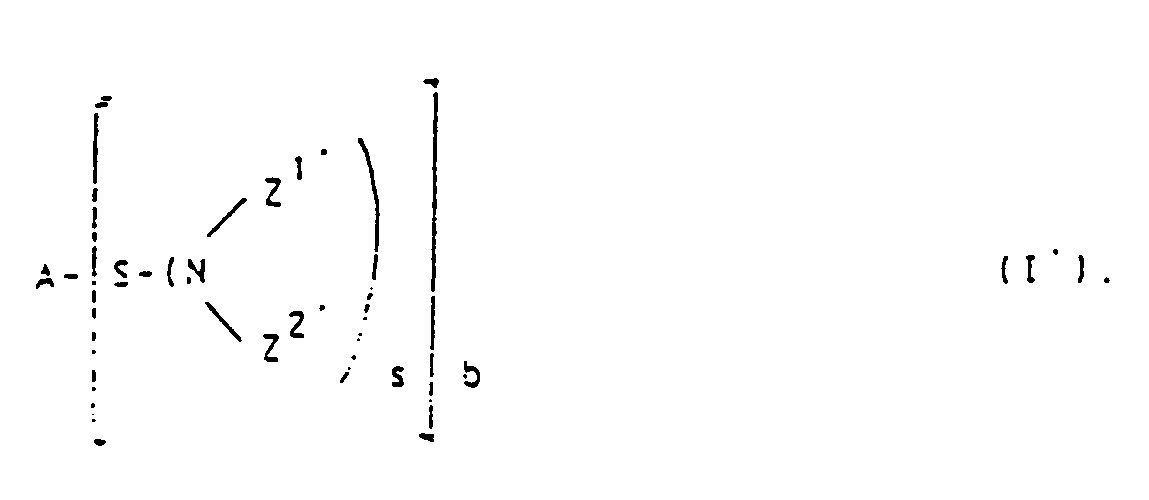
- the cascade polymers carrying terminal amino groups required for coupling to the complexing agents K are produced according to methods known to the person skilled in the art by cascade-like, generation-wise introduction of nitrogen atoms into a nitrogen-containing base molecule.
- a generation consists of at least two reaction steps.
- from each amino hydrogen atom of the cascade starter e.g. a Michael addition or addition of a suitable functional group-containing primary epoxide and subsequent conversion of the functional groups thus introduced up to three amino groups.
- An example is the substitution of the six amino hydrogen atoms of the cascade starter tris- (aminoethyl) amine by six -CH 2 CH 2 -CONH-CH 2 CH 2 NH 2 units, which is achieved by Michael addition with acrylic acid ester and subsequent aminolysis with ethylenediamine .
- the solvent is preferably carried out without aminolysis is in this case carried out with up to 500fachem excess of amine per ester moiety at temperatures of 0 to about 130 ° C.
- An example of an epoxy addition is the reaction of 6,6 ', 6 “, 6'", 6 “", 6 '"” - hexaamino-6,6', 6 '', 6 '' ', 6' ' ', 6 '' '', 6 '''''- hexadeoxy- ⁇ -cyclodextrin with 1,3- [N, N'-tetrabenzyl] diamino-2- [oxiranylmethoxy] propane and subsequent release of the amino functions by catalytic hydrogenation according to those skilled in the art known methods (see also above).
- Some of the acid groups of the polymer compounds obtained in this way introduced via the complexing agent units K can, if desired, be further functionalized by methods known to the person skilled in the art, for example by conversion into esters, amide, hydrazide, maleimido or other groups which are required for coupling Bio or macromolecules are suitable.
- the complex-forming ligands (as well as the complexes) obtained in this way can also be linked to bio- or macromolecules, which are known to accumulate particularly well in the organ or organ part to be examined.
- bio- or macromolecules which are known to accumulate particularly well in the organ or organ part to be examined.
- Such molecules are, for example, enzymes, hormones, polysaccharides such as dextrans or starches, porphyrins, bleomycins, insulin, prostaglandins, steroid hormones, amino sugars, amino acids, peptides such as polylysine, proteins (such as immunoglobulins, monoclonal antibodies, lectins), lipids (also in form of liposomes) and nucleotides of the DNA or RNA type.
- conjugates with albumins such as human serum albumin
- antibodies such as, for example, monoclonal antibodies or antimyosin specific for tumor-associated antigens.
- suitable synthetic polymers such as polyethyleneimines, polyamides, polyureas, polyethers such as polyethylene glycols and polythioureas can also be attached.
- the pharmaceutical agents formed from this are suitable, for example, for use in tumor and infarct diagnostics and tumor therapy.
- Monoclonal antibodies have the advantages over polyclonal antibodies that they are specific for an antigenic determinant, have a defined binding affinity, are homogeneous (thus making their purity much easier) and can be produced in large quantities in cell cultures are.
- monoclonal antibodies and their fragments Fab and F (ab ') 2 are suitable for tumor imaging, for example, which are specific for human tumors of the gastrointestinal tract, breast, liver, bladder, gonads and melanomas [ Cancer Treatment Repts.
- Colon carcinomas can be detected by NMR with the aid of conjugates complexed with gadolinium (III) ions with the antibody 17-1A (Centocor, USA).
- conjugates or inclusion compounds with liposomes are suitable, which are used, for example, as unilamellar or multilamellar phosphatidylcholine-cholesterol vesicles.
- the binding of metals to the desired macro or biomolecules has so far been carried out using methods such as those used in Rev. Kunststoff. Morphole. Embryo. Physio., Physiologie 1981, 18, 241 and J. Pharm. Sci 68, 79 (1979) are described, for example, by reacting the nucleophilic group of a macromolecule, such as the amino, phenol, sulfhydryl, aldehyde or imidazole group, with an activated derivative of the polymer complex or ligand.
- Activated derivatives include, for example, anhydrides, acid chlorides, mixed anhydrides (see, for example, GE Krejcarek and KL Tucker, Biochem., Biophys. Res. Commun.
- activated esters nitrenes or isothiocyanates.
- activated macromolecule with the polymer complex or ligand.
- Substituents for example of the structure C 6 H 4 N 2 + , C 6 H 4 NHCOCH 2 Br, C 6 H 4 NCS or C 6 H 4 OCH 2 COBr, are also suitable for conjugation with proteins.
- this type of binding has the disadvantage of a lack of complex stability of the conjugates or a lack of specificity (for example Diagnostic Imaging 84, 56; Science 220, 613, 1983; Cancer Drug Delivery 1, 125, 1984).
- the conjugate formation according to the present invention takes place via the functional groups located in V '. Up to over a hundred metal ions can be bound via a binding site in the macromolecule.
- the binding of the antibody to the complex or ligand must not lead to the loss or reduction of the binding affinity and binding specificity of the antibody to the antigen. This can be done either by binding to the carbohydrate portion in the Fc part of the glycoprotein or in the Fab or F (ab ') 2 fragments or by binding to sulfur atoms of the antibody or the antibody fragments.
- an oxidative cleavage of sugar units to generate formyl groups capable of coupling must first be carried out.
- This oxidation can be carried out chemically with oxidizing agents such as periodic acid, sodium metaperiodate or potassium metaperiodate according to methods known from the literature (for example J. Histochem and Cytochem. 22, 1084, 1974) in aqueous solution in concentrations of 1 to 100, preferably 1 to 20 mg / ml , and a concentration of the oxidizing agent between 0.001 to 10 mmol, preferably 1 to 10 mmol, in a pH range of about 4 to 8 at a temperature between 0 to 37 ° C and a reaction time between 15 minutes and 24 hours.
- oxidizing agents such as periodic acid, sodium metaperiodate or potassium metaperiodate according to methods known from the literature (for example J. Histochem and Cytochem. 22, 1084, 1974) in aqueous solution in concentrations of 1 to 100, preferably 1 to 20 mg / ml , and a
- the oxidation can also be carried out enzymatically, for example with the aid of galactose oxidase, in an enzyme concentration of 10-100 units / ml, a substrate concentration of 1 to 20 mg / ml, at a pH of 5 to 8, a reaction time of 1 to 8 hours and a temperature between 20 and 40 ° C, for example (J. Biol. Chem. 234, 445, 1959).
- the aldehydes generated by oxidation are complexes or ligands with suitable functional groups, such as hydrazine, hydrazide, hydroxylamine, phenylhydrazine, semicarbazide and thiosemicarbazide, by reaction between 0 - 37 ° C, with a reaction time of 1 to 65 hours, a pH -Value between approx. 5.5 and 8, an antibody concentration of 0.5 to 20 mg / ml and a molar ratio of the complexing agent to the antibody aldehyde of 1: 1 to 1000: 1.
- the subsequent stabilization of the conjugate is carried out by reducing the double bond, e.g. with sodium borohydride or sodium cyanoborohydride; the reducing agent is used in a 10 to 100-fold excess (for example J. Biol. Chem. 254, 4359, 1979).
- the second possibility for the formation of antibody conjugates is based on a gentle reduction of the disulfide bridges of the immunoglobulin molecule; the more sensitive disulfide bridges between the H chains of the antibody molecule are cleaved, while the SS bonds of the antigen-binding region remain intimate, so that there is practically no reduction in the binding affinity and specificity of the antibody (Biochem. 18, 2226, 1979 , Handbook of Experimental Immunology, Vol. 1, Second Edition, Blackwell Scientific Publications, London 1973, Chapter 10).
- Suitable functional groups of complexing agents or metal complexes at 0 to 37 ° C., a pH of about 4 to 7, and a reaction time of 3 to 72 hours with the formation of a covalent bond, which does not affect the antigen binding region of the antibody.
- suitable reactive groups are: haloalkyl, haloacetyl, p-mercuribenzoate, isothiocyanate, thiol, epoxy groups and groups which have undergone a Michael addition reaction, such as, for example, maleimides, methacrylic groups (for example J. Amer. Chem. Soc. 101, 3097, 1979).
- Bonds of a non-covalent type can also be used for coupling, with both ionic and van der Waals and hydrogen bonds in varying proportions and strengths (key-lock principle) being able to contribute to the bond (for example avidin-biotin, antibodies -Antigen).
- Inclusion compounds (host-guest) of smaller complexes in larger cavities in the macromolecule are also possible.
- the coupling principle consists in first producing a bifunctional macromolecule by either fusing an antibody hybridoma directed against a tumor antigen with a second antibody hybridoma directed against a complex according to the invention or by chemically combining the two antibodies via a linker (for example in the method described in J. Amer Chem. Soc. 101, 3097 (1979))) or binds the antibody directed against the tumor antigen, optionally via a linker, to avidin (or biotin) [DJ Hnatowich et al., J. Nucl. Med. 28, 1294 (1987)].
- a linker for example in the method described in J. Amer Chem. Soc. 101, 3097 (1979)
- avidin or biotin
- the bifunctional macromolecule that accumulates at the target site is first injected, and then the complex compound according to the invention [optionally bound to biotin (or avidin)], which is coupled in vivo to the target site and its diagnostic or can have a therapeutic effect.
- biotin or avidin
- other coupling methods such as that in Protein Tailoring Food Med. Uses [Am. Chem. Soc. Symp.] (1985), 349, described "Reversible Radiolabeling" are used,
- the antibody is attached to a stationary phase [e.g. an ion exchanger), which is located in a glass column, for example. Successive rinsing of the column with a solution suitable for generating aldehyde groups, washing, rinsing with a solution of the functionalized complex (or ligand), washing (if the ligand is used, followed by rinsing with a solution containing the metal salt) by rinsing again) and finally eluting the conjugate, very high conjugate yields are obtained.
- a stationary phase e.g. an ion exchanger
- papain reduction / bifunctional linker / functionalized complex or ligand fragment conjugates can be produced by the sequence.
- the compounds thus formed are then preferably purified by chromatography on an ion exchanger on a fast protein liquid chromatography system.
- the metal complexes according to the invention are prepared in the manner as disclosed in German Offenlegungsschrift 34 01 052 by using the metal oxide or a metal salt (for example the nitrate, acetate, carbonate, chloride or sulfate) of the element of atomic numbers 21-29 , 42, 44, 57 - 83 dissolved in water and / or a lower alcohol (such as methanol, ethanol or isopropanol) and reacted with the solution or suspension of the equivalent amount of the complex-forming ligand and then, if desired, acidic hydrogen atoms present Acid or. Phenol groups substituted by cations of inorganic and / or organic bases or amino acids.
- a metal salt for example the nitrate, acetate, carbonate, chloride or sulfate
- a lower alcohol such as methanol, ethanol or isopropanol
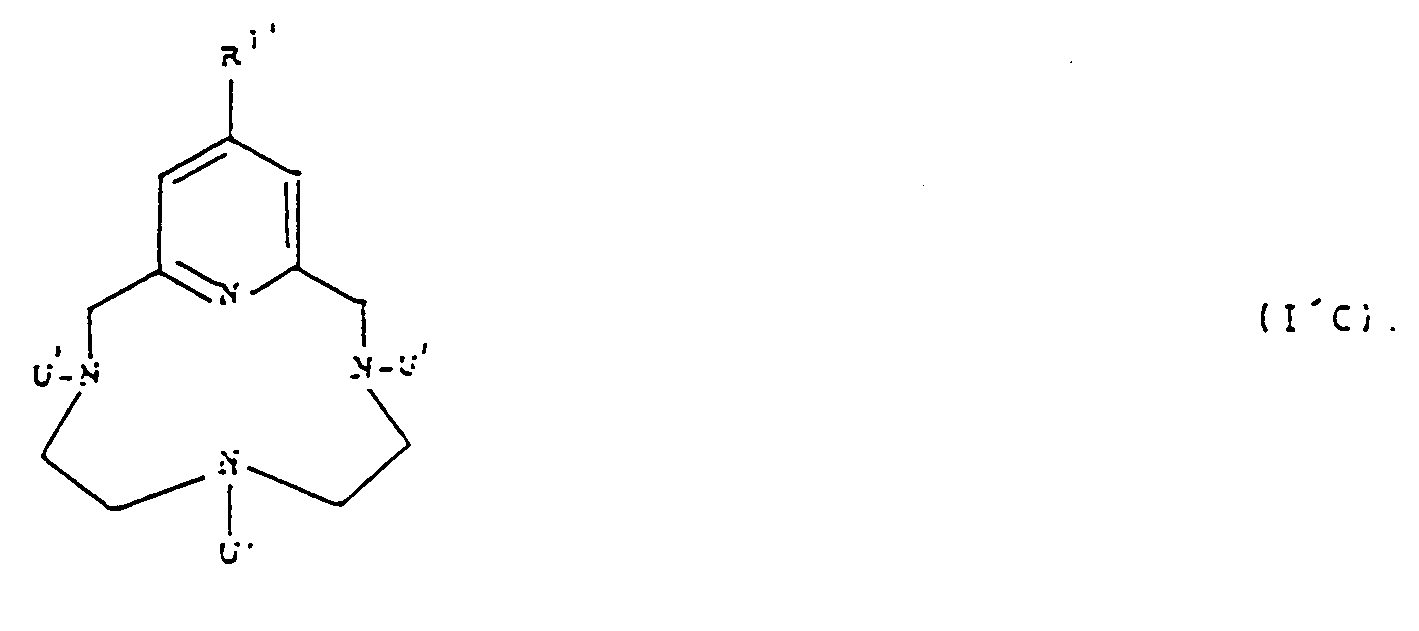
- the introduction of the desired metal ions can take place both at the stage of the complexing agents I'A, I'B or I'C, i.e. before coupling to the cascade polymers, as well as after coupling the unmetallated ligands I'A, I'B or I'C.
- the neutralization takes place with the aid of inorganic bases (for example hydroxides, carbonates or bicarbonates) of, for example, sodium, potassium, lithium, magnesium or calcium and / or organic bases such as, inter alia, primary, secondary and tertiary amines, such as, for example, ethanolamine, morpholine , Glucamine, N-methyl and N, N-dimethylglucamine, and basic amino acids, such as, for example, lysine, arginine and ornithine, or of amides of originally neutral or acidic amino acids.
- inorganic bases for example hydroxides, carbonates or bicarbonates
- inorganic bases for example hydroxides, carbonates or bicarbonates
- organic bases such as, inter alia, primary, secondary and tertiary amines, such as, for example, ethanolamine, morpholine , Glucamine, N-methyl and N, N-dimethylglucamine, and basic amino acids, such as, for example, lysine,
- the acidic complex salts in aqueous solution or suspension can be added with enough of the desired bases that the neutral point is reached.
- the solution obtained can then be evaporated to dryness in vacuo.
- water-miscible solvents such as, for example, lower alcohols (methanol, ethanol, isopropanol and others), lower ketones (acetone and others), polar ethers (tetrahydrofuran, dioxane, 1,2-dimethoxyethane and others) to precipitate out crystals that are easy to isolate and easy to clean receive. It has proven to be particularly advantageous to add the desired base already during the complex formation of the reaction mixture and thereby to save one process step.
- acidic complex compounds contain several free acidic groups, it is often expedient to prepare neutral mixed salts which contain both inorganic and organic cations as counterions.
- the order of base addition can also be reversed.
- Another possibility of obtaining neutral complex compounds is to convert all or part of the remaining acid groups in the complex into, for example, esters or amides. This can be done by subsequent reaction on the finished polymer complex (for example by exhaustive reaction of the free carboxy groups with dimethyl sulfate) as well as by using a suitable derivatized substrate to introduce the complexing agent units of the general formulas I'A, I'B and l 'C (e.g. N 3- (2,6-dioxomorpholinoethyl) -N 6- (ethoxycarbonylmethyl) -3,6-diazaoctanedioic acid).
- the complexing agent units of the general formulas I'A, I'B and l 'C e.g. N 3- (2,6-dioxomorpholinoethyl) -N 6- (ethoxycarbonylmethyl) -3,6-diazaoctanedioic acid.
- the antibody-complex conjugates are dialyzed prior to in vivo use after incubation with a weak complexing agent such as sodium citrate, sodium ethylene diamine tetraacetic acid to remove weakly bound metal atoms.
- a weak complexing agent such as sodium citrate, sodium ethylene diamine tetraacetic acid to remove weakly bound metal atoms.
- compositions according to the invention are likewise prepared in a manner known per se by suspending or dissolving the complex compounds according to the invention - if appropriate with addition of the additives customary in galenicals - in an aqueous medium and then optionally sterilizing the suspension or solution.
- suitable additives are, for example, physiologically acceptable buffers (such as tromethamine), additives for complexing agents (such as diethylenetriaminepentaacetic acid) or - if necessary - electrolytes such as sodium chloride or - if necessary - antioxidants such as ascorbic acid.
- suspensions or solutions of the agents according to the invention in water or physiological salt solution are desired for enteral administration or other purposes, they are mixed with one or more adjuvant (s) common in galenics (for example methyl cellulose, lactose, mannitol) and / or surfactant (s ) (for example lecithins, Tween ( R ), Myrj ( R ) and / or flavoring (s) for flavor correction (for example essential oils) mixed.
- adjuvant common in galenics
- s for example methyl cellulose, lactose, mannitol
- surfactant for example lecithins, Tween ( R ), Myrj ( R ) and / or flavoring (s) for flavor correction (for example essential oils) mixed.
- the invention therefore also relates to processes for the preparation of the complex compounds and their salts.
- the final security is cleaning the isolated complex salt.
- the agents according to the invention meet the diverse requirements for their suitability as contrast agents for magnetic resonance imaging. After oral or parenteral application, they are ideally suited to improve the meaningfulness of the image obtained with the aid of an MRI scanner by increasing the signal intensity. They also show the high effectiveness that is necessary to burden the body with the smallest possible amount of foreign substances and the good tolerance that is necessary to maintain the non-invasive character of the examinations,
- the agents according to the invention make it possible to produce highly concentrated solutions, so that the volume load of the circulatory system can be kept within reasonable limits and the dilution with the body fluid must be compensated for, that is to say NMR diagnostics Be 100 to 1000 times more soluble in water than for NMR spectroscopy.
- the agents according to the invention not only have a high stability in vitro, but also a surprisingly high stability in vivo, so that the release or exchange of the ions which are not covalently bound in the complexes - in themselves toxic - within the time which the new contrast agents are completely excreted again, is extremely slow.
- the agents according to the invention for use as NMR diagnostics in amounts of 0.0001-5 mmol / kg, preferably 0.005-0.5 mmol / kg. dosed. Details of the application are, for example, in H.J. Weinmann et al., Am. J. of Roentgenology 142, 619 (1984).
- organ-specific NMR diagnostics can be used, for example, to detect tumors and heart attacks.
- the complex compounds according to the invention can advantageously be used as susceptibility reagents and as shift reagents for in vivo NMR spectroscopy.
- the agents according to the invention are also suitable as radio diagnostic agents. Details of their application and dosage are e.g. in "Radiotracers for Medical Applications", CRC-Press, Boca Raton, Florida.
- positron emission tomography which uses positron-emitting isotopes such as 43 S C , 44 S C , 52 Fe, 55 Co and 68 Ga [Heiss, WD; Phelps, ME; Positron Emission Tomography of Brain, Springer Verlag Berlin, Heidelberg, New York 1983).
- the compounds according to the invention can also be used in radioimmunotherapy or radiation therapy. This differs from the corresponding diagnostics only in the amount and type of isotope used.
- the goal is the destruction of tumor cells by high-energy short-wave radiation with the shortest possible range.
- Suitable ⁇ -emitting ions are, for example, 46 Sc, 47 Sc, 48 Sc, 72 Ga, 73 Ga and 90 Y.
- Suitable a-emitting ions with short half-lives are, for example, 2 "Bi, 212 Bi, 213 Bi and 214 Bi, with 212 Bi being preferred
- a suitable photon and electron emitting ion is 158 Gd, which can be obtained from 157 Gd by neutron capture.
- the central ion must be derived from a Mössbauer isotope such as 57 Fe or 151 Eu.
- the therapeutic agents according to the invention When the therapeutic agents according to the invention are applied in vivo, they can be administered together with a suitable carrier such as serum or physiological saline and together with another protein such as human serum albumin.
- a suitable carrier such as serum or physiological saline and together with another protein such as human serum albumin.
- the dosage depends on the type of cellular disorder, the metal ion used and the type of imaging method.
- the therapeutic agents according to the invention are administered parenterally, preferably i.v. applied.
- radiotherapeutics are e.g. in R.W. Kozak et al. TIBTEC, October 1986, 262.
- the agents according to the invention are outstandingly suitable as X-ray contrast agents, and it should be emphasized in particular that they show no signs of the anaphylaxis-like reactions known from the iodine-containing contrast agents in biochemical-pharmacological examinations. They are particularly valuable due to their favorable absorption properties in areas with higher pipe tensions for digital subtraction techniques.
- the agents according to the invention for use as X-ray contrast agents are dosed analogously to, for example, meglumine diatrizoate in amounts of 0.1-5 mmol / kg, preferably 0.25-1 mmol / kg.
- a solution of 4.81 g (41.83 mmol) of thiophosgene in 100 ml is added to a solution of 12 g (20.92 mmol) of the title compound from Example 1 d) in 500 ml of deionized water and 20 ml of polyvinylpyridine (Reillex) Chloroform.
- the two-phase solution is stirred at 40 ° C. for 10 minutes, then at room temperature for one hour and filtered.
- the organic phase is separated off and the water phase is extracted twice with 200 ml of chloroform.
- the water phase is then freeze-dried. Yield: 12.62 g (98% of theory) of a colorless powder (5.7% water according to analysis).
- a solution of 5.58 g (48.56 mmol) of thiophosgene in 100 ml is added to a solution of 15 g (24.28 mmol) of the title compound from Example 2d) in 500 ml of deionized water and 20 ml of polyvinylpyridine (Reillex) Chloroform.
- the two-phase solution is stirred at 40 ° C. for 10 minutes, then at room temperature for one hour and filtered.
- the organic phase is separated off and the water phase is extracted twice with 200 ml of chloroform.
- the water phase is then freeze-dried.
- the corresponding europium complex is obtained in an analogous manner with Eu 15 1 Eu 2 O 3 .
- Example 6d 68.0 g (30 mmol) of the 12-amine (Example 6d) are dissolved in 120 ml of methanol and slowly added dropwise to 270 ml (3 mol) of methyl acrylate in such a way that the solution remains homogeneous (addition within 3 hours). After 5 days, working up is carried out analogously to Example 6c).
- Example 7c 10.0 g of the complexing agent described in Example 7c) are dissolved in 500 ml H 2 0 and mixed with 2.77 g Gd 2 0 3 ( 2.40 g Gd) were added, the mixture was stirred at 80 ° C. for 30 minutes and worked up as in Example 6h).
- Example 9d 41.8 g (23 mmol) of the deca-amine (Example 9d) are dissolved in 100 ml of methanol and slowly added 200 ml (2.2 mol) of methyl acrylate were added dropwise so that the solution remained homogeneous (2 hours). After 5 days, working up is carried out analogously to Example 9c).
- Example 9g 26.4 g (3.5 mmol) of the 40-ester obtained in Example 9g above are dissolved in 100 ml of methanol and added dropwise to 1170 ml (17.5 mol) of ethylenediamine and, after 7 days, worked up analogously to Example 9d).
- the mixture is stirred at 70 ° C. for 24 hours. It is evaporated to dryness, the residue is taken up in 200 ml of water / 50 ml of methanol and extracted twice with 100 ml of tert-butyl methyl ether. The aqueous solution is adjusted to pH 3 with 5N hydrochloric acid and evaporated to dryness. The residue is boiled (extracted) with 200 ml of methanol / 80 ml of dichloromethane. It is cooled in an ice bath and filtered off from the precipitated potassium chloride.
- Paper electrophoresis of the polymer at pH 9.0 (0.05 M Borax) and 10 V / cm shows migration to the anode while the starting compound (Example 13c) migrates to the cathode under the same conditions.
- the residue is dissolved in a little water and placed on a cation exchange column (IR 120). After rinsing with water, the ligand is eluted with 0.5 normal aqueous ammonia solution. The fractions are evaporated, the ammonium salt is taken up with a little water and passed over an anion exchange column (IRA 67). It is washed first with water and then eluted with 0.5 normal aqueous formic acid. The mixture is evaporated in vacuo, the residue is dissolved in a little hot methanol and acetone is added, the title compound crystallizing out.
- test animals rat, Wistar Han d
- the test animals are anesthetized for nuclear magnetic resonance imaging (Rompun @ + Ketavet @) and provided with a catheter in the tail vein for the purpose of applying the contrast medium.
- the investigation is carried out in an MRI experimental device from General Electric (field strength 2 Tesla).
- the recordings are made with a Saturation Inversion Projection (SIP) sequence.
- SIP Saturation Inversion Projection
- This is a standard saturation and an inversion recovery pulse sequence in which the signals of all tissues except blood are suppressed.
- Figure 2 shows the angiographic representation of the head and neck area of a rat.
- the picture without contrast medium (top left) shows almost no signal.
- Recording time for all images 1 minute
- Figure 3 shows an angiographic image of the abdominal area of a rat (Lew Mol O) which was taken after a dose of 0.25 mmol Gd / kg under otherwise the same conditions as in the previous example.
- the animal has a tumor on its left thigh (right as seen by the viewer).
- the changed vascular structures in this area or the vessels supplying the tumor as well as many other relevant vessels in the abdominal area are excellently contrasted.
Landscapes
- Health & Medical Sciences (AREA)
- Life Sciences & Earth Sciences (AREA)
- Chemical & Material Sciences (AREA)
- Epidemiology (AREA)
- Veterinary Medicine (AREA)
- Public Health (AREA)
- General Health & Medical Sciences (AREA)
- Animal Behavior & Ethology (AREA)
- Medicinal Chemistry (AREA)
- Radiology & Medical Imaging (AREA)
- Nuclear Medicine, Radiotherapy & Molecular Imaging (AREA)
- Organic Chemistry (AREA)
- Polymers & Plastics (AREA)
- Chemical Kinetics & Catalysis (AREA)
- Proteomics, Peptides & Aminoacids (AREA)
- Physics & Mathematics (AREA)
- Optics & Photonics (AREA)
- Pharmacology & Pharmacy (AREA)
- Medicines Containing Antibodies Or Antigens For Use As Internal Diagnostic Agents (AREA)
- Pharmaceuticals Containing Other Organic And Inorganic Compounds (AREA)
- Medicines That Contain Protein Lipid Enzymes And Other Medicines (AREA)
- Medicinal Preparation (AREA)
- Processes Of Treating Macromolecular Substances (AREA)
- Compounds Of Unknown Constitution (AREA)
- Polymers With Sulfur, Phosphorus Or Metals In The Main Chain (AREA)
- Macromolecular Compounds Obtained By Forming Nitrogen-Containing Linkages In General (AREA)
- Magnetic Resonance Imaging Apparatus (AREA)
- Addition Polymer Or Copolymer, Post-Treatments, Or Chemical Modifications (AREA)
- Steroid Compounds (AREA)
Claims (17)






Applications Claiming Priority (2)
| Application Number | Priority Date | Filing Date | Title |
|---|---|---|---|
| DE3938992A DE3938992A1 (de) | 1989-11-21 | 1989-11-21 | Kaskadenpolymer-gebundene komplexbildner, deren komplexe und konjugate, verfahren zu ihrer herstellung und diese enthaltende pharmazeutische mittel |
| DE3938992 | 1989-11-21 |
Publications (4)
| Publication Number | Publication Date |
|---|---|
| EP0430863A2 EP0430863A2 (fr) | 1991-06-05 |
| EP0430863A3 EP0430863A3 (en) | 1992-03-04 |
| EP0430863B1 true EP0430863B1 (fr) | 1995-05-17 |
| EP0430863B2 EP0430863B2 (fr) | 1999-08-25 |
Family
ID=6394147
Family Applications (1)
| Application Number | Title | Priority Date | Filing Date |
|---|---|---|---|
| EP90730017A Expired - Lifetime EP0430863B2 (fr) | 1989-11-21 | 1990-11-19 | Formateur de complexe lié à un polymère préparé par étapes, ses complexes et conjugats, procédé de préparation et substances pharmaceutiques les contenant |
Country Status (19)
| Country | Link |
|---|---|
| US (10) | US5364614A (fr) |
| EP (1) | EP0430863B2 (fr) |
| JP (2) | JP3179092B2 (fr) |
| KR (1) | KR100202796B1 (fr) |
| AT (1) | ATE122698T1 (fr) |
| AU (1) | AU684453C (fr) |
| CA (1) | CA2030472C (fr) |
| DE (2) | DE3938992A1 (fr) |
| DK (1) | DK0430863T4 (fr) |
| ES (1) | ES2073006T5 (fr) |
| FI (1) | FI107931B (fr) |
| GR (1) | GR3031629T3 (fr) |
| HU (1) | HUT56121A (fr) |
| IE (1) | IE69317B1 (fr) |
| IL (1) | IL96434A (fr) |
| NO (1) | NO178032C (fr) |
| NZ (1) | NZ236162A (fr) |
| PT (1) | PT95944B (fr) |
| ZA (1) | ZA909352B (fr) |
Families Citing this family (79)
| Publication number | Priority date | Publication date | Assignee | Title |
|---|---|---|---|---|
| US5560929A (en) * | 1986-08-18 | 1996-10-01 | The Dow Chemical Company | Structured copolymers and their use as absorbents, gels and carriers of metal ions |
| US5527524A (en) * | 1986-08-18 | 1996-06-18 | The Dow Chemical Company | Dense star polymer conjugates |
| US5334371A (en) * | 1988-07-20 | 1994-08-02 | Schering Aktiengesellschaft | Marcocyclic polyaza bicyclo compounds containing 5 or 6 membered rings, and method for MRI |
| DE4001655A1 (de) * | 1990-01-18 | 1991-07-25 | Schering Ag | 6-ring enthaltende makrocyclische tetraaza-verbindungen, verfahren zu ihrer herstellung und diese enthaltende pharmazeutische mittel |
| US5914095A (en) * | 1989-04-07 | 1999-06-22 | Salutar, Inc. | Polychelants containg amide bonds |
| DE3938992A1 (de) | 1989-11-21 | 1991-05-23 | Schering Ag | Kaskadenpolymer-gebundene komplexbildner, deren komplexe und konjugate, verfahren zu ihrer herstellung und diese enthaltende pharmazeutische mittel |
| DE4115789A1 (de) * | 1991-05-10 | 1992-11-12 | Schering Ag | Makrocyclische polymer-komplexbildner, deren komplexe, verfahren zu ihrer herstellung und diese enthaltende pharmazeutische mittel |
| US5428139A (en) * | 1991-12-10 | 1995-06-27 | The Dow Chemical Company | Bicyclopolyazamacrocyclophosphonic acid complexes for use as radiopharmaceuticals |
| US5739294A (en) * | 1991-12-10 | 1998-04-14 | The Dow Chemical Company | Bicyclopol yazamacrocyclophosphonic acid complexes for use as contrast agents |
| DK0570575T3 (da) * | 1991-12-10 | 1998-08-24 | Dow Chemical Co | Bicykloazamakrocyklophosphonsyre, komplekser, konjugater, kontrastmidler og fremstilling heraf |
| WO1994026313A1 (fr) * | 1993-05-06 | 1994-11-24 | The Dow Chemical Company | Complexes et conjugues de complexes d'acides bicyclopolyazamacrocyclocarboxyliques, procedes de preparation de ces derniers et d'utilisation en tant qu'agents de contraste |
| DE69327659T2 (de) * | 1992-10-14 | 2000-09-21 | Nycomed Imaging As, Oslo | Therapeutische und diagnostische bilderzeugungzusammensetzung und verfahren zur herstellung |
| ES2105332T3 (es) * | 1992-10-14 | 1997-10-16 | Nycomed Imaging As | Polimeros quelantes. |
| US5817292A (en) * | 1992-10-14 | 1998-10-06 | Nycomed Imaging As | MR imaging compositions and methods |
| US6203775B1 (en) * | 1993-03-19 | 2001-03-20 | The General Hospital Corporation | Chelating polymers for labeling of proteins |
| US5428156A (en) * | 1993-04-02 | 1995-06-27 | Associated Universities, Inc. | Synthesis of macrocyclic polyaminocarboxylates and their use for preparing stable radiometal antibody immunoconjugates for therapy, spect and pet imaging |
| US5482698A (en) * | 1993-04-22 | 1996-01-09 | Immunomedics, Inc. | Detection and therapy of lesions with biotin/avidin polymer conjugates |
| WO1994026315A1 (fr) * | 1993-05-06 | 1994-11-24 | The Dow Chemical Company | Complexes et conjugues de complexes d'acides bicyclopolyazamacrocyclocarboxyliques, procedes de preparation de ces derniers et d'utilisation en tant que produits radiopharmaceutiques |
| FI955575A7 (fi) * | 1993-05-20 | 1996-01-15 | Univ California | Makromolekyylivarjoaine magneettiresonanssikuvaukseen |
| US5534241A (en) * | 1993-07-23 | 1996-07-09 | Torchilin; Vladimir P. | Amphipathic polychelating compounds and methods of use |
| DE4344460A1 (de) * | 1993-12-22 | 1995-06-29 | Schering Ag | Metallkomplexe von dendrimeren Makromolekülen, diese enthaltende diagnostische Mittel sowie Verfahren zur Herstellung der Komplexe und Mittel |
| DE4344464A1 (de) * | 1993-12-22 | 1995-06-29 | Schering Ag | Kaskadenpolymere mit Iodaromaten |
| US5831087A (en) * | 1994-03-02 | 1998-11-03 | Hoechst Celanese Corp. | Macrocyclic imide compounds |
| GB9404208D0 (en) * | 1994-03-04 | 1994-04-20 | Nycomed Salutar Inc | Chelants |
| ATE277640T1 (de) * | 1994-03-07 | 2004-10-15 | Dow Chemical Co | Bioaktive und/oder gezielte dendrimere-konjugate enthaltend genetisches material |
| GB9407812D0 (en) * | 1994-04-20 | 1994-06-15 | Nycomed Salutar Inc | Compounds |
| US5958372A (en) * | 1994-06-28 | 1999-09-28 | Nycomed Imaging As | Low viscosity chelating polymers for diagnostic imaging |
| DE4425857A1 (de) * | 1994-07-07 | 1996-01-11 | Schering Ag | Kaskaden-Polymer-Komplexe, Verfahren zur ihrer Herstellung und diese enthaltende pharmazeutische Mittel |
| DE4426438A1 (de) * | 1994-07-26 | 1996-02-01 | Schering Ag | Verwendung von Chelaten als Röntgenkontrastmittel |
| US6207826B1 (en) | 1995-03-27 | 2001-03-27 | Isis Pharmaceuticals, Inc. | Macrocyclic compounds having nitrogen-containing linkages |
| GB9504910D0 (en) * | 1995-03-10 | 1995-04-26 | Nycomed Imaging As | Compounds |
| US6107482A (en) | 1995-03-27 | 2000-08-22 | Isis Pharmaceuticals, Inc. | Nitrogenous macrocyclic compounds |
| DE19518222A1 (de) * | 1995-05-11 | 1996-11-14 | Schering Ag | Verwendung von polymeren Kontrastmittel mittleren Molekulargewichts zur Differenzierung von benignen und malignen Tumoren mittels moderner bildgebender Verfahren |
| DE19521945A1 (de) * | 1995-06-12 | 1996-12-19 | Schering Ag | Kaskadenpolymere mit Iodaromaten |
| US6166200A (en) * | 1995-07-04 | 2000-12-26 | Schering Aktiengesellschaft | Cascade polymer complexes, process for their production and pharmaceutical agents containing said complexes |
| DE19525924A1 (de) | 1995-07-04 | 1997-01-09 | Schering Ag | Kaskaden-Polymer-Komplexe, Verfahren zu ihrer Herstellung und diese enthaltende pharmazeutische Mittel |
| DE19549286A1 (de) * | 1995-12-22 | 1997-06-26 | Schering Ag | Kaskaden-Polymer-Komplexe, Verfahren zu ihrer Herstellung und diese enthaltende pharmazeutische Mittel |
| AU726034B2 (en) * | 1995-12-22 | 2000-10-26 | Schering Aktiengesellschaft | Cascade polymer complexes, process for their production and pharmaceutical agents that contain the latter |
| US5874061A (en) * | 1995-12-22 | 1999-02-23 | Schering Aktiengesellschaft | Cascade polymer complexes, process for their production and pharmaceutical agents containing said complexes |
| DE19652387A1 (de) * | 1996-12-04 | 1998-06-10 | Schering Ag | Macrocyclische Metallkomplexcarbonsäuren, ihre Verwendung sowie Verfahren zu ihrer Herstellung |
| CA2274458A1 (fr) * | 1997-01-13 | 1998-07-16 | Dendritech, Inc. | Nanocomposites de polymeres dendritiques |
| WO1998056427A1 (fr) * | 1997-06-12 | 1998-12-17 | Mitsubishi Chemical Corporation | Agent de contrast |
| EP0885616A1 (fr) * | 1997-06-20 | 1998-12-23 | Schering Aktiengesellschaft | Utilisation d'agents de contraste à administration intraveneuse, et appareil pour la mammographie |
| US5849337A (en) * | 1997-06-27 | 1998-12-15 | Gusty Winds Corporation | Method of enhancing magnesium absorption and prevention of atherosclerosis |
| DE19744003B4 (de) * | 1997-09-26 | 2004-07-08 | Schering Ag | Kontrastmittel für das Infarkt- und Nekroseimaging |
| DE19758118A1 (de) * | 1997-12-17 | 1999-07-01 | Schering Ag | Polyrotaxane |
| US6113880A (en) * | 1997-12-17 | 2000-09-05 | Schering Aktiengesellschaft | Polyrotaxane derivatives for x-ray and nuclear magnetic resonance imaging |
| US6549798B2 (en) * | 2001-02-07 | 2003-04-15 | Epix Medical, Inc. | Magnetic resonance angiography data |
| US6906050B2 (en) * | 2001-05-31 | 2005-06-14 | Miravant Pharmaceuticals, Inc. | Substituted porphyrin and azaporphyrin derivatives and their use in photodynamic therapy, radioimaging and MRI diagnosis |
| ITMI20011518A1 (it) * | 2001-07-17 | 2003-01-17 | Bracco Imaging Spa | Leganti azotati multidentati capaci di complessare ioni metallici e loro uso in diagnostica e in terapia |
| US7893223B2 (en) * | 2001-07-17 | 2011-02-22 | Bracco Imaging S.P.A. | Multidentate AZA ligands able to complex metal ions and the use thereof in diagnostics and therapy |
| TWI221406B (en) * | 2001-07-30 | 2004-10-01 | Epix Medical Inc | Systems and methods for targeted magnetic resonance imaging of the vascular system |
| US20040034223A1 (en) * | 2002-02-07 | 2004-02-19 | Covalent Partners, Llc. | Amphiphilic molecular modules and constructs based thereon |
| US7432371B2 (en) * | 2002-02-07 | 2008-10-07 | Covalent Partners, Llc | Nanofilm and membrane compositions |
| US20040106741A1 (en) * | 2002-09-17 | 2004-06-03 | Kriesel Joshua W. | Nanofilm compositions with polymeric components |
| WO2004054623A1 (fr) * | 2002-12-16 | 2004-07-01 | Amersham Health As | Procede d'imagerie par resonance magnetique et composes destines a etre utilises dans le procede |
| US7648678B2 (en) | 2002-12-20 | 2010-01-19 | Dako Denmark A/S | Method and system for pretreatment of tissue slides |
| US20040137551A1 (en) * | 2003-01-13 | 2004-07-15 | Markovic Nenad S. | Cervical acid phosphatase - papanicolaou (CAP-PAP) test kit, method and accesories, processes for producing and using the same |
| AR047692A1 (es) * | 2003-07-10 | 2006-02-08 | Epix Medical Inc | Imagenes de blancos estacionarios |
| US20070073004A1 (en) * | 2003-09-12 | 2007-03-29 | Dendritic Nanotechnologies Inc. | Hyperbranched (pamam) polymers via a one pot process |
| US6960418B2 (en) * | 2003-10-23 | 2005-11-01 | Samsung Electronics Co., Ltd. | Organophotoreceptor with charge transport material with two N,N,N-trisubstituted-amino groups |
| EP1541568A1 (fr) * | 2003-12-09 | 2005-06-15 | Deutsches Wollforschungsinstitut an der Rheinisch-Westfälischen Technischen Hochschule Aachen e.V. | Carbonates et urées cycliques et réactifs pour la modification de biomolecules, polymères et surfaces |
| US7199268B2 (en) | 2003-12-16 | 2007-04-03 | Schering Aktiengesellschaft | Process for the production of dendritic trimesic acid triamides |
| WO2006094259A2 (fr) * | 2005-03-01 | 2006-09-08 | Haworth, Inc. | Mecanisme de controle d'inclinaison d'un fauteuil |
| US9603941B2 (en) * | 2006-01-24 | 2017-03-28 | Minghui Chai | Method of preparing dendritic drugs |
| CN101400661A (zh) * | 2006-03-14 | 2009-04-01 | 马林克罗特公司 | 四氮杂大环衍生物的金属络合物 |
| EP2960263B1 (fr) * | 2006-05-27 | 2017-07-12 | Fluidigm Canada Inc. | Étiquettes d'éléments d'une ossature polymère |
| FR2906253A1 (fr) * | 2006-09-22 | 2008-03-28 | Biosphere Medical Sa | Nouveaux materiaux polymeres bio-compatibles, leur procede d'obtention et leurs utilisations, notamment en imagerie medicale par resonnance magnetique |
| DE102007002726A1 (de) | 2007-01-18 | 2008-07-31 | Bayer Schering Pharma Aktiengesellschaft | Neue Kaskaden-Polymer-Komplexe, Verfahren zu ihrer Herstellung und diese enthaltende pharmazeutische Mittel |
| JP5242672B2 (ja) * | 2007-04-11 | 2013-07-24 | オレゴン ヘルス アンド サイエンス ユニバーシティ | 心臓における線維症の非侵襲性の定量的検出のためのシステム |
| EP2279190A1 (fr) * | 2008-04-18 | 2011-02-02 | Ge Healthcare As | Composés comprenant des chélates paramagnétiques disposés autour d'un c ur central et leur utilisation en imagerie et spectroscopie par résonance magnétique |
| KR101334780B1 (ko) | 2010-08-13 | 2013-12-02 | 한국생명공학연구원 | 요오드를 함유한 방사형상의 고분자 화합물, 이의 제조방법 및 이를 포함하는 ct용 조영제 조성물 |
| WO2015038784A1 (fr) | 2013-09-13 | 2015-03-19 | The Board Of Trustees Of The Leland Stanford Junior University | Imagerie multiplexée de tissus mettant en oeuvre des marqueurs de masse et une spectrométrie de masse d'ions secondaires |
| EP3274719B1 (fr) | 2015-03-25 | 2021-02-24 | The Board of Trustees of the Leland Stanford Junior University | Analyse de cellule unique à l'aide d'une spectrométrie de masse ionique secondaire |
| JP7131742B2 (ja) | 2016-09-29 | 2022-09-06 | メリット・メディカル・システムズ・インコーポレイテッド | 血管プロテーゼを受容し、その展開を補助するための柔軟部材 |
| WO2018107173A1 (fr) * | 2016-12-09 | 2018-06-14 | Vanderbilt University | Inhibiteurs de transport de glutamine et procédés de traitement du cancer |
| EP4467111A3 (fr) | 2017-03-15 | 2025-03-05 | Merit Medical Systems, Inc. | Stents transluminaux |
| WO2022093710A1 (fr) | 2020-10-26 | 2022-05-05 | Merit Medical Systems, Inc. | Endoprothèses oesophagiennes à filet hélicoïdal |
| EP4243935A1 (fr) * | 2020-11-10 | 2023-09-20 | Janssen Biotech, Inc. | Composés macrocycliques et leurs procédés d'utilisation |
Family Cites Families (39)
| Publication number | Priority date | Publication date | Assignee | Title |
|---|---|---|---|---|
| US4036945A (en) | 1976-05-03 | 1977-07-19 | The Massachusetts General Hospital | Composition and method for determining the size and location of myocardial infarcts |
| US4071478A (en) * | 1976-06-07 | 1978-01-31 | Merck & Co., Inc. | Controlled partially cross-linked 3,3-ionenes |
| DE2803528C2 (de) * | 1977-03-09 | 1984-10-18 | Tabushi, Iwao, Kyoto | Schwermetallionen-Adsorbens und dessen Verwendung zum Adsorbieren von Schwermetallionen |
| US4331647A (en) | 1980-03-03 | 1982-05-25 | Goldenberg Milton David | Tumor localization and therapy with labeled antibody fragments specific to tumor-associated markers |
| JPS5779551A (en) | 1980-11-06 | 1982-05-18 | Nec Corp | Information transfer device |
| DE3129906C3 (de) | 1981-07-24 | 1996-12-19 | Schering Ag | Paramagnetische Komplexsalze, deren Herstellung und Mittel zur Verwendung bei der NMR-Diagnostik |
| US4957939A (en) * | 1981-07-24 | 1990-09-18 | Schering Aktiengesellschaft | Sterile pharmaceutical compositions of gadolinium chelates useful enhancing NMR imaging |
| US4647447A (en) * | 1981-07-24 | 1987-03-03 | Schering Aktiengesellschaft | Diagnostic media |
| US4507466A (en) | 1983-01-07 | 1985-03-26 | The Dow Chemical Corporation | Dense star polymers having core, core branches, terminal groups |
| NL194579C (nl) * | 1983-01-21 | 2002-08-05 | Schering Ag | Diagnostisch middel. |
| US4587329A (en) * | 1984-08-17 | 1986-05-06 | The Dow Chemical Company | Dense star polymers having two dimensional molecular diameter |
| US4639365A (en) * | 1984-10-18 | 1987-01-27 | The Board Of Regents, The University Of Texas System | Gadolinium chelates as NMR contrast agents |
| CA1317937C (fr) * | 1984-10-18 | 1993-05-18 | A. Dean Sherry | Chelates de gadolinium et de derives carboxymethyles de polyazamacrocycles servant d'agents contrastants en rmn |
| US5188816A (en) * | 1984-10-18 | 1993-02-23 | Board Of Regents, The University Of Texas System | Using polyazamacrocyclic compounds for intracellular measurement of metal ions using MRS |
| US4678667A (en) | 1985-07-02 | 1987-07-07 | 501 Regents of the University of California | Macrocyclic bifunctional chelating agents |
| US4871779A (en) | 1985-12-23 | 1989-10-03 | The Dow Chemical Company | Ion exchange/chelation resins containing dense star polymers having ion exchange or chelate capabilities |
| US4885363A (en) * | 1987-04-24 | 1989-12-05 | E. R. Squibb & Sons, Inc. | 1-substituted-1,4,7-triscarboxymethyl-1,4,7,10-tetraazacyclododecane and analogs |
| EP0232751B1 (fr) | 1986-01-23 | 1991-09-11 | E.R. Squibb & Sons, Inc. | 4,7,10-Triscarboxyméthyl-1,4,7,10-tétraazacyclododécane substitué en position 1 et analogues |
| GB8603537D0 (en) * | 1986-02-13 | 1986-03-19 | Parker D | Conjugate compound |
| US4694064A (en) | 1986-02-28 | 1987-09-15 | The Dow Chemical Company | Rod-shaped dendrimer |
| US5338532A (en) * | 1986-08-18 | 1994-08-16 | The Dow Chemical Company | Starburst conjugates |
| US5527524A (en) * | 1986-08-18 | 1996-06-18 | The Dow Chemical Company | Dense star polymer conjugates |
| US5560929A (en) * | 1986-08-18 | 1996-10-01 | The Dow Chemical Company | Structured copolymers and their use as absorbents, gels and carriers of metal ions |
| DE3786000T3 (de) * | 1986-08-18 | 1997-08-21 | Dow Chemical Co | Conjugate dichter Sterne. |
| DE3701665A1 (de) | 1987-01-19 | 1988-07-28 | Schering Ag | Polymer-komplexe, verfahren zu deren herstellung und diese enthaltende pharmazeutische mittel |
| US5057302A (en) | 1987-02-13 | 1991-10-15 | Abbott Laboratories | Bifunctional chelating agents |
| DE3855239T2 (de) * | 1987-07-16 | 1996-10-31 | Nycomed Imaging As | Aminocarbonsäure und Derivate |
| DE3728525A1 (de) * | 1987-08-24 | 1989-03-16 | Schering Ag | Mehrkernige substituierte komplexbildner, komplexe und komplexsalze, verfahren zu deren herstellung und diese enthaltende pharmazeutische mittel |
| DE3806795A1 (de) * | 1988-02-29 | 1989-09-07 | Schering Ag | Polymer-gebundene komplexbildner, deren komplexe und konjugate, verfahren zu ihrer herstellung und diese enthaltende pharmazeutische mittel |
| JP2831073B2 (ja) * | 1988-06-24 | 1998-12-02 | ザ ダウ ケミカル カンパニー | 大環状二官能キレート剤、その錯体及びそれらの抗体接合体 |
| US5554748A (en) | 1989-04-07 | 1996-09-10 | Nycomed Salutar, Inc. | Adducts of macrocyclic chelants |
| US5364613A (en) | 1989-04-07 | 1994-11-15 | Sieving Paul F | Polychelants containing macrocyclic chelant moieties |
| US5136096A (en) * | 1989-08-31 | 1992-08-04 | University Of South Florida | Multifunctional synthons as used in the preparation of cascade polymers or unimolecular micelles |
| DE3938992A1 (de) * | 1989-11-21 | 1991-05-23 | Schering Ag | Kaskadenpolymer-gebundene komplexbildner, deren komplexe und konjugate, verfahren zu ihrer herstellung und diese enthaltende pharmazeutische mittel |
| US5188806A (en) * | 1991-01-04 | 1993-02-23 | Degussa Ag | Method and apparatus for producing carbon black |
| US5057696A (en) * | 1991-01-25 | 1991-10-15 | Wind Harvest Co., Inc. | Vertical windmill with omnidirectional diffusion |
| US5154853A (en) * | 1991-02-19 | 1992-10-13 | University Of South Florida | Unimolecular micelles and method of making the same |
| JPH066237U (ja) * | 1992-06-29 | 1994-01-25 | セントラル硝子株式会社 | ガラス板用パレット |
| ATE277640T1 (de) * | 1994-03-07 | 2004-10-15 | Dow Chemical Co | Bioaktive und/oder gezielte dendrimere-konjugate enthaltend genetisches material |
-
1989
- 1989-11-21 DE DE3938992A patent/DE3938992A1/de not_active Withdrawn
-
1990
- 1990-11-19 DK DK90730017T patent/DK0430863T4/da active
- 1990-11-19 ES ES90730017T patent/ES2073006T5/es not_active Expired - Lifetime
- 1990-11-19 AT AT90730017T patent/ATE122698T1/de not_active IP Right Cessation
- 1990-11-19 EP EP90730017A patent/EP0430863B2/fr not_active Expired - Lifetime
- 1990-11-19 DE DE59009093T patent/DE59009093D1/de not_active Expired - Fee Related
- 1990-11-20 HU HU907217A patent/HUT56121A/hu unknown
- 1990-11-20 NZ NZ236162A patent/NZ236162A/xx unknown
- 1990-11-21 NO NO905037A patent/NO178032C/no unknown
- 1990-11-21 PT PT95944A patent/PT95944B/pt not_active IP Right Cessation
- 1990-11-21 JP JP31444090A patent/JP3179092B2/ja not_active Expired - Fee Related
- 1990-11-21 FI FI905744A patent/FI107931B/fi not_active IP Right Cessation
- 1990-11-21 US US07/617,077 patent/US5364614A/en not_active Expired - Lifetime
- 1990-11-21 ZA ZA909352A patent/ZA909352B/xx unknown
- 1990-11-21 IL IL9643490A patent/IL96434A/en not_active IP Right Cessation
- 1990-11-21 CA CA002030472A patent/CA2030472C/fr not_active Expired - Fee Related
- 1990-11-21 IE IE419990A patent/IE69317B1/en not_active IP Right Cessation
- 1990-11-21 KR KR1019900018949A patent/KR100202796B1/ko not_active Expired - Fee Related
- 1990-11-21 AU AU66859/90A patent/AU684453C/en not_active Ceased
-
1994
- 1994-12-02 US US08/353,390 patent/US5650136A/en not_active Expired - Fee Related
-
1996
- 1996-11-04 US US08/743,535 patent/US5911971A/en not_active Expired - Fee Related
-
1998
- 1998-09-17 US US09/156,047 patent/US6054117A/en not_active Expired - Fee Related
- 1998-09-17 US US09/156,048 patent/US6183724B1/en not_active Expired - Fee Related
-
1999
- 1999-10-15 GR GR990402638T patent/GR3031629T3/el unknown
-
2000
- 2000-02-22 US US09/510,363 patent/US6193950B1/en not_active Expired - Fee Related
- 2000-04-28 JP JP2000130116A patent/JP2000355593A/ja active Pending
- 2000-07-28 US US09/628,179 patent/US6299859B1/en not_active Expired - Fee Related
-
2001
- 2001-10-11 US US09/973,836 patent/US6576222B2/en not_active Expired - Fee Related
-
2002
- 2002-12-11 US US10/316,094 patent/US6855309B2/en not_active Expired - Fee Related
-
2004
- 2004-09-30 US US10/953,582 patent/US7208139B2/en not_active Expired - Fee Related
Also Published As
Similar Documents
| Publication | Publication Date | Title |
|---|---|---|
| EP0430863A2 (fr) | Formateur de complexe lié à un polymère préparé par étapes, ses complexes et conjugats, procédé de préparation et substances pharmaceutiques les contenant | |
| EP0438206B1 (fr) | Composés tétraaza-macrocycliques contenant un noyau à six membres, procédés pour leur préparation et agents pharmaceutiques les contenant | |
| EP0512661B1 (fr) | Polymère-complexants macrocycliques, leur complexes, procédé pour leur préparation et agents pharmaceutiques les contenant | |
| EP0305320B1 (fr) | Complexants à multinoyaux substitués, complexes et sels complexes, procédé pour leur préparation et expédients pharmaceutiques qui les contiennent | |
| EP0331616A2 (fr) | Formateur de complexe lié à un polymère, ces complexes, procédé de préparation et milieu pharmaceutique les contenant | |
| WO1988008422A1 (fr) | Complexants cyliques substitues, complexes et sels de complexes, leur procede de production et substances pharmaceutiques les contenant | |
| DE19525924A1 (de) | Kaskaden-Polymer-Komplexe, Verfahren zu ihrer Herstellung und diese enthaltende pharmazeutische Mittel | |
| EP0768898A1 (fr) | Complexes de polymeres en cascade et leurs procedes de production | |
| DE3701665A1 (de) | Polymer-komplexe, verfahren zu deren herstellung und diese enthaltende pharmazeutische mittel | |
| EP0357622A1 (fr) | Agents de complexation substitues, complexes et sels de complexes, procede pour leur fabrication et agents pharmaceutiques les contenant | |
| EP0868202B1 (fr) | Complexes polymeres en cascade, leur procede de preparation et agents pharmaceutiques les contenant | |
| EP1307237B9 (fr) | Complexes perfluoroalkyles a residus polaires, leur procede de fabrication et leur utilisation |
Legal Events
| Date | Code | Title | Description |
|---|---|---|---|
| PUAI | Public reference made under article 153(3) epc to a published international application that has entered the european phase |
Free format text: ORIGINAL CODE: 0009012 |
|
| 17P | Request for examination filed |
Effective date: 19901119 |
|
| AK | Designated contracting states |
Kind code of ref document: A2 Designated state(s): AT BE CH DE DK ES FR GB GR IT LI LU NL SE |
|
| PUAL | Search report despatched |
Free format text: ORIGINAL CODE: 0009013 |
|
| AK | Designated contracting states |
Kind code of ref document: A3 Designated state(s): AT BE CH DE DK ES FR GB GR IT LI LU NL SE |
|
| 17Q | First examination report despatched |
Effective date: 19940314 |
|
| GRAA | (expected) grant |
Free format text: ORIGINAL CODE: 0009210 |
|
| AK | Designated contracting states |
Kind code of ref document: B1 Designated state(s): AT BE CH DE DK ES FR GB GR IT LI LU NL SE |
|
| REF | Corresponds to: |
Ref document number: 122698 Country of ref document: AT Date of ref document: 19950615 Kind code of ref document: T |
|
| ITF | It: translation for a ep patent filed | ||
| REF | Corresponds to: |
Ref document number: 59009093 Country of ref document: DE Date of ref document: 19950622 |
|
| REG | Reference to a national code |
Ref country code: DK Ref legal event code: T3 |
|
| REG | Reference to a national code |
Ref country code: GR Ref legal event code: FG4A Free format text: 3016155 |
|
| REG | Reference to a national code |
Ref country code: ES Ref legal event code: FG2A Ref document number: 2073006 Country of ref document: ES Kind code of ref document: T3 |
|
| ET | Fr: translation filed | ||
| GBT | Gb: translation of ep patent filed (gb section 77(6)(a)/1977) |
Effective date: 19950825 |
|
| PLBQ | Unpublished change to opponent data |
Free format text: ORIGINAL CODE: EPIDOS OPPO |
|
| PLBI | Opposition filed |
Free format text: ORIGINAL CODE: 0009260 |
|
| 26 | Opposition filed |
Opponent name: THE DOW CHEMICAL COMPANY Effective date: 19960214 |
|
| PLBF | Reply of patent proprietor to notice(s) of opposition |
Free format text: ORIGINAL CODE: EPIDOS OBSO |
|
| NLR1 | Nl: opposition has been filed with the epo |
Opponent name: THE DOW CHEMICAL COMPANY |
|
| PLBF | Reply of patent proprietor to notice(s) of opposition |
Free format text: ORIGINAL CODE: EPIDOS OBSO |
|
| PLBF | Reply of patent proprietor to notice(s) of opposition |
Free format text: ORIGINAL CODE: EPIDOS OBSO |
|
| PLBF | Reply of patent proprietor to notice(s) of opposition |
Free format text: ORIGINAL CODE: EPIDOS OBSO |
|
| PLAW | Interlocutory decision in opposition |
Free format text: ORIGINAL CODE: EPIDOS IDOP |
|
| PLAW | Interlocutory decision in opposition |
Free format text: ORIGINAL CODE: EPIDOS IDOP |
|
| PUAH | Patent maintained in amended form |
Free format text: ORIGINAL CODE: 0009272 |
|
| STAA | Information on the status of an ep patent application or granted ep patent |
Free format text: STATUS: PATENT MAINTAINED AS AMENDED |
|
| 27A | Patent maintained in amended form |
Effective date: 19990825 |
|
| AK | Designated contracting states |
Kind code of ref document: B2 Designated state(s): AT BE CH DE DK ES FR GB GR IT LI LU NL SE |
|
| REG | Reference to a national code |
Ref country code: CH Ref legal event code: AEN Free format text: AUFRECHTERHALTUNG DES PATENTES IN GEAENDERTER FORM |
|
| GBTA | Gb: translation of amended ep patent filed (gb section 77(6)(b)/1977) | ||
| PG25 | Lapsed in a contracting state [announced via postgrant information from national office to epo] |
Ref country code: GR Free format text: THE PATENT HAS BEEN ANNULLED BY A DECISION OF A NATIONAL AUTHORITY Effective date: 19991015 |
|
| ITF | It: translation for a ep patent filed | ||
| ET3 | Fr: translation filed ** decision concerning opposition | ||
| NLR3 | Nl: receipt of modified translations in the netherlands language after an opposition procedure | ||
| REG | Reference to a national code |
Ref country code: ES Ref legal event code: DC2A Kind code of ref document: T5 Effective date: 19991025 |
|
| REG | Reference to a national code |
Ref country code: DK Ref legal event code: T4 |
|
| REG | Reference to a national code |
Ref country code: GB Ref legal event code: IF02 |
|
| REG | Reference to a national code |
Ref country code: CH Ref legal event code: PFA Owner name: SCHERING AKTIENGESELLSCHAFT Free format text: SCHERING AKTIENGESELLSCHAFT#MUELLERSTRASSE 178#D-13353 BERLIN (DE) -TRANSFER TO- SCHERING AKTIENGESELLSCHAFT#MUELLERSTRASSE 178#D-13353 BERLIN (DE) |
|
| PGFP | Annual fee paid to national office [announced via postgrant information from national office to epo] |
Ref country code: DK Payment date: 20071015 Year of fee payment: 18 Ref country code: NL Payment date: 20071017 Year of fee payment: 18 Ref country code: DE Payment date: 20071029 Year of fee payment: 18 Ref country code: ES Payment date: 20071120 Year of fee payment: 18 Ref country code: LU Payment date: 20071026 Year of fee payment: 18 |
|
| PGFP | Annual fee paid to national office [announced via postgrant information from national office to epo] |
Ref country code: IT Payment date: 20071023 Year of fee payment: 18 Ref country code: CH Payment date: 20071019 Year of fee payment: 18 Ref country code: AT Payment date: 20071009 Year of fee payment: 18 |
|
| PGFP | Annual fee paid to national office [announced via postgrant information from national office to epo] |
Ref country code: SE Payment date: 20071019 Year of fee payment: 18 Ref country code: BE Payment date: 20071122 Year of fee payment: 18 |
|
| PGFP | Annual fee paid to national office [announced via postgrant information from national office to epo] |
Ref country code: FR Payment date: 20071011 Year of fee payment: 18 Ref country code: GB Payment date: 20071018 Year of fee payment: 18 |
|
| PGFP | Annual fee paid to national office [announced via postgrant information from national office to epo] |
Ref country code: GR Payment date: 20071030 Year of fee payment: 18 |
|
| BERE | Be: lapsed |
Owner name: *SCHERING A.G. Effective date: 20081130 |
|
| REG | Reference to a national code |
Ref country code: CH Ref legal event code: PFA Owner name: BAYER SCHERING PHARMA AKTIENGESELLSCHAFT Free format text: SCHERING AKTIENGESELLSCHAFT#MUELLERSTRASSE 178#D-13353 BERLIN (DE) -TRANSFER TO- BAYER SCHERING PHARMA AKTIENGESELLSCHAFT#MUELLERSTRASSE 178#13353 BERLIN (DE) |
|
| REG | Reference to a national code |
Ref country code: CH Ref legal event code: PL |
|
| REG | Reference to a national code |
Ref country code: DK Ref legal event code: EBP |
|
| EUG | Se: european patent has lapsed | ||
| GBPC | Gb: european patent ceased through non-payment of renewal fee |
Effective date: 20081119 |
|
| PG25 | Lapsed in a contracting state [announced via postgrant information from national office to epo] |
Ref country code: NL Free format text: LAPSE BECAUSE OF NON-PAYMENT OF DUE FEES Effective date: 20090601 |
|
| NLV4 | Nl: lapsed or anulled due to non-payment of the annual fee |
Effective date: 20090601 |
|
| PG25 | Lapsed in a contracting state [announced via postgrant information from national office to epo] |
Ref country code: IT Free format text: LAPSE BECAUSE OF NON-PAYMENT OF DUE FEES Effective date: 20081119 Ref country code: AT Free format text: LAPSE BECAUSE OF NON-PAYMENT OF DUE FEES Effective date: 20081119 |
|
| REG | Reference to a national code |
Ref country code: FR Ref legal event code: ST Effective date: 20090731 |
|
| PG25 | Lapsed in a contracting state [announced via postgrant information from national office to epo] |
Ref country code: BE Free format text: LAPSE BECAUSE OF NON-PAYMENT OF DUE FEES Effective date: 20081130 |
|
| PG25 | Lapsed in a contracting state [announced via postgrant information from national office to epo] |
Ref country code: LI Free format text: LAPSE BECAUSE OF NON-PAYMENT OF DUE FEES Effective date: 20081130 Ref country code: CH Free format text: LAPSE BECAUSE OF NON-PAYMENT OF DUE FEES Effective date: 20081130 Ref country code: DE Free format text: LAPSE BECAUSE OF NON-PAYMENT OF DUE FEES Effective date: 20090603 Ref country code: DK Free format text: LAPSE BECAUSE OF NON-PAYMENT OF DUE FEES Effective date: 20081130 |
|
| PG25 | Lapsed in a contracting state [announced via postgrant information from national office to epo] |
Ref country code: GB Free format text: LAPSE BECAUSE OF NON-PAYMENT OF DUE FEES Effective date: 20081119 |
|
| REG | Reference to a national code |
Ref country code: ES Ref legal event code: FD2A Effective date: 20081120 |
|
| PG25 | Lapsed in a contracting state [announced via postgrant information from national office to epo] |
Ref country code: ES Free format text: LAPSE BECAUSE OF NON-PAYMENT OF DUE FEES Effective date: 20081120 |
|
| PG25 | Lapsed in a contracting state [announced via postgrant information from national office to epo] |
Ref country code: LU Free format text: LAPSE BECAUSE OF NON-PAYMENT OF DUE FEES Effective date: 20081119 |
|
| PG25 | Lapsed in a contracting state [announced via postgrant information from national office to epo] |
Ref country code: SE Free format text: LAPSE BECAUSE OF NON-PAYMENT OF DUE FEES Effective date: 20081120 |
|
| PG25 | Lapsed in a contracting state [announced via postgrant information from national office to epo] |
Ref country code: FR Free format text: LAPSE BECAUSE OF NON-PAYMENT OF DUE FEES Effective date: 20081130 |