EP0337532A1 - Rekombinante DNA, transformierte Mikroorganismen, Pflanzenzellen und Pflanzen, Verfahren zur Einführung einer induzierbaren Eigenschaft in Pflanzen und Verfahren zur Herstellung eines Polypeptids oder Proteins mit Hilfe von Pflanzen oder Pflanzenzellen - Google Patents
Rekombinante DNA, transformierte Mikroorganismen, Pflanzenzellen und Pflanzen, Verfahren zur Einführung einer induzierbaren Eigenschaft in Pflanzen und Verfahren zur Herstellung eines Polypeptids oder Proteins mit Hilfe von Pflanzen oder Pflanzenzellen Download PDFInfo
- Publication number
- EP0337532A1 EP0337532A1 EP89200736A EP89200736A EP0337532A1 EP 0337532 A1 EP0337532 A1 EP 0337532A1 EP 89200736 A EP89200736 A EP 89200736A EP 89200736 A EP89200736 A EP 89200736A EP 0337532 A1 EP0337532 A1 EP 0337532A1
- Authority
- EP
- European Patent Office
- Prior art keywords
- plants
- grp
- dna
- gene
- protein
- Prior art date
- Legal status (The legal status is an assumption and is not a legal conclusion. Google has not performed a legal analysis and makes no representation as to the accuracy of the status listed.)
- Granted
Links
- 102000004169 proteins and genes Human genes 0.000 title claims abstract description 25
- 108020004511 Recombinant DNA Proteins 0.000 title claims abstract description 16
- 238000000034 method Methods 0.000 title claims abstract description 14
- 230000001939 inductive effect Effects 0.000 title claims abstract description 7
- 230000008569 process Effects 0.000 title claims abstract description 6
- 102000004196 processed proteins & peptides Human genes 0.000 title claims abstract 7
- 108090000765 processed proteins & peptides Proteins 0.000 title claims abstract 7
- 244000005700 microbiome Species 0.000 title claims abstract 3
- 108090000623 proteins and genes Proteins 0.000 title claims description 63
- 229920001184 polypeptide Polymers 0.000 title claims 6
- 241000196324 Embryophyta Species 0.000 claims abstract description 56
- 101150026259 GRP gene Proteins 0.000 claims abstract description 17
- 235000002637 Nicotiana tabacum Nutrition 0.000 claims abstract description 16
- 108091028043 Nucleic acid sequence Proteins 0.000 claims abstract description 6
- 244000061176 Nicotiana tabacum Species 0.000 claims abstract description 4
- 230000000694 effects Effects 0.000 claims description 13
- 239000002773 nucleotide Substances 0.000 claims description 13
- 125000003729 nucleotide group Chemical group 0.000 claims description 13
- 241000208125 Nicotiana Species 0.000 claims description 12
- 229960001860 salicylate Drugs 0.000 claims description 10
- YGSDEFSMJLZEOE-UHFFFAOYSA-M salicylate Chemical compound OC1=CC=CC=C1C([O-])=O YGSDEFSMJLZEOE-UHFFFAOYSA-M 0.000 claims description 10
- 238000004519 manufacturing process Methods 0.000 claims description 7
- 102400001175 Unique cartilage matrix-associated protein C-terminal fragment Human genes 0.000 claims 2
- 239000003795 chemical substances by application Substances 0.000 claims 1
- 238000012258 culturing Methods 0.000 claims 1
- 230000002194 synthesizing effect Effects 0.000 claims 1
- 108010076039 Polyproteins Proteins 0.000 abstract 1
- 101710180399 Glycine-rich protein Proteins 0.000 description 24
- 102100028262 U6 snRNA-associated Sm-like protein LSm4 Human genes 0.000 description 18
- 108020004414 DNA Proteins 0.000 description 17
- 239000013612 plasmid Substances 0.000 description 16
- 208000015181 infectious disease Diseases 0.000 description 15
- 239000012634 fragment Substances 0.000 description 13
- YGSDEFSMJLZEOE-UHFFFAOYSA-N salicylic acid Chemical compound OC(=O)C1=CC=CC=C1O YGSDEFSMJLZEOE-UHFFFAOYSA-N 0.000 description 12
- 239000002299 complementary DNA Substances 0.000 description 9
- 150000001413 amino acids Chemical class 0.000 description 8
- 101150055766 cat gene Proteins 0.000 description 8
- 244000052769 pathogen Species 0.000 description 8
- 239000013598 vector Substances 0.000 description 8
- 101000611441 Solanum lycopersicum Pathogenesis-related leaf protein 6 Proteins 0.000 description 6
- 230000006870 function Effects 0.000 description 6
- FJKROLUGYXJWQN-UHFFFAOYSA-N papa-hydroxy-benzoic acid Natural products OC(=O)C1=CC=C(O)C=C1 FJKROLUGYXJWQN-UHFFFAOYSA-N 0.000 description 6
- 229960004889 salicylic acid Drugs 0.000 description 6
- 101000742121 Arabidopsis thaliana Pathogenesis-related protein 1 Proteins 0.000 description 5
- 101000742139 Cucumis melo Pathogenesis-related protein Proteins 0.000 description 5
- 241000233866 Fungi Species 0.000 description 5
- 108700039691 Genetic Promoter Regions Proteins 0.000 description 5
- 241000238631 Hexapoda Species 0.000 description 5
- 241000723873 Tobacco mosaic virus Species 0.000 description 5
- 238000010561 standard procedure Methods 0.000 description 5
- 230000009261 transgenic effect Effects 0.000 description 5
- 241000589155 Agrobacterium tumefaciens Species 0.000 description 4
- 210000004027 cell Anatomy 0.000 description 4
- 238000005516 engineering process Methods 0.000 description 4
- 230000006698 induction Effects 0.000 description 4
- 108020004999 messenger RNA Proteins 0.000 description 4
- 230000004044 response Effects 0.000 description 4
- 239000000523 sample Substances 0.000 description 4
- 230000009466 transformation Effects 0.000 description 4
- 238000011144 upstream manufacturing Methods 0.000 description 4
- 230000009385 viral infection Effects 0.000 description 4
- 241000894006 Bacteria Species 0.000 description 3
- 102000004190 Enzymes Human genes 0.000 description 3
- 108090000790 Enzymes Proteins 0.000 description 3
- 108700001094 Plant Genes Proteins 0.000 description 3
- 108010076504 Protein Sorting Signals Proteins 0.000 description 3
- 150000001491 aromatic compounds Chemical class 0.000 description 3
- 238000004113 cell culture Methods 0.000 description 3
- 210000002421 cell wall Anatomy 0.000 description 3
- 238000010367 cloning Methods 0.000 description 3
- 238000010276 construction Methods 0.000 description 3
- 230000006378 damage Effects 0.000 description 3
- 229940088598 enzyme Drugs 0.000 description 3
- 230000004927 fusion Effects 0.000 description 3
- 229920005610 lignin Polymers 0.000 description 3
- 230000007246 mechanism Effects 0.000 description 3
- 230000001338 necrotic effect Effects 0.000 description 3
- 230000001717 pathogenic effect Effects 0.000 description 3
- 239000000137 peptide hydrolase inhibitor Substances 0.000 description 3
- 238000004080 punching Methods 0.000 description 3
- XLYOFNOQVPJJNP-UHFFFAOYSA-N water Substances O XLYOFNOQVPJJNP-UHFFFAOYSA-N 0.000 description 3
- 108091032973 (ribonucleotides)n+m Proteins 0.000 description 2
- 208000035240 Disease Resistance Diseases 0.000 description 2
- 241000588724 Escherichia coli Species 0.000 description 2
- 108700024394 Exon Proteins 0.000 description 2
- DHMQDGOQFOQNFH-UHFFFAOYSA-N Glycine Chemical compound NCC(O)=O DHMQDGOQFOQNFH-UHFFFAOYSA-N 0.000 description 2
- 206010020751 Hypersensitivity Diseases 0.000 description 2
- 102100034343 Integrase Human genes 0.000 description 2
- ABBQHOQBGMUPJH-UHFFFAOYSA-M Sodium salicylate Chemical compound [Na+].OC1=CC=CC=C1C([O-])=O ABBQHOQBGMUPJH-UHFFFAOYSA-M 0.000 description 2
- 244000061456 Solanum tuberosum Species 0.000 description 2
- 235000002595 Solanum tuberosum Nutrition 0.000 description 2
- 241000700605 Viruses Species 0.000 description 2
- 208000027418 Wounds and injury Diseases 0.000 description 2
- 238000012217 deletion Methods 0.000 description 2
- 230000037430 deletion Effects 0.000 description 2
- 102000038379 digestive enzymes Human genes 0.000 description 2
- 108091007734 digestive enzymes Proteins 0.000 description 2
- 210000001723 extracellular space Anatomy 0.000 description 2
- 239000000284 extract Substances 0.000 description 2
- 230000012010 growth Effects 0.000 description 2
- 238000009396 hybridization Methods 0.000 description 2
- 208000014674 injury Diseases 0.000 description 2
- 108010058731 nopaline synthase Proteins 0.000 description 2
- 230000008488 polyadenylation Effects 0.000 description 2
- 230000001105 regulatory effect Effects 0.000 description 2
- 229960004025 sodium salicylate Drugs 0.000 description 2
- 239000000126 substance Substances 0.000 description 2
- SMZOUWXMTYCWNB-UHFFFAOYSA-N 2-(2-methoxy-5-methylphenyl)ethanamine Chemical compound COC1=CC=C(C)C=C1CCN SMZOUWXMTYCWNB-UHFFFAOYSA-N 0.000 description 1
- NIXOWILDQLNWCW-UHFFFAOYSA-N 2-Propenoic acid Natural products OC(=O)C=C NIXOWILDQLNWCW-UHFFFAOYSA-N 0.000 description 1
- UDPGUMQDCGORJQ-UHFFFAOYSA-M 2-chloroethyl(hydroxy)phosphinate Chemical compound OP([O-])(=O)CCCl UDPGUMQDCGORJQ-UHFFFAOYSA-M 0.000 description 1
- 102000012286 Chitinases Human genes 0.000 description 1
- 108010022172 Chitinases Proteins 0.000 description 1
- 108010035563 Chloramphenicol O-acetyltransferase Proteins 0.000 description 1
- 108020004635 Complementary DNA Proteins 0.000 description 1
- 102000053602 DNA Human genes 0.000 description 1
- 102000016928 DNA-directed DNA polymerase Human genes 0.000 description 1
- 108010014303 DNA-directed DNA polymerase Proteins 0.000 description 1
- VGGSQFUCUMXWEO-UHFFFAOYSA-N Ethene Chemical compound C=C VGGSQFUCUMXWEO-UHFFFAOYSA-N 0.000 description 1
- 239000005977 Ethylene Substances 0.000 description 1
- 101710129170 Extensin Proteins 0.000 description 1
- 108700028146 Genetic Enhancer Elements Proteins 0.000 description 1
- 239000004471 Glycine Substances 0.000 description 1
- 102000003886 Glycoproteins Human genes 0.000 description 1
- 108090000288 Glycoproteins Proteins 0.000 description 1
- 102100027619 Histidine-rich glycoprotein Human genes 0.000 description 1
- 101001081399 Homo sapiens Histidine-rich glycoprotein Proteins 0.000 description 1
- PMMYEEVYMWASQN-DMTCNVIQSA-N Hydroxyproline Chemical compound O[C@H]1CN[C@H](C(O)=O)C1 PMMYEEVYMWASQN-DMTCNVIQSA-N 0.000 description 1
- 101710203526 Integrase Proteins 0.000 description 1
- 108091092195 Intron Proteins 0.000 description 1
- COLNVLDHVKWLRT-QMMMGPOBSA-N L-phenylalanine Chemical compound OC(=O)[C@@H](N)CC1=CC=CC=C1 COLNVLDHVKWLRT-QMMMGPOBSA-N 0.000 description 1
- 235000007688 Lycopersicon esculentum Nutrition 0.000 description 1
- 241001465754 Metazoa Species 0.000 description 1
- 239000000020 Nitrocellulose Substances 0.000 description 1
- 101710096342 Pathogenesis-related protein Proteins 0.000 description 1
- 102000035195 Peptidases Human genes 0.000 description 1
- 108091005804 Peptidases Proteins 0.000 description 1
- IHPVFYLOGNNZLA-UHFFFAOYSA-N Phytoalexin Natural products COC1=CC=CC=C1C1OC(C=C2C(OCO2)=C2OC)=C2C(=O)C1 IHPVFYLOGNNZLA-UHFFFAOYSA-N 0.000 description 1
- 108010092799 RNA-directed DNA polymerase Proteins 0.000 description 1
- 240000004808 Saccharomyces cerevisiae Species 0.000 description 1
- 238000012300 Sequence Analysis Methods 0.000 description 1
- 240000003768 Solanum lycopersicum Species 0.000 description 1
- 238000002105 Southern blotting Methods 0.000 description 1
- 108091081024 Start codon Proteins 0.000 description 1
- 108700009124 Transcription Initiation Site Proteins 0.000 description 1
- 230000003213 activating effect Effects 0.000 description 1
- 230000004913 activation Effects 0.000 description 1
- 239000012190 activator Substances 0.000 description 1
- 238000004458 analytical method Methods 0.000 description 1
- 210000004102 animal cell Anatomy 0.000 description 1
- 239000003242 anti bacterial agent Substances 0.000 description 1
- 229940088710 antibiotic agent Drugs 0.000 description 1
- 229940019748 antifibrinolytic proteinase inhibitors Drugs 0.000 description 1
- 230000004888 barrier function Effects 0.000 description 1
- 230000003115 biocidal effect Effects 0.000 description 1
- 230000033228 biological regulation Effects 0.000 description 1
- 238000010804 cDNA synthesis Methods 0.000 description 1
- 238000005119 centrifugation Methods 0.000 description 1
- 238000006243 chemical reaction Methods 0.000 description 1
- 150000001875 compounds Chemical class 0.000 description 1
- 108091036078 conserved sequence Proteins 0.000 description 1
- 230000001276 controlling effect Effects 0.000 description 1
- 230000005860 defense response to virus Effects 0.000 description 1
- PMMYEEVYMWASQN-UHFFFAOYSA-N dl-hydroxyproline Natural products OC1C[NH2+]C(C([O-])=O)C1 PMMYEEVYMWASQN-UHFFFAOYSA-N 0.000 description 1
- 239000012636 effector Substances 0.000 description 1
- 230000013595 glycosylation Effects 0.000 description 1
- 238000006206 glycosylation reaction Methods 0.000 description 1
- 239000003673 groundwater Substances 0.000 description 1
- 239000001963 growth medium Substances 0.000 description 1
- 230000003301 hydrolyzing effect Effects 0.000 description 1
- 229960002591 hydroxyproline Drugs 0.000 description 1
- 238000000338 in vitro Methods 0.000 description 1
- 230000002401 inhibitory effect Effects 0.000 description 1
- 230000000977 initiatory effect Effects 0.000 description 1
- 238000013507 mapping Methods 0.000 description 1
- 239000003550 marker Substances 0.000 description 1
- 239000000463 material Substances 0.000 description 1
- 239000011159 matrix material Substances 0.000 description 1
- 230000004060 metabolic process Effects 0.000 description 1
- 239000000203 mixture Substances 0.000 description 1
- 230000017074 necrotic cell death Effects 0.000 description 1
- 208000013435 necrotic lesion Diseases 0.000 description 1
- 229920001220 nitrocellulos Polymers 0.000 description 1
- COLNVLDHVKWLRT-UHFFFAOYSA-N phenylalanine Natural products OC(=O)C(N)CC1=CC=CC=C1 COLNVLDHVKWLRT-UHFFFAOYSA-N 0.000 description 1
- 239000000280 phytoalexin Substances 0.000 description 1
- 150000001857 phytoalexin derivatives Chemical class 0.000 description 1
- 230000004481 post-translational protein modification Effects 0.000 description 1
- 239000002243 precursor Substances 0.000 description 1
- 229940024999 proteolytic enzymes for treatment of wounds and ulcers Drugs 0.000 description 1
- 230000003014 reinforcing effect Effects 0.000 description 1
- 230000010076 replication Effects 0.000 description 1
- 230000008593 response to virus Effects 0.000 description 1
- 150000003839 salts Chemical class 0.000 description 1
- 229930000044 secondary metabolite Natural products 0.000 description 1
- 230000035939 shock Effects 0.000 description 1
- 238000005507 spraying Methods 0.000 description 1
- 230000004083 survival effect Effects 0.000 description 1
- 238000012360 testing method Methods 0.000 description 1
- 231100000331 toxic Toxicity 0.000 description 1
- 230000002588 toxic effect Effects 0.000 description 1
- FGMPLJWBKKVCDB-UHFFFAOYSA-N trans-L-hydroxy-proline Natural products ON1CCCC1C(O)=O FGMPLJWBKKVCDB-UHFFFAOYSA-N 0.000 description 1
- 238000013518 transcription Methods 0.000 description 1
- 230000035897 transcription Effects 0.000 description 1
- 238000013519 translation Methods 0.000 description 1
- 239000001226 triphosphate Substances 0.000 description 1
- 235000011178 triphosphate Nutrition 0.000 description 1
- 125000002264 triphosphate group Chemical class [H]OP(=O)(O[H])OP(=O)(O[H])OP(=O)(O[H])O* 0.000 description 1
- 210000003934 vacuole Anatomy 0.000 description 1
- 108700026220 vif Genes Proteins 0.000 description 1
- 210000005253 yeast cell Anatomy 0.000 description 1
Images

Classifications
-
- C—CHEMISTRY; METALLURGY
- C07—ORGANIC CHEMISTRY
- C07K—PEPTIDES
- C07K14/00—Peptides having more than 20 amino acids; Gastrins; Somatostatins; Melanotropins; Derivatives thereof
- C07K14/415—Peptides having more than 20 amino acids; Gastrins; Somatostatins; Melanotropins; Derivatives thereof from plants
-
- C—CHEMISTRY; METALLURGY
- C12—BIOCHEMISTRY; BEER; SPIRITS; WINE; VINEGAR; MICROBIOLOGY; ENZYMOLOGY; MUTATION OR GENETIC ENGINEERING
- C12N—MICROORGANISMS OR ENZYMES; COMPOSITIONS THEREOF; PROPAGATING, PRESERVING, OR MAINTAINING MICROORGANISMS; MUTATION OR GENETIC ENGINEERING; CULTURE MEDIA
- C12N15/00—Mutation or genetic engineering; DNA or RNA concerning genetic engineering, vectors, e.g. plasmids, or their isolation, preparation or purification; Use of hosts therefor
- C12N15/09—Recombinant DNA-technology
- C12N15/63—Introduction of foreign genetic material using vectors; Vectors; Use of hosts therefor; Regulation of expression
- C12N15/79—Vectors or expression systems specially adapted for eukaryotic hosts
- C12N15/82—Vectors or expression systems specially adapted for eukaryotic hosts for plant cells, e.g. plant artificial chromosomes (PACs)
- C12N15/8216—Methods for controlling, regulating or enhancing expression of transgenes in plant cells
- C12N15/8237—Externally regulated expression systems
- C12N15/8238—Externally regulated expression systems chemically inducible, e.g. tetracycline
Definitions
- This invention is in the field of DNA recombinant technology and is based on the identification of GRP (glycine-rich protein) genes occurring in plants with a salicylate-inducible promoter. More particularly the invention relates to the use of such a salicylate-inducible promoter.
- GRP glycosylation-rich protein
- Plants are continuously subject to influences from their environment, which may involve a threat. These influences may relate to such factors as temperature, light, humidity, salt and injuries, but also attack by pathogens, such as viruses, fungi, bacteria, insects and the like.
- pathogens such as viruses, fungi, bacteria, insects and the like.
- the plant has available a broad range of defensive mechanisms which are activated when the plant is subject to the "stress" conditions referred to. This activation is generally accompanied by the induction of the expression of specific plant genes. This induction is controlled by control elements often present in the promoter region upstream of the gene in question. A given stress factor may either activate a highly specific set of plant genes, or result in a broad response of many defence genes.
- HS protein genes so-called "heat shock” (HS) protein genes; the plant is subsequently resistant to temperatures to which untreated plants are not resistant.
- HS protein genes A conserved sequence of about 14 basepairs occurring several times in the promoter region of HS protein genes has been found to be responsible for the induction of these genes (see e.g. Pelham and Bienz, 1982; Bienz, 1985).
- the plant has a mechanism known by the name of "hypersensitive response".
- this mechanism becomes activated, the plant cells infected die, and a lignin wall is formed around the centre of infection, which the pathogen is unable to pass. This means that infection results in necrotic lesions at the centres of infection, but the other parts of the plant remain virtually free of pathogen.
- Pathogens not activating the hypersensitive response may spread throughout the entire plant and become accumulated to high concentrations.
- Part of the induced genes code for enzymes which, starting from the amino acid phenylalanine, synthesize a diversity of aromatic compounds. These include compounds inhibiting the growth of fungi and called phytoalexins. They also include precursors of the lignin used in reinforcing cell walls and forming a barrier around a centre of infection. Another part of the induced genes codes for hydroxyproline-rich glycoproteins (HRGP, extensin) which are incorporated in the cell wall and function as a matrix for attaching aromatic compounds, such as lignin. A third group of induced genes, finally, codes for proteins which accumulate in the vacuole in the plant cell or are excreted in the intercellular space of the leaf.
- HRGP hydroxyproline-rich glycoproteins
- PR proteins pathogenesis-related proteins
- PR proteins are best characterized in tobacco but occur in the plant kingdom in a highly conserved form. For one part they turn out to be hydrolytic enzymes, such as chitinases and glucanases, which in combination efficiently inhibit the growth of fungi on artificial media .
- Another PR protein is thought to inhibit the digestive enzymes of insects. The function of the other PR proteins is unknown.
- GRP-cDNA By hybridizing GRP-cDNA with a Southern blot of DNA of Nicotiana tabacum cv Samsun NN, it was found that the genome of tobacco contains about eight GRP genes. From a genomic library of Nicotiana tabacum cv. Samsun NN, four GRP genes were cloned. The base sequence of two of the cloned GRP genes was clarified. They were found to consist both of two exons coding for a protein of 109 amino acids. After splitting off a putative signal peptide, the mature protein consists as to about 25% of glycine and as to about 30% of charged amino acids. By S1-nuclease mapping, it was found that one of the two genes analysed is expressed.
- Fragments of the promoter region of the GRP gene in clone gGRP-8 were fused with the CAT-reporter gene.
- these constructs were integrated into the genome of tobacco, and the transgenic plants were tested for inducibility of the CAT gene by salicylate.
- the first 114 nucleotides upstream of the transcription initiation site contain one or more elements which cause the promoter to become inducible by salicylate.
- This promoter was found to be also induced by several other substances, including acrylic acid, ethylene, and ethephone. Between the nucleotides -400 and -645 of Fig.
- the invention provides broadly recombinant DNA comprising vector-DNA and a DNA sequence corresponding to, or related to, a salicylate-inducible promoter of a GRP gene of plants.
- the vector-DNA portion of the recombinant DNA according to the invention is not critical per se, and is determined by the contemplated use of the recombinant DNA, in particular the host to be transformed.
- Those skilled in the art know what vectors are suitable for given hosts.
- Known vectors which can be used in the Agrobacterium tumefaciens technology for the transformation of plants and plant cells are, for example, pAGS127 (van den Elzen et al, 1985) en pROK1 (Baulcombe et al, 1986).
- Known vectors which can be used for cloning in bacteria, such as Escherichia coli are, for example, the various pUC plasmids.
- the vector DNA will commonly, in addition to an origin of replication that is suitable to the host, also contain one or more marker genes, e.g., certain antibiotic-resistant genes, in order that transformed hosts may be selected with facility.
- marker genes e.g., certain antibiotic-resistant genes
- the novel and inventive element in the recombinant DNA according to this invention consists in the DNA sequence which corresponds with or is related to, a salicylate-inducible promoter of a GRP gene of plants.
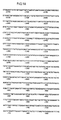
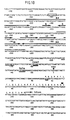
- Fig. 1 illustrates one concrete example of such a GRP gene, comprising a structural GRP gene and flanking regulation sequences.
- variants occur which are comprised by the present invention as far as they contain a salicylate-inducible promoter.
- these too are comprised by the present invention, provided they contain a salicylate inducible promoter.
- flanking DNA sequences only certain portions are responsible for the promoter function, the inducibility of the promoter by salicylate, and the strength of either the promoter or its inducibility by salicylate. Particularly in the other portions of the flanking regions, considerable variations are permissible.
- nucleotide sequence of the possible structural gene placed under the control of the promoter sequence changes which do not affect the eventual sequence of amino acids will often be permissible. Changes leading to minor deviations in the sequence of amino acids will in many cases be still without consequences for the expression and function of the protein.
- the place, length and nucleotide sequence of introns can generally be varied as well, provided they can be processed by the host.
- GRP gene means not only the DNA coding for GRP, but, in a broader sense, the DNA involved in the expression of GRP, including the DNA coding for GRP (designated herein as structural GRP gene) and flanking DNA regions with regulating functions, including the GRP promoter.
- Preferred embodiments of the invention described herein consist in the use of the GRP promoter for the following purposes.
- the salicylate can also be supplied through the ground water, when a local effect only is considered undesirable.
- a separate step for rinsing off the salicylate, which when dried may induce necrosis on the leaves, can be done without.
- the GRP promoter or derivatives thereof are fused with the code for a suitable signal peptide, there is the possibility of causing the desired protein to be secreted by the plant in the intercellular space of the leaf, from which it can be isolated in a simple manner in relatively pure form.
- genes to be controlled from the outside with the object of controlling certain processes in the plant which, for example, are of interest for agricultural use.
- genes involved in disease resistance could be expressed in a controlled manner.
- this promoter in combination with suitable genes involved in disease resistance, will react both rapidly and with great effectiveness in response to infection by a large group of pathogens, resulting in a more effective resistance reaction.
- the original GRP gene for example after infection of tobacco with TMV, is one of the fastest and most efficiently reacting genes.
- the genes in question, controlled by the GRP promoter may originate from the plant itself, or have been introduced from the outside and originate either from other plants or from other organisms (after being rendered suitable for expression and functioning of the gene product in the plant).
- RNA Polyadenylated RNA was isolated from tobacco mosaic virus infected tobacco and enriched through gradient centrifugation in molecules of 650 nucleotides (Hoofd van Huijsduijnen et al ., 1986). Using standard techniques, well known to researchers in this field, the RNA could be copied by means of an oligo (dT) primer, reverse transcriptase and desoxyribonucleotide triphosphates in minus-strand DNA. Subsequently, using RNase H and DNA polymerase, a complementary DNA chain was synthesized on this DNA by the method of Gubler and Hoffman (1983).
- the double-stranded DNA was provided with C tails, which were hybridized with G tails, formed on the plasmid pUC9 after this had been cleaved with Pst I (Maniatis et al ., 1982).
- This construct was used for the transformation of E. coli MH-1.
- the transformants were striped in duplicate on nitrocellulose filters.
- One filter was hybridized with cDNA of poly(A)-RNA from TMV-infected tobacco, transcribed in vitro , the other filter was hybridized with cDNA against poly(A)-RNA from healthy tobacco (Maniatis et al ., 1982). Transformants hybridizing better with the first probe than with the second contained cDNA of mRNAs induced by TMV infection.
- plasmid was isolated, the insert was subcloned in M13 vectors and the sequence of the insert was determined by the method of Sanger et al . (1977).
- Clones with sequences homologous to the sequence of nucleotides given in Fig. 1 contain the GRP-cDNA.
- the cDNA library can be searched with a probe consisting of a desoxyoligonucleotide synthesized on the ground of the sequence of the GRP exons given in Fig. 1.
- DNA isolated from the nuclei of Samsun NN tobacco was partially digested with Sau 3A I and cloned in the vector Charon 35 (for references, see: Cornelissen et al ., 1987).
- the genomic library was searched with the plaque hybridization technique of Benton and Davis (1977), using the cDNA isolated in Example I as a probe.
- the insert in positively hybridizing phages contained the GRP gene and could be subcloned in pUC9 plasmids in parts through standard techniques.
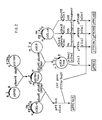
- GRP promoter/CAT gene fusions The construction of GRP promoter/CAT gene fusions is illustrated diagrammatically in Fig. 2.
- One deletion mutant (pDEL+8) turned out to contain the sequence of from -645 to +8 and accordingly lacks the ATG initiation codon of the GRP gene.
- Tnos nopaline-synthase gene
- the CAT gene of transposon Tn9 was isolated as a 773 bp Taq I fragment from the pCaMV-CAT plasmid (Fromm et al ., 1985) and cloned in the Cla I site of construct pPR645, which produced plasmid pPRC645.
- Fragments of pDEL+8 were subcloned in pUC8-Tnos as blunt Cla I fragments. Subsequently, the 733 bp Taq I fragment was integrated in these constructs with the CAT gene.
- the promoter fragments of pDEL+8 fused with the CAT gene by this route were cut at the 3′ site with Cla I at position +8 and at the 5′ site with the enzymes Eco RV (at position -400), Hae III at position -135) or Ava II (at position -114), respectively.
- the corresponding plasmids were called pPRC400, pPRC135 and pPRC114.
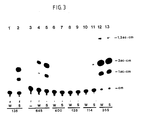
- Fig. 3 shows the results.
- 400 ⁇ l protein was used, in the other lanes 100 ⁇ l.
- lanes W and S protein was used from discs floated respectively on water and salicylic acid.
- lane 3 protein was used which had been isolated immediately after punching leaf discs.
- Lanes 6 up to and including 11 show that GRP promoter sequences of 400, 135 and 114 bp give the same degree of salicylic acid inducible CAT activity. Although relatively low, this activity is significant, as can be seen after magnifying the signal in lanes 1 and 2.
- the construct with the 645 bp promoter region gives a much higher activity.
- the CAT activity in the leaf discs floated on water has probably been induced through wounding the leaf during punching.
- the CAT activity is considerably stimulated by salicylic acid.
- elements responsible for the salicylic acid inducibility are present in the region between nucleotides -114 and +8, while one or more enhancer elements are present between nucleotides -645 and -400.
Landscapes
- Health & Medical Sciences (AREA)
- Genetics & Genomics (AREA)
- Life Sciences & Earth Sciences (AREA)
- Chemical & Material Sciences (AREA)
- Organic Chemistry (AREA)
- Engineering & Computer Science (AREA)
- Bioinformatics & Cheminformatics (AREA)
- Biomedical Technology (AREA)
- Biophysics (AREA)
- Zoology (AREA)
- Molecular Biology (AREA)
- Wood Science & Technology (AREA)
- Biochemistry (AREA)
- General Engineering & Computer Science (AREA)
- Biotechnology (AREA)
- General Health & Medical Sciences (AREA)
- Microbiology (AREA)
- Physics & Mathematics (AREA)
- Cell Biology (AREA)
- General Chemical & Material Sciences (AREA)
- Plant Pathology (AREA)
- Botany (AREA)
- Gastroenterology & Hepatology (AREA)
- Proteomics, Peptides & Aminoacids (AREA)
- Medicinal Chemistry (AREA)
- Breeding Of Plants And Reproduction By Means Of Culturing (AREA)
- Micro-Organisms Or Cultivation Processes Thereof (AREA)
- Preparation Of Compounds By Using Micro-Organisms (AREA)
- Vessels And Coating Films For Discharge Lamps (AREA)
Applications Claiming Priority (2)
| Application Number | Priority Date | Filing Date | Title |
|---|---|---|---|
| NL8800725A NL8800725A (nl) | 1988-03-23 | 1988-03-23 | Recombinant dna; getransformeerde microorganismen, plantecellen en planten; werkwijze voor het produceren van een polypeptide of eiwit m.b.v. planten of plantecellen; werkwijze voor het produceren van planten met virusresistentie. |
| NL8800725 | 1988-03-23 |
Publications (2)
| Publication Number | Publication Date |
|---|---|
| EP0337532A1 true EP0337532A1 (de) | 1989-10-18 |
| EP0337532B1 EP0337532B1 (de) | 1999-01-07 |
Family
ID=19851984
Family Applications (1)
| Application Number | Title | Priority Date | Filing Date |
|---|---|---|---|
| EP89200736A Expired - Lifetime EP0337532B1 (de) | 1988-03-23 | 1989-03-22 | Rekombinante DNA, transformierte Mikroorganismen, Pflanzenzellen und Pflanzen, Verfahren zur Einführung einer induzierbaren Eigenschaft in Pflanzen und Verfahren zur Herstellung eines Polypeptids oder Proteins mit Hilfe von Pflanzen oder Pflanzenzellen |
Country Status (5)
| Country | Link |
|---|---|
| US (1) | US5057422A (de) |
| EP (1) | EP0337532B1 (de) |
| JP (2) | JP3014393B2 (de) |
| DE (1) | DE68928892T2 (de) |
| NL (1) | NL8800725A (de) |
Cited By (12)
| Publication number | Priority date | Publication date | Assignee | Title |
|---|---|---|---|---|
| EP0388186A1 (de) * | 1989-03-17 | 1990-09-19 | E.I. Du Pont De Nemours And Company | Externe Regulierung der Genexpression |
| EP0418695A1 (de) * | 1989-09-13 | 1991-03-27 | Ciba-Geigy Ag | Regulatorische DNA-Sequenz |
| WO1991015585A1 (en) * | 1990-04-02 | 1991-10-17 | Rijkslandbouwuniversiteit Wageningen | Method for the protection of plants against pathogens |
| WO1993024639A1 (en) * | 1992-05-29 | 1993-12-09 | Zeneca Limited | Expression of genes in transgenic plants |
| EP0712273A4 (de) * | 1993-08-02 | 1998-07-15 | Virginia Tech Intell Prop | Expressionssystem auf der zerischen hmg2-promoters und herstellung von genprodukten durch aufarbeitung des ernbegutes von pflanzen und pflanzlichen zellkulturen |
| WO1999050428A3 (en) * | 1998-04-01 | 1999-12-23 | Mogen Int | Pathogen-inducible promoter |
| WO2000008186A1 (en) * | 1998-08-03 | 2000-02-17 | Mogen International Nv | New salicylic acid inducible genes and promoters from tobacco |
| WO2000015662A1 (en) * | 1998-09-11 | 2000-03-23 | Agricultural Technology & Genetics Gmbh | Regulatory sequences for root specific or root abundant gene expression in plants |
| DE19956272A1 (de) * | 1999-11-23 | 2001-06-07 | Mpb Cologne Gmbh Molecular Pla | Verfahren zur gesteuerten Nach-Ernte-Produktion von Proteinen in Wirtsorganismen |
| WO2001070778A3 (en) * | 2000-03-21 | 2002-03-28 | Dekalb Genetics Corp | Maize glycine rich protein promoter and use thereof |
| US6890726B1 (en) | 1999-04-06 | 2005-05-10 | Oklahoma Medical Research Foundation | Method for selecting recombinase variants with altered specificity |
| US7122721B1 (en) | 1999-10-05 | 2006-10-17 | Basf Aktiengesellschaft | Plant gene expression under the control of constitutive plant V-ATPase promoters |
Families Citing this family (40)
| Publication number | Priority date | Publication date | Assignee | Title |
|---|---|---|---|---|
| DE69334354D1 (de) | 1992-07-01 | 2011-05-26 | Cornell Res Foundation Inc | Elicitor von Überempfindlichkeitsreaktionen in Pflanzen |
| EP0612848A3 (de) * | 1993-02-24 | 1995-05-24 | Sandoz Ltd | Hyperempfindlichkeitszugenhörender Gen. |
| US5708139A (en) * | 1993-05-17 | 1998-01-13 | Cornell Research Foundation, Inc. | Pseudomonas syringae pv syringae hrpZ gene |
| US5850015A (en) * | 1995-06-07 | 1998-12-15 | Cornell Research Foundation, Inc. | Hypersensitive response elicitor from Erwinia chrysanthemi |
| NZ309611A (en) * | 1995-06-07 | 1999-08-30 | Cornell Res Foundation Inc | A method of imparting pathogen resistance to plants by applying a hypersensitive response elicitor polypeptide or protein to the plants cells |
| ES2326705T3 (es) * | 1995-09-14 | 2009-10-16 | Virginia Tech Intellectual Properties, Inc. | Produccion de enzimas lisosomicas en sistemas de expresion basados en plantas. |
| CN1552849B (zh) * | 1996-09-12 | 2013-08-14 | 辛根塔参与股份公司 | 表达纤维素分解酶的转基因植物 |
| US6235974B1 (en) | 1996-12-05 | 2001-05-22 | Cornell Research Foundation, Inc. | Hypersensitive response induced resistance in plants by seed treatment with a hypersensitive response elicitor |
| US6277814B1 (en) | 1997-01-27 | 2001-08-21 | Cornell Research Foundation, Inc. | Enhancement of growth in plants |
| US6998515B1 (en) | 1997-01-27 | 2006-02-14 | Cornell Research Foundation, Inc. | Use of a nucleic acid encoding a hypersensitive response elicitor polypeptide to enhance growth in plants |
| US5977060A (en) * | 1997-02-28 | 1999-11-02 | Cornell Research Foundation, Inc. | Insect control with a hypersensitive response elicitor |
| EP0996729A2 (de) * | 1997-05-30 | 2000-05-03 | Cornell Research Foundation, Inc. | Fragmente von auflöser des überenpfindlichkeitswiderstand und deren anwendungen |
| US6172184B1 (en) | 1997-08-06 | 2001-01-09 | Cornell Research Foundation, Inc. | Hypersensitive response elicitor from Pseudomonas syringae and its use |
| US6228644B1 (en) | 1997-08-06 | 2001-05-08 | Cornell Research Foundation, Inc. | Hypersensitive response elicitor from Erwinia amylovora, its use, and encoding gene |
| US6262018B1 (en) | 1997-08-06 | 2001-07-17 | Cornell Research Foundation, Inc. | Hypersensitive response elicitor from Erwinia amylovora and its use |
| US6333302B1 (en) | 1997-09-03 | 2001-12-25 | Cornell Research Foundation, Inc. | Use of hypersensitive response elicitor protein or polypeptide from Clavibacter michiganensis for disease resistance, growth enhancement and insect control |
| US6960705B2 (en) | 1998-10-05 | 2005-11-01 | Eden Bioscience Corporation | Nucleic acid encoding a hypersensitive response elicitor from Xanthomonas campestris |
| US6858707B1 (en) | 1998-10-05 | 2005-02-22 | Eden Bioscience Corporation | Hypersensitive response elicitor fragments which are active but do not elicit a hypersensitive response |
| US6624139B1 (en) * | 1998-11-05 | 2003-09-23 | Eden Bioscience Corporation | Hypersensitive response elicitor-induced stress resistance |
| WO2004001003A2 (en) * | 2002-06-20 | 2003-12-31 | Board Of Trustees Operating Michigan State University | Plastid division and related genes and proteins, and methods of use |
| US20040205841A1 (en) * | 2002-08-12 | 2004-10-14 | Christopher Lawrence | Pathogen induced promoters |
| US7655833B2 (en) * | 2003-05-29 | 2010-02-02 | Brookhaven Science Associates, Llc | ADS genes for reducing saturated fatty acid levels in seed oils |
| US7928290B2 (en) | 2004-02-27 | 2011-04-19 | Dow Agrosciences Llc | Viral capsid fusion peptide expressing plant cells |
| CN100362104C (zh) * | 2004-12-21 | 2008-01-16 | 华中农业大学 | 利用水稻转录因子基因OsNACx提高植物抗旱耐盐能力 |
| US7135811B2 (en) * | 2005-02-08 | 2006-11-14 | Osram Sylvania Inc. | Shroud holder for quartz and ceramic arc tubes |
| CA2608717A1 (en) * | 2005-05-18 | 2006-11-23 | The Board Of Trustees Operating Michigan State University | Resistance to soybean aphid in early maturing soybean germplasm |
| US7977535B2 (en) | 2006-07-12 | 2011-07-12 | Board Of Trustees Of Michigan State University | DNA encoding ring zinc-finger protein and the use of the DNA in vectors and bacteria and in plants |
| US20090061492A1 (en) * | 2006-11-15 | 2009-03-05 | The Board Of Trustees For Michigan State University System | Method for producing biodiesel |
| ES2641088T3 (es) | 2006-12-07 | 2017-11-07 | Kansas State University Research Foundation | Sorgo resistente a herbicidas de acetolactato sintetasa |
| MX2009007110A (es) | 2007-01-12 | 2009-07-08 | Univ Kansas State | Sorgo resistente al herbicida de acetil-coa carboxilasa. |
| US9133475B2 (en) | 2008-11-26 | 2015-09-15 | Board Of Trustees Of Michigan State University | Aphid resistant soybean plants |
| US8362318B2 (en) | 2008-12-18 | 2013-01-29 | Board Of Trustees Of Michigan State University | Enzyme directed oil biosynthesis in microalgae |
| US8373025B2 (en) | 2009-02-09 | 2013-02-12 | Chromatin Germplasm, Llc | Herbicide resistant sorghum |
| WO2011082253A2 (en) | 2009-12-30 | 2011-07-07 | Board Of Trustees Of Michigan State University | A method to produce acetyldiacylglycerols (ac-tags) by expression ofan acetyltransferase gene isolated from euonymus alatus (burning bush) |
| US9365862B1 (en) | 2011-05-26 | 2016-06-14 | Nutech Ventures | Herbicide resistant sorghum mutants |
| WO2013005211A2 (en) | 2011-07-05 | 2013-01-10 | Yissum Research Development Company Of The Hebrew University Of Jerusalem Ltd. | Boron complexing plant materials and uses thereof cross-reference to related applications |
| MX366944B (es) | 2012-04-05 | 2019-07-31 | Advanta Int Bv | Plantas de sorgo que tienen un polinucleotido mutado que codifica una subunidad mayor de la proteina sintasa acetohidroxiacida mutada y tiene resistencia incrementada a herbicidas. |
| CA2836403A1 (en) | 2013-01-04 | 2014-07-04 | Board Of Trustees Of Michigan State University | New sources of aphid resistance in soybean plants |
| US10392629B2 (en) | 2014-01-17 | 2019-08-27 | Board Of Trustees Of Michigan State University | Increased caloric and nutritional content of plant biomass |
| KR20230154995A (ko) | 2021-03-10 | 2023-11-09 | 인스티튜트 오브 크랍 사이언스 차이니즈 아카데미 오브 애그리컬쳐럴 사이언시스 | 벼 수확량 관련 단백질과 생체재료 및 양자의 벼 수확량 향상에서의 응용 |
Citations (1)
| Publication number | Priority date | Publication date | Assignee | Title |
|---|---|---|---|---|
| EP0307841A1 (de) * | 1987-09-15 | 1989-03-22 | The General Hospital Corporation | Pathogenesebezogene Proteine in Pflanzen |
Family Cites Families (1)
| Publication number | Priority date | Publication date | Assignee | Title |
|---|---|---|---|---|
| JPS5085185A (de) * | 1973-11-30 | 1975-07-09 |
-
1988
- 1988-03-23 NL NL8800725A patent/NL8800725A/nl not_active Application Discontinuation
-
1989
- 1989-03-22 DE DE68928892T patent/DE68928892T2/de not_active Expired - Fee Related
- 1989-03-22 EP EP89200736A patent/EP0337532B1/de not_active Expired - Lifetime
- 1989-03-22 US US07/327,340 patent/US5057422A/en not_active Expired - Lifetime
- 1989-03-23 JP JP1071599A patent/JP3014393B2/ja not_active Expired - Fee Related
- 1989-03-23 JP JP1989032175U patent/JPH01146450U/ja active Pending
Patent Citations (1)
| Publication number | Priority date | Publication date | Assignee | Title |
|---|---|---|---|---|
| EP0307841A1 (de) * | 1987-09-15 | 1989-03-22 | The General Hospital Corporation | Pathogenesebezogene Proteine in Pflanzen |
Non-Patent Citations (8)
| Title |
|---|
| CHEMICAL ABSTRACTS, vol. 110, 1989, page 172, abstract no. 109092x, Columbus, Ohio, US; J.F. BOL et al.: "Characterization of pathogenesis-related proteins and genes", & CIBA FOUND. SYMP. 1987, 133(Plant Resist. Viruses), 72-91 * |
| J. CELL. BIOCHEMISTRY, supplement 12C, page 271, abstract no. Y233; A.J.P. PFITZNER et al.: "Structure and promoter analysis of PR-1 genes from tobacco" * |
| JOURNAL OF CELLULAR BIOCHEMISTRY, Supplement 12C, Ucla Symposia on Molecular & Cellular Biology, 28th February - 10th April 1988, page 244 Y035, Alin R. Liss, Inc., New York, US; J.F. BOL et al.: "Plant defense genes induced by virus infection" * |
| MICROBIOLOGICAL SCIENCES, vol.5, no. 2, 24th February 1988, pages 47-52; J.F. BOL et al.: "The synthesis and possible functions of virus-induced proteins in plants" * |
| MOLECULAR PLANT MICROBRE INTERACTIONS, vol. 1, no. 3, 1988, pages 107-112, The American Phytopatological Society; J.A.L. VAN KAN et al: "A virus-inducible tobacco gene encoding a glycine-rich protein shares putative regulatory elements with the ribulose bisphosphate carboxylase small subunit gene" * |
| NATURE, vol. 323, 11th September 1986, pages 178-181, London, GB; C.M. CONDIT et al.: "A gene encoding a novel glycine-rich structural protein of petunia" * |
| NUCLEIC ACIDS RESEARCH, vol. 15, no. 17, 1987, pages 6799-6811; B.J.C. CORNELISSEN et al.: "Structure of tobacco genes encoding pathogenesis-related proteins from the PR-1 group" * |
| THE EMBO JOURNAL, vol. 5, no. 9, 1986, pages 2057-2061, IRL Press Ltd, Oxford, GB; R.A.M. HOOFT VAN HUIJSDUIJNEN et al.: "cDNA cloning of six mRNAs induced by TMV infection of tobacco and a characterization of their translation products" * |
Cited By (19)
| Publication number | Priority date | Publication date | Assignee | Title |
|---|---|---|---|---|
| WO1990011361A1 (en) * | 1989-03-17 | 1990-10-04 | E.I. Du Pont De Nemours And Company | External regulation of gene expression |
| EP0388186A1 (de) * | 1989-03-17 | 1990-09-19 | E.I. Du Pont De Nemours And Company | Externe Regulierung der Genexpression |
| US5364780A (en) * | 1989-03-17 | 1994-11-15 | E. I. Du Pont De Nemours And Company | External regulation of gene expression by inducible promoters |
| EP0418695A1 (de) * | 1989-09-13 | 1991-03-27 | Ciba-Geigy Ag | Regulatorische DNA-Sequenz |
| US5866776A (en) * | 1990-04-02 | 1999-02-02 | Mogen International N.V. | Method for the protection of plants against pathogens |
| WO1991015585A1 (en) * | 1990-04-02 | 1991-10-17 | Rijkslandbouwuniversiteit Wageningen | Method for the protection of plants against pathogens |
| EP0874055A3 (de) * | 1990-04-02 | 1999-06-02 | Mogen International N.V. | Verfahren zur Beschützung von Pflanzen gegen Pathogene |
| WO1993024639A1 (en) * | 1992-05-29 | 1993-12-09 | Zeneca Limited | Expression of genes in transgenic plants |
| EP0712273A4 (de) * | 1993-08-02 | 1998-07-15 | Virginia Tech Intell Prop | Expressionssystem auf der zerischen hmg2-promoters und herstellung von genprodukten durch aufarbeitung des ernbegutes von pflanzen und pflanzlichen zellkulturen |
| WO1999050428A3 (en) * | 1998-04-01 | 1999-12-23 | Mogen Int | Pathogen-inducible promoter |
| US6465636B1 (en) | 1998-04-01 | 2002-10-15 | Zeneca Mogen B.V. | Pathogen-inducible promoter |
| WO2000008186A1 (en) * | 1998-08-03 | 2000-02-17 | Mogen International Nv | New salicylic acid inducible genes and promoters from tobacco |
| WO2000015662A1 (en) * | 1998-09-11 | 2000-03-23 | Agricultural Technology & Genetics Gmbh | Regulatory sequences for root specific or root abundant gene expression in plants |
| US6890726B1 (en) | 1999-04-06 | 2005-05-10 | Oklahoma Medical Research Foundation | Method for selecting recombinase variants with altered specificity |
| US7122721B1 (en) | 1999-10-05 | 2006-10-17 | Basf Aktiengesellschaft | Plant gene expression under the control of constitutive plant V-ATPase promoters |
| DE19956272A1 (de) * | 1999-11-23 | 2001-06-07 | Mpb Cologne Gmbh Molecular Pla | Verfahren zur gesteuerten Nach-Ernte-Produktion von Proteinen in Wirtsorganismen |
| DE19956272B4 (de) * | 1999-11-23 | 2004-09-16 | Mpb Cologne Gmbh Molecular Plant & Protein Biotechnology | Verfahren zur gesteuerten Nach-Ernte-Produktion von Proteinen in Wirtsorganismen |
| WO2001070778A3 (en) * | 2000-03-21 | 2002-03-28 | Dekalb Genetics Corp | Maize glycine rich protein promoter and use thereof |
| US6747189B1 (en) | 2000-03-21 | 2004-06-08 | Dekalb Genetics Corporation | Maize glycine rich protein promoter compositions and methods for use thereof |
Also Published As
| Publication number | Publication date |
|---|---|
| NL8800725A (nl) | 1989-10-16 |
| DE68928892T2 (de) | 1999-08-05 |
| JP3014393B2 (ja) | 2000-02-28 |
| JPH01146450U (de) | 1989-10-09 |
| US5057422A (en) | 1991-10-15 |
| JPH0242991A (ja) | 1990-02-13 |
| DE68928892D1 (de) | 1999-02-18 |
| EP0337532B1 (de) | 1999-01-07 |
Similar Documents
| Publication | Publication Date | Title |
|---|---|---|
| EP0337532B1 (de) | Rekombinante DNA, transformierte Mikroorganismen, Pflanzenzellen und Pflanzen, Verfahren zur Einführung einer induzierbaren Eigenschaft in Pflanzen und Verfahren zur Herstellung eines Polypeptids oder Proteins mit Hilfe von Pflanzen oder Pflanzenzellen | |
| Warner et al. | Isolation of an asparagus intracellular PR gene (AoPR1) wound‐responsive promoter by the inverse polymerase chain reaction and its characterization in transgenic tobacco | |
| Baker et al. | The 5′-region of Arabidopsis thaliana cor15a has cis-acting elements that confer cold-, drought-and ABA-regulated gene expression | |
| Yamaguchi-Shinozaki et al. | A novel cis-acting element in an Arabidopsis gene is involved in responsiveness to drought, low-temperature, or high-salt stress | |
| Knight et al. | Molecular responses to abscisic acid and stress are conserved between moss and cereals | |
| Zhu et al. | Activation of two osmotin-like protein genes by abiotic stimuli and fungal pathogen in transgenic potato plants | |
| ES2279524T3 (es) | Promotor de un gen especifico de la corteza radicular. | |
| AU2007201884B2 (en) | Regulatory element from a sugarcane proline rich protein and uses thereof | |
| EP0335528A2 (de) | DNS-Promotorfragmente aus Weizen | |
| JPH02283275A (ja) | 発現カセツトのDNA‐配列を有する癌腫菌、プロテイナーゼーインヒビター2‐プロモータ、ベクターpM14、植物ゲノム、傷誘発性転写調節法及び構成性転写調節法並びに遺伝子の傷誘発性発現法 | |
| Ryan et al. | Molecular biology of wound‐inducible proteinase inhibitors in plants | |
| EP2298917B1 (de) | Gewebespezifische Promotoren | |
| Velasco et al. | Gene structure and expression analysis of the drought-and abscisic acid-responsive CDeT11-24 gene family from the resurrection plant Craterostigma plantagineum Hochst | |
| US6653533B1 (en) | Nucleic acids encoding proteins with pathogen resistance activity and plants transformed therewith | |
| WO1997047183A9 (en) | Genes enhancing disease resistance in plants | |
| US6677505B1 (en) | Promoter inductible in plants, sequence incorporating same and resulting product | |
| WO2004099365A2 (en) | Transcription factor gene induced by water deficit conditions and abscisic acid from helianthus annuus, promoter and transgenic plants | |
| US20020108141A1 (en) | Promoter system of plant translationally controlled tumor protein gene | |
| AU5991000A (en) | Promoter expressed specifically in the cells of plant roots, recombinant vectors and host cells comprising same and transgenic plants obtained | |
| US7557264B2 (en) | Gossypium hirsutum tissue-specific promoters and their use | |
| US20030084477A1 (en) | Genes enhancing disease resistance in plants | |
| ES2223533T3 (es) | Promotor que permite la expresion de transgenes en toda la planta excepto en la semilla. | |
| US5801028A (en) | Osmotin gene promoter and use thereof | |
| Puzio et al. | Isolation of regulatory DNA regions related to differentiation of nematode feeding structures inArabidopsis thaliana | |
| JP2002524051A (ja) | タバコ由来の新たなサリチル酸誘導性遺伝子およびプロモーター |
Legal Events
| Date | Code | Title | Description |
|---|---|---|---|
| PUAI | Public reference made under article 153(3) epc to a published international application that has entered the european phase |
Free format text: ORIGINAL CODE: 0009012 |
|
| AK | Designated contracting states |
Kind code of ref document: A1 Designated state(s): BE CH DE ES FR GB IT LI LU NL |
|
| 17P | Request for examination filed |
Effective date: 19900418 |
|
| 17Q | First examination report despatched |
Effective date: 19921209 |
|
| GRAG | Despatch of communication of intention to grant |
Free format text: ORIGINAL CODE: EPIDOS AGRA |
|
| GRAG | Despatch of communication of intention to grant |
Free format text: ORIGINAL CODE: EPIDOS AGRA |
|
| GRAH | Despatch of communication of intention to grant a patent |
Free format text: ORIGINAL CODE: EPIDOS IGRA |
|
| GRAH | Despatch of communication of intention to grant a patent |
Free format text: ORIGINAL CODE: EPIDOS IGRA |
|
| GRAA | (expected) grant |
Free format text: ORIGINAL CODE: 0009210 |
|
| AK | Designated contracting states |
Kind code of ref document: B1 Designated state(s): BE CH DE ES FR GB IT LI LU NL |
|
| PG25 | Lapsed in a contracting state [announced via postgrant information from national office to epo] |
Ref country code: IT Free format text: LAPSE BECAUSE OF FAILURE TO SUBMIT A TRANSLATION OF THE DESCRIPTION OR TO PAY THE FEE WITHIN THE PRE;WARNING: LAPSES OF ITALIAN PATENTS WITH EFFECTIVE DATE BEFORE 2007 MAY HAVE OCCURRED AT ANY TIME BEFORE 2007. THE CORRECT EFFECTIVE DATE MAY BE DIFFERENT FROM THE ONE RECORDED.SCRIBED TIME-LIMIT Effective date: 19990107 Ref country code: ES Free format text: THE PATENT HAS BEEN ANNULLED BY A DECISION OF A NATIONAL AUTHORITY Effective date: 19990107 |
|
| REG | Reference to a national code |
Ref country code: CH Ref legal event code: EP |
|
| REG | Reference to a national code |
Ref country code: CH Ref legal event code: NV Representative=s name: A. BRAUN, BRAUN, HERITIER, ESCHMANN AG PATENTANWAE |
|
| REF | Corresponds to: |
Ref document number: 68928892 Country of ref document: DE Date of ref document: 19990218 |
|
| ET | Fr: translation filed | ||
| PG25 | Lapsed in a contracting state [announced via postgrant information from national office to epo] |
Ref country code: LU Free format text: LAPSE BECAUSE OF NON-PAYMENT OF DUE FEES Effective date: 19990322 |
|
| PLBE | No opposition filed within time limit |
Free format text: ORIGINAL CODE: 0009261 |
|
| STAA | Information on the status of an ep patent application or granted ep patent |
Free format text: STATUS: NO OPPOSITION FILED WITHIN TIME LIMIT |
|
| 26N | No opposition filed | ||
| REG | Reference to a national code |
Ref country code: CH Ref legal event code: PFA Free format text: MOGEN INTERNATIONAL N.V.;RIJKSUNIVERSITEIT TE LEIDEN TRANSFER- RIJKSUNIVERSITEIT TE LEIDEN;SYNGENTA MOGEN B.V. |
|
| BECN | Be: change of holder's name |
Effective date: 20011108 |
|
| REG | Reference to a national code |
Ref country code: GB Ref legal event code: IF02 |
|
| NLS | Nl: assignments of ep-patents |
Owner name: RIJKSUNIVERSITEIT TE LEIDEN;ZENECA MOGEN B.V. |
|
| NLT1 | Nl: modifications of names registered in virtue of documents presented to the patent office pursuant to art. 16 a, paragraph 1 |
Owner name: RIJKSUNIVERSITEIT TE LEIDEN;SYNGENTA MOGEN B.V. |
|
| REG | Reference to a national code |
Ref country code: FR Ref legal event code: CJ Ref country code: FR Ref legal event code: CD |
|
| PGFP | Annual fee paid to national office [announced via postgrant information from national office to epo] |
Ref country code: NL Payment date: 20060305 Year of fee payment: 18 |
|
| PGFP | Annual fee paid to national office [announced via postgrant information from national office to epo] |
Ref country code: FR Payment date: 20060308 Year of fee payment: 18 |
|
| PGFP | Annual fee paid to national office [announced via postgrant information from national office to epo] |
Ref country code: DE Payment date: 20060316 Year of fee payment: 18 |
|
| PGFP | Annual fee paid to national office [announced via postgrant information from national office to epo] |
Ref country code: GB Payment date: 20060322 Year of fee payment: 18 |
|
| PGFP | Annual fee paid to national office [announced via postgrant information from national office to epo] |
Ref country code: CH Payment date: 20060329 Year of fee payment: 18 |
|
| PGFP | Annual fee paid to national office [announced via postgrant information from national office to epo] |
Ref country code: BE Payment date: 20060509 Year of fee payment: 18 |
|
| REG | Reference to a national code |
Ref country code: CH Ref legal event code: PL |
|
| GBPC | Gb: european patent ceased through non-payment of renewal fee |
Effective date: 20070322 |
|
| NLV4 | Nl: lapsed or anulled due to non-payment of the annual fee |
Effective date: 20071001 |
|
| BERE | Be: lapsed |
Owner name: *SYNGENTA MOGEN B.V. Effective date: 20070331 Owner name: *RIJKSUNIVERSITEIT TE LEIDEN Effective date: 20070331 |
|
| PG25 | Lapsed in a contracting state [announced via postgrant information from national office to epo] |
Ref country code: BE Free format text: LAPSE BECAUSE OF NON-PAYMENT OF DUE FEES Effective date: 20070331 |
|
| REG | Reference to a national code |
Ref country code: FR Ref legal event code: ST Effective date: 20071130 |
|
| PG25 | Lapsed in a contracting state [announced via postgrant information from national office to epo] |
Ref country code: NL Free format text: LAPSE BECAUSE OF NON-PAYMENT OF DUE FEES Effective date: 20071001 Ref country code: DE Free format text: LAPSE BECAUSE OF NON-PAYMENT OF DUE FEES Effective date: 20071002 |
|
| PG25 | Lapsed in a contracting state [announced via postgrant information from national office to epo] |
Ref country code: CH Free format text: LAPSE BECAUSE OF NON-PAYMENT OF DUE FEES Effective date: 20070331 Ref country code: LI Free format text: LAPSE BECAUSE OF NON-PAYMENT OF DUE FEES Effective date: 20070331 |
|
| PG25 | Lapsed in a contracting state [announced via postgrant information from national office to epo] |
Ref country code: GB Free format text: LAPSE BECAUSE OF NON-PAYMENT OF DUE FEES Effective date: 20070322 |
|
| PG25 | Lapsed in a contracting state [announced via postgrant information from national office to epo] |
Ref country code: FR Free format text: LAPSE BECAUSE OF NON-PAYMENT OF DUE FEES Effective date: 20070402 |