EP0351755A1 - Mélange d'un channel-blocker de calcium et d'un antagoniste des récepteurs A2 de thromboxane ou d'un inhibiteur de synthétase et procédé pour traiter l'ischémie en appliquant un tel mélange - Google Patents
Mélange d'un channel-blocker de calcium et d'un antagoniste des récepteurs A2 de thromboxane ou d'un inhibiteur de synthétase et procédé pour traiter l'ischémie en appliquant un tel mélange Download PDFInfo
- Publication number
- EP0351755A1 EP0351755A1 EP89113073A EP89113073A EP0351755A1 EP 0351755 A1 EP0351755 A1 EP 0351755A1 EP 89113073 A EP89113073 A EP 89113073A EP 89113073 A EP89113073 A EP 89113073A EP 0351755 A1 EP0351755 A1 EP 0351755A1
- Authority
- EP
- European Patent Office
- Prior art keywords
- thromboxane
- calcium channel
- channel blocker
- receptor antagonist
- combination
- Prior art date
- Legal status (The legal status is an assumption and is not a legal conclusion. Google has not performed a legal analysis and makes no representation as to the accuracy of the status listed.)
- Granted
Links
Images
Classifications
-
- A—HUMAN NECESSITIES
- A61—MEDICAL OR VETERINARY SCIENCE; HYGIENE
- A61K—PREPARATIONS FOR MEDICAL, DENTAL OR TOILETRY PURPOSES
- A61K45/00—Medicinal preparations containing active ingredients not provided for in groups A61K31/00 - A61K41/00
- A61K45/06—Mixtures of active ingredients without chemical characterisation, e.g. antiphlogistics and cardiaca
-
- A—HUMAN NECESSITIES
- A61—MEDICAL OR VETERINARY SCIENCE; HYGIENE
- A61K—PREPARATIONS FOR MEDICAL, DENTAL OR TOILETRY PURPOSES
- A61K31/00—Medicinal preparations containing organic active ingredients
- A61K31/33—Heterocyclic compounds
- A61K31/395—Heterocyclic compounds having nitrogen as a ring hetero atom, e.g. guanethidine or rifamycins
- A61K31/435—Heterocyclic compounds having nitrogen as a ring hetero atom, e.g. guanethidine or rifamycins having six-membered rings with one nitrogen as the only ring hetero atom
- A61K31/44—Non condensed pyridines; Hydrogenated derivatives thereof
-
- A—HUMAN NECESSITIES
- A61—MEDICAL OR VETERINARY SCIENCE; HYGIENE
- A61K—PREPARATIONS FOR MEDICAL, DENTAL OR TOILETRY PURPOSES
- A61K31/00—Medicinal preparations containing organic active ingredients
- A61K31/33—Heterocyclic compounds
- A61K31/395—Heterocyclic compounds having nitrogen as a ring hetero atom, e.g. guanethidine or rifamycins
- A61K31/55—Heterocyclic compounds having nitrogen as a ring hetero atom, e.g. guanethidine or rifamycins having seven-membered rings, e.g. azelastine, pentylenetetrazole
-
- A—HUMAN NECESSITIES
- A61—MEDICAL OR VETERINARY SCIENCE; HYGIENE
- A61K—PREPARATIONS FOR MEDICAL, DENTAL OR TOILETRY PURPOSES
- A61K31/00—Medicinal preparations containing organic active ingredients
- A61K31/557—Eicosanoids, e.g. leukotrienes or prostaglandins
-
- A—HUMAN NECESSITIES
- A61—MEDICAL OR VETERINARY SCIENCE; HYGIENE
- A61P—SPECIFIC THERAPEUTIC ACTIVITY OF CHEMICAL COMPOUNDS OR MEDICINAL PREPARATIONS
- A61P9/00—Drugs for disorders of the cardiovascular system
- A61P9/08—Vasodilators for multiple indications
-
- A—HUMAN NECESSITIES
- A61—MEDICAL OR VETERINARY SCIENCE; HYGIENE
- A61P—SPECIFIC THERAPEUTIC ACTIVITY OF CHEMICAL COMPOUNDS OR MEDICINAL PREPARATIONS
- A61P9/00—Drugs for disorders of the cardiovascular system
- A61P9/10—Drugs for disorders of the cardiovascular system for treating ischaemic or atherosclerotic diseases, e.g. antianginal drugs, coronary vasodilators, drugs for myocardial infarction, retinopathy, cerebrovascula insufficiency, renal arteriosclerosis
Definitions
- the present invention relates to a combination of a calcium channel blocker and a thromboxane A 2 receptor antagonist or thromboxane synthetase inhibitor and to a method for treating ischemia and/or reducing infarct size in mammalian species by administering such combination.
- j-Adrenoceptor antagonists such as propranolol can also reduce the severity of an ischemic episode and this may also occur via their effect on work or flow, Conway, R. and Weiss, H., "Role of propranolol in improvement of the relationship between 0 2 supply and consumption in an ischemic region of the dog heart.” J. Clin. Invest. 70:320-329, 1982.
- thromboxane receptor antagonists possess potent anti-ischemic properties which appear to occur independently of changes in heart work or blood flow, Grover, G. and Schumacher, W., "Effect of the thromboxane receptor antagonist SQ 29,548 on myocardial infarct size in dogs.” J. Cardiovasc. Pharmacol. 11:29-35, 1988. They appear to work via a mechanism different from the calcium antagonists or j-blockers.
- a method for treating ischemia in mammalian species over a prolonged period and/or reduce infarct size wherein a therapeutically effective amount of a calcium channel blocker in combination with a thromboxane A 2 receptor antagonist or thromboxane synthetase inhibitor is systemically, such as orally or parenterally, administered over a prolonged period.
- a combination of a calcium channel blocker and a thromboxane A 2 receptor antagonist or a thromboxane synthetase inhibitor wherein the calcium channel blocker is employed in a weight ratio to a thromboxane A 2 receptor antagonist or thromboxane synthetase inhibitor of within the range of from about 0.1:1 to about 10:1 and preferably from about 0.4:1 to about 2.5:1.
- ischemia refers to a reduction in blood flow such as cerebral ischemia, myocardial ischemia, ischemia in the limbs, and the like, such as caused by intermittent claudication, shock, trauma, hemorrhage, thromboses, clots and the like.
- the combination of the calcium channel blocker and thromboxane A 2 receptor antagonist or thromboxane synthetase inhibitor is a surprising and unique concept in treating ischemia in that it provides additional antiischemic effects over that which may be obtained using calcium channel blockers alone, such as reduced myocardial infarct size, prevention of reocclusion and reduction of angina pain without any additional adverse side effects, such as hypotension and tachycardia.
- the combination of the invention which includes compounds with different mechanisms of action, may be used to effectively treat ischemic heart disease of multiple etiology.
- One example may be unstable angina initiated by thrombus formation where thromboxane antagonists have been shown to have possible efficacy in inhibiting the thrombus formation (unlike calcium channel blockers) while the calcium channel blockers will combat the ischemia caused by the thrombus which is reducing flow in the coronaries. In this way, one would have a better chance of effecting improvements in these patients.
- the calcium channel blocker also referred to as calcium entry blocker or calcium antagonist which is used herein is preferably diltiazem which is disclosed in U. S. Patent No. 3,562,257 and which has the chemical name 3-(acetyloxy)-5-[2-(dimethylamino)ethyl-2,3-dihydro-2-(4-methoxyphenyl)-1,5-benzothiazepin-4(5H)-one and the structure
- the calcium channel blocker may be benzazepine derivative such as disclosed in U. S. patent application Serial No. 42,187, filed April 24, 1987, and which has the formula or a pharmaceutically acceptable salt thereof wherein Ri is hydrogen, alkyl, alkanoyl, alkenyl, arylcarbonyl, heteroarylcarbonyl or R 2 and R 3 are each independently hydrogen, alkyl, cycloalkyl or arylalkyl or R 2 and R 3 together with the nitrogen atom to which they are attached are pyrrolidinyl, piperidinyl, or morpholinyl; R 4 and R 5 are each independently hydrogen, halogen, alkyl, alkoxy, aryloxy, arylalkoxy, diarylalkoxy, arylalkyl, cyano, hydroxy, alkanoyloxy, fluoro substituted alkoxy, fluoro substituted alkyl, (cycloalkyl)alkoxy, -N0 2 , -NX 3
- a preferred such benzazepine derivative has the structure wherein R 2 and R 3 are each CH 3 or one of R 2 and R 3 is H and the other is CH 3 , including the hydrochloride salts thereof.
- calcium channel blockers or calcium antagonists suitable for use herein include verapamil, tiapamil, 4-phenyl-1,4-dihydropyridines as defined hereinafter (including nifedipine) and the like.
- R, and R 2 may be the same or different and are lower alkyl or lower alkoxy (lower alkyl) where lower alkyl and lower alkoxy contain 1 to 4 carbons.
- the dihydropyridine calcium antagonist present in the beadlet composition of the invention will preferably be nifedipine, that is, the compound of formula A wherein R 1 is CH 3 , R 2 is CH 3 and N0 2 is at the 2-position, namely, which is disclosed in U. S. Patents Nos. 3,644,627 and 3,485,847.
- niludipine that is, the compound of formula A wherein R 1 is -(CH 2 ) 2 OC 3 H 7 , R 2 is -(CH 2 ) 2 OC 3 H 7 and NO 2 is at the 3-position
- nimodipine that is the compound of formula A wherein R 1 is -(CH 2 ) 2 0CH 3 , R 2 is -CH(CH 3 ) 2 and N0 2 is at the 3-position
- nitrendipine that is, the compound of formula A wherein R 1 is -CH 2 CH 3 , R 2 is -CH 3 and N0 2 is at the 3-position
- nisoldipine that is, the compound of formula A wherein R 1 is -CH 3 , R 2 is -CH 2 CH-(CH 3 ) 2 and N0 2 is at the 2-position (disclosed in U. S. Patents Nos. 3,799,934, 3,932,645 and 4,154,839).
- calcium channel blockers which may be employed herein include the benzothiazepine derivatives disclosed in U. S. Patent No. 4,654,335 and U. S. Patent No. 4,584,131, benzodiazepine derivatives disclosed in U. S. Patents Nos. 4,650,797 and 4,647,561, and pyrimidine derivatives such as disclosed in U. S. Patents Nos. 4,684,656, 4,689,414 and 4,684,655.
- Thromboxane A 2 antagonists which may be employed herein include the 7-oxabicycloheptane and 7- oxabicycloheptene compounds disclosed in U. S. Patent No. 4,537,981 to Snitman et al, especially, [1 S-[1 ⁇ ,2 ⁇ (5Z),3 ⁇ (1 E,3R,4S),4a]]-7- [3-(3-hydroxy-4-phenyl-1-pentenyl)-7-oxabicyclo-[2.2.1 ]hept-2-yi]-5-heptenoic acid; the 7-oxabicycloheptane substituted amino-prostaglandin analogs disclosed in U. S. Patent No.
- thromboxane A 2 antagonists suitable for use herein include, but are not limited to (E)-5-[[[(pyridinyl)[3-(trifluoromethyl)phenyl]methylene]amino]oxy]pentanoic acid also referred to as R68,070 - Janssen Research Laboratories, 3-[1-(4-chlorophenylmethyl)-5-fluoro-3-methylindol-2-yl]-2,2-dimethyl- propanoic acid [(L-655240 Merck-Frosst) Eur. J. Pharmacol. 135(2):193, 17 Mar.
- thromboxane synthetase inhibitors suitable for use herein include but are not limited to dazoxiben (DZ, Pfizer), imidazole, 1-benzylimidazole, imidazo[1,5-a]pyridine-5-hexanoic acid (CGS 13080), 7-(1-imidazolyl)heptanoic acid (7-IHA), dazmegrel or ozegrel.
- calcium channel blocker in combination with the thromboxane A 2 receptor antagonist or thromboxane synthetase inhibitor may be administered to mammalian species, such as monkeys, dogs, cats, rats, humans, etc. and as such may be incorporated in a conventional systemic dosage form, such as a tablet, capsule, elixir or injectable.
- a conventional systemic dosage form such as a tablet, capsule, elixir or injectable.
- the above dosage forms will also include the necessary carrier material, excipient, lubricant, buffer, antibacterial, bulking agent (such as mannitol), anti-oxidants (ascorbic acid of sodium bisulfite) or the like.
- Oral dosage forms are preferred, although parenteral forms are quite satisfactory as well.
- the dose administered must be carefully adjusted according to age, weight and condition of the patient, as well as the route of administration, dosage form and regimen and the desired result.
- the calcium channel blocker in an amount within the range of from about 0.01 mg/kg to about 100 mg/kg and preferably from about 0.1 mg/kg to about 25 mg/kg in combination with the thromboxane A 2 receptor antagonist or thromboxane synthetase inhibitor in an amount within the range of from about 0.01 mg/kg to about 100 mg/kg and preferably from about 0.1 mg/kg to about 25 mg/kg with the calcium channel blocker and a thromboxane A 2 receptor antagonist or thromboxane synthetase inhibitor being employed together in the same oral dosage form or in separate oral dosage forms taken at the same time.
- a preferred oral dosage form such as tablets or capsules, will contain the calcium channel blocker in an amount of from about 0.1 to about 500 mg, preferably from about 125 to about 200 mg, and more preferably from about 25 to about 150 mg, with the thromboxane A 2 receptor antagonist or thromboxane synthetase inhibitor in an amount of from about 1 to about 350 mg, preferably from about 2 to about 200 mg, and more preferably from about 30 to about 150 mg.
- the calcium channel blocker will be employed in an amount within the range of from about 0.005 mg/kg to about 10 mg/kg and preferably from about 0.01 mg/kg to about 1 mg/kg, with the thromboxane A 2 receptor antagonist or thromboxane synthetase inhibitor in an amount within the range of from about 0.005 mg/kg to about 20 mg/kg and preferbly from about 0.01 mg/kg to about 2 mg/kg.
- composition described above may be administered in the dosage forms as described above in single or divided doses of one to four times daily. It may be advisable to start a patient on a low dose combination and work up gradually to a high dose combination.
- Tablets of various sizes can be prepared, e.g., of about 50 to 700 mg in total weight, containing one or both of the active substances in the ranges described above, with the remainder being a physiologically acceptable carrier of other materials according to accepted pharmaceutical practice. These tablets can, of course, be scored to provide for fractional doses. Gelatin capsules can be similarly formulated.
- Liquid formulations can also be prepared by dissolving or suspending one or the combination of active substances in a conventional liquid vehicle acceptable for pharmaceutical administration so as to provide the desired dosage in one to four teaspoonsful.
- Such dosage forms can be administered to the patient on a regimen of one to four doses per day.
- the active substances may be administered separately in individual dosage units at the same time or carefully coordinated times. Since blood levels are built up and maintained by a regulated schedule of administration, the same result is achieved by the simultaneous presence of the two substances.
- the respective substances can be individually formulated in separate unit dosage forms in a manner similar to that described above.
- the active substances in the amounts described above, are compounded according to accepted pharmaceutical practice with a physiologically acceptable vehicle, carrier, excipient, binder, preservative, stabilizer, flavor, etc., in the particular type of unit dosage form.
- Illustrative of the adjuvants which may be incorporated in tablets are the following: a binder such as gum tragacanth, acacia, corn starch or gelatin; an excipient such as dicalcium phosphate or cellulose; a disintegrating agent such as corn starch, potato starch, alginic acid or the like; a lubricant such as stearic acid or magnesium stearate; a sweetening agent such as sucrose, lactose or saccharin; a flavoring agent such as orange, peppermint, oil of wintergreen or cherry.
- a binder such as gum tragacanth, acacia, corn starch or gelatin
- an excipient such as dicalcium phosphate or cellulose
- a disintegrating agent such as corn starch, potato starch, alginic acid or the like
- a lubricant such as stearic acid or magnesium stearate
- a sweetening agent such as sucrose, lactose or sac
- tablets or capsules may be coated with shellac, sugar or both.
- a syrup of elixir may contain the active compound, water, alcohol or the like as the carrier, glycerol as solubilizer, sucrose as sweetening agent, methyl and propyl parabens as preservatives, a dye and a flavoring such as cherry or orange.
- formulations as described above will be administered for a prolonged period, that is, for as long as the potential for ischemia remains or the symptoms continue.
- Sustained release forms of such formulations which may provide such amounts biweekly, weekly, monthly and the like may also be employed.
- a dosing period of at least one to two weeks are required to achieve minimal benefit.
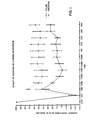
- Figure 1 is a graph showing the effect of SQ 29,548 on recovery of contractile function following a 15 minute LAD occlusion, as described in the experiment carried out in Example 13;
- a thromboxane receptor A 2 antagonist-calcium channel blocker formulation suitable for oral administration for treating ischemia and/or reducing myocardial infarct size is set out below.
- the thromboxane antagonist, diltiazem and corn starch are admixed with an aqueous solution of the gelatin.
- the mixture is dried and ground to a fine powder.
- the Avicel and then the magnesium stearate are admixed with the granulation. This is then compressed in a tablet to form 1000 tablets each containing 500 mg of active ingredients.
- aerosol formulations may be used in treating ischemia and/or reducing myocardial infarct size.
- An injectable solution for use in administering calcium channel blocker and thromboxane A 2 receptor antagonist is produced as follows:
- the calcium channel blocker, thromboxane A 2 antagonist, preservatives and sodium chloride are dissolved in 3 liters of water for injection and then the volume is brought up to 5 liters.
- the solution is filtered through a sterile filter and aseptically filled into presterilized vials which are then closed with presterilized rubber closures.
- Each vial contains a concentration of 75 mg of active ingredient per 150 ml of solution.
- An injectable for use in treating ischemia and/or reducing myocardial infarct size is prepared as described in Example 4 except that the thromboxane A 2 antagonist employed is the phenoxyalkyl carboxylic acid 4-[2-(benzenesulfamido)ethyl]phenoxyacetic acid, disclosed in U. S. Patent No. 4,258,058.
- An injectable for use in treating ischemia is prepared as described in Example 4 except that the thromboxane A 2 antagonist employed is [1S-[1 ⁇ ,2 ⁇ (Z),3 ⁇ ,4 ⁇ ]]-7-[3-[[[[[(4-cyclohexyl-1-oxobutyl)amino]-acetyl]amino]methyl]-7-oxabicyclo-[2.2.1 ]hept-2-yl]-5-heptenoic acid.
- SQ 32,324, SQ 30,741, lactose and Avicel are admixed, then blended with the corn starch. Magnesium stearate is added. The dry mixture is compressed in a tablet press to form 1000 505 mg tablets each containing 200 mg of active ingredient. The tablets are coated with a solution of Methocel E 15 (methyl cellulose) including as a color a lake containing yellow #6. The resulting tablets are useful in treating ischemia and/or reducing myocardial infarct size.
- Two piece #1 gelatin capsules each containing 250 mg of diltiazem and 250 mg of SQ 30,741 are filled with a mixture of the following ingredients:
- the resulting capsules are useful in treating ischemia.
- An injectable solution for use in treating ischemia and/or reducing myocardial infarct size is produced as follows:
- SQ 31,765, SQ 30,741, preservatives and sodium chloride are dissolved in 3 liters of water for injection and then the volume is brought up to 5 liters.
- the solution is filtered through a sterile filter and aseptically filled into presterilized vials which are then closed with presterilized rubber closures.
- Each vial contains 5 ml of solution in a concentration of 100 mg of active ingredient per ml of solution for injection.
- a thromboxane synthetase inhibitor-calcium channel blocker formulation suitable for oral administration for treating ischemia and/or reducing myocardial infarct size prepared as described in Example 1, is set out below.
- An injectable solution for use in administering calcium channel blocker and thromboxane synthetase inhibitor, produced as described in Example 4, has the following composition.
- An injectable for use in treating ischemia and/or reducing myocardial infarct size is prepared as described in Example 4 except that the thromboxane synthetase inhibitor employed is imidazo[1,5-a]-pyridine-5-hexanoic acid (CGS 13080).
- TXA thromboxane A 2
- the first goal of the present study was to determine if the selective TXA/endoperoxide receptor antagonist, SQ 29,548, can result in an enhanced recovery of contractile function following an acute coronary occlusion of insufficient severity to result in myocardial infarction.
- TXA antagonists are found to be efficacious in this model of stunned myocardium, it would be of interest to know if they act via the same mechanism as calcium channel blockers. If they work via separate mechanisms, the possibility exists for successful combination therapy. Such a combination may be useful as coronary disease of multiple or unknown etiology may be better treated. This is especially attractive since the TXA antagonists seem to be hemodynamically innocuous in normotensive animals and there should not be any additional adverse side effects such as hypotension or tachycardia for this additional protective effect.
- Each animal was intubated and placed on artificial respiration such that eucapnia was maintained. They were then subjected to a left thoracotomy and the pericardium was formed into a cradle.
- the left anterior descending coronary artery was isolated proximal to its first branch and a silk ligature was placed around it.
- a left atrial catheter was implanted for injection of dye (determining the area at risk) at the end of the experiment.
- Regional function was determined using ultrasonic crystals implanted into the subendocardium of the left anterior descending artery (LAD) (soon to be ischemic) perfused region. The crystals in each pair were placed approximately 10 mm apart. Baseline blood pressure, heart rate, and segment shortening were recorded once the animals had equilibrated.
- LAD left anterior descending artery
- Segmental shortening data for the subendocardial LAD region in animals treated with saline or SQ 29,548 are shown in Figure 1.
- LAD occlusion resulted in significant systolic bulging in the occluded region for both drug-treated and saline-treated animals.
- segment shortening returned towards baseline values for both groups.
- SQ 29,548 resulted in significantly higher segmental function throughout most of the reperfusion period measured during this experiment.
- segmental shortening returned to levels approximately 25% of baseline values in saline-treated animals compared to 60% in animals treated with SQ 29,548.
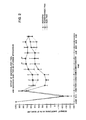
- the effect of combination treatment with both SQ 29,548 and SQ 31,765 on segmental shortening following coronary occlusion is shown on Figure 2. Though the values for saline-treated animals are not shown in this figure, treatment with SQ 29,548 or SQ 31,765 alone resulted in significant improvements in contractile function during reperfusion compared to saline-treated animals at most of the times measured. SQ 29,548 seemed to result in an earlier return of function compared to SQ 31,765 and the significance of this, if any, is presently unknown.
- TXA Thromboxane
- the TXA receptor antagonist, SQ 29,548, was found to significantly enhance recovery of function in the ischemic subendocardial region. This indicates a role for TXA in mediating some aspects of myocardial stunning. It is known that TXA is released during coronary occlusions of short duration, though the effect of this release is still under debate. It is not known if the beneficial effect of SQ 29,548 was due to its action during the coronary occlusion or during the reperfusion. It has been shown that SQ 29,548 can exert a beneficial effect during a coronary occlusion, though this does not exclude the possibility of a beneficial effect during the reperfusion.
- TXA antagonists and calcium antagonists reduce the severity of myocardial ischemia through different mechanisms.
- these two classes of compounds acting through different mechanisms may be combined to treat heart disease of multiple or unknown etiology, without the disadvantages of combining compounds working via similar mechanisms (e.g., cardiodepression with ⁇ -adrenoceptor antagonists and calcium antagonists).
- SQ 29,548 and SQ 31,765 could enhance functional recovery of stunned myocardial tissue in an additive fashion.
- SQ 31,765 significantly reduced the degree of stunning found following reperfusion of a formerly occluded region.
- SQ 29,548 and SQ 31,765 were administered simultaneously, despite virtually complete TXA receptor blockade, SQ 31,765 resulted in a further slight though statistically significant improvement in function. This suggests that these compounds may be working in part via separate mechanisms.
- the other important observation was that the combination of these two compounds did not seem to result in any noticeable deleterious hemodynamic effects. This may be of importance as combination treatment may result in wider coverage of coronary disease of multiple etiology or enhance the beneficial effects for a given etiology, but without paying a significant price in terms of added negative effects.
Landscapes
- Health & Medical Sciences (AREA)
- Animal Behavior & Ethology (AREA)
- Public Health (AREA)
- Veterinary Medicine (AREA)
- General Health & Medical Sciences (AREA)
- Life Sciences & Earth Sciences (AREA)
- Medicinal Chemistry (AREA)
- Chemical & Material Sciences (AREA)
- Pharmacology & Pharmacy (AREA)
- Epidemiology (AREA)
- Engineering & Computer Science (AREA)
- Bioinformatics & Cheminformatics (AREA)
- Organic Chemistry (AREA)
- Heart & Thoracic Surgery (AREA)
- General Chemical & Material Sciences (AREA)
- Cardiology (AREA)
- Nuclear Medicine, Radiotherapy & Molecular Imaging (AREA)
- Chemical Kinetics & Catalysis (AREA)
- Urology & Nephrology (AREA)
- Vascular Medicine (AREA)
- Pharmaceuticals Containing Other Organic And Inorganic Compounds (AREA)
- Medicines That Contain Protein Lipid Enzymes And Other Medicines (AREA)
- Acyclic And Carbocyclic Compounds In Medicinal Compositions (AREA)
Priority Applications (1)
| Application Number | Priority Date | Filing Date | Title |
|---|---|---|---|
| AT89113073T ATE81017T1 (de) | 1988-07-21 | 1989-07-17 | Mischung eines calciumchannel-blockers mit einem thromboxan-a2-rezeptoren-anatgonisten oder einem synthetase-inhibitor und verfahren zur behandlung von ischaemie unter verwendung einer solchen mischung. |
Applications Claiming Priority (2)
| Application Number | Priority Date | Filing Date | Title |
|---|---|---|---|
| US07/222,671 USH1139H (en) | 1988-07-21 | 1988-07-21 | Combination of a calcium channel blocker and thromboxane A2 receptor antagonist or synthetase inhibitor and method for treating ischemia employing such combination |
| US222671 | 1988-07-21 |
Publications (2)
| Publication Number | Publication Date |
|---|---|
| EP0351755A1 true EP0351755A1 (fr) | 1990-01-24 |
| EP0351755B1 EP0351755B1 (fr) | 1992-09-30 |
Family
ID=22833206
Family Applications (1)
| Application Number | Title | Priority Date | Filing Date |
|---|---|---|---|
| EP89113073A Expired - Lifetime EP0351755B1 (fr) | 1988-07-21 | 1989-07-17 | Mélange d'un channel-blocker de calcium et d'un antagoniste des récepteurs A2 de thromboxane ou d'un inhibiteur de synthétase et procédé pour traiter l'ischémie en appliquant un tel mélange |
Country Status (5)
| Country | Link |
|---|---|
| US (1) | USH1139H (fr) |
| EP (1) | EP0351755B1 (fr) |
| JP (1) | JP2810426B2 (fr) |
| AT (1) | ATE81017T1 (fr) |
| DE (1) | DE68903064T2 (fr) |
Cited By (7)
| Publication number | Priority date | Publication date | Assignee | Title |
|---|---|---|---|---|
| WO1992019270A1 (fr) * | 1991-05-02 | 1992-11-12 | Kirchengast, Michael | Nouvelles combinaisons de medicaments |
| WO1997021445A1 (fr) * | 1995-12-12 | 1997-06-19 | Omeros Medical Systems, Inc. | Solution d'irrigation vasculaire et methode d'inhibition de la douleur, de l'inflammation, du spasme et de la restenose |
| US5800385A (en) * | 1994-12-12 | 1998-09-01 | Omeros Medical Systems, Inc. | Vascular irrigation solution and method for inhibition of pain, inflammation, spasm and restenosis |
| US5820583A (en) * | 1995-12-12 | 1998-10-13 | Omeros Medical Systems, Inc. | Surgical irrigation solution and method for inhibition of pain and inflammation |
| US6413961B1 (en) | 1995-12-12 | 2002-07-02 | Omeros Medical Systems, Inc. | Irrigation solution and method for inhibition of pain and inflammation |
| US6492332B1 (en) | 1995-12-12 | 2002-12-10 | Omeros Corporation | Irrigation solution and methods for inhibition of tumor cell adhesion, pain and inflammation |
| US7091181B2 (en) | 1994-12-12 | 2006-08-15 | Omeros Corporation | Method of inhibition of pain and inflammation during surgery comprising administration of soluble TNF receptors |
Families Citing this family (2)
| Publication number | Priority date | Publication date | Assignee | Title |
|---|---|---|---|---|
| US11241379B2 (en) | 2015-12-01 | 2022-02-08 | Sun Pharmaceutical Industries Limited | Parenteral dosage form of diltiazem |
| CN105841404B (zh) * | 2016-05-18 | 2018-09-07 | 珠海格力电器股份有限公司 | 一种换热装置和具有该换热装置的储液箱以及热水器 |
Citations (1)
| Publication number | Priority date | Publication date | Assignee | Title |
|---|---|---|---|---|
| WO1987000434A1 (fr) * | 1985-07-19 | 1987-01-29 | Schering Aktiengesellschaft Berlin Und Bergkamen | Prostacyclines, leurs analogues ou prostaglandines et antagonistes de la thromboxane pour le traitement de formes de maladies thrombotiques et thrombo-emboliques |
Family Cites Families (1)
| Publication number | Priority date | Publication date | Assignee | Title |
|---|---|---|---|---|
| US4663336A (en) | 1985-07-01 | 1987-05-05 | E. R. Squibb & Sons, Inc. | 7-oxabicycloheptane substituted diamide and its congener prostaglandin analogs useful in the treatment of thrombotic disease |
-
1988
- 1988-07-21 US US07/222,671 patent/USH1139H/en not_active Abandoned
-
1989
- 1989-07-17 AT AT89113073T patent/ATE81017T1/de not_active IP Right Cessation
- 1989-07-17 DE DE8989113073T patent/DE68903064T2/de not_active Expired - Fee Related
- 1989-07-17 EP EP89113073A patent/EP0351755B1/fr not_active Expired - Lifetime
- 1989-07-21 JP JP1190365A patent/JP2810426B2/ja not_active Expired - Fee Related
Patent Citations (1)
| Publication number | Priority date | Publication date | Assignee | Title |
|---|---|---|---|---|
| WO1987000434A1 (fr) * | 1985-07-19 | 1987-01-29 | Schering Aktiengesellschaft Berlin Und Bergkamen | Prostacyclines, leurs analogues ou prostaglandines et antagonistes de la thromboxane pour le traitement de formes de maladies thrombotiques et thrombo-emboliques |
Cited By (16)
| Publication number | Priority date | Publication date | Assignee | Title |
|---|---|---|---|---|
| WO1992019270A1 (fr) * | 1991-05-02 | 1992-11-12 | Kirchengast, Michael | Nouvelles combinaisons de medicaments |
| US7091181B2 (en) | 1994-12-12 | 2006-08-15 | Omeros Corporation | Method of inhibition of pain and inflammation during surgery comprising administration of soluble TNF receptors |
| US5800385A (en) * | 1994-12-12 | 1998-09-01 | Omeros Medical Systems, Inc. | Vascular irrigation solution and method for inhibition of pain, inflammation, spasm and restenosis |
| EP1609477A1 (fr) * | 1994-12-12 | 2005-12-28 | Omeros Corporation | Solution d'irrigation et utilisation de celle-ci pour inhiber périopérativement la douleur, l'inflammation et/ou les spasmes au niveau d'une structure vasculaire |
| US5858017A (en) * | 1994-12-12 | 1999-01-12 | Omeros Medical Systems, Inc. | Urologic irrigation solution and method for inhibition of pain, inflammation and spasm |
| US5860950A (en) * | 1994-12-12 | 1999-01-19 | Omeros Medical Systems, Inc. | Arthroscopic irrigation solution and method for inhibition of pain and inflammation |
| US6254585B1 (en) | 1995-12-12 | 2001-07-03 | Omeros Medical Systems, Inc. | Surgical irrigation solution and method for inhibition of pain and inflammation |
| US6242447B1 (en) | 1995-12-12 | 2001-06-05 | Omeros Medical Systems, Inc. | Surgical irrigation solution and method for inhibition of pain and inflammation |
| US6056715A (en) * | 1995-12-12 | 2000-05-02 | Omeros Medical Systems, Inc. | Surgical irrigation solution and method for inhibition of pain and inflammation |
| US6261279B1 (en) | 1995-12-12 | 2001-07-17 | Omeros Medical Systems, Inc. | Surgical irrigation solution and method for inhibition of pain and inflammation |
| US6413961B1 (en) | 1995-12-12 | 2002-07-02 | Omeros Medical Systems, Inc. | Irrigation solution and method for inhibition of pain and inflammation |
| US6420432B2 (en) | 1995-12-12 | 2002-07-16 | Omeros Corporation | Surgical irrigation solution and method for inhibition of pain and inflammation |
| US6492332B1 (en) | 1995-12-12 | 2002-12-10 | Omeros Corporation | Irrigation solution and methods for inhibition of tumor cell adhesion, pain and inflammation |
| US6645168B2 (en) | 1995-12-12 | 2003-11-11 | Omeros Corporation | Arthroscopic irrigation solution and method for inhibition of pain and inflammation |
| US5820583A (en) * | 1995-12-12 | 1998-10-13 | Omeros Medical Systems, Inc. | Surgical irrigation solution and method for inhibition of pain and inflammation |
| WO1997021445A1 (fr) * | 1995-12-12 | 1997-06-19 | Omeros Medical Systems, Inc. | Solution d'irrigation vasculaire et methode d'inhibition de la douleur, de l'inflammation, du spasme et de la restenose |
Also Published As
| Publication number | Publication date |
|---|---|
| EP0351755B1 (fr) | 1992-09-30 |
| ATE81017T1 (de) | 1992-10-15 |
| JPH0288527A (ja) | 1990-03-28 |
| USH1139H (en) | 1993-02-02 |
| DE68903064T2 (de) | 1993-02-18 |
| DE68903064D1 (de) | 1992-11-05 |
| JP2810426B2 (ja) | 1998-10-15 |
Similar Documents
| Publication | Publication Date | Title |
|---|---|---|
| AU739275B2 (en) | Method of increasing bone volume using non-naturally-occurring FP selective agonists | |
| US20020022627A1 (en) | Inhibition of cyclooxygenase-2activity | |
| US4444778A (en) | Method and composition for treating atherosclerosis | |
| KR20010023331A (ko) | 혈관신생 촉진제 및 혈관신생 작용증강제 | |
| EP0351755B1 (fr) | Mélange d'un channel-blocker de calcium et d'un antagoniste des récepteurs A2 de thromboxane ou d'un inhibiteur de synthétase et procédé pour traiter l'ischémie en appliquant un tel mélange | |
| EP0426066A2 (fr) | Inhibiteurs de l'ACE pour prévenir le déclenchement du diabète du type II | |
| EP0425956A2 (fr) | Inhibiteurs de l'ACE pour l'utilisation dans la stabilisation ou la régression de l'athérosclérose des artères coronaires | |
| WO1994018975A1 (fr) | Agent pour la prophylaxie ou le traitement de la cataracte | |
| EP0229644B1 (fr) | Procédé d'utilisation du diltiazem, verapamil ou nifedipine agissant dans le traitement de l'apoplexie | |
| US4859665A (en) | Antihypertensive combination products containing a dihydropyridine and a pyridazodiazepine | |
| EP0381075A2 (fr) | Méthode pour traiter l'asservissement aux drogues, en utilisant un inhibiteur de l'enzyme de conversion de l'angiotensine | |
| US4931460A (en) | Post-ischemic myocardial dysfunction using thromboxane A2 antagonists | |
| US4558037A (en) | Cardiovascular composition | |
| JPH0296537A (ja) | プロタミンの使用における有害作用の予防または減少用組成物 | |
| HUP0003584A2 (hu) | Eljárás csonttérfogat növelésére | |
| KR100895031B1 (ko) | 지질 농후 플라크의 감소, 안정화 및 파열 방지 방법 | |
| Hugenholtz | Calcium antagonists | |
| JPH05255087A (ja) | カリウム通路賦活剤とスルフヒドリル含有化合物の併用 | |
| IE59338B1 (en) | Prostacyclins, their analogues or prostaglandins and thromboxane antagonists for the treatment of thrombotic and thrombo-embolic syndromes | |
| EP0474438A1 (fr) | Méthode pour la prévention et le traitement de maladies cérébrovasculaires en utilisant l'inhibiteur de l'enzyme de conversion de l'angiotensine céranapril | |
| JP2002538105A (ja) | 骨体積の増加のための天然に存在しないep1選択的アゴニストの使用 | |
| US5030648A (en) | Combination and method for treating obsessive-compulsive disorder, and motor and phonic tics in Tourettes' syndrome using such combination | |
| US6201015B1 (en) | Therapeutic method for thrombocytopathy treatment | |
| US20090247572A1 (en) | Agent for treating atrial fibrillation | |
| EP0332306A2 (fr) | Utilisation d'un antagoniste du récepteur au thromboxane A2 pour prévenir la perte des plaquettes |
Legal Events
| Date | Code | Title | Description |
|---|---|---|---|
| PUAI | Public reference made under article 153(3) epc to a published international application that has entered the european phase |
Free format text: ORIGINAL CODE: 0009012 |
|
| AK | Designated contracting states |
Kind code of ref document: A1 Designated state(s): AT BE CH DE FR GB IT LI LU NL SE |
|
| 17P | Request for examination filed |
Effective date: 19900720 |
|
| 17Q | First examination report despatched |
Effective date: 19910624 |
|
| GRAA | (expected) grant |
Free format text: ORIGINAL CODE: 0009210 |
|
| AK | Designated contracting states |
Kind code of ref document: B1 Designated state(s): AT BE CH DE FR GB IT LI LU NL SE |
|
| REF | Corresponds to: |
Ref document number: 81017 Country of ref document: AT Date of ref document: 19921015 Kind code of ref document: T |
|
| REF | Corresponds to: |
Ref document number: 68903064 Country of ref document: DE Date of ref document: 19921105 |
|
| ITF | It: translation for a ep patent filed | ||
| ET | Fr: translation filed | ||
| PLBE | No opposition filed within time limit |
Free format text: ORIGINAL CODE: 0009261 |
|
| STAA | Information on the status of an ep patent application or granted ep patent |
Free format text: STATUS: NO OPPOSITION FILED WITHIN TIME LIMIT |
|
| 26N | No opposition filed | ||
| EPTA | Lu: last paid annual fee | ||
| EAL | Se: european patent in force in sweden |
Ref document number: 89113073.4 |
|
| REG | Reference to a national code |
Ref country code: GB Ref legal event code: IF02 |
|
| PGFP | Annual fee paid to national office [announced via postgrant information from national office to epo] |
Ref country code: NL Payment date: 20040704 Year of fee payment: 16 |
|
| PGFP | Annual fee paid to national office [announced via postgrant information from national office to epo] |
Ref country code: SE Payment date: 20040706 Year of fee payment: 16 |
|
| PGFP | Annual fee paid to national office [announced via postgrant information from national office to epo] |
Ref country code: FR Payment date: 20040708 Year of fee payment: 16 |
|
| PGFP | Annual fee paid to national office [announced via postgrant information from national office to epo] |
Ref country code: AT Payment date: 20040713 Year of fee payment: 16 |
|
| PGFP | Annual fee paid to national office [announced via postgrant information from national office to epo] |
Ref country code: LU Payment date: 20040714 Year of fee payment: 16 Ref country code: GB Payment date: 20040714 Year of fee payment: 16 |
|
| PGFP | Annual fee paid to national office [announced via postgrant information from national office to epo] |
Ref country code: CH Payment date: 20040715 Year of fee payment: 16 |
|
| PGFP | Annual fee paid to national office [announced via postgrant information from national office to epo] |
Ref country code: DE Payment date: 20040729 Year of fee payment: 16 |
|
| PGFP | Annual fee paid to national office [announced via postgrant information from national office to epo] |
Ref country code: BE Payment date: 20040909 Year of fee payment: 16 |
|
| PG25 | Lapsed in a contracting state [announced via postgrant information from national office to epo] |
Ref country code: LU Free format text: LAPSE BECAUSE OF NON-PAYMENT OF DUE FEES Effective date: 20050717 Ref country code: IT Free format text: LAPSE BECAUSE OF NON-PAYMENT OF DUE FEES;WARNING: LAPSES OF ITALIAN PATENTS WITH EFFECTIVE DATE BEFORE 2007 MAY HAVE OCCURRED AT ANY TIME BEFORE 2007. THE CORRECT EFFECTIVE DATE MAY BE DIFFERENT FROM THE ONE RECORDED. Effective date: 20050717 Ref country code: GB Free format text: LAPSE BECAUSE OF NON-PAYMENT OF DUE FEES Effective date: 20050717 Ref country code: AT Free format text: LAPSE BECAUSE OF NON-PAYMENT OF DUE FEES Effective date: 20050717 |
|
| PG25 | Lapsed in a contracting state [announced via postgrant information from national office to epo] |
Ref country code: SE Free format text: LAPSE BECAUSE OF NON-PAYMENT OF DUE FEES Effective date: 20050718 |
|
| PG25 | Lapsed in a contracting state [announced via postgrant information from national office to epo] |
Ref country code: LI Free format text: LAPSE BECAUSE OF NON-PAYMENT OF DUE FEES Effective date: 20050731 Ref country code: CH Free format text: LAPSE BECAUSE OF NON-PAYMENT OF DUE FEES Effective date: 20050731 Ref country code: BE Free format text: LAPSE BECAUSE OF NON-PAYMENT OF DUE FEES Effective date: 20050731 |
|
| PG25 | Lapsed in a contracting state [announced via postgrant information from national office to epo] |
Ref country code: NL Free format text: LAPSE BECAUSE OF NON-PAYMENT OF DUE FEES Effective date: 20060201 Ref country code: DE Free format text: LAPSE BECAUSE OF NON-PAYMENT OF DUE FEES Effective date: 20060201 |
|
| REG | Reference to a national code |
Ref country code: CH Ref legal event code: PL |
|
| EUG | Se: european patent has lapsed | ||
| GBPC | Gb: european patent ceased through non-payment of renewal fee |
Effective date: 20050717 |
|
| PG25 | Lapsed in a contracting state [announced via postgrant information from national office to epo] |
Ref country code: FR Free format text: LAPSE BECAUSE OF NON-PAYMENT OF DUE FEES Effective date: 20060331 |
|
| NLV4 | Nl: lapsed or anulled due to non-payment of the annual fee |
Effective date: 20060201 |
|
| REG | Reference to a national code |
Ref country code: FR Ref legal event code: ST Effective date: 20060331 |
|
| BERE | Be: lapsed |
Owner name: E.R. *SQUIBB & SONS INC. Effective date: 20050731 |