EP0374559A2 - Substituierte 2-Phenyl-2,2-difluorethylthiolcarbonate, Verfahren zu ihrer Herstellung und ihre Verwendung zur Bekämpfung von Schädlingen - Google Patents
Substituierte 2-Phenyl-2,2-difluorethylthiolcarbonate, Verfahren zu ihrer Herstellung und ihre Verwendung zur Bekämpfung von Schädlingen Download PDFInfo
- Publication number
- EP0374559A2 EP0374559A2 EP89122287A EP89122287A EP0374559A2 EP 0374559 A2 EP0374559 A2 EP 0374559A2 EP 89122287 A EP89122287 A EP 89122287A EP 89122287 A EP89122287 A EP 89122287A EP 0374559 A2 EP0374559 A2 EP 0374559A2
- Authority
- EP
- European Patent Office
- Prior art keywords
- carbon atoms
- formula
- phenyl
- methyl
- alkyl
- Prior art date
- Legal status (The legal status is an assumption and is not a legal conclusion. Google has not performed a legal analysis and makes no representation as to the accuracy of the status listed.)
- Withdrawn
Links
- 238000000034 method Methods 0.000 title claims abstract description 21
- -1 Substituted-2-phenyl-2,2-difluoroethyl thiocarbonates Chemical class 0.000 title claims description 163
- 238000002360 preparation method Methods 0.000 title claims description 15
- 239000004009 herbicide Substances 0.000 title description 2
- 150000001875 compounds Chemical class 0.000 claims abstract description 49
- 125000003118 aryl group Chemical group 0.000 claims abstract description 10
- 241000607479 Yersinia pestis Species 0.000 claims abstract description 9
- 125000004432 carbon atom Chemical group C* 0.000 claims description 58
- 239000001257 hydrogen Substances 0.000 claims description 52
- 229910052739 hydrogen Inorganic materials 0.000 claims description 52
- 125000004435 hydrogen atom Chemical class [H]* 0.000 claims description 52
- 125000000217 alkyl group Chemical group 0.000 claims description 42
- 125000002496 methyl group Chemical group [H]C([H])([H])* 0.000 claims description 34
- 125000001997 phenyl group Chemical group [H]C1=C([H])C([H])=C(*)C([H])=C1[H] 0.000 claims description 16
- NINIDFKCEFEMDL-UHFFFAOYSA-N Sulfur Chemical compound [S] NINIDFKCEFEMDL-UHFFFAOYSA-N 0.000 claims description 15
- 125000004966 cyanoalkyl group Chemical group 0.000 claims description 15
- 239000002904 solvent Substances 0.000 claims description 15
- 229910052717 sulfur Inorganic materials 0.000 claims description 15
- 239000011593 sulfur Substances 0.000 claims description 15
- ZAMOUSCENKQFHK-UHFFFAOYSA-N Chlorine atom Chemical group [Cl] ZAMOUSCENKQFHK-UHFFFAOYSA-N 0.000 claims description 14
- 125000003342 alkenyl group Chemical group 0.000 claims description 14
- 125000004183 alkoxy alkyl group Chemical group 0.000 claims description 14
- 125000006350 alkyl thio alkyl group Chemical group 0.000 claims description 14
- 125000000304 alkynyl group Chemical group 0.000 claims description 14
- 239000000460 chlorine Chemical group 0.000 claims description 14
- 229910052801 chlorine Chemical group 0.000 claims description 14
- 125000000753 cycloalkyl group Chemical group 0.000 claims description 14
- 125000001449 isopropyl group Chemical group [H]C([H])([H])C([H])(*)C([H])([H])[H] 0.000 claims description 13
- 150000007530 organic bases Chemical group 0.000 claims description 13
- 125000003709 fluoroalkyl group Chemical group 0.000 claims description 12
- 125000004453 alkoxycarbonyl group Chemical group 0.000 claims description 10
- 125000005112 cycloalkylalkoxy group Chemical group 0.000 claims description 10
- 125000003545 alkoxy group Chemical group 0.000 claims description 9
- 125000005083 alkoxyalkoxy group Chemical group 0.000 claims description 8
- 125000000000 cycloalkoxy group Chemical group 0.000 claims description 8
- 125000005170 cycloalkyloxycarbonyl group Chemical group 0.000 claims description 8
- 125000004428 fluoroalkoxy group Chemical group 0.000 claims description 8
- 125000004993 haloalkoxycarbonyl group Chemical group 0.000 claims description 8
- 229910052757 nitrogen Inorganic materials 0.000 claims description 8
- 125000004433 nitrogen atom Chemical group N* 0.000 claims description 8
- 125000001495 ethyl group Chemical group [H]C([H])([H])C([H])([H])* 0.000 claims description 7
- 125000004123 n-propyl group Chemical group [H]C([H])([H])C([H])([H])C([H])([H])* 0.000 claims description 7
- YGYAWVDWMABLBF-UHFFFAOYSA-N Phosgene Chemical compound ClC(Cl)=O YGYAWVDWMABLBF-UHFFFAOYSA-N 0.000 claims description 6
- NQRYJNQNLNOLGT-UHFFFAOYSA-N Piperidine Chemical compound C1CCNCC1 NQRYJNQNLNOLGT-UHFFFAOYSA-N 0.000 claims description 6
- RWRDLPDLKQPQOW-UHFFFAOYSA-N Pyrrolidine Chemical compound C1CCNC1 RWRDLPDLKQPQOW-UHFFFAOYSA-N 0.000 claims description 6
- 125000000113 cyclohexyl group Chemical group [H]C1([H])C([H])([H])C([H])([H])C([H])(*)C([H])([H])C1([H])[H] 0.000 claims description 6
- 125000003754 ethoxycarbonyl group Chemical group C(=O)(OCC)* 0.000 claims description 6
- 125000001153 fluoro group Chemical group F* 0.000 claims description 6
- 125000005928 isopropyloxycarbonyl group Chemical group [H]C([H])([H])C([H])(OC(*)=O)C([H])([H])[H] 0.000 claims description 6
- 239000003513 alkali Substances 0.000 claims description 5
- 229910052784 alkaline earth metal Inorganic materials 0.000 claims description 5
- 150000004649 carbonic acid derivatives Chemical class 0.000 claims description 5
- 239000003795 chemical substances by application Substances 0.000 claims description 5
- 125000005159 cyanoalkoxy group Chemical group 0.000 claims description 5
- 125000005842 heteroatom Chemical group 0.000 claims description 5
- 125000004206 2,2,2-trifluoroethyl group Chemical group [H]C([H])(*)C(F)(F)F 0.000 claims description 4
- 125000001731 2-cyanoethyl group Chemical group [H]C([H])(*)C([H])([H])C#N 0.000 claims description 4
- 125000004200 2-methoxyethyl group Chemical group [H]C([H])([H])OC([H])([H])C([H])([H])* 0.000 claims description 4
- 125000003903 2-propenyl group Chemical group [H]C([*])([H])C([H])=C([H])[H] 0.000 claims description 4
- 125000001494 2-propynyl group Chemical group [H]C#CC([H])([H])* 0.000 claims description 4
- 239000004606 Fillers/Extenders Substances 0.000 claims description 4
- YNAVUWVOSKDBBP-UHFFFAOYSA-N Morpholine Chemical compound C1COCCN1 YNAVUWVOSKDBBP-UHFFFAOYSA-N 0.000 claims description 4
- 239000002253 acid Substances 0.000 claims description 4
- 125000002947 alkylene group Chemical group 0.000 claims description 4
- 125000004185 ester group Chemical group 0.000 claims description 4
- 125000000623 heterocyclic group Chemical group 0.000 claims description 4
- 125000005394 methallyl group Chemical group 0.000 claims description 4
- 125000001971 neopentyl group Chemical group [H]C([*])([H])C(C([H])([H])[H])(C([H])([H])[H])C([H])([H])[H] 0.000 claims description 4
- 125000002914 sec-butyl group Chemical group [H]C([H])([H])C([H])([H])C([H])(*)C([H])([H])[H] 0.000 claims description 4
- 125000005930 sec-butyloxycarbonyl group Chemical group [H]C([H])([H])C([H])([H])C([H])(OC(*)=O)C([H])([H])[H] 0.000 claims description 4
- AIEXXBXDADNWLR-UHFFFAOYSA-N 2,2-difluoro-2-phenylethanethiol Chemical compound SCC(F)(F)C1=CC=CC=C1 AIEXXBXDADNWLR-UHFFFAOYSA-N 0.000 claims description 3
- LFQSCWFLJHTTHZ-UHFFFAOYSA-N Ethanol Chemical compound CCO LFQSCWFLJHTTHZ-UHFFFAOYSA-N 0.000 claims description 3
- 230000001476 alcoholic effect Effects 0.000 claims description 3
- 150000001805 chlorine compounds Chemical class 0.000 claims description 3
- 239000003085 diluting agent Substances 0.000 claims description 3
- 150000007529 inorganic bases Chemical class 0.000 claims description 3
- 238000002955 isolation Methods 0.000 claims description 3
- OGYGFUAIIOPWQD-UHFFFAOYSA-N 1,3-thiazolidine Chemical compound C1CSCN1 OGYGFUAIIOPWQD-UHFFFAOYSA-N 0.000 claims description 2
- PVOAHINGSUIXLS-UHFFFAOYSA-N 1-Methylpiperazine Chemical compound CN1CCNCC1 PVOAHINGSUIXLS-UHFFFAOYSA-N 0.000 claims description 2
- QLEIDMAURCRVCX-UHFFFAOYSA-N 1-propylpiperazine Chemical compound CCCN1CCNCC1 QLEIDMAURCRVCX-UHFFFAOYSA-N 0.000 claims description 2
- HNVIQLPOGUDBSU-UHFFFAOYSA-N 2,6-dimethylmorpholine Chemical compound CC1CNCC(C)O1 HNVIQLPOGUDBSU-UHFFFAOYSA-N 0.000 claims description 2
- NNWUEBIEOFQMSS-UHFFFAOYSA-N 2-Methylpiperidine Chemical compound CC1CCCCN1 NNWUEBIEOFQMSS-UHFFFAOYSA-N 0.000 claims description 2
- JEGMWWXJUXDNJN-UHFFFAOYSA-N 3-methylpiperidine Chemical compound CC1CCCNC1 JEGMWWXJUXDNJN-UHFFFAOYSA-N 0.000 claims description 2
- UZOFELREXGAFOI-UHFFFAOYSA-N 4-methylpiperidine Chemical compound CC1CCNCC1 UZOFELREXGAFOI-UHFFFAOYSA-N 0.000 claims description 2
- 125000002373 5 membered heterocyclic group Chemical group 0.000 claims description 2
- 125000004070 6 membered heterocyclic group Chemical group 0.000 claims description 2
- 125000003341 7 membered heterocyclic group Chemical group 0.000 claims description 2
- QGZKDVFQNNGYKY-UHFFFAOYSA-O Ammonium Chemical compound [NH4+] QGZKDVFQNNGYKY-UHFFFAOYSA-O 0.000 claims description 2
- 241000534944 Thia Species 0.000 claims description 2
- 150000001345 alkine derivatives Chemical group 0.000 claims description 2
- 125000005336 allyloxy group Chemical group 0.000 claims description 2
- ZSIQJIWKELUFRJ-UHFFFAOYSA-N azepane Chemical compound C1CCCNCC1 ZSIQJIWKELUFRJ-UHFFFAOYSA-N 0.000 claims description 2
- 125000001316 cycloalkyl alkyl group Chemical group 0.000 claims description 2
- 125000001995 cyclobutyl group Chemical group [H]C1([H])C([H])([H])C([H])(*)C1([H])[H] 0.000 claims description 2
- 125000001511 cyclopentyl group Chemical group [H]C1([H])C([H])([H])C([H])([H])C([H])(*)C1([H])[H] 0.000 claims description 2
- 125000001559 cyclopropyl group Chemical group [H]C1([H])C([H])([H])C1([H])* 0.000 claims description 2
- 125000001188 haloalkyl group Chemical group 0.000 claims description 2
- 125000005843 halogen group Chemical group 0.000 claims description 2
- 125000000959 isobutyl group Chemical group [H]C([H])([H])C([H])(C([H])([H])[H])C([H])([H])* 0.000 claims description 2
- 125000003253 isopropoxy group Chemical group [H]C([H])([H])C([H])(O*)C([H])([H])[H] 0.000 claims description 2
- 125000001160 methoxycarbonyl group Chemical group [H]C([H])([H])OC(*)=O 0.000 claims description 2
- 125000004108 n-butyl group Chemical group [H]C([H])([H])C([H])([H])C([H])([H])C([H])([H])* 0.000 claims description 2
- 239000004094 surface-active agent Substances 0.000 claims description 2
- 125000000999 tert-butyl group Chemical group [H]C([H])([H])C(*)(C([H])([H])[H])C([H])([H])[H] 0.000 claims description 2
- HERSKCAGZCXYMC-UHFFFAOYSA-N thiophen-3-ol Chemical class OC=1C=CSC=1 HERSKCAGZCXYMC-UHFFFAOYSA-N 0.000 claims description 2
- BVKZGUZCCUSVTD-UHFFFAOYSA-L Carbonate Chemical compound [O-]C([O-])=O BVKZGUZCCUSVTD-UHFFFAOYSA-L 0.000 claims 2
- 239000000575 pesticide Substances 0.000 claims 2
- 125000002009 alkene group Chemical group 0.000 claims 1
- RWSOTUBLDIXVET-UHFFFAOYSA-N Dihydrogen sulfide Chemical class S RWSOTUBLDIXVET-UHFFFAOYSA-N 0.000 abstract 1
- 238000006243 chemical reaction Methods 0.000 description 14
- 241000196324 Embryophyta Species 0.000 description 13
- CSCPPACGZOOCGX-UHFFFAOYSA-N Acetone Chemical compound CC(C)=O CSCPPACGZOOCGX-UHFFFAOYSA-N 0.000 description 12
- 239000000203 mixture Substances 0.000 description 12
- XLYOFNOQVPJJNP-UHFFFAOYSA-N water Substances O XLYOFNOQVPJJNP-UHFFFAOYSA-N 0.000 description 10
- YMWUJEATGCHHMB-UHFFFAOYSA-N Dichloromethane Chemical compound ClCCl YMWUJEATGCHHMB-UHFFFAOYSA-N 0.000 description 9
- XEKOWRVHYACXOJ-UHFFFAOYSA-N Ethyl acetate Chemical compound CCOC(C)=O XEKOWRVHYACXOJ-UHFFFAOYSA-N 0.000 description 9
- ZMXDDKWLCZADIW-UHFFFAOYSA-N N,N-Dimethylformamide Chemical compound CN(C)C=O ZMXDDKWLCZADIW-UHFFFAOYSA-N 0.000 description 9
- YXFVVABEGXRONW-UHFFFAOYSA-N Toluene Chemical compound CC1=CC=CC=C1 YXFVVABEGXRONW-UHFFFAOYSA-N 0.000 description 9
- 0 C*(C)[C@@](CC*)*N=CC Chemical compound C*(C)[C@@](CC*)*N=CC 0.000 description 8
- JUJWROOIHBZHMG-UHFFFAOYSA-N Pyridine Chemical compound C1=CC=NC=C1 JUJWROOIHBZHMG-UHFFFAOYSA-N 0.000 description 8
- 239000004480 active ingredient Substances 0.000 description 7
- 238000009472 formulation Methods 0.000 description 7
- ZWEHNKRNPOVVGH-UHFFFAOYSA-N 2-Butanone Chemical compound CCC(C)=O ZWEHNKRNPOVVGH-UHFFFAOYSA-N 0.000 description 6
- RTZKZFJDLAIYFH-UHFFFAOYSA-N Diethyl ether Chemical compound CCOCC RTZKZFJDLAIYFH-UHFFFAOYSA-N 0.000 description 6
- ZMANZCXQSJIPKH-UHFFFAOYSA-N Triethylamine Chemical compound CCN(CC)CC ZMANZCXQSJIPKH-UHFFFAOYSA-N 0.000 description 6
- 239000003995 emulsifying agent Substances 0.000 description 6
- 239000008187 granular material Substances 0.000 description 6
- 239000000843 powder Substances 0.000 description 6
- 239000003960 organic solvent Substances 0.000 description 5
- 150000003254 radicals Chemical class 0.000 description 5
- VHYFNPMBLIVWCW-UHFFFAOYSA-N 4-Dimethylaminopyridine Chemical compound CN(C)C1=CC=NC=C1 VHYFNPMBLIVWCW-UHFFFAOYSA-N 0.000 description 4
- HEDRZPFGACZZDS-UHFFFAOYSA-N Chloroform Chemical compound ClC(Cl)Cl HEDRZPFGACZZDS-UHFFFAOYSA-N 0.000 description 4
- IAZDPXIOMUYVGZ-UHFFFAOYSA-N Dimethylsulphoxide Chemical compound CS(C)=O IAZDPXIOMUYVGZ-UHFFFAOYSA-N 0.000 description 4
- SMWDFEZZVXVKRB-UHFFFAOYSA-N Quinoline Chemical compound N1=CC=CC2=CC=CC=C21 SMWDFEZZVXVKRB-UHFFFAOYSA-N 0.000 description 4
- 239000000969 carrier Substances 0.000 description 4
- MVPPADPHJFYWMZ-UHFFFAOYSA-N chlorobenzene Chemical compound ClC1=CC=CC=C1 MVPPADPHJFYWMZ-UHFFFAOYSA-N 0.000 description 4
- 230000000694 effects Effects 0.000 description 4
- CTSLXHKWHWQRSH-UHFFFAOYSA-N oxalyl chloride Chemical compound ClC(=O)C(Cl)=O CTSLXHKWHWQRSH-UHFFFAOYSA-N 0.000 description 4
- 230000001681 protective effect Effects 0.000 description 4
- UMJSCPRVCHMLSP-UHFFFAOYSA-N pyridine Natural products COC1=CC=CN=C1 UMJSCPRVCHMLSP-UHFFFAOYSA-N 0.000 description 4
- VYPSYNLAJGMNEJ-UHFFFAOYSA-N silicon dioxide Inorganic materials O=[Si]=O VYPSYNLAJGMNEJ-UHFFFAOYSA-N 0.000 description 4
- 239000007858 starting material Substances 0.000 description 4
- QTBSBXVTEAMEQO-UHFFFAOYSA-N Acetic acid Chemical compound CC(O)=O QTBSBXVTEAMEQO-UHFFFAOYSA-N 0.000 description 3
- WEVYAHXRMPXWCK-UHFFFAOYSA-N Acetonitrile Chemical compound CC#N WEVYAHXRMPXWCK-UHFFFAOYSA-N 0.000 description 3
- XDTMQSROBMDMFD-UHFFFAOYSA-N Cyclohexane Chemical compound C1CCCCC1 XDTMQSROBMDMFD-UHFFFAOYSA-N 0.000 description 3
- 241000233866 Fungi Species 0.000 description 3
- LSDPWZHWYPCBBB-UHFFFAOYSA-N Methanethiol Chemical compound SC LSDPWZHWYPCBBB-UHFFFAOYSA-N 0.000 description 3
- 241000228453 Pyrenophora Species 0.000 description 3
- 150000008044 alkali metal hydroxides Chemical class 0.000 description 3
- 125000002877 alkyl aryl group Chemical group 0.000 description 3
- JFDZBHWFFUWGJE-UHFFFAOYSA-N benzonitrile Chemical compound N#CC1=CC=CC=C1 JFDZBHWFFUWGJE-UHFFFAOYSA-N 0.000 description 3
- 238000001704 evaporation Methods 0.000 description 3
- 230000008020 evaporation Effects 0.000 description 3
- 239000000417 fungicide Substances 0.000 description 3
- 239000007788 liquid Substances 0.000 description 3
- 239000002798 polar solvent Substances 0.000 description 3
- 229920000151 polyglycol Polymers 0.000 description 3
- 239000010695 polyglycol Substances 0.000 description 3
- 239000011435 rock Substances 0.000 description 3
- 150000003839 salts Chemical class 0.000 description 3
- 239000002689 soil Substances 0.000 description 3
- 239000007787 solid Substances 0.000 description 3
- 238000005507 spraying Methods 0.000 description 3
- 150000003512 tertiary amines Chemical class 0.000 description 3
- BSKHPKMHTQYZBB-UHFFFAOYSA-N 2-methylpyridine Chemical compound CC1=CC=CC=N1 BSKHPKMHTQYZBB-UHFFFAOYSA-N 0.000 description 2
- CURLTUGMZLYLDI-UHFFFAOYSA-N Carbon dioxide Chemical compound O=C=O CURLTUGMZLYLDI-UHFFFAOYSA-N 0.000 description 2
- 241000371644 Curvularia ravenelii Species 0.000 description 2
- LYCAIKOWRPUZTN-UHFFFAOYSA-N Ethylene glycol Chemical compound OCCO LYCAIKOWRPUZTN-UHFFFAOYSA-N 0.000 description 2
- XEEYBQQBJWHFJM-UHFFFAOYSA-N Iron Chemical class [Fe] XEEYBQQBJWHFJM-UHFFFAOYSA-N 0.000 description 2
- UQSXHKLRYXJYBZ-UHFFFAOYSA-N Iron oxide Chemical compound [Fe]=O UQSXHKLRYXJYBZ-UHFFFAOYSA-N 0.000 description 2
- JGFZNNIVVJXRND-UHFFFAOYSA-N N,N-Diisopropylethylamine (DIPEA) Chemical compound CCN(C(C)C)C(C)C JGFZNNIVVJXRND-UHFFFAOYSA-N 0.000 description 2
- JLTDJTHDQAWBAV-UHFFFAOYSA-N N,N-dimethylaniline Chemical compound CN(C)C1=CC=CC=C1 JLTDJTHDQAWBAV-UHFFFAOYSA-N 0.000 description 2
- LRHPLDYGYMQRHN-UHFFFAOYSA-N N-Butanol Chemical compound CCCCO LRHPLDYGYMQRHN-UHFFFAOYSA-N 0.000 description 2
- CTQNGGLPUBDAKN-UHFFFAOYSA-N O-Xylene Chemical compound CC1=CC=CC=C1C CTQNGGLPUBDAKN-UHFFFAOYSA-N 0.000 description 2
- 241000736122 Parastagonospora nodorum Species 0.000 description 2
- 241000896242 Podosphaera Species 0.000 description 2
- 241000317981 Podosphaera fuliginea Species 0.000 description 2
- 241001337928 Podosphaera leucotricha Species 0.000 description 2
- 229920003171 Poly (ethylene oxide) Polymers 0.000 description 2
- ATUOYWHBWRKTHZ-UHFFFAOYSA-N Propane Chemical compound CCC ATUOYWHBWRKTHZ-UHFFFAOYSA-N 0.000 description 2
- 241000579741 Sphaerotheca <fungi> Species 0.000 description 2
- WYURNTSHIVDZCO-UHFFFAOYSA-N Tetrahydrofuran Chemical compound C1CCOC1 WYURNTSHIVDZCO-UHFFFAOYSA-N 0.000 description 2
- HEDRZPFGACZZDS-MICDWDOJSA-N Trichloro(2H)methane Chemical compound [2H]C(Cl)(Cl)Cl HEDRZPFGACZZDS-MICDWDOJSA-N 0.000 description 2
- 150000001298 alcohols Chemical class 0.000 description 2
- 150000001338 aliphatic hydrocarbons Chemical class 0.000 description 2
- BTANRVKWQNVYAZ-UHFFFAOYSA-N butan-2-ol Chemical compound CCC(C)O BTANRVKWQNVYAZ-UHFFFAOYSA-N 0.000 description 2
- 239000012141 concentrate Substances 0.000 description 2
- JHIVVAPYMSGYDF-UHFFFAOYSA-N cyclohexanone Chemical compound O=C1CCCCC1 JHIVVAPYMSGYDF-UHFFFAOYSA-N 0.000 description 2
- 125000001887 cyclopentyloxy group Chemical group C1(CCCC1)O* 0.000 description 2
- MHZMHXSWRFNOJD-UHFFFAOYSA-N dicyclopentyl 3-hydroxy-4-phenylthiophene-2,5-dicarboxylate Chemical compound C=1C=CC=CC=1C=1C(O)=C(C(=O)OC2CCCC2)SC=1C(=O)OC1CCCC1 MHZMHXSWRFNOJD-UHFFFAOYSA-N 0.000 description 2
- XXBDWLFCJWSEKW-UHFFFAOYSA-N dimethylbenzylamine Chemical compound CN(C)CC1=CC=CC=C1 XXBDWLFCJWSEKW-UHFFFAOYSA-N 0.000 description 2
- 239000002270 dispersing agent Substances 0.000 description 2
- 239000000975 dye Substances 0.000 description 2
- 239000000839 emulsion Substances 0.000 description 2
- 150000002170 ethers Chemical class 0.000 description 2
- 238000011156 evaluation Methods 0.000 description 2
- 239000006260 foam Substances 0.000 description 2
- 230000000855 fungicidal effect Effects 0.000 description 2
- 229910052736 halogen Inorganic materials 0.000 description 2
- 150000002367 halogens Chemical class 0.000 description 2
- 238000011081 inoculation Methods 0.000 description 2
- UAEPNZWRGJTJPN-UHFFFAOYSA-N methylcyclohexane Chemical compound CC1CCCCC1 UAEPNZWRGJTJPN-UHFFFAOYSA-N 0.000 description 2
- 238000002156 mixing Methods 0.000 description 2
- XRKQMIFKHDXFNQ-UHFFFAOYSA-N n-cyclohexyl-n-ethylcyclohexanamine Chemical compound C1CCCCC1N(CC)C1CCCCC1 XRKQMIFKHDXFNQ-UHFFFAOYSA-N 0.000 description 2
- 239000003208 petroleum Substances 0.000 description 2
- 239000000047 product Substances 0.000 description 2
- YGSDEFSMJLZEOE-UHFFFAOYSA-N salicylic acid Chemical compound OC(=O)C1=CC=CC=C1O YGSDEFSMJLZEOE-UHFFFAOYSA-N 0.000 description 2
- 239000000243 solution Substances 0.000 description 2
- 239000000126 substance Substances 0.000 description 2
- 239000000725 suspension Substances 0.000 description 2
- VZGDMQKNWNREIO-UHFFFAOYSA-N tetrachloromethane Chemical compound ClC(Cl)(Cl)Cl VZGDMQKNWNREIO-UHFFFAOYSA-N 0.000 description 2
- 239000008096 xylene Substances 0.000 description 2
- RYHBNJHYFVUHQT-UHFFFAOYSA-N 1,4-Dioxane Chemical compound C1COCCO1 RYHBNJHYFVUHQT-UHFFFAOYSA-N 0.000 description 1
- DURPTKYDGMDSBL-UHFFFAOYSA-N 1-butoxybutane Chemical compound CCCCOCCCC DURPTKYDGMDSBL-UHFFFAOYSA-N 0.000 description 1
- POTBKLVBOJZRNG-UHFFFAOYSA-N 1-hydroxy-2h-naphthalene-1-carboxylic acid Chemical compound C1=CC=C2C(C(=O)O)(O)CC=CC2=C1 POTBKLVBOJZRNG-UHFFFAOYSA-N 0.000 description 1
- RNMYGQSMHXPHFD-UHFFFAOYSA-N 2-cyclopentyloxybenzoic acid Chemical compound OC(=O)C1=CC=CC=C1OC1CCCC1 RNMYGQSMHXPHFD-UHFFFAOYSA-N 0.000 description 1
- UELPFPIVLDTTAQ-UHFFFAOYSA-N 3-(2,2-difluoro-2-phenylethyl)thiophene-2-carbonyl chloride Chemical compound C1(=CC=CC=C1)C(CC1=C(SC=C1)C(=O)Cl)(F)F UELPFPIVLDTTAQ-UHFFFAOYSA-N 0.000 description 1
- UVOARFPEGOYDMP-UHFFFAOYSA-N 3-(2,2-difluoro-2-phenylethyl)thiophene-2-carbonyl fluoride Chemical compound C1(=CC=CC=C1)C(CC1=C(SC=C1)C(=O)F)(F)F UVOARFPEGOYDMP-UHFFFAOYSA-N 0.000 description 1
- ZURJUWMJBHUBJD-UHFFFAOYSA-N 3-[2-(4-chlorophenyl)-2,2-difluoroethyl]thiophene-2-carbonyl fluoride Chemical compound S1C=CC(CC(F)(F)C=2C=CC(Cl)=CC=2)=C1C(=O)F ZURJUWMJBHUBJD-UHFFFAOYSA-N 0.000 description 1
- RVDUJCGAAPQDBO-UHFFFAOYSA-N 3-hydroxythiophene-2-carboxylic acid Chemical class OC(=O)C=1SC=CC=1O RVDUJCGAAPQDBO-UHFFFAOYSA-N 0.000 description 1
- 244000215068 Acacia senegal Species 0.000 description 1
- RGCKGOZRHPZPFP-UHFFFAOYSA-N Alizarin Natural products C1=CC=C2C(=O)C3=C(O)C(O)=CC=C3C(=O)C2=C1 RGCKGOZRHPZPFP-UHFFFAOYSA-N 0.000 description 1
- 241000223600 Alternaria Species 0.000 description 1
- 241001149961 Alternaria brassicae Species 0.000 description 1
- 241000235349 Ascomycota Species 0.000 description 1
- IJGRMHOSHXDMSA-UHFFFAOYSA-N Atomic nitrogen Chemical compound N#N IJGRMHOSHXDMSA-UHFFFAOYSA-N 0.000 description 1
- 241000221198 Basidiomycota Species 0.000 description 1
- 241000190150 Bipolaris sorokiniana Species 0.000 description 1
- 241001480061 Blumeria graminis Species 0.000 description 1
- ZOXJGFHDIHLPTG-UHFFFAOYSA-N Boron Chemical compound [B] ZOXJGFHDIHLPTG-UHFFFAOYSA-N 0.000 description 1
- 241001465180 Botrytis Species 0.000 description 1
- 241000123650 Botrytis cinerea Species 0.000 description 1
- 229910021532 Calcite Inorganic materials 0.000 description 1
- 229920002134 Carboxymethyl cellulose Polymers 0.000 description 1
- 241001157813 Cercospora Species 0.000 description 1
- 241000906476 Cercospora canescens Species 0.000 description 1
- 241000760356 Chytridiomycetes Species 0.000 description 1
- 241000228437 Cochliobolus Species 0.000 description 1
- 244000060011 Cocos nucifera Species 0.000 description 1
- 235000013162 Cocos nucifera Nutrition 0.000 description 1
- RYGMFSIKBFXOCR-UHFFFAOYSA-N Copper Chemical compound [Cu] RYGMFSIKBFXOCR-UHFFFAOYSA-N 0.000 description 1
- 240000008067 Cucumis sativus Species 0.000 description 1
- 235000010799 Cucumis sativus var sativus Nutrition 0.000 description 1
- ZAFNJMIOTHYJRJ-UHFFFAOYSA-N Diisopropyl ether Chemical compound CC(C)OC(C)C ZAFNJMIOTHYJRJ-UHFFFAOYSA-N 0.000 description 1
- 241000221787 Erysiphe Species 0.000 description 1
- KRHYYFGTRYWZRS-UHFFFAOYSA-N Fluorane Chemical compound F KRHYYFGTRYWZRS-UHFFFAOYSA-N 0.000 description 1
- 241000223218 Fusarium Species 0.000 description 1
- 241000223194 Fusarium culmorum Species 0.000 description 1
- 229920000084 Gum arabic Polymers 0.000 description 1
- 239000005909 Kieselgur Substances 0.000 description 1
- 241000228456 Leptosphaeria Species 0.000 description 1
- 241000228457 Leptosphaeria maculans Species 0.000 description 1
- 241001330975 Magnaporthe oryzae Species 0.000 description 1
- NTIZESTWPVYFNL-UHFFFAOYSA-N Methyl isobutyl ketone Chemical compound CC(C)CC(C)=O NTIZESTWPVYFNL-UHFFFAOYSA-N 0.000 description 1
- UIHCLUNTQKBZGK-UHFFFAOYSA-N Methyl isobutyl ketone Natural products CCC(C)C(C)=O UIHCLUNTQKBZGK-UHFFFAOYSA-N 0.000 description 1
- ZOKXTWBITQBERF-UHFFFAOYSA-N Molybdenum Chemical compound [Mo] ZOKXTWBITQBERF-UHFFFAOYSA-N 0.000 description 1
- 208000031888 Mycoses Diseases 0.000 description 1
- FXHOOIRPVKKKFG-UHFFFAOYSA-N N,N-Dimethylacetamide Chemical compound CN(C)C(C)=O FXHOOIRPVKKKFG-UHFFFAOYSA-N 0.000 description 1
- 244000061176 Nicotiana tabacum Species 0.000 description 1
- 235000002637 Nicotiana tabacum Nutrition 0.000 description 1
- 241001668536 Oculimacula yallundae Species 0.000 description 1
- 241000233654 Oomycetes Species 0.000 description 1
- 240000007594 Oryza sativa Species 0.000 description 1
- 235000007164 Oryza sativa Nutrition 0.000 description 1
- 241001223281 Peronospora Species 0.000 description 1
- 241000201565 Peronospora viciae f. sp. pisi Species 0.000 description 1
- 241000233614 Phytophthora Species 0.000 description 1
- 241000233622 Phytophthora infestans Species 0.000 description 1
- 241001503460 Plasmodiophorida Species 0.000 description 1
- 241000233626 Plasmopara Species 0.000 description 1
- 241001281803 Plasmopara viticola Species 0.000 description 1
- 239000004372 Polyvinyl alcohol Substances 0.000 description 1
- 241000682843 Pseudocercosporella Species 0.000 description 1
- 241001281802 Pseudoperonospora Species 0.000 description 1
- 241001281805 Pseudoperonospora cubensis Species 0.000 description 1
- 241000342307 Pseudoperonospora humuli Species 0.000 description 1
- 241000221300 Puccinia Species 0.000 description 1
- 241001123569 Puccinia recondita Species 0.000 description 1
- 241000228454 Pyrenophora graminea Species 0.000 description 1
- 241000520648 Pyrenophora teres Species 0.000 description 1
- 241000231139 Pyricularia Species 0.000 description 1
- 241000233639 Pythium Species 0.000 description 1
- 241000918584 Pythium ultimum Species 0.000 description 1
- 239000004113 Sepiolite Substances 0.000 description 1
- 241001533598 Septoria Species 0.000 description 1
- CDBYLPFSWZWCQE-UHFFFAOYSA-L Sodium Carbonate Chemical compound [Na+].[Na+].[O-]C([O-])=O CDBYLPFSWZWCQE-UHFFFAOYSA-L 0.000 description 1
- PMZURENOXWZQFD-UHFFFAOYSA-L Sodium Sulfate Chemical compound [Na+].[Na+].[O-]S([O-])(=O)=O PMZURENOXWZQFD-UHFFFAOYSA-L 0.000 description 1
- LSNNMFCWUKXFEE-UHFFFAOYSA-N Sulfurous acid Chemical compound OS(O)=O LSNNMFCWUKXFEE-UHFFFAOYSA-N 0.000 description 1
- 241001617088 Thanatephorus sasakii Species 0.000 description 1
- 241000722133 Tilletia Species 0.000 description 1
- 241000722093 Tilletia caries Species 0.000 description 1
- GWEVSGVZZGPLCZ-UHFFFAOYSA-N Titan oxide Chemical compound O=[Ti]=O GWEVSGVZZGPLCZ-UHFFFAOYSA-N 0.000 description 1
- 241000221576 Uromyces Species 0.000 description 1
- 241000221577 Uromyces appendiculatus Species 0.000 description 1
- 241000221566 Ustilago Species 0.000 description 1
- 241000514371 Ustilago avenae Species 0.000 description 1
- 241000007070 Ustilago nuda Species 0.000 description 1
- 241000317942 Venturia <ichneumonid wasp> Species 0.000 description 1
- 241000228452 Venturia inaequalis Species 0.000 description 1
- BZHJMEDXRYGGRV-UHFFFAOYSA-N Vinyl chloride Chemical class ClC=C BZHJMEDXRYGGRV-UHFFFAOYSA-N 0.000 description 1
- 240000008042 Zea mays Species 0.000 description 1
- 235000005824 Zea mays ssp. parviglumis Nutrition 0.000 description 1
- 235000002017 Zea mays subsp mays Nutrition 0.000 description 1
- HCHKCACWOHOZIP-UHFFFAOYSA-N Zinc Chemical compound [Zn] HCHKCACWOHOZIP-UHFFFAOYSA-N 0.000 description 1
- 239000000205 acacia gum Substances 0.000 description 1
- 235000010489 acacia gum Nutrition 0.000 description 1
- 230000000895 acaricidal effect Effects 0.000 description 1
- 239000000642 acaricide Substances 0.000 description 1
- 125000004423 acyloxy group Chemical group 0.000 description 1
- 239000000654 additive Substances 0.000 description 1
- 239000000853 adhesive Substances 0.000 description 1
- 230000001070 adhesive effect Effects 0.000 description 1
- 239000000443 aerosol Substances 0.000 description 1
- HFVAFDPGUJEFBQ-UHFFFAOYSA-M alizarin red S Chemical compound [Na+].O=C1C2=CC=CC=C2C(=O)C2=C1C=C(S([O-])(=O)=O)C(O)=C2O HFVAFDPGUJEFBQ-UHFFFAOYSA-M 0.000 description 1
- 229910052783 alkali metal Inorganic materials 0.000 description 1
- 150000001340 alkali metals Chemical class 0.000 description 1
- 229910000095 alkaline earth hydride Inorganic materials 0.000 description 1
- 150000001336 alkenes Chemical group 0.000 description 1
- 150000008055 alkyl aryl sulfonates Chemical class 0.000 description 1
- 150000008051 alkyl sulfates Chemical class 0.000 description 1
- 229940045714 alkyl sulfonate alkylating agent Drugs 0.000 description 1
- 150000008052 alkyl sulfonates Chemical class 0.000 description 1
- 235000012211 aluminium silicate Nutrition 0.000 description 1
- 125000000129 anionic group Chemical group 0.000 description 1
- 229960000892 attapulgite Drugs 0.000 description 1
- 239000011230 binding agent Substances 0.000 description 1
- 230000031018 biological processes and functions Effects 0.000 description 1
- 238000009835 boiling Methods 0.000 description 1
- 229910052796 boron Inorganic materials 0.000 description 1
- 230000001680 brushing effect Effects 0.000 description 1
- 239000001273 butane Substances 0.000 description 1
- 125000004744 butyloxycarbonyl group Chemical group 0.000 description 1
- 150000004657 carbamic acid derivatives Chemical class 0.000 description 1
- 229910052799 carbon Inorganic materials 0.000 description 1
- 239000001569 carbon dioxide Substances 0.000 description 1
- 229910002092 carbon dioxide Inorganic materials 0.000 description 1
- BVKZGUZCCUSVTD-UHFFFAOYSA-N carbonic acid Chemical class OC(O)=O BVKZGUZCCUSVTD-UHFFFAOYSA-N 0.000 description 1
- 239000001768 carboxy methyl cellulose Substances 0.000 description 1
- 235000010948 carboxy methyl cellulose Nutrition 0.000 description 1
- 239000008112 carboxymethyl-cellulose Substances 0.000 description 1
- 239000003054 catalyst Substances 0.000 description 1
- 150000008422 chlorobenzenes Chemical class 0.000 description 1
- 239000008199 coating composition Substances 0.000 description 1
- 239000010941 cobalt Substances 0.000 description 1
- 229910017052 cobalt Inorganic materials 0.000 description 1
- GUTLYIVDDKVIGB-UHFFFAOYSA-N cobalt atom Chemical compound [Co] GUTLYIVDDKVIGB-UHFFFAOYSA-N 0.000 description 1
- 229910052802 copper Inorganic materials 0.000 description 1
- 239000010949 copper Substances 0.000 description 1
- 235000005822 corn Nutrition 0.000 description 1
- KIQHHTKFPCRSPX-UHFFFAOYSA-N cyclopentyl 4-hydroxy-5-(2-methoxyethylcarbamoyl)-3-methylthiophene-2-carboxylate Chemical compound OC1=C(C(=O)NCCOC)SC(C(=O)OC2CCCC2)=C1C KIQHHTKFPCRSPX-UHFFFAOYSA-N 0.000 description 1
- GUJOJGAPFQRJSV-UHFFFAOYSA-N dialuminum;dioxosilane;oxygen(2-);hydrate Chemical compound O.[O-2].[O-2].[O-2].[Al+3].[Al+3].O=[Si]=O.O=[Si]=O.O=[Si]=O.O=[Si]=O GUJOJGAPFQRJSV-UHFFFAOYSA-N 0.000 description 1
- 235000014113 dietary fatty acids Nutrition 0.000 description 1
- IJKVHSBPTUYDLN-UHFFFAOYSA-N dihydroxy(oxo)silane Chemical compound O[Si](O)=O IJKVHSBPTUYDLN-UHFFFAOYSA-N 0.000 description 1
- XCRDBIMFMYJCPI-UHFFFAOYSA-N dipropan-2-yl 3-(3,3-difluoro-3-phenylpropanethioyl)oxy-4-methylthiophene-2,5-dicarboxylate Chemical compound CC1=C(C(=O)OC(C)C)SC(C(=O)OC(C)C)=C1OC(=S)CC(F)(F)C1=CC=CC=C1 XCRDBIMFMYJCPI-UHFFFAOYSA-N 0.000 description 1
- ZILCBLMHYWGAKQ-UHFFFAOYSA-N dipropan-2-yl 3-hydroxy-4-methylthiophene-2,5-dicarboxylate Chemical compound CC(C)OC(=O)C=1SC(C(=O)OC(C)C)=C(O)C=1C ZILCBLMHYWGAKQ-UHFFFAOYSA-N 0.000 description 1
- DNGWQUBPZZDJEF-UHFFFAOYSA-N dipropan-2-yl 3-methyl-4-(3-methylbenzoyl)oxythiophene-2,5-dicarboxylate Chemical compound CC1=C(C(=O)OC(C)C)SC(C(=O)OC(C)C)=C1OC(=O)C1=CC=CC(C)=C1 DNGWQUBPZZDJEF-UHFFFAOYSA-N 0.000 description 1
- WFPUZXRXEGZNLG-UHFFFAOYSA-N dipropan-2-yl 3-methyl-4-[3-(trifluoromethyl)benzenecarbothioyl]oxythiophene-2,5-dicarboxylate Chemical compound CC1=C(C(=O)OC(C)C)SC(C(=O)OC(C)C)=C1OC(=S)C1=CC=CC(C(F)(F)F)=C1 WFPUZXRXEGZNLG-UHFFFAOYSA-N 0.000 description 1
- KVKPULKOOSFDIO-UHFFFAOYSA-N dipropyl 3-hydroxy-4-phenylthiophene-2,5-dicarboxylate Chemical compound OC1=C(C(=O)OCCC)SC(C(=O)OCCC)=C1C1=CC=CC=C1 KVKPULKOOSFDIO-UHFFFAOYSA-N 0.000 description 1
- 201000010099 disease Diseases 0.000 description 1
- 208000037265 diseases, disorders, signs and symptoms Diseases 0.000 description 1
- 239000010459 dolomite Substances 0.000 description 1
- 229910000514 dolomite Inorganic materials 0.000 description 1
- 238000010410 dusting Methods 0.000 description 1
- 239000004495 emulsifiable concentrate Substances 0.000 description 1
- 230000001804 emulsifying effect Effects 0.000 description 1
- 238000005538 encapsulation Methods 0.000 description 1
- 150000002148 esters Chemical class 0.000 description 1
- 239000000194 fatty acid Substances 0.000 description 1
- 229930195729 fatty acid Natural products 0.000 description 1
- 239000003337 fertilizer Substances 0.000 description 1
- 235000013312 flour Nutrition 0.000 description 1
- 238000005187 foaming Methods 0.000 description 1
- 235000012055 fruits and vegetables Nutrition 0.000 description 1
- 230000002538 fungal effect Effects 0.000 description 1
- 239000007789 gas Substances 0.000 description 1
- 239000003630 growth substance Substances 0.000 description 1
- 150000008282 halocarbons Chemical class 0.000 description 1
- 230000002363 herbicidal effect Effects 0.000 description 1
- 125000001072 heteroaryl group Chemical group 0.000 description 1
- 229910000040 hydrogen fluoride Inorganic materials 0.000 description 1
- WGCNASOHLSPBMP-UHFFFAOYSA-N hydroxyacetaldehyde Natural products OCC=O WGCNASOHLSPBMP-UHFFFAOYSA-N 0.000 description 1
- 239000012442 inert solvent Substances 0.000 description 1
- 229910052500 inorganic mineral Inorganic materials 0.000 description 1
- 239000001023 inorganic pigment Substances 0.000 description 1
- 239000002917 insecticide Substances 0.000 description 1
- 229910052742 iron Inorganic materials 0.000 description 1
- 150000002576 ketones Chemical class 0.000 description 1
- 229920000126 latex Polymers 0.000 description 1
- 239000000787 lecithin Substances 0.000 description 1
- 235000010445 lecithin Nutrition 0.000 description 1
- 229920005610 lignin Polymers 0.000 description 1
- WPBNNNQJVZRUHP-UHFFFAOYSA-L manganese(2+);methyl n-[[2-(methoxycarbonylcarbamothioylamino)phenyl]carbamothioyl]carbamate;n-[2-(sulfidocarbothioylamino)ethyl]carbamodithioate Chemical class [Mn+2].[S-]C(=S)NCCNC([S-])=S.COC(=O)NC(=S)NC1=CC=CC=C1NC(=S)NC(=O)OC WPBNNNQJVZRUHP-UHFFFAOYSA-L 0.000 description 1
- 238000004519 manufacturing process Methods 0.000 description 1
- 239000004579 marble Substances 0.000 description 1
- 238000002844 melting Methods 0.000 description 1
- 230000008018 melting Effects 0.000 description 1
- 229910052751 metal Inorganic materials 0.000 description 1
- 239000002184 metal Substances 0.000 description 1
- JIPDMMRTDWSYPS-UHFFFAOYSA-N methyl 4-hydroxy-3-methyl-5-(methylcarbamoyl)thiophene-2-carboxylate Chemical compound CNC(=O)C=1SC(C(=O)OC)=C(C)C=1O JIPDMMRTDWSYPS-UHFFFAOYSA-N 0.000 description 1
- 229920000609 methyl cellulose Polymers 0.000 description 1
- GYNNXHKOJHMOHS-UHFFFAOYSA-N methyl-cycloheptane Natural products CC1CCCCCC1 GYNNXHKOJHMOHS-UHFFFAOYSA-N 0.000 description 1
- 239000001923 methylcellulose Substances 0.000 description 1
- 235000010981 methylcellulose Nutrition 0.000 description 1
- 239000002480 mineral oil Substances 0.000 description 1
- 229910052750 molybdenum Inorganic materials 0.000 description 1
- 239000011733 molybdenum Substances 0.000 description 1
- 229910052901 montmorillonite Inorganic materials 0.000 description 1
- IJDNQMDRQITEOD-UHFFFAOYSA-N n-butane Chemical compound CCCC IJDNQMDRQITEOD-UHFFFAOYSA-N 0.000 description 1
- OFBQJSOFQDEBGM-UHFFFAOYSA-N n-pentane Natural products CCCCC OFBQJSOFQDEBGM-UHFFFAOYSA-N 0.000 description 1
- 229940042880 natural phospholipid Drugs 0.000 description 1
- 229920005615 natural polymer Polymers 0.000 description 1
- JCXJVPUVTGWSNB-UHFFFAOYSA-N nitrogen dioxide Inorganic materials O=[N]=O JCXJVPUVTGWSNB-UHFFFAOYSA-N 0.000 description 1
- 238000000655 nuclear magnetic resonance spectrum Methods 0.000 description 1
- 235000015097 nutrients Nutrition 0.000 description 1
- 239000011368 organic material Substances 0.000 description 1
- TWNQGVIAIRXVLR-UHFFFAOYSA-N oxo(oxoalumanyloxy)alumane Chemical compound O=[Al]O[Al]=O TWNQGVIAIRXVLR-UHFFFAOYSA-N 0.000 description 1
- 229910052625 palygorskite Inorganic materials 0.000 description 1
- FJKROLUGYXJWQN-UHFFFAOYSA-N papa-hydroxy-benzoic acid Natural products OC(=O)C1=CC=C(O)C=C1 FJKROLUGYXJWQN-UHFFFAOYSA-N 0.000 description 1
- 239000006072 paste Substances 0.000 description 1
- 244000052769 pathogen Species 0.000 description 1
- 150000003904 phospholipids Chemical class 0.000 description 1
- 239000001007 phthalocyanine dye Substances 0.000 description 1
- 230000003032 phytopathogenic effect Effects 0.000 description 1
- 239000003495 polar organic solvent Substances 0.000 description 1
- 239000011118 polyvinyl acetate Substances 0.000 description 1
- 229920002689 polyvinyl acetate Polymers 0.000 description 1
- 229920002451 polyvinyl alcohol Polymers 0.000 description 1
- 239000002244 precipitate Substances 0.000 description 1
- LAXQPHDFFHOBRK-UHFFFAOYSA-N propan-2-yl 4-hydroxy-5-(2-methoxyethylcarbamoyl)-3-propan-2-ylthiophene-2-carboxylate Chemical compound COCCNC(=O)C=1SC(C(=O)OC(C)C)=C(C(C)C)C=1O LAXQPHDFFHOBRK-UHFFFAOYSA-N 0.000 description 1
- 239000001294 propane Substances 0.000 description 1
- 239000003380 propellant Substances 0.000 description 1
- MKMUQYPHYIPIJN-UHFFFAOYSA-N propyl 4-hydroxy-5-(2-methoxyethylcarbamoyl)-3-propan-2-ylthiophene-2-carboxylate Chemical compound CCCOC(=O)C=1SC(C(=O)NCCOC)=C(O)C=1C(C)C MKMUQYPHYIPIJN-UHFFFAOYSA-N 0.000 description 1
- 239000011814 protection agent Substances 0.000 description 1
- 239000003531 protein hydrolysate Substances 0.000 description 1
- 239000008262 pumice Substances 0.000 description 1
- 239000010453 quartz Substances 0.000 description 1
- 239000000376 reactant Substances 0.000 description 1
- 239000011541 reaction mixture Substances 0.000 description 1
- 230000035484 reaction time Effects 0.000 description 1
- 239000013558 reference substance Substances 0.000 description 1
- 235000009566 rice Nutrition 0.000 description 1
- 229960004889 salicylic acid Drugs 0.000 description 1
- 229910052624 sepiolite Inorganic materials 0.000 description 1
- 235000019355 sepiolite Nutrition 0.000 description 1
- 150000004760 silicates Chemical class 0.000 description 1
- 239000000377 silicon dioxide Substances 0.000 description 1
- 229910052938 sodium sulfate Inorganic materials 0.000 description 1
- 235000011152 sodium sulphate Nutrition 0.000 description 1
- 241000894007 species Species 0.000 description 1
- 125000001424 substituent group Chemical group 0.000 description 1
- 238000006467 substitution reaction Methods 0.000 description 1
- 229920001059 synthetic polymer Polymers 0.000 description 1
- 239000000454 talc Substances 0.000 description 1
- 229910052623 talc Inorganic materials 0.000 description 1
- YBRBMKDOPFTVDT-UHFFFAOYSA-N tert-butylamine Chemical compound CC(C)(C)N YBRBMKDOPFTVDT-UHFFFAOYSA-N 0.000 description 1
- YLQBMQCUIZJEEH-UHFFFAOYSA-N tetrahydrofuran Natural products C=1C=COC=1 YLQBMQCUIZJEEH-UHFFFAOYSA-N 0.000 description 1
- 229930192474 thiophene Natural products 0.000 description 1
- 150000003577 thiophenes Chemical class 0.000 description 1
- OGIDPMRJRNCKJF-UHFFFAOYSA-N titanium oxide Inorganic materials [Ti]=O OGIDPMRJRNCKJF-UHFFFAOYSA-N 0.000 description 1
- 235000015112 vegetable and seed oil Nutrition 0.000 description 1
- 239000008158 vegetable oil Substances 0.000 description 1
- 238000005406 washing Methods 0.000 description 1
- 239000002699 waste material Substances 0.000 description 1
- 239000011701 zinc Substances 0.000 description 1
- 229910052725 zinc Inorganic materials 0.000 description 1
Classifications
-
- A—HUMAN NECESSITIES
- A01—AGRICULTURE; FORESTRY; ANIMAL HUSBANDRY; HUNTING; TRAPPING; FISHING
- A01N—PRESERVATION OF BODIES OF HUMANS OR ANIMALS OR PLANTS OR PARTS THEREOF; BIOCIDES, e.g. AS DISINFECTANTS, AS PESTICIDES OR AS HERBICIDES; PEST REPELLANTS OR ATTRACTANTS; PLANT GROWTH REGULATORS
- A01N47/00—Biocides, pest repellants or attractants, or plant growth regulators containing organic compounds containing a carbon atom not being member of a ring and having no bond to a carbon or hydrogen atom, e.g. derivatives of carbonic acid
- A01N47/02—Biocides, pest repellants or attractants, or plant growth regulators containing organic compounds containing a carbon atom not being member of a ring and having no bond to a carbon or hydrogen atom, e.g. derivatives of carbonic acid the carbon atom having no bond to a nitrogen atom
- A01N47/06—Biocides, pest repellants or attractants, or plant growth regulators containing organic compounds containing a carbon atom not being member of a ring and having no bond to a carbon or hydrogen atom, e.g. derivatives of carbonic acid the carbon atom having no bond to a nitrogen atom containing —O—CO—O— groups; Thio analogues thereof
-
- C—CHEMISTRY; METALLURGY
- C07—ORGANIC CHEMISTRY
- C07C—ACYCLIC OR CARBOCYCLIC COMPOUNDS
- C07C329/00—Thiocarbonic acids; Halides, esters or anhydrides thereof
- C07C329/02—Monothiocarbonic acids; Derivatives thereof
- C07C329/04—Esters of monothiocarbonic acids
- C07C329/06—Esters of monothiocarbonic acids having sulfur atoms of thiocarbonic groups bound to acyclic carbon atoms
-
- C—CHEMISTRY; METALLURGY
- C07—ORGANIC CHEMISTRY
- C07D—HETEROCYCLIC COMPOUNDS
- C07D333/00—Heterocyclic compounds containing five-membered rings having one sulfur atom as the only ring hetero atom
- C07D333/02—Heterocyclic compounds containing five-membered rings having one sulfur atom as the only ring hetero atom not condensed with other rings
- C07D333/04—Heterocyclic compounds containing five-membered rings having one sulfur atom as the only ring hetero atom not condensed with other rings not substituted on the ring sulphur atom
- C07D333/26—Heterocyclic compounds containing five-membered rings having one sulfur atom as the only ring hetero atom not condensed with other rings not substituted on the ring sulphur atom with hetero atoms or with carbon atoms having three bonds to hetero atoms with at the most one bond to halogen, e.g. ester or nitrile radicals, directly attached to ring carbon atoms
- C07D333/38—Carbon atoms having three bonds to hetero atoms with at the most one bond to halogen, e.g. ester or nitrile radicals
Definitions
- the present invention relates to new substituted 2-phenyl-2,2-difluoroethylthiol carbonates, processes for their preparation and their use for controlling pests, in particular fungi.
- 2-Phenyl-2,2-difluoroethylthiol carbamates with herbicidal properties are already known (cf. DE-OS 3 341 515 and DE-OS 3 341 516). It is also known that 2,5-bis (alkoxycarbonyl) -3,4-bis (acyloxy) thiophenes and 2,5-bis (alkoxycarbonyl) -3-alkyl-4-acyloxythiophenes have fungicidal properties (cf. EP 32 748 and EP 93 384).
- Acylthiophene derivatives with fungicidal properties are also known, e.g. 2,5-bis (isopropoxycarbonyl) -4-methyl-3- (3-trifluoromethylthiobenzoyloxy) thiophene (cf. DE-OS 3 402 625).
- substituted 2-phenyl-2,2-difluoroethylthiolcarbonates of the formula (I) according to the invention show a better activity against phytopathogenic fungi with excellent plant tolerance than the constitutionally similar compounds of the same type of action known from the prior art.
- the substituted 2-phenyl-2,2-difluoroethylthiolcarbonates according to the invention are generally defined by the formula (I).
- R1 is hydrogen, methoxycarbonyl, ethoxycarbonyl, n- or isopropoxycarbonyl, 2,2-dimethylpropoxycarbonyl, 2-methoxyethoxycarbonyl, 2-ethoxyethoxycarbonyl, 2-methylthioethoxycarbonyl, 2-ethylthioethoxycarbonyl, 2,2,2-trifluoroethoxycarbonyl, cyanomethoxycarbonyl, alcylethoxycarbonyl, cyanethoxycarbonyl, cyanethoxycarbonyl, cyanomethoxycarbonyl, cyanethoxycarbonyl, cyanoethoxycarbonyl , 2-propynyloxycarbonyl, 1,1-dimethyl-2-propynyloxycarbonyl, cyclopentyloxycarbonyl, cyclohexyloxycarbonyl or cyclohexylmethoxycarbonyl, R2 represents hydrogen, methyl,
- R1 represents hydrogen, ethoxycarbonyl, isopropoxycarbonyl, sec-butoxycarbonyl or cyclopentyloxycarbonyl
- R2 represents hydrogen, methyl, isopropyl or phenyl
- R3 for ethoxy, isopropoxy, sec-butoxy, cyclopentyloxy or for the group is in which R4 represents methyl or methoxyethyl and R5 represents hydrogen or R4 and R5 together represent pentane-1,5-diyl or 3-oxapentane-1,5-diyl
- R1 and R2 together represent the butadiene-1,4-diyl radical
- R3 for ethoxy, isopropoxy, sec-butoxy, cyclopentyloxy or for the group is in which R4 represents methyl or methoxyethyl
- R5 represents hydrogen or methyl
- R6 represents hydrogen, methyl or chlorine
- R1 represents hydrogen, ethoxycarbonyl, isopropoxycarbonyl, sec-butoxycarbonyl or cyclopentyloxycarbonyl
- R2 represents hydrogen, methyl, isopropyl or phenyl
- R3 represents ethoxy, isopropoxy, sec-butoxy or cyclopentyloxy
- R6 represents hydrogen or methyl
- R1 represents hydrogen, ethoxycarbonyl, isopropoxycarbonyl, sec-butoxycarbonyl or cyclopentyloxycarbonyl
- R2 represents hydrogen, methyl, isopropyl or phenyl
- R3 represents ethoxy, isopropoxy, sec-butoxy or cyclopentyloxy
- R6 represents hydrogen, methyl and Q stands for sulfur.
- R 1 ' , R 1 ⁇ , R 2' and R 3 ' apply to the preferred, particularly preferred and particularly preferred definitions, the respective parts of R1, R2 and R3.
- alkyl radicals as such or in compositions such as alkoxy, alkylthioalkoxy, cyanoalkyl etc. can each be straight-chain or branched.
- aromatic and / or heteroaromatic radicals are substituted, we mean one to five times, preferably one to three times, the same or different substitution, unless stated otherwise.
- reaction then begins 2-phenyl-2,2-difluoroethylthiolcarbonyl chloride in a second step and then with, for example, oxalyl chloride in dimethylformamide in the presence of an organic base and then with sec-butanol in the presence of an organic base, the course of the reaction can be represented by the following formula :
- aromatic or heteroaromatic hydroxyl compounds required as starting materials for process variants a), b) and c) according to the invention are generally defined by the formulas (II) and (IIa) and (IIb). Most of the compounds are known and can be prepared by known processes.
- Hydroxythiophenecarboxylic acid derivatives are known, for example, from DE-OS 3 523 313 and 3 602 889, Ber. 89 , 1897 (1936), Indian J. of Chem. 11 , 313-314 (1973), EP-PS 93 384.
- the phosgene required for process variant b) is a known substance that can be produced on an industrial scale, just like the alcohols of the formula (VIII) mentioned in process variant c).
- Suitable diluents for the reaction according to the invention of an aromatic or heteroaromatic hydroxycarboxylic acid derivative of the formulas (II) or (IIa) with an acylating agent of the formula (III) according to process variants a) and c) are all organic solvents which are inert towards the reactants; polar solvents are preferably used. Examples include acetonitrile, acetone, chloroform, benzonitrile, dimethylacetamide, dimethylformamide, dimethyl sulfoxide, chlorobenzene, ethyl acetate, dioxane, methyl ethyl ketone, methylene chloride and tetrahydrofuran.
- Organic bases preferably tertiary amines, are used as acid binders for the reaction. These include: quinoline, dimethylbenzylamine, dimethylaniline, ethyldicyclohexylamine, ethyldiisopropylamine, picoline, pyridine and triethylamine.
- alkali metal or alkaline earth metal salts of the aromatic or heteroatomatic hydroxycarboxylic acid derivatives to be reacted can be initially taken in an inert solvent, or the salt can be produced by mixing alkali metal hydroxide solution, alcoholates or an alkali metal hydroxide into a mixture of the aromatic or heteroaromatic derivative and a high-boiling solvent appropriate alkaline earth compound and then carefully dewatered, or the alcohol is distilled off or an alkali or alkaline earth hydride is added. It may also be appropriate to carry out the reaction in the presence of a catalyst such as e.g. Perform 4-dimethylaminopyridine.
- a catalyst such as e.g. Perform 4-dimethylaminopyridine.
- the reactions can also be carried out in heterogeneous systems consisting of water and a water-immiscible solvent.
- reaction temperatures and the reaction time are determined by the activity of the starting products. In general, about -50 to + 80 ° C, preferably between -10 and + 60 ° C.
- an aromatic or heteroaromatic hydroxycarboxylic acid derivative of the formula (II) first with phosgene and then with a mercaptan of the formula (V) according to process b), a mixture consisting of an aromatic or heteroaromatic hydroxycarboxylic acid derivative of the formula (II), one tertiary amine, such as Quinoline, dimethylbenzylamine, dimethylaniline, ethyldicyclohexylamine, ethyldiisopropylamine, picoline, pyridine or triethylamine, and an inert organic solvent such as e.g.
- the procedure is generally between -50 and + 80 ° C, preferably at 0 to + 30 ° C.
- water-miscible or immiscible solvents as listed above, are suitable for this reaction.
- water-miscible or immiscible solvents as listed above, are suitable for this reaction.
- the leaving group X in the formula (III) is preferably halogen.
- the compounds of the formulas (IV), (V), (VI) and (VII) are either known or can be prepared analogously by known processes.
- Process variant c) uses acid chlorides such as e.g. Oxalyl chloride used.
- the active compounds according to the invention precipitate out in crystalline form or remain dissolved in the organic solvent and can then be separated out after washing out the solution with water by carefully concentrating the solution or by adding a little polar organic solvent, such as cyclohexane, dibutyl ether, diisopropyl ether or carbon tetrachloride. If necessary, water-miscible polar solvents must be removed by evaporation in vacuo after the reaction.
- the compounds according to the invention are dissolved in a water-miscible solvent, they can also be precipitated by adding water.
- the compounds according to the invention partly decompose at a higher temperature; in these cases the melting points can only be determined with little accuracy or not at all.
- the presence of certain structural elements can be seen from the NMR spectra.
- the active compounds according to the invention have a strong biological action and can be used to combat Pests can be used practically.
- the active ingredients are therefore suitable, inter alia, for use as crop protection agents, in particular as fungicides.
- Fungicidal agents in crop protection are used to control Plasmodiophoromycetes, Oomycetes, Chytridiomycetes, Zygomycetes, Ascomycetes, Basidiomycetes, Deuteromycetes.
- Pythium species such as, for example, Pythium ultimum
- Phytophthora species such as, for example, Phytophthora infestans
- Pseudoperonospora species such as, for example, Pseudoperonospora humuli or Pseudoperonospora cubensis
- Plasmopara species such as, for example, Plasmopara viticola
- Peronospora species such as, for example, Peronospora pisi or P.
- Erysiphe species such as, for example, Erysiphe graminis
- Sphaerotheca species such as, for example, Sphaerotheca fuliginea
- Podosphaera species such as, for example, Podosphaera leucotricha
- Venturia species such as, for example, Venturia inaequalis
- Pyrenophora species such as, for example, Pyrenophora teres or P.
- Drechslera graminea
- Cochliobolus species such as, for example, Cochliobolus sativus
- Uromyces species such as, for example, Uromyces appendiculatus
- Puccinia species such as, for example, Puccinia recondita
- Tilletia species such as, for example, Tilletia caries
- Ustilago species such as, for example, Ustilago nuda or Ustilago avenae
- Pellicularia species such as, for example, Pellicularia sasakii
- Pyricularia species such as, for example, Pyricularia oryzae
- Fusarium species such as, for example, Fusarium culmorum
- Botrytis species such as, for example, Botrytis cinerea
- Septoria species such as
- the active compounds can be converted into the customary formulations, such as solutions, emulsions, suspensions, powders, foams, pastes, granules, aerosols, very fine encapsulations in polymeric substances and in coating compositions for seeds, and ULV formulations.
- formulations are prepared in a known manner, for example by mixing the active ingredients with extenders, that is to say liquid solvents, pressurized liquefied gases and / or solid carriers, optionally using surface-active agents, that is to say emulsifiers and / or dispersants and / or foam-generating agents. If water is used as an extender, organic solvents can, for example, also be used as auxiliary solvents.
- extenders that is to say liquid solvents, pressurized liquefied gases and / or solid carriers, optionally using surface-active agents, that is to say emulsifiers and / or dispersants and / or foam-generating agents.
- surface-active agents that is to say emulsifiers and / or dispersants and / or foam-generating agents.
- organic solvents can, for example, also be used as auxiliary solvents.
- aromatics such as xylene, toluene or alkylnaphthalenes
- chlorinated aromatics or chlorinated aliphatic hydrocarbons such as chlorobenzenes, chlorethylenes or methylene chloride
- aliphatic hydrocarbons such as cyclohexane or paraffins, for example petroleum fractions
- alcohols such as butanol or glycol, and the like their ethers and esters
- ketones such as acetone, methyl ethyl ketone, methyl isobutyl ketone or cyclohexanone
- strongly polar solvents such as dimethylformamide and dimethyl sulfoxide, and water.
- Liquefied gaseous extenders or carriers mean liquids which are gaseous at normal temperature and under normal pressure, for example aerosol propellants such as halogenated hydrocarbons and Butane, propane, nitrogen and carbon dioxide.
- aerosol propellants such as halogenated hydrocarbons and Butane, propane, nitrogen and carbon dioxide.
- solid carriers for example, natural rock powders such as kaolins, clays, talc, chalk, quartz, attapulgite, montmorillonite or diatomaceous earth and synthetic rock powders such as highly disperse silica, aluminum oxide and silicates.
- Possible solid carriers for granules are: e.g.
- Suitable emulsifying and / or foam-generating agents are: for example nonionic and anionic emulsifiers, such as polyoxyethylene fatty acid esters, polyoxyethylene fatty alcohol ethers, for example alkylaryl polyglycol ethers, alkyl sulfonates, alkyl sulfates, aryl sulfonates and protein hydrolyzates.
- Possible dispersing agents are, for example, lignin sulfite waste liquor and methyl cellulose.
- Adhesives such as carboxymethyl cellulose, natural and synthetic polymers in the form of powders, granules or latices, such as gum arabic, polyvinyl alcohol, polyvinyl acetate, and also natural phospholipids, such as cephalins and lecithins, and synthetic phospholipids can be used in the formulations.
- Other additives can be mineral and vegetable oils.
- Dyes such as inorganic pigments, for example iron oxide, titanium oxide, ferrocyan blue and organic dyes, such as alizarin, azo and metal phthalo cyanine dyes and trace nutrients such as salts of iron, manganese, boron, copper, cobalt, molybdenum and zinc can be used.
- inorganic pigments for example iron oxide, titanium oxide, ferrocyan blue and organic dyes, such as alizarin, azo and metal phthalo cyanine dyes and trace nutrients such as salts of iron, manganese, boron, copper, cobalt, molybdenum and zinc can be used.
- the formulations generally contain between 0.1 and 95 percent by weight of active compound, preferably between 0.5 and 90%.
- the active compounds according to the invention can be present in the formulations in a mixture with other known active compounds, such as fungicides, insecticides, acaricides and herbicides, and also in mixtures with fertilizers and growth regulators.
- the active compounds can be used as such, in the form of their formulations or the use forms prepared therefrom, such as ready-to-use solutions, emulsifiable concentrates, emulsions, foams, suspensions, wettable powders, pastes, soluble powders, dusts and granules. They are used in the usual way, e.g. by watering, spraying, atomizing, scattering, dusting, foaming, brushing, etc. It is also possible to apply the active ingredients using the ultra-low-volume process or to inject the active ingredient preparation or the active ingredient into the soil itself. The seeds of the plants can also be treated.
- the active compound concentrations in the use forms can be varied within a substantial range. They are generally between 1 and 0.0001% by weight, preferably between 0.5 and 0.001%.
- amounts of active ingredient of 0.001 to 50 g per kilogram of seed, preferably 0.01 to 10 g, are generally required.
- active ingredient concentrations of 0.00001 to 0.1% by weight, preferably 0.0001 to 0.02%, are required at the site of action.
- the compounds of formula (I) according to the invention have a particularly good activity against fungal pests in fruit and vegetable cultivation, and the action against pests in rice cultivation should also be mentioned.
- the evaporation residue is chromatographed on silica gel 60 using methylcyclohexane / toluene / acetic acid in a volume ratio of 3/5/1.
- the product fraction is evaporated and the evaporation residue is dried at 60 ° C / 0.1 mbar. 17 g of 2,5-bis (isopropoxycarbonyl) -3-methyl-4- (2-phenyl-2,2-difluoroethylthiocarbonyloxy) thiophene are obtained as a viscous mass.
- active compound 1 part by weight of active compound is mixed with the stated amounts of solvent and emulsifier and the concentrate is diluted with water to the desired concentration.
- the plants are then placed in a greenhouse at 23 ° C. and at a relative atmospheric humidity of approximately 70%.
- Evaluation is carried out 9 days after the inoculation.
- active compound 1 part by weight of active compound is mixed with the stated amounts of solvent and emulsifier and the concentrate is diluted with water to the desired concentration.
- the plants are then placed in a greenhouse at 23 to 24 ° C and at a relative humidity of approx. 75%.
- Evaluation is carried out 10 days after the inoculation.
Landscapes
- Organic Chemistry (AREA)
- Chemical & Material Sciences (AREA)
- Life Sciences & Earth Sciences (AREA)
- Health & Medical Sciences (AREA)
- Environmental Sciences (AREA)
- Engineering & Computer Science (AREA)
- Dentistry (AREA)
- General Health & Medical Sciences (AREA)
- Wood Science & Technology (AREA)
- Zoology (AREA)
- Plant Pathology (AREA)
- Pest Control & Pesticides (AREA)
- Agronomy & Crop Science (AREA)
- Organic Low-Molecular-Weight Compounds And Preparation Thereof (AREA)
- Agricultural Chemicals And Associated Chemicals (AREA)
- Plural Heterocyclic Compounds (AREA)
- Heterocyclic Compounds Containing Sulfur Atoms (AREA)
Abstract
Substituierte 2-Phenyl-2,2-difluorethylthiolcarbonate der Formel (I) <IMAGE> in welcher R¹, R², R³ und R<6> die in der Beschreibung angegebenen Bedeutungen haben und ihre Verwendung zur Bekämpfung von Schädlingen. Die neuen Verbindungen sind durch die Formel (I) allgemein beschrieben und sie können nach bekannten Verfahren hergestellt werden, z.B. indem man geeignete aromatische oder heteroaromatische Hydroxylverbindungen mit geeigneten Acylierungsmitteln oder geeignete Chlorcarbonyloxyaromaten oder Chlorcarbonyloxyheteroaromaten mit geeigneten Mercaptanen umsetzt.
Description
- Die vorliegende Erfindung betrifft neue substituierte 2-Phenyl-2,2-difluorethylthiolcarbonate, Verfahren zu ihrer Herstellung und ihre Verwendung zur Bekämpfung von Schädlingen, insbesondere von Pilzen.
- Es sind bereits 2-Phenyl-2,2-difluorethylthiolcarbamate mit herbiziden Eigenschaften bekannt (vgl. DE-OS 3 341 515 und DE-OS 3 341 516). Weiterhin ist bekannt, daß 2,5-Bis-(alkoxycarbonyl)-3,4-bis-(acyloxy)-thiophene und 2,5-Bis-(alkoxycarbonyl)-3-alkyl-4-acyloxythiophene fungizide Eigenschaften besitzen (vgl. EP 32 748 und EP 93 384).
- Weiterhin ist das 2,5-Bis-(isopropoxycarbonyl)-3-methyl-4-(3-methylbenzoyloxy)-thiophen zu nennen, das bekannt ist aus T. Wada et al., Proceedings af the 10th Intern. Congress of Plant Protection, 20.-25.11.1983, Brighton, Vol 1, 400-407.
- Weiterhin sind Acylthiophen-Derivate mit fungiziden Eigenschaften bekannt, wie z.B. 2,5-Bis-(isopropoxycarbonyl)-4-methyl-3-(3-trifluormethylthiobenzoyloxy)-thiophen (vgl. DE-OS 3 402 625).
- Es wurden neue substituierte 2-Phenyl-2,2-difluorethylthiolcarbonate der allgemeinen Formel (I)

R¹ für Wasserstoff, Alkoxycarbonyl, Alkoxyalkoxycarbonyl, Alkylthioalkoxycarbonyl, Halogenalkoxycarbonyl, Cyanalkoxycarbonyl, Alkenoxycarbonyl, Alkinoxycarbonyl, Cycloalkyloxycarbonyl oder für Cycloalkylalkoxycarbonyl steht,
R² für Wasserstoff, Alkyl oder für Phenyl steht oder
R¹ und R² gemeinsam für den Butadien-1,4-diyl-Rest stehen,
R³ für Alkoxy, Alkoxyalkoxy, Alkylthioalkoxy, Fluoralkoxy, Cyanalkoxy, Alkenoxy, Alkinoxy, Cycloalkyloxy, Cycloalkylalkoxy oder für die Gruppe
R⁴ für Alkyl, Alkoxyalkyl, Alkylthioalkyl, Cyanalkyl, Fluoralkyl, Alkenyl, Alkinyl oder Cycloalkyl steht,
R⁵ für Wasserstoff, Alkyl, Alkoxyalkyl, Alkylthioalkyl, Fluoralkyl, Cyanalkyl, Alkenyl, Alkinyl oder Cycloalkyl steht,
oder
R⁴ und R⁵ gemeinsam mit dem Stickstoffatom, an dem sie stehen, für einen unsubstituierten oder substituierten Heterocyclus stehen, welcher in der Alkylenkette durch weitere Heteroatome substituiert sein kann,
R⁶ für Wasserstoff, Methyl oder Chlor steht und
Q für Schwefel oder -CH=CH- steht,
gefunden. - Weiterhin wurde gefunden, daß man die neuen 2-Phenyl-2,2-difluorethylthiolcarbonate der allgemeinen Formel (I)

R¹ für Wasserstoff, Alkoxycarbonyl, Alkoxyalkoxycarbonyl, Alkylthioalkoxycarbonyl, Halogenalkoxycarbonyl, Cyanalkoxycarbonyl, Alkenoxycarbonyl, Alkinoxycarbonyl, Cycloalkyloxycarbonyl oder Cycloalkylalkoxycarbonyl steht,
R² für Wasserstoff, Alkyl oder für Phenyl steht oder
R¹ und R² gemeinsam für den Butadien-1,4-diyl-Rest stehen,
R³ für Alkoxy, Alkoxyalkoxy, Alkylthioalkoxy, Fluoralkoxy, Cyanalkoxy, Alkenoxy, Alkinoxy, Cycloalkyloxy, Cycloalkylalkoxy oder für die Gruppe
R⁴ für Alkyl, Alkoxyalkyl, Alkylthioalkyl, Cyanalkyl, Fluoralkyl, Alkenyl, Alkinyl oder Cycloalkyl steht,
R⁵ für Wasserstoff, Alkyl, Alkoxyalkyl, Alkylthioalkyl, Fluoralkyl, Cyanalkyl, Alkenyl, Alkinyl oder Cycloalkyl steht,
oder
R⁴ und R⁵ gemeinsam mit dem Stickstoffatom, an dem sie stehen, für einen unsubstituierten oder substituierten Heterocyclus stehen, welcher in der Alkylenkette durch weitere Heteroatome substituiert sein kann,
R⁶ für Wasserstoff, Methyl oder Chlor steht und
Q für Schwefel oder -CH=CH- steht,
erhält, wenn man
a) eine aromatische oder heteroaromatische Hydroxylverbindung der allgemeinen Formel (II)
R¹, R², R³ und Q die oben angegebene Bedeutung haben,
oder deren Ammonium-, Alkali- oder Erdalkalisalze, mit einem Acylierungsmittel der Formel (III)
R⁶ die angegebene Bedeutung hat und
X für eine Abgangsgruppe, wie z.B. Halogen steht,
umsetzt
oder indem man
b) Verbindungen der Formel (II) erst mit Phosgen in Gegenwart einer tertiären organischen Base umsetzt und dann den gebildeten Chlorcarbonyloxy-aromaten bzw. Chlorcarbonyloxy-heteroaromaten der Formel (IV)
R¹, R², R³ und Q die oben angegebenen Bedeutungen haben,
mit einem 2-Phenyl-2,2-difluorethylmercaptan der Formel (V)
R⁶ die obengenannte Bedeutung hat,
in Gegenwart einer organischen oder anorganischen Base und in Gegenwart von Lösungs- und Verdünnungsmitteln umsetzt
oder indem man
c) für den Fall, daß in der Formel (I)
R² für Alkyl oder Phenyl steht,
Q für Schwefel steht,
R⁶ für Wasserstoff, Methyl oder Chlor steht und
R¹ und -COR³ Estergruppen mit ungleichen Resten sind,
ein 4-Hydroxythiophenderivat der Formel (IIa)
R1′ für Alkoxycarbonyl, Alkoxyalkoxycarbonyl, Alkylthioalkoxycarbonyl, Halogenalkoxy carbonyl, Cyanalkoxycarbonyl, Alkenoxycarbonyl, Alkinoxycarbonyl, Cycloalkyloxycarbonyl oder Cycloalkylalkoxycarbonyl steht,
R2′ für Alkyl oder Phenyl steht und
R3′ für Alkoxy, Alkoxyalkoxy, Alkylthioalkoxy, Fluoralkoxy, Cyanalkoxy, Alkenoxy, Alkinoxy, Cycloalkyloxy oder Cycloalkylalkoxy steht,
mit der Maßgabe, daß R1′ und COR3′ für gleiche Estergruppen stehen, mit wäßrig alkoholischer Alkalilauge im Molverhältnis 1:2 partiell zu 2-Carboxy-4-hydroxy-5-carbonsäureestern der Formel (IIb)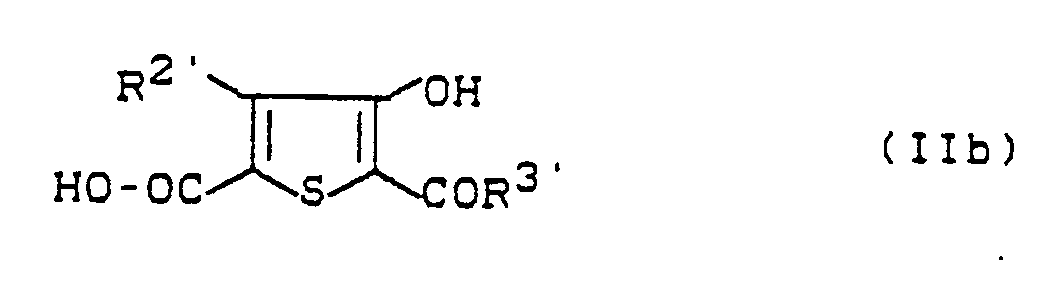
R2′ und R3′ die bei der Formel (IIa) angegebenen Bedeutungen haben,
verseift und die Verbindungen der Formel (IIb) nach ihrer Isolierung mit einem 2-Phenyl-2,2-difluorethylthiolcarbonylhalogenid der Formel (III) in Gegenwart einer tertiären organischen Base zu Verbindungen der Formel (VI)
R2′, R3′ und R⁶ die oben angegebenen Bedeutungen haben,
umsetzt und die so erhaltenen Verbindungen der Formel (VI) zu Säurechloriden der Formel (VII)
R2′, R3′ und R⁶ die angegebenen Bedeutungen haben,
umsetzt und diese Verbindungen in letzter Stufe mit einem Alkohol der Formel (VIII)
R1˝OH (VIII)
in welcher
R1˝ für Alkyl, Alkoxyalkyl, Alkylthioalkyl, Halogenalkyl, Cyanalkyl, Alkenyl, Alkinyl, Cycloalkyl oder Cycloalkylalkyl steht,
in Gegenwart einer organischen Base verestert. - Weiterhin wurde gefunden, daß die neuen substituierten 2-Phenyl-2,2-difluorethylthiolcarbonate der Formel (I) starke Wirkungen gegen Schädlinge aufweisen, besonders gegen Pilze.
- Überraschenderweise zeigen die erfindungsgemäßen substituierten 2-Phenyl-2,2-difluorethylthiolcarbonate der Formel (I) eine bessere Wirksamkeit gegen phytopathogene Pilze bei ausgezeichneter Pflanzenverträglichkeit als die aus dem Stand der Technik bekannten konstitutionell ähnlichen Verbindungen gleicher Wirkungsrichtung.
- Die erfindungsgemäßen substituierten 2-Phenyl-2,2-difluorethylthiolcarbonate sind durch die Formel (I) allgemein definiert. Bevorzugt sind Verbindungen der Formel (I), in welcher
R¹ für Wasserstoff, für Alkoxycarbonyl mit 1-7 Kohlenstoffatomen, für Alkoxyalkoxycarbonyl oder für Alkylthioalkoxycarbonyl mit je 1-5 Kohlenstoffatomen je Alkylteil, für Halogenalkoxycarbonyl mit 1-5 Kohlenstoffatomen und 1-5 gleichen oder verschiedenen Halogenatomen, für Cyanalkoxycarbonyl mit 1-5 Kohlenstoffatomen im Alkylteil, für Alkenoxycarbonyl mit 3 oder 4 Kohlenstoffatomen im Alkenteil, für Alkinoxycarbonyl mit 3-5 Kohlenstoffatomen im Alkinteil, für Cycloalkyloxycarbonyl mit 4-6 Kohlenstoffatomen im Cycloalkylteil oder Cycloalkylalkoxycarbonyl mit 4-8 Kohlenstoffatomen im Cycloalkylalkoxyteil steht,
R² für Wasserstoff, für Alkyl mit 1-4 Kohlenstoffatomen oder für Phenyl steht oder
R¹ und R² zusammen für den Butadien-1,4-diyl-Rest stehen,
R³ für Alkoxy mit 1-6 Kohlenstoffatomen, für Alkoxyalkoxy oder für Alkylthioalkoxy mit je 1-5 Kohlenstoffatomen je Alkylteil, für Fluoralkoxy mit 1-5 Kohlenstoffatomen und 1-5 Fluoratomen, für Cyanalkoxy mit 1-5 Kohlenstoffatomen im Alkylteil, für Alkenoxy mit 3 oder 4 Kohlenstoffatomen, für Alkinoxy mit 3-5 Kohlenstoffatomen, für Cycloalkyloxy mit 4-6 Kohlenstoffatomen oder für Cycloalkylalkoxy mit 4-8 Kohlenstoffatomen oder für die Gruppe
R⁴ für Alkyl mit 1-5 Kohlenstoffatomen, für Alkoxyalkyl oder Alkylthioalkyl mit jeweils 1-5 Kohlenstoffatomen je Alkylteil, für Cyanalkyl mit 1-5 Kohlenstoffatomen im Alkylteil, für Fluoralkyl mit 1-3 Fluoratomen und 1-5 Kohlenstoffatomen, für Alkenyl oder Alkinyl mit je 3-5 Kohlenstoffatomen oder Cycloalkyl mit 3-6 Kohlenstoffatomen steht,
R⁵ für Wasserstoff, Alkyl mit 1-5 Kohlenstoffatomen, für Alkoxyalkyl oder Alkylthioalkyl mit jeweils 1-5 Kohlenstoffatomen je Alkylteil, für Cyanalkyl mit 1-5 Kohlenstoffatomen im Alkylteil, für Fluoralkyl mit 1-3 Fluoratomen und 1-5 Kohlenstoffatomen, für Alkenyl oder Alkinyl mit 3-5 Kohlenstoffatomen oder Cyclohexyl steht, oder
R⁴ und R⁵ zusammen mit dem Stickstoffatom, an dem sie stehen, für einen 5-, 6- oder 7-gliedrigen heterocyclischen Ring stehen, der weitere ein bis drei, gleiche oder verschiedene Heteroatome - wie Aza-, Oxa- oder Thiaelemente - enthalten und durch Alkylgruppen mit 1-4 Kohlenstoffatomen gleich oder verschieden, ein- bis dreifach substituiert sein kann,
R⁶ für Wasserstoff, Methyl oder Chlor steht und
Q für Schwefel oder für -CH=CH- steht. - Besonders bevorzugt sind Verbindungen der Formel (I), in welcher
R¹ für Wasserstoff, Methoxycarbonyl, Ethoxycarbonyl, n- oder Isopropoxycarbonyl, 2,2-Dimethylpropoxycarbonyl, 2-Methoxyethoxycarbonyl, 2-Ethoxyethoxycarbonyl, 2-Methylthioethoxycarbonyl, 2-Ethylthioethoxycarbonyl, 2,2,2-Trifluorethoxycarbonyl, Cyanmethoxycarbonyl, Cyanethoxycarbonyl, Allyloxycarbonyl, Methallyloxycarbonyl, 2-Propinyloxycarbonyl, 1,1-Dimethyl-2-propinyloxycarbonyl, Cyclopentyloxycarbonyl, Cyclohexyloxycarbonyl oder Cyclohexylmethoxycarbonyl steht,
R² für Wasserstoff, Methyl, Ethyl, n-Propyl, Isopropyl, n-Butyl, sek.-Butyl, iso-Butyl, tert.-Butyl oder Phenyl steht oder
R¹ und R² gemeinsam für den Butadien-1,4-diyl-Rest stehen,
R³ für Methoxy-, Ethoxy-, n- oder Isopropoxy-, sec.-Butoxy-, 2,2-Dimethylpropoxy-, 2-Methoxyethoxy-, 2-Ethoxyethoxy-, 2-Methylthioethoxy-, 2-Ethylthioethoxy-, 2,2,2-Trifluorethoxy-, Cyanmethoxy-, Cyanethoxy-, Allyloxy-, Methallyloxy-, 2-Propinyloxy-, 1,1-Dimethyl-2-propinyloxy-, Cyclopentyloxy-, Cyclohexyloxy-, Cyclohexylmethoxy- oder für die Gruppe
R⁴ für Methyl, Ethyl, n- oder iso-Propyl, 2,2-Dimethylpropyl, 2-Methoxyethyl, 2-Ethoxyethyl, 2-Propoxyethyl, 3-Methoxypropyl, 3-Ethoxypropyl, 3-Butoxypropyl, 2-Methylthioethyl, 2-Ethylthioethyl, 2,2,2-Trifluorethyl, 2-Cyanethyl, 1-Methyl-1-cyanethyl, ω-Cyanpentyl, Allyl, Methallyl, 2-Propinyl, 1,1-Dimethyl-2-propinyl, Cyclopropyl, Cyclobutyl, Cyclopentyl oder Cyclohexyl steht,
R⁵ für Wasserstoff, Methyl, Ethyl, n- oder iso-Propyl, 2,2-Dimethylpropyl, 2-Methoxyethyl, 2-Ethoxyethyl, 2-Propoxyethyl, 3-Methoxypropyl, 3-Ethoxypropyl, 3-Butoxypropyl, 2-Methylthioethyl, 2-Ethylthioethyl, 2,2,2-Trifluorethyl, 2-Cyanethyl, 1-Methyl-1-cyanoethyl, ω-Cyanpentyl, Allyl, Methallyl, 2-Propinyl, 1,1-Dimethyl-2-propinyl oder Cyclohexyl steht, oder
R⁴ und R⁵ zusammen mit dem Stickstoffatom, an dem sie stehen, für Pyrrolidin, Piperidin, 2-Methylpiperidin, 3-Methylpiperidin, 4-Methylpiperidin, Hexahydro-1H-azepin, Morpholin, 2,6-Dimethylmorpholin, Thiazolidin, N¹-Methylpiperazin oder N¹-Propylpiperazin stehen,
R⁶ für Wasserstoff, Methyl oder Chlor steht und
Q für Schwefel oder für -CH=CH- steht. - Ganz besonders bevorzugt seien Verbindungen der Formel (I) genannt, in welcher
R¹ für Wasserstoff, Ethoxycarbonyl, Isopropoxycarbonyl, sek.-Butoxycarbonyl oder Cyclopentyloxycarbonyl steht,
R² für Wasserstoff, Methyl, Isopropyl oder Phenyl steht,
R³ für Ethoxy, Isopropoxy, sek.-Butoxy, Cyclopentyloxy oder für die Gruppe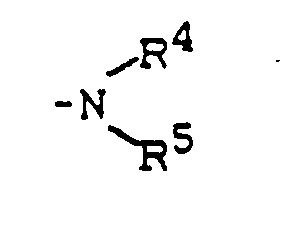
R⁴ für Methyl oder Methoxyethyl steht und
R⁵ für Wasserstoff steht oder
R⁴ und R⁵ zusammen für Pentan-1,5-diyl oder für 3-Oxa-pentan-1,5-diyl stehen,
R⁶ für Wasserstoff, Methyl oder Chlor steht und
Q für Schwefel oder für -CH=CH- steht. - Weiterhin sind Verbindungen der Formel (I) genannt, in welcher
R¹ und R² gemeinsam für den Butadien-1,4-diyl-Rest stehen,
R³ für Ethoxy, Isopropoxy, sek.-Butoxy, Cyclopentyloxy oder für die Gruppe
R⁴ für Methyl oder Methoxyethyl steht,
R⁵ für Wasserstoff oder Methyl steht oder
R⁴ und R⁵ zusammen für Pentan-1,5-diyl oder für 3-Oxa-pentan-1,5-diyl stehen,
R⁶ für Wasserstoff, Methyl oder Chlor steht und
Q für Schwefel oder für -CH=CH- steht. - Außerdem sind insbesondere Verbindungen der Formel (I) genannt, in welcher
R¹ für Wasserstoff, Ethoxycarbonyl, Isopropoxycarbonyl, sek.-Butoxycarbonyl oder Cyclopentyloxycarbonyl steht,
R² für Wasserstoff, Methyl, Isopropyl oder Phenyl steht,
R³ für Ethoxy, Isopropoxy, sek.-Butoxy oder Cyclopentyloxy steht,
R⁶ für Wasserstoff oder Methyl steht und
Q für -CH=CH- steht. - Weitere insbesondere Verbindungen der Formel (I) seien genannt, in welcher
R¹ für Wasserstoff, Ethoxycarbonyl, Isopropoxycarbonyl, sek.-Butoxycarbonyl oder Cyclopentyloxycarbonyl steht,
R² für Wasserstoff, Methyl, Isopropyl oder Phenyl steht,
R³ für Ethoxy, Isopropoxy, sek.-Butoxy oder Cyclopentyloxy steht,
R⁶ für Wasserstoff, Methyl steht und
Q für Schwefel steht. - Für die Substituenten R1′, R1˝, R2′ und R3′ gelten für die bevorzugten, besonders bevorzugten und insbesondere bevorzugten Definitionen die jeweiligen Teile von R¹, R² und R³.
- Die Alkylreste als solche oder in Zusammensetzungen, wie Alkoxy, Alkylthioalkoxy, Cyanalkyl u.a., können jeweils geradkettig oder verzweigt sein.
- Sind die aromatischen und/oder heteroaromatischen Reste substituiert, verstehen wir darunter eine ein- bis fünffache, vorzugsweise ein- bis dreifache, gleiche oder verschiedene Substitution, falls nicht anders angegeben.
- Verwendet man als Ausgangsstoffe zur Herstellung der erfindungsgemäßen Verbindungen der Formel (I) nach Verfahrensvariante a) 2,5-Bis-(cyclopentyloxycarbonyl)-3-phenyl-4-hydroxythiophen und 2,2-Difluor-2-(4-chlorphenyl)-ethylthiolcarbonylfluorid und Pyridin als Lösungsmittel und als Fluorwasserstoffakzeptor, so kann der Reaktionsverlauf durch das folgende Formelschema wiedergegeben werden:

- Verwendet man als Ausgangsstoffe zur Herstellung der erfindungsgemäßen Verbindungen der Formel (I) nach Verfahrensvariante b) z.B. 2,5-Bis-(cyclopentyloxycarbonyl)-3-phenyl-4-hydroxythiophen und Phosgen in Gegenwart einer tertiären organischen Base in einem 1. Schritt und in einem 2. Schritt 2-Phenyl-2,2-difluorethylmercaptan, so kann der Reaktionsverlauf durch das folgende Formelschema wiedergegeben werden:

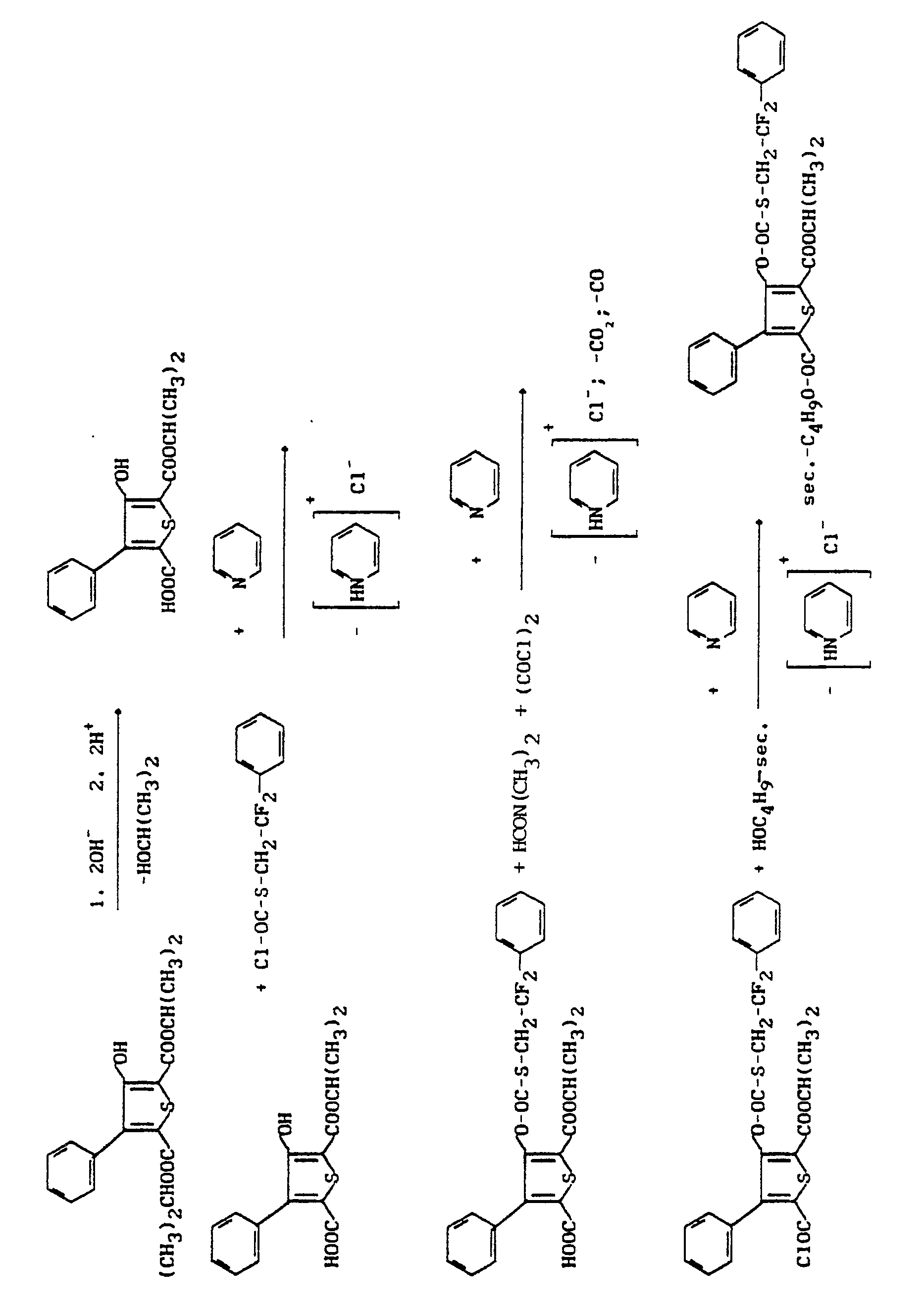
- Verwendet man als Ausgangsstoffe zur Herstellung erfindungsgemäßer Verbindungen der Formel (I) nach Verfahrensvariante c) z.B. 2,5-Bis-(i-propyloxycarbonyl)-3-phenyl-4-hydroxythiophen und wäßrige alkoholische Alkalilauge in einem 1. Schritt, setzt dann mit 2-Phenyl-2,2-difluorethylthiolcarbonylchlorid um in einem 2. Schritt und anschließend mit z.B. Oxalylchlorid in Dimethylformamid in Gegenwart einer organischen Base und anschließend mit sek.-Butanol in Gegenwart einer organischen Base, so kann der Reaktionsverlauf durch das folgende Formelschema wiedergegeben werden:
- Die als Ausgangsstoffe für die erfindungsgemäßen Verfahrensvarianten a), b) und c) benötigten aromatischen oder heteroaromatischen Hydroxylverbindungen sind durch die Formeln (II) bzw. (IIa) bzw. (IIb) allgemein definiert. Die Verbindungen sind überwiegend bekannt und können nach bekannten Verfahren hergestellt werden. Zu nennen sind hier insbesondere:
Salicylsäure-isopropyl-, -sek.-butyl- und -cyclopentyl-ester und Salicylsäure-pyrrolidid;
1-Hydroxynaphthoesäure-2-ethyl-, -isopropyl-, -n-propyl- und -cyclopentyl-ester und 1-Hydroxynaphthoesäure-2-morpholid, -piperidid und -pyrrolidid; 3-Hydroxythiophen-2-carbonsäure-methyl-, -ethyl-, -isopropyl- und -sek.-butyl-ester;
2,5-Bis-(methoxycarbonyl)-, 2,5-Bis-(ethoxycarbonyl)-, 2,5-Bis-(isopropoxycarbonyl)-, 2,5-Bis-(butyloxycarbonyl)- und 2,5-Bis-(sek.-butyloxycarbonyl)-3-hydroxythiophen;
2,5-Bis-(methoxycarbonyl)-, 2,5-Bis-(ethoxycarbonyl)-, 2,5-Bis-(isopropoxycarbonyl)-, 2,5-Bis-(propoxycarbonyl)-, 2,5-Bis-(sek.-butoxycarbonyl)-, 2,5-Bis-(isobutoxycarbonyl)-, 2,5-Bis-(pentoxycarbonyl)-, 2,5-Bis-(cyclopentyloxycarbonyl)- und 2,5-Bis-(cyclohexylmethoxycarbonyl)-3-methyl-, -3-isopropyl- und -3-phenyl-4-hydroxythiophen;
2-Methoxycarbonyl-3-methyl-4-hydroxythiophen-5-carbonsäure-N-methylamid;
2-Ethoxycarbonyl-3-methyl-4-hydroxythiophen-5-carbonsäure-N-methylamid, -N,N-dimethylamid, -N-(2-methoxyethyl)-amid, -N-(3-methoxypropyl)-amid, -pyrrolidid, -piperidin und -morpholid;
2-Isopropoxycarbonyl-3-methyl-4-hydroxythiophen-5-carbonsäure-N-methylamid, -N,N-dimethylamid, -N-(2-methoxyethyl)-amid, -N-(3-methoxypropyl)-amid, -N-(2-ethoxyethyl)-amid,-N-tert.-butylamid, -pyrrolidid, -piperidid und -morpholid;
2-Propoxycarbonyl-3-methyl-4-hydroxythiophen-5-carbonsäuremorpholid und -piperidid;
2-Butoxycarbonyl-3-methyl-4-hydroxy-thiophen-5-carbonsäure-N-(2-methoxyethyl)-amid und -N-(3-methoxypropyl)-amid;
2-sek.-Butoxycarbonyl-3-methyl-4-hydroxythiophen-5-carbonsäure-N-(2-methoxyethyl)-amid, -N-(2-ethoxyethyl)-amid, -N-(3-methoxypropyl)-amid, -morpholid, -piperidid und -pyrrolidid;
2-Isobutoxycarbonyl-3-methyl-4-hydroxythiophen-5-carbonsäure-morpholid und -piperidid;
2-Cyclopentyloxycarbonyl-3-methyl-4-hydroxythiophen-5-carbonsäure-N-(2-methoxyethyl)-amid, -morpholid und -piperidid;
2-Ethoxycarbonyl-3-isopropyl-4-hydroxythiophen-5-carbonsäuremorpholid, -piperidid und -pyrrolidid;
2-Isopropoxycarbonyl-3-isopropyl-4-hydroxythiophen-5-carbonsäure-N-(2-methoxyethyl)-amid, -morpholid, -piperidid und -pyrrolidid;
2-n-Propoxycarbonyl-3-isopropyl-4-hydroxythiophen-5-carbonsäure-N-(2-methoxyethyl)-amid, -morpholid und -piperidid;
2-Methoxycarbonyl-3-phenyl-4-hydroxythiophen-5-carbonsäure-morpholid und -piperidid;
2-Ethoxy-, 2-Isopropoxy-, 2-Propoxy-, 2-sek.-Butoxy-, 2-Isobutoxy- und 2-Cyclopentyloxy-carbonyl-3-phenyl-4-hydroxythiophen-5-carbonsäure-N-methylamid, -N,N-dimethylamid, -N-(2-methoxyethyl)-amid, -N-(2-ethoxyethyl)-amid, -N-(3-methoxypropyl)-amid, -morpholid, -piperidid und -pyrrolidid. - Hydroxythiophencarbonsäurederivate sind z.B. bekannt aus DE-OS 3 523 313 und 3 602 889, Ber. 89, 1897 (1936), Indian J. of Chem. 11, 313-314 (1973), EP-PS 93 384.
- Das für Verfahrensvariante b) benötigte Phosgen ist ein großtechnisch herstellbarer, bekannter Stoff, ebenso wie die bei Verfahrensvariante c) genannten Alkohole der Formel (VIII).
- Weiterhin werden für die Umsetzungen zu den erfindungsgemäßen Verbindungen der Formel (I) 2-Phenyl-2,2-difluorethylthiolcarbonylhalogenide bei den Verfahrensvarianten a) und c) benötigt, die durch die Formel (III) allgemein definiert sind. Die Herstellung dieser Verbindungen ist aus DE-OS 3 341 515 und 3 341 516 bekannt.
- Als Verdünnungsmittel für die erfindungsgemäße Umsetzung eines aromatischen oder heteroaromatischen Hydroxycarbonsäurederivats der Formeln (II) bzw. (IIa) mit einem Acylierungsmittel der Formel (III) nach Verfahrensvarianten a) und c) kommen alle gegenüber den Reaktionspartnern inerten organischen Lösungsmittel in Frage; vorzugsweise werden polare Lösungsmittel verwendet. Zu nennen sind hier beispielsweise Acetonitril, Aceton, Chloroform, Benzonitril, Dimethylacetamid, Dimethylformamid, Dimethylsulfoxid, Chlorbenzol, Essigsäureethylester, Dioxan, Methylethylketon, Methylenchlorid und Tetrahydrofuran.
- Als Säurebinder für die Umsetzung werden organische Basen verwendet, vorzugsweise tertiäre Amine. Zu nennen sind hier: Chinolin, Dimethylbenzylamin, Dimethylanilin, Ethyldicyclohexylamin, Ethyldiisopropylamin, Picolin, Pyridin und Triethylamin.
- Man kann auch einen Überschuß an tertiärem Amin zugleich als Lösungsmittel verwenden. Auch kann man zur Durchführung des erfindungsgemäßen Verfahrens Alkali- oder Erdalkalisalze der umzusetzenden aromatischen oder heteroatomatischen Hydroxycarbonsäurederivate in einem inerten Lösungsmittel vorlegen, oder man erzeugt das Salz, indem man in eine Mischung aus dem aromatischen oder heteroaromatischen Hydroxycarbonsäurederivat und einem hochsiedenden Lösungsmittel Alkalilauge, Alkoholate oder eine entsprechende Erdalkaliverbindung gibt und dann vorsichtig entwässert, bzw. den Alkohol abdestilliert oder man gibt ein Alkali- oder Erdalkalihydrid hinzu. Auch kann es zweckmäßig sein, die Reaktion in Gegenwart eines Katalysators wie, z.B. 4-Dimethylaminopyridin durchzuführen.
- Die Reaktionen können auch in heterogenen Systemen bestehend aus Wasser und einem mit Wasser nicht mischbaren Lösungsmittel durchgeführt werden.
- Die Reaktionstemperaturen und die Reaktionsdauer werden durch die Aktivität der Ausgangsprodukte bestimmt. Im allgemeinen arbeitet man etwa zwischen -50 und +80°C, vorzugsweise zwischen -10 und +60°C.
- Zur Umsetzung eines aromatischen oder heteroaromatischen Hydroxycarbonsäurederivats der Formel (II) erst mit Phosgen und anschließend mit einem Mercaptan der Formel (V) nach Verfahren b) wird in einer ersten Stufe eine Mischung bestehend aus einem aromatischen oder heteroaromatischen Hydroxycarbonsäurederivat der Formel (II), einem tertiären Amin, wie z.B. Chinolin, Dimethylbenzylamin, Dimethylanilin, Ethyldicyclohexylamin, Ethyldiisopropylamin, Picolin, Pyridin oder Triethylamin, und einem inerten organischen Lösungsmittel, wie z.B. Methylenchlorid, Chloroform, Chlorbenzol, Ethylacetat, Toluol oder Xylol, zu überschüssigem Phosgen, gelöst in dem inerten organischen Lösungsmittel, gegeben. Dabei arbeitet man im allgemeinen zwischen -50 und +80°C, vorzugsweise bei 0 bis +30°C.
- Nach Isolierung des 4-Chlorcarbonyloxy-Derivats der Formel (IV) wird dieses mit einem Mercaptan der Formel (V) in Gegenwart einer organischen oder anorganischen Base oder mit einem Salz des Mercaptans der Formel (V) umgesetzt.
- Für diese Umsetzung kommen im Prinzip mit Wasser mischbare oder nicht mischbare Lösungsmittel, wie vorstehend aufgeführt, in Frage. Im allgemeinen arbeitet man bei Temperaturen entsprechend der Phosgenierungsreaktion.
- Die Abgangsgruppe X in der Formel (III) ist vorzugsweise Halogen. Die Verbindungen der Formeln (IV), (V), (VI) und (VII) sind entweder bekannt oder analog nach bekannten Verfahren herstellbar.
- Bei der Verfahrensvariante c) werden zur Herstellung der Carbonylchloride Säurechloride, wie z.B. Oxalylchlorid, verwendet.
- Je nach Arbeitsbedingungen fallen die erfindungsgemäßen Wirkstoffe kristallin aus oder sie bleibem im organischen Lösungsmittel gelöst und können dann nach Auswaschen der Lösung mit Wasser durch vorsichtiges Einengen der Lösung oder durch Zugabe wenig polarer organischer Lösungsmittel, wie Cyclohexan, Dibutylether, Diisopropylether oder Tetrachlorkohlenstoff, abgeschieden werden. Gegebenenfalls müssen mit Wasser mischbare polare Lösungsmittel nach der Reaktion durch Abdampfen im Vakuum entfernt werden.
- Sind die erfindungsgemäßen Verbindungen in einem mit Wasser mischbaren Lösungsmittel gelöst, so können sie auch durch Zugabe von Wasser ausgefällt werden.
- Die erfindungsgemäßen Verbindungen zersetzen sich zum Teil bei höherer Temperatur; in diesen Fällen können die Schmelzpunkte nur mit geringer Genauigkeit oder überhaupt nicht ermittelt werden. Das Vorliegen bestimmter Strukturelemente ist aus den NMR-Spektren ersichtlich.
- Die erfindungsgemäßen Wirkstoffe weisen eine starke biologische Wirkung auf und können zur Bekämpfung von Schädlingen praktisch eingesetzt werden. Die Wirkstoffe sind somit u.a. für den Gebrauch als Pflanzenschutzmittel, insbesondere als Fungizide, geeignet.
- Fungizide Mittel im Pflanzenschutz werden eingesetzt zur Bekämpfung von Plasmodiophoromycetes, Oomycetes, Chytridiomycetes, Zygomycetes, Ascomycetes, Basidiomycetes, Deuteromycetes.
- Beispielhaft aber nicht begrenzend seien einige Erreger von pilzlichen Erkrankungen, die unter die oben aufgezählten Oberbegriffe fallen, genannt:
Pythium-Arten, wie beispielsweise Pythium ultimum;
Phytophthora-Arten, wie beispielsweise Phytophthora infestans;
Pseudoperonospora-Arten, wie beispielsweise Pseudoperonospora humuli oder Pseudoperonospora cubensis;
Plasmopara-Arten, wie beispielsweise Plasmopara viticola;
Peronospora-Arten, wie beispielsweise Peronospora pisi oder P. brassicae;
Erysiphe-Arten, wie beispielsweise Erysiphe graminis;
Sphaerotheca-Arten, wie beispielsweise Sphaerotheca fuliginea;
Podosphaera-Arten, wie beispielsweise Podosphaera leucotricha;
Venturia-Arten, wie beispielsweise Venturia inaequalis;
Pyrenophora-Arten, wie beispielsweise Pyrenophora teres oder P. graminea
(Konidienform: Drechslera, Syn: Helminthosporium);
Cochliobolus-Arten, wie beispielsweise Cochliobolus sativus
(Konidienform: Drechslera, Syn: Helminthosporium);
Uromyces-Arten, wie beispielsweise Uromyces appendiculatus;
Puccinia-Arten, wie beispielsweise Puccinia recondita;
Tilletia-Arten, wie beispielsweise Tilletia caries;
Ustilago-Arten, wie beispielsweise Ustilago nuda oder Ustilago avenae;
Pellicularia-Arten, wie beispielsweise Pellicularia sasakii;
Pyricularia-Arten, wie beispielsweise Pyricularia oryzae;
Fusarium-Arten, wie beispielsweise Fusarium culmorum;
Botrytis-Arten, wie beispielsweise Botrytis cinerea;
Septoria-Arten, wie beispielsweise Septoria nodorum;
Leptosphaeria-Arten, wie beispielsweise Leptosphaeria nodorum;
Cercospora-Arten, wie beispielsweise Cercospora canescens;
Alternaria-Arten, wie beispielsweise Alternaria brassicae;
Pseudocercosporella-Arten, wie beispielsweise Pseudocercosporella herpotrichoides. - Die gute Pflanzenverträglichkeit der Wirkstoffe in den zur Bekämpfung von Pflanzenkrankheiten notwendigen Konzentrationen erlaubt eine Behandlung von oberirdischen Pflanzenteilen, von Pflanz- und Saatgut, und des Bodens.
- Die Wirkstoffe können in die üblichen Formulierungen übergeführt werden, wie Lösungen, Emulsionen, Suspensionen, Pulver, Schäume, Pasten, Granulate, Aerosole, Feinstverkapselungen in polymeren Stoffen und in Hüllmassen für Saatgut, sowie ULV-Formulierungen.
- Diese Formulierungen werden in bekannter Weise hergestellt, z.B. durch Vermischen der Wirkstoffe mit Streckmitteln, also flüssigen Lösungsmitteln, unter Druck stehenden verflüssigten Gasen und/oder festen Trägerstoffen, gegebenenfalls unter Verwendung von oberflächenaktiven Mitteln, also Emulgiermitteln und/oder Dispergiermitteln und/oder schaumerzeugenden Mitteln. Im Falle der Benutzung von Wasser als Streckmittel können z.B. auch organische Lösungsmittel als Hilfslösungsmittel verwendet werden. Als flüssige Lösungsmittel kommen im wesentlichen in Frage: Aromaten, wie Xylol, Toluol oder Alkylnaphthaline, chlorierte Aromaten oder chlorierte aliphatische Kohlenwasserstoffe, wie Chlorbenzole, Chlorethylene oder Methylenchlorid, aliphatische Kohlenwasserstoffe, wie Cyclohexan oder Paraffine, z.B. Erdölfraktionen, Alkohole, wie Butanol oder Glycol sowie deren Ether und Ester, Ketone, wie Aceton, Methylethylketon, Methylisobutylketon oder Cyclohexanon, stark polare Lösungsmittel, wie Dimethylformamid und Dimethylsulfoxid, sowie Wasser. Mit verflüssigten gasförmigen Streckmitteln oder Trägerstoffen sind solche Flüssigkeiten gemeint, welche bei normaler Temperatur und unter Normaldruck gasförmig sind, z.B. Aerosol-Treibgase, wie Halogenkohlenwasserstoffe sowie Butan, Propan, Stickstoff und Kohlendioxid. Als feste Trägerstoffe kommen in Frage: z.B. natürliche Gesteinsmehle, wie Kaoline, Tonerden, Talkum, Kreide, Quarz, Attapulgit, Montmorillonit oder Diatomeenerde und synthetische Gesteinsmehle, wie hochdisperse Kieselsäure, Aluminiumoxid und Silikate. Als feste Trägerstoffe für Granulate kommen in Frage: z.B. gebrochene und fraktionierte natürliche Gesteine wie Calcit, Marmor, Bims, Sepiolith, Dolomit sowie synthetische Granulate aus anorganischen und organischen Mehlen sowie Granulate aus organischem Material wie Sägemehl, Kokosnußschalen, Maiskolben und Tabakstengel. Als Emulgier- und/oder schaumerzeugende Mittel kommen in Frage: z.B. nichtionogene und anionische Emulgatoren, wie Polyoxyethylen-Fettsäureester, Polyoxyethylen-Fettalkoholether, z.B. Alkylarylpolyglycol-ether, Alkylsulfonate, Alkylsulfate, Arylsulfonate sowie Eiweißhydrolysate. Als Dispergiermittel kommen in Frage: z.B. Lignin-Sulfitablaugen und Methylcellulose.
- Es können in den Formulierungen Haftmittel wie Carboxymethylcellulose, natürliche und synthetische pulverige, körnige oder latexförmige Polymere verwendet werden, wie Gummiarabicum, Polyvinylalkohol, Polyvinylacetat, sowie natürliche Phospholipide, wie Kephaline und Lecithine, und synthetische Phospholipide. Weitere Additive können mineralische und vegetabile Öle sein.
- Es können Farbstoffe wie anorganische Pigmente, z.B. Eisenoxid, Titanoxid, Ferrocyanblau und organische Farbstoffe, wie Alizarin-, Azo- und Metallphthalo cyaninfarbstoffe und Spurennährstoffe, wie Salze von Eisen, Mangan, Bor, Kupfer, Kobalt, Molybdän und Zink verwendet werden.
- Die Formulierungen enthalten im allgemeinen zwischen 0,1 und 95 Gewichtsprozent Wirkstoff, vorzugsweise zwischen 0,5 und 90 %.
- Die erfindungsgemäßen Wirkstoffe können in den Formulierungen in Mischung mit anderen bekannten Wirkstoffen vorliegen, wie Fungizide, Insektizide, Akarizide und Herbizide, sowie in Mischungen mit Düngemitteln und Wachstumsregulatoren.
- Die Wirkstoffe können als solche, in Form ihrer Formulierungen oder den daraus bereiteten Anwendungsformen, wie gebrauchsfertige Lösungen, emulgierbare Konzentrate, Emulsionen, Schäume, Suspensionen, Spritzpulver, Pasten, lösliche Pulver, Stäubemittel und Granulate, angewendet werden. Die Anwendung geschieht in üblicher Weise, z.B. durch Gießen, Verspritzen, Versprühen, Verstreuen, Verstäuben, Verschäumen, Bestreichen usw. Es ist ferner möglich, die Wirkstoffe nach dem Ultra-Low-Volume-Verfahren auszubringen oder die Wirkstoffzubereitung oder den Wirkstoff selbst in den Boden zu injizieren. Es kann auch das Saatgut der Pflanzen behandelt werden.
- Bei der Behandlung von Pflanzenteilen können die Wirkstoffkonzentrationen in den Anwendungsformen in einem größeren Bereich variiert werden. Sie liegen im allgemeinen zwischen 1 und 0,0001 Gew.-%, vorzugsweise zwischen 0,5 und 0,001 %.
- Bei der Saatgutbehandlung werden im allgemeinen Wirkstoffmengen von 0,001 bis 50 g je Kilogramm Saatgut, vorzugsweise 0,01 bis 10 g, benötigt.
- Bei Behandlung des Bodens sind Wirkstoffkonzentrationen von 0,00001 bis 0,1 Gew.-%, vorzugsweise von 0,0001 bis 0,02 %, am Wirkungsort erforderlich.
- Die erfindungsgemäßen Verbindungen der Formel (I) besitzen eine besonders gute Wirkung gegen pilzliche Schädlinge im Obst- und Gemüseanbau, erwähnt sei ferner die Wirkung gegen Schädlinge im Reisanbau.
-

- 14 g 2,5-Bis-(isopropoxycarbonyl)-3-methyl-4-hydroxythiophen (0,049 Mol) und 0,02 g 4-Dimethylaminopyridin werden in 100 ml trockenem Pyridin bei 20°C vorgelegt. Man tropft 12 g 2-Phenyl-2,2-difluorethylthiolcarbonylfluorid (0,054 Mol) hinzu und hält die Reaktionsmischung dann 4 Stunden auf 60°C. Es werden 250 ml Ethylacetat hinzugegeben, man wäscht einmal mit eiskaltem Wasser, einmal mit verdünnter Sodalösung, einmal mit Wasser und trocknet über Natriumsulfat. Die Reaktionslösung wird im Wasserstrahlvakuum eingedampft. Der Abdampfrückstand wird an Kieselgel 60 mit Methylcyclohexan/Toluol/Essigsäure im Volumenverhältnis 3/5/1 chromatographiert. Die Produktfraktion wird eingedampft und der Abdampfrückstand bei 60°C/0,1 mbar getrocknet. Man erhält 17 g 2,5-Bis-(isopropoxycarbonyl)-3-methyl-4-(2-phenyl-2,2-difluorethylthiocarbonyloxy)-thiophen als viskose Masse.
¹H-NMR (CDCl₃): COOCH 5,20 (m, 2H); CH₃ 2,26 (s, 3H); S-CH₂-CF₂ 3,71 (t, 2H)
Die Verbindung kristallisiert aus Petrolether Fp. 66,5°C. - Auf gleiche Weise wie in Beispiel 1 bzw. in der Beschreibung angegeben werden die Verbindungen der Formel (I) gemäß den Beispielen 2 bis 9 erhalten:


- In den folgenden Anwendungsbeispielen werden die nachfolgend aufgeführten Verbindungen als Vergleichssubstanzen eingesetzt:

- Lösungsmittel: 4,7 Gewichtsteile Aceton
Emulgator: 0,3 Gewichtsteile Alkyl-aryl-polyglykolether - Zur Herstellung einer zweckmäßigen Wirkstoffzubereitung vermischt man 1 Gewichtsteil Wirkstoff mit den angegebenen Mengen Lösungsmittel und Emulgator und verdünnt das Konzentrat mit Wasser auf die gewünschte Konzentration.
- Zur Prüfung auf protektive Wirksamkeit bespritzt man junge Pflanzen mit der Wirkstoffzubereitung bis zur Tropfnässe. Nach Antrocknen des Spritzbelages werden die Pflanzen mit Konidien des Pilzes Podosphaera leucotricha bestäubt.
- Die Pflanzen werden anschließend bei 23° C und bei einer relativen Luftfeuchtigkeit von ca. 70% im Gewächshaus aufgestellt.
- 9 Tage nach der Inokulation erfolgt die Auswertung.
- Eine deutliche Überlegenheit in der Wirksamkeit gegenüber dem Stand der Technik zeigen in diesem Test z.B. die Verbindungen gemäß den Herstellungsbeispielen 1 und 3.
- Lösungsmittel: 4,7 Gewichtsteile Aceton
Emulgator: 0,3 Gewichtsteile Alkyl-aryl-polyglykolether - Zur Herstellung einer zweckmäßigen Wirkstoffzubereitung vermischt man 1 Gewichtsteil Wirkstoff mit den angegebenen Mengen Lösungsmittel und Emulgator und verdünnt das Konzentrat mit Wasser auf die gewünschte Konzentration.
- Zur Prüfung auf protektive Wirksamkeit bespritzt man junge Pflanzen mit der Wirkstoffzubereitung bis zur Tropfnässe. Nach Antrocknen des Spritzbelages werden die Pflanzen mit Konidien des Pilzes Sphaerotheca fuliginea bestäubt.
- Die Pflanzen werden anschließend bei 23 bis 24°C und bei einer relativen Luftfeuchtigkeit von ca. 75 % im Gewächshaus aufgestellt.
- 10 Tage nach der Inokulation erfolgt die Auswertung.
- Eine deutliche Überlegenheit in der Wirksamkeit gegenüber dem Stand der Technik zeigen in diesem Test z.B. die Verbindungen gemäß den Herstellungsbeispielen 1 und 3.
Claims (10)
1. Substituierte 2-Phenyl-2,2-difluorethylthiolcarbonate der allgemeinen Formel (I)

in welcher
R¹ für Wasserstoff, Alkoxycarbonyl, Alkoxyalkoxycarbonyl, Alkylthioalkoxycarbonyl, Halogenalkoxycarbonyl, Cyanalkoxycarbonyl, Alkenoxycarbonyl, Alkinoxycarbonyl, Cycloalkyloxycarbonyl oder für Cycloalkylalkoxycarbonyl steht,
R² für Wasserstoff, Alkyl oder für Phenyl steht oder
R¹ und R² gemeinsam für den Butadien-1,4-diyl-Rest stehen,
R³ für Alkoxy, Alkoxyalkoxy, Alkylthioalkoxy, Fluoralkoxy, Cyanalkoxy, Alkenoxy, Alkinoxy, Cycloalkyloxy, Cycloalkylalkoxy oder für die Gruppe 
steht, in der
R⁴ für Alkyl, Alkoxyalkyl, Alkylthioalkyl, Cyanalkyl, Fluoralkyl, Alkenyl, Alkinyl oder Cycloalkyl steht,
R⁵ für Wasserstoff, Alkyl, Alkoxyalkyl, Alkylthioalkyl, Fluoralkyl, Cyanalkyl, Alkenyl, Alkinyl oder Cycloalkyl steht,
oder
R⁴ und R⁵ gemeinsam mit dem Stickstoffatom, an dem sie stehen, für einen unsubstituierten oder substituierten Heterocyclus stehen, welcher in der Alkylenkette durch weitere Heteroatome substituiert sein kann,
R⁶ für Wasserstoff , Methyl oder Chlor steht und
Q für Schwefel oder -CH=CH- steht.
R¹ für Wasserstoff, Alkoxycarbonyl, Alkoxyalkoxycarbonyl, Alkylthioalkoxycarbonyl, Halogenalkoxycarbonyl, Cyanalkoxycarbonyl, Alkenoxycarbonyl, Alkinoxycarbonyl, Cycloalkyloxycarbonyl oder für Cycloalkylalkoxycarbonyl steht,
R² für Wasserstoff, Alkyl oder für Phenyl steht oder
R¹ und R² gemeinsam für den Butadien-1,4-diyl-Rest stehen,
R³ für Alkoxy, Alkoxyalkoxy, Alkylthioalkoxy, Fluoralkoxy, Cyanalkoxy, Alkenoxy, Alkinoxy, Cycloalkyloxy, Cycloalkylalkoxy oder für die Gruppe
R⁴ für Alkyl, Alkoxyalkyl, Alkylthioalkyl, Cyanalkyl, Fluoralkyl, Alkenyl, Alkinyl oder Cycloalkyl steht,
R⁵ für Wasserstoff, Alkyl, Alkoxyalkyl, Alkylthioalkyl, Fluoralkyl, Cyanalkyl, Alkenyl, Alkinyl oder Cycloalkyl steht,
oder
R⁴ und R⁵ gemeinsam mit dem Stickstoffatom, an dem sie stehen, für einen unsubstituierten oder substituierten Heterocyclus stehen, welcher in der Alkylenkette durch weitere Heteroatome substituiert sein kann,
R⁶ für Wasserstoff , Methyl oder Chlor steht und
Q für Schwefel oder -CH=CH- steht.
2. Substituierte 2-Phenyl-2,2-difluor-ethylthiolcarbonate gemäß Anspruch 1, wobei in Formel (I)
R¹ für Wasserstoff, für Alkoxycarbonyl mit 1-7 Kohlenstoffatomen, für Alkoxyalkoxycarbonyl oder für Alkylthioalkoxycarbonyl mit je 1-5 Kohlenstoffatomen je Alkylteil, für Halogenalkoxycarbonyl mit 1-5 Kohlenstoffatomen und 1-5 gleichen oder verschiedenen Halogenatomen, für Cyanalkoxycarbonyl mit 1-5 Kohlenstoffatomen im Alkylteil, für Alkenoxycarbonyl mit 3 oder 4 Kohlenstoffatomen im Alkenteil, für Alkinoxycarbonyl mit 3-5 Kohlenstoffatomen im Alkinteil, für Cycloalkyloxycarbonyl mit 4-6 Kohlenstoffatomen im Cycloalkylteil oder Cycloalkylalkoxycarbonyl mit 4-8 Kohlenstoffatomen im Cycloalkylalkoxyteil steht,
R² für Wasserstoff, für Alkyl mit 1-4 Kohlenstoffatomen oder für Phenyl steht oder
R¹ und R² zusammen für den Butadien-1,4-diyl-Rest stehen,
R³ für Alkoxy mit 1-6 Kohlenstoffatomen, für Alkoxyalkoxy oder für Alkylthioalkoxy mit je 1-5 Kohlenstoffatomen je Alkylteil, für Fluoralkoxy mit 1-5 Kohlenstoffatomen und 1-5 Fluoratomen, für Cyanalkoxy mit 1-5 Kohlenstoffatomen im Alkylteil, für Alkenoxy mit 3 oder 4 Kohlenstoffatomen, für Alkinoxy mit 3-5 Kohlenstoffatomen, für Cycloalkyloxy mit 4-6 Kohlenstoffatomen oder für Cycloalkylalkoxy mit 4-8 Kohlenstoffatomen oder für die Gruppe 
steht, in der
R⁴ für Alkyl mit 1-5 Kohlenstoffatomen, für Alkoxyalkyl oder Alkylthioalkyl mit jeweils 1-5 Kohlenstoffatomen je Alkylteil, für Cyanalkyl mit 1-5 Kohlenstoffatomen im Alkylteil, für Fluoralkyl mit 1-3 Fluoratomen und 1-5 Kohlenstoffatomen, für Alkenyl oder Alkinyl mit je 3-5 Kohlenstoffatomen oder Cycloalkyl mit 3-6 Kohlenstoffatomen steht,
R⁵ für Wasserstoff, Alkyl mit 1-5 Kohlenstoffatomen, für Alkoxyalkyl oder Alkylthioalkyl mit jeweils 1-5 Kohlenstoffatomen je Alkylteil, für Cyanalkyl mit 1-5 Kohlenstoffatomen im Alkylteil, für Fluoralkyl mit 1-3 Fluoratomen und 1-5 Kohlenstoffatomen, für Alkenyl oder Alkinyl mit 3-5 Kohlenstoffatomen oder Cyclohexyl steht, oder
R⁴ und R⁵ zusammen mit dem Stickstoffatom, an dem sie stehen, für einen 5-, 6- oder 7-gliedrigen heterocyclischen Ring stehen, der weitere ein bis drei, gleiche oder verschiedene Aza-, Oxa-oder Thiaelemente enthalten und durch Alkylgruppen mit 1-4 Kohlenstoffatomen gleich oder verschieden, ein- bis dreifach substituiert sein kann,
R⁶ für Wasserstoff, Methyl oder Chlor steht und
Q für Schwefel oder für -CH=CH- steht.
R¹ für Wasserstoff, für Alkoxycarbonyl mit 1-7 Kohlenstoffatomen, für Alkoxyalkoxycarbonyl oder für Alkylthioalkoxycarbonyl mit je 1-5 Kohlenstoffatomen je Alkylteil, für Halogenalkoxycarbonyl mit 1-5 Kohlenstoffatomen und 1-5 gleichen oder verschiedenen Halogenatomen, für Cyanalkoxycarbonyl mit 1-5 Kohlenstoffatomen im Alkylteil, für Alkenoxycarbonyl mit 3 oder 4 Kohlenstoffatomen im Alkenteil, für Alkinoxycarbonyl mit 3-5 Kohlenstoffatomen im Alkinteil, für Cycloalkyloxycarbonyl mit 4-6 Kohlenstoffatomen im Cycloalkylteil oder Cycloalkylalkoxycarbonyl mit 4-8 Kohlenstoffatomen im Cycloalkylalkoxyteil steht,
R² für Wasserstoff, für Alkyl mit 1-4 Kohlenstoffatomen oder für Phenyl steht oder
R¹ und R² zusammen für den Butadien-1,4-diyl-Rest stehen,
R³ für Alkoxy mit 1-6 Kohlenstoffatomen, für Alkoxyalkoxy oder für Alkylthioalkoxy mit je 1-5 Kohlenstoffatomen je Alkylteil, für Fluoralkoxy mit 1-5 Kohlenstoffatomen und 1-5 Fluoratomen, für Cyanalkoxy mit 1-5 Kohlenstoffatomen im Alkylteil, für Alkenoxy mit 3 oder 4 Kohlenstoffatomen, für Alkinoxy mit 3-5 Kohlenstoffatomen, für Cycloalkyloxy mit 4-6 Kohlenstoffatomen oder für Cycloalkylalkoxy mit 4-8 Kohlenstoffatomen oder für die Gruppe
R⁴ für Alkyl mit 1-5 Kohlenstoffatomen, für Alkoxyalkyl oder Alkylthioalkyl mit jeweils 1-5 Kohlenstoffatomen je Alkylteil, für Cyanalkyl mit 1-5 Kohlenstoffatomen im Alkylteil, für Fluoralkyl mit 1-3 Fluoratomen und 1-5 Kohlenstoffatomen, für Alkenyl oder Alkinyl mit je 3-5 Kohlenstoffatomen oder Cycloalkyl mit 3-6 Kohlenstoffatomen steht,
R⁵ für Wasserstoff, Alkyl mit 1-5 Kohlenstoffatomen, für Alkoxyalkyl oder Alkylthioalkyl mit jeweils 1-5 Kohlenstoffatomen je Alkylteil, für Cyanalkyl mit 1-5 Kohlenstoffatomen im Alkylteil, für Fluoralkyl mit 1-3 Fluoratomen und 1-5 Kohlenstoffatomen, für Alkenyl oder Alkinyl mit 3-5 Kohlenstoffatomen oder Cyclohexyl steht, oder
R⁴ und R⁵ zusammen mit dem Stickstoffatom, an dem sie stehen, für einen 5-, 6- oder 7-gliedrigen heterocyclischen Ring stehen, der weitere ein bis drei, gleiche oder verschiedene Aza-, Oxa-oder Thiaelemente enthalten und durch Alkylgruppen mit 1-4 Kohlenstoffatomen gleich oder verschieden, ein- bis dreifach substituiert sein kann,
R⁶ für Wasserstoff, Methyl oder Chlor steht und
Q für Schwefel oder für -CH=CH- steht.
3. Substituierte 2-Phenyl-2,2-difluorethylthiolcarbonate gemäß Anspruch 1, wobei in der Formel (I)
R¹ für Wasserstoff , Methoxycarbonyl, Ethoxycarbonyl, n- oder Isopropoxycarbonyl, 2,2-Dimethylpropoxycarbonyl, 2-Methoxyethoxycarbonyl, 2-Ethoxyethoxycarbonyl, 2-Methylthioethoxycarbonyl, 2-Ethylthioethoxycarbonyl, 2,2,2-Trifluorethoxycarbonyl, Cyanmethoxycarbonyl, Cyanethoxycarbonyl, Allyloxycarbonyl, Methallyloxycarbonyl, 2-Propinyloxycarbonyl, 1,1-Dimethyl-2-propinyloxycarbonyl, Cyclopentyloxycarbonyl, Cyclohexyloxycarbonyl oder Cyclohexylmethoxycarbonyl steht,
R² für Wasserstoff, Methyl, Ethyl, n-Propyl, Isopropyl, n-Butyl, sek.-Butyl, iso-Butyl, tert.-Butyl oder Phenyl steht oder
R¹ und R² gemeinsam für den Butadien-1,4-diyl-Rest stehen,
R³ für Methoxy-, Ethoxy-, n- oder Isopropoxy-, sec.-Butoxy-, 2,2-Dimethylpropoxy-, 2-Methoxyethoxy-, 2-Ethoxyethoxy-, 2-Methylthioethoxy-, 2-Ethylthioethoxy-, 2,2,2-Trifluorethoxy-, Cyanmethoxy-, Cyanethoxy-, Allyloxy-, Methallyloxy-, 2-Propinyloxy-, 1,1-Dimethyl-2-propinyloxy-, Cyclopentyloxy-, Cyclohexyloxy-, Cyclohexylmethoxy- oder für die Gruppe 
steht, in welcher
R⁴ für Methyl, Ethyl, n- oder iso-Propyl, 2,2-Dimethylpropyl, 2-Methoxyethyl, 2-Ethoxyethyl, 2-Propoxyethyl, 3-Methoxypropyl, 3-Ethoxypropyl, 3-Butoxypropyl, 2-Methylthioethyl, 2-Ethylthioethyl, 2,2,2-Trifluorethyl, 2-Cyanethyl, 1-Methyl-1-cyanethyl, ω-Cyanpentyl, Allyl, Methallyl, 2-Propinyl, 1,1-Dimethyl-2-propinyl, Cyclopropyl, Cyclobutyl, Cyclopentyl oder Cyclohexyl steht,
R⁵ für Wasserstoff, Methyl, Ethyl, n- oder iso-Propyl, 2,2-Dimethylpropyl, 2-Methoxyethyl, 2-Ethoxyethyl, 2-Propoxyethyl, 3-Methoxypropyl, 3-Ethoxypropyl, 3-Butoxypropyl, 2-Methylthioethyl, 2-Ethylthioethyl, 2,2,2-Trifluorethyl, 2-Cyanethyl, 1-Methyl-1-cyanoethyl, ω-Cyanpentyl, Allyl, Methallyl, 2-Propinyl, 1,1-Dimethyl-2-propinyl oder Cyclohexyl steht, oder
R⁴ und R⁵ zusammen mit dem Stickstoffatom, an dem sie stehen, für
Pyrrolidin, Piperidin, 2-Methylpiperidin, 3-Methylpiperidin, 4-Methylpiperidin, Hexahydro-1H-azepin, Morpholin, 2,6-Dimethylmorpholin, Thiazolidin, N¹-Methylpiperazin oder N¹-Propylpiperazin stehen,
R⁶ für Wasserstoff, Methyl oder Chlor steht und
Q für Schwefel oder für -CH=CH- steht.
R¹ für Wasserstoff , Methoxycarbonyl, Ethoxycarbonyl, n- oder Isopropoxycarbonyl, 2,2-Dimethylpropoxycarbonyl, 2-Methoxyethoxycarbonyl, 2-Ethoxyethoxycarbonyl, 2-Methylthioethoxycarbonyl, 2-Ethylthioethoxycarbonyl, 2,2,2-Trifluorethoxycarbonyl, Cyanmethoxycarbonyl, Cyanethoxycarbonyl, Allyloxycarbonyl, Methallyloxycarbonyl, 2-Propinyloxycarbonyl, 1,1-Dimethyl-2-propinyloxycarbonyl, Cyclopentyloxycarbonyl, Cyclohexyloxycarbonyl oder Cyclohexylmethoxycarbonyl steht,
R² für Wasserstoff, Methyl, Ethyl, n-Propyl, Isopropyl, n-Butyl, sek.-Butyl, iso-Butyl, tert.-Butyl oder Phenyl steht oder
R¹ und R² gemeinsam für den Butadien-1,4-diyl-Rest stehen,
R³ für Methoxy-, Ethoxy-, n- oder Isopropoxy-, sec.-Butoxy-, 2,2-Dimethylpropoxy-, 2-Methoxyethoxy-, 2-Ethoxyethoxy-, 2-Methylthioethoxy-, 2-Ethylthioethoxy-, 2,2,2-Trifluorethoxy-, Cyanmethoxy-, Cyanethoxy-, Allyloxy-, Methallyloxy-, 2-Propinyloxy-, 1,1-Dimethyl-2-propinyloxy-, Cyclopentyloxy-, Cyclohexyloxy-, Cyclohexylmethoxy- oder für die Gruppe
R⁴ für Methyl, Ethyl, n- oder iso-Propyl, 2,2-Dimethylpropyl, 2-Methoxyethyl, 2-Ethoxyethyl, 2-Propoxyethyl, 3-Methoxypropyl, 3-Ethoxypropyl, 3-Butoxypropyl, 2-Methylthioethyl, 2-Ethylthioethyl, 2,2,2-Trifluorethyl, 2-Cyanethyl, 1-Methyl-1-cyanethyl, ω-Cyanpentyl, Allyl, Methallyl, 2-Propinyl, 1,1-Dimethyl-2-propinyl, Cyclopropyl, Cyclobutyl, Cyclopentyl oder Cyclohexyl steht,
R⁵ für Wasserstoff, Methyl, Ethyl, n- oder iso-Propyl, 2,2-Dimethylpropyl, 2-Methoxyethyl, 2-Ethoxyethyl, 2-Propoxyethyl, 3-Methoxypropyl, 3-Ethoxypropyl, 3-Butoxypropyl, 2-Methylthioethyl, 2-Ethylthioethyl, 2,2,2-Trifluorethyl, 2-Cyanethyl, 1-Methyl-1-cyanoethyl, ω-Cyanpentyl, Allyl, Methallyl, 2-Propinyl, 1,1-Dimethyl-2-propinyl oder Cyclohexyl steht, oder
R⁴ und R⁵ zusammen mit dem Stickstoffatom, an dem sie stehen, für
Pyrrolidin, Piperidin, 2-Methylpiperidin, 3-Methylpiperidin, 4-Methylpiperidin, Hexahydro-1H-azepin, Morpholin, 2,6-Dimethylmorpholin, Thiazolidin, N¹-Methylpiperazin oder N¹-Propylpiperazin stehen,
R⁶ für Wasserstoff, Methyl oder Chlor steht und
Q für Schwefel oder für -CH=CH- steht.
4. Substituierte 2-Phenyl-2,2-difluorethylthiolcarbonate gemäß Anspruch 1, wobei in der Formel (I)
R¹ für Wasserstoff, Ethoxycarbonyl, Isopropoxycarbonyl, sek.-Butoxycarbonyl oder Cyclopentyloxycarbonyl steht,
R² für Wasserstoff, Methyl, Isopropyl oder Phenyl steht,
R³ für Ethoxy, Isopropoxy, sek.-Butoxy, Cyclopentyloxy oder für die Gruppe 
steht, in welcher
R⁴ für Methyl oder Methoxyethyl steht und
R⁵ für Wasserstoff oder Methyl steht oder
R⁴ und R⁵ zusammen für Pentan-1,5-diyl oder für 3-Oxa-pentan-1,5-diyl stehen,
R⁶ für Wasserstoff, Methyl oder Chlor steht und
Q für Schwefel oder für -CH=CH- steht.
R¹ für Wasserstoff, Ethoxycarbonyl, Isopropoxycarbonyl, sek.-Butoxycarbonyl oder Cyclopentyloxycarbonyl steht,
R² für Wasserstoff, Methyl, Isopropyl oder Phenyl steht,
R³ für Ethoxy, Isopropoxy, sek.-Butoxy, Cyclopentyloxy oder für die Gruppe
R⁴ für Methyl oder Methoxyethyl steht und
R⁵ für Wasserstoff oder Methyl steht oder
R⁴ und R⁵ zusammen für Pentan-1,5-diyl oder für 3-Oxa-pentan-1,5-diyl stehen,
R⁶ für Wasserstoff, Methyl oder Chlor steht und
Q für Schwefel oder für -CH=CH- steht.
5. Substituierte 2-Phenyl-2,2-difluorethylthiolcarbonate gemäß Anspruch 1, wobei in der Formel (I)
R¹ und R² gemeinsam für den Butadien-1,4-diyl-Rest stehen,
R³ für Ethoxy, Isopropoxy, sek.-Butoxy, Cyclopentyloxy oder für die Gruppe 
steht, in welcher
R⁴ für Methyl oder Methoxyethyl steht,
R⁵ für Wasserstoff oder Methyl steht oder
R⁴ und R⁵ zusammen für Pentan-1,5-diyl oder für 3-Oxa-pentan-1,5-diyl stehen,
R⁶ für Wasserstoff, Methyl oder Chlor steht und
Q für Schwefel oder für -CH=CH- steht.
R¹ und R² gemeinsam für den Butadien-1,4-diyl-Rest stehen,
R³ für Ethoxy, Isopropoxy, sek.-Butoxy, Cyclopentyloxy oder für die Gruppe
R⁴ für Methyl oder Methoxyethyl steht,
R⁵ für Wasserstoff oder Methyl steht oder
R⁴ und R⁵ zusammen für Pentan-1,5-diyl oder für 3-Oxa-pentan-1,5-diyl stehen,
R⁶ für Wasserstoff, Methyl oder Chlor steht und
Q für Schwefel oder für -CH=CH- steht.
6. Verfahren zur Herstellung von substituierten 2-Phenyl-2,2-difluor-ethylthiolcarbonaten der allgemeinen Formel (I)

in welcher
R¹ für Wasserstoff, Alkoxycarbonyl, Alkoxyalkoxycarbonyl, Alkylthioalkoxycarbonyl, Halogenalkoxycarbonyl, Cyanalkoxycarbonyl, Alkenoxycarbonyl, Alkinoxycarbonyl, Cycloalkyloxycarbonyl oder Cycloalkylalkoxycarbonyl steht,
R² für Wasserstoff, Alkyl oder für Phenyl steht oder
R¹ und R² gemeinsam für den Butadien-1,4-diyl-Rest stehen,
R³ für Alkoxy, Alkoxyalkoxy, Alkylthioalkoxy, Fluoralkoxy, Cyanalkoxy, Alkenoxy, Alkinoxy, Cycloalkyloxy, Cycloalkylalkoxy oder für die Gruppe 
steht, in der
R⁴ für Alkyl, Alkoxyalkyl, Alkylthioalkyl, Cyanalkyl, Fluoralkyl, Alkenyl, Alkinyl oder Cycloalkyl steht,
R⁵ für Wasserstoff, Alkyl, Alkoxyalkyl, Alkylthioalkyl, Fluoralkyl, Cyanalkyl, Alkenyl, Alkinyl oder Cycloalkyl steht,
oder
R⁴ und R⁵ gemeinsam mit dem Stickstoffatom, an dem sie stehen, für einen unsubstituierten oder substituierten Heterocyclus stehen, welcher in der Alkylenkette durch weitere Heteroatome substituiert sein kann,
R⁶ für Wasserstoff, Methyl oder Chlor steht und
Q für Schwefel oder -CH=CH- steht,
dadurch gekennzeichnet, daß man
a) eine aromatische oder heteroaromatische Hydroxylverbindung der allgemeinen Formel (II) 
in welcher
R¹, R², R³ und Q die oben angegebene Bedeutung haben,
oder deren Ammonium-, Alkali- oder Erdalkalisalze, mit einem Acylierungsmittel der Formel (III) 
in welcher
R⁶ die angegebene Bedeutung hat und
X für eine Abgangsgruppe steht,
umsetzt
oder daß man
b) Verbindungen der Formel (II) erst mit Phosgen in Gegenwart einer tertiären organischen Base umsetzt und dann den gebildeten Chlorcarbonyloxy-aromaten bzw. Chlorcarbonyloxy-heteroaromaten der Formel (IV) 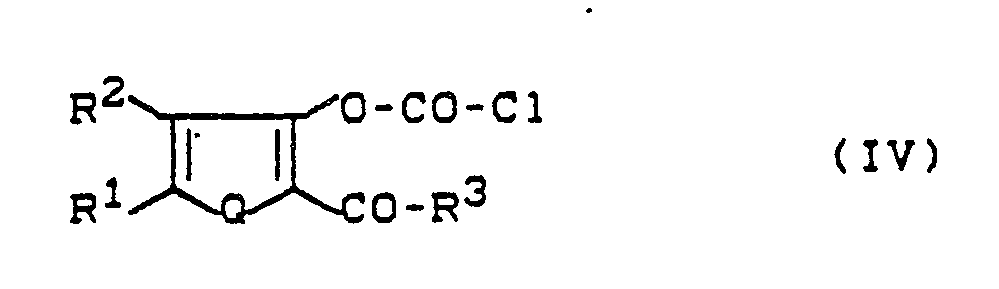
in welcher
R¹, R², R³ und Q die obengenannten Bedeutungen haben,
mit einem 2-Phenyl-2,2-difluorethylmercaptan der Formel (V) 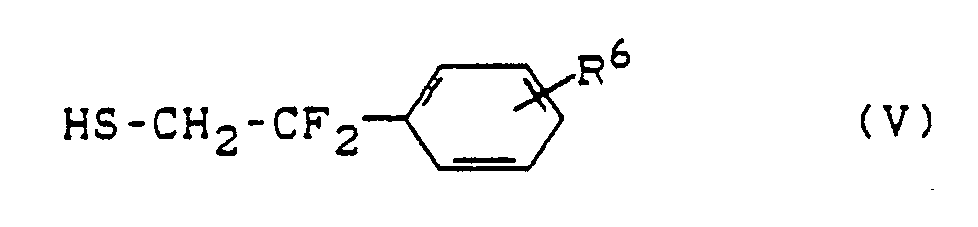
in welcher
R⁶ die obengenannte Bedeutung hat,
in Gegenwart einer organischen oder anorganischen Base und in Gegenwart von Lösungs- und Verdünnungsmitteln umsetzt
oder daß man
c) für den Fall, daß in der Formel (I)
R² für Alkyl oder Phenyl steht,
Q für Schwefel steht,
R⁶ für Wasserstoff, Methyl oder Chlor steht und
R¹ und -COR³ Estergruppen mit ungleichen Resten sind,
ein 4-Hydroxythiophenderivat der Formel (IIa) 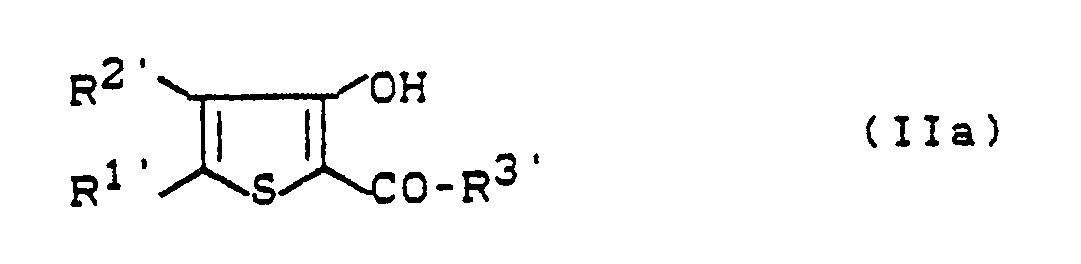
in welcher
R1′ für Alkoxycarbonyl, Alkoxyalkoxycarbonyl, Alkylthioalkoxycarbonyl, Halogenalkoxycarbonyl, Cyanalkoxycarbonyl, Alkenoxycarbonyl, Alkinoxycarbonyl, Cycloalkyloxycarbonyl oder Cycloalkylalkoxycarbonyl steht,
R2′ für Alkyl oder Phenyl steht und
R3′ für Alkoxy, Alkoxyalkoxy, Alkylthioalkoxy, Fluoralkoxy, Cyanalkoxy,
Alkenoxy, Alkinoxy, Cycloalkyloxy oder Cycloalkylalkoxy steht,
mit der Maßgabe, daß R1′ und COR3′ für gleiche Estergruppen stehen, mit wäßrig alkoholischer Alkalilauge im Molverhältnis 1:2 partiell zu 2-Carboxy-4-hydroxy-5-carbonsäureestern der Formel (IIb) 
in welcher
R2′ und R3′ die bei der Formel (IIa) angegebenen Bedeutungen haben,
verseift und die Verbindungen der Formel (IIb) nach ihrer Isolierung mit einem 2-Phenyl-2,2-difluorethylthiolcarbonylhalogenid der Formel (III) in Gegenwart einer tertiären organischen Base zu Verbindungen der Formel (VI) 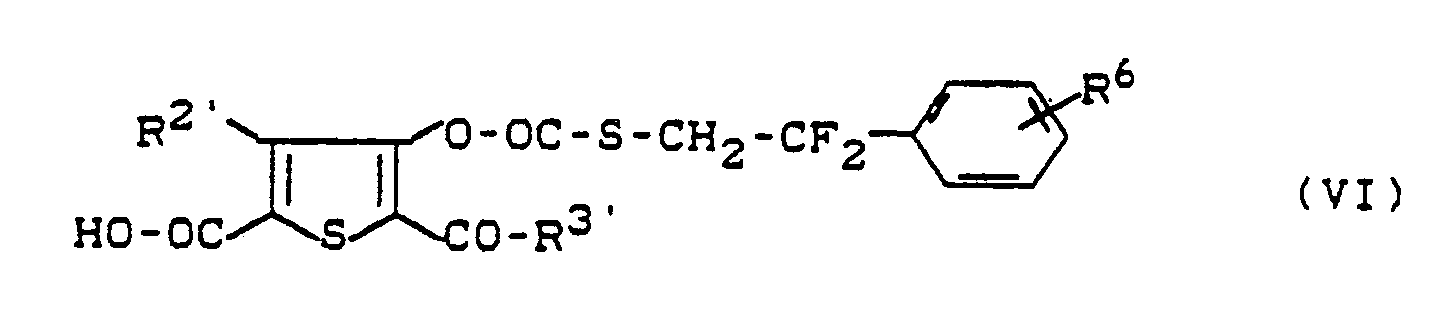
in welcher
R2′, R3′ und R⁶ die oben angegebenen Bedeutungen haben,
umsetzt und die so erhaltenen Verbindungen der Formel (VI) zu Säurechloriden der Formel (VII) 
in welcher
R2′ , R3′ und R⁶ die angegebenen Bedeutungen haben,
umsetzt und diese Verbindungen in letzter Stufe mit einem Alkohol der Formel (VIII)
R1˝OH (VIII)
in welcher
R1˝ für Alkyl, Alkoxyalkyl, Alkylthioalkyl, Halogenalkyl, Cyanalkyl, Alkenyl, Alkinyl, Cycloalkyl oder Cycloalkylalkyl steht,
in Gegenwart einer organischen Base verestert.
R¹ für Wasserstoff, Alkoxycarbonyl, Alkoxyalkoxycarbonyl, Alkylthioalkoxycarbonyl, Halogenalkoxycarbonyl, Cyanalkoxycarbonyl, Alkenoxycarbonyl, Alkinoxycarbonyl, Cycloalkyloxycarbonyl oder Cycloalkylalkoxycarbonyl steht,
R² für Wasserstoff, Alkyl oder für Phenyl steht oder
R¹ und R² gemeinsam für den Butadien-1,4-diyl-Rest stehen,
R³ für Alkoxy, Alkoxyalkoxy, Alkylthioalkoxy, Fluoralkoxy, Cyanalkoxy, Alkenoxy, Alkinoxy, Cycloalkyloxy, Cycloalkylalkoxy oder für die Gruppe
R⁴ für Alkyl, Alkoxyalkyl, Alkylthioalkyl, Cyanalkyl, Fluoralkyl, Alkenyl, Alkinyl oder Cycloalkyl steht,
R⁵ für Wasserstoff, Alkyl, Alkoxyalkyl, Alkylthioalkyl, Fluoralkyl, Cyanalkyl, Alkenyl, Alkinyl oder Cycloalkyl steht,
oder
R⁴ und R⁵ gemeinsam mit dem Stickstoffatom, an dem sie stehen, für einen unsubstituierten oder substituierten Heterocyclus stehen, welcher in der Alkylenkette durch weitere Heteroatome substituiert sein kann,
R⁶ für Wasserstoff, Methyl oder Chlor steht und
Q für Schwefel oder -CH=CH- steht,
dadurch gekennzeichnet, daß man
a) eine aromatische oder heteroaromatische Hydroxylverbindung der allgemeinen Formel (II)
R¹, R², R³ und Q die oben angegebene Bedeutung haben,
oder deren Ammonium-, Alkali- oder Erdalkalisalze, mit einem Acylierungsmittel der Formel (III)
R⁶ die angegebene Bedeutung hat und
X für eine Abgangsgruppe steht,
umsetzt
oder daß man
b) Verbindungen der Formel (II) erst mit Phosgen in Gegenwart einer tertiären organischen Base umsetzt und dann den gebildeten Chlorcarbonyloxy-aromaten bzw. Chlorcarbonyloxy-heteroaromaten der Formel (IV)
R¹, R², R³ und Q die obengenannten Bedeutungen haben,
mit einem 2-Phenyl-2,2-difluorethylmercaptan der Formel (V)
R⁶ die obengenannte Bedeutung hat,
in Gegenwart einer organischen oder anorganischen Base und in Gegenwart von Lösungs- und Verdünnungsmitteln umsetzt
oder daß man
c) für den Fall, daß in der Formel (I)
R² für Alkyl oder Phenyl steht,
Q für Schwefel steht,
R⁶ für Wasserstoff, Methyl oder Chlor steht und
R¹ und -COR³ Estergruppen mit ungleichen Resten sind,
ein 4-Hydroxythiophenderivat der Formel (IIa)
R1′ für Alkoxycarbonyl, Alkoxyalkoxycarbonyl, Alkylthioalkoxycarbonyl, Halogenalkoxycarbonyl, Cyanalkoxycarbonyl, Alkenoxycarbonyl, Alkinoxycarbonyl, Cycloalkyloxycarbonyl oder Cycloalkylalkoxycarbonyl steht,
R2′ für Alkyl oder Phenyl steht und
R3′ für Alkoxy, Alkoxyalkoxy, Alkylthioalkoxy, Fluoralkoxy, Cyanalkoxy,
Alkenoxy, Alkinoxy, Cycloalkyloxy oder Cycloalkylalkoxy steht,
mit der Maßgabe, daß R1′ und COR3′ für gleiche Estergruppen stehen, mit wäßrig alkoholischer Alkalilauge im Molverhältnis 1:2 partiell zu 2-Carboxy-4-hydroxy-5-carbonsäureestern der Formel (IIb)
R2′ und R3′ die bei der Formel (IIa) angegebenen Bedeutungen haben,
verseift und die Verbindungen der Formel (IIb) nach ihrer Isolierung mit einem 2-Phenyl-2,2-difluorethylthiolcarbonylhalogenid der Formel (III) in Gegenwart einer tertiären organischen Base zu Verbindungen der Formel (VI)
R2′, R3′ und R⁶ die oben angegebenen Bedeutungen haben,
umsetzt und die so erhaltenen Verbindungen der Formel (VI) zu Säurechloriden der Formel (VII)
R2′ , R3′ und R⁶ die angegebenen Bedeutungen haben,
umsetzt und diese Verbindungen in letzter Stufe mit einem Alkohol der Formel (VIII)
R1˝OH (VIII)
in welcher
R1˝ für Alkyl, Alkoxyalkyl, Alkylthioalkyl, Halogenalkyl, Cyanalkyl, Alkenyl, Alkinyl, Cycloalkyl oder Cycloalkylalkyl steht,
in Gegenwart einer organischen Base verestert.
7. Schädlingsbekämpfungsmittel, gekennzeichnet durch einen Gehalt an mindestens einem substituierten 2-Phenyl-2,2-difluorethylthiolcarbonat der Formel (I) nach den Ansprüchen 1 und 6.
8. Verwendung von substituierten 2-Phenyl-2,2-difluorethylthiolcarbonaten der Formel (I) nach den Ansprüchen 1 und 6 zur Bekämpfung von Schädlingen.
9. Verfahren zur Bekämpfung von Schädlingen, dadurch gekennzeichnet, daß man mindestens ein substituiertes 2-Phenyl-2,2-difluorethylthiolcarbonat der Formel (I) nach den Ansprüchen 1 und 6 auf Schädlinge und/oder ihren Lebensraum einwirken läßt.
10. Verfahren zur Herstellung von Schädlingsbekämpfungsmitteln, dadurch gekennzeichnet, daß man substituierte 2-Phenyl-2,2-difluorethylthiolcarbonate der Formel (I) nach den Ansprüchen 1 und 6 mit Streckmitteln und/oder oberflächenaktiven Mitteln vermischt.
Applications Claiming Priority (2)
| Application Number | Priority Date | Filing Date | Title |
|---|---|---|---|
| DE3842626 | 1988-12-17 | ||
| DE3842626 | 1988-12-17 |
Publications (1)
| Publication Number | Publication Date |
|---|---|
| EP0374559A2 true EP0374559A2 (de) | 1990-06-27 |
Family
ID=6369471
Family Applications (1)
| Application Number | Title | Priority Date | Filing Date |
|---|---|---|---|
| EP89122287A Withdrawn EP0374559A2 (de) | 1988-12-17 | 1989-12-02 | Substituierte 2-Phenyl-2,2-difluorethylthiolcarbonate, Verfahren zu ihrer Herstellung und ihre Verwendung zur Bekämpfung von Schädlingen |
Country Status (5)
| Country | Link |
|---|---|
| US (1) | US4962104A (de) |
| EP (1) | EP0374559A2 (de) |
| JP (1) | JPH02212468A (de) |
| KR (1) | KR900009623A (de) |
| PT (1) | PT92526A (de) |
Family Cites Families (1)
| Publication number | Priority date | Publication date | Assignee | Title |
|---|---|---|---|---|
| US4454131A (en) * | 1982-04-30 | 1984-06-12 | Ube Industries, Ltd. | Thiophene derivatives |
-
1989
- 1989-12-02 EP EP89122287A patent/EP0374559A2/de not_active Withdrawn
- 1989-12-06 US US07/446,955 patent/US4962104A/en not_active Expired - Fee Related
- 1989-12-07 PT PT92526A patent/PT92526A/pt not_active Application Discontinuation
- 1989-12-15 JP JP1324119A patent/JPH02212468A/ja active Pending
- 1989-12-15 KR KR1019890018626A patent/KR900009623A/ko not_active Withdrawn
Also Published As
| Publication number | Publication date |
|---|---|
| KR900009623A (ko) | 1990-07-05 |
| JPH02212468A (ja) | 1990-08-23 |
| US4962104A (en) | 1990-10-09 |
| PT92526A (pt) | 1990-06-29 |
Similar Documents
| Publication | Publication Date | Title |
|---|---|---|
| EP0281842A1 (de) | Aminomethylheterocyclen | |
| EP0248288A2 (de) | Trisubstituierte 1,3,5-Triazin-2,4,6-trione | |
| EP0281731A2 (de) | 1-Aminomethyl-3-aryl-4-cyano-pyrrole | |
| DE3433391A1 (de) | Acylierte saccharin-derivate | |
| EP0278352B1 (de) | Aminomethyltetrahydrofurane | |
| EP0554729B1 (de) | Substituierte Aminosäureamide | |
| EP0207355B1 (de) | Alkoxycarbonyl-substituierte Hydroxythiophen-carbonamide | |
| EP0590458B1 (de) | Substituierte Thiophencarbonsäureamide | |
| EP0277537B1 (de) | 1-Aminomethyl-3-aryl-4-cyano-pyrrole | |
| EP0608739B1 (de) | Cycloalkylcarbonsäureanilide | |
| EP0205076B1 (de) | Benzaldoxim-carbamat-Derivate | |
| EP0355597A1 (de) | Substituierte Dioxolanylethylamine, Verfahren zu ihrer Herstellung, ihre Verwendung in Schädlingsbekämpfungsmittteln und neue Zwischenprodukte | |
| EP0243776A2 (de) | Carbamoyloxythiophen-Derivate | |
| EP0253259A2 (de) | Fungizide Verwendung von substituierten Thienylaminen | |
| EP0304758A1 (de) | N,N'- Diacylaminale | |
| EP0283777A1 (de) | Benzaldoxim-Derivate | |
| US4962104A (en) | Fungicidal substituted 2-phenyl-2,2-difluoroethylthiolcarbonates, compositions and use | |
| EP0158957A2 (de) | Allophanat-Derivate | |
| EP0270971A2 (de) | Substituierte Benzamide | |
| DE3719225A1 (de) | (2-cyan-2-methoximinoacetyl)-aminosaeure- derivate | |
| EP0286970A2 (de) | Alpha-Methylsulfonyl-benzaldoxim-Derivate | |
| EP0269929A1 (de) | Chlor-1,2,4-oxadiazole | |
| DE3911226A1 (de) | Fungizide mittel auf basis von nitrosubstituierten benzthiazolonen, neue nitrosubstituierte benzthiazolone und verfahren zu deren herstellung | |
| EP0213566A2 (de) | N-Sulfenylierte Benzosulfonsäureamide | |
| EP0327977A1 (de) | 1-Aminomethyl-3-(2,4-difluor-3-chlorphenyl)-4-cyanopyrrole |
Legal Events
| Date | Code | Title | Description |
|---|---|---|---|
| PUAI | Public reference made under article 153(3) epc to a published international application that has entered the european phase |
Free format text: ORIGINAL CODE: 0009012 |
|
| 17P | Request for examination filed |
Effective date: 19891202 |
|
| AK | Designated contracting states |
Kind code of ref document: A2 Designated state(s): BE CH DE ES FR GB GR IT LI NL |
|
| STAA | Information on the status of an ep patent application or granted ep patent |
Free format text: STATUS: THE APPLICATION HAS BEEN WITHDRAWN |
|
| 18W | Application withdrawn |
Withdrawal date: 19900725 |
|
| R18W | Application withdrawn (corrected) |
Effective date: 19900725 |