EP0386757A2 - Esters de polyphospho biodégradables - Google Patents
Esters de polyphospho biodégradables Download PDFInfo
- Publication number
- EP0386757A2 EP0386757A2 EP19900104441 EP90104441A EP0386757A2 EP 0386757 A2 EP0386757 A2 EP 0386757A2 EP 19900104441 EP19900104441 EP 19900104441 EP 90104441 A EP90104441 A EP 90104441A EP 0386757 A2 EP0386757 A2 EP 0386757A2
- Authority
- EP
- European Patent Office
- Prior art keywords
- therapeutic agent
- polymer
- ranges
- matrix
- poly
- Prior art date
- Legal status (The legal status is an assumption and is not a legal conclusion. Google has not performed a legal analysis and makes no representation as to the accuracy of the status listed.)
- Granted
Links
- 0 C[C@]1(C[C@@]2CC1)C=*[C@]2C=CC Chemical compound C[C@]1(C[C@@]2CC1)C=*[C@]2C=CC 0.000 description 4
Images


Classifications
-
- A—HUMAN NECESSITIES
- A61—MEDICAL OR VETERINARY SCIENCE; HYGIENE
- A61K—PREPARATIONS FOR MEDICAL, DENTAL OR TOILETRY PURPOSES
- A61K9/00—Medicinal preparations characterised by special physical form
- A61K9/20—Pills, tablets, discs, rods
- A61K9/2004—Excipients; Inactive ingredients
- A61K9/2022—Organic macromolecular compounds
- A61K9/2031—Organic macromolecular compounds obtained otherwise than by reactions only involving carbon-to-carbon unsaturated bonds, e.g. polyethylene glycol, polyethylene oxide, poloxamers
- A61K9/204—Polyesters, e.g. poly(lactide-co-glycolide)
-
- A—HUMAN NECESSITIES
- A61—MEDICAL OR VETERINARY SCIENCE; HYGIENE
- A61P—SPECIFIC THERAPEUTIC ACTIVITY OF CHEMICAL COMPOUNDS OR MEDICINAL PREPARATIONS
- A61P15/00—Drugs for genital or sexual disorders; Contraceptives
- A61P15/16—Masculine contraceptives
-
- A—HUMAN NECESSITIES
- A61—MEDICAL OR VETERINARY SCIENCE; HYGIENE
- A61P—SPECIFIC THERAPEUTIC ACTIVITY OF CHEMICAL COMPOUNDS OR MEDICINAL PREPARATIONS
- A61P15/00—Drugs for genital or sexual disorders; Contraceptives
- A61P15/18—Feminine contraceptives
-
- A—HUMAN NECESSITIES
- A61—MEDICAL OR VETERINARY SCIENCE; HYGIENE
- A61P—SPECIFIC THERAPEUTIC ACTIVITY OF CHEMICAL COMPOUNDS OR MEDICINAL PREPARATIONS
- A61P3/00—Drugs for disorders of the metabolism
-
- A—HUMAN NECESSITIES
- A61—MEDICAL OR VETERINARY SCIENCE; HYGIENE
- A61P—SPECIFIC THERAPEUTIC ACTIVITY OF CHEMICAL COMPOUNDS OR MEDICINAL PREPARATIONS
- A61P31/00—Antiinfectives, i.e. antibiotics, antiseptics, chemotherapeutics
-
- A—HUMAN NECESSITIES
- A61—MEDICAL OR VETERINARY SCIENCE; HYGIENE
- A61P—SPECIFIC THERAPEUTIC ACTIVITY OF CHEMICAL COMPOUNDS OR MEDICINAL PREPARATIONS
- A61P35/00—Antineoplastic agents
-
- C—CHEMISTRY; METALLURGY
- C08—ORGANIC MACROMOLECULAR COMPOUNDS; THEIR PREPARATION OR CHEMICAL WORKING-UP; COMPOSITIONS BASED THEREON
- C08G—MACROMOLECULAR COMPOUNDS OBTAINED OTHERWISE THAN BY REACTIONS ONLY INVOLVING UNSATURATED CARBON-TO-CARBON BONDS
- C08G79/00—Macromolecular compounds obtained by reactions forming a linkage containing atoms other than silicon, sulfur, nitrogen, oxygen, and carbon with or without the latter elements in the main chain of the macromolecule
- C08G79/02—Macromolecular compounds obtained by reactions forming a linkage containing atoms other than silicon, sulfur, nitrogen, oxygen, and carbon with or without the latter elements in the main chain of the macromolecule a linkage containing phosphorus
- C08G79/04—Phosphorus linked to oxygen or to oxygen and carbon
Definitions
- the present invention relates to poly(phosphate esters) and methods of using these polymers.
- polymeric materials have been used as components of devices for diagnosis or therapy, and they have made a significant impact on the clinical success of implant technology. These materials have been used as, for example, orthopedic devices, ventricular shunts, drug-carriers, contact lens', heart valves, sutures, and burn dressings. These polymers can be non-biodegradable or biodegradable.
- the steps leading to release of the therapeutic agent are water diffusion into the matrix, dissolution of the therapeutic agent, and out-diffusion of the therapeutic agent through the channels of the matrix.
- the mean residence time of the therapeutic agent existing in the soluble state is longer for a non-biodegradable matrix than for a biodegradable matrix where a long passage through the channels is no longer required. Since many pharmaceuticals have short half-lives it is likely that the therapeutic agent is decomposed or inactivated inside the non-biodegradable matrix before it can be released. This issue is particularly significant for many bio-macromolecules and smaller polypeptides, since these molecules are generally unstable in buffer and have low permeability through polymers.
- Biodegradable polymers differ from non-biodegradable polymers in that they are consumed or biodegraded during therapy. This usually involves breakdown of the polymer to its monomeric subunits, which should be biocompatible with the surrounding tissue.
- the life of a biodegradable polymer in vivo depends on its molecular weight and degree of cross-linking; the greater the molecular weight and degree of crosslinking, the longer the life.
- the most highly investigated biodegradable polymers are polylactic acid (PLA), polyglycolic acid (PGA), copolymers of PLA and PGA, polyamides, and copolymers of polyamides and polyesters.
- PLA sometimes referred to as polylactide
- PLA undergoes hydrolytic de-esterification to lactic acid, a normal product of muscle metabolism.
- PGA is chemically related to PLA and is commonly used for absorbable surgical sutures, as is PLA/PGA copolymer.
- PLA/PGA copolymer the use of PGA in sustained-release implants has been limited due to its low solubility in common solvents and subsequent difficulty in fabrication of devices.
- biodegradable material An advantage of a biodegradable material is the elimination of the need for surgical removal after it has fulfilled its mission. The appeal of such a material is more than simply for convenience. From a technical standpoint, a material which biodegrades gradually and is excreted over time can offer many unique advantages.
- a biodegradable therapeutic agent delivery system has several additional advantages: 1) the therapeutic agent release rate is amenable to control through variation of the matrix composition; 2) implantation can be done at sites difficult or impossible for retrieval; 3) delivery of unstable therapeutic agents is more practical. This last point is of particular importance in light of the advances in molecular biology and genetic engineering which have lead to the commercial availability of many potent bio-macromolecules. The short in vivo half-lives and low GI tract absorption of these polypeptides render them totally unsuitable for conventional oral or intravenous administration. Also, because these substances are often unstable in buffer, such polypeptides cannot be effectively delivered by pumping devices.
- a biodegradable therapeutic agent delivery system consist of a dispersion of the drug solutes in a polymer matrix.
- the therapeutic agent is released as the polymeric matrix decomposes, or biodegrades into soluble products which are excreted from the body.
- synthetic polymers including polyesters (Pit, et al. , in Controlled Release of Bioactive Materials , R. Baker, Ed., Acadeic Press, New York, 1980); polyamides (Sidman, et al.
- Polyorthoesters and polyanhydrides have been specifically designed for controlled release purposes. While these polymers are promising, they also have significant drawbacks. For example, polyorthoesters biodegrade in a desirable manner only if additives are included in the matrix. By taking advantage of the pH dependence of the rate of orthoester cleavage, preferential hydrolysis at the surface is achieved by either the addition of basic substances to suppress degradation in bulk, or the incorporation of acidic catalysts to promote surface degradation. Unfortunately, these additives often lead to unnecessary complications in terms of release behavior and biocompatibility.
- the polyanhydrides are unstable even in the solid state.
- the poor solubility of the hydrophobic polyanhydrides also render characterization and fabrication difficult. Hence there exists the need for new biodegradaable polymers.
- the biodegradaable matrix of the invention also finds broad utility as a transient prosthetic support in orthopedic applications.
- physicians have attempted to repair and replace various components of the skeletal system. These attempts have utilized various kinds of materials including bone, ivory, collagen, wood, metals, alloys, ceramics, glasses, corals, carbons, polymers, and composites of materials as bone prostheses.
- the bone prosthesis should be a material that is biologically inert, readily available, easily adaptable to the site in terms of shape and size, and replaceable by the host bone. Replacement of the prothesis by the host bone necessitates that the substitute be biodegradable.
- the present invention pertains to a biodegradable composition useful as a structural prosthesis and a therapeutic agent delivery vehicle and methods for its manufacture and use.
- the composition comprises a biocompatible poly(phosphate ester) matrix, prepared in preselected dimensions and configurations, which predictably degrades in vivo into non-toxic residues.
- the method of using the composition as an implant and prosthesis comprises the step of introducing a specifically configured composition into an individual in vivo at a predetermined site.
- the polymers of the invention be biodegradable and in matrix form, these characteristics are not essential for the polymers.
- composition of the invention through its transient in vivo presence, provides a matrix which persists for a period of time sufficient to achieve a medical effect, essentially lacks host toxicity upon degradation, provides mechanical strength, and is readily fabricated.
- compositions useful as prostheses and as therapeutic agent delivery vehicles comprise a biodegradable, biocompatible class of poly(phosphate esters).
- the polymers are biodegradable because of the hydrolyzable phosphate ester, or P(O)-O-C bond, in the backbone. With the phosphate ester linkage, the polymers can be classified as polyphosphates, polyphosphonates, or polyamidophosphates, depending on the structure of the pendant groups. With the phosphorous atom existing in the trivalent state, the polymers can be either polyphosphites or polyphosphonites.
- compositions comprising a biodegradable poly-phosphate or polyphosphonate matrix which have the general formula: wherein R and R′, are preferably organic or organometallic moieties and n is from about 10 to about 105.
- the R′ group can be a therapeutic agent or, alternatively, can be selected from the group consisting of: wherein R1 is alkyl, halogen, nitro, hydroxyl, amino, carboxyl, alkoxy, or combinations, thereof, R2 is oxygen or N-CH3, and a ranges from 2 to 6, b ranges from 10 to 100, d ranges from 2 to 16, f ranges from 1 to 6, and m ranges from 1 to 2.
- the R group can be a therapeutic agent or, alternatively, can be selected from the group consisting of: -NH-R1, -S-R1, -O- -R1 -OC p H 2p+1 -C p H 2p+1 -H, -Cl, -O-R3 wherein R1 is alkyl, halogen, nitro, hydroxyl, amino, carboxyl, alkoxy, or combinations thereof, R3 is and p ranges from 1 to 16
- R and R′ are the same or different therapeutic agent.
- alkyl as used herein, either alone or as a part of another group (e.g., alkoxy), means C1 ⁇ 16-, preferably C1 ⁇ 10-alkyl.
- the phosphorous ester is comparable to, or slightly more reactive than, the carboxylic ester.
- this water labile linkage provides the basis for a versatile delivery system.
- a wide range of degradation rates can be obtained by adjusting the hydrophobicities of the backbones of the polymers and yet the biodegradability is assured. This can be achieved by varying the functional groups R or R′.
- the combination of a hydrophobic backbone and a hydrophilic linkage also leads to heterogeneous degradation as cleavage is encouraged, but water penetration is resisted.
- the polyphosphates and polyphosphonates of the invention show favorable mechanical strength because of the high molecular weights obtainable.
- Average molecular weight of up to 600,000 has been obtained by an interfacial polymerization (Sandler, et al. , ibid ). This high molecular weight leads to transparency, and film and fiber properties.
- the P-O-C group provides a plasticizing effect, which lowers the glass transition temperature of the polymer and confers solubility in organic solvents. Both effects are desirable for fabrication of the composition.
- compositions of the invention includes, without limitation, drugs, radioisotopes, immunomodulators, and lectins. Similar substances are within the skill of the art.
- therapeutic agent as used herein for the compositions of the invention includes, without limitation, drugs, radioisotopes, immunomodulators, and lectins. Similar substances are within the skill of the art.
- individual includes human as well as non-human animals.
- non-proteinaceous drugs encompasses compounds which are classically referred to as drugs such as, for example, mitomycin C, daunorubicin, vinblastine, AZT, and hormones. Similar substances are within the skill of the art.
- the proteinaceous drugs which can be incorporated in the compositions of the invention include immunomodulators and other biological response modifiers.
- biological response modifiers is meant to encompass substances which are involved in modifying the immune response in such manner as to enhance the particular desired therapeutic effect, for example, the destruction of the tumor cells.
- immune response modifiers include such compounds as lymphokines.
- lymphokines include tumor necrosis factor, the interleukins, lymphotoxin, macrophage activating factor, migration inhibition factor, colony stimulating factor and the interferons.
- Interferons which can be incorporated into the compositions of the invention include alpha-interferon, beta-interferon, and gamma-interferon and their subtypes.
- peptide or polysaccharide fragments derived from these proteinaceous drugs can also be incorporated.
- biological response modifiers substances generally referred to as vaccines wherein a foreign substance, usually a pathogenic organism or some fraction thereof, is used to modify the host immune response with respect to the pathogen to which the vaccine relates.
- radioisotopes may be more preferable than others depending on such factors, for example, as tumor distribution and mass as well as isotope stability and emission. Depending on the type of malignancy present come emitters may be preferable to others.
- alpha and beta particle-emitting radioisotopes are preferred in immunotherapy. For example, if an animal has solid tumor foci a high energy beta emitter capable of penetrating several millimeters of tissue, such as 90Y, may be preferable.
- high energy alpha emitter such as 212Bi may be preferred.
- radioisotopes which can be incorporated in the compositions of the invention for therapeutic purposes are 125I, 131I, 90Y, 67Cu, 212Bi, 211At, 212Pb, 47Sc, 109Pd and 188Re.
- Other radioisotopes which can be incorporated into the compositions of the invention are within the skill in the art.
- Lectins are proteins, usually isolated from plant material, which bind to specific sugar moieties. Many lectins are also able to agglutinate cells and stimulate lymphocytes. Other therapeutic agents which can be used therapeutically with the biodegradable compositions of the invention are known, or can be easily ascertained, by those or ordinary skill in the art.
- compositions of the invention means that the therapeutic agent is present at concentrations sufficient to achieve a particular medical effect for which the therapeutic agent is intended.
- desirable medical effects are chemotherapy, antibiotic therapy, birth control, and regulation of metabolism.
- “Therapeutic-agent bearing” as it applies to the compositions of the invention denotes that the composition incorporates a therapeutic agent which is 1) not bound to the polymeric matrix, or 2) bound within the polymeric backbone matrix, or 3) pendantly bound to the polymeric matrix, or 4) bound within the polymeric backbone matrix and pendantly bound to the polymeric matrix.
- a therapeutic agent which is 1) not bound to the polymeric matrix, or 2) bound within the polymeric backbone matrix, or 3) pendantly bound to the polymeric matrix, or 4) bound within the polymeric backbone matrix and pendantly bound to the polymeric matrix.
- the therapeutic agent is not bound to the matrix, then it is merely physically dispersed with the polymer matrix.
- the therapeutic agent is bound within the matrix it is part of the poly(phosphate ester) backbone (R′).
- R′ poly(phosphate ester) backbone
- the therapeutic agent is pendantly attached it is chemically linked through, for example, by ionic or covalent bonding, to the side chain (R
- a combination of more than one therapeutic agent can be incorporated into the compositions of the invention.
- Such multiple incorporation can be done, for example, 1) by substituting a first therapeutic agent into the backbone matrix (R′) and a second therapeutic agent by pendant attachment (R), 2) by providing mixtures of different poly(phosphate esters) which have different agents substituted in the backbone matrix (R′) or at their pendant positions (R), 3) by using mixtures of unbound therapeutic agents with the poly(phosphate ester) which is then formed into the composition, 4) by use of a copolymer with the general structure wherein m or n can be from about 1 to about 99% of the polymer, or 5) by combinations of the above.
- the concentration of therapeutic agent in the composition will vary with the nature of the agent and its physiological role and desired therapeutic effect.
- concentration of a hormone used in providing birth control as a therapeutic effect will likely be different from the concentration of an anti-tumor drug in which the therapeutic effect is to ameliorate a cell-proliferative disease.
- concentration of an anti-tumor drug in which the therapeutic effect is to ameliorate a cell-proliferative disease.
- the desired concentration in a particular instance for a particular therapeutic agent is readily ascertainable by one of skill in the art.
- the therapeutic agent loading level for a composition of the invention can vary, for example, on whether the therapeutic agent is bound to the poly(phosphate ester) backbone polymer matrix.
- concentration of agent will typically not exceed 50 wt %.
- the drug loading level is up to the stoichiometric ratio of agent per monomeric unit.
- sustained structural prosthesis when used to describe the compositions of the invention means a prosthesis which is biodegradable with time and provides a structural function in the individual such as, for example, as a vascular graft, suture and bone plate.
- a poly(phosphate ester) composition of the invention can function simultaneously both as a transient structural prosthesis and as a therapeutic agent-bearing composition.
- An example of this would be a suture bearing a therapeutic agent such as, for example, an antibiotic, or, alternatively, a bone plate incorporating a growth factor.
- a novel advantage of the polymers of the invention is the availability of functional side groups which allow the chemical linkage of therapeutic agents to the polymers.
- drugs with carboxyl groups can be coupled to the phosphorous atom via an ester bond, which is hydrolyzable (Eq. 4).
- the rate of therapeutic agent release will then be dependent on the hydrolytic cleavage of the polymer therapeutic agent conjugate.
- This pendant delivery system has the advantage of attaining a high drug loading level. Therapeutic agents which exist in the liquid state can also be accommodated.
- therapeutic agents containing two hydroxyl groups can be directly incorporated into the backbone of the polymers (Eq. 5).
- steroids such as estradiol can be reacted with dichlorophosphates to form the polymer.
- Other therapeutic agents can also be derivatized for incorporation into the backbone.
- a drug with two amino groups can be reacted with the carboxyl group of a hydroxyl carboxylic acid.
- the hydroxyl groups can then be used to form the poly(phosphate ester).
- a sustained delivery is then effected by hydrolysis of the polymeric prodrug.
- the poly(phosphate esters) of the invention can be synthesized using such polymerization methods as bulk polymerization, interfacial polymerization, solution polymerization, and ring opening polymerization (Odian, G. , Principles of Polymerization , 2nd ed., John Wiley & Sons, New York, 1981). Using any of these methods, a variety of different synthetic polymers having a broad range of mechanical, chemical, and biodegradable properties are obtained; the differences in properties and characteristics are controlled by varying the parameters of reaction temperatures, reactant concentration, types of solvent, and reaction time.
- the poly(phosphate esters) of the invention can range in molecular weight from about 2,000 to about 106 containing from about 10 to about 10,000 monomeric units.
- compositions useful as prostheses or implants are synthetic poly(phospahte ester) compositions which share such characteristics as predictable and controllable degradation rates, biocompatibility and biodegradability, mechanical strength, and ease of fabrication.
- the rate of biodegradation of the poly(phosphate ester) compositions of the invention may also be controlled by varying the hydrophobicity of the polymer.
- the mechanism of predictable degradation preferably relies on either group R′ in the poly(phosphate ester) backbone being hydrophobic for example, an aromatic structure, or, alternatively, if the group R′ is not hydrophobic, for example an aliphatic group, then the group R is preferably aromatic.
- the rates of degradation for each poly(phosphate ester) composition are generally predictable and constant at a single pH. This permits the compositions to be introduced into the individual at a variety of tissue sites. This is especially valuable in that a wide variety of compositions and devices to meet different, but specific, applications may be composed and configured to meet specific demands, dimensions, and shapes - each of which offers individual, but different, predictable periods for degradation.
- composition of the invention When the composition of the invention is used for long term delivery of a therapeutic agent a relatively hydro phobic backbone matrix, for example, containing bisphenol A, is preferred. It is possible to enhance the degradation rate of the poly(phosphate ester) or shorten the functional life of the device, by introducing hydrophilic or polar groups, into the backbone matrix. Further, the introduction of methylene groups into the backbone matrix will usually increase the flexibility of the backbone and decrease the crystallinity of the polymer. Conversely, to obtain a more rigid backbone matrix, for example, when used orthopedically, an aromatic structure, such as a diphenyl group, can be incorporated into the matrix. Also, the poly(phosphate esters) can be crosslinked, for example, using 1,3,5-trihydroxybenzene or (CH2OH)4C, to enhance the modulus of the polymer. Similar considerations hold for the structure of the side chain (R).
- poly(phosphate esters) are biocompatible and biodegradable. In view of their intended function as a therapeutic agent-bearing implant or prosthesis to be introduced into a subject in vivo, it is desirable that these compositions be essentially non-inflammatory, and non-immunogenic.
- poly(phosphate esters) of the invention as an implant which also functions as a therapeutic agent-bearing polymeric compositions, for example, subcutaneously or in various body cavities, is particularly useful in cases where chronic administration of drug over periods ranging from days to years is required.
- drugs which can be used in this manner include insulin for diabetes, pilocarpine for glaucoma, immune agents for various diseases and allergies, contraceptive steroids, narcotic antagonists, antibiotics, anticancer, and antihypertensive drugs.
- Subcutaneous implantation is currently one of the most popular routes used for sustained drug delivery. This is partly due to the simplicity of the surgical procedures involved in implantation and removal, and the relatively favorable absorption site offered compared to the oral or percutaneous routes. Surgery could be viewed as a disadvantage, however, depending on the patient and the location and frequency of implantation. It can be avoided in some cases by injecting the implant directly into subcutaneous tissue, provided the implant is capable of being delivered through a syringe. This is the method used for many of the sustained-release insulin products.
- Implantation using a syringe is particularly effective when the composition of the invention is in the form of microspheres which can be suspended in a pharmaceutical buffer and introduced via the syringe to the desired site.
- compositions in the form of microspheres incorporating cortisone could be injected into the region of an inflammatory joint or muscle.
- biodegradable polymers of the invention to act as a matrix for the release of a therapeutic agent from subcutaneously implanted compositions offers several advantages over prior art compositions. The most obvious is that no surgical removal of the device is necessary after it has fulfilled its function. Also, an additional mechanism for release of drug is provided by degradation. Complete delivery and, thus, maximal absorption occurs after the device has degraded.
- Biodegradable subcutaneous implants can also be used, for example, for the delivery of narcotic antagonists, steroids, and anticancer agents.
- Narcotic antagonists such as naltrexone, cyclazocine, and naloxone, are therapeutically useful in the postdetoxification stage of rehabilitation of drug-dependent patients.
- Steroids which can be used include contraceptives (for example, progesterone), anti-inflammatory agents (for example, dexamethasone), and anabolics (for example, estradiol).
- Anticancer agents which can be used include cyclophosphamide, doxorubicin, and cisplatin.
- Intravaginal implants are used for the sustained release of contraceptive steroid hormones due to the more favorable site of absorption offered by the vaginal mucosa relative to the oral route for these drugs.
- First-pass hepatic metabolism, which inactivates many steroid hormones, and gastrointestinal incompatibility are avoided by using the vaginal route.
- the vaginal route allows self-insertion ensuring better patient compliance. More stable poly(phosphate esters) are preferred in this usage.
- the intrauterine device is one of the more popular methods of contraception which can utilize the compositions of the invention.
- Initial investigations involving nonmedicated IUDs revealed that the larger the device, the more effective it was in preventing pregnancy.
- large devices caused increased incidences of uterine cramps, bleeding, and expulsion.
- medicated IUDs More stable poly(phosphate ester) are preferred in this usage.
- Two classes of agents have been used in IUDs of this type: contraceptive metals, such as copper, and steroid hormones, such as progesterone.
- compositions of the invention are also useful in the treatment of glaucoma.
- Chronic open-angle glaucoma usually requires therapy for the lifetime of the patient with a miotic agent such as pilocarpine, for control of intraocular pressure.
- Conventional pilocarpine therapy requires instillation of eyedrops four times a day.
- compositions of the invention incorporating an anti-glaucoma agent such as pilocorpine would require less frequent and more sustained administration.
- compositions comprising the poly(phosphate esters) of the invention can be used for agricultural purposes. This can be accomplished by substituting for the therapeutic agent, without limitation, a pesticide, a plant growth horomone, a fungicide, a fertilizer, and the like, others of which are known or readily ascertainable to those of skill in the art.
- phase transfer catalysts of cetyltrimethylammonium chloride and crown ether 18 were used for the interfacial polycondensation.
- Lewis acids of ferric chloride and magnesium chloride were used for melt-polycondensation.
- t-BuOK (i-C4H9)3Al were used as initiators.
- reactions involving diols oxidizable to quinones in base the procedures were performed in the dark, and small amounts of sodium hydrosulfite were added to the interfacial polycondensation to prevent oxidation of the diol.
- Solution polycondensation requires that both the diol and the phosphorus component be soluble in a common solvent.
- a chlorinated organic solvent was used and the reaction run in the presence of a stoichiometric amount of an acid acceptor.
- the product was then isolated from the solution by precipitation and purified to remove the hydrochloride salt.
- longer reaction times may be necessary, generally much milder conditions are used relative to bulk-reactions. More sensitive functionality can thus be incorporated using this technique.
- Interfacial polycondensation potentially yields high molecular weights for these polymers at high reaction rates. Since the interfacial technique is a non-equilibrium method, the critical dependence of high molecular weight on exact stoichiometric equivalence between diol and dichloridate inherent in bulk and solution methods is removed. The limitation of this method is the hydrolysis of the acid chloride in the alkaline aqueous phase. Phosphoro-dichloridates which have some solubility in water are generally subject to hydrolysis rather than polymerization.
- Ring-opening polymerization of phosphorus-containing monomers was performed using the technique disclosed in Lapienis, et al., Journal of Polymer Science, Part A: Polymer Chemistry, 25 :1729, 1987 and Pretula, et al., Macromolecules, 19:1797, 1986. This technique is particularly useful in producing high molecular weight polymers.
- Equation 6 Using the melt-condensation technique, a poly(phosphate ester) having the structure disclosed in Equation 6 was produced. Ethyl phosphorodichloridate was slowly added to a magnetically stirred mixture of an equimolar amount of ethylene glycol containing 2 mole percent of FeCl3 cooled to -20°C. The flask was connected to a vacuum pump through a trap to remove HCl. When the addition was complete, the temperature was gradually raised to 120°C over a seven hour period. The mass was then cooled to room temperature, dissolved in methanol, and precipitated into ether.
- Equation 7 Using the solution-polycondensation technique, a poly(phosphate ester) with the structure disclosed in Equation 7 was produced.
- Equation 8 The poly(phosphate ester) of Equation 8 was produced using the interfacial polycondensation technique.
- the organic solution was run into the agitated solution from the funnel through a hole in the cap over a one-minute period.
- the mixture was blended for four minutes, producing a thick, milky emulsion with a temperature of 35°C.
- the lower organic layer was washed with 30 ml of water, dried over CaCl2, and precipitated into 750 ml of petroleum ether to give a fibrous, powdery solid.
- the solid was isolated by filtration, reprecipitated in the same manner, isolated again, and dried on a vacuum line at room temperature for 16 hr to give the polyphosphonate (15.1 g, 98.4%) as a fine powder.
- the ring-opening technique was used to produce the poly(phosphate ester) shown in Equation 9.
- dioxaphosphorinane at a concentration of 7.0 mol/L in methylene chloride, a polymer with a number average molecular weight of over 100,000 was obtained as a white, powdery material in about 50% yield when triisobutylaluminum (0.03 M) was used as the initiator at 25°C after a 24 hour reaction (Eq. 9).
- the difficulty of this technique is the preparation of the pure cyclic monomers. In order to maintain a favorable thermodynamic driving force for the ring- opening reaction, the monomer is confined to aliphatic and non-bulky groups. The cyclic monomer also should not contain acidic protons.
- Poly(phosphate ester) compositions were prepared which contained benzoic acid, aniline, thiophenol, or p-nitrophenol in pendant position in combination with an aliphatic backbone, as shown in Equation 10.
- the ring-opening polymerization technique was used to prepare poly(2-chloro-2-oxo-1,3,2-dioxaphosphite).
- a solution (100 ml) of 1,3-propanediol (0.165 mole) and triethylamine (TEA) (0.33 mole) in benzene was added dropwise to vigorously stirred anhydrous benzene (200 ml) at 0°C under nitrogen atmosphere.
- Phosphorus trichloride (0.165 mole) in anhydrous benzene (200 ml) was then added.
- the polymers were synthesized by anionic polymerization of 2-hydro-2-oxo-1,3,2-oxaphosphorinane.
- the anionic polymerization was conducted in methylene chloride at -15°C for 48 hours under nitrogen atmosphere. A 1 mole % of i-Bu3Al was used as the anionic initiator.
- the polymer was isolated by repeated precipitation into dried benzene. Chlorination of the polymer was achieved by passing dried chlorine through a solution of the polymer in methylene chloride until a persistent, yellow color was obtained (about three hours). The excess chlorine was then removed by vacuum at room temperature.
- the polymers was characterized by GPC, intrinsic viscosity, FT-IR, and FT-NMR.
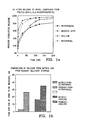
- the drug release rate was dependent on the stability of the linkage bond. For instance, benzoic acid was bound to the polymer via a phosphoric anhydride bond, which is extremely water labile. Consequently, a high release rate was seen.
- the model drugs are all water soluble compounds, which in a diffusion-controlled release system would be depleted very quickly.
- Shown in Figure 1b is the comparison of the release of p-nitrophenol and aniline from a matrix system (in which the drug is just physically dispersed in the polymer and compression molded into a disc) and that released from the pendant system (in which the polymer-drug conjugates are compression molded to the same dimension).
- the time it took for 50% of the drug to be released from the polymer-drug conjugate was significantly longer, showing that the pendant system is indeed capable of prolonging the release of hydrophilic drugs through a phosphate ester or a phosphoroamide bond.
- the polymers prepared had the structures indicated in Table 2.
- the degradation experiments were conducted in 0.1M phosphate buffer (pH 12).
- the polymers were compression molded into discs (1 cm x 2 mm), placed in 50 ml of pH 12 buffer, and incubated at 37°C.
- the release kinetics were followed by measuring the concentrations of the buffer solution by HPLC.
- the weight loss of the discs as a function of time was also recorded.
- Poly(phosphate esters) with a bisphenol A backbone and different side chains were prepared as described in Example 4 and compared in terms of their in vitro release of different drugs.
- compositions of BPA-PP, BPA-POP, BPA-EP, and BPA-EOP incorporating cortisone or lidocaine were compared.
- Drugs were incorporated into the matrix by compression molding.
- the polymer was ground and sieved into a particle size range below 90 microns. Drugs were sieved to the same particle size range and blended in a Vortex mixer with the polymer powder.
- the mixture was pressed into a disc (10 mm x 2 mm) through a mold, at a pressure of 150 Kpsi and room temperature for 10 min. Such a high molding pressure is useful in forming a compact matrix for desirable sustained release.
- the molds were specifically made with carbon and heat treated plungers to withstand the high pressure.
- the poly(phosphate ester)-drug conjugates are similarly molded for implantation.
- a solvent evaporation technique was used to prepare the microspheres.
- the mixture was emulsified in 150 ml of water containing 0.5 wt % of poly(vinyl alcohol) in a homogenizer.
- the methylene chloride in the emulsion was evaporated over a period of one hour at room temperature at a reduced pressure of 40 mm Hg.
- the microspheres thus obtained were quickly washed with cold water and filtered. After drying, the microspheres were sieved to a narrow size fraction before use.
- This technique can be used to encapsulate, for example, such organic substances as sucrose and nerve growth factor.
- IAP iodoaminopurine
Landscapes
- Health & Medical Sciences (AREA)
- Chemical & Material Sciences (AREA)
- Medicinal Chemistry (AREA)
- Animal Behavior & Ethology (AREA)
- Organic Chemistry (AREA)
- Pharmacology & Pharmacy (AREA)
- Life Sciences & Earth Sciences (AREA)
- Chemical Kinetics & Catalysis (AREA)
- General Health & Medical Sciences (AREA)
- Public Health (AREA)
- Veterinary Medicine (AREA)
- General Chemical & Material Sciences (AREA)
- Nuclear Medicine, Radiotherapy & Molecular Imaging (AREA)
- Bioinformatics & Cheminformatics (AREA)
- Engineering & Computer Science (AREA)
- Endocrinology (AREA)
- Epidemiology (AREA)
- Polymers & Plastics (AREA)
- Reproductive Health (AREA)
- Gynecology & Obstetrics (AREA)
- Obesity (AREA)
- Hematology (AREA)
- Oncology (AREA)
- Diabetes (AREA)
- Communicable Diseases (AREA)
- Medicinal Preparation (AREA)
- Biological Depolymerization Polymers (AREA)
- Polymers With Sulfur, Phosphorus Or Metals In The Main Chain (AREA)
- Materials For Medical Uses (AREA)
- Compositions Of Macromolecular Compounds (AREA)
- Medicines That Contain Protein Lipid Enzymes And Other Medicines (AREA)
- Medicines Containing Antibodies Or Antigens For Use As Internal Diagnostic Agents (AREA)
- Polyesters Or Polycarbonates (AREA)
Applications Claiming Priority (2)
| Application Number | Priority Date | Filing Date | Title |
|---|---|---|---|
| US321360 | 1989-03-09 | ||
| US07/321,360 US5194581A (en) | 1989-03-09 | 1989-03-09 | Biodegradable poly(phosphoesters) |
Publications (3)
| Publication Number | Publication Date |
|---|---|
| EP0386757A2 true EP0386757A2 (fr) | 1990-09-12 |
| EP0386757A3 EP0386757A3 (en) | 1990-12-27 |
| EP0386757B1 EP0386757B1 (fr) | 1994-12-07 |
Family
ID=23250286
Family Applications (1)
| Application Number | Title | Priority Date | Filing Date |
|---|---|---|---|
| EP90104441A Expired - Lifetime EP0386757B1 (fr) | 1989-03-09 | 1990-03-08 | Esters de polyphospho biodégradables |
Country Status (6)
| Country | Link |
|---|---|
| US (1) | US5194581A (fr) |
| EP (1) | EP0386757B1 (fr) |
| JP (2) | JPH03128938A (fr) |
| AT (1) | ATE115160T1 (fr) |
| CA (1) | CA2011171C (fr) |
| DE (1) | DE69014684D1 (fr) |
Cited By (19)
| Publication number | Priority date | Publication date | Assignee | Title |
|---|---|---|---|---|
| EP0459176A3 (en) * | 1990-05-16 | 1993-02-24 | Bayer Ag | Oligophosphates with antiviral activity |
| WO1998046286A1 (fr) * | 1997-04-14 | 1998-10-22 | Johns Hopkins University School Of Medicine | Composes biodegradables, compositions, articles et leurs methodes de production et d'utilisation |
| WO1998048859A1 (fr) * | 1997-04-30 | 1998-11-05 | Guilford Pharmaceuticals Inc. | Compositions biodegradables comportant des composes de poly(phosphoesters cycloaliphatiques), et articles et procedes les utilisant |
| WO1998058012A1 (fr) * | 1997-06-18 | 1998-12-23 | Guilford Pharmaceuticals Inc. | Polymerisation en solution en deux phases de poly(phosphoester) de masse moleculaire elevee |
| WO1999000446A1 (fr) * | 1997-06-27 | 1999-01-07 | Guilford Pharmaceuticals Inc. | Polymerisation en solution de poly(phosphoesters) de poids moleculaire eleve dans du toluene |
| US6153212A (en) * | 1998-10-02 | 2000-11-28 | Guilford Pharmaceuticals Inc. | Biodegradable terephthalate polyester-poly (phosphonate) compositions, articles, and methods of using the same |
| US6166173A (en) * | 1997-04-03 | 2000-12-26 | Guilford Pharmaceuticals Inc. | Biodegradable polymers chain-extended by phosphates, compositions, articles and methods for making and using the same |
| US6322797B1 (en) | 1997-04-03 | 2001-11-27 | Guilford Pharmaceuticals, Inc. | Biodegradable terephthalate polyester-poly (phosphate) polymers, compositions, articles, and methods for making and using the same |
| US6350464B1 (en) | 1999-01-11 | 2002-02-26 | Guilford Pharmaceuticals, Inc. | Methods for treating ovarian cancer, poly (phosphoester) compositions, and biodegradable articles for same |
| WO2001068052A3 (fr) * | 2000-03-10 | 2002-03-07 | Univ Johns Hopkins | Polymeres biodegradables a base de phosphate |
| WO2001091725A3 (fr) * | 2000-05-31 | 2002-03-28 | The Johns Hopkins University | Polyphosphates presentant une utilite biologique |
| US6419709B1 (en) | 1998-10-02 | 2002-07-16 | Guilford Pharmaceuticals, Inc. | Biodegradable terephthalate polyester-poly(Phosphite) compositions, articles, and methods of using the same |
| US6537585B1 (en) | 1999-03-26 | 2003-03-25 | Guilford Pharmaceuticals, Inc. | Methods and compositions for treating solid tumors |
| US6548302B1 (en) | 1998-06-18 | 2003-04-15 | Johns Hopkins University School Of Medicine | Polymers for delivery of nucleic acids |
| US7479535B2 (en) | 2002-02-25 | 2009-01-20 | Guilford Pharmaceuticals, Inc. | Phosphorous-containing compounds with polymeric chains, and methods of making and using the same |
| US20100106243A1 (en) * | 2008-10-29 | 2010-04-29 | Biotronik Vi Patent Ag | Implant Made of Biocorrodible Iron or Magnesium Alloy |
| EP1617871A4 (fr) * | 2003-04-10 | 2010-10-06 | 3M Innovative Properties Co | Distribution de composes modifiant une reponse immunitaire au moyen de materiaux de support particulaires contenant du metal |
| EP1617872A4 (fr) * | 2003-04-10 | 2011-09-07 | 3M Innovative Properties Co | Procedes et compositions permettant de renforcer une reponse immune |
| US8614291B2 (en) | 1999-08-10 | 2013-12-24 | Poly-Med, Inc. | Phosphorylated polymers and conjugates thereof |
Families Citing this family (41)
| Publication number | Priority date | Publication date | Assignee | Title |
|---|---|---|---|---|
| US5767168A (en) | 1995-03-30 | 1998-06-16 | The Proctor & Gamble Company | Biodegradable and/or compostable polymers made from conjugated dienes such as isoprene and 2,3-dimethyl-1, 3-butadiene |
| US5759569A (en) * | 1995-01-10 | 1998-06-02 | The Procter & Gamble Company | Biodegradable articles made from certain trans-polymers and blends thereof with other biodegradable components |
| EP1100473A2 (fr) | 1998-07-28 | 2001-05-23 | InnerDyne, Inc. | Dispositifs absorbables d'apport pour curietherapie et chimiotherapie et procedes correspondants |
| WO2002004544A2 (fr) | 2000-07-06 | 2002-01-17 | Guilford Pharmaceuticals | Polymeres et procedes de polymerisation ameliores |
| GB0100624D0 (en) | 2001-01-10 | 2001-02-21 | Vernalis Res Ltd | Chemical compounds VII |
| WO2002058670A1 (fr) * | 2001-01-25 | 2002-08-01 | Euroceltique S.A. | Anesthesie locale, et procede d'utilisation |
| CN1520297A (zh) * | 2001-04-26 | 2004-08-11 | ���ߵ���Ƶϵͳ��˾ | 包含复合药物(codrugs)的缓释药物传递系统 |
| US20040022853A1 (en) * | 2001-04-26 | 2004-02-05 | Control Delivery Systems, Inc. | Polymer-based, sustained release drug delivery system |
| US7417110B2 (en) * | 2001-05-14 | 2008-08-26 | Jun Wang | Biodegradable polyphosphoramidates for controlled release of bioactive substances |
| US7345138B2 (en) * | 2001-05-14 | 2008-03-18 | Johns Hopkins Singapore Pte Ltd. | Biodegradable polyphosphates for controlled release of bioactive substances |
| IN2014DN10834A (fr) * | 2001-09-17 | 2015-09-04 | Psivida Inc | |
| US20040033253A1 (en) * | 2002-02-19 | 2004-02-19 | Ihor Shevchuk | Acyl opioid antagonists |
| US20090004741A1 (en) * | 2002-05-14 | 2009-01-01 | Jun Wang | Biodegradable polyphosphoramidates for controlled release of bioactive substances |
| US6781011B2 (en) | 2002-12-13 | 2004-08-24 | Texas Christian University | Bis-H-phosphinic acid derivatives as precursors to therapeutic bisphosphonates and uses thereof |
| US20040197301A1 (en) * | 2003-02-18 | 2004-10-07 | Zhong Zhao | Hybrid polymers and methods of making the same |
| MXPA05009757A (es) * | 2003-03-13 | 2005-12-05 | Controlled Chemicals Inc | Conjugados de oxicodona con menor potencial de abuso y duracion de accion extendida. |
| US20050025797A1 (en) * | 2003-04-08 | 2005-02-03 | Xingwu Wang | Medical device with low magnetic susceptibility |
| US20050155779A1 (en) * | 2003-04-08 | 2005-07-21 | Xingwu Wang | Coated substrate assembly |
| WO2006020616A1 (fr) * | 2004-08-13 | 2006-02-23 | Reva Medical, Inc. | Polymeres bioresorbables intrinsequement radio-opaques pour usages multiples |
| US20060240059A1 (en) | 2005-04-22 | 2006-10-26 | Cardiac Pacemakers, Inc. | Lubricious eluting polymer blend and coating made from the same |
| US20060241000A1 (en) * | 2005-04-22 | 2006-10-26 | Cardiac Pacemakers, Inc. | Lubricious compound and medical device made of the same |
| US20060240253A1 (en) * | 2005-04-22 | 2006-10-26 | Cardiac Pacemakers, Inc. | Guidewire and tube with lubricious coating |
| US20060240060A1 (en) * | 2005-04-22 | 2006-10-26 | Cardiac Pacemakers, Inc. | Lubricious compound and medical device made of the same |
| AU2007221315B2 (en) * | 2006-02-22 | 2013-03-14 | Covidien Lp | Biodegradable phosphoester polyamines |
| JP5554889B2 (ja) * | 2007-03-29 | 2014-07-23 | 富士フイルム株式会社 | 有機無機複合組成物および光学部品 |
| MX2009011785A (es) * | 2007-05-02 | 2010-03-04 | Tyrx Pharma Inc | Polimeros de dihidroxibenzoato y usos de los mismos. |
| US8317857B2 (en) * | 2008-01-10 | 2012-11-27 | Telesis Research, Llc | Biodegradable self-expanding prosthesis |
| US8303650B2 (en) | 2008-01-10 | 2012-11-06 | Telesis Research, Llc | Biodegradable self-expanding drug-eluting prosthesis |
| US8366763B2 (en) | 2009-07-02 | 2013-02-05 | Tryton Medical, Inc. | Ostium support for treating vascular bifurcations |
| EP2995303A1 (fr) | 2009-07-10 | 2016-03-16 | President and Fellows of Harvard College | Bloqueurs de canaux sodiques et calciques chargés de manière permanente en tant qu'agents anti-inflammatoires |
| JP5692839B2 (ja) * | 2009-12-21 | 2015-04-01 | 学校法人東京理科大学 | 可溶化剤、分散剤、およびリン酸化アルキレングリコールポリマー誘導体の製造方法 |
| WO2017024037A1 (fr) | 2015-08-03 | 2017-02-09 | President And Fellows Of Harvard College | Bloqueurs de canal d'ions chargés et procédés d'utilisation |
| EP3937945A4 (fr) | 2019-03-11 | 2023-01-04 | Nocion Therapeutics, Inc. | Bloqueurs de canaux ioniques chargés et procédés d'utilisation |
| MA55307A (fr) | 2019-03-11 | 2022-01-19 | Nocion Therapeutics Inc | Bloqueurs de canaux ioniques chargés et procédés d'utilisation |
| US10780083B1 (en) | 2019-03-11 | 2020-09-22 | Nocion Therapeutics, Inc. | Charged ion channel blockers and methods for use |
| BR112021017809A2 (pt) | 2019-03-11 | 2021-11-23 | Nocion Therapeutics Inc | Bloqueadores de canais iônicos substituídos por éster e métodos para uso |
| US10786485B1 (en) | 2019-03-11 | 2020-09-29 | Nocion Therapeutics, Inc. | Charged ion channel blockers and methods for use |
| US10933055B1 (en) | 2019-11-06 | 2021-03-02 | Nocion Therapeutics, Inc. | Charged ion channel blockers and methods for use |
| WO2021091585A1 (fr) | 2019-11-06 | 2021-05-14 | Nocion Therapeutics, Inc. | Bloqueurs de canaux ioniques chargés et leurs procédés d'utilisation |
| US12162851B2 (en) | 2020-03-11 | 2024-12-10 | Nocion Therapeutics, Inc. | Charged ion channel blockers and methods for use |
| JP7708777B2 (ja) | 2020-03-11 | 2025-07-15 | ノシオン セラピューティクス,インコーポレイテッド | 荷電したイオンチャンネル遮断薬および使用方法 |
Family Cites Families (13)
| Publication number | Priority date | Publication date | Assignee | Title |
|---|---|---|---|---|
| GB753319A (en) * | 1952-06-17 | 1956-07-25 | Leo Ab | High molecular, phosphorus-containing anti-enzymatic substances and the production thereof |
| GB757800A (en) * | 1952-06-21 | 1956-09-26 | Leo Ab | High molecular weight phosphorus containing anti-enzymatic substances and a method for the production thereof |
| US2964552A (en) * | 1956-08-31 | 1960-12-13 | Leo Ab | Adrenocorticotropic action-retarding and anti-enzymatic substances |
| US3251828A (en) * | 1962-10-23 | 1966-05-17 | Fmc Corp | Polyphosphoric acid esters of polyether polyols |
| US3285863A (en) * | 1964-10-21 | 1966-11-15 | Eastman Kodak Co | Polymers from phosphonites and diols |
| FR2219193B1 (fr) * | 1973-02-28 | 1976-05-21 | Rhone Poulenc Sa | |
| US3998789A (en) * | 1973-09-11 | 1976-12-21 | Sumitomo Bakelite Company, Limited | Flame resistant thermosetting resin composition and method for preparing same |
| US4196270A (en) * | 1977-12-27 | 1980-04-01 | Ford Motor Company | High solids coating composition adapted for use as automotive topcoat-#5 |
| DE3007714A1 (de) * | 1980-02-29 | 1981-10-08 | Hoechst Ag, 6000 Frankfurt | Oligomere phophonsaeureester und deren verwendung als flammhemmitelle |
| JPS58173149A (ja) * | 1982-04-05 | 1983-10-12 | Denki Kagaku Kogyo Kk | エポキシ樹脂組成物 |
| JPS59202240A (ja) * | 1983-05-02 | 1984-11-16 | Daihachi Kagaku Kogyosho:Kk | 難燃性熱可塑性樹脂組成物 |
| US4639366A (en) * | 1984-06-06 | 1987-01-27 | Merck & Co., Inc. | Polymers containing pendant acid functionalities and labile backbone bonds |
| US4765973A (en) * | 1984-06-06 | 1988-08-23 | Merck & Co., Inc. | Polymers containing pendant acid functionalities and labile backbone bonds |
-
1989
- 1989-03-09 US US07/321,360 patent/US5194581A/en not_active Expired - Lifetime
-
1990
- 1990-02-28 CA CA002011171A patent/CA2011171C/fr not_active Expired - Lifetime
- 1990-03-08 DE DE69014684T patent/DE69014684D1/de not_active Expired - Lifetime
- 1990-03-08 EP EP90104441A patent/EP0386757B1/fr not_active Expired - Lifetime
- 1990-03-08 AT AT90104441T patent/ATE115160T1/de not_active IP Right Cessation
- 1990-03-09 JP JP2059764A patent/JPH03128938A/ja active Pending
-
2001
- 2001-09-21 JP JP2001290192A patent/JP2002161140A/ja not_active Withdrawn
Cited By (39)
| Publication number | Priority date | Publication date | Assignee | Title |
|---|---|---|---|---|
| EP0459176A3 (en) * | 1990-05-16 | 1993-02-24 | Bayer Ag | Oligophosphates with antiviral activity |
| US6600010B2 (en) | 1997-04-03 | 2003-07-29 | Guilford Pharmaceuticals, Inc. | Biodegradable terephthalate polyester-poly (phosphate) polymers, compositions, articles, and methods for making and using the same |
| US6166173A (en) * | 1997-04-03 | 2000-12-26 | Guilford Pharmaceuticals Inc. | Biodegradable polymers chain-extended by phosphates, compositions, articles and methods for making and using the same |
| US6322797B1 (en) | 1997-04-03 | 2001-11-27 | Guilford Pharmaceuticals, Inc. | Biodegradable terephthalate polyester-poly (phosphate) polymers, compositions, articles, and methods for making and using the same |
| US6238687B1 (en) | 1997-04-14 | 2001-05-29 | Johns Hopkins University School Of Medicine | Biodegradable polymers, compositions, articles and methods for making and using the same |
| WO1998046286A1 (fr) * | 1997-04-14 | 1998-10-22 | Johns Hopkins University School Of Medicine | Composes biodegradables, compositions, articles et leurs methodes de production et d'utilisation |
| AU749644B2 (en) * | 1997-04-30 | 2002-06-27 | Guilford Pharmaceuticals Inc. | Biodegradable compositions comprising poly(cycloaliphatic phosphoester) compounds, articles, and methods for using the same |
| US6403675B1 (en) | 1997-04-30 | 2002-06-11 | Guilford Pharmaceuticals, Inc. | Biodegradable compositions comprising poly(cycloaliphatic phosphoester) compounds, articles, and methods for using the same |
| US6800672B2 (en) | 1997-04-30 | 2004-10-05 | Guilford Pharmaceuticals, Inc. | Biodegradable compositions comprising poly(cycloaliphatic phosphoester) compounds, articles, and methods for using the same |
| WO1998048859A1 (fr) * | 1997-04-30 | 1998-11-05 | Guilford Pharmaceuticals Inc. | Compositions biodegradables comportant des composes de poly(phosphoesters cycloaliphatiques), et articles et procedes les utilisant |
| AU746351B2 (en) * | 1997-06-18 | 2002-04-18 | Guilford Pharmaceuticals Inc. | Two-stage solution polymerization of high molecular weight poly(phosphoesters) |
| WO1998058012A1 (fr) * | 1997-06-18 | 1998-12-23 | Guilford Pharmaceuticals Inc. | Polymerisation en solution en deux phases de poly(phosphoester) de masse moleculaire elevee |
| US6008318A (en) * | 1997-06-18 | 1999-12-28 | Guilford Pharmaceuticals Inc. | Two-stage solution polymerization of high molecular weight poly(phosphoesters) |
| US6028163A (en) * | 1997-06-27 | 2000-02-22 | Guilford Pharmaceuticals Inc. | Solution polymerization of high molecular weight poly(phosphoesters) in toluene |
| AU744323C (en) * | 1997-06-27 | 2002-08-29 | Guilford Pharmaceuticals Inc. | Solution polymerization of high molecular weight poly(phosphoesters) in toluene |
| AU744323B2 (en) * | 1997-06-27 | 2002-02-21 | Guilford Pharmaceuticals Inc. | Solution polymerization of high molecular weight poly(phosphoesters) in toluene |
| WO1999000446A1 (fr) * | 1997-06-27 | 1999-01-07 | Guilford Pharmaceuticals Inc. | Polymerisation en solution de poly(phosphoesters) de poids moleculaire eleve dans du toluene |
| US6548302B1 (en) | 1998-06-18 | 2003-04-15 | Johns Hopkins University School Of Medicine | Polymers for delivery of nucleic acids |
| US6419709B1 (en) | 1998-10-02 | 2002-07-16 | Guilford Pharmaceuticals, Inc. | Biodegradable terephthalate polyester-poly(Phosphite) compositions, articles, and methods of using the same |
| US6485737B1 (en) | 1998-10-02 | 2002-11-26 | Guilford Pharmaceuticals, Inc. | Biodegradable terephthalate polyester-poly (phosphonate) compositions, articles and methods of using the same |
| US6153212A (en) * | 1998-10-02 | 2000-11-28 | Guilford Pharmaceuticals Inc. | Biodegradable terephthalate polyester-poly (phosphonate) compositions, articles, and methods of using the same |
| US6350464B1 (en) | 1999-01-11 | 2002-02-26 | Guilford Pharmaceuticals, Inc. | Methods for treating ovarian cancer, poly (phosphoester) compositions, and biodegradable articles for same |
| US6479067B2 (en) | 1999-01-11 | 2002-11-12 | Guilford Pharmaceuticals, Inc. | Methods for treating ovarian cancer, poly (phosphoester) compositions, and biodegradable articles for same |
| US6641833B2 (en) | 1999-01-11 | 2003-11-04 | Guilford Pharmaceuticals, Inc. | Methods for treating ovarian cancer, poly (phosphoester) compositions, and biodegradable articles for same |
| US7101568B2 (en) | 1999-03-26 | 2006-09-05 | Guilford Pharmaceuticals, Inc. | Methods and compositions for treating solid tumors |
| US6537585B1 (en) | 1999-03-26 | 2003-03-25 | Guilford Pharmaceuticals, Inc. | Methods and compositions for treating solid tumors |
| US8614291B2 (en) | 1999-08-10 | 2013-12-24 | Poly-Med, Inc. | Phosphorylated polymers and conjugates thereof |
| WO2001068052A3 (fr) * | 2000-03-10 | 2002-03-07 | Univ Johns Hopkins | Polymeres biodegradables a base de phosphate |
| US6805876B2 (en) | 2000-03-10 | 2004-10-19 | Johns Hopkins University | Phosphate based biodegradable polymers |
| US6852709B2 (en) | 2000-05-31 | 2005-02-08 | Johns Hopkins University | Biologically useful polyphosphates |
| WO2001091725A3 (fr) * | 2000-05-31 | 2002-03-28 | The Johns Hopkins University | Polyphosphates presentant une utilite biologique |
| US7674875B2 (en) | 2002-02-25 | 2010-03-09 | Eisai Inc. | Phosphorus-containing compounds with polymeric chains, and methods of making and using the same |
| US8258255B2 (en) | 2002-02-25 | 2012-09-04 | Eisai Inc. | Phosphorus-containing compounds with polymeric chains, and methods of making and using the same |
| US7479535B2 (en) | 2002-02-25 | 2009-01-20 | Guilford Pharmaceuticals, Inc. | Phosphorous-containing compounds with polymeric chains, and methods of making and using the same |
| EP1617871A4 (fr) * | 2003-04-10 | 2010-10-06 | 3M Innovative Properties Co | Distribution de composes modifiant une reponse immunitaire au moyen de materiaux de support particulaires contenant du metal |
| EP1615665A4 (fr) * | 2003-04-10 | 2010-10-06 | 3M Innovative Properties Co | Administration de composes modificateurs de reaction immunitaire |
| EP1617872A4 (fr) * | 2003-04-10 | 2011-09-07 | 3M Innovative Properties Co | Procedes et compositions permettant de renforcer une reponse immune |
| US20100106243A1 (en) * | 2008-10-29 | 2010-04-29 | Biotronik Vi Patent Ag | Implant Made of Biocorrodible Iron or Magnesium Alloy |
| EP2181723A3 (fr) * | 2008-10-29 | 2013-08-07 | Biotronik VI Patent AG | Implant à partir d'un alliage de fer ou de magnésium bio-corrodable |
Also Published As
| Publication number | Publication date |
|---|---|
| CA2011171A1 (fr) | 1990-09-09 |
| US5194581A (en) | 1993-03-16 |
| JP2002161140A (ja) | 2002-06-04 |
| EP0386757B1 (fr) | 1994-12-07 |
| EP0386757A3 (en) | 1990-12-27 |
| ATE115160T1 (de) | 1994-12-15 |
| CA2011171C (fr) | 2001-01-30 |
| DE69014684D1 (de) | 1995-01-19 |
| JPH03128938A (ja) | 1991-05-31 |
Similar Documents
| Publication | Publication Date | Title |
|---|---|---|
| EP0386757B1 (fr) | Esters de polyphospho biodégradables | |
| US5256765A (en) | Biodegradable poly(phosphate esters) | |
| US5176907A (en) | Biocompatible and biodegradable poly (phosphoester-urethanes) | |
| KR100447244B1 (ko) | 폴리(에테르-에스테르)블록공중합체에기초한열감응성생분해가능중합체 | |
| US4806621A (en) | Biocompatible, bioerodible, hydrophobic, implantable polyimino carbonate article | |
| US6403675B1 (en) | Biodegradable compositions comprising poly(cycloaliphatic phosphoester) compounds, articles, and methods for using the same | |
| US5968543A (en) | Polymers with controlled physical state and bioerodibility | |
| EP0260415B1 (fr) | Synthèse et utilisation de polyanhydrides à haut poids moléculaire | |
| JP4170399B2 (ja) | ホスフェートによって鎖延長化された生分解性ポリマー、組成物、物品、並びにその製造及び使用方法 | |
| TW534915B (en) | Biodegradable terephthalate polyester-poly(phosphate) copolymers, compositions, articles, and methods for making and using the same | |
| US6805876B2 (en) | Phosphate based biodegradable polymers | |
| CA2359109C (fr) | Procedes de traitement du cancer des ovaires, compositions poly(phosphoester), et articles biodegradables a cet effet | |
| GB1592830A (en) | Absorbable pharmaceutical compositions based on isomorphic copolyoxalates | |
| Leong | Synthetic biodegradable polymer drug delivery systems | |
| EP2042538A1 (fr) | Copolymères amphiphiles et compositions contenant de tels polymères | |
| JP2000512322A (ja) | 制御された物理的状態と生物侵食性を持つポリマー | |
| JP2002526396A (ja) | 生分解性テレフタレートポリエステル−ポリホスホネートとポリエステル−ポリホスファイトの組成物、物品、及びそれらの使用方法 | |
| MXPA99010107A (en) | Biodegradable compositions comprising poly(cycloaliphatic phosphoester) compounds, articles, and methods for using the same | |
| MXPA99009127A (en) | Biodegradable terephthalate polyester-poly(phosphate) polymers, compositions, articles, and methods for making and using the same | |
| MXPA01003418A (en) | Biodegradable terephthalate polyester-poly(phosphonate) and polyester-poly(phosphite) compositions, articles, and methods of using them |
Legal Events
| Date | Code | Title | Description |
|---|---|---|---|
| PUAI | Public reference made under article 153(3) epc to a published international application that has entered the european phase |
Free format text: ORIGINAL CODE: 0009012 |
|
| AK | Designated contracting states |
Kind code of ref document: A2 Designated state(s): AT BE CH DE DK ES FR GB GR IT LI LU NL SE |
|
| RAP1 | Party data changed (applicant data changed or rights of an application transferred) |
Owner name: THE JOHNS HOPKINS UNIVERSITY SCHOOL OF MEDICINE (A |
|
| RIN1 | Information on inventor provided before grant (corrected) |
Inventor name: LEONG, KAM W. |
|
| PUAL | Search report despatched |
Free format text: ORIGINAL CODE: 0009013 |
|
| AK | Designated contracting states |
Kind code of ref document: A3 Designated state(s): AT BE CH DE DK ES FR GB GR IT LI LU NL SE |
|
| 17P | Request for examination filed |
Effective date: 19910613 |
|
| 17Q | First examination report despatched |
Effective date: 19921028 |
|
| GRAA | (expected) grant |
Free format text: ORIGINAL CODE: 0009210 |
|
| AK | Designated contracting states |
Kind code of ref document: B1 Designated state(s): AT BE CH DE DK ES FR GB GR IT LI LU NL SE |
|
| PG25 | Lapsed in a contracting state [announced via postgrant information from national office to epo] |
Ref country code: IT Free format text: LAPSE BECAUSE OF FAILURE TO SUBMIT A TRANSLATION OF THE DESCRIPTION OR TO PAY THE FEE WITHIN THE PRE;WARNING: LAPSES OF ITALIAN PATENTS WITH EFFECTIVE DATE BEFORE 2007 MAY HAVE OCCURRED AT ANY TIME BEFORE 2007. THE CORRECT EFFECTIVE DATE MAY BE DIFFERENT FROM THE ONE RECORDED.SCRIBED TIME-LIMIT Effective date: 19941207 Ref country code: AT Effective date: 19941207 Ref country code: BE Effective date: 19941207 Ref country code: NL Effective date: 19941207 Ref country code: CH Effective date: 19941207 Ref country code: LI Effective date: 19941207 Ref country code: DK Effective date: 19941207 Ref country code: FR Effective date: 19941207 Ref country code: ES Free format text: THE PATENT HAS BEEN ANNULLED BY A DECISION OF A NATIONAL AUTHORITY Effective date: 19941207 Ref country code: GR Free format text: LAPSE BECAUSE OF FAILURE TO SUBMIT A TRANSLATION OF THE DESCRIPTION OR TO PAY THE FEE WITHIN THE PRESCRIBED TIME-LIMIT Effective date: 19941207 |
|
| REF | Corresponds to: |
Ref document number: 115160 Country of ref document: AT Date of ref document: 19941215 Kind code of ref document: T |
|
| REF | Corresponds to: |
Ref document number: 69014684 Country of ref document: DE Date of ref document: 19950119 |
|
| PG25 | Lapsed in a contracting state [announced via postgrant information from national office to epo] |
Ref country code: SE Effective date: 19950307 |
|
| PG25 | Lapsed in a contracting state [announced via postgrant information from national office to epo] |
Ref country code: GB Effective date: 19950308 Ref country code: DE Effective date: 19950308 |
|
| REG | Reference to a national code |
Ref country code: CH Ref legal event code: PL |
|
| PG25 | Lapsed in a contracting state [announced via postgrant information from national office to epo] |
Ref country code: LU Free format text: LAPSE BECAUSE OF NON-PAYMENT OF DUE FEES Effective date: 19950331 |
|
| EN | Fr: translation not filed | ||
| NLV1 | Nl: lapsed or annulled due to failure to fulfill the requirements of art. 29p and 29m of the patents act | ||
| PLBE | No opposition filed within time limit |
Free format text: ORIGINAL CODE: 0009261 |
|
| STAA | Information on the status of an ep patent application or granted ep patent |
Free format text: STATUS: NO OPPOSITION FILED WITHIN TIME LIMIT |
|
| GBPC | Gb: european patent ceased through non-payment of renewal fee |
Effective date: 19950308 |
|
| 26N | No opposition filed |