EP0388906B1 - Gentechnologische menschliche Cholinesterasen - Google Patents
Gentechnologische menschliche Cholinesterasen Download PDFInfo
- Publication number
- EP0388906B1 EP0388906B1 EP90105274A EP90105274A EP0388906B1 EP 0388906 B1 EP0388906 B1 EP 0388906B1 EP 90105274 A EP90105274 A EP 90105274A EP 90105274 A EP90105274 A EP 90105274A EP 0388906 B1 EP0388906 B1 EP 0388906B1
- Authority
- EP
- European Patent Office
- Prior art keywords
- dna
- ache
- human
- acetylcholinesterase
- sequence
- Prior art date
- Legal status (The legal status is an assumption and is not a legal conclusion. Google has not performed a legal analysis and makes no representation as to the accuracy of the status listed.)
- Expired - Lifetime
Links
Images





Classifications
-
- C—CHEMISTRY; METALLURGY
- C07—ORGANIC CHEMISTRY
- C07K—PEPTIDES
- C07K16/00—Immunoglobulins [IG], e.g. monoclonal or polyclonal antibodies
- C07K16/40—Immunoglobulins [IG], e.g. monoclonal or polyclonal antibodies against enzymes
-
- A—HUMAN NECESSITIES
- A61—MEDICAL OR VETERINARY SCIENCE; HYGIENE
- A61P—SPECIFIC THERAPEUTIC ACTIVITY OF CHEMICAL COMPOUNDS OR MEDICINAL PREPARATIONS
- A61P39/00—General protective or antinoxious agents
- A61P39/02—Antidotes
-
- A—HUMAN NECESSITIES
- A61—MEDICAL OR VETERINARY SCIENCE; HYGIENE
- A61P—SPECIFIC THERAPEUTIC ACTIVITY OF CHEMICAL COMPOUNDS OR MEDICINAL PREPARATIONS
- A61P7/00—Drugs for disorders of the blood or the extracellular fluid
- A61P7/04—Antihaemorrhagics; Procoagulants; Haemostatic agents; Antifibrinolytic agents
-
- C—CHEMISTRY; METALLURGY
- C12—BIOCHEMISTRY; BEER; SPIRITS; WINE; VINEGAR; MICROBIOLOGY; ENZYMOLOGY; MUTATION OR GENETIC ENGINEERING
- C12N—MICROORGANISMS OR ENZYMES; COMPOSITIONS THEREOF; PROPAGATING, PRESERVING, OR MAINTAINING MICROORGANISMS; MUTATION OR GENETIC ENGINEERING; CULTURE MEDIA
- C12N9/00—Enzymes; Proenzymes; Compositions thereof; Processes for preparing, activating, inhibiting, separating or purifying enzymes
- C12N9/14—Hydrolases (3)
- C12N9/16—Hydrolases (3) acting on ester bonds (3.1)
- C12N9/18—Carboxylic ester hydrolases (3.1.1)
-
- A—HUMAN NECESSITIES
- A61—MEDICAL OR VETERINARY SCIENCE; HYGIENE
- A61K—PREPARATIONS FOR MEDICAL, DENTAL OR TOILETRY PURPOSES
- A61K38/00—Medicinal preparations containing peptides
Definitions
- the invention relates to genetically engineered human acetylcholinesterase.
- the invention is also directed to the cloning and production of human acetylcholinesterase.
- the invention is further directed to the production of antibodies interacting with said protein.
- the invention also relates to pharmaceutical compositions comprising acetylcholinesterase for treatment and prophylaxis of organo-phosphorous compounds poisoning.
- the compositions of the present invention may also be used to relieve post-surgery apnea. Methods of treating or preventing organophosphorous poisoning or post-operative apnea by employing the pharmaceutical compositions of the invention are also within the scope of the application.
- the invention further relates to human cholinesterase probes which may be employed for diagnosing progressing ovarian carcinomas and hemocytopoietic disorders. Methods of diagnosing such tumors or hemocytopoietic disorders are also envisaged within this application. Furthermore, methods of treating hemocytopoietic disorders are also considered.
- ChEs Cholinesterases
- ACh neurotransmitter acetycholine
- ChEs belong to the B type carboxylesterases on the basis of their sensitivity to inhibition by organophosphorous (OP) poisons (2) and are primarily classified according to their substrate specificity and sensitivity to selective inhibitors into acetylcholinesterase (AChE, acetylcholine acetylhydrolase, EC 3.1.1.7) and butyrylcholinesterase (BuChE, acylcholine acylhydrolase, EC 3.1.1.8) (3). Further classifications of ChEs are based on their charge, hydrophobicity, interaction with membrane or extracellular structures and multisubunit association of catalytic and non-catalytic "tail" subunits (4,5).
- OP organophosphorous
- OPs are substrate analogues to ChEs.
- the labeled OP diisopropylfluorophosphate (DFP) was shown to bind convalently to the serine residue at the active esteratic site region of ChEs, that is common to all of the carboxyl-esterases (8,9).
- DFP diisopropylfluorophosphate
- the binding and inactivation capacity of OPs on ChEs is considerably higher than their effect on other serine hydrolases.
- the inhibition of ChEs by different OPs tends to be highly specific to particular ChE types (10).
- AChE may be distinguished from the closely related enzyme BuChE by its high substrate specificity and sensitivity to selective inhibitors (11). Both enzymes exist in parallel arrays of multiple molecular forms, composed of different numbers of catalytic and non-catalytic subunits (12). However, in humans, as in other species, they display a tissue-specific mode of expression. BuChE, assumed to be produced in the liver, is the principal species in serum (13). In contrast, AChE is the major cholinesterease in various human brain regions (14), including the cholinoceptive basal brain ganglia (15).
- organophosphorous (OP) anticholinesterase compounds in war (22) and as agricultural insecticides (23) resulted, over the last 40 years, in an interesting number of cases of acute and delayed intoxication. These included damage to the peripheral and central nervous system, myopathy, psychosis, general paralysis and death (24). Estimations are that 19,000 deaths occur out of the 500,000 to 1 million annual pesticide-associated poisonings (25).
- Previous animal studies demonstrated that methyl parathion administration suppressed growth and induced ossification in both mice and rats, as well as high mortality and cleft palate in the mouse (26). In humans, malformations of the extremities and fetal death were correlated with exposure to methyl parathion in 18 cases (27). In addition, a neonatal lethal syndrome of multiple malformations was reported in women exposed to unspecific insecticides during early pregnancy (28).
- Succinylcholine which acts as a competitive analogue of acetylcholine, is often used in surgery as a short-term muscle relaxant. Since the drug is hydrolyzed by BuChE, its administration into individuals carrying genetically abnormal BuChE causes prolonged apnea (32). The most common variant with this problem is the atypical variant E s , for which 3-6% of the Caucasian population is heterozygous and about 0.05% is homozygous (33). This enzyme hydrolyzes acetylcholine but not succinylcholine (34). Another variant, E1, which causes the complete absence of catalytically active serum BuChE in homozygotes, is also associated with this clinical problem (35).
- AChE is also intensively produced in developing blood cells in vivo (43) and in vitro (44) and its activity serves as an accepted marker for developing mouse megakaryocytes (45). Furthermore, administration of acetylcholine analogues as well as ChE inhibitors has been shown to induce megakaryocytopoiesis and increased platelet counts in the mouse (46), implicating this enzyme in the commitment and development of these hematopoietic cells.
- chromosome 3q21,26 region includes breakpoints that were repeatedly observed in peripheral blood chromosomes of patients with acute myelodisplastic leukemia (AML) (48,49). These cases all featured enhanced megakaryocytopoiesis, high platelet count and rapid progress of the disease (15). Accumulating evidence in recent reports implicates chromosomal breakpoints with molecular changes in the structure of DNA and the induction of malignancies (51).
- the invention is directed to human acetylcholinesterase, a neurotransmitter hydrolyzing enzyme, which has a major role in the termination of neurotransmission in cholinergic synapses and neuromuscular junctions.
- the invention provides for a molecule, as well as DNA and mRNA sequences which code for human acetylcholinesterase. Sources for large scale production of human acetylcholinesterase may be prepared by genetic engineering.
- the invention therefore provides a molecule encoding human acetylcholinesterase. Contrary to previous expectations it was found that the gene encoding acetylcholinesterase is completely not homologous to the previously isolated gene encoding the related enzyme butyrylcholinesterase, notwithstanding the apparent similarity between these two proteins. This non-obvious finding distinguishes the probes of the present invention from those of near inventions in this field.
- the invention also provides genetic sequences encoding human acetylcholinesterase or biologically active essential fragments thereof or polypeptides having human acetylcholinesterase activity.
- Expression vectors containing such molecule or genetic sequences are also provided, as well as hosts transformed with the expression vectors, and methods of producing the genetically engineered human acetylcholinesterase or biologically active essential fragments thereof or the polypeptides having human acetylcholinesterase activity.
- Human acetylcholinesterase or the biologically active essential fragments thereof or the polypeptides having human acetylcholinesterase activity, produced by the methods of the invention are useful in the treatment of organophosphorous poisoning, as an antidote for the treatment of patients suffering from such organophosphorous intoxication, and also in the prophylaxis of such poisonings. Additionally, the acetylcholinesterase of the present invention, or the biologically active essential fragments thereof or the polypeptides having human acetylcholinesterase activity, may be useful in relieving post-surgery apnea, resulting from prior administration of succinylcholine.
- the invention relates to pharmaceutical compositions comprising as active ingredient human acetylcholinesterase or biologically active essential fragments thereof or the polypeptides having human acetylcholinesterase activity, produced by the methods of the invention and to methods of treating or preventing organophosphorous poisoning or post-surgery apnea.
- the human acetylocholinesterase or its biologically active fragments or the polypeptides having human acetylcholinesterase activity produced by the methods of the invention can also be used to elicit antibodies raised thereagainst. These antibodies, which specifically interact with said protein or polypeptides, may be used for the detection of disease-related changes of acetylcholinesterase in patients. Assays for detecting the presence or absence of acetylcholinesterase altered by a disease or congenital disorder in a patient are also provided.
- fragments of cDNAs encoding for cholinesterases may be suitably labeled and used as probes in hybridizaton tests for the detection of alterations in the respective cholinesterase genes.
- Such alterations appear in patients suffering from leukemia, platelet count abnormalities and possibly other blood cells disorders. Additionally, such alterations have been shown to also appear in patients with primary ovarian, and possibly other, carcinomas.
- the invention thus provides methods of diagnosing the above pathological conditions.
- Therapeutic compositions for, and methods of treating said pathological conditions, employing cDNA sequences encoding for human cholinesterases or fragments thereof may also be contemplated.
- oligonucleotide preparations based on said cDNA sequence may be used as "antisense” compounds, aimed at blocking the expression of said genes in leukemic patients, providing a novel chemotherapeutic approach based on the early diagnosis of a previously unclassified syndrome.
- the human acetylcholinesterase, its biologically active essential fragments or the polypeptides having acetylcholinesterase activity of the invention may be prepared by cloning the cDNA encoding the protein or polypeptide and expressing the cloned DNA sequence.
- cDNA encoding human acetylcholinesterase or its said fragments or said polypeptides may be derived from various tissues. Brain cells, and particularly cells from adult brain basal ganglia, that are highly enriched with cholinoceptive cell bodies, may be preferred. The cDNA may be cloned, and the resulting clone screened with an appropriate probe for the cDNA coding for the desired sequence.
- human acetylcholinesterase may be synthesized according to techniques known in the art and cloned for use in preparing the active enzyme in large scale and for producing antibodies thereagainst.
- the cloned cDNA may then inserted into appropriate expression vector(s) to be transfected into heterologous cells.
- appropriate expression vector(s) may be preferable as hosts.
- non-mammalian cells such as microinjected Xenopus oocytes or yeast may be employed to produce the authentic recombinant AChE protein.
- the expressed protein may be isolated and purified in accordance with conventional methods such as extraction, precipitation, chromotography, affinity chromotography, electrophoresis, or the like.
- the recombinant acetylcholinesterase or its said fragments or said polypeptides produced according to the method of the invention may be used as active ingredients in pharmaceutical compositions for the prophylaxis or treatment of organophosphorous poisoning.
- Pharmaceutical compositions of the invention may also be used to relieve post-surgery apnea resulting from administration of succinylcholine.
- the pharmaceutical compositions of the invention may also contain pharmaceutically acceptable carriers and diluents, which are well known in the art. In view of the high Kd value of AChE to OP's (16) it promises to be far more efficient for both said applications than other therapeutic agents, mostly aimed to prevent the "aging" process (i.e.
- AChE is the original target for both OP agents (particularly war ones) and succinylcholine, and as such, it carries the best-adapted binding sites for both types of agents. It is a highly stable protein, that will be available in large quantities and may be stored for prolonged periods, and due to its high stability it also promises to be effective in relatively small doses and for a long time (days).
- the invention also enables to clinically detect cholinesterase deficiencies or abnormalities in the cholinesterase genes, by using oligonucleotide hybridization to a patient's genomic DNA.
- detection techniques are known in the art, for example, the detection of abnormalities in the gene coding for sickle cell ⁇ -s globin (52). Detection of such abnormalities may be of importance in preventing post-surgery apnea, described above. In addition, it may be of marked importance in diagnosing various leukemias and abnormal megakaryocytopoiesis for which significant correlation between the disease and cholinesterases genes has now been found.
- the invention thus provides for assays adapted to distinguish between normal and defective sequences in minute samples of the genomic DNA and in a single hybridization step.
- Specific antibodies may be elicited against the acetylcholinesterase, or biologically active essential fragments thereof. These antibodies may be used, for example by radioimmunoassay, to rapidly and simply detect poisoning or disease related changes in cholinesterases.
- the invention thus further provides an assay for the determination in mammals, including humans, of genetically altered cholinesterase-producing genes, essentially comprising the steps of: (a) obtaining DNA samples from the patient; (b) enzymatically restricting the DNA; (c) electrophoretically separating fragments of the DNA and blotting the fragments on a suitable support; (d) providing a labeled DNA or RNA probe of pre-determined sequence from cholinesterase or essential fragments thereof or polypeptides having human cholinesterase activity; (e) hybridizing the fragments obtained by step (c) with the probe (d); and (f) detecting the presence or absence of altered genes according to the hybridization pattern.
- olygodeoxynucleotide probes were synthesized according to the amino acid sequences in evolutionarily conserved and divergent peptides from electric fish AChE (17) as compared with human serum BuChE (53,20,9). These synthetic oligodeoxynucleotide probes were used for a comparative screening of cDNA libraries from several human tissue origins.
- Brain-enriched cDNAs were further tested for their capacity to hybridize with the OPSYN oligodeoxynucleotide probes, previously designed according to the concensus amino acid sequence at the active esteratic site of ChEs (53). Finally, the confirmed clones were hybridized with BuChEcDNA and found to be not homologous to it.
- Probe CTACHE d[3'- ATG.TAC.TAC.GTG.ACC.TTC.TTG.GTC.AAG.CTG.GTG.AT], a 35-mer that represents the peptide sequence Tyr-Met-Met-His-Trp-Lys-Asn-Gln-Phe-Asp-His-Tyr, present in the c′-terminal region of Torpedo AChE (17), and in which G or C residues were inserted in positions where codon ambiguity presented a choice between G or T or between C or A, respectively.
- Probe OPSYNO d[3′-AA.CCI.CT(CorT).(TC(A or G).AGI)CGI.CCI.CGI.CGI.(TC(A or G).AGI).CA], a 29-mer with a 36-fold degeneracy in which deoxyinosine was inserted in positions where codon ambiguity permits all four nucleotides (20), and where only one or the other of the two triplets in parentheses is present.
- BG8A Basal nuclei library
- ABGACHE Fig. 1aa refers
- Rescreening of the basal nuclei and the fetal liver libraries with [32P]-labeled BG8AcDNA resulted in the isolation of 40 and 19 positive clones, respectively, and DNA sequencing revealed that they all encoded polypeptides having the same active site sequence.
- FL2B Fig. 1a
- FEMACHE Fig. 1aa
- probe k-153 a 17-mer d[5′-CG°GCC°ATC°GTA°CAC°GTC] was designed according to the nucleotide sequence at the 5′-end of clone ABGACHE. It is complementary to the sequence encoding the peptide Asp-Val-Tyr-Asp-Gly-Arg that is highly specific for AChE, and was used to screen a human genomic DNA library (BRL, Gaithersburg). The resultant genomic DNA clones were further characterized by hybridization with ABGACHEcDNA followed by double-strand DNA sequencing with the Sequenase kit (USB, Ohaio).
- EcoRI was heat inactivated (15 min, 68°C) in both DNA samples and ligation was performed overnight at 4°C, in a reaction mixture containing 1 mM ATP, ligase buffer (according to the instructions of New England Biolabs) and 800 units of T4 DNA ligase from the same source (NEB).
- Ligated DNA constructs were used to transform competent E. Coli MV 1190 cells. Recombinant clones were detected by creating white colonies in the presence of IPTG and x-gal, indicating the inactivation of their ⁇ -galactosidase gene. Plasmid DNA was prepared from these colonies and employed for transcription in vitro using T3 and T7 RNA polymerase and cap analogue (Pharmacia). Synthetic mRNA transcripts were injected into Xenopus oocytes and AChE biosynthesis analyzed as previously detailed (77) for BuChEmRNA expression.
- the oocyte-produced enzyme was markedly (100%) sensitive to inhibition by 10 ⁇ 5 M of the selective AChE inhibitor 1,5-bis-(4-allyldimethylammoniumphenyl)-pentan-3-one dibromide (BW284C51) but totally insensitive to 10 ⁇ 5 M of the selective organophosphorous BuChE inhibitor tetraisopropylpyrophosphoramide (iso-OMPA) in the same concentration (Table I).
- the human AChE inferred from this sequence has three potential sites for aspargine-linked carbohydrate chains, less sites than Torpedo AChE (17) and human BuChE (20,21). Its hydropathy index and putative charge relay system, as well as lack of sequence homology to serine proteases distinguish this protein as a type B carboxylesterase of the cholinesterases family (8) with a c-terminal peptide that is characteristic of the soluble AChE forms (16,17). It includes 9 cysteine residues, as compared with 7 residues for Torpedo AChE (17) and with 8 for human BuChE (20,21).
- Human AChEcDNA and BuChEcDNA probes were purified by enzymatic restriction, agarose gel electrophoresis and electroelution and were labeled with [35S]-deoxyadenosine and deoxycytosine by multi-primed synthesis (Amersham) to specific activities of 5 x 10⁹ cpm/»g. Frozen 10 »m thick sections from the brain basal nuclei of 21 weeks human fetuses were employed for hybridization with these probes as previously described. Exposure under Kodak NTB-2 emulsion was for 5 days at 4°C. Counter-staining was with hematoxilin-eosine. Fig.
- chromosome 3 carries sequences hybridizing with both AChEcDNA and BuChEcDNA.
- the chromosome spreads were immediately transferred to frozen ethanol at 100, 80 and 70% concentrations for successive washes of 5 min. and were air-dried. Each spread was then covered by a 25»l drop of hybridization solution, containing 50% formamide, 10% dextran sulfate, 1xDenhardt's solution (1xDenhardt's solution is 0.02% Ficoll, 0.02% polyvinylpyrrolidone and 0.02% bovine serum albumin) and 8 ng of the preboiled AChEcDNA probe or BuChE-cDNA probe, labeled by nick-translation with [35S]-adenosine and [35S]-cytosine to a specific activity of 1x10⁸ cpm/»g and purified by three successive precipitations in ethanol, in the presence of 10 W:W Salmon sperm DNA as a carrier.
- Hybridization was for 18 hrs. at 37°C, in a humid chamber and under cover slides.
- the chromosomes were washed with 50% formamide and 2xSSC (1HR, 37°C), 2xSSC (15 min., 37°C), 2xSSC and 20mM ⁇ -mercaptoethanol (15 min., 37°C), 2xSSC (15 min., 37°C), 2xSSC and 20mM ⁇ -mercaptoethanol (15 min., 37°C), 2xSSC (15 min., 50°C) and 0.15xSSC (15 min., 50°C), dehydrated by successive 5 min. incubations in 70, 80 and 100% ethanol at room temperature and air-dried. Exposure was under photography emulsion (Kodak NTB-2 diluted 1:1 in H2O at 45°C) in a dry chamber at 4°C for 12-15 days and development was for 0.5-1.5 min. in D-19 Kodak developer.
- Fig. 7b shows the distribution of silver grains scored over human chromosomes 3 from 36 karyotypes (for AChEcDNA hybridization) and 52 karyotypes (for BuChEcDNA hybridization).
- the full circles represent [35S]-BuChEcDNA bound to chromosome 3 and the empty circle the [35S]-AChEcDNA bound to this chromosome.
- the genes are defined as CHE (encoding BuChE) and ACHE (encoding AChE), respectively.
- CHE is located on the chromosome 3 q21-q26 region, while ACHE is located on the p26-ter region. It may be noted that ACHE is colocalized with the RAF oncogene (3p24-25).
- DNA was transferred onto GeneScreen membranes (NEN, Du Pont) according to the company's instructions. Filters were subjected to hybridization with electrophoretically purified fragments from AChEcDNA (64) and BChEcDNA (20), 1500 and 2400 nucleotides long, respectively, labeled by "multiprime” DNA polymerase reaction (Boehringer, Mannheim) with [32P]-ATP to 5x10⁹ dpm/»g. DNA preparation, hybridization, x-ray film autoradiography and optical densitometry were performed as previously described (66) using the isolated cDNA fragments for quantitative analysis.
- Figure 8 presents the DNA blot hybridization results obtained with three of the four latter leukemia DNA samples [see under (1)] and with one of the controls.
- 10 peripheral blood DNA from 3 AML cases and one healthy control (L10, L62, L70 and C1, see Table I for details) were subjected to complete enzymatic digestion with the restriction endonucleases PvuII and EcoRI, followed by agarose gel electrophoresis and DNA blot hybridization with [32P]-labeled AChEcDNA and BuChEcDNA probes (see Methods).
- the experimental conditions were as detailed under Methods and in previous publications (5,20,65,47).
- Ethidium Bromide staining of the agarose gels was employed to ascertain that equal amounts of DNA were loaded and electrophoretically separated in each of the lanes. Exposure was for 10 days at -70°C with an intensifying screen. Hind III digested DNA from Lambda and ⁇ x174 phages served as molecular weight markers. Results are presented in Figure 8, revealing intensified labeling signals appeared in bands that are also present in the control bands. Also, in leukemic DNAs novel labeled bands appeared, which are absent from the control lanes.
- Figure 9 presents the DNA blot hybridization results obtained from one patient with highly increased platelet counts (ETG), from a leukemic patient with decreased platelet counts (ADS) and from a healthy donor (C2).
- ECG platelet counts
- ADS leukemic patient with decreased platelet counts
- C2 healthy donor
- This Figure shows that the number of PvuII-cut DNA fragments in YED that were labeled with AChEcDNA exceeds their expected number of three fragments based on the PvuII restriction pattern of AChEcDNA, which may either indicate the extension of amplification into intron regions or reflect structural changes and appearance of novel PvuII restriction sites within the amplified DNA sequence.
- variable degrees of amplification occurring in the genes coding for AChE and BuChE in said individuals were quantified by slot-blot hybridization, using a 5-fold dilution pattern.
- ADS'and ETG's DNAs featured about 20- and 40-fold lower signals, respectively, with BuChEcDNA and, in the case of ADS, somewhat weaker signals with the AChEcDNA, reflecting more modest amplifications in an order of up to 100 copies per genome, in itself a remarkable level.
- the cDNA of the present invention may be used for preparation of probes which may be used to diagnose abnormalities in the human ACHE and CHE genes, associated with various hematopoietic disorders. It has been shown herein that said cDNA probes detected the presence of multiple copies of the genes coding of ChEs in a considerable fraction of the leukemic DNA samples examined.
- the therapeutic potential of the genetic sequences and proteins of the invention, in treatment of blood cells disorders is also contemplated.
- the non-balanced amplification of the AChE gene which may predict abnormal expression patterns.
- AChEcDNA and ChEcDNA were prepared as previously reported (73).
- the C-RAFI plasmid was from Amersham.
- V-SIS, C-FES and C-MYC (third exon) DNA probes were gratefully received from Opher Gileadi (Jerusalem).
- [32P]- and [35S]-labeled cDNA plasmid probes were prepared by the multi-prime labeling method (Boehringer Mannheim) using enzymatically restricted and gel electroeluted DNA fragments (see (20) and (69) for details). DNA and RNA blot hybridizations were performed as previously described (20,73). In situ hybridization was done with consecutive 10»m thick Cryostat sections from the above tumor samples as detailed (71). Immunocytochemical staining cytochemical staining of cholinesterase were performed as described (70).
- Oocytes were injected, homogenized and assayed as detailed (61,77) with 50 ng of poly(A)+RNA from primary ovarian carcinomas or with Barth medium for controls. Oocyte incubation was 18 hrs at 19°C and further enzymatic assays were performed for 48 hrs at 21°C. Data represent average values of 3 determinations with up to 20% deviation.
- Enzymatic activity measurements were measured spectrometrically by monitoring the hydrolysis of acetyl- or butyrylthiocholine in the presence of 5,5′-dithionitrobenzoic acid as previously described (70,71) or radioactively by measuring the release of [3H]-acetate from acetylcholine (61). 5-10 »l samples of 1:10 (w:v) tissue or oocyte homogenates in PBS (the equivalent of approximately 1»g tissue or one half oocyte) were assayed at room temperature. Rates of spontaneous substrate hydrolysis were calculated, averaged and subtracted in both cases.
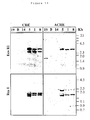
- the amplified ChEcDNA sequences appeared not to include the internal Hind III restriction site characteristic of the normal, intron-containing ChE gene (Fig. 13, (74)(75)). Furthermore, TaqI generated the major fragments of 1400 and 1600 base pairs from amplified ChE genes in each of these tumors, which could hace indicated that the core amplification unit was composed of processed, intron-less ChEcDNA that includes such TaqI sites (20,21) (Figs. 13A and 13B). However, PCR amplification data have shown that introns were present in the amplified gene.
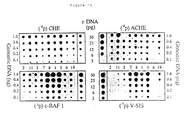
- the aforementioned DNA samples from 6 malignant ovarian tumors included 7-23 pg of ACheDNA and 20-60 pg of ChEDNA per »g genomic DNA whereas DNA samples from four healthy control tissues and five benign tumors that were thus examined were found to include AChEDNA and ChEDNA sequences equivalent to 1-7 pg of AChEcDNA and ChEcDNA per »g (Fig. 14, TABLE I). These data reflect up to 10- or more fold ampilfication of the AChE and the ChE genes in those ovarian tumors. Hybridization with regional ChEcDNA probes (69) indicated that the amplified DNA included the entire ChE coding sequences (not shown).
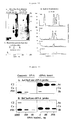
- ChEmRNA transcripts in the ovarian tumors was first persued by RNA blot hybridization. This analysis revealed, in three of the tumors bearing amplified ChEDNA, significantly enhanced labeling of a full-length 2.4 KB ChEmRNA relative to that observed in normal ovarian tissue (5) and in other normal developing tissues (Fig. 15A).
- the G,C-rich AChEcDNA probe tends to bind non-specifically to multiple RNA bands and gave inconclusive results.
- poly(A)+RNA from such ovarian tumors was microinjected into Xenopus oocytes, it directed the synthesis of both AChE and ChE activities, sensitive to the selective inhibitors BW284C51 and iso-OMPA, respectively.
- the levels of induced activities were about twice as high as those measured for brain AChEmRNA ((61)(77, Fig. 15B).
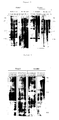
- cryostat sections from a representative ovarian tumor were subjected to in situ hybridization with [35S]-ChEcDNA (A) or [35S]-AChEcDNA (B), cytochemical staining with acetylthiocholine complexes (C) or fluorescence labeling with monoclonal antibodies to AChE (D), all performed as previously detailed (77,78,70, respectively).
- Haematoxin-eosin served for counterstain.
- the sections presented were 100 »m apart. The following should be noted: (a) the central position of the four types of labeling within the tumor tissue; (b) the focal nature of the labeled cells and (c) the presence of small rapidly dividing cells at the center of the labeled area.
- the expression of the mRNA transcripts produced from the amplified AChE and ChE genes was further assessed in frozen tissue sections, where the presence of mRNA transcripts could be demonstrated by in situ hybridization, their protein product by immunocytochemical staining with monoclonal anti-AChE antibodies (78), which cross-react with ChE (70), and enzymatic activity by cytochemical staining with acetylthiocholine compexes (70).
Landscapes
- Health & Medical Sciences (AREA)
- Chemical & Material Sciences (AREA)
- Organic Chemistry (AREA)
- Life Sciences & Earth Sciences (AREA)
- General Health & Medical Sciences (AREA)
- Genetics & Genomics (AREA)
- Medicinal Chemistry (AREA)
- Bioinformatics & Cheminformatics (AREA)
- Engineering & Computer Science (AREA)
- Wood Science & Technology (AREA)
- Biochemistry (AREA)
- Molecular Biology (AREA)
- Zoology (AREA)
- Public Health (AREA)
- General Engineering & Computer Science (AREA)
- Nuclear Medicine, Radiotherapy & Molecular Imaging (AREA)
- Pharmacology & Pharmacy (AREA)
- Animal Behavior & Ethology (AREA)
- Chemical Kinetics & Catalysis (AREA)
- Veterinary Medicine (AREA)
- General Chemical & Material Sciences (AREA)
- Proteomics, Peptides & Aminoacids (AREA)
- Biomedical Technology (AREA)
- Biotechnology (AREA)
- Microbiology (AREA)
- Biophysics (AREA)
- Immunology (AREA)
- Toxicology (AREA)
- Diabetes (AREA)
- Hematology (AREA)
- Enzymes And Modification Thereof (AREA)
- Micro-Organisms Or Cultivation Processes Thereof (AREA)
- Medicines That Contain Protein Lipid Enzymes And Other Medicines (AREA)
- Compounds Of Unknown Constitution (AREA)
- Medicines Containing Material From Animals Or Micro-Organisms (AREA)
- Preparation Of Compounds By Using Micro-Organisms (AREA)
- Medicines Containing Antibodies Or Antigens For Use As Internal Diagnostic Agents (AREA)
- Peptides Or Proteins (AREA)
- Investigating Or Analysing Biological Materials (AREA)
Claims (17)
- Molekül, codierend für menschliche Acetylcholinesterase, umfassend die folgende Sequenz:


- Genetische Sequenz nach Anspruch 1, umfassend eine Sequenz, welche für das biologisch aktive essentielle Fragment von menschlicher Acetylcholinesterase codiert.
- Genetische Sequenz nach Anspuch 1 oder 2, worin die Sequenz ausgewählt ist aus der aus Genom-DNA, -cDNA oder -mRNA bestehenden Gruppe.
- Expressionsvektor, welcher das Molekül von Anspruch 1 umfaßt.
- Mit dem Molekül nach Anspruch 1 oder dem Expressionsvektor nach Anspruch 4 transformierte Wirtszelle.
- Menschliche Acetylcholinesterase, erzeugt von einem sie codierenden Molekül oder einer sie codierenden genetischen Sequenz, enthalten in einer Wirtszelle, welche durch einen Expressionsvektor, welcher das Molekül oder die genetische Sequenz enthält, transformiert ist, worin die menschliche Acetylcholinesterase durch die Sequenz von Anspruch 1 codiert ist.
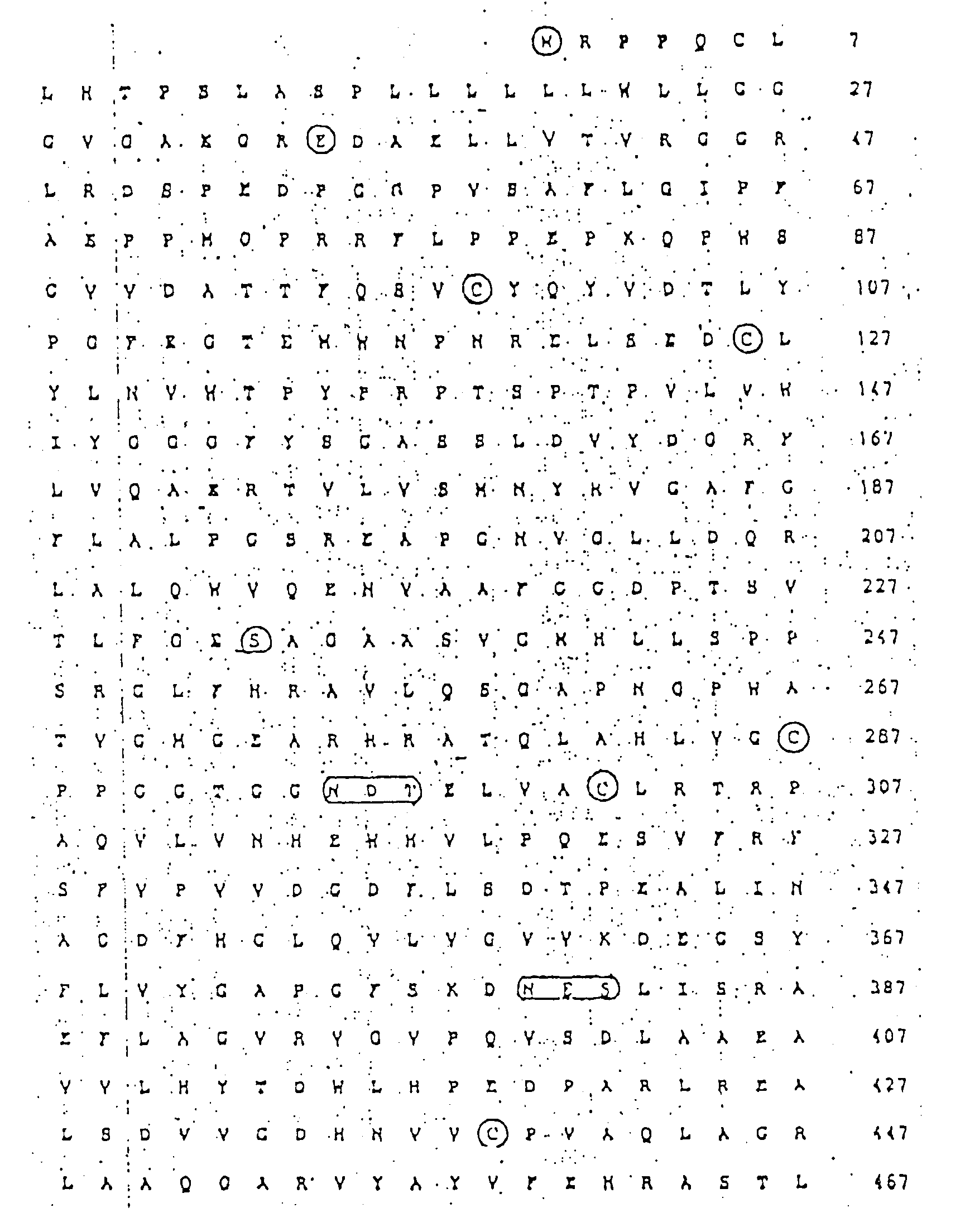
- Polypeptid mit einer menschlichen Acetylcholinesteraseaktivität, erzeugt von einer für das Polypeptid codierenden genetischen Sequenz, enthalten in einer Wirtszelle, die von einem Expessionsvektor, der die genetische Sequenz enthält transformiert ist, worin das Polypeptid codiert ist von der Sequenz nach Anspruch 1 mit der folgenden Aminosäuresequenz:

- Antikörper, welche spezifisch binden an antigene Stellen auf der Acetylcholinesterase oder einem Polypeptid mit menschlicher Cholinesteraseaktivität nach Anspruch 6 beziehungsweise Anspruch 7.
- Antikörper, welche spezifisch an antigene Stellen auf dem Polypeptid nach Anspruch 7 binden.
- Antikörper nach Anspruch 8 oder Anspruch 9, umfassend monoklonale Antikörper.
- Verfahren zum Bestimmen des Vorliegens oder der Abwesenheit einer anomalen Form eines Acetylcholinesterase erzeugenden Gens in einem Patienten, umfassend:- Extrahieren von DNA aus aus einer Zelle des Patienten,- Unterwerfen der DNA einem enzymatischen Verdau,- Auftrennen der Fragmente der DNA durch Elektrophorese und Blotten derselben auf einen geeigneten Träger,- Hybridisieren der DNA Fragmente mit einer markierten DNA-Sonde, worin die Sonde ein Fragment der Sequenz von Anspruch 1 umfaßt und- Bestimmen des Vorliegens oder der Abwesenheit eines derartigen anomalen Gens gemäß dem Hybridisierungsmuster.
- Verfahren nach Anspruch 11 zum Nachweisen des Vorliegens oder der Abwesenheit einer anomalen Form eines Acetylcholinesterase erzeugenden Gens in einem unter Blutzellstörungen leidenden Patienten.
- Verfahren nach Anspruch 12, worin die Störung Leukämie ist.
- Verfahren nach Anspruch 12, worin die Störung eine megakariocytopoietische Störung ist.
- Verfahren nach Anspruch 11 zum Nachweisen des Vorliegens oder der Abwesenheit einer anomalen Form eines Acetylcholinesterase erzeugenden Gens in einem Patienten, der einer chronischen Dosis von Organophosphorverbindungen ausgesetzt war.
- Pharmazeutische Zusammensetzung zur Vorbeugung oder Behandlung von einer Organophosphorvergiftung, zur Verwendung als ein Organophosphor-Antidot oder um einer Organophosphor- oder einer Succinylcholin-Wirkung entgegenzuwirken, umfassend als aktiven Bestandteil menschliche Acetylcholinesterase oder ein biologisch aktives essentielles Fragment davon oder ein Polypeptid mit Acetylcholinesterase-Aktivität nach einem der Ansprüche 6 beziehungsweise 7.
- Pharmazeutische Zusammensetzung zur Vorbeugung oder Behandlung von postoperativer Apnoe, umfassend als aktiven Bestandteil menschliche Acetylcholinesterase oder ein biologisch aktives essentielles Fragment davon oder ein Polypeptid mit Acetylcholinesterase-Aktivität nach einem der Ansprüche 6 beziehungsweise 7.
Applications Claiming Priority (2)
| Application Number | Priority Date | Filing Date | Title |
|---|---|---|---|
| IL8970389A IL89703A (en) | 1989-03-21 | 1989-03-21 | Polynucleotide encoding human acetylcholinesterase, vectors comprising said polynucleotide, cells transformed by said vectors, enzyme produced by said transformed cell, and uses thereof |
| IL89703 | 1989-03-21 |
Publications (3)
| Publication Number | Publication Date |
|---|---|
| EP0388906A2 EP0388906A2 (de) | 1990-09-26 |
| EP0388906A3 EP0388906A3 (de) | 1991-04-17 |
| EP0388906B1 true EP0388906B1 (de) | 1995-06-14 |
Family
ID=11059811
Family Applications (1)
| Application Number | Title | Priority Date | Filing Date |
|---|---|---|---|
| EP90105274A Expired - Lifetime EP0388906B1 (de) | 1989-03-21 | 1990-03-20 | Gentechnologische menschliche Cholinesterasen |
Country Status (7)
| Country | Link |
|---|---|
| US (1) | US5595903A (de) |
| EP (1) | EP0388906B1 (de) |
| JP (1) | JPH03195496A (de) |
| AT (1) | ATE123814T1 (de) |
| CA (1) | CA2012720A1 (de) |
| DE (1) | DE69020018T2 (de) |
| IL (1) | IL89703A (de) |
Cited By (1)
| Publication number | Priority date | Publication date | Assignee | Title |
|---|---|---|---|---|
| EP3473709A1 (de) | 2017-10-09 | 2019-04-24 | Uniwersytet Gdanski | Für butyrylcholinesterase codierende gene, dna-vektoren zur herstellung rekombinanter, biologisch aktiver pferdebutyrylcholinesterase oder -acetylcholinesterase und derivaten davon sowie verfahren zur herstellung biologisch aktiver butyrylcholinesterase oder cholinesterasen |
Families Citing this family (14)
| Publication number | Priority date | Publication date | Assignee | Title |
|---|---|---|---|---|
| US5248604A (en) * | 1991-07-22 | 1993-09-28 | Bio-Technology General Corp. | Enzymatically active recombinant human acetylcholinesterase and hosts and vectors for expression thereof |
| US6025183A (en) * | 1994-02-28 | 2000-02-15 | Yissum Research Development Company Of The Hebrew University Of Jerusalem | Transgenic animal assay system for anti-cholinesterase substances |
| US6326139B1 (en) * | 1996-01-11 | 2001-12-04 | Yissum Research Development Company Of Hebrew University Of Jerusalem | Method of screening for genetic predisposition to anticholinesterase therapy |
| US6157041A (en) * | 1998-10-13 | 2000-12-05 | Rio Grande Medical Technologies, Inc. | Methods and apparatus for tailoring spectroscopic calibration models |
| US6441388B1 (en) | 1998-10-13 | 2002-08-27 | Rio Grande Medical Technologies, Inc. | Methods and apparatus for spectroscopic calibration model transfer |
| US7098037B2 (en) | 1998-10-13 | 2006-08-29 | Inlight Solutions, Inc. | Accommodating subject and instrument variations in spectroscopic determinations |
| WO2001071014A2 (en) * | 2000-03-17 | 2001-09-27 | Boyce Thompson Institute For Plant Research, Inc. | Expression of recombinant human acetylcholinesterase in transgenic plants |
| IL161354A0 (en) * | 2004-04-13 | 2004-09-27 | Yissum Res Dev Co | NOVEL AChE VARIANTS |
| US9062321B2 (en) | 2004-12-01 | 2015-06-23 | Arizona Board Of Regents On Behalf Of Arizona State University | Codon-optimized polynucleotides encoding human butyrylcholinesterase and plant expression systems therof |
| US20090220587A1 (en) * | 2005-02-01 | 2009-09-03 | United State Army | Liposomal drug delivery constructs targeted by lipid-conjugated peptide ligands |
| US7741431B2 (en) * | 2005-02-01 | 2010-06-22 | The United States Of America As Represented By The Secretary Of The Army | Liposomes containing novel targeting and/or fusogenic peptides, preparations containing them and therapeutic use thereof |
| CA2723821C (en) * | 2008-05-16 | 2017-05-02 | Nektar Therapeutics | Conjugates of a cholinesterase moiety and a polymer |
| JP2013526840A (ja) | 2009-12-21 | 2013-06-27 | ファーマシーネ,インコーポレイテッド | 組み換えブチリルコリンエステラーゼおよびその切断型 |
| WO2013040501A1 (en) | 2011-09-16 | 2013-03-21 | Pharmathene, Inc. | Compositions and combinations of organophosphorus bioscavengers and hyaluronan-degrading enzymes, and uses thereof |
Family Cites Families (3)
| Publication number | Priority date | Publication date | Assignee | Title |
|---|---|---|---|---|
| ZA84232B (en) * | 1983-01-21 | 1984-11-28 | Bio Response Inc | Isolation and culture of mammalian cells secreting acetylcholinesterase and recovering of acetylcholinesterase therefrom |
| IL75553A (en) * | 1985-06-18 | 1993-07-08 | Yeda Res & Dev | Dna sequence coding for a cholinesterase-like peptide, peptides produced by cells containing said dna and antibodies thereto |
| US5248604A (en) * | 1991-07-22 | 1993-09-28 | Bio-Technology General Corp. | Enzymatically active recombinant human acetylcholinesterase and hosts and vectors for expression thereof |
-
1989
- 1989-03-21 IL IL8970389A patent/IL89703A/en not_active IP Right Cessation
- 1989-12-26 JP JP1338048A patent/JPH03195496A/ja active Pending
-
1990
- 1990-03-20 DE DE69020018T patent/DE69020018T2/de not_active Expired - Fee Related
- 1990-03-20 AT AT90105274T patent/ATE123814T1/de not_active IP Right Cessation
- 1990-03-20 EP EP90105274A patent/EP0388906B1/de not_active Expired - Lifetime
- 1990-03-21 CA CA002012720A patent/CA2012720A1/en not_active Abandoned
-
1993
- 1993-08-02 US US08/111,314 patent/US5595903A/en not_active Expired - Lifetime
Cited By (1)
| Publication number | Priority date | Publication date | Assignee | Title |
|---|---|---|---|---|
| EP3473709A1 (de) | 2017-10-09 | 2019-04-24 | Uniwersytet Gdanski | Für butyrylcholinesterase codierende gene, dna-vektoren zur herstellung rekombinanter, biologisch aktiver pferdebutyrylcholinesterase oder -acetylcholinesterase und derivaten davon sowie verfahren zur herstellung biologisch aktiver butyrylcholinesterase oder cholinesterasen |
Also Published As
| Publication number | Publication date |
|---|---|
| DE69020018T2 (de) | 1995-10-26 |
| US5595903A (en) | 1997-01-21 |
| DE69020018D1 (de) | 1995-07-20 |
| EP0388906A2 (de) | 1990-09-26 |
| CA2012720A1 (en) | 1990-09-21 |
| EP0388906A3 (de) | 1991-04-17 |
| JPH03195496A (ja) | 1991-08-27 |
| IL89703A (en) | 2001-10-31 |
| ATE123814T1 (de) | 1995-06-15 |
| IL89703A0 (en) | 1989-09-28 |
Similar Documents
| Publication | Publication Date | Title |
|---|---|---|
| EP0388906B1 (de) | Gentechnologische menschliche Cholinesterasen | |
| EP0538401B1 (de) | Phosphotyrosin phosphatase als neuer rezeptor-typ | |
| US7291492B2 (en) | Histone deacetylase 9 | |
| KR930002832B1 (ko) | 안기오게닌의 억제제 | |
| US5215909A (en) | Human cholinesterase genes | |
| EP0206200B1 (de) | Menschliche Proteine des Chinolinesterase-Typs und ihre Herstellung | |
| Gnatt et al. | Expression of alternatively terminated unusual human butyrylcholinesterase messenger RNA transcripts, mapping to chromosome 3q26-ter, in nervous system tumors | |
| US5538886A (en) | Receptor-type phosphotyrosine phosphatase-alpha | |
| US5888794A (en) | Receptor-type phosphotyrosine phosphatase-alpha | |
| US5891700A (en) | Receptor-type phosphotyrosine phosphatase-γ | |
| EP0684989A1 (de) | Neue rezeptorähnliche phospotyrosin phosphatase-beta | |
| WO1994009037A9 (en) | A NEW CLASS OF RPTPases: THEIR STRUCTURAL DOMAINS AND LIGANDS | |
| WO1994009037A1 (en) | A NEW CLASS OF RPTPases: THEIR STRUCTURAL DOMAINS AND LIGANDS | |
| US6682905B1 (en) | Receptor-type phosphotyrosine phosphatase-alpha | |
| US7108994B2 (en) | Receptor-type phosphotyrosine phosphatase-alpha | |
| Soreq et al. | Molecular biology approach to the expression and properties of mammalian cholinesterases | |
| JP2001512007A (ja) | Zggbp1、1型双極性感情障害に関与する新規ペプチド、配列及びその使用 | |
| Soreq | The Multileveled Regulation of the Human Cholinesterase Genes and Their Protein Products | |
| Soreq | IN HUMAN BRAIN TISSUES | |
| Soreq | Molecular Biological Studies on the Biogenesis of Human Cholinesterases in vivo and as Directed by Cloned Cholinesterase DNA Sequences | |
| Hermona | Molecular Cloning of Human Gene (s) Directing the Synthesis of Nervous System Cholinesterases | |
| HK1013427B (en) | Cyclic gmp-binding, cyclic gmp-specific phosphodiesterase materials and methods | |
| HK1013427C (en) | Cyclic gmp-binding, cyclic gmp-specific phosphodiesterase materials and methods | |
| HK1013427A1 (en) | Cyclic gmp-binding, cyclic gmp-specific phosphodiesterase materials and methods |
Legal Events
| Date | Code | Title | Description |
|---|---|---|---|
| PUAI | Public reference made under article 153(3) epc to a published international application that has entered the european phase |
Free format text: ORIGINAL CODE: 0009012 |
|
| AK | Designated contracting states |
Kind code of ref document: A2 Designated state(s): AT BE CH DE DK ES FR GB GR IT LI LU NL SE |
|
| PUAL | Search report despatched |
Free format text: ORIGINAL CODE: 0009013 |
|
| AK | Designated contracting states |
Kind code of ref document: A3 Designated state(s): AT BE CH DE DK ES FR GB GR IT LI LU NL SE |
|
| 17P | Request for examination filed |
Effective date: 19910709 |
|
| 17Q | First examination report despatched |
Effective date: 19930823 |
|
| GRAA | (expected) grant |
Free format text: ORIGINAL CODE: 0009210 |
|
| AK | Designated contracting states |
Kind code of ref document: B1 Designated state(s): AT BE CH DE DK ES FR GB GR IT LI LU NL SE |
|
| PG25 | Lapsed in a contracting state [announced via postgrant information from national office to epo] |
Ref country code: IT Free format text: LAPSE BECAUSE OF FAILURE TO SUBMIT A TRANSLATION OF THE DESCRIPTION OR TO PAY THE FEE WITHIN THE PRESCRIBED TIME-LIMIT;WARNING: LAPSES OF ITALIAN PATENTS WITH EFFECTIVE DATE BEFORE 2007 MAY HAVE OCCURRED AT ANY TIME BEFORE 2007. THE CORRECT EFFECTIVE DATE MAY BE DIFFERENT FROM THE ONE RECORDED. Effective date: 19950614 Ref country code: DK Effective date: 19950614 Ref country code: AT Effective date: 19950614 Ref country code: ES Free format text: THE PATENT HAS BEEN ANNULLED BY A DECISION OF A NATIONAL AUTHORITY Effective date: 19950614 Ref country code: BE Effective date: 19950614 Ref country code: GR Free format text: LAPSE BECAUSE OF FAILURE TO SUBMIT A TRANSLATION OF THE DESCRIPTION OR TO PAY THE FEE WITHIN THE PRESCRIBED TIME-LIMIT Effective date: 19950614 Ref country code: NL Free format text: LAPSE BECAUSE OF FAILURE TO SUBMIT A TRANSLATION OF THE DESCRIPTION OR TO PAY THE FEE WITHIN THE PRESCRIBED TIME-LIMIT Effective date: 19950614 |
|
| REF | Corresponds to: |
Ref document number: 123814 Country of ref document: AT Date of ref document: 19950615 Kind code of ref document: T |
|
| REF | Corresponds to: |
Ref document number: 69020018 Country of ref document: DE Date of ref document: 19950720 |
|
| PG25 | Lapsed in a contracting state [announced via postgrant information from national office to epo] |
Ref country code: SE Effective date: 19950914 |
|
| ET | Fr: translation filed | ||
| NLV1 | Nl: lapsed or annulled due to failure to fulfill the requirements of art. 29p and 29m of the patents act | ||
| PG25 | Lapsed in a contracting state [announced via postgrant information from national office to epo] |
Ref country code: LU Free format text: LAPSE BECAUSE OF NON-PAYMENT OF DUE FEES Effective date: 19960331 |
|
| PLBE | No opposition filed within time limit |
Free format text: ORIGINAL CODE: 0009261 |
|
| STAA | Information on the status of an ep patent application or granted ep patent |
Free format text: STATUS: NO OPPOSITION FILED WITHIN TIME LIMIT |
|
| 26N | No opposition filed | ||
| REG | Reference to a national code |
Ref country code: GB Ref legal event code: IF02 |
|
| PGFP | Annual fee paid to national office [announced via postgrant information from national office to epo] |
Ref country code: FR Payment date: 20060313 Year of fee payment: 17 |
|
| PGFP | Annual fee paid to national office [announced via postgrant information from national office to epo] |
Ref country code: DE Payment date: 20060314 Year of fee payment: 17 |
|
| PGFP | Annual fee paid to national office [announced via postgrant information from national office to epo] |
Ref country code: CH Payment date: 20060315 Year of fee payment: 17 |
|
| PGFP | Annual fee paid to national office [announced via postgrant information from national office to epo] |
Ref country code: GB Payment date: 20060322 Year of fee payment: 17 |
|
| REG | Reference to a national code |
Ref country code: CH Ref legal event code: PFA Owner name: YISSUM RESEARCH DEVELOPMENT COMPANY OF THE HEBREW Free format text: YISSUM RESEARCH DEVELOPMENT COMPANY OF THE HEBREW UNIVERSITY OF JERUSALEM#46 JABOTINSKY STREET#JERUSALEM (IL) -TRANSFER TO- YISSUM RESEARCH DEVELOPMENT COMPANY OF THE HEBREW UNIVERSITY OF JERUSALEM#46 JABOTINSKY STREET#JERUSALEM (IL) |
|
| REG | Reference to a national code |
Ref country code: CH Ref legal event code: PL |
|
| GBPC | Gb: european patent ceased through non-payment of renewal fee |
Effective date: 20070320 |
|
| REG | Reference to a national code |
Ref country code: FR Ref legal event code: ST Effective date: 20071130 |
|
| PG25 | Lapsed in a contracting state [announced via postgrant information from national office to epo] |
Ref country code: DE Free format text: LAPSE BECAUSE OF NON-PAYMENT OF DUE FEES Effective date: 20071002 |
|
| PG25 | Lapsed in a contracting state [announced via postgrant information from national office to epo] |
Ref country code: LI Free format text: LAPSE BECAUSE OF NON-PAYMENT OF DUE FEES Effective date: 20070331 Ref country code: CH Free format text: LAPSE BECAUSE OF NON-PAYMENT OF DUE FEES Effective date: 20070331 |
|
| PG25 | Lapsed in a contracting state [announced via postgrant information from national office to epo] |
Ref country code: GB Free format text: LAPSE BECAUSE OF NON-PAYMENT OF DUE FEES Effective date: 20070320 |
|
| PG25 | Lapsed in a contracting state [announced via postgrant information from national office to epo] |
Ref country code: FR Free format text: LAPSE BECAUSE OF NON-PAYMENT OF DUE FEES Effective date: 20070402 |