EP0395918A2 - Complexe d'activateur de plasminogène de pro-urokinase pure liée de manière covalente par un pont disulfure à de la sérum albumine humaine - Google Patents
Complexe d'activateur de plasminogène de pro-urokinase pure liée de manière covalente par un pont disulfure à de la sérum albumine humaine Download PDFInfo
- Publication number
- EP0395918A2 EP0395918A2 EP90106869A EP90106869A EP0395918A2 EP 0395918 A2 EP0395918 A2 EP 0395918A2 EP 90106869 A EP90106869 A EP 90106869A EP 90106869 A EP90106869 A EP 90106869A EP 0395918 A2 EP0395918 A2 EP 0395918A2
- Authority
- EP
- European Patent Office
- Prior art keywords
- pro
- complex
- hsa
- lane
- serum albumin
- Prior art date
- Legal status (The legal status is an assumption and is not a legal conclusion. Google has not performed a legal analysis and makes no representation as to the accuracy of the status listed.)
- Withdrawn
Links
Images





Classifications
-
- C—CHEMISTRY; METALLURGY
- C12—BIOCHEMISTRY; BEER; SPIRITS; WINE; VINEGAR; MICROBIOLOGY; ENZYMOLOGY; MUTATION OR GENETIC ENGINEERING
- C12N—MICROORGANISMS OR ENZYMES; COMPOSITIONS THEREOF; PROPAGATING, PRESERVING, OR MAINTAINING MICROORGANISMS; MUTATION OR GENETIC ENGINEERING; CULTURE MEDIA
- C12N9/00—Enzymes; Proenzymes; Compositions thereof; Processes for preparing, activating, inhibiting, separating or purifying enzymes
- C12N9/14—Hydrolases (3)
- C12N9/48—Hydrolases (3) acting on peptide bonds (3.4)
- C12N9/50—Proteinases, e.g. Endopeptidases (3.4.21-3.4.25)
- C12N9/64—Proteinases, e.g. Endopeptidases (3.4.21-3.4.25) derived from animal tissue
- C12N9/6421—Proteinases, e.g. Endopeptidases (3.4.21-3.4.25) derived from animal tissue from mammals
- C12N9/6424—Serine endopeptidases (3.4.21)
- C12N9/6456—Plasminogen activators
- C12N9/6462—Plasminogen activators u-Plasminogen activator (3.4.21.73), i.e. urokinase
-
- A—HUMAN NECESSITIES
- A61—MEDICAL OR VETERINARY SCIENCE; HYGIENE
- A61K—PREPARATIONS FOR MEDICAL, DENTAL OR TOILETRY PURPOSES
- A61K47/00—Medicinal preparations characterised by the non-active ingredients used, e.g. carriers or inert additives; Targeting or modifying agents chemically bound to the active ingredient
- A61K47/50—Medicinal preparations characterised by the non-active ingredients used, e.g. carriers or inert additives; Targeting or modifying agents chemically bound to the active ingredient the non-active ingredient being chemically bound to the active ingredient, e.g. polymer-drug conjugates
- A61K47/51—Medicinal preparations characterised by the non-active ingredients used, e.g. carriers or inert additives; Targeting or modifying agents chemically bound to the active ingredient the non-active ingredient being chemically bound to the active ingredient, e.g. polymer-drug conjugates the non-active ingredient being a modifying agent
- A61K47/62—Medicinal preparations characterised by the non-active ingredients used, e.g. carriers or inert additives; Targeting or modifying agents chemically bound to the active ingredient the non-active ingredient being chemically bound to the active ingredient, e.g. polymer-drug conjugates the non-active ingredient being a modifying agent the modifying agent being a protein, peptide or polyamino acid
- A61K47/64—Drug-peptide, drug-protein or drug-polyamino acid conjugates, i.e. the modifying agent being a peptide, protein or polyamino acid which is covalently bonded or complexed to a therapeutically active agent
- A61K47/643—Albumins, e.g. HSA, BSA, ovalbumin or a Keyhole Limpet Hemocyanin [KHL]
-
- A—HUMAN NECESSITIES
- A61—MEDICAL OR VETERINARY SCIENCE; HYGIENE
- A61P—SPECIFIC THERAPEUTIC ACTIVITY OF CHEMICAL COMPOUNDS OR MEDICINAL PREPARATIONS
- A61P7/00—Drugs for disorders of the blood or the extracellular fluid
- A61P7/02—Antithrombotic agents; Anticoagulants; Platelet aggregation inhibitors
-
- C—CHEMISTRY; METALLURGY
- C12—BIOCHEMISTRY; BEER; SPIRITS; WINE; VINEGAR; MICROBIOLOGY; ENZYMOLOGY; MUTATION OR GENETIC ENGINEERING
- C12Y—ENZYMES
- C12Y304/00—Hydrolases acting on peptide bonds, i.e. peptidases (3.4)
- C12Y304/21—Serine endopeptidases (3.4.21)
- C12Y304/21073—Serine endopeptidases (3.4.21) u-Plasminogen activator (3.4.21.73), i.e. urokinase
-
- A—HUMAN NECESSITIES
- A61—MEDICAL OR VETERINARY SCIENCE; HYGIENE
- A61K—PREPARATIONS FOR MEDICAL, DENTAL OR TOILETRY PURPOSES
- A61K38/00—Medicinal preparations containing peptides
Definitions
- This invention relates to the use of pro-urokinase as a thrombolytic agent to lyse fibrin clots in human patients.
- Pro-urokinase is a single chain, 55 k dalton precursor (zymogen) of two-chain urokinase Pro-UK is described in Husain et al. U.S. Re. 32,221, hereby incorporated by reference.
- the activation of single chain pro-UK, by its enzymatic conversion to the two-chain urokinase form, is characteristic of the serine protease family to which it belongs.
- Pro-UK has been shown to have a rapid clearance time (about 5 to 8 min.) from plasma when it is injected intravenously. This clearance time is somewhat shorter than that of its active derivative, high molecular weight, two-chain UK.
- the present invention features a plasminogen activator complex of pure pro-UK covalently bound to human serum albumin (HSA), that markedly delays the clearance of pro-UK in plasma but at the same time preserves its fibrinolytic properties.
- pro-UK means naturally occurring or recombinant pro-UK, any pro-enzyme deletion mutant of pro-UK, or any single-chain, biologically active derivative or fragment of pro-UK which contains an available cystine residue to undergo thiol-disulfide exchange with the free cysteine of HSA, as described in greater detail below.
- HSA means naturally occurring or recombinant HSA.
- pure means that the complex prior to use is substantially (95% or greater by weight) free of other materials, e.g., other components of blood or tissue culture.
- the complex of the invention has a far longer half-life in vivo than pro-UK itself, its utility in therapeutic thrombolysis is improved.
- the complex of the invention may be used for the prevention of thrombosis as well as the long term prevention of cardiovascular disease, such as atherosclerosis, which is well-known to be associated with a depressed fibrinolytic activity.
- the pro-UK:HSA complex of the invention because of its improved half-life in vivo , can be administered for therapeutic use by bolus intravenous injection. This represents an improvement over the therapeutic use of pro-UK itself, which, because of its short half life in vivo , has to be administered by continuous intravenous infusion, which greatly complicates therapy, especially outside a hospital.
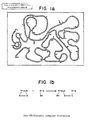
- Fig. 1(a) is a schematic diagram of the full single-chain pro-UK molecule (Holmes et al., Biotechnology (1985), 3 , 923-929);
- Fig. 1(b) is a diagrammatic illustration of single-chain pro-UK covalently bound to albumin.
- Fig. 2 shows filtration chromatography of the incubation mixture pro-UK/HSA (4h at 37°C). Fractions of 0.5 ml were collected and monitored for protein content (0) and fibrinolytic activity (0).
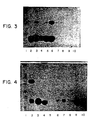
- Fig. 3 is a zymogram of pro-UK incubated in buffer (lane 2), in human serum albumin (HSA) (lane 3), in CBS plasma (lane 4), in CBS plasma and HSA (lane 5), and in plasma (lane 6). Lanes 7 to 30 are pro-UK incubated with HSA after passing through an ⁇ (UK)-Sephadex column.
- HSA human serum albumin
- Fig. 4 is a zymogram of the purified complex (lanes 2,3), the purified complex incubated with ⁇ (HSA) for 1h (lane 4), and the purified complex passed through an a(HSA)-Sephadex column.
- the sample in lane 3 was boiled for 2 min. in SDS buffer prior to electrophoresis instead of being treated by the standard procedure involving incubation in SDS buffer at 37°C for min.
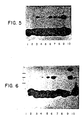
- Fig 5 is a zymogram of pro-UK incubated with purified HSA at pH 5 (2), pH 9(4), and at pH 7.5 (3) with Zn++ (6), CA++ (7), Zn++, CA++ (8) and with a 10-fold higher ratio of pro-UK/HSA (9).
- Fig. 6 is a zymogram of pro-UK incubated in buffer (lane 2), and in plasma for 0 (lane 3), 1h (lane 4), 2h (lane 5), and 6h (lane 6), and UK in buffer (lane 7), in plasma for 0 (lane 8) and 6h (lane 9), and in concentrated urine (lane 10).
- Fig. 7 is a zymogram of DFP and chloramin-T-treatment of HSA (which did not affect complexation) and DTT treatment of BSA (which restored its capacity to form complexes with pro-UK), with pro-UK in buffer (lane 1), pro-UK + HSA (lane 2), pro-UK + buffer-treated HSA (lane 3), pro-UK + DFP-treated HSA (lane 4), pro-UK + buffer-treated HSA (lane 5), pro-UK + chloramine-T-treated HSA (lane 6), pro-UK in buffer showing the presence of a dimer (lane 7), pro-UK + BSA showing only the same pro-UK dimer (lane 8) and pro-UK + DTT-treated BSA (to restore the thiol form) showing virtual elimination of the dimer and the presence of a pro-UK:BSA complex (lane 9).
- Fig. 8A and 8B are zymograms showing effect of PDI on complexation-time course, with pro-UK alone in buffer (lane 1), recombinant pro-UK (0.5 ⁇ g/ml) incubated with mercaptalbumin (40 mg/ml) for incubation times of 0 (lane 2), 35 min. (lane 3), 30 min. (lane 4), 1 h (lane 5), 2 h (lane 6) and 4 h (lane 7), in Fig. 8A. and the same mixtures. respectively, incubated in the presence of PDI (920 ⁇ g/ml) in Fig. 8B.
- Fig. 9 is a zymogram showing the effect of PDI on complexation-dose response, with pro-UK alone in buffer (lane 1), and pro-UK (10 ⁇ g/ml) incubated with mercaptalbumin (40 mg/ml) for 6h with PDI concentrations in ⁇ g/ml of 0 (lane 2). 23 (lane 3), 230 (lane 4), 460 (lane 5), 690 (lane 6) and 920 (lane 7).
- Fig. 10 is a zymogram of pro-UK complex formed with rec-HSA from E. coli.
- Fig. 11 is a zymogram of samples prepared in SDS at 37°C of pro-UK (0.5 ⁇ g/ml) incubated (37°C) in buffer for 0 (lane 1) and 6h (lane 2); and in plasma for 0 (lane 3), 1h (lane 4), 4h (lane 5) and 6h (lane 6); and in plasminogen-depleted plasma containing aprotinin (20 KIU/ml) for 0 (lane 7), 1h (lane 8), 4h (lane 9) and 6h (lane 10).
- pro-UK 0.5 ⁇ g/ml
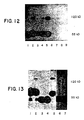
- Fig. 12 is zymograms of the following samples: pro-UK (0.5 ⁇ g/ml) incubated (37°) in buffer (lane 1), and vith CBS-HSA (40 mg/ml) (lane 2), incubated in HSA depleted plasma (lane 3), incubated in HSA depleted plasma supplemented with HSA (lane 4), plasma preincubated with pro-UK before (lane 5) and after passage over a UK-Ab Sepharose column (4 fractions are shown, lanes 6-9).
- Fig. 13 is a zymogram (10% SDS-PAGE) of the following different forms of UK (0.5 ⁇ g/ml) preincubated (6h) with mercaptalbumin (40 mg/ml): HMW-UK in buffer (lane 1), HMW-UK + HSA (lane 2), LMW-UK in buffer (lane 3), LMW-UK + HSA (lane 4), rec.-pro-UK + HSA (lane 5), deletion mutant pro-UK in buffer (lane 6), deletion mutant pro-UK + HSA (lane 7).
- Fig. 14 is Western immunoblots using UK:Ab, pro-UK (0.3 ⁇ g/ml) incubated (37°C) 7 h in buffer (lane 1), pro-UK incubated with untreated BSA (40 ⁇ g/ml) (lane 2), pro-UK incubated with CBS-HSA (lane 3), CBS-HSA alone (lane 4), and mixtures which are the same as those in lanes 1 through 4, respectively, run under reducing conditions (lanes 5-8).
- Fig. 15 is a zymogram of pro-UK incubated in buffer (lane 1) with 0.5 mM oxidized gluthathione (GSSG) (lane 2), with 5mM GSSG (lane 3), and incubated in plasma (lane 4) with 0.5 GSSG (lane 5), and with 5mM GSSG (lane 6).
- Fig. 16 is a zymogram of pro-UK incubated in buffer (lane 1) with 10 ⁇ 3M (2), 3.10 ⁇ 3M (3), 6.10 ⁇ 3M (4), 10 ⁇ 2M DTNB (5), and incubated in plasma (6) with 10 ⁇ 3M (7), 3.10 ⁇ 3M (8), 6.10 ⁇ 3M (9), and 10 ⁇ 3M DTNB (10).
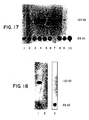
- Fig. 17 is zymograms showing the effect of pH and HSA concentration on complexation, with pro-UK alone in buffer (lane 1), pro-UK (5 ⁇ g/ml) incubated (37°C) for 24 h vith mercaptalbumin (40 mg/ml) at pH 6 (lane 2), at pH 7.0 (lane 3), at pH 7.4 (lane 4), at pH 8.0 (lane 5), at pH 8.5 (lane 6), and mM markers run as standards (lane 7), and Pro-UK (5 ⁇ g/ml) incubated (37°C) for 24h with HSA concentrations of 80 mg/ml (lane 8), 20 mg/ml (lane 9), and 10 mg/ml (lane 10). Lanes 8-10 incubated at pH 8.0.
- Fig. 18 is zymograms of UK activity associated with CBS-HSA, with CBS-HSA from plasma preincubated (20 h) with pro-UK (0.5 ⁇ g/ml) (lane 1). CBS-HSA from plasma enriched (but not preincubated) with pro-UK (5 ⁇ g/ml) (lane 2), and UK complex immunoprecipitated from CBS-HSA isolated from fresh plasma (lane 3).
- Fig. 19A is a graph of two sets of data.
- the fraction number of fractions collected by gel filtration of plasma on a calibrated G-75 column is plotted on the x axis for both sets of data, and the absorbance at 280nm is plotted on the y axis for data represented by open circles while the lysis area in mm2 from assays on a fibrin plate is plotted on the y axis for data represented by closed circles.
- Fig. 193 is a zymogram of UK immonoprecipitates from the pooled fractions identified as A, B, C and D in Fig. 11A.
- the pro-UK:albumin complex of the invention exhibits the following characteristics: 1) it is more stable in sodium dodcyl sulfate (SDS) at 37°C than at 100°C; 2) it is unstable under reducing conditions; 3) complexation is promoted when the HSA 5 pretreated with dithiothreitol (DTT) in order to restore the thiol form; 4) complexation is catalyzed by protein disulfide isomerase (PDI), and 5) complexation is inhibited by DTNB and oxidized glutathione. These characteristics indicate a disulfide linkage between a free cysteine residue in the albumin and a cystine residue in pro-UK.
- SDS sodium dodcyl sulfate
- DTT dithiothreitol
- PDI protein disulfide isomerase
- cystine in pro-UK involved in a disulfide bond in the complex is believed to be in the A-chain, most likely one of the paired cystines in the NH2-terminal end of pro-UK.
- pro-UK and albumin are first purified individually and then conjugated by means of a disulfide linkage (see Fig. 1A and 1B).
- the albumin is treated with DTT at pH 6.0 to restore the thiol form according to the method set forth in Peters, T., Advances In Protein Chemistry, 37 :161-245 (1985).
- the DTT is then removed by dialysis prior to the conjugation of pro-UK and albumin in the presence of PDI.
- pro-UK purified from the culture medium of a human kidney cell line, was provided by Collaborative Research Inc. (Bedford, MA). To inhibit trace UK contaminants, the pro-UK was incubated with 20 ⁇ M dansyl-Glu-Gly-Arg chloromethyl ketone (GGAck) for 30 min. at 37°C in 0.1 M HEPES, 0.2 mg/ml BSA, 0.001% Tween, pH 7.4, as previously described in Pannell et al., Blood, 69 : 22-26 (1987). In the second method described below, preparations of pro-UK were passed through a Sephadex G-75 column (1 x 45 cm), equilibrated and eluted with 10mM sodium acetate. 0.1 m NaCl, and 0.001% Tween, pH 4.8, in order to remove dimers of pro-UK. The pro-UK was then treated as described above to inhibit trace UK contaminants.
- GGAck dansyl-Glu-Gly-Arg chloromethyl ketone
- HSA human serum albumin
- CBS Cibacron Blue-Sepharose
- Plasminogen-free plasma was prepared by batch separation, which was carried out by stirring 1 ml of Lys-agarose previously equilibrated in 0.005 M HEPES and 0.15 M NaCl (pH 7.4) with 5 ml plasma for 2 h at 4°C. After centrifugation, the supernatant was recovered and assayed for its plasminogen content using a standard clot lysis technique.
- Sodium dodecyl sulfate-polyacrylamide gel electrophoresis was performed as described by Laemmli using a 7.5% polyacrylamide gel. Samples were prepared without reduction and heated at 37°C for 37 min. in a sample buffer (0.06 M Tris-HCl, pH 6.8, 2% SDS) prior to electrophoresis except as otherwise specified. Zymography was carried out by washing the gels with 2.5% Triton X100 and subsequently overlaying the gels on plasminogen fibrin agar plates as described by Wun et al. Western blotting was carried out based on procedures described by Towbin and Pluskal et al., with some standard modifications.
- the polyacrylamide gel and four filter papers were eguilibrated in blotting buffer (39 mM glycine, 48 mM Tris, 20% methanol, 0.0375% SDS).
- the polyvinylidene difluoride (PVDF) membrane was pre-wetted in methanol for a few seconds and then equilibrated in distilled water for 10 min.
- the blotting assembly was prepared in a sandwich configuration and the electrophoretic transfer carried out with the LKB Multipore II semi-dry blotting apparatus for 1 h using a 0.8 mA/cm2 current. After the transfer, the PVDF membrane was washed 10 min. with TTBS (100 mM Tris, 0.15 M NaCl, 0.1% Tween-80, pH 7.5) and quenched 1 h with 3% BSA in TTBS.
- TTBS 100 mM Tris, 0.15 M NaCl, 0.1% Tween-80, pH 7.5
- immunostaining was performed after a primary incubation with rabbit anti-UK antibodies (10 ⁇ g/ml) or monoclonal Ab against HSA (1:500 dilution) in TTBS 0.25% BSA (37°C), and a secondary incubation with a 1:1000 dilution in TTBS 0.25% BSA of goat anti-rabbit or rabbit anti-mouse IgG alkaline phosphatase conjugate (Sigma) for 1 h (37°C).
- the color reaction employed a solution of 5-bromo-4-chloro-3-indolylphosphate-toluidinic salt (0.15 mg/ml) and p-nitro blue tetrazolium chloride (0.3 mg/ml) in carbonate buffer (0.1 M sodium carbonate, 1 mM MgCl2, pH 9.8).
- carbonate buffer 0.1 M sodium carbonate, 1 mM MgCl2, pH 9.8.
- the PVDF membrane was washed three times for 10 min. with TTBS between each incubation. A subsequent 15 min. washing in carbonate buffer was carried out prior to the color reaction.
- Pro-UK/UK amidolytic activity was measured using standard methods with Kabi substrate S2444 at 37°C.
- the reaction buffer was 0.1 M Tris-HCl, 0.1 M NaCl, 0.1 mg/ml BSA, 100 u/ml aprotinin. pH 8.8; and the substrate was 0.75 mM.
- the reaction was stopped with saline/5% acetic acid (1:1) and the absorbance read at 405 nm. Plasminogen activator activity was measured either with standard agar fibrin plates or with Glu-plasminogen and Kabi substrate S2251.
- the thiol form of HSA or BSA was regenerated to approach the theoretical 1 SH per molecule (mercaptalbumin) by treatment with 10 mM dithiothreitol (DTT) at pH 6.0 (SD mM MES, 0.15 M NaCl) according to the method described by Peters, T., Adv. Prot. Chem., 37 :161-245 (1985). Structural disulfide bonds are preserved at pH 5-7. The DTT was removed by dialysis.
- DTT dithiothreitol
- the pro-UK:albumin complex was prepared by incubating pro-UK (5 ⁇ g/ml) in the presence of PDI (920 ⁇ g/ml) with one of the HSA preparations (40 mg/ml) or with BSA at 37° C for at least 4 h in 0.1 M HEPES buffer (pH 8.0). Subsequently, 200 ⁇ l of the mixture was applied to a Sephadex G-75 column (1 x 45 cm), equilibrated and eluted with 0.1 M HEPES, pH 7.5, 0.15 M NaCl, 0.001% Tween 80, 20 KIU/ml aprotinin.
- Fractions of 0.5 ml were collected and monitored for protein content (absorbance at 280) and for fibrinolytic activity.
- the complex under non-reducing conditions, migrates at an apparent molecular weight of ⁇ 100 kDa, compared to standard markers. However, the complex migrates, under the conditions used, behind dimers of pro-UK.
- the actual molecular weight of the pro-UK:HSA complex is believed to be ⁇ 120 kDa. Three fractions corresponding to the ⁇ 120 kD complex were pooled.
- immobilized PDI could be used in the incubation step instead of PDI in solution.
- the Pro-UK:HSA complex was prepared by incubating 5 ⁇ g/ml pro-UK with 40 mg/ml HSA at 37°C for 4 h in buffer 0.1 M HEPES (pH 7.4) and then applying 200 ⁇ l of the mixture to a Sephadex G-75 column equilibrated and eluted with 0.1 M HEPES, pH 7.5 0.15 M NaCl, 0.001% Tween 80, 20 KIU/ml aprotinin. Fractions of 0.5 ml were collected and monitored for protein content (standard protein assay) and fibrinolytic activity (fibrin plates) as shown in Fig. 2. (Fractions 30-31-32 were pooled.)
- the pro-UK:HSA complex was recognized by an insolubilized polyclonal UK-antibody, as shown by the experiment illustrated in Fig. 3.
- the purified pro-UK:HSA complex was incubated for 1 h at 37°C with an anti-HSA antibody, the 120 kDa lysis band seen by zymography was replaced by a higher molecular weight band, believed to represent the complex with HSA antibodies bound to it (Fig. 4).
- the purified complex bound to an ⁇ (HSA)-Sepharose column.
- HSA or BSA The capacity of HSA or BSA to form a complex with pro-UK decreases when the HSA or BSA is stored for long periods of time, due to oxidation of the free cysteine.
- HSA freshly purified as described above in method 2 contained 1 free cysteine per about 2 molecules of HSA. Therefore, DTT treatment [pH 6.0] of HSA or BSA is recommended before incubation for complex formation
- a pH of about 8.0 is preferred for complex formation; as shown in Fig. 5.
- the pro-UK:HSA complex formation occurred at pH 7.5 (lane 3), but not at pH 5 (lane 2) or pH 9 (lane 4).
- pro-UK:HSA complex was found to form spontaneously in normal plasma, and HSA purified from normal plasma was shown to be associated with pro-UK. Therefore the pro-UK:HSA complex is believed to exist in nature.
- pro-UK was incubated with plasminogen-free plasma, and the molecular weight of the plasminogen activator activity determined by zymography.
- Pro-UK was added to plasma (500 ng/ml) and incubated at 37°C for one to six hours. In time, a portion of the enzymatic activity migrated at an apparent molecular weight of about 100 kDa (actual molecular weight about 120 kDA), as shown in the zymogram of Fig. 6. This zymogram shows pro-UK (lanes 2-6) and (8-9) in buffer and incubated in plasma for 0 (lanes 3, 8), 1 (4), 2 (5), or 6 hours (6, 9). Generation of this new high molecular weight (HMW) band in plasma was a slow and time-dependent phenomenon.
- HMW high molecular weight
- the complex which formed after incubation of the pro-UK with CBS-HSA was isolated by gel filtration on Sephadex G-75 and then analyzed by SDS-PAGE. When the sample was boiled, complete dissociation of the complex occurred, whereas at 37°C only partial ( ⁇ 50%) dissociation was seen on zymograms of the gel (data not shown).
- the CBS-HSA was pretreated with DFP in order to inhibit any serine protease contaminants. This treatment failed to inhibit complex formation with pro-UK (Fig. 7, lane 4, compared with lanes 2 & 3).
- the HSA preparation was treated with chloramine-T, shown to inactivate serpins (Stief et al., Biol. Chem. Hoppe-Seyler, 369 :1337-1348 (1988) ). This treatment also failed to inhibit complexation establishing that the observed pro-UK or HMW UK complex formed was not with an inhibitor (Fig. 7, lane 6 compared with the untreated HSA control, lane 5).
- pro-UK:albumin complex is disulfide-linked.
- a sulfhydryl reagent like oxidized glutathione or DTNB was added to the reaction mixture of method 2, as follows. Oxidized glutathione was added to plasma and allowed to react for 2 h at 37°C. The results are shown on the zymogram in Fig. 15. Lanes 1-3 of the zymogram show pro-UK incubated in buffer. A decrease in pro-UK:HSA complex formation occurred with glutathione which was concentration dependent. Lanes 2 and 5 are with 0.5 mM added glutathione and lanes 3 and 6 with 5.0 mM added glutathione.
- Fig. 16 is a zymogram of pro-UK incubated in buffer (lanes 1-5) and with HSA (lanes 6-10) with 0.0 M (lanes 1, 6), 1 mM (lanes 2, 7), 3 mM (lanes 3, 8), 6 mM (lanes 4, 9), and 10 mM DTNB (lanes 5, 10).
- pro-UK (10 ⁇ ug/ml) was incubated for 6 h with a mercaptalbumin preparation (40 mg/ml) with 0, 23, 230, 460, 680 or 920 ⁇ g/ml of PDI.
- pro-UK dimer formation was also much enhanced (Figs. 8A, 8B, and 9) suggesting that these dimers are disulfide-linked.
- the large amount of PDI required is consistent with the low efficiency of this enzyme.
- Disulfide linkage between a cystine of pro-UK and an unpaired cysteine of albumin would create a free cysteine in the albumin-linked pro-UK.
- This free cysteine could react with a cystine in another pro-UK molecule, or a cysteine in another albumin molecule.
- a complex instead of a complex made up of one molecule of pro-UK and one molecule of albumin, a complex would be formed of either two pro-UK molecules linked to one albumin molecule, or two albumin molecules linked to one pro-UK molecule.
- the pro-UK complex which was formed with highly purified, DTT-treated HSA according to method 1 was electro-eluted from gel sections after SDS-PAGE, and then again subjected to SDS-PAGE. Immunoblotting with UK-Ab revealed the complex at ⁇ 120 kD.
- the complex was shown to be recognized by polyclonal HSA-Ab in numerous experiments, it was not recognized by a monoclonal HSA-Ab in this experiment (data not shown). The explanation for this discrepancy may be related to the essential epitope on the HSA recognized by the monoclonal antibody being masked by the complex. Nevertheless, this negative finding left open the possibility that the pro-UK complex was with a minor plasma protein contaminant of HSA or BSA. Therefore, studies were conducted with rec-HSA from E. coli, free of all plasma protein contaminants.
- Rec-HSA and native HSA 40 mg/ml
- pro-UK 5 ⁇ g/ml
- Zymographic analysis of the incubation mixtures showed a ⁇ 120 kD complex (c) with both native and rec-HSA whose formation was significantly enhanced by DTT pretreatment (+) of the HSA preparations.
- the DTT treatment also promoted the formation of higher molecular weight complexes (c′) possibly involving the unpaired cysteine in the pro-UK complexed with HSA. Dimers (d) of pro-UK were seen migrating just ahead of the ⁇ 120 kD complex (Fig. 10).
- pro-UK was not copurified with HSA by CBS affinity chromatography after extensive washing with 0.5 M NaCl. This was shown by experiments in which pro-UK (5 ⁇ g/ml) was added to plasma immediately prior to CBS affinity chromatography. Under these conditions, the eluted HSA had no detectable fibrinolytic activity on a zymogram (Fig. 18, lane 2). The free pro-UK is gradually washed off with 0.5 M NaCl. By contrast, when plasma was preincubated (37°C) with pro-UK (5 ⁇ g/ml) for 20 h, in order to permit complex formation, a zymogram of the CBS-purified HSA had fibrinolytic activity associated with it.
- pro-UK intrinsic to plasma might be in a similar complex with HSA
- approximately 600 mg of HSA was purified from fresh plasma by CBS chromatography with extensive washing of the column with 0.5 M NaCl.
- This preparation was treated with Staphylococcal protein A anti-UK antibody adsorbent previously shown (Fig. 12, lanes 6-9) to recognize the pro-UK in the complex.
- the immunoprecipitate was boiled in SDS sample buffer in order to dissociate the antigen antibody complex. These conditions also cause the pro-UK:HSA complex to dissociate.
- Subsequent zymography revealed a ⁇ 55 kD lysis band indicating the presence of pro-UK in the HSA preparation (Fig. 18 lane 3).
- pro-UK the site on the pro-UK molecule identified by the UK receptor in the liver is masked in the complex of the invention and as a result, the bound pro-UK is provided with a long (several hours to several days) half-life, in contrast with the 5-8 minute half-life of free pro-UK. Since the fibrinolytic properties of pro-UK are not compromised, the pro-UK:albumin complex is expected to be well suited for therapeutic thrombolysis.
- the invention should substantially reduce the dosage of pro-UK required, and facilitate administration by eliminating the need for a constant infusion.
- the pro-UK:albumin complex of the invention can be used therapeutically for the same indications as other plasminogen activators, e.g., t-PA, UK, and pro-UK.
- the purpose is to dissolve intravascular blood clots (thrombi). Current clinical indications include myocardial infarction, deep vein thrombosis, and pulmonary embolism.
- the complex of the invention is mixed with a biologically suitable carrier substance, e.g., saline, and administered intravenously by bolus injection.
- the complex also may be advantageously mixed with t-PA, with which pro-UK is synergistic. This mixture can also be given as a simple bolus injection which simplifies treatment and enables it to be carried out at home.
- the t-pA will initiate lysis and be cleared rapidly while the long-acting pro-UK will complete the lytic process.
- the complex of the invention can be administered for the purpose of raising the intrinsic fibrinolytic activity of blood and thereby used for the long term prevention of cardiovascular disease known to be associated with a depressed fibrinolytic activity. Since thrombosis has long been believed to be part of the pathogenesis of atherosclerosis, regular injections of the complex of the invention at weekly or monthly intervals may be administered to prevent atherosclerosis as well.
- HMW-UK is the enzymatic form of pro-UK, it reacts with several plasma inhibitors. As a result, this complex will not have a long half-life until these inhibitors have been consumed. Thereafter, the complex will have the advantage over HMW or LMW-UK of a longer half-life which will reduce cost and facilitate administration.
- lyophilized pro-UK:albumin complex For emergency treatment of thrombi by bolus injection, about 5-20 mg of the lyophilized pro-UK:albumin complex is mixed with saline and placed into the chamber of a syringe, which is used to inject the bolus into the patient intravenously.
- lypophilized pro-UK:albumin complex dissolved in saline is administered intravenously together with 2 mg UK.
- the latter serves to accelerate the initiation of lysis.
- the long half-life of the complex should serve to prevent rethrombosis as well as to complete the lysis of existing thrombi.
- lyophilized pro-UK:albumin complex dissolved in saline is administered intravenously. Injections can be repeated if necessary. Non-specific plasminogen activation should not occur at these doses.
- t-PA For treatment of thrombi by bolus injection of synergistic combinations of t-PA and the lyophilized pro-UK:albumin complex, about 5-20 mg of t-PA is mixed with 5-20 mg pro-UK:albumin complex and administered as a simple bolus injection.
- the t-PA will be cleared rapidly but the complex will remain in the circulation to complete lysis of thrombi and prevent rethrombosis without compromising specificity.
- lyophilized pro-UK:albumin complex is injected together with an infusion of about 30 mg/hr of lyophilized t-PA dissolved in saline.
- the exceptionally long half-life of the pro-UK:albumin complex may make it useful for the prevention of thrombosis.
- This application would utilize small doses, i.e. about 1-5 mg weekly.
- the active HMW-UK:albumin complex may be used as a more economical substituion for HMW or LMW-UK.
- lyopholized pro-UK:HSA complex For the treatment of deep vein thrombi, about 5-20 mg of the lyopholized pro-UK:HSA complex is dissolved in saline and administered either alone or in combination with t-PA.
- a bolus of the pro-UK:HSA complex (5-10 mg) is injected intravenously.
- a plasminogen activator with a long half-life is particularly useful since this clinical condition tends to last for several days.
- a relatively small dose of the pro-UK:HSA complex of the invention should be sufficient, i.e. less than 10 mg.
- periodic injections of the complex may be given to increase fibrinolytic activity.
- monthly injections of about 1-5 mg of pro-UK in complex with HSA may be given.
Landscapes
- Health & Medical Sciences (AREA)
- Life Sciences & Earth Sciences (AREA)
- Chemical & Material Sciences (AREA)
- Engineering & Computer Science (AREA)
- Bioinformatics & Cheminformatics (AREA)
- Organic Chemistry (AREA)
- General Health & Medical Sciences (AREA)
- Wood Science & Technology (AREA)
- Medicinal Chemistry (AREA)
- Zoology (AREA)
- Genetics & Genomics (AREA)
- Proteomics, Peptides & Aminoacids (AREA)
- Biochemistry (AREA)
- Animal Behavior & Ethology (AREA)
- Pharmacology & Pharmacy (AREA)
- Public Health (AREA)
- Veterinary Medicine (AREA)
- Biomedical Technology (AREA)
- Molecular Biology (AREA)
- General Engineering & Computer Science (AREA)
- General Chemical & Material Sciences (AREA)
- Microbiology (AREA)
- Biotechnology (AREA)
- Nuclear Medicine, Radiotherapy & Molecular Imaging (AREA)
- Chemical Kinetics & Catalysis (AREA)
- Hematology (AREA)
- Diabetes (AREA)
- Epidemiology (AREA)
- Medicines That Contain Protein Lipid Enzymes And Other Medicines (AREA)
- Enzymes And Modification Thereof (AREA)
Applications Claiming Priority (4)
| Application Number | Priority Date | Filing Date | Title |
|---|---|---|---|
| US33732189A | 1989-04-13 | 1989-04-13 | |
| US337321 | 1989-04-13 | ||
| US49821090A | 1990-03-23 | 1990-03-23 | |
| US498210 | 2000-02-04 |
Publications (2)
| Publication Number | Publication Date |
|---|---|
| EP0395918A2 true EP0395918A2 (fr) | 1990-11-07 |
| EP0395918A3 EP0395918A3 (fr) | 1991-10-23 |
Family
ID=26990640
Family Applications (1)
| Application Number | Title | Priority Date | Filing Date |
|---|---|---|---|
| EP19900106869 Withdrawn EP0395918A3 (fr) | 1989-04-13 | 1990-04-10 | Complexe d'activateur de plasminogène de pro-urokinase pure liée de manière covalente par un pont disulfure à de la sérum albumine humaine |
Country Status (7)
| Country | Link |
|---|---|
| EP (1) | EP0395918A3 (fr) |
| JP (1) | JPH03117484A (fr) |
| CN (1) | CN1049865A (fr) |
| AU (1) | AU5316290A (fr) |
| CA (1) | CA2014470A1 (fr) |
| FI (1) | FI901810A7 (fr) |
| NO (1) | NO901659L (fr) |
Cited By (16)
| Publication number | Priority date | Publication date | Assignee | Title |
|---|---|---|---|---|
| WO1993015211A1 (fr) * | 1992-01-31 | 1993-08-05 | Rhone-Poulenc Rorer S.A. | Nouveaux polypeptides ayant une activite de stimulation des colonies de granulocytes, leur preparation et compositions pharmaceutiques les contenant |
| WO1994018315A1 (fr) * | 1993-02-05 | 1994-08-18 | Vascular Laboratories, Inc. | Activateurs de plasminogene intraplaquettaires du type urokinase destines a l'inhibition a long terme de la thrombose |
| ES2066733A1 (es) * | 1993-06-30 | 1995-03-01 | Antibioticos Farma S A | Complejo consistente en un activador del plasminogeno y albumina de suero y procedimiento para prepararlo. |
| WO1996004004A1 (fr) * | 1994-08-05 | 1996-02-15 | New England Deaconess Hospital Corporation | Compositions et procedes d'apport de medicaments par les plaquettes pour le traitement de maladies cardio-vasculaires |
| US6087375A (en) * | 1996-07-01 | 2000-07-11 | Conjuchem, Inc. | Methods of treating or preventing thromboses |
| US6686179B2 (en) | 1992-01-31 | 2004-02-03 | Aventis Behring L.L.C. | Fusion polypeptides of human serum albumin and a therapeutically active polypeptide |
| US6905688B2 (en) | 2000-04-12 | 2005-06-14 | Human Genome Sciences, Inc. | Albumin fusion proteins |
| US6946134B1 (en) | 2000-04-12 | 2005-09-20 | Human Genome Sciences, Inc. | Albumin fusion proteins |
| EP1132097B1 (fr) * | 1993-10-15 | 2006-05-03 | ConjuChem, Inc. | Proteine serique et cellulaire d'ancrage et conjugues |
| US7041790B2 (en) | 2002-03-26 | 2006-05-09 | Dyax Corp. | Fibrinogen binding moieties |
| US7045318B2 (en) | 1995-12-30 | 2006-05-16 | Delta Biotechnology Limited | Recombinant fusion proteins to growth hormone and serum albumin |
| WO2006029150A3 (fr) * | 2004-09-03 | 2006-10-19 | Alza Corp | Conjugue d'albumine forme de maniere endogene |
| US7141547B2 (en) | 2001-12-21 | 2006-11-28 | Human Genome Sciences, Inc. | Albumin fusion proteins comprising GLP-1 polypeptides |
| US7211395B2 (en) | 2001-03-09 | 2007-05-01 | Dyax Corp. | Serum albumin binding moieties |
| US7507413B2 (en) | 2001-04-12 | 2009-03-24 | Human Genome Sciences, Inc. | Albumin fusion proteins |
| US7521424B2 (en) | 2003-01-22 | 2009-04-21 | Human Genome Sciences, Inc. | Albumin fusion proteins |
Families Citing this family (4)
| Publication number | Priority date | Publication date | Assignee | Title |
|---|---|---|---|---|
| JP4706093B2 (ja) * | 2000-09-25 | 2011-06-22 | 富士レビオ株式会社 | パルボウイルスの除去方法及び精製方法 |
| GB0803068D0 (en) * | 2008-02-20 | 2008-03-26 | Health Prot Agency | Cross-linked biological indicator |
| CN101549150A (zh) * | 2008-03-31 | 2009-10-07 | 刘建宁 | 尿激酶原及尿激酶原变体在急性心肌梗塞易化经皮冠状动脉介入中的应用 |
| CN101260145B (zh) * | 2008-04-11 | 2012-08-08 | 天津溥瀛生物技术有限公司 | 一种重组人血清白蛋白及其融合蛋白的分离纯化工艺 |
Family Cites Families (3)
| Publication number | Priority date | Publication date | Assignee | Title |
|---|---|---|---|---|
| GB8400653D0 (en) * | 1984-01-11 | 1984-02-15 | Beecham Group Plc | Conjugates |
| GB8430252D0 (en) * | 1984-11-30 | 1985-01-09 | Beecham Group Plc | Compounds |
| KR940003056B1 (ko) * | 1985-04-16 | 1994-04-13 | 가부시끼가이샤 미도리 쥬우지 | 우로키나제 전구체를 안정화시키는 방법 |
-
1990
- 1990-04-10 EP EP19900106869 patent/EP0395918A3/fr not_active Withdrawn
- 1990-04-10 FI FI901810A patent/FI901810A7/fi not_active Application Discontinuation
- 1990-04-11 NO NO90901659A patent/NO901659L/no unknown
- 1990-04-11 AU AU53162/90A patent/AU5316290A/en not_active Abandoned
- 1990-04-12 CA CA002014470A patent/CA2014470A1/fr not_active Abandoned
- 1990-04-12 JP JP2097427A patent/JPH03117484A/ja active Pending
- 1990-04-13 CN CN90103940A patent/CN1049865A/zh active Pending
Cited By (44)
| Publication number | Priority date | Publication date | Assignee | Title |
|---|---|---|---|---|
| US6987006B2 (en) | 1992-01-31 | 2006-01-17 | Aventis Behring L.L.C. | Erythropoietin and albumin fusion protein, nucleic acids, and methods thereof |
| US6989365B2 (en) | 1992-01-31 | 2006-01-24 | Aventis Behring L.L.C. | Methods of treatment with erythropoietin and albumin fusion protein |
| US7056701B2 (en) | 1992-01-31 | 2006-06-06 | Aventis Behring L.L.C. | Hormone and albumin fusion protein |
| US7041478B2 (en) | 1992-01-31 | 2006-05-09 | Aventis Behring L.L.C. | G-CSF and albumin fusion protein |
| US7094577B2 (en) | 1992-01-31 | 2006-08-22 | Aventis Behring L.L.C. | Insulin and albumin fusion protein |
| US7410779B2 (en) | 1992-01-31 | 2008-08-12 | Novozymes Biopharma Uk Limited | Fusion polypeptides of human serum albumin and a therapeutically active polypeptide |
| US5665863A (en) * | 1992-01-31 | 1997-09-09 | Rhone-Poulenc Rorer S.A. | Polypeptides having granulocyte colony stimulating activity, their preparation and pharmaceutical compositions containing them |
| US6686179B2 (en) | 1992-01-31 | 2004-02-03 | Aventis Behring L.L.C. | Fusion polypeptides of human serum albumin and a therapeutically active polypeptide |
| WO1993015211A1 (fr) * | 1992-01-31 | 1993-08-05 | Rhone-Poulenc Rorer S.A. | Nouveaux polypeptides ayant une activite de stimulation des colonies de granulocytes, leur preparation et compositions pharmaceutiques les contenant |
| US7081354B2 (en) | 1992-01-31 | 2006-07-25 | Aventis Behring L.L.C. | Interleukin and albumin fusion protein |
| FR2686900A1 (fr) * | 1992-01-31 | 1993-08-06 | Rhone Poulenc Rorer Sa | Nouveaux polypeptides ayant une activite de stimulation des colonies de granulocytes, leur preparation et compositions pharmaceutiques les contenant. |
| US6972322B2 (en) | 1992-01-31 | 2005-12-06 | Aventis Behring L.L.C. | Interferon and albumin fusion protein |
| US7435410B2 (en) | 1992-01-31 | 2008-10-14 | Novozymes Biopharma Uk Limited | Methods of treatment with interferson and albumin fusion protein |
| US5626841A (en) * | 1993-02-05 | 1997-05-06 | Gurewich; Victor | Use of intra-platelet urokinase-type plasminogen activators for long-term inhibition of thrombosis |
| WO1994018315A1 (fr) * | 1993-02-05 | 1994-08-18 | Vascular Laboratories, Inc. | Activateurs de plasminogene intraplaquettaires du type urokinase destines a l'inhibition a long terme de la thrombose |
| ES2066733A1 (es) * | 1993-06-30 | 1995-03-01 | Antibioticos Farma S A | Complejo consistente en un activador del plasminogeno y albumina de suero y procedimiento para prepararlo. |
| EP1132097B1 (fr) * | 1993-10-15 | 2006-05-03 | ConjuChem, Inc. | Proteine serique et cellulaire d'ancrage et conjugues |
| US5759542A (en) * | 1994-08-05 | 1998-06-02 | New England Deaconess Hospital Corporation | Compositions and methods for the delivery of drugs by platelets for the treatment of cardiovascular and other diseases |
| WO1996004004A1 (fr) * | 1994-08-05 | 1996-02-15 | New England Deaconess Hospital Corporation | Compositions et procedes d'apport de medicaments par les plaquettes pour le traitement de maladies cardio-vasculaires |
| US7550432B2 (en) | 1995-12-30 | 2009-06-23 | Novozymes Biopharma Uk Limited | Recombinant fusion proteins to growth hormone and serum albumin |
| US7045318B2 (en) | 1995-12-30 | 2006-05-16 | Delta Biotechnology Limited | Recombinant fusion proteins to growth hormone and serum albumin |
| US6087375A (en) * | 1996-07-01 | 2000-07-11 | Conjuchem, Inc. | Methods of treating or preventing thromboses |
| US6277863B1 (en) | 1996-07-01 | 2001-08-21 | Conjuchem, Inc. | Methods and compositions for producing novel conjugates of thrombin inhibitors and endogenous carriers resulting in anti-thrombins with extended lifetimes |
| US6905688B2 (en) | 2000-04-12 | 2005-06-14 | Human Genome Sciences, Inc. | Albumin fusion proteins |
| US7482013B2 (en) | 2000-04-12 | 2009-01-27 | Human Genome Sciences, Inc. | Albumin fusion proteins |
| US6926898B2 (en) | 2000-04-12 | 2005-08-09 | Human Genome Sciences, Inc. | Albumin fusion proteins |
| US7507414B2 (en) | 2000-04-12 | 2009-03-24 | Human Genome Sciences, Inc. | Albumin fusion proteins |
| US6994857B2 (en) | 2000-04-12 | 2006-02-07 | Human Genome Sciences, Inc. | Albumin fusion proteins |
| US6946134B1 (en) | 2000-04-12 | 2005-09-20 | Human Genome Sciences, Inc. | Albumin fusion proteins |
| US7211395B2 (en) | 2001-03-09 | 2007-05-01 | Dyax Corp. | Serum albumin binding moieties |
| US7507413B2 (en) | 2001-04-12 | 2009-03-24 | Human Genome Sciences, Inc. | Albumin fusion proteins |
| US8252739B2 (en) | 2001-12-21 | 2012-08-28 | Human Genome Sciences, Inc. | Albumin fusion proteins |
| US7238667B2 (en) | 2001-12-21 | 2007-07-03 | Human Genome Sciences, Inc. | Albumin fusion proteins |
| US7141547B2 (en) | 2001-12-21 | 2006-11-28 | Human Genome Sciences, Inc. | Albumin fusion proteins comprising GLP-1 polypeptides |
| US7592010B2 (en) | 2001-12-21 | 2009-09-22 | Human Genome Sciences, Inc. | Albumin fusion proteins |
| US7847079B2 (en) | 2001-12-21 | 2010-12-07 | Human Genome Sciences, Inc. | Albumin fusion proteins |
| US8071539B2 (en) | 2001-12-21 | 2011-12-06 | Human Genome Sciences, Inc. | Albumin fusion proteins |
| US8513189B2 (en) | 2001-12-21 | 2013-08-20 | Human Genome Sciences, Inc. | Albumin fusion proteins |
| US8993517B2 (en) | 2001-12-21 | 2015-03-31 | Human Genome Sciences, Inc. | Albumin fusion proteins |
| US9221896B2 (en) | 2001-12-21 | 2015-12-29 | Human Genome Sciences, Inc. | Albumin fusion proteins |
| US9296809B2 (en) | 2001-12-21 | 2016-03-29 | Human Genome Sciences, Inc. | Albumin fusion proteins |
| US7041790B2 (en) | 2002-03-26 | 2006-05-09 | Dyax Corp. | Fibrinogen binding moieties |
| US7521424B2 (en) | 2003-01-22 | 2009-04-21 | Human Genome Sciences, Inc. | Albumin fusion proteins |
| WO2006029150A3 (fr) * | 2004-09-03 | 2006-10-19 | Alza Corp | Conjugue d'albumine forme de maniere endogene |
Also Published As
| Publication number | Publication date |
|---|---|
| NO901659D0 (no) | 1990-04-11 |
| FI901810A7 (fi) | 1990-10-14 |
| EP0395918A3 (fr) | 1991-10-23 |
| AU5316290A (en) | 1990-10-18 |
| JPH03117484A (ja) | 1991-05-20 |
| CA2014470A1 (fr) | 1990-10-13 |
| NO901659L (no) | 1990-10-15 |
| FI901810A0 (fi) | 1990-04-10 |
| CN1049865A (zh) | 1991-03-13 |
Similar Documents
| Publication | Publication Date | Title |
|---|---|---|
| Aoki et al. | The behavior of alpha2-plasmin inhibitor in fibrinolytic states. | |
| CA2014470A1 (fr) | Complexe activateur du plasminogene contenant une pro-urokinase pure liee de facon covalente par un pont disulfidique a la serum albumine humaine | |
| Levin et al. | Thrombin stimulates tissue plasminogen activator release from cultured human endothelial cells. | |
| US4908204A (en) | Reversibly blocked plasmin, t-PA hybrid fibrinolytic enzymes and pharmaceutical compositions and anti-thrombotic use thereof | |
| Tissot et al. | Isolation from human plasma of a plasminogen activator identical to urinary high molecular weight urokinase. | |
| Harpel | Plasmin inhibitor interactions. The effectiveness of alpha2-plasmin inhibitor in the presence of alpha2-macroglobulin. | |
| US5759542A (en) | Compositions and methods for the delivery of drugs by platelets for the treatment of cardiovascular and other diseases | |
| JPH0378375B2 (fr) | ||
| Winkler et al. | Purification and characterization of recombinant single-chain urokinase produced in Escherichia coli | |
| US4996050A (en) | Fibrinolytic activity enhancer | |
| US5626841A (en) | Use of intra-platelet urokinase-type plasminogen activators for long-term inhibition of thrombosis | |
| Katayama et al. | Studies on biotransformation of elastase III. Effects of elastase-binding proteins in serum on the disappearance of 131I-labeled elastase from blood | |
| Tollefsen et al. | Modulation of heparin cofactor II activity by histidine-rich glycoprotein and platelet factor 4. | |
| Ichinose et al. | Histidine-rich glycoprotein and α2-plasmin inhibitor in inhibition of plasminogen binding to fibrin | |
| EP0124613B1 (fr) | Nouvel activateur de plasminogene derive de reins humains, son procede de preparation et medicament thrombolytique le contenant | |
| US5376631A (en) | Fibrin(ogen) derivatives, process for their preparation and their use | |
| EP0253582A1 (fr) | Activateur tissulaire modifié du plasminogène | |
| Bounameaux et al. | Aspirin, indomethacin and dazoxiben do not affect the fibrinolytic activation induced by venous occlusion | |
| Soeda et al. | Rapid and high-yield purification of porcine heart tissue-type plasminogen activator by heparin-sepharose choromatography | |
| Gurewich et al. | The selective uptake of high molecular weight urokinase-type plasminogen activator by human platelets | |
| JPH0647555B2 (ja) | フィブリン親和性ウロキナーゼ複合体含有血栓溶解剤 | |
| WO2007149288A2 (fr) | L'inhibiteur c1 empêche l'activation non spécifique du plasminogène par un mutant de pro-urokinase sans entraver la fibrinolyse spécifique de la fibrine | |
| Kaneko et al. | Interactions between the finger and kringle-2 domains of tissue-type plasminogen activator and plasminogen activator inhibitor-1 | |
| Einarsson et al. | Elimination of native and carbohydrate-modified tissue plasminogen activator in rabbits | |
| Pâques | Streptokinase or urokinase: The choice between them |
Legal Events
| Date | Code | Title | Description |
|---|---|---|---|
| PUAI | Public reference made under article 153(3) epc to a published international application that has entered the european phase |
Free format text: ORIGINAL CODE: 0009012 |
|
| AK | Designated contracting states |
Kind code of ref document: A2 Designated state(s): AT BE CH DE DK ES FR GB GR IT LI LU NL SE |
|
| PUAL | Search report despatched |
Free format text: ORIGINAL CODE: 0009013 |
|
| AK | Designated contracting states |
Kind code of ref document: A3 Designated state(s): AT BE CH DE DK ES FR GB GR IT LI LU NL SE |
|
| 17P | Request for examination filed |
Effective date: 19920221 |
|
| STAA | Information on the status of an ep patent application or granted ep patent |
Free format text: STATUS: THE APPLICATION HAS BEEN WITHDRAWN |
|
| 18W | Application withdrawn |
Withdrawal date: 19930318 |