EP0410750A2 - Verwendung von Interleukin-4 zur Steigerung der Neutrophilenzahl und zur Behandlung von Myeloid oder Monocytoid Leukeamie. - Google Patents
Verwendung von Interleukin-4 zur Steigerung der Neutrophilenzahl und zur Behandlung von Myeloid oder Monocytoid Leukeamie. Download PDFInfo
- Publication number
- EP0410750A2 EP0410750A2 EP90308198A EP90308198A EP0410750A2 EP 0410750 A2 EP0410750 A2 EP 0410750A2 EP 90308198 A EP90308198 A EP 90308198A EP 90308198 A EP90308198 A EP 90308198A EP 0410750 A2 EP0410750 A2 EP 0410750A2
- Authority
- EP
- European Patent Office
- Prior art keywords
- buffer
- column
- active
- sodium chloride
- solution
- Prior art date
- Legal status (The legal status is an assumption and is not a legal conclusion. Google has not performed a legal analysis and makes no representation as to the accuracy of the status listed.)
- Granted
Links
Images



Classifications
-
- C—CHEMISTRY; METALLURGY
- C07—ORGANIC CHEMISTRY
- C07K—PEPTIDES
- C07K14/00—Peptides having more than 20 amino acids; Gastrins; Somatostatins; Melanotropins; Derivatives thereof
- C07K14/435—Peptides having more than 20 amino acids; Gastrins; Somatostatins; Melanotropins; Derivatives thereof from animals; from humans
- C07K14/52—Cytokines; Lymphokines; Interferons
- C07K14/54—Interleukins [IL]
- C07K14/5406—IL-4
-
- A—HUMAN NECESSITIES
- A61—MEDICAL OR VETERINARY SCIENCE; HYGIENE
- A61P—SPECIFIC THERAPEUTIC ACTIVITY OF CHEMICAL COMPOUNDS OR MEDICINAL PREPARATIONS
- A61P35/00—Antineoplastic agents
-
- A—HUMAN NECESSITIES
- A61—MEDICAL OR VETERINARY SCIENCE; HYGIENE
- A61P—SPECIFIC THERAPEUTIC ACTIVITY OF CHEMICAL COMPOUNDS OR MEDICINAL PREPARATIONS
- A61P37/00—Drugs for immunological or allergic disorders
-
- A—HUMAN NECESSITIES
- A61—MEDICAL OR VETERINARY SCIENCE; HYGIENE
- A61P—SPECIFIC THERAPEUTIC ACTIVITY OF CHEMICAL COMPOUNDS OR MEDICINAL PREPARATIONS
- A61P43/00—Drugs for specific purposes, not provided for in groups A61P1/00-A61P41/00
-
- A—HUMAN NECESSITIES
- A61—MEDICAL OR VETERINARY SCIENCE; HYGIENE
- A61P—SPECIFIC THERAPEUTIC ACTIVITY OF CHEMICAL COMPOUNDS OR MEDICINAL PREPARATIONS
- A61P7/00—Drugs for disorders of the blood or the extracellular fluid
-
- A—HUMAN NECESSITIES
- A61—MEDICAL OR VETERINARY SCIENCE; HYGIENE
- A61K—PREPARATIONS FOR MEDICAL, DENTAL OR TOILETRY PURPOSES
- A61K38/00—Medicinal preparations containing peptides
Definitions
- This invention relates to a method for increasing the numbers of neutrophils and for inducing maturation of myeloid cells in mammals by administering an effective amount of interleukin-4 (IL-4) for this purpose to a mammal in need of such treatment and methods of purifying interleukin-4 for use in such treatment.
- IL-4 interleukin-4
- Interleukin-4 is a lymphokine (stimulator of the immune system) that has a broad range of immune-cell stimulatory activities [Banchereau et al., Lymphokine Res. Vol. 6, No. 1: U135 (1987); Yokoto et al., Proc. Natl. Acad. Sci. USA, 83 : 5894-5898 (1986); Lee at al., Proc. Natl. Acad. Sci. USA, 83 : 2061-2065 (1986); Coffman et al., J. Immunol. 136 : 949-954 (1986); Sanderson et al., Proc. Natl. Acad. Sci.
- IL-4 has also been referred to as B-cell growth factor (BCGF) [Butler et al., J. Immunol. 133 : 251-255 (1984)(human BCGF); and Farrar et al., J. Immunol. 131 : 1838-1842 (1983)(mouse BCGF)] and B-cell stimulatory factor 1 (BSF-1) [Ohara et al., J. Immunol. 135 : 2518-2523 (1985)].
- BCGF B-cell growth factor
- BSF-1 B-cell stimulatory factor 1
- IL-4 was originally thought to be important only for the co-stimulation of activated B-cells [Roehm, et al., J. Exp. Med. 160 :679-694 (1984)]. It has also been shown, however, to modulate the activities of T-cells and mast cells [Mosmann, et al., Proc. Natl. Acad. Sci. USA. 83 :5654-5658 (1986)]. See also WO 87/0290, where the activity of IL-4 as a T-cell growth factor and B-cell growth factor is described as being useful to enhance natural defenses against various infections.
- T-cells and B-cells act in the later stages of an immune response. It would be highly advantageous to have an agent which would increase and activate neutrophils which act in the early stages of infection and are the body's first line of defense against infection.
- cells In the normal process of white blood cell hematopoiesis, cells originate in the bone marrow from a primitive immature cell known as a stem cell and differentiate through progressively more mature stages along different lineage pathways, to arrive at a terminal state of differentiation as a monocyte, granulocyte or lymphocyte.
- a property of immature, undifferentiated cells is the ability to multiply rapidly. It is only when a precursor cell matures and differentiates through these multiple stages that it generally loses its capacity to proliferate and assumes the role of a specialized, functional mature cell. In the normal state, cells that reach their final mature form do not proliferate to any great extent, if at all.
- cancer is a disorder of cell differentiation.
- myeloid leukemias are disorders in which cells of monocytic and granulocytic lineages are blocked at an early stage of maturation and thus have not lost their proliferative capacity. Because these maturation-arrested cells continue to proliferate, they give rise to a population of immature cancer cells, resulting in a diagnosis of leukemia.
- myeloid leukemia cells can be induced to differentiate into normal macrophages and granulocytes, and that upon differentiation these cells lose their capacity to proliferate. This suggests that the induction of terminal differentiation by an agent would be useful as a therapy for myeloid leukemia.
- IL-4 increases the neutrophil count in mammals and stimulates differentiation of neutrophils and monocytes. Even more surprisingly, we have found that the effects on neutrophils continue long after dosing with IL-4 has been terminated. This is very surprising since the half-life of IL-4 in the body is very short. We have thus discovered that IL-4 may be administered to a mammal to increase the numbers of neutrophils and to provide increased host resistance to infection or to treat infection at a very early stage.
- the mammal may be an immunocompromised host, e.g., any host susceptible to unwanted bacterial infection such as a patient having severe burns or ulcers, a host whose immune defenses are lowered because of radiation or chemotherapy in the treatment of cancer, and a host with a genetic immunodeficiency.
- immunocompromised host e.g., any host susceptible to unwanted bacterial infection such as a patient having severe burns or ulcers, a host whose immune defenses are lowered because of radiation or chemotherapy in the treatment of cancer, and a host with a genetic immunodeficiency.
- IL-4 induces the maturation of myeloid and monocytoid cells. Since myeloid leukemia is associated with the proliferation of immature myeloid cells, IL-4 by progressing myeloid cells to their mature state should reduce their proliferation and provide a method for treating myeloid leukemia.
- the mammals will be treated with IL-4 derived from a human source, i.e., human IL-4 such as human IL-4 produced recombinantly from E . coli or CHO cells.
- the dosage for the mammals will be administered by subcutaneous or intravenous injection or by intravenous infusion and will be in an amount of about 0.1 to about 30 micrograms of IL-4 per kilogram of body weight per day.
- the IL-4 is administered in an amount of about 1 to about 15 micrograms of IL-4 per kilogram of body weight per day, and most preferably about 3 to about 10 micrograms of IL-4 per kilogram of body weight per day.
- High purity active IL-4 can be obtained from the fermentation broth of IL-4 expressing E. coli in a three-step process comprising:
- high purity active IL-4 can be obtained from the cell culture medium of IL-4 expressing CHO-cell lines in a process comprising :
- IL-4 any suitable IL-4 may be employed in the present invention.
- Complementary DNAs (cDNAs) for IL-4 have recently been cloned and sequenced by a number of laboratories, e.g., Yokoto et al., Proc. Natl. Acad. Sci. USA, 83 : 5894-5898 (1986) (human); Lee at al., Proc. Natl. Acad. Sci. USA, 83 : 2061-2065 (1986)(mouse); and Noma et al., Nature 319 : 640-646 (1986)(mouse). Le et al., J. Biol. Chem.
- IL-4 is also an article of commerce, available, e.g., from Genzyme Corporation, Boston, Massachusetts (human and mouse).
- non-recombinant IL-4 has been purified from various culture supernatants, e.g., Sanderson et al., Proc. Natl. Acad. Sci. USA, 83 : 437-440 (1986)(mouse); Grabstein et al., J. Exp. Med., 163 : 1405-1413 (1985)(mouse); Ohara et al., J.
- the IL-4 used in the present invention will be a human IL-4, and most preferably it will be the human version with the sequence described in Yokoto et al., Proc. Natl. Acad. Sci. USA, 83 : 5894-5898 (1986) and PCT Patent Application No. 87/02990 published May 21, 1987.
- the disclosures of the above-mentioned article and PCT Application are hereby incorporated herein by reference.
- mammals are administered an effective amount of an IL-4 to increase the numbers of monocytes and/or granulocytes (which might be any of all of the following: polymorphonuclear cells, eosinophils and/or basophils).
- an effective amount is defined as any amount of IL-4 that will significantly increase the neutrophil count, with an increased count of at least 25 percent, preferably 50%, considered significant.
- From about 0.1 to about 30 micrograms of IL-4, preferably human IL-4 (hIL-4), per kilogram of body weight per day is preferably administered. More preferably, mammals are administered about 1.0 to about 15.0 micrograms of hIL-4 per kilogram of body weight per day, and most preferably mammals are administered about 3.0 to about 10.0 micrograms of hIL-4 per kilogram of body weight per day.
- the amount, frequency and period of administration will vary depending upon factors such as the level of the neutrophil and monocyte count (e.g., the severity of the monocytopenia or granulocytopenia), age of the patient, nutrition, etc. Usually, the administration will be daily initially and it may continue periodically during the patient's lifetime. Dosage amount and frequency may be determined during initial screenings of neutrophil count and the magnitude of the effect of IL-4 upon the increase in neutrophil count. Dosage will be aimed at increasing the neutrophil count to an acceptable level of about 1000 total neutrophils and/or 100 total monocytes to generate the desired biological effect, which will need to be determined individually for each patient depending on clinical circumstance. Additionally, selective manipulations may be performed, such as the enhancement of one or more subpopulations of lymphocytes.
- IL-4 To complement the neutrophil increasing effect of the IL-4, it may be useful to administer it in conjunction with other biologically and/or pharmaceutically active compounds.
- it can be combined with other white-cell increasing agents [e.g., granulocyte-macrophage colony stimulating factor (GM-CSF) and granulocyte-colony stimulating factor (G-CSF)].
- GM-CSF granulocyte-macrophage colony stimulating factor
- G-CSF granulocyte-colony stimulating factor
- IL-4 interleukins, e.g., with IL-1 and/or IL-3 and/or IL-7, for the purposes of increasing the total white blood cell and neutrophil count.
- IL-2 in combination with IL-4 may produce selective enhancement of specific and useful T-cell functions, and IL-4 in combination with IL-5 and/or IL-6 may be useful in specifically enhancing the function and/or numbers of normal and/or neoplastic B-cells.
- IL-4 may also be useful in increasing the utility of chemotherapeutic agents, including but not limited to alkylating agents, mitotic spindle poisons or antitumor antibiotics. By enhancing the number of white cells or the functional or differentiational status of specific subpopulations of cells, the efficacy of the aforementioned chemotherapeutic agents may be enhanced.
- interferon e.g., interferon gamma or alpha
- IL-4 may also be useful in increasing numbers and functions of certain white cell, particularly T-cell, subsets.
- antibodies to any of the aforementioned interleukins or interferons may be administered instead of the native molecules.
- Administration of the dose can be by the intravenous, nasal, parenteral, oral, subcutaneous, intramuscular, topical or transdermal route or by any other acceptable route.
- the IL-4 can be administered in any number of conventional dosage forms.
- Parenteral preparations include sterile solutions or suspensions.
- Inhalation administration can be carried out in the form of a nasal or oral spray, or by insuffulation.
- Topical dosage forms can be creams, ointments, lotions, transdermal devices (e.g., of the conventional reservoir or matrix patch type) and the like.
- formulations and pharmaceutical compositions contemplated by the above dosage forms can be prepared with conventional pharmaceutically acceptable excipients and additives, using conventional techniques.
- the IL-4 is preferably administered via the intravenous route.
- the solutions to be administered may be reconstituted lyophilized powders and they may additionally contain preservatives, buffers, dispersants, etc.
- IL-4 is reconstituted with 10 millimolar citrate buffer and preservative-free sterile water with the maximum concentration not to exceed 100 micrograms per milliliter and administered by continuous intravenous infusion or by intravenous injection.
- the daily dose can be added to 5 ml of normal saline and the solution infused by mechanical pump or by gravity.
- the effect of IL-4 on increasing the neutrophil count in mammals can be determined by the following test protocol.
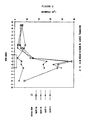
- E . coli -derived human IL-4 having the amino acid sequence set forth in Figure 1 was evaluated in a one month study in cynomolgus monkeys.
- IL-4 was administered intravenously once daily at doses of 2, 10 and 25 ⁇ g/kg/day.
- Hematological and clinical chemical evaluations of blood samples from the monkeys were conducted at selected time points prior to, during, and one month after termination of dosing.
- Data were derived from a Coulter S+4 hemotology analyzer [total white count] and a manual differential count. The results, shown in Figure 2, demonstrate the increased neutrophil count produced by the present invention.
- NBT reduced NBT
- yeast cell ingestion and NBT dye reduction are measures of phagocytosis and the metabolic changes (respiratory burst) that are important stages in the sequence of events that lead to the destruction of infectious agents.
- the increases obtained in both parameters indicate that IL-4 can increase or amplify the phagocytic response.
- U937 is a cell line (ATCC CRL 1593) established from malignant cells from a patient with diffuse histiocytic leukemia [Sunstrom et al., Int. J. Cancer 17 : 565-577 (1976)]. This cell line exhibits characteristics that indicate it is an immature monocyte.
- HL-60 is a cell line (ATCC CCL 240) established from a patient with acute pro myelocytic leukemia. These cells exhibit characteristics that indicate it is an immature neutrophil.
- IL-4 is able to induce differentiation of these 2 immature cells as defined by an increase in phagocytic function, an increase in activation of the hexase monophosphate shunt (NBT reduction) which is a metabolic necessity for phagocytosis, an increase in the percentage of cells able to take up a stain specific for mature neutrophils (nahthol chloroacetate esterase) or mature monocytes (alpha napthyl acetate esterase) and an increase in cells positive for surface markers as demonstrated by FACS analysis for mature monocytes or mature neutrophils.
- NBT reduction hexase monophosphate shunt
- IL-4 The effect of IL-4 on maturation of myeloid cells may be demonstrated by the following test procedures.
- yeast phagocytosis assay as described above was also performed for both cell lines using the same methodology.
- Trizmal 6.3 1:9 Dilute Trizmal 6.3 1:9 with d.i. water. Warm 50 ml dilute Trizmal 6.3 to 37°C and add with constant stirring contents of 1 capsule of Fast Corinth V salt. When salt is completely dissolved add 2 ml of Naphthol AS-D Chloroacetate solution. The solution will appear quite turbid. Continue stirring 15-30 min. and add to coplin jar. Do not filter.
- Trizmal 7.6 dilute Trizmal 7.6 (mono[tris(hydroxymethyl)aminomethane] maleate; pH 7.6) 1:9 in distilled/deionized water. Warm dilute Trizmal 7.6 to 37°C and add with constant stirring contents of 1 capsule Fast Blue RR salt (4-Benzoylamine-2,5-dimethoxybenzene-diazonium chloride hemi[zinc chloride] salt). When salt is completely dissolved add 2 ml of NE solution. The solution will be yellow and slightly turbid. Continue stirring for 15-20 min. and add to coplin jar. Do not filter.
- Fluorescence-Activated Cell Sorter Analysis Of Monocyte And Neutrophil Surface Markers
- HL-60 and U-937 cells were incubated in T-75 flasks at 37°C and 5% CO2 with increasing levels of IL-4 ( E . coli -derived recombinant human IL-4 (rhuIL-4), 8-ILE-1002) or controls; cells were split and fed on day 3. On days 1, 3, and 6 cells were removed, washed with RPMI 1640 and blocked with human heat-aggregated IgG to reduce potential Fc interference. After washing again with RPMI 1640, cells resuspended in 50 ⁇ l of diluted antibody (see following table for the monoclonal antibody panel) and incubated 30 minutes on ice.
- IL-4 E . coli -derived recombinant human IL-4 (rhuIL-4), 8-ILE-1002) or controls; cells were split and fed on day 3. On days 1, 3, and 6 cells were removed, washed with RPMI 1640 and blocked with human heat-aggregated IgG to reduce potential Fc interference. After washing again
- the cells were then washed in PBS, resuspended in 100 ⁇ l of diluted FITC-conjugated goat-anti-mouse IgG, or IgG 2b and incubated for 30 minutes on ice. After the incubation of the second antibody, the cells were washed repeatedly in PBS, then resuspended in 1 ml PBS and run on a Becton-Dickinson FACScan for cytofluorometric analysis. Isotype controls for murine IgG 2b and IgG1 and second antibody controls were run for increase in positive cells above a constituative expression level (i.e., IL-4 induction of enhanced expression).
- a constituative expression level i.e., IL-4 induction of enhanced expression.
- plasmid pcD-SR ⁇ -205 was constructed by the trimolecular ligation of the 373bp NcoI-XhoI SR ⁇ promoter fragment from pSR ⁇ -CAT196, the 434bp XhoI-SStI splice junction (SJ) and 5′ murine IL-4 (mIL-4) fragment from pcD137 and the 3221bp SstI-NcoI fragment, also from pcD137, containing the 3′ murine IL-4 cDNA, SV40 polyadenylation region and the pBR322 derived plasmid backbone containing the origin of replication and ampicillin resistance gene.
- SJ 434bp XhoI-SStI splice junction
- mIL-4 5′ murine IL-4 fragment
- the G-C tail was deleted from pcD-hIL-4 clone 46 (Yokoto et al., Proc. Natl. Acad. Sci. USA, 83 : 5894-5898)) as follows.
- the Okayama-Berg plasmid pL1 (Okayama and Berg, Molecular and Cellular Biology, 3 : 280-289 (1983)) was restricted with PstI and the four nucleotide overhang removed by the 3′-5′ exonuclease activity of T4 polymerase.
- BglII linkers were ligated to the flush DNA ends followed by restriction with BglII and HindIII.
- the HindIII BglII fragment containing the SV40 sequence of pL1 was isolated and inserted into BglII/HindIII restricted pcD-MCGF (Yokoto et al., Proc. Natl. Acad. Sci. USA, 81 : 1070-1074 (1984)) to yield intermediate plasmid 101.
- the purified 3IIbp Pst fragment from plasmid pcD-hIL-4 clone 46 was restricted with Sau3A-I which releases a 163bp fragment with overhangs compatible with BglII.
- the 162bp fragment was ligated to BglII restricted p101 to yield intermediate 112.
- HindIII/NheI fragment of p112 containing SV40 and human IL-4 cDNA sequences was ligated to HindIII/NheI restricted clone 46 DNA to produce pcD-hIL-4 clone 125 containing an SV40 early promoter, SV40 splice junction and complete human IL-4 cDNA with the G-C tail deleted.
- Plasmid pcD-Sr ⁇ 224 was constructed by replacing the small XhoI fragment of pcD-SR ⁇ 205 (containing the SJ and mIL4 cDNA) with the small XhoI fragment of pcDhIL-4 clone 125 containing the SJ and HIL-4 cDNA with G-C tail deleted as described above.
- a SalI site was introduced into pMTVdhfr (Lee et al., Nature, 294 : 228-232 (1981)) by EcoRI/BamHI restriction, Klenow polymerase fill in of the overhang and ligation to an octanucleotide SalI linker as shown in Figure 1. Plasmid pMTVdhfr259, then, lacks restriction sites for EcoRI and BamHI and the region between the two is replaced with a SalI linker. The SalI fragment of pcD-SR ⁇ 224 containing the Sr ⁇ promoter, SV40 SJ, human IL 4 cDNA and SV40 polyadenylation signals was inserted into the unique SalI site of pMTVdhfr259. The final human IL-4 expression plasmid, pdhfr-SRalpha263 contains the following elements, counterclockwise from the SalI site:
- the human IL-4 cDNA sequence present in the vector is the same as in pcD-HIL-4 clone 46 given in Yokoto et al., Proc. Natl. Acad. Sci. USA, 83 : 5894-5898(1986).
- CHO-dhfr ⁇ Chinese hamster ovary cell mutants deficient in dihydrofolate reductase activity
- CHO-dhfr ⁇ mutant cells have an auxotrophic requirement for hypoxanthine, thymidine and glycine.
- Expression vectors incorporating a dhfr marker may be used to complement this mutation; selection is achieved by growing cells in the absence of the required media cofactors described above.
- Gene amplification (increase in copy number up to 1000X) may be accomplished by growing cells in increasing concentration of the folate analog methotrexate (MTX).
- MTX folate analog methotrexate
- the plasmid DNA having the coding sequence for dhfr and human IL-4 (pdhfr-SR ⁇ 263) was constructed as described above. Transfection of pdhfr-SR ⁇ 263 into DXB-II CHO-dhgr ⁇ cell line was carried out by the calcium phosphate precipitation method. (Graham and Van der Eb, Virology, 52 : 546 (1978)) Transformants were selected in a selection medium (DMEM, Dulbecco's Modified Eagle's Medium) that lacks hypoxanthine and thymidine. A clone designated 3B12 was chosen for the first cycle of amplification.
- DMEM Dulbecco's Modified Eagle's Medium
- the 3B12 clone was cultured in ⁇ -MEM medium (Eagle's minimum essential medium) containing 40 nM MTX until resistant clones were selected.
- a clone designated 3B12-A26 was used for further amplification with 1 ⁇ m MTX.
- a clone designated 3B12-A26-19 was chosen for further development. This clone was adapted to growth in a suspension mode with 10% NU serumTM V and a subclone designated IL-4 SI was selected for the large scale propagation.
- MBC Master Cell Bank
- 100 ml spinner flasks containing the IL-4 SI cells were used.
- the cells were carried through two additional growth medium exchanges and grown in 100 ml spinner flasks (growth medium is basal medium plus 0 to 10% serum, e.g., NU serumTM V).
- growth medium is basal medium plus 0 to 10% serum, e.g., NU serumTM V.
- Cells from each flask were collected, washed, resuspended in 10 ml of freezing medium, pooled and aseptically dispensed in about 2.0 ml sterile cell storage vials (freezing medium is basal medium plus 20% serum, e.g., NU serumTM V plus 10% dimethylsulfoxide).
- the vials were slowly frozen at -70°C and stored in liquid nitrogen.
- the cells from three frozen vials were thawed and propagated by suspension in growth medium for 4 to 6 generations in spinner flasks of increasing volume from 100 ml up to 3 liters. Cells were collected by centrifugation, washed, and resuspended in freezing medium. The cell suspension was aseptically dispensed in about 2.0 ml sterile cell storage vials. The vials were slowly frozen at -70°C and stored in liquid nitrogen to constitute the Master Cell Bank (MCB).
- MCA Master Cell Bank
- a Master Working Cell Bank (MWCB) was prepared from the MCB by thawing 1 to 3 vials of the MCB and propagating the cells in T-flasks and in suspension for 4 to 6 generations in increasing volumes up to 3 liters. Cells were collected, washed, resuspended in freezing medium and aliquoted and frozen as described for the MCB. The MWCB was stored in liquid nitrogen as well.
- IL-4 production was carried out in bioreactors of 50 to 200 liters in volume, To start production, one frozen vial from the MWCB was thawed and inoculated into a T-75 flask. From incubation until cell concentration reaches 100% confluency, cells were trypsinized and inoculated into two T-75 flasks (optionally, a T-160 flask can be used). These flasks were again incubated until 100% confluency and the trypsinized cells were used to inoculate a 100 ml spinner flask.
- the 100 ml spinner flask was incubated until adequate cell growth was obtained and was used as inoculum for a 250 ml spinner flask.
- a similar step was repeated in a 1 liter and a 3 liter flask and a 10 to 20 liter bioreactor. Cells from the 10 to 20 liter reactor were used as inoculum for a 50 to 100 liter reactor. This reactor is initially grown batchwise and upon achieving adequate cell concentration, a continuous media perfusion was initiated.
- the media used for growth and continuous perfusion was modified Iscove's medium, which may be supplemented with up to 10% (e.g., NU SerumTM V). No methotrexate was used throughout the production process.
- the fermentation stages were carried out under sterile conditions and in closed systems.
- the key fermentation parameters such as temperature, pH, agitation and aeration were monitored and controlled as appropriate throughout the growth and continuous perfusion stages.
- Aseptic samples were taken periodically to measure pH, cell density and to check for sterility (absence of bacteria and fungi).
- the broth Upon collection of an adequate volume of conditioned media (perfusate), the broth was filtered to remove any cells that may be present, and concentrated via ultrafiitration. The concentrate, which contains crude CHO IL-4, was forwarded to the final purification stages.
- IL-4 Purification of IL-4 from the crude CHO IL-4 concentrate was carried out by performing a cation exchange chromatography on a sulphonate column (e.g., S-Sepharose). This step was typically repeated. Selected pooled fractions from the sulphonate column were then forwarded to a chelate chromatography step (e.g., cobalt-chelate Sepharose). The selected pooled chelate fractions were then diafiltered and concentrated via membrane filtration. The concentration was chromatographed in a gel filtration column (e.g., HR S-200). The pooled fractions which constitute the purified bulk IL-4 were then filtered and stored at -20°C or lower.
- a sulphonate column e.g., S-Sepharose
- the process for purifying such a crude CHO-IL concentrate of active recombinant human IL-4 thus comprises:
- the cation exchange chromatography is carried out in two steps after the CHO-cell culture medium is filtered to remove extraneous large cell debris, then concentrated to up to 100mg/mL protein on a diafiltration membrane and the pH is adjusted to pH 7.1-7.3, preferably 7.2.
- the membrane is preferably a stirred cell fitted with a membrane which holds all material less than 10,000MW, e.g. a YM-10 membrane, Amicon Co., U.S.A.,or Pellicon filter PTGC Cassettes, Millipore Corp., Bradford, Mass.
- crude culture medium is loaded on a cation exchange chromatography column such as S-Sepharose® Fast Flow ( up to 100 mg protein per ml resin) previously equlibrated with a phosphate buffer of near neutral to slightly alkaline pH, i.e. pH 6.7-8, preferably 7.2, containing 0.12M sodium chloride.
- a phosphate buffer of near neutral to slightly alkaline pH, i.e. pH 6.7-8, preferably 7.2, containing 0.12M sodium chloride.
- the active IL-4 is then isocratically eluted from the column with a sodium phosphate buffer, preferably one of pH 7.1-7.3, more particularly, pH7.2, with 20mM sodium phosphate and about 0.26M sodium chloride.
- the fractions containing active IL-4 as determined by the SDS-PAGE and protein assays are pooled and the pool is adjusted to pH 7.2 and 14mS.
- the adjusted pool from the first step is loaded on a relatively small cation exchange chromatography column, about 15% bed volume of the cation exchange column used in step 1, equilibrated with a phosphate buffer, impurities are washed through, and the active IL-4 remains on the column.
- the active IL-4 is eluted with a sodium chloride gradient of 1.75mS per bed volume.
- the eluting buffers consist of a low salt buffer, i.e. 20mM sodium phosphate, pH 7.2, 0.12M sodium chloride and a high salt buffer, i.e. 20mM sodium phosphate, pH 7.2, 0.50M sodium chloride.
- the gradient fractions containing the active IL-4 as determined by SDS-PAGE and protein assays are pooled and adjusted to pH7.2 and 45-50 mS.
- the pool of active IL-4 fractions from the cation exchange chromatography which is about 60 - 70% pure is then subjected to affinity chromatography on a metal chelating agarose gel column prepared by metal treated chelating-Sepharose® gel, i.e. chelating-Sepharose®Fast Flow or chelating-Sepharose®6B.
- the chelating columns comprise two portions in a single column.
- the top part of the column contains a metal treated-chelating agarose gel, preferably a cobalt treated-chelating-Sepharose®Fast Flow gel, and the bottom part of the column is an untreated chelating-Sepharose®Fast Flow gel.
- the volume ratio of the two layers is about 2.3-3.0 volumes of cobalt treated-chelating Sepharose® to one volume of untreated chelating Sepharose®.
- active IL-4 molecules are selectively bound by affinity chromatography to a metal chelating-agarose gel column, preferably chelating Sepharose® Fast Flow or Sepharose® 6B, to the substantial exclusion of contaminating proteins present in the solution.
- the active IL-4 remains on the columns and is isocratically eluted with a buffer at a slightly acid pH, preferably at pH 6.0 containing 0.5M NaCl.
- the purified solution of active IL-4 from the affinity chromatography column is concentrared on an ultrafiltration membrane(10,000 MW cut-off), preferably on a stirred cell fitted with a membrane which holds all material with greater than 10,000 molecular weight, which range includes IL-4.
- a preferred membrane is YM-10 manufactured by Amicon Co., USA.
- the concentration obtained is up to 20mg/mL.
- Two diafiltration buffers are used, first a 20mM Na-phosphate buffer at pH 6.0 with 0.5 M sodium chloride, and a second buffer which is preferably 10mM sodium citrate at pH 4.5.
- the concentrated eluates of active IL-4 are charged to a size exclusion gel filtration column which fractionates the proteins in the solution according to molecular weight.
- a typical column which is suitable is a Sephacryl®S-200 HR or S-100 HR (Pharmacia) gel filtration column.
- the Sephacryl®S-200 HR(high resolution) and S-100 HR are crosslinked copolymers of allyldextran and N,N′-methylene bisacrylamide. Their fractionation range in Daltons is 5,000 -250,000 and 1,000 - 100,000, respectively.
- Other suitable materials are the Sephadexes® (Pharmacia) which are crosslinked dextran gels.
- the solution of active IL-4 is charged to an S-200 HR column previously equilibrated with a 10 mM citrate buffer at pH 4.5.
- step (a) and step (b) the pH of the fractions are adjusted to pH 7.2 and a conductivity of 13-15mS with 4M NaCl.
- the bed volume ratio of the two cation exchange columns is about 6.3 volume of S-Sepharose® column in step (a) and one volume of the cation exchange column in step (b).
- the cation exchange gel material in a chromatography column is equilibrated with a 20 mM phosphate buffer at pH 7.2 having 0.12 M sodium chloride.
- a preferred cation exchanger is crosslinked agarose substituted with -CH2-SO3 ⁇ Na+ groups, such as S-Sepharose® Fast Flow available from Pharmacia.
- the active IL-4 is isocratically eluted in step (a) with a 20 mM phosphate buffer at pH 7.2 with 0.26M NaCl.
- the fractions with highest concentrations of active IL-4 based on the SDS-PAGE and protein assays are pooled.
- the pooled fractions solution is adjusted to pH 7.2 and the conductivity is adjusted 13-15mS per bed volume with 20mM sodium phosphate buffer pH 7.2
- the column is then loaded with the IL-4 solution and gradient eluted using a gradient of 1.75mS with 20mM sodium phosphate buffers of pH 7.2 containing 0.12-0.50M NaCl.
- the collected IL-4 containing fractions as determined by the SDS-PAGE and protein assays are pooled.
- the conditions for cation exchange chromatography are selected to insure that the active IL-4 fraction will attach to the cation exchanger matrix.
- the near neutral pH 7.2 which is relatively high for a cation exchange chromatography and the 13-15mS conductivity which is relatively high for anion exchange chromatography results in mild binding conditions where most impurities do not bind to the column, elution is relatively easy and high purity of the active IL-4 solution is obtained, i.e. about 60% -70%.
- the preferred metal chelating-agarose utilized in step (c) is chelating Sepharose® Fast Flow, although chelating Sepharose®6B is also satisfactory.
- the Sepharoses are products of Pharmacia Fine Chemicals, Piscataway, New Jersey.
- a preferred method of preparing the preferred cobalt chelating Sepharose® column for use in this invention is by suspending the Sepharose® gel in 0.02 M cobalt acetate solution and washing with deionized water, then an equilibration buffer, i.e. 20mM sodium phosphate, pH 7.2, 0.5M NaCl solution through the column.
- cobalt acetate other cobalt salts may be used, e.g. cobalt chloride or cobalt sulfate.
- the chromatography column comprises one column containing two layers , the first or top layer contains a metal chelating-Sepharose® gel and the second or bottom layer contains chelating Sepharose® gel which has not been treated with a metal salt.
- the volume ratio in the dual columns is about 2.3 to 3.0 volumes of metal treated chelating Sepharose® to one volume of untreated chelating Sepharose®.
- the preferred metal is cobalt.
- the preferred buffer used to equilibrate the columns is a 0.02 M phosphate buffer at pH 7.2-7.5 containing 0.5M sodium chloride.
- step (c) the cobalt chelating-Sepharose® and the untreated chelating Sepharose® gels are equilibrated with a phosphate buffer at pH 7.2 containing 0.5M sodium chloride, then the adsorbed active IL-4 is isocratically eluted from the cobalt chelating-Sepharose® through the untreated chelating -Sepharose® with a 0.02 M phosphate buffer at pH 6.0 with 0.5 M sodium chloride or alternatively with a neutral pH buffer containing a 0.5M NaCl and of (i) a chelating agent such as 50mM EDTA(ethylenediaminetetraacetic acid), or (ii) an analog of histidine such as 50mM imidazole, or (iii) an amino acid such as 50mM histidine.
- a chelating agent such as 50mM EDTA(ethylenediaminetetraacetic acid)
- an analog of histidine such as 50mM
- the eluate containing active IL-4 is collected.
- the fractions with the highest concentrations of active IL-4 based on the conventional SDS-PAGE and protein assays are pooled.
- step (d) the pooled eluted fractions from step (c) are concentrated and diafiltered then subjected to gel filtration chromatography.
- the eluted fractions are concentrated on a stirred cell fitted with a membrane which holds all material with greater than 10,000 molecular weight and diafiltered first against a 0.02 M sodium phosphate buffer, pH 6.0 containing 0.05M EDTA (ethylene diamine tetraacetic acid) and 0.5M NaCl, then 0.01M sodium citrate, at pH 4.5. Since, at this stage of the process the active IL-4 solution is about 90-95% pure, that is in the concentrated solution retained on top of the membrane.
- a preferred membrane is YM-10 manufactured by Amicon Co., U.S.A.
- the concentration obtained is up to about 20mg/mL of active IL-4.
- the concentrated eluates of active IL-4 are charged to a size exclusion (gel filtration) column which fractionates proteins in the solution according to molecular weight.
- a typical column which is suitable is a Sephacryl®S-200 HR or S-100 HR(Pharmacia) gel filtration column.
- the Sephacryl®S-200HR(high resolution) and S-100 HR are crosslinked copolymers of allyldextran and N, N′-methylene bisacrylamide. Their fractionation ranges are 5,000 - 250,000 and 1,000- 100,000, respectively.
- Other suitable materials are the Sephadexes® (Pharmacia) which are crosslinked dextran gels.
- the solution of active IL-4 is charged to an S-200 HR column previously equilibrated with a 10 MM sodium citrate buffer at pH 4.5.
- the stable IL-4 concentrate can reach up to 20 mg/ml. This increases the capacity and performance of the gel filtration chromatography. The fractions of eluate containing the highest concentrations of active IL-4 as determined by the SDS-PAGE and protein assay are collected and pooled to result in a 95-99% pure solution of active IL-4.
- pRGT839-2 and pKGT269-2 were then both digested with AatII and PvuI.
- the 6.7 KB fraagment of pRGT839-2 carrying the IL-4 and lac i regions was ligated to the small 1 KB fragment from pKGT269-2,, encoding chloramphenicol resistance.
- the ligation reaction was used to transform E. coli 294.
- One of the resulting transformants was pRGT857-11.
- this IL-4 expression plasmid carries chloramphenicol resistance as well as the pUC origin of replication. This plasmid was subsequently used to transform E. coli RL7321.
- the host organism carrying the plasmid, pRGT857-11 which is used for the production of human IL-4 is E. coli K-12.
- the strain is E. coli RL7321, a derivative of E. coli MM294 which has been previously described by Bolivar et al., Methods in Enzymology, Vol. 68, 245-267, (Ray Wu, ed.), Academic Press, 1979. This strain conforms with the guidelines established for an EK1 host.
- E. coli RL732I was isolated from E. coli MM294 as follows:
- E. coli 294S A streptomycin resistant form of E. coli MM294, designated E. coli 294S, was first isolated by transducing the former strain with bacteriophage P1 cml, clr100 [Miller, J. H., 1972. Experiments in Molecular Genetics. Cold Spring Harbor Laboratory. Cold Spring Harbor, N.Y.] which had been grown on E. coli PAM163 [Johnson, B.F. 1977. Fine structure mapping and properties of mutations suppressing the ion mutation in Escherichia coli K-12 and B strains. Genet. Res., 30:273-86].
- E. coli 294S was mutagenized with ultraviolet light to isolate a strain defective in outer membrane structure.
- the cells were irradiated for 40 seconds with a UV lamp. This treatment caused 99.9% cell death, determined by plating on rich medium.
- the mutagenized cell suspension was diluted and incubated at 37°C for 3 hours in the dark with shaking.
- T7 wild type bacteriophage were added to 108 plaque forming units per ml.
- the bacteriophage T7 is used as a selection to enrich for bacteria having mutations in their outer membranes. Since the T7 receptor is located on lipopolysaccharide, an outer membrane protein, some outer membrane mutations will result in resistance to T7 infection. Cells having wild-type outer membranes will be sensitive to infection and thus be killed off. The leaky phenotype, discussed below, is due to an increased permeability of the outer membrane.
- the use of bacteriophage T7 resistance as an indication of outer membrane damage has been shown previously [Branes et al., J. of Bacteriology , 154:1462-1466, 1983].
- T7 infection Following T7 infection, the flask was shaken at 37°C until cell lysis was observed (approximately 30 minutes).
- the T7 resistant cells were collected b y centrifugation and resuspended in 1 ml fresh broth. These cells were spread onto TYE (Tryptone:yeast extract: sodium chloride@20:10:5) agar plates and incubated at 37°C overnight. After 24 hours, each plate contained from 30-50 colonies. These colonies were for outer membrane damage.
- TYE Teryptone:yeast extract: sodium chloride@20:10:5
- E. coli RL7 was transformed with the huIL4 expression vector pAH3 (Fig. 1). This vector directs the lymphokine across the inner cell membrane into the periplasm. Spent media from transformants was screened for leakiness by western blot analysis using the huIL-4 polyclonal antibody described below.
- RL7/pAH3 was mutagenized as before with UV light. After growth in the dark for at least 2 hours, the irradiated cells were plated on TYE agar plates supplemented with ampicillin (100 ⁇ g/ml) and incubated overnight at 30°C. The colonies werere screened by "double disc assay" for increased release of huIL4 as indicated by a more intense color development under the mutant colonies. The double disc assay is performed as follows:
- the mutagenized cells were diluted and spread (0.1 ml per plate) onto TYE agar plates (142 mm diameter) containing 100 ⁇ g/ml ampicillin. After incubation at 30°C overnight, the plates contained from 500-2000 colonies of approximately 1 mm diameter. The plates were then covered with a 137 mm nitrocellulose disc (Schleicher and Schuell) with 0.45 ⁇ pore size. The disc was gently applied from one edge to allow gradual and even wetting. The disc was immediately peeled back in one motion so that the colonies were lifted from the agar plate onto the nitrocellullose disc. This disc was nitrocellulose disc (or discs) previously placed onto the surface of a sterile agar plate. The plates were then incubated overnight at 30°C.
- Filters were then incubated with either rabbit polyclonal antiserum (1:1500 dilution in TBST/BSA; used for dertermination of total huIL-4) or monoclonal antiserum (11B4) (1:10 dilution of hybridoma culture supernatant in TBST/BSA; used for determination of protein in a native conformation) at room temperature for 30 minutes.
- the filters were washed three times in TBST, then incubated with the appropriate alkaline phosphatase-linked secondary antibody for 30 minutes.
- the filters were washed three times and stained with an alkaline phosphatase substrate (ProtoBlot System by Progmega Biotec). Blots were then aligned with stock plates and colonies showing increased huIL4 specific staining were selected.
- the suspect colonies were cured of the plasmid by continuous transfer in non-selective media followed by streaking on non-selective TYE plates. Colonies that scored negative for growth on ampicillin plates were checked for absence of plasmid and then retransformed with the human IL-4 expression plasmid, pRGT857-11. These clones were screened for increased release of huIL-4 by dot immuno-blotting whole broths obtained from 10 ml tube fermentations. Detection was by a monoclonal antibody to human IL-4 (11B4) followed by alkaline phosphatase conjugated, goat anti-rat IgG. One strain selected as a high producing strain was designated RL731.
- E. coli RL731/pRGT857-11 was mutated with UV light as before. After the requisite growth in the dark, the cells were plated on TYE agar supplemented with antibiotic and 1 mM IPTG (isopropyl ⁇ -D thiogalactoside). RL731/pRGT857-11 does not grow in the presence of the inducing substance, IPTG. Cells were plated at a density of 104 colony forming units per ml. About 5-10 colonies per plate developed upon overnight incubation. Over 75 colonies were purified by streaking and checked for huIL-4 production. Production level was determined by western blot analysis.
- Clones that showed the heaviest bands were cured of their plasmid as before, retransformed with pRGT857-11 and checked for retainment of high production of huIL-4.
- rhIL-4 human Interleukin-4
- the product is directly secreted into the fermentation broth.
- Initial downstream steps are performed to separate the broth fron the cells and then concentrate the rhIL-4 in the broth.
- TCA sodium trichloroacetic acid
- cells are inactivated by addition of TCA salt.
- the pH of the broth is lowered to precipitate the rhIL-4, and the broth is centrifuged to recover rhIL-4 in the form of a pellet or sludge.
- the membrane process uses both microfiltration and ultrafiltration to recover rhIL-4 in the form of a liquid concentrate. This process may employ several washes with buffer to enhance downstream recovery.
- Purification of rhIL-4 from a crude concentrate of the fermentation broth is carried out by performing an immobilized metal affinity chromatography on a metal chelate column (e.g. with Zn-Sepharose). Selected fractions are pooled and forwarded to a cation exchange chromatography step on a sulphonate column (e.g. with S-Sepharose).
- the selected fractions are pooled, concentrated and diafiltered with an ultrafiltration apparatus containing a membrane of appropriate nominal molecular weight so that the product remains in the concentrate (e.g. with Millipore PTGC ultrafiltration membranes).
- the diafiltered concentrate is further purified by chromatography on a gel filtration column (e.g. with S-200 HR).
- the pooled fractions which constitute the purified bulk rhIL-4 are then filtered and stored at -20°C or below.
- the process for purifying a crude solution of active recombinant human IL-4 from E. coli thus comprises.
- the preferred E. coli strains used to prepare the active IL-4 purified according to this invention are RL 2117/pRGT857-11 and RL732I/pRGT857-11.
- the preferred metal chelating-agarose utilized in step (a) is chelating Sepharose® Fast Flow although chelating Sepharose®6B is also satisfactory.
- the Sepharoses are products of Pharmacia Fine Chemicals, Piscataway, New Jersey.
- a preferred method of preparing the preferred zinc chelating Sepharose® column for use in this invention is by pouring the Sepharose® gel into a chromatography column, washing with deionized water, then pumping a salt, preferably zinc acetate, solution and deionized water through the column, then pumping an equilibration buffer, i.e. 20mM sodium phosphate, pH 7.2, 1.0M NaCl solution through the column.
- a salt preferably zinc acetate, solution and deionized water
- an equilibration buffer i.e. 20mM sodium phosphate, pH 7.2, 1.0M NaCl solution through the column.
- zinc acetate other zinc salts may be used, e.g. zinc
- the chromatography column is two columns connected in series.
- the first or top column contains the zinc chelating-Sepharose® gel and the second or bottom column contains chelating Sepharose® gel which has not been treated with a zinc salt or other metal salts.
- the volume ratio in the dual columns is about three volumes of zinc treated chelating Sepharose® to one volume of untreated chelating Sepharose®.
- the preferred buffer used to equilibrate the columns is a phosphate buffer at pH 7.2-7.5 containing 1.0M sodium chloride.
- step (b) a special two-part wash with first as an equilibration buffer the phosphate buffer at pH7.2 containing 1.0M sodium chloride then with the sodium phosphate buffer at pH 7.2-7.5 containing 10% glycerol and a low concentration of sodium chloride (150mM) are charged to the column.
- the washes remove impurities, including one which is very closely related and difficult to separate.
- the active IL-4 remains on the column.
- the preferred buffer to maintain the pH of the solution of active IL-4 is a phosphate buffer at pH 7.2 containing 1.0M sodium chloride.
- step (c) the zinc chelating-Sepharose® and the untreated chelating Sepharose® gels are equilibrated with a phosphate buffer at pH 6.75 containing 1.0 M sodium chloride then the adsorbed active IL-4 is isocratically eluted from the zinc chelating-Sepharose® through the untreated chelating -Sepharose® with an acetate buffer at pH 5.0 with 0.5 M sodium chloride or alternatively with a neutral pH buffer containing a chelating agent such as 50mM EDTA(ethylenediaminetetraacetic acid) or an analog of histidine such as 50mM imidazole, or an amino acid such as 50mM histidine.
- a chelating agent such as 50mM EDTA(ethylenediaminetetraacetic acid) or an analog of histidine such as 50mM imidazole, or an amino acid such as 50mM histidine.
- Preferred is the acetate buffer.
- step (d) the pH of the pooled fractions from step (c) are adjusted to pH 6.75 and diluted with a 20 mM buffer at pH 6.75 so the conductivity becomes 15mS.
- the cation exchange gel material in a chromatography column is equilibrated with a 20 mM phosphate buffer at pH 6.75 having 0.12 M sodium chloride.
- a preferred cation exchange is crosslinked agarose substituted with -CH2-SO3 ⁇ Na+ groups, such as S-Sepharose® Fast Flow available from Pharmacia.
- the active IL-4 is gradient eluted with a 20 mM phosphate buffer at pH 6.75 with 0.12-0.6 M NaCl.
- the fractions with highest concentrations of active IL-4 based on the SDS-PAGE and protein assays are pooled.
- the conditions for cation exchange chromatography are selected to insure that the active IL-4 fraction will attach to the cation exchanger matrix.
- the near neutral pH 6.75 which is relatively high for a cation exchange chromatography and the 15mS conductivity which is relatively high for ion exchange chromatography results in mild binding conditions where most impurities do not bind to the column, elution is relatively easy and high purity of the active IL-4 solution is obtained, i.e. about 90% -95%.
- step (e) the pooled eluted fractions from step (d) are concentrated on a stirred cell fitted with a membrane which holds all material with greater than 10,000 molecular weight.
- a preferred membrane is YM-10 manufactured by Amicon Co., U.S.A. The concentration obtained is up to about 20mg/mL of active IL-4.
- step (f) the pooled, concentrated eluates of active IL-4 from step (e) are charged to a size exclusion gel filtration column which fractionates proteins in the solution according to molecular weight.
- a typical column which is suitable is a Sephacryl®S-200 HR or S-100HR(Pharmacia) gel filtration column.
- the Sephacryl®S-200HR(high resolution) and S-100HR are crosslinked copolymers of allyldextran and N, N′-methylene bisacrylamide. Their fractionation range in Daltons is 5,000 - 250,000 and 1,000 - 100,000, respectively.
- Other suitable materials are the Sephadexes® (Pharmacia) which are crosslinked dextran gels.
- the solution of active IL-4 is charged to an S-200 HR column previously equilibrated with a 10 mM citrate buffer at pH 4.5.
- the stable IL-4 concentrate can reach up to 20 mg/ml. This increases the capacity and performance of the gel filtration chromatography.
- fractions of eluate containing the highest concentrations of active IL-4 as determined by the SDS-PAGE and protein assay are collected and pooled to result in a 95-99% pure solution of active IL-4.
- the buffers utilized in this process are chosen because they provide the proper conditions of binding, washing and elution to enable the active IL-4 either to adsorb to the chromatography gels or elute selectively therethrough.
- the preferred buffers are sodium phosphate buffers at a concentration of 20 mM or sodium citrate or sodium acetate buffers at the concentrations and pHs as shown in the examples, as well as the specific amount of sodium chloride indicated. The pH is adjusted with sodium hydroxide or acid.
- the first wash is with a20mM sodium phosphate equilibration buffer at pH 7.2 containing 1.0M sodium chloride.
- the second wash is with the phosphate buffer containing about 150mM sodium chloride and10% glycerol which is required in the second wash buffer.
- the concentration of the sodium chloride in the buffers used with the zinc chelating-Sepharose columns is critical to this invention because high salt, preferably 1M sodium chloride, improves the recovery of solubilized active IL-4 from a trichloroacetic acid (TCA) pellet as well as enhances active IL-4 binding to the metal chelating Sepharose.
- concentration enables the IL-4 to be more selectively adsorbed to the zinc chelating Sepharose column than impurities in the fermentation broth.
- the bulk IL-4 was then prepared for injection by thawing and diluted with sterilized water and/or 10 mm citrate buffer. ⁇
- top flow adapter Place a top flow adapter on the column and equilibrate the gel with 5 bed volumes of a buffer composed of 20 mM sodium phosphate, pH 7.2, 0.12M NaCl, by pumping the buffer through the column at a linear velocity of approximately 1 cm/min. Adjust the top flow adapter to press firmly on top of the resin bed. Then pump at least 5 bed volumes of a buffer composed of 20 mM sodium phosphate, pH 7.2, 0.12M NaCl, through the column at a linear velocity of approximately 1 cm/min and if necessary continue pumping the buffer through the column at the same flow rate until the pH of the effluent is between 7.1 and 7.3. Adjust the bed volumes of the columns so the smaller column has 15% the bed volume of the larger column.
- Example 2 Pump the solution through an S-Sepharose® column as prepared in Example 1 at a linear velocity of approximately 1cm/min or less. Collect the flow-through solution in one fraction.
- the low salt buffer used in the gradient is that made in Example 6(a), and the high salt buffer used in the gradient is that made in Example 6(c).
- Example 6(c) Wash the columns with approximately 10 bed volumes of the buffer prepared in Example 6(c) at a linear velocity of approximately 0.5 cm/min and collect the wash in no more than 5 fractions, then elute the column with approximately 10 bed volumes of the buffer made in Example 6(d) at a linear velocity of approximately 0.5 cm/min. Collect fractions with a volume of approximately 0.2 bed volumes. Analyze each sample for active IL-4 with SDS-PAGE and protein assays and pool the active IL-4 fractions..
- the purity of the active IL-4 solution treated according to this Example 9 is about 90 - 95%.
- Example 9 Concentrate the pooled fractions from Example 9 using an Amicon stirred chamber fitted with a YM-10 membrane by placing the pooled fractions from Example 9 containing active human IL-4 in a container and adding approximately 0.25 volumes of the buffer prepared in Example 6(d). Concentrate the volume to approximately 0.2 the original volume by ultrafiltration on the YM-10 membrane. Dilute the concentrated retentate with 4 volumes of the buffer prepared in Example 6(e) and concentrate it to approximately 0.2 volumes by ultrafiltration on the YM-10 membrane.
- the concentration step can be repeated to achieve approximately 0.1 the volume of the initial pooled fractions. Transfer the concentrate to an appropriate container and hold at cold room temperature for immediate use or store frozen at -20°C.
- top flow adaptor Place a top flow adaptor on the column and pack/wash the gel with deionized water. Pump the water through the column at a linear velocity of approximately 1 cm/ min. Adjust the top flow adaptor to press firmly on top of the resin bed. Pump at least 5 bed volumes of deionized water through the columns at a linear velocity of approximately 1 cm/ min.
- EDTA ethylene diamine tetraacetic acid
- top flow adapter Place a top flow adapter on the column and equilibrate the gel with 5 bed volumes of a buffer composed of 20 mM sodium phosphate, pH 6.75, 0.12M NaCl, 0.001M EDTA, by pumping the buffer through the column at a linear velocity of approximately 1cm/min. Adjust the top flow adapter to press firmly on top of the resin bed. Then pump at least 5 bed volumes of a buffer composed of 20 mM sodium phosphate, pH 6.75, 0.12M NaCl, 0.001M EDTA through the column at a linear velocity of approximately 1 cm/min and if necessary continue pumping the buffer through the column at the same flow rate until the pH of the effluent is between 6.6 and 6.9.
- the columns must be washed twice, first with approximately 10 bed volumes of the buffer prepared in Example 17(a) at a linear velocity of approximately 0.5 cm/min and collect the wash in no more than 5 fractions, then with approximately 5 bed volumes of the buffer made in Example 17(b) at a linear velocity of approximately 0.5 cm/min and collect the wash in 1 fraction.
- the purity of the active IL-4 solution treated according to this Example 18 is about 20%-40%.
- the yield of active IL-4 based on the amount in the crude fermentation broth is 90%.
- the low salt buffer used in the gradient is that made in Example 19(a), at 5 bed volume and the high salt buffer used in the gradient is that made in Example 19(b), at 5 bed volume.
- the purity of the active IL-4 solution is about 90% to 95%.
- Example 20 Concentrate the pooled fractions from Example 20 using an Amicon stirred chamber fitted with a YM 10 membrane by placing the pooled fractions from Example 20 containing active human IL-4 in a container and concentrating the volume to approximately 0.1 the original volume by ultrafiltration on a YM-10 membrane. Dilute the concentrated retentate with 4 volumes of the buffer prepared in Example 17(e) and concentrate it to approximately 0.2 volumes by ultrafiltration on a YM-10 membrane.
- the concentration step can be repeated to achieve approximately 0.1 the volume of the initial pooled fractions. Transfer the concentrate to an appropriate container and hold at cold room temperature or store frozen at -20°C.
- the purity of the recovered active IL-4 is 95-99% as evidenced by the SDS-PAGE assay.
- SDS-PAGE assay is also required for selecting active fractions. This method is discussed in Laemmli, U. K., Nature, 227 : 680 (1970).
Landscapes
- Health & Medical Sciences (AREA)
- Life Sciences & Earth Sciences (AREA)
- Chemical & Material Sciences (AREA)
- Medicinal Chemistry (AREA)
- General Health & Medical Sciences (AREA)
- Organic Chemistry (AREA)
- Animal Behavior & Ethology (AREA)
- Pharmacology & Pharmacy (AREA)
- Public Health (AREA)
- Veterinary Medicine (AREA)
- General Chemical & Material Sciences (AREA)
- Nuclear Medicine, Radiotherapy & Molecular Imaging (AREA)
- Chemical Kinetics & Catalysis (AREA)
- Bioinformatics & Cheminformatics (AREA)
- Engineering & Computer Science (AREA)
- Immunology (AREA)
- Proteomics, Peptides & Aminoacids (AREA)
- Gastroenterology & Hepatology (AREA)
- Zoology (AREA)
- Biochemistry (AREA)
- Biophysics (AREA)
- Genetics & Genomics (AREA)
- Molecular Biology (AREA)
- Toxicology (AREA)
- Diabetes (AREA)
- Hematology (AREA)
- Epidemiology (AREA)
- Medicines That Contain Protein Lipid Enzymes And Other Medicines (AREA)
- Peptides Or Proteins (AREA)
- Preparation Of Compounds By Using Micro-Organisms (AREA)
- Medicines Containing Material From Animals Or Micro-Organisms (AREA)
- Saccharide Compounds (AREA)
- Pharmaceuticals Containing Other Organic And Inorganic Compounds (AREA)
- Nitrogen And Oxygen Or Sulfur-Condensed Heterocyclic Ring Systems (AREA)
- Medicines Containing Plant Substances (AREA)
- Manufacture Of Alloys Or Alloy Compounds (AREA)
- Investigating Or Analysing Biological Materials (AREA)
- Manufacture Of Macromolecular Shaped Articles (AREA)
Priority Applications (2)
| Application Number | Priority Date | Filing Date | Title |
|---|---|---|---|
| EP94105833A EP0618220B1 (de) | 1989-07-28 | 1990-07-26 | Verfahren zur Reinigung von Interleukin-4 |
| GR960401090T GR3019707T3 (en) | 1989-07-28 | 1996-04-22 | Method for purifying interleukin-4. |
Applications Claiming Priority (2)
| Application Number | Priority Date | Filing Date | Title |
|---|---|---|---|
| US38693789A | 1989-07-28 | 1989-07-28 | |
| US386937 | 1989-07-28 |
Related Child Applications (1)
| Application Number | Title | Priority Date | Filing Date |
|---|---|---|---|
| EP94105833.1 Division-Into | 1990-07-26 |
Publications (3)
| Publication Number | Publication Date |
|---|---|
| EP0410750A2 true EP0410750A2 (de) | 1991-01-30 |
| EP0410750A3 EP0410750A3 (en) | 1991-06-19 |
| EP0410750B1 EP0410750B1 (de) | 1995-03-08 |
Family
ID=23527716
Family Applications (3)
| Application Number | Title | Priority Date | Filing Date |
|---|---|---|---|
| EP90911066A Pending EP0484380A1 (de) | 1989-07-28 | 1990-07-26 | Anwendungen von interleukin-4 and methode seiner reinigung |
| EP94105833A Expired - Lifetime EP0618220B1 (de) | 1989-07-28 | 1990-07-26 | Verfahren zur Reinigung von Interleukin-4 |
| EP90308198A Expired - Lifetime EP0410750B1 (de) | 1989-07-28 | 1990-07-26 | Verwendung von Interleukin-4 zur Steigerung der Neutrophilenzahl und zur Behandlung von Myeloid oder Monocytoid Leukeamie. |
Family Applications Before (2)
| Application Number | Title | Priority Date | Filing Date |
|---|---|---|---|
| EP90911066A Pending EP0484380A1 (de) | 1989-07-28 | 1990-07-26 | Anwendungen von interleukin-4 and methode seiner reinigung |
| EP94105833A Expired - Lifetime EP0618220B1 (de) | 1989-07-28 | 1990-07-26 | Verfahren zur Reinigung von Interleukin-4 |
Country Status (20)
| Country | Link |
|---|---|
| EP (3) | EP0484380A1 (de) |
| JP (2) | JP2580391B2 (de) |
| KR (1) | KR100191223B1 (de) |
| AT (2) | ATE119395T1 (de) |
| AU (2) | AU645514B2 (de) |
| CA (1) | CA2064753A1 (de) |
| DE (2) | DE69017547T2 (de) |
| DK (2) | DK0618220T3 (de) |
| ES (2) | ES2089875T3 (de) |
| FI (2) | FI981585L (de) |
| GR (1) | GR3019707T3 (de) |
| HK (1) | HK185196A (de) |
| HU (1) | HU215257B (de) |
| IL (2) | IL95201A0 (de) |
| NO (1) | NO304555B1 (de) |
| OA (1) | OA09649A (de) |
| RU (1) | RU2082756C1 (de) |
| SG (1) | SG44544A1 (de) |
| WO (1) | WO1991001744A2 (de) |
| ZA (1) | ZA905896B (de) |
Cited By (6)
| Publication number | Priority date | Publication date | Assignee | Title |
|---|---|---|---|---|
| WO1991018919A1 (en) * | 1990-05-31 | 1991-12-12 | Schering Corporation | Purification of human interleukin-4 from a secreted escherichia coli mutant |
| WO1992011861A1 (en) * | 1991-01-10 | 1992-07-23 | Schering Corporation | Use of il-4 to enhance the reparative phase of wound healing and repair and to enhance the healing of infected wounds and the wounds of diabetic mammals |
| WO1996007422A1 (en) * | 1994-09-07 | 1996-03-14 | Schering Corporation | Use of il-4 for potentiation of chemotherapeutic agents |
| US5620685A (en) * | 1993-12-16 | 1997-04-15 | Kirin Brewery Company, Limited | Protecting agents from radiation hazards |
| US5827670A (en) * | 1990-08-02 | 1998-10-27 | Fred Hutchinson Cancer Research Center | Methods of isolating and detecting bone marrow stromal cells with VCAM-1-specific antibodies |
| US6123915A (en) * | 1990-08-02 | 2000-09-26 | Fred Hutchinson Cancer Research Center | Methods for using agents that bind to VCAM-1 |
Families Citing this family (7)
| Publication number | Priority date | Publication date | Assignee | Title |
|---|---|---|---|---|
| US5723119A (en) * | 1989-07-28 | 1998-03-03 | Schering Corporation | Method for enhancing wound healing/repair with IL-4 |
| AU660942B2 (en) * | 1990-09-13 | 1995-07-13 | Commonwealth Scientific And Industrial Research Organisation | Ovine cytokine genes |
| US6132737A (en) * | 1997-09-29 | 2000-10-17 | Revlon Consumer Products Corporation | Method for reducing sunburn cell formation with cosmetic compositions containing ascorbic acid |
| DK1616572T3 (da) * | 1998-11-09 | 2010-12-06 | Biogen Idec Inc | Kimært anti-CD20-antistof, rituxan, til anvendelse i behandling af kronisk lymfatisk leukæmi |
| AU2010239463B2 (en) * | 2009-04-20 | 2016-12-08 | Galenbio, Inc. | Compositions for transfection of biomolecules into cells |
| JP5784416B2 (ja) * | 2011-08-26 | 2015-09-24 | 出光興産株式会社 | 菌類の回収方法 |
| EP3995196B1 (de) * | 2020-11-04 | 2023-08-09 | Sartorius BIA Separations d.o.o. | Reinigungsverfahren für lipidmembranumschlossene komplexe zusammenstellungen |
Family Cites Families (4)
| Publication number | Priority date | Publication date | Assignee | Title |
|---|---|---|---|---|
| US4723000A (en) * | 1983-07-05 | 1988-02-02 | Biospectrum, Inc. | Human interferon gamma and interleukin-2 |
| SE8701004D0 (sv) * | 1987-03-11 | 1987-03-11 | Astra Ab | Method for therapy of leukemias and certain other malignancies |
| US5077388A (en) * | 1990-05-31 | 1991-12-31 | Schering Corporation | Purification of human interleukin-4 from a secreted escherichia coli mutant |
| HUT63062A (en) * | 1990-03-21 | 1993-07-28 | Schering Corp | Process for producing pharmaceutical compositions increasing the immune response and comprising il-4 |
-
1990
- 1990-07-23 KR KR1019910700321A patent/KR100191223B1/ko not_active Expired - Fee Related
- 1990-07-26 CA CA002064753A patent/CA2064753A1/en not_active Abandoned
- 1990-07-26 SG SG1996002001A patent/SG44544A1/en unknown
- 1990-07-26 DK DK94105833.1T patent/DK0618220T3/da active
- 1990-07-26 EP EP90911066A patent/EP0484380A1/de active Pending
- 1990-07-26 EP EP94105833A patent/EP0618220B1/de not_active Expired - Lifetime
- 1990-07-26 ES ES94105833T patent/ES2089875T3/es not_active Expired - Lifetime
- 1990-07-26 HU HU9200254A patent/HU215257B/hu not_active IP Right Cessation
- 1990-07-26 ZA ZA905896A patent/ZA905896B/xx unknown
- 1990-07-26 DK DK90308198.2T patent/DK0410750T3/da active
- 1990-07-26 AT AT90308198T patent/ATE119395T1/de not_active IP Right Cessation
- 1990-07-26 AT AT94105833T patent/ATE135366T1/de not_active IP Right Cessation
- 1990-07-26 JP JP2510479A patent/JP2580391B2/ja not_active Expired - Lifetime
- 1990-07-26 DE DE69017547T patent/DE69017547T2/de not_active Expired - Fee Related
- 1990-07-26 DE DE69025961T patent/DE69025961T2/de not_active Expired - Fee Related
- 1990-07-26 ES ES90308198T patent/ES2072395T3/es not_active Expired - Lifetime
- 1990-07-26 EP EP90308198A patent/EP0410750B1/de not_active Expired - Lifetime
- 1990-07-26 AU AU60558/90A patent/AU645514B2/en not_active Ceased
- 1990-07-26 FI FI981585A patent/FI981585L/fi unknown
- 1990-07-26 IL IL95201A patent/IL95201A0/xx unknown
- 1990-07-26 WO PCT/US1990/004093 patent/WO1991001744A2/en not_active Ceased
- 1990-07-26 RU SU905011241A patent/RU2082756C1/ru active
-
1992
- 1992-01-27 NO NO920351A patent/NO304555B1/no not_active IP Right Cessation
- 1992-01-28 FI FI920367A patent/FI102039B/fi active
- 1992-01-28 OA OA60137A patent/OA09649A/en unknown
-
1994
- 1994-01-28 AU AU54761/94A patent/AU661221B2/en not_active Ceased
-
1996
- 1996-04-22 GR GR960401090T patent/GR3019707T3/el unknown
- 1996-06-17 JP JP8155397A patent/JPH0940575A/ja active Pending
- 1996-10-03 HK HK185196A patent/HK185196A/en not_active IP Right Cessation
-
1997
- 1997-10-07 IL IL12189797A patent/IL121897A0/xx unknown
Non-Patent Citations (3)
| Title |
|---|
| Journal of Allergy and Clinical Immunology, Vol. 81, No. 1, January 1988, page 234, St. Louis, US, R. ROSENBAUM et al:: "Interleukin 4 (IL-4) is a neutrophil (PMN) activator", Item 264, the entire Abstract. * |
| Journal of Allergy and Clinical Immunology, Vol. 83, No. 5, May 1989, pages 978-984, St. Louis, US, H. BOEY et al.: "Interleukin-4 is a neutrophil activator", page 983, right-hand column, lines 6-17. * |
| Proc. Natl. Acad. Sci. US, Vol. 84, October 1987, pages 6889-6893, Washington, DC, US, D. RENNICK et al.: "Interleukin 4 (B-cell stimulatory factor 1) can enhance or antagonize the factor-dependent growth of hemopoietic progenitor cells", page 6890, figure 1; page 6893, left-hand column, line 39 - end of article. * |
Cited By (8)
| Publication number | Priority date | Publication date | Assignee | Title |
|---|---|---|---|---|
| WO1991018919A1 (en) * | 1990-05-31 | 1991-12-12 | Schering Corporation | Purification of human interleukin-4 from a secreted escherichia coli mutant |
| US5827670A (en) * | 1990-08-02 | 1998-10-27 | Fred Hutchinson Cancer Research Center | Methods of isolating and detecting bone marrow stromal cells with VCAM-1-specific antibodies |
| US6123915A (en) * | 1990-08-02 | 2000-09-26 | Fred Hutchinson Cancer Research Center | Methods for using agents that bind to VCAM-1 |
| US7449186B1 (en) | 1990-08-02 | 2008-11-11 | Fred Hutchinson Cancer Research Center | Methods of blocking the interaction between stromal cells and hemopoietic cells with anti-VCAM-1 antibodies |
| WO1992011861A1 (en) * | 1991-01-10 | 1992-07-23 | Schering Corporation | Use of il-4 to enhance the reparative phase of wound healing and repair and to enhance the healing of infected wounds and the wounds of diabetic mammals |
| EP0502599A1 (de) * | 1991-01-10 | 1992-09-09 | Schering Corporation | Verwendung von IL-4 zur Verstärkung von Wundheilung und Besserung und zur Heilung von infizierten Wunden und Wunden bei diabetischen Säugetieren |
| US5620685A (en) * | 1993-12-16 | 1997-04-15 | Kirin Brewery Company, Limited | Protecting agents from radiation hazards |
| WO1996007422A1 (en) * | 1994-09-07 | 1996-03-14 | Schering Corporation | Use of il-4 for potentiation of chemotherapeutic agents |
Also Published As
Similar Documents
| Publication | Publication Date | Title |
|---|---|---|
| CA1290688C (en) | Use of interleukin-1 to induce development of multipotent hemopoietic cell populations | |
| Lopez et al. | Stimulation of proliferation, differentiation, and function of human cells by primate interleukin 3. | |
| EP0257406B2 (de) | Rekombinanter B-Zell-Differenzierungsfaktor | |
| Yamaguchi et al. | Purified interleukin 5 supports the terminal differentiation and proliferation of murine eosinophilic precursors. | |
| JP4276783B2 (ja) | Il−2の選択的アゴニスト及びアンタゴニスト | |
| CA2056997C (en) | A human cytokine, interleukin-9 | |
| EP0326120A2 (de) | Menschliches IFN-beta2/IL-6, dessen Reinigung und Verwendungen | |
| JP2655591B2 (ja) | 霊長動物造血成長因子の新規種族 | |
| AU645514B2 (en) | Uses of interleukin-4 and method for purifying it | |
| EP0317568B1 (de) | Verwendung von Granulozyt-Makrophagen-Kolonie Erregenden Faktor zur Herstellung eines Medikaments zur Behandlung von Bakterieller krankheiten | |
| US5582824A (en) | Recombinant DES-CYS-TYR-CYS human immune interferon | |
| US5620685A (en) | Protecting agents from radiation hazards | |
| IE902718A1 (en) | Use of Interleukin-4 for increasing numbers of neutrophils and for treating myeloid or monocytoid leukaemia | |
| IE913984A1 (en) | Method for increasing and activating monocytes and¹neutrophils and for inducing maturation of myeloid cells¹with interleukin-5 | |
| EP0401379A1 (de) | Stabilisierte interleukin-1-beta enthaltende zusammensetzung | |
| CA1341253C (en) | Human ifn-.beta.2/il-6, its purification and use | |
| Petro | Reduced dietary protein levels decrease interleukin 3 production of murine splenic T lymphocytes | |
| NZ214261A (en) | Human immune interferon: production by recombinant dna technology |
Legal Events
| Date | Code | Title | Description |
|---|---|---|---|
| PUAI | Public reference made under article 153(3) epc to a published international application that has entered the european phase |
Free format text: ORIGINAL CODE: 0009012 |
|
| AK | Designated contracting states |
Kind code of ref document: A2 Designated state(s): GR |
|
| PUAL | Search report despatched |
Free format text: ORIGINAL CODE: 0009013 |
|
| AK | Designated contracting states |
Kind code of ref document: A3 Designated state(s): GR |
|
| 17P | Request for examination filed |
Effective date: 19911107 |
|
| 17Q | First examination report despatched |
Effective date: 19920819 |
|
| RBV | Designated contracting states (corrected) |
Designated state(s): AT BE CH DE DK ES FR GB GR IT LI LU NL SE |
|
| XX | Miscellaneous (additional remarks) |
Free format text: VERBUNDEN MIT 90911066.0/0484380 (EUROPAEISCHE ANMELDENUMMER/VEROEFFENTLICHUNGSNUMMER) DURCH ENTSCHEIDUNG VOM 24.09.92. |
|
| GRAA | (expected) grant |
Free format text: ORIGINAL CODE: 0009210 |
|
| AK | Designated contracting states |
Kind code of ref document: B1 Designated state(s): AT BE CH DE DK ES FR GB GR IT LI LU NL SE |
|
| REF | Corresponds to: |
Ref document number: 119395 Country of ref document: AT Date of ref document: 19950315 Kind code of ref document: T |
|
| XX | Miscellaneous (additional remarks) |
Free format text: VERBUNDEN MIT 90911066.0/0484380 (EUROPAEISCHE ANMELDENUMMER/VEROEFFENTLICHUNGSNUMMER) DURCH ENTSCHEIDUNG VOM 24.09.92. |
|
| REF | Corresponds to: |
Ref document number: 69017547 Country of ref document: DE Date of ref document: 19950413 |
|
| ITF | It: translation for a ep patent filed | ||
| REG | Reference to a national code |
Ref country code: DK Ref legal event code: T3 |
|
| ET | Fr: translation filed | ||
| REG | Reference to a national code |
Ref country code: ES Ref legal event code: FG2A Ref document number: 2072395 Country of ref document: ES Kind code of ref document: T3 |
|
| REG | Reference to a national code |
Ref country code: GR Ref legal event code: FG4A Free format text: 3016281 |
|
| PLBE | No opposition filed within time limit |
Free format text: ORIGINAL CODE: 0009261 |
|
| STAA | Information on the status of an ep patent application or granted ep patent |
Free format text: STATUS: NO OPPOSITION FILED WITHIN TIME LIMIT |
|
| 26N | No opposition filed | ||
| PGFP | Annual fee paid to national office [announced via postgrant information from national office to epo] |
Ref country code: DK Payment date: 19990614 Year of fee payment: 10 Ref country code: AT Payment date: 19990614 Year of fee payment: 10 |
|
| PGFP | Annual fee paid to national office [announced via postgrant information from national office to epo] |
Ref country code: FR Payment date: 19990615 Year of fee payment: 10 |
|
| PGFP | Annual fee paid to national office [announced via postgrant information from national office to epo] |
Ref country code: SE Payment date: 19990617 Year of fee payment: 10 |
|
| PGFP | Annual fee paid to national office [announced via postgrant information from national office to epo] |
Ref country code: GB Payment date: 19990618 Year of fee payment: 10 |
|
| PGFP | Annual fee paid to national office [announced via postgrant information from national office to epo] |
Ref country code: CH Payment date: 19990621 Year of fee payment: 10 |
|
| PGFP | Annual fee paid to national office [announced via postgrant information from national office to epo] |
Ref country code: NL Payment date: 19990624 Year of fee payment: 10 Ref country code: BE Payment date: 19990624 Year of fee payment: 10 |
|
| PGFP | Annual fee paid to national office [announced via postgrant information from national office to epo] |
Ref country code: DE Payment date: 19990628 Year of fee payment: 10 |
|
| PGFP | Annual fee paid to national office [announced via postgrant information from national office to epo] |
Ref country code: ES Payment date: 19990707 Year of fee payment: 10 |
|
| PGFP | Annual fee paid to national office [announced via postgrant information from national office to epo] |
Ref country code: GR Payment date: 19990728 Year of fee payment: 10 |
|
| PGFP | Annual fee paid to national office [announced via postgrant information from national office to epo] |
Ref country code: LU Payment date: 19991130 Year of fee payment: 10 |
|
| PG25 | Lapsed in a contracting state [announced via postgrant information from national office to epo] |
Ref country code: LU Free format text: LAPSE BECAUSE OF NON-PAYMENT OF DUE FEES Effective date: 20000726 Ref country code: GB Free format text: LAPSE BECAUSE OF NON-PAYMENT OF DUE FEES Effective date: 20000726 Ref country code: DK Free format text: LAPSE BECAUSE OF NON-PAYMENT OF DUE FEES Effective date: 20000726 Ref country code: AT Free format text: LAPSE BECAUSE OF NON-PAYMENT OF DUE FEES Effective date: 20000726 |
|
| PG25 | Lapsed in a contracting state [announced via postgrant information from national office to epo] |
Ref country code: SE Free format text: LAPSE BECAUSE OF NON-PAYMENT OF DUE FEES Effective date: 20000727 Ref country code: ES Free format text: LAPSE BECAUSE OF NON-PAYMENT OF DUE FEES Effective date: 20000727 |
|
| PG25 | Lapsed in a contracting state [announced via postgrant information from national office to epo] |
Ref country code: LI Free format text: LAPSE BECAUSE OF NON-PAYMENT OF DUE FEES Effective date: 20000731 Ref country code: GR Free format text: LAPSE BECAUSE OF NON-PAYMENT OF DUE FEES Effective date: 20000731 Ref country code: CH Free format text: LAPSE BECAUSE OF NON-PAYMENT OF DUE FEES Effective date: 20000731 Ref country code: BE Free format text: LAPSE BECAUSE OF NON-PAYMENT OF DUE FEES Effective date: 20000731 |
|
| BERE | Be: lapsed |
Owner name: SCHERING CORP. Effective date: 20000731 |
|
| PG25 | Lapsed in a contracting state [announced via postgrant information from national office to epo] |
Ref country code: NL Free format text: LAPSE BECAUSE OF NON-PAYMENT OF DUE FEES Effective date: 20010201 |
|
| REG | Reference to a national code |
Ref country code: CH Ref legal event code: PL |
|
| EUG | Se: european patent has lapsed |
Ref document number: 90308198.2 |
|
| GBPC | Gb: european patent ceased through non-payment of renewal fee |
Effective date: 20000726 |
|
| REG | Reference to a national code |
Ref country code: DK Ref legal event code: EBP |
|
| PG25 | Lapsed in a contracting state [announced via postgrant information from national office to epo] |
Ref country code: FR Free format text: LAPSE BECAUSE OF NON-PAYMENT OF DUE FEES Effective date: 20010330 |
|
| NLV4 | Nl: lapsed or anulled due to non-payment of the annual fee |
Effective date: 20010201 |
|
| REG | Reference to a national code |
Ref country code: FR Ref legal event code: ST |
|
| PG25 | Lapsed in a contracting state [announced via postgrant information from national office to epo] |
Ref country code: DE Free format text: LAPSE BECAUSE OF NON-PAYMENT OF DUE FEES Effective date: 20010501 |
|
| REG | Reference to a national code |
Ref country code: ES Ref legal event code: FD2A Effective date: 20010810 |
|
| PG25 | Lapsed in a contracting state [announced via postgrant information from national office to epo] |
Ref country code: IT Free format text: LAPSE BECAUSE OF NON-PAYMENT OF DUE FEES;WARNING: LAPSES OF ITALIAN PATENTS WITH EFFECTIVE DATE BEFORE 2007 MAY HAVE OCCURRED AT ANY TIME BEFORE 2007. THE CORRECT EFFECTIVE DATE MAY BE DIFFERENT FROM THE ONE RECORDED. Effective date: 20050726 |