EP0437929A2 - Utilisation du diadénosin-5',5'''-p1,p4-tétraphosphate pour l'obtention d'un médicament pour le traitement des maladies cardiaques - Google Patents
Utilisation du diadénosin-5',5'''-p1,p4-tétraphosphate pour l'obtention d'un médicament pour le traitement des maladies cardiaques Download PDFInfo
- Publication number
- EP0437929A2 EP0437929A2 EP90312713A EP90312713A EP0437929A2 EP 0437929 A2 EP0437929 A2 EP 0437929A2 EP 90312713 A EP90312713 A EP 90312713A EP 90312713 A EP90312713 A EP 90312713A EP 0437929 A2 EP0437929 A2 EP 0437929A2
- Authority
- EP
- European Patent Office
- Prior art keywords
- ap4a
- atp
- treatment
- effect
- diadenosine
- Prior art date
- Legal status (The legal status is an assumption and is not a legal conclusion. Google has not performed a legal analysis and makes no representation as to the accuracy of the status listed.)
- Granted
Links
Images



Classifications
-
- A—HUMAN NECESSITIES
- A61—MEDICAL OR VETERINARY SCIENCE; HYGIENE
- A61K—PREPARATIONS FOR MEDICAL, DENTAL OR TOILETRY PURPOSES
- A61K31/00—Medicinal preparations containing organic active ingredients
- A61K31/70—Carbohydrates; Sugars; Derivatives thereof
-
- A—HUMAN NECESSITIES
- A61—MEDICAL OR VETERINARY SCIENCE; HYGIENE
- A61P—SPECIFIC THERAPEUTIC ACTIVITY OF CHEMICAL COMPOUNDS OR MEDICINAL PREPARATIONS
- A61P9/00—Drugs for disorders of the cardiovascular system
-
- A—HUMAN NECESSITIES
- A61—MEDICAL OR VETERINARY SCIENCE; HYGIENE
- A61P—SPECIFIC THERAPEUTIC ACTIVITY OF CHEMICAL COMPOUNDS OR MEDICINAL PREPARATIONS
- A61P9/00—Drugs for disorders of the cardiovascular system
- A61P9/06—Antiarrhythmics
-
- A—HUMAN NECESSITIES
- A61—MEDICAL OR VETERINARY SCIENCE; HYGIENE
- A61P—SPECIFIC THERAPEUTIC ACTIVITY OF CHEMICAL COMPOUNDS OR MEDICINAL PREPARATIONS
- A61P9/00—Drugs for disorders of the cardiovascular system
- A61P9/08—Vasodilators for multiple indications
-
- A—HUMAN NECESSITIES
- A61—MEDICAL OR VETERINARY SCIENCE; HYGIENE
- A61P—SPECIFIC THERAPEUTIC ACTIVITY OF CHEMICAL COMPOUNDS OR MEDICINAL PREPARATIONS
- A61P9/00—Drugs for disorders of the cardiovascular system
- A61P9/10—Drugs for disorders of the cardiovascular system for treating ischaemic or atherosclerotic diseases, e.g. antianginal drugs, coronary vasodilators, drugs for myocardial infarction, retinopathy, cerebrovascula insufficiency, renal arteriosclerosis
-
- C—CHEMISTRY; METALLURGY
- C07—ORGANIC CHEMISTRY
- C07H—SUGARS; DERIVATIVES THEREOF; NUCLEOSIDES; NUCLEOTIDES; NUCLEIC ACIDS
- C07H21/00—Compounds containing two or more mononucleotide units having separate phosphate or polyphosphate groups linked by saccharide radicals of nucleoside groups, e.g. nucleic acids
Definitions
- the present invention relates to the use of a compound in the manufacture of a medicament for the treatment of heart disease.
- cardiovascular diseases such as heart disease, arteriosclerosis and hypertension
- mortality from heart disorders ranks next to that from cancer, and is thus a real problem.
- Cardiac disorders commonly include arrhythmia, heart failure, angina pectoris, coronary atherosclerosis and myocardial infarction.
- Drugs for treating these disorders may be classified as, for example, antiarrhythmic agents, cardiotonics and coronary vasodilators.
- Arrhythmia arises from abnormalities in the rhythm of the heart beat which should normally proceed at a regular pace, in particular an abnormality in the generation of spontaneous impulse in the sinoatrial node and an abnormality in the conduction system. It is classified into tachyarrhythmia and bradyarrhythmia according to the frequency of the heart beat.
- Drugs for the treatment of arrhythmia include those in the following groups: sodium ion channel inhibitors which exert an antiarrhythmic effect by inhibiting the conduction system in the His bundle, Purkinje fibers, atrium or ventricular muscle, through an electrophysiological mechanism; ⁇ -blockers which indirectly inhibit the calcium ion channels in myocardial cell membranes, which are therefore effective in treating arrhythmia which arises from sympathicotonia or supraventricular arrhythmia in which the sinoatrial node and/or the atrioventricular node take part; drugs which exert an antiarrhythmic effect by prolonging a duration of action potential in all myocardial cells with associated prolongation of refractory period and without the inhibition of sodium ion channels; calcium antagonists which exert an antiarrhythmic effect by inhibiting calcium ion channels in the myocardial cell membranes through the suppression of a slow response based on a slow inward calcium current; and other drugs such as digitalis and adenosine [Vaughan Williams, E.M., J
- Adenosine 5'-triphosphate like adenosine, is known to possess antiarrhythmic activity [Somlo, E., Lancet, 268 , 1125 (1955); and Komor, K. and Garas, Z., Lancet, 269 , 93 (1955)] and has now attracted attention owing to its potential as a new drug for treating arrhythmia.
- Such an application of ATP is known to impart the following advantages: successful arrest of the paroxysmal supraventricular tachycardia; shorter time required for onset of the clinical effect of ATP; successively increasable dosage; and efficacy against paroxysmal supraventricular tachycardia which is insusceptible to other antiarrhythmic drugs such as verapamil, digoxin and ajimaline [Otsuka, F., Kagoshima, T. and Ishikawa, H., Yakkyoku, 37 (4), 25-28 (1986)].
- coronary atherosclerosis myocardial infarction and angina pectoris
- coronary blood flow is affected by direct action on coronary vessels of coronary vasomodulators such as adenosine, prostaglandins, cyclic AMP, noradrenaline, adrenaline and acetylcholine, or by indirect action via variations of myocardial contractility, heart rate and blood pressure.
- coronary vasomodulators such as adenosine, prostaglandins, cyclic AMP, noradrenaline, adrenaline and acetylcholine
- Coronary vasodilators which increase the coronary blood flow by dilating the coronary vessels are known. Examples are nitrites, substances which enhance the activity of adenosine, calcium antagonists and phosphodiesterase inhibitors [Nakagawa, Y., Yakkyoku, 40(1), 245-253 (1989)]. Among them, the substances which enhance the activity of adenosine are considered to act as modulators of the coronary circulation to give rise to dilatation of coronary vessels and/or formation of collateral vessels by enhancing its activity [Berne, R.M., Circ. Res., 47 , 807-813 (1980)].
- ATP has been reported to show some pharmacological effects, for example, vasodilation [Fujii, M. and Nakamura, M., Jap. Heart J., 18 , 132 (1977)], enhancement of in vivo metabolic activity, increase in muscle contraction, and rise of efficiency of the neural transmission, as well as the aforementioned antiarrhythmic effect.
- vasodilation Frajii, M. and Nakamura, M., Jap. Heart J., 18 , 132 (1977)
- ATP itself has platelet-aggregating activity. ATP may eventually bring the risk of increasing the blood viscosity, thereby causing a disturbance in the myocardial microcirculation. Accordingly, the use of ATP as a drug for treatment of heart diseases would be unadvisable and should be restricted in view of the above problem.
- the present inventors have surprisingly found that diadenosine 5',5'''-P1 , P4-tetraphosphate or a pharmaceutically acceptable salt thereof can be used to treat heart disease.
- the present invention provides the use of diadenosine 5',5'''-P1,P4-tetraphosphate (hereinafter referred to as Ap4A) or a pharmaceutically acceptable salt thereof in the manufacture of a medicament for the treatment of heart disease.
- Ap4A diadenosine 5',5'''-P1,P4-tetraphosphate
- the present invention also provides diadenosine 5',5'''-P1 , P4-tetraphosphate or a pharmaceutically acceptable salt thereof for use in a method of treatment of the human or animal body by therapy.
- the present invention further provides a pharmaceutical composition suitable for the treatment of heart disease which comprises diadenosine 5',5'''-P1,P4-tetraphosphate or a pharmaceutically acceptable salt thereof and a pharmaceutically acceptable carrier or diluent.
- Ap4A has coronary vasodilative activity and anti-platelet activity as well as ATP-like antiarrhythmic activity.
- the Ap4A may be used in the medicament in the form of a composition comprising the Ap4A in admixture with a pharmaceutically acceptable carrier or diluent.
- the composition has antiarrhythmic and coronary vasodilative activities. It is particularly effective in the treatment of arrhythmia.
- Figure 1 shows the negative inotropic effect of AP4A on an isolated guinea pig right atrium.
- Figure 2 shows the antiarrhythmic effect of Ap4A on a model of ouabain-induced cardiac arrhythmia.
- Figure 3 shows the antiarrhythmic effect of Ap4A on a model of adrenaline-induced cardiac arrhythmia.
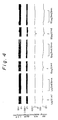
- Figure 4 shows the antiarrhythmic and coronary vasodilative activities of Ap4A, wherein the abbreviations used are: P.P., perfusion pressure; H.R., heart rate; dP/dT, differential value of left ventricular pressure; and L.V.P., left ventricular pressure.
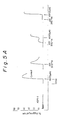
- Figure 5 shows a comparison of the effect of Ap4A with that of ATP on ADP-induced platelet aggregation.
- Fig. 5A depicts the effect of ATP and
- Fig. 5B the effect of Ap4A.
- Ap4A is a novel type of nucleotide discovered in human platelets in a recent year and has the following chemical structure:
- the active ingredient Ap4A of the pharmaceutical composition according to the present invention is thus preferably in a form of a pharmaceutically acceptable salt thereof such as sodium salt, or it may be in a form of free acid thereof.
- Ap4A can be produced by a conventional organic synthesis or by an enzymatic synthesis with, for example, leucyl tRNA synthetase derived from thermophilic Bacillus stearothermophillus (Japanese Patent Application Laid-Open (KOKAI) No.
- the present invention provides a pharmaceutical composition for treating a heart disease which comprises a therapeutically effective amount of diadenosine 5',5'''-P1,P4-tetraphosphate as an active ingredient in admixture with a pharmaceutically acceptable carrier or diluent.
- the pharmaceutical composition of the present invention contains Ap4A as an active ingredient.
- Ap4A has the antiarrhythmic activity virtually equivalent to that of ATP, the coronary vasodilatative activity and the antiplatelet activity, while Ap4A itself has no activity of platelet aggregation even at a concentration of 3x10 ⁇ 4M, as illustrated below. Therefore, Ap4A is effective in the treatment of heart diseases such as arrhythmia, angina pectoris, coronary atherosclerosis and myocardial infarction, preferably of arrhythmia, and of a complication thereof. Because Ap4A also has a prophylactic effect against thrombosis via its anti-platelet activity, in addition to the above specific activities, it is highly useful as a drug for treatment of heart diseases.
- Fig. 1 shows the negative inotropic effect of Ap4A as observed in the right atrium which was taken out from a guinea pig and exposed to Ap4A of different concentrations, together with the results observed with ATP for comparison.
- the measurements of response to a single dose of the drug indicated that Ap4A reduced the heart rate with a dose-dependency as the case of ATP and consequently showed a bradycardic effect.
- Such an effect of Ap4A was maintained until Ap4A was removed from Ap4A-acting system, though varying with a concentration of the drug (data not shown). It was also noted that Ap4A was prone to be more potent than ATP, when compared in terms of the percent change of heart rate.
- Fig. 2 illustrates the antiarrhythmic effect of Ap4A on an ouabain-induced arrhthymia model in comparison with the effects of ATP and disopyramide. It was found that Ap4A has an antiarrhythmic activity as do ATP and disopyramide, as seen from the results that Ap4A inhibited the onsets of such parameters as P-P interval prolongation, T-P overlapping, ventricular arrhythmia, ventricular fibrillation and cardiac arrest. The antiarrhythmic activity of Ap4A was practically the same as that of ATP, or slightly lower, when compared at the same concentration.
- the antiarrhythmic effect of Ap4A on an adrenaline-induced arrhythmia model is compared with that of ATP or propranolol in Fig. 3.
- Ap4A reduced the incidence of extrasystole with a dose-dependency as did ATP and propranolol. Accordingly, this is an evidence to corroborate the antiarrhythmic effect of Ap4A.
- the effect of Ap4A was somewhat inferior to that of ATP.
- the antiarrhythmic activity of Ap4A was verified in the two types of cardiac arrhythmia models induced with ouabain and adrenalin, and it was found that the antiarrhythmic efficacy of Ap4A is analogous to ATP. From the two experiments on these models, it is inferred that the antiarrhythmic effect of Ap4A is exerted probably via its ability to produce a bradycardic response by inhibiting the sinoatrial node, which mechanism is also the case of ATP.
- Fig. 4 shows a change of perfusion pressure observed when the guinea pig heart was removed and placed under Langendorff perfusion and Ap4A was then added to the perfusion system in a single or continuous dose.
- the perfusion pressure decreased depending on the dose.
- This finding indicates that Ap4A possesses coronary vasodilative activity other than antiarrhythmic activity.
- the coronary vasodilative effect was demonstratable at the dose which did not affect the heart rate or left ventricular pressure, e.g., 1 ⁇ g.
- Ap4A is expected to be a highly potent coronary vasodilative agent.
- Fig. 5 an inhibitory effect of Ap4A on ADP-induced platelet aggregation is compared with that of ATP.
- ATP which was administered at a concentration of 3x10 ⁇ 5 M or more in the absence of ADP caused a dose-dependent aggregation of platelets, while Ap4A did not cause platelet aggregation at all under the same conditions.
- Ap4A was added to the platelet-rich plasma derived from a rabbit at a concentration of, for example, from 3x10 ⁇ 5 M to 3x10 ⁇ 4 M, prior to an addition of ADP (5 ⁇ M), Ap4A markedly inhibited ADP-induced platelet aggregation with a dose-dependency, as described by J. Luthje and A. Ogiluie (see the above cited reference).
- Ap4A at 3x10 ⁇ 4 M inhibited the platelet aggregation by 76%.
- the pharmaceutical composition of the present invention will avoid the problem of a disturbance of myocardial microcirculation caused by the platelet aggregation inherent in ATP itself.
- the present invention further provides a method for treating a subject having a heart disease which comprises administering to the subject an effective amount of the pharmaceutical composition described above.
- the present invention also provides a method for treating a subject having arrhythmia which comprises administering to the subject an effective amount of said pharmaceutical composition.
- the pharmaceutical composition of the present invention may be applied by oral administration or by injection, e.g., intravenously and intramuscularly.
- the pharmaceutical composition of the present invention may be administered at an effective dosage level of Ap4A of, for example, 10-2000 mg/day/adult orally or 1-500 mg/day/adult intravenously.
- a patient with a heart disease may be. administered orally in divided doses intravenously or by a slow infusion over a certain length of time.
- the dosage and method of administration may be individualized according to patient's age, symptom, body weight, etc.
- a therapeutically effective amount of Ap4A is combined with an inert carrier or diluent.
- an inert carrier or diluent Conventional carriers or diluents may be used and the pharmaceutical composition of the present invention may further contain one or more pharmaceutically acceptable additives such as preservatives, stabilizers and perfumes.
- the pharmaceutical composition of the invention may be prepared in the form of granules, tablet, capsule, injection, parenteral infusion fluid, or the like, and its form is generally selected according to patient's age, symptom and other factors.
- a guinea pig (b.w. 450g) was stunned and was immediately removed its heart to excise the right atrium therefrom.
- the right atrium was then suspended in a Magnus tube (30 ml) filled with Krebs-Henseleit (KH) solution which was maintained at 31°C constantly aerating with a mixture of 95% O2 - 5% CO2 therein.
- KH Krebs-Henseleit
- Ap4A or ATP which was prepared at different concentrations was added to the KH solution in a single dose to determine the change of heart rate.
- Drug concentrations of 10 ⁇ 4, 10 ⁇ 5, 10 ⁇ 6 and 10 ⁇ 7M were employed in this experiment.
- the heart rate was determined with a cardiotachometer (Nihon Kohden Co.; Model AT601G; Japan) and an isometric converter (Nihon Kohden Co.; Model TB-651T), with a 1-g weight load. Results are shown in Fig. 1.
- both Ap4A and ATP decreased the atrial heart rate with a dose-dependency, and this means that these drugs have a bradycardic effect.
- the potency of Ap4A tends to be greater than that of ATP; the relative potency of Ap4A was 1.5-fold at 10 ⁇ 6M, 1.5-fold at 10 ⁇ 5M and 2.1-fold at 10 ⁇ 4M.
- ECG electrocardiogram
- Ouabain-induced cardiac arrhythmia model was prepared by continuous infusion of ouabain at a rate of 7 ⁇ g/kg/min via the jugular vein. Each drug was administered by intravenous infusion over a period of 5 minutes at the following dose: ATP, 10 or 30 mg/kg; Ap4A, 30 mg/kg; and disopyramide, 5 mg/kg. The drug was administered simultaneously with the infusion of ouabain. The antiarrhythmic effect of the drug tested was assessed in terms of the total dose of ouabain given until onset of each of the following parameters: P-P interval prolongation, T-P overlapping, ventricular arrhythmia, ventricular fibrillation and cardiac arrest. Results are shown in Fig. 2.
- a guinea pig (b.w. 450g) placed under urethane anesthesia (1.1 g/kg), its femoral vein, jugular vein and carotid artery were cannulated.
- Ap4A, ATP or propranolol was injected into the femoral vein and adrenaline into the jugular vein through each cannula, while the carotid artery was utilized for a blood pressure monitoring. Changes associated with the administration of the drug were monitored in the same manner as above (B), and ECG was recorded in accordance with the lead II.
- Adrenaline-induced cardiac arrhythmia model was prepared by injecting adrenaline (10 ⁇ g/kg) into the jugular vein over 5 seconds. Each drug was administered by intravenous infusion over a period of 5 minutes at the following dose: ATP, 3 or 10 mg/kg; Ap4A, 3 or 10 mg/kg; propranolol, 1 mg/kg. Adrenaline was administered in a single dose 4 minutes after administration of the drug tested. The grading of arrhythmia was assessed in terms of the incidence of extrasystole. Results are shown in Fig. 3.
- Ap4A exhibited an antiarrhythmic effect with a dose-dependent reduction of the incidence of extrasystole, as did ATP and propranolol.
- the effect of Ap4A was somewhat weaker than that of ATP.
- the incidence of extrasystole at a dose of 10 mg/kg/5min was 5.3% with ATP and 8.0% with Ap4A, as compared to a control value of 39%.
- Perfusion was carried out at 37°C and 14 ml/min of flow rate with a peristalic pump (TAIYO TYPE 1500N; Japan) in Krebs-Henseleit solution (KH: NaCl, 118mM; phosphate, 1.2mM; NaHCO3, 25mM; glucose, 10mM; KCl, 4.7mM; CaCl2, 2.5mM; and MgSO4, 1.2mM; pH 7.4; bubbling with 95% O2 - 5% CO2).
- TAIYO TYPE 1500N a peristalic pump
- a pressure transducer (Nihon Kohden Co.; Model TP-200T).
- the differential value of the left ventricular pressure (dp/dt) was measured with a cardiotachometer (Nihon Kohden Co.; Model AT-601G).
- the perfusion pressure was determined with a pressure transducer connected to the aortic cannula.
- Ap4A was dissolved in KH at various concentrations and administered to the perfusion system in a single dose of 1-100 ⁇ g/0.1ml/5sec or by a continuous infusion of 1-100 ⁇ g/5ml/15min. Results are shown in Fig. 4.
- the perfusion pressure and the left ventricular pressure decreased depending on the dose of Ap4A.
- the decrease of perfusion pressure clearly indicates that Ap4A has coronary vasodilative activity.
- Fig. 5B ADP-induced platelet aggregation was inhibited by Ap4A with a dose-dependency, namely, by 76% at 3x10 ⁇ 4M and 21% at 3x10 ⁇ 5M, as compared to the control.
- Ap4A itself had no effect of the platelet aggregation even at a concentration of 3x10 ⁇ 4M.
- ATP caused a dose-dependent aggregation of platelets at concentrations of 3x10 ⁇ 5M or more (Fig. 5A).
Landscapes
- Health & Medical Sciences (AREA)
- Chemical & Material Sciences (AREA)
- Life Sciences & Earth Sciences (AREA)
- Organic Chemistry (AREA)
- General Health & Medical Sciences (AREA)
- Engineering & Computer Science (AREA)
- Molecular Biology (AREA)
- Public Health (AREA)
- Medicinal Chemistry (AREA)
- Veterinary Medicine (AREA)
- Animal Behavior & Ethology (AREA)
- Pharmacology & Pharmacy (AREA)
- Bioinformatics & Cheminformatics (AREA)
- General Chemical & Material Sciences (AREA)
- Cardiology (AREA)
- Heart & Thoracic Surgery (AREA)
- Nuclear Medicine, Radiotherapy & Molecular Imaging (AREA)
- Biochemistry (AREA)
- Chemical Kinetics & Catalysis (AREA)
- Biotechnology (AREA)
- Genetics & Genomics (AREA)
- Epidemiology (AREA)
- Urology & Nephrology (AREA)
- Vascular Medicine (AREA)
- Pharmaceuticals Containing Other Organic And Inorganic Compounds (AREA)
- Saccharide Compounds (AREA)
Applications Claiming Priority (2)
| Application Number | Priority Date | Filing Date | Title |
|---|---|---|---|
| JP306092/89 | 1989-11-24 | ||
| JP1306092A JP2783880B2 (ja) | 1989-11-24 | 1989-11-24 | 心臓病治療剤 |
Publications (3)
| Publication Number | Publication Date |
|---|---|
| EP0437929A2 true EP0437929A2 (fr) | 1991-07-24 |
| EP0437929A3 EP0437929A3 (en) | 1991-09-25 |
| EP0437929B1 EP0437929B1 (fr) | 1994-03-02 |
Family
ID=17952934
Family Applications (1)
| Application Number | Title | Priority Date | Filing Date |
|---|---|---|---|
| EP90312713A Expired - Lifetime EP0437929B1 (fr) | 1989-11-24 | 1990-11-22 | Utilisation du diadénosin-5',5'''-p1,p4-tétraphosphate pour l'obtention d'un médicament pour le traitement des maladies cardiaques |
Country Status (4)
| Country | Link |
|---|---|
| US (1) | US5219841A (fr) |
| EP (1) | EP0437929B1 (fr) |
| JP (1) | JP2783880B2 (fr) |
| DE (1) | DE69007065T2 (fr) |
Cited By (3)
| Publication number | Priority date | Publication date | Assignee | Title |
|---|---|---|---|---|
| EP0689838A1 (fr) * | 1994-06-30 | 1996-01-03 | Unitika Limited | Utilisation du diadenosime 5',5'''-p1,p4-tetraphosphate pour traiter les maladies ischémiques du myocarde |
| EP0869820A4 (fr) * | 1995-12-28 | 1998-12-02 | Gen Hospital Corp | Agents, procedes et materiels d'imagerie du systeme cardiovasculaire et des thrombus |
| WO1999003480A1 (fr) * | 1997-07-17 | 1999-01-28 | William Harvey Research Limited | Utilisation d'adenosine tri- ou tetra-phosphates et de leurs analogues dans le traitement de l'infarctus cerebral |
Families Citing this family (7)
| Publication number | Priority date | Publication date | Assignee | Title |
|---|---|---|---|---|
| US7348315B2 (en) | 1995-03-23 | 2008-03-25 | The University Of Connecticut | Methods of treating heart failure with modified ATP, ADP and AMP compounds |
| US5712258A (en) * | 1995-03-23 | 1998-01-27 | The Trustees Of The University Of Pennsylvania | Inotropic ADP and ATP analogues and their pharmaceutical compositions |
| US5874420A (en) * | 1995-12-26 | 1999-02-23 | Allegheny University Of The Health Sciences | Process for regulating vagal tone |
| BR0302750A (pt) * | 2003-08-08 | 2005-03-29 | Catarinense S A Lab | Uso de produto compreendendo material vegetal das espécies trichilia sp. associada ou não para a reversão/combate da fibrilação ventricular; composição farmacêutica compreendendo o referido material vegetal para a reversão/combate da fibrilação ventricular; método para a reversão/combate da fibrilação ventricular usando o referido material vegetal; uso do referido material vegetal para a produção de uma composição farmacêutica para a reversão/combate da fibrilação ventricular |
| WO2008063806A2 (fr) * | 2006-10-24 | 2008-05-29 | Paul Zamecnik | Enrobages de dispositifs médicaux et stents enrobés |
| US20100286765A1 (en) * | 2009-05-07 | 2010-11-11 | Paul Zamecnik | Medical Device Coatings and Coated Stents |
| GB201209244D0 (en) * | 2012-05-25 | 2012-07-04 | Globalacorn Ltd | Compositions |
Family Cites Families (3)
| Publication number | Priority date | Publication date | Assignee | Title |
|---|---|---|---|---|
| US3321462A (en) * | 1963-07-15 | 1967-05-23 | Syntex Corp | Process for the preparation of nucleoside polyphosphates |
| JPS62278992A (ja) * | 1986-05-28 | 1987-12-03 | Unitika Ltd | ジアデノシン四リン酸又はその誘導体の製造方法 |
| WO1989004321A1 (fr) * | 1987-11-05 | 1989-05-18 | The Worcester Foundation For Experimental Biology | Diadenosine 5', 5'''-p1, p4-tetraphosphate et analogues de ce compose utilises comme agents antithrombose |
-
1989
- 1989-11-24 JP JP1306092A patent/JP2783880B2/ja not_active Expired - Lifetime
-
1990
- 1990-11-20 US US07/616,028 patent/US5219841A/en not_active Expired - Fee Related
- 1990-11-22 DE DE69007065T patent/DE69007065T2/de not_active Expired - Fee Related
- 1990-11-22 EP EP90312713A patent/EP0437929B1/fr not_active Expired - Lifetime
Cited By (3)
| Publication number | Priority date | Publication date | Assignee | Title |
|---|---|---|---|---|
| EP0689838A1 (fr) * | 1994-06-30 | 1996-01-03 | Unitika Limited | Utilisation du diadenosime 5',5'''-p1,p4-tetraphosphate pour traiter les maladies ischémiques du myocarde |
| EP0869820A4 (fr) * | 1995-12-28 | 1998-12-02 | Gen Hospital Corp | Agents, procedes et materiels d'imagerie du systeme cardiovasculaire et des thrombus |
| WO1999003480A1 (fr) * | 1997-07-17 | 1999-01-28 | William Harvey Research Limited | Utilisation d'adenosine tri- ou tetra-phosphates et de leurs analogues dans le traitement de l'infarctus cerebral |
Also Published As
| Publication number | Publication date |
|---|---|
| US5219841A (en) | 1993-06-15 |
| JP2783880B2 (ja) | 1998-08-06 |
| DE69007065T2 (de) | 1994-06-09 |
| DE69007065D1 (de) | 1994-04-07 |
| EP0437929B1 (fr) | 1994-03-02 |
| JPH03167126A (ja) | 1991-07-19 |
| EP0437929A3 (en) | 1991-09-25 |
Similar Documents
| Publication | Publication Date | Title |
|---|---|---|
| Belardinelli et al. | Evidence for adenosine mediation of atrioventricular block in the ischemic canine myocardium. | |
| US4364922A (en) | Adenosine antagonists in the treatment and diagnosis of A-V node conduction disturbances | |
| Gauthier et al. | Acute and chronic cardiovascular effects of 6-hydroxydopamine in dogs | |
| US4200640A (en) | Nitric ester of N-(2-hydroxyethyl)nicotinamide and pharmaceutical use | |
| JPH0649651B2 (ja) | 心筋虚血治療用医薬組成物 | |
| EP0437929B1 (fr) | Utilisation du diadénosin-5',5'''-p1,p4-tétraphosphate pour l'obtention d'un médicament pour le traitement des maladies cardiaques | |
| JPH04230220A (ja) | 医薬組成物 | |
| Buday et al. | A pharmacologic study of some nucleosides and nucleotides | |
| US4604394A (en) | Antiarrhythmic compositions and method | |
| Fredholm | Vascular and Metabolic Effects of Theophylline, Dibuturyl Cyclic AMP and Dibuturyl Cyclic GMP in Canine Subcutaneous Adipose Tissue in situ 1 | |
| US6083991A (en) | Anti-arrhythmic composition and methods of treatment | |
| Pettibone et al. | A structurally novel stimulator of guanylate cyclase with long-lasting hypotensive activity in the dog | |
| LUBBE et al. | Influence of propranolol isomers and atenolol on myocardial cyclic AMP, high energy phosphates and vulnerability to fibrillation after coronary artery ligation in the isolated rat heart | |
| Bdair et al. | Gemcitabine and acute myocardial infarction: a case report | |
| Hashimi et al. | Loss of myocardial protection from ischemic preconditioning following chronic exposure to R (-)-N6-(2-phenylisopropyl) adenosine is related to defect at the adenosine A1 receptor | |
| Horn et al. | The influence of oligomycin on the actions of epinephrine and theophylline upon the perfused rat heart | |
| RU2146933C1 (ru) | Способ профилактики и лечения ишемии миокарда при коронароинвазивных вмешательствах | |
| Lanier et al. | Inhibition by prostaglandins of adrenergic transmission in the left ventricular myocardium of anesthetized dogs | |
| Lyon et al. | Temporary control of ventricular arrhythmias by drug-induced sinus tachycardia | |
| KR20020069188A (ko) | N6-치환-5'-(n-치환)카르복스아미도아데노신을 이용한심장 율동 교란의 치료 | |
| JPS6253924A (ja) | 心臓および筋代謝保護剤 | |
| Klug et al. | Cardiac contractility, cAMP concentration, cAMP-dependent protein kinase, and phosphorylase activation during acute pressure overload | |
| Thandroyen et al. | Protection against ventricular fibrillation by calcium antagonists | |
| Aupetit et al. | Opposite change with ischaemia in the antifibrillatory effects of class I and class IV antiarrhythmic drugs resulting from the alteration in ion transmembrane exchanges related to depolarization | |
| Vlay et al. | Improved survival in sudden death/ventricular tachycardia patients with therapeutic antiarrhythmic drug levels |
Legal Events
| Date | Code | Title | Description |
|---|---|---|---|
| PUAI | Public reference made under article 153(3) epc to a published international application that has entered the european phase |
Free format text: ORIGINAL CODE: 0009012 |
|
| AK | Designated contracting states |
Kind code of ref document: A2 Designated state(s): CH DE FR GB IT LI NL |
|
| PUAL | Search report despatched |
Free format text: ORIGINAL CODE: 0009013 |
|
| AK | Designated contracting states |
Kind code of ref document: A3 Designated state(s): CH DE FR GB IT LI NL |
|
| 17P | Request for examination filed |
Effective date: 19920219 |
|
| 17Q | First examination report despatched |
Effective date: 19920908 |
|
| GRAA | (expected) grant |
Free format text: ORIGINAL CODE: 0009210 |
|
| AK | Designated contracting states |
Kind code of ref document: B1 Designated state(s): CH DE FR GB IT LI NL |
|
| REF | Corresponds to: |
Ref document number: 69007065 Country of ref document: DE Date of ref document: 19940407 |
|
| ITF | It: translation for a ep patent filed | ||
| ET | Fr: translation filed | ||
| PLBE | No opposition filed within time limit |
Free format text: ORIGINAL CODE: 0009261 |
|
| STAA | Information on the status of an ep patent application or granted ep patent |
Free format text: STATUS: NO OPPOSITION FILED WITHIN TIME LIMIT |
|
| 26N | No opposition filed | ||
| PGFP | Annual fee paid to national office [announced via postgrant information from national office to epo] |
Ref country code: FR Payment date: 19991109 Year of fee payment: 10 |
|
| PGFP | Annual fee paid to national office [announced via postgrant information from national office to epo] |
Ref country code: GB Payment date: 19991117 Year of fee payment: 10 |
|
| PGFP | Annual fee paid to national office [announced via postgrant information from national office to epo] |
Ref country code: DE Payment date: 19991119 Year of fee payment: 10 |
|
| PGFP | Annual fee paid to national office [announced via postgrant information from national office to epo] |
Ref country code: CH Payment date: 19991129 Year of fee payment: 10 |
|
| PGFP | Annual fee paid to national office [announced via postgrant information from national office to epo] |
Ref country code: NL Payment date: 19991130 Year of fee payment: 10 |
|
| PG25 | Lapsed in a contracting state [announced via postgrant information from national office to epo] |
Ref country code: GB Free format text: LAPSE BECAUSE OF NON-PAYMENT OF DUE FEES Effective date: 20001122 |
|
| PG25 | Lapsed in a contracting state [announced via postgrant information from national office to epo] |
Ref country code: LI Free format text: LAPSE BECAUSE OF NON-PAYMENT OF DUE FEES Effective date: 20001130 Ref country code: CH Free format text: LAPSE BECAUSE OF NON-PAYMENT OF DUE FEES Effective date: 20001130 |
|
| PG25 | Lapsed in a contracting state [announced via postgrant information from national office to epo] |
Ref country code: NL Free format text: LAPSE BECAUSE OF NON-PAYMENT OF DUE FEES Effective date: 20010601 |
|
| GBPC | Gb: european patent ceased through non-payment of renewal fee |
Effective date: 20001122 |
|
| REG | Reference to a national code |
Ref country code: CH Ref legal event code: PL |
|
| PG25 | Lapsed in a contracting state [announced via postgrant information from national office to epo] |
Ref country code: FR Free format text: LAPSE BECAUSE OF NON-PAYMENT OF DUE FEES Effective date: 20010731 |
|
| NLV4 | Nl: lapsed or anulled due to non-payment of the annual fee |
Effective date: 20010601 |
|
| PG25 | Lapsed in a contracting state [announced via postgrant information from national office to epo] |
Ref country code: DE Free format text: LAPSE BECAUSE OF NON-PAYMENT OF DUE FEES Effective date: 20010801 |
|
| REG | Reference to a national code |
Ref country code: FR Ref legal event code: ST |
|
| PG25 | Lapsed in a contracting state [announced via postgrant information from national office to epo] |
Ref country code: IT Free format text: LAPSE BECAUSE OF NON-PAYMENT OF DUE FEES;WARNING: LAPSES OF ITALIAN PATENTS WITH EFFECTIVE DATE BEFORE 2007 MAY HAVE OCCURRED AT ANY TIME BEFORE 2007. THE CORRECT EFFECTIVE DATE MAY BE DIFFERENT FROM THE ONE RECORDED. Effective date: 20051122 |