EP0440157B1 - Procédé de production d'une lame revêtue pour outils de coupe - Google Patents
Procédé de production d'une lame revêtue pour outils de coupe Download PDFInfo
- Publication number
- EP0440157B1 EP0440157B1 EP19910101128 EP91101128A EP0440157B1 EP 0440157 B1 EP0440157 B1 EP 0440157B1 EP 19910101128 EP19910101128 EP 19910101128 EP 91101128 A EP91101128 A EP 91101128A EP 0440157 B1 EP0440157 B1 EP 0440157B1
- Authority
- EP
- European Patent Office
- Prior art keywords
- cermet substrate
- vapor deposition
- chemical vapor
- titanium
- nitride
- Prior art date
- Legal status (The legal status is an assumption and is not a legal conclusion. Google has not performed a legal analysis and makes no representation as to the accuracy of the status listed.)
- Revoked
Links
- 238000000034 method Methods 0.000 title claims description 61
- 239000011195 cermet Substances 0.000 claims description 51
- 239000000758 substrate Substances 0.000 claims description 43
- 229910052751 metal Inorganic materials 0.000 claims description 26
- 239000002184 metal Substances 0.000 claims description 26
- 238000005229 chemical vapour deposition Methods 0.000 claims description 24
- WEVYAHXRMPXWCK-UHFFFAOYSA-N Acetonitrile Chemical compound CC#N WEVYAHXRMPXWCK-UHFFFAOYSA-N 0.000 claims description 21
- 239000011230 binding agent Substances 0.000 claims description 21
- 239000012495 reaction gas Substances 0.000 claims description 19
- 150000002739 metals Chemical class 0.000 claims description 15
- XJDNKRIXUMDJCW-UHFFFAOYSA-J titanium tetrachloride Chemical compound Cl[Ti](Cl)(Cl)Cl XJDNKRIXUMDJCW-UHFFFAOYSA-J 0.000 claims description 15
- 239000007789 gas Substances 0.000 claims description 12
- 239000010936 titanium Substances 0.000 claims description 12
- RTAQQCXQSZGOHL-UHFFFAOYSA-N Titanium Chemical compound [Ti] RTAQQCXQSZGOHL-UHFFFAOYSA-N 0.000 claims description 11
- 229910052719 titanium Inorganic materials 0.000 claims description 11
- PXHVJJICTQNCMI-UHFFFAOYSA-N Nickel Chemical compound [Ni] PXHVJJICTQNCMI-UHFFFAOYSA-N 0.000 claims description 10
- 239000000203 mixture Substances 0.000 claims description 9
- 229910052759 nickel Inorganic materials 0.000 claims description 5
- 229910017052 cobalt Inorganic materials 0.000 claims description 4
- 239000010941 cobalt Substances 0.000 claims description 4
- GUTLYIVDDKVIGB-UHFFFAOYSA-N cobalt atom Chemical compound [Co] GUTLYIVDDKVIGB-UHFFFAOYSA-N 0.000 claims description 4
- 230000000737 periodic effect Effects 0.000 claims description 3
- UFHFLCQGNIYNRP-UHFFFAOYSA-N Hydrogen Chemical compound [H][H] UFHFLCQGNIYNRP-UHFFFAOYSA-N 0.000 claims description 2
- 239000001257 hydrogen Substances 0.000 claims description 2
- 229910052739 hydrogen Inorganic materials 0.000 claims description 2
- NRTOMJZYCJJWKI-UHFFFAOYSA-N Titanium nitride Chemical compound [Ti]#N NRTOMJZYCJJWKI-UHFFFAOYSA-N 0.000 claims 3
- 238000000576 coating method Methods 0.000 description 28
- 239000011248 coating agent Substances 0.000 description 23
- ATJFFYVFTNAWJD-UHFFFAOYSA-N Tin Chemical compound [Sn] ATJFFYVFTNAWJD-UHFFFAOYSA-N 0.000 description 19
- 229910003074 TiCl4 Inorganic materials 0.000 description 13
- 238000009792 diffusion process Methods 0.000 description 10
- 239000011651 chromium Substances 0.000 description 3
- 239000010955 niobium Substances 0.000 description 3
- XEEYBQQBJWHFJM-UHFFFAOYSA-N Iron Chemical compound [Fe] XEEYBQQBJWHFJM-UHFFFAOYSA-N 0.000 description 2
- 229910000831 Steel Inorganic materials 0.000 description 2
- 229910052804 chromium Inorganic materials 0.000 description 2
- 239000000470 constituent Substances 0.000 description 2
- 229910052735 hafnium Inorganic materials 0.000 description 2
- 229910052750 molybdenum Inorganic materials 0.000 description 2
- 229910052758 niobium Inorganic materials 0.000 description 2
- 239000007858 starting material Substances 0.000 description 2
- 239000010959 steel Substances 0.000 description 2
- 229910052715 tantalum Inorganic materials 0.000 description 2
- 229910052721 tungsten Inorganic materials 0.000 description 2
- VYZAMTAEIAYCRO-UHFFFAOYSA-N Chromium Chemical compound [Cr] VYZAMTAEIAYCRO-UHFFFAOYSA-N 0.000 description 1
- 229910003178 Mo2C Inorganic materials 0.000 description 1
- ZOKXTWBITQBERF-UHFFFAOYSA-N Molybdenum Chemical compound [Mo] ZOKXTWBITQBERF-UHFFFAOYSA-N 0.000 description 1
- 239000000853 adhesive Substances 0.000 description 1
- 230000001070 adhesive effect Effects 0.000 description 1
- -1 cobalt (Co) Chemical class 0.000 description 1
- 239000010730 cutting oil Substances 0.000 description 1
- 238000001035 drying Methods 0.000 description 1
- 230000000694 effects Effects 0.000 description 1
- VBJZVLUMGGDVMO-UHFFFAOYSA-N hafnium atom Chemical compound [Hf] VBJZVLUMGGDVMO-UHFFFAOYSA-N 0.000 description 1
- 229910052742 iron Inorganic materials 0.000 description 1
- 239000011733 molybdenum Substances 0.000 description 1
- GUCVJGMIXFAOAE-UHFFFAOYSA-N niobium atom Chemical compound [Nb] GUCVJGMIXFAOAE-UHFFFAOYSA-N 0.000 description 1
- 150000004767 nitrides Chemical class 0.000 description 1
- 239000002245 particle Substances 0.000 description 1
- 238000005240 physical vapour deposition Methods 0.000 description 1
- 239000000843 powder Substances 0.000 description 1
- VSZWPYCFIRKVQL-UHFFFAOYSA-N selanylidenegallium;selenium Chemical compound [Se].[Se]=[Ga].[Se]=[Ga] VSZWPYCFIRKVQL-UHFFFAOYSA-N 0.000 description 1
- 239000007787 solid Substances 0.000 description 1
- GUVRBAGPIYLISA-UHFFFAOYSA-N tantalum atom Chemical compound [Ta] GUVRBAGPIYLISA-UHFFFAOYSA-N 0.000 description 1
- WFKWXMTUELFFGS-UHFFFAOYSA-N tungsten Chemical compound [W] WFKWXMTUELFFGS-UHFFFAOYSA-N 0.000 description 1
- 239000010937 tungsten Substances 0.000 description 1
- 229910052720 vanadium Inorganic materials 0.000 description 1
- 229910052726 zirconium Inorganic materials 0.000 description 1
Classifications
-
- C—CHEMISTRY; METALLURGY
- C23—COATING METALLIC MATERIAL; COATING MATERIAL WITH METALLIC MATERIAL; CHEMICAL SURFACE TREATMENT; DIFFUSION TREATMENT OF METALLIC MATERIAL; COATING BY VACUUM EVAPORATION, BY SPUTTERING, BY ION IMPLANTATION OR BY CHEMICAL VAPOUR DEPOSITION, IN GENERAL; INHIBITING CORROSION OF METALLIC MATERIAL OR INCRUSTATION IN GENERAL
- C23C—COATING METALLIC MATERIAL; COATING MATERIAL WITH METALLIC MATERIAL; SURFACE TREATMENT OF METALLIC MATERIAL BY DIFFUSION INTO THE SURFACE, BY CHEMICAL CONVERSION OR SUBSTITUTION; COATING BY VACUUM EVAPORATION, BY SPUTTERING, BY ION IMPLANTATION OR BY CHEMICAL VAPOUR DEPOSITION, IN GENERAL
- C23C16/00—Chemical coating by decomposition of gaseous compounds, without leaving reaction products of surface material in the coating, i.e. chemical vapour deposition [CVD] processes
- C23C16/22—Chemical coating by decomposition of gaseous compounds, without leaving reaction products of surface material in the coating, i.e. chemical vapour deposition [CVD] processes characterised by the deposition of inorganic material, other than metallic material
- C23C16/30—Deposition of compounds, mixtures or solid solutions, e.g. borides, carbides, nitrides
- C23C16/36—Carbonitrides
Definitions
- the present invention pertains to a process for producing a surface-coated blade member or insert of cermet for cutting tools, which is further improved in wear resistance. More particularly, this invention pertains to a process for forming a reaction layer of titanium carbo-nitride (TiCN) on the cermet substrate of the blade member essentially without diffusion of binder metal atoms thereinto, by means of a chemical vapor deposition process at temperatures less than 900°C.
- TiCN titanium carbo-nitride
- cermets containing at least one metal of carbide, nitride and carbo-nitride of titanium (Ti), zirconium (Zr), hafnium (Hf), tantalum (Ta), niobium (Nb), Tungsten (W), molybdenum (Mo) and chromium (Cr) as hard phase-constituting component and iron family metals such as cobalt (Co), nickel (Ni) and so on as binder metals, have been extensively used to form blade members or inserts for finish cutting of steels.
- blade members or inserts having surface coatings, to increase wear resistance, composed of reaction layers of TiC, TiCN, etc., on the above cermet substrate, have been extensively used in recent years.
- Such surfaces coatings are usually formed by a chemical vapor deposition process as disclosed in Japanese Patent Application published Laid-Open No. 57-79169, because surface coatings formed by a physical vapor deposition process are inferior in adhesive strength to the cermet substrate of the blade member.
- This reaction was represented by the following formula: TiCl4 + CH4 + 2H2 ⁇ TiC + 4HCl + 2H2 (1) Also, as the conventional process for forming surface coating of TiCN on the cermet substrate, it has been well known to form a reaction layer of TiCN using a reaction gas composed of 4% of TiCl4, 3% of CH4, 4% of N2 and 89% of H2 (% by volume) at a temperature of 1000°C under a pressure of 13300 Pa (100 Torr).
- This reaction was represented by the following formula: TiCl4 + CH4 + 1/2N2 + H2 ⁇ TiCN + 4HCl + H2 (2)
- a great deal of binder metal atoms of the cermet substrate were diffused into each reaction layer of TiC and TiCN during the chemical vapor deposition process.
- the presence of such diffused binder metal atoms in the formed coating lowered the wear resistance of the surface coating of TiC or TiCN. Therefore, the resultant blade members produced by the conventional process exhibited low wear resistance.
- the above-mentioned reaction gas is a mixture of titanium tetrachloride, acetonitrile and hydrogen gases.
- the above-mentioned process is able to produce a surface coating of TiCN extremely efficiently even in the low temperature range of 700 to 900°C, by means of using reaction gas containing CH3CN gas instead of CH4 and N2 gasses used in the conventional process. Furthermore, by the process according to this invention, it is possible to form a surface coating of TiCN on the cermet substrate essentially without diffusion of binder metal atoms thereinto. Therefore, the resultant blade member exhibits excellent wear resistance.
- the content of the hard phase-constituting component in the cermet substrate is 70 to 95% by weight and the binder component in the cermet substrate is 5 to 30% by weight. If the content of the hard phase-constituting component is less than 70% and the content of the binder component exceeds 30%, wear resistance of the cermet substrate of TiCN is lowered. On the other hand, if the content of the hard phase-constituting component exceeds 95% and that of the binder component is less than 5%, the cermet substrate is susceptible to chipping.
- the average thickness of the surface coating on the cermet substrate is 0.5 to 20 »m. If the thickness is less than 0.5»m, the surface coating does not posses desired wear resistance. On the other hand, if the thickness exceeds 20»m, the cutting edges of the blade member are susceptible to chipping.
- the surface coating of TiCN is formed by chemical vapor deposition process, by using a gas mixture containing CH3CN.
- This reaction is represented by the following formula: TiCl4 + CH3CN + 5/2H2 ⁇ TiCN + 4HCl + CH4 (3)
- a mixture gas containing CH3CN gas is used as a reaction gas in the process according to this invention, instead of CH4 and N2 gasses in the conventional process. If such a gas mixture is used, and if the temperature during the chemical vapor deposition process is less than 700°, the reaction layer of TiCN is not formed efficiently because the reaction rate is low.
- the temperature in the chemical vapor deposition process is determined so as to be no less than 700° and to be no greater than 900° in order to obtain a blade member having desired wear resistance.
- reaction layers of TiN may be formed on and under the above reaction layer of TiCN by means of conventional process.
- the reaction layer of TIN is formed by using reaction gas containing N2 gas or NH3 gas.
- the diffusion of the binder metal atoms of the cermet into the reaction layer of TiN occurs a little. But the wettability between the reaction layer of TiN and the cermet substrate is very low. Therefore, if the average thickness of the reaction layer of TiN is no more than 4 »m, the existence of the reaction layer of TiN in the surface coating does not affect the property of the resultant blade member in wear resistance.
- Powders of TiN, TiC, TaC, WC, Mo2C, NbC, ZrC, Co, Ni and Al, each having a predetermined average particle size of 1.0 to 2.5 »m, were prepared as starting materials.
- the starting materials were blended so as to have the composition as shown in TABLE 1, and were mixed together for 72 hours by ball mill under wet conditions. After drying the mixture, the mixture was compacted into a dense solid body by a pressure of 1.5 ton/cm2. Then, the compacted body was sintered at a temperature of 1550°C for 90 minutes under a pressure of 3990 Pa (30 Torr) under an atmosphere of N2 gas to form a cermet substrate having substantially the same composition as the cermet substrates A to D shown in TABLE 1.
- the cermet substrates B prepared in this manner were subjected to form surface coating of TiCN having the thickness of 5 »m thereon by a chemical vapor deposition process under the conditions shown in TABLE 2 to produce blade members 1 to 5 according to this invention; blade members 1 and 2 were produced by a comparison process; and blade member 1 was produced by a conventional process.
- the constituents of the formed surface-coating of these blade members are shown in TABLE 2.
- the binder metals of the cermet did not essentially diffuse into the surface coating of TiCN on each cermet substrate of blade members 1 to 5. Therefore, the blade members 1 to 5 exhibited excellent wear resistance.
- the blade member 2 made by the comparison process, and the blade member 1 made by the conventional process were extremely inferior in this respect, since the surface coating of TiCN on each cermet substrate contained the binder metals of the cermet caused by diffusion. Also, the blade member 1 made by the comparison process was inferior in wear resistance, even though the surface coating of TiCN on the cermet substrate did not essentially contain the binder metals. An adequate surface coating thickness was not formed on the cermet substrate of the above blade member 1, because of the low temperature during chemical vapor deposition process.
- the cermet substrates A and D shown in TABLE 1 were subjected to a chemical vapor deposition process to form a surface coating composed of reaction layers of TiN-TiCN-TiN to produce blade members 6 to 9 according to this invention, and blade members 2 and 3 by the conventional process, as shown in TABLE 3.
- both reaction layers of TiN on the cermet substrate and on the reaction layer of TiCN according to this invention were formed by a chemical vapor deposition process using a reaction gas composed of 4% TiCl4, 8% N2 and 88% H2 at a temperature of 900°C.
- the reaction layer of TiCN between these reaction layers of TiN was formed by a chemical vapor deposition process using reaction gas composed of 4% TiCl4, 8% CH3CN and 88% H2 at a temperature of 850°C under a pressure of 13300 Pa (100 Torr).
- reaction layers of TiN on the cermet substrate and on the reaction layer of TiCN by the conventional process were both formed using reaction gas composed of 4% TiCl4, 8% N2 and 88% H2 at a temperature of 980°C.
- the reaction layer of TiCN between the reaction layers of TiN was formed using reaction gas composed of 4% TiCl4, 3% CH4, 4% N2 and 89% H2 at a temperature of 1000°C under a pressure of 13300 Pa (100 Torr).
- the blade members 6 to 9 obtained by this invention exhibited excellent wear resistance, since the binder metals of the cermet did not essentially diffuse into the reaction layer of TiCN on each cermet substrate, even though the reaction layers of TiN were formed on and under the reaction layer of TiCN by the conventional process.
- the blade members 2 and 3 produced by conventional process were inferior in this property, since the reaction layer of TiCN formed on each reaction layer of TiN contained a great deal of the binder metals of the cermet caused by the diffusion.
- a surface coating composed of reaction layers of TiN-TiCN-TiN was formed on the cermet substrate C shown in Table 1 by a chemical vapor deposition process to produce a blade member 10 according to this invention.
- a reaction layer of TiN having average thickness of 1 »m was first formed on the cermet substrate C, using a reaction gas composed of 4% TiCl4, 8% NH3 and 88% H2 at a temperature of 800°C under the pressure of 13300 Pa (100 Torr).
- a reaction layer of TiCN having an average thickness of 4 »m was formed on the reaction layer of TiCN, using reaction gas composed of 4% TiCl4, 8% CH3CN and 88% H2 at a temperature of 800°C under the pressure of 13300 Pa (100 Torr).
- a reaction layer of TiN having an average thickness of 1 »m was formed on the above reaction layer of TiCN under the same conditions as the above first reaction layer of TiN.
- a surface coating of TiN-TiCN-TiN was formed on the cermet substrate C shown in TABLE 1 by the conventional process to produce a blade member 4.
- a reaction layer of TiN having an average thickness of 1 »m was formed on the cermet substrate C, using reaction gas composed of 4% TiCl4, 8% N2 and 88% H2 at a temperature of 980°C under a pressure of 13300 Pa (100 Torr).
- the reaction layer of TiCN having an average thickness of 4 »m was formed on the reaction layer of TiCN, using reaction gas composed of 4% TiCl4, 3% CH4, 4% N2 and 89% H2 at a temperature of 1000° C under a pressure of 13300 Pa (100 Torr).
- the reaction layer of TiN having an average thickness of 1 »m was formed on the reaction layer of TiCN under the same conditions as the above first reaction layer of TiN.
- the diffusion of binder metals of cermet into the surface coating of the blade member 4 by conventional process was seen, though such diffusion could not be seen in the surface coating of the blade member 10 according to this invention.
- the blade member 10 according to this invention was highly superior in wear resistance to the blade member 4 by conventional process as seen in TABLE 4.
Landscapes
- Chemical & Material Sciences (AREA)
- Inorganic Chemistry (AREA)
- General Chemical & Material Sciences (AREA)
- Chemical Kinetics & Catalysis (AREA)
- Engineering & Computer Science (AREA)
- Materials Engineering (AREA)
- Mechanical Engineering (AREA)
- Metallurgy (AREA)
- Organic Chemistry (AREA)
- Chemical Vapour Deposition (AREA)
- Cutting Tools, Boring Holders, And Turrets (AREA)
Claims (4)
- Procédé pour fabriquer une lame revêtue en surface pour outils de coupe, comprenant les étapes consistant à :(a) préparer un substrat de cermet, dans lequel :- ledit substrat de cermet contient 70 à 95 % de carbo-nitrure en poids comme composant constituant la phase dure;- ledit substrat de cermet répond à la formule (TixMy)(CuNv), dans laquelle M est au moins un métal choisi dans le groupe constitué des métaux des groupes IVA, VA et VIA de la Classification Périodique, à l'exception du titane, et dans laquelle x, y, u et v sont des rapports molaires, et 0,5≦x≦0,95, 0,05≦y≦0,5, 0,2≦u≦0,8, 0,2≦v≦0,8,

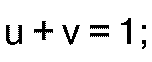 - ledit substrat de cermet contient un composant de liaison en un ou deux métaux choisis dans le groupe constitué du cobalt et du nickel; et(b) former au moins une couche de carbo-nitrure de titane par un procédé de déposition en phase gazeuse par procédé chimique sur ledit substrat de cermet, où- ledit procédé de déposition en phase gazeuse par procédé chimique est conduit dans une gamme de température de 700 à 900°C,- ledit procédé de déposition en phase gazeuse par procédé chimique utilise un gaz réactionnel contenant de l'acétonitrile, et- ladite couche de carbo-nitrure de titane a une épaisseur moyenne de 0,5 à 20 »m.
 - Procédé selon la revendication 1, dans lequel ledit gaz réactionnel est un mélange de tétrachlorure de titane, d'acétonitrile et d'hydrogène gazeux.
- Procédé pour fabriquer une lame revêtue en surface pour outils de coupe, comprenant les étapes consistant à :(a) préparer un substrat de cermet, dans lequel :- ledit substrat de cermet contient 70 à 95 % de carbo-nitrure en poids comme composant constituant la phase dure;- ledit substrat de cermet répond à la formule (TixMy)(CuNv), dans laquelle M est au moins un métal choisi dans le groupe constitué des métaux des groupes IVA, VA et VIA de la Classification Périodique, à l'exception du titane, et dans laquelle x, y, u et v sont des rapports molaires, et 0,5≦x≦0,95, 0,05≦y≦0,5, 0,2≦u≦0,8, 0,2≦v≦0,8,

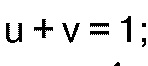 - ledit substrat de cermet contient un composant de liaison en un ou deux métaux choisis dans le groupe constitué du cobalt et du nickel; et(b) former une couche de carbo-nitrure de titane par un procédé de déposition en phase gazeuse par procédé chimique sur ledit substrat de cermet, et(c) former au moins une couche de carbo-nitrure de titane par un procédé de déposition en phase gazeuse par procédé chimique sur ladite couche de nitrure de titane, où- ledit procédé de déposition en phase gazeuse par procédé chimique est conduit dans une gamme de température de 700 à 900°C,- ledit procédé de déposition en phase gazeuse par procédé chimique utilise un gaz réactionnel contenant de l'acétonitrile, et- ladite couche de carbo-nitrure de titane a une épaisseur moyenne de 0,5 à 20 »m.
 - Procédé selon la revendication 3, dans lequel ladite couche de nitrure de titane a une épaisseur moyenne non supérieure à 4 »m.
Applications Claiming Priority (2)
| Application Number | Priority Date | Filing Date | Title |
|---|---|---|---|
| JP2021048A JP2775955B2 (ja) | 1990-01-31 | 1990-01-31 | 耐摩耗性に優れたコーティングサーメットの製造法 |
| JP21048/90 | 1990-01-31 |
Publications (2)
| Publication Number | Publication Date |
|---|---|
| EP0440157A1 EP0440157A1 (fr) | 1991-08-07 |
| EP0440157B1 true EP0440157B1 (fr) | 1995-06-07 |
Family
ID=12044039
Family Applications (1)
| Application Number | Title | Priority Date | Filing Date |
|---|---|---|---|
| EP19910101128 Revoked EP0440157B1 (fr) | 1990-01-31 | 1991-01-29 | Procédé de production d'une lame revêtue pour outils de coupe |
Country Status (4)
| Country | Link |
|---|---|
| EP (1) | EP0440157B1 (fr) |
| JP (1) | JP2775955B2 (fr) |
| DE (1) | DE69110143T2 (fr) |
| ES (1) | ES2075227T3 (fr) |
Families Citing this family (16)
| Publication number | Priority date | Publication date | Assignee | Title |
|---|---|---|---|---|
| US5665431A (en) * | 1991-09-03 | 1997-09-09 | Valenite Inc. | Titanium carbonitride coated stratified substrate and cutting inserts made from the same |
| DE4239234A1 (de) * | 1992-11-21 | 1994-06-09 | Krupp Widia Gmbh | Werkzeug und Verfahren zur Beschichtung eines Werkzeuggrundkörpers |
| JP2616655B2 (ja) * | 1993-03-08 | 1997-06-04 | 三菱マテリアル株式会社 | 耐摩耗性のすぐれた炭窒化チタン基サーメット製切削工具 |
| DE69431032T2 (de) * | 1993-05-31 | 2003-01-30 | Sumitomo Electric Industries, Ltd. | Beschichtetes schneidwerkzeug und verfahren zu dessen herstellung |
| US6413628B1 (en) | 1994-05-12 | 2002-07-02 | Valenite Inc. | Titanium carbonitride coated cemented carbide and cutting inserts made from the same |
| SE514181C2 (sv) | 1995-04-05 | 2001-01-15 | Sandvik Ab | Belagt hårmetallskär för fräsning av gjutjärn |
| SE9502687D0 (sv) * | 1995-07-24 | 1995-07-24 | Sandvik Ab | CVD coated titanium based carbonitride cutting tool insert |
| DE19646333C2 (de) * | 1996-11-09 | 1999-01-14 | Fraunhofer Ges Forschung | Verfahren zur Herstellung von sauerstoffhaltigen Hartstoffen und deren Verwendung |
| DE60006017T2 (de) * | 1999-04-05 | 2004-07-15 | Mitsubishi Materials Corp. | Schneideinsatz aus Cermet |
| SE527348C2 (sv) | 2003-10-23 | 2006-02-14 | Sandvik Intellectual Property | Sätt att tillverka en hårdmetall |
| JP4466841B2 (ja) † | 2004-06-30 | 2010-05-26 | 三菱マテリアル株式会社 | 高速断続切削加工で硬質被覆層がすぐれた耐チッピング性を発揮する表面被覆サーメット製切削工具 |
| DE102005049393B4 (de) | 2005-10-15 | 2019-08-08 | Kennametal Widia Produktions Gmbh & Co. Kg | Verfahren zur Herstellung eines beschichteten Substratkörpers, Substratkörper mit einer Beschichtung und Verwendung des beschichteten Substratkörpers |
| AT503050B1 (de) * | 2005-11-17 | 2007-09-15 | Boehlerit Gmbh & Co Kg | Metallcarbonitridschicht |
| PT1948842E (pt) | 2005-11-17 | 2011-10-11 | Boehlerit Gmbh & Co Kg | Camada de carbonitreto de titânio e processo de produção de uma camada de carbonitreto de titânio |
| JP6414800B2 (ja) * | 2014-02-26 | 2018-10-31 | 三菱マテリアル株式会社 | 耐チッピング性にすぐれた表面被覆炭窒化チタン基サーメット製切削工具 |
| EP3976849B1 (fr) * | 2019-05-27 | 2023-03-08 | AB Sandvik Coromant | Outil de coupe revêtu |
Family Cites Families (7)
| Publication number | Priority date | Publication date | Assignee | Title |
|---|---|---|---|---|
| US3807008A (en) * | 1969-05-02 | 1974-04-30 | Texas Instruments Inc | Chemical vapor deposition coatings on titanium |
| US3971656A (en) * | 1973-06-18 | 1976-07-27 | Erwin Rudy | Spinodal carbonitride alloys for tool and wear applications |
| JPS5389805A (en) * | 1977-01-19 | 1978-08-08 | Mitsubishi Metal Corp | Covered superhard alloy product and its preparation |
| JPS55154556A (en) * | 1979-05-22 | 1980-12-02 | Usui Internatl Ind Co Ltd | Thick-walled, small diameter tube for supplying high pressure fluid |
| JPS5644764A (en) * | 1979-09-17 | 1981-04-24 | Nachi Fujikoshi Corp | Covering method for titanium carbonitride |
| CA1224091A (fr) * | 1983-02-25 | 1987-07-14 | Liburdi Engineering Limited | Depot chimique en phase vapeur de couches metalliques, avec utilisation de sous-halogenures de metaux |
| JP2590130B2 (ja) * | 1987-08-22 | 1997-03-12 | 住友電気工業株式会社 | 被覆切削工具の製造方法 |
-
1990
- 1990-01-31 JP JP2021048A patent/JP2775955B2/ja not_active Expired - Lifetime
-
1991
- 1991-01-29 DE DE1991610143 patent/DE69110143T2/de not_active Revoked
- 1991-01-29 EP EP19910101128 patent/EP0440157B1/fr not_active Revoked
- 1991-01-29 ES ES91101128T patent/ES2075227T3/es not_active Expired - Lifetime
Also Published As
| Publication number | Publication date |
|---|---|
| EP0440157A1 (fr) | 1991-08-07 |
| JP2775955B2 (ja) | 1998-07-16 |
| DE69110143T2 (de) | 1995-12-14 |
| JPH03226576A (ja) | 1991-10-07 |
| ES2075227T3 (es) | 1995-10-01 |
| DE69110143D1 (de) | 1995-07-13 |
Similar Documents
| Publication | Publication Date | Title |
|---|---|---|
| US4447263A (en) | Blade member of cermet having surface reaction layer and process for producing same | |
| EP0492059B1 (fr) | Lame en cermet revêtue | |
| EP0440157B1 (fr) | Procédé de production d'une lame revêtue pour outils de coupe | |
| US4150195A (en) | Surface-coated cemented carbide article and a process for the production thereof | |
| US5436071A (en) | Cermet cutting tool and process for producing the same | |
| EP1953258B1 (fr) | Outil revêtu d'alpha-alumine à la texture durcie | |
| KR0163654B1 (ko) | 피복경질합금 절삭공구 | |
| US5106674A (en) | Blade member of tungsten-carbide-based cemented carbide for cutting tools and process for producing same | |
| EP0246211B1 (fr) | Corps fritté pour le façonnage par enlèvement de copeaux | |
| EP1348779B1 (fr) | Outil de coupe revêtu pour tournage de l'acier | |
| EP0368336B1 (fr) | Lame en cermet pour des outils de coupe et son procédé de préparation | |
| EP2177639B1 (fr) | Cermet à base de titane, cermet enrobé et outil tranchant | |
| JP3052586B2 (ja) | 耐チッピング性にすぐれた表面被覆炭化タングステン基超硬合金製切削工具 | |
| US6913843B2 (en) | Cemented carbide with binder phase enriched surface zone | |
| EP1548154A2 (fr) | Outil de coupe en cermet revêtu d'une couche de revêtement conférant une excellente résistance au piquage. | |
| EP0812367B1 (fr) | Alliage de carbonitrure a base de titane avec resistance a l'usure et rigidite controlables | |
| EP0996757B1 (fr) | Alliage de carbonitrure a base de titane, comportant une zone superficielle nitruree | |
| JPH08269719A (ja) | チタンの炭窒酸化物層表面被覆切削工具の製造方法 | |
| JP2828512B2 (ja) | 被覆TiCN基サーメット | |
| JP2828511B2 (ja) | 表面被覆TiCN基サーメット | |
| EP3769878A1 (fr) | Insert et outil de coupe comprenant ledit insert | |
| EP3769881A1 (fr) | Insert et outil de coupe le comprenant | |
| EP3769874A1 (fr) | Insert et outil de coupe le comprenant | |
| JP7852344B2 (ja) | 表面被覆切削工具 | |
| JP2024139529A (ja) | 表面被覆切削工具 |
Legal Events
| Date | Code | Title | Description |
|---|---|---|---|
| PUAI | Public reference made under article 153(3) epc to a published international application that has entered the european phase |
Free format text: ORIGINAL CODE: 0009012 |
|
| AK | Designated contracting states |
Kind code of ref document: A1 Designated state(s): DE ES FR GB IT SE |
|
| 17P | Request for examination filed |
Effective date: 19911114 |
|
| 17Q | First examination report despatched |
Effective date: 19940125 |
|
| GRAA | (expected) grant |
Free format text: ORIGINAL CODE: 0009210 |
|
| AK | Designated contracting states |
Kind code of ref document: B1 Designated state(s): DE ES FR GB IT SE |
|
| ET | Fr: translation filed | ||
| REF | Corresponds to: |
Ref document number: 69110143 Country of ref document: DE Date of ref document: 19950713 |
|
| ITF | It: translation for a ep patent filed | ||
| REG | Reference to a national code |
Ref country code: ES Ref legal event code: FG2A Ref document number: 2075227 Country of ref document: ES Kind code of ref document: T3 |
|
| PLBQ | Unpublished change to opponent data |
Free format text: ORIGINAL CODE: EPIDOS OPPO |
|
| PLBI | Opposition filed |
Free format text: ORIGINAL CODE: 0009260 |
|
| PLBQ | Unpublished change to opponent data |
Free format text: ORIGINAL CODE: EPIDOS OPPO |
|
| PLBI | Opposition filed |
Free format text: ORIGINAL CODE: 0009260 |
|
| 26 | Opposition filed |
Opponent name: WIDIA GMBH Effective date: 19960209 |
|
| PLBF | Reply of patent proprietor to notice(s) of opposition |
Free format text: ORIGINAL CODE: EPIDOS OBSO |
|
| 26 | Opposition filed |
Opponent name: SANDVIK AB Effective date: 19960307 Opponent name: WIDIA GMBH Effective date: 19960209 |
|
| PLBF | Reply of patent proprietor to notice(s) of opposition |
Free format text: ORIGINAL CODE: EPIDOS OBSO |
|
| PLBO | Opposition rejected |
Free format text: ORIGINAL CODE: EPIDOS REJO |
|
| APAC | Appeal dossier modified |
Free format text: ORIGINAL CODE: EPIDOS NOAPO |
|
| APAE | Appeal reference modified |
Free format text: ORIGINAL CODE: EPIDOS REFNO |
|
| APAC | Appeal dossier modified |
Free format text: ORIGINAL CODE: EPIDOS NOAPO |
|
| PGFP | Annual fee paid to national office [announced via postgrant information from national office to epo] |
Ref country code: DE Payment date: 19991217 Year of fee payment: 10 |
|
| PGFP | Annual fee paid to national office [announced via postgrant information from national office to epo] |
Ref country code: FR Payment date: 19991221 Year of fee payment: 10 |
|
| PGFP | Annual fee paid to national office [announced via postgrant information from national office to epo] |
Ref country code: ES Payment date: 20000121 Year of fee payment: 10 |
|
| PGFP | Annual fee paid to national office [announced via postgrant information from national office to epo] |
Ref country code: GB Payment date: 20001212 Year of fee payment: 11 |
|
| PGFP | Annual fee paid to national office [announced via postgrant information from national office to epo] |
Ref country code: SE Payment date: 20001227 Year of fee payment: 11 |
|
| APAC | Appeal dossier modified |
Free format text: ORIGINAL CODE: EPIDOS NOAPO |
|
| RDAH | Patent revoked |
Free format text: ORIGINAL CODE: EPIDOS REVO |
|
| RDAG | Patent revoked |
Free format text: ORIGINAL CODE: 0009271 |
|
| STAA | Information on the status of an ep patent application or granted ep patent |
Free format text: STATUS: PATENT REVOKED |
|
| 27W | Patent revoked |
Effective date: 20001116 |
|
| GBPR | Gb: patent revoked under art. 102 of the ep convention designating the uk as contracting state |
Free format text: 20001116 |
|
| APAH | Appeal reference modified |
Free format text: ORIGINAL CODE: EPIDOSCREFNO |