EP0450099A1 - Träger zur bindung von antiphospholipid-antikörpern, diese antikörper verwendender immunotest und kit dafür - Google Patents
Träger zur bindung von antiphospholipid-antikörpern, diese antikörper verwendender immunotest und kit dafür Download PDFInfo
- Publication number
- EP0450099A1 EP0450099A1 EP90915194A EP90915194A EP0450099A1 EP 0450099 A1 EP0450099 A1 EP 0450099A1 EP 90915194 A EP90915194 A EP 90915194A EP 90915194 A EP90915194 A EP 90915194A EP 0450099 A1 EP0450099 A1 EP 0450099A1
- Authority
- EP
- European Patent Office
- Prior art keywords
- phospholipid
- antibody
- carrier
- binding
- fraction
- Prior art date
- Legal status (The legal status is an assumption and is not a legal conclusion. Google has not performed a legal analysis and makes no representation as to the accuracy of the status listed.)
- Granted
Links
Images









Classifications
-
- C—CHEMISTRY; METALLURGY
- C07—ORGANIC CHEMISTRY
- C07K—PEPTIDES
- C07K14/00—Peptides having more than 20 amino acids; Gastrins; Somatostatins; Melanotropins; Derivatives thereof
- C07K14/435—Peptides having more than 20 amino acids; Gastrins; Somatostatins; Melanotropins; Derivatives thereof from animals; from humans
- C07K14/46—Peptides having more than 20 amino acids; Gastrins; Somatostatins; Melanotropins; Derivatives thereof from animals; from humans from vertebrates
- C07K14/47—Peptides having more than 20 amino acids; Gastrins; Somatostatins; Melanotropins; Derivatives thereof from animals; from humans from vertebrates from mammals
-
- G—PHYSICS
- G01—MEASURING; TESTING
- G01N—INVESTIGATING OR ANALYSING MATERIALS BY DETERMINING THEIR CHEMICAL OR PHYSICAL PROPERTIES
- G01N33/00—Investigating or analysing materials by specific methods not covered by groups G01N1/00 - G01N31/00
- G01N33/48—Biological material, e.g. blood, urine; Haemocytometers
- G01N33/50—Chemical analysis of biological material, e.g. blood, urine; Testing involving biospecific ligand binding methods; Immunological testing
- G01N33/53—Immunoassay; Biospecific binding assay; Materials therefor
- G01N33/543—Immunoassay; Biospecific binding assay; Materials therefor with an insoluble carrier for immobilising immunochemicals
- G01N33/544—Immunoassay; Biospecific binding assay; Materials therefor with an insoluble carrier for immobilising immunochemicals the carrier being organic
-
- G—PHYSICS
- G01—MEASURING; TESTING
- G01N—INVESTIGATING OR ANALYSING MATERIALS BY DETERMINING THEIR CHEMICAL OR PHYSICAL PROPERTIES
- G01N33/00—Investigating or analysing materials by specific methods not covered by groups G01N1/00 - G01N31/00
- G01N33/48—Biological material, e.g. blood, urine; Haemocytometers
- G01N33/50—Chemical analysis of biological material, e.g. blood, urine; Testing involving biospecific ligand binding methods; Immunological testing
- G01N33/92—Chemical analysis of biological material, e.g. blood, urine; Testing involving biospecific ligand binding methods; Immunological testing involving lipids, e.g. cholesterol, lipoproteins, or their receptors
-
- Y—GENERAL TAGGING OF NEW TECHNOLOGICAL DEVELOPMENTS; GENERAL TAGGING OF CROSS-SECTIONAL TECHNOLOGIES SPANNING OVER SEVERAL SECTIONS OF THE IPC; TECHNICAL SUBJECTS COVERED BY FORMER USPC CROSS-REFERENCE ART COLLECTIONS [XRACs] AND DIGESTS
- Y10—TECHNICAL SUBJECTS COVERED BY FORMER USPC
- Y10S—TECHNICAL SUBJECTS COVERED BY FORMER USPC CROSS-REFERENCE ART COLLECTIONS [XRACs] AND DIGESTS
- Y10S435/00—Chemistry: molecular biology and microbiology
- Y10S435/962—Prevention or removal of interfering materials or reactants or other treatment to enhance results, e.g. determining or preventing nonspecific binding
-
- Y—GENERAL TAGGING OF NEW TECHNOLOGICAL DEVELOPMENTS; GENERAL TAGGING OF CROSS-SECTIONAL TECHNOLOGIES SPANNING OVER SEVERAL SECTIONS OF THE IPC; TECHNICAL SUBJECTS COVERED BY FORMER USPC CROSS-REFERENCE ART COLLECTIONS [XRACs] AND DIGESTS
- Y10—TECHNICAL SUBJECTS COVERED BY FORMER USPC
- Y10S—TECHNICAL SUBJECTS COVERED BY FORMER USPC CROSS-REFERENCE ART COLLECTIONS [XRACs] AND DIGESTS
- Y10S436/00—Chemistry: analytical and immunological testing
- Y10S436/815—Test for named compound or class of compounds
-
- Y—GENERAL TAGGING OF NEW TECHNOLOGICAL DEVELOPMENTS; GENERAL TAGGING OF CROSS-SECTIONAL TECHNOLOGIES SPANNING OVER SEVERAL SECTIONS OF THE IPC; TECHNICAL SUBJECTS COVERED BY FORMER USPC CROSS-REFERENCE ART COLLECTIONS [XRACs] AND DIGESTS
- Y10—TECHNICAL SUBJECTS COVERED BY FORMER USPC
- Y10S—TECHNICAL SUBJECTS COVERED BY FORMER USPC CROSS-REFERENCE ART COLLECTIONS [XRACs] AND DIGESTS
- Y10S436/00—Chemistry: analytical and immunological testing
- Y10S436/826—Additives, e.g. buffers, diluents, preservatives
-
- Y—GENERAL TAGGING OF NEW TECHNOLOGICAL DEVELOPMENTS; GENERAL TAGGING OF CROSS-SECTIONAL TECHNOLOGIES SPANNING OVER SEVERAL SECTIONS OF THE IPC; TECHNICAL SUBJECTS COVERED BY FORMER USPC CROSS-REFERENCE ART COLLECTIONS [XRACs] AND DIGESTS
- Y10—TECHNICAL SUBJECTS COVERED BY FORMER USPC
- Y10S—TECHNICAL SUBJECTS COVERED BY FORMER USPC CROSS-REFERENCE ART COLLECTIONS [XRACs] AND DIGESTS
- Y10S436/00—Chemistry: analytical and immunological testing
- Y10S436/829—Liposomes, e.g. encapsulation
Definitions
- the present invention relates to a carrier for binding of antiphospholipid antibodies, an immunoassay method using the same, a kit therefor, and a fraction and a protein obtained from serum or plasma which can be used in the method for immunoassay.
- the present invention relates to determination of autoantibodies specifically appeared in patients with antiphospholipid syndrome.
- a living body causes immune response against exogenous foreign matters such as pathogenic viruses, bacteria, fungi, parasites, etc. invaded into a living body, which functions to expel the foreign matters.
- the phenomenon is generally classified into the following two groups: humoral immunity in which antibodies participate and cellular immunity in which immunocompetent cells directly participate, thereby to expel the foreign matters.
- humoral immunity in which antibodies participate
- cellular immunity in which immunocompetent cells directly participate
- recognition mechanism of self or non-self does not work correctly but humoral or cellular immune response occurs against their own cells or tissues.
- autoantibodies systemic lupus erythematosus
- anti-single stranded DNA antibody anti-single stranded DNA antibody
- anti-dsDNA anti-double stranded DNA antibody
- anti-Sm antibody anti-cardiolipin antibody, etc. appeaer in blood of SLE patients.
- rheumatoid factors are found to be noted in those with rheumatoid arthritis (RA); anti-SS-A antibody, anti-SS-B antibody and anti-mitochondrial antibody in those with Sjögren's syndrome (SjS); anti-scl antibody and anti-single stranded DNA antibody in progressive systemic sclerosis (PSS); and anti-RNP antibody in those with mixed connective tissue diseases (MCTD).
- RA rheumatoid arthritis
- SjS Sjögren's syndrome
- PSS progressive systemic sclerosis
- MCTD mixed connective tissue diseases
- immunodiffusion test In order to detect these various autoantibodies, immunodiffusion test, counter immunoelectrophoresis, hemagglutination test, radioimmunoassay (RIA), enzyme immunoassay (EIA) and latex agglutination test, etc. have been developed depending on antigenic specificities of antibodies, and biochemical properties and physicochemical properties of antigens.
- IgG immunoglobulin G
- IgM immunoglobulin M
- IgA immunoglobulin A
- RIA and EIA for determining anti-cardiolipin antibodies have been developed as the assay system for diagnosis of antiphospholipid syndromes including SLE, recurrent abortion, etc.
- these assay methods still encounter the following problems.
- the method using an antigen-bound solid phase carrier sometimes involves difficulty in quantitatively determining antibodies specific to cardiolipin due to the nonspecific adsorption except for using appropriate blocking agent.
- FBS fetal bovine serum
- the present inventors have made extensive investigations to develop suitable carriers for binding of antiphospholipid antibodies which can selectively bind to antiphospholipid antibodies specifically present in antiphospholipid syndrome and a method for determination of anti-cardiolipin antibodies in high accuracy and sensitivity which can be practically applied to a specific diagnosis of the antiphospholipid syndrome.
- the foregoing problems could be overcome as follows and the present invention has thus been attained.
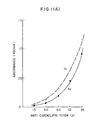
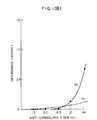
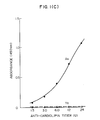
- Fig. 1 (A), (B) and (C) indicate the absorbance (450 nm) measured in Reference Example by the prior art process, Experiment showing the effect of the present invention and Example embodying the process of the present invention, respectively, as an index of anti-phospholipid antibody titer in As serum derived from antiphospholipid syndrome and in Ya serum derived from infectious diseases.
- Fig. 2 indicates the the absorbance (450 nm) measured as an index of antibody titer in As serum and in Ya serum, using a carrier for binding of the anti-phospholipid antibody prepared by procedures different from Example in Fig. 1 (C).
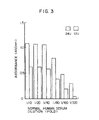
- Fig. 3 shows relationship between concentration (dilution degree) of human sera from normal subjects supplemented and absorbance (450 nm) as an index of antibody titer.
- Fig. 4 shows relationship between gel filtration pattern of human sera from normal subjects and absorbance (450 nm) as an index of antibody titer in As serum and in Ya serum determined by performing the primary reaction under addition of each aliquot of the fraction.
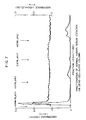
- Fig. 5 shows relationship between gel filtration pattern of human sera from normal subjects by HPLC and absorbance (450 nm) as an index of antibody titer in As serum determined by performing the primary reaction under addition of each aliquot of the fraction.
- Fig. 6 shows a fractional pattern of sera from normal subjects by Protein A-Sepharose column.
- Fig. 7 shows elution profiles of human serum from normal subjects on DEAE-cellulose column chromatography, indicated by absorbance at 280 nm and at 450 nm (in ELISA) as an index of antibody titers in As serum.
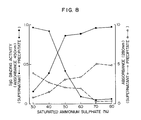
- Fig. 8 shows relationship between fractionation of sera from normal subjects by ammonium sulfate and absorbance (450 nm) as an index of antibody titer in As serum.
- Fig. 9 indicates the results obtained by determining antibody titers (unit/ml; hereafter abbreviated as U) in sera from normal subjects and in sera from patients with antiphospholipid syndrome.
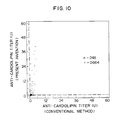
- Fig. 10 indictes the correlation in antibody titers (U) of sera from patients with autoimmune disease(s) determined by the method of the present invention and a known method.
- Fig. 11 indicates lineality in dilution of sera from patients with SLE according to the method of the present invention.
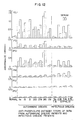
- Fig. 12 indicates the results on sera of patients with autoimmune disease(s) and patients with infectious diseases (tuberculous meningitis, syphilis) obtained by determining absorbance (450 nm) as an index of antibody titer in the presence (halftone) and in the absence (white-on-black) of human serum according to the method of the present invention.
- Fig. 13 shows absorbance (450 nm) on the reaction with As serum using buffer containing HEPES as the primary reaction soltuion, based on which a calibration curve of antibody titers was prepared.
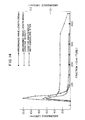
- Fig. 14 shows a chromatogram of sera from normal subjects by ion exchange chromatography on DEAE-cellulose (DE-52) column.
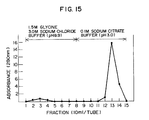
- Fig. 15 shows a chromatogram obtained by subjecting the fraction containing anticardiolipin cofactor activity obtained by the ion exchange chromatography shown in Fig. 14 to Protein A-Sepharose column chromatography.
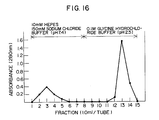
- Fig. 16 shows a chromatogram obtained by subjecting the fraction containing anticardiolipin cofactor activity obtained by the chromatography shown in Fig. 15 to affinity column chromatography through anti-human IgG antibody conjugated Sepharose CL-4B column.
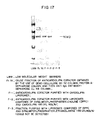
- Fig. 17 shows the results obtained by subjecting anticardiolipin cofactor to SDS-polyacrylamide gel electrophoresis.
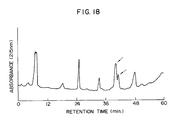
- Fig. 18 shows a chromatogram of HPLC obtained by subjecting the anticardiolipin cofactor purified with liposome.
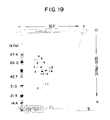
- Fig. 19 shows the results obtained by subjecting to ISODALT electrophoresis the fraction containing anticardiolipin cofactor activity obtained by the affinity column chromatography through anti-human IgG antibody conjugated Sepharose CL-4B column shown in Fig. 16.
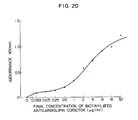
- Fig. 20 is a graph showing binding ability of concentration-dependent biotinylated anticardiolipin cofactor on cardiolipin solid phase plate.
- Fig. 21 is a graph showing binding specificity of anticardiolipin cofactor to phospholipids.
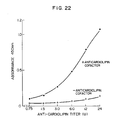
- Fig. 22 is a graph showing dependency of anticardiolipin cofactor on anti-cardiolipin antibody (As antibody) binding to the solid phase.
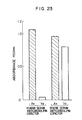
- Fig. 23 is a graph showing species specificity of anticardiolipin cofactor in the detection system of anti-cardiolipin antibody.
- Fig. 24 shows a chromatogram of serum from normal subjects by DEAE-cellulose column chromatography.
- Fig. 25 shows a chromatogram of serum from normal subjects by heparin-Sepharose column chromatography.
- Fig. 26 shows a chromatogram of serum from normal subjects by cardiolipin-polyacrylamide gel column chromatography.
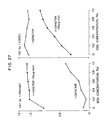
- Fig. 27 shows influence of purified bovine serum albumin on the immunoassay method of the present invention.
- the phospholipid in the present invention may be a phospholipid having an electron donative functional group at the site proximal to its phosphodiester bond.
- Particularly preferred are glycerophospholipids represented by general formula [I]: [wherein each of R1 and R2 independently represents an acyl group having an alkyl group or an alkenyl group in the carbon chain thereof, an alkyl group or an alkenyl group; R3 represents a hydrogen atom or -(CH2)n-CHR4-R5; R4 represents a hydrogen atom, a hydroxy group, a carboxyl group, a formyl group, a mercapto group or a halogen atom; R5 represents an amino group, a hydroxyalkyl group or a substituent shown by general formula [II]: [wherein R1 and R2 have the same significances as described above]; or R4 and R5 may be combined together to form a sugar or sugar alcohol residue; and n represents 0 or an integer of 1
- cardiolipin is preferred.
- cardiolipin is prepared from the heart of mammal such as bovine, etc., a micoorganism such as Escherichia coli , etc., with more preference of cardiolipin prepared from the heart of mammal.
- the cardiolipin is not limited to its origin, composition of fatty acid, degree of purification, etc.
- the cardiolipin may be in the salt form or in the free form.
- a solvent in which the cardiolipin is dissolved for binding to a carrier substance is not limited, either, but the degree of purification is preferably comparable to or higher than the reagent class.
- any substance may be used as the carrier substance in the present invention without any particular restriction, so long as it is capable of binding phospholipid and does not inhibit the immune reaction (antigen-antibody reaction) upon determination.
- the carrier substance solid phase insoluble in the reaction solution.
- materials for the carrier substance insoluble in the reaction solution there are synthetic organic polymers, for example, poly(vinyl chloride), polystyrene, styrene-divinylbenzene copolymer, styrene-maleic anhydride copolymer, nylon, poly(vinyl alcohol), polyacrylamide, polyacrylonitrile, polypropylene, poly(methyl methacrylate), etc.; polysaccharides such as dextran derivatives (Sephadex, etc.), agarose gel (Sepharose, Biogel, etc.), cellulose (paper disk, filter paper, etc.) and the like; inorganic polymers such as glass, silica gel, silicone, etc.
- synthetic organic polymers for example, poly(vinyl chloride), polystyrene, styrene-divinylbenzene copolymer, styrene-maleic anhydride copolymer, nylon, poly(vinyl alcohol), polyacrylamide, polyacryl
- These materials may be introduced with functional groups such as an amino group, an aminoalkyl group, a carboxyl group, an acyl group, a hydroxy group, etc.
- the materials for the carrier substance are preferably those having a low binding ability to protein. Such materials are exemplified by intact polystyrene, intact poly(vinyl chloride), etc.
- the carrier substance insoluble in the reaction solution may be in plate (microtiter plate, disk, etc.), particulate (bead, etc.), tubular (test tube, etc.), fibrous, membrane, fine particulate (latex particles, etc.), capsule, vesicular or liposome-like (multilayer or single layer lipid membrane) shape, etc.
- the carrier of an appropriate shape can be chosen.
- the carrier for binding of the anti-phospholipid antibodies in the present invention comprises the aforesaid phospholipid having bound thereto the carrier substance described above.
- known techniques such as physical adsorption, ionic binding, covalent binding, entrapping, etc. (for example, cf., "KOTEIKA KOSO (Immobilized Enzyme)" edited by Ichiro Chibata, published on March 20, 1975 by Kodansha Publishing Co.).
- physical adsorption is preferred because of its simplicity.
- the binding of the phospholipid to the carrier substance may be effected directly or may be performed by inserting other substance between the two substances.
- a solution of the phospholipid in an organic solvent organic solvent such as methanol, ethanol, chloroform, etc. which can dissolve the phospholipid
- organic solvent such as methanol, ethanol, chloroform, etc. which can dissolve the phospholipid
- Removal of the solvent by drying can be effected by known techniques, e.g., air-drying under reduced pressure, aerial drying, etc.
- the phospholipid may also be bound to the carrier substance by drying the organic solvent up from the solution of the phospholipid thereby to once adsorb the phospholipid onto the surface of a substance other than the carrier substance, suspending the adsorbed phospholipid in a buffer solution (e.g., phosphate buffered saline of sodium, potassium or sodium-potassium type), etc., contacting the suspension with the carrier substance for an appropriate period of time (e.g., several tens minutes to several hours) at such a temperature condition (e.g., 0 to 50°C) that does not inhibit the reaction, then removing the solvent by means of suction, decantation, centrifugation, etc. and, if necessary and desired, drying (drying under reduced pressure, air-drying, etc.).
- a buffer solution e.g., phosphate buffered saline of sodium, potassium or sodium-potassium type
- contacting the suspension with the carrier substance for an appropriate period of time e.g., several
- the carrier for binding of the anti-phospholipid antibodies used in the present invention is preferably treated with a surfactant alone, treated with purified serum albumin and a surfactant in combination, or treated with three of purified serum albumin, a surfactant and serum or plasma as well as fraction thereof or a protein in the fraction (hereafter these materials are sometimes merely referred to as treating materials).
- the antigen-antibody reaction for forming the first immune complex of the phospholipid bound to the carrier for binding of the anti-phospholipid antibodies and anti-phospholipid antibodies in a sample solution is carried out in the presence of serum or plasma in a high concentration in the reaction solution, or in the presence of the fraction or protein obtained from serum or plasma in the present invention, which will be later described in such a concentration as to correspond to that of serum or plasma in the reaction solution.
- the above-described treated carrier for binding of the anti-phospholipid antibodies of the present invention is not necessarily used.
- the term "treatment" is used to mean the procedure in which these treating materials can be physically or chemically bound to the carrier for binding of the anti-phospholipid antibodies by acting these materials on the carrier.
- such a treatment can be performed by, after binding the phospholipid to the carrier substance, contacting the phospholipid-bound carrier substance with the respective solutions containing the treating materials sequentially (irrespective of the order) or with the solution containing two or three of these materials, for an appropriate period of time (e.g., several tens minutes to several hours) at such a temperature condition (e.g., 0 to 50°C) that does not interfere the reaction.
- a solvent in which these treating materials are dissolved is not particularly limited but there may be generally used buffer solutions (e.g., phosphate buffered saline of sodium, potassium or sodium-potassium type), etc.
- Such a treatment may also be performed in the presence of sugars (oligosaccharides such as sucrose, etc.; polysaccharides such as dextrin, cyclodextrin, dextran, etc.; monosaccharides and the like) or the like, which are added to the treating solution(s).
- sugars oligosaccharides such as sucrose, etc.; polysaccharides such as dextrin, cyclodextrin, dextran, etc.; monosaccharides and the like
- the binding of the carrier of the anti-phospholipid antibodies derived from infectious diseases may be prevented at the step of the first antigen-antibody reaction (primary reaction).
- additional effects can also be achieved, that is, prevention of non-specific adsorption (prevention of finding of the anti-phospholipid antibodies or the labeled antibodies to the non-binding site of the phospholipid on the carrier substance), potentiated binding ability of the anti-phospholipid antibodies specifically present in the antiphospholipid syndrome to the phospholipid on the carrier substance, stabilization of the phospholipid on the carrier substance, etc.
- the purified serum albumin used in the present invention refers to the serum albumin obtained by purifying sera of animal such as bovine, horse, dog, cat, goat, sheep, swine, avian, rabbit, rat, mouse, human, etc., having a higher degree of purity than fraction V (obtained by Cohn's low temperature ethanol fractionation, heat shock method, salting out, etc.) which is adapted for the purpose of the present invention.
- the purified serum albumin which are preferably used include the one purified by subjecting fraction V to a treatment with activated carbon, chromatography (ion exchange chromatography, etc.) or crystallization, and serum albumin having a degree of purity equivalent to the purified fraction V which is purified by other means than above means and has preferably a reduced lipid content.
- the serum, plasma, its fraction or the protein in the fraction (hereafter collectively referred to as "blood components of the present invention") is used to mean serum or plasma per se prepared from animal blood by known techniques, the fraction obtained by fractionating serum or plasma, or the protein obtained by further purifying the fraction.
- the origin is preferably animal belonging to the same species as that of a sample solution to be assayed but may also be animal akin thereto.
- the blood components of the present invention are basically the same as those supplemented in the primary reaction which will be later described.
- bovine serum albumin conventionally used is fraction V obtained by Cohn's low temperature ethanol fractionation, etc. which is not highly purified.
- the surfactants used in the present invention include nonionic, amphoteric, anionic and cationic surfactants.
- the nonionic surfactant is preferred.
- Specific examples of the nonionic surfactant are polyoxyethyleneglycolsorbitane alkyl esters (for example, Tween series surfactant, etc.), acylsorbitanes (for example, Span series surfactant, Arlacel series surfactant, etc.), polyoxyethyleneglycol alkylphenyl ethers (for example, Triton series surfactant, etc.), sucrose fatty acid esters, etc.
- the carrier for binding of the anti-phospholipid antibodies of the present invention can be used not only for immunoassay but also for various techniques of selectively adsorbing and removing or isolating and purifying the anti-phospholipid antibodies.
- the carrier in plasmaphoresis therapy, can be used as a selective adsorbent of the anti-phospholipid antibodies (cf., e.g., Japanese Patent Application Laid-Open No. 1-68273).
- the carrier of the present invention may also be used as an adsorbent for affinity chromatography for isolating and purifying the anti-phospholipid antibodies.
- the immunoassay using the carrier for binding of the anti-phospholipid antibodies of the present invention can be used for the purpose of diagnosis of antiphospholipid syndrome.
- antiphospholipid syndrome refers to, among autoimmune diseases (systemic lupus erythematosus (SLE), recurrent abortions, etc.), diseases in which anti-phospholipid antibodies appear in body fluids of patients. Such a disease are distinguished from infectious diseases such as tuberculous meningitis, syphilis, etc., in which anti-phospholipid antibodies also appear in body fluids.
- the immunoassay method of the present invention is characterized in that the antibodies specific to the antiphospholipid syndrome can be distinguished from and determined differentially from the anti-phospholipid antibodies induced from these infectious diseases.
- the immunoassay method of the present invention aims at determining the anti-phospholipid antibodies.
- the method comprises antigen-antibody reaction using the carrier for binding of the anti-phospholipid antibodies described above and/or reacting the primary reaction in the presence of the blood components of the present invention, the method falls within the present invention, regardless of its procedures, kind of marking labels, labeled substances, carriers, BF separation, etc.
- Techniques suited for the purpose of the present invention can be appropriately chosen from conventional techniques known to be those for immunoassay.
- the competitive reaction method When classified in terms of reaction mode of the antigen-antibody reaction, there are known the competitive reaction method and the non-competitive reaction method (immunometric assay). In the present invention, the non-competitive reaction method is preferable.
- the non-labeling method nephelometry, etc.
- the labeling method for detection using some marker Either method is applicable to the present invention. Taking sensitivity, etc. into account, the labeling method is particularly preferred.
- the marker used in the labeling method will be described hereinafter.
- the heterogeneous method which requires BF separation and the homogeneous method which requires no BF separation are known. Either method is applicable to the present invention.
- the liquid phase method for classification by the reaction phase, there are known the liquid phase method in which the overall reaction is carried out in the liquid phase and the solid phase method in which a partner of the immune reaction is immobilized on the solid phase and the reaction is then carried out.
- the case where the substance soluble in the reaction solution is used as the carrier substance corresponds to the liquid phase method and the case where the substance insoluble in the reaction solution is used as the carrier substance corresponds to the solid phase method.
- a sample solution in which the presence of the anti-phospholipid antibody or its content is to be determined by the immunoassay method of the present invention is a body fluid of animal including human.
- body fluid herein refers to blood, serum, ascites, lymph, synovia or a fraction obtained therefrom or other liquid components derived from a living body.
- the sample solution may also be diluted with a diluent to an appropriate antibody concentration.
- a diluent include phosphate buffered saline (PBS) of sodium, potassium or sodium-potassium type; Good's buffer (for example, buffer solutions containing buffering agents such as N-2-hydroxyethylpiperazine-N'-2-ethanesulfonic acid (HEPES), N-tris(hydroxymethyl)methyl-2-aminoethane-sulfonic acid (TES), 3-(N-morpholino)propanesulfonic acid (MOPS), etc.), glycine buffered saline, veronal buffered saline, Tris buffered saline, etc.
- PBS phosphate buffered saline
- HEPPS N-2-hydroxyethylpiperazine-N'-2-ethanesulfonic acid
- TES N-tris(hydroxymethyl)methyl-2-aminoethane-sulf
- step of the first antigen-antibody reaction refers to a step of contacting the carrier for binding of the anti-phospholipid antibody with a sample solution to form a first immune complex of the anti-phospholipid antibody in the sample solution and the phospholipid on the carrier.
- the method of the present invention is characterized in that the reaction is carried out using the carrier for binding of the anti-phospholipid antibodies, which is treated with the treating material described above, and/or in the presence of serum or plasma derived from animal of the same species as that from which the sample solution is derived or akin thereto, or in the presence of its fraction or the purified protein in the fraction, in the reaction solution at this step.
- the carrier for binding of the anti-phospholipid antibodies which is treated with the treating material described above, and/or in the presence of serum or plasma derived from animal of the same species as that from which the sample solution is derived or akin thereto, or in the presence of its fraction or the purified protein in the fraction, in the reaction solution at this step.
- This step may be performed by contacting body fluids from patients with antiphospholipid syndrome or a standard reagent containing known concentrations of the anti-phospholipid antibodies as a sample solution with the carrier for binding of the anti-phospholipid antibodies for an appropriate period of time (e.g., several tens minutes to several hours) at such a temperature condition that does not inhibit the reaction (e.g., 0 to 50°C).
- the purified serum albumin described above may be added and the primary reaction may then be carried out.
- the purified serum albumin is used in a concentration of not greater than 5%, preferably not greater than 1%.
- the carrier for binding of anti-phospholipid antibody on which first immune complex has been formed is generally separated from the sample solution by an appropriate means for separation, after the step of the primary reaction is completed.
- the means for separation applicable vary depending on kind of the carrier substance used. Where the carrier substance insoluble in the reaction solution is used, the immune complex may be isolated by known techniques such as suction, decantation, filtration, centrifugation, etc. After the separation, the carrier for binding of the anti-phospholipid antibody may be washed with a buffer solution, etc.
- the step of the primary reaction and the step of the secondary reaction may also be performed at the same time. Alternatively, after the step of the primary reaction, the step of the secondary reaction may be performed without separating the sample solution. 5.3 Fraction and protein
- the "serum or plasma derived from animal of the same species as that from which the sample solution is derived" which is used in the step of the primary reaction may be any serum or plasma so long as it's origin is the same as that of a sample solution to be assayed with the anti-phospholipid antibody in its body fluid (including species akin thereto), obtained by known techniques.
- human body fluid is to be assayed
- human serum or human plasma is used. Serum or plasma from normal subjects is particularly preferred.
- the fraction thereof is obtained from serum (i.e., human serum, etc.), or plasma (i.e., human plasma, etc.) by known techniques for separation and purification (gel filtration (molecular sieve chromatography); ion exchange chromatography using DEAE-cellulose, etc.; affinity chromatography using Protein A-Sepharose, heparin-Sepharose, cardiolipin-polyacrylamide gel, etc.; affinity adsorption by liposome composed of phospholipids such as cardiolipin, etc.; membrane separation by dialysis, ultrafiltration, etc.; electrophoresis; extraction with a solvent, etc.), which shows the effect of enhancing the binding ability of the antibody specifically present in the anti-phospholipid syndrome to the phospholipid bound to the carrier, by adding the fraction to the reaction solution in the step of the primary reaction according to the method of the present invention.
- gel filtration moleukin chromatography
- ion exchange chromatography using DEAE-cellulose, etc. affinity chromatography using Protein A-Se
- fraction of serum or plasma described above there is, for example, the fraction obtained by subjecting human serum or plasma to gel filtration using, e.g., Ultrogel ACA-34 (manufactured by LKB Co.) column, and collecting the fraction showing the activity of enhancing the binding ability of the antibodies specifically present in sera from patients with antiphospholipid syndrome to the phospholipid.
- Ultrogel ACA-34 manufactured by LKB Co.
- a concentration of the aforesaid serum, plasma or its fraction or the following protein in the fraction in the antigen-antibody reaction solution described above is not particularly limited so long as the concentration is high enough to achieve the effects of the present invention as described above. It is preferred that such a high concentration of serum or plasma be present in the reaction solution as the concentration of about 200-fold dilution or higher, especially about 40-fold dilution of serum or plasma prepared from blood in a conventional manner or higher; in the case of the fraction and the protein described below, higher than that corresponding to the aforesaid dilution of serum or plasma.
- the presence of serum, plasma, its fraction or the protein in the fraction in a high concentration in the primary reaction solution results in potentiating the binding ability of the anti-phospholipid antibodies specifically present in sera from patients with antiphospholipid syndrome to the phospholipid on one hand and on the other hand, inhibiting the undesired reaction between the anti-phospholipid antibodies present in sera from patients with infectious diseases such as tuberculous meningitis, syphilis, etc. and the phospholipid.
- the protein which is the active component in the fraction described above can be isolated and purified as a homogeneous protein by the following procedures.
- serum or plasma from normal subject is subjected to ion exchange column chromatography using, e.g., DEAE-cellulose, etc. to collect the fraction containing the active component.
- the fractions which have the activity of enhancing the binding ability of the anti-phospholipid antibody specifically present in sera from patients with the antiphospholipid syndrome to the phospholipid is separated.
- the thus obtained fraction is subjected to Protein A-Sepharose column chromatography to remove human IgG contained in the fraction.
- the fraction is further subjected to affinity column chromatography using a column of resin prepared by conjugating anti-human IgG antibody to, e.g., Sepharose CL-4B resin (manufactured by Pharmacia Fine Chemicals) to remove human IgG subclasses non-adsorptive to protein A.
- Sepharose CL-4B resin manufactured by Pharmacia Fine Chemicals
- Each fraction obtained after each column chromatography described above may be subjected to dialysis in a conventional manner, if necessary and desired, or may also be appropriately concentrated by ultrafiltration, or salting out with saturated ammonium sulfate.
- the liposome(s) used herein are liposomes composed of the phospholipid shown by formula [I] such as cardiolipin, phosphatidylserine, phsophatidylinositol, phosphatidic acid, etc. or a liposome containing the phospholipid as one constituent.
- the liposomes may be prepared in a conventional manner [Procedures for Immunological Experiment IX, pages 2989-2994, published December 4, 1980 by the Japanese Society of Immunology].
- cardiolipin liposomes may be prepared by taking an alcohol solution of cardiolipin in a pear type flask, evaporating to dryness under reduced pressure, adding an appropriate buffer solution to the residue and vigorously stirring the mixture with a vortex mixer.
- the fraction containing the active component is added to a buffer solution containing liposomes to adsorb the active component to liposomes. Then, a suspension of the active component-adsorbed liposomes are subjected to centrifugation. From the resulting supernatant, the purified active component is recovered.
- the active component may be further purified by subjecting to chromatography such as HPLC, etc.
- the thus obtained purified active component shows the following physicochemical properties.
- the active component described above is added to the reaction system containing cardiolipin bound to the carrier and the antibody specifically present in the antiphospholipid syndrome, the active component would react with cardiolipin bound to the carrier to form the complex and the antibody specific to the antiphospholipid syndrome would bind to the complex.
- the system utilizing the active component(s) can differentially detects the antibodies derived from antiphospholipid syndrome from those derived from infectious diseases, as will be described hereinafter. Also when serum or plasma, or its fraction is present in a high concentration in the reaction solution, the same effects as described above are obtained.
- the antibody specifically present in the sera of patients with the antiphospholipid syndrome can be differentially detected.
- step of the second antigen-antibody reaction in the present invention refers to a step of reacting the first immune complex with labeled anti-immunoglobulin antibody to form sandwich immune complex, which is composed of the first immune complex and labeled anti-immunoglobulin antibody.
- the labeled anti-immunoglobulin antibody used in this step is anti-immunoglobulin antibody labeled with an appropriate marker in response to the detection method described hereinafter.
- the anti-immunoglobulin antibody used herein may be any antibody capable of binding of the anti-phospholipid antibody to be assayed or its fragment but is not particularly limited to its origin or process for preparation.
- anti-phospholipid antibodies Various subclasses (i.e., IgG, IgM, IgA, etc.) of anti-phospholipid antibodies have been observed in body fluid. Therefore, the appropriate anti-immunoglobulin antibody (i.e., anti-IgG antibody, anti-IgM antibody, anti-IgA antibody, etc.), can be chosen depending on its purpose. Where the anti-phospholipid antibody to be assayed is of human origin, needless to, say, anti-human immunoglobulin antibody is used.
- Such anti-immunoglobulin antibody may be prepared in a conventional manner. It may be obtained by a method which comprises administering to another animal immunoglobulin derived from animal of the same species as that of producing the anti-phospholipid antibody assayed to immunize the animal and isolating and purifying the anti-immunoglobulin antibody from serum of the animal.
- anti-immunoglobulin antibodies are commercially available and such antibodies to which one skilled in the art is easily accessible can be used in the method of the present invention.
- the antibody molecule may also be used as the anti-immunoglobulin antibody as it is or may be cleaved by proteinase (for example, papain, pepsin, etc.) to be made antibody fragments [F(ab')2, Fab', etc.), and then used for the present invention.
- proteinase for example, papain, pepsin, etc.
- the marker used to label the anti-immunoglobulin antibody is not particularly limited so long as the marker functions in response to the detection step.
- the anti-immunoglobulin antibody can be labeled with, for example, a conventional marker such as radioisotopes (125I, 131I, 3H, 14C, etc.), enzymes (peroxidase, ⁇ -galactosidase, alkaline phosphatase, glucose oxidase, glutamate oxidase, glucose-6-phosphate dehydrogenase, lysozyme, glucoamylase, acetylcholine esterase, maleate dehydrogenase, etc.), ones of ligand-receptor pair existing in a living body (biotin, avidin, streptoavidin, etc.), coenzymes, cofactors (FAD, FMN, ATP, etc.), fluorescent substances (fluorescein isothiocyanate (FITC), europium,
- Labeling of the anti-immunoglobulin antibody with these markers may also be performed by known techniques. For example, where the radioisotope is used as the marker, the chloramine T method, the enzyme method using lactoperoxidase, etc., the Bolton-Hunter method, etc. may be applied (cf. Publication (1) described above).
- labeling may be performed according to the maleimido crosslinking method (using, e.g., succimidyl 6-maleimido hexanoate (EMCS)), the glutaraldehyde crosslinking method, the periodic acid crosslinking method (Nakane method), the isocyanate crosslinking method [using, e.g., isocyanates (2,4-tolylene diisocyanate, etc.) or isothiocyanates], or the benzoquinone crosslinking method (cf., Publications (1) and (2) supra ).
- EMCS succimidyl 6-maleimido hexanoate
- glutaraldehyde crosslinking method the periodic acid crosslinking method (Nakane method)
- the isocyanate crosslinking method using, e.g., isocyanates (2,4-tolylene diisocyanate, etc.) or isothiocyanates
- benzoquinone crosslinking method cf., Public
- the reaction can be carried out by contacting the carrier for binding of the anti-phospholipid antibody, on which the first immune complex is formed, with a solution containing labeled anti-immunoglobulin antibody (in a buffer solution, etc.) for an appropriate period of time (for example, several tens minutes to several hours) at such a temperature condition that does not inhibit the reaction (for example, 0 to 50°C).
- the labeled anti-immunoglobulin antibody may be present in the reaction solution during or after completion of the primary reaction.
- the step of BF separation in the method of the present invention is a step of separating the phase containing the sandwich immune complex formed in the step of secondary reaction from the phase containing the substances unbound to the carrier.
- this step can be performed by known means of separation such as suction, decantation, filtration, centrifugation, etc.
- the carrier may be washed with a buffer solution (PBS, etc.).
- PBS buffer solution
- the “step of detection” in the method of the present invention refers to a step for detecting the marker of the labeled anti-immunoglobulin antibody contained in the sandwich immune complex separated in the step of BF separation described above or the marker of the labeled anti-immunoglobulin antibody which did not form the complex, in the case of the heterogeneous method.
- the detection may be either quantitative or qualitative.
- the step of detection may be by any known technique so long as it corresponds to the marker used (cf., Publications (1) to (9) supra ).
- the radioisotope when used as the marker, its detection is performed using a scintillation counter and when the enzyme is used as the marker, the enzyme activity is detected in a conventional manner used for determination of the activity of the enzyme used.
- the activity of peroxidase may be determined by various methods for detecting transfer of electron when hydrogen peroxide as substrate is decomposed to water. That is, for the determination, there may be utilized known techniques such as determination of change in absorbance based on oxidation of a chromogen, determination of change in redox potential by electrodes, etc.
- the method using a chromogen is more conventional.
- chromogen there may be used known compounds, for example, tetraalkylbenzidines (3,3',5,5'-tetramethylbenzidine (TMBZ), etc.), o-phenylenediamine (OPD), 2,2'-azino-di-(3-ethyl)-benzothiazoline sulfonate (6) (ABTS), o-dianisidine, dicarboxidine, 3,3'-diaminobenzidine, etc. (cf., e.g., Japanese National Publication No. 62-502653 (WO86/04610).
- TMBZ tetraalkylbenzidine
- OPD o-phenylenediamine
- ABTS 2,2'-azino-di-(3-ethyl)-benzothiazoline sulfonate (6)
- ABTS 2,2'-azino-di-(3-ethyl)-benzothiazoline sulfonate (6)
- Determination of peroxidase activity using a chromogen can be performed by adding a solution containing hydrogen peroxide and a chromogen [preferably a solution in buffer (citrate buffer, tartrate buffer, PBS, etc.)] to one of the phases separated by BF separation, reacting them for an appropriate period of time (for example, for several minutes to several hours) at normal temperature (for example, at room temperature), terminating the reaction by adding a solution for terminating the enzyme reaction (stopping reagent: for example, sulfuric acid) and then measuring the absorbance (in the case of TMBZ, absorbance at 450 nm).
- a solution containing hydrogen peroxide and a chromogen preferably a solution in buffer (citrate buffer, tartrate buffer, PBS, etc.)
- Quantitative determination of the anti-phospholipid antibody in the sample solution can be made by comparing the standard curve [showing the relationship between absorbance and a concentration of the antibody (or antibody titer)] determined using a standard reagent containing a known concentration of anti-phospholipid antibody added with serum or plasma derived from animal of the same species as that from which the sample solution is derived or akin thereto, its fraction or the protein in the fraction, with the absorbance measured.
- the system in which the primary reaction is carried out in the presence of serum, plasma or its fraction or the active component protein in the fraction in a concentration described above in the reaction solution and the system in which the primary reaction is carried out in the absence of these blood components are both performed in the step of the antigen-antibody reaction (primary reaction) described above.
- the reactivity of the anti-phospholipid antibody with the phospholipid bound to the carrier is potentiated dependently on these blood components of the present invention being present, it can be judged that the anti-phospholipid antibodies are induced from the antiphospholipid syndrome. Where the reactivity decreases dependently on these blood components of the present invention being present, it can be judged that the anti-phospholipid antibodies are induced from infectious diseases.
- Kit (6) used for the immunoassay method applied to the method (4) of the present invention comprises constituent reagents of at least (A) to (C) described above.
- constituent reagent (A) “carrier for binding of the anti-phospholipid antibodies”, there are used, among the carriers explained at the section entitled “3. Carrier for binding of the anti-phospholipid antibody”, the carrier treated using two of the purified serum albumin and the surfactant, and the carrier treated with three of the purified serum albumin, the surfactant and serum or plasma whose origin is the same species of animal as or akin to that of the sample solution, its fraction or the protein in the fraction.
- constituent reagent (B) "labeled anti-immunoglobulin antibody”, there may be used those explained at the section entitled “5.4 Step of second antigen-antibody reaction (secondary reaction)".
- the constituent reagent (C) "a sample diluent supplemented with serum or plasma, which is derived from the same or akin species of animals as that of the sample solution” is a solution in older to dilute a sample solution to be assayed or standard solution, if necessary; for the same reasons described above, the blood components of the present invention is added thereto.
- the standard reagent or reagents for detecting the marker may also be added to the kit (6) of the present invention.
- An example of the standard reagent is the one containing the anti-phospholipid antibody in a known concentration and added with the blood components of the present invention, if necessary.
- the standard reagent is a solution containing the anti-phospholipid antibodies isolated from patients with the anti-phospholipid syndrome which is serially diluted, if necessary, and added with the blood components of the present invention, if necessary, for the reasons described in "5.2 Step of the first antigen-antibody reaction (primary reaction)" stated above.
- reagents for detecting the marker it is preferred to add reagents for determining the enzyme activity, if necessary, where the kit is for the method of enzyme immunoassay, that is, substrate of the enzyme reaction and indicator of the reaction (for example, the chromogen explained in "5.6 Step of detection").
- a solution for terminating the enzyme reaction may also be added.
- the kit (7) for immunoassay method used in the method (5) of the present invention described above comprises the constituent reagents of at least (A') to (C) described above. If necessary and desired, standard reagent and reagents for detecting the marker may be added as in the kit (6).
- the constituent reagent (A') is the one treated with the surfactant alone, among the carrier for binding of the anti-phospholipid antibodies explained at the section entitled "3. Carrier for binding of the anti-phospholipid antibody”.
- Other constituent reagents are the same as in Section 6.1 described above.
- the kit used in the immunoassay method in (12) described above contains, as one of the constituent reagents, serum or plasma or the aforesaid fraction or the protein in the fraction, in appropriate concentration, which is described in detail in the aforementioned explanation of the primary reaction.
- Any carrier for binding of the anti-phospholipid antibody conventionally used may be used and of course, it may be the carrier for binding of the anti-phospholipid antibody of the present invention described above.
- Other conventional constituent reagents may also be used as they are.
- the reaction was carried out at room temperature for an hour and then the well was washed 5 times with PBS-Tween. After 100 ⁇ l of substrate solution (0.3 mM solution of 3,3',5,5'-tetramethylbenzidine (TMBZ) containing 0.003% hydrogen peroxide) was added to the each well, the enzyme reaction was carried out at room temperature for 15 minutes. The reaction was terminated by adding 100 ⁇ l of stopping reagent (2N sulfuric acid solution) and then absorbance was measured at 450 nm. The results are shown in Fig. 1 (A).
- the enzyme-labeled antibody used was prepared by labeling mouse monoclonal anti-human IgG antibody (G-02, IgG class; manufactured by Yamasa Shoyu Co., Ltd.) with horseradish peroxidase according to the periodic acid crosslinking method.
- serum used herein as sample solution
- Ya serum used herein as sample solution
- Ya serum collected from the patient with tuberculous meningitis who has no symptom of antiphospholipid syndrome.
- Example 1 Detection of antibody specific to anti-phospholipid syndrome by adding sera from normal subjects
- the carrier for binding of anti-phospholipid antibody was prepared by the following two methods.
- pBSA 7511, fatty acid-free; hereafter abbreviated as pBSA
- PBS-pBSA fatty acid-free
- PBS-Tween 250 ⁇ l of PBS containing 0.05% (V/V) Tween 20
- Fig. 1 (B) indicates the results of Comparative Example
- Fig. 1 (C) shows the results obtained according to the method of the present invention using the plate prepared by Method (I)
- Fig. 2 shows the results obtained according to the method of the present invention using the plate prepared by Method (II).
- Fig. 1 (B) binding ability of anti-cardiolipin antibody (Ya antibody) in Ya serum was reduced significantly (to about 20%) by replacing some of commercially available purified bovine serum albumin (pBSA) for fetal bovine serum (FBS) used in the primary reaction system in Reference Example. Also regarding As antibody, disappearance of the binding ability was noted with a specimen having a high dilution degree (namely, dilution of 200 times or more) in this case. By further adding serum (about 5%) from normal subjects to the basic assay system used in Comparative Example in which pBSA was added in the primary reaction, only As antibody titer was restored to almost the same as in the prior art method (Reference Example) using FBS. Turning to Ya antibody titer, it is disappeared completely.
- pBSA purified bovine serum albumin
- FBS fetal bovine serum
- the reaction was carried out as described above to determine the antibody titer of As serum. Especially when the serum from normal subjects was added in a concentration as high as 1/40 of dilution or more, sufficient absorbance was obtained (Fig. 3).
- the samples assayed are As sera of 24 units (24 U) and 12 units (12 U) (according to the Harris et al.'s standarized unit).
- Example 2 Detebtion of antibody specific to antiphospholipid syndrome by adding the fraction of sera from normal subjects
- Sera from normal subjects was fractionated by gel filtration and each fraction was added to the reaction solution in the primary reaction.
- the plate prepared in Example 1 Method (I) was used. The procedures was performed as in Example 1 except that the sera from normal subjects were replaced with the fraction of the serum obtained by gel filtration. Then absorbance (450 nm) was measured as in index of the antibody titer.
- the fraction of serum from normal subjects was obtained by subjecting 3 ml of sera from normal subjects to gel filtration through Ultrogel ACA-34 (manufactured by LKB Co., Ltd.) column previously equilibrated and then fractionating by 2 ml each. Fig.
- the active component is present in the non-IgG fraction.
- bovine heart-derived cardiolipin was bound to each well of a 96-well microtiter plate according to Method (I). The well was washed with PBS-Tween.
- human serum from normal subjects were added (Run I-1) or not added (Run I-2) to the reaction solution in the primary reaction to carry out the reaction and the following procedures were performed as in Example 1.
- absorbance 450 nm
- cardiolipin-bound well in a similar manner to the above was washed with PBS containing no Tween 20, and human serum from normal subjects were added (Comparison I-1) or not added (Comparison I-2) to the reaction solution in the primary reaction to carry out the reaction.
- the following procedures were performed as in Example 1.
- As an index of the antibody titer absorbance (450 nm) was measured.
- washing liquid corresponding to that described above was used, respectively, in each group.
- bovine heart-derived cardiolipin was bound to each well of a 96-well microtiter plate in a manner similar to Method (II) described above, except that cardiolipin dried up in a test tube was suspended in PBS (pH 6.0) containing 0.01% BSA. The well was washed with 0.05% pPBS-Tween.
- human serum from normal subjects was added (Run II-1) or was not added (Run II-2) to the reaction solution in the primary reaction to carry out the reaction and the following procedures were performed as in Example 1.
- absorbance 450 nm
- cardiolipin-bound well by the same procedures was washed with PBS containing no Tween 20, and human serum from normal subjects was added (Comparison II-1) or not added (Comparison II-2) to the reaction solution in the primary reaction to carry out the reaction in a manner similar to Example 1.
- the following procedures were performed as in Example 1.
- As an index of the antibody titer absorbance (450 nm) was measured.
- PBS containing no Tween 20 was used as the washing liquid, respectively, in each group.
- the values indicate absorbance at 450 nm and the values with parentheses are values obtained by measurement using the cardiolipin-unbound carrier (control runs).
- antigenicity of cardiolipin is expressed by the washing treatment with Tween 20 so that the binding ability of As antibody of cardiolipin on the solid phase is enhanced and at the same time, non-specific adsorption of immunoglobulin to the plate is prevented.
- the carrier for binding of anti-phospholipid antibody prepared by Method (I) it is considered that physically adsorbed cardiolipin on the carrier would cause lipid transfer onto micelles of Tween 20.
- the formation of "surfactant-phospholipid/micelles” is essential for expressing the three-dimensional structure having antigenicity of cardiolipin on the surface of the plate.
- the micelles per se of Tween 20 also have the function of preventing the non-specific adsorption of immunoglobulin.
- Method (II) comprises firstly forming micelles of cardiolipin in a buffer solution, then incubating the micelles in a plate to adsorb cardiolipin onto the surface of the plate from lipid bilayer of the micelles and then washing with Tween 20.
- the carrier for binding of anti-phospholipid antibody of the present invention was obtained in a manner similar to Example 1, Method (I) except that the cardiolipin-bound plate was treated with PBS containing 5% human serum from normal subjects and 1% (W/V) pBSA instead of the treatment with PBS containing 1% pBSA alone in Example 1, Method (I).
- Anti-cardiolipin antibody titers [unit (U)] in human serum samples collected from normal subjects and serum samples from patients with SLE (in the group of delivery and the group of miscarriage) were determined in a manner similar to Example 1, using the carrier for binding of anti-phospholipid antibody prepared in Example 1, Method (I). The results are shown in Fig. 9.
- the anti-cardiolipin antibody titer in the sera from the group of patients with SLE showed a significantly high level, as compared to that of the group of human serum from normal subjects. Further in the group of recurrent abortions, the antibody titer was significantly high as compared to the group of delivery (the group of successful delivery).
- the anti-cardiolipin antibody titer was also determined by conventional method (method shown in Reference Example) using fetal bovine serum in the primary reaction and by the method of the present invention described above, thereby to examine the correlation between these methods.
- the results are shown in Fig. 10.
- the ordinate indicates the antibody titer (unit) according to the method of the present invention and the abscissa indictes the antibody titer (unit) according to conventional method
- dotted line indicates cut-off value [average antibody titer in human sera from normal subjects + 3 X standard deviation (1 unit)].
- Coefficient of correlation between the both assay systems is 0.664.
- dilution curve [showing the relationship between dilution of sera and anti-cardiolipin antibody titer (unit)] was determined by the method of the present invention-described above. The results are shown in Fig. 11. As is clear from Fig. 11, the method of the present invention provides extremely good linearity in dilution, indicating that accuracy of quantitative determination for the antibody titer is high.
- Example 8 Comparison in anti-phospholipid antibody titer between sera from patients with autoimmune diseases and from patients with infectious diseases
- the antibody titer was examined in the presence or absence of 5% human serum from normal subjects. The results are shown in Fig. 12. As serum was 24 U (diluted to a concentration of 1/200-fold) and the other sera were all diluted to 1/100-fold concentration and provided for test.
- each reactivity of the anti-phospholipid antibody in each serum sample is shown, in the order going down from the upper part, when using cardiolipin (CL), phosphatidylinositol (PI), phosphatidylserine (PS), phosphatidic acid (PA), phosphatidylethanolamine (PE) and phosphatidylcholine (PC), respectively, as the solid phase bound antigen (wherein CL, PI, PS and PA fall within the present invention and PE and PC indicate comparative examples).
- the amount of the antigen used is 2.5 ⁇ g/50 ⁇ l/well.
- the autoimmune disease-induced antibodies (antibodies specific to autoimmune diseases) showed the reactivity potentiated dependently on the addition of the human serum, whereas in the infectious disease-induced antibodies (antibodies induced from infectious diseases), the reactivity decreased depedently on the addition of the human serum.
- infectious disease-induced antibodies antibodies induced from infectious diseases
- a good calibration curve [showing the relationship between anti-cardiolipin antibody titer (unit) and absorbance (450 nm)] was obtained when the reaction solution containing HEPES was used as the reaction solution (diluent of the sample solution) in the primary reaction, indicating that the use of the buffer is useful for determination of the anti-phospholipid antibodies induced from antiphospholipid syndrome.
- anticardiolipin cofactor The active component in the fraction of human serum from normal subjects mentioned in Example 2 (hereafter referred to as anticardiolipin cofactor) was purified as follows.
- ion exchange column chromatography was performed using DEAE-cellulose (DE-52; manufactured by Whatmann Co.). That is, 150 ml of DE-52 ion exchange resin, which had been previously activated in a conventional manner, was packed in a glass-made column of 2.5 x 60 cm and then equilibrated with 14 mM sodium phosphate buffer (pH 7.4). After 100 ml of human sera dialyzed against 3 liters of the same buffer for 2 days were added from the top of the column, the elution was carried out with 3 liters of the same phosphate buffer. The eluate was fractionated by 10 ml each with a fraction collector.
- the elution profile of protein was monitored. Furthermore, the activity of anti-cardiolipin cofactor was determined by Method (B) described hereinafter. In addition, the activity of anti-cardiolipin antibody independent of the cofactor was also determined by Method (B), since the activity appeared in the case where human serum from normal subjects was subjected to ion exchange column chromatography by DEAE-cellulose. From them, the fraction showing the cofactor activity was recovered (Fig. 14). The recovered active fractions were concentrated to about 100 ml by ultrafiltration or salting out with 80% saturated ammonium sulfate, in a conventional manner. The concentrate was subjected to Protein A-Sepharose column chromatography.
- Protein A-Sepharose column chromatography was performed. That is, 20 ml of Protein A-Sepharose (manufactured by Pharmacia) was packed in a glass-made column of 1.5 x 20 cm and equilibrated with 1.5 M glycine buffer (pH 8.9) containing 3 M sodium chloride. After 10 ml of the previously obtained active fraction was diluted with the same volume of the glycine buffer, the resulting diluted solution was added from the top of the column. Elution was performed with 100 ml of the same glycine buffer. The eluate was fractionated by 10 ml each with a fraction collector.
- the absorption of protein was measured in a manner similar to the above and the peak fraction of the absorbance was recovered (Fig. 15).
- the dialysate was concentrated to 5 ml with a ultrafiltration device. The concentrate was then subjected to affinity column chromatography shown below. The adsorbed IgG was eluted with 100 mM sodium citrate buffer (pH 3.0).
- affinity column chromatography was performed using a resin prepared by binding anti-human IgG antibody to Sepharose CL-4B resin (manufactured by Pharmacia). That is, the previously prepared resin was packed in a glass-made column of 2.0 x 5 cm, which had been equilibrated with 10 mM HEPES-sodium buffer (pH 7.4) containing 150 mM sodium chloride. After 1 ml of the solution obtained in (2) was added from the top of the column. Concentrate was then washed with the same HEPES buffer. The effluent was fractionated by 1 ml each with a fraction collector.
- HEPES-sodium buffer pH 7.4
- the absorption of protein was measured in a manner similar to the above and the fractions of the absorbance peak fractions were recovered (Fig. 16).
- the recovered fractions were collected into one and subjected to sodium dodecyl sulfate (hereafter abbreviated as SDS) polyacrylamide gel electrophoresis. After it was confirmed that IgG was completely removed (Fig. 17, Fr.1N) by the electrophoresis, the collected fraction was conceptrated to 2 ml with a ultrafiltration device.
- the adsorbed IgG was eluted with 0.1 M glycine hydrochloride buffer (pH 2.5).
- the cofactor was completely purified from the purified fraction (hereafter referred to as Fr.1N) obtained in (3), from which IgG had been completely removed. That is, 2 ml of ethanol solution of 5 mg/ml of cardiolipin was charged in a pear type flask of 25 ml volume and the solution was mildly evaporated to dryness under reduced pressure so as to form a thin film on the wall surface of the flask. After 2 ml of 10 mM HEPES buffer (pH 7.4) containing 150 mM sodium chloride was added thereto, the mixture was vigorously stirred for 15 minutes with a vortex mixer to prepare cardiolipin-liposomes.
- the thus prepared liposomes were added to the solution of purified fraction, Fr.1N (1.2 mg/ml, in the same HEPES buffer) obtained in (3) in the same volume.
- the mixture was settled at room temperature for an hour to adsorb the cofactor to the liposomes by affinity.
- the liposomes were recovered by centrifugation at 4°C at 15,000 rpm for 15 minutes.
- the liposomes were washed by centrifugation 3 times with the same HEPES buffer. Each supernatant was recovered. It was confirmed that the supernatant was free of the cofactor not adsorbed to the liposomes by SDS polyacrylamide slab gel electrophoresis in a conventional manner.
- the cofactor was purified in a similar manner, using 2 mM liposome of dipalmitoyl phosphatidylcholine (DPPC) : cardiolipin (80 : 20, mol%) and 2 mM liposomes of DPPC : dipalmitoyl phosphatidylethanolamine (DPPE) (80 : 20, mol%).
- DPPC dipalmitoyl phosphatidylcholine
- DPPE dipalmitoyl phosphatidylethanolamine
- the liposomes composed of DPPC and cardiolipin showed the effect similar to that achieved by the liposome composed of cardiolipin alone (Fig. 17, F-2).
- the component supposed to be the cofactor was not adsorbed to the liposome composed of DPPC and DPPE (Fig. 17, F-3).
- the cofactor purified by affinity adsorption to cardiolipin-liposome was isolated by HPLC using reverse phase chromatography column. That is, a suspension of the cofactor-adsorbed liposome was centrifuged at 15,000 rpm for 15 minutes to recover liposome. Then 1% SDS aqueous solution was added thereto and the mixture was thoroughly stirred to sufficiently dissolve liposome. The solution was again centrifuged under the same conditions to precipitate the insoluble matter. The supernatant was subjected to HPLC under the following conditions using reverse phase chromatography column [Waters Microbonders Pair C-4 column (3.9 x 15 cm); manufactured by Waters], while monitoring the absorbance at 215 nm with an absorbance detector appended. The purified cofactor was thus obtained (Fig. 18).
- the anticardiolipin cofactor activity and the cofactor-independent anti-cardiolipin antibody activity contained in human sera from normal subjects were determined by the following method.
- a 96 well microplate coated with cardiolipin was washed with 200 ⁇ l/well of PBS buffer (pH 7.4) containing 0.05% Tween 20 (hereafter referred to as washing liquid). This procedure was repeated 3 times to activate the plate. A sample to be assayed was pipetted by 50 ⁇ l each per well. Next, 50 ⁇ l of As serum which had been previously diluted to 200-fold with 10 mM HEPES buffer (pH 7.4) containing 150 mM sodium chloride and 1% pBSA (hereafter referred to as diluting buffer), was pipetted in the well in which the cofactor activity was to be determined.
- each of the diluting buffer was pipetted in the well in which the cofactor-independent anti-cardiolipin antibody activity was to be determined.
- the plate was allowed to stand at room temperature for 30 minutes.
- the following procedures were the same in the two systems. That is, both wells were washed 3 times with the washing liquid and 100 ⁇ l each of the solution of anti-human IgG antibody labeled with horseradish-derived peroxidase, which was diluted with 10 mM HEPES buffer (pH 7.4) containing 150 mM sodium chloride, 1% pBSA and 1 mM EDTA, was pipetted in the wells, respectively. The plate was allowed to stand at room temperature for 30 minutes.
- aqueous solution containing 100 ⁇ l of 0.3 mM TMBZ and 0.003% hydrogen peroxide was added to the mixture. After reacting at room temperature for 10 minutes, the reaction was terminated by adding 100 ⁇ l of 2N sulfuric acid to the reaction solution. By measuring absorbance of the reaction solution, the anticardiolipin cofactor bound to the solid phase cardiolipin was quantitatively determined.
- the biotinylated anticardiolipin cofactor shows its binding ability to the solid phase cardiolipin dependently on its concentration.
- biotinylated anticardiolipin cofactor binding specificity of the biotinylated anticardiolipin cofactor to the phospholipids was examined on the plate, onto which 2.5 ⁇ g/50 ⁇ l/well each of various phospholipids [namely, cardiolipin, phosphatidylserine (PS), phosphatidylinositol (PI), dipalmitoylphosphatidic acid (DPPA), dipalmitoyl phosphatidylcholine (DPPC) and dipalmitoylphosphatidylethanolamine (DPPE)] had been bound.
- the binding of the anticardiolipin cofactor was specific to the acidic phospholipids (cardiolipin, PS, PI and DPPA) having negative charge.
- the anticardiolipin cofactor (2 ⁇ g/well) was added to the reaction system of anti-cardiolipin antibody (As serum) specifically present in the antiphospholipid syndrome with cardiolipin bound to the solid phase to examine dependency of the anticardiolipin cofactor on the reaction between anti-cardiolipin antibody and the solid phase cardiolipin. As shown in Fig. 22, anti-cardiolipin antibody was reacted dependently on the anticardiolipin cofactor added.
- anticardiolipin cofactors from different species (derived from human and bovine) were evaluated by ELISA similar to (2) described above.
- bovine-derived cofactor When the bovine-derived cofactor was used, the reactivities of anti-cardiolipin antibodies from autoimmune disease (As serum) and infectious disease (Ya serum) were both enhanced.
- Ya serum infectious disease
- human-derived cofactor when the human-derived cofactor was used, the reactivity of the antibody from autoimmune diseases (As antibody) was selectively enhanced (Fig. 23).
- Bovine heart-derived cardiolipin (5 ⁇ moles), cholesterol (5 ⁇ moles) and dicetyl phosphate (0.5 ⁇ moles) were charged in a pear type flask and dried film-like under reduced pressure. Furthermore, 500 ⁇ l of ethanol was added thereto and the flask was warmed to about 60°C to dispense the lipid. Next, 5 ml of a solution of 15% acrylamide and 5% N,N'-methylenebisacrylamide was added to the solution. The mixture was vigorously stirred with a vortex mixer and, 100 ⁇ l of ammonium persulfate (100 mg/ml) and 2 ⁇ l of TEMED were added thereto to cause polymerization. The polymerized gel was homogenized. The homogenate was packed in a column (1.0 ⁇ x 3 cm) and the gel was thoroughly washed and equilibrated with 10 mM sodium phosphate buffer (pH 7.4) containing 50 mM sodium chloride.
- the fraction of the present invention could be obtained from human serum from normal subjects, using DEAE-cellulose column chromatography, heparin-Sepharose column chromatography or cardiolipin-polyacrylamide gel column chromatography.
- the solid phase-cardiolipin plate was washed with PBS containing Tween 20. Thereafter, the plate used for Groups 3 and 4 in the sera groups shown in Table 6 were treated for 30 minutes with the cofactor (10 ⁇ g/ml) obtained in Example 10 (3).
- the plate used for control group was treated with the buffer not containing the cofactor. After the treatment, the plate was washed 3 times with PBS containing Tween 20 and then reacted with As serum (diluted to a concentration of 1/400-fold, 125 U/ml) and Sy serum (diluted to a concentration of 1/200-fold) at room temperature for 30 minutes in the presence (Groups 2 and 4) of the cofactor (10 ⁇ g/ml) or in the absence (Groups 1 and 3) of the cofactor. Subsequent procedures were similar to those in Reference Example and Example 10 (B).
- the cofactor should be present in the pretreatment of the plate, be present in the reaction system with the antibody or is present both in the pretreatment and in the reaction system as described above.
- the cofactor may be present in the pretreatment of the plate but should be present in the reaction system with the antibody.
- the cofactor obtained by the method described in Example 10 (3) was further subjected to cardiolipin-polyacrylamide gel column chromatography used in Example 11 (3) to adsorb the cofactor on the gel. Then, the cofactor was eluted with 1 M sodium chloride to purify the cofactor.
- the N-terminal amino acid sequence of the cofactor [the two subtypes identified in Example 10 (6) were contained in the cofactor] was determined. That is, 30 ⁇ l (300 pmols) of a sample solution was adsobed onto PVDF membrane (polyvinylidene difluoride; trademark, IMOBILON, manufactured by Millipore Co.).
- a method for distinguishably and independently determining the anti-phospholipid antibody of antiphospholipid syndrome origin and the anti-phospholipid antibody of infectious disease origin which could not be sufficiently distinguished from each other in the prior art, has been established with good reproducibility, by using the carrier for binding of an anti-phospholipid antibody treated with the surfactant alone, combination of the surfactant and purified serum albumin or treated with them further in combination with the blood component(s) of the present invention, and/or adding the blood component(s) of the present invention to the reaction solution in the first antigen-antibody reaction (primary reaction).
- diagnosis of antiphospholipid syndrome can be made extremely accurately.
- the blood component(s) of the present invention have(has) the activity of enhancing the binding ability of the antibody specifically present in the patient with the antiphospholipid syndrome to phospholipids and reducing the binding ability of the anti-phospholipid antibody of infectious disease origin to phospholipids. Accordingly, by using these sera or plasma or their fraction or protein in the fraction for immunoassay of the antibody specifically present in the patient with the antiphospholipid syndrome, diagnosis of the antiphospholipid syndrome can be made accurately. At the same time, the respective anti-phospholipid antibodies in the antiphospholipid syndrome and infectious diseases can be detected distinguishably from each other.
Landscapes
- Health & Medical Sciences (AREA)
- Life Sciences & Earth Sciences (AREA)
- Chemical & Material Sciences (AREA)
- Immunology (AREA)
- Engineering & Computer Science (AREA)
- Molecular Biology (AREA)
- Biomedical Technology (AREA)
- Hematology (AREA)
- Urology & Nephrology (AREA)
- Medicinal Chemistry (AREA)
- General Health & Medical Sciences (AREA)
- Biochemistry (AREA)
- Physics & Mathematics (AREA)
- Organic Chemistry (AREA)
- Microbiology (AREA)
- Analytical Chemistry (AREA)
- Cell Biology (AREA)
- Biotechnology (AREA)
- General Physics & Mathematics (AREA)
- Pathology (AREA)
- Biophysics (AREA)
- Food Science & Technology (AREA)
- Endocrinology (AREA)
- Zoology (AREA)
- Gastroenterology & Hepatology (AREA)
- Genetics & Genomics (AREA)
- Proteomics, Peptides & Aminoacids (AREA)
- Toxicology (AREA)
- Peptides Or Proteins (AREA)
- Medicines Containing Antibodies Or Antigens For Use As Internal Diagnostic Agents (AREA)
- Organic Low-Molecular-Weight Compounds And Preparation Thereof (AREA)
Applications Claiming Priority (7)
| Application Number | Priority Date | Filing Date | Title |
|---|---|---|---|
| JP27253689 | 1989-10-19 | ||
| JP272536/89 | 1989-10-19 | ||
| JP7496090 | 1990-03-23 | ||
| JP74960/90 | 1990-03-23 | ||
| JP185870/90 | 1990-07-13 | ||
| JP18587090 | 1990-07-13 | ||
| PCT/JP1990/001355 WO1991006006A1 (en) | 1989-10-19 | 1990-10-19 | Carrier for binding antiphospholipid antibody, immunoassay using the same, and kit therefor |
Publications (3)
| Publication Number | Publication Date |
|---|---|
| EP0450099A1 true EP0450099A1 (de) | 1991-10-09 |
| EP0450099A4 EP0450099A4 (en) | 1991-12-27 |
| EP0450099B1 EP0450099B1 (de) | 1996-09-11 |
Family
ID=27301664
Family Applications (1)
| Application Number | Title | Priority Date | Filing Date |
|---|---|---|---|
| EP90915194A Expired - Lifetime EP0450099B1 (de) | 1989-10-19 | 1990-10-19 | Träger zur bindung von antiphospholipid-antikörpern, diese antikörper verwendender immunotest und kit dafür |
Country Status (8)
| Country | Link |
|---|---|
| US (1) | US5506110A (de) |
| EP (1) | EP0450099B1 (de) |
| AT (1) | ATE142789T1 (de) |
| AU (1) | AU640699B2 (de) |
| CA (1) | CA2044142A1 (de) |
| DE (1) | DE69028513T2 (de) |
| NZ (1) | NZ237535A (de) |
| WO (1) | WO1991006006A1 (de) |
Cited By (1)
| Publication number | Priority date | Publication date | Assignee | Title |
|---|---|---|---|---|
| WO2002066990A3 (en) * | 2001-02-20 | 2002-10-17 | Babraham Inst | Immobilised cardiolipin probes |
Families Citing this family (24)
| Publication number | Priority date | Publication date | Assignee | Title |
|---|---|---|---|---|
| AU644163B2 (en) * | 1990-04-06 | 1993-12-02 | Yamasa Shoyu Co. Ltd. | Methods for determining phospholipids and antibodies thereof |
| AU665764B2 (en) * | 1991-05-29 | 1996-01-18 | Baxter International Inc. | Methods and compositions for the prevention, diagnosis, and treatment of inflammatory serosal disease and related conditions |
| KR100361933B1 (ko) * | 1993-09-08 | 2003-02-14 | 라 졸라 파마슈티칼 컴파니 | 화학적으로정의된비중합성결합가플랫폼분자및그것의콘주게이트 |
| WO1995014231A1 (en) * | 1993-11-16 | 1995-05-26 | Yamasa Corporation | Method of assaying antiphospholipid antibody and kit therefor |
| DE69525226T2 (de) * | 1994-11-25 | 2002-06-27 | Kyoto Daiichi Kagaku Co. Ltd., Kyoto | Vorrichtung und Verfahren zur Bestimmung von Wasserstoffperoxid |
| US6410775B1 (en) * | 1995-06-07 | 2002-06-25 | La Jolla Pharmaceutical Company | APL immunoreactive peptides, conjugates thereof and methods of treatment for APL antibody-mediated pathologies |
| US5874409A (en) * | 1995-06-07 | 1999-02-23 | La Jolla Pharmaceutical Company | APL immunoreactive peptides, conjugates thereof and methods of treatment for APL antibody-mediated pathologies |
| EP0954531A1 (de) * | 1996-06-06 | 1999-11-10 | Lajolla Pharmaceutical Company | Apl-immunreaktive peptide, deren konjugate und verfahren zur behandlung von apl-antikörpern vermittelten krankheiten |
| US6177282B1 (en) | 1997-08-12 | 2001-01-23 | Mcintyre John A. | Antigens embedded in thermoplastic |
| US6858210B1 (en) | 1998-06-09 | 2005-02-22 | La Jolla Pharmaceutical Co. | Therapeutic and diagnostic domain 1 β2GPI polypeptides and methods of using same |
| IL126447A (en) * | 1998-10-04 | 2004-09-27 | Vascular Biogenics Ltd | An immune preparation that confers tolerance in oral administration and its use in the prevention and / or treatment of atherosclerosis |
| US20050197283A1 (en) * | 1998-10-04 | 2005-09-08 | Vascular Biogenics Ltd. | Compositions containing beta 2-glycoprotein I for the prevention and/or treatment of vascular disease |
| CA2376057A1 (en) * | 1999-06-08 | 2000-12-14 | La Jolla Pharmaceutical Company | Valency platform molecules comprising aminooxy groups |
| JP2003509704A (ja) * | 1999-09-22 | 2003-03-11 | ザ リポソーム カンパニー、インコーポレーテッド | 固相アッセイ |
| CA2414076A1 (en) * | 2000-06-08 | 2001-12-13 | La Jolla Pharmaceutical Company | Multivalent platform molecules comprising high molecular weight polyethylene oxide |
| US6777193B1 (en) * | 2000-08-04 | 2004-08-17 | Escuela Nacional De Ciencias Biologicas, Del Instituto Politecnico Nacional | Methods for diagnostic and/or treatment of antiphospholipids antibodies-related diseases, and devices |
| RU2186391C2 (ru) * | 2000-10-23 | 2002-07-27 | ООО фирма "Технология-Стандарт" | Способ диагностики антифосфолипидного синдрома |
| DE10127712A1 (de) * | 2001-06-07 | 2002-12-19 | Torsten Witte | Anwendung von IgM-Antikörpern gegen dsDNA beim systemischen Lupus erythematodes mit Nephritis |
| RU2254572C2 (ru) * | 2003-06-09 | 2005-06-20 | Общество с ограниченной ответственностью фирма "Технология-Стандарт" | Способ диагностики антифосфолипидного синдрома |
| EP1874334A4 (de) * | 2005-04-15 | 2011-03-30 | Vascular Biogenics Ltd | Zusammensetzungen mit von beta 2-glykoprotein i stammenden peptiden zur prävention und/oder behandlung von gefässerkrankungen |
| JP4898785B2 (ja) * | 2005-04-18 | 2012-03-21 | バイオ−ラッド ラボラトリーズ,インコーポレイティド | リン脂質及び補因子タンパク質の共有結合による固相固定化 |
| EP2261661A4 (de) * | 2008-03-31 | 2011-04-20 | Sekisui Medical Co Ltd | Gereinigtes serumalbumin und immunologie-messverfahren |
| EP3167286A1 (de) * | 2014-07-07 | 2017-05-17 | GA Generic Assays GmbH | Autoantikörperprofilerstellung bei aps |
| CN117288948B (zh) * | 2023-06-19 | 2024-06-04 | 无锡嘉润诊断技术有限公司 | 抗凝血酶原抗体检测试剂盒 |
Family Cites Families (5)
| Publication number | Priority date | Publication date | Assignee | Title |
|---|---|---|---|---|
| US4668638A (en) * | 1983-03-24 | 1987-05-26 | The Liposome Company, Inc. | Liposome composition for lupus assay |
| CA1327963C (en) * | 1987-09-08 | 1994-03-22 | Ryuichi Yokohari | Autoantibody adsorbent and apparatus for removing autoantibodies using the same |
| AU5262390A (en) * | 1989-02-27 | 1990-09-26 | Biostar Medical Products, Inc. | Method and diagnostic test kit for detection of anti-cardiolipin |
| AU644163B2 (en) * | 1990-04-06 | 1993-12-02 | Yamasa Shoyu Co. Ltd. | Methods for determining phospholipids and antibodies thereof |
| CA2058769C (en) * | 1990-04-06 | 1999-03-02 | Steven Anthony Krilis | Methods for determining phospholipids and antibodies thereof |
-
1990
- 1990-10-19 CA CA002044142A patent/CA2044142A1/en not_active Abandoned
- 1990-10-19 DE DE69028513T patent/DE69028513T2/de not_active Expired - Fee Related
- 1990-10-19 AT AT90915194T patent/ATE142789T1/de not_active IP Right Cessation
- 1990-10-19 WO PCT/JP1990/001355 patent/WO1991006006A1/ja not_active Ceased
- 1990-10-19 AU AU65321/90A patent/AU640699B2/en not_active Ceased
- 1990-10-19 EP EP90915194A patent/EP0450099B1/de not_active Expired - Lifetime
-
1991
- 1991-03-21 NZ NZ237535A patent/NZ237535A/xx unknown
-
1993
- 1993-06-14 US US08/076,365 patent/US5506110A/en not_active Expired - Fee Related
Non-Patent Citations (1)
| Title |
|---|
| See references of WO9106006A1 * |
Cited By (1)
| Publication number | Priority date | Publication date | Assignee | Title |
|---|---|---|---|---|
| WO2002066990A3 (en) * | 2001-02-20 | 2002-10-17 | Babraham Inst | Immobilised cardiolipin probes |
Also Published As
| Publication number | Publication date |
|---|---|
| AU6532190A (en) | 1991-05-16 |
| WO1991006006A1 (en) | 1991-05-02 |
| EP0450099B1 (de) | 1996-09-11 |
| EP0450099A4 (en) | 1991-12-27 |
| CA2044142A1 (en) | 1991-04-20 |
| AU640699B2 (en) | 1993-09-02 |
| DE69028513D1 (de) | 1996-10-17 |
| DE69028513T2 (de) | 1997-02-06 |
| NZ237535A (en) | 1993-05-26 |
| ATE142789T1 (de) | 1996-09-15 |
| US5506110A (en) | 1996-04-09 |
Similar Documents
| Publication | Publication Date | Title |
|---|---|---|
| EP0450099B1 (de) | Träger zur bindung von antiphospholipid-antikörpern, diese antikörper verwendender immunotest und kit dafür | |
| Gosslau et al. | Enzyme-linked immunosorbent microassay for quantification of specific antibodies to collagen type I, II, III | |
| EP0206302A2 (de) | Probe und Reinigung von Amyloidkomponenten, Verwendungen und Sätze dafür | |
| EP0005271A2 (de) | Verfahren und Reagenzienpaket für den enzymatischen immunologischen Test von biologischen Substanzen | |
| US4434227A (en) | Immunoassay for class specific immunoglobulin antibodies | |
| JPH07117536B2 (ja) | 体液中の特異的に結合可能の物質の検出方法及びリガンド受容体 | |
| JPH0737988B2 (ja) | イオン捕捉イムノアッセイ法および装置 | |
| EP0051985B1 (de) | Immunologischer Test von Proteinen | |
| EP0185722A1 (de) | Polyklonale antikörper, herstellung und anwendung | |
| EP0600088B1 (de) | Festphasenreagenz und selbiges verwendendes antikörpertestverfahren | |
| US4722890A (en) | Quantitative assay for human terminal complement cascade activation | |
| US4239743A (en) | Carrier-bound immunoglobulin fission product and its use in immunologic analyses | |
| US4195074A (en) | Process for producing a soluble rubella antigen | |
| US5741654A (en) | Immunoassay for the detection of human autoantibodies | |
| WO1987004794A1 (en) | Latex agglutination using avidin/biotin system | |
| JPH1090269A (ja) | 被検体の亜集団の測定のための均一検出方法 | |
| Gjesdal | Platelet Factor 4 (PF‐4) An Electroimmuno Assay for PF‐4 in Human Plasma | |
| Giallongo et al. | Enzyme and radioimmunoassays for specific murine IgE and IgG with different solid-phase immunosorbents | |
| US5639627A (en) | Method for assaying specific antibody | |
| WO1990010227A1 (en) | Method and diagnostic test kit for detection of anti-cardiolipin | |
| US5316915A (en) | Method for the determination of antibodies against lipocortins | |
| GB1592825A (en) | Rubella virus immunoassay materials and methods for making and using same | |
| JPH06148193A (ja) | 抗リン脂質抗体結合用担体及び該担体を用いた免疫学的測定法 | |
| US4820635A (en) | Kit for assaying activation of terminal complement cascade | |
| JPH06300764A (ja) | 抗リン脂質抗体結合用担体、それを使用する免疫学的測定およびキット |
Legal Events
| Date | Code | Title | Description |
|---|---|---|---|
| PUAI | Public reference made under article 153(3) epc to a published international application that has entered the european phase |
Free format text: ORIGINAL CODE: 0009012 |
|
| 17P | Request for examination filed |
Effective date: 19910617 |
|
| AK | Designated contracting states |
Kind code of ref document: A1 Designated state(s): AT CH DE ES FR GB IT LI NL SE |
|
| A4 | Supplementary search report drawn up and despatched |
Effective date: 19911106 |
|
| AK | Designated contracting states |
Kind code of ref document: A4 Designated state(s): AT CH DE ES FR GB IT LI NL SE |
|
| 17Q | First examination report despatched |
Effective date: 19941102 |
|
| GRAA | (expected) grant |
Free format text: ORIGINAL CODE: 0009210 |
|
| AK | Designated contracting states |
Kind code of ref document: B1 Designated state(s): AT CH DE ES FR GB IT LI NL SE |
|
| PG25 | Lapsed in a contracting state [announced via postgrant information from national office to epo] |
Ref country code: IT Free format text: LAPSE BECAUSE OF FAILURE TO SUBMIT A TRANSLATION OF THE DESCRIPTION OR TO PAY THE FEE WITHIN THE PRESCRIBED TIME-LIMIT;WARNING: LAPSES OF ITALIAN PATENTS WITH EFFECTIVE DATE BEFORE 2007 MAY HAVE OCCURRED AT ANY TIME BEFORE 2007. THE CORRECT EFFECTIVE DATE MAY BE DIFFERENT FROM THE ONE RECORDED. Effective date: 19960911 Ref country code: NL Free format text: LAPSE BECAUSE OF FAILURE TO SUBMIT A TRANSLATION OF THE DESCRIPTION OR TO PAY THE FEE WITHIN THE PRESCRIBED TIME-LIMIT Effective date: 19960911 Ref country code: LI Free format text: LAPSE BECAUSE OF FAILURE TO SUBMIT A TRANSLATION OF THE DESCRIPTION OR TO PAY THE FEE WITHIN THE PRESCRIBED TIME-LIMIT Effective date: 19960911 Ref country code: ES Free format text: THE PATENT HAS BEEN ANNULLED BY A DECISION OF A NATIONAL AUTHORITY Effective date: 19960911 Ref country code: AT Effective date: 19960911 Ref country code: CH Free format text: LAPSE BECAUSE OF FAILURE TO SUBMIT A TRANSLATION OF THE DESCRIPTION OR TO PAY THE FEE WITHIN THE PRESCRIBED TIME-LIMIT Effective date: 19960911 |
|
| REF | Corresponds to: |
Ref document number: 142789 Country of ref document: AT Date of ref document: 19960915 Kind code of ref document: T |
|
| REF | Corresponds to: |
Ref document number: 69028513 Country of ref document: DE Date of ref document: 19961017 |
|
| ET | Fr: translation filed | ||
| PG25 | Lapsed in a contracting state [announced via postgrant information from national office to epo] |
Ref country code: SE Effective date: 19961211 |
|
| NLV1 | Nl: lapsed or annulled due to failure to fulfill the requirements of art. 29p and 29m of the patents act | ||
| REG | Reference to a national code |
Ref country code: CH Ref legal event code: PL |
|
| PLBE | No opposition filed within time limit |
Free format text: ORIGINAL CODE: 0009261 |
|
| STAA | Information on the status of an ep patent application or granted ep patent |
Free format text: STATUS: NO OPPOSITION FILED WITHIN TIME LIMIT |
|
| 26N | No opposition filed | ||
| PGFP | Annual fee paid to national office [announced via postgrant information from national office to epo] |
Ref country code: FR Payment date: 19981009 Year of fee payment: 9 |
|
| PGFP | Annual fee paid to national office [announced via postgrant information from national office to epo] |
Ref country code: DE Payment date: 19981023 Year of fee payment: 9 Ref country code: GB Payment date: 19981023 Year of fee payment: 9 |
|
| PG25 | Lapsed in a contracting state [announced via postgrant information from national office to epo] |
Ref country code: GB Free format text: LAPSE BECAUSE OF NON-PAYMENT OF DUE FEES Effective date: 19991019 |
|
| GBPC | Gb: european patent ceased through non-payment of renewal fee |
Effective date: 19991019 |
|
| PG25 | Lapsed in a contracting state [announced via postgrant information from national office to epo] |
Ref country code: FR Free format text: LAPSE BECAUSE OF NON-PAYMENT OF DUE FEES Effective date: 20000630 |
|
| PG25 | Lapsed in a contracting state [announced via postgrant information from national office to epo] |
Ref country code: DE Free format text: LAPSE BECAUSE OF NON-PAYMENT OF DUE FEES Effective date: 20000801 |
|
| REG | Reference to a national code |
Ref country code: FR Ref legal event code: ST |