EP0476849A2 - Menschliche Zytosolische Phospholipase A2 - Google Patents
Menschliche Zytosolische Phospholipase A2 Download PDFInfo
- Publication number
- EP0476849A2 EP0476849A2 EP91307746A EP91307746A EP0476849A2 EP 0476849 A2 EP0476849 A2 EP 0476849A2 EP 91307746 A EP91307746 A EP 91307746A EP 91307746 A EP91307746 A EP 91307746A EP 0476849 A2 EP0476849 A2 EP 0476849A2
- Authority
- EP
- European Patent Office
- Prior art keywords
- pla2
- phospholipase
- cell
- cytosolic
- resin
- Prior art date
- Legal status (The legal status is an assumption and is not a legal conclusion. Google has not performed a legal analysis and makes no representation as to the accuracy of the status listed.)
- Granted
Links
Images



Classifications
-
- C—CHEMISTRY; METALLURGY
- C12—BIOCHEMISTRY; BEER; SPIRITS; WINE; VINEGAR; MICROBIOLOGY; ENZYMOLOGY; MUTATION OR GENETIC ENGINEERING
- C12N—MICROORGANISMS OR ENZYMES; COMPOSITIONS THEREOF; PROPAGATING, PRESERVING, OR MAINTAINING MICROORGANISMS; MUTATION OR GENETIC ENGINEERING; CULTURE MEDIA
- C12N9/00—Enzymes; Proenzymes; Compositions thereof; Processes for preparing, activating, inhibiting, separating or purifying enzymes
- C12N9/14—Hydrolases (3)
- C12N9/16—Hydrolases (3) acting on ester bonds (3.1)
- C12N9/18—Carboxylic ester hydrolases (3.1.1)
-
- C—CHEMISTRY; METALLURGY
- C12—BIOCHEMISTRY; BEER; SPIRITS; WINE; VINEGAR; MICROBIOLOGY; ENZYMOLOGY; MUTATION OR GENETIC ENGINEERING
- C12Q—MEASURING OR TESTING PROCESSES INVOLVING ENZYMES, NUCLEIC ACIDS OR MICROORGANISMS; COMPOSITIONS OR TEST PAPERS THEREFOR; PROCESSES OF PREPARING SUCH COMPOSITIONS; CONDITION-RESPONSIVE CONTROL IN MICROBIOLOGICAL OR ENZYMOLOGICAL PROCESSES
- C12Q1/00—Measuring or testing processes involving enzymes, nucleic acids or microorganisms; Compositions therefor; Processes of preparing such compositions
- C12Q1/34—Measuring or testing processes involving enzymes, nucleic acids or microorganisms; Compositions therefor; Processes of preparing such compositions involving hydrolase
- C12Q1/44—Measuring or testing processes involving enzymes, nucleic acids or microorganisms; Compositions therefor; Processes of preparing such compositions involving hydrolase involving esterase
-
- G—PHYSICS
- G01—MEASURING; TESTING
- G01N—INVESTIGATING OR ANALYSING MATERIALS BY DETERMINING THEIR CHEMICAL OR PHYSICAL PROPERTIES
- G01N2333/00—Assays involving biological materials from specific organisms or of a specific nature
- G01N2333/90—Enzymes; Proenzymes
- G01N2333/914—Hydrolases (3)
- G01N2333/916—Hydrolases (3) acting on ester bonds (3.1), e.g. phosphatases (3.1.3), phospholipases C or phospholipases D (3.1.4)
- G01N2333/918—Carboxylic ester hydrolases (3.1.1)
Definitions
- the present invention relates to a process for the isolation of cytosolic phospholipase A2 enzymes of approximately 100,000 daltons.
- this invention includes a novel human intracellular phospholipase A2 enzyme isolated in substantially pure form from a human monoblast derived cell line.
- Phospholipases have been known and studied for over 100 years and form a large class of ubiquitous enzymes that hydrolyze phosphoglycerides. Phospholipases are categorized into five groups (A1, A2, B, C and D) depending on the substrate bond that is cleaved.
- Phospholipase A2 is the common name for phosphatide 2-acylhydrolase which catalyzes the hydrolysis of the sn-2-acyl ester bond of phosphoglycerides producing equimolar amounts of lysophospholipids and free fatty acids (Dennis, E. A., The Enzymes , Vol. 16, Academic Press, New York, (1983)).
- PLA2 enzymes are found in all living species and form a diverse family of enzymes. Of the PLA2s studied to date, the vast majority have a molecular weight of approximately 14 Kd, and their amino acid sequences show great homology.
- PLA2s The most abundant and commonly studied PLA2s are the secreted forms. These enzymes are produced within the cell, packaged into secretory vesicles and later released into the extracellular environment where they aid in the digestion of biological material. In contrast, cytosolic PLA2s are found in vanishingly small amounts, remain within the cell and serve in an entirely different capacity than the secreted form. Thorough investigation of cytosolic PLA2s has been hampered by the extremely low concentration of these enzymes in cells (Vadas and Pruzanski, Lab. Investigation , 55 , 4: 391 (1986)).
- Cytosolic PLA2s play a key regulatory role in the biosynthetic pathway leading to the formation of potent pro-inflammatory mediators known as platelet activating factors (PAFs) and eicosanoids.
- Eicosanoids include prostaglandins, thromboxanes, hydroxyeicosatetraenoic acid, leukotrienes and lipoxins (Mobilio and Marshall, Ann. Reports in Med. Chem. , 24 : 157 (1989)).
- Free arachidonic acid is the rate limiting precursor for the production of eicosanoids and is liberated from its membrane phospholipid stores by the action of particular cytosolic PLA2s (Dennis, Drug Dev. Res.
- cytosolic PLA2s partake in the deacylation-reacylation reactions necessary to maintain the cellular phospholipid metabolism while receptor-mediated, increased PLA2 activity is coincident with cell activation culminating in an inflammatory response. It is well known that cytosolic PLA2 occupies a key receptor-mediated regulatory position in the biosynthetic pathways of potent lipid mediators of inflammation, hypersensitivity, and tissue injury.
- cytosolic PLA2 activity via enzymatic inhibitors is a desirable goal and may lead to new therapies for the treatment of asthma, ischemia, arthritis, septic shock, and inflammatory diseases of the skin.
- the inactivation or specific inhibition of cytosolic PLA2 activity associated with particular disease states will be of great use to the medical community.
- cytosolic PLA2s involved with the pathogenesis of certain diseases must first be identified and isolated.
- the invention contains a method of isolating a phospholipase A2 in substantially pure form from a biological cell comprising:
- the invention includes a polypeptide comprising the amino acid sequences: Leu-Lys-Leu-Asn-Pro-Thr-Ile-Ile-Tyr-Phe-Val-Leu-Ala-Asn-Ile-Asn-Phe-Arg-Lys-Tyr-Lys-Ala-Pro-Gly-Val-Pro, and Leu-Lys-Leu-Pro-Phe-Pro-Tyr-Val-Glu-Leu-Phe-Ile-Glu-Lys-Ile-Pro-Arg having PLA2 activity and a molecular weight of approximately 100 kilodaltons.
- polypeptide comprising the amino acid sequence : Leu-Lys-Leu-Asn-Pro-Thr-Ile-Ile-Tyr-Phe-Val-Leu-Ala-Asn-Ile-Asn-Phe-Arg-Lys-Tyr-Lys-Ala-Pro-Gly-Val-Pro having PLA2 activity and a molecular weight of approximately 100 kilodaltons.
- the invention further encompasses a polypeptide comprising the amino acid sequence: Leu-Lys-Leu-Pro-Phe-Pro-Tyr-Val-Glu-Leu-Phe-Ile-Glu-Lys-Ile-Pro-Arg having PLA2 activity and a molecular weight of approximately 100 kilodaltons.
- the invention also includes a polypeptide purified by the process according to Claim 1 having PLA2 activity and a molecular weight of approximately 100 kilodaltons.
- Figure 1 represents the results of an SDS polyacrylamide gel electrophoresis.
- the individual lanes show the purifying effect of each step of the process of the invention.
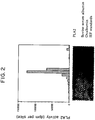
- Figure 2 demonstrates that the purified protein of the invention directly correlates with maximal PLA2 activity.
- Figure 3 is a concentration effect graph showing that the PLA2 of the invention is dependent on Ca2+ and attains maximum enzymatic activity at Ca2+ concentrations below 1 ⁇ M.
- Figure 4 represents the cyanogen bromide cleavage products of the PLA2 of the invention after being subjected to SDS polyacylamide gel electrophoresis.
- the present invention provides a process for a more than 10,000 fold purification of cytosolic PLA2 from the human monoblast cell line U937.
- This novel form of PLA2 is useful in models which identify compounds that possess anti-inflammatory and anti-ischemic properties.
- the current state of the art indicates that compounds which selectively inhibit a specific PLA2 occupying a regulatory position in the formation of lysophospholipids and the biosynthetic pathway of eicosanoids and PAFs will be excellent candidates for anti-inflammatory and anti-ischemic drugs.
- the process of the invention begins by lysing cells which contain cytosolic PLA2. All cells contain some form of PLA2, and the choice of which cell type to use depends largely on the cell's overall function in the body. With respect to cytosolic PLA2s which participate in the regulation of eicosanoid and PAF production, cells that compose the immune system are preferred. More preferred cell types are those of the hematopoietic system. More highly preferred cells are those of myeloid origin which are directly involved in the inflammatory response. Platelets, neutrophils, macrophages, monocytes, and cell lines derived from such cells are examples of highly preferred cells. Cell lines are often not derived from the mature cell type; rather they are more often developed from cells which arise from the differentiating stem cell. The differentiation process includes all variety of cells that rise from the stem cell and culminates in the mature cell type. For purposes of this document, cells within the differentiation process will be referred to as precursor cells.
- the chosen cell type must be secured in sufficient quantity to enable the purification of the particular cytosolic PLA2 contained within the cell type.
- the required cell mass will of course depend on the concentration of the sought after PLA2 within the cell. Because cytosolic PLA2s are found in such minute concentrations within cells, 1011 to 1012 total cells are typically required to begin the process of the invention.
- in vitro cell culture is the preferred method of acquiring the large number of cells required to practice the invention. Such techniques are well known in the art and may be exercised in a variety of modes. However, isolating platelets from blood donations is also a preferred method of procuring cells to practice the process of the invention.
- the cells of choice may be lysed by various methods including but not limited to enzymatic degradation, chemical lysis, osmotic shock, mechanical disruption, sonication, and pressure shock. Preferred lytic methods are mechanical ones and pressure shock is especially preferred. Nitrogen cavitation is the most preferred form of pressure shock for disrupting the cell. Lysis by nitrogen cavitation is accomplished by placing the cell suspension in a stirred cell disruption bomb and pressurizing it with nitrogen to approximately 600 pounds per square inch for twenty minutes. The pressure is then suddenly released causing the cells to burst.
- the lytic procedure (step a) is best performed in the presence of one or more protease inhibitors in a physiological buffer. In so doing, the denaturation and degradation of exceedingly scarce cytosolic PLA2s is minimized.
- protease inhibitors include but are not limited to antipain, alpha1-antitrypsin, aprotinin, bestatin, chymostatin, cystatin, leupeptin, pepstatin A, phenylmethanesulfonyl fluoride (PMSF), and trypsin inhibitor (Boehringer Mannheim, Indianapolis, IN).
- the preferred protease inhibitor combination is PMSF (1 mM), leupeptin (100 ⁇ M), and pepstatin A (1000 ⁇ M) in the presence of 2 mM ethylenediaminetetraacetic acid.
- step b) soluble and particulate fractions are prepared from the lysate to facilitate subsequent purification steps.
- the elimination of cellular debris and organelles from the soluble fraction results in a solution of cytosolic proteins including PLA2 which may be further purified.
- the preferred fractionation technique is ultracentrifugation though other methods of separation such as sequential filtration are consistent with the invention.
- Step c) continues the isolation by contacting the PLA2 containing solution with an anion exchange resin.
- Separation techniques that exploit the ionic charges of a molecule are well know in the art.
- a basic text describing the state of the art in protein purification which is useful for understanding the invention is Scopes, R.K., Protein Purification , Springer-Verlag New York Inc., 1982.
- Step b) may be performed in a batch mode; however, those skilled in the art will readily understand that this step is best accomplished by column chromatography (CC).
- CC column chromatography
- Numerous anion exchange resins are commercially available and are compatible with the invention. Examples of such resins are Fast Flow Sepharose Q (Pharmacia), Cellfine A-800 (Amicon), and Silica PAE (Amicon).
- the most preferred resin is Fast Flow Sepharose Q.
- the preferred binding and washing buffer is 150 mM NaCl, 2 mM 2-mercaptoethanol (2-ME), 1 mM ethylene-bis(oxy-ethylenenitrilo)tetraacetic acid (EGTA), 25 mM Tris/HCl at pH 8.
- Step d) is achieved by altering the ionic characteristics of the buffer so that buffer ions displace the PLA2 from the resin.
- Changing the buffer to elution conditions in a stepwise manner is consistent with the process of the invention.
- an elution buffer gradient is preferred because greater resolution between eluted proteins is achieved.
- the most preferred gradient begins with 100% binding and washing buffer and linearly advances towards 100% elution buffer (500 mM NaCl, 2 mM 2-ME, 1 mM EGTA, 25 mM Tris/HCl at pH 8).
- the column eluate is preferably monitored for absorbance at 280 nm as fractions are collected.
- Fractions obtained from step d) should be assayed for PLA2 activity and may be concentrated by standard techniques. Preferred concentration techniques will be gentle so as not to denature the enzyme and will preferably not concentrate solute ions. Standard concentration procedures employing molecular sizing and desalting gels such as Sephadex G-25 or G-50 as well as Biogel P30 or P60 are preferred. More highly preferred concentration methods are based on ultrafiltration techniques. Numerous ultrafiltration concentration units are commercially available such as a stirred cell with a YM 30 membrane (Amicon).
- the concentrated sample containing PLA2 is further purified in step e) by means of a hydrophobic interaction resin.
- a hydrophobic interaction resin Such resins are well known in the art and are used to purify proteins based on the particular hydrophobic properties inherent in the molecule of interest. Examples of such resins include but are not limited to Phenyl-Superose (Pharmacia), Phenyl-Sepharose (Pharmacia), and Hydropore HIC (Rainin). Under appropriate buffer conditions, PLA2 will bind the hydrophobic interaction resin and, after washing away proteins that do not bind, can be eluted from the column without deleterious effects.
- step e) is preferably accomplished by CC methods.
- the preferred hydrophobic interaction resin is Phenyl-Superose
- the preferred binding buffer is 500 mM NaCl, 2 mM 2-mM, 1 mM EGTA, 25 mM Tris/HCl at pH 8.
- the PLA2 be eluted in step f) using a linear gradient starting with 100% binding buffer and progressing to 100% elution buffer (50% ethylene glycol in water, 2 mM 2-ME, 1 mM EGTA, 25 mM Tris/HCl at pH 8).
- the column eluate is preferably monitored for absorbance at 280 nm as fractions are collected.
- the resultant fractions should be assayed for PLA2 activity and concentrated as discussed above before proceeding with subsequent steps of the invention.
- Step g) of the process further purifies the PLA2 containing sample using molecular sizing techniques. It is preferable to continue with this step only if a minimum of 5 mg of protein has been isolated up through step f). If pooling becomes necessary prior to step g), the isolated material may be stored at a concentration greater than 2 mg/ml at 4°c for up to three weeks without any adverse effects. Purification of enzymatically active proteins based on molecular size may be accomplished by a variety of methods including but not limited to filtration, dialysis, density gradients and gel electrophoresis.
- the preferred molecular sizing method is by gel filtration.
- Numerous commercial resins and columns are available for this purpose and are consistent with the invention. Such resins include but are not limited to Superose 12, Superose 6, Sephadex G-200 (Pharmacia), and Bio-gel P-300 (BioRad). The most preferred resin is Superose 12.
- Many different buffers are acceptable for gel filtration methods depending on the characteristics of the molecule to be purified.
- the preferred gel filtration buffer for PLA2 of the invention is 30% ethylene glycol in water, 150 mM NaCl, 2 mM 2-ME, 1 mM EGTA, 25 mM Tris/HCl at pH 8.
- the concentrated PLA2 containing sample obtained in step g) is preferably solvent exchanged into the same buffer with which the molecular sizing column is pre-equilibrated.
- the PLA2 containing sample can be solvent exchanged by a variety of well known techniques including but not limited to dialysis and dilution followed by concentration.
- Step h) is the final step in the process and purifies the PLA2 of the invention to homogeneity.
- the PLA2 containing solution obtained in step g) is contacted with a hydrophobic interaction resin under buffer conditions that result in only weak interactions between the PLA2 and the resin.
- the hydrophobic interaction resins and columns that were appropriate and preferred in step e) are consistent with this step.
- CC is the preferred method of accomplishing step h) as those skilled in the art will readily recognize.
- the preferred buffer in which the PLA2 containing sample is prepared for step h) and with which the column is run is 150 mM NaCl, 2 mM 2-Me, 1 mM EGTA, 25 mM Tris/HCl, pH 8. It is important to note that the PLA2 weakly binds the resin under these buffer conditions and exits the column during the wash phase.
- a gradient elution step following the washing procedure is not an essential step of the process but is necessary only to purge the column in preparation for its next use.
- the column fractions should be assayed for PLA2 activity, and the fractions coinciding with peak activity are pooled and concentrated as discussed above.
- Active cytosolic PLA2 which has been purified to homogeneity by the process of the invention may be stored in a variety of ways. Preferred storage methods will not detrimentally affect the enzymatic activity of the purified PLA2. Numerous storage methods are well known in the art and include storage in a preservative buffer or as a lyophilized powder at 4°C, -20°C or -70°C. The most preferred way to store the purified PLA2 of the invention is at -20°C in a solution prepared by mixing one part of the final column buffer, which contains the PLA2, with two parts of 75% glycerol / 25% 150 mM NaCl, 1mM EGTA, 25 mM Tris/HCl, pH 8. 2-ME was added to a final concentration of 2 mM.
- the human leukemia monoblastoid cell line U937 was obtained from American Type Culture Collection (ATCC). This cell line is a permanent part of the collection and is available under accession number CRL 1593.
- U937 cells were maintained in culture in D-MEM/F-12 medium (custom, GIBCO Laboratories, Grand Island, New York) supplemented with 5% fetal bovine serum (HyClone Laboratories, Logan, Utah), 4 mM L-glutamine (Tanabe USA, San Diego, CA), 0.02% Pluronic F-68 (BASF Corporation, Parsippany, N.J.), 1 mM CaCl2, 50 ug/ml Tobramycine (Eli Lilly and Company, Indianapolis, IN), 20 mM Hepes (USB, Cleveland, Ohio), 2.2 g/l NaHCO3, 100 ⁇ M ethanolamine (Sigma Chemical, St. Louis, MO).
- the ampule from ATCC containing 1 ml of the cell suspension was removed from its dry ice container and placed into a 37°C water bath with vigorous agitation until the ice had melted. All operations from this point were carried out using sterile techniques.
- the ampule was opened, and the contents were removed and placed into a sterile 15 ml conical centrifuge tube. After adding 9 ml of medium (at 37°C), the tube was centrifuged at 1000 rpm for 10 minutes in a table top centrifuge (Damon/IEC Division, Needham Heights, Mass.).
- the medium was decanted and the cell pellet resuspended in 50 ml of medium (37°C) and transferred to a T-75 tissue culture flask (Corning Glass, Corning, New York) that was placed in a 37°C incubator equilibrated to 5% CO2, 95% air (Forma Scientific, Marietta, Ohio).
- the culture was transferred into 450 ml fresh growth medium (500 ml total) in a 500 ml sterile microcarrier spinner flask (Bellco Biotechnology, Vineland, New Jersey) and stirred at 50 rpm using a microcarrier magnetic stirrer (Bellco) in a 5% CO2 incubator at 37°C.
- a microcarrier magnetic stirrer Bellco
- cell density reached 1-1.5 x 10⁶
- the 500 ml cell suspension was placed into 5.5 liters of medium at 37°C in a 6 liter microcarrier spinner (Bellco).
- the spinner flask was fitted with 0.2 micron vent filters (Gelman Sciences, Ann Arbor, Michigan) so that the headspace could be gassed continuously with 5% carbon dioxide, 25% oxygen, and 70% nitrogen. Stirring was at 50 rpm at 37°C.
- the 5 liter cell suspension was placed into approximately 36 liters of medium at 37°C in a sterile 36 liter Biotech Overhead Drive System (Bellco).
- the culture was sparged with 70% nitrogen, 25% oxygen, and 5% carbon dioxide through a sterile vent filter.
- a Pasteur pipet was fitted through one of the side ports, and gas flow was set at 5 to 10 bubbles/second.
- the culture was stirred at 6-7 rpm and incubated at 37°C. Daily cell counts were performed and when cell density reached approximately 1 x 10⁶ cells/ml, the culture was sparged at a very slow rate with 100% oxygen.
- the contents of the growth vessel were transferred to a sterile 50 liter carboy (Nalgene, Rochester, New York).
- the carboy was capped and stored at 4°C for approximately 48 hours to allow the cells to settle to the bottom of the container. All subsequent steps were performed at 4°C and did not require sterile procedures.
- Most of the medium was aspirated from the top of the carboy and discarded, leaving 5-6 liters of cell suspension.
- the carboy was swirled to resuspend the cells in the medium, and the cell suspension was poured into six, 1 liter centrifuge bottles (Nalgene, Rochester, New York).
- the bottles were centrifuged for 30 minutes at 2500 rpm in an IEC centrifuge (Damon/IEC, Needham Heights, Mass.). The supernatant was discarded, and the cells were washed in 2 liters of 140 mM NaCl, 5 mM KCl, 2 mM ethylenediamine tetraacetic acid (EDTA), 25 mM Tris/HCl at pH 7.4.
- the washed cell pellets were combined and resuspended at 108 cells/ml (approximately 10 mg/ml protein) in 150 mM NaCl, 2 mM EDTA, 50 mM Tris/HCl, 100 ⁇ M leupeptin at pH 8 yielding approximately 500 ml of cell suspension or 5 gm of cellular protein.
- the cells were transferred to a precooled Parr cell disruption bomb (Parr Instr. Co., Moline, IL), mixed with a magnetic stirrer at 4°C for 20 minutes under 600 psi nitrogen and lysed by releasing the pressure.
- the cell lysate was centrifuged (150,000 x g, 60 min, 4°C) and the resulting supernatant collected. Prior to column chromatography this cell extract was filtered first through cheese cloth and then through a Millipak-40 filter (0.22 ⁇ m, Millipore, Bedford, MA) using a variable speed peristaltic pump.
- the cytosolic fraction (2-3 gm protein) was applied to a 3.2 x 14 cm Fast Flow Sepharose Q (Pharmacia) column that had been pre-equilibrated with 150 mM NaCl, 2 mM 2-ME, 1 mM EGTA, 25 mM Tris/HCl, pH 8 at a flow rate of 6 ml/min.
- the column was washed with 500 ml of the same buffer, and elution proceeded by developing a 1500 ml linear salt gradient from 150 mM to 500 mM NaCl in 2 mM 2-ME, 1 mM EGTA, 25 mM Tris/HCl, pH 8 collecting fractions of 12 ml.
- the column eluate was monitored for absorbance at 280 nm (AUF 2.0) and 2 ul aliquots of each fraction were assayed for PLA2 activity.
- the PLA2 eluted with approximately 380 mM NaCl at fractions 47-56 (120 ml). These fractions were pooled and concentrated to 25 ml using an Amicon ultrafiltration stirred cell with a YM 30 membrane.
- the concentrated peak fractions (150 mg of protein) from the anion exchange column were applied to a Phenyl-Superose HR 10/10 column (Pharmacia) that had been pre-equilibrated with 500 mM NaCl, 2 mM 2-ME, 1 mM EGTA, 25 mM Tris/HCl, pH 8 at a flow rate of 1 ml/min collecting 4 ml fractions.
- the concentrated peak fractions from the hydrophobic interaction column were pooled (approximately 5 mg protein) and chromatographed on tandem Superose 12 columns (each 1.6 x 50 cm) pre-equilibrated with 30% ethylene glycol, 2 mM 2-ME, 150 mM NaCl, 1 mM EGTA, 25 mM Tris/HCl, pH 8 at a flow rate of 0.15 ml/min collecting 1.5 ml fractions.
- the column eluate was monitored for absorbance at 280 nm, and 2 ⁇ l aliquots of each fraction were assayed for PLA2 activity.
- the enzymatic activity eluted in fractions 38-47 (15 ml).
- fractions were pooled and concentrated to microconcentrators (Amicon).
- the concentrated samples (approximately 80 ⁇ l per concentrator) were each resuspended in 2.5 ml of 150 mM NaCl, 2 mM 2-ME, 1 mM EGTA, 25 mM Tris/HCl, pH 8 (to give a final ethylene glycol concentration of ⁇ 1%) and reconcentrated to approximately 80 ⁇ l then pooled resulting in a final volume of ⁇ 650 ⁇ l.
- the concentrated sample (approximately 1 mg protein) from the gel filtration column was diluted to 1 ml using 150 mM NaCl, 1 mM 2-ME, 1 mM EGTA, 25 mM Tris/HCl, pH 8.
- the sample was loaded onto a Phenyl-Superose HR 5/5 (Pharmacia) column that had been preequilibrated with the same buffer used for the dilution at a flow rate of 0.25 ml/min, and 0.5 ml fractions were collected.
- Table 1 summarizes the results of the process of the invention as illustrated by Examples 1 and 2. The data was generated from combined purifications taking two, 40 liter preparations through step f) then combining them for steps g) and h).
- Figure 1 is a reproduction of a 12% SDS polyacrylamide gel electrophoresis (SDS-PAGE) run under reducing conditions according to Laemmli (Laemmli, Nature , 227 : 680 (1970)). Each lane of the gel shows a pattern of proteins that have been isolated as a result of each purification step of the invention. Lane 7 demonstrates that the PLA2 isolated as a result of the process of the invention is substantially pure and has a molecular weight of approximately 100 Kd.
- Figure 2 represents a non-denaturing polyacrylamide gel electrophoresis of the purified PLA2 of the invention.
- a parallel unstained PLA2 lane was cut into 20 slices and the contents of each slice was eluted from the gel using 1% CHAPS, 150 mM NaCl, 2 mM 2-ME, 1 mM EGTA, 25 mM Tris/HCl, pH 8 plus 2 mg/ml bovine serum albumin at 4°C over night.
- the eluates were placed in a PLA2 activity assay to demonstrate that the protein purified by the process of the invention is in fact a PLA2 enzyme.
- Figure 2 shows that the primary protein band on the gel clearly coincided with peak PLA2 activity.
- Figure 3 depicts the results of a PLA2 activity assay where the Ca2+ requirements of the isolated product were examined.
- the plotted curve represents two different assays which clearly show that the PLA2 of the invention requires Ca2+ for activity and reaches maximum enzymatic activity at approximately 800 nM Ca2+ concentration. This finding is unique to the PLA2 of the invention because all other well characterized low molecular weight PLA2s reported to date have maximum activity above 1 mM Ca2+ concentration.
- the PLA2 band was visualized using a one-step, low background Coomassie staining procedure (B.D. Zehr, T.J. Savin and R.E. Hall, Anal. Biochem. , 182 : 157, (1989)) and excised from the gel. Each gel slice was washed twice with 1 ml of 10% acetic acid, 5% methanol and stored in Eppendorf tubes at -20°C.
- Each polyacrylamide gel slice containing PLA2 of the invention was washed for 10 minutes with 1 ml of water and then exposed to CNBr (100 mg/ml) in 1 ml of 0.1 N HCl containing 20% formic acid.
- the CNBr was diluted from a freshly prepared stock of 500 mg/ml in 90% formic acid. Unreacted CNBr was removed by extensive sequential washing.
- Proteins from the gel slices were electrophoresed into SDS polyacrylamide gels containing a 5% stacking gel and a 14% separating gel. Following electrophoresis, the gel was soaked in transfer buffer (10 mM 3-[cyclohexylamino]-1-propanesulfonic acid, 10% methanol, pH 11) for 5 minutes and electroblotted at 4°C onto a polyvinylidene difluoride (PVDF) membrane (Immobilon; 45 um pore size, Millipore, Bedford MA) for 2 hours at 250 mA (P. Matsudaira, J. Biol.Chem. , 262 : 10035 (1987)).
- PVDF polyvinylidene difluoride
- FIG. 4 is a representation of the transferred cleavage products and molecular weight standards. Seven distinct bands are visible in the PLA2 lane indicating that the PLA2 of the invention was only partially cleaved by the CNBr treatment.
- the resulting phenylthiohydantoin amino acids were analyzed on-line using an Applied Biosystems 120A PTH amino acid analyzer equipped with a PTH-C18 column (2.1 x 220 mm).
- the 26 amino-terminal amino acids for peptide 4 were Leu-Lys-Leu-Asn-Pro-Thr-Ile-Ile-Tyr-Phe-Val-Leu-Ala-Asn-Ile-Asn-Phe-Arg-Lys-Tyr-Lys-Ala-Pro-Gly-Val-Pro.
- the lipids were dispersed in 1 ml of 150 mM NaCl, 50 mM Hepes, pH 7.5 (assay buffer) by sonication at 4°C with a Microson probe-sonicator (Heat-systems, Ultrasonics) for 4 x 15 second, with 45 second intervals.
- Bovine serum albumin essentially fatty acid free, from a 100 mg/ml stock in water, Sigma was added to a final concentration of 4 mg/ml.
- Samples to be assayed for PLA2 activity were incubated with 50 ⁇ l liposomes (0.5 nmol [14C]PC, 50,000 cpm containing 0.25 nmol of DG) in a total volume of 0.2 ml of assay buffer containing 1 mM CaCl2 and 1 mM 2-ME. Incubations were carried out at 37°C for 15 minutes and terminated by adding 2 ml of Dole's reagent ((2-propanol/heptane/0.5 M sulfuric acid, 40:10:1 containing 10 ug/ml of stearic acid). After mixing 1.2 ml of heptane and 1 ml of water were added.
- Dole's reagent ((2-propanol/heptane/0.5 M sulfuric acid, 40:10:1 containing 10 ug/ml of stearic acid).
Landscapes
- Chemical & Material Sciences (AREA)
- Life Sciences & Earth Sciences (AREA)
- Organic Chemistry (AREA)
- Health & Medical Sciences (AREA)
- Zoology (AREA)
- Engineering & Computer Science (AREA)
- Wood Science & Technology (AREA)
- Genetics & Genomics (AREA)
- Bioinformatics & Cheminformatics (AREA)
- Molecular Biology (AREA)
- Microbiology (AREA)
- Biotechnology (AREA)
- Proteomics, Peptides & Aminoacids (AREA)
- Biochemistry (AREA)
- General Engineering & Computer Science (AREA)
- General Health & Medical Sciences (AREA)
- Biomedical Technology (AREA)
- Physics & Mathematics (AREA)
- Analytical Chemistry (AREA)
- Biophysics (AREA)
- Medicinal Chemistry (AREA)
- Immunology (AREA)
- Enzymes And Modification Thereof (AREA)
- Preparation Of Compounds By Using Micro-Organisms (AREA)
- Compounds Of Unknown Constitution (AREA)
- Detergent Compositions (AREA)
- Peptides Or Proteins (AREA)
- Medicines That Contain Protein Lipid Enzymes And Other Medicines (AREA)
- Measuring Or Testing Involving Enzymes Or Micro-Organisms (AREA)
- Saccharide Compounds (AREA)
- Medicines Containing Material From Animals Or Micro-Organisms (AREA)
Applications Claiming Priority (2)
| Application Number | Priority Date | Filing Date | Title |
|---|---|---|---|
| US57351390A | 1990-08-24 | 1990-08-24 | |
| US573513 | 1990-08-24 |
Publications (3)
| Publication Number | Publication Date |
|---|---|
| EP0476849A2 true EP0476849A2 (de) | 1992-03-25 |
| EP0476849A3 EP0476849A3 (en) | 1992-06-17 |
| EP0476849B1 EP0476849B1 (de) | 1997-03-05 |
Family
ID=24292288
Family Applications (1)
| Application Number | Title | Priority Date | Filing Date |
|---|---|---|---|
| EP91307746A Expired - Lifetime EP0476849B1 (de) | 1990-08-24 | 1991-08-22 | Menschliche Zytosolische Phospholipase A2 |
Country Status (12)
| Country | Link |
|---|---|
| EP (1) | EP0476849B1 (de) |
| JP (1) | JPH0829080B2 (de) |
| AT (1) | ATE149567T1 (de) |
| AU (1) | AU643061B2 (de) |
| CA (1) | CA2049482A1 (de) |
| DE (1) | DE69124893T2 (de) |
| DK (1) | DK0476849T3 (de) |
| ES (1) | ES2098326T3 (de) |
| GR (1) | GR3023061T3 (de) |
| HU (1) | HUT61588A (de) |
| IE (1) | IE912994A1 (de) |
| IL (1) | IL99227A (de) |
Cited By (4)
| Publication number | Priority date | Publication date | Assignee | Title |
|---|---|---|---|---|
| US5453443A (en) * | 1994-07-20 | 1995-09-26 | Merck Frosst Canada, Inc. | Bis(aryloxy)alkanes as inhibitors of phospholipase A2 enzymes |
| WO2004003193A1 (en) * | 2002-06-27 | 2004-01-08 | Dae-Kyong Kim | Novel pla2 enzyme, it's antibody, enzyme inhibitor and use and the preparation methods thereof |
| US7015006B1 (en) | 1999-03-09 | 2006-03-21 | Amarin Neuroscience Limited | Diagnostic test |
| WO2012078797A1 (en) * | 2010-12-07 | 2012-06-14 | The Hershey Company | Compounds influencing fatty acid uptake and metabolism and the production of inflammatory agents and methods of isolating them from cocoa products |
Families Citing this family (1)
| Publication number | Priority date | Publication date | Assignee | Title |
|---|---|---|---|---|
| WO2004081230A1 (ja) * | 2003-03-13 | 2004-09-23 | Nippon Soda Co. Ltd. | 生理的な活性型構造機能を反映する機能因子の活性評価方法およびその使用 |
Family Cites Families (3)
| Publication number | Priority date | Publication date | Assignee | Title |
|---|---|---|---|---|
| JPS6443193A (en) * | 1987-08-11 | 1989-02-15 | Tanpaku Kogaku Kenkyusho Kk | Production of phospholipase a2 |
| JPH03503843A (ja) * | 1988-04-15 | 1991-08-29 | バイオジェン インコーポレイテッド | ホスホリパーゼa2の精製方法およびホスホリパーゼa2様ポリペプチドの製造方法 |
| IL101507A0 (en) * | 1991-04-17 | 1992-12-30 | Lilly Co Eli | Compounds,vectors and methods for expressing human,cytosolic phospholipase a2 |
-
1991
- 1991-08-19 CA CA002049482A patent/CA2049482A1/en not_active Abandoned
- 1991-08-19 IL IL9922791A patent/IL99227A/en not_active IP Right Cessation
- 1991-08-22 AT AT91307746T patent/ATE149567T1/de not_active IP Right Cessation
- 1991-08-22 DK DK91307746.7T patent/DK0476849T3/da active
- 1991-08-22 AU AU82698/91A patent/AU643061B2/en not_active Ceased
- 1991-08-22 DE DE69124893T patent/DE69124893T2/de not_active Expired - Fee Related
- 1991-08-22 ES ES91307746T patent/ES2098326T3/es not_active Expired - Lifetime
- 1991-08-22 EP EP91307746A patent/EP0476849B1/de not_active Expired - Lifetime
- 1991-08-23 IE IE299491A patent/IE912994A1/en not_active IP Right Cessation
- 1991-08-23 HU HU912779A patent/HUT61588A/hu unknown
- 1991-08-23 JP JP3211948A patent/JPH0829080B2/ja not_active Expired - Fee Related
-
1997
- 1997-04-08 GR GR970400729T patent/GR3023061T3/el unknown
Cited By (5)
| Publication number | Priority date | Publication date | Assignee | Title |
|---|---|---|---|---|
| US5453443A (en) * | 1994-07-20 | 1995-09-26 | Merck Frosst Canada, Inc. | Bis(aryloxy)alkanes as inhibitors of phospholipase A2 enzymes |
| US7015006B1 (en) | 1999-03-09 | 2006-03-21 | Amarin Neuroscience Limited | Diagnostic test |
| WO2004003193A1 (en) * | 2002-06-27 | 2004-01-08 | Dae-Kyong Kim | Novel pla2 enzyme, it's antibody, enzyme inhibitor and use and the preparation methods thereof |
| WO2012078797A1 (en) * | 2010-12-07 | 2012-06-14 | The Hershey Company | Compounds influencing fatty acid uptake and metabolism and the production of inflammatory agents and methods of isolating them from cocoa products |
| CN103338636A (zh) * | 2010-12-07 | 2013-10-02 | 好时公司 | 影响脂肪酸摄取和代谢及炎性介质产生的化合物和从可可产品中分离所述化合物的方法 |
Also Published As
| Publication number | Publication date |
|---|---|
| JPH0829080B2 (ja) | 1996-03-27 |
| EP0476849B1 (de) | 1997-03-05 |
| IE912994A1 (en) | 1992-02-26 |
| IL99227A (en) | 1996-10-16 |
| AU8269891A (en) | 1993-04-08 |
| JPH0591874A (ja) | 1993-04-16 |
| DK0476849T3 (da) | 1997-07-28 |
| DE69124893D1 (de) | 1997-04-10 |
| HU912779D0 (en) | 1992-01-28 |
| CA2049482A1 (en) | 1992-02-25 |
| DE69124893T2 (de) | 1997-09-11 |
| HUT61588A (en) | 1993-01-28 |
| ES2098326T3 (es) | 1997-05-01 |
| AU643061B2 (en) | 1993-11-04 |
| EP0476849A3 (en) | 1992-06-17 |
| ATE149567T1 (de) | 1997-03-15 |
| IL99227A0 (en) | 1992-07-15 |
| GR3023061T3 (en) | 1997-07-30 |
Similar Documents
| Publication | Publication Date | Title |
|---|---|---|
| US4746605A (en) | Process and a reagent for the determination of low density lipoproteins (LDL) | |
| Essner | An electron microscopic study of erythrophagocytosis | |
| Scopes | Protein purification: principles and practice | |
| Tenney et al. | Hex-1, a gene unique to filamentous fungi, encodes the major protein of the Woronin body and functions as a plug for septal pores | |
| Williamson et al. | Isolation of endoplasmic reticulum, mitochondria, and mitochondria‐associated membrane and detergent resistant membrane fractions from transfected cells and from human cytomegalovirus‐infected primary fibroblasts | |
| Stossel et al. | Isolation and properties of phagocytic vesicles II. Alveolar macrophages | |
| Bozidis et al. | Isolation of endoplasmic reticulum, mitochondria, and mitochondria‐associated membrane fractions from transfected cells and from human cytomegalovirus‐infected primary fibroblasts | |
| Stahl | Phospholipase C purification and specificity with respect to individual phospholipids and brain microsomal membrane phospholipids | |
| Hessler et al. | Identification of glyceraldehyde‐3‐phosphate dehydrogenase as a Ca2+‐dependent fusogen in human neutrophil cytosol | |
| Bowman et al. | [42] Purification of vacuolar membranes, mitochondria, and plasma membrane from Neurospora crassa and modes of discriminating among the different H+-ATPases | |
| Nicolson et al. | Outer membrane terminal saccharides of bovine liver nuclei and mitochondria | |
| EP0476849B1 (de) | Menschliche Zytosolische Phospholipase A2 | |
| JPH0829103B2 (ja) | ヒト細胞質ゾルホスホリパーゼa2を発現させるための化合物、ベクターおよび方法 | |
| JP6035427B2 (ja) | 組換えヒトガラクトセレブロシドβ−ガラクトシダーゼ(rhGALC)の精製 | |
| Keenan et al. | Membranes of mammary gland. III. Lipid composition of Golgi apparatus from rat mammary gland | |
| Vora et al. | Characterization of the enzymatic defect in late-onset muscle phosphofructokinase deficiency. New subtype of glycogen storage disease type VII. | |
| Willinger et al. | Fate of surface proteins of rabbit polymorphonuclear leukocytes during phagocytosis. I. Identification of surface proteins. | |
| Hoener et al. | Glycosyl-phosphatidylinositol-specific phospholipase D: interaction with and stimulation by apolipoprotein AI | |
| Rindler-Ludwig et al. | Characterization and partial purification of acid lipase from human leucocytes | |
| Ajmar et al. | Expression of erythroid acetylcholinesterase in the K-562 leukemia cell line | |
| Wieslander et al. | Fractionation of membranes from Acholeplasma laidlawii A on the basis of their surface properties by partition in two-polymer aqueous phase systems | |
| Deshmukh et al. | Studies on the submicrosomal fractions of bovine oligodendroglia: lipid composition and glycolipid biosynthesis | |
| Makita et al. | Alterations of phosphoinositide-specific phospholipase C and protein kinase C in the myocardium of spontaneously hypertensive rats | |
| Cunningham et al. | Isolation of germ cell Golgi apparatus from seminiferous tubules of rat testes | |
| CA2002446A1 (en) | Method for the isolation of purification of cu/zn superoxide dismutase |
Legal Events
| Date | Code | Title | Description |
|---|---|---|---|
| PUAI | Public reference made under article 153(3) epc to a published international application that has entered the european phase |
Free format text: ORIGINAL CODE: 0009012 |
|
| 17P | Request for examination filed |
Effective date: 19910903 |
|
| AK | Designated contracting states |
Kind code of ref document: A2 Designated state(s): AT BE CH DE DK ES FR GB GR IT LI NL SE |
|
| PUAL | Search report despatched |
Free format text: ORIGINAL CODE: 0009013 |
|
| AK | Designated contracting states |
Kind code of ref document: A3 Designated state(s): AT BE CH DE DK ES FR GB GR IT LI NL SE |
|
| 17Q | First examination report despatched |
Effective date: 19950707 |
|
| GRAG | Despatch of communication of intention to grant |
Free format text: ORIGINAL CODE: EPIDOS AGRA |
|
| GRAH | Despatch of communication of intention to grant a patent |
Free format text: ORIGINAL CODE: EPIDOS IGRA |
|
| GRAH | Despatch of communication of intention to grant a patent |
Free format text: ORIGINAL CODE: EPIDOS IGRA |
|
| GRAA | (expected) grant |
Free format text: ORIGINAL CODE: 0009210 |
|
| AK | Designated contracting states |
Kind code of ref document: B1 Designated state(s): AT BE CH DE DK ES FR GB GR IT LI NL SE |
|
| REF | Corresponds to: |
Ref document number: 149567 Country of ref document: AT Date of ref document: 19970315 Kind code of ref document: T |
|
| REG | Reference to a national code |
Ref country code: CH Ref legal event code: NV Representative=s name: E. BLUM & CO. PATENTANWAELTE Ref country code: CH Ref legal event code: EP |
|
| REF | Corresponds to: |
Ref document number: 69124893 Country of ref document: DE Date of ref document: 19970410 |
|
| ET | Fr: translation filed | ||
| REG | Reference to a national code |
Ref country code: ES Ref legal event code: FG2A Ref document number: 2098326 Country of ref document: ES Kind code of ref document: T3 |
|
| ITF | It: translation for a ep patent filed | ||
| REG | Reference to a national code |
Ref country code: GR Ref legal event code: FG4A Free format text: 3023061 |
|
| REG | Reference to a national code |
Ref country code: DK Ref legal event code: T3 |
|
| PLBE | No opposition filed within time limit |
Free format text: ORIGINAL CODE: 0009261 |
|
| STAA | Information on the status of an ep patent application or granted ep patent |
Free format text: STATUS: NO OPPOSITION FILED WITHIN TIME LIMIT |
|
| 26N | No opposition filed | ||
| PGFP | Annual fee paid to national office [announced via postgrant information from national office to epo] |
Ref country code: SE Payment date: 19980603 Year of fee payment: 8 |
|
| PGFP | Annual fee paid to national office [announced via postgrant information from national office to epo] |
Ref country code: DK Payment date: 19980604 Year of fee payment: 8 |
|
| PG25 | Lapsed in a contracting state [announced via postgrant information from national office to epo] |
Ref country code: DK Free format text: LAPSE BECAUSE OF NON-PAYMENT OF DUE FEES Effective date: 19990822 |
|
| PG25 | Lapsed in a contracting state [announced via postgrant information from national office to epo] |
Ref country code: SE Free format text: THE PATENT HAS BEEN ANNULLED BY A DECISION OF A NATIONAL AUTHORITY Effective date: 19990830 |
|
| EUG | Se: european patent has lapsed |
Ref document number: 91307746.7 |
|
| REG | Reference to a national code |
Ref country code: DK Ref legal event code: EBP |
|
| PGFP | Annual fee paid to national office [announced via postgrant information from national office to epo] |
Ref country code: AT Payment date: 20010629 Year of fee payment: 11 |
|
| PGFP | Annual fee paid to national office [announced via postgrant information from national office to epo] |
Ref country code: FR Payment date: 20010802 Year of fee payment: 11 |
|
| PGFP | Annual fee paid to national office [announced via postgrant information from national office to epo] |
Ref country code: ES Payment date: 20010813 Year of fee payment: 11 |
|
| PGFP | Annual fee paid to national office [announced via postgrant information from national office to epo] |
Ref country code: DE Payment date: 20010831 Year of fee payment: 11 |
|
| PGFP | Annual fee paid to national office [announced via postgrant information from national office to epo] |
Ref country code: BE Payment date: 20010912 Year of fee payment: 11 |
|
| PGFP | Annual fee paid to national office [announced via postgrant information from national office to epo] |
Ref country code: CH Payment date: 20010927 Year of fee payment: 11 |
|
| REG | Reference to a national code |
Ref country code: GB Ref legal event code: IF02 |
|
| PG25 | Lapsed in a contracting state [announced via postgrant information from national office to epo] |
Ref country code: AT Free format text: LAPSE BECAUSE OF NON-PAYMENT OF DUE FEES Effective date: 20020822 |
|
| PG25 | Lapsed in a contracting state [announced via postgrant information from national office to epo] |
Ref country code: ES Free format text: LAPSE BECAUSE OF NON-PAYMENT OF DUE FEES Effective date: 20020823 |
|
| PG25 | Lapsed in a contracting state [announced via postgrant information from national office to epo] |
Ref country code: LI Free format text: LAPSE BECAUSE OF NON-PAYMENT OF DUE FEES Effective date: 20020831 Ref country code: CH Free format text: LAPSE BECAUSE OF NON-PAYMENT OF DUE FEES Effective date: 20020831 Ref country code: BE Free format text: LAPSE BECAUSE OF NON-PAYMENT OF DUE FEES Effective date: 20020831 |
|
| BERE | Be: lapsed |
Owner name: *ELI LILLY AND CY Effective date: 20020831 |
|
| PG25 | Lapsed in a contracting state [announced via postgrant information from national office to epo] |
Ref country code: DE Free format text: LAPSE BECAUSE OF NON-PAYMENT OF DUE FEES Effective date: 20030301 |
|
| REG | Reference to a national code |
Ref country code: CH Ref legal event code: PL |
|
| PG25 | Lapsed in a contracting state [announced via postgrant information from national office to epo] |
Ref country code: FR Free format text: LAPSE BECAUSE OF NON-PAYMENT OF DUE FEES Effective date: 20030430 |
|
| REG | Reference to a national code |
Ref country code: FR Ref legal event code: ST |
|
| REG | Reference to a national code |
Ref country code: ES Ref legal event code: FD2A Effective date: 20030912 |
|
| PGFP | Annual fee paid to national office [announced via postgrant information from national office to epo] |
Ref country code: GB Payment date: 20040707 Year of fee payment: 14 |
|
| PGFP | Annual fee paid to national office [announced via postgrant information from national office to epo] |
Ref country code: NL Payment date: 20040713 Year of fee payment: 14 |
|
| PGFP | Annual fee paid to national office [announced via postgrant information from national office to epo] |
Ref country code: GR Payment date: 20040727 Year of fee payment: 14 |
|
| PG25 | Lapsed in a contracting state [announced via postgrant information from national office to epo] |
Ref country code: IT Free format text: LAPSE BECAUSE OF NON-PAYMENT OF DUE FEES Effective date: 20050822 Ref country code: GB Free format text: LAPSE BECAUSE OF NON-PAYMENT OF DUE FEES Effective date: 20050822 |
|
| PG25 | Lapsed in a contracting state [announced via postgrant information from national office to epo] |
Ref country code: NL Free format text: LAPSE BECAUSE OF NON-PAYMENT OF DUE FEES Effective date: 20060301 |
|
| PG25 | Lapsed in a contracting state [announced via postgrant information from national office to epo] |
Ref country code: GR Free format text: LAPSE BECAUSE OF NON-PAYMENT OF DUE FEES Effective date: 20060302 |
|
| GBPC | Gb: european patent ceased through non-payment of renewal fee |
Effective date: 20050822 |
|
| NLV4 | Nl: lapsed or anulled due to non-payment of the annual fee |
Effective date: 20060301 |