EP0485970A2 - Surproduction de thréonine et de lysine dans des plantes transgéniques - Google Patents
Surproduction de thréonine et de lysine dans des plantes transgéniques Download PDFInfo
- Publication number
- EP0485970A2 EP0485970A2 EP91119328A EP91119328A EP0485970A2 EP 0485970 A2 EP0485970 A2 EP 0485970A2 EP 91119328 A EP91119328 A EP 91119328A EP 91119328 A EP91119328 A EP 91119328A EP 0485970 A2 EP0485970 A2 EP 0485970A2
- Authority
- EP
- European Patent Office
- Prior art keywords
- plant
- dhps
- threonine
- lysine
- chimeric gene
- Prior art date
- Legal status (The legal status is an assumption and is not a legal conclusion. Google has not performed a legal analysis and makes no representation as to the accuracy of the status listed.)
- Withdrawn
Links
Images






Classifications
-
- C—CHEMISTRY; METALLURGY
- C12—BIOCHEMISTRY; BEER; SPIRITS; WINE; VINEGAR; MICROBIOLOGY; ENZYMOLOGY; MUTATION OR GENETIC ENGINEERING
- C12N—MICROORGANISMS OR ENZYMES; COMPOSITIONS THEREOF; PROPAGATING, PRESERVING, OR MAINTAINING MICROORGANISMS; MUTATION OR GENETIC ENGINEERING; CULTURE MEDIA
- C12N15/00—Mutation or genetic engineering; DNA or RNA concerning genetic engineering, vectors, e.g. plasmids, or their isolation, preparation or purification; Use of hosts therefor
- C12N15/09—Recombinant DNA-technology
- C12N15/63—Introduction of foreign genetic material using vectors; Vectors; Use of hosts therefor; Regulation of expression
- C12N15/79—Vectors or expression systems specially adapted for eukaryotic hosts
- C12N15/82—Vectors or expression systems specially adapted for eukaryotic hosts for plant cells, e.g. plant artificial chromosomes (PACs)
- C12N15/8241—Phenotypically and genetically modified plants via recombinant DNA technology
- C12N15/8242—Phenotypically and genetically modified plants via recombinant DNA technology with non-agronomic quality (output) traits, e.g. for industrial processing; Value added, non-agronomic traits
- C12N15/8243—Phenotypically and genetically modified plants via recombinant DNA technology with non-agronomic quality (output) traits, e.g. for industrial processing; Value added, non-agronomic traits involving biosynthetic or metabolic pathways, i.e. metabolic engineering, e.g. nicotine, caffeine
- C12N15/8251—Amino acid content, e.g. synthetic storage proteins, altering amino acid biosynthesis
- C12N15/8254—Tryptophan or lysine
-
- C—CHEMISTRY; METALLURGY
- C12—BIOCHEMISTRY; BEER; SPIRITS; WINE; VINEGAR; MICROBIOLOGY; ENZYMOLOGY; MUTATION OR GENETIC ENGINEERING
- C12N—MICROORGANISMS OR ENZYMES; COMPOSITIONS THEREOF; PROPAGATING, PRESERVING, OR MAINTAINING MICROORGANISMS; MUTATION OR GENETIC ENGINEERING; CULTURE MEDIA
- C12N15/00—Mutation or genetic engineering; DNA or RNA concerning genetic engineering, vectors, e.g. plasmids, or their isolation, preparation or purification; Use of hosts therefor
- C12N15/09—Recombinant DNA-technology
- C12N15/63—Introduction of foreign genetic material using vectors; Vectors; Use of hosts therefor; Regulation of expression
- C12N15/79—Vectors or expression systems specially adapted for eukaryotic hosts
- C12N15/82—Vectors or expression systems specially adapted for eukaryotic hosts for plant cells, e.g. plant artificial chromosomes (PACs)
- C12N15/8241—Phenotypically and genetically modified plants via recombinant DNA technology
- C12N15/8242—Phenotypically and genetically modified plants via recombinant DNA technology with non-agronomic quality (output) traits, e.g. for industrial processing; Value added, non-agronomic traits
- C12N15/8243—Phenotypically and genetically modified plants via recombinant DNA technology with non-agronomic quality (output) traits, e.g. for industrial processing; Value added, non-agronomic traits involving biosynthetic or metabolic pathways, i.e. metabolic engineering, e.g. nicotine, caffeine
- C12N15/8251—Amino acid content, e.g. synthetic storage proteins, altering amino acid biosynthesis
-
- C—CHEMISTRY; METALLURGY
- C12—BIOCHEMISTRY; BEER; SPIRITS; WINE; VINEGAR; MICROBIOLOGY; ENZYMOLOGY; MUTATION OR GENETIC ENGINEERING
- C12N—MICROORGANISMS OR ENZYMES; COMPOSITIONS THEREOF; PROPAGATING, PRESERVING, OR MAINTAINING MICROORGANISMS; MUTATION OR GENETIC ENGINEERING; CULTURE MEDIA
- C12N15/00—Mutation or genetic engineering; DNA or RNA concerning genetic engineering, vectors, e.g. plasmids, or their isolation, preparation or purification; Use of hosts therefor
- C12N15/09—Recombinant DNA-technology
- C12N15/63—Introduction of foreign genetic material using vectors; Vectors; Use of hosts therefor; Regulation of expression
- C12N15/79—Vectors or expression systems specially adapted for eukaryotic hosts
- C12N15/82—Vectors or expression systems specially adapted for eukaryotic hosts for plant cells, e.g. plant artificial chromosomes (PACs)
- C12N15/8241—Phenotypically and genetically modified plants via recombinant DNA technology
- C12N15/8242—Phenotypically and genetically modified plants via recombinant DNA technology with non-agronomic quality (output) traits, e.g. for industrial processing; Value added, non-agronomic traits
- C12N15/8243—Phenotypically and genetically modified plants via recombinant DNA technology with non-agronomic quality (output) traits, e.g. for industrial processing; Value added, non-agronomic traits involving biosynthetic or metabolic pathways, i.e. metabolic engineering, e.g. nicotine, caffeine
- C12N15/8251—Amino acid content, e.g. synthetic storage proteins, altering amino acid biosynthesis
- C12N15/8253—Methionine or cysteine
-
- C—CHEMISTRY; METALLURGY
- C12—BIOCHEMISTRY; BEER; SPIRITS; WINE; VINEGAR; MICROBIOLOGY; ENZYMOLOGY; MUTATION OR GENETIC ENGINEERING
- C12N—MICROORGANISMS OR ENZYMES; COMPOSITIONS THEREOF; PROPAGATING, PRESERVING, OR MAINTAINING MICROORGANISMS; MUTATION OR GENETIC ENGINEERING; CULTURE MEDIA
- C12N9/00—Enzymes; Proenzymes; Compositions thereof; Processes for preparing, activating, inhibiting, separating or purifying enzymes
- C12N9/10—Transferases (2.)
- C12N9/12—Transferases (2.) transferring phosphorus containing groups, e.g. kinases (2.7)
-
- C—CHEMISTRY; METALLURGY
- C12—BIOCHEMISTRY; BEER; SPIRITS; WINE; VINEGAR; MICROBIOLOGY; ENZYMOLOGY; MUTATION OR GENETIC ENGINEERING
- C12N—MICROORGANISMS OR ENZYMES; COMPOSITIONS THEREOF; PROPAGATING, PRESERVING, OR MAINTAINING MICROORGANISMS; MUTATION OR GENETIC ENGINEERING; CULTURE MEDIA
- C12N9/00—Enzymes; Proenzymes; Compositions thereof; Processes for preparing, activating, inhibiting, separating or purifying enzymes
- C12N9/88—Lyases (4.)
-
- C—CHEMISTRY; METALLURGY
- C12—BIOCHEMISTRY; BEER; SPIRITS; WINE; VINEGAR; MICROBIOLOGY; ENZYMOLOGY; MUTATION OR GENETIC ENGINEERING
- C12P—FERMENTATION OR ENZYME-USING PROCESSES TO SYNTHESISE A DESIRED CHEMICAL COMPOUND OR COMPOSITION OR TO SEPARATE OPTICAL ISOMERS FROM A RACEMIC MIXTURE
- C12P13/00—Preparation of nitrogen-containing organic compounds
- C12P13/04—Alpha- or beta- amino acids
- C12P13/08—Lysine; Diaminopimelic acid; Threonine; Valine
Definitions
- the present invention relates to a chimeric gone comprising a DNA sequence coding for an enzyme having aspartate kinase activity and DNA sequences enabling expression of the enzyme in plant cells and subsequent production of high levels of threonine.
- Transgenic plants containing said gene in their cells produce high levels of threonine and are resistant to phytotoxic amounts of lysine and threonine.
- Transgenic plants co-transformed with a chimeric gene comprising a DNA sequence encoding an enzyme having aspartate kinase activity and a chimeric gene comprising a DNA sequence encoding an enzyme having dihydrodipicolinate synthase activity produce high levels of both threonine and lysine and are resistant to phytotoxic amounts of threonine and lysine.
- the essential amino acids lysine, threonine and methionine are synthesized from aspartate by a complex pathway which is similar between bacteria and higher plants.
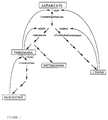
- the biosynthesis of the aspartate-family comprising the amino acids lysine, threonine, methionine and isoleucine is depicted in the diagram of Fig. 1. (Only the major key enzymes and their products are indicated. Curved arrows represent feedback inhibition of activity by the end-product amino acids. AK-aspartate kinase; DHPS-dihydrodipicolinate synthase; HSD-homoserine dehydrogenase; and THD-threonine dehydratase).
- the aspartate family pathway has been characterized in detail in E.
- This biosynthetic pathway involves many enzymes, some of which are common for several or all of the aspartate-family amino acids, while others are specific for individual amino acids.
- the rate of synthesis of the aspartate-family amino acids is regulated in a complex process of inhibition of the activity of some key enzymes in the pathway, by the relevant amino acid end product. These inhibition processes occur probably through direct interactions between the enzymes and the amino acids, since the amino acids can also inhibit the activity of purified enzyme preparations.
- the activity of aspartate kinase, the first enzyme in this pathway that is common to all of the aspartate-family amino acids, is feedback inhibited both by lysine and threonine.
- lysine also inhibits the activity of the enzyme dihydrodipicolinate synthase, the first enzyme after the branch point that leads to its own synthesis.
- threonine also inhibits the activity of the enzyme homoserine dehydrogenase, and isoleucine inhibits the activity of threonine dehydratase, the first enzyme involved in its own biosynthesis from threonine.
- AK aspartate kinase
- the genetic information of the lysC locus is therefore sufficient to encode an active AK-III isoenzyme.
- the E. coli lysC gene has been cloned and sequenced (Cassan, M. (1986), see above).
- DHPS dihydrodipicolinate synthase
- Fig. 1 The enzyme dihydrodipicolinate synthase (DHPS) catalizes the condensation or 3-aspartate semialdehyde with pyruvate to form 2,3-dihydrodipicolinate (Fig. 1).
- this enzyme is encoded by the dapA locus and appears to be a homotetramer consisting of four identical subunits (Shedlarski, J.G. and Gilvarg, C. (1970) J.Biol.Chem. 245: 1362-1373).
- the E. coli dapA gene has been cloned and sequenced (Richaud, F. et al. (1986) J.Bacteriol. 166:: 297-300).
- DHPS activity has also been demonstrated in extracts of many plants and, as with the E. coli enzyme, plant DHPS appears as a single enzyme. All plant DHPSs purified so far were shown to possess activity that is strongly inhibited by lysine alone. In contrast to higher plants, DHPS of E. coli plays only a minor role in the regulation of lysine biosynthesis, apparently because of its lower sensitivity to lysine inhibition (Dauce-Le Reverend, B. et al. (1982) Eur.J.Appl.Microbiol.Biotechnol. 15:227-231). Indeed, whereas the I50 of plant DHPSs range between 10-50 ⁇ M lysine, the I50 of E. coli DHPS is about 1 mM (Yugari, Y. and Gilvarg, C. (1962) Biochem.Biophys.Acta 62: 612-614).
- EP 435132 describes a process for the production of amino acid, especially L-lysine (I), which comprises growing a microorganism of the genera Corynebacterium or Brevibacterium which contains recombinant DNA consisting of vector DNA and a sequence for production of proteins with dapA (dihydrodipicolinate synthase) activity, in a nutrient medium, and then recovery of amino acid, the DNA additionally containing a sequence encoding protein with lysC (deregulated aspartate kinase ) activity.
- the thus transformed bacteria have improved lysine secretion rates.
- European Patent Application No. EP 429458 discloses a method of increasing the level of free-L-lysine in a plant comprising (a) introducing a foreign gene into the cells of a plant tissue source and (b) expressing the foreign gene in the calls, where a first DNA sequence of the gene encodes dihydropicolinic acid synthase (DHDPS) which is resistant to feedback inhibition by endogenously-produced free L-lysine.
- the foreign gene may comprise a second DNA sequence attached to the 5'terminus of the first DNA sequence and which encodes a chloroplast transit peptide (CTP) which localises the DHDPS in the chloroplasts of the cells.
- CTP chloroplast transit peptide
- the present invention is directed to a chimeric gene construct capable of expression in plant cells with subsequent increased production of threonine, comprising: (a) a DNA sequence coding for an enzyme having AK activity, and (b) DNA sequences enabling expression of the enzyme in plant cells and subsequent production of high levels of threonine.
- the invention also relates to an expression vector comprising the chimeric gene construct of the invention.
- the invention provides transgenic plant cells containing a chimeric gene according to the invention or transformed by an expression vector according to the invention, as well as transgenic plants producing high levels of threonine regenerated from said plant cells, and tissues derived from said transgenic plants.
- the invention further provides transgenic plants containing in their cells a first chimeric gene comprising a DNA sequence coding for an enzyme having AK activity and a second chimeric gene comprising a DNA sequence coding for an enzyme having DHPS activity, both chimeric genes further comprising DNA sequences enabling expression of the enzymes in the plant cells and subsequent production of high levels of both threonine and lysine.
- the invention relates to the use of mixtures of lysine and threonine or of analogs or derivatives thereof or of a selective inhibitor of DHPS or AK as selective herbicides in locus where transgenic plants according to the invention are cultivated.
- One of the objects of the invention is to generate threonine overproducing plants by transformation of plant cells with a chimeric gene construct comprising; (a) a DNA sequence coding for an enzyme having AK activity, and (b) DNA sequences enabling expression of the enzyme in plant cells and subsequent production of high levels of threonine.
- the invention is directed to threonine plus lysine overproducing plants which contain in their cells both a chimeric gene encoding an enzyme having AK activity and a further chimeric gene encoding an enzyme having DHPS activity, both chimeric genes comprising DNA sequences enabling expression of the enzymes in plant cells and subsequent production of high levels of threonine and lysine.
- the DNA sequence coding for an enzyme having AK or DHPS activity may be derived from any suitable source, e.g., from different plant cells or from bacteria, or may be a synthetic gene. In a preferred embodiment, it is derived from exogenous sources that are less sensitive to inhibition by lysine plus threonine than the endogenous plant AK or DHPS enzyme.
- the preferable exogenous sources are bacteria e.g. E. coli
- the most preferred DNA sequence encoding AK activity is the DNA sequence of E. coli mutant lysC gene coding for the isoenzyme AK-III, which is less sensitive to lysine than the plant enzyme.
- the cloning of the dapA gene and its nucleotide sequence were described by F. Richaud, et al. (1986) J. Bacteriol 166: 297-300, whose contents are hereby incorporated by reference in their entirety.
- the DNA sequences enabling expression of the enzymes DHPS and AK in plant cells include plant promoters of different kinds, derived from both mono- and dicotiledoneous plants, both non-tissue specific and tissue specific promoters.
- the preferred promoter is the cauliflower mosaic virus (CaMV) 35S promoter, which is commercially available, and is generally expressed in most, if not all, plant tissues (Guilley, H. et al. (1982) cell 30; 763-773; Odell, J.T. et al. (1985) Nature 313: 810-812).
- Other promoters that can be used are inducible promoters, like the light inducible promoter derived from the pea rbcS gene (Coruzzi, G. et al.
- Tissue specific promoters are used to direct threonine and lysine overproduction in tissues consumed for food, such as seeds in cereals and tubers in potatoes.
- Seed-specific promoters such as phaseoline promoter from beans, shown to be expressed in a seed specific manner in transgenic tobacco plants (Sengupta-Gopalan, C. (1985) Proc.Natl.Acad.Sci.USA 82: 3320-3324) may be used.
- a promoter derived from the potato patatin gene may be used.
- the promoter is to be found in the 5' region of the chimeric gene.
- a short DNA sequence for 5' mRNA non-translated sequence may be added, which enhances translation of the mRNA transcribed from the chimeric gene.
- An example is the omega sequence derived from the coat protein gene of the tobacco mosaic virus (Gallie, D.R. et al. (1987) Nucl.Acid.Res. 15: 3257-3273) and shown to enhance the translation of mRNAs by 5 to 10 fold.
- the chimeric gene comprises also a DNA sequence coding for a transit peptide, whose role is to translocate the foreign protein from the cytoplasm into the chloroplast (Van den Broeck, G. et al. (1985) Nature 313: 358-363; Schreier, P.H. et al. (1985) EMBO J. 4: 25-32).
- a chimeric gene construct comprising a DNA sequence coding for DHPS or AK and a DNA sequence coding for a chloroplast transit peptide will on expression produce a fused DHPS/transit peptide or AK/transit peptide chimeric protein in the cytoplasm of the plant cell, which will then be directed into the chloroplasts, where increased production of the amino acid, lysine or threonine respectively, is thereby obtained.
- DNA sequences coding for any kind of chloroplast transit Peptide can be used according to the invention, such as DNA sequences derived from the ferredoxin gene that direct proteins into the stroma of the chloroplasts (Smeekens, S. et al. (1985) Nucleic Acids Res.13: 3179-3193) and DNA sequences from the plastocyanin gene, that direct proteins into the luman of the chloroplast (Smeekens, S. et al. (1985), Nature 317: 456-458).
- the preferred DNA sequence is the one coding for the transit peptide derived from the pea rbcS-3A gene (shown in Fig. 3b and Fluhr, R. et al. (1986) EMBO J. 5: 2063-2071).
- the coding DNA sequence of the enzyme Downstream to the DNA sequence coding for the transit peptide, the coding DNA sequence of the enzyme is fused and in the 3'end of the chimeric gene a terminator DNA sequence containing the 3' transcription termination and polyadenylation signal of the mRNA from the chimeric gene is installed.
- Terminator DNA sequences comprised within the 3' flanking DNA sequences of any cloned genes can be used, e.g., from the pea rbcS gene, the wheat glutenin gene, and the bean phaseoline gene.
- the preferred terminator is comprised within the 3' flanking DNA sequence derived from the octopine synthase gene of the Ti plasmid of Agrobacterium tumefaciens (Fig. 3e and Greve, H.D. et al. (1983) J: Mol. Appl. Genet. 1: 499-511).
- the chimeric gene construct shown in Fig. 2 comprising the DNA sequence encoding DHPS has the CaMV 35S promoter in the 5' region linked to the 5' end of the omega DNA sequence, the omega DNA sequence is linked to the 5' end of the DNA sequence coding for the chloroplast transit peptide derived from the pea rbcS-3A gene, which is linked to the 5' end of the coding sequence of the E. coli dapA gene coding for DHPS, which is linked to the 5' end of the octopine synthase terminator sequence.
- the chimeric gene construct shown in Fig. 12 has a similar structure, but for the coding sequence of the mutant E. coli lysC allele coding for a desensitized AK-III instead of the E. coli dapA gene.
- the chimeric gene constructs can be subcloned into expression vectors, such as the Ti plasmids of Agrobacterium tumefaciens, the preferred plasmid being the pGA492 binary Ti plasmid of Agrobacterium tumefaciens (An. G. (1986) Plant Physiol. 81: 86-91).
- the expression vector comprising the chimeric gene is then introduced into plant cells.
- Any kind of transformation protocol capable of transferring DNA to either monocotiledoncus or dicotiledonous plant cells can be used. Examples are: transformation by direct DNA transfer into plant cells by electroporation (Dekeyser, R.A. et al, (1990) The Plant Cell 2: 591-602); direct DNA transfer to plant cells by PEG precipitation (Hayashimoto, A. et al. (1990) Plant Physiol. 93: 857-863); direct DNA transfer to plant cells by balistic bombardment (Gordon-Kann, W.J. et al. (1990) The Plant Cell 2: 603-618) and DNA transfer to plant cells via infection with Agrobacterium.
- the preferred method is via infection of plant cells with Agrobacterium tumefaciens using the leaf-disk protocol (Horsch, R.B. et al, (1985) Science 227: 1229-1231).
- the methodolgy used here for tobacco which can be easily transformed and regenerated in tissue culture and for potato, can be used to improve crop plants like rice, maize, wheat and barley.
- Transformed plants are then selected by resistance to kanamycin or other antibiotics like hygromycine.
- Selection for lysine and/or threonine overproducing genotypes at the cultured cell and intact plant levels may be performed by growth on media containing lysine plus threonine or the lysine analog AEC.
- Plants containing in their cells both the chimeric gene comprising the AK encoding sequence and the chimeric gene comprising the DHPS encoding sequence can be obtained by crossing between transgenic plants expressing AK and transgenic plants expressing DHPS. These plants overproduce both threonine and lysine, the production of lysine being higher than the production of the parental transgenic plants expressing DHPS.
- the plants can be obtained by cotransformation of plant cells with expression vectors comprising the AK and the DHPS encoding sequences and regeneration of the plants from said cells.
- the invention relates to the use of a mixture of lysine and threonine or their derivatives or any other selective inhibitor of plant AK and DHPS as selective herbicides with the transgenic plants of the invention.
- lysine and threonine, their derivatives, or any other selective inhibitor of the plant enzymes AK and DHPS can be used as selective herbicides allowing excellent weed control, only the transgenic crop plants being resistant. In this way natural herbicides with low mammalian toxicity and high crop selectivity are obtained.
- Both tobacco and potato plants were transformed with chimeric gene contructs comprising the AK encoding sequence.
- Free threonine levels were increased more than 7 times in both leaves (Fig. 15) and seeds (Fig. 17) of the transgenic tobacco plants with chloroplastic constructs, and about 4 time with cytoplasmic constructs. This can represent about a 50% increase in total threonine in leaves.
- Aminoethyl-L-cysteine is a lysine analog that is highly phytotoxic due to competition with lysine for incorporation into proteins.
- the transgenic plants that overproduce lysine due to the insertion of the bacterial DHPS are much less sensitive to AEC (Fig. 21).
- the present invention relates also to a method of rendering a plant resistant to a mixture of lysine and threonine, to their derivatives or to any selective inhibitor of the plant enzymes AK and/or DHPS, which comprises: (a) transforming a plant cell with a chimeric gene comprising a DNA sequence coding for an enzyme having AK activity, and optionally with a further chimeric gene comprising a DNA sequence coding for an enzyme having dihydrodipicolinate synthase (DHPS) activity, both chimeric genes further comprising a plant promoter, a plant polyadenylation and termination sequence, and a DNA sequence coding a chloroplast transit peptide fused to the 5'-end of the DHPS encoding sequence and optionally fused to the 5'-end of the AK encoding sequence; (b) selecting a transformed cell whose growth is resistant to inhibition by a mixture of lysine and threonine, to derivatives thereof or to any selective inhibitor of plant AK
- the invention also relates to a method of controlling the growth of weeds at a locus where transgenic plants according to the invention are being cultivated which comprises applying to said locus an effective amount of a derivative of lysine or threonine, or of a selective inhibitor of the plant enzymes AK and/or DHPS, or of a mixture of lysine and threonine.
- lysine and threonine that can be used according to the invention include, but are not limited to, salts, esters, amides, and other substituted lysine and threonine derivatives and analogs.
- Inhibitors of AK and DHPS include lysine analogs, such as S-(2-aminoethyl)-L-cysteine (AEC), threo-4-hydroxy-L-lysine (THL), DL-homolysine, ⁇ -methyl-L-lysine and DL-allo- ⁇ -hydroxylysine (DHL). They may be used alone or in mixture.
- AEC S-(2-aminoethyl)-L-cysteine
- TTL threo-4-hydroxy-L-lysine
- DHL DL-homolysine
- Another inhibitor of the plant enzyme AK, S-adenosyl-L-methionine (SAM) may be used together with lysine
- Example 1 Plasmids for the construction of the chimeric gene for expression of DHPS
- the E. coli dapA gene having a coding sequence for DHPS (Fig. 3c) was cloned from a bacteriophage lambda library by complementation of a dapA minus E. coli strain (Richaud F. et al. (1986), see above). Plasmid pDA3 was obtained by cloning a 1.1kd BstNl fragment containing the dapA gene into the HincII site of pUC9 (Pharmacia).
- the 35S promoter plus the omega DNA were cloned between the BamHI(B) and SaII(S) sites of pUC18 (Pharmacia) to form plasmid Cb.
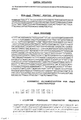
- the DNA sequence of omega is shown in Fig. 3a.
- a 0.7kb fragment (TER) containing the transcription termination and polyadenylation signal of the Agrobacterium tumefaciens octopine synthase (OCS) gene was cloned into the SmaI site of Bluescript SK+ plasmid (Stratagene). The BamHI site in the polylinker was then eliminated by BamHI digestion, followed by "fill in” reaction with Klenow and ligation to form the plasmid Cc (Fig. 2).
- the pea rbcS-3A gene contains an SphI site located at the 3'end of the DNA sequence coding for the transit peptide (TP).
- An XbaI (X) site was also introduced into this gene three nucleotides upstream to the translation start site by site directed mutagenesis (Kunkel, T.A. et al. (1987) Methods in Enzymol. 154: 367-382).
- the XbaI to SphI DNA fragment coding for the transit peptide was cloned between the XbaI and SphI site of pUC18 to form the plasmid Ca.
- the pea rbcs-3A transit peptide coding DNA sequence is shown in Fig. 3b.
- the DNA vectors were constructed by standard procedures. Plasmid DNAs were purified by banding in CsCl-ethidium bromide gradients (Maniatis, T. et al, (1982) Molecular Cloning: A Laboratory Manual, Cold Spring Harbor Labor.). DNA restriction fragments were isolated by electrophoretic separation in agarose gels followed by purification with glass beads (using the Geneclean kit of bio 101). Restriction endonucleases (Boehringer, New England Biolabs), T4DNA ligase (Boehringer) and the large fragment of E. coli DNA polymerase (New England Biolabs) were used as recommended by the suppliers. E. coli transformation was carried out with frozen competent bacteria (Maniatis, et al, (1982), see above) using the E. coli strain DH-5 ⁇ (Clontech).
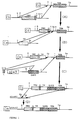
- FIG. 2 A schematic diagram of the construction of the chimeric gene is shown in Fig. 2. The subcloning steps A to D were performed in E. coli.
- step (A) plasmid Cb was digested with KpnI (K) and HindIII (H)and the 0.5kb DNA fragment containing the 35S promoter (PRO) and omega ( ⁇ )leader was ligated with a KpnI and HindIII digested Cc plasmid to create plasmid Cd.
- step (B) plasmid Ca was digested with XbaI (X); the XbaI cohesive end was made blunt-ended using the large fragment of DNA polymerase I. Then the plasmid was digested with SphI (Sp) and the 0.18kb DNA fragment coding for the rbcS-3A transit peptide (TP) was isolated. Plasmid Cd was digested with SaII (S), made blunt ended with DNA polymerase I, digested with SphI and ligated with the 0.18kb fragment that was isolated from plasmid Ca to form plasmid Ce.
- XbaI XbaI
- Sp 0.18kb DNA fragment coding for the rbcS-3A transit peptide
- step (C) plasmid pDA3 was digested with NruI (N) and the HindIII (H) and the 0.9kb DNA fragment containing the entire coding sequence of the dapA gene except for 22bp at the 5' end (DHPS), was isolated.
- a double stranded synthetic oligonucleotide linker (L) was synthesized (sequence shown in Fig. 3d), that contained a NruI (N) site at its 3' end and an SphI (Sp) site at its 5' end.
- the isolated 0.9kb DNA fragment and the synthetic oligonucleotide were ligated into the SphI and HindIII sites of plasmid Ce to form plasmid Ci which contained the entire chimeric gene.
- step D plasmid Ci was digested with SacI (Sa)and BamHI (B) and the 2.38kb DNA fragment containing the chimeric gene was isolated and ligated into the SacI and BglII sites of plasmid pGA492 to create plasmid Cm.
- step B was omitted, so that in step C plasmid Cd was utilized instead of plasmid Ce.
- the plasmid Cm of Example 2 was immobilized from E. coli to Agrobacterium tumefaciens by the triparental mating protocol (Ditta, G. et al. (1980) Proc.Natl.Acad.Sci.USA 77: 7347) as follows: E. coli harboring the plasmid Cm was mixed with the Agrobacterium tumefaciens strain LBA4404 (Stratagene) and with the E. coli strain harboring the plasmid pRK 2013 (Stratagene), that contains genes needed for DNA immobilization between bacteria, and were allowed to grow overnight on an antibiotic-free rich radium.
- Agrobacterium tumefaciens LBA4404 containing the plasmid Cm was selected on rich medium containing 100 ⁇ g/ml rifampicin, 5 ⁇ g/ml tetracycline and 25 ⁇ g/ml kanamycin and utilized to infect tobacco leaf disks employing the leaf disk protocol (Horsch, R.B. et al. (1985) Science 227: 1229-1231). Tobacco leaf disks were dipped in an overnight grown culture of Agrobacterium tumefaciens harboring the plasmid Cm and then allowed to incubate for two days on MS medium agar plates (Murashige, T. and Skoog, F. (1962) Physiol.Plant.
- Example 4 Analysis of DHPS activity and content of free lysine in leaves of the transgenic tobacco plants
- the chloroplastic type contained the chimeric DHPS gene shown in Fig. 2.
- the cytoplasmic type that was used for comparison purposes, contained a chimeric DHPS gene lacking the DNA sequence coding for the transit peptide.
- the E. coli DHPS was apparently expressed in the cytoplasm.
- Transgenic plants were screened for an elevated DHPS activity.
- DHPS activity was assayed in crude extracts from leaves of transgenic plants by the O-amino-benzaldehyde (O-ABA) assay of Yugari and Gilvarg (Yugari Y. and Gilvarg C., (1965) J. Biol. Chem. 240: 4710-4716) with slight modifications.
- Leaves from axenic tobacco plants grown in culture wore homogenized with a mortar and pestle in an equal volume of cold 100 mM Tris-HCl pH 7.5 containing 1mM phenylmethylsulfonylfluoride and 0.5 ⁇ g/ml leupeptine. Following 5 min centrifugation (16,000xg, 4°C) the supernatant was collected and its protein concentration was determined by the method of Bradford.
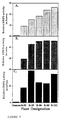
- DHPS activity assayed in crude extracts from leaves of each transgenic genotype is plotted relative to the average DHPS activity of two control untransformed plants (Con.), which was given the value of 1.
- B-3 to B-15 Transgenic genotypes expressing DHPS in the chloroplast;
- A-3 to A-22 Transgenic genotypes expressing DHPS in the cytoplasm. All of the transgenic genotypes possessed higher DHPS activity than the control plants.
- the transgenic plant B-15 contained the highest DHPS activity which was close to 30 fold higher than that of the control plants.
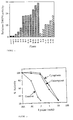
- Fire 5 shows the sensitivity of DHPS activity from the transgenic tobacco plants to lysine inhibition.
- DHPS activity was assayed as above but in the presence of increasing lysine concentrations. At each lysine concentration, DHPS activity is presented as a percentage of the activity in extracts with no lysine added (average of two plants for each transformation).
- (Control) nontransformed plants;
- (Cytoplasm) - average DHPS activity of plants A-11 and A-22 containing the cytoplasmic-type E. coli DHPS;
- Chloroplast Chloroplast
- - average DHPS activity of plants B-7 and B-15 containing the chloroplastic-type E. coli DHPS.
- DHPS activity in the transgenic plants clearly resulted from the expression of the E. coli enzyme in them.
- DHPS activity in the transgenic plants was less sensitive to lysine inhibition than DHPS activity in the control plants, as shown in Fig. 5.
- the I50 for DHPS inhibition by lysine in the transgenic plants was measured to be 1.6mM, similar to the inhibition Of DHPS activity by lysine in E. coli cells.
- the I50 for DHPS inhibition by lysine in the control nontransformed plants was 27 ⁇ M.
- Fig. 6 shows Western blot analysis of the E. coli DHPS in transgenic plants. Leaves were homogenized and the supernatants collected. Protein (120 ⁇ g) was fractionated by SDS-PAGE. Western blot was performed according to Burnette (Anal.Biochem. 112: 195-203 (1981)). Proteins extracted from leaves of control and transgenic plants containing the cytoplasmic- and chloroplastic-type enzymes were reacted in Western blots against antibodies specific to E. coli DHPS. (M) Band corresponding in MW to the natural E. coli DHPS. (P) Band corresponding to the expected size of the precursor E. coli DHPS containing the chloroplast transit peptide.
- the content of free lysine in leaves of the transgenic plants was then measured and plotted relative to the average level of free lysine in 14 control nontransformed plants (Con.). Leaves (100 mg fresh weight) were harvested from each plant, free amino acids were extracted immediately and their concentration was determined with the O-phthaldehyde reagent followed by measuring the 335/447 nm fluorescence. Amino acid composition was determined by loading a sample of 11 nmoles on an amino acid analyzer. The level of lysine in each sample win normalized to the level of free lysine in control plants. The results are shown in Fig. 7. The average lysine level in the control plants was 130 nmol/g fresh weight (FW). (B-3 to B-24; B-15 hom is a homozygous B-15 plant) Transgenic plants expressing the chloroplastic-type DHPS; (A-18 and A-22) Transgenic plants expressing the cytoplasmic-type DHPS.
- Tubers of S. tuberosum cv. "Desiree” were surface-sterilized in 1% sodium hypochlorite for 20 min, then washed 3 times in sterile distilled water, and transformed by the procedure of Sheermann and Bevan (Sheermann S. and Bevan, M.W. (1988) Plant Cell Rep. 7: 13-16) with some modifications.
- Sheermann and Bevan Sheermann S. and Bevan, M.W. (1988) Plant Cell Rep. 7: 13-16
- Three mm thick tuber discs were incubated for 20 min in overnight grown cultures of Agrobacterium tumefaciens harboring the plasmid Cm. After blotting on sterile paper the discs were cultured in solidified (1% agar) MS medium (Murashige, T. and Skoog, F., (1962) Physiol. Plant.
- root sections (1-2 cm) were cultured in 9 cm Petri dishes containing 6 ml of liquid MS medium supplemented with 2 mg/liter indole-3-butyric acid. Cultures were kept at 25°C on a gyratory shaker (100 rpm) for 10 days.
- Example 6 Analysis of DHPS activity and content of free lysine in transgenic potato plants
- DHPS activity in the transgenic potato plants (mean of triplicate determinations) is plotted relative to the average DHPS activity in control nontransformed Desiree plants, that was given the value of 1. As shown in this Figure, all transgenic plants possessed higher DHPS activity than the control plants. This activity was close to 60-40 fold higher than of control plants in leaves (A), roots (B) and tubers (C), respectively.
- Figure 9 illustrates the sensitivity of DHPS activity from the transgenic potato plants to lysine inhibition.
- DHPS activity was assayed in crude leaf extracts in the presence of increasing lysine concentrations.
- the relative activities at each lysine concentration are expressed as percentages of the DHPS activity in medium with no lysine added.
- this assay proved that the elevated level of DHPS activity in transgenic plants clearly resulted from the expression of the E.coli enzyme in plant tissues.
- Plasmid Cp was prepared as follows: a mutated E. coli lysC allele having the coding sequence for AK was cloned from a bacteriophage lambda library, made from the mutant, lysine overproducing E. coli strain TOC R21, by hybridization with DNA of the normal lysC gene (Cassan, M., et al., (1986) J.Biol.Chem. 261: 1052-1057).
- Plasmid Cp was obtained by cloning of a 1.3 kd KpnI-HaeIII fragment, containing the entire coding sequence of the mutant lysC allele except for 31 bp at the 5' end, into the KpnI-HincII sites of Bluescript SK ⁇ plasmid (Stratagene). The coding DNA sequence of this mutated gene was not determined, but the coding DNA sequence of the wild-type lysC gene is shown in Fig. 11.
- the DNA vectors were constructed by standard procedures. Plasmid DNAs were purified by banding in CsCl-ethidium gradients (Maniatis, T., et al. (1982) Molecular Cloning: A Laboratory Manual, Cold Spring Harbor Laboratory). DNA restriction fragments were isolated by electrophoretic separation in agarose gels followed by purification with glass beads (using the Geneclean kit of bio 101). Restriction endonucleases (Boehringer, New England Biolabs), T4DNA ligase (Boehringer) and the large fragment of E. coli DNA polymerase (New England Biolabs) were used as recommended by the suppliers. E coli transformation was carried out with frozen competent bacteria (Maniatis, T., (1982) see above) using strain DH-5 ⁇ (Clontech).
- FIG. 12 A schematic diagram of the construction of the chimeric gene containing the chloroplast transit peptide is shown in Fig. 12. The subcloning steps A to D were performed in E. coli.
- Steps A and B were carried out as in Example 2.
- step (C) plasmid Cp was digested with KpnI (K) and EcoRI (RI) and the 1.3 kb DNA fragment containing the entire coding sequence of the mutant lysC allele (AK) except for 31 pb at the 5' end was isolated.
- K K
- RI EcoRI
- a double stranded synthetic oligonucleotide linker (L) was synthesized (sequence shown in Fig. 11b) that contained a KpnI site at its 3' end and a SphI (Sp) site at its 5' end.
- the isolated 1.3 kb DNA fragment and the synthetic oligonucleotide were ligated into the SphI and EcoRI sites of plasmid Ce to form plasmid Ck which contained the entire chimeric gene.
- step (D) plasmid Ck was digested with XbaI (X) and BamHI (B) and the 2.78 kb DNA fragment containing the chimeric gene was isolated and ligated into the XbaI and BglII (Bg) sites of plasmid pGA492 to create plasmid Co.
- step B was omitted, so that in step C plasmid Cd was utilized instead of plasmid Ca.
- the Ti plasmid with the chimeric gene was immobilized into the Agrobacterium tumefaciens strain LBA4404 by the triparental mating protocol (Ditta, G., et al. (1980) Proc.Natl.Acad.Sci. USA 77: 7347) using the E. coli bacterial strain pRK2013 which contained mating genes on a plasmid.
- the three bacteria i.e. the E. coli with the chimeric gene, the E. coli strain pRK2013 and the Agrobacterium tumefaciens strain LBA4404 were mixed and allowed to grow overnight on an antibiotic free rich medium.
- A.tumefaciens LBS4404 containing the Ti plasmid with the chimeric gene was then selected on rich medium containing 100 ⁇ g/ml rifampicin, 25 ⁇ g/ml kanamycin and 5 ⁇ g/ml tetracycline, and utilized to infect tobacco leaf disks.
- Transgenic plants were regenerated on kanamycin and carbenicillin containing media as described previously (Horsch, R.B., et al. (1985) Science 227: 1229-1231).
- Example 10 Analysis of AK activity and content of free threonine in the transgenic plants
- the chloroplastic type contained the chimeric AK gene described in Fig. 12.
- the cytoplasmic type contained the chimeric gene without the DNA sequence coding for the transit peptide.
- the mutated E. coli AK was apparently expressed in the cytoplasm, and in the transgenic plants containing the chloroplastic type chimeric gene the mutated E. coli AK was apparently expressed in the chloroplast.
- AK activity was assayed in crude extracts from leaves or transgenic plants by the method of Black and Wright (Black, S., et al. (1955) J.Biol.Chem. 213: 27-38). Leaves from axenic tobacco plants grown on Nitsch minimal medium (Nitsch, J.P.
- the assay mixture contained in a final volume of 0.25 ml, 300 ⁇ g protein, 100 mM tris-HCl pH 8.0, 200 mM NH2OH neutralized prior to use with KOH, 10 mM ATP, 5 mM MgCl2, and 30 mM L-aspartate, using as a control an assay mixture which contained all the ingredients except L-aspartate.
- the reaction mixture was stopped by addition of 0.25 ml of a 1:1:1 mixture of 10% FeCl3 in 0.1M HCl, 3M HCl and 12% TCA, centrifuged and the optical absorbance of the supernatant at 490 nm was measured.
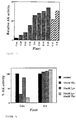
- Figure 14 shows the sensitivity of the AK activity in the loaves of the transgenic plants to inhibition by lysine and threonine.
- AK activity was measured in crude extracts prepared from tobacco leaves as above except that 10 mM lysine, threonine or both amino acids were present in the reaction mixture as indicated on the right.
- the Y axis represents the percent activity relative to the control with no lysine or threonine added to the reaction mixture.
- the AK activity in the transgenic plant E-6 containing the chloroplast type gene was completely resistant to inhibition by either 10 mM lysine or 10 mM threonine; or a mixture of both. Therefore, the elevated levels of AK activity in the leaves of the transgenic plants result from the expression of the E. coli. mutated, desensitized enzyme in them.
- the content of free threonine in leaves of the transgenic plants was next measured.
- the content of free threonine, normalized to free threonine in control nontransformed plants is shown in Fig. 15.
- the increase in the relative content of free threonine in the leaves of the selected transgenic plants correlated well with the level of AK activity in the leaves of these plants (Fig. 16).
- Plants containing either the chloroplastic type chimeric gene or the cytoplasmic type chimeric gene showed increased threonine level (Figs. 15 and 16).
- threonine production was higher in plants expressing an apparent chloroplastic type enzyme than in plants expressing an apparent cytoplasmic type enzyme that have the same AK activity (Fig. 16).
- Figure 15 shows the relative levels of free threonine in leaves of transgenic plants.
- Leaves 100 mg FW
- Leaves from axenic tobacco plants, grown for about one nonth on Nitsch minimal medium in Magenta boxes, were harvested, their free amino acids were immediately extracted as described by Bieleski (Bieleski, R.L., et al. (1966) Anal.Biochem. 17: 278-293) and the concentration of free amino acids as well as the amino acid composition were determined.
- the level of free threonine in the leaves of each transgenic genotype (average of three measurements for each transgenic genotype) was plotted relative to the average level of free threonine in seven control plants (Con.) which was given the value of 1.
- E-6 to E-36 Transgenic plants expressing the chloroplastic-type AK;
- C-8 and C-21 Transgenic plants expressing the cytoplasmic-type AK.
- Figure 16 shows the correlation between AK activity and threonine level in the leaves of the transgenic plants.
- the relative threonine level of each transgenic genotype, that was represented in Fig. 15, is plotted against the relative AK activity of the same transgenic genotype, that was represented in Fig. 13.
- Transgenic tobacco plants expressing the chloroplastic type E. coli DHPS were crossed with transgenic tobacco plants expressing the E. coli AK.
- the progeny produced more lysine than the parental DHPS and AK expressing plants and also overproduced threonine.
- Figure 23 shows the relative levels of free lysine in leaves of heterozygous transgenic plants expressing the E. coli AK, the E. coli DHPS and F1 hybrids resulting from cross of the two plants.
- Leaves 100 mg FW
- Leaves from axenic tobacco plants, grown for about one month on Nitsch minimal medium in Magenta boxes, were harvested and their free amino acids were immediately extracted and subjected to amino acid composition analysis.
- the level of free lysine in the parents and the F1 hybrid (average of three measurements for each transgenic genotype) is plotted relative to the average level of free lysine in control nontransformed plants (Con.), which was given the value of 1.
- AK transgenic plants expressing the bacterial AK
- DHPS transgenic plants expressing the bacterial DHPS
- AK/DHPS F1 hybrids.
- An asterisk on top of the bar indicates a significant difference from the control at the 0.05 level.
- the parental plants expressing AK showed almost no increase in lysine
- the parental plant expressing DHPS exhibited a 9 fold increase in lysine synthesis
- the progeny of the cross exhibited a increase in lysine synthesis.
- the threonine level in these progeny although being lower compared to the parental plant expressing AK, was higher than that of the control plant by about 3 to 5 fold.
- the progeny of the cross expressing the E. coli AK and DHPS together overproduced both lysine and threonine.
- Example 12 Analysis of AK activity and content of free threonine in transgenic potato plants
- the basic transformation procedure was similar to the protocol used to transform potato tuber disks with the DHPS gene as described In Example 5.
- FIG. 20 shows the relative increase in free threonine in leaves and roots of transgenic potato plants.
- the level of free threonine in each transgenic plant as well as in nontransformed control plant is plotted relatively to the level of free threonine in the control plants, which was given the value of 1.
- Example 13 Co-transformation of the potato plants with chimeric genes comprising the DHPS and AK genes
- tubers derived from transgenic potato plants already containing the DHPS gene were used as starting materials.
- Tubers of S. tuberosum cv. "Desiree" lines B-19, B-30 and B-131 were surface-sterilized in 1% sodium hypochlorite for 20 min and then washed 3 times in sterile distilled water. The transformation procedure of Sheermann and Bevan (1988) with some modifications was followed. Three mm thick tuber disks were incubated for 20 min in overnight cultures of Agrobacterium tumefaciens containing the AK construct. After blotting on sterile paper the disks were cultured in solidified (1% agar) MS medium supplemented with 2 mg/l zeatin riboside and 1 mg/l indole-3-aspartic-acid.
- tubers derived from transgenic potato plants already containing the AK gene were used as starting material.
- Tubers of S. tuberosum cv. "Desiree" lines E-9, E-24 and E-46 (expressing the bacterial AK gene) were treated as described above for the plants expressing the DHPS gene, but the tuber disks were incubated with culture of Agrobacterium tumefaciens containing the DHPS construct. Regeneration and rooting took place on Nitsch medium supplemented with the same phytohormones but with 0.3 mM or 0.15 mM AEC for regeneration and rooting respectively.
- transgenic tobacco plants expressing the E. coli DHPS gene were more resistant to the lysine analog AEC compared to control nontransformed plants
- shoots from control plants (Fig. 21, left) and from transgenic tobacco plant B-7 (Fig. 21, right) were dipped in MS medium, containing 2 mg/l kinetin, 0.8 mg/l IAA and either 0, 0.1, 0.15 or 0.2 mM AEC.
- the transgenic plant clearly grows better than the control in medium containing 0.1 and 0.15 mM AEC.
- Example 15 Phytotoxicity of a mixture of lysine and threonine to transgenic and nontransgenic plants
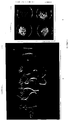
- Root sections derived from wild type "Desiree” (W.T.)and transgenic potato plants expressing the AK gene were cultivated in MS medium supplemented with 1 mg/l IBA with and without 2 mM of both lysine and threonine.
- the fresh weight increase of the wild type was similar to the fresh weight increase in the transgenic potato plant in control medium without lysine and threonine (Fig. 22A upper row).
- the growth of the wild type potato was totally inhibited while no significant decrease was observed in the fresh weight increase of roots derived from the plant expressing the AK gene (Fig. 22A, lower row).
- Transgenic shoots (only AK) that regenerated and rooted in the presence of kanamycin were also rooted on a medium supplemented with 1 mg/l IBA and 2 mM of both lysine and threonine. Control wild type shoots hardly rooted (Fig. 22B, left) while transgenic potato shoots expressing the E. coli AK gene exhibited profuse rooting (fig. 22B, right).
Landscapes
- Life Sciences & Earth Sciences (AREA)
- Health & Medical Sciences (AREA)
- Genetics & Genomics (AREA)
- Engineering & Computer Science (AREA)
- Chemical & Material Sciences (AREA)
- Organic Chemistry (AREA)
- Biotechnology (AREA)
- Zoology (AREA)
- Wood Science & Technology (AREA)
- Bioinformatics & Cheminformatics (AREA)
- General Engineering & Computer Science (AREA)
- Molecular Biology (AREA)
- Biomedical Technology (AREA)
- Microbiology (AREA)
- Biochemistry (AREA)
- General Health & Medical Sciences (AREA)
- Plant Pathology (AREA)
- Nutrition Science (AREA)
- Biophysics (AREA)
- Physics & Mathematics (AREA)
- Proteomics, Peptides & Aminoacids (AREA)
- Cell Biology (AREA)
- Medicinal Chemistry (AREA)
- Chemical Kinetics & Catalysis (AREA)
- General Chemical & Material Sciences (AREA)
- Breeding Of Plants And Reproduction By Means Of Culturing (AREA)
Applications Claiming Priority (6)
| Application Number | Priority Date | Filing Date | Title |
|---|---|---|---|
| IL96340 | 1990-11-13 | ||
| IL9634090A IL96340A (en) | 1990-11-13 | 1990-11-13 | Dna sequence coding for an enzyme having aspartate kinase activity plant cells transformed with said dna alone or together with a dna sequence coding for an enzyme having dhps activity and transgenic plants producing high levels of threonine or threonine and lysine |
| IL98650 | 1991-06-27 | ||
| IL98650A IL98650A0 (en) | 1990-11-13 | 1991-06-27 | Transgenic plants |
| IL99014 | 1991-07-30 | ||
| IL99014A IL99014A0 (en) | 1990-11-13 | 1991-07-30 | Chimeric genes and transgenic plants comprising them |
Publications (2)
| Publication Number | Publication Date |
|---|---|
| EP0485970A2 true EP0485970A2 (fr) | 1992-05-20 |
| EP0485970A3 EP0485970A3 (en) | 1992-07-01 |
Family
ID=27271476
Family Applications (1)
| Application Number | Title | Priority Date | Filing Date |
|---|---|---|---|
| EP19910119328 Withdrawn EP0485970A3 (en) | 1990-11-13 | 1991-11-13 | Transgenic plants overproducing threonine and lysine |
Country Status (2)
| Country | Link |
|---|---|
| US (1) | US5367110A (fr) |
| EP (1) | EP0485970A3 (fr) |
Cited By (23)
| Publication number | Priority date | Publication date | Assignee | Title |
|---|---|---|---|---|
| WO1993019190A1 (fr) * | 1992-03-19 | 1993-09-30 | E.I. Du Pont De Nemours And Company | Fragments d'acide nucleique et procede d'augmentation de la teneur en lysine et en threonine de graines de plantes |
| WO1995016042A1 (fr) * | 1993-12-08 | 1995-06-15 | Ajinomoto Co., Inc. | Procede de production de l-lysine par fermentation |
| WO1995006128A3 (fr) * | 1993-08-25 | 1995-09-14 | Dekalb Genetics Corp | Plantes de mais transgeniques fertiles et leurs procedes de production |
| US5545545A (en) * | 1993-04-27 | 1996-08-13 | Regents Of The University Of Minnesota | Lysine-insensitive maize dihydrodipicolinic acid synthase |
| US5550318A (en) * | 1990-04-17 | 1996-08-27 | Dekalb Genetics Corporation | Methods and compositions for the production of stably transformed, fertile monocot plants and cells thereof |
| US5554798A (en) * | 1990-01-22 | 1996-09-10 | Dekalb Genetics Corporation | Fertile glyphosate-resistant transgenic corn plants |
| WO1998022600A1 (fr) * | 1996-11-18 | 1998-05-28 | Avebe | Plante(s) transgenique(s) presentant une teneur naturelle elevee en eau et surproduisant au moins deux acides amines de la famille aspartate |
| US5773691A (en) * | 1992-03-19 | 1998-06-30 | E. I. Du Pont De Nemours And Company | Chimeric genes and methods for increasing the lysine and threonine content of the seeds of plants |
| US5780709A (en) * | 1993-08-25 | 1998-07-14 | Dekalb Genetics Corporation | Transgenic maize with increased mannitol content |
| WO1998055601A3 (fr) * | 1997-06-06 | 1999-03-04 | Du Pont | Enzymes de biosynthese d'acides amines d'origine vegetale |
| WO1998056935A3 (fr) * | 1997-06-12 | 1999-03-11 | Du Pont | Enzymes biosynthetiques d'acides amines vegetaux |
| AU712874B2 (en) * | 1993-08-25 | 1999-11-18 | Monsanto Technology, Llc | Fertile, transgenic maize plants and methods for their production |
| US6080913A (en) * | 1996-09-25 | 2000-06-27 | Pioneer Hi-Bred International, Inc. | Binary methods of increasing accumulation of essential amino acids in seeds |
| EP1074629A1 (fr) * | 1999-07-30 | 2001-02-07 | Coöperatieve Verkoop- en Productievereniging van Aardappelmeel en Derivaten 'AVEBE' B.A. | Protéines pièges |
| WO2000070016A3 (fr) * | 1999-05-18 | 2001-02-15 | Yeda Res & Dev | Plantes genetiquement modifiees tolerantes vis-a-vis de conditions de stress |
| WO2001020009A1 (fr) | 1999-09-15 | 2001-03-22 | Basf Plant Science Gmbh | Plantes a teneur modifiee en acides amines et leur procede de production |
| EP1072685A4 (fr) * | 1998-04-17 | 2002-11-27 | Hokko Chem Ind Co | Gene de la dihydrodipicolinate synthase du riz et adn associe |
| US6800726B1 (en) | 1996-11-01 | 2004-10-05 | Pioneer Hi-Bred International, Inc. | Proteins with increased levels of essential amino acids |
| US6861575B2 (en) | 1999-12-21 | 2005-03-01 | E. I. Du Pont De Nemours And Company | Aspartate kinase |
| US7288403B2 (en) | 1993-08-25 | 2007-10-30 | Anderson Paul C | Anthranilate synthase gene and method for increasing tryptophan production |
| US7323338B2 (en) | 2001-05-02 | 2008-01-29 | Gavish-Galilee Bio Applications Ltd. | Plants characterized by an increased content of methionine and related metabolites, methods of generating same and uses thereof |
| WO2010002876A3 (fr) * | 2008-06-30 | 2010-03-11 | Monsanto Technology Llc | Compositions et procédés permettant de renforcer les niveaux d'acides aminés dans les plantes |
| CN102286505A (zh) * | 2011-05-26 | 2011-12-21 | 江南大学 | 用于发酵生产l-缬氨酸的重组dna、菌株及方法 |
Families Citing this family (37)
| Publication number | Priority date | Publication date | Assignee | Title |
|---|---|---|---|---|
| US6803499B1 (en) | 1989-08-09 | 2004-10-12 | Dekalb Genetics Corporation | Methods and compositions for the production of stably transformed, fertile monocot plants and cells thereof |
| US6329574B1 (en) | 1990-01-22 | 2001-12-11 | Dekalb Genetics Corporation | High lysine fertile transgenic corn plants |
| US6025545A (en) * | 1990-01-22 | 2000-02-15 | Dekalb Genetics Corporation | Methods and compositions for the production of stably transformed, fertile monocot plants and cells thereof |
| US6777589B1 (en) | 1990-01-22 | 2004-08-17 | Dekalb Genetics Corporation | Methods and compositions for the production of stably transformed, fertile monocot plants and cells thereof |
| JP3209744B2 (ja) | 1990-01-22 | 2001-09-17 | デカルブ・ジェネティクス・コーポレーション | 結実能力のある遺伝子変換コーン |
| US6395966B1 (en) | 1990-08-09 | 2002-05-28 | Dekalb Genetics Corp. | Fertile transgenic maize plants containing a gene encoding the pat protein |
| USRE36449E (en) * | 1991-03-05 | 1999-12-14 | Rhone-Poulenc Agro | Chimeric gene for the transformation of plants |
| US6281411B1 (en) | 1993-08-25 | 2001-08-28 | Dekalb Genetics Corporation | Transgenic monocots plants with increased glycine-betaine content |
| US6326527B1 (en) | 1993-08-25 | 2001-12-04 | Dekalb Genetics Corporation | Method for altering the nutritional content of plant seed |
| US20050005330A1 (en) * | 1994-01-06 | 2005-01-06 | Falco Saverio Carl | Chimeric genes and methods for increasing the lysine content of the seeds of plants |
| EP0871356A1 (fr) * | 1995-08-29 | 1998-10-21 | University Of Hawaii | Production de plantes transgeniques contenant la proteine riche en lysine de l'haricot aile |
| US5955269A (en) * | 1996-06-20 | 1999-09-21 | Rutgers, The State University Of New Jersey | Methods of screening foods for nutraceuticals |
| IL155588A0 (en) | 2003-04-27 | 2003-11-23 | Metabogal Ltd | Methods for expression of enzymatically active recombinant lysosomal enzymes in transgenic plant root cells and vectors used thereby |
| US20050032211A1 (en) * | 1996-09-26 | 2005-02-10 | Metabogal Ltd. | Cell/tissue culturing device, system and method |
| JP4088982B2 (ja) * | 1996-10-15 | 2008-05-21 | 味の素株式会社 | 発酵法によるl−アミノ酸の製造法 |
| AU7968098A (en) | 1997-06-11 | 1998-12-30 | United States Of America, As Represented By The Secretary Of Agriculture, The | Transformation of wheat with the cyanamide hydratase gene |
| US20020148003A1 (en) * | 1999-06-07 | 2002-10-10 | Avebe | Transgenic plant or plants with a naturally high water content overproducing at least two amino acids of the aspartate family |
| US6761700B2 (en) | 2001-02-09 | 2004-07-13 | Orqis Medical Corporation | Extra-corporeal vascular conduit |
| US20030100945A1 (en) | 2001-11-23 | 2003-05-29 | Mindguard Ltd. | Implantable intraluminal device and method of using same in treating aneurysms |
| EP2216405A1 (fr) | 2002-05-03 | 2010-08-11 | Monsanto Technology LLC | Promoteurs USP spécifiques de sémences pour l'expression de gènes dans des plantes |
| US7078234B2 (en) | 2002-12-18 | 2006-07-18 | Monsanto Technology Llc | Maize embryo-specific promoter compositions and methods for use thereof |
| BRPI0408896A (pt) | 2003-03-28 | 2006-04-25 | Monsanto Technology Llc | promotores de planta para uso no desenvolvimento precoce de sementes |
| US7951557B2 (en) | 2003-04-27 | 2011-05-31 | Protalix Ltd. | Human lysosomal proteins from plant cell culture |
| WO2005017108A2 (fr) * | 2003-06-30 | 2005-02-24 | United Soybean Board | Systeme de selection du soja base sur la resistance a l'aec |
| CA2545160A1 (fr) * | 2003-11-06 | 2005-05-19 | Compugen Ltd. | Variants de la chaine alpha de l'hormone glycoproteine humaine, compositions et utilisations associees |
| US20090031440A1 (en) | 2005-02-26 | 2009-01-29 | Basf Plant Science Gmbh | Expression Cassettes for Seed-Preferential Expression in Plants |
| US8034994B2 (en) * | 2005-04-19 | 2011-10-11 | Basf Plant Science Gmbh | Starchy-endosperm and/or germinating embryo-specific expression in mono-cotyledonous plants |
| CA2605393A1 (fr) | 2005-04-20 | 2006-10-26 | Basf Plant Science Gmbh | Cassettes d'expression pour l'expression preferentielle de semences dans des plantes |
| EP1882037A2 (fr) | 2005-05-10 | 2008-01-30 | BASF Plant Science GmbH | Cassettes d'expression pour l'expression préferentielle de semence dans des plantes |
| EP1931790B1 (fr) | 2005-10-03 | 2012-01-25 | Monsanto Technology, LLC | Graine de plante transgénique à teneur augmentée en lysine |
| CA2675926A1 (fr) | 2007-02-16 | 2008-08-21 | Basf Plant Science Gmbh | Sequences d'acides nucleiques pour la regulation de l'expression specifique de l'embryon dans des plantes monocotyles |
| EP2150608B1 (fr) | 2007-05-07 | 2017-11-29 | Protalix Ltd. | Bioréacteur jetable à grande échelle |
| GB2462645A (en) * | 2008-08-15 | 2010-02-17 | Advanced Technologies | Modification of plant threonine production by aspartate kinase |
| EP2419514A4 (fr) | 2009-04-17 | 2012-10-24 | Basf Plant Science Co Gmbh | Promoteur végétal apte à agir dans l'endosperme et ses utilisations |
| AU2010270309A1 (en) | 2009-07-10 | 2012-02-02 | Basf Plant Science Company Gmbh | Expression cassettes for endosperm-specific expression in plants |
| EP2507375A4 (fr) | 2009-12-03 | 2013-04-24 | Basf Plant Science Co Gmbh | Cassette d'expression pour expression spécifique de l'embryon dans des plantes |
| US20170042150A1 (en) * | 2015-08-14 | 2017-02-16 | David SANDS | Herbicide And Method Of Applying A Herbicide |
Family Cites Families (4)
| Publication number | Priority date | Publication date | Assignee | Title |
|---|---|---|---|---|
| DE3765449D1 (de) * | 1986-03-11 | 1990-11-15 | Plant Genetic Systems Nv | Durch gentechnologie erhaltene und gegen glutaminsynthetase-inhibitoren resistente pflanzenzellen. |
| US5258300A (en) * | 1988-06-09 | 1993-11-02 | Molecular Genetics Research And Development Limited Partnership | Method of inducing lysine overproduction in plants |
| DE3823451C2 (de) * | 1988-07-11 | 1997-02-20 | Forschungszentrum Juelich Gmbh | Rekombinante DNA, damit transformierte Mikrooganismen und Verwendung dieser Mikroorganismen zur Herstellung von L-Lysin mit Hilfe dieser Mikroorganismen |
| DE3943117A1 (de) * | 1989-12-27 | 1991-07-04 | Forschungszentrum Juelich Gmbh | Verfahren zur fermentativen herstellung von aminosaeure, insbesondere l-lysin, dafuer geeignete mikroorganismen und rekombinante dna |
-
1991
- 1991-11-13 US US07/792,466 patent/US5367110A/en not_active Expired - Fee Related
- 1991-11-13 EP EP19910119328 patent/EP0485970A3/en not_active Withdrawn
Cited By (36)
| Publication number | Priority date | Publication date | Assignee | Title |
|---|---|---|---|---|
| US5554798A (en) * | 1990-01-22 | 1996-09-10 | Dekalb Genetics Corporation | Fertile glyphosate-resistant transgenic corn plants |
| US5919675A (en) * | 1990-04-17 | 1999-07-06 | Dekalb Genetics Corporation | Methods and compositions for the production of stably transformed, fertile monocot plants and cells thereof |
| US5550318A (en) * | 1990-04-17 | 1996-08-27 | Dekalb Genetics Corporation | Methods and compositions for the production of stably transformed, fertile monocot plants and cells thereof |
| US5969213A (en) * | 1990-04-17 | 1999-10-19 | Dekalb Genetics Corporation | Methods and compositions for the production of stably transformed fertile monocot plants and cells thereof |
| US6459019B1 (en) | 1992-03-19 | 2002-10-01 | E.I. Du Pont De Nemours And Company | Chimeric genes and methods for increasing the lysine and threonine content of the seeds of plants |
| EP1394257A1 (fr) * | 1992-03-19 | 2004-03-03 | E.I. Dupont De Nemours And Company | Fragments d'acide nucléique et procédé d'augmentation de la teneur en lysine et en thréonine de graines de plantes |
| US7071383B2 (en) | 1992-03-19 | 2006-07-04 | E. I. Du Pont De Nemours And Company | Chimeric genes and methods for increasing the lysine and threonine content of the seeds of plants |
| US5773691A (en) * | 1992-03-19 | 1998-06-30 | E. I. Du Pont De Nemours And Company | Chimeric genes and methods for increasing the lysine and threonine content of the seeds of plants |
| WO1993019190A1 (fr) * | 1992-03-19 | 1993-09-30 | E.I. Du Pont De Nemours And Company | Fragments d'acide nucleique et procede d'augmentation de la teneur en lysine et en threonine de graines de plantes |
| US5545545A (en) * | 1993-04-27 | 1996-08-13 | Regents Of The University Of Minnesota | Lysine-insensitive maize dihydrodipicolinic acid synthase |
| US7288403B2 (en) | 1993-08-25 | 2007-10-30 | Anderson Paul C | Anthranilate synthase gene and method for increasing tryptophan production |
| US5780709A (en) * | 1993-08-25 | 1998-07-14 | Dekalb Genetics Corporation | Transgenic maize with increased mannitol content |
| AU712874B2 (en) * | 1993-08-25 | 1999-11-18 | Monsanto Technology, Llc | Fertile, transgenic maize plants and methods for their production |
| WO1995006128A3 (fr) * | 1993-08-25 | 1995-09-14 | Dekalb Genetics Corp | Plantes de mais transgeniques fertiles et leurs procedes de production |
| CN1125176C (zh) * | 1993-12-08 | 2003-10-22 | 味之素株式会社 | 通过发酵生产l-赖氨酸的方法 |
| WO1995016042A1 (fr) * | 1993-12-08 | 1995-06-15 | Ajinomoto Co., Inc. | Procede de production de l-lysine par fermentation |
| US6080913A (en) * | 1996-09-25 | 2000-06-27 | Pioneer Hi-Bred International, Inc. | Binary methods of increasing accumulation of essential amino acids in seeds |
| US7211431B2 (en) | 1996-11-01 | 2007-05-01 | Pioneer Hi-Bred International, Inc. | Expression cassettes for producing plants with increased levels of essential amino acids |
| US6800726B1 (en) | 1996-11-01 | 2004-10-05 | Pioneer Hi-Bred International, Inc. | Proteins with increased levels of essential amino acids |
| WO1998022600A1 (fr) * | 1996-11-18 | 1998-05-28 | Avebe | Plante(s) transgenique(s) presentant une teneur naturelle elevee en eau et surproduisant au moins deux acides amines de la famille aspartate |
| WO1998055601A3 (fr) * | 1997-06-06 | 1999-03-04 | Du Pont | Enzymes de biosynthese d'acides amines d'origine vegetale |
| US7022895B2 (en) | 1997-06-06 | 2006-04-04 | E.I. Du Pont De Nemours And Company | Plant amino acid biosynthetic enzymes |
| US6664445B1 (en) | 1997-06-06 | 2003-12-16 | E. I. Du Pont De Nemours And Company | Plant amino acid biosynthetic enzymes |
| WO1998056935A3 (fr) * | 1997-06-12 | 1999-03-11 | Du Pont | Enzymes biosynthetiques d'acides amines vegetaux |
| EP1072685A4 (fr) * | 1998-04-17 | 2002-11-27 | Hokko Chem Ind Co | Gene de la dihydrodipicolinate synthase du riz et adn associe |
| WO2000070016A3 (fr) * | 1999-05-18 | 2001-02-15 | Yeda Res & Dev | Plantes genetiquement modifiees tolerantes vis-a-vis de conditions de stress |
| WO2001009359A1 (fr) * | 1999-07-30 | 2001-02-08 | Coöperatieve Verkoop- En Productievereniging Van Aardappelmeel En Derivaten Avebe B.A. | Proteine puits |
| EP1074629A1 (fr) * | 1999-07-30 | 2001-02-07 | Coöperatieve Verkoop- en Productievereniging van Aardappelmeel en Derivaten 'AVEBE' B.A. | Protéines pièges |
| WO2001020009A1 (fr) | 1999-09-15 | 2001-03-22 | Basf Plant Science Gmbh | Plantes a teneur modifiee en acides amines et leur procede de production |
| US6861575B2 (en) | 1999-12-21 | 2005-03-01 | E. I. Du Pont De Nemours And Company | Aspartate kinase |
| US7227054B2 (en) | 1999-12-21 | 2007-06-05 | E. I. Du Pont De Nemours And Comany | Aspartate kinase |
| US7345220B2 (en) | 1999-12-21 | 2008-03-18 | E. I. Du Pont De Nemours And Company | Aspartate kinase |
| US7323338B2 (en) | 2001-05-02 | 2008-01-29 | Gavish-Galilee Bio Applications Ltd. | Plants characterized by an increased content of methionine and related metabolites, methods of generating same and uses thereof |
| WO2010002876A3 (fr) * | 2008-06-30 | 2010-03-11 | Monsanto Technology Llc | Compositions et procédés permettant de renforcer les niveaux d'acides aminés dans les plantes |
| US9090882B2 (en) | 2008-06-30 | 2015-07-28 | Monsanto Technology Llc | Compositions and methods for enhanced amino acid levels in plants conferred by lysine and/or threonine feedback insensitive aspartate kinase proteins |
| CN102286505A (zh) * | 2011-05-26 | 2011-12-21 | 江南大学 | 用于发酵生产l-缬氨酸的重组dna、菌株及方法 |
Also Published As
| Publication number | Publication date |
|---|---|
| EP0485970A3 (en) | 1992-07-01 |
| US5367110A (en) | 1994-11-22 |
Similar Documents
| Publication | Publication Date | Title |
|---|---|---|
| US5367110A (en) | Transgenic plants overproducing threonine and lysine | |
| US7288403B2 (en) | Anthranilate synthase gene and method for increasing tryptophan production | |
| US5545545A (en) | Lysine-insensitive maize dihydrodipicolinic acid synthase | |
| Falco et al. | Transgenic canola and soybean seeds with increased lysine | |
| US8158851B2 (en) | Transgenic high tryptophan plants | |
| CA2280196C (fr) | Genes chimeres et procede permettant d'accroitre la teneur en lysine dans les graines de vegetaux | |
| EP0507698B1 (fr) | Promoteurs d'histone | |
| CA2177351C (fr) | Genes chimeres et methodes pour augmenter la teneur en lysine des graines de mais, de soya et de colza | |
| CA2132414C (fr) | Fragments d'acide nucleique et methodes pour accroitre la teneur en lysine et en threonine des graines de plantes | |
| US20030056242A1 (en) | Chimeric genes and methods for increasing the lysine and threonine content of the seeds of plants | |
| WO1997026366A9 (fr) | Gene d'anthranilate synthase et ses utilisations | |
| HUT76376A (en) | Nucleic acid fragments, chimeric genes and methods for increasing the methionine content of the seeds of plants | |
| EP0429458A1 (fr) | Procede pour provoquer la surproduction de lysine chez les plantes. | |
| CA2709843C (fr) | Plantes transgeniques a contenu eleve en tryptophane | |
| US7714189B2 (en) | High tryptophan maize | |
| Bittel et al. | Lysine accumulation in maize cell cultures transformed with a lysine-insensitive form of maize dihydrodipicolinate synthase | |
| WO2000070016A2 (fr) | Plantes genetiquement modifiees tolerantes vis-a-vis de conditions de stress | |
| US20030061633A1 (en) | Modified dhps genes | |
| IL96340A (en) | Dna sequence coding for an enzyme having aspartate kinase activity plant cells transformed with said dna alone or together with a dna sequence coding for an enzyme having dhps activity and transgenic plants producing high levels of threonine or threonine and lysine | |
| AU2004239263A1 (en) | Plants with increased levels of one or more amino acids | |
| WO1998022600A1 (fr) | Plante(s) transgenique(s) presentant une teneur naturelle elevee en eau et surproduisant au moins deux acides amines de la famille aspartate | |
| EP1970442A1 (fr) | Plantes tryptophanes transgéniques | |
| CA2381556A1 (fr) | Proteine puits | |
| MXPA97009289A (en) | Methods to increase the accumulation of essential amino acids in semil |
Legal Events
| Date | Code | Title | Description |
|---|---|---|---|
| PUAI | Public reference made under article 153(3) epc to a published international application that has entered the european phase |
Free format text: ORIGINAL CODE: 0009012 |
|
| PUAL | Search report despatched |
Free format text: ORIGINAL CODE: 0009013 |
|
| AK | Designated contracting states |
Kind code of ref document: A2 Designated state(s): AT BE CH DE DK ES FR GB GR IT LI LU NL SE |
|
| AK | Designated contracting states |
Kind code of ref document: A3 Designated state(s): AT BE CH DE DK ES FR GB GR IT LI LU NL SE |
|
| 17P | Request for examination filed |
Effective date: 19921215 |
|
| 17Q | First examination report despatched |
Effective date: 19950310 |
|
| GRAG | Despatch of communication of intention to grant |
Free format text: ORIGINAL CODE: EPIDOS AGRA |
|
| GRAG | Despatch of communication of intention to grant |
Free format text: ORIGINAL CODE: EPIDOS AGRA |
|
| GRAG | Despatch of communication of intention to grant |
Free format text: ORIGINAL CODE: EPIDOS AGRA |
|
| GRAH | Despatch of communication of intention to grant a patent |
Free format text: ORIGINAL CODE: EPIDOS IGRA |
|
| STAA | Information on the status of an ep patent application or granted ep patent |
Free format text: STATUS: THE APPLICATION IS DEEMED TO BE WITHDRAWN |
|
| 18D | Application deemed to be withdrawn |
Effective date: 20021127 |