EP0492113A2 - Mutants de détection de AHAS résistants aux herbicides - Google Patents
Mutants de détection de AHAS résistants aux herbicides Download PDFInfo
- Publication number
- EP0492113A2 EP0492113A2 EP91119254A EP91119254A EP0492113A2 EP 0492113 A2 EP0492113 A2 EP 0492113A2 EP 91119254 A EP91119254 A EP 91119254A EP 91119254 A EP91119254 A EP 91119254A EP 0492113 A2 EP0492113 A2 EP 0492113A2
- Authority
- EP
- European Patent Office
- Prior art keywords
- ahas
- enzyme
- herbicide
- amino acid
- deletion
- Prior art date
- Legal status (The legal status is an assumption and is not a legal conclusion. Google has not performed a legal analysis and makes no representation as to the accuracy of the status listed.)
- Withdrawn
Links
Images






Classifications
-
- C—CHEMISTRY; METALLURGY
- C12—BIOCHEMISTRY; BEER; SPIRITS; WINE; VINEGAR; MICROBIOLOGY; ENZYMOLOGY; MUTATION OR GENETIC ENGINEERING
- C12N—MICROORGANISMS OR ENZYMES; COMPOSITIONS THEREOF; PROPAGATING, PRESERVING, OR MAINTAINING MICROORGANISMS; MUTATION OR GENETIC ENGINEERING; CULTURE MEDIA
- C12N15/00—Mutation or genetic engineering; DNA or RNA concerning genetic engineering, vectors, e.g. plasmids, or their isolation, preparation or purification; Use of hosts therefor
- C12N15/09—Recombinant DNA-technology
- C12N15/63—Introduction of foreign genetic material using vectors; Vectors; Use of hosts therefor; Regulation of expression
- C12N15/79—Vectors or expression systems specially adapted for eukaryotic hosts
- C12N15/82—Vectors or expression systems specially adapted for eukaryotic hosts for plant cells, e.g. plant artificial chromosomes (PACs)
- C12N15/8241—Phenotypically and genetically modified plants via recombinant DNA technology
- C12N15/8261—Phenotypically and genetically modified plants via recombinant DNA technology with agronomic (input) traits, e.g. crop yield
- C12N15/8271—Phenotypically and genetically modified plants via recombinant DNA technology with agronomic (input) traits, e.g. crop yield for stress resistance, e.g. heavy metal resistance
- C12N15/8274—Phenotypically and genetically modified plants via recombinant DNA technology with agronomic (input) traits, e.g. crop yield for stress resistance, e.g. heavy metal resistance for herbicide resistance
- C12N15/8278—Sulfonylurea
-
- A—HUMAN NECESSITIES
- A01—AGRICULTURE; FORESTRY; ANIMAL HUSBANDRY; HUNTING; TRAPPING; FISHING
- A01H—NEW PLANTS OR NON-TRANSGENIC PROCESSES FOR OBTAINING THEM; PLANT REPRODUCTION BY TISSUE CULTURE TECHNIQUES
- A01H1/00—Processes for modifying genotypes ; Plants characterised by associated natural traits
- A01H1/12—Processes for modifying agronomic input traits, e.g. crop yield
- A01H1/122—Processes for modifying agronomic input traits, e.g. crop yield for stress resistance, e.g. heavy metal resistance
- A01H1/123—Processes for modifying agronomic input traits, e.g. crop yield for stress resistance, e.g. heavy metal resistance for herbicide resistance
-
- C—CHEMISTRY; METALLURGY
- C12—BIOCHEMISTRY; BEER; SPIRITS; WINE; VINEGAR; MICROBIOLOGY; ENZYMOLOGY; MUTATION OR GENETIC ENGINEERING
- C12N—MICROORGANISMS OR ENZYMES; COMPOSITIONS THEREOF; PROPAGATING, PRESERVING, OR MAINTAINING MICROORGANISMS; MUTATION OR GENETIC ENGINEERING; CULTURE MEDIA
- C12N9/00—Enzymes; Proenzymes; Compositions thereof; Processes for preparing, activating, inhibiting, separating or purifying enzymes
- C12N9/88—Lyases (4.)
Definitions
- This invention relates to novel DNA sequences that encode novel variant forms of acetohydroxy acid synthase enzyme (hereinafter AHAS).
- AHAS enzyme is a critical enzyme routinely produced in a variety of plants and a broad range of microorganisms. Normal AHAS function is inhibited by a number of different types of herbicides; however, new AHAS enzymes encoded by the mutant DNA sequences function normally catalytically even in the presence of such herbicides and, therefore, confer herbicide resistance upon the plant or microorganism containing them.
- novel DNA sequences are based on the unexpected observation that deletion of one or more specific amino acids in certain regions of the normal AHAS gene sequence results in a fully functional enzyme, but renders the enzyme resistant to inhibition by a variety of different types of herbicides, including imidazolinones, triazolopyrimidines, and sulfonylureas.
- the availability of these variant sequences provides a tool for transformation of a variety of different crop plants to herbicide resistance, as well as providing novel selectable markers for use in other types of genetic transformation experiments.
- AHAS acetohydroxyacid synthase
- ALS acetolacetate synthase
- the AHAS enzyme is known to be present throughout higher plants, as well as being found in a variety of microorganisms, such as the yeast Saccharomyces cerevisiae , and the enteric bacteria, Escherichia coli and Salmonella typhimurium .
- the genetic basis for the production of normal AHAS in a number of these species has also been well characterized. For example, in both E . coli and S. typhimurium three isozymes of AHAS exist; two of these are sensitive to herbicides while a third is not. Each of these isozymes possesses one large and one small protein subunit; and map to the IlvIH, IlvGM and IlvBN operons.
- AHAS function is encoded by two unlinked genes, SuRA and SuRB . There is substantial identity between the two genes, both at the nucleotide level and amino acid level in the mature protein, although the N-terminal, putative transit region differs more substantially (Lee et al , EMBO J. 7 : 1241-1248, 1988).
- Arabidopsis has a single AHAS gene, which has also been completely sequenced. Comparisons among sequences of the AHAS genes in higher plants indicates a high level of conservation of certain regions of the sequence; specifically, there are at least 10 regions of sequence conservation. It has previously been assumed that these conserved regions are critical to the function of the enzyme, and that retention of that function is dependent upon substantial sequence conservation.
- mutants exhibiting herbicide resistance possess mutations in at least one amino acid in one or more of these conserved regions.
- substitution of certain amino acids for the wild type amino acid at these specific sites in the AHAS sequence have been shown to be tolerated, and indeed result in herbicide resistance of the plant possessing this mutation, while retaining catalytic function.
- These mutations have been shown to occur at both the SuRA and SuRB loci in tobacco; similar mutations have been isolated in Arabidopsis and yeast.
- deletions of one or more amino acids within one or more of these "conserved” regions result not only in a functional AHAS enzyme, but also result in herbicide resistance. Sequence conservation normally implies that any change in these regions would not be tolerated and would therefore result in a nonfunctional protein. However, in the present case, it is particularly surprising that enzyme function is retained, in view of the fact that the deletions not only eliminate an amino acid residue that is a structural component of the enzyme, but also necessarily result in residue shifting, thereby destroying the apparent conservation of the sequence containing the mutation.
- novel nucleic acid sequences are provided which are useful in transforming herbicide sensitive plants to herbicide resistant ones. The plants transformed therefore provide the basis for development of novel herbicide resistant plant varieties.
- the present invention provides novel nucleic acid sequences encoding functional AHAS enzymes insensitive to a variety of herbicides.
- the sequences in question comprise the deletion of one or more codons encoding a specific amino acid within one or more designated so-called conserved regions in the wild type AHAS molecule. The identity of these sites, and the deletable codons will be discussed in greater detail below.
- the altered DNA sequences are useful in methods for producing herbicide resistant plant cells, said methods comprising transforming a target plant cell with one or more of the altered sequences provided herein.
- mutagenesis is utilized to create deletion mutants in plant cells or seeds containing a nucleic acid sequence encoding a herbicide sensitive AHAS.
- Such plant cells are then passed through tissue culture in order to regenerate plants which possess the herbicide resistant or insensitive trait.
- the invention thus also encompasses plant cells, plant tissue cultures, adult plants, and plant seeds that possess the deletion mutant nucleic acid sequences and which express functional, herbicide-resistant AHAS enzymes.
- herbicide resistant plants enables new methods of growing crop plants in the presence of herbicides. Instead of growing non-resistant plants, fields may be planted with the resistant plants of the present invention and the field routinely treated with herbicide, with no resulting damage to crop plants.
- Preferred herbicides for this purpose are imidazolinones, sulfonylureas, and triazolopyrimidines.
- the mutant nucleic acids of the present invention also provide novel selectable markers for use in transformation experiments.
- the nucleic acid sequence encoding a resistant AHAS is linked to a second gene prior to transfer to a host cell, and the entire construct transformed into the host. Putative transformed cells are then grown in culture in the presence of inhibitory amounts of herbicide; surviving cells will have successfully acquired the second gene of interest.
- a “functional” or “normal” AHAS enzyme is one which is capable of catalyzing the first step in the pathway for synthesis of the essential amino acids isoleucine, leucine and valine.
- a “conserved” sequence or region of AHAS is a series of nucleic acids or amino acids within the AHAS nucleic acid or amino acid sequence which is the same in at least two of the species having the AHAS enzyme.
- a “wild-type” AHAS sequence is a sequence present in a herbicide sensitive member of a given species.
- a “resistant” plant is one which produces a normal AHAS enzyme, and which is capable of reaching maturity when grown in the presence of normally inhibitory levels of herbicide. The term “resistant”, as used herein, is also intended to encompass “tolerant” plants, i.e., those plants which pheno-typically evidence adverse, but not lethal, reactions to the herbicide.
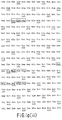
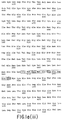
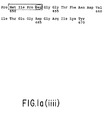
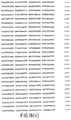
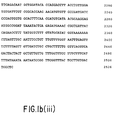
- Figures 1a and 1b show, respectively, the amino acid and nucleotide sequences of Arabidopsis wild-type AHAS.
- boxed regions indicate exemplary subsequences in which deletions may be made to produce herbicide resistance. Circled residues identify specific sites where such deletions may be made.
- an arrow indicates the start of the coding region.
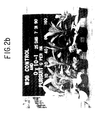
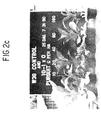
- Figure 2(a-c) shows three photographs of progeny (first generation), resulting from a transgenic tobacco plant (10-1) transformed with a construct containing a Trp574 deletion mutation of Arabidopsis AHAS sprayed post-emergence with Pursuit® imidazolinone herbicide at 0, 10, 20, 40, 60, 80 and 160 grams/hectare (g/ha). All three photographs were taken 25 days after spraying. In all photographs, control plants (a wild-type herbicide sensitive tobacco cultivar, Wisconsin 38[W38]) are in the front row.
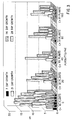
- Figure 3 illustrates the effect of Pursuit® postemergent application in tobacco seedling growth, as measured by plant height.
- C* represents the mean of the control (susceptible parent cultivar) plants, while each subsequent bar represents an individual transgenic progeny.
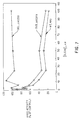
- Figure 4 illustrates the effect of the imidazolinone herbicide Pursuit® on AHAS enzymes derived from an E. coli transformed with a Trp574 deletion [DEL], a Trp574 substitution [SUB] and an E. coli transformed with wild-type [WT] AHAS sequence.
- Figure 5 illustrates the effect of the sulfonylurea herbicide Glean® on AHAS enzymes extracted from E. coli transformants. Abbreviations as in Figure 4.
- Figure 6 illustrates the effect of the imidazolinone herbicide Pursuit® on AHAS enzymes extracted from E. coli transformants.
- the enzymes are derived from an E. coli transformed with a Ser653 deletion [DEL], an E. coli transformed with a Ser653 substitution [SUB], and an E. coli transformed with a wild-type [WT] AHAS Sequence.
- Figure 7 illustrates the effect of the sulfonylurea herbicide Glean® on AHAS enzymes extracted from E. coli transformants. Abbreviations as in Figure 6.
- Figure 8 illustrates the effect of the imidazolimone herbicide Pursuit® on an AHAS enzyme derived from a tobacco plant with an Agrobacterium strain containing a mutant Arabidopsis AHAS allele having the Trp574 deletion.
- the present invention encompasses AHAS DNA sequences in which one or more deletions have been made relative to the wild-type sequence, which deletions do not alter the catalytic function of the resulting AHAS enzyme, but which confer herbicide resistance.
- deletion mutation include, but are not limited to, deletion of one or more codons, encoding the so-called "conserved subsequences" as defined in EP 257 793.
- codon deletions encoding mutants having a deletion of at least one residue position selected from the group consisting of amino acid 120, 121, 197, 205, 256, 351, 376, 571, 574, 578 and 653. Particularly preferred are sequences encoding deletions at 197, 574 or 653.
- deletions represent regions in which variation is known to be tolerated, it is likely, in view of the substantial "flexibility" of the molecule that other deletions would also be feasible.
- other apparently “conserved” regions of the AHAS enzyme also exist in addition to those outlined above. While not wishing to be bound by any particular theory, it now appears likely that, rather than being sites connected with catalytic activity of the molecule, and therefore requiring essential structural conservation, most of these conserved regions represent binding sites for the herbicide. Deletion of one or more amino acids at these sites would then logically prevent herbicide binding, and consequently, prevent herbicide interference with AHAS activity.
- the functional AHAS enzyme possesses a three-dimensional structure which is the eventual result of the linear arrangement of the component amino acids. Interaction of the side groups of amino acids produces a protein's secondary structure, and further folding results in a protein's tertiary structure.
- a given protein's specific "architecture" which ultimately results from the amino acid sequence can be critical to the protein's function.
- the substitution of an amino acid retains the overall structural integrity of the protein, whereas the deletion of an amino acid effectively destroys this structural integrity and can be expected to significantly alter the protein's three-dimensional structure and, in doing so, alter the function of the molecule. Therefore, in view of the potential damage that can be caused by a deletion, it is particularly surprising that the resultant molecule retains sufficient portions of its three dimensional structure to remain not only catalytically functional, but also to cause herbicide resistance.
- deletion mutants of the present invention are not limited as to the source of the DNA or enzyme.
- the present experimental design primarily utilizes the Arabidopsis AHAS gene sequence, similar mutations can routinely be made in the AHAS sequence of any organism possessing such a gene, e.g. other higher plants, yeast, E. coli , and other microorganisms.
- the similarities in the wild-type AHAS gene among all the known sequences are so great as to render it a matter of routine experimentation to create identical mutants in AHAS sequences other than that of Arabidopsis .
- chimaeric genes can be constructed which contain the deletion mutant portion of the Arabidopsis AHAS gene recombined with unaltered portions of the AHAS gene from other sources.
- novel gene types described herein may confer resistance to one, or more than one, type of herbicide.
- AHAS is the site of action of several distinct classes of herbicides, namely, imidazolinones, sulfonylureas, triazolopyrimidines, sulfamoylureas and sulfonylcarboxamides.
- the herbicide resistance conferred by such mutations may be selective to a particular herbicide, or there may be cross-resistance to more than one herbicide. For example, deletions of Trp574 and Ser653 create cross-resistance to both imidazolinones and sulfonylureas.
- AHAS has been demonstrated to be not only present in a wide variety of plants, but has also been shown to be a critical site determining herbicide sensitivity in a broad range of essentially unrelated plants, e.g. corn, Brassica , tobacco, flax, Arabidopsis , and sugar beet (Stougaard et al. , Mol. Gen. Genet. 219: 413-420, 1989; Jordan & McHughen, J. Plant Physiol . 131 : 333-338, 1987; McHughen, Plant Cell Reports 8 : 445-449, 1989).
- Isolated AHAS DNA sequences of the present invention are useful to transform target crop plants, and thereby confer herbicide resistance without the necessity for mutagenesis.
- Indirect transformation of plant cells can be achieved by the use of vectors.
- a common method of achieving transformation is the use of Agrobacterium tumefaciens to introduce a foreign gene into the target plant cell.
- the mutant AHAS sequence is inserted into a plasmid vector containing the flanking sequences in the Ti-plasmid T-DNA.
- the plasmid is then transformed into E. coli .
- coli strain containing a plasmid having sequences necessary to mobilize transfer of the AHAS construct from E. coli to Agrobacterium is carried out.
- a recombinant Agrobacterium strain, containing the necessary sequences for plant transformation is used to infect leaf discs. Discs are grown on selection media and successfully transformed regenerants are identified. The recovered plants are resistant to the effects of herbicide when grown in its presence.
- Other plant vectors, such as plant viruses, also provide a possible means for transfer of exogenous DNA.
- Direct transformation of plant cells instead of the use of vectors, can also be employed.
- protoplasts of the target plant are placed in culture in the presence of the DNA to be transferred, and an agent which promotes the uptake of DNA by protoplast is absorbed on their surfaces.
- Useful agents in this regard are polyethylene glycol or calcium phosphate.
- DNA uptake can be stimulated by electroporation.
- an electrical pulse is used to open temporary pores in a protoplast cell membrane, and DNA in the surrounding solution is then drawn into the cell through the pores.
- microinjection can be employed to deliver the DNA directly into a cell, and preferably directly into the nucleus of the cell.
- transformation occurs in a plant cell in culture. Subsequent to the transformation event, plant cells must be regenerated to whole plants. Techniques for the regeneration of mature plants from callus or protoplast culture are now well known for a large number of different species (see, e.g., Handbook of Plant Cell Culture , Vols. 1-5, 1983-1989 McMillan, N.Y.) Thus, once transformation has been achieved, it is within the knowledge in the art to regenerate mature plants from the transformed plant cells.
- Alternate methods are also now available which do not necessarily require the use of isolated cells, and therefore, regenerative techniques, to achieve transformation. These are generally referred to as “ballistic” or “particle acceleration” methods, in which DNA coated metal particles are propelled into plant cells by either a gunpowder charge (Klein et al. , Nature 327 : 70-73, 1987) or electrical discharge (EPO 270 356). In this manner, plant cells in culture or plant reproductive organs or cells, e.g. pollen, can be stably transformed with the DNA sequence of interest.
- the present invention can be applied to transformation of virtually any type of plant, both monocot and dicot.
- crop plants for which transformation to herbicide resistance is contemplated are corn, wheat, rice, millet, oat, barley, sorghum, alfalfa, sugar beet, Brassica species, tomato, pepper, soybean, tobacco, melon, squash, potato, peanut, pea, cotton, or cacao.
- the novel sequences may also be used to transform ornamental species, such as rose, and woody species, such as pine.
- novel sequences of the invention also is useful as selectable markers in plant genetics studies.
- sequences encoding herbicide resistance could be linked to a gene of interest which is to be used to transform a target herbicide - sensitive plant cell.
- the construct comprising both the gene of interest and the herbicide resistant sequence are introduced into the plant cell, and the plant cells are then grown in the presence of an inhibitory amount of the herbicide. Plant cells surviving such treatment presumably have acquired the resistance gene as well as the gene of interest, and therefore, putative transformants are readily identifiable.
- a 2.1Kb EcoRI fragment encompassing the promoter, transit peptide and a portion of the mature coding region of Arabidopsis AHAS is 32P-labelled by nick translation (Maniatis et al. , Molecular Cloning: A Laboratory Manual, Cold Spring Harbor Laboratory, Cold Spring Harbor, N.Y., 1982) and utilized as a hybridization probe to screen a genomic library prepared from Arabidopsis thaliana genomic DNA (Clontech, Palo Alto, CA). The filters are hybridized for 24 hr. at 42 o C in 6xSSC, 5 x Denhardt's solution, 50mM sodium phosphate, pH7.2, 0.1% SDS and 100ug/ml of denatured salmon sperm DNA.
- Filters are washed several times at 60 o C in 1xSSC and 0.1%SDS.
- Six recombinant bacteriophage (A22, A31, A42, A52, A72, A83) were classified as putative positives. These bacteriophage are plaque purified and infected at low multiplicity with the E. coli strain K802 in liquid NZY broth (NZCYM is 10 g NZ amine, 5 g NaCl, 5 g yeast extract, 1 g casamino acids, 2 g MgSO4-7H2O and 10ml of 1M Tris-HCl, pH7.2) as described by Maniatis, et al, supra .
- NZCYM is 10 g NZ amine, 5 g NaCl, 5 g yeast extract, 1 g casamino acids, 2 g MgSO4-7H2O and 10ml of 1M Tris-HCl, pH7.2
- Liquid cultures are incubated overnight with constant shaking (300 rpm) at 37 o C.
- the 50ml suspension is brought to lM NaCl and 8% PEG by the addition of solid NaCl and solid polyethylene glycol.
- the suspension is incubated overnight at 4 o C to precipitate the bacteriophage.
- the bacteriophage are pelleted via centrifugation at 18,000 x g for 20min.
- the pellet is resuspended in 2ml of TM buffer (10mM tris-HC1, pH 7.5; 10mM MgC12), layered upon a CsC1 step gradient (4.8M CsC1, 4.0M CsC1 and 3.2M CsCl) and centrifuged at 50,000 x g for 1 hr in a SW60 swinging bucket rotor.
- TM buffer 10mM tris-HC1, pH 7.5; 10mM MgC12
- CsC1 step gradient 4.8M CsC1, 4.0M CsC1 and 3.2M CsCl
- the phage band is removed from the 4.0/3.2M CsCl interface to a 1.5ml Eppendorf tube and the bacteriophage lysed by adding 1 volume of formamide and incubating at room temperature for 30 minutes.
- DNA is recovered by bringing the solution to 10m MTris-HC1, pH 8.0 and 1mM Na2- EDTA and precipitating the DNA via the addition of 2 volumes of 100% ethanol.
- Bacteriophage DNA is recovered via centrifugation, washed with 70% ethanol and resuspended in TE buffer (TE buffer is 10mM Tris-HC1, pH 7.5; 1mM Na2-EDTA).
- the purified DNA is routinely extracted one to several times with phenol:chloroform:isoamyl alcohol (24:24:1), ethanol precipitated, and resuspended in 50-100ul of TE buffer prior to digestion with various restriction enzymes.
- DNA preparations from the six recombinant phage are digested with various restriction enzymes and resolved by electrophoresis through a 1% agarose gel.
- the DNA is transferred to nitrocellulose (Southern) and hybridized (24 hr. at 60 o C in 2xSSC, 5 x Denhardt's solution, 50mM sodium phosphate, pH7.2, 0.1% SDS and 100ug/ml of denatured salmon sperm DNA) against a radiolabeled 900 bp Nco1/EcoRI fragment representing the 3' region of the 2.1Kb EcoRI fragment (the transit peptide and the 5' portion of the mature coding region).
- the filter is washed twice at 65 o C in 0.5xSSC and 0.1%SDS.
- the 900 bp Nco1/EcoRI fragment hybridizes to a 5.5Kb Xba1 and 2.1 EcoRI fragment of both A42 and A52.
- the bacteriophage A52 is chosen for further analysis.
- the 5.5 Kb Xbal fragment of A52 is isolated from a 1% agarose gel and purified through an IBI electroelution device as suggested by the manufacturer.
- the 5.5Kb Xba1 fragment is ethanol precipitated and resuspended in ddH20.
- These fragments are ligated to Xbal digested-pSK(-) plasmid DNA (purchased from Stratagene, La Jolla, CA).
- the fragments are ligated for 16-24 hours at 14 o C in a 20ul volume as described by Maniatis, et. al., supra .
- the 20ul reaction volume is diluted to 100ul with 100mM Tris-HC1, pH7.2. Twenty five ul of this sample is diluted further to 100 ul with 100mM Tris-HC1, pH7.2 and incubated with 100ul of competent HB101 cells [prepared exactly as described by Morrison (Meth. Enzymol. 68: 326 - 331, 1979)].
- coli transformation mix is incubated on ice for 20 minutes; transferred to 42 o C for 2 minutes; room temperature for 10 minutes; followed immediately by the addition of 1 ml of LB broth (LB broth is 10 g bacto-tryptone; 5 g yeast extract; 5 g NaC1 and 10 ml 1 M Tris-HC1, pH 7.2 per liter) and further incubation at 37 o C for 20 minutes.
- DNA plasmid cloning vehicles used in this work carry either the gene conferring resistance to ampicillin or kanamycin. Therefore, 200 ul of each transformation mix is plated directly onto either LB amp or LB kan plates (100 ug/ul of either respective antibiotic) and incubated at 37 o C for 12-20 hr, depending on colony size.
- Colonies are transferred to 3ml of LB amp or LB kan and incubated overnight at 37 o C with constant shaking.
- Small scale plasmid DNA preparations are prepared by minor modifications of the alkaline lysis method described by Maniatis, et al. supra . Routinely, 400 ul of the 3ml overnight culture is pelleted in a 1.5ml Eppendorf tube and resuspended in 150 ul of GTE solution (GTE solution is 50mM glucose; 25mM Tris-HC1, pH 8.0 and 10mM Na2-EDTA) and incubated on ice for 20 minutes, followed by the addition of 300 ul alkaline-SDS solution and 200 ul of 5M K+/3M OAc at the prescribed time intervals.
- GTE solution is 50mM glucose; 25mM Tris-HC1, pH 8.0 and 10mM Na2-EDTA
- the final DNA pellet is resuspended in 40ul of 50ug/ul RNAse A in TE buffer. Fifteen ul of plasmid DNA is removed for restriction digestion. Two plasmids, pAC301 (5'-->3') and pAC302 (3'-->5'), represent constructions containing the 5.5Kb Xbal fragment ligated to the Xbal site of pSK(-). Further restriction analysis of pAC301 and pAC302 confirm the presence of the promoter region, transit peptide, mature coding region and 3'non-translated regions of the genomic sequence encoding Arabidopsis AHAS (Mazur et al. , Supra ).
- SB amp is 35 g bacto-tryptone, 20 g yeast extract, 5 g NaC1 and 10 ml of 1M Tris-HC1, pH 7.5 per liter
- SB is 35 g bacto-tryptone, 20 g yeast extract, 5 g NaC1 and 10 ml of 1M Tris-HC1, pH 7.5 per liter
- the culture is inoculated with the helper phage, R408 (1 x 10¹⁰ phage) and vigorous 10 o shaking at 300 rpm at 37 o C was continued overnight.
- the bacteria are pelleted via centrifugation at 10,000 x g for 10 minutes.
- the bacterial pellet is discarded and the supernatant (approximately 45 ml) containing the single stranded pAC301 template is stored at 4 o C until use.
- the supernatant is routinely used for up to one month for single stranded phagemid preparations.
- Small scale preparations (1.2ml) of single stranded pAC301 phagemid DNA are prepared essentially as described by the manufacturer (Stratagene).
- the phage are precipitated by adding 300 ul of a 3.5M NH4Ac, pH 7.5; 20% PEG solution. The solution is mixed well in a 1.5 ml Eppendorf tube and incubated at room temperature for 20 minutes.
- the single stranded phage are pelleted by centrifugation for 20 minutes in an Eppendorf microcentrifuge. The supernatant is decanted, the pellet dried and eventually resuspended in 300 ul of TE buffer. The phage are lysed by adding 200 ul of phenol:chloroform:isoamyl alcohol (24:24:1) and vortexing for 1 minute. This step is repeated once more and followed by two more extractions with chloroform:isoamyl alcohol (24:1).
- the final aqueous phase is ethanol precipitated (one-tenth volume 5M K+/3MOAC and two volumes of 100% ethanol), washed with 70% ethanol, resuspended in 20ul of TE buffer and transferred to a fresh 1.5ml Eppendorf tube.
- kinase exchange reaction Two hundred nanograms of each oligonucleotide is subjected to a kinase exchange reaction prior to hybridization to pAC301 single stranded template.
- a 40 ul reaction volume included 50mM Tris-HC1, pH7.5; 10mM MgCl2, 50mM DTT, 0.1mM spermidine and 0.1mM Na2-EDTA.
- the reaction is initiated via the addition of 10 units of T4 polynucleotide kinase (Pharmacia) and is incubated at 37 o C for 30 minutes. The reaction is terminated by bringing the reaction mixture to 90 o C for 3 minutes.
- One-half of the kinase reaction is added to the entire 20 ul pAC301 single stranded prep and is incubated at 65 o C for 10 minutes to promote hybridization.
- To this 40 ul kinase/oligonucleotide mix is added 6 ul of 1mM dNTP's, 6 ul of 10 x ligase buffer (500mM Tris-HC1, pH7.5; 70 mM MgC12 and 10mM DTT), 2 ul 10mM rATP, 5 units of Klenow DNA polymerase (Pharmacia), 8 units of DNA ligase (Stratagene) and 4ul ddH20.
- the polymerase/ligation reaction is incubated at room temperature for 3 hr.
- One-half of the mix is used to transform competent E. coli XL-1 cells.
- the transformation mix is spread to LB amp plates and incubated overnight at 37 o C. Transformants are restreaked to fresh LB amp plates in a grid fashion. Colony screening by hybridization was performed exactly as described by Stratagene Technical Service (June 1988/pBSII Exo/Mung Bean DNA Sequencing System).
- Both oligonucleotides are 32P-labeled by a kinase exchange reaction (300 ng of oligonucleotide in the presence of 40 uCi of ⁇ 32P-ATP utilizing kinase conditions described previously).
- Unincorporated 32P-ATP is removed by electrophoresing the kinase reaction through a 20% acrylamide/7M urea gel.
- the radioactive band corresponding to the 21-mer oligonucleotide is cut out of the gel with a razor blade and eluted either by (1) the crush and soak method of Maxam and Gilbert (PNAS USA 74: 560-566, 1977) or (2) electroelution through an IBI electroelution device.
- the purified, radiolabeled oligonucleotides are hybridized to the nitrocellulose colony lifts under non-stringent hybridization conditions (37 o C for 24 hrs.
- a 21-mer oligonucleotide with a perfect base to base hybridization match (i.e., mutant oligo to mutant phagemid) is not washed free of the phagemid DNA at 60 o C, whereas a slight mismatch (i.e., mutant oligo to wild type phagemid) is washed free.
- Putative positives are streaked from the original LB amp plate to a fresh LB amp plate. Ten transformants from each restreaked putative positive are then restreaked in a grid pattern and the colony hybridization is repeated. Secondary positives are then confirmed via DNA sequence analysis through the Trp574 coding region. (Sanger et al. , PNAS VSA 74: 5463-5467, 1977). Two positive mutants, pAC324 (Trp574 -- > Leu substitution) and pAC325 (Trp574 deletion) were selected for further analysis.
- the plasmid pBIN19 is an E. coli/Agrobacterium binary shuttle vector that possesses both the left and right border sequences of the Ti-plasmid T-DNA, a polylinker, an RK2 bacterial origin of replication functional in both E. coli and Agrobacterium , and a gene conferring resistance to kanamycin (Bevan, Nucl. Acids Res. 12: 8711-8721, 1984)
- the plasmids pAC324 and pAC325 are digested with Xbal and electrophoresed through a 1% agarose gel.
- the 5.5Kb Xbal fragment containing the respective mutation of pAC324 and pAC325 are isolated as previously described.
- the plasmid pBIN19 is digested with Xbal and incubated in a separate ligation reaction with the 5.5Kb Xbal fragment from pAC324 and pAC325.
- the entire ligation mix is transformed into E. coli XL-1 cells and positive transformants are chosen via a blue/white color selection on LB aix plates (LB plates with 100 ug/ul ampicillin, 80 ug/ml X-Gal and 20mM IPTG).
- Small scale plasmid preparations, restriction digestion analysis and agarose gel electrophoresis to confirm positive transformants are performed as described previously.
- pAC348-pAC349 both orientations of the 5.5Kb Xbal fragment containing the Trp574-->Leu substitution in pBIN19
- pAC350-pAC351 both orientations of the 5.5Kb Xbal fragment containing the Trp574 deletion in pBIN19
- the plasmid pRK2013 is a conjugative plasmid that contains trans acting sequences required to mobilize pBIN19 based constructions from E. coli into the disarmed Agrobacterium strain, LBA4404 (pAL4404).
- This Agrobacterium strain is resistant to streptomycin and contains the disarmed Ti plasmid pAL4404 (Ooms et al. , Plasmid 7: 15-29, 1982).
- This Ti plasmid contributes the transacting virulence functions necessary to facilitate transfer of the pBIN19 based T-DNA region into the chromosome of tobacco.
- the triparental mating of the pBIN19 based vectors, the conjugative plasmid (pRK2013), and the Agrobacterium strain (LBA4404), are carried out essentially as described by Bevan (Nucl. Acids Res. 12: 8711-8721, 1984.
- the plasmids pAC348-351 (Kan r ) and pRK2013 (Kan r ) are transformed into competent E. coli HB101 or XL-1 cells as described previously. Transformants containing each plasmid are inoculated into 3ml LB kan broth cultures and incubated at 37 o C with constant shaking.
- the Agrobacterium strain, LBA4404, is inoculated into AB strp media (20 x AB is 20g NH4C1, 6g MgS04-7H20, 3g KC1, 60g K2HPO4, 20g NAH2PO4, 3g CaC12 and 50mg FeS04-7H20.
- Glucose is added to a 1x stock to a final concentration of 0.5x) and incubated with constant shaking at 28 o C for 36-48 hr.
- the triparental mating is initiated by combining 1 ml of each of the three cultures (a pBIN19 based construct, pRK2013 and LBA4404) into a sterile tube and continuing incubation at 28 o C for 1 hr.
- NB 4g of Difco nutrient broth powder and 10ml of 1M Tris-HC1, pH 7.2.
- the filter is placed in 2ml of fresh AB media and rotated slowly for 1 hr.
- a dilution series is spread onto AB strp/kan plates and incubated at 28°C for 3-4 days. Only Agrobacterium (strp r ) carrying the pBIN19 based construct (kan r ) grow on AB strp/kan media.
- pAC348 and pAC351 are inoculated into 50ml of AB kan and incubated with constant shaking at 28 o C for 36-48 hr. Bacteria are pelleted by centrifugation at 2500 rpm for 10 minutes in a Damon/IEC table top centrifuge. The bacterial pellet is resuspended in 5ml of BAT media (BAT media is lx MS salts (Murashige and Skoog, Plant Physiol.
- 1x B5 vitamins [100x B5 is 10mg myo-inositol, 100mg nicotinic acid, 100mg of pyridoxine-HC1 and 1000mg Thiamine-HC1 per 1 liter], 3% sucrose, 5uM 6-benzylaminopurine at pH 5.7).
- Young greenhouse grown Wisconsin 38 tobacco leaves are cut into 2 longitudinal sections and soaked in warm water containing Ivory hand soap. The leaf sections are washed in sterile distilled water, soaked in a 10% Clorox + Tween 20 solution for 10 minutes with stirring and rinsed 3x with ddH20. Discs are cut from the leaf sections using either a cork borer or hole-punch.
- discs are placed in a 50ml tube containing the resuspended Agrobacterium culture. The suspension is mixed gently for 5' minutes and blotted onto a sterile paper towel and cultured onto BAT media plates (100 x 20mm plates with approximately 10 discs per plate). The plates are incubated at 25 o C under fluorescent lighting for 48hr. The discs are then transferred to selection media (BATCK; BAT media plus carbenicillin and kanamycin) and returned to the initial incubation conditions until the formation of shoots. Kanamycin resistant shoots are transferred to OTCK (rooting) selection media (OTCK media is BATCK media minus 6-benzylaminopurine) in (GA7) Magenta boxes and the previously described incubation conditions were continued.
- selection media BATCK; BAT media plus carbenicillin and kanamycin
- kanamycin resistant shoots form an appreciable root system (at least 3 roots with lengths longer than 1cm)
- the plants are transferred to soil. Briefly, the agar based shoot is removed from the GA7 box, the agar is carefully washed away with warm tap water and the shoots are transferred to metromix in peat pots in GA7 vessels. The plants are placed in the greenhouse and allowed to harden off. A total of 5 kanamycin resistant shoots containing pAC348 and 9 kanamycin resistant shoots containing pAC350 are transferred to soil. Approximately 10-14 days later, the peat pots are transplated to larger pots.
- AHAS enzyme assay (leaf tissue) - Shortly after transfer to the greenhouse, extracts each of the kanamycin resistant transformants are prepared and assayed for insensitivity to the imidazolinone Pursuit® herbicide. Acetohydroxyacid synthase is extracted and assayed as described in the previous section.
- Two kanamycin resistant transformants (33-1 and 46-2) which contain the Trp574-->Leu substitution mutant allele of the Arabidopsis AHAS allele exhibit AHAS activity in the presence of Pursuit® herbicide.
- AHAS activity of one kanamycin resistant deletion transformant (10-1) exhibits insensitivity to the addition of Pursuit® herbicide ( Figure 7). This Trp574 deletion transformant is selfed and backcrossed to Wisconsin 38. Progeny from 10-1 exhibit tolerance to post-emergence applications of Pursuit® herbicide 4-8x greater than the concentration lethal to control tobacco plants.
- Figures 2(a)-(c) show photographic comparisons of the phenotypes of the crosses and controls discussed above. These observations indicate inheritance of resistance observed in the initial AHAS assay from transformed leaf tissue, and expression of this trait at the whole plant level.
- seed of selfed progeny of the transgenic tobacco plant (10-1) containing the Trp574 deletion mutation of Arabidopsis AHAS as well as seeds of the susceptible parental cultivar "Wisconsin 38" are planted in Metro Mix 350TM in 5" Azalea pots. The seedlings are thinned to the single most vigorous seedling after 2 days. Eleven days later, these plants are sprayed postemergence with Pursuit® at 0, 10, 20, 40, 80 and 160 g/ha. Five plants of each tobacco type (transgenic and control) are sprayed per herbicide rate. Tween 20TM is added at 0.25 v/v to the herbicide solutions prior to spraying.
- the herbicide is applied with a laboratory belt sprayer at a rate of 400 L/ha at a distance 18" above the plants with a belt speed of 8.2 sec/rev and sprayer nozzle #65015E. Plant heights are measured 1, 2, 3, and 4 weeks after treatment, plant fresh weight data is collected at four and one-half weeks.
- the selfed progeny of the transgenic tobacco plant (10-1) exhibit a high degree of tolerance to Pursuit® applied postemergence.
- the susceptible parental cultivar does not display herbicide tolerance at any of the rates tested.
- Seeds resulting from transgenic plant 10-1 are also assayed for resistance to the imidazolinone Pursuit®. Seeds are plated onto medium containing Pursuit® at 0, 1.25, 2.5, 3.75, and 5.0 ⁇ M. Twenty seeds are plated per petri dish, with two dishes per treatment. Herbicide tolerance of seedlings is evaluated after three weeks. The results of the 5.0 ⁇ M treatment is presented in Table 2. Even at the lowest concentration (1.25 ⁇ M treatment), control plants exhibited herbicide sensitivity. These results illustrate inheritance of the herbicide resistant trait from parental plant 10-1 to its progeny.
- AHAS enzyme assay expression in E. coli
- the site directed mutants, pAC224 and pAC225 are utilized as templates for the generation of an E. coli based expression system.
- the insensitivity to herbicide is tested when the higher plant gene of interest is expressed in a bacterial strain devoid of any endogenous AHAS activity.
- the Nco1/Pst1 fragment of wild type Arabidopsis AHAS (pAC301), the Trp574-Leu substitution (pAC224) and the Trp574 deletion (pAC225) are subcloned into the Nco1/Pst1 site of the E. coli expression vector, pKK233-2 (purchased from Pharmacia).
- This expression plasmid contains an IPTG inducible promoter as well as a transcription termination sequence. Both regions surround an Nco1, HindIII and Pstl linker sequence that allows proper orientation of the gene of interest in relation to the bacterial promoter. Subcloning and ligation of the respective Ncol/Pstl fragments into Ncol/Pstl digested pKK233-2 DNA (ampicillin resistance) is as previously described. The ligation reaction is transformed into the E.
- coli strain MF2000 [ilvB800:mu-1, Bg132, ilvI15, thi-1, argE3, RPSL31, (ara-leu, iIvHI) 863, mtl-1, xyl-5 galK2, lacYI, recAl].
- This bacterial strain is devoid of endogenous AHAS activity. Therefore, growth on a minimal media lacking isoleucine and valine (the end products of amino acid biosynthetic pathway of which the AHAS enzyme is involved) in an MF2000 strain transformed with either pAC224 (Trp574-Leu) or pAC225 (Trp del) requires the expression and function of the Arabidopsis gene in E. coli .
- pAC224 Trp574-Leu
- pAC225 Trp del
- Single colonies of MF2000 containing either the plasmid construction pAC210, pAC224 or pAC225 are inoculated into 3ml broth cultures of M63 minimal media (amp) containing the amino acids arginine, leucine, isoleucine and valine.
- M63 is 30g KH3PO4, 70g K2HPO4, 20g (NH4)2SO4, 5mg FeSO4, 100ul of 1M MgSO4, 200ul thiamine. The glucose concentration is raised to 1.2%].
- the cultures are incubated overnight at 37 o C with constant shaking.
- the bacterial cells are pelleted, resuspended in several mls of M63 (amp) supplemented with arginine and leucine, but lacking isoleucine and valine (minus ilv media). The cells are transferred to 10-50 ml of minus ilv media and constant shaking at 37 o C was continued overnight. The cells are pelleted and either used directly in AHAS enzyme assays or frozen at -20 o C until use.
- the extraction and assay for Arabidopsis AHAS in bacterial cells is essentially as described by Singh, et. al. (J. Chromatography 444: 251-261, 1988).
- the bacterial pellet is powered in liquid nitrogen and homogenized in 100mM potassium phosphate buffer (pH 7.5) containing 10mM pyruvate, 5mM magnesium chloride, 5mM Na2-EDTA, 100um flavin adenine dinucleotide (FAD), 1mM valine, 1mM leucine, 10%(v/v) glycerol and 10mM cysteine.
- the homogenate is filtered through a nylon cloth (53uM mesh) and centrifuged at 25,000 x g for 20 minutes.
- the supernatant fraction is brought to 50% saturation with respect to ammonium sulfate and allowed to stand for 20-30 minutes on ice.
- the precipitate is pelleted via centrifugation at 25,000 x g for 20 minutes.
- the supernatant is discarded and the ammonium sulfate pellet is used immediately or frozen with liquid nitrogen and stored at -20 o C until use.
- AHAS activity in the presence or absence of herbicide is measured by estimation of the product, acetolactate, after conversion by acid decarboxylation to acetoin.
- Standard reaction mixtures contain the enzyme (and herbicide) in 50mM potassium phosphate buffer (pH 7.0) containing 100mM sodium pyruvate, 10mM magnesium chloride, 1mM thiamine pyrophosphate (TPP) and 10uM FAD. This mixture is incubated at 37 o C for 1 hr. The reaction is stopped with the addition of sulfuric acid to make a final concentration of 0.85%. The reaction product is allowed to decarboxylate at 60 o C for 15 minutes.
- the acetoin formed is determined by incubating with creatine (0.17%) and 1-naphthol (1.7%) by the method of Westerfeld (J. Biol. Chem. 161: 495-502, 1945). Appropriate checks of direct acetoin formation during the enzyme assays are made.
- Wild type Arabidopsis AHAS (pAC201) is sensitive to the imidazolinone herbicide Pursuit® and the sulfonylurea herbicide Glean® whereas both the Trp574-Leu substitution (pAC224) and the Trp574 deletion (pAC225) are insensitive to increasing concentrations of Pursuit® herbicide ( Figure 4) and Glean® herbicide ( Figure 5).
- the deletion confers a level of insensitivity to these herbicides which is equivalent or greater than that of the corresponding substitution. Therefore, deletion of the Trp574 residue of the Arabidopsis AHAS coding region results in a functional form of the enzyme that is insensitive to the addition of either of two unrelated herbicides capable of inhibiting the wild type form of the enzyme.
- microorganisms were deposited with the American Type Culture Collection, 12301 Parklawn Drive, Rockville, Maryland, 20857, on December 6, 1990, and given accession numbers as follows: Microorganism Accession No. Agrobacterium strain LBA4404 harboring pAC351 (Agro/351) [Trp574 deletion] 68488 Agrobacterium strain LBA4404 harboring plasmid pAC324 [Ser653 deletion] 68489
Landscapes
- Life Sciences & Earth Sciences (AREA)
- Health & Medical Sciences (AREA)
- Genetics & Genomics (AREA)
- Engineering & Computer Science (AREA)
- Chemical & Material Sciences (AREA)
- Zoology (AREA)
- Organic Chemistry (AREA)
- Wood Science & Technology (AREA)
- General Health & Medical Sciences (AREA)
- Bioinformatics & Cheminformatics (AREA)
- General Engineering & Computer Science (AREA)
- Molecular Biology (AREA)
- Biomedical Technology (AREA)
- Biotechnology (AREA)
- Microbiology (AREA)
- Botany (AREA)
- Environmental Sciences (AREA)
- Biochemistry (AREA)
- Developmental Biology & Embryology (AREA)
- Physics & Mathematics (AREA)
- Cell Biology (AREA)
- Medicinal Chemistry (AREA)
- Biophysics (AREA)
- Plant Pathology (AREA)
- Breeding Of Plants And Reproduction By Means Of Culturing (AREA)
- Micro-Organisms Or Cultivation Processes Thereof (AREA)
- Enzymes And Modification Thereof (AREA)
- Agricultural Chemicals And Associated Chemicals (AREA)
Applications Claiming Priority (2)
| Application Number | Priority Date | Filing Date | Title |
|---|---|---|---|
| US63321090A | 1990-12-27 | 1990-12-27 | |
| US633210 | 1990-12-27 |
Publications (2)
| Publication Number | Publication Date |
|---|---|
| EP0492113A2 true EP0492113A2 (fr) | 1992-07-01 |
| EP0492113A3 EP0492113A3 (en) | 1993-06-23 |
Family
ID=24538703
Family Applications (1)
| Application Number | Title | Priority Date | Filing Date |
|---|---|---|---|
| EP19910119254 Withdrawn EP0492113A3 (en) | 1990-12-27 | 1991-11-12 | Herbicide resistant ahas deletion mutants |
Country Status (18)
| Country | Link |
|---|---|
| EP (1) | EP0492113A3 (fr) |
| JP (1) | JPH04311392A (fr) |
| AU (1) | AU9005591A (fr) |
| BG (1) | BG95677A (fr) |
| BR (1) | BR9105628A (fr) |
| CA (1) | CA2058349A1 (fr) |
| CS (1) | CS395891A3 (fr) |
| FI (1) | FI916117A7 (fr) |
| HU (1) | HUT62333A (fr) |
| IE (1) | IE914542A1 (fr) |
| IL (1) | IL100089A0 (fr) |
| MX (1) | MX9102804A (fr) |
| NO (1) | NO915094L (fr) |
| PL (1) | PL292942A1 (fr) |
| PT (1) | PT99896A (fr) |
| TW (1) | TW208716B (fr) |
| YU (1) | YU200091A (fr) |
| ZA (1) | ZA9110136B (fr) |
Cited By (8)
| Publication number | Priority date | Publication date | Assignee | Title |
|---|---|---|---|---|
| WO1996007746A1 (fr) * | 1994-09-08 | 1996-03-14 | American Cyanamid Company | Promoteur de l'acetohydroxyacide-synthase servant a l'expression de genes introduits dans des vegetaux |
| US5608147A (en) * | 1994-01-11 | 1997-03-04 | Kaphammer; Bryan J. | tfdA gene selectable markers in plants and the use thereof |
| EP0821729A4 (fr) * | 1995-04-20 | 1999-12-08 | American Cyanamid Co | Produits resistant a des herbicides elabores a partir de structures |
| US6027876A (en) * | 1992-12-30 | 2000-02-22 | Kreitman; Martin | Method for monitoring pesticide resistance |
| US6911575B1 (en) | 1997-11-18 | 2005-06-28 | Pioneer Hi-Bred International, Inc. | Targeted manipulation of genes in plants |
| EP1754786A3 (fr) * | 1995-04-20 | 2007-05-30 | Basf Aktiengesellschaft | Conception de produits résistants aux herbicides par une méthode basée sur les structures |
| EP2700722A3 (fr) * | 2007-10-05 | 2014-05-28 | Cibus Europe B.V. | Gènes d'acétohydroxyacide synthase mutés ches brassica |
| RU2551781C2 (ru) * | 2008-07-31 | 2015-05-27 | Англо Нетерлендс Грейн Бв | Устойчивые к гербицидам растения подсолнечника |
Families Citing this family (1)
| Publication number | Priority date | Publication date | Assignee | Title |
|---|---|---|---|---|
| WO2006121178A1 (fr) | 2005-05-09 | 2006-11-16 | Kumiai Chemical Industry Co., Ltd. | Procede de transformation utilisant le gene mutant de l’acetolactate synthase |
Family Cites Families (1)
| Publication number | Priority date | Publication date | Assignee | Title |
|---|---|---|---|---|
| IL83348A (en) * | 1986-08-26 | 1995-12-08 | Du Pont | Nucleic acid fragment encoding herbicide resistant plant acetolactate synthase |
-
1991
- 1991-02-12 TW TW080101136A patent/TW208716B/zh active
- 1991-11-12 EP EP19910119254 patent/EP0492113A3/en not_active Withdrawn
- 1991-11-19 IL IL100089A patent/IL100089A0/xx unknown
- 1991-12-20 CS CS913958A patent/CS395891A3/cs unknown
- 1991-12-20 PT PT99896A patent/PT99896A/pt not_active Application Discontinuation
- 1991-12-23 ZA ZA9110136A patent/ZA9110136B/xx unknown
- 1991-12-23 CA CA002058349A patent/CA2058349A1/fr not_active Abandoned
- 1991-12-23 NO NO91915094A patent/NO915094L/no unknown
- 1991-12-23 BG BG095677A patent/BG95677A/bg unknown
- 1991-12-23 IE IE454291A patent/IE914542A1/en not_active Application Discontinuation
- 1991-12-23 PL PL29294291A patent/PL292942A1/xx unknown
- 1991-12-23 FI FI916117A patent/FI916117A7/fi unknown
- 1991-12-24 JP JP3356384A patent/JPH04311392A/ja active Pending
- 1991-12-24 AU AU90055/91A patent/AU9005591A/en not_active Abandoned
- 1991-12-26 MX MX9102804A patent/MX9102804A/es unknown
- 1991-12-26 YU YU200091A patent/YU200091A/sh unknown
- 1991-12-27 BR BR919105628A patent/BR9105628A/pt not_active Application Discontinuation
- 1991-12-27 HU HU914122A patent/HUT62333A/hu unknown
Cited By (11)
| Publication number | Priority date | Publication date | Assignee | Title |
|---|---|---|---|---|
| US6027876A (en) * | 1992-12-30 | 2000-02-22 | Kreitman; Martin | Method for monitoring pesticide resistance |
| US5608147A (en) * | 1994-01-11 | 1997-03-04 | Kaphammer; Bryan J. | tfdA gene selectable markers in plants and the use thereof |
| WO1996007746A1 (fr) * | 1994-09-08 | 1996-03-14 | American Cyanamid Company | Promoteur de l'acetohydroxyacide-synthase servant a l'expression de genes introduits dans des vegetaux |
| EP0821729A4 (fr) * | 1995-04-20 | 1999-12-08 | American Cyanamid Co | Produits resistant a des herbicides elabores a partir de structures |
| US6855533B2 (en) | 1995-04-20 | 2005-02-15 | Basf Corporation | Structure-based designed herbicide resistant products |
| EP1754786A3 (fr) * | 1995-04-20 | 2007-05-30 | Basf Aktiengesellschaft | Conception de produits résistants aux herbicides par une méthode basée sur les structures |
| US6911575B1 (en) | 1997-11-18 | 2005-06-28 | Pioneer Hi-Bred International, Inc. | Targeted manipulation of genes in plants |
| EP2700722A3 (fr) * | 2007-10-05 | 2014-05-28 | Cibus Europe B.V. | Gènes d'acétohydroxyacide synthase mutés ches brassica |
| EP2700721A3 (fr) * | 2007-10-05 | 2014-07-02 | Cibus Europe B.V. | Gènes d'acétohydroxyacide synthase mutés ches brassica |
| EP3584325A1 (fr) * | 2007-10-05 | 2019-12-25 | Cibus Europe B.V. | Gènes d'acétohydroxyacide synthase mutés dans du brassica |
| RU2551781C2 (ru) * | 2008-07-31 | 2015-05-27 | Англо Нетерлендс Грейн Бв | Устойчивые к гербицидам растения подсолнечника |
Also Published As
| Publication number | Publication date |
|---|---|
| PL292942A1 (en) | 1993-01-11 |
| IE914542A1 (en) | 1992-07-01 |
| NO915094D0 (no) | 1991-12-23 |
| TW208716B (fr) | 1993-07-01 |
| CS395891A3 (en) | 1992-10-14 |
| JPH04311392A (ja) | 1992-11-04 |
| AU9005591A (en) | 1992-07-02 |
| HUT62333A (en) | 1993-04-28 |
| ZA9110136B (en) | 1992-10-28 |
| YU200091A (sh) | 1994-06-10 |
| NO915094L (no) | 1992-06-29 |
| CA2058349A1 (fr) | 1992-06-28 |
| IL100089A0 (en) | 1992-08-18 |
| FI916117L (fi) | 1992-06-28 |
| PT99896A (pt) | 1992-12-31 |
| MX9102804A (es) | 1992-06-01 |
| EP0492113A3 (en) | 1993-06-23 |
| HU914122D0 (en) | 1992-03-30 |
| FI916117A7 (fi) | 1992-06-28 |
| FI916117A0 (fi) | 1991-12-23 |
| BR9105628A (pt) | 1992-09-15 |
| BG95677A (bg) | 1993-12-24 |
Similar Documents
| Publication | Publication Date | Title |
|---|---|---|
| JP3523657B2 (ja) | イミダゾリノン耐性ahas変異体 | |
| IE83282B1 (en) | Imidazolinone resistant ahas mutants | |
| EP0257993A2 (fr) | Fragment d'acide nucléique codant la synthase acétolactate végétale résistante aux herbicides | |
| WO1998054330A1 (fr) | Procedes de modification in situ de phytogenes | |
| US11702670B2 (en) | Compositions and methods for improving crop yields through trait stacking | |
| WO2019161146A1 (fr) | Compositions et procédés pour améliorer le rendement des récoltes par empilement de caractères | |
| EP0492113A2 (fr) | Mutants de détection de AHAS résistants aux herbicides | |
| EP0478502A2 (fr) | Protéine de déhydrogénase de histidinol, ses ADN et mutéines et plantes transgéniques | |
| US20240417703A1 (en) | Error prone dna polymerase for organelle mutation | |
| CN108707592B (zh) | Clals蛋白、其编码基因及它们在预测西瓜除草剂抗性中的应用 | |
| WO2019161148A1 (fr) | Compositions et procédés pour améliorer le rendement des récoltes par empilement des caractères | |
| WO2013146171A1 (fr) | Gène pour le raccourcissement de la tige d'une plante graminée et procédé de fabrication d'une plante graminée à tige courte | |
| AU767828B2 (en) | Imidazolinone resistant AHAS mutants | |
| Godwin | Gene identification, isolation and transfer | |
| Chang | Molecular genetic studies in Arabidopsis thaliana: I. Cloning and characterization of the alcohol dehydrogenase gene; II. Complementation of an alcohol dehydrogenase mutant; III. A restriction fragment length polymorphism map of the genome |
Legal Events
| Date | Code | Title | Description |
|---|---|---|---|
| PUAI | Public reference made under article 153(3) epc to a published international application that has entered the european phase |
Free format text: ORIGINAL CODE: 0009012 |
|
| AK | Designated contracting states |
Kind code of ref document: A2 Designated state(s): AT BE CH DE DK ES FR GB GR IT LI LU NL SE |
|
| PUAL | Search report despatched |
Free format text: ORIGINAL CODE: 0009013 |
|
| AK | Designated contracting states |
Kind code of ref document: A3 Designated state(s): AT BE CH DE DK ES FR GB GR IT LI LU NL SE |
|
| 17P | Request for examination filed |
Effective date: 19931008 |
|
| RAP1 | Party data changed (applicant data changed or rights of an application transferred) |
Owner name: AMERICAN CYANAMID COMPANY |
|
| 17Q | First examination report despatched |
Effective date: 19940805 |
|
| STAA | Information on the status of an ep patent application or granted ep patent |
Free format text: STATUS: THE APPLICATION IS DEEMED TO BE WITHDRAWN |
|
| 18D | Application deemed to be withdrawn |
Effective date: 19950216 |