EP0554381B2 - Verwendung gegen reaktive sauerstoffverbindungen schützender wirkstoffe - Google Patents
Verwendung gegen reaktive sauerstoffverbindungen schützender wirkstoffe Download PDFInfo
- Publication number
- EP0554381B2 EP0554381B2 EP91920537A EP91920537A EP0554381B2 EP 0554381 B2 EP0554381 B2 EP 0554381B2 EP 91920537 A EP91920537 A EP 91920537A EP 91920537 A EP91920537 A EP 91920537A EP 0554381 B2 EP0554381 B2 EP 0554381B2
- Authority
- EP
- European Patent Office
- Prior art keywords
- tnf
- tissue
- use according
- tumor necrosis
- necrosis factor
- Prior art date
- Legal status (The legal status is an assumption and is not a legal conclusion. Google has not performed a legal analysis and makes no representation as to the accuracy of the status listed.)
- Expired - Lifetime
Links
Images


Classifications
-
- A—HUMAN NECESSITIES
- A61—MEDICAL OR VETERINARY SCIENCE; HYGIENE
- A61K—PREPARATIONS FOR MEDICAL, DENTAL OR TOILETRY PURPOSES
- A61K38/00—Medicinal preparations containing peptides
- A61K38/16—Peptides having more than 20 amino acids; Gastrins; Somatostatins; Melanotropins; Derivatives thereof
- A61K38/17—Peptides having more than 20 amino acids; Gastrins; Somatostatins; Melanotropins; Derivatives thereof from animals; from humans
- A61K38/22—Hormones
- A61K38/27—Growth hormone [GH], i.e. somatotropin
-
- A—HUMAN NECESSITIES
- A61—MEDICAL OR VETERINARY SCIENCE; HYGIENE
- A61K—PREPARATIONS FOR MEDICAL, DENTAL OR TOILETRY PURPOSES
- A61K38/00—Medicinal preparations containing peptides
- A61K38/16—Peptides having more than 20 amino acids; Gastrins; Somatostatins; Melanotropins; Derivatives thereof
- A61K38/17—Peptides having more than 20 amino acids; Gastrins; Somatostatins; Melanotropins; Derivatives thereof from animals; from humans
- A61K38/19—Cytokines; Lymphokines; Interferons
- A61K38/191—Tumor necrosis factors [TNF], e.g. lymphotoxin [LT], i.e. TNF-beta
-
- A—HUMAN NECESSITIES
- A61—MEDICAL OR VETERINARY SCIENCE; HYGIENE
- A61K—PREPARATIONS FOR MEDICAL, DENTAL OR TOILETRY PURPOSES
- A61K38/00—Medicinal preparations containing peptides
- A61K38/16—Peptides having more than 20 amino acids; Gastrins; Somatostatins; Melanotropins; Derivatives thereof
- A61K38/17—Peptides having more than 20 amino acids; Gastrins; Somatostatins; Melanotropins; Derivatives thereof from animals; from humans
- A61K38/19—Cytokines; Lymphokines; Interferons
- A61K38/20—Interleukins [IL]
- A61K38/2013—IL-2
-
- A—HUMAN NECESSITIES
- A61—MEDICAL OR VETERINARY SCIENCE; HYGIENE
- A61K—PREPARATIONS FOR MEDICAL, DENTAL OR TOILETRY PURPOSES
- A61K38/00—Medicinal preparations containing peptides
- A61K38/16—Peptides having more than 20 amino acids; Gastrins; Somatostatins; Melanotropins; Derivatives thereof
- A61K38/17—Peptides having more than 20 amino acids; Gastrins; Somatostatins; Melanotropins; Derivatives thereof from animals; from humans
- A61K38/19—Cytokines; Lymphokines; Interferons
- A61K38/20—Interleukins [IL]
- A61K38/204—IL-6
-
- A—HUMAN NECESSITIES
- A61—MEDICAL OR VETERINARY SCIENCE; HYGIENE
- A61P—SPECIFIC THERAPEUTIC ACTIVITY OF CHEMICAL COMPOUNDS OR MEDICINAL PREPARATIONS
- A61P1/00—Drugs for disorders of the alimentary tract or the digestive system
- A61P1/16—Drugs for disorders of the alimentary tract or the digestive system for liver or gallbladder disorders, e.g. hepatoprotective agents, cholagogues, litholytics
-
- A—HUMAN NECESSITIES
- A61—MEDICAL OR VETERINARY SCIENCE; HYGIENE
- A61P—SPECIFIC THERAPEUTIC ACTIVITY OF CHEMICAL COMPOUNDS OR MEDICINAL PREPARATIONS
- A61P11/00—Drugs for disorders of the respiratory system
-
- A—HUMAN NECESSITIES
- A61—MEDICAL OR VETERINARY SCIENCE; HYGIENE
- A61P—SPECIFIC THERAPEUTIC ACTIVITY OF CHEMICAL COMPOUNDS OR MEDICINAL PREPARATIONS
- A61P19/00—Drugs for skeletal disorders
- A61P19/02—Drugs for skeletal disorders for joint disorders, e.g. arthritis, arthrosis
-
- A—HUMAN NECESSITIES
- A61—MEDICAL OR VETERINARY SCIENCE; HYGIENE
- A61P—SPECIFIC THERAPEUTIC ACTIVITY OF CHEMICAL COMPOUNDS OR MEDICINAL PREPARATIONS
- A61P25/00—Drugs for disorders of the nervous system
-
- A—HUMAN NECESSITIES
- A61—MEDICAL OR VETERINARY SCIENCE; HYGIENE
- A61P—SPECIFIC THERAPEUTIC ACTIVITY OF CHEMICAL COMPOUNDS OR MEDICINAL PREPARATIONS
- A61P25/00—Drugs for disorders of the nervous system
- A61P25/08—Antiepileptics; Anticonvulsants
-
- A—HUMAN NECESSITIES
- A61—MEDICAL OR VETERINARY SCIENCE; HYGIENE
- A61P—SPECIFIC THERAPEUTIC ACTIVITY OF CHEMICAL COMPOUNDS OR MEDICINAL PREPARATIONS
- A61P25/00—Drugs for disorders of the nervous system
- A61P25/14—Drugs for disorders of the nervous system for treating abnormal movements, e.g. chorea, dyskinesia
- A61P25/16—Anti-Parkinson drugs
-
- A—HUMAN NECESSITIES
- A61—MEDICAL OR VETERINARY SCIENCE; HYGIENE
- A61P—SPECIFIC THERAPEUTIC ACTIVITY OF CHEMICAL COMPOUNDS OR MEDICINAL PREPARATIONS
- A61P3/00—Drugs for disorders of the metabolism
- A61P3/08—Drugs for disorders of the metabolism for glucose homeostasis
- A61P3/10—Drugs for disorders of the metabolism for glucose homeostasis for hyperglycaemia, e.g. antidiabetics
-
- A—HUMAN NECESSITIES
- A61—MEDICAL OR VETERINARY SCIENCE; HYGIENE
- A61P—SPECIFIC THERAPEUTIC ACTIVITY OF CHEMICAL COMPOUNDS OR MEDICINAL PREPARATIONS
- A61P31/00—Antiinfectives, i.e. antibiotics, antiseptics, chemotherapeutics
- A61P31/12—Antivirals
- A61P31/14—Antivirals for RNA viruses
- A61P31/18—Antivirals for RNA viruses for HIV
-
- A—HUMAN NECESSITIES
- A61—MEDICAL OR VETERINARY SCIENCE; HYGIENE
- A61P—SPECIFIC THERAPEUTIC ACTIVITY OF CHEMICAL COMPOUNDS OR MEDICINAL PREPARATIONS
- A61P37/00—Drugs for immunological or allergic disorders
- A61P37/02—Immunomodulators
- A61P37/06—Immunosuppressants, e.g. drugs for graft rejection
-
- A—HUMAN NECESSITIES
- A61—MEDICAL OR VETERINARY SCIENCE; HYGIENE
- A61P—SPECIFIC THERAPEUTIC ACTIVITY OF CHEMICAL COMPOUNDS OR MEDICINAL PREPARATIONS
- A61P43/00—Drugs for specific purposes, not provided for in groups A61P1/00-A61P41/00
-
- A—HUMAN NECESSITIES
- A61—MEDICAL OR VETERINARY SCIENCE; HYGIENE
- A61P—SPECIFIC THERAPEUTIC ACTIVITY OF CHEMICAL COMPOUNDS OR MEDICINAL PREPARATIONS
- A61P7/00—Drugs for disorders of the blood or the extracellular fluid
-
- A—HUMAN NECESSITIES
- A61—MEDICAL OR VETERINARY SCIENCE; HYGIENE
- A61P—SPECIFIC THERAPEUTIC ACTIVITY OF CHEMICAL COMPOUNDS OR MEDICINAL PREPARATIONS
- A61P7/00—Drugs for disorders of the blood or the extracellular fluid
- A61P7/06—Antianaemics
-
- A—HUMAN NECESSITIES
- A61—MEDICAL OR VETERINARY SCIENCE; HYGIENE
- A61P—SPECIFIC THERAPEUTIC ACTIVITY OF CHEMICAL COMPOUNDS OR MEDICINAL PREPARATIONS
- A61P9/00—Drugs for disorders of the cardiovascular system
-
- A—HUMAN NECESSITIES
- A61—MEDICAL OR VETERINARY SCIENCE; HYGIENE
- A61P—SPECIFIC THERAPEUTIC ACTIVITY OF CHEMICAL COMPOUNDS OR MEDICINAL PREPARATIONS
- A61P9/00—Drugs for disorders of the cardiovascular system
- A61P9/08—Vasodilators for multiple indications
-
- A—HUMAN NECESSITIES
- A61—MEDICAL OR VETERINARY SCIENCE; HYGIENE
- A61P—SPECIFIC THERAPEUTIC ACTIVITY OF CHEMICAL COMPOUNDS OR MEDICINAL PREPARATIONS
- A61P9/00—Drugs for disorders of the cardiovascular system
- A61P9/10—Drugs for disorders of the cardiovascular system for treating ischaemic or atherosclerotic diseases, e.g. antianginal drugs, coronary vasodilators, drugs for myocardial infarction, retinopathy, cerebrovascula insufficiency, renal arteriosclerosis
-
- A—HUMAN NECESSITIES
- A61—MEDICAL OR VETERINARY SCIENCE; HYGIENE
- A61P—SPECIFIC THERAPEUTIC ACTIVITY OF CHEMICAL COMPOUNDS OR MEDICINAL PREPARATIONS
- A61P9/00—Drugs for disorders of the cardiovascular system
- A61P9/12—Antihypertensives
Definitions
- This invention relates to methods for inhibiting, preventing, protecting against or treating the deleterious effects of reactive oxygen species.
- the invention also relates to methods for protecting against injury to tissues from ischemia and reperfusion injury.
- Superoxide radicals (0 2 -) and other highly reactive oxygen species such as hydrogen peroxide (H 2 0 2 ) and hydroxyl radicals (referred to herein as reactive oxygen species or "ROS”) are produced in vivo by enzymatic, spontaneous, and photochemical oxidation reactions. ROS are produced by mitochondria during electron transport. Other intracellular sources of 0 2 - and H 2 0 2 are endoplasmic reticulum, peroxisomes, and nuclear and plasma membranes.
- ROS reactive oxygen species
- ROS activity may be determined by commonly used methods, such as their ability to induce guinea pig alveolar macrophages to produce reactive oxygen metabolites which are measurable by spectrometer at A 550-540 nm (Leurs et al ., Biochemistry International 18 (2):295-299, 1989), or by known inflammatory or chemiluminescence test models.
- Agents which are known to enhance the production of ROS include but are not limited to the following commercially available compounds: inhibitors of glutathione synthesis such as buthionine sulfoximine, anthracyclines such as adriamycin (doxorubicin), adriamycinone (doxorubicinone), daunomycin, daunomycinone, daunorubicin, and daunorubicin derivatives such as 5-iminodaunorubicin, ubiquinone, Acid Blues 25,80, and 41, Acid Green 25, anthraquinone and its derivatives such as 2-bromoanthraquine, 1,2-dihydroxyanthraquinone, 1,8-diaminoanthraquinone, 2,6-diaminoanthraquinone, 1,5-dichloroanthraquinone, 1,2-diaminoanthraquinone, and 2-chloro-anthraquino
- SOD superoxide dismutases
- SOD administration may be useful in a wide range of clinical applications. Potential applications include prevention of oncogenesis and of tumor promotion, treatment of inflammations, reduction of the cytotoxic and cardiotoxic effects of anticancer drugs, protection of ischemic tissues and protection of spermatozoa (EPO Appl. EP 0 284 105 A2). It has also been suggested that oxygen free radicals are involved in the pathogenesis of, and that SOD administration protects against, influenza virus infection (Oda et al ., Science 244: 974-976, 1989).
- Ischemia causes injury to cells, and if continued for a sufficient length of time, can kill them.
- Reperfusion after a brief period of ischemia although beneficial in the long term, frequently results in an initial injury to the tissues upon reoxygenation, presumably through the formation and involvement of reactive oxygen species. This phenomenon has been described in the literature with heart, skin, intestine, pancreas, and variety of tissues. It is also important to protect against reoxygenation injury during thrombolytic therapy, and in the preservation of organs for transplantation.
- GH Growth hormone
- hGH human growth hormone
- the mature form of hGH consists of 191 amino acids and has a molecular weight of about 22,000; its sequence and characteristics are set forth, for example, in Hormone Drugs , Geuriguian et al ., U.S.P. Convention, Rockville Md (1982).
- hGH has been used for the treatment of hypopituitary dwarfism, and has been proposed for the treatment of burns, wound healing, dystrophy, bone knitting, diffuse gastric bleeding and pseudarthrosis.
- the major biological effect of GH is to promote growth.
- the organ systems affected include the skeleton, connective tissue, muscles, and viscera such as liver, intestine, and kidneys. Growth hormone exerts its action through interaction with specific receptors on cell membranes.
- Interleukin-1 is produced by activated macrophages. At least two types exist, designated ⁇ and ⁇ (March et al ., Nature 315:641-647 (1985)). IL-1 mediates a wide range of biological activities; it has been found to stimulate fibroblast proliferation and to induce in these cells the synthesis of collagenase, prostaglandin E 2 and interferon beta-2, to decrease in adipocytes the activity of lipoprotein lipase, and to activate osteoclasts.
- Tumor necrosis factors are polypeptides produced by mitogen-stimulated macrophages (TNF- ⁇ ) or lymphocytes (TNF- ⁇ ) which are cytotoxic to certain malignantly transformed cells but not to certain normal cells (E. A. Carswell et al ., Proc. Natl. Acad. Sci. U.S.A. 72:3666, 1975; B. J. Sugarman et al ., Science 230:943, 1985; Schultze et al ., J. Immunol. 140: 3000, 1988). TNF- ⁇ has been suggested to be responsible for wasting and cachexia in patients with cancer or severe infections, and both TNF- ⁇ and TNF- ⁇ mediate many other biological effects. TNF is also known to induce MHC antigens. The inventors herein have reported that TNF induces MnSOD in various transformed and normal cell lines (Wong et al ., Science 242:941, 1988).
- TNF at certain dosages is known to trigger the generation of ROS in macrophages or neutrophils (Tsujimoto et al ., Biochem. Biophys. Res. Commun. 137:1094, 1986; Matsubara et al ., J. Immunol. 137:3295, 1986; Shalaby et al ., Leuk. Biol. 41:196,1987; Berkow et al ., J. Immunol. 139:3783, 1987). It has been suggested repeatedly in the literature that TNF at certain dosages enhances tissue injury caused by reactive oxygen species (see, e.g. Clark et al ., J. Cell Biochem. Suppl. 12A, p. 40, Jan 1988; Sullivan et al ., Infect. and Immunity 56(7): 1722-1729, 1988; and Tiegs et al ., Biochem. Pharmacol. 38(4): 627-631, 1989).
- TNF- ⁇ and other cytokines such as IL-1 may protect against the deleterious effects of ionizing radiation produced during a course of radiotherapy, such as denaturation of enzymes, lipid peroxidation, and DNA damage
- ionizing radiation produced during a course of radiotherapy, such as denaturation of enzymes, lipid peroxidation, and DNA damage
- TNF treatment accelerates restoration of hematopoiesis in animals compromised by sublethal doses of cytotoxic drugs or irradiation
- Neta, et al ., Blood 72(3):1093, 1988 A recent article reported that pretreatment with TNF protects mice from lethal bacterial infection (Cross et al ., J. Exp. Med. 169:2021-2027, 1989).
- administration of subdeleterious amounts of TNF and/or IL-1 may modulate the deleterious effect of subsequent TNF and/or IL-1 administration; this reference further suggests that ionizing radiation may be administered as a sensitizing agent (EPO Appl. EP 0 259 863 A2).
- Another object of this invention is to supply perfusion solutions and excised, perfused tissues for transplant.
- a protective agent in the production of a composition for the prophylaxis and/or treatment of the deleterious effects of reactive oxygen species in a patient, said protective agent being selected from:
- a patient at risk for reperfusion injury is treated with an effective but sub-deleterious amount of at least one of these agents before, at, or after, but preferably prior to reperfusion.
- a patient with a condition or disease associated with ROS is treated with a dose of at least one of these agents which is effective at preventing, inhibiting or treating that condition.
- ischemic tissue is protected by the administration of an effective amount of at least one of (a) GH, (b) DF, (c) TNF, or (d) IL-1 and/or TNF, plus GH and/or DF prior to a reperfusion of the tissue.
- This ischemic tissue may be treated prior to or after removal from a donor, and before or after it is transferred to or implanted in a recipient patient.
- This invention also encompasses perfusion solutions comprising at least one of the above protective agent(s) in a pharmaceutically acceptable excipient, as well as perfused, excised tissues, where the tissues are perfused with such a perfusion solution.
- the protective agent(s) is administered to a tissue donor prior to preparation for removal of the tissue.
- Tumor necrosis factor or TNF refers in general to the various forms of TNF which exhibit one or more biologic properties of tumor necrosis such as tumor cell lysis, inhibition of infectious agents, MHC antigen induction, and neutralization by antibody to TNF- ⁇ or TNF- ⁇ but not by antibodies to other cytokines. It is believed that gamma interferon is synergistic with TNF in anti-tumor or anti-viral assays for TNF, and may therefore be desirably administered along with TNF in the practice of this invention.
- the tumor necrosis factors useful herein include TNF- ⁇ and TNF- ⁇ .
- the former is described in copending EPO Appl. EP 0 168 214 A2 together with methods for its synthesis in recombinant cell culture.
- the latter previously called lymphotoxin
- suitable recombinant synthesis methods are described in copending EPO Appl. EP 0 164 965 A2.
- the TNF- ⁇ and TNF- ⁇ described in these applications include cytotoxic amino acid sequence and glycosylation variants which also are used herein.
- TNF- ⁇ or TNF- ⁇ from non-recombinant sources are also useful in the practice of this invention.
- TNF- ⁇ or TNF- ⁇ are used alone or in admixture with one another in proportions empirically determined to exert the most effective clinical response.
- TNF is not species specific, so TNFs from other animal species, e.g. porcine or bovine, are useful for treatment of humans.
- the preferred TNF for treatment of humans is mature human TNF- ⁇ from recombinant microbial cell culture.
- the TNF ordinarily will have a cytolytic activity on susceptible L-929 murine cells of greater than about 1 x 10 6 units/mg, wherein a unit is defined as set forth in the above-described patent applications.
- growth hormone denote growth hormone produced from natural source extraction and purification, as well as by recombinant cell culture systems.
- hGH refers to human growth hormone. See, for example, U.S. Patent 4,321,832.
- the terms likewise cover biologically active human growth hormone equivalents, e.g., those differing by one or more amino acids(s) in the overall sequence.
- the terms as used in this application are intended to cover substitution, deletion and insertion amino acid variants of GH, or post-translational modifications.
- IL-1 denotes interleukin-1 produced from natural source extraction and purification, as well as by recombinant cell culture systems. See, for example, March et al ., Nature 315:641-646 (1985)).
- the terms likewise cover biologically active IL-1 equivalents, e.g., those differing by one or more amino acids(s) in the overall sequence.
- the terms as used in this application are intended to cover substitution, deletion and insertion amino acid variants of IL-1, or post-translational modifications.
- cytoprotective agents discussed herein, GH, TNF and IL-1 include glycosylation variants as well as unglycosylated forms of the agents, fusions of the agents with heterologous polypeptides, and fragments of the agents, so long as the variants possess the requisite cytoprotective activity.
- the formulations may contain compounds previously suggested for use in the treatment of the conditions and diseases described herein, as well as those compounds previously suggested for use in preventing damage from ROS.
- Antioxidants such as ascorbate, fibrinolytic agents such as tissue plasminogen activator, and other compounds previously suggested for use in preventing reperfusion injury may also be included.
- Agents which block induction of MHC antigens are also desirably administered.
- the protective agent(s) also is suitably formulated together with known agents in order to modify or enhance half-life or therapeutic activity. These other agents or therapies are used at the same time as the GH and optionally TNF and/or IL-1 is administered or in a sequential course of therapy.
- TNF, GH, and/or IL-1 are placed into sterile, isotonic formulations together with required cofactors.
- Formulations may contain one or more protective agents.
- the formulations are preferably liquid, and ordinarily a physiologic salt solution or dextrose solution, together with conventional stabilizers and/or incipients.
- Compositions may also be provided as lyophilized powder for ultimate delivery in solution. Saline is a suitable carrier, although other conventional parenteral solutions or buffers are usable.
- a therapeutically effective amount of TNF, GH, and/or IL-1 refers to that amount effective to protect normal cells from the deleterious effects of ROS. It has been discovered that TNF and/or IL-1 plus GH, provide synergistic protection against oxygen free-radical damage such as caused by hyperoxia, and thus relatively smaller dosages of a particular agent may be administered (See Figs. 3 and 4).
- TNF induces MnSOD in ischemic rat hearts pretreated with TNF before reperfusion.
- the therapeutically effective dosage of TNF to be administered to a human patient or human tissue generally will range from about 1-250 ⁇ g/m 2 per dose, and preferably from about 1-10 ⁇ g/m 2 , and most preferably 10 ⁇ g/m 2 , although the dose of the TNF administered will be dependent upon the species of the patient, the properties of the TNF employed, e.g. its activity and biological half-life, the concentration of the TNF in the formulation, the rate of dosage, the clinical tolerance of the patients involved, the pathological condition of the patients and the like, as is well within the skill of the physician. It will be appreciated that the practitioner will adjust the therapeutic dose in line with clinical experience for any given TNF.
- the TNF is administered intravenously or intramuscularly.
- GH, TNF and/or IL-1 The amount of GH, TNF and/or IL-1 which is used will depend upon the therapeutic protocol, considering the use of hyperoxia, irradiation or chemotherapy, the condition of the patient, the activity of the agent used, the administration route, and other influences that will be appreciated by the ordinary artisan.
- Treatment effective amounts of IL-1 administered to mice range between about 0.5 to 25 nanograms per gram of body weight of mouse.
- a suitable dosage for human administration ranges from 0.001 mg per kg of bodyweight per day to about 0.2 mg per kg of bodyweight per day.
- daily dosages of GH will be from about 0.05 mg per kg of bodyweight per day.
- the GH particularly where formulated in a timed-release form, may be administered less frequently, i.e., every other day or every third day for certain indications. It is presently preferred the GH be administered within 0 to 24 hours following exposure to free-radical injury.
- compositions which include a therapeutically effective amount of GH and optionally TNF, and/or IL-1 are administered to patients having or at risk for damage from ROS.
- the protective agent alone or with other agents as described above, is administered to a patient within a temporal period, most preferably within 24 hours prior, preferably prior to or concurrent with, or shortly following exposure, to ROS.
- exposure to the ROS may be predetermined and deliberate, or may be a consequence of other therapeutic measures.
- a patient's ROS exposure is of a more chronic or regular nature, as with certain of the diseases and chronic conditions described above.
- the protective agent(s) may be administered as part of a long-term course of therapy.
- tissues shall be understood to include, without limitation, muscle tissue, connective tissue, epithelial tissue, nervous tissue, vascular tissue, bone, brain, reproductive organs, respiratory organs, digestive organs, excretory organs, urinary organs, sensory organs, and skeletal muscle organs.
- tissues include heart, lung, kidney, liver, skin and bone grafts. Suitable tissues are synthetic as well as those which are removed from a donor.
- treatment with GH and optionally TNF and/or IL-1 may be a accomplished in several different ways.
- the protective agent(s) may be administered to the donor, as described above.
- the tissue itself may be treated, either prior to or after removal from the donor, and either prior to or after transfer to the patient, but most preferably prior to or concurrent with reperfusion.
- Suitable protocols and perfusion solutions are described, for example, in Kalayoglu et al ., The Lancet, March 19, 1988, pp. 617-619. Perfusion is commonly accomplished with a mechanical pump, as described in Example 1 below. Suitable perfusion solutions include lactated Ringer's solution, UW solution, and pharmaceutically acceptable isotonic solutions. These solutions enable a TNF, GH, and/or IL-1 -treated tissue to be preserved by continuous perfusion or cold storage until it is implanted into a recipient patient.
- perfusion solutions comprising GH and optionally TNF, and/or IL-1 at concentrations of approximately 1 - 250 ⁇ g/m 2 with a pharmaceutically acceptable isotonic solution.
- the exact protective TNF, GH, and/or IL-1 dosage necessary for this protective effect may vary from that shown herein, and the exact administration parameters suitable for any given patient or animal species will be determined by routine experimentation.
- the patient or tissue is first administered the agent, e.g. by intravenous or intramuscular administration, and thereafter exposed to ROS.
- the patient or tissue is monitored for symptoms of any beneficial or deleterious effects of the treatment. If the initial treatment is partially successful or unsuccessful, the process may be repeated, optionally with a modification of the dosage or route of administration.
- patients from differing species are all treated by the pharmaceutically acceptable administration of TNF, GH, and/or IL-1 in a pharmaceutically effective dosage and for a period of time sufficient to inhibit, prevent, protect from the damaging effects of ROS.
- administration of the protective agent(s) may by accompanied by the therapeutic administration of a course of radiation, heat, and/or ROS inducing agents.
- the agent alone or with other agents, may be administered to a patient prior to, following, or simultaneously with exposure to radiation, heat, or ROS inducing agents. Exposure to the radiation, heat, or ROS inducing agents may be predetermined and deliberate, or may be a consequence of other therapeutic measures. Heat or ROS-inducing agents may be administered with radiation, and/or with an additional dose of TNF, GH and/or IL-1.
- ROS inducing agents and their methods of administration are described above. Radiation and heat are administered by protocols commonly known to practitioners, as described in the literature cited above. Typically, radiation is given in pulses over a period of time from 1 - 8 weeks, for a total dose of approximately 1000-1200 rads. Heat may be administered by known methods such as a heat blanket or hyperthermia chamber, for a period sufficient to raise a patient's body tissue temperature above 37 °C, preferably 40 - 45 °C, and most preferably to approximately 42 °C.
- GH alone is administered to a patient having or at risk of hyperoxia damage
- the patient may be subjected to atmospheric conditions with greater levels of oxygen than normal atmospheric conditions.
- Krebs-Henseleit buffer of the following composition is used throughout the experiments (final concentration in mM/L): NaCl, 118; KCl, 4.7; CaCl, 2.5; MgSO, 1.2; KH PO, 1.2; CaEDTA, 0.5; NaHCO, 25; and glucose, 10.
- the buffer is aerated with 95% 0 - 5% CO.
- Perfusion is maintained by a peristaltic pump at a flow rate of 10 ml/min and perfusion pressure is monitored by a P23AA Statham pressure transducer attached to a side arm of the aortic inflow cannula and recorded on a Hewlett Packard 7702B recorder.
- the complete perfusion system is maintained within a thermostatically controlled plexiglass chamber maintained at 37°C.
- the hearts are perfused 3-4 minutes to remove blood. After a 20 minute control period, global ischemia is initiated by stopping the pump and turning off the 95% 0 - 5% CO. At the end of the ischemic period, the pump is restarted and the buffer reoxygenated.
- Enzyme leakage from the heart cells is determined in effluent samples collected from the heart at specific time periods during the control period and during reperfusion. Lactic dehydrogenase (LDH) activity is assayed by monitoring the oxidation of NADH, using pyruvate as the substrate. NADH is monitored at 340 nm using a Perkin Elmer Lambda 3 recording spectrophotometer. As shown in Fig. 1, LDH activity from hearts treated with 10 ⁇ g TNF compared to controls indicates that the TNF protected the heart from damage mediated by its ischemia and reperfusion.
- LDH Lactic dehydrogenase
- HBSS calcium-magnesium free Hanks' balanced salt solution
- 2 ml of air injected through the intratracheal catheter.
- Auscultation of the chest with a stethoscope was done to insure that the agent was insufflated into the lungs.
- rats were placed in groups of 5 in a lucite chamber (45 by 40 by 25 cm 3 ) which was flushed with 100 % O 2 at 15 liter/min for 5 min and then maintained at 5 liter/min.
- the concentration of O 2 in the chamber as monitored using an oxygen analyzer was more than 95 % at all times.
- the rats were given free access to water and diet. Control exposure (normoxia) was performed in room air.
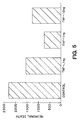
- results are shown in Figures 4 and 5, and the percent survival after 3 days and 7 days are shown below.
- IL-1 was also protective comparable to TNF. It may be seen from these results that TNF or IL-1 alone are effective in preventing death due to hyperoxia. Growth Hormone and DF are less effective for the same purpose when used alone, but synergize with TNF and/or IL-1 in protecting the animals. This work indicates that these agents be used in any hyperbaric treatment, including oxygen treatment of premature infants and cancer patients.
Landscapes
- Health & Medical Sciences (AREA)
- Life Sciences & Earth Sciences (AREA)
- Engineering & Computer Science (AREA)
- Bioinformatics & Cheminformatics (AREA)
- Pharmacology & Pharmacy (AREA)
- Veterinary Medicine (AREA)
- Chemical & Material Sciences (AREA)
- Public Health (AREA)
- General Health & Medical Sciences (AREA)
- Medicinal Chemistry (AREA)
- Animal Behavior & Ethology (AREA)
- Chemical Kinetics & Catalysis (AREA)
- Nuclear Medicine, Radiotherapy & Molecular Imaging (AREA)
- General Chemical & Material Sciences (AREA)
- Organic Chemistry (AREA)
- Immunology (AREA)
- Gastroenterology & Hepatology (AREA)
- Diabetes (AREA)
- Biomedical Technology (AREA)
- Cardiology (AREA)
- Heart & Thoracic Surgery (AREA)
- Proteomics, Peptides & Aminoacids (AREA)
- Zoology (AREA)
- Neurosurgery (AREA)
- Epidemiology (AREA)
- Neurology (AREA)
- Endocrinology (AREA)
- Hematology (AREA)
- Virology (AREA)
- Vascular Medicine (AREA)
- Urology & Nephrology (AREA)
- Oncology (AREA)
- AIDS & HIV (AREA)
- Obesity (AREA)
- Emergency Medicine (AREA)
- Psychology (AREA)
- Pain & Pain Management (AREA)
- Tropical Medicine & Parasitology (AREA)
- Communicable Diseases (AREA)
- Molecular Biology (AREA)
Claims (14)
- Verwendung eines oder mehrerer Schutzmittel zur Herstellung einer Zusammensetzung zur Prophylaxe gegen die und/oder Behandlung der schädlichen Wirkungen von reaktiven Formen des Sauerstoffs bei einem Patienten, wobei das Schutzmittel ausgewählt ist aus:(a) Wachstumshormon (GH),(b) Tumornekrosefaktor (TNF) und GH,(c) Interleukin-1 (IL-1) und GH,(d) IL-1 und TNF und GH.
- Verwendung nach Anspruch 1, worin der Patient an Reperfusionsverletzungen, bronchopulmonaler Dysplasie, Schlaganfall, Arteriosklerose, Atherosklerose, Myocardinfarkt, Blutvergiftung, AIDS, Diabetes, multipler Sklerose, entzündungsbedingter Arthritis, hyperbarischer Behandlung bei Frühgeburten, Hyperoxie, Transplantatabstoßung oder Transplantationsverletzung, Sichelzellenanämie, Sichelzellenmerkmal, hyperbarischer Krebsbehandlung, alkohol- oder nicht-alkoholbedingter Zirrhose, bleomycin-induzierter Lungenfibrose, durch bakterielles LPS-Endotoxin herbeigeführter Synovialentzündung, von Immunkomplexen herrührender Lungenverletzung oder Parkinson-Syndrom leidet oder davon bedroht ist.
- Verwendung nach Anspruch 1 oder 2, worin die Zusammensetzung auch α-, β-oder γ-Interferon umfaßt.
- Verwendung nach Anspruch 1 oder 2, worin der Tumornekrosefaktor Tumornekrosefaktor-α oder Tumornekrosefaktor-β ist.
- Verwendung nach Anspruch 1, worin die Zusammensetzung auch ein fibrinolytisches Mittel oder ein Antioxidans umfaßt.
- Verwendung eines oder mehrerer Schutzmittel, ausgewählt-aus den in Anspruch 1 angeführten, zur Herstellung einer Zusammensetzung, die sich zum Schutz von ischämischen Geweben eignet.
- Verwendung nach Anspruch 6, worin die Zusammensetzung auch α-, β- oder γ-Interferon umfaßt.
- Verwendung nach Anspruch 6, worin der Tumornekrosefaktor Tumornekrosefaktor-α oder Tumornekrosefaktor-β ist.
- Verwendung nach Anspruch 6, worin die Zusammensetzung zur Perfusion in das Gewebe formuliert ist.
- Verwendung nach Anspruch 6, worin die Zusammensetzung auch einen pharmazeutisch annehmbaren Exzipienten umfaßt.
- Verwendung nach Anspruch 6, worin die Zusammensetzung auch ein Antioxidans oder ein fibrinolytisches Mittel umfaßt.
- Verwendung nach Anspruch 6, worin das Gewebe aus der Gruppe ausgewählt ist, die aus Muskelgewebe, Bindegewebe, Epithelgewebe, Nervengewebe, Gefäßgewebe, Knochen, Gehirn, Geschlechtsorganen, Atmungsorganen, Verdauungsorganen, Ausscheidungsorganen, dein Harnapparat, Sinnesorganen und Skelettmuskelorganen besteht.
- Perfundiertes, exzidiertes Gewebe, das für ein ein Gewebe und eine Perfusionslösung umfassendes Transplantat bestimmt ist, wobei die Lösung ein oder mehrere Schutzmittel, ausgewählt aus den in Anspruch 1 angeführten, umfaßt.
- Gewebe nach Anspruch 13, worin der Tumornekrosefaktor (TNF) TNF-α oder TNF-β ist.
Applications Claiming Priority (3)
| Application Number | Priority Date | Filing Date | Title |
|---|---|---|---|
| US60285090A | 1990-10-25 | 1990-10-25 | |
| US602850 | 1990-10-25 | ||
| PCT/US1991/007759 WO1992007578A1 (en) | 1990-10-25 | 1991-10-21 | Use of protective agents against reactive oxygen species |
Publications (3)
| Publication Number | Publication Date |
|---|---|
| EP0554381A1 EP0554381A1 (de) | 1993-08-11 |
| EP0554381B1 EP0554381B1 (de) | 1996-01-17 |
| EP0554381B2 true EP0554381B2 (de) | 2000-04-26 |
Family
ID=24413043
Family Applications (1)
| Application Number | Title | Priority Date | Filing Date |
|---|---|---|---|
| EP91920537A Expired - Lifetime EP0554381B2 (de) | 1990-10-25 | 1991-10-21 | Verwendung gegen reaktive sauerstoffverbindungen schützender wirkstoffe |
Country Status (9)
| Country | Link |
|---|---|
| EP (1) | EP0554381B2 (de) |
| JP (2) | JPH06503320A (de) |
| AT (1) | ATE133073T1 (de) |
| CA (1) | CA2092718C (de) |
| DE (1) | DE69116565T2 (de) |
| DK (1) | DK0554381T3 (de) |
| ES (1) | ES2084190T3 (de) |
| GR (1) | GR3019229T3 (de) |
| WO (1) | WO1992007578A1 (de) |
Families Citing this family (13)
| Publication number | Priority date | Publication date | Assignee | Title |
|---|---|---|---|---|
| EP0612529B1 (de) * | 1993-01-22 | 2000-04-05 | Kanegafuchi Kagaku Kogyo Kabushiki Kaisha | Therapeutisches Agens für NIDDM |
| US5661122A (en) * | 1994-04-15 | 1997-08-26 | Genentech, Inc. | Treatment of congestive heart failure |
| US5610134A (en) * | 1994-04-15 | 1997-03-11 | Genentech, Inc. | Treatment of congestive heart failure |
| US5935924A (en) * | 1994-04-15 | 1999-08-10 | Genentech, Inc. | Treatment of congestive heart failure |
| AUPO263696A0 (en) * | 1996-09-27 | 1996-10-24 | Walter And Eliza Hall Institute Of Medical Research, The | A process for culturing cells |
| SE9703929D0 (sv) * | 1996-11-22 | 1997-10-28 | Pharmacia & Upjohn Ab | Therapeutical use and method |
| EP1043027A1 (de) | 1999-04-08 | 2000-10-11 | Applied Research Systems ARS Holding N.V. | Behandlung von multiplersklerose mit einer kombination von interferon und Wachstumshormone |
| AU2003209755B2 (en) | 2002-02-06 | 2007-11-22 | Ares Trading S.A. | Tumor necrosis factor combined with interferon in demyelinating diseases |
| JPWO2004014412A1 (ja) * | 2002-08-09 | 2005-12-02 | 科研製薬株式会社 | 心筋細胞保護剤 |
| AU2003299919B2 (en) * | 2002-10-08 | 2009-08-06 | Ares Trading S.A. | The use of cytokine able to bind IL-18BP and of inhibiting the activity of a second cytokine |
| US7476653B2 (en) | 2003-06-18 | 2009-01-13 | Tranzyme Pharma, Inc. | Macrocyclic modulators of the ghrelin receptor |
| CU23558A1 (es) | 2006-02-28 | 2010-07-20 | Ct Ingenieria Genetica Biotech | Compuestos análogos a los secretagogos peptidicos de la hormona de crecimiento |
| CN101657436A (zh) | 2007-02-09 | 2010-02-24 | 特兰齐姆制药公司 | 大环生长素释放肽受体调节剂及其使用方法 |
Family Cites Families (3)
| Publication number | Priority date | Publication date | Assignee | Title |
|---|---|---|---|---|
| NZ219027A (en) * | 1986-01-24 | 1989-09-27 | Genentech Inc | Antiviral composition containing interferon tumour necrosis factor and/or lymphotoxin |
| US5057494A (en) * | 1988-08-03 | 1991-10-15 | Ethicon, Inc. | Method for preventing tissue damage after an ischemic episode |
| IL97779A (en) * | 1990-04-10 | 2000-01-31 | Genentech Inc | Compositions for cytoprotection against radiation and chemotherapy injury or risk thereof |
-
1991
- 1991-10-21 CA CA002092718A patent/CA2092718C/en not_active Expired - Lifetime
- 1991-10-21 AT AT91920537T patent/ATE133073T1/de active
- 1991-10-21 ES ES91920537T patent/ES2084190T3/es not_active Expired - Lifetime
- 1991-10-21 JP JP4500764A patent/JPH06503320A/ja active Pending
- 1991-10-21 WO PCT/US1991/007759 patent/WO1992007578A1/en not_active Ceased
- 1991-10-21 EP EP91920537A patent/EP0554381B2/de not_active Expired - Lifetime
- 1991-10-21 DK DK91920537.7T patent/DK0554381T3/da active
- 1991-10-21 DE DE69116565T patent/DE69116565T2/de not_active Expired - Fee Related
-
1996
- 1996-03-06 GR GR960400637T patent/GR3019229T3/el unknown
-
2001
- 2001-11-21 JP JP2001356092A patent/JP2002179590A/ja active Pending
Also Published As
| Publication number | Publication date |
|---|---|
| JPH06503320A (ja) | 1994-04-14 |
| EP0554381A1 (de) | 1993-08-11 |
| CA2092718A1 (en) | 1992-04-26 |
| CA2092718C (en) | 2007-08-07 |
| DK0554381T3 (da) | 1996-04-09 |
| AU661463B2 (en) | 1995-07-27 |
| EP0554381B1 (de) | 1996-01-17 |
| JP2002179590A (ja) | 2002-06-26 |
| DE69116565T2 (de) | 1996-08-01 |
| AU8941291A (en) | 1992-05-26 |
| DE69116565D1 (de) | 1996-02-29 |
| WO1992007578A1 (en) | 1992-05-14 |
| ATE133073T1 (de) | 1996-02-15 |
| ES2084190T3 (es) | 1996-05-01 |
| GR3019229T3 (en) | 1996-06-30 |
Similar Documents
| Publication | Publication Date | Title |
|---|---|---|
| US5370870A (en) | Method for protection against reactive oxygen species | |
| US5200176A (en) | Method for protection of ischemic tissues using tumor nerosis factor | |
| EP0554381B2 (de) | Verwendung gegen reaktive sauerstoffverbindungen schützender wirkstoffe | |
| US4879111A (en) | Treatment of infections with lymphokines | |
| CA2181568C (en) | Use of interleukin-12 to prevent graft versus host disease | |
| US4980160A (en) | Combinations of tumor necrosis factors and anti-inflammatory agents and methods for treating malignant and non-malignant diseases | |
| Gregory et al. | IFN-gamma inhibits the replication of Listeria monocytogenes in hepatocytes. | |
| Charak et al. | Induction of graft versus leukemia effect in bone marrow transplantation: dosage and time schedule dependency of interleukin 2 therapy | |
| EP0287633B1 (de) | Kombinationen von nekrose-tumor-faktoren und entzündungshemmenden mitteln für die behandlung von bösartigen und nicht bösartigen erkrankungen | |
| US6060449A (en) | Neovascularization inhibitor containing tissue factor pathway inhibitor | |
| JP3266248B2 (ja) | 傷害を処置するための方法及び組成物 | |
| Yokoyama et al. | Inhibition of intravascular mouse melanoma dissemination by recombinant human interferonαA/D | |
| PT100932B (pt) | Utilizacao de linfoquinas antimicrobianas, nomeadamente o interferao gama, na preparacao de medicamentos para o tratamento de infeccoes em sujeitos receptores de transplantes | |
| EP0544802B1 (de) | Verfahren und zusammensetzungen für die behandlung durch t-zellen vermittelter krankheiten | |
| AU661463C (en) | Use of protective agents against reactive oxygen species | |
| CA2623518C (en) | Method for treating or preventing ischemia reperfusion injury or multi-organ failure | |
| Dubinett et al. | Adoptive immunotherapy of murine pulmonary metastases with interleukin 2 and interferon-gamma | |
| Dougherty et al. | Granulocyte transfusion as adjunctive therapy for qualitative granulocytopenia: Multiple liver abscesses in a patient with chronic granulomatous disease | |
| Rubeiz et al. | Posttransfusion graft-versus-host disease in two immunocompetent patients | |
| Hosokawa et al. | Effects of a Combination of Cyclophosphamide and Human Recombinant Interleukin 2 on Pulmonary Metastasis after the Surgical Removal of a 3‐Methylcholanthrene‐induced Primary Tumor in Autochthonous Mice | |
| EP0891778A2 (de) | Mittel für Vorbeugung und/oder Behandlung von strahlungsinduzierter Störungen | |
| Shin et al. | Resistance to peritonitis following disruption of peritoneal mast cells | |
| EP0561927A1 (de) | Pharmazeutische zusammensetzungen zur behandlung von b-zell-entartungen. | |
| Nishimura et al. | Restoration by recombinant interferon alpha A/D of host defense systems against tumor in immunosuppressed mice | |
| Liu et al. | Virulizin (R)-2gamma |
Legal Events
| Date | Code | Title | Description |
|---|---|---|---|
| PUAI | Public reference made under article 153(3) epc to a published international application that has entered the european phase |
Free format text: ORIGINAL CODE: 0009012 |
|
| AK | Designated contracting states |
Kind code of ref document: A1 Designated state(s): AT BE CH DE DK ES FR GB GR IT LI LU NL SE |
|
| 17P | Request for examination filed |
Effective date: 19930514 |
|
| 17Q | First examination report despatched |
Effective date: 19940201 |
|
| GRAA | (expected) grant |
Free format text: ORIGINAL CODE: 0009210 |
|
| AK | Designated contracting states |
Kind code of ref document: B1 Designated state(s): AT BE CH DE DK ES FR GB GR IT LI LU NL SE |
|
| PG25 | Lapsed in a contracting state [announced via postgrant information from national office to epo] |
Ref country code: NL Free format text: LAPSE BECAUSE OF FAILURE TO SUBMIT A TRANSLATION OF THE DESCRIPTION OR TO PAY THE FEE WITHIN THE PRESCRIBED TIME-LIMIT Effective date: 19960117 Ref country code: LI Free format text: LAPSE BECAUSE OF FAILURE TO SUBMIT A TRANSLATION OF THE DESCRIPTION OR TO PAY THE FEE WITHIN THE PRESCRIBED TIME-LIMIT Effective date: 19960117 Ref country code: FR Free format text: LAPSE BECAUSE OF FAILURE TO SUBMIT A TRANSLATION OF THE DESCRIPTION OR TO PAY THE FEE WITHIN THE PRESCRIBED TIME-LIMIT Effective date: 19960117 Ref country code: CH Free format text: LAPSE BECAUSE OF FAILURE TO SUBMIT A TRANSLATION OF THE DESCRIPTION OR TO PAY THE FEE WITHIN THE PRESCRIBED TIME-LIMIT Effective date: 19960117 |
|
| REF | Corresponds to: |
Ref document number: 133073 Country of ref document: AT Date of ref document: 19960215 Kind code of ref document: T |
|
| REF | Corresponds to: |
Ref document number: 69116565 Country of ref document: DE Date of ref document: 19960229 |
|
| REG | Reference to a national code |
Ref country code: DK Ref legal event code: T3 |
|
| ET | Fr: translation filed | ||
| ITF | It: translation for a ep patent filed | ||
| REG | Reference to a national code |
Ref country code: ES Ref legal event code: FG2A Ref document number: 2084190 Country of ref document: ES Kind code of ref document: T3 |
|
| REG | Reference to a national code |
Ref country code: GR Ref legal event code: FG4A Free format text: 3019229 |
|
| PLAV | Examination of admissibility of opposition |
Free format text: ORIGINAL CODE: EPIDOS OPEX |
|
| PLBQ | Unpublished change to opponent data |
Free format text: ORIGINAL CODE: EPIDOS OPPO |
|
| PLBI | Opposition filed |
Free format text: ORIGINAL CODE: 0009260 |
|
| PLBF | Reply of patent proprietor to notice(s) of opposition |
Free format text: ORIGINAL CODE: EPIDOS OBSO |
|
| 26 | Opposition filed |
Opponent name: AMRAD OPERATIONS PTY LTD. Effective date: 19961016 |
|
| NLR1 | Nl: opposition has been filed with the epo |
Opponent name: AMRAD OPERATIONS PTY LTD. |
|
| PLBF | Reply of patent proprietor to notice(s) of opposition |
Free format text: ORIGINAL CODE: EPIDOS OBSO |
|
| PLBF | Reply of patent proprietor to notice(s) of opposition |
Free format text: ORIGINAL CODE: EPIDOS OBSO |
|
| PLBF | Reply of patent proprietor to notice(s) of opposition |
Free format text: ORIGINAL CODE: EPIDOS OBSO |
|
| PLBF | Reply of patent proprietor to notice(s) of opposition |
Free format text: ORIGINAL CODE: EPIDOS OBSO |
|
| PLAW | Interlocutory decision in opposition |
Free format text: ORIGINAL CODE: EPIDOS IDOP |
|
| PGFP | Annual fee paid to national office [announced via postgrant information from national office to epo] |
Ref country code: FR Payment date: 19991011 Year of fee payment: 9 |
|
| PGFP | Annual fee paid to national office [announced via postgrant information from national office to epo] |
Ref country code: AT Payment date: 19991013 Year of fee payment: 9 |
|
| PGFP | Annual fee paid to national office [announced via postgrant information from national office to epo] |
Ref country code: CH Payment date: 19991027 Year of fee payment: 9 |
|
| PGFP | Annual fee paid to national office [announced via postgrant information from national office to epo] |
Ref country code: NL Payment date: 19991029 Year of fee payment: 9 |
|
| PLAW | Interlocutory decision in opposition |
Free format text: ORIGINAL CODE: EPIDOS IDOP |
|
| PGFP | Annual fee paid to national office [announced via postgrant information from national office to epo] |
Ref country code: BE Payment date: 19991221 Year of fee payment: 9 |
|
| PUAH | Patent maintained in amended form |
Free format text: ORIGINAL CODE: 0009272 |
|
| STAA | Information on the status of an ep patent application or granted ep patent |
Free format text: STATUS: PATENT MAINTAINED AS AMENDED |
|
| 27A | Patent maintained in amended form |
Effective date: 20000426 |
|
| AK | Designated contracting states |
Kind code of ref document: B2 Designated state(s): AT BE CH DE DK ES FR GB GR IT LI LU NL SE |
|
| RIN2 | Information on inventor provided after grant (corrected) |
Free format text: WONG, GRACE H. W. |
|
| REG | Reference to a national code |
Ref country code: CH Ref legal event code: AEN Free format text: MAINTIEN DU BREVET DONT L'ETENDUE A ETE MODIFIEE |
|
| NLR2 | Nl: decision of opposition | ||
| PG25 | Lapsed in a contracting state [announced via postgrant information from national office to epo] |
Ref country code: DK Free format text: LAPSE BECAUSE OF FAILURE TO SUBMIT A TRANSLATION OF THE DESCRIPTION OR TO PAY THE FEE WITHIN THE PRESCRIBED TIME-LIMIT Effective date: 20000726 Ref country code: AT Free format text: LAPSE BECAUSE OF FAILURE TO SUBMIT A TRANSLATION OF THE DESCRIPTION OR TO PAY THE FEE WITHIN THE PRESCRIBED TIME-LIMIT Effective date: 20000726 |
|
| PG25 | Lapsed in a contracting state [announced via postgrant information from national office to epo] |
Ref country code: ES Free format text: LAPSE BECAUSE OF FAILURE TO SUBMIT A TRANSLATION OF THE DESCRIPTION OR TO PAY THE FEE WITHIN THE PRESCRIBED TIME-LIMIT Effective date: 20000806 |
|
| EN | Fr: translation not filed | ||
| NLV1 | Nl: lapsed or annulled due to failure to fulfill the requirements of art. 29p and 29m of the patents act | ||
| PGFP | Annual fee paid to national office [announced via postgrant information from national office to epo] |
Ref country code: SE Payment date: 20001009 Year of fee payment: 10 |
|
| PGFP | Annual fee paid to national office [announced via postgrant information from national office to epo] |
Ref country code: DK Payment date: 20001012 Year of fee payment: 10 |
|
| PGFP | Annual fee paid to national office [announced via postgrant information from national office to epo] |
Ref country code: DE Payment date: 20001016 Year of fee payment: 10 |
|
| PGFP | Annual fee paid to national office [announced via postgrant information from national office to epo] |
Ref country code: GB Payment date: 20001018 Year of fee payment: 10 |
|
| PGFP | Annual fee paid to national office [announced via postgrant information from national office to epo] |
Ref country code: LU Payment date: 20001020 Year of fee payment: 10 |
|
| PGFP | Annual fee paid to national office [announced via postgrant information from national office to epo] |
Ref country code: ES Payment date: 20001025 Year of fee payment: 10 |
|
| PGFP | Annual fee paid to national office [announced via postgrant information from national office to epo] |
Ref country code: GR Payment date: 20001027 Year of fee payment: 10 |
|
| PG25 | Lapsed in a contracting state [announced via postgrant information from national office to epo] |
Ref country code: BE Free format text: LAPSE BECAUSE OF NON-PAYMENT OF DUE FEES Effective date: 20001031 |
|
| REG | Reference to a national code |
Ref country code: CH Ref legal event code: PL |
|
| PG25 | Lapsed in a contracting state [announced via postgrant information from national office to epo] |
Ref country code: LU Free format text: LAPSE BECAUSE OF NON-PAYMENT OF DUE FEES Effective date: 20011021 Ref country code: GB Free format text: LAPSE BECAUSE OF NON-PAYMENT OF DUE FEES Effective date: 20011021 |
|
| PG25 | Lapsed in a contracting state [announced via postgrant information from national office to epo] |
Ref country code: SE Free format text: THE PATENT HAS BEEN ANNULLED BY A DECISION OF A NATIONAL AUTHORITY Effective date: 20011030 |
|
| PG25 | Lapsed in a contracting state [announced via postgrant information from national office to epo] |
Ref country code: GR Free format text: LAPSE BECAUSE OF NON-PAYMENT OF DUE FEES Effective date: 20011031 |
|
| REG | Reference to a national code |
Ref country code: GB Ref legal event code: IF02 |
|
| GBPC | Gb: european patent ceased through non-payment of renewal fee |
Effective date: 20011021 |
|
| PG25 | Lapsed in a contracting state [announced via postgrant information from national office to epo] |
Ref country code: DE Free format text: LAPSE BECAUSE OF NON-PAYMENT OF DUE FEES Effective date: 20020702 |
|
| PG25 | Lapsed in a contracting state [announced via postgrant information from national office to epo] |
Ref country code: IT Free format text: LAPSE BECAUSE OF NON-PAYMENT OF DUE FEES Effective date: 20051021 |