EP0576439B1 - Monoklonarer antikörper gegen lps-kern - Google Patents
Monoklonarer antikörper gegen lps-kern Download PDFInfo
- Publication number
- EP0576439B1 EP0576439B1 EP92904901A EP92904901A EP0576439B1 EP 0576439 B1 EP0576439 B1 EP 0576439B1 EP 92904901 A EP92904901 A EP 92904901A EP 92904901 A EP92904901 A EP 92904901A EP 0576439 B1 EP0576439 B1 EP 0576439B1
- Authority
- EP
- European Patent Office
- Prior art keywords
- amino acid
- lps
- acid sequence
- variable domain
- sequence
- Prior art date
- Legal status (The legal status is an assumption and is not a legal conclusion. Google has not performed a legal analysis and makes no representation as to the accuracy of the status listed.)
- Expired - Lifetime
Links
Images





Classifications
-
- C—CHEMISTRY; METALLURGY
- C07—ORGANIC CHEMISTRY
- C07K—PEPTIDES
- C07K16/00—Immunoglobulins [IG], e.g. monoclonal or polyclonal antibodies
- C07K16/12—Immunoglobulins [IG], e.g. monoclonal or polyclonal antibodies against material from bacteria
- C07K16/1203—Gram-negative bacteria
-
- A—HUMAN NECESSITIES
- A61—MEDICAL OR VETERINARY SCIENCE; HYGIENE
- A61P—SPECIFIC THERAPEUTIC ACTIVITY OF CHEMICAL COMPOUNDS OR MEDICINAL PREPARATIONS
- A61P31/00—Antiinfectives, i.e. antibiotics, antiseptics, chemotherapeutics
- A61P31/04—Antibacterial agents
-
- A—HUMAN NECESSITIES
- A61—MEDICAL OR VETERINARY SCIENCE; HYGIENE
- A61K—PREPARATIONS FOR MEDICAL, DENTAL OR TOILETRY PURPOSES
- A61K38/00—Medicinal preparations containing peptides
-
- C—CHEMISTRY; METALLURGY
- C07—ORGANIC CHEMISTRY
- C07K—PEPTIDES
- C07K2319/00—Fusion polypeptide
-
- C—CHEMISTRY; METALLURGY
- C07—ORGANIC CHEMISTRY
- C07K—PEPTIDES
- C07K2319/00—Fusion polypeptide
- C07K2319/01—Fusion polypeptide containing a localisation/targetting motif
- C07K2319/02—Fusion polypeptide containing a localisation/targetting motif containing a signal sequence
-
- G—PHYSICS
- G01—MEASURING; TESTING
- G01N—INVESTIGATING OR ANALYSING MATERIALS BY DETERMINING THEIR CHEMICAL OR PHYSICAL PROPERTIES
- G01N2400/00—Assays, e.g. immunoassays or enzyme assays, involving carbohydrates
- G01N2400/10—Polysaccharides, i.e. having more than five saccharide radicals attached to each other by glycosidic linkages; Derivatives thereof, e.g. ethers, esters
- G01N2400/50—Lipopolysaccharides; LPS
Definitions
- This invention relates to the prevention, diagnosis and treatment of infectious diseases caused by Gram-negative bacteria and more particularly provides monoclonal antibodies (MAbs) against the lipopolysaccharide (LPS; also called endotoxin) constituent of the gram-negative bacterial membranes.
- MAbs monoclonal antibodies
- LPS lipopolysaccharide
- Enterobacteria are a widely prevalent group of Gram-negative microorganisms which cause serious and frequently lethal infections in patients undergoing certain types of surgery, anti-cancer chemotherapy or immunosupressive treatment or in patients suffering from various trauma, burns or wounds.
- the severity of the disease ranges from a preliminary, transient and limited episode of bacteremia to a subsequent, fulminant and life-threatening conditon of endotoxemia (also called septic shock) characterized, in particular, by a severe hypotension.
- LPS lipopolysaccharide
- Lipid A whose lipid portion is embedded in the outer leaflet of the outer membrane; the oligosaccharide core region and the 0-specific outer region.
- Lipid A has the same basic structure in practically all enterobacteria and is the main endotoxic determinant.
- the core region shows a high degree of similarity among bacterial genera. It usually consists of a limited number of sugars.
- the inner core region is constituted of heptose and 2-Keto-3-deoxyoctonate (KD0) residues while the outer core region comprises galactose, glucose or N-acetyl-D-glucosamine residues displayed in various manners, depending upon the strain.
- outer core structures R1 to R4 of different E. coli strains are shown in Figure 2.
- the 0-specific outer region (also called 0-specific side chain) is highly variable and is composed of repeated oligosaccharide units characteristic of the species. LPS molecules on the surface of a single cell do not have a constant amount of oligosaccharide units.
- the presence of the 0-specific side chain confers to a culture of a wild type bacterium a smooth aspect. This is the reason why wild type bacteria are usually referred to as smooth bacteria in contrast with rough mutants which lack the 0-specific side chain and, sometimes, part of the core region and the cultures of which show a rough aspect.
- the different types of rough mutants from Salmonella are conventionally designated by the terms Ra, Rb, Rc, Rd and Re.
- the LPS of all of them comprises the lipid A structure while the Ra mutant is characterised by a complete core region, the Rb mutant is characterised by the absence of N-acetyl-D-glucosamine residue, the Rc mutant is characterised by the absence of N-acetyl-D-glucosamine and galactose residues, the Rd mutant is characterised by the absence of any residue constituting the outer core and the Re mutant is characterised by the sole KD0 region attached to lipid A.
- Cross-reactive MAbs are of two kinds, which may be described as horizontal and vertical.
- vertical cross-reactivity is meant that the MAb reacts with essentially all smooth LPS molecules of a particular bacterial strain, independent of the length of the 0-specific side-chain.
- horizontal cross-reactivity is meant that the MAb reacts with LPS having different core structures. This is necessary because therapy must be started as soon as the bacteremia has been empirically diagnosed, rather than waiting for the identification of the pathogen, which may take several days.
- Such MAbs must recognize antigenic determinants located in the LPS structure which is shared by most enterobacteria i.e. Lipid A and the core region. They may be obtained by the well-known Kohler & Milstein method which, in particular comprises conventionally immunizing mice with an immunogen in which the inner antigenic epitopes of LPS are immediately available for raising antibodies. Suitable immunogens include heat-killed rough mutants of an enterobacterium e.g. the J5 strain of E. coli. Purified LPS is less suitable as an immunogen.
- a MAb expected to be useful for preventing or treating bacteremia should not only be cross-reactive but also cross-protective against the infections caused by the most common toxic bacteria.
- MAbs have often been described as reactive on the basis of binding experiments involving rough rather than smooth LPS, and the lack of protectivity of these MAbs may be due to the fact that, in wild-type smooth LPS, the epitope for which the antibody is specific is not available, being hindered by the core region or the O-specific side chain.
- MAbs recognizing epitopes in the Lipid A part of the LPS molecule are generally ineffective.
- MAbs are initially obtained in murine form and are converted by known recombinant DNA techniques into chimeric (murine variable region, human constant region) or humanized (murine hypervariable regions, human framework and constant region) forms.
- the present invention provides a monoclonal antibody which recognizes an epitope in the core region of the LPS molecule and which is cross-protective against endotoxemia caused by at least two different Gram-negative bacterial strains having different core structures, said monoclonal antibody having a constant region of human origin, a variable framework region of human or nonhuman origin, and a hypervariable region of nonhuman origin.
- the MAb recognises an epitope which is already present in the Rc core structure of E. coli and is also present in the complete core.
- the MAb of the invention preferably reacts with all common smooth strain isolates, and preferably also with rough strain mutants of all five core types (R1, R2, R3, R4, and K12).
- the MAb is also reactive with different strains of Salmonella.
- MAbs of the present invention may be produced by an immunization protocoll in which the animal to be immunized is exposed to a plurality of types of LPS molecule. This may be done either by immunization with a cocktail of different LPS types physically mixed together, or by immunizing in sequence by individual different LPS types. In both cases it is prefered to use heat-killed bacteria rather than purified LPS molecules.
- Other possible immunogens include bacteria killed by means other than heat (e.g. by formaldehyde) and LPS molecules linked to protein carriers.
- the animal to be immunized is preferably a mouse, which may be of the Balb-c strain. It may however be preferable to use mice of different genetic background, for example New Zealand Black or Swiss Webster mice, which are capable of giving a wider immune response.
- the immunogen may be administered intravenously, or, preferably, subcutaneously, for example in the foot pad.
- mice are immunized with a single cocktail of different strains of heat-killed bacteria, preferably rough strains having a complete core, for example a mixture of R1, R2, R3 and R4 strains of Ra E. coli.
- a single cocktail of different strains of heat-killed bacteria preferably rough strains having a complete core, for example a mixture of R1, R2, R3 and R4 strains of Ra E. coli.
- two or more such cocktails which may be different, may be given on different occasions.
- injection of a mixture of E. coli R2 and R3 and Salmonella minnesota R60 may be followed a week later by a mixture of E. coli R1, R4 and 018 rough strain, and then the two injections repeated at further weekly intervals.
- mice are immunized sequentially with a number of different rough strains of heat-killed bacteria, only one strain being administered at any one time.
- mice may be immunized with Pseudomonas PAC 605 rough mutant followed by E. coli R1, R2 and R3 at monthly intervals.
- any cell fusion is carried out between mouse myeloma cells and spleen cells from the immunized animal, there is preferably an initial screening step in which the strength and plurality of the immune response of the immunized animal is evaluated by testing the serum of the animal. Animals showing a strong immune response are subjected to a booster immunization and the spleen cells of these strongly-responding and re-immunized mice are used for cell fusion to make hybridomas by the conventional Köhler-Milstein technique.
- the booster immunization is preferably by a cocktail of different rough strain E. coli, even if the primary immunization was carried out by the second preferred method (sequential administration).
- each hybridoma supernatant may be screened by testing for reactivity in the ELISA assay with seven different LPS cocktails and a control, according to the following scheme:
- MAbs found to have good cross-reactivity are then screened further to select those which are not only cross-reactive, but also cross-protective. This may be done using the following in vitro bioassay:
- TNF Tumor Necrosis Factor
- IL-1 IL-6
- Interferon- ⁇ 2 IL-6
- a protective anti-LPS antibody blocks the macrophage stimulation as shown in the following assay:
- Murine peritoneal cells are obtained by peritoneal lavage with 0.34 M sucrose in distilled water. Peritoneal cells are seeded at 5.10 5 cells/ml in 0.2 ml serum free medium (IMDM-ATL, Schreier and Tees, Immunological Methods, Vol. II, Acad. Press (1981):263) and cultured for 4 hrs at 37° C (i) in the presence or absence of LPS e.g. LPS from E. coli R1 (0.05 ng/ml); E. coli R2 (0.05 ng/ml); E. coli R3 (0.05 ng/ml) and E.
- LPS LPS from E. coli R1 (0.05 ng/ml); E. coli R2 (0.05 ng/ml); E. coli R3 (0.05 ng/ml) and E.
- coli R4 (0.05 ng/ml); and (ii) in the presence or absence of a purified, endotoxin-free antibody the final concentration of which ranges from 0.05 ng to 50 ⁇ g/ml.
- the supernatants are recovered and the amount of IL-6 present in the supernatants is then measured using the IL-6 dependent hybridoma cell-line B13.29 (Aarden et al., Eur. J. Immunol. 1987, 17, 1911) as follows:
- B13.29 cells are seeded at 2.5x10 4 cells/ml in serum free medium and cultured for 72 hrs in the absence of IL-6 and in the presence or absence of culture supernatant. Aliquots of the cultures (200 ⁇ l/well) are distributed in flat bottomed microtitre plates. IL-6 concentration in the supernatants is calculated in relation to a standard curve of IL-6.
- a MAb is regarded as being protective against a given LPS if it gives in the above assay a reduction of IL-6 secretion of at least 50X when tested at a concentration of 5 ⁇ g/ml, the concentration of purified LPS being 0.05 ng/ml for rough LPS and correspondingly higher for the less active smooth types.
- a MAb is cross-protective if it is protective against at least two LPS having different core structures.
- Preferred cross-protective MAbs are cross-protective against LPS from different bacterial genera.
- Prefered MAbs of the invention are of the IgG isotype.
- WN1 222-5 isotype IgG2a
- WN1 58-9 isotype IgG2b
- H1 61-2 isotype 1 61-2
- SZ27 19.16.07 is particularly preferred.
- Natural immunoglobulins or antibodies comprise a generally Y-shaped molecule built up of two identical heavy chains and two identical light chains, and having an antigen-binding site at the end of each upper arm. The remainder of the structure, in particular the stem of the Y, mediates effector functions associated with the immunoglobulins.
- the general structure of an antibody of the IgG class is shown schematically in Figure 3A. Both heavy and light chains comprise a variable domain and a constant part.
- An antigen binding site consists of the variable domain of a heavy chain (V H ) associated with the variable domain of a light chain (V L ).
- the variable domains of the heavy and light chains have the same general structure which is illustrated in Figure 3B.
- the antigen binding characteristics of an antibody are essentially determined by 3 specific regions in the variable domain of the heavy and light chains which are called hypervariable regions or complementary determining regions (CDRs). As shown in Figure 3B, these 3 hypervariable regions alternate with 4 framework regions, (FRs) whose sequences are relatively conserved and which are not directly involved in binding. The CDRs form loops and are held in close proximity by the framework regions which largely adopt a ⁇ -sheet conformation. The CDRs of a heavy chain together with the CDRs of the associated light chain essentially constitute each of the two antigen binding sites of the antibody molecule.
- CDRs complementary determining regions
- the determination as to what constitutes a FR or a CDR region is usually made by comparing the amino acid sequence of a number of antibodies raised in the same species.
- the general rules for identifying the CDR and FR regions are given in Table I.
- the invention provides a LPS binding molecule which comprises at least one antigen binding site comprising at least one domain which comprises in sequence, the hypervariable regions hCDR1, hCDR2 and hCDR3 ; (domains h222-5 and h58-9) said hCDR1 having the amino acid sequence Asp Tyr Tyr Met Thr; said hCDR2 having the amino acid sequence Leu Ile Arg Asn W Arg Asn Gly Asp Thr Ala Glu Tyr Ser Ala Ser Val X; wherein W is Lys or Tyr and X is Lys or Arg; said hCDR3 having the amino acid sequence Gln Gly Arg Gly Tyr Thr Leu Asp Tyr; and direct equivalents thereof.
- hypervariable region hCDR2 in which W is Lys and X is Lys (h222-5) or in which W is Tyr and X is Arg (h58-9). More preferred is the hypervariable region hCDR2 in which W is Lys and X is Lys.
- the LPS binding molecule comprises an antigen binding site comprising a single domain.
- the LPS binding molecule comprises at least one antigen binding site comprising:
- hypervariable region lCDR1 in which Y is Ser and Z is Gln (1222-5) or in which Y is Arg and Z is Leu (158-9). More preferred is the hypervariable region lCDR1 in which Y is Ser and Z is Gln.
- any polypeptide chain is hereinafter described as having an amino acid sequence starting at the N-terminal extremity and ending at the C-terminal extremity.
- the antigen binding site comprises both the first and second domains
- these may be located on the same polypeptide molecule or, preferably, each domain may be on a different chain, the first domain being part of an immunoglobulin heavy chain or fragment thereof and the second domain being part of an immunoglobulin light chain or fragment thereof.
- LPS binding molecule any molecule capable of binding to LPS.
- the binding reaction may be shown by standard methods (qualitative assays) such as an ELISA using purified LPS or heat treated bacteria or a Western blotting using purified LPS; with reference to a negative control test in which an antigen of unrelated origin, e.g. bovine serum albumin (BSA), is used.
- BSA bovine serum albumin
- Microtitre plates (flat bottomed; microtest III flexible assay plates; Becton Dickinson, Falcon 3912) are coated with purified LPS at 2 ⁇ g/ml in coating buffer (diethylenebarbituric acid-Na salt 30 mM, Na acetate 30 mM, NaCl 116 mM; pH 4.5). 50 ⁇ l aliquots of the LPS solution are distributed into each well. Unrelated protein (BSA, 2% in PBS pH 7.2/0.02% sodium azide) is used to determine non-specific binding. Plates are incubated for 1 hr at 37°C and then overnight at 4°C in a humidified chamber. Plates are washed 4 times with a washing solution i.e.
- coating buffer diethylenebarbituric acid-Na salt 30 mM, Na acetate 30 mM, NaCl 116 mM; pH 4.5. 50 ⁇ l aliquots of the LPS solution are distributed into each well. Unrelated protein (BSA,
- PBS phosphate buffered saline
- Antibody solutions are prepared in PBS/BSA 2%/sodium azide 0.02% at various dilutions, e.g. 1 ug/ml, 100 ng/ml, 10 ng/ml and 1 ng/ml. 50 ⁇ l aliquots of these solutions are distributed in the wells of the precoated plates. Incubation is carried out overnight at room temperature. After 4 washes, 50 ⁇ l per well of biotinylated affinity purified goat anti-mouse IgG or IgM of the correct subclass specificity, e.g.
- the purified LPS which is used is selected from smooth, complete core, Rb or Rc LPS.
- smooth LPS are LPS extracted from E. coli 0111B4 (Difco), E. coli 0127B8 (Difco), E. coli 0128B12 (Difco), Salmonella typhimurium B0 ag 0:4, 5, 12 (SH 4809) (Bio-carb).
- Suitable complete core LPS, Rb LPS and Rc LPS are respectively obtained from S. minnesota (List) and S. typhimurium SL 684 (Sigma).
- Tables IIA, IIB, IIC, and IID show in tabular form the binding of antibodies WN1 222-5, WN1 58-9, H1 61-2 and SZ27 19.16.07 respectively to purified LPS from different strains of Gram-negative bacteria.
- Precoated plates are prepared as described in 1. above, using heat killed bacteria (0.5x10 8 cells/ml) rather than purified LPS. The binding reaction is tested and detected as described in 1. above.
- the bacteria are smooth wild type bacteria or rough Ra, Rb or Rc mutants.
- Tables IIIA, IIIB, IIIC, and IIID show in tabular form the binding of antibodies WN1 222-5, WN1 58-9, H1 61-2 and SZ27 19.16.07 respectively to heat killed bacteria of various Gram-negative strains.
- the bacteria listed in Tables II and III are mostly common clinical isolates.
- the bacteria and/or the corresponding LPS are commercially available or are available on request from Dr. I. Poxton, Dept. of Bacteriology, University of Edinburgh, Scotland, or from Dr H. Brade, Anlagensinstitut Borstel, Borstel, W. Germany.
- the minimum core structure required for recognition by the antibodies of the invention is Rc.
- Blotting of the gel is carried out using a 0.45 ⁇ m pore size nitrocellulose membrane (Bio Rad Laboratories) and a transfer electrophoresis cell (Mini transblot electrophoretic transfer cell apparatus, Bio Rad Laboratories) at 60 V for 20 min.
- the blot is soaked in Tris buffer saline (TBS: 20 nM Tris-HCl, 0.1 mM NaCl; pH 7.5) 1% BSA for 1 hr at room temperature.
- TBS Tris buffer saline
- the immunoblot is developed for 2 hrs at room temperature using an antibody preparation at 0.1 ⁇ g/ml in TTBS (TBS, 0.05% Tween 20) 1% BSA.
- the blot is washed twice in TTBS and further incubated for 45 min at room temperature with a biotinylated goat anti-mouse IgG2a or IgG2b antibody (Southern Biotechnology associates) at a final dilution of 1/10'000 in TTBS, 1% BSA. After washing twice, streptavidin alkaline phosphatase conjugate (Jackson Immuno Research Laboratories), used at a dilution of 1/10'000 in TTBS/BSA 1%, is added. Incubation is carried out for 45 min at room temperature. After 3 washes, the BCIP/NBT alkaline phosphatase colour development solution is added as indicated by the manufacturer (Bio Rad Laboratories). In parallel, the gel is fixed by overnight incubation in a solution containing 40X ethanol and 5% acetic acid and is silver-stained according to the method of Tsai and Frash, Ann. Biochem. (1982) 119 : 115.
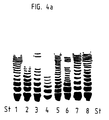
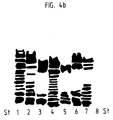
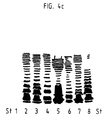
- the antibodies of the invention show a binding reaction with LPS extracted either from smooth bacteria or from rough mutants. Particular experiments involving WN1 222-5, WN1 58-9, H1 61-2 and SZ27 19.16.07 are to be seen in Figures 4A; 4B, 4C and 4D respectively.
- the LPS content extracted from a smooth bacterium is separated by electrophoresis into bands corresponding to LPS molecules having different molecular weights, depending on the size of the 0-specific side chain. These LPS molecules range from LPS molecules without any 0-specific side chain to LPS molecules having 40 or more units in the side chain.
- the antibodies of the invention react with rough repeating units and all these LPS molecules, containing 0-side chain repeating units.
- antigen binding molecules examples include immunoglobulin (Ig) molecules, e.g. antibodies as produced by B-cells or hybridomas and chimeric or humanized antibodies or fragments thereof, e.g. F(ab') 2 and Fab fragments, as well as single chain or single domain antibodies.
- Immunoglobulin molecules may be of different isotypes, for example IgG, IgM, IgA or IgE antibodies, of which IgG are preferred.
- a single chain antibody consists of the variable domains of the antibody heavy and light chains of an Ig molecule covalently bound by a peptide linker usually consisting of from 10 to 30 amino acids, preferably from 15 to 25 amino acids. Therefore, such a structure does not include the constant part of the heavy and light chains and it is believed that the small peptide spacer is less antigenic than a whole constant part.
- chimeric antibody is meant an antibody in which the constant regions of the heavy or light chain or both are of human origin while the variable domains of both heavy and light chains are of non-human (e.g. murine) origin.
- humanized antibody is meant an antibody in which the hypervariable regions are of non-human (e.g. murine) origin, while all other parts of the immunoglobulin molecule, i.e. the constant regions and the highly conserved framework regions of the variable domains, are of human origin.
- Hypervariable regions may be associated with any kind of framework regions, preferably of murine or human origin. Suitable framework regions are described in "Sequences of proteins of immunological interest", Kabat E.A. et al, US department of health and human services, Public health service, National institute of health. However, the preferred framework regions are those of WN1 222-5 or WN1 58-9, wherein the regions of WN1 222-5 are the most preferred.
- Sequence Identifier No. 1 shows the complete amino acid sequence of the heavy chain variable domain of WN1 222-5, which consists, in sequence from the N-terminal, of framework regions hFR1, hFR2, hFR3 and hFR4 interspersed with the hypervariable regions hCDR1, hCDR2 and hCDR3, whose amino acid sequence is also stated above.
- W stands for Lys
- X stands for Lys.
- WN1 58-9 shows the complete amino acid sequence of the heavy chain variable domain of WN1 58-9, which consists, in sequence from the N-terminal, of framework regions hFR1 r ; hFR2 r ; hFR3 r and hFR4 interspersed with the hypervariable regions hCDR1; hCDR2 and hCDR3, whose amino acid sequence is also stated above.
- W stands for Tyr and X stands for Arg.
- the index r after the FR stands for an amino acid sequence nearly identical to the amino acid sequence without index.
- the sequence with index comprises at least one replaced amino acid in contrast to the sequence without index.
- Sequence Identifier No. 3 shows the complete amino acid sequence of the light chain variable domain of WN1 222-5, consisting in sequence of framework regions lFR1; lFR2; lFR3 and lFR4 interspersed with the hyper- variable regions lCDR1; lCDR2 and lCDR3 whose amino acid sequence is also stated above.
- lCDR1 of WN1 222-5 Y stands for Ser and Z stands for Gln. Sequence Identifier No.
- WN1 58-9 shows the complete amino acid sequence of the light chain variable domain of WN1 58-9, consisting in sequence of framework regions lFR1 r ; lFR2 r ; lFR3 r and lFR4 interspersed with the hypervariable regions lCDR1, lCDR2 and lCDR3 whose amino acid sequence is also stated above.
- lCDR1 of WN1 58-9 Y stands for Arg and Z stands for Leu.
- the preferred heavy chain framework is hFR1; hFR2; hFR3 and hFR4 as shown in Seq. Id. No. 1 and the preferred light chain framework is lfR1; lFR2; 1FR3 and lFR4 as shown in Seq. Id. No. 3.
- the invention also provides an LPS binding molecule which comprises at least one antigen binding site comprising either a domain having an amino acid sequence substantially identical to that shown in Seq. Id. No. 1 or alternatively No. 2 starting with amino acid at position 1 and ending with amino acid at position 120; or a first domain as described above and a second domain having an amino acid sequence substantially identical to that shown in Seq. Id. No. 3 or alternatively 4, starting with amino acid at position 1 and ending with amino acid at position 107.
- Monoclonal antibodies raised against a toxic antigen must necessarily be developed in a non-human system e.g. in mice.
- a xenogenic antibody as produced by a hybridoma when administered to humans, elicits an undesirable immune response which is essentially mediated by the constant part of the xenogenic immunoglobulin.
- a more preferred LPS binding molecule of the invention is selected from a chimeric anti-LPS antibody which comprises at least
- a LPS binding molecule of the invention may be selected from a single chain binding molecule which comprises an antigen binding site comprising
- One LPS binding molecule may be considered as binding to LPS substantially to the same extent as another if the two molecules can be shown effectively to compete with each other in competitive ELISA binding assays on different LPS molecules, for example on the LPS from E. coli J5 and from Salmonella Ra 60 and if the binding affinities of the two molecules vary from each other in each case by a factor of not more than 100, preferably not more than 10.
- the chimeric anti-LPS antibody comprises at least
- the constant part of a human heavy chain may be of the ⁇ 1 , ⁇ 2 , ⁇ 3 , ⁇ 4 , ⁇ , ⁇ 1 , ⁇ 2 , ⁇ or ⁇ type, preferably of the ⁇ type, more preferably of the ⁇ 1 type, whereas the constant part of a human light chain may be of the ⁇ or ⁇ type, preferably of the ⁇ type.
- the amino acid sequence of all these constant parts are given in Kabat et al. (supra).
- LPS binding molecules of the invention e.g. enzyme or toxin conjugates
- LPS binding molecules labelled with radioactive isotopes or fluorescent markers are also included within the scope of the invention, as are LPS binding molecules labelled with radioactive isotopes or fluorescent markers.
- a LPS binding molecule of the invention may be produced by recombinant DNA techniques. In view of this, one or more DNA molecules encoding the binding molecule must be constructed, placed under appropriate control sequences and transferred into a suitable host organism for expression.
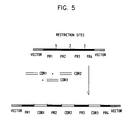
- a method for constructing a variable domain gene is for example described in EPA 239 400 and may be briefly summarized as follows: A gene encoding a variable domain of a MAb of whatever specificity is cloned. The DNA segments encoding the framework and hypervariable regions are determined and the DNA segments encoding the hypervariable regions are removed so that the DNA segments encoding the framework regions are fused together with suitable restriction sites at the junctions. Double stranded synthetic CDR cassettes are prepared by DNA synthesis according to the sequences given in Seq. Id. No. 1; 2; 3 or 4. These cassettes are provided with sticky ends so that they can be ligated at the junctions of the framework. A protocol for achieving a DNA molecule encoding an immunoglobulin variable domain is shown in Figure 5.
- PCT application WO 90/07861 gives full instructions for the production of a MAb by recombinant DNA techniques given only written information as to the nucleotide sequence of the gene.
- the method comprises the synthesis of a number of oligonucleotides, their amplification by the PCR method, and their splicing to give the desired DNA sequence.
- Expression vectors comprising a suitable promoter and genes encoding heavy and light chain constant parts are publicly available. Thus, once a DNA molecule of the invention is prepared it may be conveniently trans- ferred in an appropriate expression vector. DNA molecules encoding single chain antibodies may also be prepared by standard methods, for example, as described in WO 88/1649.
- the recombinant means for the production of a LPS binding molecule includes first and second DNA constructs as described below:
- the first DNA construct encodes a heavy chain or fragment thereof and comprises
- this first part encodes a variable domain having an amino acid sequence substantially identical to the amino acid sequence as shown in Seq. Id. No. 1 or 2 starting with the amino acid at position 1 and ending with the amino acid at position 120. More preferably the first part has the nucleotide sequence as shown in Seq. Id. No. 1 or 2 starting with the nucleotide at position 1 and ending with the nucleotide at position 361. Also preferably, the second part encodes the constant part of a human heavy chain, more preferably the constant part of the human ⁇ 1 chain. This second part may be a DNA fragment of genomic origin (comprising introns) or a cDNA fragment (without introns). The sequence of Sequence Identifier 1 is more preferred than the sequence of Sequence Identifier No. 2
- the second DNA construct encodes a light chain or fragment thereof and comprises
- this first part encodes a variable domain having an amino acid sequence substantially identical to the amino acid sequence as shown in Seq. Id. No. 3 or 4 starting with the amino acid at position 1 and ending with the amino acid at position 107. More preferably, the first part has the nucleotide sequence as shown in Seq. Id. No. 3 or 4 starting with the nucleotide at position 1 and ending with the nucleotide at position 336. Also preferably the second part encodes the constant part of a human light chain, more preferably the constant part of the human ⁇ chain.
- the first and second parts are preferably separated by an intron.
- an enhancer is preferably inserted in the intron located between the first and second part. The presence of this genetic element, which is transcribed but not translated, may be required for an efficient transcription of the second part. More preferably the first and second DNA constructs comprise the enhancer of a heavy chain gene.
- the first or second DNA construct advantageously comprises a third part which is located upstream of the first part and which encodes a leader peptide.
- This peptide is required for secretion of the chains by the host organism in which they are expressed and is subsequently removed by the host organism.
- the third part of the first DNA construct encodes a leader peptide of a heavy chain.
- the third part of the second DNA construct encodes a leader peptide of a light chain. Suitable leader peptides are indicated in Kabat et al. (supra).
- the structure of genes encoding the heavy and light chain of an Ig molecule is shown diagramatically in Figure 3A.
- Each of the DNA constructs are placed under the control of suitable control sequences, in particular under the control of a suitable promoter.
- Any kind of promoter may be used, provided that it is adapted to the host organism in which the DNA constructs will be transferred for expression. However, if expression is to take place in a mammalian cell, it is particularly preferred to use the promoter of an immunoglobulin gene.
- the desired antibody may be produced in a cell culture or in a transgenic animal.
- a suitable transgenic animal may be obtained according to standard methods which include microinjecting the first and second DNA constructs, placed under suitable control sequences, into fertilized ova, transferring the so prepared ova into appropriate pseudo-pregnant females and selecting a descendant expressing the desired antibody.
- the DNA constructs are advantageously inserted together or separately in an expression vector, the latter possibility being preferred. More preferably, they are separately inserted on two different but mutually compatible expression vectors.
- the invention also provides an expression vector able to replicate in a prokaryotic or eukaryotic cell line which comprises at least one of the DNA constructs above described.
- the next stage is the transfer of the expression vector or vectors containing the DNA constructs into a suitable host organism.
- the DNA constructs When the DNA constructs are separately inserted on two expression vectors, they may be transferred separately, i.e. one type of vector per cell, or co- transferred, this latter possibility being preferred.
- a suitable host organism may be a bacteria, a yeast or a mammalian cell line, the last of these being preferred. More preferably, the mammalian cell line is of lymphoid origin e.g. a myeloma, hybridoma or a normal immortalized B-cell, but does not express any endogeneous antibody heavy or light chain.
- the host organism contains a large number of copies of the vectors per cell. If the host organism is a mammalian cell line, this desirable goal may be reached by amplifying the number of copies according to standard methods. Amplification methods usually consist of selecting for increased resistance to an antibiotic, said resistance being encoded by the expression vector.
- a process for producing a multi-chain LPS binding molecule which comprises (i) culturing an organism which has been transformed with the first and second DNA constructs of the invention and (ii) recovering an active LPS binding molecule from the culture.
- the heavy and light chains may be separately recovered and reconstituted into an active binding molecule after in vitro refolding.
- Reconstitution methods are well-known in the art; Examples of methods are in particular provided in EPA 120 674 or in EPA 125 023.
- a process may also comprise
- a process for producing a single chain or single domain LPS binding molecule which comprises (i) culturing an organism which is transformed with a DNA construct respectively encoding a single chain or single domain LPS binding molecule of the invention and (ii) recovering said molecule from the culture.
- the DNA constructs are inserted into expression vectors.
- LPS binding molecules of the invention exhibit very good protective activity against LPS of Gram-negative endotoxemia as shown both in the in vitro IL-6 assay described above, and in the following in vivo bioassay.
- Rabbits are weighed and placed in restraining boxes. Probes from the APT 75 (Automatic Pyrogen Test Processor) are inserted in the rectum of each rabbit. The temperature of each rabbit is monitored every 15 minutes from 5 minutes after probe insertion, for an initial period of 95 minutes to establish a base/initial temperature (the base is the mean of the last three readings; if these show a greater than 0.3° range of fluctuation the test is not initialised).
- APT 75 Automatic Pyrogen Test Processor
- Rabbits are then injected in a marginal ear vein with the LPS-binding molecule followed 30 min to 2 hr later by LPS in the same ear vein.
- LPS from different E. coli and salmonella, e.g. Salmonella abortus equi may be used.
- the suitable dose of LPS-binding molecule is to be determined, depending upon the type of molecule.
- WN1 222-5 is administered at 1 mg to 5 mg per kg body weight.
- this antibody is also prepared at 1 mg/ml in pyrogen-free saline and the LPS is injected at 10-100 ng/kg body weight, depending on the LPS used.
- Control animals receive either LPS alone or the antibody alone. Rabbits are monitored at 15 min. intervals for a period starting from the injection and not exceeding 300 min.
- LPS binding molecules of the invention significantly reduce the increase of temperature in comparison with the negative control (LPS alone).
- the % of inhibition may reach levels well above 50%.
- a protective MAb may be defined in terms of this in vivo assay as one which gives at least 30% inhibition of fever 240 min after an LPS challenge of 10-100 ng/kg with an antibody dose of 1-5 mg/kg.
- the appropriate dosage will, of course, vary depending upon, for example, the particular molecule of the invention to be employed, the host, the mode of administration and the nature and severity of the condition being treated. However, in therapeutic use, satisfactory results are generally indicated to be obtained by administering at repeated intervals e.g. every two days or twice a week doses of from about 0.1 mg to about 15 mg per kilogram body weight as long as the patient is at risk.
- a molecule of the invention is conveniently administered parenterally, normally intravenously, for example, into the anticubital or other peripheral vein.
- a prophylactic treatment typically comprises administering a single dose of a molecule of the invention at a dosage of from about 20 ⁇ g to about 5 mg per Kg body weight.
- compositions of the invention may be manufactured in conventional manner.
- a composition according to the invention is preferably provided in lyophilized form.
- a suitable aqueous carrier for example sterile water for injection or sterile buffered physiological saline.
- a suitable aqueous carrier for example sterile water for injection or sterile buffered physiological saline.
- human serum albumin or the patient's own heparinised blood or other sugar stabilisers into the saline at the time of formulation.
- the presence of an excess of such physiologically inert protein prevents loss of monoclonal antibody by adsorption onto the walls of the container and tubing used with the infusion solution.
- albumin a suitable concentration is from 0.5 to 4.5% by weight of the saline solution.
- LPS binding molecules of the invention may also be used for diagnostic purposes to determine the nature, location and extent of Gram-negative bacterial infections, or analytically to detect the presence of LPS or Gram-negative bacterial contamination in water, foodstuffs, biological fluids, etc.
- a labelled LPS binding molecule of the invention may be useful for the imaging of localised infectious foci for surgical removal or other treatment.
- the LPS binding molecules of the invention may also be attached to a solid phase support-material to form the solid phase of an affinity chromatography purification system for the removal of LPS molecules from biological fluids, e.g. blood serum.
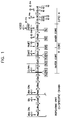
- FIG. 1 shows the detailed structure of a Salmonella LPS molecule, indicating the various Ra-Re rough mutant types.
- Abe abequose
- Ac acetyl
- Ara 4-amino-4-deoxy-L-arabinose
- Etn ethanolamine
- FA hydroxy fatty acid
- Gal D-galactose
- Glc D-glucose
- GlcN D-glucosamine
- GlcNAc N-acetyl-d-glucosamine
- Hep heptose
- KD0 2-keto-3-deoxyoctonic acid
- Man mannose
- P phosphate
- Rha L-rhamnose. Dotted lines indicate incomplete substitution.
- Figure 2 is a representation of the outer core structures R1; R2; R3; R4 and K12 of different E. coli strains. The same abbreviations are used as in Fig. 1.
- Figure 3A is a schematic diagram showing the structure of an IgG molecule as well as the genes encoding heavy and light chains respectively designated (1) and (2).
- Figure 3B schematically represents the arrangement of a variable domain of a heavy or light chain into framework (FR) and hypervariable (CDR) regions.
- FR framework
- CDR hypervariable
- Figure 4A shows the binding capacity of monoclonal antibody WN1 222-5 against different LPS molecules derived from eight different E. coli strains as determined by Western blotting.
- the drawing represents the spots of the gel.
- Figure 4B shows the binding capacity of WN1 58-9 against different LPS molecules derived from eight different bacterial strains as determined by Western blotting.
- the drawing represents the spots of the gel.
- Figure 4C shows the binding capacity of H1 61-2 against different LPS molecules derived from eight different bacterial strains as determined by Western blotting.
- the drawing represents the spots of the gel.
- Figure 4D shows the binding capacity of SZ27 19.16.07 against different LPS molecules derived from eight different bacterial strains as determined by Western blotting.
- the drawing represents the spots of the gel.
- Figure 5 shows a protocol for constructing CDR replacements by insertion of CDR cassettes into a vector containing 4 framework regions fused together.
- Figures 6A and 6B show the parental expression vectors pSV-2 neo and pSV-2DHFR.
- Both plasmids comprise an ampicillin resistance gene (amp R ) and the origin of replication of pBR322 and SV40 (pBR322 ori and SV40 or).
- pSV-2neo is characterized by the presence of a neomycin gene (neo R ) and the gene encoding the human ⁇ 1 constant part (hu C ⁇ 1 ) while pSV-2 DHFR has inserted a dihydrofolate reductase (DHFR) gene (methotrexate resistance) and the gene encoding the human ⁇ constant part (hu C ⁇ ).
- DHFR dihydrofolate reductase
- the final vectors for expressing the chimeric heavy or light chain are respectively obtained by inserting into pSV-2neo a DNA fragment encoding the leader peptide (L), and the variable domain (VDJ4) of the WN1 222-5 heavy chain together with the mouse heavy chain enhancer and by inserting into pSV2-DHFR a DNA fragment encoding the leader peptide (L) and the variable domain (VJ 1 ) of the WN1 222-5 light chain together with the mouse heavy chain enhancer.
- Figure 7 shows a drawing of the cloning vector p Bluescript II SK - and p Bluescript SK + (Stratagene).
- New Zealand Black mice were immunized i.v. with 10 8 heat-killed baceria in 0.1 ml. Four injections were carried out, as follows:
- Antibody responses were monitored in tail bleed samples, and a mouse was selected for boosting on the basis of its strong plural response profile.
- spleen cells were recovered and fused with the non-secreting murine B cell lymphoma PAI-0 cell line, using standard procedures.
- Supernatant from wells containing growing hybridomas were screened using cocktails of different smooth and rough LPS as described above, and hybridomas producing cross-reactive MAb's were cloned.
- WN1 222-5 which secretes a murine MAb of the IgG2ak isotype.
- the WN1 222-5 MAb was purified from culture supernatants collected after in-vitro fermentation of the WN1 222-5 clone and made pyrogen-free by treatment with detergent.
- the reactivity pattern of WN1 222-5 is shown in Tables II A and III A.
- WN1 58-9 is a further clone obtained from the fusion described in Example 1. Its reactivity pattern is shown in Tables II B and III B.
- mice were immunized i.v. with a cocktail of EcK12, EcR2 and EcR3 (10 8 heat-killed bacteria, four injections one week apart). Antibody responses were monitored in tail bleed samples, and a mouse was selected for boosting on the basis of its strong plural response profile.
- Hybridomas producing cross-reactive MAb's were cloned, and one of the resulting clones was H1 61-2, which secretes a murine MAb of the IgGlk isotype.
- the H1 61-2 MAb was purified from culture supernatants, and gave the reactivity pattern shown in Tables IIC and III C.
- mice Balb/c female mice were immunized with 10 8 heat-killed bacteria in 0.1 ml i.v. on each of six days (day 0, 1, 2, 7, 8 and 9). Different immunogens were used, at 28 day intervals between starting each immunogen. The immunogens used were 1st 6 injections P. aeruginosa PAC-605 2nd " " EcR1 3rd " " EcR2 4th " " EcR3
- mice received identical immunizations. Antibody responses were monitored in tail bleed samples to purified LPS antigen from the following strains:
- the selected mouse was boosted i.v. with a cocktail of 2.10 8 heat-killed bacteria of each of E. coli R1, R2, R3, R4 and K12. The spleen was removed three days later for fusion.
- Fusion was carried out with the NS-0 cell line using standard procedures.
- hybridomas including SZ27 19 showed the following reaction patterns: strong S. typh Ra; E. coli R1 weak S. typh Rb, Rc; P. aerug. 602 negative S. typh Rd, Re; E. coli lipid A, K12, Re
- the clone SZ27 19.16.07 was isolated. It produced a murine MAb of the IgG2ak isotype.
- Example 5 Cloning of the WN1 222-5 or WN1 58-9 heavy chain variable region by Polymerase Chain Reaction (PCR) and construction of a chimeric gene
- the amino terminal sequence of the heavy chain is determined as being Glu-Val-Lys-Leu-Val-Glu-Ser-Gly. Based on this an upstream primer complementary to the mRNA encoding the end of the expected leader sequence and the amino acid sequence cited above is constructed so that its nucleotide sequence reads:
- a downstream primer complementary to the mRNA encoding a fragment of the mouse ⁇ 2a constant part is also constructed so that its nucleotide sequence reads 5' TCCAGGTCAAGGTCACTG 3'.
- the upstream and downstream primers are used together to amplify a DNA fragment encoding the variable region of the WN1 222-5 heavy chain from a WN1 222-5 mRNA preparation.
- the amplified DNA fragment is then sequenced and its V, D and J segments are determined.
- Another downstream primer complementary to the J segment and BstEII having the nucleotide sequence 5' GGAGACGGTGACCGAGGTT 3' is constructed.
- the J-specific downstream primer and the upstream primer already used in the cloning step No. 1 are used to amplify a DNA fragment encoding the variable region of the WN1 222-5 heavy chain from a WN1 222-5 cDNA preparation.
- the amplification of the WN1 58-9 is made analogously to the one of WN1 222-5.
- the amplified DNA fragment is further cleaved with Sal I and BstE II and cloned into a heavy chain cassette treated with the same enzyme.
- the heavy chain cassette is prepared as follows: A 2.3 kb EcoRI-SalI DNA fragment comprising the promoter and the leader sequence of the gene encoding the heavy chain of the RFT2 antibody (Heinrich et al, J. of Immunol. (1989) 143: 3589) is cloned into the polylinker region of the cloning vector pBluescript II SK-(Stratagene). Downstream from this insertion a 0.4 kb BstEII-BamHI DNA fragment comprising the J segment and the beginning of the major intron of the gene encoding an anti-cytomegalovirus antibody (Newkirk et al, J. Clin. Invest. (1988) 81: 1511).
- the EcoRI-BamHI fragment is then transferred into pSV2-neo-E ⁇ -huC ⁇ 1 (Heinrich et al; supra) which contains the human heavy chain enhancer (E ⁇ ) and the sequence encoding the human ⁇ l constant part.
- the amplified DNA fragment is further cleaved with MluI and HindIII and cloned into a light chain cassette treated with the same enzyme.
- WN1 222-5 and WN1 58-9 are analogously treated.
- the light chain cassette is prepared as follows: A 1.3 kb EcoRI-MluI DNA fragment comprising the promoter and the leader sequence of the gene encoding the light chain of the RFT2 antibody (Heinrich et al; Supra) is cloned into the polylinker region of the cloning vector pBluescript II SK- (Stratagene). Downstream from this insertion, a 0.4 kb HindIII-XbaI DNA fragment comprising the J segment and the beginning of the major intron of the gene encoding light chain of RFT2 is cloned.
- a 1.1 kb XbaI - XbaI fragment encoding the murine heavy chain enhancer (Heinrich et al; supra) together with a SphI - HindIII fragment encoding the human ⁇ constant part is subcloned in phage M13 mp18 (Boehringer Mannheim). After disruption of restriction sites by mutagenesis a filled-in EcoRI - HindIII fragment comprising the sequence for the murine heavy chain enhancer (E ⁇ ) and the human ⁇ constant part (huC ⁇ ) is cloned in the filled in EcoRI - BamHI site of pSV2-DHFR.
- Example 7 Expression of a WN1 222-5 or WN1 58-9 chimeric antibody
- the expression vectors as obtained in Examples 5 and 6 are co-transferred in a mouse myeloma cell line SP2/0 (ATCC CRL 1581) by electroporation using a gene pulser apparatus from Bio Rad Laboratories. This technique is known to create stable transfectants at a high frequency.
- the SP2/0 cell line fails to produce endogeneous heavy and light chains and is sensitive to Gentamycin (G 418) at a concentration of 0.8 mg/l.
- SP2/0 cells are grown in the usual growth medium (RPMI + 10% FCS + 5x10 -5 ⁇ -mercaptoethanol) harvested in the log phase of growth and washed with the electroporation buffer (Bio-Rad). Cell concentration is adjusted to 2x10 7 cells/ml. To 0.8 ml of the cell suspension is added 15-20 ⁇ g of each plasmid. The mixture is placed on ice and left to stand for 10 min. Then the cells are subjected to an electrical pulse (280 Volt; 25 ⁇ F) and again left to stand for 15 min. Cells are transferred to the usual growth medium and incubated at 37°C in a CO 2 incubator.
- RPMI + 10% FCS + 5x10 -5 ⁇ -mercaptoethanol harvested in the log phase of growth and washed with the electroporation buffer (Bio-Rad). Cell concentration is adjusted to 2x10 7 cells/ml.
- To 0.8 ml of the cell suspension is added 15-20 ⁇ g of each plasmid. The mixture is placed
- G 418 resistance After 3-day incubation, selection for G 418 resistance is started. Cells are resuspended in fresh medium containing 1.4 mg/ml G 418. The cultures yield growing cells after 10-14 day-incubation in the presence of G 418. After 2-week incubation, the supernatants of the confluent cultures are tested for human IgG expression in a sandwich-type ELISA (anti-human ⁇ -light chain / supernatant /anti-human IgG-alkaline phosphatase conjugate).
- MTX Methotrexate
- Each amplification step comprises inoculating the cells at a density of 2x10 5 cells/ml in the usual growth medium supplemented with G 418 at 1.4 mg/ml and with MTX at the concentration of choice. After 72 hour incubation, cells and the supernatant separated. Antibody secretion is monitored either by ELISA or by HPLC using a protein A column.
Landscapes
- Health & Medical Sciences (AREA)
- Chemical & Material Sciences (AREA)
- Organic Chemistry (AREA)
- General Health & Medical Sciences (AREA)
- Life Sciences & Earth Sciences (AREA)
- Medicinal Chemistry (AREA)
- Communicable Diseases (AREA)
- General Chemical & Material Sciences (AREA)
- Biophysics (AREA)
- Molecular Biology (AREA)
- Proteomics, Peptides & Aminoacids (AREA)
- Biochemistry (AREA)
- Immunology (AREA)
- Oncology (AREA)
- Chemical Kinetics & Catalysis (AREA)
- Genetics & Genomics (AREA)
- Nuclear Medicine, Radiotherapy & Molecular Imaging (AREA)
- Pharmacology & Pharmacy (AREA)
- Animal Behavior & Ethology (AREA)
- Public Health (AREA)
- Veterinary Medicine (AREA)
- Peptides Or Proteins (AREA)
- Preparation Of Compounds By Using Micro-Organisms (AREA)
- Medicines Containing Antibodies Or Antigens For Use As Internal Diagnostic Agents (AREA)
- Micro-Organisms Or Cultivation Processes Thereof (AREA)
- Nitrogen Condensed Heterocyclic Rings (AREA)
Claims (30)
- Monoklonaler Antikörper, der ein Epitop in der Kernregion des LPS-Moleküls erkennt und der eine Kreuzschutzwirkung gegen Endotoxämie, die durch mindestens zwei unterschiedliche gram-negative Bakterienstämme mit unterschiedlichen Kernstrukturen hervorgerufen wird, entfaltet, wobei der monoklonale Antikörper eine konstante Region humanen Ursprungs, eine variable Gerüstregion humanen oder nicht-humanen Ursprungs und eine hypervariable Region nicht-humanen Ursprungs umfaßt.
- Monoklonaler Antikörper nach Anspruch 1, der ein Epitop erkennt, das vollständig in der Rc-Kernstruktur von E. coli vorhanden ist, das auch im vollständigen Kern vorhanden ist.
- Monoklonaler Antikörper nach Anspruch 1 oder 2, wobei die hypervariable Region murinen Ursprungs ist.
- Monoklonaler Antikörper nach einem der vorstehenden Ansprüche, der vom IgG-Isotyp ist.
- Hybridom-Zellinie, die einen monoklonalen Antikörper nach einem der vorstehenden Ansprüche erzeugt.
- LPS-bindendes Molekül, das mindestens eine Antigenbindungsstelle umfaßt, die mindestens eine Domäne umfaßt, die in Folge die hypervariablen Regionen hCDR1, hCDR2 und hCDR3 umfaßt;wobei hCDR1 die Aminosäuresequenz Asp Tyr Tyr Met Thr aufweist;wobei hCDR2 die Aminosäuresequenz Leu Ile Arg Asn W Arg Asn Gly Asp Thr Ala Glu Tyr Ser Ala Ser Val X aufweist;wobei W Lys oder Tyr bedeutet und X Lys oder Arg bedeutet;wobei hCDR3 die Aminosäuresequenz Gln Gly Arg Gly Tyr Thr Leu Asp Tyr aufweist;und direkte Äquivalente davon.
- Antikörper mit einer einzigen Domäne gemäß Anspruch 6, umfassend in Folge die hypervariablen Regionen hCDR1, hCDR2 und hCDR3, die mit murinen oder humanen H-Ketten-Gerüstregionen unter Bildung einer isolierten variablen H-Kettendomäne assoziiert sind.
- LPS-bindendes Molekül gemäß Anspruch 6, umfassend mindestens eine Antigenbindungsstelle, die folgendes umfaßt:a) eine erste Domäne, die in Folge die hypervariablen Regionen hCDR1, hCDR2 und hCDR3 gemäß der Definition in Anspruch 6 umfaßt; undb) eine zweite Domäne, die in Folge die hypervariablen Regionen lCDR1, lCDR2 und lCDR3 umfaßt;wobei lCDR1 die Aminosäuresequenz Arg Ala Y Z Asn Ile Asn Ile Trp Leu Ser aufweist;wobei Y Ser oder Arg bedeutet und Z Gln oder Leu bedeutet;wobei lCDR2 die Aminosäuresequenz Lys Ala Ser Asn Leu His Thr aufweist;wobei lCDR3 doe Aminosäuresequenz Leu Gln Gly Gln Ser Tyr Pro Arg Thr aufweist;und direkte Äquivalente davon.
- LPS-bindendes Molekül gemäß Anspruch 8 oder 9, bei dem die hypervariablen Regionen mit murinen oder humanen Gerüstregionen assoziiert sind.
- LPS-bindendes Molekül gemäß Anspruch oder 9, bei dem die erste und zweite Domän Teil einer einzelnen gemeinsamen Peptidkette sind.
- Einzelkettiger Antikörper gemäß Anspruch 10, bei dem es sich bei der ersten und zweiten Domäne um eine variable Ig-H-Kettendomäne bzw. um eine variable Ig-L-Kettendomäne handelt, die kovalent durch einen Peptidlinker, der aus 10 bis 30 Aminosäuren besteht, gebunden sind.
- LPS-bindendes Molekül gemäß Anspruch 8 oder 9, bei dem die erste Domäne Teil einer H-Kette mindestens eines Fragments eines Ig-Moleküls ist und die zweite Kette Teil einer L-Kette mindestens eines Fragments eines Ig-Moleküls ist.
- LPS-bindendes Molekül gemäß Anspruch 12, bei dem es sich um ein vollständiges Ig-Molekül handelt.
- Ig-Molekül gemäß Anspruch 13, das vom IgG-Isotyp ist.
- Ig-Molekül gemäß Anspruch 13 oder 14, bei dem es sich um ein murines Molekül handelt.
- Ig-Molekül gemäß Anspruch 13 oder 14, bei dem die variablen Domänen murin und die konstanten Domänen human sind.
- Ig-Molekül gemäß Anspruch 13 oder 14, bei dem die Gerüstregionen und die konstanten Regionen human sind.
- Ig-Molekül gemäß Anspruch 15 oder 16, bei dem die variable H-Kettendomäne eine Aminosäuresequenz aufweist, die im wesentlichen identisch mit Seq. Id. No. 1 oder alternativ mit Seq. Id. No. 2 ist und die variable L-Kettendomäne eine Aminosäuresequenz aufweist, die im wesentlichen identisch mit der von Seq. Id. No. 3 oder alternativ mit Seq. Id. No. 4 ist.
- Ig-Molekül gemäß Anspruch 18 unter Rückbeziehung auf Anspruch 16, bei dem die konstante H-Kettendomäne vom humanen Typ γ1 und die konstante L-Kettendomäne vom humanen Typ κ ist.
- DNA-Konstrukt, das für eine Aminosäuresequenz kodiert, die in Folge die hypervariablen Regionen hCDR1, hCDR2 und hCDR3 gemäß den Angaben in Anspruch 6 umfaßt.
- DNA-Konstrukt, kodierend für eine H-Kette oder ein Fragment davon, umfassenda) einen ersten Teil, der für eine variable Domäne kodiert, die abwechselnd Gerüst- und hypervariable Regionen umfaßt, wobei es sich bei den hypervariablen Regionen in Folge um hCDR1, hCDR2 und hCDR3 handelt, deren Aminosäuresequenzen in Anspruch 6 angegeben sind, wobei dieser erste Teil mit einem Codon beginnt, das für die erste Aminosäure der variablen Domäne kodiert, und mit einem Codon endet, das für die letzte Aminosäure der variablen Domäne kodiert, undb) einen zweiten Teil, der für einen konstanten H-Kettenteil oder ein Fragment davon kodiert, das mit einem Codon beginnt, das für die erste Aminosäure des konstanten Teils der H-Kette kodiert, und mit einem Codon endet, das für die letzte Aminosäure des konstanten Teils oder eines Fragments davon kodiert, wonach ein Nonsense-Codon folgt.
- DNA-Konstrukt gemäß Anspruch 21, bei dem der erste Teil für eine variable Domäne mit einer Aminosäuresequenz, die im wesentlichen identisch mit der in Seq. Id. No. 1 oder alternativ No. 2 dargestellten Aminosäuresequenz ist, und der zweite Teil für den konstanten Teil der humanen γ1-Kette kodiert.
- DNA-Konstrukt, kodierend für eine Aminosäuresequenz, die in Folge die hyypervariablen Regionen lCDR1, lCDR2 und lCDR3 gemäß den Angaben in Anspruch 8 umfaßt.
- DNA-Konstrukt, kodierend für eine L-Kette oder ein Fragment davon und umfassend:a) einen ersten Teil, der für eine variable Domäne kodiert, die abwechselnd Gerüst- und hypervariable Regionen umfaßt, wobei es sich bei den hypervariablen Regionen in Folge um lCDR1, lCDR2 und lCDR3 handelt, deren Aminosäuresequenzen in Seq. Id. No. 3 oder in Seq. Id. No. 4 dargestellt sind, wobei der erste Teil mit einem Codon beginnt, das für die erste Aminosäure der variablen Domäne kodiert, und mit einem Codon endet, das für die letzte Aminosäure der variablen Domäne kodiert, undb) einen zweiten Teil, der für einen konstanten L-Kettenteil oder ein Fragment davon kodiert, das mit einem Codon beginnt, das für die erste Aminosäure des konstanten Teils der L-Kette kodiert, und mit einem Codon endet, das für die letzte Aminosäure des konstanten Teils oder eines Fragments davon kodiert, wonach ein nonsense-Codon folgt.
- DNA-Konstrukt gemäß Anspruch 24, bei dem der erste Teil für eine variable Domäne mit einer Aminosäuresequenz, die im wesentlichen identisch mit der in Seq. Id. No. 3 oder in Seq. Id. No. 4 dargestellten Aminosäuresequenz ist, kodiert und der zweite Teil für den konstanten Teil der humanen κ-Kette kodiert.
- Expressionsvektor, umfassend ein DNA-Konstrukt gemäß einem der Ansprüche 20-25 in funktioneller Assoziation mit einem geeigneten Promotor.
- Wirtszelle, transformiert mit einem Vektor gemäß Anspruch 26.
- Verfahren zur Herstellung eines LPS-bindenden Moleküls gemäß einem der Ansprüche 6-19, umfassend die Stufen der Züchtung der Wirtszelle von Anspruch 27 und die Isolierung des exprimierten Proteins.
- LPS-bindendes Molekül gemäß einem der Ansprüche 6-19 zur Verwendung als Arzneimittel.
- Arzneimittelzusammensetzung, umfassend ein LPS-bindendes Molekül gemäß einem der Ansprüche 6-19 in Verbindung mit einem pharmazeutisch verträglichen Verdünnungsmittel oder Trägerstoff.
Applications Claiming Priority (3)
| Application Number | Priority Date | Filing Date | Title |
|---|---|---|---|
| GB9105292 | 1991-03-13 | ||
| GB919105292A GB9105292D0 (en) | 1991-03-13 | 1991-03-13 | Improvements in or relating to organic compounds |
| PCT/EP1992/000380 WO1992016624A1 (en) | 1991-03-13 | 1992-02-22 | Monoclonal antibody against lps core |
Publications (2)
| Publication Number | Publication Date |
|---|---|
| EP0576439A1 EP0576439A1 (de) | 1994-01-05 |
| EP0576439B1 true EP0576439B1 (de) | 1999-05-06 |
Family
ID=10691487
Family Applications (1)
| Application Number | Title | Priority Date | Filing Date |
|---|---|---|---|
| EP92904901A Expired - Lifetime EP0576439B1 (de) | 1991-03-13 | 1992-02-22 | Monoklonarer antikörper gegen lps-kern |
Country Status (10)
| Country | Link |
|---|---|
| EP (1) | EP0576439B1 (de) |
| JP (1) | JP3328277B2 (de) |
| AT (1) | ATE179753T1 (de) |
| AU (1) | AU1261192A (de) |
| CA (1) | CA2105979C (de) |
| DE (1) | DE69229110T2 (de) |
| DK (1) | DK0576439T3 (de) |
| ES (1) | ES2131526T3 (de) |
| GB (1) | GB9105292D0 (de) |
| WO (1) | WO1992016624A1 (de) |
Families Citing this family (14)
| Publication number | Priority date | Publication date | Assignee | Title |
|---|---|---|---|---|
| DE3484773D1 (de) * | 1983-05-06 | 1991-08-08 | Velos Group | Mit endotoxinkern reaktionsfaehige monoklonale antikoerper. |
| DE69321218T2 (de) * | 1992-02-19 | 1999-02-18 | Schering Corp., Kenilworth, N.J. | Klonierung und expression von humanisierten monoklonalen antikörpern gegen menschliches interleukin-4 |
| US6749831B1 (en) | 1997-05-16 | 2004-06-15 | Medical Defense Technology, Llc | Vaccine against lipopolysaccharide core |
| CA2491669A1 (en) | 2002-07-04 | 2004-01-15 | Oncomab Gmbh | Neoplasm specific antibodies and uses thereof |
| DE10311248A1 (de) | 2003-03-14 | 2004-09-30 | Müller-Hermelink, Hans Konrad, Prof. Dr. | Humaner monoklonaler Antikörper |
| DE10353175A1 (de) | 2003-11-14 | 2005-06-16 | Müller-Hermelink, Hans Konrad, Prof. Dr. | Humaner monoklonaler Antikörper mit fettsenkender Wirkung |
| EP1531162A1 (de) | 2003-11-14 | 2005-05-18 | Heinz Vollmers | Antikörper SAM-6, der spezifisch von Adenocarzinom ist, und dessen Verwendungen |
| EP3461840A1 (de) | 2009-04-27 | 2019-04-03 | Immuron Limited | Mit anti-lps angereicherte immunoglobulinzubereitung zur verwendung bei der behandlung und/oder prophylaxe von nichtalkoholischer steatohepatitis |
| EP2605791B1 (de) | 2010-08-17 | 2017-03-08 | Immuron Limited | Angereicherte anti-lps-immunglobluminzubereitung zur behandlung und/oder prophylaxe einer pathologischen störung |
| DE102011006809A1 (de) | 2011-04-05 | 2012-10-11 | Freistaat Bayern vertreten durch die Julius-Maximilians-Universität Würzburg | Verwendung eines Mittels aus Antikörpern und/oder Insulin-like growth factor-Antagonisten |
| DE102011006781A1 (de) * | 2011-04-05 | 2012-10-11 | Mat-Malta Advanced Technologies Limited | Antikörperprodukt, umfassend n spezifische Antikörper |
| US11168131B2 (en) | 2015-11-10 | 2021-11-09 | Visterra, Inc. | Antibody molecule-drug conjugates and uses thereof |
| ES2994374T3 (en) | 2017-01-18 | 2025-01-23 | Visterra Inc | Antibody molecule-drug conjugates and uses thereof |
| EP4126064A1 (de) | 2020-04-03 | 2023-02-08 | Visterra, Inc. | Antikörpermolekül-wirkstoff-konjugate und verwendungen davon |
Family Cites Families (6)
| Publication number | Priority date | Publication date | Assignee | Title |
|---|---|---|---|---|
| DE3484773D1 (de) * | 1983-05-06 | 1991-08-08 | Velos Group | Mit endotoxinkern reaktionsfaehige monoklonale antikoerper. |
| JPS61130300A (ja) * | 1984-11-27 | 1986-06-18 | ザ ボ−ド オブ トラステイ−ズ オブ ザ レランド スタンフオ−ド ジユニア ユニバ−シテイ | ヒトモノクロ−ナル抗体 |
| GB8607679D0 (en) * | 1986-03-27 | 1986-04-30 | Winter G P | Recombinant dna product |
| FR2606421B1 (fr) * | 1986-11-12 | 1990-01-26 | Roussel Uclaf | Anticorps monoclonaux antigram (-) procede de preparation et applications |
| GB2218703B (en) * | 1988-05-10 | 1992-10-28 | Sumitomo Chemical Co | Human monoclonal antibody to p.aeruginosa: its production and use |
| EP0434685A1 (de) * | 1988-09-19 | 1991-07-03 | Cetus Oncology Corporation | Gram-negative bakterielle endotoxin blockierende monoklonale antikörper |
-
1991
- 1991-03-13 GB GB919105292A patent/GB9105292D0/en active Pending
-
1992
- 1992-02-22 ES ES92904901T patent/ES2131526T3/es not_active Expired - Lifetime
- 1992-02-22 DK DK92904901T patent/DK0576439T3/da active
- 1992-02-22 JP JP50491892A patent/JP3328277B2/ja not_active Expired - Fee Related
- 1992-02-22 DE DE69229110T patent/DE69229110T2/de not_active Expired - Fee Related
- 1992-02-22 CA CA002105979A patent/CA2105979C/en not_active Expired - Fee Related
- 1992-02-22 WO PCT/EP1992/000380 patent/WO1992016624A1/en not_active Ceased
- 1992-02-22 EP EP92904901A patent/EP0576439B1/de not_active Expired - Lifetime
- 1992-02-22 AT AT92904901T patent/ATE179753T1/de not_active IP Right Cessation
- 1992-02-22 AU AU12611/92A patent/AU1261192A/en not_active Abandoned
Also Published As
| Publication number | Publication date |
|---|---|
| ATE179753T1 (de) | 1999-05-15 |
| DE69229110D1 (de) | 1999-06-10 |
| AU1261192A (en) | 1992-10-21 |
| CA2105979C (en) | 2003-05-13 |
| WO1992016624A1 (en) | 1992-10-01 |
| CA2105979A1 (en) | 1992-09-14 |
| DE69229110T2 (de) | 1999-11-25 |
| JPH06505867A (ja) | 1994-07-07 |
| JP3328277B2 (ja) | 2002-09-24 |
| ES2131526T3 (es) | 1999-08-01 |
| GB9105292D0 (en) | 1991-04-24 |
| EP0576439A1 (de) | 1994-01-05 |
| DK0576439T3 (da) | 1999-11-01 |
Similar Documents
| Publication | Publication Date | Title |
|---|---|---|
| RU2765306C2 (ru) | Антитело против в7-н3, его антигенсвязывающий фрагмент и их медицинское применение | |
| JP3925663B2 (ja) | 抗Fasリガンド抗体および該抗体を用いた測定法 | |
| US9914767B2 (en) | Cross-reactive Staphylococcus aureus antibody | |
| JP2020537509A (ja) | Tigit抗体、その抗原結合断片及びその医療用途 本願は、2019年9月29日に出願された出願番号cn201710908565.3に基づいたものであり、その優先権を主張する。その開示は、その全体が参照により本明細書に組み込まれる。 | |
| JPH06506120A (ja) | ヒト腫瘍壊死因子に特異的なモノクローナルなキメラ抗体 | |
| CN114829395B (zh) | 抗angptl3抗体及其应用 | |
| JP3328277B2 (ja) | Lpsコアに対するモノクローナル抗体 | |
| WO2014187746A2 (en) | Generation of highly potent antibodies neutralizing the lukgh (lukab) toxin of staphylococcus aureus | |
| US5858728A (en) | Monoclonal antibody against LPS core | |
| EA029290B1 (ru) | Новое антитело против ctgf человека | |
| CN113416249B (zh) | 针对破伤风毒素的组合物 | |
| US20230086530A1 (en) | Human cd47-targeting single-domain antibody and use thereof | |
| JP2005514053A (ja) | グラム陽性細菌のリポタイコ酸に特異的なオプソニン性モノクローナルおよびキメラ抗体 | |
| JP2007527703A (ja) | 肺炎球菌表面付着因子Aタンパク質(PsaA)に関する結合メンバー | |
| JP4044733B2 (ja) | ベロ毒素iiを認識するヒト型化抗体、および該抗体を産生する細胞株 | |
| CN118271446B (zh) | Rankl的抗体、抗原结合片段及其用途 | |
| RU2830101C1 (ru) | Антитело к angptl3 и его применение | |
| RU2807484C2 (ru) | Антитело к pd-1, его антигенсвязывающий фрагмент и его фармацевтическое применение | |
| JP2024105575A (ja) | 特定の腸内細菌の抗体媒介中和による免疫疾患の治療 | |
| EP0368466B1 (de) | Zusammensetzungen und Methoden zur Behandlung und Vorbeugung von Gram-Negativen-Infektionen | |
| HK40076787A (en) | Anti-angptl3 antibody and use thereof |
Legal Events
| Date | Code | Title | Description |
|---|---|---|---|
| PUAI | Public reference made under article 153(3) epc to a published international application that has entered the european phase |
Free format text: ORIGINAL CODE: 0009012 |
|
| 17P | Request for examination filed |
Effective date: 19930827 |
|
| AK | Designated contracting states |
Kind code of ref document: A1 Designated state(s): AT CH DE DK ES FR GB IT LI NL SE |
|
| 17Q | First examination report despatched |
Effective date: 19970217 |
|
| GRAG | Despatch of communication of intention to grant |
Free format text: ORIGINAL CODE: EPIDOS AGRA |
|
| GRAG | Despatch of communication of intention to grant |
Free format text: ORIGINAL CODE: EPIDOS AGRA |
|
| GRAH | Despatch of communication of intention to grant a patent |
Free format text: ORIGINAL CODE: EPIDOS IGRA |
|
| GRAH | Despatch of communication of intention to grant a patent |
Free format text: ORIGINAL CODE: EPIDOS IGRA |
|
| GRAA | (expected) grant |
Free format text: ORIGINAL CODE: 0009210 |
|
| AK | Designated contracting states |
Kind code of ref document: B1 Designated state(s): AT CH DE DK ES FR GB IT LI NL SE |
|
| REF | Corresponds to: |
Ref document number: 179753 Country of ref document: AT Date of ref document: 19990515 Kind code of ref document: T |
|
| REG | Reference to a national code |
Ref country code: CH Ref legal event code: EP |
|
| REF | Corresponds to: |
Ref document number: 69229110 Country of ref document: DE Date of ref document: 19990610 |
|
| ET | Fr: translation filed | ||
| REG | Reference to a national code |
Ref country code: CH Ref legal event code: NV Representative=s name: DIPL.-ING. ETH H. R. WERFFELI PATENTANWALT |
|
| REG | Reference to a national code |
Ref country code: ES Ref legal event code: FG2A Ref document number: 2131526 Country of ref document: ES Kind code of ref document: T3 |
|
| REG | Reference to a national code |
Ref country code: DK Ref legal event code: T3 |
|
| PLBE | No opposition filed within time limit |
Free format text: ORIGINAL CODE: 0009261 |
|
| STAA | Information on the status of an ep patent application or granted ep patent |
Free format text: STATUS: NO OPPOSITION FILED WITHIN TIME LIMIT |
|
| 26N | No opposition filed | ||
| REG | Reference to a national code |
Ref country code: GB Ref legal event code: IF02 |
|
| PGFP | Annual fee paid to national office [announced via postgrant information from national office to epo] |
Ref country code: DK Payment date: 20040123 Year of fee payment: 13 |
|
| PGFP | Annual fee paid to national office [announced via postgrant information from national office to epo] |
Ref country code: SE Payment date: 20040204 Year of fee payment: 13 |
|
| PGFP | Annual fee paid to national office [announced via postgrant information from national office to epo] |
Ref country code: NL Payment date: 20040205 Year of fee payment: 13 |
|
| PGFP | Annual fee paid to national office [announced via postgrant information from national office to epo] |
Ref country code: FR Payment date: 20040210 Year of fee payment: 13 |
|
| PGFP | Annual fee paid to national office [announced via postgrant information from national office to epo] |
Ref country code: AT Payment date: 20040211 Year of fee payment: 13 |
|
| PGFP | Annual fee paid to national office [announced via postgrant information from national office to epo] |
Ref country code: ES Payment date: 20040227 Year of fee payment: 13 Ref country code: CH Payment date: 20040227 Year of fee payment: 13 |
|
| PGFP | Annual fee paid to national office [announced via postgrant information from national office to epo] |
Ref country code: DE Payment date: 20040304 Year of fee payment: 13 |
|
| PG25 | Lapsed in a contracting state [announced via postgrant information from national office to epo] |
Ref country code: IT Free format text: LAPSE BECAUSE OF NON-PAYMENT OF DUE FEES;WARNING: LAPSES OF ITALIAN PATENTS WITH EFFECTIVE DATE BEFORE 2007 MAY HAVE OCCURRED AT ANY TIME BEFORE 2007. THE CORRECT EFFECTIVE DATE MAY BE DIFFERENT FROM THE ONE RECORDED. Effective date: 20050222 Ref country code: AT Free format text: LAPSE BECAUSE OF NON-PAYMENT OF DUE FEES Effective date: 20050222 |
|
| PG25 | Lapsed in a contracting state [announced via postgrant information from national office to epo] |
Ref country code: SE Free format text: LAPSE BECAUSE OF NON-PAYMENT OF DUE FEES Effective date: 20050223 Ref country code: ES Free format text: LAPSE BECAUSE OF NON-PAYMENT OF DUE FEES Effective date: 20050223 |
|
| PG25 | Lapsed in a contracting state [announced via postgrant information from national office to epo] |
Ref country code: LI Free format text: LAPSE BECAUSE OF NON-PAYMENT OF DUE FEES Effective date: 20050228 Ref country code: DK Free format text: LAPSE BECAUSE OF NON-PAYMENT OF DUE FEES Effective date: 20050228 Ref country code: CH Free format text: LAPSE BECAUSE OF NON-PAYMENT OF DUE FEES Effective date: 20050228 |
|
| PG25 | Lapsed in a contracting state [announced via postgrant information from national office to epo] |
Ref country code: NL Free format text: LAPSE BECAUSE OF NON-PAYMENT OF DUE FEES Effective date: 20050901 Ref country code: DE Free format text: LAPSE BECAUSE OF NON-PAYMENT OF DUE FEES Effective date: 20050901 |
|
| REG | Reference to a national code |
Ref country code: DK Ref legal event code: EBP |
|
| EUG | Se: european patent has lapsed | ||
| REG | Reference to a national code |
Ref country code: CH Ref legal event code: PL |
|
| PG25 | Lapsed in a contracting state [announced via postgrant information from national office to epo] |
Ref country code: FR Free format text: LAPSE BECAUSE OF NON-PAYMENT OF DUE FEES Effective date: 20051031 |
|
| NLV4 | Nl: lapsed or anulled due to non-payment of the annual fee |
Effective date: 20050901 |
|
| REG | Reference to a national code |
Ref country code: FR Ref legal event code: ST Effective date: 20051031 |
|
| PGFP | Annual fee paid to national office [announced via postgrant information from national office to epo] |
Ref country code: GB Payment date: 20060222 Year of fee payment: 15 |
|
| REG | Reference to a national code |
Ref country code: ES Ref legal event code: FD2A Effective date: 20050223 |
|
| GBPC | Gb: european patent ceased through non-payment of renewal fee |
Effective date: 20070222 |
|
| PG25 | Lapsed in a contracting state [announced via postgrant information from national office to epo] |
Ref country code: GB Free format text: LAPSE BECAUSE OF NON-PAYMENT OF DUE FEES Effective date: 20070222 |