EP0577146A2 - Liposomes couplés sur des hormones - Google Patents
Liposomes couplés sur des hormones Download PDFInfo
- Publication number
- EP0577146A2 EP0577146A2 EP19930111532 EP93111532A EP0577146A2 EP 0577146 A2 EP0577146 A2 EP 0577146A2 EP 19930111532 EP19930111532 EP 19930111532 EP 93111532 A EP93111532 A EP 93111532A EP 0577146 A2 EP0577146 A2 EP 0577146A2
- Authority
- EP
- European Patent Office
- Prior art keywords
- coupling
- liposomes
- sulpho
- hormone
- smpb
- Prior art date
- Legal status (The legal status is an assumption and is not a legal conclusion. Google has not performed a legal analysis and makes no representation as to the accuracy of the status listed.)
- Withdrawn
Links
- 0 OC(C=CC1=O)N1c1ccc(CC*C(ON(C(CC2)=O)C2=O)=O)cc1 Chemical compound OC(C=CC1=O)N1c1ccc(CC*C(ON(C(CC2)=O)C2=O)=O)cc1 0.000 description 2
- XMBGGCDVDFVACP-SSDOTTSWSA-N C[C@H](CC1)SS11=CCC1 Chemical compound C[C@H](CC1)SS11=CCC1 XMBGGCDVDFVACP-SSDOTTSWSA-N 0.000 description 1
Images



Classifications
-
- A—HUMAN NECESSITIES
- A61—MEDICAL OR VETERINARY SCIENCE; HYGIENE
- A61K—PREPARATIONS FOR MEDICAL, DENTAL OR TOILETRY PURPOSES
- A61K9/00—Medicinal preparations characterised by special physical form
- A61K9/10—Dispersions; Emulsions
- A61K9/127—Synthetic bilayered vehicles, e.g. liposomes or liposomes with cholesterol as the only non-phosphatidyl surfactant
- A61K9/1271—Non-conventional liposomes, e.g. PEGylated liposomes or liposomes coated or grafted with polymers
-
- A—HUMAN NECESSITIES
- A61—MEDICAL OR VETERINARY SCIENCE; HYGIENE
- A61K—PREPARATIONS FOR MEDICAL, DENTAL OR TOILETRY PURPOSES
- A61K47/00—Medicinal preparations characterised by the non-active ingredients used, e.g. carriers or inert additives; Targeting or modifying agents chemically bound to the active ingredient
- A61K47/50—Medicinal preparations characterised by the non-active ingredients used, e.g. carriers or inert additives; Targeting or modifying agents chemically bound to the active ingredient the non-active ingredient being chemically bound to the active ingredient, e.g. polymer-drug conjugates
- A61K47/51—Medicinal preparations characterised by the non-active ingredients used, e.g. carriers or inert additives; Targeting or modifying agents chemically bound to the active ingredient the non-active ingredient being chemically bound to the active ingredient, e.g. polymer-drug conjugates the non-active ingredient being a modifying agent
- A61K47/62—Medicinal preparations characterised by the non-active ingredients used, e.g. carriers or inert additives; Targeting or modifying agents chemically bound to the active ingredient the non-active ingredient being chemically bound to the active ingredient, e.g. polymer-drug conjugates the non-active ingredient being a modifying agent the modifying agent being a protein, peptide or polyamino acid
-
- A—HUMAN NECESSITIES
- A61—MEDICAL OR VETERINARY SCIENCE; HYGIENE
- A61K—PREPARATIONS FOR MEDICAL, DENTAL OR TOILETRY PURPOSES
- A61K47/00—Medicinal preparations characterised by the non-active ingredients used, e.g. carriers or inert additives; Targeting or modifying agents chemically bound to the active ingredient
- A61K47/50—Medicinal preparations characterised by the non-active ingredients used, e.g. carriers or inert additives; Targeting or modifying agents chemically bound to the active ingredient the non-active ingredient being chemically bound to the active ingredient, e.g. polymer-drug conjugates
- A61K47/69—Medicinal preparations characterised by the non-active ingredients used, e.g. carriers or inert additives; Targeting or modifying agents chemically bound to the active ingredient the non-active ingredient being chemically bound to the active ingredient, e.g. polymer-drug conjugates the conjugate being characterised by physical or galenical forms, e.g. emulsion, particle, inclusion complex, stent or kit
- A61K47/6905—Medicinal preparations characterised by the non-active ingredients used, e.g. carriers or inert additives; Targeting or modifying agents chemically bound to the active ingredient the non-active ingredient being chemically bound to the active ingredient, e.g. polymer-drug conjugates the conjugate being characterised by physical or galenical forms, e.g. emulsion, particle, inclusion complex, stent or kit the form being a colloid or an emulsion
- A61K47/6911—Medicinal preparations characterised by the non-active ingredients used, e.g. carriers or inert additives; Targeting or modifying agents chemically bound to the active ingredient the non-active ingredient being chemically bound to the active ingredient, e.g. polymer-drug conjugates the conjugate being characterised by physical or galenical forms, e.g. emulsion, particle, inclusion complex, stent or kit the form being a colloid or an emulsion the form being a liposome
Definitions
- the present invention relates to the field of drug delivery systems and more particularly to targeted drugs encapsulated in liposomes coupled to hormones e.g. cytokines.
- Animal cells are characterized by the presence of receptor molecules on their membrane surface, which mediate a metabolic response of the cells upon binding to their specific ligands. In the human body, some of these membrane receptors are expressed by a restricted number of cell types and may even be specific for a given cell type. If the biological function of a particular cell type is prejudicial to the well-being of a patient it may be desirable to deliver therapeutic agents for blocking or lysing the unwanted cells. Specific targeting is commonly achieved by coupling therapeutic agents to a receptor-specific ligand.
- Immunosupppressive agents that have been used successfully in clinical practice include steroids, azathioprine and cyclosporin A. It has been also proposed to use antibodies to some particular T-cell membrane antigens either alone or conjugated to cytotoxic drugs. In a similar manner, immune system dysfunctions such as autoimmune diseases which are the direct consequence of inappropriate activity of T-cells may be also treated with immunosuppressive drugs.
- the presence of a particular membrane receptor on a given cell type may also be correlated with a malignant condition of the cells. Indeed some membrane receptors known to be normally present in small amounts are expressed at a much higher density on tumour cells, which may therefore be removed by specific targeting of cytotoxic drugs.
- cytotoxic effect usually extends beyond the particular cell type involved in allograft rejection or in causing the disorder.
- an essential problem arising from the use of some known immunosuppressive drugs is that the immunosuppressive action makes the patient particularly susceptible to infection by bacteria or viruses that would be controlled by a normal immune system.
- Another problem more especially associated with the delivery of cytotoxic drugs as conjugates with antibodies is that the antibody may not be internalized into the cells.
- the toxin-antibody conjugate exhibits specific binding, it fails to deliver the toxin to the unwanted cells.
- impractically high concentrations of toxin-antibody conjugates must be used with corresponding increased risk of overall toxicity.
- hormone a protein or a peptide which has a cell receptor binding site and which is able to induce a metabolic response in the target cell upon binding to its receptor. This includes, e.g. endocrine hormones which are conveyed in vivo by the blood from one organ to another as well as paracrine hormones and cytokines which are cell-to-cell mediators.
- the present invention provides liposomes which are coupled to a hormone having a biologically active cell receptor binding site which is available for interaction with cells bearing the hormone receptor on their membrane surface.
- the liposomes of the invention may be used as delivery vehicles for targeted delivery of a diagnostic or pharmaceutically active substance, preferably a cytotoxic agent.
- the liposomes are coupled to cytokines, e.g. lymphokines and monokines such as interleukins 1 to 7, interferons ⁇ , ⁇ and ⁇ , tumour necrosis factors ⁇ and ⁇ , T-cell replacing factor, macrophage inhibitory factor and colony stimulating factors e.g. G-CSF and GM-CSF.
- cytokines e.g. lymphokines and monokines such as interleukins 1 to 7, interferons ⁇ , ⁇ and ⁇ , tumour necrosis factors ⁇ and ⁇ , T-cell replacing factor, macrophage inhibitory factor and colony stimulating factors e.g. G-CSF and GM-CSF.
- IL-2 is a naturally occurring mitogenic cytokine with a short half-life produced by T-cells within hours of stimulation by antigen. It induces the proliferation of activated T-cells upon binding to receptor molecules which are transiently expressed on the activated T-cell membrane as a result of the stimulation by the antigen
- Recombinant forms of human IL-2 are particularly preferred for use in the present invention, especially those which have been stabilized by mutation.
- one or more amino acids may be deleted or replaced by other amino acids, to provide modified human IL-2 with a longer half-life, for example IL-2 in which the naturally occurring cysteine in position 125 has been replaced by serine or alanine.
- shortened forms of the molecule may provide useful ligands to be coupled to liposomes so long as the IL-2 fragment contains a functionally active binding site, i.e. the amino acid sequence comprised between residues 20-30 in the natural human IL-2.
- IL-2 receptors there are two different IL-2 receptors designated the low- and high- affinity receptors.
- the low-affinity receptor is expressed both on resting and activated T-cells whereas the high-affinity receptor is present only on activated T-cells, in small amounts compared to the low-affinity receptor.
- Most of the biological effects of IL-2 are mediated by the high-affinity receptor since this receptor is the only one involved in the internalization of IL-2.
- Anti (IL-2 receptor) MAb's have been produced and coupled to cytotoxic drugs for possible therapeutic use e.g. for preventing or treating allograft rejection episodes which are the result of a proliferative burst of activated T-cells induced by IL-2.
- anti (IL-2 receptor) MAb conjugates could be effective in killing activated T-cells without adversely affecting the resting T-cells which are constantly required for normal immune surveillance, e.g. for fighting infections.
- these MAb's (usually called anti-TAC MAb's) recognize only the low affinity receptor and thus fail to be internalized.
- IL-2 molecule or an active fragment thereof is used for targeting, binding will be predominantly to the high-affinity receptor. Therefore, the advantages of drug-containing liposomes coupled to IL-2 over anti-TAC MAb conjugates are: internalization of the drug and highly specific targeting of activated T-cells.
- Liposomes are closed spherical shell-like structures comprising a bilayer membrane enclosing an aqueous volume.
- the primary constituents of the bilayer membrane are amphipathic molecules which may include phospholipids of natural or synthetic origin.
- the liposomes comprise phospholipids in which the hydrophilic group is phosphatidylethanolamine
- they also comprise phospholipids in which the hydrophilic group is phosphalidylcholine.
- the hydrophobic groups associated with phosphatidylethanolamine or phosphatidylcholine may be a variety of saturated and unsaturated fatty acid moieties. Phospholipids dispersed in aqueous solution spontaneously form bilayers with the hydrocarbon tails directed inward and the polar headgroups outward to interact with water.
- the liposomes for use in the present invention are partially or totally composed of distearoyl phosphatidylethanolamine (DSPE) and/or distearoyl phosphatidylcholine (DSPC) in various ratios. It is also preferred that a sterol such as cholesterol be present in the liposome membrane. Suitable weight ratios of lipid to sterol may be from 6:1 to 1:1.
- Liposomes may be small unilamellar vesicles (SUV) as well as oligo- or multi-lamellar vesicles (MLV) in an onion-like form in which the concentric bilayer membranes are separated from each other by a layer of water.
- SUVs having an external diameter of from about 30 to about 300 nanometers; most preferably SUVs have an external diameter of from 50 to 100 nanometers.
- MLVs may be obtained by simple agitation of a mixture of phospholipids. Ultrasonic irradiation (sonication) of these structures leads to the formation of SUVs. MLVs and SUVs may be produced by a variety of different standard methods as reported, for example, in F. Szoka and D. Papahadopoulos, "Liposomes and their uses in biology and medicine” Ann. N.Y.Acad. Sci. 308 , 1-482, (1978) in R.L. Juliano and D. Layton, "Liposomes as a drug delivery system” in Drug Delivery Systems p. 189-236, Oxford University Press, Inc., New York (1980) or in H.J. Paznanstey and R.L. Juliano, "Biological approaches to the controlled delivery of drugs: A critical review” in Pharmacological Review 36 :277-336 (1984).
- drug-containing liposomes may be simply prepared by adding the drug to the lipid mixture used for the preparation of liposomes as above described so that the drug be passively encapsulated.
- liposomes or "SUVs” is meant hereinafter empty liposomes or SUVs as well as drug-containing liposomes or SUVs.
- Cytotoxic drugs for encapsulation into liposomes include any compound able to block or disturb the metabolic activity of cells, e.g. which adversely interfere with the replication of DNA or protein synthesis.
- Preferred cytotoxic drugs are mitomycin C, daunorubicin, doxorubicin, cis-platinium, 6-mercaptopurine, mephalan, actinomycin D, fluorodeoxyuridine, AZT, cyclosporin A, and methotrexate; the last being particularly preferred.
- cyclosporin A (Sandimmune R ) intravenous administration of the pharmaceutical compound in treatment of organ transplantation or graft-versus-host disease is normally at a dosage of 3-5 mg/kg/day. Oral doses are higher by approximately a factor of three. When administered using the delivery vehicles of the present invention, lower dosages may be expected to achieve comparable effects in view of the targeted delivery of the drug to immune system cells responsible for the disease conditions.
- Methotrexate has been successfully encapsulated in amounts of 20-200 ⁇ g/mg lipid the concentration of which was then adjusted to produce 0.3mM methotrexate in aqueous liposome dispersion for administration.
- Such a process comprises:
- linker arm having 4 to 6 carbon atoms between the liposome and the ligand so that steric hindrance may be avoided.
- This linker arm may be attached to the liposome or the hormone, preferably to the liposome.
- the use of a single coupling agent is preferred for linking the linker arm, as fixed to the liposome or to the hormone, to the remaining constituent.
- Coupling agent-bearing liposomes may be obtained by covalently attaching the coupling agent to phosphatidylethanolamine, preferably distearoyl phosphatidylethanolamine.
- the modified phospholipid is then used alone or in combination with other lipids and/or sterols for producing liposomes as above described.
- Coupling agents for covalent attachment to phospolipids are well-known in the art.
- they are heterobifunctional agents such as succinimidyl-4-(p-maleimidophenyl)-butyrate (SMPB) or sulphur-containing succinimidyl compounds such as succinimidyl-S-acetylthioacetate (SATA) or N-hydroxysuccinimidyl-3-(2-pyridyldithio)-propionate (SPDP).
- Sulphur-containing succinimidyl compounds are preferred.
- SATA is particularly preferred.
- Coupling agents may also be fixed to a hormone by covalent linkage involving a functional group of the amino acid residues of the hormone.
- the binding occurs at a residue on the hormone which is selected from the group consisting of lysine, cysteine, histidine and arginine residues.
- the lysine residue is particularly preferred.
- Suitable coupling agents to be bound to hormones are heterobifunctional agents.
- they are selected from succinimidyl-S-acetylthioacetate (SATA), succinimidyl-4-(p-maleimidophenyl)butyrate (SMPB), sulpho-SMPB, N-(4-carboxy-cyclohexyl-methyl) maleimide (SMCC), sulpho-SMCC, M-maleimidobenzoyl-N-hydroxysuccinimide ester (MBS), sulpho-MBS, N-succinimidyl (4-iodoacetyl) aminobenzoate (SIAB) and sulpho-SIAB.
- SATA succinimidyl-S-acetylthioacetate
- SMPB succinimidyl-4-(p-maleimidophenyl)butyrate
- SMPB succinimidyl-4-(p-maleimidophenyl)butyrate
- succinimidyl-S-acetylthioacetate-phosphatidylethanolamine is used to produce activated liposomes including SATA in the membrane which are then covalently bound to a SMPB-hormone conjugate, most preferably to SMPB-IL-2 conjugate.
- the invention further provides a process for coupling liposomes to a hormone which comprises reversibly protecting the binding site of the hormone with an antibody specific for the binding site. After linkage of the hormone to the liposomes, or in any event after performing any reaction step that might otherwise result in interference with or blocking of the binding site, the antibody is removed from the binding site to yield a site capable of interacting with the appropriate cell receptors for the hormone.
- the binding site of IL-2 which is located between amino acid residues 20-30 of the molecule may be protected by a MAb which specifically recognizes this area.
- a MAb is commercially available from Genzyme Inc. under the reference DMS-1.
- the MAb is coupled to a stationary phase e.g., a resin or a gel.
- IL-2 is applied to the MAb-containing phase and is chemically modified e.g., with SMPB in a molar ratio of from 5:1 to 50:1.
- a linker-modified IL-2 which has been protected with a MAb specific to the binding site exhibits a substantially increased capacity to compete with native IL-2 for binding to the IL-2 receptors as compared to linker-modified IL-2 which has not been so protected.
- IL-2 coupled to SMPB after protection with a suitable MAb is approximately two-and-one-half times more effective in competing with 125I-labeled IL-2 for murine HT2 T cell receptors than IL-2 coupled with SMPB without such protection.
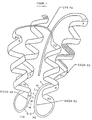
- Figure 1 is a diagrammatic representation of the IL-2 molecule.
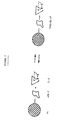
- Figure 2 shows a method for protecting the receptor binding site of IL-2 in which PA refers to Protein A agarose, aIL-2 refers to the antibody to the receptor binding site of IL-2 and PAS IL-2 is the IL-2 bound to the resin.
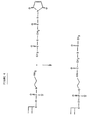
- Figure 3 shows a method for modifying IL-2 with SMPB using IL-2 in the form of PAS IL-2.
- Figure 4 shows the reaction of phosphatidylethanolamine with SATA.
- Figure 5 shows a method for generating a covalent bond between SMPB-modified IL-2 and SATA-modified liposomes.
- Figure 6 shows a method for obtaining an activated phosphatidylethanolamine in which the coupling moiety incorporates a 4-6 carbon linker arm.
- Figure 7 shows a process for partially protecting the ⁇ NH2 group of lysine residues with citraconic succinic anhydride before coupling to SATA.
- Figure 8 shows a reaction for coupling phosphatidylethanolamine to camphoquinone-10-sulphonic acid.
- a protein-A agarose resin is reacted with a MAb specific for the receptor binding site of IL-2 (available from Genzyme Inc; catalog reference DMS-1) by washing the resin with PBS buffer, applying the MAb to the resin, crosslinking the MAb to the resin in the presence of 12.5% glutaraldehyde in PBS for 60 min at 4°C and finally washing the resin again with buffer.
- a MAb specific for the receptor binding site of IL-2 available from Genzyme Inc; catalog reference DMS-1
- IL-2 in 100 ⁇ l buffer is applied to the resin coupled to the MAb, and modified with SMPB as indicated in Figure 3.
- SMPB is added to IL-2 in the molar ratio of 25:1.
- SMPB specifically reacts with the ⁇ NH2 groups of lysine residues.
- the modified IL-2 is then eluted from the resin with 2M NaSCN in 0.05M Tris, pH 8 followed by a second elution treatment with 6% betaine in 0,2N acetic acid, all at 4°C.
- IL-2 receptor binding assay shows that the resulting SMPB is able to bind to the IL-2 receptor of target cells. Furthermore, in an ELISA assay, SMPB modified IL-2 is recognized by the monoclonal antibody to the receptor binding domain of IL-2, as is unmodified IL-2 eluted from the column under the same conditions.
- MBS maleimidobenzoyl-N-hydroxy succinimide ester, a derivative of SMPB
- MBS maleimidobenzoyl-N-hydroxy succinimide ester, a derivative of SMPB
- succinimidyl-S-acetylthioacetate SATA
- DSPE distearoyl phosphatidylethanolamine
- SATA-DSPE may also be partially oxidized to the disulphide form SATA-DSPE-SATA-DSPE which has an Rf of about 0.37.
- the material obtained is then evaporated to dryness and resuspended in 1 ml CHCl3:MeOH (1:1). After addition of 15 ml acetonitrile, the mixture is held at -20°C for about 60 min to selectively precipitate SATA-DSPE, the unreacted DSPE remaining in solution. The precipitate is collected by filtration on a sintered glass filter and washed with acetonitrile. The washed SATA-DSPE is again dissolved by addition of CHCl3:MeOH (1:1), collected in a second filter flask, transferred to another flask and evaporated.
- Example 3 a Preparation of empty liposomes.
- Liposomes having the composition DSPC:cholesterol:SATA-DSPE in the molar ratio of 1.5:1:0.5 are prepared as follows: 10 mg of mixture of DSPC, cholesterol and SATA-DSPE in the above ratio is dissolved in 1 ml CHCl3, dried to a film under nitrogen and then further dried under vacuum overnight.
- the lipid film is dispersed in 1 ml PBS buffer pH 8.3,left at 65°C for 60 min, sonicated with a probe sonicator for 6 min at 65°C and held at the same temperature to form SUVs.
- the SUVs are then centrifuged at 13,000 xg for 10 min to remove any particles of titanium from the sonicator probe.
- SATA-DSPE SUVs are recovered in a volume of 2.4 ml containing approximately 3,3 mg/ml of lipids. SUVs produced in this manner have a diameter of about 50 nm.
- Example 3 a is repeated except that the PBS buffer used to disperse the lipid film contains 55 mg/ml of methotrexate. SATA-DSPE SUV's containing methotrexate are obtained.
- the modified SMPB-IL-2 of Example 1 is covalently coupled through its maleimido groups to the SUVs of Example 3 a) or 3 b).
- the coupling is achieved as follows: The SUVs containing SATA-DSPE are first activated by deacetylating the SATA residue so that it can react with SMPB-IL-2. 10 ⁇ l of freshly prepared 0,5M hydroxylamine is added to 1 ml of the SUV preparation of Example 1, (10 mg/ml in PBS). Incubation is performed for 30 min at 22°C under argon.
- Example 2 the pH of the SMPB-IL-2 preparation of Example 1 is adjusted to pH 6.5-7. A sample is then added to the deacetylated SUVs in the amount of 10-20 ⁇ g SMPB-IL-2 for 12 to 24 ⁇ g lipid. Incubation is performed for 2 hrs at 22°C under argon. Then to block any unreacted -SH groups, NEM is added to give a final concentration of 20 mM.
- the pH of the vesicle-IL-2 suspension is adjusted to pH 9.
- a CM-Sepharose column 50 mM Tris, pH 9.0 was drained.
- the liposomes are applied to the column, the resin stirred, incubated 10 min, and again drained. Aliquots (0.5 ml) of buffer are added and fractions collected. All turbid or opalescent fractions are pooled and assayed.
- the recovered SUV preparation contains SUVs which have 6 to 5040 molecules of bound IL-2 per SUV (50 nm diameter).
- Example 4 When Example 4 is repeated with the methotrexate-containing liposomes of Example 3 b) liposomes are obtained which have IL-2 bound to the outer surface and which contain methotrexate.
- Example 5 Synthesis of an extended linker arm to alleviate steric hindrance
- a preferred route to the synthesis ( Figure 6) of generally useful activated lipids is as follows: To a solution of distearoyl phosphatidylethanolamine (A) and succinimidyl-gamma-BOC-aminopentanoate (B) in chloroform-methanol, 9:1, is added a slight excess of triethylamine. The solvent is evaporated and the BOC group removed with a solution of trifluoroacetic acid in dichloromethane. The reaction of SMPB (D) with the distearoyl phosphatidylethyl-gamma-amino-pentanamide (C), left as residue after the trifluoroacetic acid reaction, is performed using the same conditions as for the first coupling reaction. The distearoyl phosphatidylethyl-4-(p-maleimidophenyl-butyramide) pentanamide (E) is purified using silica gel chromatography.
- the activated lipid is incorporated into liposomes whereby drug or marker is entrapped in standard fashion.
- the liposomes are then ready for reaction with free protein sulfhydryls either present on the unmodified protein, or with derivatives prepared as described below.
- SATA may be used in limiting concentration.
- a solution of IL-2 at about pH 8 may be added a solution of SATA in DMF or dioxane.
- the amount of substitution may be controlled by limiting the quantity of reagent.
- the sulfhydryl is then deblocked by the addition of hydroxylamine and the IL-2 immediately coupled to liposomes having the maleimido group on the surface.
- Example 6 Modification of IL-2 at selected (limited) lysine residues
- lysine ⁇ NH2 groups The most abundant and available protein reaction sites are lysine ⁇ NH2 groups. Since some of the lysine residues are located at the receptor binding site, any attempt to use the lysine residues for coupling must comprise limiting the lysine residues which actually undergo a reaction.
- the method shown in Figure 7 may be employed.
- essentially all but a few lysine residues are first derivatized with a reversible blocking agent. Using only enough reagent so that the most reactive or accessible lysines are blocked, or after blocking followed by partial deblocking, the remaining lysine residues are then derivatized by using a large excess of a coupling agent, e.g. SATA.
- a coupling agent e.g. SATA.
- citraconic anhydride maintaining the pH by addition of 1 N sodium hydroxide.
- the citraconic acid groups can be removed at pH 2, and this reaction can be interrupted by again raising the pH.
- SATA is added in excess to the solution at pH 8.8, derivatizing all free amines.
- the excess reagent is removed by dialysis and the remaining citraconic acid groups removed at pH 2.
- the solution is brought to neutral pH and sulfhydryl groups are formed by addition of hydroxylamine.
- SMPB liposomes are introduced and coupled to the protein.
- liposomes may be linked to IL-2 using an arginine specific reagent such as camphoquinone-10-sulphonic acid, as shown in Figure 8.
- camphorsulphonyl chloride prepared using thionyl chloride, is added to phosphatidylethanolamine in the presence of pyridine.
- the camphorsulphonyl-phosphatidylethanolamine PE is then incorporated into liposomes and is reacted with IL-2 in borate buffer at pH 8.8.
- Vesicle-linked IL-2 is separated from unreacted protein on a Sephadex G-150 column.
- Histidine may be chemically modified via reagents such as bromoacetamide compounds. His-70 of IL-2 in particular, does not affect binding activity.
- a heterobifunctional reagent based on bromoacetamide may be synthesized to give an attachment point for the liposome. Specifically, this is: This compound is prepared by addition of bromoacetylbromide to ethylene diamine (1:1) followed by reaction of the remaining amine with SATA. Reaction with IL-2 histidine in 1M acetate buffer pH 5.5 produces, at the histidine imidazole group, the 3'-N-substituted SATA derivative. Addition of hydroxylamine deacetylates the SATA label to give a free sulfhydryl group available for reaction with SMPB liposomes.
- Example 9 Assays for monitoring receptor binding activity of the liposome/IL-2
- Anti-proliferation measurements were performed by growing cells possessing the high affinity interleukin-2 receptor for several days in:
- the cells are pulse-labelled with 3H-thymidine. Following a 3-4 hour labelling period, all cultures are then harvested on glass-fiber filter strips and 3H-thymidine incorporation measured as an index of cellular proliferation.
- the effectiveness of the liposome/IL-2 containing cytostatic agent complex is thus determined by comparison to cells cultured in the absence of any form of the drug. In vivo biodistribution of the liposome/IL-2 complexes may be ascertained using known techniques, which are described in Example 10.
- a preferred procedure for measuring biodistribution employs the radionuclide Indium-111.
- the liposome-encapsulated Indium will be in the form of one or two chelate complexes.
- the chelating agent ethylenediamine tetraacetic acid (EDTA) is preferably used; for total in vivo uptake by target cells nitrilotriacetic acid (NTA) is preferably used.
- SUVs of a given composition are prepared in the presence of chelating agent and Indium-111 for passive encapsulation of indium, or the ionophore A23187 for subsequent active encapsulation of Indium-111 into preformed liposomes. In either situation the liposomes are separated from unencapsulated materials by treatment with additional EDTA, followed by column chromatography.
- Biodistribution measurements are conducted by injecting the study animals intravenously with the 111In-liposome/IL-2 complex. At several times after injection (for example at 1, 3, 6 and 24 hours), animals are sacrificed and tissues collected for gamma counting. Liposomes loaded with 111In-EDTA may be used for initial biodistribution studies. This tightly bound chelate complex allows measurement of in vivo retention times for the liposomes. Experiments performed relating to the present invention have shown that 111In-EDTA alone is rapidly cleared in vivo . Therefore, any recovered Indium-111 activity may be interpreted as 111In-liposome/IL-2.
- Uptake of liposome/IL-2 by lymphocytes in a test animal may be studied using the 111In-NTA complex.
- This relatively weak chelate complex has been shown to maintain Indium-111 in the aqueous compartment of liposomes, but quickly to release Indium-111 once the chelate is in the proximity of protein or carbohydrate macromolecules. Therefore, treatment of study animals with 111In-NTA-liposome/IL-2 formulations provides a means for measuring cumulative uptake by lymphocytes.
- Test animals may be given single or multiple (2-3) injections of the 111In-NTA liposomes by either intravenous or intraperitoneal routes of administration.
- animals are sacrificed and lymphocytes isolated from, for example, blood, spleen, and peritoneum by centrifugation on Ficoll gradients. The isolated lymphocytes are then counted for Indium-111 in a gamma counter.
- Biodistribution studies in healthy rats have shown that the 111In-liposome/IL-2 complex of Example 4 has extended circulation half-life, and does not attach to macrophages or unactivated T cells.
- RES reticulo-endothelial system
- RES blockage by prior treatment with liposomes directed to RES sites may be employed.
- additional modification to the surface of liposome/interleukin-2 formulations using for example a process similar to opsonization to enhance liposome interaction with blood lymphocytes by prolonging circulation times may be employed.
- RES uptake can be minimized by local administration of the interleukin-2 liposome preparation as a depot at the critical site, such as the site of a graft or an organ that is undergoing autoimmune attack.
- Example 11 Activated T-cell specificity
- Efficacy of liposome/IL-2 preparations may be demonstrated using animal models in which T-lymphocytes can be reproducibly activated.
- Two models that are readily available are the rat skin allograft model and the rat burn model (30% body surface). Using either model, groups of animals would receive either liposome/IL-2-containing the immunosuppressive drug, or only liposome/IL-2. Retention of the allograft as the animal undergoes a protocol of liposome/IL-2 treatment is then measured. Those receiving liposome/IL-2 without the liposome-incorporated drug will readily reject the graft due to presence and cytolytic activity of activated T-cells in the area of the graft.
- liposome/IL-2 containing a drug of choice may also be used in the course of either the rat or mouse leukemia model. Tests have shown that the liposome/IL-2 complex of Example 4 is attracted to activated T cells in vitro .
- the present delivery vehicles may be used in a variety of therapeutic contexts, including mammalian disease therapy and in vivo diagnosis, and biodistribution studies have shown significant advantages.
- the present delivery vehicles may be used to deliver medicinal agents or diagnostic markers (as for example radioactive labels, fluorescent molecules and NMR-imaging agents such as magnetite) to neoplastic cells or particular organs of the body such as the liver.
- the present delivery vehicles may be utilized to deliver cytotoxic, regulatory, diagnostic or other molecules in a targeted manner.
- active agents may be delivered to lymphocytes so as to treat, regulate or diagnose conditions involving malfunction of the immune system (including genetic or non-genetic autoimmune diseases such as rheumatoid arthritis, juvenile onset diabetes, systemic lupus erythematosus and others, as well as transplantation responses such as graft-versus-host disease), lymphocyte-related cancers (including lymphomas and leukemias such as adult or chronic myelogenous leukemias and hairy-cell leukemia) and helper T-cell disorders (including viral disorders such as those associated with HIV-infected T-cells).
Landscapes
- Health & Medical Sciences (AREA)
- Chemical & Material Sciences (AREA)
- Life Sciences & Earth Sciences (AREA)
- Animal Behavior & Ethology (AREA)
- Medicinal Chemistry (AREA)
- Pharmacology & Pharmacy (AREA)
- Epidemiology (AREA)
- General Health & Medical Sciences (AREA)
- Public Health (AREA)
- Veterinary Medicine (AREA)
- Engineering & Computer Science (AREA)
- Dispersion Chemistry (AREA)
- Bioinformatics & Cheminformatics (AREA)
- Proteomics, Peptides & Aminoacids (AREA)
- Medicines That Contain Protein Lipid Enzymes And Other Medicines (AREA)
- Medicinal Preparation (AREA)
Priority Applications (1)
| Application Number | Priority Date | Filing Date | Title |
|---|---|---|---|
| EP19930111532 EP0577146A3 (fr) | 1988-05-16 | 1989-05-12 | Liposomes couplés sur des hormones |
Applications Claiming Priority (3)
| Application Number | Priority Date | Filing Date | Title |
|---|---|---|---|
| US19463688A | 1988-05-16 | 1988-05-16 | |
| US194636 | 1988-05-16 | ||
| EP19930111532 EP0577146A3 (fr) | 1988-05-16 | 1989-05-12 | Liposomes couplés sur des hormones |
Related Parent Applications (2)
| Application Number | Title | Priority Date | Filing Date |
|---|---|---|---|
| EP89905671A Division EP0366770B1 (fr) | 1988-05-16 | 1989-05-12 | Liposomes accouples a des hormones |
| EP89905671.7 Division | 1989-05-12 |
Publications (2)
| Publication Number | Publication Date |
|---|---|
| EP0577146A2 true EP0577146A2 (fr) | 1994-01-05 |
| EP0577146A3 EP0577146A3 (fr) | 1994-02-02 |
Family
ID=26133331
Family Applications (1)
| Application Number | Title | Priority Date | Filing Date |
|---|---|---|---|
| EP19930111532 Withdrawn EP0577146A3 (fr) | 1988-05-16 | 1989-05-12 | Liposomes couplés sur des hormones |
Country Status (1)
| Country | Link |
|---|---|
| EP (1) | EP0577146A3 (fr) |
Cited By (4)
| Publication number | Priority date | Publication date | Assignee | Title |
|---|---|---|---|---|
| EP2410991A4 (fr) * | 2009-03-27 | 2015-10-07 | Sdg Inc An Ohio Corp | Constructions à base de lipides biodisponibles par voie orale |
| US11071715B2 (en) | 2017-03-13 | 2021-07-27 | Sdg, Inc. | Lipid-based nanoparticles and methods using same |
| US11077173B2 (en) | 2017-03-13 | 2021-08-03 | Sdg, Inc. | Lipid-based nanoparticles and methods using same |
| US11517529B2 (en) | 2007-09-28 | 2022-12-06 | Sdg, Inc. | Orally bioavailable lipid-based constructs |
Family Cites Families (4)
| Publication number | Priority date | Publication date | Assignee | Title |
|---|---|---|---|---|
| US4429008B1 (en) * | 1981-12-10 | 1995-05-16 | Univ California | Thiol reactive liposomes |
| FR2562421B1 (fr) * | 1984-04-09 | 1989-02-17 | Sandoz Sa | Perfectionnements a la therapie par l'interleukine |
| FR2564319A1 (fr) * | 1984-05-21 | 1985-11-22 | Inst Nat Sante Rech Med | Nouvelles compositions de liposomes dotees d'une action specifique vis-a-vis de la proliferation de cellules donnees |
| WO1986004232A1 (fr) * | 1985-01-18 | 1986-07-31 | Cooper-Lipotech, Inc. | Composition liposomique |
-
1989
- 1989-05-12 EP EP19930111532 patent/EP0577146A3/fr not_active Withdrawn
Cited By (5)
| Publication number | Priority date | Publication date | Assignee | Title |
|---|---|---|---|---|
| US10751418B2 (en) | 2007-09-28 | 2020-08-25 | Sdg, Inc. | Orally bioavailable lipid-based constructs |
| US11517529B2 (en) | 2007-09-28 | 2022-12-06 | Sdg, Inc. | Orally bioavailable lipid-based constructs |
| EP2410991A4 (fr) * | 2009-03-27 | 2015-10-07 | Sdg Inc An Ohio Corp | Constructions à base de lipides biodisponibles par voie orale |
| US11071715B2 (en) | 2017-03-13 | 2021-07-27 | Sdg, Inc. | Lipid-based nanoparticles and methods using same |
| US11077173B2 (en) | 2017-03-13 | 2021-08-03 | Sdg, Inc. | Lipid-based nanoparticles and methods using same |
Also Published As
| Publication number | Publication date |
|---|---|
| EP0577146A3 (fr) | 1994-02-02 |
Similar Documents
| Publication | Publication Date | Title |
|---|---|---|
| US5258499A (en) | Liposome targeting using receptor specific ligands | |
| EP0366770B1 (fr) | Liposomes accouples a des hormones | |
| Masquelier et al. | Low-density lipoprotein as a carrier of antitumoral drugs: in vivo fate of drug-human low-density lipoprotein complexes in mice | |
| US6043094A (en) | Therapeutic liposome composition and method | |
| JP3220180B2 (ja) | 薬剤含有タンパク質結合リポソーム | |
| EP0253202A2 (fr) | Immuno conjugés et leurs méthodes d'utilisation dans la thérapie des tumeurs | |
| JP2007513122A (ja) | 薬物送達ビヒクルおよびその使用 | |
| JP2000509394A (ja) | 細胞膜を横切って物質を輸送するためのポリペプチド結合体 | |
| JPH05502886A (ja) | 細胞内で切断できる残基を含み、細胞が取り込める共役体および複合体 | |
| JPH07509250A (ja) | 血液脳バリヤーへのリポソームの標的化 | |
| HU208161B (en) | Process for producing cytotoxic active ingredient - antibody conjugates and pharmaceutical compositions | |
| EP0826063A1 (fr) | Formulations en ampoule unidose de complexes adn/lipides | |
| US5366958A (en) | Localized delivery using fibronectin conjugates | |
| KR20010052368A (ko) | 신규한 입자 제형 | |
| KR100354944B1 (ko) | 제약조성물 | |
| Vitols et al. | Low density lipoprotein for delivery of a water-insoluble alkylating agent to malignant cells. In vitro and in vivo studies of a drug-lipoprotein complex | |
| Emanuel et al. | Preparation and characterization of doxorubicin-loaded sterically stabilized immunoliposomes | |
| DE69535094T2 (de) | Proteinmarkierung mit radioaktivem phospor und gezielte radiotherapie | |
| EP0577146A2 (fr) | Liposomes couplés sur des hormones | |
| EP0580171A2 (fr) | Composition pharmaceutique contenant une substance antitumorale liée à un support | |
| EP0476408A1 (fr) | Conjugaison chimique de morpholino-anthracyclines avec des anticorps | |
| JP4385152B2 (ja) | 2価反応性水溶性高分子誘導体及びそれを含有する複合体 | |
| Park et al. | Targeting and blocking B7 costimulatory molecules on antigen-presenting cells using CTLA4Ig-conjugated liposomes: in vitro characterization and in vivo factors affecting biodistribution | |
| US5419914A (en) | Phospholipid analogue vesicle | |
| Gasparini et al. | In vitro targeting of doxorubicin loaded canine erythrocytes to cytotoxic T-lymphocytes (CTLL) |
Legal Events
| Date | Code | Title | Description |
|---|---|---|---|
| PUAI | Public reference made under article 153(3) epc to a published international application that has entered the european phase |
Free format text: ORIGINAL CODE: 0009012 |
|
| PUAL | Search report despatched |
Free format text: ORIGINAL CODE: 0009013 |
|
| AC | Divisional application: reference to earlier application |
Ref document number: 366770 Country of ref document: EP |
|
| AK | Designated contracting states |
Kind code of ref document: A2 Designated state(s): AT BE CH DE FR GB IT LI LU NL SE |
|
| AK | Designated contracting states |
Kind code of ref document: A3 Designated state(s): AT BE CH DE FR GB IT LI LU NL SE |
|
| RIN1 | Information on inventor provided before grant (corrected) |
Inventor name: ULIANA, JOSEPH ANTHONY Inventor name: SCHMIDT, PAUL GARDNER Inventor name: RICHER, LEROY LEONARD Inventor name: KONIGSBERG, PAULA JEAN |
|
| 17P | Request for examination filed |
Effective date: 19940727 |
|
| RAP1 | Party data changed (applicant data changed or rights of an application transferred) |
Owner name: NEXSTAR PHARMACEUTICALS, INC. |
|
| 17Q | First examination report despatched |
Effective date: 19960813 |
|
| STAA | Information on the status of an ep patent application or granted ep patent |
Free format text: STATUS: THE APPLICATION IS DEEMED TO BE WITHDRAWN |
|
| 18D | Application deemed to be withdrawn |
Effective date: 19980328 |