EP0578409A2 - Récepteurs humains du système nerveux central (SNC) se liant ou trainte, appartenant à la famille AAE-4 (Acides Amines Excitateurs) - Google Patents
Récepteurs humains du système nerveux central (SNC) se liant ou trainte, appartenant à la famille AAE-4 (Acides Amines Excitateurs) Download PDFInfo
- Publication number
- EP0578409A2 EP0578409A2 EP93304961A EP93304961A EP0578409A2 EP 0578409 A2 EP0578409 A2 EP 0578409A2 EP 93304961 A EP93304961 A EP 93304961A EP 93304961 A EP93304961 A EP 93304961A EP 0578409 A2 EP0578409 A2 EP 0578409A2
- Authority
- EP
- European Patent Office
- Prior art keywords
- receptor
- human
- kainate
- binding
- eaa4a
- Prior art date
- Legal status (The legal status is an assumption and is not a legal conclusion. Google has not performed a legal analysis and makes no representation as to the accuracy of the status listed.)
- Granted
Links
Images







Classifications
-
- C—CHEMISTRY; METALLURGY
- C07—ORGANIC CHEMISTRY
- C07K—PEPTIDES
- C07K14/00—Peptides having more than 20 amino acids; Gastrins; Somatostatins; Melanotropins; Derivatives thereof
- C07K14/435—Peptides having more than 20 amino acids; Gastrins; Somatostatins; Melanotropins; Derivatives thereof from animals; from humans
- C07K14/705—Receptors; Cell surface antigens; Cell surface determinants
- C07K14/70571—Receptors; Cell surface antigens; Cell surface determinants for neuromediators, e.g. serotonin receptor, dopamine receptor
Definitions
- This invention is concerned with applications of recombinant DNA technology in the field of neurobiology. More particularly, the invention relates to the cloning and expression of DNA coding for excitatory amino acid (EAA) receptors, especially human EAA receptors.
- EAA excitatory amino acid
- EAA excitatory amino acid
- EAA receptor agonists Using tissues isolated from mammalian brain, and various synthetic EAA receptor agonists, knowledge of EAA receptor pharmacology has been refined somewhat. Members of the EAA receptor family are now grouped into three main types based on differential binding to such agonists.
- One type of EAA receptor which in addition to glutamate also binds the agonist NMDA (N-methyl-D-aspartate), is referred to as the NMDA type of EAA receptor.
- NMDA N-methyl-D-aspartate
- Two other glutamate-binding types of EAA receptor, which do not bind NMDA are named according to their preference for binding with two other EAA receptor agonists, namely AMPA ( ⁇ -amino-3-hydroxy-5-methyl-isoxazole-4-propionate), and kainate.
- AMPA ⁇ -amino-3-hydroxy-5-methyl-isoxazole-4-propionate
- kainate type EAA receptors receptors which bind glutamate but not NMDA, and which bind with greater affinity to kainate than to AMPA, are referred to as kainate type EAA receptors.
- AMPA type EAA receptors those EAA receptors which bind glutamate but not NMDA, and which bind AMPA with greater affinity than kainate are referred to as AMPA type EAA receptors.
- the glutamate-binding EAA receptor family is of great physiological and medical importance. Glutamate is involved in many aspects of long-term potentiation (learning and memory), in the development of synaptic plasticity, in epileptic seizures, in neuronal damage caused by ischemia following stroke or other hypoxic events, as well as in other forms of neurodegenerative processes.
- learning and memory the development of therapeutics which modulate these processes has been very difficult, due to the lack of any homogeneous source of receptor material with which to discover selectively binding drug molecules, which interact specifically at the interface of the EAA receptor.
- the brain derived tissues currently used to screen candidate drugs are heterogeneous receptor sources, possessing on their surface many receptor types which interfere with studies of the EAA receptor/ligand interface of interest.
- each is heteromeric in structure, consisting of individual membrane-anchored subunits, each having four transmembrane regions, and extracellular domains that dictate ligand binding properties to some extent and contribute to the ion-gating function served by the receptor complex.
- Keinanen et al, supra, have shown for example that each subunit of the rat GluR receptor, including those designated GluR-A, GluR-B, GluR-C and GluR-D, display cation channel activity gated by glutamate, by AMPA and by kainate, in their unitary state.
- GluR-A in combination with GluR-B gated ion channels with notably larger currents are produced by the host mammalian cells.
- human EAA4a codes for a receptor protein that in addition to binding glutamate with an affinity typical of EAA receptors, also exhibits ligand binding properties characteristic of kainate-type EAA receptors. Sequence-related genes coding for naturally occurring variants of the human EAA4a receptor have also been identified, and constitute additional members of this receptor family, herein referred to as the human EAA4 receptor family.
- the present invention thus provides, in one of its aspects, an isolated polynucleotide, consisting either of DNA or of RNA, which codes for a human EAA4 receptor or for a kainate-binding fragment thereof.
- a cell that has been genetically engineered to produce a kainate-binding, human EAA receptor belonging to the herein-defined EAA4 family.
- recombinant DNA constructs and relevant methods useful to create such cells are provided.
- a method for evaluating interaction between a test ligand and a human EAA receptor which comprises the steps of incubating the test ligand with a genetically engineered cell of the present invention, or with a membrane preparation derived therefrom, and then assessing said interaction by determining one of receptor/ligand binding and ligand-mediated ion channel activation.
- the invention is directed to a novel family of kainate-type human EAA receptors, herein designated the human EAA4 receptor family, and isolated polynucleotides encoding these receptors.
- isolated is used herein to refer to intact polynucleotides that are generally less than about 4,000 nucleotides in length and which are otherwise isolated from DNA coding for other human proteins.
- human EAA4 receptor is intended to embrace the human EAA4a receptor and fragments thereof, as well as kainate-binding variants of the EAA4a receptor that are structurally related thereto, i.e. share at least 98% amino acid identity, including naturally occurring and synthetically derived variants of the EAA4a receptor.
- Naturally occurring variants of the human EAA4a receptor include particularly the receptors herein designated human EAA4b receptor.
- Synthetically derived variants of the human EAA4a receptor include kainate-binding variants that incorporate one or more, e.g. 1-10, amino acid substitutions, deletions or additions, relative to the EAA4a receptor.
- kainate-binding refers to receptor variants and receptor fragments that display greater binding affinity for kainate than for either glutamate, AMPA or NMDA, as determined using assays of conventional design, such as the assays herein described.
- a kainate-binding receptor is said to be "functional" if a cellular host producing it exhibits de novo channel activity when exposed appropriately to kainate, as determined by the established electrophysiological assays described for example by Hollmann et al., supra, or by any other assay appropriate for detecting conductance across a cell membrane.
- EAA4a Each of the naturally occurring members of the EAA4 receptor family possesses structural features characteristic of the EAA receptors in general, including extracellular N- and C-terminal regions, as well as four internal hydrophobic domains which serve to anchor the receptor within the cell surface membrane.
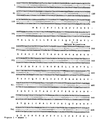
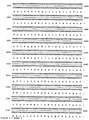
- the particular human EAA receptor designated EAA4a is a protein characterized structurally as a single polypeptide chain that is produced initially in precursor form bearing a 31 residue N-terminal signal peptide, and is transported to the cell surface in mature form, lacking the signal peptide and consisting of 877 amino acids arranged in the sequence illustrated, by single letter code, in Figure 1.
- EAA4 receptor refers to the mature form of the receptor protein, and amino acid residues of the EAA4 receptors are accordingly numbered with reference to the mature protein sequence.
- hydropathy analysis reveals four putative transmembrane domains, one spanning residues 532-551 inclusive (TM-1), another spanning residues 575-593 (TM-2), a third spanning residues 604-622 (TM-3) and the fourth spanning residues 789-809 (TM-4).
- the human EAA4a receptor structure in its natural membrane-bound form, consists of a 531 amino acid N-terminal extracellular domain, followed by a hydrophobic region containing four transmembrane domains and an extracellular, 68 amino acid C-terminal domain.
- EAA4b receptor a structurally related variant of the EAA4a receptor, which occurs naturally in human brain tissue, has also been identified and is designated the EAA4b receptor.
- the EAA4b variant shares greater than 99% amino acid identity with EAA4a, differing with respect only to a single amino acid change at position 727, which in the EAA4a receptor is a glycine residue and in the EAA4b receptor is an aspartic acid residue.
- the EAA4a receptor In human fetal brain cDNA libraries, the source from which DNA coding for the EAA4a receptor was isolated, the EAA4a receptor is encoded by the nucleotide sequence provided in Figure 1. Also isolated during probing of the cDNA library was a polynucleotide variant of the sequence shown in Figure 1, designated EAA4a-1, which incorporates a codon different from, but synonymous with, the triplet coding for glutamine at position 621 (see Fig. 3A). It will thus be appreciated that the EAA4a receptor may of course be encoded by polynucleotides incorporating codons synonymous with those illustrated in Figure 1.
- EAA4 receptors Relative to EAA receptors previously discovered in rat tissue, as described in the publications mentioned hereinabove, members of the human EAA4 receptor family share not greater than about 98% amino acid identity with such rat receptors, with the greatest identity of about 97% being shared with the rat GluR6 receptor reported recently by Egebjerg et al, supra.
- the human EAA4 receptors differ most significantly from this rat receptor in the extracellular, C-terminal region of the receptors which, in the human receptors, is extended by an additional 25 amino acids.
- receptor subtype EAA4a is characterized by a pharmacological profile i.e. a ligand binding "signature", that points strongly to a kainate-type pharmacology, as distinct from other excitatory amino acid receptor types, such as NMDA and AMPA.
- a pharmacological profile i.e. a ligand binding "signature" that points strongly to a kainate-type pharmacology, as distinct from other excitatory amino acid receptor types, such as NMDA and AMPA.
- kainate binding receptors require a multi- and perhaps heteromeric subunit structure to function in the pharmacological sense, it has been found that cells producing the unitary EAA4a receptor do, independently of association with other receptor subunits, provide a reliable indication of excitatory amino acid binding and also channel activation.
- the human EAA4a receptor is exploited for the purpose of screening candidate compounds for the ability to interact with the present receptors and/or the ability to compete with endogenous EAA receptor ligands and known synthetic analogues thereof, for EAA receptor interaction.
- a cell that produces a human EAA4 receptor in functional form as a heterologous product For use in assessing interaction between the receptor and a test ligand, it is desirable to construct by application of genetic engineering techniques a cell that produces a human EAA4 receptor in functional form as a heterologous product.
- the construction of such cell lines is achieved by introducing into a selected host cell a recombinant DNA construct in which DNA coding for a secretable form of the human EAA4 receptor,i.e., a form bearing either its native signal peptide or a functional, heterologous equivalent thereof, is associated with expression controlling elements that are functional in the selected host to drive expression of the receptor-encoding DNA, and thus elaborate the desired EAA4 receptor protein.
- Such cells are herein characterized as having the receptor-encoding DNA incorporated "expressibly" therein.
- the receptor-encoding DNA is referred to as "heterologous" with respect to the particular cellular host if such DNA is not naturally found in the particular host.
- the particular cell type selected to serve as host for production of the human EAA4 receptor can be any of several cell types currently available in the art including both prokaryotic and eukaryotic, but should not of course be a cell type that in its natural state elaborates a surface receptor that can bind excitatory amino acids, and so confuse the assay results sought from the engineered cell line. Generally, such problems are avoided by selecting as host a non-neuronal cell type, and can further be avoided using non-human cell lines, as is conventional. It will be appreciated that neuronal- and human-type cells may nevertheless serve as expression hosts, provided that "background" binding to the test ligand is accounted for in the assay results.
- the cell line selected to serve as host for EAA4 receptor production is a mammalian cell.
- CHO chinese hamster ovary
- ATCC CCL 61 the chinese hamster ovary
- ATCC CRL 1281 the fibroblast-like cells derived from SV40-transformed African Green monkey kidney of the CV-1 lineage
- ATCC CCL 70 the fibroblast-like cells derived from SV40-transformed African Green monkey kidney of the CV-1 lineage
- ATCC CRL 1650 of the COS-1 lineage
- COS-7 lineage ATCC CRL 1651
- murine L-cells murine 3T3 cells
- murine C127 cells human embryonic kidney cells of the 293 lineage
- ATCC CRL 1573 human carcinoma cells including those of the HeLa lineage
- neuroblastoma cells of the lines IMR-32 ATCC CCL 127
- SK-N-MC ATCC HTB
- a variety of gene expression systems have been adapted for use with these hosts and are now commercially available, and any one of these systems can be selected to drive expression of the EAA4 receptor-encoding DNA.
- These systems available typically in the form of plasmidic vectors, incorporate expression cassettes the functional components of which include DNA constituting expression controlling sequences, which are host-recognized and enable expression of the receptor-encoding DNA when linked 5' thereof.
- the systems further incorporate DNA sequences which terminate expression when linked 3' of the receptor-encoding region.
- a recombinant DNA expression construct in which DNA coding for a secretable form of the receptor is linked with expression controlling DNA sequences recognized by the host, and which include a region 5' of the receptor-encoding DNA to drive expression, and a 3' region to terminate expression.
- the plasmidic vector harbouring the expression construct typically incorporates such other functional components as an origin of replication, usually virally-derived, to permit replication of the plasmid in the expression host and desirably also for plasmid amplification in a bacterial host, such as E.coli.
- the vector will also incorporate a gene conferring some survival advantage on the transformants, such as a gene coding for neomycin resistance in which case the transformants are plated in medium supplemented with neomycin.
- promoters of viruses that infect mammalian cells such as the promoter from the cytomegalovirus (CMV), the Rous sarcoma virus (RSV), simian virus (SV40), murine mammary tumour virus (MMTV) and others.
- promoters such as the LTR of retroviruses, insect cell promoters such as those regulated by temperature, and isolated from Drosophila, as well as mammalian gene promoters such as those regulated by heavy metals i.e.the metalothionein gene promoter, and other steroid-inducible promoters.
- DNA coding for the desired EAA4 receptor e.g. the EAA4a receptor or a kainate-binding variant thereof
- DNA coding for the desired EAA4 receptor can be obtained by applying selected techniques of gene isolation or gene synthesis.
- the EAA4a receptor, and the EAA4b variant thereof are encoded within the genome of human brain tissue, and can therefore be obtained by careful application of conventional gene isolation and cloning techniques.
- bacteriophage harbouring fragments of the human DNA are typically grown by plating on a lawn of susceptible E. coli bacteria, such that individual phage plaques or colonies can be isolated.
- the DNA carried by the phage colony is then typically immobilized on a nitrocellulose or nylon-based hybridization membrane, and then hybridized, under carefully controlled conditions, to a radioactively (or otherwise) labelled oligonucleotide probe of appropriate sequence to identify the particular phage colony carrying receptor-encoding DNA or fragment thereof.
- a radioactively (or otherwise) labelled oligonucleotide probe of appropriate sequence to identify the particular phage colony carrying receptor-encoding DNA or fragment thereof.
- the gene or a portion thereof so identified is subcloned into a plasmidic vector for nucleic acid sequence analysis.
- polynucleotides coding for the EAA4 receptors herein described can be generated by substituting synonymous codons for those represented in the naturally occurring polynucleotide sequences herein identified.
- polynucleotides coding for synthetic variants of the EAA4 receptors herein described can be generated which for example incorporate one or more single amino acid substitutions, deletions or additions.
- amino acid substitutions for example to the so-called conservative replacements in which amino acids of like charge are substituted, and to limit substitutions to those sites less critical for receptor activity e.g. within about the first 20 N-terminal residues of the mature receptor, and such other regions as are elucidated upon receptor domain mapping.
- the technique of PCR amplification may also be used to directly generate all or part of the final gene.
- primers are synthesized which will prime the PCR amplification of the final product, either in one piece, or in several pieces that may be ligated together. This may be via step-wise ligation of blunt ended, amplified DNA fragments, or preferentially via step-wise ligation of fragments containing naturally occurring restriction endonuclease sites.
- cDNA or genomic DNA as the template for the PCR amplification.
- the cDNA template can be obtained from commercially available or self-constructed cDNA libraries of various human brain tissues, including hippocampus and cerebellum.
- the receptor-encoding DNA is incorporated for expression into any suitable expression vector, and host cells are transfected therewith using conventional procedures, such as DNA-mediated transformation, electroporation, microinjection, or particle gun transformation.
- Expression vectors may be selected to provide transformed cell lines that express the receptor-encoding DNA either transiently or in a stable manner.
- host cells are typically transformed with an expression vector harbouring an origin of replication functional in a mammalian cell.
- an origin of replication functional in a mammalian cell For stable expression, such replication origins are unnecessary, but the vectors will typically harbour a gene coding for a product that confers on the transformants a survival advantage, to enable their selection.
- Genes coding for such selectable markers include the E.
- transient expression and stable expression can provide transformed cell lines, and membrane preparations derived therefrom, for use in ligand screening assays.
- cells transiently expressing the receptor-encoding DNA can be stored frozen for later use, but because the rapid rate of plasmid replication will lead ultimately to cell death, usually in a few days, the transformed cells should be used as soon as possible.
- Such assays may be performed either with intact cells, or with membrane preparations derived from such cells.
- the membrane preparations typically provide a more convenient substrate for the ligand binding experiments, and are therefore preferred as binding substrates.
- To prepare membrane preparations for screening purposes, i.e., ligand binding experiments frozen intact cells are homogenized while in cold water suspension and a membrane pellet is collected after centrifugation.
- the pellet is then washed in cold water, and dialyzed to remove endogenous EAA ligands such as glutamate, that would otherwise compete for binding in the assays.
- the dialyzed membranes may then be used as such, or after storage in lyophilized form, in the ligand binding assays.
- intact, fresh cells harvested about two days after transient transfection or after about the same period following fresh plating of stably transfected cells can be used for ligand binding assays by the same methods as used for membrane preparations.
- the cells When cells are used, the cells must be harvested by more gentle centrifugation so as not to damage them, and all washing must be done in a buffered medium, for example in phosphate-buffered saline, to avoid osmotic shock and rupture of the cells.
- a buffered medium for example in phosphate-buffered saline
- the binding of a candidate ligand to a selected human EAA4 receptor of the invention is evaluated typically using a predetermined amount of cell-derived membrane (measured for example by protein determination), generally from about 25ug to 100ug.
- a predetermined amount of cell-derived membrane measured for example by protein determination
- competitive binding assays will be useful to evaluate the affinity of a test compound relative to kainate.
- This competitive binding assay can be performed by incubating the membrane preparation with radiolabelled kainate, for example [3H]-kainate, in the presence of unlabelled test compound added at varying concentrations. Following incubation, either displaced or bound radiolabelled kainate can be recovered and measured, to determine the relative binding affinities of the test compound and kainate for the particular receptor used as substrate. In this way, the affinities of various compounds for the kainate-type human EAA receptors can be measured.
- the EAA4 receptors of the present invention are per se functional in an electrophysiological context, and are therefore useful, in the established manner, in screening test ligands for their ability to modulate ion channel activity.
- the present invention thus further provides, as a ligand screening technique, the method of detecting interaction between a test ligand and a human CNS receptor, which comprises the steps of incubating the test ligand with a human EAA4 receptor-producing cell or with a membrane preparation derived therefrom, and then measuring ligand-induced electrical current across said cell or membrane.
- ligand characterization may also be performed using cells for example Xenopus oocytes, that yield functional membrane-bound receptor following introduction of messenger RNA coding for the EAA4 receptor.
- the EAA4 receptor gene of the invention is typically subcloned into a plasmidic vector such that the introduced gene may be easily transcribed into RNA via an adjacent RNA transcription promoter supplied by the plasmidic vector, for example the T3 or T7 bacteriophage promoters. RNA is then transcribed from the inserted gene in vitro, and can then be injected into Xenopus oocytes.
- the oocytes are left to incubate for up to several days, and are then tested for the ability to respond to a particular ligand molecule supplied in a bathing solution. Since functional EAA receptors act in part by operating a membrane channel through which ions may selectively pass, the functioning of the receptor in response to a particular ligand molecule in the bathing solution may typically be measured as an electrical current utilizing microelectrodes inserted into the cell or placed on either side of a cell-derived membrane preparation, using the so-called "patch-clamp" technique.
- expression of the DNA can, according to another aspect of the invention, be performed to produce fragments of the receptor in soluble form, for structure investigation, to raise antibodies and for other experimental uses. It is expected that the portion of the EAA4 receptor responsible for binding a ligand molecule resides on the outside of the cell, i.e., is extracellular. It is therefore desirable in the first instance to facilitate the characterization of the receptor-ligand interaction by providing this extracellular ligand-binding domain in quantity and in isolated form, i.e., free from the remainder of the receptor.
- the full-length EAA4 receptor-encoding DNA may be modified by site-directed mutagenesis, so as to introduce a translational stop codon into the extracellular N-terminal region, immediately before the sequence encoding the first transmembrane domain (TM1), i.e., before residue 532 as shown in Figure 1. Since there will no longer be produced any transmembrane domain(s) to "anchor" the receptor into the membrane, expression of the modified gene will result in the secretion, in soluble form, of only the extracellular ligand-binding domain. Standard ligand-binding assays may then be performed to ascertain the degree of binding of a candidate compound to the extracellular domain so produced. It may of course be necessary, using site-directed mutagenesis, to produce several different versions of the extracellular regions, in order to optimize the degree of ligand binding to the isolated domains.
- AMPA-binding fragments of the receptor will first be anchored to a solid support using any one of various techniques.
- the C-terminal end of the receptor peptide fragment may be coupled to a derivatized, insoluble polymeric support, for example, cross-linked polystyrene or polyamide resin.
- the fragment is useful to screen candidate ligands for receptor binding affinity.
- competition-type ligand-binding assays as described above using full-length receptor, are commonly used. Fragments secured to a solid support are bound with a natural ligand, i.e. AMPA, in the presence of a candidate ligand.
- AMPA natural ligand
- One of AMPA or candidate ligand is labelled, for example radioactively, and following a suitable incubation period, the degree of AMPA discplacement is determined by measuring the amount of bound or unbound label.
- TM4 transmembrane domain
- site-directed mutagenesis and/or PCR-based amplification techniques may readily be used to provide a defined fragment of the gene encoding the receptor domain of interest.
- Such a DNA sequence may be used to direct the expression of the desired receptor fragment, either intracellularly, or in secreted fashion, provided that the DNA encoding the gene fragment is inserted adjacent to a translation start codon provided by the expression vector, and that the required translation reading frame is carefully conserved.
- Mammalian cells such as CHO cells may be used for this purpose, the expression typically being driven by an expression promoter capable of high-level expression, for example the CMV (cytomegalovirus) promoter.
- CMV cytomegalovirus
- non-mammalian cells such as insect Sf9 (Spodoptera frugiperda) cells may be used, with the expression typically being driven by expression promoters of the baculovirus, for example the strong, late polyhedrin protein promoter.
- Filamentous fungal expression systems may also be used to secrete large quantities of such extracellular domains of the EAA receptor.
- Aspergillus nidulans for example, with the expression being driven by the alcA promoter, would constitute such an acceptable system.
- any prokaryotic or other eukaryotic expression system capable of expressing heterologous genes or gene fragments, whether intracellularly or extracellularly would be similarly acceptable.
- the present invention also provides, in another of its aspects, labelled antibody to a human EAA4 receptor.
- labelled antibody to a human EAA4 receptor.
- immunogen there may be used as immunogen either the intact, soluble receptor or an immunogenic fragment thereof, produced in a microbial or mammalian cell host as described above or by standard peptide synthesis techniques.
- Regions of the EAA4a receptor particularly suitable for use as immunogenic fragments include those corresponding in sequence to an extracellular region of the receptor, or a portion of the extracellular region, such as peptides consisting of residues 1-531, including particularly residues 184-199 or 484-527, and peptides corresponding to the region between transmembrane domains TM-2 and TM-3, such as a peptide consisting of residues 594-603. Peptides consisting of the C-terminal domain (residues 810-877), or fragment thereof such as a peptide consisting of residues 850-877 may also be used for the raising of antibodies. Substantially the same region of the human EAA4b receptor may also be used for production of antibodies against this receptor.
- the raising of antibodies to the desired EAA4 receptor or immunogenic fragment can be achieved, for polyclonal antibody production, using immunization protocols of conventional design, and any of a variety of mammalian hosts, such as sheep, goats and rabbits.
- immunocytes such as splenocytes can be recovered from the immunized animal and fused, using hybridoma technology, to a myeloma cells.
- the fusion products are then screened by culturing in a selection medium, and cells producing antibody are recovered for continuous growth, and antibody recovery.
- Recovered antibody can then be coupled covalently to a detectable label, such as a radiolabel, enzyme label, luminescent label or the like, using linker technology established for this purpose.
- DNA or RNA coding for the human EAA4 receptor, and selected regions thereof may also be used, in accordance with another aspect of the present invention, as hybridization probes for example to identify sequence-related genes resident in the human or other mammalian genomes (or cDNA libraries) or to locate the EAA4-encoding DNA in a specimen, such as brain tissue. This can be done using either the intact coding region, or a fragment thereof having radiolabelled e.g. 32P, nucleotides incorporated therein. To identify the EAA4-encoding DNA in a specimen, it is desirable to use either the full length cDNA coding therefor, or a fragment which is unique thereto.
- nucleotide fragments include those comprising at least about 17 nucleic acids, and otherwise corresponding in sequence to a region coding for the N-terminus or C-terminus of the receptor, or representing a 5'-untranslated or 3'-untranslated region thereof, such as one of the following nucleotide regions: 58-77, 148-165, 347-364, 806-823, 1986-2004, 2395-2413 and 2756-2773 (Fig.1).
- sequences, and the intact gene itself may also be used of course to clone EAA4-related human genes, particularly cDNA equivalents thereof, by standard hybridization techniques.
- cDNA coding for the human EAA4a receptor was identified by probing human fetal brain cDNA that was obtained as an EcoRI-based lambda phage library (lambda ZAP) from Stratagene Cloning Systems (La Jolla, California, U.S.A.). The cDNA library was screened using an oligonucleotide probe capable of annealing to the 3' region of the rat GluR5 receptor sequence reported by Bettler et al, supra. The specific sequence of the 32P-labelled probe is provided below:
- the fetal brain cDNA library was screened under the following hybridization conditions; 6xSSC, 25% formamide, 5% Denhardt's solution, 0.5% SDS, 100ug/ml denatured salmon sperm DNA, 42C. Filters were washed with 2xSSC containing 0.5% SDS at 25C for 5 minutes, followed by a 15 minute wash at 50C with 2xSSC containing 0.5% SDS. The final wash was with 1xSSC containing 0.5% SDS at 50C for 15 minutes. Filters were exposed to X-ray film (Kodak) overnight. Of 106 clones screened, only one cDNA insert, of about 2.9kb, was identified, and designated RKCS5F94.
- the '94 phage was plaque purified, then excised as a phagemid according to the supplier's specifications, to generate an insert-carrying Bluescript-SK variant of the phagemid vector. Sequencing of the '94 clone across its entire sequence revealed a putative ATG initiation codon together with about 133 bases of 5'non-coding region and 2,724 bases of coding region. Also revealed was a termination codon, as well as about 18 bases of 3' non-translated sequence. The entire sequence of the EcoRI/EcoRI insert is provided in Figure 1.
- cDNA coding for the human EAA4a receptor was incorporated into the mammalian expression vector pcDNA1, which is available commercially from Invitrogen Corporation (San Diego, California, USA; catalogue number V490-20). This is a multifunctional 4.2kb plasmid vector designed for cDNA expression in eukaryotic systems, and cDNA analysis in prokaryotes.
- CMV promoter and enhancer the CMV promoter and enhancer, splice segment and polyadenylation signal, an SV40 and Polyoma virus origin of replication, and M13 origin to rescue single strand DNA for sequencing and mutagenesis, Sp6 and T7 RNA promoters for the production of sense and anti-sense RNA transcripts and a Col E1-like high copy plasmid origin.
- a polylinker is located appropriately downstream of the CMV promoter (and 3' of the T7 promoter).
- the strategy depicted in Figure 2 was employed to facilitate incorporation of the EAA4a receptor-encoding cDNA into an expression vector.
- the cDNA insert was released from pBS/humEAA4a as a 2.9kb PstI/XhoI fragment, which was then incorporated at the PstI/XhoI sites in the pcDNAI polylinker. Sequencing across the junctions was performed, to confirm proper insert orientation in pcDNA1.
- pcDNA1/humEAA4a The resulting plasmid, designated pcDNA1/humEAA4a, was then introduced for transient expression into a selected mammalian cell host, in this case the monkey-derived, fibroblast like cells of the COS-1 lineage (available from the American Type Culture Collection, Rockville, Maryland as ATCC CRL 1650).
- COS-1 cells were transfected with approximately 8ug DNA (as pcDNA1/humEAA4a) per 106 COS cells, by DEAE-mediated DNA transfection and treated with chloroquine according to the procedures described by Maniatis et al, supra. Briefly, COS-1 cells were plated at a density of 5 x 10⁶ cells/dish and then grown for 24 hours in FBS-supplemented DMEM/F12 medium. Medium was then removed and cells were washed in PBS and then in medium.
- stably transfected cell lines can also be prepared using two different cell types as host: CHO K1 and CHO Pro5.
- cDNA coding for human EAA4a is incorporated into the mammalian expression vector pRC/CMV (Invitrogen), which enables stable expression. Insertion at this site placed the cDNA under the expression control of the cytomegalovirus promoter and upstream of the polyadenylation site and terminator of the bovine growth hormone gene, and into a vector background comprising the neomycin resistance gene (driven by the SV40 early promoter) as selectable marker.
- the host CHO cells are first seeded at a density of 5 x 10⁵ in 10% FBS-supplemented ⁇ MEM medium. After growth for 24 hours, fresh medium is added to the plates and three hours later, the cells are transfected using the calcium phosphate-DNA co-precipitation procedure (Maniatis et al, supra). Briefly, 3ug of DNA is mixed and incubated with buffered calcium solution for 10 minutes at room temperature. An equal volume of buffered phosphate solution is added and the suspension is incubated for 15 minutes at room temperature. Next, the incubated suspension is applied to the cells for 4 hours, removed and cells were shocked with medium containing 15% glycerol.
- Transfected cells in the frozen state were resuspended in ice-cold distilled water using a hand homogenizer and centrifuged for 20 minutes at 50,000g. The supernatant was discarded and the membrane pellet stored frozen at -70°C.
- COS cell membrane pellets were suspended in ice cold 50mM Tris-HCl (pH 7.55, 5°C) and centrifuged again at 50,000g for 10 minutes in order to remove endogenous glutamate that would compete for binding. Pellets were resuspended in ice cold 50mM Tris-HCl (pH 7.55) buffer and the resultant membrane preparation was used as tissue source for binding experiments described below. Proteins were determined using the Pierce Reagent with BSA as standard.
- Binding assays were then performed, using an amount of COS-derived membrane equivalent to 25-100ug as judged by protein determination and selected radiolabelled ligand.
- incubation mixtures consisted of 25-100 ⁇ g tissue protein and [vinylidene-3H] kainic acid (58Ci/mmole, 85nM final) in the cold incubation buffer, lml final volume.
- Non-specific binding was in the presence of 1mM L-glutamate.
- Samples were incubated on ice for 60 minutes, and bound and free ligand were then separated by rapid filtration using a PHD cell harvester and GF/B filters pre-soaked in ice-cold 0.3% polyethyleneimine. Filters were washed twice in 4ml of the cold incubation buffer, then placed in scintillation vials with 5ml of Beckman Ready-Protein Plus scintillation cocktail for counting.
- incubation mixtures consisted of 25-100ug tissue protein and D,L-alpha-[5-methyl-3H]amino-3-hydroxy-5-methylisoxazole-4-propionic acid (3H-AMPA, 27.6Ci/mmole, 10nM final) with 0.1M KSCN and 2.5mM CaCl2 in the lml final volume.
- Non-specific binding was determined in the presence of 1mM L-glutamate.
- Samples were incubated on ice for 60 minutes in plastic minivials, and bound and free ligand were separated by centrifugation for 30 minutes at 50,000g. Pellets were washed twice in 4ml of the cold incubation buffer, then 5ml of Beckman Ready-Protein Plus scintillation cocktail was added, for counting.
- Xenopus oocytes (stage V or VI) were harvested and the nucleus of the oocytes was injected with 5ng of pcDNAI/humEAA4a DNA. The oocytes were then tested each day using a two-electrode voltage clamp, according to the method reported by Verdoorn et al, Mol. Pharmacol., 1988, 34:298. Successful expression occurred from day 5 onward.
- Oocytes injected with pcDNAI/humEAA4a and held at -100mV responded to kainate.
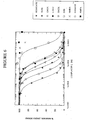
- the application of kainate at concentrations greater than 5x10 ⁇ 8M evoked large inward currents (>2000nA) that rapidly desensitized in the continuing presence of agonist (Fig.7).
- Full recovery from desensitization caused by 60 second application of kainate required approximately 10 minutes, although at high concentrations (>10 ⁇ 4M), full recovery from desensitization required 15-20 minutes.
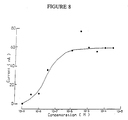
- a dose-response curve for kainate was constructed at the unusually low holding membrane potential of -30mV (Fig. 8).
- the concentration of kainate needed to evoke 50% of the maximal response (EC50) was about 5 X 10 ⁇ 8M which is considerably lower than the EC50 of 10 ⁇ 6M reported by Egejberg et al, supra, for the kainate-binding rat receptor, GluR6.
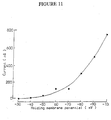
- the current/voltage (I/V) relationship (Fig.9) was constructed using 5X10 ⁇ 8M kainate.
- the I/V relationship was non-linear and exhibiting a strong rectification. It was not possible to reverse the kainate induced currents, although the current disappeared at -10mV. Furthermore, the currents recorded in oocytes after day 6 were always larger than 2000 nA at membrane potentials greater than -80mV.
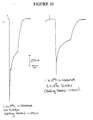
- DNQX (6,7-dinitroquinoxaline-2,3-dione) which is an antagonist of non-NMDA receptors blocked the glutamate response (Fig. 10) in a competitive manner.
- DNQX caused a parallel shift of the dose/response curve for L-glutamate to the right (Fig. 12).
- Oocytes did not respond to AMPA (10 ⁇ 4M), NMDA (10 ⁇ 4 M), or NMDA (10 ⁇ 4M) with glycine (10 ⁇ 6M), when tested at -60, -80 and -100 mV.
- humEAA4a receptor is per se sufficient, in the absence of other receptor complex components that may exist naturally, to form an active receptor/ion channel complex.
- EAA4 receptors These electrophysiological and pharmacological properties of human EAA4 receptors indicate that the receptor ion-channel complex is functioning in an authentic manner and can therefore reliably predict the electrophysiological properties and ligand binding signature of its non-recombinant counterpart from the intact human brain. These features make the recombinant receptor especially useful for selecting and characterizing functional ligand compounds which can modulate, or effect, an ion channel response of these receptors. Additionally, these receptor/ion channel complexes can be used to identify and characterize test ligands that can block the ion channel function.
Landscapes
- Health & Medical Sciences (AREA)
- Life Sciences & Earth Sciences (AREA)
- Chemical & Material Sciences (AREA)
- Organic Chemistry (AREA)
- Genetics & Genomics (AREA)
- Proteomics, Peptides & Aminoacids (AREA)
- Immunology (AREA)
- Toxicology (AREA)
- Zoology (AREA)
- Gastroenterology & Hepatology (AREA)
- Neurology (AREA)
- Biochemistry (AREA)
- Biophysics (AREA)
- General Health & Medical Sciences (AREA)
- Biomedical Technology (AREA)
- Medicinal Chemistry (AREA)
- Molecular Biology (AREA)
- Cell Biology (AREA)
- Engineering & Computer Science (AREA)
- Peptides Or Proteins (AREA)
- Preparation Of Compounds By Using Micro-Organisms (AREA)
- Micro-Organisms Or Cultivation Processes Thereof (AREA)
- Organic Low-Molecular-Weight Compounds And Preparation Thereof (AREA)
- Acyclic And Carbocyclic Compounds In Medicinal Compositions (AREA)
- Treatment Of Liquids With Adsorbents In General (AREA)
- Magnetic Resonance Imaging Apparatus (AREA)
- Fluid-Damping Devices (AREA)
- Investigating Or Analysing Biological Materials (AREA)
- Pharmaceuticals Containing Other Organic And Inorganic Compounds (AREA)
- Medicinal Preparation (AREA)
Applications Claiming Priority (2)
| Application Number | Priority Date | Filing Date | Title |
|---|---|---|---|
| US07/903,456 US5574144A (en) | 1992-06-24 | 1992-06-24 | Kainate-binding, human CNS receptors of the EAA4 family |
| US903456 | 2001-07-11 |
Publications (3)
| Publication Number | Publication Date |
|---|---|
| EP0578409A2 true EP0578409A2 (fr) | 1994-01-12 |
| EP0578409A3 EP0578409A3 (fr) | 1994-11-23 |
| EP0578409B1 EP0578409B1 (fr) | 2002-09-18 |
Family
ID=25417534
Family Applications (1)
| Application Number | Title | Priority Date | Filing Date |
|---|---|---|---|
| EP93304961A Expired - Lifetime EP0578409B1 (fr) | 1992-06-24 | 1993-06-24 | Récepteurs humains du système nerveux central (SNC) se liant au kainate et appartenant à la famille AAE-4 (Acides Amines Excitateurs) |
Country Status (10)
| Country | Link |
|---|---|
| US (3) | US5574144A (fr) |
| EP (1) | EP0578409B1 (fr) |
| JP (1) | JPH06189767A (fr) |
| AT (1) | ATE224447T1 (fr) |
| CA (1) | CA2099072A1 (fr) |
| DE (1) | DE69332299T2 (fr) |
| DK (1) | DK0578409T3 (fr) |
| ES (1) | ES2183809T3 (fr) |
| MX (1) | MX9303769A (fr) |
| PT (1) | PT578409E (fr) |
Cited By (2)
| Publication number | Priority date | Publication date | Assignee | Title |
|---|---|---|---|---|
| WO1995017508A3 (fr) * | 1993-12-23 | 1995-08-03 | Allelix Biopharma | Polynucleotides de recepteurs de glutamate (ou de recepteurs d'aae) et leurs utilisations |
| GB2346883A (en) * | 1996-09-02 | 2000-08-23 | Lilly Industries Ltd | GluR5 receptor binding assay |
Family Cites Families (3)
| Publication number | Priority date | Publication date | Assignee | Title |
|---|---|---|---|---|
| WO1991006648A1 (fr) * | 1989-10-27 | 1991-05-16 | The Salk Institute For Biological Studies | Compositions receptrices de glutamate, et procedes |
| PT529994E (pt) * | 1991-08-26 | 2000-10-31 | Nps Allelix Corp | Receptor de ka-1 humano um receptor de cainato de elevada afinidade da familia eaa1 (aminoacido excitatorio) |
| DE69230872T2 (de) * | 1991-08-27 | 2000-10-26 | Allelix Biopharmaceuticals Inc., Mississauga | Menschlicher KA-2-Rezeptor, Rezeptor aus der EAA2-Familie (Excitatory Amino Acid) mit hoher Affinität für Kainat |
-
1992
- 1992-06-24 US US07/903,456 patent/US5574144A/en not_active Expired - Lifetime
-
1993
- 1993-06-23 CA CA002099072A patent/CA2099072A1/fr not_active Abandoned
- 1993-06-23 MX MX9303769A patent/MX9303769A/es unknown
- 1993-06-24 DE DE69332299T patent/DE69332299T2/de not_active Expired - Fee Related
- 1993-06-24 AT AT93304961T patent/ATE224447T1/de not_active IP Right Cessation
- 1993-06-24 PT PT93304961T patent/PT578409E/pt unknown
- 1993-06-24 DK DK93304961T patent/DK0578409T3/da active
- 1993-06-24 JP JP5177327A patent/JPH06189767A/ja active Pending
- 1993-06-24 EP EP93304961A patent/EP0578409B1/fr not_active Expired - Lifetime
- 1993-06-24 ES ES93304961T patent/ES2183809T3/es not_active Expired - Lifetime
-
1994
- 1994-05-25 US US08/249,241 patent/US6376200B1/en not_active Expired - Fee Related
-
2002
- 2002-04-22 US US10/126,617 patent/US20020168723A1/en not_active Abandoned
Cited By (4)
| Publication number | Priority date | Publication date | Assignee | Title |
|---|---|---|---|---|
| WO1995017508A3 (fr) * | 1993-12-23 | 1995-08-03 | Allelix Biopharma | Polynucleotides de recepteurs de glutamate (ou de recepteurs d'aae) et leurs utilisations |
| US6136544A (en) * | 1993-12-23 | 2000-10-24 | Allelix Biopharmaceuticals Inc. | Glutamate receptor (or EAA receptor) polynucleotides and their uses |
| GB2346883A (en) * | 1996-09-02 | 2000-08-23 | Lilly Industries Ltd | GluR5 receptor binding assay |
| GB2346883B (en) * | 1996-09-02 | 2001-02-14 | Lilly Industries Ltd | GluR5 receptor binding assay |
Also Published As
| Publication number | Publication date |
|---|---|
| ATE224447T1 (de) | 2002-10-15 |
| DE69332299T2 (de) | 2003-05-08 |
| CA2099072A1 (fr) | 1993-12-25 |
| PT578409E (pt) | 2003-02-28 |
| US5574144A (en) | 1996-11-12 |
| JPH06189767A (ja) | 1994-07-12 |
| US6376200B1 (en) | 2002-04-23 |
| US20020168723A1 (en) | 2002-11-14 |
| ES2183809T3 (es) | 2003-04-01 |
| EP0578409A3 (fr) | 1994-11-23 |
| EP0578409B1 (fr) | 2002-09-18 |
| DE69332299D1 (de) | 2002-10-24 |
| DK0578409T3 (da) | 2003-01-27 |
| MX9303769A (es) | 1994-05-31 |
Similar Documents
| Publication | Publication Date | Title |
|---|---|---|
| US6391566B1 (en) | Ionotropic human glutamate receptor subunit NR3 | |
| EP0529994B1 (fr) | Récepteur humain KA-1, récepteur de la famille AAE1 (Acides Aminés Excitateurs) possédant une haute affinité pour le kainate | |
| EP0574257A2 (fr) | Récepteurs humains de glutamate se fixant à l'amino-hydroxy-méthyl-isoxazole-propionate | |
| US6406868B1 (en) | AMPA-binding human GluR1 receptors | |
| EP0617123B1 (fr) | CNS-récepteurs humains de la famille EAA3 lient kainate | |
| EP0583917B1 (fr) | Récepteurs GLuR4 humains seliant à l'AMPA | |
| EP0529995B1 (fr) | Récepteur humain KA-2, un récepteur de la famille AAE2 (Acides Aminés Excitateurs) possédant une haute affinité pour le kainate | |
| EP0578409B1 (fr) | Récepteurs humains du système nerveux central (SNC) se liant au kainate et appartenant à la famille AAE-4 (Acides Amines Excitateurs) | |
| US6399313B1 (en) | AMPA-binding human GluR2 receptors | |
| EP0588642B1 (fr) | Récepteurs du CNS humain de la famille EAA5 se liant au kainate | |
| EP0674003A2 (fr) | Protèines modulatrices des récepteurs du système nerveux central humain | |
| US7030221B2 (en) | AMPA-binding human GluR3 receptors |
Legal Events
| Date | Code | Title | Description |
|---|---|---|---|
| PUAI | Public reference made under article 153(3) epc to a published international application that has entered the european phase |
Free format text: ORIGINAL CODE: 0009012 |
|
| AK | Designated contracting states |
Kind code of ref document: A2 Designated state(s): AT BE CH DE DK ES FR GB GR IE IT LI LU MC NL PT SE |
|
| PUAL | Search report despatched |
Free format text: ORIGINAL CODE: 0009013 |
|
| AK | Designated contracting states |
Kind code of ref document: A3 Designated state(s): AT BE CH DE DK ES FR GB GR IE IT LI LU MC NL PT SE |
|
| 17P | Request for examination filed |
Effective date: 19950403 |
|
| RAP1 | Party data changed (applicant data changed or rights of an application transferred) |
Owner name: ALLELIX BIOPHARMACEUTICALS INC. |
|
| RIN1 | Information on inventor provided before grant (corrected) |
Inventor name: NUTT, STEPHEN L. Inventor name: ELLIOTT, CANDACE Inventor name: KAMBOJ, RAJENDER |
|
| 17Q | First examination report despatched |
Effective date: 19981218 |
|
| GRAG | Despatch of communication of intention to grant |
Free format text: ORIGINAL CODE: EPIDOS AGRA |
|
| RIC1 | Information provided on ipc code assigned before grant |
Free format text: 7C 12N 15/12 A, 7C 07K 14/705 B, 7C 12N 5/10 B, 7C 12P 21/08 B, 7G 01N 33/68 B, 7C 12Q 1/68 B |
|
| RIC1 | Information provided on ipc code assigned before grant |
Free format text: 7C 12N 15/12 A, 7C 07K 14/705 B, 7C 12N 5/10 B, 7C 12P 21/08 B, 7G 01N 33/68 B, 7C 12Q 1/68 B |
|
| RIC1 | Information provided on ipc code assigned before grant |
Free format text: 7C 12N 15/12 A, 7C 07K 14/705 B, 7C 12N 5/10 B, 7C 12P 21/08 B, 7G 01N 33/68 B, 7C 12Q 1/68 B |
|
| GRAG | Despatch of communication of intention to grant |
Free format text: ORIGINAL CODE: EPIDOS AGRA |
|
| GRAH | Despatch of communication of intention to grant a patent |
Free format text: ORIGINAL CODE: EPIDOS IGRA |
|
| GRAH | Despatch of communication of intention to grant a patent |
Free format text: ORIGINAL CODE: EPIDOS IGRA |
|
| GRAA | (expected) grant |
Free format text: ORIGINAL CODE: 0009210 |
|
| AK | Designated contracting states |
Kind code of ref document: B1 Designated state(s): AT BE CH DE DK ES FR GB GR IE IT LI LU MC NL PT SE |
|
| REF | Corresponds to: |
Ref document number: 224447 Country of ref document: AT Date of ref document: 20021015 Kind code of ref document: T |
|
| REG | Reference to a national code |
Ref country code: GB Ref legal event code: FG4D |
|
| BECA | Be: change of holder's address |
Owner name: *NP SALLELIX CORP.6850 GOREWAY DRIVE, MISSISSAUGA |
|
| BECH | Be: change of holder |
Owner name: *NP SALLELIX CORP. |
|
| REG | Reference to a national code |
Ref country code: CH Ref legal event code: EP |
|
| REG | Reference to a national code |
Ref country code: IE Ref legal event code: FG4D |
|
| REF | Corresponds to: |
Ref document number: 69332299 Country of ref document: DE Date of ref document: 20021024 |
|
| RAP2 | Party data changed (patent owner data changed or rights of a patent transferred) |
Owner name: NPS ALLELIX CORP. |
|
| REG | Reference to a national code |
Ref country code: GR Ref legal event code: EP Ref document number: 20020402984 Country of ref document: GR |
|
| REG | Reference to a national code |
Ref country code: GB Ref legal event code: 732E |
|
| NLT2 | Nl: modifications (of names), taken from the european patent patent bulletin |
Owner name: NPS ALLELIX CORP. |
|
| REG | Reference to a national code |
Ref country code: DK Ref legal event code: T3 |
|
| REG | Reference to a national code |
Ref country code: PT Ref legal event code: SC4A Free format text: AVAILABILITY OF NATIONAL TRANSLATION Effective date: 20021218 |
|
| REG | Reference to a national code |
Ref country code: ES Ref legal event code: FG2A Ref document number: 2183809 Country of ref document: ES Kind code of ref document: T3 |
|
| ET | Fr: translation filed | ||
| PLBE | No opposition filed within time limit |
Free format text: ORIGINAL CODE: 0009261 |
|
| STAA | Information on the status of an ep patent application or granted ep patent |
Free format text: STATUS: NO OPPOSITION FILED WITHIN TIME LIMIT |
|
| 26N | No opposition filed |
Effective date: 20030619 |
|
| NLT1 | Nl: modifications of names registered in virtue of documents presented to the patent office pursuant to art. 16 a, paragraph 1 |
Owner name: NPS ALLELIX CORP. |
|
| PGFP | Annual fee paid to national office [announced via postgrant information from national office to epo] |
Ref country code: NL Payment date: 20090611 Year of fee payment: 17 Ref country code: MC Payment date: 20090511 Year of fee payment: 17 Ref country code: IE Payment date: 20090423 Year of fee payment: 17 Ref country code: ES Payment date: 20090623 Year of fee payment: 17 Ref country code: DK Payment date: 20090511 Year of fee payment: 17 |
|
| PGFP | Annual fee paid to national office [announced via postgrant information from national office to epo] |
Ref country code: SE Payment date: 20090605 Year of fee payment: 17 Ref country code: PT Payment date: 20090401 Year of fee payment: 17 Ref country code: LU Payment date: 20090420 Year of fee payment: 17 Ref country code: IT Payment date: 20090620 Year of fee payment: 17 Ref country code: FR Payment date: 20090605 Year of fee payment: 17 Ref country code: AT Payment date: 20090507 Year of fee payment: 17 |
|
| PGFP | Annual fee paid to national office [announced via postgrant information from national office to epo] |
Ref country code: CH Payment date: 20090430 Year of fee payment: 17 |
|
| REG | Reference to a national code |
Ref country code: PT Ref legal event code: PC4A Owner name: NPS PHARMACEUTICALS, INC., US Effective date: 20090917 |
|
| PGFP | Annual fee paid to national office [announced via postgrant information from national office to epo] |
Ref country code: GR Payment date: 20090415 Year of fee payment: 17 Ref country code: GB Payment date: 20090507 Year of fee payment: 17 Ref country code: DE Payment date: 20090630 Year of fee payment: 17 |
|
| REG | Reference to a national code |
Ref country code: GB Ref legal event code: 732E Free format text: REGISTERED BETWEEN 20091112 AND 20091118 |
|
| REG | Reference to a national code |
Ref country code: CH Ref legal event code: PUE Owner name: NPS PHARMACEUTICALS, INC. Free format text: NPS ALLELIX CORP.#6850 GOREWAY DRIVE#MISSISSAUGA ONTARIO, L4V 1V7 (CA) -TRANSFER TO- NPS PHARMACEUTICALS, INC.#550 HILLS DRIVE, 3RD FLOOR#BEDMINSTER, NJ 07921 (US) |
|
| PGFP | Annual fee paid to national office [announced via postgrant information from national office to epo] |
Ref country code: BE Payment date: 20090710 Year of fee payment: 17 |
|
| REG | Reference to a national code |
Ref country code: FR Ref legal event code: TP |
|
| REG | Reference to a national code |
Ref country code: NL Ref legal event code: SD Effective date: 20100817 |
|
| BERE | Be: lapsed |
Owner name: NPS PHARMACEUTICALS INC. Effective date: 20100630 |
|
| REG | Reference to a national code |
Ref country code: PT Ref legal event code: MM4A Free format text: LAPSE DUE TO NON-PAYMENT OF FEES Effective date: 20101227 |
|
| REG | Reference to a national code |
Ref country code: NL Ref legal event code: V1 Effective date: 20110101 |
|
| PG25 | Lapsed in a contracting state [announced via postgrant information from national office to epo] |
Ref country code: MC Free format text: LAPSE BECAUSE OF NON-PAYMENT OF DUE FEES Effective date: 20100630 |
|
| REG | Reference to a national code |
Ref country code: CH Ref legal event code: PL Ref country code: DK Ref legal event code: EBP |
|
| EUG | Se: european patent has lapsed | ||
| GBPC | Gb: european patent ceased through non-payment of renewal fee |
Effective date: 20100624 |
|
| PG25 | Lapsed in a contracting state [announced via postgrant information from national office to epo] |
Ref country code: PT Free format text: LAPSE BECAUSE OF NON-PAYMENT OF DUE FEES Effective date: 20101227 |
|
| REG | Reference to a national code |
Ref country code: FR Ref legal event code: ST Effective date: 20110228 |
|
| REG | Reference to a national code |
Ref country code: IE Ref legal event code: MM4A |
|
| PG25 | Lapsed in a contracting state [announced via postgrant information from national office to epo] |
Ref country code: IT Free format text: LAPSE BECAUSE OF NON-PAYMENT OF DUE FEES Effective date: 20100624 |
|
| PG25 | Lapsed in a contracting state [announced via postgrant information from national office to epo] |
Ref country code: LI Free format text: LAPSE BECAUSE OF NON-PAYMENT OF DUE FEES Effective date: 20100630 Ref country code: CH Free format text: LAPSE BECAUSE OF NON-PAYMENT OF DUE FEES Effective date: 20100630 Ref country code: IE Free format text: LAPSE BECAUSE OF NON-PAYMENT OF DUE FEES Effective date: 20100624 Ref country code: DE Free format text: LAPSE BECAUSE OF NON-PAYMENT OF DUE FEES Effective date: 20110101 |
|
| PG25 | Lapsed in a contracting state [announced via postgrant information from national office to epo] |
Ref country code: FR Free format text: LAPSE BECAUSE OF NON-PAYMENT OF DUE FEES Effective date: 20100630 Ref country code: AT Free format text: LAPSE BECAUSE OF NON-PAYMENT OF DUE FEES Effective date: 20100624 Ref country code: NL Free format text: LAPSE BECAUSE OF NON-PAYMENT OF DUE FEES Effective date: 20110101 |
|
| PG25 | Lapsed in a contracting state [announced via postgrant information from national office to epo] |
Ref country code: GR Free format text: LAPSE BECAUSE OF NON-PAYMENT OF DUE FEES Effective date: 20110104 Ref country code: BE Free format text: LAPSE BECAUSE OF NON-PAYMENT OF DUE FEES Effective date: 20100630 |
|
| REG | Reference to a national code |
Ref country code: ES Ref legal event code: FD2A Effective date: 20110715 |
|
| PG25 | Lapsed in a contracting state [announced via postgrant information from national office to epo] |
Ref country code: GB Free format text: LAPSE BECAUSE OF NON-PAYMENT OF DUE FEES Effective date: 20100624 Ref country code: ES Free format text: LAPSE BECAUSE OF NON-PAYMENT OF DUE FEES Effective date: 20110705 |
|
| PG25 | Lapsed in a contracting state [announced via postgrant information from national office to epo] |
Ref country code: DK Free format text: LAPSE BECAUSE OF NON-PAYMENT OF DUE FEES Effective date: 20100630 |
|
| PG25 | Lapsed in a contracting state [announced via postgrant information from national office to epo] |
Ref country code: ES Free format text: LAPSE BECAUSE OF NON-PAYMENT OF DUE FEES Effective date: 20100625 |
|
| PG25 | Lapsed in a contracting state [announced via postgrant information from national office to epo] |
Ref country code: SE Free format text: LAPSE BECAUSE OF NON-PAYMENT OF DUE FEES Effective date: 20100625 Ref country code: LU Free format text: LAPSE BECAUSE OF NON-PAYMENT OF DUE FEES Effective date: 20100624 |
|
| REG | Reference to a national code |
Ref country code: GR Ref legal event code: ML Ref document number: 20020402984 Country of ref document: GR Effective date: 20110104 |