EP0592673B1 - Rezeptor für 6(r)-l-erythro-5,6,7,8-tetrahydrobiopterin - Google Patents
Rezeptor für 6(r)-l-erythro-5,6,7,8-tetrahydrobiopterin Download PDFInfo
- Publication number
- EP0592673B1 EP0592673B1 EP92923528A EP92923528A EP0592673B1 EP 0592673 B1 EP0592673 B1 EP 0592673B1 EP 92923528 A EP92923528 A EP 92923528A EP 92923528 A EP92923528 A EP 92923528A EP 0592673 B1 EP0592673 B1 EP 0592673B1
- Authority
- EP
- European Patent Office
- Prior art keywords
- receptor
- fraction
- binding
- homogenate
- chaps
- Prior art date
- Legal status (The legal status is an assumption and is not a legal conclusion. Google has not performed a legal analysis and makes no representation as to the accuracy of the status listed.)
- Expired - Lifetime
Links
- 0 CC(*C(C(NCN)=O)=C1)C(C)(C)*C1N=C Chemical compound CC(*C(C(NCN)=O)=C1)C(C)(C)*C1N=C 0.000 description 1
Images

Classifications
-
- C—CHEMISTRY; METALLURGY
- C07—ORGANIC CHEMISTRY
- C07K—PEPTIDES
- C07K14/00—Peptides having more than 20 amino acids; Gastrins; Somatostatins; Melanotropins; Derivatives thereof
- C07K14/435—Peptides having more than 20 amino acids; Gastrins; Somatostatins; Melanotropins; Derivatives thereof from animals; from humans
- C07K14/705—Receptors; Cell surface antigens; Cell surface determinants
-
- A—HUMAN NECESSITIES
- A61—MEDICAL OR VETERINARY SCIENCE; HYGIENE
- A61K—PREPARATIONS FOR MEDICAL, DENTAL OR TOILETRY PURPOSES
- A61K38/00—Medicinal preparations containing peptides
Definitions
- This invention relates to a receptor which is specific for 6(R)-L-erythro-5,6,7,8-tetrahydrobiopterin which will hereinafter sometimes be referred to as 6R-BH4 while the one labeled with tritium at the 6-position will sometimes be referred to as [6- 3 H]6R-BH4.
- the invention relates to a 6R-BH4 receptor which is useful; as a tool in studying biochemical cellular reactions in response to 6R-BH4 binding to the cells; as a tool in searching for and developing agonists of the 6R-BH4 actions on the central nervous and immunological systems or antagonists capable of interrupting these actions when said search and development are conducted on the basis of the biochemical cellular reactions in response to 6R-BH4 binding to the cells and various other natures concerning the binding ability of 6R-BH4; and also as a diagnostic or therapeutic drug for diseases which are attributable to 6R-BH4.
- 6R-BH4 is known to be a common coenzyme for tyrosine. hydroxylase and tryptophan hydroxylase which are rate-limiting enzymes in the biosynthesis of neurotransmitters such as dopamine and serotonin. It is considered that 6R-BH4 is a regulating factor in the biosynthesis of these neurotransmitter amines since 6R-BH4 is contained in nerve endings only in an amount which is approximately the Km value of each hydroxylase. In fact, a shortage or decrease in enzymes which participate in the biosynthesis of this coenzyme from GTP will give rise to a decrease in neurotransmitter amines, thus resulting in various neuropsychiatric diseases.
- 6R-BH4 enhances the release and liberation of neurotransmitter amines such as dopamine (DA), norepinephrine and serotonin, and that it also enhances the liberation of glutamic acid, aspartic acid or ⁇ -aminobutyric acid (GABA) via DA and the release of acetylcholine via serotonin.
- DA dopamine
- GABA ⁇ -aminobutyric acid
- the present invention relates to a receptor specific for 6R-BH4.
- the receptor of the present invention specifically reacts with 6R-BH4. Further, it is solubilized with CHAPS [3- ⁇ (3-cholamidopropyl)dimethylammonio ⁇ -1-propanesulfonate]. When it is stood under heating at 100°C for 10 minutes, the solubilized product loses most of its binding ability to 6R-BH4. When incubated with trypsin at 37°C for 15 minutes, the solubilized product significantly loses its binding ability to 6R-BH4.
- the receptor has a relative molecular weight about 340 to 380 kilodaltons when a rat cerebellum specimen solubilized and labeled with [6- 3 H]6R-BH4 is separated by a molecular sieve column on Cosmoseal 5 Diol-300 and the radioactivity is measured. As a result of an analysis by SDS electrophoresis, it has a molecular weight of about 160 kilodaltons.
- the receptor of the present invention may exist as a molecular fragment specifically reactive to 6R-BH4.
- the action as the receptor for 6R-BH4 can be confirmed by studying the ability to bind to 6R-BH4.
- fractions obtained by homogenizing various regions sections of rat brain or other organs can be suspended in an appropriate buffer solution, for example, 50 mM Tris hydrochloride (pH 7.4), 100 mM NaCl, 10 mM MgC12, 2 mM ascorbic acid and 6 mM cysteine, and incubated together with an appropriate amount of tritium-labeled 6(R)-L-erythro-5,6,7,8-tetrahydrobiopterin ([6- 3 H]6R-BH4) under appropriate conditions, for example, at 37°C for 10 minutes.
- an appropriate buffer solution for example, 50 mM Tris hydrochloride (pH 7.4), 100 mM NaCl, 10 mM MgC12, 2 mM ascorbic acid and 6 mM cysteine
- 6(R)-L-erythro-5,6,7,8-tetrahydrobiopterin [6- 3 H]6R-BH4
- the Scatchard plot analysis may be carried out, for example, as follows.
- an appropriate buffer solution for example, 50 mM Tris hydrochloride (pH 7.4), 100 mM NaCl, 10 mM MgCl 2 , 2 mM ascorbic acid and 6 mM cysteine solution
- a fraction containing the receptor solubilized with CHAPS is incubated with [6- 3 H]6R-BH4 at various concentrations under appropriate conditions, for example, at 37°C for 10 minutes. Then the radioactivity is measured by a conventional method and plotted. From the plotts, Kd (dissociation constant) and Bmax are determined and employed as indicators of the affinity.
- the receptor according to the present invention shows an affinity exceeding those of known enzymes taking part in the 6R-BH4 biosynthesis or enzymes for which 6R-BH4 serves as a coenzyme.
- the specificity of the receptor of the present invention in binding to 6R-BH4 can be confirmed by a competitive binding test with the use of various compounds at varying concentrations.
- the above-mentioned compounds at varying concentrations are added as a ligand simultaneously with [6- 3 H]6R-BH4 to the reaction mixture and the reaction is performed.
- concentrations for example, biopterin as will be described in Example 6 hereinafter
- the ability of the receptor of the present invention to bind to 6R-BH4 will not be inhibited to any substantial extent by these ligands.
- a solution of a receptor fraction solubilized with CHAPS in 10 mM CHAPS and 50 mM Tris hydrochloride (pH 7.4) is subjected to treatment under heating at 100°C for 10 minutes. Then the same binding test as the one described above is carried out to confirm disappearance of the binding ability.
- the eluate is fractionated at the rate of 0.25 ml/15 sec/test tube. After adding 16 ml of creasol to each fraction, the radioactivity is measured in a liquid scintillation counter. Then the receptor peak is compared with molecular weight markers to confirm the relative molecular weight.
- the receptor of the present invention typically shows a single peak and a relative molecular weight of about 340 to 380 kilodaltons.
- a receptor protein fraction from rat cerebellum which has been solubilized by CHAPS and partially purified by molecular sieve column chromatography followed by 2',5'-ADP affinity column chromatography, is electrophoresed on an SDS polyacrylamide gel in a conventional manner and the separated bands are observed under silver-staining.
- Main bands are located around 50 to 60 kilodaltons and at around 160 kilodaltons.
- the bands at 50 to 60 kilodaltons are assignable to glutathione reductase and malic enzyme which have affinity to the 2',5'-ADP column but never bind to 6R-BH4.
- the molecular species at 160 kilodaltons corresponds to the protein (receptor) which binds to 6R-BH4.
- the 6R-BH4 receptor of the present invention can be extracted and purified from animals and plants, for example, tissues of mammals including humans or insects.
- the cerebellum which contains a large amount of the receptor of the present invention is particularly suitable isolation source thereof, there are a number of tissues containing this receptor, as will be shown in Example 4 hereinafter.
- the receptor of the present invention may occur as a fragment specifically reactive with 6R-BH4 in the molecules of certain bioproteins. It may, therefore, be possible to obtain the receptor from such proteins.
- the 6R-BH4 receptor of the present invention can be prepared from an isolation source by any appropriate method without particular limitation.
- an isolation source such as various regions of rat brain or other organs is homogenized and span at about 1,000x g.
- the supernatant is centrifuged at about 17,000x g.
- the receptor of the present invention is contained in the precipitate (membrane fraction) and in the supernatant (cytosol fraction). The centrifugation may be repeated twice or more, if necessary.
- the receptor contained in the precipitate can be solubilized in the presence of an appropriate surfactant such as CHAPS, which can be separated by an appropriate means such as centrifugation to provide a solubilized product.
- the fraction which is specifically reactive with 6R-BH4 can be subjected to a digestion with a conventional protease such as lysyl endopeptidase or to treatment with a chemical substance such as cyanogen bromide whereby the receptor peptide fragment can be obtained.
- the peptide fragment may be further purified by, for example, HPLC.
- the fragment may be screened by a competitive binding test for 6R-BH4.
- the receptor of the present invention can be obtained by the method comprising the steps of extracting messenger RNA (mRNA) from cells of an organ abounding in said receptor such as the cerebellum, the whole brain, heart, spleen, lung or adrenal glands by a conventional method; constructing a cDNA library from the mRNA; selecting a cDNA encoding the amino acid sequence of the target protein by screening the library by any of various procedures; inserting the cDNA thus selected into an expression vector in a conventional manner; transfecting said vector into appropriate host cells (animal cells); and then allowing expression of the protein.
- mRNA messenger RNA
- the above-mentioned selection of the cDNA can be conducted by, for example, inserting the cDNAs into a vector capable of functioning in animal cells, transfecting host animal cells with said vector and then detecting the target cDNA based on the specific binding between the receptor expressed on the surface of the host cells and 6R-BH4.
- the receptor of the present invention is to be obtained by genetic engineering techniques, not only a recombinant gene originating from the cDNA but also a synthetic DNA obtained by designing the nucleotide sequence based on the amino acid sequence which will be deduced by the cDNA may be used.
- the receptor of the present invention is useful as a tool in studying biochemical cellular reactions in response to 6R-BH4 binding to the cells; as a tool in searching for and developing agonists of the 6R-BH4 actions on the central nervous and immunological systems or antagonists capable of interrupting these actions when said search and development are conducted on the basis of the biochemical cellular reactions in response to 6R-BH4 binding to the cells and various other natures concerning the binding ability of 6R-BH4; and also as a diagnostic or therapeutic drug for diseases which are attributable to 6R-BH4.
- diagnostic and therapeutic drugs include diagnostic drugs for diseases induced by shortage, decrease or increase in 6R-BH4 such as malignant phenylketonuria, Parkinson's disease, infantile autism, manic-depressive psychosis and Alzheimer's disease and therapeutic drugs for diseases in which the receptor can effectively induce pharmacological effects by the inhibitory action on the biochemical cellular reactions responsive to binding of 6R-BH4 to the receptor.
- the receptor of the present invention can be used in various assay methods in a conventional manner taking advantage of the specific binding ability thereof to 6R-BH4.
- assays on the basis of competition, for binding to a labeled 6R-BH4 standard, between the receptor of the invention and and samples (for example, biological samples such as plasma, autopsied brain and cerebrospinal fluid or candidates of an agonist or an antagonist), and specific binding tests between the receptor of the present invention and a labeled sample.
- samples for example, biological samples such as plasma, autopsied brain and cerebrospinal fluid or candidates of an agonist or an antagonist
- specific binding tests between the receptor of the present invention and a labeled sample.
- the receptor of the present invention may be immobilized on a solid carrier in accordance with a conventional method.
- the receptor of the present invention can be provided in the form of a kit to be used in the above-mentioned tests.
- the receptor may be provided in the form of either a solution, a freeze-dried product or an immobilized product on a solid carrier.
- the kit may optionally contain a labeled 6R-BH4 standard and other components required in the assay such as a buffer commonly used for diluting samples, a buffer for diluting various reagents and a washing liquid.
- tritium-labeled 6R-BH4 (hereinafter referred to as [6- 3 H]6R-BH4) was prepared.
- Tritium was introduced to the 6-position of 7,8-dihydrobiopterin (I) via a reduction reaction with NaB[ 3 H]4. Then proton was introduced into the 5-position by a water-quenching reaction to give [6- 3 H]6R-BH4 (II).
- Fig. 1 shows an UV chromatogram (265 nm) of the standard sample.
- Fig. 2 indicates that the radiochemical purity of the [6- 3 H]6R-BH4 final product was 98% or higher.
- fractions containing 6R-BH4 receptor were prepared in the following manner.
- the starting material was homogenized in 10 volumes of 0.32 M sucrose solution and then centrifuged (1,000x g, 12 minutes). The supernatant was separated and further centrifuged at a high speed (17,000x g, 30 minutes). The precipitate was suspended in 10 volumes of 50 mM Tris hydrochloride (pH 7.4). The obtained suspension was further centrifuged (17,000x g, 10 minutes) and the precipitate thus obtained was suspended again in 10 volumes of 50 mM Tris hydrochloride (pH 7.4). The suspension thus obtained was referred to as P2 fraction.
- the starting material was homogenized in 10 volumes of 0.32 M sucrose solution and then centrifuged (1,000x g, 12 minutes). The supernatant was separated and further centrifuged at a high speed (17,000x g, 30 minutes). The supernatant was further centrifuged (100,000x g, 60 minutes) and the supernatant thus obtained was referred to as the cytosol fraction.
- a solubilized fraction containing 6R-BH4 receptor was prepared in the following manner.
- the starting material was homogenized in 10 volumes of 0.32 M sucrose solution and then centrifuged (1,000x g, 12 minutes). The supernatant was separated and further centrifuged at a high speed (17,000x g, 30 minutes). The precipitate was suspended in 10 volumes of 50 mM Tris hydrochloride (pH 7.4). The suspension was further centrifuged (17,000x g, 10 minutes) and the precipitate thus obtained was suspended in 5 volumes of 5 mM CHAPS and 50 mM Tris hydrochloride (pH 7.4). The suspension was stirred in a refrigerated room for 1 hour and then ultracentrifuged (100,000x g, 60 minutes). The supernatant thus obtained was referred to as the solubilized fraction.
- the mixture was passed through a glass filter. After being washed 4 times with 4 ml portions of 50 mM Tris hydrochloride (pH 7.4) and 100 mM NaCl, the filter was taken off and filled with 2 ml of ethanol and 8 ml of creasol (Nacalai Tesque). Then the radioactivity on the filter was measured in a liquid scintillation counter.
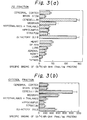
- the specific binding represents the binding wherein the nonspecific binding as determined by reacting 10 ⁇ M of 6R-BH4 and [6- 3 H]6R-BH4 has been subtracted.
- Fig. 3 clearly indicates that the fractions derived from cerebellum showed higher levels of binding. Thus, the following description will be made by referring to P2 fraction and CHAPS-solubilized fractions from cerebellum.
- cytosol fraction In the case of cytosol fraction, the fraction was incubated in the solution of the same composition as the above-mentioned one employed for P2 fraction at 37°C for 10 minutes. Then 3 mg/ml (final concentration) of bovine ⁇ -globulin and 15% (final concentration) of polyethylene glycol 6000 were added to cease the reaction.
- reaction mixture was cooled on ice for 10 minutes and then passed through a glass filter. After being washed 4 times with 4 ml portions of 8% polyethylene glycol and 10 mM Tris hydrochloride (pH 7.4), the filter was taken off and placed in a vial. 2 ml of ethanol and 8 ml of creasol (Nacalai Tesque) were added to the filter and the radioactivity on the filter was measured in a liquid scintillation counter.
- 6R-BH4 receptor in the brain cytosol fraction was similar to that of the P2 fraction.
- Example 3 About 0.6 mg (protein) of the solubilized fraction obtained in Example 3 was incubated together with [6- 3 H]6R-BH4 at various concentrations in a 400 ⁇ l solution of 50 mM Tris hydrochloride (pH 7.4), 100 mM NaCl, 10 mM MgCl 2 , 2 mM ascorbic acid and 6 mM cysteine at 37°C for 10 minutes. Then, 3 mg/ml (final concentration) of bovine ⁇ -globulin and 15% (final concentration) of polyethylene glycol 6000 were added to cease the reaction.
- Tris hydrochloride pH 7.4
- the reaction mixture was cooled on ice for 10 minutes and then filtered through a glass filter. After being washed 4 times with 4 ml portions of 8% polyethylene glycol and 10 mM Tris hydrochloride (pH 7.4), the filter was taken off and placed in a vial. 2 ml of ethanol and 8 ml of creasol (Nacalai Tesque) were added to the filter and the radioactivity on the filter was measured in a liquid scintillation counter.
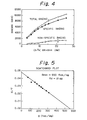
- Fig. 4 is a graph showing the radioactivities which bound to the receptor when [6- 3 H]6R-BH4 was added at various concentrations to a determined amount of the solubilized receptor. In Fig. 4, these radioactivities are referred to as the total binding, while nonspecific binding indicates radioactivities measured by adding 10 ⁇ M of unlabeled 6R-BH4 simultaneously with [6- 3 H]6R-BH4 at various concentrations. Accordingly, the saturation of the specific binding can be calculated as the difference between the total and nonspecific bindings.
- Fig. 5 is a graph drawn by Scatchard plot analysis of the data of the specific binding in Fig. 4.
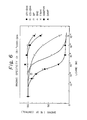
- IC 50 data indicated that the affinity of the receptor of the present invention to 6R-BH4 was more than 50 times and 1,000 times as high as its affinities to 7,8-dihydrobiopterin (BH2) and 6S-BH4, respectively. This is a point of great difference from the previous knowledge that the coenzyme activity of 6R-BH4 for aromatic amino acid hydroxylases is maintained relatively well even if 6R-BH4 is converted to 6S-BH4.
- Example 3 About 0.3 mg (protein) of the solubilized fraction obtained in Example 3 was incubated together with 13 nM of [6- 3 H]6R-BH4 in a 200 ⁇ l solution of 50 mM Tris hydrochloride (pH 7.4), 100 mM NaCl, 10 mM MgCl 2 , 2 mM ascorbic acid and 6 mM cysteine at 37°C for 10 minutes. Then 3 mg/ml (final concentration) of bovine ⁇ -globulin and 15% (final concentration) of polyethylene glycol 6000 were added to cease the reaction.
- Tris hydrochloride pH 7.4
- reaction mixture was cooled on ice for 10 minutes and then passed through a glass filter. After being washed 4 times with 4 ml portions of 8% polyethylene glycol and 10 mM Tris hydrochloride (pH 7.4), the filter was taken off and placed in a vial. 2 ml of ethanol and 8 ml of creasol (Nacalai Tesque) were added to the filter and the radioactivity on the filter was measured in a liquid scintillation counter.
- Fig. 6 shows the results, wherein BP represents biopterin, 6MePH4 represents 6-methyl-5,6,7,8-tetrahydropterin and DAHP represents 2,4-diamino-6-hydroxypyrimidine (a potential inhibitor for GTP cyclohydrolase, i.e., 6R-BH4 synthetase).
- Example 3 About 0.2 mg (protein) of the solubilized fraction obtained in Example 3 was incubated together with about 360,000 dpm of [6- 3 H]6R-BH4 in a 120 ⁇ l solution of 100 mM potassium phosphate buffer (pH 7.4), 100 mM NaCl, 10 mM MgCl 2 , 2 mM ascorbic acid and 6 mM cysteine at 37°C for 10 minutes.
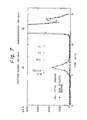
- the eluate was fractionated at the rate of 0.25 ml/15 sec/test tube. After adding 16 ml of creasol to each fraction, the radioactivity was measured in a liquid scintillation counter. Fig. 7 shows the results.
- cytosol fraction was analyzed by the same method, and similar results as the one described above were obtained.
- Cerebellum fraction of a rat was solubilized with CHAPS and purified with the above-mentioned Cosmoseal 5 Diol-300 column. Then the active fraction was further purified by using a 2',5'-ADP column (Pharmacia). From fractions showing high [6- 3 H]6R-BH4 binding activities, about 3 ⁇ g of total protein was taken out and electrophoresed on an SDS-PAG plate 4/20 (Daiichi Kagaku) and silver stained (Wako Pure Chemical Industries, Ltd.). As a result, main bands were located around 50 to 60 kilodaltons and at about 160 kilodaltons.
Landscapes
- Health & Medical Sciences (AREA)
- Life Sciences & Earth Sciences (AREA)
- Chemical & Material Sciences (AREA)
- Organic Chemistry (AREA)
- Zoology (AREA)
- Molecular Biology (AREA)
- Gastroenterology & Hepatology (AREA)
- Immunology (AREA)
- Biochemistry (AREA)
- Biophysics (AREA)
- General Health & Medical Sciences (AREA)
- Genetics & Genomics (AREA)
- Medicinal Chemistry (AREA)
- Toxicology (AREA)
- Proteomics, Peptides & Aminoacids (AREA)
- Cell Biology (AREA)
- Investigating Or Analysing Biological Materials (AREA)
- Peptides Or Proteins (AREA)
- Pharmaceuticals Containing Other Organic And Inorganic Compounds (AREA)
- Nitrogen And Oxygen Or Sulfur-Condensed Heterocyclic Ring Systems (AREA)
- Enzymes And Modification Thereof (AREA)
- Heterocyclic Carbon Compounds Containing A Hetero Ring Having Oxygen Or Sulfur (AREA)
Claims (6)
- 6(R)-L-Erythro-5,6,7,8-tetrahydrobiopterin (6R-BH4)-Rezeptor, der spezifisch an 6R-BH4 bindet.
- Rezeptor nach Anspruch 1, welcher enthalten ist in der Zytosolfraktion, erhalten aus einem Homogenisat eines tierischen Organs, oder der Membranfraktion, erhalten aus einem Homogenisat eines tierischen Organs, und welcher aus der Membranfraktion gelöst wird in Anwesenheit von 3-{(3-Cholamidopropyl) dimethylammonio}-1-propansulfonat (CHAPS), dadurch gekennzeichnet, dass dessen Bindungsfähigkeit zur Bindung von 6R-BH4 grösstenteils durch das Erhitzen auf 100°C für 10 Minuten verlorengeht, dessen Bindungsfähigkeit zur Bindung von 6R-BH4 signifikant verlorengeht durch die Inkubation mit Trypsin bei 37°C für 15 Minuten, und dass der Rezeptor ein Molekulargewicht eines relativen Molekulargewichts von ungefähr 340 bis 380 Kilodalton aufweist, wenn der Rezeptor spezifisch an Tritium-markiertes 6R-BH4 gebunden ist und mit einem Molekularsieb auf einer Cosmoseal 5 Diol-300 Säule analysiert wird.
- Protein, welches eine selektive Bindungsaffinität zu 6R-BH4 hat, enthalten in der Membran- oder der Zytosolfraktion eines Homogenisats, erhalten aus einem tierischen Organ.
- Protein nach Anspruch 3, welches, wenn der Rezeptor spezifisch an Tritium-markiertes 6R-BH4 gebunden ist und einer Gelfiltration ausgesetzt wird, im wesentlichen einen einzelnen Peak bei ungefähr 340 bis 380 Kilodalton aufweist.
- Verfahren zur Herstellung eines 6(R)-L-Erythro-5,6,7,8-tetrahydrobiopterin (6R-BH4)-Rezeptors, umfassend den/die Schritt(e) der Solubilisierung des Homogenisats eines tierischen Organs oder der Membranfraktion eines Homogenisats eines tierischen Organs in Anwesenheit von 3-{(3-Cholamidopropyl)dimethylammonio}-1-propansulfonat (CHAPS) und gegebenenfalls Unterwerfen der 6R-BH4-Rezeptor-enthaltenden Fraktion, erhalten aus dem Solubilisierungsschritt, einer Molekularsiebchromatographie auf einer Cosmoseal 5 Diol-300 Säule.
- Verfahren zur Herstellung eines Proteins, welches in der Membran- oder Zytosolfraktion enthalten ist, und welches eine selektive Bindungsaffinität zu 6R-BH4 aufweist, umfassend den/die Schritt(e) der Solubilisierung des Homogenisats eines tierischen Organs oder der Membranfraktion eines Homogenisats eines tierischen Organs in Anwesenheit von 3-{(3-Cholamidopropyl)dimethylammonio}-1-propansulfonat (CHAPS) und gegebenenfalls Unterwerfen der 6R-BH4-Rezeptor-enthaltenden Fraktion, erhalten aus dem Solubilisierungsschritt, einer Molekularsiebchromatographie auf einer Cosmoseal 5 Diol-300 Säule.
Applications Claiming Priority (3)
| Application Number | Priority Date | Filing Date | Title |
|---|---|---|---|
| JP300894/91 | 1991-11-16 | ||
| JP30089491 | 1991-11-16 | ||
| PCT/JP1992/001496 WO1993010155A1 (fr) | 1991-11-16 | 1992-11-16 | Recepteur de 6(r)-l-erythro-5,6,7,8-tetrahydrobiopterine |
Publications (3)
| Publication Number | Publication Date |
|---|---|
| EP0592673A1 EP0592673A1 (de) | 1994-04-20 |
| EP0592673A4 EP0592673A4 (de) | 1994-04-27 |
| EP0592673B1 true EP0592673B1 (de) | 1999-05-26 |
Family
ID=17890406
Family Applications (1)
| Application Number | Title | Priority Date | Filing Date |
|---|---|---|---|
| EP92923528A Expired - Lifetime EP0592673B1 (de) | 1991-11-16 | 1992-11-16 | Rezeptor für 6(r)-l-erythro-5,6,7,8-tetrahydrobiopterin |
Country Status (5)
| Country | Link |
|---|---|
| US (1) | US5606020A (de) |
| EP (1) | EP0592673B1 (de) |
| AT (1) | ATE180493T1 (de) |
| DE (1) | DE69229270D1 (de) |
| WO (1) | WO1993010155A1 (de) |
Families Citing this family (5)
| Publication number | Priority date | Publication date | Assignee | Title |
|---|---|---|---|---|
| ATE218345T1 (de) * | 1994-08-05 | 2002-06-15 | Suntory Ltd | Arzneimittel gegen spinocerebellare degeneration |
| PL3138566T3 (pl) | 2003-11-17 | 2022-03-07 | Biomarin Pharmaceutical Inc. | Leczenie fenyloketonurii z użyciem bh4 |
| AU2005259961B2 (en) * | 2004-06-25 | 2012-05-17 | Board Of Regents, The University Of Texas System | Methods and compositions for the treatment of attention deficit hyperactivity disorder and hyperphenylalanemia |
| EP2436379A1 (de) * | 2004-11-17 | 2012-04-04 | BioMarin Pharmaceutical Inc. | Stabile Tablettenformulierung |
| US9216178B2 (en) | 2011-11-02 | 2015-12-22 | Biomarin Pharmaceutical Inc. | Dry blend formulation of tetrahydrobiopterin |
-
1992
- 1992-11-16 AT AT92923528T patent/ATE180493T1/de active
- 1992-11-16 DE DE69229270T patent/DE69229270D1/de not_active Expired - Lifetime
- 1992-11-16 EP EP92923528A patent/EP0592673B1/de not_active Expired - Lifetime
- 1992-11-16 WO PCT/JP1992/001496 patent/WO1993010155A1/ja not_active Ceased
- 1992-11-16 US US08/087,802 patent/US5606020A/en not_active Expired - Fee Related
Also Published As
| Publication number | Publication date |
|---|---|
| EP0592673A4 (de) | 1994-04-27 |
| AU668117B2 (en) | 1996-04-26 |
| US5606020A (en) | 1997-02-25 |
| WO1993010155A1 (fr) | 1993-05-27 |
| DE69229270D1 (en) | 1999-07-01 |
| ATE180493T1 (de) | 1999-06-15 |
| AU2930892A (en) | 1993-06-15 |
| EP0592673A1 (de) | 1994-04-20 |
Similar Documents
| Publication | Publication Date | Title |
|---|---|---|
| Liao et al. | Molecular basis of vasohibins-mediated detyrosination and its impact on spindle function and mitosis | |
| Chambers et al. | Protein kinase C phosphorylates P-glycoprotein in multidrug resistant human KB carcinoma cells. | |
| Van Haastert et al. | Binding of cAMP derivatives to Dictyostelium discoideum cells. Activation mechanism of the cell surface cAMP receptor. | |
| JP2003521247A (ja) | Nmda受容体のプロテインチロシンホスファターゼとの相互作用 | |
| Thomas et al. | Discovery of 7-tetrahydropyran-2-yl chromans: β-site amyloid precursor protein cleaving enzyme 1 (BACE1) inhibitors that reduce amyloid β-protein (Aβ) in the central nervous system | |
| AU2007309516B2 (en) | Human salty taste receptor and methods of modulating salty taste perception | |
| AKIBA et al. | Intracellular distribution of fumarase in various animals | |
| Di Girolamo et al. | Evidence that the 50-kDa substrate of brefeldin A-dependent ADP-ribosylation binds GTP and is modulated by the G-protein beta gamma subunit complex. | |
| EP0592673B1 (de) | Rezeptor für 6(r)-l-erythro-5,6,7,8-tetrahydrobiopterin | |
| US20110306553A1 (en) | Methods and uses involving heme binding protein 1 | |
| Estep et al. | Regulation of free calmodulin levels in neurons by neuromodulin: relationship to neuronal growth and regeneration | |
| Hall et al. | Purification of an α class glutathione S-transferase from melphalan-resistant Chinese Hamster Ovary cells and demonstration of its ability to catalyze melphalan-glutathione adduct formation | |
| Hebbert et al. | Calmodulin antagonists inhibit and phorbol esters enhance transferrin endocytosis and iron uptake by immature erythroid cells | |
| JP2002517231A (ja) | ポリ(adp−リボース)ポリメラーゼ遺伝子 | |
| US20090318333A1 (en) | Modified Metallothioneins and Methods for Screening and Treatment of Diseases Associated With Oxidative Stress | |
| Small et al. | Serotonin binds specifically and saturably to an actin-like protein isolated from rat brain synaptosomes. | |
| Seyer et al. | Physical and functional interactions between the serotonin transporter and the neutral amino acid transporter ASCT2 | |
| US10760113B2 (en) | Kinase activity detection methods | |
| Qoronfleh et al. | Production of selenomethionine-labeled recombinant human neutrophil collagenase in Escherichia coli | |
| US8192999B2 (en) | Method for the identification of macromolecule targets of analytes | |
| Knecht et al. | AMP deaminase in rat brain: localization in neurons and ependymal cells | |
| Thomas et al. | Affinity chromatography of neuropathy target esterase | |
| JPWO1993010155A1 (ja) | 6(r)−l−エリスロ−5,6,7,8−テトラヒドロバイオプテリン受容体 | |
| Thompson et al. | Guanosine 3', 5'-cyclic nucleotide binding proteins of bovine retina identified by photoaffinity labeling. | |
| US5389516A (en) | CDNA probes and antibodies for human methenyltetrahydrofolate synthetase |
Legal Events
| Date | Code | Title | Description |
|---|---|---|---|
| PUAI | Public reference made under article 153(3) epc to a published international application that has entered the european phase |
Free format text: ORIGINAL CODE: 0009012 |
|
| 17P | Request for examination filed |
Effective date: 19931104 |
|
| AK | Designated contracting states |
Kind code of ref document: A1 Designated state(s): AT BE CH DE DK ES FR GB GR IE IT LI LU MC NL SE |
|
| A4 | Supplementary search report drawn up and despatched |
Effective date: 19940308 |
|
| AK | Designated contracting states |
Kind code of ref document: A4 Designated state(s): AT BE CH DE DK ES FR GB GR IE IT LI LU MC NL SE |
|
| GRAG | Despatch of communication of intention to grant |
Free format text: ORIGINAL CODE: EPIDOS AGRA |
|
| 17Q | First examination report despatched |
Effective date: 19980415 |
|
| GRAG | Despatch of communication of intention to grant |
Free format text: ORIGINAL CODE: EPIDOS AGRA |
|
| GRAG | Despatch of communication of intention to grant |
Free format text: ORIGINAL CODE: EPIDOS AGRA |
|
| GRAH | Despatch of communication of intention to grant a patent |
Free format text: ORIGINAL CODE: EPIDOS IGRA |
|
| GRAH | Despatch of communication of intention to grant a patent |
Free format text: ORIGINAL CODE: EPIDOS IGRA |
|
| GRAA | (expected) grant |
Free format text: ORIGINAL CODE: 0009210 |
|
| AK | Designated contracting states |
Kind code of ref document: B1 Designated state(s): AT BE CH DE DK ES FR GB GR IE IT LI LU MC NL SE |
|
| PG25 | Lapsed in a contracting state [announced via postgrant information from national office to epo] |
Ref country code: SE Free format text: THE PATENT HAS BEEN ANNULLED BY A DECISION OF A NATIONAL AUTHORITY Effective date: 19990526 Ref country code: NL Free format text: LAPSE BECAUSE OF FAILURE TO SUBMIT A TRANSLATION OF THE DESCRIPTION OR TO PAY THE FEE WITHIN THE PRESCRIBED TIME-LIMIT Effective date: 19990526 Ref country code: LI Free format text: LAPSE BECAUSE OF FAILURE TO SUBMIT A TRANSLATION OF THE DESCRIPTION OR TO PAY THE FEE WITHIN THE PRESCRIBED TIME-LIMIT Effective date: 19990526 Ref country code: IT Free format text: LAPSE BECAUSE OF FAILURE TO SUBMIT A TRANSLATION OF THE DESCRIPTION OR TO PAY THE FEE WITHIN THE PRE;WARNING: LAPSES OF ITALIAN PATENTS WITH EFFECTIVE DATE BEFORE 2007 MAY HAVE OCCURRED AT ANY TIME BEFORE 2007. THE CORRECT EFFECTIVE DATE MAY BE DIFFERENT FROM THE ONE RECORDED.SCRIBED TIME-LIMIT Effective date: 19990526 Ref country code: GR Free format text: LAPSE BECAUSE OF NON-PAYMENT OF DUE FEES Effective date: 19990526 Ref country code: FR Free format text: LAPSE BECAUSE OF FAILURE TO SUBMIT A TRANSLATION OF THE DESCRIPTION OR TO PAY THE FEE WITHIN THE PRESCRIBED TIME-LIMIT Effective date: 19990526 Ref country code: ES Free format text: THE PATENT HAS BEEN ANNULLED BY A DECISION OF A NATIONAL AUTHORITY Effective date: 19990526 Ref country code: CH Free format text: LAPSE BECAUSE OF FAILURE TO SUBMIT A TRANSLATION OF THE DESCRIPTION OR TO PAY THE FEE WITHIN THE PRESCRIBED TIME-LIMIT Effective date: 19990526 Ref country code: BE Free format text: LAPSE BECAUSE OF FAILURE TO SUBMIT A TRANSLATION OF THE DESCRIPTION OR TO PAY THE FEE WITHIN THE PRESCRIBED TIME-LIMIT Effective date: 19990526 Ref country code: AT Free format text: LAPSE BECAUSE OF FAILURE TO SUBMIT A TRANSLATION OF THE DESCRIPTION OR TO PAY THE FEE WITHIN THE PRESCRIBED TIME-LIMIT Effective date: 19990526 |
|
| REF | Corresponds to: |
Ref document number: 180493 Country of ref document: AT Date of ref document: 19990615 Kind code of ref document: T |
|
| REG | Reference to a national code |
Ref country code: CH Ref legal event code: EP |
|
| REF | Corresponds to: |
Ref document number: 69229270 Country of ref document: DE Date of ref document: 19990701 |
|
| PG25 | Lapsed in a contracting state [announced via postgrant information from national office to epo] |
Ref country code: DK Free format text: LAPSE BECAUSE OF FAILURE TO SUBMIT A TRANSLATION OF THE DESCRIPTION OR TO PAY THE FEE WITHIN THE PRESCRIBED TIME-LIMIT Effective date: 19990826 |
|
| EN | Fr: translation not filed | ||
| PG25 | Lapsed in a contracting state [announced via postgrant information from national office to epo] |
Ref country code: LU Free format text: LAPSE BECAUSE OF NON-PAYMENT OF DUE FEES Effective date: 19991116 Ref country code: IE Free format text: LAPSE BECAUSE OF NON-PAYMENT OF DUE FEES Effective date: 19991116 Ref country code: GB Free format text: LAPSE BECAUSE OF NON-PAYMENT OF DUE FEES Effective date: 19991116 |
|
| PG25 | Lapsed in a contracting state [announced via postgrant information from national office to epo] |
Ref country code: DE Free format text: LAPSE BECAUSE OF NON-PAYMENT OF DUE FEES Effective date: 19991130 |
|
| REG | Reference to a national code |
Ref country code: CH Ref legal event code: PL |
|
| PLBE | No opposition filed within time limit |
Free format text: ORIGINAL CODE: 0009261 |
|
| STAA | Information on the status of an ep patent application or granted ep patent |
Free format text: STATUS: NO OPPOSITION FILED WITHIN TIME LIMIT |
|
| 26N | No opposition filed | ||
| PG25 | Lapsed in a contracting state [announced via postgrant information from national office to epo] |
Ref country code: MC Free format text: LAPSE BECAUSE OF NON-PAYMENT OF DUE FEES Effective date: 20000531 |
|
| GBPC | Gb: european patent ceased through non-payment of renewal fee |
Effective date: 19991116 |
|
| REG | Reference to a national code |
Ref country code: IE Ref legal event code: MM4A |