EP0652230A1 - Biologisch-aktive Bakterizide/permeabilitätserhöhende Proteinbruckstücke - Google Patents
Biologisch-aktive Bakterizide/permeabilitätserhöhende Proteinbruckstücke Download PDFInfo
- Publication number
- EP0652230A1 EP0652230A1 EP94115703A EP94115703A EP0652230A1 EP 0652230 A1 EP0652230 A1 EP 0652230A1 EP 94115703 A EP94115703 A EP 94115703A EP 94115703 A EP94115703 A EP 94115703A EP 0652230 A1 EP0652230 A1 EP 0652230A1
- Authority
- EP
- European Patent Office
- Prior art keywords
- permeability
- holoprotein
- bactericidal
- increasing
- protein
- Prior art date
- Legal status (The legal status is an assumption and is not a legal conclusion. Google has not performed a legal analysis and makes no representation as to the accuracy of the status listed.)
- Granted
Links
Images




Classifications
-
- C—CHEMISTRY; METALLURGY
- C07—ORGANIC CHEMISTRY
- C07K—PEPTIDES
- C07K14/00—Peptides having more than 20 amino acids; Gastrins; Somatostatins; Melanotropins; Derivatives thereof
- C07K14/435—Peptides having more than 20 amino acids; Gastrins; Somatostatins; Melanotropins; Derivatives thereof from animals; from humans
- C07K14/46—Peptides having more than 20 amino acids; Gastrins; Somatostatins; Melanotropins; Derivatives thereof from animals; from humans from vertebrates
- C07K14/47—Peptides having more than 20 amino acids; Gastrins; Somatostatins; Melanotropins; Derivatives thereof from animals; from humans from vertebrates from mammals
- C07K14/4701—Peptides having more than 20 amino acids; Gastrins; Somatostatins; Melanotropins; Derivatives thereof from animals; from humans from vertebrates from mammals not used
- C07K14/4742—Bactericidal/Permeability-increasing protein [BPI]
-
- A—HUMAN NECESSITIES
- A61—MEDICAL OR VETERINARY SCIENCE; HYGIENE
- A61K—PREPARATIONS FOR MEDICAL, DENTAL OR TOILETRY PURPOSES
- A61K38/00—Medicinal preparations containing peptides
- A61K38/16—Peptides having more than 20 amino acids; Gastrins; Somatostatins; Melanotropins; Derivatives thereof
- A61K38/17—Peptides having more than 20 amino acids; Gastrins; Somatostatins; Melanotropins; Derivatives thereof from animals; from humans
- A61K38/1703—Peptides having more than 20 amino acids; Gastrins; Somatostatins; Melanotropins; Derivatives thereof from animals; from humans from vertebrates
- A61K38/1709—Peptides having more than 20 amino acids; Gastrins; Somatostatins; Melanotropins; Derivatives thereof from animals; from humans from vertebrates from mammals
- A61K38/1751—Bactericidal/permeability-increasing protein [BPI]
-
- A—HUMAN NECESSITIES
- A61—MEDICAL OR VETERINARY SCIENCE; HYGIENE
- A61P—SPECIFIC THERAPEUTIC ACTIVITY OF CHEMICAL COMPOUNDS OR MEDICINAL PREPARATIONS
- A61P31/00—Antiinfectives, i.e. antibiotics, antiseptics, chemotherapeutics
- A61P31/04—Antibacterial agents
Definitions
- the present invention pertains to biologically active, polypeptide fragments of mammalian bactericidal/permeability-increasing proteins and methods for making and using said fragments.
- Bactericidal/permeability-increasing protein is a 50 to 60 Kd protein, isolated from the granules of mammalian polymorphonuclear leukocytes (PMN) which are blood cells that are essential in the defense against invading microorganisms in mammals. BPI occurs only in cells of the myeloid series of blood cells, is produced at the promyelocytic/myelocytic stage of differentiation and is located in the primary granules in these cells.
- PMN mammalian polymorphonuclear leukocytes
- BPI is a potent bactericidal agent active against a broad range of gram-negative bacterial species. It exhibits a high degree of specificity in its cytotoxic effect, i.e. 10-40nM (0.5-2.0 micrograms), producing greater than 90% killing of 107 sensitive bacteria whereas 100-fold higher concentrations of BPI are non-toxic for other microorganisms and eukaryotic cells. All available evidence suggests that in the intact PMN and in crude leukocyte fractions, BPI is the principal oxygen-independent agent present which is active against BPI-sensitive bacteria.
- BPI isolated from both human and rabbit PMN has been purified to homogeneity.
- the molecular weight of human BPI is approximately 58,000 Daltons (58 kDa) and that of rabbit BPI is approximately 50 kDa.
- the amino acid composition of these two proteins is closely similar as is the amino acid sequence of their first 15 NH2-terminal amino acid residues. Both proteins are highly basic, having an isoelectric point greater than 9.6.
- BPI The biological effects of BPI require attachment of the protein to the surface of the susceptible gram-negative bacteria.
- Initial binding of BPI to target cells involves electrostatic interactions between the basic protein and the negatively charged sites on the lipopolysaccharides (LPS) on the bacterial outer membrane and leads to an activation of bacterial enzymes that degrade phospholipids and peptidoglycans.
- LPS lipopolysaccharides
- the final stage of action is the actual killing of the bacteria by an as yet unknown mechanism.
- the closely similar amino acid composition and nearly identical bactericidal and membrane-perturbing properties of BPI purified from human and rabbit PMN suggest that this protein has been highly conserved during evolution and is an important member of the anti-bacterial arsenal of the mammalian PMN.
- BPI may be employed as a chemotherapeutic agent and/or as a model for the design of new antibiotic agents.
- BPI due to its large molecular weight (58 kDa for the human holoprotein), both sequencing and determination of the structural organization of BPI have been hampered (hereinafter the entire BPI molecule is referred to as the holoprotein).
- the holoprotein the entire BPI molecule is referred to as the holoprotein.
- BPI has a structural organization where the different functions, namely binding, envelope-altering and killing reside in different domains within the BPI molecule.
- Another object of the present invention is to provide biologically active peptide fragments of mammalian BPI with improved antimicrobial effectiveness.
- Yet another object of the present invention is to provide a process for the production of biologically active peptide fragments of mammalian BPI.
- Yet another object of the present invention is to provide methods for treating mammals suffering from infections caused by gram-negative bacteria.
- a further object of the present invention is to provide a method for increasing the permeability of gram-negative bacteria.
- a still further object of the present invention is to increase the effectiveness of gram-negative bactericidal agents.
- the present inventors have unexpectedly discovered biologically active fragments of mammalian BPI substantially shorter in length than the native BPI protein. Although these fragments are substantially smaller than the native molecule, they retain at least substantially all of the bactericidal and permeability-increasing properties of the intact protein.
- the biologically active BPI fragments of the present invention can be produced by incubating a sample comprising the BPI holoprotein under BPI cleaving conditions and recovering biologically active fragments of the BPI holoprotein.
- the preferred BPI cleaving conditions include heating of the BPI holoprotein in an acceptable buffer for a time ranging between about 16 and 24 hours at a temperature between about 20°C and about 37°C.
- the present invention provides a method for treating mammals suffering from infections caused by gram-negative bacteria comprising administering to mammals in need of such treatment a gram-negative bactericidal-effective amount of at least one of the above-mentioned biologically active BPI fragments.
- the present invention provides pharmaceutical formulations for treating infections in mammals caused by gram negative bacteria comprising a gram-negative bactericidal-effective amount of at least one of the biologically active BPI fragments or pharmaceutically-acceptable salts thereof.
- the present invention provides a method for increasing the permeability of gram-negative bacteria comprising incubating the bacteria with a gram-negative-bacterial-permeability-increasing-effective amount of a biologically active fragment of BPI.
- the present invention provides a method for increasing the effectiveness of gram-negative bactericidal agents in mammals in need of such treatments, comprising co-administration of such agents with the biologically active fragments of BPI.
- a still further aspect of the present invention is directed to a purified, isolated DNA sequence having the sequence set out in Figure 5 or its complementary strand and DNA sequences hybridizing under stringent hybridization conditions with said DNA sequences.
- the DNA sequence encodes the human bactericidal/permeability-increasing protein.
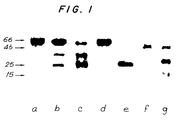
- Figure 1 is a photograph of a stained SDS-PAGE gel showing the production and purification of the human BPI fragment of a preferred embodiment of the present invention.
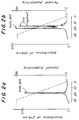
- Figure 2 is a graph showing the chromatographic behavior of the human BPI holoprotein (a) and human 25 kDa BPI fragment of the present invention (b) on reverse phase HPLC.
- Figure 3 is a series of graphs comparing the biological activities of the 25 kDa human BPI fragment of the present invention and the holoprotein toward E . coli J5.
- A bactericidal activity
- B effect on bacterial protein synthesis
- C permeability increasing activity
- D phospholipase activation.
- Figure 4 is a graph comparing the bactericidal effect of the 25 kDa human BPI fragment of the present invention and the holoprotein on E . coli 0111:B4.
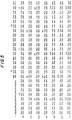
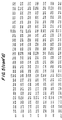
- Figure 5 shows the sequence of the cDNA encoding human BPI whereas printed above is the corresponding amino acid sequence. The two potential glycosylation sites are overlined.
- Figure 6 is an autoradiogram of a Northern blot analysis of human BPI mRNA.
- Figure 7 is an autoradiogram of a Southern blot analysis of human genomic DNA using a BPI cDNA probe.
- the present inventors have unexpectedly discovered biologically active fragments of BPI isolated from mammalian PMN.
- NH2-terminal amino acid sequence analysis demonstrated that, in the case of human BPI, the fragment represents a portion of the BPI molecule proximal to the NH2-terminus, as shown in Example 3 below.
- the fragment possesses all of the antibacterial and membrane permeability-increasing functions contained in the complete molecule but is substantially smaller (i.e. has a lower molecular weight) than the holoprotein.
- substantially smaller is defined herein as being up to about half the size of the holoprotein. This is a most surprising finding because, in the case of other cellular toxins and proteins, the entire molecule is necessary for the full manifestation of their biological effects.
- cytotoxins such as diphtheria toxin, cholera toxin and ricin (toxins which do not demonstrate the unique specificity of the BPI holoprotein) have revealed that individual functions, such as binding or catalytic activity, can be expressed by isolated fragments, but that cytotoxicity (comprising both binding to a cell membrane and intracellular toxic activity) requires essentially the entire molecule.
- the BPI fragments of the present invention are as potent as the holoprotein against rough E . coli , more potent than the holoprotein against the generally more resistant, smooth E . coli (on a molar basis), and retain the specificity of the holoprotein towards gram-negative bacteria. This is a particularly important finding because smooth gram-negative bacteria (smoothness being due to the presence of longer LPS chains in the bacterial cell membrane) generally are more pathogenic than their corresponding rough counterparts.
- Non-limiting examples of the BPI fragments of the present invention are approximately 25 kDa for human and rabbit BPI.
- the human 25kDa fragment of the preferred embodiment of the present invention was initially isolated after long-term storage (e.g. two months) of the purified holoprotein in a weakly acidic buffer (10mM ammonium acetate, pH4.6) and can be thus generated.
- a weakly acidic buffer 10mM ammonium acetate, pH4.6
- the preferred pH is 7.4.
- the incubations may be performed for a period of time broadly ranging between about 16 and 24 hours and preferably 18 hours, at a temperature ranging between about 20°C and about 37°C and preferably 37°C.
- a particularly preferred condition comprises incubation in 0.1M HEPES/NaOH buffer, pH 7.4 for 18 hours at 37°C. This has led to the conversion of about 50% of the holoprotein into the biologically active fragments of the present invention. Reincubation of the recovered holoprotein, under these conditions again result in formation of the 25 kDa fragment.
- the BPI holoproteins used as starting materials for the production of the biologically active fragments of the present invention, can be obtained from mammalian cells of the myeloid series of blood cells, such as PMN.
- the fragments of the present invention are not limited to a particular mammalian species, it is preferable to employ such fragments isolated from a homologous mammalian species when treating bacterial infections caused by gram-negative bacteria.
- the BPI holoprotein and/or the biologically active fragments of the present invention may be obtained using recombinant DNA techniques employing the sequence information presented below in Example 3 to synthesize DNA probes for the detection of DNA sequences coding for BPI in complementary DNA or genomic libraries using methods well-known in the art.
- the gene coding for the BPI holoprotein, or a portion of the gene coding for the 25 kDa fragment of the present invention (and possibly smaller biologically active fragments thereof) may be inserted into a suitable expression vector for the production of biologically active polypeptides.
- human BPI holoprotein can be obtained from PMN isolated from normal blood or from blood from patients with chronic myelocytic leukemia, as detailed in Example 1 below.
- human BPI can be extracted from the human leukemic cell line HL-60 (available as ATCC CCL 240, American Type Culture Collection, Rockville, MD). The latter have been found to contain approximately 10 micrograms of BPI holoprotein per 108 cells. Mature PMN of either normal or leukemic origin contain approximately 60 micrograms per 108 cells of the BPI holoprotein and are therefore the preferred starting material.
- the mammalian PMN can be fractionated using, for example, the procedures detailed below in Example 1 in order to obtain primary granules (or alternatively by extraction of whole cells with 0.16N sulfuric acid, as described in Elsbach. P. et al. , J. Biol. Chem . 254 :11000, 1979, incorporated by reference).
- Such primary granules isolated from PMN or leukemic cell lines contain the bulk of BPI holoprotein activity.
- the BPI holoprotein can then be extracted and purified using any technique known in the art which yields a biologically active BPI holoprotein.
- the amounts of starting, purified, BPI holoprotein to be employed in practicing the present invention preferably should be at least 200 micrograms of purified holoprotein. Although it is possible to use smaller amounts of material, this may hamper the recovery of the biologically active fragments due to non-specific losses, as is true with many other biologically-active proteins, such as interferons.
- the protein cleaving conditions necessary for the production of the biologically active BPI fragments of the present invention are broadly within the pH, temperature and time optima of such serine proteases, i.e. pH6.0 - pH 8.0, 20°C - 37°C, 16-24 hours. Such incubation of the BPI holoprotein will produce cleavage at about 25 kDa from the NH2-terminus of the holoproteins.
- the biologically active BPI fragments of the present invention can be utilized for the treatment of mammals suffering from diseases caused by gram-negative bacteria such as, bacteremia or sepsis. Due to its extraordinarivity and lack of cytotoxicity toward cells other than gram-negative bacteria, the BPI fragments of the present invention would be particularly useful as specific therapeutic agents.
- gram-negative bacterial infections such as those caused by Escherichia coli , various species of Salmonella , Klebsiella or Pseudomonas are treated with antibiotics, such as penicillin derivatives, aminoglycosides and chloramphenicol.
- the BPI fragments of the present invention are preferably administered parenterally, and most preferably intravenously in amounts broadly ranging between about 1 microgram and 1000 micrograms and preferably between 10 and about 250 micrograms per treatment.
- the duration and number of treatments may vary from individual to individual, depending upon the severity of the illness.
- a typical treatment regime may comprise intravenous administration of about 100 micrograms of the BPI fragments three times a day.
- the BPI fragments of the present invention may be coupled with physiologically-acceptable carriers, such as normally occurring serum proteins (e.g. albumin or lysozyme).
- physiologically-acceptable carriers such as normally occurring serum proteins (e.g. albumin or lysozyme).
- the BPI fragments of the present invention could also be employed topically to treat mammals suffering from skin infections caused by susceptible gram-negative bacteria which occur in bedridden patients suffering from decubitus ulcers (bed sores) or in burn patients.
- the BPI fragments may be administered in the same dosages and frequency as described for parenteral administration above.
- the BPI fragments of the present invention can be incorporated in pharmaceutical formulations to be used to treat mammals suffering from gram-negative bacterial infections.
- Pharmaceutical formulations comprising the BPI fragments of the present invention (or physiologically-acceptable salts thereof) as at least one of the active ingredients, would in addition comprise pharmaceutically-acceptable carriers, diluents, fillers, salts and other materials well-known in the art depending upon the dosage form utilized.
- preferred parenteral dosage forms would comprise a sterile isotonic saline solution, and may comprise between about 1 microgram and 1000 micrograms of the BPI fragments of the present invention covalently coupled to suitable physiologically-acceptable carriers, such as normally occurring serum proteins, for example lysozyme or albumin, to prevent their inactivation.
- suitable physiologically-acceptable carriers such as normally occurring serum proteins, for example lysozyme or albumin
- pharmaceutical formulations may comprise the above amounts of BPI fragments of the present invention and sterile, isotonic saline solutions for irrigation of the urinary tract.
- the BPI fragments of the present invention in amounts ranging between 1 microgram and 1000 micrograms per dose, may be mixed with antibiotics and may be formulated in the same type of preparations used in antibiotic creams (such as Silvadene, Marion Laboratories, Kansas City, MO, Terramycin, Pfipharmecs, New York, New York or Achromycin, Lederle Laboratories, Pearle River, New York) well-known in the art for topical administration.
- antibiotic creams such as Silvadene, Marion Laboratories, Kansas City, MO, Terramycin, Pfipharmecs, New York, New York or Achromycin, Lederle Laboratories, Pearle River, New York
- pharmaceutical formulations for treating mammals suffering from gram-negative bacterial infections may contain the BPI fragments of the present invention in addition to standard amounts (well-known in the art) of antibiotics such as Penicillin-G (available from E.R. Squibb and Sons, Inc., Princeton, New Jersey) or cephalosporins (available from Eli Lily & Co., Indianapolis, IN).
- antibiotics such as Penicillin-G (available from E.R. Squibb and Sons, Inc., Princeton, New Jersey) or cephalosporins (available from Eli Lily & Co., Indianapolis, IN).
- the BPI fragments of the present invention may be mixed with hydrophobic antibiotics, such as rifampicin (available as RIFAMPIN, CIBA Pharmaceutical CO., Summit, New Jersey), and hydrophobic penicillins such as Penicillin-V Benzathine (Lederle Labs, Pearl River, NY).
- hydrophobic antibiotics such as rifampicin (available as RIFAMPIN, CIBA Pharmaceutical
- the BPI fragments of the present invention are expected to be ideally-suited for co-treatment using any antibiotic, immune system cells or factors such as T-cells or interleukin-2, cytotoxic agents or the like, effective against gram-negative bacteria. Because of the increased sensitivity to the fragments of the present invention of the more pathogenic, smooth, gram-negative bacteria, the BPI fragments of the present invention are expected to decrease resistance of such bacteria to such factors. Substantially simultaneous administration of the fragments of the present invention and the antibiotic of choice is preferred.
- Example 4 An example of the above-mentioned embodiment is demonstrated in Example 4 below, wherein actinomycin D (which normally cannot enter and affect gram-negative bacteria due to its hydrophobic properties) significantly inhibited RNA and protein synthesis only in BPI-treated E . coli .
- the present inventors have isolated the gene encoding the human BPI holoprotein and have identified and sequenced BPI cDNA isolated from human promyelocytic leukemia cells (HL-60).
- the nucleotide sequence of the cDNA and the corresponding amino acid sequence of the holoprotein are set out in Figure 5.
- the sequence information contained in Figure 5 can be employed to synthesize the 25 kDa, biologically active fragment of BPI.
- a vector can be generated comprising DNA residues 123 to about 759-780 (or amino acid residues 1 to about 210-220) of Figure 5 using techniques well-known in the art.
- smaller sub-fragments of the cDNA of Figure 5 can be generated using, for example, limited Ba131 nuclease digestion of the entire cDNA, to probe for the minimum sequences necessary for BPI biological activities mentioned above.
- the BPI holoprotein can be obtained after synthesis by suitably transfected or transformed eukaryotic (mammalian or yeast) or prokaryotic cells and the biologically-active 25 kDa fragments mentioned above can be obtained using the techniques described in Example 2 below.
- Human leukocytes were obtained from heparin-treated (100-200 U.S.P. units/10 ml) peripheral blood collected by venipuncture from healthy donors and patients with chronic myelocytic leukemia.
- Granule-rich fractions containing the bulk of the BPI activity, were obtained by homogenization at 0°C of PMN suspended in 0.34 M sucrose (2 x 10⁸ cells/ml), as described in Weiss, J. et al. , J. Biol. Chem. 253: 2664-2672, 1978, incorporated by reference, followed by centrifugation at 400 x g for 10 and 20,000 xg for 30 minutes at 4°C
- the granule-rich pellet was extracted with approximately 10 volumes of 0.2 M sodium acetate (pH 4.0), overnight at 4°C with continuous stirring. The extract was collected as a supernatant by centrifugation of the extract at 20,000 x g for 30 minutes.
- PMN (2-3 x 10⁸ cells/ml) were disrupted in distilled water at 0°C with a Potter-Elvejhem glass homogenizer and a motor-driven teflon pestle (Kontes; subsidiary of Kimble Div. of Owens, IL) and extracted at 0°C for 30 minutes with 0.16N sulfuric acid to solubilize the BPI holoprotein. After centrifugation at 23,000 x g for 20 minutes at 4°C to sediment insoluble material, the extract was dialyzed against 200 mM sodium acetate/acetic acid buffer (pH 4.0).
- the BPI in these extracts was purified by gel filtration chromatography on a molecular sieving column (SEPHADEX G-75, superfine, Pharmacia Fine chemicals, Piscataway, NJ) at 4°C.
- the beads were prepared according to the manufacturer's instructions and equilibrated in the 0.2M sodium acetate (pH 4.0). Using this technique, substantially all of the BPI holoprotein activity was eluted as a single peak (fractions 35-39) corresponding to a discrete protein peak (5-6% of the total protein applied) just after the void volume.
- the chromatographic fraction containing the human BPI holoprotein was subjected to further chromatography on an ion exchange resin (SP-SEPHADEX, Pharmacia Fine Chemicals, Piscataway, NJ). Protein was applied to the column, equilibrated in 0.1N NaCl-0.2M sodium acetate/acetic acid buffer (pH4.6) and eluted with a stepwise gradient of buffered NaCl (0.3, 0.5 and 0.75M). Human BPI holoprotein eluted in the last step.
- SP-SEPHADEX Pharmacia Fine Chemicals, Piscataway, NJ
- Purified human BPI holoprotein was then isolated by high performance liquid chromatography (HPLC) on a reverse phase C-4 (Vydac) column (Sota Chromatography, Crompand, NY) using an HPLC system (Model 332, Beckman Instruments, Fullerton, CA). The column used a linear gradient of acetonitrile (0-95% volume/volume, J.T. Baker chemical Cob., Philipsburg, NJ) in 0.1% trifluoroacetic acid (TFA, Pierce Chemical Co., Rockford, IL). Human BPI eluted at about 70% acetonitrile and was dialyzed against approximately 50 volumes of 10mM ammonium acetate/acetic acid buffer (pH4.6). Purified BPI was stored either in 0.2M sodium acetate/acetic acid buffer (pH 4.0) or in 10mM ammonium acetate/acetic acid buffer (pH4.0) at 4°C.
- rabbit BPI holoprotein purified as in Example 1 above (500ng, Figure 1, lane F) was fragmented after incubation for 18 hours at 37°C in 0.1M HEPES-NaOH (pH7.4) into a 25 kDa species ( Figure 1, lane G).
- the human 25 kDa BPI fragment of the present invention was subjected to amino acid analysis, and the results were compared with the amino acid analysis of purified 60 kDa human holoprotein.
- Amino acid compositions were determined using a Waters Pico-Tag amino acid analyzer (Waters Associates, Milford, NA) as described ( Bidlingmyer, B.A. et al. , J . Chrom. 336 : 93-104 1984 incorporated, by reference). Samples were pretreated in vacuo for 24 hours at 110°C with 5.7N HCl containing 0.05% phenol. The results are shown in Table 1.
- NH2-terminal sequence analysis of the human BPI fragment of the present invention and of the holoprotein were performed using the well-known sequential Edman degradation technique (Edman, P. Eur . J . Biochem . 1 :80-91, 1967, incorporated by reference) using an amino acid sequencer (Beckman, Model 890C, Beckman Instruments Inc., Fullerton, CA) for the holoprotein or a gas phase sequencer (Applied Biosystems, Model 470A, Applied Biosystems, Inc., Foster City, CA) for the fragment.
- Edman Edman, P. Eur . J . Biochem . 1 :80-91, 1967, incorporated by reference
- an amino acid sequencer Beckman, Model 890C, Beckman Instruments Inc., Fullerton, CA
- a gas phase sequencer Applied Biosystems, Model 470A, Applied Biosystems, Inc., Foster City, CA
- Phenylthiohydantoin derivatives of amino acids released sequentially by the Edman degradation process were analyzed by reverse-phase HPLC using an 150mm C-18 column for human BPI (IBM Instruments Inc., Willingford, CT) or an ODS column for the fragment of the present invention (Dupont Zorbax ODS column, E.I. Dupont de Nemours, Wilmington, DE). The results are shown in Table 2 below.
- E . coli J5 obtained from Dr. L. Leive, NIH Bethesda, MD
- LPS short-chain lipopolysaccharides
- coli J5 were incubated in a volume of 250 microliters with increasing amounts of either the human holoprotein or the human 25 kDa fragment of the present invention.
- the effects on bacterial viability were determined either by (1) diluting an aliquot (5X10⁵ bacteria) of the incubation mixture into 2 ml of nutrient broth (Difco Laboratories, Detroit, MI) and measuring bacterial growth (absorbance at 550nM using a standard spectrophotometer after approximately 4 hours at 37°C); or (2) plating diluted samples on nutrient agar and counting bacterial colonies after overnight incubation at 37°C.
- open circles represent BPI holoprotein-treated bacteria and closed circles represent bacteria treated with the human 25 kDa fragment of the present invention.
- Figure 3A shows that the isolated 25 kDa fragment of the present invention killed E . coli J5, a strain of bacteria highly sensitive to the holoprotein, in a dose-dependent manner.
- a linear regression analysis of the data presented in Figure 3A further showed that the fragment was about twice as potent as the holoprotein on a mass basis, meaning that it is about equally potent on a molar basis because the fragment is about half the size of the holoprotein ( Figure 3A).
- FIG. 3B shows that even at almost fully lethal doses, both the human holoprotein and the human 25 kDa fragment of the present invention caused little inhibition of bacterial protein synthesis. In contrast, both the fragment and the holoprotein caused nearly a complete inhibition of E . coli J5 protein synthesis when administered in the presence of 50 micrograms/ml of the antibiotic actinomycin D (Merck, Sharp and Dohme, St. Louis, MO, Figure 3C).
- actinomycin D reflects increased permeability of the outer membrane of the bacteria permitting the entry of the normally impermeant actinomycin D into the cell where it inhibited RNA and, consequently, protein synthesis.
- the dose-dependence of the permeability-increasing effect of the fragment of the present invention and the holoprotein was the same as that shown for the bactericidal activity above, and demonstrated that in this respect also the fragment was twice as active as the holoprotein, on a mass basis.
- bacteria were prelabeled during growth with (1-14C)-oleic acid (New England Nuclear, Boston, MA) as described in Elsbach, P. et al. , J . Biol Chem . 254 : 11000-11009, 1979 incorporated by reference. Incubation mixtures were supplemented with 0.4% bovine serum albumin (W/V) to capture phospholipid breakdown products (14C-free fatty acids and 14C-lysocompounds) permitting their separation from unhydrolyzed bacterial 14C-phospholipids by filtration through a membrane filter (Millipore HAWP, Millipore Corp. Bedford, MA) to measure phospholipid degradation. The results are shown in Figure 3D.
- the dose-dependent activation of bacterial phospholipid degrading enzymes by the holoprotein was also produced by the 25 kDa fragment of the present invention, again requiring only half the mass of protein for a comparable effect.
- E. coli 0111:B4 is a smooth strain bearing longer polysaccharide chains than E. coli J5.
- Bacteria (1X10⁶) were incubated in 125 microliter mixtures with increasing amounts of the BPI holoprotein or the 25 kDa fragment of the present invention. Bacterial viability was measured as above and is expressed as percent of viability of bacteria incubated alone (without any additions). The results are shown in Figure 4.
- the 25 kDa fragment of the present invention (closed circles) was about five times more potent than the holoprotein (open circles) towards E. coli 0111:B4.
- the five fold enhancement in activity of the 25 kDa fragment of the present invention with respect to the holoprotein suggests that the smaller size of the fragment of the present invention is a factor in facilitating access of the fragment to binding sites at the base of the LPS polysaccharide chain.
- the activities of the 25 kDa fragment and the holoprotein toward a gram-positive bacterium, Micrococcus lysodeikticus were compared.
- the bacteria were grown in brain heart infusion broth (Difco Laboratories, Detroit, MI) at 37°C. Bacterial viability was measured as above for E. coli .
- the data presented above demonstrate that the spectrum and potency of the antibacterial activities of the human 25 kDa BPI fragment of the present invention are at least equal to and sometimes substantially greater than those of the holoprotein.
- the data indicate that all of the molecular determinants required for BPI cytotoxicity reside within the portion of the BPI molecule included in the fragment of the present invention.
- BPI-1 GTCAATCCTGGTGTTGTGGTCAGGATCTCTCAGAAGGGCCTGGATTATGCCTCCCA
- BPI-2 GCAAGGCACAGCTGCCCTGCAGAAGGAGCTGAAGAGGATCAAGATTCCTGACTAT
- the probes were kinase labeled with 32P using standard techniques well-known in the art and used to independently screen a human genomic liver library as disclosed in Lawn, R.M. et al. ( Cell 15 : 1157-1174, 1978).
- Six clones were identified among 500,000 plaques which hybridized independently with each probe.
- the hybridizing region of one of these clones was sequenced and clearly encoded the amino terminal end of human BPI. This sequence was interrupted by an intron or intervening sequence but nevertheless predicted an additional 22 amino acid residues which preceded the next intron.
- a new DNA probe was then synthesized which corresponded exactly to the encoded 55 amino terminal amino acid residues.
- This probe was used to screen a small cDNA library prepared from human HL-60 cells (available as ATCC CCL 240, American Type Culture Collection, Rockville, MD) induced with dimethylsulfoxide, DMSO. In the library of the 300,000 plaques, 4 clones were isolated which hybridized with the exact probe. DNA from the clones was isolated and the hybridizing regions were sequenced by the dideoxy chain termination technique of Smith, A.J.H. ( Meth. Enzym. 65 : 560-580, 1980). The sequence of the longest clone is presented in Figure 5.
- the sequence predicts a 31 amino acid signal peptide, followed by a 456 residue mature protein.
- the amino terminal sequence determined by protein sequencing of human BPI matches the encoded cDNA exactly.
- the deduced amino acid composition of the encoded protein corresponds closely to the amino acid composition determined for purified human BPI as disclosed in Ooi, C.E. et al. , supra .
- the encoded sequence predicts a protein of 50.6 kD; the estimated molecular size of purified human BPI is approximately 58 kD. This difference in the apparent size may reflect the presence of two potential N-linked glycosylation sites at positions 122 and 249 of the protein (indicated by overlines in Figure 5).
- the BPI cDNA probe hybridized well with mRNA prepared from the spleen of a patient with chronic myelocytic leukemia.
- the spleen was heavily infiltrated with immature myeloid cells.
- the size of the hybridizing signal was approximately 2,000 bases in length, suggesting that the cDNA sequence presented in Figure 5 was full length.
- the BPI probe did not hybridize with mRNA from normal spleen, mature peripheral blood leukocytes, liver, kidney, or brain (Figure 6). This result is in agreement with previous observations on the location of BPI in various cell types and tissues; the presence of BPI has been previously shown to be restricted to cells of the myeloid series.
- the BPI cDNA was also used as a probe in Southern hybridizations of human genomic DNA.
- DNA was isolated from human peripheral blood leukocytes, as described in Blin, N. et al. ( Nuc. Acids Res. 3 : 2303-2308, 1976), digested with restriction endonucleases Eco RI, BamHI and HindIII, and fractionated on a 1% agarose gel.
- the DNA was transferred to nitrocellulose (as described in Southern, E.M. , J. Molec. Biol. 98 : 503-517, 1975) and hybridized with a 5' end fragment of the BPI cDNA probe under stringent conditions (as described in Maniatis et al. , Molecular Cloning, a laboratory Manual, pp. 387-389, Cold Spring Harbor Laboratories, NY, 1982, incorporated by reference).
- the primary structure of the human BPI protein sequence reveals several features which may be critical for its function.
- an amino terminal 25 kD fragment contains all of the bactericidal activity of the holoprotein.
- a clear charge asymmetry can be observed when the amino terminal 25 kD fragment is compared with the holoprotein.
- the amino terminal end contains 16 more basic than acidic residues (28 lysine/argine vs. 12 aspartate/glutamate), while the carboxy terminal end is slightly acidic (20 basic vs. 22 acidic residues).
- the very basic nature of the amino terminal domain may promote an electrostatic interaction of BPI with the negatively charged LPS on the bacterial envelope.
- PAPER EXAMPLE I CO-TREATMENT OF GRAM-NEGATIVE BACTERIA WITH THE HUMAN BPI FRAGMENT AND PENICILLINS
- the human BPI fragment of the present invention will be used to test the effectiveness of compositions containing the fragments and Penicillin-G or a hydrophobic derivative, Penicillin-V. Both smooth ( E . coli 0111:B4) and rough ( E . coli J5) gram-negative bacteria will be seeded and incubated as in Example 3 above with serial two-fold dilutions containing: the human 25 kDa BPI fragment of the present invention (1 microgram - 1000 micrograms) alone, Penicillin-G (3000 - 300,000 units) alone, Penicillin-V Benzathine (3000 - 300,000 units) alone and compositions containing the same concentrations of the above as mixtures, e.g. the BPI fragment plus Penicillin-G and the BPI fragment plus Penicillin-V. Bacterial viability will be monitored as above in Example 3.
Landscapes
- Health & Medical Sciences (AREA)
- Life Sciences & Earth Sciences (AREA)
- Chemical & Material Sciences (AREA)
- Medicinal Chemistry (AREA)
- General Health & Medical Sciences (AREA)
- Organic Chemistry (AREA)
- Zoology (AREA)
- Gastroenterology & Hepatology (AREA)
- Proteomics, Peptides & Aminoacids (AREA)
- Molecular Biology (AREA)
- Veterinary Medicine (AREA)
- Public Health (AREA)
- Animal Behavior & Ethology (AREA)
- Pharmacology & Pharmacy (AREA)
- Marine Sciences & Fisheries (AREA)
- Epidemiology (AREA)
- Immunology (AREA)
- Toxicology (AREA)
- Bioinformatics & Cheminformatics (AREA)
- Biochemistry (AREA)
- Biophysics (AREA)
- Genetics & Genomics (AREA)
- Engineering & Computer Science (AREA)
- Chemical Kinetics & Catalysis (AREA)
- General Chemical & Material Sciences (AREA)
- Communicable Diseases (AREA)
- Nuclear Medicine, Radiotherapy & Molecular Imaging (AREA)
- Oncology (AREA)
- Medicines That Contain Protein Lipid Enzymes And Other Medicines (AREA)
- Peptides Or Proteins (AREA)
- Preparation Of Compounds By Using Micro-Organisms (AREA)
- Micro-Organisms Or Cultivation Processes Thereof (AREA)
- Noodles (AREA)
- Agricultural Chemicals And Associated Chemicals (AREA)
- Food Preservation Except Freezing, Refrigeration, And Drying (AREA)
Priority Applications (1)
| Application Number | Priority Date | Filing Date | Title |
|---|---|---|---|
| EP05027209A EP1659132A1 (de) | 1987-08-11 | 1988-08-09 | BPI Fragmente |
Applications Claiming Priority (5)
| Application Number | Priority Date | Filing Date | Title |
|---|---|---|---|
| US8433587A | 1987-08-11 | 1987-08-11 | |
| US84335 | 1987-08-11 | ||
| US22803588A | 1988-08-05 | 1988-08-05 | |
| US228035 | 1988-08-05 | ||
| EP88907884A EP0375724B1 (de) | 1987-08-11 | 1988-08-09 | Biologisch aktive bakterientötende/durchlässigkeitserhöhende proteinfragmente |
Related Parent Applications (1)
| Application Number | Title | Priority Date | Filing Date |
|---|---|---|---|
| EP88907884.6 Division | 1988-08-09 |
Related Child Applications (1)
| Application Number | Title | Priority Date | Filing Date |
|---|---|---|---|
| EP05027209A Division EP1659132A1 (de) | 1987-08-11 | 1988-08-09 | BPI Fragmente |
Publications (2)
| Publication Number | Publication Date |
|---|---|
| EP0652230A1 true EP0652230A1 (de) | 1995-05-10 |
| EP0652230B1 EP0652230B1 (de) | 2005-12-14 |
Family
ID=26770870
Family Applications (3)
| Application Number | Title | Priority Date | Filing Date |
|---|---|---|---|
| EP94115703A Expired - Lifetime EP0652230B1 (de) | 1987-08-11 | 1988-08-09 | Biologisch-aktive Bakterizide/permeabilitätserhöhende Proteinbruchstücke |
| EP88907884A Expired - Lifetime EP0375724B1 (de) | 1987-08-11 | 1988-08-09 | Biologisch aktive bakterientötende/durchlässigkeitserhöhende proteinfragmente |
| EP05027209A Withdrawn EP1659132A1 (de) | 1987-08-11 | 1988-08-09 | BPI Fragmente |
Family Applications After (2)
| Application Number | Title | Priority Date | Filing Date |
|---|---|---|---|
| EP88907884A Expired - Lifetime EP0375724B1 (de) | 1987-08-11 | 1988-08-09 | Biologisch aktive bakterientötende/durchlässigkeitserhöhende proteinfragmente |
| EP05027209A Withdrawn EP1659132A1 (de) | 1987-08-11 | 1988-08-09 | BPI Fragmente |
Country Status (7)
| Country | Link |
|---|---|
| US (1) | US5980897A (de) |
| EP (3) | EP0652230B1 (de) |
| JP (1) | JP3086685B2 (de) |
| AT (2) | ATE123291T1 (de) |
| CA (1) | CA1341525C (de) |
| DE (2) | DE3853918T2 (de) |
| WO (1) | WO1989001486A1 (de) |
Families Citing this family (42)
| Publication number | Priority date | Publication date | Assignee | Title |
|---|---|---|---|---|
| US5198541A (en) * | 1987-08-11 | 1993-03-30 | New York University | Dna encoding bactericidal/permeability-increasing proteins |
| US5171739A (en) * | 1989-02-14 | 1992-12-15 | Incyte Pharmaceuticals, Inc. | Treatment of endotoxin-associated shock and preventation thereof using a BPI protein |
| US6265187B1 (en) | 1989-02-14 | 2001-07-24 | Incyte Pharmaceuticals, Inc. | Recombinant endotoxin-neutralizing proteins |
| US6093801A (en) * | 1989-02-14 | 2000-07-25 | Incyte Pharmaceuticals, Inc. | Recombinant analogs of bactericidal/permeability increasing protein |
| US5770694A (en) * | 1990-08-13 | 1998-06-23 | Incyte Pharmaceuticals, Inc. | Genetically engineered BPI variant proteins |
| US5089274A (en) * | 1989-02-14 | 1992-02-18 | Incyte Pharmaceuticals, Inc. | Use of bactericidal/permeability increasing protein or biologically active analogs thereof to treat endotoxin-related disorders |
| WO1992009621A1 (en) * | 1990-12-03 | 1992-06-11 | New York University | Biologically active bactericidal/permeability-increasing protein fragments |
| US5652211A (en) * | 1991-02-11 | 1997-07-29 | Biosynth S.R.L. | Peptides for neutralizing the toxicity of Lipid A |
| SE468516B (sv) * | 1991-06-14 | 1993-02-01 | Kabigen Ab | Nya polypeptider vilka kan utvinnas fraan tunntarmen och deras anvaendning |
| WO1993023434A2 (en) * | 1992-05-19 | 1993-11-25 | Xoma Corporation | Bpi-immunoglobulin fusion proteins |
| US6274348B1 (en) | 1992-05-19 | 2001-08-14 | Xoma Corporation | Methods for the preparation of positively charged proteins |
| US5915378A (en) * | 1993-01-29 | 1999-06-29 | Aradigm Corporation | Creating an aerosolized formulation of insulin |
| US6024090A (en) | 1993-01-29 | 2000-02-15 | Aradigm Corporation | Method of treating a diabetic patient by aerosolized administration of insulin lispro |
| US5873358A (en) * | 1993-01-29 | 1999-02-23 | Aradigm Corporation | Method of maintaining a diabetic patient's blood glucose level in a desired range |
| US5888477A (en) * | 1993-01-29 | 1999-03-30 | Aradigm Corporation | Use of monomeric insulin as a means for improving the bioavailability of inhaled insulin |
| US6131567A (en) * | 1993-01-29 | 2000-10-17 | Aradigm Corporation | Method of use of monomeric insulin as a means for improving the reproducibility of inhaled insulin |
| US5970973A (en) * | 1993-01-29 | 1999-10-26 | Aradigm Corporation | Method of delivering insulin lispro |
| US5743250A (en) | 1993-01-29 | 1998-04-28 | Aradigm Corporation | Insulin delivery enhanced by coached breathing |
| US5420019A (en) | 1993-02-02 | 1995-05-30 | Xoma Corporation | Stable bactericidal/permeability-increasing protein muteins |
| US5488034A (en) * | 1993-02-02 | 1996-01-30 | Xoma Corporation | Pharmaceutical composition comprising BPI proteins |
| CA2157927C (en) * | 1993-03-12 | 1999-03-30 | Xoma Corporation | Therapeutic uses of bactericidal/permeability increasing protein produc ts |
| US5652332A (en) * | 1993-03-12 | 1997-07-29 | Xoma | Biologically active peptides from functional domains of bactericidal/permeability-increasing protein and uses thereof |
| CA2146667A1 (en) | 1993-08-18 | 1995-02-23 | Adolf Hoess | Lipopolysaccharide-binding and neutralizing peptides |
| DK0759774T3 (da) * | 1993-09-22 | 2002-10-07 | Xoma Technology Ltd | Fremgangsmåde til behandling af gram-negativ bakteriel infektion ved indgivelse af baktericidt/permeabilitet-forøgende (BPI) proteinprodukt og antibiotikum |
| CA2181164C (en) * | 1994-01-14 | 2008-01-08 | Arnold Horwitz | Anti-gram-positive bacterial methods and materials |
| US5643875A (en) * | 1994-01-24 | 1997-07-01 | Friedmann; Nadav | Human therapeutic uses of bactericidal/permeability increasing (BPI) protein products |
| US5830860A (en) * | 1994-03-24 | 1998-11-03 | Regents Of The University Of Minnesota | Peptides with bactericidal activity and endotoxin neutralizing activity for gram negative bacteria and methods for their use |
| US5786324A (en) * | 1994-03-24 | 1998-07-28 | Regents Of The University Of Minnesota | Synthetic peptides with bactericidal activity and endotoxin neutralizing activity for gram negative bacteria and methods for their use |
| US5932544A (en) | 1994-05-31 | 1999-08-03 | Xoma Corporation | Bactericidal/permeability-increasing protein (BPI) compositions |
| WO1997004008A1 (en) * | 1995-07-20 | 1997-02-06 | Xoma Corporation | Anti-fungal peptides |
| ATE234111T1 (de) * | 1996-05-23 | 2003-03-15 | Xoma Technology Ltd | Therapeutische verwendungen von bpi-protein produkten bei menschen mit durch trauma verursachter blutung |
| CA2255865C (en) | 1996-05-24 | 2008-10-14 | The Regents Of The University Of Minnesota | Synthesis of soluble beta-sheet forming peptides |
| US5888973A (en) * | 1996-08-09 | 1999-03-30 | Xoma Corporation | Anti-chlamydial uses of BPI protein products |
| US6093573A (en) * | 1997-06-20 | 2000-07-25 | Xoma | Three-dimensional structure of bactericidal/permeability-increasing protein (BPI) |
| US6153584A (en) * | 1999-04-01 | 2000-11-28 | Levy; Ofer | Therapeutic uses of BPI protein products in BPI-deficient humans |
| US7041644B2 (en) | 1999-04-01 | 2006-05-09 | Xoma Technology | Therapeutic uses of BPI protein products in BPI-deficient humans |
| AU2001252246A1 (en) * | 2000-04-05 | 2001-10-23 | Syngenta Participations Ag | Therapeutically active proteins in plants |
| KR100351829B1 (ko) * | 2000-09-26 | 2002-09-11 | 엘지전자 주식회사 | 디지털 통신 시스템 |
| JP2004517865A (ja) * | 2000-12-01 | 2004-06-17 | ゾーマ テクノロジー リミテッド | Bpiタンパク質産物またはbpiインヒビターを使用する、周皮細胞増殖の調節 |
| US7056514B2 (en) | 2002-02-20 | 2006-06-06 | Regents Of The University Of Minnesota | Partial peptide mimetics and methods |
| EP1741440A1 (de) * | 2005-07-08 | 2007-01-10 | Mellitus S.L. | Verwendung von BPI-proteine zur Behandlung von stoffwechselbedingten Erkrankungen und Herzkreislaufstörungen |
| EP2694084B1 (de) | 2011-04-05 | 2016-03-23 | Dana-Farber Cancer Institute, Inc. | Bpi und seine analoge als strahlungsabschwächer und strahlungsschutz |
Citations (1)
| Publication number | Priority date | Publication date | Assignee | Title |
|---|---|---|---|---|
| EP0272489A2 (de) * | 1986-11-26 | 1988-06-29 | Cornell Research Foundation, Inc. | Antimikrobielle Proteine, Zusammensetzungen, welche dieselben enthalten, und deren Anwendungen |
Family Cites Families (4)
| Publication number | Priority date | Publication date | Assignee | Title |
|---|---|---|---|---|
| US5198541A (en) * | 1987-08-11 | 1993-03-30 | New York University | Dna encoding bactericidal/permeability-increasing proteins |
| US5171739A (en) * | 1989-02-14 | 1992-12-15 | Incyte Pharmaceuticals, Inc. | Treatment of endotoxin-associated shock and preventation thereof using a BPI protein |
| US5089274A (en) * | 1989-02-14 | 1992-02-18 | Incyte Pharmaceuticals, Inc. | Use of bactericidal/permeability increasing protein or biologically active analogs thereof to treat endotoxin-related disorders |
| US5334584A (en) * | 1989-02-14 | 1994-08-02 | Incyte Pharamaceuticals, Inc. | Recombinant, non-glycosylated bpi protein and uses thereof |
-
1988
- 1988-08-09 AT AT88907884T patent/ATE123291T1/de not_active IP Right Cessation
- 1988-08-09 DE DE3853918T patent/DE3853918T2/de not_active Expired - Fee Related
- 1988-08-09 EP EP94115703A patent/EP0652230B1/de not_active Expired - Lifetime
- 1988-08-09 AT AT94115703T patent/ATE312844T1/de not_active IP Right Cessation
- 1988-08-09 EP EP88907884A patent/EP0375724B1/de not_active Expired - Lifetime
- 1988-08-09 WO PCT/US1988/002700 patent/WO1989001486A1/en not_active Ceased
- 1988-08-09 EP EP05027209A patent/EP1659132A1/de not_active Withdrawn
- 1988-08-09 DE DE3856588T patent/DE3856588T2/de not_active Expired - Fee Related
- 1988-08-11 CA CA000574398A patent/CA1341525C/en not_active Expired - Fee Related
-
1995
- 1995-06-07 US US08/478,063 patent/US5980897A/en not_active Expired - Fee Related
-
1999
- 1999-11-22 JP JP11331278A patent/JP3086685B2/ja not_active Expired - Fee Related
Patent Citations (1)
| Publication number | Priority date | Publication date | Assignee | Title |
|---|---|---|---|---|
| EP0272489A2 (de) * | 1986-11-26 | 1988-06-29 | Cornell Research Foundation, Inc. | Antimikrobielle Proteine, Zusammensetzungen, welche dieselben enthalten, und deren Anwendungen |
Non-Patent Citations (5)
| Title |
|---|
| C.E.OOI ET ALL: "A 25kDa NH2-terminal fragment carries all the antibacterial activities of the human neutrophil 60-kDa BPI", JOURNAL OF BIOLOGICAL CHEMISTRY., vol. 262, no. 31, 5 November 1987 (1987-11-05), BALTIMORE US, pages 14891 - 14894, XP002371773 * |
| CHEMICAL ABSTRACTS, vol. 91, no. 23, 3 December 1979, Columbus, Ohio, US; abstract no. 191112, "Separation and purification of a potent bactericidal/permeability increasing protein" page 462; column 1; * |
| J.BIOL.CHEM., vol. 254, no. 21, 1979, pages 11000 - 11009 * |
| J.WEISS ET ALL: "Structural and immunological dissection of highly conserved BPI", CLIN.RES., vol. 34, no. 2, April 1986 (1986-04-01), pages 537A, XP002371772 * |
| P.GRAY ET ALL: "Cloning of the gene of the human BPI and identification of structure-function relationships", CLIN.RES., vol. 36, no. 3, April 1988 (1988-04-01), pages 620A, XP002371774 * |
Also Published As
| Publication number | Publication date |
|---|---|
| ATE123291T1 (de) | 1995-06-15 |
| EP0375724A1 (de) | 1990-07-04 |
| DE3856588D1 (de) | 2006-01-19 |
| EP0375724B1 (de) | 1995-05-31 |
| DE3853918D1 (de) | 1995-07-06 |
| DE3853918T2 (de) | 1996-02-08 |
| EP0652230B1 (de) | 2005-12-14 |
| JP3086685B2 (ja) | 2000-09-11 |
| EP1659132A1 (de) | 2006-05-24 |
| US5980897A (en) | 1999-11-09 |
| JP2000139484A (ja) | 2000-05-23 |
| EP0375724A4 (en) | 1991-12-11 |
| DE3856588T2 (de) | 2006-09-07 |
| WO1989001486A1 (en) | 1989-02-23 |
| CA1341525C (en) | 2007-04-17 |
| ATE312844T1 (de) | 2005-12-15 |
Similar Documents
| Publication | Publication Date | Title |
|---|---|---|
| EP0375724B1 (de) | Biologisch aktive bakterientötende/durchlässigkeitserhöhende proteinfragmente | |
| US5948408A (en) | DNA encoding bactericidal/permeability-increasing proteins | |
| EP0563222B1 (de) | Biologisch aktive bakterizide/permeabilitätserhöhende proteinbruchstücke | |
| EP0272489B1 (de) | Antimikrobielle Proteine, Zusammensetzungen, welche dieselben enthalten, und deren Anwendungen | |
| DE69431654T2 (de) | Antimikrobielles peptid aus rinderneutrophilen | |
| CA2181150C (en) | Biologically active peptides from functional domains of bactericidal/permeability-increasing protein and uses thereof | |
| CA2181164C (en) | Anti-gram-positive bacterial methods and materials | |
| US5849490A (en) | Inducible defensin peptide from mammalian epithelia | |
| US20040019181A1 (en) | Antimicrobial cationic peptides | |
| US7985832B2 (en) | Antimicrobial cathelicidin peptides | |
| US5576292A (en) | Biologically active bactericidal/permeability-increasing protein fragments | |
| JP2007531691A (ja) | ヘパリン結合活性を有する新規な抗微生物ペプチド | |
| AU2005307160B2 (en) | Novel antimicrobial peptides | |
| JPH09512423A (ja) | エラスターゼ阻害活性を有するα−1−アンチキモトリプシンアナログ | |
| JP2011503137A (ja) | 新規のアルギニン置換ペプチド及びその使用 | |
| US6132775A (en) | Therapeutic uses of biologically active bactericidal/permeability-increasing protein fragments | |
| EP0746605A1 (de) | Kationische säugerproteine welche eine lipopolysaccharid-bindeaktivität und eine anti-gerinnungsaktivität haben | |
| JP3040781B2 (ja) | 生物学的に活性な殺菌性/透過性増大蛋白質断片 | |
| JP3571371B2 (ja) | オプソニン活性を有する新規な蛋白質 | |
| HK1014160B (en) | Anti-gram-positive bacterial methods and materials |
Legal Events
| Date | Code | Title | Description |
|---|---|---|---|
| PUAI | Public reference made under article 153(3) epc to a published international application that has entered the european phase |
Free format text: ORIGINAL CODE: 0009012 |
|
| 17P | Request for examination filed |
Effective date: 19941005 |
|
| AC | Divisional application: reference to earlier application |
Ref document number: 375724 Country of ref document: EP |
|
| AK | Designated contracting states |
Kind code of ref document: A1 Designated state(s): AT BE CH DE FR GB IT LI LU NL SE |
|
| 17Q | First examination report despatched |
Effective date: 20010410 |
|
| GRAP | Despatch of communication of intention to grant a patent |
Free format text: ORIGINAL CODE: EPIDOSNIGR1 |
|
| GRAS | Grant fee paid |
Free format text: ORIGINAL CODE: EPIDOSNIGR3 |
|
| GRAA | (expected) grant |
Free format text: ORIGINAL CODE: 0009210 |
|
| AC | Divisional application: reference to earlier application |
Ref document number: 0375724 Country of ref document: EP Kind code of ref document: P |
|
| AK | Designated contracting states |
Kind code of ref document: B1 Designated state(s): AT BE CH DE FR GB IT LI LU NL SE |
|
| PG25 | Lapsed in a contracting state [announced via postgrant information from national office to epo] |
Ref country code: NL Free format text: LAPSE BECAUSE OF FAILURE TO SUBMIT A TRANSLATION OF THE DESCRIPTION OR TO PAY THE FEE WITHIN THE PRESCRIBED TIME-LIMIT Effective date: 20051214 Ref country code: BE Free format text: LAPSE BECAUSE OF FAILURE TO SUBMIT A TRANSLATION OF THE DESCRIPTION OR TO PAY THE FEE WITHIN THE PRESCRIBED TIME-LIMIT Effective date: 20051214 Ref country code: AT Free format text: LAPSE BECAUSE OF FAILURE TO SUBMIT A TRANSLATION OF THE DESCRIPTION OR TO PAY THE FEE WITHIN THE PRESCRIBED TIME-LIMIT Effective date: 20051214 |
|
| REG | Reference to a national code |
Ref country code: GB Ref legal event code: FG4D |
|
| REG | Reference to a national code |
Ref country code: CH Ref legal event code: EP |
|
| REF | Corresponds to: |
Ref document number: 3856588 Country of ref document: DE Date of ref document: 20060119 Kind code of ref document: P |
|
| PG25 | Lapsed in a contracting state [announced via postgrant information from national office to epo] |
Ref country code: SE Free format text: LAPSE BECAUSE OF FAILURE TO SUBMIT A TRANSLATION OF THE DESCRIPTION OR TO PAY THE FEE WITHIN THE PRESCRIBED TIME-LIMIT Effective date: 20060314 |
|
| REG | Reference to a national code |
Ref country code: CH Ref legal event code: NV Representative=s name: A. BRAUN, BRAUN, HERITIER, ESCHMANN AG PATENTANWAE |
|
| NLV1 | Nl: lapsed or annulled due to failure to fulfill the requirements of art. 29p and 29m of the patents act | ||
| ET | Fr: translation filed | ||
| PG25 | Lapsed in a contracting state [announced via postgrant information from national office to epo] |
Ref country code: LI Free format text: LAPSE BECAUSE OF NON-PAYMENT OF DUE FEES Effective date: 20060831 Ref country code: CH Free format text: LAPSE BECAUSE OF NON-PAYMENT OF DUE FEES Effective date: 20060831 |
|
| PGFP | Annual fee paid to national office [announced via postgrant information from national office to epo] |
Ref country code: IT Payment date: 20060831 Year of fee payment: 19 |
|
| PLBE | No opposition filed within time limit |
Free format text: ORIGINAL CODE: 0009261 |
|
| STAA | Information on the status of an ep patent application or granted ep patent |
Free format text: STATUS: NO OPPOSITION FILED WITHIN TIME LIMIT |
|
| 26N | No opposition filed |
Effective date: 20060915 |
|
| PG25 | Lapsed in a contracting state [announced via postgrant information from national office to epo] |
Ref country code: DE Free format text: LAPSE BECAUSE OF NON-PAYMENT OF DUE FEES Effective date: 20070301 |
|
| REG | Reference to a national code |
Ref country code: CH Ref legal event code: PL |
|
| GBPC | Gb: european patent ceased through non-payment of renewal fee |
Effective date: 20060809 |
|
| REG | Reference to a national code |
Ref country code: FR Ref legal event code: ST Effective date: 20070430 |
|
| PG25 | Lapsed in a contracting state [announced via postgrant information from national office to epo] |
Ref country code: GB Free format text: LAPSE BECAUSE OF NON-PAYMENT OF DUE FEES Effective date: 20060809 |
|
| PG25 | Lapsed in a contracting state [announced via postgrant information from national office to epo] |
Ref country code: FR Free format text: LAPSE BECAUSE OF NON-PAYMENT OF DUE FEES Effective date: 20060831 |
|
| PG25 | Lapsed in a contracting state [announced via postgrant information from national office to epo] |
Ref country code: LU Free format text: LAPSE BECAUSE OF NON-PAYMENT OF DUE FEES Effective date: 20060809 |
|
| PG25 | Lapsed in a contracting state [announced via postgrant information from national office to epo] |
Ref country code: IT Free format text: LAPSE BECAUSE OF NON-PAYMENT OF DUE FEES Effective date: 20070809 |