EP0659768A2 - Antigen-Kohlenhydrate-Konjugate und ihre immunotherapeutische Anwendung - Google Patents
Antigen-Kohlenhydrate-Konjugate und ihre immunotherapeutische Anwendung Download PDFInfo
- Publication number
- EP0659768A2 EP0659768A2 EP94303817A EP94303817A EP0659768A2 EP 0659768 A2 EP0659768 A2 EP 0659768A2 EP 94303817 A EP94303817 A EP 94303817A EP 94303817 A EP94303817 A EP 94303817A EP 0659768 A2 EP0659768 A2 EP 0659768A2
- Authority
- EP
- European Patent Office
- Prior art keywords
- muc1
- antigen
- cells
- protein
- virus
- Prior art date
- Legal status (The legal status is an assumption and is not a legal conclusion. Google has not performed a legal analysis and makes no representation as to the accuracy of the status listed.)
- Granted
Links
Images




Classifications
-
- C—CHEMISTRY; METALLURGY
- C07—ORGANIC CHEMISTRY
- C07K—PEPTIDES
- C07K14/00—Peptides having more than 20 amino acids; Gastrins; Somatostatins; Melanotropins; Derivatives thereof
- C07K14/435—Peptides having more than 20 amino acids; Gastrins; Somatostatins; Melanotropins; Derivatives thereof from animals; from humans
- C07K14/46—Peptides having more than 20 amino acids; Gastrins; Somatostatins; Melanotropins; Derivatives thereof from animals; from humans from vertebrates
- C07K14/47—Peptides having more than 20 amino acids; Gastrins; Somatostatins; Melanotropins; Derivatives thereof from animals; from humans from vertebrates from mammals
- C07K14/4701—Peptides having more than 20 amino acids; Gastrins; Somatostatins; Melanotropins; Derivatives thereof from animals; from humans from vertebrates from mammals not used
- C07K14/4727—Mucins, e.g. human intestinal mucin
-
- A—HUMAN NECESSITIES
- A61—MEDICAL OR VETERINARY SCIENCE; HYGIENE
- A61K—PREPARATIONS FOR MEDICAL, DENTAL OR TOILETRY PURPOSES
- A61K39/00—Medicinal preparations containing antigens or antibodies
- A61K39/0005—Vertebrate antigens
- A61K39/0011—Cancer antigens
- A61K39/001169—Tumor associated carbohydrates
- A61K39/00117—Mucins, e.g. MUC-1
-
- A—HUMAN NECESSITIES
- A61—MEDICAL OR VETERINARY SCIENCE; HYGIENE
- A61P—SPECIFIC THERAPEUTIC ACTIVITY OF CHEMICAL COMPOUNDS OR MEDICINAL PREPARATIONS
- A61P31/00—Antiinfectives, i.e. antibiotics, antiseptics, chemotherapeutics
- A61P31/04—Antibacterial agents
-
- A—HUMAN NECESSITIES
- A61—MEDICAL OR VETERINARY SCIENCE; HYGIENE
- A61P—SPECIFIC THERAPEUTIC ACTIVITY OF CHEMICAL COMPOUNDS OR MEDICINAL PREPARATIONS
- A61P31/00—Antiinfectives, i.e. antibiotics, antiseptics, chemotherapeutics
- A61P31/04—Antibacterial agents
- A61P31/06—Antibacterial agents for tuberculosis
-
- A—HUMAN NECESSITIES
- A61—MEDICAL OR VETERINARY SCIENCE; HYGIENE
- A61P—SPECIFIC THERAPEUTIC ACTIVITY OF CHEMICAL COMPOUNDS OR MEDICINAL PREPARATIONS
- A61P31/00—Antiinfectives, i.e. antibiotics, antiseptics, chemotherapeutics
- A61P31/12—Antivirals
-
- A—HUMAN NECESSITIES
- A61—MEDICAL OR VETERINARY SCIENCE; HYGIENE
- A61P—SPECIFIC THERAPEUTIC ACTIVITY OF CHEMICAL COMPOUNDS OR MEDICINAL PREPARATIONS
- A61P31/00—Antiinfectives, i.e. antibiotics, antiseptics, chemotherapeutics
- A61P31/12—Antivirals
- A61P31/14—Antivirals for RNA viruses
-
- A—HUMAN NECESSITIES
- A61—MEDICAL OR VETERINARY SCIENCE; HYGIENE
- A61P—SPECIFIC THERAPEUTIC ACTIVITY OF CHEMICAL COMPOUNDS OR MEDICINAL PREPARATIONS
- A61P31/00—Antiinfectives, i.e. antibiotics, antiseptics, chemotherapeutics
- A61P31/12—Antivirals
- A61P31/14—Antivirals for RNA viruses
- A61P31/16—Antivirals for RNA viruses for influenza or rhinoviruses
-
- A—HUMAN NECESSITIES
- A61—MEDICAL OR VETERINARY SCIENCE; HYGIENE
- A61P—SPECIFIC THERAPEUTIC ACTIVITY OF CHEMICAL COMPOUNDS OR MEDICINAL PREPARATIONS
- A61P31/00—Antiinfectives, i.e. antibiotics, antiseptics, chemotherapeutics
- A61P31/12—Antivirals
- A61P31/14—Antivirals for RNA viruses
- A61P31/18—Antivirals for RNA viruses for HIV
-
- A—HUMAN NECESSITIES
- A61—MEDICAL OR VETERINARY SCIENCE; HYGIENE
- A61P—SPECIFIC THERAPEUTIC ACTIVITY OF CHEMICAL COMPOUNDS OR MEDICINAL PREPARATIONS
- A61P33/00—Antiparasitic agents
- A61P33/02—Antiprotozoals, e.g. for leishmaniasis, trichomoniasis, toxoplasmosis
- A61P33/06—Antimalarials
-
- A—HUMAN NECESSITIES
- A61—MEDICAL OR VETERINARY SCIENCE; HYGIENE
- A61P—SPECIFIC THERAPEUTIC ACTIVITY OF CHEMICAL COMPOUNDS OR MEDICINAL PREPARATIONS
- A61P35/00—Antineoplastic agents
-
- A—HUMAN NECESSITIES
- A61—MEDICAL OR VETERINARY SCIENCE; HYGIENE
- A61P—SPECIFIC THERAPEUTIC ACTIVITY OF CHEMICAL COMPOUNDS OR MEDICINAL PREPARATIONS
- A61P37/00—Drugs for immunological or allergic disorders
- A61P37/02—Immunomodulators
- A61P37/04—Immunostimulants
-
- A—HUMAN NECESSITIES
- A61—MEDICAL OR VETERINARY SCIENCE; HYGIENE
- A61K—PREPARATIONS FOR MEDICAL, DENTAL OR TOILETRY PURPOSES
- A61K39/00—Medicinal preparations containing antigens or antibodies
- A61K2039/60—Medicinal preparations containing antigens or antibodies characteristics by the carrier linked to the antigen
- A61K2039/6087—Polysaccharides; Lipopolysaccharides [LPS]
-
- C—CHEMISTRY; METALLURGY
- C07—ORGANIC CHEMISTRY
- C07K—PEPTIDES
- C07K2319/00—Fusion polypeptide
-
- Y—GENERAL TAGGING OF NEW TECHNOLOGICAL DEVELOPMENTS; GENERAL TAGGING OF CROSS-SECTIONAL TECHNOLOGIES SPANNING OVER SEVERAL SECTIONS OF THE IPC; TECHNICAL SUBJECTS COVERED BY FORMER USPC CROSS-REFERENCE ART COLLECTIONS [XRACs] AND DIGESTS
- Y02—TECHNOLOGIES OR APPLICATIONS FOR MITIGATION OR ADAPTATION AGAINST CLIMATE CHANGE
- Y02A—TECHNOLOGIES FOR ADAPTATION TO CLIMATE CHANGE
- Y02A50/00—TECHNOLOGIES FOR ADAPTATION TO CLIMATE CHANGE in human health protection, e.g. against extreme weather
- Y02A50/30—Against vector-borne diseases, e.g. mosquito-borne, fly-borne, tick-borne or waterborne diseases whose impact is exacerbated by climate change
Definitions
- This invention relates to the immunotherapy of disease states, and in particular, but not exclusively to the immunotherapy of carcinomas.
- Cancer is a major cause of death and severe trauma in modern society. Cancer is no respecter of persons as the young, old, males, females and peoples of all races may contract cancer, although cancer in children is relatively rare, perhaps with the exception of childhood leukemia. In western society, cancer of the colon and lung cancer are major diseases. In women, breast cancer is the most common form of cancer.
- Mucins are heavily glycosylated proteins (greater than about 100Kd) which are produced by many epithelial cells and tumours (1). Mucins found on cancer cells are different in some respects to those on normal epithelial cells, in that some mucins have a deficiency in their carbohydrate coat which leaves the protein core exposed. (2). There are seven forms of known human mucin designated MUC1, MUC2, MUC3, MUC4, MUC5 MUC6 and MUC7 (3, 4, 26, 27). MUC1 is the most ubiquitous.
- the various mucins all have very similar properties, that is, they are transmembrane glycoproteins, all having a variable number of repeated amino acid sequences, which have a high content of serine, threonine and proline.
- Overproduction of aberrantly glycosylated mucins is characteristic of tumours of the breast, ovary, pancreas, colon, lungs, prostate and other tumours of secretory tissue.
- VNTR's The cDNA sequences of the respective protein cores of the human mucins MUC1 to MUC7 have been cloned and characterized and have been found to contain highly repetitive central portions of varying numbers of repeats of particularly amino acid motifs (known as VNTR's).
- MUC1 consists of unique amino and carboxyl terminal sequences separated by a highly repetitive central portion containing forty to eighty tandemly arranged copies or repeats of a twenty amino acid motif
- the VNTR's of MUC1 through MUC7 are set forth below: MUC1 VNTR - SAPDTRPAPGSTAPPAHGVT MUC2 VNTR - PTTTPISTTTMVTPTPTPTGTQT MUC3 VNTR - HSTPSFTSSITTTETTS MUC4 VNTR - TSSASTGHATPLPVTD MUC5 VNTR - PTTSTTSA (494 base pair insert - eight amino acid tandem repeat) MUC6 VNTR - 169a repeat unit MUC7 VNTR - TTAAPPTPPATTPAPPSSSAPPE
- the repeated subunit of MUC6 comprises 169 amino acids, although at this time the amino acid sequence of this repeat unit has not been fully characterized.
- the MUC7 sequence has recently been published (27).
- tumour removal is traumatic to the patient, often disfiguring, and costly.
- Established chemotherapeutic and radiation procedures for tumour treatment which may be carried out in place of or in conjunction with surgical procedures are often debilitating and associated with severe side-effects. There is accordingly an urgent need for therapeutic compounds and methods for the prevention/treatment of tumours.
- a compound comprising a conjugate between an antigen and a carbohydrate polymer.
- a compound comprising a conjugate between the human mucin polypeptide, one or more repeated subunits thereof, or a fragment of said repeated subunits, with a carbohydrate polymer.
- the carbohydrate polymer is a polymer of the carbohydrate mannose.
- the antigen can be a human autoantigen or a peptide antigen derived from a virus, microorganism or plant or an amino acid subunit of at least five amino acids in length of a human autoantigen or a peptide antigen derived from a virus, microorganism or plant.
- the antigen of the present invention can also consist of more than one, five or more amino acid subunits (as mentioned above) linked together. These linked subunits may be from the same or different origins within the bounds described above.
- antigens envisaged by the present invention are as follows: pollens, hepatitis C virus (HIV) core, E1, E2 and NS2 proteins, Plasmodium faliciparum circumsporozoite protein, HIV-gp120/160 envelope glycoprotein, streptococcus surface protein Ag, influenza nucleoprotein, haemagglutinin-neuraminidase surface infection, TcpA pilin subunit, VP1 protein, LMCV nucleoprotein, Leishmania major surface Streptococcus M protein, Syncyticial virus (RSV) F or G proteins, Epstein Barr virus (EBV) gp340 or nucleoantigen 3A, haemagglutinin, Borrelia burgdorferi outer surface protein (Osp) A, Mycobacterium tuberculosis 38kDa lipoprotein or Ag85, Neisseria meningitidis class 1 outer protein, Varicella zoster virus IE62 and gpI,
- the antigens of the present invention can also consist of whole cells or sub-cellular fractions thereof. Such cells or sub-cellular fractions thereof may be derived from any tumour type or other source. Examples of cancer types from which the whole cells or sub-cellular fractions may be derived are breast, lung, pancreas and colon cancer and melanoma. Some further examples of specific antigens obtained from tumours are melanoma specific antigen (for example, the MAGE series antigen), carcino embryonic antigen (CEA) from colon and other cancers or indeed antigens extracted from any tumour.
- melanoma specific antigen for example, the MAGE series antigen
- CEA carcino embryonic antigen
- This invention includes any one or more of the antigens listed and in particular includes any one ore more of the human mucins MUC1 through MUC7 which, as mentioned above, all comprise highly repetitive central portions of repeated amino acid sequences which are high in serine, threonine and proline.
- the compounds of this invention may comprise a human mucin polypeptide (containing a variable number of repeats associated with normal allelic variation), or may comprise one or more of the repeated sequences of human mucin, preferably two to eighty, more preferably two to twenty and even more preferably two to ten repeated subunits of human mucin.
- human mucin and subunits thereof are preferably non-glycosylated or aberrantly glycosylated so as to provoke an immune response to the mucins found on cancer cells which have a deficiency in their carbohydrate coat which leaves the protein core exposed.
- human mucin MUC1 is particularly preferred although it is to be clearly understood that the invention extends to the use of any antigen and especially to the use of the human mucins MUC1 through MUC7.
- MUC will hereafter be used to refer to any of the human mucins MUC1 through MUC6 and repeated subunits thereof. While only the human mucins will be dealt with hereafter, it must be kept in mind that his invention equally relates to any other antigen as mentioned previously.
- Fragments of MUC may also be conjugated to a carbohydrate polymer. These fragments would generally comprise from five to twenty amino acids from the repeated amino acid sequences of any of mucins MUC1 through MUC6.
- a fragment of the mucin MUC1 may comprise the amino acid sequence APDTR, APDTRPAPG, DTRPAPGSTAPP, and the like. For convenience of description these fragments are also included with the defunction MUC.
- other antigen fragments comprising at least five amino acids may be conjugated to a carbohydrate polymer.
- a specified antigen may form part of a fusion protein in order to facilitate expression and purification on production of the fusion protein in recombinant host cells.
- Be non-antigen portion of the fusion protein would generally represent the N-terminal region of the fusion polypeptide with the carboxy terminal sequences comprising antigen sequences.
- Fusion proteins may be selected from glutathione-S-transferase, ⁇ -galactosidase, or any other protein or part thereof, particularly those which enable affinity purification utilizing the binding or other affinity characteristics of the protein to purify the resultant fusion protein.
- the protein may also be fused to the C-terminal or N-terminal of the carrier protein.
- fusion protein will depend upon the vector system in which fusion proteins are produced.
- An example of a bacterial expression vector is pGEX which on subcloning on a gene of interest into this vector produces a fusion protein consisting of glutathione-S-transferase with the protein of interest.
- Examples of other vector systems which give rise to fusion proteins with a protein of interest are described in Sambrook et al (7), which is incorporated herein in its entirety by reference. These can be included or cleaved; if included they could a have a "carrier" function.
- the protein or fusion protein maybe expressed in a number of prokaryotic ( E . coli or ⁇ - sutilis) or eukaryotic (baculovirus, CHO cells, cos cells or yeast) expression systems.
- prokaryotic E . coli or ⁇ - sutilis
- eukaryotic baculovirus, CHO cells, cos cells or yeast
- baculovirus or yeast by introducing glycosylation motifs into the protein or fusion protein, the mannose rich glycosylation may be adequate; negating the need for chemically linking with mannose rich carbohydrate polymers.
- These novel fusion proteins may be used with or without mild periodate oxidation.
- the carbohydrate portion of the compounds of the invention may comprise any carbohydrate polymer, for example, selected from polymers of glucose, galactose, mannose, xylose, arabinose, fucose, glucosamine, galactosamine, rhamnose, 6-0-methyl-D-galactose, 2-0-acetyl- ⁇ -D-xylose, N-acetyl-glucosamine, iduronate, guluronate, mannuronate, methyl galacturonate, ⁇ -D-galactopyranose 6-sulphate, fructose and ⁇ abequose, conformation and configuration isomers thereof, or a carbohydrate formed of two or more different monomer units.
- carbohydrate polymer for example, selected from polymers of glucose, galactose, mannose, xylose, arabinose, fucose, glucosamine, galactosamine, rhamnose, 6-0-methyl-D
- carbohydrate polymers would comprise at least twenty monomer units, preferably in excess of one hundred monomer units, more preferably in excess of one thousand monomer units, and still more preferably in excess of ten thousand monomer units or more.
- Carbohydrate polymers may be a mixture of polysaccharide chains of varying molecular weights. Most preferably the carbohydrate polymer is a polymer of mannose or is a carbohydrate polymer containing mannose units.
- Antigens may be conjugated to a carbohydrate polymer according to standard processes well known in the art of carbohydrate chemistry for the derivatization and reaction of polysaccharides and monosaccharides.
- Carbohydrates may be oxidized with conventional oxidizing reagents such as sodium periodate to give a polyaldehyde which is then directly reacted with the antigen (such as repeated subunits of MUC1) where amino functional groups on the protein chain (such as the ⁇ group of lysine) react with the aldehyde groups which may optionally be further reduced to form a Schiff base.
- Polysaccharide chains may be first activated with cyanogen bromide and the activated polysaccharide then reacted with a diamine, followed by conjugation to the antigen to form a conjugate which may optionally then be oxidized.
- the carbohydrate and polypeptide may be derivatized with bifunctional agents in order to cross-link the carbohydrate and polypeptide.
- cross-linking agents include 1,1-bis(diazoacetyl)-2-phenylethane, glutaraldehyde, N-hydroxysuccinimide esters, for example, esters with 4-azidosalicyclic acid, homobifunctional imidoesters including disuccinimidyl esters such as 3,3'-dithiobis(succinimidyl-propionate), and bifunctional maleimides such as bis-N-maleimido-1,8-octane.
- Derivatizing agents such as methyl-3-[(p-azido-phenyl)dithio] propioimidate yield photactivitable intermediates which are capable of forming cross-links in the presence of light.
- Oxidized carbohydrates may be reacted with hydrazine derivatives of antigens to give a conjugate.
- carbohydrates may be reacted with reagents such as carbonyl diimidazole, which after oxidation gives the desired conjugate.
- the coupling of antigens to a carbohydrate involves converting any or all of the functional groups on the carbohydrate to reactive groups and thereafter reacting the reactive groups on the carbohydrate with reactive groups on the polypeptide.
- Carbohydrate polymers are replete with hydroxide groups, and in some instances, carboxyl groups (such as in idruionate), ester groups (such as methylgalacturonate) and the like. These groups may be activated according to standard chemical procedures. For example, hydroxyl groups may be reacted with hydrogen halides, such as hydrogen iodide, hydrogen bromide and hydrogen chloride to give the reactive halogenated polysaccharide.
- Hydroxy groups may be activated with phosphorous trihalides, active metals (such as sodium ethoxide, aluminium isopropoxide and potassium tert-butoxide), or esterified (with groups such as tosyl chloride or acetic acid) to form reactive groups which can be then be reacted with reactive groups on the polypeptide to form one or more bonds.
- active metals such as sodium ethoxide, aluminium isopropoxide and potassium tert-butoxide
- esterified with groups such as tosyl chloride or acetic acid
- Other functional groups on carbohydrates apart from hydroxyl groups may be activated to give reactive groups according to well known procedures in the art.
- Polypeptides comprising MUC or other antigens may be produced according to well known procedures such as peptide synthesis, protein purification, or expression of polypeptides in host cells.
- Peptide synthesis may be employed for polypeptides containing up to about a hundred amino acids (for example, five repeated subunits of MUC1).
- the preferred means of production is recombinant expression in a host cell, preferably a prokaryotic host cell, and more preferably a bacterial host cell.
- eukaryotic systems may also be used. Procedures for expression of recombinant proteins in host cells are well established, see, for example, Sambrook, et al (7).
- Carbohydrates may be purified from natural sources or synthesized according to conventional procedures. Carbohydrates are available commercially from many suppliers.
- the invention in another aspect, relates to an immunogenic vaccine against human disease states and in particular against tumour cells expressing human mucin or a subunit thereof, which comprises a compound comprising a conjugate between an antigen and a carbohydrate polymer, in association with a pharmaceutically acceptable carrier.
- Antigens which may be used in this aspect of the invention are as previously described.
- the vaccine is administered to human patients to protect against various disease states including cancer cell growth, and in particular, the growth of tumours of secretory tissues, such as tumours of the breast, colon, lung, pancreas, prostate, and the like. Patients may be immunized with the vaccine to protect against tumour formation of secretory tissues.
- patients suffering from tumours may be immunized with the vaccine as part of a therapeutic regimen for tumour treatment.
- women may be immunized with the vaccine pre- or post-puberty and may receive one or more injections, preferably an initial immunization, followed by one or more booster injections separated by several months to several years.
- women may be immunized with the compounds of the invention and then receive a booster immunization at appropriate intervals. Further booster immunizations are then provided at regular intervals.
- the route of immunization is no different from conventional human vaccine administration. Accordingly vaccines may be administered subcutaneously, intarmuscularly, orally, intravenously, and the like.
- Some other disease states which may be protected against in this manner include, type I allergies, malaria, HIV, dental caries, flu, cholera, foot and mouth disease, meningitis, Leishmania infection, whooping cough, rabies, Streptococcus infection, respiratory infection, measles, Lyme disease, tuberculosis, bacterial meningitis, shingles, rubella, hepatitis, herpes, hepatitis A, polio, venereal disease/trachoma, hepatitis B, common cold, cervical cancer, meningitis/pneumonitis, chicken pox, small pox, pneumonia/PUO.
- the amount of compounds of the invention or compositions thereof delivered to a patient is not critical or limiting.
- An effective amount of a compound of the invention is that which will stimulate an immune response against the antigen component.
- the amount of compounds or compositions delivered may vary according to the immune status of the patient (depending on whether the patient is immunosuppressed or immunostimulated), the judgement of attending physician or veterinarian whether the compound is used as a vaccine to prevent or treat a disease state or as a vaccine to prevent tumour formation, or whether the vaccine is used in the treatment of an existing tumour.
- patients may receive from 1 ⁇ g to 10,000 ⁇ g of the compounds of the invention, more preferably 50 ⁇ g to 5,000 ⁇ g, still more preferably 100 ⁇ g to 1,000 ⁇ g, and even more preferably 100 ⁇ g to 500ug of the compounds of the invention.
- Adjuvants are not generally required. However, adjuvants may be used for immunization. Suitable adjuvants include alum, as well as any other adjuvant or adjuvants well known in the vaccine art for administration to humans.
- Compounds of the invention may be administered to patients in concert with a cytokine or other immune regulator.
- immune regulators which may be administered in concert with the compounds of the invention include one or more of GM-CSF, G-CSF, M-CSF, TNF ⁇ or ⁇ , interferon ⁇ or ⁇ , any of IL1 through IL13, or any other cytokine.
- the immune regulator may be administered at the same time as the compounds of the invention, optionally as part of a multi-component administration form. Alternatively, the compounds of this invention and immune regulators may be administered at different time intervals.
- a method for inducing a cell mediated immune response against antigens which comprises administering to an animal (including a human) a compound comprising a conjugate between said antigen and a carbohydrate polymer, optionally in association with a pharmaceutically acceptable carrier.
- the immunization of humans and animals with the compounds of this invention may provoke a potentiated cellular response of activated T-lymphocytes which are cytotoxic to cells expressing the antigen component.
- humans and animals may be immunized against tumours which express human mucins.
- a potential benefit of this invention arises from the fact that animals may be protected against cancer prior to tumour growth, as the compounds of the invention may provoke a cellular immune response of cytotoxic T-cells which kill tumour cells expressing mucin or other antigenic determinants.
- This invention is applicable to the immunization against tumours of secretory tissue, such as adenocarcinomas, more particularly, tumours of the breast, ovary, pancreas, colon, lung, prostate and the like.
- the compounds of the invention may also be used as therapeutic agents for the treatment of patients suffering from cancer, as a part of the overall treatment for eradication of the cancer.
- the compounds of the invention may be administered to patients suffering from cancer either before or after surgery to remove the tumour.
- the compounds are administered as part of a chemotherapeutic regime following tumour excision.
- the compounds of the invention are administered in amounts consonant with standard chemotherapeutic regimes for the administration of cytotoxic compounds for use in tumour treatment.
- the compounds of this invention can also be used in immunization for therapy or prophylaxis of other disease states as mentioned earlier.
- the invention relates to the use of a compound comprising a conjugate between the human mucin polypeptide, one or more repeated subunits thereof, or a fragment of said repeated subunits and a carbohydrate polymer in the treatment of adenocarcinoma, particularly breast cancer.
- the compounds of this invention possess the advantage of bed substantially non-toxic on administration to animals or humans, and as a consequence the compounds are well tolerated by administration to patients.
- the invention described herein is not restricted to the human mucin MUC1.
- the invention clearly extends to the use of other mucins expressed by cancer cells, as well as to the use of other antigens which on coupling to polysaccharides, can be used to provoke cytotoxic T-cell responses against tumour cells, which compounds may be used in vaccines to prevent tumour formation, as well as for the treatment of cancer, and/or the treatment or prophylaxis of other disease states as mentioned earlier.
- Peptides C-p13-32 (MUC1 VNTR), p31-55 and p51-70 (N-terminal to VNTR) and p344-364 and p408-423 (C-terminal to VNTR) were synthesized using an Applied Biosystems Model 430A automated peptide synthesizer (sequences shown in Table 1).
- the mouse CD4 N-terminal region peptide (T4N1) was also synthesized and used as a negative control peptide (Table 1).
- HMFG was isolated from human milk (8).
- a fusion protein (9) containing 5 VNTR repeats was produced by subcloning the cDNA into the bacterial expression vector pGEX-3X (10) (Table 1).
- mice females aged eight weeks were immunized intraperitoneally with 50 ⁇ g of either fusion protein, HMFG, C-p13-32 (coupled to diphtheria-toxoid with glutaraldehyde) or T4N1 (coupled to diphtheria toxoid) emulsified in complete Freund's adjuvant and this was repeated four and six weeks later in phosphate buffered saline.
- fusion protein HMFG
- C-p13-32 coupled to diphtheria-toxoid with glutaraldehyde
- T4N1 coupled to diphtheria toxoid
- MUC1+3T3 tumour injections were given subcutaneously in 0.2mls containing the appropriate tumour dose.
- Mice to be treated with antibody were injected subcutaneously with the tumour on day zero and on day five (tumour size approximately 0.15cm2) when they were treated with rabbit complement (fresh serum - 0.2mls intravenously) and antibody (0.2mls intraperitoneally), on days five and seven.
- mice Following extensive washing, the cells were incubated with (mouse thymus cell absorbed) rat anti-mouse IgC and incubated for thirty minutes oil ice. Mice which had been treated with anti-CD3, anti-CD4, anti-CD8 or anti-CD4+CD8 were each tested with these antibodies. It was found that the CD3+ cells were depleted and CD4+ and CD8+ cells had been blocked.
- a 309 base pair insert (PDF9.3) encoding a little more than 5 repeats of a 60 base pair motif from the VNTR region of MUC1 cDNA (10) was subcloned into the bacterial expression vector pGEX-3X, in the correct reading frame and orientation (11).
- Fusion protein consisting of glutathione-S-transferase (GST, 26Kd) and MUC1 VNTR (12Kd), was induced with 0.1mM IPTG (11). Cells were collected by centrifugation, washed and lysed by sonication in buffer containing 1% (v/v) Triton X-100.
- Polyacrylamide gel electrophoresis Samples to be tested were mixed with SDS sample buffer, boiled for five minutes and then loaded onto a 12.5% SDS-PAGE gel. Gels were stained in 0.2% Coomasie blue and then destained in 7% acetic acid or were silver strained (16).
- Molecular weight markers used 200, 000 myosin; 116, 000 ⁇ -galactosidase; 92, 500 phosphorylase b : 66, 200 Bovine serum albumin; 43, 000 Hen egg white ovalbumin; 31,000 Bovine carbonic anhydrase; 21,500, Soybean trypsin inhibitor, and 14,400 Hen egg white lysozyme.
- Mannan was oxidized to a poly-aldehyde by treating 14mg of mannan (a mannose containing polysaccharide) in 1ml of 0.1M phosphate buffer pH6.0 to pH9.0 with 100 ⁇ l 0.1M sodium periodate in phosphate buffer for one hour at 4°C. Following a further 30 minute incubation at 4°C with 10 ⁇ l ethandiol, the mixture was passed through a PD-10 column and the mannan fraction collected; 230 ⁇ g of MUC1 FP was added to the oxidized mannan, reacted overnight at room temperature and used for subsequent studies.
- mannan a mannose containing polysaccharide
- the fusion protein was radiolabelled with 125 I using chloramine-T.
- the unlabelled fusion protein was mixed with radiolabelled fusion protein such that the specific activity was 1 x 10⁷cpm/ ⁇ g and reacted with oxidized mannan as above.
- the mannan-FP was stabilized by reducing the Schiffs bases and residual aldehyde groups.
- the complex was then analysed by SDA-PAGE, Western blot analysis and by gel permeation chromatography using sepharyl S-208 column (1.5cm x 100cm).
- mice Females aged eight weeks were immunized intraperitoneally with 5 ⁇ g (corresponding to amount of FP) mannan-FP, FP and a mixture of non-conjugated mannan + FP in phosphate buffered saline (PBS) once weekly for three weeks. Mice were previously immunized with FP alone and this was used for a control for antibody production (see below). Prior to tumour injection, mice were bled and the serum tested by ELISA (see below) for antibody production against FP, (anti-mannan antibodies).
- PBS phosphate buffered saline
- the BALB/c mouse fibroblast cell line 3T3 transfected with the MUC1 cDNA transmembrane form with the ras gene and a cell line MUC1+3T3 was developed (obtained from Dr D Wreschner, Tel Aviv University, Israel). Mice received a 0.2ml subcutaneous injection of appropriate tumour cell dose in PBS and subsequent tumour growth measured. All measurements were performed with dial gauge callipers (Schnelltaster, H C Kroplin, Hessen, Germany) and the size of the tumours were expressed by the area of the tumour size (cm2) (diameter x diameter).
- the murine DBA/2 mastocytoma cell lines P815, and MUC1+P815 (containing the cDNA of the membrane anchored form of MUC1) were obtained from Dr B Acres (Transgene, France).
- cyclophosphamide Endoxan-Asta, Mead Johnston
- cyclophosphamide at a dosage of 200mg/kg body weight
- the hind footpads were injected (20 ⁇ l) with either 1053T3 or MUC1+3T3 (freeze/thawed five times), 50 ⁇ g of HMFG, FP, C-p13-32 (coupled to keyhole-limpet haemocynin using glutaraldehyde), T4N1 (an irrelevant peptide), mannan-FP, GST and mannan and an equivalent volume of PBS.
- the DTH response was measured at forty eight hours later, by measuring the width and the thickness of the footpad and calculating their product. All measurements of footpads were performed with dial gauge callipers (Schnelltaster, H C Kroplin, Hessen, Germany).
- mice immunized with mannan-FP were sacrificed and their spleen cells were collected and washed in 2% foetal calf serum/PBS.
- the target cells, P815 and MUC1+P815 cells were either not treated or treated with 5mM phenyl N-acetyl-a-D-galactosaminide (pagal) for two days (to inhibit O-linked glycosylation) (Sigma, St Louis, USA) prior to use in a standard 51Cr release assay.
- Tour cells 106 cells
- target cells were radiolabelled with 100 ⁇ Ci of Na251CrO4 (Amersham Corp, Arlington Heights) for sixty minutes at 37°C, followed by extensive washing.
- Spleen cells and target cells were resuspended in culture medium, and then combined at various effector-to-target ratios in 96-well, U-bottom plates (Costar Corporation). The plates were then centrifuged at 100xg for three minutes to initiate cell contact and incubated for four hours at 31°C in 10% CO2 After incubation the supernatants were collected and radioactivity was quantitated in a gamma counter (Beckman Instruments).
- Spontaneous release of 51Cr was determined by incubation of the target cells alone, while maximum release of51Cr was determined by treatment with 10% sodium-dodecyl sulphate and percentage of specific release was determined as [(experimental - spontaneous)/(maximum - spontaneous)] x 100%.
- mice immunized with M-FP were sacrificed, their spleen cells were collected, washed in 2% foetal calf serum/PBS, red blood cells lysed with 0.14% NH4Cl and duplicate cultures of 5 x 10⁵ spleen cells in 100 ⁇ l of culture media were seeded in a 96-microwell plate.
- Spleen cells were stimulated with 100 ⁇ l of the following: 10 ⁇ g - T4N1, GST, mannan, HMFG, Cp13-32, FP, MFP; and 105 breast cancer cells (pagal treated and untreated) of - 3T3, MUC1+3T3, P815, MUC1+P815, and 105 human breast cancer cell lines - T47D, MCF7 and ZR15. All tumour cells were treated with 25 ⁇ g/ml of mitomycin-C (Sigma, Victoria Australia) for two hours at 37°C to inhibit proliferation of the tumour cells. Cultures were incubated at 37°C in 5% CO2 for thirty six hours. 3[H]TdR (Amersham, United Kingdom) (6.7 Ci/mmol) incorporation was determined during the last four hours of culture (1 ⁇ Ci/well).
- MUC1+3T3 cells did not appear to be different to normal 3T3 cells as they had the same appearance and growth characteristics.
- MUC1+3T3 cells expressed high concentrations of MUC1 and were H-2 d+ .
- Antibodies to MUC1 VNTR peptides reacted with MUC1+3T3 and MUC1+P815 similarly to the human breast cancer cell lines T47D and MCF7 (typing with anti-HMFG: BC2 antibody, anti-fusion protein: VA1 and VA2 antibodies, and anti-MUC1 peptide antibodies: BCP7, BCP8, BCP9 and BCP10).
- the murine tumour was differently glycosylated than the human tumour as MUC1+3T3 and MUC1+P815 cells were reactive with anti-carbohydrate (3E1.2) antibody (epitope: glycolylsialyl-Tn) but not with other antibodies to carbohydrate (CC5 - epitope: blood group Le a ).
- 3E1.2 anti-carbohydrate
- epitope glycolylsialyl-Tn
- CC5 - epitope blood group Le a
- BALB/c mice received a subcutaneous injection of 5 x 10⁶ MUC1+3T3 or 3T3 cells and the subsequent growth measured; 3T3 cells grew progressively and were not rejected, as would be expected in BALB/c mice.
- the MUC1+3T3 cells grew progressively until day 10 when they started to shrink and had gradually disappeared by day eighteen.
- the human MUC1+ gene product appears to confer an immunogenicity on 3T3 cells, leading to their rejection.
- tumours were excised and MUC1+ measured serologically, a proportion of cells in the tumours were MUC1 ⁇ , that is, some of the MUC1+ transfected cells had lost their capacity to express MUC1+ in vivo (we did not determine whether the genes were still present).
- MUC1 ⁇ a proportion of cells in the tumours were MUC1 ⁇ , that is, some of the MUC1+ transfected cells had lost their capacity to express MUC1+ in vivo (we did not determine whether the genes were still present).
- Such observations have been reported elsewhere with rat tumours (19), presumably due to unstable expression of MUC1.
- tumours were 100% MUC1+ when used, by serologically testing the MUC1 expression with the anti-HMFG antibody BC2.
- tumours were smaller than those receiving anti-CD3 - clearly the anti-CD8 antibody was not as effective as total T-cell removal with anti-CD3 antibody.
- CD4 cells having a minor effect was unlikely as the combined action of anti-CD4 and anti-CD8 was no better than anti-CD8 alone.
- anti- ⁇ -interferon ( ⁇ IFN) treatment (of no effect used alone) combined with anti-CD8 gave a similar effect with anti-CD3; thus ⁇ IFN plays a role in tumour graft rejection, which is mediated by CD8+ cells and ⁇ IFN.
- MUC1+3T3 cells could immunize BALB/c mice against MUC1 carried on the 3T3 cells and gave rise to cellular immunity expressed by CD3+8+ cells but not by CD3+4+ cells; there was little humoral immunity as no anti-MUC1 antibodies were found.
- mice While it was shown above that cellular immunity was effective and little antibody was made, the role of antibody was not clear. Further, mice generally make poor antibodies and mobilize complement so poorly that they are not the species of choice on which to study antibody mediated destruction of grafts, unless certain conditions are met - a) the provision of sufficient antibody (be it polyclonal or monoclonal); b) the provision of sufficient complement; c) high density of surface antigens. The MUC1+ antigen density is high so additional antibody and complement were provided In addition, the mice were immunosuppressed with CD3 to remove any component of cellular immunity (22).
- the preceding defines a model of the murine immune response to human MUC1 transfected into 3T3 cells and forms the basis for using various immunogens to generate a similar or greater immune response with synthetic materials as that produced with cellular MUC1.
- the aim was clearly to substantially decrease tumour growth after immunization.
- immunogens natural mucin (HMFG), synthetic products - MUC1 peptides made of VNTR dimers, and a 5 x VNTR repeat fusion protein were used. It should be noted that without prior immunization, tumours are rejected after eighteen days - such mice then being resistant to a subsequent challenge. Thus there is a " window" of approximately eighteen days when tumours will be rejected. So that, immunization could lead either to no tumours appearing or to reduced size during this time.
- mice were immunized with 50 ⁇ g of these materials and challenged with 1 - 5 x 10⁶ 3T3 or MUC1+3T3 cells.
- the 3T3 cells had the same progressive growth in all immunized and non-immunized mice, so there were no non-specific effects of the immunization procedures.
- mice were challenged with the lower dose of 1 x 10⁶ cells, significant differences were noted as compared to the non-immunized control.
- mice immunized with either the peptide or fusion protein had tumours approximately 25% that of controls; immunizing with HMFG was less effective, tumours being approximately 60% the size of controls.
- mice immunized with the N- and C-terminal peptides of MUC1 had no significant protection indicating that these peptides do not induce immunity to MUC1, and also showing that the immunization procedure itself was without effect.
- MUC1 antibody production we examined (a) MUC1 antibody production, (b) delayed type hypersensitivity and (c) cytotoxic T-lymphocytes.
- the MUC1 FP was bound to mannan using periodate as described in the materials and methods.
- the amino groups of the FP reacts with aldehyde residues of the oxidized mannan to form the labile Schiff base (Scheme 1).
- Free mannan and FP was not separated from conjugated mannan.
- Elution profiles for 125I-FP and 125I-M-FP obtained by gel filtration chromatography demonstrated that the mannan-fusion protein eluted as two peaks (201Kd and 73Kd).
- Autoradiography analysis of 125I-FP and 125I-M-FP showed that most of the FP has been conjugated to mannan.
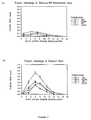
- mice which received a subcutaneous injection of 5 x 10⁶ MUC1+3T3 cells grew progressively until day ten when they started to shrink and disappeared by day eighteen, whereas 3T3 cells were not rejected as expected by BALB/c mice as set out in Example 2 ( Figure 1).
- the human MUC1+ gene product confers an immunogenicity on 3T3 cells: leading to their rejection, and such mice were totally resistant to subsequent challenge.
- Cellular immunity was the mode of rejection as anti-CD3 and anti-CD-8 antibodies totally abrogated immunity.
- mice were immunized with 5 ⁇ g mannan-FP (5 ⁇ g corresponding to the amount of FP) and challenged with 106 - 5 x 10⁷ MUC1+3T3 cells. There was no obvious tumour growth in immunized mice ( Figure 2A) as compared to non immunized mice ( Figure 2B).
- mice immunized with mannan-FP conjugate no tumour growth was observed whereas mice immunized with mannan alone and a mixture of mannan and FP, tumours grew no different as compared to non immunized mice ( Figures 3A, 3B and 3C).
- Anti-CD3 antibody could totally abrogate immunity in mice immunized with M-FP ( Figure 5) and mice which received anti-CD4 or anti-CD8 antibodies showed the following effect: CD4 immunosuppression had a minor effect on tumour growth ( Figure 5); by contrast anti-CD8 treatment led to prolonged tumour growth. Thus CD3+/CD8+ cells are totally responsible for the immunity and tumour protection, CD4+ cells had a minimal effect ( Figure 5). Thus M-FP could immunize against MUC1 carried on the 3T3 cells giving rise to cellular immunity expressed by CD3+/CD8+ cells but not by CD3+/CD4+ cells.
- To measure the various parameters of the immune response we examined (a) delayed type hypersensitivity, (b) cytotoxic T-lymphocytes (c) T-cell proliferation and (d) antibody production.
- mice made totally resistant to MUC1+3T3 cells by immunizing with FP coupled to mannan have CD8+ T-cell immunity, CD4+/CD8 ⁇ DTH, a detectable Tc response due to CD8+ cells, proliferative T-cells to the specific to the immunizing antigen, and little humoral immunity as no anti-MUC1 antibodies were found M-FP appears to be able to induce an anti-tumour response, similar to that shown with tumour cell rejection (12).
- mice which grow until day twenty-two to thirty when they shrink and usually disappear by day forty two.
- MUC1+P815 cells were injected subcutaneously and on day fifteen DBA/2 mice were injected with MFP.
- mice injected with PBS tumours were rejected by day forty-two whereas mice immunized with MFP once on day fifteen tumours were rejected by day thirty-three ( Figure 8B) compared with mice immunized every other day, tumours were rejected by day twenty-seven with a rapid reversal in their growth after a single injection.
- Figure 8B mice immunized every other day
- a patient suffering from breast cancer was injected with 50 ⁇ g of the mannan fusion protein produced according to Example 1. No side-effects were seen following immunization.
- the therapeutic treatment of the patient's cancer is currently under evaluation and it has already been observed that several lesions in the bone have disappeared.
- VNTR's of mucins MUC1 through MUC6 are coupled to mannan and other carbohydrates according to standard procedures such as described in Example 1.
- Table 3 sets out a description of the various mucin core proteins.
- mice were immunized with MFP (5 ⁇ g weekly x 3) and their spleen cells removed and used as CTLs against various 51Cr labelled target cells. The results demonstrate that:
- CTL responses in mice to MFP are H-2 (MHC) restricted.
- mice were immunized with various MFP (5 ⁇ g/week x 3) and tested on a range of peptides at different doses in a proliferation assay.
- MFP 5 ⁇ g/week x 3
- 3H-thymidine 3H-thymidine
- the aim of this example is firstly to determine whether synthetic or other MUC1 agents are immunogenic in humans and secondly, to determine whether an immune response against a self-peptide has any deleterious effects by reaction on normal tissues containing MUC1 - the basis of a Phase I study. Anti-tumour effects are then to be examined.
- Peptide C-p13-32 (CPAHGVTSAPDTRPAPGSTAP) derived from the sequence of MUC1 variable number of tandem repeats (VNTR) were synthesized using an ABI peptide synthesizer (Foster City, California, United States of America). Peptide STP-A representing the serine, thrionine and proline rich region of human CD46 was used as a negative control. The peptide C-p13-32 was conjugated to diphtheria toxoid (DT) (Special sample, CSL, Melbourne, Australia) using gluraraldehyde.
- DT diphtheria toxoid
- the plates were washed and at the bound human antibodies were detected by the addition of 0.03% 2,2-azinodi (3-ethylbenzthiazoline sulfate) in 0.1M citrate buffer, pH4, containing 0.02% H202.
- the absorbency was measured at 405nm using an ELISA reader (Bioteck, EL312e).
- the antigen used in this assay were a) human milk fat globule (HMFG); b) fusion protein, containing five VNTR repeats of MUC1 and glutathione-s-transferase, produced using P-GEX vector; c) DT, d( C-p13-32, and e) negative control peptide STP-A.
- MSA assay and CASA assay Medical Innovations Limited, Artarmon, NSW, Australia
- the MSA assay is an inhibition assay using an anti-MUC1 antibody, the binding of which to the MUC1 can be inhibited by the circulated MUC1 in the sera of patients.
- the CASA assay is a sandwich ELISA, which used two anti-MUC1 antibodies.
- Toxicity In general, there was little systemic toxicity - particularly with the first injections. Later, local reactions occurred in patients which we presumed to be due to a local DTH reaction to diphtheria toxoid as there was erythema and induration which lasted up to seventy-two hours. In some patients, this was accompanied by enlargement of local lymph nodes. Apart from these reactions after the injection, no other side effects were noted.
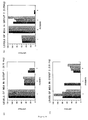
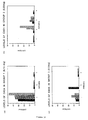
- MSA and CASA testing were performed on most patients and no trends were noted. The data is presented on samples taken at different times during the course of injection and in most patients, there was virtually no increase in the MSA level over the course of the injection ( Figure 9A, 9B and 9C). Similar comments can be made with the CASA tests ( Figure 10A, 10B and 10C). In most patients, there was little change in the levels, although in two patients a progressive increase was noted and this correlated with the progressive disease in those patients. It would be appropriate to state there were essentially no changes in the circulating levels of MUC1 detected by these two separate tests over the course of injection and some weeks thereafter.
- Anti-MUC1 antibody ( Figure 11): Firstly, we would indicate some difficulty in using human serum samples on synthetic peptides - in most cases there is significant background on the synthetic MUC1 peptides not seen with HMFG or with the STPA non-specific peptide.
- the fusion protein and C-p13-32 are non-specifically "sticky"
- immunization with peptide gave rise to no antibodies in 10/12 patients
- two patients number 5 and number 10
- significant increases in antibodies reacting with fusion protein and anti-C-p13-32 antibodies were noted - and these were specific increases as there was no alteration in the effect on either HMFG or the STPA.
- patient number 5 an increase in the diphtheria antibody titre had also occurred, but not in patient number 10.
- antibody responses were noted, but not uniformly so.
- T-cell proliferation The validity of these assays was shown by the proliferative response found in six of ten normal subjects when tested with diphtheria toxoid - these responses indicating the previous immunization with the toxoid. Also of note was that none of the ten normal subjects had any proliferative responses to the different antigens used in particular those containing MUC1 (fusion protein, synthetic peptide, C-p13-32, HMFG) or to the murine cell line expressing MUC1 (Mor5). In addition, five of nine separate tests on the patients with cancer showed proliferative responses to DT, although these tests were only performed on six patients.
- MUC1 fusion protein, synthetic peptide, C-p13-32, HMFG
- MUC1 murine cell line expressing MUC1
- Tumour Response In the seven patients with progressive dIsease, in three the disease was stable.
Landscapes
- Health & Medical Sciences (AREA)
- Life Sciences & Earth Sciences (AREA)
- Chemical & Material Sciences (AREA)
- General Health & Medical Sciences (AREA)
- Organic Chemistry (AREA)
- Medicinal Chemistry (AREA)
- Veterinary Medicine (AREA)
- Animal Behavior & Ethology (AREA)
- Public Health (AREA)
- Pharmacology & Pharmacy (AREA)
- Nuclear Medicine, Radiotherapy & Molecular Imaging (AREA)
- Chemical Kinetics & Catalysis (AREA)
- General Chemical & Material Sciences (AREA)
- Virology (AREA)
- Oncology (AREA)
- Molecular Biology (AREA)
- Communicable Diseases (AREA)
- Immunology (AREA)
- Tropical Medicine & Parasitology (AREA)
- Genetics & Genomics (AREA)
- Toxicology (AREA)
- Biophysics (AREA)
- Biochemistry (AREA)
- Gastroenterology & Hepatology (AREA)
- Zoology (AREA)
- Epidemiology (AREA)
- Mycology (AREA)
- Pulmonology (AREA)
- Proteomics, Peptides & Aminoacids (AREA)
- Microbiology (AREA)
- AIDS & HIV (AREA)
- Bioinformatics & Cheminformatics (AREA)
- Engineering & Computer Science (AREA)
- Medicines Containing Antibodies Or Antigens For Use As Internal Diagnostic Agents (AREA)
- Peptides Or Proteins (AREA)
- Medicines That Contain Protein Lipid Enzymes And Other Medicines (AREA)
- Medicines Containing Material From Animals Or Micro-Organisms (AREA)
Applications Claiming Priority (3)
| Application Number | Priority Date | Filing Date | Title |
|---|---|---|---|
| AUPM3223A AUPM322393A0 (en) | 1993-12-24 | 1993-12-24 | Mucin carbohydrate compounds and their use in immunotherapy |
| AUPM3223/93 | 1993-12-24 | ||
| AUPM322393 | 1993-12-24 |
Publications (3)
| Publication Number | Publication Date |
|---|---|
| EP0659768A2 true EP0659768A2 (de) | 1995-06-28 |
| EP0659768A3 EP0659768A3 (de) | 1996-12-18 |
| EP0659768B1 EP0659768B1 (de) | 2005-04-06 |
Family
ID=3777847
Family Applications (1)
| Application Number | Title | Priority Date | Filing Date |
|---|---|---|---|
| EP94303817A Expired - Lifetime EP0659768B1 (de) | 1993-12-24 | 1994-05-26 | Mucin-Mannan-Konjugate und ihre immunotherapeutische Anwendung |
Country Status (8)
| Country | Link |
|---|---|
| US (2) | US5989552A (de) |
| EP (1) | EP0659768B1 (de) |
| JP (2) | JP3884088B2 (de) |
| AT (1) | ATE292641T1 (de) |
| AU (1) | AUPM322393A0 (de) |
| CA (1) | CA2135833C (de) |
| DE (1) | DE69434324T2 (de) |
| WO (1) | WO1995018145A1 (de) |
Cited By (12)
| Publication number | Priority date | Publication date | Assignee | Title |
|---|---|---|---|---|
| WO1997010845A1 (en) * | 1995-09-18 | 1997-03-27 | Board Of Trustees Of The University Of Illinois | An immunostimulant and antineoplastic glycan obtained from mycobacterium vaccae |
| WO1998013378A1 (en) * | 1996-09-26 | 1998-04-02 | Rijksuniversiteit Te Leiden | Mannosylated peptides |
| WO1998028003A1 (en) * | 1996-12-20 | 1998-07-02 | Merck & Co., Inc. | Formulations of recombinant papillomavirus vaccines |
| DE19740357A1 (de) * | 1997-09-13 | 1999-03-18 | Martin Wilhelm | Phosphoryliertes Zuckermolekül |
| US6251678B1 (en) | 1999-02-05 | 2001-06-26 | Merck & Co., Inc. | Human papillomavirus vaccine formulations |
| WO2001046228A3 (en) * | 1999-12-22 | 2002-01-17 | Glaxo Group Ltd | Nucleic acid vaccination |
| US6355414B1 (en) * | 1997-03-06 | 2002-03-12 | Centro De Ingenieria Genetica Y Biotechnologia | Immunopotentiating formulations for vaccinal use |
| EP1301208A4 (de) * | 2000-06-06 | 2004-11-17 | Austin Research Inst | Impfstoff |
| EP1574217A1 (de) * | 1997-10-03 | 2005-09-14 | Galenica Pharmaceuticals, Inc. | Iminbildende Polysaccharide, deren Herstellung und Verwendung als Zusatzmittel und Immunstimulierende Mittel |
| WO2008063982A3 (en) * | 2006-11-13 | 2008-07-10 | Procell Corp | High mannose glycoprotein epitopes |
| US8021667B2 (en) | 1994-11-16 | 2011-09-20 | Macfarlane Burnet Institute For Medical Research And Public Health Ltd | Compositions for immunotherapy and uses thereof |
| US8771701B2 (en) | 1997-09-29 | 2014-07-08 | Macfarlane Burnet Institute For Medical Research And Public Health Ltd | Compositions for immunotherapy and uses thereof |
Families Citing this family (118)
| Publication number | Priority date | Publication date | Assignee | Title |
|---|---|---|---|---|
| US6548643B1 (en) | 1994-11-16 | 2003-04-15 | Austin Research Institute | Antigen carbohydrate compounds and their use in immunotherapy |
| AUPN568095A0 (en) * | 1995-09-27 | 1995-10-26 | Austin Research Institute, The | Anti-Galalpha(1,3)Gal antibody binding peptides |
| US20080286228A1 (en) * | 1995-10-20 | 2008-11-20 | Tarantolo Stefano R | Compositions and methods for enhancing immune responses mediated by antigen-presenting cells |
| AU703120B2 (en) * | 1995-10-20 | 1999-03-18 | University Of Nebraska Board Of Regents | Composition and methods for enhancing immune responses mediated by antigen-presenting cells |
| KR100680014B1 (ko) * | 1997-10-03 | 2007-02-09 | 갈레니카 파마슈티칼스 인크. | 이민 형성 폴리사카라이드, 이의 제조 방법 및 이것의 아쥬반트 및 면역자극제로서의 용도 |
| DE19758400A1 (de) * | 1997-12-30 | 1999-07-01 | Max Delbrueck Centrum | Tumorvakzine für MUC1-positive Karzinome |
| AU2903999A (en) * | 1998-03-12 | 1999-09-27 | Government Of The United States Of America, As Represented By The Secretary Of The Department Of Health And Human Services, The | Methods and compositions of chemokine-tumor antigen fusion proteins as cancer vaccines |
| WO1999055715A2 (en) * | 1998-04-28 | 1999-11-04 | Galenica Pharmaceuticals, Inc. | Polysaccharide-antigen conjugates |
| EP1046651A1 (de) * | 1999-04-19 | 2000-10-25 | Koninklijke Universiteit Nijmegen | Zusammensetzungen und Verfahren zur Modulierung des interaktion zwischen dendritischer und T-zellen |
| JP2003533181A (ja) * | 2000-02-01 | 2003-11-11 | ジ・オースティン・リサーチ・インスティテュート | ムチン−1誘導抗原および免疫療法におけるその使用 |
| AU780395B2 (en) * | 2000-02-01 | 2005-03-17 | Austin Research Institute, The | Mucin-1 derived antigens and their use in immunotherapy |
| US6956119B2 (en) * | 2000-03-21 | 2005-10-18 | Hans Loibner | Polysaccharide-polypeptide conjugate |
| AU2001263653B2 (en) * | 2000-06-06 | 2006-06-29 | Igavax Pty Ltd | Vaccine |
| US7323174B1 (en) | 2000-06-12 | 2008-01-29 | Arizona Board Of Regents On Behalf Of The University Of Arizona | Modulation of immune response and methods based thereon |
| US20030232055A1 (en) * | 2000-07-31 | 2003-12-18 | Ruslan Medzhitov | Innate immune system-directed vaccines |
| AU2001291049A1 (en) * | 2000-09-15 | 2002-03-26 | The Government Of The United States Of America, As Represented By The Secretary, Department Of Health And Human Services, National Institutes Of Health, Office Of Technology Transfer | Defensin-antigen fusion proteins |
| AU2001291050A1 (en) * | 2000-09-15 | 2002-03-26 | The Government Of The United States Of America, As Represented By The Secretary Of The Department Of Health And Human Services | Viral chemokine-tumur antigen fusion proteins |
| US20030175287A1 (en) * | 2001-01-03 | 2003-09-18 | Yale University | Innate immune system-directed vaccines |
| GB0112126D0 (en) | 2001-05-18 | 2001-07-11 | Allergene Inc | Composition |
| TW200303759A (en) * | 2001-11-27 | 2003-09-16 | Schering Corp | Methods for treating cancer |
| US7659240B2 (en) * | 2002-01-14 | 2010-02-09 | Vertex Pharmaceuticals Incorporated | Mucin immobilized chromatography |
| AU2003233008B2 (en) * | 2002-04-22 | 2008-04-24 | Recopharma Ab | Fusion polypeptides and methods for inhibiting microbial adhesion |
| GB0212036D0 (en) * | 2002-05-24 | 2002-07-03 | Glaxo Group Ltd | Vaccines |
| AU2003258710A1 (en) * | 2002-09-05 | 2004-03-29 | Universitat Zu Koln | Immunogenic muc1 glycopeptides |
| GB0304634D0 (en) * | 2003-02-28 | 2003-04-02 | Glaxo Group Ltd | Vaccines |
| PL1642905T3 (pl) | 2004-10-02 | 2009-04-30 | Immatics Biotechnologies Gmbh | Epitopy immunogenicznych komórek pomocniczych T z antygenów guzów ludzkich oraz sposoby immunoterapeutyczne wykorzystujące te epitopy |
| ATE527285T1 (de) * | 2005-01-28 | 2011-10-15 | Univ Ramot | Anti-muc1-alpha-beta-antikörper |
| CN101184780B (zh) | 2005-05-05 | 2012-10-03 | 森馨香料公司 | β-葡聚糖和甘露聚糖的制备 |
| EP1917041A4 (de) | 2005-08-24 | 2010-09-29 | Cedars Sinai Medical Center | Verwendung von fruktosebasierten therapien zur krebsbehandlung |
| EP1760089B1 (de) | 2005-09-05 | 2009-08-19 | Immatics Biotechnologies GmbH | Tumorassoziierte Peptide, die HLA Klasse I oder II-Moleküle binden, und anti-Tumor Impfstoffe |
| EP1806358B1 (de) | 2005-09-05 | 2010-03-17 | Immatics Biotechnologies GmbH | Tumor-assoziierte Peptide, welche an unterschiedliche menschliche Leukozytenantigene der Klasse II binden |
| GB2430881B (en) | 2005-10-06 | 2010-10-13 | Ntnu Technology Transfer As | Oligoelectrolyte polyols for the treatment of mucosal hyperviscosity |
| JP2009544760A (ja) * | 2006-01-23 | 2009-12-17 | レコファーマ アーベー | 酵母におけるオリゴマンノースまたはヒト様グリカンを担持するタンパク質の産生およびその使用 |
| US20090181041A1 (en) * | 2006-01-23 | 2009-07-16 | Jan Holgersson | Production of proteins carrying oligomannose or human-like glycans in yeast and methods of use thereof |
| ES2555544T3 (es) * | 2006-03-07 | 2016-01-04 | Vaxinnate Corporation | Composiciones que incluyen hemaglutinina, métodos de preparación y métodos de uso de las mismas |
| US20080031872A1 (en) * | 2006-08-02 | 2008-02-07 | Karp Nelson M | HIV immunogenic composition and method of administration |
| GB0707096D0 (en) | 2007-04-12 | 2007-05-23 | Ntnu Technology Transfer As | Method |
| DK2183361T3 (en) | 2007-07-27 | 2015-07-27 | Immatics Biotechnologies Gmbh | Novel immunotherapy against brain tumors |
| BRPI0814140A2 (pt) | 2007-07-27 | 2017-03-28 | Immatics Biotechnologies Gmbh | composição de peptídeos associados a tumor e vacina anticâncer relacionada |
| BRPI0813626A2 (pt) | 2007-07-27 | 2014-12-23 | Immatics Biotechnologies Gmbh | Epitopos imunogênicos para a imunoterapia |
| US8501907B2 (en) | 2007-08-10 | 2013-08-06 | Janssen Biotech, Inc. | Immunoglobulin cleavage fragments as disease indicators and compositions for detecting and binding such |
| CA2696011A1 (en) * | 2007-08-10 | 2009-02-19 | Centocor Ortho Biotech Inc. | Immunoglobulin cleavage fragments as disease indicators and compositions for detecting and binding such |
| RU2527894C2 (ru) | 2007-11-27 | 2014-09-10 | Альгифарма ИПР АС | Использование альгинатных олигомеров в борьбе с биопленками |
| ES2554981T3 (es) | 2008-03-27 | 2015-12-28 | Immatics Biotechnologies Gmbh | Nueva inmunoterapia contra tumores neuronales y cerebrales |
| DE602008000891D1 (de) | 2008-04-30 | 2010-05-12 | Immatics Biotechnologies Gmbh | Neuartige Formulierungen von Tumor-assoziierten Peptiden, welche an menschliche Leukozytenantigene der Klasse I oder II für Impfungen binden |
| RS53872B2 (sr) | 2008-05-14 | 2018-06-29 | Immatics Biotechnologies Gmbh | Novi i snažni mhc peptidi klase ii izvedeni iz survivina i neurokana |
| EP2334826A4 (de) | 2008-09-12 | 2012-01-25 | Cancer Res Initiative Foundation | Verfahren für den nachweis und die diagnose oraler und nasopharyngealer tumoren |
| RS53782B1 (sr) | 2008-10-01 | 2015-06-30 | Immatics Biotechnologies Gmbh | Preparati tumor-asociranih peptida i odgovarajuća antikancerska vakcina za tretman glioblastoma (gbm) i drugih kancera |
| GB0904942D0 (en) | 2009-03-23 | 2009-05-06 | Ntnu Technology Transfer As | Composition |
| GB0904941D0 (en) | 2009-03-23 | 2009-05-06 | Ntnu Technology Transfer As | Composition |
| CA2764197C (en) | 2009-06-03 | 2017-09-12 | Algipharma As | Alginate oligomers for use in overcoming multidrug resistance in bacteria |
| EP2330122A1 (de) | 2009-12-02 | 2011-06-08 | Asklepios Kliniken Hamburg Gmbh | OFA/iLRP-abgeleitetes modifiziertes Peptid |
| US9023802B2 (en) | 2009-12-14 | 2015-05-05 | Immatics Biotechnologies Gmbh | HLA-binding peptides derived from prostate-associated antigenic molecules and methods of use thereof |
| GB201019331D0 (en) | 2010-03-19 | 2010-12-29 | Immatics Biotechnologies Gmbh | Methods for the diagnosis and treatment of cancer based on AVL9 |
| GB201004551D0 (en) | 2010-03-19 | 2010-05-05 | Immatics Biotechnologies Gmbh | NOvel immunotherapy against several tumors including gastrointestinal and gastric cancer |
| GB201004575D0 (en) | 2010-03-19 | 2010-05-05 | Immatics Biotechnologies Gmbh | Composition of tumor associated peptides and related anti cancer vaccine for the treatment of gastric cancer and other cancers |
| JP6096111B2 (ja) | 2010-05-10 | 2017-03-15 | アセンド・バイオファーマシューティカルズ・リミテッド | 免疫刺激組成物及びワクチン組成物 |
| GB201009222D0 (en) | 2010-06-02 | 2010-07-21 | Immatics Biotechnologies Gmbh | Improved cancer therapy based on tumour associated antigens derived from cyclin D1 |
| GB201015765D0 (en) | 2010-09-21 | 2010-10-27 | Immatics Biotechnologies Gmbh | Use of myeloid cell biomarkers for the diagnosis of cancer |
| GB201021289D0 (en) | 2010-12-15 | 2011-01-26 | Immatics Biotechnologies Gmbh | Novel biomarkers for a prediction of the outcome of an immunotherapy against cancer |
| SG191154A1 (en) | 2010-12-14 | 2013-07-31 | Immatics Biotechnologies Gmbh | Hla-binding peptides derived from prostate-associated antigenic molecules and methods of use thereof |
| AU2012334825B2 (en) * | 2011-11-09 | 2017-08-24 | Ascend Biopharmaceuticals Ltd | Immunomodulatory conjugates |
| TWI777194B (zh) | 2013-08-05 | 2022-09-11 | 德商伊瑪提克斯生物科技有限公司 | 新穎肽類,細胞及其用於治療多種腫瘤的用途,其製造方法及包含其等之醫藥組成物(一) |
| GB201319446D0 (en) | 2013-11-04 | 2013-12-18 | Immatics Biotechnologies Gmbh | Personalized immunotherapy against several neuronal and brain tumors |
| JP6164759B2 (ja) | 2013-11-21 | 2017-07-19 | Repertoire Genesis株式会社 | T細胞受容体およびb細胞受容体レパトアの解析システムならびにその治療および診断への利用 |
| EP2883550A1 (de) | 2013-12-12 | 2015-06-17 | Deutsches Krebsforschungszentrum Stiftung des Öffentlichen Rechts | Neuartige promiskuitive, HPV16-abgeleitete T-Helferepitope zur Immuntherapie |
| WO2015119180A1 (ja) | 2014-02-06 | 2015-08-13 | 医化学創薬株式会社 | ムチン4(muc4)糖ペプチドに対する抗体及びその用途 |
| GB201408255D0 (en) | 2014-05-09 | 2014-06-25 | Immatics Biotechnologies Gmbh | Novel immunotherapy against several tumours of the blood, such as acute myeloid leukemia (AML) |
| GB201411037D0 (en) | 2014-06-20 | 2014-08-06 | Immatics Biotechnologies Gmbh | Novel immunotherapy against several tumors of the blood, in particular chronic lymphoid leukemai (CLL) |
| PL3545965T3 (pl) | 2014-12-23 | 2021-12-27 | Immatics Biotechnologies Gmbh | Nowe peptydy i kombinacja peptydów do stosowania w immunoterapii względem raka komórek wątroby (hcc) i innych rodzajów raka |
| GB201501017D0 (en) | 2014-12-23 | 2015-03-04 | Immatics Biotechnologies Gmbh | Novel peptides and combination of peptides for use in immunotherapy against hepatocellular carcinoma (HCC) and other cancers |
| FI3273986T3 (fi) | 2015-03-27 | 2024-02-07 | Immatics Biotechnologies Gmbh | Uusia peptidejä ja peptidien yhdistelmiä käytettäväksi immunoterapiassa eri syöpiä vastaan |
| GB201505585D0 (en) | 2015-03-31 | 2015-05-13 | Immatics Biotechnologies Gmbh | Novel peptides and combination of peptides and scaffolds for use in immunotherapy against renal cell carinoma (RCC) and other cancers |
| GB201507030D0 (en) | 2015-04-24 | 2015-06-10 | Immatics Biotechnologies Gmbh | Immunotherapy against lung cancers, in particular NSCLC |
| GB201507719D0 (en) | 2015-05-06 | 2015-06-17 | Immatics Biotechnologies Gmbh | Novel peptides and combination of peptides and scaffolds thereof for use in immunotherapy against colorectal carcinoma (CRC) and other cancers |
| GB201511546D0 (en) | 2015-07-01 | 2015-08-12 | Immatics Biotechnologies Gmbh | Novel peptides and combination of peptides for use in immunotherapy against ovarian cancer and other cancers |
| EP3919507A3 (de) | 2015-07-01 | 2022-01-12 | Immatics Biotechnologies GmbH | Nouveaux peptides et combinaison de peptides à utiliser en immunothérapie contre le cancer de l'ovaire et d'autres cancers |
| CR20170579A (es) | 2015-07-06 | 2018-05-25 | Immatics Biotechnologies Gmbh | Nuevos péptidos y combinación de péptidos para usar en inmunoterapia contra el cáncer esofágico y otros cánceres. |
| GB201513921D0 (en) | 2015-08-05 | 2015-09-23 | Immatics Biotechnologies Gmbh | Novel peptides and combination of peptides for use in immunotherapy against prostate cancer and other cancers |
| GB201522667D0 (en) | 2015-12-22 | 2016-02-03 | Immatics Biotechnologies Gmbh | Novel peptides and combination of peptides for use in immunotherapy against breast cancer and other cancers |
| GB201602918D0 (en) | 2016-02-19 | 2016-04-06 | Immatics Biotechnologies Gmbh | Novel peptides and combination of peptides for use in immunotherapy against NHL and other cancers |
| CN116375797A (zh) | 2016-03-01 | 2023-07-04 | 伊玛提克斯生物技术有限公司 | 用于膀胱癌和其他癌症免疫治疗的肽、肽组合物和细胞类药物 |
| GB201603987D0 (en) | 2016-03-08 | 2016-04-20 | Immatics Biotechnologies Gmbh | Uterine cancer treatments |
| KR102411975B1 (ko) | 2016-04-06 | 2022-06-22 | 이매틱스 바이오테크놀로지스 게엠베하 | Aml 및 다른 암에 대한 면역요법에 사용하기 위한 펩티드 및 펩티드의 조합 |
| TWI796299B (zh) | 2016-08-26 | 2023-03-21 | 德商英麥提克生物技術股份有限公司 | 用於頭頸鱗狀細胞癌和其他癌症免疫治療的新型肽和支架 |
| TWI796314B (zh) | 2017-01-27 | 2023-03-21 | 德商英麥提克生物技術股份有限公司 | 用於卵巢癌和其他癌症免疫治療的新型肽和肽組合物 |
| EP3609530A1 (de) | 2017-04-10 | 2020-02-19 | Immatics Biotechnologies GmbH | Peptide und kombination davon zur verwendung in der immuntherapie gegen krebs |
| US11427614B2 (en) | 2017-04-10 | 2022-08-30 | Immatics Biotechnologies Gmbh | Peptides and combination thereof for use in the immunotherapy against cancers |
| WO2018189152A2 (en) | 2017-04-10 | 2018-10-18 | Immatics Biotechnologies Gmbh | Peptides and combination of peptides for use in immunotherapy against leukemias and other cancers |
| CN119080881A (zh) | 2017-07-07 | 2024-12-06 | 伊玛提克斯生物技术有限公司 | 用于肺癌(包括nsclc、sclc和其他癌症)免疫治疗的新型肽和肽组合物 |
| WO2019007974A1 (en) | 2017-07-07 | 2019-01-10 | Immatics Biotechnologies Gmbh | NOVEL PEPTIDES AND COMBINATION OF PEPTIDES FOR USE IN IMMUNOTHERAPY OF LUNG CANCER, INCLUDING NSCLC, CPPC AND OTHER CANCERS |
| DE102018107224A1 (de) | 2018-02-21 | 2019-08-22 | Immatics Biotechnologies Gmbh | Peptide und Kombinationen von Peptiden nicht-kanonischen Ursprungs zur Verwendung in der Immuntherapie gegen verschiedene Krebsarten |
| TW202016131A (zh) | 2018-05-16 | 2020-05-01 | 德商英麥提克生物技術股份有限公司 | 用於抗癌免疫治療的肽 |
| US10925947B2 (en) | 2018-06-29 | 2021-02-23 | Immatics Biotechnologies Gmbh | A*03 restricted peptides for use in immunotherapy against cancers and related methods |
| TW202019955A (zh) | 2018-07-31 | 2020-06-01 | 德商英麥提克生物技術股份有限公司 | B*07 限制肽和肽組合的抗癌免疫治療和相關方法 |
| US11945850B2 (en) | 2018-09-17 | 2024-04-02 | Immatics Biotechnologies Gmbh | B*44 restricted peptides for use in immunotherapy against cancers and related methods |
| TW202024121A (zh) | 2018-09-18 | 2020-07-01 | 德商英麥提克生物技術股份有限公司 | A*01 限制肽和肽組合物在抗癌免疫治療中的用途和相關方法 |
| TW202039535A (zh) | 2018-12-18 | 2020-11-01 | 德商英麥提克生物技術股份有限公司 | B*08限制肽和肽組合物抗癌免疫治療和相關方法 |
| US20220332764A1 (en) | 2019-08-29 | 2022-10-20 | Eberhard Karls Universität Tübingen | T cell epitopes of hcmv and uses of thereof |
| EP3892297A1 (de) | 2020-04-09 | 2021-10-13 | Eberhard Karls Universität Tübingen Medizinische Fakultät | Peptide und kombinationen von peptiden zur verwendung in der immuntherapie gegen eine infektion durch sars-cov-2 (covid-19) |
| EP3907284A1 (de) | 2020-05-06 | 2021-11-10 | Eberhard Karls Universität Tübingen Medizinische Fakultät | Peptide und kombinationen aus peptiden zur verwendung in der immuntherapie gegen hämatologische neoplasmen und andere krebsarten |
| EP3950705A1 (de) | 2020-08-07 | 2022-02-09 | Eberhard Karls Universität Tübingen Medizinische Fakultät | Peptide und kombinationen von peptiden zur verwendung in der immuntherapie gegen eine infektion durch sars-cov-2 (covid-19) |
| TW202229312A (zh) | 2020-09-29 | 2022-08-01 | 德商英麥提克生物技術股份有限公司 | 由非hla-a*02顯露以用於不同類型癌症之免疫治療的醯胺化肽及其脫醯胺化對應物 |
| DE102020125457A1 (de) | 2020-09-29 | 2022-03-31 | Immatics Biotechnologies Gmbh | Amidierte Peptide und ihre deamidierten Gegenstücke, die durch HLA-A*02-Moleküle präsentiert werden, zur Verwendung in der Immuntherapie gegen verschiedene Krebsarten |
| DE102020125465A1 (de) | 2020-09-29 | 2022-03-31 | Immatics Biotechnologies Gmbh | Amidierte Peptide und ihre deamidierten Gegenstücke, die durch nicht-HLA-A*02-Moleküle präsentiert werden, zur Verwendung in der Immuntherapie gegen verschiedene Krebsarten |
| TW202241925A (zh) | 2021-01-15 | 2022-11-01 | 德商英麥提克生物技術股份有限公司 | 用於不同類型癌症免疫治療的hla展示肽 |
| EP4337694A1 (de) | 2021-05-12 | 2024-03-20 | Dana-Farber Cancer Institute, Inc. | Lag3- und gal3-hemmer, xbp1, cs1 und cd138-peptide und verfahren zur verwendung davon |
| CN117999350A (zh) | 2021-06-25 | 2024-05-07 | 组库创世纪株式会社 | 一种t细胞表位序列的鉴定方法及其应用 |
| WO2023283134A1 (en) | 2021-07-05 | 2023-01-12 | Regeneron Pharmaceuticals, Inc. | Utilization of antibodies to shape antibody responses to an antigen |
| EP4198052A1 (de) | 2021-12-15 | 2023-06-21 | Eberhard Karls Universität Tübingen Medizinische Fakultät | Peptide und antigenbindende proteine zur verwendung in der immuntherapie gegen fibrolamellares hepatozelluläres karzinom (fl-hcc) und andere krebsarten |
| EP4311834A1 (de) | 2022-07-29 | 2024-01-31 | Eberhard Karls Universität Tübingen, Medizinische Fakultät | Peptide und kombinationen von peptiden zur verwendung in der immuntherapie gegen oropharyngeale plattenepithelkarzinome und andere krebsarten |
| EP4368189A1 (de) | 2022-11-09 | 2024-05-15 | Eberhard Karls Universität Tübingen, Medizinische Fakultät | Peptide und kombinationen aus peptiden zur verwendung in der immuntherapie gegen akute myeloische leukämie (aml) und andere hämatologische neoplasmen |
| CN120603603A (zh) | 2023-01-12 | 2025-09-05 | 瑞泽恩制药公司 | 用于靶向递送TGFβ的组合物和方法 |
| WO2025040598A2 (en) | 2023-08-18 | 2025-02-27 | Immatics Biotechnologies Gmbh | Peptides displayed by mhc for use in immunotherapy against different types of cancer |
| AU2024344227A1 (en) | 2023-09-19 | 2026-04-30 | Regeneron Pharmaceuticals, Inc. | Viral peptides and uses thereof |
| WO2025136809A2 (en) | 2023-12-19 | 2025-06-26 | Regeneron Pharmaceuticals, Inc. | Foxp3 peptides and uses thereof |
| WO2025178991A1 (en) | 2024-02-21 | 2025-08-28 | Regeneron Pharmaceuticals, Inc. | Splicing factor gene mutation-associated neoantigenic peptides and uses thereof |
| WO2026030428A2 (en) | 2024-08-01 | 2026-02-05 | Regeneron Pharmaceuticals, Inc. | Prostate-specific antigen peptides and uses thereof |
Family Cites Families (24)
| Publication number | Priority date | Publication date | Assignee | Title |
|---|---|---|---|---|
| FR2279422A2 (fr) * | 1974-07-22 | 1976-02-20 | Inst Nat Sante Rech Med | Forme pharmaceutique a base d'interferon |
| US4720386A (en) * | 1976-11-24 | 1988-01-19 | Mccollester Duncan L | Vaccine and method for immunotherapy of neoplastic disease |
| US4415552A (en) * | 1979-02-06 | 1983-11-15 | The Governors Of The University Of Alberta | Composition for establishing immunological tolerance |
| JPS5639022A (en) * | 1979-09-05 | 1981-04-14 | Hayashibara Biochem Lab Inc | Preparation of vaccine |
| JPS57136528A (en) * | 1981-02-09 | 1982-08-23 | Hayashibara Biochem Lab Inc | Preparation of viral vaccine |
| US4356170A (en) * | 1981-05-27 | 1982-10-26 | Canadian Patents & Development Ltd. | Immunogenic polysaccharide-protein conjugates |
| JPS61112023A (ja) * | 1984-11-05 | 1986-05-30 | Tanabe Seiyaku Co Ltd | がん細胞傷害活性物質の新規製法 |
| US4713240A (en) * | 1985-04-04 | 1987-12-15 | Research Corporation | Vaccines based on insoluble supports |
| JP2594123B2 (ja) * | 1987-09-12 | 1997-03-26 | 株式会社林原生物化学研究所 | 減感作剤 |
| EP0326111A3 (de) * | 1988-01-29 | 1989-12-27 | New York Blood Center, Inc. | Peptid-Derivate, immunogenisch gemacht bei Verabreichung zusammen mit Alaun als Zusatzmittel |
| US5047227A (en) * | 1988-02-08 | 1991-09-10 | Cytogen Corporation | Novel and improved antibodies for site specific attachment of compounds |
| EP0357767B1 (de) * | 1988-03-11 | 1995-05-24 | The Biomembrane Institute | Monoklonale antikörper und herstellung eines impfstoffes gegen menschliche krebsantigene durch immunisierung mit menschlichem und tierischem mucin und mit synthetischen gluciden-trägerkonjugaten |
| JPH01233219A (ja) * | 1988-03-12 | 1989-09-19 | Nippon Oil & Fats Co Ltd | 制癌剤組成物 |
| ES2051909T3 (es) * | 1988-04-19 | 1994-07-01 | American Cyanamid Co | Vacuna del conjugado de polisacarido-proteina de membrana externa contra la haemophilus influenzae tipo b. |
| AU620149B2 (en) * | 1988-08-18 | 1992-02-13 | Vaxine Pty Ltd | Gamma inulin compositions |
| EP0442926A1 (de) * | 1988-11-10 | 1991-08-28 | Imperial Cancer Research Technology Limited | Polypeptide |
| DK0563278T3 (da) * | 1990-12-20 | 2000-08-21 | Dana Farber Cancer Inst Inc | Regulering af geneekspression med ioniserende stråling |
| US6605712B1 (en) * | 1990-12-20 | 2003-08-12 | Arch Development Corporation | Gene transcription and ionizing radiation: methods and compositions |
| WO1993006858A1 (en) * | 1991-10-09 | 1993-04-15 | Dana Farber Cancer Institute, Inc. | Lung cancer-associated protein |
| IL104382A0 (en) * | 1992-01-17 | 1993-05-13 | Solvay Animal Health Inc | Vaccine containing acemannan as an adjuvant |
| JP3043888B2 (ja) * | 1992-02-20 | 2000-05-22 | 森永乳業株式会社 | グルコマンナン部分加水分解物を有効成分とする大腸ガン予防剤 |
| AU3746293A (en) * | 1992-03-06 | 1993-10-05 | Biocine S.P.A. | Conjugates formed from heat shock proteins and oligo- or polysaccharides |
| IT1262896B (it) * | 1992-03-06 | 1996-07-22 | Composti coniugati formati da proteine heat shock (hsp) e oligo-poli- saccaridi, loro uso per la produzione di vaccini. | |
| AU5675794A (en) * | 1992-12-15 | 1994-07-04 | Board Of Trustees Of The Leland Stanford Junior University | Mucosal vascular addressin, dna and expression |
-
1993
- 1993-12-24 AU AUPM3223A patent/AUPM322393A0/en not_active Abandoned
-
1994
- 1994-05-26 DE DE69434324T patent/DE69434324T2/de not_active Expired - Lifetime
- 1994-05-26 AT AT94303817T patent/ATE292641T1/de not_active IP Right Cessation
- 1994-05-26 EP EP94303817A patent/EP0659768B1/de not_active Expired - Lifetime
- 1994-05-27 JP JP13797694A patent/JP3884088B2/ja not_active Expired - Lifetime
- 1994-11-15 CA CA002135833A patent/CA2135833C/en not_active Expired - Lifetime
- 1994-12-23 WO PCT/AU1994/000789 patent/WO1995018145A1/en not_active Ceased
-
1997
- 1997-04-09 US US08/833,807 patent/US5989552A/en not_active Expired - Lifetime
-
1998
- 1998-12-30 US US09/223,043 patent/US6177256B1/en not_active Expired - Lifetime
-
2006
- 2006-10-04 JP JP2006272667A patent/JP4701146B2/ja not_active Expired - Lifetime
Cited By (16)
| Publication number | Priority date | Publication date | Assignee | Title |
|---|---|---|---|---|
| US8021667B2 (en) | 1994-11-16 | 2011-09-20 | Macfarlane Burnet Institute For Medical Research And Public Health Ltd | Compositions for immunotherapy and uses thereof |
| WO1997010845A1 (en) * | 1995-09-18 | 1997-03-27 | Board Of Trustees Of The University Of Illinois | An immunostimulant and antineoplastic glycan obtained from mycobacterium vaccae |
| WO1998013378A1 (en) * | 1996-09-26 | 1998-04-02 | Rijksuniversiteit Te Leiden | Mannosylated peptides |
| EP0849275A1 (de) * | 1996-09-26 | 1998-06-24 | Rijksuniversiteit te Leiden | Mannosylierte Peptide |
| US6280740B1 (en) * | 1996-12-20 | 2001-08-28 | Merck & Co., Inc. | Formulations of recombinant papillomavirus vaccines |
| WO1998028003A1 (en) * | 1996-12-20 | 1998-07-02 | Merck & Co., Inc. | Formulations of recombinant papillomavirus vaccines |
| US6355414B1 (en) * | 1997-03-06 | 2002-03-12 | Centro De Ingenieria Genetica Y Biotechnologia | Immunopotentiating formulations for vaccinal use |
| DE19740357A1 (de) * | 1997-09-13 | 1999-03-18 | Martin Wilhelm | Phosphoryliertes Zuckermolekül |
| US8771701B2 (en) | 1997-09-29 | 2014-07-08 | Macfarlane Burnet Institute For Medical Research And Public Health Ltd | Compositions for immunotherapy and uses thereof |
| EP1574217A1 (de) * | 1997-10-03 | 2005-09-14 | Galenica Pharmaceuticals, Inc. | Iminbildende Polysaccharide, deren Herstellung und Verwendung als Zusatzmittel und Immunstimulierende Mittel |
| US6251678B1 (en) | 1999-02-05 | 2001-06-26 | Merck & Co., Inc. | Human papillomavirus vaccine formulations |
| WO2001046228A3 (en) * | 1999-12-22 | 2002-01-17 | Glaxo Group Ltd | Nucleic acid vaccination |
| EP1301208A4 (de) * | 2000-06-06 | 2004-11-17 | Austin Research Inst | Impfstoff |
| EP2066332A4 (de) * | 2000-06-06 | 2012-01-18 | Macfarlane Burnet Inst For Medical Res & Public Health Ltd | Grippeimpfstoff-mischung aus mannan und einem grippe-antigen |
| US8182821B2 (en) | 2000-06-06 | 2012-05-22 | The Macfarlane Burnet Institute For Medical Research And Public Health Ltd. | Flu vaccine admixture of mannan and flu antigen |
| WO2008063982A3 (en) * | 2006-11-13 | 2008-07-10 | Procell Corp | High mannose glycoprotein epitopes |
Also Published As
| Publication number | Publication date |
|---|---|
| DE69434324D1 (de) | 2005-05-12 |
| EP0659768A3 (de) | 1996-12-18 |
| EP0659768B1 (de) | 2005-04-06 |
| US5989552A (en) | 1999-11-23 |
| DE69434324T2 (de) | 2006-03-09 |
| JP4701146B2 (ja) | 2011-06-15 |
| CA2135833C (en) | 2008-09-09 |
| AUPM322393A0 (en) | 1994-01-27 |
| JP3884088B2 (ja) | 2007-02-21 |
| ATE292641T1 (de) | 2005-04-15 |
| CA2135833A1 (en) | 1995-06-25 |
| US6177256B1 (en) | 2001-01-23 |
| WO1995018145A1 (en) | 1995-07-06 |
| JP2007197419A (ja) | 2007-08-09 |
| JPH07206707A (ja) | 1995-08-08 |
Similar Documents
| Publication | Publication Date | Title |
|---|---|---|
| US6177256B1 (en) | Antigen carbohydrate compounds and their use in immunotherapy | |
| US6548643B1 (en) | Antigen carbohydrate compounds and their use in immunotherapy | |
| Apostolopoulos et al. | Cell-mediated immune responses to MUC1 fusion protein coupled to mannan | |
| Apostolopoulos et al. | Cellular mucins: targets for immunotherapy | |
| EP0859627B1 (de) | Peptid-immitierende substanzen in der krebstherapie | |
| EP0804231B1 (de) | Synthetische, vielfache tandemwiederholungen des mucinpeptides und seiner derivate und deren verwendung | |
| Ding et al. | Immunogenicity of synthetic peptides related to the core peptide sequence encoded by the human MUC1 mucin gene: effect of immunization on the growth of murine mammary adenocarcinoma cells transfected with the human MUC1 gene | |
| EP0427347B1 (de) | Synthetische Peptide nützlich als universale Träger für die Herstellung von immunogenischen Konjugaten und deren Benützung in der Entwicklung von synthetischen Impfstoffen | |
| US8017584B2 (en) | GD3-mimetic peptides | |
| WO2001057068A1 (en) | Mucin-1 derived antigens and their use in immunotherapy | |
| AU703120B2 (en) | Composition and methods for enhancing immune responses mediated by antigen-presenting cells | |
| US5686075A (en) | Synthetic peptide vaccines for dental caries | |
| Vichier‐Guerre et al. | Short synthetic glycopeptides successfully induce antibody responses to carcinoma‐associated Tn antigen | |
| AU685539B2 (en) | Antigen carbohydrate compounds and their use in immunotherapy | |
| AU780395B2 (en) | Mucin-1 derived antigens and their use in immunotherapy | |
| JP5534630B2 (ja) | Gd3模倣ペプチド |
Legal Events
| Date | Code | Title | Description |
|---|---|---|---|
| PUAI | Public reference made under article 153(3) epc to a published international application that has entered the european phase |
Free format text: ORIGINAL CODE: 0009012 |
|
| AK | Designated contracting states |
Kind code of ref document: A2 Designated state(s): AT BE CH DE DK ES FR GB GR IE IT LI LU MC NL PT SE |
|
| RAX | Requested extension states of the european patent have changed |
Free format text: SI PAYMENT 940603 |
|
| RAP1 | Party data changed (applicant data changed or rights of an application transferred) |
Owner name: ILEXUS PTY LTD |
|
| PUAL | Search report despatched |
Free format text: ORIGINAL CODE: 0009013 |
|
| AK | Designated contracting states |
Kind code of ref document: A3 Designated state(s): AT BE CH DE DK ES FR GB GR IE IT LI LU MC NL PT SE |
|
| AX | Request for extension of the european patent |
Free format text: SI PAYMENT 940603 |
|
| 17P | Request for examination filed |
Effective date: 19970613 |
|
| 17Q | First examination report despatched |
Effective date: 19991202 |
|
| 111L | Licence recorded |
Free format text: 0100 CANCER VAC LIMITED Effective date: 20021114 |
|
| GRAP | Despatch of communication of intention to grant a patent |
Free format text: ORIGINAL CODE: EPIDOSNIGR1 |
|
| RTI1 | Title (correction) |
Free format text: MUCIN-MANNAN CONJUGATES AND THEIR USE IN IMMUNOTHERAPY |
|
| GRAP | Despatch of communication of intention to grant a patent |
Free format text: ORIGINAL CODE: EPIDOSNIGR1 |
|
| GRAS | Grant fee paid |
Free format text: ORIGINAL CODE: EPIDOSNIGR3 |
|
| GRAA | (expected) grant |
Free format text: ORIGINAL CODE: 0009210 |
|
| AK | Designated contracting states |
Kind code of ref document: B1 Designated state(s): AT BE CH DE DK ES FR GB GR IE IT LI LU MC NL PT SE |
|
| AX | Request for extension of the european patent |
Extension state: SI |
|
| PG25 | Lapsed in a contracting state [announced via postgrant information from national office to epo] |
Ref country code: NL Free format text: LAPSE BECAUSE OF FAILURE TO SUBMIT A TRANSLATION OF THE DESCRIPTION OR TO PAY THE FEE WITHIN THE PRESCRIBED TIME-LIMIT Effective date: 20050406 Ref country code: LI Free format text: LAPSE BECAUSE OF FAILURE TO SUBMIT A TRANSLATION OF THE DESCRIPTION OR TO PAY THE FEE WITHIN THE PRESCRIBED TIME-LIMIT Effective date: 20050406 Ref country code: CH Free format text: LAPSE BECAUSE OF FAILURE TO SUBMIT A TRANSLATION OF THE DESCRIPTION OR TO PAY THE FEE WITHIN THE PRESCRIBED TIME-LIMIT Effective date: 20050406 Ref country code: BE Free format text: LAPSE BECAUSE OF FAILURE TO SUBMIT A TRANSLATION OF THE DESCRIPTION OR TO PAY THE FEE WITHIN THE PRESCRIBED TIME-LIMIT Effective date: 20050406 Ref country code: AT Free format text: LAPSE BECAUSE OF FAILURE TO SUBMIT A TRANSLATION OF THE DESCRIPTION OR TO PAY THE FEE WITHIN THE PRESCRIBED TIME-LIMIT Effective date: 20050406 |
|
| REG | Reference to a national code |
Ref country code: GB Ref legal event code: FG4D |
|
| REG | Reference to a national code |
Ref country code: CH Ref legal event code: EP |
|
| REG | Reference to a national code |
Ref country code: IE Ref legal event code: FG4D |
|
| REF | Corresponds to: |
Ref document number: 69434324 Country of ref document: DE Date of ref document: 20050512 Kind code of ref document: P |
|
| PG25 | Lapsed in a contracting state [announced via postgrant information from national office to epo] |
Ref country code: LU Free format text: LAPSE BECAUSE OF NON-PAYMENT OF DUE FEES Effective date: 20050526 Ref country code: IT Free format text: LAPSE BECAUSE OF NON-PAYMENT OF DUE FEES;WARNING: LAPSES OF ITALIAN PATENTS WITH EFFECTIVE DATE BEFORE 2007 MAY HAVE OCCURRED AT ANY TIME BEFORE 2007. THE CORRECT EFFECTIVE DATE MAY BE DIFFERENT FROM THE ONE RECORDED. Effective date: 20050526 |
|
| PG25 | Lapsed in a contracting state [announced via postgrant information from national office to epo] |
Ref country code: MC Free format text: LAPSE BECAUSE OF NON-PAYMENT OF DUE FEES Effective date: 20050531 |
|
| PG25 | Lapsed in a contracting state [announced via postgrant information from national office to epo] |
Ref country code: SE Free format text: LAPSE BECAUSE OF FAILURE TO SUBMIT A TRANSLATION OF THE DESCRIPTION OR TO PAY THE FEE WITHIN THE PRESCRIBED TIME-LIMIT Effective date: 20050706 Ref country code: GR Free format text: LAPSE BECAUSE OF FAILURE TO SUBMIT A TRANSLATION OF THE DESCRIPTION OR TO PAY THE FEE WITHIN THE PRESCRIBED TIME-LIMIT Effective date: 20050706 Ref country code: DK Free format text: LAPSE BECAUSE OF FAILURE TO SUBMIT A TRANSLATION OF THE DESCRIPTION OR TO PAY THE FEE WITHIN THE PRESCRIBED TIME-LIMIT Effective date: 20050706 |
|
| PG25 | Lapsed in a contracting state [announced via postgrant information from national office to epo] |
Ref country code: ES Free format text: LAPSE BECAUSE OF FAILURE TO SUBMIT A TRANSLATION OF THE DESCRIPTION OR TO PAY THE FEE WITHIN THE PRESCRIBED TIME-LIMIT Effective date: 20050717 |
|
| PG25 | Lapsed in a contracting state [announced via postgrant information from national office to epo] |
Ref country code: PT Free format text: LAPSE BECAUSE OF FAILURE TO SUBMIT A TRANSLATION OF THE DESCRIPTION OR TO PAY THE FEE WITHIN THE PRESCRIBED TIME-LIMIT Effective date: 20050908 |
|
| NLV1 | Nl: lapsed or annulled due to failure to fulfill the requirements of art. 29p and 29m of the patents act | ||
| REG | Reference to a national code |
Ref country code: CH Ref legal event code: PL |
|
| PLBE | No opposition filed within time limit |
Free format text: ORIGINAL CODE: 0009261 |
|
| STAA | Information on the status of an ep patent application or granted ep patent |
Free format text: STATUS: NO OPPOSITION FILED WITHIN TIME LIMIT |
|
| 26N | No opposition filed |
Effective date: 20060110 |
|
| ET | Fr: translation filed | ||
| PGRI | Patent reinstated in contracting state [announced from national office to epo] |
Ref country code: IT Effective date: 20080301 |
|
| REG | Reference to a national code |
Ref country code: FR Ref legal event code: TP Owner name: THE MACFARLANE BURNET INSTITUTE FOR MEDICAL RE, AU Effective date: 20120403 |
|
| REG | Reference to a national code |
Ref country code: DE Ref legal event code: R082 Ref document number: 69434324 Country of ref document: DE Representative=s name: GRAF VON STOSCH PATENTANWALTSGESELLSCHAFT MBH, DE |
|
| REG | Reference to a national code |
Ref country code: DE Ref legal event code: R082 Ref document number: 69434324 Country of ref document: DE Representative=s name: GRAF VON STOSCH PATENTANWALTSGESELLSCHAFT MBH, DE Effective date: 20120522 Ref country code: DE Ref legal event code: R081 Ref document number: 69434324 Country of ref document: DE Owner name: MACFARLANE BURNET INSTITUTE FOR MEDICAL RESEAR, AU Free format text: FORMER OWNER: ILEXUS PTY. LTD., SYDNEY, NEU SUED WALES, AU Effective date: 20120522 Ref country code: DE Ref legal event code: R081 Ref document number: 69434324 Country of ref document: DE Owner name: MACFARLANE BURNET INSTITUTE FOR MEDICAL RESEAR, AU Free format text: FORMER OWNER: ILEXUS PTY. LTD., SYDNEY, AU Effective date: 20120522 |
|
| PGFP | Annual fee paid to national office [announced via postgrant information from national office to epo] |
Ref country code: GB Payment date: 20130522 Year of fee payment: 20 Ref country code: IE Payment date: 20130510 Year of fee payment: 20 Ref country code: DE Payment date: 20130522 Year of fee payment: 20 |
|
| PGFP | Annual fee paid to national office [announced via postgrant information from national office to epo] |
Ref country code: FR Payment date: 20130531 Year of fee payment: 20 Ref country code: IT Payment date: 20130513 Year of fee payment: 20 |
|
| REG | Reference to a national code |
Ref country code: DE Ref legal event code: R071 Ref document number: 69434324 Country of ref document: DE |
|
| REG | Reference to a national code |
Ref country code: DE Ref legal event code: R071 Ref document number: 69434324 Country of ref document: DE |
|
| REG | Reference to a national code |
Ref country code: GB Ref legal event code: PE20 Expiry date: 20140525 |
|
| REG | Reference to a national code |
Ref country code: IE Ref legal event code: MK9A |
|
| PG25 | Lapsed in a contracting state [announced via postgrant information from national office to epo] |
Ref country code: IE Free format text: LAPSE BECAUSE OF EXPIRATION OF PROTECTION Effective date: 20140526 Ref country code: GB Free format text: LAPSE BECAUSE OF EXPIRATION OF PROTECTION Effective date: 20140525 |
|
| PG25 | Lapsed in a contracting state [announced via postgrant information from national office to epo] |
Ref country code: DE Free format text: LAPSE BECAUSE OF EXPIRATION OF PROTECTION Effective date: 20140527 |