EP0668291A2 - Verstärker der Leberregeneration aus Säugetieren, und Varianten davon - Google Patents
Verstärker der Leberregeneration aus Säugetieren, und Varianten davon Download PDFInfo
- Publication number
- EP0668291A2 EP0668291A2 EP95102094A EP95102094A EP0668291A2 EP 0668291 A2 EP0668291 A2 EP 0668291A2 EP 95102094 A EP95102094 A EP 95102094A EP 95102094 A EP95102094 A EP 95102094A EP 0668291 A2 EP0668291 A2 EP 0668291A2
- Authority
- EP
- European Patent Office
- Prior art keywords
- alr
- seq
- protein
- fraction
- augmenter
- Prior art date
- Legal status (The legal status is an assumption and is not a legal conclusion. Google has not performed a legal analysis and makes no representation as to the accuracy of the status listed.)
- Withdrawn
Links
Images








Classifications
-
- C—CHEMISTRY; METALLURGY
- C07—ORGANIC CHEMISTRY
- C07K—PEPTIDES
- C07K14/00—Peptides having more than 20 amino acids; Gastrins; Somatostatins; Melanotropins; Derivatives thereof
- C07K14/435—Peptides having more than 20 amino acids; Gastrins; Somatostatins; Melanotropins; Derivatives thereof from animals; from humans
- C07K14/46—Peptides having more than 20 amino acids; Gastrins; Somatostatins; Melanotropins; Derivatives thereof from animals; from humans from vertebrates
- C07K14/47—Peptides having more than 20 amino acids; Gastrins; Somatostatins; Melanotropins; Derivatives thereof from animals; from humans from vertebrates from mammals
-
- A—HUMAN NECESSITIES
- A61—MEDICAL OR VETERINARY SCIENCE; HYGIENE
- A61K—PREPARATIONS FOR MEDICAL, DENTAL OR TOILETRY PURPOSES
- A61K38/00—Medicinal preparations containing peptides
Definitions
- This invention relates to an augmenter of liver regeneration (designated as ALR), novel polypeptides possessing a physiological activity enabling in vivo stimulation of DNA synthesis of hepatocytes, nucleic acid molecules encoding for such polypeptides, recombinant expression vectors, transformants and methods for production of such polypeptides.
- ALR augmenter of liver regeneration
- liver replacement in mammals was not possible without providing normal portal venous inflow from the non-hepatic splanchnic organs (1).
- the reason for this was discovered in 1963 during further research to determine the optimal way to vascularize auxiliary (an extra organ as opposed to replacement) liver grafts for potential use in humans.
- the clinical objective was to provide a new liver without removing the diseased one, and therefore to leave the recipient with two livers.
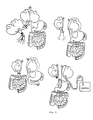
- cytosol also was found to have the same hepatotrophic effects as insulin when tested with the in vivo canine Eck's fistula infusion model (22). Cytosol prepared from the livers of sham operated dogs or from the residual liver fragment of the cytosol donor one day after 70% hepatectomy was inert. However, it was hepatotrophic if the fragments were harvested two and three days post-resection at the time when hepatic regeneration in dogs is known to be maximal (27).
- HSS hepatic stimulatory substance
- AMR augmenter of liver regeneration
- the present invention discloses the isolation and purification of rat augmenter of liver regeneration (ALR) using both the canine in vivo Eck's fistula assay and the partially hepatectomized rodent assay.
- the present invention relates to DNA sequences which encode a protein which has an activity of an augmenter of liver regeneration.
- Preferred embodiments are DNA sequences which encode a human protein which has an activity of an augmenter of liver regeneration that has the amino acid sequence given in SEQ ID NO:23, SEQ ID NO:29, SEQ ID NO:31 or SEQ ID NO:33.
- DNA sequences which encode a rat protein that has the amino acid sequence given in SEQ ID NO:2.
- DNA sequences are the human DNA sequences given in SEQ ID NO:21, SEQ ID NO:22, SEQ ID NO:27, SEQ ID NO:28, SEQ ID NO:30 or SEQ ID NO:32.
- DNA sequences are the rat DNA sequences given in SEQ ID NO:1 or SEQ ID NO:3.
- the present invention relates to DNA sequences encoding a protein which has an activity of an augmenter of liver regeneration, said protein having a DNA sequence that hybridize to the DNA sequences characterized above.
- hybridizing DNA sequences encompass fragments and allelic or other variations of the above-identified DNA sequences.
- hybridization refers to conventional hybridization conditions, preferably to stringent hybridization conditions.
- proteins with an activity of an augmenter of liver regeneration provided in the present invention also include proteins which have similar amino acid sequences to those characterized above, i.e. contain amino acid deletions, additions or substitutions, but which still possess an activity of an augmenter of liver regeneration.
- the activity of the augmenter of liver regeneration is preferably determined by the assay described on pages 19 to 23, below.
- the molecular weight of the purified rat ALR protein was determined to be 15,000 in the reduced form and 30,000 in the non-reduced form, indicating that ALR is a homodimer in its native state. Both determinations were made with SDS-PAGE.
- the present invention further discloses the isolation of a full-length cDNA clone encoding a purified augmenter of liver regeneration protein prepared from the cytosol of livers from weanling rats.
- the full-length clone is a 1.2 kb cDNA containing an 81 bp 5'-untranslated region, a 594 bp coding region and a 551 bp 3'-untranslated region.
- the complete nucleotide sequence for the cDNA is given in SEQ ID NO:1. Multiple initiation sites are noted in the sequence, SEQ ID NO:1, thereby permitting at least three proteins to be encoded.
- the molecular weight of the ALR protein is 15,081. This molecular weight estimate is consistent with the molecular weight estimate of the native protein determined by SDS-PAGE under reducing conditions.
- the present invention further discloses the isolation of a full-length cDNA clone encoding a purified augmenter of liver regeneration protein prepared from the cytosol of human liver biopsy and of human hepatoma cell line HepG2.
- the full-length human cDNA clone is made up of about 727 bp containing a 615 bp coding region.
- the complete nucleotide sequence for the cDNA is given in SEQ ID NO:27.
- the present invention also discloses the isolation and purification of human augmenter of liver regeneration, as well as three variants of human ALR, namely, ALR-V1, ALR-V2 and ALR-V3.
- the molecular weight of the human ALR protein was found to be 15,028, as estimated from the deduced amino acid sequence, SEQ ID NO:23.
- the molecular weight of human ALR-V1 was estimated to be 23,448, the molecular weight of human ALR-V2 was estimated to be 20,834 and the molecular weight of human ALR-V3 was estimated to be 20,703 from the deduced amino acid sequences, SEQ ID NO: 29, SEQ ID NO:31 and SEQ ID NO:33, respectively, as determined from the nucleotide sequence of the full-length cDNA.
- the present invention further discloses the preparation of recombinant expression vectors with exogenous DNA encoding the human or rat ALRs and the transformation of both prokaryotic and eukaryotic cell lines with the recombinant expression vectors.
- Such transformed cells are capable of producing recombinant ALR in culture and the recombinant ALR is of equivalent potency to the purified native ALR when tested in the canine in vivo Eck's fistula model.
- HSS hepatic stimulatory substance
- ALR augmenter of liver regeneration
- This new growth factor belongs to a physiologic family of liver growth factors of which the first identified was insulin. However, ALR has no homology to insulin or any other known growth factor.
- rats Six hours after the partial hepatectomy, rats were given i.p. injections of two ml of various extracts at protein concentrations as indicated in Table 3. Seventeen hours later, 50 ⁇ Ci [ 3 H]thymidine were injected i.p. and the animals were sacrificed one hour later.
- Extracts (0.2 ml volume) were also administered i.p. to mice at 30 hours after 40% partial hepatectomy and DNA synthesis was studied 18 hours later.
- [ 3 H]thymidine (10 ⁇ Ci/mouse) was injected i.p. one hour before sacrifice (i.e., 47 hours following partial hepatectomy).
- Nonhepatectomized rats received injections of extracts 24 and 18 hours before determination of [ 3 H]thymidine incorporation, and mice received injections at 48, 24 and 18 hours.
- [ 3 H]thymidine incorporation, labeling and mitotic indexes were determined as previously described (22).
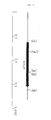
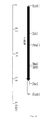
- Table 3 shows the results expressed as augmented DNA synthesis versus the degree of purification. However, this assay was too imprecise to permit demonstration of a statistically significant effect. Further purification beyond fraction 150 was obtained through the use of nondisassociating polyacrylamide gel electrophoresis and the use of specific monoclonal antibody (28). An aliquot of 0.6 mg lyophilized fraction F 150 resuspended in Tris buffer, 0.025 M, pH 8.3, underwent electrophoresis using nondisassociating PAGE (28,29) on 8% acrylamide.
- F 150 generates several distinct bands and the gel can be divided into four discrete zones from which the proteins can be eluted.
- Test substances dissolved in saline modified by the addition of 5 mmol/L ammonium acetate and 5 mg/L BSA (to avoid aggregation on the plastic tubing) were infused continuously at 25 ml/day for 4 days beginning promptly after completion of the portacaval shunt.
- the classical insulin experiments were always repeated.
- the negative controls it was established that the vehicle was inert.
- the animals were given a sugar water diet ad libitum on the day of the operation and a regular diet thereafter. Before the animals were killed, hepatic and kidney function tests were obtained. Rises in serum creatinine or bilirubin or falls in serum albumin were not seen. Minor increases in serum transaminase and alkaline phosphatase typical of Eck's fistula (7) were common. All dogs were active, ate normally and appeared clinically well.
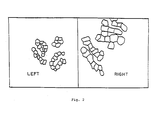
- the liver tissue was processed and stained with hematoxylin and eosin. Autoradiography was carried out with Kodak NTB2 liquid emulsion (Eastman Kodak, Rochester, NY) with an exposure time of at least 30 days. The number of replicating hepatocytes as an index of hepatocyte regeneration was determine by counting the number of [ 3 H]thymidine-labeled nuclei per 1,000 hepatocytes.
- the size of individual hepatocytes was determined by tracing out at least 500 midzonal liver cells projected on standard thickness paper, cutting out the individual silhouettes and weighing each (5,8,9,22). This method has been shown to be accurate for determining hepatocyte cell size and has been validated by planimetry and studies of unicellular organisms, the size of which has been determined directly (5).
- the gel was stained with Coomassie Brilliant Blue, and the 30 kDa band was sliced, homogenized with 150 ⁇ l of buffer (0.1 M Tris-HCI [pH 9.5], 0.3% SDS) and incubated at 37 ° C for 18 hr.
- the sample was filtered through a 0.22 ⁇ m filter (Ultrafree-C3GV, Millipore) and the filter was washed once with 100 ⁇ l of the same buffer.
- a total of 250 ⁇ l of 30 kDa filtrate was further purified by Phenyl-5PW RP column chromatography (4.6 x 75 mm TOSOH) equilibrated with 0.1% TFA (trifluoroacetic acid [V/V%]).
- the 30 kDa band was eluted from the column with the solvent mixture of isopropanol and acetonitrile (1:1) containing 0.1% TFA and eluted at a concentration gradient of 40%.
- the peak was collected, lyophilized and combined with 200 ⁇ l of 50 mM Tris-HCI buffer (pH 9.5).
- the resultant solution was then incubated with 1 ⁇ g of Achromobacter liticus protease I (EC 3.4.21.50) at 37 ° C for 15 hr.
- the digested peptides were then eluted from an ODS chromatography column (AP-302, S-530, 4.6 x 150 mm YMC) which had been equilibrated with 0.1% TFA.
- the elution agent was a 1:1 mixture of isopropanol with acetonitrile (containing 0.1% TFA).
- a linear gradient was run from 0 to 80% (a 0 to 80% gradient of a 1:1 mixture of isopropanol with acetonitrile).
- amino acid sequence was determined from the N-terminus of each peak by Edman degradation with Protein Sequencer 477A and Analyzer 120 A (Applied Biosystems Co).
- Elution buffer was added to the precipitate and the solution was vortexed and heated for 5 minutes at 65 °C. mRNA was recovered in the supernatant after spinning for 5 minutes at 10,000 xg. The above procedure yielded about 15 ⁇ g of mRNA.
- cDNA was prepared from 5 ⁇ g mRNA obtained by procedure (A) using the cDNA synthesis system (Amersham) and ligated into a X-gtll vector with EcoRl adapters and packaged using the cDNA cloning system (Amersham). In all, approximately 1 x 10 9 recombinant phages were generated.
- the rat ALR cDNA was isolated in three stages. First, single-stranded cDNA prepared from two week old rat livers was amplified by PCR with degenerated oligonucleotide primers based on the partial amino acid sequence. Next, the PCR product was sequenced to confirm the primer sequence in the insert (32). Finally, PCR product was used to screen the cDNA library.
- Single-stranded cDNA was synthesized from liver mRNA primed with the oligodeoxynucleotide, 5'-AACTGGAAGAATTCGCGGCCGCAGGAA(T 18 )-3' (SEQ ID NO:7) which is complementary to the poly(A) tail of mRNA and includes a Not I restriction site, using first strand cDNA synthesis kit (Pharmacia).
- Single-stranded cDNA was amplified by PCR with a mixture of 5' primers:
- primers include sequences of all possible codons specifying amino acid sequence Ile-Asp-Arg-Ser-Gln-Pro-Asp-Thr of ALR 26 (SEQ ID NO:12) and 3' primer, 5'-GCCGCAGGAA(T) lo -3' (SEQ ID NO:13) with 4mM of each primer in 80 mM KCI, 1.5 mM MgCI 2 , 10 mM Tris-HCI (pH 8.8), 500 ⁇ g/ml BSA, 0.1% sodium cholate, 0.1% Triton X-100, 200 ⁇ M deoxynucleotide triphosphate (dNTP), and 1 unit of Tth DNA polymerase (Toyobo) in 100 ⁇ l of reaction mixture.
- dNTP deoxynucleotide triphosphate
- the PCR was performed under the following conditions: 95°C for 1 minute, 58°C for 28 minutes, 75°C for 3 minutes per cycle for 40 cycles.
- the PCR products were analyzed by agarose gel (1.2%).
- a 360 bp fragment was isolated from a gel, subcloned in EcoRV sites of pBluescript by TA cloning (33) and sequenced by the dideoxy method (32) with Sequenase (United States Biochemical Company). Insert fragment cloned in pBluescript was cut with Sall and Xbal, separated and extracted from the gel. PC-ALR 26-24 subclone was selected for screening for the cDNA library.
- the hybridization was performed by standard procedure (34).
- the PCR probe obtained (C-2) was labelled with (a- 32 P) dCTP by the multiprimed DNA labelling system (Amersham). After hybridization, the filters were withdrawn from the solution, washed with 0.9 M NaCI/0.09 M sodium citrate at 65 ° C four times. The filters were air-dried and autoradiographed at 70 ° C for one day on an X-ray film using the intensifying screen. After developing the film, the plaques corresponding to the signal region were scraped off from the master plate. The above procedure was repeated to purify the plaques having a positive signal. Four positive clones were eventually isolated.
- ALR-26-5 cDNA was digested with EcoRl and ligated in pBluescript. The resultant plasmid was further analyzed by restriction enzyme digestion and sequencing. As seen in Figure 4 and SEQ ID NO:1, rat ALR cDNA is about 1.2 kb (1226 bp) in entire length: When the cDNA of ALR 26-5 was searched for the longest open reading frame, an open reading frame, which starts at the translation initiation codon (ATG) at nt 82-84 and ends at the termination signal (TAA) at nt 676-678, was found. A second ATG codon was found at nt 160-162 and a third ATG codon at nt 301-303.
- ATG translation initiation codon
- TAA termination signal
- Figure 5 shows the deduced amino acid sequence (SEQ ID NO:2) of the coding sequence starting at the third ATG codon (SEQ ID NO:3 and Figure 6).
- the region corresponding to the amino acid sequences of the peptides derived from ALR-19, ALR-20, and ALR-26 are underlined and this indicates that the cDNA of ALR-26-5 is the cDNA coding for rat ALR protein.
- the coding size is 594 nucleotides long and codes for three proteins with estimated molecular weights of 15,081, 20,193 and 22,835.
- the estimated molecular weight by SDS-PAGE of the purified native ALR from the liver of a weanling rat was 30 kDa under non-reducing conditions and 15 kDa under the reducing conditions.
- ALR native form of ALR is a homodimer. Also ALR does not contain an N-linked glycosylation site. ALR is a novel protein. In Gene Bank R74.0, as of December 1992, ALR's only homology (50%) is with yeast nuclear gene ERV1, which is involved in oxidative phosphorylation and vegetative growth and is essential for yeast life (35).
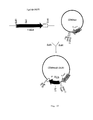
- an expression vector was constructed as follows.
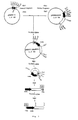
- the highly G-C rich region of the ALR cDNA was eliminated by the PCR-based in vitro mutagenesis technique (42).
- the 1.2 kb EcoRl DNA fragment of the phage clone ALR26-5 was inserted into the EcoRl site of pBluescript SK+ (Stratagene).
- the plasmid DNA of the subclone designated as pBSALR26-5 was digested with Xhol and self-ligated with T4 DNA ligase and then used as the template for the PCR. This step was necessary to shorten the length of the cDNA to be amplified.
- PCR was carried out using the thermostable Pfu DNA polymerase (Stratagene) and synthetic primers 5'-TGGACTTCAAGTC-GTGGATG-3' (SEQ ID NO:14) and 5'-GAATTCGATATCAAGCTTATCG-3' (SEQ ID NO:15) which were based on the nucleotide sequences around the translation initiation codon at nt 301-303 of ALR26-5 and the multiple cloning site of pBluescript SK+, respectively.
- the PCR product was self-ligated, digested with Xhol and then used to replace the Xhol fragment of pBSALR26-5, generating plasmid pBSdALR26.
- the expression vector CDMmcs (36) is a derivative of CDM (37) whose Hindlll-Xbal fragment which included the stuffer sequence of the cloning sites has been replaced with the Hindlll-Xbal multiple cloning site of Rc/RSC (Invitrogen).
- the 0.5 kb Hindlll fragment of pBSdALR26 was inserted into the Hindlll site of CDMmcs which is located downstream of the cytomegalovirus promoter.
- the expression vector CDMmcsdALR26 was finally obtained ( Figure 7) and used to transfect the COS cells.
- COS-1 cells (ATCC CRL-1650) were transfected with CDMmcsdALR26 by the DEAE-dextran method (38) and tested for the production of r-ALR by the following procedure.
- COS-1 cells were first suspended to a concentration of about 1 x 10 6 cells/ml in DMEM (Nissui Co.) with 10% FCS. Two ml of the suspension were placed into each well of a 60 mm dish and incubated overnight at 37 ° C in a C0 2 incubator.
- the culture media were separated and the cells were scraped from the plate, homogenized in new DMEM (without FCS), and then centrifuged at 1600 xg for five minutes to get the cytosolic fraction. Both the culture medium and cytosolic fraction were assayed for in vivo thymidine uptake activity in hepatocytes in the dog portacaval shunt assay. The results are shown in Table 4. ALR activity was observed only in the cytosolic fraction.
- an expression vector was constructed as follows.
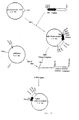
- the protein coding sequence of the ALR26-5 cDNA was inserted just downstream of the translational initiation signal of the expression vector pKK223-3 (Pharmacia) using the PCR based in vitro mutagenesis technique as described for COS, the mammalian expression vector (see Section A, above).
- the EcoRl fragment of ALR26-5 cDNA was inserted into the EcoRl site which is located downstream of the tac promoter and ribosome-binding site, then generating the plasmid pKKALR26-5.
- the plasmid DNA of pKKALR26-5 was digested with Sall and then self-ligated to provide the template for the PCR.
- PCR was carried out with Pfu DNA polymerase (Stratagene) and synthetic primers 5'-ATGCGGACC-CAGCAGAAG-3' (SEQ ID NO:16) and 5'-ATTCTGTTTTCCTGTGTGAAATT-3' (SEQ ID NO:17) which were based on the nucleotide sequences around the translational initiation codon at nt 301-303 of ALR26-5 and the transcription/translation regulatory region of pKK223-3, respectively.
- the PCR was self-ligated and digested with Sall, then used to replace the Sall fragment of pKKALR26-5.
- the resulting plasmid pKKdALR26 ( Figure 8) was used to express the ALR cDNA in E. coli.
- E. coli JM1 09 cells were transfected with E. coli expression plasmid pKKdALR26 obtained above by the standard CaCI 2 -phosphate-transformation method. The transformant was inoculated in five ml LB and incubated overnight. 500 ⁇ l of the culture was inoculated in 50 ml LB medium for 2.5 hr. One mg IPTG (isopropyl-D-thiogalactopyranoside, Sigma) was added to the culture and incubated another six hours. The cells were precipitated by centrifugation at 3,000 xg for 10 minutes.
- IPTG isopropyl-D-thiogalactopyranoside
- an expression vector was constructed as follows.
- the protein coding sequence of the ALR26-5 cDNA was inserted just downstream of the polyhistidine sequence and a specific five amino acid cleavage site by enterokinase (DDDDK; SEQ ID NO:26) (expression vector pRSET-A, Invitrogen) for the single-step purification by immobilized metal affinity chromatography using the PCR-based in vitro mutagenesis technique as described above in Section A for the COS mammalian expression vector. Upstream of this fragment the signal sequence of wheat alpha-amylase was inserted for secretion, and then a generated fragment was inserted downstream of the gal promoter in the expression vector pYEUra3 (Clontech).
- PCR procedure was performed with Pfu DNA polymerase (Stratagene) and synthetic primers which were based on the nucleotide sequence around the translational initiation site at nt 301-303 of the ALR26-5 and the enterokinase cleavage site of pRSET-A, respectively.
- the PCR product was self-ligated and digested with Xbal, then ligated to the Xbal site of the pBluescript SK+; and the plasmid pBS (His6-ALR26) was obtained.
- the complementary synthetic nucleotides of wheat alpha-amylase signal sequence were synthesized.
- the signal sequence generated by annealing of the above two fragments was ligated in BamHl and Xbal sites of the pYEUra3 together with the Xbal and blunt/ended Ndel fragment of plasmid pBS(His6-ALR26).
- the resulting plasmid pYEU(A-ALR26), Figure 10 was used to express the ALR cDNA in S. cerevisiae.
- S. cerevisiae DBY747 cells (Yeast Genetic Stock Center, Berkeley, CA) were transformed according to the method of Hinnen (39) with expression vector pYEU (A-ALR26) obtained above.
- the transformant was inoculated in five ml YEPD medium (5% yeast extract, 2% peptone and 2% glucose) and incubated overnight. 500 ⁇ l of the culture was inoculated in 50 ml YEPD medium for eight hours.
- the culture medium was collected by centrifugation, adjusted to 500 mM NaCl and pH 8.0 with KP0 4 , loaded onto a two ml ProBond metal affinity column (Invitrogen) pre-equilibrated with a buffer (40 mM KP0 4 , pH 8.0, 500 mM NaCI) and washed four times in the same buffer.
- ALR was eluted with four ml of elution buffer (40 mM KP0 4 , pH 4.0, 500 mM NaCI) and was concentrated by centrifugation on a 10,000 MW cutoff Centricon-10 (Amicon).
- the protein was treated with two /1.g of enterokinase in a buffer (10 mM Tris pH 8.0, 10 mM KP0 4 ). Using the dog portacaval shunt model, the biological activity of S. cerevisiae derived ALR was confirmed.
- the cells were cultured and proteins harvested from both the culture supernatant and the cytosolic fraction from the COS cell homogenate. Both samples were tested for ALR activity in the Eck's fistula model (Table 4). A dose-dependent stimulation of DNA synthesis was detected in the cytosolic fraction but not in the culture supernatant. This activity was abolished by the anti-ALR monoclonal antibody (Table 4).
- An expression vector was constructed as follows in order to obtain a gene product by the expression of cloned cDNA ALR 26-5 in E.coli cells.
- the sequence in ALR 26-5 cDNA coding for protein was inserted into the downstream just below the translation initiation signal of the expression vector pKK 223-3 (Pharmacia) by the in vitro mutagenic method basedon PCR (PCR-Protocol-A Guide to Methods and Application, Innis et al, Academic Press, New York, 1990).
- the EcoRl fragment of ALR 26-5 cDNA was inserted into the EcoRl position in the downstream of the position of binding of tac promoter and ribosome to construct the plasmid pKKALR 26-5.
- the plasmid DNA of pKKALR 26-5 was digested with Sall and then self-bonded to form template for PCR.
- PCR was conducted by the use of Pfu DNA polymerase (Stratagene), synthetic primer -5'-ATGCGGACCCAGCAGAAG-3' and 5'-ATTCTGTTTTCCTGTGTGAAATT-3'. These primers were based respectively on nucleotide sequence around the translation initiation coden of ALR 26-5 and nucleotide sequence around the transcription/translation control region of pKK 223-3.
- the PCR products were self-bonded and digested with Sall and then were used for the substitution of Sall fragment of pKKdALR 26-5.
- the plasmid pKKdALR 26 thus obtained was used to express ALR cDNA by E.coli.
- the expression vector pKKdALR 26 as constructed by the method described in the above Example E and pSW1 (Mo BiTec) were used to cotransform E.coli L87 cells by the calcium phosphate method to obtain tetracycle and ampicillin resistant strain (pKKdALR-4).
- the transformed strain was inoculated on LB medium (40 ml) and incubated overnight and then inoculated on the medium of 4 liters and, after about 3 hrs, there was added 100 ⁇ g of mitomycin C, and then incubated further for 21 hrs. The culture liquid was also recovered separately.
- the cells were resuspended in 100 ml of 20 mM PBS (pH 7.0) and added with 50 mg of lysozyme, and incubated for 30 minutes. Then the cells were subjected to ultrasonic treatment under 50% operation efficiency and at an interval of 5 seconds at the mix. power. The resulting suspension was centrifuged at 7,000 Xg for 15 minutes to obtain a supernatant. The supernatant was concentrated to 120 ml by YM10 (10,000 cut off), added with 6 times volume of cold ethanol to cause ethanol . Then centrifugation at 7,000 Xg was conducted for 15 minutes and the precipitate was dissolved in 35 ml of PBS. The resulting product is referred to as cell ALR.
- the culture liquid (4 liters) was similarly treated with ethanol to form precipitate, which is then concentrated and the precipitate thus obtained was similarly dissolved in PBS.
- the resulting solution is referred to as secreted ALR.
- Each of the cell ALR and secreted ALR was heat treated at 65 ° C for 15 minutes and subjected to centrifugation for 10 minutes. The supernatants were collected and recombinant ALR was purified from each of them.
- the S-Sepharose eluting solution was dialyzed against 20 mM Tris-HCI, pH 7.4. 50 mM NaCl and added to Q-Sepharose equilibrated with buffer B (20 mM Tris-HCI, pH 7,4). After washing the column with the buffer B and elution was conducted with a linear gradient of NaCl from 0 mM to 500 mM (total amount 30 ml).
- the chromatograph pattern of the secreted ALR is shown as Fig. 21, in which the straight line represents the NaCl concentrations, while the straight line connecting the dots shows the absorbance at 280 nm.
- the chromatograph pattern of the cell ALR (ALR obtained from the cells) was almost same as the above.
- the Q-Sepharose eluting solution was added to phenyl 5 PW-RP column (Toso, 0.15x7.5 cm) equilibrated 0.1% TFA (trifluoro acetic acid V/V), and elution was conducted with a linear gradient from 5% to 90% of acetonitrile containing 0.1% TFA.
- the chromatograph pattern of the secreted ALR is shown by Fig.22, in which the broken line indicates the acetonitrile concentration, while the straight line shows the absorbance.
- the chromatograph pattern of the recombinant rat ALR obtained from the cells was similar to the one described hereinabove and the yield of about 20%.
- the rat ALR secreted ALR
- the rat ALR secreted ALR purified with the above mentioned three step chromatography was subjected to the electrophoresis by the use of SDS-polyacrylamide gel under 2-mercaptoethanol reducing and unreducing conditions.
- the result is shown by Fig. 23, wherein the left end shows the molecular weight marker, the middle shows the result of the electrophoresis under the mercaptoethanol reducing condition and the right end shows the result of the electrophoresis under unreducing condition.
- the purified rat ALR showed a single band of a molecular weight of about 30,000 under the unreducing condition, and showed a molecular weight of about 15,000 under the reducing condition.
- HepG2 human hepatoma cell line
- Clontech Human Liver biopsy was obtained from the Department of Surgery at the University of Pittsburgh School of Medicine. Enzymes for DNA manipulation were obtained from Toyobo. Radioisotope was purchased from Amersham.
- Oligonucleotides encoding 5' of the coding region (5'-ATGCGGACGCAGCAGAAGCGGGACA-3'; SEQ ID NO:24) and 3' of the coding region (5'-CTAGTCACAGGAGCCATCCTTCC-3'; SEQ ID NO:25) of the human ALR cDNA for PCR were synthesized on the Applied Biosystems 381 A DNA synthesizer.
- Single-stranded cDNA was synthesized from RNAs primed with oligo-d(T) using a first strand synthesis kit (Pharmacia). Then PCR was performed under the following condition : 95 °C for 1 min, 52 °C for 25 min and 75 ° C for 3 min per cycle for 40 cycles using Tth DNA polymerase (Toyobo) with the above primers. The PCR products were analyzed on agarose gel and the band was extracted from a gel and subcloned into Eco RV site of pBluescript by TA-cloning (33) for the nucleotide sequencing (32).
- cDNA cloning of the human ALR homologue of rat ALR human hepatoma cell line, HepG2 cDNA library (Clontech) was screened with the rat ALR cDNA as a probe (1.2 kb EcoRl fragment; SEQ ID NO:1) which was labelled with a- p32 dCTP by the multiprimed DNA labelling system (Amersham).
- the hybridization was performed by standard procedure (34) except that the hybridization and the washing were done at 52 ° C (34).
- human ALR cDNA is about 515 bp in entire length.
- ATG translation initiation codon
- the entire coding region consists of 375 bp (SEQ ID NO:22) which correspond to the 375 bp coding region of the rat ALR cDNA (SEQ ID NO:3). This sequence (SEQ ID NO:22) was also confirmed in the sequence of cDNA from normal human liver.
- the 0.5 kb human ALR cDNA consists of a 33 bp 5'-untranslated region, a 375 bp coding region and a 107 bp 3'-untranslated region (SEQ ID NO:21).
- Figure 13 shows the deduced amino acid sequence from the human cDNA sequence.
- a comparison of the sequences from the human ALR with those of the rat ALR shows 71 % homology at the nucleotide level and 86% homology at the amino acid level (Fig. 14).
- an expression vector was constructed as follows.
- the 0.75 kb EcoRl fragment of the XgtH hALR clone was inserted into the EcoRl site of pBluescript SK+ (pBShALR).
- the 0.5 kb Sall fragment containing the human ALR coding region from pBShALR was ligated into the Xhol site of CDMmcs which is located downstream of the cytomegalovirus promoter.
- the expession vector CDMmcshALR was obtained (Fig. 15).
- the expression vector CDMmcshALR was then used to transfect COS cells, which produced recombinant human ALR.
- the procedures employed were the same as those described above for the construction of COS cells expressing rALR, except that the expression vector CDMmcshALR was used instead of expression vector CDMmcsdALR26.
- Other cells useful for the expression of CDMmcshALR include CHO and C1271 (also known as C127).
- the entire coding region consists of 615 bp (SEQ ID NO:28).
- Figure 18 shows the deduced amino acid sequence of the entire coding region of 615 bp.
- the amino acid sequence comprises a protein of 205 amino acids with a calculated molecular weight of 23,448. This ALR protein is referred to as human ALR-V1.
- the coding region starting at the second ATG codon consists of 540 nt (SEQ ID NO:30) and encodes a protein of 180 amino acids (SEQ ID NO: 31) with an estimated molecular weight of 20,834.
- This ALR protein is referred to as human ALR-V2.
- the coding region starting at the third ATG codon consists of 537 nt (SEQ ID NO:32) and encodes a protein of 179 amino acids (SEQ ID NO: 33) with an estimated molecular weight of 20,703.
- This ALR protein is referred to as human ALR-V3.
- the coding region starting at the fourth ATG codon consists of 375 nt (SEQ ID NO:22) and encodes a protein of 125 amino acids (SEQ ID NO:23) with an estimated molecular weight of 15,028.
- This ALR is referred to as human ALR.
- the 0.72 kb human cDNA consists of a 4 bp 5'-untranslated region, a 615 bp coding region and a 108 bp 3'-untranslated region, including the termination codon TAG and the poly (A) region (SEQ ID NO:27).
- the 615 bp coding region encodes four proteins, human ALR-V3, ALR-V2, ALR-V1 and ALR.
- the native rat ALR protein is believed to consist of 125 amino acids
- human ALR protein consisting of 125 amino acids
- the other human ALR proteins were designated ALR V-1 (Variant 1), ALR V-2 (Variant 2) and ALR V-3 (Variant 3).
- an expression vector was constructed as follows. The 0.75 kb EcoRl fragment of the ⁇ gt11 hALR clone was inserted into the EcoRl site of CDM which is located downstream of the cytomegalovirus promoter. The expression vector CDMmcs(h-IALR) was obtained (Fig. 19).
- the expression vector CDMmcs(h-IALR) was then used to transfect COS cells.
- the procedures employed were the same as those described above for the construction of COS cells expressing rALR, except that the expression vector CDMmcs(h-IALR) was used instead of expression vector CDMmcsdALR26.
- Other cells useful for the expression of CDMmcs(h-IALR) include CHO and C1271 (also known as C127).
- the primary amino acid sequence translated is often modified by post-translational processings such as glycosylation or the cleaving off of a signal sequence.
- pathologic growth will be susceptible to analysis in the field of oncology.
- cancer pathologic growth
- the availability of the gene will permit the prompt creation of transgenic animals, and study of the physiologic effect of the new gene in these animals.
- ALR hepatic growth factor
- rat ALR can be used for clinical purposes (most sera or anti-lymphocyte globulins and even commercial insulin are heterologous proteins), slight interspecies differences in the amino acid sequence of a protein can cause immune reactions, often limiting the duration of treatment with a given protein.
- the human ALR will avoid this kind of complication.
Landscapes
- Chemical & Material Sciences (AREA)
- Health & Medical Sciences (AREA)
- Life Sciences & Earth Sciences (AREA)
- Organic Chemistry (AREA)
- General Health & Medical Sciences (AREA)
- Gastroenterology & Hepatology (AREA)
- Biochemistry (AREA)
- Biophysics (AREA)
- Zoology (AREA)
- Genetics & Genomics (AREA)
- Medicinal Chemistry (AREA)
- Molecular Biology (AREA)
- Proteomics, Peptides & Aminoacids (AREA)
- Toxicology (AREA)
- Peptides Or Proteins (AREA)
- Micro-Organisms Or Cultivation Processes Thereof (AREA)
- Preparation Of Compounds By Using Micro-Organisms (AREA)
Applications Claiming Priority (8)
| Application Number | Priority Date | Filing Date | Title |
|---|---|---|---|
| US197496 | 1994-02-16 | ||
| US08/197,496 US5480797A (en) | 1994-02-16 | 1994-02-16 | Augmenter of liver regeneration (ALR) |
| US08/275,370 US5550037A (en) | 1994-02-16 | 1994-07-15 | Mammalian augmenter of liver regeneration (ALR): human and rat |
| US275370 | 1994-07-15 | ||
| JP17892194 | 1994-07-29 | ||
| JP178921/94 | 1994-07-29 | ||
| US08/367,968 US5607844A (en) | 1994-02-16 | 1995-01-03 | Mammalian augmenter of liver regeneration and variants thereof |
| US367968 | 1995-01-03 |
Publications (2)
| Publication Number | Publication Date |
|---|---|
| EP0668291A2 true EP0668291A2 (de) | 1995-08-23 |
| EP0668291A3 EP0668291A3 (de) | 1996-04-03 |
Family
ID=27474855
Family Applications (1)
| Application Number | Title | Priority Date | Filing Date |
|---|---|---|---|
| EP95102094A Withdrawn EP0668291A3 (de) | 1994-02-16 | 1995-02-15 | Verstärker der Leberregeneration aus Säugetieren, und Varianten davon. |
Country Status (1)
| Country | Link |
|---|---|
| EP (1) | EP0668291A3 (de) |
Cited By (3)
| Publication number | Priority date | Publication date | Assignee | Title |
|---|---|---|---|---|
| US6028173A (en) * | 1995-06-30 | 2000-02-22 | Genzyme Corporation | Human chromosome 16 genes, compositions, methods of making and using same |
| US6030806A (en) * | 1995-06-30 | 2000-02-29 | Landes; Gregory M. | Human chromosome 16 genes, compositions, methods of making and using same |
| WO2008139238A3 (en) * | 2007-05-10 | 2009-02-19 | Univ Bari | Use of the augmenter of liver regeneration protein as an apoptosis regulator |
-
1995
- 1995-02-15 EP EP95102094A patent/EP0668291A3/de not_active Withdrawn
Non-Patent Citations (5)
| Title |
|---|
| CANCER RESEARCH, vol. 47, 1987 pages 5600-5606, FRANCAVILLA, A. ET AL. 'Extraction and partial purification of a hepatic stimulatory substance in rats, mice, and dogs' * |
| CHINESE MEDICAL JOURNAL, vol. 106, no. 7, 1993 pages 527-532, ZHI-QIANG, Y. ET AL. 'Purification and characterization of human hepatic stimulator substance' * |
| HEPATOLOGY, vol. 17, no. 2, 1993 pages 225-229, HE, F. ET AL. 'Human hepatic stimulator substance: A product of gene expression of human fetal liver tissue' * |
| HEPATOLOGY, vol. 7, no. 1, 1987 pages 100-106, LABRECQUE, D.R. ET AL. 'Purification and physical-chemical characterization of hepatic stimulator substance' * |
| PROC. NATL. ACAD. SCI. USA, vol. 91, August 1994 pages 8142-8146, HAGIYA, M. ET AL. 'Cloning and sequence analysis of the rat augmenter of liver regeneration (ALR) gene: ...' * |
Cited By (3)
| Publication number | Priority date | Publication date | Assignee | Title |
|---|---|---|---|---|
| US6028173A (en) * | 1995-06-30 | 2000-02-22 | Genzyme Corporation | Human chromosome 16 genes, compositions, methods of making and using same |
| US6030806A (en) * | 1995-06-30 | 2000-02-29 | Landes; Gregory M. | Human chromosome 16 genes, compositions, methods of making and using same |
| WO2008139238A3 (en) * | 2007-05-10 | 2009-02-19 | Univ Bari | Use of the augmenter of liver regeneration protein as an apoptosis regulator |
Also Published As
| Publication number | Publication date |
|---|---|
| EP0668291A3 (de) | 1996-04-03 |
Similar Documents
| Publication | Publication Date | Title |
|---|---|---|
| US5607844A (en) | Mammalian augmenter of liver regeneration and variants thereof | |
| Schindler et al. | Proteins of transcription factor ISGF-3: one gene encodes the 91-and 84-kDa ISGF-3 proteins that are activated by interferon alpha. | |
| JP3126348B2 (ja) | 組換えにより生産されたヒトlh | |
| US5723318A (en) | DNA coding for megakaryocyte potentiator | |
| JPH04504415A (ja) | 上皮細胞に特異的な成長因子をコードするdna | |
| JP2749838B2 (ja) | インターロイキン−7 | |
| JPS62275695A (ja) | 成熟型ヒト血清アルブミンの製造方法 | |
| JPH11236400A (ja) | モノクローナル抗体,ポリクローナル抗体及び遊離ソマトメジン濃度測定方法 | |
| JPH05502463A (ja) | ハイブリツド成長因子 | |
| JPH08505373A (ja) | B細胞前駆体刺激因子 | |
| JPH05271294A (ja) | ヒトプロヒビチンおよびそれをコードするdna | |
| JPH03505279A (ja) | インターロイキン―1インヒビター | |
| US5185431A (en) | Recombinant natural killer cell activator | |
| JPS63160581A (ja) | ハイブリッドタンパク質 | |
| CA2265923A1 (en) | Human proteins having secretory signal sequences and dnas encoding these proteins | |
| US5550037A (en) | Mammalian augmenter of liver regeneration (ALR): human and rat | |
| EP0668291A2 (de) | Verstärker der Leberregeneration aus Säugetieren, und Varianten davon | |
| US20040009950A1 (en) | Secreted human proteins | |
| US5480797A (en) | Augmenter of liver regeneration (ALR) | |
| JPH04500603A (ja) | クローン化腎炎抗原 | |
| JPH03204899A (ja) | ヒト肝再生因子、そのdna塩基配列、該配列を含むプラスミド及び形質転換体並びにリコンビナント肝再生因子 | |
| JPS63240788A (ja) | 真核細胞の分泌シグナルペプチドを含むプラスミドによるタンパク質をコードしている遺伝子の合成及びコードされているタンパク質の分泌方法 | |
| CA2162865A1 (en) | Method for recombinant production of biologically active polypeptides | |
| AU1908599A (en) | Mammalian alpha helical protein-1 | |
| JP2623807B2 (ja) | セリンプロテアーゼおよびセリンプロテアーゼ遺伝子 |
Legal Events
| Date | Code | Title | Description |
|---|---|---|---|
| PUAI | Public reference made under article 153(3) epc to a published international application that has entered the european phase |
Free format text: ORIGINAL CODE: 0009012 |
|
| AK | Designated contracting states |
Kind code of ref document: A2 Designated state(s): AT BE CH DE DK ES FR GB GR IT LI NL PT SE |
|
| PUAL | Search report despatched |
Free format text: ORIGINAL CODE: 0009013 |
|
| AK | Designated contracting states |
Kind code of ref document: A3 Designated state(s): AT BE CH DE DK ES FR GB GR IT LI NL PT SE |
|
| 17P | Request for examination filed |
Effective date: 19960603 |
|
| 17Q | First examination report despatched |
Effective date: 19991221 |
|
| STAA | Information on the status of an ep patent application or granted ep patent |
Free format text: STATUS: THE APPLICATION IS DEEMED TO BE WITHDRAWN |
|
| 18D | Application deemed to be withdrawn |
Effective date: 20041224 |