EP0672128B1 - Stammzellen proliferationsfaktor - Google Patents
Stammzellen proliferationsfaktor Download PDFInfo
- Publication number
- EP0672128B1 EP0672128B1 EP93911591A EP93911591A EP0672128B1 EP 0672128 B1 EP0672128 B1 EP 0672128B1 EP 93911591 A EP93911591 A EP 93911591A EP 93911591 A EP93911591 A EP 93911591A EP 0672128 B1 EP0672128 B1 EP 0672128B1
- Authority
- EP
- European Patent Office
- Prior art keywords
- cells
- scpf
- cell
- antibody
- stem cell
- Prior art date
- Legal status (The legal status is an assumption and is not a legal conclusion. Google has not performed a legal analysis and makes no representation as to the accuracy of the status listed.)
- Expired - Lifetime
Links
Images






Classifications
-
- C—CHEMISTRY; METALLURGY
- C07—ORGANIC CHEMISTRY
- C07K—PEPTIDES
- C07K14/00—Peptides having more than 20 amino acids; Gastrins; Somatostatins; Melanotropins; Derivatives thereof
- C07K14/435—Peptides having more than 20 amino acids; Gastrins; Somatostatins; Melanotropins; Derivatives thereof from animals; from humans
- C07K14/705—Receptors; Cell surface antigens; Cell surface determinants
-
- A—HUMAN NECESSITIES
- A61—MEDICAL OR VETERINARY SCIENCE; HYGIENE
- A61P—SPECIFIC THERAPEUTIC ACTIVITY OF CHEMICAL COMPOUNDS OR MEDICINAL PREPARATIONS
- A61P35/00—Antineoplastic agents
-
- A—HUMAN NECESSITIES
- A61—MEDICAL OR VETERINARY SCIENCE; HYGIENE
- A61P—SPECIFIC THERAPEUTIC ACTIVITY OF CHEMICAL COMPOUNDS OR MEDICINAL PREPARATIONS
- A61P43/00—Drugs for specific purposes, not provided for in groups A61P1/00-A61P41/00
-
- A—HUMAN NECESSITIES
- A61—MEDICAL OR VETERINARY SCIENCE; HYGIENE
- A61P—SPECIFIC THERAPEUTIC ACTIVITY OF CHEMICAL COMPOUNDS OR MEDICINAL PREPARATIONS
- A61P7/00—Drugs for disorders of the blood or the extracellular fluid
-
- C—CHEMISTRY; METALLURGY
- C07—ORGANIC CHEMISTRY
- C07K—PEPTIDES
- C07K14/00—Peptides having more than 20 amino acids; Gastrins; Somatostatins; Melanotropins; Derivatives thereof
- C07K14/435—Peptides having more than 20 amino acids; Gastrins; Somatostatins; Melanotropins; Derivatives thereof from animals; from humans
- C07K14/475—Growth factors; Growth regulators
-
- C—CHEMISTRY; METALLURGY
- C07—ORGANIC CHEMISTRY
- C07K—PEPTIDES
- C07K14/00—Peptides having more than 20 amino acids; Gastrins; Somatostatins; Melanotropins; Derivatives thereof
- C07K14/435—Peptides having more than 20 amino acids; Gastrins; Somatostatins; Melanotropins; Derivatives thereof from animals; from humans
- C07K14/52—Cytokines; Lymphokines; Interferons
-
- C—CHEMISTRY; METALLURGY
- C07—ORGANIC CHEMISTRY
- C07K—PEPTIDES
- C07K14/00—Peptides having more than 20 amino acids; Gastrins; Somatostatins; Melanotropins; Derivatives thereof
- C07K14/435—Peptides having more than 20 amino acids; Gastrins; Somatostatins; Melanotropins; Derivatives thereof from animals; from humans
- C07K14/52—Cytokines; Lymphokines; Interferons
- C07K14/53—Colony-stimulating factor [CSF]
-
- C—CHEMISTRY; METALLURGY
- C07—ORGANIC CHEMISTRY
- C07K—PEPTIDES
- C07K14/00—Peptides having more than 20 amino acids; Gastrins; Somatostatins; Melanotropins; Derivatives thereof
- C07K14/435—Peptides having more than 20 amino acids; Gastrins; Somatostatins; Melanotropins; Derivatives thereof from animals; from humans
- C07K14/52—Cytokines; Lymphokines; Interferons
- C07K14/53—Colony-stimulating factor [CSF]
- C07K14/535—Granulocyte CSF; Granulocyte-macrophage CSF
-
- C—CHEMISTRY; METALLURGY
- C07—ORGANIC CHEMISTRY
- C07K—PEPTIDES
- C07K16/00—Immunoglobulins [IG], e.g. monoclonal or polyclonal antibodies
- C07K16/18—Immunoglobulins [IG], e.g. monoclonal or polyclonal antibodies against material from animals or humans
- C07K16/22—Immunoglobulins [IG], e.g. monoclonal or polyclonal antibodies against material from animals or humans against growth factors ; against growth regulators
-
- C—CHEMISTRY; METALLURGY
- C07—ORGANIC CHEMISTRY
- C07K—PEPTIDES
- C07K16/00—Immunoglobulins [IG], e.g. monoclonal or polyclonal antibodies
- C07K16/18—Immunoglobulins [IG], e.g. monoclonal or polyclonal antibodies against material from animals or humans
- C07K16/24—Immunoglobulins [IG], e.g. monoclonal or polyclonal antibodies against material from animals or humans against cytokines, lymphokines or interferons
-
- C—CHEMISTRY; METALLURGY
- C07—ORGANIC CHEMISTRY
- C07K—PEPTIDES
- C07K16/00—Immunoglobulins [IG], e.g. monoclonal or polyclonal antibodies
- C07K16/18—Immunoglobulins [IG], e.g. monoclonal or polyclonal antibodies against material from animals or humans
- C07K16/24—Immunoglobulins [IG], e.g. monoclonal or polyclonal antibodies against material from animals or humans against cytokines, lymphokines or interferons
- C07K16/243—Colony Stimulating Factors
-
- A—HUMAN NECESSITIES
- A61—MEDICAL OR VETERINARY SCIENCE; HYGIENE
- A61K—PREPARATIONS FOR MEDICAL, DENTAL OR TOILETRY PURPOSES
- A61K38/00—Medicinal preparations containing peptides
-
- C—CHEMISTRY; METALLURGY
- C07—ORGANIC CHEMISTRY
- C07K—PEPTIDES
- C07K2317/00—Immunoglobulins specific features
- C07K2317/70—Immunoglobulins specific features characterized by effect upon binding to a cell or to an antigen
- C07K2317/73—Inducing cell death, e.g. apoptosis, necrosis or inhibition of cell proliferation
Definitions
- the present invention is directed to an autocrine growth factor isolated from a human germ cell tumor line.
- SCPF stem cell proliferation factor
- the protein of the invention exists in two forms, a soluble form and a membrane bound form which is detectable on the surface of a small percentage of human bone marrow cells and stimulates the proliferation of these cells. Therefore, SCPF may have a wide range of applications including but not limited to augmenting the growth of hematopoietic stem cells. Further, removal of the protein by an antibody may be useful in controlling tumor cell growth.
- Germ cell tumors of the central nervous system are rare, comprising less than 3% of pediatric solid tumors. These tumors arise most commonly in the pineal gland and hypothalamus, though they have been described in the thalamus and basal ganglia. Histologically, these tumors are most commonly found to be germinomas. Less common sub-types include choriocarcinoma, embryonal germ cell tumor, and mixed germ cell tumor. These types of tumor in general have a worse prognosis.
- CSFs colony stimulating factors
- CSFs have also been shown to activate a number of functions of mature blood cells (Stanley et al. , 1976, J. Exp. Med. 143:631; Schrader et al ., 1981, Proc. Natl. Acad. Sci. U.S.A. 78:323; Moore et al. , 1980, J. Immunol. 125:1302; Kurland et al ., 1979, Proc. Natl. Acad. Sci. U.S.A. 76:2326; Handman and Burgess, 1979, J. Immunol.
- the present invention relates to stem cell proliferation factor (SCPF), its use in stimulating growth of various stem cell populations including hematopoietic stem cells, and a method for identifying other growth factors or cytokines produced by germ cell tumors.
- SCPF is a novel autocrine growth factor which is expressed in a secreted form of 32,000 daltons and membrane bound form of 37,000 daltons molecular weight. SCPF stimulates proliferation and growth of a germ cell tumor line that produces it as well as CD34 + human bone marrow stem cells.
- the invention is based, in part, on the Applicants' discovery that germ cell tumor line 751 releases an autocrine growth factor into the culture medium.
- Polyclonal rabbit antibody (SAM.1) generated against the purified.32 kDa protein recognizes both a 32 kDa secreted product and a 37 kDa cell bound protein.
- SAM.1 generated against the purified.32 kDa protein recognizes both a 32 kDa secreted product and a 37 kDa cell bound protein.
- This antibody is also capable of identifying a cell population in human bone marrow, reacting with less than 2.6% of normal (adherent-depleted) bone marrow cells.
- This SCPF + bone marrow cell population co-expresses the stem cell marker CD34.
- SCPF is distinct from any of the known bone marrow colony stimulating factors (CSF) since antibodies specific for GM-CSF, G-CSF, M-CSF and IL-3 do not inhibit the biologic activities of SCPF. Further, SCPF is also distinct from the ligand for the c-kit oncogene product (SCF) as anti-SCPF antibody does not neutralize SCF function.
- CSF bone marrow colony stimulating factors
- SCF c-kit oncogene product
- SCPF is identified as an autocrine growth factor produced by the tumor cells, and the biochemical and biological properties of the factor are characterized.
- a wide variety of uses for this novel protein are encompassed by the invention described herein.
- the present invention relates to stem cell proliferation factor (SCPF), to methods for the production of SCPF by conventional or recombinant DNA technology, to methods of using SCPF, and to methods of identifying and isolating other members of the SCPF family from similarly derived germ cell tumor lines.
- SCPF stem cell proliferation factor
- SCPF a novel autocrine growth factor
- the membrane form of SCPF is also expressed on the cell surface of a small fraction of CD34 + human bone marrow cells.
- SCPF stimulates proliferation of CD34 + bone marrow stem cells, indicating that it may be useful in conditions which require acceleration of hematopoietic cell growth, i.e., in the culture of stems cells for use in bone marrow transplantations, or treatment in vivo for regulating hematopoiesis.
- SCPF SCPF, or fragments and derivatives thereof, may have widespread potential applications in the regulation of hematopoiesis as well as in the treatment of certain germ cell cancers.
- Additional germ cell tumor lines may be generated in culture in the practice of invention.
- Such tumor cells may be a source of cytokines that possess growth potentiating activities on cells of the hematopoietic system in particular, and on germ/stem cells of a variety of tissue types in general.
- Germ cell tumors of the central nervous system are believed to be products of primitive cells lodged in the neural crest during their migration to other tissue sites in embryogenesis. Such tumor cells may produce a variety of cytokines that act on tissues outside of the nervous system (Bhandar, 1988, Med. Hypoth, 27:291). Therefore, cell lines generated from germ cell tumors may be a source of early acting growth factors that influence proliferation of a variety of cell types, including cells of the hematopoietic system.
- the present invention illustrates one such long-term cell line 751 generated from a surgically removed germ cell tumor which was obtained from a patient diagnosed to have multiple subcutaneous masses along the ventriculoperitoneal shunt.
- the cultured cells are non-adherent and display an extremely short doubling time of 7-8 hours in vitro. This rapid growth kinetic was also confirmed in vivo upon transfer of the cultured cells into BNX mice which developed visible subcutaneous tumors from an inoculum of 10 3 cells in 7 days as opposed to 2-3 months for the majority of xenogeneic tumors in murine models.
- 751 cells represent a primitive brain neuro-ectodermal cell line which can further differentiate into neuronal or glial cell lineages upon appropriate stimulations. Therefore, it is a primitive pluripotent cell line possessing both growth and differentiation potentials.
- the 751 cells do not express any of the known leukocyte surface markers including CD34.
- mRNA's for the oncogenes c-myc and c-fms have been detected using molecular probes specific for a panel of oncogene sequences. As c-fms has been shown to be a receptor for macrophage-colony stimulating factor, 751 cells may be related in some manner to progenitor cells of the bone marrow.
- the stem cell proliferation factor produced by the 751 cell line as described in the examples herein exists in two forms, a secreted form having a molecular weight of about 32 kDa, and a membrane bound form of 37 kDa in molecular weight. Multiple isoforms of the SCPF are identified having P.I.'s ranging from about 7.0 to 8.0.
- the 32 kDa SCPF was used to generate a polyclonal antiserum in rabbits.
- a specific polyclonal antibody designated SAM.1 was used to facilitate further biochemical characterization of the major secreted protein by 751 cells.
- the antibody was first shown to be specific for the SCPF protein, as it reacted with a protein species of 37 kDa in 751 whole cell lysates in Western immunoblotting experiments. This finding demonstrates that the protein of interest can exist in a secreted form of 32 kDa and a membrane form of 37 kDa molecular weight which may include a transmembrane component for anchoring. Thus, the same protein may function as both a soluble molecule and a cell surface protein between interacting cells.
- stem cell proliferation factor SCPF
- colony inhibition assays were performed in which 751 cell colony formation was assessed in the presence of various concentrations of the rabbit antiserum. The results clearly demonstrate that the antibody inhibited the tumor cell colony formation, indicating that the secreted protein is an autocrine growth factor which promotes the growth of 751 cells. Furthermore, the proliferation inhibitory effect of the antibody is specific for germ or stem cell lines in that growth of a neuroblastoma cell line is not inhibited.
- SCPF was purified and tested for its ability to stimulate the proliferation of human bone marrow cells.
- SCPF induced the growth of blast cells in clonogenic assays, which were subsequently shown to express the CD34 marker and HLA Class I antigen by flow cytometric analysis.
- the cells responded to give rise of colonies of granulocytes, monocytes and mixed phenotype. Therefore, SCPF is capable of inducing replication of a population of CD34 + bone marrow cells which retain ability to differentiate in response to subsequent stimulation with colony stimulating factors.
- SCPF is an autocrine growth factor that induces the proliferation of CD34 + bone marrow cells without causing differentiation while the cells retain their capacity to respond to other differentiation signals.
- the factor does not induce malignant transformation of cultured cells because the removal of SCPF led to a rapid decline in CD34 + cell viability.
- SCPF is capable of augmenting the stimulatory effects on bone marrow cells when used in combination with other colony stimulating factors.
- SCPF is not similar to any of the known hematopoietic growth factors because antibodies specific for human GM-CSF, G-CSF, M-CSF and IL-3 do not neutralize the biologic activities of SCPF.
- anti-SCPF antibody does not inhibit the function of a recently identified stem cell factor (SCF) which has been shown to be the ligand for a receptor encoded by the c-kit oncogene (Yokota et al., 1984, Proc. Natl. Acad. Sci. U.S.A. 81:1070; Williams et al., 1990, Cell 63:167; Zsebo et al., 1990, Cell 63:195).
- SCF stem cell factor
- Messenger RNA (mRNA) for the preparation of cDNA may be obtained from cell sources that produce SCPF, whereas genomic sequences for SCPF may be obtained from any cell source.
- genomic sequences for SCPF may be obtained from any cell source.
- 751-NA, 751-LIV or 751-LN cells may be utilized either as the source of the coding sequences for SCPF and/or to prepare cDNA or genomic libraries.
- Genetically-engineered microorganisms or cell lines containing the SCPF coding sequence may be used as a convenient source of DNA for this purpose.
- Either cDNA or genomic libraries may be prepared from the DNA fragments generated using techniques well known in the art.
- the fragments which encode SCPF may be identified by screening such libraries with a nucleotide probe homologous to a portion of the SCPF sequence which is based on amino acid sequence information obtained from the purified protein.
- an antibody probe may be used to screen a library generated by expression cloning methods such as ⁇ gt11 (Young and Davis, Proc. Natl. Acad. Sci. U.S.A. 80:1194-1198).
- portions of the coding sequence may be utilized for cloning and expression, full length clones, i.e , those containing the entire coding region for SCPF, may be preferable for expression.
- SCPF gene may likewise be cloned directly into a vector at a site adjacent to the coat protein gene of a bacteriophage such as ⁇ or fd.
- the phage carrying the SCPF gene expresses the fusion protein on its surface so that columns containing an SCPF-specific antibody can be used to select and isolate phage particles with binding activity.
- a commercially available expression cloning system utilizing Lambda-Zap-bluescript may also be used for the cloning and antibody screening of SCPF cDNA libraries.
- Transient gene expression systems may be utilized to identify the correct SCPF gene.
- the COS cell system e.g. , Gerard & Gluzman, 1986, Mol. Cell. Biol. 6(12) 4570-4577
- the COS cell system e.g. , Gerard & Gluzman, 1986, Mol. Cell. Biol. 6(12) 4570-4577
- nucleotide coding sequences which encode analogous amino acid sequences for any known SCPF gene may be used in the practice of the present invention for the cloning and expression of SCPF.
- Such alterations include deletions, additions or substitutions of different nucleotide residues resulting in a sequence that encodes the same or a functionally equivalent gene product.
- the gene product may contain deletions, additions or substitutions of amino acid residues within the sequence, which result in a silent change thus producing a bioactive product.
- amino acid substitutions may be made on the basis of similarity in polarity, charge, solubility, hydrophobicity, hydrophilicity and/or the amphipathic nature of the residues involved.
- negatively charged amino acids include aspartic acid and glutamic acid; positively charged amino acids include lysine and arginine; amino acids with uncharged polar head groups having similar hydrophilicity values include the following: leucine, isoleucine, valine; glycine, alanine; asparagine, glutamine; serine, threonine phenylalanine, tyrosine.
- Oligonucleotide sequences can be used to increase the copy number of a unique gene sequence by the polymerase chain reaction. This approach would provide for more specific probes than that obtained using degenerate oligonucleotides.
- DNA sequences containing structural modifications but without substantial alteration of the biologic activities of the encoded SCPF protein may also be used in the practice of the invention.
- modifications include but are not limited to additions, deletions or substitutions of amino acid residues in SCPF to create additional processing sites and/or elimination of glycosylation sites.
- the removal of N-linked glycosylation sites in certain proteins results in reduced glycosylation on the expressed products which are particularly useful in yeast expression systems.
- the nucleotide sequence encoding SCPF is inserted into an appropriate expression vector, i.e ., a vector which contains the necessary elements for the transcription and translation of the inserted coding sequence.
- an appropriate expression vector i.e ., a vector which contains the necessary elements for the transcription and translation of the inserted coding sequence.
- Modified versions of the SCPF coding sequence could be engineered to enhance stability, production, purification or yield of the expressed product.
- the expression of a fusion protein or a cleavable fusion protein comprising SCPF and a heterologous protein may be engineered.
- Such a fusion protein may be readily isolated by affinity chromatography; e.g. by immobilization on a column specific for the heterologous protein.
- the SCPF protein can be released from the chromatographic column by treatment with an appropriate enzyme or agent that disrupts the cleavage site (e.g. , see Booth et al., 1988, Immunol. Lett. 19:65-70; and Gardella et al., 1990, J. Biol. Chem. 265:15854-15859).
- a variety of host-expression vector systems may be utilized to express the SCPF coding sequence. These include but are not limited to microorganisms such as bacteria transformed with recombinant bacteriophage DNA, plasmid DNA or cosmid DNA expression vectors containing the SCPF coding sequence; yeast transformed with recombinant yeast expression vectors containing the SCPF coding sequence; plant cell systems infected with recombinant virus expression vectors (e.g., cauliflower mosaic virus, CaMV; tobacco mosaic virus, TMV) or transformed with recombinant plasmid expression vectors (e.g. , Ti plasmid) containing the SCPF coding sequence; insect cell systems infected with recombinant virus expression vectors (e.g.
- SCPF baculovirus
- animal cell systems infected with recombinant virus expression vectors e.g ., retroviruses, adenovirus, vaccinia virus
- SCPF has not been confirmed to contain carbohydrates, both bacterial expression systems as well as those that provide for translational and post-translational modifications may be used; e.g. , mammalian, insect, yeast or plant expression systems.
- any of a number of suitable transcription and translation elements including constitutive and inducible promoters, transcription enhancer elements, transcription terminators, etc. may be used in the expression vector (see e.g. , Bitter et al., 1987, Methods in Enzymology 153:516-544).
- inducible promoters such as pL of bacteriophage ⁇ , plac, ptrp, ptac (ptrp-lac hybrid promoter) and the like may be used.
- promoters derived from the genome of mammalian cells e.g.
- metallothionein promoter or from mammalian viruses (e.g. , the retrovirus long terminal repeat; the adenovirus late promoter; the vaccinia virus 7.5K promoter) may be used.
- mammalian viruses e.g. , the retrovirus long terminal repeat; the adenovirus late promoter; the vaccinia virus 7.5K promoter
- Promoters produced by recombinant DNA or synthetic techniques may also be used to provide for transcription of the inserted SCPF coding sequence.
- a number of expression vectors may be advantageously selected depending upon the use intended for the SCPF expressed. For example, when large quantities of SCPF are to be produced, vectors which direct the expression of high levels of fusion protein products that are readily purified may be desirable. Those which are engineered to contain a cleavage site to aid in recovering SCPF are preferred.
- Such vectors include but are not limited to the E. coli expression vector pUR278 (Ruther et al., 1983, EMBO J.
- yeast a number of vectors containing constitutive or inducible promoters may be used.
- Current Protocols in Molecular Biology Vol. 2, 1988, Ed. Ausubel et al., Greene Publish. Assoc. & Wiley Interscience, ch. 13; Grant et al., 1987, Expression and Secretion Vectors for Yeast, in Methods in Enzymology, Eds. Wu & Grossman, 31987, Acad. Press, N.Y., Vol. 153, pp.516-544; Glover, 1986, DNA Cloning, Vol. II, IRL Press, Wash., D.C., Ch.
- yeast promoter such as ADH or LEU2 or an inducible promoter such as GAL may be used (cloning in Yeast, Ch. 3, R. Rothstein In: DNA Cloning Vol.11, A Practical Approach, Ed. DM Glover, 1986, IRL Press, Wash., D.C.).
- vectors may be used which promote integration of foreign DNA sequences into the yeast chromosome.
- the expression of the SCPF coding sequence may be driven by any of a number of promoters.
- viral promoters such as the 35S RNA and 195 RNA promoters of CaMV (Brisson et al., 1984, Nature 310:511-514), or the coat protein promoter to TMV (Takamatsu et al., 1987, EMBO J. 3:17-311) may be used; alternatively, plant promoters such as the small subunit of RUBISCO (Coruzzi et al., 1984, EMBO J. 3:1671-1680; Broglie et al., 1984, Science 224:838-843); or heat shock promoters, e.g.
- soybean hsp17.5-E or hsp17.3-B may be used. These constructs can be introduced into plant cells using Ti plasmids, Ri plasmids, plant virus vectors, direct DNA transformation, microinjection, electroporation, etc.
- Ti plasmids Ri plasmids
- plant virus vectors direct DNA transformation, microinjection, electroporation, etc.
- Grierson & Corey 1988, Plant Molecular Biology, 2d Ed., Blackie, London, Ch. 7-9.
- An alternative expression system which could be used to express SCPF is an insect system.
- Autographa californica nuclear polyhedrosis virus (AcNPV) is used as a vector to express foreign genes.
- the virus grows in Spodoptera frugiperda cells.
- the SCPF coding sequence may be cloned into non-essential regions (for example the polyhedrin gene) of the virus and placed under control of an AcNPV promoter (for example the polyhedrin promoter).
- Successful insertion of the SCPF coding sequence will result in inactivation of the polyhedrin gene and production of non-occluded recombinant virus (i.e ., virus lacking the proteinaceous coat coded for by the polyhedrin gene).
- Eukaryotic systems and preferably mammalian expression systems, allow for proper post-translational modifications of expressed mammalian proteins to occur.
- Eukaryotic cells which possess the cellular machinery for proper processing of the primary transcript, glycosylation, phosphorylation, and advantageously, secretion of the gene product may be used as host cells for the expression of SCPF.
- Mammalian cell lines may be preferable. Such host cell lines may include but are not limited to CHO, VERO, BHK, HeLa, COS, MDCK, -293, and WI38.
- Mammalian cell systems which utilize recombinant viruses or viral elements to direct expression may be engineered.
- the SCPF coding sequence may be ligated to an adenovirus transcription/translation control complex, e.g. , the late promoter and tripartite leader sequence.
- This chimeric gene may then be inserted in the adenovirus genome by in vitro or in vivo recombination. Insertion in a non-essential region of the viral genome (e.g. , region E1 or E3) will result in a recombinant virus that is viable and capable of expressing the SCPF protein in infected hosts (e.g.
- the vaccinia virus 7.5K promoter may be used. ( e.g. , see, Mackett et al., 1982, Proc. Natl. Acad. Sci. USA 79: 7415-7419; Mackett et al., 1984, J. Virol. 49: 857-864; Panicali et al., 1982, Proc. Natl. Acad. Sci. USA 79: 4927-4931).
- vectors based on bovine papilloma virus which have the ability to replicate as extrachromosomal elements (Sarver, et al., 1981, Mol. Cell. Biol. 1: 486). Shortly after entry of this DNA into mouse cells, the plasmid replicates to about 100 to 200 copies per cell. Transcription of the inserted cDNA does not require integration of the plasmid into the host's chromosome, thereby yielding a high level of expression.
- These vectors can be used for stable expression by including a selectable marker in the plasmid, such as, for example, the neo gene.
- the retroviral genome can be modified for use as a vector capable of introducing and directing the expression of the SCPF gene in host cells (Cone & Mulligan, 1984, Proc. Natl. Acad. Sci. USA 81:6349-6353). High level expression may also be achieved using inducible promoters, including, but not limited to, the metallothionine IIA promoter and heat shock promoters.
- host cells can be transformed with the SCPF cDNA controlled by appropriate expression control elements (e.g. , promoter, enhancer sequences, transcription terminators, polyadenylation sites, etc.), and a selectable marker.
- expression control elements e.g. , promoter, enhancer sequences, transcription terminators, polyadenylation sites, etc.
- the selectable marker in the recombinant plasmid confers resistance to the selection and allows cells to stably integrate the plasmid into their chromosomes and grow to form foci which in turn can be cloned and expanded into cell lines.
- engineered cells may be allowed to grow for 1-2 days in an enriched media, and then are switched to a selective media.
- a number of selection systems may be used, including but not limited to the herpes simplex virus thymidine kinase (Wigler, et al., 1977, Cell 11: 223), hypoxanthine-guanine phosphoribosyltransferase (Szybalska & Szybalski, 1962, Proc. Natl. Acad. Sci.
- adenine phosphoribosyltransferase genes can be employed in tk - , hgprt - or aprt - cells respectively.
- antimetabolite resistance can be used as the basis of selection for dhfr, which confers resistance to methotrexate (Wigler, et al., 1980, Natl. Acad. Sci. USA 77: 3567; O'Hare, et al., 1981, Proc. Natl. Acad. Sci.
- trpB which allows cells to utilize indole in place of tryptophan
- hisD which allows cells to utilize histinol in place of histidine
- ODC ornithine decarboxylase
- SCPF SCPF of both membrane bound and secreted forms.
- SCPF is naturally secreted by the human germ cell tumor line 751.
- SCPF can be isolated from the conditioned media of continuous cell lines and purified to homogeneity using a variety of protein purification procedures.
- SCPF may be produced by recombinant DNA techniques, or by chemical synthesis methods.
- SCPF may be purified from culture supernatants of cells that secrete it; i.e. , either the germ line tumor cell or genetically engineered recombinant host cell expression systems.
- conditioned medium of 751 cell line is collected and SCPF purified by SDS-preparative gel electrophoresis.
- SCPF may also be purified by immunoaffinity methods using an anti-SCPF antibody.
- SCPF may be purified using isoelectric focusing methods.
- Methods for purifying SCPF from crude culture media of cells may be adapted for purification of the cloned, expressed product.
- the SCPF coding sequence is engineered to encode a cleavable fusion protein
- the purification of SCPF may be readily accomplished using affinity purification techniques.
- a protease factor Xa cleavage recognition sequence can be engineered between the carboxyl terminus of SCPF and a maltose binding protein.
- the resulting fusion protein can be readily purified using a column conjugated with amylose to which the maltose binding protein binds.
- the SCPF fusion protein is then eluted from the column with maltose containing buffer followed by treatment with Factor Xa.
- the cleaved SCPF is further purified by passage through a second amylose column to remove the maltose binding protein (New England Biolabs, Beverly, MA).
- maltose binding protein New England Biolabs, Beverly, MA.
- any cleavage site or enzyme cleavage substrate may be engineered between the SCPF sequence and a second peptide or protein that has a binding partner which could be used for purification, e.g. , any antigen for which an immunoaffinity column can be prepared.
- Procedures which may be used to isolate the SCPF of the invention include those commonly used for the separation of protein substances including, for example, treatment of a sample containing SCPF with common precipitants for proteins, followed by fractionation techniques such as ion exchange chromatography, affinity chromatography, ultrafiltration and various combinations thereof.
- SCPF can be purified from a cell suspension by methods described in U.S. Patent Nos. 4,885,236 and 4,882,268, for example. Other methods for purification of the polypeptide of the invention will be known to those of skill in the art (see, for example, Current Protocols in Immunology , Coligan, et al ., eds. 1992, incorporated herein by reference).
- the SCPF containing fractions can be subjected to SDS-PAGE under suitable conditions and the gel slice containing SCPF activity or corresponding to the molecular weight of SCPF is recovered.
- SDS-PAGE is performed according to the method of Laemmli, et al., ( Nature , 227 :680, 1970). Variations in conditions which are within a suitable range are understood to be encompassed within the purification procedure.
- SCPF-containing fractions from SDS-PAGE can be isolated and further subjected to two-dimensional gel electrophoresis according to the method of O'Farrell ( J. Biol. Chem. 250 :4007, 1975).
- First dimension isoelectric focusing gels are run by standard methods using broad range ampholytes to resolve proteins with pI values between about 3.8 to about 8.0.
- Ampholyte solutions from pH 2-11 are added in varying amounts depending on the pI of the protein of interest. If broad increased resolution in a narrow pH is desired, narrow range ampholytes can be added to broad range ampholytes in a 2:1 ratio.
- SCPF and its corresponding isoforms are resolved using ampholytes which separate proteins with pI of about 5 to about 9, and more specifically from about 7 to about 8.
- Second dimension gels are generally run as 10-20% acrylamide gels, however, any conventional slab gel can be used.
- Proteins resolved by two-dimensional gel electrophoresis can be detected by standard methods such as Coomassie Blue and silver staining.
- proteins in a gel may be electrophoretically transferred to a blot transfer membrane and detected by staining with India ink or colloidal gold, or by western blotting.
- the SCPF of the invention is detected by western blotting using the antibody of the invention.
- the SCPF containing fractions can also be subjected to reverse phase HPLC and eluted with acetonitrile for example.
- the SCPF which is obtained is substantially pure to permit N-terminal amino acid sequencing.
- the solution is dried under vacuum and redissolved in a small volume of acetonitrile 95% + TFA (0.08%).
- the concentrated sample is then introduced in a sequencer connected to a phenylthiohydantoine (PTH) analyzer.
- PTH phenylthiohydantoine
- the biological activity of a gel purified cytokine, such as the SCPF of the invention can be tested in bioassays for stimulation (and/or inhibition) of proliferation of an indicator cell line.
- SCPF activity can be assayed in ML-1 or KG-1a cells.
- the SCPF molecule may also be produced in whole or in part by solid phase chemical synthetic techniques based on its amino acid sequence. (See Creighton, 1983, Proteins Structures and Molecular Principles, W.H. Freeman and Co., N.Y. pp. 50-60; Stewart and Young, 1984, Peptide Synthesis, 2nd ed., Pierce Chemical Co.). This approach may be particularly useful in generating segments of SCPF corresponding to one or more of its biologically active regions.
- SCPF polyclonal antibodies to epitopes of SCPF.
- various host animals can be immunized by injection with the SCPF protein, or an SCPF peptide, including but not limited to rabbits, hamsters, mice, rats, etc.
- adjuvants may be used to increase the immunological response, depending on the host species, including but not limited to Freund's (complete and incomplete), mineral gels such as aluminum hydroxide, surface active substances such as lysolecithin, pluronic polyols, polyanions, peotides, oil emulsions, keyhole limpet hemocyanin, dinitrophenol, and potentially useful human adjuvants such as BCG (bacille Calmette-Guerin) and Corynebacterium parvum .
- BCG Bacille Calmette-Guerin
- Corynebacterium parvum bacille Calmette-Guerin
- gel purified SCPF was used to immunize rabbits for the generation of SCPF-specific antibodies.
- One such antiserum (SAM.1) was demonstrated to contain antibodies that specifically reacted with SCPF and thereby, inhibited its activity on stimulating the growth of 751 cells in an autocrine fashion. See Section 7.2.2., infra .
- a monoclonal antibody to an epitope of SCPF may be prepared by using any technique which provides for the production of antibody molecules by continuous cell lines in culture. These include but are not limited to the hybridoma technique originally described by Kohler and Milstein (1975, Nature 256 , 495-497), and the more recent human B-cell hybridoma technique (Kosbor et al., 1983, Immunology Today 4:72; Cote et al., 1983, Proc. Natl. Acad. Sci. 80:2026-2030) and the EBV-hybridoma technique (Cole et al., 1985, Monoclonal Antibodies and Cancer Therapy, Alan R. Liss, Inc., pp. 77-96).
- Antibody fragments which contain the binding site of the molecule may be generated by known techniques.
- such fragments include but are not limited to: the F(ab') 2 fragments which can be produced by pepsin digestion of the antibody molecule and the Fab fragments which can be generated by reducing the disulfide bridges of the F(ab') 2 fragments.
- Antibodies to SCPF may find use in the qualitative and quantitative detection of membrane bound or secreted SCPF in mature, precursor and subcomponent forms, in the affinity purification of SCPF protein, in the elucidation of SCPF biosynthesis, metabolism and function, and in the screening of SCPF expression libraries for gene sequences that encode immunogenic epitopes. Antibodies to SCPF may also be useful as diagnostic and therapeutic agents for germ cell or other tumors.
- SCPF The functional activities and target cell specificity of SCPF provide for a wide variety of uses in vitro and in vivo .
- Any compound which includes SCPF, or fragments and derivatives thereof which exhibit growth stimulatory activity, either alone or in conjunction with other biologically active growth factors, inhibitors, or immunomodulatory agents, may be employed in the practice and method of the invention.
- SCPF, SCPF-related molecules and compositions thereof may be especially useful in augmenting the proliferation of germ/stem cells including but not limited to hematopoietic stem cells.
- SCPF has been shown to be capable of inducing purified CD34 + cells to enter the cell cycle and proliferate in long term culture (Section 7.2.5., infra ).
- the SCPF may be used to facilitate genetic manipulation of stem cells for use in gene therapy of hematologic disorders including but not limited to sickle cell anemia.
- SCPF is an autocrine growth factor produced by a cell line of neuro-ectodermal origin and that it also acts on cells of the hematopoietic lineages imply that SCPF may be a cytokine specific for primitive germ/stem cells of different tissue origins. It has been shown that stem cell populations exist in a variety of organs and tissues including the brain, liver and skin. Further, hair loss has also been linked to a defect in stem cell proliferation surrounding hair follicles. Therefore, SCPF may be a useful agent for treatment of conditions that require the growth of stem cell populations irrespective of their tissue of origin including but not limited to hair loss.
- cells expressing the SCPF receptor may be detected by using labeled-SCPF or SCPF-related molecules in a receptor binding assay, or by the use of antibodies directed to the SCPF receptor itself.
- Cells may be distinguished in accordance with the presence and density of receptors for SCPF, thereby providing a means for predicting responsiveness of such cells to the biological activities of SCPF.
- the present invention illustrates a novel approach to the identification and isolation of growth factors or cytokines having biologic activities on a variety of germ/stem cells.
- Any germ cell tumors can be obtained from surgical materials and prepared for in vitro culture for the practice of the invention.
- the cell lines may be selected based on expression of certain markers or responses to certain growth factors, and both adherent and non-adherent cell populations may be maintained.
- Tissue lineage characterization of the established cell lines can be determined by flow cytometry analysis using antibodies to various cell surface and internal cytoskeletal elements including the leukocyte antigens and intermediate filaments.
- oncogenes including c-myc, c-fms, c-ras, c-myb, c-fos, c-src, c-erb, c-neu, c-ros, and c-sis can be examined by the use of molecular probes.
- cells may be metabolically labeled and secreted proteins analyzed by SDS-PAGE.
- culture supernatants may be directly analyzed by applying them to various cell types used as indicators which are known to respond to specific cytokines in bioassays.
- the protein may be purified by SDS-preparative gels, ion exchange chromatography, and isoelectric focusing gels (See Section 5.5.1., infra ). Purity of the proteins can be verified by SDS-PAGE, quantified by protein assays, their activities confirmed in bioassays, and used as immunogens for the production of polyclonal and monoclonal antibodies.
- the purified proteins can be further tested in bioassays to stimulate and/or inhibit proliferation of a variety of indicator cell lines of diverse tissue types. Radiolabeled proteins may also be used to identify their cell surface receptors by methods such as affinity labelling. Specific antibodies to the cytokines may be used to identify and quantify membrane forms and secreted forms of the cytokines, to study their biosynthetic pathways, to affinity purify the proteins and to immunoscreen expression libraries for the molecular cloning of the coding sequences using, for example, the approaches and techniques described supra .
- the 751 tumor cell line represents an exceedingly primitive neuro-ectodermal cell line that exhibits unusual characteristics in growth and cell surface marker expression.
- the growth of this cell line is regulated by one or more growth factors heretofore undescribed.
- the 751 cell lines were maintained in RPMI 1640 supplemented with 10% fetal bovine serum, I-glutamine, and antibiotics (penicillin/streptomycin). The viability and the cell concentration was assessed using trypan blue exclusion. The cell concentration was adjusted to give 1 x 10 5 cells/ml and seeded into 75 cm tissue culture flasks, then incubated at 37°C in an atmosphere of 5% CO 2 in air.
- mice The triple-immune-deficient by/mu/xid female mice (BNX mice) were obtained from Harlan Sprague Dawley Inc., IN, and maintained in germ-free animal colonies. The mice were fed sterile Rodent Blox and acidified water ad libtium , and used in experiments when 7-9 weeks old.
- the in vitro growth kinetics of the 751 cell lines were carried out as follows.
- the initial growth curve studies were set up to obtain optimal starting cell concentration. The initial growth curves, therefore, were run at 5x10 3 , 5x10 4 , and 1x10 5 cells/well. Cell counts were performed at 12-hour intervals for 7 days. All cell counts/sample were carried out in triplicate. These preliminary studies revealed that the optimum cell number for all the subsequent growth curves was 5x10 4 .
- the 751 cells were then plated in 12 well plates to give a final concentration (in 2 ml volumes) of 5x10 4 /well. All counts were performed at 12-hour intervals for 7 days and the percentage viability was also recorded. All cell counts/sample were carried out in triplicate.
- 751 cells were screened with monoclonal antibodies that were specific for leukocyte cell surface markers: CD2, CD3, CD4, CD8, CD5, CD7, CD10, CD14, CD19, CD20, CD33, CD34, HLA Class I and Class II. These antibodies were made available by Becton Dickinson, CA. The flow cytometric analysis was performed as follows (Griebel et al., 1988). The 751 tumor cells were centifuged (1,000 rpm for 10 minutes) and resuspended at a concentration of 2x10 7 in 0.1 M PBS containing 0.2% gelatin, 1 mM sodium azide and 2% normal rabbit serum.
- FITC-labelled F(ab)'2 alone or with an isotype matched monoclonal antibody specific for an irrelevant antigen.
- the FITC-labelled 751 tumor cells were analyzed using a Becton Dickinson Fac-Scan flow cytometer. Data from 20,000 cells were collected to analyze the patterns of monoclonal antibody reactivity.
- Two parameter analysis of forward angle light scatter (FALS) versus 90% light scatter (LI90) was used to eliminate blots of FALS versus fluorescence and as histograms of fluorescence versus cell numbre. The data were also given as % of cells positive for a given phenotype marker.
- Antibodies to various antigens were purchased from commercial sources: anti-cytokeratin, anti-NF200, anti-NF160, anti-NF68 (Sigma, St. Louis, MO); anti-vimentin (Boehringer Mannheim); anti-GFAP and anti-NSE (Dakopatts, Glostrup, Denmark).
- FITC-conjugated secondary antibody reagents were purchased from Sigma.
- CT scan of her head revealed local recurrence and a soft tissue mass near her shunt. Furthermore, metastatic deposits in her abdomen were also found. The lesion on the skull was aspirated; cytology of cells from this area was consistent with a germ cell tumor. In February of 1990, to further define the histology, one of the chest-wall masses was resected. Histological examination of the tumor revealed non-germinomatous mixed germ cell tumor similar to the original biopsy taken in 1989, with a prominent population of small primitive cells.
- a small portion of tumor from the chest wall was sent to the laboratory for cell isolation and in vitro growth in cell culture.
- the tumor was divided into approximately 3 mm portions.
- the minced tumor was subjected to limited digestion using versene-trypsin at 37°C for 10 minutes.
- the non-digested tissue was removed by sedimentation, and the supernatant fluid collected, centrifuged, and the cell pellet harvested.
- the cell pellet was resuspended and cultured in growth medium.
- the 751-NA has been maintained in in vitro culture in stable form using the aforementioned growth medium through multiple-cell-population passages.
- cells were injected into the subcutaneous tissues of the beige, nude, x-linked immunodeficient (BNX) mouse and germ cell tumors allowed to develop, similar in histologic appearance to the original patient's tumor.
- Tumors from the BNX-mouse subcutaneous site were aseptically removed, treated with versene trypsin, supra , and a new non-adherent cell line reestablished in in vitro culture; designated 751-MU.
- Two further cell lines which were taken from metastatic deposits in the liver and drainage lymph node were established, designated 751-LIV and 751-LN, respectively.
- the characterization of the established 751 cell lines examined both growth kinetics and phenotype. In vitro growth was examined using growth curve analysis and showed unique growth pattern with little or no lag phase, but logarithmic growth initially, a short stationary phase, then dramatic decline in viability. The rapidity of growth is illustrated by the calculated doubling time during the log phase of 7-to-8 hours.
- the growth of the cell lines in vivo was assessed using a BNX murine model.
- serial log dilutions of the various 751 cell lines were inoculated into the subcutaneous tissue of the hindquarters.
- the mice were examined twice weekly and tumor measured in two perpendicular diameters. It was found that tumors arose from inocula as small as 100 cells with tumor evident at 20 days post-inoculation. Inoculation of 1 x 10 3 cells gave rise to tumors in only seven days rather than 2-3 months, as most reported murine tumor models have found. In addition, most reported tumors do not grow with inocula of less than 5 x 10 5 cells.
- Placental Alkaline Phosphatase (PAP) and Human Chorionic Gonadotropin (XCG) were used as markers to detect germ cells of non-neuronal cells; Cytokeratin and Vimentin were used as markers for germ cells of neuro-ectodermal origin; Glial Fibrally Acidic Protein (GFAP) as a marker for glial lineage; and Neural Specific Enolase (NSE), and Neural Filament Protein (NFP) - 68,150,&200 as markers for cells of neuronal lineage.
- PAP Placental Alkaline Phosphatase
- XCG Human Chorionic Gonadotropin
- Cytokeratin and Vimentin were used as markers for germ cells of neuro-ectodermal origin
- Glial Fibrally Acidic Protein (GFAP) as a marker for glial lineage
- NSE Neural Specific Enolase
- NFP Neural Filament Protein
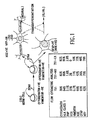
- Results indicate that the cell populations (751-NA, 751-MU, 751-LN) represent a primitive brain germ cell which could, under the appropriate conditions, form cells of either neuronal or glial lineage (see, FIG. 1). No other cell line of human origin that exhibits this phenotype has been cultured in vitro.
- progenitor cells in the bone marrow is one of the growth factors involved in lineage-specific differentiation of monocyte/macrophage cells.
- the expression of this receptor indicates a role of M-CSF in the proliferation and differentiation of primitive germ cells.
- the 751-tumor cell line was grown in Dulbecco's Minimal Essential Medium (DMEM) supplemented with 10% fetal bovine serum and antibiotics (Penicillin/Streptomycin) to a density of 10 6 cells/m. in a 30 ml culture flask. Once the required density was reached, the cells were washed free of the growth medium and were recultured in 75% methionine-free DMEM supplemented with 25% DMEM containing methionine and 2% of [ 35 S]-Methionine (Amersham, IL) and re-incubated. At 24-hour intervals, the supernatants were harvested, configured to remove non-adherent cells, and stored at -20°C.
- DMEM Dulbecco's Minimal Essential Medium
- antibiotics Penicillin/Streptomycin
- sample buffer Tris-HCl, 2-mercaptoethanol, 10% glycerol, 2% SDS, and .001% bromophenol blue
- sample buffer Tris-HCl, 2-mercaptoethanol, 10% glycerol, 2% SDS, and .001% bromophenol blue
- the samples were then applied to SDS-PAGE and electrophoresed as previously described. Following electrophoresis, the gel was fixed in TCA (10%, w/v); glacial acetic acid (10% v/v) and methanol (30% v/v). After fixation the gels were soaked in Fluoro-hanceTM (Research Products Inc., Prospect IL) for a further 30 minutes. The gel was removed, placed upon fiber paper (pre-wet) and dried under a vacuum with heat (60°C). Following drying, the gel was exposed to high speed x-ray field (Kodak X-omat AR) and stored at -70 for 24-48 hours after which time the autoradiographs were developed and analyzed.
- Serum-free supernatants were harvested from 751-NA cells 48 hours post culture. The supernatants were concentrated 20-fold using a Savant concentration and then dialyzed. The concentrated sample was then applied to a 12% preparative SDS-PAGE. Following the SDS gel electrophoresis, the gels were subjected to negative staining with 0.3M CuCI 2 . The protein band of interest was removed from the gel, cut into small fragments, and placed in a dialysis bag (12-14,000 molecular weight cut-off) with 200 ⁇ l of elution buffer (25mM Tris-Glycine, pH 8.3). The sample was then electro-eluted at 100 V for 18 hours at 4°C.
- elution buffer 25mM Tris-Glycine, pH 8.3
- New Zealand white rabbits were bled prior to immunization and the pre-immune sera used to establish base lines. Rabbits were immunized subcutaneously with 7 ⁇ g of purified SCPF polypeptide containing Ribi adjuvant. Two weeks following the initial injection, the rabbits were given a second injection containing polypeptide and Ribi adjuvant. The rabbits received a minimum of 5 subcutaneous inoculations with the immunogen plus Ribi adjuvant. The rabbits were bled at each of the innoculation time points and the serum tested by Western Blot for the presence of antibody reactive to the 32 kDa proteins. All sera containing high concentrations of antibody specific for the 32 kDa protein were aliquoted and stored at -70°C.
- Cell lysates from the 751-NA tumor cell line were prepared in electrophoresis buffer and the proteins resolved using SDS-polyacrylamide gel electrophoresis (Laemmeli, 1970). Proteins present in the gels were transferred to nitrocellulose based upon the technique described by Towbin et al ., 1979, using the Bio-Rad Semi-Dry Transblot Apparatus. The gel was equilibrated in electroblot buffer (25 mM) Tris (192 mM) glycine and (5% v/v) methanol at pH 8.3. The nitrocellulose membrane was also equilibrated in this buffer.
- the nitrocellulose membrane was positioned upon the filter paper on the platinum anode, and the gel was then layered on top and followed by presoaked filter paper. After positioning the cathode, the sample was blotted/electrophoresed at 25 volts for 35-40 minutes. Following transfer, the membrane/blot was washed four times in phosphate buffered saline containing gelatin and Tween 20 (PBS-gel-tween). The blots were incubated overnight with the rabbit-polyclonal antibody, previously diluted in PBS-Tween.
- 751-tumor line is capable of forming colonies (> than 128 cells/colony) in methyl cellulose containing DMEM supplemented with 10% FBS. 10 3 cells were added to 1.0 ml of methyl cellulose, to this was also added varying dilutions of the polyclonal rabbit antibody to the 32 kDa protein in a volume of 100 ⁇ l. The sample was well mixed and plated in 20 mm petri dishes and inoculated at 37°C in an atmosphere of 5% CO 2 in air. At 48 hours post-culture, the number of colonies was enumerated using an inverted light microscope.
- Antibodies specific for various colony-stimulating factors were purchased from Genzyme (Boston, MA)
- the growth medium consists of ⁇ -MEM supplemented with inositol (40 mg ml -1 ), folic acid (10 mg ml -1 ), hydrocortisone (10 -6 M), 2-mercaptoethanol (2x 10 -4 M), and a 1:1 mixtures of horse serum and FBS to give a final serum concentration of 25%.
- inositol 40 mg ml -1
- folic acid 10 mg ml -1
- hydrocortisone 10 -6 M
- 2-mercaptoethanol 2x 10 -4 M
- the pre-colony-forming unit (Pre-CFU) assay was designed to detect early hematopoietic progenitors in human marrow (Smith et al., 1991, Blood, 77:2122).
- the isolated cells were incubated with rIL-1 ⁇ (100 U ml -1 ) and rIL-3 (50 ng ML -1 ), harvested and enumerated seven days post-culture.
- rIL-1 ⁇ 100 U ml -1
- rIL-3 50 ng ML -1
- CFU-GEMM myelomonocytic/erythroid precursor cells
- BFU-E progenitor cells for the erythroid series
- Isolation of this protein was achieved by resolution of the secreted polypeptides by SDS-PAGE and identification of the 32 kDa polypeptide by migration relative to molecular weight markers. Once identified, proteins were transferred by electroblotting onto nitrocellulose and the region corresponding to the 32 kDa protein cut out and dissolved in dimethyl sulfoxide (DMSO). This was inoculated into rabbits for the generation of a polyclonal antibody.
- DMSO dimethyl sulfoxide
- the specificity of the antibody was tested against whole cell lysates from 751-LN using a western immunoblotting technique.
- the proteins were transferred to nitrocellulose using the Bio-Rad semi-dry transfer apparatus and then subjected to a modified colorimetric ELISA. Positive band(s) reactions were indicated by the appearance of dark blue bands.
- These assays showed a polyclonal antibody that reacts specifically with a single protein of an apparent molecular weight (calculated by regression analysis) of 37 kDa (Fig. 3).
- the anti-SCPF antibody SAM.1 specifically interacts with a small population of bone marrow cells and furthermore, this population appears to fall within the CD34 + compartment.
- the anti-SCPF recognizes a marker distinct from the CD34 protein and may be important in the delineation of a stem cell population.
- FIG. 3A shows an SDS-PAGE-gel stained by Coomassie blue and a Western blot using SAM.1 polyclonal antibody of the purified native 37 kDa protein used in these assays. A single band was present on the gel migrating at 37 kDa (FIG. 3A).
- the suspension without stromal feeder cells were harvested at 96 hours post-culture and subjected to flow cytometric analysis using the monoclonal antibody HPCA-1 (anti CD34) an isotype control was used as a negative control and W6/32 (anti-human HLA Class 1) monoclonal as a positive control.
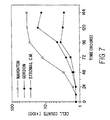
- Figure 6 is a flow cytometric analysis of these cells. All the cells stained with the W6/32 anti-HLA class I, furthermore a high percentage of the cells also reacted with anti-CD34. It was evident that not all the cells were CD34 + . This may have been due to (1) removal of non CD34 + cells from the clonogenic assay prior to the expansion in suspension culture or (2) differentiation of cells while in the suspension culture. However, this was an indication that the SCPF protein interacted with cells of the CD34 + phenotype. Cells placed in the long-term cultures with stromal feeder layers (FIG. 7) were analyzed for continuous growth under Gordon-culture conditions.
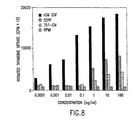
- Figure 7 shows that these cells proliferated in long term Gordon-culture in the absence of SCPF. It appears that stromal cells were important for both soluble factors and that cell-cell contact in order to maintain good growth and viability. Cells given stromal conditioned media only did not proliferate or survive. Cells were removed at 72 hours from the Gordon cultures and tested for replating efficiency in the presence of recombinant GM-CSF (Table 2). It appears that the cells induced in the colony assays, then expanded in Gordon-cultures, were able to respond to GM-CSF and form colonies of granulocytes (G), monocytes (M), and mixed GM cells, indicating, therefore, their ability to undergo lineage differentiation into myeloid cells. Proliferation of bone marrow cells, as measured by 3 H-thymidine incorporation, also indicated that SCPF induced cells of bone marrow origin to proliferate (FIG. 8).
- the population of cells that are both CD34 + and SCPF + represents 1.65% of the total cell population examined (FIG. 10).
- the ability of SAM.1 to recognize cell populations in murine, bovine, and ovine bone marrow was also examined by flow cytometry. In all cases, SAM.1 failed to recognize any significant population of cells from the bone marrow of these non-human species.
- anti-CD34 did not interfere with the ability of SAM.1 to bind to these cells. These experiments were repeated with the exception that the CD34 + cells were incubated with anti-CD34 alone or with a mixture of SAM.1/anti-CD34. As shown in FIG. 12A, SAM.1 did not interfere with the binding of anti-CD34 antibody. This again indicates that SAM.1 antibody recognizes a distinct cell surface antigen.
- CD34 + cells Long-term cultures of the CD34 + cells were initiated in the presence of exogenously added purified native SCPF. Control cultures without any exogenously added growth factors, as well as cultures with 100 U/ml of interleukin 3 (IL-3) and 100 U/ml of interleukin 6 (IL-6) were included. Purified CD34 + cells were seeded into wells of a 24-well plate at 200,000 cells/ml and appropriate growth factors added. The purified SCPF was added at varying concentrations (1 ug/ml to 10ng/ml). Every three days the culture media were changed and exogenous growth factors added. All cultures were examined daily to assess the viability and condition of the cells.
- IL-3 interleukin 3
- IL-6 interleukin 6
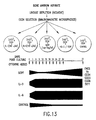
- the results from these studies are summarized in FIG. 13.
- the cultures that received the IL-3 or IL-6 expanded rapidly with few non-viable cells present. By day 7, the cultures needed to be passaged.
- the SCPF treated cultures underwent a rapid decline in cell viability such that by day 7, only 10-15% of cells were viable.
- This residual population of CD34 + cells are now SCPF responsive and have been proliferating in culture for twelve weeks.
- the control cultures (without growth factors) were maintained for 3 weeks before they eventually died out.
- the cells receiving the IL-3 or IL-6 are of mixed morphology and contain both adherent and nonadherent cells. Cytocentrifuged preparations show the cultures to contain many mature granulocytic cells as well as mature blast-like cells.
- IL-3 and IL-6 treated cells were maintained in continuous culture for up to 16 weeks.
- the SCPF-treated cells are more uniform in size, are all mononuclear and blast-like in appearance, and are nonadherent. From the dose response experiment, it appears that the optimal concentration of SCPF lies between 50 ng/ml and 10 ng/ml.
- FIGS. 14 and 15 illustrate that the SCPF-expanded CD34 + cells consist of two morphological populations based upon size.
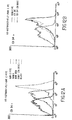
- FIG. 14 (gated area C) shows small cells with the phenotype of CD34 + , CD38 - and DR - .
- the large population (FIG. 15 - gated area B) is CD34 + , CD38 low and DR low . Therefore, it appears that SCPF can induce proliferation of CD34 + cells in in vitro culture while maintaining their CD34 + phenotype -- ie. the CD34 + cells proliferate without differentiation.
- SCPF is capable of inducing both BFU and CFU-GM colonies (FIGS. 16 and 17). SCPF does not appear to be able to induce CFU-GEMM.
- This factor is capable of enhancing the activity of a mixture of colony stimulating factors (GM-CSF, IL-3 and EPO), thereby significantly increasing the CSF activity for BFU (FIGS. 16A and C), CFU-GM (FIGS. 17A and C), and CFU-GEMM (FIGS. 18A and C) colonies.
- GM-CSF, IL-3 and EPO colony stimulating factors
- Pharmalyte pH 3-10 and Biolyte pH 3-10 ampholytes and molecular weight standards (M r 20,100, trypsin inhibitor, soybean; 24,000, trypsinogen; 29,000, carbonic anhydrase; 36,000, glyceraldehyde-3-phosphate dehydrogenase; 45,000, albumin, egg; 66,000, albumin, bovine; 97,400, phosphorylase B; 116,000, 6-galactosidase), were from the Sigma Chemical Co. (St. Louis, MO). The BCA Protein Assay Reagents were from Pierce (Rockford,IL). All other chemicals were analytical grade and were from either Fisher Scientific or the Sigma Chemical Co.
- Isoelectric focusing gels (IEF) (O'Farrell, J. Biol. Chem ., 250 :4009, 1975) were made in 11 cm glass tubes with an inner diameter of 0.3 cm, which were sealed at the bottom with Parafilm.
- the tube gels which contained 4% acrylamide, 9 M urea, 2% Nonidet P-40 and 2% ampholytes, were prepared in two steps.
- gels were prepared by mixing 4.23 ml acrylamide mixture, 5% pH 3-10 ampholytes (50% Pharmalytes and 50% Biolytes), an appropriate volume of solubilized protein sample and deionized water to give a total volume of 4.98 ml. After degassing for approximately 2 minutes, 5.0 ⁇ l freshly prepared 10% (w/v) ammonium persulfate and 3.5 ⁇ l N,N,N,N-tetramethylethylenediamine were added. Gels were quickly cast (0.76 ml gel mixture/tube), overlayed with deionized water and allowed to polymerize for 3 hours. All protein samples were centrifuged for 3 minutes at 13,000xg prior to being added to the gel mixtures.
- the tubes were placed in a Bio-Rad Model 155 gel electrophoresis cell containing 0.01 M phosphoric acid in the lower (anode) chamber and degassed 0.02 M sodium hydroxide in the upper (cathode) chamber. Electrofocusing was carried out at room temperature for 18 hours using a constant voltage of 350 V. When electrofocusing was completed, the gels were gently extruded from the glass tubes by attaching an air-filled syringe/rubber tubing assembly to the basic ends of the tubes and applying a small amount of pressure. The IEF pH gradient was determined using a surface electrode (Bio-Rad).
- Stain development was stopped by placing the gels in ethanol/acetic acid/water (20/10/70). Background staining was removed by placing the gels in Kodak Rapid Fixer (film strength) for 2-5 minutes. Gels were then washed for a total of 30 minutes in 3 changes of water followed by 5 minutes in Kodak hypo clearing agent to remove the fixative from the gel. The hypo clearing agent was removed from the gels by washing for a minimum of 1 hour in 3 changes of 20% ethanol. Finally, the stained gels were dried at room temperature by wrapping each gel between two sheets of BioGelWrap (BioDesign, Inc., Carmel, NY).
- 1x10 5 ML-1 cells were seeded into wells of a round bottom 96-well microtiter plate in a volume of 100 ⁇ l/well of Iscoves modified Dulbecco's medium containing 10% FBS and L-glutamine. Serial two-fold dilutions of putative SCPF protein preparations were added (100 ⁇ l/well) to triplicate wells. The cultures were then incubated for 48 hours at 37°C in a humid atmosphere of 5% CO 2 in air. Following incubation, the cultures were labelled with 1 ⁇ Ci of [ 3 H]-Tdr/well for the last 16-18 hours of culture. The amount of radioisotope incorporation was quantitated by liquid scintillation counting.
- Tables 6 and 7 show tritiated thymidine incorporation for bioassays using KG-1a and ML-1 cells, respectively. Two-fold dilutions of putative SCPF isolated from the 37kD protein from an SDS-PAGE (see section 7.1.2.) were tested and the results of tritiated thymidine incorporation showed that SCPF bioactivity was present in the preparation (compared with the control).
- the bioactivity data identified in Table 8 was further verified by western blot analysis using the SAM.1 antibody.
- Two-dimensional gels run as described above (pH gradient gels and subsequent molecular weight gels) were blotted onto nitrocellulose or PVDF filters and hybridized using standard hybridization techniques using SAM.1 as a primary antibody and Alkaline Phosphatase-conjugated Goat anti-Rabbit IgG (H & L) as the secondary antibody (BioRad).
- SAM.1 Alkaline Phosphatase-conjugated Goat anti-Rabbit IgG
- BioRad Alkaline Phosphatase-conjugated Goat anti-Rabbit IgG
- SCPF can be further purified to homogeneity from discrete spots on a 2-D gel by standard immunoaffinity techniques using SAM.1 or other SCPF-specific antibodies (Current Protocols in Immunology, Chapter 8, Coligen, et al., eds., 1992). SCPF is eluted from the immunoaffinity matrix and then subject to isoelectricfocusing, as described above, but in a narrower pH range of pH 6-8, preferably. The protein separated in the gel can then be screened for SCPF bioactivity in the bioassay described above.
- ML-1 CD34 + cells were immunoselected from bone marrow isolated from human cadaveric vertebral bodies. Immunoselected CD34 + cells were stained with CD34-PE, CD38-FITC and Cr-PerCP prior to and subsequent to exposure to cytokines. CD34 + cells 2x10 5 were cultured in 1.0 ml Dulbecco's medium plus or minus various cytokines alone or in combination (see Tables 9 and 10). Cells were counted prior to culture and again after 6 days of culture. Cells were then stained with the SCPF antibody, SAM.1, and subjected to FACS analysis. CD34 + cells were gated in list mode according to side scatter and PE fluorescence.
- the 751 cell line which produces SCPF has been deposited with the American Type Culture Collection, Rockville, MD, and has the following accession number: Cell Line Accession No. 751-NA-15 CRL 10992
Landscapes
- Health & Medical Sciences (AREA)
- Chemical & Material Sciences (AREA)
- Organic Chemistry (AREA)
- Life Sciences & Earth Sciences (AREA)
- General Health & Medical Sciences (AREA)
- Medicinal Chemistry (AREA)
- Biochemistry (AREA)
- Biophysics (AREA)
- Genetics & Genomics (AREA)
- Molecular Biology (AREA)
- Proteomics, Peptides & Aminoacids (AREA)
- Zoology (AREA)
- Immunology (AREA)
- Gastroenterology & Hepatology (AREA)
- Toxicology (AREA)
- Chemical Kinetics & Catalysis (AREA)
- General Chemical & Material Sciences (AREA)
- Nuclear Medicine, Radiotherapy & Molecular Imaging (AREA)
- Pharmacology & Pharmacy (AREA)
- Animal Behavior & Ethology (AREA)
- Public Health (AREA)
- Veterinary Medicine (AREA)
- Bioinformatics & Cheminformatics (AREA)
- Engineering & Computer Science (AREA)
- Hematology (AREA)
- Diabetes (AREA)
- Cell Biology (AREA)
- Micro-Organisms Or Cultivation Processes Thereof (AREA)
- Peptides Or Proteins (AREA)
- Preparation Of Compounds By Using Micro-Organisms (AREA)
- Medicines That Contain Protein Lipid Enzymes And Other Medicines (AREA)
- Medicines Containing Antibodies Or Antigens For Use As Internal Diagnostic Agents (AREA)
- Investigating Or Analysing Biological Materials (AREA)
Claims (21)
- Stammzellenproliferationsfaktor erhältlich von Zelllinie 751-NA-15 mit der ATCC-Hinterlegungsnummer CRL 10992, umfassend ein Polypeptid mit den folgenden Eigenschaften:wobei der Stammzellenproliferationsfaktor nicht der in COS-1-Zellen rekombinant hergestellte und in McNiece et al., Exp. Hematol. 19 (1991), 226-231 beschriebene menschliche Stammzellenfaktor (rhSCF) ist.(a) Stimulation der Proliferation von menschlichen Knochenmarkstammzellen;(b) Stimulation der Proliferation von menschlichen Knochenmarkstammzellen in Gegenwart von Antikörpern, die IL-3, GM-CSF, G-CSF oder M-CSF binden und neutralisieren; und(c) Polypeptid ausgewählt aus:(i) einem löslichen Polypeptid mit einem Molekulargewicht von 31 Kilodaltons, bestimmt durch SDS-Polyacrlyamid-Gelelektrophorese; oder(ii) einem Polypeptid, das eine Transmembrandomäne enthält und ein Molekulargewicht von 37 Kilodaltons aufweist, bestimmt durch SDS-Polyacrlyamid-Gelelektrophorese,
- Stammzellenproliferationsfaktor nach Anspruch 1, wobei die menschlichen Knochenmarkzellen CD34+ exprimieren.
- Antikörper, der als Antwort auf die Stimulierung durch den Stammzellenproliferationsfaktors nach Anspruch 1 oder 2 hergestellt wird und der immunospezifisch an den Stammzellenproliferationsfaktor bindet.
- Antikörper nach Anspruch 3, der ein monoclonaler Antikörper ist.
- Verfahren für die Herstellung des Stammzellenproliferationsfaktors nach Anspruch 1 oder 2, wobei das Verfahren folgende Schritte umfasst:(a) Züchten einer Zelle, die eine den Stammzellenproliferationsfaktor nach Anspruch 1 oder 2 codierende Nucleotidsequenz enthält, unter der operativen Kontrolle einer regulatorischen Nucleotidsequenz, die die Genexpression so steuert, dass der biologisch aktive Stammzellenproliferationsfaktor von der gezüchteten Zelle exprimiert wird; und(b) Gewinnung von biologisch aktivem Stammzellenproliferationsfaktor aus der Kultur.
- In vitro-Verfahren zur Stimulierung der Proliferation der menschlichen Knochenmarkstammzellen, umfassend das Inkontaktbringen der Knochenmarkzellen mit dem Stammzellenproliferationsfaktor nach Anspruch 1 oder 2.
- Verfahren nach Anspruch 6, wobei die Knochenmarkstammzellen CD34+ sind.
- Verfahren nach Anspruch 6 oder 7, das in Kultur durchgeführt wird.
- Verfahren nach einem der Ansprüche 6 bis 8, wobei die Knochenmarkzellen ferner mit einem Cytokin in Kontakt gebracht werden.
- Verfahren nach Anspruch 9, wobei das Cytokin aus IL-3, IL-6 oder SCF ausgewählt wird.
- In vitro-Verfahren zur Inhibierung der Proliferation von Tumorzellen, die vom Stammzellenproliferationsfaktor nach Anspruch 1 oder 2 stimuliert werden, umfassend das Inkontaktbringen der Tumorzellen mit einem Antikörper oder einem Antikörperfragment, der/das an den Stammzellenproliferationsfaktor bindet und ihn neutralisiert.
- Verfahren nach Anspruch 11, das in Kultur durchgeführt wird.
- Verfahren zum in vitro-Nachweis einer mit dem Stammzellenproliferationsfaktor in Verbindung stehenden Erkrankung einer Person, das das Inkontaktbringen einer Probe der Person, die in Verdacht steht, eine mit dem Stammzellenproliferationsfaktor in Verbindung stehende Erkrankung zu haben, mit einem Antikörper nach Anspruch 3 oder 4 und den Nachweis der Bindung des Antikörpers umfasst.
- Verfahren nach Anspruch 13, wobei die Erkrankung ausgewählt wird aus Leukämie, aplastischer Anämie, neuronaler Erkrankung, schwerem kombinierten Immundefekt oder Hypersplenie.
- Verfahren nach einem der Ansprüche 13 oder 14, wobei der Nachweis in vitro erfolgt.
- Verfahren nach einem der Ansprüche 13 bis 15, wobei der Antikörper nachweisbar markiert ist.
- Verfahren nach Anspruch 16, wobei die nachweisbare Markierung ausgewählt wird aus einem Radioisotop, einer fluoreszierenden Verbindung, einer biolumineszierenden Verbindung, einer chemilumineszierenden Verbindung oder einem Enzym.
- Keimzellentumorlinie mit der ATCC-Hinterlegungsnummer CRL 10992.
- Arzneimittel, das den Stammzellproliferationsfaktor nach Anspruch 1 oder 2 oder den Antikörper nach Anspruch 3 oder 4 umfasst.
- Verwendung des Stammzellproliferationsfaktors nach Anspruch 1 oder 2 zur Zubereitung eines Medikaments zur Stimulierung der Proliferation menschlicher Knochenmarkstammzellen.
- Verwendung des Antikörpers nach Anspruch 3 oder 4 zur Zubereitung eines Medikaments zur Inhibierung der Proliferation von Tumorzellen, die von dem Stammzellproliferationsfaktor stimuliert werden.
Applications Claiming Priority (3)
| Application Number | Priority Date | Filing Date | Title |
|---|---|---|---|
| US86388992A | 1992-04-06 | 1992-04-06 | |
| US863889 | 1992-04-06 | ||
| PCT/US1993/003197 WO1993020197A1 (en) | 1992-04-06 | 1993-04-06 | Stem cell proliferation factor |
Publications (3)
| Publication Number | Publication Date |
|---|---|
| EP0672128A1 EP0672128A1 (de) | 1995-09-20 |
| EP0672128A4 EP0672128A4 (de) | 1996-03-20 |
| EP0672128B1 true EP0672128B1 (de) | 2002-10-16 |
Family
ID=25342032
Family Applications (1)
| Application Number | Title | Priority Date | Filing Date |
|---|---|---|---|
| EP93911591A Expired - Lifetime EP0672128B1 (de) | 1992-04-06 | 1993-04-06 | Stammzellen proliferationsfaktor |
Country Status (11)
| Country | Link |
|---|---|
| EP (1) | EP0672128B1 (de) |
| JP (2) | JP3255290B2 (de) |
| KR (1) | KR100256319B1 (de) |
| CN (1) | CN1081715A (de) |
| AT (1) | ATE226246T1 (de) |
| AU (1) | AU4046793A (de) |
| CA (1) | CA2133646C (de) |
| DE (1) | DE69332412T2 (de) |
| IL (1) | IL105324A0 (de) |
| WO (1) | WO1993020197A1 (de) |
| ZA (1) | ZA932489B (de) |
Families Citing this family (6)
| Publication number | Priority date | Publication date | Assignee | Title |
|---|---|---|---|---|
| DE69433967D1 (de) * | 1993-10-06 | 2004-09-30 | Univ Florida | Stammzellen-proliferations-faktor |
| US5824789A (en) * | 1995-06-07 | 1998-10-20 | Systemix, Inc. | Human growth factors, nucleotide sequence encoding growth factors, and method of use thereof |
| TWI288779B (en) * | 2002-03-28 | 2007-10-21 | Blasticon Biotech Forschung | Dedifferentiated, programmable stem cells of monocytic origin, and their production and use |
| BR0301971A (pt) | 2002-06-06 | 2005-03-15 | Goodyear Tire & Rubber | Mangueira de célula de combustìvel com propriedades de barreira |
| KR100674783B1 (ko) * | 2003-12-09 | 2007-01-25 | (주)안트로젠 | 세포 이식을 위한 세포의 생산 방법 |
| CN116064597B (zh) * | 2023-01-17 | 2024-04-26 | 北京大学 | 通过自主复制rna实现哺乳动物细胞中的定向进化和达尔文适应 |
-
1993
- 1993-04-05 IL IL105324A patent/IL105324A0/xx unknown
- 1993-04-06 DE DE69332412T patent/DE69332412T2/de not_active Expired - Lifetime
- 1993-04-06 CA CA002133646A patent/CA2133646C/en not_active Expired - Lifetime
- 1993-04-06 CN CN93105217A patent/CN1081715A/zh active Pending
- 1993-04-06 WO PCT/US1993/003197 patent/WO1993020197A1/en not_active Ceased
- 1993-04-06 AT AT93911591T patent/ATE226246T1/de not_active IP Right Cessation
- 1993-04-06 JP JP51775893A patent/JP3255290B2/ja not_active Expired - Fee Related
- 1993-04-06 EP EP93911591A patent/EP0672128B1/de not_active Expired - Lifetime
- 1993-04-06 AU AU40467/93A patent/AU4046793A/en not_active Abandoned
- 1993-04-07 ZA ZA932489A patent/ZA932489B/xx unknown
-
1994
- 1994-10-05 KR KR1019940703507A patent/KR100256319B1/ko not_active Expired - Fee Related
-
2001
- 2001-03-26 JP JP2001088906A patent/JP2001335599A/ja active Pending
Also Published As
| Publication number | Publication date |
|---|---|
| CA2133646A1 (en) | 1993-10-14 |
| DE69332412D1 (de) | 2002-11-21 |
| ATE226246T1 (de) | 2002-11-15 |
| JP2001335599A (ja) | 2001-12-04 |
| ZA932489B (en) | 1994-02-17 |
| IL105324A0 (en) | 1993-08-18 |
| CA2133646C (en) | 2003-07-08 |
| EP0672128A4 (de) | 1996-03-20 |
| JPH07508640A (ja) | 1995-09-28 |
| KR100256319B1 (en) | 2000-05-15 |
| EP0672128A1 (de) | 1995-09-20 |
| JP3255290B2 (ja) | 2002-02-12 |
| AU4046793A (en) | 1993-11-08 |
| WO1993020197A1 (en) | 1993-10-14 |
| DE69332412T2 (de) | 2003-06-18 |
| CN1081715A (zh) | 1994-02-09 |
Similar Documents
| Publication | Publication Date | Title |
|---|---|---|
| EP0724632B1 (de) | Stammzellen-proliferations-faktor | |
| US5262319A (en) | Method for obtaining bone marrow free of tumor cells using transforming growth factor β3 | |
| JP3479892B2 (ja) | 新しいヒトヘマトポエチン受容体、Hu−B1.219 | |
| US5717074A (en) | Macrophage-derived inflammatory mediator (MIP-2) | |
| Williams et al. | Generation of murine stromal cell lines supporting hematopoietic stem cell proliferation by use of recombinant retrovirus vectors encoding simian virus 40 large T antigen | |
| CA2129423A1 (en) | Hepatic growth factor receptor | |
| JP3630453B2 (ja) | Il−6レセプター抗体を有効成分とする未熟型骨髄腫細胞治療剤 | |
| KR100245529B1 (ko) | Hu-b1.219,신규한 사람 조혈 수용체 | |
| EP0672128B1 (de) | Stammzellen proliferationsfaktor | |
| Alberico et al. | Stromal growth factor production in irradiated lectin exposed long-term murine bone marrow cultures | |
| Wu et al. | Enhancement of J6-1 human leukemic cell proliferation by cell—Cell contact: Role of an M-CSF-like membrane-associated growth factor MAF-J6-1 | |
| Zheng et al. | Expression of membrane-associated macrophage colony-stimulating factor (M-CSF) in Hodgkin's disease and other hematologic malignancies | |
| FI91484C (fi) | Menetelmä uuden solun kasvua säätelevän tekijän, onkostatiini M:n valmistamiseksi | |
| AU714492B2 (en) | Stem cell proliferation factor | |
| US5703206A (en) | Macrophage inflammatory protein 2 (MIP-2) | |
| Revoltella et al. | Antibodies binding granulocyte–macrophage colony stimulating factor produced by cord blood-derived B cell lines immortalized by Epstein–Barr virus in vitro | |
| EP0409040B1 (de) | Antikörper zu den Aktivitätspromotoren eines Kolonie stimulierenden Faktors | |
| WO1993007271A1 (en) | Osteoclast colony stimulating factor (o-csf) | |
| WO1990014351A1 (en) | Hematopoietic growth factor derived form t lymphocytes and methods of use therefor | |
| JP4086904B2 (ja) | 造血幹細胞増殖因子(scgf) | |
| JPH05506659A (ja) | エピテリン類:新規なシステインに富む成長変調タンパク | |
| JPH08169898A (ja) | ペプチド及びモノクローナル抗体 |
Legal Events
| Date | Code | Title | Description |
|---|---|---|---|
| PUAI | Public reference made under article 153(3) epc to a published international application that has entered the european phase |
Free format text: ORIGINAL CODE: 0009012 |
|
| 17P | Request for examination filed |
Effective date: 19941102 |
|
| AK | Designated contracting states |
Kind code of ref document: A1 Designated state(s): AT BE CH DE DK ES FR GB GR IE IT LI LU MC NL PT SE |
|
| A4 | Supplementary search report drawn up and despatched | ||
| AK | Designated contracting states |
Kind code of ref document: A4 Designated state(s): AT BE CH DE DK ES FR GB GR IE IT LI LU MC NL PT SE |
|
| 17Q | First examination report despatched |
Effective date: 19991220 |
|
| GRAG | Despatch of communication of intention to grant |
Free format text: ORIGINAL CODE: EPIDOS AGRA |
|
| GRAG | Despatch of communication of intention to grant |
Free format text: ORIGINAL CODE: EPIDOS AGRA |
|
| GRAH | Despatch of communication of intention to grant a patent |
Free format text: ORIGINAL CODE: EPIDOS IGRA |
|
| GRAG | Despatch of communication of intention to grant |
Free format text: ORIGINAL CODE: EPIDOS AGRA |
|
| GRAH | Despatch of communication of intention to grant a patent |
Free format text: ORIGINAL CODE: EPIDOS IGRA |
|
| GRAA | (expected) grant |
Free format text: ORIGINAL CODE: 0009210 |
|
| AK | Designated contracting states |
Kind code of ref document: B1 Designated state(s): AT BE CH DE DK ES FR GB GR IE IT LI LU MC NL PT SE |
|
| PG25 | Lapsed in a contracting state [announced via postgrant information from national office to epo] |
Ref country code: NL Free format text: LAPSE BECAUSE OF FAILURE TO SUBMIT A TRANSLATION OF THE DESCRIPTION OR TO PAY THE FEE WITHIN THE PRESCRIBED TIME-LIMIT Effective date: 20021016 Ref country code: LI Free format text: LAPSE BECAUSE OF FAILURE TO SUBMIT A TRANSLATION OF THE DESCRIPTION OR TO PAY THE FEE WITHIN THE PRESCRIBED TIME-LIMIT Effective date: 20021016 Ref country code: IT Free format text: LAPSE BECAUSE OF FAILURE TO SUBMIT A TRANSLATION OF THE DESCRIPTION OR TO PAY THE FEE WITHIN THE PRE;WARNING: LAPSES OF ITALIAN PATENTS WITH EFFECTIVE DATE BEFORE 2007 MAY HAVE OCCURRED AT ANY TIME BEFORE 2007. THE CORRECT EFFECTIVE DATE MAY BE DIFFERENT FROM THE ONE RECORDED.SCRIBED TIME-LIMIT Effective date: 20021016 Ref country code: GR Free format text: LAPSE BECAUSE OF FAILURE TO SUBMIT A TRANSLATION OF THE DESCRIPTION OR TO PAY THE FEE WITHIN THE PRESCRIBED TIME-LIMIT Effective date: 20021016 Ref country code: CH Free format text: LAPSE BECAUSE OF FAILURE TO SUBMIT A TRANSLATION OF THE DESCRIPTION OR TO PAY THE FEE WITHIN THE PRESCRIBED TIME-LIMIT Effective date: 20021016 Ref country code: BE Free format text: LAPSE BECAUSE OF FAILURE TO SUBMIT A TRANSLATION OF THE DESCRIPTION OR TO PAY THE FEE WITHIN THE PRESCRIBED TIME-LIMIT Effective date: 20021016 Ref country code: AT Free format text: LAPSE BECAUSE OF FAILURE TO SUBMIT A TRANSLATION OF THE DESCRIPTION OR TO PAY THE FEE WITHIN THE PRESCRIBED TIME-LIMIT Effective date: 20021016 |
|
| REF | Corresponds to: |
Ref document number: 226246 Country of ref document: AT Date of ref document: 20021115 Kind code of ref document: T |
|
| REG | Reference to a national code |
Ref country code: GB Ref legal event code: FG4D |
|
| RIC1 | Information provided on ipc code assigned before grant |
Free format text: 7C 12N 15/00 A, 7C 12N 15/02 B, 7C 12N 5/22 B, 7C 12N 1/00 B, 7C 07K 14/52 B, 7A 61K 39/395 B, 7C 07H 15/00 B, 7G 01N 33/543 B |
|
| REG | Reference to a national code |
Ref country code: CH Ref legal event code: EP |
|
| REG | Reference to a national code |
Ref country code: IE Ref legal event code: FG4D |
|
| REF | Corresponds to: |
Ref document number: 69332412 Country of ref document: DE Date of ref document: 20021121 |
|
| PG25 | Lapsed in a contracting state [announced via postgrant information from national office to epo] |
Ref country code: SE Free format text: LAPSE BECAUSE OF FAILURE TO SUBMIT A TRANSLATION OF THE DESCRIPTION OR TO PAY THE FEE WITHIN THE PRESCRIBED TIME-LIMIT Effective date: 20030116 Ref country code: PT Free format text: LAPSE BECAUSE OF FAILURE TO SUBMIT A TRANSLATION OF THE DESCRIPTION OR TO PAY THE FEE WITHIN THE PRESCRIBED TIME-LIMIT Effective date: 20030116 Ref country code: DK Free format text: LAPSE BECAUSE OF FAILURE TO SUBMIT A TRANSLATION OF THE DESCRIPTION OR TO PAY THE FEE WITHIN THE PRESCRIBED TIME-LIMIT Effective date: 20030116 |
|
| NLV1 | Nl: lapsed or annulled due to failure to fulfill the requirements of art. 29p and 29m of the patents act | ||
| ET | Fr: translation filed | ||
| PG25 | Lapsed in a contracting state [announced via postgrant information from national office to epo] |
Ref country code: LU Free format text: LAPSE BECAUSE OF NON-PAYMENT OF DUE FEES Effective date: 20030406 |
|
| PG25 | Lapsed in a contracting state [announced via postgrant information from national office to epo] |
Ref country code: IE Free format text: LAPSE BECAUSE OF NON-PAYMENT OF DUE FEES Effective date: 20030407 |
|
| PG25 | Lapsed in a contracting state [announced via postgrant information from national office to epo] |
Ref country code: ES Free format text: LAPSE BECAUSE OF FAILURE TO SUBMIT A TRANSLATION OF THE DESCRIPTION OR TO PAY THE FEE WITHIN THE PRESCRIBED TIME-LIMIT Effective date: 20030429 |
|
| PG25 | Lapsed in a contracting state [announced via postgrant information from national office to epo] |
Ref country code: MC Free format text: LAPSE BECAUSE OF NON-PAYMENT OF DUE FEES Effective date: 20030430 |
|
| REG | Reference to a national code |
Ref country code: CH Ref legal event code: PL |
|
| PLBE | No opposition filed within time limit |
Free format text: ORIGINAL CODE: 0009261 |
|
| STAA | Information on the status of an ep patent application or granted ep patent |
Free format text: STATUS: NO OPPOSITION FILED WITHIN TIME LIMIT |
|
| 26N | No opposition filed |
Effective date: 20030717 |
|
| REG | Reference to a national code |
Ref country code: IE Ref legal event code: MM4A |
|
| PGFP | Annual fee paid to national office [announced via postgrant information from national office to epo] |
Ref country code: DE Payment date: 20110427 Year of fee payment: 19 Ref country code: FR Payment date: 20110504 Year of fee payment: 19 |
|
| PGFP | Annual fee paid to national office [announced via postgrant information from national office to epo] |
Ref country code: GB Payment date: 20110426 Year of fee payment: 19 |
|
| GBPC | Gb: european patent ceased through non-payment of renewal fee |
Effective date: 20120406 |
|
| REG | Reference to a national code |
Ref country code: FR Ref legal event code: ST Effective date: 20121228 |
|
| PG25 | Lapsed in a contracting state [announced via postgrant information from national office to epo] |
Ref country code: GB Free format text: LAPSE BECAUSE OF NON-PAYMENT OF DUE FEES Effective date: 20120406 |
|
| PG25 | Lapsed in a contracting state [announced via postgrant information from national office to epo] |
Ref country code: FR Free format text: LAPSE BECAUSE OF NON-PAYMENT OF DUE FEES Effective date: 20120430 |
|
| REG | Reference to a national code |
Ref country code: DE Ref legal event code: R119 Ref document number: 69332412 Country of ref document: DE Effective date: 20121101 |
|
| PG25 | Lapsed in a contracting state [announced via postgrant information from national office to epo] |
Ref country code: DE Free format text: LAPSE BECAUSE OF NON-PAYMENT OF DUE FEES Effective date: 20121101 |