EP0676474A1 - Klonierung und Expression von einem Hybrid:transformierendes Wachstumsfaktor beta-1/transformierendes Wachstumsfaktor beta-2 - Google Patents
Klonierung und Expression von einem Hybrid:transformierendes Wachstumsfaktor beta-1/transformierendes Wachstumsfaktor beta-2 Download PDFInfo
- Publication number
- EP0676474A1 EP0676474A1 EP95104223A EP95104223A EP0676474A1 EP 0676474 A1 EP0676474 A1 EP 0676474A1 EP 95104223 A EP95104223 A EP 95104223A EP 95104223 A EP95104223 A EP 95104223A EP 0676474 A1 EP0676474 A1 EP 0676474A1
- Authority
- EP
- European Patent Office
- Prior art keywords
- tgf
- growth factor
- transforming growth
- precursor
- cells
- Prior art date
- Legal status (The legal status is an assumption and is not a legal conclusion. Google has not performed a legal analysis and makes no representation as to the accuracy of the status listed.)
- Withdrawn
Links
Images










Classifications
-
- C—CHEMISTRY; METALLURGY
- C07—ORGANIC CHEMISTRY
- C07K—PEPTIDES
- C07K14/00—Peptides having more than 20 amino acids; Gastrins; Somatostatins; Melanotropins; Derivatives thereof
- C07K14/435—Peptides having more than 20 amino acids; Gastrins; Somatostatins; Melanotropins; Derivatives thereof from animals; from humans
- C07K14/475—Growth factors; Growth regulators
- C07K14/495—Transforming growth factor [TGF]
-
- A—HUMAN NECESSITIES
- A61—MEDICAL OR VETERINARY SCIENCE; HYGIENE
- A61K—PREPARATIONS FOR MEDICAL, DENTAL OR TOILETRY PURPOSES
- A61K38/00—Medicinal preparations containing peptides
-
- C—CHEMISTRY; METALLURGY
- C07—ORGANIC CHEMISTRY
- C07K—PEPTIDES
- C07K2319/00—Fusion polypeptide
Definitions
- the present invention relates to the cloning and expression of a hybrid transforming growth factor-beta 1 / transforming growth factor-beta 2.
- TGF- ⁇ Transforming Growth Factor-Betas
- TGF- ⁇ The Transforming Growth Factor-Betas
- Other members of this family include Mullerian inhibitory substance (Cate et al., 1986, Cell 45:685-698), the inhibins (Mason et al., 1985, Nature 318:659-663) and a protein predicted from a transcript of the decapentaplegic gene complex of Drosophila (Padgett et al., 1987, Nature 325:81-84).
- TGF- ⁇ 1 Transforming Growth Factor- ⁇ 1
- TGF- ⁇ 1 is a 24,000 kD homodimer consisting of two identical disulfide bonded 112 amino acid subunits TGF- ⁇ 1 was first described for its ability to stimulate the anchorage-independent growth of normal rat kidney fibroblasts (Roberts et al., 1981, Proc. Natl. Acad. Sci. U.S.A. 78:5339-5343). Since then it has been shown to be a multi-functional regulator of cell growth and differentiation (Sporn et al., 1986, Science 233:532-534) being capable of such diverse effects as inhibiting the growth of several human cancer cell lines (Roberts et al., 1985, Proc. Natl.
- TGF- ⁇ 1 TGF- ⁇ 1 cDNA clones coding for human (Derynck et al., 1985, Nature 316:701-705), mouse (Derynck et al., 1986, J. Biol. Chem. 261:4377-4379) and simian (Sharples et al., 1987, DNA 6:239-244) TGF- ⁇ 1 have been isolated. DNA sequence analysis of these clones indicates that TGF- ⁇ 1 is synthesized as a large precursor polypeptide, the carboxy terminus of which is cleaved to yield the mature TGF- ⁇ 1 monomer. Strong sequence homology has been found throughout the TGF- ⁇ 1 precursor protein from all of the above sources.
- TGF- ⁇ 1 has been expressed to high levels in CHO cells (Gentry et al., 1987, Mol. Cell. Biol. 7:3418-3427). Analysis of proteins secreted by these cells by immunoblotting using site-specific anti-peptide antiserum together with protein sequencing of HPLC purified cyanogen bromide fragments indicated that recombinant TGF- ⁇ 1 (rTGF- ⁇ 1) is secreted as part of a high molecular weight latent complex composed of mature TGF- ⁇ 1 non-covalently bound to a 90-110 kD sulfide linked complex consisting of mature and pro-region specific sequences (Gentry et al., 1987, Mol. Cell. Biol.
- TGF- ⁇ 2 Transforming Growth Factor- ⁇ 2
- demineralized bone Seyedin et al., 1987, J. Biol. Chem. 262:1946-1949
- a human prostatic adenocarcinoma cell line Ikeda et al., 1987, Biochemistry 26:2406-2410
- a human glioblastoma cell line Wrann et al., 1987, EMBO J. 6:1633-1636
- porcine platelets Cheifetz et al., 1987, Cell 48:409-415.
- TGF- ⁇ 2 Complete amino acid sequence of TGF- ⁇ 2 shows 71% homology with TGF- ⁇ 1 (Marquardt et al., 1987, J. Biol. Chem. 262:12127-12131) and it shares several functional similarities with TGF- ⁇ 1 (Ranchalis et al., 1987, Biochem. Biophys. Res. Commun. 148:783-789; Seyedin et al., 1987, J. Biol. Chem. 262:1946-1949; McPherson et al., 1989, Biochemistry 28:3442-3447). These proteins are now known to be members of a family of related growth modulatory proteins including TGF- ⁇ 3 (Ten-Dijke et al., 1988, Proc. Natl.
- the present invention relates to the production of large quantities of TGF- ⁇ 2 by eukaryotic host cells transfected with recombinant DNA vectors containing a TGF- ⁇ 2 coding sequence controlled by expression regulatory elements.
- cDNA clones coding for human TGF- ⁇ 2 precursor were obtained from a cDNA library made from a tamoxifen treated human prostatic adenocarcinoma cell line, PC-3.
- the cDNA sequence of one such clone predicts that TGF- ⁇ 2 is synthesized as a 442 amino acid polypeptide precursor from which the mature 112 amino acid TGF- ⁇ 2 subunit is derived by proteolytic cleavage.
- This TGF- ⁇ 2 precursor termed TGF- ⁇ 2-442, shares a 41% homology with the precursor of TGF- ⁇ 1.
- cDNA clones coding for simian TGF- ⁇ 2 precursor were obtained from a cDNA library made from an African green monkey kidney cell line, BCS-40.
- the cDNA sequence of one such clone predicts that TGF- ⁇ 2 is also synthesized as a 414 amino acid polypeptide precursor from which the mature 112 amino acid TGF- ⁇ 2 subunit is derived by proteolytic cleavage.
- This TGF- ⁇ 2 precursor termed TGF- ⁇ 2-414, has an amino acid sequence of 414 amino acid residues and is identical to the amino acid sequence of TGF- ⁇ 2-442, except that it contains a single Asparagine residue instead of the 29 amino acid sequence from residue numbers 116 to 135 of the human TGF- ⁇ 2-442 sequence.
- Clones from the BSC-40 cDNA library which encode a simian TGF- ⁇ 2-442 precursor as well as clones from the human PC-3 cDNA library which encode a human TGF- ⁇ 2-414 precursor have also been identified.
- the human and simian TGF- ⁇ 2-442 precursors appear to be perfectly homologous at the amino acid level, as do the human and simian TGF- ⁇ 2-414 precursors.
- the mature 112 amino acid monomers of TGF- ⁇ 1 and TGF- ⁇ 2 show 71% homology.
- expression vectors containing the TGF- ⁇ 2 mature coding sequence joined in-phase to the TGF- ⁇ 1 signal and precursor sequences were constructed and used to transfect Chinese Hamster Ovary cells (CHO cells) and COS cells. The resulting CHO and COS transfectants produce and secrete mature, biologically active TGF- ⁇ 2.
- the complete simian TGF- ⁇ 2-414 precursor gene was used to construct an expression vector which directs the high-level expression of both mature and precursor forms of TGF- ⁇ 2 in transfected CHO cells.
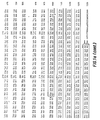
- FIG. 1a Nucleotide sequence of human TGF- ⁇ 2-442 cDNA and deduced amino acid sequence.
- the 2597 bp insert of PC-21 was subcloned into pEMBL (Dante et al., 1983, Nucleic Acids Res. 11:1645-1654) and sequenced on both strands using the dideoxy chain-termination method (Sanger et al., 1977, Proc. Natl. Acad. Sci. USA 74:5463-5467).
- the coding sequence is shown and the deduced amino acid sequence is presented directly above.
- the mature TGF- ⁇ 2 sequence is boxed and the signal peptide is overlined. Potential glycosylation sites are indicated by asterisks.
- the arrow indicates the putative signal sequence cleavage site.
- the nucleotide sequence of simian TGF- ⁇ 2-414 cDNA is identical to the human TGF- ⁇ 2-442 cDNA sequence except that nucleotides 346 through 432 (bracketed) are deleted and replaced by the sequence AAT, and except that several silent nucleotide changes occur elsewhere in the structure (indicated by single letters directly below the changed nucleotide).
- the deduced amino acid sequence for simian TGF- ⁇ 2-414 precursor is identical to the human TGF- ⁇ 2-442 precursor amino acid sequence except that Asparagine replaces amino acid residues 116 through 144 in the human TGF- ⁇ 2-442 structure.
- the nucleotide sequence of a human TGF- ⁇ 2-414 cDNA has been sequenced through the region indicated by broken underlining and was found to be perfectly homologous to the human TGF- ⁇ 2-442 cDNA sequence except that nucleotides 346 through 432 are deleted and replaced by the sequence AAT.
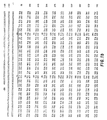
- FIG. 1b Nucleotide sequence of hybrid TGF- ⁇ 1/TGF- ⁇ 2 precursor DNA and deduced amino acid sequence.
- the coding sequence is shown and the deduced amino acid sequence is presented directly above.
- the mature TGF- ⁇ 2 sequence is boxed and the precursor signal peptide is overlined. Glycosylation sites are indicated by asterisks.
- the arrow indicates the putative signal sequence cleavage site.
- the TGF- ⁇ 2 mature coding sequence depicted is of human origin.
- the simian TGF- ⁇ 2 mature coding sequence is nearly identical to the human sequence: only 3 silent base changes occur and are indicated by single letters directly below the changed nucleotide. Details of the cDNA cloning of TGF- ⁇ 2 and the construction of the hybrid TGF- ⁇ 1/TGF- ⁇ 2 gene are described in Section 8., infra .
- FIG. 1c Schematic diagram of hybrid TGF- ⁇ 1/TGF- ⁇ 2 precursor gene.
- FIG. 1d Restriction endonuclease maps of pPC-14 (2.2kb) and pPC-21 (2.3 kb).
- the boxed regions indicate coding sequences for TGF- ⁇ 2 monomer.
- the ATG denotes the initiating methionine codon.
- the distance between the ATG and Kpn I site in pPC-21 (2.34 kb) is approximately 420 bp.
- the darkened area indicates the position of the 84-bp insertion in pPC-21 (2.3 kb).
- FIG. 1e Partial DNA sequence analysis of pPC-14 (2.2 kb).
- a synthetic oligonucleotide 5'-AGGAGCGACGAAGAGTACTA-3' which hybridized approximately 140 bp upstream from the Kpn I site within the insert in pPC-21 (2.3 kb) was used to prime DNA sequencing reactions.
- the sequence of pPC-14 (2.2 kb) (upper line) is identical to pPC-21 (2.3 kb) up to nucleotides coding for Asn-116.
- the 84-bp insertion within the Asn-116 codon of pPC-14 (2.2 kb) which was found in pPC-21 (2.3 kb) is shown.
- the Kpn I site within the insert is denoted.
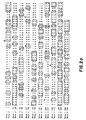
- FIG. 2 Homologies of human TGF- ⁇ 1 and TGF- ⁇ 2-442 precursor sequences.
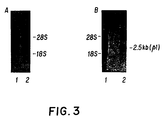
- FIG. 3 Northern blot analysis of BSC-40 and PC-3 polyadenylated RNA.
- Polyadenylated RNA was isolated from BSC-40 and PC-3 cells, fractionated on an agarose-formaldehyde gel, transferred to Hybond-N filters and hybridized to [32P]-labeled TGF- ⁇ 2 specific probe, pPC-21 (Panel A) or a mixture of [32P)-labeled TGF- ⁇ 2 and TGF- ⁇ 1 (Sharples et al.,1987) specific probes (Panel B).
- FIG. 4 Northern blot analysis of polyadenylated RNA from different sources.
- Polyadenylated RNA was isolated from MCF-7 (human mammary carcinoma), SK-MEL 28 (human melanoma), KB (nasopharangeal carcinoma) and HBL-100 (human mammary epithelial) cells and analyzed by Northern blot hybridization to a TGF- ⁇ 2 specific probe (pPC-21).
- Each lane contains 5 micrograms of polyadenylated RNA from SK-MEL 28 (lane 1), MCF-7 (lane 2), HBL-100 (lane 3) or KB (lane 4) cells.
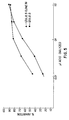
- FIG. 5 Bioactivity Assay of Recombinant TGF- ⁇ 2. 1B9, 12.5, clone 36 cells were grown to confluency in 100 mm tissue culture dishes. Cells were washed 3X with serum-free media and incubated for 24 hours in 5 ml of serum-free media. Media was collected, dialyzed against 0.2M acetic acid, and assayed for inhibition of DNA synthesis in CCL64 cells as described (Gentry et al., 1987, Mol. Cell. Biol. 7:3418). In this assay 3.3 pg of TGF- ⁇ 1 standard gave 50% inhibition; the specific activity of TGF- ⁇ 2 was calculated to be about half that of TGF- ⁇ 1.
- FIG. 6 western blot analysis of recombinant proteins secreted by 1 ⁇ 9, 12.5, clone 36 cells.
- Acid dialyzed serum-free conditioned media from 1 ⁇ 9, 12.5, clone 36 cells was fractionated by SDS-polyacrylamide gel electrophoresis and analyzed by Western blotting with antiserum made against the synthetic peptide NH2-YNTINPEASASPC-COOH (anti-TGF- ⁇ 2 395-407) located at amino acid sequence 395-407 within the TGF- ⁇ 2 precursor.
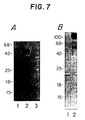
- FIG. 7 Characterization of recombinant proteins secreted by amplified, transfected CHO cells.
- Panel A Serum-free supernatant collected from 1 ⁇ 9, 12.5 CL36 was analyzed by immunoblotting with anti-TGF- ⁇ 2395 ⁇ 407 (lane 2) or with anti-TGF- ⁇ 2395 ⁇ 407 that had been incubated with excess peptide prior to immunoblotting (lane 3).
- Lane 1 contains natural TGF- ⁇ 2 (Marquardt et al., 1987, J. Biol. Chem. 262:12127-12131). Samples were fractionated on a linear 15% polyacrylamide-SDS gel under reducing conditions.
- Panel B 1 ⁇ 9, 12.5 CL36 conditioned media (lane 2) and natural TGF- ⁇ 2 (lane 1) were fractionated on a 7.5-15% polyacrylamide-SDS gel and immunoblotted with anti-TGF- ⁇ 2395 ⁇ 407. Gels were run under non-reducing conditions.
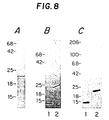
- FIG. 8 Characterization of purified recombinant TGF- ⁇ 2 (rTGF- ⁇ 2) purified from serum-free media conditioned by 1 ⁇ 9, 12.5 CL36 cells.
- PANEL A rTGF- ⁇ 2 fractionated on a 15% polyacrylamide-SDS gel under non-reducing conditions and stained with silver.
- PANEL B rTGF- ⁇ 2 fractionated on a 7.5-15% gradient polyacrylamide-SDS gel under reducing (lane 1) and non-reducing (lane 2) conditions and detected by immunoblotting with anti-TGF- ⁇ 2395 ⁇ 407.
- PANEL C Iodinated rTGF- ⁇ 2 fractionated on a 7.5-15% gradient polyacrylamide-SDS gel under reducing (lane 1) and non-reducing (lane 2) conditions and detected by autoradiography.
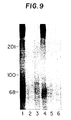
- FIG. 9 Binding of rTGF- ⁇ 2 to HEPM cell surface TGF- ⁇ receptors.
- TGF- ⁇ receptors affinity labeled with [125I]-rTGF- ⁇ 1 and [125I]-rTGF- ⁇ 2 were analyzed on a 6.25% polyacrylamide-SDS gel under reducing conditions. Lanes 1-3 were labeled with [125I]-rTGF- ⁇ 1 and competed with unlabeled rTGF- ⁇ 1 (lane 2) or unlabeled rTGF- ⁇ 2 (lane 3). Lanes 4-6 were labeled with [125I]-rTGF- ⁇ 2 and competed with unlabeled rTGF- ⁇ 1 (lane 5) or unlabeled rTGF- ⁇ 2 (lane 6).
- FIG. 10 Characterization of recombinant proteins secreted by transfected COS cells.
- PANEL A line diagrams of regions encoded by TGF- ⁇ plasmids. p ⁇ 1' encodes TGF- ⁇ 1; p ⁇ 2' encodes TGF- ⁇ 2; p ⁇ 1/ ⁇ 2' encodes the ⁇ 1(NH2)/ ⁇ 2(COOH) hybrid protein.
- PANEL B COS cells were transfected with p ⁇ 1'; 48 hr post transfection, media was replaced with serum-free media then collected 48 hours later. Samples were dialyzed against 0.2 M acetic acid, dried and assayed by immunoblotting under reducing conditions using anti-TGF- ⁇ 1369 ⁇ 381.
- Lane 1 COS cells + p ⁇ 1'; lane 2, COS cells + vector only (p ⁇ XH3M); lane 3, COS cells + PBS.
- PANEL C COS cells were transfected with p ⁇ 1' (lane 1), p ⁇ 1/ ⁇ 2' (lane 2), p ⁇ XH3M (vector only, lane 3) and PBS (lane 4). Serum-free supernatants were collected 48 hours post-transfection and analyzed by immunoblotting under reducing conditions using anti-TGF- ⁇ 2395 ⁇ 407.
- PANEL D COS cells were transfected with p ⁇ 1/ ⁇ 2' and supernatants were analyzed by immunoblotting under non-reducing conditions using anti-TGF- ⁇ 2395 ⁇ 407.
- PANEL E COS cells were transfected with p ⁇ 2' (lane 1), p ⁇ 1/ ⁇ 2' (lane 2), p ⁇ XH3M vector only (lane 3), PBS (lane 4); serum-free supernatants were analyzed by immunoblotting conditions using anti-TGF- ⁇ 2395 ⁇ 407.
- Numbers to the right (left in PANEL E) indicate positions of molecular weight standards in kilodaltons. Samples were fractionated on a 7.5-15% gradient (15% linear in PANEL C) polyacrylamide-SDS gel.
- FIG. 11 Growth inhibition of mink lung cells with rTGF- ⁇ 1 and rTGF- ⁇ 2.
- PANEL A rTGF- ⁇ 1 was purified as described (Gentry et al., 1988, Mol. Cell. Biol. 8:4162-4168) and used in the growth inhibition assay described in Section 10.1.7., infra .
- PANEL B ⁇ 2(414)cl.32 cells were grown to confluency in 100 mm dishes. Cells were washed 3X with serum-free medium and incubated with 5 ml of serum-free medium for 24 hours.
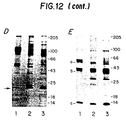
- FIG. 12 Detection of TGF- ⁇ 2 specific proteins by immunoblotting and direct metabolic labeling.
- PANEL A Line diagram of the TGF- ⁇ 2 precursor showing the peptide sequences against which anti-peptide antibodies were made. 'a' denotes the pro-TGF- ⁇ 2-414 region; 'b' denotes the pro-region of the TGF- ⁇ 2-414 precursor and 'c' denotes the TGF- ⁇ 2 monomer.
- PANEL B Serum- and cell-free media conditioned by ⁇ 1cl.17 cells (lanes 1 and 3) or ⁇ 2(414)cl.32 cells (lanes 2 and 4) were fractionated by SDS-PAGE under reducing conditions and analyzed by immunoblotting using anti-TGF- ⁇ 181 ⁇ 94 (lane 1), anti-TGF- ⁇ 2(414)51 ⁇ 66 (lane 2), anti-TGF- ⁇ 1369 ⁇ 381 (lane 3) or anti-TGF- ⁇ 2(414)367 ⁇ 379 (lane 4).
- PANEL C Serum- and cell-free media conditioned by ⁇ 1cl.17 cells (lanes 1 and 3) or ⁇ 2(414)cl.32 cells (lanes 2 and 4) were fractionated by SDS-PAGE under non-reducing conditions and analyzed by immunoblotting using anti-TGF- ⁇ 181 ⁇ 94 (lane 1), anti-TGF- ⁇ 2(414)51 ⁇ 66 (lane 2), anti-TGF- ⁇ 1369 ⁇ 381 (lane 3) or anti-TGF- ⁇ 2(414)367 ⁇ 379 (lane 4).
- PANEL D ⁇ 1cl,17 cells (lane 1), ⁇ 2(414)cl.32 cells (lane 2) and ⁇ 2(414)cl.35 cells (lane 3) were labeled with [35S]-methionine plus [35S]-cysteine and serum-free supernatants were analyzed by SDS-PAGE on a 7.5-17.5% gel under non-reducing conditions.
- PANEL E ⁇ 1cl.17 cells (lane 1), ⁇ 2(414)cl.32 cells (lane 2) and ⁇ 2(414)cl.35 cells (lane 3) were labeled with [35S]-methionine plus [35S]-cysteine and serum-free supernatants were analyzed by SDS-PAGE on a 7.5-17.5% gel under reducing conditions.
- FIG. 13 Analysis of [32P]-orthophosphate and [3H]-glucosamine labeled proteins secreted by recombinant CHO cells.
- Confluent ⁇ 1cl.17 cells (lane 1) or ⁇ 2(414)cl.32 cells (lane 2) were labeled for 4 hours with 1 mCi/ml [32P]-orthophosphate: serum- and cell-free supernatants were dialyzed against 0.2 M acetic acid and analyzed by SDS-PAGE on a 15% gel under reducing conditions.
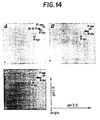
- FIG. 14 Identification of mannose-6-phosphate within the pro-region of TGF- ⁇ 2-414.
- PANEL A Confluent ⁇ 1cl.17 cells were labeled with [32P]-orthophosphate and cell- and serum-free supernatants were fractionated by SDS-PAGE. Bands 'a' and 'b' from lane 1, FIG. 13, were isolated, hydrolyzed in 6M HCl and fractionated by two-dimensional electrophoresis as described (Cooper et al., 1983, Methods Enzymol. 99:387-402). The position of migration of M-6-P located within the TGF- ⁇ 1 pro-region (Purchio et al., 1988, J. Biol. Chem.
- PANEL B Confluent ⁇ 1(414)cl.32 cells were labeled with [32P]-orthophosphate and serum- and cell-free supernatants were fractionated by SDS-PAGE. Band 'b' from lane 2, FIG. 13, was isolated, hydrolyzed in 6M HCl and fractionated by two-dimensional electrophoresis.
- PANEL C Mix of A and B. Equivalent cpm from A and B were used.
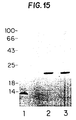
- FIG. 15 Analysis of purified rTGF- ⁇ 2.
- rTGF- ⁇ 2 was purified from media conditioned by ⁇ 2(414)cl.32 cells and 1 ⁇ g was fractionated by SDS-PAGE on a 7.5-17.5% gel under reducing (lane 1) or non-reducing (lane 2) conditions. The gel was stained with Comassie blue. Lane 3 contains 1 ⁇ g of rTGF- ⁇ 1 (non-reduced).
- the present invention relates to the production of a biologically active, mature form of TGF- ⁇ 2 from a TGF- ⁇ precursor gene coding sequence and its product.
- the mature biologically active TGF- ⁇ 2 may be produced by the cloning and expression of the full-length nucleotide coding sequence of the TGF- ⁇ 2 precursor or its functional equivalent in a host cell which processes the precursor correctly so that a mature TGF- ⁇ 2 is produced having a biological activity that is virtually indistinguishable from that of authentic natural TGF- ⁇ 2.
- Functional equivalents of the full length nucleotide coding sequence of the TGF- ⁇ 2 precursor include any DNA sequence which, when expressed inside an appropriate host cell, is capable of directing the synthesis, processing and export of mature TGF- ⁇ 2.
- hybrid precursor coding sequences including, for example, the TGF- ⁇ 1 precursor sequence joined in-frame to the TGF- ⁇ 2 mature sequence, may be constructed and used to produce biologically active TGF- ⁇ 2.
- the present invention also relates to the production of precursor forms of TGF- ⁇ 2 by eukaryotic host cells transfected with vectors encoding the complete TGF- ⁇ 2 precursor coding sequence, including latent high molecular weight TGF- ⁇ 2 precursor complex, the pro region of TGF- ⁇ 2, and unprocessed TGF- ⁇ 2 precursor.
- the method of the invention may be divided into the following stages solely for the purposes of description: (a) isolation or generation of the coding sequence for a precursor form of TGF- ⁇ 2; (b) construction of an expression vector which will direct the expression of a TGF- ⁇ 2 coding sequence; (c) transfection of appropriate host cells which are capable of replicating and expressing the gene and processing the gene product to produce the mature, biologically active form of TGF- ⁇ 2 or, alternatively, latent TGF- ⁇ 2 precursor forms; and (d) identification and purification of the mature, biologically active TGF- ⁇ 2 or latent TGF- ⁇ 2 precursor forms.
- the practice of the invention involves the expansion of that clone and isolation of the gene product expressed.
- cDNAs of the TGF- ⁇ 2 precursor coding region were prepared, cloned, sequenced, and utilized to construct expression vectors capable of directing high-level expression of TGF- ⁇ 2 in mammalian host cells.
- applicants have identified clones from a PC-3 cDNA library coding for TGF- ⁇ 2. DNA sequence analysis of one of these clones revealed that TGF- ⁇ 2, like TGF- ⁇ 1, is synthesized as a larger precursor protein, the carboxy terminus of which is cleaved to yield the mature TGF- ⁇ 2 monomer.
- TGF- ⁇ 1 and TGF- ⁇ 2 While there is a 71% homology between TGF- ⁇ 1 and TGF- ⁇ 2 throughout the mature portions of these molecules, only a maximum of 31% homology exists within the rest of the precursor, suggesting that the amino terminal regions of TGF- ⁇ 1 and TGF- ⁇ 2 may be functionally distinct.
- TGF- ⁇ 1/TGF- ⁇ 2 hybrid gene in CHO cells is used to produce large amounts of biologically active TGF- ⁇ 2.
- mature and precursor forms of TGF- ⁇ 2 are obtained from CHO cells engineered to express at high levels the complete TGF- ⁇ 2 precursor coding sequence. Applicants have determined, and describe herein, various biochemical, immunological, and structural characteristics of the recombinant TGF- ⁇ 2 proteins secreted by these cells.
- the nucleotide coding sequence for TGF- ⁇ 2 is depicted in FIG. 1a.
- the nucleotide sequence depicted therein, or fragments or functional equivalents thereof, may be used to generate the recombinant molecules which will direct the expression of the TGF- ⁇ 2 product in appropriate host cells.
- the high level expression of TGF- ⁇ 2 and the 414 amino acid TGF- ⁇ 2 precursor is achieved in Chinese Hamster Ovary cells transfected with a recombinant plasmid encoding simian TGF- ⁇ 2(414) precursor and dihydrofolate reductase (DHFR) under the regulatory control of the SV-40 promotor. Subsequent amplification of expression with methotrexate results in the isolation of clones secreting high levels of mature TGF- ⁇ 2 as well as high-molecular weight precursor complexes. These clones secrete approximately 5 ⁇ g recombinant TGF- ⁇ 2 per ml culture media.
- TGF- ⁇ 1/TGF- ⁇ 2 hybred gene was constructed and used to transfect CHO cells; the resulting transfectants secrete as much as 0.4 ⁇ g recombinant TGF- ⁇ 2 per ml culture media.
- nucleotide coding sequences which encode substantially the same amino acid sequences as depicted in FIG. 1a and FIG. 1b may be used in the practice of the present invention for the cloning and expression of TGF- ⁇ 2.
- Such alterations include deletions, additions or substitutions of different nucleotide residues resulting in a sequence that encodes the same or a functionally equivalent gene product.
- the gene product may contain deletions, additions or substitutions of amino acid residues within the sequence, which result in a silent change thus producing a bioactive product.
- Such amino acid substitions may be made on the basis of similarity in polarity, charge, solubility, hydrophobicity, hydrophilicity and/or the amphipathic nature of the residues involved.
- negatively charged amino acids include aspartic acid and glutamic acid
- positively charged amino acids include lysine and arginine
- amino acids with uncharged polar head groups or nonpolar head groups having similar hydrophilicity values include the following: leucine, isoleucine, valine; glycine, alanine; asparagine, glutamine; serine, threonine; phenylalanine, tyrosine.
- the nucleotide coding sequence for TGF- ⁇ 2 may be obtained from cell sources that produce TGF- ⁇ 2 like activity.
- the coding sequence may be obtained by cDNA cloning of RNA isolated and purified from such cellular sources or by genomic cloning. Either cDNA or genomic libraries of clones may be prepared from the DNA fragments generated using techniques well known in the art including but not limited to the use of restriction enzymes.
- the fragments which encode TGF- ⁇ 2 may be identified by screening such libraries with a nucleotide probe that is substantially complementary to any portion of the sequence depicted in FIG. 1a.
- Full length clones, i.e. , those containing the entire coding region for the TGF- ⁇ 2 precursor may be selected for expression.
- the coding sequence of FIG. 1a could be synthesized in whole or part, using chemical methods well known in the art. See, for example, Caruthers et al., 1980, Nuc. Acids Res. Symp. Ser. 7:215-223; Crea and Horn, 1980, Nuc. Acids. Res. 9(10):2331; Matteucci and Carruthers, 1980, Tetrahedron Letters 21:719 and Chow and Kempe, 1981, Nuc. Acids. Res. 9(12):2807-2817.
- the protein could be produced using chemical methods to synthesize the amino acid sequence depicted in FIG. 1a in whole or in part.
- peptides can be synthesized by solid phase techniques on a Beckman 990 instrument, and cleaved from the resin as previously described (Gentry, L.E., et al., 1983, J. Biol. Chem. 258:11219-11228; Gentry, L.E. and Lawton, A., 1986, Virology 152:421-431). Purification can be accomplished by preparative high performance liquid chromatography. The composition of the peptides may be confirmed by amino acid analysis.
- the TGF- ⁇ 2 coding sequence may be obtained by cDNA cloning of human TGF- ⁇ 2 precursor coding sequences derived from polyadenylated RNA isolated from tamoxifen-treated human prostatic adenocarcinoma cell line, PC-3, previously shown to produce TGF- ⁇ 2.
- the TGF- ⁇ 2 coding sequence may be obtained by cDNA cloning of simian TGF- ⁇ 2 precursor coding sequences derived from polyadenylated RNA isolated from an African green monkey cell line, BSC-40.
- the human and simian TGF- ⁇ 2 precursors appear to have identical amino acid sequences, and their nucleotide sequences are nearly identical.
- TGF- ⁇ 2 DNA sequence analysis of TGF- ⁇ 2 cDNA clones indicates that TGF- ⁇ 2, like TGF- ⁇ 1, is synthesized as a large precursor protein, the carboxy terminus of which is cleaved to yield the mature 112 amino acid TGF- ⁇ 2 monomer.
- TGF- ⁇ 2 has been shown to have a molecular weight of 24,000 composed of two disulfide-linked 13,000 dalton subunits (Ikeda et al., 1987, Biochemistry 26:2406-2410; Cheifetz et al., 1987, Cell 48:409-415). Therefore, the production of mature TGF- ⁇ 2 requires proper proteolytic cleavage as well as the formation of intra- and inter-molecular disulfide bonds.
- An amino terminal hydrophobic leader sequence (residue 3-19) is present in the precursor and may be responsible for directing the protein out of the cell. The mature TGF- ⁇ 2 may still be associated with the remaining portion of the precursor during this process.
- TGF- ⁇ 2 shows 71% homology with TGF- ⁇ 1 throughout the mature portion of the precursor, implying a functional similarity which is supported by experimental evidence (Seyedin et al., 1987, J. Biol. Chem. 262:1946-1949; Cheifetz et al., 1987, Cell 48:409-415).
- the amino portion of the precursor region of TGF- ⁇ 1 from human, rodent and simian sources (Derynck et al., 1985, Nature 316:701-705; Derynck et al., 1986, J. Biol. Chem.
- TGF- ⁇ 1 and TGF- ⁇ 2 precursor are highly conserved and suggests that this part of the molecule may have an important biological function.
- TGF- ⁇ 2 precursor After cleavage of the putative signal peptide, the TGF- ⁇ 2 precursor would also contain more amino acids than TGF- ⁇ 1 precursor.
- the primary structural differences within the amino terminal region of the TGF- ⁇ 1 and TGF- ⁇ 2 precursor proteins may reflect functional differences. However, significant homologous regions within the precursors are found in isolated blocks suggesting the conservation of important functional domains even within the N-terminal precursor region.
- TGF- ⁇ 2 cDNA clone contains a 3'-untranslated region approximately 1kb larger than that of pPC-21 and pPC-14 and contains a different polyadenylation site suggesting that alternative polyadenylation is one factor responsible for the generation of multiple TGF- ⁇ 2 mRNAs observed on Northern blots.
- BSC-40 cells contain comparable levels of TGF- ⁇ 1 and TGF- ⁇ 2-specific transcripts: tamoxifen-treated PC-3 cells contain more TGF- ⁇ 1 mRNA than TGF- ⁇ 2 (FIG. 3B). The latter result is unexpected since these cells produce more TGF- ⁇ 2 protein than TGF- ⁇ 1 (Ikeda et al, 1987, Biochemistry 26:2406-2410) and suggests a post-transcriptional level of regulation regarding the synthesis of this growth modulator. Production of adequate amounts of TGF- ⁇ 2 by recombinant DNA techniques, as has been done for TGF- ⁇ 1, should aid further in designing experiments to explore the different effects of this protein.
- an expression vector/host system In order to express a biologically active, mature form of TGF- ⁇ 2, an expression vector/host system should be chosen which provides not only for high levels of transcription and translation but for the correct processing of the gene product. This is especially important when employing the entire coding sequence of a TGF- ⁇ 2 precursor in the expression constructs because the mature form of TGF- ⁇ 2 appears to be derived from the precursor product via cellular processing events.
- an expression/host cell system which provides for secretion of the product may be selected.
- the mature TGF- ⁇ 2 a disulfide-linked homodimer of 112 amino acids per subunit may be formed by cellular processing involving proteolytic cleavage between the Arg-Ala amino acids of the precursor (residue numbers 330 and 331 in FIG. 1a).
- the TGF- ⁇ 2 precursor contains three potential N-glycosylation sites not found in the mature form; the proper glycosylation of the precursor may be important to the cellular synthesis and release or secretion of the mature molecule.
- the pro region of the TGF- ⁇ 2 precursor is glycosylated and phosphorylated (see Section 10.2., infra ).
- the mature form of TGF- ⁇ 2 comprises a disulfide-linked dimer involving nine cysteine residues per subunit. Some of these are involved in interchain and others in intrachain disulfide bonds which affect the tertiary structure and configuration of the mature molecule, and, as a result, its biological activity.
- the ability of a host cell used in the expression system to correctly express and process the TGF- ⁇ 2 gene product is important to the production of a biologically active, mature TGF- ⁇ 2 as well as to the production of TGF- ⁇ 2 precursor forms.
- animal host/expression vector systems i.e. , vectors which contain the necessary elements for directing the replication, transcription and translation of the TGF- ⁇ 2 coding sequence in an appropriate host cell
- virus expression vector/mammalian host cell systems e.g. , cytomegalovirus, vaccinia virus, adenovirus, and the like
- insect virus expression vector/insect cell systems e.g. , baculovirus
- nonviral promoter expression systems derived from the genomes of mammalian cells e.g. , the mouse metallothionine promoter.
- the expression elements of these vectors vary in their strength and specificities.
- any one of a number of suitable transcription and translation elements may be used.
- promoters isolated from the genome of mammalian cells e.g. mouse metallothionien promoter
- viruses that grow in these cells e.g. vaccinia virus 7.5K promoter
- Promoters produced by recombinant DNA or synthetic techniques may also be used to provide for transcription of the inserted sequences.
- Specific initiation signals are also required for sufficient translation of inserted protein coding sequences. These signals include the ATG initiation codon and adjacent sequences. In cases where the entire TGF- ⁇ 2 gene including its own initiation codon and adjacent sequences are inserted into the appropriate expression vectors, no additional translational control signals may be needed. However, in cases where only a portion of the coding sequence is inserted, exogenous translational control signals, including the ATG initiation codon, must be provided. Furthermore, the initiation codon must be in phase with the reading frame of the TGF- ⁇ 2 coding sequences to ensure translation of the entire insert. These exogenous translational control signals and initiation codons can be of a variety of origins, both natural and synthetic. The efficiency of expression may be enhanced by the inclusion of transcription attenuation sequences, enhancer elements, etc.
- any of the methods previously described for the insertion of DNA fragments into a vector may be used to construct expression vectors containing the TGF- ⁇ 2 gene and appropriate transcriptional/translational control signals. These methods may include in vitro recombinant DNA techniques, synthetic techniques and in vivo recombinations (genetic recombination).
- the TGF- ⁇ 2 coding sequence may be ligated to an adenovirus transcription/translation control complex, e.g. , the late promoter and tripartite leader sequence.
- This hybrid gene may then be inserted in the adenovirus genome by in vitro or in vivo recombination. Insertion in a non-essential region of the viral genome (e.g. , region E1 or E3) will result in a recombinant virus that is viable and capable of expressing TGF- ⁇ 2 in infected hosts.
- the vaccinia 7.5K promoter may be used.
- TGF- ⁇ 2 is an insect system.
- Autographa californica nuclear polyhedrosis virus (AcNPV) is used as a vector to express foreign genes.
- the virus grows in Spodoptera frugiperda cells.
- the TGF- ⁇ 2 coding sequence may be cloned into non-essential regions (for example the polyhedrin gene) of the virus and placed under control of an AcNPV promoter (for example the polyhedrin promoter).
- Successful insertion of the TGF- ⁇ 2 coding sequence will result in inactivation of the polyhedrin gene and production of non-occluded recombinant virus (i.e., virus lacking the proteinaceous coat coded for by the polyhedrin gene).
- These recombinant viruses are then used to infect Spodoptera frugiperda cells in which the inserted gene is expressed.
- a host cell strain may be chosen which modulates the expression of the inserted sequences, or modifies and processes the gene product in the specific fashion desired. Expression from certain promoters can be elevated in the presence of certain inducers, (e.g. zinc and cadmium ions for metallothionein promoters). Therefore, expression of the genetically engineered TGF- ⁇ 2 may be controlled. This is important if the protein product of the cloned foreign gene is lethal to host cells. Furthermore, modifications (e.g. glycosylation) and processing (e.g., cleavage) of protein products are important for the function of the protein. Different host cells have characteristic and specific mechanisms for the post-translational processing and modificatin of proteins. Appropriate cell lines or host systems can be chosen to ensure the correct modification and processing of the foreign protein expressed.
- inducers e.g. zinc and cadmium ions for metallothionein promoters. Therefore, expression of the genetically engineered TGF- ⁇ 2 may be controlled. This is important
- the host cells which contain the recombinant TGF- ⁇ 2 coding sequence and which express the biologically active, mature product may be identified by at least four general approaches: (a) DNA-DNA hybridization; (b) the presence or absence of "marker" gene functions; (c) assessing the level of transcription as measured by the expression of TGF- ⁇ 2 mRNA transcripts in the host cell; and (d) detection of the mature and/or precursor gene products as measured by immunoassay and, ultimately, by its biological activity.
- the presence of the TGF- ⁇ 2 coding sequence inserted in the expression vector can be detected by DNA-DNA hybridization using probes comprising nucleotide sequences that are homologous to the TGF- ⁇ 2 coding sequence substantially as shown in FIG. 1a, or portions or derivatives thereof.
- the recombinant expression vector/host system can be identified and selected based upon the presence or absence of certain "marker" gene functions (e.g. , thymidine kinase activity, resistance to antibiotics, resistance to methotrexate, transformation phenotype, occlusion body formation in baculovirus, etc.).
- certain "marker" gene functions e.g. , thymidine kinase activity, resistance to antibiotics, resistance to methotrexate, transformation phenotype, occlusion body formation in baculovirus, etc.
- a marker gene can be placed in tandem with the TGF- ⁇ 2 sequence under the control of the same or different promoter used to control the expression of the TGF- ⁇ 2 coding sequence. Expression of the marker in response to induction or selection indicates expression of the TGF- ⁇ 2 coding sequence.
- transcriptional activity for the TGF- ⁇ 2 coding region can be assessed by hybridization assays.
- polyadenylated RNA can be isolated and analyzed by Northern blot using a probe homologous to the TGF- ⁇ 2 coding sequence or particular portions thereof.
- total nucleic acids of the host cell may be extracted and assayed for hybridization to such probes.
- the expression of the mature and/or precursor protein products can be assessed immunologically, for example by Western blots, immunoassays such as radioimmuno-precipitation, enzyme-linked immunoassays and the like.
- the ultimate test of the success of the expression system involves the detection of the biologically active TGF- ⁇ 2 gene product. Where the host cell secretes the gene product the cell free media obtained from the cultured transfectant host cell may be assayed for TGF- ⁇ 2 activity. Where the gene product is not secreted, cell lysates may be assayed for such activity.
- biological assays such as the growth inhibition assay described herein or the stimulation of anchorage independent growth in target cells (Twardzik and Sherwin, 1985, J. Cell. Biochem. 28:289-297; Delarco and Todaro, 1978, Proc. Natl. Acad. Sci. U.S.A. 75:4001-4005) or the like may be used.
- the clone may be expanded and the TGF- ⁇ 2 may be purified using techniques well known in the art. Such methods include immunoaffinity purification, chromatographic methods including high performance liquid chromatography, and the like.
- Chinese Hamster Ovary (CHO) cells transfected with a recombinant expression plasmid containing the coding sequence for a hybrid TFG- ⁇ 1/(NH2)/ ⁇ 2 (COOH) precursor, synthesized and secreted correctly processed, bioactive, mature TGF- ⁇ 2.
- the hybrid precursor protein encoded by the expression plasmid termed TGF- ⁇ 1(NH2)/TGF- ⁇ 2(COOH)
- TGF- ⁇ 1(NH2)/TGF- ⁇ 2(COOH) was correctly processed in the transfected CHO cells as determined by immunoblotting, receptor binding and amino acid sequencing studies, described in detail in Section 8, infra .
- TGF- ⁇ 1 amino-terminal precursor domain to direct the maturation of recombinant TGF- ⁇ 2 raises questions concerning the molecular events involved with the processing of mature TGF- ⁇ 2, and suggests that TGF- ⁇ 1 and TGF- ⁇ 2 may share a common maturation pathway.
- the suggestion that the amino-terminal domain of the TGF- ⁇ 1 precursor plays an active role in the processing of mature TGF- ⁇ 1 is supported by the discovery that this domain contains mannose-6-phosphate residues which enable the precursor to bind to mannose-6-phosphate receptors (Purchio et al., 1988, J. Biol. Chem. 263:14211-15215).
- TGF- ⁇ precursors to mannose-6-phosphate receptors likely acts to direct the molecule to lysosomes where processing can occur with the aid of lysosomal proteases.
- Applicants' discovery that a hybrid TGF- ⁇ precursor which includes this domain is correctly processed to form mature TGF- ⁇ 2 suggests the existence of a maturation pathway commonly followed by both TGF- ⁇ 1 and TGF- ⁇ 2. Nevertheless, it appears that the effectiveness and efficiency with which such a pathway executes processing events is variable and may depend on the overall structure composition of the precursor molecules following it.
- COS cells transfected with a plasmid encoding the full TGF- ⁇ 2 precursor protein appear to be considerably more efficient in processing mature growth factor compared to COS cells transfected with plasmids encoding either the full TGF- ⁇ 1 or hybrid TGF- ⁇ 1(NH2)/TGF- ⁇ 2(COOH) precursor proteins (Section 9, infra ).
- recognition of cleavage sites by proteases may be among the factors involved. For example, protease recognition and action may favor a particular secondary structure over others, thus, one precursor form may be a better substrate for processing than another.
- the present invention also relates to purified recombinant TGF- ⁇ 2.
- Bioactive TGF- ⁇ 2 may be purified from the serum-free conditioned media of cultured CHO transfectants. Details of such purification methods are given in Sections 8 and 10, infra .
- the purified recombinant TGF- ⁇ 2 of the invention migrates as a single 12 kD protein under reducing conditions and a single 24 kD protein under non-reducing conditions when analyzed by SDS-polyacrylamide gel electrophoresis, indicating the homogeneity of the preparation. Sequence analysis reveals that the recombinant product is correctly processed and has the same amino-terminal amino acid sequence as natural TGF- ⁇ 2.
- rTGF- ⁇ 2 binds to TGF- ⁇ receptors on human embryonic palatal mesenchyme (HEPM) cells.
- HEPM human embryonic palatal mesenchyme
- bioactive mature TGF- ⁇ 2 is produced by African green monkey COS cells transfected with expression plasmids containing either the coding sequence for the hybrid precursor discussed above or the coding sequence for the entire TGF- ⁇ 2 precursor.
- COS cells are also transfected with constructs programming the synthesis of the entire TGF- ⁇ 1 precursor.
- mature and precursor growth factor products are secreted by the transfected COS cells.
- the mature proteins are largely secreted in their biologically latent forms, results consistent with the secretion of biologically latent TGF- ⁇ 1 in transfected CHO cells (Gentry et al., 1987, J. Mol. Biol. 7:3418-3427). Obtaining the maximum bioactive product requires a routine acidification step which activates the latent form.
- COS transfectants expressing the coding sequence for the TGF- ⁇ 2 precursor secrete considerably more biologically active protein than COS transfectants expressing the coding sequences for either TGF- ⁇ 1 or the hybrid TGF- ⁇ 1(NH2)/( ⁇ 2(COOH) precursors.
- TGF- ⁇ 2 is more efficiently recognized and cleaved by proteases than are the TGF- ⁇ 1 and hybrid TGF- ⁇ 1/ ⁇ 2 precursors.
- secondary structural characteristics of the TGF- ⁇ 2 precursor may render it more amenable to processing than the other TGF- ⁇ precursors.
- rTGF- ⁇ 2 high levels are synthesized and secreted by CHO cells transfected with an expression plasmid containing the coding sequence for the 414 amino acid TGF- ⁇ 2 precursor and subsequently amplified for expression with methotrexate ( ⁇ 2(414) cl.32 cells).
- methotrexate ⁇ 2(414) cl.32 cells.
- the TGF- ⁇ 2 is secreted in a latent form, as acidification is necessary for detection of maximal levels of biological activity.
- Amino-terminal sequencing of purified rTGF- ⁇ 2 indicates that the mature growth factor is proteolytically processed at the predicted cleavage site (Ala 303 in TGF- ⁇ 2(414)). Furthermore, protein sequence analysis of the carboxy-terminal cyanogen bromide peptide of rTGF- ⁇ 2 suggests an intact protein. Thus, CHO cells possess the appropriate protease(s) to correctly process pro-TGF- ⁇ 2.
- the high molecular weight pro-region-containing proteins secreted by ⁇ 2(414)cl.32 differ from those secreted by ⁇ 1cl.17 in that the ⁇ 1cl.17 cells secrete a single 90-110 kD complex. This difference is most likely due to the disulfide bonding pattern in the pro-region of the molecules since CHO cells transfected with the hybrid TGF- ⁇ 1/ ⁇ 2 expression vector (Section 8, infra ) secrete predominantly the 90-110 kD complex seen in ⁇ 1cl.17-conditioned supernatants.
- Disruption of the 90-110 kD species and appearance of an 85 kD pro-region dimer can be seen in supernatants conditioned by COS cells transfected with plasmids encoding a mutant TGF- ⁇ 1 precursor in which a cystein at position 33 was replaced by serine (Brunner et al., 1989, J. Biol. Chem. 264:13660-13664), further suggesting that the disulfide bonding pattern within the pro-region contributes significantly to the formation of these high molecular weight complexes.
- rTGF- ⁇ 1 precursor contains mannose-6-phosphate (M-6-P) at two of three glycosylation sites within the pro-region.
- M-6-P mannose-6-phosphate
- the pro-region of the TGF- ⁇ 2(414) precursor is also glycosylated and contains M-6-P (Section 10.2.3., infra ).
- M-6-P is thought to serve as a recognition marker for binding to the M-6-P receptor which is involved in the transport of these proteins to acidic vesicles where further proteolytic processing can take place (Kornfeld, 1986, J. Clin. Invest. 77:1-6; Dahms et al., 1989, J. Biol. Chem., 264:12115-12118).
- the TGF- ⁇ 1 precursor binds to the M-6-P receptor when the receptor is bound to plastic (Purchio et al., 1988, J. Biol. Chem. 263:14211-14215) or is overexpressed on the surface of CHO cells (Kovacina et al., 1989, Biochem. Biophys. Res. Comm. 160:393-403).
- Agents such as monensin, chloroquine and ammonium chloride, which block the action of acidic proteases, block cleavage of pro-TGF- ⁇ 1 suggesting that binding to the M-6-P receptor and cleavage by acidic proteases might be involved in processing TGF- ⁇ 1 precursor (Sha et al., 1989, Mol. Endocrinol. 3:1090-1098). It is possible that the same or a similar pathway is involved in processing the TGF- ⁇ 2(414) precursor.
- rTGF- ⁇ 2 is secreted by ⁇ 2(414)cl.32 cells in a biologically latent form. This phenomenon has also been observed for mammalian cells secreting rTGF- ⁇ 1 (Gentry et al., 1987, Mol. Cell. Biol. 7:3418-3427; Madisen et al., 1989, DNA 8:205-212; Wakefield et al., 1989, Growth Factors 1:203-218), and may be due, at least in part, to a non-covalent association of mature rTGF- ⁇ 1 with high molecular weight pro-region containing complexes.
- TGF- ⁇ 2 precursor coding sequences from the human prostatic adenocarcinoma cell line, PC-3, from which TGF-beta-2 was previously isolated.
- the human prostatic adenocarcinoma cell line, PC-3 was grown in tamoxifen-supplemented medium as described (Ikeda et al., 1987, Biochemistry 26:2406-2410). MCF-7 cells were grown in Dulbecco's modified Eagle's medium containing 10% fetal calf serum and 6 units/ml insulin. All other cell lines were grown in the same medium without insulin. Polyadenylated RNA was isolated by oligo[dT]cellulose chromatography as described (Purchio and Fareed, 1979, J. Virol. 29:763-769).
- Double-stranded cDNA was synthesized from polyadenylated RNA isolated from PC-3 cells treated with tamoxifen for 24 hours as described (Maniatis et al., 1982, in Molecular Cloning: A Laboratory Manual, Cold Spring Harbor Press, Cold Spring Harbor, New York). cDNA fractions greater than 1000 base pairs were cloned into lambda gt10 as described (Webb et al., 1987, DNA 6:71-79).
- the library was first screened in duplicate with a [32P]-labeled 24-fold degenerate probe complimentary to DNA encoding amino acids WKWIHEP (probe 1) which are conserved between TGF- ⁇ 1 and TGF- ⁇ 2: Positive clones were then screened with a second 128-fold degenerate probe complimentary to DNA encoding amino acids CFRNVQD (probe 2); five out of these seven amino-acids are specific for TGF-Beta 2: Hybridization was performed at 42°C in 6XSSC, 5X Denhart's solution, 0.15 mM pyrophosphate, 100 micrograms/ml denatured calf thymus DNA, 100 micrograms/ml yeast tRNA and 1 mM EDTA (Maniatis et al., 1982, in Molecular Cloning: A Laboratory Manual, Cold Spring Harbor Press, Cold Spring Harbor, New York).
- RNA was fractionated on a 1% agarose formaldehyde gel (Lehrach et al., 1977, Biochemistry 16:4743-4751), transferred to a nylon membrane (Hybond, Amersham), and hybridized to [32P]-labeled probe. Hybridization was carried out at 42°C in 50% formamide containing 0.9 M NaCl, 50 mM sodium phosphate (pH 7.0), 5 mM EDTA, 0.1% NaDodS04, 4X Denhardt's solution, 0.4 mg/ml of yeast tRNA, and 0.25 mg/ml of denatured calf thymus DNA. Filters were washed at 65°C in 0.25X SSC, 0.1% NaDodS04, dried, and exposed to Cronex-4 X-ray film (DuPont) with the aid of Lightening Plus intensifier screens (DuPont).
- a cDNA library was constructed using polyadenylated RNA isolated from tamoxifen treated PC-3 cells. Earlier observations indicated that tamoxifen treatment resulted in a 2- to 5-fold increase in the secretion of TGF- ⁇ 2 (Ikeda et al., 1987, Biochemistry 26:2406-2410).
- the library was screened with probes 1 and 2 as described above. Five clones were obtained which hybridized to both probes: one clone, pPC-21, containing a 2.6kb insert, was chosen for sequencing. Another clone, pPC-14, containing a 2.2 kb insert, was partially sequenced. The DNA and deduced amino acid sequences are shown in Figure 1.
- pPC-21 contains a single open reading frame coding for a deduced polypeptide of 442 amino acids; the 112 carboxy terminal amino acids comprise the mature TGF- ⁇ 2 monomer (boxed in FIG. 1a).
- the first methionine encoded by the open reading frame is immediately followed by a stretch of hydrophobic and uncharged amino acids (overlined in FIG. 1a) characteristic of a signal peptide.
- Neither the nucleotide sequence encoding this methionine nor those encoding the next two methionines present in the open reading frame are homologous to the consensus sequence for the initiating methionine sequence (Kozak, 1986, Cell 44:283-292).
- TGF- ⁇ 2 because translation usually initiates with the first methionine in an open reading frame and because regions homologous to TGF- ⁇ 1, as discussed below, occur upstream of the second methionine, the first methionine has been tentatively assigned as the site of translation initiation. It appears then, that TGF- ⁇ 2, like TGF- ⁇ 1, is expressed as part of a much larger secreted precursor.
- the pPC-21 clone contains 467 bp upstream of the putative initiating methionine and a 3' untranslated region of approximately 800 bp including a poly [A] track, fifteen bases upstream of which is located a polyadenylation signal sequence (Proudfoot and Brownlee, 1976, Nature 263:211-214).
- the nucleotide sequence homology within the coding regions of the TGF- ⁇ 1 and TGF- ⁇ 2 pPC-21 cDNA clone was determined to be 53%.
- the regions encoding the mature proteins have 57% homology while the upstream precursor regions have 48% homology.
- After optimal alignment of the two sequences several nucleotide insertions were noted in the TGF- ⁇ 2 precursor region, one of which extended for 75 nucleotides. Whether these insertions are due to the presence of extra exons in TGF- ⁇ 2 is unknown. No significant homology was detected between the DNA sequences in the non-coding regions of the two clones.
- TGF- ⁇ 1 has extended G-C rich non-coding regions
- TGF- ⁇ 2 has extensive A-T rich non-coding regions.
- Both cDNA clones contain repeating structural motifs in the 3' noncoding region with the repeats in TGF- ⁇ 1 consisting of (purine) CCCC (Sharples et al., 1987, DNA 6:239-244) and in TGF- ⁇ 2 of ATG or A(pyrimidine) (purine).
- FIG. 1d Restriction mapping of many clones revealed that one clone, pPC-14, lacked a Kpn I restriction site located in the amino portion of TGF- ⁇ 2 coding sequence. Restriction maps of pPC-14 and pPC-21 are shown in FIG. 1d. pPC-14 was sequenced over a stretch of about 100 nucleotides corresponding to this region of the molecule by specifically priming with a 20-mer oligonucleotide complementary to nucleotides 277 to 296 in FIG. 1a. The results show that the pPC-14 clone contains an 87 nucleotide deletion (nucleotide positions 346 to 432 in FIG. 1a; see also FIG.
- FIG. 2A shows the deduced protein sequence of human TGF- ⁇ 1 (Derynck et al., 1985, Nature 316:701-705) compared to that of human TGF- ⁇ 2-442. It was determined that TGF- ⁇ 2 is 71% homologous with human TGF- ⁇ 1 throughout the mature portion of the molecule as reported previously (Marquardt et al., 1987, J. Biol. Chem., 262:12127-12131). The amino portion of the precursor upstream of the mature molecule shows a 31% homology between TGF- ⁇ 1 and TGF- ⁇ 2-442. The dot matrix homology comparison shown in FIG. 2B reveals that significant homology exists in several specific areas of the proteins. Comparison of the N-terminal amino acid sequences in the putative signal peptide region reveals no significant homology.
- the signal sequence cleavage site is predicted to be after amino acid 20 (serine) and after amino acid 29 (glycine) in TGF- ⁇ 1 (Von Heijne, 1983, Eur. J. Biochem. 133:17-21). This cleavage site directly precedes the first block of homology between TGF- ⁇ 1 and TGF- ⁇ 2 which extends for 34 amino acids downstream. After removal of the signal sequences, the TGF- ⁇ 1 and TGF- ⁇ 2 precursors would share identical N-termini over the first four amino acids, including the cysteine at position 4.
- the TGF- ⁇ 2 precursor has three potential N-glycosylation sites (located at residues 72, 168, and 269 in FIG. 1a). Only the first site is conserved in TGF- ⁇ 1, and lies within a larger block of conserved residues, suggesting that this potential glycosylation site has important structural and/or functional characteristics.
- the TGF- ⁇ 2 precursor After removal of the signal sequence, the TGF- ⁇ 2 precursor would contain either 31 or 59 amino acids more than its TGF- ⁇ 1 counterpart.
- An additional cysteine residue in TGF- ⁇ 2 is located just upstream of a large region of non homologous amino acids that precedes the mature sequence.
- the cleavage site of the mature TGF- ⁇ 2 protein occurs just after a region of 4-5 basic amino acids as shown in FIG. 2A.
- the mature region contains nine cysteines. Conservation of 7 of the 9 cysteines is characteristic for the different members of the TGF- ⁇ family. Hydropathy analyses of TGF- ⁇ 1 and TGF- ⁇ 2 reveal similar patterns in both the precursor and mature regions with both proteins being generally hydrophilic in nature.
- FIG. 3A shows a Northern blot analysis using pPC-21 to probe polyadenylated RNA from BSC-40 (an African green monkey kidney cell line) and tamoxifen-treated PC-3 cells.
- PC-3 cells contain three major TGF- ⁇ 2-specific mRNA species of 4.1, 5.1 and 6.5 kb in size (FIG. 3A, lane 2); BSC-40 cells contain predominantly the 4.1 and 6.5 kb transcripts and lesser amounts of the 5.1 kb RNA (FIG. 3A, lane 1). Note that the pPC-21 probe does not detect the 2.5 kb TGF- ⁇ 1-specific mRNA species present in this cell line under the hybridization conditions used here.
- FIG. 3B shows that BSC-40 cells contain both TGF- ⁇ 1- and TGF- ⁇ 2-specific mRNA's.
- Northern blots were hybridized to a mixture containing equal amounts of TGF- ⁇ 1 and TGF- ⁇ 2 probes radiolabelled to the same specific activity.
- Lane 1 of FIG. 3B shows that BSC-40 cells contain the 2.5kb TGF- ⁇ 1-specific mRNA as well as the 4.1 and 6.5kb TGF- ⁇ 2 mRNA species:
- lane 2 of FIG. 3B shows that tamoxifen treated PC-3 cells also contain the 2.5kb TGF- ⁇ 1-specific mRNA.
- FIG. 3B also demonstrates that tamoxifen-treated PC-3 cells contain more TGF- ⁇ 1-specific than TGF- ⁇ 2-specific message.
- TGF- ⁇ 2-specific cDNA clones has enabled us to screen for TGF- ⁇ 2 mRNA in various cell lines.
- the Northern blot shown in FIG. 4 shows that TGF- ⁇ 2-specific transcripts could be detected in HBL100 (a normal epithelial cell line derived from human milk), MCF-7 (a human mammary carcinoma cell line), SK-MEL 28 (a melanoma cell line), and KB cells (a nasopharyngeal carcinoma cell line) contain very low levels of TGF- ⁇ 2 mRNA.
- TGF- ⁇ 2 coding sequences from the African green monkey kidney cell line, BSC-40, shown to contain TGF- ⁇ 2 specific mRNAs (Section 6, supra ).
- the results indicate that simian TGF- ⁇ 2, like human TGF- ⁇ 2, is synthesized as one of at least two longer precursors from which the mature TGF- ⁇ 2 molecule is derived by proteolytic cleavage.
- BSC-40 cells were grown in Dulbecco's modified Eagle medium containing 10% fetal calf serum. Polyadenylated RNA was isolated by oligo[dT]-cellulose chromatography as described (Purchio and Fareed, 1979, J. Virol. 29:763-769).
- Double-stranded cDNA was synthesized from BSC-40 polyadenylated RNA as described (Maniatis et al., 1982, Molecular Cloning: A Laboratory Manual, Cold Spring Harbor Laboratory, Cold Spring Harbor, NY, 371-372) and, after treatment with Eco RI methylase, was ligated to oligonucleotide linkers containing an Eco RI restriction enzyme recognition site ( Eco RI linkers). The cDNA was digested with Eco RI and fractionated by chromatography on Sephacryl S-1000.
- cDNA fractions of greater than 750 base pairs were pooled and ligated into lambda gt10 which had been cut with Eco RI (Davis et al., 1980, A Manual for Genetic Engineering: Advanced Bacterial Genetics; Cold Spring Harbor Laboratory, Cold Spring Harbor, NY), packaged (Grosveld et al., 1981, Gene 13:227-237) and plated on E. coli C600 rK ⁇ mK+hfl. The library was screened by plaque hybridization (Bentonet et al., 1977, Science 196:180-182) to [32P]-labeled pPC-21 and pPC-14 probes.
- Two clones were obtained from a BSC-40 cDNA library which hybridized alternatively to probes constructed from the human TGF- ⁇ 2-442 and TGF- ⁇ 2-414 precursor coding sequences.
- pBSC-40-16 which hybridized to the TGF- ⁇ 2-442 probe, was sequenced over a 150 nucleotide strech (nucleotides 300 to 450 in FIG. 1a) expected to contain the coding sequence for the 29 amino acid segment from positions 346 to 432 in FIG. 1a.
- the results show that, over this region, pBSC-40-16 encodes an amino acid sequence which is identical to the corresponding sequence in the human TGF- ⁇ 2-442 cDNA clone, pPC-21, and suggest that pBSC-40-16 encodes a 442 amino acid TGF- ⁇ 2 precursor.
- pBSC-40-1 which hybridized to the TGF- ⁇ 2-414 probe, was sequenced over the entire coding region. The results indicate that this clone encodes a 414 amino acid TGF- ⁇ 2 precursor which is identical to the human TGF- ⁇ 2-442 precursor, except that amino acid residues 116 through 144 of human TGF- ⁇ 2-442 are deleted and replaced by a single Asparagine residue.
- pBSC-40-1 differs from human TGF- ⁇ 2-442 in the deletion region: nucleotides 346 through 432 in FIG. 1a are deleted and replaced by the codon for Asparagine, AAT. Except for 13 silent base changes, the two structures are otherwise perfectly homologous over the remainder of the coding sequence.
- the following examples describe the expression of mature, biologically active TGF- ⁇ 2 in Chinese Hamster Ovary cells (CHO cells) transfected with a recombinant plasmid containing the coding sequence for mature human TGF- ⁇ 2 ligated down-stream and in-frame with the coding sequence for the simian TGF- ⁇ 1 precursor, under the regulatory control of the SV40 promoter sequences.
- the construct directed the synthesis and secretion of mature, biologically active TGF- ⁇ 2 at a level of about 0.4 mg/L.
- DHFR Dihydrofolate reductase
- CHO cells Urlaub and Chasin, 1980 Proc. Natl. Acad. Sci. U.S.A. 77:4216
- Ham's F-12 medium Gibco Laboratories, NY
- FBS fetal bovine serum
- Penicillin and streptomycin were included at 100 U/ml and 100 ug/ml, respectively.
- CHO transfectants were grown in Dulbecco's modified Eagle's medium containing the same supplements as those designated above. CHO cells and their derivatives were routinely passaged by trypsinization at a 1:5 splitting ratio.
- Methotrexate (Sigma, MO) was prepared at a stock concentration of 10 mg/ml in water, and was solubilized with the addition of dilute NaOH (0.2 M) to a final pH of 6. The stock was filter-sterilized and stored at -20°C. Stock solutions of methotrexate in media (100 uM) were kept at 4°C for no longer than 1 month.
- Plasmid pSV2 ( ⁇ 1-TGF-dhfr), which contains the simian TGF- ⁇ 1 cDNA and the mouse DHFR gene in tandem as well as intervening SV40 sequences, was constructed as described (Gentry et al., 1987, Mol. Cell. Biol. 7:3418).
- Plasmid pSV2/ ⁇ 1- ⁇ 2/dhfr was constructed as outlined in Section 8.2, infra .
- DHFR-deficient CHO cells Approximately 24 hours after seeding 106 DHFR-deficient CHO cells onto 100 mm dishes, the cultures were transfected with 20 ug of Nde I linearized pSV2-( ⁇ 1-TGF-dhfr) plasmid as a calcium phosphate precipitate (Wigler, M., et al., 1979, Proc. Natl. Acad. Sci. U.S.A. 76:1373-1376). Briefly, 20 ug of linearized DNA was added to 1 ml of 250 mM sterile CaCl2.
- DHFR-expressing transfectants were accomplished by replacing the media with DMEM supplemented with 10% dialyzed FBS (Gibco, N.Y.) and 150 ug/ml L-proline. Colonies were observed after culturing the cells 10-14 days in the selection media. Ten colonies were aspirated by a pasteur pipet and expanded.
- DHFR Dihydrofolate reductase
- the dish containing visible colonies was again trypsinized and adapted in the methotrexate containing medium.
- Cells were frozen back at various stages of amplification in media containing 40% FBS, 10% dimethyl sulfoxide and 50% DMEM. Methotrexate was not included in the freezing media.
- Mink lung epithelial cells Mv 1 Lu (Accession Number CCL-64, American Type Culture Collection), which are extremely sensitive to TGF- ⁇ 1, were utilized for the growth inhibition assay.
- the assay was performed using the thymidine analog 5'-[125I]-iodo-2'deoxyuridine (125IdU) to assess DNA synthesis.
- 125IdU thymidine analog 5'-[125I]-iodo-2'deoxyuridine
- One unit of activity was defined as the amount required to inhibit 50% incorporation of 125IdU compared to untreated CCL-64 cells.
- Serum and cell-free supernatants from 1 ⁇ 9, 12.5 CL36 cells were acidified to 1 M acetic acid, concentrated, dialyzed against 0.2 M acetic acid, lyophilized, and subjected to gel permeation chromatography on a Bio-Sil TSK-250 column using 0.1% TFA, 40% CH3CN.
- the active fractions were pooled, diluted 1:1 with 0.05% TFA in H2O and chromatographed on a ⁇ Bondapak C18 column (3.9 x 300 mm) using 0.05% TFA and CH3CN as the organic modifier.
- the active fractions were again pooled, diluted 1:1 with 0.05% TFA in H2O and rechromatographed on the same column using 0.05% TFA in H2O and 1-propanol as the organic modifier (Ikeda et al., 1987, Biochemistry 26:2406-2410). Amino acid sequence analysis was performed on a model 470A amino acid sequencer (Applied Biosystems). Recombinant TGF- ⁇ 1 (rTGF- ⁇ 1) was purified from conditioned media of ⁇ -3-2000 cells as described (Gentry et al., 1988, Mol. Cell. Biol. 8:4162-4168).
- Peptides were synthesized by solid phase techniques on a Beckman 990 automated synthesizer and cleaved from the resin support as described (Gentry et al., 1987, Mol. Cell. Biol. 7:3418-3427; Gentry and Lawton, 1986, Virology 152:421-431). Peptides were purified by high performance liquid chromatography and their amino acid compositions analytically confirmed.
- Synthetic peptides were conjugated to bovine gamma-globulin as described (Gentry et al., 1987, Mol. Cell. Biol. 7:3418-3427; Gentry and Lawton, 1986, Virology 152:421-431).
- New Zealand white rabbits were primed at three to six sites by combined subcutaneous and intradermal inoculations with the peptide conjugates (100 ⁇ g equivalents of peptide) emulsified in Freunds complete adjuvant.
- Booster inoculations were administered at 2-3 week intervals. Rabbits were bled 7-14 days following the booster inoculations.
- Proteins were fractionated on 7.5%-17.5% gradient SDS-polyacrylamide gels and transferred to unmodified nitrocellulose (0.45 um; Schleicher and Schuell) for 14-18 hours at 200 mA at 4°C (Burnette, W.N., 1981, Anal. Biochem. 112:195-203). Excess binding capacity of the nitrocellulose was blocked by incubation with 2.5% BLOTTO (Johnson, D.A., et al., 1984, Gene Anal. Techn. 1:3-8) in phosphate-buffered saline (PBS) containing 0.2% NP-40.
- BLOTTO Johnson, D.A., et al., 1984, Gene Anal. Techn. 1:3-8
- PBS phosphate-buffered saline
- rTGF- ⁇ 2 and rTGF- ⁇ 1 were labeled with [125I] to a specific activity of 100-150 ⁇ Ci/ ⁇ g by the chloramine T method as described (Frolik et al., 1984, J. Biol. Chem. 259:10995-11000).
- binding buffer DMEM plus 0.1% BSA and 25 mM Hepes buffer, pH 7.2
- the buffer was discarded and the monolayers were incubated with 1 ⁇ Ci of [125I]-TGF- ⁇ 1 or [125I]-TGF- ⁇ 2 at 4°C for 3 hr in the presence or absence of 1000 ng/mL of the corresponding unlabeled protein.
- the monolayers were washed twice with ice-cold binding buffer and incubated for 15 minutes at 4°C with 250 ⁇ M disuccinimidyl suberate.
- the monolayers were again washed three times with PBS and solubilized with 1% Triton X-100, 10 mM Tris, 1 mM EDTA pH 7.0.
- the soluble material was centrifuged at 12,000 x g prior to SDS-polyacrylamide gel analysis.
- a hybrid TGF- ⁇ beta precursor gene consisting of simian TGF- ⁇ 1 precursor coding and 5' untranslated sequences joined in-frame with human TGF- ⁇ 2 mature coding and 3' untranslated sequences was constructed as illustrated in FIG. 1c.
- pPC-21 was first digested with Eco RI, filled-in with Klenow enzyme, the 2.3 Kb fragment ligated into Hin cII digested pEMBL, and used to transform E. coli .
- Two clones, Exo 5.9 and Exo 25C were found to contain different lengths of 5' and 3' sequences, respectively, and were subcloned into pEMBL to generate pEMBL 5.9 and pEMBL 25C.
- pEMBL 5.9 was digested with Hin dIII, blunt ended with Klenow enzyme, digested with Kpn I, and the 0.6 Kb fragment (fragment 1) was isolated.
- Exo 25C was digested with Eco RI and Kpn I and the 1.1 Kb fragment (fragment 2) was isolated.
- pGS62 was digested with Bam HI, filled in with Klenow enzyme, digested with Eco RI and ligated to fragments 1 and 2 (pGS62 was derived from pGS20 (Mackett et al., 1984, J. Virol. 49:857) by deletion of a single Eco RI site). The mixture was used to transform E . coli and pGS62/CIFB was isolated.
- pGS62/CIFB was digested with Pst I and Eco RI and the 1600 bp fragment was isolated and further digested with Xho II. The resulting 400 bp Xho II- Eco RI fragment was isolated (fragment 3).
- pSV2-beta-TGF (Gentry et al., 1987, Mol. Cell. Biol. 7:3418) was digested with Apa I and Eco RI and the large 3000 bp fragment was isolated (fragment 4).
- Plasmid p ⁇ 1/ ⁇ 2 was digested with Eco RI, filled in with the Klenow fragment of DNA polymerase I, cut with Hin dIII and the 1600 bp fragment was isolated: pSV2, ⁇ 1/ ⁇ 2 was constructed by inserting this fragment into pSV2, neo which had been previously digested with Hin dIII and Hpa I to eliminate the neo gene.
- pSV2, ⁇ 1/ ⁇ 2 was digested with Pvu I and Eco RI, filled in with Klenow enzyme, digested with Nde I and the 2.6 kb (approx.) Nde I- Eco RI fragment was isolated and ligated to pSV2,dhfr which had been digested with Nde I and Pvu II.
- the ligation mixture was used to transform E. coli and pSV2/ ⁇ 1- ⁇ 2/dhfr was isolated.
- pSV/ ⁇ 1- ⁇ 2/dhfr was used to transfect DHFR-deficient CHO cells and DHFR-amplified cells were derived from the primary transfectants as described in Materials and Methods, supra . Positive clones were identified using the growth inhibition assay described in Section 8.1.5., supra . Recombinant proteins were also detected by Western blotting using an anti-peptide antisera made against the sequence NH2-YNTINPEASASPC-COOH (Gentry et al., 1987, Mol. Cell, Biol. 7:3418) which is present in mature TGF- ⁇ 2. Detection of optimal bioactivity required an acidification step prior to analysis.
- TGF- ⁇ 1 precursor proteins produced by CHO cells are glycosylated, phosphorylated on mannose residues to yield mannose-6-phosphate, and bind to the mannose-6-phosphate receptor (Brunner et al., 1988, Mol. Cell. Biol. 8:2229-2232; Purchio et al., 1988, J. Biol. Chem. 263:14211-14215). Binding to the mannose-6-phosphate receptor has been implicated in the transport of intracellular proteins to lysosomes (for review see Kornfeld, 1986, J. Clin. Invest. 77:1-6), Suggesting that the amino terminal precursor region of TGF- ⁇ 1 may play a role in the proteolytic processing necessary to generate mature TGF- ⁇ 1.
- TGF- ⁇ 1(NH2)/ ⁇ 2(COOH) was transfected with pSV2/ ⁇ 1- ⁇ /dhfr and individual clones amplified as described in Section 8.1., supra .
- FIG. 7A Immunoblot analysis of proteins secreted by 1 ⁇ 9, 12.5 clone 36 with anti-TGF- ⁇ 2 395 ⁇ 407 is shown in FIG. 7A; a 12 kD protein representing reduced TGF- ⁇ 2 monomer as well as larger 45-55 kD precursor polypeptides can be seen (FIG. 7A, lane 2). Immunoblot analyses under non-reducing conditions revealed the 24 kD dimer as well as high molecular weight precursor species (FIG. 7B, lane 2). The immunoreactivity was blocked by preincubation of antisera with peptide (FIG. 7A, lane 3). The 12 kD and 24 kD rTGF- ⁇ 2 proteins comigrated with reduced and non-reduced natural TGF- ⁇ 2 (FIG. 7A, lane 1 and FIG. 7B, lane 1).
- rTGF- ⁇ 2 was purified from serum-free conditioned media as described in Section 8.1.6., supra . Analysis of rTGF- ⁇ 2 by SDS-polyacrylamide gel electrophoresis followed by silver staining or immunoblotting is shown in FIG. 8A and FIG. 8B. Additional analysis following [125I]-labeling is shown in FIG. 8C. The results demonstrate that CHO cells transfected and amplified with pSV2/ ⁇ 1- ⁇ /dhfr secrete a polypeptide having a molecular weight of 24 kD when analyzed under non-reducing conditions (12 kD under reducing conditions) which is immunologically and functionally equivalent to natural TGF- ⁇ 2.
- rTGF- ⁇ 2 was further analyzed for its ability to bind cell surface receptors for TGF- ⁇ .
- the receptor binding assay was performed with HEPM cells as described in Section 8.1.9., supra , and the results are presented in FIG. 9.
- HEPM cell surface receptors for TGF- ⁇ affinity labeled with [125I]-rTGF- ⁇ 2 and analyzed under reducing conditions on SDS-PAGE migrated into three distinct bands with the large majority of the signal localized in the high molecular weight band seen in FIG. 9, which likely corresponds to a type III TGF- ⁇ receptor having a molecular weight of about 250 to 350 kD. Minor receptor binding components of about 90 kD and 65 kD were also detected (FIG. 9). Unlabeled rTGF- ⁇ 2 was able to compete away the binding of [125I]-rTGF- ⁇ 2.
- TGF- ⁇ 2 mature bioactive and precursor forms of TGF- ⁇ 2 in COS cells transfected with recombinant plasmids containing the coding sequence for TGF- ⁇ 2 precursor, or TGF- ⁇ 1/TGF- ⁇ 2 hybrid precursor, under the regulatory control of cytomegalovirus and HIV expression regulatory elements.
- Two plasmids, one encoding the TGF- ⁇ 2 precursor and one encoding the hybrid TGF- ⁇ 1/TGF- ⁇ 2 precursor directed the synthesis and secretion of precursor and bioactive mature TGF- ⁇ 2 polypeptides.
- COS cells an African green monkey kidney cell line, were propagated in DMEM media supplemented with 10% fetal calf serum. (Penicillin and streptomycin were included at 100 u/ml and 100 ⁇ g/ml, respectively). COS transfectants were grown in the same media. Cells were routinely passaged by trypsinization at a 1:5 splitting ratio.
- Plasmids pTGF- ⁇ 2, encoding simian TGF- ⁇ 1 and pPC-21 (2.3 kb) (coding for human TGF- ⁇ 2) have been described (Sharples et al., 1987, DNA 6: 239-244; Madisen et al., 1988, DNA 7:1-8).
- the insert from ⁇ BSC-1 ⁇ 2 was subcloned into the Eco RI site of pEMBL to give pBSC40,1/ ⁇ 2 (414) which contains sequences encoding simian TGF- ⁇ 2.
- a synthetic double stranded DNA fragment comprising 92 nucleotides of 5'-untranslated sequence and the initial 73 nucleotides of the coding region of TGF- ⁇ 2, up to the Pst I site (Webb et al., 1988, DNA 7: 493-497; Hanks et al., 1988, Proc. Natl. Acad. Sci. U.S.A. 85: 79-82) was prepared on an Applied Biosystems DNA synthesizer. This fragment was synthesized with a Hin dIII site at its 5'-end to facilitate ligation.
- Plasmid pBSC40,1/ ⁇ 2(414) was digested with Pst I and Sty I to obtain the remainder of the TGF- ⁇ 2 precursor coding and 3'-untranslated regions.
- Plasmid p ⁇ H3M (Aruffo and Seed, 1987, Proc. Natl. Acad. Sci. U.S.A. 84: 8573-8577), lacking the polylinker between the Xho I sites, was digested with Xho I, filled-in with Klenow fragment, digested with Hin dIII and ligated to the two fragments described above to yield p ⁇ 2', encoding the TGF- ⁇ 2 precursor.
- the coding sequences for TGF- ⁇ 1 and the hybrid TGF- ⁇ 1(NH2)/ ⁇ 2(COOH) were inserted into the same p ⁇ H3M vector as described above to create p ⁇ 1' and p ⁇ 1/ ⁇ 2'.
- the TGF- ⁇ coding regions contained within p ⁇ 1', p ⁇ 2', and p ⁇ 1/ ⁇ 2' are illustrated in FIG. 10A.
- DNA ligation, transformation of MC1061/p3 cells, and COS cell transfections were conducted as described (Seed and Aruffo, 1987, Proc. Natl. Acad. Sci. U.S.A.
- Transfections were performed in 100 mm dishes with 106 cells using 5 mL transfection material for 2.5 hours at 37°C. After a 48-hour incubation in DMEM + 10% FBS, the media was replaced with serum-free DMEM. Transfected cells were incubated an additional 48 hours prior to harvesting conditioned media.
- Serum and cell-free conditioned media was collected from transfected cells, dialyzed against 0.2 M acetic acid and assayed for growth inhibition of mink lung cells as described in Section 8.1.5, supra .
- Recombinant proteins were also analyzed by immunoblotting as described in Section 8.1.8., supra , using antisera to mature TGF- ⁇ 2 peptide sequence 395-407 (anti-TGF- ⁇ 2395 ⁇ 407) located within the mature TGF- ⁇ 2 region.
- the anti-TGF- ⁇ 2395 ⁇ 407 antisera was specific for TGF- ⁇ 2 and did not cross react with TGF- ⁇ 1 (FIG. 10C, lane 1); all reactivity of anti-TGF- ⁇ 2395 ⁇ 407 could be blocked by excess peptide (FIG. 7A, lane 3).
- Transfection of COS cells with plasmids containing cDNAs encoding TGF- ⁇ 1, TGF- ⁇ 2, and TGF- ⁇ 1(NH2)/TGF- ⁇ 2 (COOH) proteins resulted in the secretion of latent mature forms of TGF- ⁇ 1 and TGF- ⁇ 2.
- Detection of biological activity required prior acidification to activate the latent forms secreted by the transfected COS cells results which are consistent with those obtained with transfected CHO cells secreting rTGF- ⁇ 1 (Gentry et al., 1987, Mol. Cell Biol. 7:3418-3427) and which suggest that secretion of latent mature TGF- ⁇ 2 associated with precursor molecules is not a peculiarity of expression by CHO cells.
- FIG. 10A Line diagrams of the TGF- ⁇ protein regions contained in p ⁇ 1', p ⁇ 2', and p ⁇ 1/ ⁇ 2' are shown in FIG. 10A.
- COS cells were separately transfected with each plasmid and serum-free supernatants were analyzed by immunoblotting.
- FIG. 10B shows that cells transfected with p ⁇ 1' secreted mature 12 kD TGF- ⁇ 1 monomer (band c in FIG. 10A) as well as a 45-55 kD precursor species (band a in FIG. 10A) when analyzed by immunoblotting under reducing conditions using anti-TGF- ⁇ 1369 ⁇ 381.
- COS cells transfected with p ⁇ 1/ ⁇ 2' secrete mature 12 kD TGF- ⁇ 2 monomer and a higher molecular weight 45-55 kD species, both of which are detected by anti-TGF- ⁇ 2395 ⁇ 407 (FIG. 10C, lane 2).
- COS cells transfected with p ⁇ 2' also secreted a 12 kD TGF- ⁇ 2 monomer as well as a 50 kD precursor protein (FIG. 10E, lane 1) when analyzed under reducing conditions. Note that cells transfected with p ⁇ 1/ ⁇ 2' (FIG. 10E, lane 2) produced considerably more high molecular weight precursor protein than cells transfected with p ⁇ 2' (FIG. 10E, lane 1).
- Table I shows that biologically active TGF- ⁇ 1 and TGF- ⁇ 2 is secreted by the transfected COS cells; detection of maximal growth inhibitory activity required an acidification step prior to analysis.
- TABLE I GROWTH INHIBITORY BIOACTIVITY OF MEDIA CONDITIONED BY TRANSFECTED COS CELLS Activity; pg/ ⁇ L1 +Acid -Acid p ⁇ 1' 11.8 0.3 p ⁇ 2' 93.0 0.9 p ⁇ 1/ ⁇ 2' 8.3 ⁇ 0.1 1COS cells were transfected with p ⁇ 1', p ⁇ 2' and p ⁇ 1/ ⁇ 2'; 48 hrs post-transfection, supernatants were replaced with serum-free media: 48 hrs later, conditioned media was collected, dialyzed against 0.2 M acetic acid (+ acid) or 50 mM NH4HCO3, pH 7.4 (- acid) and assayed for growth inhibitory activity on CCL64 cells as described in Section 8.1.5, supra .
- TGF- ⁇ 2 and 414 amino acid TGF- ⁇ 2 precursor are described herein. Described here is the high level expression of mature TGF- ⁇ 2 and the 414 amino acid TGF- ⁇ 2 precursor in Chinese Hamster Ovary cells transfected with a recombinant plasmid encoding simian TGF- ⁇ 2(414) precursor and dihydrofolate reductase (DHFR) under the regulatory control of the SV-40 promotor. Amplification of expression with methotrexate resulted in the isolation of clones secreting high levels of mature TGF- ⁇ 2 as well as high-molecular weight precursor complexes. Preliminary characterization of the secreted TGF- ⁇ 2 precursor indicated that its pro-region is glycosylated and contains mannose-6-phosphate.
- DHFR dihydrofolate reductase
- DHFR Dihydrofolate reductase
- CHO Chinese Hamster Ovary
- pTGF- ⁇ 2(414) an expression plasmid encoding simian TGF- ⁇ 2-414 and DHFR was constructed as follows: pBSC-40-1 (Section 7.2., supra ) encoding simian TGF- ⁇ 2-414 was used to construct a second TGF- ⁇ 2 gene in pEMBL which begins at the Pst I site of the coding sequence, 74 base pairs downstream of the translation start site, and terminates at the Sty I site 100 base pairs past the translation stop codon TAA. pBSC-40-1 was digested with StyI , repaired to blunt ends with the Klenow enzyme of DNA polymerase I, and digested with Sph I.
- the TGF- ⁇ 2 coding sequence within p ⁇ 2 was then isolated as one fragment by digesting p ⁇ 2 with Eco RI, treating with Klenow enzyme, and digesting with Pst I.
- the resulting ligation product was used to construct the expression vector pTGF- ⁇ 2(414), a pSV2 expression vector containing genes encoding TGF- ⁇ 2-414 and
- pTGF- ⁇ 2 was transfected into CHO cells and amplified clones were obtained essentially as described (Gentry et al., 1987, Mol. Cell. Biol. 7:3418-3427), with minor modifications. After transfection, cells expressing DHFR were selected by replacing the non-selective F-12 media with DMEM containing 10% FBS and 150 ng/ml L-proline and 0.3 mg/ml glutamine. Colonies were picked, expanded, and 105 cells were seeded onto a 100 mm tissue culture dish and adapted to 0.1 ⁇ M methotrexate. Plates were trypsinized and cells were carried for three passages at 1:5 split ratios.
- 105 cells were successively adapted to 0.5, 2.5, 10.0 and 50.0 ⁇ M methotrexate.
- Cell lines were cloned by limiting dilution in 96-well dishes. Two clones, ⁇ 2(414)cl.32 and ⁇ 2(414)cl.35, growing at 10 ⁇ M and 50 ⁇ M methotrexate, respectively, were isolated. Both clones secrete approximately 5 ⁇ M/ml TGF- ⁇ 2 and were chosen for further characterization.
- ⁇ 1cl.17 A clone of CHO cells secreting rTGF- ⁇ 1, hereinafter referred to as ⁇ 1cl.17, was isolated and propagated in 20 ⁇ M methotrexate as described (Purchio et al., 1988, J. Biol. Chem. 263:14211-14215).
- Serum- and cell-free conditioned media were labeled with [35S]-cysteine plus [35S]-methionine, [3H]-glucosamine, and [32P]-orthophosphate as described (Brunner et al., 1988, Mol. Cell. Biol. 8:2229-2232) and analyzed by PAGE on either 15% or 7.5-17.5% polyacrylamide gels under reducing or non-reducing conditions. Gels containing [35S] and [3H] were fluorographed before exposure to Cronex-4 X-ray film. Two-dimensional electrophoresis of acid hydrolysates of [32P]-labeled proteins was performed as described (Cooper et al., 1983, Methods Enzymol. 99:387-402).
- Anti-peptide antiserum generated against the TGF- ⁇ 2-414 peptide sequence 367-379 (anti-TGF- ⁇ 2(414)-367 ⁇ 379, FIG. 12A), located within the mature TGF- ⁇ 2 region, was obtained as described in Section 8.1.7., supra .
- This antiserum has been previously characterized and shown to be specific for TGF- ⁇ 2: it did not react with TGF- ⁇ 1 and all reactivity was blocked by incubation with excess unlabeled peptide (Section 9, supra ; note that this antisera is termed anti-TGF- ⁇ 2395 ⁇ 407 in Section 9 to correspond to the residue numbering for the 442 amino acid TGF- ⁇ 2 precursor).
- Anti-peptide antiserum against the peptide sequence corresponding to amino acids 51-66 (anti-TGF- ⁇ 2(414)51 ⁇ 66, FIG. 12A), located within the pro-region of TGF- ⁇ 2(414), was produced as described in Section 8.1.7., supra .
- TGF- ⁇ 1 and TGF- ⁇ 2 have similar specific activities.
- Serum- and cell-free conditioned media from ⁇ 2(414)cl.32 cells was acidified with acetic acid (56 ml glacial acetic acid per liter of media) and then dialyzed against 0.2M acetic acid. The solution was then adjusted to pH 4.0 with 1N NaOH and clarified by centrifugation at 25,000 xg. The supernatant was applied to a column (1x12cm) packed with CM-Trisacryl previously equilibrated with 50 mM sodium acetate pH 4.0. Elution of rTGF- ⁇ 2 was achieved using a linear 0-1M sodium chloride gradient in starting buffer.
- rTGF- ⁇ 2 The fractions containing rTGF- ⁇ 2 were pooled and applied to a C4 Vydac column (4.6 x 250mm) previously equilibrated with 0.5% trifluoroacetic acid (TFA) in water. rTGF- ⁇ 2 was eluted using a linear 25%-35% gradient of acetonitrile containing 0.05% TFA.
- rTGF- ⁇ 2 was reduced with 20 mM dithiothreitol in 100 ⁇ l of 0.4M Tris-HCl buffer, pH 8.5, containing 6M guanidine/HCl and 0.1% Na2 EDTA, for 2 hours at 50°C, and subsequently S-pyridylethylated with 100mM 4-vinylpyridine for 18 hours at 23°C.
- the reaction mixture was acidified with 20% TFA to pH 2.0 and desalted by reversed-phase HPLC (Marquardt et al., 1987, J. Biol. Chem. 262:12127-12131).
- FIG. 11A and FIG. 11B show that ⁇ 2(414)cl.32 secretes approximately 5 ⁇ g/ml rTGF- ⁇ 2 and that acid activation is required for detection of maximal bioactivity. Similar results are obtained for ⁇ 2(414)cl.35.
- Northern blot analysis shows that ⁇ 2(414)cl.32 cells contain a major 1.9 kb TGF- ⁇ 2-specific RNA species which is not detected in normal CHO cells (FIG. 11C).
- FIG. 12A shows the regions of TGF- ⁇ 2-414 precursor against which anti-peptide antibodies were raised.
- Anti-TGF- ⁇ 2(414)367 ⁇ 379 is specific for TGF- ⁇ 2, does not react with TGF- ⁇ 1, and all immunoreactivity can be blocked by excess peptide. Similar specificities were obtained with anti-TGF- ⁇ 2(414)51 ⁇ 66.
- FIG. 12B shows the results of immunoblotting of the TGF- ⁇ 2-related proteins secreted by ⁇ 2(414)cl.32 cells; for ease of comparison, they are shown alongside the TGF- ⁇ 1 specific proteins secreted by ⁇ 1cl.17 cells.
- ⁇ 1cl.17 cells secrete a 44-56 kD species (band 'a', FIG. 12B, lane 1) consisting of pro-TGF- ⁇ 1, and a 30-42 kD species (band 'b', FIG. 12B, lane 1) consisting of the pro-region of TGF- ⁇ 1 when proteins are separated by SDS-PAGE under reducing conditions and analyzed by immunoblotting with anti-TGF- ⁇ 181 ⁇ 94.
- ⁇ 2(414)cl.32 cells also secrete proteins in this molecular weight range which are detected by anti-TGF- ⁇ 2(414)51 ⁇ 66 (FIG. 12B, lane 2).
- ⁇ 2(414)cl.32 cells secrete less of the uncleaved pro-TGF- ⁇ 2 (band 'a') relative to the cleaved pro-region of the TGF- ⁇ 2 precursor (band 'b') than do ⁇ 1cl.17 cells.
- an anti-peptide antibody directed against the mature region of the TGF- ⁇ 1 precursor anti-TGF- ⁇ 1369 ⁇ 381
- the 44-56 kD pro-TGF- ⁇ 1 species band 'a', FIG.
- FIG. 12D and FIG. 12E show an analysis of total protein secreted by ⁇ 1cl.17, ⁇ 2(414)cl.32 and ⁇ 2(414)cl.35 after [35S]-cysteine and [35S]-methionine-labeled conditioned media was fractionated by SDS-PAGE under non-reducing (FIG. 12D) and reducing (FIG. 12E) conditions. Note the increased amount of mature TGF- ⁇ 2 (arrow, FIG. 12D) and the decrease in the amount of band 'a' relative to band 'c' (FIG.
- TGF- ⁇ 2-related proteins represent a major portion of the total proteins secreted by ⁇ 2(414)cl.32 and ⁇ 2(414)cl.35 cells.
- Recombinant TGF- ⁇ 1 precursor is glycosylated at three sites within the pro-region and contains mannose-6-phosphate (M-6-P) at two of these three sites (Brunner et al., 1988, Mol. Cell. Biol. 8:2229-2232; Purchio et al., 1988, J. Biol. Chem. 263:14211-14215).
- M-6-P mannose-6-phosphate
- ⁇ 2(414)cl.32 cells were labeled with [3H]-glucosamine and [32P]-orthophosphate and serum- and cell-free conditioned media were analyzed by SDS-PAGE.
- TGF- ⁇ 2 precursor is phosphorylated (FIG 13, lane 2) and glycosylated (FIG. 13, lane 4).
- the high molecular weight material seen in lane 4 of FIG. 13 does not appear to be related to TGF- ⁇ 2 precursor as judged by immunoblotting (FIG. 12), and is not seen in media conditioned by [3H]-glucosamine labeled ⁇ 2(414)cl.35 cells (FIG. 13, lane 5); it most likely is a non-specific product secreted by this particular clone.
- TGF- ⁇ 1 no [32P] or [3H]-glucosamine label is found in the TGF- ⁇ 2 12 kDa monomer.
- FIG. 14A shows the results of two-dimensional electrophoretic analysis of acid hydrolysates of [32P]-labeled rTGF- ⁇ 1 precursor, and indicates the position of migration of the M-6-P residue contained within this molecule. Similar analysis performed with [32P]-labeled pro-TGF- ⁇ 2-414 secreted by ⁇ 2(414)cl.32 cells shows that the label does not co-migrate with P-Ser,P-Thr or P-Tyr (FIG. 14B), but does co-migrate with M-6-P (FIG. 14C).
- FIG. 15 shows that the purified protein migrates as a 12 kD species under reducing conditions (FIG. 15, lane 1); under non-reducing conditions it migrates with a molecular weight of 24 kD (FIG. 15, lane 2), identical to purified rTGF- ⁇ 1 (FIG. 15, lane 3).
- rTGF- ⁇ 2 was further characterized by protein sequence analysis (Table 2, below).
- microorganisms have been deposited with the Agricultural Research Culture Collection, Northern Regional Research Center (NRRL) and have been assigned the following accession numbers: Microorganism Plasmid Accession No. Escherichia coli HB101 pPC-21 B-18256 Escherichia coli HB101 pPC-14 B-18333 Escherichia coli HB101 pBSC-40-1 B-18335 Escherichia coli HB101 pBSC-40-16 B-18334
- transfectants Plasmid Accession No. Chinese Hamster Ovary (CHO) 1 ⁇ 9, 12.5 CL 36 pSV2/ ⁇ 1- ⁇ /dhfr CRL 9800 Chinese Hamster Ovary (CHO) ⁇ 2(414)cl.32 pTGF- ⁇ 2(414)
Landscapes
- Chemical & Material Sciences (AREA)
- Health & Medical Sciences (AREA)
- Life Sciences & Earth Sciences (AREA)
- Organic Chemistry (AREA)
- General Health & Medical Sciences (AREA)
- Gastroenterology & Hepatology (AREA)
- Biochemistry (AREA)
- Biophysics (AREA)
- Zoology (AREA)
- Genetics & Genomics (AREA)
- Medicinal Chemistry (AREA)
- Molecular Biology (AREA)
- Proteomics, Peptides & Aminoacids (AREA)
- Toxicology (AREA)
- Preparation Of Compounds By Using Micro-Organisms (AREA)
- Peptides Or Proteins (AREA)
Applications Claiming Priority (5)
| Application Number | Priority Date | Filing Date | Title |
|---|---|---|---|
| US28514088A | 1988-12-16 | 1988-12-16 | |
| US285140 | 1988-12-16 | ||
| US07/446,020 US5221620A (en) | 1987-10-06 | 1989-12-05 | Cloning and expression of transforming growth factor β2 |
| EP19890403480 EP0376785A3 (de) | 1988-12-16 | 1989-12-14 | Klonierung und Expression des transformierenden Wachstumsfaktors beta 2 |
| US446020 | 1995-05-19 |
Related Parent Applications (2)
| Application Number | Title | Priority Date | Filing Date |
|---|---|---|---|
| EP19890403480 Division EP0376785A3 (de) | 1988-12-16 | 1989-12-14 | Klonierung und Expression des transformierenden Wachstumsfaktors beta 2 |
| EP89403480.0 Division | 1989-12-14 |
Publications (1)
| Publication Number | Publication Date |
|---|---|
| EP0676474A1 true EP0676474A1 (de) | 1995-10-11 |
Family
ID=26963007
Family Applications (2)
| Application Number | Title | Priority Date | Filing Date |
|---|---|---|---|
| EP19890403480 Ceased EP0376785A3 (de) | 1988-12-16 | 1989-12-14 | Klonierung und Expression des transformierenden Wachstumsfaktors beta 2 |
| EP95104223A Withdrawn EP0676474A1 (de) | 1988-12-16 | 1989-12-14 | Klonierung und Expression von einem Hybrid:transformierendes Wachstumsfaktor beta-1/transformierendes Wachstumsfaktor beta-2 |
Family Applications Before (1)
| Application Number | Title | Priority Date | Filing Date |
|---|---|---|---|
| EP19890403480 Ceased EP0376785A3 (de) | 1988-12-16 | 1989-12-14 | Klonierung und Expression des transformierenden Wachstumsfaktors beta 2 |
Country Status (8)
| Country | Link |
|---|---|
| US (1) | US5221620A (de) |
| EP (2) | EP0376785A3 (de) |
| CN (1) | CN1045992A (de) |
| AU (1) | AU640115B2 (de) |
| DK (1) | DK638389A (de) |
| FI (1) | FI896001A7 (de) |
| IL (1) | IL92737A0 (de) |
| NZ (1) | NZ231803A (de) |
Cited By (1)
| Publication number | Priority date | Publication date | Assignee | Title |
|---|---|---|---|---|
| WO2000020449A3 (en) * | 1998-10-07 | 2000-10-12 | Stryker Corp | MODIFIED TGF-β SUPERFAMILY PROTEINS |
Families Citing this family (30)
| Publication number | Priority date | Publication date | Assignee | Title |
|---|---|---|---|---|
| EP0502036B1 (de) * | 1989-11-22 | 1995-12-20 | Genentech, Inc. | Latenz assoziierte peptide und deren verwendung |
| US5168050A (en) * | 1990-05-24 | 1992-12-01 | Genentech, Inc. | Mammalian expression of the bone morphogenetic protein-2b using bmp2a/bmp2b fusion |
| US5206023A (en) * | 1991-01-31 | 1993-04-27 | Robert F. Shaw | Method and compositions for the treatment and repair of defects or lesions in cartilage |
| US5270300A (en) * | 1991-09-06 | 1993-12-14 | Robert Francis Shaw | Methods and compositions for the treatment and repair of defects or lesions in cartilage or bone |
| US5811447A (en) * | 1993-01-28 | 1998-09-22 | Neorx Corporation | Therapeutic inhibitor of vascular smooth muscle cells |
| US6515009B1 (en) | 1991-09-27 | 2003-02-04 | Neorx Corporation | Therapeutic inhibitor of vascular smooth muscle cells |
| AU2738392A (en) * | 1991-11-11 | 1993-05-13 | Ciba-Geigy Ag | Novel hybrid transforming growth factors |
| IT1259042B (it) * | 1992-01-27 | 1996-03-11 | Mini Ricerca Scient Tecnolog | Preparazione di vettori di espressione per la sintesi del polipeptide chiamato fattore osteogenetico op-1 in cellule eucariotiche di spodoptera frugiperda via infezione con baculovirus ricombinante |
| DK0625989T3 (da) * | 1992-02-12 | 2000-06-26 | Bioph Biotech Entw Pharm Gmbh | DNA-sekvenser kodende for hidtil ukendte vækst-/differentieringsfaktorer |
| US6395494B1 (en) * | 1993-05-13 | 2002-05-28 | Neorx Corporation | Method to determine TGF-β |
| US5847007A (en) * | 1993-05-13 | 1998-12-08 | Neorx Corporation | Prevention and treatment of pathologies associated with abnormally proliferative smooth muscle cells |
| US5770609A (en) * | 1993-01-28 | 1998-06-23 | Neorx Corporation | Prevention and treatment of cardiovascular pathologies |
| US6251920B1 (en) | 1993-05-13 | 2001-06-26 | Neorx Corporation | Prevention and treatment of cardiovascular pathologies |
| US6306421B1 (en) | 1992-09-25 | 2001-10-23 | Neorx Corporation | Therapeutic inhibitor of vascular smooth muscle cells |
| US6663881B2 (en) | 1993-01-28 | 2003-12-16 | Neorx Corporation | Therapeutic inhibitor of vascular smooth muscle cells |
| US5595722A (en) * | 1993-01-28 | 1997-01-21 | Neorx Corporation | Method for identifying an agent which increases TGF-beta levels |
| US5981568A (en) * | 1993-01-28 | 1999-11-09 | Neorx Corporation | Therapeutic inhibitor of vascular smooth muscle cells |
| US6491938B2 (en) | 1993-05-13 | 2002-12-10 | Neorx Corporation | Therapeutic inhibitor of vascular smooth muscle cells |
| US6455689B1 (en) * | 1993-04-30 | 2002-09-24 | Biognostik Gesellschaft für Biomolekulare Diagnostik mbH | Antisense-oligonucleotides for transforming growth factor-β (TGF-β) |
| US5994102A (en) * | 1994-12-15 | 1999-11-30 | Human Genome Sciences, Inc. | Polynucleotides encoding prostatic growth factor and process for producing prostatic growth factor polypeptides |
| US6521227B1 (en) | 1999-11-18 | 2003-02-18 | Peter L. Hudson | Polynucleotides encoding prostatic growth factor and process for producing prostatic growth factor polypeptides |
| CA2223595C (en) | 1995-06-07 | 2008-08-05 | Neorx Corporation | Prevention and treatment of cardiovascular pathologies with tamoxifen analogues |
| EP0856579A1 (de) * | 1997-01-31 | 1998-08-05 | BIOGNOSTIK GESELLSCHAFT FÜR BIOMOLEKULARE DIAGNOSTIK mbH | Ein Verfahren zur Zubereitung von Antisense Oligonukleotiden |
| US6117911A (en) * | 1997-04-11 | 2000-09-12 | Neorx Corporation | Compounds and therapies for the prevention of vascular and non-vascular pathologies |
| US6756215B1 (en) * | 2000-10-20 | 2004-06-29 | The United States Of America As Represented By The Secretary Of The Department Of Health & Human Services | Functionalized TGF-β fusion proteins |
| US6613083B2 (en) | 2001-05-02 | 2003-09-02 | Eckhard Alt | Stent device and method |
| EP1740609A2 (de) | 2004-04-27 | 2007-01-10 | Research Development Foundation | Antagonismus des tgf-beta superfamily signal rezeptors |
| CN100389120C (zh) * | 2005-04-12 | 2008-05-21 | 中国人民解放军第三军医大学野战外科研究所 | 封闭TGF-β1的反义寡核苷酸及其在制备治疗纤维化相关疾病药物中的用途 |
| WO2010144696A1 (en) | 2009-06-11 | 2010-12-16 | Burnham Institute For Medical Research | Directed differentiation of stem cells |
| US9758786B2 (en) | 2016-02-09 | 2017-09-12 | Autotelic, Llc | Compositions and methods for treating pancreatic cancer |
Citations (2)
| Publication number | Priority date | Publication date | Assignee | Title |
|---|---|---|---|---|
| EP0268561A2 (de) * | 1986-11-17 | 1988-05-25 | Sandoz Ag | Herstellung und Verwendung eines T-Zellen-Suppressorfaktors |
| FR2621324A1 (fr) * | 1987-10-06 | 1989-04-07 | Oncogen | Sequence nucleotidique codant pour le precurseur du facteur de croissance transformant b2, precurseur du facteur de croissance transformant b2, et facteur de croissance transformant b2 |
Family Cites Families (13)
| Publication number | Priority date | Publication date | Assignee | Title |
|---|---|---|---|---|
| US4399216A (en) * | 1980-02-25 | 1983-08-16 | The Trustees Of Columbia University | Processes for inserting DNA into eucaryotic cells and for producing proteinaceous materials |
| US4338397A (en) * | 1980-04-11 | 1982-07-06 | President And Fellows Of Harvard College | Mature protein synthesis |
| US4546082A (en) * | 1982-06-17 | 1985-10-08 | Regents Of The Univ. Of California | E. coli/Saccharomyces cerevisiae plasmid cloning vector containing the alpha-factor gene for secretion and processing of hybrid proteins |
| DE3382562D1 (de) * | 1982-09-24 | 1992-06-25 | Us Health | Wiederherstellung von gewebe bei tieren. |
| WO1984004924A1 (en) * | 1983-06-03 | 1984-12-20 | Us Commerce | Purified transforming growth factor-beta derived from human platelets and placentas |
| CA1341401C (en) * | 1984-03-23 | 2002-11-26 | Adriano Fontana | Immunosuppressant factor derived from human glioblastoma cells |
| EP0155433A1 (de) * | 1984-03-23 | 1985-09-25 | Adriano Fontana | Immunsuppressionsfaktor |
| US4708948A (en) * | 1984-04-20 | 1987-11-24 | The United States Of America As Represented By The Department Of Health And Human Services | Substantially purified tumor growth inhibitory factor |
| EP0169016B2 (de) * | 1984-07-16 | 2004-04-28 | Celtrix Pharmaceuticals, Inc. | Knorpel-induzierende Polypeptid-Faktoren aus Knochen |
| IL78197A (en) * | 1985-03-22 | 1991-07-18 | Genentech Inc | Nucleic acid encoding tgf-beta and its uses |
| AU1539188A (en) * | 1987-05-04 | 1988-11-10 | Bristol-Myers Squibb Company | TGF-B2 and novel compositions having anti-neoplastic activity |
| EP0293785A3 (de) * | 1987-05-29 | 1990-05-02 | Oncogen Limited Partnership | Klonierung und Expression von transformierendem Affenwachstumsfaktor-SS 1 |
| AU630075B2 (en) * | 1987-10-06 | 1992-10-22 | Bristol-Myers Squibb Company | Cloning and expression of transforming growth factor 2b |
-
1989
- 1989-12-05 US US07/446,020 patent/US5221620A/en not_active Expired - Fee Related
- 1989-12-14 EP EP19890403480 patent/EP0376785A3/de not_active Ceased
- 1989-12-14 EP EP95104223A patent/EP0676474A1/de not_active Withdrawn
- 1989-12-14 FI FI896001A patent/FI896001A7/fi not_active IP Right Cessation
- 1989-12-15 AU AU46835/89A patent/AU640115B2/en not_active Ceased
- 1989-12-15 NZ NZ231803A patent/NZ231803A/xx unknown
- 1989-12-15 IL IL92737A patent/IL92737A0/xx unknown
- 1989-12-15 DK DK638389A patent/DK638389A/da not_active Application Discontinuation
- 1989-12-16 CN CN89109814.3A patent/CN1045992A/zh active Pending
Patent Citations (2)
| Publication number | Priority date | Publication date | Assignee | Title |
|---|---|---|---|---|
| EP0268561A2 (de) * | 1986-11-17 | 1988-05-25 | Sandoz Ag | Herstellung und Verwendung eines T-Zellen-Suppressorfaktors |
| FR2621324A1 (fr) * | 1987-10-06 | 1989-04-07 | Oncogen | Sequence nucleotidique codant pour le precurseur du facteur de croissance transformant b2, precurseur du facteur de croissance transformant b2, et facteur de croissance transformant b2 |
Non-Patent Citations (2)
| Title |
|---|
| L. MADISEN ET AL: "Expression and characterization of recombinant TGF-beta 2 proteins produced in mammalian cells", DNA, vol. 8, no. 3, 1989, NEW YORK, US., pages 205 - 212 * |
| L.E. GENTRY ET AL: "Type 1 transforming growrf factor beta : amplified expression and secretion of mature and precursor polypeptides in chinese hamster ovary cells", MOLECULAR AND CELLULAR BIOLOGY, vol. 7, no. 10, October 1987 (1987-10-01), WASHINGTON,US, pages 3418 - 3427 * |
Cited By (2)
| Publication number | Priority date | Publication date | Assignee | Title |
|---|---|---|---|---|
| WO2000020449A3 (en) * | 1998-10-07 | 2000-10-12 | Stryker Corp | MODIFIED TGF-β SUPERFAMILY PROTEINS |
| US8518411B2 (en) | 1998-10-07 | 2013-08-27 | Stryker Corporation | Modified TGF-β superfamily protein |
Also Published As
| Publication number | Publication date |
|---|---|
| EP0376785A3 (de) | 1992-01-02 |
| AU4683589A (en) | 1991-06-21 |
| CN1045992A (zh) | 1990-10-10 |
| AU640115B2 (en) | 1993-08-19 |
| DK638389A (da) | 1990-06-17 |
| EP0376785A2 (de) | 1990-07-04 |
| FI896001A0 (fi) | 1989-12-14 |
| US5221620A (en) | 1993-06-22 |
| IL92737A0 (en) | 1990-09-17 |
| DK638389D0 (da) | 1989-12-15 |
| FI896001A7 (fi) | 1990-06-17 |
| NZ231803A (en) | 1992-10-28 |
Similar Documents
| Publication | Publication Date | Title |
|---|---|---|
| US5221620A (en) | Cloning and expression of transforming growth factor β2 | |
| KR100214740B1 (ko) | 골유도조성물 | |
| US5508263A (en) | Heterodimeric osteogenic factor | |
| AU669331B2 (en) | TGF-beta 1/beta 2: a novel chimeric transforming growth factor-beta | |
| DE3689495T2 (de) | TGF-beta codierende Nucleinsäure und deren Verwendungen. | |
| EP0374044B1 (de) | TGF béta 1/béta2: ein chimärer transformierender Wachstumsfaktor | |
| JPH02104596A (ja) | アムフイレグリン | |
| AU626524B2 (en) | Cloning and expression of simian transforming growth factor- beta 1 | |
| Hallböök et al. | Production and characterization of biologically active recombinant beta nerve growth factor | |
| Madisen et al. | High-level expression of TGF-β2 and the TGF-β2 (414) precursor in Chinese hamster ovary cells | |
| IE67811B1 (en) | Cloning and expression of simian transforming growth factor-beta1 | |
| Madisen et al. | Expression and characterization of recombinant TGF-β2 proteins produced in mammalian cells | |
| KR970001236B1 (ko) | 형질전환 성장인자 β2의 클로닝 및 발현 | |
| JPH09295945A (ja) | 成熟型骨誘導因子の製造方法 | |
| JPH0556783A (ja) | 変換成長因子β2のクローニングおよび発現 | |
| IL103749A (en) | Method for production of transforming growth factor beta 2 |
Legal Events
| Date | Code | Title | Description |
|---|---|---|---|
| PUAI | Public reference made under article 153(3) epc to a published international application that has entered the european phase |
Free format text: ORIGINAL CODE: 0009012 |
|
| AC | Divisional application: reference to earlier application |
Ref document number: 376785 Country of ref document: EP |
|
| AK | Designated contracting states |
Kind code of ref document: A1 Designated state(s): AT BE CH DE ES FR GB GR IT LI LU NL SE |
|
| RIN1 | Information on inventor provided before grant (corrected) |
Inventor name: WEBB, NANCY Inventor name: MADISEN, LINDA Inventor name: PURCHIO, ANTHONY F., C/O ADVANCED TISSUE SCIENCES |
|
| 17P | Request for examination filed |
Effective date: 19960318 |
|
| STAA | Information on the status of an ep patent application or granted ep patent |
Free format text: STATUS: THE APPLICATION IS DEEMED TO BE WITHDRAWN |
|
| 18D | Application deemed to be withdrawn |
Effective date: 19970701 |