EP0703727B1 - Verfahren zum fruchten-oder gemuese versenden und reifen mit gebrauch von behaelternsystem mit kontrollierter atmosphaere fuer verderblichen waren - Google Patents
Verfahren zum fruchten-oder gemuese versenden und reifen mit gebrauch von behaelternsystem mit kontrollierter atmosphaere fuer verderblichen waren Download PDFInfo
- Publication number
- EP0703727B1 EP0703727B1 EP94919429A EP94919429A EP0703727B1 EP 0703727 B1 EP0703727 B1 EP 0703727B1 EP 94919429 A EP94919429 A EP 94919429A EP 94919429 A EP94919429 A EP 94919429A EP 0703727 B1 EP0703727 B1 EP 0703727B1
- Authority
- EP
- European Patent Office
- Prior art keywords
- container
- products
- controlled atmosphere
- containers
- ripening
- Prior art date
- Legal status (The legal status is an assumption and is not a legal conclusion. Google has not performed a legal analysis and makes no representation as to the accuracy of the status listed.)
- Expired - Lifetime
Links
- 238000004320 controlled atmosphere Methods 0.000 title claims abstract description 159
- 230000005070 ripening Effects 0.000 title claims abstract description 120
- 238000000034 method Methods 0.000 title claims abstract description 105
- 235000012055 fruits and vegetables Nutrition 0.000 title claims description 10
- 230000008569 process Effects 0.000 title abstract description 27
- 239000007789 gas Substances 0.000 claims abstract description 75
- 238000003860 storage Methods 0.000 claims abstract description 63
- QVGXLLKOCUKJST-UHFFFAOYSA-N atomic oxygen Chemical compound [O] QVGXLLKOCUKJST-UHFFFAOYSA-N 0.000 claims abstract description 53
- 239000001301 oxygen Substances 0.000 claims abstract description 53
- 229910052760 oxygen Inorganic materials 0.000 claims abstract description 53
- VGGSQFUCUMXWEO-UHFFFAOYSA-N Ethene Chemical compound C=C VGGSQFUCUMXWEO-UHFFFAOYSA-N 0.000 claims abstract description 40
- 239000005977 Ethylene Substances 0.000 claims abstract description 40
- 238000009826 distribution Methods 0.000 claims abstract description 37
- 238000012384 transportation and delivery Methods 0.000 claims abstract description 27
- 238000003306 harvesting Methods 0.000 claims abstract description 24
- 235000021015 bananas Nutrition 0.000 claims abstract description 21
- 241000234295 Musa Species 0.000 claims description 21
- 238000011068 loading method Methods 0.000 claims description 17
- 238000012423 maintenance Methods 0.000 claims description 16
- 238000001816 cooling Methods 0.000 claims description 12
- 239000012530 fluid Substances 0.000 claims description 11
- 238000012544 monitoring process Methods 0.000 claims description 11
- 239000012528 membrane Substances 0.000 claims description 9
- 238000013022 venting Methods 0.000 claims description 9
- 238000007789 sealing Methods 0.000 claims description 8
- 238000009833 condensation Methods 0.000 claims description 6
- 230000005494 condensation Effects 0.000 claims description 6
- 238000005057 refrigeration Methods 0.000 claims description 6
- 230000000087 stabilizing effect Effects 0.000 claims description 5
- 230000003111 delayed effect Effects 0.000 claims description 4
- 230000005484 gravity Effects 0.000 claims description 4
- 238000003780 insertion Methods 0.000 claims description 4
- 230000037431 insertion Effects 0.000 claims description 4
- 230000006641 stabilisation Effects 0.000 claims description 4
- 238000011105 stabilization Methods 0.000 claims description 4
- 238000004891 communication Methods 0.000 claims description 2
- 230000004044 response Effects 0.000 claims description 2
- 230000003190 augmentative effect Effects 0.000 claims 1
- 230000002829 reductive effect Effects 0.000 abstract description 4
- 240000005561 Musa balbisiana Species 0.000 abstract 1
- 238000006073 displacement reaction Methods 0.000 abstract 1
- 239000000047 product Substances 0.000 description 124
- IJGRMHOSHXDMSA-UHFFFAOYSA-N Atomic nitrogen Chemical compound N#N IJGRMHOSHXDMSA-UHFFFAOYSA-N 0.000 description 26
- CURLTUGMZLYLDI-UHFFFAOYSA-N Carbon dioxide Chemical compound O=C=O CURLTUGMZLYLDI-UHFFFAOYSA-N 0.000 description 19
- 235000013399 edible fruits Nutrition 0.000 description 13
- 229910002092 carbon dioxide Inorganic materials 0.000 description 12
- 229910052757 nitrogen Inorganic materials 0.000 description 12
- 239000003570 air Substances 0.000 description 10
- 230000029058 respiratory gaseous exchange Effects 0.000 description 8
- 239000012080 ambient air Substances 0.000 description 7
- 230000000712 assembly Effects 0.000 description 7
- 238000000429 assembly Methods 0.000 description 7
- 239000001569 carbon dioxide Substances 0.000 description 7
- 239000000470 constituent Substances 0.000 description 6
- 230000001276 controlling effect Effects 0.000 description 6
- 230000002452 interceptive effect Effects 0.000 description 5
- 235000013311 vegetables Nutrition 0.000 description 5
- 230000003044 adaptive effect Effects 0.000 description 3
- 238000010586 diagram Methods 0.000 description 3
- 238000005516 engineering process Methods 0.000 description 3
- 230000000977 initiatory effect Effects 0.000 description 3
- 230000035800 maturation Effects 0.000 description 3
- 239000000203 mixture Substances 0.000 description 3
- 238000003908 quality control method Methods 0.000 description 3
- 238000003466 welding Methods 0.000 description 3
- XKRFYHLGVUSROY-UHFFFAOYSA-N Argon Chemical compound [Ar] XKRFYHLGVUSROY-UHFFFAOYSA-N 0.000 description 2
- 230000002411 adverse Effects 0.000 description 2
- 230000032683 aging Effects 0.000 description 2
- 230000008901 benefit Effects 0.000 description 2
- UBAZGMLMVVQSCD-UHFFFAOYSA-N carbon dioxide;molecular oxygen Chemical compound O=O.O=C=O UBAZGMLMVVQSCD-UHFFFAOYSA-N 0.000 description 2
- 229910001873 dinitrogen Inorganic materials 0.000 description 2
- 238000007710 freezing Methods 0.000 description 2
- 239000000463 material Substances 0.000 description 2
- 230000007246 mechanism Effects 0.000 description 2
- 230000036961 partial effect Effects 0.000 description 2
- 230000001105 regulatory effect Effects 0.000 description 2
- XLYOFNOQVPJJNP-UHFFFAOYSA-N water Substances O XLYOFNOQVPJJNP-UHFFFAOYSA-N 0.000 description 2
- 235000018290 Musa x paradisiaca Nutrition 0.000 description 1
- 241001504654 Mustela nivalis Species 0.000 description 1
- FKDWIMIRRGGDDE-UHFFFAOYSA-N [N].CCN(CC)CC Chemical compound [N].CCN(CC)CC FKDWIMIRRGGDDE-UHFFFAOYSA-N 0.000 description 1
- 238000010521 absorption reaction Methods 0.000 description 1
- 238000004378 air conditioning Methods 0.000 description 1
- 238000013459 approach Methods 0.000 description 1
- 229910052786 argon Inorganic materials 0.000 description 1
- 238000013473 artificial intelligence Methods 0.000 description 1
- 230000003416 augmentation Effects 0.000 description 1
- 238000005219 brazing Methods 0.000 description 1
- 239000006227 byproduct Substances 0.000 description 1
- AXCZMVOFGPJBDE-UHFFFAOYSA-L calcium dihydroxide Chemical compound [OH-].[OH-].[Ca+2] AXCZMVOFGPJBDE-UHFFFAOYSA-L 0.000 description 1
- 239000000920 calcium hydroxide Substances 0.000 description 1
- 229910001861 calcium hydroxide Inorganic materials 0.000 description 1
- 235000011116 calcium hydroxide Nutrition 0.000 description 1
- 239000000969 carrier Substances 0.000 description 1
- 230000008859 change Effects 0.000 description 1
- 230000000295 complement effect Effects 0.000 description 1
- 230000008878 coupling Effects 0.000 description 1
- 238000010168 coupling process Methods 0.000 description 1
- 238000005859 coupling reaction Methods 0.000 description 1
- 238000005336 cracking Methods 0.000 description 1
- 230000001934 delay Effects 0.000 description 1
- 230000001419 dependent effect Effects 0.000 description 1
- 238000013461 design Methods 0.000 description 1
- 230000006866 deterioration Effects 0.000 description 1
- 230000008030 elimination Effects 0.000 description 1
- 238000003379 elimination reaction Methods 0.000 description 1
- 230000007613 environmental effect Effects 0.000 description 1
- 238000001914 filtration Methods 0.000 description 1
- 238000011010 flushing procedure Methods 0.000 description 1
- 235000013305 food Nutrition 0.000 description 1
- 230000008014 freezing Effects 0.000 description 1
- 235000013569 fruit product Nutrition 0.000 description 1
- 230000004345 fruit ripening Effects 0.000 description 1
- 239000011261 inert gas Substances 0.000 description 1
- 238000009434 installation Methods 0.000 description 1
- 230000000670 limiting effect Effects 0.000 description 1
- 239000007788 liquid Substances 0.000 description 1
- 230000007774 longterm Effects 0.000 description 1
- 238000012986 modification Methods 0.000 description 1
- 230000004048 modification Effects 0.000 description 1
- 239000002808 molecular sieve Substances 0.000 description 1
- 210000002445 nipple Anatomy 0.000 description 1
- 230000000737 periodic effect Effects 0.000 description 1
- 239000012466 permeate Substances 0.000 description 1
- 230000029553 photosynthesis Effects 0.000 description 1
- 238000010672 photosynthesis Methods 0.000 description 1
- 230000002028 premature Effects 0.000 description 1
- 238000004321 preservation Methods 0.000 description 1
- 230000001681 protective effect Effects 0.000 description 1
- 238000010926 purge Methods 0.000 description 1
- 230000035802 rapid maturation Effects 0.000 description 1
- 230000009467 reduction Effects 0.000 description 1
- 238000005070 sampling Methods 0.000 description 1
- 238000000926 separation method Methods 0.000 description 1
- 230000011664 signaling Effects 0.000 description 1
- URGAHOPLAPQHLN-UHFFFAOYSA-N sodium aluminosilicate Chemical compound [Na+].[Al+3].[O-][Si]([O-])=O.[O-][Si]([O-])=O URGAHOPLAPQHLN-UHFFFAOYSA-N 0.000 description 1
- 238000001179 sorption measurement Methods 0.000 description 1
- 239000000126 substance Substances 0.000 description 1
- 230000009469 supplementation Effects 0.000 description 1
- 238000012360 testing method Methods 0.000 description 1
- 239000011800 void material Substances 0.000 description 1
Images



Classifications
-
- F—MECHANICAL ENGINEERING; LIGHTING; HEATING; WEAPONS; BLASTING
- F25—REFRIGERATION OR COOLING; COMBINED HEATING AND REFRIGERATION SYSTEMS; HEAT PUMP SYSTEMS; MANUFACTURE OR STORAGE OF ICE; LIQUEFACTION SOLIDIFICATION OF GASES
- F25D—REFRIGERATORS; COLD ROOMS; ICE-BOXES; COOLING OR FREEZING APPARATUS NOT OTHERWISE PROVIDED FOR
- F25D17/00—Arrangements for circulating cooling fluids; Arrangements for circulating gas, e.g. air, within refrigerated spaces
- F25D17/04—Arrangements for circulating cooling fluids; Arrangements for circulating gas, e.g. air, within refrigerated spaces for circulating air, e.g. by convection
- F25D17/042—Air treating means within refrigerated spaces
-
- A—HUMAN NECESSITIES
- A23—FOODS OR FOODSTUFFS; TREATMENT THEREOF, NOT COVERED BY OTHER CLASSES
- A23B—PRESERVATION OF FOODS, FOODSTUFFS OR NON-ALCOHOLIC BEVERAGES; CHEMICAL RIPENING OF FRUIT OR VEGETABLES
- A23B2/00—Preservation of foods or foodstuffs, in general
- A23B2/70—Preservation of foods or foodstuffs, in general by treatment with chemicals
- A23B2/704—Preservation of foods or foodstuffs, in general by treatment with chemicals in the form of gases, e.g. fumigation; Compositions or apparatus therefor
- A23B2/708—Preservation of foods or foodstuffs, in general by treatment with chemicals in the form of gases, e.g. fumigation; Compositions or apparatus therefor in a controlled atmosphere, e.g. partial vacuum, comprising only CO2, N2, O2 or H2O
-
- A—HUMAN NECESSITIES
- A23—FOODS OR FOODSTUFFS; TREATMENT THEREOF, NOT COVERED BY OTHER CLASSES
- A23B—PRESERVATION OF FOODS, FOODSTUFFS OR NON-ALCOHOLIC BEVERAGES; CHEMICAL RIPENING OF FRUIT OR VEGETABLES
- A23B7/00—Preservation of fruit or vegetables; Chemical ripening of fruit or vegetables
- A23B7/14—Preserving or ripening with chemicals not covered by group A23B7/08 or A23B7/10
- A23B7/144—Preserving or ripening with chemicals not covered by group A23B7/08 or A23B7/10 in the form of gases, e.g. fumigation; Compositions or apparatus therefor
- A23B7/148—Preserving or ripening with chemicals not covered by group A23B7/08 or A23B7/10 in the form of gases, e.g. fumigation; Compositions or apparatus therefor in a controlled atmosphere, e.g. partial vacuum, comprising only CO2, N2, O2 or H2O
Definitions
- This invention relates to an improved controlled atmosphere container and shipping system for perishable products such as fruit, vegetables and the like, and more particularly, to a combination of a plurality of substantially gas tight controlled atmosphere modular containers which are interchangeably connectable to a central source for providing a controlled atmosphere, wherein the system automatically adapts to optimally provide controlled atmosphere to a plurality of connected containers in accordance with a predetermined hierarchy of control mode priorities based upon the relative atmospheric conditions within the connected containers.
- the system enables optimal control of the controlled atmospheres within a varying number of connected containers.
- the containers may have widely differing relative internal atmospheric conditions when initially connected to the system, and the system prioritizes provision of controlled atmosphere supply to all of the connected containers in accordance with the preprogrammed hierarchy and the capacity of the system.
- the invention relates to a process for shipping and ripening perishable products such as bananas and other fruits and vegetables, and more particularly to a method for uniformly controlling the ripening of such products from harvest to delivery, wherein a single shipping and ripening container enables simultaneous shipping and ripening in a reliably, uniform, predictable, and controllable manner.
- U.S. Patent 4,961,322 Another fresh food storing device is set forth in U.S. Patent 4,961,322, and includes both a cooling mechanism and a supply of nitrogen. Oxygen levels within this device are to be controlled by the input of nitrogen and/or the use of a lighting lamp therewithin to encourage photosynthesis.
- Yoguma et al. patent also contemplates the use of a two-way pressure regulating means and a safety valve to ensure that pressure within the container does not exceed a predetermined level, and a discharge hole of the pressure regulating means which is to enable the drainage of water collected in the bottom of the storing volume. This device, however, is not practical for shipping large quantities of perishable goods over long distances.
- U.S. Patent 4,454,723 which issued to G Weasel also recognized the desirability of providing controlled atmosphere to refrigerated produce transport devices. Particularly, the Weasel reference sets forth a desirable oxygen level of between about 1 and 5%.
- U.S. Patent 5,172,558 (which issued to R. Wassibauer et al.) suggests the control of oxygen, carbon dioxide, ethylene and argon gases within the storage volume of a refrigerated container by the use of initial nitrogen flushing, and, thereafter, the addition of ambient air to ensure minimal levels of oxygen, and the addition of other gases provided in the form of special containers with the device as needed.
- Other systems such as may be found in cargo ships or the like, may include a nitrogen generator which provides inert gas to large cargo hold areas in which produce containers are maintained for shipping. Such arrangements, however, do not provide controlled atmosphere to individual containers, and rely on bulk handling of the potentially widely varying conditions within such containers.
- U.S. Patent 4,845,958, which issued to A.Senda et al. pertains to a refrigeration chamber which is designed to remove certain atmospheric constituents such as ethylene and nitrogen triethylamine, which have been found to cause increasingly rapid maturation, ripening and aging of perishable products. It is recognized in this reference that low temperature alone cannot prevent the further ripening of products, and means must be provided to remove or absorb elements which augment the ripening process.
- Senda et al. contemplate the use of adsorption materials located within a filtering mechanism for removing harmful aging substances as part of the air circulation within the chamber.
- U.S. Patent 4,764,389 which issued to L. LaBarge, discusses a method of accelerating fruit ripening and respiration by providing a continuous in-flow of air and ethylene gas in a ripening chamber.
- the continuous flow of gases within a ripening chamber such as contemplated in the LaBarge patent, is utilized for a variety of products and processes for accelerating the ripening process just prior to release of perishable products into the retail trade.
- palletized ripening for bananas and other perishable products has been provided at ripening facilities for use with semi-trailer loads of products which are backed into modular ripening units.
- ripening equipment of this type can be obtained from Modular Ripening Company, Inc., (Virginia Beach, Virginia), wherein a modular ripening facility includes a plurality of trailer docks, whereby semi-trailer loads of products are backed into the docks (with the truck doors open), and thereafter the ripening equipment provides a continuous flow of refrigerated atmosphere to the trailer to facilitate rapid ripening of the products therewithin.
- EP 0 520 863 A1 discloses a method and apparatus that preserves fresh produce using a controlled atmosphere having a low oxygen content. Upon loading of the produce into a compartment, the controlled atmosphere maintains the oxygen content at about 2%, using a permeator. During a long-term preservation phase, a membrane-type separator lowers the oxygen content to less than 1 %, and preferably also maintains the carbon dioxide content to less than 1 %.
- WO 91/15719 discloses a system that monitors and controls the atmosphere in containers for respiring perishable produce products.
- the internal content of both oxygen and carbon dioxide are monitored and controlled, and the control setpoints for these gases (and for temperature) are analyzed over time to determine whether or not they should be changed.
- Outside air is periodically admitted (as needed) into the containers to provide a source of oxygen and to remove carbon dioxide.
- a controlled atmosphere container system for shipping and storing perishable products
- the container system includes a plurality of modular containers to be connected from time to time with a central source for providing a controlled atmosphere to attached containers.
- the container system preferably includes a controller which enables the container system to optimally allocate the capacity of the central source of the controlled atmosphere based upon the relative atmospheric conditions of the containers attached thereto and the capacity of the source.
- Such control is preferably provided with a predetermined hierarchy of priorities for allocating the controlled atmosphere gas to the individual containers.
- the containers themselves each preferably include a housing defining an internal storage volume for perishable products which is substantially air tight and at least one door member which can be opened for loading/unloading procedures, and, thereafter, sealed for storage and shipping procedures.
- An automatic relief valve is preferably provided and includes a one-way valve member with a predetermined effective mass which is oriented such that gravity normally helps maintain the relief valve in closed position.
- the valve member is designed to be displaced in order to vent the atmosphere within the storage volume when pressure therewithin reaches a predetermined maximum.
- the container also preferably includes at least one check valve drain member having a flexible tubular sleeve which can be connected adjacent a drain hole in the floor of the storage volume, and a substantially tubular check valve insert which can be placed within the sleeve and removed from the exterior of the housing.
- the central source for the controlled atmosphere gas includes a plurality of distribution control units which act as manifolds for directing controlled atmosphere gas to individual containers in accordance with the allocation hierarchy of the system.
- the system is thereby quite flexible and adaptive such that a varying number of containers having different internal atmospheric conditions can be connected to the system, and the controller proceeds in accordance with the hierarchy of priorities to allocate the controlled atmosphere gas to particular containers based upon priority needs and the overall capacity of the system.
- a method for uniformly controlling the ripening of bananas and other perishable products from harvest to delivery including the steps of providing a combination shipping and ripening container having an internal volume capable of receiving and maintaining a controlled atmosphere. Freshly harvested, unripened perishable products are loaded into the container and cooled to a holding temperature in a range of from about 13.9° to about 21.1°C (about 57° to about 70°F). Once the products are stabilized at the desired holding temperature, a control atmosphere including ethylene is preferably substantially immediately provided to the internal volume to uniformly initiate ripening of all of the loaded products.
- the ethylene is substantially displaced from the internal volume by a low oxygen controlled atmosphere, which is maintained within the container during storage, transportation, and delivery procedures.
- a low oxygen controlled atmosphere Prior to unloading the ripened products from the container, the atmosphere within the internal volume is returned to normal conditions. Additionally, once the loaded products have been stabilized at the desired holding temperature and exposed to the ethylene atmosphere to initiate ripening procedures, adjustments to the controlled atmosphere and temperature within the internal volume can be utilized to "tune" the ripening process as desired to provide ripened products for delivery within a range of timing schedules.
- FIG. 1 shows, in schematic form, a preferred arrangement of a controlled atmosphere container system 15 made in accordance with the present invention.
- container system 15 is shown as including one or more modular individual container for receiving and storing perishable products (e.g., product filled boxes 17) shown within a storage volume 40 therewithin.
- Container 20 comprises a housing or frame 30 having a series of interconnected and spaced top (32), side (34) and bottom (35) walls, and reciprocable door arrangement or member 36.
- a storage volume 40 is defined by the top and side walls 32 and 34, door member 36, and the interior floor member 38. As will be understood, it is preferred that storage volume 40 be provided as a substantially air-tight space. To prevent substantial leakage into storage volume 40, it is preferred that the connections between the adjacent walls of housing 30 and floor member 38 be carefully connected and sealed such as by welding, brazing, caulking, and/or with other gaskets and/or sealing arrangements. Cargo structures similar to the modular container 20 illustrated can be obtained from varying sources in the industry (such as from Nippon Freuhauf of Atsugi, Japan) and can be provided with additional leak-tight features as necessary.
- sealing curtain e.g., 50
- Such sealing curtains are often used in controlled atmosphere storage devices, and are well known in the industry. It will also be understood that a certain minimal leakage of ambient air into container 20 will be expected, and will be preferred in most cases, to allow a minimum in-flow of oxygen in use. In substantially air-tight arrangements, it may even be important to design into the system a predetermined amount of leakage, such as by an adjustable vent or the like, to facilitate uniform and reliable in-flow of oxygen and out-flow of CO 2 , and to prevent anaerobic conditions in fruit containers.
- Side or end wall 34 is also illustrated as being fined with a quick connect/disconnect controlled atmosphere gas input port 45 which will detachably and selectively provide fluid connection between storage volume 40 and a source (e.g., 22) of the controlled atmosphere, which will most preferably be provided in the form of a gas.
- Input port 45 is illustrated as including a male connection 49 fitted through the bulkhead of side wall 34, preferably with a security cover/connection adapter 51 mounted adjacent the exterior portion of side wall 34.
- a flexible hose supply line 55 is illustrated as including a female quick connect coupler 53 at its distal end for detachable and selective connection with container 20. Obviously, the male/female order described could equally be reversed if desired.
- input port 45 will be appropriately connected to a respective supply line (e.g., 55).
- Container 20 is also illustrated as optionally including an internally mounted atmospheric monitoring means, which can also include a wiring harness or similar detachable connection which can be selectively attached to one or more distribution control unit (e.g., 25) and/or the controller (e.g., 24) of a central controlled atmosphere source (22) of the present invention, as will be described in more detail below.
- monitoring means can include various sensors for constituents of the controlled atmosphere within container 20, such as oxygen, carbon dioxide, ethylene, and the like.
- the means for monitoring the atmospheric condition within storage volume 40 may also comprise temperature and pressure sensors, and/or a signalling device to indicate to the controller of the controlled atmosphere source, information such as the time of connection/disconnection of a particular container, current atmospheric conditions, and the like.
- the relative atmospheric conditions of the individual containers connected to the central station be determined for implementation of the hierarchal priority system of the present invention. While the use of accurate sensors may be available in some arrangements, more simplified means of generally determining the relative atmospheric conditions may be preferred, such as time of connection monitoring arrangements or the like.
- a mobile or hand-held atmospheric measuring device might be selectively attached to a sampling port or an auxiliary branch (not shown) of the input port 45 arrangement, a built-in sensing apparatus with an external display device for selective or constant monitoring might be included, or means for automatically drawing samples of the internal atmosphere for remote testing could alternatively be employed depending on the level of sophistication and automation desired.
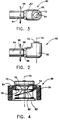
- a preferred container 20 will also include an automatic relief valve 60 for providing venting between storage volume 40 and the ambient atmosphere.
- a preferred automatic relief valve 60 comprises an L-shaped conduit or pipe 62 attached to the outer distal end of a threaded nipple or pipe 64 welded or otherwise attached through the bulkhead of side wall 34.
- pipe 62 might preferably comprise a plastic pipe or the like having a connector 69 which can be threadedly secured onto the distal end 68 of pipe 64.
- a pressure relief valve 65 is located within the upper open end of pipe 62, and is illustrated with an externally threaded valve body 76 having a vent opening 78 and an upper valve seat 74 within which is located reciprocable valve member 70.
- Valve member 70 preferably comprises a predetermined mass specifically designed such that when oriented in a substantially vertical manner, the mass of valve member 70 will help resist upward movement until pressure within storage volume 40 of the container reaches a predetermined maximum (or cracking) pressure. Until that predetermined pressure is reached, the seat flange 72 of valve member 70 will remain in sealing contact upon valve seat 74 to maintain relief valve 60 in closed condition.
- a biasing member such as spring 80 is also preferred to insure that venting resistance is uniformly maintained and to facilitate the return of valve member 70 to its closed condition as quickly as possible following a venting procedure. Once the excess pressure within storage volume 40 is relieved, it is imperative that the valve close securely and immediately to prevent unwanted inflow of ambient air, which could adversely affect the controlled atmosphere within the container.
- Relief valve 65 is further shown as including a lower retainer lug 82 on valve member 70 to ultimately limit the longitudinal movement thereof during venting procedures, thereby limiting the maximum venting flow rate as well.
- the relative sizes of the individual members of relief valve 60, as well as the orientation of and weight or mass of valve member 70 and the free length and tension of biasing spring 80 can be adjusted to provide a valve arrangement having an effective mass to accommodate critical flow rates needed for venting and to protect the gas-tight integrity of container 20, while maintaining the controlled atmosphere therewithin.
- the procedures and equations for determining the valve coefficient, flow rates, and the like are known to those skilled in the valving industry and will not be included herein accordingly.
- one or more tool recesses 84 may also be provided in valve body 76 to facilitate the insertion and/or removal of relief valve 65 from its adapter (e.g., pipe 62).
- pipe 64 is shown as including an attachment flange 66 to facilitate welding or other attachment to the bulkhead of container 20.
- valve member 70 As mentioned above, and as shown in Figures 1, 2, and 4, because gravity is a factor relied upon to act on the mass of valve member 70 in order to help maintain relief valve 65 in its normally closed condition, it is important that relief valve 65 be oriented in a substantially vertical condition. While absolute vertical orientation is not critical, it is important that valve member 70 be aligned for longitudinal reciprocation along an axis (VA) which is substantially perpendicular to the ground in normal storage or shipping conditions of container 20. By utilizing the gravitational forces in this way, relief valve assembly 60 is less dependent upon relative pressure differentials and the possibly changing biasing characteristics of spring 80, and more precise control of the absolute pressure within container 20 is provided in use.
- VA axis
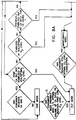
- container 20 also preferably includes one or more check valve drain assemblies (e.g., 90) located adjacent floor 38 to enable fluids such as condensation and the like to be drained from storage volume 40.
- check valve drain assemblies e.g., 90
- fluids such as condensation and the like
- Shipping containers commonly available in the industry generally include one or more drain holes, often having a downwardly extending drain pipe (e.g., 92) attached such as by welding or threading through the floor member 38.
- check valve assembly 90 made in accordance herewith, however, overcomes these objections by enabling the connection and maintenance of the check drain valve from the exterior of container 20.
- check valve assembly 90 preferably comprises a substantially tubular, flexible sleeve 94 having a top portion 95 and a bottom portion 96.
- a flange 97 may be provided adjacent top portion 95 to further facilitate attachment procedures.
- flexible sleeve 94 will be slidably telescoped over the downwardly depending portion of drain pipe 92 below floor member 38.
- floor 38 is often recessed within housing 30, and above bottom wall 35 thereof. Access to the lower portion of drain pipe 92 from the exterior of container 20 is substantially available at all times, thereby facilitating the attachment to and maintenance of check valve assembly 90 from outside container 20.
- a constricting type attachment ring 110 is illustrated as a convenient mode of detachably securing sleeve 94 to drain pipe 92.
- a removable, substantially hollow tubular insert 101 Concentrically fitted within flexible sleeve 94 is a removable, substantially hollow tubular insert 101 having a valve seat 103, a drain opening 106, several guide ribs 104, and a ball valve 105 therewithin. Ribs 104 are preferably provided to space ball valve 105 inwardly from the inner surfaces of insert 101, and to help guide ball valve 105 therewithin in use.
- insert 101 may also include a perforated cover 107 to prevent dirt or other extraneous material from interfering with proper operation of the ball valve arrangement.
- the bottom portion of flexible sleeve 94 can also be provided with an apertured, flexible membrane 98 therewithin.
- membrane 98 is optional, it is preferred to provide additional protection of the one-way drain valve insert from ambient conditions such as dirt, wind, rain, ice, and the like.
- the flexible, apertured nature of membrane 98 enables insertion and removal of the insert 101 as needed, while providing a protective buffer from the surrounding environment.
- bottom portion 96 of assembly 90 may also be preferred to provide bottom portion 96 of assembly 90 with an extended flexible "kazoo" member to further isolate insert 101 from potentially adverse conditions.
- the flexible extension 99 can also help prevent the buildup of ice or grime as a result of its flexible nature, thereby helping to maintain check valve assembly 90 in operable condition at all times. While sleeve 94 and insert 101 have been illustrated as substantially cylindrical structures, such is not critical and can be modified as desired.
- central source 22 of controlled atmosphere gas preferably comprises one or more gas generators or sources 23 (e.g., a membrane type nitrogen generator or the like) for providing the controlled atmosphere gases as needed to connected containers.
- Central source 22 will, of course, have a predetermined gas output capacity.
- a controller e.g., 24
- controlled atmosphere source 23 may preferably include devices for extracting oxygen from ambient air to increase the relative percentage of other constituents such as nitrogen.
- Membrane type devices are available in the industry in a variety of forms, and generally compress the ambient air and pass it through a special membrane which is permeable to oxygen but less permeable to nitrogen and/or other gases which are to be collected.
- the oxygen rich permeate is vented to the ambient, while the nitrogen rich remaining gases are collected for distribution as the controlled atmosphere for containers attached to the system.
- source 23 could alternately comprise, for example, a tank of liquid nitrogen, or incorporate pressure swing absorption/molecular sieve technology.
- Distribution control unit 25 preferably comprises a manifold for selectively directing controlled atmosphere gas from gas generator 23 and gas buffer or supply lines 29, through pressure regulator valve 27 and supply lines 29a, to individual containers 20 attached to that particular control unit 25. As illustrated, a number of supply lines 29a can radiate from the regulator valve 27, thereby ensuring uniform supply pressure throughout the system.
- Each distribution control unit 25 also includes a manifold system diverting the controlled atmosphere gas from supply line 29 to the individual distribution lines 28, which, in turn are selectively attached to an individual controlled atmosphere container 20, as seen in Figure 1.
- Distribution control unit 25 may be used by itself (i.e., without other control units 25 and controller 24) to control the distribution of atmosphere to a plurality of containers, which may be divided into a plurality of distinct zones.
- Distribution lines 28 may be relatively rigid and/or permanently installed and arranged in a storage or shipping yard, or in the cargo hold of an airplane, ship, or other transportation vehicle. Individual valving/shut off assemblies (e.g., 57) are also preferably provided for each distribution line 28 for additional automatic and/or manual control of the controlled atmosphere gas.
- a controller 24 may be connected with each distribution control unit 25, such as by interactive data lines 26, for precisely monitoring the distribution and allocation of controlled atmosphere gases from central source 22 to containers attached thereto. It is contemplated that controller 24 may a comprise an interactive control console such as a keyboard or other input device to allow instructions to be entered either in the form of manual signals and/or pre-programmed control instructions. In this regard, a controller board, computer controller, or similar device will preferably be provided as part of controller 24, into which operational instructions can be entered.
- one or more zones (e.g., zones I, II, etc. illustrated in Figure 9) will be designated into which a plurality of containers 20 will be placed for connection to a central source 22 of controlled atmosphere gas will be provided, with each such zone having at least one distribution control unit 25 associated therewith.
- the schematic illustration of Figure 1 shows portions of a container system 15 having at least one zone with a pair of distribution control units 25 associated therewith.
- each distribution control unit 25 would have a predetermined number (e.g., 25-30) of hook-ups or distribution lines 28 associated therewith. While generally all of the hook-ups would be utilized to maximize capacity, as mentioned above, unused hookups can be closed off via the individual shutoff valve 57 as needed, either manually and/or automatically depending on the application. It is also contemplated that interactive feedback between a distribution control unit 25 and connected containers of the system may be desired to monitor the exact number of containers connected to any particular distribution control unit 25 at any given time, and/or to monitor the relative internal atmospheric conditions of such containers.
- One advantage of the present system is its adaptability to ensure optimal distribution of the controlled atmosphere gases within the capacity of central source 22 at all times. Where a number of control units 25 are connected to a single central source, it is also preferred to provide a controller 24 or other device which enables interactive communication between the control units 25 to ensure most optimal use of the capacity of a central source (e.g., 22).
- one or more predetermined subroutines or gas charging control modes will be preprogrammed into container system 15 and associated with one or more distribution control unit 25.
- the control program can be provided as part of control unit 25, and, in more sophisticated arrangements, may be resident in controller 24 which can act as a supervisor of a plurality of distribution control units 25.
- controller 24 can act as a supervisor of a plurality of distribution control units 25.
- CA controlled atmosphere
- the subroutines of the present invention are broken down into a plurality of predefined operating or control modes.
- these control modes preferably comprise a pull down high priority mode (PHP), a pull down low priority mode (PLP), a quick cycle high priority mode (QCHP), a quick cycle low priority mode (QCLP), and a maintenance mode.
- PGP pull down high priority mode
- PLP pull down low priority mode
- QCHP quick cycle high priority mode
- QCLP quick cycle low priority mode
- QCLP quick cycle low priority mode
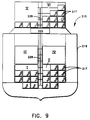
- maintenance mode A preferred control and priority scheme for implementing these modes is illustrated in the flow diagram of Figures 8A and 8B, as will be described.
- these particular modes are each associated with a predetermined flow rate and quantity of CA gas to be provided to each individual container in that mode for a particular product (e.g., bananas).
- pull down modes are intended to respond to containers which are "fresh cut” or which have previously received little or no controlled atmosphere gas.
- a pull down mode may also be appropriate for containers which had previously been stabilized in an optimum controlled atmosphere condition, but which have been disconnected from the source of controlled atmosphere gas for an extended period of time.
- Containers which, based upon their internal atmospheric conditions and temperature, require pull down mode quantities of CA gas will be provided with a predetermined volume of CA gas mixture as part of an initial control program (e.g. 70.791 m 3 (2500 Standard Cubic Feet) (SCF) per container).
- SCF Standard Cubic Feet
- the specific volume and flow rate of controlled atmosphere gas will, of course, depend upon, among other variables, the gas mixture, the specifics of the perishable products within the container, leak rate of the container itself, and the container volume.
- the modes can be manually implemented through the distribution control unit 25 or a controller 24, or might be automatically initiated by the program, depending on the application and sophistication of the system.
- the logic of the system can be followed starting at decision block S of Figure 8A.
- the status for that container will automatically be downgraded to the PLP mode. This downgrade helps to liberate capacity for servicing other containers and/or zones of the system.
- the PLP mode will be downgraded to maintenance mode. In the maintenance mode, the containers receive short bursts of CA gas as needed (e.g. in the simplest application, at predetermined time intervals).
- the quick cycle mode is intended for product containers which have previously been treated with controlled atmosphere gas to the point of stabilization at optimal levels, but which have not been maintained by additional CA gas input.
- controlled atmosphere During periods in which controlled atmosphere is not being added to a container, leakage of air into the containers through door seals and the like, as well as product respiration, will change the oxygen percentage of the atmosphere within volume 40. It is generally preferred to maintain the oxygen level for fruits such as bananas at between about 2% and 8%.
- a container is treated with CA gas and stabilized at a shoreside terminal yard or on board a transportation vehicle (such as a ship, train, plane or the like), it is often required to disconnect the container for movement between the ship and loading dock or vice versa.
- Some loading/transportation facilities do not have sufficient capacity central sources and/or controlled atmosphere gas hook ups available immediately, and the containers will remain disconnected and/or with insufficient atmosphere supply for a period of time, often ranging between several hours and several days.
- the initial control program is preferably set to initiate a QCHP mode if the container has not received CA gas input for between about 12 and 24 hours and a controlled input of CA gas might comprise approximately 11.33 m 3 (400 SCF) per container (for a standard size banana container). If the container was previously stabilized and disconnected for between about 6 and 12 hours, the QCLP mode is initiated, wherein a lesser amount (e.g. 5.665 m 3 (200 SCF)) of gas is provided for each container. Thereafter, the containers will be downgraded to a maintenance mode as shown in Figures 8A and 8B.
- the system By monitoring the control mode of particular zones and/or of individual containers, the system (e.g., distribution control unit 25 and/or controller 24) can establish and implement the priority system for supplying the available CA gas from central source 22 in the most optimal manner. Consequently, containers connected to a particular central system 22 will be provided with CA gas within the bounds of the capacity of the system and based upon a hierarchy of priority automatically implemented by the control program in response to atmospheric conditions within the individual containers.
- additional control modes can be added, and the priority status of any particular mode can also be changed to adapt the system to a variety of applications and products.
- the central source e.g., 22
- the central source may preferably be provided with several optional control programs for use with different applications (e.g. for different products, different containers, different environmental conditions, etc.).
- the adaptive characteristics of the present invention enable its virtually unlimited applicability to differing products and shipping/storage conditions.
- the system can be effectively automatically adaptive, in an artificial intelligence manner, to react to changing conditions and needs "on the fly".
- the present invention can be implemented in a variety of applications, including product storage areas, shipyard container holding areas, cargo holds of ships, airplanes, and the like, and/or distribution or ripening facilities.
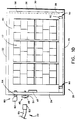
- An example of implementation of a controlled atmosphere container system 215 made in accordance with the present invention is illustrated in Figure 9, wherein a plurality of perishable product containers 217 are loaded into the cargo hold of a ship 219.
- six separate zones e.g., I-VI
- I-VI six separate zones
- the central portion of the cargo hold is contemplated as remaining clear for permanent mounting of the controlled atmosphere distribution lines 228 from distribution control units of source 222, which would similarly include flex hose connectors and quick connect coupling assemblies (not shown) as described above with respect to Figure 1.
- Application and installation of the container system of the present invention could also be adapted to cargo transport airplanes, train cars, trucks, and the like in a similar manner.
- Container 20 is again illustrated for receiving and storing perishable products (e.g., product filled boxes 17) shown within storage volume 40 therewithin.
- Container 20 is used as a combination shipping and ripening container, and as mentioned above, the perishable products can be bananas or any other perishable fruit or vegetable.
- Container 20 is constructed according to the preferred examples, described hereinabove.
- Container 20 is also illustrated as optionally including an internally mounted atmospheric monitoring means (47), which can also include a wiring harness or similar detachable connection which can be selectively attached to controlled atmosphere source (e.g., 22).
- controlled atmosphere source e.g., 22
- Such monitoring means can include various sensors for monitoring particular constituents of the controlled atmosphere within container 20, as described hereinabove.
- Container 20 may include its own self-contained source of controlled atmosphere, or, more preferably, may be selectively attachable to a centralized source of controlled atmosphere (e.g., 22) by quick disconnect type arrangements (e.g., 45).
- the relative atmospheric conditions of the individual containers connected to the central station be determined for appropriate implementation of a hierarchal priority system by a controller or similar device associated with the source of controlled atmosphere, as described hereinabove.
- container 20 preferably will also include an automatic relief valve 60 for providing venting between storage volume 40 and the ambient atmosphere.
- An automatic pressure relief valve assembly can be located within the upper open end of pipe 62, so that upon reaching a predetermined maximum, atmosphere within internal volume 40 can be vented to ambient.
- a sealing curtain (56) may be installed after products are loaded into container 20 to augment the seal adjacent door 36 once loaded with products.
- container 20 preferably includes one or more check valve drain assemblies (e.g., 90) located adjacent floor 38 to enable fluids such as condensation and the like to be drained from storage volume 40.
- a preferred check valve might include a flexible tubular sleeve which can be attached to the lower portion of drain pipe 92 from below floor member 38, with such tubular sleeve receiving and housing a valve seat and ball valve arrangement for providing a reliable one-way check valve drain which can be connected and maintained from the exterior of container 20. Further details of a preferred check valve assembly 90 are described hereinabove.
- the method of the present invention contemplates that bananas or other perishable products will be loaded into boxes upon harvesting, and properly stacked on pallets for facilitating shipping procedures or break bulk packed into a designated portion of a ship hold or the like.
- a plurality of boxes 17 are generally loaded on a pallet for easy movement by forklift or the like, and a plurality of pallets are stacked upon one another within container 20. It is contemplated that freshly harvested, unripened products will be loaded into the combination shipping and ripening container 20 or other break bulk container as soon as possible following harvest.
- the internal volume 40 is cooled to a holding temperature in a preferred range of about 13.9° to about 21.1°C (about 57° to about 70°F).
- a holding temperature in a preferred range of about 13.9° to about 21.1°C (about 57° to about 70°F).
- the most desirable holding temperature for bananas is generally 14.4° - 15.7°C (58° - 60° F).
- Internal volume 40 and the products held therewithin are stabilized at the desired holding temperature as quickly as possible following harvest to best preserve the freshness and quality of the products.
- the products within the internal volume 40 are stabilized at the desired holding temperature, it is preferred that the products be substantially immediately exposed to ethylene gas (e.g., about 150 ppm ethylene mixture) in order to uniformly initiate the ripening of all of the loaded products in the container.
- ethylene gas e.g., about 150 ppm ethylene mixture
- carbon dioxide is generally a denser gas than other constituents of air (e.g., oxygen), and that higher concentrations of CO 2 in the lower portions of a container can cause products in the upper regions of the container to ripen in a manner which causes the quality, color, and ripeness characteristics of the load of products to vary widely.
- failure to provide for sufficient temperature control of products located remote from the air conditioning source can also allow non-uniform ripening. Since freshness and uniformity of color and temperature characteristics are critical to suppliers of perishable products, the shortcomings of the prior art in this respect are sometimes devastating to quality control concerns.
- shipping containers for bananas and other perishable products generally are provided with refrigeration equipment to maintain the internal volume at a lowered temperature. It has been found that shipping containers used for bananas and other fruit products generally do not have the refrigeration capacity to handle the heat load resulting within the container from normal ripening of the products therewithin. Particularly, respiration of ripening fruit provides heat as a byproduct, and the temperature within internal volume 40 rises at an increasing rate as ripening proceeds. As a consequence, shippers of bananas and other perishable products often have been forced to ship less than fill container loads of products in order to accommodate for the inevitable heat load increase therewithin, and to provide additional void space to aid in air circulation.
- the products are exposed to an atmosphere including ethylene to uniformly initiate the ripening process of all products within the container.
- This ethylene initiation can be accomplished at the loading facility, or may be delayed for several days if the ethylene source is not available at the point of harvesting and loading the products.
- a controlled low oxygen atmosphere e.g., 3-5% oxygen, and 97-95% nitrogen
- the products be exposed to ethylene for 1-2 days to ensure uniform initiation of the ripening process for all products within the container.
- the level of ethylene gas be greatly reduced (total elimination is virtually impossible) within internal volume 40 and displaced with a low oxygen inert atmosphere to minimize the ripening process during shipping and transportation procedures. It has been found that by providing a controlled internal atmosphere at about 14.4°C (58° F) and approximately 5% oxygen (95% N 2 ), a fully loaded container can easily accommodate the resulting heat load of the uniformly ripening products therewithin without a need for augmentation or supplementation of the refrigeration equipment normally provided with shipping containers.
- each container might include its own source of controlled atmosphere gases
- the containers be selectively attachable to a central source of controlled atmosphere so that capital expenses for the individual containers can be minimized.
- the fully loaded shipping and ripening container 20 can thereafter be transported via ship, train, airplane, or other mode of transportation to its retail distribution destination without a need for the usual stop off at the ripening facility. So long as the controlled atmosphere is appropriately maintained within the container during storage, transportation and delivery procedures, the ripening process can be controlled within internal volume 40 on a very reliable basis. In this way, delivery scheduling can be made more reliable, and additional tolerance for changing market needs and delivery problems can be accommodated. For example, if the products within a particular container are required sooner than originally planned, the temperature and/or atmosphere within the container can be modified to speed up the ripening process.
- the temperature might be raised from 14.4°C to 21.1 - 23.8°C (58°F to 70 - 75 °F) and/or the oxygen level within the container might be raised to appropriately speed up the ripening process.
- the temperature might be raised from 14.4°C to 21.1 - 23.8°C (58°F to 70 - 75 °F) and/or the oxygen level within the container might be raised to appropriately speed up the ripening process.
- the controlled atmosphere within container 20 can be replaced with normal atmospheric conditions, and the product can be unloaded from the container as desired.
- the method of the present invention enables full container loads to be shipped directly from harvester to retailer without a need for repetitious unloading and loading from transportation containers to ripening facilities, to other transportation carriers, to retailers. It has been found that utilization of the ripening process of the present invention does indeed result in reliably uniform and consistent ripeness, color, and freshness quality.
- implementation of the present invention can also provide access to markets previously unaccessible by certain perishable products.
- the lack of available infrastructure e.g., ripening, storage, and transportation facilities
- capital investment for providing such infrastructure can be largely overcome by implementation of the present invention.
- additional markets and geographic areas can be serviced in a cost effective and practical manner.
- the present method can reduce the fruit age at retail market by the 4-7 day time period conventionally needed for ripening after shipping. The nearly one-third reduction in age also allows for better freshness and overall quality of the ripened products.
- the container of the present invention can be provided in the form of a portion of the hold of a ship or similar transportation vehicle for break bulk transportation.
- the products would be loaded directly from harvest into the cargo hold, cooled, then ripened in transit as described above for delivery at the destination port in uniformly ripe condition.
Landscapes
- Engineering & Computer Science (AREA)
- Life Sciences & Earth Sciences (AREA)
- Chemical & Material Sciences (AREA)
- Wood Science & Technology (AREA)
- Zoology (AREA)
- Food Science & Technology (AREA)
- Polymers & Plastics (AREA)
- Physics & Mathematics (AREA)
- General Chemical & Material Sciences (AREA)
- Combustion & Propulsion (AREA)
- Chemical Kinetics & Catalysis (AREA)
- Mechanical Engineering (AREA)
- Thermal Sciences (AREA)
- General Engineering & Computer Science (AREA)
- Storage Of Fruits Or Vegetables (AREA)
- Packging For Living Organisms, Food Or Medicinal Products That Are Sensitive To Environmental Conditiond (AREA)
- Preparation Of Fruits And Vegetables (AREA)
- Food Preservation Except Freezing, Refrigeration, And Drying (AREA)
- Warehouses Or Storage Devices (AREA)
- Packages (AREA)
- Container Filling Or Packaging Operations (AREA)
Claims (42)
- Gesteuertes Atmosphären-Behältersystem (15) zum Versand und zur Lagerung von verderblichen Waren, wie z.B. Obst und Gemüse, wobei das Behältersystem eine Vielzahl von einzelnen, transportierbaren Behältern (20) umfaßt, die zum Bereitstellen einer gesteuerten Atmosphäre für die verbundenen Behälter von Zeit zu Zeit mit einer zentralen Quelle (23) verbindbar sind, wobei das System in Kombination weiters umfaßt:Schnellzyklus-Hochprioritätsmodus beinhalten.eine zentrale Quelle gesteuerter Atmosphäre (23), die einem oder mehreren Behältern (20) zuführbar ist;wobei jeder Behälter (20) weiters ein ein Lagervolumen (40) für verderbliche Waren definierendes Gehäuse (30), das im wesentlichen luftdicht ist, zumindest ein Türelement (36), das für Lade/Entlade-Vorgänge geöffnet werden kann und für Lager- und Versandvorgänge abdichtbar ist, und eine Einlaßöffnung (45) auf dem Gehäuse zum lösbaren und wahlweisen Vorsehen einer Flüssigkeits- und Gasverbindung (55) zwischen dem Lagervolumen und der zentralen Quelle zur Schaffung einer gesteuerten Atmosphäre dafür umfaßt, undeine Verteilungseinheit (25), die eine Vorrichtung zur Steuerung (24) der Verteilung der gesteuerten Atmosphäre von der zentralen Quelle (23) zu einem oder mehreren verbundenen Behältern (20) in Übereinstimmung mit einem vorbestimmten Versorgungs-Steuerprogramm aufweist, wobei das Versorgungs-Steuerprogramm Unterprogramme zur Implementierung einer Vielzahl von vorbestimmten Steuerarten beinhaltet, die zumindest zwei aus einem Hochprioritäts-Beaufschlagungsmodus, einem Niedrigprioritäts-Beaufschlagungsmodus, einem Aufrechterhaltungsmodus, einem Schnellzyklus-Niedrigprioritätsmodus und einem
- Behältersystem nach Anspruch 1, wobei der Behälter weiters einen Boden (38) innerhalb des Lagervolumens (40) und des Gehäuses (30) zum Tragen verderblicher Waren und zumindest ein Prüfventil-Ableitelement (90) umfaßt, das angrenzend an ein entsprechendes Ableitloch im Boden (38) angeordnet ist, um es Flüssigkeiten und Gasen, z.B. Kondensation und ähnlichem, zu ermöglichen, aus dem Lagervolumen abgeleitet zu werden, wobei das Ableitelement (90) weiters ein flexibles, rohrförmiges Manschetten-Element (94), das angrenzend an ein Ableitloch im Boden (38) angeschlossen ist, und einen im wesentlichen rohrförmigen Prüfventil-Einsatz (101) umfaßt, der einen Ventilsitz (103), eine Ventilöffnung (106) in dem Sitz und eine Schwimmerkugel (105) innerhalb des Einsatzes (101) beinhaltet, die normalerweise auf dem Sitz aufsitzend die Öffnung verschließt, wobei der Einsatz (101) von unterhalb des Bodens einsetzbar und aus der Manschette (94) entfernbar ist.
- Behältersystem nach Anspruch 1, wobei die Unterprogramme des Versorgungs-Steuerprogramms eine Hierarchie zur wahlweisen Implementierung besonderer Steuerarten zur optimalen Bereitstellung der gesteuerten Atmosphäre aus der zentralen Quelle (23) für eine Vielzahl mit dieser verbundenen, einzelnen Behältern (20) in Übereinstimmung mit dem Fassungsvermögen der zentralen Quelle (23) und den relativen, atmosphärischen Bedingungen innerhalb der verbundenen Behälter (20) beinhalten.
- Behältersystem nach Anspruch 3, wobei eine Vielzahl von Steuervorrichtungen (25) interaktiv miteinander verbunden sind, um die gesteuerte Atmosphäre für die Vielzahl von Behältern (20) optimal bereitzustellen, die mit jeder Steuervorrichtung von einer einzelnen, zentralen Quelle (23) verbunden sind.
- Behältersystem nach Anspruch 3, wobei die Steuervorrichtung (25) vorbestimmte Steuerarten umfaßt, um die optimale Anfangs-Beaufschlagung der atmosphärischen Bedingungen innerhalb der mit dieser verbundenen Behälter (20) genauso wie die Aufrechterhaltung solcher Bedingungen darin, basierend auf der Priorität der relativen, atmosphärischen Bedingungen innerhalb aller mit dieser verbundenen Behälter (20) und dem Fassungsvermögen der Quelle (23) zu verwalten.
- Behältersystem nach Anspruch 1, wobei das Entlüftungsventil (65) eine Vorspannvorrichtung (80) umfaßt, um das Ventil (65) immer dann von einer offenen oder lüftenden Stellung in seine normalerweise geschlossene Stellung auszurichten, wenn der Druck innerhalb des Lagervolumens (40) unterhalb des vorbestimmten Maximums ist.
- Behältersystem nach Anspruch 2, wobei die Manschette (94) obere und untere Teile (95, 96) und eine Aperturmembran (98) umfaßt, die an den unteren Teil (96) angrenzend angeordnet ist, welcher das Einsetzen und das Entfernen des Einsatzes (101) erlaubt, und bei Verwendung im wesentlichen den Einsatz (101) von den Umgebungsbedingungen isoliert.
- Behältersystem nach Anspruch 1, weiters umfassend eine automatische Entlüftungsventilvorrichtung (65) zur Schaffung einer wahlweisen Gas- und Flüssigkeitsverbindung zwischen dem Lagervolumen (40) und der Umgebungsatmosphäre, wobei die Entlüftungsventilvorrichtung (65) ein Einweg-Ventilelement (70) umfaßt, das eine vorbestimmte Masse aufweist, die so orientiert ist, daß die Gravitation das Entlüftungsventil in der normalerweise geschlossenen Stellung zu halten hilft, wenngleich das Ventilelement (70) verschoben wird, um die Atmosphäre innerhalb des Lagervolumens (40) zu durchlüften, wenn der Druck darin ein vorbestimmtes Maximum erreicht.
- Behältersystem nach Anspruch 1, wobei das System weiters eine Vorrichtung zur Überwachung (47) der relativen atmosphärischen Bedingungen innerhalb der einzelnen, mit dem System verbundenen Behälter (20) umfaßt, und das Versorgungssteuerprogramm die Bereitstellung der gesteuerten Atmosphäre in einem oder mehreren verbundenen Behältern (20) basierend auf voreingestellten Prioritäten und auf die relativen, atmosphärischen Bedingungen innerhalb der Behälter (20) ansprechend steuert.
- Lager- und Versandsystem (15) für verderbliche Waren, z.B. Obst und Gemüse, umfassend:eine Vielzahl von unabhängigen, transportierbaren Behältern (20) mit einem Gehäuse (30) und einem Boden (38), die ein Lagervolumen (40) für verderbliche Produkte definieren, das im wesentlichen luftdicht ist, zumindest ein Türelement (36), das für Lade/Entlade-Vorgänge geöffnet werden kann und für Lager- und Versandvorgänge abdichtbar ist, eine Einlaßöffnung (45) auf dem Gehäuse zur lösbaren und wahlweisen Bereitstellung einer Gas- und Flüssigkeits-Verbindung (55) zwischen dem Lagervolumen und einer Quelle (23) zur Bereitstellung einer gesteuerten Atmosphäre dafür und ein automatisches Entlüftungsventil (65), um zu gewährleisten, daß der Druck innerhalb des Lagervolumens (40) ein vorbestimmtes Maximum nicht übersteigt;zumindest eine zentrale Stelle (24) zur Steuerung der inneren Atmosphäre einer Vielzahl von einzelnen Behältern (20), welche Stelle (24) eine Quelle gesteuerter Atmosphäre (23) umfaßt, wobei die Quelle (23) ein vorbestimmtes Gasausgangsfassungsvermögen aufweist;eine Vorrichtung zur wahlweisen und lösbaren Verbindung (53) der Quelle (23) mit einem oder mehreren, einzelnen Behältern (20); undeine Vorrichtung zur wahlweisen Verteilung der gesteuerten Atmosphäre in die einzelnen Behälter (25) in Übereinstimmung mit einem vorbestimmten Steuerprogramm, das eine Vielzahl von voreingestellten Steuerarten aufweist, beinhaltend zumindest zwei aus einem Hochprioritäts-Beaufschlagungsmodus, einem Niedrigprioritäts-Beaufschlagungsmodus, einem Aufrechterhaltungsmodus, einem Schnellzyklus-Niedrigprioritätsmodus und einem Schnellzyklus-Hochprioritätsmodus, um eine gesteuerte Atmosphäre innerhalb einer variablen Anzahl der unabhängigen Behälter (20) optimal herzustellen und aufrechtzuerhalten, die mit der zentralen Stelle (24) verbunden sind.
- Lager- und Versandsystem nach Anspruch 10, wobei der Behälter (20) weiters einen Boden (38) innerhalb des Lagervolumens (40) und des Gehäuses zum Tragen der verderblichen Produkte und zumindest ein Prüfventil-Ableitelement (90) umfaßt, das angrenzend an ein entsprechendes Ableitloch im Boden (38) angeordnet ist, um es Flüssigkeiten und Gasen, z.B. Kondensation und ähnlichem, zu ermöglichen, aus dem Lagervolumen (40) abgeleitet zu werden, wobei das Ableitelement (92) weiters ein flexibles, rohrförmiges Manschettenelement (94), das angrenzend an ein Ableitloch im Boden anschließbar ist, und einen im wesentlichen rohrförmigen Prüfventil-Einsatz (101) umfaßt, der einen Ventilsitz (103), eine Ventilöffnung (106) in dem Sitz und eine normalerweise auf dem Sitz aufsitzende Schwimmerkugel (105) innerhalb des Einsatzes (101) beinhaltet, die die Öffnung verschließt, wobei der Einsatz (101) von unterhalb des Bodens (38) eingesetzt und aus der Manschette (94) entfernt werden kann.
- Lager- und Versandsystem nach Anspruch 10, wobei die Vorrichtung zur wahlweisen Verteilung der gesteuerten Atmosphäre eine oder mehrere Verteilungs-Steuereinheiten (25) umfaßt, die in Übereinstimmung mit dem vorbestimmten Steuerprogramm die gesteuerte Atmosphäre an eine Vielzahl von Zonen der verbundenen Behälter (20) verteilen.
- Behältersystem nach Anspruch 10, wobei die Vorrichtung zur wahlweisen Verteilung der gesteuerten Atmosphäre (25) eine Vielzahl von voreingestellten Steuerarten und eine Hierarchie zur wahlweisen Implementierung besonderer Steuerarten zur optimalen Bereitstellung gesteuerter Atmosphäre aus der Quelle (23) für eine Vielzahl von verbundenen Behältern (20) in Übereinstimmung mit dem Fassungsvermögen der Quelle (23) beinhaltet, wobei die Verteilungsvorrichtung ein Programm zur Bestimmung der optimalen Zuteilung der gesteuerten Atmosphäre in Übereinstimmung mit der Hierarchie und dem Fassungsvermögen umfaßt.
- Behältersystem nach Anspruch 12, wobei die Vielzahl der Verteilungs-Steuereinheiten (25) interaktiv miteinander verbunden sind, um die gesteuerte Atmosphäre optimal für die Vielzahl von Behältern (20) bereitzustellen, die mit jeder Steuervorrichtung (25) einer einzelnen, zentralen Quelle (23) verbunden sind.
- Behältersystem nach Anspruch 10, wobei das Entlüftungsventil (65) ein Einwegventilelement (70), das eine vorbestimmte Masse aufweist, die so orientiert ist, daß die Gravitation das Überlastventil in einer normalerweise geschlossenen Position zu halten hilft, wobei das Ventilelement (70) verschoben wird, um die Atmosphäre innerhalb des Lagervolumens (40) zu durchlüften, wenn der Druck darin ein vorbestimmtes Maximum übersteigt, und eine dem Einwegventilelement (70) zugeordnete Vorspannvorrichtung (80) zum Ausrichten des Ventils (65) von einer offenen oder durchlüfteten Stellung in seine normalerweise geschlossene Stellung immer dann, wenn der Druck innerhalb des Speichervolumens (40) unterhalb des vorbestimmten Maximums ist, umfaßt.
- Behältersystem nach Anspruch 10, weiters umfassend zumindest ein Prüfventil-Ableitelement (90), das angrenzend an ein im Boden (38) ausgebildetes, entsprechendes Ableitloch angeordnet ist, um es Flüssigkeiten und Gasen, z.B. Kondensation und ähnlichem, zu ermöglichen, aus dem Lagervolumen (40) abgeleitet zu werden, wobei das Ableitelement (90) weiters ein flexibles, rohrförmiges Manschettenelement (94), das angrenzend an ein Ableitloch im Boden (38) anschließbar ist, und einen im wesentlichen rohrförmigen Prüfventil-Einsatz (101) umfaßt, der einen Ventilsitz (103), eine Ventilöffnung (106) im Sitz und eine Schwimmerkugel (165) innerhalb des Einsatzes (101) beinhaltet, die normalerweise auf dem Sitz aufsitzend die Öffnung verschließt, wobei der Einsatz (101) von unterhalb des Bodens (38) einsetzbar und aus der Manschette (94) entfernbar ist.
- Behältersystem nach Anspruch 16, wobei die Manschette (94) obere und untere Teile (95, 96) und eine an den unteren Teil (96) angrenzende Aperturmembran (98) umfaßt, die das Einsetzen und das Entfernen des Einsatzes (101) erlaubt und den Einsatz (101) von den Umgebungsbedingungen zu isolieren hilft.
- Verfahren zur Lagerung und zum Versand von verderblichen Waren, z.B. Obst und Gemüse, in Behältern mit gesteuerten, inneren Atmosphären, um optimale Frische und Qualität dieser Waren zu erhalten, wobei das Verfahren die Schritte umfaßt:Bereitstellen eines Behältersystems (15), das eine Vielzahl von unabhängigen, transportierbaren Behältern (20), die ein Gehäuse (30) und einen Boden (38) aufweisen, die ein im wesentlichen luftdichtes Lagervolumen (40) für verderbliche Waren definieren, zumindest ein Türelement (36), das für Lade/Entladevorgänge geöffnet werden kann und für Lager- und Versandvorgänge abdichtbar sind, und eine Einlaßöffnung (45) auf dem Gehäuse (30) zur lösbaren und wahlweisen Flüssigkeits- und Gasverbindung (55) zwischen dem Lagervolumen (40) und einer Quelle (23) zur Bereitstellung einer gesteuerten Atmosphäre darin, beinhaltet;Bereitstellen zumindest einer zentralen Stelle (25) für das System zur Steuerung der inneren Atmosphäre einer Vielzahl von einzelnen, mit dem System verbundenen Behältern, wobei die Stelle eine Quelle eines gesteuerten Atmosphärengases (23) mit einem vorbestimmten Ausgangsfassungsvermögen, eine Vorrichtung zur wahlweisen und lösbaren Verbindung (53) der Quelle (23) mit einem oder mehreren einzelnen Behältern (20), eine Vorrichtung zur Steuerung (24) der Verteilung der gesteuerten Atmosphäre über eine Vielzahl von vorbestimmten Steuerarten und eine Vorrichtung zur wahlweisen Verteilung des gesteuerten Atmosphärengases (25) an mehrere Behältern umfaßt:Beladen eines oder mehrerer einzelner, transportierbarer Behälter (20) mit verderblichen Produkten;Abdichten der beladenen einzelnen Behälter (20) in einer im wesentlichen luftdichten Weise;Unabhängiges Verbinden einer oder mehrerer beladener und abgedichteter Behälter (20) mit einer zentralen Stelle (23);Herstellen einer Hierarchie zur wahlweisen Implementierung besonderer Steuerarten zur optimalen Bereitstellung gesteuerter Atmosphäre aus einer Quelle (23) für eine Vielzahl von Behältern (20), die mit dem System in Übereinstimmung mit dem Fassungsvermögen der Quelle (23) verbunden sind;Bereitstellen einer gesteuerten Atmosphäre für das Lagervolumen (40) der verbundenen Behälter (20) in Übereinstimmung mit einer vorbestimmten Steuerart, ausgewählt aus einem von einem Hochprioritäts-Beaufschlagungsmodus, einem Niedrigprioritäts-Beaufschlagungsmodus, einem Aufrechterhaltungsmodus, einem Schnellzyklus-Niedrigprioritätsmodus und einem Schnellzyklus-Hochprioritätsmodus und der Hierarchie, um eine im wesentlichen gleichförmige, gesteuerte Atmosphäre unter den einzelnen Behältern (20) herzustellen; undBereitstellen von zusätzlichem gesteuertem Atmosphärengas für die Behälter (20) von Zeit zu Zeit in Übereinstimmung mit einer unterschiedlichen Steuerart ausgewählt aus einem von einem Hochprioritäts-Beaufschlagungsmodus, einem Niedrigprioritäts-Beaufschlagungsmodus, einem Aufrechterhaltungsmodus, einem Schnellzyklus-Niedrigprioritätsmodus und einem Schnellzyklus-Hochprioritätsmodus und der Hierarchie zur Vermehrung der gesteuerten Atmosphäre innerhalb der einzelnen Behälter (20) nach Bedarf.
- Verfahren nach Anspruch 18, wobei der Schritt zur Bereitstellung zusätzlichen gesteuerten Atmosphärengases für das Lagervolumen (40) der verbundenen Behälter (20) in Abhängigkeit von überwachten, inneren Atmosphären der Behälter vorgenommen wird.
- Verfahren nach Anspruch 18, wobei eine Vielzahl von Steuereinheiten (25) der zentralen Stelle (24) zugeordnet ist, wobei jede Steuereinheit (25) mit einer Vielzahl von einzelnen Behältern (20) verbunden ist, die eine oder mehrere Zonen bilden, und wobei die Steuereinheiten (25) miteinander zusammenwirken, um eine optimale, gesteuerte Atmosphäre innerhalb der verbundenen Behälter (20) in einer Vielzahl von Zonen in Übereinstimmung mit der Hierarchie und dem Fassungsvermögen der Quelle (23) zu schaffen.
- Verfahren nach Anspruch 18, wobei die gesteuerte Atmosphäre für die verbundenen Behälter (20) in einer ordnungsgemäßen Weise so bereitgestellt ist, daß eine vorbestimmte erste erniedrigte Sauerstoffniveau-Atmosphäre im wesentlichen gleichmäßig für alle verbundenen Behälter (20) in Übereinstimmung mit den relativen inneren Atmosphären der entsprechenden Behälter (20) und dem Fassungsvermögen der Quelle (23) vorgesehen wird und danach zusätzliches gesteuertes Atmosphärengas für die Behälter (20) unter einer unterschiedlichen Steuerart vorgesehen wird, uni eine zweite und optimale niedrige Sauerstoff-Atmosphäre innerhalb der mit dem System verbundenen Behälter (20) herzustellen.
- Verfahren nach Anspruch 21, wobei das erste erniedrigte Sauerstoff-Niveau durch einen Beaufschlagungs-Steuermodus erreicht wird, die zweite optimale niedrige Sauerstoff-Atmosphäre in einem Schnellzyklus-Steuermodus erzielt wird, und die Aufrechterhaltung der optimalen niedrigen Sauerstoff-Atmosphäre in einem Aufrechterhaltungs-Steuermodus erreicht wird, und wobei die Hierarchie den Beaufschlagungs-Steuermodus vor dem Schnellzyklus-Steuermodus und den Schnellzyklus-Steuermodus vor dem Wartungs-Steuermodus bevorzugt.
- Verfahren zur gleichmäßigen Steuerung des Reifens von Bananen und anderen verderblichen Waren von der Ernte bis zur Auslieferung, wobei das Verfahren die Schritte umfaßt:Bereitstellen eines Kombinations-Versand- und Reifebehälters (20), der ein inneres Volumen (40) aufweist, das zur Erhaltung und Aufrechterhaltung einer gesteuerten Atmosphäre eines niedrigen Sauerstoffgehalts geeignet ist;Laden von frisch geernteten, unreifen verderblichen Waren in den Behälter (20);Kühlung der geladenen Waren auf eine Haltetemperatur in einem Bereich von ungefähr 14°C (57°F) bis ungefähr 21°C (70°F);Stabilisierung der Waren auf der Haltetemperatur;Begasung der geladenen Waren mit Äthylen bei der Haltetemperatur, um gleichförmige Reifung aller geladener Waren im Behälter (20) zu einzuleiten;Reduzieren des Äthylens im inneren Volumen (40) durch Verdrängen eines Teils der existierenden Atmosphäre aus dem inneren Volumen mit einer gesteuerten Atmosphäre eines niedrigen Sauerstoffgehalts in dem Bereich von 2% bis 10% inklusive, während ein minimales Äthylen-Niveau, das ausreichend ist, um die kontinuierliche Reifung zu unterstützen, aufrechterhalten wird;Aufrechterhalten der niedrigen, gesteuerten Sauerstoff-Atmosphäre innerhalb des Behälters (20) während der Lagerungs-, der Transport- und der Lieferungsabläufe;Wiederherstellen der Atmosphäre innerhalb des Behälters (20) auf normale atmosphärische Bedingungen; undEntladen der reifen Waren von dem Behälter (20) nach Wunsch.
- Verfahren nach Anspruch 23, wobei der Schritt des Zusetzens von Äthylen im wesentlichen unmittelbar nach dem Schritt des Stabilisierens der Waren auf einer gewünschten Haltetemperatur unternommen wird.
- Verfahren nach Anspruch 23, wobei der Schritt des Zusetzens von Äthylens verzögert wird, bis der beladene Behälter (20) zumindest bis zu einem Zwischenhalt auf dem Weg zu seinem Ziel versandt worden ist.
- Verfahren nach Anspruch 23, weiters beinhaltend den Schritt des Versendens der Waren in den Versand- und Reifungs-Behältern (20).
- Verfahren nach Anspruch 23, wobei die gesteuerte Atmosphäre von einer zentralen Quelle (22) geliefert wird, die wahlweise mit dem Behälter (20) verbindbar ist.
- Verfahren nach Anspruch 23, wobei der Behälter (20) eine Kühleinheit zur Kühlung des inneren Volumens während der Versand-, der Lagerungs- und der Reifungsvorgänge umfaßt.
- Verfahren nach Anspruch 23, weiters umfassend den Schritt der Temperaturveränderung innerhalb des inneren Volumens (40), um die Reifungsgeschwindigeit der darin befindlichen Waren wahlweise zu steuern.
- Verfahren nach Anspruch 23, wobei die geladenen Waren nur während des anfänglichen Beladens der frisch geernteten Waren und während des Entladens der reifen Waren behandelt werden müssen.
- Verfahren zur gleichförmigen Steuerung der Reifung von Bananen und anderen verderblichen Waren von der Ernte bis zur Auslieferung, wobei das Verfahren die Schritte umfaßt:Bereitstellen eines Kombinations-Versand- und Reifungsbehälters (20), der ein inneres Volumen (40) aufweist, das das Erhalten und das Aufrechterhalten einer gesteuerten Atmosphäre mit einem niedrigen Sauerstoffgehalt ermöglicht;Laden von frisch geernteten, unreifen verderblichen Waren in das innere Volumen (40) eines Behälters (20);Unmittelbares Kühlen der beladenen Waren auf eine Haltetemperatur zwischen ungefähr 14°C (58°F) und ungefähr 15°C (60°F);Abdichten des beladenen Behälters (20);Stabilisieren der Waren bei der Haltetemperatur;Begasen der geladenen Waren mit Äthylen bei der Haltetemperatur, um die gleichförmige Reifung von allen geladenen Waren im Behälter (20) einzuleiten;Verdrängen eines Teils der Äthylen enthaltenden Atmosphäre darin mit einer gesteuerten Atmosphäre eines niedrigen Sauerstoff-Gehalts im Bereich von 2% bis 10% inklusive während ein minimales Äthylen-Niveau, das zur Stützung der kontinuierlichen Reifung ausreicht, aufrechterhalten wirdAufrechterhalten der gesteuerten niedrigen Sauerstoff-Atmosphäre innerhalb des Behälters (20) während der Lagerung, des Transports und der Lieferung der Waren;Wiederherstellen der Atmosphäre innerhalb des Behälters (20) auf normale atmosphärische Bedingungen; undEntladen der reifen Waren aus dem Behälter (20) nach Wunsch.
- Verfahren nach Anspruch 31, wobei Äthylen im wesentlichen unmittelbar nach der Stabilisierung der beladenen Produkte bei einer gewünschten Haltetemperatur im inneren Volumen vorgesehen wird.
- Verfahren nach Anspruch 31, wobei der Schritt des Begasens der Waren mit Äthylen verzögert wird, bis der beladene Behälter (20) zumindest zu einem Zwischenhalt auf dem Weg zu seinem Ziel versandt worden ist.
- Verfahren nach Anspruch 31, weiters umfassend den Schritt des Versendens der Waren in den Versand- und Reifungsbehältern (20).
- Verfahren nach Anspruch 31, wobei die gesteuerte Atmosphäre von einer zentralen Quelle (22) geliefert wird, die wahlweise mit dem Behälter (20) verbindbar ist.
- Verfahren nach Anspruch 13, wobei der Behälter (20) zu verschiedenen Zeiten während seines Versand- und Speicherablaufes wahlweise mit einer zentralen Quelle (22) gesteuerter Atmosphäre verbunden wird.
- Verfahren nach Anspruch 31, wobei der Schritt des Beladens der Waren im wesentlichen das Füllen des inneren Volumens (40) mit Schachteln (17) mit den zu versendenden und zu reifenden Waren beinhaltet.
- Verfahren nach Anspruch 31, weiters umfassend den Schritt des Veränderns der Temperatur innerhalb des inneren Volumens (40), um die Reifungsrate der darin gehaltenen Waren wahlweise steuern zu können.
- Verfahren zur gleichförmig gesteuerten Reifung von Bananen und anderen verderblichen Waren von der Ernte bis zur Auslieferung in einem Versandbehälter, wobei die geladenen Waren nur während des anfänglichen Beladens der frisch geernteten Waren und des Entladens der reifen Waren behandelt werden müssen, welches Verfahren die Schritte umfaßt:Bereitstellen eines Kombinations-Versand- und Reifungsbehälters (20), der ein inneres Volumen (40) aufweist, das zum Erhalten und zur Aufrechterhaltung einer gesteuerten Atmosphäre niedrigen Sauerstoffgehalts in der Lage ist;Laden frisch geernteter, unreifer verderblicher Waren in das innere Volumen (40) eines Behälters (20);Unmittelbares Kühlen der geladenen Waren auf eine Haltetemperatur von ungefähr 14°C (58°F) bis ungefähr 15°C (60°F);Abdichten des beladenen Behälters (20);Stabilisieren der Waren auf der Haltetemperatur;Begasen der geladenen Waren mit Äthylen bei der Haltetemperatur, um die gleichförmige Reifung von allen geladenen Waren im Behälter (20) einzuleiten;Verdrängen eines Teils der Äthylen enthaltenden Atmosphäre darin mit einer gesteuerten Atmosphäre eines niedrigen Sauerstoffgehaltes im Bereich von 2% bis 10% inklusive, während ein Mindest-Äthylenniveau aufrechterhalten wird, das ausreicht, um die kontinuierliche Reifung zu unterstützen;Aufrechterhalten der gesteuerten, niedrigen Sauerstoff-Atmosphäre innerhalb des Behälters (20) während der Lagerungs-, der Transport- und der Auslieferungsvorgänge.Wiederherstellen der Atmosphäre innerhalb des Behälters (20) auf normale atmosphärische Bedingungen; undEntladen der reifen Waren aus dem Behälter (20) nach Wunsch.
- Verfahren nach Anspruch 39, weiters umfassend den Schritt des Bereitstellens einer gesteuerten niedrigen Sauerstoff-Atmosphäre innerhalb des inneren Volumens (40) vor dem Begasen der geladenen Waren mit Äthylen.
- Verfahren nach Anspruch 39, wobei der Schritt des Begasens der geladenen Waren mit Äthylen im wesentlichen unmittelbar nach der Stabilisierung der Waren bei der Haltetemperatur ausgeführt wird.
- Verfahren nach Anspruch 39, wobei der Schritt des Begasens der geladenen Waren mit Äthylen sich auf ungefähr 48 Stunden oder weniger erstreckt.
Applications Claiming Priority (5)
| Application Number | Priority Date | Filing Date | Title |
|---|---|---|---|
| US79357 | 1993-06-17 | ||
| US08/079,357 US5333394A (en) | 1993-06-17 | 1993-06-17 | Controlled atmosphere container system for perishable products |
| US8917293A | 1993-07-08 | 1993-07-08 | |
| US89172 | 1993-07-08 | ||
| PCT/US1994/006503 WO1995000030A1 (en) | 1993-06-17 | 1994-06-08 | Process for shipping and ripening fruits and vegetables using a controlled atmosphere container system for perishable products |
Publications (2)
| Publication Number | Publication Date |
|---|---|
| EP0703727A1 EP0703727A1 (de) | 1996-04-03 |
| EP0703727B1 true EP0703727B1 (de) | 1998-11-25 |
Family
ID=26761916
Family Applications (1)
| Application Number | Title | Priority Date | Filing Date |
|---|---|---|---|
| EP94919429A Expired - Lifetime EP0703727B1 (de) | 1993-06-17 | 1994-06-08 | Verfahren zum fruchten-oder gemuese versenden und reifen mit gebrauch von behaelternsystem mit kontrollierter atmosphaere fuer verderblichen waren |
Country Status (9)
| Country | Link |
|---|---|
| EP (1) | EP0703727B1 (de) |
| JP (1) | JP2795541B2 (de) |
| AT (1) | ATE173584T1 (de) |
| AU (1) | AU684521B2 (de) |
| CA (1) | CA2165466C (de) |
| DE (1) | DE69414847T2 (de) |
| DK (1) | DK0703727T3 (de) |
| ES (1) | ES2126124T3 (de) |
| WO (1) | WO1995000030A1 (de) |
Cited By (3)
| Publication number | Priority date | Publication date | Assignee | Title |
|---|---|---|---|---|
| WO2001071258A2 (de) | 2000-03-20 | 2001-09-27 | Gaebler Ralph | Klimaregelung für den transport und die lagerung von verderblichen gütern |
| CN102587714A (zh) * | 2012-03-21 | 2012-07-18 | 山东理工大学 | 一种果蔬保鲜用自发式气调库 |
| US20220387924A1 (en) * | 2016-03-25 | 2022-12-08 | The Regents Of The University Of California | Portable micro-preconcentrator to facilitate chemical sampling and subsequent analysis |
Families Citing this family (28)
| Publication number | Priority date | Publication date | Assignee | Title |
|---|---|---|---|---|
| US5899084A (en) * | 1997-01-10 | 1999-05-04 | Chiquita Brands, Inc. | Method and apparatus for ripening perishable products in a temperature-controlled room |
| EP0906024B1 (de) * | 1996-04-11 | 2003-07-30 | CHIQUITA BRANDS, Inc | Reifungsverfharen und-vorrichtung für verderbliche waren in einem temperaturgesteurten raum |
| ES2114503B1 (es) * | 1996-09-11 | 1999-02-01 | Innaves S A | Procedimiento de conservacion de pescado fresco a bordo de buques pesqueros basado en la aplicacion de atmosfera de composicion variable y sistema para su realizacion. |
| DE69701330T2 (de) * | 1997-09-03 | 2000-10-19 | Yong, Cong Fuk | Verbesserte Regelung und Verlangsamungssystem des Reifungsverfahrens von Bananen |
| NL1010014C2 (nl) * | 1998-09-04 | 2000-03-07 | Koninkl Luchtvaart Mij N V | Werkwijze en inrichting voor het voorafgaand aan een transport bepalen van een, als gevolg van dat transport optredende, te verwachten kwaliteitsverandering van bederfelijke waar of van levend gewas. |
| GB2331254A (en) * | 1999-01-19 | 1999-05-19 | Products Of Technology Limited | Nitrogen generator |
| US7601374B2 (en) * | 2000-09-26 | 2009-10-13 | Landec Corporation | Packaging of respiring biological materials |
| US8110232B2 (en) | 2000-09-26 | 2012-02-07 | Apio, Inc. | Packaging of bananas |
| DE10346022B4 (de) * | 2003-10-02 | 2006-05-18 | Air Liquide Deutschland Gmbh | Verfahren zur Einrichtung zur Verringerung des Stickstoffgehalts einer Kühlraumatmosphäre |
| DE102007058471A1 (de) * | 2007-12-04 | 2009-06-10 | Pörtner, August, Dipl.-Ing. | Verfahren und Einrichtung zur Reifung und Räucherung von Lebensmitteln |
| EP2092831A1 (de) * | 2008-01-25 | 2009-08-26 | Cargofresh AG | System zur Überwachung und Steuerung der Atmosphärenzusammensetzung in einem Container zum Transport von Lebensmitteln oder anderen empfindlichen Produkten |
| ES2544509B9 (es) * | 2015-04-28 | 2016-06-09 | Morpho Ventures S.L.U. | Contenedor presurizado de atmosfera controlada para transporte y conservación de frutas y verduras |
| CN106256212B (zh) * | 2015-06-18 | 2019-08-30 | A.P.布莱德博瑞 | 水果熟成系统 |
| US20190045816A1 (en) * | 2016-02-09 | 2019-02-14 | Carrier Corporation | Ethylene control across multiple stages of a distribution chain |
| EP3210897A1 (de) * | 2016-02-23 | 2017-08-30 | Aqua Victoria AS | Aufbewahrungsanordnung und zugehöriges verfahren |
| US10286235B2 (en) * | 2017-02-22 | 2019-05-14 | The Boeing Company | Systems and methods for flammability reduction and ventilation using nitrogen-enriched gas for transportation vehicle protection |
| SI3481208T1 (sl) | 2017-03-16 | 2021-11-30 | Einenkel/Wirth Gbr | Zorilna komora in postopek za zorenje sadja |
| JP2018203414A (ja) * | 2017-05-31 | 2018-12-27 | 株式会社日立製作所 | 配送計画装置および配送方法 |
| DK201770862A1 (en) | 2017-11-15 | 2019-06-11 | Maersk Container Industry A/S | Method and reefer container, truck or trailer for ripening of vegetabile produce in a controlled atmosphere |
| FR3075000B1 (fr) | 2017-12-19 | 2021-09-17 | Air Liquide | Systeme permettant la mise sous atmosphere controlee de denrees perissables ou thermosensibles notamment pour le transport et le stockage de ces denrees sur des palettes |
| WO2020005779A1 (en) | 2018-06-28 | 2020-01-02 | Walmart Apollo, Llc | Predictive demand-based produce ripening system |
| WO2020075165A1 (en) * | 2018-10-07 | 2020-04-16 | Lapidot Tal | Food storing and consumption tracking system and method |
| US11078020B2 (en) | 2018-10-17 | 2021-08-03 | Walmart Apollo, Llc | System and method for ripening produce |
| KR102325401B1 (ko) * | 2019-11-26 | 2021-11-11 | 한국항공우주연구원 | 차압 조절 위성운송컨테이너 |
| WO2022065165A1 (ja) * | 2020-09-25 | 2022-03-31 | ダイキン工業株式会社 | 熟成制御装置、空気組成調整装置、コンテナ、及び冷凍庫 |
| CN112129025B (zh) * | 2020-09-30 | 2024-11-01 | 刘慧平 | 一种主动式外循环智能果蔬保鲜储运子母库 |
| US12396597B2 (en) | 2021-04-06 | 2025-08-26 | Tal Lapidot | Food storing and consumption tracking system and method |
| EP4545685A1 (de) * | 2023-10-23 | 2025-04-30 | Umicore Battery Materials Finland Oy | Verfahren zur steuerung der atmosphäre eines reaktionsgefässes, verfahren zum abscheiden von partikeln und system zur steuerung der atmosphäre eines reaktionsgefässes |
Family Cites Families (7)
| Publication number | Priority date | Publication date | Assignee | Title |
|---|---|---|---|---|
| US4467612A (en) * | 1983-02-28 | 1984-08-28 | Weasel George E Jr | Removable pallet floor for chilled vegetation transport |
| NL8400669A (nl) * | 1984-03-01 | 1985-10-01 | Anthonius Everardus Besseling | Werkwijze en inrichting voor het regelen van de co2/o2-concentraties van een ruimte, bijvoorbeeld een koelcel. |
| FR2606982A1 (fr) * | 1986-11-24 | 1988-05-27 | Morisseau Gerard | Armoire pour la conservation de produits alimentaires |
| US4817391A (en) * | 1987-11-02 | 1989-04-04 | Elman Roe | Method and apparatus for producing a controlled atmosphere |
| NZ225620A (en) * | 1988-07-29 | 1991-12-23 | Transfresh Corp | Transporting comestibles in computer controlled atmosphere of reduced oxygen level |
| ZA912658B (en) * | 1990-04-11 | 1993-01-27 | Transfresh Corp | Monitor-control systems and methods for monitoring and controlling atmospheres and containers for respiring perishables |
| FR2678143B1 (fr) * | 1991-06-28 | 1993-09-03 | Air Liquide | Procede et dispositif d'etablissement d'une atmosphere controlee dans des compartiments d'une enceinte de conservation de produits alimentaires vegetaux frais. |
-
1994
- 1994-06-08 WO PCT/US1994/006503 patent/WO1995000030A1/en not_active Ceased
- 1994-06-08 JP JP7502875A patent/JP2795541B2/ja not_active Expired - Lifetime
- 1994-06-08 DE DE69414847T patent/DE69414847T2/de not_active Expired - Lifetime
- 1994-06-08 AT AT94919429T patent/ATE173584T1/de not_active IP Right Cessation
- 1994-06-08 ES ES94919429T patent/ES2126124T3/es not_active Expired - Lifetime
- 1994-06-08 AU AU70584/94A patent/AU684521B2/en not_active Ceased
- 1994-06-08 DK DK94919429T patent/DK0703727T3/da active
- 1994-06-08 CA CA002165466A patent/CA2165466C/en not_active Expired - Fee Related
- 1994-06-08 EP EP94919429A patent/EP0703727B1/de not_active Expired - Lifetime
Cited By (5)
| Publication number | Priority date | Publication date | Assignee | Title |
|---|---|---|---|---|
| WO2001071258A2 (de) | 2000-03-20 | 2001-09-27 | Gaebler Ralph | Klimaregelung für den transport und die lagerung von verderblichen gütern |
| CN102587714A (zh) * | 2012-03-21 | 2012-07-18 | 山东理工大学 | 一种果蔬保鲜用自发式气调库 |
| CN102587714B (zh) * | 2012-03-21 | 2014-02-12 | 山东理工大学 | 一种果蔬保鲜用自发式气调库 |
| US20220387924A1 (en) * | 2016-03-25 | 2022-12-08 | The Regents Of The University Of California | Portable micro-preconcentrator to facilitate chemical sampling and subsequent analysis |
| US12048893B2 (en) * | 2016-03-25 | 2024-07-30 | The Regents Of The University Of California | Portable micro-preconcentrator to facilitate chemical sampling and subsequent analysis |
Also Published As
| Publication number | Publication date |
|---|---|
| WO1995000030A1 (en) | 1995-01-05 |
| JPH08508890A (ja) | 1996-09-24 |
| AU684521B2 (en) | 1997-12-18 |
| DK0703727T3 (da) | 1999-08-09 |
| CA2165466C (en) | 1998-10-13 |
| DE69414847T2 (de) | 1999-07-29 |
| CA2165466A1 (en) | 1995-01-05 |
| EP0703727A1 (de) | 1996-04-03 |
| ES2126124T3 (es) | 1999-03-16 |
| ATE173584T1 (de) | 1998-12-15 |
| AU7058494A (en) | 1995-01-17 |
| JP2795541B2 (ja) | 1998-09-10 |
| DE69414847D1 (de) | 1999-01-07 |
Similar Documents
| Publication | Publication Date | Title |
|---|---|---|
| EP0703727B1 (de) | Verfahren zum fruchten-oder gemuese versenden und reifen mit gebrauch von behaelternsystem mit kontrollierter atmosphaere fuer verderblichen waren | |
| US5333394A (en) | Controlled atmosphere container system for perishable products | |
| US5658607A (en) | Process for shipping and ripening fruits and vegetables | |
| US5460841A (en) | Process for ripening bananas and other produce | |
| US6256905B1 (en) | Controlled atmosphere shipping/storage system and method | |
| EP0368678B1 (de) | Verfahren und Anlage zur Aufbewahrung von Erzeugnissen | |
| US3365307A (en) | Method for minimizing deterioration of plant and animal products | |
| US4566282A (en) | Method and apparatus for inerting transport containers | |
| US10759588B1 (en) | System and method for transporting and storing post-harvest fruits, vegetables and other perishable commodities under controlled atmospheric conditions | |
| DE102018106209B4 (de) | Container zum Reifen, Transportieren und/oder Lagern von Früchten | |
| CA2183318A1 (en) | Improvements in or relating to a method of transporting or storing perishable produce | |
| US3239360A (en) | Method for transporting produce under controlled atmosphere | |
| AU753886B2 (en) | Method and apparatus for shipping super frozen materials | |
| US3563757A (en) | Apparatus for minimizing perishable products | |
| US20110151084A1 (en) | System and method for maintaining perishable foods | |
| US5616354A (en) | Method for processing fresh strawberries for extended shelf life | |
| US9034405B2 (en) | Combinations of atmosphere control members | |
| EP1718171B2 (de) | Behältersystem | |
| GB2060851A (en) | Method of and apparatus for keeping fresh and preserving perishable products, in particular foodstuffs | |
| US5718118A (en) | Controlled atmosphere system | |
| US20080050481A1 (en) | Controlled Atmosphere | |
| EP0438210A1 (de) | Vorrichtung zum Konservieren und/oder Nachreifen von Lebensmitteln | |
| RU2778728C2 (ru) | Контейнер для дозревания, транспортировки и/или хранения фруктов | |
| US20170000142A1 (en) | Packaging | |
| US5732558A (en) | Controlled atmosphere system |
Legal Events
| Date | Code | Title | Description |
|---|---|---|---|
| PUAI | Public reference made under article 153(3) epc to a published international application that has entered the european phase |
Free format text: ORIGINAL CODE: 0009012 |
|
| 17P | Request for examination filed |
Effective date: 19951228 |
|
| AK | Designated contracting states |
Kind code of ref document: A1 Designated state(s): AT BE CH DE DK ES FR GB GR IE IT LI LU MC NL PT SE |
|
| 17Q | First examination report despatched |
Effective date: 19961114 |
|
| GRAG | Despatch of communication of intention to grant |
Free format text: ORIGINAL CODE: EPIDOS AGRA |
|
| GRAG | Despatch of communication of intention to grant |
Free format text: ORIGINAL CODE: EPIDOS AGRA |
|
| GRAG | Despatch of communication of intention to grant |
Free format text: ORIGINAL CODE: EPIDOS AGRA |
|
| GRAH | Despatch of communication of intention to grant a patent |
Free format text: ORIGINAL CODE: EPIDOS IGRA |
|
| GRAH | Despatch of communication of intention to grant a patent |
Free format text: ORIGINAL CODE: EPIDOS IGRA |
|
| GRAA | (expected) grant |
Free format text: ORIGINAL CODE: 0009210 |
|
| AK | Designated contracting states |
Kind code of ref document: B1 Designated state(s): AT BE CH DE DK ES FR GB GR IE IT LI LU MC NL PT SE |
|
| REF | Corresponds to: |
Ref document number: 173584 Country of ref document: AT Date of ref document: 19981215 Kind code of ref document: T |
|
| REG | Reference to a national code |
Ref country code: CH Ref legal event code: EP |
|
| REF | Corresponds to: |
Ref document number: 69414847 Country of ref document: DE Date of ref document: 19990107 |
|
| REG | Reference to a national code |
Ref country code: IE Ref legal event code: FG4D |
|
| ET | Fr: translation filed | ||
| ITF | It: translation for a ep patent filed | ||
| REG | Reference to a national code |
Ref country code: CH Ref legal event code: NV Representative=s name: PATENTANWAELTE SCHAAD, BALASS, MENZL & PARTNER AG |
|
| REG | Reference to a national code |
Ref country code: ES Ref legal event code: FG2A Ref document number: 2126124 Country of ref document: ES Kind code of ref document: T3 |
|
| REG | Reference to a national code |
Ref country code: PT Ref legal event code: SC4A Free format text: AVAILABILITY OF NATIONAL TRANSLATION Effective date: 19981222 |
|
| REG | Reference to a national code |
Ref country code: DK Ref legal event code: T3 |
|
| PLBQ | Unpublished change to opponent data |
Free format text: ORIGINAL CODE: EPIDOS OPPO |
|
| PLBI | Opposition filed |
Free format text: ORIGINAL CODE: 0009260 |
|
| PLBF | Reply of patent proprietor to notice(s) of opposition |
Free format text: ORIGINAL CODE: EPIDOS OBSO |
|
| 26 | Opposition filed |
Opponent name: LINDE AKTIENGESELLSCHAFT Effective date: 19990805 |
|
| NLR1 | Nl: opposition has been filed with the epo |
Opponent name: LINDE AKTIENGESELLSCHAFT |
|
| PLBF | Reply of patent proprietor to notice(s) of opposition |
Free format text: ORIGINAL CODE: EPIDOS OBSO |
|
| PLBF | Reply of patent proprietor to notice(s) of opposition |
Free format text: ORIGINAL CODE: EPIDOS OBSO |
|
| PLBF | Reply of patent proprietor to notice(s) of opposition |
Free format text: ORIGINAL CODE: EPIDOS OBSO |
|
| PLBO | Opposition rejected |
Free format text: ORIGINAL CODE: EPIDOS REJO |
|
| PLBN | Opposition rejected |
Free format text: ORIGINAL CODE: 0009273 |
|
| STAA | Information on the status of an ep patent application or granted ep patent |
Free format text: STATUS: OPPOSITION REJECTED |
|
| REG | Reference to a national code |
Ref country code: GB Ref legal event code: IF02 |
|
| 27O | Opposition rejected |
Effective date: 20010619 |
|
| NLR2 | Nl: decision of opposition | ||
| PGFP | Annual fee paid to national office [announced via postgrant information from national office to epo] |
Ref country code: NL Payment date: 20050516 Year of fee payment: 12 |
|
| PGFP | Annual fee paid to national office [announced via postgrant information from national office to epo] |
Ref country code: AT Payment date: 20050519 Year of fee payment: 12 |
|
| PGFP | Annual fee paid to national office [announced via postgrant information from national office to epo] |
Ref country code: PT Payment date: 20050523 Year of fee payment: 12 |
|
| PGFP | Annual fee paid to national office [announced via postgrant information from national office to epo] |
Ref country code: MC Payment date: 20050601 Year of fee payment: 12 |
|
| PGFP | Annual fee paid to national office [announced via postgrant information from national office to epo] |
Ref country code: IE Payment date: 20050621 Year of fee payment: 12 |
|
| PGFP | Annual fee paid to national office [announced via postgrant information from national office to epo] |
Ref country code: CH Payment date: 20050622 Year of fee payment: 12 |
|
| PGFP | Annual fee paid to national office [announced via postgrant information from national office to epo] |
Ref country code: DK Payment date: 20050623 Year of fee payment: 12 |
|
| PGFP | Annual fee paid to national office [announced via postgrant information from national office to epo] |
Ref country code: GR Payment date: 20050628 Year of fee payment: 12 |
|
| PGFP | Annual fee paid to national office [announced via postgrant information from national office to epo] |
Ref country code: LU Payment date: 20050629 Year of fee payment: 12 |
|
| PG25 | Lapsed in a contracting state [announced via postgrant information from national office to epo] |
Ref country code: IE Free format text: LAPSE BECAUSE OF NON-PAYMENT OF DUE FEES Effective date: 20060608 Ref country code: AT Free format text: LAPSE BECAUSE OF NON-PAYMENT OF DUE FEES Effective date: 20060608 |
|
| PG25 | Lapsed in a contracting state [announced via postgrant information from national office to epo] |
Ref country code: MC Free format text: LAPSE BECAUSE OF NON-PAYMENT OF DUE FEES Effective date: 20060630 Ref country code: LI Free format text: LAPSE BECAUSE OF NON-PAYMENT OF DUE FEES Effective date: 20060630 Ref country code: DK Free format text: LAPSE BECAUSE OF NON-PAYMENT OF DUE FEES Effective date: 20060630 Ref country code: CH Free format text: LAPSE BECAUSE OF NON-PAYMENT OF DUE FEES Effective date: 20060630 |
|
| PG25 | Lapsed in a contracting state [announced via postgrant information from national office to epo] |
Ref country code: PT Free format text: LAPSE BECAUSE OF NON-PAYMENT OF DUE FEES Effective date: 20061211 |
|
| PG25 | Lapsed in a contracting state [announced via postgrant information from national office to epo] |
Ref country code: NL Free format text: LAPSE BECAUSE OF NON-PAYMENT OF DUE FEES Effective date: 20070101 |
|
| REG | Reference to a national code |
Ref country code: DK Ref legal event code: EBP |
|
| REG | Reference to a national code |
Ref country code: PT Ref legal event code: MM4A Free format text: LAPSE DUE TO NON-PAYMENT OF FEES Effective date: 20061211 |
|
| REG | Reference to a national code |
Ref country code: CH Ref legal event code: PL |
|
| NLV4 | Nl: lapsed or anulled due to non-payment of the annual fee |
Effective date: 20070101 |
|
| REG | Reference to a national code |
Ref country code: IE Ref legal event code: MM4A |
|
| PG25 | Lapsed in a contracting state [announced via postgrant information from national office to epo] |
Ref country code: LU Free format text: LAPSE BECAUSE OF NON-PAYMENT OF DUE FEES Effective date: 20060608 |
|
| PG25 | Lapsed in a contracting state [announced via postgrant information from national office to epo] |
Ref country code: GR Free format text: LAPSE BECAUSE OF NON-PAYMENT OF DUE FEES Effective date: 20070104 |
|
| PGFP | Annual fee paid to national office [announced via postgrant information from national office to epo] |
Ref country code: DE Payment date: 20120627 Year of fee payment: 19 |
|
| PGFP | Annual fee paid to national office [announced via postgrant information from national office to epo] |
Ref country code: GB Payment date: 20120625 Year of fee payment: 19 Ref country code: FR Payment date: 20120705 Year of fee payment: 19 Ref country code: SE Payment date: 20120627 Year of fee payment: 19 |
|
| PGFP | Annual fee paid to national office [announced via postgrant information from national office to epo] |
Ref country code: IT Payment date: 20120622 Year of fee payment: 19 |
|
| PGFP | Annual fee paid to national office [announced via postgrant information from national office to epo] |
Ref country code: BE Payment date: 20120625 Year of fee payment: 19 |
|
| PGFP | Annual fee paid to national office [announced via postgrant information from national office to epo] |
Ref country code: ES Payment date: 20120626 Year of fee payment: 19 |
|
| BERE | Be: lapsed |
Owner name: *CHIQUITA BRANDS INC. Effective date: 20130630 |
|
| PG25 | Lapsed in a contracting state [announced via postgrant information from national office to epo] |
Ref country code: SE Free format text: LAPSE BECAUSE OF NON-PAYMENT OF DUE FEES Effective date: 20130609 |
|
| REG | Reference to a national code |
Ref country code: SE Ref legal event code: EUG |
|
| GBPC | Gb: european patent ceased through non-payment of renewal fee |
Effective date: 20130608 |
|
| REG | Reference to a national code |
Ref country code: DE Ref legal event code: R119 Ref document number: 69414847 Country of ref document: DE Effective date: 20140101 |
|
| REG | Reference to a national code |
Ref country code: FR Ref legal event code: ST Effective date: 20140228 |
|
| PG25 | Lapsed in a contracting state [announced via postgrant information from national office to epo] |
Ref country code: BE Free format text: LAPSE BECAUSE OF NON-PAYMENT OF DUE FEES Effective date: 20130630 |
|
| PG25 | Lapsed in a contracting state [announced via postgrant information from national office to epo] |
Ref country code: GB Free format text: LAPSE BECAUSE OF NON-PAYMENT OF DUE FEES Effective date: 20130608 Ref country code: DE Free format text: LAPSE BECAUSE OF NON-PAYMENT OF DUE FEES Effective date: 20140101 |
|
| PG25 | Lapsed in a contracting state [announced via postgrant information from national office to epo] |
Ref country code: IT Free format text: LAPSE BECAUSE OF NON-PAYMENT OF DUE FEES Effective date: 20130608 Ref country code: FR Free format text: LAPSE BECAUSE OF NON-PAYMENT OF DUE FEES Effective date: 20130701 |
|
| REG | Reference to a national code |
Ref country code: ES Ref legal event code: FD2A Effective date: 20140707 |
|
| PG25 | Lapsed in a contracting state [announced via postgrant information from national office to epo] |
Ref country code: ES Free format text: LAPSE BECAUSE OF NON-PAYMENT OF DUE FEES Effective date: 20130609 |