EP0715523B1 - Therapie genique s'appliquant aux tumeurs malignes chez l'homme et utilisant la nucleoside-phosphorylase purique - Google Patents
Therapie genique s'appliquant aux tumeurs malignes chez l'homme et utilisant la nucleoside-phosphorylase purique Download PDFInfo
- Publication number
- EP0715523B1 EP0715523B1 EP95902384A EP95902384A EP0715523B1 EP 0715523 B1 EP0715523 B1 EP 0715523B1 EP 95902384 A EP95902384 A EP 95902384A EP 95902384 A EP95902384 A EP 95902384A EP 0715523 B1 EP0715523 B1 EP 0715523B1
- Authority
- EP
- European Patent Office
- Prior art keywords
- cells
- pnp
- enzyme
- gene
- purine analog
- Prior art date
- Legal status (The legal status is an assumption and is not a legal conclusion. Google has not performed a legal analysis and makes no representation as to the accuracy of the status listed.)
- Expired - Lifetime
Links
Images



Classifications
-
- B—PERFORMING OPERATIONS; TRANSPORTING
- B82—NANOTECHNOLOGY
- B82Y—SPECIFIC USES OR APPLICATIONS OF NANOSTRUCTURES; MEASUREMENT OR ANALYSIS OF NANOSTRUCTURES; MANUFACTURE OR TREATMENT OF NANOSTRUCTURES
- B82Y5/00—Nanobiotechnology or nanomedicine, e.g. protein engineering or drug delivery
-
- A—HUMAN NECESSITIES
- A61—MEDICAL OR VETERINARY SCIENCE; HYGIENE
- A61K—PREPARATIONS FOR MEDICAL, DENTAL OR TOILETRY PURPOSES
- A61K38/00—Medicinal preparations containing peptides
- A61K38/16—Peptides having more than 20 amino acids; Gastrins; Somatostatins; Melanotropins; Derivatives thereof
- A61K38/43—Enzymes; Proenzymes; Derivatives thereof
- A61K38/45—Transferases (2)
-
- A—HUMAN NECESSITIES
- A61—MEDICAL OR VETERINARY SCIENCE; HYGIENE
- A61K—PREPARATIONS FOR MEDICAL, DENTAL OR TOILETRY PURPOSES
- A61K47/00—Medicinal preparations characterised by the non-active ingredients used, e.g. carriers or inert additives; Targeting or modifying agents chemically bound to the active ingredient
- A61K47/50—Medicinal preparations characterised by the non-active ingredients used, e.g. carriers or inert additives; Targeting or modifying agents chemically bound to the active ingredient the non-active ingredient being chemically bound to the active ingredient, e.g. polymer-drug conjugates
- A61K47/51—Medicinal preparations characterised by the non-active ingredients used, e.g. carriers or inert additives; Targeting or modifying agents chemically bound to the active ingredient the non-active ingredient being chemically bound to the active ingredient, e.g. polymer-drug conjugates the non-active ingredient being a modifying agent
- A61K47/62—Medicinal preparations characterised by the non-active ingredients used, e.g. carriers or inert additives; Targeting or modifying agents chemically bound to the active ingredient the non-active ingredient being chemically bound to the active ingredient, e.g. polymer-drug conjugates the non-active ingredient being a modifying agent the modifying agent being a protein, peptide or polyamino acid
- A61K47/66—Medicinal preparations characterised by the non-active ingredients used, e.g. carriers or inert additives; Targeting or modifying agents chemically bound to the active ingredient the non-active ingredient being chemically bound to the active ingredient, e.g. polymer-drug conjugates the non-active ingredient being a modifying agent the modifying agent being a protein, peptide or polyamino acid the modifying agent being a pre-targeting system involving a peptide or protein for targeting specific cells
- A61K47/665—Medicinal preparations characterised by the non-active ingredients used, e.g. carriers or inert additives; Targeting or modifying agents chemically bound to the active ingredient the non-active ingredient being chemically bound to the active ingredient, e.g. polymer-drug conjugates the non-active ingredient being a modifying agent the modifying agent being a protein, peptide or polyamino acid the modifying agent being a pre-targeting system involving a peptide or protein for targeting specific cells the pre-targeting system, clearing therapy or rescue therapy involving biotin-(strept) avidin systems
-
- A—HUMAN NECESSITIES
- A61—MEDICAL OR VETERINARY SCIENCE; HYGIENE
- A61K—PREPARATIONS FOR MEDICAL, DENTAL OR TOILETRY PURPOSES
- A61K47/00—Medicinal preparations characterised by the non-active ingredients used, e.g. carriers or inert additives; Targeting or modifying agents chemically bound to the active ingredient
- A61K47/50—Medicinal preparations characterised by the non-active ingredients used, e.g. carriers or inert additives; Targeting or modifying agents chemically bound to the active ingredient the non-active ingredient being chemically bound to the active ingredient, e.g. polymer-drug conjugates
- A61K47/51—Medicinal preparations characterised by the non-active ingredients used, e.g. carriers or inert additives; Targeting or modifying agents chemically bound to the active ingredient the non-active ingredient being chemically bound to the active ingredient, e.g. polymer-drug conjugates the non-active ingredient being a modifying agent
- A61K47/68—Medicinal preparations characterised by the non-active ingredients used, e.g. carriers or inert additives; Targeting or modifying agents chemically bound to the active ingredient the non-active ingredient being chemically bound to the active ingredient, e.g. polymer-drug conjugates the non-active ingredient being a modifying agent the modifying agent being an antibody, an immunoglobulin or a fragment thereof, e.g. an Fc-fragment
- A61K47/6891—Pre-targeting systems involving an antibody for targeting specific cells
- A61K47/6899—Antibody-Directed Enzyme Prodrug Therapy [ADEPT]
-
- A—HUMAN NECESSITIES
- A61—MEDICAL OR VETERINARY SCIENCE; HYGIENE
- A61P—SPECIFIC THERAPEUTIC ACTIVITY OF CHEMICAL COMPOUNDS OR MEDICINAL PREPARATIONS
- A61P31/00—Antiinfectives, i.e. antibiotics, antiseptics, chemotherapeutics
-
- A—HUMAN NECESSITIES
- A61—MEDICAL OR VETERINARY SCIENCE; HYGIENE
- A61P—SPECIFIC THERAPEUTIC ACTIVITY OF CHEMICAL COMPOUNDS OR MEDICINAL PREPARATIONS
- A61P31/00—Antiinfectives, i.e. antibiotics, antiseptics, chemotherapeutics
- A61P31/12—Antivirals
-
- A—HUMAN NECESSITIES
- A61—MEDICAL OR VETERINARY SCIENCE; HYGIENE
- A61P—SPECIFIC THERAPEUTIC ACTIVITY OF CHEMICAL COMPOUNDS OR MEDICINAL PREPARATIONS
- A61P35/00—Antineoplastic agents
-
- C—CHEMISTRY; METALLURGY
- C12—BIOCHEMISTRY; BEER; SPIRITS; WINE; VINEGAR; MICROBIOLOGY; ENZYMOLOGY; MUTATION OR GENETIC ENGINEERING
- C12N—MICROORGANISMS OR ENZYMES; COMPOSITIONS THEREOF; PROPAGATING, PRESERVING, OR MAINTAINING MICROORGANISMS; MUTATION OR GENETIC ENGINEERING; CULTURE MEDIA
- C12N9/00—Enzymes; Proenzymes; Compositions thereof; Processes for preparing, activating, inhibiting, separating or purifying enzymes
- C12N9/10—Transferases (2.)
- C12N9/1048—Glycosyltransferases (2.4)
- C12N9/1077—Pentosyltransferases (2.4.2)
-
- A—HUMAN NECESSITIES
- A61—MEDICAL OR VETERINARY SCIENCE; HYGIENE
- A61K—PREPARATIONS FOR MEDICAL, DENTAL OR TOILETRY PURPOSES
- A61K48/00—Medicinal preparations containing genetic material which is inserted into cells of the living body to treat genetic diseases; Gene therapy
Definitions
- This invention is in the field of cancer therapy, and, in particular, relates to compositions and methods to specifically kill tumor cells by the production of toxic compounds in the tumor cells.
- Tumor cell expression of histocompatibility antigens, cytokines, or growth factors appears to enhance immune-mediated clearance of malignant cells in animal models, and expression of chemo-protectant gene products, such as p-glycoprotein in autologous bone marrow cells, is under study as a means of minimizing marrow toxicity following administration of otherwise lethal doses of chemotherapeutic agents
- Another strategy that has been developed to selectively kill tumor cells involves the delivery and expression of the HSV dThd kinase gene to replicating tumor cells followed by treatment with ganciclovir.
- Ganciclovir is readily phosphorylated by the HSV dThd kinase, and its phosphorylated metabolites are toxic to the cell. Very little phosphorylation of ganciclovir occurs in normal human cells.
- nucleoside monophosphate such as ganciclovir monophosphate
- the metabolite would not be able to enter neighboring cells and would likely be degraded (inactivated) to the nucleoside by phosphatases.
- HSV dThd kinase An existing protocol for treating brain tumors in humans uses retroviral delivery of HSV dThd kinase, followed by ganciclovir administration.
- HSV dThd In rat models, using HSV dThd in this context, tumor regressions have been observed (Culver, et al., Science, 256: 1550-1552 (1992)).
- the HSV dThd kinase approach has not proven sufficient in humans thus far; this may in part be due to (1) inadequate bystander toxicity with HSV dThd kinase, and (2) cell killing only of dividing cells using HSV dThd kinase with ganciclovir.
- Prodrug activation by an otherwise non-toxic enzyme has advantages over the expression of directly toxic genes, such as ricin, diphtheria toxin, or pseudomonas exotoxin. These advantages include the capability to (1) titrate cell killing, (2) optimize therapeutic index by adjusting either levels of prodrug or of recombinant enzyme expression, and (3) interrupt toxicity by omitting administration of the prodrug.
- HSV dThd kinase or cytosine deaminase to create toxic metabolites in tumor cells.
- agents activated by HSV dThd kinase ganciclovir, etc.
- cytosine deaminase 5-fluorocytosine
- the present invention meets this need by providing a system that can produce cytotoxic purine analogs that can freely diffuse across the cell membranes and kill both dividing and nondividing neighboring cells.
- Methods and compositions for killing replicating or non-replicating, transfected or transduced targeted mammalian cells and bystander cells comprising the following steps: (a) transfecting or transducing targeted mammalian cells with a nucleic acid encoding a suitable purine analog nucleoside cleavage enzyme which releases a purine analog from the substrate purine analog nucleoside or providing such enzyme directly to the targeted cells; and (b) contacting the targeted cells expressing or provided with the purine analog nucleoside cleavage enzyme with a substrate for the enzyme to produce a toxic purine base analog thereby killing the targeted cells and also bystander cells not expressing or containing the cleavage enzyme.
- a non-human purine analog nucleoside phosphorylase can be an E. coli purine analog nucleoside phosphorylase (PNP).
- PNP E. coli purine analog nucleoside phosphorylase
- the methods can utilize a substrate that is a purine analog nucleoside analog, such as the substrate 9-( ⁇ -D-2-deoxyerythropentofuranosyl)-6-methylpurine (MeP-dR).
- An isolated nucleic acid encoding a non-human or a genetically modified human PNP in mammalian cells is also provided, and also eukaryotic transfer vectors comprising a nucleic acid encoding a non-human or genetically modified human purine analog nucleoside phosphorylase are provided.
- the vector can be in a host capable of expressing the PNP or other suitable purine analog nucleoside cleavage enzyme.
- Figure 1 shows the toxicity due to DOTMA-DOPE liposomes used to transfect T84 colon carcinoma cells with 10, 20, or 40 ⁇ g (1, 2, and 3 in Fig. 1, respectively) of cDNA containing either the E. coli PNP or LacZ genes under the transcriptional control of SV-40 early promoter (SV-PNP and SV-LacZ, respectively), and the additional toxicity when MeP-dR (160 ⁇ M) is added to T84 transfected cells expressing the PNP gene (PNP + MeP-dR).
- Cells transfected with SV-PNP construct were treated with (PNP + MeP-dR) and without (PNP) MeP-dR.
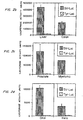
- Figures 2a-d show the human tyrosinase transcriptional promoter sequence (Tyr)-restricted expression of the luciferase reporter gene (Luc), to which it was operably linked (Tyr-Luc), in melanoma cells Mel-1 and Mel-21 (Fig. 2a), and the SV40 early promoter (SV) constitutive expression of the luciferase gene (Luc), to which it was operably linked (SV-Luc), in each carcinoma cell line (see Figs. 2a-2d).
- Rev-Tyr-Luc Tyr promoter sequence linked to the Luc gene in reverse orientation so that it does not transcribe Luc (no expression).
- Basic, promoterless Luc gene construct
- Figures 3a and 3b show the dependence of purine analog nucleoside MeP-dR toxicity on expression of E. coli purine analog nucleoside phosphorylase (PNP).
- SV-PNP cells transfected with a construct in which the constitutive SV40 early promoter is operably linked to the PNP gene
- Tyr-PNP cells transfected with a construct in which the melanoma specific human tyrosinase promoter sequence is operably linked to PNP gene
- Tyr-Luc cells transfected with a construct in which melanoma specific human tyrosinase promoter sequence is operably linked to luciferase reporter gene
- no-txf cells not transfected with a recombinant construct.
- T-84 carcinoma cell line (3a); Mel-1, melanoma cell line (3b).
- Figure 4 shows the difference in in vivo development of tumors in athymic nude mice engrafted with murine mammary carcinoma 16c cells transduced with the recombinant retroviral expression vector LN/PNP (which directs expression of E. coli PNP) depending on time of administration of MeP-dR prodrug.
- No injection of MeP-dR control
- injection of MeP-dR on days 1-4 post engraftment (early rx)
- injection of MeP-dR on days 13-15 post engraftment (late rx).
- the invention provides a method of killing replicating or non-replicating, transfected or transduced mammalian cells and bystander cells, comprising the following steps: (a) transfecting or transducing targeted mammalian cells with a nucleic acid encoding a suitable purine analog nucleoside cleavage enzyme which releases a purine analog from the substrate purine analog nucleoside or providing such enzyme directly to the targeted cells; and (b) contacting the targeted cells expressing or provided with the purine analog nucleoside cleavage enzyme with a substrate for the enzyme to produce a toxic purine base analog thereby killing the targeted cells and also bystander cells not expressing or containing the cleavage enzyme.
- a "non-human or modified human purine analog nucleoside phosphorylase (PNP)" includes the use of both types of PNP in the same therapeutic regimen for the purine analog nucleoside cleavage enzyme.
- the killing can occur in vitro or in vivo , including as human therapy.
- E. coli DeoD encoding a purine analog nucleoside phosphorylase (PNP)
- PNP purine analog nucleoside phosphorylase
- a nontoxic purine nucleoside analog for example, deoxyadenosine or deoxyguanosine analogs, including N7 analogs
- E. coli PNP differs from human PNP in its more efficient acceptance of adenine and certain guanine-containing nucleoside analogs as substrates.
- nucleoside monophosphates such as those generated using HSV Thd kinase
- a toxic adenine analog formed after conversion by E. coll PNP can be converted by adenine phosphoribosyl transferase to toxic nucleotides and kill all transfected cells, and diffuse out of the cell and kill surrounding cells that were not transfected (bystander cells).
- PNP Phosphorylase
- a PNP useful in the methods and compositions described herein catalyzes the conversion of purine analog nucleosides plus inorganic phosphate to free the toxic purine analog plus ribose-1-phosphate (or deoxyribose-1-phosphate): purine analog nucleosides + PO 4 ⁇ purine analog + ribose-1-PO 4 (or deoxyribose-1-phosphate).
- Non-mammalian and modified human or modified other mammalian PNPs can be used.
- the non-mammalian PNP can be an E. coli purine analog nucleoside phosphorylase.
- any PNP which can selectively convert a substrate to produce a toxic purine analog can be utilized.
- modifications in the E. coli PNP, which do not affect this activity are within the scope of the class of enzymes suitable for the described methods and compositions, as are human PNP enzyme molecules that have been modified to cleave purine analog nucleoside to release the toxic purine analog moiety.
- any proposed PNP or other purine analog nucleoside cleavage enzyme can be tested in a cell for its ability to convert a given substrate from a relatively nontoxic form to a toxin for the cells.
- Table 1 lists organisms which possess an enzyme that cleaves adenine-containing nucleosides to adenine and so are useful in the methods described herein. Table 1 also shows that humans and the malaria parasite Plasmodium falciparum do not possess an enzyme useful in the described methods. Thus, to be useful in the methods described herein, a human or P. falciparum PNP would have to be modified to be capable of cleaving a purine analog nucleoside substrate to liberate the toxic purine analog.
- modifications can be made at the genetic level or protein level.
- in vitro mutagenesis of the gene encoding the human or P. falciparum PNP can be used to alter the gene sequence to encode a PNP that will cleave a particular purine analog nucleoside.
- the PNP used in the present methods can include genetically modified mammalian or non-mammalian PNP, as well as bacterial PNP, capable of reacting with a substrate that the native PNP in the tumor cell, which is targeted to be killed, will not recognize or recognizes very poorly.
- the nucleic acids that encode a useful PNP are present in cells in which they are not naturally found, either because they are from a different organism or because they have been modified from their natural state.
- the key requirement of the nucleic acids encoding the PNP or other purine analog nucleoside cleavage enzyme is that they must encode a functional enzyme that is able to recognize and act upon a substrate that is not well recognized by the native PNP of the cell.
- Nucleosidases or hydrolases are another class of enzymes suitable for the methods and compositions described herein.
- the definition of a purine analog nucleosidase is an enzyme that catalyzes the conversion of purine analog nucleosides plus water to liberate free toxic purine analogs plus ribose (or deoxyribose): purine analog nucleoside + H 2 O ⁇ purine analog + ribose (or deoxyribose).
- bacterial PNP Since a bacterial PNP is encoded on a prokaryotic gene, the expression of the bacterial PNP in mammalian cells will require an eukaryotic transcriptional regulatory sequence linked to the PNP-encoding sequences.
- the bacterial PNP gene can be expressed under the control of strong constitutive promoter/enhancer elements that are obtained within widely available commercial plasmids (for example, the SV40 early promoter/enhancer (pSVK3, Pharmacia, Piscataway, NJ, cat. no. 27-4511-01), Moloney murine sarcoma virus long terminal repeat (pBPV, Pharmacia, cat. no. 4274390-01), mouse mammary tumor virus long terminal repeat (pMSG, Pharmacia, cat. no. 27-4506-01), and the cytomegalovirus early promoter/enhancer (pCMV ⁇ , Clontech, Palo Alto, CA, cat. no. 6177-1)).
- SV40 early promoter/enhancer pSVK3,
- Selected populations of cells can also be targeted for destruction by using genetic transcription regulatory sequences that restrict expression of the bacterial PNP (or other suitable purine analog nucleoside cleavage enzyme) coding sequence to certain cell types, a strategy that is referred to as "transcription targeting".
- a candidate regulatory sequence for transcription targeting must fulfill two important criteria as established by experimentation: (i) the regulatory sequence must direct enough gene expression to result in the production of enzyme in therapeutic amounts in targeted cells, and (ii) the regulatory sequence must not direct the production of sufficient amounts of enzyme in non-targeted cells to impair the therapeutic approach.
- the regulatory sequences are functionally linked with the PNP sequences to produce a gene that will only be activated in those cells that express the gene from which the regulatory sequences were derived.
- Regulatory sequences that have been shown to fulfill the criteria for transcription targeting in gene therapy include regulatory sequences from the secretory leucoprotease inhibitor (Garver, Goldsmith et al., Clin. Res., 41 :308A (1993)), surfactant protein A (Smith et al., Human Gene Therapy, 5: 29-35 (1994), and ⁇ -fetoprotein genes (Huber et al., Proc . Natl. Acad. Set. USA, 88 :8039-8043 (1991)).
- a variation on this strategy is to utilize regulatory sequences that confer "inducibility" so that local administration of the inducer leads to local gene expression.
- tissue-specific enhancer/promoters as a means of directing PNP expression, and thereby PNP-mediated toxicity, to specific tissues.
- human tyrosinase genetic regulatory sequences are sufficient to direct PNP toxicity to malignant melanoma cells.
- Prior work by Vile and Hart, Cancer Research, 53:962-967 (1993) has shown that mouse tyrosinase sequences from the 5' flanking region (-769 bp from the transcriptional start site) of the gene were capable of directing reporter gene expression to malignant melanoma cells, but not to other cell types.
- the 5' flanking region of the human tyrosinase gene was amplified by the polymerase chain reaction from human genomic DNA.
- the primers were designed to amplify a 529 bp fragment that extended -451 to +78 bp relative to the transcription start site by using a published sequence of the human tyrosinase gene and flanks (Kikuchi, et al., Biochimica et Biophysica Acta, 1009:283-286 (1989)).
- the fragment was shown by reporter gene assays to be able to direct reporter gene expression in melanoma cells.
- tissue-specific genetic regulatory sequences and elements can be used to direct expression of a gene encoding a suitable purine analog nucleoside cleavage enzyme to specific cell types other than melanomas. Organisms which can cleave adenine-containing nucleosides to adenine.
- Organism Enzyme Leishmania Donvani Hydrolase (Mostly dAdo) Trichomonas vaginalis Phosphorylase (Does not contain ARPTase) Trypanosoma Cruzi Hydrolase Schistosoma Mansoni Phosphorylase Leishmania Tropica Hydrolase Crithidia Fasciculata Hydrolase Aspergillus and Penicillium (fungi) Hydrolase Erwinia carotovora Phosphorylase Helix pomatia (snail) Phosphorylase Ophiodon Eloogatus (lingcod) Phosphorylase E.
- a purine analog nucleoside which is a substrate for the enzyme to produce a toxic substance which kills the cells is referred to herein as a "prodrug".
- a requisite is that the analog must have a low toxicity at the nucleoside level (that is, as a prodrug).
- coli PNP can selectively produce a variety of toxic guanine analogs, such as 6-thioguanine or 3-deazaguanine, that are attached to ribose or deoxyribose via the N-7 position in the guanine ring (for example, D.G. Streeter, et al., Biochemical Pharmacology, 29 :1791-1797 (1979)).
- the strategy described here for therapeutic PNP gene transfer implicates new uses for several broad classes of specifically activatable cytotoxic purine analogs in the treatment of human malignancy. Because the growth fraction is very small in most tumors, it is preferable to select compounds that are active against both dividing and nondividing cells. It appears that some of the toxic purine analogs produced using E. coli PNP in the present method are toxic to nondividing as well as dividing cells.
- Specific examples of suitable purine analog nucleosides that will work in the compositions and methods described herein can be tested according to the protocols set forth in the Examples.
- the substrate is 9-( ⁇ -D-2-deoxyerythropentofuranosyl)-6-methylpurine (MeP-dR).
- MeP-dR is relatively non-toxic, the therapeutic index of this compound can be enhanced. For instance, if the toxicity of MeP-dR is due to phosphorylation by a deoxynucleoside kinase, then analogs that cannot be phosphorylated, such as 5'-deoxy-MeP-dR, can be synthesized and used as the prodrug to generate MeP in vivo .
- the compounds 6-methylpurine-2'-deoxyriboside Gene Therapy , 1: 233-238, 1994
- 2-amino-6-chloro-1-deazapurine riboside Biochem. Pharmacol ., 33: 261-271, 1984
- 7-ribosyl-3-deazaguanine Biochem. Pharmacol ., 29: 1791-1787, 1979
- prodrugs that are useful substrates for the E. coli PNP. They are much less toxic than their respective purine analogs and are very good substrates for E. coil PNP and poor substrates for mammalian PNP.
- E. coli PNP can also cleave arabinofuranosyl 2-fluoroadenine (F-araA) or 2-fluoro-2'-deoxyadenosine (F-dAdo) to 2-fluoroadenine (F-Ade), a very toxic compound.
- F-araA and F-dAdo have demonstrated in vivo anti-tumor activity.
- F-araA is approved for use in people for the treatment of leukemias. Because the anti-tumor activity of these compounds is not related to the production of F-Ade, it is expected that treatment of a tumor that expresses E. coli PNP or other suitable purine analog nucleoside cleavage enzyme with F-araA or F-dAdo would lead to an enhanced antitumor effect due to the cell killing from the selective production of F-Ade in the tumor cells.
- Example 3 further studies, using the methods described herein, can identify other purine analog nucleoside analogues with a therapeutic index superior even to that shown here for MeP-dR.
- Expression of E. coli PNP (or other suitable purine analog nucleoside cleavage enzyme) within malignant cells can be used to screen a variety of substrates to determine which produce toxic purine analogs, such as 2-fluoroadenine (substrate: 2-fluoro-2'-deoxyadenosine with or without 2'-deoxycytidine added to ameliorate toxicity), or 2-azaadenine, 4-amino-pyrazolo [3,4-d] pyrimidine.
- 2-fluoroadenine substrate: 2-fluoro-2'-deoxyadenosine with or without 2'-deoxycytidine added to ameliorate toxicity
- 2-azaadenine 4-amino-pyrazolo [3,4-d] pyrimidine.
- a PNP gene can be delivered to mammalian cells by a variety of methods well known to those skilled in the art.
- Viral vectors are used in a first preferred embodiment. Examples include retrovirus, adenovirus, adeno-associated virus, herpes virus, and vaccinia virus, among others. The Examples below describe the construction of suitable recombinant viruses and the use of adenovirus for the transfer of bacterial PNP into mammalian cells.
- Non-viral gene delivery can also be used. Examples include diffusion of DNA in the absence of any carriers or stabilizers ("naked DNA”), DNA in the presence of pharmacologic stabilizers or carriers ("formulated DNA”), DNA complexed to proteins that facilitate entry into the cell (“molecular conjugates”), or DNA complexed to lipids.
- naked DNA DNA in the absence of any carriers or stabilizers
- formulated DNA DNA in the presence of pharmacologic stabilizers or carriers
- DNA complexed to proteins that facilitate entry into the cell DNA complexed to lipids.
- the use of lipid-mediated delivery of the bacterial PNP gene to mammalian cells is exemplified below. More particularly, cationic liposome-mediated transfer of a plasmid containing a non-human PNP gene is demonstrated.
- other gene transfer methods will also generally be applicable because the particular method for transferring the PNP gene to a cell is not determinative of successful tumor cell killing.
- gene transduction utilizing a virus-derived transfer vector, further described below, can also be used.
- Such methods are well known and readily adaptable for use in the gene-mediated toxin therapies described herein. Further, these methods can be used to target certain diseases and cell populations by using the targeting characteristics of a particular carrier of the gene encoding a suitable purine analog nucleoside cleavage enzyme, such as E. coli PNP.
- Apathogenic anaerobic bacteria have been used to selectively deliver foreign genes into tumor cells.
- Clostridium acetobutylicum spores injected intravenously into mice bearing tumors, germinated only in the necrotic areas of tumors that had low oxygen tension (Lemmon, M.J., et al., Proc. Am. Ass. for Cancer Research , 35: 374 (abstract no. 2231) (1994)).
- Clostridium perfringens Sigma Chemical Co., St. Louis, MO
- tumors can be infected with such strains of Clostridium and then exposed to a purine analog such as MeP-dR.
- the PNP activity of the Clostridium bacteria growing in the anaerobic center of the tumor tissue should then convert the MeP-dR to MeP, which then is released locally to kill the tumor cells.
- the rapidly advancing field of therapeutic DNA delivery and DNA targeting also includes vehicles such as "stealth” and other antibody-conjugated liposomes (including lipid-mediated drug targeting to colonic carcinoma), receptor-mediated targeting of DNA through cell specific ligands, lymphocyte-directed tumor targeting, and highly specific therapeutic retroviral targeting of murine glioma cells in vivo (S.K. Huang et al., Cancer Research, 52:6774-6781 (1992); R.J. Debs et al., Am. Rev. Respir. Dis., 135:731-737 (1987); K. Maruyama, et al., Proc. Natl. Acad. Sci. USA, 87:5744--5748 (1990); P.
- vehicles such as "stealth” and other antibody-conjugated liposomes (including lipid-mediated drug targeting to colonic carcinoma), receptor-mediated targeting of DNA through cell specific ligands, lymphocyte-directed tumor targeting, and highly specific therapeutic retroviral targeting of murine
- the approach described here within the context of a gene targeting mechanism either directed toward dividing tumor cells or tumor neovascularization, offers an improved means by which a small subset of tumor cells could be established within a growing tumor mass, which would mediate rapid tumor involution and necrosis after the appropriate signal, that is, after administration of the substrate (prodrug) for a suitable purine analog nucleoside cleavage enzyme, such as E. coli PNP present in or adsorbed to tumor cells.
- a suitable purine analog nucleoside cleavage enzyme such as E. coli PNP present in or adsorbed to tumor cells.
- the method of treatment basically consists of providing to cells the PNP gene and then exposing the cells to an appropriate substrate which is converted to a toxic substance which kills the cells expressing the PNP gene as well as those in the vicinity of the PNP gene expressing cells.
- the PNP gene can be administered directly to the targeted cells as systemically in combination with a targeting means, such as through the selection of a particular viral vector or delivery formulation.
- Cells can be in vivo , within the patient to be treated, or treated in vitro, then injected into the patient.
- prodrug is administered, systemically or locally, in an effective amount to be converted by the PNP into a sufficient amount of toxic substance to kill the targeted cells.
- the E. coli PNP gene can also be used as part of a strategy to treat metastatic solid tumors, such as melanoma, pancreatic, liver or colonic carcinoma. No effective therapy for metastatic tumors of these types currently exists.
- plasmid DNA containing a PNP gene under the control of tumor specific promoters is used.
- the tyrosinase promoter is highly specific for mediating expression in melanoma cells, and will not lead to gene expression in other tissue types (Vile and Hart, Cancer Res., 55:962-967 (1993)).
- the PNP gene under the regulatory control of this promoter therefore, should be activated predominantly within a melanoma tumor and not elsewhere within a patient (see Example 2 and Figures 2a-d below).
- Promoters specific for other tumor types for example, promoters active in the rapidly dividing endothelial cells present in all solid tumors such as the tie gene promoter in neovascular cells, can be used to specifically activate PNP only within a primary or metastatic tumor.
- plasmid DNA containing PNP under the control of a tumor specific promoter is delivered to cells using cationic liposomes.
- plasmid DNA complexed to 1200-3600 micromoles of a 1:1 mixture of the lipids DOTMA (1,2,-dioleyloxypropyl-3-trimethyl ammonium bromide) and DOPE (dioleoyl phosphatidylethanolamine) can be used to deliver the PNP gene to tumor metastases in patients.
- Prodrug in the above described amounts can then be administered as described above.
- the PNP gene can be used to activate prodrugs in the treatment of human brain cancer (Recombinant Advisory committee of the National Institutes of Health, Protocol #9206-019, Oldfield, et al., approval date 6-1-92).
- a cell line producing retroviral particles in which the viral particles contain the E. coli PNP gene, is injected into a central nervous system (CNS) tumor within a patient.
- CNS central nervous system
- An MRI scanner is used to appropriately inject the retroviral producer cell line to within the tumor mass. Because the retrovirus is only fully active within dividing cells and most of the dividing cells within the cranium of a cancer patient are within the tumor, the retrovirus is primarily active in the tumor itself, rather than in non-malignant cells within the brain.
- Clinical features of the patient including tumor size and localization determine the amount of producer cells to be injected. For example, a volume of producer cells in the range of 30 injections of 100 microliters each (total volume 3 ml with approximately 1 x 10 8 producer cells/ml injected) are given under stereotactic guidance for surgically inaccessible tumors. For tumors which can be approached intraoperatively, 100 ⁇ l aliquots are again injected (at about 1 x 10 8 cells/ml) with total injected volumes up to 10 ml.
- E. coli PNP gene transfer, followed by MeP-dR administration is designed to permit both bystander killing and toxicity to non-dividing cells and is thus designed for tumor involution much greater than previous attempts using HSV dThd and ganciclovir.
- the destruction of selected populations of cells can be achieved by targeting the delivery of the bacterial PNP gene or other gene encoding an enzyme capable of cleaving purine analog from a purine analog nucleoside, such as, adenine from adenine-containing nucleosides (see, for example, Table 1), as described above.
- a purine analog nucleoside such as, adenine from adenine-containing nucleosides (see, for example, Table 1)
- the natural tropism or physiology of viral vectors can also be exploited as a means of targeting specific cell types. For example, retroviruses are well known to become fully active only in replicating cells.
- cells whether malignant or not, can be killed by the present method based on the ability to selectively transfer or express a gene encoding a suitable purine analog nucleoside cleavage enzyme, to at least a small percentage of cells.
- the methods described herein can also be used to kill virally infected cells.
- the selected gene transfer method is chosen for its ability to target the expression of the cleavage enzyme in virally infected cells.
- virally infected cells may utilize special viral gene sequences to regulate and permit gene expression, that is, virus specific promoters. Such sequences are not present in uninfected cells. If the PNP gene is oriented appropriately with regard to such a viral promoter, the cleavage enzyme would only be expressed within virally infected cells, and not other, uninfected, cells. In this case, virally infected cells would be much more susceptible to the administration of MeP-dR or other substrates designed to be converted to toxic form by non-human or modified human PNP.
- cells that receive the PNP gene are selected and administered to a patient.
- This method most commonly involves ex vivo co-transfer of both the gene encoding the cleavage enzyme, such as the bacterial PNP gene, and a second gene encoding a therapeutic protein gene.
- the cells that receive both genes are reinfused into the host patient where they can produce the therapeutic protein until the prodrug, such as MeP-dR, is administered to eliminate the engineered cells.
- This method should be useful in "cell therapies", such as those used on non-replicating myoblasts engineered for the production of tyrosine hydroxylase within the brain (Jiao, et al., Nature, 362 :450 (1993)).
- the bystander killing conferred by the bacterial PNP protein plus prodrug combination can also be achieved by delivering the PNP protein to the target cells, rather than the PNP gene.
- a PNP enzyme capable of cleaving purine analog nucleosides as described above is manufactured by available recombinant protein techniques using commercially available reagents.
- a method for producing the bacterial PNP protein the E.
- coli PNP coding sequence is ligated into the multiple cloning site of pGEX-4T-1 (Pharmacia, Piscataway, NJ) so as to be "in frame", with the glutathione-S-transferase (GST) fusion protein using standard techniques (note that the cloning site of this vector allows insertion of coding sequences in all three possible translational reading frames to,facilitate this step).
- GST glutathione-S-transferase
- the resulting plasmid contains the GST-PNP fusion coding sequence under transcriptional control of the IPTG-inducible, prokaryotic tac promoter.
- E. coli cells are transformed with the recombinant plasmid and the tac promoter induced with IPTG.
- IPTG-induced cells are lysed, and the GST-PNP fusion protein purified by affinity chromatography on a glutathione Sepharose 4B column.
- the GST-PNP fusion protein is eluted, and the GST portion of the molecule removed by thrombin cleavage. All of these techniques and reagents are provided in a commercially available kit (Pharmacia, Piscataway, NJ, catalog no. 27-457001). Other methods for recombinant protein production are described in detail in published laboratory manuals (see, for example, Chapter 16, "Protein Expression” from Current Protocols in Molecular Biology ).
- the PNP protein can be delivered to targets by a wide variety of techniques.
- One example would be the direct application of the protein with or without a carrier to a target tissue by direct application, as might be done by directly injecting a tumor mass within an accessible site.
- Another example would be the attachment of the PNP protein to a monoclonal antibody that recognizes an antigen on the tumor site. Methods for attaching functional proteins to monoclonal antibodies have been previously described, and detailed protocols are described in published laboratory manuals (for example, Chapter 9, "Labeling Antibodies” from Antibodies: A Laboratory Manual ).
- the PNP conjugated monoclonal antibody is systemically administered, for example, intravenously (IV), and attaches specifically to the target tissue. Subsequent systemic administration of the prodrug will result in the local production of diffusible toxin in the vicinity of the tumor site.
- IV intravenously
- a number of studies have demonstrated the use of this technology to target specific proteins to tumor tissue (see, for example, Senter, et al., Bioconjugate Chem ., 2:447-451, 1991; Bagshawe, K.D., Br. J. Cancer, 60:275-281, 1989; Bagshawe, et al., Br. J.
- liposomes Another example of protein delivery to specific targets is that achieved with liposomes. Methods for producing liposomes are described in published laboratory manuals (for example, Liposomes: A Practical Approach ). Liposomes can be targeted to specific sites by the inclusion of specific ligands or antibodies in their exterior surface, as has been described in detail by Van Berkel et al., in which specific liver cell populations were targeted by the inclusion of asialofetuin in the liposomal surface (Van Berkel et al., Targeted Diagnosis and Therapy, 5:225-249 (1991)).
- Specific liposomal formulations can also achieve targeted delivery, as best exemplified by the so-called StealthTM liposomes that preferentially deliver drugs to implanted tumors (Allen, Liposomes in the Therapy of Infectious Diseases and Cancer, 405-415 (1989)).
- StealthTM liposomes that preferentially deliver drugs to implanted tumors
- unbound liposome is allowed to be cleared from the blood, and the patient is treated with the purine analog nucleoside prodrug, such as MeP-dR, which is cleaved to MeP by the E. coli PNP or other suitable cleavage enzyme at the targeted site.
- MeP-dR purine analog nucleoside prodrug
- a range of from about 10% to 1% of the maximum tolerated dosage for example, 7.5 mg/m 2 - 0.75 mg/m 2 .
- modes of administration that permit the substrate to remain localized at or near the site of the tumor will be effective at lower doses than systemically administered substrates.
- the substrate may be administered orally, parenterally (for example, intravenously), by intramuscular injection, by intraperitoneal injection, or transdermally.
- parenterally for example, intravenously
- intramuscular injection by intraperitoneal injection, or transdermally.
- the exact amount of substrate required will vary from subject to subject, depending on the age, weight and general condition of the subject, the severity of the disease that is being treated, the location and size of the tumor, the particular compound used, its mode of administration, and the like. Thus, it is not possible to specify an exact amount. However, an appropriate amount may be determined by one of ordinary skill in the art using only routine experimentation given the teachings herein.
- dosage will preferably be in the range of about 0.5 - 50 mg/m 2 , when considering MeP-dR, for example, or a functional equivalent.
- the substrate can be in pharmaceutical compositions in the form of solid, semi-solid or liquid dosage forms, such as, for example, tablets, suppositories, pills, capsules, powders, liquids, or suspensions, preferably in unit dosage form suitable for single administration of a precise dosage.
- the compositions will include, as noted above, an effective amount of the selected substrate in combination with a pharmaceutically acceptable carrier and, in addition, may include other medicinal agents, pharmaceutical agents, carriers, or diluents.
- pharmaceutically acceptable is meant a material that is not biologically or otherwise undesirable, which can be administered to an individual along with the selected substrate without causing significant undesirable biological effects or interacting in a deleterious manner with any of the other components of the pharmaceutical composition in which it is contained.
- nontoxic solid carriers include, for example, pharmaceutical grades of mannitol, lactose, starch, magnesium stearate, sodium saccharin, talc, cellulose, glucose, sucrose and magnesium carbonate.
- Liquid pharmaceutically administrable compositions can, for example, be prepared by dissolving or dispersing, an active compound with optimal pharmaceutical adjuvants in an excipient, such as water, saline, aqueous dextrose, glycerol, or ethanol, to thereby form a solution or suspension.
- the pharmaceutical composition to be administered may also contain minor amounts of nontoxic auxiliary substances such as wetting or emulsifying agents, pH buffering agents, for example, sodium acetate or triethanolamine oleate.
- wetting or emulsifying agents such as wetting or emulsifying agents, pH buffering agents, for example, sodium acetate or triethanolamine oleate.
- pH buffering agents for example, sodium acetate or triethanolamine oleate.
- fine powders or granules may contain diluting, dispersing, and/or surface active agents, and may be presented in water or in a syrup, in capsules or sachets in the dry state, or in a nonaqueous solution or suspension wherein suspending agents may be included, in tablets wherein binders and lubricants may be included, or in a suspension in water or a syrup. Where desirable or necessary, flavoring, preserving, suspending, thickening, or emulsifying agents may be included. Tablets and granules are preferred oral administration forms, and these may be coated.
- Injectables can be prepared in conventional forms, either liquid solutions or suspensions, solid forms suitable for solution or suspension in liquid prior to injection, or as emulsions.
- MeP-dR was chosen because it is 20-fold less toxic than 6-methylpurine (MeP) to HEp-2 cells and it has been used to detect cultures infected with mycoplasma, because mycoplasma express an enzyme similar in function to E. coll PNP (J.A. Montgomery and K. Hewson, J. Med. Chem ., 11 :48-52 (1968). G.J. McGarrity and D.A. Carson, Experimental Cell Research, 139 :199-206 (1982); M. Hatanka, et al., In vitro , 13 :429-433 (1977)).
- T84 colon carcinoma cells (E.J. Sorscher, et al., Amer. J. Physiol., 262 :C136-C147 (1992)) were grown in Dulbecco's modified Eagle medium containing F12 nutrient medium (DMEM/F12) (GIBCO/BRL, Gaithersburg, MD) in 6 well trays to a density of approximately 1-2 x 10 5 cells/well ( ⁇ 20% confluency).
- DMEM/F12 Dulbecco's modified Eagle medium containing F12 nutrient medium
- Untransfected T84 colon carcinoma cells were treated with increasing concentrations of either MePdR or MeP. After 5 days the cells were removed from each well and the number of dye excluding cells were determined with the aid of a hemacytometer. Cells were studied both at passage 48 (p. 48) and passage 61 (p.61). MeP was obtained from Sigma Chemical Company, (St. Louis, MO). MeP-dR was synthesized by standard methods as described (J.A. Montgomery, and K. Hewson, J. Med. Chem ., 11 :48-52 (1968)).
- the nucleoside and base were dissolved in serum free DMEM/F12 at a concentration of 1 mg/ml and added directly to 1 ml DMEM/F12 with 10% fetal bovine serum at the concentrations described below in order to cover 1-2 x 10 5 cells/well.
- E. coli strain JM101
- chromosomal DNA template was obtained using the method described in N.J. Gay, J. Bacterial. 158:820-825 (1984).
- Two PCR primers GATCGCGGCCGCATGGCTACCCCACACATTAATGCAG (SEQ ID No:1) and GTACGCGGCCGCTTACTCTTTATCGCCCAGCAGAACGGATTCCAG (SEQ ID NO:2) were used to define the full length coding sequence of the E. coli DeoD gene (5) and to incorporate Notl sites at both 5' and 3' ends of the desired product.
- the amplified bacterial PNP sequence was added to a plasmid eukaryotic expression vector.
- the LacZ gene was excised from pSV ⁇ (Clontech, Palo Alto, CA) by digestion with NotI, the vector backbone was dephosphorylated (calf intestinal alkaline phosphatase, GIBCO BRL, Gaithersburg, MD) and gel purified as above.
- the PNP insert, prepared as above, was then ligated into the NotI ends of the plasmid backbone in order to create a new construct with PNP expression controlled by the SV-40 early promoter.
- Cationic liposome mediated gene transfer was used to transfect T84 colon carcinoma cells. Briefly, 6 ⁇ g of plasmid containing PNP or LacZ was added to 10 ⁇ g of a 1:1 molar mixture of DOTMA/DOPE (LipofectinTM (GIBCO/BRL, Gaithersburg, MD)) in a final volume of 200 ⁇ l DMEM/F12 serum free medium. After a 10 minute incubation at room temperature, the DNA-lipid mixture was added to 500 ⁇ l serum free medium and was used to cover the cells within a well. Four hours later, transfection medium was removed from each well and 2 ml DMEM/F12 with 10% fetal bovine serum was added.
- DOTMA/DOPE LipofectinTM (GIBCO/BRL, Gaithersburg, MD)
- the LacZ gene was transfected into T84 cells as described above. Briefly, using a lipid-mediated gene transfer protocol identical to that described above, 6 ⁇ g of plasmid containing the E. coli LacZ gene under the control of the SV-40 early promoter was transferred into 1-2 x 10 5 T84 cells.
- MeP-dR (1 mg/ml in PBS) was added directly to the cells to achieve the desired final concentrations.
- Cell viability was measured 5 days following treatment as described above for the MeP-dR toxicity study.
- MeP-dR 160 ⁇ M was added to wells containing untransfected cells, or cells transfected with 10, 20, or 40 ⁇ g (1, 2, and 3 of Figure 1, respectively) of cDMA containing either the E. coli PNP or LacZ genes under control of the SV-40 early promoter (in otherwise comparable vector contexts). After 5 days the cells were removed from each well and the number of dye excluding cells were determined with the aid of a hemacytometer. 30-50% toxicity due to the DOTMA-DOPE transfection protocol is acceptable for cationic liposome-mediated gene transfer to T84 in vitro when performed under optimal conditions. The results of this study are shown in Figure 1.
- MeP-dR 160 ⁇ M was minimally toxic to the cells that were not transfected. While expression of the LacZ gene had no influence on toxicity mediated by MeP-dR, MeP-dR killed virtually all of the cells transfected with the E. coli PNP ( Figure 1). Substantial killing could also be seen with 16 ⁇ M MeP-dR after PNP transfection.
- T84 cells expressing the E. coli PNP activity were measured in transfected T84 cells. Briefly, T84 cells transfected with 6 ⁇ g of plasmid containing either the E. coli PNP gene or the LacZ ( ⁇ -galactosidase) gene as described above were collected by centrifugation 48 hours after transfection and resuspended in 3 volumes of 0.01 M potassium phosphate (pH 7.4), followed by incubation on ice for 15 minutes. The pellet was homogenized, and the sample was centrifuged at 100,000 x g for 60 minutes.
- PNP activity was measured in 100 ⁇ l volumes containing 50 mM potassium phosphate (pH 7.4), 100 ⁇ M of MeP-dR, and 1 mg/ml of protein from the cell extract. After incubation for 24 hours at 25°C, the reaction was stopped by boiling, the precipitated proteins were removed by centrifugation, and the reaction mixture was subjected to HPLC by injection onto a Spherisorb ODS1 (5 ⁇ m) column (Keystone Scientific Inc., State College, PA).
- MeP-dR and MeP were eluted with a 30 min isocratic gradient of 50 mM ammonium dihydrogen phosphate buffer (pH 4.5)/acetonitrile (95/5; v/v) at a flow rate of 1 ml/min. MeP-dR and MeP were detected by their absorbance at 254 nm.
- MeP-dR 160 ⁇ M was added 48 hours after transfection of T84 cells with the E. coli PNP gene. Five days after the addition of MeP-dR, the medium was collected, and the proteins were precipitated by boiling. After centrifugation, the medium was analyzed for the appearance of MeP by reverse phase HPLC as described above.
- MeP was detected only in the culture medium of T84 cells transfected with E. coli PNP. More than 75% of the MeP-dR was converted to MeP over a 5 day period in E. coli PNP transfected cells, but not in LacZ transfected cells. These results have significance, because they indicated that 1) untransfected and mock transfected colonic carcinoma cells lack an enzymatic mechanism for conversion of MeP-dR to MeP, 2) as predicted, MeP was readily released into the extracellular medium, so as to establish effective bystander killing, and 3) the extracellular concentrations of MeP generated by recombinant PNP were sufficient to fully explain the bystander killing which was observed.
- CEM cells were cultured in 1% serum instead of the normal 10% serum for 48 hours. Under these conditions, the cells stop growing and the cell numbers stabilize at 1.5 to 2 times the original cell numbers. Cell growth continues when cells are returned to culture medium containing 10% serum. Addition of MeP at a final concentration of 10 ⁇ g/ml to CEM cell cultures after 48 hours of incubation with 1% serum caused a decline in cell numbers to approximately 25% of their original number, which indicated that MeP was toxic to non-proliferating cells.
- a recombinant retrovirus was made by adding the bacterial PNP sequences to a plasmid retroviral vector that was subsequently passed through packaging cell lines for the production of virus.
- the retroviral vector, pLNSX (Miller and Rosman, BioTechniques, 7:980-991 (1989)), contains a cloning site that is just 3' to an SV40 early promoter which will direct transcription of a coding sequence inserted within the cloning site.
- the bacterial PNP sequence was ligated into linearized pLNSX.
- the ligation mixture was used to generate bacterial transformants that were identified by colony hybridization, and one clone (pLN/PNP) containing the PNP coding sequence in a 5' to 3' orientation relative to the SV40 promoter was amplified by standard techniques with cesium chloride gradient centrifugation.
- the plasmid was transfected by lipid-mediated gene transfer into the ⁇ 2 packaging cell line.
- the supernatant from these cells was harvested 48 hrs later, clarified by 0.45 ⁇ M filtration and applied to additional ⁇ 2 packaging cell line. In 24-36 hrs, the cells were enzymatically detached and plated at a density 1/5 the original density in media supplemented with G418 (1 g/L). Virus producing cells appeared as colonies 7-10 days later that were isolated with cloning rings and assessed for quantity and fidelity of recombinant virus production.
- a recombinant adenovirus was made by adding the bacterial PNP sequences to a plasmid adenoviral vector that was subsequently passed through a packaging cell line for the production of virus.
- the adenoviral plasmid vector, pACCMV (Kolls, et al., Proc. Natl. Acad. Sci. (USA), 91:215-219 (1993)) was linearized with EcoRI and HindIII at the multiple cloning site which is operably linked to the cytomegalovirus (CMV) immediate early promoter.
- CMV cytomegalovirus
- the bacterial PNP-encoding sequence was excised from the SV/PNP plasmid using NotI, and the fragment gel purified and ligated into the NotI site of pSL1180 (Pharmacia, Piscataway, NJ) to produce the plasmid designated pSL/PNP.
- the PNP-encoding sequence was excised from pSL/PNP with EcoRI and HindIII, gel purified, and ligated into the EcoRI and HindIII site of pACCMV to make the new plasmid designated pACCMV/PNP.
- the pACCMV/PNP was cotransduced with the pJM17 vector into human embryonal carcinoma 193 cells that contain adenoviral E1A sequences necessary for viral replication.
- the human tyrosinase regulatory sequence was amplified by the polymerase chain reaction (PCR) from human genomic DNA.
- the genomic DNA was obtained from nucleated human blood cells by standard techniques.
- PCR primers A (GAT CGC TAG CGG GCT CTG AAG ACA ATC TCT CTC TGC (SEQ ID NO. 3)) and B (GAT CGC TAG CTC TTC CTC TAG TCC TCA CAA GGT CT (SEQ ID NO. 4)) amplified bp - 451 to +78 with the addition of NheI restriction enzyme sites at each end using the published sequence of Kikuchi et al., (Kikuchi, et al., Biochim. Biophys.
- the PCR reaction used the following conditions for 30 cycles: 94°C x 1 min, 50°C x 2 min, 72°C x 3 min.
- the final product was clarified by phenol/chloroform extraction, digested with NheI, gel purified, and ligated into the NheI cloning site of the commercial luciferase vector, pGL2 Basic (Promega, Madison, WI) by standard techniques. Recombinants were screened by restriction mapping and a correctly oriented clone was identified (Tyr-Luc). A plasmid with the tyrosinase promoter in reverse orientation (Rev-Tyr-Luc), for use as a negative control, was also selected.
- a control vector (SV-Luc) containing the SV-40 virus early promoter and SV-40 enhancer region driving the expression of firefly luciferase (pGL2 Control vector, Promega, Madison, WI) was used to verify successful transfection of cells.
- pGL2 Control vector Promega, Madison, WI
- the PNP gene was substituted for luciferase in the Tyr-Luc. This was accomplished using a XhoI/SalI digest to excise the full length PNP gene from SV-PNP, followed by insertion of this fragment into the XhoI/SalI sites remaining after a XhoI/SalI digest to remove the luciferase gene from Tyr-Luc.
- the tyrosinase reporter constructs were tested in transient expression assays.
- the LipofectinTM (GIBCO/BRL, Gaithersburg, MD) transfection protocol was used for all luciferase reporter gene experiments. Cells were seeded at 50% confluency in six-well plates and allowed to grow overnight. Immediately prior to transfection each well was washed three times with sterile phosphate buffered saline (PBS). A single well of a six-well plate was transfected with a ratio of 10 ⁇ g liposomes/10-20 ⁇ g of plasmid DNA, depending on the cell line. Liposome/DNA complexes were prepared according to manufacturer's instructions.
- the liposome/DNA complexes were mixed with serum free media (SFM) and a total volume of 700 ⁇ l was placed in a single well of a six-well plate. After incubation at 37°C for 14 to 16 hours, the transfection mixture was aspirated and 2 ml of complete media was added. The cells were harvested after 48 additional hours and luciferase activity was determined using the instructions and reagents of a commercial kit (Luciferase Assay System, Promega, Madison, WI).
- SFM serum free media
- Luciferase reporter gene expression was assessed 48 hrs following transfection of various carcinoma cell lines (melanoma, liver, colon, prostate, myeloma, glial, HeLa) with a construct containing a promoterless luciferase vector ("Basic”); a luciferase gene linked to a human tyrosinase promoter in reverse orientation (incorrect orientation to transcribe the luciferase gene) (Rev-Tyr-Luc); a luciferase gene operably linked to the constitutive SV40 early promoter (SV-LUC); or a luciferase gene operably linked to a human tyrosinase promoter (correct orientation to transcribe the luciferase gene) (Tyr-Luc).
- Basic promoterless luciferase vector
- Rev-Tyr-Luc a promoterless luciferase vector linked to a human tyrosinase promoter in
- the tyrosinase transcriptional promoter sequence specifically restricted expression of the luciferase reporter gene to which it was operably linked, to melanoma cells (Mel-1 and Mel-21).
- the SV40 early promoter constitutively expressed the luciferase gene to which it was operably linked in all transfected carcinoma cell lines.
- a liposome transfection vehicle consisting of a 1:1 (weight/weight) mixture of the cationic lipid DOTAP (1,2-dioleoyloxy-3-(trimethylammonium)-propane) and the neutral lipid DOPE (dioleoyl-phosphatidylethanolamine) (Avanti Polar Lipids) display transfection properties similar to LipofectinTM, but with less toxicity (data not shown).
- DOTAP/DOPE liposomes were prepared by mixing 0.5 mg of DOTAP and 0.5 mg of DOPE and evaporating the chloroform solvent.
- the liposome/DNA complexes were mixed with 266 ⁇ l of SFM and added to a single well of a 24-well plate. The plates were incubated for four hours at 37°C, and then the transfection mixture was aspirated and replaced with 500 ⁇ l of complete media. Using this protocol, no significant toxicity due to transfection was observed.
- the media was changed two days after transfection and MeP-dR (6-methylpurine-deoxyriboside) added to the appropriate wells to a final concentration of 30 ⁇ g/ml.
- MeP-dR 6-methylpurine-deoxyriboside
- the cells were fed by adding fresh media with MeP-dR (30 ⁇ g/ml) to the wells without removing the old media.
- days later day 6
- the cells were washed once with PBS, resuspended, and counted in a 20% solution of trypan blue reagent (Trypan Blue Stain 0.4%, Gibco-BRL, Gaithersburg, MD) using a hemacytometer.
- Both T84 colon carcinoma cells and Mel-1 melanoma cells were transfected using DOTAP/DOPE liposomes with the SV-PNP construct, in which the constitutive SV40 early promoter is operably linked to the bacterial PNP gene; or the Tyr-PNP, in which the melanoma specific tyrosinase promoter is operably linked to the bacterial PNP gene; or the Tyr-Luc (see above); or not transfected with any recombinant construct ("no txf").
- Example 3 Method for Identifying Candidate Prodrugs for Bacterial PNP
- Prodrugs that are cleaved more efficiently by the bacterial PNP than by mammalian PNP.
- Prodrugs identified by this method can then be further assessed by animal studies for determination of toxicity, suitability for administration with various pharmaceutical carriers, and other pharmacological properties.
- the method quantitatively measures the cleavage of substrates in vitro.
- the purine analog nucleosides (0.1 or 1.0 mM) were incubated in 500 ⁇ l of 100 mM HEPES, pH 7.4, 50 mM potassium phosphate, and with 100 ⁇ g/ml E. coli PNP or 0.1 unit/ml human PNP.
- the reaction mixtures were incubated at 25° C for 1 hr, and the reactions stopped by boiling each sample for 2 minutes.
- the cleavage of [ 14 C]inosine by each enzyme was determined as a positive control.
- Each sample was analyzed by reverse phase HPLC to measure conversion from substrate to product.
- the nucleoside and purine analogs were eluted from a Spherisorb ODS1 (5 ⁇ m) column (Keystone Scientific, Inc., State College, PA) with a solvent containing 50 mM ammonium dihydrogen phosphate (95%) and acetonitrile (5%) at a flow rate of 1 ml/min.
- the substrates and products were detected by their absorbance at 254 nm, and were identified by comparing their retention times and absorption spectra with authentic samples.
- MeP-dR, 2-F-dAdo, 1-deaza-2-amino-6-Cl-purine-riboside, 2-F-5'-deoxyadenosine, 2-Cl-2'-deoxyadenosine were all shown to be good substrates for bacterial PNP and poor substrates for the mammalian PNP, and thus are preferred candidate prodrugs which are eligible for further assessment for use in the methods and compositions described herein to treat malignancies (MeP-dR is a suitable prodrug, as noted above).
- Substrates 5'-amino-5'-deoxyadenosine, F-araA, and ⁇ -adenosine were moderate substrates for bacterial PNP and poor substrates for the mammalian PNP.
- Substrates xylosyl methylpurine, 2-Cl-2'-F-2'-deoxyadenosine, 2-F-2'-F-2'-deoxyadenosine, and 7-ribosyl-6-mercaptopurine were poor substrates for both enzymes, and therefore would not be candidate prodrugs.
- substrates 7-ribosyl-hypoxanthine and thioguanosine were moderate to good substrates for both enzymes and also would not be candidate prodrugs for treating tumors using the compositions and methods described herein.
- 2-F-dAdo and F-araA have demonstrated antitumor activity not related to the production of fluoroadenine. Therefore, in methods described herein, the antitumor activity of these two substrates is likely to be potentiated by metabolism by the E. coli PNP. In addition, the metabolism and toxicity of these two agents can be prevented by incubation in the presence of 2'-deoxycytidine. Thus, by combining these substrates with 2'-deoxycytidine, antitumor activity related only to the production of fluoroadenine is possible. Screening of Nucleosides as Substrates for E. coli PNP. E. coli PNP Human PNP Substrate 100 ⁇ M 1 mM 100 ⁇ M 1 mM I.
- the utility of the bacterial PNP and prodrug such as MeP-dR to inhibit cancer growth in vivo was demonstrated in mice engrafted with tumors expressing the bacterial PNP gene.
- the first step of this study required the production of a recombinant retrovirus containing a constitutively expressed bacterial PNP gene, as described in Example 2, above.
- the bacterial PNP encoding sequence was excised from the SV/PNP plasmid and ligated by standard techniques into the HindIII site of pLNSX vector (Miller, et al., BioTechnique , 7:980-990, 1989).
- the resulting vector, pLN/PNP used the SV40 early promoter to constitutively direct the bacterial PNP transcription.
- This plasmid vector was transfected into the ⁇ 2 packaging cell line, the supernatant collected from these cells 48 hrs later used to infect additional ⁇ 2 packaging cells. Twenty four hours after applying the supernatant, the ⁇ 2 cells were enzymatically detached and plated at a lower density (1:5-1:10) in media containing G418 (1 gm/L) in order to select for clones containing the retroviral sequences. Several clones were selected and titers of clones determined by standard techniques (see Rousculp, et al., Human Gene Therapy, 3:471-477 (1992)) for full description of these standard methods). A clone with the highest titer was selected as the source of recombinant, LN/PNP virus, and used to infect tumor cells.
- the murine mammary carcinoma cell line, 16c was modified to constitutively express the bacterial PNP by infection with the LN/PNP virus.
- the 16c cells were plated at a subconfluent density, and the LN/PNP virus contained within the supernatant from the ⁇ 2-producer line (described above) was applied in the presence of polybrene (5 ⁇ g/ml) for several hours.
- the media was changed to normal media for 24 hrs, after which the cells were enzymatically detached and plated at a lower density in media containing G418 (1 gm/L) to select infected cells.
- a polyclonal mixture of G418 resistant cells to be referred to here as "16C-PNP cells" was amplified in number for engraftment into mice.
- IP intraperitoneal
- mice One of these mice was sacrificed at day 8 to study tumor histology, and two more died at day 20, from undetermined causes, possibly due to the very high levels of prodrug administered. Importantly, none of the mice had any detectable tumor up to 18 days post-engraftment. One mouse developed a very small tumor at day 22.
Landscapes
- Health & Medical Sciences (AREA)
- Life Sciences & Earth Sciences (AREA)
- Chemical & Material Sciences (AREA)
- Engineering & Computer Science (AREA)
- Bioinformatics & Cheminformatics (AREA)
- Medicinal Chemistry (AREA)
- General Health & Medical Sciences (AREA)
- Pharmacology & Pharmacy (AREA)
- Veterinary Medicine (AREA)
- Animal Behavior & Ethology (AREA)
- Public Health (AREA)
- Organic Chemistry (AREA)
- Molecular Biology (AREA)
- Epidemiology (AREA)
- Immunology (AREA)
- General Engineering & Computer Science (AREA)
- Zoology (AREA)
- Wood Science & Technology (AREA)
- Proteomics, Peptides & Aminoacids (AREA)
- Biotechnology (AREA)
- Nanotechnology (AREA)
- Genetics & Genomics (AREA)
- Chemical Kinetics & Catalysis (AREA)
- General Chemical & Material Sciences (AREA)
- Nuclear Medicine, Radiotherapy & Molecular Imaging (AREA)
- Cell Biology (AREA)
- Crystallography & Structural Chemistry (AREA)
- Microbiology (AREA)
- Oncology (AREA)
- Communicable Diseases (AREA)
- Biochemistry (AREA)
- Gastroenterology & Hepatology (AREA)
- Biophysics (AREA)
- Medical Informatics (AREA)
- Biomedical Technology (AREA)
- Virology (AREA)
- Medicines That Contain Protein Lipid Enzymes And Other Medicines (AREA)
- Pharmaceuticals Containing Other Organic And Inorganic Compounds (AREA)
- Medicinal Preparation (AREA)
- Medicines Containing Antibodies Or Antigens For Use As Internal Diagnostic Agents (AREA)
Claims (28)
- Composition pour tuer des cellules de mammifère ciblées comprenant :a) une enzyme qui clive un substrat d'analogue de purine pour donner un analogue de purine cytotoxique, etb) une quantité efficace de substrat d'analogue de purine pour tuer les cellules ciblées lorsqu'elles sont clivées par l'enzyme.
- Composition selon la revendication 1, dans laquelle les cellules ciblées sont des cellules tumorales.
- Composition selon la revendication 1, dans laquelle les cellules ciblées sont des cellules infectées viralement.
- Composition selon la revendication 1, dans laquelle les cellules ciblées sont traitées pour produire une protéine thérapeutique en plus de l'enzyme qui clive un substrat d'analogue de purine.
- Composition selon la revendication 1, dans laquelle l'enzyme est une PNP bactérienne ou une hydrolase.
- Composition selon la revendication 1, dans laquelle l'enzyme est une PNP de mammifère modifiée ou une hydrolase.
- Composition selon la revendication 1, dans laquelle l'enzyme est ciblée vers les cellules.
- Composition selon la revendication 7, dans laquelle l'enzyme est conjuguée à un anticorps.
- Composition selon la revendication 1, dans laquelle l'enzyme est codée par un gène fourni aux cellules.
- Composition selon la revendication 9, dans laquelle le gène codant l'enzyme est fixé de manière fonctionnelle à un promoteur spécifique à un tissu ou à un promoteur constitutif.
- Composition selon la revendication 10, dans laquelle le gène code E.coli PNP.
- Composition selon la revendication 11, dans laquelle le gène codant E. coli PNP est fixé de manière opérationnelle à un promoteur du gène de la tyrosinase.
- Composition selon la revendication 11, dans laquelle le gène codant E.coli PNP est fixé de manière fonctionnelle à un promoteur choisi dans le groupe comprenant le promoteur précoce SV40, la répétition terminale longue du virus du sarcome murin Moloney, la répétition terminale longue du virus du cancer mammaire de la souris et le promoteur précoce du cytomégalovirus.
- Composition selon la revendication 9, dans laquelle le gène est fourni dans un vecteur.
- Composition selon la revendication 9, dans laquelle le gène est fourni dans une molécule véhicule comme des films polymères, des gels, des microparticules et des liposomes.
- Composition selon la revendication 1, dans laquelle le substrat d'analogue de purine est choisi dans le groupe comprenant la 9-(β-D-2-désoxyérythropentofuranosyl)-6-méthylpurine, la 2-amino-6-chloro-1-déazapurine-riboside, la 7-ribosyl-3-déazaguanine, l'arabinofuranosyl-2-fluoroadénine, la 2-fluoro-2'-désoxyadénosine, la 2-fluoro-5'-désoxyadénosine, la 2-chloro-2'-désoxy-adénosine, la 5'-amino-5'-désoxy-adénosine, l'α-adénosine.
- Procédé de préparation d'une composition pour tuer des cellules de mammifère ciblées comprenant :(a) l'isolement d'une enzyme ou du gène codant l'enzyme qui clive un substrat d'analogue de purine pour donner un analogue de purine cytotoxique, et(b) le choix d'une quantité efficace du substrat d'analogue de purine pour tuer les cellules ciblées lorsque le substrat d'analogue de purine est clivé par l'enzyme
- Procédé selon la revendication 17, dans lequel les cellules ciblées sont des cellules tumorales.
- Procédé selon la revendication 17, dans lequel les cellules ciblées sont des cellules infectées viralement.
- Procédé selon la revendication 17, dans lequel les cellules ciblées sont traitées pour produire une protéine thérapeutique en plus de l'enzyme qui clive un substrat d'analogue de purine.
- Procédé selon la revendication 17, dans lequel l'enzyme isolée est une PNP de mammifère modifiée ou une hydrolase.
- Procédé selon la revendication 17, dans lequel l'enzyme ou un gène codant l'enzyme est isolé(e) à partir de bactéries, champignons ou d'espèces parasitaires humaines.
- Procédé selon la revendication 17, dans lequel l'enzyme ou le gène codant l'enzyme est isolé(e) d'E. coli.
- Procédé selon la revendication 23, comprenant en outre l'étape consistant à fixer de manière fonctionnelle le gène codant l'enzyme à un promoteur spécifique à un tissu ou à un promoteur constitutif.
- Procédé selon la revendication 24, dans lequel le gène code E. coli PNP qui est fixé de manière opérationnelle à un promoteur du gène de la tyrosinase.
- Procédé selon la revendication 24, dans lequel le gène code E. coli PNP qui est fixé de manière opérationnelle à un promoteur choisi dans le groupe comprenant le promoteur précoce SV40, la répétition terminale longue du virus du sarcome murin Moloney, la répétition terminale longue du virus du cancer mammaire de la souris et le promoteur précoce du cytomégalovirus.
- Procédé selon la revendication 17, dans lequel le substrat d'analogue de purine est choisi dans le groupe comprenant la 9-(β-D-2-désoxyérythropentofuranosyl)-6-méthylpurine, la 2-amino-6-chloro-1-déazapurine-riboside, la 7-ribosyl-3-déazaguanine, l'arabinofuranosyl-2-fluoroadénine, la 2-fluoro-2'-désoxyadénosine, la 2-fluoro-5'-désoxyadénosine, la 2-chloro-2'-désoxyadénosine, la 5'-amino-5'-désoxy-adénosine, l'α-adénosine.
- Procédé pour sélectionner un promédicament utile dans un procédé pour tuer des cellules de mammifère ciblées comprenant la comparaison du taux de clivage d'un composé pour produire un analogue de purine par une PNP de mammifère avec le taux de clivage par une PNP non issue d'un mammifère, une PNP de mammifère modifiée ou une enzyme de clivage équivalente.
Applications Claiming Priority (3)
| Application Number | Priority Date | Filing Date | Title |
|---|---|---|---|
| US122321 | 1993-09-14 | ||
| US08/122,321 US5552311A (en) | 1993-09-14 | 1993-09-14 | Purine nucleoside phosphorylase gene therapy for human malignancy |
| PCT/US1994/010130 WO1995007718A2 (fr) | 1993-09-14 | 1994-09-14 | Therapie genique s'appliquant aux tumeurs malignes chez l'homme et utilisant la nucleoside-phosphorylase purique |
Publications (2)
| Publication Number | Publication Date |
|---|---|
| EP0715523A1 EP0715523A1 (fr) | 1996-06-12 |
| EP0715523B1 true EP0715523B1 (fr) | 2002-12-18 |
Family
ID=22402034
Family Applications (1)
| Application Number | Title | Priority Date | Filing Date |
|---|---|---|---|
| EP95902384A Expired - Lifetime EP0715523B1 (fr) | 1993-09-14 | 1994-09-14 | Therapie genique s'appliquant aux tumeurs malignes chez l'homme et utilisant la nucleoside-phosphorylase purique |
Country Status (6)
| Country | Link |
|---|---|
| US (1) | US5552311A (fr) |
| EP (1) | EP0715523B1 (fr) |
| JP (1) | JP3874420B2 (fr) |
| CA (1) | CA2171618C (fr) |
| DE (1) | DE69431911T2 (fr) |
| WO (1) | WO1995007718A2 (fr) |
Cited By (1)
| Publication number | Priority date | Publication date | Assignee | Title |
|---|---|---|---|---|
| DE102007008890A1 (de) | 2007-02-21 | 2008-09-04 | Universität Hamburg | Nukleinsäure, die für eine pflanzliche Adenosin-Nukleosidase kodiert |
Families Citing this family (65)
| Publication number | Priority date | Publication date | Assignee | Title |
|---|---|---|---|---|
| US6491905B1 (en) * | 1993-09-14 | 2002-12-10 | The Uab Research Foundation | Recombinant bacterial cells for delivery of PNP to tumor cells |
| US6017896A (en) * | 1993-09-14 | 2000-01-25 | University Of Alabama Research Foundation And Southern Research Institute | Purine nucleoside phosphorylase gene therapy for human malignancy |
| US5846782A (en) * | 1995-11-28 | 1998-12-08 | Genvec, Inc. | Targeting adenovirus with use of constrained peptide motifs |
| US6465253B1 (en) | 1994-09-08 | 2002-10-15 | Genvec, Inc. | Vectors and methods for gene transfer to cells |
| US5770442A (en) * | 1995-02-21 | 1998-06-23 | Cornell Research Foundation, Inc. | Chimeric adenoviral fiber protein and methods of using same |
| US6127525A (en) * | 1995-02-21 | 2000-10-03 | Cornell Research Foundation, Inc. | Chimeric adenoviral coat protein and methods of using same |
| WO1996040954A1 (fr) * | 1995-06-07 | 1996-12-19 | Yale University | Administration orale de vecteurs d'adenovirus |
| US6783980B2 (en) * | 1995-06-15 | 2004-08-31 | Crucell Holland B.V. | Packaging systems for human recombinant adenovirus to be used in gene therapy |
| KR100470180B1 (ko) * | 1995-06-15 | 2005-02-04 | 크루셀 홀란드 비.브이. | 유전자 요법에 사용할 수 있는 인간의 재조합아데노바이러스 패키징 시스템 |
| AUPN477695A0 (en) * | 1995-08-14 | 1995-09-07 | Commonwealth Scientific And Industrial Research Organisation | Gene therapy |
| US6465484B1 (en) * | 1997-09-26 | 2002-10-15 | Merck & Co., Inc. | Angiogenesis inhibitors |
| GB9721901D0 (en) | 1997-10-16 | 1997-12-17 | Univ Manchester | Particles |
| US20040043489A1 (en) * | 1998-07-08 | 2004-03-04 | Menzo Havenga | Gene delivery vectors provided with a tissue tropism for dendritic cells and methods of use |
| US20030017138A1 (en) * | 1998-07-08 | 2003-01-23 | Menzo Havenga | Chimeric adenoviruses |
| US6929946B1 (en) | 1998-11-20 | 2005-08-16 | Crucell Holland B.V. | Gene delivery vectors provided with a tissue tropism for smooth muscle cells, and/or endothelial cells |
| US6913922B1 (en) * | 1999-05-18 | 2005-07-05 | Crucell Holland B.V. | Serotype of adenovirus and uses thereof |
| US6492169B1 (en) * | 1999-05-18 | 2002-12-10 | Crucell Holland, B.V. | Complementing cell lines |
| US20050232900A1 (en) * | 1999-05-18 | 2005-10-20 | Crucell Holland B.V. | Serotype of adenovirus and uses thereof |
| EP1157999A1 (fr) * | 2000-05-24 | 2001-11-28 | Introgene B.V. | Méthodes et moyens pour améliorer la transplantation de la peau en utilisant des vecteurs d'apport de genes munis d'un tropisme pour des fibroblastes primaires ainsi que d'autres utilisations de celles-ci |
| EP1322774A2 (fr) * | 2000-09-20 | 2003-07-02 | Crucell Holland B.V. | Vecteurs de transfert de genes munis d'un tropisme tissulaire pour des cellules dendritiques |
| DE60138403D1 (de) * | 2000-09-26 | 2009-05-28 | Crucell Holland Bv | Adenovirale vektoren für die übertragung von genen in zellen der skelettmuskulatur oder myoblasten |
| WO2003002746A2 (fr) * | 2001-06-29 | 2003-01-09 | Novartis Ag | Methode de criblage de perv et son utilisation |
| US7037718B2 (en) | 2001-10-26 | 2006-05-02 | Cornell Research Foundation, Inc. | Mutant purine nucleoside phosphorylase proteins and cellular delivery thereof |
| US7488598B2 (en) | 2001-10-26 | 2009-02-10 | Cornell Center For Technology Enterprise And Commercialization | Mutant purine nucleoside phosphorylase proteins and cellular delivery thereof |
| CA2469623C (fr) | 2001-12-12 | 2012-05-29 | F H Faulding & Co Limited | Composition pour la conservation de virus |
| WO2003068190A1 (fr) * | 2002-02-13 | 2003-08-21 | Northeastern University | Liberation intracellulaire d'agents therapeutiques |
| PL215165B1 (pl) * | 2002-04-25 | 2013-10-31 | Crucell Holland Bv | Rekombinowany wektor adenowirusowy oraz sposób wytwarzania rekombinowanego wektora adenowirusowego |
| WO2004027029A2 (fr) * | 2002-09-19 | 2004-04-01 | Ximerex, Inc. | Croissance de cellules etrangeres chez des animaux foetaux facilite par la destruction conditionnelle et selective de cellules hotes |
| US20070167353A1 (en) * | 2003-10-24 | 2007-07-19 | John Hilfinger | Prodrug composition |
| US20050137141A1 (en) * | 2003-10-24 | 2005-06-23 | John Hilfinger | Prodrug composition |
| JP5002851B2 (ja) * | 2005-01-20 | 2012-08-15 | 独立行政法人理化学研究所 | イミダゾピリジン誘導体 |
| US20100112561A1 (en) * | 2006-08-25 | 2010-05-06 | Stefan Lutz | Fluorescent nucleoside analogues |
| ES2609685T7 (es) * | 2008-08-15 | 2019-05-22 | Uab Res Found | Purina nucleósido fosforilasa como activador enzimático de profármacos de nucleósidos |
| US20110016539A1 (en) * | 2008-12-04 | 2011-01-20 | Sigma-Aldrich Co. | Genome editing of neurotransmission-related genes in animals |
| US20110023148A1 (en) * | 2008-12-04 | 2011-01-27 | Sigma-Aldrich Co. | Genome editing of addiction-related genes in animals |
| US20110023140A1 (en) * | 2008-12-04 | 2011-01-27 | Sigma-Aldrich Co. | Rabbit genome editing with zinc finger nucleases |
| US20110030072A1 (en) * | 2008-12-04 | 2011-02-03 | Sigma-Aldrich Co. | Genome editing of immunodeficiency genes in animals |
| US20110023145A1 (en) * | 2008-12-04 | 2011-01-27 | Sigma-Aldrich Co. | Genomic editing of genes involved in autism spectrum disorders |
| US20110023156A1 (en) * | 2008-12-04 | 2011-01-27 | Sigma-Aldrich Co. | Feline genome editing with zinc finger nucleases |
| US20110023143A1 (en) * | 2008-12-04 | 2011-01-27 | Sigma-Aldrich Co. | Genomic editing of neurodevelopmental genes in animals |
| US20110023152A1 (en) * | 2008-12-04 | 2011-01-27 | Sigma-Aldrich Co. | Genome editing of cognition related genes in animals |
| US20110016540A1 (en) * | 2008-12-04 | 2011-01-20 | Sigma-Aldrich Co. | Genome editing of genes associated with trinucleotide repeat expansion disorders in animals |
| US20110023139A1 (en) * | 2008-12-04 | 2011-01-27 | Sigma-Aldrich Co. | Genomic editing of genes involved in cardiovascular disease |
| US20110023147A1 (en) * | 2008-12-04 | 2011-01-27 | Sigma-Aldrich Co. | Genomic editing of prion disorder-related genes in animals |
| US20110023151A1 (en) * | 2008-12-04 | 2011-01-27 | Sigma-Aldrich Co. | Genome editing of abc transporters |
| US20110016546A1 (en) * | 2008-12-04 | 2011-01-20 | Sigma-Aldrich Co. | Porcine genome editing with zinc finger nucleases |
| US20110023146A1 (en) * | 2008-12-04 | 2011-01-27 | Sigma-Aldrich Co. | Genomic editing of genes involved in secretase-associated disorders |
| US20110016541A1 (en) * | 2008-12-04 | 2011-01-20 | Sigma-Aldrich Co. | Genome editing of sensory-related genes in animals |
| US20110023149A1 (en) * | 2008-12-04 | 2011-01-27 | Sigma-Aldrich Co. | Genomic editing of genes involved in tumor suppression in animals |
| US20110023158A1 (en) * | 2008-12-04 | 2011-01-27 | Sigma-Aldrich Co. | Bovine genome editing with zinc finger nucleases |
| US20110023144A1 (en) * | 2008-12-04 | 2011-01-27 | Sigma-Aldrich Co. | Genomic editing of genes involved in amyotrophyic lateral sclerosis disease |
| US20110023150A1 (en) * | 2008-12-04 | 2011-01-27 | Sigma-Aldrich Co. | Genome editing of genes associated with schizophrenia in animals |
| US20110023154A1 (en) * | 2008-12-04 | 2011-01-27 | Sigma-Aldrich Co. | Silkworm genome editing with zinc finger nucleases |
| US20110023141A1 (en) * | 2008-12-04 | 2011-01-27 | Sigma-Aldrich Co. | Genomic editing of genes involved with parkinson's disease |
| US20110016543A1 (en) * | 2008-12-04 | 2011-01-20 | Sigma-Aldrich Co. | Genomic editing of genes involved in inflammation |
| US20110023153A1 (en) * | 2008-12-04 | 2011-01-27 | Sigma-Aldrich Co. | Genomic editing of genes involved in alzheimer's disease |
| GEP20156313B (en) | 2010-09-22 | 2015-07-10 | Alios Biopharma Inc | Substituted nucleotide analogs |
| BR112014010091B1 (pt) | 2011-10-27 | 2022-11-08 | Wellstat Ophthalmics Corporation | Ácido nucleico, vetor viral, preparação farmacêutica, uso destes, método para produção de uma proteína rdcvf, e método in vitro ou ex vivo de secreção de uma proteína rdcvf a partir de uma célula |
| US8980865B2 (en) | 2011-12-22 | 2015-03-17 | Alios Biopharma, Inc. | Substituted nucleotide analogs |
| US8916538B2 (en) | 2012-03-21 | 2014-12-23 | Vertex Pharmaceuticals Incorporated | Solid forms of a thiophosphoramidate nucleotide prodrug |
| EP2827876A4 (fr) | 2012-03-22 | 2015-10-28 | Alios Biopharma Inc | Combinaisons pharmaceutiques comprenant un analogue thionucléotidique |
| JP7465416B2 (ja) | 2018-06-26 | 2024-04-11 | ティーエスアールエル インコーポレイテッド | 代謝安定性プロドラッグ |
| US20240342313A1 (en) | 2023-03-30 | 2024-10-17 | Pharma Cinq, Llc | Vector encoding rod-derived cone viability factor and human igk signal sequence |
| WO2025233381A1 (fr) * | 2024-05-07 | 2025-11-13 | Technische Universität München, in Vertretung des Freistaates Bayern | Enzymes qui éliminent les nucléosides de pyrimidine et/ou de purine pour le traitement du cancer |
| US20260091133A1 (en) | 2024-09-27 | 2026-04-02 | Pharma Cinq, Llc | Rod-derived cone viability factor fusion protein |
Family Cites Families (6)
| Publication number | Priority date | Publication date | Assignee | Title |
|---|---|---|---|---|
| SE411392B (sv) * | 1977-12-09 | 1979-12-17 | Inst Mikrovagsteknik Vid Tekni | Metanordning for kapacitiv bestemning av det inbordes leget hos tva relativt varandra rorliga delar |
| JPS55139416A (en) * | 1979-04-17 | 1980-10-31 | Mitsubishi Chem Ind Ltd | Production of urea-4c saturated aliphatic aldehyde condensate powder |
| JPS62129749A (ja) * | 1985-11-29 | 1987-06-12 | Toyota Motor Corp | 雨センサ |
| GB8907617D0 (en) * | 1989-04-05 | 1989-05-17 | Celltech Ltd | Drug delivery system |
| GB8919607D0 (en) * | 1989-08-30 | 1989-10-11 | Wellcome Found | Novel entities for cancer therapy |
| JP4094563B2 (ja) * | 2004-02-16 | 2008-06-04 | 株式会社エース電研 | 遊技機 |
-
1993
- 1993-09-14 US US08/122,321 patent/US5552311A/en not_active Expired - Lifetime
-
1994
- 1994-09-14 EP EP95902384A patent/EP0715523B1/fr not_active Expired - Lifetime
- 1994-09-14 JP JP50925195A patent/JP3874420B2/ja not_active Expired - Fee Related
- 1994-09-14 WO PCT/US1994/010130 patent/WO1995007718A2/fr not_active Ceased
- 1994-09-14 DE DE69431911T patent/DE69431911T2/de not_active Expired - Lifetime
- 1994-09-14 CA CA002171618A patent/CA2171618C/fr not_active Expired - Lifetime
Cited By (1)
| Publication number | Priority date | Publication date | Assignee | Title |
|---|---|---|---|---|
| DE102007008890A1 (de) | 2007-02-21 | 2008-09-04 | Universität Hamburg | Nukleinsäure, die für eine pflanzliche Adenosin-Nukleosidase kodiert |
Also Published As
| Publication number | Publication date |
|---|---|
| CA2171618A1 (fr) | 1995-03-23 |
| CA2171618C (fr) | 2007-12-11 |
| WO1995007718A2 (fr) | 1995-03-23 |
| WO1995007718A3 (fr) | 1995-04-13 |
| JP3874420B2 (ja) | 2007-01-31 |
| JPH09502612A (ja) | 1997-03-18 |
| US5552311A (en) | 1996-09-03 |
| DE69431911D1 (de) | 2003-01-30 |
| DE69431911T2 (de) | 2003-05-28 |
| EP0715523A1 (fr) | 1996-06-12 |
Similar Documents
| Publication | Publication Date | Title |
|---|---|---|
| CA2171618C (fr) | Therapie genique a base de nucleoside phosphorylase pour tumeurs malignes chez l'homme | |
| US6017896A (en) | Purine nucleoside phosphorylase gene therapy for human malignancy | |
| US6958318B2 (en) | Recombinant bacterial cells for delivery of PNP to tumor cells | |
| US7037718B2 (en) | Mutant purine nucleoside phosphorylase proteins and cellular delivery thereof | |
| Xu et al. | Strategies for enzyme/prodrug cancer therapy | |
| Niculescu-Duvaz et al. | Introduction to the background, principles, and state of the art in suicide gene therapy | |
| US20160022784A1 (en) | Purine nucleoside phosphorylase as enzymatic activator of nucleoside prodrugs | |
| US7488598B2 (en) | Mutant purine nucleoside phosphorylase proteins and cellular delivery thereof | |
| Hong et al. | Excellent in vivo bystander activity of fludarabine phosphate against human glioma xenografts that express the escherichia coli purine nucleoside phosphorylase gene | |
| WO1997019180A2 (fr) | Vecteur constitue d'une sequence d'adn de regulation de transcription liee a une sequence d'adn codant pour une beta-lactamase pour therapie a base d'un promedicament enzymatique | |
| Niculescu-Duvaz et al. | Gene-directed enzyme prodrug therapy: a review of enzyme/prodrug combinations | |
| WO1996016179A1 (fr) | Therapie genique enzymatique catalysant la conversion extracellulaire d'un precurseur | |
| Niculescu-Duvaz et al. | Introduction to the background, principles, and state of the art in suicide gene therapy | |
| Curlee et al. | Tumor sensitization to purine analogs by E. coli PNP | |
| PN et al. | An Overview on Enzyme Prodrug Therapy for Cancer. |
Legal Events
| Date | Code | Title | Description |
|---|---|---|---|
| PUAI | Public reference made under article 153(3) epc to a published international application that has entered the european phase |
Free format text: ORIGINAL CODE: 0009012 |
|
| 17P | Request for examination filed |
Effective date: 19960315 |
|
| AK | Designated contracting states |
Kind code of ref document: A1 Designated state(s): DE FR GB |
|
| GRAG | Despatch of communication of intention to grant |
Free format text: ORIGINAL CODE: EPIDOS AGRA |
|
| GRAG | Despatch of communication of intention to grant |
Free format text: ORIGINAL CODE: EPIDOS AGRA |
|
| GRAH | Despatch of communication of intention to grant a patent |
Free format text: ORIGINAL CODE: EPIDOS IGRA |
|
| 17Q | First examination report despatched |
Effective date: 20020304 |
|
| GRAH | Despatch of communication of intention to grant a patent |
Free format text: ORIGINAL CODE: EPIDOS IGRA |
|
| GRAA | (expected) grant |
Free format text: ORIGINAL CODE: 0009210 |
|
| AK | Designated contracting states |
Kind code of ref document: B1 Designated state(s): DE FR GB |
|
| REG | Reference to a national code |
Ref country code: GB Ref legal event code: FG4D |
|
| REF | Corresponds to: |
Ref document number: 69431911 Country of ref document: DE Date of ref document: 20030130 Kind code of ref document: P Ref document number: 69431911 Country of ref document: DE Date of ref document: 20030130 |
|
| ET | Fr: translation filed | ||
| PLBE | No opposition filed within time limit |
Free format text: ORIGINAL CODE: 0009261 |
|
| STAA | Information on the status of an ep patent application or granted ep patent |
Free format text: STATUS: NO OPPOSITION FILED WITHIN TIME LIMIT |
|
| 26N | No opposition filed |
Effective date: 20030919 |
|
| PGFP | Annual fee paid to national office [announced via postgrant information from national office to epo] |
Ref country code: DE Payment date: 20130927 Year of fee payment: 20 |
|
| PGFP | Annual fee paid to national office [announced via postgrant information from national office to epo] |
Ref country code: FR Payment date: 20130919 Year of fee payment: 20 Ref country code: GB Payment date: 20130911 Year of fee payment: 20 |
|
| REG | Reference to a national code |
Ref country code: DE Ref legal event code: R071 Ref document number: 69431911 Country of ref document: DE |
|
| REG | Reference to a national code |
Ref country code: DE Ref legal event code: R071 Ref document number: 69431911 Country of ref document: DE |
|
| REG | Reference to a national code |
Ref country code: GB Ref legal event code: PE20 Expiry date: 20140913 |
|
| PG25 | Lapsed in a contracting state [announced via postgrant information from national office to epo] |
Ref country code: DE Free format text: LAPSE BECAUSE OF EXPIRATION OF PROTECTION Effective date: 20140916 |
|
| PG25 | Lapsed in a contracting state [announced via postgrant information from national office to epo] |
Ref country code: GB Free format text: LAPSE BECAUSE OF EXPIRATION OF PROTECTION Effective date: 20140913 |