EP0716697B1 - GENES ET PROTEINES DE $i(LEISHMANIA) EXPRIMES PAR DIFFERENCIATION - Google Patents
GENES ET PROTEINES DE $i(LEISHMANIA) EXPRIMES PAR DIFFERENCIATION Download PDFInfo
- Publication number
- EP0716697B1 EP0716697B1 EP94925323A EP94925323A EP0716697B1 EP 0716697 B1 EP0716697 B1 EP 0716697B1 EP 94925323 A EP94925323 A EP 94925323A EP 94925323 A EP94925323 A EP 94925323A EP 0716697 B1 EP0716697 B1 EP 0716697B1
- Authority
- EP
- European Patent Office
- Prior art keywords
- leishmania
- gene
- dna
- differentially expressed
- seq
- Prior art date
- Legal status (The legal status is an assumption and is not a legal conclusion. Google has not performed a legal analysis and makes no representation as to the accuracy of the status listed.)
- Expired - Lifetime
Links
Images





Classifications
-
- A—HUMAN NECESSITIES
- A61—MEDICAL OR VETERINARY SCIENCE; HYGIENE
- A61K—PREPARATIONS FOR MEDICAL, DENTAL OR TOILETRY PURPOSES
- A61K39/00—Medicinal preparations containing antigens or antibodies
- A61K39/002—Protozoa antigens
- A61K39/008—Leishmania antigens
-
- A—HUMAN NECESSITIES
- A61—MEDICAL OR VETERINARY SCIENCE; HYGIENE
- A61K—PREPARATIONS FOR MEDICAL, DENTAL OR TOILETRY PURPOSES
- A61K35/00—Medicinal preparations containing materials or reaction products thereof with undetermined constitution
- A61K35/66—Microorganisms or materials therefrom
- A61K35/68—Protozoa, e.g. flagella, amoebas, sporozoans, plasmodium or toxoplasma
-
- A—HUMAN NECESSITIES
- A61—MEDICAL OR VETERINARY SCIENCE; HYGIENE
- A61P—SPECIFIC THERAPEUTIC ACTIVITY OF CHEMICAL COMPOUNDS OR MEDICINAL PREPARATIONS
- A61P33/00—Antiparasitic agents
- A61P33/02—Antiprotozoals, e.g. for leishmaniasis, trichomoniasis, toxoplasmosis
-
- C—CHEMISTRY; METALLURGY
- C07—ORGANIC CHEMISTRY
- C07K—PEPTIDES
- C07K14/00—Peptides having more than 20 amino acids; Gastrins; Somatostatins; Melanotropins; Derivatives thereof
- C07K14/435—Peptides having more than 20 amino acids; Gastrins; Somatostatins; Melanotropins; Derivatives thereof from animals; from humans
- C07K14/44—Peptides having more than 20 amino acids; Gastrins; Somatostatins; Melanotropins; Derivatives thereof from animals; from humans from protozoa
-
- C—CHEMISTRY; METALLURGY
- C07—ORGANIC CHEMISTRY
- C07K—PEPTIDES
- C07K16/00—Immunoglobulins [IG], e.g. monoclonal or polyclonal antibodies
- C07K16/18—Immunoglobulins [IG], e.g. monoclonal or polyclonal antibodies against material from animals or humans
- C07K16/20—Immunoglobulins [IG], e.g. monoclonal or polyclonal antibodies against material from animals or humans from protozoa
-
- A—HUMAN NECESSITIES
- A61—MEDICAL OR VETERINARY SCIENCE; HYGIENE
- A61K—PREPARATIONS FOR MEDICAL, DENTAL OR TOILETRY PURPOSES
- A61K39/00—Medicinal preparations containing antigens or antibodies
- A61K2039/51—Medicinal preparations containing antigens or antibodies comprising whole cells, viruses or DNA/RNA
- A61K2039/515—Animal cells
-
- A—HUMAN NECESSITIES
- A61—MEDICAL OR VETERINARY SCIENCE; HYGIENE
- A61K—PREPARATIONS FOR MEDICAL, DENTAL OR TOILETRY PURPOSES
- A61K39/00—Medicinal preparations containing antigens or antibodies
-
- Y—GENERAL TAGGING OF NEW TECHNOLOGICAL DEVELOPMENTS; GENERAL TAGGING OF CROSS-SECTIONAL TECHNOLOGIES SPANNING OVER SEVERAL SECTIONS OF THE IPC; TECHNICAL SUBJECTS COVERED BY FORMER USPC CROSS-REFERENCE ART COLLECTIONS [XRACs] AND DIGESTS
- Y02—TECHNOLOGIES OR APPLICATIONS FOR MITIGATION OR ADAPTATION AGAINST CLIMATE CHANGE
- Y02A—TECHNOLOGIES FOR ADAPTATION TO CLIMATE CHANGE
- Y02A50/00—TECHNOLOGIES FOR ADAPTATION TO CLIMATE CHANGE in human health protection, e.g. against extreme weather
- Y02A50/30—Against vector-borne diseases, e.g. mosquito-borne, fly-borne, tick-borne or waterborne diseases whose impact is exacerbated by climate change
-
- Y—GENERAL TAGGING OF NEW TECHNOLOGICAL DEVELOPMENTS; GENERAL TAGGING OF CROSS-SECTIONAL TECHNOLOGIES SPANNING OVER SEVERAL SECTIONS OF THE IPC; TECHNICAL SUBJECTS COVERED BY FORMER USPC CROSS-REFERENCE ART COLLECTIONS [XRACs] AND DIGESTS
- Y10—TECHNICAL SUBJECTS COVERED BY FORMER USPC
- Y10S—TECHNICAL SUBJECTS COVERED BY FORMER USPC CROSS-REFERENCE ART COLLECTIONS [XRACs] AND DIGESTS
- Y10S530/00—Chemistry: natural resins or derivatives; peptides or proteins; lignins or reaction products thereof
- Y10S530/82—Proteins from microorganisms
- Y10S530/822—Protozoa
Definitions
- the present invention is related to molecular cloning of Leishmania genes and, in particular, to the cloning of amastigote differentially expressed genes from Leishmania donovani.
- Leishmania potozoans are the causative agents of human leishmaniasis, which includes a spectrum of diseases ranging from self-healing skin ulcers to fatal visceral infections.
- Human leishmaniasis is caused by at least thirteen different species and subspecies of parasites of the genus Leishmania.
- Leishmaniasis has been reported from about eighty countries and probably some 400,000 new cases occur each year. Recently, the World Health Organization has reported 12 million people to be infected (ref. 1 - a listing of the references appears at the end of the disclosure).
- L. donovani causes visceral leishmaniasis, also known as kala-azar.
- L. brasiliensis causes mucotaneous leishmaniasis and L. major causes cutaneous leishmaniasis.
- Untreated visceral leishmaniasis is usually fatal and mucocutaneous leishmaniasis produces mutilation by destruction of the naso-oropharyngeal cavity and, in some cases, death.
- the Leishmania protozoans exist as extracellular flagellated promastigotes in the alimentary tract of the sandfly in the free-living state, and are transmitted to the mammalian host through the bite of the insect vector. Once introduced, the promastigotes are taken up by macrophages, rapidly differentiate into non-flagellated amastigotes and start to multiply within the phagolysosomal compartment. As the infected cells rupture, amastigotes subsequently infect other macrophages giving rise to the various symptoms associated with leishmaniasis (refs. 1 and 2). In this manner, it is the amastigote form of the parasite which is responsible for the pathology in humans.
- the survival of the parasite inside the macrophage phagolysosome is associated with its ability to down-regulate many effector and accessory functions of its host cell, including oxygen metabolite-mediated killing and the capacity of the macrophage to act as an efficient antigen presenting cell (reviewed in, for example, ref. 9).
- Leishmaniasis is, therefore, a serious disease and various types of vaccines against the disease have been developed, including live parasites; frozen promastigotes from culture; sonicated promastigotes; gamma-irradiated live promastigotes; and formalin-killed promastigotes treated with glucan (reviewed in, for example, ref. 10).
- live parasites including live parasites; frozen promastigotes from culture; sonicated promastigotes; gamma-irradiated live promastigotes; and formalin-killed promastigotes treated with glucan (reviewed in, for example, ref. 10).
- glucan formalin-killed promastigotes treated with glucan
- the promastigote-amastigote differentiation is important to the establishment of infection. It would be desirable to identify genes and gene products that are differentially expressed when the amastigotes are present in macrophages.
- the present invention is directed towards the provision of a Leishmania protein that is differentially expressed in the amastigote stage when the Leishmania organism is present within macrophages and genes encoding the differentially expressed protein.
- the amastigote differentially expressed gene and protein are useful for the preparation of vaccines against disease caused by Leishmania , the diagnosis of infection by Leishmania and as tools for the generation of immunological reagents and the generation of attenuated variants of Leishmania.
- the present invention now provides an isolated and purified DNA fragment:
- the gene related to this protein has been found to be a virulence gene required for maintenance of infection by amastigote form of the Leishmania organism and to be expressed at a tenfold increased level when the amastigote form of the organism is present within a macrophage.
- the differentially expressed virulence gene is functionally disabled by, for example, deletion or mutagenesis, such as insertional mutagenesis, to produce an attenuated Leishmania organism for use as, for example, a live vaccine.
- deletion or mutagenesis such as insertional mutagenesis
- strains of Leishmania from which differentially expressed genes may be isolated include Leishmania donovani.
- Further aspects of the invention include the protein encoded by the differentially expressed gene, and the use of the protein in vaccination and diagnosis. Additional aspects of the invention include an attenuated strain of Leishmania in which the virulence gene is disabled and a vaccine comprising the same.
- FIG. 1 there is illustrated a method used for isolating a Leismania gene differentially expressed during the amastigote stage in the life cycle thereof.
- the method comprises the steps of (a) constructing a cDNA library from the Leishmania organism in the amastigote stage in the life cycle thereof; (b) constructing a first mixture of cDNA probes specific for the amastigote stage in the life cycle; (c) constucting a second mixture of cDNA probes specific for the promatigote stage in the life cycle; (d) separately probing the cDNA library with the asmastigote and promastigote-specific cDNA probes in order to identify cDNA clones that are recognized by the amastigote mixture of cDNA probes but not the promastigote mixture of cDNA probes; and (e) isolating the cDNA clones identified in step (d).
- the amastigote-specific cDNA clones identified by the above procedure can be further characterized by restriction enzyme analysis and their relatedness determined by Southern hybridization studies. To determine if cDNA clones identified by the above procedure represent amastigote-specific clones that are expressed at a higher level (more than about ten-fold higher) when the amastigote form of the Leishmania organism is present within macrophages, macrophages were infected with amastigotes and differentially-expressed gene transcripts were detected by Northern blot analysis.
- the differentially expressed Leishmania gene is L. donovani gene that is expressed at an increased level when the amastigote form of the Leishmania organism is present within a macrophage.
- the intracellular environment of the macrophage has an acidic pH of, for example, about 4.5.
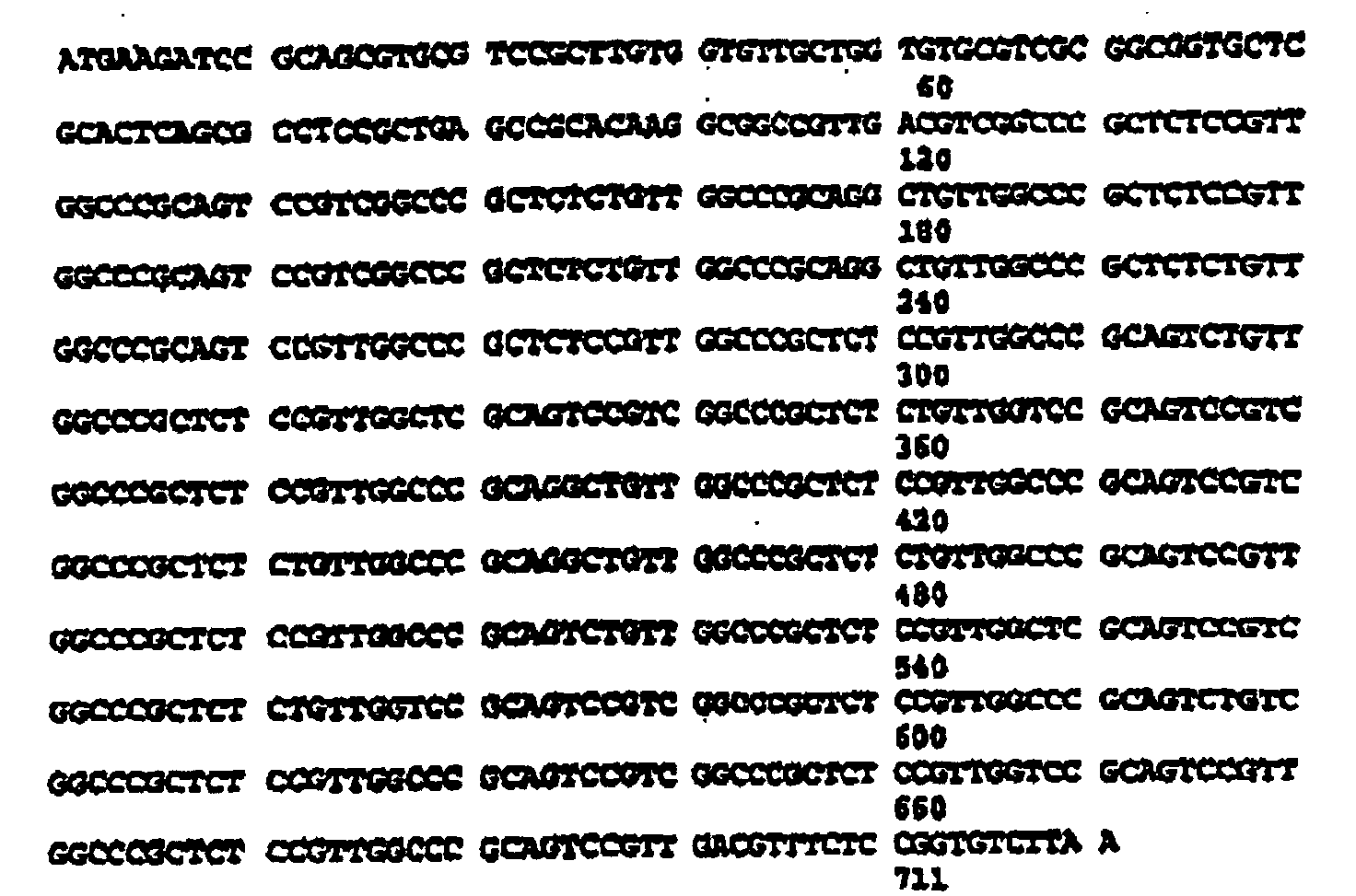
- the differentially expressed genes include those having sequences, such as the DNA sequence set out in Figure 8 (SEQ ID No: 1) or its complementary strand; and DNA sequences which hybridize under stringent conditions to such DNA sequences.
- Such differentially expressed gene sequences include the A2 gene of L. donovani having the DNA sequence set out in Figure 8 and the invention includes a cDNA clone encoding the A2 gene depicted in Figure 8, which clone may be in the form of a plasmid, particularly that designated pGEC0 90 ( Figure 6), which has ATCC accession number ATCC 75510.
- the differentially expressed genes may encode proteins, such as the 22 kD A2 protein (SEQ ID No:3), being encoded by the longest open reading frame (ORF II) of the A2 gene.
- Most of the predicted A2 protein is composed of a repetitive sequence consisting of a stretch of ten amino acids repeated nineteen times ( Figure 8). Since each unit of this repeat contains two serines, two valines, two leucines and two prolines separated from each other by five residues, the repeated region also may be considered as a stretch of five amino acids repeated thirty-eight times.
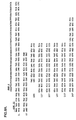
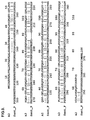
- the amino acid sequence of the A2 protein has homology with an S-antigen of Plasmodium falciparum (SEQ ID NO: 4), as shown in Figure 9.
- SEQ ID NO: 4 S-antigen of Plasmodium falciparum
- the carboxy-terminal portion of the S-antigen of P. falciparum Vietnamese isolate VI is composed of a stretch of eleven amino acids repeated nineteen times; the repeated units of both proteins are 50% identical and 80% homologous
- Life cycle stage specific genes from Leishinania may be isolated in the present invention. Some of these genes are required for transition between the life cycle stages and include virulence genes of the Leishmania parasite, such as virulence genes that are required for maintenance of infection by the amastigote form of the Leishmania organism. These virulence genes may be functionally disabled by, for example, deletion or mutation, including insertional mutagenesis and, furthermore, the wild-type Leishmania gene may be replaced by the functionally disabled gene.
- the virulence genes may be functionally disabled by, for example, replacing the A2 gene by a selectable antibiotic resistance gene by homologous recombination following transformation of the Leishmania organism with a fragment of DNA containing the antibiotic resistance gene flanked by 5'- and 3'- non-coding DNA sequences.
- This process can be used to generate attenuated variants of Leishmania and the residual pathogenicity of the attenuated variants can be assessed in mice and hamsters pigs. It is likely that deletion of genes that are selectively expressed in the human host environment (that being when the Leishmania organism is inside the macrophage cell) result in an attenuated strain which cannot survive in humans but generates a protective immune response. Attenuated strains of Leishmania would be useful as live vaccines against the diseases caused by Leishmania and such attenuated strains form an aspect of the present invention.
- Vaccines comprising an effective amount of the protein encoded by the differentially expressed genes or of an attenuated strain of Leishmania and a physiologically-acceptable carrier therefor may utilize an adjuvant as the carrier and the protein may be presented to the immune system of the host in combination with an ISCOM or liposome.
- the vaccine may be formulated to be administered to a host in an injectable form, intranasally or orally, to immunize the host against disease.
- a plasmid pGECO 90 described and referred to herein was deposited with the American Type Culture Collection (ATCC) located at Rockville, Maryland, USA, pursuant to the Budapest Treaty on July 28, 1993 and prior to the filing of this application and assigned the ATCC accession number 75510.
- ATCC American Type Culture Collection
- a diagram of this plasmid is shown in Figure 6.
- the plasmid contains the A2 gene of L. donovani described herein.
- the invention described and claimed herein is not to be limited in scope by the material deposited, since the deposited embodiment is intended only as an illustration of the invention.
- This Example describes culturing and isolation of Leishmania organisms.
- Amastigotes of the L. donovani Ethiopian LV9 strain were harvested from spleens of infected female gold Symian hamsters and purified as described previously (ref. 12). Briefly, parasites were released from tissue using an homogenizer, the mixture was centrifuged three times at 100xg to remove cellular debris, and amastigotes were pelleted at 1500xg. The pellet was resuspended in 0.17 M sodium acetate to lyse contaminating red blood cells and amastigotes were recovered by centrifugation at 1500xg.
- Organisms were incubated at 37°C in complete RPMI medium (RPMI 1640 supplemented with 10% endotoxin free heat-inactivated FBS, 10 ml of 1M HEPES pH 7.3, 100 U of penicillin and 100 U of streptomycin per ml) for 18 hours prior to RNA extraction. After this period of incubation and multiple washes, the amastigote preparation was still physiologically active and relatively free of host cell contamination. To obtain promastigotes, LV9 strain amastigotes were allowed to differentiate in complete RPMI medium at 26°C, and cultured for at least seven days in the same medium before use (ref. 12).
- Promastigotes of the L. donovani Sudanese strain 1S2D were cultivated and passaged in complete RPMI medium at 26°C. Amastigote-like organisms of the 1S2D strain were cultivated as described by Doyle et al. (ref. 13). The Sudanese strains 1S2D and 1S2D (wt) were obtained from Dr. S. Turco, the University of Kentucky, USA. The 1S2D (wt) promastigotes were adapted to grow in axenic conditions and had lost the ability to transform into infective promastigotes.
- This Example describes the preparation of and screening of a Leishmania cDNA library.
- RNA of amastigotes and promastigotes was prepared by the guanidinium isothiocyanate method using "RNAzol” (Trademark of Cinna/biotecx Laboratories International Inc., Friendswood, TX); poly A + RNA was selected by oligo dT cellulose chromatography (grade 7:Pharmacia) as described by Sambrook et al. (ref. 14). A total of 10 ⁇ g of amastigote mRNA was used to construct an Eco RI/ Xho I unidirectional cDNA library of 10 6 clones in the " ⁇ ZAP II" vector (Trademark of Stratagene); hemi-methylated cDNA was produced using the manufacturers reagents and protocols.
- RNAzol Trademark of Cinna/biotecx Laboratories International Inc., Friendswood, TX
- poly A + RNA was selected by oligo dT cellulose chromatography (grade 7:Pharmacia) as described by Sambrook et al.
- amastigote and promastigote-specific clones of the primary library were screened differentially with amastigote and promastigote stage-specific gene probes.
- the cDNA probes were prepared using oligo dT 12-18 primer (Pharmacia) and M-MLV reverse transciptase (BRL) following protocols previously described (ref. 15). Duplicate filters were hybridized with each probe for 18 h at 42°C in 50% formamide, 6X SSC, 5X Denhardt's solution, 5% dextran sulfate.
- Membranes then were washed twice at room temperature in 1X SSC for 20 min, twice at 55°C in 1X SSC, 0.1% SDS and then autoradiographed on "X-OMAT" films (Trademark of Kodak) with an intensifying screen for 18 to 72 hours. Such washing operation corresponds to stringent conditions of hybridization. Areas on the plates containing putative clones of interest were picked and the phage pools were submitted to a second round of screening. An example of an amastigote-specific cDNA clone is indicated by the arrow on the plaque hybridization autoradiogram of Figure 1.
- cDNA clones representing promastigote-specific transcripts were more abundant than clones representing amastigote-specific transcripts
- seven independent cDNA clones which only hybridized with amastigote-specific probes were isolated and termed 2, 3, 5, 6, 8, 9, 11.
- a Bluescript plasmid derivative was excised from the ⁇ ZAP II recombinant phages in vivo using the helper phage R-408.
- This Example describes the characterization of amastigote-specific cDNA clones.
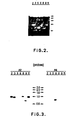
- each of the Bluescript plasmids corresponding to the amastigote-specific cDHA clones was determined by restriction enzyme digestion and agarose gel electrophoresis ( Figure 2).
- Recombinant plasmids (A2, A3, A5, A6, A8, A9 and A11) were digested with Eco RI and Xho I to excise the cDNA inserts. Fragments were separated on a 1% agarose gel and stained with ethidium bromide.
- the cDNA inserts varied from 0.5 kb (AS) to 1.8 kb and A8 contained an internal Eco RI site.
- BMM bone marrow-derived macrophages
- IBMM L. donovani LV9-infected BMM
- PRO L. donovani LV9 promastigotes
- Murine bone marrow-derived macrophage cultures and L. donovani amastigote in vitro infections were carried out as previously described (ref. 12).
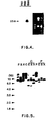
- the RNA species (15 ⁇ g) were separated on an agarose gel and stained with ethidium bromide prior to transfer ( Figure 4, right panel).
- RNA was denatured by glyoxal treatment and transferred to a nylon membrane.
- the Northern blot was hybridized with labelled cDNA A2 (0.9 kb) fragment, as previously described (ref. 12) ( Figure 4, left panel).
- This probe recognized predominantly a 3.5 kb transcript present in amastigote-infected macrophages but not in promastigotes or in non-infected macrophages.
- This analysis showed that the A2 gene was differentially expressed at an increased level in amastigotes when they were present in macrophages compared to a free-living existence and that the increased expression was at least a ten fold increase.
- This Example describes the genomic arrangement and sequencing of the Leishmania donovani amastigote-specific A2 gene.
- the DNA was first cut to completion with Cla I or Pvu II, the DNA precipitated and resuspended in the appropriate buffer for the second digestion. Restriction fragments were separated on a 0.7% agarose gel, transferred to a nylon membrane and hybridized with a 0.5 kb Pst I/ Xho I fragment of the A2 cDNA insert nick-translated with ⁇ - 32 P dCTP.
- the hybridization pattern displayed a series of bands of different intensities, clearly showing that many copies of the gene were present in the genome ( Figure 5).
- common bands at about 6 to 8 kb for the Eco RI, Xba I and Sal I digests suggested an arrangement in tandem arrays. However, the presence of at least two other bands in each lane suggested that more than one cluster existed, each cluster being flanked by restriction fragments of different sizes. Alternatively, clusters also may carry copies of unrelated genes or intergenic regions of variable sizes.
- genomic clones carrying the A2 gene sequence were isolated.
- a partial genomic library containing 6 to 10 kb Eco RI fragments was constructed in the lambda ZAP II vector (Stratagene). More than 2,000 clones were screened on duplicate filters with probes prepared with the A2 cDNA using techniques and hybridization conditions described in Example 2. Eight clones were isolated and purified. Bluescript plasmid derivatives were excised from recombinant ⁇ phages as for cDNA clones.
- the 1.9 kb Xho I/ Eco RI insert fragment of the A2 Bluescript clone was subcloned into the Bluescript phagemids KS + and KS - for sequencing. Nested deletions were carried out on both plasmids using Exo III exonuclease and S1 nuclease. Sequencing reactions were performed on single-strand DNA templates using the M13K07 helper phage according to published procedures (ref. 17) with the Deaza G/A sequencing mixes (Pharmacia) and d 35 ATP or d 35 CTP radio-isotopes. Reactions were analysed on 6% denaturing gels.
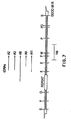
- FIG. 7 shows the restriction map of the insert of pGEC0 90 and how it corresponds to the A2 related cDNAs.
- the restriction enzymes shown in Figure 7 are S: Sal I, P: Pst I, O: Xho I, X: Xba I, E: Eco RI, M: Sma I.
- Plasmid pGEC0 90 contained unique sites for Sal I and Xba I, but no Cla I site, and this was consistent with the Southern blot analysis shown in Figure 5.
- the DNA sequence flanking the Eco RI site on this genomic clone was determined and shown to correspond exactly to the related portion of the A8 cDNA, confirming that this fragment represented one unit of the tandem array.
- the DNA sequence of the 1.9 kb Xho I/ Eco RI fragment of the pGEC0 90 genomic clone corresponding to the 3.5 kb A2 transcript was determined ( Figure 8) and compared to the cDNA's sequences.
- the longest open reading frame (ORF II) found was contained in the Xho I/ Xba I 1.1 kb fragment and potentially encoded a 22 kD protein product (A2 protein). Stop codons were observed in two other frames and upstream from the initiating ATG. Most of this predicted A2 protein was composed of a repetitive sequence consisting of a stretch of ten amino acids repeated nineteen times.
- each unit of this repeat contains two serines, two valines, two leucines and two prolines separated from each other by five residues, the repeated region could also be considered as a stretch of five amino acids repeated thirty-eight times.
- the only hydrophobic domain was located at the amino terminal portion and may correspond to a signal peptide.
- the predicted amino acid sequence was compared with proteins reported in the Swiss-Prot database version using a Fasta algorithm (Canada Institute for Scientific and Technical Information: Scientific Numeric Database Service). The most striking identity was observed with an S-antigen of Plasmodium falciparum Vietnamese isolate VI.
- the alignment of the A2 protein sequence (A2) with the amino-terminal portion of the S-antigen of P. falciparum isolate VI is shown in Figure 9.
- the A2 and S-antigen proteins may perform similar functions and may be required to enable these protozoa to survive in humans and functional disablement of the A2 sequences in L. donovani may be expected to result in a non-infective promastigote useful as a live attenuated vaccine for leishmaniasis.
- This Example describes the functional disablement of differentially expressed genes in Leishmania .
- amastigote-specific genes such as the A2 gene
- Leishmania genome by for example deletion
- homologous recombination Deletion of genes from protozoa (such as Leishmania ) has been described (ref. 18).
- This procedure involves cloning DNA fragments 5'- and 3'- to the A2 gene and constructing a plasmid vector that contains these flanking DNA sequences sandwiching a neomycin resistance gene. This 5'- neo 3'- fragment of DNA then is used to transform L. donovani promastigotes to G418 resistance.
- A2 gene in such G418 resistant strains can be determined by Southern blot hybridization using A2 specific probes.
- the second A2 allele then can be deleted by constructing a second deleting vector containing the 5'- and 3'- A2 flanking sequences sandwiching a hygromycin resistance gene. Following transformation colonies are selected on medium containing G418 and hygromycin. Deletion of both copies of the A2 gene can be confirmed by Southern blot hybridization.
- This Example describes the expression of the L. donovani amastigote-specific A2 gene and the recognition of the A2 gene product by kala-azar immune sera.
- the coding region from the initiating ATG to the Xba I restriction site was subcloned in the pET 16B expression vector in frame with the HIS-TAG ( Figure 10).
- the A2 fusion protein of 27 kD was produced in an in vitro transcription-translation assay (TNT system, Promega) using the pET16b/ORF II plasmid and a negative control pBluescript/p53 plasmid, encoding the human p53 protein.
- the in vitro translated HIS-TAG/A2 35 S-labelled protein was immunoprecipitated with kala-azar immune serum and analyzed by sodium dodecyl sulfate-polyacrylamide gel electrophoresis (Figure 11).
- Kalaazar is a term used to describe the disease caused by L. donovani.
- the kala-azar immune serum was obtained from a patient suffering from visceral leishmaniasis and reacted strongly against L. donovani antigens on ELISA.
- Lanes 1 and 2 contained the labelled proteins A2 and p53, respectively, prior to immunoprecipitation analysis.
- Lanes 3 and 4 contained proteins A2 and p53, respectively, immunoprecipitated with the kala-azar immune serum (L1) and Lanes 5 and 6 contained proteins A2 and p53, respectively, immunoprecipitated with a control human serum (TXC).
- the kala-azar serum did not react against the negative control protein human p53 but did immunoprecipitate the A2 gene-product. Neither of the proteins were immunoprecipitated by the control human serum. This analysis showed that the product of the L. donovani A2 gene was specifically recognized by kala-azar immune serum.
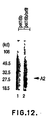
- the pET 16b/ORF II plasmid coding for the recombinant A2 fusion protein and a negative control plasmid pET 16b with no insert were introduced into E. coli. Expression was induced with IPTG, and total lysates of the recombinant E. coli cells separated by SDS-PAGE and analyzed by Western blot analysis using the kala-azar immune serum described above (see Figure 12). In Figure 12, Lane 1 contained E. coli /pET 16b cells and Lane 2 contained E. coli /pET 16b/ORF II cells.
- the kala-azar serum reacted specifically with protein products of 27.5 and 25 kD in the lysates of cells containing the pET 16b/ORF II plasmid (Lane 2).
- the 25 kD protein probably corresponded to the A2 protein without the HIS-TAG since the A2 sequence did contain its own initiating ATG.
- the serum did not react specifically with protein from E. coli lysates containing the control pET 16b plasmid (Lane 1).
- This Example describes the Southern blot analysis of the isolated chromosomes of different species and subspecies of Leishmania.
- Leishmania strains were obtained from American type Culture Collection, Rockville, Maryland, identified by their accession numbers as follows: ATCC SF-2211 L. donovani donovani , strain MHOM/IN/80/DD8 50212 SF-1881 L. donovani infantum 50134 SF-1880 L. donovani chagasi 50133 SF-1882 L. Braziliensis Braziliensis 50135 SF-1913 L. Braziliensis panamensis 50158 SF-1871 L. Braziliensis Guyanensis 50126 SF-1878 L. Mexicana amazonensis 50131 SF-1911 L. Mexicana mexicana 50156 SF-1864 L. Maior 50122 SF-1876 L. tropica 50129 SF-1861 L. aetiopica 50119
- Chromosomes were then separated from the sample blocks by Transverse Alternating Field Electrophoresis (TAFE) using a Geneline II System (Beckman instruments) under the following conditions:
- TAFE Transverse Alternating Field Electrophoresis
- the DNA probe used consisted for a pET16b/ORF II 1.1 kb Bam HI fragment agarose gel purified and labelled to high specificity with 32 P-dCTP (ICN;3000 ci/mMol) by nick-translation. This fragment contained the complete A2 protein coding region of the L. donovani A2 gene.
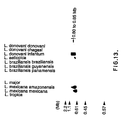
- the Southern blots obtained are shown in Figure 13.
- the data provided by Figure 13 shows that the L. donovani A2 gene is present in all three species of L. donovani tested and two subspecies of L. mexicana. However, the A2 coding sequence was not found in L, tropica, L. major , L. braziliensis or L. aetiopica . From these results, it is apparent that the L. donovani A2 gene DNA is useful as a probe to detect specifically L. donovani and L. mexicana among Leishmania species. The L. donovani and L. mexicana species are usually encountered at widely-different geographical locations, so the probe is specific for infection by the species present in a specific geographical location.
- the present invention provides differentially expressed genes and proteins of Leishmania , including the A2 gene expressed at significantly higher levels in the amastigote stage of the life cycle when the Leishmania organism is present in macrophages than in the promastigote stage.
Landscapes
- Health & Medical Sciences (AREA)
- Chemical & Material Sciences (AREA)
- Life Sciences & Earth Sciences (AREA)
- Organic Chemistry (AREA)
- Medicinal Chemistry (AREA)
- General Health & Medical Sciences (AREA)
- Tropical Medicine & Parasitology (AREA)
- Veterinary Medicine (AREA)
- Public Health (AREA)
- Pharmacology & Pharmacy (AREA)
- Animal Behavior & Ethology (AREA)
- Biochemistry (AREA)
- Epidemiology (AREA)
- Immunology (AREA)
- Mycology (AREA)
- Biophysics (AREA)
- Genetics & Genomics (AREA)
- Molecular Biology (AREA)
- Proteomics, Peptides & Aminoacids (AREA)
- Microbiology (AREA)
- Toxicology (AREA)
- Zoology (AREA)
- Gastroenterology & Hepatology (AREA)
- Chemical Kinetics & Catalysis (AREA)
- General Chemical & Material Sciences (AREA)
- Nuclear Medicine, Radiotherapy & Molecular Imaging (AREA)
- Micro-Organisms Or Cultivation Processes Thereof (AREA)
- Peptides Or Proteins (AREA)
- Preparation Of Compounds By Using Micro-Organisms (AREA)
- Medicines Containing Antibodies Or Antigens For Use As Internal Diagnostic Agents (AREA)
- Measuring Or Testing Involving Enzymes Or Micro-Organisms (AREA)
Claims (9)
- Fragment d'ADN isolé et purifié :a) ayant la séquence de nucléotides:(SEQ ID N° 1), ou son brin complémentaire, ou une molécule d'ADN codant pour un gène d'un organisme du genre Leishmania exprimé de façon différentielle qui s'y hybride dans des conditions rigoureuses; ou
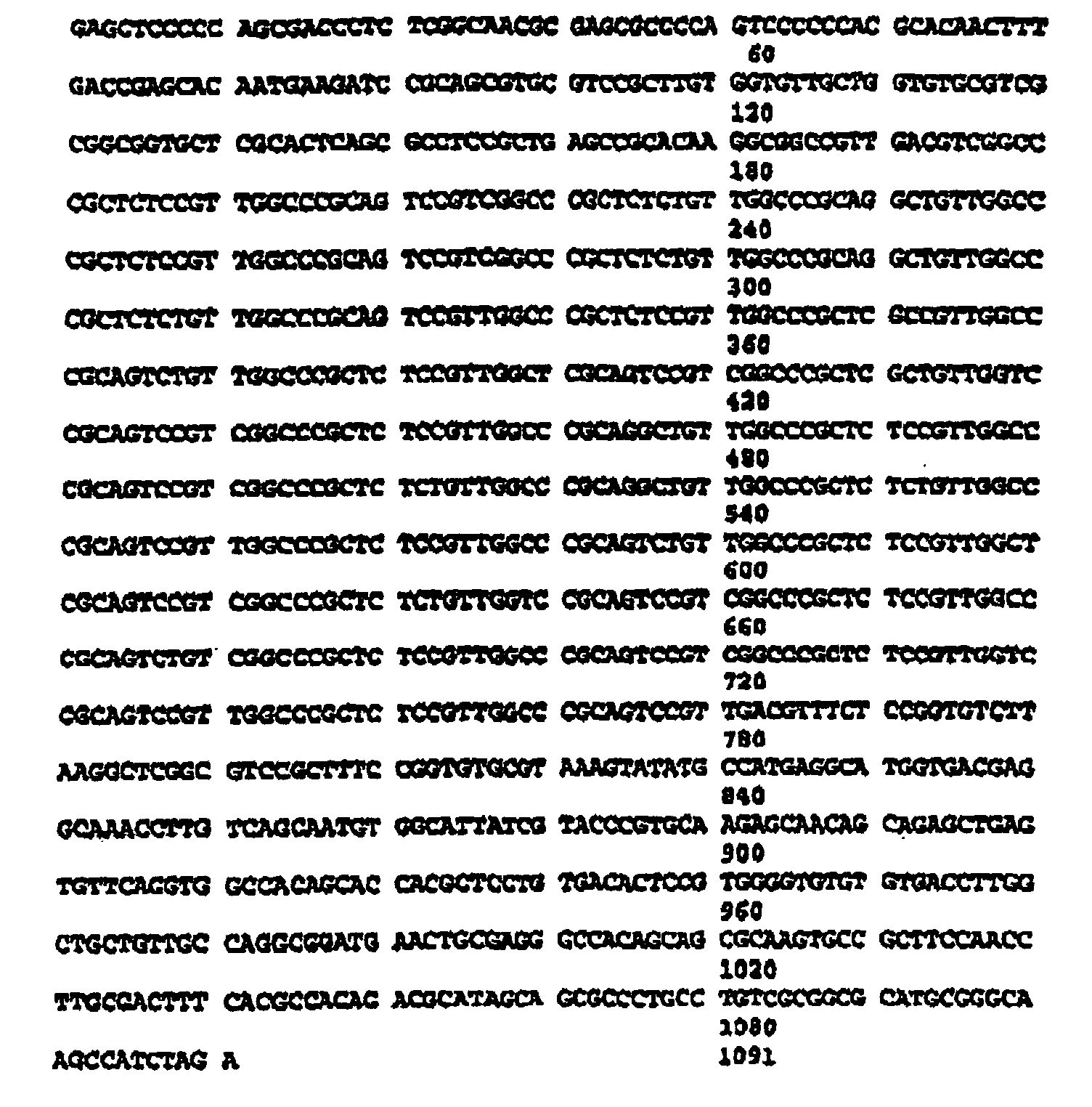 b) ayant la séquence de nucléotides:(SEQ ID N° 2) ou son brin complémentaire, ou une molécule d'ADN codant pour un gène d'un organisme du genre Leishmania exprimé de façon différentielle qui s'y hybride dans des conditions rigoureuses; ou
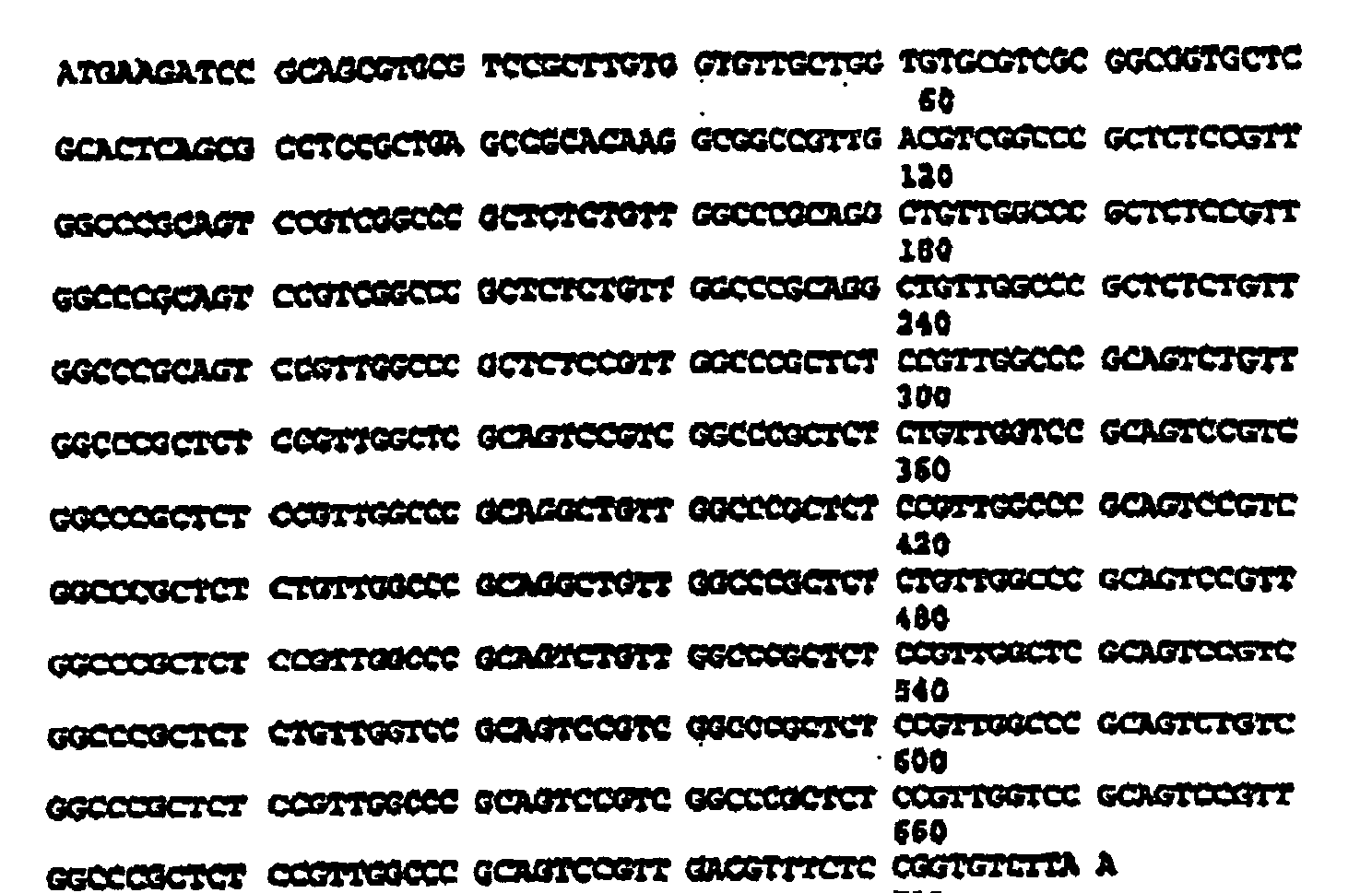 c) codant pour la séquence d'aminoacides:
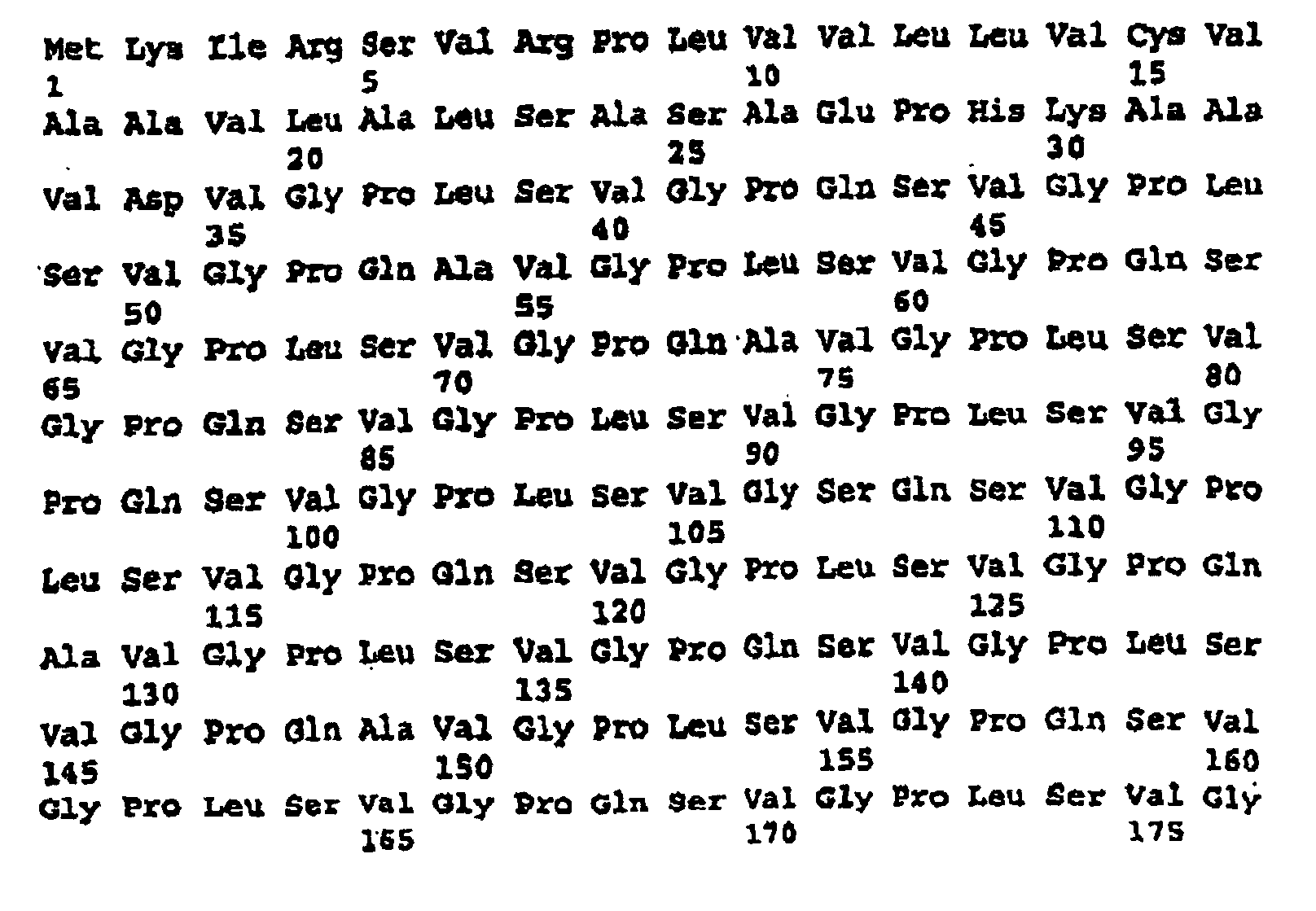 (SEQ ID N° 3), ou son brin complémentaire, ou une molécule d'ADN codant pour un gène d'un organisme du genre Leishmania exprimé de façon différentielle qui s'y hybride dans des conditions rigoureuses.
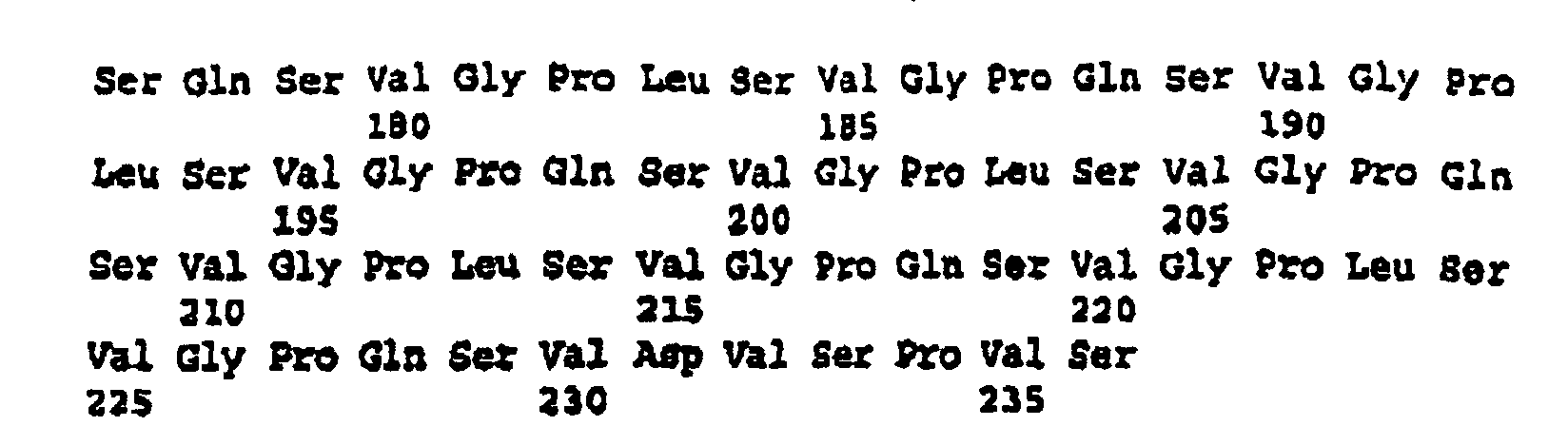
- Vecteur plasmidique recombiné adapté pour la transformation d'un hôte microbien, dans lequel a été inséré un segment d'ADN comprenant la molécule d'ADN isolé et purifié de la revendication 1.
- Plasmide recombiné selon la revendication 2, qui est le plasmide pGECO 90 ayant le numéro d'accès ATCC 75510.
- Protéine de Leishmania isolée et purifiée quia) est codée par une molécule d'ADN ayant la séquence de nucléotides(SEQ ID N° 2) ou par une molécule d'ADN codant pour un gène d'un organisme du genre Leishmania exprimé de façon différentielle qui s'y hybride dans des conditions rigoureuses; ou
 b) a la séquence d'aminoacides

- Anticorps spécifique d'un antigène isolé de Leishmania, produit par réaction à une protéine purifiée codée par un gène exprimé de manière différentielle d'un organisme du genre Leishmania, ladite protéinea) ayant la séquence d'aminoacides
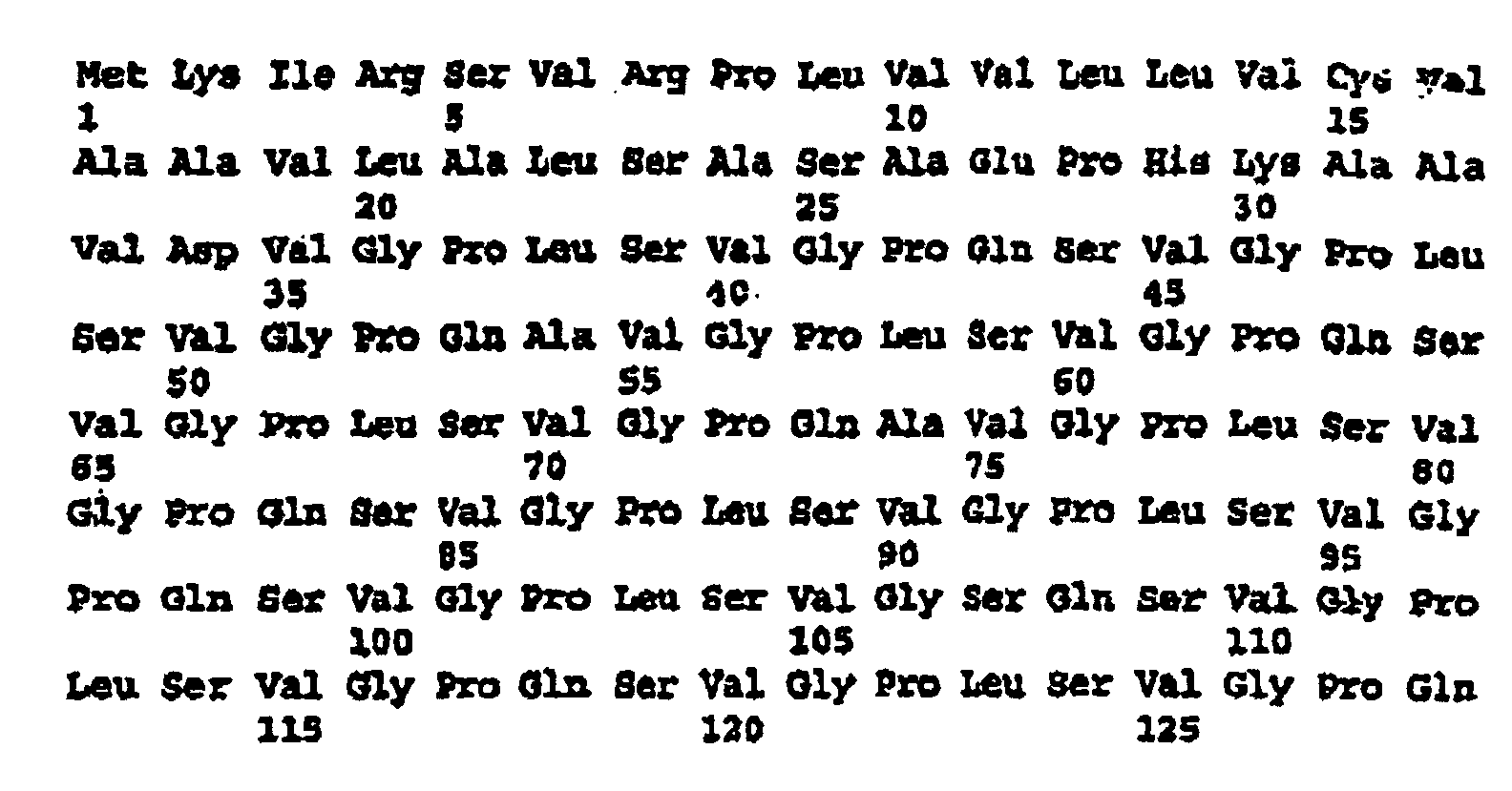 ou
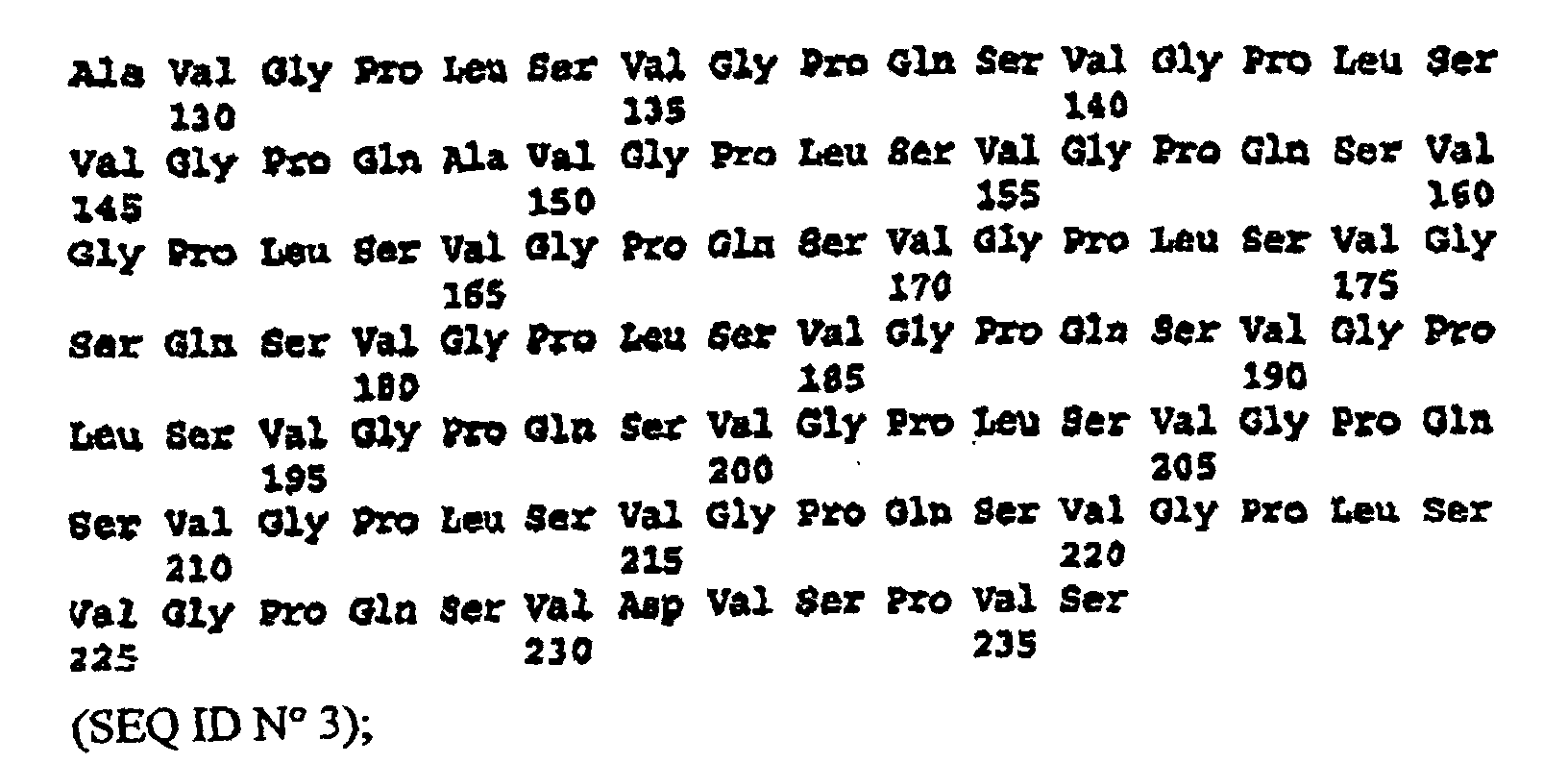 b) étant codée par une molécule d'ADN ayant la séquence de nucléotides:(SEQ ID N° 2), ou par une molécule d'ADN codant pour un gène d'un organisme du genre Leishmania exprimé de façon différentielle qui s'y hybride dans des conditions rigoureuses.
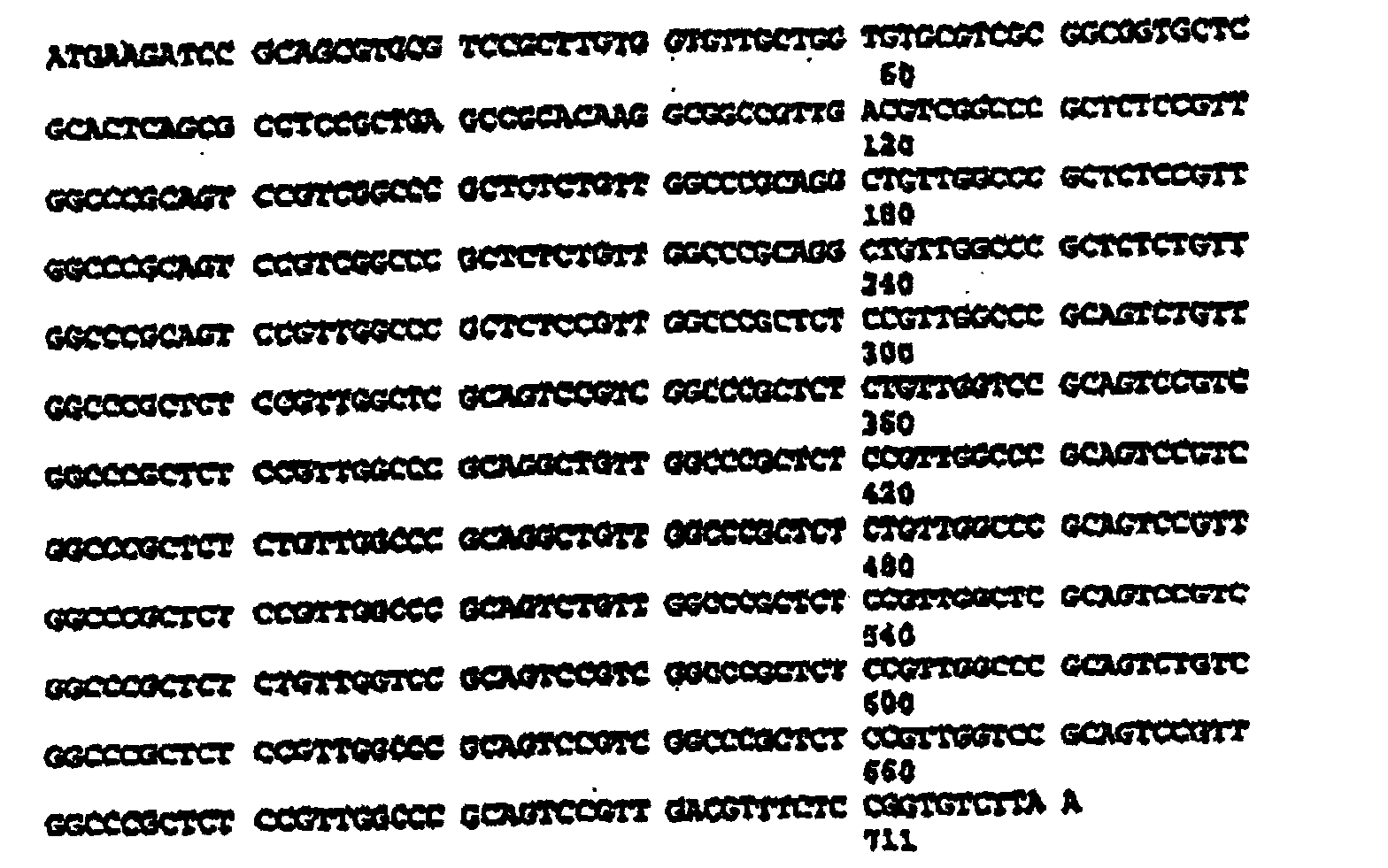
- Souche atténuée de Leishmania dans laquelle un gène de virulence exprimé de façon différentielle ayant une séquence d'ADN choisie dans le groupe constitué par la séquence d'ADN correspondant à SEQ ID N° 1, la séquence d'ADN correspondant à SEQ ID N° 2 et une séquence d'ADN codant pour la séquence d'aminoacides correspondant à SEQ ID N° 3; ou une séquence d'ADN codant pour un gène d'un organisme du genre Leishmania exprimé de façon différentielle qui s'y hybride dans des conditions rigoureuses, est fonctionnellement rendu inapte à la production d'un produit génétique codé par ladite séquence d'ADN dans cette souche atténuée.
- Souche atténuée selon la revendication 6, dans laquelle le gène de virulence a été fonctionnellement rendu inapte par délétion.
- Souche atténuée selon la revendication 6, dans laquelle le gène de virulence a été fonctionnellement rendu inapte par mutagenèse.
- Souche atténuée selon la revendication 8, dans laquelle le gène de virulence a été fonctionnellement rendu inapte par mutagenèse par insertion.
Applications Claiming Priority (3)
| Application Number | Priority Date | Filing Date | Title |
|---|---|---|---|
| US11598793A | 1993-09-03 | 1993-09-03 | |
| US115987 | 1993-09-03 | ||
| PCT/CA1994/000482 WO1995006729A1 (fr) | 1993-09-03 | 1994-09-01 | Genes et proteines de leishmania exprimes par differenciation |
Publications (2)
| Publication Number | Publication Date |
|---|---|
| EP0716697A1 EP0716697A1 (fr) | 1996-06-19 |
| EP0716697B1 true EP0716697B1 (fr) | 2003-04-02 |
Family
ID=22364580
Family Applications (1)
| Application Number | Title | Priority Date | Filing Date |
|---|---|---|---|
| EP94925323A Expired - Lifetime EP0716697B1 (fr) | 1993-09-03 | 1994-09-01 | GENES ET PROTEINES DE $i(LEISHMANIA) EXPRIMES PAR DIFFERENCIATION |
Country Status (9)
| Country | Link |
|---|---|
| US (4) | US5733778A (fr) |
| EP (1) | EP0716697B1 (fr) |
| JP (1) | JPH09502091A (fr) |
| AT (1) | ATE236252T1 (fr) |
| AU (1) | AU7529194A (fr) |
| DE (1) | DE69432417T2 (fr) |
| ES (1) | ES2198420T3 (fr) |
| PT (1) | PT716697E (fr) |
| WO (1) | WO1995006729A1 (fr) |
Cited By (1)
| Publication number | Priority date | Publication date | Assignee | Title |
|---|---|---|---|---|
| EP2141248A1 (fr) * | 2008-07-03 | 2010-01-06 | Institut Pasteur | Procédés pour identifier des facteurs de virulence de Leishmania et utilisation de tels facteurs de virulence en tant que cibles thérapeutiques, diagnostiques et de vaccin |
Families Citing this family (24)
| Publication number | Priority date | Publication date | Assignee | Title |
|---|---|---|---|---|
| US6162638A (en) | 1996-05-06 | 2000-12-19 | Universite Laval | Attenuated strains of leishmania and uses thereof |
| US6020144A (en) * | 1996-09-12 | 2000-02-01 | Symbiontics, Inc. | Sustained delivery device comprising a Leishmania protozoa and methods of making and using the same |
| US6331304B1 (en) * | 1996-09-13 | 2001-12-18 | Universite Laval | Macrophage-infecting parasites expressing a granulocyte macrophage colony stimulating factor |
| GB9706930D0 (en) | 1997-04-04 | 1997-05-21 | Univ Glasgow | Leishmania vaccine |
| US6368827B1 (en) | 1998-12-02 | 2002-04-09 | The University Of Georgia Research Foundation, Inc. | Kinetoplastid protein expression system and methods |
| US20040241168A1 (en) * | 2001-03-16 | 2004-12-02 | O'daly Jose A. | Compositions and methods for the treatment and clinical remission of psoriasis |
| US6673351B1 (en) | 2001-03-16 | 2004-01-06 | Astralis, Llc | Compositions and methods for the treatment and clinical remission of psoriasis |
| US20040170636A1 (en) * | 2001-03-29 | 2004-09-02 | Greg Matlashewski | Leishmania vaccines |
| JP2006516883A (ja) | 2002-09-19 | 2006-07-13 | アメリカ合衆国 | P.アリアシポリペプチド、ユウガイサシチョウバエポリペプチド、および使用法 |
| DE60327366D1 (de) | 2002-10-29 | 2009-06-04 | Fundacao Oswaldo Cruz | Lutzomyia longipalpis-polypeptide und verwendungsverfahren |
| WO2005021030A1 (fr) * | 2003-08-29 | 2005-03-10 | The Government Of The United States Of America, Represented By The Secretary, Department Of Health And Human Services | Vaccins contre la leishmanie vivante attenuee |
| FR2861740B1 (fr) | 2003-10-29 | 2005-12-16 | Inst Rech Developpement Ird | Souches de protozoaire de virulence attenuee et leur utilisation |
| US20090028932A1 (en) * | 2005-04-15 | 2009-01-29 | Wilson Mary E | Vaccine formulations for leishmania |
| US7833534B2 (en) * | 2006-04-10 | 2010-11-16 | Infectious Disease Research Institute | Compounds and methods for diagnosis and treatment of leishmaniasis |
| BRPI0603490B1 (pt) * | 2006-07-21 | 2018-04-24 | Universidade Federal De Minas Gerais | Vacina recombinante contra a leishmaniose visceral canina |
| US8968749B2 (en) | 2006-07-21 | 2015-03-03 | Universidade Federal De Minas Gerais—Ufmg | Vaccine composition and immunization method |
| BRPI0800485B8 (pt) * | 2008-01-17 | 2021-05-25 | Univ Minas Gerais | vetores virais recombinantes, composição vacinal para leishmaniose e método de vacinação para leishmaniose |
| US8410258B2 (en) | 2008-05-21 | 2013-04-02 | Infections Disease Research Institute | Recombinant polyprotein vaccines for the treatment and diagnosis of leishmaniasis |
| US8425919B2 (en) * | 2008-05-21 | 2013-04-23 | Infectious Disease Research Institute | Recombinant polyprotein vaccines for the treatment and diagnosis of leishmaniasis |
| WO2009158729A2 (fr) * | 2008-06-27 | 2009-12-30 | The Infectious Disease Research Institute Inc. | Composés et procédés pour le diagnostic et le traitement de la maladie de chagas |
| BRPI0913972B1 (pt) | 2008-07-03 | 2018-06-26 | Infectious Disease Research Institute | Polipeptídeo de fusão compreendendo antígenos de leishmania, polinucleotídeo, composição farmacêutica, bem como métodos para detecção de infecção e para identificação de leishmaniose e kit diagnóstico para detecção e identificação de leishmaniose |
| BR102013022374B1 (pt) * | 2013-09-02 | 2022-04-19 | Universidade Federal De Minas Gerais | Gene modificado de leishmania ssp., processo para obtenção de proteína e uso como antígeno em composição vacinal ou em imunodiagnóstico |
| BR112020016474A2 (pt) * | 2018-02-13 | 2020-12-15 | University Of Iowa Research Foundation | Imunoterapia de leishmaniose |
| ES2795149B2 (es) | 2020-06-08 | 2022-07-04 | Univ Madrid Complutense | Quimera sintetica multiepitopica como vacuna y tratamiento frente a leishmaniosis en mamiferos |
Family Cites Families (8)
| Publication number | Priority date | Publication date | Assignee | Title |
|---|---|---|---|---|
| SE8205892D0 (sv) * | 1982-10-18 | 1982-10-18 | Bror Morein | Immunogent membranproteinkomplex, sett for framstellning och anvendning derav som immunstimulerande medel och sasom vaccin |
| US4801530A (en) * | 1984-02-29 | 1989-01-31 | Rockefeller University | Nucleotide hybridization assay for protozoan parasites |
| US5047522A (en) * | 1983-08-12 | 1991-09-10 | Rockefeller University | Isolated repetitive DNA of protozoan parasites |
| US4764370A (en) * | 1984-09-12 | 1988-08-16 | Scripps Clinic And Research Foundation | Vaccine utilizing an avirulent strain of Salmonella typhimurium |
| DE3581288D1 (de) * | 1984-10-01 | 1991-02-14 | Pasteur Institut | Antileishmania monoklonale antikoerper, diese antikoerper ausscheidende hybridomas, von diesen antikoerpern erkannte leishmaniaantigene, verfahren zur herstellung und verwendung von diesen monoklonalen antikoerpern und antigenen. |
| US4687666A (en) * | 1985-02-19 | 1987-08-18 | Ministerio De Sanidad Y Asistencia Social Instituto Venezolano De Investigationes Cientificas | Vaccine for Leishmaniasis |
| US4908308A (en) * | 1985-06-19 | 1990-03-13 | The Trustees Of Columbia University In The City Of New York | Method for detecting animal-infective protozoa in vitro and a method for detecting agents which block the differentiation thereof |
| US4879213A (en) * | 1986-12-05 | 1989-11-07 | Scripps Clinic And Research Foundation | Synthetic polypeptides and antibodies related to Epstein-Barr virus early antigen-diffuse |
-
1994
- 1994-09-01 EP EP94925323A patent/EP0716697B1/fr not_active Expired - Lifetime
- 1994-09-01 JP JP7507851A patent/JPH09502091A/ja active Pending
- 1994-09-01 AT AT94925323T patent/ATE236252T1/de not_active IP Right Cessation
- 1994-09-01 PT PT94925323T patent/PT716697E/pt unknown
- 1994-09-01 ES ES94925323T patent/ES2198420T3/es not_active Expired - Lifetime
- 1994-09-01 AU AU75291/94A patent/AU7529194A/en not_active Abandoned
- 1994-09-01 DE DE69432417T patent/DE69432417T2/de not_active Expired - Fee Related
- 1994-09-01 WO PCT/CA1994/000482 patent/WO1995006729A1/fr not_active Ceased
-
1995
- 1995-05-30 US US08/452,531 patent/US5733778A/en not_active Expired - Fee Related
- 1995-06-02 US US08/460,746 patent/US5780591A/en not_active Expired - Fee Related
- 1995-06-02 US US08/460,066 patent/US6133017A/en not_active Expired - Fee Related
- 1995-06-02 US US08/460,555 patent/US5827671A/en not_active Expired - Fee Related
Cited By (1)
| Publication number | Priority date | Publication date | Assignee | Title |
|---|---|---|---|---|
| EP2141248A1 (fr) * | 2008-07-03 | 2010-01-06 | Institut Pasteur | Procédés pour identifier des facteurs de virulence de Leishmania et utilisation de tels facteurs de virulence en tant que cibles thérapeutiques, diagnostiques et de vaccin |
Also Published As
| Publication number | Publication date |
|---|---|
| WO1995006729A1 (fr) | 1995-03-09 |
| US5827671A (en) | 1998-10-27 |
| AU7529194A (en) | 1995-03-22 |
| US5780591A (en) | 1998-07-14 |
| PT716697E (pt) | 2003-08-29 |
| EP0716697A1 (fr) | 1996-06-19 |
| JPH09502091A (ja) | 1997-03-04 |
| DE69432417T2 (de) | 2004-02-12 |
| DE69432417D1 (de) | 2003-05-08 |
| US6133017A (en) | 2000-10-17 |
| ES2198420T3 (es) | 2004-02-01 |
| US5733778A (en) | 1998-03-31 |
| ATE236252T1 (de) | 2003-04-15 |
Similar Documents
| Publication | Publication Date | Title |
|---|---|---|
| US5780591A (en) | Protein of Leishmania which is expressed at an increased level in the amastigote form | |
| Duffy et al. | A novel malaria protein, Pfs28, and Pfs25 are genetically linked and synergistic as falciparum malaria transmission-blocking vaccines | |
| Modabber | Experiences with vaccines against cutaneous leishmaniasis: of men and mice | |
| WO1990002564A1 (fr) | Vaccin de diagnostic utilisant des proteines homologues a des proteines de thermochoc de trypanosoma cruzi | |
| US8629260B2 (en) | Anti-arthropod vector vaccines, methods of selecting and uses thereof | |
| EP0172865B2 (fr) | Sequences d'adn, adn recombinant et procedes de production d'antigenes de plasmodium falciparum | |
| KR100244828B1 (ko) | 콕시디아증 백신 | |
| EP0439056B1 (fr) | Vaccin contre la coccidiose | |
| JPH07196690A (ja) | コクシジウム症家禽ワクチン | |
| CA2105538C (fr) | Genes et proteines de leishmania a expression differentielle | |
| EP0597843B1 (fr) | PROTEINE 16 kDa DE P. FALCIPARUM | |
| US5965143A (en) | Immunity to trypanosomatids species | |
| WO1997033999A1 (fr) | Immunite contre les especes trypanosomatides | |
| EP1666489A1 (fr) | ADN codant pour une protéine antigénique de eimeria apical membrane antigène 1 et utilisations de ceux-ci | |
| Roberts | The major surface protease of Leishmania chagasi: Characterization of a family of proteins and their genes | |
| MXPA98002284A (en) | Antigens of leishmania to be used in the therapy and diagnosis of leishmania |
Legal Events
| Date | Code | Title | Description |
|---|---|---|---|
| PUAI | Public reference made under article 153(3) epc to a published international application that has entered the european phase |
Free format text: ORIGINAL CODE: 0009012 |
|
| 17P | Request for examination filed |
Effective date: 19960307 |
|
| AK | Designated contracting states |
Kind code of ref document: A1 Designated state(s): AT BE CH DE DK ES FR GB GR IE IT LI LU MC NL PT SE |
|
| 17Q | First examination report despatched |
Effective date: 20010301 |
|
| RIC1 | Information provided on ipc code assigned before grant |
Free format text: 7C 12N 15/30 A, 7C 07K 14/44 B, 7C 07K 16/20 B, 7C 12N 1/10 B, 7A 61K 35/68 B, 7A 61K 38/17 B, 7A 61K 39/008 B |
|
| GRAH | Despatch of communication of intention to grant a patent |
Free format text: ORIGINAL CODE: EPIDOS IGRA |
|
| GRAH | Despatch of communication of intention to grant a patent |
Free format text: ORIGINAL CODE: EPIDOS IGRA |
|
| GRAA | (expected) grant |
Free format text: ORIGINAL CODE: 0009210 |
|
| AK | Designated contracting states |
Designated state(s): AT BE CH DE DK ES FR GB GR IE IT LI LU MC NL PT SE |
|
| PG25 | Lapsed in a contracting state [announced via postgrant information from national office to epo] |
Ref country code: NL Free format text: LAPSE BECAUSE OF FAILURE TO SUBMIT A TRANSLATION OF THE DESCRIPTION OR TO PAY THE FEE WITHIN THE PRESCRIBED TIME-LIMIT Effective date: 20030402 Ref country code: AT Free format text: LAPSE BECAUSE OF FAILURE TO SUBMIT A TRANSLATION OF THE DESCRIPTION OR TO PAY THE FEE WITHIN THE PRESCRIBED TIME-LIMIT Effective date: 20030402 |
|
| REG | Reference to a national code |
Ref country code: GB Ref legal event code: FG4D |
|
| REG | Reference to a national code |
Ref country code: CH Ref legal event code: EP |
|
| REG | Reference to a national code |
Ref country code: IE Ref legal event code: FG4D |
|
| REF | Corresponds to: |
Ref document number: 69432417 Country of ref document: DE Date of ref document: 20030508 Kind code of ref document: P |
|
| PG25 | Lapsed in a contracting state [announced via postgrant information from national office to epo] |
Ref country code: SE Free format text: LAPSE BECAUSE OF FAILURE TO SUBMIT A TRANSLATION OF THE DESCRIPTION OR TO PAY THE FEE WITHIN THE PRESCRIBED TIME-LIMIT Effective date: 20030702 Ref country code: GR Free format text: LAPSE BECAUSE OF FAILURE TO SUBMIT A TRANSLATION OF THE DESCRIPTION OR TO PAY THE FEE WITHIN THE PRESCRIBED TIME-LIMIT Effective date: 20030702 Ref country code: DK Free format text: LAPSE BECAUSE OF FAILURE TO SUBMIT A TRANSLATION OF THE DESCRIPTION OR TO PAY THE FEE WITHIN THE PRESCRIBED TIME-LIMIT Effective date: 20030702 |
|
| REG | Reference to a national code |
Ref country code: CH Ref legal event code: NV Representative=s name: JULIAN DAVID WILLIAMS C/O INTERNATIONAL BUSINESS M |
|
| PGFP | Annual fee paid to national office [announced via postgrant information from national office to epo] |
Ref country code: PT Payment date: 20030829 Year of fee payment: 10 Ref country code: GB Payment date: 20030829 Year of fee payment: 10 |
|
| NLV1 | Nl: lapsed or annulled due to failure to fulfill the requirements of art. 29p and 29m of the patents act | ||
| PG25 | Lapsed in a contracting state [announced via postgrant information from national office to epo] |
Ref country code: LU Free format text: LAPSE BECAUSE OF NON-PAYMENT OF DUE FEES Effective date: 20030901 Ref country code: IE Free format text: LAPSE BECAUSE OF NON-PAYMENT OF DUE FEES Effective date: 20030901 |
|
| PGFP | Annual fee paid to national office [announced via postgrant information from national office to epo] |
Ref country code: CH Payment date: 20030905 Year of fee payment: 10 |
|
| PGFP | Annual fee paid to national office [announced via postgrant information from national office to epo] |
Ref country code: FR Payment date: 20030908 Year of fee payment: 10 |
|
| PGFP | Annual fee paid to national office [announced via postgrant information from national office to epo] |
Ref country code: BE Payment date: 20030910 Year of fee payment: 10 |
|
| PGFP | Annual fee paid to national office [announced via postgrant information from national office to epo] |
Ref country code: DE Payment date: 20030924 Year of fee payment: 10 |
|
| PGFP | Annual fee paid to national office [announced via postgrant information from national office to epo] |
Ref country code: ES Payment date: 20030925 Year of fee payment: 10 |
|
| PG25 | Lapsed in a contracting state [announced via postgrant information from national office to epo] |
Ref country code: MC Free format text: LAPSE BECAUSE OF NON-PAYMENT OF DUE FEES Effective date: 20030930 |
|
| ET | Fr: translation filed | ||
| REG | Reference to a national code |
Ref country code: ES Ref legal event code: FG2A Ref document number: 2198420 Country of ref document: ES Kind code of ref document: T3 |
|
| PLBE | No opposition filed within time limit |
Free format text: ORIGINAL CODE: 0009261 |
|
| STAA | Information on the status of an ep patent application or granted ep patent |
Free format text: STATUS: NO OPPOSITION FILED WITHIN TIME LIMIT |
|
| 26N | No opposition filed |
Effective date: 20040105 |
|
| REG | Reference to a national code |
Ref country code: IE Ref legal event code: MM4A |
|
| PG25 | Lapsed in a contracting state [announced via postgrant information from national office to epo] |
Ref country code: GB Free format text: LAPSE BECAUSE OF NON-PAYMENT OF DUE FEES Effective date: 20040901 |
|
| PG25 | Lapsed in a contracting state [announced via postgrant information from national office to epo] |
Ref country code: ES Free format text: LAPSE BECAUSE OF NON-PAYMENT OF DUE FEES Effective date: 20040902 |
|
| PG25 | Lapsed in a contracting state [announced via postgrant information from national office to epo] |
Ref country code: LI Free format text: LAPSE BECAUSE OF NON-PAYMENT OF DUE FEES Effective date: 20040930 Ref country code: CH Free format text: LAPSE BECAUSE OF NON-PAYMENT OF DUE FEES Effective date: 20040930 Ref country code: BE Free format text: LAPSE BECAUSE OF NON-PAYMENT OF DUE FEES Effective date: 20040930 |
|
| PG25 | Lapsed in a contracting state [announced via postgrant information from national office to epo] |
Ref country code: PT Free format text: LAPSE BECAUSE OF NON-PAYMENT OF DUE FEES Effective date: 20050301 |
|
| BERE | Be: lapsed |
Owner name: *MCGILL UNIVERSITY Effective date: 20040930 |
|
| PG25 | Lapsed in a contracting state [announced via postgrant information from national office to epo] |
Ref country code: DE Free format text: LAPSE BECAUSE OF NON-PAYMENT OF DUE FEES Effective date: 20050401 |
|
| GBPC | Gb: european patent ceased through non-payment of renewal fee |
Effective date: 20040901 |
|
| REG | Reference to a national code |
Ref country code: CH Ref legal event code: PL |
|
| PG25 | Lapsed in a contracting state [announced via postgrant information from national office to epo] |
Ref country code: FR Free format text: LAPSE BECAUSE OF NON-PAYMENT OF DUE FEES Effective date: 20050531 |
|
| REG | Reference to a national code |
Ref country code: PT Ref legal event code: MM4A Free format text: LAPSE DUE TO NON-PAYMENT OF FEES Effective date: 20050301 |
|
| REG | Reference to a national code |
Ref country code: FR Ref legal event code: ST |
|
| PG25 | Lapsed in a contracting state [announced via postgrant information from national office to epo] |
Ref country code: IT Free format text: LAPSE BECAUSE OF NON-PAYMENT OF DUE FEES;WARNING: LAPSES OF ITALIAN PATENTS WITH EFFECTIVE DATE BEFORE 2007 MAY HAVE OCCURRED AT ANY TIME BEFORE 2007. THE CORRECT EFFECTIVE DATE MAY BE DIFFERENT FROM THE ONE RECORDED. Effective date: 20050901 |
|
| REG | Reference to a national code |
Ref country code: ES Ref legal event code: FD2A Effective date: 20040902 |
|
| BERE | Be: lapsed |
Owner name: *MCGILL UNIVERSITY Effective date: 20040930 |