EP0721508B1 - Systèmes rapporteurs activés par les recepteurs - Google Patents
Systèmes rapporteurs activés par les recepteurs Download PDFInfo
- Publication number
- EP0721508B1 EP0721508B1 EP94929363A EP94929363A EP0721508B1 EP 0721508 B1 EP0721508 B1 EP 0721508B1 EP 94929363 A EP94929363 A EP 94929363A EP 94929363 A EP94929363 A EP 94929363A EP 0721508 B1 EP0721508 B1 EP 0721508B1
- Authority
- EP
- European Patent Office
- Prior art keywords
- polypeptide
- transporter
- receptor
- chimeric
- cells
- Prior art date
- Legal status (The legal status is an assumption and is not a legal conclusion. Google has not performed a legal analysis and makes no representation as to the accuracy of the status listed.)
- Expired - Lifetime
Links
- 102000005962 receptors Human genes 0.000 title claims description 30
- 108020003175 receptors Proteins 0.000 title claims description 30
- 108091006300 SLC2A4 Proteins 0.000 claims description 131
- 108091006296 SLC2A1 Proteins 0.000 claims description 112
- 108090000765 processed proteins & peptides Proteins 0.000 claims description 106
- 108010078791 Carrier Proteins Proteins 0.000 claims description 96
- 229920001184 polypeptide Polymers 0.000 claims description 96
- 102000004196 processed proteins & peptides Human genes 0.000 claims description 96
- NOESYZHRGYRDHS-UHFFFAOYSA-N insulin Chemical compound N1C(=O)C(NC(=O)C(CCC(N)=O)NC(=O)C(CCC(O)=O)NC(=O)C(C(C)C)NC(=O)C(NC(=O)CN)C(C)CC)CSSCC(C(NC(CO)C(=O)NC(CC(C)C)C(=O)NC(CC=2C=CC(O)=CC=2)C(=O)NC(CCC(N)=O)C(=O)NC(CC(C)C)C(=O)NC(CCC(O)=O)C(=O)NC(CC(N)=O)C(=O)NC(CC=2C=CC(O)=CC=2)C(=O)NC(CSSCC(NC(=O)C(C(C)C)NC(=O)C(CC(C)C)NC(=O)C(CC=2C=CC(O)=CC=2)NC(=O)C(CC(C)C)NC(=O)C(C)NC(=O)C(CCC(O)=O)NC(=O)C(C(C)C)NC(=O)C(CC(C)C)NC(=O)C(CC=2NC=NC=2)NC(=O)C(CO)NC(=O)CNC2=O)C(=O)NCC(=O)NC(CCC(O)=O)C(=O)NC(CCCNC(N)=N)C(=O)NCC(=O)NC(CC=3C=CC=CC=3)C(=O)NC(CC=3C=CC=CC=3)C(=O)NC(CC=3C=CC(O)=CC=3)C(=O)NC(C(C)O)C(=O)N3C(CCC3)C(=O)NC(CCCCN)C(=O)NC(C)C(O)=O)C(=O)NC(CC(N)=O)C(O)=O)=O)NC(=O)C(C(C)CC)NC(=O)C(CO)NC(=O)C(C(C)O)NC(=O)C1CSSCC2NC(=O)C(CC(C)C)NC(=O)C(NC(=O)C(CCC(N)=O)NC(=O)C(CC(N)=O)NC(=O)C(NC(=O)C(N)CC=1C=CC=CC=1)C(C)C)CC1=CN=CN1 NOESYZHRGYRDHS-UHFFFAOYSA-N 0.000 claims description 90
- 150000001413 amino acids Chemical group 0.000 claims description 58
- 150000001875 compounds Chemical class 0.000 claims description 55
- 238000000034 method Methods 0.000 claims description 55
- 102000004877 Insulin Human genes 0.000 claims description 45
- 108090001061 Insulin Proteins 0.000 claims description 45
- 229940125396 insulin Drugs 0.000 claims description 45
- 230000014509 gene expression Effects 0.000 claims description 42
- 102000003746 Insulin Receptor Human genes 0.000 claims description 28
- 108010001127 Insulin Receptor Proteins 0.000 claims description 28
- 101710154606 Hemagglutinin Proteins 0.000 claims description 26
- 101710093908 Outer capsid protein VP4 Proteins 0.000 claims description 26
- 101710135467 Outer capsid protein sigma-1 Proteins 0.000 claims description 26
- 101710176177 Protein A56 Proteins 0.000 claims description 26
- 230000000694 effects Effects 0.000 claims description 26
- 239000000185 hemagglutinin Substances 0.000 claims description 24
- 230000031852 maintenance of location in cell Effects 0.000 claims description 24
- 241001465754 Metazoa Species 0.000 claims description 21
- 108091028043 Nucleic acid sequence Proteins 0.000 claims description 20
- 108700010039 chimeric receptor Proteins 0.000 claims description 20
- 150000007523 nucleic acids Chemical group 0.000 claims description 20
- 108020004414 DNA Proteins 0.000 claims description 19
- 239000005557 antagonist Substances 0.000 claims description 17
- 230000009261 transgenic effect Effects 0.000 claims description 16
- 230000003993 interaction Effects 0.000 claims description 14
- 230000001086 cytosolic effect Effects 0.000 claims description 13
- 230000027455 binding Effects 0.000 claims description 12
- 239000013598 vector Substances 0.000 claims description 10
- 102000001301 EGF receptor Human genes 0.000 claims description 6
- 108060006698 EGF receptor Proteins 0.000 claims description 6
- 102000010781 Interleukin-6 Receptors Human genes 0.000 claims description 4
- 108010038501 Interleukin-6 Receptors Proteins 0.000 claims description 4
- 101710135898 Myc proto-oncogene protein Proteins 0.000 claims description 4
- 102100038895 Myc proto-oncogene protein Human genes 0.000 claims description 4
- 101710150448 Transcriptional regulator Myc Proteins 0.000 claims description 4
- 102000018918 Activin Receptors Human genes 0.000 claims description 3
- 108010052946 Activin Receptors Proteins 0.000 claims description 3
- 102000004626 Colony-Stimulating Factor Receptors Human genes 0.000 claims description 3
- 108010003384 Colony-Stimulating Factor Receptors Proteins 0.000 claims description 3
- 102100020948 Growth hormone receptor Human genes 0.000 claims description 3
- 102000010789 Interleukin-2 Receptors Human genes 0.000 claims description 3
- 108010038453 Interleukin-2 Receptors Proteins 0.000 claims description 3
- 102000010787 Interleukin-4 Receptors Human genes 0.000 claims description 3
- 108010038486 Interleukin-4 Receptors Proteins 0.000 claims description 3
- 241000124008 Mammalia Species 0.000 claims description 3
- NHJSWORVNIOXIT-UHFFFAOYSA-N PD-166866 Chemical compound COC1=CC(OC)=CC(C=2C(=NC3=NC(N)=NC=C3C=2)NC(=O)NC(C)(C)C)=C1 NHJSWORVNIOXIT-UHFFFAOYSA-N 0.000 claims description 3
- 108010055723 PDGF receptor tyrosine kinase Proteins 0.000 claims description 3
- 102000004022 Protein-Tyrosine Kinases Human genes 0.000 claims description 3
- 108090000412 Protein-Tyrosine Kinases Proteins 0.000 claims description 3
- 108020004511 Recombinant DNA Proteins 0.000 claims description 3
- 108010068542 Somatotropin Receptors Proteins 0.000 claims description 3
- 108010009583 Transforming Growth Factors Proteins 0.000 claims description 3
- 102000009618 Transforming Growth Factors Human genes 0.000 claims description 3
- 108091006299 SLC2A2 Proteins 0.000 claims description 2
- 108091006298 SLC2A3 Proteins 0.000 claims description 2
- 108091006301 SLC2A5 Proteins 0.000 claims description 2
- 102100023537 Solute carrier family 2, facilitated glucose transporter member 2 Human genes 0.000 claims description 2
- 102100022722 Solute carrier family 2, facilitated glucose transporter member 3 Human genes 0.000 claims description 2
- 102100022719 Solute carrier family 2, facilitated glucose transporter member 5 Human genes 0.000 claims description 2
- 102100023536 Solute carrier family 2, facilitated glucose transporter member 1 Human genes 0.000 claims 1
- 102100033939 Solute carrier family 2, facilitated glucose transporter member 4 Human genes 0.000 claims 1
- 210000004027 cell Anatomy 0.000 description 254
- 102000058061 Glucose Transporter Type 4 Human genes 0.000 description 124
- 102000058063 Glucose Transporter Type 1 Human genes 0.000 description 112
- 108091052347 Glucose transporter family Proteins 0.000 description 100
- 235000001014 amino acid Nutrition 0.000 description 59
- 108090000623 proteins and genes Proteins 0.000 description 38
- WSFSSNUMVMOOMR-UHFFFAOYSA-N Formaldehyde Chemical compound O=C WSFSSNUMVMOOMR-UHFFFAOYSA-N 0.000 description 33
- 102000018711 Facilitative Glucose Transport Proteins Human genes 0.000 description 28
- 235000018102 proteins Nutrition 0.000 description 25
- 102000004169 proteins and genes Human genes 0.000 description 25
- 210000004978 chinese hamster ovary cell Anatomy 0.000 description 23
- HVLSXIKZNLPZJJ-TXZCQADKSA-N HA peptide Chemical compound C([C@@H](C(=O)N[C@@H](CC(O)=O)C(=O)N[C@@H](C(C)C)C(=O)N1[C@@H](CCC1)C(=O)N[C@@H](CC(O)=O)C(=O)N[C@@H](CC=1C=CC(O)=CC=1)C(=O)N[C@@H](C)C(O)=O)NC(=O)[C@H]1N(CCC1)C(=O)[C@@H](N)CC=1C=CC(O)=CC=1)C1=CC=C(O)C=C1 HVLSXIKZNLPZJJ-TXZCQADKSA-N 0.000 description 22
- 125000003275 alpha amino acid group Chemical group 0.000 description 22
- 230000030570 cellular localization Effects 0.000 description 20
- 125000003295 alanine group Chemical group N[C@@H](C)C(=O)* 0.000 description 19
- MHMNJMPURVTYEJ-UHFFFAOYSA-N fluorescein-5-isothiocyanate Chemical compound O1C(=O)C2=CC(N=C=S)=CC=C2C21C1=CC=C(O)C=C1OC1=CC(O)=CC=C21 MHMNJMPURVTYEJ-UHFFFAOYSA-N 0.000 description 19
- 230000004807 localization Effects 0.000 description 18
- 239000002299 complementary DNA Substances 0.000 description 16
- 230000001404 mediated effect Effects 0.000 description 16
- 230000003834 intracellular effect Effects 0.000 description 15
- 239000012634 fragment Substances 0.000 description 14
- 238000009826 distribution Methods 0.000 description 12
- 235000005772 leucine Nutrition 0.000 description 12
- PYWVYCXTNDRMGF-UHFFFAOYSA-N rhodamine B Chemical compound [Cl-].C=12C=CC(=[N+](CC)CC)C=C2OC2=CC(N(CC)CC)=CC=C2C=1C1=CC=CC=C1C(O)=O PYWVYCXTNDRMGF-UHFFFAOYSA-N 0.000 description 12
- DHMQDGOQFOQNFH-UHFFFAOYSA-N Glycine Chemical compound NCC(O)=O DHMQDGOQFOQNFH-UHFFFAOYSA-N 0.000 description 11
- 230000001413 cellular effect Effects 0.000 description 11
- 238000002474 experimental method Methods 0.000 description 11
- 230000014759 maintenance of location Effects 0.000 description 11
- 230000019491 signal transduction Effects 0.000 description 11
- 238000001890 transfection Methods 0.000 description 11
- 102000004338 Transferrin Human genes 0.000 description 10
- 108090000901 Transferrin Proteins 0.000 description 10
- 230000002018 overexpression Effects 0.000 description 10
- 230000008823 permeabilization Effects 0.000 description 10
- 239000012581 transferrin Substances 0.000 description 10
- ROHFNLRQFUQHCH-YFKPBYRVSA-N L-leucine Chemical compound CC(C)C[C@H](N)C(O)=O ROHFNLRQFUQHCH-YFKPBYRVSA-N 0.000 description 9
- 210000004899 c-terminal region Anatomy 0.000 description 9
- 229940079593 drug Drugs 0.000 description 9
- 239000003814 drug Substances 0.000 description 9
- 238000010166 immunofluorescence Methods 0.000 description 9
- 238000011534 incubation Methods 0.000 description 9
- 239000012528 membrane Substances 0.000 description 9
- 238000010561 standard procedure Methods 0.000 description 9
- 238000006467 substitution reaction Methods 0.000 description 9
- 108060003951 Immunoglobulin Proteins 0.000 description 8
- 125000000539 amino acid group Chemical group 0.000 description 8
- 210000000170 cell membrane Anatomy 0.000 description 8
- 230000008045 co-localization Effects 0.000 description 8
- 238000010276 construction Methods 0.000 description 8
- 102000018358 immunoglobulin Human genes 0.000 description 8
- 238000010186 staining Methods 0.000 description 8
- 241000283707 Capra Species 0.000 description 7
- 108010022394 Threonine synthase Proteins 0.000 description 7
- KZSNJWFQEVHDMF-UHFFFAOYSA-N Valine Chemical compound CC(C)C(N)C(O)=O KZSNJWFQEVHDMF-UHFFFAOYSA-N 0.000 description 7
- 239000000556 agonist Substances 0.000 description 7
- 238000003556 assay Methods 0.000 description 7
- 102000004419 dihydrofolate reductase Human genes 0.000 description 7
- 238000003780 insertion Methods 0.000 description 7
- 230000037431 insertion Effects 0.000 description 7
- 150000002614 leucines Chemical class 0.000 description 7
- 230000004044 response Effects 0.000 description 7
- PEDCQBHIVMGVHV-UHFFFAOYSA-N Glycerine Chemical compound OCC(O)CO PEDCQBHIVMGVHV-UHFFFAOYSA-N 0.000 description 6
- 230000009471 action Effects 0.000 description 6
- 238000004458 analytical method Methods 0.000 description 6
- 125000003178 carboxy group Chemical group [H]OC(*)=O 0.000 description 6
- 239000013604 expression vector Substances 0.000 description 6
- 108020004635 Complementary DNA Proteins 0.000 description 5
- 102000042092 Glucose transporter family Human genes 0.000 description 5
- 239000004471 Glycine Substances 0.000 description 5
- ROHFNLRQFUQHCH-UHFFFAOYSA-N Leucine Natural products CC(C)CC(N)C(O)=O ROHFNLRQFUQHCH-UHFFFAOYSA-N 0.000 description 5
- KDXKERNSBIXSRK-UHFFFAOYSA-N Lysine Natural products NCCCCC(N)C(O)=O KDXKERNSBIXSRK-UHFFFAOYSA-N 0.000 description 5
- 108091034117 Oligonucleotide Proteins 0.000 description 5
- 210000001789 adipocyte Anatomy 0.000 description 5
- 238000001514 detection method Methods 0.000 description 5
- 238000010790 dilution Methods 0.000 description 5
- 239000012895 dilution Substances 0.000 description 5
- 201000010099 disease Diseases 0.000 description 5
- 208000037265 diseases, disorders, signs and symptoms Diseases 0.000 description 5
- 230000006870 function Effects 0.000 description 5
- 238000010820 immunofluorescence microscopy Methods 0.000 description 5
- 210000004962 mammalian cell Anatomy 0.000 description 5
- 230000035772 mutation Effects 0.000 description 5
- 230000011664 signaling Effects 0.000 description 5
- 230000000638 stimulation Effects 0.000 description 5
- 238000005406 washing Methods 0.000 description 5
- 101710186708 Agglutinin Proteins 0.000 description 4
- 101710146024 Horcolin Proteins 0.000 description 4
- 230000010625 Insulin Receptor Interactions Effects 0.000 description 4
- AGPKZVBTJJNPAG-WHFBIAKZSA-N L-isoleucine Chemical compound CC[C@H](C)[C@H](N)C(O)=O AGPKZVBTJJNPAG-WHFBIAKZSA-N 0.000 description 4
- FFEARJCKVFRZRR-BYPYZUCNSA-N L-methionine Chemical compound CSCC[C@H](N)C(O)=O FFEARJCKVFRZRR-BYPYZUCNSA-N 0.000 description 4
- 101710189395 Lectin Proteins 0.000 description 4
- 101710179758 Mannose-specific lectin Proteins 0.000 description 4
- 101710150763 Mannose-specific lectin 1 Proteins 0.000 description 4
- 101710150745 Mannose-specific lectin 2 Proteins 0.000 description 4
- 239000000910 agglutinin Substances 0.000 description 4
- 235000004279 alanine Nutrition 0.000 description 4
- 238000010367 cloning Methods 0.000 description 4
- 230000012202 endocytosis Effects 0.000 description 4
- 230000004927 fusion Effects 0.000 description 4
- 229930182817 methionine Natural products 0.000 description 4
- 238000000386 microscopy Methods 0.000 description 4
- 230000003278 mimic effect Effects 0.000 description 4
- 238000012544 monitoring process Methods 0.000 description 4
- 108020001580 protein domains Proteins 0.000 description 4
- 238000012216 screening Methods 0.000 description 4
- UCSJYZPVAKXKNQ-HZYVHMACSA-N streptomycin Chemical compound CN[C@H]1[C@H](O)[C@@H](O)[C@H](CO)O[C@H]1O[C@@H]1[C@](C=O)(O)[C@H](C)O[C@H]1O[C@@H]1[C@@H](NC(N)=N)[C@H](O)[C@@H](NC(N)=N)[C@H](O)[C@H]1O UCSJYZPVAKXKNQ-HZYVHMACSA-N 0.000 description 4
- MPLHNVLQVRSVEE-UHFFFAOYSA-N texas red Chemical compound [O-]S(=O)(=O)C1=CC(S(Cl)(=O)=O)=CC=C1C(C1=CC=2CCCN3CCCC(C=23)=C1O1)=C2C1=C(CCC1)C3=[N+]1CCCC3=C2 MPLHNVLQVRSVEE-UHFFFAOYSA-N 0.000 description 4
- 230000005945 translocation Effects 0.000 description 4
- MTCFGRXMJLQNBG-REOHCLBHSA-N (2S)-2-Amino-3-hydroxypropansäure Chemical compound OC[C@H](N)C(O)=O MTCFGRXMJLQNBG-REOHCLBHSA-N 0.000 description 3
- 102000002260 Alkaline Phosphatase Human genes 0.000 description 3
- 108020004774 Alkaline Phosphatase Proteins 0.000 description 3
- WQZGKKKJIJFFOK-GASJEMHNSA-N Glucose Natural products OC[C@H]1OC(O)[C@H](O)[C@@H](O)[C@@H]1O WQZGKKKJIJFFOK-GASJEMHNSA-N 0.000 description 3
- 108060001084 Luciferase Proteins 0.000 description 3
- 239000005089 Luciferase Substances 0.000 description 3
- OKKJLVBELUTLKV-UHFFFAOYSA-N Methanol Chemical compound OC OKKJLVBELUTLKV-UHFFFAOYSA-N 0.000 description 3
- WCUXLLCKKVVCTQ-UHFFFAOYSA-M Potassium chloride Chemical compound [Cl-].[K+] WCUXLLCKKVVCTQ-UHFFFAOYSA-M 0.000 description 3
- 108010029485 Protein Isoforms Proteins 0.000 description 3
- 102000001708 Protein Isoforms Human genes 0.000 description 3
- 229920004890 Triton X-100 Polymers 0.000 description 3
- 239000013504 Triton X-100 Substances 0.000 description 3
- JLCPHMBAVCMARE-UHFFFAOYSA-N [3-[[3-[[3-[[3-[[3-[[3-[[3-[[3-[[3-[[3-[[3-[[5-(2-amino-6-oxo-1H-purin-9-yl)-3-[[3-[[3-[[3-[[3-[[3-[[5-(2-amino-6-oxo-1H-purin-9-yl)-3-[[5-(2-amino-6-oxo-1H-purin-9-yl)-3-hydroxyoxolan-2-yl]methoxy-hydroxyphosphoryl]oxyoxolan-2-yl]methoxy-hydroxyphosphoryl]oxy-5-(5-methyl-2,4-dioxopyrimidin-1-yl)oxolan-2-yl]methoxy-hydroxyphosphoryl]oxy-5-(6-aminopurin-9-yl)oxolan-2-yl]methoxy-hydroxyphosphoryl]oxy-5-(6-aminopurin-9-yl)oxolan-2-yl]methoxy-hydroxyphosphoryl]oxy-5-(6-aminopurin-9-yl)oxolan-2-yl]methoxy-hydroxyphosphoryl]oxy-5-(6-aminopurin-9-yl)oxolan-2-yl]methoxy-hydroxyphosphoryl]oxyoxolan-2-yl]methoxy-hydroxyphosphoryl]oxy-5-(5-methyl-2,4-dioxopyrimidin-1-yl)oxolan-2-yl]methoxy-hydroxyphosphoryl]oxy-5-(4-amino-2-oxopyrimidin-1-yl)oxolan-2-yl]methoxy-hydroxyphosphoryl]oxy-5-(5-methyl-2,4-dioxopyrimidin-1-yl)oxolan-2-yl]methoxy-hydroxyphosphoryl]oxy-5-(5-methyl-2,4-dioxopyrimidin-1-yl)oxolan-2-yl]methoxy-hydroxyphosphoryl]oxy-5-(6-aminopurin-9-yl)oxolan-2-yl]methoxy-hydroxyphosphoryl]oxy-5-(6-aminopurin-9-yl)oxolan-2-yl]methoxy-hydroxyphosphoryl]oxy-5-(4-amino-2-oxopyrimidin-1-yl)oxolan-2-yl]methoxy-hydroxyphosphoryl]oxy-5-(4-amino-2-oxopyrimidin-1-yl)oxolan-2-yl]methoxy-hydroxyphosphoryl]oxy-5-(4-amino-2-oxopyrimidin-1-yl)oxolan-2-yl]methoxy-hydroxyphosphoryl]oxy-5-(6-aminopurin-9-yl)oxolan-2-yl]methoxy-hydroxyphosphoryl]oxy-5-(4-amino-2-oxopyrimidin-1-yl)oxolan-2-yl]methyl [5-(6-aminopurin-9-yl)-2-(hydroxymethyl)oxolan-3-yl] hydrogen phosphate Polymers Cc1cn(C2CC(OP(O)(=O)OCC3OC(CC3OP(O)(=O)OCC3OC(CC3O)n3cnc4c3nc(N)[nH]c4=O)n3cnc4c3nc(N)[nH]c4=O)C(COP(O)(=O)OC3CC(OC3COP(O)(=O)OC3CC(OC3COP(O)(=O)OC3CC(OC3COP(O)(=O)OC3CC(OC3COP(O)(=O)OC3CC(OC3COP(O)(=O)OC3CC(OC3COP(O)(=O)OC3CC(OC3COP(O)(=O)OC3CC(OC3COP(O)(=O)OC3CC(OC3COP(O)(=O)OC3CC(OC3COP(O)(=O)OC3CC(OC3COP(O)(=O)OC3CC(OC3COP(O)(=O)OC3CC(OC3COP(O)(=O)OC3CC(OC3COP(O)(=O)OC3CC(OC3COP(O)(=O)OC3CC(OC3COP(O)(=O)OC3CC(OC3CO)n3cnc4c(N)ncnc34)n3ccc(N)nc3=O)n3cnc4c(N)ncnc34)n3ccc(N)nc3=O)n3ccc(N)nc3=O)n3ccc(N)nc3=O)n3cnc4c(N)ncnc34)n3cnc4c(N)ncnc34)n3cc(C)c(=O)[nH]c3=O)n3cc(C)c(=O)[nH]c3=O)n3ccc(N)nc3=O)n3cc(C)c(=O)[nH]c3=O)n3cnc4c3nc(N)[nH]c4=O)n3cnc4c(N)ncnc34)n3cnc4c(N)ncnc34)n3cnc4c(N)ncnc34)n3cnc4c(N)ncnc34)O2)c(=O)[nH]c1=O JLCPHMBAVCMARE-UHFFFAOYSA-N 0.000 description 3
- 230000008901 benefit Effects 0.000 description 3
- 102000005936 beta-Galactosidase Human genes 0.000 description 3
- 108010005774 beta-Galactosidase Proteins 0.000 description 3
- 210000004748 cultured cell Anatomy 0.000 description 3
- 238000011161 development Methods 0.000 description 3
- GNBHRKFJIUUOQI-UHFFFAOYSA-N fluorescein Chemical group O1C(=O)C2=CC=CC=C2C21C1=CC=C(O)C=C1OC1=CC(O)=CC=C21 GNBHRKFJIUUOQI-UHFFFAOYSA-N 0.000 description 3
- 125000002485 formyl group Chemical group [H]C(*)=O 0.000 description 3
- 239000008103 glucose Substances 0.000 description 3
- 238000003384 imaging method Methods 0.000 description 3
- 239000002609 medium Substances 0.000 description 3
- 108020004707 nucleic acids Proteins 0.000 description 3
- 102000039446 nucleic acids Human genes 0.000 description 3
- 230000037361 pathway Effects 0.000 description 3
- 239000013612 plasmid Substances 0.000 description 3
- 230000008569 process Effects 0.000 description 3
- 238000004064 recycling Methods 0.000 description 3
- VRYALKFFQXWPIH-PBXRRBTRSA-N (3r,4s,5r)-3,4,5,6-tetrahydroxyhexanal Chemical compound OC[C@@H](O)[C@@H](O)[C@H](O)CC=O VRYALKFFQXWPIH-PBXRRBTRSA-N 0.000 description 2
- FWMNVWWHGCHHJJ-SKKKGAJSSA-N 4-amino-1-[(2r)-6-amino-2-[[(2r)-2-[[(2r)-2-[[(2r)-2-amino-3-phenylpropanoyl]amino]-3-phenylpropanoyl]amino]-4-methylpentanoyl]amino]hexanoyl]piperidine-4-carboxylic acid Chemical compound C([C@H](C(=O)N[C@H](CC(C)C)C(=O)N[C@H](CCCCN)C(=O)N1CCC(N)(CC1)C(O)=O)NC(=O)[C@H](N)CC=1C=CC=CC=1)C1=CC=CC=C1 FWMNVWWHGCHHJJ-SKKKGAJSSA-N 0.000 description 2
- 229920000936 Agarose Polymers 0.000 description 2
- 239000004475 Arginine Substances 0.000 description 2
- 125000001433 C-terminal amino-acid group Chemical group 0.000 description 2
- 230000004544 DNA amplification Effects 0.000 description 2
- 102000053187 Glucuronidase Human genes 0.000 description 2
- 108010060309 Glucuronidase Proteins 0.000 description 2
- ODKSFYDXXFIFQN-BYPYZUCNSA-P L-argininium(2+) Chemical compound NC(=[NH2+])NCCC[C@H]([NH3+])C(O)=O ODKSFYDXXFIFQN-BYPYZUCNSA-P 0.000 description 2
- FBOZXECLQNJBKD-ZDUSSCGKSA-N L-methotrexate Chemical compound C=1N=C2N=C(N)N=C(N)C2=NC=1CN(C)C1=CC=C(C(=O)N[C@@H](CCC(O)=O)C(O)=O)C=C1 FBOZXECLQNJBKD-ZDUSSCGKSA-N 0.000 description 2
- OUYCCCASQSFEME-QMMMGPOBSA-N L-tyrosine Chemical compound OC(=O)[C@@H](N)CC1=CC=C(O)C=C1 OUYCCCASQSFEME-QMMMGPOBSA-N 0.000 description 2
- KZSNJWFQEVHDMF-BYPYZUCNSA-N L-valine Chemical compound CC(C)[C@H](N)C(O)=O KZSNJWFQEVHDMF-BYPYZUCNSA-N 0.000 description 2
- 239000004472 Lysine Substances 0.000 description 2
- 102000018697 Membrane Proteins Human genes 0.000 description 2
- 108010052285 Membrane Proteins Proteins 0.000 description 2
- 125000001429 N-terminal alpha-amino-acid group Chemical group 0.000 description 2
- 102000016979 Other receptors Human genes 0.000 description 2
- 229930182555 Penicillin Natural products 0.000 description 2
- JGSARLDLIJGVTE-MBNYWOFBSA-N Penicillin G Chemical compound N([C@H]1[C@H]2SC([C@@H](N2C1=O)C(O)=O)(C)C)C(=O)CC1=CC=CC=C1 JGSARLDLIJGVTE-MBNYWOFBSA-N 0.000 description 2
- 102000007056 Recombinant Fusion Proteins Human genes 0.000 description 2
- 108010008281 Recombinant Fusion Proteins Proteins 0.000 description 2
- 108700008625 Reporter Genes Proteins 0.000 description 2
- 240000004808 Saccharomyces cerevisiae Species 0.000 description 2
- 235000014680 Saccharomyces cerevisiae Nutrition 0.000 description 2
- FAPWRFPIFSIZLT-UHFFFAOYSA-M Sodium chloride Chemical compound [Na+].[Cl-] FAPWRFPIFSIZLT-UHFFFAOYSA-M 0.000 description 2
- 108010033576 Transferrin Receptors Proteins 0.000 description 2
- 102000007238 Transferrin Receptors Human genes 0.000 description 2
- 239000002253 acid Substances 0.000 description 2
- 230000002378 acidificating effect Effects 0.000 description 2
- 238000001042 affinity chromatography Methods 0.000 description 2
- PMMURAAUARKVCB-UHFFFAOYSA-N alpha-D-ara-dHexp Natural products OCC1OC(O)CC(O)C1O PMMURAAUARKVCB-UHFFFAOYSA-N 0.000 description 2
- 235000020616 amino acid formula Nutrition 0.000 description 2
- ODKSFYDXXFIFQN-UHFFFAOYSA-N arginine Natural products OC(=O)C(N)CCCNC(N)=N ODKSFYDXXFIFQN-UHFFFAOYSA-N 0.000 description 2
- 239000001506 calcium phosphate Substances 0.000 description 2
- 229910000389 calcium phosphate Inorganic materials 0.000 description 2
- 235000011010 calcium phosphates Nutrition 0.000 description 2
- 230000015861 cell surface binding Effects 0.000 description 2
- 238000006243 chemical reaction Methods 0.000 description 2
- 230000002950 deficient Effects 0.000 description 2
- 238000012217 deletion Methods 0.000 description 2
- 230000037430 deletion Effects 0.000 description 2
- 206010012601 diabetes mellitus Diseases 0.000 description 2
- 238000010586 diagram Methods 0.000 description 2
- 239000012973 diazabicyclooctane Substances 0.000 description 2
- 230000002121 endocytic effect Effects 0.000 description 2
- 238000005516 engineering process Methods 0.000 description 2
- 230000002255 enzymatic effect Effects 0.000 description 2
- 230000037406 food intake Effects 0.000 description 2
- 108020001507 fusion proteins Proteins 0.000 description 2
- 102000037865 fusion proteins Human genes 0.000 description 2
- 239000011521 glass Substances 0.000 description 2
- 230000006377 glucose transport Effects 0.000 description 2
- 210000002288 golgi apparatus Anatomy 0.000 description 2
- 238000004128 high performance liquid chromatography Methods 0.000 description 2
- 238000007654 immersion Methods 0.000 description 2
- 230000001900 immune effect Effects 0.000 description 2
- 238000010212 intracellular staining Methods 0.000 description 2
- 238000010255 intramuscular injection Methods 0.000 description 2
- 238000010253 intravenous injection Methods 0.000 description 2
- 125000001909 leucine group Chemical group [H]N(*)C(C(*)=O)C([H])([H])C(C([H])([H])[H])C([H])([H])[H] 0.000 description 2
- 239000003446 ligand Substances 0.000 description 2
- 230000008172 membrane trafficking Effects 0.000 description 2
- WSFSSNUMVMOOMR-NJFSPNSNSA-N methanone Chemical compound O=[14CH2] WSFSSNUMVMOOMR-NJFSPNSNSA-N 0.000 description 2
- 229960000485 methotrexate Drugs 0.000 description 2
- 210000003205 muscle Anatomy 0.000 description 2
- 210000000663 muscle cell Anatomy 0.000 description 2
- 239000002773 nucleotide Substances 0.000 description 2
- 125000003729 nucleotide group Chemical group 0.000 description 2
- 230000003287 optical effect Effects 0.000 description 2
- 229940049954 penicillin Drugs 0.000 description 2
- VGEREEWJJVICBM-UHFFFAOYSA-N phloretin Chemical compound C1=CC(O)=CC=C1CCC(=O)C1=C(O)C=C(O)C=C1O VGEREEWJJVICBM-UHFFFAOYSA-N 0.000 description 2
- 230000004481 post-translational protein modification Effects 0.000 description 2
- 238000011002 quantification Methods 0.000 description 2
- 230000010076 replication Effects 0.000 description 2
- 238000012163 sequencing technique Methods 0.000 description 2
- 230000009919 sequestration Effects 0.000 description 2
- UQDJGEHQDNVPGU-UHFFFAOYSA-N serine phosphoethanolamine Chemical compound [NH3+]CCOP([O-])(=O)OCC([NH3+])C([O-])=O UQDJGEHQDNVPGU-UHFFFAOYSA-N 0.000 description 2
- 229960005322 streptomycin Drugs 0.000 description 2
- 230000008685 targeting Effects 0.000 description 2
- 238000002560 therapeutic procedure Methods 0.000 description 2
- 230000009466 transformation Effects 0.000 description 2
- QORWJWZARLRLPR-UHFFFAOYSA-H tricalcium bis(phosphate) Chemical compound [Ca+2].[Ca+2].[Ca+2].[O-]P([O-])([O-])=O.[O-]P([O-])([O-])=O QORWJWZARLRLPR-UHFFFAOYSA-H 0.000 description 2
- IMNIMPAHZVJRPE-UHFFFAOYSA-N triethylenediamine Chemical compound C1CN2CCN1CC2 IMNIMPAHZVJRPE-UHFFFAOYSA-N 0.000 description 2
- OUYCCCASQSFEME-UHFFFAOYSA-N tyrosine Natural products OC(=O)C(N)CC1=CC=C(O)C=C1 OUYCCCASQSFEME-UHFFFAOYSA-N 0.000 description 2
- 125000001493 tyrosinyl group Chemical group [H]OC1=C([H])C([H])=C(C([H])=C1[H])C([H])([H])C([H])(N([H])[H])C(*)=O 0.000 description 2
- 239000004474 valine Substances 0.000 description 2
- 125000004400 (C1-C12) alkyl group Chemical group 0.000 description 1
- ZWTDXYUDJYDHJR-UHFFFAOYSA-N (E)-1-(2,4-dihydroxyphenyl)-3-(2,4-dihydroxyphenyl)-2-propen-1-one Natural products OC1=CC(O)=CC=C1C=CC(=O)C1=CC=C(O)C=C1O ZWTDXYUDJYDHJR-UHFFFAOYSA-N 0.000 description 1
- KSXTUUUQYQYKCR-LQDDAWAPSA-M 2,3-bis[[(z)-octadec-9-enoyl]oxy]propyl-trimethylazanium;chloride Chemical compound [Cl-].CCCCCCCC\C=C/CCCCCCCC(=O)OCC(C[N+](C)(C)C)OC(=O)CCCCCCC\C=C/CCCCCCCC KSXTUUUQYQYKCR-LQDDAWAPSA-M 0.000 description 1
- 125000000590 4-methylphenyl group Chemical group [H]C1=C([H])C(=C([H])C([H])=C1*)C([H])([H])[H] 0.000 description 1
- 241000894006 Bacteria Species 0.000 description 1
- 101800001415 Bri23 peptide Proteins 0.000 description 1
- 102400000107 C-terminal peptide Human genes 0.000 description 1
- 101800000655 C-terminal peptide Proteins 0.000 description 1
- 150000008574 D-amino acids Chemical class 0.000 description 1
- 102000004190 Enzymes Human genes 0.000 description 1
- 108090000790 Enzymes Proteins 0.000 description 1
- 241000588724 Escherichia coli Species 0.000 description 1
- 241000206602 Eukaryota Species 0.000 description 1
- 102000002464 Galactosidases Human genes 0.000 description 1
- 108010093031 Galactosidases Proteins 0.000 description 1
- 241000238631 Hexapoda Species 0.000 description 1
- 101000906283 Homo sapiens Solute carrier family 2, facilitated glucose transporter member 1 Proteins 0.000 description 1
- 108010031794 IGF Type 1 Receptor Proteins 0.000 description 1
- 102100039688 Insulin-like growth factor 1 receptor Human genes 0.000 description 1
- 239000007836 KH2PO4 Substances 0.000 description 1
- 102100038609 Lactoperoxidase Human genes 0.000 description 1
- 108010023244 Lactoperoxidase Proteins 0.000 description 1
- YQHMWTPYORBCMF-UHFFFAOYSA-N Naringenin chalcone Natural products C1=CC(O)=CC=C1C=CC(=O)C1=C(O)C=C(O)C=C1O YQHMWTPYORBCMF-UHFFFAOYSA-N 0.000 description 1
- 229930193140 Neomycin Natural products 0.000 description 1
- 241000283973 Oryctolagus cuniculus Species 0.000 description 1
- 108091008606 PDGF receptors Proteins 0.000 description 1
- 102000011653 Platelet-Derived Growth Factor Receptors Human genes 0.000 description 1
- 101100068882 Rattus norvegicus Slc2a4 gene Proteins 0.000 description 1
- 101150110386 SLC2A4 gene Proteins 0.000 description 1
- 108091081024 Start codon Proteins 0.000 description 1
- 241000009298 Trigla lyra Species 0.000 description 1
- 102000004142 Trypsin Human genes 0.000 description 1
- 108090000631 Trypsin Proteins 0.000 description 1
- GBOGMAARMMDZGR-UHFFFAOYSA-N UNPD149280 Natural products N1C(=O)C23OC(=O)C=CC(O)CCCC(C)CC=CC3C(O)C(=C)C(C)C2C1CC1=CC=CC=C1 GBOGMAARMMDZGR-UHFFFAOYSA-N 0.000 description 1
- 241000700605 Viruses Species 0.000 description 1
- 101710086987 X protein Proteins 0.000 description 1
- 241000269368 Xenopus laevis Species 0.000 description 1
- 230000002159 abnormal effect Effects 0.000 description 1
- 238000009825 accumulation Methods 0.000 description 1
- 125000000218 acetic acid group Chemical group C(C)(=O)* 0.000 description 1
- 230000002411 adverse Effects 0.000 description 1
- 125000002877 alkyl aryl group Chemical group 0.000 description 1
- 150000001412 amines Chemical class 0.000 description 1
- 230000003321 amplification Effects 0.000 description 1
- 239000003242 anti bacterial agent Substances 0.000 description 1
- 230000001430 anti-depressive effect Effects 0.000 description 1
- 229940088710 antibiotic agent Drugs 0.000 description 1
- 239000000935 antidepressant agent Substances 0.000 description 1
- 229940005513 antidepressants Drugs 0.000 description 1
- 239000003699 antiulcer agent Substances 0.000 description 1
- 125000003710 aryl alkyl group Chemical group 0.000 description 1
- 125000003118 aryl group Chemical group 0.000 description 1
- 230000001363 autoimmune Effects 0.000 description 1
- 230000001580 bacterial effect Effects 0.000 description 1
- 239000011324 bead Substances 0.000 description 1
- 125000001797 benzyl group Chemical group [H]C1=C([H])C([H])=C(C([H])=C1[H])C([H])([H])* 0.000 description 1
- 238000004166 bioassay Methods 0.000 description 1
- 239000000969 carrier Substances 0.000 description 1
- 238000004113 cell culture Methods 0.000 description 1
- 239000006143 cell culture medium Substances 0.000 description 1
- 230000003915 cell function Effects 0.000 description 1
- 239000013553 cell monolayer Substances 0.000 description 1
- 230000008859 change Effects 0.000 description 1
- 239000003153 chemical reaction reagent Substances 0.000 description 1
- 239000003795 chemical substances by application Substances 0.000 description 1
- 210000000349 chromosome Anatomy 0.000 description 1
- 238000004440 column chromatography Methods 0.000 description 1
- 230000000295 complement effect Effects 0.000 description 1
- 208000029078 coronary artery disease Diseases 0.000 description 1
- 239000006059 cover glass Substances 0.000 description 1
- GBOGMAARMMDZGR-JREHFAHYSA-N cytochalasin B Natural products C[C@H]1CCC[C@@H](O)C=CC(=O)O[C@@]23[C@H](C=CC1)[C@H](O)C(=C)[C@@H](C)[C@@H]2[C@H](Cc4ccccc4)NC3=O GBOGMAARMMDZGR-JREHFAHYSA-N 0.000 description 1
- GBOGMAARMMDZGR-TYHYBEHESA-N cytochalasin B Chemical compound C([C@H]1[C@@H]2[C@@H](C([C@@H](O)[C@@H]3/C=C/C[C@H](C)CCC[C@@H](O)/C=C/C(=O)O[C@@]23C(=O)N1)=C)C)C1=CC=CC=C1 GBOGMAARMMDZGR-TYHYBEHESA-N 0.000 description 1
- 230000009089 cytolysis Effects 0.000 description 1
- 210000000805 cytoplasm Anatomy 0.000 description 1
- 210000005220 cytoplasmic tail Anatomy 0.000 description 1
- 230000029087 digestion Effects 0.000 description 1
- BNIILDVGGAEEIG-UHFFFAOYSA-L disodium hydrogen phosphate Chemical compound [Na+].[Na+].OP([O-])([O-])=O BNIILDVGGAEEIG-UHFFFAOYSA-L 0.000 description 1
- 229910000397 disodium phosphate Inorganic materials 0.000 description 1
- 229940000406 drug candidate Drugs 0.000 description 1
- 239000003596 drug target Substances 0.000 description 1
- 238000002651 drug therapy Methods 0.000 description 1
- 230000009977 dual effect Effects 0.000 description 1
- -1 e.g. Proteins 0.000 description 1
- 239000003623 enhancer Substances 0.000 description 1
- 229940088598 enzyme Drugs 0.000 description 1
- 210000001723 extracellular space Anatomy 0.000 description 1
- 238000000605 extraction Methods 0.000 description 1
- 210000002950 fibroblast Anatomy 0.000 description 1
- 238000012921 fluorescence analysis Methods 0.000 description 1
- 238000002073 fluorescence micrograph Methods 0.000 description 1
- MKXKFYHWDHIYRV-UHFFFAOYSA-N flutamide Chemical compound CC(C)C(=O)NC1=CC=C([N+]([O-])=O)C(C(F)(F)F)=C1 MKXKFYHWDHIYRV-UHFFFAOYSA-N 0.000 description 1
- 238000005194 fractionation Methods 0.000 description 1
- 230000013595 glycosylation Effects 0.000 description 1
- 238000006206 glycosylation reaction Methods 0.000 description 1
- 102000052191 human SLC2A1 Human genes 0.000 description 1
- 230000006872 improvement Effects 0.000 description 1
- 230000006698 induction Effects 0.000 description 1
- 230000010354 integration Effects 0.000 description 1
- 210000004020 intracellular membrane Anatomy 0.000 description 1
- 239000007927 intramuscular injection Substances 0.000 description 1
- 230000026045 iodination Effects 0.000 description 1
- 238000006192 iodination reaction Methods 0.000 description 1
- 238000002372 labelling Methods 0.000 description 1
- 238000011005 laboratory method Methods 0.000 description 1
- 229940057428 lactoperoxidase Drugs 0.000 description 1
- 108020001756 ligand binding domains Proteins 0.000 description 1
- 238000001638 lipofection Methods 0.000 description 1
- 210000005229 liver cell Anatomy 0.000 description 1
- 230000007762 localization of cell Effects 0.000 description 1
- UEGPKNKPLBYCNK-UHFFFAOYSA-L magnesium acetate Chemical compound [Mg+2].CC([O-])=O.CC([O-])=O UEGPKNKPLBYCNK-UHFFFAOYSA-L 0.000 description 1
- 235000011285 magnesium acetate Nutrition 0.000 description 1
- 239000011654 magnesium acetate Substances 0.000 description 1
- 229940069446 magnesium acetate Drugs 0.000 description 1
- 238000004519 manufacturing process Methods 0.000 description 1
- 239000000463 material Substances 0.000 description 1
- 238000005259 measurement Methods 0.000 description 1
- 102000006240 membrane receptors Human genes 0.000 description 1
- 108020004084 membrane receptors Proteins 0.000 description 1
- 230000004060 metabolic process Effects 0.000 description 1
- 125000002496 methyl group Chemical group [H]C([H])([H])* 0.000 description 1
- 229910000402 monopotassium phosphate Inorganic materials 0.000 description 1
- 125000001419 myristoyl group Chemical group O=C([*])C([H])([H])C([H])([H])C([H])([H])C([H])([H])C([H])([H])C([H])([H])C([H])([H])C([H])([H])C([H])([H])C([H])([H])C([H])([H])C([H])([H])C([H])([H])[H] 0.000 description 1
- 229960004927 neomycin Drugs 0.000 description 1
- 238000003199 nucleic acid amplification method Methods 0.000 description 1
- 210000000287 oocyte Anatomy 0.000 description 1
- 238000010647 peptide synthesis reaction Methods 0.000 description 1
- 230000002093 peripheral effect Effects 0.000 description 1
- 125000001997 phenyl group Chemical group [H]C1=C([H])C([H])=C(*)C([H])=C1[H] 0.000 description 1
- 238000002264 polyacrylamide gel electrophoresis Methods 0.000 description 1
- 230000008488 polyadenylation Effects 0.000 description 1
- 239000001103 potassium chloride Substances 0.000 description 1
- 235000011164 potassium chloride Nutrition 0.000 description 1
- GNSKLFRGEWLPPA-UHFFFAOYSA-M potassium dihydrogen phosphate Chemical compound [K+].OP(O)([O-])=O GNSKLFRGEWLPPA-UHFFFAOYSA-M 0.000 description 1
- 238000001556 precipitation Methods 0.000 description 1
- 238000002360 preparation method Methods 0.000 description 1
- 125000002924 primary amino group Chemical group [H]N([H])* 0.000 description 1
- 238000012545 processing Methods 0.000 description 1
- 230000035755 proliferation Effects 0.000 description 1
- 235000004252 protein component Nutrition 0.000 description 1
- 230000003947 protein internalization Effects 0.000 description 1
- XNSAINXGIQZQOO-SRVKXCTJSA-N protirelin Chemical compound NC(=O)[C@@H]1CCCN1C(=O)[C@@H](NC(=O)[C@H]1NC(=O)CC1)CC1=CN=CN1 XNSAINXGIQZQOO-SRVKXCTJSA-N 0.000 description 1
- 238000000746 purification Methods 0.000 description 1
- 230000001105 regulatory effect Effects 0.000 description 1
- 230000003362 replicative effect Effects 0.000 description 1
- 108091008146 restriction endonucleases Proteins 0.000 description 1
- 150000003839 salts Chemical class 0.000 description 1
- 230000009131 signaling function Effects 0.000 description 1
- 230000007727 signaling mechanism Effects 0.000 description 1
- 238000002741 site-directed mutagenesis Methods 0.000 description 1
- 210000002027 skeletal muscle Anatomy 0.000 description 1
- 210000000329 smooth muscle myocyte Anatomy 0.000 description 1
- 239000011780 sodium chloride Substances 0.000 description 1
- 239000007790 solid phase Substances 0.000 description 1
- 230000010473 stable expression Effects 0.000 description 1
- 238000003153 stable transfection Methods 0.000 description 1
- 238000003786 synthesis reaction Methods 0.000 description 1
- 230000002194 synthesizing effect Effects 0.000 description 1
- 230000036962 time dependent Effects 0.000 description 1
- 238000003151 transfection method Methods 0.000 description 1
- 238000011426 transformation method Methods 0.000 description 1
- 230000010474 transient expression Effects 0.000 description 1
- 238000003146 transient transfection Methods 0.000 description 1
- 230000032258 transport Effects 0.000 description 1
- GPRLSGONYQIRFK-MNYXATJNSA-N triton Chemical compound [3H+] GPRLSGONYQIRFK-MNYXATJNSA-N 0.000 description 1
- 239000012588 trypsin Substances 0.000 description 1
- 208000001072 type 2 diabetes mellitus Diseases 0.000 description 1
- 238000001262 western blot Methods 0.000 description 1
Images






Classifications
-
- C—CHEMISTRY; METALLURGY
- C07—ORGANIC CHEMISTRY
- C07K—PEPTIDES
- C07K14/00—Peptides having more than 20 amino acids; Gastrins; Somatostatins; Melanotropins; Derivatives thereof
- C07K14/435—Peptides having more than 20 amino acids; Gastrins; Somatostatins; Melanotropins; Derivatives thereof from animals; from humans
- C07K14/575—Hormones
- C07K14/62—Insulins
-
- G—PHYSICS
- G01—MEASURING; TESTING
- G01N—INVESTIGATING OR ANALYSING MATERIALS BY DETERMINING THEIR CHEMICAL OR PHYSICAL PROPERTIES
- G01N33/00—Investigating or analysing materials by specific methods not covered by groups G01N1/00 - G01N31/00
- G01N33/48—Biological material, e.g. blood, urine; Haemocytometers
- G01N33/50—Chemical analysis of biological material, e.g. blood, urine; Testing involving biospecific ligand binding methods; Immunological testing
- G01N33/5005—Chemical analysis of biological material, e.g. blood, urine; Testing involving biospecific ligand binding methods; Immunological testing involving human or animal cells
- G01N33/5008—Chemical analysis of biological material, e.g. blood, urine; Testing involving biospecific ligand binding methods; Immunological testing involving human or animal cells for testing or evaluating the effect of chemical or biological compounds, e.g. drugs, cosmetics
-
- A—HUMAN NECESSITIES
- A01—AGRICULTURE; FORESTRY; ANIMAL HUSBANDRY; HUNTING; TRAPPING; FISHING
- A01K—ANIMAL HUSBANDRY; AVICULTURE; APICULTURE; PISCICULTURE; FISHING; REARING OR BREEDING ANIMALS, NOT OTHERWISE PROVIDED FOR; NEW BREEDS OF ANIMALS
- A01K2217/00—Genetically modified animals
- A01K2217/05—Animals comprising random inserted nucleic acids (transgenic)
-
- C—CHEMISTRY; METALLURGY
- C07—ORGANIC CHEMISTRY
- C07K—PEPTIDES
- C07K2319/00—Fusion polypeptide
-
- G—PHYSICS
- G01—MEASURING; TESTING
- G01N—INVESTIGATING OR ANALYSING MATERIALS BY DETERMINING THEIR CHEMICAL OR PHYSICAL PROPERTIES
- G01N2333/00—Assays involving biological materials from specific organisms or of a specific nature
- G01N2333/435—Assays involving biological materials from specific organisms or of a specific nature from animals; from humans
- G01N2333/575—Hormones
- G01N2333/62—Insulins
Definitions
- This invention relates to receptor-activated reporter systems.
- ASANO T ET AL "Domains responsible for the differential targeting of glucose transporter isoforms". JOURNAL OF BIOLOGICAL CHEMISTRY., vol. 267, no. 27, 1992, pages 19636-19641, BALTIMORE US ; PIPER R C ET AL: "THE EFFICIENT INTRACELLULAR SEQUESTRATION OF THE INSULIN-REGULATABLE GLUCOSE TRANSPORTER GLUT-4 IS CONFERRED BY THE AMINE TERMINUS" JOURNAL OF CELL BIOLOGY, vol. 117, no. 4, 1992, pages 729-743, NEW YORK US ; MARSHALL B., STRUBE M.
- & MUECKLER M. "Identification of intracellular sequestration domains in the Glut4 glucose transporter using the Xenopus laevis oocyte expression system".
- DIABETES SUPPL 1 AMERICAN DIABETES ASSOCIATION. 53RD ANNUAL MEETING. JUNE 12-15,1993., vol. 42, May 1993 (1993-05), page 13A .
- the present invention provides a chimeric GLUT transporter according to claim 1.
- the scope of the present invention is defined by the claims. Any subject disclosed herein which is not within the claims is included for information purposes only.
- the GLUT transporter is selected from the group including, but not limited to, GLUT1, GLUT2, GLUT3, GLUT4, and GLUT5 and the detectable heterologous polypeptide is inserted in an exofacial domain of the GLUT transporter.
- a detectable heterologous polypeptide may include the hemagglutinin (HA) epitope or the c-myc epitope or, alternatively, may include a polypeptide selected from the group including, without limitation, ⁇ -galactosidase, ⁇ -glucuronidase, alkaline phosphatase, and luciferase.
- the transporter polypeptide includes an intracellular retention signal and/or and overexpression domain.
- the invention features a chimeric GLUT transporter including a GLUT transporter intracellular retention signal.
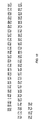
- a GLUT transporter intracellular retention signal comprises a sequence substantially identical to the amino acid sequence shown in Fig. 11 (SEQ ID NO: 7) or a retention signal fragment thereof.
- the application describes a GLUT4 intracellular retention signal.
- such an intracellular retention signal includes a sequence substantially identical to the amino acid sequence shown in Fig. 12 (SEQ ID NO: 7) or in SEQ ID NO: 8 or a GLUT4 intracellular retention signal fragment thereof.
- the intracellular retention signal consists of a leucine doublet at positions 10 and 11 of the amino acid sequence shown in Fig. 12 (SEQ ID NO:7) or in SEQ ID NO: 8.
- a substantially isolated polypeptide which is a fragment or analog of a GLUT4 intracellular retention signal including a domain capable of interacting with a mimetic or antagonist of insulin interaction or the insulin mediated signal transduction pathway is described
- an intracellular retention signal polypeptide having the amino acid formula: wherein A 1 is bonded to each R 1 and R 2 , and A 28 is bonded to each R 3 and R 4 ; wherein each R 1 , R 2 , R 3 , and R 4 , independently, is H, C 1 -C 12 alkyl (e.g., methyl), C 6 -C 18 aryl (e.g., phenyl, napthaleneacetyl), C 1 -C 12 acyl (e.g., formyl, acetyl, and myristoyl), C 7 -C 18 aralkyl (e.g., benzyl), or C 7 -C 18 alkaryl (e.g., p-methylphenyl) ; A 1 is Ser, Ala, Ile, or Val; A 2 is Ala, Ser, Ile, or Val; A 3 is Thr or Ala; A 4 is Phe, or Trp; A 5 is Arg, His or
- Examples of preferred polypeptides have the amino acid formula NH 2 -Ser-Ala-Thr-Phe-Arg-Arg-Thr-Pro-Ser-Leu-Leu-Glu-Gln-Glu-Val-Lys-Pro-Ser-Thr-Glu-Leu-Glu-Tyr-Leu-Gly-Pro-Asp-Glu-Asn-Asp-COOH (SEQ ID NO: 7) or NH 2 -Ser-Ala-Ala-Phe-His-Arg-Thr-Pro-Ser-Leu-Leu-Glu-Gln-Glu-Val-Lys-Pro-Ser-Thr-Glu-Leu-Glu-Tyr-Leu-Gly-Pro-Asp-Glu-Asn-Asp-COOH. (SEQ ID NO: 8)
- polypeptide including a GLUT transporter overexpression domain comprises a sequence substantially identical to the amino acid sequence shown in Fig. 10 (SEQ ID NO: 5) or an overexpression domain fragment thereof.
- the invention features substantially pure DNA which encodes a polypeptide of the invention, e.g, a chimeric GLUT transporter.
- the invention also features a vector including the substantially pure DNA and which is capable of directing the expression of the polypeptide encoded by the DNA in a vector-containing cell. Additionally, the invention features a cell which contains the substantially pure DNA, as well as a non-human transgenic animal (e.g., a mammal such as a mouse or a rat) which contains such DNA.
- a non-human transgenic animal e.g., a mammal such as a mouse or a rat
- the invention features a method of determining whether a candidate compound mimics or antagonizes the effects of insulin interaction or the insulin-mediated signal transduction pathway, the method comprising: (a) providing a transfected host cell comprising a nucleic acid sequence which encodes a chimeric GLUT transporter comprising a GLUT transporter polypeptide fused to a detectable polypeptide ,wherein said detectable heterologous polypeptide is inserted in an exofacial domain of the GLUT transporter and wherein said detectable heterologous polypeptide is an antibody epitope tag; (b) contacting the transfected host cell with the candidate compound; and (c) measuring the amount of the detectable polypeptide on the surface of the cell in the presence of the candidate compound, an increase or decrease in the polypeptide being indicative that the compound is a mimetic or antagonist of insulin interaction or the insulin-mediated signal transduction pathway, respectively.
- the invention features a method of determining whether a candidate compound mimics or antagonizes the effects of insulin interaction or the insulin-mediated signal transduction pathway, the method comprising: (a) providing a non-human transgenic animal comprising a nucleic acid sequence which encodes a chimeric GLUT transporter comprising a GLUT transporter polypeptide fused to a detectable polypeptide ,wherein said detectable heterologous polypeptide is inserted in an exofacial domain of the GLUT transporter and wherein said detectable heterologous polypeptide is an antibody epitope tag; (b) exposing (e.g., by intravenous or intramuscular injection, or by ingestion) said transgenic animal to the candidate compound; and (c) measuring the amount of the detectable polypeptide on the surface of a cell of said animal in the presence of the candidate compound, an increase or decrease in the polypeptide being indicative that the compound is a mimetic or antagonist of insulin interaction or the insulin-mediated signal transduction pathway, respectively
- the invention features a method of determining whether a candidate compound mimics or antagonizes the effects of a first chimeric receptor, the method comprising:
- the invention features a method of determining whether a candidate compound mimics or antagonizes the effects of a first chimeric receptor, the method comprising: (a) providing a non-human transgenic animal comprising a first and second nucleic acid sequence, wherein the first nucleic acid sequence encodes a first chimeric receptor comprising an exofacial domain of the first chimeric receptor capable of interacting with the candidate compound fused to the transmembrane domain and the cytoplasmic domain of an insulin receptor, and the second nucleic acid sequence encodes a second chimeric GLUT transporter comprising a GLUT transporter polypeptide fused to a detectable polypeptide ,wherein said detectable heterologous polypeptide is inserted in an exofacial domain of the GLUT transporter and wherein said detectable heterologous polypeptide is an antibody epitope tag; (b) exposing (e.g., by intramuscular or intravenous injection, or by ingestion) the transgenic animal to the
- the method comprising: (a) providing the intracellular retention signal polypeptide fused to a support; (b) contacting the retention signal with the candidate compound; and (c) measuring the amount of the candidate compound bound to the retention signal polypeptide, an increase or decrease in the binding of the compound being indicative that the compound is a mimetic or antagonist of insulin interaction, respectively.
- the intracellular retention signal is the GLUT4 intracellular retention signal (SEQ ID NO: 7 or SEQ ID NO: 8).
- substantially pure is meant that the chimeric GLUT transporter polypeptide provided by the invention is at least 60%, by weight, free from the proteins and naturally-occurring organic molecules with which it is naturally associated.
- the preparation is at least 75%, more preferably at least 90%, and most preferably at least 99%, by weight, chimeric GLUT transporter polypeptide.
- a substantially pure GLUT transporter polypeptide may be obtained, for example, by extraction from a natural source (e.g., a mammalian liver cell); by expression of a recombinant nucleic acid encoding a GLUT transporter polypeptide, or by chemically synthesizing the protein. Purity can be measured by any appropriate method, e.g., column chromatography, polyacrylamide gel electrophoresis, or HPLC analysis.
- polypeptide any chain of amino acids, regardless of length or post-translational modification (e.g., glycosylation)
- substantially identical is meant an amino acid sequence which differs only by conservative amino acid substitutions, for example, substitution of one amino acid for another of the same class (e.g., valine for glycine, arginine for lysine, etc.) or by one or more non-conservative substitutions, deletions, or insertions located at positions of the amino acid sequence which do not destroy the function of the protein or domain (assayed, e.g., as described herein).
- a "substantially identical" nucleic acid sequence codes for a substantially identical amino acid sequence as defined above.
- heterologous polypeptide any chain of amino acids regardless of length or post-translational modification which is capable of being assayed, e.g, by immunologic or colorimetric detection.
- heterologous is meant derived from a source other than the GLUT transporter to which the polypeptide is found.
- intracellular retention signal is meant a chain of amino acids which is capable of signalling a GLUT transporter polypeptide in whose sequence it is included to remain within a compartment found within a cell, e.g., the Golgi apparatus.
- substantially pure DNA DNA that is free of the genes which, in the naturally-occurring genome of the organism from which the DNA of the invention is derived, flank the gene.
- the term therefore includes, for example, a recombinant DNA which is incorporated into a vector; into an autonomously replicating plasmid or virus; or into the genomic DNA of a prokaryote or eukaryote; or which exists as a separate molecule (e.g., a cDNA or a genomic or cDNA fragment produced by PCR or restriction endonuclease digestion) independent of other sequences. It also includes a recombinant DNA which is part of a hybrid gene encoding additional polypeptide sequence.
- a x (e.g., A 1 ) and the like; and Ser, Leu and the like, as found in a peptide sequence infra , stands for amino acid residues, e.g., NH 2 -CH(R)-CO- when it is at the N-terminus, -CH(R)-COOH when it is at the C-terminus, or -NH-CH(R)- when it is at any other position.
- R is -CH 2 COOH for Asp
- R is -H for glycine
- R is -CH 2 OH for Ser.
- the invention provides new methodologies which afford direct, unambiguous assessment of glucose transporter proteins at the cell surface membrane in response to insulin receptor activity.
- Such a technique could be used in any number of ways; for example, to monitor a compound that mimics or antagonizes insulin interaction or the insulin mediated signal transduction pathway, i.e., insulin receptor or insulin.
- Glucose is a basic source of energy for mammalian cells whose metabolism provides ATP under both aerobic and anaerobic conditions.
- the transport of glucose across the plasma membrane is carried out by two gene families.
- This invention is concerned with the facilitative glucose transporter (GLUT) family of glucose carriers that are present on the surface of all cells.
- GLUT facilitative glucose transporter
- Insulin stimulation of adipose and muscle cells results in rapid and marked translocation of GLUT transporter proteins, e.g., the GLUT4 glucose transporter, to the cell surface.
- GLUT transporter proteins e.g., the GLUT4 glucose transporter
- This invention in general terms, consists of transfecting insulin-sensitive cells with a GLUT4 construct which contains an epitope tag in the extracellular domain.
- this invention can be used to screen for drugs which mimic the interaction of insulin.
- the invention can be used to screen for molecules which interact with other receptors. This can be achieved by co-expressing epitope tagged GLUT-4 with a chimeric receptor containing the extracellular domain of a given receptor fused to the transmembrane and intracellular domains of the insulin receptor.
- An additional component of the invention involves the identification of 30 amino acid sequence at the carboxy terminus of GLUT4 which functions as an intracellular retention signal in unstimulated cells. This retention signal functions on heterologous proteins, and thus, can be part of a reporter system for monitoring insulin receptor activity when coupled to an extracellular reporter protein.
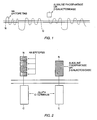
- the invention in general terms, involves the use of novel glucose transporter proteins that are encoded by cDNA constructs engineered to include a detectable protein (e.g. an antibody epitope such as the HA agglutinin or the c-myc epitope, or a protein domain useful in a colorimetric or flurometric assay such as ⁇ -galactosidase or luciferase, respectively) in an exofacial amino acid loop (see e.g., Fig. 1 ).
- a detectable protein e.g. an antibody epitope such as the HA agglutinin or the c-myc epitope, or a protein domain useful in a colorimetric or flurometric assay such as ⁇ -galactosidase or luciferase, respectively
- the functional domains of the GLUT transporter protein may be swapped with the domains of other members of the GLUT transporter family (see, e.g., Bell et al., 1993) in order to produce detectable chimeric GLUT transporters having novel properties as described below.
- Construction of such chimeric GLUT transporter fusion genes is carried out by standard techniques of molecular biology. Additionally, construction of suitable vectors containing the desired coding and control sequences employs standard techniques that are well understood in the art. Thus, isolated plasmids, DNA sequences, or synthesized oligonucleotides are cleaved, tailored, and religated in the form desired.
- DNA sequences encoding natural GLUT transporter polypeptides are well known in the art (see, e.g., Mueckler et al., 1985. Science 229:941-945 ; Birnbaum et al., 1986. Proc. Natl. Acad. Sci. 83:5784-5799 ; Asano et al. 1988. Biochem. Biophys. Res. Commun. 154:1204-1211 ; Thorens et al. 1988. Cell 55:281-290 ; Kayano et al., 1988. J. Biol. Chem. 263:15245-15248 ; James et al., 1989.
- Any suitable detectable reporter gene whose expression may be assayed can, if desired, be used for constructing a chimeric GLUT transporter polypeptide.
- Such genes include, without limitation, antibody epitopes, e.g., HA hemagglutinin and c-myc epitope (see, e.g., Kansai et al., 1993. J. Biol Chem.
- tagging method is not limited to tags such as antibody epitopes, but also includes protein domains whose function is capable of being assayed (e.g., those described supra ).
- the engineered chimeric GLUT transporter fusion gene is expressed in an appropriate host cell or organism.
- Methods for transfecting a variety of host cells e.g., prokaryotic, yeast, insect and mammalian cells
- transgenic animals see e.g., Leder et al. USPN 4,736,866 and Leder et al. USPN 5,175,383 .
- the newly inserted sequences serve as detectable markers on the surface of cells that display the glucose transporter proteins in response to insulin receptor action.
- Chimeric GLUT transporters can be modified in any number of ways by incorporating additional features of the invention as described below.
- the GLUT1(1-53) (SEQ. ID NO: 5) sequence may be included in any chimeric GLUT transporter fusion gene (see e.g., Fig 10 ).
- the N-terminal 53 amino acids from the GLUT1 glucose transporter protein onto the GLUT4 transporter protein cDNA sequence much higher expression levels of the GLUT4 transporter protein was observed in COS cells.
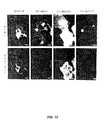
- the chimera protein not only expresses in cells at high levels, but also displays an intracellular localization characteristic of the native GLUT4 protein.
- this exofacial GLUT1/GLUT4 chimera tagged with the HA agglutinin represents a glucose transporter protein that can be readily transfected into a variety of cell types with resultant high expression level of protein and easily assessed for its presence on the cell membrane by HA antibody, and behaves like the normal insulin-responsive glucose transporter protein, GLUT4, in its overall membrane trafficking. Accordingly, fragments or analogs of the overexpression domain may be prepared and tested using the assays described herein, as well as according to methods well known in the art.
- this retention signal acts not only on GLUT4, but can also confer to the GLUT1 protein an intracellular localization, reveals the use of this 30 amino acid structure in the construction of other reporters for insulin action.
- cDNA constructs engineered to contain a reporter epitope on an exofacial portion (HA epitope, or other reporter protein component), a transmembrane domain, and an intracellular portion containing the 30 amino acid retention signal could be used for rapid and efficient reporting of the insulin receptor signal in 3T3-L1 adipocytes, L6 myotubes in culture, or in fat or muscle cells from transgenic animals containing this construct.
- this 30 amino acid retention signal can serve, if desired, as part of an efficient biological reporter system (intracellular domain moving to cell surface domain) when coupled to an extracellular reporter polypeptide or protein in response to insulin receptor activity (see Fig. 4 for possible reporter constructs). Accordingly, fragments or analogs of the intracellular retention signal may be prepared and tested using the assays described herein, as well as according to methods well known in the art.
- a chimeric GLUT transporter in cultured cells highly responsive to insulin provides a highly sensitive assay for insulin action (e.g., by using an anti-HA antibody to detect cell surface chimeric GLUT transporter proteins tagged with the HA hemagglutinin epitope) in response to insulin.
- this method involves reacting intact cells (unstimulated or stimulated with insulin) with anti-HA antibody, then measuring the amount of antibody bound by second antibody that is labeled or conjugated to a reporter molecule.
- exofacial-tagged 1(1-53)/4 transporter protein in intact animals using transgenic technology would allow isolated fat cells or muscle to be rapidly screened for drugs that mimic or inhibit insulin action on glucose transporters using anti-HA antibody.
- Different antibodies could be made of very high affinity against other potential epitopes to be used in this system.
- the exofacial-tagging method is not restricted to antibody epitopes, but could include other protein domains that act as readouts (e.g., galactosidase, alkaline phosphatase, etc.) by virtue of their enzymatic activity.
- the exofacial loop of the GLUT4 cDNA would be fused with that encoding the reporter protein.
- a color reaction could be used as an assay reporting the cell surface localization of this region of the transporter upon insulin stimulation (see e.g., Fig. 1 ).
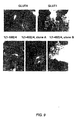
- a chimeric insulin receptor system with a detectably-tagged chimeric GLUT transporter (see e.g., Fig. 3 ).
- fusion genes encoding chimeric receptor proteins can be constructed which include the extracellular portions of a receptor of interest and the transmembrane and cytoplasmic portions of the insulin receptor.
- the cytoplasmic signaling domain of one receptor e.g., the insulin receptor
- the insulin receptor can be activated by the ligand for another receptor when the exofacial portion of that latter receptor is joined to the former in a chimera receptor structure.
- chimera receptors where the cytoplasmic protein is from the insulin receptor and the extracellular portion is from a different receptor would respond to a ligand for the latter with increased glucose transporter translocation to the cell surface.
- receptor exofacial domains that could be fused with the ⁇ subunit portion of the insulin receptor include, without limitation, the EGF receptor tyrosine kinase, the PDGF receptor tyrosine kinase, the FGF receptor tyrosine kinase, the CSF receptor tyrosine kinase, IL-2 receptor, IL-4 receptor, IL-6 receptor, activin receptor and transforming growth factor receptors, and growth hormone receptor.
- the invention includes cells in culture or cells from transgenic animals containing both a reporter GLUT transporter construct of the type described in the above paragraph as well as a chimera insulin receptor ( Fig. 3 ).
- Polypeptides according to the invention may be produced by transformation of a suitable host cell with all or part of a chimeric GLUT transporter-encoding cDNA fragment (e.g., the cDNAs described above), or a portion of a GLUT transporter (e.g., the intracellular retention signal or the overexpression domain) in a suitable expression vehicle.
- a suitable host cell with all or part of a chimeric GLUT transporter-encoding cDNA fragment (e.g., the cDNAs described above), or a portion of a GLUT transporter (e.g., the intracellular retention signal or the overexpression domain) in a suitable expression vehicle.
- the chimeric GLUT transporter may be produced in a prokaryotic host (e.g., E. coli) or in a eukaryotic host (e.g., Saccharomyces cerevisiae or mammalian cells, e.g., COS 1, NIH 3T3, and JEG3 cells).
- a prokaryotic host e.g., E. coli
- a eukaryotic host e.g., Saccharomyces cerevisiae or mammalian cells, e.g., COS 1, NIH 3T3, and JEG3 cells.
- Such cells are available from a wide range of sources (e.g., the American Type Culture Collection, Rockland, MD; also, see, e.g., Ausubel et al., Current Protocols in Molecular Biology, John Wiley & Sons, New York, 1989 ).
- the method of transfection and the choice of expression vehicle will depend on the host system selected. Transformation and transfection methods are described, e.g., in Ausubel et al. (Current Protocols in Molecular Biology, John Wiley & Sons, New York, 1989 ); expression vehicles may be chosen from those provided, e.g., in Cloning Vectors: A Laboratory Manual (P.H. Pouwels et al., 1985, Supp. 1987 ).
- pMAMneo provides: an RSV-LTR enhancer linked to a dexamethasone-inducible MMTV-LTR promoter, an SV40 origin of replication which allows replication in mammalian systems, a selectable neomycin gene, and SV40 splicing and polyadenylation sites.
- DNA encoding a chimeric GLUT transporter would be inserted into the pMAMneo vector in an orientation designed to allow expression.
- the recombinant transporter protein would be isolated, if desired, as described below.
- Other preferable host cells which may be used in conjunction with the pMAMneo expression vehicle include COS cells and CHO cells (ATCC Accession Nos. CRL 1650 and CCL 61, respectively).
- a chimeric GLUT transporter is produced by a stably-transfected mammalian cell line.
- Cells expressing detectably-tagged chimeric GLUT transporter proteins are used, e.g., to screen for antagonists which disrupt an insulin receptor interaction or agonists which mimic an insulin receptor interaction ( infra ).
- cells expressing detectably-tagged chimeric GLUT transporter proteins are used, e.g., to screen for antagonists which disrupt a chimeric insulin receptor interaction or agonists which mimic a chimeric insulin receptor interaction ( infra ).
- cDNA encoding the chimeric GLUT transporter is cloned into an expression vector which includes the dihydrofolate reductase (DHFR) gene. Integration of the plasmid and, therefore, the chimeric GLUT transporter-encoding gene into the host cell chromosome is selected for by inclusion of 0.01-300 ⁇ M methotrexate in the cell culture medium (as described in Ausubel et al., supra ).
- DHFR dihydrofolate reductase
- DHFR-mediated amplification of the transfected gene can be increased by DHFR-mediated amplification of the transfected gene.
- Methods for selecting cell lines bearing gene amplifications are described in Ausubel et al. ( supra ); such methods generally involve extended culture in medium containing gradually increasing levels of methotrexate.
- DHFR-containing expression vectors commonly used for this purpose include pCVSEII-DHRF and pAdD26SV(A) (described in Ausubel et al., supra).
- Any of the host cells described above or, preferably, a DHFR-deficient CHO cell line e.g., CHO DHFR-cells, ATCC Accession No. CRL 9096 are among the host cells preferred for DHFR selection of a stably-transfected cell line or DHFR-mediated gene amplification.
- a binding site e.g., the HA agglutinin epitope site infra
- an anti-GLUT transporter antibody e.g., an antibody produced according to standard methods known in the art
- Lysis and fractionation of chimeric GLUT transporter-harboring cells prior to affinity chromatography may be performed by standard methods (see, e.g., Ausubel et al., supra).
- the recombinant protein can, if desired, be further purified, e.g., by high performance liquid chromatography (see, e.g., Fisher, Laboratory Techniques In Biochemistry And Molecular Biology, eds., Work and Burdon, Elsevier, 1980).
- Polypeptides described herein can also be produced by chemical synthesis (e.g., by the methods described in Solid Phase Peptide Synthesis, 2nd ed., 1984 The Pierce Chemical Co., Rockford, IL).
- one aspect of the invention features screening for compounds that agonize the interaction between insulin and the insulin receptor (or between a chimeric insulin receptor such as a chimeric EGF:insulin receptor supra) or the cascade of events that are normally mediated by that interaction.
- This screen requires recombinant cells expressing a suitable chimeric GLUT transporter (or a suitable transporter fragment or analog, as outlined above) configured to permit detection of binding.
- a candidate agonist is added to the NIH 3T3 cells stably expressing recombinant transporter (e.g., 1(1-53)/4 and 12CA5 antibody levels are measured (infra).
- An agonist or mimetic useful in the invention is one which imitates the normal insulin-mediated signal transduction pathway, e.g., one which promotes an increase in expression of GLUT transporter levels.
- the screen requires recombinant cells expressing both a suitable chimeric GLUT transporter (or a suitable transporter fragment or analog, as outlined above) and a chimeric insulin receptor (as described supra, e.g., an EGF receptor:insulin receptor chimera or an IL-6 receptor:insulin receptor chimera) configured to permit detection of binding.
- a candidate agonist is added to the NIH 3T3 cells stably expressing both the recombinant GLUT transporter (e.g., 1(1-53)/4) and the chimeric EGF receptor:Insulin receptor, and HA agglutinin levels are measured (as infra).
- An agonist or mimetic useful in the invention is one which imitates the normal insulin-mediated signal transduction pathway upon stimulation of the extracellular EGF receptor portion, e.g., one which promotes an increase in expression of GLUT transporter levels.
- any candidate antagonist compound may be assayed by any standard method, e.g., by contacting cell with insulin and the candidate anatagonist and monitoring the induction of a chimeric GLUT transporter polypeptide.
- An antagonist useful in the invention is one which reduces the normal insulin-mediated signal transduction pathway upon stimulation of the insulin pathway, e.g., one which promotes a decrease in expression of GLUT transporter levels.
- a candidate antagonist to any receptor could be evaluated using the insulin receptor chimeras describe supra.
- a antagonist in the invention is one which reduces the normal insulin-mediated signal transduction pathway upon stimulation of the extracellular receptor portion of the insulin receptor chimera, e.g., one which promotes a decrease in expression of GLUT transporter levels.
- the 30 amino acid C-terminal domain of GLUT4 is a targeting signal to retain GLUT4 in an intracellular compartment suggests that such sequence is responsive to insulin and, therefore, provides a drug target.
- the use of the GLUT4 C-terminal sequence or a bacterial fusion protein containing this sequence for the purpose of screening compounds that have the capability of binding the GLUT4 C-terminal sequence could lead to identifying such a compound.
- the portion of the GLUT4 C-terminal region may be immobilized by reacting a synthesized polypeptide (supra) with a support, e.g., agarose.
- the intracellular retention signal ( Figs.
- a x e.g., A 1
- Ser, Leu and the like as found in a peptide sequence infra , stands for amino acid residues, e.g., NH 2 -CH(R)-CO- when it is at the N-terminus, -CH(R)-COOH when it is at the C-terminus, or -NH-CH(R)- when it is at any other position.
- R is -CH 2 COOH for Asp
- R is -H for glycine
- R is -CH 2 OH for Ser.
- a fusion protein containing the C-terminal region of GLUT4 can be immobilized on a support, e.g., agarose beads.
- a support e.g., agarose beads.
- the compounds to be screened are reacted with the immobilized peptide, and the unreacted material washed away.
- compounds Upon analysis of compounds that bind to the C-terminal peptide region of GLUT4, compounds could be isolated that have high binding affinities.
- Such compounds could then be tested for the ability to compete with the endogenous receptor for this C-terminal GLUT4 peptide by using the cell systems described above (e.g, 3T3-L1 or L6 myotubes) that harbor the exofacial HA-epitope tag GLUT4 or chimeric constructs.
- Compounds that render an HA-tagged GLUT transporter protein to move to the cell surface are potential drug candidates.
- HA hemagglutinin
- COS-7 and CHO-K1 cells were obtained from American Type Culture Collection (Rockville, MD). Media, trypsin, antibiotics, and G418 were from GIBCO/BRL (Gaithersburg, MD) and FBS was purchased from Upstate Biotechnology, Inc. (Lake Placid, NY).
- COS-7 cells were maintained in DME with 10% FBS, 50 U/ml penicillin, and 50 mg/ml streptomycin in a 37°C humidified CO 2 incubator. The cells were subcultured before reaching confluence.
- CHO-K1 cell lines were maintained in Ham's F-12 medium with 10% FBS, 50 U/ml penicillin, and 50 mg/ml streptomycin in a 37°C humidified CO 2 incubator.
- the HA tag was inserted in the NH 2 terminus or exofacial loop of GLUT1 and GLUT4 using oligonucleotides encoding the sequences detailed below and having convenient restriction sites on the ends such that the tag could be inserted at the desired position in the protein.
- HA tag insertions were carried out in subcloned fragments of the cDNA and the full length regenerated after insertions of the tag was confirmed by sequencing.
- GLUT1 N has the sequence YPYDVPDYA (SEQ ID NO:3) inserted after the first methionine.
- GLUT4 N has the sequence AYPYDVPDYA (SEQ ID NO: 2) inserted after the first methionine.
- Exofacially tagged chimera transporters containing GLUT1 sequences in the NH 2 terminus have the sequence IDYPYDVPDYA (SEQ ID NO: 1) inserted between amino acids 53 and 54, in the predicted first exofacial loop (GLUT1 X).
- Transporters with GLUT4 NH 2 termini have the sequence IDYPYDVPDYA (SEQ ID NO: 1) inserted between amino acids 83 and 84 (GLUT4 X). Domain switches were detailed in the legend of Fig. 4 .
- the construct 1(1-462)/4LL was made in the following manner. Oligonucleotides corresponding to the amino acids 480-509 of GLUT4 containing the mutations to change L489 and L490 to alanine residues were synthesized. The double stranded oligonucleotide fragment was cloned into the Bg1II-Sa1I site of the original 1(1-462)/4 construct in pUC19. The mutated construct was then transferred to the expression vector pCMV5. Construct 1(1-462)/4Y was made by truncating the original 1(1-462)/4 construct at amino acid 503 in the following way.
- a double stranded oligonucleotide corresponding to amino acids 480-503 of GLUT4 was inserted at Bg1II and Sa1I of the original 1(1-462)/4 construct in pUC19.
- the new construct was transferred to pCMV5.
- COS-7 cells were seeded at 100,000 cells per 22-mm round glass coverslip and transfection of HA epitope-tagged chimera transporter cDNAs was performed by the calcium phosphate precipitation method as described ( Gorman, 1985. In DNA Cloning. DM Glover, ed., IRL Press, Oxford, Vol II, 143-190 )) or by the use of the lipofection reagent DOTAP (Boehringer Mannheim Biochemicals) according to the recommended protocol. Cells were analyzed by immunofluorescence 48 h later.
- Subconfluent CHO-K1 cells were co-transfected with pRSVneo and chimera transporter cDNAs by the calcium phosphate method described. G-418 resistant colonies were picked with the use of cloning cylinders and expanded. Positive cell lines were identified using immunofluorescence with anti-HA or anti-GLUT4 antibodies. Expression was confirmed by Western blotting of total cellular membranes.
- COS-7 cells were washed three times in PBS (171 mM NaCl, 10 mM Na 2 HPO4, 3.3 mM KCL, 1.8 mM KH 2 PO4) fixed for 10 min at room temperature in 4% formaldehyde in PBS and rewashed three times in PBS. The fixed cells were then incubated with PBS containing 1% FBS and anti-HA antibody (mouse monoclonal 12CA5; BAbCO) diluted 1:1,000, for 2-3 h at room temperature. The cells were washed and bound primary antibody was detected with FITC-coupled goat anti-mouse IgG for 30 min at room temperature.
- the cells were postfixed with 4% formaldehyde in PBS for 5 min at room temperature. Cells were then permeabilized by incubating with PBS containing 1% FBS and 0.5% Triton X-100 for 30 min at room temperature. Cells were then incubated with a 1:1,000 dilution of either rabbit anti-GLUT4 IgG (R1288) or monoclonal anti-HA antibody (12CA5) depending on the COOH-terminal structure of the chimera for 18 h at 4°C. The cells were again washed, and bound primary antibodies detected with a 1:1,000 dilution of rhodamine-coupled goat anti-rabbit or anti-mouse IgG (Tago, Inc., Burlingame, CA). The cells were thoroughly washed and the coverglasses were mounted in 90% glycerol + 2.5 % DABCO.
- CHO-K1 cells were analyzed by immunofluorescence essentially as described above, except that the cells on coverslips were permeabilized directly after fixation and total cellular staining was detected with anti-HA antibody or anti-GLUT4 antibody (R1288) as necessary. Primary antibodies were detected with FITC-conjugated goat anti-mouse or goat anti-rabbit second antibodies as above.
- Monoclonal antibody (12CA5) purchased from Babco and IgG fraction was purified according to standard methods. 75 ⁇ g of the anti-HA IgG was iodinated using a lactoperoxidase kit (ICN) according to manufacturer's instructions.
- ICN lactoperoxidase kit
- Cells were grown to 80% confluence in 24 well dishes. Cells were equilibrated in Buffer A (serum-free F12 media) for 30 minutes at 37°C. The buffer was then replaced with ice-cold Buffer A containing 30 ⁇ g/ml anti-HA IgG and 10 6 cpm of 125 I-anti-HA IgG. The plates were incubated at 4°C for 1 hour, then washed several times with ice-cold Buffer A. The cells were then incubated with Buffer A at 37°C for 2-10 minutes.
- Buffer A serum-free F12 media
- cDNA constructs encoding HA-tagged GLUT1, GLUT4, and the GLUT1/GLUT4 chimera transporters were prepared as depicted schematically in Fig. 4 .
- DNA encoding the nine amino acid HA epitope sequence YPYDVPDYA (SEQ ID NO:2) was inserted into the GLUT1 exofacial loop or into the GLUT4 exofacial loop.
- Chimera GLUT1/GLUT4 cDNA constructs containing these exofacial loop HA inserts were then engineered as indicated.
- GLUT1 and GLUT4 constructs were then prepared containing HA epitope tags at their NH 2 termini, which are predicted to extend into the cytoplasmic domain (GLUT1 N AND GLUT4 N in Fig. 4 ).
- the cDNA constructs were then ligated into the expression vector pCMV and expressed in COS-7 cells (see Figs. 5-9 ). Some of these constructs were also stably transfected into CHO cells (see Fig. 9 ). Insertion of the HA epitope into the GLUT1 structure at either the NH 2 terminus or exofacial loop did not disrupt function because CHO cells overexpressing these proteins exhibited the expected increase in glucose transport activity.
- Fig. 4 summarizes the cellular distributions observed with these expressed constructs, as described in detail below.
- HA-tagged glucose transporter proteins depicted in Fig. 4 were transiently expressed in COS-7 cells.
- the cell surface concentration of each construct was analyzed by immunofluorescence microscopy of non-permeabilized cells using a monoclonal anti-HA epitope antibody (12CA5) followed by a FITC-coupled anti-mouse secondary antibody. Subsequently, the cellular localizations of all expressed transporters in the same cells was determined by permeabilization with 0.5% Triton X-100, a second exposure to the same primary antibody, and then incubation with a rhodamine-coupled anti-mouse secondary antibody.
- FIG. 5 shows the expected divergent cellular disposition of the NH 2 -terminal (GLUT4 N) and exofacial (GLUT4 X) HA-tagged native GLUT4 vs. the NH 2 -terminal GLUT1 N) and exofacial (GLUT1 X) HA-tagged native GLUT1 in fixed, permeabilized COS-7 cells (top).
- GLUT4 N and GLUT4 X exhibit a highly concentrated perinuclear localization, whereas GLUT1 N and GLUT1 X are readily detected at the cell border as well as in the perinuclear region.
- the Variable COOH-terminal Cytoplasmic Domain is a Major Determinant of Glucose Transporter Localization
- Fig. 7 depicts the results of experiments in which the cell surface concentration of transporters was analyzed in COS-7 cells expressing either high or low amounts of total heterologously expressed transporter protein.
- Cells were chosen based on their immunofluorescence intensity after permeabilization and staining with 12CA5 and rhodamine-tagged anti-mouse Ig.
- the cell surface concentration of HA-tagged transporter was then determined by visualizing fluorescence from the FITC-labeled anti-Ig antibody, which reflects the anti-HA antibody bound to cells before permeabilization.
- COS-7 cells expressing low amounts of HA-tagged transporter protein showed completely intracellular distributions of GLUT4 X (1[1-462/4, 1[1-199/4, or 1[1-53/4]), as assessed by the lack of FITC staining.
- cell surface GLUT1 X was readily observed under these conditions ( Fig. 7 , panels SURFACE, low). The results confirm those of Fig. 6 , and reinforce the lack of detectable influence of extreme NH 2 -terminal sequences in governing intracellular localization (constructs 1[1-53]/4 vs. GLUT4 X).
- Fig. 7 shows that the extreme NH 2 -terminal residues of GLUT4 fail to effect membrane distribution of this transporter protein.
- Experiments were also undertaken to examine the possible influence of the major GLUT4 intracellular loop on cellular localization of glucose transporters.
- a GLUT1 construct (1/M4) with this GLUT4 middle loop substitution was expressed in COS-7 cells and found to distribute in a manner identical to native GLUT1 when probed with 12CA5 antibody following fixation and permeabilization of the cells ( Fig. 8 , panel TOTAL). Cell surface display of this chimera was confirmed by detection of intense fluorescence images when non-permeabilized COS-7 cells were analyzed ( Fig. 8 , panel SURFACE).
- CHO cells were stably transfected with native GLUT1, GLUT4 constructs, GLUT1 X and GLUT4 N, chimera 1(1-199)/4 depicted in Fig. 4 in order to evaluate role of the COOH-terminal tail domain of transporter proteins in membrane trafficking.
- Stably transfected cell lines expressing a chimera 1(1-462)/4 containing GLUT1 sequences except for the 30 amino acid COOH-terminal GLUT4 domain substitution (as in Fig. 4 but without the HA tag) were also developed.
- exofacial HA epitope-tagging method used here also reveals major limitations in the use of standard immunofluorescence microscopy for assessing cell surface proteins. Antibody staining in regions near the cell periphery can be easily mistaken for actual cell surface localization. For example, high levels of expression of chimera 1(1-53)/4 in permeabilized COS-7 cells causes intense staining with the 12CA5 antibody extending to areas along the plasma membrane ( Fig. 7 , panel TOTAL, high). However, in non-permeabilized COS-7 cells transfected with this construct, no cell surface binding to anti-HA antibody is detected.
- 1(1-462)/4 transporter which displays a similar staining pattern to 1(1-53)/4 in permeabilized COS-7 cells, is readily detected in non-permeabilized cells as well ( Fig. 7 ).
- the HA-tagging method is able to document plasma membrane localization of transporter constructs even when this is difficult by the standard immunofluorescence microscopy techniques used by other investigators.
- GLUT4 COOH-terminal 30 amino acid domain As a signal for intracellular localization, the present studies focused on glucose transporter chimeras in which this GLUT4 COOH-terminal domain is substituted onto GLUT1 ( Fig. 12 , Panel A [1]).
- the chimera denoted 1(1-462)/4 contains native sequences of human GLUT1 residues (1-462) and the rat GLUT4 COOH-terminus (residues 480-509), and has previously been shown to display a GLUT4-like perinuclear disposition when expressed in COS-7 or CHO cells (supra).
- native GLUT1 is primarily a cell surface protein.
- the native chimera (1(1-462/4) and double leucine mutant (1(1-462)/4LL) constructs depicted in Fig. 12 encode functional transporter proteins because their overexpression in stably transfected CHO cells confers several-fold increases in glucose transport activity to these cell lines.
- the exofacial HA-tagged constructs depicted in Fig. 12A were transiently expressed in COS-7 cells ( Fig. 13 ).
- the cell surface concentration of each construct was analyzed by immunofluorescence microscopy of non-permeabilized cells using a monoclonal anti-HA epitope antibody (12CA5) followed by a FITC-coupled anti-mouse immunoglobulin secondary antibody.
- Fig. 13 shows that at similar levels of cellular expression, much higher levels of GLUT1 X are detected at the cell surface compared to the 1(1-462)/4 construct, confirming our previous findings that the GLUT4 COOH-terminus confers an intracellular disposition.
- mutation of the double leucines in this construct to alanines construct 1(1-462)/4LL in Fig.
- CHO cells stably transfected with GLUT1 X, 1(1-462)/4 or 1(1-462)/4LL were fixed, permeabilized, and analyzed with anti-HA antibody and an anti-GLUT4 COOH-terminal peptide antibody.
- GLUT1 X protein exhibited a dispersed pattern of anti-HA immunoreactivity, with high intensity at cell borders characteristic of its cell surface concentration. As expected, these same cells were devoid of anti-GLUT4 antibody-mediated immunofluorescence ( Fig. 14 , top panel).
- the chimera containing the native GLUT4 COOH-terminal region was largely restricted to a perinuclear localization when permeabilized cells were probed with either anti-HA (lower panel) or anti-GLUT4 (top panel) antibodies.
- mutation of the double leucines 489 and 490 to alanines caused reversion of this distribution to a GLUT1 X-like, cell surface phenotype, as evidenced by probing with either antibody ( Fig. 14 ).
- Quantification of data obtained from other experiments on CHO cells (not shown) for SURFACE/TOTAL values also confirmed similarly increased cell surface content of GLUT1 X and 1(1-462)/4LL over 1(1-462)/4.
- Antibody 12CA5 labeled with 125 I was incubated with stably transfected CHO cells expressing transporter proteins GLUT1 X, 1(1-462)/4 or 1(1-462)/4LL for 1 hour at 4° to bind cell surface transporters. Unbound antibody was washed away and cells were incubated at 37° for various times (2-10 min) to allow endocytosis to proceed. The amount of 12CA5 antibody remaining on the cell surface at each time point was removed by acid washing, and quantified. The amount of internalized radioactivity still associated with the cells was also determined.
- GLUT4 COOH-terminus contains a signal for internalization, and suggests that the predominantly intracellular localization of GLUT4 is the result of efficient retrieval from the plasma membrane.
- an alternative possibility could be that GLUT4 is targeted to two different cellular compartments, one being the endocytic pathway and another being a specialized intracellular storage pool which keeps the transporter sequestered from the plasma membrane.
- Transfected COS-7 cells producing 1(1-462)/4 chimera protein were incubated with the anti-HA antibody for 60 min followed by washing, fixation, permeabilization and probing with FITC-anti-mouse immunoglobulin antibody. After this treatment, the same cells were incubated with anti-GLUT4 antibody followed by rhodamine-labeled anti-rabbit immunoglobulin antibody to visualize the cellular distribution of the total pool of chimera transporter proteins.
- Three dimensional images of the total pool of transporters two representative fields visualized in red in left panels of Fig. 18
- of the fluorescein signal associated with transporters internalized during the 60 min incubation (visualized in green in the middle panels, of Fig. 18 ) were generated. Areas of co-localization of rhodamine-based and fluorescein-based signals observed after overlapping both images are displayed in white (right panels of Fig. 18 ).
- Polypeptides described here include the chimeric GLUT transporter polypeptides depicted in Fig. 4 , Fig. 10 (SEQ ID NO: 5), Figs. 11 and 12 (SEQ ID NO: 7), and SEQ ID NO: 8
- Specific chimeric GLUT transporter polypeptide include full-length or partial polypeptides including an amino acid sequence which differs only by conservative amino acid substitutions, for example, substitution of one amino acid for another of the same class (e.g., valine for glycine, arginine for lysine, etc.) or by one or more non-conservative amino acid substitutions, deletions, or insertions located at positions of the amino acid sequence which do not destroy the polypeptides ability to serve as a detectably-tagged polypeptide; or to promote overexpression and intracellular retention (as assayed supra).
- conservative amino acid substitutions for example, substitution of one amino acid for another of the same class (e.g., valine for glycine, arginine for lysine, etc.) or by one or more non-conservative amino acid substitutions, deletions, or insertions located at positions of the amino acid sequence which do not destroy the polypeptides ability to serve as a detectably-tagged polypeptide; or to promote
- Analogs also include polypeptides which are modified for the purpose of increasing peptide stability; such analogs may contain, e.g., one or more desaturated peptide bonds or D-amino acids in the peptide sequence or the peptide may be formulated as a cyclized peptide molecule.
Landscapes
- Health & Medical Sciences (AREA)
- Life Sciences & Earth Sciences (AREA)
- Chemical & Material Sciences (AREA)
- Engineering & Computer Science (AREA)
- Immunology (AREA)
- Biomedical Technology (AREA)
- Molecular Biology (AREA)
- Biochemistry (AREA)
- Organic Chemistry (AREA)
- Urology & Nephrology (AREA)
- General Health & Medical Sciences (AREA)
- Hematology (AREA)
- Medicinal Chemistry (AREA)
- Toxicology (AREA)
- Tropical Medicine & Parasitology (AREA)
- Genetics & Genomics (AREA)
- Zoology (AREA)
- Bioinformatics & Cheminformatics (AREA)
- Endocrinology (AREA)
- Diabetes (AREA)
- Gastroenterology & Hepatology (AREA)
- Biotechnology (AREA)
- Cell Biology (AREA)
- Proteomics, Peptides & Aminoacids (AREA)
- Microbiology (AREA)
- Biophysics (AREA)
- Food Science & Technology (AREA)
- Physics & Mathematics (AREA)
- Analytical Chemistry (AREA)
- General Physics & Mathematics (AREA)
- Pathology (AREA)
- Peptides Or Proteins (AREA)
- Micro-Organisms Or Cultivation Processes Thereof (AREA)
Claims (18)
- Transporteur GLUT chimérique comprenant un polypeptide transporteur GLUT fusionné à un polypeptide hétérologue détectable, dans lequel ledit polypeptide hétérologue détectable est inséré dans un domaine exofacial du transporteur GLUT, où ledit polypeptide hétérologue détectable est un marqueur d'épitope d'anticorps.
- Transporteur chimérique selon la revendication 1, dans lequel ledit transporteur GLUT est choisi dans le groupe constitué de GLUT1, GLUT2, GLUT3, GLUT4, et GLUT5.
- Transporteur GLUT chimérique selon la revendication 1, dans lequel ledit polypeptide hétérologue détectable est un marqueur d'épitope d'anticorps choisi parmi l'épitope de l'hémagglutinine (HA) et l'épitope de c-myc.
- Transporteur GLUT chimérique selon la revendication 1, dans lequel ledit polypeptide transporteur comprend un signal de rétention intracellulaire.
- Transporteur GLUT chimérique selon la revendication 1, dans lequel ledit polypeptide transporteur comprend la séquence d'acides aminés de SEQ ID NO:5.
- Polypeptide selon la revendication 4, dans lequel ledit signal de rétention intracellulaire comprend la séquence d'acides aminés de SEQ ID NO:7.
- ADN substantiellement pur qui code pour le transporteur GLUT chimérique selon la revendication 1.
- Vecteur comprenant l'ADN selon la revendication 7, ledit vecteur étant capable de diriger l'expression du polypeptide codé par ledit ADN dans une cellule contenant le vecteur.
- Cellule qui contient l'ADN selon la revendication 7.
- Animal transgénique non humain qui contient l'ADN selon la revendication 7.
- Animal transgénique non humain selon la revendication 10, dans lequel ledit animal est un mammifère.
- Animal transgénique non humain selon la revendication 11, dans lequel ledit mammifère est une souris ou un rat.
- Méthode pour déterminer si un composé candidat mime ou antagonise les effets de l'insuline, ladite méthode comprenant :(a) la fourniture d'une cellule hôte transfectée comprenant une séquence d'acide nucléique qui code pour un transporteur GLUT chimérique comprenant un polypeptide transporteur GLUT fusionné à un polypeptide détectable, où ledit polypeptide hétérologue détectable est inséré dans un domaine exofacial du transporteur GLUT, et où ledit polypeptide hétérologue détectable est un marqueur d'épitope d'anticorps ;(b) la mise en contact de ladite cellule hôte transfectée avec ledit composé candidat ; et(c) la mesure de la quantité dudit polypeptide détectable sur la surface de ladite cellule en présence dudit composé candidat, une augmentation ou une diminution dudit polypeptide étant le signe que ledit composé est respectivement un mimétique ou un antagoniste des effets de l'interaction de l'insuline.
- Méthode pour déterminer si un composé candidat mime ou antagonise les effets de l'insuline, ladite méthode comprenant :(a) la fourniture d'un animal transgénique non humain comprenant une séquence d'acide nucléique qui code pour un transporteur GLUT chimérique comprenant un polypeptide transporteur GLUT fusionné à un polypeptide détectable, où ledit polypeptide hétérologue détectable est inséré dans un domaine exofacial du transporteur GLUT, et où ledit polypeptide hétérologue détectable est un marqueur d'épitope d'anticorps ;(b) l'exposition dudit animal transgénique audit composé candidat ; et(c) la mesure de la quantité dudit polypeptide détectable sur la surface d'une cellule dudit animal en présence dudit composé candidat, une augmentation ou une diminution dudit polypeptide étant le signe que ledit composé est respectivement un mimétique ou un antagoniste des effets de l'interaction de l'insuline.
- Méthode pour déterminer si un composé candidat mime ou antagonise les effets d'un premier récepteur chimérique, ladite méthode comprenant :(a) la fourniture d'une cellule hôte transfectée comprenant une première et une deuxième séquences d'acide nucléique, où ladite première séquence d'acide nucléique code pour un premier récepteur chimérique comprenant un domaine exofacial du premier récepteur chimérique capable de se lier audit composé candidat fusionné au domaine transmembranaire et au domaine cytoplasmique d'un récepteur de l'insuline, et ladite deuxième séquence d'acide nucléique code pour un deuxième transporteur GLUT chimérique comprenant un polypeptide transporteur GLUT fusionné à un polypeptide détectable, où ledit polypeptide hétérologue détectable est inséré dans un domaine exofacial du transporteur GLUT, et où ledit polypeptide hétérologue détectable est un marqueur d'épitope d'anticorps ;(b) la mise en contact de ladite cellule hôte transfectée avec ledit composé candidat ; et(c) la mesure de la quantité dudit polypeptide détectable sur la surface de ladite cellule en présence dudit composé candidat, une augmentation ou une diminution dudit polypeptide étant le signe que ledit composé est respectivement un mimétique ou un antagoniste des effets dudit premier récepteur chimérique.
- Méthode selon la revendication 15, dans laquelle ledit domaine exofacial dudit premier récepteur chimérique est choisi dans le groupe constitué de la tyrosine kinase du récepteur d'EGF, la tyrosine kinase du récepteur de PDGF, la tyrosine kinase du récepteur de FGF, la tyrosine kinase du récepteur de CSF, le récepteur d'IL-2, le récepteur d'IL-4, le récepteur d'IL-6, le récepteur de l'activine et les récepteurs du facteur de croissance transformant, et le récepteur de l'hormone de croissance.
- Méthode pour déterminer si un composé candidat mime ou antagonise les effets d'un premier récepteur chimérique, ladite méthode comprenant :(a) la fourniture d'un animal transgénique non humain comprenant une première et une deuxième séquences d'acide nucléique, où ladite première séquence d'acide nucléique code pour un premier récepteur chimérique comprenant un domaine exofacial du premier récepteur chimérique capable d'interagir avec ledit composé candidat fusionné à un domaine transmembranaire et au domaine cytoplasmique d'un récepteur de l'insuline, et ladite deuxième séquence d'acide nucléique code pour un deuxième transporteur GLUT chimérique comprenant un polypeptide transporteur GLUT fusionné à un polypeptide détectable, où ledit polypeptide hétérologue détectable est inséré dans un domaine exofacial du transporteur GLUT, et où ledit polypeptide hétérologue détectable est un marqueur d'épitope d'anticorps ;(b) l'exposition dudit animal transgénique audit composé candidat ; et(c) la mesure de la quantité dudit polypeptide détectable sur la surface d'une cellule dudit animal en présence dudit composé candidat, une augmentation ou une diminution dudit polypeptide en surface étant le signe que ledit composé est respectivement un mimétique ou un antagoniste des effets dudit premier récepteur chimérique.
- ADN recombinant qui code pour le transporteur GLUT chimérique selon la revendication 1.
Applications Claiming Priority (5)
| Application Number | Priority Date | Filing Date | Title |
|---|---|---|---|
| US12731693A | 1993-09-27 | 1993-09-27 | |
| US287537 | 1994-08-08 | ||
| US08/287,537 US5989893A (en) | 1993-09-27 | 1994-08-08 | Receptor-activated reporter systems |
| PCT/US1994/010936 WO1995009240A1 (fr) | 1993-09-27 | 1994-09-27 | Systemes de ligands actives par les recepteurs |
| US127316 | 1998-07-31 |
Publications (2)
| Publication Number | Publication Date |
|---|---|
| EP0721508A1 EP0721508A1 (fr) | 1996-07-17 |
| EP0721508B1 true EP0721508B1 (fr) | 2009-01-07 |
Family
ID=26825531
Family Applications (1)
| Application Number | Title | Priority Date | Filing Date |
|---|---|---|---|
| EP94929363A Expired - Lifetime EP0721508B1 (fr) | 1993-09-27 | 1994-09-27 | Systèmes rapporteurs activés par les recepteurs |
Country Status (3)
| Country | Link |
|---|---|
| EP (1) | EP0721508B1 (fr) |
| AU (1) | AU7844894A (fr) |
| WO (1) | WO1995009240A1 (fr) |
Families Citing this family (4)
| Publication number | Priority date | Publication date | Assignee | Title |
|---|---|---|---|---|
| US5968764A (en) * | 1994-09-20 | 1999-10-19 | Bayer Corporation | Glucose transporter vesicle aminopeptidase |
| EP0977988A4 (fr) * | 1997-04-22 | 2004-06-30 | Smithkline Beecham Corp | Test par fluorescence homogene pour mesurer l'effet des composes sur l'expression d'un gene |
| GB0014838D0 (en) * | 2000-06-16 | 2000-08-09 | Univ Bristol | An assay |
| CN101266242B (zh) * | 2007-03-14 | 2012-07-04 | 中国科学院生物物理研究所 | 用于检测葡萄糖转运蛋白4上膜的探针和方法 |
Family Cites Families (5)
| Publication number | Priority date | Publication date | Assignee | Title |
|---|---|---|---|---|
| US4859609A (en) * | 1986-04-30 | 1989-08-22 | Genentech, Inc. | Novel receptors for efficient determination of ligands and their antagonists or agonists |
| DK425789A (da) * | 1988-08-31 | 1990-03-01 | Smithkline Beecham Corp | Vaccinale polypeptider |
| JPH02308791A (ja) * | 1989-05-24 | 1990-12-21 | Sekisui Chem Co Ltd | 免疫グロブリンFc領域に対する結合能力とルシフェラーゼ活性をもつポリペプチド |
| WO1991003554A1 (fr) * | 1989-09-01 | 1991-03-21 | Genentech, Inc. | Cellules transfectees par l'acide nucleique codant pour la gtp (proteine transporteuse de glucose) |
| DE4037837A1 (de) * | 1990-11-28 | 1992-06-04 | Behringwerke Ag | Zellfreie rezeptorbindungsteste, ihre herstellung und verwendung |
-
1994
- 1994-09-27 EP EP94929363A patent/EP0721508B1/fr not_active Expired - Lifetime
- 1994-09-27 WO PCT/US1994/010936 patent/WO1995009240A1/fr not_active Ceased
- 1994-09-27 AU AU78448/94A patent/AU7844894A/en not_active Abandoned
Non-Patent Citations (5)
| Title |
|---|
| MARSHALL B.; STRUBE M.; MUECKLER M.: "Identification of intracellular sequestration domains in the GLut4 glucose transporter using the Xenopus laevis oocyte expression system.", DIABETES SUPPL 1, AMERICAN DIABETES ASSOCIATION. 53RD ANNUAL MEETING. JUNE 12-15, 1993., vol. 42, May 1993 (1993-05-01), pages 13A * |
| MARSHALL B.A. ET AL: "Domains that confer intracellular sequestration of the Glut4 glucose transporter in Xenopus oocytes.", JOURNAL OF BIOLOGICAL CHEMISTRY, vol. 268, no. 35, 15 December 1993 (1993-12-15), pages 26193 - 26199 * |
| MARSHALL B.A.: "Germline manipulation of glucose homeostasis via alteration of glucose transporter levels in skeletal muscle.", JOURNAL OF BIOLOGICAL CHEMISTRY, vol. 268, no. 25, 5 September 1993 (1993-09-05), pages 18442 - 18445 * |
| REN J.M. ET AL: "Evidence from transgenic mice that glucose transport is rate-limiting for glycogen deposition and glycolysis in skeletal muscle.", JOURNAL OF BIOLOGICAL CHEMISTRY, vol. 268, no. 22, 5 August 1993 (1993-08-05), pages 16113 - 16115 * |
| VERHEY K.J. ET AL: "Identification of the carboxy-terminus as important for the isoform-specific subcellular targeting of glucose transporter proteins.", JOURNAL OF CELL BIOLOGY, vol. 123, no. 1, October 1993 (1993-10-01), pages 137 - 147 * |
Also Published As
| Publication number | Publication date |
|---|---|
| AU7844894A (en) | 1995-04-18 |
| EP0721508A1 (fr) | 1996-07-17 |
| WO1995009240A1 (fr) | 1995-04-06 |
Similar Documents
| Publication | Publication Date | Title |
|---|---|---|
| Corvera et al. | A double leucine within the GLUT4 glucose transporter COOH-terminal domain functions as an endocytosis signal. | |
| Otera et al. | Peroxisomal targeting signal receptor Pex5p interacts with cargoes and import machinery components in a spatiotemporally differentiated manner: conserved Pex5p WXXXF/Y motifs are critical for matrix protein import | |
| EP1141017B1 (fr) | Caracterisation d'une famille de canaux calciques | |
| Davenport | International Union of Pharmacology. XXIX. Update on endothelin receptor nomenclature | |
| JP3371379B2 (ja) | グルカゴン様ペプチド−1(glp−1)に対するレセプター | |
| US20050260579A1 (en) | TGF-beta type receptor cDNAs encoded products | |
| Awaji et al. | Real-time optical monitoring of ligand-mediated internalization of α1b-adrenoceptor with green fluorescent protein | |
| Chorev | Parathyroid hormone 1 receptor: insights into structure and function | |
| EP1143000B1 (fr) | Methode d'analyse | |
| EP1544210A1 (fr) | Nouveaux polypeptides d'origine notch, biomarqueurs et reactifs faisant appel a ces derniers | |
| US5989893A (en) | Receptor-activated reporter systems | |
| WO1995009240A1 (fr) | Systemes de ligands actives par les recepteurs | |
| US20030211968A1 (en) | Neuromedin u receptor nmur2 and nucleotides encoding it | |
| AU9499898A (en) | Mutants of thyroid stimulating hormone and methods based thereon | |
| US20040248257A1 (en) | SPEX compositions and methods of use | |
| CA2406855A1 (fr) | Nouveaux polypeptides appartenant a la famille insuline/igf/relaxine et adn correspondants | |
| Bremer et al. | The common C-terminal sequences of substance P and neurokinin A contact the same region of the NK-1 receptor | |
| US7063959B1 (en) | Compositions of the SOC/CRAC calcium channel protein family | |
| AU2001274246A1 (en) | Method for identifying insulin mimics or antagonists | |
| WO2001092468A2 (fr) | Nouvelles compositions pour l'expression du transporteur 1 d'histidine de peptide humain et leurs procedes d'utilisation | |
| JP2002535654A (ja) | インターナリゼーションによって細胞内に取込まれ得る受容体リガンドの同定方法 | |
| CA2464344A1 (fr) | Famille de proteines ee3 et sequences d'adn correspondantes | |
| JP2002508194A (ja) | アグーチ関連転写産物(art)タンパク質のc末端領域 | |
| Corvera et al. | Let us know how access to this document benefits you. | |
| Murphy III | Mechanistic studies on the process of protein translocation |
Legal Events
| Date | Code | Title | Description |
|---|---|---|---|
| PUAI | Public reference made under article 153(3) epc to a published international application that has entered the european phase |
Free format text: ORIGINAL CODE: 0009012 |
|
| AK | Designated contracting states |
Kind code of ref document: A1 Designated state(s): BE CH DE DK FR GB IT LI SE |
|
| 17P | Request for examination filed |
Effective date: 19960329 |
|
| 17Q | First examination report despatched |
Effective date: 20040615 |
|
| GRAP | Despatch of communication of intention to grant a patent |
Free format text: ORIGINAL CODE: EPIDOSNIGR1 |
|
| GRAS | Grant fee paid |
Free format text: ORIGINAL CODE: EPIDOSNIGR3 |
|
| GRAA | (expected) grant |
Free format text: ORIGINAL CODE: 0009210 |
|
| AK | Designated contracting states |
Kind code of ref document: B1 Designated state(s): BE CH DE DK FR GB IT LI SE |
|
| REG | Reference to a national code |
Ref country code: GB Ref legal event code: FG4D |
|
| REG | Reference to a national code |
Ref country code: CH Ref legal event code: EP |
|
| REF | Corresponds to: |
Ref document number: 69435180 Country of ref document: DE Date of ref document: 20090226 Kind code of ref document: P |
|
| REG | Reference to a national code |
Ref country code: DK Ref legal event code: T3 |
|
| REG | Reference to a national code |
Ref country code: CH Ref legal event code: NV Representative=s name: GACHNANG AG PATENTANWAELTE |
|
| PG25 | Lapsed in a contracting state [announced via postgrant information from national office to epo] |
Ref country code: SE Free format text: LAPSE BECAUSE OF FAILURE TO SUBMIT A TRANSLATION OF THE DESCRIPTION OR TO PAY THE FEE WITHIN THE PRESCRIBED TIME-LIMIT Effective date: 20090407 |
|
| PG25 | Lapsed in a contracting state [announced via postgrant information from national office to epo] |
Ref country code: BE Free format text: LAPSE BECAUSE OF FAILURE TO SUBMIT A TRANSLATION OF THE DESCRIPTION OR TO PAY THE FEE WITHIN THE PRESCRIBED TIME-LIMIT Effective date: 20090107 |
|
| PLBE | No opposition filed within time limit |
Free format text: ORIGINAL CODE: 0009261 |
|
| STAA | Information on the status of an ep patent application or granted ep patent |
Free format text: STATUS: NO OPPOSITION FILED WITHIN TIME LIMIT |
|
| 26N | No opposition filed |
Effective date: 20091008 |
|
| PGFP | Annual fee paid to national office [announced via postgrant information from national office to epo] |
Ref country code: FR Payment date: 20110107 Year of fee payment: 17 Ref country code: DK Payment date: 20101228 Year of fee payment: 17 |
|
| PGFP | Annual fee paid to national office [announced via postgrant information from national office to epo] |
Ref country code: CH Payment date: 20101227 Year of fee payment: 17 |
|
| PGFP | Annual fee paid to national office [announced via postgrant information from national office to epo] |
Ref country code: IT Payment date: 20101228 Year of fee payment: 17 Ref country code: GB Payment date: 20101229 Year of fee payment: 17 |
|
| PGFP | Annual fee paid to national office [announced via postgrant information from national office to epo] |
Ref country code: DE Payment date: 20101229 Year of fee payment: 17 |
|
| REG | Reference to a national code |
Ref country code: CH Ref legal event code: PL Ref country code: DK Ref legal event code: EBP |
|
| GBPC | Gb: european patent ceased through non-payment of renewal fee |
Effective date: 20110927 |
|
| PG25 | Lapsed in a contracting state [announced via postgrant information from national office to epo] |
Ref country code: IT Free format text: LAPSE BECAUSE OF NON-PAYMENT OF DUE FEES Effective date: 20110927 |
|
| REG | Reference to a national code |
Ref country code: FR Ref legal event code: ST Effective date: 20120531 |
|
| REG | Reference to a national code |
Ref country code: DE Ref legal event code: R119 Ref document number: 69435180 Country of ref document: DE Effective date: 20120403 |
|
| PG25 | Lapsed in a contracting state [announced via postgrant information from national office to epo] |
Ref country code: CH Free format text: LAPSE BECAUSE OF NON-PAYMENT OF DUE FEES Effective date: 20110930 Ref country code: LI Free format text: LAPSE BECAUSE OF NON-PAYMENT OF DUE FEES Effective date: 20110930 Ref country code: DE Free format text: LAPSE BECAUSE OF NON-PAYMENT OF DUE FEES Effective date: 20120403 |
|
| PG25 | Lapsed in a contracting state [announced via postgrant information from national office to epo] |
Ref country code: FR Free format text: LAPSE BECAUSE OF NON-PAYMENT OF DUE FEES Effective date: 20110930 Ref country code: GB Free format text: LAPSE BECAUSE OF NON-PAYMENT OF DUE FEES Effective date: 20110927 |
|
| PG25 | Lapsed in a contracting state [announced via postgrant information from national office to epo] |
Ref country code: DK Free format text: LAPSE BECAUSE OF NON-PAYMENT OF DUE FEES Effective date: 20110930 |