EP0739980B1 - ADN codant CD 19 - Google Patents
ADN codant CD 19 Download PDFInfo
- Publication number
- EP0739980B1 EP0739980B1 EP96104493A EP96104493A EP0739980B1 EP 0739980 B1 EP0739980 B1 EP 0739980B1 EP 96104493 A EP96104493 A EP 96104493A EP 96104493 A EP96104493 A EP 96104493A EP 0739980 B1 EP0739980 B1 EP 0739980B1
- Authority
- EP
- European Patent Office
- Prior art keywords
- cells
- cdna
- cell
- dna
- antigen
- Prior art date
- Legal status (The legal status is an assumption and is not a legal conclusion. Google has not performed a legal analysis and makes no representation as to the accuracy of the status listed.)
- Expired - Lifetime
Links
Images




Classifications
-
- C—CHEMISTRY; METALLURGY
- C12—BIOCHEMISTRY; BEER; SPIRITS; WINE; VINEGAR; MICROBIOLOGY; ENZYMOLOGY; MUTATION OR GENETIC ENGINEERING
- C12N—MICROORGANISMS OR ENZYMES; COMPOSITIONS THEREOF; PROPAGATING, PRESERVING, OR MAINTAINING MICROORGANISMS; MUTATION OR GENETIC ENGINEERING; CULTURE MEDIA
- C12N15/00—Mutation or genetic engineering; DNA or RNA concerning genetic engineering, vectors, e.g. plasmids, or their isolation, preparation or purification; Use of hosts therefor
- C12N15/09—Recombinant DNA-technology
- C12N15/10—Processes for the isolation, preparation or purification of DNA or RNA
- C12N15/1034—Isolating an individual clone by screening libraries
- C12N15/1086—Preparation or screening of expression libraries, e.g. reporter assays
-
- C—CHEMISTRY; METALLURGY
- C07—ORGANIC CHEMISTRY
- C07K—PEPTIDES
- C07K14/00—Peptides having more than 20 amino acids; Gastrins; Somatostatins; Melanotropins; Derivatives thereof
- C07K14/435—Peptides having more than 20 amino acids; Gastrins; Somatostatins; Melanotropins; Derivatives thereof from animals; from humans
- C07K14/705—Receptors; Cell surface antigens; Cell surface determinants
-
- C—CHEMISTRY; METALLURGY
- C07—ORGANIC CHEMISTRY
- C07K—PEPTIDES
- C07K14/00—Peptides having more than 20 amino acids; Gastrins; Somatostatins; Melanotropins; Derivatives thereof
- C07K14/435—Peptides having more than 20 amino acids; Gastrins; Somatostatins; Melanotropins; Derivatives thereof from animals; from humans
- C07K14/705—Receptors; Cell surface antigens; Cell surface determinants
- C07K14/70503—Immunoglobulin superfamily
-
- C—CHEMISTRY; METALLURGY
- C12—BIOCHEMISTRY; BEER; SPIRITS; WINE; VINEGAR; MICROBIOLOGY; ENZYMOLOGY; MUTATION OR GENETIC ENGINEERING
- C12N—MICROORGANISMS OR ENZYMES; COMPOSITIONS THEREOF; PROPAGATING, PRESERVING, OR MAINTAINING MICROORGANISMS; MUTATION OR GENETIC ENGINEERING; CULTURE MEDIA
- C12N15/00—Mutation or genetic engineering; DNA or RNA concerning genetic engineering, vectors, e.g. plasmids, or their isolation, preparation or purification; Use of hosts therefor
- C12N15/09—Recombinant DNA-technology
- C12N15/10—Processes for the isolation, preparation or purification of DNA or RNA
- C12N15/1034—Isolating an individual clone by screening libraries
- C12N15/1037—Screening libraries presented on the surface of microorganisms, e.g. phage display, E. coli display
-
- C—CHEMISTRY; METALLURGY
- C12—BIOCHEMISTRY; BEER; SPIRITS; WINE; VINEGAR; MICROBIOLOGY; ENZYMOLOGY; MUTATION OR GENETIC ENGINEERING
- C12N—MICROORGANISMS OR ENZYMES; COMPOSITIONS THEREOF; PROPAGATING, PRESERVING, OR MAINTAINING MICROORGANISMS; MUTATION OR GENETIC ENGINEERING; CULTURE MEDIA
- C12N15/00—Mutation or genetic engineering; DNA or RNA concerning genetic engineering, vectors, e.g. plasmids, or their isolation, preparation or purification; Use of hosts therefor
- C12N15/09—Recombinant DNA-technology
- C12N15/63—Introduction of foreign genetic material using vectors; Vectors; Use of hosts therefor; Regulation of expression
- C12N15/79—Vectors or expression systems specially adapted for eukaryotic hosts
- C12N15/85—Vectors or expression systems specially adapted for eukaryotic hosts for animal cells
-
- C—CHEMISTRY; METALLURGY
- C40—COMBINATORIAL TECHNOLOGY
- C40B—COMBINATORIAL CHEMISTRY; LIBRARIES, e.g. CHEMICAL LIBRARIES
- C40B40/00—Libraries per se, e.g. arrays, mixtures
- C40B40/02—Libraries contained in or displayed by microorganisms, e.g. bacteria or animal cells; Libraries contained in or displayed by vectors, e.g. plasmids; Libraries containing only microorganisms or vectors
-
- G—PHYSICS
- G01—MEASURING; TESTING
- G01N—INVESTIGATING OR ANALYSING MATERIALS BY DETERMINING THEIR CHEMICAL OR PHYSICAL PROPERTIES
- G01N33/00—Investigating or analysing materials by specific methods not covered by groups G01N1/00 - G01N31/00
- G01N33/48—Biological material, e.g. blood, urine; Haemocytometers
- G01N33/50—Chemical analysis of biological material, e.g. blood, urine; Testing involving biospecific ligand binding methods; Immunological testing
- G01N33/53—Immunoassay; Biospecific binding assay; Materials therefor
- G01N33/569—Immunoassay; Biospecific binding assay; Materials therefor for microorganisms, e.g. protozoa, bacteria, viruses
- G01N33/56966—Animal cells
- G01N33/56972—White blood cells
-
- A—HUMAN NECESSITIES
- A61—MEDICAL OR VETERINARY SCIENCE; HYGIENE
- A61K—PREPARATIONS FOR MEDICAL, DENTAL OR TOILETRY PURPOSES
- A61K38/00—Medicinal preparations containing peptides
Definitions
- genomic cDNA library Once a genomic cDNA library has been constructed, it is necessary to isolate from the thousands of host cells the cell containing the particular human gene of interest.
- Many different methods of isolating target genes from cDNA libraries have been utilized, with varying success. These include, for example, the use of nucleic acid probes, which are labeled mRNA fragments having nucleic acid sequences complementary to the DNA sequence of the target gene. When this method is applied to cDNA clones of abundant mRNAs in transformed bacterial hosts, colonies hybridizing strongly to the probe are likely to contain the target DNA sequence.
- leader sequences bind to the cell membrane and draw the remainder of the protein through the lipid bilayer, after which the signal sequence is cleaved from the protein by a signal peptidase enzyme.
- the protein thus functions only after secretion from the cells (for example, insulin, serum albumin, antibodies, and digestive tract enzymes), or after the proteins have been anchored to the outer surface of a cell membrane (for examples, histocompatibility antigens).
- T lymphoctyes are involved indirectly in the formation of antibodies and their activities thus have required complex analysis of cell function, rather than simple antibody titer measurement. Partly due to this, their importance in development of immunologic competence was not recognized until relatively recently. Mature T lymphocytes synthesize and express an unique pattern of surface glycoprotein antigens which serve as markers for identification of different T lymphocyte subpopulations, including T helper cells, T suppressor cells, and T cytotoxic cells. Each of these subpopulations plays a very important role in regulating the immune system. (Mota, supra).
- CD2 the human T cell erythrocyte receptor
- target cells e.g. erythroyctes
- LFA-3 a specific molecular ligand for CD2, designated LFA-3, in humans, which is a widely distributed surface antigen.
- This phenomenon has long been employed to detect, assay and purify human cells producing antibodies to sheep erythrocytes and serves as the basis for the E-rosette test, first decribed by Zaalberg, Nature, 202:1231 (1964).
- T lymphocytes are the main effectors of cell-mediated immunity and also are involved as helper or suppressor cells in modulating the immune response has resulted in a significant contribution to the increasing practical application of clinical immunology to medicine.
- the scope of this application includes defense against infections, prevention of diseases by immunization, organ transplantations, blood banking, deficiencies of the immune system, and a variety of disorders that are mediated by immunologic mechanisms.
- immunologic techniques frequently are used in the clinical laboratory, as in the measurement of hormones and drugs. Clinical immunology is described, for example, in Weir, ed.
- COS mammalian host cell
- SV40 simian virus strain 40
- any foreign DNA cloned on a vector containing the SV40 origin of replication will replicate because SV40 T antigen is present in COS cells.
- the foreign DNA will replicate transiently, independently of the cellular DNA.
- Lymphokine bioassays are very sensitive (Wong, G.G., et al., Science, 228:810-815 (1985); Lee, F. et al., Proceedings of the National Academy of Sciences, USA, 83:2061-2065 (1986); Yokota, T. et al., Proceedings for the National Academy of Sciencecs, USA, 83:5894-5898 (1986); Yand, Y. et al., Cell; 47:3-10 (1986)) and the mRNAs are typically both abundant and short (Wong, G.G. et al., Science, 228:810-815 (1985); Lee, F.
- Oshima et al. used plaque hybridization to screen a phage lamda gt11 cDNA library for the gene encoding human placental beta-glucuronidase. Oshima et al., Proceedings of the National Academy of Sciences, U.S.A., 84:685-689 (1987). The identity of isolated cDNA clonses was verified by immunoprecipitation of the protein expressed by COS-7 cells transfected with cloned inserts using the SV40 late promoter.
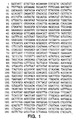
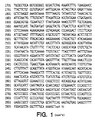
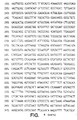
- the primary amino acid sequences of the CD19 antigen has been detemined.
- the invention thus also relates to the amino acid sequences of the antigen and to the nucleotide sequences encoding the antigen.
- the purified gene and proteins and protein of the present invention is useful for immunodiagnostic and immunotherapeutic applications, including the diagnosis and treatment of immune-mediated infections, diseases, and disorders in animals, including humans. It can also be used to identify, isolate and purify other antibodies and antigens. Such diagnostic and therapeutic uses comprise yet another aspect of the present invention.
- the substantially pure protein of the present invention may be prepared as medicament or pharmaceutical composition for therapeutic administration. The present invention further relates to such medicaments and compositions.
- Nucleotides 1-589 are derived from pMB1 origin (pBR322 ori); nucleotides 590-597 are derived from the Sacll linker (ACCGCGT); nucleotides 598-799 are derived from the synthetic tyrosine suppressor tRNA gene (supF gene); nucleotides 800-947 are derived from a remnant of the ASV LTR fragment (Pvull to Mlu1); nucleotides 948-1500 are derived from the human cytomegalovirus AD169 enhancer; nucleotides 1501-1650 are derived from HIV TATA and tat-responsive elements; nucleotides 1651-1761 are derived from piLNXAN polylinker (Hindlll to XBa); nucleotides 1717-2569 are derived from pSV to splice and poly-Addition signals; nucleotides 2570-2917 are derived from the SV40 origin of replication (pvull to (Hindlll); and
- the guanidium thiocyanate/CsCl method of isolating total RNA is preferred. More preferred is a guanidium thiocyanate/LiCl variant of the GuSCN/CsCI method, which has added capacity and speed. Briefly, for each ml of mix desired, 0.5 g GuSCN are dissolved in 0.58 ml of 25 % LiCI (stock filtered through 0.45 micron filter) and 20 ⁇ l of mercaptoethanol is added. Cells are spun out and the pellet is dispersed on walls by flicking, add 1 ml of solution to up to 5 x 10 7 cells. The resulting combinaton is sheared by polytron until nonviscous.
- RNA e.g. 5S
- cDNA is synthesized.
- a preferred method of cDNA synthesis is a variant of that described by Gubler and Hoffman (Gene 25: 263-269 (1982)). This is carried out as follows:
- oligonucleotide segments containing terminal sequences corresponding to BstXI sites on the vectors are ligated to the cDNA fragment desired to be inserted.
- the resulting fragments are pooled by fractionation.
- a preferred method is as follows:
- Suppressor plasmids typically are selected for in LB medium containing amp at 12.5 ⁇ g/ml and tet at 7.5 ⁇ g/ml.
- M9 casamino acids medium containing glycerol (0.8 %) may be used as a carbon source, and the bacteria grown to saturation.
- Cut top off tube insert the needle upwards into the tube at an angle of about 30°C with respect to the tube, (i.e., as shallowly possible) at a position about 3 mm beneath the band, with the bevel of the needle up.
- Deposit extracted bands in 13 ml Sarstedt tube. Fill tube to top with n-butanol saturated with 1M NaCI, extract. If a very large quantity of DNA is obtained, reextract. Aspirate butanol into trap containing 5M NaOH (to destroy ethidium). Add about equal volume 1M ammonium acetate to DNA (squirt bottle). Add about 2 volumes 95 % ethanol (squirt bottle). Spin 10K rpm, 5 min.
- 10X Ligation Additions 1 mM ATP, 20 mM DTT, 1 mg/ml BSA 10 mM spermidine 10X Kinasing Buffer 0.5 M Tris pH 7.5, 10 mM ATP, 20 mM DTT, 10 mM spermidine, 1 mg/ml BSA 100 mM MgCl 2 .
- vector is meant a DNA molecule, derived from a plasmid or bacteriophage, into which fragments of DNA may be inserted or cloned.
- a vector will contain one or more unique restrictioin sites, and may be capable of autonomous replication in a defined host or vehicle organism such that the cloned sequence is reproducible.
- DNA expression vector is meant any autonomous element capable of replicating in a host independently of the host's chromosome, after additional sequences of DNA have been incorporated into the autonomous element's genome.
- DNA expression vectors include bacterial plasmids and phages.
- viral vectors such as those derived from simian virus strain 40 (SV40).
- SV40 is a papovavirus having a molecular weight of 28 Mdal, and contining a circular double-stranded DNA molecule having a molecular weight of 3 Mdal, which comprises the entire genome of the virus. The entire nucleotide sequence of this single, small, covalently closed circular DNA molecule has been determined. Fiers et al., Nature 273: 113-120 (1978); Reddy et al., Science 200: 494-502 (1978).
- tissue culture is meant the maintance or growth of animal tissue cells in vitro so as to allow further differentiation and preservation of cell architecture of function or both.
- Primary tissue cells are those taken directly from a population consisting of cells of the same kind performing the same function in an organism. Treating such tissue cells with the proteolytic enzyme trypsin, for example, dissociates them into individual primary tissue cells that grow well when seeded onto culture plates at high densities. Cell cultures arising from multiplication of primary cells in tissue culture are called “secondary cell cultures.” Most secondary cells divide a finite number of times and then die. A few secondary cells, however, may pass through this "crisis period", after which they are able to multiply indefinitely to form a continous "cell line”.
- the antibodies used according to the present invention may be polyclonal or monoclonal. These may be used singly, or in conjunctioin with other polyclonal or monoclonal antibodies to effect immunoselection of cells expressing the desired antigen or antigens by the methods of the present invention.
- Methods of preparing antibodies or fragments thereof for use according to the present invention are known to those of skill. Standard reference works setting forth general principles of immunology include Klein, J., Immunology: The Science of Self-Nonself Discrimination, John Wiley & Sons, publisher, New York (1982); Kennett, R., et al. eds., Laboratory Techniques in Biochemistry and Molecular Biology, Vol.
- antibody is meant to include the intact molecule as well as fragments thereof, such as, for example, Fab and (F(ab)' 2 fragments, which also are able to bind to antigen.
- Polyclonal antibody preparations may be derived directly from the blood of the desired animal species after immunization with the antigen of interest, or a fragment thereof, using any of the standard protocols known to those of ordinary skill.
- monoclonal antibodies may be prepared using known methods (Kohler et al., Eur. J. Immunol. 6: 292 (1976)). Use of monoclonal antibodies is preferred for the purpose of the present invention.
- Vectors suitable for expressioin of cDNA in mammalian tissue culture cells may be constructed by known methods.
- Preferred for the purposes of the present invention is an expression vector containing the SV40 origin.
- the vector may contain a naturally derived or synthetic transcription origin, and the SV40 early region promoter. Even more preferred is a chimeric promoter composed of human cytomegalovirus immediate early enhancer sequences.
- Various "enhancer sequences" also may be used with SV40 vectors. These are described, for example, by Banerji et al., Cell 27: 299-308 (1981); Levinson et al., Nature 295: 568-572 (1982); and Conrad et al., Mol. Cell. Biol. 2: 949-965 (1982).
- Insertion of DNA into the vectors of the present invention can occur, for example, by homopolymeric tailing with terminal transferase.
- homopolymeric tracts located 5' to cDNA inserts may inhibit in vitro and in vivo expression.
- preferred for purposes of the present invention is the use of inverted identical cleavage sites separated by a short replaceable DNA segment.
- Such inverted identical cleavage sites preferably employing the BstXI restriction endonuclease, may be used in parallel with cDNA synthetic oligonucleotides, giving the same terminii as the replaceable segment of the vector. In this manner, the cDNA cannot ligate to itself, but can ligate to the vector.
- an “analog” of a molecule is meant to refer to a non-natural molecule substantially similar to either the entire molecule or a fragment thereof.
- a molecule is said to be “substantially similar” to another molecule if the sequence of amino acids in both molecules is substantially the same, and if both molecules possess a similar biological activity. Thus, provided that two molecules possess a similar activity, they are considered variants as that term is used herein even if one of the molecules contains additional amino acid residues is not identical.
- a molecule is said to be a "chemical derivative" of another molecule when it contains additional chemical moieties not normally a part of the molecule. Such moieties may improve the molecule's solubility, absorption, biological half life, etc.
- the substantially pure antigens that hae-been expressed by methods of the present invention may be used in immunodiagnostic assay methods well known to those of skill, including radio-immunodassays (RlAs), enzyme immunoassays (ElAs) and enzyme-linked immunosorbent assays (ELISAs).
- RlAs radio-immunodassays
- ElAs enzyme immunoassays
- ELISAs enzyme-linked immunosorbent assays
- the substantially pure proteins of the present invention, in soluble form may be adminstered alone or in combination with other antigens, including lymphokines and monokines or drugs, for the treatment of immune-related diseases and disorders in animals, including humans.
- immune deficiency diseases diseases of immediate type hypersensitivity, asthma, hypersensitivity pneumonitis, immune-complex disease, vasculitis, systemic lupus erythematosus, rheumatoid arthritis, immunopathogenic renal injury, acute and chronic inflammation, hemolytic anemias, platelet disorders, plasma and other cell neoplasms, amyloidosis, parasitic diseases, multiple sclerosis, Guillain-Barre syndrome, acute and subacute myopathic paralysis, myasthenia gravis, immune endocrinopathies, and tissue and organ transplant rejection, all as described in Petersdorf et al., eds., Harrison's Principles of Internal Medicine, supra. See also Weir, ed., supra; Boguslaski et al., eds., supra; and Holborow et al., eds., supra.
- the dose range for the administration of the antigens of the present invention are those large enough to produce the desired immunotherapeutic effects, such as unwanted cross-reactions, anaphylactic reactions, and the like.
- the dosage employed will vary with the age, condition, sex, and extent of the disease in the patient. Counterindications (if any), immune tolerance and other variables also will affect the proper dosage.
- Administration may be parenteral, by injection or by gradual perfusion over time. Administration also may be intravenous, intraparenteral, intramuscular, subcutaneous, or intradermal.
- the antigens of the present invention also may be prepared as medicaments or pharmaceutical compositions comprising the antigens, either alone or in combination with other antigens or other agents such as lymphokines, monokines, and drugs, the medicaments being used for therapy of animal, including human, immune-related indications.
Landscapes
- Health & Medical Sciences (AREA)
- Life Sciences & Earth Sciences (AREA)
- Chemical & Material Sciences (AREA)
- Genetics & Genomics (AREA)
- Organic Chemistry (AREA)
- Engineering & Computer Science (AREA)
- Zoology (AREA)
- Biomedical Technology (AREA)
- Molecular Biology (AREA)
- Biochemistry (AREA)
- Biotechnology (AREA)
- Immunology (AREA)
- Bioinformatics & Cheminformatics (AREA)
- Wood Science & Technology (AREA)
- General Health & Medical Sciences (AREA)
- General Engineering & Computer Science (AREA)
- Microbiology (AREA)
- Biophysics (AREA)
- Cell Biology (AREA)
- Medicinal Chemistry (AREA)
- Physics & Mathematics (AREA)
- Plant Pathology (AREA)
- Hematology (AREA)
- Crystallography & Structural Chemistry (AREA)
- Gastroenterology & Hepatology (AREA)
- Toxicology (AREA)
- Proteomics, Peptides & Aminoacids (AREA)
- Virology (AREA)
- Urology & Nephrology (AREA)
- Chemical Kinetics & Catalysis (AREA)
- Pathology (AREA)
- Tropical Medicine & Parasitology (AREA)
- Bioinformatics & Computational Biology (AREA)
- Food Science & Technology (AREA)
- Analytical Chemistry (AREA)
- General Physics & Mathematics (AREA)
- General Chemical & Material Sciences (AREA)
- Preparation Of Compounds By Using Micro-Organisms (AREA)
- Micro-Organisms Or Cultivation Processes Thereof (AREA)
- Saccharide Compounds (AREA)
Claims (4)
- ADNc comprenant la séquence nucléotidique représentée sur la figure 12 codant pour CD19.
- Vecteur d'expression contenant un ADNc selon la figure 1.
- Cellule hôte contenant un vecteur d'expression selon la revendication 2.
- Procédé pour la production de l'antigène CD19, comportant les étapes suivantes:a) culture d'une cellule hôte selon la revendication 3, etb) isolement dudit antigène.
Applications Claiming Priority (3)
| Application Number | Priority Date | Filing Date | Title |
|---|---|---|---|
| US16041688A | 1988-02-25 | 1988-02-25 | |
| EP89103127A EP0330191B1 (fr) | 1988-02-25 | 1989-02-23 | ADN encodant CD40 |
| US160416 | 1998-09-25 |
Related Parent Applications (2)
| Application Number | Title | Priority Date | Filing Date |
|---|---|---|---|
| EP89103127.0 Division | 1989-02-23 | ||
| EP89103127A Division EP0330191B1 (fr) | 1988-02-25 | 1989-02-23 | ADN encodant CD40 |
Publications (3)
| Publication Number | Publication Date |
|---|---|
| EP0739980A2 EP0739980A2 (fr) | 1996-10-30 |
| EP0739980A3 EP0739980A3 (fr) | 1996-12-18 |
| EP0739980B1 true EP0739980B1 (fr) | 2001-09-26 |
Family
ID=22576817
Family Applications (2)
| Application Number | Title | Priority Date | Filing Date |
|---|---|---|---|
| EP96104493A Expired - Lifetime EP0739980B1 (fr) | 1988-02-25 | 1989-02-23 | ADN codant CD 19 |
| EP89103127A Expired - Lifetime EP0330191B1 (fr) | 1988-02-25 | 1989-02-23 | ADN encodant CD40 |
Family Applications After (1)
| Application Number | Title | Priority Date | Filing Date |
|---|---|---|---|
| EP89103127A Expired - Lifetime EP0330191B1 (fr) | 1988-02-25 | 1989-02-23 | ADN encodant CD40 |
Country Status (6)
| Country | Link |
|---|---|
| EP (2) | EP0739980B1 (fr) |
| AT (2) | ATE143690T1 (fr) |
| DE (2) | DE68927277T2 (fr) |
| ES (2) | ES2164794T3 (fr) |
| HU (1) | HUT53672A (fr) |
| WO (1) | WO1989008114A1 (fr) |
Families Citing this family (78)
| Publication number | Priority date | Publication date | Assignee | Title |
|---|---|---|---|---|
| US5767077A (en) * | 1988-05-27 | 1998-06-16 | Applied Research Systems Ars Holding N.V. | Human Fc-γ receptor III |
| WO1989011490A1 (fr) * | 1988-05-27 | 1989-11-30 | Schering Biotech Corporation | RECEPTEUR(III) DE Fc-GAMMA HUMAIN |
| CA2011633C (fr) * | 1989-03-09 | 2007-05-15 | Timothy A. Springer | Molecules d'adhesion intercellulaire (icam-2) et ses liquides |
| DE59010908D1 (de) * | 1989-09-12 | 2000-08-10 | Hoffmann La Roche | TNF-bindende Proteine |
| US5264554A (en) * | 1990-01-19 | 1993-11-23 | The Blood Center Of Southeastern Wisconsin, Inc. | Platelet cell adhesion molecule and variants thereof |
| US6641809B1 (en) * | 1990-03-26 | 2003-11-04 | Bristol-Myers Squibb Company | Method of regulating cellular processes mediated by B7 and CD28 |
| US5622853A (en) * | 1990-05-01 | 1997-04-22 | Becton Dickinson And Company | T lymphocyte precursor |
| CS156891A3 (en) * | 1990-06-01 | 1992-04-15 | Regeneron Pharma | Receptor of a cilary neurotropic factor |
| WO1992001049A2 (fr) * | 1990-07-13 | 1992-01-23 | The General Hospital Corporation | Antigene de surface de cellule cd53 et son utilisation |
| DE4029227A1 (de) * | 1990-09-14 | 1992-03-19 | Imtox Gmbh | Arzneimittel enthaltend cd14 |
| US6071716A (en) | 1990-10-01 | 2000-06-06 | Dana-Farber Cancer Institute | DNA encoding, B7, a new member of the IG superfamily with unique expression on activated and neoplastic B cells |
| US6238875B1 (en) * | 1991-03-12 | 2001-05-29 | The Scripps Research Institute | Diagnostic methods useful in the characterization of lymphoproliferative disease characterized by increased EPR-1 |
| US5367057A (en) * | 1991-04-02 | 1994-11-22 | The Trustees Of Princeton University | Tyrosine kinase receptor flk-2 and fragments thereof |
| US5185438A (en) * | 1991-04-02 | 1993-02-09 | The Trustees Of Princeton University | Nucleic acids encoding hencatoporetic stem cell receptor flk-2 |
| EP0510691B1 (fr) * | 1991-04-26 | 2004-11-03 | Osaka Bioscience Institute | ADN codant un antigène de surface cellulaire humaine |
| US5981724A (en) | 1991-10-25 | 1999-11-09 | Immunex Corporation | DNA encoding CD40 ligand, a cytokine that binds CD40 |
| US5961974A (en) | 1991-10-25 | 1999-10-05 | Immunex Corporation | Monoclonal antibodies to CD40 ligand, pharmaceutical composition comprising the same and hybridomas producing the same |
| US5962406A (en) * | 1991-10-25 | 1999-10-05 | Immunex Corporation | Recombinant soluble CD40 ligand polypeptide and pharmaceutical composition containing the same |
| US7405270B2 (en) | 1991-10-25 | 2008-07-29 | Immunex Corporation | CD40-Ligand lacking native-pattern glycosylation |
| US5540926A (en) * | 1992-09-04 | 1996-07-30 | Bristol-Myers Squibb Company | Soluble and its use in B cell stimulation |
| AU6123894A (en) * | 1993-01-29 | 1994-08-15 | Board Of Trustees Of The Leland Stanford Junior University | Modulation of physiological responses of lymphocytes by cd38 or antibodies thereto |
| AU7640494A (en) * | 1993-09-03 | 1995-03-22 | Cellpro, Incorporated | Methods for quantifying the number of cells containing a selected nucleic acid sequence in a heterogenous population of cells |
| IL111748A0 (en) * | 1993-12-03 | 1995-01-24 | Zeneca Ltd | Proteins |
| GB9404513D0 (en) * | 1994-03-09 | 1994-04-20 | Medical Res Council | Method of cloning |
| US5587299A (en) * | 1994-04-20 | 1996-12-24 | Memorial Sloan-Kettering Cancer Center | Isolated nucleic acid molecule coding for fibroblast activation protein alpha and uses thereof |
| DK0763057T3 (da) | 1994-04-28 | 2006-03-27 | Boehringer Ingelheim Pharma | Fremgangsmåde til proliferering og differentiering af B celler og anvendelse deraf |
| US5925557A (en) * | 1994-09-29 | 1999-07-20 | The Regents Of The University Of California | DNA encoding mitogen activated protein kinase, FRK |
| JPH11507352A (ja) | 1995-06-07 | 1999-06-29 | ジンタ・インコーポレイテッド | 新規カルバメート基本カチオン性脂質 |
| AU4825699A (en) * | 1998-06-19 | 2000-01-05 | Genzyme Corporation | Identification and use of differentially expressed genes and polynucleotide sequences |
| ATE311199T1 (de) | 1999-05-07 | 2005-12-15 | Genentech Inc | Behandlung von autoimmunkrankheiten mit antagonisten die oberflächenmarker von b zellen binden |
| CA2393126C (fr) * | 1999-11-29 | 2016-05-24 | The Trustees Of Columbia University In The City Of New York | Isolement de cinq nouveaux genes codant pour des nouveaux recepteurs fc de type melanome intervenant dans la pathogenese du lymphome malin et du melanome |
| US7105149B1 (en) | 1999-11-29 | 2006-09-12 | The Trustees Of Columbia University In The City Of New York | Isolation of five novel genes coding for new Fc receptors-type melanoma involved in the pathogenesis of lymphoma/myeloma |
| US7067252B2 (en) | 2000-06-21 | 2006-06-27 | Novozymes A/S | Method for genome mining for secreted protein genes |
| AU2001265836A1 (en) * | 2000-06-21 | 2002-01-02 | Novozymes A/S | Method for genome mining for secreted protein genes |
| US20030133939A1 (en) | 2001-01-17 | 2003-07-17 | Genecraft, Inc. | Binding domain-immunoglobulin fusion proteins |
| US7754208B2 (en) | 2001-01-17 | 2010-07-13 | Trubion Pharmaceuticals, Inc. | Binding domain-immunoglobulin fusion proteins |
| EP1944320A1 (fr) | 2002-12-16 | 2008-07-16 | Genentech, Inc. | Variantes de l'immunoglobuline et leurs utilisations |
| SI1613350T1 (sl) | 2003-04-09 | 2009-08-31 | Genentech Inc | Zdravljenje avtoimunske bolezni pri bolniku z neustreznim odzivom na inhibitor TNF-alfa |
| PT2272868E (pt) | 2003-06-05 | 2015-07-07 | Genentech Inc | Terapêutica de combinação para distúrbios de células b |
| WO2005075640A1 (fr) * | 2004-02-10 | 2005-08-18 | Nihon University | Remede |
| EP1753455A2 (fr) | 2004-06-04 | 2007-02-21 | Genentech, Inc. | Methode de traitement de la sclerose en plaques |
| DK1819358T3 (da) | 2004-11-18 | 2014-10-27 | Imclone Llc | Antistoffer mod vaskulær endothel-vækstfaktor-receptor-1 |
| EP3312196B1 (fr) | 2005-03-23 | 2019-07-17 | Genmab A/S | Anticorps dirigés contre cd38 pour le traitement du myélome multiple |
| ZA200709956B (en) | 2005-05-20 | 2009-02-25 | Genentech Inc | Pretreatment of a biological sample from an autoimmune disease subject |
| BRPI0614183A2 (pt) | 2005-07-25 | 2011-03-15 | Trubion Pharmaceuticals Inc | uso de dose única de moléculas de ligação especìficas para cd20 |
| EP2295080A3 (fr) | 2005-07-25 | 2011-06-22 | Emergent Product Development Seattle, LLC | Réduction de lymphocytes B au moyen de molécules de liaison spécifique de CD37 et spécifique de CD20 |
| MY149159A (en) | 2005-11-15 | 2013-07-31 | Hoffmann La Roche | Method for treating joint damage |
| CN105837690A (zh) | 2006-06-12 | 2016-08-10 | 新兴产品开发西雅图有限公司 | 具有效应功能的单链多价结合蛋白 |
| AU2007302448C1 (en) | 2006-09-26 | 2019-02-14 | Genmab A/S | Combination treatment of CD38-expressing tumors |
| HUE037162T2 (hu) | 2007-07-09 | 2018-08-28 | Genentech Inc | Diszulfidkötés redukciójának megelõzése polipeptidek rekombináns elõállítása során |
| WO2009052293A1 (fr) | 2007-10-16 | 2009-04-23 | Zymogenetics, Inc. | Combinaison d'agents d'inhibition de blys et d'agents anti-cd 20 pour le traitement d'une maladie auto-immune |
| US7914785B2 (en) | 2008-01-02 | 2011-03-29 | Bergen Teknologieverforing As | B-cell depleting agents, like anti-CD20 antibodies or fragments thereof for the treatment of chronic fatigue syndrome |
| EP2077281A1 (fr) | 2008-01-02 | 2009-07-08 | Bergen Teknologioverforing AS | Anticorps anti-CD20 ou fragments correspondants pour le traitement de syndrome de fatigue chronique |
| PT2132228E (pt) | 2008-04-11 | 2011-10-11 | Emergent Product Dev Seattle | Imunoterapia de cd37 e sua combinação com um quimioterápico bifuncional |
| TW201438738A (zh) | 2008-09-16 | 2014-10-16 | 建南德克公司 | 治療進展型多發性硬化症之方法 |
| WO2010075249A2 (fr) | 2008-12-22 | 2010-07-01 | Genentech, Inc. | Méthode de traitement de la polyarthrite rhumatoïde avec des antagonistes de cellules b |
| WO2011019619A1 (fr) | 2009-08-11 | 2011-02-17 | Genentech, Inc. | Production de protéines dans des milieux de culture cellulaire sans glutamine |
| US9173961B2 (en) | 2010-02-10 | 2015-11-03 | Immunogen, Inc. | CD20 antibodies and uses thereof |
| NZ602892A (en) | 2010-04-13 | 2014-08-29 | Celldex Therapeutics Inc | Antibodies that bind human cd27 and uses thereof |
| EP2580243B1 (fr) | 2010-06-09 | 2019-10-16 | Genmab A/S | Anticorps dirigés contre le cd38 humain |
| EP2788020A4 (fr) | 2011-12-05 | 2015-04-29 | Immunomedics Inc | Utilisation thérapeutique d'anticorps anti-cd22 pour induire une trogocytose |
| US9732154B2 (en) | 2014-02-28 | 2017-08-15 | Janssen Biotech, Inc. | Anti-CD38 antibodies for treatment of acute lymphoblastic leukemia |
| US9603927B2 (en) | 2014-02-28 | 2017-03-28 | Janssen Biotech, Inc. | Combination therapies with anti-CD38 antibodies |
| PE20170676A1 (es) | 2014-09-09 | 2017-05-22 | Janssen Biotech Inc | Terapias de combinacion con anticuerpos anti-cd38 |
| EA202092609A1 (ru) | 2014-12-04 | 2021-10-29 | Янссен Байотек, Инк. | Антитела к cd38 для лечения острого миелолейкоза |
| CA2986594C (fr) | 2015-05-20 | 2025-06-10 | Tufts Medical Center, Inc. | Anticorps anti-cd38 pour le traitement de l’amyloïdose à chaînes légères et d’autres tumeurs malignes hématologiques positives à cd38 |
| RU2715597C2 (ru) | 2015-05-29 | 2020-03-02 | Эббви Инк. | Антитела к cd40 и способы их применения |
| CN107708734B (zh) | 2015-06-22 | 2022-01-11 | 詹森生物科技公司 | 用抗cd38抗体和生存素抑制剂联合治疗血红素恶性肿瘤 |
| US20170044265A1 (en) | 2015-06-24 | 2017-02-16 | Janssen Biotech, Inc. | Immune Modulation and Treatment of Solid Tumors with Antibodies that Specifically Bind CD38 |
| CR20210429A (es) | 2015-06-24 | 2021-09-24 | Hoffmann La Roche | ANTICUERPOS ANTI-RECEPTOR DE TRANSFERRINA CON AFINIDAD DISEÑADA (Divisional 2017-0562) |
| KR102784293B1 (ko) | 2015-09-21 | 2025-03-20 | 압테보 리서치 앤드 디벨롭먼트 엘엘씨 | Cd3 결합 폴리펩타이드 |
| TWI819458B (zh) | 2015-10-02 | 2023-10-21 | 瑞士商赫孚孟拉羅股份公司 | 雙特異性抗‐人類cd20/人類轉鐵蛋白受體抗體及使用方法 |
| AR106189A1 (es) | 2015-10-02 | 2017-12-20 | Hoffmann La Roche | ANTICUERPOS BIESPECÍFICOS CONTRA EL A-b HUMANO Y EL RECEPTOR DE TRANSFERRINA HUMANO Y MÉTODOS DE USO |
| US10781261B2 (en) | 2015-11-03 | 2020-09-22 | Janssen Biotech, Inc. | Subcutaneous formulations of anti-CD38 antibodies and their uses |
| HUE053366T2 (hu) | 2015-11-03 | 2021-06-28 | Janssen Biotech Inc | Szubkután anti-CD38-ellenanyag-készítmények és alkalmazásuk |
| US20190233533A1 (en) | 2016-06-28 | 2019-08-01 | Umc Utrecht Holding B.V. | Treatment Of IgE-Mediated Diseases With Antibodies That Specifically Bind CD38 |
| CN111565751A (zh) | 2017-10-31 | 2020-08-21 | 詹森生物科技公司 | 治疗高危多发性骨髓瘤的方法 |
| WO2019204462A2 (fr) | 2018-04-17 | 2019-10-24 | Celldex Therapeutics, Inc. | Anticorps anti-cd27 et anti-pd-l1 et constructions bispécifiques |
Family Cites Families (1)
| Publication number | Priority date | Publication date | Assignee | Title |
|---|---|---|---|---|
| US5340921A (en) * | 1986-07-03 | 1994-08-23 | T Cell Sciences, Inc. | Γ, δT cell receptor and methods and detection |
-
1988
- 1988-08-16 WO PCT/US1988/002809 patent/WO1989008114A1/fr not_active Ceased
- 1988-08-16 HU HU89958A patent/HUT53672A/hu unknown
-
1989
- 1989-02-23 ES ES96104493T patent/ES2164794T3/es not_active Expired - Lifetime
- 1989-02-23 AT AT89103127T patent/ATE143690T1/de not_active IP Right Cessation
- 1989-02-23 DE DE68927277T patent/DE68927277T2/de not_active Expired - Lifetime
- 1989-02-23 ES ES89103127T patent/ES2094113T3/es not_active Expired - Lifetime
- 1989-02-23 DE DE68929329T patent/DE68929329T2/de not_active Expired - Fee Related
- 1989-02-23 AT AT96104493T patent/ATE206161T1/de not_active IP Right Cessation
- 1989-02-23 EP EP96104493A patent/EP0739980B1/fr not_active Expired - Lifetime
- 1989-02-23 EP EP89103127A patent/EP0330191B1/fr not_active Expired - Lifetime
Also Published As
| Publication number | Publication date |
|---|---|
| EP0739980A2 (fr) | 1996-10-30 |
| HUT53672A (en) | 1990-11-28 |
| EP0739980A3 (fr) | 1996-12-18 |
| AU627710B2 (en) | 1992-09-03 |
| DE68929329D1 (de) | 2001-10-31 |
| DE68927277D1 (de) | 1996-11-07 |
| DE68929329T2 (de) | 2002-07-04 |
| AU2947389A (en) | 1989-09-22 |
| EP0330191A2 (fr) | 1989-08-30 |
| ATE206161T1 (de) | 2001-10-15 |
| WO1989008114A1 (fr) | 1989-09-08 |
| DE68927277T2 (de) | 1997-03-20 |
| ATE143690T1 (de) | 1996-10-15 |
| EP0330191A3 (fr) | 1990-08-16 |
| EP0330191B1 (fr) | 1996-10-02 |
| ES2164794T3 (es) | 2002-03-01 |
| HU890958D0 (en) | 1990-09-28 |
| ES2094113T3 (es) | 1997-01-16 |
Similar Documents
| Publication | Publication Date | Title |
|---|---|---|
| EP0330191B1 (fr) | ADN encodant CD40 | |
| KR100206524B1 (ko) | 씨디 53 세포 표면 항원 및 그를 암호화하는 재조합 디엔에이 | |
| US6111093A (en) | CD19 coding sequences | |
| US7119183B2 (en) | Rapid immunoselection cloning method | |
| Hirayama et al. | Clonal proliferation of murine lymphohemopoietic progenitors in culture. | |
| Wright et al. | Cyclophosphamide/granulocyte colony-stimulating factor causes selective mobilization of bone marrow hematopoietic stem cells into the blood after M phase of the cell cycle | |
| Persons et al. | Enforced expression of the GATA-2 transcription factor blocks normal hematopoiesis | |
| AU680406B2 (en) | Culturing of hematopoietic stem cells and their genetic engineering | |
| AU7721194A (en) | Genetically modified human hematopoietic stem cells and their progeny | |
| JPH0657156B2 (ja) | 新糖蛋白質の製法 | |
| Pelkonen et al. | Thymocyte clones from 14-day mouse embryos. I. State of T cell receptor genes, surface markers, and growth requirements. | |
| EP4289867A1 (fr) | Récepteur antigénique chimérique avec molécule de protéine endogène remplaçant l'anticorps à domaine unique | |
| US5804177A (en) | Method of using CD24 as a cell marker | |
| Palacios et al. | Long-term culture of lymphohematopoietic stem cells. | |
| AU627710C (en) | Rapid immunoselection cloning method | |
| KR100229113B1 (ko) | 티엘아이에스에이 세포 표면 항원 및 그를 암호화하는 재조합 디엔에이 | |
| Kamarck | [14] Fluorescence-activated cell sorting of hybrid and transfected cells | |
| EP4692325A1 (fr) | Procédé de génération d'une composition comprenant des cellules tueuses naturelles | |
| Hollenbaugh et al. | Use of monoclonal antibodies for expression cloning | |
| Simmons | Functional analysis of cell adhesion molecules | |
| Hubbard | Characterization of the LIP-6 antigen on mouse hematopoietic cells | |
| DiSANTO et al. | λPMV: A Bacteriophage Vector Allowing Single-Step Retrieval of cDNAs Following Expression in Mammalian Cells | |
| WO1997022708A1 (fr) | Cellules souches hematopoietiques embryonnaires de primate, formant des groupements | |
| CA2113464A1 (fr) | Expression dans des lignees lymphoblastoides humaines non-tumorales avec un vecteur integratif |
Legal Events
| Date | Code | Title | Description |
|---|---|---|---|
| PUAI | Public reference made under article 153(3) epc to a published international application that has entered the european phase |
Free format text: ORIGINAL CODE: 0009012 |
|
| AC | Divisional application: reference to earlier application |
Ref document number: 330191 Country of ref document: EP |
|
| AK | Designated contracting states |
Kind code of ref document: A2 Designated state(s): AT BE CH DE ES FR GB IT LI LU NL SE |
|
| PUAL | Search report despatched |
Free format text: ORIGINAL CODE: 0009013 |
|
| AK | Designated contracting states |
Kind code of ref document: A3 Designated state(s): AT BE CH DE ES FR GB IT LI LU NL SE |
|
| 17P | Request for examination filed |
Effective date: 19970618 |
|
| GRAG | Despatch of communication of intention to grant |
Free format text: ORIGINAL CODE: EPIDOS AGRA |
|
| 17Q | First examination report despatched |
Effective date: 20001212 |
|
| GRAG | Despatch of communication of intention to grant |
Free format text: ORIGINAL CODE: EPIDOS AGRA |
|
| GRAH | Despatch of communication of intention to grant a patent |
Free format text: ORIGINAL CODE: EPIDOS IGRA |
|
| GRAH | Despatch of communication of intention to grant a patent |
Free format text: ORIGINAL CODE: EPIDOS IGRA |
|
| GRAA | (expected) grant |
Free format text: ORIGINAL CODE: 0009210 |
|
| AC | Divisional application: reference to earlier application |
Ref document number: 330191 Country of ref document: EP |
|
| AK | Designated contracting states |
Kind code of ref document: B1 Designated state(s): AT BE CH DE ES FR GB IT LI LU NL SE |
|
| REF | Corresponds to: |
Ref document number: 206161 Country of ref document: AT Date of ref document: 20011015 Kind code of ref document: T |
|
| REG | Reference to a national code |
Ref country code: CH Ref legal event code: EP |
|
| REF | Corresponds to: |
Ref document number: 68929329 Country of ref document: DE Date of ref document: 20011031 |
|
| REG | Reference to a national code |
Ref country code: GB Ref legal event code: IF02 |
|
| ET | Fr: translation filed | ||
| REG | Reference to a national code |
Ref country code: ES Ref legal event code: FG2A Ref document number: 2164794 Country of ref document: ES Kind code of ref document: T3 |
|
| PLBE | No opposition filed within time limit |
Free format text: ORIGINAL CODE: 0009261 |
|
| STAA | Information on the status of an ep patent application or granted ep patent |
Free format text: STATUS: NO OPPOSITION FILED WITHIN TIME LIMIT |
|
| 26N | No opposition filed | ||
| PG25 | Lapsed in a contracting state [announced via postgrant information from national office to epo] |
Ref country code: IT Free format text: LAPSE BECAUSE OF NON-PAYMENT OF DUE FEES;WARNING: LAPSES OF ITALIAN PATENTS WITH EFFECTIVE DATE BEFORE 2007 MAY HAVE OCCURRED AT ANY TIME BEFORE 2007. THE CORRECT EFFECTIVE DATE MAY BE DIFFERENT FROM THE ONE RECORDED. Effective date: 20050223 |
|
| PGFP | Annual fee paid to national office [announced via postgrant information from national office to epo] |
Ref country code: NL Payment date: 20060129 Year of fee payment: 18 |
|
| PGFP | Annual fee paid to national office [announced via postgrant information from national office to epo] |
Ref country code: AT Payment date: 20060201 Year of fee payment: 18 |
|
| PGFP | Annual fee paid to national office [announced via postgrant information from national office to epo] |
Ref country code: FR Payment date: 20060217 Year of fee payment: 18 |
|
| PGFP | Annual fee paid to national office [announced via postgrant information from national office to epo] |
Ref country code: GB Payment date: 20060223 Year of fee payment: 18 |
|
| PGFP | Annual fee paid to national office [announced via postgrant information from national office to epo] |
Ref country code: ES Payment date: 20060224 Year of fee payment: 18 |
|
| PGFP | Annual fee paid to national office [announced via postgrant information from national office to epo] |
Ref country code: CH Payment date: 20060227 Year of fee payment: 18 |
|
| PGFP | Annual fee paid to national office [announced via postgrant information from national office to epo] |
Ref country code: DE Payment date: 20060228 Year of fee payment: 18 |
|
| PGFP | Annual fee paid to national office [announced via postgrant information from national office to epo] |
Ref country code: LU Payment date: 20060310 Year of fee payment: 18 |
|
| PGFP | Annual fee paid to national office [announced via postgrant information from national office to epo] |
Ref country code: BE Payment date: 20060316 Year of fee payment: 18 |
|
| PG25 | Lapsed in a contracting state [announced via postgrant information from national office to epo] |
Ref country code: SE Free format text: LAPSE BECAUSE OF NON-PAYMENT OF DUE FEES Effective date: 20070224 |
|
| PG25 | Lapsed in a contracting state [announced via postgrant information from national office to epo] |
Ref country code: LI Free format text: LAPSE BECAUSE OF NON-PAYMENT OF DUE FEES Effective date: 20070228 Ref country code: CH Free format text: LAPSE BECAUSE OF NON-PAYMENT OF DUE FEES Effective date: 20070228 |
|
| REG | Reference to a national code |
Ref country code: CH Ref legal event code: PL |
|
| EUG | Se: european patent has lapsed | ||
| GBPC | Gb: european patent ceased through non-payment of renewal fee |
Effective date: 20070223 |
|
| NLV4 | Nl: lapsed or anulled due to non-payment of the annual fee |
Effective date: 20070901 |
|
| PG25 | Lapsed in a contracting state [announced via postgrant information from national office to epo] |
Ref country code: AT Free format text: LAPSE BECAUSE OF NON-PAYMENT OF DUE FEES Effective date: 20070223 |
|
| REG | Reference to a national code |
Ref country code: FR Ref legal event code: ST Effective date: 20071030 |
|
| BERE | Be: lapsed |
Owner name: MASSACHUSETTS *GENERAL HOSPITAL Effective date: 20070228 |
|
| PG25 | Lapsed in a contracting state [announced via postgrant information from national office to epo] |
Ref country code: BE Free format text: LAPSE BECAUSE OF NON-PAYMENT OF DUE FEES Effective date: 20070228 |
|
| PG25 | Lapsed in a contracting state [announced via postgrant information from national office to epo] |
Ref country code: NL Free format text: LAPSE BECAUSE OF NON-PAYMENT OF DUE FEES Effective date: 20070901 Ref country code: DE Free format text: LAPSE BECAUSE OF NON-PAYMENT OF DUE FEES Effective date: 20070901 |
|
| PGFP | Annual fee paid to national office [announced via postgrant information from national office to epo] |
Ref country code: SE Payment date: 20060227 Year of fee payment: 18 |
|
| PG25 | Lapsed in a contracting state [announced via postgrant information from national office to epo] |
Ref country code: GB Free format text: LAPSE BECAUSE OF NON-PAYMENT OF DUE FEES Effective date: 20070223 Ref country code: FR Free format text: LAPSE BECAUSE OF NON-PAYMENT OF DUE FEES Effective date: 20070228 |
|
| REG | Reference to a national code |
Ref country code: ES Ref legal event code: FD2A Effective date: 20070224 |
|
| PG25 | Lapsed in a contracting state [announced via postgrant information from national office to epo] |
Ref country code: ES Free format text: LAPSE BECAUSE OF NON-PAYMENT OF DUE FEES Effective date: 20070224 |
|
| PG25 | Lapsed in a contracting state [announced via postgrant information from national office to epo] |
Ref country code: LU Free format text: LAPSE BECAUSE OF NON-PAYMENT OF DUE FEES Effective date: 20070223 |
|
| PGFP | Annual fee paid to national office [announced via postgrant information from national office to epo] |
Ref country code: IT Payment date: 20070523 Year of fee payment: 19 |
|
| PGRI | Patent reinstated in contracting state [announced from national office to epo] |
Ref country code: IT Effective date: 20091201 |
|
| PGRI | Patent reinstated in contracting state [announced from national office to epo] |
Ref country code: IT Effective date: 20091201 |