EP0760482A2 - Verfahren zur Beurteilung der Beseitigung von H. Pylori auf der Basis der Veränderungsgeschwindigkeit des Pepsinogen-I/II-Verhältnisses - Google Patents
Verfahren zur Beurteilung der Beseitigung von H. Pylori auf der Basis der Veränderungsgeschwindigkeit des Pepsinogen-I/II-Verhältnisses Download PDFInfo
- Publication number
- EP0760482A2 EP0760482A2 EP95115371A EP95115371A EP0760482A2 EP 0760482 A2 EP0760482 A2 EP 0760482A2 EP 95115371 A EP95115371 A EP 95115371A EP 95115371 A EP95115371 A EP 95115371A EP 0760482 A2 EP0760482 A2 EP 0760482A2
- Authority
- EP
- European Patent Office
- Prior art keywords
- pylori
- ratio
- eradication
- body fluid
- treatment
- Prior art date
- Legal status (The legal status is an assumption and is not a legal conclusion. Google has not performed a legal analysis and makes no representation as to the accuracy of the status listed.)
- Granted
Links
- 230000008029 eradication Effects 0.000 title claims abstract description 76
- 238000000034 method Methods 0.000 title claims abstract description 64
- 108010047320 Pepsinogen A Proteins 0.000 title description 39
- 108090001072 Gastricsin Proteins 0.000 title description 32
- 101710198144 Endopolygalacturonase I Proteins 0.000 claims abstract description 101
- 101710191566 Probable endopolygalacturonase I Proteins 0.000 claims abstract description 101
- 108010092028 endopolygalacturonase II Proteins 0.000 claims abstract description 101
- 210000004369 blood Anatomy 0.000 claims abstract description 72
- 239000008280 blood Substances 0.000 claims abstract description 72
- 210000001124 body fluid Anatomy 0.000 claims abstract description 49
- 239000010839 body fluid Substances 0.000 claims abstract description 49
- 239000003550 marker Substances 0.000 claims abstract description 11
- 210000002966 serum Anatomy 0.000 claims description 27
- 230000002496 gastric effect Effects 0.000 claims description 14
- 239000003242 anti bacterial agent Substances 0.000 claims description 11
- 208000007107 Stomach Ulcer Diseases 0.000 claims description 9
- 239000003814 drug Substances 0.000 claims description 9
- 208000000718 duodenal ulcer Diseases 0.000 claims description 9
- 201000005917 gastric ulcer Diseases 0.000 claims description 9
- 230000003115 biocidal effect Effects 0.000 claims description 8
- 229940079593 drug Drugs 0.000 claims description 8
- 238000005259 measurement Methods 0.000 claims description 8
- 239000003153 chemical reaction reagent Substances 0.000 claims description 6
- 230000027119 gastric acid secretion Effects 0.000 claims description 6
- 239000004480 active ingredient Substances 0.000 claims description 5
- 239000008194 pharmaceutical composition Substances 0.000 claims description 2
- 210000002381 plasma Anatomy 0.000 claims description 2
- 102000034255 Pepsinogen C Human genes 0.000 description 29
- 238000012360 testing method Methods 0.000 description 19
- 238000003752 polymerase chain reaction Methods 0.000 description 18
- 230000035945 sensitivity Effects 0.000 description 15
- 241000894006 Bacteria Species 0.000 description 12
- 102100021022 Gastrin Human genes 0.000 description 12
- 108010052343 Gastrins Proteins 0.000 description 12
- AOXOCDRNSPFDPE-UKEONUMOSA-N chembl413654 Chemical compound C([C@H](C(=O)NCC(=O)N[C@H](CC=1C2=CC=CC=C2NC=1)C(=O)N[C@H](CCSC)C(=O)N[C@H](CC(O)=O)C(=O)N[C@H](CC=1C=CC=CC=1)C(N)=O)NC(=O)[C@@H](C)NC(=O)[C@@H](CCC(O)=O)NC(=O)[C@@H](CCC(O)=O)NC(=O)[C@@H](CCC(O)=O)NC(=O)[C@H](CCC(O)=O)NC(=O)[C@H](CCC(O)=O)NC(=O)[C@H](CC(C)C)NC(=O)[C@H](CC=1C2=CC=CC=C2NC=1)NC(=O)[C@H]1N(CCC1)C(=O)CNC(=O)[C@@H](N)CCC(O)=O)C1=CC=C(O)C=C1 AOXOCDRNSPFDPE-UKEONUMOSA-N 0.000 description 12
- 108010046334 Urease Proteins 0.000 description 10
- 238000012134 rapid urease test Methods 0.000 description 9
- 108020004414 DNA Proteins 0.000 description 7
- 210000004051 gastric juice Anatomy 0.000 description 7
- MJIHNNLFOKEZEW-UHFFFAOYSA-N lansoprazole Chemical compound CC1=C(OCC(F)(F)F)C=CN=C1CS(=O)C1=NC2=CC=CC=C2N1 MJIHNNLFOKEZEW-UHFFFAOYSA-N 0.000 description 7
- 239000000243 solution Substances 0.000 description 7
- 238000010586 diagram Methods 0.000 description 6
- 229960003174 lansoprazole Drugs 0.000 description 6
- 239000011324 bead Substances 0.000 description 5
- 238000001574 biopsy Methods 0.000 description 5
- 238000009826 distribution Methods 0.000 description 5
- 210000001156 gastric mucosa Anatomy 0.000 description 5
- 210000001519 tissue Anatomy 0.000 description 5
- QGZKDVFQNNGYKY-UHFFFAOYSA-N Ammonia Chemical compound N QGZKDVFQNNGYKY-UHFFFAOYSA-N 0.000 description 4
- XSQUKJJJFZCRTK-UHFFFAOYSA-N Urea Chemical compound NC(N)=O XSQUKJJJFZCRTK-UHFFFAOYSA-N 0.000 description 4
- 230000000844 anti-bacterial effect Effects 0.000 description 4
- QVGXLLKOCUKJST-UHFFFAOYSA-N atomic oxygen Chemical compound [O] QVGXLLKOCUKJST-UHFFFAOYSA-N 0.000 description 4
- 239000004202 carbamide Substances 0.000 description 4
- 230000007423 decrease Effects 0.000 description 4
- 238000001839 endoscopy Methods 0.000 description 4
- 210000003097 mucus Anatomy 0.000 description 4
- 239000001301 oxygen Substances 0.000 description 4
- 229910052760 oxygen Inorganic materials 0.000 description 4
- 238000010186 staining Methods 0.000 description 4
- -1 13C (i.e. Chemical compound 0.000 description 3
- LSQZJLSUYDQPKJ-NJBDSQKTSA-N amoxicillin Chemical compound C1([C@@H](N)C(=O)N[C@H]2[C@H]3SC([C@@H](N3C2=O)C(O)=O)(C)C)=CC=C(O)C=C1 LSQZJLSUYDQPKJ-NJBDSQKTSA-N 0.000 description 3
- 229960003022 amoxicillin Drugs 0.000 description 3
- 230000002860 competitive effect Effects 0.000 description 3
- 238000003745 diagnosis Methods 0.000 description 3
- 239000003485 histamine H2 receptor antagonist Substances 0.000 description 3
- 229960000282 metronidazole Drugs 0.000 description 3
- VAOCPAMSLUNLGC-UHFFFAOYSA-N metronidazole Chemical compound CC1=NC=C([N+]([O-])=O)N1CCO VAOCPAMSLUNLGC-UHFFFAOYSA-N 0.000 description 3
- LSQZJLSUYDQPKJ-UHFFFAOYSA-N p-Hydroxyampicillin Natural products O=C1N2C(C(O)=O)C(C)(C)SC2C1NC(=O)C(N)C1=CC=C(O)C=C1 LSQZJLSUYDQPKJ-UHFFFAOYSA-N 0.000 description 3
- 238000003127 radioimmunoassay Methods 0.000 description 3
- 210000002784 stomach Anatomy 0.000 description 3
- 238000002560 therapeutic procedure Methods 0.000 description 3
- CURLTUGMZLYLDI-UHFFFAOYSA-N Carbon dioxide Chemical compound O=C=O CURLTUGMZLYLDI-UHFFFAOYSA-N 0.000 description 2
- 108090000284 Pepsin A Proteins 0.000 description 2
- 102000057297 Pepsin A Human genes 0.000 description 2
- 102000023022 Pepsinogens Human genes 0.000 description 2
- 108010014475 Pepsinogens Proteins 0.000 description 2
- 208000008469 Peptic Ulcer Diseases 0.000 description 2
- 208000005718 Stomach Neoplasms Diseases 0.000 description 2
- 229910021529 ammonia Inorganic materials 0.000 description 2
- 230000001580 bacterial effect Effects 0.000 description 2
- AGOYDEPGAOXOCK-KCBOHYOISA-N clarithromycin Chemical compound O([C@@H]1[C@@H](C)C(=O)O[C@@H]([C@@]([C@H](O)[C@@H](C)C(=O)[C@H](C)C[C@](C)([C@H](O[C@H]2[C@@H]([C@H](C[C@@H](C)O2)N(C)C)O)[C@H]1C)OC)(C)O)CC)[C@H]1C[C@@](C)(OC)[C@@H](O)[C@H](C)O1 AGOYDEPGAOXOCK-KCBOHYOISA-N 0.000 description 2
- 229960002626 clarithromycin Drugs 0.000 description 2
- 230000036425 denaturation Effects 0.000 description 2
- 238000004925 denaturation Methods 0.000 description 2
- 201000010099 disease Diseases 0.000 description 2
- 208000037265 diseases, disorders, signs and symptoms Diseases 0.000 description 2
- 230000000694 effects Effects 0.000 description 2
- 239000007789 gas Substances 0.000 description 2
- 206010017758 gastric cancer Diseases 0.000 description 2
- 208000015181 infectious disease Diseases 0.000 description 2
- 229940111202 pepsin Drugs 0.000 description 2
- 208000011906 peptic ulcer disease Diseases 0.000 description 2
- 239000007793 ph indicator Substances 0.000 description 2
- 229940126409 proton pump inhibitor Drugs 0.000 description 2
- 239000000612 proton pump inhibitor Substances 0.000 description 2
- VMXUWOKSQNHOCA-LCYFTJDESA-N ranitidine Chemical compound [O-][N+](=O)/C=C(/NC)NCCSCC1=CC=C(CN(C)C)O1 VMXUWOKSQNHOCA-LCYFTJDESA-N 0.000 description 2
- 229960000620 ranitidine Drugs 0.000 description 2
- 201000011549 stomach cancer Diseases 0.000 description 2
- 230000001225 therapeutic effect Effects 0.000 description 2
- 230000007704 transition Effects 0.000 description 2
- XLYOFNOQVPJJNP-UHFFFAOYSA-N water Substances O XLYOFNOQVPJJNP-UHFFFAOYSA-N 0.000 description 2
- SUBDBMMJDZJVOS-UHFFFAOYSA-N 5-methoxy-2-{[(4-methoxy-3,5-dimethylpyridin-2-yl)methyl]sulfinyl}-1H-benzimidazole Chemical compound N=1C2=CC(OC)=CC=C2NC=1S(=O)CC1=NC=C(C)C(OC)=C1C SUBDBMMJDZJVOS-UHFFFAOYSA-N 0.000 description 1
- NALREUIWICQLPS-UHFFFAOYSA-N 7-imino-n,n-dimethylphenothiazin-3-amine;hydrochloride Chemical compound [Cl-].C1=C(N)C=C2SC3=CC(=[N+](C)C)C=CC3=NC2=C1 NALREUIWICQLPS-UHFFFAOYSA-N 0.000 description 1
- 206010003694 Atrophy Diseases 0.000 description 1
- 235000011301 Brassica oleracea var capitata Nutrition 0.000 description 1
- 244000178937 Brassica oleracea var. capitata Species 0.000 description 1
- 238000007400 DNA extraction Methods 0.000 description 1
- 241000590002 Helicobacter pylori Species 0.000 description 1
- 206010030113 Oedema Diseases 0.000 description 1
- 238000012408 PCR amplification Methods 0.000 description 1
- 238000010222 PCR analysis Methods 0.000 description 1
- 108091005804 Peptidases Proteins 0.000 description 1
- 102000035195 Peptidases Human genes 0.000 description 1
- BELBBZDIHDAJOR-UHFFFAOYSA-N Phenolsulfonephthalein Chemical compound C1=CC(O)=CC=C1C1(C=2C=CC(O)=CC=2)C2=CC=CC=C2S(=O)(=O)O1 BELBBZDIHDAJOR-UHFFFAOYSA-N 0.000 description 1
- SMTZFNFIKUPEJC-UHFFFAOYSA-N Roxane Chemical compound CC(=O)OCC(=O)NCCCOC1=CC=CC(CN2CCCCC2)=C1 SMTZFNFIKUPEJC-UHFFFAOYSA-N 0.000 description 1
- 108010006785 Taq Polymerase Proteins 0.000 description 1
- XSQUKJJJFZCRTK-OUBTZVSYSA-N Urea-13C Chemical compound N[13C](N)=O XSQUKJJJFZCRTK-OUBTZVSYSA-N 0.000 description 1
- 230000003187 abdominal effect Effects 0.000 description 1
- 239000002253 acid Substances 0.000 description 1
- DPKHZNPWBDQZCN-UHFFFAOYSA-N acridine orange free base Chemical compound C1=CC(N(C)C)=CC2=NC3=CC(N(C)C)=CC=C3C=C21 DPKHZNPWBDQZCN-UHFFFAOYSA-N 0.000 description 1
- 238000000137 annealing Methods 0.000 description 1
- 230000037444 atrophy Effects 0.000 description 1
- 230000000721 bacterilogical effect Effects 0.000 description 1
- DZBUGLKDJFMEHC-UHFFFAOYSA-N benzoquinolinylidene Natural products C1=CC=CC2=CC3=CC=CC=C3N=C21 DZBUGLKDJFMEHC-UHFFFAOYSA-N 0.000 description 1
- 239000006161 blood agar Substances 0.000 description 1
- 238000009534 blood test Methods 0.000 description 1
- 239000007853 buffer solution Substances 0.000 description 1
- 229910002092 carbon dioxide Inorganic materials 0.000 description 1
- 239000001569 carbon dioxide Substances 0.000 description 1
- 210000004027 cell Anatomy 0.000 description 1
- 229960001380 cimetidine Drugs 0.000 description 1
- CCGSUNCLSOWKJO-UHFFFAOYSA-N cimetidine Chemical compound N#CNC(=N/C)\NCCSCC1=NC=N[C]1C CCGSUNCLSOWKJO-UHFFFAOYSA-N 0.000 description 1
- 238000011109 contamination Methods 0.000 description 1
- 230000001276 controlling effect Effects 0.000 description 1
- 230000002596 correlated effect Effects 0.000 description 1
- 238000012258 culturing Methods 0.000 description 1
- 230000003247 decreasing effect Effects 0.000 description 1
- 238000001514 detection method Methods 0.000 description 1
- 238000011161 development Methods 0.000 description 1
- 230000001079 digestive effect Effects 0.000 description 1
- 239000012153 distilled water Substances 0.000 description 1
- 230000002183 duodenal effect Effects 0.000 description 1
- 229950003246 ecabet Drugs 0.000 description 1
- IWCWQNVIUXZOMJ-MISYRCLQSA-N ecabet Chemical compound OC(=O)[C@@](C)([C@@H]1CC2)CCC[C@]1(C)C1=C2C=C(C(C)C)C(S(O)(=O)=O)=C1 IWCWQNVIUXZOMJ-MISYRCLQSA-N 0.000 description 1
- 238000001962 electrophoresis Methods 0.000 description 1
- 230000001747 exhibiting effect Effects 0.000 description 1
- 210000000416 exudates and transudate Anatomy 0.000 description 1
- 229960001596 famotidine Drugs 0.000 description 1
- XUFQPHANEAPEMJ-UHFFFAOYSA-N famotidine Chemical compound NC(N)=NC1=NC(CSCCC(N)=NS(N)(=O)=O)=CS1 XUFQPHANEAPEMJ-UHFFFAOYSA-N 0.000 description 1
- 229940037467 helicobacter pylori Drugs 0.000 description 1
- 238000011534 incubation Methods 0.000 description 1
- 238000007689 inspection Methods 0.000 description 1
- 238000002307 isotope ratio mass spectrometry Methods 0.000 description 1
- 239000002609 medium Substances 0.000 description 1
- 238000007431 microscopic evaluation Methods 0.000 description 1
- 239000000203 mixture Substances 0.000 description 1
- 210000004877 mucosa Anatomy 0.000 description 1
- 210000004400 mucous membrane Anatomy 0.000 description 1
- SGXXNSQHWDMGGP-IZZDOVSWSA-N nizatidine Chemical compound [O-][N+](=O)\C=C(/NC)NCCSCC1=CSC(CN(C)C)=N1 SGXXNSQHWDMGGP-IZZDOVSWSA-N 0.000 description 1
- 229960004872 nizatidine Drugs 0.000 description 1
- 108020004707 nucleic acids Proteins 0.000 description 1
- 150000007523 nucleic acids Chemical class 0.000 description 1
- 102000039446 nucleic acids Human genes 0.000 description 1
- 229960000381 omeprazole Drugs 0.000 description 1
- 230000003287 optical effect Effects 0.000 description 1
- 230000001575 pathological effect Effects 0.000 description 1
- 229960003531 phenolsulfonphthalein Drugs 0.000 description 1
- 239000000049 pigment Substances 0.000 description 1
- SUWYPNNPLSRNPS-UNTSEYQFSA-N plaunotol Chemical compound CC(C)=CCC\C(C)=C\CC\C(CO)=C\CC\C(C)=C\CO SUWYPNNPLSRNPS-UNTSEYQFSA-N 0.000 description 1
- 229950009291 plaunotol Drugs 0.000 description 1
- SUWYPNNPLSRNPS-UHFFFAOYSA-N plaunotol Natural products CC(C)=CCCC(C)=CCCC(CO)=CCCC(C)=CCO SUWYPNNPLSRNPS-UHFFFAOYSA-N 0.000 description 1
- 239000002243 precursor Substances 0.000 description 1
- 238000002203 pretreatment Methods 0.000 description 1
- 108090000765 processed proteins & peptides Proteins 0.000 description 1
- 238000000746 purification Methods 0.000 description 1
- 239000011541 reaction mixture Substances 0.000 description 1
- 229960003320 roxatidine Drugs 0.000 description 1
- 210000003296 saliva Anatomy 0.000 description 1
- 238000005070 sampling Methods 0.000 description 1
- 238000012216 screening Methods 0.000 description 1
- 230000028327 secretion Effects 0.000 description 1
- GFWRVVCDTLRWPK-KPKJPENVSA-N sofalcone Chemical compound C1=CC(OCC=C(C)C)=CC=C1\C=C\C(=O)C1=CC=C(OCC=C(C)C)C=C1OCC(O)=O GFWRVVCDTLRWPK-KPKJPENVSA-N 0.000 description 1
- 229950004782 sofalcone Drugs 0.000 description 1
- 239000007790 solid phase Substances 0.000 description 1
- 229940126585 therapeutic drug Drugs 0.000 description 1
- 210000002700 urine Anatomy 0.000 description 1
Images



Classifications
-
- G—PHYSICS
- G01—MEASURING; TESTING
- G01N—INVESTIGATING OR ANALYSING MATERIALS BY DETERMINING THEIR CHEMICAL OR PHYSICAL PROPERTIES
- G01N33/00—Investigating or analysing materials by specific methods not covered by groups G01N1/00 - G01N31/00
- G01N33/48—Biological material, e.g. blood, urine; Haemocytometers
- G01N33/50—Chemical analysis of biological material, e.g. blood, urine; Testing involving biospecific ligand binding methods; Immunological testing
- G01N33/53—Immunoassay; Biospecific binding assay; Materials therefor
- G01N33/569—Immunoassay; Biospecific binding assay; Materials therefor for microorganisms, e.g. protozoa, bacteria, viruses
- G01N33/56911—Bacteria
- G01N33/56922—Campylobacter
-
- A—HUMAN NECESSITIES
- A61—MEDICAL OR VETERINARY SCIENCE; HYGIENE
- A61P—SPECIFIC THERAPEUTIC ACTIVITY OF CHEMICAL COMPOUNDS OR MEDICINAL PREPARATIONS
- A61P31/00—Antiinfectives, i.e. antibiotics, antiseptics, chemotherapeutics
-
- A—HUMAN NECESSITIES
- A61—MEDICAL OR VETERINARY SCIENCE; HYGIENE
- A61P—SPECIFIC THERAPEUTIC ACTIVITY OF CHEMICAL COMPOUNDS OR MEDICINAL PREPARATIONS
- A61P31/00—Antiinfectives, i.e. antibiotics, antiseptics, chemotherapeutics
- A61P31/04—Antibacterial agents
-
- G—PHYSICS
- G01—MEASURING; TESTING
- G01N—INVESTIGATING OR ANALYSING MATERIALS BY DETERMINING THEIR CHEMICAL OR PHYSICAL PROPERTIES
- G01N33/00—Investigating or analysing materials by specific methods not covered by groups G01N1/00 - G01N31/00
- G01N33/48—Biological material, e.g. blood, urine; Haemocytometers
- G01N33/50—Chemical analysis of biological material, e.g. blood, urine; Testing involving biospecific ligand binding methods; Immunological testing
- G01N33/53—Immunoassay; Biospecific binding assay; Materials therefor
- G01N33/573—Immunoassay; Biospecific binding assay; Materials therefor for enzymes or isoenzymes
-
- G—PHYSICS
- G01—MEASURING; TESTING
- G01N—INVESTIGATING OR ANALYSING MATERIALS BY DETERMINING THEIR CHEMICAL OR PHYSICAL PROPERTIES
- G01N33/00—Investigating or analysing materials by specific methods not covered by groups G01N1/00 - G01N31/00
- G01N33/48—Biological material, e.g. blood, urine; Haemocytometers
- G01N33/50—Chemical analysis of biological material, e.g. blood, urine; Testing involving biospecific ligand binding methods; Immunological testing
- G01N33/68—Chemical analysis of biological material, e.g. blood, urine; Testing involving biospecific ligand binding methods; Immunological testing involving proteins, peptides or amino acids
-
- G—PHYSICS
- G01—MEASURING; TESTING
- G01N—INVESTIGATING OR ANALYSING MATERIALS BY DETERMINING THEIR CHEMICAL OR PHYSICAL PROPERTIES
- G01N2333/00—Assays involving biological materials from specific organisms or of a specific nature
- G01N2333/195—Assays involving biological materials from specific organisms or of a specific nature from bacteria
- G01N2333/205—Assays involving biological materials from specific organisms or of a specific nature from bacteria from Campylobacter (G)
-
- G—PHYSICS
- G01—MEASURING; TESTING
- G01N—INVESTIGATING OR ANALYSING MATERIALS BY DETERMINING THEIR CHEMICAL OR PHYSICAL PROPERTIES
- G01N2333/00—Assays involving biological materials from specific organisms or of a specific nature
- G01N2333/90—Enzymes; Proenzymes
- G01N2333/914—Hydrolases (3)
- G01N2333/948—Hydrolases (3) acting on peptide bonds (3.4)
- G01N2333/95—Proteinases, i.e. endopeptidases (3.4.21-3.4.99)
- G01N2333/964—Proteinases, i.e. endopeptidases (3.4.21-3.4.99) derived from animal tissue
- G01N2333/96425—Proteinases, i.e. endopeptidases (3.4.21-3.4.99) derived from animal tissue from mammals
- G01N2333/96427—Proteinases, i.e. endopeptidases (3.4.21-3.4.99) derived from animal tissue from mammals in general
- G01N2333/9643—Proteinases, i.e. endopeptidases (3.4.21-3.4.99) derived from animal tissue from mammals in general with EC number
- G01N2333/96472—Aspartic endopeptidases (3.4.23)
Definitions
- the present invention relates to a method of judging eradication of Helicobacter pylori (H. pylori : Hp ) which is considered to be one of the causes of gastric and duodenal dicease by examining body fluids, such as blood samples to be tested. In recent years, furthermore, it has been suspected that H. pylori is associated with development of gastric cancer.
- the present invention relates to a method of quickly and easily judging if H. pylori still remains in a person infected with H. pylori after H. pylori eradicating therapy, by using body fluids such as blood samples.
- the invention is further related to a method of eradicating H.
- H. pylori In diagnosing the infection with H. pylori , it has been urged to develop a method of correctly measuring (diagnosing) the presence or absence (eradication) of H. pylori after H. pylori , eradicating therapy. So far, the eradication of H. pylori has been judged relying upon bacterial culture, urease test and histopathological examination, which require the collection of samples by mucosal biopsy during gastroduodenoscopy, and detecting the bacteria based upon nucleic acids extracted from gastric biopsied samples or gastric juice by polymerase chain reaction (PCR) techniques. After the eradicating treatment, however, culture test and the urease test exhibit decreased sensitivity, and false negative results often appear.
- PCR polymerase chain reaction
- the sensitivity varies depending upon the degree of skill of pathological diagnosticians.
- the distribution of H. pylori in the stomach is not uniform.
- H. pylori is not always contained in the biopsied tissues that are removed in a several number. Therefore, though infection with H. pylori should turn out to be positive, it often turns out to be false negative due to sampling error.
- the PCR method features a high sensitivity bud permits false positive to appear due to dead bacteria or contaminated bacteria. Namely, the PCR is cumbersome and cannot be easily put into practice. Besides, these examinations noted above require endoscopic examination which is invasive and cannot be easily performed repetitively.
- pepsinogen is an inactive precursor of pepsin which is a proteolytic enzyme in the gastric juice, and turns into pepsin by removing a peptide at the N-terminal thereof.
- the pepsinogens can be classified into two groups of pepsinogen I (PG I) and pepsinogen II (PG II), and their distributions delicately differ depending upon the places in the living body.
- PG I pepsinogen I
- PG II pepsinogen II
- the present invention provides a method of judging the eradication of H. pylori which comprises measuring a PG I value and a PG II value in the body fluids such as blood, from an H. pylori positive patient, before the H. pylori eradicating treatment and after the passage of a period in which a substantially significant result occurs from the eradicating treatment, finding a PG I/PG II ratio in the body fluids such as blood PG I/PG II ratio, finding a rate of change of the body fluid PG I/PG II ratio before the H.
- the present invention provides a method of judging the eradication of H. pylori , wherein a rate of change in the PG I/PG II ratio in the body fluids, which is greater than a predetermined value is used as a marker to indicate that H. pylori is eradicated, the change in the PG I/PG II ratio in the body fluids being measured before the H . pylori eradicating treatment and after the passage of the period in which a substantially significant result occurs from the eradicating treatment.
- the present invention further provides a method of judging the eradication of H. pylori by measuring a PG I value and a PG II value in the body fluids such as in the blood of an H.
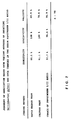
- Fig. 1 is a diagram of distribution of rates of changes in the PG I/PG II ratio in the blood before and after the H. pylori eradicating treatment depending upon the success and failure of the H. pylori eradicating treatment.
- Fig. 2 illustrates sensitivity and specificity in a method of judging eradication based upon changes in the PG I/PG II ratio in the blood before and after the eradicating treatment, featuring superior sensitivity to those of the conventional culture test and rapid urease test.
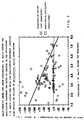
- Fig. 3 is a diagram illustrating relationships among the PG I/PG II ratio in the blood before the eradicating treatment, rates of changes in the PG I/PG II ratio in the blood before and after the eradicating treatment depending upon success and failure of eradication.
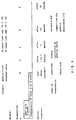
- Fig. 4 is a diagram illustrating schedules of various examinations for an H. pylori -infected patient before and after the eradicating treatment.
- Fig. 5 is a diagram illustrating transitions in the serum gastrin value and serum pepsinogen value depending upon the eradication and non-eradication.
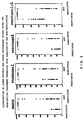
- Fig. 6 is a diagram illustrating distribution of the the serum gastrin and serum pepsinogen value after the eradicating treatment depending upon the eradication and non-eradication.
- Fig. 7 is a diagram illustrating changes in the serum gastrin and serum pepsinogen depending upon the eradication and non-eradication.
- the present invention provides a method of measuring and judging whether H. pylori is eradicated or not by measuring a PG I value and a PG II value in various body fluids such as PG I value and PG II value in the blood sample before the H. pylori eradicating treatment and after the passage of a period in which a substantially significant results occurs from the eradicating treatment, finding a PG I/PG II ratio in the body fluids such as PG I/PG II ratio in the blood, finding a rate of the change in the PG I/PG II ratio in the body fluids such as in the PG I/PG II ratio in the blood before the H.
- H. pylori it is measured and judged whether H. pylori is eradicated or not by measuring a PG I value and a PG II value in various body fluids such as PG I value and PG II value in the blood samples before the H. pylori eradicating treatment and after the passage of a period in which a substantially significant result occurs from the eradicating treatment, finding a PG I/PG II ratio in the body fluids such as PG I/PG II ratio in the blood, finding a rate of the change in the PG I/PG II ratio in the body fluids such as PG I/PG II ratio in the blood before the H.
- a pharmaceutical composition which chiefly comprises a drug for suppressing gastric acid secretion (e.g., proton pump inhibitor such as lansoprazole or omeprazole, or an H 2 blocker such as ranitidine or famotidine) and an antibiotic (e.g., amoxicillin or clarithromycin) or an antibacterial agent (e.g., metronidazole) and, further, containing a mucosa-defending factor (e.g., ecabet sodium, plaunotol or sofalcone).
- a drug for suppressing gastric acid secretion e.g., proton pump inhibitor such as lansoprazole or omeprazole, or an H 2 blocker such as ranitidine or famotidine
- an antibiotic e.g., amoxicillin or clarithromycin
- an antibacterial agent e.g., metronidazole
- Examples of the proton pump inhibitor are activated lansoprazole, AG2000, AG1749, E3810, E3810 thioether, NC1300, etc.
- Examples of the H 2 blocker are further cimetidine, roxatidine, nizatidine, etc. but the H 2 blocker is limited thereto. It should be noted that any drug can be used for eradicating H. pylori and for treating gastric and duodenal ulcer provided it can be used without limitation in combination with the judging method of the present invention and provided it suppresses secretion of acid in the stomach, exhibits antibiotic property, antibacterial property or serves as a factor for defending mucosa.
- Antibacterial treatment against H. pylori was effected for an H. pylori positive patient suffering from peptic ulcer diseases.
- the endoscopic examination and blood-collecting examination were carried out before the treatment and one month after the treatment.
- Gastric mucosal biopsy was performed during gastroendoscopy, and the biopsied samples of gastric mucosa were subjected to culture test, histopathological examination and urease test.
- Gastric mucus was subjected to the PCR to detect H. pylori .
- the judgment of eradication of H. pylori was achieved on the basis that every result of the culture test, urease test, histopathological examination and PCR analysis throughout the observation period.
- Blood sample was collected before the antibacterial treatment of H. pylori and one month after the end of antibacterial treatment, a PG I value in the blood and a PG II value in the blood were measured in order to calculate a PG I/PG II (pepsinogen I/pepsinogen II) ratio. Using these values, it was calculated how much the values one month after the treatment have changed compared with the values before the eradicating treatment.
- Fig. 1 shows the results thereof. It was learned that rates of changes in the PG I/PG II ratios in the blood of eradicated group significantly differed from those of the non-eradicated group. It was then learned that this difference could be used as means for judging the eradication of H. pylori .
- the body fluids such as blood, e.g., whole blood, serum, blood plasma, as well as urine, saliva, abdominal dropsy, gastric juice, exudate of tissue, culture solution of biopsied tissue, and culture solution of cells derived from a living body.
- the method of the present invention makes it possible to correctly and reliably judge whether H. pylori is eradicated or not without affected by variations among values obtained from the individual patients. That is, it is allowed to judge whether H. pylori bacteria are existing or not.
- H. pylori bacteria ware cultured from the gastric mucosal tissues obtained by biopsy during gastroduodenoscopy. The bacteria grew at a very slow rate and its judgment was rendered after the cultivation at 37 °C for about 72 hours by using a skirrow blood agar medium. H. pylori bacteria are anaerobic and their culture requires a special device for adjusting the oxygen concentration to 5%. The culture requires controlling the oxygen concentration and a failure to control the oxygen concentration results in a drop in the rate of detecting the bacteria. The bacteria were cultured while making sure the gas concentration by using an oxygen concentration monitor.
- RUT Rapid urease test
- Gastric mucosa obtained by biopsy during gastroduodenoscopy was specially stained to make sure the presence or absence of H. pylori bacteria using a microscope.
- Special staining can be accomplished by staining the gastric mucosal sections with Warthin-starry stain and observing it using an optical microscope, staining the section with acridine orange and observing it using a fluorescent microscope, or staining the gastric mucosa with Giemsa stain.
- HPU18N 5'-CCCATTTGACTCAATGCGATG-3'
- HPU54N 5'-TGGGATTAGCGAGTATGTCGG-3'
- Gastric juice was collected by suction during gastroduodenoscopy.
- the gastric juice collected by suction was subjected to the centrifuge, DNAs were extracted from 100 ⁇ l of the precipitated mucus by using a DNA extraction kit in the market, and the extracted DNAs wore dissolved in 400 ⁇ l of TE which was then used as an H. pylori DNA solution.
- the reaction solution of the cPCR method possessed a composition, per a reaction tube, of 4.00 ⁇ l of dNTPs (2.5 mM each), 5.00 ⁇ l of 10 x PCR buffer solution, 0.25 ⁇ l of Taq DNA polymerase (5U/ ⁇ l), 0.50 ⁇ l of primer (HPU18N and HPU54N: 50 mol/ ⁇ l each), 5.00 ⁇ l of H. pylori DNA solution, and 4.0 ⁇ l of a competitor of various concentrations (sDNA: 1.0 x 5 0 to 1.0 x 5 -8 pg/ ⁇ l) and being added with the water so that the total volume was 50 ⁇ l.
- sDNA 1.0 x 5 0 to 1.0 x 5 -8 pg/ ⁇ l
- PCR amplification is consisted of initial denaturation of target DNA at 95 °C for 5 min. followed by denaturation at 94 °C for 1 min., primer annealing at 55 °C for 1 min., and extension at 72 °C for 1 min. The final cycle included extension for 8 min. at 72 °C to ensure full extension of the products. Samples were amplified 25 to 40 consecutive cycles.
- the PCR products were analyzed by electrophoresis, and the concentrations of 132 bp bands of H. pylori DNA and the concentration of 66 bp bands of competitor were measured by a densitometer. A point was found at which the concentration of the 132 bp band became equal to the concentration of the 66 bp band, in order to calculate the amount of H. pylori in the gastric mucus. The case where the amount of H. pylori was greater than 10 4 /100 ⁇ l was regarded to be positive. The case where the 132 bp bands was not recognized but the 66 bp bands was recognized was regarded to be negative. When the amount of H.
- the PG I value and PG II value in the blood were measured by using monoclonal antibodies specific to PG I and PG II, i.e., by using pepsinogen I RIA BEAD and pepsinogen II RIA BEAD (manufactured by Dainabot Co., ltd.) as a solid-phase antibody and a label antibody.
- a reaction mixture consisting of a sample and a standard PG I sample or a standard PG II sample each in an amount of 25 ⁇ l, an anti-PG I antibody bead or an anti-PG II antibody bead, and 200 ⁇ l of a 125 I-labelled anti-PG I antibody or anti-PG II antibody, was subjected to the shaking incubation treatment at room temperature for three hours.
- the reaction solution was sucked, washed, rinsed with distilled water three times and, finally, a radioactivity of the bead was measured.
- the PG I value and PG II value in the blood is also measured accoding to the method disclosed in Samloff IM: "Pepsinogens I and II, purification from gastric mucosa and radioimmunoassay in serum", Gastroenterology, 82: 26-33, 1982.
- the PG I value and PG II value in the blood were measured before and after the treatment.
- the results of the blood samples within one to three months after the administration (eradication) has been finished were divided by values before the eradicating treatment and were expressed in terms of percentage to compare them together with the success or failure of eradication.
- the results of examination such as culture test, rapid urease test, PCR method, and ammonia in gastric juice/urea in gastric juice ratio measurement, were compared and discussed, and only the case in which all of them were negative was judged to be eradication successful. As a result, eradication was recognized in 43 cases among 98 cases.
- the sensitivity and specificity were 61.1% and 100%, respectively. In the urease test, they were 80.0% and 100%, respectively, from which it was recognized that the detection sensitivity drops after the eradicating treatment.
- a cut-off value for the rate of change in the PG I/PG II ratio in the blood is tentatively set to be +40 % when the PG I/PG II ratio in the blood is not larger than 3
- the cut-off value for the rate of change in the PG I/PG II ratio in the blood is tentatively set to be +25 % when the PG I/PG II ratio in the blood is not smaller than 3 but is not larger than 5
- the cut-off value for the rate of change in the PG I/PG II ratio in the blood is tentatively set to be about +10 % when the PG I/PG II ratio in the blood is not smaller than 5, in order to more correctly judge whether the eradication is successful or not.
- Fig. 3 illustrates a relationship between the PG I/PG II ratios of before the eradicating treatment and rates or the changes in the PG I/PG II ratios before and after the eradicating treatment depending upon the success or failure of H. pylori eradication, wherein a solid line represents a regression line of the group with eradication and a dotted line represents a regression line of the group without eradication.
- Lansoprazole and antibiotic were administered as explained in Example 1 to patients (24 cases of stomach ulcer and 20 cases of duodenal ulcer) who were confirmed to have been infected with H. pylori by culture test, urease test and a PCR method as explained in Example 1. After the administration is finished, the blood was examined (gastrin, pepsinogen I, pepsinogen II) as shown in Fig. 4. After more than a month has passed from the administration of the therapeutic drugs, the endoscopy was conducted and H. pylori was examined by the urease test, culture test, and a competitive PCR method. Only in the case where all of them were negative, it was judged that the eradication was successful. The eradication was recognized in 24 cases among 44 cases.
- Fig. 5 illustrates transition in the blood test (gastrin, pepsinogen I, pepsinogen II) and pepsinogen I/pepsinogen II ratio before and after the treatment. It was learned that nearly constant values were maintained one month after the eradicating treatment, and different values were maintained depending upon whether the eradication was successful or not. Therefore, values were compared and discussed before the treatment and one to three months after the treatment.
- Fig. 6 shows distribution of serum gastrin, serum pepsinogen I, serum pepsinogen II, and serum pepsinogen I/pepsinogen II ratio during the treatment depending upon whether the eradication was successful or not.
- significant differences were recognized between the group with eradication and the group without eradication.
- These cases include different diseases such as duodenal ulcer and gastric ulcer.
- the values before the treatment are varying and are, often, overlapping.
- Fig. 7 illustrates rates of changes in the blood gastrin, blood pepsinogen I, blood pepsinogen II, and blood pepsinogen I/pepsinogen II ratio before and after the treatment.
- the cut-off value of ⁇ 0 % was tentatively applied for the blood gastrin and blood pepsinogen I
- the cut-off value of - 20 % was tentatively applied for the blood serum pepsinogen II
- the cut-off value of + 25 % was tentatively applied for the blood pepsinogen I/pepsinogen II ratio
- the eradication was judged based upon the cut-off values to evaluate the accuracy of diagnosis.
- the sensitivity of diagnosis of eradication was as very good as 94.7 % based upon the rates of changes in the blood pepsinogen I/pepsinogen II ratio. Even the validity inclusive of the eradication and non-eradication was as high as 93.2% based upon the serum pepsinogen I/pepsinogen II ratio.
- Table 1 shows accuracy of various methods of judging H. pylori eradication based upon the PCR method.
- Table 1 Accuracy of various eradication judging methods based upon the PCR method.
- the method of the present invention makes it possible to relatively correctly judge the eradication without conducting endoscopy. Besides, this method which does not require endoscopy causes the person to be tested to bear a reduced burden, making it possible to conduct examination and measurement a plural times repetitively. Moreover, pepsinogen I in the body fluid such as pepsinogen I in the blood and pepsinogen II in the body fluid such as pepsinogen II in the blood, can be measured by using testing reagents that are in the market, enabling the measurement to be taken easily and quickly. Accordingly, there is no need of developing or buying new equipment, and no special skill or technique is required, either.
Landscapes
- Health & Medical Sciences (AREA)
- Life Sciences & Earth Sciences (AREA)
- Engineering & Computer Science (AREA)
- Immunology (AREA)
- Chemical & Material Sciences (AREA)
- Biomedical Technology (AREA)
- Hematology (AREA)
- Molecular Biology (AREA)
- Urology & Nephrology (AREA)
- General Health & Medical Sciences (AREA)
- Medicinal Chemistry (AREA)
- General Physics & Mathematics (AREA)
- Food Science & Technology (AREA)
- Microbiology (AREA)
- Physics & Mathematics (AREA)
- Analytical Chemistry (AREA)
- Biochemistry (AREA)
- Cell Biology (AREA)
- Biotechnology (AREA)
- Pathology (AREA)
- Nuclear Medicine, Radiotherapy & Molecular Imaging (AREA)
- Animal Behavior & Ethology (AREA)
- Chemical Kinetics & Catalysis (AREA)
- General Chemical & Material Sciences (AREA)
- Communicable Diseases (AREA)
- Organic Chemistry (AREA)
- Pharmacology & Pharmacy (AREA)
- Oncology (AREA)
- Public Health (AREA)
- Veterinary Medicine (AREA)
- Proteomics, Peptides & Aminoacids (AREA)
- Tropical Medicine & Parasitology (AREA)
- Virology (AREA)
- Measuring Or Testing Involving Enzymes Or Micro-Organisms (AREA)
- Investigating Or Analysing Biological Materials (AREA)
- Medicines That Contain Protein Lipid Enzymes And Other Medicines (AREA)
Applications Claiming Priority (3)
| Application Number | Priority Date | Filing Date | Title |
|---|---|---|---|
| JP24041895 | 1995-08-28 | ||
| JP240418/95 | 1995-08-28 | ||
| JP7240418A JP2949474B2 (ja) | 1995-08-28 | 1995-08-28 | ペプシノーゲンi/ii比の変化率を基礎としたヘリコバクター・ピロリ除菌判定方法 |
Publications (3)
| Publication Number | Publication Date |
|---|---|
| EP0760482A2 true EP0760482A2 (de) | 1997-03-05 |
| EP0760482A3 EP0760482A3 (de) | 1998-07-15 |
| EP0760482B1 EP0760482B1 (de) | 2002-07-24 |
Family
ID=17059187
Family Applications (1)
| Application Number | Title | Priority Date | Filing Date |
|---|---|---|---|
| EP95115371A Expired - Lifetime EP0760482B1 (de) | 1995-08-28 | 1995-09-29 | Verfahren zur Beurteilung der Beseitigung von H. Pylori auf der Basis der Veränderungsgeschwindigkeit des Pepsinogen-I/II-Verhältnisses |
Country Status (7)
| Country | Link |
|---|---|
| US (1) | US6156525A (de) |
| EP (1) | EP0760482B1 (de) |
| JP (1) | JP2949474B2 (de) |
| AT (1) | ATE221201T1 (de) |
| DE (1) | DE69527526T2 (de) |
| DK (1) | DK0760482T3 (de) |
| ES (1) | ES2176271T3 (de) |
Cited By (3)
| Publication number | Priority date | Publication date | Assignee | Title |
|---|---|---|---|---|
| WO2002054084A1 (en) * | 2001-01-05 | 2002-07-11 | Biohit Oyj | A method for diagnosing atrophic gastritis |
| WO2005018334A1 (en) * | 2003-08-25 | 2005-03-03 | Nutriag Ltd. | pH COLOUR INDICATOR FOR USE WITH AGRICULTURAL COMPOUNDS |
| WO2005085871A1 (en) * | 2004-03-05 | 2005-09-15 | Biohit Oyj | A method for predicting the state of the gastric mucosa |
Families Citing this family (3)
| Publication number | Priority date | Publication date | Assignee | Title |
|---|---|---|---|---|
| FI97304C (fi) * | 1994-11-16 | 1996-11-25 | Locus Genex Oy | Menetelmä mahasyövän riskin seulonnaksi |
| FI118653B (fi) * | 1999-04-30 | 2008-01-31 | Biohit Oyj | Menetelmä peptisen haavan riskin määrittämiseksi |
| CN114835815B (zh) * | 2022-06-07 | 2023-06-30 | 宁波赛珀生物技术有限公司 | 一种抗胃蛋白酶原i的单克隆抗体及其制备方法和应用 |
Family Cites Families (2)
| Publication number | Priority date | Publication date | Assignee | Title |
|---|---|---|---|---|
| US4830010A (en) * | 1986-04-04 | 1989-05-16 | Marshall Barry J | Methods for the diagnosis of gastrointestinal disorders |
| IL108520A (en) * | 1993-02-15 | 1997-09-30 | Byk Gulden Lomberg Chem Fab | 2, 3, 8-TRISUBSTITUTED IMIDAZO £1, 2-a| PYRIDINE DERIVATIVES, PROCESSES FOR THE PREPARATION THEREOF AND PHARMACEUTICAL COMPOSITIONS CONTAINING THEM |
-
1995
- 1995-08-28 JP JP7240418A patent/JP2949474B2/ja not_active Expired - Fee Related
- 1995-09-29 ES ES95115371T patent/ES2176271T3/es not_active Expired - Lifetime
- 1995-09-29 DE DE69527526T patent/DE69527526T2/de not_active Expired - Lifetime
- 1995-09-29 US US08/536,102 patent/US6156525A/en not_active Expired - Fee Related
- 1995-09-29 EP EP95115371A patent/EP0760482B1/de not_active Expired - Lifetime
- 1995-09-29 DK DK95115371T patent/DK0760482T3/da active
- 1995-09-29 AT AT95115371T patent/ATE221201T1/de active
Cited By (6)
| Publication number | Priority date | Publication date | Assignee | Title |
|---|---|---|---|---|
| WO2002054084A1 (en) * | 2001-01-05 | 2002-07-11 | Biohit Oyj | A method for diagnosing atrophic gastritis |
| US7358062B2 (en) | 2001-01-05 | 2008-04-15 | Biohit Oyj | Method for diagnosing atrophic gastritis |
| WO2005018334A1 (en) * | 2003-08-25 | 2005-03-03 | Nutriag Ltd. | pH COLOUR INDICATOR FOR USE WITH AGRICULTURAL COMPOUNDS |
| US10145803B2 (en) | 2003-08-25 | 2018-12-04 | Nutriag Ltd. | pH colour indicator for use with agricultural compounds |
| US10591419B2 (en) | 2003-08-25 | 2020-03-17 | Nutriag Ltd. | pH colour indicator for use with agricultural compounds |
| WO2005085871A1 (en) * | 2004-03-05 | 2005-09-15 | Biohit Oyj | A method for predicting the state of the gastric mucosa |
Also Published As
| Publication number | Publication date |
|---|---|
| DE69527526D1 (de) | 2002-08-29 |
| ES2176271T3 (es) | 2002-12-01 |
| JPH0961428A (ja) | 1997-03-07 |
| DE69527526T2 (de) | 2003-05-08 |
| DK0760482T3 (da) | 2002-11-18 |
| US6156525A (en) | 2000-12-05 |
| ATE221201T1 (de) | 2002-08-15 |
| EP0760482A3 (de) | 1998-07-15 |
| EP0760482B1 (de) | 2002-07-24 |
| JP2949474B2 (ja) | 1999-09-13 |
Similar Documents
| Publication | Publication Date | Title |
|---|---|---|
| Nielsen et al. | Faecal Escherichia coli from patients with E. coli urinary tract infection and healthy controls who have never had a urinary tract infection | |
| Nakamura et al. | Helicobacter pylori and the t (11; 18)(q21; q21) translocation in gastric low‐grade B‐cell lymphoma of mucosa‐associated lymphoid tissue type | |
| CA2160916C (en) | Test composition for the rapid detection of helicobacter pylori in gastric biopsy tissue | |
| Bielanski et al. | New approach to 13C-urea breath test: capsule-based modification with low-dose of 13C-urea in the diagnosis of Helicobacter pylori infection | |
| Leodolter et al. | Current standards in the diagnosis of Helicobacter pylori infection | |
| Rautelin et al. | Diagnosis of Helicobacter pylori infection | |
| Laine et al. | The influence of size or number of biopsies on rapid urease test results: a prospective evaluation | |
| CN113736847B (zh) | 一种快速检测幽门螺旋杆菌耐药性的试剂盒及方法 | |
| US20140186863A1 (en) | Method for detecting pancreatic disease marker | |
| Mégraud | 5 Diagnosis of Helicobacter pylori | |
| US6156525A (en) | Method for judging eradication of H. pylori based on rates of changes in the pepsinogen I/II ratio | |
| EP3240907B1 (de) | Ultraschnelle detektion von helicobacter pylori in magenschleimhautbiopsien | |
| Hungund et al. | Efficacy of nonsurgical periodontal therapy affecting salivary biomarkers in non-diabetic and type 2 diabetic periodontitis patients. An observational study | |
| Süss et al. | KCNN4 Expression Is Elevated in Inflammatory Bowel Disease: This Might Be a Novel Marker and Therapeutic Option Targeting Potassium Channels. | |
| US20040029205A1 (en) | Diagnostic system for differentiating sputum from saliva | |
| Yatoo et al. | Diagnostic techniques in goats | |
| Young et al. | Prospective evaluation of a new urea-membrane test for the detection of Helicobacter pylori in gastric antral tissue | |
| Sato et al. | Evaluation of immunological rapid urease testing for detection of Helicobacter pylori | |
| JPH10148636A (ja) | ペプシノーゲン i/ii 比の変化率を基礎としたヘリコバクター・ピロリ除菌判定方法 | |
| Matsuda et al. | Utility and limitations of a method for detecting Helicobacter pylori-specific antigens in the stool | |
| HOLTMANN et al. | Clinical Conditions Associated With Bacterial Overgrowth | |
| JPH08145991A (ja) | ウレアーゼ活性を有する微生物の感染判定方法 | |
| JP4792585B2 (ja) | 口腔細菌の迅速検出方法 | |
| HELICOBACTER | SCHOOL OF ALLIED HEALTH SCIENCES DEPARTMENT OF BIOMEDICAL LABORATORY SCIENCE | |
| RU2189592C1 (ru) | Способ диагностики пилорического хеликобактериоза |
Legal Events
| Date | Code | Title | Description |
|---|---|---|---|
| PUAI | Public reference made under article 153(3) epc to a published international application that has entered the european phase |
Free format text: ORIGINAL CODE: 0009012 |
|
| AK | Designated contracting states |
Kind code of ref document: A2 Designated state(s): AT BE CH DE DK ES FR GB GR IT LI NL SE |
|
| PUAL | Search report despatched |
Free format text: ORIGINAL CODE: 0009013 |
|
| AK | Designated contracting states |
Kind code of ref document: A3 Designated state(s): AT BE CH DE DK ES FR GB GR IT LI NL SE |
|
| RHK1 | Main classification (correction) |
Ipc: G01N 33/573 |
|
| 17P | Request for examination filed |
Effective date: 19980801 |
|
| 17Q | First examination report despatched |
Effective date: 20000407 |
|
| GRAG | Despatch of communication of intention to grant |
Free format text: ORIGINAL CODE: EPIDOS AGRA |
|
| GRAG | Despatch of communication of intention to grant |
Free format text: ORIGINAL CODE: EPIDOS AGRA |
|
| GRAH | Despatch of communication of intention to grant a patent |
Free format text: ORIGINAL CODE: EPIDOS IGRA |
|
| GRAH | Despatch of communication of intention to grant a patent |
Free format text: ORIGINAL CODE: EPIDOS IGRA |
|
| GRAA | (expected) grant |
Free format text: ORIGINAL CODE: 0009210 |
|
| AK | Designated contracting states |
Kind code of ref document: B1 Designated state(s): AT BE CH DE DK ES FR GB GR IT LI NL SE |
|
| PG25 | Lapsed in a contracting state [announced via postgrant information from national office to epo] |
Ref country code: GR Free format text: LAPSE BECAUSE OF FAILURE TO SUBMIT A TRANSLATION OF THE DESCRIPTION OR TO PAY THE FEE WITHIN THE PRESCRIBED TIME-LIMIT Effective date: 20020724 |
|
| REF | Corresponds to: |
Ref document number: 221201 Country of ref document: AT Date of ref document: 20020815 Kind code of ref document: T |
|
| REG | Reference to a national code |
Ref country code: GB Ref legal event code: FG4D |
|
| REG | Reference to a national code |
Ref country code: CH Ref legal event code: EP |
|
| REF | Corresponds to: |
Ref document number: 69527526 Country of ref document: DE Date of ref document: 20020829 |
|
| REG | Reference to a national code |
Ref country code: CH Ref legal event code: NV Representative=s name: A. BRAUN, BRAUN, HERITIER, ESCHMANN AG PATENTANWAE |
|
| REG | Reference to a national code |
Ref country code: DK Ref legal event code: T3 |
|
| ET | Fr: translation filed | ||
| REG | Reference to a national code |
Ref country code: ES Ref legal event code: FG2A Ref document number: 2176271 Country of ref document: ES Kind code of ref document: T3 |
|
| PLBE | No opposition filed within time limit |
Free format text: ORIGINAL CODE: 0009261 |
|
| STAA | Information on the status of an ep patent application or granted ep patent |
Free format text: STATUS: NO OPPOSITION FILED WITHIN TIME LIMIT |
|
| 26N | No opposition filed |
Effective date: 20030425 |
|
| REG | Reference to a national code |
Ref country code: CH Ref legal event code: PFA Owner name: FURUTA, TAKAHISA, DR. Free format text: FURUTA, TAKAHISA, DR.#181-2-506, AOICHO#HAMAMATSU-SHI, SHIZUOKA 433 (JP) -TRANSFER TO- FURUTA, TAKAHISA, DR.#181-2-506, AOICHO#HAMAMATSU-SHI, SHIZUOKA 433 (JP) |
|
| PGFP | Annual fee paid to national office [announced via postgrant information from national office to epo] |
Ref country code: IT Payment date: 20100924 Year of fee payment: 16 |
|
| PGFP | Annual fee paid to national office [announced via postgrant information from national office to epo] |
Ref country code: DE Payment date: 20101125 Year of fee payment: 16 |
|
| PGFP | Annual fee paid to national office [announced via postgrant information from national office to epo] |
Ref country code: DK Payment date: 20110926 Year of fee payment: 17 Ref country code: CH Payment date: 20110926 Year of fee payment: 17 |
|
| PGFP | Annual fee paid to national office [announced via postgrant information from national office to epo] |
Ref country code: ES Payment date: 20110923 Year of fee payment: 17 Ref country code: FR Payment date: 20111005 Year of fee payment: 17 Ref country code: AT Payment date: 20110922 Year of fee payment: 17 Ref country code: GB Payment date: 20110923 Year of fee payment: 17 Ref country code: SE Payment date: 20110923 Year of fee payment: 17 |
|
| PGFP | Annual fee paid to national office [announced via postgrant information from national office to epo] |
Ref country code: NL Payment date: 20110928 Year of fee payment: 17 |
|
| PGFP | Annual fee paid to national office [announced via postgrant information from national office to epo] |
Ref country code: BE Payment date: 20110926 Year of fee payment: 17 |
|
| BERE | Be: lapsed |
Owner name: *FURUTA TAKAHISA Effective date: 20120930 |
|
| REG | Reference to a national code |
Ref country code: NL Ref legal event code: V1 Effective date: 20130401 |
|
| PG25 | Lapsed in a contracting state [announced via postgrant information from national office to epo] |
Ref country code: SE Free format text: LAPSE BECAUSE OF NON-PAYMENT OF DUE FEES Effective date: 20120930 |
|
| REG | Reference to a national code |
Ref country code: CH Ref legal event code: PL Ref country code: SE Ref legal event code: EUG |
|
| REG | Reference to a national code |
Ref country code: AT Ref legal event code: MM01 Ref document number: 221201 Country of ref document: AT Kind code of ref document: T Effective date: 20120929 |
|
| GBPC | Gb: european patent ceased through non-payment of renewal fee |
Effective date: 20120929 |
|
| REG | Reference to a national code |
Ref country code: DK Ref legal event code: EBP |
|
| REG | Reference to a national code |
Ref country code: FR Ref legal event code: ST Effective date: 20130531 |
|
| PG25 | Lapsed in a contracting state [announced via postgrant information from national office to epo] |
Ref country code: DE Free format text: LAPSE BECAUSE OF NON-PAYMENT OF DUE FEES Effective date: 20130403 Ref country code: GB Free format text: LAPSE BECAUSE OF NON-PAYMENT OF DUE FEES Effective date: 20120929 Ref country code: AT Free format text: LAPSE BECAUSE OF NON-PAYMENT OF DUE FEES Effective date: 20120929 Ref country code: LI Free format text: LAPSE BECAUSE OF NON-PAYMENT OF DUE FEES Effective date: 20120930 Ref country code: BE Free format text: LAPSE BECAUSE OF NON-PAYMENT OF DUE FEES Effective date: 20120930 Ref country code: CH Free format text: LAPSE BECAUSE OF NON-PAYMENT OF DUE FEES Effective date: 20120930 |
|
| REG | Reference to a national code |
Ref country code: DE Ref legal event code: R119 Ref document number: 69527526 Country of ref document: DE Effective date: 20130403 |
|
| PG25 | Lapsed in a contracting state [announced via postgrant information from national office to epo] |
Ref country code: NL Free format text: LAPSE BECAUSE OF NON-PAYMENT OF DUE FEES Effective date: 20130401 Ref country code: FR Free format text: LAPSE BECAUSE OF NON-PAYMENT OF DUE FEES Effective date: 20121001 Ref country code: IT Free format text: LAPSE BECAUSE OF NON-PAYMENT OF DUE FEES Effective date: 20120929 |
|
| REG | Reference to a national code |
Ref country code: ES Ref legal event code: FD2A Effective date: 20131021 |
|
| PG25 | Lapsed in a contracting state [announced via postgrant information from national office to epo] |
Ref country code: ES Free format text: LAPSE BECAUSE OF NON-PAYMENT OF DUE FEES Effective date: 20120930 Ref country code: DK Free format text: LAPSE BECAUSE OF NON-PAYMENT OF DUE FEES Effective date: 20121001 |