EP0784685B1 - Mutants et vaccins du virus de l'anemie infectieuse du poulet et utilisations basees sur les proteines virales vp1, vp2 et vp3 ou des sequences de ce virus assurant leur codage - Google Patents
Mutants et vaccins du virus de l'anemie infectieuse du poulet et utilisations basees sur les proteines virales vp1, vp2 et vp3 ou des sequences de ce virus assurant leur codage Download PDFInfo
- Publication number
- EP0784685B1 EP0784685B1 EP94925638A EP94925638A EP0784685B1 EP 0784685 B1 EP0784685 B1 EP 0784685B1 EP 94925638 A EP94925638 A EP 94925638A EP 94925638 A EP94925638 A EP 94925638A EP 0784685 B1 EP0784685 B1 EP 0784685B1
- Authority
- EP
- European Patent Office
- Prior art keywords
- cav
- dna
- cells
- virus
- depicted
- Prior art date
- Legal status (The legal status is an assumption and is not a legal conclusion. Google has not performed a legal analysis and makes no representation as to the accuracy of the status listed.)
- Expired - Lifetime
Links
Images






Classifications
-
- C—CHEMISTRY; METALLURGY
- C07—ORGANIC CHEMISTRY
- C07K—PEPTIDES
- C07K14/00—Peptides having more than 20 amino acids; Gastrins; Somatostatins; Melanotropins; Derivatives thereof
- C07K14/005—Peptides having more than 20 amino acids; Gastrins; Somatostatins; Melanotropins; Derivatives thereof from viruses
-
- A—HUMAN NECESSITIES
- A61—MEDICAL OR VETERINARY SCIENCE; HYGIENE
- A61P—SPECIFIC THERAPEUTIC ACTIVITY OF CHEMICAL COMPOUNDS OR MEDICINAL PREPARATIONS
- A61P31/00—Antiinfectives, i.e. antibiotics, antiseptics, chemotherapeutics
- A61P31/12—Antivirals
-
- A—HUMAN NECESSITIES
- A61—MEDICAL OR VETERINARY SCIENCE; HYGIENE
- A61P—SPECIFIC THERAPEUTIC ACTIVITY OF CHEMICAL COMPOUNDS OR MEDICINAL PREPARATIONS
- A61P31/00—Antiinfectives, i.e. antibiotics, antiseptics, chemotherapeutics
- A61P31/12—Antivirals
- A61P31/20—Antivirals for DNA viruses
-
- A—HUMAN NECESSITIES
- A61—MEDICAL OR VETERINARY SCIENCE; HYGIENE
- A61P—SPECIFIC THERAPEUTIC ACTIVITY OF CHEMICAL COMPOUNDS OR MEDICINAL PREPARATIONS
- A61P35/00—Antineoplastic agents
-
- A—HUMAN NECESSITIES
- A61—MEDICAL OR VETERINARY SCIENCE; HYGIENE
- A61K—PREPARATIONS FOR MEDICAL, DENTAL OR TOILETRY PURPOSES
- A61K38/00—Medicinal preparations containing peptides
-
- A—HUMAN NECESSITIES
- A61—MEDICAL OR VETERINARY SCIENCE; HYGIENE
- A61K—PREPARATIONS FOR MEDICAL, DENTAL OR TOILETRY PURPOSES
- A61K39/00—Medicinal preparations containing antigens or antibodies
-
- C—CHEMISTRY; METALLURGY
- C12—BIOCHEMISTRY; BEER; SPIRITS; WINE; VINEGAR; MICROBIOLOGY; ENZYMOLOGY; MUTATION OR GENETIC ENGINEERING
- C12N—MICROORGANISMS OR ENZYMES; COMPOSITIONS THEREOF; PROPAGATING, PRESERVING, OR MAINTAINING MICROORGANISMS; MUTATION OR GENETIC ENGINEERING; CULTURE MEDIA
- C12N2750/00—MICROORGANISMS OR ENZYMES; COMPOSITIONS THEREOF; PROPAGATING, PRESERVING, OR MAINTAINING MICROORGANISMS; MUTATION OR GENETIC ENGINEERING; CULTURE MEDIA ssDNA viruses
- C12N2750/00011—Details
- C12N2750/10011—Circoviridae
- C12N2750/10021—Viruses as such, e.g. new isolates, mutants or their genomic sequences
-
- C—CHEMISTRY; METALLURGY
- C12—BIOCHEMISTRY; BEER; SPIRITS; WINE; VINEGAR; MICROBIOLOGY; ENZYMOLOGY; MUTATION OR GENETIC ENGINEERING
- C12N—MICROORGANISMS OR ENZYMES; COMPOSITIONS THEREOF; PROPAGATING, PRESERVING, OR MAINTAINING MICROORGANISMS; MUTATION OR GENETIC ENGINEERING; CULTURE MEDIA
- C12N2750/00—MICROORGANISMS OR ENZYMES; COMPOSITIONS THEREOF; PROPAGATING, PRESERVING, OR MAINTAINING MICROORGANISMS; MUTATION OR GENETIC ENGINEERING; CULTURE MEDIA ssDNA viruses
- C12N2750/00011—Details
- C12N2750/10011—Circoviridae
- C12N2750/10022—New viral proteins or individual genes, new structural or functional aspects of known viral proteins or genes
Definitions
- the present invention relates to novel proteins and/or polypeptides of the Chicken Anemia Virus. Besides, it relates to vaccines and compositions for preventing or treating virus infections in poultry, in particular infections with the Chicken Anemia Virus (CAV).
- CAV Chicken Anemia Virus
- the invention relates to compositions containing antibodies against parts of the CAV for controlling infections with CAV. Also anti-idiotype antibodies which possess an immunogenicity corresponding with the antigen are a subject of the invention.
- the invention also relates to antibodies for the detection or control of CAV infections. Also diagnostic test kits for the detection of CAV will be described.
- the invention further relates to recombinant DNA molecules derived from CAV, which code for at least an immunogenic part of a CAV protein and host cells transfected with such recombinant DNA molecules. Vaccines based on these host cells are made possible by this invention.
- living virus vaccines in which a piece of DNA coding for at least an immunogenic part of a CAV protein is brought into a virus infectious to the desired host are a subject of the invention.
- Processes for the prophylaxis or control of CAV infections, in particular in chickens, and processes for the preparation of recombinant parts of CAV comprising sequences, and processes for the preparation of vaccines are also subjects of the invention.
- the invention relates to uses of the proteins of the CAV in the induction of apoptosis (programmed cell death).
- the proteins polypeptides
- the proteins can be used in the induction of apoptosis in tumor cells.
- proteins according to the invention can also be used in the elimination of other undesired cell populations, such as autoimmune reactive T cells in autoimmune diseases, such as rheumatoid arthritis, lupus, etc.
- the invention further provides for the induction of cell death by means of gene therapy. Processes for preparing these therapeutics and processes for treatment therewith are also subjects of the invention.
- CAV Chicken Anemia Virus
- Todd et al. (1990) have shown that isolated virus particles contain only one protein having a molecular weight of 50 kDa.
- the single-stranded DNA in the CAV particles is in the form of a circular minus strand (Gelderblom et al.; Todd et al., 1990; Noteborn et al., 1991).
- the replicative DNA intermediary was cloned and fully sequenced.
- the CAV genome is 2319 nucleotides long. On the basis of the genome structure and the DNA sequence the virus cannot be placed into one of the known virus families (Noteborn et al., 1991; Todd et al., 1991).
- CAV can be multiplied in tissue culture.
- the titers then obtained are low in general.
- MDCC-MSB1 cells Yamaasa, 1983; Yuasa et al., 1983
- CAV induces a cytopathogenic effect 48-72 hours after infection.
- MDCC-MSB1 cells are also used to determine neutralizing antibodies and antibodies directed against CAV by means of immunofluorescence (Von Bülow et al., 1985; Chettle et al., 1991). It has not been found possible so far to attenuate the virulence of CAV by serial passage in MDCC-MSB1 cells.
- the recombinant CAV products which will be used for vaccination of laying-hens, can be synthesized by means of the baculovirus system.
- the CAV proteins can also be synthesized by means of other systems, such as bacterial or yeast cells, via retro(viral) infection or gene amplification (CHO-dhfr system).
- the expression of fragments of one or more above-mentioned CAV proteins by living virus vectors may be sufficient for the induction of a protective immune response.
- viral vectors In poultry, only living virus vectors which themselves show a good replication in the avian system can be used. Eligible for the use of viral vectors in chickens are, among other things: fowl pox virus, retroviral vectors, herpes virus vectors (Marek's virus and turkey herpes virus), adenoviruses and laryngotrachitis virus. It has been found that the induction of cell death as induced by CAV can essentially be attributed to VP3 and partly to VP2.
- the three CAV proteins which were expressed into the baculovirus system separately or in combination with one or two other CAV proteins can be used for tracing antibodies directed against CAV. Chickens infected or vaccinated with CAV can thus be traced.
- One or more CAV proteins can be used in immunoassays, such as 'enzyme-linked immunosorbent assay' (ELISA), immunoperoxidase staining and immunofluorescence assay. For measuring neutralizing antibodies two or more CAV proteins are required.
- the CAV protein VP3 is in itself capable of inducing apoptosis in chicken mononuclear tumor cells and in diverse human tumor cells.
- the CAV proteins VP2 and/or VP3 can be used in treatments for reducing (human) tumor formation. This may take place, e.g., by injecting the proteins according to the invention directly into a solid tumor or coupling the proteins to a ligand having affinity to a tumor associated antiligand. This coupling can be effected both chemically and (in case the ligand is also a protein) via making recombinant a fusion protein.
- an inert carrier molecule may be selected, such as an indifferent serum protein, to which both the ligand and the viral protein are attached, whether or not via a spacer group.
- ligand-receptor pairs such as EGF/receptor, IL-2/receptor, /T cell receptor, antibody/tumor antigen, etc.
- the ligand to which the proteins according to the invention can be coupled in any manner whatsoever need not be a complete ligand. In general, it will be sufficient to use the antiligand binding part. Also derivatives of the ligands in question will be useful as long as they possess the antiligand binding activity. In case the ligand is an antibody, the fact is to be considered that antibodies of another origin than the type to which they are administered will in most cases lead to an immune response. Besides, this also applies to a number of other protein ligands.
- baculovirus pAcRP23-lacZ The recombinant baculovirus pAcRP23-lacZ (Bishop, 1992) was obtained from Dr. R. Possee, NERC Institute of Virology, Oxford, England, and the genomic DNA was purified as described by Summers and Smith (1987). Spodoptera frugiperda (Sf9) cells were obtained from the American Tissue Culture Collection (no. CRL 1711). Baculovirus stocks were grown in confluent monolayers and suspension cultures in TC 100 medium (Gibco/BRL) containing 10% fetal calf serum as described by Summers and Smith (1987).
- the cells were centrifuged at 1500 rpm in a table centrifuge.
- the medium was replaced by 5 ml TBS buffer, and the cells were carefully resuspended.
- the cells were pelleted, and the TBS buffer was removed.
- the cell pellet was carefully resuspended in 300 microliters of DEAE dextran/DNA mix and incubated for 30 minutes at room temperature.
- 0.5 ml 25% DMSO/TBS were added, and the suspension was incubated for 3 minutes at room temperature.
- 5 ml TBS were added, and the cells were centrifuged at 1500 rpm in a table centrifuge.
- the supernatant was removed, and 5 ml tissue medium were added.
- the cells were resuspended, centrifuged, taken up in 5 ml tissue culture medium and incubated at 37°C-5% CO 2 .
- Groups of 6 weeks old chicken were injected intraperitoneally and subcutaneously with crude lysates emulsified in complete Freund's adjuvant of 10 6 or 10 8 Sf9 cells which were infected with one or more recombinant CAV baculoviruses.
- As a control a group of 8 animals were injected per immunization experiment with PBS buffer emulsified in complete Freund's adjuvant.
- PBS buffer emulsified in complete Freund's adjuvant.
- the serum was analyzed for neutralizing antibodies directed against CAV.
- the sera of chickens and mice injected with crude Sf9 cell lysates or PBS buffer were diluted 1:2 or 1:4 and then a two-fold dilution series was made.
- the diluted sera were incubated for 1 hour with 10 4 -10 5 TCID 50 CAV-Cux-1 (Von Bülow et al., 1983; Von Bülow, 1985).
- TCID 50 CAV-Cux-1 Von Bülow et al., 1983; Von Bülow, 1985.
- Approximately one hundred thousand cells of the T cell line MDCC-MSB1 transformed by Marek's disease virus were infected with this mixture of diluted sera and virus.
- MDCC-MSB1 cells were infected with CAV which was neutralized with a positive CAV antiserum and a negative serum originating from specific pathogen free chickens.
- Fertilized eggs of the five groups of immunized hens were hatched.
- the chicks were injected intramuscularly on day 1 with 10 5.5.
- TCID 50 CAV-Cux-1 On 6 and on 14 days after infection 5 chickens per group were subjected to section.
- the thymus was analyzed macroscopically and immunohistologically.
- heparin blood was taken, and the blood cells were tested in a virus reisolation assay. Fourteen days after infection heparin blood was collected from all animals to determine the hematocrit.
- Frozen coupes of thymus and bone marrow were made and used for immunoperoxidase staining with CAV-specific monoclonal antibodies, as described by Jeurissen et al. (1988).
- the CAV genome contains three large open reading frames which partially or completely overlap each other. By using start codons in different reading frames the CAV genome codes for 3 unique proteins.
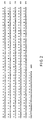
- the coding sequences for the CAV proteins were separately (VP1, Fig. 1; VP2, Fig. 2; and VP3, Fig. 3) cloned into the baculovirus transfer vector pAcYM1. Because the VP3 reading frame completely falls within the VP2 reading frame, VP3, in case of expression of VP2, is always synthesized too, though in a clearly lesser degree.
- the plasmid pEP-51.6 (Noteborn et al., 1992a) contains CAV DNA sequences of positions 791 to 2319.
- the CAV DNA insertion contains the complete coding region for the protein VP1 flanked by 62 bp 5'- an 117 bp 3'-non-coding DNA sequences.
- the plasmid pEP-51.6 was partially cut with HindIII, then completely cut with EcoRI, and the 'sticky ends' were filled by means of Klenow polymerase. A 1.53 kb CAV DNA fragment was isolated.
- the plasmid pAcYM1 was linearized with BamHI, the sticky ends filled by means of Klenow polymerase and finally treated with alkaline phosphatase (CIP).
- the 1.53 kb CAV DNA fragment was ligated at the linearized pAcYM1 DNA.
- the orientation of VP1 in pAcYM1 DNA was determined by restriction enzyme analysis, and the final construct pAcVP1 is shown in Fig. 4.
- Plasmid pEP-24.0 (Noteborn et al., dates not published) contains the 1.15 kb BamHI DNA fragment with CAV DNA sequences of positions 354 to 1508 (Noteborn and De Boer, 1990). This CAV DNA fragment contains the coding region for VP2 flanked by 26 bp 5'- and 484 bp 3'-non-coding DNA sequences. 106 bp downstream of the start codon for VP2 the start codon for VP3 is found in another reading frame, and the other coding sequence for VP3.
- the plasmid pEP-24.0 was treated with BamHI; the 1.15 kb DNA fragment was isolated and ligated at the BamHI linearized and CIP treated 9.3 kb pAcYM1 plasmid.
- the final DNA construct pAcVP2 was characterized with restriction enzymes and is shown in Fig. 4.
- Plasmid pEP-13.3 (Noteborn et al., dates not published) contains the 0.46 kb BamHI-EcoRI DNA fragment with CAV DNA sequences of positions 427 to 868 (Noteborn and De Boer, 1990). The CAV DNA fragment contains the coding region for VP3, 58 bp 5'- and 25 bp 3'-non-coding DNA sequences. Plasmid pEP-13.3 was cut with the restriction enzymes BamHI and EcoRI, and a 0.46 kb BamHI-EcoRI fragment was isolated. Transfer vector pAcYMl DNA was linearized with BamHI and treated with CIP, and a 9.3 kb fragment was isolated.
- the recombinant CAV viruses were characterized for the absence of ⁇ -galactosidase activity in plaques of baculovirus infected insect cells. Further the integration of CAV DNA sequences in the baculovirus genome was determined by means of a CAV-specific DNA probe in a hybridization experiment.
- the CAV protein VP1 has a calculated molecular weight of 51.6 kDa (Noteborn and De Boer, 1990). Lysates of insect cells infected with recombinant VP1 baculovirus contain a protein of 52 kDa beside baculoviral and cellular products. The 52 kDa protein was absent in lysates of insect cells infected with the baculovirus AcRP23-lacZ and in non-infected cells. In vitro expression of the coding sequence of VP1 resulted in a protein of 52 kDa (Noteborn and De Boer, 1992). Most probably, VP1 is not glycosylated because VP1 which is synthesized in a rabbit reticulocyte lysate and VP1 synthesized in insect cells have the same molecular weight.
- Recombinant VP3 baculovirus synthesized in infected insect cells a main product of 16 kDa and small amounts of some proteins having molecular weights of approximately 21,000 and 12,000-14,000.
- CAV-specific monoclonal antibody CVI-CAV-85.1 reacted specifically with Sf9 cells expressing VP3.
- This monoclonal antibody precipitated specifically only a protein having a molecular weight of 16,000 from lysates of radioactively labeled Sf9 cells infected with VP3 recombinant baculovirus.
- Sf9 cells were infected separately with VP1, VP2 and VP3 recombinant baculoviruses. Then the crude cell lysates were combined, mixed with Freund's adjuvant and injected into a group of 8 chickens. As control preparations a crude lysate of Sf9 cells which all synthesized the 3 CAV proteins simultaneously and PBS buffer were used. Both preparations were emulsified in complete Freund's adjuvant and then injected into separate groups of each 8 chickens.
- the viremia in the CAV infected offspring was examined by carrying out a virus isolation on blood cells. Heparin blood samples of 5 animals per group were taken on 6 and 14 days after challenge.
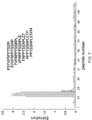
- Six days after infection the offspring of animals injected with VP1 + VP2 + VP3 or VP1 + VP2 were found to contain a clearly lower virus titer than the above-mentioned offspring.
- VP3 in itself is capable of inducing the CAV-specific apoptosis in MDCC-MSB1 cells.
- Expression of pRSV-VP3 DNA coding for VP3 in the monocyte cell line LSCC-HD11 also led to apoptosis in these cells.
- the osteosarcoma-derived Saos-2 cells cannot synthesize p53, and Saos-2/alal43 cells express mutated and thus non-functional p53.
- U2-OS cell line containing wild type p53 was used (Diller et al., 1990).
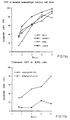
- the results given in Fig. 12a show that VP3 can induce apoptosis in a comparable degree in cells that are p53 - (Saos-2 and Saos-2/Alal43) or p53 + (U2-OS).
- Six days after transfection most of the VP3 positive cells are apoptotic. Expression of truncated VP3 induced much less efficient apoptosis in Saos-2 cells (Fig. 12b).
Landscapes
- Health & Medical Sciences (AREA)
- Life Sciences & Earth Sciences (AREA)
- Chemical & Material Sciences (AREA)
- Organic Chemistry (AREA)
- Medicinal Chemistry (AREA)
- Virology (AREA)
- General Health & Medical Sciences (AREA)
- Public Health (AREA)
- Molecular Biology (AREA)
- Chemical Kinetics & Catalysis (AREA)
- General Chemical & Material Sciences (AREA)
- Animal Behavior & Ethology (AREA)
- Nuclear Medicine, Radiotherapy & Molecular Imaging (AREA)
- Veterinary Medicine (AREA)
- Pharmacology & Pharmacy (AREA)
- Oncology (AREA)
- Genetics & Genomics (AREA)
- Proteomics, Peptides & Aminoacids (AREA)
- Communicable Diseases (AREA)
- Gastroenterology & Hepatology (AREA)
- Biochemistry (AREA)
- Biophysics (AREA)
- Engineering & Computer Science (AREA)
- Biotechnology (AREA)
- Medicines Containing Antibodies Or Antigens For Use As Internal Diagnostic Agents (AREA)
- Micro-Organisms Or Cultivation Processes Thereof (AREA)
- Peptides Or Proteins (AREA)
- Preparation Of Compounds By Using Micro-Organisms (AREA)
- Measuring Or Testing Involving Enzymes Or Micro-Organisms (AREA)
- Medicines Containing Material From Animals Or Micro-Organisms (AREA)
Claims (16)
- Utilisation d'un polypeptide dérivé du virus de l'anémie du poulet, dépourvu de son environnement naturel, lequel polypeptide comprend au moins l'une des séquences d'acides aminés représentées sur les figures 2 ou 3 ou un mutant de la séquence d'acides aminés représentée sur la figure 3 comprenant au moins les 110 premiers acides aminés N-terminaux, pour induire l'apoptose.
- Substance protéique comprenant au moins 3 polypeptides dérivés du virus de l'anémie du poulet, lesquels polypeptides comprennent les séquences d'acides aminés représentées sur les figures 1, 2 et 3 et peuvent produire directement ou indirectement des anticorps contre le virus de l'anémie du poulet, où le polypeptide ayant la séquence d'acides aminés représentée sur la figure 3 est un mutant comprenant au moins les 110 premiers acides aminés N-terminaux, caractérisée en ce que ledit mutant a une aptitude diminuée à induire l'apoptose.
- Composition pour prévenir une infection par le virus de l'anémie du poulet, qui comprend une substance protéique selon la revendication 2 et un adjuvant.
- Virus de l'anémie du poulet atténué, qui possède une mutation dans son ADN codant la protéine virale VP3, où VP3 comprend au moins les 110 premiers acides aminés N-terminaux, caractérisé en ce que ladite VP3 a une aptitude diminuée à induire l'apoptose.
- Composition pour prévenir une infection de la volaille par le virus de l'anémie du poulet qui comprend un virus selon la revendication 4 et un adjuvant.
- Utilisation d'un polypeptide dérivé du virus de l'anémie du poulet, dépourvu de son environnement naturel, lequel polypeptide comprend au moins l'une des séquences d'acides aminés représentées sur les figures 2 ou 3 ou un mutant de la séquence d'acides aminés représentée sur la figure 3 comprenant au moins les 110 premiers acides aminés N-terminaux, et qui peut induire l'apoptose, dans la préparation d'un médicament pour l'induction de la mort cellulaire.
- Utilisation d'un polypeptide dérivé du virus de l'anémie du poulet, dépourvu de son environnement naturel, lequel polypeptide comprend au moins l'une des séquences d'acides aminés représentées sur les figures 2 ou 3 ou un mutant de la séquence d'acides aminés représentée sur la figure 3 comprenant au moins les 110 premiers acides aminés N-terminaux, et qui peut induire l'apoptose, dans la préparation d'un médicament pour le traitement des tumeurs.
- Utilisation d'une molécule d'ADN recombiné codant un polypeptide dérivé du virus de l'anémie du poulet, dépourvu de son environnement naturel, lequel polypeptide comprend au moins l'une des séquences d'acides aminés représentées sur les figures 2 ou 3 ou un mutant de la séquence d'acides aminés représentée sur la figure 3 comprenant au moins les 110 premiers acides aminés N-terminaux, et qui peut induire l'apoptose, pour la préparation d'un médicament pour le traitement des tumeurs où ladite molécule d'ADN est exprimée dans une cellule tumorale.
- Utilisation selon la revendication 8, où l'ADN est introduit dans la cellule tumorale par un vecteur viral.
- Utilisation selon la revendication 8, où l'ADN est introduit dans la cellule tumorale par absorption à médiation par un récepteur.
- Utilisation selon la revendication 8, où l'ADN est introduit dans la cellule tumorale au moyen de liposomes.
- Utilisation selon la revendication 8, où l'ADN est injecté directement dans la tumeur.
- Utilisation selon la revendication 8, où l'ADN est introduit dans la cellule tumorale par électroporation.
- Utilisation selon la revendication 8, où l'ADN est introduit dans la cellule tumorale par "bombardement avec des particules".
- Conjugué pour le traitement des tumeurs qui comprend au moins un polypeptide dérivé du virus de l'anémie du poulet, dépourvu de son environnement naturel, lequel polypeptide comprend au moins une partie de l'une des séquences d'acides aminés représentées sur les figures 2 ou 3 ou un mutant de la séquence d'acides aminés représentée sur la figure 3 comprenant au moins les 110 premiers acides aminés N-terminaux, et qui peut induire l'apoptose, et une substance ayant une affinité pour les protéines, sucres ou lipides associés à une tumeur.
- Conjugué selon la revendication 15, où la substance ayant une affinité pour les tumeurs est un anticorps ou un dérivé ou un fragment de celui-ci.
Priority Applications (1)
| Application Number | Priority Date | Filing Date | Title |
|---|---|---|---|
| EP01205103A EP1253201B1 (fr) | 1993-07-20 | 1994-07-19 | Mutants et vaccins de l'anémie infectieuse du poulet et utilisations basées sur la protéine VP3 ou des séquences de ce virus assurant leur codage |
Applications Claiming Priority (3)
| Application Number | Priority Date | Filing Date | Title |
|---|---|---|---|
| NL9301272 | 1993-07-20 | ||
| NL9301272A NL9301272A (nl) | 1993-07-20 | 1993-07-20 | Chicken Anemia Virus mutanten en vaccins en toepassingen gebaseerd op de virale eiwitten VP1, VP2 en VP3 of daarvoor coderende sequenties van dat virus. |
| PCT/NL1994/000168 WO1995003414A2 (fr) | 1993-07-20 | 1994-07-19 | Mutants et vaccins du virus de l'anemie infectieuse du poulet et utilisations basees sur les proteines virales vp1, vp2 et vp3 ou des sequences de ce virus assurant leur codage |
Related Child Applications (1)
| Application Number | Title | Priority Date | Filing Date |
|---|---|---|---|
| EP01205103A Division EP1253201B1 (fr) | 1993-07-20 | 1994-07-19 | Mutants et vaccins de l'anémie infectieuse du poulet et utilisations basées sur la protéine VP3 ou des séquences de ce virus assurant leur codage |
Publications (2)
| Publication Number | Publication Date |
|---|---|
| EP0784685A2 EP0784685A2 (fr) | 1997-07-23 |
| EP0784685B1 true EP0784685B1 (fr) | 2003-04-09 |
Family
ID=19862681
Family Applications (2)
| Application Number | Title | Priority Date | Filing Date |
|---|---|---|---|
| EP94925638A Expired - Lifetime EP0784685B1 (fr) | 1993-07-20 | 1994-07-19 | Mutants et vaccins du virus de l'anemie infectieuse du poulet et utilisations basees sur les proteines virales vp1, vp2 et vp3 ou des sequences de ce virus assurant leur codage |
| EP01205103A Expired - Lifetime EP1253201B1 (fr) | 1993-07-20 | 1994-07-19 | Mutants et vaccins de l'anémie infectieuse du poulet et utilisations basées sur la protéine VP3 ou des séquences de ce virus assurant leur codage |
Family Applications After (1)
| Application Number | Title | Priority Date | Filing Date |
|---|---|---|---|
| EP01205103A Expired - Lifetime EP1253201B1 (fr) | 1993-07-20 | 1994-07-19 | Mutants et vaccins de l'anémie infectieuse du poulet et utilisations basées sur la protéine VP3 ou des séquences de ce virus assurant leur codage |
Country Status (13)
| Country | Link |
|---|---|
| US (1) | US5952002A (fr) |
| EP (2) | EP0784685B1 (fr) |
| JP (1) | JP3829290B2 (fr) |
| AT (2) | ATE236980T1 (fr) |
| AU (1) | AU703187B2 (fr) |
| CA (1) | CA2167578C (fr) |
| DE (2) | DE69435117D1 (fr) |
| DK (2) | DK0784685T3 (fr) |
| ES (2) | ES2196032T3 (fr) |
| NL (1) | NL9301272A (fr) |
| PT (2) | PT1253201E (fr) |
| WO (1) | WO1995003414A2 (fr) |
| ZA (1) | ZA945275B (fr) |
Cited By (3)
| Publication number | Priority date | Publication date | Assignee | Title |
|---|---|---|---|---|
| EP2371382B1 (fr) | 2005-12-29 | 2016-03-02 | Boehringer Ingelheim Vetmedica, Inc. | Utilisation d'une composition immunogène PCV2 pour diminuer les symptômes cliniques chez les porcs |
| EP3320919B1 (fr) | 2005-12-29 | 2020-05-27 | Boehringer Ingelheim Animal Health USA Inc. | Compositions immunogènes pcv2 multifonctionnelles et procédés de production de ces compositions |
| US11780889B2 (en) | 2015-10-16 | 2023-10-10 | Kansas State University Research Foundation | Porcine circovirus type 3 immunogenic compositions and methods of making and using the same |
Families Citing this family (15)
| Publication number | Priority date | Publication date | Assignee | Title |
|---|---|---|---|---|
| US6162461A (en) * | 1990-09-12 | 2000-12-19 | Leadd B.V. | Chicken anemia virus mutants and vaccines and uses based on the viral proteins VP1, VP2 and VP3 or sequences of that virus coding therefor |
| US20080234466A1 (en) * | 1990-09-12 | 2008-09-25 | Noteborn Mathieu H M | Delivery method for the tumor-specific apoptosis-inducing activity of apoptin |
| EP0878546A1 (fr) * | 1997-04-15 | 1998-11-18 | Leadd B.V. | Véhicules de transfert de gènes exprimant la protéine VP2 induisant l'apoptose, et/ou l'apoptine |
| EP0872552A1 (fr) * | 1997-04-15 | 1998-10-21 | Leadd B.V. | Véhicules de transfert de gènes exprimant la protéine VP2 induisant l'apoptose, et/ou l'apoptine |
| US5789567A (en) * | 1994-07-06 | 1998-08-04 | Cornell Research Foundation, Inc. | Chicken infectious anemia virus vaccine |
| GB9414888D0 (en) * | 1994-07-23 | 1994-09-14 | Univ Belfast | Method and composition |
| EP0830604B1 (fr) * | 1995-06-07 | 2003-05-28 | Leadd B.V. | Utilisations de l'apoptine |
| NZ309172A (en) * | 1995-06-07 | 1999-11-29 | Leadd B | Neutralizing conformational epitopes of chicken anemia virus |
| EP0927757A1 (fr) | 1997-12-03 | 1999-07-07 | Leadd B.V. | Méthodes et moyens pour induire l'apoptose par interférence avec des protéines similaires à Bip |
| US7361730B1 (en) * | 1999-03-15 | 2008-04-22 | University Of Maryland | Surface localized colligin/Hsp47 in carcinoma cells |
| EP1199363A1 (fr) * | 2000-10-20 | 2002-04-24 | Leadd B.V. | Modifications de l' apoptine par phosphorylation |
| AUPR567401A0 (en) | 2001-06-14 | 2001-07-12 | University Of Melbourne, The | Circovirus vaccines |
| CN102311928B (zh) * | 2011-08-25 | 2013-04-24 | 中国农业科学院哈尔滨兽医研究所 | 鸡贫血病毒vp1、vp2蛋白共表达的重组酵母工程菌、其构建方法及应用 |
| AU2017256071B2 (en) * | 2016-04-26 | 2022-11-17 | London School Of Hygiene & Tropical Medicine | Reoviridae vaccine |
| CN113980146B (zh) * | 2021-11-11 | 2022-09-27 | 扬州优邦生物药品有限公司 | 三聚体化鸭黄病毒E蛋白domainIII、其制备方法和运用 |
Citations (1)
| Publication number | Priority date | Publication date | Assignee | Title |
|---|---|---|---|---|
| WO1992004446A1 (fr) * | 1990-09-12 | 1992-03-19 | Aesculaap B.V. | Clonage de l'adn du virus de l'anemie aviaire |
Family Cites Families (2)
| Publication number | Priority date | Publication date | Assignee | Title |
|---|---|---|---|---|
| ZA918426B (en) * | 1990-10-31 | 1992-12-30 | Akzo Nv | Chicken anemia virus vaccine and diagnostic |
| ZA927014B (en) * | 1991-09-20 | 1993-03-19 | Akzo Nv | Chicken anaemia agent vaccine. |
-
1993
- 1993-07-20 NL NL9301272A patent/NL9301272A/nl not_active Application Discontinuation
-
1994
- 1994-07-19 EP EP94925638A patent/EP0784685B1/fr not_active Expired - Lifetime
- 1994-07-19 AU AU75473/94A patent/AU703187B2/en not_active Ceased
- 1994-07-19 EP EP01205103A patent/EP1253201B1/fr not_active Expired - Lifetime
- 1994-07-19 DE DE69435117T patent/DE69435117D1/de not_active Expired - Fee Related
- 1994-07-19 DK DK94925638T patent/DK0784685T3/da active
- 1994-07-19 DK DK01205103T patent/DK1253201T3/da active
- 1994-07-19 ES ES94925638T patent/ES2196032T3/es not_active Expired - Lifetime
- 1994-07-19 PT PT01205103T patent/PT1253201E/pt unknown
- 1994-07-19 PT PT94925638T patent/PT784685E/pt unknown
- 1994-07-19 DE DE69432486T patent/DE69432486T2/de not_active Expired - Fee Related
- 1994-07-19 WO PCT/NL1994/000168 patent/WO1995003414A2/fr not_active Ceased
- 1994-07-19 ZA ZA945275A patent/ZA945275B/xx unknown
- 1994-07-19 CA CA002167578A patent/CA2167578C/fr not_active Expired - Fee Related
- 1994-07-19 AT AT94925638T patent/ATE236980T1/de not_active IP Right Cessation
- 1994-07-19 JP JP50507295A patent/JP3829290B2/ja not_active Expired - Lifetime
- 1994-07-19 AT AT01205103T patent/ATE401406T1/de not_active IP Right Cessation
- 1994-07-19 ES ES01205103T patent/ES2311005T3/es not_active Expired - Lifetime
-
1997
- 1997-08-14 US US08/911,092 patent/US5952002A/en not_active Expired - Fee Related
Patent Citations (1)
| Publication number | Priority date | Publication date | Assignee | Title |
|---|---|---|---|---|
| WO1992004446A1 (fr) * | 1990-09-12 | 1992-03-19 | Aesculaap B.V. | Clonage de l'adn du virus de l'anemie aviaire |
Cited By (6)
| Publication number | Priority date | Publication date | Assignee | Title |
|---|---|---|---|---|
| EP2371382B1 (fr) | 2005-12-29 | 2016-03-02 | Boehringer Ingelheim Vetmedica, Inc. | Utilisation d'une composition immunogène PCV2 pour diminuer les symptômes cliniques chez les porcs |
| EP3320919B1 (fr) | 2005-12-29 | 2020-05-27 | Boehringer Ingelheim Animal Health USA Inc. | Compositions immunogènes pcv2 multifonctionnelles et procédés de production de ces compositions |
| EP3127551B1 (fr) | 2005-12-29 | 2020-07-29 | Boehringer Ingelheim Animal Health USA Inc. | Composition immunogène pcv2 pour diminuer les symptômes cliniques chez les porcs |
| EP2275132B1 (fr) | 2005-12-29 | 2021-03-03 | Boehringer Ingelheim Animal Health USA Inc. | Composés immunogénique multivalent de PCV2 et leurs méthodes de préparation |
| US11780889B2 (en) | 2015-10-16 | 2023-10-10 | Kansas State University Research Foundation | Porcine circovirus type 3 immunogenic compositions and methods of making and using the same |
| US11780887B2 (en) | 2015-10-16 | 2023-10-10 | Kansas State University Research Foundation | Porcine circovirus type 3 immunogenic compositions and methods of making and using the same |
Also Published As
| Publication number | Publication date |
|---|---|
| EP0784685A2 (fr) | 1997-07-23 |
| PT784685E (pt) | 2003-08-29 |
| DK1253201T3 (da) | 2008-11-17 |
| WO1995003414A2 (fr) | 1995-02-02 |
| DE69432486T2 (de) | 2004-03-04 |
| ES2311005T3 (es) | 2009-02-01 |
| ZA945275B (en) | 1995-02-24 |
| CA2167578A1 (fr) | 1995-02-02 |
| ATE236980T1 (de) | 2003-04-15 |
| JP3829290B2 (ja) | 2006-10-04 |
| EP1253201A3 (fr) | 2003-01-08 |
| DK0784685T3 (da) | 2003-08-04 |
| AU703187B2 (en) | 1999-03-18 |
| CA2167578C (fr) | 2007-03-13 |
| US5952002A (en) | 1999-09-14 |
| ES2196032T3 (es) | 2003-12-16 |
| PT1253201E (pt) | 2008-10-27 |
| DE69435117D1 (de) | 2008-08-28 |
| WO1995003414A3 (fr) | 1995-03-02 |
| JPH09504941A (ja) | 1997-05-20 |
| NL9301272A (nl) | 1995-02-16 |
| EP1253201A2 (fr) | 2002-10-30 |
| DE69432486D1 (de) | 2003-05-15 |
| EP1253201B1 (fr) | 2008-07-16 |
| AU7547394A (en) | 1995-02-20 |
| ATE401406T1 (de) | 2008-08-15 |
Similar Documents
| Publication | Publication Date | Title |
|---|---|---|
| EP0784685B1 (fr) | Mutants et vaccins du virus de l'anemie infectieuse du poulet et utilisations basees sur les proteines virales vp1, vp2 et vp3 ou des sequences de ce virus assurant leur codage | |
| Koch et al. | Immunogenic and protective properties of chicken anaemia virus proteins expressed by baculovirus | |
| Noteborn et al. | Characterization of cloned chicken anemia virus DNA that contains all elements for the infectious replication cycle | |
| RU2389506C2 (ru) | Вакцина против рсv-2 | |
| US20070048780A1 (en) | Circovirus sequences associated with piglet weight loss disease (PWD) | |
| KR100204438B1 (ko) | 치킨 아네미아 바이러스 백신 및 진단방법 | |
| DE69222840T2 (de) | Verfahren zur herstellung von untereinheisimpfstoff gegen schweinparvovirus | |
| IL99435A (en) | Recombinant dna and rna and products derived therefrom | |
| US6071520A (en) | Chicken anemia virus mutants and vaccines and uses based on the viral proteins VP1, VP2 and VP3 or sequences of that virus coding therefor | |
| US5283191A (en) | Mareks' disease virus vaccine | |
| AU720640B2 (en) | Neutralizing conformational epitopes of chicken anemia virus | |
| US7427658B2 (en) | Chicken anemia virus mutants and vaccines and uses based on the viral proteins VP1, VP2 and VP3 or sequences of that virus coding therefor | |
| US6217870B1 (en) | Chicken anemia virus mutants and vaccines and uses based on the viral proteins VP1 VP2 and VP3 or sequences of that virus coding therefor | |
| US5789567A (en) | Chicken infectious anemia virus vaccine | |
| EP0513921A2 (fr) | Vaccin recombinant contre la maladie de Marek | |
| US5981502A (en) | Methods and compositions for inducing apoptosis in tumor cells | |
| WO1996001116A9 (fr) | Vaccin contre le virus de l'anemie infectieuse du poulet | |
| MXPA97009851A (en) | Epithopes conformational neutralizers of poem anemia viruses | |
| HK1016216A (en) | Neutralizing conformational epitopes of chicken anemia virus |
Legal Events
| Date | Code | Title | Description |
|---|---|---|---|
| PUAI | Public reference made under article 153(3) epc to a published international application that has entered the european phase |
Free format text: ORIGINAL CODE: 0009012 |
|
| 17P | Request for examination filed |
Effective date: 19960216 |
|
| AK | Designated contracting states |
Kind code of ref document: A2 Designated state(s): AT BE CH DE DK ES FR GB GR IE IT LI LU MC NL PT SE |
|
| RAP1 | Party data changed (applicant data changed or rights of an application transferred) |
Owner name: LEADD B.V. |
|
| 17Q | First examination report despatched |
Effective date: 19991102 |
|
| RIC1 | Information provided on ipc code assigned before grant |
Free format text: 6C 12N 15/34 A, 6C 07K 14/01 B, 6C 12N 15/86 B, 6C 12N 5/10 B, 6C 12N 7/00 B, 6A 61K 39/12 B, 6A 61K 39/395 B, 6G 01N 33/569 B |
|
| GRAG | Despatch of communication of intention to grant |
Free format text: ORIGINAL CODE: EPIDOS AGRA |
|
| GRAG | Despatch of communication of intention to grant |
Free format text: ORIGINAL CODE: EPIDOS AGRA |
|
| GRAG | Despatch of communication of intention to grant |
Free format text: ORIGINAL CODE: EPIDOS AGRA |
|
| GRAH | Despatch of communication of intention to grant a patent |
Free format text: ORIGINAL CODE: EPIDOS IGRA |
|
| GRAH | Despatch of communication of intention to grant a patent |
Free format text: ORIGINAL CODE: EPIDOS IGRA |
|
| 111L | Licence recorded |
Free format text: 20021030 0100 SCHERING AG |
|
| GRAA | (expected) grant |
Free format text: ORIGINAL CODE: 0009210 |
|
| AK | Designated contracting states |
Designated state(s): AT BE CH DE DK ES FR GB GR IE IT LI LU MC NL PT SE |
|
| REG | Reference to a national code |
Ref country code: GB Ref legal event code: FG4D |
|
| REG | Reference to a national code |
Ref country code: CH Ref legal event code: EP |
|
| REG | Reference to a national code |
Ref country code: IE Ref legal event code: FG4D |
|
| REG | Reference to a national code |
Ref country code: SE Ref legal event code: TRGR |
|
| REG | Reference to a national code |
Ref country code: DK Ref legal event code: T3 |
|
| REG | Reference to a national code |
Ref country code: CH Ref legal event code: NV Representative=s name: INTERPAT LAW AG |
|
| REG | Reference to a national code |
Ref country code: GR Ref legal event code: EP Ref document number: 20030402555 Country of ref document: GR |
|
| REG | Reference to a national code |
Ref country code: ES Ref legal event code: FG2A Ref document number: 2196032 Country of ref document: ES Kind code of ref document: T3 |
|
| ET | Fr: translation filed | ||
| PLBE | No opposition filed within time limit |
Free format text: ORIGINAL CODE: 0009261 |
|
| STAA | Information on the status of an ep patent application or granted ep patent |
Free format text: STATUS: NO OPPOSITION FILED WITHIN TIME LIMIT |
|
| 26N | No opposition filed |
Effective date: 20040112 |
|
| REG | Reference to a national code |
Ref country code: CH Ref legal event code: PCAR Free format text: ISLER & PEDRAZZINI AG;POSTFACH 1772;8027 ZUERICH (CH) |
|
| PGFP | Annual fee paid to national office [announced via postgrant information from national office to epo] |
Ref country code: PT Payment date: 20090619 Year of fee payment: 16 |
|
| PGFP | Annual fee paid to national office [announced via postgrant information from national office to epo] |
Ref country code: MC Payment date: 20090714 Year of fee payment: 16 Ref country code: IE Payment date: 20090710 Year of fee payment: 16 Ref country code: FR Payment date: 20090707 Year of fee payment: 16 Ref country code: ES Payment date: 20090722 Year of fee payment: 16 Ref country code: DK Payment date: 20090710 Year of fee payment: 16 |
|
| PGFP | Annual fee paid to national office [announced via postgrant information from national office to epo] |
Ref country code: SE Payment date: 20090730 Year of fee payment: 16 Ref country code: NL Payment date: 20090722 Year of fee payment: 16 Ref country code: LU Payment date: 20090710 Year of fee payment: 16 Ref country code: GR Payment date: 20090630 Year of fee payment: 16 Ref country code: GB Payment date: 20090716 Year of fee payment: 16 Ref country code: DE Payment date: 20090907 Year of fee payment: 16 Ref country code: CH Payment date: 20090730 Year of fee payment: 16 Ref country code: AT Payment date: 20090728 Year of fee payment: 16 |
|
| PGFP | Annual fee paid to national office [announced via postgrant information from national office to epo] |
Ref country code: BE Payment date: 20090814 Year of fee payment: 16 |
|
| PGFP | Annual fee paid to national office [announced via postgrant information from national office to epo] |
Ref country code: IT Payment date: 20090717 Year of fee payment: 16 |
|
| REG | Reference to a national code |
Ref country code: PT Ref legal event code: MM4A Free format text: LAPSE DUE TO NON-PAYMENT OF FEES Effective date: 20110119 |
|
| BERE | Be: lapsed |
Owner name: *LEADD B.V. Effective date: 20100731 |
|
| REG | Reference to a national code |
Ref country code: NL Ref legal event code: V1 Effective date: 20110201 |
|
| PG25 | Lapsed in a contracting state [announced via postgrant information from national office to epo] |
Ref country code: MC Free format text: LAPSE BECAUSE OF NON-PAYMENT OF DUE FEES Effective date: 20100731 |
|
| REG | Reference to a national code |
Ref country code: CH Ref legal event code: PL |
|
| GBPC | Gb: european patent ceased through non-payment of renewal fee |
Effective date: 20100719 |
|
| REG | Reference to a national code |
Ref country code: FR Ref legal event code: ST Effective date: 20110331 |
|
| REG | Reference to a national code |
Ref country code: IE Ref legal event code: MM4A |
|
| PG25 | Lapsed in a contracting state [announced via postgrant information from national office to epo] |
Ref country code: CH Free format text: LAPSE BECAUSE OF NON-PAYMENT OF DUE FEES Effective date: 20100731 Ref country code: LI Free format text: LAPSE BECAUSE OF NON-PAYMENT OF DUE FEES Effective date: 20100731 Ref country code: DE Free format text: LAPSE BECAUSE OF NON-PAYMENT OF DUE FEES Effective date: 20110201 |
|
| REG | Reference to a national code |
Ref country code: DE Ref legal event code: R119 Ref document number: 69432486 Country of ref document: DE Effective date: 20110201 |
|
| PG25 | Lapsed in a contracting state [announced via postgrant information from national office to epo] |
Ref country code: IT Free format text: LAPSE BECAUSE OF NON-PAYMENT OF DUE FEES Effective date: 20100719 Ref country code: FR Free format text: LAPSE BECAUSE OF NON-PAYMENT OF DUE FEES Effective date: 20100802 Ref country code: AT Free format text: LAPSE BECAUSE OF NON-PAYMENT OF DUE FEES Effective date: 20100719 Ref country code: PT Free format text: LAPSE BECAUSE OF NON-PAYMENT OF DUE FEES Effective date: 20110119 Ref country code: NL Free format text: LAPSE BECAUSE OF NON-PAYMENT OF DUE FEES Effective date: 20110201 |
|
| PG25 | Lapsed in a contracting state [announced via postgrant information from national office to epo] |
Ref country code: GR Free format text: LAPSE BECAUSE OF NON-PAYMENT OF DUE FEES Effective date: 20110202 Ref country code: BE Free format text: LAPSE BECAUSE OF NON-PAYMENT OF DUE FEES Effective date: 20100731 |
|
| PG25 | Lapsed in a contracting state [announced via postgrant information from national office to epo] |
Ref country code: IE Free format text: LAPSE BECAUSE OF NON-PAYMENT OF DUE FEES Effective date: 20100719 Ref country code: GB Free format text: LAPSE BECAUSE OF NON-PAYMENT OF DUE FEES Effective date: 20100719 |
|
| REG | Reference to a national code |
Ref country code: ES Ref legal event code: FD2A Effective date: 20110818 |
|
| REG | Reference to a national code |
Ref country code: DK Ref legal event code: EBP |
|
| PG25 | Lapsed in a contracting state [announced via postgrant information from national office to epo] |
Ref country code: ES Free format text: LAPSE BECAUSE OF NON-PAYMENT OF DUE FEES Effective date: 20100720 |
|
| PG25 | Lapsed in a contracting state [announced via postgrant information from national office to epo] |
Ref country code: DK Free format text: LAPSE BECAUSE OF NON-PAYMENT OF DUE FEES Effective date: 20100802 |
|
| PG25 | Lapsed in a contracting state [announced via postgrant information from national office to epo] |
Ref country code: LU Free format text: LAPSE BECAUSE OF NON-PAYMENT OF DUE FEES Effective date: 20100719 Ref country code: SE Free format text: LAPSE BECAUSE OF NON-PAYMENT OF DUE FEES Effective date: 20100720 |
|
| REG | Reference to a national code |
Ref country code: GR Ref legal event code: ML Ref document number: 20030402555 Country of ref document: GR Effective date: 20110202 |