EP0790309A1 - Zytotoxischer Lymphozyten-Reifefaktor und monoklonale Antikörper spezifisch dafür - Google Patents
Zytotoxischer Lymphozyten-Reifefaktor und monoklonale Antikörper spezifisch dafür Download PDFInfo
- Publication number
- EP0790309A1 EP0790309A1 EP97104860A EP97104860A EP0790309A1 EP 0790309 A1 EP0790309 A1 EP 0790309A1 EP 97104860 A EP97104860 A EP 97104860A EP 97104860 A EP97104860 A EP 97104860A EP 0790309 A1 EP0790309 A1 EP 0790309A1
- Authority
- EP
- European Patent Office
- Prior art keywords
- clmf
- protein
- cells
- kda
- subunit
- Prior art date
- Legal status (The legal status is an assumption and is not a legal conclusion. Google has not performed a legal analysis and makes no representation as to the accuracy of the status listed.)
- Granted
Links
Images


















Classifications
-
- C—CHEMISTRY; METALLURGY
- C07—ORGANIC CHEMISTRY
- C07K—PEPTIDES
- C07K16/00—Immunoglobulins [IG], e.g. monoclonal or polyclonal antibodies
- C07K16/18—Immunoglobulins [IG], e.g. monoclonal or polyclonal antibodies against material from animals or humans
- C07K16/24—Immunoglobulins [IG], e.g. monoclonal or polyclonal antibodies against material from animals or humans against cytokines, lymphokines or interferons
-
- A—HUMAN NECESSITIES
- A61—MEDICAL OR VETERINARY SCIENCE; HYGIENE
- A61P—SPECIFIC THERAPEUTIC ACTIVITY OF CHEMICAL COMPOUNDS OR MEDICINAL PREPARATIONS
- A61P35/00—Antineoplastic agents
-
- A—HUMAN NECESSITIES
- A61—MEDICAL OR VETERINARY SCIENCE; HYGIENE
- A61P—SPECIFIC THERAPEUTIC ACTIVITY OF CHEMICAL COMPOUNDS OR MEDICINAL PREPARATIONS
- A61P37/00—Drugs for immunological or allergic disorders
-
- A—HUMAN NECESSITIES
- A61—MEDICAL OR VETERINARY SCIENCE; HYGIENE
- A61P—SPECIFIC THERAPEUTIC ACTIVITY OF CHEMICAL COMPOUNDS OR MEDICINAL PREPARATIONS
- A61P37/00—Drugs for immunological or allergic disorders
- A61P37/02—Immunomodulators
- A61P37/06—Immunosuppressants, e.g. drugs for graft rejection
-
- C—CHEMISTRY; METALLURGY
- C07—ORGANIC CHEMISTRY
- C07K—PEPTIDES
- C07K14/00—Peptides having more than 20 amino acids; Gastrins; Somatostatins; Melanotropins; Derivatives thereof
- C07K14/435—Peptides having more than 20 amino acids; Gastrins; Somatostatins; Melanotropins; Derivatives thereof from animals; from humans
- C07K14/52—Cytokines; Lymphokines; Interferons
- C07K14/54—Interleukins [IL]
- C07K14/5434—IL-12
-
- C—CHEMISTRY; METALLURGY
- C07—ORGANIC CHEMISTRY
- C07K—PEPTIDES
- C07K16/00—Immunoglobulins [IG], e.g. monoclonal or polyclonal antibodies
- C07K16/18—Immunoglobulins [IG], e.g. monoclonal or polyclonal antibodies against material from animals or humans
- C07K16/24—Immunoglobulins [IG], e.g. monoclonal or polyclonal antibodies against material from animals or humans against cytokines, lymphokines or interferons
- C07K16/244—Interleukins [IL]
-
- A—HUMAN NECESSITIES
- A61—MEDICAL OR VETERINARY SCIENCE; HYGIENE
- A61K—PREPARATIONS FOR MEDICAL, DENTAL OR TOILETRY PURPOSES
- A61K38/00—Medicinal preparations containing peptides
-
- C—CHEMISTRY; METALLURGY
- C07—ORGANIC CHEMISTRY
- C07K—PEPTIDES
- C07K2317/00—Immunoglobulins specific features
- C07K2317/30—Immunoglobulins specific features characterized by aspects of specificity or valency
- C07K2317/34—Identification of a linear epitope shorter than 20 amino acid residues or of a conformational epitope defined by amino acid residues
Definitions
- the present invention relates to the field of cytokines, in particular to those cytokines which synergize with interleukin-2 (IL-2) to activate cytotoxic lymphocytes such as the cytokine Cytotoxic Lymphocyte Maturation Factor (CMLF).
- IL-2 interleukin-2
- CMLF Cytotoxic Lymphocyte Maturation Factor
- the present invention also relates to monoclonal antibodies directed to CLML.
- 'Cytokine' is one term for a group of protein cell regulators, variously called lymphokines, monokines, interleukins and interferons, which are produced by a wide variety of cells in the body.
- cytokines play an important role in many physiological responses, are involved in the pathophysiology of a range of diseases, and have therapeutic potential.
- They are a heterogeneous group of proteins having the following characteristics in common. They are low molecular weight ( ⁇ 80 kDa) secreted proteins which are often glycosylated; they are involved in immunity and inflammation where they regulate the amplitude and duration of a response; and are usually produced transiently and locally, acting in a paracrine or autocrine, rather than endocrine manner.
- Cytokines are extremely potent, generally acting at picomolar concentrations; and interact with high affinity cell surface receptors specific for each cytokine or cytokine group. Their cell surface binding ultimately leads to a change in the pattern of cellular RNA and protein synthesis, and to altered cell behavior. Individual cytokines have multiple overlapping cell regulatory actions.
- Cytokines interact in a network by: first, inducing each other; second, transmodulating cytokine cell surface receptors and third, by synergistic, additive or antagonistic interactions on cell function. [Immunology Today 10 : 299 (1989)].
- cytokines in the treatment of neoplasia and as immunoenhancing agents has recently been demonstrated in studies using human recombinant interleukin-2 (rIL-2).
- Natural interleukin-2 IL-2
- IL-2 is a lymphokine which is produced and secreted by T-lymphocytes. This glycoprotein molecule is intimately involved in the induction of virtually all immune responses in which T-cells play a role.
- B cell responses in vitro are also enhanced by the presence of IL-2.
- IL-2 has also been implicated as a differentiation inducing factor in the control of B and T lymphocyte responses.
- rIL-2 has been complicated by the serious side effects which it may cause [N. Engl. J. Med. 313 :1485-1492 (1985) and N. Engl. J. Med. 316 :889-897 (1987)].
- One approach to improving the efficacy of cytokine therapy while reducing toxicity is to use two or more cytokines in combination.
- synergistic antitumor activity has been shown to result when rIL-2 is administered to tumor-bearing mice together with recombinant interferon alpha (rIFN alpha) [Cancer Res. 48 :260-264 (1988) and Cancer Res.
- IL-2 tumor necrosis factor alpha
- rTNF alpha tumor necrosis factor alpha
- Cancer Res. 47 :3948-3953 (1987) Since the antitumor effects of IL-2 are thought to be mediated by host cytotoxic effector lymphocytes, it would be of interest to identify and isolate novel cytokines which synergize with rIL-2 to activate cytotoxic lymphocytes in vitro. These novel cytokines would also be useful as antitumor agents when administered in combination with rIL-2 in vivo.
- the present invention provides a novel cytokine protein called Cytotoxic Lymphocyte Maturation Factor (CLMF) which is produced and synthesized by cells capable of secreting CLMF.
- CLMF Cytotoxic Lymphocyte Maturation Factor
- Examples for such cells are mammalian cells particularly human lymphoblastoid cells.
- CLMF synergistically induces the cytolytic activity of Lymphokine Activated Killer (LAK) cells.
- LAK Lymphokine Activated Killer
- the present invention comprises a process for isolating CLMF in a substantially pure form which process comprises the following steps:
- the CLMF protein obtained in this way is free from other cytokine proteins.
- the natural CLMF protein is a 75 kilodalton (kDa) heterodimer comprised of two polypeptide subunits, a 40 kDa subunit and a 35 kDa subunit which are bonded together via one or more disulfide bonds.
- the present invention also provides the nucleotide sequence of the CLMF gene and the amino acid sequence of the CLMF protein encoded by the said gene. Based on this sequence information derivatives of the natural CLMF protein may be prepared which CLMF protein derivatives have CLMF activity.
- the present invention relates to a protein comprising Cytotoxic Lymphocyte Maturation Factor (CLMF) in a substantially pure form or a protein which exhibits CLMF activity and contains a biologically active portion of the amino acid sequence of CLMF or which contains an amino acid sequence of CLMF as well as other amino acids or proteins containing analogous sequences to CLMF or its biologically active fragments which proteins exhibit CLMF activity.
- CLMF Cytotoxic Lymphocyte Maturation Factor
- the above process steps c) to f) may be used to purify CLMF from any liquid or fluid which contains CLMF together with other proteins.
- the present invention relates also to protein fractions having CLMF activity and being capable of stimulating T-cell growth, to a substantially purified active CLMF protein, obtained by the above described process, to the isolated cloned genes encoding the 40 kDa subunit and/or the 35 kDa subunit, to vectors containing these genes to host cells transformed with the vectors containing the said genes and to CLMF proteins and derivatives prepared in such a transformed host cell.
- the present invention relates to a method for stimulating LAK cells and T-cells which method comprises treating these cells with CLMF alone or with IL-2.
- the present invention relates to isolated polyclonal or monoclonal antibodies capable of binding to CLMF.
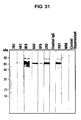
- Monoclonal antibodies prepared against a partially purified preparation of CLMF have been identified and characterized by 1: immunoprecipitation of 125 I-labelled CLMF, 2: immunodepletion of CLMF bioactivity, 3: western blotting of CLMF, 4: inhibition of 125 I-CLMF binding to its cellular receptor and 5: neutralization of CLMF bioactivity. Twenty hybridomas secreting anti-CLMF antibodies were identified. The antibodies were found to immunoprecipitate 125 I-labelled CLMF and to immunodeplete CLMF bioactivity as assessed in the T-cell proliferation and LAK cell induction assays. Western blot analysis showed that each antibody binds to the 70 kDa heterodimer and to one of the subunits.
- Each of the above-mentioned 20 anti-CLMF monoclonal antibodies were specific for CLMF and in particular for the 40 kDa subunit of CLMF.
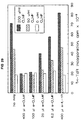
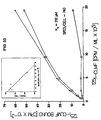
- a CLMF receptor binding assay has been developed to evaluate the ability of individual antibodies to inhibit CLMF binding to its cellular receptor. The assay measures the binding of 125 I-labelled CLMF to PHA activated PBL blast cells in the presence and absence of each antibody. Of the 20 antibodies tested, 12 antibodies were found to inhibit greater than 60% of the 125 I-labelled CLMF binding to the blast cells.
- Two inhibitory antibodies, viz. 7B2 and 4A1 neutralize CLMF bioactivity while one non-inhibitory antibody, 8E3, does not neutralize CLMF bioactivity.
- the present invention is also directed to monoclonal antibodies against CLMF which exhibit a number of utilities including but not limited to:
- the CLMF active proteins of the present invention include the homogenous natural CLMF protein as well as CLMF active proteins which contain a biologically active fragment of natural CLMF. Furthermore the present invention includes recombinant CLMF proteins as well as fusion proteins, i.e. CLMF protein derivatives comprising the amino acid sequence of natural CLMF or a partial sequence thereof together with amino acid sequences derived from other proteins.
- CLMF protein derivatives comprising the amino acid sequence of natural CLMF or a partial sequence thereof together with amino acid sequences derived from other proteins.
- the proteins of this invention have the biological activity of CLMF as measured by standard assays such as T-cell growth factor assay as described below in the Example.
- the CLMF proteins of the present invention also include non-naturally occurring CLMF analogous proteins having an amino acid sequences which is analogous to the amino acid sequence of CLMF or its CLMF active fragments.
- CLMF analogue proteins are proteins in which one or more of the amino acids of natural CLMF or its fragments have been replaced or deleted without loss of CLMF activity.
- Such analogues may be produced by known methods of peptide chemistry or by known methods of recombinant DNA technology, such as site directed mutagenesis.
- the CLMF biological activity of all of the proteins of the present invention including the fragments and analogues may be determined by using a standard T-cell growth factor assay.
- natural CLMF is obtained in pure form.
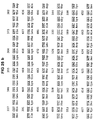
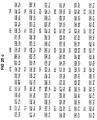
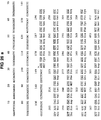
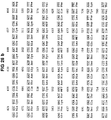
- the amino acid sequences of the 35 kDa subunit and the 40 kDa subunit of the CLMF protein is depicted in Figures 25 and 26.
- biologically active analogues and fragments of the CLMF protein can be obtained.
- These biologically active proteins may be produced biologically using standard methods of the recombinant DNA technology or may be chemically synthesized in an amino acid synthesizer or by manual synthesis using well-known liquid or solid phase peptide synthesis methods.
- analogues, fragments and proteins comprising an amino acid sequence of CLMF together with other amino acids can be produced. All of these proteins may then be tested for CLMF activity.
- the present invention relates to a protein having Cytotoxic Lymphocyte Maturation Factor (CLMF) activity in a substantially pure form, such as the CLMF protein per se, or to a derivative of the said protein which derivative exhibits CLMF activity and comprises at least a part of the amino acid sequence of the natural form of CLMF.
- CLMF Cytotoxic Lymphocyte Maturation Factor
- the present invention also relates to cloned genes coding for CLMF and to isolated polynucleotides encoding a protein as defined above, which polynucleotide contains a sequence corresponding to the cDNA encoding CLMF, to recombinant vectors comprising a polynucleotide encoding a CLMF protein, to microorganisms transformed with the said recombinant vectors, to antibodies directed to the said proteins as well as to processes for the preparation of the said proteins, vectors and antibodies. Furthermore the present invention relates to methods for stimulating LAK cells, T-cells or Natural Killer Cells using the said CLMF protein.
- polynucleotide containing a sequence corresponding to the cDNA encoding CLMF means that the polynucleotide contains a sequence which is homologous to or complementarity to a sequence in the cDNA encoding CLMF.
- the degree of homology or complementarity to the cDNA will be approximately 50% or greater, preferably at least about 70%, and even more preferably at least about 90%.
- the correspondence between the CLMF sequences and the cDNA can be determined by techniques known in the art, including, for example, by direct comparison of the sequenced material with the cDNAs described, by hybridization experiments using stringency conditions which are appropriate to the presumed homology of the sequences, followed by digestion with single strand nucleases and by size determination of the digested fragments.
- DNA sequences and DNA molecules of the present invention may be expressed using a wide variety of host/vector combinations.
- useful vectors may consist of segments of chromosomal, non-chromosomal and synthetic DNA sequences.
- viral vectors such as the various known derivatives of SV40
- bacterial vectors such as plasmids from E.
- coli including pCR1, pBR322, pMB9 and RP4, phage DNAs, such as the numerous derivatives of phage ⁇ , M13 and other filamentous single-stranded DNA phages, as well as vectors useful in yeasts, such as the 2 ⁇ plasmid, vectors useful in eukaryotic cells more preferably vectors useful in animal cells, such as those containing SV40, adenovirus and/or retrovirus derived DNA sequences.
- Useful vectors may be also derived from combinations of plasmids and phage DNA's, such as plasmids which have been modified to comprise phage DNA or other derivatives thereof.
- Expression vectors which may be used for the preparation of recombinant CLMF proteins are characterized by comprising at least one expression control sequence which is operatively linked to the CLMF DNA sequence inserted in the vector in order to control and to regulate the expression of the cloned CLMF DNA sequence.
- Examples of useful expression control sequences are the lac system, the trp system, the tac system, the trc system, major operator and promoter regions of phage ⁇ , the control region of fd coat protein, the glycolytic promoters of yeast, e.g., the promoter for 3-phosphoglycerate kinase, the promoters of yeast acid phosphatase, e.g., Pho 5, the promoters of the yeast ⁇ -mating factors, and promoters derived from polyoma virus, adenovirus, retrovirus, and simian virus, e.g., the early and late promoters or SV40, and other sequences known to control the expression of genes of prokaryotic or eukaryotic cells and of their viruses as well as combinations of the said promoter/operator sequences.
- yeast e.g., the promoter for 3-phosphoglycerate kinase
- yeast acid phosphatase e.g., Pho 5
- Such useful expression vectors are known vectors that enable the expression of the cloned CLMF-related DNA sequences in eukaryotic hosts, such as in animal and human cells [e.g., P. J. Southern and P. Berg, J. Mol. Appl. Genet. 1 : 327-41 (1982); S. Subramani et al., Mol. Cell. Biol. 1 : 854-64 (1981); R. J. Kaufmann and P. A. Sharp, Mol. Cell. Biol. 159 : 601-64 (1982); S. I. Scahill et al., "Expression and Characterization of The Product Of A Human Immune Interferon DNA Gene in Chinese Hamster Ovary Cells", Proc. Natl. Acad. Sci. U.S.A. 80 : 4654-59 (1983); G. Urlaub and L. A. Chasin, Proc. Natl. Acad. Sci. USA 77 : 4216-20 (1989)].
- eukaryotic hosts such as in animal and
- each specific expression vector various sites may be selected for insertion of the CLMF-related DNA sequences of the present invention. These sites are usually designated by the restriction endonuclease which cut them. They are well recognized by those of skill in the art. It is, of course to be understood that an expression vector useful in this invention need not have a restriction endonuclease site for insertion of the chosen DNA fragment. Instead, the vector could be joined to the fragment by alternative means.
- the site chosen in the expression vector for the insertion of a selected DNA fragment and the operative linking of the DNA fragment to an expression control sequence is determined by a variety of factors, such as the number of sites susceptible to a particular restriction enzyme, the location of start and stop codons relative to the vector sequence and the desired selection method for the host transformed with the recombinant vector.
- the choice of a vector and an insertion site for a DNA sequence is determined by a balance of these factors, not all selections being equally effective for a given case.
- the host cell used for the expression of the CLMF-related DNA sequence may be selected from a variety of known hosts.
- examples for such hosts are prokaryotic or eukaryotic cells.
- a large number of such hosts are available from various depositories such as the American Type Culture Collection (ATCC) or the Deutsche Sammlung für Mikroorganismen (DSM).
- ATCC American Type Culture Collection
- DSM Deutsche Sammlung für Mikroorganismen
- Examples for prokaryotic cellular hosts are bacterial strains such as E.coli, B.subtilis and others.
- Preferred hosts are mammalian cells such as the SV40 transformed African Green monkey kidney cell line COS.
- the selection should be based on a balancing of a number of factors, these include, for example, compatibility of the host and vector, susceptibility of the protein to proteolytic degradation by host cell enzymes, possible contamination of the protein to be expressed by host cell proteins difficult to remove during purification, toxicity of the proteins encoded by the DNA sequence to the host, ease of recovery of the desired protein, expression characteristics of the DNA sequence and the expression control sequence operatively linked to them, biosafety, costs and the folding, form or any other necessary post-expression modifications of the desired protein.
- factors include, for example, compatibility of the host and vector, susceptibility of the protein to proteolytic degradation by host cell enzymes, possible contamination of the protein to be expressed by host cell proteins difficult to remove during purification, toxicity of the proteins encoded by the DNA sequence to the host, ease of recovery of the desired protein, expression characteristics of the DNA sequence and the expression control sequence operatively linked to them, biosafety, costs and the folding, form or any other necessary post-expression modifications of the desired protein.
- the host organisms which contain the expression vector comprising the CLMF DNA are usually grown up under conditions which are optimal for the growth of the host organism. Towards the end of the exponential growth, when the increase in the number of cells per unit time decreases, the expression of the CLMF protein is induced, i.e. the DNA coding for the protein is transcribed and the transcribed mRNA is translated.
- the induction can be effected by adding an inducer or a derepressor to the growth medium or by altering a physical parameter, e.g. by a temperature change.
- the CLMF protein produced in the host organism can be secreted by the cell by special transport mechanisms or can be isolated by breaking open the cell.
- the cell can be broken open by mechanical means [Charm et al., Meth. Enzmol. 22 : 476-556 (1971)], by enzymatic treatment (e.g. lysozyme treatment) or by chemical means (e.g. detergent treatment, urea or guanidine ⁇ HCl treatment, etc.) or by a combination thereof.
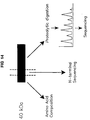
- CLMF was purified as described above. The 40,000 dalton subunit was separated and purified from the 35,000 dalton subunit by the method described by Matsudaira [J. Biol. Chem. 262 : 10035-10038 (1987)]. Fifty micrograms of CLMF (in 500 ⁇ l of 20 mM Tris, pH 7.5; 0.15 M NaCl) was diluted with 200 ⁇ l of a 2 x concentrate of sample buffer [Laemmli, Nature 227 : 680-685 (1970)]. The sample was concentrated to 400 ⁇ l and disulfide bonds broken by the addition of 18 ⁇ l ⁇ -mercaptoethanol followed by exposure to 105°C for 6 minutes.
- the sample was loaded onto a minigel (1.0 mm thick) containing 12% polyacrylamide and electrophoresed according to Laemmli (supra). After electrophoresis, the gels were soaked in transfer buffer (10 mM 3-cyclohexylamino-1-propanesulfonic acid, 10% methanol, pH 11.0) for 5 minutes to reduce the amount of Tris and glycine. During this time, a polyvinylidene difluoride (PVDF) membrane (Immobilon; Millipore; Bedford, MA) was rinsed with 100% methanol and stored in transfer buffer.
- PVDF polyvinylidene difluoride
- the supernatant solution was then discarded and the membrane pieces were washed four times with 300 ⁇ l water and once with 300 ⁇ l 100 mM Tris HCl (pH 8.5). Two hundred microliters of this buffer containing 2 ⁇ g of trypsin was added. The sample was shaken and incubated for 4 hours at 37°C. The supernatant solution was then transferred into a second Eppendorf tube and the membrane pieces were further washed once with 100 ⁇ l of 88% (vol/vol) formic acid and three times with 100 ⁇ l of deionized water. All washing solutions were added to the digestion mixture in the second Eppendorf tube.
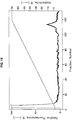
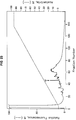
- Fractions 112 through 117 revealed a diffuse band at 35,000 molecular weight which was greater than 95% pure.
- the 40,000 dalton subunit and any other proteins present in fraction 39 remained bound to the C-18 column.
- These proteins (including the 40,000 dalton subunit) were finally eluted with a solution of 42% formic acid/40% 1-propanol.
- Mono Q fractions 36 and 37 from the initial purification of CLMF were pooled (approximately 100 pmol/1.7 ml). A 30 ⁇ l sample was removed and the volume of the rest was reduced to 200 ⁇ l under a stream of helium. One hundred microliters of 0.1 M ammonium bicarbonate was added. Trypsin (Worthington Biochemical Corp., Freehold, NJ) cleavage was performed at a substrate-to-enzyme ratio of 2:1 (w/w) at 37°C for 20 hours. The resultant peptide fragments were reduced and carboxymethylated. This was accomplished by addition of 160 ⁇ l of 0.1 M Tris-HCl, pH 8.5/6 M guanidine-HCl.
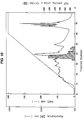
- the resultant peptide fragments were isolated by reversed-phase HPLC (Fig. 21) on an S-5 120 ⁇ ngstrom ODS column (2.6 x 50 mm, YMC, Inc., Morris Plains. NJ). Peptides were eluted with a 1-propanol gradient in 0.9 M acetic acid, pH adjusted to 4.0 with pyridine.
- the amino acid sequence of the peptide found in fraction 46 was found to be: Asp-Ile-Ile-Lys-Pro-Asp-Pro-Pro-Lys (determined by automated Edman degradation).
- CLMF cyanogen bromide
- An affinity chromatography resin was prepared by covalently attaching the monoclonal antibody 7B2, the preparation of which is described below, to activated agarose. Similarly, the below outlined purification could also be carried out by covalently coupling the antibody to silica or thin microporous membranes.
- the activated agarose was prepared as follows:
- Adsorbed proteins were then eluted with 0.2 N acetic acid, 0.15 M NaCl, at approx. pH 3. Aliquots of fractions were assayed for TGF activity. Approximately 76% of the starting activity was recovered in the acid eluate.
- Protein purity was assessed without reduction by SDS-PAGE [Laemmli, Nature 227 : 680-685 (1970)] using a 10% slab gel. Gels were silver stained [Morrissey, Anal. Biochem. 117 :307-310 (1981)] to visualize protein.
- the acid eluant contained pure CLMF and the "free" unassociated 40 kDa subunit of CLMF (Fig. 24).
- Purified CLMF stimulated the proliferation of human PHA-activated lymphoblasts in the T cell growth factor assay (Table 8).
- the T cell growth factor activity of the purified CLMF recovered from the Mono Q column was compared to that of a standard preparation of human lymphokines in five separate experiments, and the specific activity of the purified CLMF was found to be 8.5 ⁇ 0.9 X 10 7 units/mg protein.
- a specific activity of 5.2 X 10 7 units/mg protein was observed.
- CLMF In addition to its ability to enhance the lytic activity of nonspecific NK/LAK cells, CLMF also facilitated specific human cytolytic T lymphocyte (CTL) responses in vitro. CLMF increased the specific allogeneic CTL response to weakly immunogenic, gamma-irradiated HT144 melanoma cells (Table 11). In combination with a low concentration of rIL-2, CLMF also facilitated specific allogeneic human CTL responses to uv-irradiated HT144 melanoma cells, which did not elicit any detectable CTL response in the absence of added cytokines (Table 11).
- CTL cytolytic T lymphocyte
- CLMF may also have utility in stimulating the growth in vitro of NK/LAK cells and of activated T cells, such as may be derived from tumor infiltrating lymphocytes [Topalian et al., J. Immunol. 142 : 3714-3725 (1989)].
- NC 37 cells (subclone 98) were grown in roller bottles as described above and induced with PMA and calcium ionophore for 15.5 hours. The cells were harvested, resulting in a frozen cell pellet of 1.11 grams comprising about 5.25 x 10 8 cells. A portion of the culture was continued for 3 days, at which point the bioassay titer for CLMF activity read 2200 units/ml, indicating that the cells harvested for isolation of RNA had indeed produced the CLMF activity.
- Total RNA was isolated from the frozen cells by standard procedures and polyA+ RNA was obtained by affinity chromatography. The yield of polyA+ RNA was 2.5% (w/w) relative to the total amount of RNA input.
- the partial N-terminal sequence of the purified 40 kDa protein is IWELKKDVYVVELDWYPDAP....
- Two primers for use in mixed primer PCR were designed and synthesized by standard procedures.
- the forward primer was designed as the coding strand corresponding to amino acids ELKKD in the above sequence, containing all possible codons for that sequence and having an extension at its 5' end including an EcoR1 site and three additional bases adding stability.
- the sequence of the forward primer is thus 5' ctc gaa ttc gaa/g c/ttn aaa/g aaa/g ga, i.e. a 23mer with 64 different sequences.
- the reverse primer was designed in the same manner, to represent the antisense strand corresponding to the amino acid sequence YPDAP in the partial N-terminal 40 kDa sequence.
- the reverse primer thus has the sequence 5' ctc gaa ttc ngg ngc a/gtc ngg a/gta and is a 24 mer containing 256 different sequences.
- the symbol n stands for any one of the four possible bases a,g,c or t.
- the primers thus define an amplicon of 72 basepairs in length. After cutting with EcoR1 for generating cohesive ends for subcloning, the amplicon size drops to 64 basepairs.
- Single-stranded cDNA was generated for use in the PCR as described in section 2 above, using polyA+ RNA from induced and, as a control, uninduced cells.
- 40 ng of either one of those cDNAs were amplified with forward and reverse primers in 100 ⁇ l of 10 mM Tris-HCl pH 8.3/50 mM KCl/1.5 mM MgCl 2 /0.01 % gelatine/200 ⁇ M each of the four nucleotides/10 units Taq-polymerase/250 pmoles of each primer.
- the PCR parameters were as follows: initial denaturation was at 95°C for 7 minutes.
- the remainder of the sample was extracted with phenol, concentrated by precipitation with ethanol and redissolved in 42 ⁇ l of water.
- the sample was digested with 60 units of the restriction enzyme EcoR1 in 50 ⁇ l at 37°C for 2 hours.
- the sample was subsequently run on a 6% polyacrylamide gel and the 64 bp amplicon was cut out of the gel and eluted by standard procedures.
- the DNA amplicon was subcloned into the EcoR1 site of the bluescript SK+ plasmid by standard procedures (Stratagene, La Jolla, CA).
- Colonies obtained from the transformation of the E.coli strain DH5 were picked and analyzed for the presence of the 64 bp insert (other E.coli strain compatible with bluescript SK+ plasmids may be used). Two positive candidates were sequenced to determine the sequence of the cloned amplicon. It is clear from this analysis that the correct fragment was amplified, since the deduced amino acid sequence matches exactly the partial amino terminal amino acid sequence from the purified 40 kDa protein. This information was subsequently used to design a 54 bp long oligonucleotide probe that could be used for screening of the cDNA library.
- a total of 3 x 10 5 clones from the amplified library were screened on 6 duplicate filters under the following conditions: 50 ml of 5 x SSC/10 x Denhardts/100 ⁇ g/ml denatured calf thymus DNA/20% formamide/0.1% SDS/1.5 x 10 6 cpm of labelled 54 mer at 37°C for 16 hours.
- the filters were subsequently washed in 2 x SSC at 42°C for 30 minutes, dried and exposed to X-ray film. After overnight exposure with an intensifying screen, 16 possible positives were picked and further analyzed by a second screening round. 10 rehybridizing phage were isolated and their DNA prepared.
- the complete sequence of the 40 kDa subunit as deduced from the cDNA is shown in Figure 25.
- the cDNA codes for one open reading frame of 328 amino acids.
- the protein starts with the initiating Met, followed by another 21 amino acids that make up a classical hydrophobic signal peptide.
- the mature protein thus consists of 306 amino acids.
- the deduced protein sequence contains 4 possible N-linked glycosylation sites, two of which are present in isolated and sequenced tryptic peptides. One of these two sites is used in vivo for the attachment of a carbohydrate side chain.
- the calculated molecular weight of the mature unglycosylated protein is 34699, the pI is 5.24.
- the corresponding mRNA is 2.4 kb in length and is detectable in a northern blot in steady state RNA only from induced cells.
- the partial N-terminal sequence of the purified 35 kDa subunit is ?NLPVATPDPGMFP?LHHSQNLLRAV....
- Two primers for use in mixed primer PCR were generated by standard procedures.
- the forward primer was designed as the coding strand corresponding to the amino acids DPGMF in the above sequence, containing all possible codons for that sequence and having an extension at its 5' end including an EcoR1 site and three additional bases adding stability.
- the sequence of this forward primer was thus 5' CTC GAA TTC GAT/C CCN GGN ATG TT -3', i.e. a 23 mer with 32 different sequences.
- the reverse primer was designed in the same manner, to represent the antisense strand corresponding to the amino acids NLLRA in the partial N-terminal sequence.
- the reverse primer had the sequence 5' CTC GAA TTC NGC NCG/T NAA/G NAA/G A/GTT, i.e a 24mer with 4096 different sequences. In both primer sequences, N stands for all 4 bases.
- the two primers thus defined an amplicon 69 bases long. After cutting with EcoR1 for generating cohesive ends for subcloning, the amplicon size drops to 61 bases.
- Low stringency annealing was performed by cooling to 37°C over 2 minutes, incubating at 37°C for 2 minutes, heating to 72°C over 2.5 minutes, extending at 72°C for 1.5 minutes, heating to 95°C over 1 minute and denaturing at 95°C for 1 minute; this low stringency annealing cycle was repeated once. Afterwards, 40 standard cycles were run as follows: 95°C for 1 minute, 55°C for 2 minutes and 72°C for 3 minutes. A final extension was performed at 72°C for 10 minutes. About 20% of the samples were run on a 6% polyacrylamide gel and an amplicon of the expected size was detected after staining the gel with ethidium bromide.
- the remainder of the sample was extracted with phenol, concentrated by precipitation with ethanol and redissolved in 17 ⁇ l of water.
- the sample was digested with 20 units of EcoR1 enzyme in 20 ⁇ l for 60 minutes at 37°C .
- the sample was subsequently fractionated on an 8% polyacrylamide gel and the 61 basepair amplicon was cut out of the gel and eluted by standard procedures.
- the DNA amplicon was subcloned into the EcoR1 site of the Bluescript plasmid SK+ (Stratagene, La Jolla, CA) by standard procedures. Colonies obtained from the transformation of the E.coli strain DH5 were analyzed for the presence of the 61 basepair insert.
- Two candidates were sequenced to determine the sequence of the subcloned amplicon.
- One of the two clones contained the correct sequence, since translation of that sequence resulted in the amino acid sequence expected from the purified protein.
- two synthetic oligonucelotides were designed, with the following sequences: Such a structure can be labelled using radiolabelled nucleotides with the Klenow fragment to very high specific activities for library screening.
- a total of 10 6 clones from the amplified 16 hours library were screened on 40 duplicate filters with the above probe under the following conditions: 400 ml of 5 X SSC / 20% formamide / 10 X Denhardts / 100 ⁇ g/ml denatured calf thymus DNA / 0.1% SDS / 3.8 x 10 7 cpm labelled probe at 37°C overnight.
- the filters were subsequently washed in 2 X SSC at 40°C and exposed to X-ray film with a screen overnight.
- Six potential positives were picked from this first round of screening and analyzed by a second round of plaque hybridization, as above. One clone was picked for the final analysis.
- the clone Upon preparing phage DNA, the clone was found to contain two EcoR1 fragments of about 0.8 kb and 0.3 kb in size. The two fragments were subcloned separately into the Bluescript SK+ plasmid and sequenced. This analysis showed that the two fragments align into one contigous sequence of about 1.1 kb total length with a naturally occurring internal EcoR1 site.
- the complete sequence of the cDNA and the deduced amino acid sequence for the 35 kDa CLMF subunit are shown in Figure 26.
- the cDNA codes for an open reading frame of 219 amino acids, starting with the initiating Met at position 1. The following 21 amino acids constitute a classical hydrophobic signal sequence.
- the N-terminus of the mature 35 kDa protein starts with the sequence RNLPVAT....
- Purified 35 kDa protein had yielded the sequence ?NLPVAT....
- the mature 35 kDa protein thus consists of 197 amino acids, containing three possible N-linked glycosylation sites and 7 Cys-residues.
- the calculated molecular weight of mature unglycosylated protein is 22513, and the pI is 6.09.
- the corresponding mRNA is 1.4 kb in length and is only detectable in RNA from cells that had been induced for CLMF for at least 6 hours.
- the two subunits for CLMF were engineered for expression in mammalian cells as follows:
- the two EcoR1 fragments constituting the full length cDNA for the 40 kDa CLMF subunit were ligated to an expression vector similar to pBC12 [see B. Cullen, Meth. Enzymology 152 : 684-703 (1987)], except that the cDNA expression is driven off the SV40 early promoter/enhancer.
- Clones containing the two inserts in the proper orientation to each other were selected by colony hybridization with a synthetic oligonucleotide that spans the internal EcoR1 site in the 40 kDa cDNA. This oligonucleotide has the following sequence: 5' CTG AAG CCA TTA AAG AAT TCT CGG CAG GTG 3'.
- Clones were subsequently analyzed for proper orientation of insert to vector by the polymerase chain reaction procedure, using as forward primer a primer specific for sequences in the SV40 early promoter and as reverse primer an oligonucleotide corresponding to the 40 kDa cDNA sequence positions no. 851-868. Clones with the correct orientation will give a PCR amplicon of 885 bp. Eight out of 20 clones tested gave the predicted fragment, and one was chosen for further study.
- the full length cDNA for the 35 kDa subunit was amplified out of the original lambda phage by PCR, using primers situated to the left and right of the EcoR1 site in lambda gt10 (primers were New England Biolab Articles No. 1231 and 1232).
- the resulting PCR amplicon was blunt-end ligated into the EcoRV site of the bluescript plasmid SK+ and the DNA propagated.
- DNA sequencing showed that the orientation of the cDNA insert within the plasmid was such that the end of the cDNA corresponding to the 5' end of the mRNA was close to the ClaI site in the polylinker.
- the insert was thus released by cutting with ClaI, filling out this end with T4 DNA polymerase and cutting secondarily with Not I.
- the resulting fragment was gel-purified and subcloned into an expression plasmid based on the bluescript vector and containing the SV40 early promoter to drive expression of inserted cDNAs.
- the sites in the expression plasmid used were a blunt-ended PstI site at the 5' end and a Not I site at the 3' end of the cDNA.
- One clone was chosen for further study after ascertaining its structure by PCR as above for the 40 kDa construct.
- the DNAs for the expression constructs of the 40 kDa and 35 kDa subunits were introduced into COS cells (obtainable from ATCC) on 6 cm diameter plates by the DEAE Dextran transfection procedure (7 x 10 5 cells/dish plated; 1 ⁇ g DNA per dish) described by Cullen [Meth. Enzymology 152 : 684 (1987)]. 24 hours after the transfection, the cells were fed with standard tissue-culture medium containing 1% Nutridoma instead of the fetal bovine serum and the supernatants were collected after 40 hours and filtered through a 0.45 ⁇ filter.
- the concentration of CLMF activity in the culture fluid was estimated to be 374 units/ml. Assuming a specific activity of 8 x 10 7 units/mg CLMF protein, this result suggests that the fluid from cultures of doubly transfected COS cells contained approximately 4.7 ng/ml of recombinant CLMF.
- Lewis rats (Charles River Laboratories, Wilmington, MA) were initially immunized by the intraperitoneal route (i.p.) with partially purified CLMF mixed with an equal volume of Freund's complete adjuvant (Gibco). The rats were injected i.p. with booster immunization of CLMF mixed with Freund's incomplete adjuvant (Gibco) according to the schedule in Table 14.
- one rat was injected i.v. with partially purified CLMF on two successive days starting 4 days prior to the cell fusion (Table 14). Spleen cells were isolated from this rat and fused with NSO cells [Calfre et al., Meth. Enzymol.
- P388D1 cells are obtainable from ATCC.
- Hybridoma supernatants were screened for specific CLMF antibodies in 4 assays: 1) immunoprecipitation of 125 I-labelled CLMF, 2) immunodepletion of CLMF bioactivity, 3) western blotting with CLMF and 4) inhibition of 125 I-CLMF binding to PHA-activated PBL blast cells.
Landscapes
- Health & Medical Sciences (AREA)
- Chemical & Material Sciences (AREA)
- Organic Chemistry (AREA)
- Life Sciences & Earth Sciences (AREA)
- Medicinal Chemistry (AREA)
- Immunology (AREA)
- General Health & Medical Sciences (AREA)
- Veterinary Medicine (AREA)
- Bioinformatics & Cheminformatics (AREA)
- Molecular Biology (AREA)
- Proteomics, Peptides & Aminoacids (AREA)
- Biophysics (AREA)
- Genetics & Genomics (AREA)
- Engineering & Computer Science (AREA)
- Biochemistry (AREA)
- Chemical Kinetics & Catalysis (AREA)
- General Chemical & Material Sciences (AREA)
- Nuclear Medicine, Radiotherapy & Molecular Imaging (AREA)
- Pharmacology & Pharmacy (AREA)
- Animal Behavior & Ethology (AREA)
- Public Health (AREA)
- Gastroenterology & Hepatology (AREA)
- Zoology (AREA)
- Toxicology (AREA)
- Transplantation (AREA)
- Preparation Of Compounds By Using Micro-Organisms (AREA)
- Peptides Or Proteins (AREA)
- Micro-Organisms Or Cultivation Processes Thereof (AREA)
- Medicines Containing Antibodies Or Antigens For Use As Internal Diagnostic Agents (AREA)
- Medicines Containing Material From Animals Or Micro-Organisms (AREA)
- Medicines That Contain Protein Lipid Enzymes And Other Medicines (AREA)
Applications Claiming Priority (7)
| Application Number | Priority Date | Filing Date | Title |
|---|---|---|---|
| US45570889A | 1989-12-22 | 1989-12-22 | |
| US455708 | 1989-12-22 | ||
| US52093590A | 1990-05-09 | 1990-05-09 | |
| US520935 | 1990-05-09 | ||
| US57228490A | 1990-08-27 | 1990-08-27 | |
| US572284 | 1990-08-27 | ||
| EP90123670A EP0433827B1 (de) | 1989-12-22 | 1990-12-09 | Zytotoxischer Lymphozyten-Reifefaktor |
Related Parent Applications (2)
| Application Number | Title | Priority Date | Filing Date |
|---|---|---|---|
| EP90123670A Division EP0433827B1 (de) | 1989-12-22 | 1990-12-09 | Zytotoxischer Lymphozyten-Reifefaktor |
| EP90123670.3 Division | 1990-12-09 |
Publications (2)
| Publication Number | Publication Date |
|---|---|
| EP0790309A1 true EP0790309A1 (de) | 1997-08-20 |
| EP0790309B1 EP0790309B1 (de) | 2007-07-25 |
Family
ID=27412641
Family Applications (4)
| Application Number | Title | Priority Date | Filing Date |
|---|---|---|---|
| EP97104656A Revoked EP0790255B1 (de) | 1989-12-22 | 1990-12-09 | Monoklonale Antikörper spezifisch für den zytotoxischen Lymphozyten-Reifefaktor |
| EP97104860A Revoked EP0790309B1 (de) | 1989-12-22 | 1990-12-09 | Zytotoxischer Lymphozyten-Reifefaktor 40kD Untereinheit und monoklonale Antikörper spezifisch dafür |
| EP97104682A Revoked EP0790308B1 (de) | 1989-12-22 | 1990-12-09 | Zytotoxischer Lymphozyten-Reifefaktor 35kD Untereinheit und monoklonale Antikörper spezifisch dafür |
| EP90123670A Expired - Lifetime EP0433827B1 (de) | 1989-12-22 | 1990-12-09 | Zytotoxischer Lymphozyten-Reifefaktor |
Family Applications Before (1)
| Application Number | Title | Priority Date | Filing Date |
|---|---|---|---|
| EP97104656A Revoked EP0790255B1 (de) | 1989-12-22 | 1990-12-09 | Monoklonale Antikörper spezifisch für den zytotoxischen Lymphozyten-Reifefaktor |
Family Applications After (2)
| Application Number | Title | Priority Date | Filing Date |
|---|---|---|---|
| EP97104682A Revoked EP0790308B1 (de) | 1989-12-22 | 1990-12-09 | Zytotoxischer Lymphozyten-Reifefaktor 35kD Untereinheit und monoklonale Antikörper spezifisch dafür |
| EP90123670A Expired - Lifetime EP0433827B1 (de) | 1989-12-22 | 1990-12-09 | Zytotoxischer Lymphozyten-Reifefaktor |
Country Status (11)
| Country | Link |
|---|---|
| EP (4) | EP0790255B1 (de) |
| JP (2) | JP3238418B2 (de) |
| AT (4) | ATE368112T1 (de) |
| AU (2) | AU6834990A (de) |
| BG (1) | BG60933B2 (de) |
| CA (3) | CA2032653C (de) |
| DE (4) | DE69034249T2 (de) |
| DK (4) | DK0790309T3 (de) |
| HU (1) | HU211879A9 (de) |
| IE (1) | IE904694A1 (de) |
| NZ (1) | NZ236545A (de) |
Cited By (13)
| Publication number | Priority date | Publication date | Assignee | Title |
|---|---|---|---|---|
| US6617135B1 (en) | 1999-08-09 | 2003-09-09 | Emd Lexigen Research Center Corp. | Multiple cytokine protein complexes |
| US6838260B2 (en) | 1997-12-08 | 2005-01-04 | Emd Lexigen Research Center Corp. | Heterodimeric fusion proteins useful for targeted immune therapy and general immune stimulation |
| US6969517B2 (en) | 2001-05-03 | 2005-11-29 | Emd Lexigen Research Center Corp. | Recombinant tumor specific antibody and use thereof |
| US6992174B2 (en) | 2001-03-30 | 2006-01-31 | Emd Lexigen Research Center Corp. | Reducing the immunogenicity of fusion proteins |
| US7067110B1 (en) | 1999-07-21 | 2006-06-27 | Emd Lexigen Research Center Corp. | Fc fusion proteins for enhancing the immunogenicity of protein and peptide antigens |
| US7091321B2 (en) | 2000-02-11 | 2006-08-15 | Emd Lexigen Research Center Corp. | Enhancing the circulating half-life of antibody-based fusion proteins |
| US7148321B2 (en) | 2001-03-07 | 2006-12-12 | Emd Lexigen Research Center Corp. | Expression technology for proteins containing a hybrid isotype antibody moiety |
| US7169904B2 (en) | 2002-12-17 | 2007-01-30 | Emd Lexigen Research Center Corp. | Immunocytokine sequences and uses thereof |
| US7186804B2 (en) | 2001-12-04 | 2007-03-06 | Emd Lexigen Research Center Corp. | IL-2 fusion proteins with modulated selectivity |
| US7211253B1 (en) | 1999-11-12 | 2007-05-01 | Merck Patentgesellschaft Mit Beschrankter Haftung | Erythropoietin forms with improved properties |
| US7955590B2 (en) | 1999-07-21 | 2011-06-07 | Merck Patent Gmbh | Fc fusion proteins for enhancing the immunogenicity of protein and peptide antigens |
| US8420087B2 (en) | 2004-01-05 | 2013-04-16 | Antisoma Research Limited | Interleukin-12 targeted to oncofoetal fibronectin |
| EP2650311A2 (de) | 2007-11-27 | 2013-10-16 | Ablynx N.V. | Gegen heterodimere Cytokine und/oder deren Rezeptoren gerichtete Aminosäuresequenzen und Polypeptide damit |
Families Citing this family (40)
| Publication number | Priority date | Publication date | Assignee | Title |
|---|---|---|---|---|
| US5456924A (en) * | 1988-12-23 | 1995-10-10 | Immunotec Research Corporation Ltd. | Method of treatment of HIV-seropositive individuals with dietary whey proteins |
| US5811523A (en) | 1988-11-10 | 1998-09-22 | Trinchieri; Giorgio | Antibodies to natural killer stimulatory factor |
| US5457038A (en) * | 1988-11-10 | 1995-10-10 | Genetics Institute, Inc. | Natural killer stimulatory factor |
| EP0375045A1 (de) * | 1988-12-22 | 1990-06-27 | Duphar International Research B.V | Annelierte Indolderivate |
| US5780597A (en) * | 1989-12-22 | 1998-07-14 | Hoffmann-La Roche Inc. | Monoclonal antibodies to cytotoxic lymphocyte maturation factor |
| US6706264B1 (en) | 1994-03-14 | 2004-03-16 | Genetics Institute, Llc | Use of IL-12 antagonists in the treatment of conditions promoted by an increase in levels of IFN-y |
| ZA95960B (en) | 1994-03-14 | 1995-10-10 | Genetics Inst | Use of interleukin-12 antagonists in the treatment of autoimmune diseases |
| DE69535669T2 (de) | 1994-05-09 | 2008-12-04 | Oxford Biomedica (Uk) Ltd. | Retrovirale vektoren mit verminderter rekombinationsrate |
| JP2000510813A (ja) * | 1995-02-06 | 2000-08-22 | ジェネテイックス・インスティテュート・インコーポレイテッド | Il−12用処方 |
| US5891680A (en) * | 1995-02-08 | 1999-04-06 | Whitehead Institute For Biomedical Research | Bioactive fusion proteins comprising the p35 and p40 subunits of IL-12 |
| GB9505784D0 (en) * | 1995-03-22 | 1995-05-10 | Lynxvale Ltd | Anti-tumour treatment |
| US5853714A (en) * | 1995-03-27 | 1998-12-29 | Genetics Institute, Inc. | Method for purification of IL-12 |
| US5880146A (en) * | 1995-06-07 | 1999-03-09 | Fuji Immunopharmaceuticals Corporation | Inhibition of IL-12-induced IFN-γ synthesis by specific bis-phenol compounds as a method of immune modulation |
| US5853697A (en) * | 1995-10-25 | 1998-12-29 | The United States Of America, As Represented By The Department Of Health & Human Services | Methods of treating established colitis using antibodies against IL-12 |
| GB9609932D0 (en) * | 1996-05-13 | 1996-07-17 | Hoffmann La Roche | Use of IL-12 and IFN alpha for the treatment of infectious diseases |
| EP0850951A4 (de) | 1996-06-04 | 2001-04-11 | Juridical Foundation | Cytokin-protein aus katzen |
| JP2001503258A (ja) * | 1996-10-18 | 2001-03-13 | バレンティス・インコーポレーテッド | 遺伝子発現および搬送系および用途 |
| EP0956301A2 (de) * | 1996-10-18 | 1999-11-17 | Valentis Inc. | Il-12 genexpressions- und transfersysteme und verwendungen |
| US6054487A (en) * | 1997-03-18 | 2000-04-25 | Basf Aktiengesellschaft | Methods and compositions for modulating responsiveness to corticosteroids |
| WO1998041229A1 (en) * | 1997-03-19 | 1998-09-24 | F. Hoffmann-La Roche Ag | USE OF IL-12p40 AS IMMUNOSTIMULANT |
| JP2002241398A (ja) * | 1997-06-03 | 2002-08-28 | Chemo Sero Therapeut Res Inst | 新規なイヌサイトカインタンパク質 |
| US6060284A (en) | 1997-07-25 | 2000-05-09 | Schering Corporation | DNA encoding interleukin-B30 |
| US7026456B1 (en) | 1998-01-23 | 2006-04-11 | Hoffman-La Roche, Inc. | Antibodies against human IL-12 |
| AU2005202420B2 (en) * | 1999-09-09 | 2008-08-07 | Merck Sharp & Dohme Corp. | Mammalian cytokines; related reagents and methods |
| US7090847B1 (en) | 1999-09-09 | 2006-08-15 | Schering Corporation | Mammalian cytokines; related reagents and methods |
| EP1905832A3 (de) * | 1999-09-09 | 2009-09-09 | Schering Corporation | Säuger Interleukin-12 P40 und Interleukin B30, Antikörper, Verwendungen in pharmazeutischen Zusammenstellungen |
| AU780163B2 (en) * | 1999-09-09 | 2005-03-03 | Merck Sharp & Dohme Corp. | Mammalian interleukin-12 P40 and interleukin B30, combinations thereof, antibodies, uses in pharmaceutical compositions |
| US7115712B1 (en) | 1999-12-02 | 2006-10-03 | Maxygen, Inc. | Cytokine polypeptides |
| KR20030064275A (ko) | 2000-06-29 | 2003-07-31 | 메르크 파텐트 게엠베하 | 면역싸이토카인 흡수 증강제와의 조합 치료에 의한항체-싸이토카인 융합 단백질 매개 면역 반응 증강 |
| US6902734B2 (en) | 2000-08-07 | 2005-06-07 | Centocor, Inc. | Anti-IL-12 antibodies and compositions thereof |
| MY157915A (en) | 2004-12-21 | 2016-08-15 | Centocor Inc | Anti-il-12 antibodies, epitopes, compositions, methods and uses. |
| PL1966238T3 (pl) * | 2005-12-30 | 2012-09-28 | Merck Patent Gmbh | Warianty interleukiny-12p40 o polepszonej stabilności |
| US7891807B2 (en) * | 2009-06-11 | 2011-02-22 | Ana Nichole Mansuy | Decorative eyeglass temples |
| CN109071653A (zh) | 2016-03-29 | 2018-12-21 | 詹森生物科技公司 | 用增加的抗-il12和/或-23抗体给药间隔治疗牛皮癣 |
| US10189151B2 (en) | 2016-11-14 | 2019-01-29 | Snap-On Incorporated | Compact head body hammer |
| TW201922780A (zh) * | 2017-09-25 | 2019-06-16 | 美商健生生物科技公司 | 以抗il12/il23抗體治療狼瘡之安全且有效之方法 |
| EP3793521A4 (de) | 2018-05-18 | 2022-02-23 | Janssen Biotech, Inc. | Sichere und wirksame methode zur behandlung von lupus mit anti-il12/il23-antikörper |
| IL326284A (en) | 2018-09-24 | 2026-04-01 | Janssen Biotech Inc | A safe and effective method for treating ulcerative colitis with an anti-IL12/IL23 antibody |
| JP7805788B2 (ja) | 2019-05-23 | 2026-01-26 | ヤンセン バイオテツク,インコーポレーテツド | Il-23及びtnfアルファに対する抗体の併用療法による炎症性腸疾患の治療方法 |
| IL298389A (en) | 2020-05-21 | 2023-01-01 | Janssen Biotech Inc | Method of treating inflammatory bowel disease with a combination therapy of antibodies to il-23 and tnf alpha |
Citations (2)
| Publication number | Priority date | Publication date | Assignee | Title |
|---|---|---|---|---|
| WO1990005147A1 (en) * | 1988-11-10 | 1990-05-17 | Genetics Institute, Inc. | Natural killer stimulatory factor |
| WO1992005256A1 (en) * | 1990-09-18 | 1992-04-02 | Genetics Institute, Inc. | Natural killer stimulatory factor |
-
1990
- 1990-12-09 DE DE69034249T patent/DE69034249T2/de not_active Revoked
- 1990-12-09 DK DK97104860T patent/DK0790309T3/da active
- 1990-12-09 AT AT97104860T patent/ATE368112T1/de not_active IP Right Cessation
- 1990-12-09 DE DE69034244T patent/DE69034244T2/de not_active Revoked
- 1990-12-09 DK DK97104656T patent/DK0790255T3/da active
- 1990-12-09 DK DK90123670T patent/DK0433827T3/da active
- 1990-12-09 EP EP97104656A patent/EP0790255B1/de not_active Revoked
- 1990-12-09 AT AT90123670T patent/ATE163675T1/de not_active IP Right Cessation
- 1990-12-09 DK DK97104682T patent/DK0790308T3/da active
- 1990-12-09 EP EP97104860A patent/EP0790309B1/de not_active Revoked
- 1990-12-09 AT AT97104656T patent/ATE369383T1/de not_active IP Right Cessation
- 1990-12-09 EP EP97104682A patent/EP0790308B1/de not_active Revoked
- 1990-12-09 DE DE69032086T patent/DE69032086T2/de not_active Expired - Lifetime
- 1990-12-09 AT AT97104682T patent/ATE366311T1/de not_active IP Right Cessation
- 1990-12-09 DE DE69034247T patent/DE69034247T2/de not_active Revoked
- 1990-12-09 EP EP90123670A patent/EP0433827B1/de not_active Expired - Lifetime
- 1990-12-19 CA CA002032653A patent/CA2032653C/en not_active Expired - Lifetime
- 1990-12-19 CA CA002346997A patent/CA2346997C/en not_active Expired - Lifetime
- 1990-12-19 NZ NZ236545A patent/NZ236545A/xx unknown
- 1990-12-19 CA CA002572802A patent/CA2572802A1/en not_active Abandoned
- 1990-12-20 AU AU68349/90A patent/AU6834990A/en not_active Abandoned
- 1990-12-21 IE IE469490A patent/IE904694A1/en not_active IP Right Cessation
- 1990-12-22 JP JP41325990A patent/JP3238418B2/ja not_active Expired - Lifetime
-
1994
- 1994-01-25 AU AU54712/94A patent/AU674363B2/en not_active Expired
- 1994-03-01 BG BG098632A patent/BG60933B2/bg unknown
-
1995
- 1995-06-20 HU HU95P/P00267P patent/HU211879A9/hu unknown
-
2001
- 2001-08-14 JP JP2001246031A patent/JP3375949B2/ja not_active Expired - Lifetime
Patent Citations (2)
| Publication number | Priority date | Publication date | Assignee | Title |
|---|---|---|---|---|
| WO1990005147A1 (en) * | 1988-11-10 | 1990-05-17 | Genetics Institute, Inc. | Natural killer stimulatory factor |
| WO1992005256A1 (en) * | 1990-09-18 | 1992-04-02 | Genetics Institute, Inc. | Natural killer stimulatory factor |
Non-Patent Citations (2)
| Title |
|---|
| A.S. STERN ET AL: "Purification to homogeneity and partial characterization of Cytotoxic Lymphocyte Maturation Factor from human B-lymphoblastoid cells", PROCEEDINGS OF THE NATIONAL ACADEMY OF SCIENCES OF USA, vol. 87, 5 September 1990 (1990-09-05), WASHINGTON US, pages 6808 - 6812, XP002033286 * |
| M. KOBAYASHI ET AL: "Identification and purification of natural killer cell stimulatory factor (NKSF) , a cytokine with multiple biologic effects on human lymphocytes", THE JOURNAL OF EXPERIMENTAL MEDICINE, vol. 170, no. 3, 1 September 1989 (1989-09-01), THE ROCKEFELLER UNIVERSITY PRESS, NEW YORK, US, pages 827 - 845, XP002033285 * |
Cited By (28)
| Publication number | Priority date | Publication date | Assignee | Title |
|---|---|---|---|---|
| US6838260B2 (en) | 1997-12-08 | 2005-01-04 | Emd Lexigen Research Center Corp. | Heterodimeric fusion proteins useful for targeted immune therapy and general immune stimulation |
| US7226998B2 (en) | 1997-12-08 | 2007-06-05 | Emd Lexigen Research Center Corp. | Heterodimeric fusion proteins useful for targeted immune therapy and general immune stimulation |
| US8043608B2 (en) | 1999-07-21 | 2011-10-25 | Merck Patent Gmbh | Methods of using Fc-cytokine fusion proteins |
| US7955590B2 (en) | 1999-07-21 | 2011-06-07 | Merck Patent Gmbh | Fc fusion proteins for enhancing the immunogenicity of protein and peptide antigens |
| US7067110B1 (en) | 1999-07-21 | 2006-06-27 | Emd Lexigen Research Center Corp. | Fc fusion proteins for enhancing the immunogenicity of protein and peptide antigens |
| US7582288B2 (en) | 1999-08-09 | 2009-09-01 | Merck Patent Gmbh | Methods of targeting multiple cytokines |
| US7141651B2 (en) | 1999-08-09 | 2006-11-28 | Emd Lexigen Research Center Corp. | Multiple cytokine protein complexes |
| US6617135B1 (en) | 1999-08-09 | 2003-09-09 | Emd Lexigen Research Center Corp. | Multiple cytokine protein complexes |
| US7211253B1 (en) | 1999-11-12 | 2007-05-01 | Merck Patentgesellschaft Mit Beschrankter Haftung | Erythropoietin forms with improved properties |
| US7507406B2 (en) | 2000-02-11 | 2009-03-24 | Emd Serono Research Center, Inc. | Enhancing the circulating half-life of antibody-based fusion proteins |
| US7091321B2 (en) | 2000-02-11 | 2006-08-15 | Emd Lexigen Research Center Corp. | Enhancing the circulating half-life of antibody-based fusion proteins |
| US7790415B2 (en) | 2000-02-11 | 2010-09-07 | Merck Patent Gmbh | Enhancing the circulating half-life of antibody-based fusion proteins |
| US7148321B2 (en) | 2001-03-07 | 2006-12-12 | Emd Lexigen Research Center Corp. | Expression technology for proteins containing a hybrid isotype antibody moiety |
| US8066994B2 (en) | 2001-03-07 | 2011-11-29 | Merck Patent Gmbh | Proteins comprising an IgG2 domain |
| US7601814B2 (en) | 2001-03-30 | 2009-10-13 | Merck Patent Gmbh | Reducing the immunogenicity of fusion proteins |
| US8926973B2 (en) | 2001-03-30 | 2015-01-06 | Merck Patent Gmbh | Reducing the immunogenicity of fusion proteins |
| US6992174B2 (en) | 2001-03-30 | 2006-01-31 | Emd Lexigen Research Center Corp. | Reducing the immunogenicity of fusion proteins |
| US7973150B2 (en) | 2001-03-30 | 2011-07-05 | Merck Patent Gmbh | Reducing the immunogenicity of fusion proteins |
| US7459538B2 (en) | 2001-05-03 | 2008-12-02 | Merck Patent Gmbh | Recombinant tumor specific antibody and use thereof |
| US6969517B2 (en) | 2001-05-03 | 2005-11-29 | Emd Lexigen Research Center Corp. | Recombinant tumor specific antibody and use thereof |
| US7186804B2 (en) | 2001-12-04 | 2007-03-06 | Emd Lexigen Research Center Corp. | IL-2 fusion proteins with modulated selectivity |
| US7462350B2 (en) | 2001-12-04 | 2008-12-09 | Emd Serono Research Center, Inc. | Cancer treatments including administering IL-2 fusion proteins with modulated selectivity |
| US7169904B2 (en) | 2002-12-17 | 2007-01-30 | Emd Lexigen Research Center Corp. | Immunocytokine sequences and uses thereof |
| US7767405B2 (en) | 2002-12-17 | 2010-08-03 | Merck Patent Gmbh | Immunocytokine sequences and uses thereof |
| US8420087B2 (en) | 2004-01-05 | 2013-04-16 | Antisoma Research Limited | Interleukin-12 targeted to oncofoetal fibronectin |
| EP2650311A2 (de) | 2007-11-27 | 2013-10-16 | Ablynx N.V. | Gegen heterodimere Cytokine und/oder deren Rezeptoren gerichtete Aminosäuresequenzen und Polypeptide damit |
| US8975382B2 (en) | 2007-11-27 | 2015-03-10 | Ablynx N.V. | Amino acid sequences directed against HER2 and polypeptides comprising the same for the treatment of cancers and/or tumors |
| US9969805B2 (en) | 2007-11-27 | 2018-05-15 | Ablynx N.V. | Amino acid sequences directed against HER2 and polypeptides comprising the same for the treatment of cancers and/or tumors |
Also Published As
Similar Documents
| Publication | Publication Date | Title |
|---|---|---|
| EP0433827B1 (de) | Zytotoxischer Lymphozyten-Reifefaktor | |
| US5780597A (en) | Monoclonal antibodies to cytotoxic lymphocyte maturation factor | |
| EP1535929A2 (de) | Megakaryozyt-stimulierende Faktoren | |
| IE890207L (en) | Amphiregulin: a novel bifunctional growth modulating glycoprotein | |
| US5157112A (en) | Antibodies immunoreactive with the T-cell growth factor, P40 | |
| AU645054B2 (en) | T cell growth factor | |
| IE19990005A1 (en) | Monoclonal antibodies directed to the cytotoxic lymphocyte maturation factor | |
| IE85054B1 (en) | Monoclonal antibodies directed to the cytotoxic lymphocyte maturation factor | |
| AU775308B2 (en) | Therapeutic compositions and methods for treating disease states with myeloid progenitor inhibitory factor-1 (MPIF-1), monocyte colony inhibitory factor (M-CIF), and macrophage inhibitory factor-4 (MIP-4) | |
| IE19990007A1 (en) | Cytotoxic Lymphocyte Maturation Factor | |
| IE19990006A1 (en) | Cytotoxic lymphocyte maturation factor 40kD subunit and monoclonal antibodies directed thereto | |
| IE84906B1 (en) | Cytotoxic Lymphocyte Maturation Factor | |
| IE85055B1 (en) | Cytotoxic lymphocyte maturation factor 40kD subunit and monoclonal antibodies directed thereto | |
| Arsenault | Studies on the Molecular Nature of Keratinocyte-Derived Interleukin-1 | |
| JPS6167481A (ja) | 新規ハイブリドーマおよびその製造法 | |
| JPH06501009A (ja) | ナチュラルキラー刺激因子 | |
| HK1075258A (en) | Megakaryocyte stimulating factors | |
| HK1066827A (en) | Megakaryocyte stimulating factors |
Legal Events
| Date | Code | Title | Description |
|---|---|---|---|
| PUAI | Public reference made under article 153(3) epc to a published international application that has entered the european phase |
Free format text: ORIGINAL CODE: 0009012 |
|
| 17P | Request for examination filed |
Effective date: 19970321 |
|
| AC | Divisional application: reference to earlier application |
Ref document number: 433827 Country of ref document: EP |
|
| AK | Designated contracting states |
Kind code of ref document: A1 Designated state(s): AT BE CH DE DK FR GB IT LI LU NL SE |
|
| RIN1 | Information on inventor provided before grant (corrected) |
Inventor name: STERN, ALVIN SETH Inventor name: PODLANSKI, FRANK JOHN Inventor name: PAN, YU-CHING EUGINE Inventor name: HULMES, JEFFREY Inventor name: GUBLER, ULRICH ANDREAS Inventor name: GATELY, MAURICE KENT Inventor name: CHIZZONITE, RICHARD ANTHONY |
|
| 17Q | First examination report despatched |
Effective date: 20031120 |
|
| RTI1 | Title (correction) |
Free format text: CYTOTOXIC LYMPHOCYTE MATURATION FACTOR 40KD SUBUNIT AND MONOCLONAL ANTIBODIES DIRECTED THERETO |
|
| 17Q | First examination report despatched |
Effective date: 20031120 |
|
| GRAP | Despatch of communication of intention to grant a patent |
Free format text: ORIGINAL CODE: EPIDOSNIGR1 |
|
| RIN1 | Information on inventor provided before grant (corrected) |
Inventor name: STERN, ALVIN SETH Inventor name: PODLANSKI, FRANK JOHN Inventor name: PAN, YU-CHING EUGINE Inventor name: HULMES, JEFFREY DAVID Inventor name: GUBLER, ULRICH ANDREAS Inventor name: GATELY, MAURICE KENT Inventor name: CHIZZONITE, RICHARD ANTHONY |
|
| GRAS | Grant fee paid |
Free format text: ORIGINAL CODE: EPIDOSNIGR3 |
|
| GRAA | (expected) grant |
Free format text: ORIGINAL CODE: 0009210 |
|
| AC | Divisional application: reference to earlier application |
Ref document number: 0433827 Country of ref document: EP Kind code of ref document: P |
|
| AK | Designated contracting states |
Kind code of ref document: B1 Designated state(s): AT BE CH DE DK FR GB IT LI LU NL SE |
|
| REG | Reference to a national code |
Ref country code: GB Ref legal event code: FG4D |
|
| REG | Reference to a national code |
Ref country code: CH Ref legal event code: EP |
|
| REF | Corresponds to: |
Ref document number: 69034247 Country of ref document: DE Date of ref document: 20070906 Kind code of ref document: P |
|
| REG | Reference to a national code |
Ref country code: DK Ref legal event code: T3 |
|
| REG | Reference to a national code |
Ref country code: SE Ref legal event code: TRGR |
|
| ET | Fr: translation filed | ||
| PLBI | Opposition filed |
Free format text: ORIGINAL CODE: 0009260 |
|
| PLAX | Notice of opposition and request to file observation + time limit sent |
Free format text: ORIGINAL CODE: EPIDOSNOBS2 |
|
| 26 | Opposition filed |
Opponent name: CENTOCOR, INC. Effective date: 20080424 |
|
| NLR1 | Nl: opposition has been filed with the epo |
Opponent name: CENTOCOR, INC. |
|
| PLAF | Information modified related to communication of a notice of opposition and request to file observations + time limit |
Free format text: ORIGINAL CODE: EPIDOSCOBS2 |
|
| PLAF | Information modified related to communication of a notice of opposition and request to file observations + time limit |
Free format text: ORIGINAL CODE: EPIDOSCOBS2 |
|
| PLAF | Information modified related to communication of a notice of opposition and request to file observations + time limit |
Free format text: ORIGINAL CODE: EPIDOSCOBS2 |
|
| PLBB | Reply of patent proprietor to notice(s) of opposition received |
Free format text: ORIGINAL CODE: EPIDOSNOBS3 |
|
| PLAB | Opposition data, opponent's data or that of the opponent's representative modified |
Free format text: ORIGINAL CODE: 0009299OPPO |
|
| PLAB | Opposition data, opponent's data or that of the opponent's representative modified |
Free format text: ORIGINAL CODE: 0009299OPPO |
|
| PGFP | Annual fee paid to national office [announced via postgrant information from national office to epo] |
Ref country code: SE Payment date: 20091204 Year of fee payment: 20 Ref country code: LU Payment date: 20091020 Year of fee payment: 20 Ref country code: DK Payment date: 20091111 Year of fee payment: 20 Ref country code: CH Payment date: 20091026 Year of fee payment: 20 Ref country code: AT Payment date: 20091106 Year of fee payment: 20 |
|
| R26 | Opposition filed (corrected) |
Opponent name: CENTOCOR ORTHO BIOTECH INC. Effective date: 20080424 |
|
| PGFP | Annual fee paid to national office [announced via postgrant information from national office to epo] |
Ref country code: NL Payment date: 20091222 Year of fee payment: 20 |
|
| NLR1 | Nl: opposition has been filed with the epo |
Opponent name: CENTOCOR ORTHO BIOTECH INC. |
|
| PGFP | Annual fee paid to national office [announced via postgrant information from national office to epo] |
Ref country code: IT Payment date: 20091218 Year of fee payment: 20 Ref country code: GB Payment date: 20091106 Year of fee payment: 20 Ref country code: FR Payment date: 20091215 Year of fee payment: 20 |
|
| PGFP | Annual fee paid to national office [announced via postgrant information from national office to epo] |
Ref country code: DE Payment date: 20091230 Year of fee payment: 20 Ref country code: BE Payment date: 20091208 Year of fee payment: 20 |
|
| RDAF | Communication despatched that patent is revoked |
Free format text: ORIGINAL CODE: EPIDOSNREV1 |
|
| RDAG | Patent revoked |
Free format text: ORIGINAL CODE: 0009271 |
|
| STAA | Information on the status of an ep patent application or granted ep patent |
Free format text: STATUS: PATENT REVOKED |
|
| REG | Reference to a national code |
Ref country code: CH Ref legal event code: PL |
|
| 27W | Patent revoked |
Effective date: 20100715 |
|
| GBPR | Gb: patent revoked under art. 102 of the ep convention designating the uk as contracting state |
Effective date: 20100715 |
|
| REG | Reference to a national code |
Ref country code: SE Ref legal event code: ECNC |
|
| PG25 | Lapsed in a contracting state [announced via postgrant information from national office to epo] |
Ref country code: LI Free format text: LAPSE BECAUSE OF THE APPLICANT RENOUNCES Effective date: 20070725 Ref country code: CH Free format text: LAPSE BECAUSE OF THE APPLICANT RENOUNCES Effective date: 20070725 |