EP0792889A2 - Verwendung von Inulinderivaten - Google Patents
Verwendung von Inulinderivaten Download PDFInfo
- Publication number
- EP0792889A2 EP0792889A2 EP97106769A EP97106769A EP0792889A2 EP 0792889 A2 EP0792889 A2 EP 0792889A2 EP 97106769 A EP97106769 A EP 97106769A EP 97106769 A EP97106769 A EP 97106769A EP 0792889 A2 EP0792889 A2 EP 0792889A2
- Authority
- EP
- European Patent Office
- Prior art keywords
- inulin
- derivatives
- solution
- eine
- starch
- Prior art date
- Legal status (The legal status is an assumption and is not a legal conclusion. Google has not performed a legal analysis and makes no representation as to the accuracy of the status listed.)
- Granted
Links
- JYJIGFIDKWBXDU-MNNPPOADSA-N inulin Chemical class O[C@H]1[C@H](O)[C@@H](CO)O[C@@]1(CO)OC[C@]1(OC[C@]2(OC[C@]3(OC[C@]4(OC[C@]5(OC[C@]6(OC[C@]7(OC[C@]8(OC[C@]9(OC[C@]%10(OC[C@]%11(OC[C@]%12(OC[C@]%13(OC[C@]%14(OC[C@]%15(OC[C@]%16(OC[C@]%17(OC[C@]%18(OC[C@]%19(OC[C@]%20(OC[C@]%21(OC[C@]%22(OC[C@]%23(OC[C@]%24(OC[C@]%25(OC[C@]%26(OC[C@]%27(OC[C@]%28(OC[C@]%29(OC[C@]%30(OC[C@]%31(OC[C@]%32(OC[C@]%33(OC[C@]%34(OC[C@]%35(OC[C@]%36(O[C@@H]%37[C@@H]([C@@H](O)[C@H](O)[C@@H](CO)O%37)O)[C@H]([C@H](O)[C@@H](CO)O%36)O)[C@H]([C@H](O)[C@@H](CO)O%35)O)[C@H]([C@H](O)[C@@H](CO)O%34)O)[C@H]([C@H](O)[C@@H](CO)O%33)O)[C@H]([C@H](O)[C@@H](CO)O%32)O)[C@H]([C@H](O)[C@@H](CO)O%31)O)[C@H]([C@H](O)[C@@H](CO)O%30)O)[C@H]([C@H](O)[C@@H](CO)O%29)O)[C@H]([C@H](O)[C@@H](CO)O%28)O)[C@H]([C@H](O)[C@@H](CO)O%27)O)[C@H]([C@H](O)[C@@H](CO)O%26)O)[C@H]([C@H](O)[C@@H](CO)O%25)O)[C@H]([C@H](O)[C@@H](CO)O%24)O)[C@H]([C@H](O)[C@@H](CO)O%23)O)[C@H]([C@H](O)[C@@H](CO)O%22)O)[C@H]([C@H](O)[C@@H](CO)O%21)O)[C@H]([C@H](O)[C@@H](CO)O%20)O)[C@H]([C@H](O)[C@@H](CO)O%19)O)[C@H]([C@H](O)[C@@H](CO)O%18)O)[C@H]([C@H](O)[C@@H](CO)O%17)O)[C@H]([C@H](O)[C@@H](CO)O%16)O)[C@H]([C@H](O)[C@@H](CO)O%15)O)[C@H]([C@H](O)[C@@H](CO)O%14)O)[C@H]([C@H](O)[C@@H](CO)O%13)O)[C@H]([C@H](O)[C@@H](CO)O%12)O)[C@H]([C@H](O)[C@@H](CO)O%11)O)[C@H]([C@H](O)[C@@H](CO)O%10)O)[C@H]([C@H](O)[C@@H](CO)O9)O)[C@H]([C@H](O)[C@@H](CO)O8)O)[C@H]([C@H](O)[C@@H](CO)O7)O)[C@H]([C@H](O)[C@@H](CO)O6)O)[C@H]([C@H](O)[C@@H](CO)O5)O)[C@H]([C@H](O)[C@@H](CO)O4)O)[C@H]([C@H](O)[C@@H](CO)O3)O)[C@H]([C@H](O)[C@@H](CO)O2)O)[C@@H](O)[C@H](O)[C@@H](CO)O1 JYJIGFIDKWBXDU-MNNPPOADSA-N 0.000 title claims abstract description 51
- RFSUNEUAIZKAJO-VRPWFDPXSA-N D-fructofuranose Chemical group OC[C@H]1OC(O)(CO)[C@@H](O)[C@@H]1O RFSUNEUAIZKAJO-VRPWFDPXSA-N 0.000 claims abstract description 4
- WQZGKKKJIJFFOK-GASJEMHNSA-N Glucose Natural products OC[C@H]1OC(O)[C@H](O)[C@@H](O)[C@@H]1O WQZGKKKJIJFFOK-GASJEMHNSA-N 0.000 claims abstract description 3
- 239000008103 glucose Substances 0.000 claims abstract 2
- 229920002472 Starch Polymers 0.000 claims description 14
- 229920002678 cellulose Polymers 0.000 claims description 14
- 239000001913 cellulose Substances 0.000 claims description 14
- 235000019698 starch Nutrition 0.000 claims description 14
- 239000008107 starch Substances 0.000 claims description 13
- 239000000203 mixture Substances 0.000 claims description 8
- 239000003814 drug Substances 0.000 claims description 6
- 229940079593 drug Drugs 0.000 claims description 5
- 238000004513 sizing Methods 0.000 claims description 5
- 239000004753 textile Substances 0.000 claims description 5
- 235000010980 cellulose Nutrition 0.000 claims description 4
- 239000002904 solvent Substances 0.000 claims description 4
- 229920000881 Modified starch Polymers 0.000 claims description 3
- 239000000919 ceramic Substances 0.000 claims description 3
- 238000010276 construction Methods 0.000 claims description 3
- 239000002537 cosmetic Substances 0.000 claims description 3
- 239000003995 emulsifying agent Substances 0.000 claims description 3
- 230000002209 hydrophobic effect Effects 0.000 claims description 3
- 235000019426 modified starch Nutrition 0.000 claims description 3
- 229920000642 polymer Polymers 0.000 claims description 3
- 239000003381 stabilizer Substances 0.000 claims description 3
- 239000008186 active pharmaceutical agent Substances 0.000 claims description 2
- 239000012876 carrier material Substances 0.000 claims description 2
- 239000000463 material Substances 0.000 claims description 2
- 239000004014 plasticizer Substances 0.000 claims description 2
- 229920001169 thermoplastic Polymers 0.000 claims description 2
- 239000004416 thermosoftening plastic Substances 0.000 claims description 2
- 238000000034 method Methods 0.000 abstract description 5
- 238000004519 manufacturing process Methods 0.000 abstract description 4
- 230000008569 process Effects 0.000 abstract description 2
- CBOIHMRHGLHBPB-UHFFFAOYSA-N hydroxymethyl Chemical group O[CH2] CBOIHMRHGLHBPB-UHFFFAOYSA-N 0.000 abstract 1
- 239000000243 solution Substances 0.000 description 40
- 229920001202 Inulin Polymers 0.000 description 31
- 229940029339 inulin Drugs 0.000 description 30
- HEMHJVSKTPXQMS-UHFFFAOYSA-M Sodium hydroxide Chemical compound [OH-].[Na+] HEMHJVSKTPXQMS-UHFFFAOYSA-M 0.000 description 18
- 238000006467 substitution reaction Methods 0.000 description 13
- 238000006243 chemical reaction Methods 0.000 description 12
- 239000000047 product Substances 0.000 description 11
- 150000004804 polysaccharides Chemical class 0.000 description 9
- 238000001212 derivatisation Methods 0.000 description 8
- 229920001282 polysaccharide Polymers 0.000 description 8
- 239000005017 polysaccharide Substances 0.000 description 8
- BJHIKXHVCXFQLS-UYFOZJQFSA-N fructose group Chemical group OCC(=O)[C@@H](O)[C@H](O)[C@H](O)CO BJHIKXHVCXFQLS-UYFOZJQFSA-N 0.000 description 7
- 239000000126 substance Substances 0.000 description 7
- XLYOFNOQVPJJNP-UHFFFAOYSA-N water Substances O XLYOFNOQVPJJNP-UHFFFAOYSA-N 0.000 description 6
- GOOHAUXETOMSMM-UHFFFAOYSA-N Propylene oxide Chemical compound CC1CO1 GOOHAUXETOMSMM-UHFFFAOYSA-N 0.000 description 5
- 230000002378 acidificating effect Effects 0.000 description 5
- 125000000217 alkyl group Chemical group 0.000 description 5
- 150000001450 anions Chemical class 0.000 description 5
- 239000007864 aqueous solution Substances 0.000 description 5
- 239000003054 catalyst Substances 0.000 description 5
- 229920001429 chelating resin Polymers 0.000 description 5
- 239000006185 dispersion Substances 0.000 description 5
- 230000035484 reaction time Effects 0.000 description 5
- 238000001694 spray drying Methods 0.000 description 5
- LFQSCWFLJHTTHZ-UHFFFAOYSA-N Ethanol Chemical compound CCO LFQSCWFLJHTTHZ-UHFFFAOYSA-N 0.000 description 4
- 238000013375 chromatographic separation Methods 0.000 description 4
- -1 construction Substances 0.000 description 4
- 125000001424 substituent group Chemical group 0.000 description 4
- IAZDPXIOMUYVGZ-UHFFFAOYSA-N Dimethylsulphoxide Chemical compound CS(C)=O IAZDPXIOMUYVGZ-UHFFFAOYSA-N 0.000 description 3
- 241000196324 Embryophyta Species 0.000 description 3
- OKKJLVBELUTLKV-UHFFFAOYSA-N Methanol Chemical compound OC OKKJLVBELUTLKV-UHFFFAOYSA-N 0.000 description 3
- YXFVVABEGXRONW-UHFFFAOYSA-N Toluene Chemical compound CC1=CC=CC=C1 YXFVVABEGXRONW-UHFFFAOYSA-N 0.000 description 3
- 150000001768 cations Chemical class 0.000 description 3
- 239000007795 chemical reaction product Substances 0.000 description 3
- 239000003153 chemical reaction reagent Substances 0.000 description 3
- 238000004587 chromatography analysis Methods 0.000 description 3
- 150000002924 oxiranes Chemical class 0.000 description 3
- 239000000843 powder Substances 0.000 description 3
- RBACIKXCRWGCBB-UHFFFAOYSA-N 1,2-Epoxybutane Chemical compound CCC1CO1 RBACIKXCRWGCBB-UHFFFAOYSA-N 0.000 description 2
- NWUYHJFMYQTDRP-UHFFFAOYSA-N 1,2-bis(ethenyl)benzene;1-ethenyl-2-ethylbenzene;styrene Chemical compound C=CC1=CC=CC=C1.CCC1=CC=CC=C1C=C.C=CC1=CC=CC=C1C=C NWUYHJFMYQTDRP-UHFFFAOYSA-N 0.000 description 2
- WHNBDXQTMPYBAT-UHFFFAOYSA-N 2-butyloxirane Chemical compound CCCCC1CO1 WHNBDXQTMPYBAT-UHFFFAOYSA-N 0.000 description 2
- NIXOWILDQLNWCW-UHFFFAOYSA-M Acrylate Chemical compound [O-]C(=O)C=C NIXOWILDQLNWCW-UHFFFAOYSA-M 0.000 description 2
- 229920000945 Amylopectin Polymers 0.000 description 2
- 229920000856 Amylose Polymers 0.000 description 2
- IJGRMHOSHXDMSA-UHFFFAOYSA-N Atomic nitrogen Chemical compound N#N IJGRMHOSHXDMSA-UHFFFAOYSA-N 0.000 description 2
- RTZKZFJDLAIYFH-UHFFFAOYSA-N Diethyl ether Chemical compound CCOCC RTZKZFJDLAIYFH-UHFFFAOYSA-N 0.000 description 2
- BRLQWZUYTZBJKN-UHFFFAOYSA-N Epichlorohydrin Chemical compound ClCC1CO1 BRLQWZUYTZBJKN-UHFFFAOYSA-N 0.000 description 2
- VEXZGXHMUGYJMC-UHFFFAOYSA-N Hydrochloric acid Chemical compound Cl VEXZGXHMUGYJMC-UHFFFAOYSA-N 0.000 description 2
- KFZMGEQAYNKOFK-UHFFFAOYSA-N Isopropanol Chemical compound CC(C)O KFZMGEQAYNKOFK-UHFFFAOYSA-N 0.000 description 2
- CERQOIWHTDAKMF-UHFFFAOYSA-M Methacrylate Chemical compound CC(=C)C([O-])=O CERQOIWHTDAKMF-UHFFFAOYSA-M 0.000 description 2
- ZMXDDKWLCZADIW-UHFFFAOYSA-N N,N-Dimethylformamide Chemical compound CN(C)C=O ZMXDDKWLCZADIW-UHFFFAOYSA-N 0.000 description 2
- DLRVVLDZNNYCBX-UHFFFAOYSA-N Polydextrose Polymers OC1C(O)C(O)C(CO)OC1OCC1C(O)C(O)C(O)C(O)O1 DLRVVLDZNNYCBX-UHFFFAOYSA-N 0.000 description 2
- 229920002125 Sokalan® Polymers 0.000 description 2
- 239000002253 acid Substances 0.000 description 2
- 239000003513 alkali Substances 0.000 description 2
- 229910001860 alkaline earth metal hydroxide Inorganic materials 0.000 description 2
- 239000003957 anion exchange resin Substances 0.000 description 2
- 230000008901 benefit Effects 0.000 description 2
- 230000008033 biological extinction Effects 0.000 description 2
- 239000011575 calcium Substances 0.000 description 2
- 239000003729 cation exchange resin Substances 0.000 description 2
- 239000000306 component Substances 0.000 description 2
- 150000001875 compounds Chemical class 0.000 description 2
- 230000000875 corresponding effect Effects 0.000 description 2
- 238000009826 distribution Methods 0.000 description 2
- 238000001035 drying Methods 0.000 description 2
- 230000000694 effects Effects 0.000 description 2
- 239000003778 fat substitute Substances 0.000 description 2
- 235000013341 fat substitute Nutrition 0.000 description 2
- 239000000945 filler Substances 0.000 description 2
- 235000013305 food Nutrition 0.000 description 2
- 238000010438 heat treatment Methods 0.000 description 2
- 125000002887 hydroxy group Chemical group [H]O* 0.000 description 2
- VLKZOEOYAKHREP-UHFFFAOYSA-N n-Hexane Chemical compound CCCCCC VLKZOEOYAKHREP-UHFFFAOYSA-N 0.000 description 2
- 238000006386 neutralization reaction Methods 0.000 description 2
- 239000002245 particle Substances 0.000 description 2
- 239000004033 plastic Substances 0.000 description 2
- 229920003023 plastic Polymers 0.000 description 2
- 238000006116 polymerization reaction Methods 0.000 description 2
- 238000001556 precipitation Methods 0.000 description 2
- 239000011541 reaction mixture Substances 0.000 description 2
- 230000009257 reactivity Effects 0.000 description 2
- 239000011734 sodium Substances 0.000 description 2
- 230000007928 solubilization Effects 0.000 description 2
- 238000005063 solubilization Methods 0.000 description 2
- KRHOKZHVSQKTJI-BJBXXJATSA-N (1S,3R,8R,9S,11R)-2,2-dichloro-3,7,7,11-tetramethyl-10-oxatetracyclo[6.5.0.01,3.09,11]tridecane Chemical compound CC1(C)CCC[C@@]2(C)C(Cl)(Cl)[C@]22CC[C@@](C)(O3)[C@@H]3[C@@H]21 KRHOKZHVSQKTJI-BJBXXJATSA-N 0.000 description 1
- ZFTFOHBYVDOAMH-XNOIKFDKSA-N (2r,3s,4s,5r)-5-[[(2r,3s,4s,5r)-5-[[(2r,3s,4s,5r)-3,4-dihydroxy-2,5-bis(hydroxymethyl)oxolan-2-yl]oxymethyl]-3,4-dihydroxy-2-(hydroxymethyl)oxolan-2-yl]oxymethyl]-2-(hydroxymethyl)oxolane-2,3,4-triol Chemical class O[C@H]1[C@H](O)[C@@H](CO)O[C@@]1(CO)OC[C@@H]1[C@@H](O)[C@H](O)[C@](CO)(OC[C@@H]2[C@H]([C@H](O)[C@@](O)(CO)O2)O)O1 ZFTFOHBYVDOAMH-XNOIKFDKSA-N 0.000 description 1
- MUZDXNQOSGWMJJ-UHFFFAOYSA-N 2-methylprop-2-enoic acid;prop-2-enoic acid Chemical compound OC(=O)C=C.CC(=C)C(O)=O MUZDXNQOSGWMJJ-UHFFFAOYSA-N 0.000 description 1
- NIXOWILDQLNWCW-UHFFFAOYSA-N Acrylic acid Chemical compound OC(=O)C=C NIXOWILDQLNWCW-UHFFFAOYSA-N 0.000 description 1
- 244000298479 Cichorium intybus Species 0.000 description 1
- 235000007542 Cichorium intybus Nutrition 0.000 description 1
- 244000115658 Dahlia pinnata Species 0.000 description 1
- 235000012040 Dahlia pinnata Nutrition 0.000 description 1
- 229920002307 Dextran Polymers 0.000 description 1
- 102000004190 Enzymes Human genes 0.000 description 1
- 108090000790 Enzymes Proteins 0.000 description 1
- 229920002670 Fructan Polymers 0.000 description 1
- RFSUNEUAIZKAJO-ARQDHWQXSA-N Fructose Chemical class OC[C@H]1O[C@](O)(CO)[C@@H](O)[C@@H]1O RFSUNEUAIZKAJO-ARQDHWQXSA-N 0.000 description 1
- 240000008892 Helianthus tuberosus Species 0.000 description 1
- 235000003230 Helianthus tuberosus Nutrition 0.000 description 1
- 235000019738 Limestone Nutrition 0.000 description 1
- 229920000057 Mannan Polymers 0.000 description 1
- CTQNGGLPUBDAKN-UHFFFAOYSA-N O-Xylene Chemical compound CC1=CC=CC=C1C CTQNGGLPUBDAKN-UHFFFAOYSA-N 0.000 description 1
- 229920001100 Polydextrose Polymers 0.000 description 1
- 238000002835 absorbance Methods 0.000 description 1
- 238000005903 acid hydrolysis reaction Methods 0.000 description 1
- 150000007513 acids Chemical class 0.000 description 1
- 230000004913 activation Effects 0.000 description 1
- 239000013543 active substance Substances 0.000 description 1
- 239000000654 additive Substances 0.000 description 1
- 239000000853 adhesive Substances 0.000 description 1
- 230000001070 adhesive effect Effects 0.000 description 1
- 229910001854 alkali hydroxide Inorganic materials 0.000 description 1
- 150000008044 alkali metal hydroxides Chemical class 0.000 description 1
- 229910000272 alkali metal oxide Inorganic materials 0.000 description 1
- 150000001340 alkali metals Chemical class 0.000 description 1
- 125000003545 alkoxy group Chemical group 0.000 description 1
- 230000003698 anagen phase Effects 0.000 description 1
- MWPLVEDNUUSJAV-UHFFFAOYSA-N anthracene Chemical compound C1=CC=CC2=CC3=CC=CC=C3C=C21 MWPLVEDNUUSJAV-UHFFFAOYSA-N 0.000 description 1
- 239000000010 aprotic solvent Substances 0.000 description 1
- 239000008346 aqueous phase Substances 0.000 description 1
- 239000000987 azo dye Substances 0.000 description 1
- 239000002585 base Substances 0.000 description 1
- 230000001588 bifunctional effect Effects 0.000 description 1
- 239000006227 byproduct Substances 0.000 description 1
- AXCZMVOFGPJBDE-UHFFFAOYSA-L calcium dihydroxide Chemical compound [OH-].[OH-].[Ca+2] AXCZMVOFGPJBDE-UHFFFAOYSA-L 0.000 description 1
- 239000000920 calcium hydroxide Substances 0.000 description 1
- 229910001861 calcium hydroxide Inorganic materials 0.000 description 1
- 235000011116 calcium hydroxide Nutrition 0.000 description 1
- ZOMBKNNSYQHRCA-UHFFFAOYSA-J calcium sulfate hemihydrate Chemical compound O.[Ca+2].[Ca+2].[O-]S([O-])(=O)=O.[O-]S([O-])(=O)=O ZOMBKNNSYQHRCA-UHFFFAOYSA-J 0.000 description 1
- 239000000969 carrier Substances 0.000 description 1
- 230000015556 catabolic process Effects 0.000 description 1
- 229920003086 cellulose ether Polymers 0.000 description 1
- 230000008859 change Effects 0.000 description 1
- JBTHDAVBDKKSRW-UHFFFAOYSA-N chembl1552233 Chemical compound CC1=CC(C)=CC=C1N=NC1=C(O)C=CC2=CC=CC=C12 JBTHDAVBDKKSRW-UHFFFAOYSA-N 0.000 description 1
- NHXXLZBKTKNTEF-UHFFFAOYSA-N chembl1997306 Chemical compound CC1=CC=CC(N=NC=2C(=CC(=CC=2)N=NC=2C3=CC=CC=C3C=CC=2O)C)=C1 NHXXLZBKTKNTEF-UHFFFAOYSA-N 0.000 description 1
- 239000003795 chemical substances by application Substances 0.000 description 1
- 239000012539 chromatography resin Substances 0.000 description 1
- 230000001112 coagulating effect Effects 0.000 description 1
- 239000000084 colloidal system Substances 0.000 description 1
- 238000013270 controlled release Methods 0.000 description 1
- 238000007334 copolymerization reaction Methods 0.000 description 1
- 230000002596 correlated effect Effects 0.000 description 1
- 230000008878 coupling Effects 0.000 description 1
- 238000010168 coupling process Methods 0.000 description 1
- 238000005859 coupling reaction Methods 0.000 description 1
- 235000014113 dietary fatty acids Nutrition 0.000 description 1
- 238000004821 distillation Methods 0.000 description 1
- 239000003937 drug carrier Substances 0.000 description 1
- 230000007071 enzymatic hydrolysis Effects 0.000 description 1
- 238000006047 enzymatic hydrolysis reaction Methods 0.000 description 1
- 238000006266 etherification reaction Methods 0.000 description 1
- LYCAIKOWRPUZTN-UHFFFAOYSA-N ethylene glycol Natural products OCCO LYCAIKOWRPUZTN-UHFFFAOYSA-N 0.000 description 1
- 238000001704 evaporation Methods 0.000 description 1
- 230000008020 evaporation Effects 0.000 description 1
- 239000000194 fatty acid Substances 0.000 description 1
- 229930195729 fatty acid Natural products 0.000 description 1
- 150000004665 fatty acids Chemical class 0.000 description 1
- 239000000706 filtrate Substances 0.000 description 1
- 238000001914 filtration Methods 0.000 description 1
- 239000012530 fluid Substances 0.000 description 1
- 235000012041 food component Nutrition 0.000 description 1
- 239000005428 food component Substances 0.000 description 1
- 238000009472 formulation Methods 0.000 description 1
- 239000012634 fragment Substances 0.000 description 1
- 238000004108 freeze drying Methods 0.000 description 1
- 235000021433 fructose syrup Nutrition 0.000 description 1
- 150000004676 glycans Polymers 0.000 description 1
- 239000000383 hazardous chemical Substances 0.000 description 1
- 229930195733 hydrocarbon Natural products 0.000 description 1
- 150000002430 hydrocarbons Chemical class 0.000 description 1
- 230000007062 hydrolysis Effects 0.000 description 1
- 238000006460 hydrolysis reaction Methods 0.000 description 1
- XLYOFNOQVPJJNP-UHFFFAOYSA-M hydroxide Chemical compound [OH-] XLYOFNOQVPJJNP-UHFFFAOYSA-M 0.000 description 1
- WGCNASOHLSPBMP-UHFFFAOYSA-N hydroxyacetaldehyde Natural products OCC=O WGCNASOHLSPBMP-UHFFFAOYSA-N 0.000 description 1
- 239000004816 latex Substances 0.000 description 1
- 229920000126 latex Polymers 0.000 description 1
- TWNIBLMWSKIRAT-VFUOTHLCSA-N levoglucosan Chemical group O[C@@H]1[C@@H](O)[C@H](O)[C@H]2CO[C@@H]1O2 TWNIBLMWSKIRAT-VFUOTHLCSA-N 0.000 description 1
- 239000011431 lime mortar Substances 0.000 description 1
- 239000006028 limestone Substances 0.000 description 1
- 239000007788 liquid Substances 0.000 description 1
- 238000002156 mixing Methods 0.000 description 1
- 239000004570 mortar (masonry) Substances 0.000 description 1
- 229910052757 nitrogen Inorganic materials 0.000 description 1
- 230000009965 odorless effect Effects 0.000 description 1
- 230000003647 oxidation Effects 0.000 description 1
- 238000007254 oxidation reaction Methods 0.000 description 1
- 239000012071 phase Substances 0.000 description 1
- 239000001259 polydextrose Substances 0.000 description 1
- 235000013856 polydextrose Nutrition 0.000 description 1
- 229940035035 polydextrose Drugs 0.000 description 1
- 229920002689 polyvinyl acetate Polymers 0.000 description 1
- 239000011118 polyvinyl acetate Substances 0.000 description 1
- 239000011148 porous material Substances 0.000 description 1
- 238000002360 preparation method Methods 0.000 description 1
- REQCZEXYDRLIBE-UHFFFAOYSA-N procainamide Chemical compound CCN(CC)CCNC(=O)C1=CC=C(N)C=C1 REQCZEXYDRLIBE-UHFFFAOYSA-N 0.000 description 1
- 229960000244 procainamide Drugs 0.000 description 1
- 229940002612 prodrug Drugs 0.000 description 1
- 239000000651 prodrug Substances 0.000 description 1
- 230000001681 protective effect Effects 0.000 description 1
- 239000011241 protective layer Substances 0.000 description 1
- 239000003586 protic polar solvent Substances 0.000 description 1
- 239000002994 raw material Substances 0.000 description 1
- 239000000376 reactant Substances 0.000 description 1
- 229920005989 resin Polymers 0.000 description 1
- 239000011347 resin Substances 0.000 description 1
- 239000004576 sand Substances 0.000 description 1
- 238000000926 separation method Methods 0.000 description 1
- 239000007921 spray Substances 0.000 description 1
- 229940073450 sudan red Drugs 0.000 description 1
- 230000008685 targeting Effects 0.000 description 1
- 239000002562 thickening agent Substances 0.000 description 1
- 238000009827 uniform distribution Methods 0.000 description 1
- 229920001221 xylan Polymers 0.000 description 1
- 150000004823 xylans Chemical class 0.000 description 1
- 239000008096 xylene Substances 0.000 description 1
Classifications
-
- D—TEXTILES; PAPER
- D21—PAPER-MAKING; PRODUCTION OF CELLULOSE
- D21H—PULP COMPOSITIONS; PREPARATION THEREOF NOT COVERED BY SUBCLASSES D21C OR D21D; IMPREGNATING OR COATING OF PAPER; TREATMENT OF FINISHED PAPER NOT COVERED BY CLASS B31 OR SUBCLASS D21G; PAPER NOT OTHERWISE PROVIDED FOR
- D21H17/00—Non-fibrous material added to the pulp, characterised by its constitution; Paper-impregnating material characterised by its constitution
- D21H17/20—Macromolecular organic compounds
- D21H17/21—Macromolecular organic compounds of natural origin; Derivatives thereof
- D21H17/24—Polysaccharides
-
- A—HUMAN NECESSITIES
- A61—MEDICAL OR VETERINARY SCIENCE; HYGIENE
- A61K—PREPARATIONS FOR MEDICAL, DENTAL OR TOILETRY PURPOSES
- A61K8/00—Cosmetics or similar toiletry preparations
- A61K8/18—Cosmetics or similar toiletry preparations characterised by the composition
- A61K8/72—Cosmetics or similar toiletry preparations characterised by the composition containing organic macromolecular compounds
- A61K8/73—Polysaccharides
-
- A—HUMAN NECESSITIES
- A61—MEDICAL OR VETERINARY SCIENCE; HYGIENE
- A61Q—SPECIFIC USE OF COSMETICS OR SIMILAR TOILETRY PREPARATIONS
- A61Q19/00—Preparations for care of the skin
-
- C—CHEMISTRY; METALLURGY
- C03—GLASS; MINERAL OR SLAG WOOL
- C03C—CHEMICAL COMPOSITION OF GLASSES, GLAZES OR VITREOUS ENAMELS; SURFACE TREATMENT OF GLASS; SURFACE TREATMENT OF FIBRES OR FILAMENTS MADE FROM GLASS, MINERALS OR SLAGS; JOINING GLASS TO GLASS OR OTHER MATERIALS
- C03C25/00—Surface treatment of fibres or filaments made from glass, minerals or slags
- C03C25/10—Coating
- C03C25/24—Coatings containing organic materials
- C03C25/26—Macromolecular compounds or prepolymers
-
- C—CHEMISTRY; METALLURGY
- C03—GLASS; MINERAL OR SLAG WOOL
- C03C—CHEMICAL COMPOSITION OF GLASSES, GLAZES OR VITREOUS ENAMELS; SURFACE TREATMENT OF GLASS; SURFACE TREATMENT OF FIBRES OR FILAMENTS MADE FROM GLASS, MINERALS OR SLAGS; JOINING GLASS TO GLASS OR OTHER MATERIALS
- C03C25/00—Surface treatment of fibres or filaments made from glass, minerals or slags
- C03C25/10—Coating
- C03C25/24—Coatings containing organic materials
- C03C25/26—Macromolecular compounds or prepolymers
- C03C25/32—Macromolecular compounds or prepolymers obtained otherwise than by reactions involving only carbon-to-carbon unsaturated bonds
- C03C25/321—Starch; Starch derivatives
-
- C—CHEMISTRY; METALLURGY
- C04—CEMENTS; CONCRETE; ARTIFICIAL STONE; CERAMICS; REFRACTORIES
- C04B—LIME, MAGNESIA; SLAG; CEMENTS; COMPOSITIONS THEREOF, e.g. MORTARS, CONCRETE OR LIKE BUILDING MATERIALS; ARTIFICIAL STONE; CERAMICS; REFRACTORIES; TREATMENT OF NATURAL STONE
- C04B24/00—Use of organic materials as active ingredients for mortars, concrete or artificial stone, e.g. plasticisers
- C04B24/24—Macromolecular compounds
- C04B24/38—Polysaccharides or derivatives thereof
-
- C—CHEMISTRY; METALLURGY
- C08—ORGANIC MACROMOLECULAR COMPOUNDS; THEIR PREPARATION OR CHEMICAL WORKING-UP; COMPOSITIONS BASED THEREON
- C08B—POLYSACCHARIDES; DERIVATIVES THEREOF
- C08B37/00—Preparation of polysaccharides not provided for in groups C08B1/00 - C08B35/00; Derivatives thereof
- C08B37/0006—Homoglycans, i.e. polysaccharides having a main chain consisting of one single sugar, e.g. colominic acid
- C08B37/0051—Homoglycans, i.e. polysaccharides having a main chain consisting of one single sugar, e.g. colominic acid beta-D-Fructofuranans, e.g. beta-2,6-D-fructofuranan, i.e. levan; Derivatives thereof
- C08B37/0054—Inulin, i.e. beta-2,1-D-fructofuranan; Derivatives thereof
-
- C—CHEMISTRY; METALLURGY
- C08—ORGANIC MACROMOLECULAR COMPOUNDS; THEIR PREPARATION OR CHEMICAL WORKING-UP; COMPOSITIONS BASED THEREON
- C08L—COMPOSITIONS OF MACROMOLECULAR COMPOUNDS
- C08L101/00—Compositions of unspecified macromolecular compounds
-
- D—TEXTILES; PAPER
- D06—TREATMENT OF TEXTILES OR THE LIKE; LAUNDERING; FLEXIBLE MATERIALS NOT OTHERWISE PROVIDED FOR
- D06M—TREATMENT, NOT PROVIDED FOR ELSEWHERE IN CLASS D06, OF FIBRES, THREADS, YARNS, FABRICS, FEATHERS OR FIBROUS GOODS MADE FROM SUCH MATERIALS
- D06M15/00—Treating fibres, threads, yarns, fabrics, or fibrous goods made from such materials, with macromolecular compounds; Such treatment combined with mechanical treatment
- D06M15/01—Treating fibres, threads, yarns, fabrics, or fibrous goods made from such materials, with macromolecular compounds; Such treatment combined with mechanical treatment with natural macromolecular compounds or derivatives thereof
- D06M15/03—Polysaccharides or derivatives thereof
-
- D—TEXTILES; PAPER
- D06—TREATMENT OF TEXTILES OR THE LIKE; LAUNDERING; FLEXIBLE MATERIALS NOT OTHERWISE PROVIDED FOR
- D06M—TREATMENT, NOT PROVIDED FOR ELSEWHERE IN CLASS D06, OF FIBRES, THREADS, YARNS, FABRICS, FEATHERS OR FIBROUS GOODS MADE FROM SUCH MATERIALS
- D06M7/00—Treating fibres, threads, yarns, fabrics, or fibrous goods made of other substances with subsequent freeing of the treated goods from the treating medium, e.g. swelling, e.g. polyolefins
-
- D—TEXTILES; PAPER
- D06—TREATMENT OF TEXTILES OR THE LIKE; LAUNDERING; FLEXIBLE MATERIALS NOT OTHERWISE PROVIDED FOR
- D06M—TREATMENT, NOT PROVIDED FOR ELSEWHERE IN CLASS D06, OF FIBRES, THREADS, YARNS, FABRICS, FEATHERS OR FIBROUS GOODS MADE FROM SUCH MATERIALS
- D06M2200/00—Functionality of the treatment composition and/or properties imparted to the textile material
- D06M2200/40—Reduced friction resistance, lubricant properties; Sizing compositions
Definitions
- the present invention relates to the use of inulin derivatives.
- polysaccharides conventionally used hitherto namely cellulose and starch
- cellulose and starch are available in any desired quantity in high, constant quality at an affordable price, but they show considerable problems in derivatization.
- Cellulose is indeed a linear polymer composed of ⁇ -1-4-glucosidically linked anhydroglucose units; however, their crystallinity makes them extremely resistant to derivatization.
- cellulose derivatives are only available under difficult reaction conditions, in some cases using environmentally hazardous chemicals.
- the high degree of polymerization of cellulose and the associated poor solubility of the derivatives also limit its applicability.
- a breakdown of cellulose by enzymes or acids leads to very inconsistent fragments, which in turn makes derivatization more difficult.
- the starch which is easier to derivatize, consists of a heterogeneous system.
- amylopectin branched by 1-6-glucosidic bonds, the strength of which can also fluctuate up to 80%. Since amylose and amylopectin differ greatly in structure and properties from one another and occur in very variable proportions in the different starches, a targeted derivatization of the starch is not possible.
- Inulin a polysaccharide belonging to the group of fructans, comes in economically recoverable amounts in parts of various plants such as Jerusalem artichoke and dahlia tubers as well as in chicory roots.
- Inulin consists of linear, built-on, ⁇ -2-1-linked chains of generally up to 50 ⁇ -O-fructofuranose molecules, each of which ends with a -D-glucopyranose unit at the reducing end.
- the average chain length and molecular weight distribution depend on the type of plant, as well as on the growth phase and the preparation method. Average chain lengths of 10 to 25 are common, the individual molecules having about 5 to 50 fructose units.
- inulin has been known for a long time, it has not yet found widespread use. Its industrial use is currently limited to direct use as a food component, for example as a filler or fat substitute for the production of low-calorie foods, and for the production of fructose syrups or fructooligosaccharides by means of acidic or enzymatic hydrolysis.
- low-calorie foods such as fat substitutes are known, which are produced by suspending polysaccharides, especially starch and cellulose, in hydrocarbons such as toluene or xylene, catalyzing them with aqueous alkali metal hydroxide, removing the added water by distillation and then removing that activated polysaccharide etherified with alkyl epoxides at high pressure and temperature. The resulting derivatives are then esterified with C 8 -C 24 fatty acids.
- the polysaccharides mentioned here are primarily starch and cellulose, but can also be polydextrose, xylan, mannan or an unspecified inulin.
- the object of the invention is to provide new uses of epoxidized inulin derivatives with uniform substitution. To solve this problem, the uses according to the single claim are proposed.
- the reaction is carried out at concentrations of 20 to 50% by weight at a temperature of 40 to 100 ° C.
- concentrations of 20 to 50% by weight at a temperature of 40 to 100 ° C.
- the degree of substitution (DS) is given as the ratio of the alkyl groups to the fructose units, with generally several fructose units being substituted per inulin molecule. Since each fructose unit has 3 free hydroxyl groups, multiple substitution is also possible. Degrees of substitution from 0.1 to 2 and preferably from 0.5 to 1 are advantageous for most applications.
- the so-called raw inulin obtained from plant parts can be used directly in the process described here, but the end products obtained are inconsistent in terms of their molecular weight. It is therefore advantageous to use a long chain inulin e.g. with an average chain length of> 15, in particular> 20 fructose units, from which the short-chain components with e.g. ⁇ 10 to 12 fructose units have been separated.
- a long chain inulin e.g. with an average chain length of> 15, in particular> 20 fructose units, from which the short-chain components with e.g. ⁇ 10 to 12 fructose units have been separated.
- Such products can be produced according to the method described in DE 43 16 425-A1.
- the lower chains can be separated by chromatography, or the longer chains can be obtained by precipitation from an aqueous solution with alcohol.
- Suitable catalysts for the reaction are alkali metal and alkaline earth metal hydroxides and other catalysts known for etherification reactions, sodium hydroxide and strongly basic, OH-loaded anion exchangers being particularly preferred.
- the amount of catalyst used varies depending on the reactivity of the substituents used and is generally 2 to 10% by weight of the inulin initially introduced.
- the reaction efficiency can be increased by working in the presence of a small amount of a solubilizer such as isopropanol.
- a solubilizer such as isopropanol.
- the solubility of the products with long alkyl chains can be increased further if inulin derivatives are used instead of the native inulin, which are already partially derivatized with short-chain epoxides.
- the reaction itself can be carried out continuously or discontinuously in the appropriate apparatus under atmospheres by or at elevated pressure.
- the reaction is usually complete after 6 to 24 hours.
- the reaction can be carried out in a suitable reactor, e.g. in a tubular reactor using a strongly basic, OH-loaded anion exchanger instead of alkali or alkaline earth metal hydroxides under fixed bed or Fluid bed conditions are carried out.
- a suitable reactor e.g. in a tubular reactor using a strongly basic, OH-loaded anion exchanger instead of alkali or alkaline earth metal hydroxides under fixed bed or Fluid bed conditions are carried out.
- a clear 20 to 40% by weight inulin solution is pumped through a tube reactor which is heated to 50 to 70 ° C. and filled with anion exchange resin, and at the same time the reagent is metered in through a separate line with thorough mixing.
- This procedure has the advantage that neutralization of the reaction product is not necessary. However, it is recommended to desalinate the inulin used beforehand.
- reaction is catalyzed with alkali or alkaline earth hydroxide, it is advisable to subsequently neutralize the product obtained. This is expediently carried out with dilute hydrochloric acid or with an H + -laden weak acid Cation exchanger. After drying, these products are immediately suitable for a variety of applications.
- the derivative after neutralization, can be purified by chromatographic separation of a Ca ++ or K + or Na + -laden, weakly crosslinked, strongly acidic cation exchange resin (for example Duolite (Wz) C204 from Rohm and Haas) and by suitable drying methods, eg freeze or spray drying, are converted into dry form.
- a Ca ++ or K + or Na + -laden, weakly crosslinked, strongly acidic cation exchange resin for example Duolite (Wz) C204 from Rohm and Haas
- suitable drying methods eg freeze or spray drying
- the inulin derivatives produced in this way are white, odorless, cold water-soluble substances which, depending on the degree of substitution and the alkyl chain length of the substituent, have interesting properties, in particular with regard to their solubility, surface activity and viscosity.
- the alkoxylated derivatives show improved cold water solubility compared to the inulin used.
- Concentrated solutions such as e.g. a 50% by weight solution can be prepared at 25 ° C.
- the inulin derivatives synthesized in this way and used according to the invention show an inverse solution behavior.
- temperatures of 45 - 60 ° C they flocculate from their aqueous solutions and go back into solution when they cool down again.
- solvents such as MeOH, EtOH, DMF and DMSO are soluble, the solubility in both protic and aprotic solvents being correlated to the structural parameters such as alkyl chain length and degree of substitution.
- the number average molecular weight ( Mn ⁇ ) of the synthesized inulin derivatives is, according to osmometric determination, in the range from 3,000 to 5,500 g / mol and the corresponding viscosity values of the 3% by weight solutions of the inulin derivatives at 20 ° C. are between 15 and 25 mPa.s.
- alkoxyinulin derivatives according to Examples 3, 7 and 8 were used in this formulation. It was shown that the consistency of the modified sizes compared to conventional textile sizes, which are based on synthetic (PVA, acrylate), starch-based or their mixtures, and whose elasticity, adhesive strength, washability, running properties and web efficiency is improved.
- alkoxylated inulin derivatives show good protective colloid or emulsifier properties in the production of plastic dispersions, in particular in the case of the polyvinyl acetate and their copolymerization dispersions.
- the inulin derivatives Due to their good properties (such as hydrophilic - hydrophobic character, viscosity, molecular weight etc.), the inulin derivatives are adsorbed particularly well on the surface of the latex particles.
- the protective layer formed in this way prevents the dispersion from coagulating during the polymerization and stabilizes the finished dispersion when subjected to mechanical stress.
- alkoxyinulins are suitable as carriers or stabilizers for poor or water-insoluble substances (additives in cosmetics, pharmaceuticals "prodrugs”, “drug targeting”, “retarded drug release”, “biocompatible drug carriers”).
Landscapes
- Chemical & Material Sciences (AREA)
- Life Sciences & Earth Sciences (AREA)
- Engineering & Computer Science (AREA)
- Health & Medical Sciences (AREA)
- Organic Chemistry (AREA)
- Materials Engineering (AREA)
- Chemical Kinetics & Catalysis (AREA)
- General Health & Medical Sciences (AREA)
- General Chemical & Material Sciences (AREA)
- Ceramic Engineering (AREA)
- Medicinal Chemistry (AREA)
- General Life Sciences & Earth Sciences (AREA)
- Veterinary Medicine (AREA)
- Geochemistry & Mineralogy (AREA)
- Textile Engineering (AREA)
- Public Health (AREA)
- Animal Behavior & Ethology (AREA)
- Polymers & Plastics (AREA)
- Dermatology (AREA)
- Structural Engineering (AREA)
- Molecular Biology (AREA)
- Biochemistry (AREA)
- Birds (AREA)
- Epidemiology (AREA)
- Polysaccharides And Polysaccharide Derivatives (AREA)
- Medicinal Preparation (AREA)
- Compositions Of Macromolecular Compounds (AREA)
Abstract

- R = CH2OH, - CHOH - (CH2)m- CH3,
- m eine ganze Zahl von 0 bis 10
- n im Mittel eine Zahl von 10 bis 50
- a und b eine Zahl von 0 bis 3, wobei
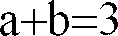
- G eine Glucosepyranosegruppe und
- F eine Fructofuranosegruppe bedeuten,
Description
- Gegenstand der vorliegenden Erfindung ist die Verwendung von Inulinderivaten.
- Natürlich vorkommende Polysaccharide finden aufgrund ihrer funktionellen Eigenschaften Verwendung in den verschiedenen industriellen Bereichen wie z.B. Textil-, Papier-, Bau-, Keramik und Kunststoffindustrie. Dieser Verwendung geht zumeist eine anwendungsgerechte Derivatisierung voraus. Der besondere Vorteil solcher Verbindungen besteht darin, daß sie aus "nachwachsenden Rohstoffen" erzeugt werden und weitgehend biologisch abgebaut werden.
- Voraussetzungen für eine breite Anwendung sind neben der leichten Verfügbarkeit und einem günstigen Preis die gleichbleibende Qualität und die Möglichkeit einer spezifischen und reproduzierbaren Derivatisierung.
- Die bisher üblicherweise eingesetzten Polysaccharide, nämlich Cellulose und Stärke, sind zwar in jeder beliebigen Menge in hoher gleichbleibender Qualität zu einem günstigen Preis verfügbar, zeigen jedoch erhebliche Probleme bei der Derivatisierung.
- Cellulose ist zwar ein linear einheitlich aus β-1-4-glucosidisch-verknüpften Anhydroglucoseeinheiten, aufgebautes Polymer; ihre Kristallinität macht sie jedoch gegenüber einer Derivatisierung äußerst widerstandsfähig. So sind Cellulosederivate nur unter schwierigen Reaktionsbedingungen, zum Teil unter Verwendung umweltgefährdender Chemikalien, erhältlich. Auch der hohe Polymerisationsgrad der Cellulose und die damit verbundene Schwerlöslichkeit der Derivate begrenzen die Anwendbarkeit. Ein Abbau der Cellulose durch Enzyme oder Säuren führt zu sehr uneinheitlichen Bruchstücken, was wiederum die Derivatisierung erschwert.
- Die zwar leichter zu derivatisierende Stärke besteht dagegen aus einem heterogenen System. Neben der linear aufgebauten Amylose mit einer -1-4-glucosidische Verknüpfung enthält sie eine Amylopektin genannte durch 1-6-glucosidische Bindungen verzweigte Komponente, deren Anteil in der Stärke außerdem bis zu 80 % schwanken kann. Da sich Amylose und Amylopektin bezüglich Struktur und Eigenschaften stark voneinander unterscheiden und in den verschiedenen Stärken in sehr variablen Anteilen vorkommen, ist eine gezielte Derivatisierung der Stärke nicht möglich.
- Inulin, ein zur Gruppe der Fructane gehörendes Polysaccharid kommt in wirtschaftlich gewinnbaren Mengen in Teilen verschiedener Pflanzen wie z.B. Topinambur- und Dahlienknollen sowie in Zichorienwurzeln vor. Inulin besteht aus linear auf gebauten, β-2-1-verknüpften Ketten von im allgemeinen bis zu 50 β-O-Fructofuranosemolekülen, die als Abschluß jeweils eine -D-Glucopyranoseeinheit am reduzierenden Ende tragen. Die mittlere Kettenlänge und Molekulargewichtsverteilung sind sowohl von der Pflanzenart, als auch von der Wachstumsphase und der Aufbereitungsmethode abhängig. Mittlere Kettenlängen von 10 bis 25 sind üblich, wobei die Einzelmoleküle etwa 5 bis 50 Fructoseeinheiten aufweisen.
- Obwohl das Inulin seit längerem bekannt ist, hat es noch keine breite Anwendung gefunden Seine industrielle Anwendung beschränkt sich zur Zeit auf die unmittelbare Verwendung als Nahrungsmittelkomponente wie z.B als Füllstoff oder Fettersatzstoff zur Herstellung von kalorienarmer Kost sowie zur Herstellung von Fructosesirupen bzw. Fructooligosacchariden mittels saurer oder enzymatischer Hydrolyse.
- Es ist ferner nach E. Schacht et al in J. Controlled Release 1984, 1 (1), 33-46 bekannt, daß durch vorausgehende Oxidation eine Ankopplung von Dextran oder Inulin an Pharmazeutika wie Procainamid möglich ist. Gleichzeitig wird in dem Artikel die Aktivierung der genannten Polysaccharide mit Epichlorhydrin beschrieben. Da jedoch durch das als bifunktionelles Reagenz bekannte Epichlorhydrin das Polysaccharidgerüst je nach Reaktionsbedingung verzweigt bzw. vernetzt wird (Modified starches: properties and uses: O.B. Würzburg, (1986) S. 43 - 44), führt diese Umsetzung zu keinen einheitlichen Derivaten.
- Aus der EP 0 539 235 A2 sind kalorienarme Nahrungsmittel wie Fettersatzstoffe bekannt, die dadurch hergestellt werden, daß man Polysaccharide, insbesondere Stärke und Cellulose, in Kohlenwasserstoffen wie Toluol bzw. Xylol suspendiert, mit wäßrigem Alkalihydroxid katalysiert, das zugesetzte Wasser destillativ entfernt und anschließend das aktivierte Polysaccharid bei hohem Druck und hoher Temperatur mit Alkylepoxiden veräthert. Die resultierenden Derivate werden anschließend mit C8 - C24 Fettsäuren verestert. Die hier erwähnten Polysaccharide sind in erster Linie Stärke und Cellulose, können jedoch auch Polydextrose, Xylan, Mannan oder ein nicht näher definiertes Inulin sein. Das hierbei zur Alkoxylierung angewandte Verfahren ist aus den US-PS'en Nr. 4.585.858 und 3.336.291 insbesondere für Stärke und Cellulose bekannt. Auch hierbei ergeben sich wegen des strukturellen Aufbaus der Polysaccharide erhebliche Probleme bei der Derivatisierung.
- Aufgabe der Erfindung ist die Bereitstellung neuer Verwendungen von epoxidierten Inulinderivaten von gleichmäßiger Substitution. Zur Lösung dieser Aufgabe werden die Verwendungen gemäß des einzigen Anspruchs vorgeschlagen.
- Überraschenderweise hat sich gezeigt, daß die Derivatisierung von Inulin aufgrund seiner chemischen Struktur, seiner Löslichkeit in Wasser sowie der relativ geringen Viskosität in wäßrigen Lösungen - im Gegensatz zu Stärke und Cellulose - in homogener Phase durchgeführt werden kann Dadurch entfallen die typischen Probleme einer heterogenen Reaktionsführung; es wird eine gleichmäßige Verteilung der Reagenzien sowie eine bessere sterische Zugänglichkeit erreicht, was zu einer homogenen Verteilung der Substituenten im gewünschten Endprodukt führt.
- Die erfindungsgemäß verwendete Verbindung werden hergestellt, indem man ein Inulin der Formel II

G eine Glycopyranosegruppe und
F eine Fructofuranosegruppe bedeuten, deren drei freie OH-Gruppen zusätzlich dargestellt sind,
in einer wäßrigen Lösung, in Gegenwart eines basischen Katalysators mit Epoxiden der allgemeinen Formel III
unter Bildung von Inulinderivaten der allgemeinen Formel veräthert:
- R = -CH2OH, -CHOH(CH2)m-CH3,
- m eine ganze Zahl von 0 bis 10,
- n im Mittel eine Zahl von 10 bis 50,
- a und b eine Zahl von 0 bis 3, wobei

- G eine Glucopyranosegruppe und
- F eine Fructofuranosegruppe bedeuten.
- Die Umsetzung wird mit Konzentrationen von 20 bis 50 Gew.-% bei einer Temperatur von 40 bis 100°C durchgeführt. Um ein Derivat mit dem gewünschten Substitutionsgrad herstellen zu können, genügt eine Veränderung des stöchiometrischen Verhältnisses der Reaktanten. Der Substitutionsgrad (DS) wird als das Verhältnis der Alkylgruppen zu den Fructoseeinheiten angegeben, wobei in der Regel mehrere Fructoseeinheiten je Inulinmolekül substituiert sind. Da jede Fructoseeinheit 3 freie Hydroxylgruppen aufweist, ist auch eine Mehrfachsubstitution möglich. Substitutionsgrade von 0,1 bis 2 und vorzugsweise von 0,5 - 1, sind für die meisten Anwendungen vorteilhaft.
- Das aus Planzenteilen gewonnene sogenannte Rohinulin ist bei dem hier beschriebenen Verfahren direkt einsetzbar, jedoch sind die dabei erhaltenen Endprodukte bezüglich ihres Molekulargewichtes uneinheitlich. Es ist daher vorteilhaft, ein langkettiges Inulin, z.B. mit einer mittleren Kettenlänge von >15, insbesondere >20 Fructoseeinheiten einzusetzen, aus dem die kurzkettigen Bestandteile mit z.B. ≤ 10 bis 12 Fructoseeinheiten abgetrennt worden sind. Solche Produkte lassen sich gemäß dem in DE 43 16 425-A1 beschriebenen Verfahren herstellen. Alternativ lassen sich die niederen Ketten chromatographisch abtrennen, oder die längeren Ketten durch Fällung aus einer wäßrigen Lösung mit Alkohol erhalten.
- Als geeignete Katalysatoren für die Umsetzung kommen Alkali- und Erdalkalihydroxide sowie andere für Verätherungsreaktionen bekannte Katalysatoren in Frage, wobei Natriumhydroxid und stark basische, OH-beladene Anionenaustauscher besonders bevorzugt sind. Die Einsatzmenge des Katalysators variiert in Abhängigkeit von der Reaktivität der eingesetzten Substituenten und beträgt im allgemeinen 2 bis 10 Gew.% des vorgelegten Inulins.
- Da sowohl die Reaktivität der Substituenten als auch deren Löslichkeit in Wasser mit steigender Alkylkettenlänge abnehmen, kann die Reaktionseffizienz dadurch gesteigert werden, daß man in Gegenwart einer geringen Menge eines Lösungsvermittlers wie Isopropanol arbeitet. Die Löslichkeit der Produkte mit langen Alkylketten kann zusätzlich gesteigert werden, wenn anstelle des nativen Inulins Inulinderivate eingesetzt werden, welche bereits teilweise mit kurzkettigen Epoxiden derivatisiert sind.
- Die Umsetzung selbst kann in den dafür geeigneten Apparaturen unter Atmosphären durch bzw bei erhöhtem Druck kontinuierlich oder auch diskontinuierlich durchgeführt werden. Die Reaktion ist in der Regel nach 6 bis 24 h beendet.
- Bei der Verätherung mit wassermischbaren Epoxiden kann die Reaktion in einem geeigneten Reaktor, z.B. in einem Rohrreaktor unter Einsatz eines starkbasischen, OH-beladenen Anionenaustauschers anstelle von Alkali- bzw. Erdalkalihydroxiden unter Festbett-bzw. Wirbelbettbedingungen durchgeführt werden. Dabei wird eine klare 20 bis 40 gew.-%ige Inulinlösung durch einen auf 50 bis 70°C temperierten, mit Anionenaustauscherharz gefüllten Rohrreaktor gepumpt, und gleichzeitig wird das Reagenz über eine separate Leitung unter guter Durchmischung zudosiert.
- Diese Arbeitsweise hat den Vorteil, daß eine Neutralisation des Reaktionsproduktes entfällt. Es ist jedoch empfehlenswert, das eingesetzte Inulin vorher zu entsalzen.
- Wird die Reaktion mit Alkali- oder Erdalkalihydroxid katalysiert, empfiehlt es sich, das erhaltene Produkt anschließend zu neutralisieren Das erfolgt zweckmäßigerweise mit verdünnter Salzsäure bzw. mit einem H+-beladenen schwachsauren Kationenaustauscher. Nach Trocknen eignen sich diese Produkte unmittelbar für eine Vielzahl von Anwendungen.
- Darüber hinaus kann nach der Neutralisation das Derivat durch chromatographische Trennung von einem Ca++- bzw. K+- oder Na+-beladenen, schwachvernetzten, starksauren Kationenaustauscherharz (z.B. Duolite (Wz) C204 von Rohm und Haas) gereinigt und durch geeignete Trocknungsmethoden, z.B. Gefrier- bzw. Sprühtrocknung, in trockene Form überführt werden.
- Bei den so hergestellten Inulinderivaten handelt es sich um weiße geruchlose, kaltwasserlösliche Substanzen, die je nach Substitutionsgrad und Alkylkettenlänge des Substituenten interessante Eigenschaften, insbesondere hinsichtlich ihrer Löslichkeit, Oberflächenaktivität und Viskosität aufweisen.
- Die alkoxylierten Derivate zeigen verbesserte Kaltwasserlöslichkeit gegenüber dem eingesetzten Inulin. Von den Derivaten können problemlos konzentrierte Lösungen, wie z.B. eine 50 Gew.%ige Lösung bei 25°C hergestellt werden.
- Die erfindungsgemäß verwendeten, derart synthetisierten Inulinderivate zeigen in Abhängigkeit von der Temperatur und dem Substitutionsgrad ein inverses Lösungsverhalten. Bei Temperaturen von 45 - 60°C flocken sie aus ihren wäßrigen Lösungen aus und gehen bei erneuter Abkühlung wieder in Lösung. Weiterhin sind sie in den üblichen org. Lösungsmitteln, wie z.B. MeOH, EtOH, DMF und DMSO löslich, wobei die Löslichkeit in protischen als auch in aprotischen Lösungsmitteln eine Korrelation zu den Strukturparametern wie Alkylkettenlänge und Substitutionsgrad aufweist. Das Zahlenmittel des Molekulargewichtes (

- Die derart hergestellten Inulinderivate eignen sich daher als
- polymere Weichmacher für Thermoplaste oder für unter Verwendung von Stärke und Stärkederivaten, Cellulose oder Cellulosederivaten hergestellte Folien,
- Hilfsstoffe für die Bau-, Keramik- und Papierindustrie,
- Emulgatoren und Stabilisatoren,
- Schlichtematerialien für die Textilindustrie,
- Trägermaterialien für pharmazeutische Wirkstoffe,
- Solubilisatoren für hydrophobe Arzneimittel und Kosmetika oder als
- gelbildende Polymere.
- In den folgenden Beispielen wurde ein durch Alkoholfällung gereinigtes Rohinulin mit einer mittleren Kettenlänge von 18 bis 20 Fructoseeinheiten verwendet. Die Ausbeute bezieht sich jeweils auf die Summe der Ausgangsprodukte. Als Nebenprodukt entsteht jeweils das Alkylglykol durch Hydrolyse.
- 20 g Trockensubstanz Inulin (0,123 mol) wurden in 60 ml 0,5 M NaOH (6 Gew.% auf Inulin TS) unter Erwärmen gelöst, in einen Rührautoklaven transferiert und dort mit 7,14 g (0,123 mol) Propylenoxid versetzt. Die Reaktion wurde dann bei 3 bar Druck (Stickstoff) und 70°C mit 800 x min-1 Rührerdrehzahl durchgeführt. Nach 10 Stunden wurde der Autoklav entspannt und die entstandene Produktlösung zunächst mit HCl auf pH 6,5 - 7,0 neutralisiert. Eine Chromatographiesäule mit einem Na+-beladenen, schwachvernetzten, starksauren Kationenaustauscherharz (Duolite® C204) wurde vorbereitet und daran die neutralisierte Produktlösung bei 60°C getrennt. Die Propoxyinulin enthaltende Fraktion wurde gesammelt und gefriergetrocknet.
- Ausbeute:
- 92 %
- Substitutionsgrad (DS):
- 0,66
- Oberflächenspannung σ einer 1 %-igen Lösung:
- 62 mN.m-1
- 650 g einer 30 gew.-%igen Inulinlösung (≅ 1,2 mol) wurden mit 9,8 g (5 Gew. % auf Inulin-TS) Natriumhydroxid versetzt und in einen auf 55°C temperierten, mit Intensivkühler bestückten Rohrreaktor im Kreislauf gepumpt. In die zirkulierende Inulinlösung wurden innerhalb 60 min 67 g (≅ 1,2 mol) Propylenoxid kontinuierlich zudosiert. Die Lösung wurde für weitere 6 h bei 55°C umgepumpt.
- Die erhaltene Produktlösung wurde mit Hilfe eines H+-beladenen starksauren Kationenaustauschers neutralisiert. Nach Filtration und Eindampfung auf 40 % Trockensubstanzgehalt wurde die Lösung über eine mit Chromatographieharz (Lewatit®TSW 40-Ca++) gefüllte Trennsäule bei 60°C getrennt. Die Propoxyinulin enthaltende Fraktion wurde gesammelt und daraus das Propoxyinulin durch Sprühtrocknung als weißes Pulver isoliert.
- Ausbeute:
- 85,7 %
- Substitutionsgrad (DS):
- 0,71
- Oberflächenspannung σ einer 0,1 %-igen Lösung:
- 64 mN.m-1
- 256 g Inulin Trockensubstanz (1,58 mol) wurden in 592 g entmineralisiertem Wasser durch Erwärmen gelöst und in einen mit Intensivkühler und Tropftrichter bestückten, auf 55°C temperierten Rührkessel gegeben und zunächst mit 500 ml eines OH--beladenen starkbasischen Anionenaustauschers (Amberlite® IRA 900) versetzt. Danach wurden 91,82 g (1,58 mol) Propylenoxid innerhalb von 4 Stunden der Lösung zugetropft. Danach wurde der Reaktionsansatz weitere 12 h bei 55°C gerührt.
- Dann wurde das Anionenaustauscherharz abfiltriert, das Filtrat mit Hilfe eines H+-beladenen starksauren Kationenaustauschers neutralisiert und chromatographisch getrennt. Durch Sprühtrocknung der Propoxyinulin enthaltenden Fraktion wurde das Propoxyinulin als weißes Pulver gewonnen.
- Ausbeute:
- 85 %
- Substitutionsgrad (DS):
- 0,5
- Oberflächenspannung σ einer 0,5 %-igen Lösung:
- 58 mN.m-1
- In einen mit einem Siebboden versehenen und auf 55°C temperierten Rohrreaktor wurden zunächst 250 ml eines OH--beladenen starkbasischen Anionenaustauschers (Amberlite® IRA 900) vorgelegt. Dann wurden 480 g einer 30 gew. %-igen Inulinlösung (144 g Trockensubstanz ≅ 0,89 mol) im Kreislauf von unten nach oben durch den Reaktor gepumpt. Die Fließgeschwindigkeit wurde dabei so gewählt, daß das Harzbett sich in ein Wirbelbett verwandelte. Nun wurden während 60 Minuten 51,6 g (0,89 mol) Propylenoxid in den Inulin-Kreislauf hineindosiert. Nach weiteren 6 h Reaktionszeit wurde die Produktlösung vom Katalysator abgetrennt, neutralisiert und einer chromatographischen Trennung unterworfen. Die Propoxyinulin enthaltende Fraktion wurde sprühgetrocknet und so das Propoxyinulin in trockner Form isoliert.
- Ausbeute:
- 87,3 %
- Substitutionsgrad (DS):
- 0,36
- Oberflächenspannung σ einer 0,5 %-igen Lösung:
- 59 mN.m-1
- In einen mit einem Siebboden versehenen und auf 55 °C temperierten Rohrreaktor wurden zunächst 250 ml eines OH--beladenen starkbasischen Anionenaustauschers (Amberlite® IRA 900) vorgelegt Dann wurden 480 g einer 30 gew.-%igen Inulinlösung (144 g Trockensubstanz ≈ 0,89 mol) durch den Reaktor gepumpt. Die Fließgeschwindigkeit wurde dabei so gewählt, daß eine Gesamtkontaktigkeit von 8 Stunden eingehalten werden konnte. Gleichzeitig wurden dem Flüssigkeitsstrom vor dem Reaktor insgesamt 51,6 g (0,89 mol) Propylenoxid verteilt auf die gesamte Kontaktigkeit zudosiert. Die vom Reaktor ablaufende Produktlösung wurde neutralisiert und daraus das Propoxyinulin durch chromatographische Trennung mit anschließender Sprühtrocknung der relevanten Fraktion als weißes Pulver isoliert.
- Ausbeute:
- 87 %
- DS:
- 0,38
- Oberflächenspannung σ einer 0,5 %-igen Lösung:
- 58 mN.m-1
- 60 g propoxiliertes Inulin (mit DS = 1,33) wurden in 200 ml Wasser gelöst, mit 3,0 g NaOH und 68 g Epoxydodecan versetzt und im Autoklaven unter 3 bar Druck (N2), 80°C und bei Rührerdrehzahl 900 × min-1 für 16 h reagieren gelassen. Dann wurde die Reaktionsmischung mit n-Hexan extrahiert, die wäßrige Phase neutralisiert und daraus durch chromatographische Trennung und Sprühtrocknung das Dodecyloxyinulin gewonnen.
- Ausbeute:
- 70 %
- Oberflächenspannung σ einer 0,1 %-igen Lösung:
- 29 mN.m-1
-
- Ansatz:
- 6 g TS Inulin in Form einer 30 gew. %-igen Lösung
0,3 g NaOH
4 g Epoxybutan - Temperatur:
- 55°C
- Reaktionszeit:
- 16 h
- Ausbeute:
- 92 %
- DS
- 0,6
- Oberflächenspannung σ einer 0,1 %-igen Lösung:
- 49 mN.m-1
-
- Ansatz:
- 30 g TS Inulin in Form einer 30 gew. %-igen Lösung
65 ml Amberlite® IRA 900 CH-
20 g Epoxybutan - Temperatur:
- 55°C
- Reaktionszeit:
- 16 h
- Ausbeute:
- 78 %
- Oberflächenspannung σ einer 0,1 %-igen Lösung:
- 47 mN.m-1
- DS
- 0,56
-
- Ansatz
- 30 g TS Inulin in Form einer 30 gew%igen Lösung
65 ml Amberlite® IRA 900 CH-
23,2 g 1, 2-Epoxyhexan - Temperatur:
- 60 °C
- Reaktionszeit:
- 16 h
- Ausbeute:
- 73 %
- Oberflächenspannung σ einer 0,1 %-igen Lösung:
- 43 mN.m-1
-
- Ansatz:
- 30 g TS Inulin in Form einer 30 gew. %-igen Lösung
1,5 g NaOH
23,2 g 1, 2-Epoxyhexan - Temperatur:
- 55°C
- Reaktionszeit:
- 16 h
- Ausbeute:
- 78 %
- DS:
- Oberflächenspannung σ einer 0,1 %-igen Lösung:
- 41 mN.m-1
- Um zu zeigen, daß durch den Einsatz der derart hergestellten Inulinderivate die Konsistenz von hydraulischen Bindesystemen positiv beeinflußt wird, wurde ein Kalkmörtel der folgenden Zusammensetzung hergestellt:
-
- 50 % beta-Kalziumsulfat Halbhydrat
- 20 % Kalkhydrat
- 29 % Kalksteinsand (0 - 1 mm)
- 0,8 % Leichtfüllstoff
- 0,02 % Stärkeether
- 0,02 % Luftporenteilchen
- 0,04 % Verzögerer
- 0,17 % Celluloseether
- Es wurden entsprechende Abmischungen mit 0,01 bis 0,1 Gew.% Alkoxyinulinderivaten entsprechend Beispiele 2 und 7 hergestellt und mit dem Grundmörtel verglichen, wobei festgestellt wurde, daß anwendungstechnische Eigenschaften, speziell die Verarbeitbarkeit, das Wasserrückhaltevermögen und die konsistenzgebende Wirkung der gebräuchlichen Verdicker verbessert werden.
- Es wurde ein Textil-Schlichtemittel der folgenden Zusammensetzung hergestellt:
- 51 % Schlichtstärke
- 17 % PVA
- 30 % Alkoxyinulinderivat
- 2 % Schlichtewachs
- Bei dieser Rezeptur wurden jeweils die Alkoxyinulinderivate gemäß Beispielen 3, 7 und 8 eingesetzt. Hierbei zeigte sich, daß die Konsistenz der abgewandelten Schlichten im Vergleich zu üblichen Textilschlichten, die auf synthetischer Basis (PVA, Acrylat), Stärkebasis oder deren Mischungen aufgebaut sind und deren Elastizität, Klebkraft, Auswaschbarkeit, Laufeigenschaften und Web-Nutzeffekt verbessert wird.
- Bei der Leimung von Papier wurde eine Mischung der folgenden Zusammensetzung verwendet:
- 50 bis 100 g/l Stärke
- 1 bis 5 g/l Leimungsmittel (Acrylat/Methacrylat)
- 10 bis 20 g/l Alkoxyinulinderivate
- Es zeigte sich, daß durch den Einsatz der Inulinderivate gemäß Beispiel 2, 6, 8 und 10 in Verbindung mit Acrylat-Methacrylatprodukten und Stärke die Oberflächeneigenschaften, wie Reißlänge, Spaltfestigkeit, Weißgrad, Oberflächenglätte, Bedruckbarkeit von Papier verbessert werden konnten.
- Weiterhin zeigen die alkoxylierten Inulinderivate gute Schutzkolloid- bzw. Emulgator-Eigenschaften bei der Herstellung von Kunststoffdispersionen insbesondere bei den Polyvinylacetat- und ihre Copolymerisationsdispersionen.
- Aufgrund ihrer guten Eigenschaften (wie z. B. hydrophil - hydrophoben Charakter, Viskosität, Molmasse etc.) werden die Inulinderivate besonders gut an der Oberfläche der Latexpartikel adsorbiert. Die so gebildete Schutzschicht verhindert das Koagulieren der Dispersion bei der Polymerisation und stabilisiert die fertige Dispersion bei der mechansichen Beanspruchung.
- Zur Prüfung des Solubilisationsvermögens alkoxylierter Inuline für nicht- bzw. schlecht wasserlösliche Substanzen wurden beispielhaft 2 Chromophore (Antracen als UV-aktive Substanz und der im sichtbaren Bereich absorbierende, wasserunlösliche Azofarbstoff Sudanrot B) in wäßrigen Lösungen der Inulinderivate dispergiert und die Extinktion bei jeweils charakteristischen Wellenlängen (Antracen: λ = 371 bzw. λ = 380 nm, Sudanrot B: λ = 516 nm) unter Variation der Konzentrationen der Inulinderivate ermittelt. Zum Vergleich wurden wäßrige Dispersionen der beiden Chromophoren ohne Zusatz der Inulinderivate hergestellt und vermessen.
- Während für die Vergleichslösungen (ohne Inulinderivate) keine Extinktionen bei den charakteristischen Wellenlängen zu beobachten waren, konnten bei den Lösungen der Inulinderivate signifikante Extinktionen bestimmt werden. Die Solubilisationskapazität steigt mit zunehmender Konzentration der Inulinderivate, Länge der Alkoxygruppe und der Substitutionsgerade.
- Diese Untersuchungen zeigen, daß Alkoxyinuline geeignet sind, als Carrier bzw. Stabilisator für schlechte bzw. wasserunlösliche Substanzen zu fungieren (Zusatzstoffe in Kosmetika, Pharmazeutika "Prodrugs", "drug targeting", "retarded drug release", "biocompatible drug carrier").
Claims (1)
- Verwendung von Inulinderivaten der allgemeinen Formel I
 R = CH2OH, - CHOH - (CH2)m- CH3,m eine ganze Zahl von 0 bis 10,n im Mittel eine Zahl von 10 bis 50 und vorzugsweise von >15,a und b eine Zahl von 0 bis 3, wobei
 G eine Glucosepyranosegruppe undF eine Fructofuranosegruppe bedeuten,oder Gemischen dieser mit verschiedenen - O (CH2)-R Gruppen alsa) polymere Weichmacher für Thermoplaste oder für unter Verwendung von Stärke und Stärkederivaten, Cellulose oder Cellulosederivaten hergestellten Folien,b) Hilfsstoffe für die Bau-, Keramik- und Papierindustrie,c) Emulgatoren und Stabilisatoren,d) Schlichtematerialien für die Textilindustrie,e) Trägermaterialien für pharmazeutische Wirkstoffe,f) Solubilisatoren für hydrophobe Arzneimittel und Kosmetika oder alsg) gelbildende Polymere.
Applications Claiming Priority (3)
| Application Number | Priority Date | Filing Date | Title |
|---|---|---|---|
| DE4326782 | 1993-08-10 | ||
| DE4326782 | 1993-08-10 | ||
| EP94112389A EP0638589B1 (de) | 1993-08-10 | 1994-08-08 | Verfahren zur Herstellung von Inulinderivaten |
Related Parent Applications (2)
| Application Number | Title | Priority Date | Filing Date |
|---|---|---|---|
| EP94112389A Division EP0638589B1 (de) | 1993-08-10 | 1994-08-08 | Verfahren zur Herstellung von Inulinderivaten |
| EP94112389.5 Division | 1994-08-08 |
Publications (3)
| Publication Number | Publication Date |
|---|---|
| EP0792889A2 true EP0792889A2 (de) | 1997-09-03 |
| EP0792889A3 EP0792889A3 (de) | 1997-09-24 |
| EP0792889B1 EP0792889B1 (de) | 2000-12-27 |
Family
ID=6494829
Family Applications (2)
| Application Number | Title | Priority Date | Filing Date |
|---|---|---|---|
| EP97106769A Expired - Lifetime EP0792889B1 (de) | 1993-08-10 | 1994-08-08 | Verwendung von Inulinderivaten |
| EP94112389A Expired - Lifetime EP0638589B1 (de) | 1993-08-10 | 1994-08-08 | Verfahren zur Herstellung von Inulinderivaten |
Family Applications After (1)
| Application Number | Title | Priority Date | Filing Date |
|---|---|---|---|
| EP94112389A Expired - Lifetime EP0638589B1 (de) | 1993-08-10 | 1994-08-08 | Verfahren zur Herstellung von Inulinderivaten |
Country Status (6)
| Country | Link |
|---|---|
| US (1) | US5502180A (de) |
| EP (2) | EP0792889B1 (de) |
| JP (1) | JP3468594B2 (de) |
| AT (1) | ATE162805T1 (de) |
| DE (2) | DE59409620D1 (de) |
| DK (1) | DK0638589T3 (de) |
Cited By (1)
| Publication number | Priority date | Publication date | Assignee | Title |
|---|---|---|---|---|
| DE10004644A1 (de) * | 2000-02-03 | 2001-08-16 | Cognis Deutschland Gmbh | Verwendung von Inulinderivaten als Verdickungsmittel |
Families Citing this family (16)
| Publication number | Priority date | Publication date | Assignee | Title |
|---|---|---|---|---|
| DE69603269T3 (de) * | 1995-04-27 | 2007-02-22 | Coöperatie Cosun U.A. | Derivate von inulin |
| DE69708323T2 (de) | 1996-12-19 | 2002-07-11 | Akcros Chemicals, Eccles | Verwendung von polyalkoholen als polymerstabilsatoren |
| US7045166B2 (en) * | 1998-08-27 | 2006-05-16 | Silver Barnard S | Sweetener compositions containing fractions of inulin |
| US6569488B2 (en) | 1998-08-27 | 2003-05-27 | Barnard Stewart Silver | Processes for making novel inulin products |
| US6399142B1 (en) | 1998-08-27 | 2002-06-04 | Barnard Stewart Silver | Liquid food products |
| US6419978B1 (en) | 1998-08-27 | 2002-07-16 | Barnard Stewart Silver | Inulin fractions |
| IT1307023B1 (it) * | 1999-03-15 | 2001-10-23 | Novamont Spa | Articoli per la masticazione di animali. |
| EP1174118A1 (de) * | 2000-06-28 | 2002-01-23 | Cognis France S.A. | Verwendung von Inulinen und Inulinderivaten |
| US7431939B1 (en) | 2000-09-28 | 2008-10-07 | Mississippi State University | Inhibition of systemic infections in humans and vertebrates by dietary fibers |
| EP1304158A1 (de) * | 2001-10-09 | 2003-04-23 | Tiense Suikerraffinaderij N.V. | Oberfächenspannungsmittel auf Basis von hydrophobierten Sacchariden |
| FR2848783B1 (fr) * | 2002-12-18 | 2005-05-13 | Agronomique Inst Nat Rech | Utilisation de prebiotiques pour prevenir ou traiter le stress oxydant |
| ATE508141T1 (de) | 2007-03-07 | 2011-05-15 | Beneo Orafti S A | Konservierung von naturkautschuklatex |
| EP2155850B1 (de) | 2007-05-18 | 2014-04-16 | Raffinerie Notre Dame - Orafti S.A. | Verfahren zur ausstattung eines substrats mit duftstoff; duftstoffhaltiges substrat |
| RU2351166C1 (ru) * | 2007-10-19 | 2009-04-10 | Екатерина Анатольевна Струпан | Способ получения инулина из одуванчика лекарственного |
| BR112021001505A2 (pt) | 2018-07-31 | 2021-05-11 | Bayer Aktiengesellschaft | uso de um composto de polissacarídeo catiônico como um fungicida, pesticida, algecida, dessecante e para o prolongamento da vida de prateleira de frutas e vegetais |
| WO2023227708A1 (en) | 2022-05-25 | 2023-11-30 | Bayer Aktiengesellschaft | Biobased larvicides |
Family Cites Families (14)
| Publication number | Priority date | Publication date | Assignee | Title |
|---|---|---|---|---|
| US3336291A (en) * | 1963-10-07 | 1967-08-15 | Wyandotte Chemicals Corp | Oxyalkylene condensates of cellulose useful in the preparation of urethanes |
| US4585858A (en) * | 1967-01-03 | 1986-04-29 | Cpc International Inc. | Starch-based polyether polyols |
| US4034764A (en) * | 1975-08-15 | 1977-07-12 | Philip Morris Incorporated | Smoking material and method for its preparation |
| JPS5885813A (ja) * | 1981-11-17 | 1983-05-23 | Toyo Jozo Co Ltd | 吸収性良好な製剤 |
| CA1170203A (en) * | 1981-09-15 | 1984-07-03 | Ernst Hoehn | Fructose syrup manufacture |
| CA1246556A (en) * | 1984-07-24 | 1988-12-13 | Hiroshi Yamazaki | Production of fructose syrup |
| US4661294A (en) * | 1985-03-18 | 1987-04-28 | The General Hospital Corporation | Biologically active 1-thio derivatives of vitamin D |
| DE3689071T2 (de) * | 1985-10-31 | 1994-02-10 | Univ Australian | Immunheilbehandlung. |
| JPS63287710A (ja) * | 1987-05-20 | 1988-11-24 | Ichimaru Pharcos Co Ltd | 糖類のアセチル化物含有化粧料 |
| CA1324022C (en) * | 1987-08-07 | 1993-11-09 | Hiroshi Yamazaki | Process for preparing flour from jerusalem artichoke tubers |
| US4968785A (en) * | 1988-05-17 | 1990-11-06 | Henkel Kommanditgesellschaft Auf Aktien | Substituted glycoside compositions |
| US5120089A (en) * | 1990-02-28 | 1992-06-09 | Alvin Guttag | Protected philatelic item |
| CA2050464C (en) * | 1991-08-30 | 1997-12-16 | Tsutomu Harada | Food containing fructose |
| US5273772A (en) * | 1991-10-25 | 1993-12-28 | Arco Chemical Technology, L.P. | Food compositions containing esterified alkoxylated polysaccharide fat substitutes |
-
1994
- 1994-08-08 EP EP97106769A patent/EP0792889B1/de not_active Expired - Lifetime
- 1994-08-08 DE DE59409620T patent/DE59409620D1/de not_active Expired - Fee Related
- 1994-08-08 EP EP94112389A patent/EP0638589B1/de not_active Expired - Lifetime
- 1994-08-08 DE DE59405157T patent/DE59405157D1/de not_active Expired - Fee Related
- 1994-08-08 AT AT94112389T patent/ATE162805T1/de not_active IP Right Cessation
- 1994-08-08 DK DK94112389T patent/DK0638589T3/da active
- 1994-08-10 US US08/288,072 patent/US5502180A/en not_active Expired - Fee Related
- 1994-08-10 JP JP20825194A patent/JP3468594B2/ja not_active Expired - Fee Related
Cited By (2)
| Publication number | Priority date | Publication date | Assignee | Title |
|---|---|---|---|---|
| DE10004644A1 (de) * | 2000-02-03 | 2001-08-16 | Cognis Deutschland Gmbh | Verwendung von Inulinderivaten als Verdickungsmittel |
| DE10004644B4 (de) * | 2000-02-03 | 2004-09-16 | Cognis Deutschland Gmbh & Co. Kg | Verwendung von Inulinderivaten als Verdickungsmittel |
Also Published As
| Publication number | Publication date |
|---|---|
| DK0638589T3 (da) | 1998-09-21 |
| EP0638589B1 (de) | 1998-01-28 |
| JPH07149802A (ja) | 1995-06-13 |
| EP0792889A3 (de) | 1997-09-24 |
| EP0638589A1 (de) | 1995-02-15 |
| US5502180A (en) | 1996-03-26 |
| EP0792889B1 (de) | 2000-12-27 |
| DE59405157D1 (de) | 1998-03-05 |
| DE59409620D1 (de) | 2001-02-01 |
| ATE162805T1 (de) | 1998-02-15 |
| JP3468594B2 (ja) | 2003-11-17 |
Similar Documents
| Publication | Publication Date | Title |
|---|---|---|
| EP0638589B1 (de) | Verfahren zur Herstellung von Inulinderivaten | |
| DE2840011C2 (de) | Verfahren zur Herstellung hoch substituierter Polysaccharide | |
| EP0817803B1 (de) | Verfahren zur aktivierung von polysacchariden, danach hergestellte polysaccharide und deren verwendung | |
| DE69417848T2 (de) | Zusammensetzungen auf der Basis von kationischen Polymeren und anionischen Xanthangummi | |
| EP0792888B1 (de) | Aliphatische Carbonsäureester von Inulin | |
| DE69408454T2 (de) | Verfahren zur herstellung von amid-modifiziertem carboxyl enthaltenden polysaccharid und so erzeugtes fettsäureamid modifiziertes polysaccharid | |
| DE2412014C3 (de) | Nichtionische Celluloseether und Verfahren zu deren Herstellung | |
| EP0627490B1 (de) | Verfahren zur Herstellung von langkettigem Inulin | |
| DE69829135T2 (de) | Modifizierung von Polysaccharid in verdichteter Flüssigkeit | |
| DE3008413C2 (de) | Verfahren zur Herstellung von Äthylcarboxymethylcellulose | |
| DE3712246C2 (de) | ||
| EP2700656A1 (de) | Carboxy-funktionalisiertes Alternan | |
| DE1177129B (de) | Verfahren zur Herstellung von Quellstaerkemischaethern und bzw. oder -estern | |
| DE69030543T2 (de) | Chitin-Oligomer mit endständiger 2,5-Anhydromannitolgruppe und Verfahren zur Herstellung von Chitin- oder Chitosan-Oligomeren | |
| DE69521170T2 (de) | Guargummizusammensetzung und Verfahren zur deren Herstellung | |
| DE60210457T2 (de) | Neue hyaluronan-derivate | |
| EP1883654A1 (de) | Verfahren zur chemischen modifizierung von polysacchariden | |
| DE4223471C2 (de) | Stärkezwischenprodukt, Verfahren zu dessen Herstellung sowie Verfahren zu dessen Weiterverarbeitung | |
| DE2134686A1 (de) | Suspensionen hydrophober Stärkeester und Verfahren zu ihrer Herstellung | |
| CH648569A5 (de) | Saccharidderivate mit ureidogruppen. | |
| EP0487988A2 (de) | Wasserlösliche Hydroxypropyl-Sulfoethyl-Cellulosederivate (HPSEC) mit niedrigem Substitutionsgrad und Verfahren zu ihrer Herstellung | |
| DE1543007B2 (de) | Hydroxy äthyl-hydroxypropyl-Cellulosen und Verfahren zu deren Herstellung | |
| DE19705376C1 (de) | Verfahren zur Herstellung von biologisch abbaubaren Werkstoffen | |
| DE69519615T2 (de) | Verfahren zur Herstellung einer flüssigen Detergenszusammensetzung | |
| EP2115009A1 (de) | Verfahren zur herstellung eines hydrophoben stärkederivats, hydrophobes stärkederivat und verwendung des verfahrens |
Legal Events
| Date | Code | Title | Description |
|---|---|---|---|
| PUAI | Public reference made under article 153(3) epc to a published international application that has entered the european phase |
Free format text: ORIGINAL CODE: 0009012 |
|
| PUAL | Search report despatched |
Free format text: ORIGINAL CODE: 0009013 |
|
| AC | Divisional application: reference to earlier application |
Ref document number: 638589 Country of ref document: EP |
|
| AK | Designated contracting states |
Kind code of ref document: A2 Designated state(s): BE DE FR NL |
|
| AK | Designated contracting states |
Kind code of ref document: A3 Designated state(s): BE DE FR NL |
|
| 17P | Request for examination filed |
Effective date: 19971125 |
|
| GRAG | Despatch of communication of intention to grant |
Free format text: ORIGINAL CODE: EPIDOS AGRA |
|
| 17Q | First examination report despatched |
Effective date: 20000412 |
|
| GRAG | Despatch of communication of intention to grant |
Free format text: ORIGINAL CODE: EPIDOS AGRA |
|
| GRAH | Despatch of communication of intention to grant a patent |
Free format text: ORIGINAL CODE: EPIDOS IGRA |
|
| GRAH | Despatch of communication of intention to grant a patent |
Free format text: ORIGINAL CODE: EPIDOS IGRA |
|
| GRAA | (expected) grant |
Free format text: ORIGINAL CODE: 0009210 |
|
| AC | Divisional application: reference to earlier application |
Ref document number: 638589 Country of ref document: EP |
|
| AK | Designated contracting states |
Kind code of ref document: B1 Designated state(s): BE DE FR NL |
|
| REF | Corresponds to: |
Ref document number: 59409620 Country of ref document: DE Date of ref document: 20010201 |
|
| ET | Fr: translation filed | ||
| PLBE | No opposition filed within time limit |
Free format text: ORIGINAL CODE: 0009261 |
|
| STAA | Information on the status of an ep patent application or granted ep patent |
Free format text: STATUS: NO OPPOSITION FILED WITHIN TIME LIMIT |
|
| 26N | No opposition filed | ||
| PGFP | Annual fee paid to national office [announced via postgrant information from national office to epo] |
Ref country code: FR Payment date: 20060710 Year of fee payment: 13 |
|
| PGFP | Annual fee paid to national office [announced via postgrant information from national office to epo] |
Ref country code: NL Payment date: 20060713 Year of fee payment: 13 |
|
| PGFP | Annual fee paid to national office [announced via postgrant information from national office to epo] |
Ref country code: BE Payment date: 20060801 Year of fee payment: 13 |
|
| PGFP | Annual fee paid to national office [announced via postgrant information from national office to epo] |
Ref country code: DE Payment date: 20060831 Year of fee payment: 13 |
|
| BERE | Be: lapsed |
Owner name: *SUDZUCKER A.G. MANNHEIM/OCHSENFURT Effective date: 20070831 |
|
| PG25 | Lapsed in a contracting state [announced via postgrant information from national office to epo] |
Ref country code: NL Free format text: LAPSE BECAUSE OF NON-PAYMENT OF DUE FEES Effective date: 20080301 |
|
| NLV4 | Nl: lapsed or anulled due to non-payment of the annual fee |
Effective date: 20080301 |
|
| REG | Reference to a national code |
Ref country code: FR Ref legal event code: ST Effective date: 20080430 |
|
| PG25 | Lapsed in a contracting state [announced via postgrant information from national office to epo] |
Ref country code: DE Free format text: LAPSE BECAUSE OF NON-PAYMENT OF DUE FEES Effective date: 20080301 |
|
| PG25 | Lapsed in a contracting state [announced via postgrant information from national office to epo] |
Ref country code: BE Free format text: LAPSE BECAUSE OF NON-PAYMENT OF DUE FEES Effective date: 20070831 |
|
| PG25 | Lapsed in a contracting state [announced via postgrant information from national office to epo] |
Ref country code: FR Free format text: LAPSE BECAUSE OF NON-PAYMENT OF DUE FEES Effective date: 20070831 |