EP0813606B1 - Procede de purification de vecteurs viraux recombinants contenant un gene therapeutique - Google Patents
Procede de purification de vecteurs viraux recombinants contenant un gene therapeutique Download PDFInfo
- Publication number
- EP0813606B1 EP0813606B1 EP96911282A EP96911282A EP0813606B1 EP 0813606 B1 EP0813606 B1 EP 0813606B1 EP 96911282 A EP96911282 A EP 96911282A EP 96911282 A EP96911282 A EP 96911282A EP 0813606 B1 EP0813606 B1 EP 0813606B1
- Authority
- EP
- European Patent Office
- Prior art keywords
- resin
- purification
- deae
- acn53
- lysate
- Prior art date
- Legal status (The legal status is an assumption and is not a legal conclusion. Google has not performed a legal analysis and makes no representation as to the accuracy of the status listed.)
- Expired - Lifetime
Links
Images



Classifications
-
- C—CHEMISTRY; METALLURGY
- C12—BIOCHEMISTRY; BEER; SPIRITS; WINE; VINEGAR; MICROBIOLOGY; ENZYMOLOGY; MUTATION OR GENETIC ENGINEERING
- C12N—MICROORGANISMS OR ENZYMES; COMPOSITIONS THEREOF; PROPAGATING, PRESERVING, OR MAINTAINING MICROORGANISMS; MUTATION OR GENETIC ENGINEERING; CULTURE MEDIA
- C12N7/00—Viruses; Bacteriophages; Compositions thereof; Preparation or purification thereof
-
- C—CHEMISTRY; METALLURGY
- C07—ORGANIC CHEMISTRY
- C07K—PEPTIDES
- C07K14/00—Peptides having more than 20 amino acids; Gastrins; Somatostatins; Melanotropins; Derivatives thereof
- C07K14/82—Translation products from oncogenes
-
- C—CHEMISTRY; METALLURGY
- C08—ORGANIC MACROMOLECULAR COMPOUNDS; THEIR PREPARATION OR CHEMICAL WORKING-UP; COMPOSITIONS BASED THEREON
- C08F—MACROMOLECULAR COMPOUNDS OBTAINED BY REACTIONS ONLY INVOLVING CARBON-TO-CARBON UNSATURATED BONDS
- C08F265/00—Macromolecular compounds obtained by polymerising monomers on to polymers of unsaturated monocarboxylic acids or derivatives thereof as defined in group C08F20/00
- C08F265/02—Macromolecular compounds obtained by polymerising monomers on to polymers of unsaturated monocarboxylic acids or derivatives thereof as defined in group C08F20/00 on to polymers of acids, salts or anhydrides
-
- C—CHEMISTRY; METALLURGY
- C09—DYES; PAINTS; POLISHES; NATURAL RESINS; ADHESIVES; COMPOSITIONS NOT OTHERWISE PROVIDED FOR; APPLICATIONS OF MATERIALS NOT OTHERWISE PROVIDED FOR
- C09D—COATING COMPOSITIONS, e.g. PAINTS, VARNISHES OR LACQUERS; FILLING PASTES; CHEMICAL PAINT OR INK REMOVERS; INKS; CORRECTING FLUIDS; WOODSTAINS; PASTES OR SOLIDS FOR COLOURING OR PRINTING; USE OF MATERIALS THEREFOR
- C09D11/00—Inks
- C09D11/02—Printing inks
- C09D11/10—Printing inks based on artificial resins
- C09D11/106—Printing inks based on artificial resins containing macromolecular compounds obtained by reactions only involving carbon-to-carbon unsaturated bonds
-
- C—CHEMISTRY; METALLURGY
- C12—BIOCHEMISTRY; BEER; SPIRITS; WINE; VINEGAR; MICROBIOLOGY; ENZYMOLOGY; MUTATION OR GENETIC ENGINEERING
- C12N—MICROORGANISMS OR ENZYMES; COMPOSITIONS THEREOF; PROPAGATING, PRESERVING, OR MAINTAINING MICROORGANISMS; MUTATION OR GENETIC ENGINEERING; CULTURE MEDIA
- C12N15/00—Mutation or genetic engineering; DNA or RNA concerning genetic engineering, vectors, e.g. plasmids, or their isolation, preparation or purification; Use of hosts therefor
- C12N15/09—Recombinant DNA-technology
- C12N15/63—Introduction of foreign genetic material using vectors; Vectors; Use of hosts therefor; Regulation of expression
- C12N15/79—Vectors or expression systems specially adapted for eukaryotic hosts
- C12N15/85—Vectors or expression systems specially adapted for eukaryotic hosts for animal cells
- C12N15/86—Viral vectors
-
- C—CHEMISTRY; METALLURGY
- C12—BIOCHEMISTRY; BEER; SPIRITS; WINE; VINEGAR; MICROBIOLOGY; ENZYMOLOGY; MUTATION OR GENETIC ENGINEERING
- C12Q—MEASURING OR TESTING PROCESSES INVOLVING ENZYMES, NUCLEIC ACIDS OR MICROORGANISMS; COMPOSITIONS OR TEST PAPERS THEREFOR; PROCESSES OF PREPARING SUCH COMPOSITIONS; CONDITION-RESPONSIVE CONTROL IN MICROBIOLOGICAL OR ENZYMOLOGICAL PROCESSES
- C12Q1/00—Measuring or testing processes involving enzymes, nucleic acids or microorganisms; Compositions therefor; Processes of preparing such compositions
-
- A—HUMAN NECESSITIES
- A01—AGRICULTURE; FORESTRY; ANIMAL HUSBANDRY; HUNTING; TRAPPING; FISHING
- A01K—ANIMAL HUSBANDRY; AVICULTURE; APICULTURE; PISCICULTURE; FISHING; REARING OR BREEDING ANIMALS, NOT OTHERWISE PROVIDED FOR; NEW BREEDS OF ANIMALS
- A01K2217/00—Genetically modified animals
- A01K2217/05—Animals comprising random inserted nucleic acids (transgenic)
-
- A—HUMAN NECESSITIES
- A61—MEDICAL OR VETERINARY SCIENCE; HYGIENE
- A61K—PREPARATIONS FOR MEDICAL, DENTAL OR TOILETRY PURPOSES
- A61K48/00—Medicinal preparations containing genetic material which is inserted into cells of the living body to treat genetic diseases; Gene therapy
-
- C—CHEMISTRY; METALLURGY
- C12—BIOCHEMISTRY; BEER; SPIRITS; WINE; VINEGAR; MICROBIOLOGY; ENZYMOLOGY; MUTATION OR GENETIC ENGINEERING
- C12N—MICROORGANISMS OR ENZYMES; COMPOSITIONS THEREOF; PROPAGATING, PRESERVING, OR MAINTAINING MICROORGANISMS; MUTATION OR GENETIC ENGINEERING; CULTURE MEDIA
- C12N2710/00—MICROORGANISMS OR ENZYMES; COMPOSITIONS THEREOF; PROPAGATING, PRESERVING, OR MAINTAINING MICROORGANISMS; MUTATION OR GENETIC ENGINEERING; CULTURE MEDIA dsDNA viruses
- C12N2710/00011—Details
- C12N2710/10011—Adenoviridae
- C12N2710/10311—Mastadenovirus, e.g. human or simian adenoviruses
- C12N2710/10341—Use of virus, viral particle or viral elements as a vector
- C12N2710/10343—Use of virus, viral particle or viral elements as a vector viral genome or elements thereof as genetic vector
-
- C—CHEMISTRY; METALLURGY
- C12—BIOCHEMISTRY; BEER; SPIRITS; WINE; VINEGAR; MICROBIOLOGY; ENZYMOLOGY; MUTATION OR GENETIC ENGINEERING
- C12N—MICROORGANISMS OR ENZYMES; COMPOSITIONS THEREOF; PROPAGATING, PRESERVING, OR MAINTAINING MICROORGANISMS; MUTATION OR GENETIC ENGINEERING; CULTURE MEDIA
- C12N2710/00—MICROORGANISMS OR ENZYMES; COMPOSITIONS THEREOF; PROPAGATING, PRESERVING, OR MAINTAINING MICROORGANISMS; MUTATION OR GENETIC ENGINEERING; CULTURE MEDIA dsDNA viruses
- C12N2710/00011—Details
- C12N2710/10011—Adenoviridae
- C12N2710/10311—Mastadenovirus, e.g. human or simian adenoviruses
- C12N2710/10351—Methods of production or purification of viral material
-
- Y—GENERAL TAGGING OF NEW TECHNOLOGICAL DEVELOPMENTS; GENERAL TAGGING OF CROSS-SECTIONAL TECHNOLOGIES SPANNING OVER SEVERAL SECTIONS OF THE IPC; TECHNICAL SUBJECTS COVERED BY FORMER USPC CROSS-REFERENCE ART COLLECTIONS [XRACs] AND DIGESTS
- Y10—TECHNICAL SUBJECTS COVERED BY FORMER USPC
- Y10S—TECHNICAL SUBJECTS COVERED BY FORMER USPC CROSS-REFERENCE ART COLLECTIONS [XRACs] AND DIGESTS
- Y10S435/00—Chemistry: molecular biology and microbiology
- Y10S435/803—Physical recovery methods, e.g. chromatography, grinding
Definitions
- Size exclusion chromatography for purification of various plant viruses has been demonstrated either as a stand alone technique or to augment density gradient centrifugation (Albrechtsen et al. , J. Virological Methods 28:245-256 (1990); and Hewish et al., J. Virological Methods 7:223-228 (1983)). Size exclusion appears promising for bovine papilloma virus (Hjorth and Mereno-Lopez, J. Virological Methods 5:151-158 (1982)); and has been shown to be a superior method for the purification of tick-borne encephalitis virus (Crooks et al., J. Chrom. 502:59-68 (1990)).
- Adenoviruses are large (diameter of approximately 80 nm) and somewhat fragile.
- a large literature base dealing with the relationship of structure to function has accumulated (for reviews see Philipson, Virology 15:263-268 (1961) and Horwitz, Virology (Second Edition) Raven Press Ltd, New York (1990)). Little has been reported in the literature about chromatographic purification of live adenoviruses. Haruna et al.
- Virology 13:264-267 (1961) reported using DEAE ion exchange chromatography for purification of types 1, 3 and 8 adenoviruses while Klemperer and Pereir ( Virology 9:536-545 1959)) and Philipson ( Virology 10:459-465 (1960)) reported difficulties using the same method with other types of adenoviruses.
- WO9502688 reported the purification of viral vectors using sulfated oligosaccharides columns. Poor resolution and poor yield are important problems with this methodology that has prevented its use in large-scale production.
- the chromatographically purified viral vector containing the therapeutic gene is as pure and active as a viral vector purified using a three day ultracentrifugation.
- the purification method of this invention provides several advantages over existing methods including quality of purified viral vector, consistency, decreased process time and the ability to process large amounts of sample. Furthermore, because this novel purification scheme is based on the surface characteristics of the virion it is broadly applicable to other virions using the teaching of this invention as well as to virions containing different internal DNA constructs with different therapeutic genes. This break-through purification method is an important aspect in bulk commercialization of gene therapy.
- the invention provides a method of purifying viral vectors containing therapeutic genes for use in gene therapy.
- the invention comprises a method of purification from a cell lysate of a recombinant viral vector containing a therapeutic gene, which comprises: a) treating said lysate with an enzymatic agent that selectively degrades both unencapsulated DNA and RNA; b) chromatographing the treated lysate from step a) on a first resin; and c) chromatographing the eluant from step b) on a second resin; wherein one resin is an anion exchange resin and the other is an immobilized metal ion chromatography (IMAC) resin.
- IMAC immobilized metal ion chromatography
- hydrophobic interaction chromatography resin may be substituted for the immobilized metal ion chromatography resin.
- the enzymatically treated cell lysate undergoes a filtration step adding a fourth step to the three step method.
- the viral vector being purified is an adenoviral vector containing a therapeutic gene.
- the adenoviral vector is a recombinant type 5 adenovirus with an internal DNA construct including a tumor suppressor gene.
- This invention is directed to a method for purification of a recombinant viral vector containing a therapeutic gene from a cell lysate, which comprises:
- viral vector means a recombinant virus that has had some or all of the genes in the native genome removed such that the virus is replication- incompetent.
- the viral vector shall mean viruses wherein the recombinant viral genome contains a DNA encoding a therapeutic gene such that the viral vector is used to transfer the therapeutic gene to a desired human cell for gene therapy.
- Representative vectors include those that will infect mammalian, and especially human, cells, and are derived from viruses chosen from the group consisting of retroviruses, adenoviruses, herpes viruses and avipox viruses.
- Retroviral and adenoviral vectors are preferred. Adenoviral vectors, especially type 2 and type 5 adenoviral vectors, are especially preferred. The recombinant type 5 adenoviral vectors are the most preferred.
- therapeutic gene means genes or functional fractions thereof encoding molecules which have a desired therapeutic effect. For example, a gene which either by its absence or mutation causes an increase in pathological cell growth or proliferation of cells. A therapeutic gene as used herein would replace such an absent or mutated gene. Therapeutic genes may give rise to their therapeutic effect either by remaining extrachromosomal such that the gene will be expressed by the cell from the extrachromosomal location or the gene may be incorporated into the genome of the cell such that it recombines with the endogenous gene.
- Such genes include tumor- suppressor genes, including those chosen from the group consisting of Rb, Rb mutants, p53, p53 mutants, DCC, NF-1, Wilm's tumor, NM 23, BRCA-1, BRCA-2, BRUSH-1, p56, H-NUC, thyroid hormone receptor gene, retenoic acid receptor gene, genes encoding p130, p107, and p85.
- Other gene replacement or supplementation strategies include adenosine deaminase (ADA), thymidine kinase (TK), genes encoding various cytokines such as y-interferon, ⁇ -interferon, IL-2 and other hormones.
- Therapeutic gene is also understood to include DNA encoding a ribozyme.
- DNA constructs encode an RNA enzyme which binds and destroys the RNA of selected positively-acting growth regulatory genes such as (1) oncogenes or proto-oncogenes selected from the group consisting of, but not limited to, the following: c-myc, c-fos, c-jun, c-myb, c-ras, Kc and JE; (2) growth factor receptor genes selected from the group consisting of, but not limited to, epidermal growth factor, platelet derived growth factor, transferrin and insulin.
- Preferred therapeutic genes are the tumor suppressor genes, with most preferred tumor suppressor genes being Rb, Rb mutants, p53, p53 mutants, BRUSH-1, p56, BRCA-1, BRCA-2, p16 and p21.
- cell lysate means a collection of cells, including host cells which contain a vector, preferably a viral vector, which cells have been removed from their growth environment and have had their cell membranes disrupted by physiological or chemical means.
- enzymatic agent means a compound or mixture that selectively degrades unencapsulated DNA and RNA, while not disrupting the recombinant viral vectors to the extent they are not infectious and are unable deliver an intact copy of the therapeutic gene to the desired target cell.
- Such an enzymatic agent is generally a combination of one or more enzymes referred to as endonucleases or DNAses or RNAses.
- BenzonaseTM is a preferred enzymatic reagent.
- anion exchange resin shall mean a positively-charged organic moiety covalently cross-linked to an inert polymeric support.
- Representative organic moieties are drawn from primary, secondary, tertiary and quaternary amino groups; such as trimethylaminoethyl (TMAE), diethylaminoethyl (DEAE), dimethylaminoethyl (DMAE), and other groups such as the polyethyleneimine (PEI) that already have, or will have, a formal positive charge within the pH range of approximately 5 to approximately 9.
- representative negatively changed organic groups are chosen from the group consisting of carboxymethyl and sulfomethyl and other groups that have, or will have, a formal negative charge within the pH range of about 5 to about 9
- the support material should be one that is easily derivatizable and possess good mechanical strength.
- the material can be a natural polymeric substance, a synthetic polymer or co-polymer, or a mixture of natural and synthetics polymers.
- the support can take the shape of porous or nonporous particles, beads, membranes, disks or sheets.
- Such supports include silica, hydrophilic polymer (MonoBeads®, Pharmacia, Piscataway, New Jersey), cross-linked cellulose (e.g. Sephacel®), cross-linked dextran (e.g. Sephadex®) cross-linked agarose (e.g.
- Sepharose® polystyrene
- a co-polymer such as polystyrene-divinylbenzene or one composed of oligoethyleneglycol, glycidylmethacrylate and pentaerythroldimethacrylate, to which are grafted polymerized chains of acrylamide derivatives (the latter co-polymer is known as a "tentacle” support).
- the resins can be used in a traditional (gravity) column chromatography or high pressure liquid chromatography apparatus using radial or axial flow, fluidized bed columns, or in a slurry (batch) method. In the latter method, the resin is separated from the sample by decanting or centrifugation or filtration or a combination of methods.
- the viral vectors can be purified then eluted from these resins by an increasing salt gradient, preferably a gradient of sodium chloride.
- anion exchange resins examples include Fractogel® (E. Merck, Gibbstown, New Jersey) resins derivatized with either DEAE or DMAE; Fractogel® EMD Tentacle resins derivatized with DEAE, DMAE, or TMAE; Toyopearl® (TasoHaas, Montgomeryville, Pennsylvania) resins derivatized with DEAE or QAE; Acti-Disk® (Whatman, Clifton, New Jersey) supports derivatized with Quat, DEAE or PEl; Sepharose® (Pharmacia, Piscataway, New Jersey) resins derivatized with DEAE; Sephacel® (Pharmacia, Piscataway, New Jersey) resins derivatized with DEAE; and Sephadex® resins derivatized with DEAE and QAE.
- Preferred anion exchange resins are derivatized with the DEAE group, and further preferred columns are the Fractogel, Toyopeart and StreamlineTM (
- IMMAC immobilized metal ion affinity chromatography
- the metal chelating groups a are those known in the art to bind to zinc. nickel, copper, cobalt, calcium or magnesium ions in the formal (+2) oxidation state.
- Such groups include the imminodiacetic (IDA) group, the tris(carboxymethyl)ethylenediamine (TED) groupip, the N-(hydroxyethyl)ethylenediaminetriacetic group, and derivatives suruch as the N-(methyl), and the N-(hydroxymethyl) IDA groups.
- the chelalating groups can be bound to any of the above-listed metals, with zinc the preferred metal.
- the description of the chemical composition, physical form and u uses of the polymeric supports described above for the term "anion exchangage resin" applies to the IMAC resin as well.
- Cross-linked agarose and the "a tentacle" supports are preferred.
- the viral vectors can be eluted from the b IMAC column by adding increasing concentrations of competing chelatisting agents such as imidazole, histamine, glycine, or ammonium chloride, or, alternatively the pH of the eluant can be raised or lowered, as long as the extremes of the range of the ph gradient used remain from about 5 to about 9.
- competing chelatisting agents such as imidazole, histamine, glycine, or ammonium chloride
- Examples of commercially-available products that can be used in the instant method include the Acti-Disk IDA cartridge (Whatman), Fractogel AF chelate, and Toyopearl AF chelate IMAC resins.
- the preferred conditions for the immobilized metal affinity ion resin for the purification of the viral vectors such as type 5-adenovirus derived vector on DEAE had the resin charged with a divalent metal cation chosen from the group consisting of cobalt, nickel, copper, zinc, calcium and magnesium and further wherein the resin is an IDA or TED cross-linked agarose resin, especially an IDA agarose resin that is charged with zinc ion.
- a hydrophobic interaction chromtagraphy can be substituted for the IMAC resin in the instant method.
- Such a resin has lower alkyl or aryl groups covalently bound through a non-polar group, such as an aliphatic ether, to an inert polymeric support.
- Lower alkyl groups such as methyl, propyl, n-butyl, neo-pentyl, and octyl and the phenyl group are examples of the interactive group on the instant resin.
- Butyl is the preferred interactive group.
- Cross-linked agarose, hydroxylated polyether, hydrophilic media and silica are the preferred supports with cross-linked agarose the most preferred.
- the viral vectors can be purified then eluted from the HIC resin by a decreasing salt gradient, with ammonium sulfate the preferred salt.
- Examples of commercially available HIC columns useful for the current invention include the cross-linked agarose columns such as Phenyl-, Butyl and Octyl Sepharose, and Toyopearl (Phenyl, Propyl, and Butyl) and Fractogel (Propyl or Phenyl).
- the IMAC or HIC resin can be used before or after the anion exchange resin. If used before, the salt concentration of the eluant from the HIC or IMAC resin should diluted to about 450 millimolar or less in order to prevent premature stripping of viral particles from the exchange resin.
- buffer or “buffered solution” refers to a mixture of acid and base which when present in a solution reduces or modulates changes in pH that would otherwise occur in the solution when acid or based is added.
- the cell lysate is maintained in a buffered solution. Suitable buffers are those that can maintain the pH of the resultant solution between about 5.0 and about 9. 0.
- buffers are commercially available and include phosphate, MES, HEPES, MOPS, Borate, TRIS, BES, ADA, ACES, PIPES, MOPSO, BIS-TRIS PROPANE, BES, TES, DIPSO, TAPSO, TRIZMA, HEPPSO, POPSO, TEA, EPPS, TRICINE, GLYCYLGLYCINE, BICINE, TAPS, and the like.
- Preferred buffers include the phosphate, MES, HEPES, MOPS, borate, and TRIS, with HEPES being the most preferred.
- chromatography for the purification of viral vectors, such as an adenoviral vector referred to as Type 5, for use in gene therapy has been shown to be an effective alternative to cesium chloride density gradient ultracentrifugations.
- the purification scheme described in this invention selects for product based on the surface characteristics of the virion. These characteristics do not change with different internal DNA constructs, e.g. having different therapeutic genes in the construct, therefore leading to similar chromatographic behaviors. In other words, the chromatography is unaffected by the nature of the therapeutic gene inserted inside the vector.
- the anion exchange resins immobilized metal ion affinity chroromatography resins and hydrophobic interaction chromatography resins are cleaned using methods known to the ordinarily skilled arartisan.
- DEAE is treated first with NaOH then HCl and finnally with NaCl.
- the IZAC is first treated with EDTA then NAOH. HCL, NaClCl flushing with H 2 O in between each step.
- the columns are equilibrated in apappropriate buffers using appropriate binding conditions. Columns are loaded d with sample in a buffer such that the product will bind to the resin by cocontrolling pH and salt concentration for DEAE and by controlling pH, salt concerentration and divalent metal ion concentration for the immobilized metal ion affininity column. The columns are washed to remove contaminants and may be reuused.
- inventions include the additioronal step of filtering the cell lysate after it is treated with the enzymatic agent I
- the cell lysate is buffered before treatment with Benzonase at a pH between about 5.0 and about 9.0 before applyiying it to the first resin.
- Benzonase at a pH between about 5.0 and about 9.0 before applyiying it to the first resin.
- These embodiments are preferred for purifying a recombinant viral vector derived from either a retrovirus or a adenovirus, and especially so when the vector is derived from an adenonvirus, and such a vectoror contains a tumor suppressor gene.
- adenoviral-derived vectoror containing a tumor suppressor gene are those when the treated, buffered cell ill lysate is first chromatographed over an anion exchange resin followed by chromatography over a immobilized metal affinity resin. These coronditions are preferred especially when the recombinant viral vector is derived infrom either a type 2 or type 5 adenovirus, and especially a type 5 adenovirus.
- the enzymatic agent used to treat the cell lysate is one or morene enzymes, especially those chosen from the group consisting of RNAse and D DNAse or a mixture of endonucleases as would be known to the ordinarily skillelled artisan.
- the preferred enzymatic agent for use in this embodiment is BenzonaseTM, a recombinant non-specific nuclease which cleaves both RNA and DNA.
- an especially preferred method of the one described in the preceding paragraphs is where the type 5 adenoviral-derived recombinant viral vector has a genome containing the wild-type p53 gene.
- Standard recombinant Adenovirus Type 5 designated ACN53 is a vector derived from a Type 5 Adenovirus which has the F1 coding sequence with a 1.4-kb full length p53 cDNA driven by the human cytomegalovirus promoter (Wills et al., Human Gene Therapy 5:1079-1088 (1994)).
- Virus was prepared by a 3-step centrifugation procedure as described (Laver et al., Virology 45:598-614 (1971)) with the following modifications. Infected cells were lysed by 3 cycles of freeze-thaw and centrifuged at 15,000 rpm for 10 min, 4°C in a Sorvall RC-5B centrifuge.
- the pellet was discarded, and the supernatant was treated with BenzonaseTM (American International Chemical, Natick, Mass.) at 133 U/mL for 30 min at room temperature.
- the treated material was then layered onto a 1.25 gm/mL and 1.40 gm/mL CsCl discontinuous step gradient in 10 mM Tris pH8.1 and centrifuged at 30,000 rpm for 75 min, 10°C in a Sorvall TST 41-14 rotor.
- the virus band from each tube was collected, pooled, mixed with 1.35 gm/mL CsCl (in 10mM Tris pH8.1) and centrifuged overnight at 45,000 rpm in a Beckman VTi 50 rotor at 10°C.
- the virus band from each tube was collected and recentrifuged at 45,000 rpm as before for an additional 4 hrs.
- the final virus pool from this step was dialyzed extensively against phosphate buffered saline (PBS) supplemented with 2% sucrose and 2 mM MgCl 2 at a temperature of 4°C.
- PBS phosphate buffered saline
- the purified virus was used to infect human embryonic kidney 293 cells (available from American Type Culture Collection), as described below in Procedure 2.
- ATCC 293 ATCC CRL 15763 cells were grown in a Cell FactoryTM (Nunc, Ruskilde, Denmark) in a CO 2 incubator in 1.5L of medium consisting of DME high glucose medium containing 10% Hyclone bovine serum defined supplemented, 2 mM glutamine (Irvine Scientific, Santa Ana, California), 1 mM sodium pyruvate (Irvine Scientific). No antibiotics were added to the medium.
- the cells were infected with a multiplicity of infection (MOI) of 5 to 10 infectious units per cell in 500 mL of fresh medium. The virus was added to the medium, mixed thoroughly, and introduced to the cells in the unit.
- MOI multiplicity of infection
- the membrane was incubated with the primary antibody (Cytimmune rabbit IgG a- adenovirus type 5, Lee Biotechnology Research: San Diego, CA) at 5 ⁇ g/mL (in TBS) for 1 hr at room temperature. Following primary incubation, the membrane was washed 3 times with TBS and incubated with the secondary antibody (Amersham Life Sciences, Arlington Heights, IL) Horseradish peroxidase conjugated anti-rabbit lg) diluted to 1 ⁇ L stock antibody/1 mL TBS for 1 hr at room temperature.
- the primary antibody Cytimmune rabbit IgG a- adenovirus type 5, Lee Biotechnology Research: San Diego, CA
- the secondary antibody Amersham Life Sciences, Arlington Heights, IL
- concentrated virus was diluted 1 in 10 in 0.1% SDS in phosphate buffered saline (PBS).
- PBS phosphate buffered saline
- the sample was vortexed for 1 minute and then centrifuged at 14,000 rpm in an Ependorf microfuge to remove any precipitate.
- a matched pair of cuvettes were blanked with 0.1 % SDS in PBS buffer by running a baseline scan on Shimadzu UV160U spectrophotometer (Shimadzu Scientific Instrument, Columbia, MD.).
- the SDS-treated virus sample was then placed in the sample cuvette and scanned from 220 to 340 nm. If there was absorbance between 310 and 320 nm, the sample was too concentrated and was diluted further and remeasured.
- the A 260 /A 280 ratio was also determined from this scan, and must be between 1.2-1.3 in order to ensure that the product is pure enough to calculate particle number. If this condition is met, the absorbance value at 260 nm only is used to calculate the number of virions/mL. A conversion factor of 1.1 x 10 12 particles per absorbance unit at 260 nm (Maizel et al., Virology 36:115-125 (1968)) was used to calculate particle number with approximately 10% error. Typical values for samples subjected only to Anion Exchange Chromotography (i.e., Examples 1 and 2 using a DEAE resin) were between 1.14 to 1.19. When such samples were subjected to an IZAC as described in Example 3, the ratios were in the 1.22 to 1.25 range.
- Infected cell lysate is comprised of contaminants both host-cell and viral in origin. Some of these contaminants were removed prior to chromatography. Specifically, host cell, non encapsulated or incomplete ACN53 nucleic acids were enzymatically degraded at this stage of the process with a nuclease such as BenzonaseTM. This may be done early in the process for two reasons. Early BenzonaseTM treatment resulted in better yields in anion exchange chromatography. BenzonaseTM was removed by subsequent process steps. The presence of Benzonase during the process can be assayed by a commercially available ELISA kit (American International Chemical, Natick, MD.)
- Clarification of the treated lysate was accomplished by filtration rather than centrifugation. A slow speed spin was used to remove cellular debris (Fig. 1). Filtration was then used to prepare the product for loading onto the first column. The type of filter used (i.e. composition and pore size) and its effective product recovery was assayed by the quantitative anion exchange assay described in Example 3, Procedure A.
- Centrifugation was followed by filtration through a Gelman Sciences AcrodiscTM 0.8/0.2 ⁇ m 2-stage syringe filter. Recovery of ACN53 depended on the pore size and type of membrane used for filtration. Filters such as polysulfone, PVDF membranes and cellulose acetate based membranes were used. Polysulfone and PVDF were preferred.
- the supernatent from this step was made 2 mM in MgCl 2 , 2% (wt/vol) in sucrose and 2.5% (wt/vol) ⁇ -cyclodextrin.
- BenzonaseTM (American International Chemical, Inc.) was added to a final concentration of 100 units/mL and allowed to incubate for 1 hr at room temperature.
- the treated material was clarified by centrifugation in a Beckman TJ-6 at 3000 rpm for 10 min and filtration through a Gelman Sciences AcrodiscTM 0.8/0.2 ⁇ m filter. The resultant supernatant was taken on to Example 2.
- the pH can be varied, however, if run at pH 7.5 using HEPES pH 7.5/NaCl/sucrose/MgCl 2 less contaminating material bound to the columns.
- DEAE chromatography yielded a high degree of initial purification.
- the immobilized metal ion purification chromatography step removed these contaminants.
- Anion exchange resins were equilibrated in 50 mM HEPES, pH 7.5, 300 mM NaCl, 2 mM MgCl 2 , 2% sucrose at 1 mL/min.
- a 50 mM Tris buffer pH 8.0 (with 300 mM NaCl, 2 mM MgCl 2 , 2% sucrose) was also used.
- elution was performed with a 20 column volume 300-600 mM linear NaCl gradient and collected in 0.5 mL fractions. In preparation for future use, the column was then cleaned with 2 column volumes of 0.5 M NaOH, a 1.5 M NaCl wash and re-equilibrated.
- CsCl-ACN53 was injected onto a DEAE column equilibrated in 50mM Tris pH 8 at 2 mL/min (350 cm/hr) and eluted with a 10 min (11.7 column volume) 0-1.5 M linear NaCl gradient. A single peak was detected with an A 260 /A 280 of 1.23. The protein bands present in this fraction reacted with Ad 5 polyclonal antibody upon slot-blot analysis.
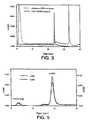
- peaks were resolved when an infected cell lysate sample was applied to the DEAE column (Fig. 2).
- the composition of the peaks were deduced from the A 260 /A 280 absorbance ratio.
- the first peak has an A 260 /A 280 ratio of 0.5, and is mainly protein.
- the third peak has an A 260 /A 280 ratio of 2, suggesting that this material was nucleic acid.
- the ACN53 virus peak eluted second with a ratio of 1.23.
- the identities of these peaks were confirmed by spiking experiments and by running SDS gels of each peak. In typical experiments using the above conditions an A 260 /A 280 ratio of 1.23 ⁇ .08 was found to be characteristic of virus peaks.
- Immobilized metal affinity chromatography (IMAC) using zinc as the divalent cation (IZAC) gave higher product recovery and did not require any sample manipulation of the DEAE fraction pool prior to loading. Impurities removed by this method eluted in the flow through peak and were well resolved from product, leading to simpler pooling criteria.
- IZAC was reproducible, and when used with DEAE provided a two column purification protocol capable of delivering pure ACN53 as specified by SDS-PAGE gels and westerns, A 260 A 280 ratios and infectious to non-infectious particle ratios.
- the Immobilized zinc affinity chromatography (IZAC) system was prepared for metal charging by washing the column sequentially with 1 volume of 100 mM EDTA and 1 volume of 0.2 M NaOH, flushing with water after each step.
- the matrix was subsequently charged with zinc by injecting 1 column volume of 100 mM ZnCl 2 in H 2 0 acidified with 0.5 ⁇ L/mL glacial acetic acid.
- the matrix was then thoroughly washed in water prior to equilibration in 50 mM HEPES pH 7.5/450 mM NaCl/2% sucrose/2 mM MgCl 2 .
- Sample loading did not require any manipulation; DEAE pool fractions or CsCl derived material could be injected directly onto the column.
- the column was washed with a 10 column volume decreasing NaCl linear gradient from 50 mM HEPES pH 7.5/450 mM NaCl/2% sucrose/2 mM MgCl 2 to 50 mM HEPES pH 7.5/150 mM NaCl/2% sucrose/2 mM MgCl 2 . Elution was performed with a linear 0-500 mM glycine gradient (in 150 mM NaCl) applied over 10 column volumes.
- ACN53-DEAE from Example 2 fraction pool purified over IZAC is shown in Fig.5.
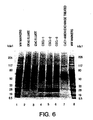
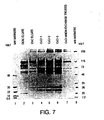
- a gel and western blot comparison of CsCl-ACN53, DEAE purified and DEAE/IZAC purified material can be seen in Figs 6 and 7.
- the CsCl-ACN53 and DEAE/IZAC materials were very similar, and the DEAE-only purified material was less pure by these criteria.
- IZAC buffer and elution systems were evaluated by splitting a DEAE-ACN53 pool in half and purifying both halves over IZAC in HEPES pH 7.5 and Tris pH 8 buffer systems. IZAC was also run in the presence of sucrose and MgCl 2 without affecting the separation. The use of copper as the metal ion and imidazole as the elution agent were also tested (for a general review of metal affinity chromatography, see Belew et.al. 1987; Kato et.al, 1986). Various systems: zinc/glycine, zinc/imidazole, copper/glycine and copper/imidazole, all worked on the metal affinity purification columns. ACN53 can be eluted using a pH 7 to pH9 gradient. A : Assay for Recombinant Adenoviral Particle Number by Anion Exchange HPLC.
- a 1 mL Resource Q- (Pharmacia, Piscataway, NJ) anion exchange column was used to quantitate the number of viral particles in various samples.
- the column was equilibrated in 300 mM NaCl, 50 mM HEPES, pH 7.5. at a flow rate of 1 mL /min on a Waters 625 chromatography system equipped with 717plus autosampler and a 991 photodiode array detector (PDA). The chromatography was monitored on the PDA detector (Milford, MA) scanning from 210 to 300 nm.
- a standard curve was constructed by injecting CsCl purified ACN53 virions characterized for total particles at a selected absorbance, A 260 in 0.1%SDS.
- the assay was independent of injected sample volume. After the sample loaded, the column was washed with two column volumes of equilibration buffer followed by a linear gradient from 300 to 600 mM NaCl in 50 mM HEPES, pH 7.5, over 10 column volumes. The gradient was followed with a 2 column volume wash with 600 mM NaCl in 50mM HEPES, pH 7.5. After each chromatographic run, the column was cleaned with 2.6 column volumes of 1.5 M NaCl in 50 mM HEPES, pH 7.5, and then re-equilibrated for the next injection. The column was cleaned more vigorously after injection of crude samples by injecting 0.25 to 1 column volume of 0.5 N NaOH followed by a wash with 1.5 M salt.
- a variety of buffer conditions have been used in the purification of ACN53 by column chromatography in this study in the pH range of 7.0-8.0. (e.g. Seth Virology 68:1204-1206 (1994)). Checking for degradation at various pH limits is accomplished by assaying for degradation by TCID50 (Procedure C below) and analytical anion exchange analysis (Procedure A above). The effect of buffer salt concentration on the viability of ACN53 showed that abrupt changes of ionic strength can lead to loss of virus. Salt concentration should be carefully controlled and monitored.
- ATCC 293 cells were plated into a 96-well plate: 100 ⁇ L of 5 x 10 5 cells/mL for each well in complete MEM (10% bovine calf serum; 1% glutamine) media.
- complete MEM 10% bovine calf serum; 1% glutamine
- a 250 ⁇ L aliquot of virus sample diluted 1:10 6 was added to the first column and is serially diluted two-fold across the plate.
- One row was reserved for a positive control (CsCl-purified ACN53); one for a negative control.
- a 100 ⁇ L aliqout of each well was transferred to its identical position in the ATCC-293 seeded plate and allowed to incubate a 37° in a humidified incubator for 2 days.
- the ratio of total virus particles to infectious viral particles can vary widely from preparation to preparation. Values for CsCl derived viruses in the range of 60 to 80. The calculation of this ratio in crude lysates or semi-pure fractions has been made possible by the anion exchange particle assay (see Example 3[A]). Using analytical anion exchange changes in the ratio of ideal virus particles to infectious virus particles can be monitored. Using the purification method of this invention the total virus particle to infectious virus particle ratio of the crude lysate and subsequently purified material is comparable to that obtained using ultracentrafugation. Within the error of the assay these values are equivalent. By this criteria, chromatographic purification is well tolerated by the virus. By other criteria, namely SDS-PAGE and western blot analysis (Figs. 6 and 7), chromatographic purification is superior to ultracentrifugation based methods.
- Saos-2 cells a p53-negative osteosarcoma cell line.
- Saos-2 cells were seeded into a 6-well tissue culture plate at a concentration of 5 x 10 5 cells/well in 3 mL of media: Kaighn's nutrient mixture
- F12 DME High Glucose (1:1 mixture), supplemented with 2 mM L-glutamine and 10% fetal bovine serum.
- the cells were incubated in humidified air, 7 ⁇ 1% CO 2 at 37° for 16-24 hrs.
- the spent media were removed and replaced with 1 mL of fresh media, and the cells were infected at 20,40, or 60 MOI of purified virus.
- Host cell contamination was assessed by western blot analysis using polyclonal antibodies developed against ATCC-293 cell components. Polyclonal antibodies were commercially obtained and were raised against various 293 cellular antigens (HTI, Ramona, CA). The results indicated that the final products of either CsCl or DEAE-IZAC purification contained no detectable host cell contaminants. In the case of semi-pure DEAE-ACN53, there was a small amount of immunogenic contamination seen in the product pool: 3 major bands and several minor ones. The majority of host cell contamination is recovered in the flow-through portion of the DEAE step. Contaminants which copurified with ACN53 in the DEAE step were removed by zinc affinity chromatography, and were recovered in IZAC flow-through fractions prior to the introduction of the glycine gradient.
- Gels to be silver stained were loaded with 5-15 ⁇ L of sample.
- the sample was boiled with an equal volume of reducing buffer and electrophoresed as described for Coomassie detection. Fixing was performed by treating the gel in 10% trichloroacetic acid for 1 hr followed by a 3x wash in water purified to 18 megohms.
- the gel was stained with the Daiichi silver staining kit according to the instructions provided (Integrated Separation Systems).
- a preferred purification scheme for ACN53 as shown above is to treat infected cell lysate with BenzonaseTM prior to the chromatographic steps. Clarification is then accomplished by step filtration through 0.8 ⁇ m followed by 0.2 ⁇ m membranes. If necessary, a larger pore (e.g. 5 ⁇ m) prefiltration step can be added for more viscous suspensions. Adjustment to pH 7.5/300 mM NaCl is then performed in preparation for loading onto a DEAE column. The product peak, as detected by the A 260 /A 280 nm ratio or the characteristic photo-diode array spectrum, is pooled and directly injected onto a zinc-charged, iso-osmotically equilibrated metal affinity column.
- the ionic strength of the buffer is then gradually lowered to approximate phosphate-buffered saline (ca,150 mM NaCl) prior to elution of product with a glycine gradient. This material is then dialyzed into the final formulation.
Landscapes
- Chemical & Material Sciences (AREA)
- Health & Medical Sciences (AREA)
- Life Sciences & Earth Sciences (AREA)
- Organic Chemistry (AREA)
- Engineering & Computer Science (AREA)
- Genetics & Genomics (AREA)
- Wood Science & Technology (AREA)
- Zoology (AREA)
- Bioinformatics & Cheminformatics (AREA)
- General Engineering & Computer Science (AREA)
- General Health & Medical Sciences (AREA)
- Biotechnology (AREA)
- Biochemistry (AREA)
- Biomedical Technology (AREA)
- Biophysics (AREA)
- Microbiology (AREA)
- Medicinal Chemistry (AREA)
- Proteomics, Peptides & Aminoacids (AREA)
- Molecular Biology (AREA)
- Physics & Mathematics (AREA)
- Virology (AREA)
- Chemical Kinetics & Catalysis (AREA)
- Immunology (AREA)
- Oncology (AREA)
- Polymers & Plastics (AREA)
- Materials Engineering (AREA)
- Gastroenterology & Hepatology (AREA)
- Plant Pathology (AREA)
- Analytical Chemistry (AREA)
- Medicines Containing Material From Animals Or Micro-Organisms (AREA)
- Micro-Organisms Or Cultivation Processes Thereof (AREA)
- Medicines That Contain Protein Lipid Enzymes And Other Medicines (AREA)
- Measuring Or Testing Involving Enzymes Or Micro-Organisms (AREA)
Abstract
Claims (15)
- Procédé de purification d'un vecteur viral recombiné contenant un gène thérapeutique à partir d'un lysat de cellules, qui comprend:a) le traitement dudit lysat de cellules avec un agent enzymatique qui dégrade sélectivement l'ADN et l'ARN non encapsulés;b) la chromatographie du lysat traité issu de l'étape a) sur une première résine; etc) la chromatographie de l'éluant de l'étape b) sur une deuxième résine;l'une des résines étant une résine échangeuse d'anions et l'autre étant une résine d'affinité avec des ions métalliques immobilisés.
- Procédé selon la revendication 1, comprenant l'étape supplémentaire de filtration du lysat traité issu de l'étape (a).
- Procédé selon la revendication 1 ou la revendication 2, comprenant l'étape supplémentaire de tamponnage du pH du lysat de cellules entre 5,0 et 9,0 avant son application à la première résine.
- Procédé selon l'une quelconque des revendications 1 à 3, dans lequel la première résine est une résine échangeuse d'anions et la deuxième résine est une résine d'affinité avec un métal immobilisé.
- Procédé selon l'une quelconque des revendications 1 à 3, dans lequel le vecteur viral recombiné est un rétrovirus ou un adénovirus.
- Procédé selon la revendication 5, dans lequel le gène thérapeutique contenu dans le vecteur adénoviral recombiné est un gène suppresseur de tumeur.
- Procédé selon la revendication 6, dans lequel le gène suppresseur de tumeur est p53 de type sauvage.
- Procédé selon la revendication 5 ou la revendication 6, dans lequel le vecteur adénoviral recombiné est un adénovirus de type 2 ou de type 5.
- Procédé selon la revendication 4, dans lequel la résine échangeuse d'anions est choisie parmi le DEAE, le TMAE, le DMAE, le QAE et la PEI et/ou la résine d'affinité avec un métal immobilisé est chargée d'un cation divalent d'un métal choisi parmi le cobalt, le nickel, le cuivre, le zinc, le calcium et le magnésium.
- Procédé selon la revendication 9, dans lequel la résine d'affinité avec un métal immobilisé est une résine TED ou IDA.
- Procédé selon la revendication 10, dans lequel la résine IDA est une résine IDA-(agarose réticulé).
- Procédé selon l'une quelconque des revendications 1 à 11, dans lequel l'agent enzymatique qui dégrade sélectivement l'ADN et l'ARN non encapsulés est constitué d'une ou plusieurs enzymes.
- Procédé selon la revendication 12, dans lequel l'agent enzymatique est une endonucléase.
- Procédé selon la revendication 13, dans lequel l'endonucléase est la Benzonase.
- Procédé de purification de vecteurs viraux recombinés contenant un gène thérapeutique à partir d'un lysat de cellules, qui comprend:a) le traitement dudit lysat de cellules avec un agent enzymatique qui dégrade sélectivement l'ADN et l'ARN non encapsulés;b) la chromatographie du lysat traité issu de l'étape a) sur une première résine; etc) la chromatographie de l'éluant de l'étape b) sur une deuxième résine;l'une des résines étant une résine échangeuse d'anions et l'autre étant une résine de chromatographie d'interaction hydrophobe.
Priority Applications (1)
| Application Number | Priority Date | Filing Date | Title |
|---|---|---|---|
| EP06075526A EP1686180A3 (fr) | 1995-03-07 | 1996-03-06 | Procédé de purification de vecteurs viraux recombinants contenant un gène thérapeutique |
Applications Claiming Priority (3)
| Application Number | Priority Date | Filing Date | Title |
|---|---|---|---|
| US08/400,793 US5837520A (en) | 1995-03-07 | 1995-03-07 | Method of purification of viral vectors |
| US400793 | 1995-03-07 | ||
| PCT/US1996/003369 WO1996027677A2 (fr) | 1995-03-07 | 1996-03-06 | Procede de purification de vecteurs viraux recombinants contenant un gene therapeutique |
Related Child Applications (1)
| Application Number | Title | Priority Date | Filing Date |
|---|---|---|---|
| EP06075526A Division EP1686180A3 (fr) | 1995-03-07 | 1996-03-06 | Procédé de purification de vecteurs viraux recombinants contenant un gène thérapeutique |
Publications (2)
| Publication Number | Publication Date |
|---|---|
| EP0813606A2 EP0813606A2 (fr) | 1997-12-29 |
| EP0813606B1 true EP0813606B1 (fr) | 2006-06-07 |
Family
ID=23585038
Family Applications (2)
| Application Number | Title | Priority Date | Filing Date |
|---|---|---|---|
| EP96911282A Expired - Lifetime EP0813606B1 (fr) | 1995-03-07 | 1996-03-06 | Procede de purification de vecteurs viraux recombinants contenant un gene therapeutique |
| EP06075526A Withdrawn EP1686180A3 (fr) | 1995-03-07 | 1996-03-06 | Procédé de purification de vecteurs viraux recombinants contenant un gène thérapeutique |
Family Applications After (1)
| Application Number | Title | Priority Date | Filing Date |
|---|---|---|---|
| EP06075526A Withdrawn EP1686180A3 (fr) | 1995-03-07 | 1996-03-06 | Procédé de purification de vecteurs viraux recombinants contenant un gène thérapeutique |
Country Status (12)
| Country | Link |
|---|---|
| US (1) | US5837520A (fr) |
| EP (2) | EP0813606B1 (fr) |
| JP (2) | JP3858200B2 (fr) |
| AR (1) | AR001177A1 (fr) |
| AT (1) | ATE329045T1 (fr) |
| AU (1) | AU5421396A (fr) |
| DE (1) | DE69636217T2 (fr) |
| DK (1) | DK0813606T3 (fr) |
| ES (1) | ES2264801T3 (fr) |
| PT (1) | PT813606E (fr) |
| WO (1) | WO1996027677A2 (fr) |
| ZA (1) | ZA961849B (fr) |
Families Citing this family (131)
| Publication number | Priority date | Publication date | Assignee | Title |
|---|---|---|---|---|
| EP0738319A4 (fr) * | 1994-01-12 | 2000-03-29 | Genetic Therapy Inc | Purification de vecteurs retroviraux |
| FR2737730B1 (fr) * | 1995-08-10 | 1997-09-05 | Pasteur Merieux Serums Vacc | Procede de purification de virus par chromatographie |
| WO1997008298A1 (fr) | 1995-08-30 | 1997-03-06 | Genzyme Corporation | Purification d'adenovirus et de virus adeno-associe (aav) par voie chromatographique |
| US20040014709A1 (en) * | 1996-01-08 | 2004-01-22 | Canji, Inc. | Methods and compositions for interferon therapy |
| US6392069B2 (en) * | 1996-01-08 | 2002-05-21 | Canji, Inc. | Compositions for enhancing delivery of nucleic acids to cells |
| IL127692A0 (en) * | 1996-07-01 | 1999-10-28 | Rhone Poulenc Rorer Sa | Method for producing recombinant adenovirus |
| US6576133B2 (en) | 1996-11-13 | 2003-06-10 | Transgenomic, Inc | Method and system for RNA analysis by matched ion polynucleotide chromatography |
| US6475388B1 (en) | 1996-11-13 | 2002-11-05 | Transgenomic, Inc. | Method and system for RNA analysis by matched ion polynucleotide chromatography |
| US7732129B1 (en) | 1998-12-01 | 2010-06-08 | Crucell Holland B.V. | Method for the production and purification of adenoviral vectors |
| WO1998022588A2 (fr) * | 1996-11-20 | 1998-05-28 | Introgen Therapeutics, Inc. | Procede ameliore pour production et purification de vecteurs d'adenovirus |
| US6261823B1 (en) | 1996-12-13 | 2001-07-17 | Schering Corporation | Methods for purifying viruses |
| US6544769B1 (en) * | 1996-12-13 | 2003-04-08 | Schering Corporation | Compostions comprising viruses and methods for concentrating virus preparations |
| US20080261289A1 (en) * | 1996-12-13 | 2008-10-23 | Schering-Plough Corporation | Compositions comprising viruses and methods for concentrating virus preparations |
| US6177559B1 (en) | 1998-04-24 | 2001-01-23 | Transgenomic, Inc. | Process for separation of polynucleotide fragments |
| US6989264B2 (en) | 1997-09-05 | 2006-01-24 | Targeted Genetics Corporation | Methods for generating high titer helper-free preparations of released recombinant AAV vectors |
| DK1009808T3 (da) | 1997-09-05 | 2013-01-21 | Genzyme Corp | Fremgangsmåder til generering af hjælper-frie præparater af rekombinante aav-vektorer med høj titer |
| US6566118B1 (en) | 1997-09-05 | 2003-05-20 | Targeted Genetics Corporation | Methods for generating high titer helper-free preparations of released recombinant AAV vectors |
| WO1999019464A1 (fr) * | 1997-10-09 | 1999-04-22 | Biogen, Inc. | Baculovirus concentre par chromatographie et procedes |
| US6258264B1 (en) | 1998-04-10 | 2001-07-10 | Transgenomic, Inc. | Non-polar media for polynucleotide separations |
| US6265168B1 (en) | 1998-10-06 | 2001-07-24 | Transgenomic, Inc. | Apparatus and method for separating and purifying polynucleotides |
| IL139040A0 (en) | 1998-04-22 | 2001-11-25 | Genvec Inc | Efficient purification of adenovirus |
| US6489305B1 (en) * | 1998-05-08 | 2002-12-03 | Canji, Inc. | Methods and compositions for the treatment of ocular diseases |
| EP1930418B1 (fr) | 1998-09-04 | 2015-04-08 | Genzyme Corporation | Procédés pour produire des préparations de vecteurs AAV recombinants de forte teneur dépourvues de virus assistants |
| US7691370B2 (en) * | 1998-10-15 | 2010-04-06 | Canji, Inc. | Selectivity replicating viral vector |
| US6689600B1 (en) | 1998-11-16 | 2004-02-10 | Introgen Therapeutics, Inc. | Formulation of adenovirus for gene therapy |
| NZ512504A (en) | 1998-12-31 | 2004-01-30 | Aventis Pharma Sa | Method for separating viral particles |
| JP4802366B2 (ja) * | 1999-02-22 | 2011-10-26 | トランスジェン・ソシエテ・アノニム | 精製ウイルス調製物の取得方法 |
| DE19933719A1 (de) * | 1999-07-19 | 2001-01-25 | Medigene Ag | Strukturprotein in Adeno-assoziiertem Virus mit veränderten chromatographischen Eigenschaften, seine Herstellung und Verwendung |
| US6464976B1 (en) | 1999-09-07 | 2002-10-15 | Canji, Inc. | Methods and compositions for reducing immune response |
| US6316185B1 (en) | 1999-09-29 | 2001-11-13 | Mountain View Pharmaceuticals, Inc. | Quantitation of viruses by light scattering |
| JP4684434B2 (ja) * | 2000-02-16 | 2011-05-18 | Jsr株式会社 | ウイルス濃縮用粒子、ウィルス濃縮用試薬、ウイルス濃縮方法およびウイルス検出方法 |
| DE10010342A1 (de) * | 2000-03-06 | 2001-09-20 | Merck Patent Gmbh | Verfahren zur Abreicherung von Endotoxinen |
| US6767699B2 (en) * | 2000-05-31 | 2004-07-27 | Chiron Corporation | Method for the quantitation of alphavirus replicon particles |
| US6593123B1 (en) | 2000-08-07 | 2003-07-15 | Avigen, Inc. | Large-scale recombinant adeno-associated virus (rAAV) production and purification |
| US6447995B1 (en) | 2000-10-04 | 2002-09-10 | Genvec, Inc. | Utilizing intrinsic fluorescence to detect adenovirus |
| US20020064860A1 (en) * | 2000-11-29 | 2002-05-30 | Schering Corporation | Method for purifying adenoviruses |
| WO2002049422A2 (fr) * | 2000-12-20 | 2002-06-27 | K.U. Leuven Research And Development | Modeles de maladies developpes chez des animaux non humains |
| KR100451308B1 (ko) * | 2001-12-28 | 2004-10-06 | 선바이오(주) | 단백질 의약품 정제 방법에서의 바이러스 제거 방법 |
| US6833238B2 (en) | 2002-01-04 | 2004-12-21 | Applera Corporation | Petal-array support for use with microplates |
| ES2261921T3 (es) * | 2002-02-20 | 2006-11-16 | MERCK & CO., INC. | Procedimiento para determinar la concentracion de particulas de adenovirus. |
| EP1492890A4 (fr) * | 2002-03-29 | 2006-10-18 | Merck & Co Inc | Procedes de production a grande echelle d'adenovirus et de collections de semence d'adenovirus |
| ATE386824T1 (de) * | 2002-03-29 | 2008-03-15 | Merck & Co Inc | Verfahren zur virusproduktion |
| ATE360683T1 (de) * | 2002-05-14 | 2007-05-15 | Merck & Co Inc | Verfahren zur reinigung von adenovirus |
| US20030224354A1 (en) * | 2002-05-30 | 2003-12-04 | Introgen Therapeutics Inc. | Quantifying viral particles with intrinsic fluorescence |
| US20040018559A1 (en) * | 2002-07-26 | 2004-01-29 | Applera Corporation | Size-exclusion ion-exchange particles |
| US20040106184A1 (en) * | 2002-08-28 | 2004-06-03 | Introgen Therapeutics Inc. | Chromatographic methods for adenovirus purification |
| EP1633321A4 (fr) * | 2003-06-18 | 2006-11-02 | Onyx Pharma Inc | Procede de purification de virus |
| ATE500267T1 (de) | 2003-07-21 | 2011-03-15 | Transgene Sa | Multifunktionelle cytokine |
| CN101507822B (zh) * | 2003-11-24 | 2012-06-06 | 坎吉有限公司 | 皮肤瘢痕形成的减少 |
| EP1697505A1 (fr) * | 2003-12-23 | 2006-09-06 | Schering Corporation | Methodes servant a preparer des lignees de cellules a549 stables dans un milieu de culture en suspension exempt de serum |
| SG150501A1 (en) * | 2004-02-05 | 2009-03-30 | Millipore Corp | Porous adsorptive or chromatographic media |
| US20060160122A1 (en) * | 2004-02-18 | 2006-07-20 | Applera Corporation | Polyelectrolyte-coated size-exclusion ion-exchange particles |
| US20050181378A1 (en) * | 2004-02-18 | 2005-08-18 | Applera Corporation | Polyelectrolyte-coated size-exclusion ion-exchange particles |
| US20050196856A1 (en) * | 2004-02-18 | 2005-09-08 | Applera Corporation | Polyelectrolyte-coated size-exclusion ion-exchange particles |
| US20070207461A1 (en) * | 2004-02-23 | 2007-09-06 | Crucell Holland B.V. | Virus Purification Methods |
| EP1783138A4 (fr) * | 2004-07-27 | 2007-08-22 | Genomidea Inc | Procédé de purification d'une enveloppe de virus |
| AU2005305347A1 (en) * | 2004-11-03 | 2006-05-18 | Introgen Therapeutics Inc. | Method of producing and purifying of adenoviral vectors |
| US7851218B2 (en) * | 2004-12-13 | 2010-12-14 | Schering Corporation | Cell lines for production of replication-defective adenovirus |
| CA2602944C (fr) * | 2005-04-11 | 2015-08-11 | Crucell Holland B.V. | Purification de virus faisant appel a une ultrafiltration |
| EP1736538A1 (fr) | 2005-06-21 | 2006-12-27 | Cytos Biotechnology AG | Procédé pour la purification préparative de particules pseudo-virales (VLPs) |
| US7759104B2 (en) * | 2005-07-14 | 2010-07-20 | Mayo Foundation For Medical Education And Research | Paramyxoviridae virus preparations |
| DE602006019916D1 (de) * | 2005-12-12 | 2011-03-10 | Canji Inc | Adenovirale expressionsvektoren mit einer expressionskassette im e1-bereich und einer inaktivierten e2b-polymerase |
| EP2073849B1 (fr) * | 2006-09-29 | 2010-11-10 | CANJI, Inc. | Procédés et compositions pour une thérapie génique |
| CL2008000249A1 (es) | 2007-01-30 | 2008-05-30 | Transgene Sa | Uso de una molecula de acido nucleico que codifica al menos un polipeptido e2 del papilomavirus, un vector o una particula virica infecciosa que la comprenda para tratar una infeccion permanente por papilomavirus causada por al menos un papilomavirus |
| US9433922B2 (en) | 2007-08-14 | 2016-09-06 | Emd Millipore Corporation | Media for membrane ion exchange chromatography based on polymeric primary amines, sorption device containing that media, and chromatography scheme and purification method using the same |
| US20090130738A1 (en) * | 2007-11-19 | 2009-05-21 | Mikhail Kozlov | Media for membrane ion exchange chromatography |
| DK2307551T3 (en) | 2008-06-18 | 2017-03-20 | Oxford Biomedica (Uk) Ltd | CLEANING RETROVIRAL VECTORS |
| CA2777837C (fr) * | 2008-10-27 | 2017-07-11 | Novartis Ag | Procede de purification |
| US10041049B2 (en) | 2008-11-03 | 2018-08-07 | Janssen Vaccines & Prevention B.V. | Method for the production of adenoviral vectors |
| RU2555346C2 (ru) | 2009-08-07 | 2015-07-10 | Трансген Са | Композиция для лечения инфекции вирусом гепатита в |
| MX2012007936A (es) | 2010-02-15 | 2012-11-22 | Crucell Holland Bv | Metodo para la produccion de vectores adenovirales del serotipo 26 del adenovirus. |
| BR112012026095A2 (pt) | 2010-04-14 | 2015-09-15 | Emd Millipore Corp | métodos de produção de estoques de vírus de alta pureza e altos títulos e métodos de uso dos mesmos. |
| US8771709B2 (en) | 2010-09-20 | 2014-07-08 | Crucell Holland B.V. | Therapeutic vaccination against active Tuberculosis |
| BR112013004582A2 (pt) | 2010-09-27 | 2016-09-06 | Crucell Holland Bv | método para induzir uma resposta imune em um sujeito contra um antígeno de um parasita que causa a malária |
| DE102010046817A1 (de) | 2010-09-28 | 2012-03-29 | Sartorius Stedim Biotech Gmbh | Verfahren zur Abtrennung von Viren aus einem Kontaminanten enthaltenden flüssigen Medium |
| CA2819552C (fr) | 2010-12-09 | 2023-09-26 | Institut Pasteur | Procede a base de mgmt permettant d'obtenir une expression elevee de proteines recombinees |
| CN103476399A (zh) | 2011-04-18 | 2013-12-25 | 独立行政法人国立精神·神经医疗研究中心 | 药剂递送粒子及其制造方法 |
| TWI623618B (zh) | 2011-07-12 | 2018-05-11 | 傳斯堅公司 | Hbv聚合酶突變體 |
| WO2013045668A2 (fr) | 2011-09-29 | 2013-04-04 | Transgene Sa | Composition et schéma immunothérapeutique de traitement d'une infection par le virus de l'hépatite c |
| TW201318637A (zh) | 2011-09-29 | 2013-05-16 | Transgene Sa | 免疫療法組成物及用於治療c型肝炎病毒感染之療程(一) |
| CN103842501B (zh) * | 2011-10-05 | 2017-12-08 | 莫尔梅德股份有限公司 | 病毒载体纯化系统 |
| US20130122038A1 (en) | 2011-11-14 | 2013-05-16 | The United States Of America As Represented By The Secretary Of The Department | Heterologous prime-boost immunization using measles virus-based vaccines |
| US8932607B2 (en) | 2012-03-12 | 2015-01-13 | Crucell Holland B.V. | Batches of recombinant adenovirus with altered terminal ends |
| SI2825640T1 (sl) | 2012-03-12 | 2016-08-31 | Crucell Holland B.V. | Šarže rekombinantnega adenovirusa s spremenjenimi konci |
| US9119813B2 (en) | 2012-03-22 | 2015-09-01 | Crucell Holland B.V. | Vaccine against RSV |
| JP5805908B2 (ja) | 2012-03-22 | 2015-11-10 | クルセル ホランド ベー ヴェー | Rsvに対するワクチン |
| CN103571800B (zh) * | 2012-07-27 | 2018-04-24 | 江苏康润生物科技有限公司 | 一种去除疫苗中宿主dna的方法 |
| EP3587455A1 (fr) | 2012-10-23 | 2020-01-01 | Emory University | Conjugués de gm-csf et d'il-4, compositions et procédés associés |
| KR102236497B1 (ko) | 2013-04-25 | 2021-04-06 | 얀센 백신스 앤드 프리벤션 비.브이. | 안정화된 가용성 예비융합 rsv f 폴리펩타이드 |
| CN105408348B (zh) | 2013-06-17 | 2021-07-06 | 扬森疫苗与预防公司 | 稳定化的可溶性融合前rsv f多肽 |
| EP4523756A3 (fr) | 2015-02-13 | 2025-05-28 | Transgene | Vaccin et polythérapie à base d'anticorps immunothérapeutiques |
| WO2016131945A1 (fr) | 2015-02-20 | 2016-08-25 | Transgene Sa | Produit de combinaison modulateur de l'autophagie |
| JP6735288B2 (ja) | 2015-04-14 | 2020-08-05 | ヤンセン ファッシンズ アンド プリベンション ベーフェーJanssen Vaccines & Prevention B.V. | 双方向性プロモーターを有する2つの導入遺伝子を発現する組換えアデノウイルス |
| US10457708B2 (en) | 2015-07-07 | 2019-10-29 | Janssen Vaccines & Prevention B.V. | Stabilized soluble pre-fusion RSV F polypeptides |
| EA039065B1 (ru) | 2015-07-07 | 2021-11-29 | Янссен Вэксинс Энд Превеншн Б.В. | Вакцина против rsv |
| US9663766B2 (en) * | 2015-07-24 | 2017-05-30 | Bio-Rad Laboratories, Inc. | Methods for purifying adenovirus vectors |
| IL262108B2 (en) | 2016-04-05 | 2023-04-01 | Janssen Vaccines Prevention B V | Soluble pre-fusion rsv f proteins are stabilized |
| JP7233928B2 (ja) | 2016-04-05 | 2023-03-07 | ヤンセン ファッシンズ アンド プリベンション ベーフェー | Rsvに対するワクチン |
| CA3023022A1 (fr) | 2016-05-04 | 2017-11-09 | Transgene Sa | Polytherapie avec un ligand de tlr9 cpg |
| CN109154000B (zh) | 2016-05-12 | 2022-07-05 | 扬森疫苗与预防公司 | 有效和平衡的双向启动子 |
| CN109311946A (zh) | 2016-05-30 | 2019-02-05 | 扬森疫苗与预防公司 | 稳定化的融合前rsv f蛋白 |
| RU2745500C2 (ru) | 2016-06-20 | 2021-03-25 | Янссен Вэксинс Энд Превеншн Б.В. | Эффективный и сбалансированный двунаправленный промотор |
| WO2018011196A1 (fr) | 2016-07-14 | 2018-01-18 | Janssen Vaccines & Prevention B.V. | Vaccins contre le hpv |
| JP7016136B2 (ja) | 2016-09-05 | 2022-02-04 | 国立研究開発法人科学技術振興機構 | 病原性微生物検出のための方法及びキット |
| WO2018069316A2 (fr) | 2016-10-10 | 2018-04-19 | Transgene Sa | Polythérapie à base d'un produit immunothérapeutique et de modulateurs de mdsc |
| US11826423B2 (en) | 2016-11-16 | 2023-11-28 | Immunomic Therapeutics, Inc. | Nucleic acids for treatment of allergies |
| US11034978B2 (en) | 2017-02-09 | 2021-06-15 | Janssen Vaccines & Prevention B.V. | Potent and short promoter for expression of heterologous genes |
| IL270024B2 (en) | 2017-04-22 | 2025-04-01 | Immunomic Therapeutics Inc | LAMP structures and their use in vaccination |
| KR20200016224A (ko) | 2017-05-02 | 2020-02-14 | 이뮤노믹 쎄라퓨틱스, 인크. | 암 항원을 포함하는 lamp (리소솜 연관 막 단백질) 구축물 |
| AU2018267971A1 (en) | 2017-05-17 | 2019-11-07 | Janssen Vaccines & Prevention B.V. | Methods and compositions for inducing protective immunity against RSV infection |
| SG11202001458SA (en) | 2017-09-15 | 2020-03-30 | Janssen Vaccines & Prevention Bv | Method for the safe induction of immunity against rsv |
| US11603527B2 (en) * | 2017-12-27 | 2023-03-14 | Global Life Sciences Solutions Usa Llc | Method and kit for viral vector isolation |
| JP7329851B2 (ja) * | 2018-03-02 | 2023-08-21 | 国立研究開発法人科学技術振興機構 | 酵素反応生成物の検出方法 |
| GB201806736D0 (en) * | 2018-04-25 | 2018-06-06 | Ge Healthcare Bioprocess R&D Ab | Method for virus purification |
| EP3793595A1 (fr) | 2018-05-15 | 2021-03-24 | Immunomic Therapeutics, Inc. | Constructions améliorées de lamp comprenant des allergènes |
| WO2020061528A1 (fr) | 2018-09-21 | 2020-03-26 | University Of Connecticut | Compositions et procédés pour restaurer l'expression du gène ube3a paternel dans le syndrome d'angelman humain |
| JP7233880B2 (ja) * | 2018-10-22 | 2023-03-07 | キヤノンメディカルシステムズ株式会社 | ウイルスrna単離方法及びウイルス定量方法 |
| MX2021005607A (es) | 2018-11-13 | 2021-06-30 | Janssen Vaccines & Prevention Bv | Proteinas f de prefusion del vrs estabilizadas. |
| TWI852977B (zh) | 2019-01-10 | 2024-08-21 | 美商健生生物科技公司 | 前列腺新抗原及其用途 |
| EP3927833A4 (fr) | 2019-02-21 | 2022-11-30 | Unleash Immuno Oncolytics, Inc. | Vecteur adénoviral oncolytique et procédés d'utilisation |
| JP2022551732A (ja) | 2019-10-18 | 2022-12-13 | イミュノミック セラピューティックス, インコーポレイテッド | がん抗原を含む改良lamp構築物 |
| CR20220220A (es) | 2019-11-18 | 2022-09-20 | Janssen Biotech Inc | Vacunas basadas en calr y jak2 mutantes y sus usos |
| TW202144388A (zh) | 2020-02-14 | 2021-12-01 | 美商健生生物科技公司 | 在卵巢癌中表現之新抗原及其用途 |
| TW202144389A (zh) | 2020-02-14 | 2021-12-01 | 美商健生生物科技公司 | 在多發性骨髓瘤中表現之新抗原及其用途 |
| WO2021209897A1 (fr) | 2020-04-13 | 2021-10-21 | Janssen Biotech, Inc. | Vaccins à base de psma et de steap1 et leurs utilisations |
| US20230035403A1 (en) | 2020-07-06 | 2023-02-02 | Janssen Biotech, Inc. | Method For Determining Responsiveness To Prostate Cancer Treatment |
| US20230024133A1 (en) | 2020-07-06 | 2023-01-26 | Janssen Biotech, Inc. | Prostate Neoantigens And Their Uses |
| EP4175664A2 (fr) | 2020-07-06 | 2023-05-10 | Janssen Biotech, Inc. | Néo-antigènes prostatiques et leurs utilisations |
| JP7526360B2 (ja) * | 2020-08-18 | 2024-07-31 | ザルトリウス ビーアイエー セパレーションズ ディー.オー.オー. | マルチモーダル金属アフィニティー処理aavカプシド |
| EP4508071A1 (fr) | 2022-04-10 | 2025-02-19 | Immunomic Therapeutics, Inc. | Constructions de lamp bicistroniques comprenant des gènes améliorant la réponse immunitaire et leurs procédés d'utilisation |
| WO2025158316A1 (fr) | 2024-01-26 | 2025-07-31 | Janssen Biotech, Inc. | Néo-antigènes ovariens et leur utilisation |
Citations (1)
| Publication number | Priority date | Publication date | Assignee | Title |
|---|---|---|---|---|
| US4569794A (en) * | 1984-12-05 | 1986-02-11 | Eli Lilly And Company | Process for purifying proteins and compounds useful in such process |
Family Cites Families (2)
| Publication number | Priority date | Publication date | Assignee | Title |
|---|---|---|---|---|
| WO1984004696A1 (fr) * | 1983-05-31 | 1984-12-06 | Baxter Travenol Lab | Adsorption de particules |
| US5447859A (en) * | 1993-07-16 | 1995-09-05 | Viagene | Method for the purification or removal of retroviruses using sulfated cellulose |
-
1995
- 1995-03-07 US US08/400,793 patent/US5837520A/en not_active Expired - Lifetime
-
1996
- 1996-03-06 ES ES96911282T patent/ES2264801T3/es not_active Expired - Lifetime
- 1996-03-06 EP EP96911282A patent/EP0813606B1/fr not_active Expired - Lifetime
- 1996-03-06 AT AT96911282T patent/ATE329045T1/de active
- 1996-03-06 JP JP52708196A patent/JP3858200B2/ja not_active Expired - Fee Related
- 1996-03-06 DK DK96911282T patent/DK0813606T3/da active
- 1996-03-06 EP EP06075526A patent/EP1686180A3/fr not_active Withdrawn
- 1996-03-06 ZA ZA9601849A patent/ZA961849B/xx unknown
- 1996-03-06 PT PT96911282T patent/PT813606E/pt unknown
- 1996-03-06 DE DE69636217T patent/DE69636217T2/de not_active Expired - Lifetime
- 1996-03-06 AU AU54213/96A patent/AU5421396A/en not_active Abandoned
- 1996-03-06 WO PCT/US1996/003369 patent/WO1996027677A2/fr not_active Ceased
- 1996-03-07 AR AR33566996A patent/AR001177A1/es unknown
-
2006
- 2006-06-20 JP JP2006170256A patent/JP4182445B2/ja not_active Expired - Fee Related
Patent Citations (1)
| Publication number | Priority date | Publication date | Assignee | Title |
|---|---|---|---|---|
| US4569794A (en) * | 1984-12-05 | 1986-02-11 | Eli Lilly And Company | Process for purifying proteins and compounds useful in such process |
Non-Patent Citations (3)
| Title |
|---|
| ALBERTS ET AL: "Molecular Biology of the cell. 3rd ED.", 1994, GARLAND PUBLISHING, NEW YORK * |
| KLEMPERER H.G.: "Study of adenovirus antigens fractionated by chromatography on DEAE-cellulose", VIROLOGY, vol. 9, pages 536 - 545 * |
| MARAMOROSCH ET AL: "Methods in virology", 1967, ACADEMIC PRESS, NEW YORK * |
Also Published As
| Publication number | Publication date |
|---|---|
| EP0813606A2 (fr) | 1997-12-29 |
| EP1686180A3 (fr) | 2006-08-09 |
| WO1996027677A2 (fr) | 1996-09-12 |
| ZA961849B (en) | 1997-08-27 |
| DE69636217T2 (de) | 2007-04-26 |
| DE69636217D1 (de) | 2006-07-20 |
| AU5421396A (en) | 1996-09-23 |
| DK0813606T3 (da) | 2006-10-02 |
| ES2264801T3 (es) | 2007-01-16 |
| JP2006271396A (ja) | 2006-10-12 |
| US5837520A (en) | 1998-11-17 |
| PT813606E (pt) | 2006-10-31 |
| ATE329045T1 (de) | 2006-06-15 |
| JP4182445B2 (ja) | 2008-11-19 |
| JP3858200B2 (ja) | 2006-12-13 |
| AR001177A1 (es) | 1997-09-24 |
| WO1996027677A3 (fr) | 1997-01-16 |
| JP2000510682A (ja) | 2000-08-22 |
| EP1686180A2 (fr) | 2006-08-02 |
Similar Documents
| Publication | Publication Date | Title |
|---|---|---|
| EP0813606B1 (fr) | Procede de purification de vecteurs viraux recombinants contenant un gene therapeutique | |
| CN1195057C (zh) | 分离病毒颗粒的方法 | |
| CN102257134B (zh) | 使用离子交换和凝胶过滤色谱进行痘病毒纯化的方法 | |
| AU2004249199B2 (en) | Method for purifying virus | |
| AU1251801A (en) | Cell lines and constructs useful in production of e1-deleted adenoviruses in absence of replication competent adenovirus | |
| US7393631B2 (en) | Method for purifying adenoviruses | |
| Stillman et al. | An adenovirus protein associated with the ends of replicating DNA molecules | |
| Morin et al. | Hexon trimerization occurring in an assembly-defective, 100K temperature-sensitive mutant of adenovirus 2 | |
| CA2214837C (fr) | Procede de purification de vecteurs viraux recombinants contenant un gene therapeutique | |
| CA2522630C (fr) | Procede de purification de vecteurs viraux recombinants contenant un gene therapeutique | |
| Hermiston et al. | Construction of mutations in the adenovirus early region 3 (E3) transcription units | |
| Jin et al. | Expression of Human Papillomavirus Type 16 L1 in Baculovirus Expression Systems | |
| Affinity et al. | Tagging Retrovirus Vectors with a Metal | |
| FR2788064A1 (fr) | Methode de separation de particules virales |
Legal Events
| Date | Code | Title | Description |
|---|---|---|---|
| PUAI | Public reference made under article 153(3) epc to a published international application that has entered the european phase |
Free format text: ORIGINAL CODE: 0009012 |
|
| 17P | Request for examination filed |
Effective date: 19971007 |
|
| AK | Designated contracting states |
Kind code of ref document: A2 Designated state(s): AT BE CH DE DK ES FI FR GB GR IE IT LI LU MC NL PT SE |
|
| 17Q | First examination report despatched |
Effective date: 20030626 |
|
| GRAP | Despatch of communication of intention to grant a patent |
Free format text: ORIGINAL CODE: EPIDOSNIGR1 |
|
| GRAS | Grant fee paid |
Free format text: ORIGINAL CODE: EPIDOSNIGR3 |
|
| GRAA | (expected) grant |
Free format text: ORIGINAL CODE: 0009210 |
|
| AK | Designated contracting states |
Kind code of ref document: B1 Designated state(s): AT BE CH DE DK ES FI FR GB GR IE IT LI LU MC NL PT SE |
|
| PG25 | Lapsed in a contracting state [announced via postgrant information from national office to epo] |
Ref country code: IT Free format text: LAPSE BECAUSE OF FAILURE TO SUBMIT A TRANSLATION OF THE DESCRIPTION OR TO PAY THE FEE WITHIN THE PRESCRIBED TIME-LIMIT;WARNING: LAPSES OF ITALIAN PATENTS WITH EFFECTIVE DATE BEFORE 2007 MAY HAVE OCCURRED AT ANY TIME BEFORE 2007. THE CORRECT EFFECTIVE DATE MAY BE DIFFERENT FROM THE ONE RECORDED. Effective date: 20060607 |
|
| REG | Reference to a national code |
Ref country code: GB Ref legal event code: FG4D |
|
| REG | Reference to a national code |
Ref country code: CH Ref legal event code: EP |
|
| REG | Reference to a national code |
Ref country code: IE Ref legal event code: FG4D |
|
| REF | Corresponds to: |
Ref document number: 69636217 Country of ref document: DE Date of ref document: 20060720 Kind code of ref document: P |
|
| REG | Reference to a national code |
Ref country code: CH Ref legal event code: NV Representative=s name: KATZAROV S.A. |
|
| REG | Reference to a national code |
Ref country code: SE Ref legal event code: TRGR |
|
| REG | Reference to a national code |
Ref country code: DK Ref legal event code: T3 |
|
| REG | Reference to a national code |
Ref country code: GR Ref legal event code: EP Ref document number: 20060402881 Country of ref document: GR |
|
| REG | Reference to a national code |
Ref country code: PT Ref legal event code: SC4A Effective date: 20060901 |
|
| REG | Reference to a national code |
Ref country code: ES Ref legal event code: FG2A Ref document number: 2264801 Country of ref document: ES Kind code of ref document: T3 |
|
| ET | Fr: translation filed | ||
| PLBE | No opposition filed within time limit |
Free format text: ORIGINAL CODE: 0009261 |
|
| STAA | Information on the status of an ep patent application or granted ep patent |
Free format text: STATUS: NO OPPOSITION FILED WITHIN TIME LIMIT |
|
| 26N | No opposition filed |
Effective date: 20070308 |
|
| PGFP | Annual fee paid to national office [announced via postgrant information from national office to epo] |
Ref country code: IT Payment date: 20120323 Year of fee payment: 17 |
|
| PGFP | Annual fee paid to national office [announced via postgrant information from national office to epo] |
Ref country code: DK Payment date: 20130226 Year of fee payment: 18 Ref country code: MC Payment date: 20130227 Year of fee payment: 18 Ref country code: IE Payment date: 20130306 Year of fee payment: 18 Ref country code: LU Payment date: 20130318 Year of fee payment: 18 Ref country code: SE Payment date: 20130308 Year of fee payment: 18 Ref country code: ES Payment date: 20130313 Year of fee payment: 18 |
|
| PGFP | Annual fee paid to national office [announced via postgrant information from national office to epo] |
Ref country code: GR Payment date: 20130227 Year of fee payment: 18 |
|
| PGFP | Annual fee paid to national office [announced via postgrant information from national office to epo] |
Ref country code: AT Payment date: 20130225 Year of fee payment: 18 Ref country code: PT Payment date: 20130227 Year of fee payment: 18 |
|
| PGFP | Annual fee paid to national office [announced via postgrant information from national office to epo] |
Ref country code: BE Payment date: 20130410 Year of fee payment: 18 |
|
| PGFP | Annual fee paid to national office [announced via postgrant information from national office to epo] |
Ref country code: CH Payment date: 20140127 Year of fee payment: 19 Ref country code: FI Payment date: 20140305 Year of fee payment: 19 Ref country code: DE Payment date: 20140331 Year of fee payment: 19 |
|
| PGFP | Annual fee paid to national office [announced via postgrant information from national office to epo] |
Ref country code: FR Payment date: 20140225 Year of fee payment: 19 |
|
| PGFP | Annual fee paid to national office [announced via postgrant information from national office to epo] |
Ref country code: GB Payment date: 20140225 Year of fee payment: 19 |
|
| PGFP | Annual fee paid to national office [announced via postgrant information from national office to epo] |
Ref country code: NL Payment date: 20140311 Year of fee payment: 19 |
|
| REG | Reference to a national code |
Ref country code: PT Ref legal event code: MM4A Free format text: LAPSE DUE TO NON-PAYMENT OF FEES Effective date: 20140908 |
|
| REG | Reference to a national code |
Ref country code: DK Ref legal event code: EBP Effective date: 20140331 |
|
| PG25 | Lapsed in a contracting state [announced via postgrant information from national office to epo] |
Ref country code: LU Free format text: LAPSE BECAUSE OF NON-PAYMENT OF DUE FEES Effective date: 20140306 |
|
| REG | Reference to a national code |
Ref country code: SE Ref legal event code: EUG |
|
| REG | Reference to a national code |
Ref country code: AT Ref legal event code: MM01 Ref document number: 329045 Country of ref document: AT Kind code of ref document: T Effective date: 20140306 |
|
| REG | Reference to a national code |
Ref country code: GR Ref legal event code: ML Ref document number: 20060402881 Country of ref document: GR Effective date: 20141002 |
|
| PG25 | Lapsed in a contracting state [announced via postgrant information from national office to epo] |
Ref country code: SE Free format text: LAPSE BECAUSE OF NON-PAYMENT OF DUE FEES Effective date: 20140307 |
|
| PG25 | Lapsed in a contracting state [announced via postgrant information from national office to epo] |
Ref country code: PT Free format text: LAPSE BECAUSE OF NON-PAYMENT OF DUE FEES Effective date: 20140908 |
|
| REG | Reference to a national code |
Ref country code: IE Ref legal event code: MM4A |
|
| PG25 | Lapsed in a contracting state [announced via postgrant information from national office to epo] |
Ref country code: GR Free format text: LAPSE BECAUSE OF NON-PAYMENT OF DUE FEES Effective date: 20141002 Ref country code: IE Free format text: LAPSE BECAUSE OF NON-PAYMENT OF DUE FEES Effective date: 20140306 |
|
| PG25 | Lapsed in a contracting state [announced via postgrant information from national office to epo] |
Ref country code: AT Free format text: LAPSE BECAUSE OF NON-PAYMENT OF DUE FEES Effective date: 20140306 |
|
| PG25 | Lapsed in a contracting state [announced via postgrant information from national office to epo] |
Ref country code: IT Free format text: LAPSE BECAUSE OF NON-PAYMENT OF DUE FEES Effective date: 20140306 |
|
| REG | Reference to a national code |
Ref country code: ES Ref legal event code: FD2A Effective date: 20150424 |
|
| PG25 | Lapsed in a contracting state [announced via postgrant information from national office to epo] |
Ref country code: DK Free format text: LAPSE BECAUSE OF NON-PAYMENT OF DUE FEES Effective date: 20140331 |
|
| PG25 | Lapsed in a contracting state [announced via postgrant information from national office to epo] |
Ref country code: ES Free format text: LAPSE BECAUSE OF NON-PAYMENT OF DUE FEES Effective date: 20140307 |
|
| REG | Reference to a national code |
Ref country code: DE Ref legal event code: R119 Ref document number: 69636217 Country of ref document: DE |
|
| PG25 | Lapsed in a contracting state [announced via postgrant information from national office to epo] |
Ref country code: FI Free format text: LAPSE BECAUSE OF NON-PAYMENT OF DUE FEES Effective date: 20150306 |
|
| REG | Reference to a national code |
Ref country code: CH Ref legal event code: PL |
|
| GBPC | Gb: european patent ceased through non-payment of renewal fee |
Effective date: 20150306 |
|
| REG | Reference to a national code |
Ref country code: NL Ref legal event code: MM Effective date: 20150401 |
|
| REG | Reference to a national code |
Ref country code: FR Ref legal event code: ST Effective date: 20151130 |
|
| PG25 | Lapsed in a contracting state [announced via postgrant information from national office to epo] |
Ref country code: GB Free format text: LAPSE BECAUSE OF NON-PAYMENT OF DUE FEES Effective date: 20150306 Ref country code: CH Free format text: LAPSE BECAUSE OF NON-PAYMENT OF DUE FEES Effective date: 20150331 Ref country code: LI Free format text: LAPSE BECAUSE OF NON-PAYMENT OF DUE FEES Effective date: 20150331 Ref country code: DE Free format text: LAPSE BECAUSE OF NON-PAYMENT OF DUE FEES Effective date: 20151001 |
|
| PG25 | Lapsed in a contracting state [announced via postgrant information from national office to epo] |
Ref country code: FR Free format text: LAPSE BECAUSE OF NON-PAYMENT OF DUE FEES Effective date: 20150331 |
|
| PG25 | Lapsed in a contracting state [announced via postgrant information from national office to epo] |
Ref country code: MC Free format text: LAPSE BECAUSE OF NON-PAYMENT OF DUE FEES Effective date: 20140331 |
|
| PG25 | Lapsed in a contracting state [announced via postgrant information from national office to epo] |
Ref country code: NL Free format text: LAPSE BECAUSE OF NON-PAYMENT OF DUE FEES Effective date: 20150401 |
|
| PG25 | Lapsed in a contracting state [announced via postgrant information from national office to epo] |
Ref country code: BE Free format text: LAPSE BECAUSE OF NON-PAYMENT OF DUE FEES Effective date: 20140331 |