EP0824699B1 - Verbindungen und verfahren zur diagnose von leishmaniasis - Google Patents
Verbindungen und verfahren zur diagnose von leishmaniasis Download PDFInfo
- Publication number
- EP0824699B1 EP0824699B1 EP96912940A EP96912940A EP0824699B1 EP 0824699 B1 EP0824699 B1 EP 0824699B1 EP 96912940 A EP96912940 A EP 96912940A EP 96912940 A EP96912940 A EP 96912940A EP 0824699 B1 EP0824699 B1 EP 0824699B1
- Authority
- EP
- European Patent Office
- Prior art keywords
- ala
- xaa
- glu
- ser
- thr
- Prior art date
- Legal status (The legal status is an assumption and is not a legal conclusion. Google has not performed a legal analysis and makes no representation as to the accuracy of the status listed.)
- Expired - Lifetime
Links
Images









Classifications
-
- G—PHYSICS
- G01—MEASURING; TESTING
- G01N—INVESTIGATING OR ANALYSING MATERIALS BY DETERMINING THEIR CHEMICAL OR PHYSICAL PROPERTIES
- G01N33/00—Investigating or analysing materials by specific methods not covered by groups G01N1/00 - G01N31/00
- G01N33/48—Biological material, e.g. blood, urine; Haemocytometers
- G01N33/50—Chemical analysis of biological material, e.g. blood, urine; Testing involving biospecific ligand binding methods; Immunological testing
- G01N33/53—Immunoassay; Biospecific binding assay; Materials therefor
- G01N33/569—Immunoassay; Biospecific binding assay; Materials therefor for microorganisms, e.g. protozoa, bacteria, viruses
- G01N33/56905—Protozoa
-
- C—CHEMISTRY; METALLURGY
- C07—ORGANIC CHEMISTRY
- C07K—PEPTIDES
- C07K14/00—Peptides having more than 20 amino acids; Gastrins; Somatostatins; Melanotropins; Derivatives thereof
- C07K14/435—Peptides having more than 20 amino acids; Gastrins; Somatostatins; Melanotropins; Derivatives thereof from animals; from humans
- C07K14/44—Peptides having more than 20 amino acids; Gastrins; Somatostatins; Melanotropins; Derivatives thereof from animals; from humans from protozoa
-
- A—HUMAN NECESSITIES
- A61—MEDICAL OR VETERINARY SCIENCE; HYGIENE
- A61K—PREPARATIONS FOR MEDICAL, DENTAL OR TOILETRY PURPOSES
- A61K38/00—Medicinal preparations containing peptides
-
- A—HUMAN NECESSITIES
- A61—MEDICAL OR VETERINARY SCIENCE; HYGIENE
- A61K—PREPARATIONS FOR MEDICAL, DENTAL OR TOILETRY PURPOSES
- A61K39/00—Medicinal preparations containing antigens or antibodies
-
- Y—GENERAL TAGGING OF NEW TECHNOLOGICAL DEVELOPMENTS; GENERAL TAGGING OF CROSS-SECTIONAL TECHNOLOGIES SPANNING OVER SEVERAL SECTIONS OF THE IPC; TECHNICAL SUBJECTS COVERED BY FORMER USPC CROSS-REFERENCE ART COLLECTIONS [XRACs] AND DIGESTS
- Y02—TECHNOLOGIES OR APPLICATIONS FOR MITIGATION OR ADAPTATION AGAINST CLIMATE CHANGE
- Y02A—TECHNOLOGIES FOR ADAPTATION TO CLIMATE CHANGE
- Y02A50/00—TECHNOLOGIES FOR ADAPTATION TO CLIMATE CHANGE in human health protection, e.g. against extreme weather
- Y02A50/30—Against vector-borne diseases, e.g. mosquito-borne, fly-borne, tick-borne or waterborne diseases whose impact is exacerbated by climate change
-
- Y—GENERAL TAGGING OF NEW TECHNOLOGICAL DEVELOPMENTS; GENERAL TAGGING OF CROSS-SECTIONAL TECHNOLOGIES SPANNING OVER SEVERAL SECTIONS OF THE IPC; TECHNICAL SUBJECTS COVERED BY FORMER USPC CROSS-REFERENCE ART COLLECTIONS [XRACs] AND DIGESTS
- Y10—TECHNICAL SUBJECTS COVERED BY FORMER USPC
- Y10S—TECHNICAL SUBJECTS COVERED BY FORMER USPC CROSS-REFERENCE ART COLLECTIONS [XRACs] AND DIGESTS
- Y10S435/00—Chemistry: molecular biology and microbiology
- Y10S435/975—Kit
-
- Y—GENERAL TAGGING OF NEW TECHNOLOGICAL DEVELOPMENTS; GENERAL TAGGING OF CROSS-SECTIONAL TECHNOLOGIES SPANNING OVER SEVERAL SECTIONS OF THE IPC; TECHNICAL SUBJECTS COVERED BY FORMER USPC CROSS-REFERENCE ART COLLECTIONS [XRACs] AND DIGESTS
- Y10—TECHNICAL SUBJECTS COVERED BY FORMER USPC
- Y10S—TECHNICAL SUBJECTS COVERED BY FORMER USPC CROSS-REFERENCE ART COLLECTIONS [XRACs] AND DIGESTS
- Y10S530/00—Chemistry: natural resins or derivatives; peptides or proteins; lignins or reaction products thereof
- Y10S530/81—Carrier - bound or immobilized peptides or proteins and the preparation thereof, e.g. biological cell or cell fragment as carrier
-
- Y—GENERAL TAGGING OF NEW TECHNOLOGICAL DEVELOPMENTS; GENERAL TAGGING OF CROSS-SECTIONAL TECHNOLOGIES SPANNING OVER SEVERAL SECTIONS OF THE IPC; TECHNICAL SUBJECTS COVERED BY FORMER USPC CROSS-REFERENCE ART COLLECTIONS [XRACs] AND DIGESTS
- Y10—TECHNICAL SUBJECTS COVERED BY FORMER USPC
- Y10S—TECHNICAL SUBJECTS COVERED BY FORMER USPC CROSS-REFERENCE ART COLLECTIONS [XRACs] AND DIGESTS
- Y10S530/00—Chemistry: natural resins or derivatives; peptides or proteins; lignins or reaction products thereof
- Y10S530/82—Proteins from microorganisms
- Y10S530/822—Protozoa
Definitions
- the present invention relates generally to the serodiagnosis of Leishmania infection.
- the invention is more particularly directed to the use of one or more Leishmania polypeptides in methods and diagnostic kits to screen individuals and blood supplies for Leishmania, and to identify those asymptomatic individuals that are likely to progress to acute visceral leishmaniasis.
- the invention is also directed to vaccines and pharmaceutical compositions for immunizing an individual against leishmaniasis.
- Leishmania organisms are intracellular protozoan parasites of macrophages that cause a wide range of clinical diseases in humans and other animals.
- the parasite may lie dormant, and an infected host may be asymptomatic for many years.
- the host may develop one of a variety of forms of leishmaniasis.
- This disease may be subclinical visceral leishmaniasis (VL) or asymptomatic in nature.
- Patients with subclinical or asymptomatic disease usually have low antibody titers which fall into the gray zone in immunological tests using whole parasites or parasite lysates. Isolation of parasites from these patients is also extremely difficult.
- Subclinical patients will in some cases progress to acute disease, but often will self-heal. They exhibit mild symptoms of malaise, diarrhea and intermittent hepatomegaly.
- Asymptomatic patients in addition to low antibody titers, also display strong, positive delayed hypersensitivity to leishmanial antigens.
- leishmaniasis may be manifested as a cutaneous disease, which is a severe medical problem but is generally self-limiting, or as a highly destructive mucosal disease.
- the disease may be manifested as an acute visceral infection involving the spleen, liver, and lymph nodes, which is generally a fatal disease.
- Symptoms of acute visceral leishmaniasis include hepatosplenomegaly, fever, leukopenia, anemia and hypergammaglobulinemia.
- Leishmaniasis is a serious problem in much of the world, including Brazil, China, East Africa, India and areas of the Middle East. The disease is also endemic in the Mediterranean region, including southern France, Italy, Greece, Spain, Portugal and North Africa. The number of cases of leishmaniasis has increased dramatically in the last 20 years, and millions of cases of this disease now exist worldwide. About 2 million new cases are diagnosed each year, 25% of which are visceral leishmaniasis (VL).
- VL visceral leishmaniasis
- Leishmania species There are 20 species of Leishmania that infect humans. Of these species, VL is generally caused by L. donovani in Africa, China, the Middle East and India, L. Infantium in Southern Europe and North Africa, or L. Chagasi in Latin America. In general, Leishmania species are transmitted to humans and other mammals, primarily the dog, by the bite of a phlebotomic sand fly.
- this invention provides compounds and methods for detecting and protection against leishmaniasis in individuals and in blood supplies.
- the present invention provides methods for detecting asymptomatic or sub-clinical Leishmania infection in a biological sample, comprising : (a) contacting a biological sample with a polypeptide comprising an ipitope of LcP0, or a variant thereof that differs only in conservative substitutions and/or modifications; and (b) detecting in the biological sample the presence of antibodies that bind to the polypeptide, thereby detecting asymptomatic or sub-clinical Leishmania infection in the biological sample.
- the present invention provides methods for detecting Leishmania infection in a biological sample, comprising (a) contacting a biological sample with a first amino acid sequence comprising an epitope of LcP0, or a variant thereof that differs only in conservative substitutions and/or modifications; (b) contacting the biological sample with a second amino acid sequence comprising Leu Glu Gln Gln Gln Leu Arg Xaa Ser Glu Xaa Arg Ala Ala Glu Leu Ala Ser Gin Leu Glu Xaa Thr Xaa Ala Ala Lys Xaa Ser Ala Glu Gin Asp Arg Glu Xaa Thr Arg Ala Xaa, wherein Xaa at position 7 is Asp or Glu, at position 10 is Glu or Ala, at position 21 is Ala or Ser, at position 23 is Ala or Thr, at position 27 is Met or Ser, at position 35 is Asn or Ser, and at position 39 is Thr or Ala,
- the method comprises: (a) contacting a biological sample obtained from a patient afflicted with asymptomatic or subclinical leishmaniasis with a polypeptide comprising the amino acid sequence Leu Glu Gln Gln Leu Arg Xaa Ser Glu Xaa Arg Ala Ala Glu Leu Ala Ser Gln Leu Glu Xaa Thr Xaa Ala Ala Lys Xaa Ser Ala Glu Gln Asp Arg Glu Xaa Thr Arg Ala Xaa, wherein Xaa at position 7 is Asp or Glu, at position 10 is Glu or Ala, at position 21 is Ala or Ser, at position 23 is Ala or Thr, at position 27 is Met or Ser, at position 35 is As
- the method comprises: (a) contacting a biological sample obtained from a patient afflicted with asymptomatic or subclinical leishmaniasis with a first polypeptide comprising an epitope of LcP0, or a variant thereof that differs only in conservative substitutions and/or modifications; (b) independently contacting the biological sample with a second polypeptide comprising the amino acid sequence Leu Glu Gln Gln Leu Arg Xaa Ser Glu Xaa Arg Ala Ala Glu Leu Ala Ser Gln Leu Glu Xaa Thr Xaa Ala Ala Lys Xaa Ser Ala Glu Gln Asp Arg Glu Xaa Thr Arg Ala Xaa, wherein Xaa at position 7 is Asp or Glu, at position 10 is Glu or Ala, at position 21 is Ala or Ser, at position 23 is Ala or Thr, at position 27 is Met or Ser, at position 35 is Asn or Ser,
- polypeptides are provided comprising amino acids 306-322 of SEQ ID NO:2.
- kits for diagnosing leishmaniasis are provided.
- this invention provides kits for detecting asymptomatic or sub-clinical leishmaniasis in a biological sample, comprising: (a) a polypeptide comprising an epitope of LcP0, or a variant thereof that differs only in conservative substitutions and/or modifications; and (b) a detection reagent.
- diagnostic kits for detecting Leishmania infection in a biological sample, comprising: (a) a first amino acid sequence comprising an epitope of LcP0, or a variant thereof that differs only in conservative substitutions and/or modifications; (b) a second amino acid sequence comprising the amino acid sequence Leu Glu Gln Gln Leu Arg Xaa Ser Glu Xaa Arg Ala Ala Glu Leu Ala Ser Gin Leu Glu Xaa Thr Xaa Ala Ala Lys Xaa Ser Ala Glu Gin Asp Arg Glu Xaa Thr Arg Ala Xaa, wherein Xaa at position 7 is Asp or Glu, at position 10 is Glu or Ala, at position 21 is Ala or Ser, at position 23 is Ala or Thr, at position 27 is Met or Ser, at position 35 is Asn or Ser, and at position 39 is Thr or Ala, or a variant thereof that differs only in conservative substitutions and
- diagnostic kits for identifying a patient afflicted with asymptomatic or subclinical leishmaniasis that is likely to develop acute visceral leishmaniasis, comprising: (a) a polypeptide comprising the amino acid sequence Leu Glu Gln Gln Leu Arg Xaa Ser Glu Xaa Arg Ala Ala Glu Leu Ala Ser Gln Leu Glu Xaa Thr Xaa Ala Ala Lys Xaa Ser Ala Glu Gln Asp Arg Glu Xaa Thr Arg Ala Xaa, wherein Xaa at position 7 is Asp or Glu, at position 10 is Glu or Ala, at position 21 is Ala or Ser, at position 23 is Ala or Thr, at position 27 is Met or Ser, at position 35 is Asn or Ser, and at position 39 is Thr or Ala, or a variant thereof that differs only in conservative substitutions and/or modifications; and (b) a polypeptide comprising
- the present invention provides diagnostic kits for identifying a patient afflicted with asymptomatic or subclinical leishmaniasis that is likely to develop acute visceral leishmaniasis, comprising: (a) a first polypeptide comprising an epitope of LcP0, or a variant thereof that differs only in conservative substitutions and/or modifications; (b) a second polypeptide comprising the amino acid sequence Leu Glu Gln Gin Leu Arg Xaa Ser Glu Xaa Arg Ala Ala Glu Leu Ala Ser Gin Leu Glu Xaa Thr Xaa Ala Ala Lys Xaa Ser Ala Glu Gin Asp Arg Glu Xaa Thr Arg Ala Xaa, wherein Xaa at position 7 is Asp or Glu, at position 10 is Glu or Ala, at position 21 is Ala or Ser, at position 23 is Ala or Thr, at position 27 is Met or Ser, at position 35 is Asn
- this invention provides pharmaceutical compositions comprising a polypeptide containing an epitope of LcP0, or a variant thereof that differs only in conservative substitutions and/or modifications, and a physiologically acceptable carrier; and vaccines comprising a polypeptide as described above and an adjuvant.
- DNA sequences encoding the above polypeptides are also provided.
- the present invention is generally directed to compounds and methods useful for detecting and protecting against Leishmania infection.
- the compounds of this invention generally comprise one or more antigenic epitopes of Leishmania proteins.
- polypeptides comprising an epitope of a Leishmania chagasi homolog of the eukaryotic acidic ribosomal P-protein family (referred to herein as LcP0) are disclosed.
- LcP0 eukaryotic acidic ribosomal P-protein family
- the term "polypeptide” encompasses amino acid chains of any length, including full length proteins, wherein the amino acid residues are linked by covalent peptide bonds.
- LcP0 polypeptides for specifically detecting asymptomatic or subclinical leishmaniasis is also disclosed.
- the present invention discloses the use of epitopes from other Leishmania proteins, in combination with an epitope of LcP0, to diagnose Leishmania infection and to monitor the development of acute visceral leishmaniasis.
- the compounds and methods of this invention also encompass variants of the recited polypeptides.
- a "variant" is a polypeptide that differs from the recited polypeptide only in conservative substitutions and/or modifications, such that it retains the antigenic properties of the recited polypeptide.
- Such variants may generally be identified by modifying the polypeptide sequence as described below and evaluating the antigenic properties of the modified polypeptide using, for example, one or more of the assays described herein.
- a “conservative substitution” in the context of this invention is one in which an amino acid is substituted for another amino acid that has similar properties, such that one skilled in the art of peptide chemistry would expect the secondary structure and hydropathic nature of the polypeptide to be substantially unchanged.
- substitutions include changes between asp and glu, ala and glu, ala and ser, ala and thr, met and ser, and asn and ser.
- Variants may also, or alternatively, contain other modifications, including the deletion or addition of amino acids, that have minimal influence on the antigenic properties, secondary structure and hydropathic nature of the polypeptide.
- the polypeptide may be conjugated to a linker or other sequence for ease of synthesis or to enhance binding of the polypeptide to a solid support.
- polypeptides comprising an epitope of the Leishmania chagasi acidic ribosomal antigen LcP0.
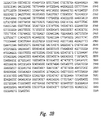
- a genomic DNA sequence encoding LcP0 is shown in Figures 1(a) and (b).
- a DNA molecule encoding LcP0 may be isolated by screening a Leishmania chagasi genomic expression library for clones that express antigens which react with pooled sera from T. cruzi -infected patients. This screen may be generally performed using methods known to those of ordinary skill in the art, such as methods described in Sambrook et al., Molecular Cloning: A Laboratory Manual, Cold Spring Harbor Laboratories, Cold Spring Harbor, N.Y. 1989.
- a bacteriophage expression library may be plated and transferred to filters. The filters may then be incubated with serum and a detection reagent.
- a detection reagent is any compound capable of binding to the antibody-antigen complex, which may then be detected by any of a variety of means known to those of ordinary skill in the art.
- Typical detection reagents contain a "binding agent," such as Protein A, Protein G, IgG or a lectin, coupled to a reporter group.
- Preferred reporter groups include, but are not limited to, enzymes, substrates, cofactors, inhibitors, dyes, radionuclides, luminescent groups, fluorescent groups and biotin.
- the reporter group is horseradish peroxidase, which may be detected by incubation with a substrate such as tetramethylbenzidine or 2,2'-azino-di-3-ethylbenzthiazoline sulfonic acid.
- a substrate such as tetramethylbenzidine or 2,2'-azino-di-3-ethylbenzthiazoline sulfonic acid.
- Epitopes of LcP0 may generally be determined by generating polypeptides containing portions of the LcP0 sequence and evaluating the reactivity of the polypeptides with sera from Leishmania- infected individuals using, for example, an enzyme linked immunosorbent assay (ELISA). Suitable assays for evaluating reactivity of a polypeptide with Leishmania- infected sera are described in more detail below. Within such representative assays, portions of the LcP0 sequence that generate a signal that differentiates between positive and negative sera in a manner substantially similar to that of the full length LcP0 are considered to contain an epitope.
- ELISA enzyme linked immunosorbent assay
- a portion of LcP0 that contains an epitope will generate a signal indicating Leishmania infection in substantially all (i.e., at least about 80%, and preferably at least about 90%) of the biological samples for which such infection would be indicated using the full length LcP0 and will generate a signal indicating the absence of Leishmania infection in substantially all of those samples that would be negative with the full length polypeptide.
- Portions of LcP0 containing at least the 17 C-terminal amino acids shown in Figures 1 i.e ., residues 306-322
- polypeptides comprising at least the 17 C-terminal amino acids of LcP0 contain an epitope of LcP0, and such polypeptides (and variants thereof) are within the scope of this invention.
- combination polypeptides comprising epitopes of multiple Leishmania polypeptides are disclosed.
- a "combination polypeptide” is a polypeptide in which epitopes of different Leishmania peptides, or variants thereof, are joined though a peptide linkage into a single amino acid chain.
- the epitopes may be joined directly ( i . e ., with no intervening amino acids) or may be joined by way of a linker sequence ( e.g ., Gly-Cys-Gly) that does not significantly alter the antigenic properties of the epitopes.
- the combination polypeptide comprises an LcP0 epitope along with an epitope derived from the Leishmania K39 antigen (see Figures 2(a), (b) and (c) and U.S. Patent No. 5,411,865).
- the K39 epitope is a K39 repeat unit antigen, having the amino acid sequence Leu Glu Gln Gln Leu Arg Xaa Ser Glu Xaa Arg Ala Ala Glu Leu Ala Ser Gln Leu Glu Xaa Thr Xaa Ala Ala Lys Xaa Ser Ala Glu Gln Asp Arg Glu Xaa Thr Arg Ala Xaa, wherein Xaa at position 7 is Asp or Glu, at position 10 is Glu or Ala, at position 21 is Ala or Ser, at position 23 is Ala or Thr, at position 27 is Met or Ser, at position 35 is Asn or Ser, and at position 39 is Thr or Ala, or a variant thereof that differs only in conservative substitutions and/or modifications.
- polypeptides of this invention may be generated using techniques well known to those of ordinary skill in the art.
- Polypeptides having fewer than about 100 amino acids, and generally fewer than about 50 amino acids can be synthesized using, for example, the Merrifield solid-phase synthesis method, where amino acids are sequentially added to a growing amino acid chain. See Merrifield, J. Am . Chem. Soc. 85 :2149-2146, 1963.
- Equipment for automated synthesis of polypeptides is commercially available from suppliers such as Applied Biosystems, Inc., Foster City, CA.
- the K39 repeat unit antigen, or portions thereof may be synthesized by this method.
- polypeptides comprising epitopes of LcP0 such as residues 306-322 of SEQ. ID NO:2 may be prepared using an automated synthesizer.
- the polypeptides of this invention may be prepared by expression of recombinant DNA encoding the polypeptide in cultured host cells.
- the host cells are E . coli , yeast, an insect cell line (such as Spodoptera or Trichoplusia ) or a mammalian cell line, including (but not limited to) CHO, COS and NS-1.
- the DNA sequences expressed in this manner may encode naturally occurring proteins, such as LcP0 and K39, portions of naturally occurring proteins, or other variants of such proteins.
- Expressed polypeptides of this invention are generally isolated in substantially pure form.
- the polypeptides are isolated to a purity of at least 80% by weight, more preferably, to a purity of at least 95% by weight, and most preferably to a purity of at least 99% by weight.
- purification may be achieved using, for example, the standard techniques of ammonium sulfate fractionation, SDS-PAGE electrophoresis, and affinity chromatography.
- Leishmania infection may be detected in any biological sample that contains antibodies.
- the sample is blood, serum, plasma, saliva, cerebrospinal fluid or urine. More preferably, the sample is a blood or serum sample obtained from a patient or a blood supply.
- Leishmania infection may be detected using one or more polypeptides containing one or more of the epitopes discussed above, or variants thereof. If multiple epitopes are employed, these epitopes may be present on one or more polypeptides. The polypeptide or polypeptides are then used to determine the presence or absence of antibodies to the polypeptide or polypeptides in the sample, relative to a predetermined cut-off value.
- the assay involves the use of polypeptide immobilized on a solid support to bind to and remove the antibody from the sample.
- the bound antibody may then be detected using a detection reagent that binds to the antibody/peptide complex and contains a detectable reporter group.
- Suitable detection reagents include antibodies that bind to the antibody/polypeptide complex and free polypeptide labeled with a reporter group ( e.g. , in a semi-competitive assay).
- a competitive assay may be utilized, in which an antibody that binds to the polypeptide is labeled with a reporter group and allowed to bind to the immobilized polypeptide after incubation of the polypeptide with the sample.
- the extent to which components of the sample inhibit the binding of the labeled antibody to the polypeptide is indicative of the reactivity of the sample with the immobilized polypeptide.
- the solid support may be any material known to those of ordinary skill in the art to which the polypeptide may be attached.
- the support may be a test well in a microtiter plate or a nitrocellulose or other suitable membrane.
- the support may be a bead or disc, such as glass, fiberglass, latex or a plastic material such as polystyrene or polyvinylchloride.
- the support may also be a magnetic particle or a fiber optic sensor, such as those disclosed, for example, in U.S. Patent No. 5,359,681.
- the polypeptide may be bound to the solid support using a variety of techniques known to those in the art, which are amply described in the patent and scientific literature.
- the term "bound” refers to both noncovalent association, such as adsorption, and covalent attachment (which may be a direct linkage between the antigen and functional groups on the support or may be a linkage by way of a cross-linking agent). Binding by adsorption to a well in a microtiter plate or to a membrane is preferred. In such cases, adsorption may be achieved by contacting the polypeptide, in a suitable buffer, with the solid support for a suitable amount of time. The contact time varies with temperature, but is typically between about 1 hour and 1 day.
- contacting a well of a plastic microtiter plate (such as polystyrene or polyvinylchloride) with an amount of polypeptide ranging from about 10 ng to about 1 ⁇ g, and preferably about 100 ng, is sufficient to bind an adequate amount of antigen.
- Nitrocellulose will bind approximately 100 ⁇ g of protein per cm 3 .
- Covalent attachment of polypeptide to a solid support may generally be achieved by first reacting the support with a bifunctional reagent that will react with both the support and a functional group, such as a hydroxyl or amino group, on the polypeptide.
- a bifunctional reagent that will react with both the support and a functional group, such as a hydroxyl or amino group, on the polypeptide.
- the polypeptide may be bound to a support having an appropriate polymer coating using benzoquinone or by condensation of an aldehyde group on the support with an amine and an active hydrogen on the polypeptide (see, e.g., Pierce Immunotechnology Catalog and Handbook (1991) at A12-A13).
- the assay is an enzyme linked immunosorbent assay (ELISA).
- ELISA enzyme linked immunosorbent assay
- This assay may be performed by first contacting a polypeptide antigen that has been immobilized on a solid support, commonly the well of a microtiter plate, with the sample, such that antibodies to the polypeptide within the sample are allowed to bind to the immobilized polypeptide. Unbound sample is then removed from the immobilized polypeptide and a detection reagent capable of binding to the immobilized antibody-polypeptide complex is added. The amount of detection reagent that remains bound to the solid support is then determined using a method appropriate for the specific detection reagent.
- the polypeptide is immobilized on the support, the remaining protein binding sites on the support are typically blocked. Any suitable blocking agent known to those of ordinary skill in the art, such as bovine serum albumin (BSA) or Tween 20TM (Sigma Chemical Co., St. Louis, MO) may be employed.
- BSA bovine serum albumin
- Tween 20TM Sigma Chemical Co., St. Louis, MO
- the immobilized polypeptide is then incubated with the sample, and antibody (if present in the sample) is allowed to bind to the antigen.
- the sample may be diluted with a suitable diluent, such as phosphate-buffered saline (PBS) prior to incubation.
- PBS phosphate-buffered saline
- an appropriate contact time i .
- incubation time is that period of time that is sufficient to permit detect the presence of antibody within a Leishmania- infected sample.
- the contact time is sufficient to achieve a level of binding that is at least 95% of that achieved at equilibrium between bound and unbound antibody.
- the time necessary to achieve equilibrium may be readily determined by assaying the level of binding that occurs over a period of time. At room temperature, an incubation time of about 30 minutes is generally sufficient.
- Unbound sample may then be removed by washing the solid support with an appropriate buffer, such as PBS containing 0.1% Tween 20TM.
- Detection reagent may then be added to the solid support.
- An appropriate detection reagent is any compound that binds to the immobilized antibody-polypeptide complex and that can be detected by any of a variety of means known to those in the art.
- the detection reagent contains a binding agent (such as, for example, Protein A, Protein G, immunoglobulin, lectin or free antigen) conjugated to a reporter group.
- Preferred reporter groups include enzymes (such as horseradish peroxidase), substrates, cofactors, inhibitors, dyes, radionuclides, luminescent groups, fluorescent groups and biotin.
- binding agent to reporter group may be achieved using standard methods known to those of ordinary skill in the art. Common binding agents may also be purchased conjugated to a variety of reporter groups from many sources (e.g. , Zymed Laboratories, San Francisco, CA and Pierce, Rockford, IL).
- the detection reagent is then incubated with the immobilized antibody-polypeptide complex for an amount of time sufficient to detect the bound antibody.
- An appropriate amount of time may generally be determined from the manufacturer's instructions or by assaying the level of binding that occurs over a period of time.
- Unbound detection reagent is then removed and bound detection reagent is detected using the reporter group.
- the method employed for detecting the reporter group depends upon the nature of the reporter group. For radioactive groups, scintillation counting or autoradiographic methods are generally appropriate. Spectroscopic methods may be used to detect dyes, luminescent groups and fluorescent groups. Biotin may be detected using avidin, coupled to a different reporter group (commonly a radioactive or fluorescent group or an enzyme). Enzyme reporter groups may generally be detected by the addition of substrate (generally for a specific period of time), followed by spectroscopic or other analysis of the reaction products.
- the signal detected from the reporter group that remains bound to the solid support is generally compared to a signal that corresponds to a predetermined cut-off value.
- the cut-off value is preferably the average mean signal obtained when the immobilized polypeptide is incubated with samples from an uninfected patient.
- a sample generating a signal that is three standard deviations above the predetermined cut-off value is considered positive ( i . e ., reactive with the polypeptide).
- the cut-off value is determined using a Receiver Operator Curve, according to the method of Sackett et al., Clinical Epidemiology: A Basic Science for Clinical Medicine, p.
- the cut-off value may be determined from a plot of pairs of true positive rates (i.e., sensitivity) and false positive rates (100%-specificity) that correspond to each possible cut-off value for the diagnostic test result.
- the cut-off value on the plot that is the closest to the upper left-hand corner i.e., the value that encloses the largest area
- a sample generating a signal that is higher than the cut-off value determined by this method may be considered positive.
- the cut-off value may be shifted to the left along the plot, to minimize the false positive rate, or to the right, to minimize the false negative rate.
- the assay is performed in a flow-through or strip test format, wherein the antigen is immobilized on a membrane such as nitrocellulose.
- a detection reagent e.g ., protein A-colloidal gold
- a detection reagent then binds to the antibody-polypeptide complex as the solution containing the detection reagent flows through the membrane.
- the detection of bound detection reagent may then be performed as described above.
- the strip test format one end of the membrane to which polypeptide is bound is immersed in a solution containing the sample.
- the sample migrates along the membrane through a region containing detection reagent and to the area of immobilized polypeptide.
- Concentration of detection reagent at the polypeptide indicates the presence of Leishmania antibodies in the sample.
- concentration of detection reagent at that site generates a pattern, such as a line, that can be read visually. The absence of such a pattern indicates a negative result.
- the amount of polypeptide immobilized on the membrane is selected to generate a visually discernible pattern when the biological sample contains a level of antibodies that would be sufficient to generate a positive signal in an ELISA, as discussed above.
- the amount of polypeptide immobilized on the membrane ranges from about 25 ng to about 1 ⁇ g, and more preferably from about 50 ng to about 500 ng.
- Such tests can typically be performed with a very small amount (e.g ., one drop) of patient serum or blood.
- the assays discussed above may be used to specifically detect asymptomatic or sub-clinical leishmaniasis.
- antibodies in the sample may be detected using a polypeptide comprising LcP0 or an epitope thereof.
- the polypeptide comprises amino acids 306-322 of SEQ ID NO:2. It has been found in the present invention that polypeptides comprising at least this C-terminal portion of LcP0 generate a positive result with sera from less than 35% of patients with acute visceral leishmaniasis, but generate a positive result with sera from more than 95% patients having asymptomatic or sub-clinical leishmaniasis. Accordingly, LcP0, and antigenic portions thereof, may be used to specifically identify patients with asymptomatic or sub-clinical leishmaniasis.
- both asymptomatic/sub-clinical and acute visceral leishmaniasis may be detected.
- an LcP0 epitope is combined with a second Leishmania epitope that detects the presence of acute visceral leishmaniasis.
- the second epitope comprises at least one repeat unit of the K39 antigen, the sequence of which is provided in Figures 2(a), (b) and (c) and SEQ ID NO:3.
- the K39 antigen comprises the repeat unit antigen having the amino acid sequence Leu Glu Gln Gln Leu Arg Xaa Ser Glu Xaa Arg Ala Glu Leu Ala Ser Gln Leu Glu Xaa Thr Xaa Ala Ala Lys Xaa Ser Ala Glu Gln Asp Arg Glu Xaa Thr Arg Ala Xaa, wherein Xaa at position 7 is Asp or Glu, at position 10 is Glu or Ala, at position 21 is Ala or Ser, at position 23 is Ala or Thr, at position 27 is Met or Ser, at position 35 is Asn or Ser, and at position 39 is Thr or Ala.
- the K39 epitope is present within a recombinant K39 polypeptide, which comprises amino acids 1-955 of SEQ ID NO:3.
- a recombinant K39 polypeptide which comprises amino acids 1-955 of SEQ ID NO:3.
- the LcP0 and K39 antigens are immobilized by adsorption to a solid support such as a well of a microtiter plate or a membrane, as described above, in roughly similar amounts such that the total amount of polypeptide in contact with the support ranges from about 10 ng to about 100 ⁇ g.
- the remainder of the steps in the assay may generally be performed as described above. It will be readily apparent to those of ordinary skill in the art that, by combining LcP0 and K39 polypeptides with other polypeptides that can detect cutaneous and mucosal leishmaniasis, the polypeptides disclosed herein may be used in methods that detect all types of leishmaniasis.
- patients with asymptomatic or subclinical VL whose disease is likely to progress to acute visceral leishmaniasis may be distinguished from infected patients whose disease is not likely to progress. Such progression may occur within a year (and typically within 5-12 months) for subclinical disease, or within many years in the case of asymptomatic patients.
- This determination may be made using any of several approaches.
- the assay is performed using a polypeptide that comprises at least one repeat unit of the K39 antigen, without the use of an LcP0 epitope.
- the polypeptide comprises the K39 repeat unit antigen described above.
- K39 repeat unit antigen While the K39 repeat unit antigen generates a positive result (relative to the predetermined cut-off value) when reacted with sera from more than 97% of patients with acute visceral leishmaniasis, only a relatively small percentage (around one third) of patients with asymptomatic leishmaniasis react with this antigen. Those sera that do react are likely to indicate infections that are in the process of progression, or are likely to progress, to acute visceral leishmaniasis (or infections that are in remission or responding to treatment, which may be distinguished based on patient history).
- the assay is separately performed with LcP0, or an epitope thereof, and with a polypeptide that comprises at least one repeat unit of the K39 antigen.
- the optical density (OD) obtained in the assay using the LcP0 epitope is compared to the value obtained using the K39 polypeptide.
- a relatively high OD in the assay using the LcP0 epitope, along with a relatively low OD in the assay using the K39 polypeptide indicates an asymptomatic or subclinical infection that is not likely to progress to acute visceral leishmaniasis.
- a relatively high OD in the assay using the K39 polypeptide, along with a relatively low OD in the assay using the LcP0 epitope indicates an asymptomatic or subclinical infection that is likely to progress to acute visceral leishmaniasis (or in remission or responding to treatment).
- Those asymptomatic or subclinical patients for whom both values are relatively high are likely to be in the process of developing acute visceral leishmaniasis (or in the process of recovering from infection).
- the direction of the disease i.e., progression or remission
- asymptomatic or subclinical patients that are likely to develop acute visceral leishmaniasis may be identified using separate LcP0 and K39 assays (as described above) that are performed over a period of time. For example, the assays may be performed every 1-6 months for a period of months or years. Asymptomatic or subclinical patients that are likely to remain asymptomatic or subclinical will generally have sera that shows a high reactivity with LcP0 and a low reactivity with the K39 polypeptide, as discussed above, at each time point.
- immobilized LcP0 polypeptides may be used to purify antibodies that bind to LcP0.
- Such antibodies may be prepared by any of a variety of techniques known to those of ordinary skill in the art. See, e . g ., Harlow and Land, Antibodies: A Laboratory Manual , Cold Spring Harbor Laboratory, 1988.
- an immunogen comprising a LcP0 polypeptide is initially injected into any of a wide variety of mammals (e.g ., mice, rats, rabbits, sheep and goats). In this step, the polypeptide may serve as the immunogen without modification.
- a superior immune response may be elicited if the polypeptide is joined to a carrier protein, such as bovine serum albumin or keyhole limpet hemocyanin.
- a carrier protein such as bovine serum albumin or keyhole limpet hemocyanin.
- the immunogen is injected into the animal host, preferably according to a predetermined schedule incorporating one or more booster immunizations, and the animals are bled periodically.
- Polyclonal antibodies specific for the polygeptide may then be purified from such antisera by, for example, affinity chromatography using the polypeptide coupled to a suitable solid support.
- Monoclonal antibodies specific for the antigenic polypeptide of interest may be prepared, for example, using the technique of Kohler and Milstein, Eur . J. Immunol. 6:511-519, 1976, and improvements thereto. Briefly, these methods involve the preparation of immortal cell lines capable of producing antibodies having the desired specificity (i.e., reactivity with the polypeptide of interest). Such cell lines may be produced, for example, from spleen cells obtained from an animal immunized as described above. The spleen cells are then immortalized by, for example, fusion with a myeloma cell fusion partner, preferably one that is syngeneic with the immunized animal. A variety of fusion techniques may be employed.
- the spleen cells and myeloma cells may be combined with a nonionic detergent for a few minutes and then plated at low density on a selective medium that supports the growth of hybrid cells, but not myeloma cells.
- a preferred selection technique uses HAT (hypoxanthine, aminopterin, thymidine) selection. After a sufficient time, usually about 1 to 2 weeks, colonies of hybrids are observed. Single colonies are selected and tested for binding activity against the polypeptide. Hybridomas having high reactivity and specificity are preferred.
- Monoclonal antibodies may be isolated from the supernatants of growing hybridoma colonies. In this process, various techniques may be employed to enhance the yield, such as injection of the hybridoma cell line into the peritoneal cavity of a suitable vertebrate host, such as a mouse. Monoclonal antibodies may then be harvested from the ascites fluid or the blood. Contaminants may be removed from the antibodies by conventional techniques, such as chromatography, gel filtration, precipitation, and extraction. One or more LcP0 polypeptides may be used in the purification process in, for example, an affinity chromatography step.
- Monospecific antibodies that bind to an LcP0 polypeptide may be used, for example, to detect Leishmania infection in a biological sample using one of a variety of immunoassays, which may be direct or competitive. Briefly, in one direct assay format, a monospecific antibody may be immobilized on a solid support (as described above) and contacted with the sample to be tested. After removal of the unbound sample, a second monospecific antibody, which has been labeled with a reporter group, may be added and used to detect bound antigen. In an exemplary competitive assay, the sample may be combined with the monoclonal or polyclonal antibody, which has been labeled with a suitable reporter group.
- the mixture of sample and antibody may then be combined with polypeptide antigen immobilized on a suitable solid support.
- Antibody that has not bound to an antigen in the sample is allowed to bind to the immobilized antigen, and the remainder of the sample and antibody is removed.
- the level of antibody bound to the solid support is inversely related to the level of antigen in the sample. Thus, a lower level of antibody bound to the solid support indicates the presence of Leishmania in the sample.
- Other formats for using monospecific antibodies to detect Leishmania in a sample will be apparent to those of ordinary skill in the art, and the above formats are provided solely for exemplary purposes.
- vaccines and pharmaceutical compositions are provided for the prevention of Leishmania infection, and complications thereof, in a mammal, preferably a human or dog.
- Pharmaceutical compositions generally comprise one or more polypeptides, containing one or more epitopes of Leishmania proteins, and a physiologically acceptable carrier.
- the vaccines comprise one or more of the above polypeptides and an adjuvant, for enhancement of the immune response.
- compositions and vaccines may be administered by injection (e.g ., intramuscular, intravenous or subcutaneous), intranasally ( e . g ., by aspiration) or orally. Between 1 and 4 doses may be administered for a 2-6 week period. Preferably, two doses are administered, with the second dose 2-4 weeks later than the first.
- a suitable dose is an amount of polypeptide that is effective to raise antibodies in a treated mammal that are sufficient to protect the mammal from Leishmania infection for a period of time.
- the amount of polypeptide present in a dose ranges from about 1 pg to about 100 mg per kg of host, typically from about 10 pg to about 1 mg, and preferably from about 100 pg to about 1 ⁇ g. Suitable dose sizes will vary with the size of the animal, but will typically range from about 0.01 mL to about 5 mL for 10-60 kg animal.
- the type of carrier will vary depending on the mode of administration.
- the carrier preferably comprises water, saline, alcohol, a fat, a wax or a buffer.
- any of the above carriers or a solid carrier such as mannitol, lactose, starch, magnesium stearate, sodium saccharine, talcum, cellulose, glucose, sucrose, and magnesium carbonate, may be employed.
- Biodegradable microspheres e . g ., polylactic galactide
- adjuvants may be employed in the vaccines of this invention to nonspecifically enhance the immune response.
- Most adjuvants contain a substance designed to protect the antigen from rapid catabolism, such as aluminum hydroxide or mineral oil, and a nonspecific stimulator of immune response, such as lipid A, Bordella pertussis or Mycobacterium tuberculosis.
- lipid A lipid A
- Bordella pertussis or Mycobacterium tuberculosis lipid A
- Such adjuvants are commercially available as, for example, Freund's Incomplete Adjuvant and Complete Adjuvant (Difco Laboratories, Detroit, MI) and Merck Adjuvant 65 (Merck and Company, Inc., Rahway, NJ).
- This Example illustrates the isolation of a genomic DNA sequence encoding LcP0 and the preparation of LcP0.
- a genomic expression library was constructed with sheared DNA of L. chagasi (MHOM/BR/82/BA-2,C1) in bacteriophage ⁇ ZAPII (Stratagene, La Jolla, California). The library was screened and pBSK(-) phagemid sequences were excised according to the manufacturer's protocols. For this screen, serum samples from 5 T . cruzi- infected individuals were pooled and anti- E . coli reactivity was removed by adsorption.
- pLcP0 One clone, containing an approximately 3 kb insert, was isolated (pLcP0), Expression of pLcP0 produced a recombinant fusion protein of approximately 42 kD, of which about 4 kD represented a plasmid fusion sequence.
- the DNA sequence (shown in Figures 1(a) and (b)) contained a single open reading frame (nucleotides 1-966) encoding 322 amino acids with a predicted molecular weight of 34,600.
- Rabbit anti-serum against purified recombinant LcP0 was used to probe immunoblots of L. chagasi promastigote lysate. The anti-serum reacted specifically to a 37 kD antigen present in the promastigotes.
- LcP0 genomic clone contained the full-length protein sequence
- a cDNA library was screened with the LcP0 clone. Briefly, poly(A) + RNA was purified from total L. chagasi (MHOM/BR/84/Jonas) promastigote RNA, using standard protocols. A cDNA expression library was constructed with the poly(A) + RNA, using the ZAP-cDNA unidirectional cloning kit (Stratagene, La Jolla, California). This library was screened as described above for the genomic DNA library, and a 1.2 kb cDNA clone was isolated.
- Partial sequence analysis of the 5' and 3' portions revealed that it encoded a full-length LcP0 insert.
- the sequence contained the last 8 nucleotides of the trans- spliced leader sequence found on the 5' end of all trypanosome nuclearly-encoded transcripts, followed by a short (29 nucleotide) 5' untranslated leader sequence.
- Partial sequencing of the 3' portion of the cDNA revealed an open reading frame and a stop codon (TAA) followed by a 203 nucleotide 3'-untranslated portion terminating in a stretch of poly(A) residues.
- TAA stop codon
- the 5' and 3' ends of the cDNA were present in the genomic clone. Accordingly, the genomic LcP0 clone encodes the complete LcP0 protein.
- Full-length LcP0 was produced and purified from E . coli transformed with an expression vector containing the genomic clone pLcP0. Purification to homogeneity was accomplished by preparative SDS-PAGE, followed by excision and electroelution of the recombinant antigen. The SDS-PAGE was performed by loading expressed protein onto a 12% polyacrylamide gel in sample buffer (50 mM Tris-HCl, 1% SDS, 10% glycerol, 2% 2-mercaptoethanol, 0.01% bromphenol blue) and running according to standard procedure. A section of the gel was transferred to nitrocellulose for immunoblotting with patient serum for band identification.
- sample buffer 50 mM Tris-HCl, 1% SDS, 10% glycerol, 2% 2-mercaptoethanol, 0.01% bromphenol blue
- This Example illustrates the detection of Leishmania infection using LcP0, prepared as described in Example 1, in an ELISA format.
- the ELISA assays were performed as follows. Plastic 96-well plates (Probind, Falcon Plastics, Cockeysville, MD) were coated with 250 ng of LcP0, diluted to 50 ⁇ l with 0.05 M carbonate buffer (pH 9.6), and incubated overnight. Sensitized wells were washed with 0.01 M phosphate buffered saline (pH 7.2) containing 0.3% Tween 20TM (PBS/T). Positive control, negative control, and unknown serum samples were diluted 1:50 in PBS/T, and 50 ⁇ l was added to each well. After 30 minutes of incubation at room temperature, wells were washed six times with PBS/T.
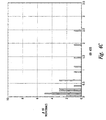
- Figure 4(a) shows the distribution of absorbance values at 405 nm for the normal sera assayed with LcP0.
- Figure 4(b) the distribution for sera from individuals with AL is presented and, in Figure 4(c), the distribution for sera from individuals with AVL is shown.
- LcP0 may be used to detect asymptomatic leishmaniasis, with a very low incidence of false positive results in normal individuals.
- This Example illustrates the detection of Leishmania infection using a polypeptide containing the 17 C-terminal amino acids of LcP0 (i.e ., residues 306-322) in an ELISA format.
- the polypeptide was synthesized on an ABI 430A peptide synthesizer using FMOC chemistry with HPTU (O-Benzotriazole-N,N,N',N'-tetramethyluronium hexafluorophosphate) activation. Cleavage of the polypeptide from the solid support was carried out using the following cleavage mixture: trifluoroacetic acid:ethanedithiol:thioanisole:water:phenol (40:1:2:2:3). After cleaving for 2 hours, the polypeptide was precipitated in cold methyl-t-butyl-ether.
- HPTU O-Benzotriazole-N,N,N',N'-tetramethyluronium hexafluorophosphate
- the pellet was then dissolved in water containing 0.1% tnfluoroacetic acid (TFA) and lyophilized prior to purification by C18 reverse phase HPLC.
- TFA tnfluoroacetic acid
- the polypeptide was characterized using electrospray mass spectrometry and by amino acid analysis.
- the synthesized C-terminal polypeptide had the sequence Glu-Glu-Pro-Glu-Glu-Ser-Asp-Glu-Asp-Asp-Phe-Gly-Met-Gly-Gly-Leu-Phe (i.e., residues 306-322 of the amino acid sequence of Figures 2(a), (b) and (c) and SEQ ID NO:3).
- the ELISA assays were performed as described in Example 2, using either 250 ng of LcP0 or 1 ⁇ g of the above C-terminal polypeptide.
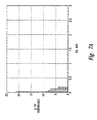
- AL, AVL and normal serum samples were assayed. Of 20 serum samples from patients with AL, all tested positive in the assay using full length LcP0, and 19 ( i.e ., 95%) tested positive with the C-terminal polypeptide. Of 28 serum samples from patients with AVL, 20 ( i.e ., 28%) were positive. In addition, all 45 ( i.e ., 100%) of the normal samples were negative.
- Figure 5(a) shows the distribution of absorbance values at 405 nm for the normal sera assayed with LcP0 and the C-terminal polypeptide.
- Figure 5(b) the distribution for sera from individuals with AL is presented and, in Figure 5(c), the distribution for sera from individuals with AVL is shown.
- This Example demonstrates the detection of Leishmania infection using a recombinant K39 polypeptide.
- the assays were performed in an ELISA format, as described in Example 2, except that the wells were coated with 100 ng of recombinant K39 polypeptide having the amino acid sequence shown in Figures 2(a), (b) and (c).
- Example 2 the AL, AVL and normal serum samples described in Example 2 were assayed. Of 21 serum samples from patients with AL, 17 ( i . e ., 33%) tested positive in the assay. However, of 31 serum samples from patients with AVL, 30 ( i.e ., 97%) were positive. In addition, all 44 ( i.e ., 100%) of the normal samples were negative.
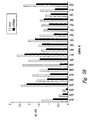
- Figure 6(a) shows the distribution of absorbance values at 405 nm for the normal sera assayed with K39.
- Figure 6(b) the distribution for sera from individuals with AVL is presented and, in Figure 6(c), the distribution for sera from individuals with AL is shown.
- Table 1 shows the absorbance values for the 21 AL samples and the 31 AVL samples tested with LcP0 and K39.
- This Example demonstrates the detection of Leishmania infection using LcP0 in combination with a recombinant K39 polypeptide.
- Assays were performed as described in Example 2 except that, in addition to the LcP0, wells were coated with 100 ng of recombinant K39. In a parallel experiment, the assays were performed using Leishmania lysate as the antigen. The same AL, AVL and normal serum samples described in Example 2 were assayed. Of the 21 serum samples from patients with AL, 21 ( i.e ., 100%) tested positive in the assay. Of 31 samples from patients with AVL, 30 ( i.e ., 97%) were positive. All ( i.e ., 100%) of the normal samples were negative.
- LcP0 and K39 are specific for asymptomatic/subclinical and visceral leishmaniasis, respectively.
- Assays were generally performed as described in Examples 4 and 5, except that the sera assayed was from patients with mucosal or cutaneous leishmaniasis, as diagnosed by clinical symptoms.
- Fourteen samples from patients with each form of the disease were assayed with LcP0, K39 and a combination of LcP0 and K39, as well as with Leishmania lysate.
- a positive control i.e ., a sample obtained from a patient infected with Leishmania
- a blank with no antibodies were assayed, in addition to eight samples from normal individuals.
Landscapes
- Health & Medical Sciences (AREA)
- Life Sciences & Earth Sciences (AREA)
- Chemical & Material Sciences (AREA)
- Molecular Biology (AREA)
- Immunology (AREA)
- Engineering & Computer Science (AREA)
- Biomedical Technology (AREA)
- Biochemistry (AREA)
- General Health & Medical Sciences (AREA)
- Hematology (AREA)
- Medicinal Chemistry (AREA)
- Organic Chemistry (AREA)
- Urology & Nephrology (AREA)
- Physics & Mathematics (AREA)
- Gastroenterology & Hepatology (AREA)
- Microbiology (AREA)
- Cell Biology (AREA)
- Analytical Chemistry (AREA)
- Biotechnology (AREA)
- Virology (AREA)
- General Physics & Mathematics (AREA)
- Pathology (AREA)
- Toxicology (AREA)
- Zoology (AREA)
- Food Science & Technology (AREA)
- Biophysics (AREA)
- Genetics & Genomics (AREA)
- Proteomics, Peptides & Aminoacids (AREA)
- Tropical Medicine & Parasitology (AREA)
- Peptides Or Proteins (AREA)
- Nitrogen And Oxygen Or Sulfur-Condensed Heterocyclic Ring Systems (AREA)
- Testing, Inspecting, Measuring Of Stereoscopic Televisions And Televisions (AREA)
- Semiconductor Integrated Circuits (AREA)
- Saccharide Compounds (AREA)
Claims (21)
- Verfahren zum Nachweisen einer asymptomatischen oder subklinischen Leishmania-Infektion in einer biologischen Probe, umfassend:(a) In-Kontakt-Bringen einer biologischen Probe mit einem Polypeptid, das ein Epitop von LcP0 oder eine Variante davon, die sich nur durch konservative Substitutionen und/oder Modifikationen unterscheidet, umfaßt; und(b) Nachweisen der Anwesenheit von Antikörpern in der biologischen Probe, die an das Polypeptid binden, wodurch eine asymptomatische oder subklinische Leishmania-Infektion in der biologischen Probe nachgewiesen wird.
- Verfahren zum Nachweisen einer Leishmania-Infektion in einer biologischen Probe, umfassend:(a) In-Kontakt-Bringen einer biologischen Probe mit einer ersten Aminosäuresequenz, die ein Epitop von LcP0 oder eine Variante davon, die sich nur durch konservative Substitutionen und/oder Modifikationen unterscheidet, umfaßt;(b) In-Kontakt-Bringen der biologischen Probe mit einer zweiten Aminosäuresequenz, umfassend Leu Glu Gln Gln Leu Arg Xaa Ser Glu Xaa Arg Ala Ala Glu Leu Ala Ser Gln Leu Glu Xaa Thr Xaa Ala Ala Lys Xaa Ser Ala Glu Gln Asp Arg Glu Xaa Thr Arg Ala Xaa, worin Xaa in der Position 7 Asp oder Glu ist, in der Position 10 Glu oder Ala ist, in der Position 21 Ala oder Ser ist, in der Position 23 Ala oder Thr ist, in der Position 27 Met oder Ser ist, in der Position 35 Asn oder Ser ist und in der Position 39 Thr oder Ala ist, oder eine Variante davon, die sich nur durch konservative Substitutionen und/oder Modifikationen unterscheidet; und(c) Nachweisen der Anwesenheit von Antikörpern in der Probe, die an eine der Aminosäuresequenzen oder beide binden, wodurch eine Leishmania-Infektion in der biologischen Probe nachgewiesen wird.
- Verfahren nach Anspruch 2, wobei die ersten und zweiten Aminosäuresequenzen an einen festen Träger gebunden sind.
- Verfahren zur Identifizierung eines Patienten, der unter asymptomatischer oder subklinischer Leishmaniase leidet, die sich wahrscheinlich zu einer akuten viszeralen Leishmaniase entwickelt, umfassend:(a) In-Kontakt-Bringen einer biologischen Probe, gewonnen von einem Patienten, der unter asymptomatischer oder subklinischer Leishmaniase leidet, mit einem Polypeptid, das die Aminosäuresequenz Leu Glu Gln Gln Leu Arg Xaa Ser Glu Xaa Arg Ala Ala Glu Leu Ala Ser Gln Leu Glu Xaa Thr Xaa Ala Ala Lys Xaa Ser Ala Glu Gln Asp Arg Glu Xaa Thr Arg Ala Xaa umfaßt, worin Xaa in der Position 7 Asp oder Glu ist, in der Position 10 Glu oder Ala ist, in der Position 21 Ala oder Ser ist, in der Position 23 Ala oder Thr ist, in der Position 27 Met oder Ser ist, in der Position 35 Asn oder Ser ist und in der Position 39 Thr oder Ala ist, oder eine Variante davon, die sich nur durch konservative Substitutionen und/oder Modifikationen unterscheidet; und(b) Nachweisen der Anwesenheit von Antikörpern in der Probe, die an das Polypeptid binden, wodurch ein Patient, der unter asymptomatischer oder subklinischer Leishmaniase leidet, die sich wahrscheinlich zu einer akuten viszeralen Leishmaniase entwickelt, identifiziert wird.
- Verfahren zur Identifizierung eines Patienten, der unter asymptomatischer oder subklinischer Leishmaniase leidet, die sich wahrscheinlich zu einer akuten viszeralen Leishmaniase entwickelt, umfassend:(a) In-Kontakt-Bringen einer biologischen Probe, gewonnen von einem Patienten, der unter asymptomatischer oder subklinischer Leishmaniase leidet, mit einem ersten Polypeptid, das ein Epitop von LcP0 oder eine Variante davon, die sich nur durch konservative Substitutionen und/oder Modifikationen unterscheidet, umfaßt;(b) In-Kontakt-Bringen der biologischen Probe unabhängig davon mit einem zweiten Polypeptid, das die Aminosäuresequenz Leu Glu Gln Gln Leu Arg Xaa Ser Glu Xaa Arg Ala Ala Glu Leu Ala Ser Gln Leu Glu Xaa Thr Xaa Ala Ala Lys Xaa Ser Ala Glu Gln Asp Arg Glu Xaa Thr Arg Ala Xaa umfaßt, worin Xaa in der Position 7 Asp oder Glu ist, in der Position 10 Glu oder Ala ist, in der Position 21 Ala oder Ser ist, in der Position 23 Ala oder Thr ist, in der Position 27 Met oder Ser ist, in der Position 35 Asn oder Ser ist und in der Position 39 Thr oder Ala ist, oder eine Variante davon, die sich nur durch konservative Substitutionen und/oder Modifikationen unterscheidet; und(c) Nachweisen der Anwesenheit von Antikörpern in der Probe, die an die ersten und/oder zweiten Polypeptide binden, wodurch ein Patient, der unter asymptomatischer oder subklinischer Leishmaniase leidet, die sich wahrscheinlich zu einer akuten viszeralen Leishmaniase entwickelt, identifiziert wird.
- Verfahren nach Anspruch 5, wobei die ersten und zweiten Polypeptide jeweils an einen eigenen festen Träger gebunden sind.
- Verfahren nach den Ansprüchen 1, 2 oder 5, wobei das Epitop von LcP0 die Aminosäuren 306 - 322 der Seq. ID Nr. 2 oder eine Variante davon, die sich nur durch konservative Substitutionen und/oder Modfikationen unterscheidet, umfaßt.
- Verfahren nach den Ansprüchen 1 oder 4, wobei das Polypeptid an einen festen Träger gebunden ist.
- Verfahren nach den Ansprüchen 3, 6 oder 8, wobei der feste Träger Nitrocellulose, Latex oder ein Kunststoffmaterial umfaßt.
- Verfahren nach Anspruch 8, wobei der Detektionsschritt folgendes umfaßt:(a) Entfernung von nicht-gebundener Probe von dem festen Träger;(b) Zugeben eines Nachweis-Reagens zu dem festen Träger; und(c) Vergleichen der Menge an Nachweis-Reagens, das an den oder jeden festen Träger gebunden ist, mit einem vorher bestimmten Grenzwert, wodurch entweder Leishmania in der biologischen Probe nachgewiesen wird; öder ein Patient, der unter asymptomatischer oder subklinischer Leishmaniase leidet, die sich wahrscheinlich zu einer akuten viszeralen Leishmaniase entwickelt, identifiziert wird; oder wodurch eine asymptomatische oder subklinische Leishmania-Infektion in der biologischen Probe nachgewiesen wird.
- Verfahren nach einem der Ansprüche 1, 2, 4 oder 5, wobei die biologische Probe ausgewählt ist aus der Gruppe, bestehend aus Blut, Serum, Plasma, Speichel, Cerebrospinalflüssigkeit und Urin.
- Verfahren nach Anspruch 11, wobei die biologische Probe Vollblut oder Plasma ist.
- Diagnostischer Kit zum Nachweisen einer Leishmania-Infektion in einer biologischen Probe, umfassend:(a) eine erste Aminosäuresequenz, die ein Epitop von LcP0 oder eine Variante davon, die sich nur durch konservative Substitutionen und/oder Modifikationen unterscheidet, umfaßt;(b) eine zweite Aminosäuresequenz, die die Aminosäuresequenz Leu Glu Gln Gln Leu Arg Xaa Ser Glu Xaa Arg Ala Ala Glu Leu Ala Ser Gln Leu Glu Xaa Thr Xaa Ala Ala Lys Xaa Ser Ala Glu Gln Asp Arg Glu Xaa Thr Arg Ala Xaa umfaßt, wobei Xaa in der Position 7 Asp oder Glu ist, in der Position 10 Glu oder Ala ist, in der Position 21 Ala oder Ser ist, in der Position 23 Ala oder Thr ist, in der Position 27 Met oder Ser ist, in der Position 35 Asn oder Ser ist und in der Position 39 Thr oder Ala ist, oder eine Variante davon, die sich nur durch konservative Substitutionen und/oder Modifikationen unterscheidet; und(c) ein Nachweis-Reagens.
- Diagnostischer Kit zur Identifizierung eines Patienten, der unter asymptomatischer oder subklinischer Leishmaniase leidet, die sich wahrscheinlich zu einer akuten viszeralen Leishmaniase entwickelt, umfassend:(a) ein erstes Polypeptid, das ein Epitop von LcP0 oder eine Variante davon, die sich nur durch konservative Substitutionen und/oder Modifikationen unterscheidet, umfaßt;(b) ein zweites Polypeptid, das die Aminosäuresequenz Leu Glu Gln Gln Leu Arg Xaa Ser Glu Xaa Arg Ala Ala Glu Leu Ala Ser Gln Leu Glu Xaa Thr Xaa Ala Ala Lys Xaa Ser Ala Glu Gln Asp Arg Glu Xaa Thr Arg Ala Xaa umfaßt, wobei Xaa in der Position 7 Asp oder Glu ist, in der Position 10 Glu oder Ala ist, in der Position 21 Ala oder Ser ist, in der Position 23 Ala oder Thr ist, in der Position 27 Met oder Ser ist, in der Position 35 Asn oder Ser ist und in der Position 39 Thr oder Ala ist, oder eine Variante davon, die sich nur durch konservative Substitutionen und/oder Modifikationen unterscheidet; und(c) ein Nachweis-Reagens.
- Verfahren oder Kit nach den Ansprüchen 10, 13 oder 14, wobei das Nachweis-Reagens eine Reporter-Gruppe umfaßt, die mit einem Bindungsagens konjugiert ist.
- Verfahren oder Kit nach Anspruch 15, wobei das Bindungsagens ausgewählt ist aus der Gruppe, bestehend aus Anti-Immunglobulin, Protein G, Protein A und Lectinen.
- Verfahren oder Kit nach Anspruch 15, wobei die Reporter-Gruppe ausgewählt ist aus der Gruppe, bestehend aus Radioisotopen, Fluoreszenzgruppen, Lumineszenzgruppen, Enzymen, Biotin und Farbstoff-Partikeln.
- Pharmazeutische Zusammensetzung, umfassend:(a) ein Polypeptid, das ein Epitop von LcP0 oder eine Variante davon, die sich nur durch konservative Substitutionen und/oder Modifikationen unterscheidet, umfaßt; und(b) ein physiologisch vertretbarer Trägerstoff.
- Impfstoff zum Stimulieren der Produktion von Antikörpern, die an Leishmania binden, umfassend:(a) ein Polypeptid, das ein Epitop von LcP0 oder einer Variante davon, die sich nur durch konservative Substitutionen und/oder Modifikationen unterscheidet, umfaßt; und(b) ein Adjuvans.
- Pharmazeutische Zusammensetzung oder Impfstoff nach den Ansprüchen 18 oder 19, weiterhin umfassend ein zweites Polypeptid, das die Aminosäuresequenz Leu Glu Gln Gln Leu Arg Xaa Ser Glu Xaa Arg Ala Ala Glu Leu Ala Ser Gln Leu Glu Xaa Thr Xaa Ala Ala Lys Xaa Ser Ala Glu Gln Asp Arg Glu Xaa Thr Arg Ala Xaa umfaßt, wobei Xaa in der Position 7 Asp oder Glu ist, in der Position 10 Glu oder Ala ist, in der Position 21 Ala oder Ser ist, in der Position 23 Ala oder Thr ist, in der Position 27 Met oder Ser ist, in der Position 35 Asn oder Ser ist und in der Position 39 Thr oder Ala ist, oder eine Variante davon, die sich nur durch konservative Substitutionen und/oder Modifikationen unterscheidet.
- Pharmazeutische Zusammensetzung oder Impfstoff nach Anspruch 18 oder 19, wobei das Polypeptid weiterhin die Aminosäuresequenz Leu Glu Gln Gln Leu Arg Xaa Ser Glu Xaa Arg Ala Ala Glu Leu Ala Ser Gln Leu Glu Xaa Thr Xaa Ala Ala Lys Xaa Ser Ala Glu Gln Asp Arg Glu Xaa Thr Arg Ala Xaa umfaßt, wobei Xaa in der Position 7 Asp oder Glu ist, in der Position 10 Glu oder Ala ist, in der Position 21 Ala oder Ser ist, in der Position 23 Ala oder Thr ist, in der Position 27 Met oder Ser ist, in der Position 35 Asn oder Ser ist und in der Position 39 Thr oder Ala ist, oder eine Variante davon, die sich nur durch konservative Substitutionen und/oder Modifikationen unterscheidet.
Priority Applications (1)
| Application Number | Priority Date | Filing Date | Title |
|---|---|---|---|
| EP01105013A EP1179733A1 (de) | 1995-04-21 | 1996-04-19 | Verbindugen und Verfahrens zur Diagnose Leishmaniasis |
Applications Claiming Priority (3)
| Application Number | Priority Date | Filing Date | Title |
|---|---|---|---|
| US08/428,414 US5912166A (en) | 1995-04-21 | 1995-04-21 | Compounds and methods for diagnosis of leishmaniasis |
| US428414 | 1995-04-21 | ||
| PCT/US1996/005472 WO1996033414A2 (en) | 1995-04-21 | 1996-04-19 | Compounds and methods for diagnosis of leishmaniasis |
Related Child Applications (1)
| Application Number | Title | Priority Date | Filing Date |
|---|---|---|---|
| EP01105013A Division EP1179733A1 (de) | 1995-04-21 | 1996-04-19 | Verbindugen und Verfahrens zur Diagnose Leishmaniasis |
Publications (2)
| Publication Number | Publication Date |
|---|---|
| EP0824699A2 EP0824699A2 (de) | 1998-02-25 |
| EP0824699B1 true EP0824699B1 (de) | 2001-11-07 |
Family
ID=23698799
Family Applications (2)
| Application Number | Title | Priority Date | Filing Date |
|---|---|---|---|
| EP96912940A Expired - Lifetime EP0824699B1 (de) | 1995-04-21 | 1996-04-19 | Verbindungen und verfahren zur diagnose von leishmaniasis |
| EP01105013A Withdrawn EP1179733A1 (de) | 1995-04-21 | 1996-04-19 | Verbindugen und Verfahrens zur Diagnose Leishmaniasis |
Family Applications After (1)
| Application Number | Title | Priority Date | Filing Date |
|---|---|---|---|
| EP01105013A Withdrawn EP1179733A1 (de) | 1995-04-21 | 1996-04-19 | Verbindugen und Verfahrens zur Diagnose Leishmaniasis |
Country Status (9)
| Country | Link |
|---|---|
| US (1) | US5912166A (de) |
| EP (2) | EP0824699B1 (de) |
| AT (1) | ATE208500T1 (de) |
| AU (1) | AU5559496A (de) |
| BR (1) | BR9608016A (de) |
| DE (1) | DE69616777D1 (de) |
| ES (1) | ES2164883T3 (de) |
| PT (1) | PT824699E (de) |
| WO (1) | WO1996033414A2 (de) |
Families Citing this family (35)
| Publication number | Priority date | Publication date | Assignee | Title |
|---|---|---|---|---|
| US6613337B1 (en) | 1997-02-12 | 2003-09-02 | Corixa Corporation | Leishmania antigens for use in the therapy and diagnosis of leishmaniasis |
| US6375955B1 (en) * | 1995-09-22 | 2002-04-23 | Corixa Corporation | Leishmania antigens for use in the therapy and diagnosis of leishmaniasis |
| US6638517B2 (en) | 1995-09-22 | 2003-10-28 | Corixa Corporation | Leishmania antigens for use in the therapy and diagnosis of leishmaniasis |
| US6500437B1 (en) | 1995-09-22 | 2002-12-31 | Corixa Corporation | Leishmania antigens for use in the therapy and diagnosis of leishmaniasis |
| US6607731B1 (en) | 1995-09-22 | 2003-08-19 | Corixa Corporation | Leishmania antigens for use in the therapy and diagnosis of leishmaniasis |
| US6365165B1 (en) | 1995-09-22 | 2002-04-02 | Corixa Corporation | Leishmania antigens for use in the therapy and diagnosis of Leishmaniasis |
| EP0981624A2 (de) * | 1997-02-12 | 2000-03-01 | Corixa Corporation | Leishmania antigene zur verwendung in leishmaniasis therapie und diagnose |
| ES2133236B1 (es) * | 1997-06-27 | 2000-04-16 | Leti Lab | Gen quimerico formado por las secuencias de dna que codifican los determinantes antigenicos de cuatro proteinas de l. infantum, aplicable para el diagnostico serologico de leishmaniosis canina y proteina obtenida. |
| SI1141305T1 (sl) * | 1998-12-23 | 2006-10-31 | Leti Lab | Himerni gen, ki kodira antigenske determinante stirih proteinov L. Infantum |
| PT1141305E (pt) * | 1998-12-23 | 2006-10-31 | Leti Lab | Gene quimerico formado pelas sequencias de adn que codifica os determinantes antigenicos de quatro proteinas de l. infantum |
| US6972198B2 (en) | 1999-02-26 | 2005-12-06 | Cyclacel, Ltd. | Methods and compositions using protein binding partners |
| CN1300772A (zh) * | 1999-12-22 | 2001-06-27 | 上海博德基因开发有限公司 | 一种新的多肽-人酸性核糖体磷蛋白16和编码这种多肽的多核苷酸 |
| US6673351B1 (en) | 2001-03-16 | 2004-01-06 | Astralis, Llc | Compositions and methods for the treatment and clinical remission of psoriasis |
| US20040241168A1 (en) * | 2001-03-16 | 2004-12-02 | O'daly Jose A. | Compositions and methods for the treatment and clinical remission of psoriasis |
| EP1711520B1 (de) | 2003-12-26 | 2010-02-10 | All India Institute of Medical Sciences | Polypeptide zur diagnose und therapie von leishmaniasen |
| WO2006060737A2 (en) * | 2004-12-03 | 2006-06-08 | Takeda San Diego, Inc. | Mitotic kinesin inhibitors |
| WO2007081779A2 (en) * | 2006-01-05 | 2007-07-19 | Genentech, Inc. | Methods of determining cutoff points |
| US7833534B2 (en) | 2006-04-10 | 2010-11-16 | Infectious Disease Research Institute | Compounds and methods for diagnosis and treatment of leishmaniasis |
| US20090181078A1 (en) | 2006-09-26 | 2009-07-16 | Infectious Disease Research Institute | Vaccine composition containing synthetic adjuvant |
| PL2068918T5 (pl) | 2006-09-26 | 2024-12-02 | Access To Advanced Health Institute | Kompozycja szczepionki zawierająca syntetyczny adiuwant |
| US7831108B2 (en) | 2006-12-13 | 2010-11-09 | Adobe Systems Incorporated | Universal front end for masks, selections, and paths |
| AR073452A1 (es) | 2008-07-03 | 2010-11-10 | Infectious Disease Res Inst | Proteinas de fusion que comprende dos o mas antigenos de leishmania y su uso en el diagnostico y tratamiento de leishmaniasis |
| CA2764374C (en) | 2009-06-05 | 2019-11-19 | Infectious Disease Research Institute | Synthetic glucopyranosyl lipid adjuvants |
| AP3516A (en) * | 2009-07-13 | 2016-01-11 | Leti Sl Lab | Diagnosis of a parasitic disease such as leishmaniasis using ribosomal protein extract (rpe) |
| US8406566B1 (en) | 2010-05-27 | 2013-03-26 | Adobe Systems Incorporated | Methods and apparatus for soft edge masking |
| BRPI1003744B1 (pt) * | 2010-06-08 | 2021-10-26 | Universidade Federal De Ouro Preto | E-ntpdases recombinantes, uso na produção de kit de diagnóstico para detecção de anticorpos nas leishmanioses causadas por espécies do gênero leishmania |
| EA027236B1 (ru) | 2011-04-08 | 2017-07-31 | Иммьюн Дизайн Корп. | Иммуногенные композиции и способы применения таких композиций для индукции гуморального и клеточного иммунного ответа |
| ES2729967T3 (es) | 2012-02-07 | 2019-11-07 | Infectious Disease Res Inst | Formulaciones de adyuvante mejoradas que comprenden agonistas de TLR4 y métodos para usar las mismas |
| HRP20181102T1 (hr) | 2012-05-16 | 2018-09-07 | Immune Design Corp | Cjepiva za hsv-2 |
| EP2978447B1 (de) | 2013-03-28 | 2019-05-08 | Infectious Disease Research Institute | Impfstoffe mit leishmania-polypeptiden zur behandlung und diagnose von leishmaniase |
| MX370573B (es) | 2013-04-18 | 2019-12-17 | Immune Design Corp | Monoterapia con glucopiranosil lipido a para usarse en el tratamiento del cancer. |
| US9463198B2 (en) | 2013-06-04 | 2016-10-11 | Infectious Disease Research Institute | Compositions and methods for reducing or preventing metastasis |
| IL310015B2 (en) | 2013-12-31 | 2026-02-01 | Access To Advanced Health Inst | Single vial formulation |
| KR20250008135A (ko) | 2016-06-01 | 2025-01-14 | 액세스 투 어드밴스드 헬스 인스티튜트 | 사이징제를 함유하는 나노명반 입자 |
| CA3141577A1 (en) | 2019-05-25 | 2020-12-03 | Infectious Disease Research Institute | Composition and method for spray drying an adjuvant vaccine emulsion |
Citations (1)
| Publication number | Priority date | Publication date | Assignee | Title |
|---|---|---|---|---|
| WO1994016331A1 (en) * | 1993-01-15 | 1994-07-21 | Corixa Corporation | Diagnosis of leishmaniasis |
Family Cites Families (4)
| Publication number | Priority date | Publication date | Assignee | Title |
|---|---|---|---|---|
| DE3581288D1 (de) * | 1984-10-01 | 1991-02-14 | Pasteur Institut | Antileishmania monoklonale antikoerper, diese antikoerper ausscheidende hybridomas, von diesen antikoerpern erkannte leishmaniaantigene, verfahren zur herstellung und verwendung von diesen monoklonalen antikoerpern und antigenen. |
| IL82740A0 (en) * | 1987-06-01 | 1987-12-20 | Yeda Res & Dev | Assay for leishmaniasis |
| FR2619220B1 (fr) * | 1987-08-03 | 1993-03-26 | Pasteur Institut | Antigenes specifiques de leishmania et leur procede de preparation, profils antigeniques contenant ces antigenes et leur application au diagnostic des leishmanioses viscerales. |
| US5304371A (en) * | 1992-02-14 | 1994-04-19 | Lasys Corporation | Peptide for diagnosing and immunizing against T. cruzi infection |
-
1995
- 1995-04-21 US US08/428,414 patent/US5912166A/en not_active Expired - Lifetime
-
1996
- 1996-04-19 ES ES96912940T patent/ES2164883T3/es not_active Expired - Lifetime
- 1996-04-19 PT PT96912940T patent/PT824699E/pt unknown
- 1996-04-19 EP EP96912940A patent/EP0824699B1/de not_active Expired - Lifetime
- 1996-04-19 AT AT96912940T patent/ATE208500T1/de not_active IP Right Cessation
- 1996-04-19 WO PCT/US1996/005472 patent/WO1996033414A2/en not_active Ceased
- 1996-04-19 EP EP01105013A patent/EP1179733A1/de not_active Withdrawn
- 1996-04-19 BR BR9608016A patent/BR9608016A/pt not_active Application Discontinuation
- 1996-04-19 AU AU55594/96A patent/AU5559496A/en not_active Abandoned
- 1996-04-19 DE DE69616777T patent/DE69616777D1/de not_active Expired - Lifetime
Patent Citations (1)
| Publication number | Priority date | Publication date | Assignee | Title |
|---|---|---|---|---|
| WO1994016331A1 (en) * | 1993-01-15 | 1994-07-21 | Corixa Corporation | Diagnosis of leishmaniasis |
Also Published As
| Publication number | Publication date |
|---|---|
| EP1179733A1 (de) | 2002-02-13 |
| WO1996033414A2 (en) | 1996-10-24 |
| ES2164883T3 (es) | 2002-03-01 |
| WO1996033414A3 (en) | 1996-11-21 |
| MX9708121A (es) | 1998-06-30 |
| EP0824699A2 (de) | 1998-02-25 |
| DE69616777D1 (de) | 2001-12-13 |
| ATE208500T1 (de) | 2001-11-15 |
| US5912166A (en) | 1999-06-15 |
| PT824699E (pt) | 2002-04-29 |
| BR9608016A (pt) | 1999-03-02 |
| AU5559496A (en) | 1996-11-07 |
Similar Documents
| Publication | Publication Date | Title |
|---|---|---|
| EP0824699B1 (de) | Verbindungen und verfahren zur diagnose von leishmaniasis | |
| EP0815450B1 (de) | Verbindungen und verfahren zum nachweis von t. cruzi-infektion | |
| US5874527A (en) | Plasmodium vivax blood stage antigens | |
| EP0874992B1 (de) | Verbindungen und verfahren zum nachweis und zur vorbeugung von t.cruzi infektionen | |
| EP1155322B1 (de) | Zusammensetzungen und methoden zur detektion einer trypanosoma cruzi infektion | |
| EP0834567A2 (de) | Zusammensetzungen und Verfahren zur Diagnose und Behandlung von Babesia microti Infektion | |
| WO1996017873A9 (en) | Diagnosis of pancreatitis | |
| JP2002508506A (ja) | T.cruzi感染の検出および予防のための化合物および方法 | |
| WO1999029869A1 (en) | Compounds and methods for the diagnosis and treatment of b. microti infection | |
| AU710439B2 (en) | Recombinant 170 KD subunit lectin of Entamoeba histolytica and methods of use | |
| MXPA97008121A (en) | Compounds and methods for the diagnosis of leishmania | |
| US6413721B1 (en) | Methods of isolating common and specific antigens from excretory-secretory products of protostrongylidae | |
| EP1226166A1 (de) | Immun-interaktive fragmente der alpha-untereinheit von inhibin | |
| MXPA97007020A (en) | Compounds and methods for the detection of infection by t. cr | |
| AU2004201615B2 (en) | Anti-plasmodium compositions and methods of use | |
| WO2000052056A2 (en) | Anti-plasmodium compositions and methods of use | |
| Zarlenga et al. | RDGPSP PROTEIN |
Legal Events
| Date | Code | Title | Description |
|---|---|---|---|
| PUAI | Public reference made under article 153(3) epc to a published international application that has entered the european phase |
Free format text: ORIGINAL CODE: 0009012 |
|
| 17P | Request for examination filed |
Effective date: 19971121 |
|
| AK | Designated contracting states |
Kind code of ref document: A2 Designated state(s): AT BE CH DE DK ES FI FR GB GR IE IT LI LU MC NL PT SE |
|
| 17Q | First examination report despatched |
Effective date: 20000204 |
|
| GRAG | Despatch of communication of intention to grant |
Free format text: ORIGINAL CODE: EPIDOS AGRA |
|
| GRAG | Despatch of communication of intention to grant |
Free format text: ORIGINAL CODE: EPIDOS AGRA |
|
| GRAG | Despatch of communication of intention to grant |
Free format text: ORIGINAL CODE: EPIDOS AGRA |
|
| GRAH | Despatch of communication of intention to grant a patent |
Free format text: ORIGINAL CODE: EPIDOS IGRA |
|
| GRAH | Despatch of communication of intention to grant a patent |
Free format text: ORIGINAL CODE: EPIDOS IGRA |
|
| RAP1 | Party data changed (applicant data changed or rights of an application transferred) |
Owner name: CORIXA CORPORATION |
|
| GRAA | (expected) grant |
Free format text: ORIGINAL CODE: 0009210 |
|
| AK | Designated contracting states |
Kind code of ref document: B1 Designated state(s): AT BE CH DE DK ES FI FR GB GR IE IT LI LU MC NL PT SE |
|
| PG25 | Lapsed in a contracting state [announced via postgrant information from national office to epo] |
Ref country code: NL Free format text: LAPSE BECAUSE OF FAILURE TO SUBMIT A TRANSLATION OF THE DESCRIPTION OR TO PAY THE FEE WITHIN THE PRESCRIBED TIME-LIMIT Effective date: 20011107 Ref country code: LI Free format text: LAPSE BECAUSE OF FAILURE TO SUBMIT A TRANSLATION OF THE DESCRIPTION OR TO PAY THE FEE WITHIN THE PRESCRIBED TIME-LIMIT Effective date: 20011107 Ref country code: GR Free format text: LAPSE BECAUSE OF FAILURE TO SUBMIT A TRANSLATION OF THE DESCRIPTION OR TO PAY THE FEE WITHIN THE PRESCRIBED TIME-LIMIT Effective date: 20011107 Ref country code: FR Free format text: LAPSE BECAUSE OF FAILURE TO SUBMIT A TRANSLATION OF THE DESCRIPTION OR TO PAY THE FEE WITHIN THE PRESCRIBED TIME-LIMIT Effective date: 20011107 Ref country code: FI Free format text: LAPSE BECAUSE OF FAILURE TO SUBMIT A TRANSLATION OF THE DESCRIPTION OR TO PAY THE FEE WITHIN THE PRESCRIBED TIME-LIMIT Effective date: 20011107 Ref country code: CH Free format text: LAPSE BECAUSE OF FAILURE TO SUBMIT A TRANSLATION OF THE DESCRIPTION OR TO PAY THE FEE WITHIN THE PRESCRIBED TIME-LIMIT Effective date: 20011107 Ref country code: BE Free format text: LAPSE BECAUSE OF FAILURE TO SUBMIT A TRANSLATION OF THE DESCRIPTION OR TO PAY THE FEE WITHIN THE PRESCRIBED TIME-LIMIT Effective date: 20011107 Ref country code: AT Free format text: LAPSE BECAUSE OF FAILURE TO SUBMIT A TRANSLATION OF THE DESCRIPTION OR TO PAY THE FEE WITHIN THE PRESCRIBED TIME-LIMIT Effective date: 20011107 |
|
| REF | Corresponds to: |
Ref document number: 208500 Country of ref document: AT Date of ref document: 20011115 Kind code of ref document: T |
|
| REG | Reference to a national code |
Ref country code: CH Ref legal event code: EP |
|
| REG | Reference to a national code |
Ref country code: IE Ref legal event code: FG4D |
|
| REF | Corresponds to: |
Ref document number: 69616777 Country of ref document: DE Date of ref document: 20011213 |
|
| REG | Reference to a national code |
Ref country code: GB Ref legal event code: IF02 |
|
| PG25 | Lapsed in a contracting state [announced via postgrant information from national office to epo] |
Ref country code: SE Free format text: LAPSE BECAUSE OF FAILURE TO SUBMIT A TRANSLATION OF THE DESCRIPTION OR TO PAY THE FEE WITHIN THE PRESCRIBED TIME-LIMIT Effective date: 20020207 Ref country code: DK Free format text: LAPSE BECAUSE OF FAILURE TO SUBMIT A TRANSLATION OF THE DESCRIPTION OR TO PAY THE FEE WITHIN THE PRESCRIBED TIME-LIMIT Effective date: 20020207 |
|
| PG25 | Lapsed in a contracting state [announced via postgrant information from national office to epo] |
Ref country code: DE Free format text: LAPSE BECAUSE OF FAILURE TO SUBMIT A TRANSLATION OF THE DESCRIPTION OR TO PAY THE FEE WITHIN THE PRESCRIBED TIME-LIMIT Effective date: 20020208 |
|
| REG | Reference to a national code |
Ref country code: ES Ref legal event code: FG2A Ref document number: 2164883 Country of ref document: ES Kind code of ref document: T3 |
|
| NLV1 | Nl: lapsed or annulled due to failure to fulfill the requirements of art. 29p and 29m of the patents act | ||
| PG25 | Lapsed in a contracting state [announced via postgrant information from national office to epo] |
Ref country code: MC Free format text: LAPSE BECAUSE OF NON-PAYMENT OF DUE FEES Effective date: 20020419 Ref country code: LU Free format text: LAPSE BECAUSE OF NON-PAYMENT OF DUE FEES Effective date: 20020419 Ref country code: IE Free format text: LAPSE BECAUSE OF NON-PAYMENT OF DUE FEES Effective date: 20020419 Ref country code: GB Free format text: LAPSE BECAUSE OF NON-PAYMENT OF DUE FEES Effective date: 20020419 |
|
| REG | Reference to a national code |
Ref country code: PT Ref legal event code: SC4A Free format text: AVAILABILITY OF NATIONAL TRANSLATION Effective date: 20020129 |
|
| PGFP | Annual fee paid to national office [announced via postgrant information from national office to epo] |
Ref country code: ES Payment date: 20020509 Year of fee payment: 7 |
|
| REG | Reference to a national code |
Ref country code: CH Ref legal event code: PL |
|
| EN | Fr: translation not filed | ||
| PLBE | No opposition filed within time limit |
Free format text: ORIGINAL CODE: 0009261 |
|
| STAA | Information on the status of an ep patent application or granted ep patent |
Free format text: STATUS: NO OPPOSITION FILED WITHIN TIME LIMIT |
|
| 26N | No opposition filed | ||
| GBPC | Gb: european patent ceased through non-payment of renewal fee |
Effective date: 20020419 |
|
| REG | Reference to a national code |
Ref country code: IE Ref legal event code: MM4A |
|
| PGFP | Annual fee paid to national office [announced via postgrant information from national office to epo] |
Ref country code: PT Payment date: 20030410 Year of fee payment: 8 |
|
| PG25 | Lapsed in a contracting state [announced via postgrant information from national office to epo] |
Ref country code: ES Free format text: LAPSE BECAUSE OF NON-PAYMENT OF DUE FEES Effective date: 20030421 |
|
| REG | Reference to a national code |
Ref country code: ES Ref legal event code: FD2A Effective date: 20030421 |
|
| PG25 | Lapsed in a contracting state [announced via postgrant information from national office to epo] |
Ref country code: PT Free format text: LAPSE BECAUSE OF NON-PAYMENT OF DUE FEES Effective date: 20041019 |
|
| REG | Reference to a national code |
Ref country code: PT Ref legal event code: MM4A Free format text: LAPSE DUE TO NON-PAYMENT OF FEES Effective date: 20041019 |
|
| PG25 | Lapsed in a contracting state [announced via postgrant information from national office to epo] |
Ref country code: IT Free format text: LAPSE BECAUSE OF NON-PAYMENT OF DUE FEES Effective date: 20050419 |