EP0832196B1 - Immortalisation et desimmortalisation de cellules - Google Patents
Immortalisation et desimmortalisation de cellules Download PDFInfo
- Publication number
- EP0832196B1 EP0832196B1 EP96918405A EP96918405A EP0832196B1 EP 0832196 B1 EP0832196 B1 EP 0832196B1 EP 96918405 A EP96918405 A EP 96918405A EP 96918405 A EP96918405 A EP 96918405A EP 0832196 B1 EP0832196 B1 EP 0832196B1
- Authority
- EP
- European Patent Office
- Prior art keywords
- gene
- recombinase
- cells
- selection marker
- nucleic acid
- Prior art date
- Legal status (The legal status is an assumption and is not a legal conclusion. Google has not performed a legal analysis and makes no representation as to the accuracy of the status listed.)
- Expired - Lifetime
Links
- 238000000034 method Methods 0.000 claims abstract description 64
- 210000004027 cell Anatomy 0.000 claims description 274
- 108090000623 proteins and genes Proteins 0.000 claims description 231
- 108010091086 Recombinases Proteins 0.000 claims description 143
- 102000018120 Recombinases Human genes 0.000 claims description 135
- 239000003550 marker Substances 0.000 claims description 130
- 150000007523 nucleic acids Chemical class 0.000 claims description 53
- 108020004707 nucleic acids Proteins 0.000 claims description 51
- 102000039446 nucleic acids Human genes 0.000 claims description 51
- 230000014509 gene expression Effects 0.000 claims description 29
- 239000013598 vector Substances 0.000 claims description 26
- 239000003795 chemical substances by application Substances 0.000 claims description 9
- 230000001939 inductive effect Effects 0.000 claims description 9
- 230000001131 transforming effect Effects 0.000 claims description 4
- 210000004962 mammalian cell Anatomy 0.000 claims description 3
- 239000000203 mixture Substances 0.000 abstract description 4
- 108700020796 Oncogene Proteins 0.000 description 17
- 210000000130 stem cell Anatomy 0.000 description 16
- 230000001177 retroviral effect Effects 0.000 description 15
- 238000002054 transplantation Methods 0.000 description 14
- 101710101493 Viral myc transforming protein Proteins 0.000 description 13
- 108020004414 DNA Proteins 0.000 description 11
- 108010043121 Green Fluorescent Proteins Proteins 0.000 description 11
- 102000004144 Green Fluorescent Proteins Human genes 0.000 description 11
- 102000043276 Oncogene Human genes 0.000 description 11
- 239000005090 green fluorescent protein Substances 0.000 description 11
- 238000001890 transfection Methods 0.000 description 11
- 230000009466 transformation Effects 0.000 description 11
- 108700024542 myc Genes Proteins 0.000 description 10
- 238000013519 translation Methods 0.000 description 10
- 108010051219 Cre recombinase Proteins 0.000 description 9
- 102000005936 beta-Galactosidase Human genes 0.000 description 9
- 108010005774 beta-Galactosidase Proteins 0.000 description 9
- 239000003814 drug Substances 0.000 description 9
- 230000012010 growth Effects 0.000 description 8
- 239000003102 growth factor Substances 0.000 description 8
- 108020004774 Alkaline Phosphatase Proteins 0.000 description 7
- 241001465754 Metazoa Species 0.000 description 7
- 210000002950 fibroblast Anatomy 0.000 description 7
- 230000006798 recombination Effects 0.000 description 7
- 238000005215 recombination Methods 0.000 description 7
- 238000010186 staining Methods 0.000 description 7
- 230000000694 effects Effects 0.000 description 6
- 238000001415 gene therapy Methods 0.000 description 6
- 210000004153 islets of langerhan Anatomy 0.000 description 6
- 239000002245 particle Substances 0.000 description 6
- 102000004169 proteins and genes Human genes 0.000 description 6
- 230000003612 virological effect Effects 0.000 description 6
- 206010059866 Drug resistance Diseases 0.000 description 5
- 229960001714 calcium phosphate Drugs 0.000 description 5
- 229910000389 calcium phosphate Inorganic materials 0.000 description 5
- 239000001506 calcium phosphate Substances 0.000 description 5
- 235000011010 calcium phosphates Nutrition 0.000 description 5
- 238000002474 experimental method Methods 0.000 description 5
- 208000015181 infectious disease Diseases 0.000 description 5
- 210000000933 neural crest Anatomy 0.000 description 5
- 230000035755 proliferation Effects 0.000 description 5
- QORWJWZARLRLPR-UHFFFAOYSA-H tricalcium bis(phosphate) Chemical compound [Ca+2].[Ca+2].[Ca+2].[O-]P([O-])([O-])=O.[O-]P([O-])([O-])=O QORWJWZARLRLPR-UHFFFAOYSA-H 0.000 description 5
- 102000002260 Alkaline Phosphatase Human genes 0.000 description 4
- 108010025020 Nerve Growth Factor Proteins 0.000 description 4
- 238000004113 cell culture Methods 0.000 description 4
- 239000013599 cloning vector Substances 0.000 description 4
- 238000010276 construction Methods 0.000 description 4
- 238000013461 design Methods 0.000 description 4
- 229940079593 drug Drugs 0.000 description 4
- 239000003623 enhancer Substances 0.000 description 4
- HNDVDQJCIGZPNO-UHFFFAOYSA-N histidine Natural products OC(=O)C(N)CC1=CN=CN1 HNDVDQJCIGZPNO-UHFFFAOYSA-N 0.000 description 4
- 230000002458 infectious effect Effects 0.000 description 4
- 101150066555 lacZ gene Proteins 0.000 description 4
- 230000001404 mediated effect Effects 0.000 description 4
- 210000001178 neural stem cell Anatomy 0.000 description 4
- 210000004498 neuroglial cell Anatomy 0.000 description 4
- 230000008569 process Effects 0.000 description 4
- 230000009758 senescence Effects 0.000 description 4
- 229940124597 therapeutic agent Drugs 0.000 description 4
- 241001430294 unidentified retrovirus Species 0.000 description 4
- 108700026220 vif Genes Proteins 0.000 description 4
- 108091026890 Coding region Proteins 0.000 description 3
- 101001025772 Homo sapiens Neutral alpha-glucosidase C Proteins 0.000 description 3
- 108091092195 Intron Proteins 0.000 description 3
- 241000699666 Mus <mouse, genus> Species 0.000 description 3
- 229930193140 Neomycin Natural products 0.000 description 3
- 102100037413 Neutral alpha-glucosidase C Human genes 0.000 description 3
- 241000700605 Viruses Species 0.000 description 3
- 230000004913 activation Effects 0.000 description 3
- 238000010367 cloning Methods 0.000 description 3
- 238000010353 genetic engineering Methods 0.000 description 3
- 239000002609 medium Substances 0.000 description 3
- 229960004927 neomycin Drugs 0.000 description 3
- 210000002569 neuron Anatomy 0.000 description 3
- 108010085336 phosphoribosyl-AMP cyclohydrolase Proteins 0.000 description 3
- 239000000047 product Substances 0.000 description 3
- 239000006228 supernatant Substances 0.000 description 3
- 238000013518 transcription Methods 0.000 description 3
- 230000035897 transcription Effects 0.000 description 3
- 241000271566 Aves Species 0.000 description 2
- 241000283690 Bos taurus Species 0.000 description 2
- 102000004190 Enzymes Human genes 0.000 description 2
- 108090000790 Enzymes Proteins 0.000 description 2
- 108010046276 FLP recombinase Proteins 0.000 description 2
- 241000282412 Homo Species 0.000 description 2
- 102000015336 Nerve Growth Factor Human genes 0.000 description 2
- 102000007072 Nerve Growth Factors Human genes 0.000 description 2
- 208000012902 Nervous system disease Diseases 0.000 description 2
- 102000004230 Neurotrophin 3 Human genes 0.000 description 2
- 108090000742 Neurotrophin 3 Proteins 0.000 description 2
- 102000003683 Neurotrophin-4 Human genes 0.000 description 2
- 108090000099 Neurotrophin-4 Proteins 0.000 description 2
- 108091028043 Nucleic acid sequence Proteins 0.000 description 2
- 208000018737 Parkinson disease Diseases 0.000 description 2
- 241000288906 Primates Species 0.000 description 2
- 239000000427 antigen Substances 0.000 description 2
- 108091007433 antigens Proteins 0.000 description 2
- 102000036639 antigens Human genes 0.000 description 2
- 238000013459 approach Methods 0.000 description 2
- 210000004556 brain Anatomy 0.000 description 2
- 230000032823 cell division Effects 0.000 description 2
- 238000011509 clonal analysis Methods 0.000 description 2
- 238000012258 culturing Methods 0.000 description 2
- 230000034994 death Effects 0.000 description 2
- 238000001514 detection method Methods 0.000 description 2
- 230000004069 differentiation Effects 0.000 description 2
- 208000037265 diseases, disorders, signs and symptoms Diseases 0.000 description 2
- 208000035475 disorder Diseases 0.000 description 2
- 239000013613 expression plasmid Substances 0.000 description 2
- 230000009395 genetic defect Effects 0.000 description 2
- 210000005260 human cell Anatomy 0.000 description 2
- 229940047124 interferons Drugs 0.000 description 2
- 238000001638 lipofection Methods 0.000 description 2
- 210000001161 mammalian embryo Anatomy 0.000 description 2
- 229940053128 nerve growth factor Drugs 0.000 description 2
- 229940032018 neurotrophin 3 Drugs 0.000 description 2
- 229940097998 neurotrophin 4 Drugs 0.000 description 2
- 238000004806 packaging method and process Methods 0.000 description 2
- 210000001428 peripheral nervous system Anatomy 0.000 description 2
- 239000013612 plasmid Substances 0.000 description 2
- 239000002244 precipitate Substances 0.000 description 2
- 230000001105 regulatory effect Effects 0.000 description 2
- 230000010076 replication Effects 0.000 description 2
- 238000012216 screening Methods 0.000 description 2
- 230000001052 transient effect Effects 0.000 description 2
- 241000701161 unidentified adenovirus Species 0.000 description 2
- WHTVZRBIWZFKQO-AWEZNQCLSA-N (S)-chloroquine Chemical compound ClC1=CC=C2C(N[C@@H](C)CCCN(CC)CC)=CC=NC2=C1 WHTVZRBIWZFKQO-AWEZNQCLSA-N 0.000 description 1
- 108091032973 (ribonucleotides)n+m Proteins 0.000 description 1
- BFSVOASYOCHEOV-UHFFFAOYSA-N 2-diethylaminoethanol Chemical compound CCN(CC)CCO BFSVOASYOCHEOV-UHFFFAOYSA-N 0.000 description 1
- WEVYNIUIFUYDGI-UHFFFAOYSA-N 3-[6-[4-(trifluoromethoxy)anilino]-4-pyrimidinyl]benzamide Chemical compound NC(=O)C1=CC=CC(C=2N=CN=C(NC=3C=CC(OC(F)(F)F)=CC=3)C=2)=C1 WEVYNIUIFUYDGI-UHFFFAOYSA-N 0.000 description 1
- RJOXFJDOUQJOMQ-UHFFFAOYSA-N 6-sulfanylidene-3,7-dihydropurin-2-one Chemical compound S=C1NC(=O)NC2=C1NC=N2 RJOXFJDOUQJOMQ-UHFFFAOYSA-N 0.000 description 1
- 102100021569 Apoptosis regulator Bcl-2 Human genes 0.000 description 1
- 101150017888 Bcl2 gene Proteins 0.000 description 1
- 102000015081 Blood Coagulation Factors Human genes 0.000 description 1
- 108010039209 Blood Coagulation Factors Proteins 0.000 description 1
- 241000282465 Canis Species 0.000 description 1
- 241000282472 Canis lupus familiaris Species 0.000 description 1
- 102100025064 Cellular tumor antigen p53 Human genes 0.000 description 1
- 102000004127 Cytokines Human genes 0.000 description 1
- 108090000695 Cytokines Proteins 0.000 description 1
- 241000701022 Cytomegalovirus Species 0.000 description 1
- -1 DNA Chemical class 0.000 description 1
- 102000009024 Epidermal Growth Factor Human genes 0.000 description 1
- 101800003838 Epidermal growth factor Proteins 0.000 description 1
- 241000283073 Equus caballus Species 0.000 description 1
- 241000702191 Escherichia virus P1 Species 0.000 description 1
- 208000006168 Ewing Sarcoma Diseases 0.000 description 1
- 108700024394 Exon Proteins 0.000 description 1
- 102000001690 Factor VIII Human genes 0.000 description 1
- 108010054218 Factor VIII Proteins 0.000 description 1
- 241000282324 Felis Species 0.000 description 1
- 102000009465 Growth Factor Receptors Human genes 0.000 description 1
- 108010009202 Growth Factor Receptors Proteins 0.000 description 1
- 208000009889 Herpes Simplex Diseases 0.000 description 1
- 241000175212 Herpesvirales Species 0.000 description 1
- 208000026350 Inborn Genetic disease Diseases 0.000 description 1
- 102000014150 Interferons Human genes 0.000 description 1
- 108010050904 Interferons Proteins 0.000 description 1
- 108020004684 Internal Ribosome Entry Sites Proteins 0.000 description 1
- ZQISRDCJNBUVMM-UHFFFAOYSA-N L-Histidinol Natural products OCC(N)CC1=CN=CN1 ZQISRDCJNBUVMM-UHFFFAOYSA-N 0.000 description 1
- ZQISRDCJNBUVMM-YFKPBYRVSA-N L-histidinol Chemical compound OC[C@@H](N)CC1=CNC=N1 ZQISRDCJNBUVMM-YFKPBYRVSA-N 0.000 description 1
- 241000124008 Mammalia Species 0.000 description 1
- 102000018697 Membrane Proteins Human genes 0.000 description 1
- 108010052285 Membrane Proteins Proteins 0.000 description 1
- 241000713869 Moloney murine leukemia virus Species 0.000 description 1
- 208000002678 Mucopolysaccharidoses Diseases 0.000 description 1
- 241000699670 Mus sp. Species 0.000 description 1
- 108700026495 N-Myc Proto-Oncogene Proteins 0.000 description 1
- 102000055056 N-Myc Proto-Oncogene Human genes 0.000 description 1
- 206010028980 Neoplasm Diseases 0.000 description 1
- 102000007530 Neurofibromin 1 Human genes 0.000 description 1
- 108010085793 Neurofibromin 1 Proteins 0.000 description 1
- 108010070047 Notch Receptors Proteins 0.000 description 1
- 102000005650 Notch Receptors Human genes 0.000 description 1
- 238000012408 PCR amplification Methods 0.000 description 1
- 241001494479 Pecora Species 0.000 description 1
- 108091000080 Phosphotransferase Proteins 0.000 description 1
- 241000700159 Rattus Species 0.000 description 1
- 108700008625 Reporter Genes Proteins 0.000 description 1
- 201000000582 Retinoblastoma Diseases 0.000 description 1
- 206010038997 Retroviral infections Diseases 0.000 description 1
- 241000283984 Rodentia Species 0.000 description 1
- 240000004808 Saccharomyces cerevisiae Species 0.000 description 1
- 235000014680 Saccharomyces cerevisiae Nutrition 0.000 description 1
- 241000700584 Simplexvirus Species 0.000 description 1
- 108010052160 Site-specific recombinase Proteins 0.000 description 1
- 241000282887 Suidae Species 0.000 description 1
- 108020004440 Thymidine kinase Proteins 0.000 description 1
- 102000044209 Tumor Suppressor Genes Human genes 0.000 description 1
- 108700025716 Tumor Suppressor Genes Proteins 0.000 description 1
- 241000251539 Vertebrata <Metazoa> Species 0.000 description 1
- 208000027418 Wounds and injury Diseases 0.000 description 1
- 239000002253 acid Substances 0.000 description 1
- 150000007513 acids Chemical class 0.000 description 1
- 230000001154 acute effect Effects 0.000 description 1
- 238000010171 animal model Methods 0.000 description 1
- 230000010310 bacterial transformation Effects 0.000 description 1
- 230000009286 beneficial effect Effects 0.000 description 1
- 230000015572 biosynthetic process Effects 0.000 description 1
- 239000003114 blood coagulation factor Substances 0.000 description 1
- 210000003995 blood forming stem cell Anatomy 0.000 description 1
- 210000004413 cardiac myocyte Anatomy 0.000 description 1
- 230000001413 cellular effect Effects 0.000 description 1
- 210000003169 central nervous system Anatomy 0.000 description 1
- 238000012512 characterization method Methods 0.000 description 1
- 239000007795 chemical reaction product Substances 0.000 description 1
- 239000003153 chemical reaction reagent Substances 0.000 description 1
- 229960003677 chloroquine Drugs 0.000 description 1
- WHTVZRBIWZFKQO-UHFFFAOYSA-N chloroquine Natural products ClC1=CC=C2C(NC(C)CCCN(CC)CC)=CC=NC2=C1 WHTVZRBIWZFKQO-UHFFFAOYSA-N 0.000 description 1
- 239000012228 culture supernatant Substances 0.000 description 1
- 230000001086 cytosolic effect Effects 0.000 description 1
- 230000006378 damage Effects 0.000 description 1
- 238000011161 development Methods 0.000 description 1
- 230000018109 developmental process Effects 0.000 description 1
- 230000029087 digestion Effects 0.000 description 1
- 210000005064 dopaminergic neuron Anatomy 0.000 description 1
- 238000004520 electroporation Methods 0.000 description 1
- 210000002889 endothelial cell Anatomy 0.000 description 1
- 239000002532 enzyme inhibitor Substances 0.000 description 1
- 210000001339 epidermal cell Anatomy 0.000 description 1
- 229940116977 epidermal growth factor Drugs 0.000 description 1
- 239000013604 expression vector Substances 0.000 description 1
- 229960000301 factor viii Drugs 0.000 description 1
- 238000001943 fluorescence-activated cell sorting Methods 0.000 description 1
- 231100000221 frame shift mutation induction Toxicity 0.000 description 1
- 230000037433 frameshift Effects 0.000 description 1
- 230000004927 fusion Effects 0.000 description 1
- IRSCQMHQWWYFCW-UHFFFAOYSA-N ganciclovir Chemical compound O=C1NC(N)=NC2=C1N=CN2COC(CO)CO IRSCQMHQWWYFCW-UHFFFAOYSA-N 0.000 description 1
- 229960002963 ganciclovir Drugs 0.000 description 1
- 208000016361 genetic disease Diseases 0.000 description 1
- 101150106093 gpt gene Proteins 0.000 description 1
- 230000002607 hemopoietic effect Effects 0.000 description 1
- 230000002440 hepatic effect Effects 0.000 description 1
- 210000003494 hepatocyte Anatomy 0.000 description 1
- 230000006801 homologous recombination Effects 0.000 description 1
- 238000002744 homologous recombination Methods 0.000 description 1
- 239000007943 implant Substances 0.000 description 1
- 238000000338 in vitro Methods 0.000 description 1
- 238000001727 in vivo Methods 0.000 description 1
- 208000014674 injury Diseases 0.000 description 1
- 230000010354 integration Effects 0.000 description 1
- 230000000968 intestinal effect Effects 0.000 description 1
- 238000002955 isolation Methods 0.000 description 1
- 210000004698 lymphocyte Anatomy 0.000 description 1
- 230000007246 mechanism Effects 0.000 description 1
- 210000002752 melanocyte Anatomy 0.000 description 1
- 239000012528 membrane Substances 0.000 description 1
- 210000001259 mesencephalon Anatomy 0.000 description 1
- 108020004999 messenger RNA Proteins 0.000 description 1
- 238000000520 microinjection Methods 0.000 description 1
- 238000012986 modification Methods 0.000 description 1
- 230000004048 modification Effects 0.000 description 1
- 210000002161 motor neuron Anatomy 0.000 description 1
- 206010028093 mucopolysaccharidosis Diseases 0.000 description 1
- 230000035772 mutation Effects 0.000 description 1
- 210000000066 myeloid cell Anatomy 0.000 description 1
- 210000000107 myocyte Anatomy 0.000 description 1
- 210000001087 myotubule Anatomy 0.000 description 1
- 210000000653 nervous system Anatomy 0.000 description 1
- 210000003061 neural cell Anatomy 0.000 description 1
- 230000001537 neural effect Effects 0.000 description 1
- 230000007514 neuronal growth Effects 0.000 description 1
- 210000003924 normoblast Anatomy 0.000 description 1
- 239000002773 nucleotide Substances 0.000 description 1
- 125000003729 nucleotide group Chemical group 0.000 description 1
- 210000000963 osteoblast Anatomy 0.000 description 1
- 210000002997 osteoclast Anatomy 0.000 description 1
- 230000002188 osteogenic effect Effects 0.000 description 1
- 210000000496 pancreas Anatomy 0.000 description 1
- 102000020233 phosphotransferase Human genes 0.000 description 1
- 230000004962 physiological condition Effects 0.000 description 1
- 238000007747 plating Methods 0.000 description 1
- 238000001556 precipitation Methods 0.000 description 1
- 230000002028 premature Effects 0.000 description 1
- 238000012545 processing Methods 0.000 description 1
- 230000000644 propagated effect Effects 0.000 description 1
- 210000001938 protoplast Anatomy 0.000 description 1
- 230000008929 regeneration Effects 0.000 description 1
- 238000011069 regeneration method Methods 0.000 description 1
- 108091008146 restriction endonucleases Proteins 0.000 description 1
- 238000012163 sequencing technique Methods 0.000 description 1
- 210000004927 skin cell Anatomy 0.000 description 1
- 150000003384 small molecules Chemical class 0.000 description 1
- 125000006850 spacer group Chemical group 0.000 description 1
- 210000000278 spinal cord Anatomy 0.000 description 1
- 238000010561 standard procedure Methods 0.000 description 1
- 239000000126 substance Substances 0.000 description 1
- 230000004083 survival effect Effects 0.000 description 1
- 238000012360 testing method Methods 0.000 description 1
- 230000001225 therapeutic effect Effects 0.000 description 1
- 238000002560 therapeutic procedure Methods 0.000 description 1
- 229940104230 thymidine Drugs 0.000 description 1
- 210000001519 tissue Anatomy 0.000 description 1
- 239000003104 tissue culture media Substances 0.000 description 1
- 230000005030 transcription termination Effects 0.000 description 1
- 238000010361 transduction Methods 0.000 description 1
- 230000026683 transduction Effects 0.000 description 1
- 238000012546 transfer Methods 0.000 description 1
- 230000014723 transformation of host cell by virus Effects 0.000 description 1
- 230000010474 transient expression Effects 0.000 description 1
- 238000003146 transient transfection Methods 0.000 description 1
- 230000000472 traumatic effect Effects 0.000 description 1
- 241001529453 unidentified herpesvirus Species 0.000 description 1
- VBEQCZHXXJYVRD-GACYYNSASA-N uroanthelone Chemical compound C([C@@H](C(=O)N[C@H](C(=O)N[C@@H](CS)C(=O)N[C@@H](CC(N)=O)C(=O)N[C@@H](CS)C(=O)N[C@H](C(=O)N[C@@H]([C@@H](C)CC)C(=O)NCC(=O)N[C@@H](CC=1C=CC(O)=CC=1)C(=O)N[C@@H](CO)C(=O)NCC(=O)N[C@@H](CC(O)=O)C(=O)N[C@@H](CCCNC(N)=N)C(=O)N[C@@H](CS)C(=O)N[C@@H](CCC(N)=O)C(=O)N[C@@H]([C@@H](C)O)C(=O)N[C@@H](CCCNC(N)=N)C(=O)N[C@@H](CC(O)=O)C(=O)N[C@@H](CC(C)C)C(=O)N[C@@H](CCCNC(N)=N)C(=O)N[C@@H](CC=1C2=CC=CC=C2NC=1)C(=O)N[C@@H](CC=1C2=CC=CC=C2NC=1)C(=O)N[C@@H](CCC(O)=O)C(=O)N[C@@H](CC(C)C)C(=O)N[C@@H](CCCNC(N)=N)C(O)=O)C(C)C)[C@@H](C)O)NC(=O)[C@H](CO)NC(=O)[C@H](CC(O)=O)NC(=O)[C@H](CC(C)C)NC(=O)[C@H](CO)NC(=O)[C@H](CCC(O)=O)NC(=O)[C@@H](NC(=O)[C@H](CC=1NC=NC=1)NC(=O)[C@H](CCSC)NC(=O)[C@H](CS)NC(=O)[C@@H](NC(=O)CNC(=O)CNC(=O)[C@H](CC(N)=O)NC(=O)[C@H](CC(C)C)NC(=O)[C@H](CS)NC(=O)[C@H](CC=1C=CC(O)=CC=1)NC(=O)CNC(=O)[C@H](CC(O)=O)NC(=O)[C@H](CC=1C=CC(O)=CC=1)NC(=O)[C@H](CO)NC(=O)[C@H](CO)NC(=O)[C@H]1N(CCC1)C(=O)[C@H](CS)NC(=O)CNC(=O)[C@H]1N(CCC1)C(=O)[C@H](CC=1C=CC(O)=CC=1)NC(=O)[C@H](CO)NC(=O)[C@@H](N)CC(N)=O)C(C)C)[C@@H](C)CC)C1=CC=C(O)C=C1 VBEQCZHXXJYVRD-GACYYNSASA-N 0.000 description 1
- 239000013603 viral vector Substances 0.000 description 1
Images



Classifications
-
- C—CHEMISTRY; METALLURGY
- C12—BIOCHEMISTRY; BEER; SPIRITS; WINE; VINEGAR; MICROBIOLOGY; ENZYMOLOGY; MUTATION OR GENETIC ENGINEERING
- C12N—MICROORGANISMS OR ENZYMES; COMPOSITIONS THEREOF; PROPAGATING, PRESERVING, OR MAINTAINING MICROORGANISMS; MUTATION OR GENETIC ENGINEERING; CULTURE MEDIA
- C12N15/00—Mutation or genetic engineering; DNA or RNA concerning genetic engineering, vectors, e.g. plasmids, or their isolation, preparation or purification; Use of hosts therefor
- C12N15/09—Recombinant DNA-technology
- C12N15/63—Introduction of foreign genetic material using vectors; Vectors; Use of hosts therefor; Regulation of expression
- C12N15/79—Vectors or expression systems specially adapted for eukaryotic hosts
- C12N15/85—Vectors or expression systems specially adapted for eukaryotic hosts for animal cells
- C12N15/86—Viral vectors
-
- A—HUMAN NECESSITIES
- A61—MEDICAL OR VETERINARY SCIENCE; HYGIENE
- A61K—PREPARATIONS FOR MEDICAL, DENTAL OR TOILETRY PURPOSES
- A61K38/00—Medicinal preparations containing peptides
- A61K38/16—Peptides having more than 20 amino acids; Gastrins; Somatostatins; Melanotropins; Derivatives thereof
- A61K38/162—Peptides having more than 20 amino acids; Gastrins; Somatostatins; Melanotropins; Derivatives thereof from virus
-
- C—CHEMISTRY; METALLURGY
- C12—BIOCHEMISTRY; BEER; SPIRITS; WINE; VINEGAR; MICROBIOLOGY; ENZYMOLOGY; MUTATION OR GENETIC ENGINEERING
- C12N—MICROORGANISMS OR ENZYMES; COMPOSITIONS THEREOF; PROPAGATING, PRESERVING, OR MAINTAINING MICROORGANISMS; MUTATION OR GENETIC ENGINEERING; CULTURE MEDIA
- C12N15/00—Mutation or genetic engineering; DNA or RNA concerning genetic engineering, vectors, e.g. plasmids, or their isolation, preparation or purification; Use of hosts therefor
- C12N15/09—Recombinant DNA-technology
- C12N15/87—Introduction of foreign genetic material using processes not otherwise provided for, e.g. co-transformation
- C12N15/90—Stable introduction of foreign DNA into chromosome
- C12N15/902—Stable introduction of foreign DNA into chromosome using homologous recombination
- C12N15/907—Stable introduction of foreign DNA into chromosome using homologous recombination in mammalian cells
-
- A—HUMAN NECESSITIES
- A61—MEDICAL OR VETERINARY SCIENCE; HYGIENE
- A61K—PREPARATIONS FOR MEDICAL, DENTAL OR TOILETRY PURPOSES
- A61K48/00—Medicinal preparations containing genetic material which is inserted into cells of the living body to treat genetic diseases; Gene therapy
-
- C—CHEMISTRY; METALLURGY
- C12—BIOCHEMISTRY; BEER; SPIRITS; WINE; VINEGAR; MICROBIOLOGY; ENZYMOLOGY; MUTATION OR GENETIC ENGINEERING
- C12N—MICROORGANISMS OR ENZYMES; COMPOSITIONS THEREOF; PROPAGATING, PRESERVING, OR MAINTAINING MICROORGANISMS; MUTATION OR GENETIC ENGINEERING; CULTURE MEDIA
- C12N2740/00—Reverse transcribing RNA viruses
- C12N2740/00011—Details
- C12N2740/10011—Retroviridae
- C12N2740/10041—Use of virus, viral particle or viral elements as a vector
- C12N2740/10043—Use of virus, viral particle or viral elements as a vector viral genome or elements thereof as genetic vector
-
- C—CHEMISTRY; METALLURGY
- C12—BIOCHEMISTRY; BEER; SPIRITS; WINE; VINEGAR; MICROBIOLOGY; ENZYMOLOGY; MUTATION OR GENETIC ENGINEERING
- C12N—MICROORGANISMS OR ENZYMES; COMPOSITIONS THEREOF; PROPAGATING, PRESERVING, OR MAINTAINING MICROORGANISMS; MUTATION OR GENETIC ENGINEERING; CULTURE MEDIA
- C12N2740/00—Reverse transcribing RNA viruses
- C12N2740/00011—Details
- C12N2740/10011—Retroviridae
- C12N2740/13011—Gammaretrovirus, e.g. murine leukeamia virus
- C12N2740/13041—Use of virus, viral particle or viral elements as a vector
- C12N2740/13043—Use of virus, viral particle or viral elements as a vector viral genome or elements thereof as genetic vector
-
- C—CHEMISTRY; METALLURGY
- C12—BIOCHEMISTRY; BEER; SPIRITS; WINE; VINEGAR; MICROBIOLOGY; ENZYMOLOGY; MUTATION OR GENETIC ENGINEERING
- C12N—MICROORGANISMS OR ENZYMES; COMPOSITIONS THEREOF; PROPAGATING, PRESERVING, OR MAINTAINING MICROORGANISMS; MUTATION OR GENETIC ENGINEERING; CULTURE MEDIA
- C12N2800/00—Nucleic acids vectors
- C12N2800/30—Vector systems comprising sequences for excision in presence of a recombinase, e.g. loxP or FRT
-
- C—CHEMISTRY; METALLURGY
- C12—BIOCHEMISTRY; BEER; SPIRITS; WINE; VINEGAR; MICROBIOLOGY; ENZYMOLOGY; MUTATION OR GENETIC ENGINEERING
- C12N—MICROORGANISMS OR ENZYMES; COMPOSITIONS THEREOF; PROPAGATING, PRESERVING, OR MAINTAINING MICROORGANISMS; MUTATION OR GENETIC ENGINEERING; CULTURE MEDIA
- C12N2840/00—Vectors comprising a special translation-regulating system
- C12N2840/20—Vectors comprising a special translation-regulating system translation of more than one cistron
-
- C—CHEMISTRY; METALLURGY
- C12—BIOCHEMISTRY; BEER; SPIRITS; WINE; VINEGAR; MICROBIOLOGY; ENZYMOLOGY; MUTATION OR GENETIC ENGINEERING
- C12N—MICROORGANISMS OR ENZYMES; COMPOSITIONS THEREOF; PROPAGATING, PRESERVING, OR MAINTAINING MICROORGANISMS; MUTATION OR GENETIC ENGINEERING; CULTURE MEDIA
- C12N2840/00—Vectors comprising a special translation-regulating system
- C12N2840/20—Vectors comprising a special translation-regulating system translation of more than one cistron
- C12N2840/203—Vectors comprising a special translation-regulating system translation of more than one cistron having an IRES
Definitions
- the invention relates to methods and compositions for the immortalization and disimmortalization of cells, and in particular to the methods as applied to gene therapy.
- Gene therapy whereby exogeneous nucleic acid is added to a cell to correct genetic defects or to treat disorders, is a rapidly emerging field.
- gene therapy uses a patient's cells as the vehicle for the exogeneous nucleic acid; that is, cells may be excised from a patient, genetically manipulated, and reintroduced into the patient. See for example U.S. Patent No. 5,399,346.
- excised cells generally have a finite lifespan in culture, absent further genetic manipulation.
- excised cell lines are transformed with an immortalization gene such as an oncogene. This allows indefinite growth and proliferation of the cells.
- immortalized cells containing oncogenes are unsuitable transplant candidates, due to the undesirability of introducing oncogenes into a patient.
- EP 0 808 364A citable under Art 54(3) EPC, discloses vectors including at least two or three oncogenes.
- the invention provides an isolated immortalized cell that contains recombinase target sites flanking a single immortalization gene in the genome of the cell.
- the target sites are capable of mediating excision of the immortalization gene when the target sites are contacted with a recombinase.
- the immortalized cells comprise additional exogeneous nucleic acid comprising a selection marker gene, which may be a positive or negative selection marker gene.
- the cells may also contain a STOP site, and an additional selection marker gene.
- methods for creating an immortalized cell that contains recombinase target sites flanking a single immortalization gene in the genome of said immortalized cell.
- the method comprises transforming a cell with exogeneous nucleic acid comprising a) a first recombinase target site; b) a single immortalization gene; and c) a second recombinase target site, such that in the absence of a recombinase said exogeneous nucleic acid is incorporated into the genome of said cell.
- the exogeneous nucleic acid may also comprises at least one selection marker gene.
- the method comprises contacting said recombinase target sites with a recombinase capable of recognizing said recombinase target sites.
- An additional aspect of the invention provides methods for the disimmortalization of an immortalized cell.
- the method comprises incorporating exogeneous nucleic acid comprising a first recombinase target site; a single immortalization gene; a negative selection marker gene; and a second recombinase target site.
- the exogeneous nucleic acid is incorporated into the genome of a cell to produce an immortalized cell which contains an excisable immortalization gene in an orientation such that excision of the sequence between the recombinase target sites excises the immortalization gene and the negative selection marker.
- the method further comprises contacting the recombinase target sites with a recombinase which recognizes said recombinase target sites such that said immortalization gene and said negative selection marker gene are excised. Cells which have not excised the immortalization gene and negative selection gene are selected against by culturing the cells in the presence of an appropriate negative selection agent.
- the method comprises incorporating exogeneous nucleic acid comprising a first recombinase target site; a single immortalization gene; a positive selection marker gene; and a second recombinase target site.
- the nucleic acid is incorporated into the genome of a cell to produce an immortalized cell which contains an excisable immortalization gene in an orientation such that excision of the sequence between the recombinase target sites excises the immortalization gene, resulting in the expression of the selection marker.
- the method further provides contacting said recombinase target sites with a recombinase which recognizes said recombinase target sites such that said immortalization gene is excised.
- the cells are then isolated using a positive selection agent.
- the cells which do not express the selection marker are selected against.
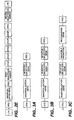
- FIGS 1A, 1B, 1C and 1D depict the design of four vectors for conditional immortalization.
- RTS is a recombinase target site.
- MPCS is a multiple polylinker cloning site, into which an immortalization gene is inserted.
- STOP is a translation or transcription stop sequence.
- LTR is a viral long terminal repeat.
- SV40 is the promoter from SV40.
- Figures 2A, 2B, 2C, 2D and 2E depict preferred embodiments.
- Figure 2(A) and 2(B) are two alternative designs for the same basic vector.
- the immortalization gene e.g. v-myc
- MPCS multiple polylinker cloning site
- RTSs i.e. loxP sites or FRT sites.
- MPCS multiple polylinker cloning site
- TGACTGACCTGA designed to prevent translation of a downstream selectable marker (alkaline phosphatase, drug selection markers, cell surface proteins, green fluorescent protein, lacZ, etc.).
- the drug-selection maker is driven by the viral LTR and the oncogene by an internal promoter-enhancer (2A) such as the SV40 enhancer or vice-versa (2B).
- Figure 2C is the retmycgal vector used in the Examples; the immortalization gene used was v-myc, the second selectable marker was lacZ, and the first selectable marker was histinol.
- Figure 2D is the rettknew.ap vector, where the immortalization gene was v-myc, the internal promoter was tk, the first selectable marker was neo, and the second selectable marker was alkaline phosphatase.
- Figure 2E is the ret.INS.ap vector, wherein the immortalization gene was v-myc, the IRES in an internal ribosome entry site, the first selectable marker was neo, and the second selectable marker was alkaline phosphatase.
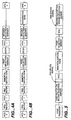
- Figures 3A, 3B and 3C depict immortalization/disimmortalization constructs using negative selection markers to insure that all cells have been disimmortalized.
- Figure 3A utilizes the immortalization gene as the selection marker for transformation; alternatively, clonal analysis using exposure to a negative selection agent can serve as the marker for transformation.
- Figure 3B uses a positive selection marker as the marker for transformation.
- the positive and negative selection marker genes may be located in any order.
- Figure 3C adds a recombinase under the control of an inducible promoter; a positive selection gene may also be added. Again, these genes may be located in any order.
- the promoters for transcription of genes other than the recombinase are not depicted, as they may be located at a variety of locations.
- Figures 4A and 4B depict the use of two different recombinases and RTSs.
- Figure 4A allows the expression of the immortalization gene and first selection marker gene, with the second selection marker gene not expressed until excision between the two RTS1s. Upon RTS 1 excision, the second selection marker gene is expressed, allowing selection for disimmortalized cells. Prior to transplantation, exposure to the recombinase recognizing RTS 2 excises the second selection marker, thus minimizing the exogeneous nucleic acid.
- Figure 4B is similar, except that an additional exogeneous gene is included, for example, encoding a therapeutic agent. Thus, cells may be transplanted with the exogeneous gene expressed, and at some later time the cells are exposed to the second recombinase to remove the exogeneous gene.
- Figure 5 depicts a conditional immortalization construct which avoids the use of a STOP site by putting the RTSs in the middle of a selection marker gene.
- the RTSs must be included in exons, as upon excision, one of the RTSs remains in the genome.
- the immortalization gene and first selection marker gene are transcribed, using a second promoter. Immortalized cells are then selected for on the basis of the first selection marker.
- the immortalization gene and first selection marker are excised, along with one of the RTS sites.
- the second selection marker is transcribed, with the second RTS being removed as a result of RNA splice signals which are recognized by the cellular machinery of the host cells. This allows the second selection marker gene to be transcribed.
- Figures 6A and 6B depict the use of an inducible promoter with the recombinase gene.
- Figures 6A and 6B correspond to the construct depicted in Figure 1C, but with a recombinase gene under the control of an inducible promoter.
- Figure 6A depicts a construct which will leave the recombinase gene in the genome after excision
- Figure 6B depicts a construct which eliminates the recombinase gene.
- conditional immortalization herein is meant a process whereby cells are immortalized such that they can be disimmortalized at some later time.
- the cells are immortalized; under different conditions, as outlined below, the cells are no longer immortalized, they return to their normal senescence pattern, and no longer grow and proliferate indefinitely in cell culture.
- immortalized herein is meant that the cells have been transformed with an immortalization gene, such that expression of the immortalization gene confers the ability to grow and proliferate substantially indefinitely in culture.
- immortalization gene herein is meant a gene which overcomes senescence mechanisms of a cell, allowing the cell to be subcultured substantially indefinitely. Immortalization genes are well known in the art.
- the immortalization gene is general is exogeneous to the cells used, and is generally integrated into the genome of the cell. Examples of immortalizing genes include: (1) nuclear oncogenes such as v- myc , N- myc , T antigen and Ewing's sarcoma oncogene (Fredericksen et al . (1988) Neuron 1 :439-448; Bartlett, P. et al . (1988) Proc. Natl. Acad. Sci.
- Oncogenes include v- myc and the SV40 T antigen.
- disimmortalization herein is meant a process whereby all or part of the immortalization gene of an immortalized cell is physically excised from the genome of the cell, allowing the cell to return to a more normal senescence cycle, such that it no longer grows and proliferates indefinitely in culture.
- a disimmortalized cell may have all or part of the conditional immortalization construct excised.
- conditional immortalization constructs may be made, resulting in different amounts of exogenous nucleic acid left in the cell genome.
- all of the immortalization gene is removed from a disimmortalized cell.
- conditional immortalization and disimmortalization of the invention are accomplished using a site-specific recombinase system.
- a site-specific recombinase system including the Cre recombinase from the bacteriophage P1, and the FLP ("flip") recombinase from Saccharomyces cerevisiae .
- the Cre system utilizes the Cre recombinase, which is a 38 kDa protein, and two 34 basepair recombinase target sites (RTS), termed loxP. Recombination can occur between directly repeated loxP sites on the same molecule to excise the intervening DNA segment. See Sauer et al., Proc. Natl. Acad. Sci.
- the FLP system utilizes the FLP protein and two FLP recombination target sites (termed FRT in the art; depicted herein as RTSs) that consist of two 13 inverted basepair repeats and an 8 basepair spacer (See for example O'Gorman, Science 251:1351 (1991); Jayaram, PNAS USA 82:5875-5879 (1985); Senecof et al., PNAS USA 82:7270 (1985); and Gronostajski et al., J. Biol. Chem. 260:12320 (1985)).
- RTSs FLP recombination target sites
- recombinase target site a nucleic acid sequence which is recognized by a recombinase for the excision of the intervening sequence. It is to be understood that two RTSs are required for excision. Thus, when the cre recombinase is used, each RTS comprises a loxP site; when loxP sites are used, the corresponding recombinase is the cre recombinase. That is, the recombinase must correspond to or recognize the RTSs.
- each RTS comprises a FLP recombination target site (FRT); when FRT sites are used, the corresponding recombinase is the FLP recombinase.
- FRT FLP recombination target site
- the immortalization genes inserted into a host cell may be excised upon exposure to the appropriate recombinase.
- the conditional immortalization constructs are inserted into a cell in an orientation that results in the expression of the immortalization gene.
- the host cells must not express nucleic acid, and preferably does not contain nucleic acid encoding the appropriate recombinase prior to the addition of the exogeneous nucleic acid of the invention.
- the recombinase is expressed and contacts the recombinase target sites to excise the intervening immortalization gene.
- selection marker genes are used to detect or select for successful immortalization and disimmortalization.
- the expression of a first selection marker allows the detection of successful immortalization; that is, the marker gene is expressed when the immortalization gene has been integrated into the cell genome.
- the expression of a second selection marker preferably different from the first selection marker gene, indicates the excision of the immortalization gene, as is more fully described below.
- selection markers can be either positive or negative selection markers.
- selection marker gene or equivalents means genes that allow the selection or detection of cells containing the gene.
- “Positive selection” refers to a process whereby only cells that contain the positive selection marker will survive upon exposure to the positive selection agent or be marked or detected.
- drug resistance is a common positive selection marker; cells containing the drug resistance gene will grow on medium containing the drug, and those cells which do not contain the resistance gene will die.
- Suitable drug resistance genes are histidinol dehydrogenase, neomycin-resistance, hygromycine-resistance, and puromycin-resistance, among others.
- Other positive selection marker genes include genes that allow the sorting or screening of cells. These genes include the alkaline phosphatase gene, the gene for green fluorescent protein, the lacZ gene, and surface markers such as CD8, among others.
- the immortalization gene itself may serve as a positive selection marker.
- negative selection markers are used.
- Negative selection refers to a process whereby cells transfected with a negative selection marker are killed upon exposure to an appropriate negative selection agent which kills cells containing the negative selection marker.
- cells which contain the herpes simplex virus-thymidine kinase (HSV-tk) gene are sensitive to gancyclovir (GANC s ).
- GANC s gancyclovir
- the Gpt gene renders cells sensitive to 6-thioxanthine.
- the negative selection marker gene can be used to isolate cells which have been disimmortalized. That is, the negative selection marker is expressed with the immortalization gene, such that if the immortalization gene is still present, the cells will be killed.
- conditional immortalization-disimmortalization vectors and technique proceeds as follows.
- the gene constructions used for immortalization are set up in such a way that a first transformation with exogeneous nucleic acid results in immortalization.
- the cells may be grown and propagated and other genes may be added, as outlined above.
- the immortalized cells may be differentiated if desired.
- the cells are manipulated such that the immortalization gene is excised; i.e. the cells are disimmortalized.
- the cloning vector which introduces the immortalization gene into the cells is constructed such that the immortalization gene, any selection markers, promoters and RTSs are integrated into the genome simultaneously. That is, further integration of DNA into the genome is not needed to facilitate disimmortalization.
- the immortalization gene may be introduced into the genome with sufficient flanking sequences to allow the construction of homologous recombination vectors to introduce the additional required sequences.
- disimmortalization occurs as a result of a further introduction of exogeneous nucleic acid encoding the recombinase into the cell, as is outlined below.
- the invention provides conditionally immortalized cell lines.
- These immortalized cell lines contain nucleic acid which comprises a variety of different conditional immortalization constructs as outlined below.
- These immortalized cell lines may be made by transforming at least one cell with nucleic acid comprising the contructs of the invention.
- conditionally immortalized cell lines may be used in a variety of methods for disimmortalization, as outlined below.
- the cell lines contain nucleic acid comprising recombinase target sites that flank an immortalization gene in the genome of the cells of the cell lines. These target sites must be in an orientation such that the RTSs are capable of mediating excision of the immortalization gene when the RTSs are contacted with a recombinase. That is, in the absence of the recombinase which recognizes the RTSs, the immortalization gene is incorporated into the genome of the cell and expressed, to create an immortalized cell line. When the RTSs are exposed to the corresponding recombinase, excision of the sequence between the RTSs occurs. Since this sequence contains the immortalization gene, the excision event results in a loss of the gene, i.e. disimmortalization.
- the invention provides immortalized cell lines that contain nucleic acid comprising a first recombinase target site, an immortalization gene, a negative selection marker gene, and a second recombinase target site, as is generally depicted in Figure 3A.
- the immortalization gene in the absence of the recombinase which recognizes the RTSs, the immortalization gene is incorporated into the genome of the cell and expressed, to create an immortalized cell line.
- the RTSs are capable of mediating excision of the immortalization gene when the RTSs are contacted with a recombinase.
- the immortalization and negative selection marker genes are flanked by the RTSs.
- the immortalization gene and negative selection marker are expressed, and transformed cells may be selected on the basis of immortalization or expression of the negative selection marker.
- the immortalization gene and negative selection marker are excised, and disimmortalized cells may be selected by exposure to the negative selection agent. That is, disimmortalized cells will survive, and those that still contain the immortalization gene and the negative selection marker gene will die.
- the invention provides immortalized cell lines that contain nucleic acid comprising a first recombinase target site, an immortalization gene, a selection marker gene, and a second recombinase target site.
- the immortalization gene in the absence of the recombinase which recognizes the RTSs, the immortalization gene is incorporated into the genome of the cell and expressed, to create an immortalized cell line.
- the RTSs are capable of mediating excision of the immortalization gene when the RTSs are contacted with a recombinase.
- the orientation of the construct is preferably such that in the absence of a recombinase, the immortalization gene is expressed but the selection marker gene is not.
- a STOP site to the construct, such as is shown in Figures 1 and 4, although as depicted in Figure 5, it may also be accomplished by having one of the RTSs in the middle of the selection marker gene within introns.
- the intervening sequence is excised, resulting in a loss of the immortalization gene and the expression of the selection marker gene, thus allowing for selection of disimmortalized cells.
- the orientation of the construct is such that upon transformation, the immortalization gene and the selection gene are expressed, thus allowing selection for immortalization.
- the immortalization gene and selection gene are excised, and the resulting cells may be selected for disimmortalization by a loss of the selection gene.
- the invention provides immortalized cell lines containing nucleic acid comprising a first recombinase target site, an immortalization gene, a first selection marker gene, a second recombinase target site, and a second selection marker gene.
- the orientation of the construct is such that upon transformation, the immortalization gene and the first selection marker gene are expressed, and the second selection marker gene is not. This is preferably accomplished by the addition of a STOP site to the construct, although as above it may be done in alternative ways.
- the immortalization gene and the first selection marker gene are excised, and the second selection marker is expressed. This allows for selection of disimmortalized cells on the basis of the second selection marker gene.
- the conditional immortalization constructs are as depicted in Figures 1 and 2.
- a cloning vector is constructed which contains: a first selectable marker with a first promoter; a second promoter; a multiple polylinker cloning site (MPCS), flanked by the recombinase target sites (RTS); and a second selectable marker.
- the immortalizing gene generally an oncogene, is inserted in the MPCS, along with an optional STOP sequence that prevents the expression of the second selectable marker. STOP sequences such as TGACTGACCTGA are known in the art.
- the immortalizing gene is expressed using the second promoter and the first selectable marker is expressed using the first promoter.
- the first selectable marker is expressed using the first promoter.
- the immortalized cells may be cloned and grown, and additional genes added if desired.
- expression preferably transient
- expression of the appropriate recombinase, using techniques well known in the art, is accomplished. This results in the excision of the recombinase target sites, the MPCS containing the immortalization gene, and the STOP sequence.
- the second selectable marker gene is now expressed, and disimmortalized cells may be selected on the basis of this marker gene.
- the first selectable marker is translated via the first promoter (or alternatively, from a promoter internal to the LTR), and the immortalization gene inserted in the MPCS is driven by the second promoter.
- the STOP sequence prevents the translation of the second selectable marker.
- the immortalization gene and the STOP sequence are excised, allowing the second selectable marker to run off the second promoter.
- translation of the immortalization gene is driven by the internal LTR promoter, the first selectable marker is translated via the SV40 promoter or equivalents, but the STOP sequence prevents the translation of the second selectable marker.
- the immortalization gene and the STOP sequence are excised, allowing the translation of the second selectable marker.
- the first selectable marker and the immortalization gene are translated via either a first promoter or the LTR promoter, but the STOP sequence prevents the translation of the second selectable marker.
- the immortalization gene and the STOP sequence are excised, allowing the translation of the second selectable marker via the promoter or the LTR.
- FIG 1D translation of the green fluorescence protein and the immortalization gene occur via the LTR promoter (or another promoter).
- the green fluorescent protein serves as a selection marker.
- the immortalization gene and the green fluorescent protein coding sequence are excised. Thus, the cells may be selected first by the presence of the green fluorescent protein and then by its absence.
- the RTSs are exposed to or contacted with a recombinase in any number of ways.
- “exposed to” or “contacted with a recombinase that recognizes the RTSs” herein is meant that the recombinase protein must interact with the RTSs in a manner which allows the excision of the sequence between the RTSs.
- all that is required is that the recombinase protein be present within the cell containing the RTSs. This may be done by expressing the recombinase-encoding gene in the cells containing the conditional immortalization construct, as outlined below.
- the expression of the recombinase is transient, since generally the site specific recombination is rapid and efficient.
- Transient expression is achieved by a variety of methods well known in the art, including, but not limited to, transfection of plasmid DNA by calcium phosphate precipitation, electroporation, lipofection or other physical-chemical methods, transduction using a retroviral vector, or expression from another recombinant viral vector such as an adenovirus.
- Adenoviral expression is particularly preferred since high expression efficiencies are common.
- the gene encoding the recombinase is placed under the control of an inducible promoter and is part of the immortalization/disimmortalization construct.
- an inducible promoter operably linked to the recombinase gene may be included in any of the embodiments depicted in the Figures. Constructs of this type are generally depicted in Figures 6 and 3C.
- Figure 6A corresponds to Figure 1c with an inducible promoter/recombinase gene added, which will be left in the genome.
- Figure 6B corresponds to Figure 1C when the recombinase will be excised.
- negative selection markers are used, or a combination of positive and negative selection markers. Negative selection markers are particularly useful to prevent immortalized cells from being transplanted. For example, negative selection markers may be expressed together with the immortalization gene. After disimmortalization, the cells are exposed to the negative selection agent, such as GANC, which kills any cells which still contain the HSV-tk gene that is closely linked to immortalization gene. Particular examples are shown in Figure 3. In Figure 3A, the RTSs flank an immortalization gene and a negative selection gene. As described above, the immortalization gene serves as the first selection marker. Alternatively, clonal colonies which contain the negative selection gene may be identified by using the negative selection marker; that is, clonal colonies are used to identify parent colonies which contain the negative selection gene.
- the negative selection agent such as GANC
- the promoter(s) used to drive the expression of the immortalization and negative selection genes may be located on either side of the first RTS.
- the immortalization gene and negative selection gene When contacted with a recombinase, the immortalization gene and negative selection gene are excised, and the cell is disimmortalized. Any remaining immortalized cells may be killed by exposing the putatively disimmortalized cells to the negative selection agent; in the case of the herpes simplex virus thymidine kinase gene, for example, the cells may be exposed to GANC. This reduces and potentially eliminates remaining immortalized cells, which is desirable when the cells are to be used for transplantation.
- STOP sites are used to prevent translation of selection markers prior to disimmortalization, as is generally outlined above for a variety of constructs.
- more than one set of RTSs are used. This may be done using additional sets of RTSs which are recognized by the same recombinase, or alternatively, by using RTSs which are recognized by a different recombinase.
- sets of RTSs from different recombinases are used. This may be of particular use when additional exogeneous genes are included in the genome.
- immortalized cells are selected using the first selection marker.
- the recombinase which recognizes the RTS 1 sites is used, and the disimmortalized cells selected using the second selection marker.
- the second selection gene may be transcribed using the first promoter, in which case it will be turned on only upon disimmortalization, or its own promoter, which allows transcription during the immortalized and disimmortalized states.
- the disimmortalized cells which express the exogeneous protein are transplanted.
- the exogeneous gene product is no longer required, exposure to the second recombinase results in excision of the second selection marker and the exogeneous gene.
- the exogeneous gene may only be required ex vivo , in which case the second recombinase may be used prior to transplantation.
- the other constructs described herein those skilled in the art will be able to construct a variety of functionally similar constructs using the teachings herein.
- two recombinases are used to eliminate virtually all of the exogeneous nucleic acid prior to transplantation.
- immortalized cells are selected using the first selection marker.
- the recombinase which corresponds to the RTS 1 sites is contacted with the construct, and the cells selected on the basis of the second selection marker which is transcribed from the first promoter.
- the cells can then be contacted with a second recombinase which recognizes the RTS 2 sites prior to transplantation, to eliminate all but a single RTS site.
- the excision event is very efficient, a loss of the selection marker using clonal colonies may be used for selection.
- the recombination event excises the first selectable marker. This may be preferred in situations where the disimmortalized cells are to be transplanted, and the it is desirable to minimize the introduction of exogenous genes into a patient.
- the first selectable marker is a drug resistance gene such as histidinol dehydrogenase, neomycin-resistance, hygromycin-resistance, and puromycin-resistance, among others.
- the second selectable marker is a gene that will allow the sorting or screening of cells, and can include the alkaline phosphatase gene, the gene for green fluorescent protein, the lacZ gene, surface markers such as CD8, or any of the genes outlined for the first selectable marker, as long as the first and second selectable markers are different genes within any single cell.
- the transformation frequency may be so high that either the first or the second selectable markers may be eliminated, although generally it is preferable to retain at least the second selectable marker if the disimmortalized cells are destined for transplantation, since it is desirable to ensure that no cells containing oncogenes are transplanted into an animal.
- a single selection marker is used, for example a marker such as the green fluorescent protein which allows for cell sorting.
- the marker is expressed when the immortalizing gene is introduced, and the transformed cells are separated from the non-transformed cells by cell sorting. Upon disimmortalization, the marker gene is eliminated, and the cells are resorted, with the disimmortalized cells lacking the marker.
- the immortalized cells are selected on the basis of phenotype.
- the immortalization gene may serve as the first selectable marker, since cells which do not contain the gene will not grow indefinitely in culture and may be eliminated on this basis.
- markers may be detected using clonal analysis; for example, when the HSV-TK gene is used, clones may be analyzed for TK activity.
- the term "genetically-engineered cell” or “recombinant cell” refers to a cell into which foreign (i . e ., non-naturally occurring) nucleic acid, e . g ., DNA, has been introduced.
- foreign i . e ., non-naturally occurring nucleic acid
- foreign or “heterologous” or “exogenous” nucleic acid herein is meant nucleic acid which is not normally found within the genome of the cell, or is in a form not normally found within the genome.
- immortalization genes such as oncogenes or recombinase target sites may not be normally found in the genome of the host cell, and thus immortalized cells containing these sequences are genetically engineered.
- the conditionally immortalized cells are manipulated to express one or more additional exogenous genes.
- genes may be normally contained within the genome, i.e. homologous, but not expressed to an appreciable extent, or are heterologous, i.e. not normally found within the genome.
- homologous growth factor genes may be introduced to a cell in a form not normally found within the genome; i.e. with regulatory sequences such as promoters which allow expression of the growth factor at levels not normally seen in the cell, or within cell types that do not normally express the growth factor.
- heterologous genes can be introduced.
- the conditionally immortalized cells of the invention may be genetically engineered to contain more than one exogenous nucleic acid sequence.
- conditional immortalization constructs and method of the invention may also contain additional exogeneous genes that are therapeutically beneficial.
- genes encoding growth factors may be introduced to facilitate the survival of transplanted cells, or for the treatment of the patient.
- neurotrophins including nerve growth factor (NGF), neurotrophin-3 (NT3), neurotrophin-4 (NT4), and brain-derived neurotrophin factor (BDNF) may be useful.
- NGF nerve growth factor
- NT3 neurotrophin-3
- NT4 neurotrophin-4
- BDNF brain-derived neurotrophin factor
- exogenous genes include those encoding growth factors, such as human growth factor, epidermal growth factor, neural growth factors, etc.; cytokines; enzymes and enzyme inhibitors; interferons, such as ⁇ , ⁇ or ⁇ -interferons; clotting factors (Factor VIII); ADA; anti-cell death genes; and other proteins.
- cells may be immortalized for ex vivo manipulations such as the introduction of foreign DNA encoding therapeutic agents, and then disimmortalized, allowing the introduction into a patient of genetically engineered cells which express a therapeutic agent.
- the cells themselves are the therapeutic agent and are transplanted to replace diseased or dying cells, e.g. in Parkinson's disease.
- the cells are removed from a patient with a genetic defect and engineered to contain at least one copy of a corrected gene before reintroduction of the cells using the techniques of the invention. Genetic disorders which may be treated in this manner are known in the art.
- the cells of the invention have additional exogenous nucleic acid, as is more fully described below.
- This exogenous nucleic acid includes at least two recombinase target sites, and preferably selection (marker) genes, transcription termination sites, linker sequences, and other genes of interest as described above.
- the foreign nucleic acid or exogenous nucleic acid may be introduced by a variety of techniques known in the art, including, but not limited to, calcium-phosphate-mediated transfection, DEAE-mediated transfection, microinjection, retroviral transformation, adenoviral transformation, herpes viral transformation, protoplast fusion and lipofection.
- foreign DNA is introduced into cells using the technique of retroviral transfection.
- Recombinant retroviruses are used to introduce immortalization genes, selection or marker genes, recombinase target sites, and recombinases.
- the recombinant retroviruses are produced in packaging cell lines to produce culture supernatants having a high titer of virus particles (generally 10 5 to 10 6 pfu/ml).
- the recombinant viral particles are used to infect cultures of the cells or their progeny by incubating the cell cultures with medium containing the viral particles as is known in the art.
- the cells are rinsed and cultured in standard medium.
- the infected cells are then analyzed for the uptake and expression of the foreign DNA.
- the cells may be subjected to selective conditions which select for cells that have taken up and expressed a selectable marker gene.
- the cloning vector is a retroviral vector, and utilize long terminal repeats (LTR) as shown in the figures.
- LTR long terminal repeats
- Alternative embodiments utilize traditional expression plasmids, herpes virus-based vectors and adenovirus-based vectors, as well as other equivalents well known to those skilled in the art.
- the foreign DNA is introduced using the technique of calcium-phosphate-mediated transfection as is known in the art.
- a calcium-phosphate precipitate containing the conditional immortalization constructs of the invention is prepared using the technique of Wigler et al. (1979) Proc. Natl. Acad. Sci. USA 76 :1373-1376. Cultures of the cells are established in tissue culture dishes. Twenty four hours after plating the cells, the calcium phosphate precipitate containing approximately 20 ⁇ g/ml of the foreign DNA is added. The cells are incubated at room temperature for 20 minutes. Tissue culture medium containing 30 ⁇ M chloroquine is added and the cells are incubated overnight at 37°C. Following transfection, the cells are analyzed for the uptake and expression of the foreign DNA. The cells may be subjected to selection conditions which select for cells that have taken up and expressed a selectable marker gene.
- the above techniques may be performed more than once on a particular cell; for example, these techniques may be used to introduce the immortalization gene with recombinase sites, and then to introduce further exogenous nucleic acid to the immortalized cells, such as any expression plasmid encoding a recombinase.
- promoters include, but are not limited to, the internal promoter enhancer of the LTR of retroviruses, the SV40 promoter, and tissue- or cell-type specific promoters, especially promoters specific for the cell type which is to be conditionally immortalized.
- Suitable cells which can be used to practice the conditional immortalization methods of the invention include any cell type which does not produce a recombinase which recognizes the recombinase target sequence used in the constructs of the invention.
- the cells are dividing such that they are capable of being infected by a retroviral vector.
- Suitable cells are vertebrate cells, preferably mammalian cells such as primate, ovine, porcine, bovine, canine, feline and equine for example, and more preferably human cells.
- Particularly preferred cells all types of stem cells such as neural, hemopoietic, pancreatic, hepatic, epidermal, intestinal, osteogenic, and olfactory stem cells, with particularly preferred stem cells being neural crest stem cells and hemopoietic stem cells.
- Suitable non-stem cells include pancreatic islet cells, fibroblasts, osteoclasts, osteoblasts, epidermal and dermal cells, and endothelial cells, hepatocytes, erythroblasts, skeletal myocytes, smooth myocytes, cardiac myocytes, melanocytes, lymphocytes (B, T), myeloid cells and glial cells.
- the phenotype, growth, and life span of a disimmortalized cell is identical to the same cell type in the absence of any genetic manipulation; that is, a disimmortalized cell is identical to the starting cells, prior to immortalization.
- the cells may have altered characteristics.
- the starting cells have an extended lifespan in vivo ; that is, they may exist in the host animal, but are unable to grow indefinitely ex vivo .
- islet cells appear to last a lifetime, in humans.
- islet cells may still require immortalization for ex vivo growth and proliferation in cell culture.
- stem cells such as neural stem cells may last for an extended period of time, and are capable of limited self-renewal in vitro , but must be immortalized with an immortalization gene for indefinite growth and proliferation in cell culture. Indefinite expansion of immortalized cells may allow for the generation of "universal donor cell lines" for treatment of multiple patients.
- immortalized cells results in two substantially identical daughter cells; that is, immortalized cells by definition are capable of indefinite regeneration.
- immortalized stem cells such as neural crest stem cells results in two neural crest stem cells, both equally undifferentiated. Upon exposure to certain experimental or physiological conditions, these stem cells will undergo partial or complete differentiation.
- the culture conditions suitable for the immortalized cell lines will vary depending on the cell type.
- conditional immortalization methods of the invention find use in a number of applications, as will be appreciated by those skilled in the art.
- the conditionally immortalized cells are stem cells, and in a preferred embodiment the cells are neural crest stem cells and multipotent neural stem cells as are described in WO 94/02593.
- neural stem cells which lead to the formation of glia and neurons of the central and peripheral nervous system, can be transplanted or implanted to form new neurons and glia.
- the replacement of motor neurons and their associated glial cells in the spinal cord for acute traumatic motor injury or the replacement of dying dopaminergic neurons in the midbrain for the treatment of Parkinson's Disease are both active areas which are being pursued in pre-clinical studies.
- a second application of the transplantation of genetically immortalized cells is for gene therapy; the cells can be genetically modified prior to transplantation so as to express a missing gene product and then the transplantation of these cells into the particular region of the brain will deliver the product of the gene in the area of the body where it is needed.
- Proof of principle for such gene therapy approaches has already been demonstrated in animal models using hereditary mucopolysaccharidosis as a test system.
- cells other than stem cells may be immortalized for ex vivo growth and then disimmortalized prior to reintroduction into the body.
- U.S. Patent No. 5,387,237 describes a bioartificial pancreas comprising a plastic cylinder filled with porcine pancreatic islet cells. These porcine islet cells may be immortalized for ex vivo growth and proliferation, allowing uniformity over time, and then disimmortalized prior to introduction into the body.
- porcine islet cells may be immortalized for ex vivo growth and proliferation, allowing uniformity over time, and then disimmortalized prior to introduction into the body.
- any cells to be transplanted into a patient may be subjected to the conditional immortalization methods, with subsequent disimmortalization prior to transplantation.
- the cells are removed from the patient into which they will be transplanted; in other embodiments, the cells are from other patients or other animals.
- pig islet cells may be conditionally immortalized and disimmortalized prior to transplantation in a human, as is described in U.S. Patent No. 5,387,237.
- disimmortalized cells such as stem cells into a host animal or mammal.
- Transplantation techniques are well known in the art, and may be done with disimmortalized cells.
- the disimmortalized cells may be transplanted into a host to evaluate the therapeutic potential of the cells, or to treat a neurological disorder of the nervous system.
- the cells are neural stem cells and the disorder is a neurological disorder of the peripheral nervous system.
- the immortalized cell line may be used to screen drugs which may effect the development, differentiation and/or function of the cells. These include both small molecule organic pharmaceuticals as well as growth factors.
- Disimmortalized cells are particularly useful in transplant or implant applications, since the immortalizing oncogenes are removed prior to introduction into the body, thus eliminating the potential creation of tumors as a result of the immortalizing gene.
- the methods of the invention are applicable to both human therapy and veterinary applications, for example for the human use of non-human cells.
- the methods and constructs of the invention may be used with cells from such animals as humans, pigs, primates, rodents such as mice and rats, dogs, cows and sheep.
- a standard moloney murine leukemia virus retroviral vector was used and modified.
- a standard recombinant replication incompetent retroviral vector harboring the v-myc oncogene was modified so as to place loxP sites flanking the v-myc coding sequence and so as to place a ⁇ -galactosidase coding sequence downstream (3') to the loxP-v-myc-loxP sequences.
- this modified recombinant retroviral construct was in fact capable of producing recombinant infectious viral particles.
- the construct was transfected into the packaging line BOSC 23. Following transient transfection of the BOSC 23 cells, three days later supernatants from these transfected cells were collected containing the retroviral particles. The titer of infectious virus in these supernatants was between 10 5 and 10 6 pfu/ml. These viral supernatants were then used to infect NIH 3T3 cells. Staining of these cells several days post infection with an antibody to avian v-myc confirmed that many of these cells expressed the v-myc oncogene.
- cre recombinase is able to excise the v-myc oncogene sequence from an integrated provirus in a mammalian cells genome and that this excision of the oncogene results in concomitant activation of the downstream reporter gene, in this case ⁇ galactosidase, as expected based on the design of this vector.
- the expression of the v-myc oncogene from this retroviral construct produced functional v-myc sequences that were capable of immortalizing a primary cell type. This was done using primary mouse embryo fibroblasts. The fibroblasts were isolated and cultured by standard procedures and then infected with the retroviral vector encoding the modified v-myc oncogene flanked by the loxP sequences containing the ⁇ galactosidase marker gene downstream. This vector referred to as retmycgal and is shown in Figure 2C. The infected cells were placed under selection by culturing them in the presence of 6 mM histidine. The retroviral vector also contains the histidinol dehydrogenase gene.
- the myc coding sequences could be excised from the genome of the established infected cells by transfection of a cre expression construct into the cells. This excision of myc resulted in concomitant activation of the ßgalactosidase gene, as we had shown previously in the case of the transiently infected cells. Following transfection of the CMV cre construct into these cells, many blue cells were detectable by Xgal staining. These data therefore demonstrate that the cre recombinase is able to excise the v-myc coding sequences and activate expression of the downstream marker ⁇ galactosidase even in stably infected primary cells that have been passaged at least six times. More importantly, they indicate that expression of the v-myc coding sequences from the integrated provirus is in fact capable of functionally immortalizing these primary mouse fibroblasts as expected.
- neural crest stem cells according to WO/94/02593 were immortalized as well, using neo as the first selectable marker and the alkaline phosphatase gene as the second selectable marker.
- this example demonstrates using primary mouse embryo fibroblasts that is possible to immortalize primary cells by infecting them with the retmycgal retroviral vector and other vectors to stably passage these immortalized cells for at least six generations and then to disimmortalize the cells by excising the oncogene myc sequences from their genome by transfection of these cells with a cre expression construct.
Landscapes
- Health & Medical Sciences (AREA)
- Life Sciences & Earth Sciences (AREA)
- Genetics & Genomics (AREA)
- Engineering & Computer Science (AREA)
- Bioinformatics & Cheminformatics (AREA)
- Chemical & Material Sciences (AREA)
- Wood Science & Technology (AREA)
- General Engineering & Computer Science (AREA)
- Organic Chemistry (AREA)
- Zoology (AREA)
- Biomedical Technology (AREA)
- Biotechnology (AREA)
- Molecular Biology (AREA)
- General Health & Medical Sciences (AREA)
- Physics & Mathematics (AREA)
- Plant Pathology (AREA)
- Biophysics (AREA)
- Virology (AREA)
- Microbiology (AREA)
- Biochemistry (AREA)
- Medicinal Chemistry (AREA)
- Mycology (AREA)
- Cell Biology (AREA)
- Veterinary Medicine (AREA)
- Public Health (AREA)
- Animal Behavior & Ethology (AREA)
- Epidemiology (AREA)
- Proteomics, Peptides & Aminoacids (AREA)
- Pharmacology & Pharmacy (AREA)
- Immunology (AREA)
- Gastroenterology & Hepatology (AREA)
- Micro-Organisms Or Cultivation Processes Thereof (AREA)
- Medicines Containing Material From Animals Or Micro-Organisms (AREA)
Claims (21)
- Lignée cellulaire de mammifères immortalisée qui contient dans le génome de ladite cellule un acide nucléique exogène comprenant au moins un premier et un deuxième site de reconnaissance pour une recombinase encadrant un seul gène immortalisant, dans lequel lesdits sites de reconnaissance peuvent servir d'intermédiaires pour l'excision dudit gène immortalisant lorsque lesdits sites de reconnaissance sont mis en contact avec une recombinase.
- Lignée cellulaire immortalisée selon la revendication 1 dans laquelle ledit acide nucléique exogène comprend en outre un gène marqueur de sélection.
- Lignée cellulaire immortalisée selon la revendication 2 dans laquelle ledit gène marqueur de sélection est un gène marqueur de sélection négative.
- Lignée cellulaire immortalisée selon la revendication 2 dans laquelle ledit acide nucléique comprend en outre un site de terminaison.
- Lignée cellulaire immortalisée selon la revendication 1 dans laquelle ledit acide nucléique exogène comprend en outre un premier gène marqueur de sélection et un deuxième gène marqueur de sélection.
- Lignée cellulaire immortalisée selon la revendication 5 dans laquelle ledit deuxième gène marqueur de sélection ne se trouve pas entre le premier et le deuxième site de reconnaissance pour une recombinase.
- Procédé de création d'une cellule immortalisée qui contient des sites de reconnaissance pour une recombinase encadrant un seul gène immortalisant dans le génome de ladite cellule immortalisée, ledit procédé comprenant la transformation d'une cellule au moyen d'un acide nucléique exogène comprenantde sorte qu'en l'absence d'une recombinase ledit acide nucléique exogène est incorporé dans le génome de ladite cellule.a) un premier site pour une recombinase ;b) un seul gène immortalisant ; etc) un deuxième site pour une recombinase ;
- Procédé selon la revendication 7 dans lequel ledit acide nucléique comprend en outre au moins un gène marqueur de sélection.
- Procédé selon la revendication 8 dans lequel ledit gène marqueur de sélection est un marqueur de sélection négative.
- Procédé pour rendre mortelle une cellule immortalisée qui contient un acide nucléique exogène comprenant des sites de reconnaissance pour une recombinase encadrant un seul gène immortalisant dans le génome de ladite cellule immortalisée, ledit procédé comprenant la mise en contact desdits sites de reconnaissance pour une recombinase avec une recombinase.
- Procédé pour rendre mortelle une cellule immortalisée comprenant :a) l'incorporation d'un acide nucléique exogène comprenant :dans le génome d'une cellule pour produire une cellule immortalisée qui contient un seul gène immortalisant qui peut être excisé, dans une orientation telle que l'excision de la séquence entre les sites de reconnaissance pour une recombinase excise le gène immortalisant et le marqueur de sélection négative ; eti) un premier site de reconnaissance pour une recombinase ;ii) un seul gène immortalisant ;iii) un gène marqueur de sélection négative ; etiv) un deuxième site de reconnaissance pour une recombinase ;b) la mise en contact desdits sites de reconnaissance pour une recombinase avec une recombinase qui reconnaít lesdits sites de reconnaissance pour une recombinase de sorte que ledit gène immortalisant et ledit gène marqueur de sélection négative soient excisés.
- Procédé selon la revendication 11 dans lequel ledit procédé comprend en outre la sélection de cellules rendues mortelles en présence d'un agent de sélection négative.
- Procédé selon la revendication 11 dans lequel ledit acide nucléique exogène comprend en outre un gène de sélection positive.
- Procédé pour rendre mortelle une cellule immortalisée comprenant :a) l'incorporation d'un acide nucléique exogène comprenant :dans le génome d'une cellule pour produire une cellule immortalisée qui contient un gène immortalisant qui peut être excisé, dans une orientation telle que l'excision de la séquence entre les sites de reconnaissance pour une recombinase excise le gène immortalisant, donnant lieu à l'expression du marqueur de sélection ; eti) un premier site de reconnaissance pour une recombinase ;ii) un seul gène immortalisant ;iii) un deuxième site de reconnaissance pour une recombinase ; etiv) un gène marqueur de sélection ;b) la mise en contact desdits sites de reconnaissance pour une recombinase avec une recombinase qui reconnaít lesdits sites de reconnaissance pour une recombinase de sorte que ledit gène immortalisant soit excisé.
- Procédé selon la revendication 14 dans lequel ledit acide nucléique comprend en outre un site de terminaison.
- Procédé selon la revendication 14 dans lequel ledit procédé comprend en outre la sélection de cellules rendues mortelles qui expriment ledit gène marqueur de sélection.
- Procédé pour rendre mortelle une cellule immortalisée comprenant :a) l'incorporation d'un acide nucléique exogène comprenant :dans le génome d'une cellule pour produire une cellule immortalisée qui contient un gène immortalisant qui peut être excisé dans une orientation telle que lorsque le gène immortalisant s'exprime, le premier marqueur de sélection s'exprime également et le deuxième gène marqueur de sélection ne s'exprime pas et lorsque ledit gène immortalisant est excisé ledit deuxième marqueur de sélection s'exprime ; eti) un premier site de reconnaissance pour une recombinase ;ii) un seul gène immortalisant ;iii) un premier gène marqueur de sélection ;iv) un deuxième site de reconnaissance pour une recombinase ; et(v) un deuxième gène marqueur de sélection ;b) la mise en contact desdits sites de reconnaissance pour une recombinase avec une recombinase qui reconnaít lesdits sites de reconnaissance pour une recombinase de sorte que ledit gène immortalisant soit excisé.
- Procédé selon la revendication 17 dans lequel ledit acide nucléique comprend en outre un site de terminaison.
- Procédé selon l'une quelconque des revendications 10 à 18 dans lequel ladite mise en contact s'effectue en transformant lesdites cellules immortalisées à l'aide d'un vecteur codant pour une recombinase qui reconnaít lesdits sites de reconnaissance pour une recombinase dans des conditions dans lesquelles ladite recombinase s'exprime.
- Procédé selon l'une quelconque des revendications 10 à 18 dans lequel ledit acide nucléique exogène comprend en outre un gène pour une recombinase qui reconnaít lesdits sites de reconnaissance pour une recombinase, dans lequel ledit gène pour une recombinase est uni de façon opérable à un promoteur qui peut être induit, et ladite mise en contact s'effectue en cultivant lesdites cellules immortalisées dans des conditions dans lesquelles ladite recombinase s'exprime.
- Procédé selon l'une quelconque des revendications 10 à 20 dans lequel ledit acide nucléique comprend en outre un gène exogène supplémentaire.
Applications Claiming Priority (3)
| Application Number | Priority Date | Filing Date | Title |
|---|---|---|---|
| US481127 | 1995-06-07 | ||
| US08/481,127 US5629159A (en) | 1995-06-07 | 1995-06-07 | Immortalization and disimmortalization of cells |
| PCT/US1996/009781 WO1996040877A1 (fr) | 1995-06-07 | 1996-06-06 | Immortalisation et desimmortalisation de cellules |
Publications (2)
| Publication Number | Publication Date |
|---|---|
| EP0832196A1 EP0832196A1 (fr) | 1998-04-01 |
| EP0832196B1 true EP0832196B1 (fr) | 2003-12-03 |
Family
ID=23910719
Family Applications (1)
| Application Number | Title | Priority Date | Filing Date |
|---|---|---|---|
| EP96918405A Expired - Lifetime EP0832196B1 (fr) | 1995-06-07 | 1996-06-06 | Immortalisation et desimmortalisation de cellules |
Country Status (10)
| Country | Link |
|---|---|
| US (1) | US5629159A (fr) |
| EP (1) | EP0832196B1 (fr) |
| JP (1) | JP3875267B2 (fr) |
| AT (1) | ATE255632T1 (fr) |
| AU (1) | AU700690B2 (fr) |
| CA (1) | CA2222425C (fr) |
| DE (1) | DE69630955T2 (fr) |
| ES (1) | ES2211959T3 (fr) |
| NO (1) | NO323174B1 (fr) |
| WO (1) | WO1996040877A1 (fr) |
Families Citing this family (25)
| Publication number | Priority date | Publication date | Assignee | Title |
|---|---|---|---|---|
| US20030202967A1 (en) * | 1995-02-10 | 2003-10-30 | The Regents Of The University Of California | Development and use of human pancreatic cell lines |
| US6110743A (en) * | 1995-02-10 | 2000-08-29 | The Regents Of The University Of California | Development and use of human pancreatic cell lines |
| FR2737731B1 (fr) * | 1995-08-07 | 1997-10-10 | Pasteur Institut | Sequence de retroelements naturels ou synthetiques ayant pour fonction de permettre l'insertion de sequences nucleotidiques dans une cellule eucaryote |
| WO1998027217A1 (fr) | 1996-12-16 | 1998-06-25 | Eisai Co., Ltd. | Procede pour preparer un vecteur de retrovirus pour la therapie genique |
| WO1998029533A1 (fr) * | 1996-12-31 | 1998-07-09 | Gaitanaris George A | Vecteurs et procedes de mutagenese de genes mammaliens |
| DE19740571C1 (de) * | 1997-09-15 | 1999-03-18 | Gsf Forschungszentrum Umwelt | Verfahren zur Stimulation von T-Zellen mit gewünschter Antigenspezifität |
| US6897066B1 (en) * | 1997-09-26 | 2005-05-24 | Athersys, Inc. | Compositions and methods for non-targeted activation of endogenous genes |
| AU1284999A (en) * | 1997-10-28 | 1999-05-17 | Jain, Mukesh | (in vitro) differentiation of vascular smooth muscle cells, methods and reagentsrelated thereto |
| DE19816116C2 (de) * | 1998-04-09 | 2000-06-29 | Gsf Forschungszentrum Umwelt | Verfahren zur Immortalisation von Zellen mit Hilfe konditional transformierter Helferzellen |
| WO2000018239A1 (fr) * | 1998-09-25 | 2000-04-06 | University Of Nebraska Board Of Regents | Hepatocytes immortalises de façon reversible et procedes d'utilisation |
| EP1144597A2 (fr) * | 1999-01-21 | 2001-10-17 | Vitro Diagnostics, Inc. | Lignees de cellules immortalisees et procede de production de ces dernieres |
| US6890726B1 (en) | 1999-04-06 | 2005-05-10 | Oklahoma Medical Research Foundation | Method for selecting recombinase variants with altered specificity |
| EP1103615A1 (fr) * | 1999-11-25 | 2001-05-30 | Universite De Geneve | Vecteurs capables d'immortaliser les cellules ne se divisant pas et les cellules immortalisées par ces vecteurs |
| US20040231006A1 (en) * | 2000-04-12 | 2004-11-18 | Silver Daniel P. | Self-extinguishing recombinases, nucleic acids encoding them and methods of using the same |
| WO2001079471A2 (fr) | 2000-04-12 | 2001-10-25 | Dana-Farber Cancer Institute | Recombinases auto-extinguibles, acides nucleiques qui les codent et procedes pour leur utilisation |
| FR2810046B1 (fr) * | 2000-06-07 | 2004-09-10 | Neurotech | Procede d'immortalisation conditionnelle de cellules et les constructions proteiques pour sa mise en oeuvre |
| JP4185264B2 (ja) * | 2001-07-02 | 2008-11-26 | 富士フイルム株式会社 | 偏光方向制御素子及び露光装置 |
| JP2003033179A (ja) * | 2001-07-05 | 2003-02-04 | Asahi Kasei Corp | 可逆的遺伝子導入ベクター |
| US6645763B2 (en) * | 2001-10-12 | 2003-11-11 | Naoya Kobayashi | Immortalized bone marrow mesenchymal stem cell |
| GB0300208D0 (en) * | 2003-01-06 | 2003-02-05 | Oxford Biomedica Ltd | Insulin producing cells |
| AU2003267969A1 (en) * | 2003-04-17 | 2004-11-26 | U.S. Department Of Veterans Affairs | Isolated/cloned human nt2 cell lines expressing serotonin and gaba |
| GB0316882D0 (en) * | 2003-07-18 | 2003-08-20 | Consejo Superior Investigacion | Reversible immortalization of OEG from human olfactory bulbs as a tool to promote spinal cord regeneration |
| CA2584738A1 (fr) * | 2004-10-20 | 2006-04-27 | Vitro Diagnostics, Inc. | Generation et differenciation de lignees de cellules souches adultes |
| US20070093439A1 (en) * | 2005-10-25 | 2007-04-26 | Idera Pharmaceuticals, Inc. | Short immunomodulatory oligonucleotides |
| CN113355354A (zh) * | 2020-03-03 | 2021-09-07 | 杭州启函生物科技有限公司 | 控制细胞行为的系统和方法 |
Family Cites Families (7)
| Publication number | Priority date | Publication date | Assignee | Title |
|---|---|---|---|---|
| CA1293460C (fr) * | 1985-10-07 | 1991-12-24 | Brian Lee Sauer | Recombinaison a des sites specifiques de l'adn dans les levures |
| US5399346A (en) * | 1989-06-14 | 1995-03-21 | The United States Of America As Represented By The Department Of Health And Human Services | Gene therapy |
| WO1992015694A1 (fr) * | 1991-03-08 | 1992-09-17 | The Salk Institute For Biological Studies | Modification de genes induite par recombinase dans des cellules de mammifere, compositions et cellules utiles a cet effet |
| WO1993001283A1 (fr) * | 1991-07-08 | 1993-01-21 | The United States Of America As Represented By The Secretary Of Agriculture | Plantes transgeniques sans genes de selection |
| AU4115693A (en) * | 1992-04-24 | 1993-11-29 | Sri International | In vivo homologous sequence targeting in eukaryotic cells |
| NZ256154A (en) * | 1992-07-27 | 1997-02-24 | California Inst Of Techn | Production of mammalian multipotent neural stem cells, antibodies |
| US5387237A (en) * | 1992-07-30 | 1995-02-07 | The University Of Toledo | Bioartificial pancreas |
-
1995
- 1995-06-07 US US08/481,127 patent/US5629159A/en not_active Expired - Lifetime
-
1996
- 1996-06-06 EP EP96918405A patent/EP0832196B1/fr not_active Expired - Lifetime
- 1996-06-06 ES ES96918405T patent/ES2211959T3/es not_active Expired - Lifetime
- 1996-06-06 DE DE69630955T patent/DE69630955T2/de not_active Expired - Fee Related
- 1996-06-06 AU AU61077/96A patent/AU700690B2/en not_active Ceased
- 1996-06-06 AT AT96918405T patent/ATE255632T1/de not_active IP Right Cessation
- 1996-06-06 JP JP50200397A patent/JP3875267B2/ja not_active Expired - Fee Related
- 1996-06-06 WO PCT/US1996/009781 patent/WO1996040877A1/fr not_active Ceased
- 1996-06-06 CA CA002222425A patent/CA2222425C/fr not_active Expired - Fee Related
-
1997
- 1997-12-02 NO NO19975557A patent/NO323174B1/no unknown
Also Published As
| Publication number | Publication date |
|---|---|
| NO975557L (no) | 1998-02-05 |
| US5629159A (en) | 1997-05-13 |
| JP3875267B2 (ja) | 2007-01-31 |
| ES2211959T3 (es) | 2004-07-16 |
| CA2222425A1 (fr) | 1996-12-19 |
| NO975557D0 (no) | 1997-12-02 |
| JPH11507230A (ja) | 1999-06-29 |
| DE69630955T2 (de) | 2004-10-21 |
| NO323174B1 (no) | 2007-01-15 |
| WO1996040877A1 (fr) | 1996-12-19 |
| DE69630955D1 (de) | 2004-01-15 |
| ATE255632T1 (de) | 2003-12-15 |
| AU700690B2 (en) | 1999-01-14 |
| CA2222425C (fr) | 2007-08-21 |
| AU6107796A (en) | 1996-12-30 |
| EP0832196A1 (fr) | 1998-04-01 |
Similar Documents
| Publication | Publication Date | Title |
|---|---|---|
| EP0832196B1 (fr) | Immortalisation et desimmortalisation de cellules | |
| EP0383804B1 (fr) | Production de lignees cellulaires precurseurs neurales | |
| Liu et al. | Intraspinal delivery of neurotrophin-3 using neural stem cells genetically modified by recombinant retrovirus | |
| CN101535474B (zh) | 人类人工染色体(hac)载体和包含它的人类细胞药物 | |
| AU2003227820B2 (en) | Avian cell lines for the production of useful substances | |
| US7468277B2 (en) | Enriched preparation of human fetal multipotential neural stem cells | |
| Naffakh et al. | Sustained delivery of erythropoietin in mice by genetically modified skin fibroblasts. | |
| JP2005151907A5 (fr) | ||
| JP2005151907A (ja) | 胎盤又は羊膜由来ヒト幹細胞及びその樹立方法並びに臓器への分化誘導方法 | |
| Lujvidin et al. | SV40 immortalizes myogenic cells: DNA synthesis and mitosis in differentiating myotubes | |
| AU2004204509A1 (en) | Persistent expression of candidate molecule in proliferating stem and progenitor cells for delivery of therapeutic products | |
| WO2003010305A1 (fr) | Cellules souches immortalisées | |
| US20220282210A1 (en) | Method for producing parvalbumin-positive nerve cells, cell, and differentiation inducer | |
| US20020006660A1 (en) | Genetically-modified neural progenitors and uses thereof | |
| MXPA97009783A (en) | Immortalization and demortalization of celu | |
| EP0949331A1 (fr) | Microgliocyte etabli | |
| US20070134213A1 (en) | Reversibly immortalised olfactory ensheathing glia and their use to promote neuronal regeneration | |
| US20210123027A1 (en) | Method for producing human induced pluripotent stem cells containing exogenous chromosome | |
| US20030109037A1 (en) | Methods for application of genetically-modified endogenous or exogenous stem/progenitor or their progeny for treatment of disease | |
| US20050048041A1 (en) | Persistent expression of candidate molecule in proliferating stem and progenitor cells for delivery of therapeutic products | |
| JP4387108B2 (ja) | 株化ミクログリア | |
| AU600393B2 (en) | Generation of neural precursor cell lines | |
| US20080206202A1 (en) | Methods for application of endogenous or exogenous stem/progenitor or their progeny for treatment of disease | |
| EP1231263A1 (fr) | O-2A progeniteurs cellules multipotentes de neurohypophysis | |
| Stykel | Characterization of the Dedifferentiated Schwann Cell and Development of a Deprogramming-Strategy to Enhance Their Regenerative Capacity |
Legal Events
| Date | Code | Title | Description |
|---|---|---|---|
| PUAI | Public reference made under article 153(3) epc to a published international application that has entered the european phase |
Free format text: ORIGINAL CODE: 0009012 |
|
| 17P | Request for examination filed |
Effective date: 19971224 |
|
| AK | Designated contracting states |
Kind code of ref document: A1 Designated state(s): AT BE CH DE DK ES FI FR GB GR IE IT LI LU MC NL PT SE |
|
| 17Q | First examination report despatched |
Effective date: 20010427 |
|
| GRAH | Despatch of communication of intention to grant a patent |
Free format text: ORIGINAL CODE: EPIDOS IGRA |
|
| GRAS | Grant fee paid |
Free format text: ORIGINAL CODE: EPIDOSNIGR3 |
|
| GRAA | (expected) grant |
Free format text: ORIGINAL CODE: 0009210 |
|
| AK | Designated contracting states |
Kind code of ref document: B1 Designated state(s): AT BE CH DE DK ES FI FR GB GR IE IT LI LU MC NL PT SE |
|
| PG25 | Lapsed in a contracting state [announced via postgrant information from national office to epo] |
Ref country code: FI Free format text: LAPSE BECAUSE OF FAILURE TO SUBMIT A TRANSLATION OF THE DESCRIPTION OR TO PAY THE FEE WITHIN THE PRESCRIBED TIME-LIMIT Effective date: 20031203 Ref country code: BE Free format text: LAPSE BECAUSE OF FAILURE TO SUBMIT A TRANSLATION OF THE DESCRIPTION OR TO PAY THE FEE WITHIN THE PRESCRIBED TIME-LIMIT Effective date: 20031203 Ref country code: AT Free format text: LAPSE BECAUSE OF FAILURE TO SUBMIT A TRANSLATION OF THE DESCRIPTION OR TO PAY THE FEE WITHIN THE PRESCRIBED TIME-LIMIT Effective date: 20031203 |
|
| RAP1 | Party data changed (applicant data changed or rights of an application transferred) |
Owner name: CALIFORNIA INSTITUTE OF TECHNOLOGY |
|
| REG | Reference to a national code |
Ref country code: GB Ref legal event code: FG4D |
|
| REG | Reference to a national code |
Ref country code: CH Ref legal event code: EP |
|
| REG | Reference to a national code |
Ref country code: IE Ref legal event code: FG4D |
|
| REF | Corresponds to: |
Ref document number: 69630955 Country of ref document: DE Date of ref document: 20040115 Kind code of ref document: P |
|
| PG25 | Lapsed in a contracting state [announced via postgrant information from national office to epo] |
Ref country code: SE Free format text: LAPSE BECAUSE OF FAILURE TO SUBMIT A TRANSLATION OF THE DESCRIPTION OR TO PAY THE FEE WITHIN THE PRESCRIBED TIME-LIMIT Effective date: 20040303 Ref country code: GR Free format text: LAPSE BECAUSE OF FAILURE TO SUBMIT A TRANSLATION OF THE DESCRIPTION OR TO PAY THE FEE WITHIN THE PRESCRIBED TIME-LIMIT Effective date: 20040303 Ref country code: DK Free format text: LAPSE BECAUSE OF FAILURE TO SUBMIT A TRANSLATION OF THE DESCRIPTION OR TO PAY THE FEE WITHIN THE PRESCRIBED TIME-LIMIT Effective date: 20040303 |
|
| PG25 | Lapsed in a contracting state [announced via postgrant information from national office to epo] |
Ref country code: LU Free format text: LAPSE BECAUSE OF NON-PAYMENT OF DUE FEES Effective date: 20040606 |
|
| PG25 | Lapsed in a contracting state [announced via postgrant information from national office to epo] |
Ref country code: IE Free format text: LAPSE BECAUSE OF NON-PAYMENT OF DUE FEES Effective date: 20040607 |
|
| PG25 | Lapsed in a contracting state [announced via postgrant information from national office to epo] |
Ref country code: MC Free format text: LAPSE BECAUSE OF NON-PAYMENT OF DUE FEES Effective date: 20040630 |
|
| REG | Reference to a national code |
Ref country code: ES Ref legal event code: FG2A Ref document number: 2211959 Country of ref document: ES Kind code of ref document: T3 |
|
| ET | Fr: translation filed | ||
| PLBE | No opposition filed within time limit |
Free format text: ORIGINAL CODE: 0009261 |
|
| STAA | Information on the status of an ep patent application or granted ep patent |
Free format text: STATUS: NO OPPOSITION FILED WITHIN TIME LIMIT |
|
| 26N | No opposition filed |
Effective date: 20040906 |
|
| REG | Reference to a national code |
Ref country code: IE Ref legal event code: MM4A |
|
| PG25 | Lapsed in a contracting state [announced via postgrant information from national office to epo] |
Ref country code: PT Free format text: LAPSE BECAUSE OF NON-PAYMENT OF DUE FEES Effective date: 20040503 |
|
| PGFP | Annual fee paid to national office [announced via postgrant information from national office to epo] |
Ref country code: ES Payment date: 20080626 Year of fee payment: 13 Ref country code: CH Payment date: 20080630 Year of fee payment: 13 |
|
| PGFP | Annual fee paid to national office [announced via postgrant information from national office to epo] |
Ref country code: IT Payment date: 20080626 Year of fee payment: 13 |
|
| PGFP | Annual fee paid to national office [announced via postgrant information from national office to epo] |
Ref country code: NL Payment date: 20080624 Year of fee payment: 13 Ref country code: DE Payment date: 20080731 Year of fee payment: 13 |
|
| PGFP | Annual fee paid to national office [announced via postgrant information from national office to epo] |
Ref country code: FR Payment date: 20080617 Year of fee payment: 13 |
|
| PGFP | Annual fee paid to national office [announced via postgrant information from national office to epo] |
Ref country code: GB Payment date: 20080627 Year of fee payment: 13 |
|
| REG | Reference to a national code |
Ref country code: CH Ref legal event code: PL |
|
| GBPC | Gb: european patent ceased through non-payment of renewal fee |
Effective date: 20090606 |
|
| NLV4 | Nl: lapsed or anulled due to non-payment of the annual fee |
Effective date: 20100101 |
|
| REG | Reference to a national code |
Ref country code: FR Ref legal event code: ST Effective date: 20100226 |
|
| PG25 | Lapsed in a contracting state [announced via postgrant information from national office to epo] |
Ref country code: LI Free format text: LAPSE BECAUSE OF NON-PAYMENT OF DUE FEES Effective date: 20090630 Ref country code: FR Free format text: LAPSE BECAUSE OF NON-PAYMENT OF DUE FEES Effective date: 20090630 Ref country code: CH Free format text: LAPSE BECAUSE OF NON-PAYMENT OF DUE FEES Effective date: 20090630 |
|
| PG25 | Lapsed in a contracting state [announced via postgrant information from national office to epo] |
Ref country code: GB Free format text: LAPSE BECAUSE OF NON-PAYMENT OF DUE FEES Effective date: 20090606 |
|
| PG25 | Lapsed in a contracting state [announced via postgrant information from national office to epo] |
Ref country code: DE Free format text: LAPSE BECAUSE OF NON-PAYMENT OF DUE FEES Effective date: 20100101 |
|
| PG25 | Lapsed in a contracting state [announced via postgrant information from national office to epo] |
Ref country code: NL Free format text: LAPSE BECAUSE OF NON-PAYMENT OF DUE FEES Effective date: 20100101 |
|
| REG | Reference to a national code |
Ref country code: ES Ref legal event code: FD2A Effective date: 20090608 |
|
| PG25 | Lapsed in a contracting state [announced via postgrant information from national office to epo] |
Ref country code: ES Free format text: LAPSE BECAUSE OF NON-PAYMENT OF DUE FEES Effective date: 20090608 |
|
| PG25 | Lapsed in a contracting state [announced via postgrant information from national office to epo] |
Ref country code: IT Free format text: LAPSE BECAUSE OF NON-PAYMENT OF DUE FEES Effective date: 20090606 |