EP0834322A2 - Vaccins pour traiter des mycoses - Google Patents
Vaccins pour traiter des mycoses Download PDFInfo
- Publication number
- EP0834322A2 EP0834322A2 EP96115954A EP96115954A EP0834322A2 EP 0834322 A2 EP0834322 A2 EP 0834322A2 EP 96115954 A EP96115954 A EP 96115954A EP 96115954 A EP96115954 A EP 96115954A EP 0834322 A2 EP0834322 A2 EP 0834322A2
- Authority
- EP
- European Patent Office
- Prior art keywords
- dsm
- suspension
- vaccine
- blastospores
- candida albicans
- Prior art date
- Legal status (The legal status is an assumption and is not a legal conclusion. Google has not performed a legal analysis and makes no representation as to the accuracy of the status listed.)
- Withdrawn
Links
Images





Classifications
-
- A—HUMAN NECESSITIES
- A61—MEDICAL OR VETERINARY SCIENCE; HYGIENE
- A61K—PREPARATIONS FOR MEDICAL, DENTAL OR TOILETRY PURPOSES
- A61K39/00—Medicinal preparations containing antigens or antibodies
- A61K39/0002—Fungal antigens, e.g. Trichophyton, Aspergillus, Candida
-
- A—HUMAN NECESSITIES
- A61—MEDICAL OR VETERINARY SCIENCE; HYGIENE
- A61P—SPECIFIC THERAPEUTIC ACTIVITY OF CHEMICAL COMPOUNDS OR MEDICINAL PREPARATIONS
- A61P17/00—Drugs for dermatological disorders
-
- A—HUMAN NECESSITIES
- A61—MEDICAL OR VETERINARY SCIENCE; HYGIENE
- A61P—SPECIFIC THERAPEUTIC ACTIVITY OF CHEMICAL COMPOUNDS OR MEDICINAL PREPARATIONS
- A61P31/00—Antiinfectives, i.e. antibiotics, antiseptics, chemotherapeutics
- A61P31/04—Antibacterial agents
-
- A—HUMAN NECESSITIES
- A61—MEDICAL OR VETERINARY SCIENCE; HYGIENE
- A61P—SPECIFIC THERAPEUTIC ACTIVITY OF CHEMICAL COMPOUNDS OR MEDICINAL PREPARATIONS
- A61P31/00—Antiinfectives, i.e. antibiotics, antiseptics, chemotherapeutics
- A61P31/10—Antimycotics
-
- A—HUMAN NECESSITIES
- A61—MEDICAL OR VETERINARY SCIENCE; HYGIENE
- A61P—SPECIFIC THERAPEUTIC ACTIVITY OF CHEMICAL COMPOUNDS OR MEDICINAL PREPARATIONS
- A61P37/00—Drugs for immunological or allergic disorders
- A61P37/02—Immunomodulators
- A61P37/04—Immunostimulants
-
- C—CHEMISTRY; METALLURGY
- C12—BIOCHEMISTRY; BEER; SPIRITS; WINE; VINEGAR; MICROBIOLOGY; ENZYMOLOGY; MUTATION OR GENETIC ENGINEERING
- C12N—MICROORGANISMS OR ENZYMES; COMPOSITIONS THEREOF; PROPAGATING, PRESERVING, OR MAINTAINING MICROORGANISMS; MUTATION OR GENETIC ENGINEERING; CULTURE MEDIA
- C12N1/00—Microorganisms; Compositions thereof; Processes of propagating, maintaining or preserving microorganisms or compositions thereof; Processes of preparing or isolating a composition containing a microorganism; Culture media therefor
- C12N1/14—Fungi; Culture media therefor
- C12N1/145—Fungi isolates
-
- C—CHEMISTRY; METALLURGY
- C12—BIOCHEMISTRY; BEER; SPIRITS; WINE; VINEGAR; MICROBIOLOGY; ENZYMOLOGY; MUTATION OR GENETIC ENGINEERING
- C12N—MICROORGANISMS OR ENZYMES; COMPOSITIONS THEREOF; PROPAGATING, PRESERVING, OR MAINTAINING MICROORGANISMS; MUTATION OR GENETIC ENGINEERING; CULTURE MEDIA
- C12N1/00—Microorganisms; Compositions thereof; Processes of propagating, maintaining or preserving microorganisms or compositions thereof; Processes of preparing or isolating a composition containing a microorganism; Culture media therefor
- C12N1/14—Fungi; Culture media therefor
- C12N1/16—Yeasts; Culture media therefor
- C12N1/165—Yeast isolates
-
- C—CHEMISTRY; METALLURGY
- C12—BIOCHEMISTRY; BEER; SPIRITS; WINE; VINEGAR; MICROBIOLOGY; ENZYMOLOGY; MUTATION OR GENETIC ENGINEERING
- C12R—INDEXING SCHEME ASSOCIATED WITH SUBCLASSES C12C - C12Q, RELATING TO MICROORGANISMS
- C12R2001/00—Microorganisms ; Processes using microorganisms
- C12R2001/645—Fungi ; Processes using fungi
-
- C—CHEMISTRY; METALLURGY
- C12—BIOCHEMISTRY; BEER; SPIRITS; WINE; VINEGAR; MICROBIOLOGY; ENZYMOLOGY; MUTATION OR GENETIC ENGINEERING
- C12R—INDEXING SCHEME ASSOCIATED WITH SUBCLASSES C12C - C12Q, RELATING TO MICROORGANISMS
- C12R2001/00—Microorganisms ; Processes using microorganisms
- C12R2001/645—Fungi ; Processes using fungi
- C12R2001/72—Candida
- C12R2001/725—Candida albicans
Definitions
- the present invention is in the field of mycology and pertains to vaccines comprising homogenised inactivated dermatophyte microconidia and inactivated homogenised yeast blastospores or antigenic material of said spores, methods for their production and their use for the prophylaxis and/or treatment of mycoses in mammals, preferably humans.
- the vaccines according to the present invention are especially useful for the prophylaxis and/or treatment of skin mycoses, preferably Dermatomycosis and/or Candidosis and/or Onychomycosis.
- the percentage of fungal infections has increased dramatically. Specifically, the percentage of fungal infections of the skin (skin mycoses) has increased to 4 - 8% of all skin diseases in humans. This percentage is increased up to 15 - 20% under tropical conditions.
- the most common pathogens associated with skin mycoses are dermatophytes of the genus Trichophyton, like Trichophyton rubrum, Trichophyton mentagrophytes and/or Trichophyton verrucosum.
- Other fungal pathogens associated with skin mycoses are yeasts, for example the genus Candida, i.e. Candida albicans.
- Onychomycosis i.e. Tinea unguium.
- Onychomycosis afflicts about 2 - 8% of the human population.
- Major pathogens associated with Onychomycosis in European countries are dermatophytes of the species Trichophyton rubrum and Trichophyton mentagrophytes as well as yeasts of the species Candida albicans.
- Candida albicans is found much more frequently in infected finger nails than toe nails.
- Onychomycoses never heal spontaneously and always lead in the terminal state to Onychodystrophy, if left untreated.
- Skin mycoses are normally treated using a topical therapy with antimycotic chemical substances.
- these chemical substances have considerable side effects (e.g. hepatotoxicity, potential teratogenicity, gastrointestinal and central nervous system irritations as well as allergic reactions) and/or reach the target site only insufficiently, like in case of Onychomycosis, where the infected site is covered by the nail.
- these chemical therapies are lengthy and frustrating, for both the physician and the patient. Further, the rate of recurrence of infection is extremely high.
- Skin mycoses can develop into systemic fungal infections (systemic mycosis), i.e. in immune compromised individuals.
- Systemic infections usually need to be treated with chemical agents for weeks or months. Treatment sometimes can last up to one year. Compliance of the patients often suffers when side-effects appear, and the benefit-risk-relation has become a special issue.
- Chronic fungal infections occur in otherwise healthy individuals, i.e. non immune deficient individuals, because in these individuals only an antibody response is triggered against the fungus, i.e. IgE mediated immunological response, but no cell-mediated immune response.
- IgE mediated immunological response i.e. IgE mediated immunological response
- the antibody-mediated immunological response alone is not sufficient to fight the fungus infection successfully.
- Chronic mycosis is the result (Sorensen, G.W., Arch. Dermatol. 112, 1976, 40-42; Hay, R.J., Shennan, G., Br. J. Dermatol. 106, 1982, 191-198; Dahl, M.V., Adv. Dermatol. 2, 1987, 305-320).
- Vaccines comprising live dermatophytes are well known for their ability to elicit both responses, however, as with all live vaccine preparations, infection of healthy individuals by freshly vaccinated individuals is a permanent risk. Inactivated vaccines often fail to elicit a sufficient cell mediated response and accordingly are not as efficient as live vaccines.
- vaccines comprising homogenised inactivated dermatophyte microconidia and inactivated homogenised yeast blastospores confer good resistance against fungal infections.
- the present invention now provides vaccines comprising homogenised inactivated dermatophyte microconidia and inactivated homogenised yeast blastospores or antigenic material of said spores, methods for their production and their use for the prophylaxis and/or treatment of mycosis in mammals, preferably humans.
- the vaccines according to the present invention are especially useful for the prophylaxis and/or treatment of skin mycoses, preferably Dermatomycosis and/or Candidosis and/or Onychomycosis.
- the vaccines of the present invention have excellent immunogenic properties in the absence of adverse side effects. In particular, the vaccines of the present invention do not provoke allergic reactions.
- the vaccines of the present invention comprise inactivated yeast blastospores and/or yeast blastospores that are in a swollen condition and/or have germ tubes and/or dermatophyte microconidia and/or dermatophyte microconidia that are in a swollen condition and/or have germ tubes, or antigenic material of said spores.
- the yeast blastospores belong to the genus Candida, more preferably the species Candida albicans and/or the dermatophyte microconidia belong to the genus Trichophyton and/or Microsporum, i.e. the species Trichophyton rubrum and/or Trichophyton mentagrophytes and/or Microsporum canis.
- the concentration of the spores is 40 to 90 million per ml, highly preferred is a concentration of about 60 million spores per ml.
- thiomersal, formaldehyde or 2-propiolactone are used for inactivation of the spores.
- the yeast blastospores and/or dermatophyte microconidia are modified by chemical treatment, preferably by treatment with H 2 O 2 and/or sodium permanganate and/or potassium permanganate.
- the vaccines of the present invention can modulate the immune system, i.e. they have immunostimulatory properties and can be administered in the absence of additional immunostimmulatory substances. Therefore, in one embodiment, the vaccines of the present invention do not comprise adjuvants or other immunomodulatory or immunostimulatory substances.
- the vaccines of the present invention further comprise at least one substance with immunomodulatory activity, preferably an adjuvant, preferably selected from the group of vitamin-E acetate, o/w-emulsion, aluminum phosphate, aluminium oxide, aluminium hydroxide/methyl cellulose gel, an oil-emulsion, muramil-dipeptides, Freund's adjuvants and saponins and/or at least one cytokine, preferably selected from the group of IL 2, IL 12, INF-Gamma.
- an adjuvant preferably selected from the group of vitamin-E acetate, o/w-emulsion, aluminum phosphate, aluminium oxide, aluminium hydroxide/methyl cellulose gel, an oil-emulsion, muramil-dipeptides, Freund's adjuvants and saponins and/or at least one cytokine, preferably selected from the group of IL 2, IL 12, INF-Gamma.
- the vaccines of the present invention are used for the treatment and/or prophylaxis of mycoses, preferably skin mycosis, preferably Dermatomycosis and/or Candidosis and/or Onychomycosis in mammals, preferably humans.
- the vaccines of the present invention are used as immunomodulators, preferably immunostimulators.
- the vaccines of the present invention can be administered parenterally, preferably by intramuscular injection and/or intraperitoneal injection and/or intracutaneous injection and/or percutaneous injection and/or topically, preferably cutaneously.
- the present invention provides processes for the preparation of the vaccines of the present invention.
- Said vaccines are preparable from dermatophytes and yeasts, preferably elected from the genera and/or species and/or strains indicated above, according to the following methods:
- the first cultivation step for all of the below described processes is carried out according to the following:
- Yeast cultures preferably of the genus Candida, more preferably of the species Candida albicans or the strains Candida albicans DSM - 9456, and/or Candida albicans DSM - 9457 and/or Candida albicans DSM - 9458 and/or Candida albicans DSM - 9459, are cultivated separately in, for example 2-8 Roux flasks on agar Sabouraud or malt extract agar or other suitable media at 26-37°C for 1-7 days.
- Fungal material obtainable according to this process is then preferably processed according to the following:
- the fungal masses of the dermatophytes are lifted off and separately homogenised in an aqueous solution (for example 100-500 ml) of 0.1-0.3% fermented hydrolyzed muscle protein or 0.1-1% soy or pork peptone in combination with 5-6% glucose and 0.1-1% yeast extract.
- the concentration of microconidia is adjusted to 30-90 million per ml for each homogenate.
- each suspension of microconidia is fermented for 1-2 days at 28°C, to yield 50 to 100% germ tubes.
- the cell suspensions can be washed with distilled water, physiological salt solution, for example sodium chloride or another suitable solution.
- the blastospores of Candida albicans are washed off with a physiological solution of sodium chloride or another suitable solution.
- the concentration of blastospores in suspension is adjusted to 10-90 million per ml.
- Equal volumes of each culture in suspension are mixed in a single container.
- the homogenate is inactivated by adding thiomersal in a ratio of 1:11000 to 1:25000 (w/v) directly to the cell suspension.
- the mixture is incubated for 1-3 days at room temperature.
- the resulting vaccine is bottled, checked for sterility, safety and immunogenic properties in accordance with accepted methods and can be stored refrigerated at 4-10°C.
- Vaccines preparable according to this method can be used for the prophylaxis and treatment of mycoses in mammals, preferably humans.
- the fungal masses of the dermatophytes are lifted off and separately homogenised in an aqueous solution (for example 100-500 ml) of 0.1-0.3% fermented hydrolyzed muscle protein, 5-6 % glucose and 0.1-1% yeast extract.
- concentration of microconidia is adjusted to 30-90 million per ml for each homogenate.
- each suspension of microconidia is fermented for 1-2 days at 28°C.
- Equal volumes of each dermatophyte culture in suspension are mixed in a single container.
- the homogenate is inactivated by adding thiomersal in a ratio of 1:10000 to 1:25000 (w/v) directly to the cell suspension. The mixture is incubated at room temperature for 1-2 days.
- Each yeast culture is harvested and homogenised in 5000 ml medium RPMI No. 1640 comprising L-glutamine (Serva), medium No. 199 (Serva) or other suitable cell culture media.
- the concentration of the blastospores is adjusted to 10-30 million per ml.
- the fungi cell suspensions are incubated in cell culture flasks containing one of the above mentioned media in a CO 2 atmosphere of 5-6% at 36-38°C. After 2-4 hours incubation 50-100% of the blastospores commonly display germ tubes and a swollen condition.
- the blastospores are harvested and washed 3-5 times, for example by centrifugation (4000-6000 rpm) for 25-45 minutes for each centrifugation step at 4-10°C.
- the concentration of the cells is adjusted to 10-90 million per ml.
- the homogenate is inactivated by adding thiomersal in a ratio of 1:10000 to 1:25000 (w/v) directly to the cell suspension.
- the mixture is incubated at room temperature for 2 days.
- Equal volumes of each Candida albicans culture in suspension are mixed in a single container.
- Vaccines preparable according to this method can be used for the prophylaxis and treatment of mycoses in mammals, preferably humans.
- the fungal masses of the dermatophytes are lifted off and separately homogenised in an aqueous solution (for example 100-500 ml) of 0.1-0.3% fermented hydrolyzed muscle protein, 5-6% glucose and 0.1-1% yeast extract.
- the concentration of microconidia is adjusted to 30-90 million per ml for each homogenate.
- each suspension of microconidia is fermented for 1-2 days at 28°C.
- the yeast blastospores are lifted off by washing with a physiological solution of sodium chloride or another suitable solution.
- concentration of blastospores in suspension is adjusted to 10-90 million per ml.
- Equal volumes of each culture in suspension are mixed in a single container.
- the homogenate is inactivated by adding thiomersal in a ratio of 1:11000 to 1:25000 (w/v) directly to the cell suspension.
- the mixture is then incubated at room temperature for 1-3 days.
- the cell suspension is treated with H 2 O 2 .
- substances containing H 2 O 2 are added to yield a final concentration of 1-3% of H 2 O 2 .
- the cell suspension is mixed for 14-48 hours. Treated cells are washed 3-5 times by centrifugation (4000 to 6000 rpm) for 20-50 minutes with destilled water or a physiological solution of sodium chloride. The final suspension of spores is adjusted to 30-90 million per ml.
- the cell suspensions can be treated with sodium or potassium permanganate.
- a concentration of 1:10000 to 1:30000 (w/v) of sodium or potassium permanganate is added and the suspension is mixed for 10-48 hours.
- Treated cells are washed 3-5 times, for example with destilled water by centrifugation for 25-45 minutes for each centrifugation step (4000 rpm-6000 rpm). The final concentration of the spores is adjusted to 30-90 million per ml.
- Vaccines preparable according to this method can be used for the prophylaxis and treatment of mycoses in mammals, preferably humans.
- the fungal masses of the dermatophytes are lifted off and separately homogenised in an aqueous solution (for example 100-500 ml) of 0.1-0.3% fermented hydrolyzed muscle protein, 5-6% glucose and 0.1-1% yeast extract.
- concentration of microconidia is adjusted to 30-90 million per ml for each homogenate.
- To yield 50-100% germ tubes each suspension of microconidia is fermented for 1-2 days at 28°C.
- Equal volumes of each dermatophyte culture in suspension are mixed in a single container.
- the homogenate is inactivated by adding thiomersal in a ratio of 1:10000 to 1:25000 (w/v) directly to the cell suspension. This mixture is incubated at room temperature for 1-2 days.
- the cell suspension is treated with H 2 O 2 .
- substances containing H 2 O 2 are added to yield a final concentration of 1-3% of H 2 O 2 .
- the cell suspension is mixed for 14-48 hours.
- Treated cells are washed 3-5 times by centrifugation (4000 to 6000 rpm) for 20-50 minutes with destilled water or a physiological solution of sodium chloride. The final concentration of spores is adjusted to 30-90 million per ml.
- the cell suspensions can be treated with sodium or potassium permanganate.
- a concentration of 1:10000 to 1:30000 (w/v) of sodium or potassium permanganate is added and the suspension is mixed for 10-48 hours.
- Treated cells are washed 3-5 times, for example with destilled water by centrifugation for 25-45 minutes for each centrifugation step (4000 rpm-6000 rpm). The final concentration of the spores is adjusted to 30-90 million per ml.
- Each yeast culture is harvested and homogenised in 5000 ml medium RPMI No. 1640 comprising L-glutamine (Serva), medium No. 199 (Serva) or other types of medium for cell cultures.
- the concentration of the blastospores is adjusted to 10-30 million per ml.
- the fungi cell suspensions are incubated in cell culture flasks containing one of the above mentioned media in a CO 2 atmosphere of 5-6% at 36-38°C. After 2-4 hours incubation 50-100% of the blastospores commonly display germ tubes and a swollen condition.
- the blastospores are harvested and washed for 3-5 times by centrifugation (4000-6000 rpm) for 25-45 minutes at 4-10° C.
- the concentration of the spores is adjusted to 10-90 million per ml.
- the homogenate is inactivated by adding thiomersal in a ratio of 1:10000 to 1:25000 (w/v) directly to the cell suspension. The mixture is incubated at room temperature for 2 days.
- the cell suspension is treated with H 2 O 2 .
- substances containing H 2 O 2 are added to yield a final concentration of 1-3% of H 2 O 2 .
- the cell suspension is mixed for 14-48 hours.
- Treated cells are washed 3-5 times by centrifugation (4000-6000 rpm) for 20-50 minutes with destilled water or a physiological solution of sodium chloride. The final concentration of spores is adjusted to 30-90 million per ml.
- the cell suspensions can be treated with sodium or potassium permanganate.
- a concentration of 1:10000 to 1:30000 (w/v) of sodium or potassium permanganate is added and the suspension is mixed for 10-48 hours.
- Treated cells are washed 3-5 times by centrifugation (4000-6000 rpm) for 25-45 minutes with destilled water.
- the final concentration of spores is adjusted to 30-90 million per ml.
- equal volumes of each yeast culture in suspension are mixed in a single container.
- the dermatophyte and yeast cell suspensions are then mixed.
- the resulting vaccine is bottled, checked for sterility, safety and immunogenic properties in accordance with accepted methods and kept refrigerated at 4-10°C.
- Vaccines preparable according to this method can be used for the prophylaxis and treatment of mycoses in mammals, preferably humans.
- the fungal masses of the dermatophytes are lifted off and separately homogenised in an aqueous solution (for example 100-500 ml) of 0.1-0.3% fermented hydrolyzed muscle protein, 5-6% glucose and 0.1-1% yeast extract.
- concentration of microconidia is adjusted to 30-90 million per ml for each homogenate.
- the yeast blastospores are lifted off by washing with a physiological solution of sodium chloride or another suitable solution.
- concentration of blastospores in suspension is adjusted to 10-90 million per ml.
- Equal volumes of each culture in suspension are combined and mixed in a single container.
- the homogenate is inactivated by adding thiomersal in a ratio of 1:11000 to 1:25000 (w/v) directly to the cell suspension.
- the mixture is incubated at room temperature for 1-3 days.
- Vaccines preparable according to this method can be used for the prophylaxis and treatment of mycoses in mammals, preferably humans.
- the fungal masses of the dermatophytes are lifted off and separately homogenised in an aqueous solution (for example 100-500 ml) of 0.1-0.3% fermented hydrolyzed muscle protein, 5-6% glucose and 0.1-1% yeast extract.
- concentration of microconidia is adjusted to 30-90 million per ml for each homogenate.
- the yeast blastospores are lifted off by washing with a physiological solution of sodium chloride or another suitable solution.
- concentration of blastospores in suspension is adjusted to 10-90 million per ml.
- Equal volumes of each culture in suspension are combined and mixed in a single container.
- the homogenate is inactivated by adding thiomersal in a ratio of 1:11000 to 1:25000 (w/v) directly to the cell suspension.
- the mixture is then incubated at room temperature for 1-3 days.
- the cell suspension is treated with H 2 O 2 .
- substances containing H 2 O 2 are added to yield a final concentration of 1-3% of H 2 O 2 .
- the cell suspension is mixed for 14-48 hours.
- Treated cells are washed 3-5 times by centrifugation (4000-6000 rpm) for 20-50 minutes for each centrifugation step with destilled water or a physiological solution of sodium chloride. The final concentration of cells is adjusted to 30-90 million per ml.
- the cell suspensions can be treated with sodium or potassium permanganate.
- a concentration of 1:10000 to 1:30000 (w/v) of sodium or potassium permanganate is added and the suspension is mixed for 10-48 hours.
- Treated cells are washed 3-5 times, for example with destilled water by centrifugation for 25-45 minutes for each centrifugation step (4000-6000 rpm). The final concentration of the spores is adjusted to 30-90 million per ml.
- Vaccines preparable according to this method can be used for the prophylaxis and treatment of mycosis in mammals, preferably humans.
- the vaccines preparable according to methods 1 to 6 can be combined with a carrier, comprising a substance with immunomodulatory activity, preferably an adjuvant, preferably selected from the group of vitamin-E acetate, o/w-emulsion, aluminium phosphate, aluminium oxide, aluminium hydroxide/methyl cellulose gel, an oil-emulsion, muramil-dipeptides, Freund's adjuvants and saponins and/or at least one cytokine, preferably selected from the group of IL 2, IL 12, INF-Gamma, to futher increase the immunogenic activity of the vaccines of the present invention.
- an adjuvant preferably selected from the group of vitamin-E acetate, o/w-emulsion, aluminium phosphate, aluminium oxide, aluminium hydroxide/methyl cellulose gel, an oil-emulsion, muramil-dipeptides, Freund's adjuvants and saponins and/or at least one cytokine, preferably selected from
- Dermatophyte cultures are grown for 15-20 days in Roux flasks on solid agar surfaces (malt extract-agar, agar Sabouraud). The cultures are lifted off and homogenised with a sterile liquid medium of, for example, 0.3-1.0% crude extract or peptone from meat or soya, containing 5-6% glucose and 0.1-1.0% yeast extract or malt-extract broth or meat-glucose broth or others. The pH of the medium is maintained at 6.2-7.2. The concentration of microconidia in the fungal suspension is adjusted to 30-90 million per ml.
- the second cultivation step deep cultivation
- the spore suspension is placed in a separate vessel containing the medium mentioned above. The deep cultivation is accomplished in 10-48 hours.
- microscopical controls of the cell suspensions are made in order to count the number of swollen and germinated cells. Such controls are repeated every 5-6 hours.
- the cultivation is stopped when no less than 50% of the microconidia display a swollen or germinating condition and no more than 7-10% of the cells display a second mycelial branch.
- the diameter of swollen and germinated microconidia increases by 1.2 or more compared to regular microconidia.
- Yeast cultures preferably of Candida species are cultivated for 2-3 days on solid agar surfaces (malt extract-agar, agar Sabouraud). The cultures are lifted off and homogenised with a sterile liquid medium, preferably, medium No. 1640 (Serva) or medium No. 199 (Serva) or 0.3-1.0% meat extract comprising 5-6% glucose and 0.1-1.0% yeast extract adjusted to pH 6.8-7.0. The concentration of blastospores of the fungal suspension is adjusted to 1-20 million per ml. The resulting spore suspension is then placed in cell culture flasks or Petri dishes (2-5 mm height of liquid layer) and incubated in a CO 2 atmosphere of 5-6% at 36-38°C for 2-4 hours.
- a sterile liquid medium preferably, medium No. 1640 (Serva) or medium No. 199 (Serva) or 0.3-1.0% meat extract comprising 5-6% glucose and 0.1-1.0% yeast extract adjusted to pH 6.8-7.0.
- the incubation process is stopped when 50% or more of the cells display germ tubes or a swollen condition. Swollen and germinated blastospores preparable according to this process have an increased diameter of 1.2 or more compared to regular blastospores.
- the present invention provides highly immunogenic fungus strains as described below. These strains are especially suitable for the production of the highly immunogenic vaccines according to the present invention. All strains have been deposited by the applicant according to the Budapest Treaty at the 'Deutsche Sammlung von Mikroorganismen und Zellkulturen' (DSM), Mascheroder Weg 1B, W-38124 Braunschweig, Germany.
- the strain was deposited at the DSM on 26.10.1994 under Serial No. DSM-9469.
- the strain was obtained by directed selection based on spore production and attenuation of the epizootic strain No. 533, which was identified on a skin of man in 1985.
- the strain was identified using the "Rebell-Taplin" key (Rebell, G., Taplin, D.: Dermatophytes, their recognition and identification, 3rd Print, University of Miami Press. Coral Gables, Florida, USA, 1978).
- DSM-9469 differs from the epidemic strain in its faster growth in nutrient medium, an enormous production of microconidiae and lower virulence.
- the strain was deposited at the DSM on 26.10.1994 under Serial No. DSM-9470.
- the strain was obtained by directed selection based on spore production and attenuation of the epizootic strain No. 535, which was identified on a skin of man in 1990.
- the strain was identified using the "Rebell-Taplin" key (Rebell, G., Taplin, D.: Dermatophytes, their recognition and identification, 3rd Print, University of Miami Press. Coral Gables, Florida, USA, 1978).
- the strain was deposited at the DSM on 26.10.1994 under Serial No. DSM-9471.
- the strain was obtained by directed selection based on spore production and attenuation of the epizootic strain No. 620, which was identified on a nail of man in 1989.
- the strain was identified using the "Rebell-Taplin" key (Rebell, G., Taplin, D.: Dermatophytes, their recognition and identification, 3rd Print, University of Miami Press. Coral Gables, Florida, USA, 1978).
- DSM-9471 differs from the epidemic strain in its faster growth in nutrient medium, an enormous production of microconidiae and lower virulence.
- the strain was deposited at the DSM on 26.10.1994 under Serial No. DSM-9472.
- the strain was obtained by directed selection based on spore production and attenuation of the epizootic strain No. 754, which was identified on a nail of man in 1990.
- the strain was identified using the "Rebell-Taplin" key (Rebell, G., Taplin, D.: Dermatophytes, their recognition and identification, 3rd Print, University of Miami Press. Coral Gables, Florida, USA, 1978).
- DSM-9472 differs from the epidemic strain in its faster growth in nutrient medium, an enormous production of microconidiae and lower virulence.
- the strain was deposited at the DSM on 26.10.1994 under Serial No. DSM-9456.
- the strain was obtained by directed selection based on stabilisation of cultural-morphological characteristics and attenuation of epidemic strain No. 008-L, which was identified on man in 1990.
- the strain was identified using the Lodder's key (Lodder,J: The yeast: A Taxonomic Study. North-Holland Publ. Co., Amsterdam - London (1970).
- DSM-9456 differs from the epidemic strain in its faster growth in nutrient medium, stabile biological properties, an enormous production of biomass and lower virulence.
- the strain was deposited at the DSM on 26.10.1994 under Serial No. DSM-9457.
- the strain was obtained by directed selection based on stabilisation of cultural-morphological characteristics and attenuation of epidemic strain No. 012, which was identified on man in 1992.
- the strain was identified using the Lodder's key (Lodder,J: The yeast: A Taxonomic Study. North-Holland Publ. Co., Amsterdam - London (1970).
- DSM-9457 differs from the epidemic strain in its faster growth in nutrient medium, stabile biological properties, an enormous production of biomassand lower virulence.
- the strain was deposited at the DSM on 26.10.1994 under Serial No. DSM-9458.
- the strain was obtained by directed selection based on stabilisation of cultural-morphological characteristics and attenuation of epidemic strain No. 047, which was identified on man in 1989.
- the strain was identified using the Lodder's key (Lodder,J: The yeast: A Taxonomic Study. North-Holland Publ. Co., Amsterdam - London (1970).
- DSM-9458 differs from the epidemic strain in its faster growth in nutrient medium, stabile biological properties, an enormous production of biomass and lower virulence.
- the strain was deposited at the DSM on 26.10.1994 under Serial No. DSM-9459.
- the strain was obtained by directed selection based on stabilisation of cultural-morphological characteristics and attenuation of epidemic strain No. 158, which was identified on man in 1990.
- the strain was identified using the Lodder's key (Lodder,J: The yeast: A Taxonomic Study. North-Holland Publ. Co., Amsterdam - London (1970).
- DSM-9459 differs from the epidemic strain in its faster growth in nutrient medium, stable biological properties, an enormous production of biomass and lower virulence.
- DSM-9470 Epidemic Strain No. 535 Description of the culture Mature 15-day colony on agar Sabouraud: white velvety-fluffy in centre, folded, margin of colony regular, under surface colourless or rose, diameter of colony 25 - 30 mm 20-day colony on agar Sabouraud: white, fluffy, margin of colony regular, under surface yellow, 20 mm in diameter Morphological characteristics Mature 15-day culture with septate branching hyphae 1 - 3 ⁇ m wide, round oval puriform microconidia measuring 2 - 3 x 3 - 7 ⁇ m.
- the strain is weakly virulent. 9-10 days after application of a dose of 500 - 600 thousand cells of fungal material per cm 2 on scarified skin of guinea pigs, necrotic scabs are formed. Spontaneous recovery after 22 - 25 days. The strain is virulent. 9-10 days after application of a dose of 500-600 thousand cells of fungal material per cm 2 on scarified skin of guinea pigs, thin necrotic scabs are formed.
- DSM-9472 Epidemic Strain No. 754 Description of the culture Mature 15-day colony on agar Sabouraud: white, velvety, in centre folded, margin of colony regular, under surface yellow in centre purple, diameter of colony 35 - 40 mm 20-day colony on agar Sabouraud: white-rose, downy, margin of colony regular, under surface purple, diameter of colony 20 - 25 mm Morphological characteristics Mature 15-day culture with septate branching hyphae 1 -3 ⁇ m wide, round oval puriform microconidia measuring 2 - 3 x 3 - 7 ⁇ m.
- the strain is weakly virulent. 30 days after intraperitoneal injection of a dose of 10 -100 million fungal cells to white mice, granuloma in abdominal organs of 50% of animals are formed. Lethal effect was not observed.
- the strain is weakly virulent. 30 days after intraperitoneal injection of a dose of 10 - 100 million fungal cells to white mice, granuloma in abdominal organs of 80 - 100% of animals are formed. Lethal effect in 50 - 70% was observed.
- the strain is weakly virulent. 30 days after intraperitoneal injection of a dose of 10 -100 million fungal cells to white mice, granuloma in abdominal organs of 50 -100% of animals are formed. Lethal effect in 50% were observed.
- the strain is weakly virulent. 30 days after intraperitoneal injection by dose of 10 - 100 million fungal cells to white mice, granuloma in abdominal organs of 80 - 100% of animals are formed. Lethal effect in 70 - 100 % were observed.
- the strain is weakly virulent. 30 days after intraperitoneal injection by dose of 10 -100 million fungal cells to white mice, granuloma in abdominal organs of 40% of animals are formed. Lethal effect was not observed.
- the strain is weakly virulent. 30 days after intraperitoneal injection by dose of 10 -100 million fungal cells to white mice, granuloma in abdominal organs of 50% of animals are formed. Lethal effect in 20 - 50% was observed.
- Trichophyton mentagrophytes DSM-7279, Trichophyton rubrum DSM-9472 and Candida albicans DSM-9456 were used to prepare 1.5 litres of vaccine.
- Trichophyton mentagrophytes DSM-7279 and Trichophyton rubrum DSM-9472 were cultivated separately on malt extract agar in 3 Roux flasks for each culture for 20 days at 28°C.
- Candida albicans DSM-9456 was cultivated in 2 Roux flasks on agar Sabouraud at 28°C for 3 days.
- the fungal masses of the strains DSM-7279 and 9472 were lifted off and separately homogenised in 500 ml of an aqueous solution of 0.3% fermented hydrolyzed muscle protein, 5% glucose and 0.1% yeast extract. The concentration of microconidia was adjusted to 60 million per ml for each homogenate. To yield 50 to 100% germ tubes each suspension of microconidia was fermented for 1-2 days at 28°C. The blastospores of strain DSM-9456 were lifted off by washing with 500 ml of a physiological solution of sodium chloride. The concentration of blastospores in suspension was adjusted to 60 million per ml. 500 ml of each culture in suspension were combined and mixed in a single container.
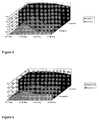
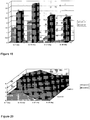
- the homogenate was inactivated by adding thiomersal in a ratio of 1:20000 (w/v) directly to the cell suspension. For this purpose 75 mg of thiomersal were added to 1.5 litres of homogenate. The mixture was incubated at room temperature for 2 days. The resulting vaccine was bottled, checked for sterility, safety and immunogenic properties in accordance with accepted methods and kept refrigerated at 4°C. The vaccine prepared in this manner was used to immunise animals by intramuscular injection. The efficacy of the vaccine after Trichophyton rubrum challenge in guinea pigs and rabbits is shown in tables 9, 10, 11, 12, 13, 14, 15, 16 and figures 4, 5, 7, 8, 13, 14, 19, 20 (Complex II-I, III-I).
- Trichophyton mentagrophytes DSM-7279, Trichophyton rubrum DSM-9472 and Candida albicans DSM-9456 were used to prepare 1.5 litres of vaccine.
- Trichophyton mentagrophytes DSM-7279 and Trichophyton rubrum DSM-9472 were cultivated separately on malt extract agar in 3 Roux flasks for each culture for 20 days at 28°C.
- the Candida albicans DSM-9456 was cultivated in 2 Roux flasks on agar Sabouraud at 28°C for 3 days.
- the fungal masses of the strains DSM-7279 and 9472 were lifted off and separately homogenised in 500 ml of an aqueous solution 0.3% fermented hydrolyzed muscle protein, 5% glucose and 0.1 % yeast extract. The concentration of microconidia was adjusted to 60 million per ml for each homogenate. To yield 50 to 100% germ tubes each suspension of microconidia was fermented for 1-2 days at 28°C. Then the cell suspensions were washed with a physiological solution of sodium chloride 5 times by centrifugation (4000 rpm) at 10° C for 25 minutes for each centrifugation step. The blastospores of strain DSM-9456 were lifted off by washing with 500 ml of a physiological solution of sodium chloride.
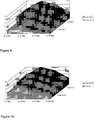
- the concentration of blastospores in suspension was adjusted to 60 million per ml. Then 500 ml of each culture in suspension were combined and mixed in a single container. The homogenate was inactivated by adding thiomersal in a ratio of 1:20000 (w/v) directly to the cell suspension. For this purpose 75 mg of thiomersal were added to 1.5 litres of homogenate. The mixture was incubated at room temperature for 2 days. The resulting vaccine was bottled, checked for sterility, safety and immunogenic properties in accordance with accepted methods and kept refrigerated at 4°C. The vaccine prepared in this manner was used to immunise animals by intramuscular injection. The efficacy of the vaccine after Trichophyton rubrum challenge in guinea pigs is shown in tables 11, 12, 13, 14 and figures 7, 9, 13, 15 (Complex III-II).
- Trichophyton mentagrophytes DSM-7279, Trichophyton rubrum DSM-9472 and Candida albicans DSM-9456 were used to prepare 1.5 litres of the vaccine.
- Trichophyton mentagrophytes DSM-7279 and Trichophyton rubrum DSM-9472 were cultivated separately on malt extract agar in 3 Roux flasks for each culture for 20 days at 28°C.
- the Candida albicans DSM-9456 was cultivated in 2 Roux flasks on agar Sabouraud at 28°C for 3 days.
- the fungal masses of the strains DSM-7279 and 9472 were lifted off and separately homogenised in 500 ml of an aqueous solution of 0.5% soy peptone, 5% glucose and 0.1% yeast extract. The concentration of microconidia was adjusted to 65 million per ml for each homogenate. To yield 50 to 100% germ tubes each suspension of microconidia was fermented for 1-2 days at 28°C. The blastospores of strain DSM-9456 were lifted off by washing with 500 ml of physiological solution of sodium chloride. The concentration of blastospores in suspension was adjusted to 60 million per ml. 500 ml of each culture in suspension were combined and mixed in a single container.
- the homogenate was inactivated by adding thiomersal in a ratio 1:20000 (w/v) directly to the cell suspension. For this purpose 75 mg of thiomersal were added to 1.5 litres of homogenate. The mixture was incubated at room temperature for 2 days. The resulting vaccine was bottled, checked for sterility, safety and immunogenic properties in accordance with accepted methods and kept refrigerated at 4°C. The vaccine prepared in this manner was used to immunise animals by intramuscular injection. The efficacy of the vaccine after Trichophyton rubrum challenge in guinea pigs is shown in tables 11, 12, 13, 14 and figures 7, 10, 13, 16 (Complex III-III)
- Trichophyton mentagrophytes DSM-7279, Trichophyton rubrum DSM-9472 and Candida albicans DSM-9456 were used to prepare 1.5 litres of the vaccine.
- Trichophyton mentagrophytes DSM-7279 and Trichophyton rubrum DSM-9472 were cultivated separately on malt extract agar in 3 Roux flasks for each culture for 20 days at 28°C.
- the Candida albicans DSM-9456 was cultivated in 2 Roux flasks on agar Sabouraud at 28°C for 3 days.
- the fungal masses of the strains DSM-7279 and 9472 were lifted off and separately homogenised in 500 ml of an aqueous solution of 0.5% soya peptone, 5% glucose and 0.1 % yeast extract. The concentration of microconidia was adjusted to 55 million per ml for each homogenate. To yield 50 to 100% germ tubes each suspension of microconidia was fermented for 1-2 days at 28°C. The cell suspensions were washed with a physiological solution of sodium chloride 5 times by centrifugation (4000 rpm) at 10°C for 25 minutes for each centrifugation step. The blastospores of strain DSM-9456 were lifted off by washing with 500 ml of a physiological solution of sodium chloride.
- the concentration of blastospores in suspension was adjusted to 60 million per ml. 500 ml of each culture in suspension were combined and mixed in a single container. The homogenate was inactivated by adding thiomersal in a ratio of 1:20000 (w/v) directly to the cell suspension. For this purpose 75 mg of thiomersal were added to 1.5 litres of homogenate. The mixture was incubated at room temperature for 2 days. The resulting vaccine was bottled, checked for sterility, safety and immunogenic properties in accordance with accepted methods and kept refrigerated at 4°C. The vaccine prepared in this manner was used to immunise animals by intramuscular injection. The efficacy of the vaccine after Trichophyton rubrum challenge in guinea pigs is shown in tables 11, 12, 13, 14 and figures 7, 11, 13, 17 (Complex III-IV).
- Candida albicans strains DSM-9456, 9457, 9458, 9459 were cultivated in 1 Roux flask for each culture on agar Sabouraud at 28°C for 3 days.
- the fungal masses of strains DSM-9469, 9470, 9471 and 9472 were lifted off and separately homogenised in 100 ml of a solution of 0.3% fermented hydrolyzed muscle protein, 5% glucose and 0.1% yeast extract.
- the fungal mass of strain DSM-7279 was homogenised in 500 ml of a solution of 0.3% fermented hydrolyzed muscle protein, 5% glucose and 0.1% yeast extract.
- the concentration of microconidia was adjusted to 60 million per ml for each homogenate.
- each dermatophyte culture was fermented for 1 day at 28°C. After cultivation 150 ml of each suspension of Trichophyton rubrum DSM-9469, 9470, 9471, 9472 were mixed in a single container. The blastospores of strains DSM-9456, 9457, 9458, 9459 were lifted off by washing with 200 ml of a physiological solution of sodium chloride. The concentration of blastospores in each suspension was adjusted to 60 million per ml. 150 ml of each suspension were mixed in a single container.
- 500 ml of the Trichophyton mentagrophytes DSM-7279 suspension were mixed with 500 ml of the Trichophyton rubrum DSM-9469, 9470, 9471, 9472 mixture suspension and with 500 ml of the Candida albicans DSM-9456, 9457, 9458, 9459 mixture suspension in a single container.
- the homogenate was inactivated by adding thiomersal in a ratio of 1:12500 (w/v) directly to the cell suspension. For this purpose 80 mg of thiomersal were added to 1 litre of homogenate. The mixture was incubated at room temperature for 1 day.
- the resulting vaccine was bottled, checked for sterility, safety and immunogenic properties in accordance with accepted methods and kept refrigerated at 4°C.
- the vaccine prepared in this manner was used to immunise animals by intramuscular injection.
- Cultures of the strains Trichophyton mentagrophytes DSM-7279, Trichophyton rubrum DSM-9469, Trichophyton rubrum DSM-9471, Trichophyton rubrum DSM-9472 and Candida albicans DSM-9456, Candida albicans DSM-9457 were used to prepare 1.5 litres of the vaccine. Cultures of strains DSM-7279, 9469, 9471, 9472 were cultivated separately on malt extract agar in 4 Roux flasks for each culture for 20 days at 28°C. Cultures of Candida albicans strains DSM-9456, 9457 were cultivated in 1 Roux flask for each culture on agar Sabouraud at 28°C for 3 days.
- strains DSM-9469, 9471 and 9472 were lifted off and each culture separately homogenised in 200 ml of a solution of 0.3% fermented hydrolyzed muscle protein, 5% glucose and 0.1 % yeast extract.
- the fungal mass of strain DSM-7279 was homogenised in 500 ml of a solution a 0.3% fermented hydrolyzed muscle protein, 5% glucose and 0.1% yeast extract.
- the concentration of microconidia was adjusted to 60 million per ml of the homogenate for each culture. To yield 50 to 100% germ tubes in suspensions of microconidia each of dermatophyte strains was fermented for 1 day at 28°C.
- Trichophyton rubrum DSM-9469, 9471, 9472 suspensions were mixed in a single container.
- the blastospores of strain DSM-9456, 9457 were lifted off by washing with 250 ml of a physiological solution of sodium chloride.
- the concentration of blastospores in suspension was adjusted to 60 million per ml.
- 250 ml of the of each culture suspension were combined and mixed in a single container.
- 500 ml of the Trichophyton mentagrophytes DSM-7279 suspension were mixed with 500 ml of the Trichophyton rubrum DSM-9469, 9471, 9472 mixture suspension and with 500 ml of the suspensions of cultures DSM-9456, 9457 in a single container.
- the homogenates were inactivated by adding thiomersal in a ratio of 1:25000 (w/v) directly to the cell suspension. For this purpose 60 mg of thiomersal were added to 1.5 litres of homogenate. The mixture was incubated at room temperature for 2 days. The resulting vaccine was bottled, checked for sterility, safety and immunogenic properties in accordance with accepted methods and kept refrigerated at 4°C. The vaccine prepared in this manner was used to immunise animals by intramuscular injection.
- Cultures of the strains Trichophyton mentagrophytes DSM-7279, Trichophyton rubrum DSM-9472 and Candida albicans DSM-9456, Candida albicans DSM-9457 were used to prepare 1.5 litres of the vaccine. Cultures of strains DSM-7279, 9472 were cultivated separately on malt extract agar in 8 Roux flasks for each culture for 20 days at 28°C. Cultures of Candida albicans strains DSM-9456, 9457 were cultivated in 1 Roux flask for each culture on agar Sabouraud at 28°C for 3 days.
- the concentration of blastospores in suspension was adjusted to 60 million per ml. 250 ml of each culture suspension were combined and mixed in a single container. 500 ml of the Trichophyton mentagrophytes DSM-7279 suspension were mixed with 500 ml of the Trichophyton rubrum DSM-9472 suspension and with 500 ml of the suspensions of cultures DSM-9456, 9457 in a single container.
- the homogenates were inactivated by adding thiomersal in a ratio of 1:12500 (w/v) directly to the cell suspension. For this purpose 120 mg of thiomersal were added to 1.5 litres of homogenate. The mixture was incubated at room temperature for 2 days. The resulting vaccine was bottled, checked for sterility, safety and immunogenic properties in accordance with accepted methods and kept refrigerated at 4°C. The vaccine prepared in this manner was used to immunise animals by intramuscular injection.
- Cultures of the strains Trichophyton mentagrophytes DSM-7279, Trichophyton rubrum DSM-9472 and Candida albicans DSM-9456 were used to prepare 1.5 litres of the vaccine. Cultures of strains DSM-7279, 9472 were cultivated separately on malt extract agar in 6 Roux flasks for each culture for 20 days at 28°C. Cultures of Candida albicans strain DSM-9456 were cultivated in 2 Roux flasks on agar Sabouraud at 28°C for 3 days.
- the blastospores were harvested and washed 3 times by centrifugation (4000 rpm) at 4-10°C for 25 minutes for each centrifugation step.
- the concentration of the cells was adjusted to 60 million per ml.
- the homogenates were inactivated by adding thiomersal in a ratio of 1:20000 (w/v) directly to the cell suspension. For this purpose 80 mg of thiomersal were added to 1 litre of homogenate.
- the mixture was incubated at room temperature for 2 days. 750 ml of the suspension of culture of DSM-9456 were combined and mixed with 750 ml of the mixture of DSM-7279 and 9472 culture suspension.
- the resulting vaccine was bottled, checked for sterility, safety and immunogenic properties in accordance with accepted methods and kept refrigerated at 4°C.
- the vaccine prepared in this manner was used to immunise animals by intramuscular injection.
- the efficacy of the vaccine in mice after Candida albicans challenge is shown in tables 1, 2, 5 and after Trichophyton rubrum challenge in guinea pigs in tables 7, 8 and figures 1, 2 (Complex I-I, 1-I, 3-I)
- Candida albicans strains DSM-9456, 9457, 9458, 9459 were cultivated in 1 Roux flask for each culture on agar Sabouraud at 28°C for 3 days.
- Fungal masses of strains DSM-9469, 9470, 9471 and 9472 were lifted off and separately homogenised in 100 ml of a solution of 0.3% fermented hydrolyzed muscle protein, 5% glucose and 0.1 % yeast extract.
- the fungal mass of strain DSM- 7279 was homogenised in 500 ml of a solution of 0.3% fermented hydrolyzed muscle protein, 5% glucose and 0.1% yeast extract. The concentration of microconidia was adjusted to 60 million per ml for each homogenate.
- each dermatophyte culture was fermented for 1 day at 28°C. After cultivation 150 ml of each suspension of Trichophyton rubrum DSM 9469, 9470, 9471, 9472 were mixed in a single container. The homogenates were inactivated by adding thiomersal in a ratio of 1:16000 (w/v) directly to the cell suspensions. For this purpose 62.5 mg of thiomersal were added to 1 litre of homogenate. The mixture was incubated at room temperature for 2 days. The culture of strain DSM-9456, 9457, 9458, 9459 were harvested and homogenised in medium No. 1640 (Serva).
- the concentration of the blastospores was adjusted to 20 million per ml. 1500 ml of cell suspensions of each culture were incubated in cell culture flasks containing medium No. 1640 in a CO 2 atmosphere of 6% at 36-38° C. After 3 hours incubation period 50 % to 100% of the blastospores commonly displayed germ tubes and a swollen condition. The blastospores were harvested and washed 3 times by centrifugation (4000 rpm) at 4-10°C for 25 minutes for each centrifugation step. The concentration of the cells was adjusted to 60 million per ml. The homogenate was inactivated by adding thiomersal in a ratio of 1:25000 (w/v) directly to the cell suspension.
- thiomersal were added to 1 litre of homogenate. The mixture was incubated at room temperature for 1 day. 150 ml of each suspension of the cultures of DSM-9456, 9457, 9458, 9459 were combined and mixed in a single container. 500 ml of the mixture suspensions of cultures DSM-9469, 9470, 9471, 9472 were mixed with 500 ml suspension culture DSM-7279 and 500 ml mixture suspensions of cultures DSM-9456, 9457, 9458, 9459. The resulting vaccine was bottled, checked for sterility, safety and immunogenic properties in accordance with accepted methods and kept refrigerated at 4°C. The vaccine prepared in this manner was used to immunise animals by intramuscular injection.
- Cultures of the strains Trichophyton mentagrophytes DSM-7279, Trichophyton rubrum DSM-9469, Trichophyton rubrum DSM-9471, Trichophyton rubrum DSM- 9472 and Candida albicans DSM-9456, Candida albicans DSM-9457 were used to prepare 1.5 litres of the vaccine. Cultures of strains DSM-7279, 9469, 9471, 9472 were cultivated separately on malt extract agar in 4 Roux flasks for each culture for 20 days at 28°C. Cultures of Candida albicans strains DSM-9456, 9457 were cultivated in 1 Roux flask for each culture on agar Sabouraud at 28°C for 3 days.
- 500 ml of the Trichophyton mentagrophytes DSM-7279 suspension were mixed with 500 ml of the mixture of Trichophyton rubrum DSM-9469, 9471, 9472 suspension in a single container.
- the homogenate was inactivated by adding thiomersal in a ratio of 1:20000 (w/v) directly to the cell suspension.
- 50 mg of thiomersal were added to 1 litre of homogenate.
- the mixture was incubated at room temperature for 2 days.
- the cultures of strains DSM-9456, 9457 were harvested and homogenised in medium No. 1640 (Serva). The concentration of the blastospores was adjusted to 20 million per ml.
- the mixture was incubated at room temperature for 1 day.
- 150 ml of each suspension of cultures DSM-9456, 9457 were combined and mixed in a single container.
- 500 ml of the mixture suspensions of culture DSM-9469, 9471, 9472 were mixed with 500 ml suspension culture DSM-7279 and with 500 ml mixture suspensions of cultures DSM-9456, 9457.
- the resulting vaccine was bottled, checked for sterility, safety and immunogenic properties in accordance with accepted methods and kept refrigerated at 4°C.
- the vaccine prepared in this manner was used to immunise animals by intramuscular injection.
- Cultures of the strains Trichophyton mentagrophytes DSM-7279, Trichophyton rubrum DSM-9472 and Candida albicans DSM-9456, Candida albicans DSM-9457, Candida albicans DSM-9459 were used to prepare 1.5 litres of the vaccine. Cultures of strains DSM-7279, 9472 were cultivated separately on malt extract agar in 6 Roux flasks for each culture for 20 days at 28°C. Cultures of Candida albicans strains DSM-9456, 9457, 9459 were cultivated in 1 Roux flask each on agar Sabouraud at 28°C for 3 days.
- the fungal masses of strains DSM-7279 and 9472 were lifted off and separately homogenised in 500 ml of an aqueous solution of 0.3% fermented hydrolyzed muscle protein, 5% glucose and 0.1% yeast extract. The concentration of microconidia was adjusted to 60 million per ml of the homogenate. To yield 50 to 100% germ tubes both suspensions of microconidia were fermented for 1 day at 28°C. 500 ml of the Trichophyton mentagrophytes DSM-7279 suspension were mixed with 500 ml of the Trichophyton rubrum DSM-9472 suspension in a single container. The homogenate was inactivated by adding thiomersal in a ratio of 1:20000 (w/v) directly to the cell suspension.
- thiomersal were added to 1 litre of homogenate. The mixture was incubated at room temperature for 2 days. The cultures of Candida albicans strains DSM-9456, 9457, 9459 were harvested and separately homogenised in medium No. 1640 (Serva). The concentration of the blastospores was adjusted to 10 million per ml. 2000 ml of each cell suspension was incubated separately in cell culture flasks or in Petri dishes containing medium No. 1640 in a CO 2 atmosphere of 6% at 38°C. After 3 hours incubation period 50-100% of the blastospores commonly displayed germ tubes or a swollen condition.
- the blastospores were harvested and washed 3 times by centrifugation (5000 rpm) at 4-10°C for 25 minutes for each centrifugation step.
- the concentration of the cells was adjusted to 20 million per ml.
- the cell suspensions of each strain were mixed using equal volumes.
- the mixed suspension was inactivated with thiomersal in a ratio of 1:25000 (w/v).
- 500 ml of this suspension was mixed with 1000 ml suspension of microconidiae.
- the resulting vaccine was bottled, checked for sterility, safety and immunogenic properties in accordance with accepted methods and kept refrigerated at 4°C.
- Vaccine prepared in this manner was used to immunise animals by intramuscular injection.
- Cultures of the strains Trichophyton mentagrophytes DSM-7279, Trichophyton rubrum DSM-9472 and Candida albicans DSM-9456 were used to prepare 1.5 litres of the vaccine. Cultures of strains DSM-7279, 9472 were cultivated separately on malt extract agar in 6 Roux flasks for each culture for 20 days at 28°C. Cultures of Candida albicans strain DSM-9456 were cultivated in 2 Roux flasks on agar Sabouraud at 28°C for 3 days.
- the fungal masses of strains DSM-7279 and 9472 were lifted off and separately homogenised in 500 ml of an aqueous solution of 0.3% fermented hydrolyzed muscle protein, 5% glucose and 0.1% yeast extract. The concentration of microconidia was adjusted to 60 million per ml of the homogenate. To yield 50 to 100% germ tubes both suspensions of microconidia were fermented for 2 days at 28°C. 500 ml of the Trichophyton mentagrophytes DSM-7279 suspension were mixed with 500 ml of the Trichophyton rubrum DSM-9472 suspension in a single container. The blastospores of strain DSM-9456 were lifted off by washing with 500 ml of destilled water.
- the concentration of blastospores in suspension was adjusted to 56 million per ml. 500 ml of this suspension were mixed with the suspension of microconidiae.
- the homogenate was inactivated by adding thiomersal in a ratio of 1:20000 (w/v) directly to the cell suspension. For this purpose 50 mg thiomersal were added to 1 litre of homogenate. This mixture was incubated at room temperature for 2 days. After the inactivating process the cell suspension was treated with H 2 O 2 . A substance containing H 2 O 2 , for example Urea-hydrogen peroxide, was added to a cell suspension to yield a final concentration of 3% of H 2 O 2 . This cell suspension was stirred for 24 hours.
- Treated cells were washed 5 times for 30 minutes with destilled water by centrifugation (4000 rpm). The final concentration of cells was adjusted to 60 million per ml. The resulting vaccine was bottled, checked for sterility, safety and immunogenic properties in accordance with accepted methods and kept refrigerated at 4°C. Vaccine prepared in this manner was used to immunise animals by intramuscular injection. The efficacy of the vaccine after Candida albicans challenge in mice is shown in table 6, and after Trichophyton rubrum challenge in guinea pigs in tables 11, 12, 13,14 and figures 7, 12, 13, 18 (Complex 4-I; III-V).
- Candida albicans strains DSM-9456, 9457, 9458, 9459 were cultivated in 1 Roux flask for each culture on agar Sabouraud at 28°C for 3 days.
- the fungal masses of strains DSM-9469, 9470, 9471 and 9472 were lifted off, combined and homogenised in 100 ml of an aqueous solution of 0.3% fermented hydrolyzed muscle protein, 5% glucose and 0.1% yeast extract.
- the fungal masses of strain DSM-7279 and the mixture of strains DSM-9469, 9470, 9471 and 9472 were lifted off and separately homogenised in 500 ml of an aqueous solution of 0.3% fermented hydrolyzed muscle protein, 5% glucose and 0.1% yeast extract. The concentration of microconidia was adjusted to 60 million per ml of the homogenate. To yield 50 to 100% germ tubes both suspensions of microconidia were fermented for 1-2 days at 28°C. 500 ml of the Trichophyton mentagrophytes DSM-7279 suspension were mixed with 500 ml of the mixture of Trichophyton rubrum DSM-9469, 9470, 9471, 9472 suspension in a single container.
- the blastospores of strain DSM-9456, 9457, 9458, 9459 were lifted off by washing with 200 ml of destilled water.
- the concentration of blastospores in suspension was adjusted to 60 million per ml.
- 150 ml of each suspension were mixed.
- 500 ml of the resulting suspension were mixed with the suspension of microconidiae.
- the homogenate was inactivated by adding thiomersal directly to the cell suspension in a ratio of 1:20000 (w/v).
- 50 mg thiomersal were added to 1 litre of homogenate. This mixture was incubated at room temperature for 2 days. Following inactivation the cell suspension was treated with sodium permanganate in a concentration of 1:10000 (w/v) for 16 hours while stirring.
- Treated cells were washed 5 times with destilled water by centrifugation (4000 rpm) for 25 minutes for each centrifugation step. The final concentration of cells was adjusted to 40 million per ml.
- the resulting vaccine was bottled, checked for sterility, safety and immunogenic properties in accordance with accepted methods and kept refrigerated at 4°C. The vaccine prepared in this manner was used to immunise animals by intramuscular injection.
- Cultures of the strains Trichophyton mentagrophytes DSM-7279, Trichophyton rubrum DSM-9469, Trichophyton rubrum DSM-9471, Trichophyton rubrum DSM-9472 and Candida albicans DSM-9456, Candida albicans DSM-9457 were used to prepare 1.5 litres of the vaccine. Cultures of strains DSM-7279, 9469, 9471, 9472 were cultivated separately on malt extract agar in 4 Roux flasks for each culture for 20 days at 28°C. Cultures of Candida albicans strains DSM-9456, 9457 were cultivated in 1 Roux flask for each culture on agar Sabouraud at 28°C for 3 days.
- the fungal masses of strains DSM-9469, 9471 and 9472 were lifted off, combined and homogenised in 100 ml of an aqueous solution of 0.3% fermented hydrolyzed muscle protein, 5% glucose and 0.1% yeast extract.
- the fungal masses of strain DSM-7279 and the mixture of strains DSM-9469, 9471 and 9472 were lifted off and separately homogenised in 500 ml of an aqueous solution of 0.3% fermented hydrolyzed muscle protein, 5% glucose and 0.1 % yeast extract.
- the concentration of microconidia was adjusted to 60 million per ml of the homogenate. To yield 50 to 100% germ tubes both suspensions of microconidia were fermented for 1-2 days at 28°C.
- 500 ml of the Trichophyton mentagrophytes DSM-7279 suspension were mixed with 500 ml of the mixture of Trichophyton rubrum DSM-9469, 9471, 9472 suspension in a single container.
- the blastospores of strain DSM-9456 and 9457 were lifted off by washing with 200 ml of a physiological sodium chloride solution.
- the concentration of blastospores in suspension was adjusted to 60 million per ml. 250 ml of each suspension were mixed.
- 500 ml of the resulting suspension was mixed with a suspension of microconidiae.
- the homogenate was inactivated by adding thiomersal directly to the cell suspension in a ratio of 1:20000 (w/v).
- thiomersal were added to 1 litre of homogenate. This mixture was incubated at room temperature for 2 days. After the inactivating process the cell suspension was treated with H 2 O 2 . hydrogen peroxide tablets (Wasserstoff-Peroxid Tabletten WDT) were added to cell suspensions to yield a final concentration of 1% of H 2 O 2 . The cell suspension was stirred for 24 hours. Treated cells were washed 5 times for 30 minutes with destilled water by centrifugation (4000 rpm). The final concentration of the cells was adjusted to 50 million per ml. The resulting vaccine was bottled, checked for sterility, safety and immunogenic properties in accordance with accepted methods and kept refrigerated at 4°C. The vaccine prepared in this manner was used to immunise animals by intramuscular injection.
- Cultures of the strains Trichophyton mentagrophytes DSM-7279, Trichophyton rubrum DSM-9472 and Candida albicans DSM-9456, Candida albicans DSM-9457, Candida albicans DSM-9459 were used to prepare 1.5 litres of the vaccine. Cultures of strains DSM-7279, 9472 were cultivated separately on malt extract agar in 6 Roux flasks for each culture for 20 days at 28°C. Cultures of Candida albicans strains DSM-9456, 9457, 9459 were cultivated in 1 Roux flask for each culture on agar Sabouraud at 28°C for 3 days.
- the fungal masses of strains DSM-7279 and 9472 were lifted off and separately homogenised in 500 ml of an aqueous solution of 0.3% fermented hydrolyzed muscle protein, 5% glucose and 0.1% yeast extract. The concentration of microconidia was adjusted to 60 million per ml of the homogenate. To yield 50 to 100% germ tubes both suspensions of microconidia were fermented for 1-2 days at 28°C. 500 ml of the Trichophyton mentagrophytes DSM-7279 suspension were mixed with 500 ml of the Trichophyton rubrum DSM 9472 suspension in a single container.
- the blastospores of strain DSM-9456, 9457, 9459 were lifted off by washing with 200 ml of a physiological sodium chloride solution.
- the concentration of blastospores in suspension was adjusted to 60 million per ml. 250 ml of each suspension were mixed. 500 ml of the resulting suspension were mixed with the suspension of microconidiae.
- the homogenate was inactivated by adding thiomersal directly to the cell suspension in a ratio of 1:20000 (w/v). For this purpose 50 mg thiomersal were added to 1 litre of homogenate. This mixture was incubated at room temperature for 2 days. Following the inactivation the cell suspension was treated with sodium permanganate in a concentration of 1:20000 (w/v) for 36 hours while stirring.
- Treated cells were washed 5 times with destilled water by centrifugation (4000 rpm) for 25 minutes for each centrifugation step. The final concentration of the cells was adjusted to 60 million per ml.
- the resulting vaccine was bottled, checked for sterility, safety and immunogenic properties in accordance with accepted methods and kept refrigerated at 4°C. The vaccine prepared in this manner was used to immunise animals by intramuscular injection.
- Cultures of the strains Trichophyton mentagrophytes DSM-7279, Trichophyton rubrum DSM-9472 and Candida albicans DSM-9456 were used to prepare 1.5 litres of the vaccine. Cultures of strains DSM-7279, 9472 were cultivated separately on malt extract agar in 6 Roux flasks for each culture for 20 days at 28°C. Cultures of Candida albicans strain DSM-9456 were cultivated in 2 Roux flasks on agar Sabouraud at 28°C for 3 days.
- the fungal masses of strains DSM-7279 and 9472 were lifted off and separately homogenised in 200 ml of an aqueous solution of 0.3% fermented hydrolyzed muscle protein, 5% glucose and 0.1% yeast extract. The concentration of microconidia was adjusted to 60 million per ml of the homogenate. To yield 50 to 100% germ tubes both suspensions of microconidia were fermented for 1-2 days at 28°C. 500 ml of the Trichophyton mentagrophytes DSM-7279 suspension were mixed with 500 ml of the Trichophyton rubrum DSM-9472 suspension in a single container. The homogenate was inactivated by adding thiomersal in a ratio of 1:20000 (w/v) directly to the cell suspension.
- thiomersal were added to 1 litre of homogenate. The mixture was incubated at room temperature for 2 days. Following inactivation the cell suspension was treated with H 2 O 2 . A substance containing H 2 O 2 , for example Urea-hydrogen peroxide, was added to the cell suspension to yield a final concentration of 3% of H 2 O 2 . This cell suspension was stirred for 24 hours. Treated cells were washed 5 times for 30 minutes with destilled water by centrifugation (4000 rpm). The final concentration of cells was adjusted to 40 million per ml. The culture of strain DSM-9456 was harvested and homogenised in medium No. 1640 (Serva). The concentration of the blastospores was adjusted to 20 million per ml.
- a substance containing H 2 O 2 for example Urea-hydrogen peroxide (Wasserstoff-Peroxid Harnstoff Kunststoff Kunststoff Kunststoff Kunststoff Kunststoff Kunststoff Kunststoff Kunststoff Kunststoff Kunststoff Kunststoff Kunststoff Kunststoff Kunststoff Kunststoff Kunststoff Kunststoff Kunststoff Kunststoff Kunststoff Kunststoff Kunststoff Kunststoff Kunststoff Kunststoff Kunststoff Kunststoff Kunststoff Kunststoff Kunststoff Kunststoff Kunststoff Kunststoff Kunststoff Kunststoff Kunststoff Kunststoff Kunststoff Kunststoff Kunststoff Kunststoff Kunststoff Kunststoff Kunststoff Kunststoff Kunststoff Kunststoff Kunststoff Kunststoff Kunststoff Kunststoff Kunststoff Kunststoff Kunststoff Kunststoff Kunststoff Kunststoff Kunststoff Kunststoff Kunststoff Kunststoff Kunststoff Kunststoff Kunststoff Kunststoff Kunststoff Kunststoff Kunststoff Kunststoff Kunststoff Kunststoff Kunststoff Kunststoff Kunststoff Kunststoff Kunststoff Kunststoff Kunststoff Kunststoff Kunststoff Kunststoff Kunststoff Kunststoff Kunststoff Kunststoff Kunststoff Kunststoff Kunststoff Kunststoff Kunststoff Kunststoff Kunststoff Kunststoff Kunststoff Kunststoff Kunststoff Kunststoff Kunststoff Kunststoff Kunststoff Kunststoff Kunststoff Kunststoff Kunststoff Kunststoff Kunststoff Kunststoff Kunststoff Kunststoff Kunststoff Kunststoff Kunststoff Kunststoff Kunststoff Kunststoff Kunststoff Kunststoff Kunststoff Kunststoff Kunststoff Kunststoff Kunststoff Kunststoff Kunststoff Kunststoff Kunststoff Kunststoff Kunststoff Kunststoff Kunststoff Kunststoff Kunststoff Kunststoff Kunststoff Kunststoff Kunststoff Kunststoff Kunststoff Kunststoff Kunststoff Kunststoff Kunststoff Kunststoff Kunststoff Kunststoff Kunststoff Kunststoff Kunststoff Kunststoff Kunststoff Kunststoff Kunststoff Kunststoff Kunststoff Kunststoff Kunststoff Kunststoff Kunststoff Kunststoff Kunststoff Kunststoff Kunststoff Kunststoff Kunststoff Kunststoff Kunststoff Kunststoff Kunststoff Kunststoff Kunststoff Kunststoff Kunststoff Kunststoff Kunststoff Kunststoff Kunststoff Kunststoff Kunststoff Kunststoff Kunststoff Kunststoff Kunststoff Kunststoff Kunststoff Kunststoff Kunststoff Kunststoff Kunststoff Kunststoff Kunststoff Kunststoff Kunststoff Kunststoff Kunststoff Kunststoff Kunststoff Kunststoff Kunststoff Kunststoff Kunststoff Kunststoff Kunststoff Kunststoff Kunststoff Kunststoff Kunststoff Kunststoff Kunststoff Kunststoff Kunststoff Kunststoff Kunststoff Kunststoff Kunststoff Kunststoff Kunststoff Kunststoff Kunststoff Kunststoff Kunststoff Kunststoff Kunststoff Kunststoff Kunststoff Kunststoff Kunststoff
- the vaccine prepared in this manner was used to immunise animals by intramuscular injection.
- the efficacy of the vaccine after Candida albicans challenge in mice is shown in tables 1, 2, 3, 4, and after Trichophyton rubrum challenge in guinea pigs in tables 7, 8 and figures 1, 3 (Complex 1-II; 2-I; I-II).
- Candida albicans strains DSM-9456, 9457, 9458, 9459 were cultivated in 1 Roux flask for each culture on agar Sabouraud at 28°C for 3 days.
- the fungal masses of strains DSM-9469, 9470, 9471 and 9472 were lifted off, combined and homogenised in 100 ml of an aqueous solution of 0.3% fermented hydrolyzed muscle protein, 5% glucose and 0.1% yeast extract.
- the fungal masses of strain DSM-7279 and the mixture of strains DSM-9469, 9470, 9471 and 9472 were lifted off and separately homogenised in 500 ml of an aqueous solution of 0.3% fermented hydrolyzed muscle protein, 5% glucose and 0.1% yeast extract. The concentration of microconidia was adjusted to 60 million per ml of the homogenate. To yield 50 to 100% germ tubes both suspensions of microconidia were fermented for 1-2 days at 28°C. 500 ml of the Trichophyton mentagrophytes DSM-7279 suspension were mixed with 500 ml of the mixture of Trichophyton rubrum DSM-9469, 9470, 9471, 9472 suspension in a single container.
- the homogenate was inactivated by adding thiomersal in a ratio of 1:20000 (w/v) directly to the cell suspension. For this purpose 50 mg of thiomersal were added to 1 litre of homogenate. The mixture was incubated at room temperature for 2 days. Following the inactivation the cell suspension was treated with sodium permanganate in a concentration of 1:30000 (w/v) for 24 hours while stirring. Treated cells were washed 5 times with destilled water by centrifugation (4000 rpm) for 25 minutes for each centrifugation step. The final concentration of the cells was adjusted to 60 million per ml. The cultures of strains DSM-9456, 9457, 9458, 9459 were harvested and separately homogenised in medium No. 1640.
- the concentration of the blastospores was adjusted to 20 million per ml. 130 ml of the cell suspensions were incubated separately in cell culture flasks containing medium No. 1640 in a CO 2 atmosphere of 5% at 36-38°C. After 3 hours incubation period 50 % to 100% of the blastospores commonly displayed germ tubes or a swollen condition. The blastospores were harvested and washed for 2-3 times by centrifugation (4000 rpm) at 4-10°C for 25 minutes for each centrifugation step. The concentration of the cells was adjusted to 40 million per ml. The suspension was inactivated using thiomersal in a ratio of 1:25000 (w/v).
- the cell suspension was treated with H 2 O 2 .
- Hydrogen peroxide tablets (Wasserstoff-Peroxid Tabletten WDT) were added to cell suspensions to yield a final concentration of 3% of H 2 O 2 .
- the cell suspension was stirred for 24 hours. Treated cells were washed 5 times for 30 minutes with destilled water by centrifugation (4000 rpm). The final concentration of the cells was adjusted to 60 million per ml. 500 ml of this suspension were mixed with 1000 ml suspension of microconidiae.
- the resulting vaccine was bottled, checked for sterility, safety and immunogenic properties in accordance with accepted methods and kept refrigerated at 4°C. The vaccine prepared in this manner was used to immunise animals by intramuscular injection.
- Cultures of the strains Trichophyton mentagrophytes DSM-7279, Trichophyton rubrum DSM-9469, Trichophyton rubrum DSM-9471, Trichophyton rubrum DSM-9472 and Candida albicans DSM-9456, Candida albicans DSM-9457 were used to prepare 1.5 litres of the vaccine. Cultures of strains DSM-7279, 9469, 9471, 9472 were cultivated separately on malt extract agar in 4 Roux flasks for each culture for 20 days at 28°C. Cultures of Candida albicans strains DSM-9456, 9457 were cultivated in 1 Roux flask for each culture on agar Sabouraud at 28°C for 3 days.
- strains DSM-9469, 9471 and 9472 were lifted off, combined and homogenised in 100 ml of an aqueous solution of 0.3% fermented hydrolyzed muscle protein, 5% glucose and 0.1 % yeast extract.
- the fungal mass of strain DSM-7279 and the mixture of strains DSM-9469, 9471 and 9472 were lifted off, separately homogenised in 500 ml of an aqueous solution of 0.3% fermented hydrolyzed muscle protein, 5% glucose and 0.1% yeast extract.
- the concentration of microconidia was adjusted to 60 million per ml of the homogenate. To yield 50 to 100% germ tubes both suspensions of microconidia were fermented for 1-2 days at 28°C.
- the cell suspension was stirred for 36 hours. Treated cells were washed 5 times for 25 minutes with destilled water by centrifugation (4000 rpm). The final concentration of cells was adjusted to 60 million per ml.
- the cultures of strains DSM-9456, 9457 were harvested and separately homogenised in medium No. 1640 (Serva). The concentration of the blastospores was adjusted to 10-20 million per ml. 130 ml of the cell suspensions were incubated separately in cell culture flasks containing medium No. 1640 in a CO 2 atmosphere of 6 % at 36-38°C. After 3 hours incubation period 50 % to 100% of the blastospores commonly displayed germ tubes or a swollen condition.
- the blastospores were harvested and washed for 3 times by centrifugation (4000 rpm) at 4-10°C for 25 minutes for each centrifugation step.
- the concentration of the cells was adjusted to 40 million per ml.
- the suspension was inactivated using thiomersal in a ratio of 1:25000 (w/v). Following the inactivation the cell suspension was treated with H 2 O 2 .
- Hydrogen peroxide tablets (Wasserstoff-Peroxid Tabletten WDT) were added to the cell suspension to yield a final concentration of 3% of H 2 O 2 . This cell suspension was stirred for 24 hours. Treated cells were washed 5 times for 30 minutes with destilled water by centrifugation (4000 rpm). The final concentration of cells was adjusted to 60 million per ml.
- Cultures of the strains Trichophyton mentagrophytes DSM-7279, Trichophyton rubrum DSM-9472 and Candida albicans DSM-9456, Candida albicans DSM-9457, Candida albicans DSM-9459 were used to prepare 1.5 litres of the vaccine. Cultures of strains DSM-7279, 9472 were cultivated separately on malt extract agar in 6 Roux flasks for each culture for 20 days at 28°C. Cultures of Candida albicans strains DSM-9456, 9457, 9459 were cultivated in 1 Roux flask for each culture on agar Sabouraud at 28°C for 3 days.
- the fungal masses of strains DSM-7279 and 9472 were lifted off and separately homogenised in 500 ml of an aqueous solution of 0.3% fermented hydrolyzed muscle protein, 5% glucose and 0.1% yeast extract. The concentration of microconidia was adjusted to 60 million per ml of the homogenate. To yield 50 to 100% germ tubes both suspensions of microconidia were fermented for 1-2 days at 28°C. 500 ml of the Trichophyton mentagrophytes DSM-7279 suspension were mixed with 500 ml of the Trichophyton rubrum DSM-9472 suspension in a single container. The homogenate was inactivated by adding thiomersal in a ratio of 1:20000 (w/v) directly to the cell suspension.
- thiomersal were added to 1 litre of homogenate. The mixture was incubated at room temperature for 2 days. Following the inactivation the cell suspension was treated with sodium permanganate in a concentration of 1:30000 (w/v) for 24 hours while stirring. Treated cells were washed 5 times with destilled water by centrifugation (4000 rpm) for 25 minutes for each centrifugation step. The final concentration of cells was adjusted to 40 million per ml. The cultures of Candida albicans strains DSM-9456, 9457, 9459 were harvested and separately homogenised in medium No. 1640 (Serva). The concentration of the blastospores was adjusted to 20 million per ml.
- each cell suspension 130 ml of each cell suspension were incubated separately in cell culture flasks containing medium No. 1640 in a CO 2 atmosphere of 6% at 36-38°C. After 4 hours incubation period 50 % to 100% of the blastospores commonly displayed germ tubes or a swollen condition. The blastospores were harvested and washed for 3 times by centrifugation (4000 rpm) at 4-10° C for 30 minutes for each centrifugation step. The concentration of the cells was adjusted to 60 million per ml. The cell suspensions of each strain were mixed using equal volumes. The mixed suspension was inactivated using thiomersal in a ratio of 1:11000 (w/v).
- the cell suspension was treated with sodium permanganate in a concentration of 1:20000 (w/v) for 24 hours while stirring. Treated cells were washed 5 times with destilled water by centrifugation (4000 rpm) for 25 minutes for each centrifugation step. The final concentration of the cells was adjusted to 60 million per ml. 500 ml of this suspension were mixed with 1000 ml suspension of microconidiae. The resulting vaccine was bottled, checked for sterility, safety and immunogenic properties in accordance with accepted methods and kept refrigerated at 4°C. The vaccine prepared in this manner was used to immunise animals by intramuscular injection.
- Trichophyton mentagrophytes DSM-7279, Trichophyton rubrum DSM-9472 and Candida albicans DSM-9456 were used to prepare 1.5 litres of the vaccine.
- Trichophyton mentagrophytes DSM-7279 and Trichophyton rubrum DSM-9472 were cultivated separately on malt extract agar in 6 Roux flasks for each culture for 20 days at 28°C.
- the Candida albicans DSM-9456 was cultivated in 2 Roux flasks on agar Sabouraud at 28°C for 3 days.
- the fungal masses of the strains DSM-7279 and 9472 were lifted off and separately homogenised in 500 ml of an aqueous solution of 0.3% fermented hydrolyzed muscle protein, 5% glucose and 0.1 % yeast extract. The concentration of microconidia was adjusted to 60 million per ml of the homogenate. 500 ml of each suspension were mixed in a single container. The blastospores of strain DSM-9456 were lifted off by washing with 500 ml of destilled water. The concentration of blastospores in suspension was adjusted to 60 million per ml. 500 ml of this suspension were mixed with the suspension of microconidiae.
- the homogenate was inactivated by adding thiomersal in a ratio of 1:20000 (w/v) directly to the cell suspension. For this purpose 50 mg of thiomersal were added to 1 litre of homogenate. The mixture was incubated at room temperature for 2 days. The resulting vaccine was bottled, checked for sterility, safety and immunogenic properties in accordance with accepted methods and kept refrigerated at 4°C. The vaccine prepared in this manner was used to immunise animals by intramuscular injection. The efficacy of the vaccine after Trichophyton rubrum challenge in guinea pigs is shown in tables 9, 10 and figures 4 and 6 (Complex II-II).
- Candida albicans strains DSM-9456, 9457, 9458, 9459 were cultivated in 1 Roux flask for each culture on agar Sabouraud at 28°C for 3 days.
- the fungal masses of strains DSM-9469, 9470, 9471 and 9472 were lifted off, combined and homogenised in 100 ml of an aqueous solution of 3% fermented hydrolyzed muscle protein, 5% glucose and 1% yeast extract.
- the fungal masses of strain DSM-7279 and the mixture of strains DSM-9469, 9470, 9471 and 9472 were lifted off and separately homogenised in 500 ml of an aqueous solution of 0.3% fermented hydrolyzed muscle protein, 5% glucose and 0.1% yeast extract. The concentration of microconidia was adjusted to 60 million per ml of the homogenate. 500 ml of the Trichophyton mentagrophytes DSM-7279 suspension were mixed with 500 ml of the Trichophyton rubrum DSM-9469, 9470, 9471, 9472 mixture suspension in a single container.
- the blastospores of strain DSM-9456, 9457, 9458, 9459 were lifted off by washing with 200 ml of destilled water.
- the concentration of blastospores in suspension was adjusted to 60 million per ml.
- 150 ml of each suspension were mixed.
- 500 ml of the resulting suspension were taken and mixed with the suspension of microconidiae.
- the homogenate was inactivated by adding thiomersal in a ratio of 1:20000 (w/v) directly to the cell suspension.
- 50 mg of thiomersal were added to 1 litre of homogenate.
- the mixture was incubated at room temperature for 2 days.
- the resulting vaccine was bottled, checked for sterility, safety and immunogenic properties in accordance with accepted methods and kept refrigerated at 4°C.
- the vaccine prepared in this manner was used to immunise animals by intramuscular injection.
- Cultures of the strains Trichophyton mentagrophytes DSM-7279, Trichophyton rubrum DSM-9469, Trichophyton rubrum DSM-9471, Trichophyton rubrum DSM-9472 and Candida albicans DSM-9456, Candida albicans DSM-9457 were used to prepare 1.5 litres of the vaccine. Cultures of strains DSM-7279, 9469, 9471, 9472 were cultivated separately on malt extract agar in 4 Roux flasks for each culture for 20 days at 28°C. Cultures of Candida albicans strains DSM-9456, 9457 were cultivated in 1 Roux flask for each culture on agar Sabouraud at 28°C for 3 days.
- the fungal masses of strains DSM-9469, 9471 and 9472 were lifted off, combined and homogenised in 100 ml of an aqueous solution of 0.3% fermented hydrolyzed muscle protein, 5% glucose and 0.1% yeast extract.
- the fungal masses of strain DSM-7279 and the mixture of strains DSM-9469, 9471 and 9472 were lifted off and separately homogenised in 500 ml of an aqueous solution of 0.3% fermented hydrolyzed muscle protein, 5% glucose and 0.1% yeast extract. The concentration of microconidia was adjusted to 60 million per ml of the homogenate.
- 500 ml of the Trichophyton mentagrophytes DSM-7279 suspension were mixed with 500 ml of the Trichophyton rubrum DSM-9469, 9471, 9472 mixture suspension in a single container.
- the blastospores of strain DSM-9456, 9457 were lifted off by washing with 200 ml of destilled water.
- the concentration of blastospores in suspension was adjusted to 60 million per ml. 250 ml of each suspension were mixed.
- 500 ml of the resulting suspension were mixed with the suspension of microconidiae.
- the homogenate was inactivated by adding thiomersal in a ratio of 1:20000 (w/v) directly to the cell suspension.
- thiomersal were added to 1 litre of homogenate. The mixture was incubated at room temperature for 2 days. The resulting vaccine was bottled, checked for sterility, safety and immunogenic properties in accordance with accepted methods and kept refrigerated at 4°C. The vaccine prepared in this manner was used to immunise animals by intramuscular injection.
- Cultures of the strains Trichophyton mentagrophytes DSM-7279, Trichophyton rubrum DSM-9472 and Candida albicans DSM-9456, Candida albicans DSM-9457, Candida albicans DSM-9459 were used to prepare 1.5 litres of the vaccine. Cultures of strains DSM-7279, 9472 were cultivated separately on malt extract agar in 6 Roux flasks for each culture for 20 days at 28°C. Cultures of Candida albicans strains DSM-9456, 9457, 9459 were cultivated in 1 Roux flask for each culture on agar Sabouraud at 28°C for 3 days.
- the fungal masses of strains DSM-7279 and 9472 were lifted off and separately homogenised in 500 ml of an aqueous solution of 0.3% fermented hydrolyzed muscle protein, 5% glucose and 0.1% yeast extract. The concentration of microconidia was adjusted to 60 million per ml of the homogenate.
- 500 ml of the Trichophyton mentagrophytes DSM-7279 suspension were mixed with 500 ml of the Trichophyton rubrum DSM-9472 suspension in a single container.
- the blastospores of strain DSM-9456, 9457, 9459 were lifted off by washing with 200 ml of destilled water. The concentration of blastospores in suspension was adjusted to 60 million per ml.
- the homogenate was inactivated by adding thiomersal in a ratio of 1:20000 (w/v) directly to the cell suspension. For this purpose 50 mg of thiomersal were added to 1 litre of homogenate. The mixture was incubated at room temperature for 2 days. The resulting vaccine was bottled, checked for sterility, safety and immunogenic properties in accordance with accepted methods and kept refrigerated at 4°C. The vaccine prepared in this manner was used to immunise animals by intramuscular injection.
- Trichophyton mentagrophytes DSM-7279, Trichophyton rubrum DSM-9472 and Candida albicans DSM-9456 were used to prepare 1.5 litres of the vaccine.
- Trichophyton mentagrophytes DSM-7279 and Trichophyton rubrum DSM-9472 were cultivated separately on malt extract agar in 6 Roux flasks for each culture for 20 days at 28°C.
- the Candida albicans DSM-9456 was cultivated in 2 Roux flasks on agar Sabouraud at 28°C for 3 days.
- the fungal masses of the strains DSM-7279 and 9472 were lifted off and separately homogenised in 500 ml of an aqueous solution of 0.3% fermented hydrolyzed muscle protein, 5% glucose and 0.1% yeast extract. The concentration of microconidia was adjusted to 60 million per ml of the homogenate. 500 ml of each suspension were mixed in a single container. The blastospores of strain DSM-9456 were lifted off by washing with 500 ml of destilled water. The concentration of blastospores in suspension was adjusted to 10 million per ml. 500 ml of this suspension were mixed with the suspension of microconidiae.
- the homogenate was inactivated by adding thiomersal in a ratio of 1:20000 (w/v) directly to the cell suspension.
- 50 mg of thiomersal were added to 1 litre of homogenate.
- the mixture was incubated at room temperature for 2 days.
- the cell suspension was treated with sodium permanganate in a concentration of 1:20000 (w/v) for 36 hours while stirring.
- Treated cells were washed 5 times with destilled water by centrifugation (4000 rpm) for 25 minutes for each centrifugation step.
- the final concentration of the cells was adjusted to 60 million per ml.
- the resulting vaccine was bottled, checked for sterility, safety and immunogenic properties in accordance with accepted methods and kept refrigerated at 4°C.
- the vaccine prepared in this manner was used to immunise animals by intramuscular injection.
- Candida albicans strains DSM-9456, 9457, 9458, 9459 were cultivated in 1 Roux flask for each culture on agar Sabouraud at 28°C for 3 days.
- the fungal masses of strains DSM-9469, 9470, 9471 and 9472 were lifted off, combined and homogenised in 100 ml of an aqueous solution of 0.3% fermented hydrolyzed muscle protein, 5% glucose and 0.1% yeast extract.
- the fungal masses of strain DSM-7279 and the mixture of strains DSM-9469, 9470, 9471 and 9472 were lifted off and separately homogenised in 500 ml of an aqueous solution of 0.3% fermented hydrolyzed muscle protein, 5% glucose and 0.1% yeast extract. The concentration of microconidia was adjusted to 60 million per ml of the homogenate. 500 ml of the Trichophyton mentagrophytes DSM-7279 suspension were mixed with 500 ml of the Trichophyton rubrum DSM-9469, 9470, 9471, 9472 mixture suspension in a single container.
- the blastospores of strain DSM-9456, 9457, 9458, 9459 were lifted off by washing with 200 ml of destilled water.
- the concentration of blastospores in suspension was adjusted to 60 million per ml.
- 150 ml of each suspension were mixed.
- 500 ml of the resulting suspension were mixed with the suspension of microconidiae.
- the homogenate was inactivated by adding thiomersal in a ratio of 1:20000 (w/v) directly to the cell suspension.
- 50 mg of thiomersal were added to 1 litre of homogenate.
- the mixture was incubated at room temperature for 2 days. Following the inactivation the cell suspension was treated with H 2 O 2 .
- Hydrogen peroxide tablets (Wasserstoff-Peroxid Tabletten WDT) were added to cell suspensions to yield a final concentration of 3% of H 2 O 2 .
- the cell suspension was stirred for 24 hours. Treated cells were washed 5 times for 25 minutes with destilled water by centrifugation (4000 rpm). The final concentration of cells was adjusted to 80 million per ml.
- the resulting vaccine was bottled, checked for sterility, safety and immunogenic properties in accordance with accepted methods and kept refrigerated at 4°C. The vaccine prepared in this manner was used to immunise animals by intramuscular injection.
- Cultures of the strains Trichophyton mentagrophytes DSM-7279, Trichophyton rubrum DSM-9469, Trichophyton rubrum DSM-9471, Trichophyton rubrum DSM-9472 and Candida albicans DSM-9456, Candida albicans DSM-9457 were used to prepare 1.5 litres of the vaccine. Cultures of strains DSM-7279, 9469, 9471, 9472 were cultivated separately on malt extract agar in 4 Roux flasks for each culture for 20 days at 28°C. Cultures of Candida albicans strains DSM-9456, 9457 were cultivated in 1 Roux flask for each culture on agar Sabouraud at 28°C for 3 days.
- the fungal masses of strains DSM-9469, 9471 and 9472 were lifted off, combined and homogenised in 100 ml of an aqueous solution of 0.3% fermented hydrolyzed muscle protein, 5% glucose and 0.1% yeast extract.
- the fungal masses of strain DSM-7279 and the mixture of strains DSM-9469, 9471 and 9472 were lifted off and separately homogenised in 500 ml of an aqueous solution of 0.3% fermented hydrolyzed muscle protein, 5% glucose and 0.1% yeast extract. The concentration of microconidia was adjusted to 60 million per ml of the homogenate.
- 500 ml of the Trichophyton mentagrophytes DSM-7279 suspension were mixed with 500 ml of the Trichophyton rubrum DSM-9469, 9471, 9472 mixture suspension in a single container.
- the blastospores of strain DSM-9456, 9457 were lifted off by washing with 200 ml of destilled water.
- the concentration of blastospores in suspension was adjusted to 60 million per ml. 250 ml of each suspension were mixed.
- 500 ml of the resulting suspension were mixed with the suspension of microconidiae.
- the homogenate was inactivated by adding thiomersal in a ratio of 1:20000 (w/v) directly to the cell suspension.
- thiomersal were added to 1 litre of homogenate. The mixture was incubated at room temperature for 2 days. Following the inactivation the cell suspension was treated with sodium permanganate in a concentration of 1:10000 (w/v) for 36 hours while stirring. Treated cells were washed 5 times with destilled water by centrifugation (4000 rpm) for 25 minutes for each centrifugation step. The final concentration of cells was adjusted to 60 million per ml. The resulting vaccine was bottled, checked for sterility, safety and immunogenic properties in accordance with accepted methods and kept refrigerated at 4°C. The vaccine prepared in this manner was used to immunise animals by intramuscular injection.
- Cultures of the strains Trichophyton mentagrophytes DSM-7279, Trichophyton rubrum DSM-9472 and Candida albicans DSM-9456, Candida albicans DSM-9457, Candida albicans DSM-9459 were used to prepare 1.5 litres of the vaccine. Cultures of strains DSM-7279, 9472 were cultivated separately on malt extract agar in 6 Roux flasks for each culture for 20 days at 28°C. Cultures of Candida albicans strains DSM-9456, 9457, 9459 were cultivated in 1 Roux flask for each culture on agar Sabouraud at 28°C for 3 days.
- the fungal masses of strains DSM-7279 and 9472 were lifted off and separately homogenised in 500 ml of an aqueous solution of 0.3% fermented hydrolyzed muscle protein, 5% glucose and 0.1% yeast extract. The concentration of microconidia was adjusted to 60 million per ml of the homogenate.
- 500 ml of the Trichophyton mentagrophytes DSM-7279 suspension were mixed with 500 ml of the Trichophyton rubrum DSM-9472 suspension in a single container.
- the blastospores of strain DSM-9456, 9457, 9459 were lifted off by washing with 200 ml of destilled water. The concentration of blastospores in suspension was adjusted to 60 million per ml.
- Treated cells were washed 5 times for 25 minutes with destilled water by centrifugation (4000 rpm). The final concentration of the cells was adjusted to 60 million per ml.
- the resulting vaccine was bottled, checked for sterility, safety and immunogenic properties in accordance with accepted methods and kept refrigerated at 4°C. The vaccine prepared in this manner was used to immunise animals by intramuscular injection.
- the challenge was applied through intraperitoneal injection of 10 million Candida albicans blastospores per mouse. A single dose of 0.3 ml of the vaccine was applied subcutaneously on the same day as the challenge and a second dose after 7 days. The observation was continued for 4 weeks after the initial injection of vaccine. Complexes 3-I; 3-II, 4-I were tested in this manner (see tables 5 and 6).
- Trichophyton rubrum microconidiae consisted of 500 thousand microconidia per cm 2 (1.5 million microconidia) applied topically for each animal.
- the challenge of Trichophyton mentagrophytes microconidia consisted of 100-200 thousand microconidia per cm 2 (300-600 thousand microconidia) applied topically for each animal.
- a single dose of 1.0 ml of the vaccine was applied through intramuscular injection on the same day as the challenge and a second dose after 7 days. The observation was continued for 4 weeks after the initial injection of vaccine.
- Complexes I-I, I-II, II-I, II-II, III-I, III-II, III-III, III-IV, III-V were tested.
- Trichophyton rubrum microconidiae The challenge of Trichophyton rubrum microconidiae consisted of 500 thousand microconidia per cm 2 (1.5 million microconidia) applied topically for each animal. A single dose of 2.0 ml of the vaccine was applied through by intramuscular injection on the same day as the challenge and a second dose after 7 days. The observation was continued for 4 weeks after the initial injection of vaccine. Complex II-I (see tables 15, 16 and figures 19, 20) was tested. The clinical symptoms of a Trichophyton infection in rabbits were evaluated using the same severity scores cited in example 30.
- Acute pathogenic activity COMPLEXES Number of animals Number of died animals during acute period % loss of animals Complex 1-I (Example 8) 10 5 50 Complex 1-II (Example 16) 10 4 40 Control (destilled water) 11 5 45.5
- Acute pathogenic activity COMPLEXES Number of animals Number of loss of mice during acute period % loss of mice Complex 2-I (Example 16) 10 4 40 Untreated control 11 4 36
Landscapes
- Health & Medical Sciences (AREA)
- Life Sciences & Earth Sciences (AREA)
- Chemical & Material Sciences (AREA)
- Engineering & Computer Science (AREA)
- Organic Chemistry (AREA)
- Medicinal Chemistry (AREA)
- Mycology (AREA)
- Bioinformatics & Cheminformatics (AREA)
- General Health & Medical Sciences (AREA)
- Genetics & Genomics (AREA)
- Biotechnology (AREA)
- Wood Science & Technology (AREA)
- Zoology (AREA)
- Pharmacology & Pharmacy (AREA)
- Veterinary Medicine (AREA)
- Public Health (AREA)
- Animal Behavior & Ethology (AREA)
- Microbiology (AREA)
- Immunology (AREA)
- Biomedical Technology (AREA)
- Nuclear Medicine, Radiotherapy & Molecular Imaging (AREA)
- General Chemical & Material Sciences (AREA)
- Tropical Medicine & Parasitology (AREA)
- Virology (AREA)
- Botany (AREA)
- Chemical Kinetics & Catalysis (AREA)
- General Engineering & Computer Science (AREA)
- Biochemistry (AREA)
- Communicable Diseases (AREA)
- Oncology (AREA)
- Epidemiology (AREA)
- Dermatology (AREA)
- Medicines Containing Antibodies Or Antigens For Use As Internal Diagnostic Agents (AREA)
- Preparation Of Compounds By Using Micro-Organisms (AREA)
- Micro-Organisms Or Cultivation Processes Thereof (AREA)
- Medicines Containing Material From Animals Or Micro-Organisms (AREA)
Priority Applications (19)
| Application Number | Priority Date | Filing Date | Title |
|---|---|---|---|
| EP96115954A EP0834322A3 (fr) | 1996-10-04 | 1996-10-04 | Vaccins pour traiter des mycoses |
| EP97942957A EP0956042B1 (fr) | 1996-10-04 | 1997-09-22 | Vaccins contre les mycoses |
| DK97942957T DK0956042T3 (da) | 1996-10-04 | 1997-09-22 | Mykosevaccine |
| PT97942957T PT956042E (pt) | 1996-10-04 | 1997-09-22 | Vacina contra micoses. |
| PCT/EP1997/005181 WO1998015284A2 (fr) | 1996-10-04 | 1997-09-22 | Vaccins contre les mycoses |
| JP51711998A JP4698771B2 (ja) | 1996-10-04 | 1997-09-22 | 真菌症ワクチン |
| DE69737067T DE69737067T2 (de) | 1996-10-04 | 1997-09-22 | Vakzine zur behandlung von mycosen |
| AT97942957T ATE347372T1 (de) | 1996-10-04 | 1997-09-22 | Vakzine zur behandlung von mycosen |
| ES97942957T ES2279546T3 (es) | 1996-10-04 | 1997-09-22 | Vacunas contra la micosis. |
| US09/269,342 US6290950B1 (en) | 1996-10-04 | 1997-09-22 | Mycosis vaccines |
| RU99108989/15A RU2219945C2 (ru) | 1996-10-04 | 1997-09-22 | Противогрибковые вакцины |
| AU44604/97A AU740389B2 (en) | 1996-10-04 | 1997-09-22 | Mycosis vaccines |
| CA002268138A CA2268138C (fr) | 1996-10-04 | 1997-09-22 | Vaccins contre les mycoses |
| ZA9708799A ZA978799B (en) | 1996-10-04 | 1997-10-01 | Mycosis vaccine. |
| HR96115954.8A HRP970528A2 (en) | 1996-10-04 | 1997-10-02 | Mycosis vaccine |
| PE1997000879A PE2399A1 (es) | 1996-10-04 | 1997-10-02 | Vacunas de micosis |
| CO97057661A CO4650185A1 (es) | 1996-10-04 | 1997-10-02 | Vacunas de micosis |
| ARP970104552A AR008491A1 (es) | 1996-10-04 | 1997-10-03 | Vacuna contra la micosis, procedimiento para su preparacion y su uso para la profilaxis y/o el tratamiento de la micosis |
| UY24853A UY24853A1 (es) | 1996-10-04 | 1998-01-22 | Procedimiento para preparar vacunas de micosis |
Applications Claiming Priority (1)
| Application Number | Priority Date | Filing Date | Title |
|---|---|---|---|
| EP96115954A EP0834322A3 (fr) | 1996-10-04 | 1996-10-04 | Vaccins pour traiter des mycoses |
Publications (2)
| Publication Number | Publication Date |
|---|---|
| EP0834322A2 true EP0834322A2 (fr) | 1998-04-08 |
| EP0834322A3 EP0834322A3 (fr) | 1998-04-22 |
Family
ID=8223269
Family Applications (2)
| Application Number | Title | Priority Date | Filing Date |
|---|---|---|---|
| EP96115954A Withdrawn EP0834322A3 (fr) | 1996-10-04 | 1996-10-04 | Vaccins pour traiter des mycoses |
| EP97942957A Expired - Lifetime EP0956042B1 (fr) | 1996-10-04 | 1997-09-22 | Vaccins contre les mycoses |
Family Applications After (1)
| Application Number | Title | Priority Date | Filing Date |
|---|---|---|---|
| EP97942957A Expired - Lifetime EP0956042B1 (fr) | 1996-10-04 | 1997-09-22 | Vaccins contre les mycoses |
Country Status (17)
| Country | Link |
|---|---|
| US (1) | US6290950B1 (fr) |
| EP (2) | EP0834322A3 (fr) |
| JP (1) | JP4698771B2 (fr) |
| AR (1) | AR008491A1 (fr) |
| AT (1) | ATE347372T1 (fr) |
| AU (1) | AU740389B2 (fr) |
| CA (1) | CA2268138C (fr) |
| CO (1) | CO4650185A1 (fr) |
| DE (1) | DE69737067T2 (fr) |
| DK (1) | DK0956042T3 (fr) |
| ES (1) | ES2279546T3 (fr) |
| HR (1) | HRP970528A2 (fr) |
| PE (1) | PE2399A1 (fr) |
| PT (1) | PT956042E (fr) |
| RU (1) | RU2219945C2 (fr) |
| WO (1) | WO1998015284A2 (fr) |
| ZA (1) | ZA978799B (fr) |
Cited By (4)
| Publication number | Priority date | Publication date | Assignee | Title |
|---|---|---|---|---|
| US6379678B1 (en) | 1995-08-11 | 2002-04-30 | Boehringer Indgelheim Vetmedica Gmbh | Antigenic preparations |
| EP1303300A4 (fr) * | 2000-06-19 | 2004-03-24 | Candivax Pty Ltd | Compositions et procedes de traitement de la candidiase |
| US7235246B2 (en) * | 1991-10-21 | 2007-06-26 | Boehringer Ingelheim Vetmedica, Gmbh | Dermatomycosis vaccine |
| WO2021001540A1 (fr) | 2019-07-04 | 2021-01-07 | Proxi Biotech Aps | Détoxification de protéines |
Families Citing this family (11)
| Publication number | Priority date | Publication date | Assignee | Title |
|---|---|---|---|---|
| US6720576B1 (en) * | 1992-09-11 | 2004-04-13 | Semiconductor Energy Laboratory Co., Ltd. | Plasma processing method and photoelectric conversion device |
| WO2001015725A1 (fr) * | 1998-09-24 | 2001-03-08 | Alpharma As | Vaccin permettant de proteger un animal vertebre contre une mycose cutanee |
| US20040009937A1 (en) * | 2002-01-31 | 2004-01-15 | Wei Chen | Methods and composition for delivering nucleic acids and/or proteins to the respiratory system |
| US20050075298A1 (en) * | 2002-01-31 | 2005-04-07 | Wei Chen | Methods and composition for delivering nucleic acids and/or proteins to the intestinal mucosa |
| US20040043003A1 (en) * | 2002-01-31 | 2004-03-04 | Wei Chen | Clinical grade vectors based on natural microflora for use in delivering therapeutic compositions |
| RU2281110C1 (ru) * | 2005-02-10 | 2006-08-10 | Владислав Николаевич Ласкавый | Лекарственное средство против кандидоза человека для инъекций |
| EP2063905B1 (fr) | 2006-09-18 | 2014-07-30 | Raptor Pharmaceutical Inc | Traitement des troubles hépatiques par l'administration de conjugués de protéine associée au récepteur (rap) |
| US20080220023A1 (en) * | 2007-03-08 | 2008-09-11 | Stevens David A | Antifungal vaccines with saccharomyces cerevisiae |
| US20120077778A1 (en) | 2010-09-29 | 2012-03-29 | Andrea Bourdelais | Ladder-Frame Polyether Conjugates |
| ES2878071T3 (es) | 2016-03-15 | 2021-11-18 | Igor Polyakov | Nuevos productos inmunobiológicos |
| MX2018010710A (es) | 2016-03-15 | 2019-01-14 | Polyakov Igor | Composiciones para el tratamiento y prevención de enfermedades podales y de las pezuñas. |
Citations (2)
| Publication number | Priority date | Publication date | Assignee | Title |
|---|---|---|---|---|
| EP0393371A1 (fr) | 1989-04-21 | 1990-10-24 | Jefferson Labs, Inc. | Vaccin contre la teigne |
| WO1993007894A1 (fr) | 1991-10-21 | 1993-04-29 | Boehringer Ingelheim Vetmedica Gmbh | Vaccins contre les dermatomycoses |
Family Cites Families (8)
| Publication number | Priority date | Publication date | Assignee | Title |
|---|---|---|---|---|
| SU835446A1 (ru) * | 1978-06-07 | 1981-06-07 | Всесоюзный Ордена Ленина Институтэкспериментальной Ветеринариивсесоюзной Ордена Ленина Академиисельскохозяйственных Науким. B.И.Ленина | Вакцина дл специфической профилактики и лЕчЕНи ТРиХОфиТии пушНыХ зВЕРЕй иКРОлиКОВ-MEHTABAK,СпОСОб изгОТОВлЕНи ВАКциНы и СпОСОб EE иСпОльзОВАНи |
| AU547928B2 (en) * | 1981-11-03 | 1985-11-14 | Sutka, K. | Antigenic preparation from candida guilliermondii |
| US4762710A (en) * | 1986-06-16 | 1988-08-09 | The United States Of America As Represented By The Department Of Health And Human Services | Novel method of preparing toxoid by oxidation and metal ions |
| DE4007927A1 (de) * | 1990-03-13 | 1991-09-19 | Bayer Ag | Pathogenese-faktoren von dermatophyten |
| US5277904A (en) * | 1990-10-26 | 1994-01-11 | Pier Allan C | Broad spectrum dermatophyte vaccine |
| GB9417880D0 (en) * | 1994-09-06 | 1994-10-26 | Auspharm Int Ltd | Vaccine |
| GB2304347A (en) * | 1995-08-11 | 1997-03-19 | Boeringer Ingelheim Vetmedica | Antigenic preparations |
| WO1998009990A1 (fr) * | 1996-09-04 | 1998-03-12 | Takara Shuzo Co., Ltd. | Antigenes fongiques et processus de fabrication |
-
1996
- 1996-10-04 EP EP96115954A patent/EP0834322A3/fr not_active Withdrawn
-
1997
- 1997-09-22 DK DK97942957T patent/DK0956042T3/da active
- 1997-09-22 PT PT97942957T patent/PT956042E/pt unknown
- 1997-09-22 DE DE69737067T patent/DE69737067T2/de not_active Expired - Lifetime
- 1997-09-22 CA CA002268138A patent/CA2268138C/fr not_active Expired - Fee Related
- 1997-09-22 AU AU44604/97A patent/AU740389B2/en not_active Ceased
- 1997-09-22 EP EP97942957A patent/EP0956042B1/fr not_active Expired - Lifetime
- 1997-09-22 US US09/269,342 patent/US6290950B1/en not_active Expired - Lifetime
- 1997-09-22 RU RU99108989/15A patent/RU2219945C2/ru active
- 1997-09-22 ES ES97942957T patent/ES2279546T3/es not_active Expired - Lifetime
- 1997-09-22 WO PCT/EP1997/005181 patent/WO1998015284A2/fr not_active Ceased
- 1997-09-22 JP JP51711998A patent/JP4698771B2/ja not_active Expired - Fee Related
- 1997-09-22 AT AT97942957T patent/ATE347372T1/de active
- 1997-10-01 ZA ZA9708799A patent/ZA978799B/xx unknown
- 1997-10-02 CO CO97057661A patent/CO4650185A1/es unknown
- 1997-10-02 PE PE1997000879A patent/PE2399A1/es not_active Application Discontinuation
- 1997-10-02 HR HR96115954.8A patent/HRP970528A2/hr not_active Application Discontinuation
- 1997-10-03 AR ARP970104552A patent/AR008491A1/es unknown
Patent Citations (2)
| Publication number | Priority date | Publication date | Assignee | Title |
|---|---|---|---|---|
| EP0393371A1 (fr) | 1989-04-21 | 1990-10-24 | Jefferson Labs, Inc. | Vaccin contre la teigne |
| WO1993007894A1 (fr) | 1991-10-21 | 1993-04-29 | Boehringer Ingelheim Vetmedica Gmbh | Vaccins contre les dermatomycoses |
Non-Patent Citations (6)
| Title |
|---|
| DAHL M.V., ADV. DERMATOL., vol. 2, 1987, pages 305 - 320 |
| HAY R.J., SHENNAN G., BR. J. DERMATOL., vol. 106, 1982, pages 191 - 198 |
| LODDER J.: "The Yeast: A Taxonomic Study.", 1970, NORTH-HOLLAND PUBL. CO., AMSTERDAM/LONDON. |
| REBELL G., TAPLIN D.: "Dermatophytes: Their Recognition and Identification.", 1978, UNIVERSITY OF MIAMI PRESS., CORAL GABLES, FLORIDA, USA |
| SORENSEN G.W., ARCH. DERMATOL., vol. 112, 1976, pages 40 - 42 |
| WHARTON M. ET AL., J. INVEST. DERM., vol. 14, 1950, pages 291 - 303 |
Cited By (6)
| Publication number | Priority date | Publication date | Assignee | Title |
|---|---|---|---|---|
| US7235246B2 (en) * | 1991-10-21 | 2007-06-26 | Boehringer Ingelheim Vetmedica, Gmbh | Dermatomycosis vaccine |
| US6379678B1 (en) | 1995-08-11 | 2002-04-30 | Boehringer Indgelheim Vetmedica Gmbh | Antigenic preparations |
| US7090857B2 (en) | 1995-08-11 | 2006-08-15 | Boehringer Ingelheim Vetmedica Gmbh | Antigenic preparations |
| EP1303300A4 (fr) * | 2000-06-19 | 2004-03-24 | Candivax Pty Ltd | Compositions et procedes de traitement de la candidiase |
| US7655248B2 (en) * | 2000-06-19 | 2010-02-02 | Hunter Immunology Limited | Compositions and methods for treatment of candidiasis |
| WO2021001540A1 (fr) | 2019-07-04 | 2021-01-07 | Proxi Biotech Aps | Détoxification de protéines |
Also Published As
| Publication number | Publication date |
|---|---|
| EP0956042A2 (fr) | 1999-11-17 |
| PT956042E (pt) | 2007-04-30 |
| WO1998015284A3 (fr) | 1999-09-23 |
| ZA978799B (en) | 1998-04-06 |
| US6290950B1 (en) | 2001-09-18 |
| PE2399A1 (es) | 1999-02-10 |
| EP0956042B1 (fr) | 2006-12-06 |
| CA2268138C (fr) | 2009-01-06 |
| CO4650185A1 (es) | 1998-09-03 |
| WO1998015284A2 (fr) | 1998-04-16 |
| AU740389B2 (en) | 2001-11-01 |
| JP4698771B2 (ja) | 2011-06-08 |
| ATE347372T1 (de) | 2006-12-15 |
| AR008491A1 (es) | 2000-01-19 |
| RU2219945C2 (ru) | 2003-12-27 |
| CA2268138A1 (fr) | 1998-04-16 |
| DE69737067D1 (de) | 2007-01-18 |
| DE69737067T2 (de) | 2007-07-05 |
| JP2001503975A (ja) | 2001-03-27 |
| EP0834322A3 (fr) | 1998-04-22 |
| DK0956042T3 (da) | 2007-04-10 |
| HRP970528A2 (en) | 1998-08-31 |
| AU4460497A (en) | 1998-05-05 |
| ES2279546T3 (es) | 2007-08-16 |
Similar Documents
| Publication | Publication Date | Title |
|---|---|---|
| EP0834322A2 (fr) | Vaccins pour traiter des mycoses | |
| US20080050405A1 (en) | Ringworm Vaccine | |
| JP2014530890A (ja) | 連続または同時発酵の抽出物を含有する組成物 | |
| CN106978353A (zh) | 特氏炭角菌及其栽培方法 | |
| Sugar et al. | Macrophage-and oxidant-mediated inhibition of the ability of live Blastomyces dermatitidis conidia to transform to the pathogenic yeast phase: implications for the pathogenesis of dimorphic fungal infections | |
| Beneke | Calvatia, calvacin and cancer | |
| CN114456943B (zh) | 一株桦褐孔菌及其提取物及其应用 | |
| Furman et al. | Candida ciferrii and Candida chiropterorum isolated from clinical specimens | |
| JP2005029578A (ja) | 皮膚糸状菌症用ワクチン | |
| US11534483B2 (en) | Compositions for the treatment and prevention of hoof and claw diseases | |
| Cooper | Phialophora verrucosa and other chromoblastomycotic fungi | |
| CN114699343B (zh) | 木蹄层孔菌发酵物及其制备方法 | |
| US11173193B2 (en) | Immunobiological products | |
| JPS6147515B2 (fr) | ||
| Elfar et al. | First report of Phyllactinia chubutiana causing powdery mildew on goji berry plants (Lycium barbarum and L. chinense) in the United States | |
| CN120167449B (zh) | 奋乃静在防治稻瘟病中的应用 | |
| Omada | BIO311: MYCOLOGY | |
| Chen | Phylogeny of Tremella and cultiviation of T. fuciformis in Taiwan | |
| CN118773021A (zh) | 一种用于防治石榴蓟马的球孢白僵菌fo-02及其微生物菌剂 | |
| Al-Jabre | Colonization and Penetration of the Stratum Corneum by Dermatophyte Fungi | |
| Vidotto | Pathogenesis and Host Response | |
| WO2006016582A1 (fr) | Méthode de culture liquide pour inonotus obliquns |
Legal Events
| Date | Code | Title | Description |
|---|---|---|---|
| PUAI | Public reference made under article 153(3) epc to a published international application that has entered the european phase |
Free format text: ORIGINAL CODE: 0009012 |
|
| PUAL | Search report despatched |
Free format text: ORIGINAL CODE: 0009013 |
|
| AK | Designated contracting states |
Kind code of ref document: A2 Designated state(s): DE |
|
| AK | Designated contracting states |
Kind code of ref document: A3 Designated state(s): DE |
|
| 17P | Request for examination filed |
Effective date: 19981022 |
|
| AKX | Designation fees paid |
Free format text: DE |
|
| RBV | Designated contracting states (corrected) |
Designated state(s): DE |
|
| RAP1 | Party data changed (applicant data changed or rights of an application transferred) |
Owner name: BOEHRINGER INGELHEIM VETMEDICA GMBH Owner name: BOEHRINGER INGELHEIM INTERNATIONAL GMBH |
|
| STAA | Information on the status of an ep patent application or granted ep patent |
Free format text: STATUS: THE APPLICATION IS DEEMED TO BE WITHDRAWN |
|
| 18D | Application deemed to be withdrawn |
Effective date: 20030503 |