EP0900842A2 - Für Trypsin-Inhibitor kodierendes künstliches synthetisiertes Gen - Google Patents
Für Trypsin-Inhibitor kodierendes künstliches synthetisiertes Gen Download PDFInfo
- Publication number
- EP0900842A2 EP0900842A2 EP98307004A EP98307004A EP0900842A2 EP 0900842 A2 EP0900842 A2 EP 0900842A2 EP 98307004 A EP98307004 A EP 98307004A EP 98307004 A EP98307004 A EP 98307004A EP 0900842 A2 EP0900842 A2 EP 0900842A2
- Authority
- EP
- European Patent Office
- Prior art keywords
- amino acid
- sequence
- codon
- polypeptide
- gene
- Prior art date
- Legal status (The legal status is an assumption and is not a legal conclusion. Google has not performed a legal analysis and makes no representation as to the accuracy of the status listed.)
- Withdrawn
Links
Images


Classifications
-
- C—CHEMISTRY; METALLURGY
- C07—ORGANIC CHEMISTRY
- C07K—PEPTIDES
- C07K14/00—Peptides having more than 20 amino acids; Gastrins; Somatostatins; Melanotropins; Derivatives thereof
- C07K14/81—Protease inhibitors
- C07K14/8107—Endopeptidase (E.C. 3.4.21-99) inhibitors
- C07K14/811—Serine protease (E.C. 3.4.21) inhibitors
-
- C—CHEMISTRY; METALLURGY
- C12—BIOCHEMISTRY; BEER; SPIRITS; WINE; VINEGAR; MICROBIOLOGY; ENZYMOLOGY; MUTATION OR GENETIC ENGINEERING
- C12N—MICROORGANISMS OR ENZYMES; COMPOSITIONS THEREOF; PROPAGATING, PRESERVING, OR MAINTAINING MICROORGANISMS; MUTATION OR GENETIC ENGINEERING; CULTURE MEDIA
- C12N15/00—Mutation or genetic engineering; DNA or RNA concerning genetic engineering, vectors, e.g. plasmids, or their isolation, preparation or purification; Use of hosts therefor
- C12N15/09—Recombinant DNA-technology
- C12N15/63—Introduction of foreign genetic material using vectors; Vectors; Use of hosts therefor; Regulation of expression
- C12N15/79—Vectors or expression systems specially adapted for eukaryotic hosts
- C12N15/82—Vectors or expression systems specially adapted for eukaryotic hosts for plant cells, e.g. plant artificial chromosomes (PACs)
- C12N15/8241—Phenotypically and genetically modified plants via recombinant DNA technology
- C12N15/8261—Phenotypically and genetically modified plants via recombinant DNA technology with agronomic (input) traits, e.g. crop yield
- C12N15/8271—Phenotypically and genetically modified plants via recombinant DNA technology with agronomic (input) traits, e.g. crop yield for stress resistance, e.g. heavy metal resistance
- C12N15/8279—Phenotypically and genetically modified plants via recombinant DNA technology with agronomic (input) traits, e.g. crop yield for stress resistance, e.g. heavy metal resistance for biotic stress resistance, pathogen resistance, disease resistance
- C12N15/8286—Phenotypically and genetically modified plants via recombinant DNA technology with agronomic (input) traits, e.g. crop yield for stress resistance, e.g. heavy metal resistance for biotic stress resistance, pathogen resistance, disease resistance for insect resistance
-
- Y—GENERAL TAGGING OF NEW TECHNOLOGICAL DEVELOPMENTS; GENERAL TAGGING OF CROSS-SECTIONAL TECHNOLOGIES SPANNING OVER SEVERAL SECTIONS OF THE IPC; TECHNICAL SUBJECTS COVERED BY FORMER USPC CROSS-REFERENCE ART COLLECTIONS [XRACs] AND DIGESTS
- Y02—TECHNOLOGIES OR APPLICATIONS FOR MITIGATION OR ADAPTATION AGAINST CLIMATE CHANGE
- Y02A—TECHNOLOGIES FOR ADAPTATION TO CLIMATE CHANGE
- Y02A40/00—Adaptation technologies in agriculture, forestry, livestock or agroalimentary production
- Y02A40/10—Adaptation technologies in agriculture, forestry, livestock or agroalimentary production in agriculture
- Y02A40/146—Genetically Modified [GMO] plants, e.g. transgenic plants
Definitions
- the present invention relates to an artificially synthesized gene encoding an active protein. More specifically, the present invention relates to an artificially synthesized gene encoding a protein having a trypsin inhibitor activity. The present invention also relates to a plant which expresses a gene encoding a protein having trypsin inhibitor activity, which also confers resistance to lepidopteran insect pests.
- protease inhibitors including trypsin inhibitors in Fabaceae plant (Yamamoto et al. J. Biochem. 94, pp. 849-863, 1983).
- the trypsin inhibitors derived from Fabaceae plant are classified into two groups on the basis of their molecular weight and cystine content.
- One is the Bowman-Birk type inhibitors which have molecular weights of around 8,000 and are characterized by a high cystine content, namely seven disulphide bridges (Norioka et al., J . Biochem. 94, pp. 589-599).
- the other is the Kunitz type inhibitors which have molecular weights of around 20,000 and include two disulphide bridges (Shibata et al., J. Biochem. 99: pp. 1147-1155, 1986).
- the Kunitz type inhibitors are known to exist not only in Fabaceae plant but also in soybean, silk tree, barley, acacia, and rice (Yamamoto et al. J. Biochem. 94, pp. 849-863, 1983). Trypsin inhibitors are present in the pancreas and plasma of vertebrates as peptides which can inhibit the activity of the digestive enzyme, trypsin. Although the role of the trypsin inhibitor in a plant is not very well known, it has been reported that if a trypsin inhibitor is ingested by an insect it inhibits the growth of the insect (R. Johnson et al. , Proc. Natl. Acad. Sci. USA 86, pp. 9871-9875, 1989).
- a trypsin inhibitor WTI-1b derived from the winged bean (Psophocarpus tetragonolobus (L.) DC.) is a Knitz type inhibitor which has molecular weight of 19,200, and the complete amino acid sequence of the purified protein has been identified (Yamamoto et al. J. Biochem. 94, pp. 849-863, 1983). Although a gene coding for the WTI-1b inhibitor has not been isolated.
- trypsin inhibitor in plants in order to provide resistance to insect pests. It would be of further advantage to provide a trypsin inhibitor that is expressed at high levels in plants and in particular in rice. It would be of even further advantage to provide a method of synthesising a gene encoding a trypsin inhibitor that is expressed at high levels in plants.
- the first aspect of the present invention comprises a synthetic gene for expression in rice and encoding a polypeptide having trypsin inhibitory activity, the gene obtainable by:-
- the synthetic gene is obtainable by a method further comprising replacing a low usage codon by a high usage codon.
- the second polypeptide can be expressed in rice.
- the second polypeptide has protease inhibitory activity.
- a second aspect of the present invention comprises a method of designing a gene for expression in rice and encoding a polypeptide having trypsin inhibitory activity, comprising:-
- a third aspect of the present invention comprises an artificially synthesized gene encoding a protein having a trypsin inhibitor activity, which is designed so as to be expressed in rice in a stable manner, includes a base sequence encoding an amino acid sequence from Glu at the 1st position to Ser at the 172nd position represented in SEQ ID NO. 1 of the Sequence Listing or a base sequence encoding an amino acid sequence in which one or more amino acids are subjected to deletion, substitution, or addition in the amino acid sequence.
- the gene is designed by the steps of: (a) determining a plurality of amino acid pairs by comparing an amino acid sequence of a trypsin inhibitor with an amino acid sequence of a chymotrypsin inhibitor derived from a plant, wherein each of the amino acid pairs consists of a first amino acid from the amino acid sequence of the trypsin inhibitor and a second amino acid from the amino acid sequence of the chymotrypsin inhibitor; (b) selecting a codon for an amino acid from each of the plurality of amino acid pairs, wherein when the first amino acid and the second amino acid in the amino acid pair are identical to each other, a codon for the second amino acid is selected; and when the first amino acid and the second amino acid in the amino acid pair are different from each other, a codon for the first amino acid is selected so as to be similar to the codon of the second amino acid; (c) obtaining a first base sequence by positioning the selected plurality of codons along the amino acid sequence of the trypsin inhibitor; (d) obtaining
- the artificially synthesised gene comprises a base sequence encoding an amino acid sequence as represented in SEQ ID NO. 1 of the Sequence Listing.
- the base sequence may encode an amino acid sequence in which one or more amino acids are subjected to deletion, substitution, or addition in the amino acid sequence.
- the sequence of the artificially synthesised gene may differ by up to 50% from the sequence represented in SEQ ID NO. 1 and yet still retain trypsin inhibitory activity.
- the sequence shares at least 60 or at least 75 % sequence identity, more preferably greater than 80%, and most preferably the sequence is more than 90% identical to SEQ ID NO. 1.
- the amino acid sequence of the trypsin inhibitor is an amino acid sequence of a trypsin inhibitor derived from winged bean.
- the amino acid sequence of the trypsin inhibitor derived from winged bean is an amino acid sequence of WTI-1b protein.
- the amino acid sequence of the chymotrypsin inhibitor derived from the plant is an amino acid sequence of a chymotrypsin inhibitor derived from winged bean.
- the amino acid sequence of the chymotrypsin inhibitor derived from winged bean is an amino acid sequence of WCI-3.
- a base sequence encoding a processing region positioned at 5' side of the gene is further included.
- the processing region is an amino acid sequence from Met at the 1st position to Ala at the 24th position represented in SEQ ID NO. 2 of the Sequence Listing.
- the artificially synthesized gene consists of a base sequence represented by SEQ ID NO. 3 of the Sequence Listing.
- an artificially synthesized gene according to the invention is introduced.
- An expression vector comprising (i) an expression cassette containing the artificially synthesized gene which is operably liked to a plant promoter, and (ii) a selectable marker gene is introduced in the plant.
- the invention described herein makes possible the advantages of (1) providing a method for designing a useful gene which is expressed in high efficiency in a useful plant; and (2) providing means for conferring a new character on a useful plant. More specifically, the objective of the present invention is the expression of a trypsin inhibitor in a useful plant such as rice by genetic engineering. To the extent that the inventor is aware of, prior to the filing of Japanese Patent application No. 9-236332, on which the present application claims priority, there were no reports on examples where an artificially synthesized gene encoding a protein from a Fabaceae plant was highly expressed in higher plant, conferring a new character thereto.
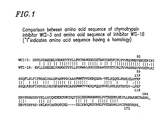
- Figure 1 is a sequence alignment showing a comparison between the amino acid sequence of WTI-1b and the amino acid sequence of WCI-3.
- Figure 2 shows a sequence of an artificially synthesized gene (mwti1b) for WTI-1b which was designed based on a base sequence for WCI-3.
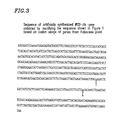
- Figure 3 shows a sequence of an artificially synthesized gene (mwti1b) for WTI-1b obtained by modifying the sequence shown in Figure 1 based on codon usage of genes from Fabaceae plant.
- the modified portions are indicated by underlines.
- a base before the modification is denoted by a small letter, and a base after the modification is denoted by a capital letter.
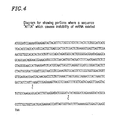
- Figure 4 is a diagram for showing portions where a sequence "ATTTA" which may cause instability of mRNA existed. Modified portions are indicated by underlies. A base before the modification is denoted by a small letter, and a base after the modification is denoted by a capital letter.
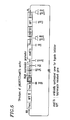
- Figure 5 is a schematic diagram showing a structure of vector construct of pMLH7133mwti1b.
- Figure 6 shows the result of Western blotting for analyzing expression levels of the trypsin inhibitor in rice genetically engineered with the artificially synthesized gene encoding trypsin inhibitor.
- the gene of the present invention is an artificially synthesized gene which is designed utilizing a DNA database.
- artificially synthesized gene refers to a base sequence designed by imitating a naturally occurring gene so as to be expressed in a stable and efficient manner.
- GenBank GenBank
- EMBL EMBL
- DDBJ DDBJ
- a plant gene in these databases is subject to design of an artificially synthesized gene by analyzing it utilizing a gene analysis application.
- GENETYX-Mac As the gene analysis application, GENETYX-Mac or the like is known to those skilled in the art.
- plant gene substantially refers to a useful gene derived from monocotyledon, dicotyledon, or the like. Although a plant gene encoding a protein having a trypsin inhibitor activity is exemplified in this specification as a preferable example of a plant gene, the plant gene is not limited thereto.
- protein having a trypsin inhibitor activity refers to a trypsin inhibitor, or a protein having an activity functionally equivalent to that of the trypsin inhibitor. The protein having an activity inhibiting a trypsin can be considered to be functionally equivalent to the trypsin inhibitor.
- an amino acid sequence of a trypsin inhibitor is compared with an amino acid sequence of a chymotrypsin inhibitor whose cDNA has already been known derived from the same plant.
- a homologous region between the two amino acid sequences is determined.
- pairs of homologous amino acids i.e., pairs of the identical amino acids
- pairs of non-homologous amino acids in the homologous region or an non-homologous region i.e., pairs of different amino acids
- amino acid selected from the amino acid sequence of the trypsin inhibitor is named a first amino acid.
- amino acid selected from the amino acid sequence of the chymotrypsin inhibitor is named a second amino acid.
- a plurality of pairs of amino acids containing the first amino acid from the amino acid sequence of the trypsin inhibitor and the second amino acid from the amino acid sequence of the chymotrypsin inhibitor are sequentially determined in accordance with the amino acid sequence of the trypsin inhibitor or that of the chymotrypsin inhibitor.
- a first base sequence is designed from the thus obtained plurality of amino acid pairs.
- a codon for the homologous amino acid of the chymotrypsin inhibitor gene is selected from the pair of the homologous amino acids.
- a codon for the trypsin inhibitor amino acid i.e., the first amino acid
- which is similar to the codon for the chymotrypsin inhibitor amino acid i.e., the second amino acid
- similar codons refers to, for example, codons having at least the same first base in the codon.
- the number of nucleic acid codons corresponding to the number of the amino acids from the N-terminal to the C-terminal of the amino acid sequence of the trypsin inhibitor may be selected.
- the number of codons to be selected is determined by taking the activity of the protein to be encoded into consideration.
- the plurality of selected codons are positioned along the amino acid sequence of the trypsin inhibitor, thereby obtaining the first base sequence.
- the codon having low codon usage in the first base sequence is replaced with its synonym codon having a high codon usage, thereby obtaining a second base sequence.
- codons encoding the same amino acid are not used equally, and particular codons are more likely to be used.
- the usage of a particular codon in particular species of organism is calculated by obtaining the codon usage in each of the genes expressed in this species of organism, and then averaging the obtained values.
- the term "codon having low codon usage” as used herein refers to a codon having the codon usage of, for example, 10% or less in certain species of organism, wherein the codon usage is obtained by the calculation on the basis of the information from the aforementioned DNA database.
- codon having a high codon usage refers to a codon, for example, having the codon usage of more than 10%, wherein the codon usage is obtained by the calculation on the basis of the information from the aforementioned DNA database.
- Tables 1A to 1C shows the codon usage used in designing the artificially synthesized gene of this invention.
- the codon usages are of Fabaceae plant (i.e., Glycine, Phaseolus, and Pisum). Not only the codon usage of Fabaceae plant, but the codon usage of any species of organism may be used.
- the codon usage in species of organism which may be used for expressing the protein encoded by the artificially synthesized gene, or the codon usage in species of organism into which the artificially synthesized gene may be introduced is preferably used.
- a sequence which may cause the instability of mRNA exists in the aforementioned second base sequence
- such a sequence may be modified so as not to change the amino acid sequence encoded by the second base sequence.
- a base sequence of interest is obtained.
- the sequence "ATTTA” may cause the instability of mRNA after transcription of a gene (see Ohme-Takagi et al., Proc. Natl. Acad. Sci. USA., Vol. 90, pp. 11811-11815, 1993).
- a known base sequence having a particular function may be positioned in the thus obtained base sequence of interest.
- Examples of such a base sequence include a base sequence encoding a processing region which transports a protein precursor to a vacuole.
- the thus obtained base sequence of interest may be synthesized using a method known to those skilled in the art such as a Polymerase chain reaction (hereinafter, referred to simply as "PCR") method.
- the base sequence of interest may be synthesized by using a long chain DNA synthesizing method utilizing PCR (the production of the synthetic DNA is described in Plant Cell Technology Series 2, "PCR Experimental Protocol for Plant” in Cell Technology, Supp., compiled under the supervision of Ko Shimamoto and Takuji Sasaki, SHUJUNSHA Co., Ltd., published in April 10, 1995).
- PCR Polymerase chain reaction
- a pair of primers are synthesized so as to have a complement chain or an overlap of about 10 to 12 mer at 3'- terminal, respectively, and DNA synthesis is performed using each of the primers as a template.
- the full length of the primer is preferably in the range from about 100 to 60 mer.
- the base sequence of interest is divided into a plurality of about 400 base pair (bp) segments as needed. Then, about 6 or less long primers are synthesized so as to cover the base sequence of interest or each of the segments of interest. Using the primers, the base sequence of interest or the segment of interest is then synthesized.
- a pair of primers designed based on a base sequence in a central region of the base sequence of interest or the segment of interest is synthesized, and PCR is then performed using the pair of primers.
- PCR is performed. Briefly, two primers for extending the base sequence are synthesized so as to respectively overlap by 10 to 12 mer at the 3' side of the template, and PCR is then performed using the template and the primers. This operation is repeated to extend the base sequence, thereby obtaining a base sequence of interest or segments of interest.
- restriction sites are respectively provided at both ends of each of the segments of interest or the base sequence of interest, and the base sequence or the segment is introduced into a cloning vectors in accordance with a conventional method.
- the thus obtained cloned base sequence is sequenced by a DNA-sequencer using a conventional method to confirm whether the base sequence of interest is obtained.
- PCR is known to those skilled in the art, and those skilled in the art may appropriately select a reactive solution and a reaction cycle to be used in PCR.
- PCR Experimental Protocol for Plant compiled under the supervision of Ko Shimamoto and Takuji Sasaki, SHUJUNSHA Co., Ltd.
- PCR is performed as follows.
- the thus obtained artificially synthesized gene is operably linked to a plant gene promoter, and then introduced into a plant host such as rice in accordance with a conventional method, e.g., Agrobacterium binary vector method (Hiei et al., 1994, Plant J. 6: pp. 271-28).
- plant promoter refers to a promoter of a gene which expresses in a plant.
- the plant promoter include, but are not limited to, the Cauliflower mosaic virus 35S promoter (hereinafter, referred to as "CaMV 35S promoter"), the promoter of nopaline synthase, and the like.
- An enhancer can be used for high expression.
- an enhancer region containing a sequence upstream of the CaMV 35S promoter is preferably used. Several enhancers may be used.
- expression cassette refers to a nucleic acid sequence in which the recombinant gene and various regulator elements regulating the expression of the recombinant gene, e.g., a promoter, an enhancer, and the like are operably linked to each other in a host cell in such a manner that the recombinant gene may be expressed.
- the expression cassette may be constructed in accordance with a conventional method.
- An appropriate promoter e.g., the E7-P35S- ⁇ -In promoter is linked to the recombinant gene.
- the E7-P35S- ⁇ -In promoter is known to be inducible and expressed at a high level in a rice plant (see Mitsuhara et al., Plant Cell Physiol. 37 (1): pp. 49-59, 1996). More preferably, a terminator can be linked to the recombinant gene.
- terminal refers to a sequence positioned downstream of a region of a gene encoding a protein, which is involved in the termination of transcription of DNA into mRNA and the addition of a poly A sequence.
- the terminator is known to be involved in the stability of mRNA and thereby affect the expression level of a gene.
- examples of the terminator include a CaMV 35S terminator, and a terminator of the nopaline synthase gene.
- expression vector refers to a vehicle transferring the expression cassette to a host cell. It is well-known to those skilled in the art that the type of an expression vector and the kind of a regulator element to be used may vary depending upon a host cell.
- the expression vector of the present invention can further have a T-DNA region and a selectable marker gene.
- the selectable marker gene enables a transgenic plant to be easily selected.
- the selectable marker gene the neomycin phosphotransferase II (NPTII) gene, a hygromycin B phosphotransferase (HPT) gene, or the like may preferably be used.
- examples of the promoter expressing the selectable marker gene include the above-mentioned plant promoters such as the CaMV 35S promoter, and the nopaline synthase promoter.
- the CaMV 35S promoters which are constitutively expressed at a high level a promoter of the combination of E35S and P35S, in particular, may preferably be used.
- a pBI-type vector As a vector used for constructing an expression vector, a pBI-type vector, a pUC-type vector, or a pTRA-type vector may be preferably used.
- the pBI-type vector can introduce an expression cassette into a plant via Agrobacterium using a binary vector-system or intermediate vector-system. Examples of the pBI-type vector include pBI121, pBI101, pBI101.2, pBI101.3, and the like.
- the pUC-type vector may introduce an expression cassette directly into a plant. Examples of the pUC-type vector include pUC18, pUC19, pUC9, and the like.
- pBI121 in GUS Fusion System which is a PBI-type binary vector may preferably be used.
- This expression vector includes an expression cassette containing (i) a fusion gene at a region (T-region) which may be introduced into a plant, and (ii) the NPTII gene which is expressed under the control of the nopaline synthase promoter as a marker gene.
- Methods known to those skilled in the art may be used for introducing a recombinant gene, an expression cassette, or an expression vector into a plant cell.
- the expression cassette or the expression vector obtained in the above-described manner is introduced into a cell using the Agrobacterium method or the directly introducing method.
- Agrobacterium for example, a method of Nagel et al. (Microbiol. Lett., 67, 325, 1990) can be used. According to this method, for example, Agrobacterium is first transformed with an expression vector by electroporation, and then the transformed Agrobacterium is introduced into a plant cell by a method described in Plant Molecular Biology Manual (S.B. Gelvin et al., Academic Press Publishers). As the method for directly introducing an expression cassette or an expression vector into a cell, an electroporation method and a gene gun method may suitably be used.
- the cells, into which an expression cassette or an expression vector is introduced, are then subjected to a selection process based on drug resistance such as a hygromycin resistance. Thereafter, the cells can be regenerated as a plant by a conventional method.
- a method known to those skilled in the art may be used.
- a method of detecting a protein encoded by the gene may be used.
- a soluble protein can be extracted from the transgenic plant; and the extracted protein is separated by SDS-PAGE (sodium dodecyl sulfate polyacrylamide gel electrophoresis) as described in Analytical Biochemistry 166, pp. 368-379, transferred to a PVDF membrane, and reacted with an antiserum against the protein of interest. Then, the resulting band is immunochemically detected, thereby confirming the expression of the protein.
- SDS-PAGE sodium dodecyl sulfate polyacrylamide gel electrophoresis
- the activity of the foreign gene product may be directly measured by resistance against a harmful insect.
- a harmful insect For example, newly hatched larvae of a harmful insect are allowed to ingest a leaf of the transgenic plant. After an appropriate period of time passed therefrom, the weight of the larva is measured, thereby confirming the activity of the foreign gene product.
- An example of the harmful insect includes a lepidopteran insect.
- a restriction enzyme, a plasmid, and the like used in the following examples are available from Takara Shuzo Co., Ltd. and Toyobo Co., Ltd.
- Example 1 Designing of an artificially synthesized gene encoding a protein having the activity of a trypsin inhibitor (WTI-1b) derived from the winged bean)
- the cDNA sequence for WCI-3 was obtained from the DNA databases of GenBank, EMBL, and DDBJ.
- the amino acid sequence of WTI-1b was aligned with the amino acid sequence of WCI-3, and homologous regions were determined utilizing the gene analysis application GENETYX-Mac. Based on the homologous regions of the aligned two sequences, the amino acid sequence of WTI-1b was associated with the amino acid sequence of WCI-3, thereby obtaining a plurality of amino acid pairs consisting of the amino acid from WTI-1b and the amino acid from WCI-3 (shown in Figure 1).
- the cDNA of WCI-3 has a processing region consisting of a hydrophilic peptide at the 5' side (i.e., the base sequence from Met at the 1st position to Ala at the 24th position represented in SEQ ID NO: 2 of the Sequence Listing).
- the region is utilized for transporting a protein precursor to a vacuole after translation.
- a base sequence same as this sequence i.e., an amino acid sequence from A at the 1st position to T at the 72th position represented in SEQ ID NO: 2 of the Sequence Listing
- reaction mixture 5' primer 1 50 pico mole (pmol)/micro liter ( ⁇ l) 1 ⁇ l 3' primer 2 50 pmol/ ⁇ l 1 ⁇ l 10 ⁇ Taq buffer 10 ⁇ l 2.5 mM dNTP mix. 8 ⁇ l Taq DNA polymerase (5 unit(U)/ ⁇ l)) 1 ⁇ l DDW 79 ⁇ l Total 100 ⁇ l (Reaction conditions) 94°C for 2 minutes 37°C for 10 minutes 30 cycles of the following set: 94°C for 30 seconds 55°C for 30 seconds 74°C for 2 minutes.
- the second PCR was performed under the same conditions as those of the first PCR except for the use of 1 ⁇ l of the first PCR product as a template and the 80 mer primers 3 and 4 (SEQ ID NO: 6 and SEQ ID NO: 7). These primers 3 and 4 were synthesized by a conventional method so that each of the primers respectively overlaps with the template by 10 mer at the 3' side thereof. Subsequently, using 1 ⁇ l of the second PCR product as a template, the third PCR was performed with primers 5 and 6 (SEQ ID NOs: 8 and 9) in the same manner as in the second PCR.
- the fourth PCR was performed with primers 7 and 8 (SEQ ID NO: 10 and SEQ ID NO: 11), thereby synthesizing DNA corresponding to the DNA sequence encoding an amino acid sequence of WTI-1b protein.
- the primer 8 included a region of a 10 mer from the DNA sequence encoding WCI-3 signal peptide at the 5' side.
- the primer 7 included a SacI restriction site at the 3' side of a termination codon.
- the fourth PCR product was purified using a conventional method (hereinafter, referred to as a "PCR purified product A).
- primers 9 and 10 SEQ ID NO: 12 and SEQ ID NO: 13
- cDNA SEQ ID NO: 2
- the primer 9 is a sequence which stretches over the WCI-3 signal peptide coding region and the WTI-1b protein coding region and overlaps by 15 mer, respectively.
- the primer 10 is a sequence corresponding to 20 mer toward the 3' side from Hin dIII (-240bp) in a multi-cloning site of pUC119.
- PCR purified product B The PCR product was subjected to electrophoresis on a 1% agarose gel, thereby cutting a band having a length of interest out from the gel.
- the PCR product was purified by a conventional method (hereinafter, referred to as a "PCR purified product B").
- PCR was performed in the above-described manner with the primers 7 and 10 (SEQ ID NO: 10 and SEQ ID NO: 13) using 1 ⁇ l of the PCR purified product A and 1 ⁇ l of the PCR purified product B. After the resulting product was subjected to a restriction enzyme treatment using BamHI and SacI, the resulting digested product was subcloned into pUC119. A sequence of the gene synthesized in the above-described manner was confirmed by a DNA sequencer (ABI PRISM 377 DNA Sequencer, produced by Applied Biosystems). A wrong sequence was corrected by a conventional PCR method using a primer synthesized for the wrong portion.
- the artificially synthesized gene produced in Example 2 was cleaved at the restriction sites of BamHI and Sac I of pUC119. Then, the cleaved fragment was linked to a high expression pBI-type vector (pMLH7133) (Mitsuhara et al., Plant Cell Physiol. 37 (1): pp. 49-59, 1996) pretreated with the BamHI and SacI restriction enzyme and ligase. Escherichia coli (hereinafter, referred to as "E. coli") (JMI09) was transformed with the thus obtained construction, thereby obtaining pMLH7113mwti1b (see Figure 5).
- E. coli Escherichia coli
- EHA101 The transformation of Agrobacterium tumefaciens EHA101 (E. Hood et al., Journal of Bacteriology, pp. 1291-1301 (1986)) was performed as follows (see Plant Molecular Biology Manual, A3/7-8, edited by S. B. Gelven, R. A. Schilperoort and D. P. S. Verma, Kluwer Academic Publishers). EHA101 was cultured in a medium (YEP) containing 50 micro gram/milli liter ( ⁇ g/ml) of kanamycin at 28°C for 3 days. Then, a single colony was cultured in a YEP liquid medium containing no antibiotics, thereby producing a competent cell of Agrobacterium.
- YEP medium containing 50 micro gram/milli liter ( ⁇ g/ml) of kanamycin at 28°C for 3 days.
- a single colony was cultured in a YEP liquid medium containing no antibiotics, thereby producing a competent cell of Agro
- the competent cell of Agrobacterium was transformed with pMLH7133muti1b using a Freeze-thaw method (Plant Molecular Biology Manual, A3/7-8, edited by S. B. Gelven, R. A. Schilperoort and D. P. S. Verma, Kluwer Academic Publishers). By culturing the transformed Agrobacterium on a medium containing 50 ⁇ g/ml kanamycin and 50 ⁇ g/ml hygromycin, a single colony was obtained.
- the transformed Agrobacterium obtained in the aforementioned transformation (1) were seeded on a YEP medium; subjected to a shaking culture at 28°C for 24 hours; and preserved at -80°C as a 50% glycerol solution.
- a part of the thus obtained transformed Agrobacterium was applied to a YEP-agar medium, and cultured at 28°C for 3 days.
- a part of the resulting colony of the Agrobacterium was picked up, and suspended in an AA medium.
- a callus of rice (cultivar: Nipponbare) was immersed in the suspension for 1 minute and cocultivated with the Agrobacterium on a agar medium, thereby infecting the callus with Agrobacteria.
- the infected callus were placed on a medium containing antibiotics to remove the Agrobacterium.
- the callus was then subcultured on a hygromycin selection medium every two weeks, and a transformed rice callus was selected.
- 10 transformants were obtained.
- Total protein extracts were prepared from the genetically engineered rice which was transformed with the resulting pMLH7113mwtilb as follows. Three hundred milli gram (mg) of leaves of the genetically engineered rice was freezed with liquid nitrogen and then ground. Thereafter, the extraction of protein was performed in 1 ml of urea/SDS buffer (containing 75 mM of Tris-Cl (pH6.8), 8 molar (M) of urea, 2.5% SDS, 7.5% 2-Mercaptoethanol, and 5 ⁇ M Leupeptin hemisulfate). A protein concentration of the thus obtained extract was measured by a Bradford method (Bradford, M. (1976) Anal. Biochem. 72:248).
- Extracted protein of an amount corresponding to 20 pg of total protein mass, and 1 ng, 2 ng and 4 ng of purified WTI-1b as controls were separated by SDS-polyacrylamide gel electrophoresis, respectively (see Analytical Biochemistry 166, 368-379); transferred to a PVDF film using a semidry transcription apparatus (EIDO Co., Ltd.); and reacted with an anti-WTI-1b antibody. Thereafter, a reacting band was immunochemically detected using an alkaline phosphatase conjugated antibody (Kirkegaard & Perry Laboratories, Inc.) as a secondary antibody.
- Figure 6 shows the result of Western blotting on 2 plants (T10 and T33) of the genetically engineered rice plants which expressed the artificially synthesized gene for WTI-1b.
- Example 6 Evaluation of resistance to larvae of a lepidopteran harmful insect, Chilo suppressalis (Walker) in genetically engineered rice
- Example 5 As described in Example 5, of the genetically engineered rice plants which was confirmed to express WTI-1b by Western blotting, a plant which expressed WTI-1b at a high level was tested for its resistance against Chilo suppressalis. Specifically, T33 in which about 5 ng of expression level was confirmed, T60-1 and T56-2 in which about 2 nanogram (ng) of expression level was confirmed, and T55-2 in which about 1 ng of expression level was confirmed per 20 ⁇ g of total protein, were used. As a control, a leaf of the rice transformed with GUS gene using the same high expression vector was used.
- a leaf positioned immediately below a developing leaf of each of these plants was cut out in an about 3 centi meter (cm) ⁇ 3 cm size, and put in a square-shaped styrol container (67 ⁇ 37 ⁇ 12.7 milli meter (mm), produced by GGJ) having a filter paper wetted with water spread on the bottom thereof.
- a square-shaped styrol container (67 ⁇ 37 ⁇ 12.7 milli meter (mm), produced by GGJ) having a filter paper wetted with water spread on the bottom thereof.
- Five newly hatched larvae of Chilo suppressalis were put onto the cut leaf using a thin brush, and a lid of the container was put on.
- the container was sealed with a Parafilm (American National Can), and put into a Growth Cabinet, MLR350 (SANYO Co., Ltd.) at 25°C, in 16L8D (16 hour light and 8 hour dark) condition.
- the total weight of larvae in the containers a and b , that in containers b and c , and that in the containers a and c are measured. Supposing that the results of the measurements were x milli gram (mg), y mg, and z mg, respectively, the weight of the larvae in the container a is given by (x - y + z)/2.
- the weights of larvae in the other containers can be obtained in the same manner. Taking a value obtained by dividing the total weight of larvae by the number of the larvae in each of the containers as a representative value, statistical processing was performed using this data.
- a method for designing a useful gene which is expressed at a high efficiency in a useful plant is provided. Moreover, the present invention provides means for conferring a new character on a useful plant. Furthermore, an artificially synthesized gene which is expressed in a stable manner in higher plants including rice is provided according to the present invention.
Landscapes
- Health & Medical Sciences (AREA)
- Genetics & Genomics (AREA)
- Life Sciences & Earth Sciences (AREA)
- Chemical & Material Sciences (AREA)
- Organic Chemistry (AREA)
- Engineering & Computer Science (AREA)
- Molecular Biology (AREA)
- Bioinformatics & Cheminformatics (AREA)
- Wood Science & Technology (AREA)
- General Health & Medical Sciences (AREA)
- Zoology (AREA)
- Biophysics (AREA)
- General Engineering & Computer Science (AREA)
- Biotechnology (AREA)
- Biomedical Technology (AREA)
- Biochemistry (AREA)
- Physics & Mathematics (AREA)
- Cell Biology (AREA)
- Pest Control & Pesticides (AREA)
- Insects & Arthropods (AREA)
- Plant Pathology (AREA)
- Gastroenterology & Hepatology (AREA)
- Microbiology (AREA)
- Medicinal Chemistry (AREA)
- Proteomics, Peptides & Aminoacids (AREA)
- Breeding Of Plants And Reproduction By Means Of Culturing (AREA)
- Micro-Organisms Or Cultivation Processes Thereof (AREA)
- Peptides Or Proteins (AREA)
Applications Claiming Priority (3)
| Application Number | Priority Date | Filing Date | Title |
|---|---|---|---|
| JP236332/97 | 1997-09-01 | ||
| JP23633297 | 1997-09-01 | ||
| JP9236332A JPH1175845A (ja) | 1997-09-01 | 1997-09-01 | トリプシンインヒビターの人工合成遺伝子 |
Publications (2)
| Publication Number | Publication Date |
|---|---|
| EP0900842A2 true EP0900842A2 (de) | 1999-03-10 |
| EP0900842A3 EP0900842A3 (de) | 2004-01-02 |
Family
ID=16999245
Family Applications (1)
| Application Number | Title | Priority Date | Filing Date |
|---|---|---|---|
| EP98307004A Withdrawn EP0900842A3 (de) | 1997-09-01 | 1998-09-01 | Für Trypsin-Inhibitor kodierendes künstliches synthetisiertes Gen |
Country Status (4)
| Country | Link |
|---|---|
| US (1) | US6310275B1 (de) |
| EP (1) | EP0900842A3 (de) |
| JP (1) | JPH1175845A (de) |
| NZ (1) | NZ331560A (de) |
Cited By (1)
| Publication number | Priority date | Publication date | Assignee | Title |
|---|---|---|---|---|
| EP1141302A4 (de) * | 1999-01-08 | 2003-05-21 | Univ Queensland | Polynukleotid und verfahren zur selektiven exprimierung eines proteins in einer zielzelle oder gewebe einer pflanze |
Families Citing this family (1)
| Publication number | Priority date | Publication date | Assignee | Title |
|---|---|---|---|---|
| US6746328B2 (en) * | 2002-05-17 | 2004-06-08 | Igt | Multiplier per selected indicia |
Family Cites Families (3)
| Publication number | Priority date | Publication date | Assignee | Title |
|---|---|---|---|---|
| FI875467L (fi) * | 1986-12-19 | 1988-06-20 | Agricultural Genetics Co | Dna-molekyler, som aer nyttiga vid vaextskydd. |
| AU638438B2 (en) * | 1989-02-24 | 1993-07-01 | Monsanto Technology Llc | Synthetic plant genes and method for preparation |
| EP0861021B1 (de) * | 1995-10-13 | 2009-09-23 | Dow Agrosciences LLC | Modifiziertes bacillus thuringiensis gen zur kontrolle von lepidoptera in pflanzen |
-
1997
- 1997-09-01 JP JP9236332A patent/JPH1175845A/ja active Pending
-
1998
- 1998-08-27 NZ NZ331560A patent/NZ331560A/xx unknown
- 1998-08-28 US US09/143,211 patent/US6310275B1/en not_active Expired - Fee Related
- 1998-09-01 EP EP98307004A patent/EP0900842A3/de not_active Withdrawn
Cited By (1)
| Publication number | Priority date | Publication date | Assignee | Title |
|---|---|---|---|---|
| EP1141302A4 (de) * | 1999-01-08 | 2003-05-21 | Univ Queensland | Polynukleotid und verfahren zur selektiven exprimierung eines proteins in einer zielzelle oder gewebe einer pflanze |
Also Published As
| Publication number | Publication date |
|---|---|
| EP0900842A3 (de) | 2004-01-02 |
| JPH1175845A (ja) | 1999-03-23 |
| US6310275B1 (en) | 2001-10-30 |
| NZ331560A (en) | 1999-01-28 |
Similar Documents
| Publication | Publication Date | Title |
|---|---|---|
| AU721571B2 (en) | The promoter (FLt) for the full-length transcript of peanut chlorotic streak caulimovirus (PC1SV) | |
| AU632501B2 (en) | Superoxide dismutase expression in plants | |
| US5633440A (en) | P119 promoters and their uses | |
| RU2714724C2 (ru) | Конститутивные промоторы сои | |
| CA2166405A1 (en) | Transgenic plants containing multiple disease resistance genes | |
| US20210102218A1 (en) | Expression of transcription regulators that provide heat tolerance | |
| Schiene et al. | Transgenic tobacco plants that express an antisense construct derived from a Medicago sativa cDNA encoding a Rac-related small GTP-binding protein fail to develop necrotic lesions upon elicitor infiltration | |
| EP0859852A1 (de) | Kommerzielle herstellung von aprotinin in pflanzen | |
| IE920047A1 (en) | Plasmids for controlling expression in plants | |
| WO1993006711A1 (en) | Tomato acid invertase gene | |
| Willingham et al. | Molecular cloning of the Arabidopsis thaliana sedoheptulose-1, 7-biphosphatase gene and expression studies in wheat and Arabidopsis thaliana | |
| US5850018A (en) | Expression control sequence for general and effective expression of genes in plants | |
| Marsolier et al. | Identification of several soybean cytosolic glutamine synthetase transcripts highly or specifically expressed in nodules: expression studies using one of the corresponding genes in transgenic Lotus corniculatus | |
| USRE38966E1 (en) | Gene for transcription factor capable of altering characters of a plant and use thereof | |
| USRE39685E1 (en) | Method for shortening internode of inflorescence by introducing gene for petunia transcription factor petSPL2 | |
| US6310275B1 (en) | Artificially synthesized gene for trypsin inhibitor | |
| US6093810A (en) | Nematode-induced genes in tomato | |
| HK1017906A (en) | Artificially synthesized gene for trypsin inhibitor | |
| EP1169463B1 (de) | Verfahren zur vermittlung von bnyvv-resistenz in zuckerrübenpflanzen | |
| US7052905B1 (en) | Methods and composition for expressing multiple genes in plants by alternate splicing of a polycistronic message | |
| Cerny et al. | RNA-binding protein-mediated translational repression of transgene expression in plants | |
| AU769546B2 (en) | Method for obtaining transgenic plants expressing a protein with activity producing hydrogen peroxide by transformation by Agrobacterium rhizogenes | |
| US6291744B1 (en) | Nucleic acids encoding plant group 2 proteins and uses thereof | |
| AU705682C (en) | An expression control sequence for general and effective expression of genes in plants | |
| JPH05168482A (ja) | イネアレルゲンタンパク質の遺伝子のプロモーターおよびその利用法 |
Legal Events
| Date | Code | Title | Description |
|---|---|---|---|
| PUAI | Public reference made under article 153(3) epc to a published international application that has entered the european phase |
Free format text: ORIGINAL CODE: 0009012 |
|
| 17P | Request for examination filed |
Effective date: 19980921 |
|
| AK | Designated contracting states |
Kind code of ref document: A2 Designated state(s): AT BE CH CY DE DK ES FI FR GB GR IE IT LI LU MC NL PT SE |
|
| AX | Request for extension of the european patent |
Free format text: AL;LT;LV;MK;RO;SI |
|
| RAP3 | Party data changed (applicant data changed or rights of an application transferred) |
Owner name: DIRECTOR GENERAL OF TOHOKU NATIONAL AGRICULTURAL E |
|
| RAP1 | Party data changed (applicant data changed or rights of an application transferred) |
Owner name: NATIONAL AGRICULTURAL RESEARCH ORGANISATION (NARO) |
|
| PUAL | Search report despatched |
Free format text: ORIGINAL CODE: 0009013 |
|
| AK | Designated contracting states |
Kind code of ref document: A3 Designated state(s): AT BE CH CY DE DK ES FI FR GB GR IE IT LI LU MC NL PT SE |
|
| AX | Request for extension of the european patent |
Extension state: AL LT LV MK RO SI |
|
| RAP1 | Party data changed (applicant data changed or rights of an application transferred) |
Owner name: INCORPORATED ADMINISTRATIVE AGENCY, NATIONAL AGRIC |
|
| STAA | Information on the status of an ep patent application or granted ep patent |
Free format text: STATUS: THE APPLICATION HAS BEEN WITHDRAWN |
|
| 18W | Application withdrawn |
Effective date: 20040617 |
|
| REG | Reference to a national code |
Ref country code: HK Ref legal event code: WD Ref document number: 1017906 Country of ref document: HK |