EP0933427A2 - Gene de beta-carotenehydroxylase - Google Patents
Gene de beta-carotenehydroxylase Download PDFInfo
- Publication number
- EP0933427A2 EP0933427A2 EP98309859A EP98309859A EP0933427A2 EP 0933427 A2 EP0933427 A2 EP 0933427A2 EP 98309859 A EP98309859 A EP 98309859A EP 98309859 A EP98309859 A EP 98309859A EP 0933427 A2 EP0933427 A2 EP 0933427A2
- Authority
- EP
- European Patent Office
- Prior art keywords
- sequence
- amino acid
- seq
- carotene hydroxylase
- cryptoxanthin
- Prior art date
- Legal status (The legal status is an assumption and is not a legal conclusion. Google has not performed a legal analysis and makes no representation as to the accuracy of the status listed.)
- Granted
Links
Images


Classifications
-
- C—CHEMISTRY; METALLURGY
- C12—BIOCHEMISTRY; BEER; SPIRITS; WINE; VINEGAR; MICROBIOLOGY; ENZYMOLOGY; MUTATION OR GENETIC ENGINEERING
- C12N—MICROORGANISMS OR ENZYMES; COMPOSITIONS THEREOF; PROPAGATING, PRESERVING, OR MAINTAINING MICROORGANISMS; MUTATION OR GENETIC ENGINEERING; CULTURE MEDIA
- C12N9/00—Enzymes; Proenzymes; Compositions thereof; Processes for preparing, activating, inhibiting, separating or purifying enzymes
- C12N9/0004—Oxidoreductases (1.)
- C12N9/0071—Oxidoreductases (1.) acting on paired donors with incorporation of molecular oxygen (1.14)
-
- C—CHEMISTRY; METALLURGY
- C12—BIOCHEMISTRY; BEER; SPIRITS; WINE; VINEGAR; MICROBIOLOGY; ENZYMOLOGY; MUTATION OR GENETIC ENGINEERING
- C12P—FERMENTATION OR ENZYME-USING PROCESSES TO SYNTHESISE A DESIRED CHEMICAL COMPOUND OR COMPOSITION OR TO SEPARATE OPTICAL ISOMERS FROM A RACEMIC MIXTURE
- C12P23/00—Preparation of compounds containing a cyclohexene ring having an unsaturated side chain containing at least ten carbon atoms bound by conjugated double bonds, e.g. carotenes
Definitions
- the present invention relates to a ⁇ -carotene hydroxylase, a DNA coding for the ⁇ -carotene hydroxylase, a recombinant vector comprising the DNA, a transformant transformed with the vector, a method for preparing the ⁇ -carotene hydroxylase and a method for preparing ⁇ -cryptoxanthin.
- xanthophyll In carotenoids synthesized by animals, plants and microorganisms, there are a group of compounds with a hydroxyl group(s) generically called xanthophyll. These compounds are generated from carotenoids (starting substances) by the catalytic action of hydroxylase. For example, one hydroxyl group is introduced into ⁇ -carotene to yield ⁇ -cryptoxanthin, into which another hydroxyl group is introduced to yield zeaxanthin via the biosynthetic pathway shown below (see arrow (1) in Fig. 1):
- This ⁇ -cryptoxanthin is obtained by introducing a hydroxyl group into one of the two ionone rings present in ⁇ -carotene. When another hydroxyl group is introduced into a position symmetric to the former position, zeaxanthin is produced (Fig. 1).
- metabolism proceeds from ⁇ -carotene to zeaxanthin, producing little ⁇ -cryptoxanthin, the intermediate into which only one hydroxyl group is introduced.
- This reaction is controlled by a hydroxylase gene called Crt Z.
- Crt Z a hydroxylase gene cloned from a bacterium belonging to the genus Erwinia .
- zeaxanthin is produced which is obtainable by introducing two hydroxyl groups into ⁇ -carotene.
- ⁇ -cryptoxanthin obtainable by introducing one hydroxyl group into ⁇ -carotene is considered to be one of the most important carotenoids.
- ⁇ -cryptoxanthin occupies 60-70% of the total carotenoid content in the edible part of this fruit.
- the present invention provides a polypeptide which has ⁇ -carotene hydroxylase activity and which comprises an amino acid sequence selected from:
- polypeptide is suitably a protein, typically a recombinant protein, selected from:
- a polypeptide of the invention consists essentially of the amino acid sequence set out in SEQ ID NO: 2 or a substantially homologous sequence, or of a fragment of either of these sequences.
- the polypeptide may consist of such a sequence.
- the naturally occurring sequence shown in SEQ ID NO: 2 is preferred.
- the polypeptides of the invention include homologues of the natural sequence, and fragments of the natural sequence and of its homologues, which are capable of functioning as a ⁇ -carotene hydroxylase.
- the ⁇ -carotene hydroxylase catalyzes the reaction indicated by arrow (2) in Fig. 1. It typically does not catalyze the reaction indicated by arrow (1).
- amino acid sequence at least 70% homologous to the amino acid sequence of SEQ ID NO: 2 will be preferably at least 80 or 90% and more preferably at least 95, 97 or 99% homologous thereto. Homology is calculated on the basis of amino acid identity.
- SEQ ID NO: 2 can thus be modified, typically by deletion, substitution and/or addition. One or several, for example up to five, amino acids of SEQ ID NO: 2 may be modified in this way. In fact more may be modified in this way within the scope of the invention.
- Amino acid substitutions may be made, for example from 1, 2 or 3 to 10, 20 or 30 substitutions.
- the modified polypeptide retains ⁇ -carotene hydroxylase activity.
- Conservative substitutions may be made, for example according to the following Table.
- Amino acids in the same block in the second column and preferably in the same line in the third column may be substituted for each other: ALIPHATIC Non-polar G A P I L V Polar - uncharged C S T M N Q Polar - charged D E K R AROMATIC H F W Y
- One or more amino acid residues of SEQ ID NO: 2 may alternatively or additionally be deleted. From 1, 2 or 3 to 10, 20 or 30 residues may be deleted, or more.
- Polypeptides of the invention also include fragments of the above-mentioned sequences (i) and (ii). Such fragments retain ⁇ -carotene hydroxylase activity. Fragments may be at least from 10, 12, 15 or 20 to 60, 100 or 200 amino acids in length.
- One or more amino acids may be alternatively or additionally added to SEQ ID NO: 2.
- An extension may be provided at the N-terminus or C-terminus of the sequence of SEQ ID NO: 2.
- the or each extension may be quite short, for example from 1 to 10 amino acids in length. Alternatively, the extension may be longer.
- a carrier protein may be fused to an amino acid sequence according to the invention.
- a fusion protein incorporating the sequence (i), (ii) or (iii) above can thus be provided.
- a polypeptide of the invention may thus have been modified for example by the addition of Histidine residues or a T7 tag to assist in identification or purification of the polypeptide.
- a signal sequence may have been added to promote secretion of the polypeptide from a cell.
- Polynucleotides of the invention may be single-stranded or double-stranded. They may be a DNA such as a cDNA, or an RNA. They thus consist essentially of DNA or RNA encoding a polypeptide of the invention such as the protein having the amino acid sequence of SEQ ID NO: 2.
- a DNA of the invention can consist essentially of the coding sequence of SEQ ID NO: 1 or of a modified form of that sequence, in particular a modified form that is substantially homologous to the coding sequence of SEQ ID NO: 1.
- a DNA sequence of the invention may therefore be at least 80 or 90%, and more preferably at least 95%, homologous to the coding sequence of SEQ ID NO: 1. There may be as few as from 1 to 30, for example from 5 to 20, nucleotide differences.
- a DNA sequence may code for the amino acid sequence of SEQ ID NO: 2 but one or more codons may be different from corresponding codons of the coding sequence of SEQ ID NO: 1 due the degeneracy of the genetic code.
- a polynucleotide of the invention is typically capable of hybridising selectively with the sequence shown in SEQ ID NO: 1 which is complementary to the coding sequence of SEQ ID NO: 1.
- a polynucleotide of the invention and the complementary sequence of SEQ ID NO: 1 can hybridize at a level significantly above background. Background hybridization may occur, for example, because of other cDNAs present in a cDNA library.
- the signal level generated by the interaction between a polynucleotide of the invention and the sequence shown in SEQ ID NO: 1 which is complementary to the coding sequence is typically at least 10 fold, preferably at least 100 fold, as intense as interactions between other polynucleotides and that complementary sequence.
- the intensity of interaction may be measured, for example, by radiolabelling the probe, e.g. with 32 P.
- Selective hybridisation is typically achieved using conditions of medium to high stringency (for example 0.03M sodium chloride and 0.03M sodium citrate at from about 50°C to about 60°C).
- Polynucleotides of the invention may be polynucleotides which include within them synthetic or modified nucleotides.
- a number of different types of modification to polynucleotides are known in the art. These include methylphosphonate and phosphorothioate backbones, addition of acridine or polylysine chains at the 3' and/or 5' ends of the molecule.
- the polynucleotides described herein may be modified by any method available in the art. Such modifications may be carried out in order to enhance the in vivo activity or lifespan of polynucleotides of the invention.
- Polynucleotides according to the invention may be produced recombinantly, synthetically, or by any means available to those of skill in the art. They may also be cloned by standard techniques. The polynucleotides are typically provided in isolated and/or purified form.
- a cDNA of the invention can be isolated by the following procedures. Briefly, a primer is designed based on a conserved region of a gene coding for a bacterium-derived ⁇ -carotene hyroxylase. Then, 3' RACE RT-PCR is performed using the above primer and, as a template, a first strand cDNA from the fruit (juice sacs) and flower of Citrus unshiu (variety: Miyagawa early) to obtain a cDNA fragment of the Citrus unshiu ⁇ -carotene hydroxylase. Subsequently, using this cDNA fragment as a probe, the ⁇ -carotene hydroxylase of interest can be isolated from a cDNA library derived from the edible part of Citrus unshiu .
- primers for use in the 3' RACE RT-PCR to be described later are prepared.
- an oligonucleotide coding for a region in which amino acid residues are highly conserved among various bacteria and plants can be prepared by conventional chemical synthesis.
- the following amino acid sequences may be selected as regions satisfying the above-mentioned condition:
- oligonucleotide primers with the following sequences, for example, are prepared. However, the primers are not limited to these sequences.
- RT-PCR reverse transcription-PCR
- 3' RACE rapid amplification of cDNA ends
- 3' RACE rapid amplification of cDNA ends
- a reverse transcription is performed using an oligo(dT) primer having an adaptor sequence at its 5' end to thereby synthesize a first strand cDNA.
- All of the resultant first strand cDNA molecules have a structure in which the adaptor sequence is attached to the end. Therefore, in the cDNA to be cloned, the unknown region is located between the known sequence and the adaptor sequence. Then, the unknown region (cDNA partial sequence) sandwiched between the two sequences can be amplified by performing a PCR using a part of the known sequence as a sense primer together with the adaptor primer.
- RT-PCR can be performed using a commercial kit (T-Primed First-Strand Kit: Pharmacia).
- the library is prepared as described below.
- Total RNA is isolated from individual citrus organs or tissues (fruit, leaf, root, flower, callus, etc.) using a guanidine reagent or SDS-phenol. Then, mRNA is prepared from the total RNA by the affinity column method using oligo dT-cellulose or poly U-Sepharose carried on Sepharose 2B or by a method using an oligotex resin. Using the resultant mRNA as a template, a single-stranded cDNA is synthesized with a reverse transcriptase. Thereafter, a double-stranded cDNA is synthesized from the single-stranded cDNA.
- the resultant double-stranded cDNA is ligated to an appropriate plasmid or phage vector using a ligase to thereby obtain a recombinant DNA.
- a cDNA library capable of screening by plaque or colony hybridization can be obtained.
- screening for the full-length cDNA sequence is performed by plaque or colony hybridization using the cDNA sequence isolated by the 3' RACE RT-PCR described above as a probe.
- a commercial kit such as ECL Nucleic Acid Labelling and Detection System (Amersham) may be used.
- the nucleotide sequence of the obtained clone is determined. This can be performed by conventional methods such as Maxam-Gilbert method, the dideoxy method or the like. Usually, the determination is carried out with an automatic DNA sequencer.
- SEQ ID NO: 1 shows the nucleotide sequence for the DNA of the invention and SEQ ID NO: 2 shows the amino acid sequence for the ⁇ -carotene hydroxylase of the invention.
- the sequence may have some mutation such as deletion, substitution or addition of one or several amino acids.
- a protein consisting of the amino acid sequence of SEQ ID NO: 2 in which Met at the first position has been deleted is also included in the protein of the invention.
- the ⁇ -carotene hydroxylase activity in the present invention means an activity to perform a catalytic reaction producing ⁇ -cryptoxanthin from ⁇ -carotene.
- the DNA of the invention can be obtained by chemical synthesis or by hybridization using a DNA fragment having a part of the sequence as a probe.
- the recombinant vector of the invention can be obtained by ligating (inserting) the DNA of the invention to (into) an appropriate vector.
- the vector into which the DNA of the invention is to be inserted is not particularly limited as long as it is replicable in a host.
- a plasmid DNA, a phage DNA or the like may be used.
- a plasmid DNA can be prepared from E. coli or Agrobacterium by alkali extraction (Birnboim, H.C. & Doly, J. (1979), Nucleic Acid Res., 7:1513) or variations thereof.
- a commercial plasmid such as pBluescript II SK+ (Stratagene), pUC118 (TaKaRa), pUC119 (TaKaRa), pGEM-T (Promega) or the like may be used. It is preferred that these plasmids contain a selectable marker such as ampicillin resistance gene, kanamycin resistance gene or chloramphenicol resistance gene.
- M13mp18, M13mp19 or the like may be given as a phage DNA.
- the DNA of the invention For insertion of the DNA of the invention into a vector, a method may be employed in which the purified DNA is digested with an appropriate restriction enzyme and then inserted into the relevant restriction site or the multi-cloning site of the vector for ligation.
- the DNA of the invention should be incorporated in the vector in such a manner that the function thereof is operable.
- the vector of the invention may contain a terminator, ribosome binding sequence or the like in addition to a promoter and the DNA of the invention.
- the transformant of the invention can be obtained by introducing the recombinant vector of the invention into a host so that the gene of interest can be expressed.
- the host is not particularly limited as long as it can express the DNA of the invention.
- Specific examples of the host include Escherichia or Bacillus bacteria such as E. coli and Bacillus subtilis ; yeasts such as Saccharomyces cerevisiae ; or animal cells such as COS cells and CHO cells.
- the recombinant vector of the invention is capable of autonomous replication in the host and, at the same time, is constituted by a promoter, a ribosome binding sequence, the DNA of the invention and a transcription termination sequence.
- the vector may also contain a gene to control the promoter.
- pBluescript II vector (Stratagene)
- pET vector (Stratagene) or the like
- any promoter may be use as long as it can direct the expression of the DNA of the invention in the host such as E. coli .
- E. coli -derived or phage-derived promoter such as trp promoter, lac promoter, P L promoter or P R promoter may be used.
- any method of DNA introduction into bacteria may be used.
- a method using calcium ions Proc. Natl. Acad. Sci., USA, 69:2110-2114 (1972)
- a yeast is used as the host
- YEp13, YEp24, YCp50 or the like is used as an expression vector.
- any promoter may be used as long as it can direct the expression of the DNA of the invention in yeasts.
- gal1 promoter, ga110 promoter, heat shock protein promoter, MF ⁇ 1 promoter or the like may be enumerated.
- any method of DNA introduction into yeasts may be used.
- electroporation Methods Enzymol., 194:182-187 (1990)
- the spheroplast method Proc. Natl. Acad. Sci., USA, 84:1929-1933 (1978)
- the lithium acetate method J. Bacteriol., 153:163-168 (1983)
- the like may be enumerated.
- pcDNAI/Amp Invitrogen
- the early gene promoter of human cytomegalovirus or the like may be used as a promoter.
- electroporation As a method for introducing the recombinant vector into the animal cell, electroporation, the calcium phosphate method, lipofection or the like may be enumerated.
- EpCitBECH1 The recombinant vector of the invention incorporated in E. Coli (designation: EpCitBECH1) was deposited on 1 December 1997 at the National Institute of Bioscience and Human-Technology, Agency of Industrial Science and Technology (1-3, Higashi 1-Chome, Tsukuba City, Ibaraki Pref., Japan) as FERM BP-6188 under the Budapest Treaty. The deposit was made in the name of Toru Maotani; Director General of National Institute of Fruit Tree Science, Ministry of Agriculture, Forestry and Fisheries; 2-1, Fujimoto; Tsukuba-shi; Ibaraki 305; Japan.
- the ⁇ -carotene hydroxylase of the invention can be obtained by culturing the transformant described above and recovering the ⁇ -carotene hydroxylase from the resultant culture.
- the cultivation of the transformant of the invention in a medium is carried out by conventional methods used for culturing a host.
- either a natural or a synthetic medium may be used as long as it contains carbon sources, nitrogen sources and inorganic salt sources assimilable by the microorganism and can be used for effective cultivation of the transformant.
- carbohydrates such as glucose, fructose, sucrose, starch; organic acids such as acetic acid, propionic acid; and alcohols such as ethanol and propanol may be used.
- ammonia As nitrogen sources, ammonia; ammonium salts of inorganic or organic acids such as ammonium chloride, ammonium sulfate, ammonium acetate, ammonium phosphate; other nitrogen-containing compounds; Peptone; meat extract; corn steep liquor and the like may be used.
- potassium dihydrogen phosphate dipotassium hydrogen phosphate, magnesium phosphate, magnesium sulfate, sodium chloride, iron(II) sulfate, manganese sulfate, copper sulfate, calcium carbonate and the like may be used.
- the cultivation is carried out under aerobic conditions (such as shaking culture or aeration agitation culture) at 28 °C for 48 to 60 hrs.
- the pH is maintained at 7.0 to 7.5.
- the pH adjustment is carried out using an inorganic or organic salt, an alkali solution or the like.
- an antibiotic such as ampicillin or tetracycline may be added to the medium if necessary.
- an inducer may be added to the medium if necessary.
- an inducer may be added to the medium if necessary.
- IPTG isopropyl- ⁇ -D-thiogalactopyranoside
- IAA indoleacetic acid
- a medium to culture a transformant obtained from an animal cell as a host commonly used RPMI1640 medium or DMEM medium, or one of these media supplemented with fetal bovine serum, etc. may be used.
- the cultivation is carried out in the presence 5% CO 2 at 37 °C for 1 to 2 days.
- an antibiotic such as kanamycin or penicillin may be added to the medium if necessary.
- the ⁇ -carotene hydroxylase of the invention is recovered by disrupting the microorganisms or cells if the enzyme is produced in the microorganisms or cells. If the ⁇ -carotene hydroxylase of the invention is produced outside of the microorganisms or cells, the culture fluid (as it is or after centrifugation to remove the microorganisms or cells) is subjected to conventional biochemical techniques used for isolating/purifyinng a protein. These techniques include ammonium sulfate precipitation, gel chromatography, ion exchange chromatography and affinity chromatography. These techniques may be used independently or in an appropriate combination to isolate and purify the ⁇ -carotene hydroxylase of the invention from the culture.
- the confirmation that the finally obtained protein is a ⁇ -carotene hydroxylase can be made by SDS-polyacrylamide gel electrophoresis.
- ⁇ -cryptoxanthin in the same manner as described in the purification of the ⁇ -carotene hydroxylase. Briefly, the transformant described above is cultured in a medium and then ⁇ -cryptoxanthin is extracted from the resultant culture. The method of cultivation is the same as described in "3. Production of the ⁇ -Carotene Hydroxylase".
- ⁇ -cryptoxanthin can be extracted from the culture by HPLC or the like.
- the confirmation that the finally extracted substance is ⁇ -cryptoxanthin can be made by 1 H-NMR, ultraviolet-visible spectroscopy, mass spectrometry, etc.
- a 1st-strand cDNA was prepared by performing a reverse transcription using NotI-D(T) 18 (5'd[AACTGGAAGAATTCGCGGCCGCAGGAAT 18 ]3')(SEQ ID NO: 7) as a primer and RNA from the fruit (juice sacs) and flower of Citrus unshiu (variety: Miyagawa early) as a template.
- NotI adaptor sequence TGGAAGAATTCGCGGCCGCAG
- SEQ ID NO: 8 was added at the 3' end of every 1st-strand cDNA fragment.
- a PCR was performed with Sense 1 primer and the adaptor primer.
- the reaction was carried out 35 cycles, 1 cycle consisting of denaturation at 94.5°C for 40 sec and annealing/extension at 60 °C for 2 min.
- the adaptor primer used is the sequence contained commonly in all of the cDNA fragments generated by the reverse transcription reaction. Therefore, the PCR product obtained at this stage contains a large number of non-specifically amplified DNA fragments.
- the second stage PCR was performed using Sense 2 primer. This reaction was carried out 35 cycles, one cycle consisting of denaturation at 94.5°C for 35 sec, annealing at 55°C for 45 sec and extension at 72 °C for 1 min.
- a commercial kit T-Primed First-Strand Kit: Pharmacia
- the full-length cDNA sequence of interest was screened by plaque hybridization using the cDNA partial sequence coding for a citrus ⁇ -carotene hydroxylase obtained by the 3' RACE RT-PCR described above.
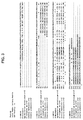
- Fig. 3 shown at the top row (CitBECH1) is the ⁇ -carotene hydroxylase amino acid sequence encoded by the gene of the invention.
- the others are amino acid sequences encoded by related genes; any of these sequences is a sequence for a gene producing zeaxanthin from ⁇ -carotene skipping over ⁇ -cryptoxanthin.
- the isolated clone was inserted into pBluescript II SK+ plasmid having an ampicillin resistance gene.
- the resultant plasmid was introduced into Escherichia coli , in which pACCAR16 ⁇ crtX plasmid (having 4 Erwinia-derived genes that can produce from farnesyl diphosphate to ⁇ -carotene) was allowed to coexist.
- the resultant E. coli was cultured in LB medium at 28°C for 60 hrs.
- the culture was subjected to acetone extraction.
- the acetone extract from the transformant was subjected to HPLC using a system manufactured by Japan Spectroscopic Co., Ltd.
- As a column a C30 column manufactured by YMC was used.
- As eluent A a mixture of methanol/methyl-t-butyl ether/water mixed at a ratio of 81/15/4 was used.
- As eluent B a mixture of methanol/methyl-t-butyl ether mixed at a ratio of 10/90 was used.
- Gradient conditions were as follows: eluent A 100% at the time of start; eluent A 20% and eluent B 80% 70 min after the start.
- the flow rate was 1.0 ml/min and the column temperature 22°C.
- the detection wave length was 450 nm.
- Plasmid pCitBECH 1-introduced, ⁇ -carotene-producing E. coli JM101 [E. coli (PACCAR16 ⁇ crtX, pCitBECH 1)] (presenting a yellow color) was cultured in 1.6 L of 2xYT medium [1.6% tryptone, 1% yeast extract, 0.5% NaCl] containing 150 ⁇ g/ml of ampicillin (Ap) and 30 ⁇ g/ml of chloramphenicol (Cm) at 30°C for 28 hrs. Cells were harvested from the culture fluid were subjected to extraction with 360 ml of acetone. The resultant extract was concentrated and extracted with 200 ml of chloroform/methanol (9/1) twice, followed by concentration and drying.
- the resultant solid material was dissolved in a small amount of chloroform/methanol (9/1) and then subjected to thin layer chromatography (TLC) in which the sample was developed with chloroform/methanol on a silica gel preparative TLC plate from Merck.
- TLC thin layer chromatography
- the initial pigments were divided into two spots of Rf values 0.4 (dark) and 0.1 (very light), respectively, in addition to the ⁇ -carotene spot at the top. Then, the dark yellow pigment of Rf 0.4 was scratched off from the TLC plate, dissolved in a small amount of chloroform/methanol (1/1) and subjected to TOYOPEARL HW-40 column chromatography for development and elution.
- This pigment was considered to be ⁇ -cryptoxanthin from the results of examination of the ultraviolet-visible spectrum ( ⁇ 425, 448, 475 nm in methanol) and the FD-MS spectrum (m/e 553, [M]+). Further, two signals of 3-hydroxy- ⁇ -ionone ring and ⁇ -ionone ring (G. Englert, N.M.R. of Carotenoids edited by G. Britton, T.W. Goodwin, Carotenoid Chemistry and Biochemistry) were confirmed from its 1 H-NMR spectrum.
- Fig. 2 indicates that the gene of the invention is involved in biosynthesis of ⁇ -cryptoxanthin.
- the top panel shows the results of HPLC analysis of the carotenoids produced by E. coli in which an Erwinia -derived ⁇ -carotene biosynthesis gene was incorporated; the middle panel shows the results of HPLC analysis of the carotenoids produced by the above E. coli in which the gene of the invention was further incorporated; and the bottom panel shows the results of HPLC analysis of zeaxanthin, ⁇ -cryptoxanthin and ⁇ -carotene standard products.
- ⁇ -carotene hydroxylase encoded by the gene of the invention catalyzes synthesis of carotenoids in such a manner that ⁇ -cryptoxanthin is produced mainly and zeaxanthin is produced in only a small amount (Fig. 2, middle panel).
- a ⁇ -carotene hydroxylase a DNA coding for the ⁇ -carotene hydroxylase, a recombinant vector comprising the DNA, a transformant transformed with the vector, a method for preparing the ⁇ -carotene hydroxylase and a method for preparing ⁇ -cryptoxanthin are provided.
- the ⁇ -carotene hydroxylase of the invention is useful in catalyzing synthesis of ⁇ -cryptoxanthin, a pigment necessary and important for maintaining the quality and function of citrus fruits and processed products thereof.
Landscapes
- Chemical & Material Sciences (AREA)
- Life Sciences & Earth Sciences (AREA)
- Organic Chemistry (AREA)
- Zoology (AREA)
- Engineering & Computer Science (AREA)
- Wood Science & Technology (AREA)
- Health & Medical Sciences (AREA)
- Genetics & Genomics (AREA)
- Bioinformatics & Cheminformatics (AREA)
- Microbiology (AREA)
- Biotechnology (AREA)
- Biochemistry (AREA)
- General Engineering & Computer Science (AREA)
- General Health & Medical Sciences (AREA)
- Biomedical Technology (AREA)
- Molecular Biology (AREA)
- Medicinal Chemistry (AREA)
- Chemical Kinetics & Catalysis (AREA)
- General Chemical & Material Sciences (AREA)
- Enzymes And Modification Thereof (AREA)
- Micro-Organisms Or Cultivation Processes Thereof (AREA)
- Preparation Of Compounds By Using Micro-Organisms (AREA)
Applications Claiming Priority (2)
| Application Number | Priority Date | Filing Date | Title |
|---|---|---|---|
| JP9331936A JP3032841B2 (ja) | 1997-12-02 | 1997-12-02 | β−カロテンハイドロキシラーゼ遺伝子 |
| JP33193697 | 1997-12-02 |
Publications (3)
| Publication Number | Publication Date |
|---|---|
| EP0933427A2 true EP0933427A2 (fr) | 1999-08-04 |
| EP0933427A3 EP0933427A3 (fr) | 2000-01-19 |
| EP0933427B1 EP0933427B1 (fr) | 2003-07-23 |
Family
ID=18249307
Family Applications (1)
| Application Number | Title | Priority Date | Filing Date |
|---|---|---|---|
| EP98309859A Expired - Lifetime EP0933427B1 (fr) | 1997-12-02 | 1998-12-02 | Gène de beta-carotenehydroxylase |
Country Status (7)
| Country | Link |
|---|---|
| US (1) | US6214575B1 (fr) |
| EP (1) | EP0933427B1 (fr) |
| JP (1) | JP3032841B2 (fr) |
| AU (1) | AU722059B2 (fr) |
| CA (1) | CA2253006C (fr) |
| DE (1) | DE69816586T2 (fr) |
| IL (1) | IL127305A (fr) |
Cited By (3)
| Publication number | Priority date | Publication date | Assignee | Title |
|---|---|---|---|---|
| WO1999055887A3 (fr) * | 1998-04-24 | 2000-04-13 | Du Pont | Enzymes de biosynthese de carotenoides |
| WO2004029234A1 (fr) * | 2002-09-27 | 2004-04-08 | Dsm Ip Assets B.V. | Gene bhyd |
| WO2004029275A1 (fr) * | 2002-09-27 | 2004-04-08 | Dsm Ip Assets B.V. | Production de zeaxanthine par phaffia |
Families Citing this family (10)
| Publication number | Priority date | Publication date | Assignee | Title |
|---|---|---|---|---|
| US20040036061A1 (en) * | 2002-07-22 | 2004-02-26 | Rhodes Michael S. | Activated flame retardants and their applications |
| US8148431B2 (en) | 2002-10-25 | 2012-04-03 | Kemin Health, L.C. | Osteogenesis promoter containing β-cryptoxanthin as the active ingredient |
| US7663021B2 (en) * | 2002-12-06 | 2010-02-16 | Del Monte Fresh Produce Company | Transgenic pineapple plants with modified carotenoid levels and methods of their production |
| PT1589807E (pt) * | 2002-12-06 | 2012-02-02 | Del Monte Fresh Produce Company | Plantas transgénicas de ananás com níveis modificados de carotenóides e métodos da sua produção |
| CA2598792A1 (fr) * | 2005-03-02 | 2006-09-08 | Metanomics Gmbh | Procede de production de produits chimiques fins |
| KR100690897B1 (ko) * | 2005-12-13 | 2007-03-09 | 엘지전자 주식회사 | 에어컨의 응축열을 이용한 건조기 키트 및 이를 구비한에어컨 시스템 |
| US20080124755A1 (en) * | 2006-10-12 | 2008-05-29 | Michael Tai-Man Louie | Biosynthesis of beta-cryptoxanthin in microbial hosts using an Arabidopsis thaliana beta-carotene hydroxylase gene |
| US12447202B2 (en) | 2018-05-17 | 2025-10-21 | Lumen Bioscience, Inc. | Arthrospira platensis oral vaccine delivery platform |
| WO2020018586A1 (fr) | 2018-07-16 | 2020-01-23 | Lumen Bioscience, Inc. | Phycobiliprotéines thermostables produites dans la spiruline |
| WO2021003456A1 (fr) | 2019-07-03 | 2021-01-07 | Lumen Bioscience, Inc. | Plate-forme d'administration non parentérale d'agent thérapeutique d'arthrospira platensis |
Family Cites Families (3)
| Publication number | Priority date | Publication date | Assignee | Title |
|---|---|---|---|---|
| WO1991013078A1 (fr) | 1990-03-02 | 1991-09-05 | Amoco Corporation | Biosynthese de carotenoïdes dans hotes transformes par genetique |
| ES2216027T3 (es) | 1995-06-09 | 2004-10-16 | Dsm Ip Assets B.V. | Produccion de carotenoides fermentativos. |
| US5744341A (en) | 1996-03-29 | 1998-04-28 | University Of Maryland College Park | Genes of carotenoid biosynthesis and metabolism and a system for screening for such genes |
-
1997
- 1997-12-02 JP JP9331936A patent/JP3032841B2/ja not_active Expired - Lifetime
-
1998
- 1998-11-23 US US09/198,092 patent/US6214575B1/en not_active Expired - Fee Related
- 1998-11-26 IL IL12730598A patent/IL127305A/xx not_active IP Right Cessation
- 1998-11-27 AU AU94195/98A patent/AU722059B2/en not_active Ceased
- 1998-11-27 CA CA002253006A patent/CA2253006C/fr not_active Expired - Fee Related
- 1998-12-02 DE DE69816586T patent/DE69816586T2/de not_active Expired - Fee Related
- 1998-12-02 EP EP98309859A patent/EP0933427B1/fr not_active Expired - Lifetime
Cited By (3)
| Publication number | Priority date | Publication date | Assignee | Title |
|---|---|---|---|---|
| WO1999055887A3 (fr) * | 1998-04-24 | 2000-04-13 | Du Pont | Enzymes de biosynthese de carotenoides |
| WO2004029234A1 (fr) * | 2002-09-27 | 2004-04-08 | Dsm Ip Assets B.V. | Gene bhyd |
| WO2004029275A1 (fr) * | 2002-09-27 | 2004-04-08 | Dsm Ip Assets B.V. | Production de zeaxanthine par phaffia |
Also Published As
| Publication number | Publication date |
|---|---|
| EP0933427A3 (fr) | 2000-01-19 |
| CA2253006C (fr) | 2002-04-09 |
| JPH11155577A (ja) | 1999-06-15 |
| US6214575B1 (en) | 2001-04-10 |
| IL127305A0 (en) | 1999-09-22 |
| EP0933427B1 (fr) | 2003-07-23 |
| AU722059B2 (en) | 2000-07-20 |
| JP3032841B2 (ja) | 2000-04-17 |
| CA2253006A1 (fr) | 1999-06-02 |
| IL127305A (en) | 2005-12-18 |
| DE69816586T2 (de) | 2004-05-27 |
| DE69816586D1 (de) | 2003-08-28 |
| AU9419598A (en) | 1999-07-22 |
Similar Documents
| Publication | Publication Date | Title |
|---|---|---|
| EP0933427B1 (fr) | Gène de beta-carotenehydroxylase | |
| JP3950986B2 (ja) | アシル基転移活性を有する蛋白質をコードする遺伝子 | |
| KR101169824B1 (ko) | 아이소프레노이드의 제조 | |
| US20040259137A1 (en) | Alpha 1-6 fucosyltransferase | |
| JPWO1996025500A1 (ja) | アシル基転移活性を有する蛋白質をコードする遺伝子 | |
| US6734343B1 (en) | Rhamnosyl-transferase gene and uses thereof | |
| KR20240032944A (ko) | 람노스가 고도로 특이적인 글리코실트랜스퍼라제 및 이의 응용 | |
| US6770747B1 (en) | Genes encoding protein having activity of transferring sugar onto aurone | |
| US6982325B1 (en) | Gene encoding protein having aurone synthesizing activity | |
| JP2006149293A (ja) | 新規アントシアニジングルコシル基転移酵素遺伝子 | |
| US20040067566A1 (en) | Process for producing coenzyme q10 | |
| EP1306434B1 (fr) | Genes codant des proteines capables de regenerer la luciferine, adn recombine et methode de production de proteines capables de regenerer la luciferine | |
| US20020106769A1 (en) | UDP-D-glucose: limonoid glucosyltransferase | |
| JP4270370B2 (ja) | グルコシルトランスフェラーゼをコードする遺伝子およびその利用 | |
| CA2432079A1 (fr) | Procede relatif a la production de coenzyme q10 | |
| CN113755458B (zh) | 一种参与紫草素和/或阿卡宁生物合成的cyp82ar2蛋白及其编码基因与应用 | |
| ES2701354A1 (es) | Metodo de obtencion de compuestos derivados de apocarotenoides en microorganismos y plantas para su uso en aplicaciones agricolas y farmaceuticas | |
| AU2003268838B2 (en) | Gene encoding protein having aurone synthesizing activity | |
| JP4254949B2 (ja) | アルカロイドアシル転移酵素をコードする遺伝子 | |
| JP2002065282A (ja) | シイタケラッカーゼ遺伝子 | |
| JPH10304879A (ja) | 新規チトクロームp450遺伝子 | |
| JPWO2000049155A1 (ja) | オーロンに糖を転移する活性を有する蛋白質をコードする遺伝子 | |
| JP2001095575A (ja) | コリンモノオキシゲナーゼ遺伝子 |
Legal Events
| Date | Code | Title | Description |
|---|---|---|---|
| PUAI | Public reference made under article 153(3) epc to a published international application that has entered the european phase |
Free format text: ORIGINAL CODE: 0009012 |
|
| 17P | Request for examination filed |
Effective date: 19990107 |
|
| AK | Designated contracting states |
Kind code of ref document: A2 Designated state(s): DE FR GB |
|
| AX | Request for extension of the european patent |
Free format text: AL;LT;LV;MK;RO;SI |
|
| PUAL | Search report despatched |
Free format text: ORIGINAL CODE: 0009013 |
|
| AK | Designated contracting states |
Kind code of ref document: A3 Designated state(s): AT BE CH CY DE DK ES FI FR GB GR IE IT LI LU MC NL PT SE |
|
| AX | Request for extension of the european patent |
Free format text: AL;LT;LV;MK;RO;SI |
|
| AKX | Designation fees paid |
Free format text: DE FR GB |
|
| RAP1 | Party data changed (applicant data changed or rights of an application transferred) |
Owner name: BIO-ORIENTED TECHNOLOGY RESEARCH ADVANCEMENT INST Owner name: NATIONAL AGRICULTURAL RESEARCH ORGANIZATION |
|
| 17Q | First examination report despatched |
Effective date: 20011120 |
|
| RAP1 | Party data changed (applicant data changed or rights of an application transferred) |
Owner name: BIO-ORIENTED TECHNOLOGY RESEARCH ADVANCEMENT INST Owner name: NATIONAL AGRICULTURAL RESEARCH ORGANIZATION (NARO) |
|
| GRAH | Despatch of communication of intention to grant a patent |
Free format text: ORIGINAL CODE: EPIDOS IGRA |
|
| GRAH | Despatch of communication of intention to grant a patent |
Free format text: ORIGINAL CODE: EPIDOS IGRA |
|
| GRAA | (expected) grant |
Free format text: ORIGINAL CODE: 0009210 |
|
| AK | Designated contracting states |
Designated state(s): DE FR GB |
|
| REG | Reference to a national code |
Ref country code: GB Ref legal event code: FG4D |
|
| REF | Corresponds to: |
Ref document number: 69816586 Country of ref document: DE Date of ref document: 20030828 Kind code of ref document: P |
|
| PGFP | Annual fee paid to national office [announced via postgrant information from national office to epo] |
Ref country code: GB Payment date: 20031126 Year of fee payment: 6 |
|
| PGFP | Annual fee paid to national office [announced via postgrant information from national office to epo] |
Ref country code: FR Payment date: 20031210 Year of fee payment: 6 |
|
| PGFP | Annual fee paid to national office [announced via postgrant information from national office to epo] |
Ref country code: DE Payment date: 20031211 Year of fee payment: 6 |
|
| ET | Fr: translation filed | ||
| PLBE | No opposition filed within time limit |
Free format text: ORIGINAL CODE: 0009261 |
|
| STAA | Information on the status of an ep patent application or granted ep patent |
Free format text: STATUS: NO OPPOSITION FILED WITHIN TIME LIMIT |
|
| 26N | No opposition filed |
Effective date: 20040426 |
|
| PG25 | Lapsed in a contracting state [announced via postgrant information from national office to epo] |
Ref country code: GB Free format text: LAPSE BECAUSE OF NON-PAYMENT OF DUE FEES Effective date: 20041202 |
|
| PG25 | Lapsed in a contracting state [announced via postgrant information from national office to epo] |
Ref country code: DE Free format text: LAPSE BECAUSE OF NON-PAYMENT OF DUE FEES Effective date: 20050701 |
|
| GBPC | Gb: european patent ceased through non-payment of renewal fee |
Effective date: 20041202 |
|
| PG25 | Lapsed in a contracting state [announced via postgrant information from national office to epo] |
Ref country code: FR Free format text: LAPSE BECAUSE OF NON-PAYMENT OF DUE FEES Effective date: 20050831 |
|
| REG | Reference to a national code |
Ref country code: FR Ref legal event code: ST |